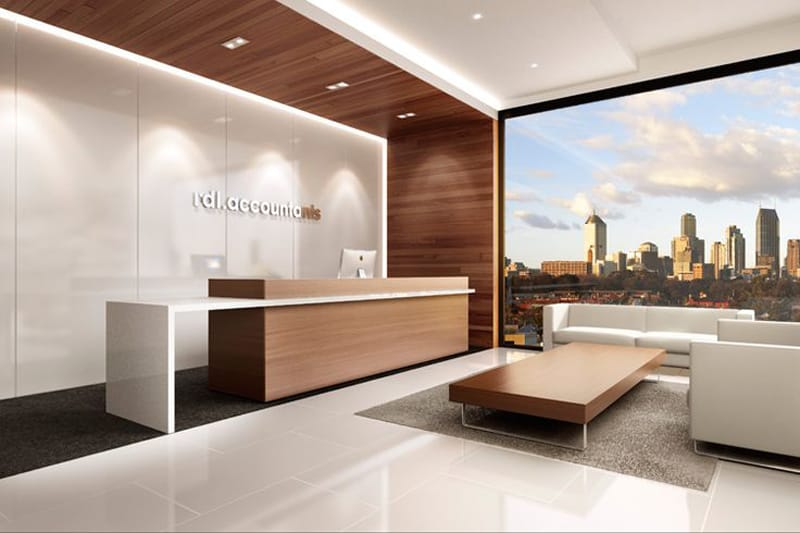
A welcoming reception area helps a visitor understand the next step. Flowers and a coordinated color palette can finish the space, but they cannot compensate for an unclear queue, hidden sign-in instructions, or nowhere to put a bag while completing a form.
Walk in as a first-time visitor
Start outside the entrance and follow the route without asking a member of staff for help. Note where the reception point becomes visible, whether a person is clearly available, and which instruction a visitor encounters first. Check the arrangement from a seated position as well as standing.
If an appointment host collects guests, give reception a reliable way to contact that person. Arrange a fallback for times when the desk is unstaffed. The physical layout and the operating routine need to agree.
Keep the service surface usable
| Visitor task | What should be available |
|---|---|
| Asking for directions | A visible point of contact and a clear response route |
| Signing in | Appropriate writing or device space without exposing another visitor’s information |
| Waiting | A clear place to sit and instructions about what happens next |
| Bringing a delivery | A defined handover position away from the main work surface |
Do not leave visitor lists, identity documents, or staff screens visible simply because a counter has a high front. Test the actual sightline from the visitor’s side.
Add decoration after the tasks fit
Use a small display that leaves the service area clear. Check whether a plant blocks the view between staff and visitors, whether a vase could spill near electronics, and whether decorative lighting makes signs harder to read. Select finishes that the cleaning team can maintain according to their care instructions.
Make a daily reset routine
At opening, check signs, seating, supplies, and the sign-in equipment. During busy periods, watch whether a queue blocks another route. At closing, secure documents and remove items that do not belong on the counter.
Record repeated questions and moments of hesitation. They are useful evidence for a small layout change. For a new desk or major rearrangement, start with our reception planning guide.