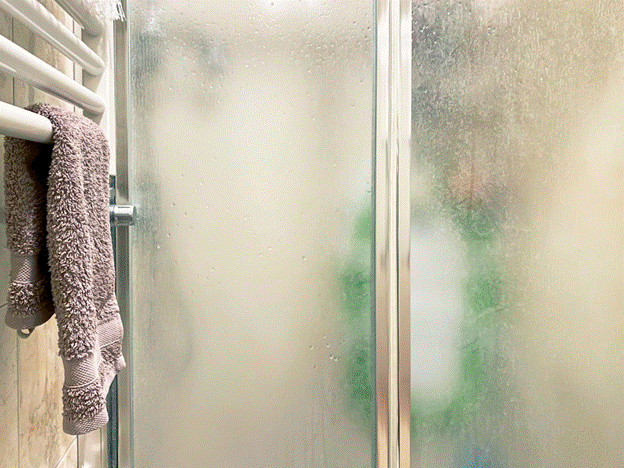
Water marks, soap residue and mineral buildup require different decisions from damaged glass or a failing coating. Begin by checking the shower-door manufacturer’s care instructions and identifying the surface you are cleaning.
Check coatings and neighbouring materials
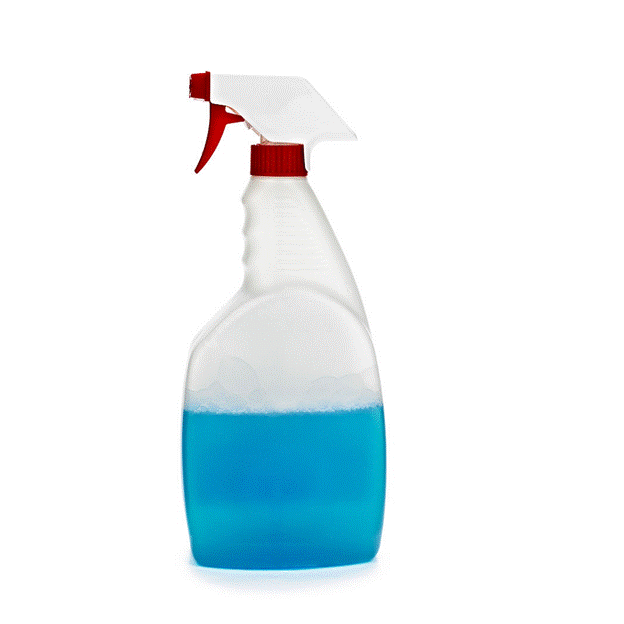
Coated glass, plain glass, metal trim, seals and natural-stone surrounds may have different care requirements. A product suitable for one surface can be unsuitable for another. Keep the cleaner label and check any specified dilution, contact time, rinsing and protective equipment.
Use one approved cleaning method
Remove ordinary loose residue using the permitted method, then work on a small area before cleaning the whole door. Avoid abrasive tools unless the manufacturer allows them. Protect the surrounding materials and rinse or wipe as instructed.
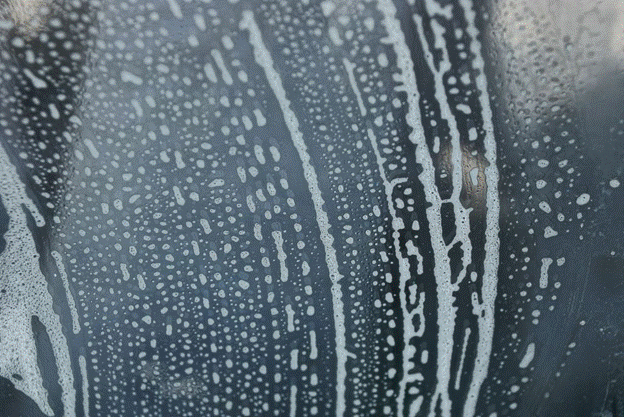
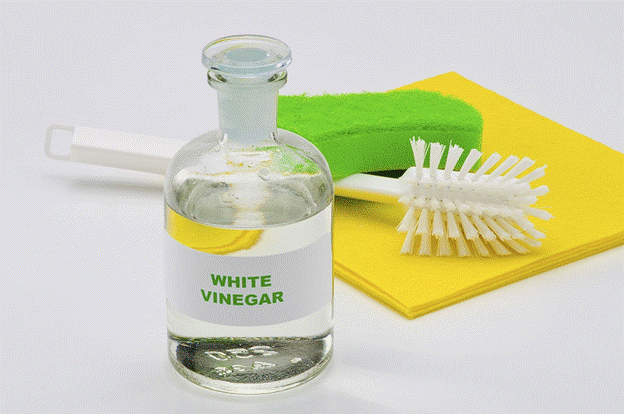
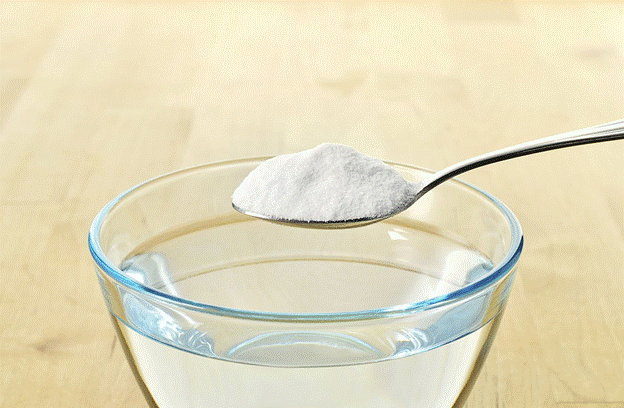
Do not add vinegar, baking soda or another cleaner to an unidentified glass-cleaning foam. The CCOHS cleaning-products guide advises against mixing products and explains the importance of labels and safe handling. A foaming reaction does not establish better cleaning or compatibility.
Treat persistent deposits as a diagnosis problem
If marks remain, identify whether they are removable deposits or damage such as etching or a deteriorating coating. Repeatedly applying a stronger mixture can make the result worse. Ask the door supplier for a suitable product or an assessment if the condition is uncertain.
Drying and ventilation are routine tasks
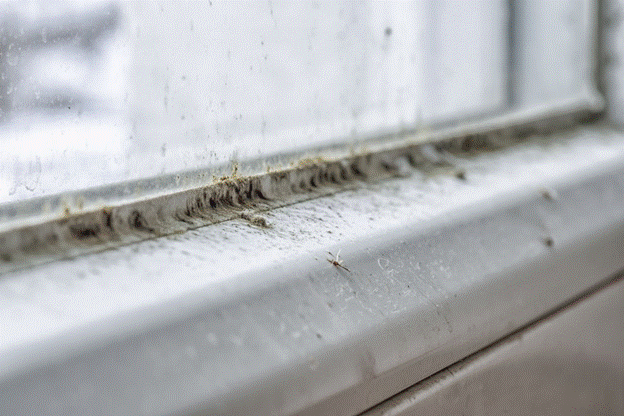
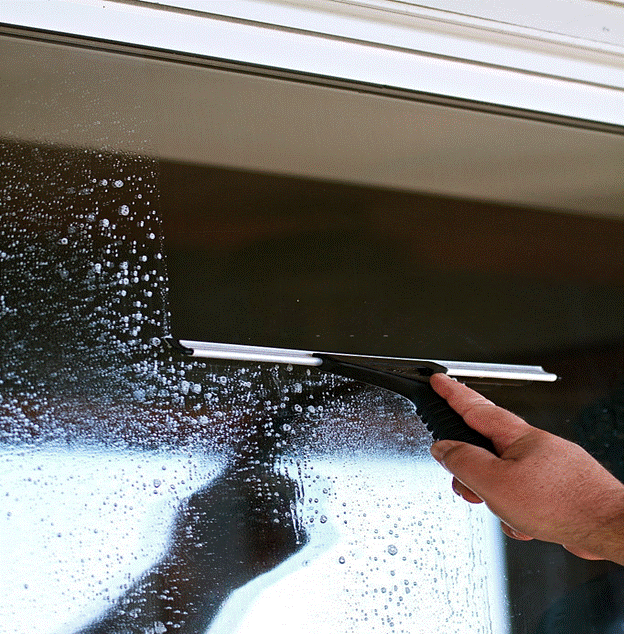
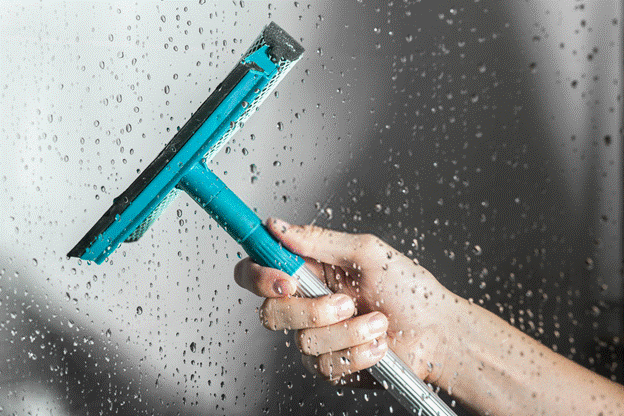
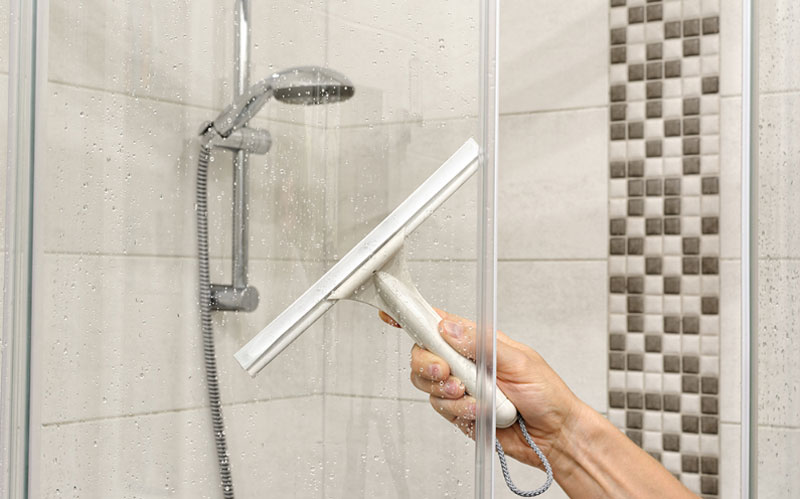
Use a compatible squeegee or soft cloth after the shower where the care instructions permit it. Keep ventilation operating as designed and allow surfaces to dry. Include seals, tracks and accessible drain paths in the manufacturer’s maintenance routine.
No cleaner can guarantee water spots will never return. Frequency depends on use, water conditions, ventilation and the surface. Review the routine when the buildup returns, rather than relying on an unsupported permanent result.
Know when cleaning is not the answer
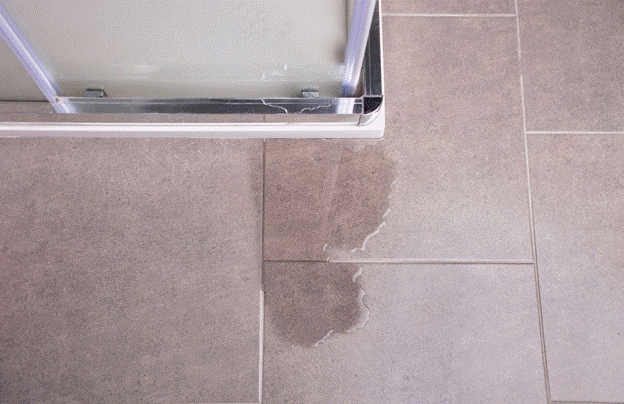
Loose hardware, damaged seals and cracked glass need appropriate repair or replacement. Stop using a damaged door and arrange assessment. Do not hide a mechanical problem with a polishing product.
Illustrations