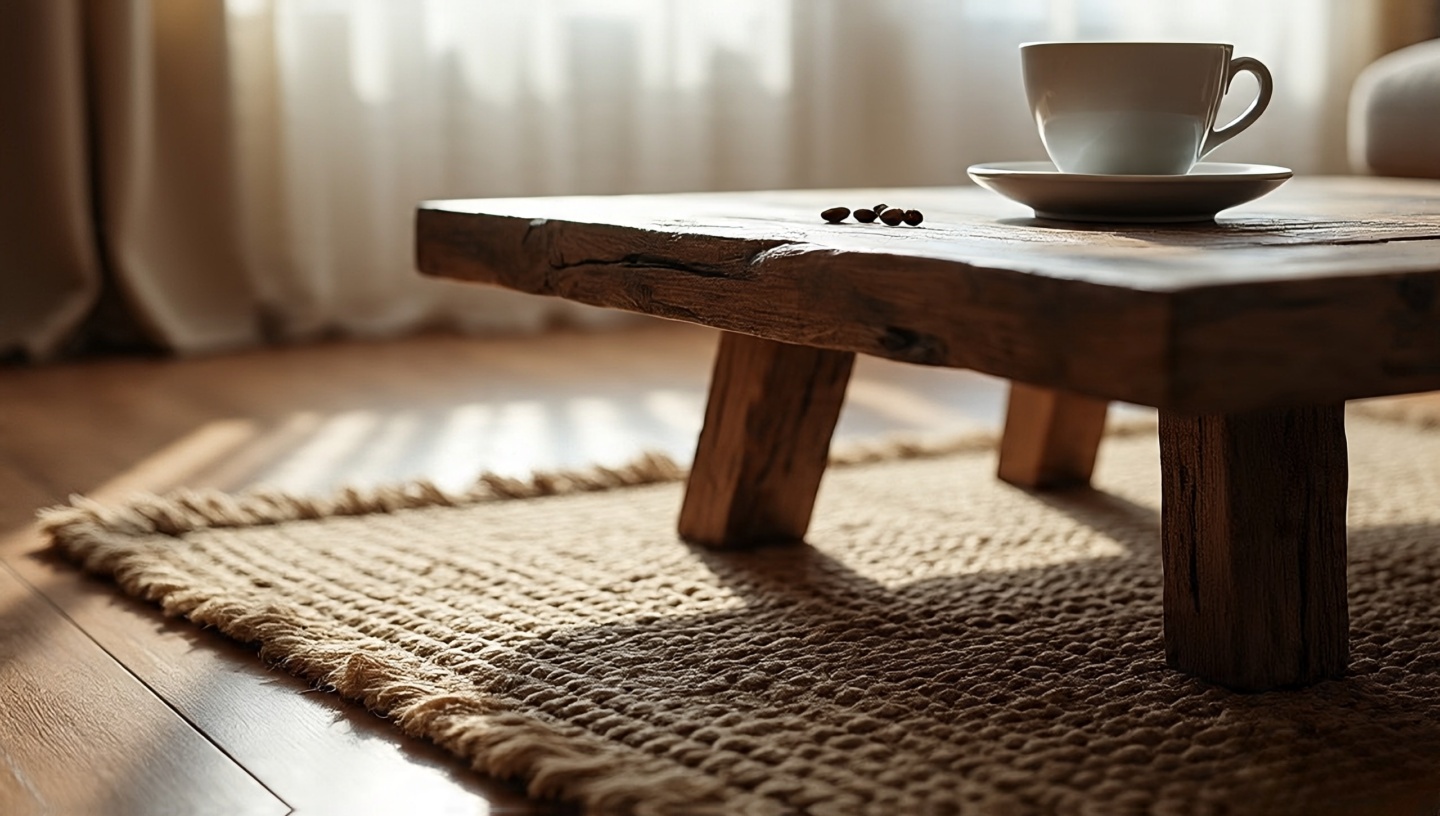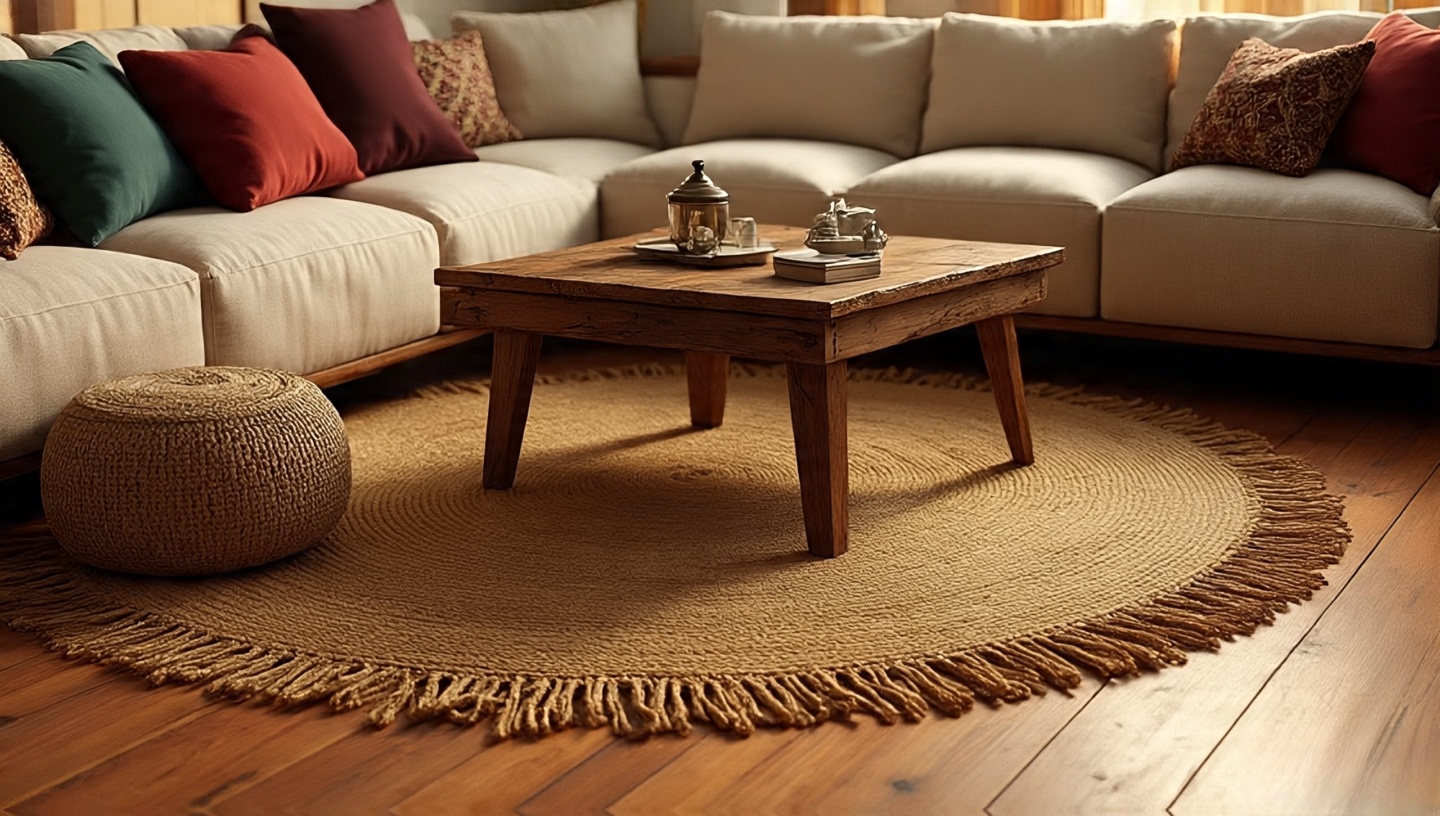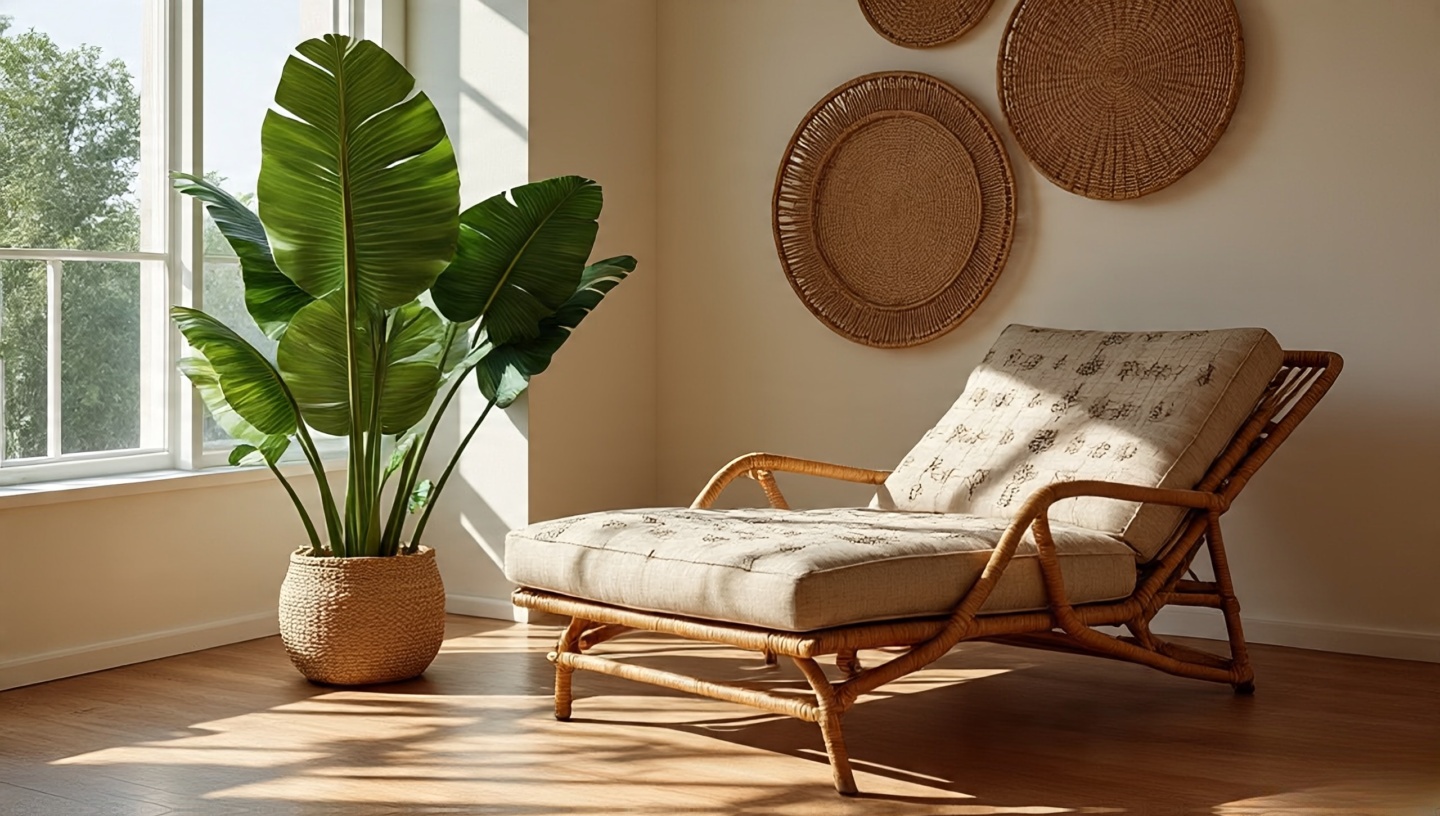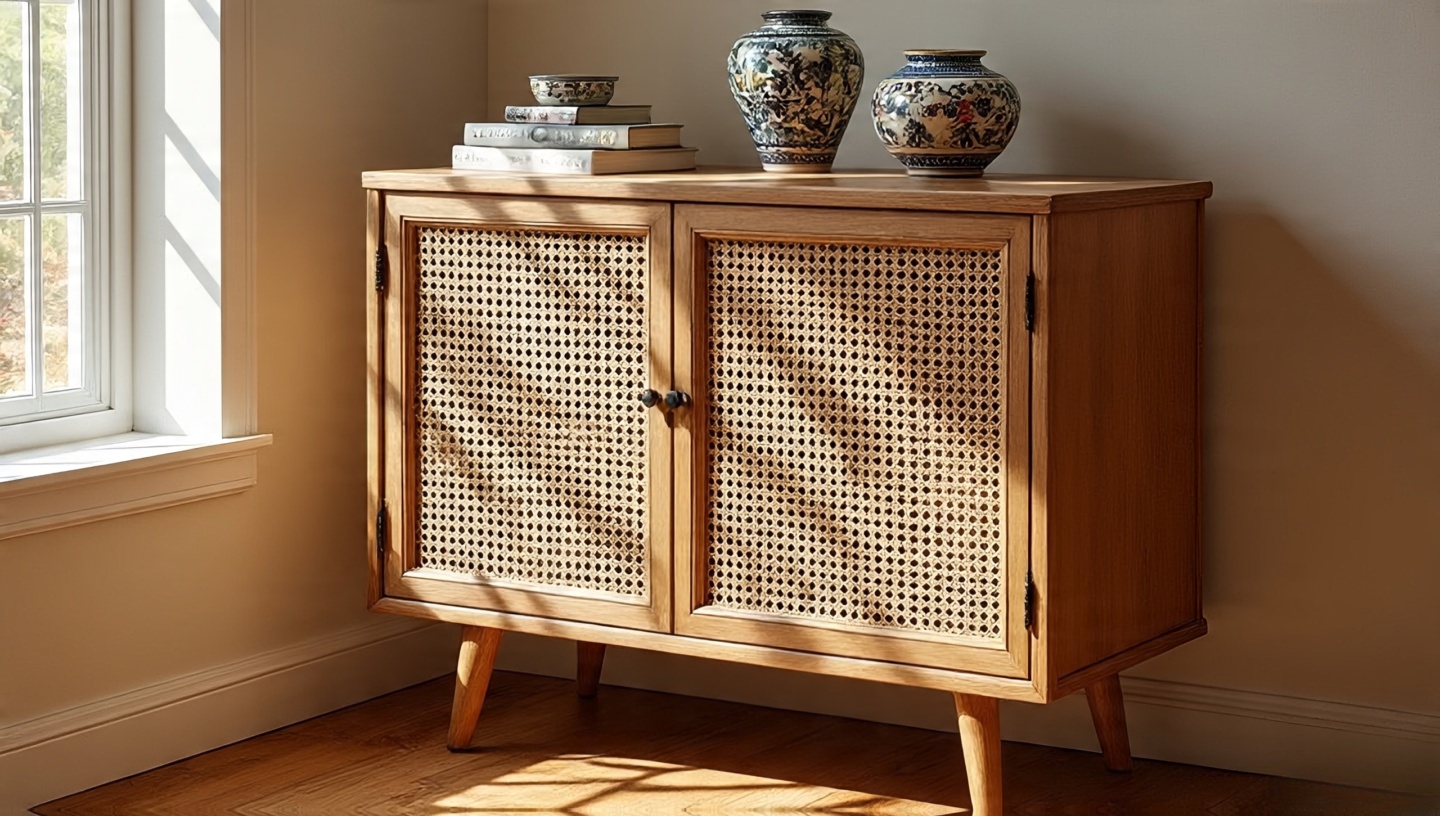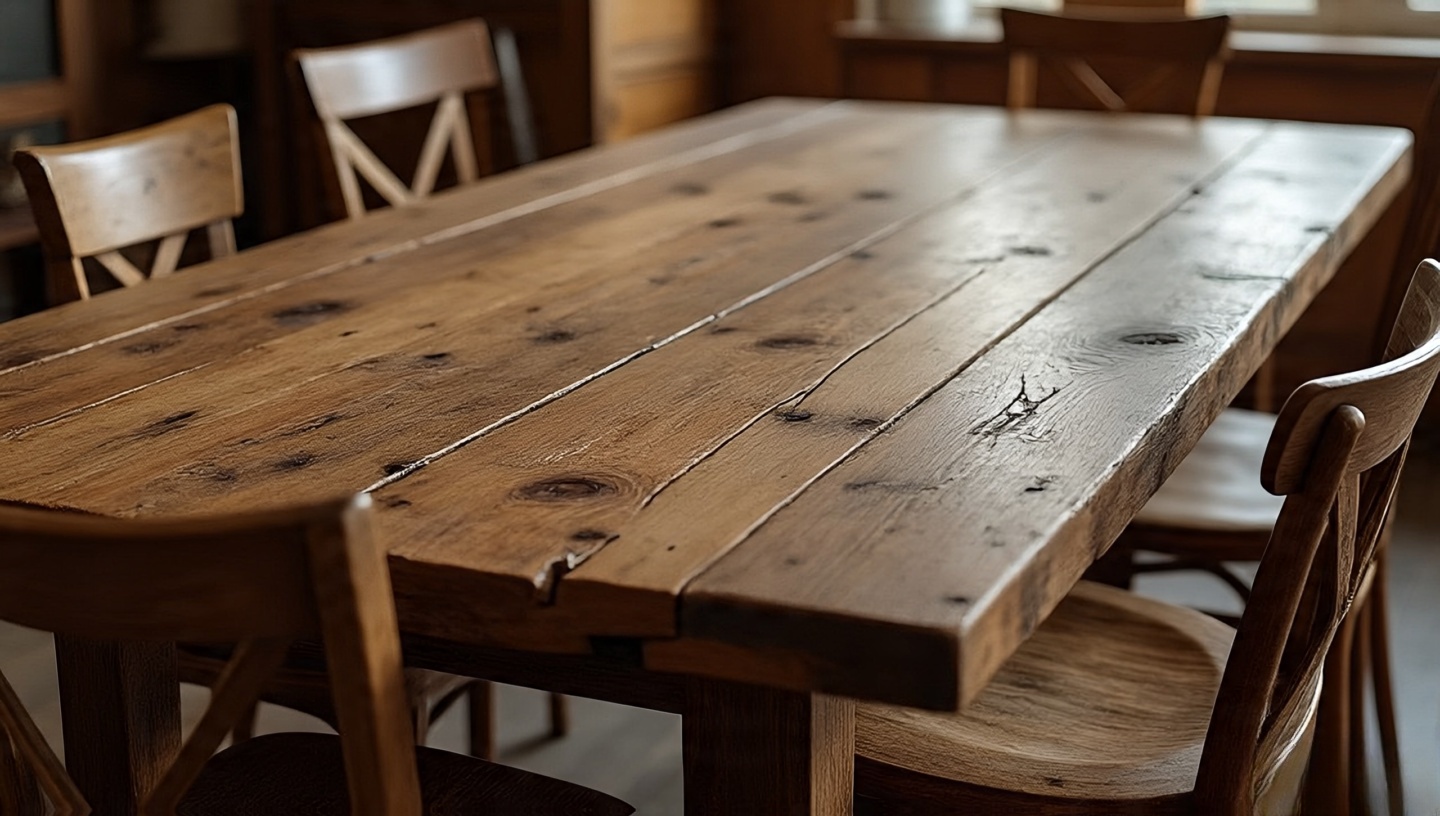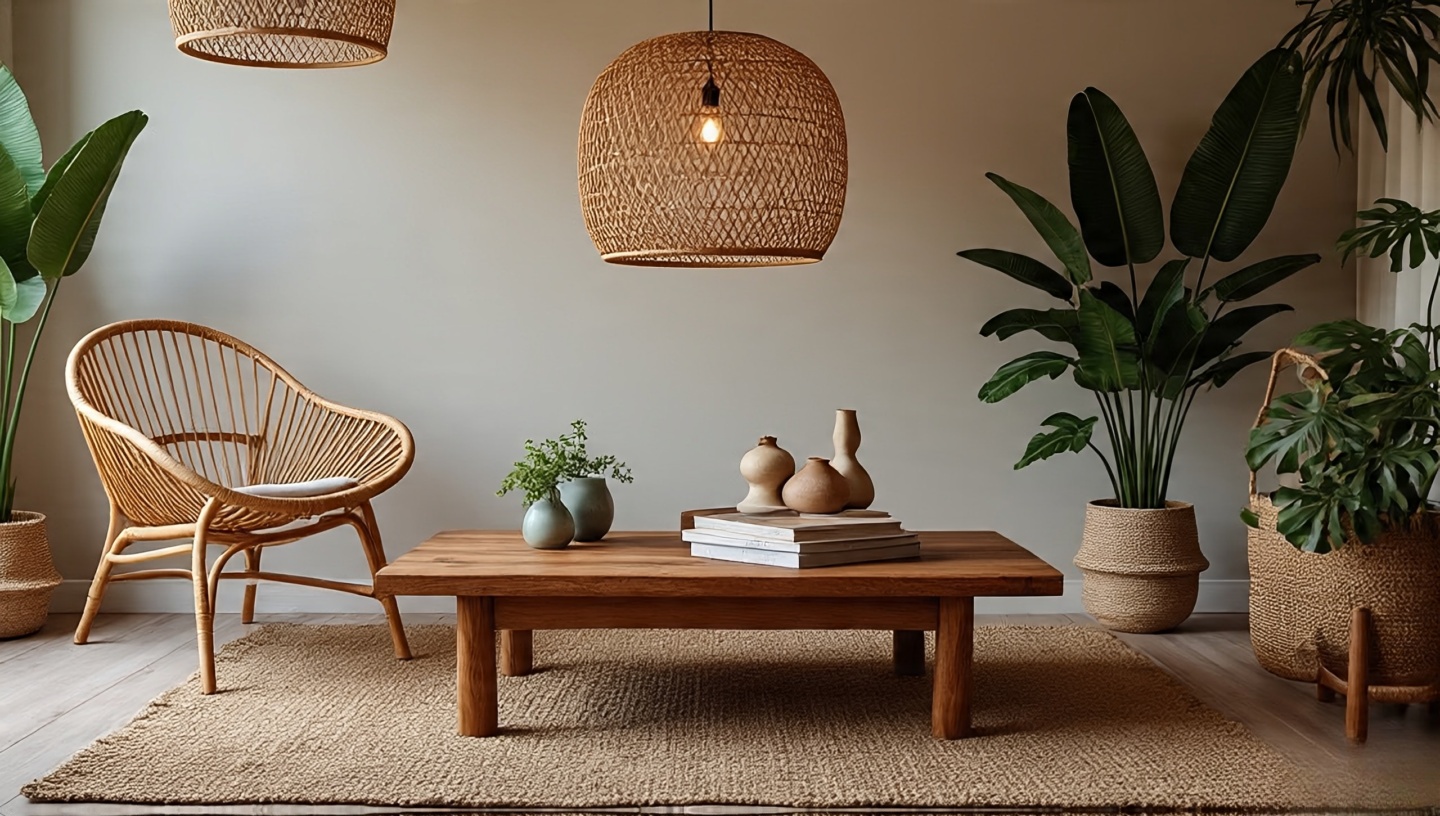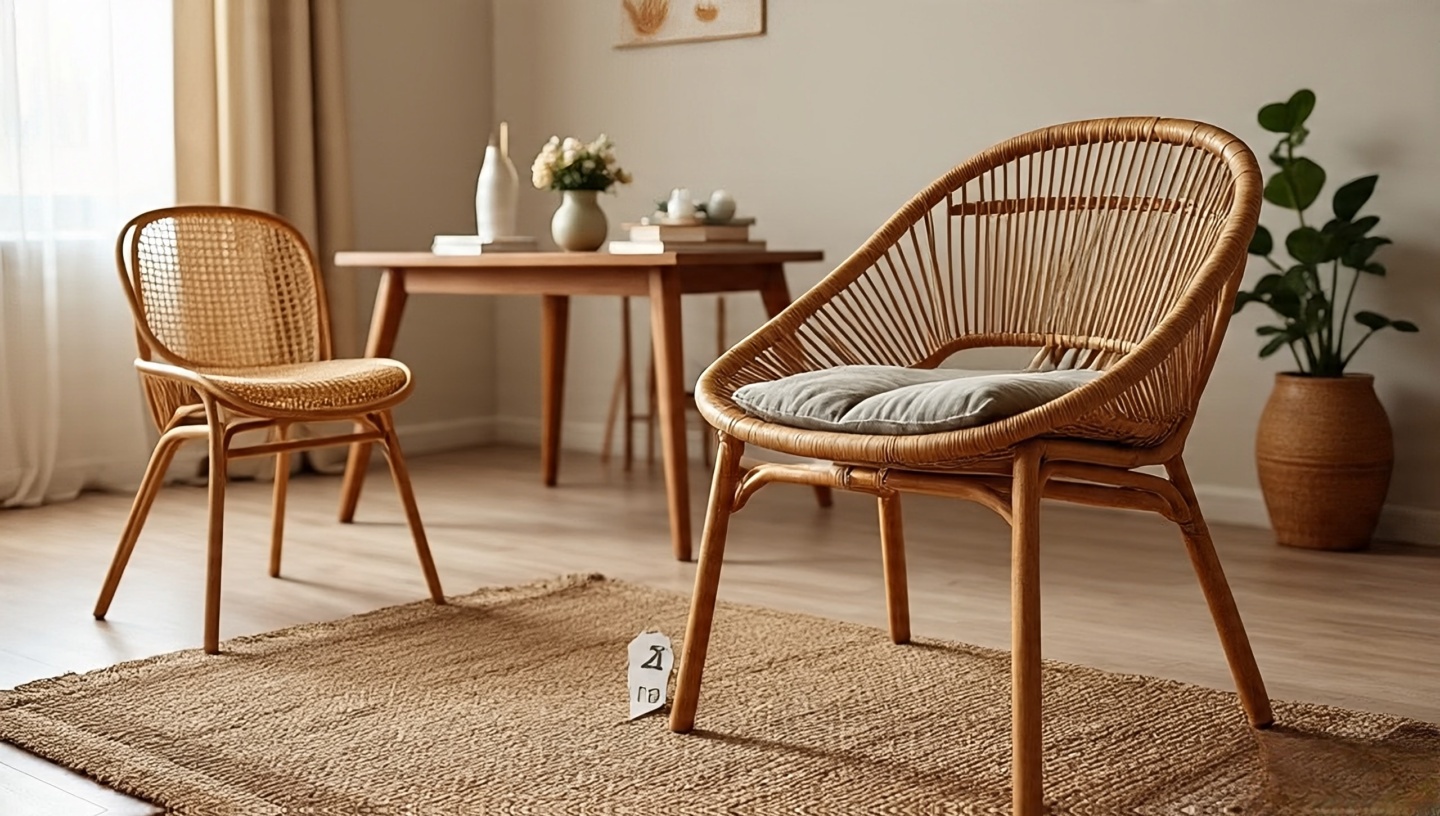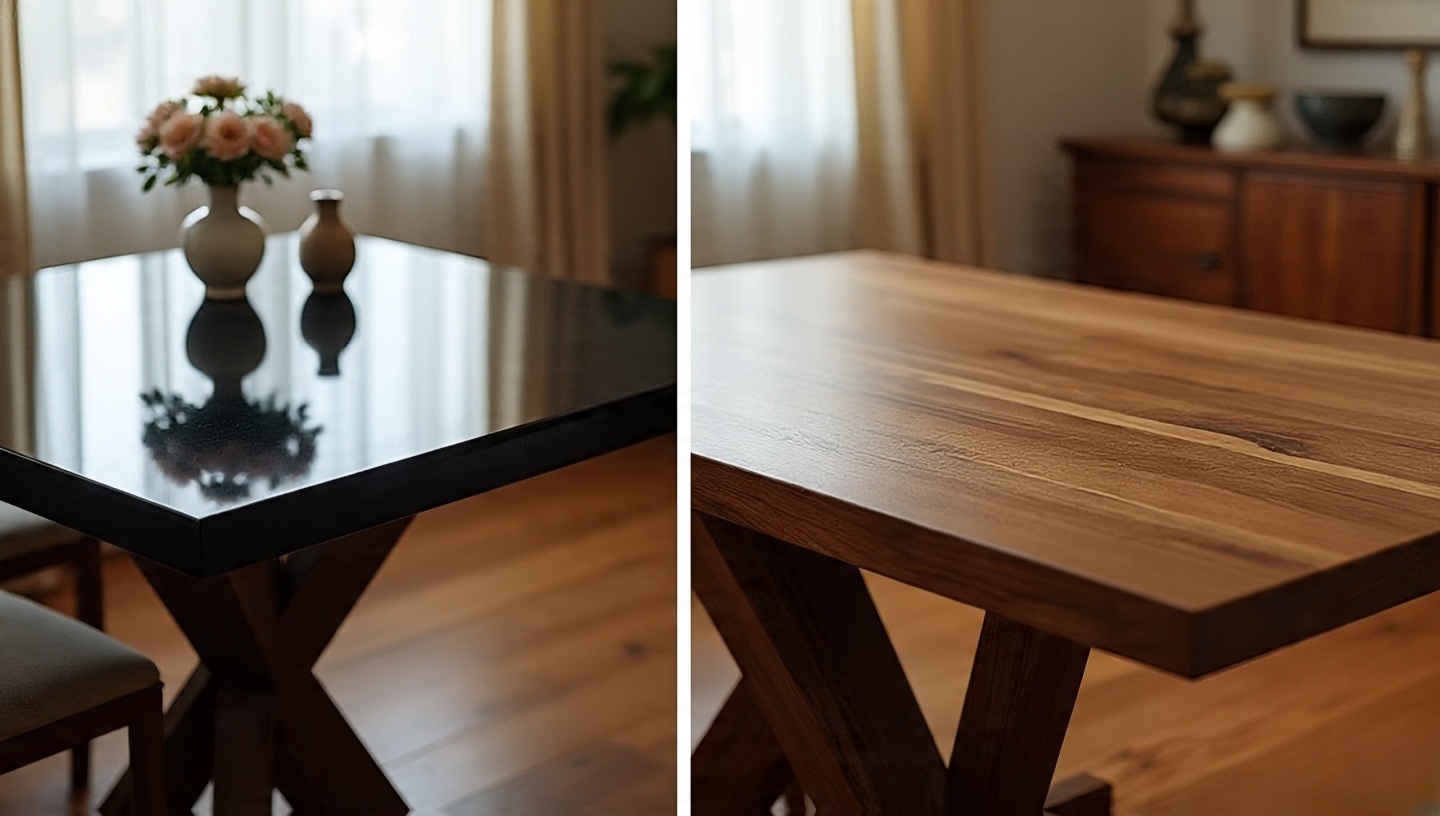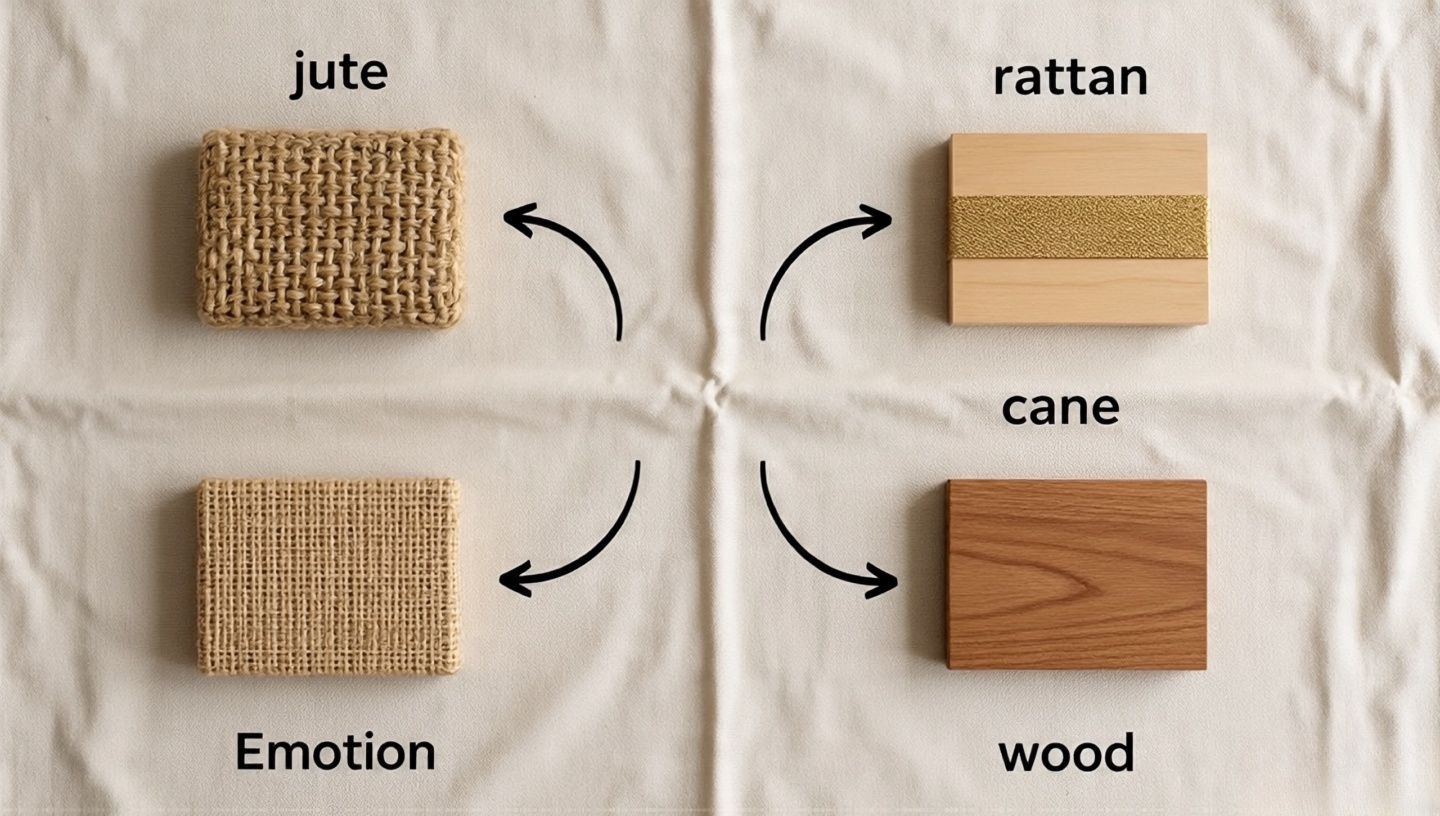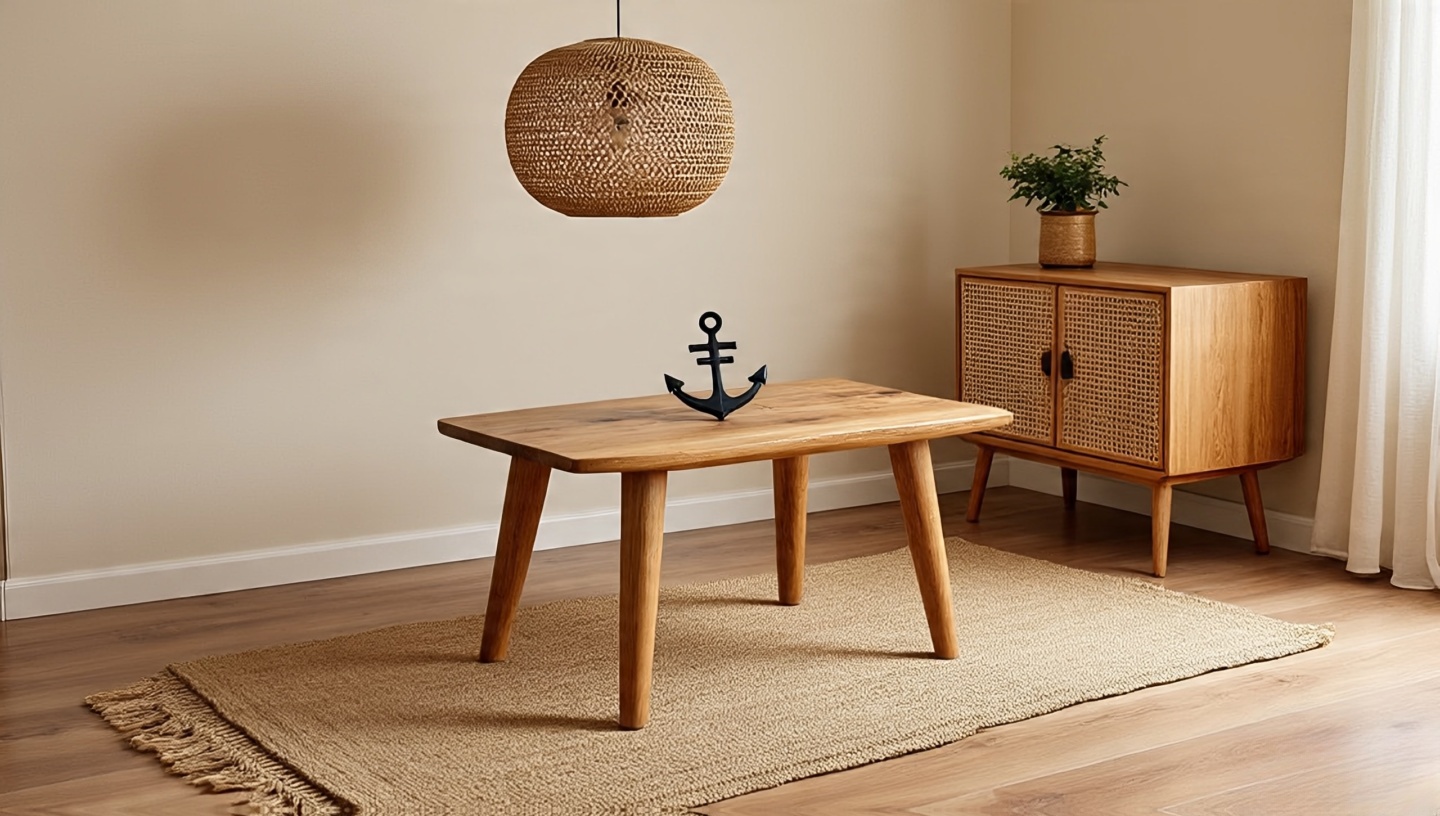


A woven texture or timber-looking finish tells you how an item appears, not everything it is made from. Before choosing materials for a room, request the actual product description and its intended use. Natural, handmade-looking, and sustainable are different claims.
Identify the construction
For furniture, ask about the frame, panels, woven surface, fixings, and coating. A veneer and solid timber can share a similar appearance while requiring different repair methods. A woven chair may also contain several materials beneath its visible surface.
For a rug or basket, record the stated fibers, backing or lining, and care instructions. Do not infer material from a photograph or a style name.
Match the item to its location
Consider the tasks and exposure in the proposed position. Ask whether a textile or furniture item is intended for a wet area, outdoor use, or the load you expect it to carry. Indoor and outdoor products should not be treated as interchangeable.
Use trays or suitable protection where water could reach an underlying finish, and keep cleaning consistent with each product’s instructions.
Compare maintenance and repair
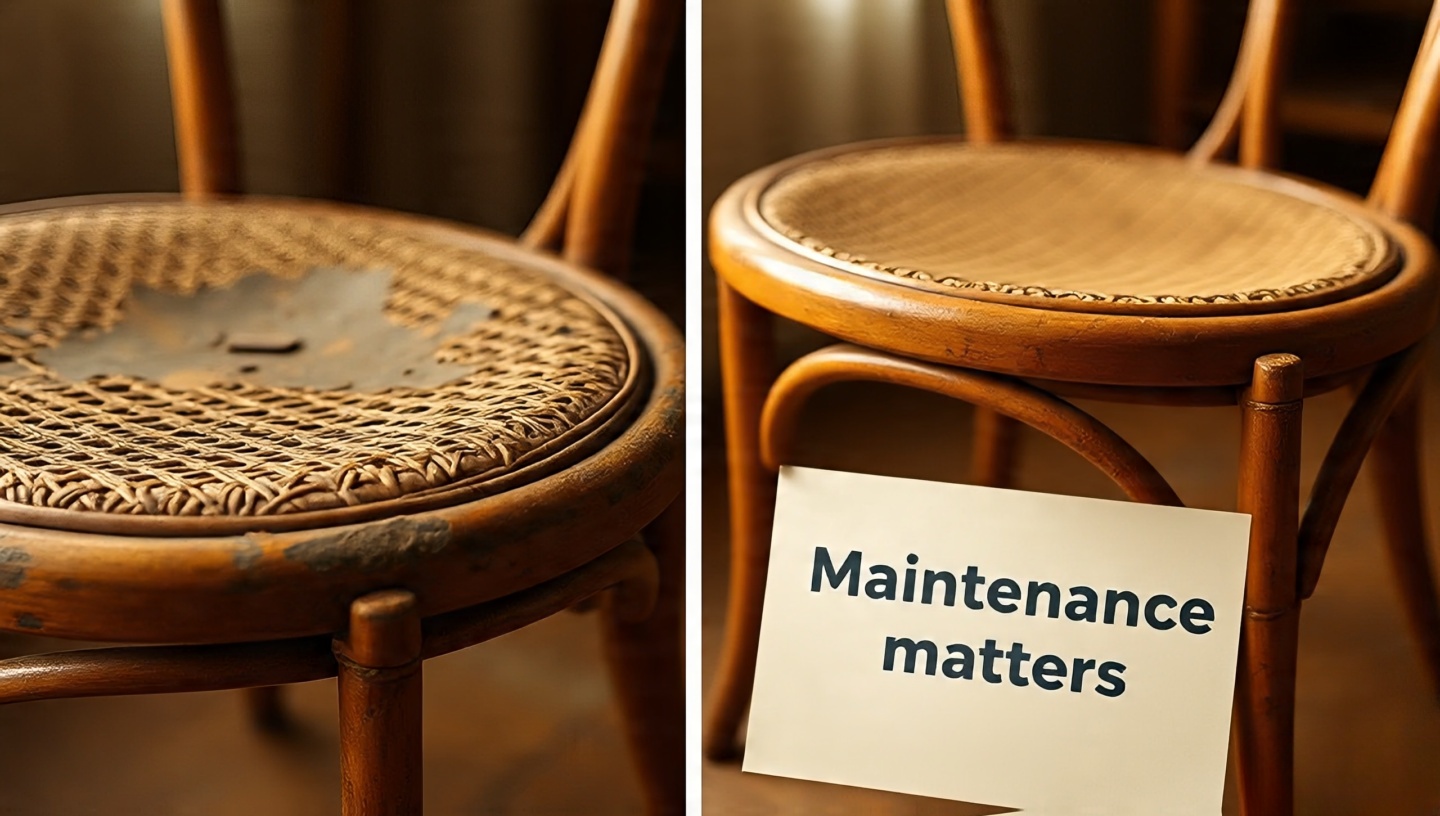
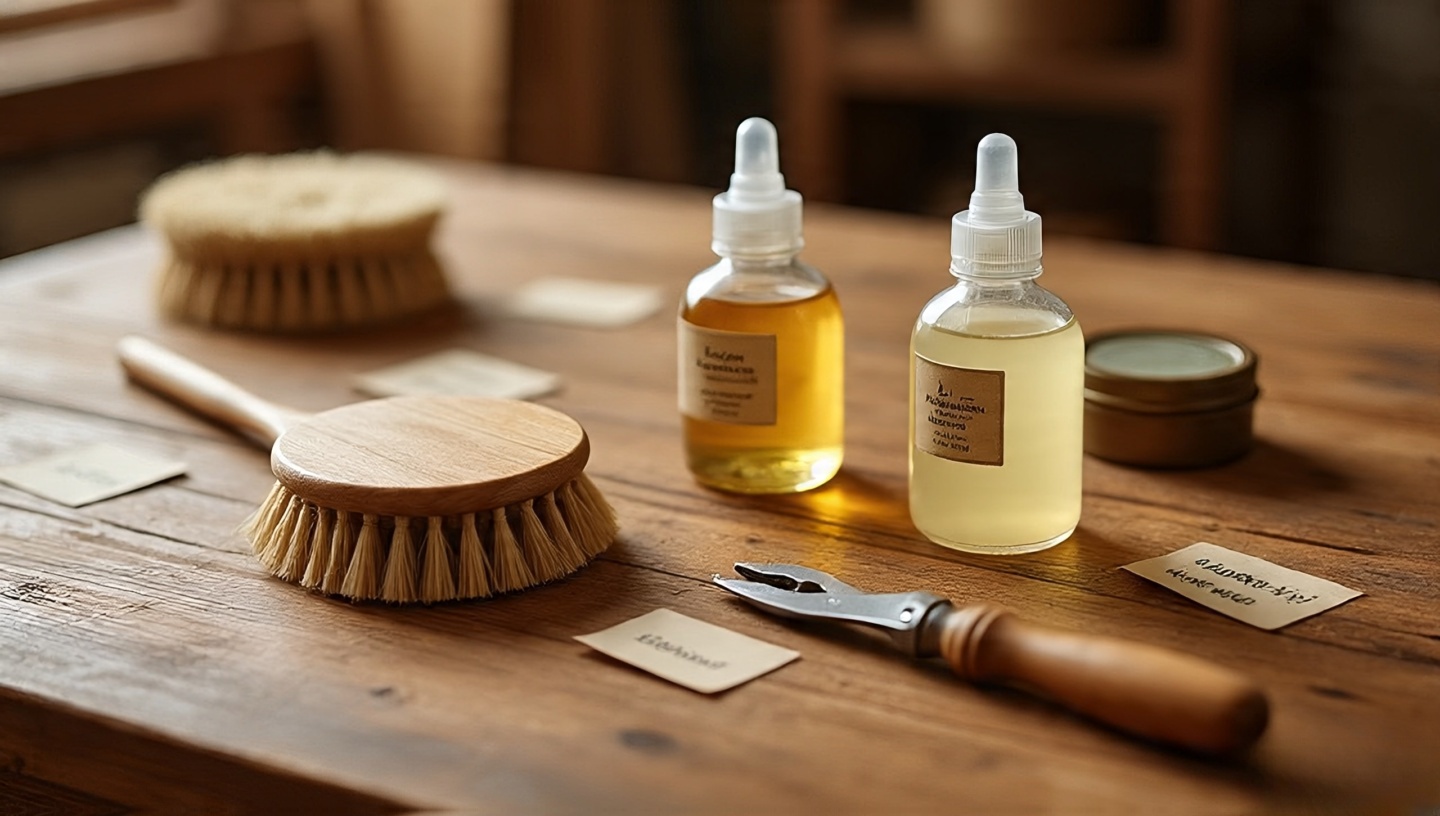
Find out whether covers, woven panels, feet, hinges, or other components can be replaced. Ask how a damaged finish should be handled before trying a chemical or abrasive treatment. Keep the material and model references for later repairs.
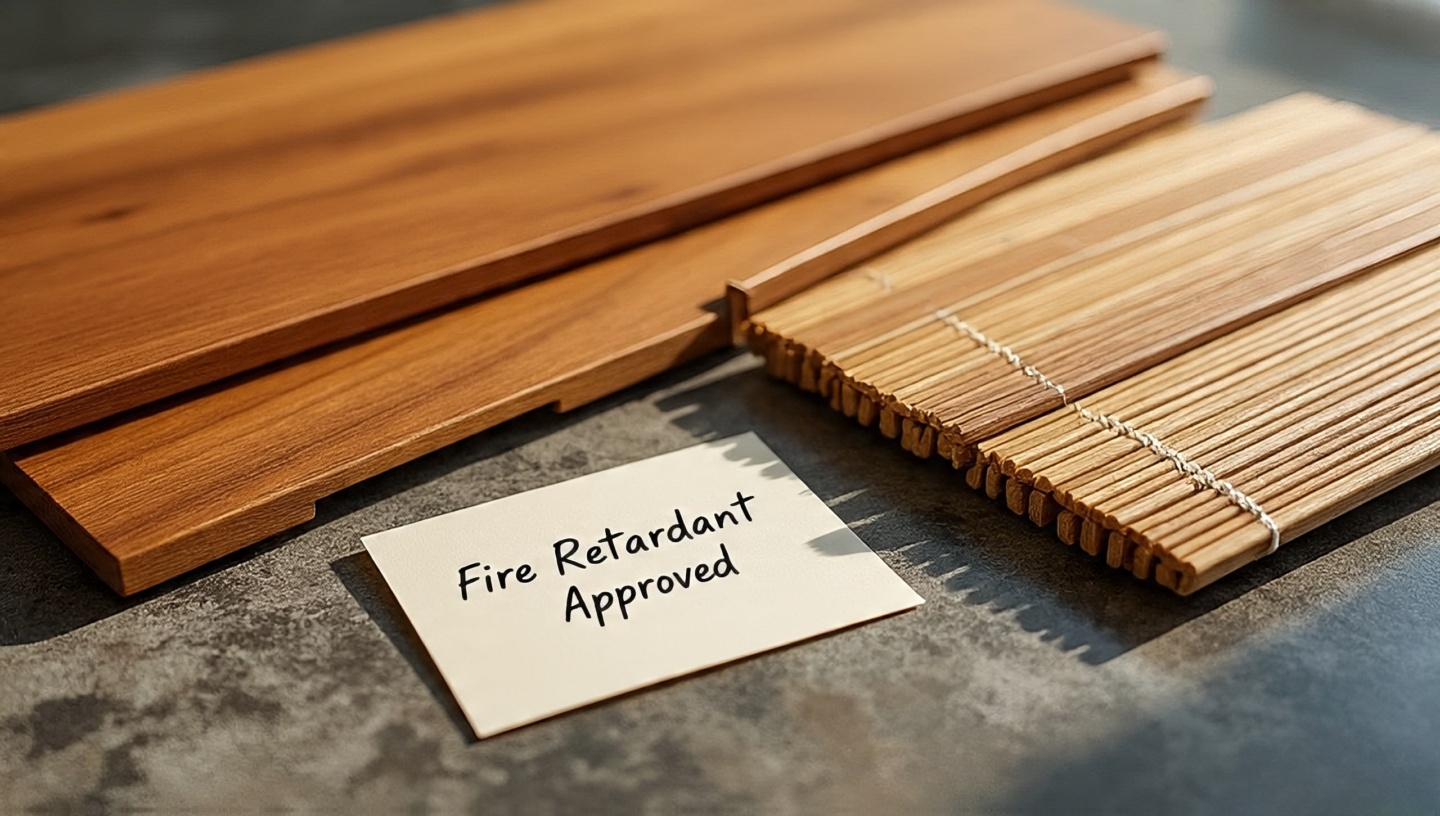
If an environmental certification influences the purchase, check the certification’s scope for the specific product. A broad material category is not evidence of how an individual item was sourced or manufactured.
Build the room with samples
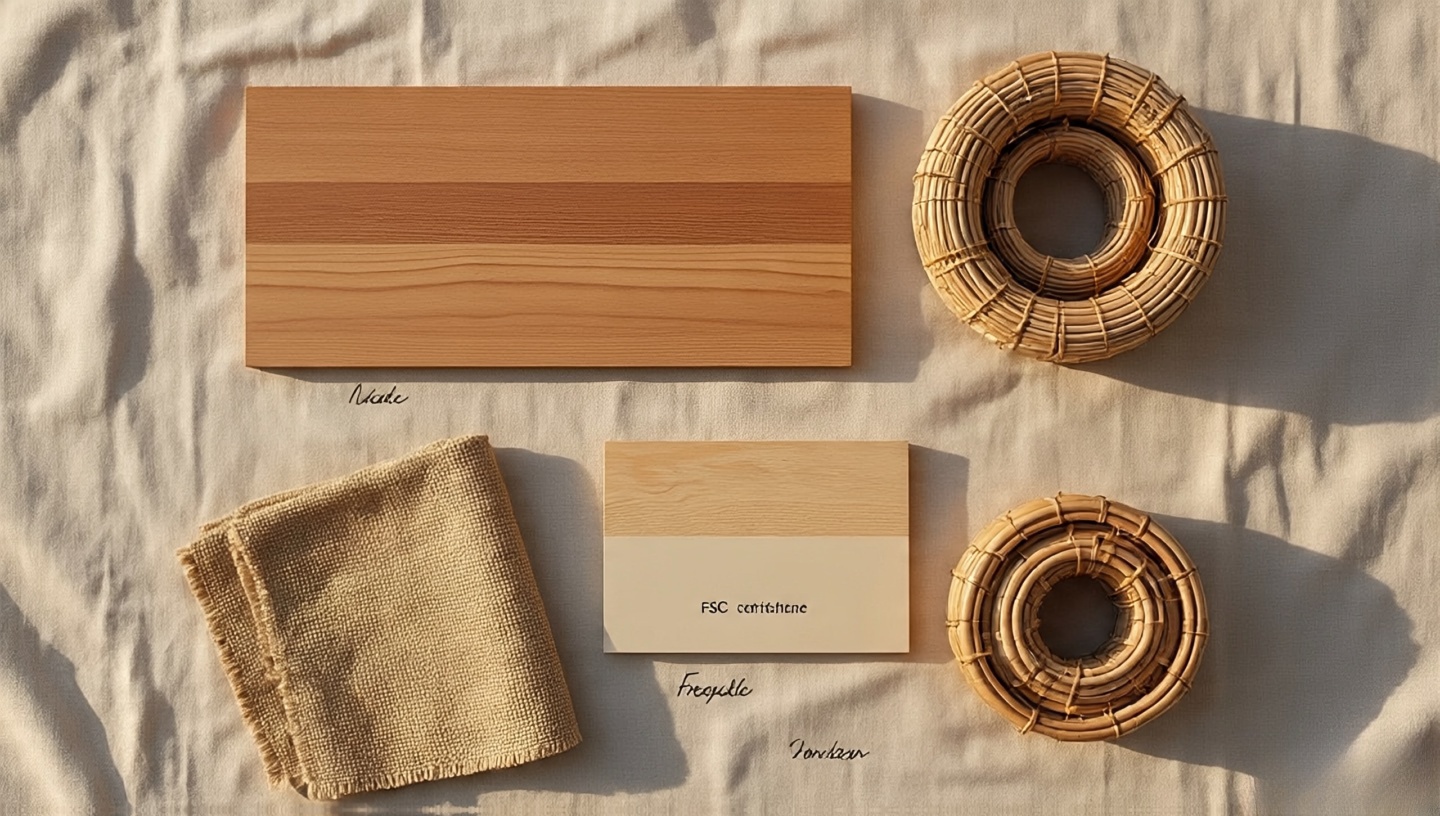
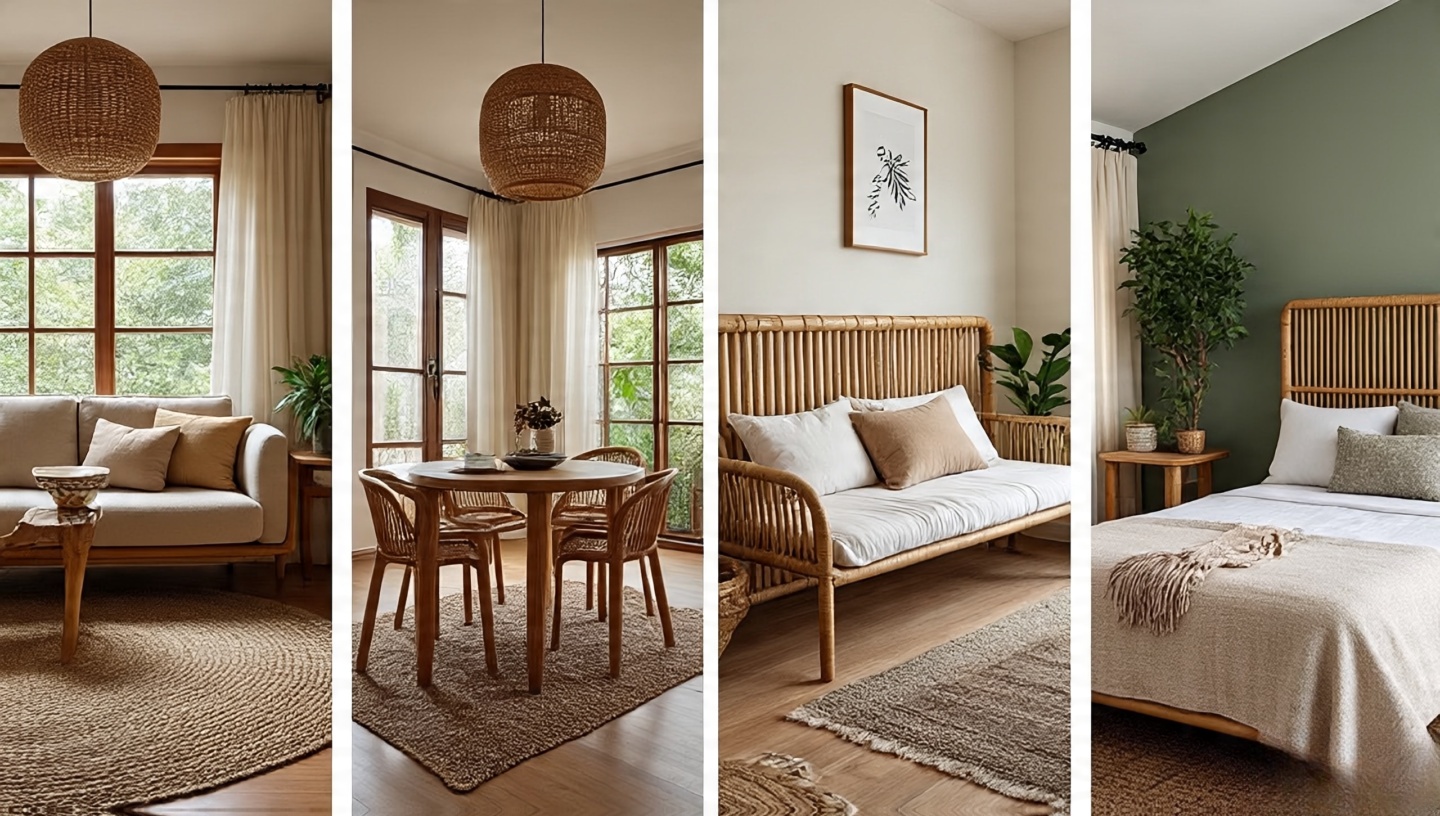
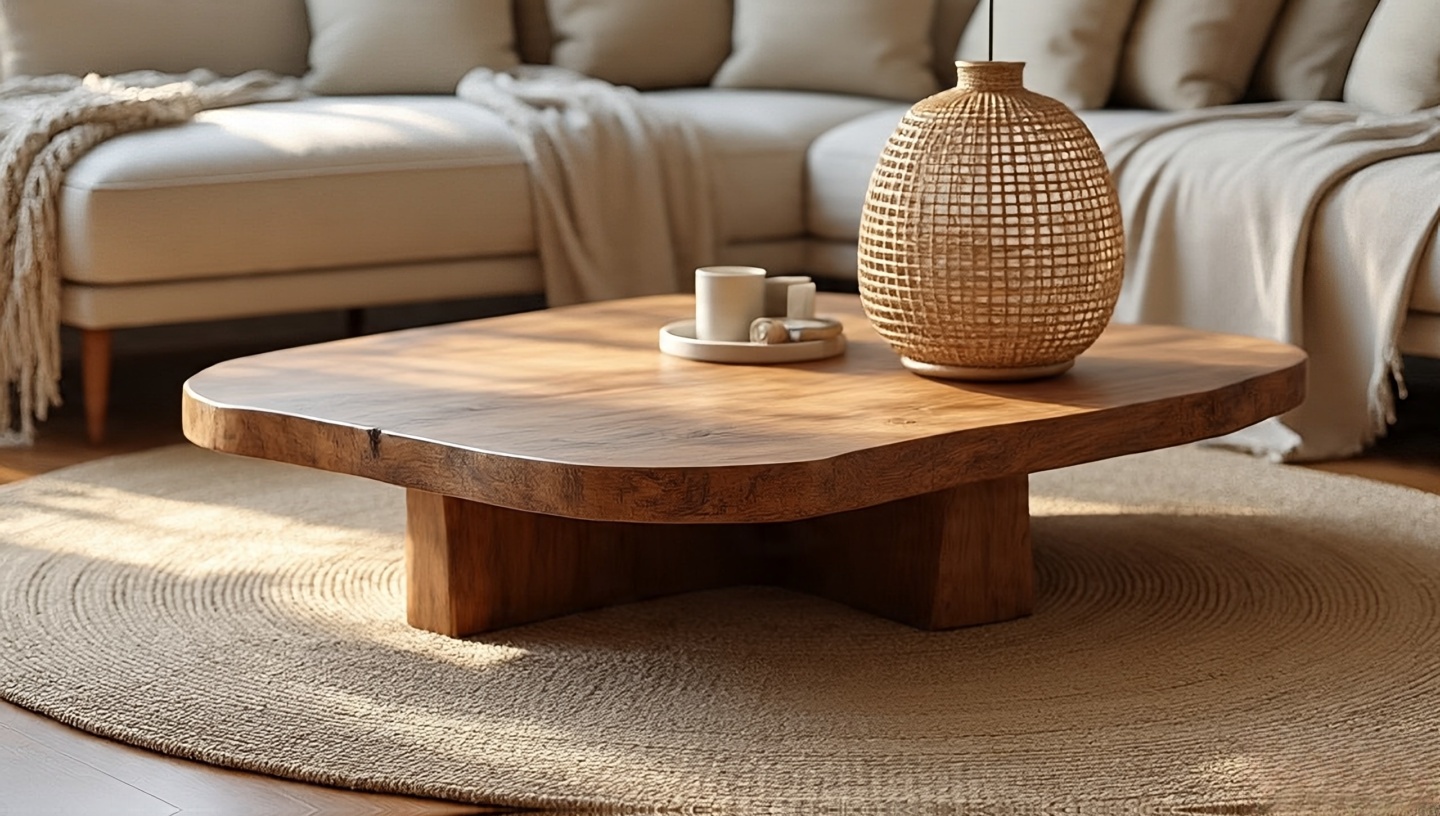
Place a few actual material samples beside existing furniture and flooring. Compare texture, sheen, and color in the room’s light. Use one strong texture with quieter neighboring surfaces if the arrangement becomes visually crowded.
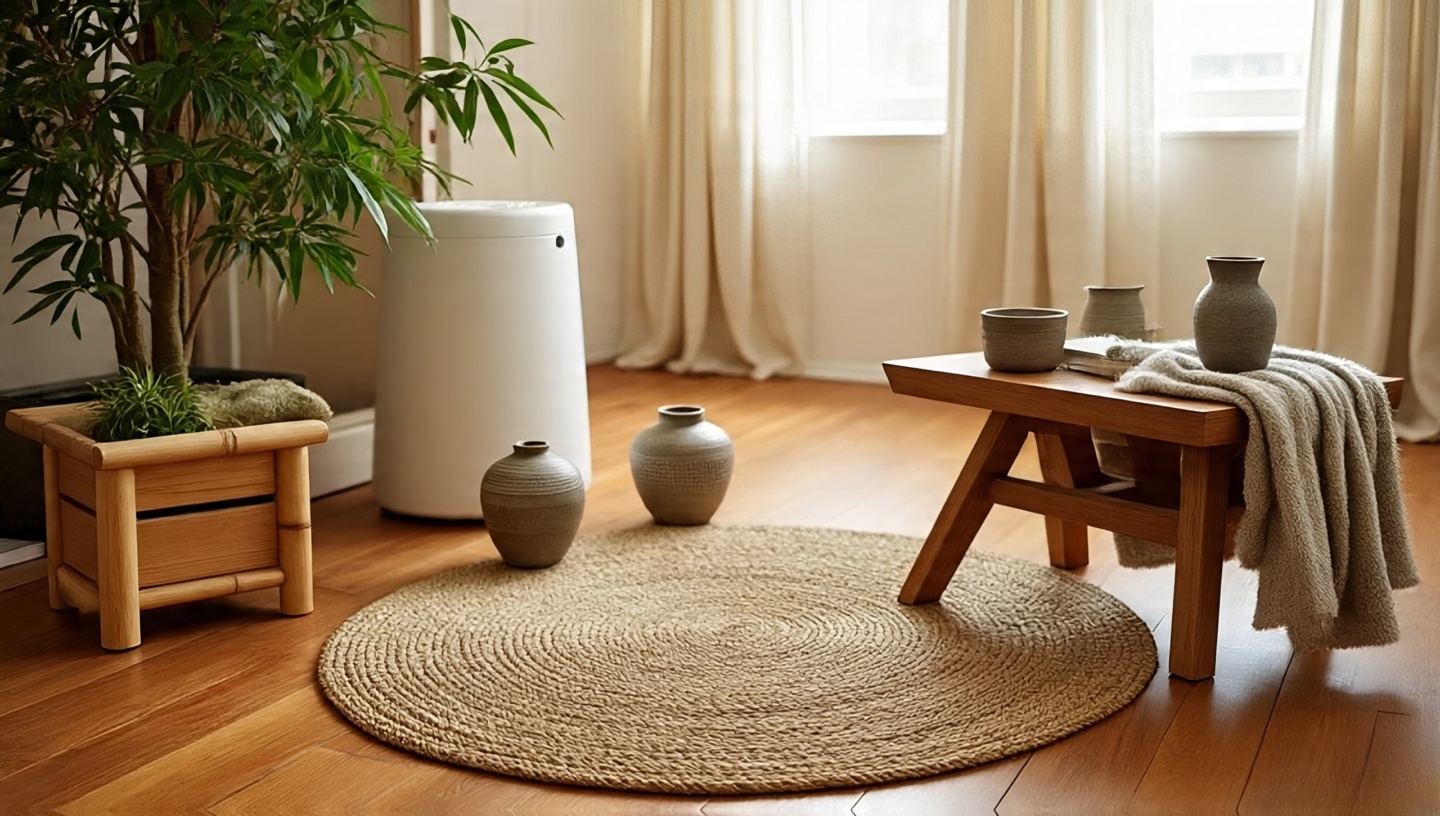
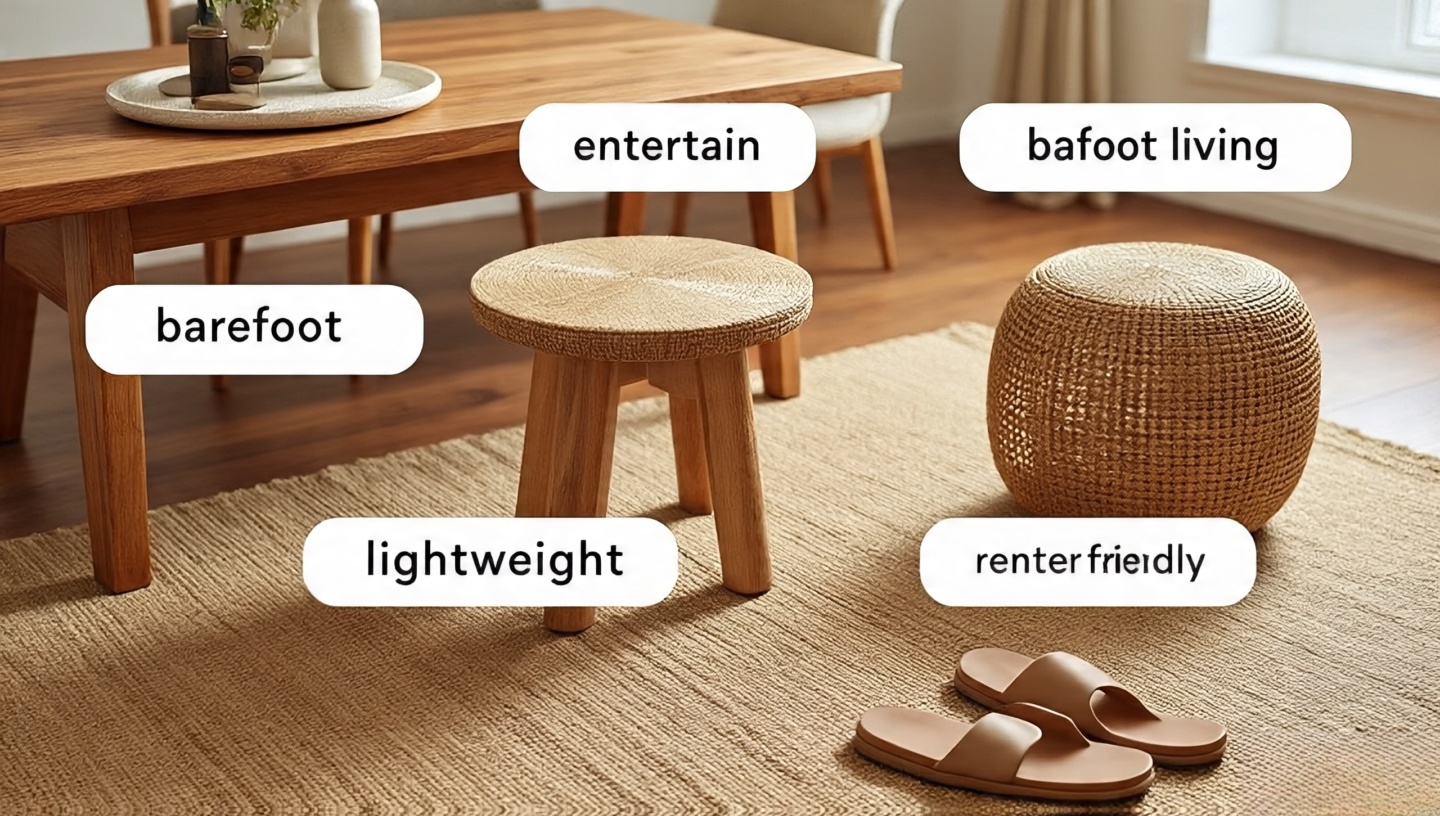
The gallery provides visual references for these combinations; it does not certify the materials, origin, environmental performance, or construction shown in an image.
Images and retained source credits