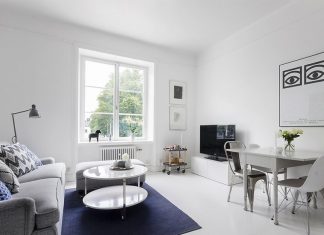


When someone returns home after illness, injury or a rehabilitation stay, the household setup should fit the actual care plan. A room can be comfortable and easier to use without being described as a treatment or a way to speed recovery.
Start with the person’s needs and instructions
Discuss the discharge or care instructions with the person and the appropriate professionals. Record help needed with access, moving around, meals, hygiene, equipment and ordinary routines. Do not select exercises, positions or activities from a decor article.
Clear the everyday routes
Identify the route between the resting area, bathroom, kitchen and exit. Move loose clutter and keep necessary items reachable without blocking the route. Check how doors, drawers and furniture operate with any mobility equipment actually used.
If adaptations or supports are required, obtain an appropriate assessment of their design and fixing. A convenient piece of furniture is not automatically a support aid.
Make the resting area practical
Place required controls, communication devices and agreed everyday items where they can be reached. Consider noise, privacy and lighting preferences. Choose bedding and furniture for the person’s requirements and care instructions rather than promising that a particular mattress eliminates pain.
Use light for visibility and comfort
Provide useful light for reading, preparing meals and moving around. Control glare and make switches accessible. Daylight can be pleasant, but sitting by a window should not be prescribed as vitamin-D treatment or a way to change serotonin and relieve depression.
Add decoration only where it is helpful
Familiar photographs, a favourite book or a view outside may be welcome if the person wants them. Keep surfaces usable and do not add a plant that creates an unsuitable care or access burden. Houseplants are not a respiratory treatment or a replacement for appropriate ventilation and pollution-source control.
Plan manageable household tasks
Agree who will handle cleaning, supplies, meals and other necessary work. Keep products safely stored and use them as directed. Participation in tasks should follow the person’s care plan and preference, not an assumption that cleaning is a suitable exercise for everyone.
Review the setup as needs change. Ask what is difficult to reach, which route is awkward and whether the routine is manageable. Those observations support useful adjustments without assigning clinical effects to colours, sunlight, ornaments or indoor plants.