

Biophilic design brings references to nature into a building through features such as daylight, views, plants, materials and patterns. At home, start with the room you use and the amount of care you want to add. A natural-looking interior does not need a promise of better health, higher property value or a longer life to be worth considering.
Choose a connection you will actually notice
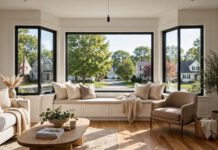
Look from the seat, work surface or route you use most. There may already be a view of a tree, a changing patch of daylight or a timber surface you enjoy. Make that feature easier to notice before adding more objects. Where there is no outdoor view, botanical artwork, a landscape image or a repeated natural colour can provide a visual reference without needing a new window.
Manage daylight with privacy and glare
Observe the room at the times it is occupied. Compare the open and partly closed positions of existing curtains or blinds, including what can be seen from outside. More exposed glass is not always more useful if it creates glare on a screen, unwanted heat or a loss of privacy.
A skylight or larger window needs a separate assessment of the building and installation. Try changes to the existing layout first; do not treat structural work as necessary to achieve a decorating style.
Match living plants to the growing position
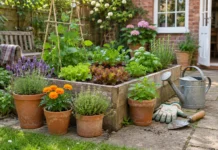
Choose by the identified plant’s requirements and the conditions you can provide. Check access for watering, drainage, mature size and household suitability before buying. Use the RHS houseplant-selection guide to understand why light, temperature and humidity matter.
A small collection you can inspect is more practical than filling inaccessible shelves. Where plant care does not fit the room, consider a print, a natural pattern or an artificial plant that can be cleaned. Do not buy greenery as a substitute for resolving a ventilation or pollution concern.
Compare materials by use and upkeep
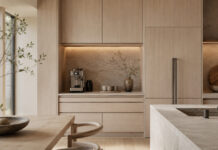
Wood, cork, wool and bamboo can contribute different textures. The name of the material alone does not establish its durability, maintenance needs or environmental credentials. Check the actual product’s finish, cleaning instructions and intended location, especially around water or frequently handled surfaces.
Try one sample beside existing furniture before replacing a whole room. A timber tone repeated in a frame and a small accessory may give the connection you want while retaining useful pieces.
Treat water features as equipment that needs care
If you enjoy moving water, compare the space, sound and cleaning task before choosing a feature. Plan access, stable placement, protection from spills and separation from electrical equipment according to the product instructions. A feature that is pleasant in a showroom may be distracting beside a desk or bed.
An aquarium is also a commitment to the animals’ care and the system’s maintenance. Do not add one solely because a decorating article promises relaxation. Artwork or another non-living feature may provide a simpler focal point.
Keep fresh-air decisions separate from appearance
Opening a window is not always appropriate for the weather, outdoor air or household circumstances. Investigate an air-quality concern and use suitable ventilation or source-control measures. The EPA indoor-air guide discusses those decisions; natural materials and plants do not establish that the room’s air is healthy.
Review one change in everyday use
- Choose the feature you want to improve: a view, light, a material or a small display.
- Check the practical limits: privacy, growing conditions, cleaning, access and budget.
- Try a change using existing items or a sample before committing to a larger purchase.
- Use the room normally and keep the change only if it suits the people who share it.
Original contributor reference: Austin interior designers Triple Heart Design. The decisions above can be discussed with a designer using the actual room and maintenance requirements, without treating a style as a guaranteed health outcome.