

A room can look coordinated while still making everyday tasks awkward. Before buying an accent chair or painting a wall, list what the room must support and what furniture will stay. These six decisions use the existing room references to connect decoration with layout, access and maintenance.

1. Start with the furniture you will keep
In the first reference, two chairs face a sofa across a round table. The seating pieces differ, but they have a clear relationship to the central area. Begin with a measured sketch of your room and the existing pieces, including the space needed to open doors and storage.
Test the arrangement with people sitting down and moving through it. A compact-looking table can still obstruct a frequently used route. Replace a piece because its size, condition or use no longer suits the room, rather than assuming expensive furniture must last a lifetime or that every item should be replaced at once.
2. Choose where you want attention to go
The patterned rug and the group of circular wall decorations give the first room distinct points of interest. Decide which view matters most when you enter or sit down, then consider the objects seen together from that position. A room does not need a new feature on every wall.
If the rug already carries a strong pattern, compare a quieter cushion or wall finish before adding another busy surface. Keep an item that has personal meaning even if it does not match a catalogue set; give it a deliberate place in the arrangement.
3. Test colour on the actual surfaces
When painting the walls, compare the proposed finish with the floor, upholstery and furniture you will retain. Use the paint manufacturer’s sampling method and view the sample under the light in which the room is normally used. A colour name or phone image is a starting reference, not the finished result.
Colour can change the appearance of a room, but paint does not add floor area or prove an increase in resale value. Decide which surface needs the accent and how it will relate to door frames, shelving and the adjoining space. For another restrained palette, see gray walls combined with timber and layered bedroom textiles.
4. Add textiles for a defined use
The first reference layers a patterned floor rug with cushions on plain seating. Make a short list of the practical jobs: a cushion for a seat, a throw used in the evening or a washable cover for a frequently used spot. Compare the care instructions and the actual feel before choosing a material.
Check rugs with the furniture and doors in use, including any tendency for an edge to curl or move. Adding several layers just to imitate an image can create more surfaces to maintain without serving a useful purpose.

5. Give a display a boundary
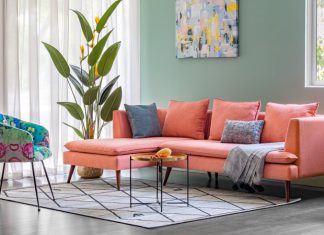
The second reference uses a yellow side table as a small display and places the chair beside the window. The table has a specific role rather than becoming another large storage unit. Choose a shelf, tray or wall group for objects you want to see, then leave the surfaces needed for daily tasks available.
A decorative object does not need a practical function to belong in a room. It should, however, have a position where it can be seen, cleaned and kept stable. Introduce a new object to that defined area before filling an empty wall simply because it is empty.
6. Plan light for the activity
Identify where reading, dressing, conversation or close work happens. Compare the light available from existing fittings and windows at the times those activities occur. Test a portable light in the intended position and include switch access and cable routing in the decision.
Keep useful existing fittings instead of assuming a central ceiling light is outdated. Follow the instructions for the actual lamp and use an appropriate installer where fixed electrical work is required. Decorative atmosphere and the light needed to complete a task may call for different settings.
Make a short decorating brief
| Decision | Record before buying |
|---|---|
| Layout | Furniture retained, measured positions and operating clearances |
| Colour and pattern | Samples viewed with existing finishes |
| Textiles and display | Purpose, care routine and a defined position |
| Light | Activity, time of use, controls and installation needs |
Try one change against the brief, then reassess the whole room. A useful result is a space that supports its occupants; no particular colour, accessory or design rule guarantees a luxurious appearance or a financial return.