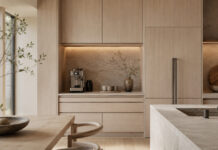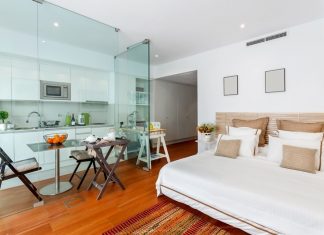


A modern room can accommodate an older piece without copying an entire period style. Begin with the job the furniture must do, then compare its scale, condition and finish with what is already in the room. A successful mix needs everyday usability as well as visual contrast.
Choose a starting piece
Use one item to organise the first decisions: perhaps a dining table, cabinet or sofa. Identify what you want to retain about it, such as the outline, timber tone or storage. Keep nearby choices quieter if that item is already visually busy.
Measure the piece and the room in use. Include open doors, chairs pulled back and routes to adjoining spaces. The fact that a cabinet fits against a wall does not establish that its drawers can open beside the dining table.
Compare condition before planning a finish
Inspect the joints, moving parts, surfaces and signs of damage. Ask a suitable specialist about uncertain older finishes, materials or restoration work. Do not start sanding unidentified coatings or assume a decorative repair restores structural suitability.
For older lighting or other electrical items, have the appropriate professional assess safe use and any required work. A new shade does not establish that an old lamp’s wiring and components are sound.
Repeat a limited visual connection
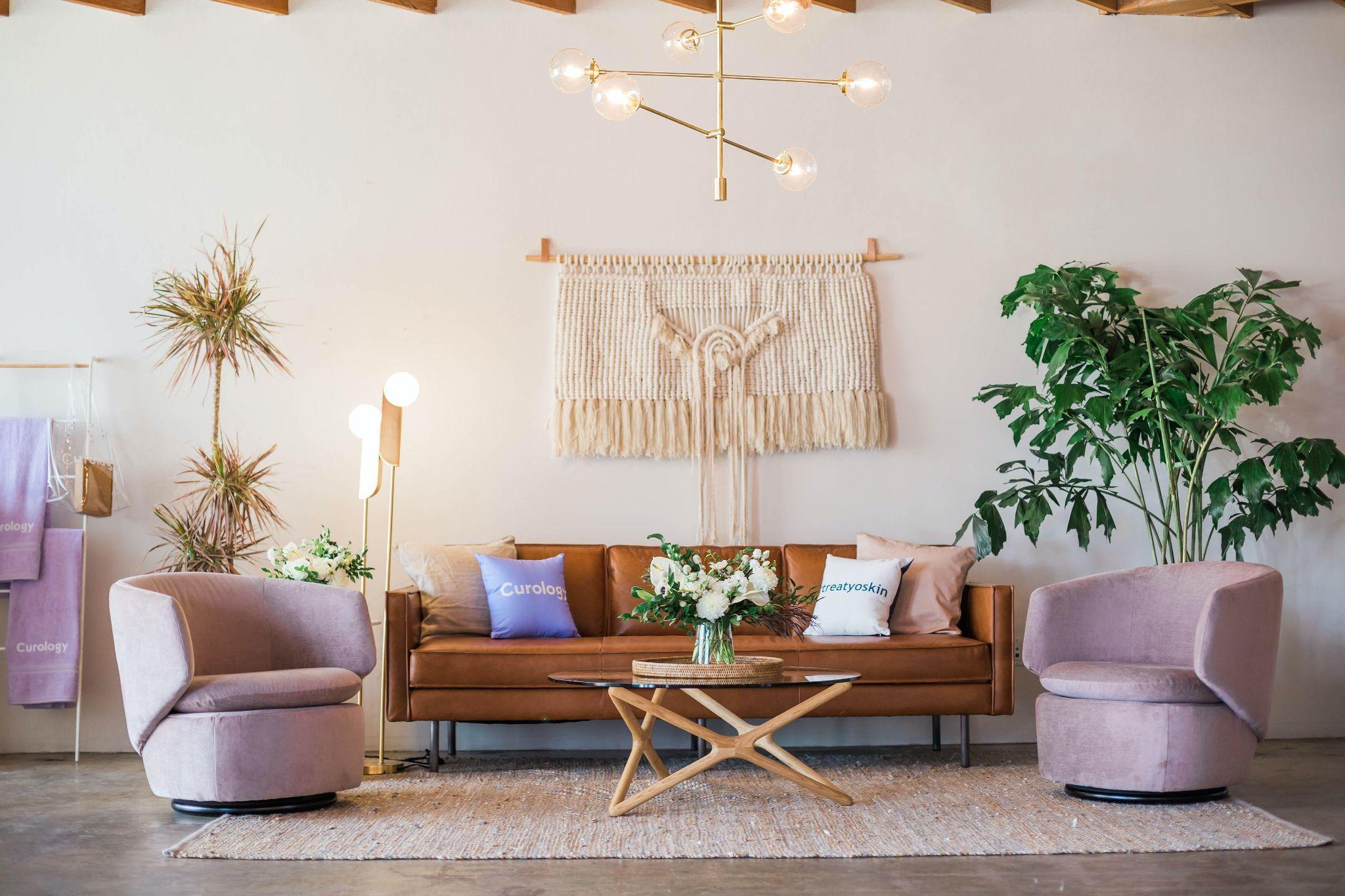
Link pieces with one colour family, a similar curve or a related finish rather than making everything match. For example, a simple modern chair can sit beside a more detailed older cabinet if their scale and use work together. Test samples and views in the actual room instead of relying on a fixed style ratio.
Leave useful space around displays
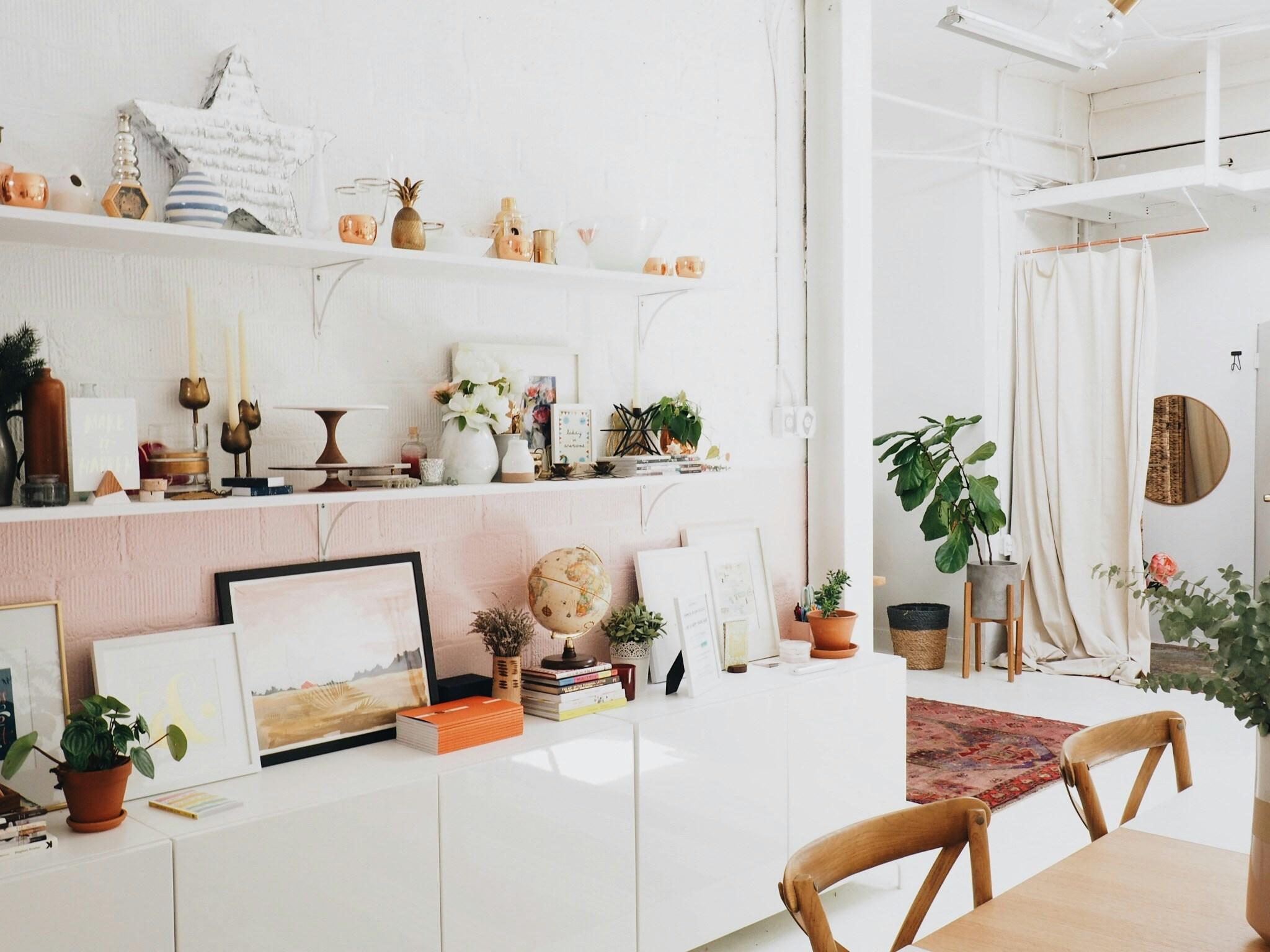
Group a few objects where they can be seen and cared for. Keep working surfaces and everyday storage available. A large collection spread across every shelf can obscure the furniture rather than connect it to the room.
Plants may add shape and colour through an appropriate container, but they should not be sold as an indoor filtration system. Choose an identified species for the available light, space and household access. Keep pots stable and protect surfaces from water.
Integrate current equipment by its requirements
If you need lighting, speakers or an air-cleaning device, choose its location by the task and manufacturer instructions before concealing it among objects. Decoration should not obstruct airflow, controls, access or a required clearance.
Review the room after ordinary use
Notice where doors collide, belongings accumulate or cleaning becomes awkward. Change those arrangements before adding more decorative layers. The result can reflect different periods while still offering clear routes, accessible storage and furniture that performs its intended job.
Photos