

The Art of Pan Cooking: Unlocking Midweek Meals
From Skillet to Skip: Understanding the Transition
The evolution of cookware is a fascinating journey, and the introduction of the skip pan stands as a testament to both culinary innovation and practical design. Unlike traditional frying pans or skillets, which often focus solely on frying and sautéing, the skip pan combines versatility with efficiency. Its tapered edges facilitate easier flipping and stirring, making it invaluable for busy weeknight dinners. These pans often have a deeper base, allowing for better retention of heat and moisture, leading to dishes that are not only quicker to cook but preserve the flavors beautifully. As home cooks transition from using standard skillets to incorporating a skip pan into their repertoire, they find that it seamlessly bridges the gap between different cooking techniques, from frying to braising, thanks to its heat distribution properties. This transition is not merely about a change in tool; it represents a modern approach to cooking that values the combination of utility, ease of use, and enhanced eating experiences.
Culinary Techniques that Shine in a Skip Pan
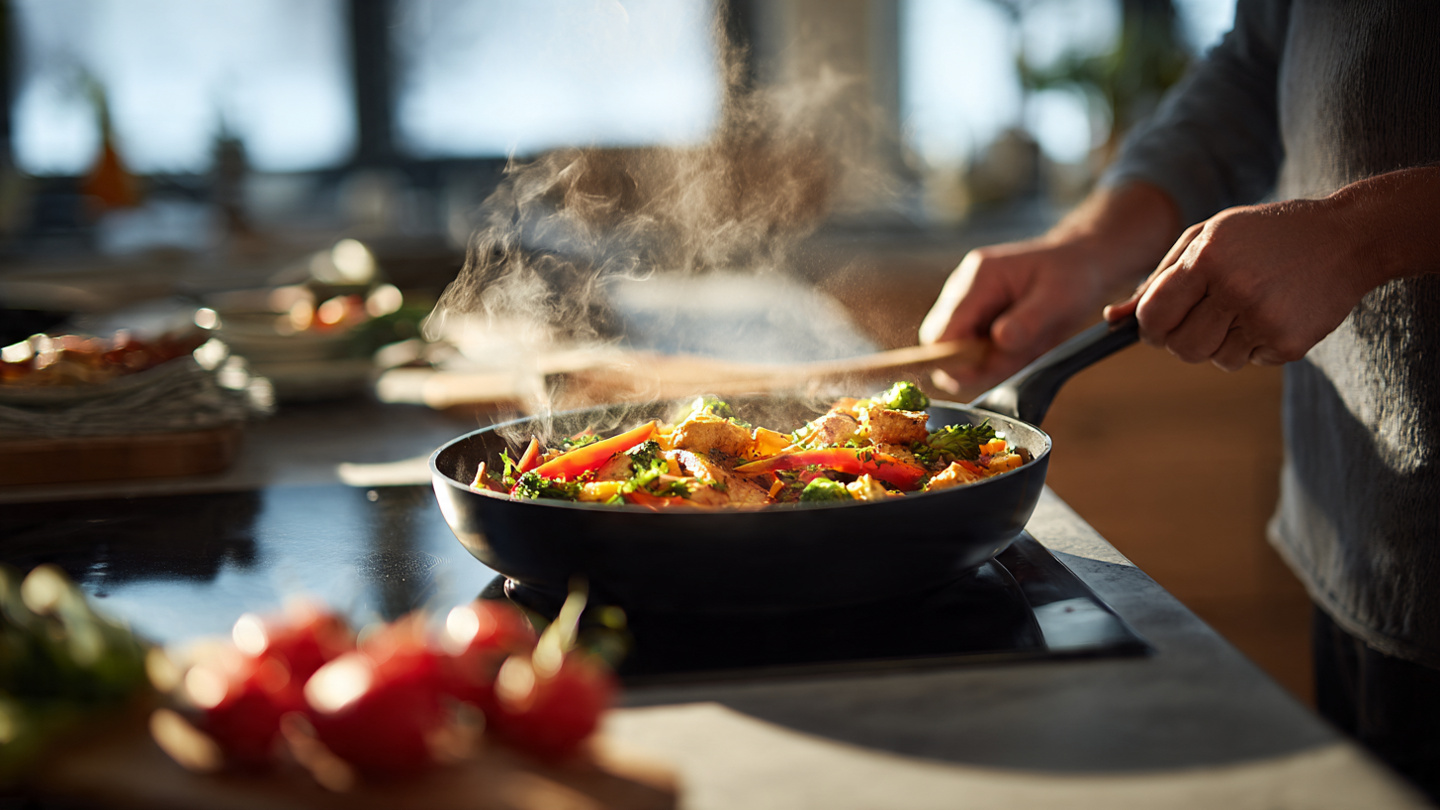
When it comes to exploring culinary techniques, the skip pan is an exemplary tool that enables cooks to experiment in the kitchen. Techniques such as flash frying, where food is cooked quickly at high temperatures, thrive in the skip pan due to its efficient heat retention and distribution. Additionally, the resulting texture of the food is incredibly appealing; proteins develop a beautiful sear while vegetables retain a satisfying crunch. Other methods like simmering and slow cooking are equally effective in a skip pan. The ability to cover the pan allows for steam to circulate, ensuring even cooking without the need for excessive liquid. This versatility empowers cooks to delve into various cuisines, from stir-fries that require high heat to one-pot meals, such as stews and casseroles, that benefit from the deeper structure of the pan.
Transforming Leftovers: Creative Skip Pan Recipes
The skip pan also excels in repurposing leftovers, providing an excellent platform for culinary creativity. Engaging in leftover cooking is not just economical; it fosters innovation. For instance, leftover roasted vegetables can be reimagined into a delightful frittata by whipping eggs directly in the skip pan, allowing the flavors to meld effectively. Alternatively, one can create a stir-fry using last night’s chicken, blending it with fresh greens and a savory sauce. This adaptability extends to grains as well; day-old rice can be revitalized with spices and an assortment of proteins to create a blooming fried rice. The skip pan’s design encourages even heating, ensuring that leftovers are not only delicious but also safe to consume, minimizing the risk of cold spots where harmful bacteria could survive.
Nutritional Insights: Why Choose a Skip Pan?
Healthy Oil Usage: A Game Changer for Your Diet
One of the most significant advantages of cooking with a skip pan is its ability to minimize the quantity of cooking oil needed without sacrificing flavor or texture. Traditional frying methods often require substantial amounts of oil, leading to increased calories and fat intake. However, the design of a skip pan allows for the use of less oil while achieving a patina that enhances flavor. Healthy options such as olive oil or avocado oil can be used at lower quantities, and the non-stick properties of many skip pans mean that food is less likely to adhere, facilitating a healthier cooking method. This approach aligns with modern dietary considerations focused on reducing unhealthy fats while still embracing cooking techniques that bring out natural flavors.
The Skip Pan and Its Impact on Nutrient Retention
Beyond just healthier cooking oil usage, the manner in which food is cooked in a skip pan often leads to better nutrient retention. The rapid cooking methods facilitated by the pan, such as sautéing and stir-frying, help preserve water-soluble vitamins that are often lost in prolonged cooking processes like boiling. Foods that are cooked quickly in a skip pan tend to retain vibrant colors and distinct flavors, reflecting their nutritional integrity. Recent studies have shown that certain vitamins can degrade significantly with excess heat exposure or lengthy cooking times; hence, the ability to prepare meals quickly in a skip pan not only enhances taste but bolsters the overall healthfulness of the meal.
Cooking Methods that Minimize Harmful Compounds
Another critical factor in choosing to use a skip pan lies in how it impacts the formation of harmful compounds that may develop while cooking. Cooking methods involving high heat can lead to the creation of acrylamide, a potential carcinogen found in certain browning processes. However, the skip pan’s design allows for cooking at optimal temperatures that diminish this risk significantly while still achieving a delectable brown crust. Furthermore, its capacity to retain moisture means that foods can be cooked at lower temperatures without compromising quality. This means you can enjoy the flavor and texture of cooked foods while being mindful of potential harmful effects.
Eco-Friendly Cooking: Sustainability in the Kitchen
Skip Pan Materials: What’s Safe for You and the Planet?
In an era where sustainability is paramount, selecting the right cookware is increasingly significant. Skip pans are often constructed from materials like stainless steel, cast iron, and hard-anodized aluminum, all of which present safe options for cooking while being more environmentally friendly. Stainless steel is particularly notable for its durability and resistance to corrosion, while cast iron is cherished for its longevity and flawless heat retention. Choosing skip pans that are PFOA-free and made from recyclable materials allows consumers to feel confident that their culinary practices are not contributing to environmental degradation, promoting a more sustainable lifestyle both in and out of the kitchen.
Reducing Energy Consumption While Cooking
Cooking with a skip pan can also lead to a decrease in energy consumption, a vital consideration in today’s eco-conscious world. The efficient heat distribution of a skip pan often means meals can be prepared faster than with conventional cookware, thus reducing the overall time the stove or oven needs to be on. This efficiency not only contributes to lower energy bills but also lessens the carbon footprint associated with cooking. Using the skip pan on gas stoves, in particular, maximizes heat delivery directly to the cookware, enhancing energy efficiency. By adopting such practices, individuals can contribute to a larger movement towards environmentally friendly cooking methodologies.
The Skip Pan Revolution: Influencing Kitchen Sustainability
The skip pan is more than just a cooking tool; it represents a shift toward sustainable cooking practices that align with modern values of health and environmental responsibility. As this cookware gains popularity, it encourages consumers to rethink their kitchen behaviors, opting for methods that prioritize not only personal health but also the health of the planet. This revolution advocates for smarter, more intentional food preparation, empowering individuals to maximize the benefits of every ingredient while minimizing waste and inefficiency. The skip pan serves as an essential component in this shift, reminding us that sustainable cooking is about choosing better tools, techniques, and mindsets.
Making the Most of Your Skip Pan: Maintenance and Care
Cleaning Secrets: Keeping Your Skip Pan Sparkling
Caring for your skip pan is crucial for its longevity and performance. Unlike traditional non-stick pans that often require gentle cleaning to avoid scratching, many skip pans are designed to withstand more rigorous scrubbing. However, it’s essential to approach cleaning with a methodical mindset. For best results, let the pan cool down completely before starting the cleaning process. Soaking the pan in warm water can help loosen up stubborn food particles. Non-abrasive scrubbers or brushes work wonders in removing any residuals without damaging the surface. Additionally, for stainless steel skip pans, a mixture of baking soda and vinegar can serve as an excellent natural cleanser that leaves your cookware looking new while being eco-friendly.
Longevity Tips: How to Preserve Its Lifespan
To further enhance the longevity of your skip pan, consider strategies that promote care and maintenance. Avoid drastic temperature changes, as these can warp the pan over time. Instead, allow your skip pan to gradually heat up and cool down. Regular seasoning, especially with cast iron skip pans, creates a natural non-stick surface while preventing rusting. Moreover, storing your skip pan properly—the use of separators or kitchen towels between pans can protect cooking surfaces from scratches, which is vital for maintaining its core design and efficiency. With each thoughtful action, you extend the life of your cookware, making it not just a tool but a wise investment in your cooking journey.
When to Upgrade: Signs Your Skip Pan Needs Replacing
While caring for your skip pan can extend its life, recognizing when it’s time for an upgrade is equally crucial for maintaining cooking performance. Signs such as warping, peeling, or significant scratches indicate that the pan may no longer perform at its best. Additionally, if you notice that food begins to stick unexpectedly, despite regular cleaning and care, it may be time to consider a replacement. An upgrade might also reflect your evolving culinary needs, as newer models often incorporate advanced materials and designs that optimize cooking experiences. Staying attuned to these signals ensures you continually benefit from quality cooking tools that align with your meal preparation standards.