Home Blog Page 14

Why Many Indianapolis Homeowners Are Choosing Luxury Vinyl Plank (LVP) Flooring

Flexibility is essential for navigating life in Indianapolis. One second, the sky is bright and sunny, and the next, it looks like a wild storm. More locals are choosing luxury vinyl plank flooring because it maintains its charm despite the challenges of everyday life.

However, the increasing popularity of the material is not just for lasting charm. It’s also about style, price, and being easy to take care of. Let’s examine why LVP is growing so rapidly in popularity here in the Circle City.

It adapts well to different types of temperature

First, every Indianapolis resident knows that the weather is not always the same. The changing climate in this region can be harsh on regular flooring, particularly with hardwood.

LVP can adapt to the shifts that come with each season easily. It is made to be stable in size even when exposed to moisture or humidity changes, unlike hardwood. As a result, the floor won’t have gaps or buckles and can hold up over the years, even in high-traffic places or a wide range of climates.

For homes where the snow and salt from winter lead to messy entryways or mudrooms, LVP is your best friend. It will stand the test of time.

It is waterproof, which is pretty impressive

LVP is a popular option for Indianapolis homes because of how waterproof it is. It is designed to be 100% waterproof once it is set up correctly.

For this reason, LVP is frequently the first choice for decorating the following areas:

  • Kitchens, which are often the scene of frequent spills.
  • Bathrooms, which are prone to being humid.
  • Basements, commonly known for their dampness.
  • Laundry rooms, which often have unexpected leaks.

Not having to worry about water damage or mold is great news since, in Indiana, the spring rains can often make their way inside and lead to unexpected plumbing issues.

It mimics the appearance of wood but does not work like it

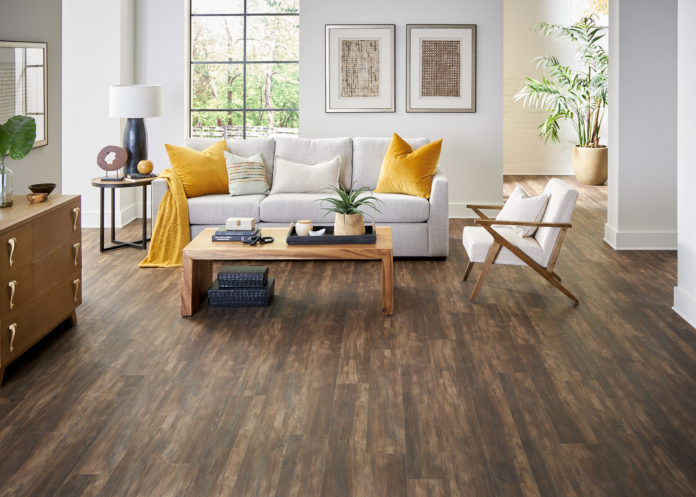
In this case, LVP truly excels because it looks almost exactly like real hardwood. New technologies even make it hard to differentiate it from oak, walnut, hickory, or maple.

In contrast with wood, LVP has these features:

  • Does not get scratched easily
  • Doesn’t need refinishing
  • It is not as expensive.

You can enjoy a classy design without having to worry about maintenance. This feature appeals mainly to homeowners in well-established neighborhoods in Indianapolis who care about combining modern comforts with old-fashioned style.

Like the idea of including reclaimed barn wood in your Irvington residence? LVP is suitable for almost everything, but it does it without the extra costs and upkeep.

The cost is reasonable, and installation is a breeze

Walk into a vinyl flooring store Indianapolis, and you will get it at a lower cost compared to hardwood or tile. Though prices can fluctuate, most homeowners in Indianapolis consider LVP to be a smart choice since it saves on maintenance and repair over the years.

Installing the floor takes less time and involves fewer changes to the existing systems. Products in the LVP category are often designed for fast installation: you can either glue them or just lock them into place by clicking. This makes it easier on you, and you may save money if you use professional help.

A local flooring store can complete your installation within the same week, especially on styles they have in stock. This is particularly helpful if you only have limited time or suddenly need to replace your floors.

Kids and pet-friendly

If you have children or pets at home (or both), you will benefit from how scratch-resistant, dent-resistant, and easy-to-clean LVP is. Luxury vinyl plank floors can handle pet nails, falling toys, and scooter damage without showing wear. Should spills happen (let’s face it, they do), you have no trouble getting them clean. A bit of cleaning with a soft mop and a light cleanser brings things back to normal.

There are many families in Indianapolis who go for LVP in their living rooms, play areas, and hallways for this exact reason. It can survive everyday wear and still make a great first impression.

The style can be customized for every type of home

Indianapolis has a great variety of homes, such as modern apartments in the city center, old mansions in Old Northside, and sprawling suburban houses in Fishers. The best part about LVP is that it looks nice with any home’s style.

There are so many colors, styles, textures, and finishes in wood planks. So, you will surely find something to fit your taste, whether it’s country chic, urban, timeless, or simple.

Are you looking for something open and breezy for your kitchen? Or maybe a deep and dark color for the cozy living room? You can find an LVP design that goes with your interior.

The bottom line

Many homeowners in Indianapolis are choosing Luxury Vinyl Plank because it offers the right blend of style and functionality. This flooring is suited to the weather in Indiana, is family-friendly, improves your home’s design, and works with almost any budget.

Bathroom Remodeling on a Budget: Smart Strategies for a High-Value Renovation

Bathroom renovation is one of the most valuable home improvement projects you can do, which will provide you with a high quality of life in the short term and pay off in the long term. Although most homeowners tend to believe that they need a large budget to make their bathroom beautiful and functional, the truth is that proper planning and decision making can help them achieve superior results without overspending.

This is a guide to realistic bathroom remodeling ideas which consider both quality and cost-efficiency so that you could get the best out of each dollar spent on your construction.

Comprehending the Worth of a Bathroom Renovation

Prior to discussing the methods of saving costs, one should understand the importance of bathroom renovations. In addition to the apparent cosmetic improvements, a properly done bathroom renovation takes care of a couple of very important factors in home ownership.

Strategic Budget Allocation: What to Fund and What to Cut Back

The key to any effective budget remodel is knowledge of what is worth spending more on and what you can get away with skimping on a bit without losing quality. One of the aspects in which it is especially dangerous to save money is plumbing infrastructure. Inexpensive faucets, valves, and piping are often the source of leaks and water damage as well as early failure which will cost you more to fix than you may save on the front end.

Alternative Materials That Can Save You Money and Style claimed

Bathroom remodeling costs can be best controlled by one of the most effective methods of finding alternative materials which can give the same visual value as the luxurious materials but at a fraction of the cost. The examples of this principle are especially good in tile choices.

  • Natural stone tiles have always been sold at a high price
  • Porcelain tiles have been able to imitate the stone patterns with great precision combined with better durability and easy cleaning.
  • In the case of backsplashes, peel-and-stick tile products are no longer constrained by the shortcomings of their initial offerings, and can offer realistic stone and ceramic appearances, along with DIY-accessible installation and affordable prices.

There are also storage solutions, where it is possible to implement creative costs management.

  • Instead of investing in custom built cabinetry many homeowners are getting great looks by buying stock vanities and then dressing them up with new improved hardware or refinishing methods.
  • Another economical solution to the built-in storage niches is open shelving which is as functional as it is design-flexible and costs a lot less.

The fixture selections illustrates how strategic decisions can generate both short and long term savings. Although it can be tempting to buy high-end shower systems, these days many models in the middle price range have a similar spray pattern and use less water without being luxurious. Likewise, a deep soaking tub instead of a freestanding one can offer the same type of relaxation effects whilst saving on space and money.

Striking the Right Balance between DIY and Professionalism

The decision of what you will personally undertake in your bathroom remodel and what you will leave to the experts has a profound effect on the overall expenses and the results of the projects. Painting is one of the most universally available and low cost DIY opportunities, where a proper surface preparation and good quality mold resistant paints can change the appearance of bathrooms at very little cost.

On the same note, most homeowners should be able to install such accessories as towel bars, mirrors, and shelving, which can provide visible aesthetic improvements. Nevertheless, some elements of the bathroom renovation require the intervention of a home remodeling company Indianapolis..

Budget Pitfalls to Avoid

The other common pitfall is focusing on short-lived design trends instead of focusing on timeless aspects. Although bright colors and unusual lightings may appear attractive in the short run, they go out of fashion soon and can actually reduce the resale value of the property. The more moderate route would be to use neutral basis and add selected accent items that could be easily changed as the styles change.

Adequate ventilation is another aspect that is commonly disregarded yet very important. Poor ventilation will make the place wet and consequently the growth of mould and decomposition of material occurred. By spending a little more on a good ventilation fan during the remodel job, these problems can be avoided, besides, enhancing air quality at a comparatively low cost, which has a significantly high payoff in the long-run.

Luxury Results, Without Luxury Spending

Budget bathroom remodels are most successful when they incorporate effective planning, educated choices of materials and balance resources distributions between professional services and DIY work. Homeowners can achieve this by investing in long-lasting infrastructure and visual items that have a high impact as well as using cost-effective options on other fixtures to make the bathrooms feel luxurious without necessitating excessive spending.

Most remodeling contractors will provide an initial consultation that may be able to further refine your plans as well as point out other areas of savings. When done carefully, your bathroom remodel can provide you with an instant gratification and long-term value showing that outstanding outcomes do not have to be based on outstanding budgets.

Smart Homes vs. Radon: Can Modern Tech Detect Invisible Dangers?

Smart homes are continuously becoming common. This is true, especially among Calgary homeowners. Technology has completely changed how we live. This includes everything from temperature control and lighting to security systems. But the question is, can this technology protect homeowners against invisible threats, such as radon gas?

Understanding Radon in Canadian Homes

Radon is a radioactive, naturally occurring gas that usually comes from the ground. You can’t taste, smell, or see it. However, it may accumulate in our houses, especially in basements. If we are exposed to it for a long period, the level of radon gas will increase the risk of getting lung cancer.

Most Calgary homes have a high level of radon, which is why it is necessary to seek Calgary radon mitigation services that involve the use of technology.

Can Smart Devices Detect Radon?

Smart home tech is designed to improve our health and comfort. While quality devices are available on the market, not all can detect gas. To effectively detect gas, you will require a specific detector for accurate results.

Some can be connected to smartphones. This way, homeowners can be alerted when the radon level is above the safe limit. In addition, it helps to track trends. That makes it much easier to spot issues early.

Features of a Smart Radon Detector

Some devices work hand-in-hand with platforms such as Google Home or Alexa. That makes it much easier to act quickly and stay informed. To ensure you only work with effective devices, you will have to use systems that come with the following features:

  • Real-time readings
  • Mobile Alerts
  • Data tracking

Why Smart Homes Still Need Professional Testing

Even with a smart tool, professional testing will still be necessary. Certified professionals don’t just use more advanced tools. They also use more specialized equipment to detect radon accurately. In addition, they know how and where to test based on a home’s layout.

A smart radon monitor is perfect for detecting gas on an ongoing basis. However, professionals will step in with effective solutions if the gas level is high. They will help install a system that can vent the gas before it enters the living room.

So, whether you own an old or new home, getting expert advice and a full test is still important. Technology supports safety, but involving an expert is more crucial.

Taking Action Today

Are you using smart home devices? If yes, add a radon monitor to upgrade the entire system. The best thing about this is that it is simple to install, guarantees peace of mind, and is inexpensive. Plus, you will always know when to take action. So, ensure you do the following:

  • Choose devices that are made for the gas detection.
  • Connect it to your smart home system for real-time updates.
  • Call an expert if the readings are high.

In conclusion, technology is very powerful. However, awareness remains the key. With an action plan and the right tools, you won’t just update your smart home in the city. You will also keep it safe from radon gas.

Taupe Kitchen Cabinets A Soft Statement for Classic and Contemporary Homes

In today’s world of kitchen design, bold doesn’t always mean bright. Sometimes, sophistication lies in subtlety—and taupe kitchen cabinets are the perfect example. This soft, neutral tone is quietly rising in popularity among designers and homeowners alike, offering warmth, versatility, and timeless charm.

Taupe is more than just a color—it’s a mood. A calming presence. A balanced blend of gray, beige, and warm undertones that can completely transform the feel of a kitchen. Whether you’re remodeling a traditional farmhouse or designing a sleek modern space, taupe cabinets bring a grounded, elegant energy that feels both fresh and enduring.

What Makes Taupe a Unique Cabinet Color?

Taupe lives in that sweet spot between warm and cool. It’s neutral, yes—but not flat. It carries the richness of brown with the softness of gray, making it one of the most adaptable colors in kitchen design. Unlike stark white or deep espresso, taupe doesn’t shout for attention. Instead, it creates a calm, inviting environment, allowing other elements like countertops, backsplashes, and lighting to shine.

Designers love taupe for its emotional warmth and its ability to respond beautifully to light. Under natural sunlight, taupe can feel creamy and warm. Under cooler, LED kitchen lighting, it takes on a sleeker, more modern edge. That responsiveness makes it a smart, strategic choice for homes of any size or layout.

Taupe in Classic Kitchens

In a traditional or classic kitchen, taupe fits in effortlessly. Its warm undertones complement the textures and features often found in older or timeless kitchen styles. Think crown molding, paneled doors, marble countertops, and ornate light fixtures. Taupe cabinetry acts as a soft anchor to tie all those elements together.

Pairing taupe cabinets with brass or antique bronze hardware adds an instant vintage touch. Add a farmhouse sink, natural wood floors, and subway tile, and you’ve got a kitchen that feels both nostalgic and sophisticated. This combination is especially appealing for homeowners looking to update an older kitchen without losing its original charm.

Taupe also pairs wonderfully with creamy walls, light beige stone, and warm-toned appliances. It creates a feeling of continuity that makes the space feel cohesive, elegant, and full of character.

Taupe Cabinets in Contemporary and Modern Spaces

While taupe has a classic heart, it also has a contemporary soul. In a modern kitchen, taupe cabinets can feel strikingly current—especially when styled with minimalist finishes. Flat-panel doors, matte black hardware, and quartz countertops instantly give taupe a sleeker, more urban look.

Taupe also softens the sharp lines and high contrast often found in modern kitchens. Instead of using bright white or cold gray, taupe introduces a touch of earthiness and depth, making the space feel more human and less sterile.

For a clean, cohesive design, consider taupe lower cabinets with white uppers or a taupe island against a white or black wall. Pair with concrete floors or high-gloss tile to emphasize the modern edge. With the right lighting, taupe in a contemporary setting feels refined, balanced, and quietly bold.

Top Color Pairings with Taupe Kitchen Cabinets

Taupe’s adaptability is one of its strongest traits, and that includes color coordination. Because taupe is a true neutral, it plays well with a wide range of colors—both warm and cool.

For a light and airy feel, pair taupe with crisp white walls, soft cream countertops, and brushed gold or champagne hardware. To add contrast, use black matte fixtures, charcoal stone, or even navy blue as an accent on an island or backsplash.

Earth tones like sage green, terracotta, and dusty rose also work beautifully with taupe, adding personality without clashing. For something bolder, a deep forest green or slate blue can bring in a moody, modern vibe that still feels organic and natural.

When selecting flooring, oak, hickory, and walnut tones all complement taupe’s warm undertones. Taupe also works well with light gray tile or limestone if you want to emphasize cooler notes.

Styling and Design Tips for Taupe Cabinets

Bringing taupe kitchen cabinets to life is all about the finishing touches. Hardware, lighting, wall color, and decor can dramatically influence how taupe is perceived in your space.

Choose hardware based on your style direction. For traditional or transitional kitchens, brass or antique gold adds a hint of luxury. In modern settings, black or brushed nickel keeps things streamlined and clean.

Lighting is another essential factor. Under-cabinet lighting in warm white will enhance taupe’s inviting tones. Pendant lights with metallic or glass finishes can add character while keeping the design cohesive.

Keep your wall color in harmony. Whites, creams, and soft grays work best with taupe. If you want something more dramatic, consider a muted navy or a deep olive green. These tones complement taupe without overwhelming it.

Décor-wise, bring in natural textures—wood, stone, ceramic, linen—to amplify taupe’s grounded appeal. Plants also help soften the space and bring a bit of life to your kitchen.

Maintenance and Durability Considerations

Taupe kitchen cabinets are not only stylish—they’re also smart from a maintenance standpoint. Their mid-tone color does an excellent job of hiding fingerprints, dust, and minor scratches compared to white or black cabinets.

When sealed properly, taupe finishes can stand up to daily wear and tear with ease. A satin or matte finish helps conceal smudges, while semi-gloss adds a bit of sheen that reflects light and makes wiping down surfaces a breeze.

To keep your taupe cabinets looking fresh, clean them regularly with a soft cloth and a gentle, non-abrasive cleaner. Avoid bleach or ammonia-based products, which can dull the finish over time. If you choose painted taupe cabinets, make sure they’re sealed with a durable topcoat to resist moisture and staining.

Is Taupe Right for Your Kitchen?

If you’re drawn to warm, earthy neutrals but want something more refined than beige or more expressive than gray, taupe is an ideal middle ground. It offers elegance without being overpowering and flexibility without being boring.

Taupe works well in kitchens that aim to be calm, sophisticated, and timeless. Whether your home leans rustic, transitional, or cutting-edge modern, taupe can support your vision—and evolve with it over time.

Consider the amount of natural light in your kitchen. Taupe glows beautifully in sunny spaces and adds comfort to dimmer ones. It works well in both small and large kitchens, adding either a cozy touch or a soft visual flow depending on the layout.

Conclusion

Taupe kitchen cabinets may not scream for attention—but that’s exactly their power. They bring warmth, balance, and style to a kitchen without dominating the space. Whether your aesthetic leans classic or contemporary, taupe provides a versatile, elegant foundation that works across trends, time, and personal tastes.

If you’re searching for a cabinet color that makes a statement without trying too hard, taupe could be the perfect soft solution. Understated, sophisticated, and endlessly adaptable, taupe kitchen cabinets are here to stay—and for good reason.


How to Pick a Tree for Your Yard

Old Japanese Maple Tree at Japanese Garden in Autumn

Planting a tree is one of the most rewarding decisions you can make for your home and the environment. Trees offer shade, increase your privacy, boost curb appeal, reduce energy costs, increase property value, and provide a habitat for local wildlife. But choosing the right tree for your yard is more than picking one that looks nice. It’s a long-term investment that requires careful consideration of several factors.

Whether you want a flowering ornamental, a stately shade tree, or a fast-growing privacy screen, this guide will help you make the best choice for your space.

1. Understand Your Goals

Start by identifying what you want from a tree. Do you want it to:

  • Provide shade?
  • Add spring or fall color?
  • Offer privacy?
  • Produce fruit or flowers?
  • Attract birds and pollinators?

Your goals will guide you toward specific tree types. For example, if shade is your priority, consider a large deciduous tree like an oak or maple. If you’re interested in flowers and fragrance, look at dogwoods, magnolias, or cherry blossoms.

2. Know Your Site Conditions

Next, assess the conditions in your yard. Not all trees will thrive in every location. Consider the following:

Sunlight: How many hours of direct sunlight does the area receive? Full sun (6+ hours), partial shade (3–6 hours), or full shade (less than 3 hours)?

Soil Type and Drainage: Is your soil sandy, clay, loamy, or compacted? Does water pool after rain, or does it drain quickly? Some trees like moist soil (like river birch), while others prefer well-drained ground (like pines or oaks).

Space: How much room do you have—both above and below ground? Will the tree grow too close to your home, power lines, driveway, or foundation? Roots can also impact sidewalks and plumbing if planted too close.

Climate Zone: Make sure the tree you choose is hardy in your USDA Plant Hardiness Zone. Local nurseries can help identify suitable species.

3. Choose the Right Tree for the Right Place

Match your goals with the site conditions to narrow your tree choices. Here are some common needs and good options:

Shade Trees

  • Oak (e.g., Red Oak, Pin Oak): Long-lived, large canopy, native to many regions.
  • Maple (e.g., Sugar Maple, Red Maple): Brilliant fall color, great for cooler climates.
  • Katsura: Fragrant in fall and beautiful colors, dense shade, adaptable.

Flowering Trees

  • Dogwood: Spring blooms, attractive berries, moderate size.
  • Magnolia: Stunning flowers, evergreen or deciduous varieties.
  • Crabapple: Profuse spring blossoms, small fruit, attracts birds.

Privacy Trees

  • Arborvitae: Dense, slow-growing evergreen, ideal for hedges.
  • Leyland Cypress: Tall, fast-growing, but needs space.
  • Green Giant: Fast growing, medium width and height

Small Spaces

  • Japanese Maple: Delicate leaves, vibrant color, compact.
  • Redbud: Heart-shaped leaves, spring blooms, modest size.
  • Serviceberry: Multi-season interest, edible berries.

4. Think Long-Term

It’s easy to fall in love with a sapling at the nursery, but remember: trees grow. Always check the mature size—both height and spread—of any tree you consider. Avoid planting large trees too close to your house or beneath power lines. Also, consider the tree’s maintenance needs. Will it drop fruit or seed pods that might stain a driveway or your car? Does it require regular pruning?

Some trees are also more prone to pests or disease. Check with local arborists to find out what species are most resilient in your area.

5. Buy from a Reputable Source

Once you’ve chosen your tree, buy it from a local, reputable tree nursery. Local suppliers are more likely to stock regionally appropriate trees and can offer transplanting and care advice. Inspect the tree for healthy roots, no signs of disease, and a strong central leader (the main trunk should be straight and dominant).

6. Plant and Care Properly

The best tree in the world won’t thrive if it’s poorly planted. Here are a few quick tips:

  • Dig a hole wider than the root ball but no deeper.
  • Backfill with the native soil (don’t amend heavily).
  • Water consistently through the growing season with driplines or emitters
  • Mulch around the base—but keep mulch away from the trunk.
  • Stake only if necessary, and remove stakes after 1-2 seasons.

Many tree nurseries, like Big Trees Inc., offer planting service for their trees.

Final Thoughts

Choosing the right tree for your yard is a blend of aesthetics, practicality, and foresight. With some research and planning, your new tree can become a defining feature of your landscape for generations to come. Remember, trees are long-term companions—choose one that will love your yard as much as you do.

Nancy Penrose is the owner of Big Trees Inc., the premier tree nursery in the Seattle area, located in Snohomish.

Build Unlimited Project Showcase: Transformations Across Auckland

Pete Logan shares powerful home transformations across Auckland, offering practical insights on how Build Unlimited turns tired houses into dream homes while keeping budgets and timelines intact.

How Build Unlimited Transforms Auckland Homes

When Pete Logan talks about renovations, his eyes light up. After years in the Auckland building trade, the founder of Build Unlimited has transformed everything from cramped villas into modern family homes to tired bungalows reborn with stylish extensions.

“I love seeing the transformation,” Pete says with a smile. “Most homeowners come to us feeling stuck. They’ve outgrown their space but love their neighbourhood too much to move.”

Build Unlimited’s Smart Approach to Renovation Costs

With Auckland house prices still high, renovation makes sense for many homeowners. But budget concerns often cause headaches.

“We recently helped a first home buyer in Manukau with her 160-square-metre renovation,” Pete explains. “She wanted a high-end finish on a tight budget. Rather than scaling back her dreams, we suggested doing the main living spaces to her exact taste first, then finishing other rooms in stages as money allowed.”

His cost advice is refreshingly simple: “Visit showrooms to see real prices. Talk to your builder early, they’ll give you more accurate figures than random internet estimates. And don’t be afraid to renovate in planned stages, focusing on the rooms you use most.”

The Build Unlimited Process: Building Without the Stress

What sets Build Unlimited apart from other Auckland builders is their all-in-one.

“We’re architects, quantity surveyors, and builders under one roof,” Pete explains. “This makes the whole process smoother for our clients.”

This matters most when dealing with Auckland’s tricky consent process. Pete remembers an Albany project where a family wanted to add a lounge to their home: “They had beautiful architectural plans but hadn’t talked to a builder. The design simply couldn’t be built as drawn.”

Build Unlimited redesigned the plans and built the extension in stages, saving the family both time and money. Pete’s advice is clear: “Get your builder involved from day one, before finalising any designs.”

On the consent front, Pete keeps it simple: “While it’s legally the homeowner’s job to get consents, we handle the paperwork and council inspections for you.”

How Build Unlimited Makes Living Through Renovations Bearable

For most homeowners, the thought of living through a renovation brings dread. Pete understands this all too well.

“Trying to get kids ready for school while there’s dust everywhere is no fun,” he says. “That’s why we’ve created a full dust management system with commercial air purifiers and proper dust barriers.”

This approach made all the difference for a young couple’s Parnell villa renovation. “They bought a dark, dated three-bedroom villa and needed it completely transformed within seven weeks. We delivered a brand new kitchen, two bathrooms, laundry, oak flooring and full painting, all while they continued living there.”

Why Build Unlimited’s Clients Keep Coming Back

Client feedback shows why Build Unlimited stands out in Auckland’s crowded building market.

Jess, a recent client, puts it simply: “Pete and his team are incredible. The easiest process ever. Impeccable workmanship and communication.”

Another homeowner, Stacey from the Wharf Road Project, adds: “As first-time renovators, we expected a nightmare. Instead, Pete’s team gave us a clear schedule, held weekly site meetings, and quickly solved any problems that came up.”

Pete believes good communication is key to managing the emotional weight of big home projects. “Your home reflects who you are. We will never forget that.”

When to Choose Renovation vs Building New

Pete is refreshingly honest about when renovation might not be the best choice. “If your home has major structural issues or you want to completely change the layout, building new could be smarter financially.”

He suggests asking: How much do you love your location? How sound is your current home? How big are the changes you want? What’s your budget compared to your home’s likely value after work?

“Sometimes we tell clients their renovation plans would cost more than starting fresh,” Pete admits. “It’s about finding the right solution for you, not just selling a service.”

For Auckland homeowners looking to transform their spaces, Build Unlimited offers a rare combination, technical know-how paired with genuine understanding of how personal home projects really are. 

Their success shows in the smiles of clients who finally have homes that work for how they actually live.


Promenade Peak: Discover Elevated Living at Grand Zyon

In today’s fast-paced world, people are looking for more than just a place to live — they want a lifestyle. That’s exactly what Promenade Peak at Grand Zyon offers. With modern architecture, resort-style amenities, and a prime location, this new development is creating quite a buzz. Whether you’re a young professional, a growing family, or someone looking for an upscale investment, Promenade Peak is designed to cater to modern needs while keeping comfort and elegance at its core.

What Is Promenade Peak at Grand Zyon?

Promenade Peak is a newly developed residential enclave located within the prestigious Grand Zyon master-planned community. Designed with contemporary living in mind, Promenade Peak blends high-end finishes, energy-efficient features, and community-centric design.

This isn’t just about sleek kitchens and large windows (though you get those too) — it’s about curating a lifestyle that balances luxury, practicality, and long-term value.

Key Features of Promenade Peak

Let’s break down what makes Promenade Peak so attractive:

1. Prime Location

  • Situated within the Grand Zyon development
  • Easy access to major highways, schools, shopping, and dining
  • Close proximity to nature parks, trails, and entertainment hubs

2. Modern Design

  • Spacious floor plans with open-concept layouts
  • High ceilings, oversized windows, and energy-efficient lighting
  • Smart home integration for lights, locks, and climate control

3. Community Amenities

  • Private fitness center and yoga studio
  • Resort-style swimming pool and cabanas
  • Walking trails, pet parks, and kid-friendly zones
  • Multi-purpose clubhouse with event space

4. Safety & Sustainability

  • Gated access and 24/7 surveillance
  • Energy-efficient appliances and water-saving systems
  • EV charging stations and solar-ready rooftops

All these features are designed to enhance everyday living while reducing your environmental footprint.

Why Choose Promenade Peak at Grand Zyon?

If you’re wondering why this development is making waves in the real estate community, here’s why:

1. Lifestyle Appeal

Promenade Peak caters to individuals who value community, convenience, and comfort. Whether you’re working from home or commuting to the city, this development is built with flexibility in mind.

2. Long-Term Investment

Real estate within Grand Zyon is already showing strong appreciation. Being a part of Promenade Peak means you’re not just buying a home — you’re securing a valuable asset.

3. Community Vibes

Living in Grand Zyon means being part of a curated neighborhood. From community events to shared spaces, there’s a sense of belonging that’s hard to replicate in standard developments.

Current Trends Shaping Promenade Peak

Here are some trends that are influencing Promenade Peak and similar upscale developments:

  • Hybrid Living: The need for multifunctional spaces (like home offices or fitness corners) is driving architectural innovation.
  • Wellness-Focused Design: More developers are integrating natural light, green areas, and wellness zones to improve mental and physical health.
  • Eco-Conscious Buyers: Energy efficiency and sustainable materials are becoming standard rather than premium.
  • Tech Integration: Smart homes with mobile-controlled features are a top priority for modern buyers.

Promenade Peak at Grand Zyon checks all these boxes.

Potential Challenges to Consider

No development is without its drawbacks. It’s important to consider:

1. Initial Cost

Premium features come with a premium price. While it’s a solid investment, the upfront costs may be higher than average local options.

2. Competition

Due to high demand, available units may sell out quickly. Buyers need to act fast and may face bidding competition.

3. Homeowners’ Association Rules

Living in a well-managed community means following certain guidelines. These rules help maintain standards but may not suit everyone’s lifestyle.

That said, these challenges are often outweighed by the long-term benefits Promenade Peak offers.

Who Should Consider Promenade Peak?

If you’re any of the following, Promenade Peak might be your perfect match:

  • Young professionals seeking upscale yet connected living
  • Families wanting access to schools, parks, and safety
  • Remote workers who need quiet, functional space with good Wi-Fi
  • Investors looking for long-term value in a growing neighborhood 

Experience It Yourself

Want a better feel for what Promenade Peak at Grand Zyon offers? Visit the official Promenade Peak page here:
Explore the full lifestyle and design features of Grand Zyon’s premier neighborhood.

For a complete look at the community, amenities, and future development plans, check out:
➡️ Grand Zyon

Final Thoughts

Promenade Peak at Grand Zyon isn’t just another residential project — it’s a modern lifestyle experience. With stylish homes, thoughtful amenities, and a built-in sense of community, it offers the perfect balance of luxury and everyday convenience.


Building a Safe Haven for Your Kids Without Breaking the Bank

A haven for children refers to a stable and secure home that makes them feel physically, emotionally, and socially safe. A balance of the three is imperative for their healthy development and often is the basis of a successful life thereafter. Insecure children who feel disconnected from their homes and guardians typically exhibit behavioral issues as teens and even as adults. As such, providing a consistently safe home and building solid relationships with your kids is foundational to a successful future.

The economy largely dictates the majority of Americans’ daily lives and spending capabilities, and sometimes, it’s hard for some parents to do it all without breaking the bank and depleting their funds. As we all know, that can result in immense stress—and stress is contagious. A stressed caretaker passes on their negativity to kids, which could jeopardize all the effort put toward raising happy children. To create a safe space for your children, even during a tumultuous economic period, focus on the three crucial pillars: physical, emotional, and social safety.

The Three Pillars

Here’s what it takes:

Physical safety

A safe physical environment requires a home that is free from harm, with adequate supervision and resources, such as undamaged furniture and toys, tailored to the children’s developmental needs. There should be an ample supply of nutritious food, clean water, and a comfortable bed for a restful sleep. Ideally, the home should be in a good neighborhood with amenities and opportunities that foster intellectual and social development.

To provide safety at home, you’ll need to ensure an adequate supply of nutritious snacks and meals. Budgeting and making smart spending choices help to ensure that you have enough funds to afford what your kids need without straining. If you live in an unsafe neighborhood or are struggling to make ends meet, perhaps due to the burden of excessive rent rates, seek government assistance. Search section 8 housing online and read about the Housing Choice Voucher for tenants issued by the US Department of Housing and Urban Development (HUD). Apply and wait to be allocated a voucher to offset your rent and utility bills, and in the meantime, prepare for a stress-free move.

Emotional Security

Creating an emotionally secure environment for children involves providing consistent love, care, and acceptance—all of which cost nothing. Encourage openness by being emotionally available, actively listening to them, and responding to their concerns with kindness. Also, be consistent in your expectations of them, and when kids make mistakes, correct them firmly to ensure that appropriate boundaries are established. Extend grace to them as they learn how to regulate their emotions and distinguish between right and wrong. You must constantly express your affection, warmth, and concern for their well-being; it helps your children understand that your love for them is stable, even when the rest of the world isn’t, and even when they make mistakes.

Note that your children’s emotional development is tied to a safe physical environment. So, ensure that they live in a secure household and neighborhood where they feel safe from danger. Limit your children’s exposure to negative influences. If there are any stressors, such as bullying, remove them from that environment or address them with the relevant individuals. However, it’s also essential that you help your children develop healthy stress-coping tools to enable them to navigate challenges effectively.

Social Safety

To provide social safety, ensure that your children feel comfortable expressing themselves without fear of dismissal or judgment. Model respectful behavior by listening when they talk and validating their feelings—allow them the space to communicate their complex emotions. Show empathy and seek to understand their perspective while also demonstrating how their actions impact others. Teach proper conflict resolution and respect for personal boundaries. Also, teach your children to care for others, share, make friends, work with others in groups, and be productive members of society.

It’s Easy to Create a Safe Haven

Ultimately, it’s easy to create a safe, peaceful haven for your children to grow in. Start by ensuring that they have a secure home to live in, with all basic needs met. Next, model the values you wish to instill in them. Your children will have the solid foundation they need to succeed in life—and that’s priceless.

Boosting Efficiency and Productivity on the Construction Site

In today’s competitive construction environment, efficiency and productivity are more important than ever. Projects are under increasing pressure to be delivered on time, within budget, and to high standards, making streamlined processes and smart decision-making essential.

Planning Ahead: The Foundation of Efficiency

Every successful build starts with thorough planning. Detailed scheduling, accurate take-offs, and clear team communication help minimise delays and reduce costly on-site issues. By identifying potential bottlenecks early and ensuring resources are available when needed, project managers can keep timelines on track and avoid budget overruns.

The Importance of the Right Tools and Materials

Using high-quality tools and materials can significantly increase worksite efficiency. For instance, choosing the correct fixings for specific substrates not only improves installation speed but also ensures long-term performance, reducing the need for rework. Versatile, multi-purpose products that are quick to install can be especially valuable in fast-paced environments.

Embracing Modern Construction Technologies

Digital tools such as Building Information Modelling (BIM), project management software, and automated ordering systems are revolutionising the way construction teams operate. These technologies help improve collaboration, reduce waste, and enhance the accuracy of builds. Incorporating such innovations allows teams to adapt quickly and work more effectively.

Partnering with Reliable Suppliers

Suppliers play a critical role in project efficiency. Working with trusted providers who offer technical support, fast delivery, and dependable stock availability helps avoid unnecessary delays. A company like fischer not only supplies a wide range of premium fixings and anchors but also backs them with expert advice and efficient service, enabling smoother project execution from start to finish.

Training and Workforce Development

An experienced, well-trained workforce is another cornerstone of productivity. Investing in upskilling through accredited training programmes and practical site support empowers teams to install components correctly the first time, saving both time and resources.

By combining strategic planning, quality materials, skilled labour, and the right partnerships, construction companies can dramatically improve efficiency and productivity. In a high-stakes industry, even small gains can translate into significant competitive advantages.

Prioritising Safety and Compliance in Modern Construction

In the construction industry, safety and regulatory compliance are not just legal obligations – they’re essential for protecting lives, safeguarding investments, and ensuring project success. Whether on a domestic site or a commercial build, the importance of adhering to the latest standards and best practices cannot be overstated.

The Role of Building Regulations and Industry Standards

Across the UK, strict building regulations are in place to govern structural integrity, fire safety, accessibility, and energy efficiency. BS 8539, for example, provides comprehensive guidance on the correct selection and installation of anchors for safety-critical applications. Following such standards is key not only to compliance but also to long-term performance and risk mitigation.

Fixings: A Hidden but Critical Safety Element

Often overlooked in broader discussions, fixings and anchors play a vital role in construction safety. Inadequate or incorrectly installed fixings can lead to catastrophic failures, particularly in structural or overhead installations. From high-load applications to delicate finishes, selecting certified and tested products is essential.

The Value of Professional Guidance and Testing

Even experienced contractors can benefit from technical advice and support when it comes to specifying fixings. Many leading suppliers offer in-depth guidance, on-site pull-out testing, and assistance with compliance documentation. These services are invaluable for ensuring installations meet safety requirements and perform reliably over time.

Why Choosing Trusted Products Matters

Not all fixings are created equal. Reputable manufacturers provide third-party certification, detailed performance data, and comprehensive support services to help ensure compliance at every stage. fischer is one such example, offering a wide range of solutions designed to meet UK and international safety standards, backed by robust technical expertise.

Building a Culture of Responsibility

Safety isn’t just about meeting minimum requirements, it’s about creating a culture of responsibility and care. Training staff, staying informed about regulation changes, and partnering with suppliers who share a commitment to excellence all contribute to safer, more successful projects.

In an industry where the smallest component can have significant consequences, paying attention to safety and compliance isn’t optional, it’s essential. By using certified products, seeking expert advice, and fostering a proactive approach, construction professionals can build with confidence and integrity.

Recent Posts

Posts You Might Like