

Home Blog Page 13

Top Perks of Using a Custom Home Builder in Sydney

Building a new house in a city full of a variety of architectural planning and regulated by numerous rules, like Sydney, is not a straightforward process. It can cost a lot of headaches, whether it is unforeseen land gradients or an overly finicky council, and this can accumulate swiftly.

This is the reason why an increasing number of homeowners are turning to custom home builders. These are builders with the expertise to create a house that fits your land, your aspiration, and your future. Here is what they bring to the table:

A structure designed to suit your lifestyle and block

Each site in Sydney is different. It could be sloping terrain, bushfire areas, and small spaces, all having their own problems. Custom home builders are professionals at designing to accommodate the characteristics that are unique to your land instead of forcing a cookie-cutter design into it.

You may be building to maximize a narrow city block or taking in ocean vistas. A custom home builder will ensure that floor plans, orientation, and design are specifically matched to your lifestyle and will ensure that you have maximized every aspect of your site.

Enhanced design and finishes control

Volume builders usually restrict your options to a fixed set of fixtures, plans, and materials. Custom builders offer the ability to customize all the details: from the facade, the floor plan, the finish touches, and appliances, to even small alterations to the structure.

Fancy having a work-at-home office or podcast studio? Looking to have wide doorways? Want to go green and use local sources? A specialty builder can do it all.

Greater cost visibility and long-term value

The upfront costs with a custom builder might appear more extensive. Nevertheless, they tend to be more legitimate and precise after considering the site-specific odds. Custom builders also provide comprehensive quotes, often including excavation, council, and engineering requirements. This way, you don’t face the unexpectedly high costs of building, known as hidden costs in standard builder projects.

Moreover, a well-designed custom home has a better chance of retaining its value since it has been built to meet the needs of the site and buyer, rather than a mass-market average.

Unfettered compliance with Sydney regulations

Sydney has complicated building rules, whether it is a BASIX sustainability report, a heritage overlay, or a bushfire rating. Local planners and architects are normally well aware of these requirements and are therefore a step ahead of the custom home builders. They will prevent delays and declines, and in most instances, take you through the process faster than you would navigate the process without assistance.

A professional team

You may think that when you get yourself a reputable custom builder, you are only getting a builder, but no, you are getting his network. This will involve interior designers, engineers, landscapers, and a licensed electrician. Whether it’s installing an energy-efficient air-conditioning unit or ensuring your coffee machine connects to your automation system, the team works cohesively to deliver a seamless build.

Final thoughts

Custom home building provides you with flexibility, expertise, local knowledge, and close personal involvement that cannot be replaced by a volume builder. Custom is the only way to get a home that would be a true reflection of your vision and could be accommodated to your specific land.

The Hidden Soil Issue That Can Wreck Your Foundation Work

You’ve poured money into a build. The design is sound, the materials are premium, and the contractor has a solid track record. And yet — months or even weeks later — you notice cracks forming. Doors shift. Floors tilt. Something is wrong underneath it all.

The culprit? The soil. Or more specifically, failing to understand it before the first concrete was poured. One small oversight in site preparation can compromise everything above it — especially if you’ve skipped a proper auger drilling test early in the process.

Why Soil Isn’t Just “Dirt”

Soil isn’t a passive base layer — it’s an active part of your structure. It shifts, expands, contracts, and reacts to moisture, temperature, and load. What might look solid on the surface could be hiding clay pockets, voids, or loosely compacted fill.

Ignoring soil composition is like building on a rug that someone might tug at any moment. And once the ground starts to move, repairs aren’t cheap — or subtle.

Expansive Soils: The Silent Saboteur

One of the most common causes of foundation failure is expansive clay. This type of soil swells dramatically when wet and shrinks when dry, creating powerful up-and-down forces under your slab.

If you’re not accounting for this movement during construction, you could face:

  • Cracked driveways and footpaths
  • Uneven flooring or tile damage
  • Gaps in walls or ceilings
  • Warped door frames or windows that won’t shut

These issues may seem minor at first but grow steadily — and can severely impact a property’s value and safety.

How Site Testing Helps Avoid Disaster

Good soil testing isn’t just a box to check. It provides the blueprint for everything that follows. Engineers use test results to decide whether to use slab-on-grade, piers, piles, or even redesign the layout entirely.

Site tests can reveal:

  • Depth to bedrock or stable soil
  • Water table height and seasonal fluctuation
  • Organic or loose fill that needs replacing
  • Load-bearing capacity by zone
  • Risk of sinkholes or subsoil voids

The earlier you get this information, the better. Delaying or skipping it altogether can lock you into expensive or unstable choices.

It’s Not Just Big Projects That Suffer

Think this only applies to commercial or industrial builds? Think again. Even small home extensions, granny flats, or retaining walls can fail if built on poorly assessed ground.

Lightweight structures are especially vulnerable because they don’t have the mass to resist subtle soil shifts. That sunroom or deck you thought was a quick weekend job could end up sagging within a season if the footings aren’t done right.

The Power of the Right Tools

Proper investigation starts with choosing the right method — and that’s where auger-based sampling comes into play. Auger drills are designed to bore into soil with precision and minimal disruption, allowing engineers to assess layers accurately.

Compared to heavier or more invasive testing tools, auger drilling offers speed, cost-efficiency, and a clear vertical profile of the soil beneath your build. It’s not just for large-scale operations — it’s used every day to protect residential projects from preventable structural headaches.

Small Investment, Massive Return

It’s tempting to rush the early phases of construction to get to the exciting parts — framing, roofing, interiors. But ignoring what’s beneath the surface is a gamble that rarely pays off.

Soil assessments and testing can cost a few hundred to a few thousand dollars depending on your site, but the cost of not doing it? Tens of thousands in repairs, demolition, and rebuilding. Not to mention the stress of living in a compromised structure.

Know Before You Build

If you’re about to break ground, ask your builder or engineer:

  • Have we done a proper soil test on this exact spot?
  • Have any changes in grade, water flow, or fill been documented since?
  • Is our foundation plan based on real data or assumptions?
  • Are there early signs (like cracked nearby buildings) that might indicate soil instability?

These questions are easy to overlook — until it’s too late.

Prevention Beats Repair Every Time

No one wants to deal with foundation issues. They’re disruptive, expensive, and often invisible until they’ve done real damage. But the good news is that most of these problems are preventable.

By starting with the right information — and respecting the complexities of the ground you’re building on — you set the entire project up for long-term success.

It’s a simple truth in construction that’s often ignored: you can’t build something solid on something unknown.

Skye at Holland: A Luxurious Retreat in the Heart of Singapore

If you’re looking for upscale urban living in Singapore, Skye at Holland is quickly becoming one of the most talked-about residential developments in the city. Located along Holland Road, this freehold condominium offers a unique combination of style, privacy, and accessibility—making it an excellent choice for both investors and homeowners.

Skye at Holland stands out with its sleek architectural design and modern facilities. The development typically features a mix of one- to three-bedroom units, ideal for singles, couples, and small families. Each unit is designed with spacious layouts, premium fittings, and panoramic views of the surrounding greenery or cityscape. Residents can also enjoy amenities like a swimming pool, gym, landscaped gardens, and function rooms.

One of the main advantages of Skye at Holland is its strategic location. Just minutes from Holland Village MRT station, residents have direct access to the Circle Line, making commuting easy and convenient. The nearby Holland Village is known for its vibrant dining, shopping, and lifestyle options. Families will also appreciate the close proximity to reputable schools such as Anglo-Chinese School (International), Nanyang Primary School, and Hwa Chong Institution.

For investors, Skye at Holland presents strong rental demand due to its desirable location and connectivity. Its freehold status also adds long-term value compared to leasehold properties in the area.

Whether you’re purchasing your first home or expanding your property portfolio, Skye at Holland offers a premium address with outstanding amenities and future potential.

Penrith: A Growing Suburb with a Rich Heritage

Located in the western part of Sydney, Penrith is a thriving suburb that blends modern convenience with natural beauty and historic charm. Over the past decade, Penrith has seen major urban development, making it an increasingly popular destination for families, professionals, and investors.

Penrith is well known for its access to the beautiful Blue Mountains and the Nepean River, offering outdoor enthusiasts countless options for hiking, kayaking, and exploring nature. At the same time, the area boasts a range of modern infrastructure including Westfield Penrith, Penrith Plaza, healthcare facilities, and educational institutions like Western Sydney University.

Transport in Penrith is another highlight. The suburb is served by Penrith Train Station, providing fast links to Sydney CBD. There are also well-established road networks including the M4 Motorway, making it easy for residents to travel across Greater Sydney.

Real estate in Penrith is diverse, with options ranging from traditional homes and townhouses to modern apartments. As housing demand continues to grow, Penrith is attracting attention from investors and developers alike. Affordable property prices combined with strong rental yields make this suburb an appealing investment location.

For families, Penrith offers a variety of schools, parks, and recreational venues. The community-focused environment is enhanced by local events, farmers markets, and sports clubs, giving residents a true sense of belonging.

In summary, Penrith is more than just a commuter town. It’s a lively and evolving community with strong growth potential, making it a top choice for those seeking both lifestyle and value.


How to Know When You Need Your Electrical Capacity Upgraded

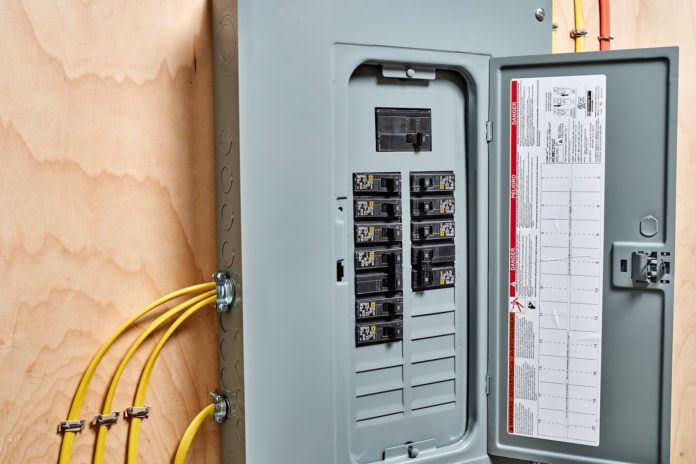
Most homeowners do not think about their electrical panel until something goes wrong. But your panel plays a critical role in how safely and effectively your home receives power. As modern households add more technology, appliances, and high-voltage equipment, many electrical systems simply cannot keep up.

Understanding when your home needs an electrical capacity upgrade can help you avoid serious problems like overloaded circuits, fire hazards, or equipment failure. In this post, we will explore what an electrical capacity upgrade is, the most common warning signs, and what to expect during the upgrade process.

What Does “Electrical Capacity” Mean?

Your home’s electrical capacity refers to the total amount of power your panel can distribute throughout your house at one time. Most older homes were built with 60-amp or 100-amp panels, which were sufficient decades ago when the average home used far fewer devices. Today, it is common to need 150-amp or 200-amp service, especially in homes with central air, electric water heaters, or EV charging stations.

If your panel is too small, it cannot deliver enough power to support everything running in your home. That can lead to nuisance issues like tripped breakers or inconvenient outages, but it can also create long-term wear on your electrical system.

Signs Your Home May Need an Electrical Upgrade

Here are the most common signs that your current electrical capacity is no longer enough:

1. Frequent Breaker Trips

If your circuit breakers trip often when you run appliances, that is a strong signal that your panel is overloaded. This means it cannot safely manage the current electrical demand. While resetting a breaker might seem like a small inconvenience, chronic tripping is your system’s way of warning you about a larger issue.

2. Flickering Lights

When your lights dim or flicker during high-power appliance usage, your system may be stretched to its limits. For example, if turning on the vacuum or microwave causes your kitchen lights to flicker, it could be because the panel cannot handle the sudden power draw.

3. Too Few Outlets or Constant Use of Power Strips

A shortage of outlets often indicates that your system was built before modern electrical codes and expectations. If every room has a power strip or extension cord, that is not only inconvenient, it is also a fire risk. Adding more outlets may be necessary, but in many cases, your panel will need more capacity to support those additions.

4. Adding New Appliances or Systems

Any major home upgrade that involves electricity should prompt a look at your panel’s capacity. This includes adding electric dryers, air conditioners, tankless water heaters, hot tubs, or EV chargers. These devices draw a large amount of current and often require a dedicated circuit. Without enough amperage to support them, you may face interruptions or unsafe conditions.

5. You Still Have a 100-Amp (or Smaller) Panel

If your home still runs on a 100-amp panel or smaller, that alone may be reason enough to upgrade. Many modern households require at least 150 to 200 amps to meet today’s electrical demands safely. In fact, many electricians recommend 200-amp panels as the new standard, especially for homes with plans to add solar, electric vehicles, or high-end HVAC systems.

The Risks of an Undersized Electrical System

Ignoring these signs can lead to much more serious issues. An undersized panel can overheat, increasing the risk of electrical fires. Appliances may wear out faster or fail due to insufficient or unstable power. You could also run into insurance or code compliance problems when selling your home, as some insurers may not cover homes with outdated electrical panels.

What to Expect During an Upgrade

Upgrading your electrical panel is not a simple DIY task. It requires permits, inspections, and a licensed professional with experience working with local codes and utility companies. The process generally includes:

  • Evaluating your current power usage and future needs
  • Coordinating with the power company to safely shut off service during the upgrade
  • Removing the old panel and installing a new one with a higher amperage rating
  • Reconnecting your existing circuits and possibly upgrading the service entrance wiring
  • Conducting a full inspection to ensure code compliance and safety

Most upgrades can be completed in one day, although more complex jobs or additional wiring work may take longer.

Talk to a Qualified Electrician

If you are seeing signs that your home is underpowered, do not wait for something to fail. Contacting a licensed electrician is the safest and most reliable way to assess whether an upgrade is necessary. A professional can run a load calculation, recommend the right panel size, and ensure the work is done safely and to code.

An electrical capacity upgrade is not just about powering more devices. It is about protecting your home, your appliances, and your family. If your system is outdated, overloaded, or unable to support your plans for the future, it may be time to take that next step.

Why the Forgotten Edges of Your Backyard Might Be the Most Important Part of Your Home

You know that feeling when you step into someone’s backyard and everything just sort of works? The garden flows into the patio, the pool looks like it belongs in a boutique hotel, and even the shady corners feel intentional. That’s not luck. That’s someone thinking about the forgotten parts of home improvement. The weird little in-between spaces. The awkward gaps. The edges.

It’s easy to focus on the big, obvious stuff. New kitchen tiles. Fancy downlights. A fresh coat of paint on the front fence. But what about the transitional areas? The blurry lines between indoors and outdoors? The bit between your alfresco area and your pool, or that odd gravel corner that gets muddy every winter but you’ve never quite figured out what to do with?

That’s where the magic often hides.

I never used to think much about those spaces. In fact, I actively avoided them. They were just… annoying. Hard to mow. Too narrow for furniture. And always the place spiders seemed to throw their eight-legged parties. But over time, I started noticing something. The homes that felt finished? The ones that made you want to stay a bit longer after the BBQ ended? They all had those awkward bits under control.

One weekend, I got it in my head that maybe our pool area needed something. Not more space, necessarily. Just more intention. The problem was, every time we’d sit out back, the wind would throw leaves into the water like it was some kind of ongoing prank. Even worse when the rain came sideways. But building a full cabana felt like overkill. And honestly, it’s not always about spending more. Sometimes it’s just about seeing things differently.

That’s when I stumbled across a neighbor’s setup. They’d installed a custom pool equipment enclosure. Not just some flimsy cover, but a proper integrated piece of their backyard design. It hid the pump, reduced the noise (seriously, you don’t realise how loud those things are until they stop), and it looked like it had always been there. Tucked away neatly, but still part of the story.

Now, I know what you’re thinking. “Pool equipment covers aren’t exactly sexy.” Fair enough. But hear me out. Once I started looking into it, I found out you can have them custom-built to match your decking, or your fencing, or even as a continuation of your garden beds. It becomes more than just a hiding spot. It’s a way to clean up the edges of your outdoor space without doing a full reno.

In places like Perth, where the weather can be unforgiving and the UV index practically laughs at your outdoor furniture, these types of enclosures can actually prolong the life of your equipment. That’s not just good design. That’s good sense. And better still, it’s one less spot for creepy crawlies to call home.

There’s also this weird psychological thing that happens. Once you deal with those messy edges, everything else feels calmer. Like your backyard exhaled. We ended up building a bench over part of our enclosure and throwing a few potted herbs on top. Now it’s one of the most-used corners of the yard. Didn’t see that coming.

Look, not every home project needs to be a big showstopper. Some of the most satisfying improvements are the ones that quietly clean things up and make life a bit easier. That weird transition zone? That’s probably where your next great idea is hiding.

If you’re like me and tend to overlook the little things until they turn into bigger, louder problems (like when the filter broke and flooded half the paving), maybe it’s time to rethink the edges. The small awkward bits. The stuff behind the scenes that no one notices until it’s done properly. That’s where https://vendas.com.au/pool-equipment-enclosure-cover-installation-perth/ comes in. They specialise in custom-built pool equipment enclosures that don’t just hide the eyesores but make them part of the design. It’s a niche solution, but honestly, that’s what makes it brilliant.

Anyway, maybe this is your reminder to wander around your yard, coffee in hand, and look at what’s hiding in plain sight. Not the pool. Not the lounge chairs. The corners. The edges. That lonely strip behind the shed. Because sometimes fixing the unglamorous stuff ends up being the thing that pulls the whole space together.

And sure, your friends might not point it out right away. But they’ll feel it. And so will you.

Minimalist Fencing: Growing Trend in Urban Home Design

Minimalism is increasingly becoming a reality in the constantly changing urban architecture, especially in interior design. But landscaping is not left out either. Minimalist fencing is proving to be an iconic style in contemporary houses. These fences have clean lines and neutral colors. They bring a simple but stylish character to a high-speed and cluttered urban lifestyle. Want to find out more about the minimalist fencing trend? Read on!

A quiet statement in a hectic setting

When you search for fencing companies near me on Google, the results will likely include clean and modern designs. There has been increasing demand for simple and low-maintenance designs, especially within the new urban buildings or newly acquired buildings.

Space is tight and visual clutter is everywhere, particularly for the inner suburbs of cities like Sydney. Fencing is subject to the same situation of becoming not only a functional choice but a pivotal design feature that influences the curb appearance of a home and its connection to the street view.

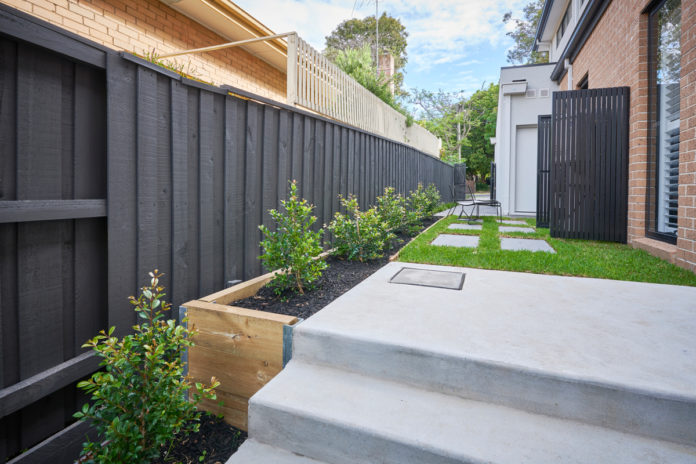
That is where minimalism excels. Instead of attracting attention, minimalist fences perfectly blend with the architecture. All while the surrounding environment remains unaffected. Modern vertical or horizontal slats, commonly made of steel, aluminum, or composite materials, provide privacy and security without dominating the home’s design.

Nature of materials: Steel, aluminium, and composites

Minimalist fencing is very much reliant on contemporary materials. Powder-coated aluminium is common because of its lightweight, non-corrosive characteristics and a large choice of finishes. Steel, preferably galvanised or corten steel, has a more industrial bite yet remains stylish and low profile.

Composite materials are frequently constructed of recycled plastics and wood fibres. They give the minimalist appearance of timber with zero maintenance. They are excellent choices among homeowners looking to enjoy the sleek design of minimalism with greater durability and environmental sustainability.

Colors are more on the neutral side: black, charcoal, white, and muted greys. They contribute to the overall understated look. Coloring the fence the same way as window frames, garage doors, or architectural appearance contributes to overall consistency in visual appearance.

Landscaping Integration: Less is not boring

‘’Minimalist design is boring’’ is a misperception. In fact, a minimalist fence can form a significant architectural statement when it is introduced to smart landscaping.

Dwarf plants, like grasses or succulents, make an impressive contrast with dark slatted fencing. Vertical gardens, planters, and vegetation simplify the harsh edges without ruining their simplicity. Additional lighting, most notably embedded LED strips or up-lighting, further enhances the space. That creates a focus on the structure and materials of the fence at night.

When it comes to integrating fencing with smart elements, such as gate motors, lights, or even security cameras, electricians would naturally be a critical figure in making minimalist fencing concepts a reality without compromising their design.

Final thoughts

With urban design still leaning on clean, functional, and harmonious aesthetics, minimalistic fencing is here to stay as one of the most preferred designs by architects and homeowners. It shows that less can indeed be more, even in an item as functional as a fence.

Seasonal Checklist for AC Service in New Braunfels Homes

As the Texas heat rolls in, few things matter more than a dependable and efficient air conditioning system. In a city like New Braunfels, where summers are long and intense, routine maintenance isn’t a luxury; it’s a necessity. Whether you’re preparing for the scorching days ahead or winding down after peak cooling season, a thorough AC service in New Braunfels ensures year-round comfort and system longevity.

This seasonal checklist will help homeowners understand what to do and when to keep their systems running efficiently—and avoid expensive repairs down the line.

Spring: Prepping for Peak Season

Schedule Your Annual Maintenance Early

Spring is the best time to schedule your routine AC inspection and tune-up. HVAC technicians are more available before the summer rush, and catching small issues early can prevent breakdowns when you need cooling the most.

A spring inspection typically includes:

  • Cleaning or replacing filters
  • Inspecting coils and condenser units
  • Checking refrigerant levels
  • Tightening electrical connections
  • Calibrating the thermostat
  • Lubricating moving parts

If you haven’t already explored services for air conditioning New Braunfels residents rely on, spring is the perfect season to do so.

Clean Around Outdoor Units

Clear any debris, leaves, or grass clippings from around your outdoor condenser unit. A minimum of two feet of clearance ensures proper airflow and prevents the system from overheating.

Summer: Maximize Efficiency in the Heat

Change Filters Monthly

During the high-use months, filters can become clogged faster. Changing them every 30 days can improve airflow and reduce strain on your system. This simple habit also improves indoor air quality—a bonus for allergy sufferers.

Use a Programmable Thermostat

If you haven’t already installed a smart or programmable thermostat, consider doing so before the peak heat sets in. Setting your thermostat to a slightly higher temperature while you’re away can reduce energy bills without compromising comfort.

Monitor System Performance

Pay attention to how your system behaves. If it’s blowing warm air, cycling frequently, or making unusual noises, it could be time for AC repair in New Braunfels, TX. Don’t wait—early repairs are often less costly and more manageable than full system replacements.

Fall: Wind Down and Inspect

Post-Summer Inspection

After months of heavy use, your AC unit deserves another look. Fall is the ideal time to:

  • Inspect for wear and tear
  • Clean out drainage lines
  • Check thermostat accuracy again
  • Evaluate overall system efficiency

An off-season inspection prepares your unit for winter and helps you plan upgrades or repairs for the following year.

Plan for Replacement if Needed

If your unit is over 12-15 years old, fall gives you time to start budgeting for a replacement. Look for signs like rising energy bills, frequent breakdowns, or uneven cooling. These may indicate it’s time to consider newer, energy-efficient models.

Winter: Maintain and Monitor

Insulate and Seal

Winter is a good time to ensure your ductwork and home insulation are sealed properly. While you may not be running your AC, preventing heat loss helps your overall HVAC efficiency and lowers energy costs.

Test Airflow and Duct Integrity

Even in cooler months, running your fan mode occasionally helps maintain indoor air quality. Take this time to check for duct leaks or damage. Many AC services near you offer duct inspection and cleaning as part of their winter services.

Conclusion

With extreme seasonal changes and months of consistent heat, homeowners need more than just reactive fixes. A proactive approach to AC service can save you stress, money, and discomfort throughout the year.

By following this seasonal checklist—and partnering with reputable professionals for inspections and repairs—you’ll extend the life of your system and enjoy uninterrupted comfort, no matter what the Texas weather throws your way.

Should You Remove Tree Roots Before Laying Artificial Grass?

Nothing lifts a garden quite like a mix of shady trees and a flawless expanse of lush green lawn—but what if you want to lay artificial grass? How does that work with trees? What about trees with shallow roots? Do you need to remove these roots or even the trees?

Obviously, if you’re laying an artificial lawn, it’s best to avoid trees with shallow root systems (such as willows, maples, poplars, and elms). However, if that’s not an option, you’ll need a workaround because ignoring the problem won’t make it go away—it will only get worse.

How Tree Roots Behave in a Yard

Trees spread their roots wide, searching for moisture and nutrients—some grow straight down for stability, while others spread sideways near the surface, meandering under lawns and paths. Trees with deep roots aren’t a problem, but those with shallow roots can lift up your synthetic lawn, making it uneven and unsightly, and the situation becomes worse over time.

Laying the Groundwork for a Level Lawn

Synthetic grass requires a level surface to ensure that the turf stays flat, feels comfortable underfoot and looks good. Achieving an even surface begins by clearing away any surface debris and trimming or removing shallow roots. However, completely cutting away surface roots is not always necessary or healthy for the trees, as it can stress or weaken them.

Another option for shallow roots is to cover them with a fresh layer of soil if that creates a level surface for your turf. For larger roots, consider building a garden bed over them or installing decorative edging around the tree’s base to protect the roots.

Will Artificial Grass Starve a Tree?

A common concern is whether artificial turf suffocates a tree’s root system, and the answer is that, no—quality turf isn’t a problem for trees. That’s because it allows rainwater to drain through the backing and reach the soil below, and the infill helps control the growth of weeds. Trees with healthy, established roots usually cope well with this arrangement.

Don’t Forget Those Leaves

One maintenance job that never quite goes away is raking up leaves. Even with artificial grass, fallen leaves still need to be removed; otherwise, they can block drainage, encourage mould, and spoil the neat look that drew you to artificial turf in the first place. A quick rake, or once over with the leaf blower every so often will keep your lawn looking tidy and fresh.

Happy Trees and a Lush Lawn

Installing synthetic turf around mature trees with shallow root systems requires a little extra care and planning, but the reward is a stunning yard that stays green all year round. Planning ahead, knowing which roots need to be removed and which should remain, can make all the difference to the final result.

However, if it all feels too overwhelming or you simply don’t have time to install your own lawn, choosing a professional landscaper or installer will make the entire process stress-free.

Put in the effort now and enjoy a lush, inviting yard that keeps everyone, including your trees, healthy and happy.

Your Source for Premium Colored Stainless Steel: Sheets and Coils Available Now

When people think of stainless steel, they often picture its classic silver or grey finish—polished, brushed, or matte. It’s sleek, timeless, and practical. But stainless steel has evolved. Today, colored stainless steel is reshaping how architects, designers, and manufacturers approach material aesthetics. This isn’t just about adding flair to metal surfaces; it’s about combining function with visual identity in ways that weren’t possible before.

From bold architectural façades to modern interior accents and luxury appliances, colored stainless steel brings a dynamic range of possibilities. With the same durability and corrosion resistance as traditional stainless steel, it offers a spectrum of hues and finishes that hold up in both commercial and residential environments.

What Is Colored Stainless Steel?

Colored stainless steel is exactly what it sounds like—stainless steel that has been treated to display a variety of colors while maintaining its original performance characteristics. The coloring is not applied like paint. Instead, it’s achieved through techniques like electrochemical coloring, physical vapor deposition (PVD), or chemical treatment. These methods alter the surface of the steel to produce color without compromising its strength or corrosion resistance.

Because the coloring becomes part of the material, it resists fading, peeling, or chipping over time. This makes it an ideal choice for both indoor and outdoor applications where longevity and appearance matter equally.

Benefits Beyond Aesthetics

While the visual impact of colored stainless steel is often the main selling point, its benefits go far beyond looks:

1. Corrosion Resistance

Just like its silver-toned counterpart, colored stainless steel is highly resistant to rust and corrosion, making it ideal for humid environments, coastal areas, and outdoor architecture.

2. Durability

It retains all the mechanical properties of regular stainless steel. That means high tensile strength, impact resistance, and a long lifespan with minimal maintenance.

3. Low Maintenance

The colored finish resists fingerprints, stains, and scratches better than untreated surfaces. Cleaning typically requires little more than a mild detergent and water.

4. Eco-Friendly

Colored stainless steel is fully recyclable and does not release harmful emissions during use, aligning well with green building standards and sustainability goals.

Where You’ll Find Colored Stainless Steel

The application possibilities for this material are broad, ranging from decorative to functional uses. Here’s where you’re likely to see colored stainless steel making an impact:

  • Architectural Panels and Façades: Colored sheets are often used to create striking exteriors that combine weather resistance with bold design.
  • Elevator Interiors and Doors: The material is both aesthetic and durable, perfect for high-traffic areas.
  • Interior Design: Feature walls, furniture, lighting fixtures, and wall cladding benefit from the sleek, colorful appeal.
  • Retail and Hospitality: Hotels, restaurants, and luxury stores use it to create premium, lasting impressions.
  • Transportation: Trains, subways, and even aircraft interiors utilize colored finishes for a sleek and wear-resistant look.

The ability to offer custom tones—like bronze, gold, blue, black, or champagne—also means designers can match metal surfaces to a brand’s color identity or a specific architectural vision.

Sheets and Coils: Versatile Form Factors

Colored stainless steel sheets and coils are the two most common formats in which this material is supplied.

  • Sheets are typically cut to standard sizes and are ideal for flat paneling, wall cladding, or fabrication into components like doors and counters.
  • Coils offer continuous rolls of stainless steel and are favored by manufacturers who require flexibility and efficiency in automated processing and mass production.

These formats allow for easy cutting, bending, welding, and polishing without damaging the colored layer, giving manufacturers and builders greater control and creativity during installation.

Choosing the Right Type for Your Project

When considering colored stainless steel for a project, it’s important to think beyond just color. Other factors like finish (mirror, brushed, embossed, etc.), thickness, and grade (typically 304 or 316) will affect the final performance and appearance.

  • Mirror finishes create a high-gloss, luxurious look.
  • Brushed finishes are ideal for applications that need to hide fingerprints or scratches.
  • Embossed patterns add texture, enhancing both the tactile and visual appeal.

Each combination has its own functional and aesthetic strengths. Whether you’re sourcing material for a commercial project or a custom interior, consulting with a metal specialist helps ensure your choice aligns with both your design intent and technical requirements.

A Material with Design Freedom

One of the biggest advantages of colored stainless steel is the creative freedom it provides. Instead of choosing between style and substance, designers can have both. The ability to specify unique finishes and shades opens up a new realm of expression—something that’s particularly valuable in a world where visual identity and environmental resilience are more important than ever.

With both sheets and coils readily available, manufacturers and builders can move efficiently from design to production, maintaining consistency and quality throughout.

Final Thoughts

Colored stainless steel is more than just a visual upgrade. It’s a high-performance material that offers beauty without compromise. Whether used in high-end architecture, product design, or public installations, its durability, ease of maintenance, and sustainability credentials make it a standout choice.

As demand grows for materials that can deliver strength, versatility, and bold aesthetics, colored stainless steel continues to earn its place at the top. Whether you’re creating a statement wall, fabricating high-use fixtures, or wrapping an entire building, this modern material offers the ideal blend of form and function—ready to meet the needs of the future, today.

Why Many Indianapolis Homeowners Are Choosing Luxury Vinyl Plank (LVP) Flooring

Flexibility is essential for navigating life in Indianapolis. One second, the sky is bright and sunny, and the next, it looks like a wild storm. More locals are choosing luxury vinyl plank flooring because it maintains its charm despite the challenges of everyday life.

However, the increasing popularity of the material is not just for lasting charm. It’s also about style, price, and being easy to take care of. Let’s examine why LVP is growing so rapidly in popularity here in the Circle City.

It adapts well to different types of temperature

First, every Indianapolis resident knows that the weather is not always the same. The changing climate in this region can be harsh on regular flooring, particularly with hardwood.

LVP can adapt to the shifts that come with each season easily. It is made to be stable in size even when exposed to moisture or humidity changes, unlike hardwood. As a result, the floor won’t have gaps or buckles and can hold up over the years, even in high-traffic places or a wide range of climates.

For homes where the snow and salt from winter lead to messy entryways or mudrooms, LVP is your best friend. It will stand the test of time.

It is waterproof, which is pretty impressive

LVP is a popular option for Indianapolis homes because of how waterproof it is. It is designed to be 100% waterproof once it is set up correctly.

For this reason, LVP is frequently the first choice for decorating the following areas:

  • Kitchens, which are often the scene of frequent spills.
  • Bathrooms, which are prone to being humid.
  • Basements, commonly known for their dampness.
  • Laundry rooms, which often have unexpected leaks.

Not having to worry about water damage or mold is great news since, in Indiana, the spring rains can often make their way inside and lead to unexpected plumbing issues.

It mimics the appearance of wood but does not work like it

In this case, LVP truly excels because it looks almost exactly like real hardwood. New technologies even make it hard to differentiate it from oak, walnut, hickory, or maple.

In contrast with wood, LVP has these features:

  • Does not get scratched easily
  • Doesn’t need refinishing
  • It is not as expensive.

You can enjoy a classy design without having to worry about maintenance. This feature appeals mainly to homeowners in well-established neighborhoods in Indianapolis who care about combining modern comforts with old-fashioned style.

Like the idea of including reclaimed barn wood in your Irvington residence? LVP is suitable for almost everything, but it does it without the extra costs and upkeep.

The cost is reasonable, and installation is a breeze

Walk into a vinyl flooring store Indianapolis, and you will get it at a lower cost compared to hardwood or tile. Though prices can fluctuate, most homeowners in Indianapolis consider LVP to be a smart choice since it saves on maintenance and repair over the years.

Installing the floor takes less time and involves fewer changes to the existing systems. Products in the LVP category are often designed for fast installation: you can either glue them or just lock them into place by clicking. This makes it easier on you, and you may save money if you use professional help.

A local flooring store can complete your installation within the same week, especially on styles they have in stock. This is particularly helpful if you only have limited time or suddenly need to replace your floors.

Kids and pet-friendly

If you have children or pets at home (or both), you will benefit from how scratch-resistant, dent-resistant, and easy-to-clean LVP is. Luxury vinyl plank floors can handle pet nails, falling toys, and scooter damage without showing wear. Should spills happen (let’s face it, they do), you have no trouble getting them clean. A bit of cleaning with a soft mop and a light cleanser brings things back to normal.

There are many families in Indianapolis who go for LVP in their living rooms, play areas, and hallways for this exact reason. It can survive everyday wear and still make a great first impression.

The style can be customized for every type of home

Indianapolis has a great variety of homes, such as modern apartments in the city center, old mansions in Old Northside, and sprawling suburban houses in Fishers. The best part about LVP is that it looks nice with any home’s style.

There are so many colors, styles, textures, and finishes in wood planks. So, you will surely find something to fit your taste, whether it’s country chic, urban, timeless, or simple.

Are you looking for something open and breezy for your kitchen? Or maybe a deep and dark color for the cozy living room? You can find an LVP design that goes with your interior.

The bottom line

Many homeowners in Indianapolis are choosing Luxury Vinyl Plank because it offers the right blend of style and functionality. This flooring is suited to the weather in Indiana, is family-friendly, improves your home’s design, and works with almost any budget.

Recent Posts

Posts You Might Like