
Home Blog Page 24

The Power of Curb Appeal: Why Home and Garden Repairs Maximize Property Value

When it comes to property value, first impressions matter. Whether it’s a single-family home or part of a multifamily property, curb appeal plays a critical role in shaping perceptions and determining value. Home and garden repairs, ranging from small touch-ups to larger renovations, not only improve a property’s appearance but also enhance its marketability, making it more attractive to buyers, renters, and investors alike. For property owners and real estate professionals, maximizing curb appeal through strategic repairs and upgrades can translate to long-term financial benefits and increased value.

Why Curb Appeal Matters for Property Value

Curb appeal refers to the visual attractiveness of a property when viewed from the outside. It’s the first thing people notice when approaching a home or multifamily property, and it sets the tone for how they perceive the overall condition of the space. A well-maintained exterior signals that a property has been cared for, creating confidence in its quality and value. On the other hand, neglected outdoor spaces, peeling paint, or overgrown gardens can detract from the property’s appeal and leave a negative impression.

Curb appeal has a direct impact on property value. It influences the willingness of buyers and investors to see potential in a property and pay a higher price. This is particularly important in multifamily real estate, where visual appeal can sway investor interest and tenant satisfaction. By investing in home and garden repairs, property owners can elevate their asset’s perceived value and stand out in competitive markets.

Key Home Repairs That Improve Curb Appeal

Simple home repairs can go a long way toward creating a polished and inviting look. Addressing common maintenance issues like chipped paint, cracked walkways, or outdated fixtures can significantly enhance a property’s appearance.

  1. Exterior Painting and Siding Repairs
    A fresh coat of paint or repaired siding can breathe new life into a property. Over time, exposure to the elements can cause paint to fade, chip, or peel, making the building look worn and dated. Updating the exterior with a clean, modern color palette improves aesthetics while also protecting the structure from further wear and tear.
  2. Roof and Gutter Maintenance
    The condition of a property’s roof and gutters is another key factor in curb appeal. Broken shingles, sagging gutters, or visible water damage can give the impression of neglect and raise concerns about underlying issues. Ensuring that the roof is in good condition and gutters are clean not only improves appearance but also adds to the overall integrity of the property.
  3. Windows and Entryways
    Windows and front doors are focal points of any property. Cracked glass, weathered frames, or outdated fixtures can detract from the home’s visual appeal. Replacing or repairing windows and upgrading entryways with modern doors or lighting fixtures creates an inviting, well-maintained look that captures attention.

Garden Repairs and Landscaping for Maximum Impact

Landscaping and garden improvements are integral to enhancing curb appeal. Well-maintained outdoor spaces make a property look welcoming, tidy, and vibrant. Garden repairs don’t have to be costly or time-consuming; even small adjustments can produce noticeable results.

  1. Lawn Maintenance
    A lush, green lawn is a hallmark of strong curb appeal. Patching bare spots, mowing regularly, and addressing drainage issues can improve the look of a yard while contributing to a cleaner and more organized overall appearance.
  2. Planting Flowers and Shrubs
    Adding colorful flowers, shrubs, or small trees can make a garden or yard pop. Carefully selected plants not only enhance beauty but also bring balance and structure to the outdoor space. Low-maintenance options such as perennial plants can provide lasting appeal with minimal effort.
  3. Walkways and Outdoor Fixtures
    Pathways, driveways, and outdoor fixtures like fences or lighting are important details that contribute to the overall impression of a property. Repairing cracked walkways, power-washing driveways, and updating outdoor lighting creates a polished and inviting look.

Garden repairs also serve a functional purpose by addressing common issues like poor drainage, overgrown vegetation, or uneven surfaces. These improvements help create safe, usable outdoor spaces that appeal to prospective buyers, renters, or investors.

Long-Term Benefits of Enhancing Curb Appeal

While the immediate visual impact of home and garden repairs is obvious, the long-term benefits are equally significant. Enhanced curb appeal increases a property’s overall marketability, making it easier to attract interest and generate positive returns.

For multifamily property owners, strong curb appeal helps attract reliable tenants who value a well-maintained living environment. Renters are more likely to commit to a property that looks clean, updated, and welcoming, which reduces vacancy rates and supports consistent cash flow. In addition, investors in multifamily real estate look for properties with strong potential for appreciation, and curb appeal plays a key role in driving perceived value.

Improving curb appeal also reduces the risk of larger, costly repairs down the line. For example, addressing minor roof damage or garden drainage issues prevents more extensive structural damage in the future. By staying proactive, property owners protect their investment while maintaining a visually appealing asset.

Combining Practical Upgrades with Aesthetic Improvements

The most effective curb appeal strategies combine practical improvements with visual upgrades. Repairs to structural components like siding, roofs, and windows enhance both functionality and aesthetics, while landscaping and garden fixes elevate the overall charm of the property. This balanced approach ensures that curb appeal improvements have a lasting impact on property value.

For owners and investors involved in multifamily real estate, these improvements represent a strategic way to maximize returns. By creating properties that are both visually appealing and well-maintained, owners position themselves to stand out in competitive markets, attract tenants, and offer compelling opportunities for long-term appreciation.

Planning For Your Home’s Future

Home and garden repairs are essential tools for enhancing curb appeal and maximizing property value. From refreshing paint and repairing siding to improving landscaping and outdoor fixtures, these efforts create lasting visual and functional benefits. For property owners, particularly in multifamily real estate, investing in curb appeal offers opportunities to attract tenants, generate strong interest, and achieve long-term returns. By prioritizing repairs and upgrades, property owners can transform their assets into well-maintained, high-value investments that make a strong first impression and stand the test of time.

3 Things to Consider About Pet Damage in Rental Properties

Pets are a contentious issue for both landlords and tenants. Most tenants want to bring their furry friends when renting a property. However, landlords worry about the potential damage that pets can cause. This is why both landlords and tenants need to be aware of the possible damage pets can cause in rental properties. Continue reading below as discuss things about things to consider when navigating pet damage in a rental.

3 Things to Consider About Pet Damage in Rental Properties

1.    Potential Types and Costs of Damage

There are several types of pet damage that tenants with furry friends can create. Scratched floors and door frames from excited claws are very common in rentals that allow dogs and cats. Stains or odors in carpeting and flooring from pet urine and accidents also frequently occur. Pets also tend to gnaw and chew on cabinetry, doors, window sills, walls, and baseboards – leading to expensive replacement or repair costs.

The extent of pet damage can range from minor scratches and wear that require an extra deep clean at turnover to destroyed carpets, floors, and fixtures that could cost thousands for the owner to replace. As a landlord, educate yourself on typical repair and replacement expenses to better prepare financials when dealing with these concerns. Tenants should also recognize common damage their particular pet could create so they can proactively prevent issues.

2.    Establish Clear Expectations in Writing

To minimize risks as a landlord, be clear about your pet policies and expectations upfront before allowing a tenant to move in with pets. Provide detailed rules around cleaning up accidents, supervision when pets are loose, off-limit areas in the unit, expectations about claws and chewing, etc. Also be clear on restrictions around the number, type, and size of pets you will allow. Enforcing strict pet deposits and monthly pet rents can also help offset potential risks in your lease agreement.

As a renter wanting to bring a pet, be upfront about the type, size, age, and behavior history of your furry friend. Demonstrate that you understand any policies and commit to extra cleaning, supervision, and restriction areas that may apply. Good communication, documented policies, and signed commitments upfront are key to both parties feeling secure.

3.    Use Pet Deposits Wisely

Collecting large pet deposits, such as $500+ per pet, is strongly recommended for landlords concerned about damage risks. This provides a source of funds to draw from if any pet damage does occur. Many states have laws requiring deposits to be placed into interest-bearing accounts – providing a small amount of extra protection against inflation on repair costs years later if needed. To make the tenants feel better, try making your rental pet-friendly as well.

As a tenant, do your part by having your well-behaved pet on their best behavior, restricting access as needed, and thoroughly cleaning up any accidents that happen despite your best efforts. Ensure to take plenty of photos showing the condition of the property when you move in and out. This can provide proof against any pre-existing or reasonable wear-and-tear concerns if deposit disputes arise after your tenancy ends.

Practices to Consider When Pets Are Allowed in a Rental

When permitting pets in your rental property, having clear pet policies and processes in place is key for minimizing issues down the road. Here are some best practices both landlords and tenants alike should consider when pets will occupy a rental home.

Establish Clear Guidelines in Your Pet Policy

Professional Property Management In Northern Virginia reminds pet owners that it’s still their full responsibility to ensure their pets won’t access crucial household items. As a landlord, outline a detailed pet policy that incoming tenants with pets must review and consent to in writing. This policy should clearly spell out things like:

  • The types of pets allowed – outlining size, weight, and breed restrictions
  • The number of pets allowed per rental
  • Areas that are off-limits to pets, like carpeted rooms or outdoor spaces
  • Cleaning and noise expectations for pet owners
  • Your pet fee and monthly pet rent structure

Follow these pet-proofing tips while building a good tenant experience in your rental. Make sure new tenants understand their responsibilities regarding cleaning, supervision, damages, and liability when moving in with pets.

Consider a “Pet Interview” Before Move In

Before allowing incoming pets, arrange for a basic meet-and-greet with the animal. Observe the pet’s temperament—are they aggressive or very anxious? Do they seem destructive? This gives you a chance to make sure the pet is a good fit not only for your property but also for peaceful cohabitating with other nearby tenants.

If issues do ever arise with the pet later on, you can refer back to your documented first impressions should action ever need to be taken to remove or restrict the problematic pet after move-in.

Conduct Regular Property Inspections

Perform quarterly inspections explicitly looking for signs of pet damage once pets are living in your rental. Document any minor repairs needed or notable stains, smells, or other issues rooted in irresponsible pet care. Provide written warnings and reminders to reinforce policies if needed.

For tenants, take pride in caring for the property as outlined in your rental agreement. Note ways you are combatting pet odors, claws, waste, and noise appropriately. Encourage open communication and speak up about potential issues immediately rather than hiding them for fear of consequences.

Here are some of the areas you need to consider when conducting property inspections:

  • Look for signs of excessive scratching or clawing on doors, walls, baseboards, and floors – are special claw sheaths or nail trims needed?
  • Check for urine stains or lingering odors around baseboards, floors, walls, or carpets – is house training or extra enzymatic cleaner needed?
  • Note any pet waste found in outdoor areas that should be cleaned up promptly.
  • Watch for evidence of chewing on electric cords, wood trim, door frames, or furniture legs.
  • Evaluate the condition of outdoor fencing or nationality of doors/gates – are repairs needed to restrict pet escapes?
  • Ask other tenants if they’ve had issues with noise from barking dogs disturbing them.
  • Document any damage right away with photos/video and written repair estimates from contractors.

Final Words

Following these tips can help protect the interests of property owners and pet-owning renters alike. Being proactive and communicative is key to minimizing frustrating problems or expenses for all parties.

Seasonal Septic Care Checklist

Maintaining a healthy septic system year-round is essential for keeping your home free of plumbing issues, foul odors, and expensive repairs. While regular septic system care is important at all times, seasonal changes bring unique challenges that can affect your system’s performance. By following a simple seasonal septic care checklist, you can keep your system in great condition, avoid costly breakdowns, and ensure that it continues to function smoothly throughout the year.

1. Inspect the System Regularly

Routine inspections are crucial for ensuring the long-term health and efficiency of your septic system. It’s recommended to have your septic system inspected by a licensed professional at least once every three years. Inspections allow your septic provider to check the tank, pipes, and drain field for any damage, leaks, or other issues that could affect performance. During a routine inspection, the technician will also check the level of sludge and scum in the tank to determine if pumping is needed.

They’ll also assess the condition of the drain field, looking for signs of water pooling or soggy areas, which could indicate potential failure. Catching these problems early can prevent costly repairs down the road.

2. Pump Your Septic Tank

One of the most important steps in seasonal septic care is having your tank pumped regularly. Over time, solid waste builds up in the tank, and if it isn’t removed, it can cause blockages and backups. The general recommendation is to pump your septic tank every 3 to 5 years, depending on household size and water usage. However, if you notice slow drains or unpleasant odors around your septic system, it may be a sign that the tank needs attention sooner.

Having your tank pumped prevents waste from clogging pipes, which could lead to system failure and costly repairs. If you’re unsure when your tank was last pumped, it’s always best to schedule an appointment with your septic professional sooner rather than later.

For more information about septic system pumping, visit this EPA septic care page.

3. Monitor Your Water Usage

Excessive water usage can strain your septic system, especially during wetter seasons. Overuse can cause the septic tank to fill more quickly, leading to backups and system failure. Be mindful of water consumption and encourage your household to reduce waste by using efficient appliances, fixing leaks promptly, and avoiding system overload.

To keep your septic system in top shape, use water-saving devices like low-flow showerheads and faucets, and stagger water-intensive activities (like laundry) throughout the day. Also, avoid excessive water use during rainstorms, as wet ground conditions can oversaturate the drain field, hindering the system’s proper function.

4. Maintain Proper Drainage Around the System

Proper drainage around your septic system is crucial for optimal tank and drain field function. During seasonal changes, ensure that gutters and downspouts direct water away from the septic system. Excessive rain or standing water near the tank or drain field can overload the system, impairing its ability to filter wastewater. If drainage is poor, you may need to regrade the land to help water flows away from septic components. Also, avoid parking or driving over the septic system. The weight of vehicles or heavy equipment can compact soil over the drain field, damaging pipes and reducing the system’s filtering ability.

5. Keep the Drain Field Clear

The drain field plays a key role in absorbing and filtering wastewater from your septic tank. Keeping it clear of trees, shrubs, or large plants is essential, as their roots can infiltrate and damage the system, causing blockages and reducing efficiency. Avoid planting large trees or shrubs near the drain field, as their roots can obstruct the system. Stick to low-growing grass and ground covers that won’t disturb its operation. Regularly check for standing water, which could indicate drainage issues that require attention.

6. Be Mindful of What Goes Down the Drain

What you flush or pour down your drains can directly impact your septic system. Avoid flushing non-biodegradable items, such as diapers, wipes, or sanitary products, as they can clog pipes and damage the system. Also, refrain from pouring grease, oils, or chemicals down the drain, as these can interfere with the bacteria in the septic tank responsible for breaking down waste. Maintain a proper waste disposal routine and educate your household on what should and should not be flushed or poured down the drain to prevent unnecessary strain on your system.

7. Schedule Professional Maintenance

While you can take several steps to care for your septic system yourself, it’s crucial to have a trusted professional handle the more technical aspects of septic maintenance. An experienced septic contractor can perform a comprehensive inspection, pump the tank, and ensure that all parts of your system are in good working order. This professional care helps prevent future issues and extends the life of your septic system.

Get Expert Septic Care

Keeping your septic system properly maintained year-round is essential for avoiding costly repairs and keeping your system functioning smoothly. Whether you need a routine inspection, pumping services, or professional advice on how to improve your system’s efficiency, A Aaron Super Rooter is here to help. Our team of experienced septic professionals can keep your system in great condition and make sure it’s ready to handle any seasonal changes. To learn more about our services and how we can assist with all your septic needs, contact us today. Count on us to keep your septic system running smoothly!

How Directional Drilling Contributes to Sustainability

In today’s world, sustainability is an important topic – which means companies should be taking a look at their environmental impact. Among the many methods being adopted, directional drilling is emerging as a key contributor to eco-friendly practices in construction, energy, and infrastructure development. Directional drilling offers an efficient and environmentally friendly alternative to traditional drilling methods. By minimizing the impact on the surrounding environment, directional drilling is transforming the way we approach complex projects while promoting sustainability.

Minimizing Surface Disturbance

A major benefit of directional drilling is its ability to reduce the impact on the surface. Traditional drilling methods typically involve large-scale excavation, requiring clearing substantial land and disturbing natural landscapes. This often leads to soil erosion, habitat destruction, and other environmental issues. Directional drilling, however, allows operators to drill horizontally from a single location, reducing the need for extensive land clearing.

For example, when installing underground utilities, directional drilling can place pipes precisely without tearing up roads, fields, or forests. This minimizes damage to vegetation, wildlife habitats, and the surrounding environment. Additionally, the ability to drill around obstacles like rivers and buildings prevents unnecessary disruption to natural landscapes. By reducing the area impacted by the project, directional drilling helps preserve ecosystems and minimizes its environmental footprint.

Regulatory Compliance and Best Practices

As sustainability becomes more critical, regulatory bodies are implementing stricter environmental guidelines. Directional drilling aligns with these regulations more effectively than traditional methods. Many companies follow best practices that don’t only meet, but often exceed environmental standards. By focusing on sustainability, these companies help minimize the environmental impact of drilling operations while delivering high-quality results.

For more information on environmental protection in drilling, the Environmental Protection Agency (EPA) offers comprehensive guidelines that ensure drilling activities remain eco-friendly.

Reducing Energy Use and Emissions

Reducing energy consumption and carbon emissions is another key aspect of sustainability. Directional drilling contributes to these goals by offering a more energy-efficient method compared to traditional drilling. Conventional methods often require larger machinery, more energy, and more extensive drilling sites. Directional drilling, by contrast, uses fewer machines and requires less energy, making it a more efficient use of resources.

Directional drilling also reduces the environmental impact of energy extraction. It allows operators to access previously untapped reserves of oil, gas, and other natural resources without the need to drill multiple wells across a larger area. This technique minimizes land disturbance and helps prevent the depletion of resources. With a more controlled drilling environment, the risk of leaks or spills is also reduced, contributing to a cleaner and more sustainable energy extraction process.

Protecting Water Resources

Water conservation is becoming increasingly important – especially in areas facing water shortages or droughts. Traditional drilling methods often require large quantities of water, which can deplete local water supplies. Directional drilling requires significantly less water due to advanced fluid management techniques, including the use of biodegradable drilling fluids. These eco-friendly fluids reduce water consumption and prevent contamination of groundwater sources.

Since directional drilling is performed with minimal disruption to soil and water tables, the risk of contaminating nearby water sources is significantly lower. The precision involved in directional drilling further reduces the likelihood of accidental spills, allowing surrounding water to remain clean. This is particularly important in sensitive areas where maintaining water quality is essential.

Sustainable Infrastructure Development

Preserving natural environments is vital for the long-term sustainability of infrastructure projects. Directional drilling supports this by providing a more environmentally conscious method of installing underground utilities such as fiber optic cables, gas pipelines, and water systems. Traditional methods often involve extensive digging, leading to environmental damage. Directional drilling, on the other hand, minimizes excavation, reducing the environmental footprint of infrastructure development.

As urban areas expand, directional drilling helps meet the growing demand for underground utilities without compromising the surrounding environment. This technique allows infrastructure projects to proceed efficiently while minimizing disruption to both the environment and local communities.

Supporting Renewable Energy Projects

Directional drilling also contributes to renewable energy development. One of the key uses of directional drilling is in the installation of geothermal wells, which are essential for harnessing geothermal energy – a clean and renewable resource used for heating and electricity generation. The precision and minimal surface disturbance of directional drilling make it ideal for accessing geothermal energy reserves, contributing to a more sustainable energy future.

Directional drilling supports wind and solar power projects by facilitating the installation of underground cables that connect turbines and solar panels to the grid. This method reduces the environmental impact of energy infrastructure, keeping renewable energy projects sustainable from start to finish.

Make a Sustainable Choice

If you’re looking for a reliable directional drilling service in Denver, Advanced Concepts provides sustainable solutions that minimize environmental disruption. Their expertise in eco-friendly drilling practices ensures efficient, high-quality results that support the success of your project while protecting the planet. Reach out today to learn how they can help you achieve your project goals with minimal disruption to the environment.


Boost Your Home’s Efficiency: The Benefits of Energy-Efficient Windows and Doors

As energy costs continue to rise, homeowners are increasingly looking for ways to enhance their property’s efficiency. Upgrading to energy-efficient windows and doors is one of the most innovative home improvements you can make. Not only does it reduce energy consumption, but it also enhances comfort, increases property value, and promotes sustainability. This article will explore the benefits of these modern solutions and how they can transform your home.

1. Lower Energy Bills: Save Money Year-Round

One of the most compelling reasons to invest in energy-efficient windows and doors is the immediate impact on utility bills. Traditional windows and doors often allow drafts, leading to heat loss in the winter and cooling inefficiency in the summer.

Energy-efficient options, such as double or triple-pane glass with Low-E coatings and insulated frames, help prevent temperature fluctuations. They also help maintain consistent indoor temperatures, reducing the workload on your HVAC system. According to the U.S. Department of Energy, upgrading to energy-efficient windows can save you up to 30% on heating and cooling costs.

2. Enhanced Comfort: Create a Cozier Living Space

Energy-efficient windows and doors not only save money but also enhance the overall comfort of your home. Poorly insulated windows and doors can make certain areas of your house feel drafty or too warm, creating discomfort for your family.

Modern energy-efficient designs eliminate these issues by minimizing air leakage and blocking external heat or cold. They also help reduce condensation, which can lead to mold and mildew, ensuring a healthier indoor environment. Whether it’s a cozy winter evening or a hot summer day, these home improvements ensure your home remains comfortable.

3. Reduce Your Carbon Footprint: Go Green

Upgrading to energy-efficient windows and doors is a significant step toward a more sustainable lifestyle. Reducing reliance on heating and cooling systems lowers your household’s energy consumption and greenhouse gas emissions.

Many energy-efficient windows and doors are made from eco-friendly materials, reducing their environmental impact. Some manufacturers even offer recycling programs for old windows and doors, making this upgrade an environmentally responsible choice.

4. Increase Property Value: A Smart Investment

Energy-efficient windows and doors can be a major selling point if you plan to sell your home. Buyers are increasingly looking for properties with modern, sustainable features, and this upgrade can make your home stand out in a competitive market.

Not only will you attract eco-conscious buyers, but you’ll also potentially recoup a significant portion of your investment. According to real estate experts, energy-efficient home improvements can boost resale value by up to 10%.

5. Soundproofing and Aesthetic Appeal: Added Perks

Beyond energy efficiency, modern windows and doors offer additional benefits like soundproofing and improved aesthetics. High-quality, multi-pane glass significantly reduces noise pollution, creating a quieter and more peaceful living environment—a particularly valuable feature if you live near busy streets or urban areas.

Energy-efficient windows and doors also come in various stylish designs and finishes that enhance your home’s curb appeal. From sleek contemporary styles to classic frames, there’s an option to match any architectural aesthetic, making your home functional and beautiful.

Final Thoughts: Why Energy-Efficient Windows and Doors Are Worth It

Investing in energy-efficient windows and doors is more than just a trend—it’s a practical and impactful upgrade that delivers long-term benefits. From lowering energy bills and increasing comfort to enhancing your home’s value and sustainability, these modern solutions are a win-win for any homeowner.

As you consider your following home improvements, consider how energy-efficient windows and doors can transform your space. With various options available to suit your needs and budget, there’s never been a better time to boost your home’s efficiency.

Make this simple yet effective change to let your home work smarter, not harder. Whether you’re motivated by cost savings, environmental responsibility, or aesthetic appeal, energy-efficient windows and doors are a choice you won’t regret.

The Benefits of Sliding Windows for Your Home

Selecting the best windows for your home is an essential decision that can greatly improve the home’s appearance and effectiveness. For every homeowner, sliding windows have recently become the most convenient and practical window replacement option. In this in-depth guide, we will explain the most important reasons to choose a sliding window so that you may quickly determine if it is an excellent fit for your house.

1. Enhanced Natural Light and Views

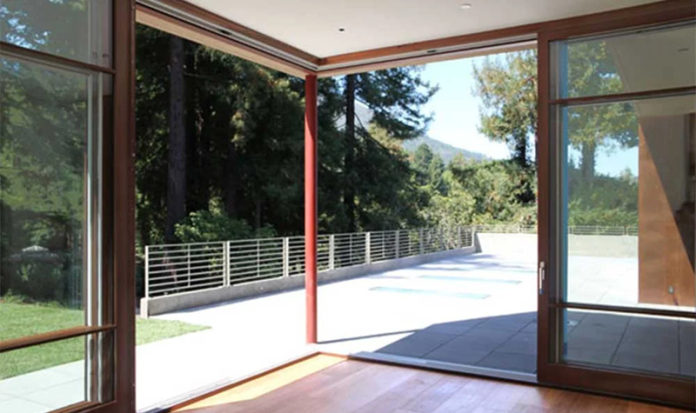
Sliding windows have a unique feature that allows them to flood your living spaces with natural light. Since they feature large glass panes running from top to bottom, sliding windows promote the penetration of natural light to create bright and warm interiors. In addition to adding cosiness and comfort to your living areas, abundant natural light also improves the curb appeal of your house. With sliding windows, you can see the peaceful outside without having to get up from your chair to re-establish a connection with the natural world.

2. Space-Saving Design

These windows come with a revolutionary sliding mechanism that is unique, unlike the traditional windows, which open and close inward or outward. Sliding windows move smoothly on rails that are designed specifically for them, making it effortless to open and close them. They provide a way for maximum space utilisation, as no extra space is necessary when one opens or closes the windows.

3. Improved Ventilation

Ventilation is vital for a comfortable and healthy indoor environment. The sliding windows available to you offer flexibility when it comes to regulating the flow of air in and out of the house. If you prefer letting in a soft breeze or opening the window widely to aerate the house in seconds, the sliding windows guarantee the best air circulation ability in all areas of your home.

4. Easy Operation and Maintenance

Due to their low maintenance needs and ease of operation, sliding windows are quite popular among homeowners. Because the windows glide smoothly back and forth without requiring any force, users may open and close them with the least amount of effort possible, thanks to the sliding mechanism. Furthermore, moving parts are relatively simple, reducing the likelihood of mechanical malfunctions and the efforts to repair them. Cleaning is also easy since the internal and external glass are accessible from the inside of your house. Simple access makes it easier to keep your windows clean since you can easily reach the outside of your windows without having to exit your residence.

5. Enhanced Security Features

Safety is a top concern for many homeowners, and sliding windows are built to include advanced security measures. Some of these are high-quality locks, reinforced frames, and glass that is impossible to break. This advanced security protection provides you with an additional sense of security, as you know that your house is well-prepared to avoid theft.

6. Energy Efficiency

Sliding windows are particularly energy-efficient because they have an excellent seal, and some have glass that is a proper insulator. Due to this excellent seal, sliding windows can lessen the need to utilise electricity for cooling and heating, which can help you spend less money on energy. For this reason, sliding windows are the best eco-friendly option for the energy-conscious consumer.

7. Versatile Design Options

Sliding windows come in a boundless array of design options to suit any style or taste. No matter what kind of architectural style your house has or what interior styles you adhere to, you can find sliding windows that will complement and fit into your design seamlessly. From grid patterns to tinted glass and decorative finishes, and more, sliding windows can be customised according to your preferences, making them suitable for anyone’s taste or personality.

8. Noise Reduction

One of the most underrated benefits of sliding windows is that they reduce exterior noise. Since many models use tight seals and double-glazed glass, sliding windows help minimise sound transmission, so you won’t be disturbed by anything that happens outside.

9. Increased Home Value

Installing quality sliding windows can also add value to your home in the long term. If you decide to sell your house, potential buyers who appreciate the functionality and energy efficiency of your windows, apart from their aesthetic appeal, would certainly be interested. Windows endure for many years and are almost maintenance-free. As a result, you’ll save energy, and your home will gain value in a heated real estate market.

Conclusion

Sliding windows offer a wide range of advantages that make them a great choice for anyone who considers window replacements. From better natural lighting and views to space-saving designs, sliding windows are perfect for any home. Moreover, they ensure excellent ventilation and high energy efficiency while providing top-tier security, aesthetics, and many other amazing aspects. Hence, sliding windows are an all-around product that can fit in any home.

Sliding windows are the type of window you don’t want to miss out on. Whether you are remodelling or constructing a house, putting up these windows gives your home much-needed comfort, appearance, and resale value. Considering the immense benefits presented in this article, sliding windows rank as a top choice for window replacement and are worth spending on to transform your home.

Why Investing In A Home Swimming Pool Is Worthwhile

Imagine stepping into your backyard and being greeted by the shimmering blue water of your own swimming pool. For homeowners, especially families with children, a private pool offers far more than aesthetic appeal—it’s an investment in health, lifestyle, and even long-term savings. But is it worth the spend? Absolutely. This blog will walk you through the many benefits of having a home swimming pool, covering everything from health and financial advantages to customisation possibilities and eco-friendly options.

The Health and Lifestyle Benefits of Home Swimming Pools

Swimming for Better Health

Swimming is one of the best all-body workouts you can do at any age. It’s a low-impact exercise that strengthens muscles, improves joint flexibility, and boosts cardiovascular health. The best part? It’s accessible to nearly everyone, from beginners to athletes.

For families with children, having a pool at home allows youngsters to remain active while enjoying a fun activity. Meanwhile, adults can use it for morning laps or cooler evening swimming sessions to decompress after a busy day.

Convenience Meets Lifestyle Improvements

Why drive to a public pool or book a slot at a gym when you can simply step outside? Having a swimming pool at home eliminates the hassle of travel and crowded spaces, making it easier to incorporate swimming into your daily routine. Plus, it transforms your outdoor space into something more than a backyard—think about summer afternoons spent hosting family barbecues, pool parties, or just relaxing with a book on a poolside lounger.

Financial Considerations and Long-term Savings

Upfront Costs vs Long-term Savings

Many homeowners hesitate to invest in a swimming pool due to the upfront cost, which can vary widely depending on many factors. However, when compared to ongoing costs like gym or pool memberships, the expenses can balance out over time. In the long run, a pool can provide both financial and lifestyle benefits with regular use.

Boosting Property Value

A home swimming pool can significantly enhance the market value of your property. For desirable areas where outdoor living is prioritised, the presence of a well-maintained pool can set your property apart from others. Not only does it make the home more appealing visually, but it also attracts buyers looking for lifestyle-centric features. According to property experts, a pool can increase home value by approximately 7%—an essential consideration for those planning to sell in the future.

Customisation and Personalisation

Tailored Designs for Every Space

Modern sydney swimming pools are no longer one-size-fits-all. Whether you have a sprawling backyard or a compact outdoor space, there’s a design to suit your needs. From sleek lap pools to family-friendly designs with shallow ends, the choices are as varied as your imagination.

Materials also play an essential role. Fibreglass pools, for example, are growing in popularity across the UK for their durability, quick installation, and a range of styles to suit different aesthetics.

Reflecting Your Style

One of the best things about owning a pool is the ability to personalise it. Want a Mediterranean-style oasis? Add mosaic tiles and palm trees. Dreaming of a luxurious retreat? Incorporate a built-in spa and LED pool lighting. A swimming pool isn’t just a functional addition to your home—it’s an opportunity to express your personal style while creating a unique outdoor space.

Safety and Maintenance Tips

Pool Safety for Families

For families with children, safety understandably becomes the top priority. Installing safety features like pool covers, fences, and alarms ensures peace of mind. Adopting simple rules, such as no running near the pool and ensuring children are always supervised, helps foster a safe swimming environment.

Simplifying Maintenance

Maintaining a pool may sound daunting, but it’s much easier today thanks to innovative cleaning and filtration systems. Automatic pool cleaners, saltwater systems, and smart filtration systems all reduce the time and effort of keeping the water pristine. Set aside a few minutes weekly for maintenance checks, and your pool will remain in top condition year-round.

Environmental Considerations

Going Green with Pool Technology

Modern pools can now be equipped with eco-friendly heating solutions such as solar panels and energy-efficient pumps, reducing the environmental footprint and saving on utility costs. Some pools even use advanced water filtration systems that require less chlorine, improving both sustainability and water quality.

Responsible Water Management

Installing covers to minimise evaporation, using rainwater harvesters, or opting for smaller pools can significantly reduce water usage. Many pool owners are turning to environmentally conscious companies to design and install pools that prioritise sustainable practices.

A Pool Worth Investing in

A home swimming pool is much more than a luxury—it’s a commitment to health, community, and a better quality of life. Whether you’re picturing poolside summer hangouts, early morning laps, or a dedicated space for kids to play, the benefits far outweigh the initial investment. From improving your fitness to boosting your property’s value and enhancing everyday convenience, a swimming pool has something to offer everyone in your household.

Thinking about adding a swimming pool to your home? Learn more about designs, costs, and installation by getting in touch with our expert pool builders. Your dream pool could be just a few steps away!

European Oak Flooring: The Elegant Choice for Timber Flooring in Melbourne

Nothing can rival European oak flooring if you want flooring that encapsulates classic elegance and durability. Especially in Melbourne, where homes and designs have a great utility value, they also remain the perfect choice for floors, such as European oak timber, which has particular ideas. In this article, we look at European oak flooring, why it has become the choice of timber flooring installation in Melbourne, some of its advantages and aesthetics, and why investing in this type of floor is worth your consideration.

What is European Oak Flooring?

European oak floorings describe oak timber derived from European-grown sources, such as France, Germany, or the UK. This oak is well-known for its dense and hard-wearing nature and unique grain. It is available in light beige or rich brown tones, added with subtle hints of pink and grey, making it one of the most versatile hardwoods that will complement different interior designs.

Why Choose European Oak for Timber Flooring in Melbourne?

Here are the primary reasons why European oak stands out for timber flooring Melbourne:

  • Aesthetic Appeal

European oak is much admired for its distinctive appearance. Wood has a rich, developed grain and smooth texture that gives a stylish facade to each other. European oak flooring can suit any style, from classic and traditional to chic and contemporary. With its natural character and deep, rich tones creating a warm feel, it is excellent for adding to the mood in any residential or commercial space in Melbourne.

  • Durability and Longevity

European oak flooring is one of the most durable types of wood. This strong and durable hardwood is suitable for areas of your home that are heavily trafficked. Unique to Melbourne and its various climates, the durability of European oak guarantees that your floors will retain both their looks and practical properties over time. This extended lifespan also extends to a cycle time, so you will not have to replace or mend your bathroom countertop as frequently.

  • Versatility in Design

Design features of European oak flooring offer innumerable design options to choose from. It has a neutral colour palette and an elegant grain, perfectly fitting any interior style. Moreover, European oak will add a contemporary edge to your modern apartment, provide heritage charm in a rustic cottage, and go hand-in-hand with various decor styles in a modern office. Furthermore, European oak may be easily stained or finished in various colours to complement specific design choices that achieve the proper colour depth of preference.

  • Sustainability

European oak is one of many green flooring options for an eco-friendly home. Most oak suppliers source from responsibly managed forests that comply with the strictest environmental standards. Choosing timber certified by organisations such as the Forest Stewardship Council (FSC) means that it was harvested in a manner that supports forest conservation and sustainable practices.

European Oak vs. Other Timber Flooring Options

Here are a few comparisons with which you can compare the European oak in Melbourne, along with some other timber flooring options available in Melbourne:

  • Australian Hardwood: Hardwoods like Jarrah or Blackbutt are two common Australian species utilised for flooring. They are highly robust and are available in distinctive shades. European oak, meanwhile, is known for its clean grain and relatively light colour tones, making it the better choice for homeowners who want to blend in new flooring seamlessly with their existing hardwood floors.
  • Engineered Timber: Engineered timber has multiple layers of wood veneers over a core, providing stability and environmental resistance. European oak, though technically a type of engineered timber, is solid in its construction, and its authenticity makes it the preferred choice for people who do not want to mix stone or plaster but prefer traditional ambience that can last longer.
  • Bamboo Flooring: It is an eco-friendly option that also provides excellent durability. Apart from its appearance, one of the differences between standard European oak is the texture. If you are partial to the classic appeal of hardwood, then European oak is still your top alternative.

Installation and Maintenance

European oak flooring also depends heavily on how it is installed and maintained in terms of its life span. Therefore, when you install hybrid flooring in Melbourne, it is ideal to hire professionals experienced in this field so that they do things perfectly. This is critical to avoid wood warping, which can lead to installation issues like gaps in the surface.


To keep a floor in tip-top condition, you will have to gently clean the surface regularly, and it is also advisable to refinish its seals periodically. However, outside of any loving treatment, European oak floorings flourish as long as they are allowed space for growth. Good floor maintainers know that occasional mopping, sweeping with a soft broom, or hooking your vacuum to the lowest height will help keep the shine. Eliminating excess moisture and utilising floor protectors in heavy traffic areas will also contribute to the life of your floors.

Conclusion

One great timber flooring option in Melbourne is European oak. It is one of the most robust and versatile options for any interior design, and it is equally attractive for a wide range of designs. For homeowners and designers alike, selecting European oak flooring means investing in a long-lasting flooring solution that will beautify their space for years. There is no better way to make the most out of Melbourne’s living than combining stunning design and climate sensitivity, making European Oak one of the premium solutions for fine timber flooring in Melbourne.

How Much Should You Spend on a Conference Table inside the Philippines?

When setting up or upgrading your office, deciding on the proper convention table is important. In the Philippines, wherein the business surroundings are rapidly evolving, it’s important to choose a table that aligns with both your organisation’s photograph and your monetary constraints. However, figuring out how a whole lot to spend on a convention desk requires careful attention of different factors. This article explores the distinct elements that affect the rate of conference tables inside the Philippines and gives steering on how a lot to allocate for this essential workplace piece.

Factors That Affect the Price of Conference Tables

  1. Material and Construction

One of the maximum sizable factors determining the cost of a conference table is the cloth used in its production. Common substances include:

  • Wood

A conventional preference for convention tables, wooden can range from less costly to top rate depending at the type of wood used. Local hardwoods like mahogany, narrate, or mango timber are frequently more low-cost than imported sorts inclusive of alligator walnut. Wooden tables can be highly-priced due to the craftsmanship involved in making them.tabke

  • Glass

Glass-pinnacle tables are greater present day and sleek in layout, but they commonly cost greater because of the high-quality of glass and the aid shape required. Glass tables also require regular renovation to maintain them smooth and unfastened from scratches.

  • Metal

Metal conference tables are often greater inexpensive than timber ones, but they could appear extra business or minimalistic. They’re recognised for their sturdiness and are typically observed in places of work with modern aesthetics.

The material of the desk now not most effective influences the initial price however also can affect its toughness and upkeep necessities.

Conference Table Price Philippines

The size of the conference table is immediately proportional to its fee. Larger tables that accommodate more people tend to be greater steeply-priced because of the increased quantity of fabric and the complexity of construction conference table price Philippines.

Rectangular tables are the maximum not unusual, as they provide a traditional form that fits maximum meeting rooms.

Round tables are regularly utilized in greater informal settings and encourage open discussions. They have a tendency to be slightly more luxurious due to the symmetry and craftsmanship required.

Modular or expandable tables provide flexibility with the aid of making an allowance for an extension of seating while important. These alternatives tend to have a better fee point due to their layout and the versatility they provide.

In the Philippines, smaller offices may additionally opt for compact tables that seat 6 to 8 humans, whilst large corporate offices or convention rooms would possibly require tables that seat 12 or extra.

  1. Design and Customization

The design of the table additionally plays a vast role in determining the fee. Off-the-shelf tables are generally cheaper than customized ones. Customized tables are designed to suit your specific office space and aesthetic requirements, and this introduced personalization comes at a top-class fee.

Conference tables with additional capabilities like integrated power shops, cable management structures, or ergonomic designs can also increase the rate. These features are getting more famous as businesses appearance to combine generation into their assembly areas.

  1. Brand and Manufacturer

The emblem of the conference table can also have an impact on its rate. High-quit office fixtures manufacturers inside the Philippines often fee more for his or her tables because of their recognition for best, layout, and sturdiness. On the other hand, local manufacturers may also offer extra low-cost options without compromising on simple functionality.

If your enterprise is looking for a high-cease appearance however has a restricted budget, thinking about neighbourhood furnishings manufacturers that specialize in quality craftsmanship may additionally offer a very good stability among value and best.

  1. Location and Delivery Costs

Conference tables are frequently cumbersome and may require extra transportation or transport charges. If you’re buying from an internet store or an out-of-city manufacturer, delivery charges could drastically increase the whole price. Additionally, depending on where you’re inside the Philippines, the availability of sure materials may also affect pricing. Urban centres like Metro Manila generally have a broader selection, however more far-flung areas might also see better delivery charges.

Office Furniture Supplier

Understanding the general charge variety for conference tables inside the Philippines will let you set a reasonable finance office furniture supplier. Here’s a breakdown based totally on the fabric and kind:

  • Budget Options (₱10,000 to ₱30,000)

For the ones on a decent budget, primary conference tables made from less expensive substances like particleboard or MDF (medium-density fibreboard) are to be had. These tables are typically smaller and include less complicated designs. These options are best for start-use or small corporations that don’t need a top rate look but still require a purposeful desk for conferences.

  • Mid-Range Options (₱30,000 to ₱80,000)

In this price variety, you’ll discover extra-long-lasting substances along with solid wood or glass, with higher craftsmanship and layout options. Tables on this variety are regularly large and have greater aesthetic appeal, making them appropriate for organizations looking to make a solid influence without overspending. Brands providing those merchandise generally stability affordability with pleasant.

  • Premium Options (₱80,000 to ₱a hundred and fifty,000 or greater)

Premium convention tables regularly include custom designs, top-tier materials, and additional features like built-in generation solutions (e.g., energy stores, USB ports, and cable control). These tables are suitable for high-cease places of work, big groups, or organizations that need a modern, sophisticated look for their assembly spaces.

How to Determine Your Budget

To determine how a lot to spend on a conference table, don’t forget the following:

  1. Company Image

If your organization frequently meets with excessive-profile customers or partners, making an investment in a top-class convention table can assist bring professionalism and fulfilment. However, in case your office is more informal or features frequently for internal conferences, a mid-range table may also suffice.

  1. Size of the Conference Room

The area you have to be had for a conference table may also influence your price range. Larger tables for spacious rooms will value extra than smaller ones designed for compact areas.

  1. Frequency of Use

If the desk will be used regularly, it’s worth investing in a better-quality product. This guarantees durability and comfort for customers, contributing to the table’s long-time period price.

  1. Additional Features

Consider whether or not you want capabilities like built-in electricity retailers, facts ports, or cable management systems. These can boom the price but may also improve the functionality of the desk for contemporary commercial enterprise needs.

Office Furniture Supplier Manila

Remember, a convention table is a long-term funding. It’s frequently used for years and represents your organisation’s professionalism office furniture supplier manila. Choosing a durable and aesthetically beautiful desk can decorate your emblem identity and offer a go back on funding in the end.

Conclusion

Choosing the right convention table to your workplace in the Philippines entails balancing fashion, feature, and budget. The amount you ought to spend relies upon in your corporation’s needs, the substances you decide upon, and the features you require. From finances-pleasant alternatives to top rate designs, the market within the Philippines gives numerous alternatives to suit you. It’s critical to assume long-time period and choose a table that aligns along with your office’s aesthetics at the same time as offering the durability and functionality required for an efficient workspace.

Walk-In Showers vs. Bathtubs: Which is Best for Your Bathroom Space?

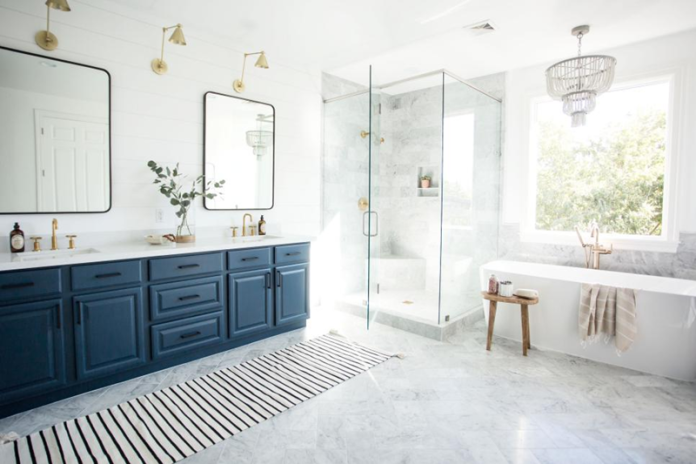
One of the most significant decisions homeowners face when remodeling a bathroom is choosing between a walk-in shower and a bathtub. Both options have unique benefits and drawbacks, and the right choice often depends on the size of your bathroom, lifestyle preferences, and long-term goals, such as increasing home value. This article explores both options’ pros, cons, and design considerations to help you decide what works best for your space.

 1. Walk-In Showers: Modern and Practical

Walk-in showers have gained popularity for their sleek appearance and functionality. Consumer Affairs says walk-in showers take up less space, making them perfect for smaller bathrooms. They are also easier to clean and maintain since there are fewer nooks for water and soap scum to accumulate.

Pros of Walk-In Showers:

– Space-Saving: Ideal for small bathrooms due to minimal footprint.

– Easy to Clean: Fewer surfaces to maintain compared to tubs.

– Customizable Features: Options like non-slip flooring, grab bars, and anti-scald valves can enhance safety.

– Trendy Design: A walk-in shower can elevate your bathroom’s aesthetic and appeal to potential buyers.

– Resale Value: Many buyers prefer showers over bathtubs, especially in modern homes.

Cons of Walk-In Showers:

– Limited for those who struggle to stand or keep balance.

– Less immersive compared to a bathtub experience.

Tip: A walk-in shower could be a major selling point if you plan to sell your home. However, always consider fees associated with selling a house and investing in upgrades with clear value.

 2. Bathtubs: Comfort and Versatility

Bathtubs, particularly walk-in models, offer comfort and accessibility that showers can’t always match. Consumer Affairs notes that walk-in tubs allow users to bathe while sitting and come equipped with features like handrails, anti-scald valves, and deeper walls for a relaxing soak.

Pros of Bathtubs:

– Comfort: Ideal for relaxing soaks and bathing young children.

– Safety Features: Walk-in tubs include handrails, low step-in entries, and non-slip flooring.

– Therapeutic Benefits: Many models offer features like water jets and light therapy (chromotherapy).

– Accessible: Excellent for older adults or individuals with mobility concerns.

Cons of Bathtubs:

– Require more space than walk-in showers.

– It can be pricier, especially for walk-in models.

– Installation may need plumbing or electrical upgrades.

Note: If your remodel includes a walk-in tub, pair it with other modern fixtures to balance style and function for resale appeal.

 3. Cost Considerations: Showers vs. Tubs

Budget plays a crucial role in bathroom remodel decisions. According to the National Kitchen and Bath Association (NKBA), a bathroom remodel typically costs 5% to 10% of your home’s value. Walk-in showers often come at a lower price than walk-in bathtubs, which may require additional upgrades like water heater replacements.

The 2022 Remodeling Impact Report from the National Association of Realtors® (NAR) highlights that bathroom remodels have a 71% cost recovery rate, meaning homeowners recoup a substantial portion of their investment when selling. Additionally, bathroom renovations score a 9.6/10 Joy Score, with most homeowners reporting high satisfaction with the upgrade.

 4. Resale Value: Which Option Adds More Appeal?

Resale value is another essential factor to consider. While walk-in showers are trending and appeal to younger, style-conscious buyers, families with children or older adults might favor a bathtub. To maximize value, ensure your bathroom has at least one bathtub, as it can appeal to a broader range of buyers.

Tip: If you’re uncertain about your home’s value post-remodel, consider scheduling a free home appraisal to assess its current market standing.

 5. Space and Design Considerations

Choosing between a walk-in shower and a bathtub also depends on the layout and size of your bathroom:

– Small Bathrooms: A walk-in shower is more practical since it saves space.

– Larger Bathrooms: You can incorporate a shower and a tub for ultimate luxury and flexibility.

– Accessibility Needs: Walk-in tubs are ideal for individuals who require seating and enhanced safety features.

Design-wise, walk-in showers offer more customization options, such as glass enclosures, tile patterns, and modern fixtures. Conversely, bathtubs, especially freestanding or clawfoot models, can provide a classic focal point.

 6. Final Verdict: Which Should You Choose?

Both walk-in showers and bathtubs offer unique benefits that cater to different lifestyles and needs.

– Choose a walk-in shower if you prioritize space, easy maintenance, and modern design.

– Opt for a walk-in tub if comfort, accessibility, and therapeutic features are more important.

A walk-in shower is often the safest bet for homeowners looking to remodel for resale. However, combining both options can enhance functionality and appeal to a broader audience if space allows.

 Conclusion

Deciding between a walk-in shower and a bathtub depends on your bathroom size, budget, and personal needs. Walk-in showers are modern, space-saving, and easier to maintain, while bathtubs offer comfort, accessibility, and therapeutic benefits. Regardless of your choice, a well-planned bathroom remodel can significantly improve your home’s functionality and appeal. As the NAR Remodeling Impact Report suggests, bathroom renovations are rewarding and a wise investment with a solid return. Whether you’re preparing to sell your home or simply upgrading for yourself, understanding these options will help you make the best decision for your space.

Recent Posts

Posts You Might Like