
Home Blog Page 36

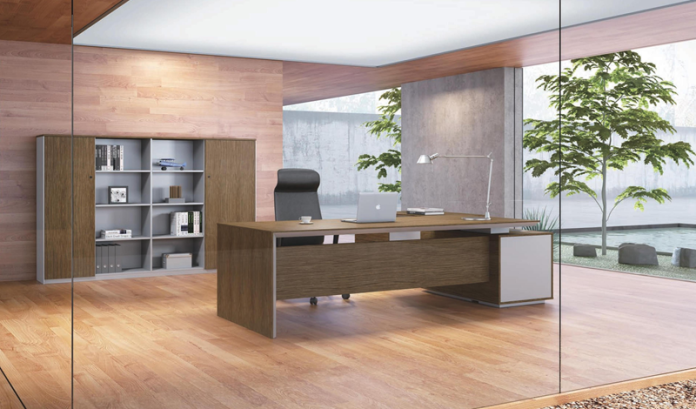
Elevate Your Workspace: Innovative Executive Office Table Designs

In trendy fast-paced expert global, the workspace is extra than just an area to get paintings carried out—it’s a reflection of your non-public style and a critical element of productiveness. For executives and experts who spend a good-sized portion of their day at their desks, a government office desk isn’t simply a chunk of furnishings however a centerpiece that can influence each capability and environment. As layout tendencies evolve and technology advances, modern workplace desk designs are transforming conventional workplace settings into dynamic environments that mix aesthetics with efficiency.

The Modern Executive Office Table: Key Trends and Innovations

Executive Office Table Design

One of the maximum significant trends in executive workplace table design is the emphasis on ergonomics. Modern office tables are increasingly more designed with ergonomics in thoughts to sell comfort and reduce stress. Height-adjustable desks, as an example, permit users to switch among sitting and standing positions effortlessly, catering to various possibilities and health needs executive office table design. These desks frequently feature electric powered or guide mechanisms that alter the height on the contact of a button or thru a simple lever, enhancing the consumer’s comfort and productiveness in the course of the day.

Integrated Technology

As era becomes more embedded in our work lives, so do office tables. Innovative designs now comprise built-in tech capabilities that streamline every day duties. Charging ports, wireless charging pads, and included cable management structures have become preferred in excessive-end executive desks. Some designs even include contact-display control panels for adjusting lights, coping with temperature, or connecting with other clever workplace devices. This integration allows reduce muddle and keeps the workspace prepared, making sure that era enhances in place of complicates the paintings environment.

Sustainable Materials

Sustainability is any other essential attention in modern workplace design. The use of eco-friendly materials in government workplace tables reflects a developing consciousness of environmental impact. Reclaimed wood, bamboo, and recycled metals are becoming popular picks. These materials no longer best make a contribution to a greener workplace surroundings but additionally add a completely unique person to the fixtures. Designers are creating portions which are each elegant and sustainable, catering to the environmentally conscious expert.

Office Table Design

Flexibility and adaptableness are key subject matters in cutting-edge workplace fixtures. Modular office tables, which may be reconfigured or elevated as wished, offer massive benefits for dynamic paintings environments. These designs often feature interchangeable components, such as modular desks that can be rearranged to suit one-of-a-kind tasks or collaborative setups office table design. Multifunctional tables that comprise storage answers, like built-in submitting cabinets or adjustable cabinets, also are gaining reputation. Such versatility guarantees that the desk can adapt to numerous wishes, from solo work to group conferences.

Minimalist Elegance

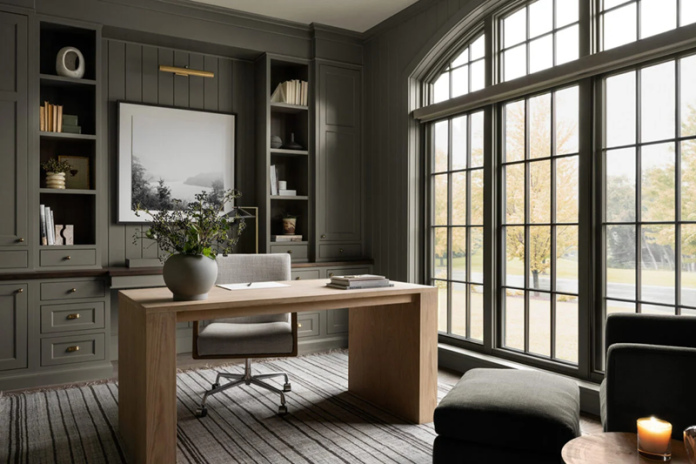
In assessment to the multifunctional technique, the minimalist layout fashion makes a specialty of simplicity and elegance. Clean lines, subtle finishes, and a lack of litter signify those tables. Minimalist designs regularly function superb substances and craftsmanship, making them visually appealing while maintaining functionality. This approach emphasizes developing a calm and prepared workspace, that can beautify recognition and reduce stress.

Personalized and Customizable Options

Customization is becoming increasingly reachable in executive office furniture. Many manufacturers now offer a number alternatives for personalizing office tables, from selecting the end and material to deciding on the type of hardware and accessories. This level of customization allows professionals to create a workspace that aligns with their private taste and expert desires. Customizable tables can replicate a logo’s identity or the person’s character, making the workspace a greater non-public and tasty environment.

Office Table

Breaking far from traditional square shapes, designers are experimenting with various paperwork and configurations. Curved, asymmetrical, and modular designs are making their manner into executive places of work. These innovative shapes now not best add visual hobby but also can improve functionality via facilitating better motion and collaboration in the workspace office table. For instance, round or oval tables can foster extra inclusive and collaborative surroundings, making them ideal for group conferences or brainstorming periods.

Integrated Wellness Features

The cutting-edge office desk is increasingly incorporating elements designed to beautify well-being. Features consisting of built-in lights with adjustable color temperatures can lessen eye stress and create extra snug paintings surroundings. Some tables include included air purifiers or sound-overlaying structures to promote a more fit and extra focused workspace. By addressing aspects of physical and mental nicely-being, these functions help create an extra balanced and effective work environment.

Conclusion

Innovative executive office desk designs are redefining how we perceive and make use of workspace fixtures. From ergonomic functions and included era to sustainable substances and customizable alternatives, these modern-day tables provide both capability and fashion. As paintings environments hold to conform, investing in a workplace desk that mixes those modern elements can considerably enhance productiveness, comfort, and typical delight within the workspace. Embracing these developments now not most effective improves the everyday paintings experience however also reflects a dedication to growing an expert space this is each purposeful and inspiring.
Artistry in Every Detail: Celebrating Handcrafted Tables in the Philippines

Table layout is extra than simply building a flat surface supported by means of legs. It’s a dynamic interplay between form and function, wherein ergonomics meets aesthetics. A nicely-designed table not only serves its cause correctly but also enhances the atmosphere of a room. With changing trends and technological advances, executive table has advanced from a in simple terms practical piece of fixtures to a statement of private style and creativity. Whether it’s for eating, operating, or ornamental functions, a thoughtfully designed table can transform a space and increase regular reports.

The Evolution of Table Design

The records of table layout lines lower back to historical civilizations, wherein tables had been easy, utilitarian systems used for eating, religious ceremonies, and social gatherings. Ancient Egyptians, for instance, used small, transportable tables crafted from stone or wood. Romans’ delicate the idea with greater ornate designs, incorporating metals and valuable materials. Through the Renaissance and into the present-day generation, tables became symbols of craftsmanship, with complicated carvings and unique decorations that reflected the cultural aesthetics in their time.

Today, desk design is closely inspired with the aid of minimalism, sustainability, and progressive substances. However, the essence of its purpose remains unchanged – to provide a surface for human interplay and activities. Modern table designs regularly emphasize flexibility, with modular designs, light-weight materials, and a focal point on area-saving improvements.

Materials: Traditional and Modern

The material utilized in modern office table performs a critical position in its normal aesthetic and feature. Traditional materials which include wood, metal, and glass continue to be famous, however designers are always experimenting with more modern, more sustainable materials.

Wood: A timeless material, wooden gives warm temperature and versatility. Oak, walnut, and teak are a number of the maximum typically used kinds due to their sturdiness and rich textures. Wooden tables can variety from rustic farmhouse styles to smooth, modern-day designs, and the grain and end of the timber notably impact the final look.

Metal: Metal tables are acknowledged for his or her commercial attraction and durability. Materials along with chrome steel, aluminum, and iron are commonly used to create strong, minimalist designs. Metal is often combined with wood or glass to create evaluation, mixing softness with pressure.

Glass: Glass tables exude elegance and are best for areas that want a feel of openness. A glass top could make a room appear large, and its transparency can exhibit the beauty of the desk’s base. However, glass requires more protection and can be susceptible to scratches and damage if not handled carefully.

Concrete and Stone: These materials are gaining popularity in cutting-edge desk layout for his or her raw, industrial experience. Concrete tables, mainly, are sturdy and climate-resistant, making them appropriate for each indoor and outdoor use. They pair nicely with minimalist and modern-day aesthetics.

Sustainable Materials: As sustainability becomes greater crucial in design, materials consisting of bamboo, reclaimed wooden, and recycled plastics are being utilized in innovative approaches. These substances provide green options without compromising on style or sturdiness.

Types of Tables and Their Design Considerations

Different forms of tables serve diverse purposes, and their layout ought to mirror the specific wishes in their feature.

Dining Tables: The eating table is an imperative piece in many homes, in which households collect for meals and conversations. Dining table layout specializes in durability, consolation, and style. Round tables promote an experience of intimacy and are ideal for smaller spaces, whilst square tables can accommodate larger groups. Extending eating tables provide flexibility, increasing to fit greater guests as wished.

Coffee Tables: Often the point of interest of a dwelling room, coffee tables need to stability practicality with aesthetic attraction. They offer a surface for books, liquids, and decor while also serving as a layout anchor for the gap. Low-profile designs with smooth strains paintings well in modern-day areas, even as greater ornate or textured designs can add character to traditional settings.

Office Tables/Desks: As workspaces evolve, so do the designs of office tables. Ergonomics is an important attention, making sure that the desk is comfortable and purposeful for lengthy hours of work. Adjustable heights, integrated garage solutions, and cable management structures are commonplace capabilities in current workplace tables. Minimalistic designs with easy traces are popular in domestic office settings, presenting litter-loose surroundings conducive to productivity.

Console Tables: Typically placed towards a wall or at the back of a sofa, console tables are each ornamental and practical. Their slim design makes them ideal for small spaces, and they’re frequently used to display art, flora, or other decorative objects. Sleek metallic or glass designs can add a current contact, whilst wood console tables provide an extra conventional experience.

Outdoor Tables: Outdoor tables must be designed to face up to the elements, making cloth preference essential. Weather-resistant materials like teak, metallic, and plastic are generally used. Design-smart, out of doors tables often feature lighter, extra informal patterns that blend with nature. Portability is likewise a thing, with folding or collapsible tables supplying comfort for outside areas.

Trends in Table Design

The global of desk layout is continuously evolving, with new trends rising each 12 months. Some of the current trends in table design encompass:

Minimalism: Less is greater in modern table layout. Clean lines, easy bureaucracy, and neutral colors dominate the minimalist fashion. These tables attention on functionality while maintaining an understated elegance.

Mixed Materials: Combining special materials, including wooden and metallic or glass and stone, is a popular fashion that provides intensity and texture to a desk’s design. The contrast between substances creates a dynamic aesthetic which can healthy various indoors patterns.

Customization: Personalization is turning into extra distinguished in furniture layout. Consumers are increasingly more looking for customizable alternatives, from the scale and shape of the desk to the materials and finishes. This allows for particular pieces that replicate character tastes and needs.

Sustainability: As referred to earlier, sustainability is a key cognizance in modern-day table layout. Designers are opting for environmentally pleasant materials and production techniques, making sure that the furniture is both elegant and accountable.

Smart Furniture: With the integration of era into ordinary existence, tables are getting smarter. Features along with wi-fi charging stations, integrated lighting, and adjustable heights are being included into modern-day designs, making tables not simply useful however additionally tech-savvy.

Conclusion

Table layout is a fusion of creativity, craftsmanship, and capability. Whether it is a statement eating desk, a practical office table, or an elegant coffee table, the design of a desk can considerably impact the feel and function of a space. With the continuous evolution of substances, era, and customer options, the destiny of office table and chair looks to be even extra revolutionary and thrilling. Whether you are a clothier, an owner of a house, or truly a person who appreciates beautiful fixtures, the artwork of desk design offers endless possibilities for expression and capability.

DIY Kitchen Cabinets Design Build and Install Like a Pro

Introduction

Transforming your kitchen can be one of the most rewarding home improvement projects. One of the most impactful ways to revamp your space is by creating your own kitchen cabinets. With the rise of DIY culture, more homeowners are embracing the challenge to design, build, and install do it yourself kitchen cabinets. Not only does this approach offer significant cost savings, but it also allows you to tailor the cabinets to fit your unique style and functional needs. In this guide, we’ll walk you through every step of the process, from the initial design phase to the final installation, so you can achieve professional results without breaking the bank.

Why Choose to Do It Yourself?

Choosing to build your own kitchen cabinets offers numerous advantages, especially when it comes to cost and creativity.

  • Cost-Effective: One of the most appealing aspects of DIY kitchen cabinets is the potential to save a substantial amount of money. Custom cabinets can be expensive, but by doing it yourself, you can allocate your budget more efficiently, focusing on quality materials rather than labor costs.
  • Creative Control: DIY projects provide an unparalleled level of creative freedom. You can choose everything from the wood type and finish to the hardware and layout, ensuring that your cabinets perfectly match your kitchen’s aesthetic.
  • Skill Development: Building your own cabinets is also a fantastic opportunity to develop new skills. Whether you’re a seasoned DIY enthusiast or a complete beginner, you’ll learn valuable techniques that can be applied to future projects, enhancing your overall handyman expertise.

By opting for do it yourself kitchen cabinets, you’re not just saving money—you’re also investing in your own abilities and creating a truly personalized kitchen space.

Designing Your DIY Kitchen Cabinets

Before you start building, it’s essential to have a clear and well-thought-out design plan. This stage is crucial for ensuring that your cabinets meet both your aesthetic preferences and functional requirements.

Assessing Your Kitchen Layout

The first step in designing your DIY kitchen cabinets is to assess your kitchen’s current layout.

  • Measure Your Space: Take precise measurements of your kitchen area. This includes the length and height of the walls where the cabinets will be installed, as well as the dimensions of any appliances or fixtures that need to be accommodated.
  • Identify Storage Needs: Consider how you use your kitchen and what your storage needs are. Do you require more drawer space for utensils or deep cabinets for pots and pans? Tailor your design to meet these needs.

Choosing Materials

The material you choose for your kitchen cabinets will significantly impact both the appearance and durability of your project.

  • Wood Types: Popular options include oak, maple, and cherry, each offering different grains, colors, and durability. For a more budget-friendly option, consider plywood with a wood veneer.
  • Eco-Friendly Options: If sustainability is a priority, look into eco-friendly materials like bamboo or reclaimed wood. These not only reduce environmental impact but also add a unique character to your kitchen.

Planning the Cabinet Layout

Once you’ve measured your space and chosen your materials, it’s time to plan your cabinet layout.

  • Blueprints and Design Software: Creating a blueprint or using kitchen design software can help you visualize the final look. Consider the workflow in your kitchen—make sure the placement of cabinets makes sense for cooking and cleaning activities.
  • Ergonomics and Accessibility: Ensure that your cabinets are accessible and easy to use. Think about the height of shelves, the depth of drawers, and how easy it is to reach items stored in the back.

Budgeting for Your DIY Project

Finally, before you start building, it’s important to establish a budget.

  • Estimating Costs: Factor in the cost of materials, tools, and any additional hardware like hinges and handles. Don’t forget to include a buffer for unexpected expenses.
  • Staying Within Budget: To keep costs down, consider sourcing materials from local suppliers or reclaiming wood from previous projects. Being mindful of your budget throughout the process will help you avoid overspending.

Building Your DIY Kitchen Cabinets

Now that you have a solid design plan in place, it’s time to start building your do it yourself kitchen cabinets.

Gathering the Right Tools

Having the right tools is crucial for a successful DIY project. Here’s a list of essentials:

  • Saws: A table saw or circular saw for cutting wood panels, and a jigsaw for intricate cuts.
  • Drills: A power drill with various drill bits for making holes and driving screws.
  • Clamps: To hold pieces in place while you work.
  • Safety Gear: Gloves, safety glasses, and a dust mask to protect yourself while working.

Cutting and Preparing the Wood

With your tools ready, you can begin the process of cutting and preparing the wood for your cabinets.

  • Cutting the Wood Pieces: Using your measurements, cut the wood panels to size. Ensure all cuts are straight and accurate to avoid any alignment issues during assembly. A table saw is ideal for making long, straight cuts, while a jigsaw can handle more detailed work.
  • Sanding and Prepping: Once the pieces are cut, sand all surfaces to remove any rough edges and ensure a smooth finish. Start with a coarse grit sandpaper and gradually move to a finer grit for a polished look. This step is crucial for achieving a professional appearance in the final product.

Assembling the Cabinets

After preparing the wood, it’s time to assemble the cabinets.

  • Building the Cabinet Frame: Begin by assembling the sides, top, and bottom of the cabinet box. Use wood glue and clamps to hold the pieces together before securing them with screws. Make sure the corners are square and the frame is sturdy.
  • Attaching the Back Panel: Once the frame is assembled, attach the back panel using finishing nails or screws. The back panel provides structural support and ensures the cabinet remains square.
  • Installing Shelves: Depending on your design, you may need to install fixed or adjustable shelves. For adjustable shelves, drill a series of evenly spaced holes along the sides of the cabinet and use shelf pins to support the shelves.

Adding Finishing Touches

The finishing touches can make all the difference in the overall appearance of your do it yourself kitchen cabinets.

  • Installing Doors and Hardware: Attach the cabinet doors using concealed hinges for a clean look. Make sure the doors are properly aligned and open and close smoothly. Then, install the hardware such as handles or knobs, ensuring they match the style of your kitchen.
  • Painting or Staining: To protect the wood and enhance its appearance, apply a coat of paint or stain. If you’re painting, use a primer first to ensure even coverage. For staining, apply a wood conditioner before the stain to achieve a consistent finish. Finally, seal the surface with a clear protective coat to enhance durability.

Installing Your DIY Kitchen Cabinets

Once your cabinets are built, the final step is installation. Proper installation is key to ensuring your cabinets are both functional and aesthetically pleasing.

Pre-Installation Preparations

Before you begin the installation, take time to prepare the space.

  • Clearing the Kitchen Space: Remove any old cabinets and ensure the kitchen area is clean and free of debris. Double-check your measurements against the actual space to ensure a perfect fit.
  • Leveling the Walls and Floors: Use a level to check that your walls and floors are straight and even. If there are any discrepancies, you may need to make adjustments during installation to ensure your cabinets sit correctly.

Mounting the Upper Cabinets

Begin the installation process by mounting the upper cabinets.

  • Marking the Wall: Use a pencil to mark the position of the cabinets on the wall, starting with the top of the cabinet. Be sure to account for the height of your countertops and any space you want to leave above the cabinets.
  • Securing the Cabinets: Attach a temporary support ledger to the wall at the base of where the cabinets will sit. This will hold the weight of the cabinets as you secure them to the wall. Use screws to fasten the cabinets to the wall studs, ensuring they are level and evenly spaced.

Installing the Base Cabinets

Next, install the base cabinets.

  • Positioning the Cabinets: Place the base cabinets in position, starting with the corner unit if applicable. Use shims to level the cabinets if necessary, ensuring they align with the marks on the wall.
  • Securing the Cabinets: Just like with the upper cabinets, use screws to fasten the base cabinets to the wall. Check for levelness as you go, making adjustments as needed.

Final Adjustments and Quality Check

Once all cabinets are in place, perform a final inspection.

  • Inspect for Gaps: Check for any gaps between cabinets or between the cabinets and the wall. Use caulk or filler strips to close any gaps for a seamless finish.
  • Adjusting Doors and Hardware: Make any final adjustments to the doors and hardware, ensuring everything is aligned and functioning correctly.

Tips and Tricks for a Professional Finish

To ensure your DIY kitchen cabinets look as professional as possible, here are some tips and tricks.

Common Mistakes to Avoid

  • Overlooking Measurements: Accurate measurements are crucial. Double-check all dimensions before cutting.
  • Rushing the Finish: Take your time with painting or staining. Multiple thin coats will yield a better result than a single thick one.

Advanced Techniques for a Custom Look

  • Adding Moldings and Trim: Crown moldings or decorative trims can add a touch of elegance to your cabinets, giving them a high-end look.
  • Incorporating Lighting: Installing under-cabinet lighting can enhance the functionality of your kitchen and add ambiance.

Maintenance Tips for Longevity

  • Regular Cleaning: Keep your cabinets clean by wiping them down regularly with a damp cloth and mild detergent.
  • Seasonal Checks: Inspect your cabinets seasonally for any signs of wear or damage. Address any issues promptly to prevent further deterioration.

Conclusion

Embarking on a DIY kitchen cabinet project can be a highly rewarding experience, offering both financial savings and the satisfaction of creating something uniquely yours. By following the steps outlined in this guide, you can design, build, and install do it yourself kitchen cabinets that rival professional craftsmanship. Whether you’re motivated by budget constraints or a desire for a personalized touch, this project allows you to transform your kitchen into a space that truly reflects your style and needs. So, gather your tools, roll up your sleeves, and get ready to bring your dream kitchen to life.

Ensuring a Smooth Cruise Experience: Travel Safety Tips

Cruising is one of the most enjoyable ways to explore the world, offering a blend of adventure, relaxation, and luxury. However, like any form of travel, cruising comes with its own set of safety considerations. By taking a few precautionary steps before and during your trip, you can ensure a smooth and enjoyable experience. This guide will provide you with essential travel safety tips to help you make the most of your cruise while staying safe and prepared.

1. Research Your Destination and Cruise Line

Before setting sail, it’s important to research your destinations and the cruise line you’ll be traveling with. Understanding the local customs, weather conditions, and any potential risks associated with your ports of call can help you prepare adequately. Additionally, familiarize yourself with your cruise line’s safety procedures, amenities, and onboard services.

Check for travel advisories related to the countries you’ll be visiting, and make sure to stay informed about any potential health or safety concerns. Knowing what to expect at each destination allows you to plan accordingly, whether that means packing specific items, arranging excursions, or understanding the local culture.

2. Purchase Comprehensive Travel Insurance

Travel insurance is a must-have for any cruise, as it provides coverage for a wide range of unexpected events, such as trip cancellations, medical emergencies, lost luggage, and more. Since cruises often involve multiple flights, transfers, and excursions, having comprehensive travel insurance can give you peace of mind knowing that you’re protected against unforeseen circumstances.

When choosing a policy, make sure it covers cruise-specific issues, such as missed connections due to weather or mechanical problems, and medical evacuation if necessary. Be sure to read the policy details carefully and understand what is and isn’t covered. It’s also wise to carry a copy of your insurance policy and emergency contact information with you during your trip.

3. Pack a First-Aid Kit and Essential Medications

While cruise ships have medical facilities on board, it’s always a good idea to pack a personal first-aid kit with basic supplies, such as band-aids, antiseptic wipes, pain relievers, and motion sickness medication. Having these items on hand can save you a trip to the ship’s medical center for minor ailments.

If you take prescription medications, be sure to pack enough for the entire duration of your cruise, plus a few extra days in case of delays. It’s also a good idea to carry a copy of your prescriptions and store medications in their original containers. Consider packing a small, portable pill organizer to keep your medications organized and easily accessible.

4. Stay Healthy with Good Hygiene Practices

Maintaining good hygiene is crucial on a cruise, where close quarters and shared spaces can increase the risk of illness. One of the most common issues on cruise ships is the spread of gastrointestinal illnesses, such as norovirus. To minimize your risk, wash your hands frequently with soap and water, especially before eating and after using the restroom.

Hand sanitizers are also widely available on cruise ships, but they shouldn’t replace proper handwashing. Additionally, avoid touching your face, and be cautious about sharing food or drinks with others. If you’re feeling unwell, it’s important to report your symptoms to the ship’s medical staff and follow their advice to prevent spreading illness to others.

5. Practice Water Safety

Whether you’re swimming in the ship’s pool or participating in water-based excursions, practicing water safety is essential. Always follow the ship’s rules and guidelines for pool use, and keep an eye on children at all times. Many cruise ships offer life vests for passengers, and it’s a good idea to use them, especially for younger children or those who aren’t strong swimmers.

If you’re planning to participate in water activities like snorkeling, kayaking, or jet skiing, make sure to wear appropriate safety gear, such as life jackets, and follow the instructions of trained guides. Be mindful of ocean currents and weather conditions, and never venture into the water alone.

6. Keep Your Valuables Secure

While cruise ships are generally safe environments, it’s still important to take precautions with your valuables. Most cabins come equipped with a safe where you can store passports, cash, jewelry, and other important items. Use the safe whenever you’re not in your cabin, and avoid carrying large amounts of cash or wearing expensive jewelry in public areas.

When exploring ports of call, keep your valuables secure by using a money belt or anti-theft bag. Be aware of your surroundings, and avoid displaying wealth or leaving belongings unattended. It’s also wise to make copies of important documents, such as your passport and cruise itinerary, and store them separately from the originals.

7. Stay Informed About Safety Drills and Procedures

Cruise ships are required to conduct safety drills at the beginning of each voyage, usually before the ship departs from the first port. These drills are designed to familiarize passengers with emergency procedures, including how to don a life jacket and locate your muster station (the designated area where you’ll gather in the event of an emergency).

Participating in the safety drill is mandatory and provides valuable information that could be life-saving in an emergency. Pay close attention to the instructions, and don’t hesitate to ask the crew if you have any questions. It’s also a good idea to review the emergency exit routes posted in your cabin and familiarize yourself with the layout of the ship.

8. Stay Connected with Family and Friends

Keeping in touch with family and friends during your cruise is important for safety and peace of mind. Make sure to share your cruise itinerary, including port stops and return dates, with someone back home. Many cruise ships offer internet packages or Wi-Fi access, allowing you to stay connected throughout your trip.

If you’re traveling with others, establish a meeting point on the ship in case you get separated. Walkie-talkies can be a useful tool for staying in touch with family members, especially in areas with poor cell reception. Additionally, consider downloading communication apps that work over Wi-Fi, such as WhatsApp or Viber, to stay connected without incurring high roaming charges.

9. Exercise Caution During Shore Excursions

Shore excursions are a highlight of any cruise, offering the chance to explore new destinations and experience local culture. However, it’s important to exercise caution when participating in these activities, especially in unfamiliar locations. Stick to reputable tour operators, and avoid booking excursions through unverified sources.

When exploring on your own, stay aware of your surroundings, and avoid venturing into unsafe areas. Keep a copy of your ship’s schedule, including the time you need to be back on board, to avoid missing the departure. If you’re unsure about the safety of a particular activity or location, consult the ship’s excursion desk or security team for advice.

10. Use Technology Wisely

Technology can enhance your cruise experience, but it also requires careful management. For instance, cruise ships often have limited power outlets, and charging multiple devices can be challenging. Bringing a power strip with multiple outlets and USB ports can help, but be sure to choose one with surge protection to safeguard your electronics from potential power surges on the ship.

Additionally, protect your devices by keeping them in waterproof cases, especially if you’re planning to participate in water-based excursions. Using strong passwords and enabling security features, such as two-factor authentication, can help protect your personal information if your device is lost or stolen.

11. Stay Hydrated and Take Care of Your Health

Cruises often involve a lot of walking, outdoor activities, and exposure to the sun, so staying hydrated is crucial. Carry a reusable water bottle with you, and refill it regularly at the ship’s water stations. If you’re drinking alcohol, be mindful of your consumption, as dehydration can happen quickly in warm climates.

Taking care of your health also means getting enough rest and balancing indulgence with moderation. Cruise vacations are known for their abundant food and drink offerings, but overindulging can lead to discomfort or health issues. Listen to your body, and take advantage of the ship’s fitness facilities, spa services, and healthy dining options to stay in good shape throughout your trip.

12. Be Prepared for Changes in Itinerary

While cruise itineraries are planned in advance, changes can happen due to weather, mechanical issues, or other unforeseen circumstances. Being flexible and prepared for changes is important for maintaining a positive attitude and enjoying your cruise experience.

If a port of call is canceled or rescheduled, take advantage of the additional time on board to explore more of the ship’s amenities, participate in activities, or simply relax. Keeping an open mind and adapting to changes as they occur will help you make the most of your cruise, no matter what surprises may come your way.

Conclusion

Cruising offers a unique and memorable way to explore the world, and by following these travel safety tips, you can ensure that your experience is as smooth and enjoyable as possible. From packing a first-aid kit and using surge protection for your electronics to staying informed about safety procedures and exercising caution during excursions, these precautions will help you stay safe and prepared throughout your journey. By planning ahead and being mindful of your surroundings, you can focus on enjoying all the incredible experiences that your cruise has to offer.

The Impact of Business Chairs on Employee Wellness

In the contemporary enterprise surroundings, worker wellbeing has grown to be a top precedence. Companies are spotting that the properly-being of their workforce has a direct impact on productivity, creativity, and usual business success. While many components of the place of work can affect employee wellbeing, one detail that regularly goes unnoticed is workplace furnishings, especially the business chair. Though apparently minor, the layout and ergonomics of a chair play a huge position in the health and luxury of employees, influencing each bodily and intellectual well-being. This article explores the profound effect of commercial enterprise chairs on employee wellbeing and why making an investment in the right seating solutions is crucial for a thriving workplace.

Business Chair

The average office worker spends upwards of 8 hours a day seated, frequently in front of a laptop. The prolonged periods of sitting, blended with poor posture, can result in a number of fitness issues, consisting of back pain, neck strain, and repetitive stress accidents (RSI). A poorly designed chair exacerbates those troubles via imparting insufficient help, forcing the body into unnatural positions. This can result in musculoskeletal disorders (MSDs), which, in line with the Occupational Safety and Health Administration (OSHA), account for an enormous number of labor-associated injuries every year.

Ergonomics, the science of designing equipment that suits the human frame and its moves, aims to save you such issues business chair. An ergonomic chair is designed to guide the backbone’s natural curvature, hold right posture, and reduce strain at the muscle groups and joints. Features including adjustable top, lumbar assist, and armrests permit for customization, ensuring that the chair adapts to the user in preference to forcing the user to conform to the chair. The result is a giant reduction in the risk of developing musculoskeletal issues and an improvement in basic comfort.

The Physical Benefits of Ergonomic Chairs

Investing in ergonomic chairs may have a profound impact at the bodily fitness of personnel. One of the primary advantages is the reduction in back ache, a common grievance amongst office people. Back pain can stem from sitting in chairs that don’t aid the lumbar region or that encourage slouching. Ergonomic chairs offer good enough lumbar guide, which allows preserve the herbal curve of the lower spine, reducing the likelihood of discomfort or continual ache.

Proper movement is another bodily advantage of using a nicely-designed business chair. Sitting for extended periods in a poorly designed chair can limit blood float, specifically inside the legs. This can lead to situations which includes deep vein thrombosis (DVT) or widespread discomfort due to numbness and swelling. An ergonomic chair encourages movement and lets in users to alter their role, improving movement and lowering the chance of these troubles.

Office Furniture Supplier Philippines

While the physical fitness advantages of ergonomic chairs are properly-documented, their impact on intellectual fitness is similarly important. Discomfort and pain due to insufficient seating can be mentally draining, leading to decreased attention, reduced productiveness, and extended pressure. An uncomfortable chair can grow to be a distraction, making it hard for employees to consciousness on their work office furniture supplier Philippines. Over time, this will make a contribution to burnout, as personnel conflict to perform duties while handling bodily pain.

Furthermore, supplying ergonomic chairs sends a clear message to personnel that their nicely-being is valued. This can have a superb impact on morale and task pride, as employees feel that their company is investing of their comfort and fitness. In flip, this could lessen turnover prices and create a greater superb work environment, contributing to the general achievement of the commercial enterprise.

The Financial Implications of Employee Wellness

Employee health isn’t only a count of improving consolation or satisfaction; it additionally has widespread financial implications for groups. Health-associated issues stemming from terrible ergonomics can lead to absenteeism, as personnel take time without work to recover from accidents or manipulate chronic pain. In the U.S., billions of bucks are lost each yr. because of missed workdays related to musculoskeletal problems by myself. By making an investment in ergonomic chairs and other wellbeing-oriented workplace furnishings, corporations can reduce the occurrence of such accidents and lower absenteeism prices.

Moreover, the long-time period economic benefits of investing in employee well-being make bigger to healthcare expenses. Many businesses offer medical health insurance or well-being programs, and lowering the occurrence of labor-associated accidents can assist lower the overall cost of healthcare for each the corporation and its personnel. Ergonomic chairs are a preventive measure that could mitigate the want for medical treatment or physical therapy, in addition reducing costs.

Office Furniture Suppliers

The function of enterprise chairs in employee wellbeing needs to no longer be underestimated. However, it’s miles crucial to recognize that chairs are simply one component of a bigger approach to create a more healthy, more comfortable paintings surroundings. Employers ought to bear in mind the general design of their workspace, making sure that desks, monitors, and other equipment are also ergonomically sound office furniture suppliers. Encouraging everyday breaks, promoting motion for the duration of the day, and fostering a lifestyle that prioritizes well-being can further enhance the blessings of ergonomic furnishings

Conclusion

the effect of business chairs on worker wellbeing is a long way-achieving, affecting each physical and intellectual health. By making an investment in ergonomic seating answers, groups can reduce the hazard of injuries, enhance worker consolation, and create greater efficient and effective work surroundings. In nowadays aggressive business panorama, prioritizing worker well-being isn’t always just a pleasing-to-have; it’s miles a strategic vital that can result in long-time period achievement.

Choosing the Perfect Conference Table for Your Office

In these dais’s business international, the conference table is more than simply a piece of furnishings. It is a centerpiece of workplace dynamics, a stage for critical meetings, collaborative sessions, and decision-making discussions. Whether you’re furnishing a brand new workplace or updating a current one, selecting the proper conference desk can substantially influence the flow and fulfillment of your conferences. In this manual, we can discover the important concerns whilst choosing an appropriate conference desk, consisting of size, form, fabric, and extra features. Let’s dive into what makes this key office thing so vital and how to make the first-rate preference on your desires.

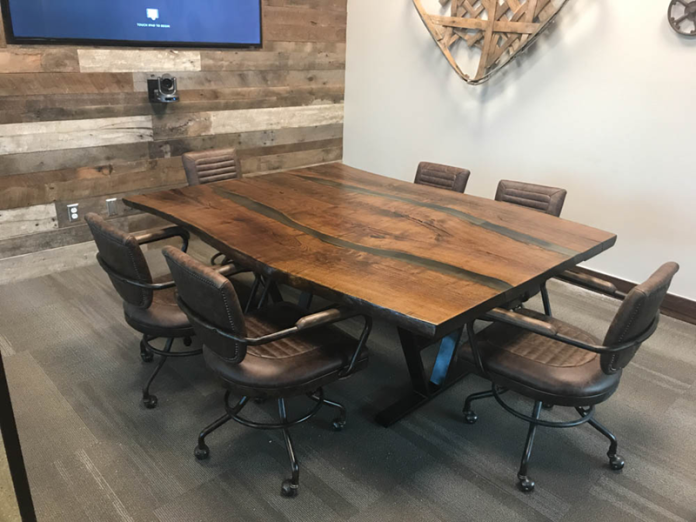
Conference Table

The length of the convention desk is one of the maximum important elements to don’t forget. A desk that’s too small will make participants experience cramped and uncomfortable, while a desk that’s too huge could create useless distance and preclude effective conversation conference table. When deciding on the dimensions, you want to thing inside the length of your conference room and the number of individuals who will usually attend meetings.

Measure Your Conference Room

Before selecting the scale of the desk, degree the room carefully. You want to make sure that there is sufficient area no longer best for the table however additionally for chairs and for humans to move comfortably. A standard rule of thumb is to go away as a minimum three ft. of clearance around the desk. This will allow people to stroll around without bumping into walls or other furnishings.

Once you have got your room dimensions, determine what number of humans want to sit down across the desk. Most convention tables allocate approximately 30 inches of table length in step with person. For instance, a 10-foot-long table conveniently seats 10-12 people. However, if your conferences frequently include presentations, take into account spacing the seating further aside to present attendees a clearer view. The shape of your convention table now not simplest influences the classy of the room however additionally how conferences waft. Different desk shapes foster different kinds of interaction and dynamics.

Office table

Rectangular tables are through some distance the most common form for convention tables. They provide a traditional, professional look and may accommodate a large wide variety of people office table. One drawback, however, is that the humans seated on a ways ends may also sense excluded from the discussion. This can be solved through making sure that your conferences have a facilitator to hold
An oval desk is just like a square table however with rounded edges. This design softens the appearance of the room and promotes a more inclusive sense in the course of meetings considering the fact that there is no “head” of the desk. Oval tables are perfect for collaborative environments in which you want to encourage open talk.

Material and Durability


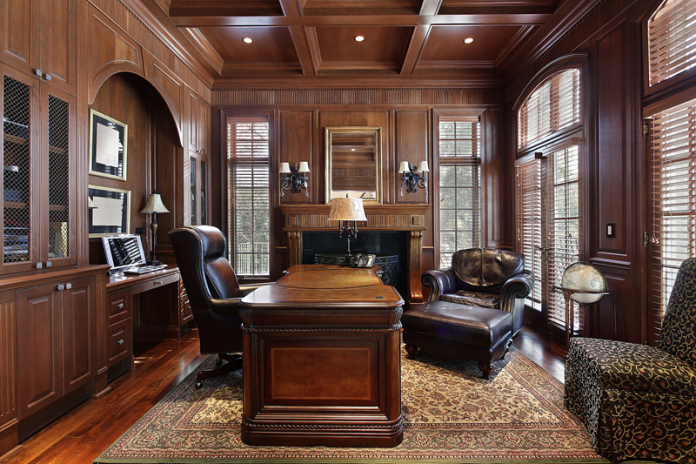
The mterial of your conference desk no longer handiest determines its look but additionally its sturdiness and upkeep wishes. Different substances will align with various budgets, aesthetics, and utilization necessities. Wood is an undying and traditional choice for convention tables. It brings warmth and elegance to a room, making it ideal for businesses seeking out a traditional, government feel. Hardwoods like mahogany, walnut, and all right are fairly long lasting, but they can be costly. Wood also requires normal upkeep to maintain its polished appearance.

Laminate is a budget-pleasant and incredibly flexible choice. It comes in a huge sort of colors and textures, allowing you to obtain nearly any appearance your preference. Laminate tables are smooth to easy and resistant to stains and scratches, making them a splendid preference for excessive-site visitors conference rooms.

Modern Conference Table Design

Beyond length, form, and cloth, consider how your convention table will feature in each day use. Many cutting-edge convention tables include built-in capabilities that decorate productivity and streamline conferences. In today’s tech-pushed office surroundings, a conference table need to be prepared with proper cable management answers modern conference table design. Built-in energy stores and USB ports permit contributors to rate devices and connect to presentation structures without problems. This prevents the muddle of tangled cords and enables the room look neat and organized.

Conclusion

Choosing the perfect convention desk to your workplace isn’t always pretty much aesthetics or filling space; it’s approximately growing a useful and snug environment that fosters collaboration and decision-making. By considering factors along with length, shape, fabric, functionality, and fashion, you may pick out a table that enhances your workplace’s standard productiveness and helps your group’s desires. Whether your consciousness is on website hosting massive formal meetings or small brainstorming periods, the proper convention desk will make all of the difference.

Why Boltless Storage Racks are the Best Racks for Singapore Storerooms

Maximising space in a storeroom is crucial, whether for homes or businesses in Singapore. A well-organised storeroom allows for better access to stored items, and one of the best solutions for this is the use of boltless storage racks. Here’s why these racks are considered the best option for storerooms in Singapore.

Easy Installation and Customization

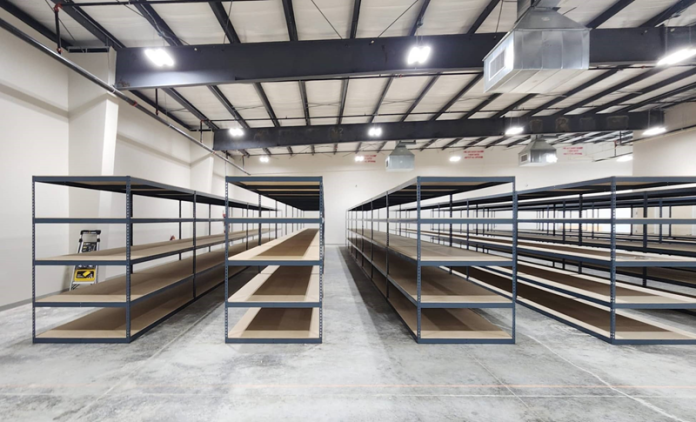
Boltless storage racks are incredibly easy to install because, as the name suggests, they don’t require bolts or nuts. This simple assembly process allows for hassle-free setup, making them perfect for homeowners or businesses looking for a quick and efficient storage solution. Since the racks are easily adjustable, you can customize the shelf heights to fit various sizes of items.

Durable and Sturdy

Designed to be heavy-duty, boltless racks can support a wide range of items, from lightweight boxes to heavy tools and supplies. Their solid build ensures durability, even under significant weight. This sturdiness makes them ideal for both home storerooms and commercial spaces that require strong shelving solutions.

Cost-Effective Solution

Boltless storage racks are highly cost-effective. Their simplicity in design keeps the cost down without compromising on strength or reliability. For those who need a durable yet affordable solution to optimise their storerooms, boltless racks are the ideal choice. I

Space-Saving Design

Maximising space in a storeroom is a top priority, especially in compact homes or businesses in Singapore. Boltless racks offer a smart, space-saving design by allowing you to fully utilise the height of your storeroom, making it easier to organise items vertically rather than horizontally.

Versatile Applications

Whether it’s for storing household items, office supplies, or industrial equipment, boltless storage racks are versatile and adaptable to any environment. Their modular design allows them to fit into any storeroom layout or size.

Mantel Decorating Tips for the Holiday Season

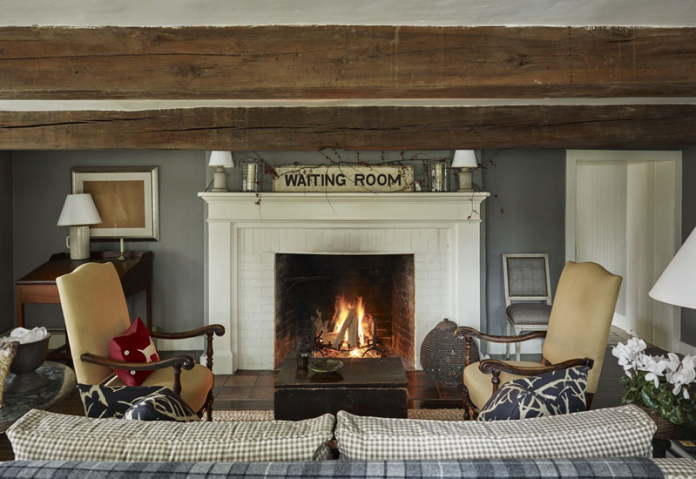
When winter comes around, the holiday season comes into focus and so does the area above the fireplace. The area above the fireplace, or the mantel, is the ideal locale to capture the spirit of the season.

Here are some mantel decorating tips that you can use this holiday season.

Incorporate Balance into the Composition

When decorating your mantel, it’s important to consider some principles of design, such as balance and proportion. Ideally, a mantel should have a unified appearance and every single detail should complement others and be in harmony with them. Start with placing a main object, like a unique mirror, a large timepiece, or a piece of artwork associated with a particular season; there should always be an organized system for displaying decorations rather than random things lying around. For instance, one can place higher candle holders with other accessories, such as lamps and change their size in order to achieve balanced heights.

Have Layered Textures and Materials

This is because the combination of different textural and material elements increases the aesthetically rich dimension of your mantel display. It seems that sometimes, combining elements such as candles and ornaments, one gets not only a depth of detail but depth itself. Some of the fabrics that can be used are velvet, burlap and metallics to give the room an opulent and warm feel. For instance, place a velvet ribbon on the mantel and hang a textured garland over it, placing glass or ceramic ornaments in between. There can be added other fabric accessories like a fabric runner or fabric stockings which add an extra touch of textural beauty.

Enhance With Seasonal Greenery

Flora adds a simple yet sophisticated touch and adopting seasonal aesthetics to the mantel creates a wonderfully natural look. Living trees, fir twigs, pinecones, and holly can add freshness and natural beauty to the festive setting along with other ornaments. For a more traditional look, consider using a combination of fresh or artificial pine, fir, or cedar to create a garland that can be hung on the mantel. You may also add rabbit elements such as a cluster of berries, eucalyptus, or even tissues cut into the form of rabbit ears or orange slices for extra flair. For the additional effect, you may also occasionally sprinkle some room freshener spray or even the scent of the pine tree in the form of a few drops of aromatherapy oil.

Decorate With Beautiful Garlands

Garlands are an excellent choice for adorning your mantel during the holiday season, offering a versatile and festive decorating solution. These lush, winding decorations come in various styles, with Christmas garlands with lights being particularly popular for their ability to add a warm, twinkling glow to your living space. Whether you opt for traditional evergreen garlands or more modern alternatives like beaded or fabric versions, they effortlessly drape across your mantel, creating a focal point that draws the eye and sets a cheerful mood.

Hunt for Products Not Found in Local Stores

Online shopping is a rich source of many different mantel decorations that might not be available in the local store. Shops give a broad range of rising holiday decorations, seasonal ornaments and specialized holiday garlands and candles for buyers. Thanks to e-commerce, it is easy to search for unique ornaments that will suit your holiday style and the atmosphere you want to create. Most online retail stores also provide pictures and feedback from other buyers to give the potential buyer a preview of the quality and look of the products. However, designs found in online sites can also include additional convenient options like décor kits for an area or zone, which makes the process of decorating easier and more effective while at the same time being easily coordinated.

Conclusion

The mantel is a perfect place for arranging a stunning and cozy focal point during the holiday season. Use the tips above to transform your mantel into a festive visual this holiday season.

From Floors to Fixtures: Tips for Renovating Your Kitchen

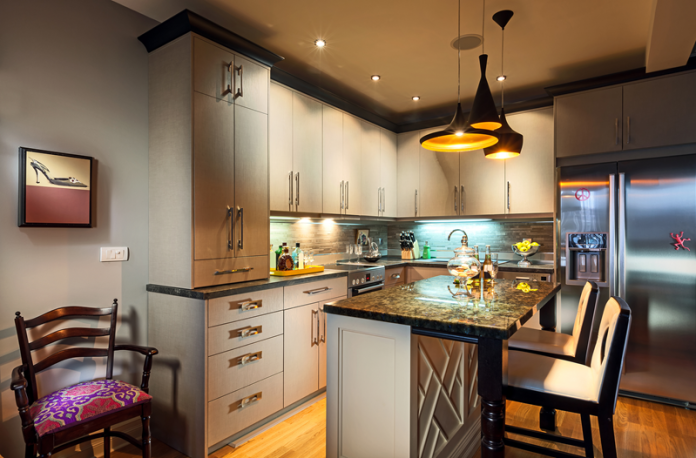
Kitchens are among the most interesting places one can remodel in their home since they are a focal area. It is often known as the ‘nucleus’ of the house for cooking, eating, communication, and even the formation of various memories. Where do you even start? When starting the remodeling process, should one paint the floors or the cabinets first? What about the lighting or those shiny new fixtures you have been admiring? Fear not! Using a few hints and planning, you are able to turn your kitchen into the perfect kitchen to cook in and to live in. Here are some practical tips to help you get started no matter if you hire a contractor or do everything yourself.

1. It is important to Dream Big but to Plan Smart.

You need to remember that before getting into things like the selection of countertops or appliances, one has to think about the general layout. First, one should identify the things you are pleased with and the things that you are not too pleased with in the current kitchen. Is there adequate counter space? Are the cabinets within easy reach? What about traffic dispersion – is it convenient for several people to navigate through the space, or does it make one feel rather claustrophobic? When you have outlined the main issues, think about how you would like your kitchen to look. Flip through magazine, pin, and bookmark ideas, which you like.

2. The Power of Floors

When people begin thinking about their kitchen renovation, the floors are usually not the first thing that comes to mind; nevertheless, they deserve attention as they are not only part of the décor but an important element of the kitchen. If your kitchen has boring and ugly floors, such as linoleum ones or chipped tiles, then it is high time you consider other floor types that are not only good to look at but also long-lasting. Consider materials that can support spills, heavy traffic for feet, and occasionally dropped pots. One of the most elegant and classic types of flooring is the hardwood floor, which gives a warmer feeling to the room, and the tile is another great option that is more durable and water-resistant. If you are looking for something that is not as traditional, there are something called luxury vinyl planks, which give you the appearance of wood and stones with no need for regular polishing.

3. Cabinets: More Than Just Storage

Cabinets provide the first impression for the whole kitchen, so choose them carefully! What you select can give the room an entirely different look whether you are looking for clean lines or the shaker style of cabinet. The most critical thing that should inform the choice of the cabinets is storage. How much do you require, and in what format? Slide-out shelves, tall cabinets, and concealed spice racks will help to make your kitchen even more practical. Look at your kitchen tools and supplies and make your cabinet layout based on how you work in the kitchen and use appliances.

4. Countertops: Where Style Meets Functionality

Your countertops are the most utilized surfaces in the kitchen. They are used when you have to chop, dice, mix, and even serve the food. That’s why it’s necessary to decide on the material that will not only reflect your work patterns and daily practices but also look good.

Marble and quartz are both mostly in use for their durability and looks, but quartz is less vulnerable and easy to clean.

5. The Importance of Fixtures

Appliances and the numerous accessories in your kitchen are like the accessories of your kitchen; examples include the faucets, sinks, and cabinetry hardware, such as they may look like minor issues, but they are very significant. Brushed nickel or matte black should be chosen as hardware. If one is going for the countryside or farmhouse look? Use timeless products like oil-rubbed bronze fixtures and go with a deeper apron-front sink. Your faucet is another fixture that you should not ignore. Finding reliable remodeling services has become easier than ever thanks to the internet. For instance, if you live in Orange County, a quick search for kitchen remodeling in Orange County can provide you with details of numerous reliable contractors nearby to choose from.

Conclusion

Kitchen remodeling is a very involving process, but once the right measures have been taken, it is also one of the most fulfilling projects. Whether the homeowner does it alone or hires a contractor, it entails planning and creating a more utilized and aesthetic area that represents the homeowner’s lifestyle space.

How do you fit a large bathroom mirror?

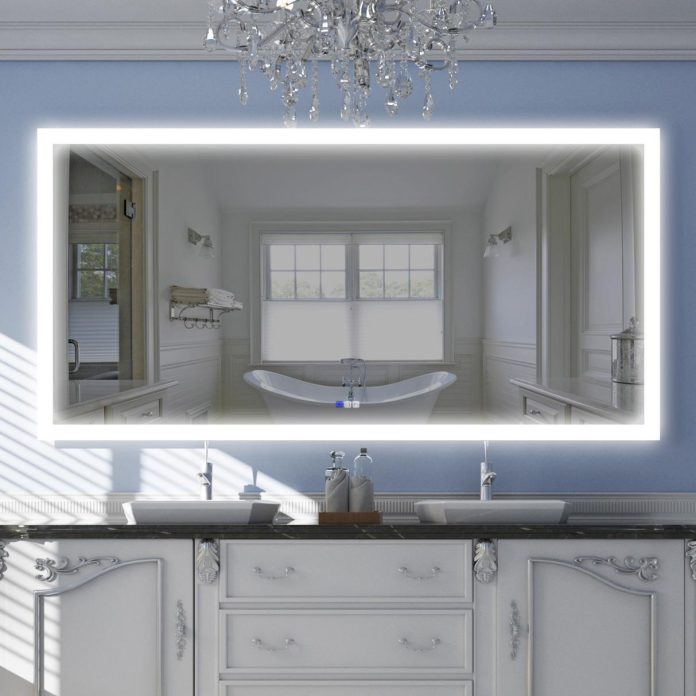
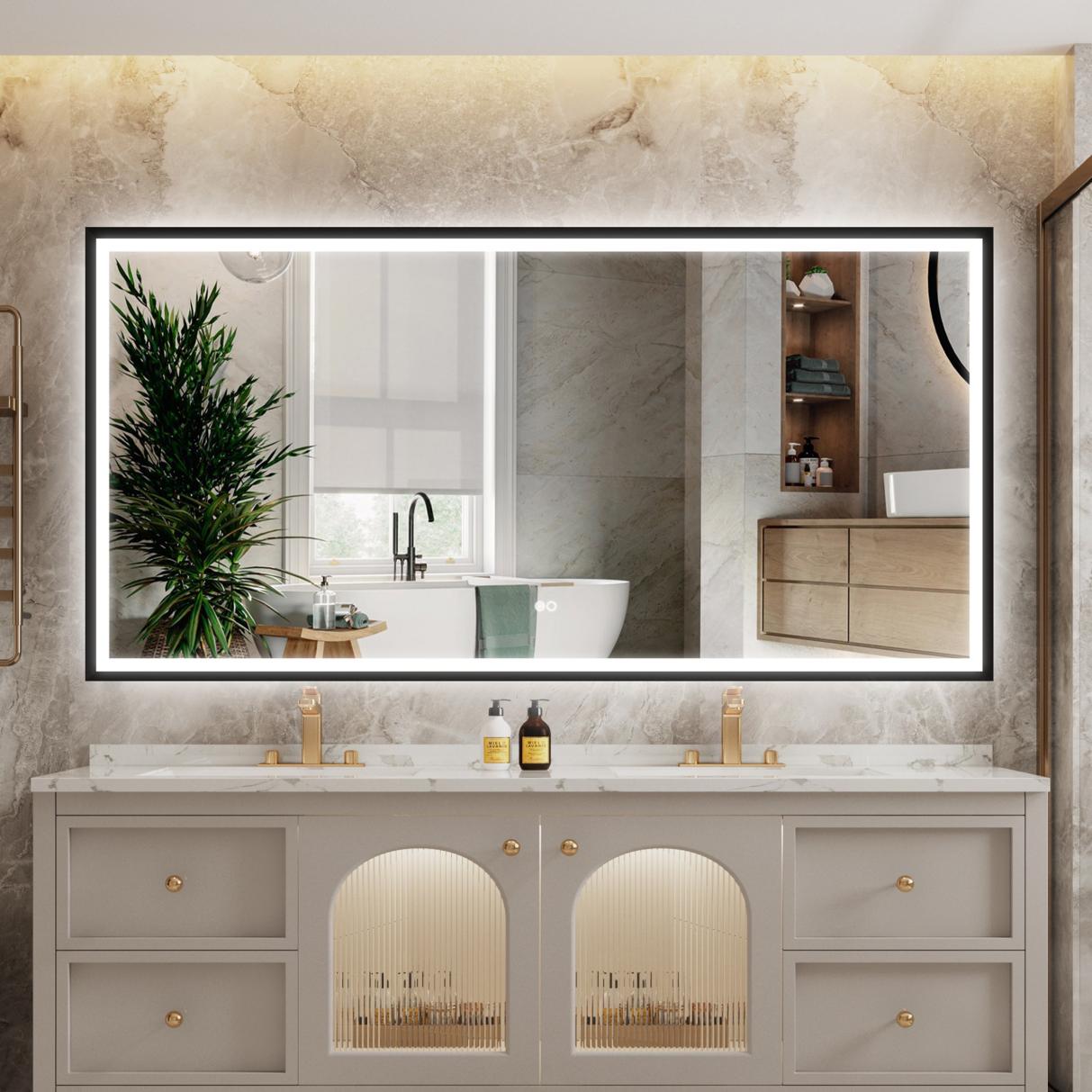
A large bathroom mirror can transform your space, adding both style and functionality. With integrated LED lights, it becomes a focal point, enhancing your daily routines.

However, the installation process can seem daunting. From choosing the right mirror to handling the wiring, there’s a lot to consider.

In this guide, we’ll walk you through the process of fitting a large bathroom mirror. We’ll cover everything from preparation to safety tips, ensuring a successful installation.

Whether you’re a DIY enthusiast or a homeowner looking to upgrade your bathroom, this guide is for you.

Understanding the Basics of Large Bathroom Mirror Installation

Before you start the installation process, it’s crucial to understand the basics. A large bathroom mirror with LED lights installation involves more than just hanging the mirror on the wall.

Firstly, you need to measure your space accurately. This will help you choose a mirror with the right dimensions for your vanity. Remember, the mirror should not be wider than the vanity.

Secondly, consider the benefits of bathroom mirrors with integrated LED lighting. They offer energy efficiency and aesthetic appeal, enhancing the overall design of your bathroom.

Here are some key points to remember:

  • Measure your space accurately before selecting a mirror.
  • Consider the energy efficiency and aesthetic appeal of LED lights.
  • Ensure the mirror is not wider than the vanity.
  • Understand the installation process involves more than just hanging the mirror.

With these basics in mind, you’re ready to prepare for the installation.

Preparing for Installation

Before you start the installation, there are a few things you need to prepare. First, ensure you have all the necessary tools and materials. This includes a level, a stud finder, mounting brackets or clips, and silicone adhesive.

Next, locate the studs in your wall. This is crucial for secure mirror mounting. Use a stud finder for this task. If you don’t have one, you can tap on the wall and listen for a solid sound.

Also, remember to check for pipes and wires before drilling into the walls. This is a safety precaution to avoid damaging your home’s infrastructure.

Here are the key steps in preparing for installation:

  • Gather all necessary tools and materials.
  • Locate the studs in your wall using a stud finder.
  • Check for pipes and wires before drilling.

With these preparations, you’re ready to start the installation process.

Tools and Materials You Will Need

You’ll need a few essential tools and materials to install a large bathroom mirror. These include a level, a stud finder, and a drill. You’ll also need mounting brackets or clips to secure the mirror to the wall.

In addition, you’ll need silicone adhesive. This helps to secure the mirror to the wall and prevent it from moving. If your mirror has integrated LED lights, you may also need some basic electrical tools for wiring.

Here’s a list of the tools and materials you’ll need:

  • Level
  • Stud finder
  • Drill
  • Mounting brackets or clips
  • Silicone adhesive
  • Electrical tools (if your mirror has integrated LED lights)

With these tools and materials, you can start the installation process.

Step-by-Step Guide to Installing Your Large Bathroom Mirror

Installing a large bathroom mirror is straightforward if you follow the right steps. Here’s a step-by-step guide to help you through the process.

First, measure the space where you want to install the mirror. This will help you determine its size. Then, use a level to mark the top and bottom edges of the mirror on the wall.

Next, locate the studs in the wall using a stud finder. This is crucial for securely mounting the mirror. Mark the stud locations on the wall.

Now, attach the mounting brackets or clips to the wall. Make sure they align with the studs and use a drill to secure them in place.

Once the brackets are in place, you can hang the mirror. Carefully lift the mirror and align it with the brackets, then secure the mirror to the brackets.

You’ll need to connect the wiring if your mirror has integrated LED lights. Follow the manufacturer’s instructions for this step. If you need more clarification, consider hiring a professional electrician.

Finally, silicone adhesive is applied around the edges of the mirror. This will help secure the mirror to the wall and prevent it from moving.

Here’s a summary of the steps:

  1. Measure the space and mark the mirror edges on the wall.
  2. Locate the studs and mark their locations.
  3. Attach the mounting brackets or clips to the wall.
  4. Hang the mirror and secure it to the brackets.
  5. Connect the wiring for LED lights (if applicable).
  6. Apply silicone adhesive around the edges of the mirror.

With these steps, you should be able to install a large bathroom mirror successfully.

Installing Large Bathroom Mirrors with Lights

Installing a large bathroom mirror with lights involves a few extra steps. However, the result is worth the effort.

First, you need to plan for the wiring. The wires for the lights will need to connect to your home’s electrical system. If you’re not comfortable with this, hire a professional electrician.

Next, install the mirror following the steps outlined in the previous section. Once the mirror is securely mounted, you can connect the wiring for the lights.

Remember to follow the manufacturer’s instructions for wiring. This ensures the lights work properly and safely. If your mirror has a dimmer switch, install it according to the instructions.

Here’s a summary of the steps:

  1. Plan for the wiring.
  2. Install the mirror.
  3. Connect the wiring for the lights.
  4. Install the dimmer switch (if applicable).

You can enjoy a large bathroom mirror with beautiful, functional lighting with these steps.

Safety Considerations and Tips

Safety should be your top priority when installing a large bathroom mirror. Always handle the mirror with care to avoid injury.

Here are some safety tips to keep in mind:

  1. Wear gloves and safety glasses to protect your hands and eyes.
  2. Never attempt to lift a large mirror by yourself. Always have a helper.
  3. Use a sturdy ladder if you need to reach high places.
  4. Always turn off the electricity when working with wiring.

By following these safety tips, you can ensure a safe and successful mirror installation.

Finishing Touches and Maintenance

Once your large bathroom mirror is securely installed, it’s time to add the finishing touches. This could include adjusting the lighting or adding a dimmer switch for adjustable brightness.

Maintaining your mirror is also crucial. Here are some tips:

  1. Clean your mirror regularly with a soft cloth and a mild glass cleaner.
  2. Avoid using abrasive cleaners that can scratch the mirror surface.
  3. Check the mirror’s fixtures periodically to ensure they are secure.

With proper care and maintenance, your large bathroom mirror will remain a stunning feature in your bathroom for years to come.

When to Call a Professional

While installing a large bathroom mirror can be a DIY project, there are times when professional help is needed. If you need more clarification about the wiring for LED lights, it’s best to hire a qualified electrician.

Also, if the mirror is exceptionally heavy or large, a professional installer can ensure it’s securely mounted. Safety should always be your top priority.

Takeaway

Installing a large bathroom mirror can transform your space, adding functionality and style. You can achieve a professional-looking result with the right tools, preparation, and safety measures.You can Find large LED bathroom mirrors from brands like Wellfor.

Remember, don’t hesitate to call a professional if you’re unsure about any step. Your safety and satisfaction are paramount.

Recent Posts

Posts You Might Like