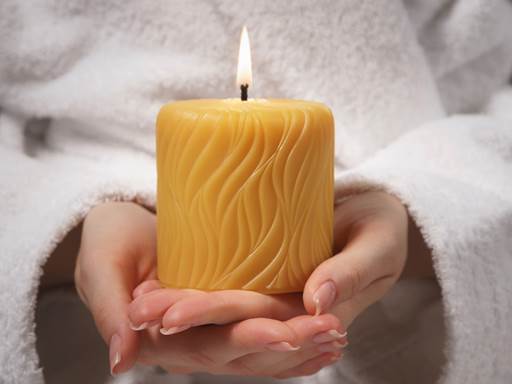
Beeswax is one material used to make candles. A useful comparison starts with the product label, its intended use, and the conditions in which it will burn. Price, a natural label, or a particular wax does not establish that a burning candle is emission-free or provides a health benefit.
Read the product information
Check whether the manufacturer describes a wax blend or a single wax, and whether fragrance or other ingredients have been added. Ask about the wick, the recommended holder, and the care instructions. Keep packaging information available rather than relying on a retailer’s general description of beeswax.
Choose a stable position
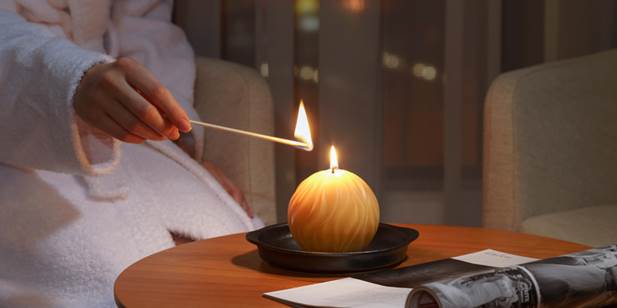
Follow the candle and holder instructions and keep the flame away from curtains and other combustible items. Avoid positions where movement, a pet, or a cable could knock the holder over. Do not leave a burning candle unattended. A flameless light is an alternative when an open flame is unsuitable for the room.
Observe the candle while it is used
Use the permitted burning duration and wick-care method. Stop using a candle or holder that is damaged or behaves unexpectedly. Soot or a strong unwanted smell is a reason to stop and check the product, not proof of an air-cleaning process.
Keep environmental and health claims specific
The source of a wax does not by itself demonstrate that a finished product is carbon-neutral, suitable for a person with asthma, or able to remove allergens. Those claims need relevant evidence. The EPA guide to indoor air quality places attention on pollution sources and ventilation. Choose a candle for its intended decorative use without treating it as an air purifier.
Images and retained source credits