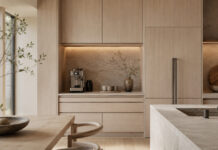


An adaptable nursery starts with a clear layout and a small number of useful furnishings. Choose items for their intended purpose and the room’s dimensions rather than buying a complete decorative scheme at once.
Make a measured layout
Mark the doors, windows, outlets, heating equipment, and furniture footprints. Check that an adult can move through the room and reach storage without climbing over objects. Follow the sleep product manufacturer’s instructions and current local infant-sleep guidance when positioning and using it.
Check hazards around the furniture
Keep cords, loose decorative objects, and unstable furnishings out of reach. Follow the manufacturer’s anchoring instructions for furniture. Decorative photographs may show items arranged for a photograph rather than everyday use; they are not a safety specification.
Choose wall finishes for the actual surface
For removable wallpaper, compare the instructions with the wall material, paint, and condition. Test an inconspicuous area if permitted. Removable does not guarantee damage-free removal, and a wallpaper label does not establish that it is healthier than another finish.
Leave room for change
Use storage that can serve toys or books later. Compare a freestanding layout with fixed joinery before committing to work. Simple curtains and replaceable accessories can change the appearance without replacing every large item.
Plan lighting and maintenance
Provide usable general light and an appropriate task light for adult care tasks. Keep lighting equipment and cables safely positioned and follow the product instructions. Choose surfaces that can be maintained using the specified method. A nursery should work for daily care before its decorative details are added.