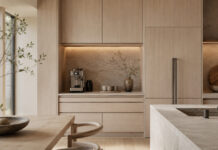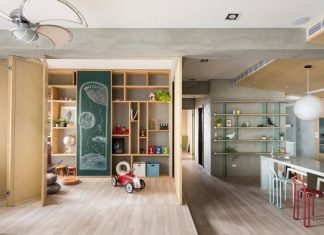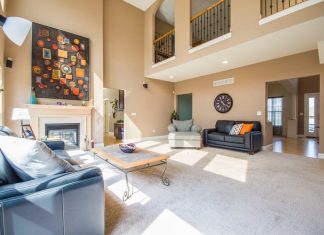


Natural light changes through the day and across seasons. Before changing a window or rearranging a room, observe where light falls and what the room is used for. A bright photograph does not show every condition that its occupants experience.
Record the existing conditions
Take notes in the morning, around midday, and later in the day. Identify direct sun, reflected glare, shaded corners, and views from neighbouring buildings. Note where you read, work, watch a screen, or sit for a long period.
Test a layout before building work
Move a desk or chair where practical and assess reflections on the working surface or screen. Keep access to doors, curtains, and opening windows. Moving furniture may address a problem without changing the building, but it will not resolve every issue with heat or glare.
Compare shading and privacy together
Try fabric or blind samples in the room. Check how they operate, how much light they admit, and whether privacy changes after dark when the interior is illuminated. Consider maintenance and safe operation as well as colour.
Get building changes assessed
A new opening, rooflight, or enlarged window needs assessment for the particular building, including structure, weatherproofing, access, and applicable local requirements. An inspiration image is not a construction detail.
Keep the purpose clear
This is a room-planning guide. It does not prescribe sunlight exposure, claim that window light prevents disease, or recommend UV equipment as a substitute for daylight. Health concerns and light-based treatments require advice appropriate to the person. Judge the room changes through visibility, comfort, privacy, and practical use.