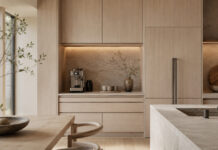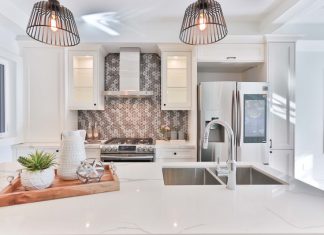


A Shimla-inspired room can start with a specific memory: a wooded hillside, a grey-stone building, warm timber or a view framed by a window. Choose one reference and translate its colour, texture and proportions into the room you have. A mountain-town theme does not require rebuilding your home as a lodge.
Choose the reference before the shopping list
Shimla’s buildings do not belong to one architectural style. The district administration’s guide to its landmarks describes the former Viceregal Lodge as English Renaissance and identifies neo-Gothic Christ Church and the Tudor-style library at the Ridge. Use a particular building or landscape as your reference rather than treating every historic detail as interchangeable.
Collect three images you are entitled to use in a personal planning board: one for colour, one for a material and one for the overall composition. Your own travel photographs can make the choices more specific. Add a short note under each: “grey stone beside dark timber,” for example, rather than “buy everything in this photograph.”
Build a small palette around what stays
Begin with the floor, sofa or cabinetry that will remain. Pick a pale background, a deeper grounding tone and one smaller accent that work beside those existing finishes. The combinations below are design proposals, not documented historic Shimla colour schemes.
| Reference | A way to interpret it at home |
|---|---|
| Wooded hillside | Soft off-white walls, a brown timber piece and a restrained green textile. |
| Grey-stone landmark | A warm grey background, darker framing and one textured object. |
| Travel photograph | Pull one quiet colour from the print and repeat it in a cushion or lampshade. |
Test paint and fabric samples beside the fixed finishes in daylight and with your evening lamps on. A shade selected from a screen can look quite different beside the actual floor. Keep the samples together until the main choices agree.
Give timber one clear job
A console, bookcase, side table or framed mirror can introduce a timber accent without covering every surface. Decide whether that piece is the focal point or a supporting finish. Then compare the tone of any second wood piece beside it.
Check the product description separately from its appearance: solid timber, veneer and a printed wood effect are different specifications. For an older piece, inspect condition, usable storage and the route it must travel into the room. A decorative purchase is more useful when it also solves an everyday need.
Suggest a hearth without adding a fire
If the attraction is the composition of a fireplace, try a substantial mirror or artwork above a low cabinet, with a textured object beside it. You can create a central focus without adding combustion equipment. Keep the arrangement clear of an existing appliance’s required space.
A working fireplace is a separate building and installation decision. Do not cover an existing flue, improvise a burning arrangement inside a decorative surround or treat a photograph as an installation plan.
Use lighting and planting with a purpose
Give the reading seat enough useful light, then use a shaded lamp to soften the wider room. Try the lamp in position before choosing its final shade: check glare from the sofa and reflections in a television or glazed artwork. An attractive lantern can remain an unlit object.
For a candle-like effect, the US Fire Administration recommends considering battery-operated flameless candles. Keep lit candles at least 12 inches from anything that burns and extinguish them when leaving the room or going to bed. Keep them out of sleeping areas.
A plant can echo the green in your reference image, but choose an identified species for the available light and care conditions. A tree thriving on a mountain does not establish that the same species belongs in a pot indoors. Put watering access and a suitable container into the plan, and check species suitability if children or pets use the room.
Finish one area before extending the theme
For a first arrangement, use the sofa or a reading chair as the anchor. Place one timber piece, one lamp and one framed photograph around it, leaving a comfortable route through the room. Add a textile only if the existing seating needs it. Live with the arrangement before buying a second group of accessories.
Write a short brief before purchasing:
- Reference: the exact landscape or building detail you want to recall.
- Existing pieces: the floor, seating and storage that must work with it.
- Palette: the background, grounding tone and one accent.
- Practical need: reading light, storage or another job the new piece should do.
- First purchase: one item, its maximum dimensions and the budget you set.
The result can express a personal connection to Shimla while still working as your everyday room. Judge it by how the selected colours, objects and useful space fit together.