

Once, playgrounds weren’t gathering places but simple spots for kids to burn off energy. They were also often danger zones where kids burned their precious skin on metal slides and fell from steep heights. Today, however, as modern city planners design playgrounds, they’re realizing that these spaces for play can also be havens for the community.
The more engaged your community, the more active participation you can get for local elections, support of local businesses, and even increased property values. And it doesn’t take much, just a pretty, open space that invites local residents to come together, play, rest, and socialize. Here are a few tips to design a playground that welcomes all the members of your community:
Make Sure the Playground Is ADA Compliant
The first thing you’ll want to do to get your entire community to engage is make sure your entire community can engage. Those days of dangerous playgrounds that only certain children could brave are long gone. But even more recent play structures and swings from the late 20th century don’t usually invite kids in wheelchairs, with walkers, or with other physical disabilities. These parks push out a good percentage of the population who will simply drive by without stopping.
To create a more welcoming space, you can ensure you work with a commercial playground manufacturer. These professionals are typically ADA-certified and will provide high-quality, durable equipment like slides, platforms, and swing sets that accommodate kids of all abilities. When families with kids with disabilities see that their children can have fun at a park, too, they’re more likely to stop. Once they stop, they’re more likely to engage with others.
Create an Inclusive Experience
Of course, it’s not only kids with physical disabilities who need to feel included on playgrounds and in parks. Many children have sensory challenges that have their families avoiding loud, overwhelming spaces. If you’ve ever visited a neighborhood park, you know they can be incredibly overstimulating, even for someone with zero sensory struggles. Kids who are more sensitive to sound, crowds, and large spaces aren’t going to want to visit most parks, which means their parents won’t be hanging out either.
But it doesn’t have to be this way. Modern playgrounds are now inviting kids who need gentle, quiet, calm spaces. And it doesn’t take much. You could create zones in your space that lead to calming corners or shelters for kids who need some quiet time. Those smaller locations could have a sandbox, a water feature, or even a little musical instrument feature. Keep those smaller spaces away from the big, noisy play structures, or separate them with a small barrier wall. Now, all kids can play, and all parents can engage.
Integrate Nature
Humans benefit in multiple ways from spending time in nature. It makes you calmer, more open, and more relaxed. It can even help your cognitive abilities when you need to focus or think critically. That’s why more schools are integrating nature into their outdoor spaces. And it’s why more parks should be doing the same. Without a natural element, you may even find that kids seem more spun out by time on a playground as opposed to tired and relaxed.
Your park doesn’t have to be in a rural area to bring nature into the mix. Even the most concrete and brick-heavy neighborhood can introduce elements of nature into a playground. You can add planter boxes with native flowers and shrubs. You can bring in large pots for small trees. You might even consider adding a water fountain surrounded by native plants. All of these options create an inviting space for kids and adults alike. Visitors sitting under a tree enjoying nature may just strike up a conversation and meet their neighbors.
Add Seating, Shade, and Gathering Spaces
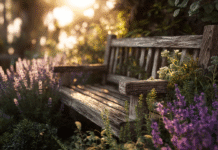
You can take this invitation a step further by planning meeting spaces for your residents. Far too many parks still exist that have no seating, no shade, and no way for adults to take refuge from the weather. While parents may take their kids to one of these playgrounds on occasion, more often than not, they’ll probably opt for a different location, even farther away, if it has a bench or a nice shelter to sit under.
The point is that when designing your playground, you have to think beyond just structures and swings or even water and music features. Think about the people bringing the kids to the park. Think about the young adults in the area who might want to picnic or play a game of catch with buddies. You can meet everyone’s needs and bring everyone together with a few strategically placed picnic tables, a covered seating area, and comfy benches.
Choose Your Location Wisely
Finally, location matters. If your playground is hard to find, hard to access, or cramped into a small space, you’re unlikely to get a lot of traffic, on foot or by vehicle. Generally, people make decisions with their eyes first. They want to be attracted, invited, welcomed, and encouraged. If they have to hunt for your park, or they can’t find a place for their car, they’ll probably move on to a more accessible location.
When scouting locations for your playground, look for a spot that’s highly visible. The more obvious the park is, the more members of your community you’ll bring in. You want a space that the casual passerby can find and get excited about. Design easy walking paths to get to the play areas, and be sure to offer plenty of parking for busy residents who need to pull in and pull out. Also, plan for the future. You may not want a huge space now, but you’re always going to be better off having the option to expand down the road. So even more neighbors can visit.
In the end, it’s not difficult to design a playground that increases community engagement when you approach the task with a single goal in mind: welcome everyone. New parents can come for playdates, and older kids can beg their parents for an hour or two. Families can gather for birthday parties, and people without kids can read a book under a tree or play frisbee in the grass. And along the way, residents can meet each other, socialize, and discuss ways to keep the community happy and healthy.