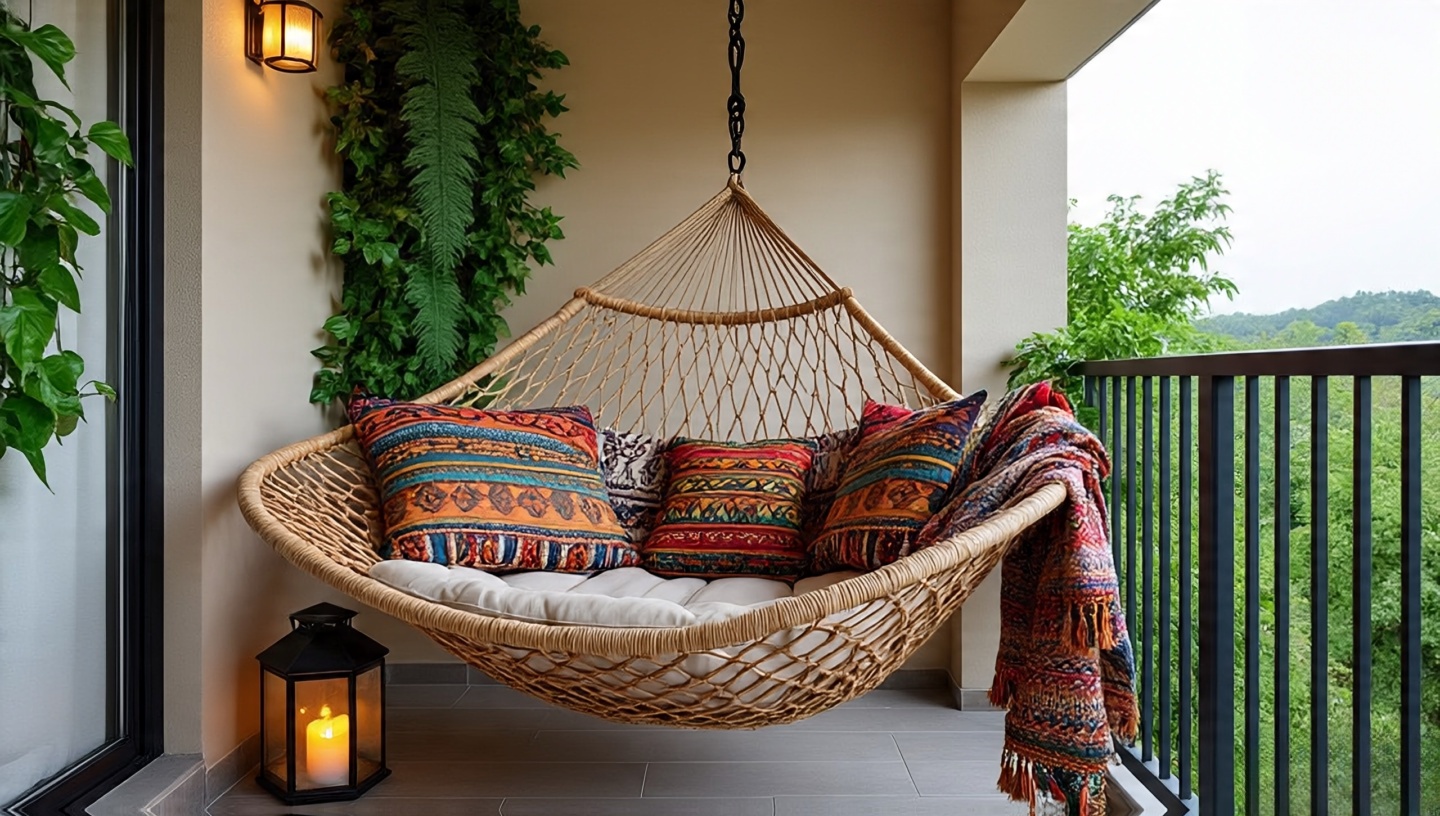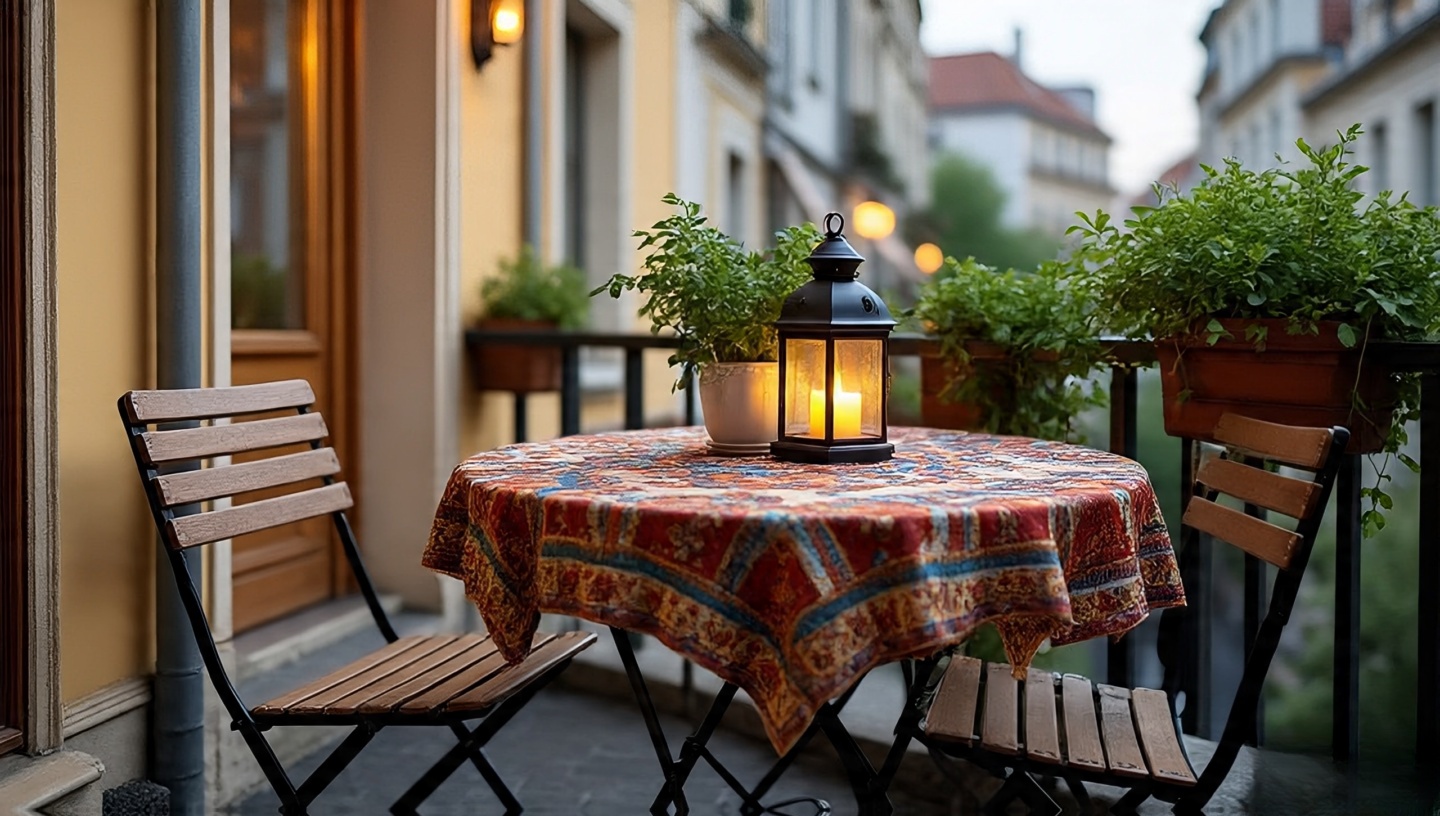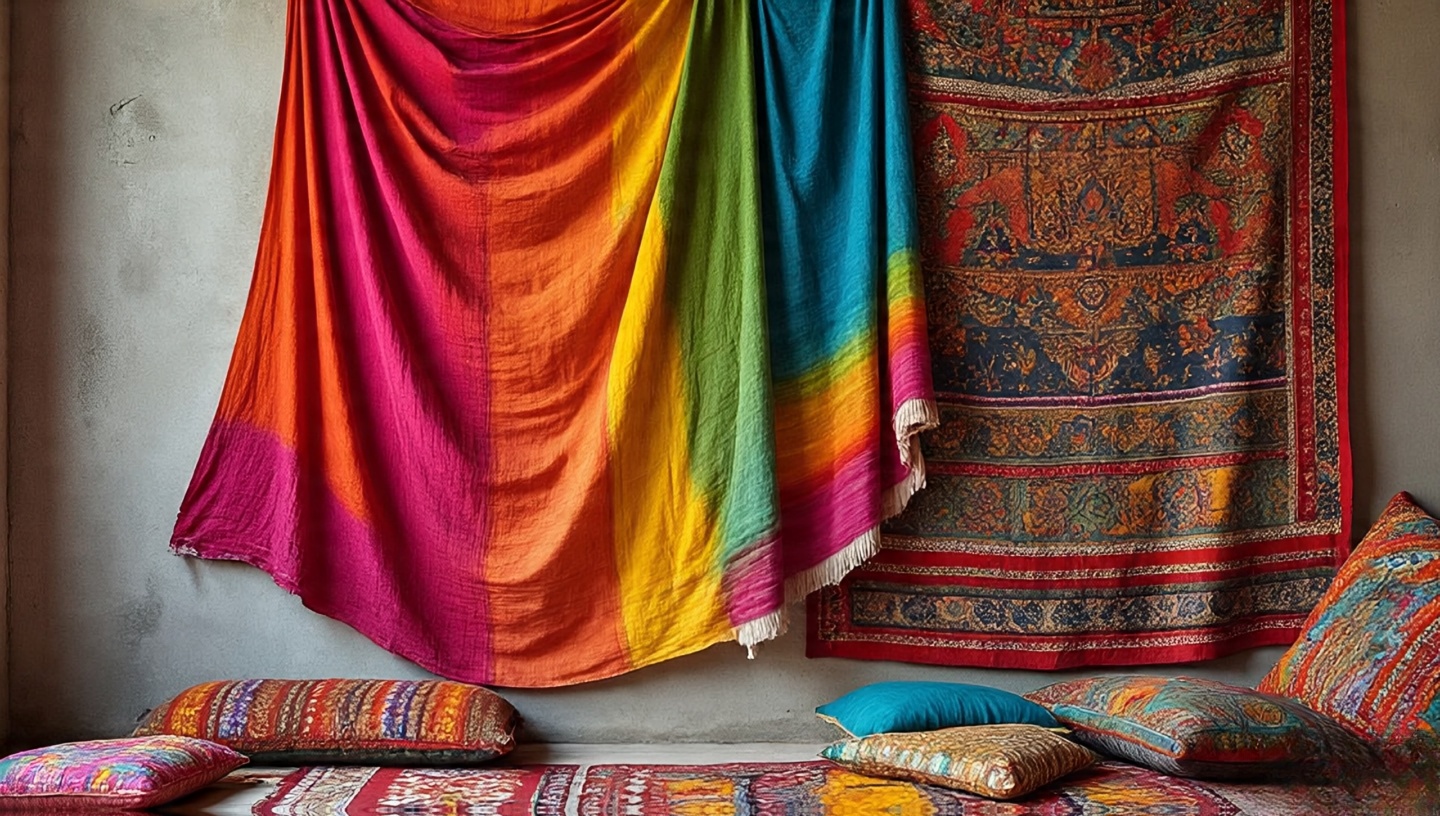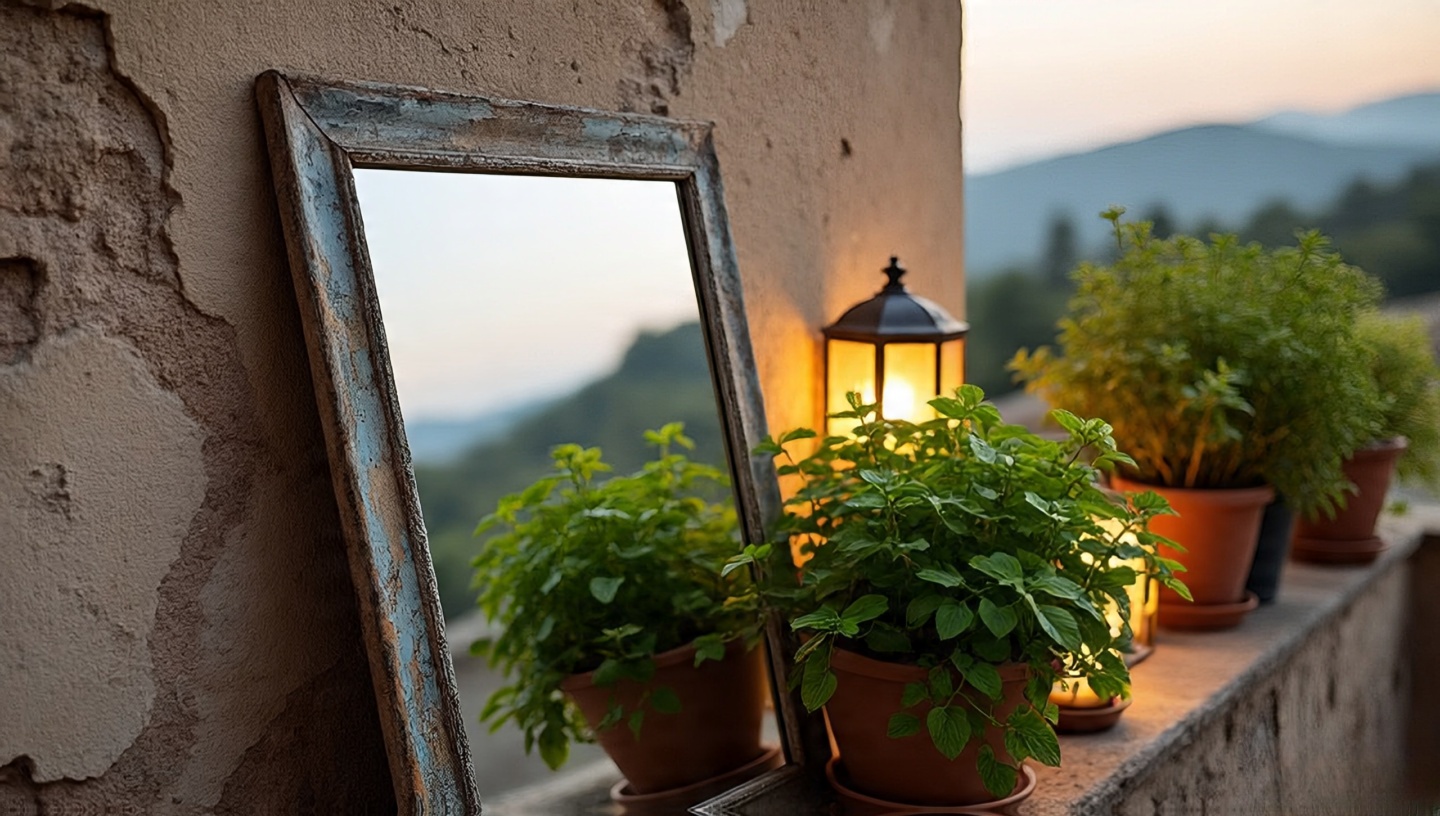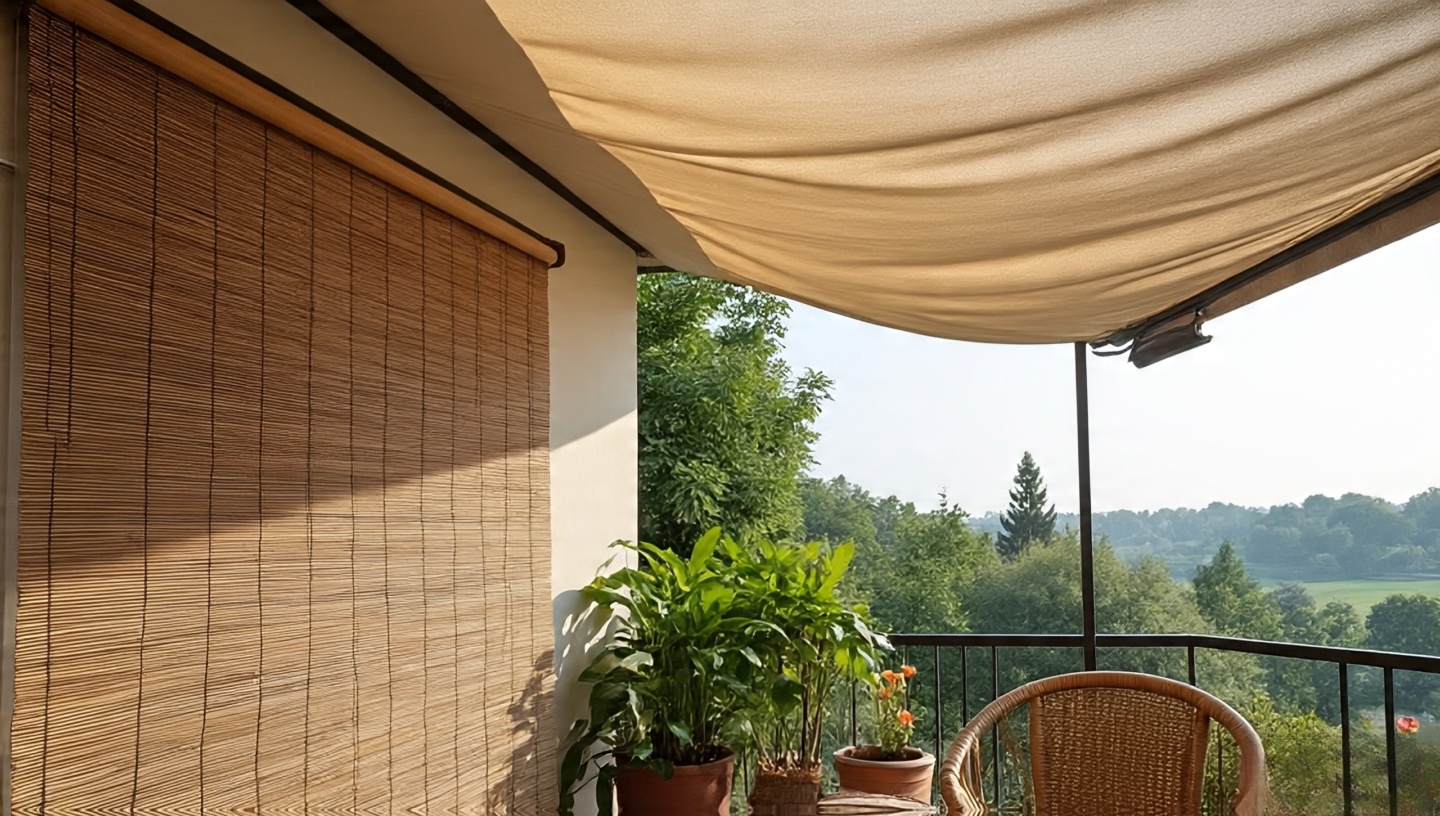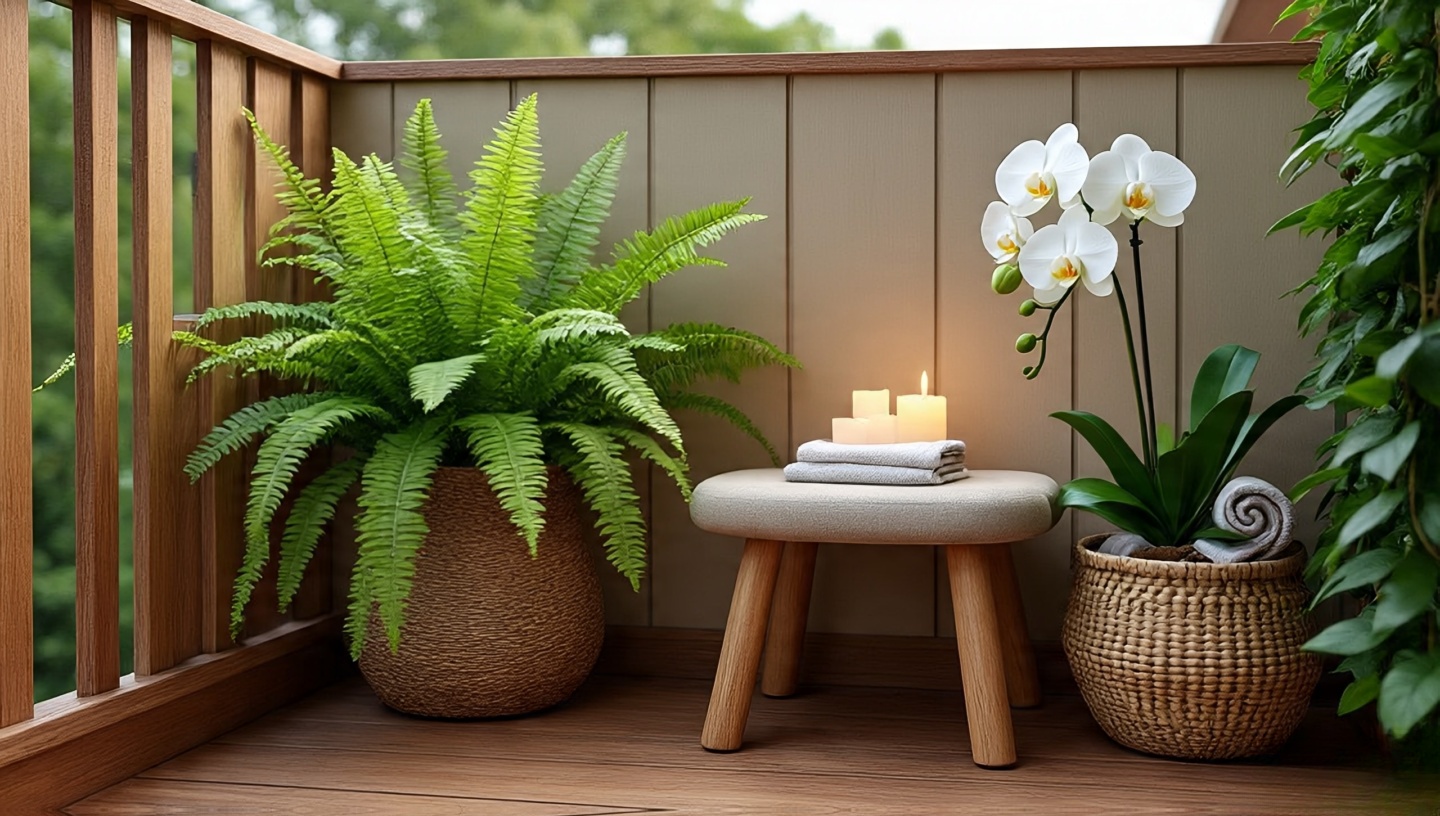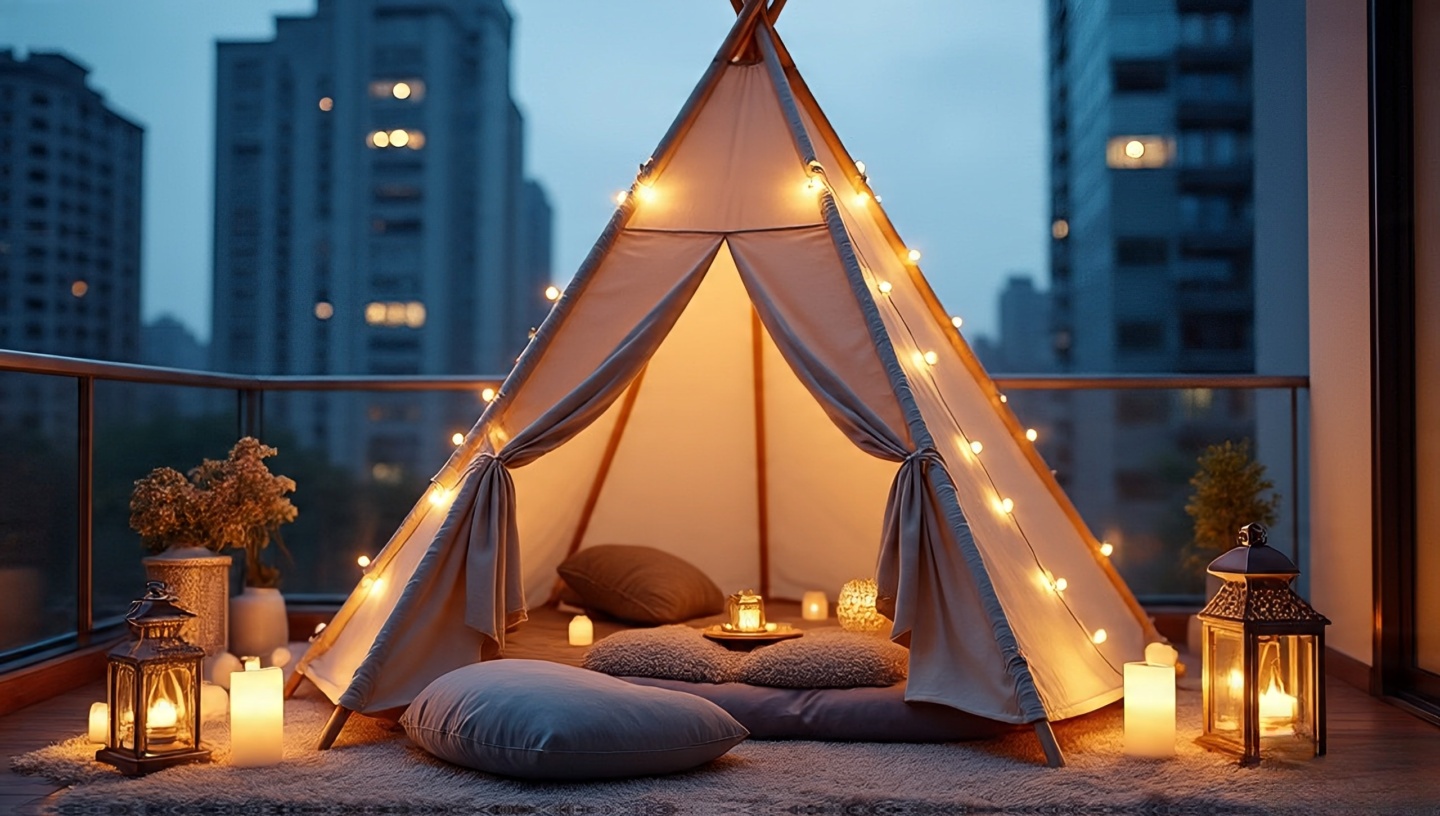


A small balcony or patio needs a clear use before it needs more decorations. Decide whether the space is primarily for a meal, a place to read, or a few plants. Check the property’s rules and physical constraints before installing anything.
Start with the permitted layout
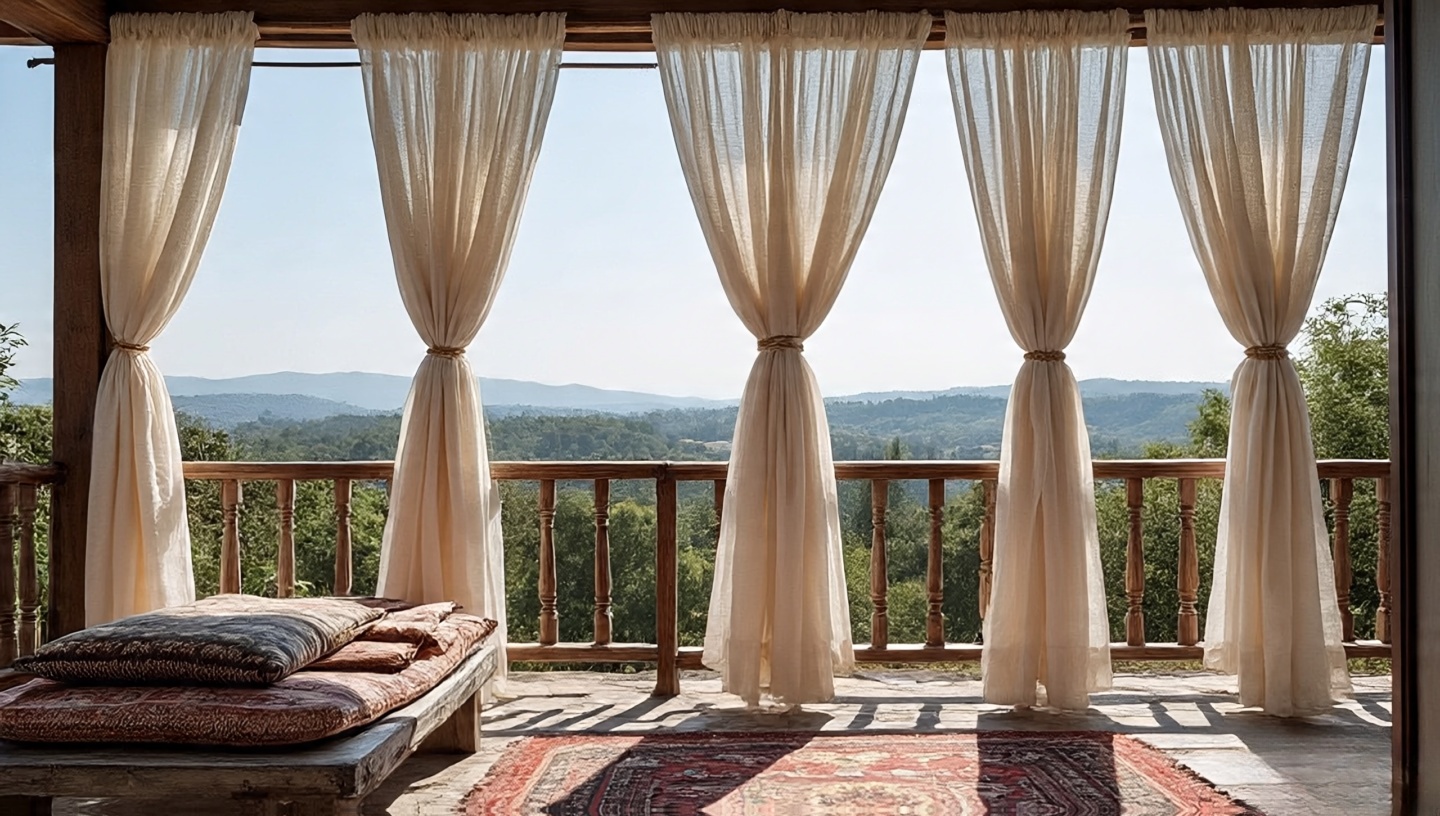
Measure doors, the route back indoors, and existing services. Ask the responsible building professional or manager about loads, fixed attachments, and permitted installations. A photograph does not establish that a hanging chair, large planter, screen, or shade structure can be supported at your property.
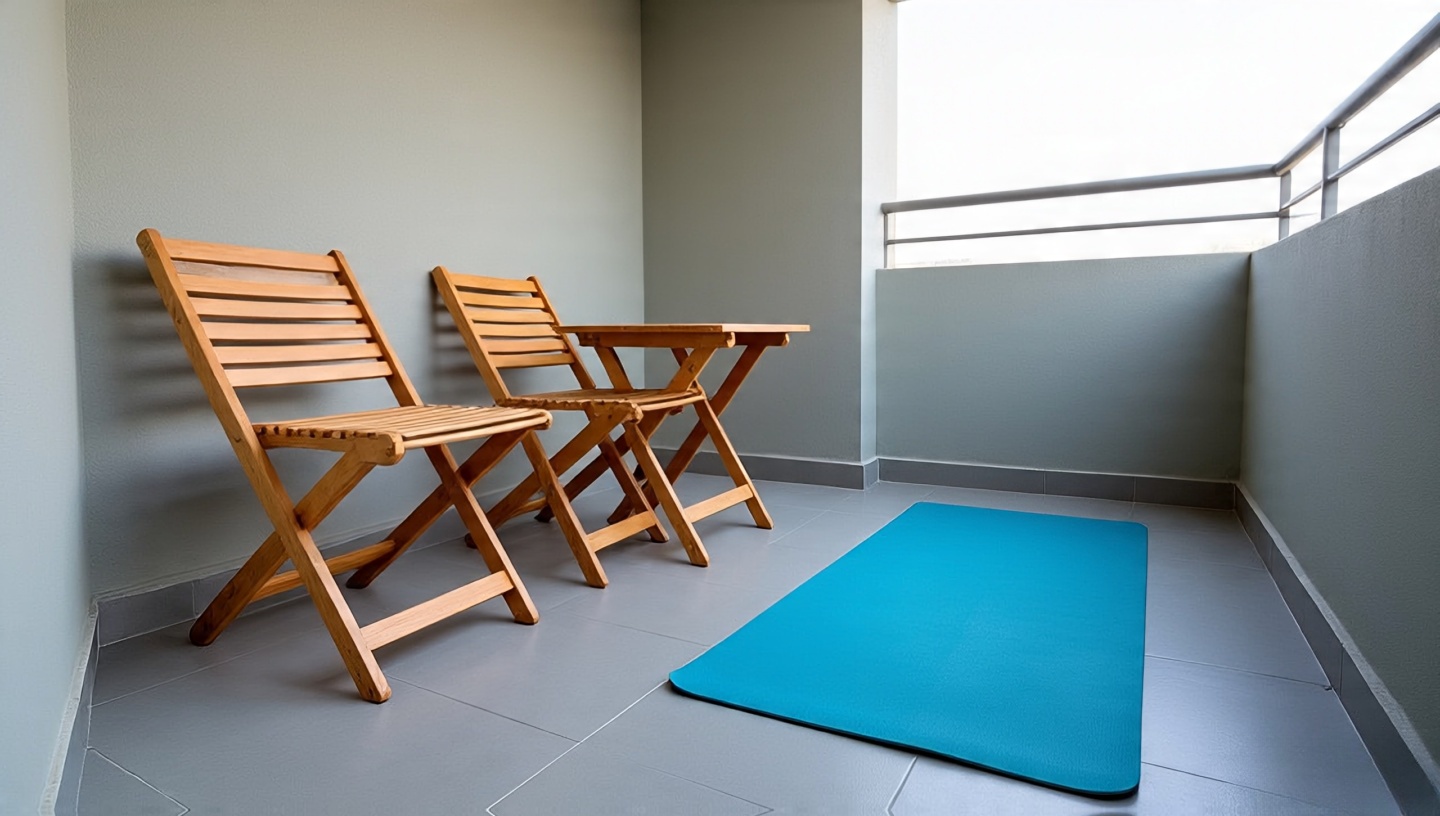
Choose seating in its open position
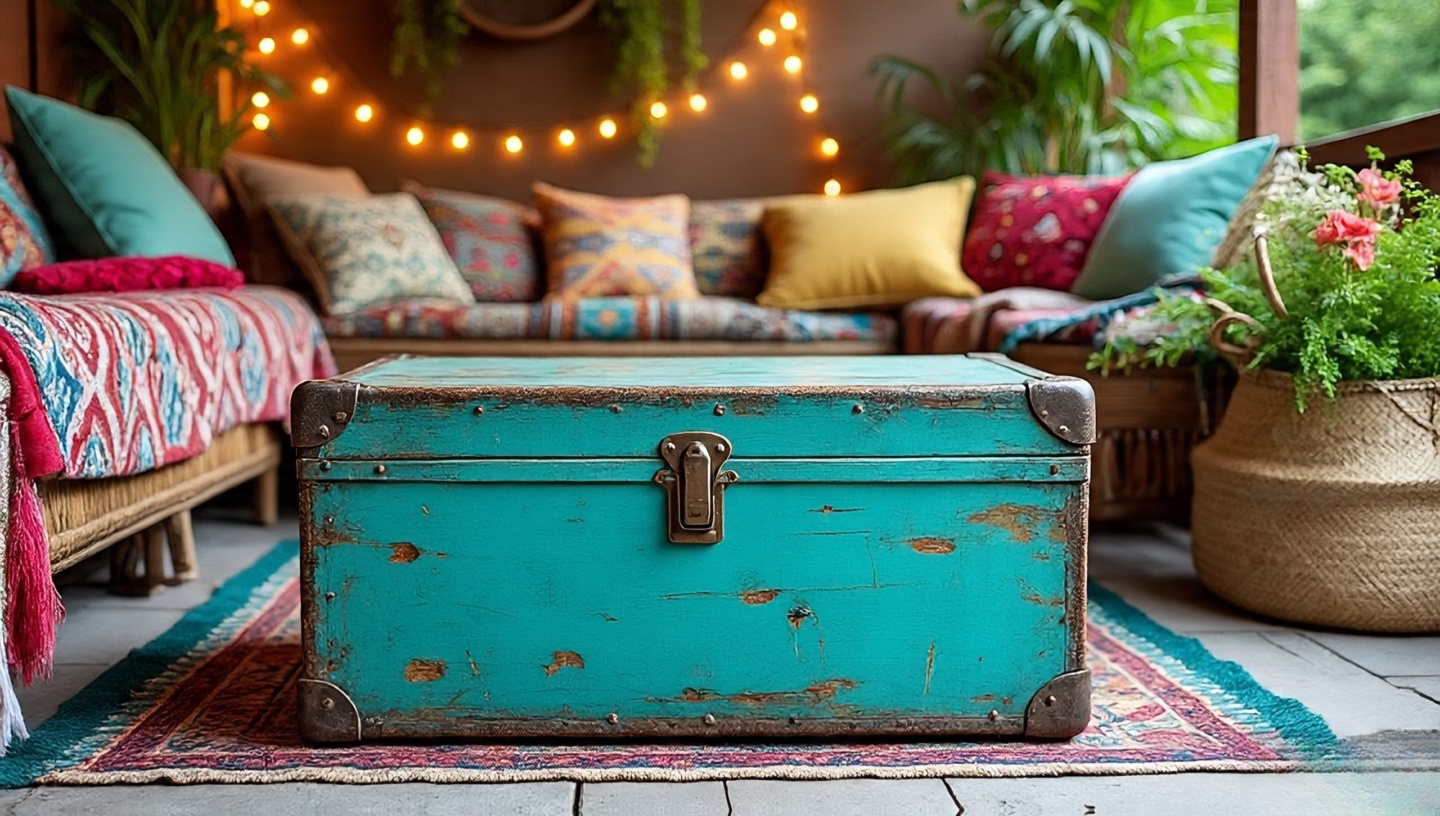
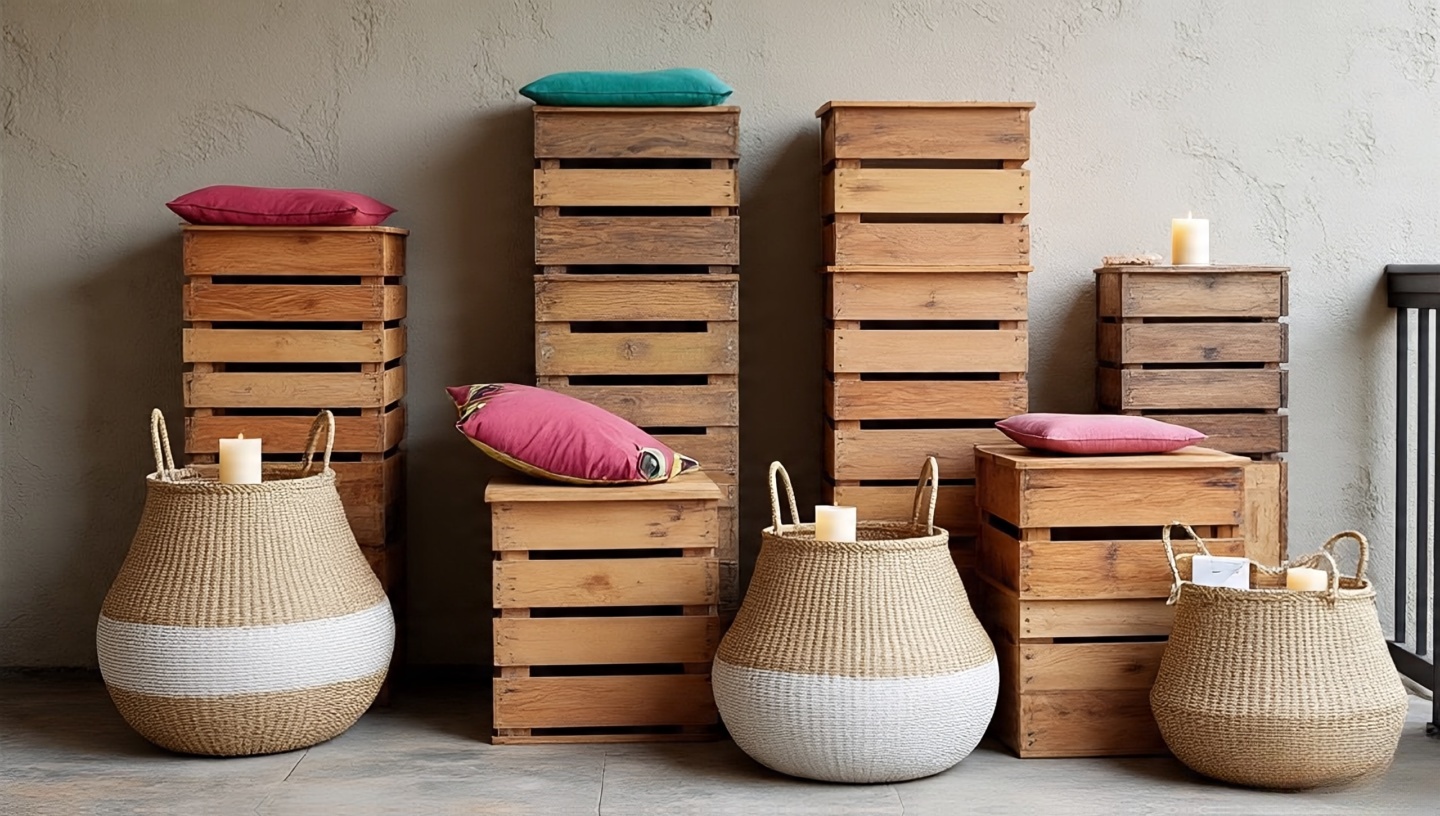
Test the furniture with someone seated and the door operating. Include folded and unfolded positions for movable pieces. Keep a defined place for cushions and delicate items when they need to come indoors.
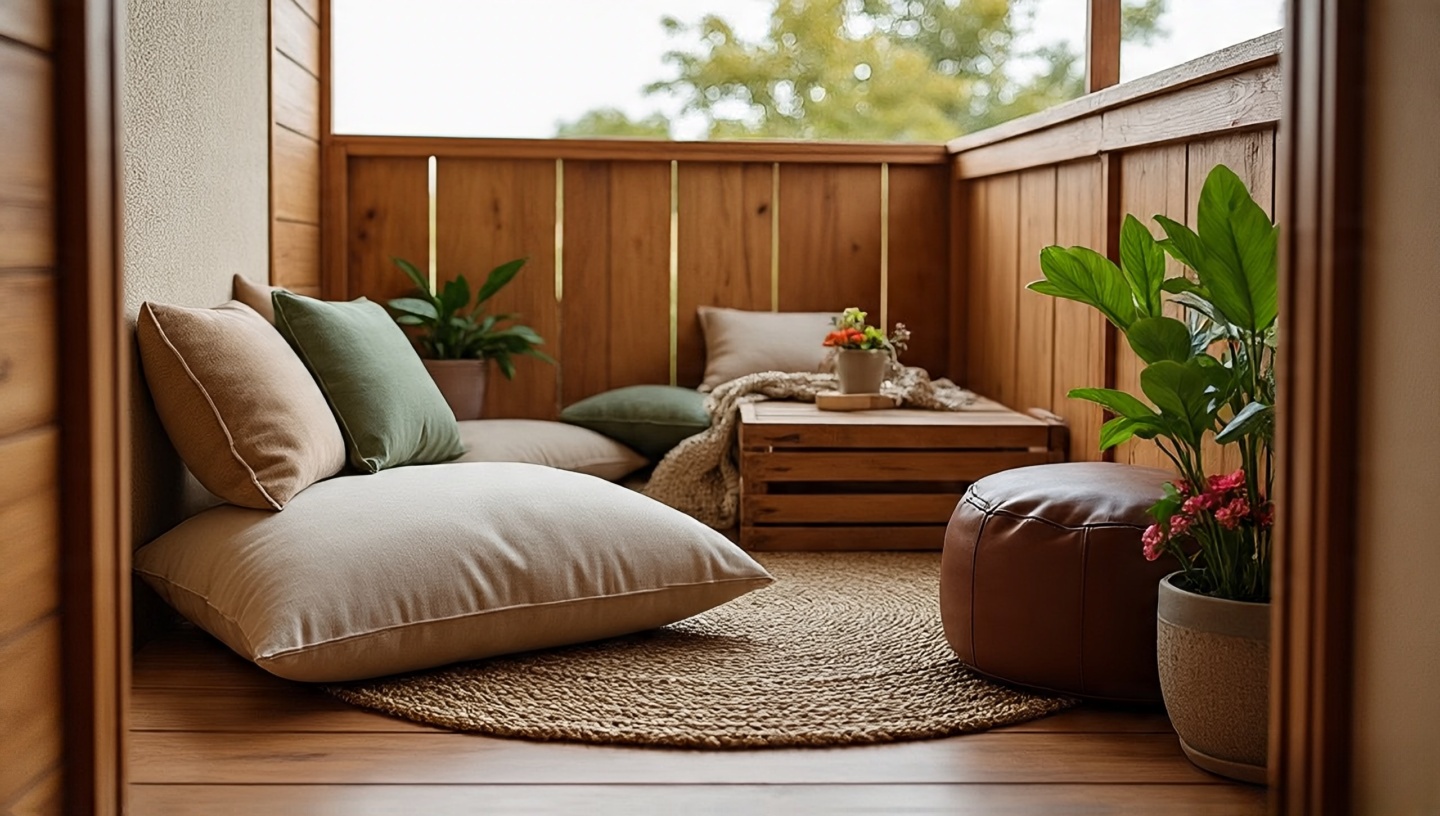
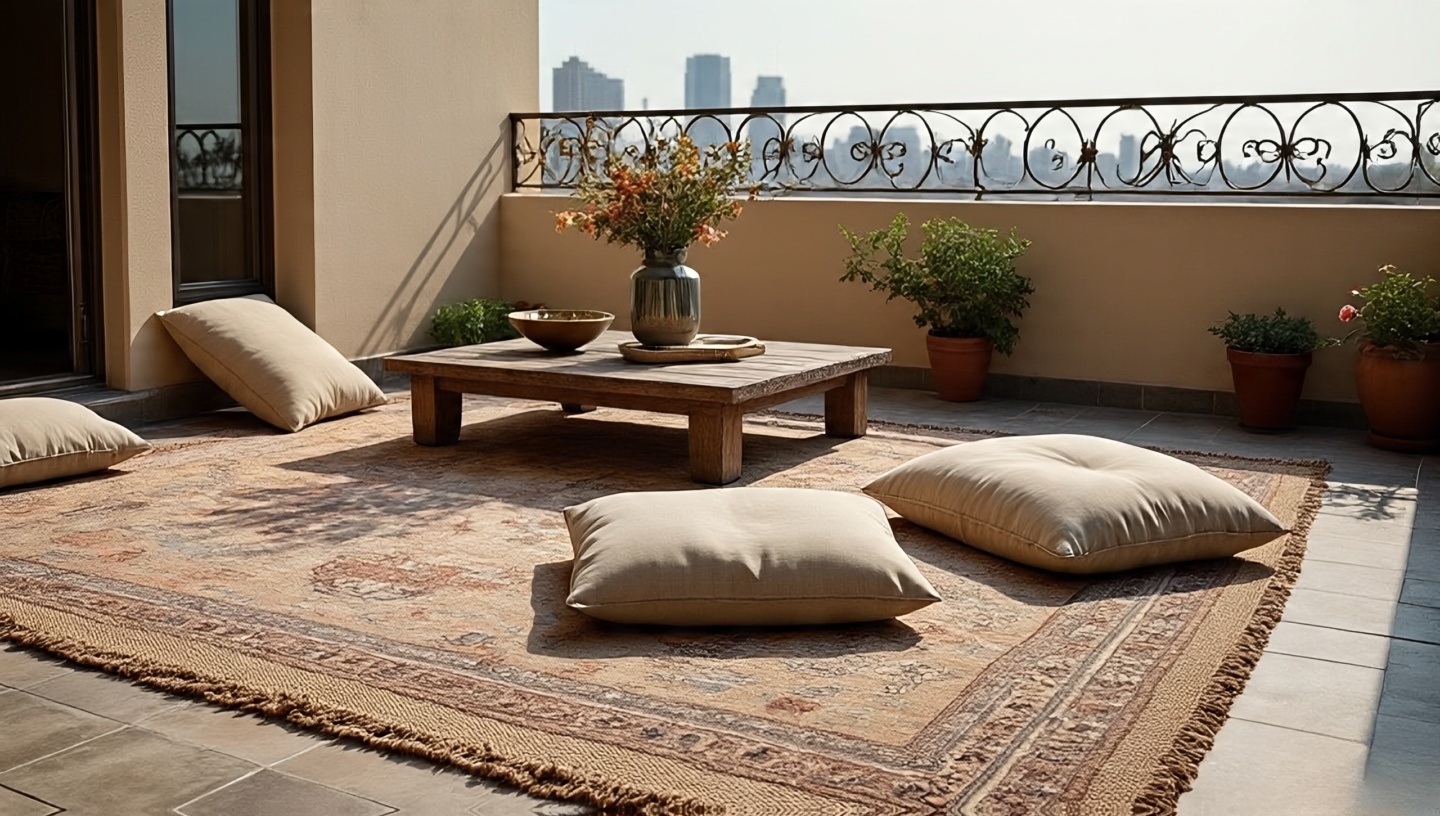
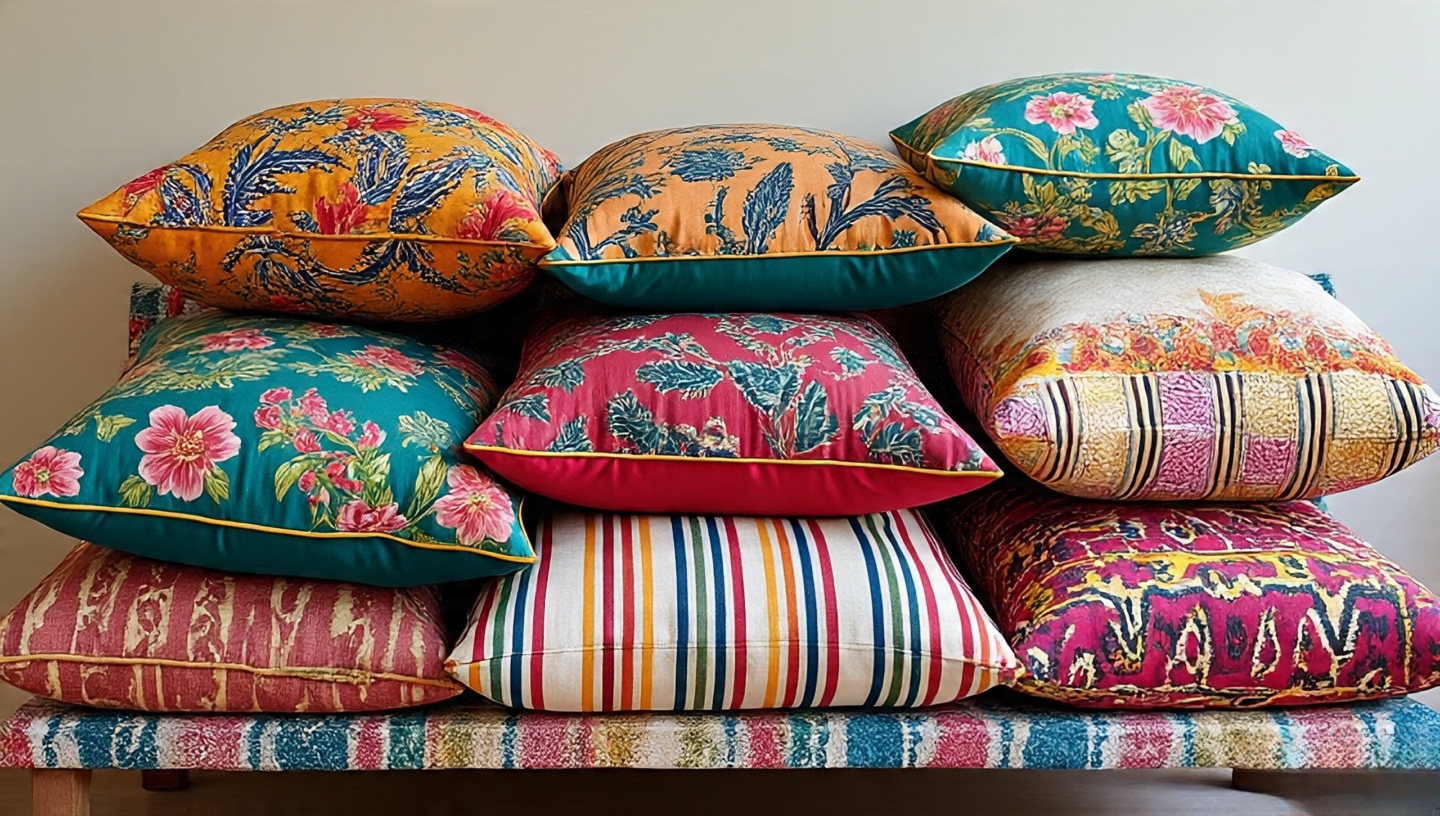
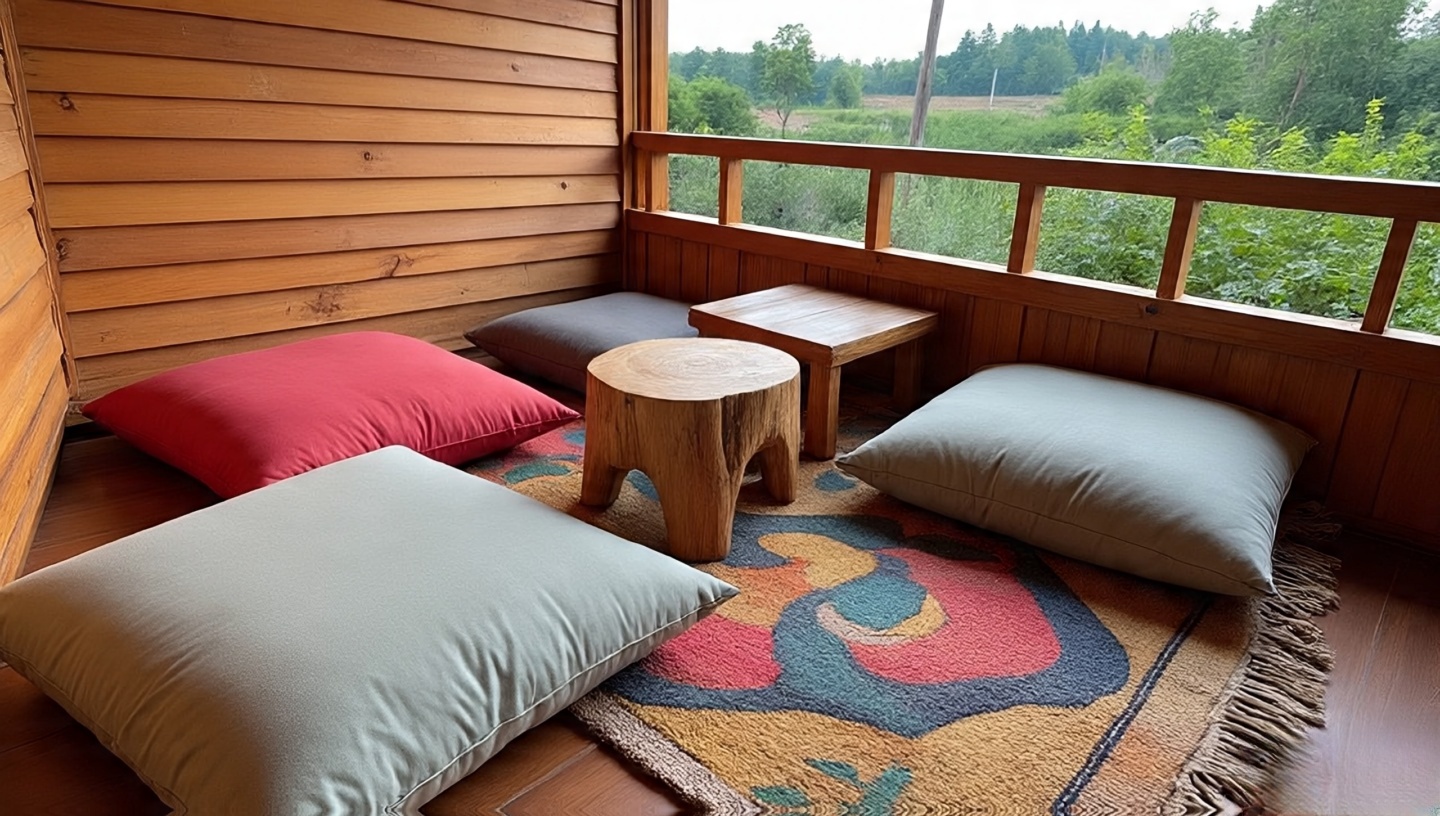
Low cushions are one option, not a requirement of the style. Choose a seat the intended user can approach, sit on, and leave comfortably.
Match materials to exposure
Check the furniture, textile, and lighting manufacturers’ intended environments. Indoor products do not become outdoor-rated because they are under a roof. Plan drainage and water collection so plant care does not damage the floor or affect neighbors.
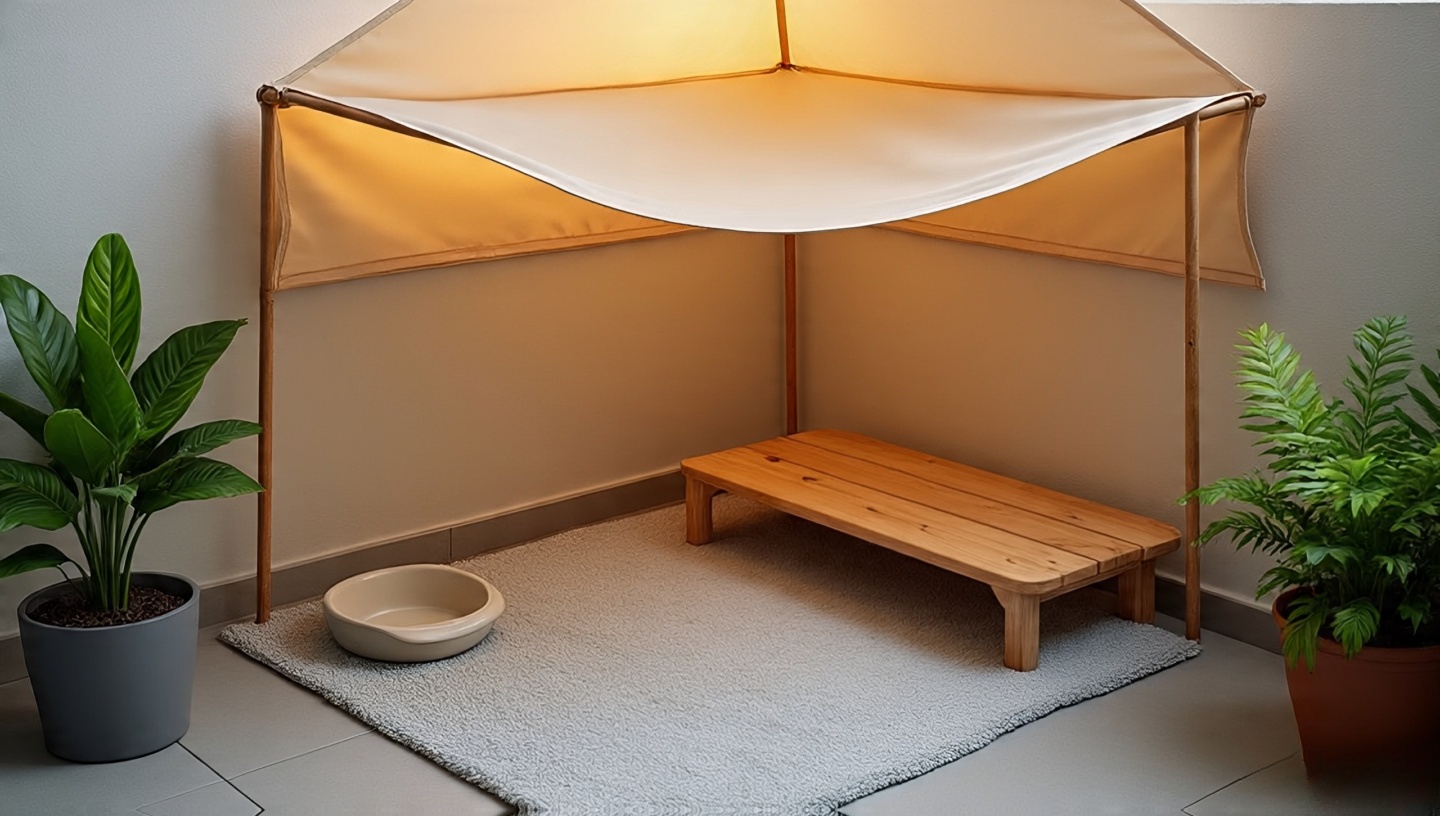
Add shade and lighting through a proper plan
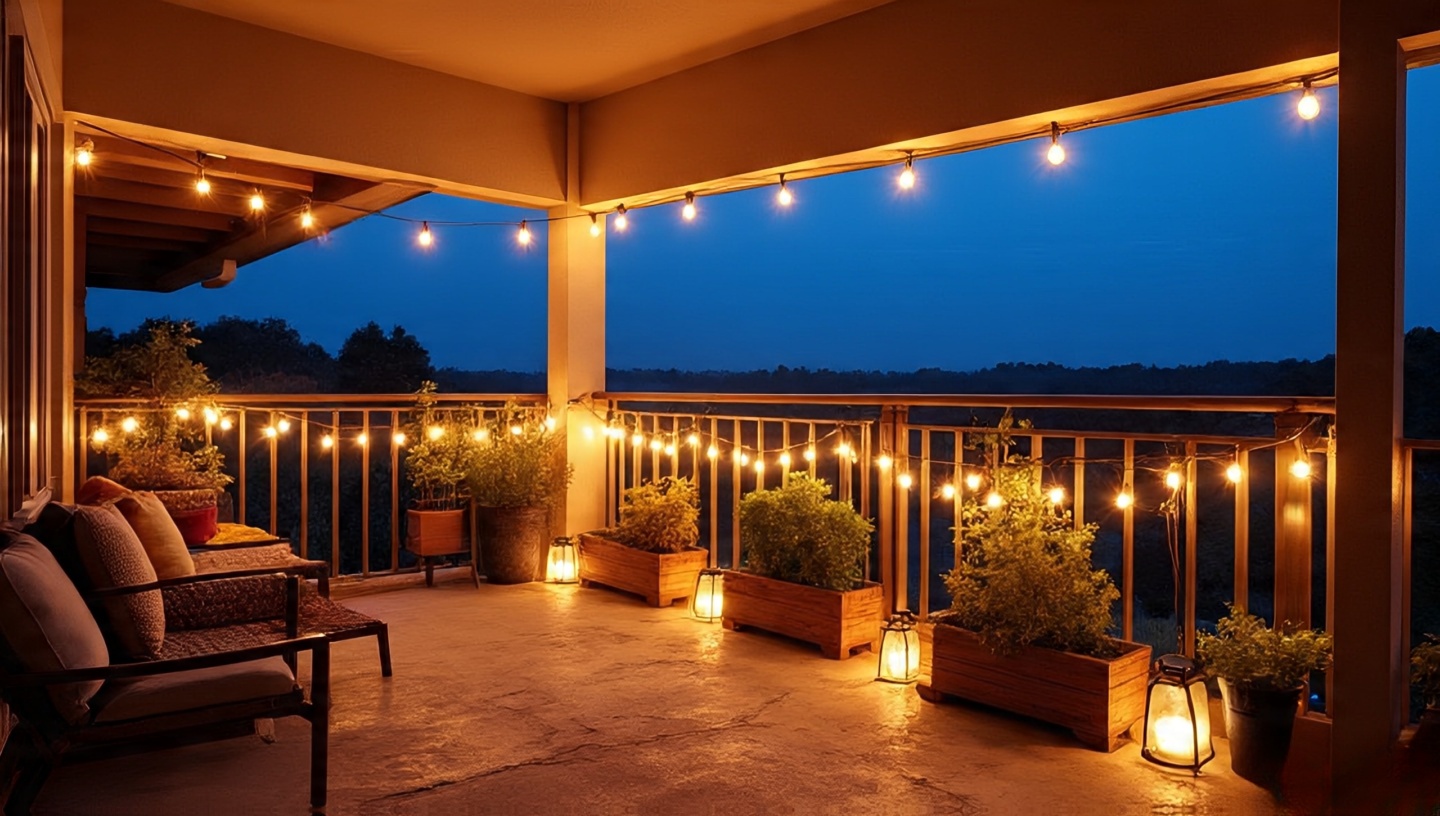
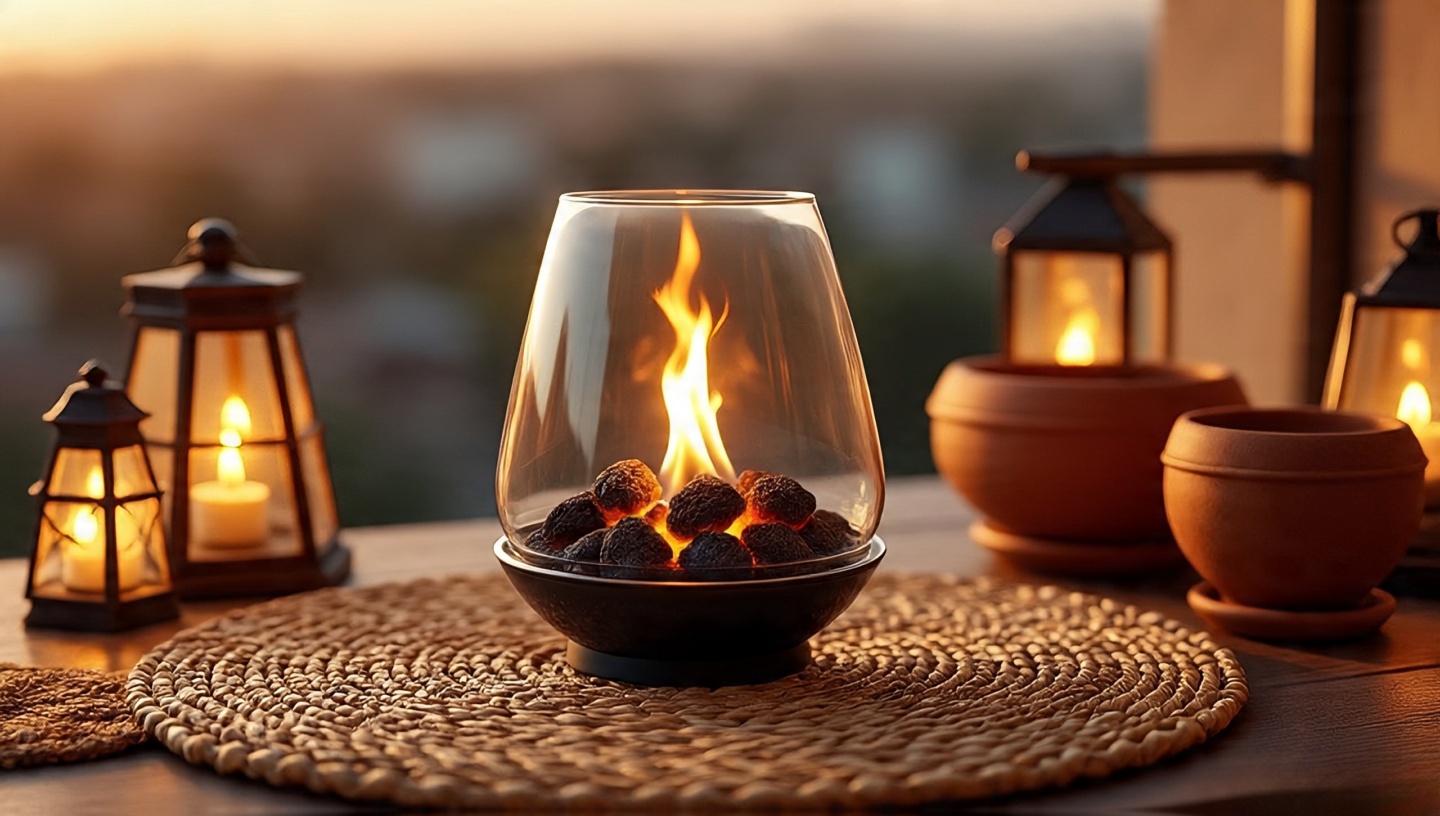
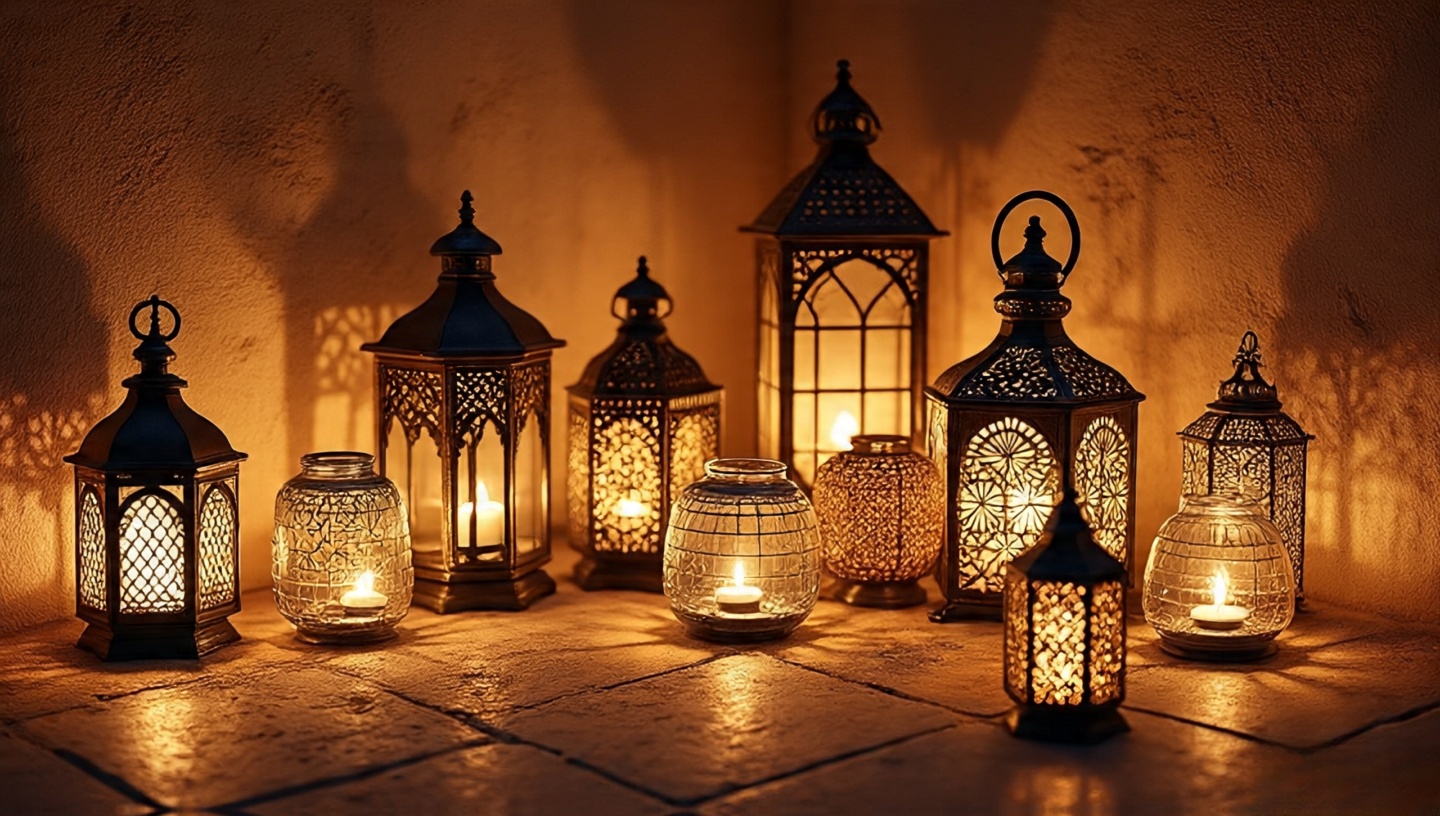
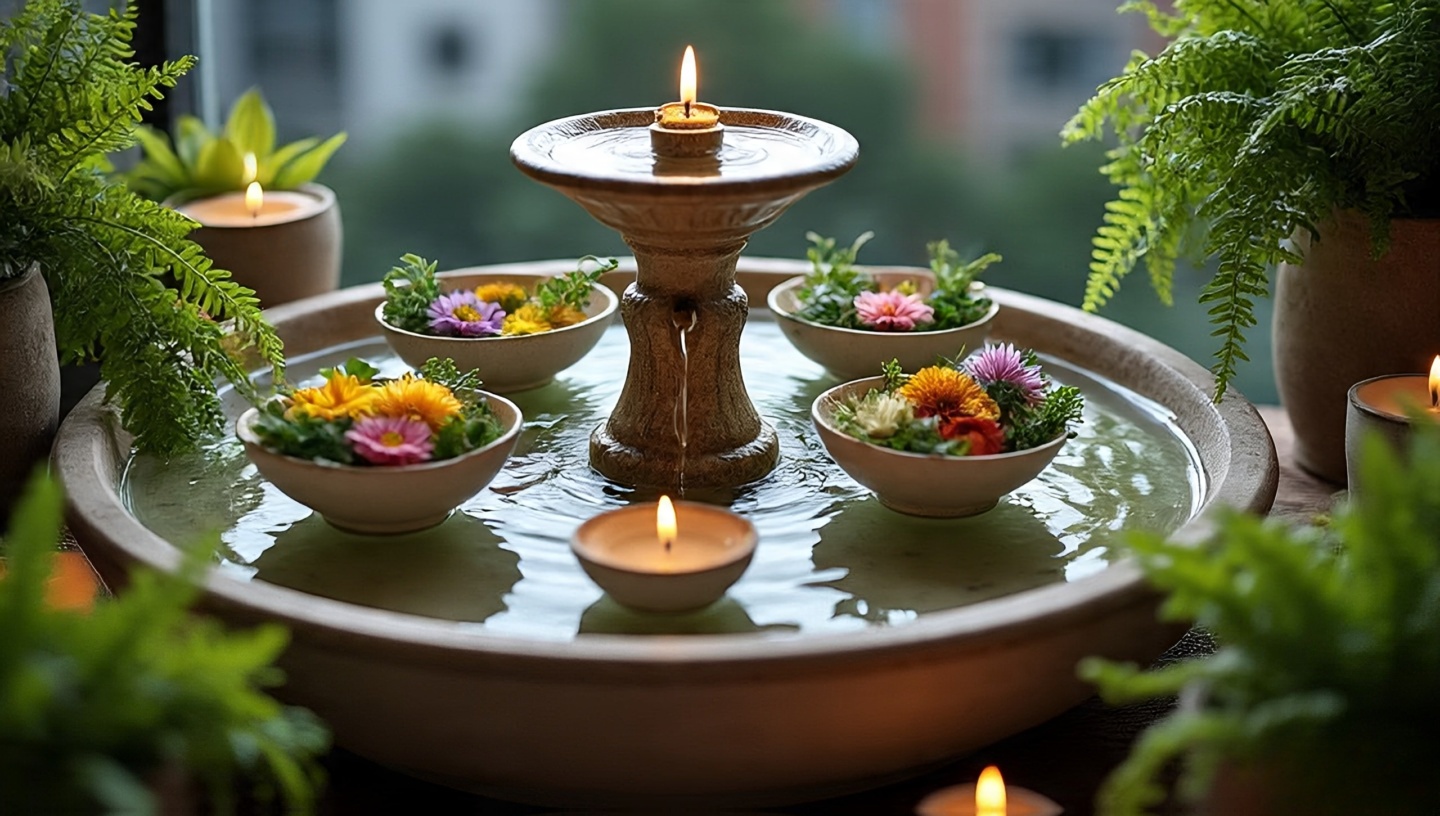
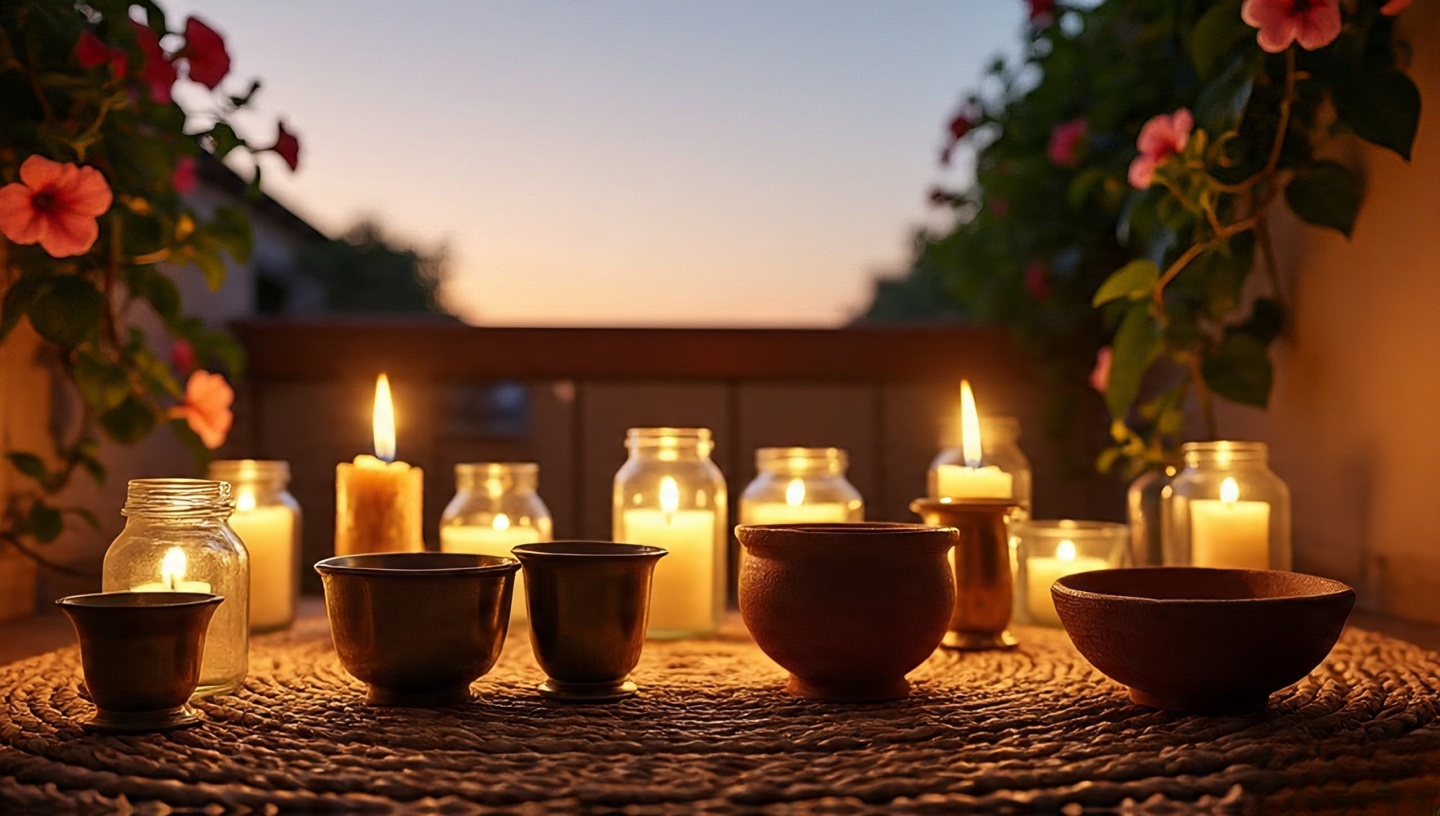
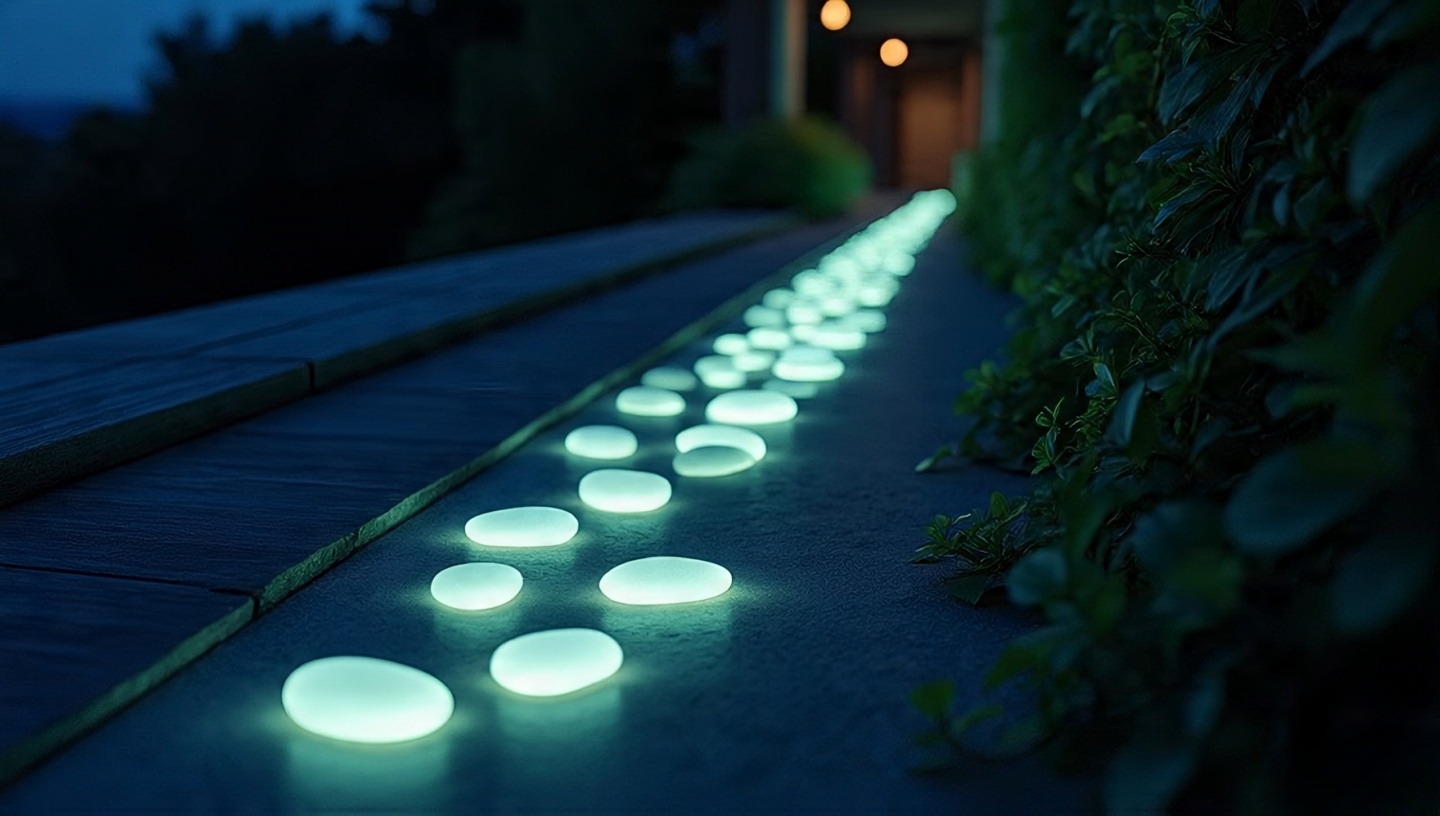
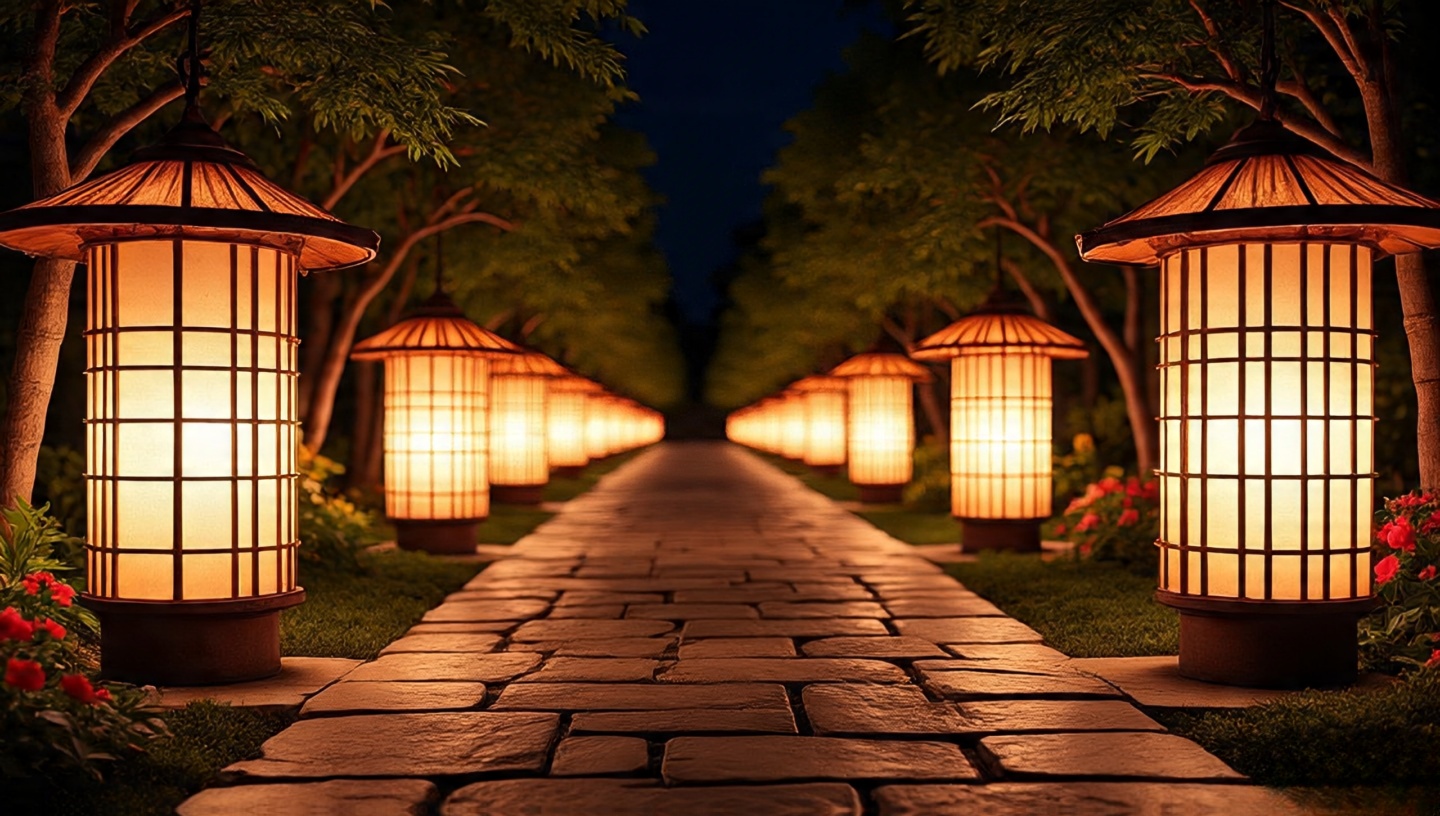
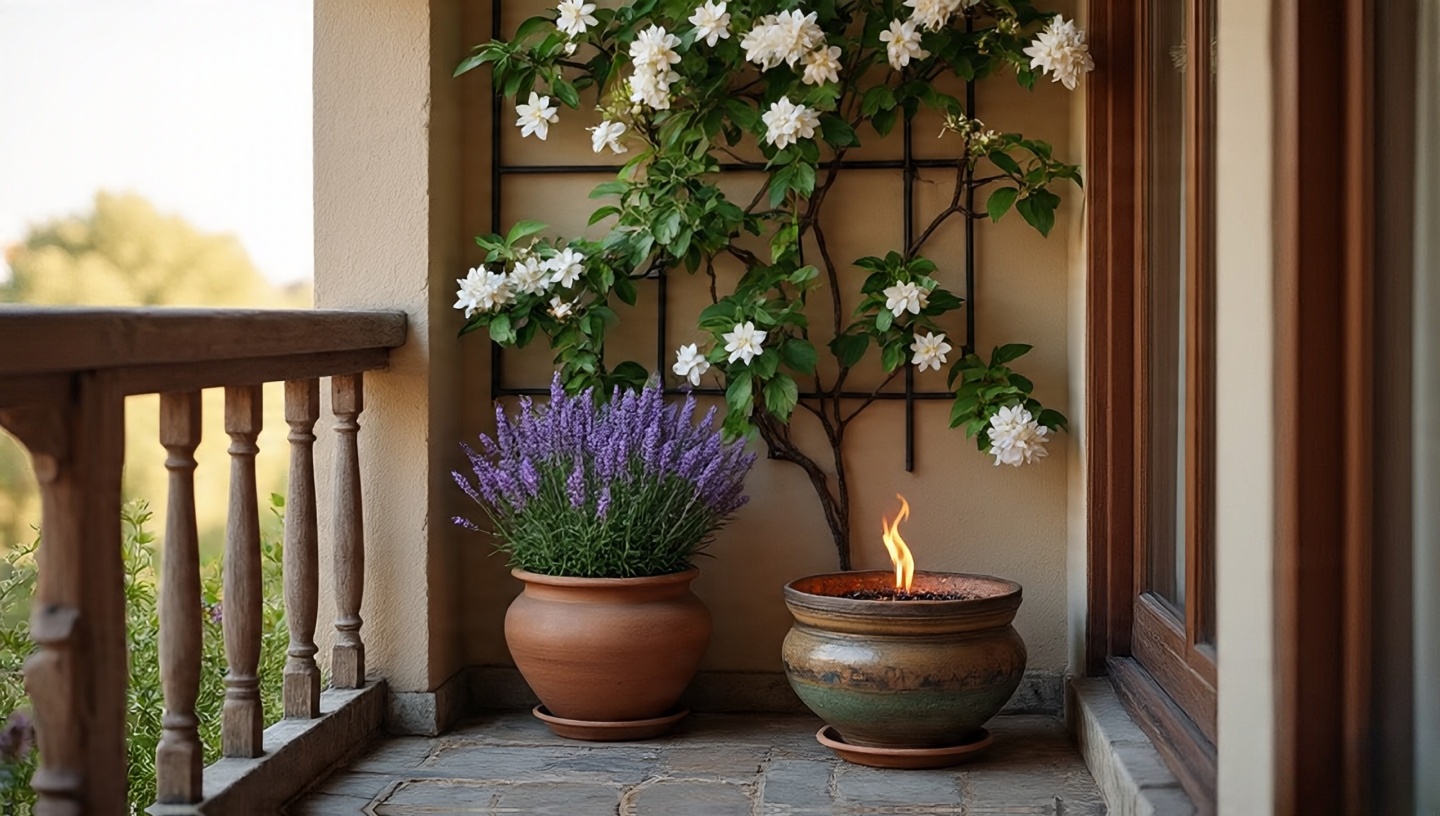
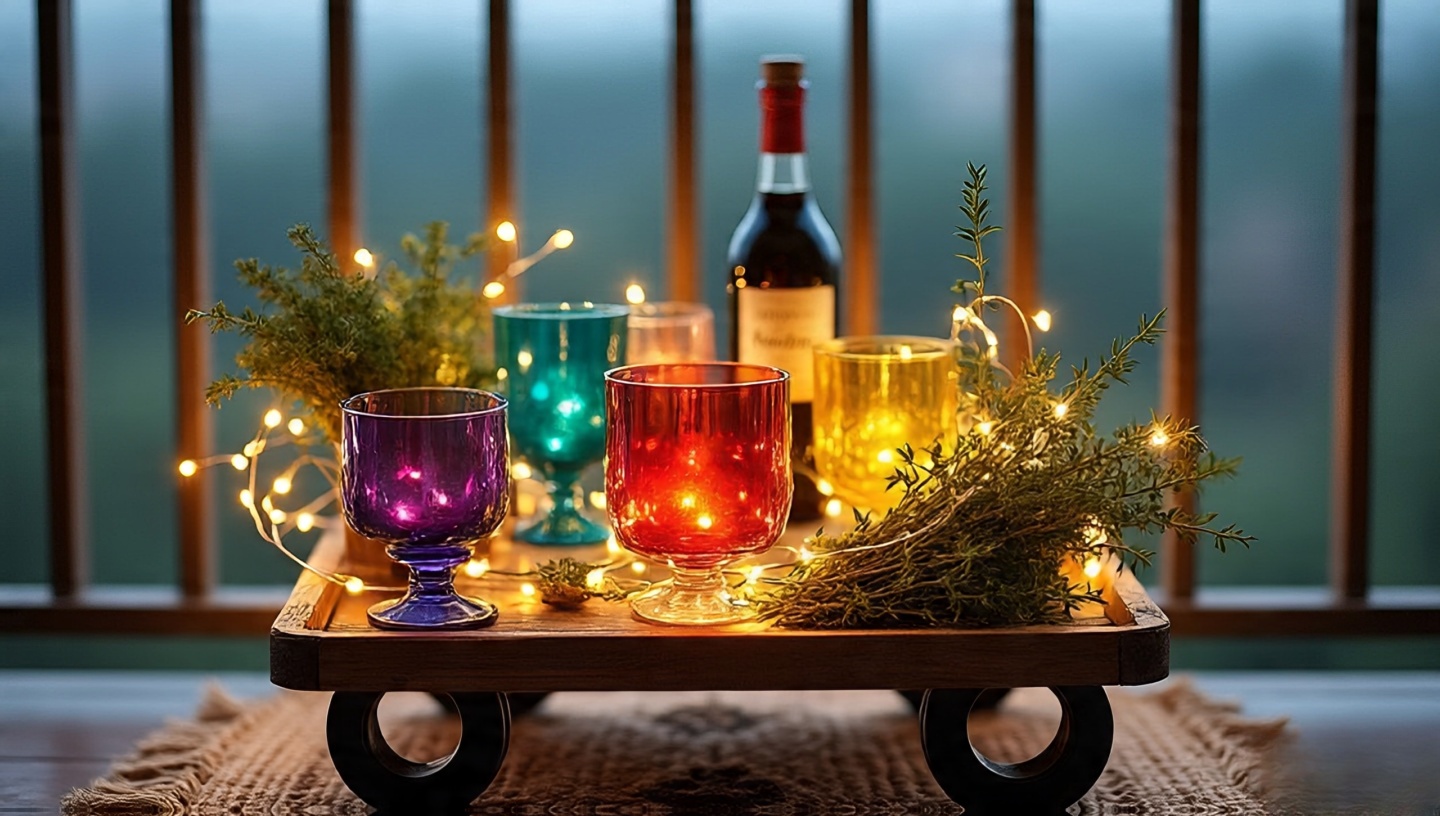
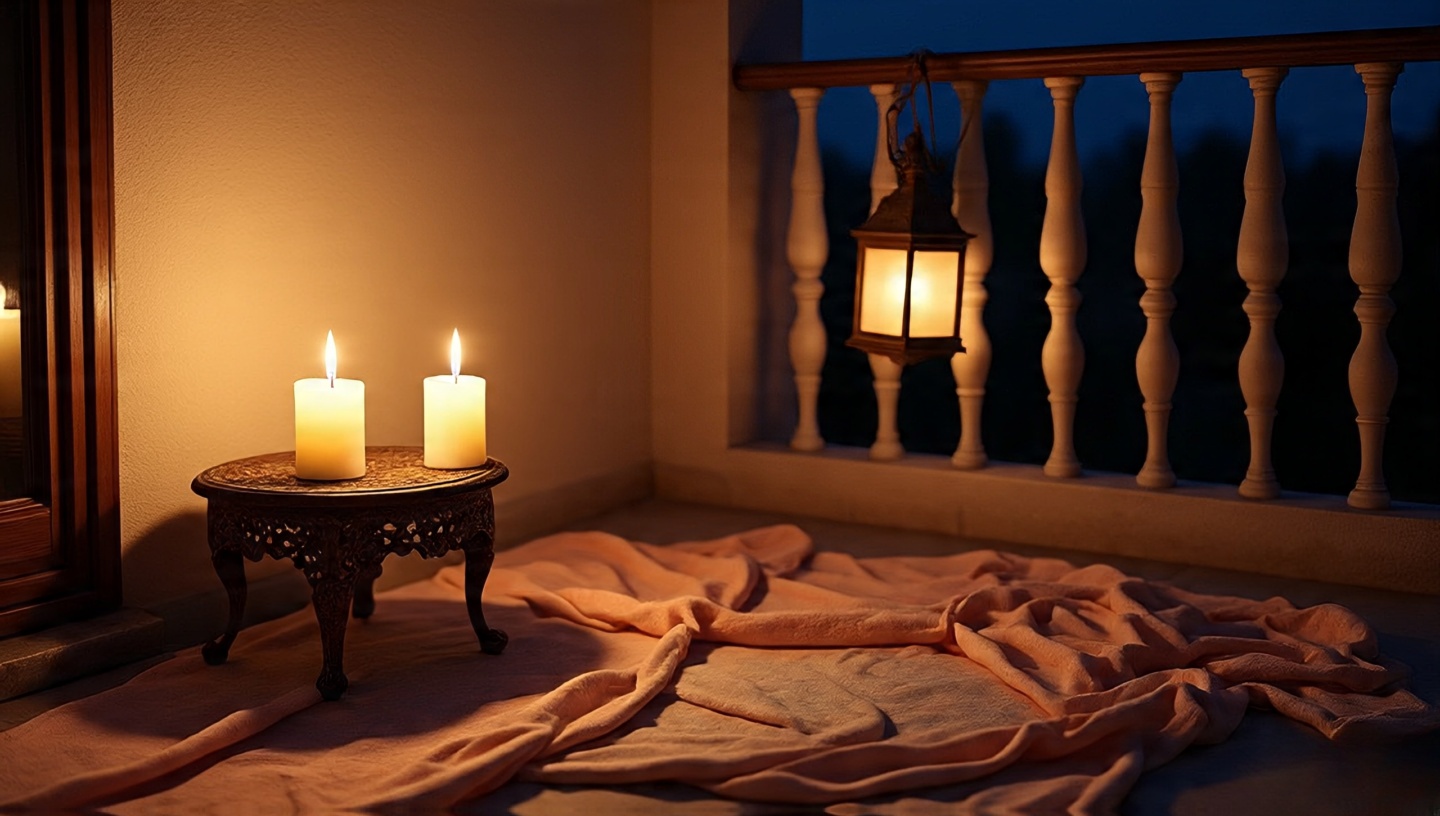
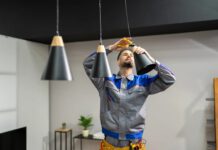
Use suitable approved fixings and an appropriate installation for the building and weather. Keep exits and required routes clear. Do not infer permission for open flames, heaters, or a fire pit from an inspiration image; check property rules and product requirements. Flame-free decorative lighting can provide a separate visual option.
Keep the planting manageable
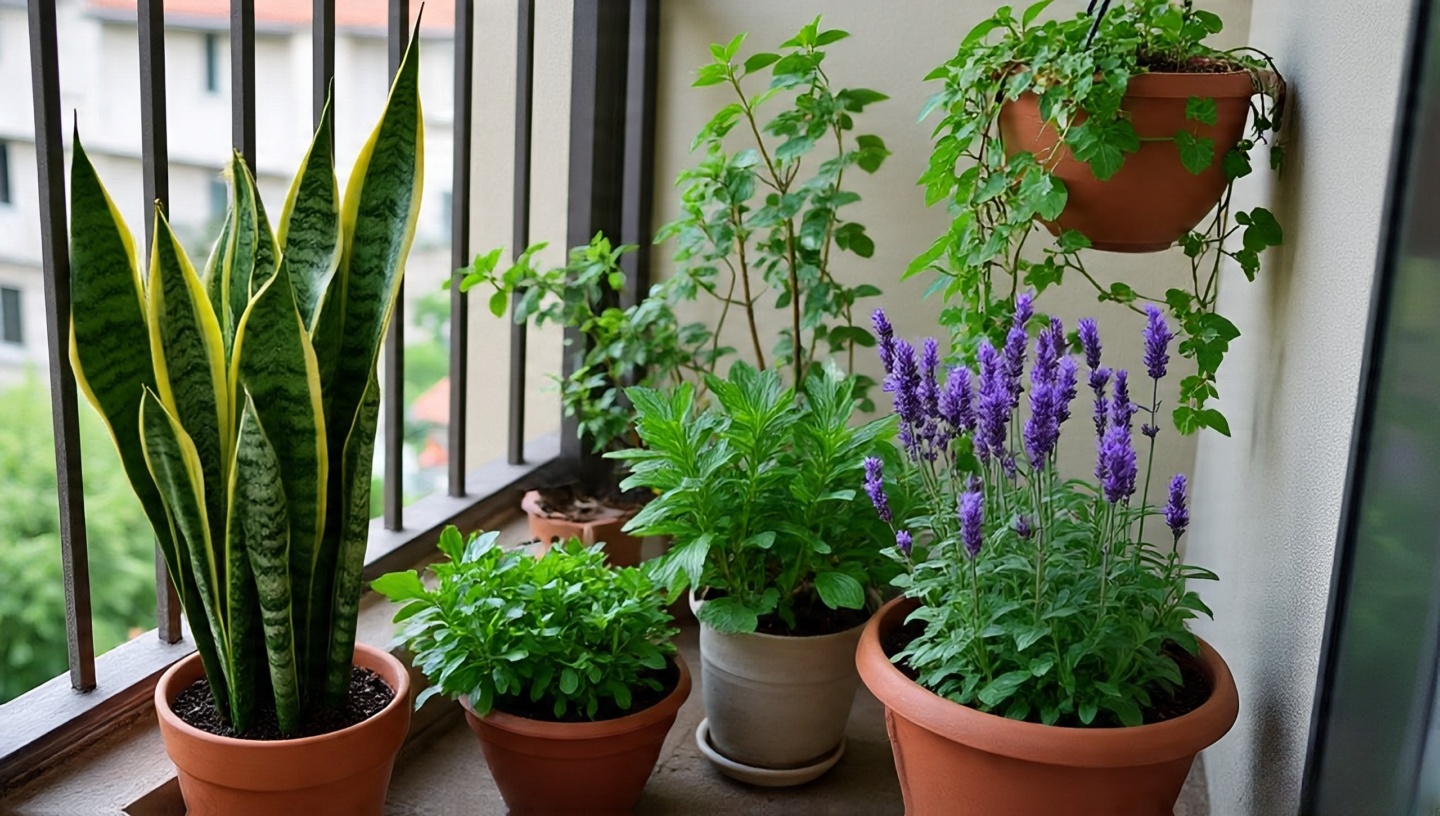
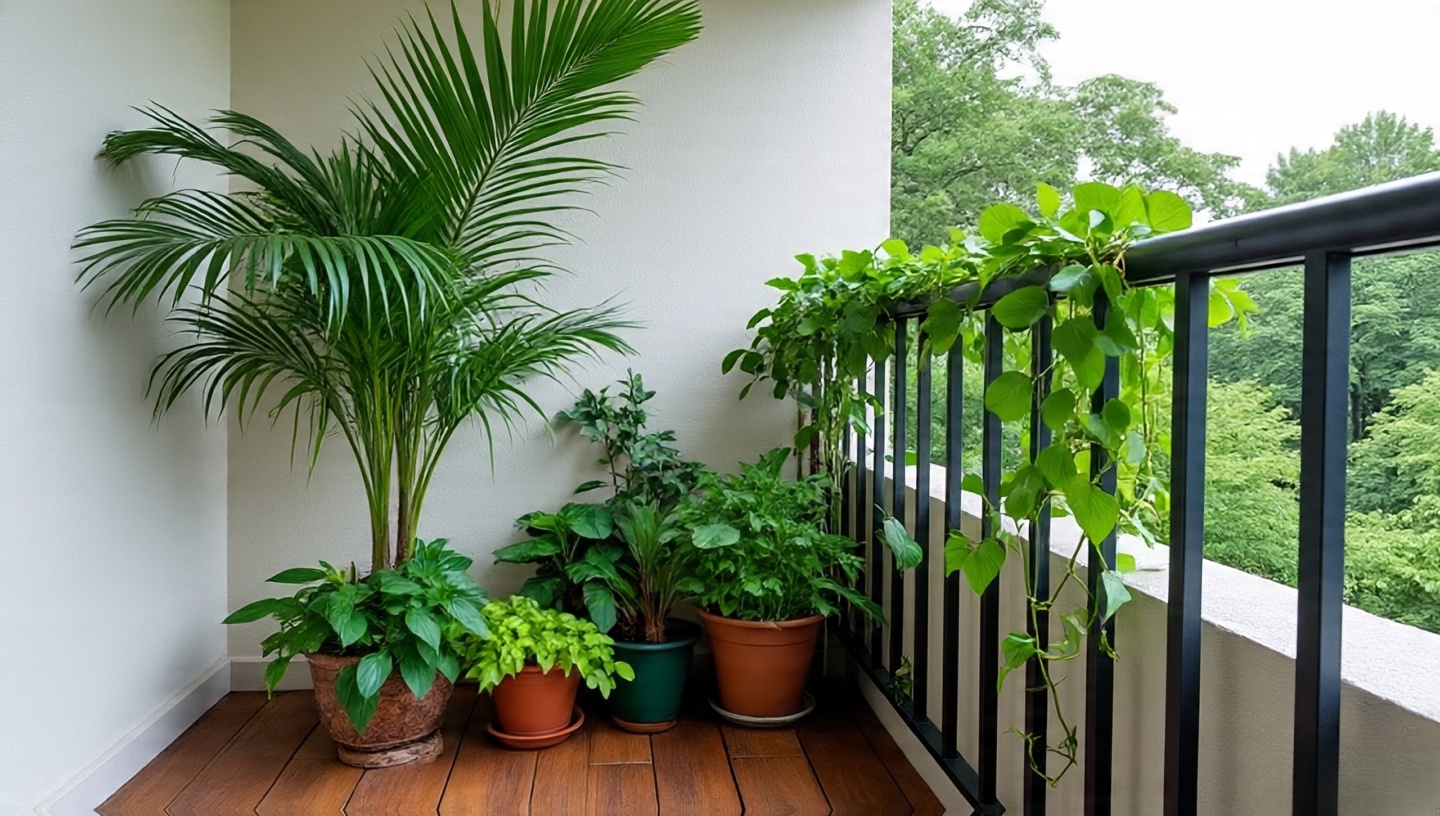
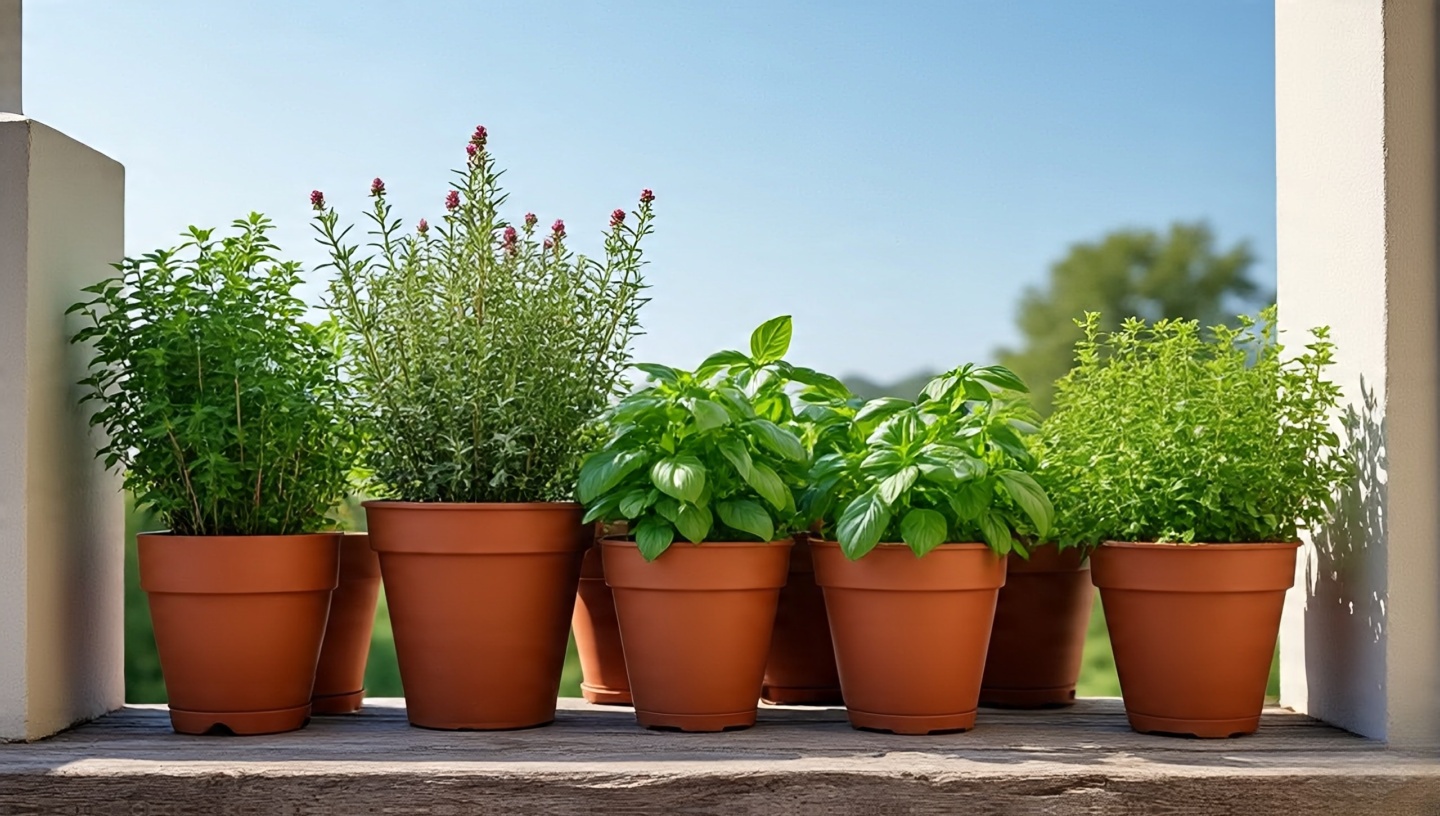
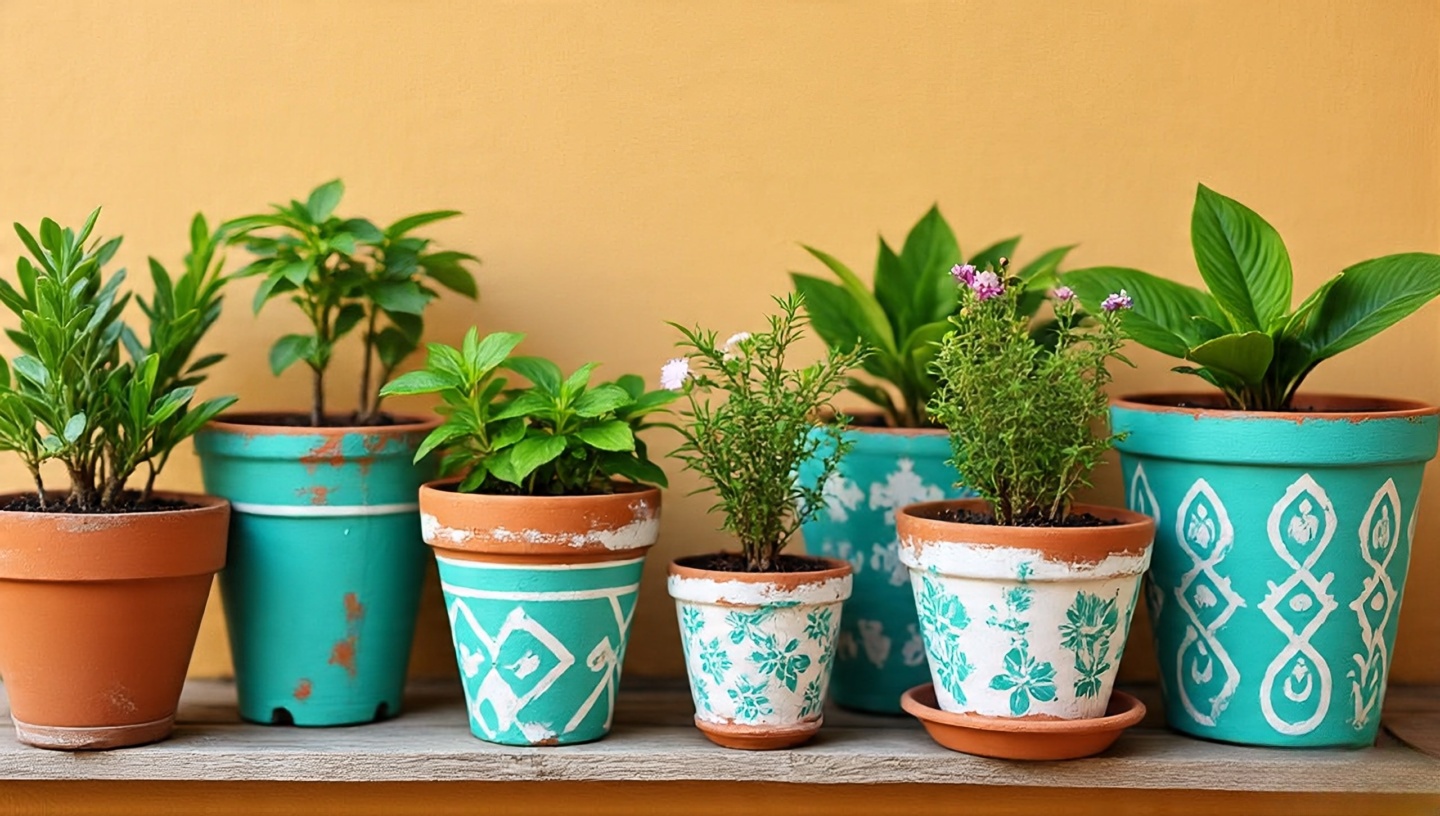
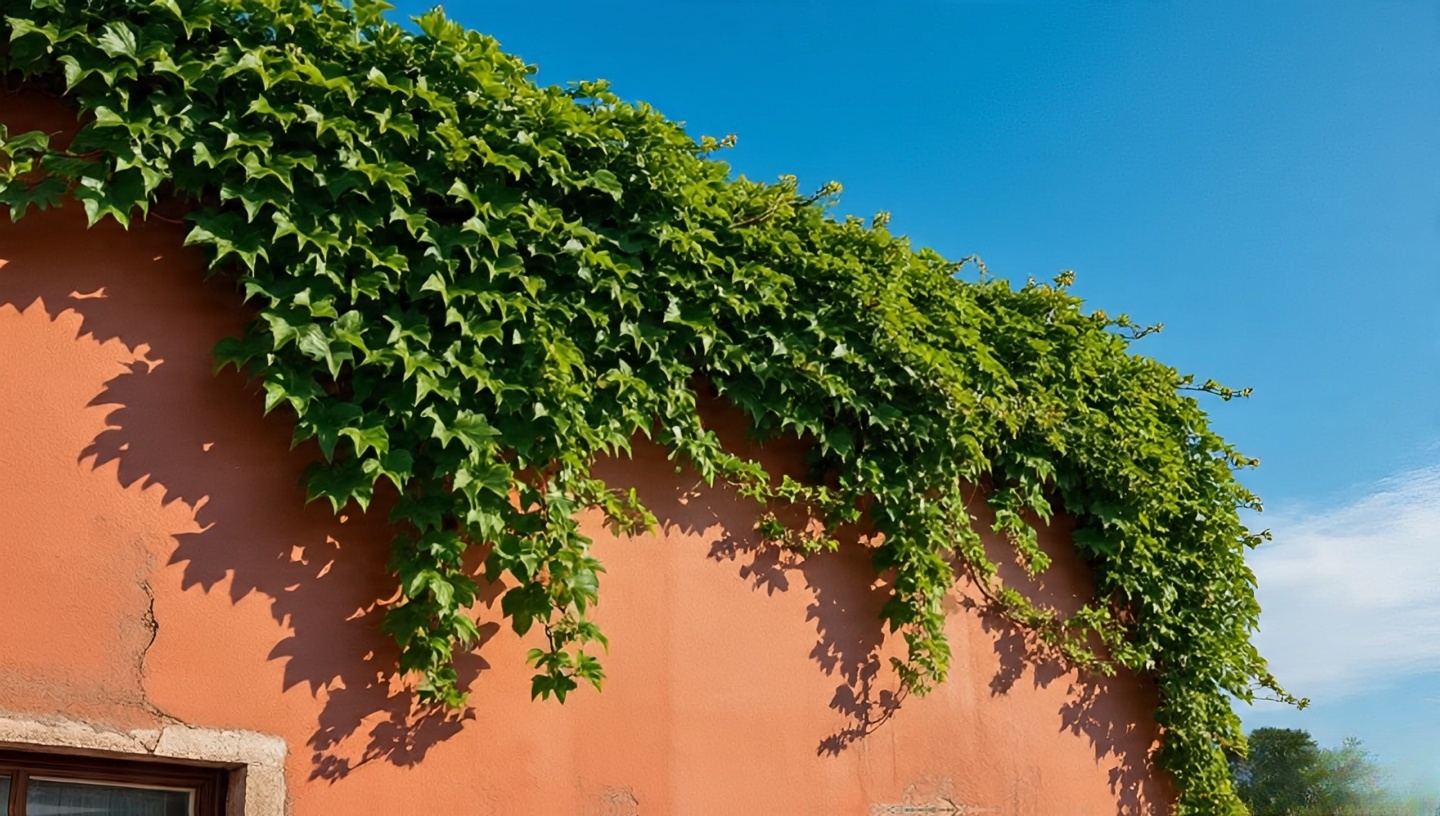
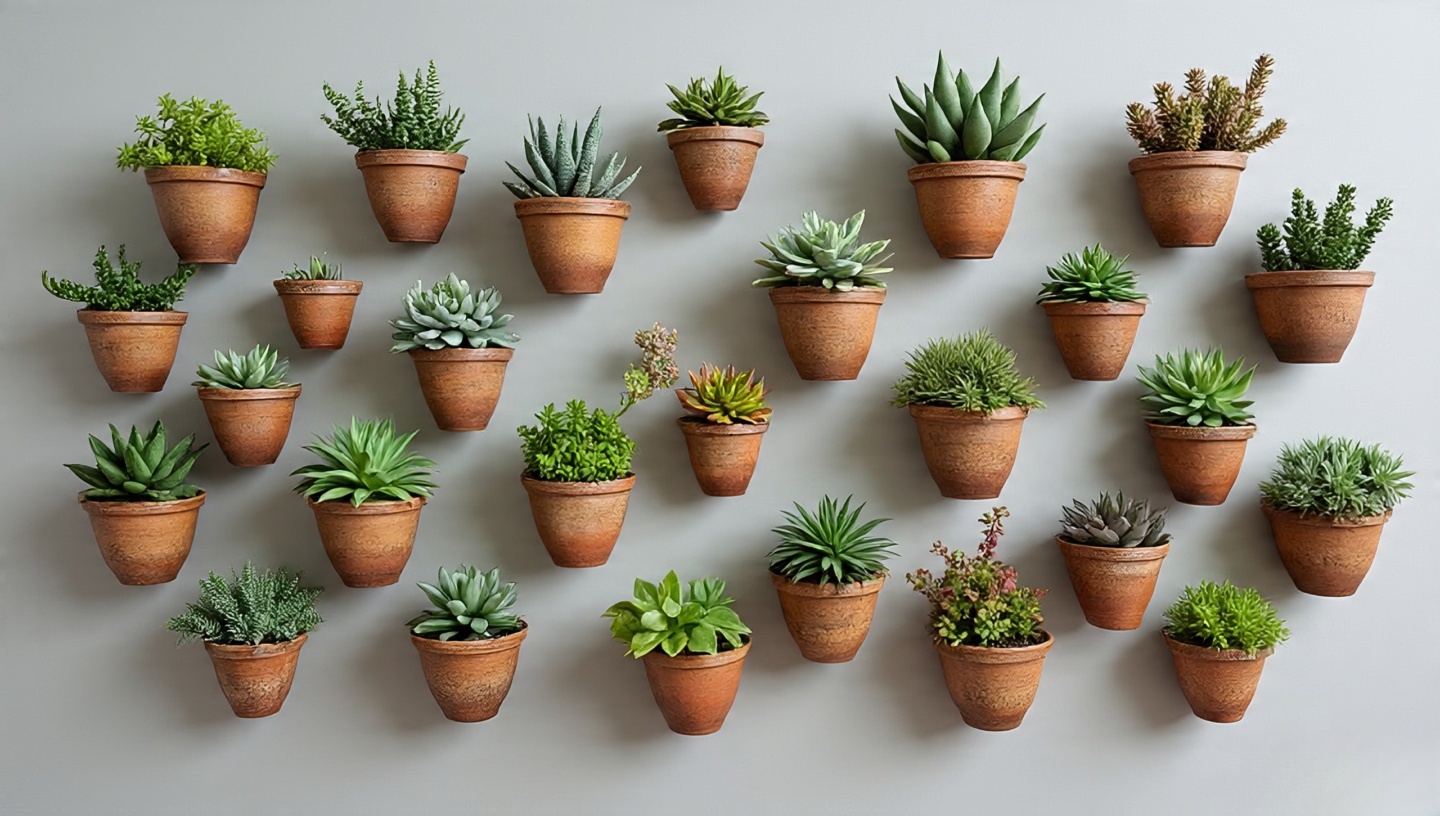
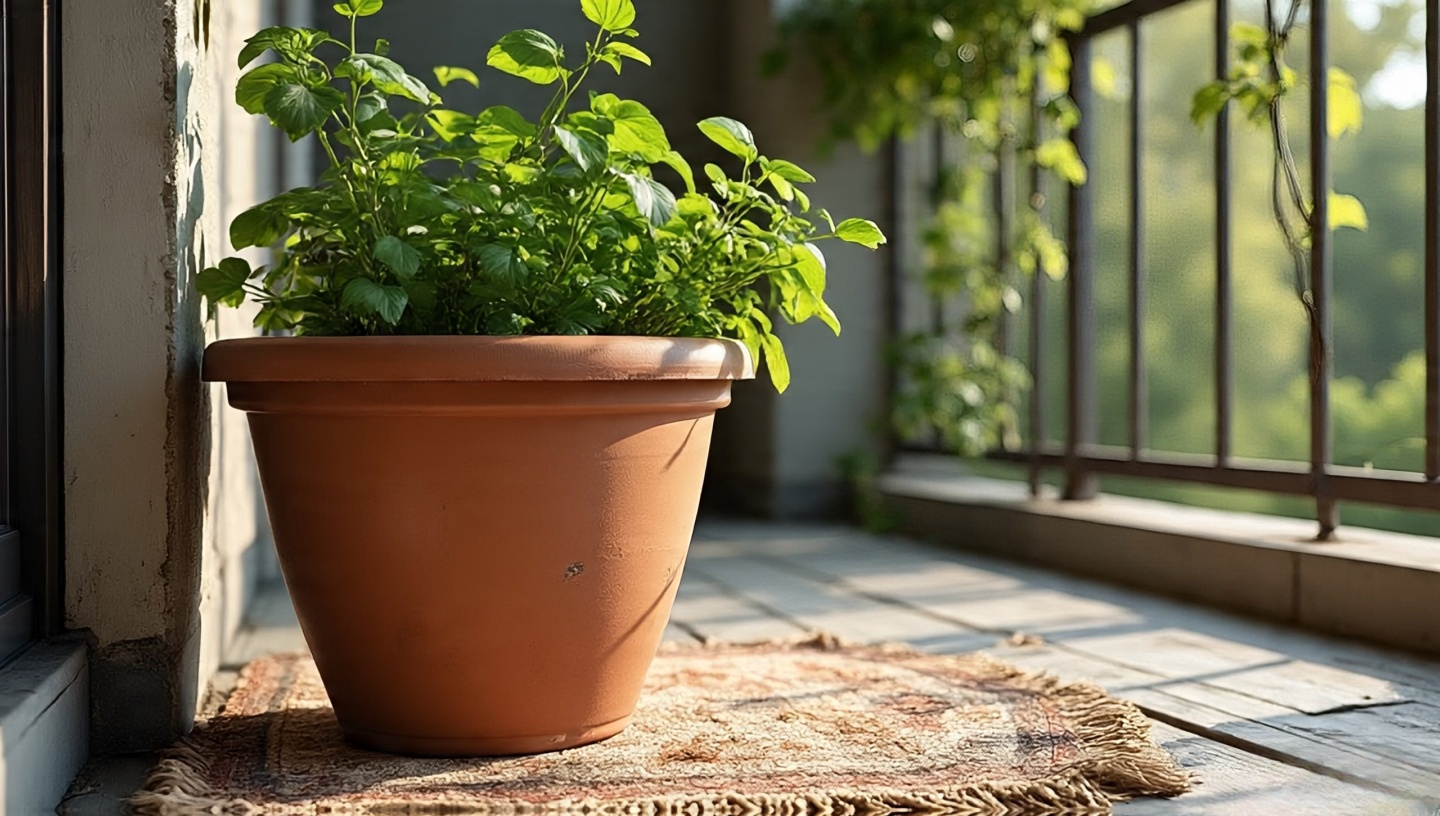
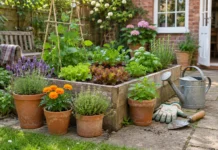
Choose plants for the actual daylight, wind, watering routine, and household circumstances. A small group that can be cared for is more useful than a crowded display that blocks access.
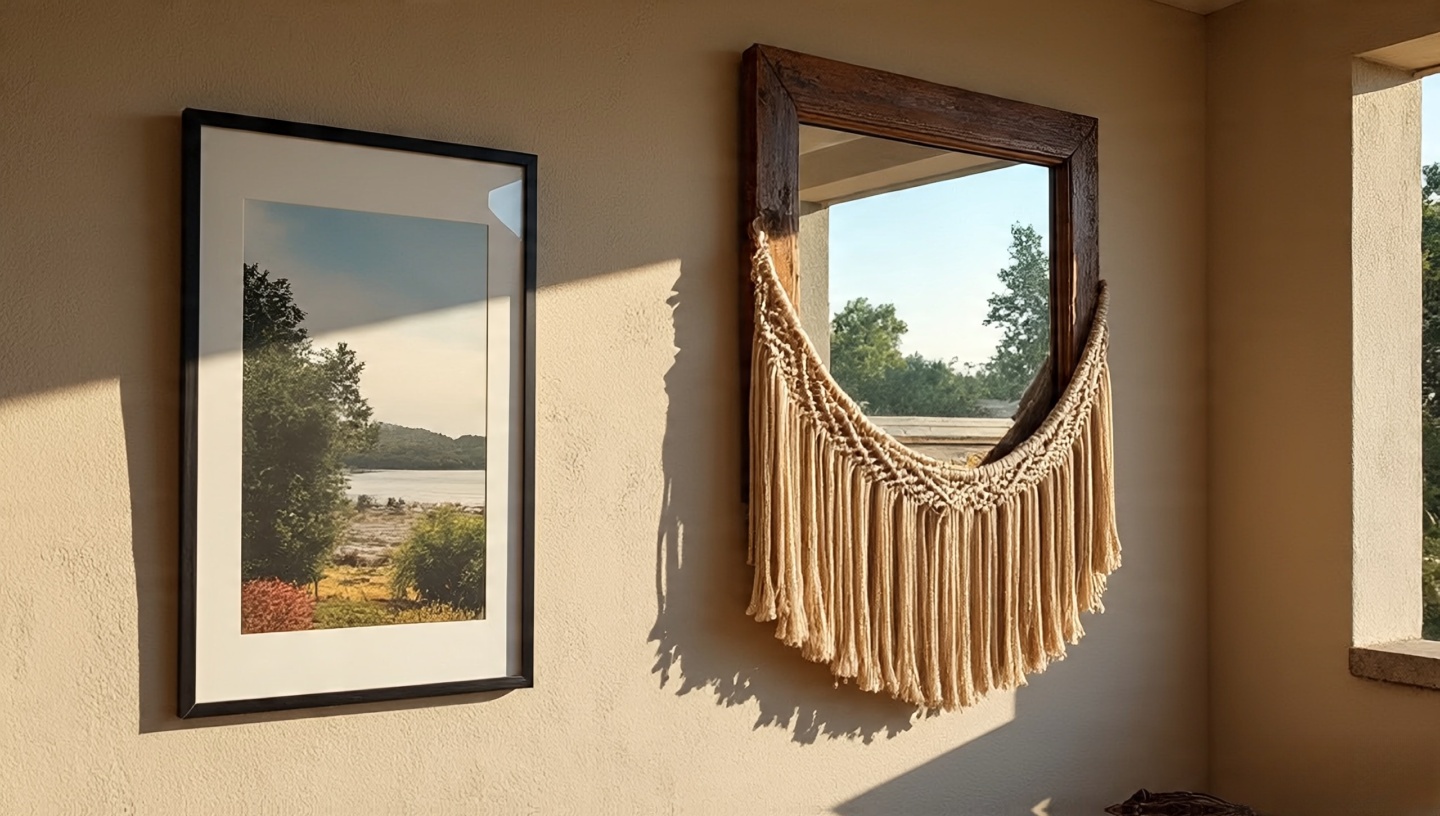
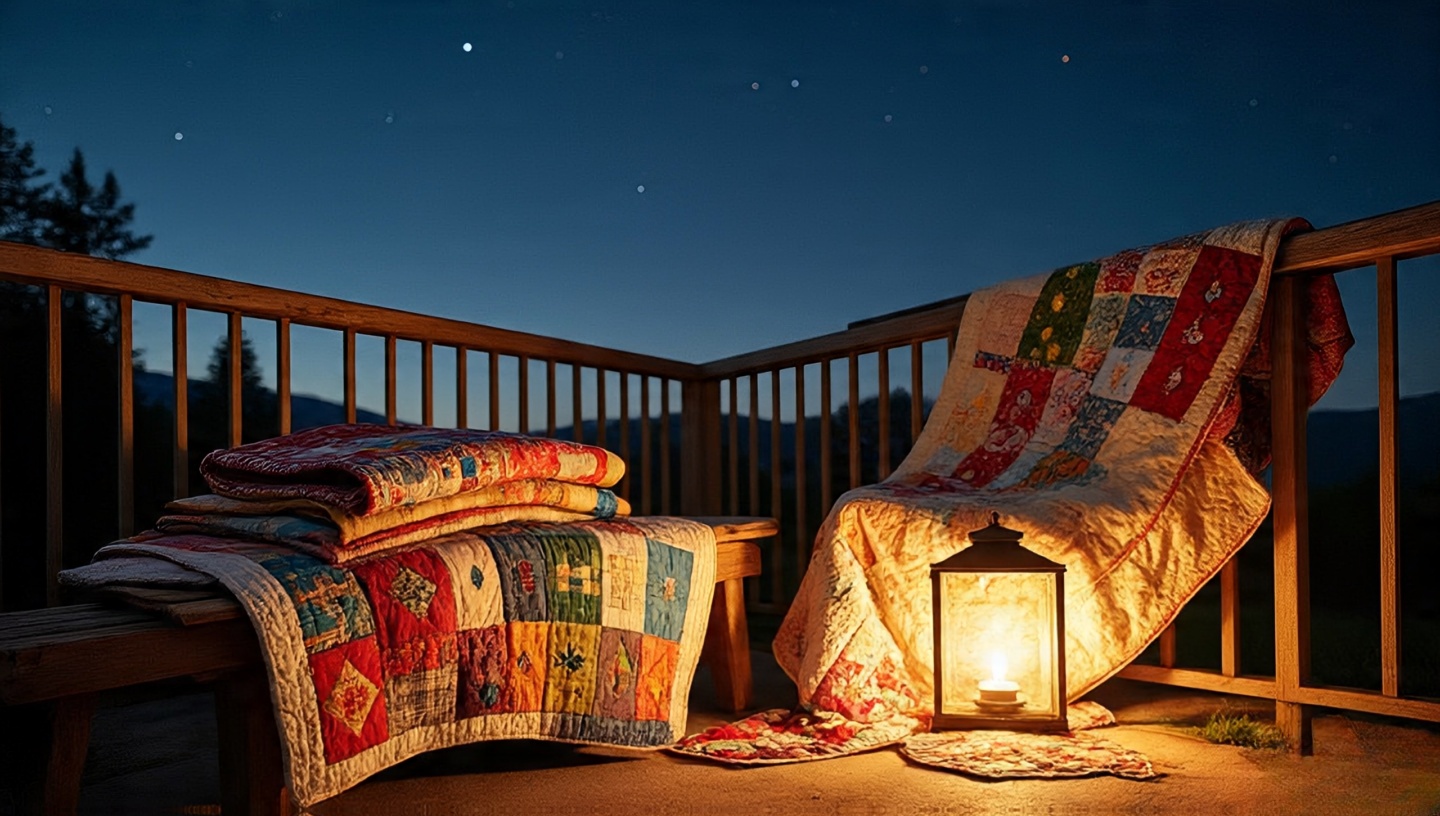
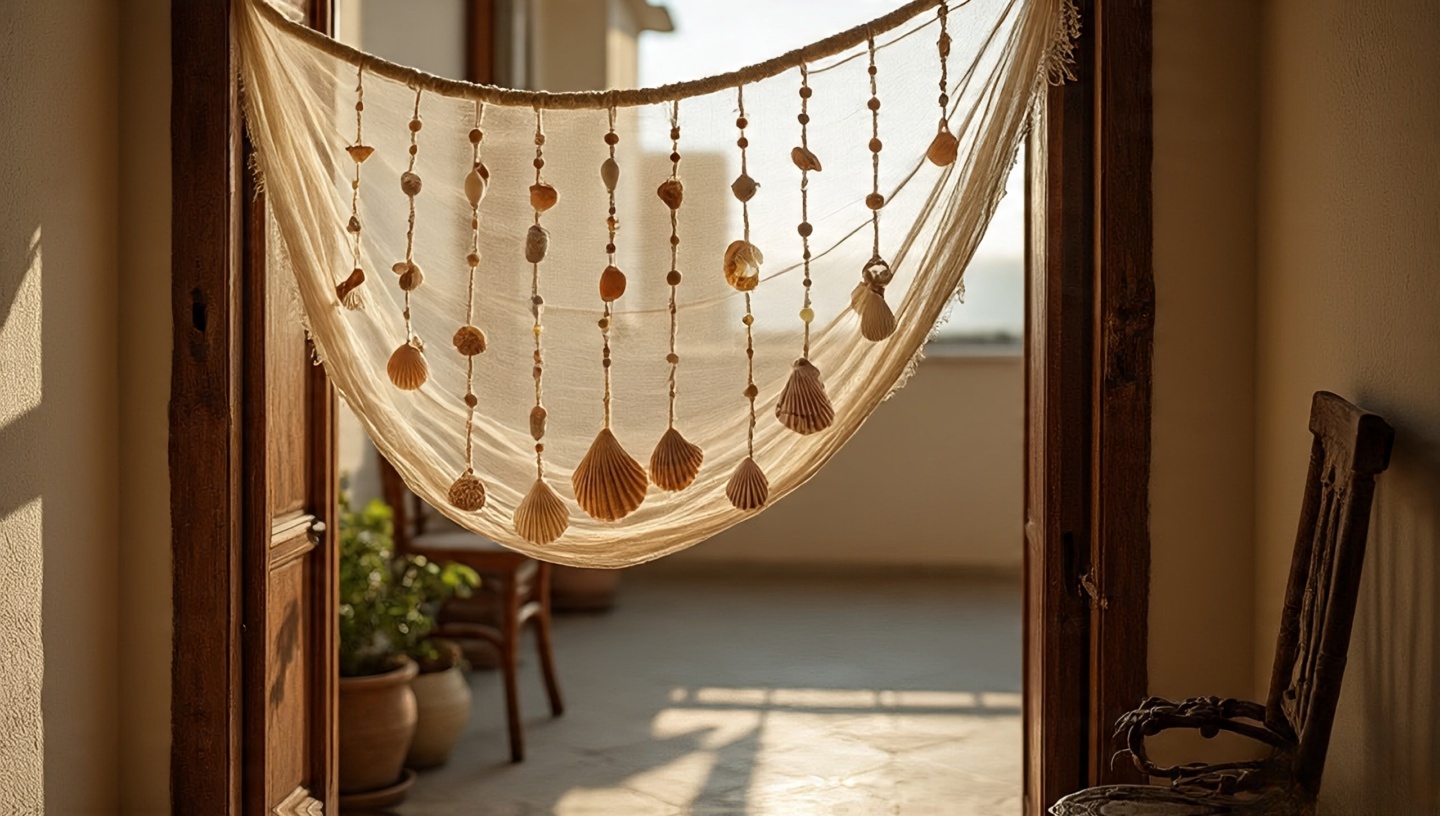
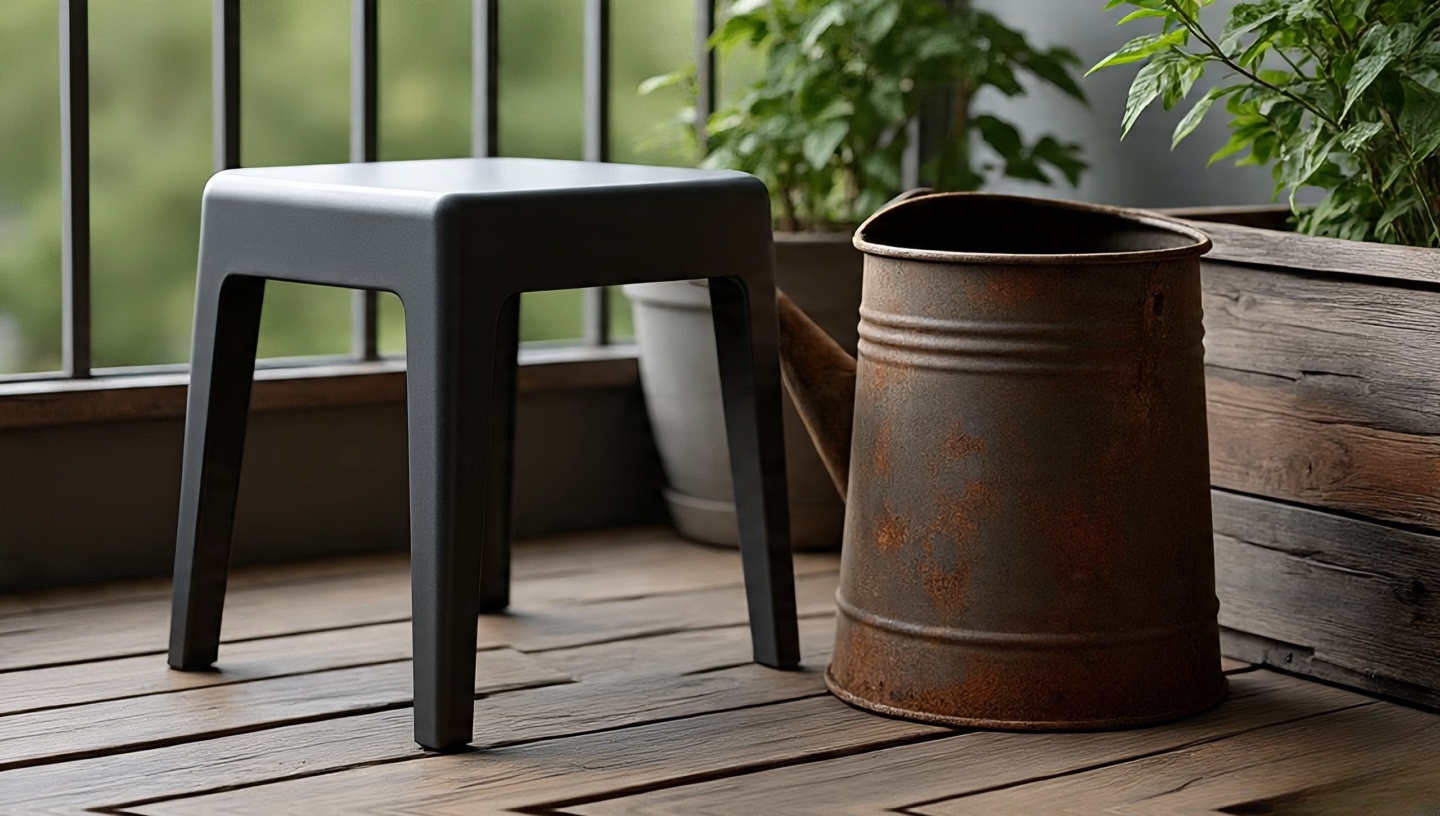
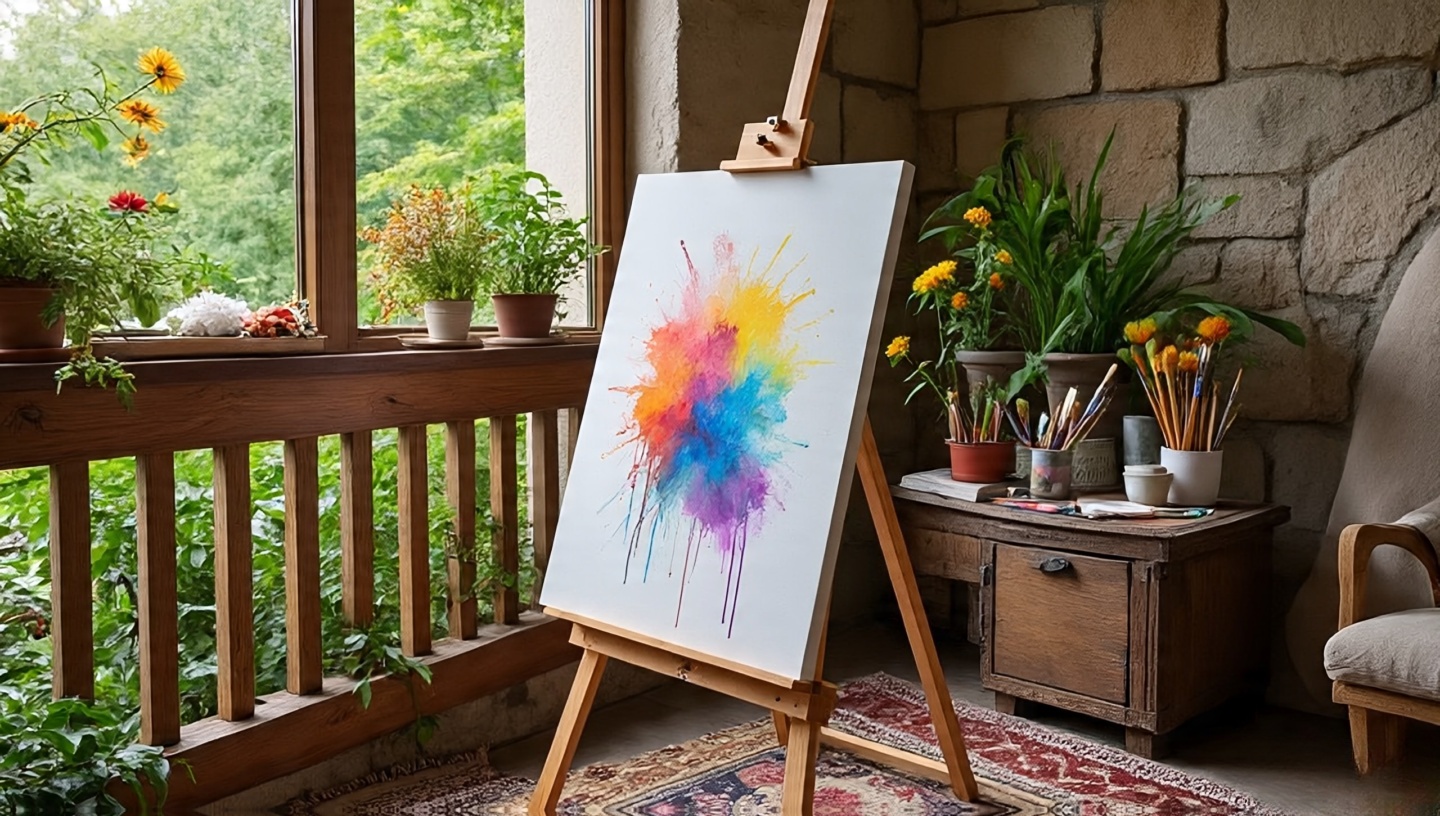
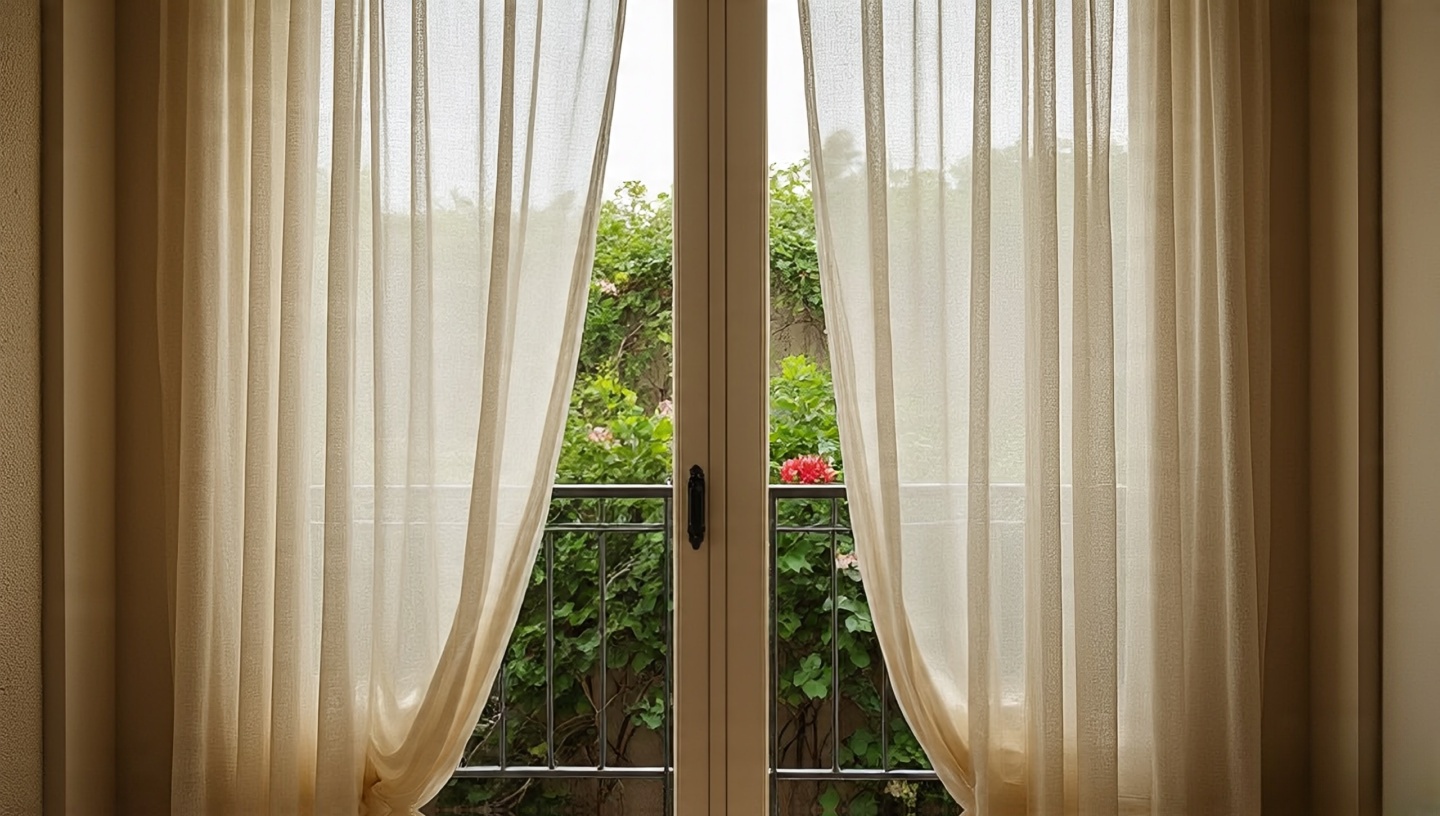
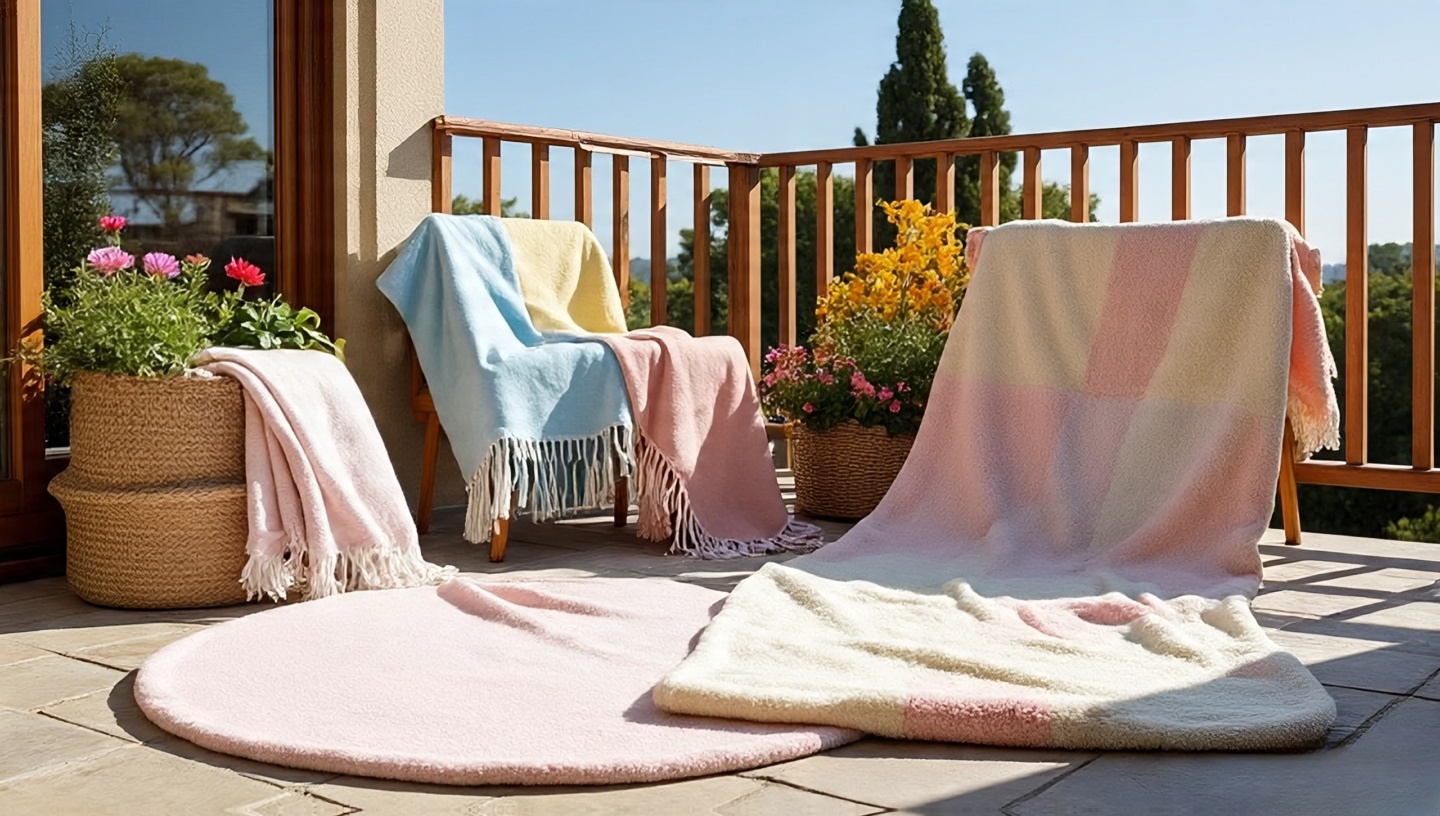
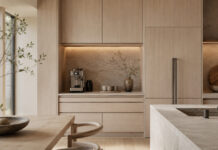
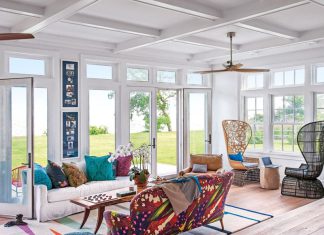
Use the gallery to compare color and texture; structural loads and permanent installations need assessment for the actual building.
Images and retained source credits