
A clean, well-functioning grill isn’t just about cooking — it’s part of how your outdoor space feels and functions. Whether it’s a quiet weeknight dinner or a weekend gathering, your grill plays a central role in how you use your backyard.
But over time, what builds up inside your grill isn’t just leftover food. It’s grease, carbon, and residue that can quietly affect performance, safety, and even the overall experience of your space.
Most homeowners don’t think about cleaning their grill until something goes wrong. By that point, the issue is usually deeper than it looks.
What Actually Builds Up Inside a Grill
After each cook, grease and food particles settle into different parts of the grill:
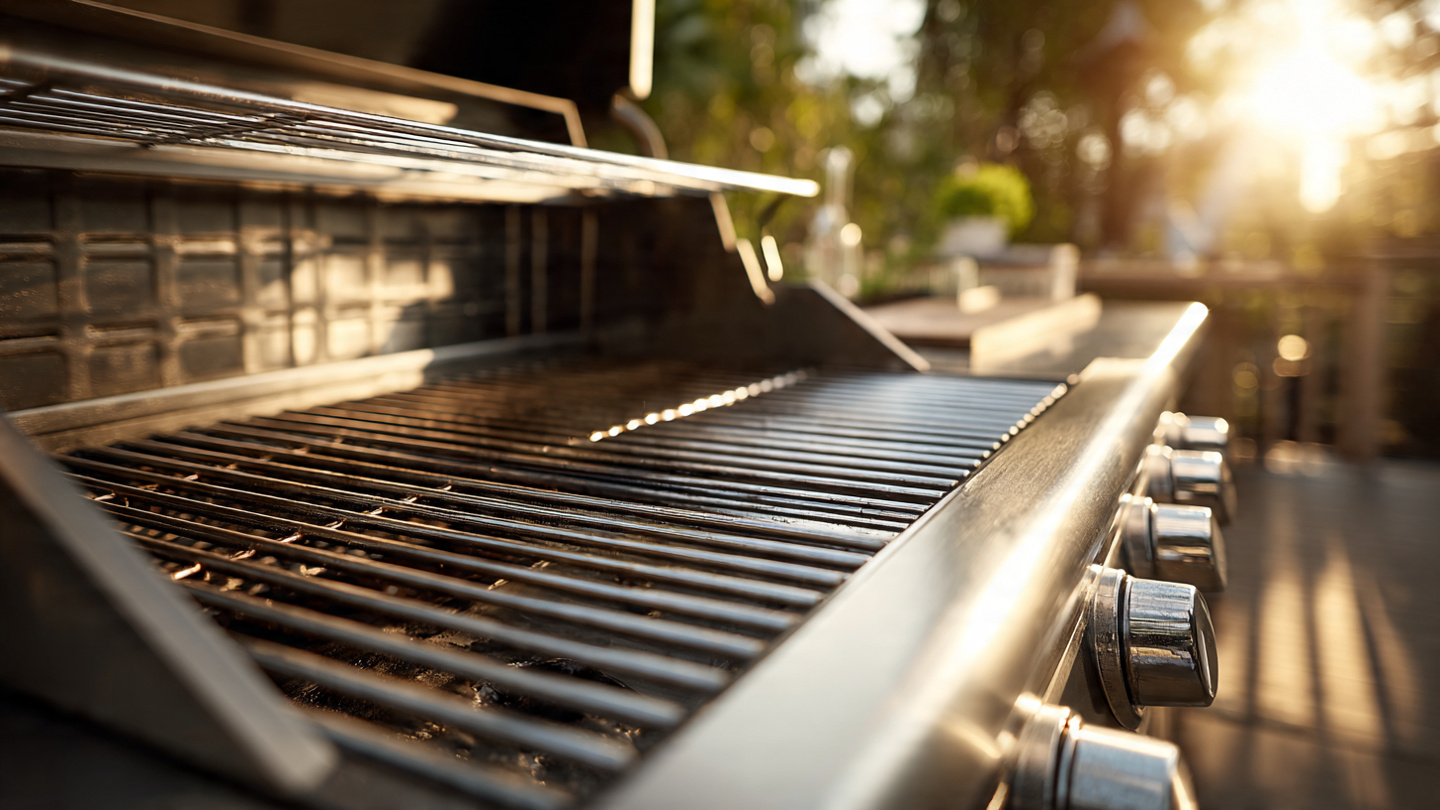
- Grates collect direct food residue
- Heat shields trap grease and carbon
- Burners and firebox areas gather hidden buildup
- Drip trays fill with grease over time
At first, this buildup is manageable. But as it’s exposed to repeated heat, it hardens into layers that are much harder to remove and start affecting how your grill performs.
Why a Dirty Grill Changes the Experience
A grill doesn’t have to be completely broken to become a problem. Even moderate buildup can impact how your outdoor kitchen feels and functions.
Uneven heating can make cooking frustrating, especially when food cooks differently across the surface. Grease buildup increases the risk of flare-ups, which can quickly ruin a meal or create safety concerns. Lingering residue also affects flavor, adding unwanted smoke or odors.
Over time, this buildup puts stress on the internal components, shortening the lifespan of your grill and taking away from the overall quality of your outdoor space.
Where DIY Cleaning Works (and Where It Doesn’t)
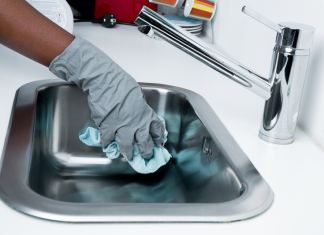
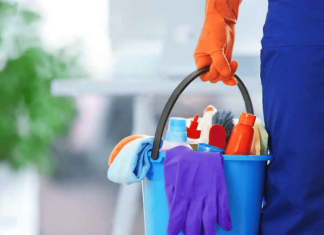
Basic cleaning methods are useful for regular upkeep. Dish soap, brushes, and light scrubbing can handle surface grease on grates, drip trays, and exterior surfaces.
But once buildup becomes layered or hardened, DIY methods become less effective. Scrubbing harder doesn’t solve the problem — it often just wears down materials or misses what’s happening underneath.
If cleaning starts to feel like a constant effort with little improvement, the issue has likely moved beyond the surface.
When It’s Time for a Deeper Clean
There are clear signs your grill needs more than routine cleaning:
- Grease feels thick or sticky even after scrubbing
- Flare-ups happen more often
- Heat is uneven across the grill
- Smoke smells off or excessive
- Buildup is visible beneath the surface
At that point, the issue is no longer just about appearance — it’s affecting performance. A professional grill cleaning service can address internal buildup safely and restore how the grill functions without guesswork.
Cleaning vs. Repair: Knowing the Difference
Sometimes the issue isn’t just buildup.
If your grill struggles to ignite, won’t stay lit, or produces inconsistent flames, there may be mechanical problems involved. Components like burners, valves, and ignition systems wear down over time.
In those cases, cleaning alone won’t solve the issue. A professional grill repair service can identify and fix the root cause so your grill works reliably again.
How Often Should You Clean Your Grill?
For most homeowners, a simple routine works well:
- Light cleaning after regular use
- Deeper cleaning every few months
- Full service at least once per year
If your grill is used frequently or is part of a larger outdoor kitchen setup, more consistent maintenance helps preserve both performance and appearance.
The Role of Maintenance in Outdoor Living
A clean grill isn’t just about avoiding problems. It’s about maintaining a space that feels ready to use at any time.
When everything works the way it should, your outdoor area becomes easier to enjoy — whether you’re hosting guests or just cooking a quick meal. Regular maintenance keeps your grill reliable, your space inviting, and your experience consistent.
Conclusion
Grill cleaning is easy to overlook, but it plays a big role in how your outdoor space functions.
Routine cleaning helps manage surface buildup, but deeper issues require more thorough solutions. If you’re noticing flare-ups, uneven heat, or lingering residue, it’s usually a sign that basic cleaning isn’t enough.
Keeping your grill in good condition means better cooking, fewer interruptions, and a space that’s always ready when you are.