

Home Blog Page 12

Garden Styling Made Simple: Timeless Designs for a Beautiful Backyard

Roohome.com – Creating a beautiful backyard doesn’t require a landscape architect or a five-figure budget. With the right approach, anyone can transform their outdoor space into a peaceful, stylish retreat that reflects personality and practicality. Whether you have a small patio, a sprawling lawn, or a modest courtyard, garden styling is all about balance, creativity, and intention.

In this article, we’ll walk through timeless garden design tips, layout ideas, and stylistic approaches that are simple, yet elevate the overall ambiance of your outdoor area. From cozy reading corners to Instagram-worthy garden paths, let’s unlock the secrets of effortless garden elegance.

1. Start with a Vision

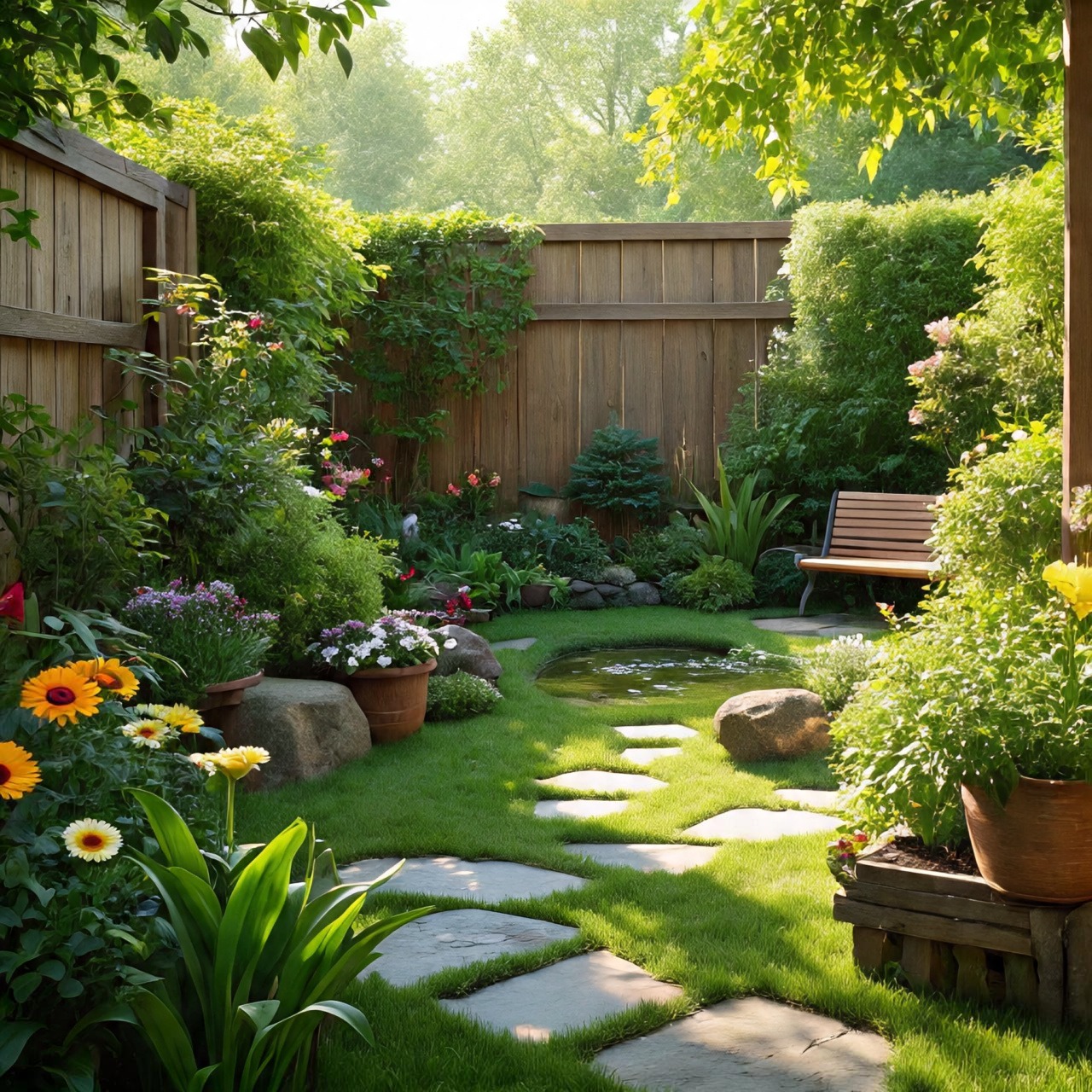
backyard garden inspiration

Before digging holes or buying plants, take a moment to visualize the purpose of your garden. Do you want a place to relax? Entertain guests? Grow herbs and vegetables? Understanding how you want to use the space will guide every styling decision afterward.

Sketch your garden layout. You don’t need artistic skills—even a rough idea of zones helps. Label areas like “seating zone,” “kids’ corner,” or “vertical garden wall.”

Pro Tip: Use Pinterest or Instagram to collect garden styling ideas. Look for backyard garden inspiration that suits your climate and lifestyle.
2. Choose a Timeless Color Palette

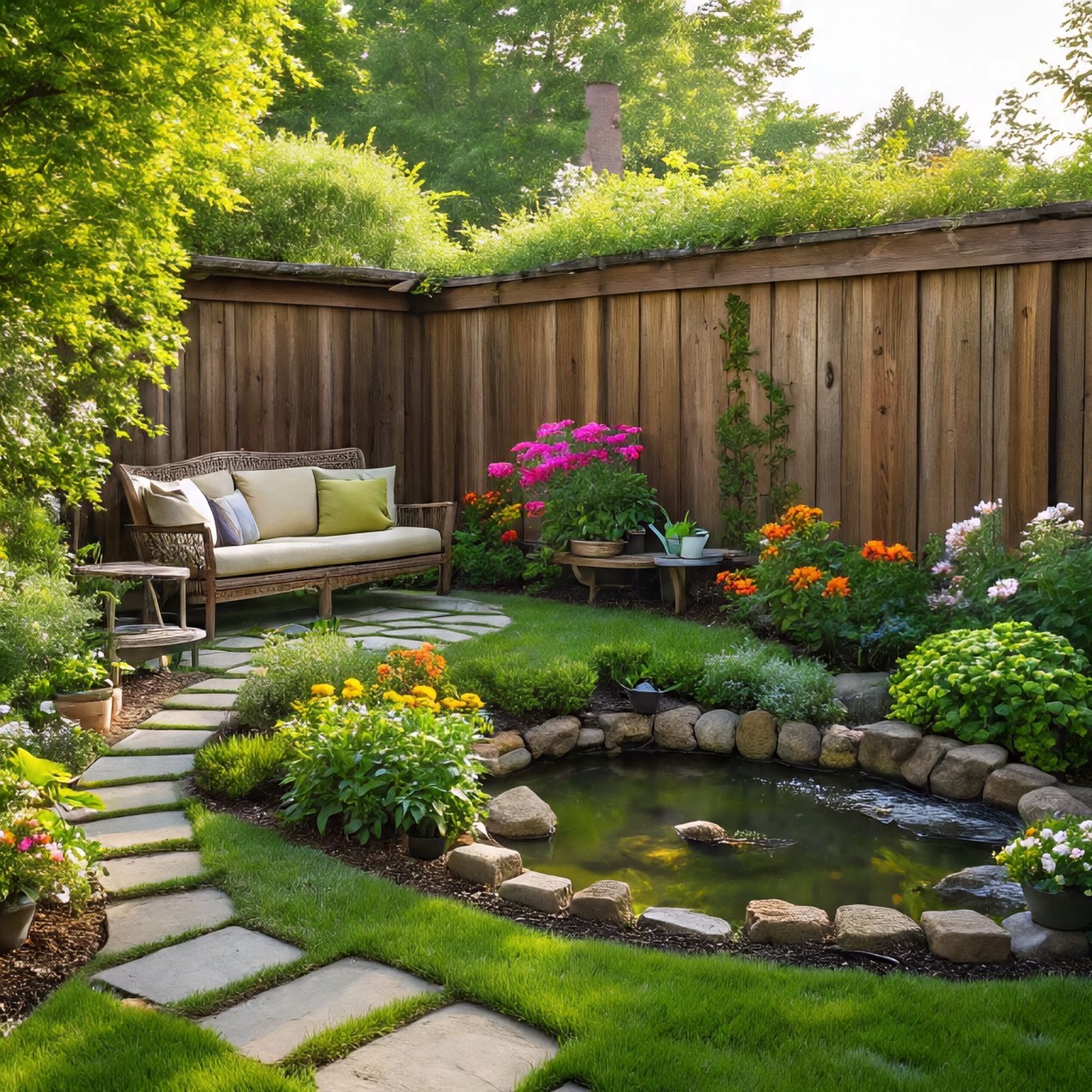
garden color scheme inspiration

Much like indoor design, outdoor styling benefits from a well-chosen color scheme. Neutral tones like white, beige, sage green, and charcoal create a timeless look. You can always add seasonal pops of color with cushions, flowers, or painted pots.

Stick to 2–3 dominant colors and repeat them across the space in your furniture, planters, and accessories. This creates cohesion and elegance without feeling forced.

Value Tip: Choosing neutral, natural tones ensures your garden won’t feel dated after a few years.

3. Layer with Texture and Height

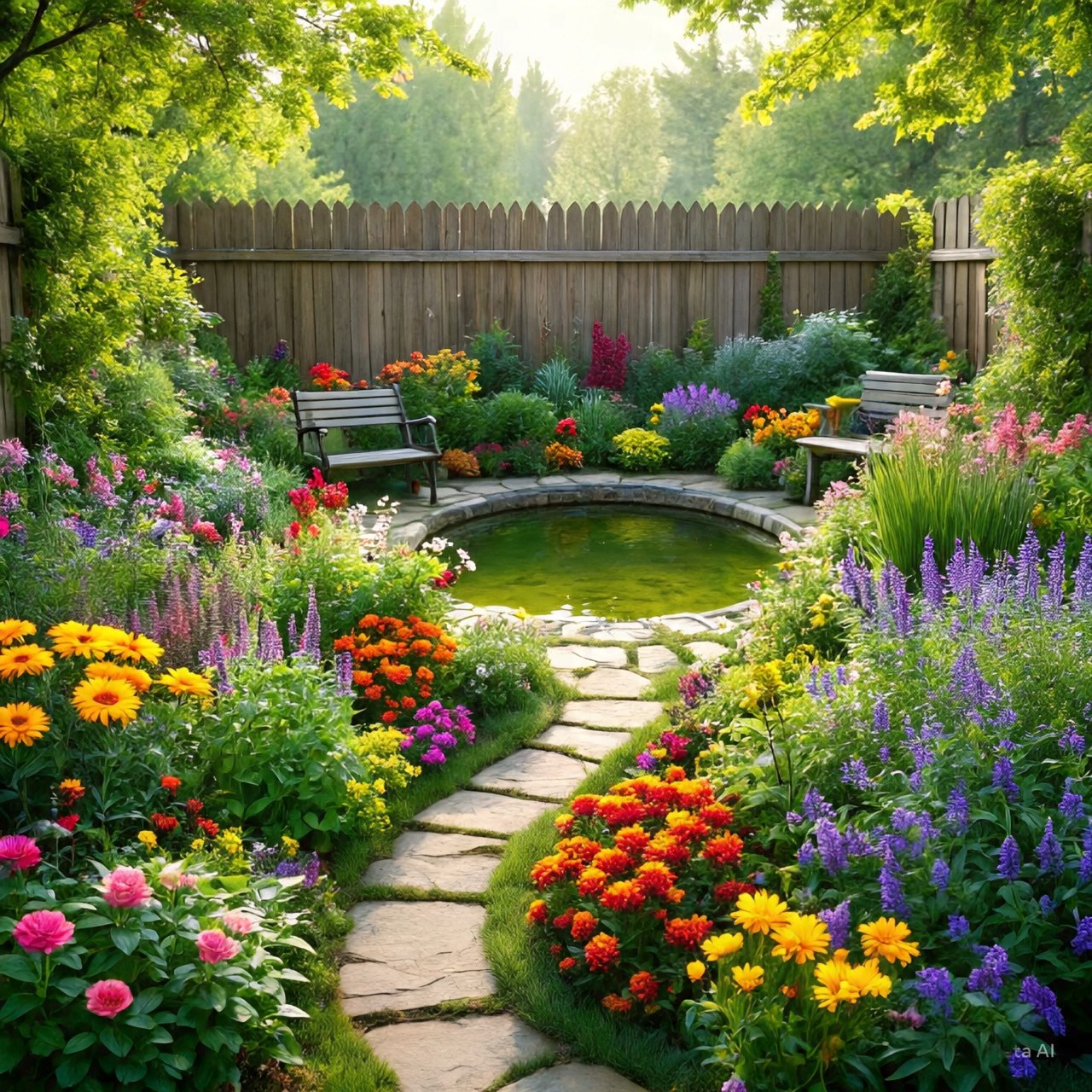
layered garden design with plants

The secret to a lush, styled garden is layering. Combine tall trees or shrubs, mid-sized plants, and ground cover to create depth. Use a mix of leaf textures—spiky, round, glossy, and matte.

Try planting in odd numbers, like groups of 3 or 5, for a more natural look. Add vertical interest with trellises, wall-mounted planters, or even a vertical herb garden.

Visual Trick: Mirrors or metal panels can be installed against walls to reflect light and create an illusion of space.

4. Incorporate Statement Pieces

garden focal point feature idea

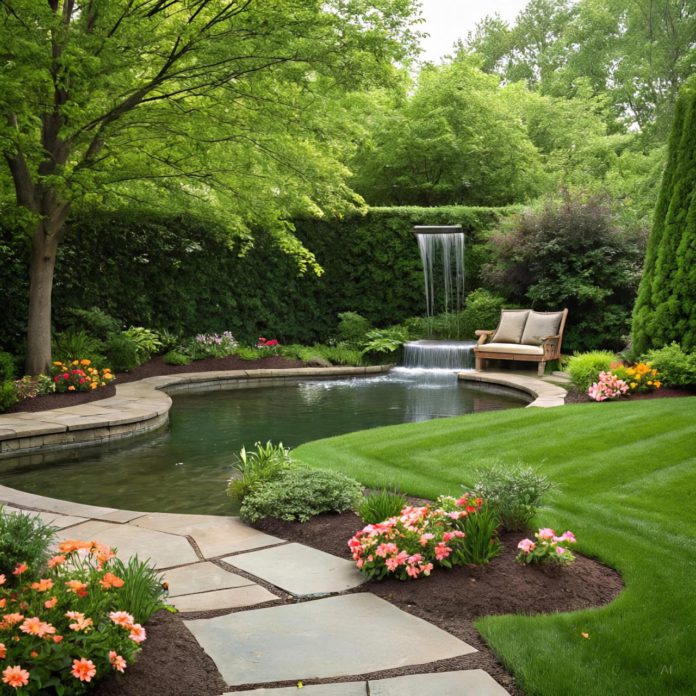
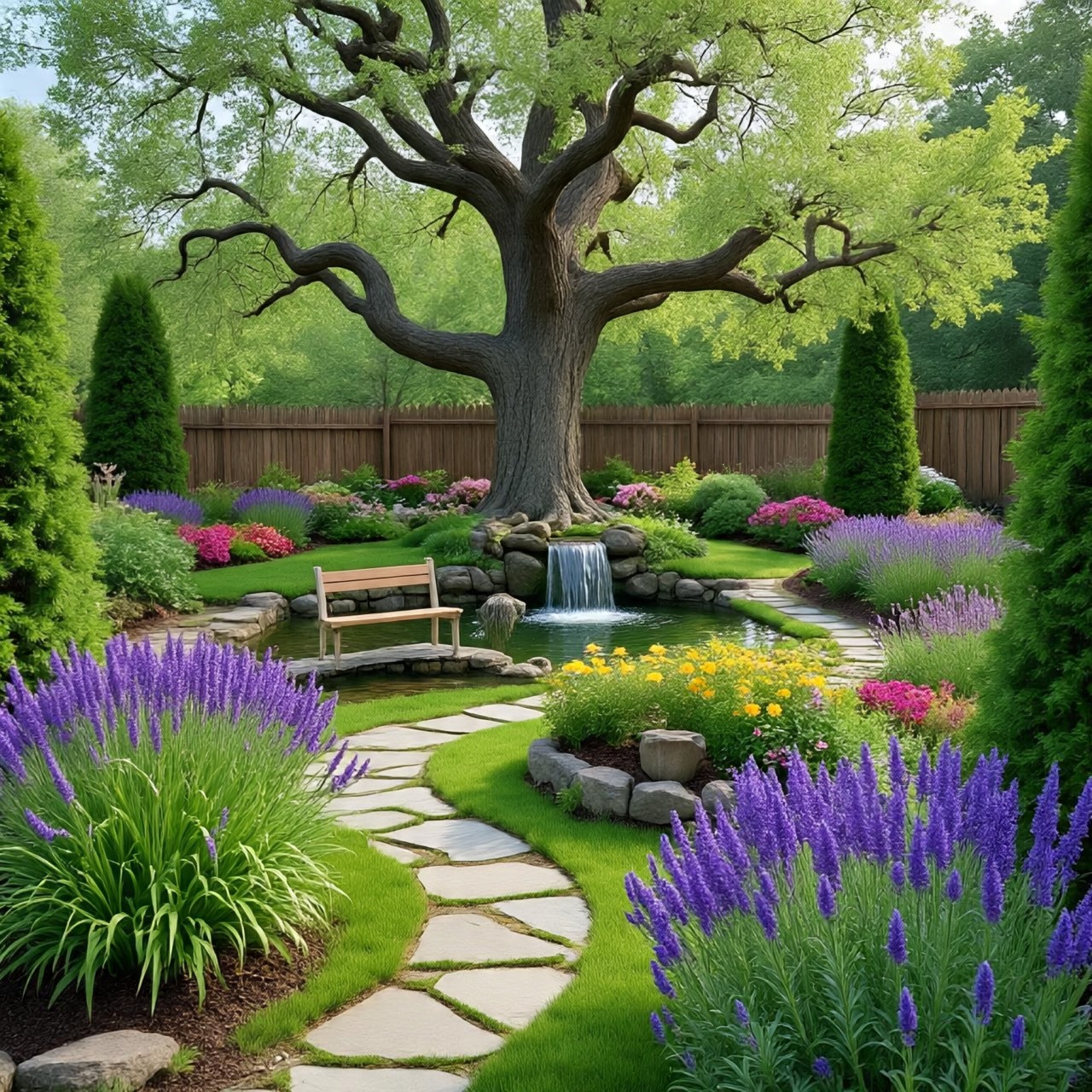
Every styled space benefits from a focal point. In a garden, this could be a water feature, a sculptural planter, a fire pit, or a dramatic tree. This element draws the eye and anchors the space.

If you’re on a budget, even a unique bench, a DIY stone path, or a large ceramic pot can act as your statement piece. Place it strategically—like the center of your lawn or at the end of a path—to lead the eye.

Creative Tip: Upcycle vintage items like an old bicycle or window frame to create quirky focal points.

5. Use Lighting for Mood and Function

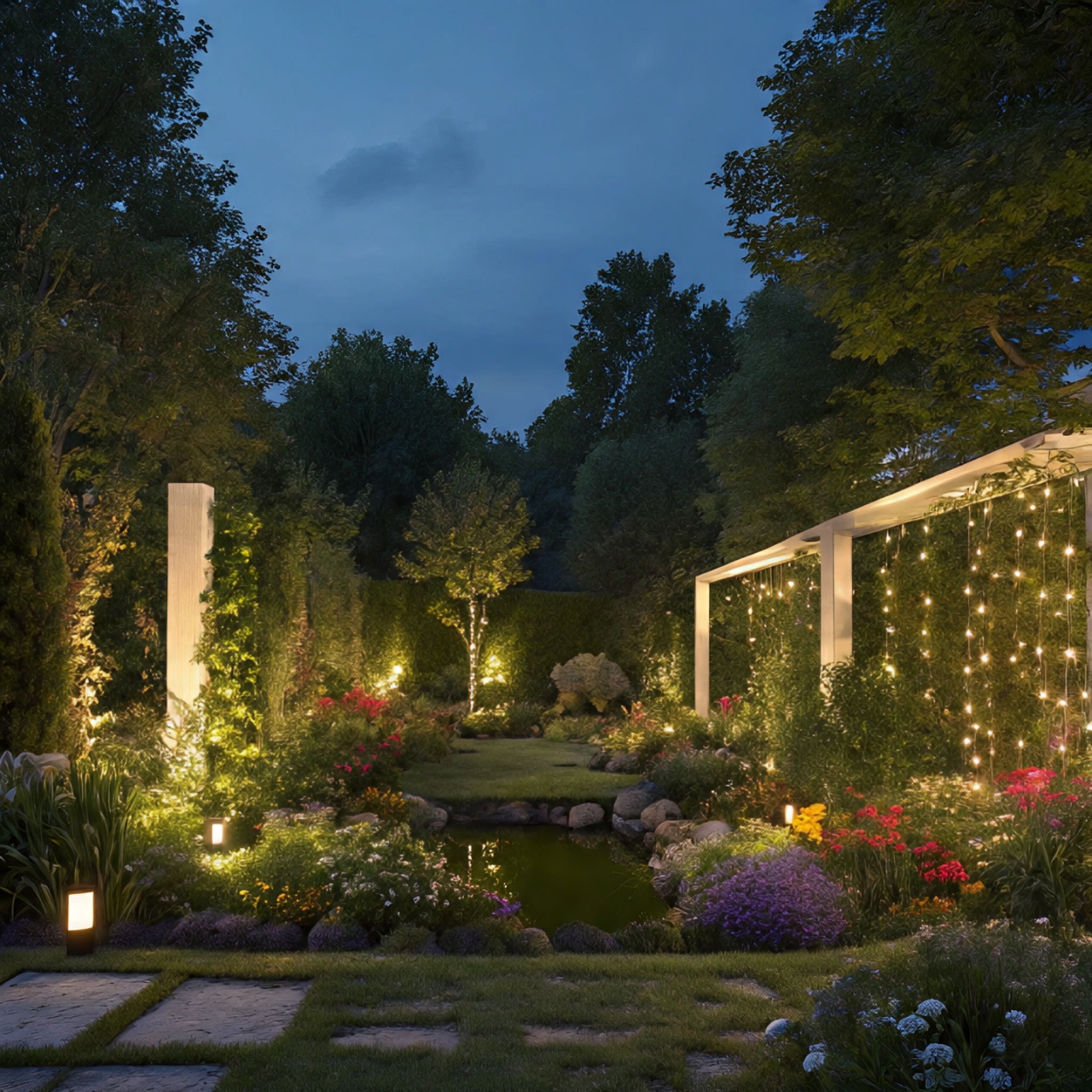
garden lighting design at night

Outdoor lighting isn’t just for security. It can transform your garden after sunset. Use soft string lights, solar path markers, or lanterns to create a cozy glow.

Layer your lighting: overhead lights for ambiance, stake lights for pathways, and spotlights for trees or focal pieces.

Bonus: Solar-powered lights save on energy bills and are easy to install without wiring.

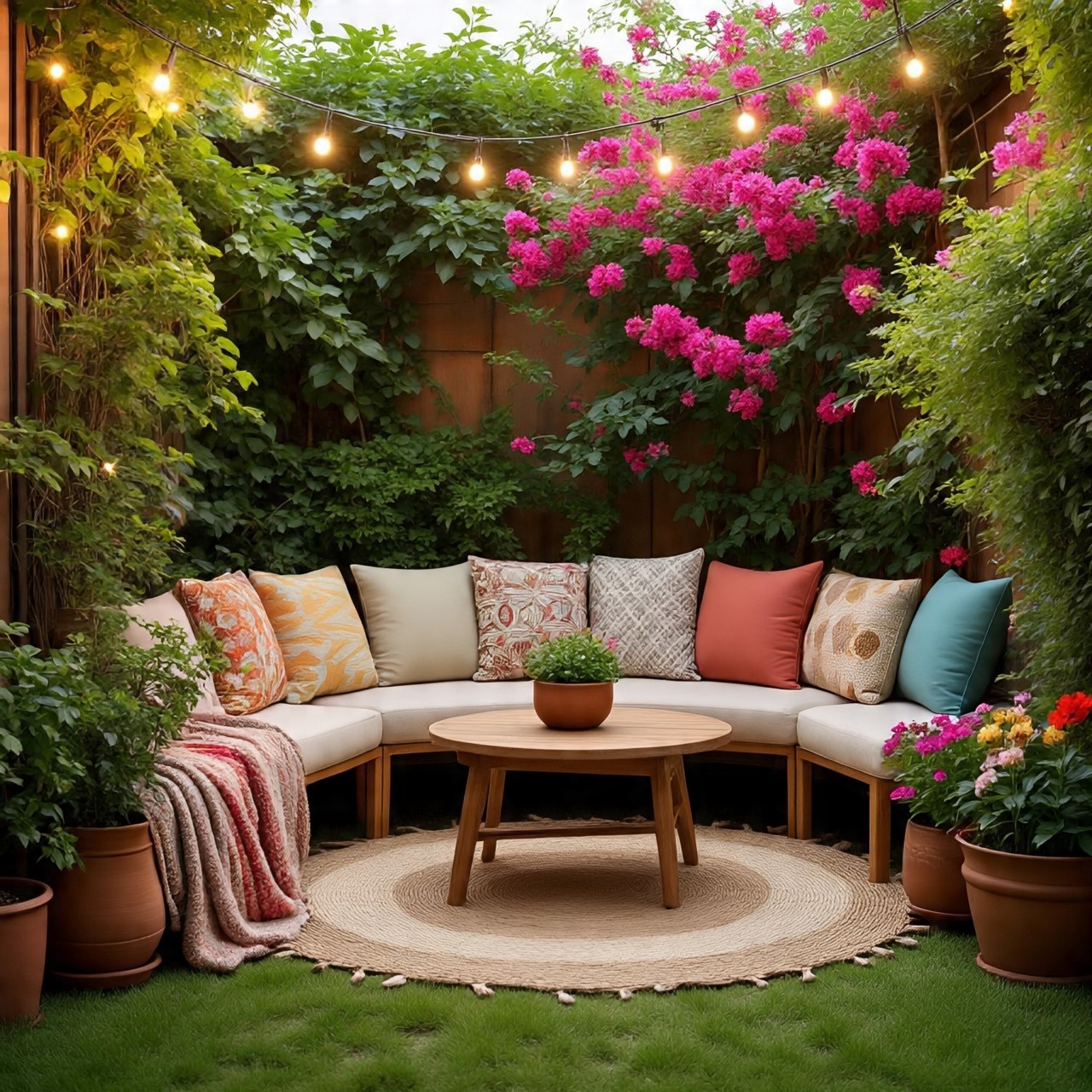
6. Keep Seating Practical and Inviting

outdoor seating ideas for backyard

Comfortable seating is the heart of any beautiful backyard. Whether it’s a cushioned bench, hammocks between two trees, or rattan armchairs, invest in furniture that invites people to stay.

Add pillows, throws, and outdoor rugs for a homely touch. Materials like teak, metal, and synthetic wicker last long outdoors and stay stylish.

Layout Hack: Arrange seats in conversational groupings instead of just placing everything against a wall.

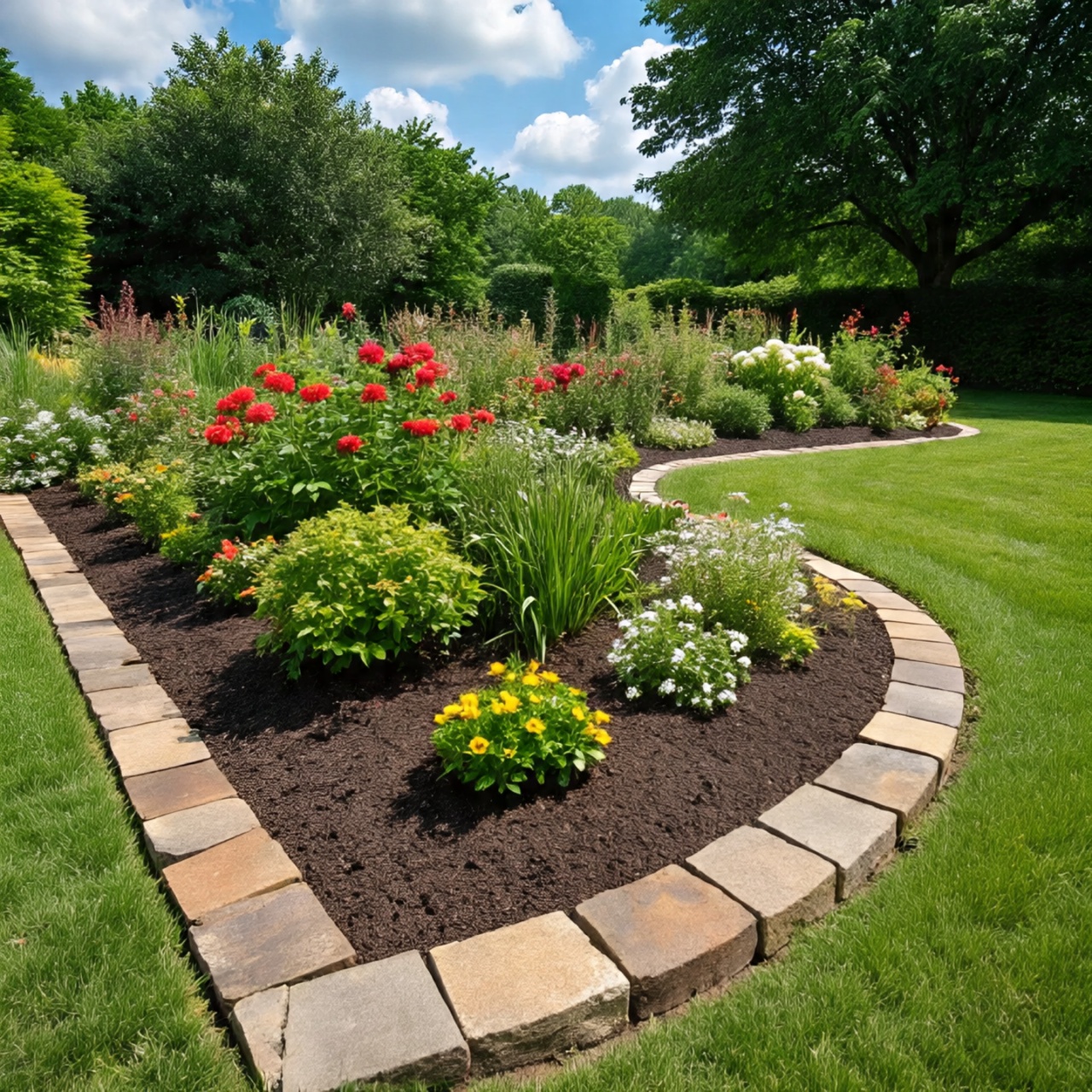
7. Define Spaces with Natural Borders

garden edging and natural borders

Create subtle separation between different zones using hedges, low fences, gravel paths, or even rows of lavender. This gives structure to your garden and enhances visual flow.

For smaller gardens, container plants or small bamboo screens can define areas without cluttering the view.

Tip: Keep transitions soft and flowing. Harsh lines make a garden feel smaller and too rigid.

8. Add Sensory Elements

sensory garden ideas and inspiration

A beautifully styled garden doesn’t just look good—it feels good. Add aromatic herbs like rosemary or lavender near walkways. Let water features provide soft background sound. Use ornamental grasses that sway in the wind.

Your garden becomes a multi-sensory space where you don’t just sit but experience nature.

Pro Tip: Wind chimes, bird feeders, and textured stepping stones all enhance the sensory experience.

9. Maintain a Lived-In Look

cozy garden corner with lived-in style

Not every part of your garden needs to be pristine. In fact, some wear and randomness makes it feel more welcoming. Let moss grow between stones, place a forgotten hat on the bench, or casually drape a throw over a chair.

This “effortless” styling actually takes intention. Think of it as styling your backyard like you would your living room.

Tip: Keep clutter minimal, but allow personality to shine through—whether that’s in plant choices, ornaments, or the color of your planters.

10. Seasonal Refresh Without Full Redesign

seasonal garden styling ideas

You don’t have to reinvent your garden every season. Change out smaller accessories like pillows, flowers in pots, or hang new lanterns to match the mood.

Spring can be colorful and fresh. Summer brings tropical vibes. Autumn welcomes burnt oranges and earthy tones. Winter can be cozy with pine accents and fairy lights.

Value Tip: Use removable, washable fabrics and portable planters to make seasonal swaps easy and affordable.

Final Thoughts

Styling your garden doesn’t have to be complicated. With a few timeless principles and an eye for balance, you can create an outdoor space that brings joy, calms the mind, and feels uniquely you.

Whether you’re sipping coffee in the morning sun, hosting evening gatherings, or simply enjoying the birdsong, your garden should be a place of comfort and charm.

So start small, be intentional, and let your garden grow with you.

Top Roofing Tips to Prevent Leaks and Extend Roof Lifespan

Roohome.com – When it comes to home maintenance, your roof plays a crucial role in protecting everything underneath it. A well-maintained roof keeps out rain, wind, and other harsh elements that could otherwise cause significant damage. Yet, roofing is often overlooked until it’s too late when a leak starts dripping through the ceiling or water stains appear on walls.

Fortunately, with a few smart roofing tips for homeowners and regular maintenance, you can keep your roof in excellent condition and your home leak-free for years.

In this article, we’ll explore the most effective roofing strategies to prevent leaks, extend the lifespan of your roof, and save thousands in potential repairs. Whether you’re doing DIY upkeep or preparing for a full roof replacement, these insights will guide you toward smart, cost-effective decisions.

1. Choose the Right Roofing Material

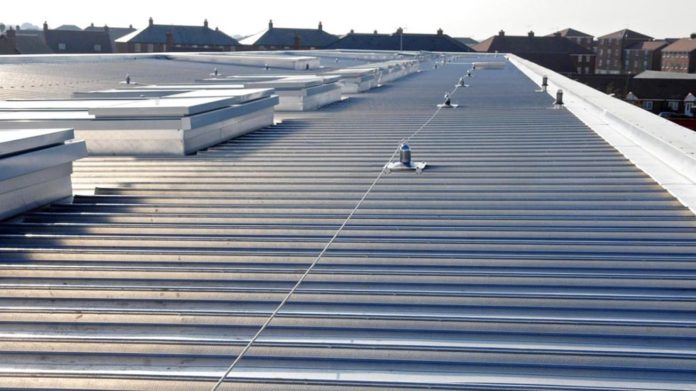
Modern home with metal roof, asphalt shingles, and clay tile roofing materials

The foundation of a leak-proof roof lies in the materials you use. Each material has unique properties that affect its durability, waterproofing ability, and resistance to temperature shifts.

Popular leak-resistant roofing materials include:

  • Metal roofing: Highly durable and excellent at shedding water.
  • Asphalt shingles: Affordable and easy to install, though they may degrade faster in tropical climates.
  • Clay or concrete tiles: Ideal for hot climates, resistant to rot and insects.
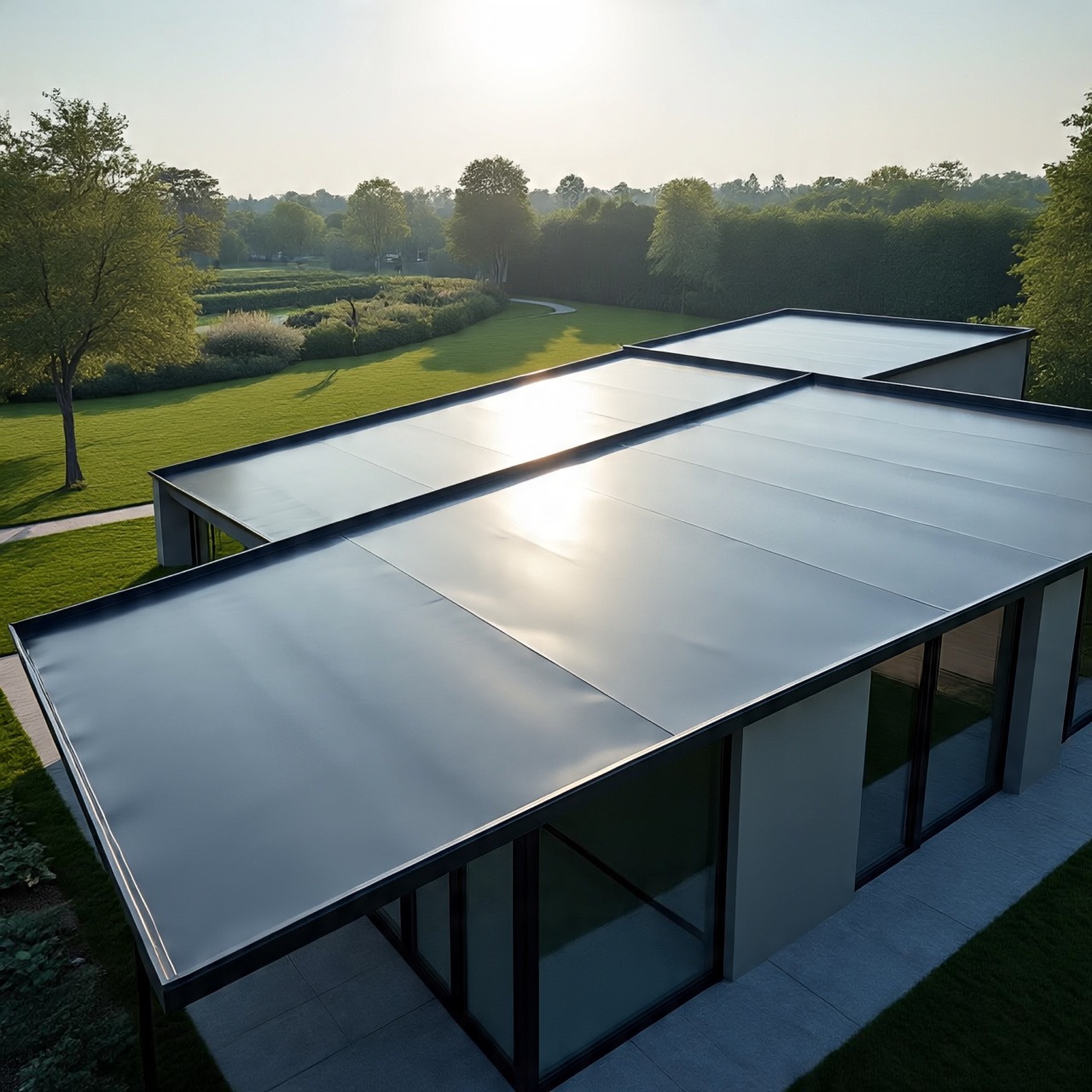
  • EPDM or rubber roofing: Commonly used for flat roofs with superior waterproofing.

Tip: Always match your roofing material to your climate, roof slope, and budget for maximum longevity and performance.

2. Prioritize Proper Roof Installation

Proper roof installation example with asphalt shingles and flashing details

No matter how expensive or premium your roofing material is, poor installation can lead to leaks in just a few months.

Key aspects to monitor during installation:

  • Ensure overlapping of shingles or tiles is consistent and tight.
  • Flashings (metal pieces around joints, chimneys, skylights) must be sealed correctly.
  • Gutters and downspouts should be sloped and functional.

Hiring a licensed, experienced roofer is worth every penny. Ask for previous project photos and references before committing.

3. Schedule Regular Roof Inspections

Roof inspection after storm to detect early leak signs

Most people wait until a leak occurs before checking their roof. That’s too late.

Routine inspections (every 6 months or after major storms) can detect early signs of wear and prevent future damage.

During inspection, look for:

  • Missing or broken shingles
  • Rusted or loose flashing
  • Moss or mold buildup
  • Pooling water on flat roofs
  • Cracked sealants around vents

Pro tip: Use a drone if accessing your roof is risky. Many roofing companies now offer drone inspections with high-resolution imagery.

4. Keep Your Roof Clean

Cleaning roof to prevent moss and water seepage

Leaves, debris, bird droppings, and mold can trap moisture, which gradually breaks down roofing materials. Over time, this causes water seepage through the smallest cracks.

How to maintain a clean roof:

  • Trim overhanging tree branches.
  • Clean gutters every 3–4 months.
  • Power-wash mold and moss from roof surfaces using low-pressure settings.
  • Avoid placing heavy equipment or stepping in fragile areas like skylights or vents.

5. Install Proper Roof Ventilation

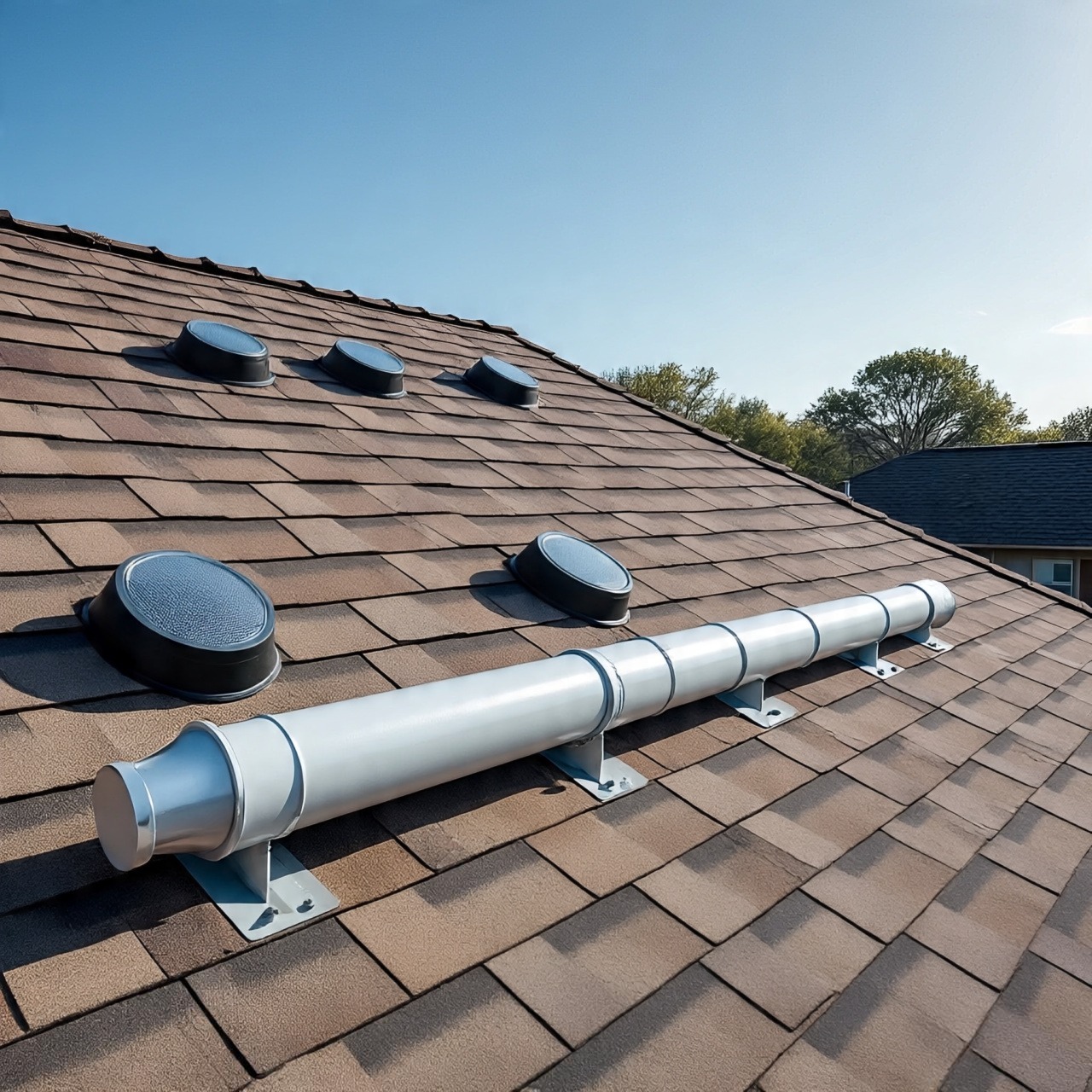
Roof ventilation system with ridge vents and soffits

Good ventilation doesn’t just control temperature – it also helps prevent moisture buildup, which is a hidden culprit of roofing issues.

Without ventilation:

  • Condensation forms under the roof
  • Wooden components may rot
  • Insulation becomes damp and ineffective

Install ridge vents, soffit vents, or attic fans to ensure continuous airflow beneath the roof structure. This also helps extend the life of your roof.

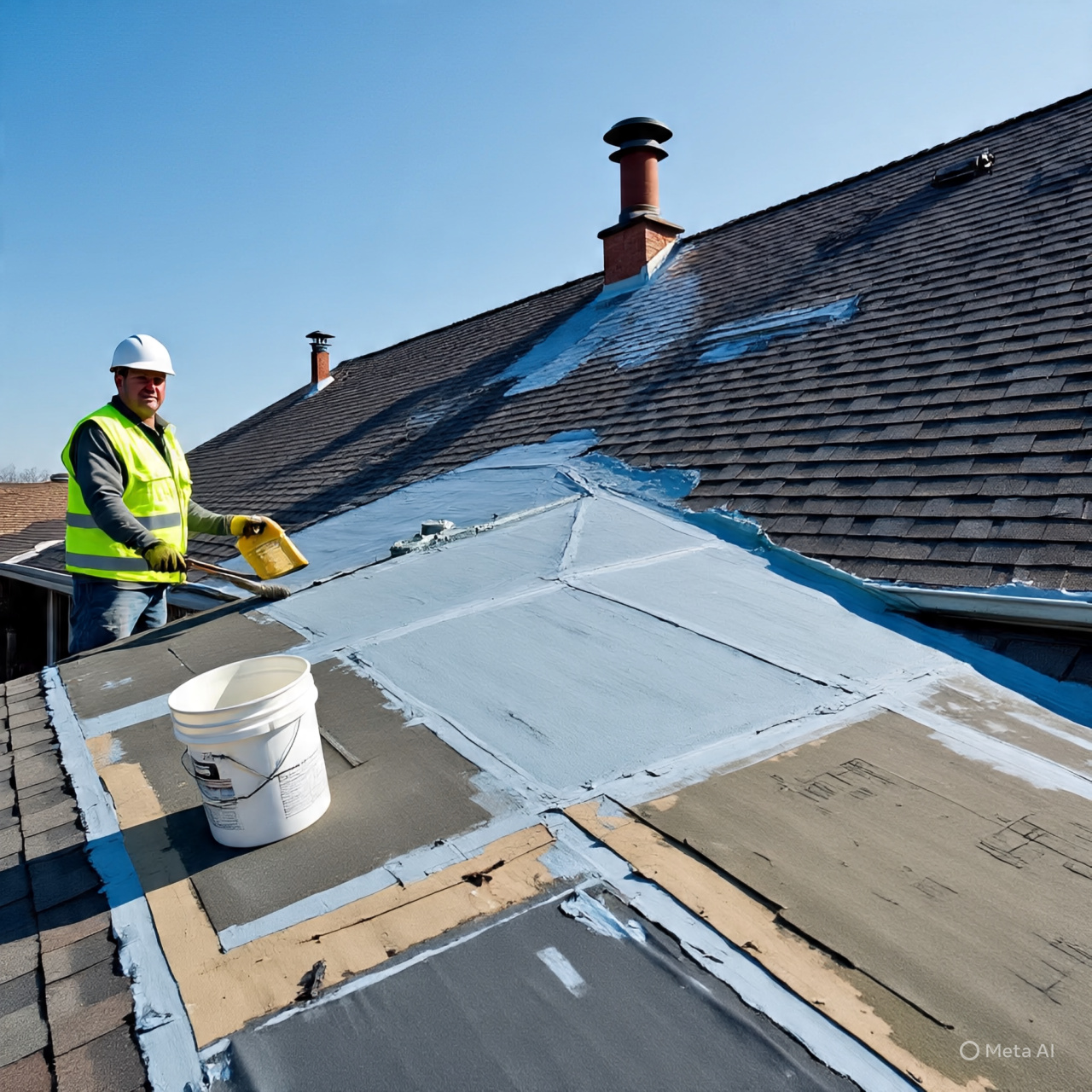
6. Waterproof Critical Areas

Waterproofing around chimney and roof valleys to prevent leaks

Leaks often originate in weak spots:

  • Around chimneys
  • Skylights
  • Valleys (where two roof sections meet)
  • Plumbing vent boots

These areas need extra waterproofing membranes, flashing tape, and high-grade caulking. During installation or re-roofing, invest in underlayment layers like synthetic or rubberized sheets to act as an extra moisture barrier beneath the shingles or tiles.

7. Don’t Delay Small Repairs

Fixing roof shingles quickly to avoid expensive water damage

It’s tempting to postpone small issues like a missing shingle or a minor drip, but water damage spreads fast. What starts as a $50 fix can become a $5,000 nightmare if ignored.

Always keep some spare tiles/shingles from your last installation for emergency patchwork, and seal gaps as soon as they appear.

Bonus Tip: After every heavy storm, do a quick inspection, especially if you live in high-rainfall or typhoon-prone areas.

8. Apply Roof Coating for Extra Protection

Applying roof coating to reflect UV and seal cracks

Roof coatings are like sunscreen for your roof – they reflect UV rays, reduce heat absorption, and seal micro-cracks.

Types of roof coatings:

  • Acrylic: Reflective, budget-friendly
  • Silicone: Great for wet climates
  • Polyurethane: High impact resistance

This is especially useful for older roofs nearing the end of their lifespan but not yet needing a full replacement.

Final Thoughts: Leak-Free Starts from the Top

A roof is more than just a cap for your house – it’s a critical line of defense against the elements. With regular maintenance, smart material choices, and professional installation, you can enjoy peace of mind, rain or shine.

Melbourne’s Leading Luxury Home Builders: From Concept To Completion

Melbourne’s luxury home market is a dynamic and sophisticated sector that reflects the city’s diverse architectural tastes and affluent lifestyle preferences. The demand for Melbourne luxury real estate is buoyed by the city’s desirable suburbs such as Toorak, Brighton, and Camberwell, where discerning homeowners seek exclusivity combined with modern functionality. These Melbourne suburbs luxury homes often showcase a blend of heritage charm and contemporary innovation, underscoring the importance of experienced heritage home builders as well as boutique home builders specializing in bespoke modern residences.

The city’s luxury property developers and premium residential builders focus on custom home design tailored to individuality, integrating features like smart home technology integration, sustainable building practices, and lavish interiors. This market segment is uniquely different from standard housing due to the increasing desire for eco-consciousness, leading to a rise in luxury sustainable building and eco-friendly luxury homes.

Key Qualities of Top Luxury Home Builders

Choosing from among Melbourne’s high-end house builders involves consideration of several critical attributes. Foremost, leading builders such as Metricon Homes, Burbank Homes, Porter Davis Homes, and distinguished boutique home builders like Inhabit Homes and Boutique Homes offer an unparalleled level of customization. Their expertise extends beyond basic construction; they employ skilled architectural home designers to realize complex visions, producing bespoke home construction that is unique and refined.

Award-winning home builders hold a reputation for utilizing the finest luxury home building materials—from sustainably sourced timbers and natural stone to premium finishes and cutting-edge smart systems. Builders like Carlisle Homes and Simonds Homes, both members of the Melbourne Home Builders Association, emphasize rigorous craftsmanship coupled with attention to detail in aspects such as luxury home interiors and bespoke cabinetry.

The Design and Planning Process: From Vision to Blueprint

At the heart of every successful luxury home construction lies an intricate design and planning process managed by collaborative teams of architects, designers, and builders. Initiatives typically begin with a detailed consultation that explores client aspirations, lifestyle needs, and site-specific considerations, ensuring that each project epitomizes personalized elegance.

Custom home design is paramount, and firms such as Clarendon Homes and Luxury Home Gallery Melbourne excel in creating tailored architectural plans that reflect the buyer’s vision while optimizing space and light. A key feature of this stage is working closely with architectural home designers to incorporate signature elements—vaulted ceilings, open-plan layouts, and expansive glazing that accommodate Melbourne’s temperate climate.

Meticulous attention is given to regulatory compliance and sustainable planning, especially in the context of luxury sustainable building. This includes the use of environmentally friendly materials and energy-efficient designs that not only reduce the carbon footprint but also elevate the home’s value within the competitive Melbourne luxury real estate market.

Construction Excellence: Materials, Craftsmanship, and Technology

The hallmark of luxury home construction in Melbourne is an uncompromising commitment to excellence during the build phase. High-end house builders meticulously select luxury home building materials that ensure longevity, beauty, and sustainability. From natural hardwood floors and polished stone benchtops to bespoke metalwork and designer fittings, every component is chosen to enhance the residence’s aura of sophistication.

Craftsmanship is paramount, with premium residential builders like Clarendon Homes and Burbank Homes employing master artisans and tradespeople to deliver flawless finishes. Whether it is the precision carving of a heritage façade or the sleek integration of contemporary glass walls, the quality of execution distinguishes these homes as true masterpieces.  Read here for more such details on Luxury home builders Melbourne.

Ensuring Client Satisfaction: Project Management and Aftercare Services

  • In the luxury home market, the client experience extends well beyond the final brick and mortar delivery. Leading builders such as Simonds Homes and Porter Davis Homes prioritize comprehensive project management that fosters transparency, timeliness, and budget adherence throughout the luxury home construction journey.
  • From initial concept approval to the completion of upscale home renovations, these builders serve as trusted advisors, coordinating between designers, trades, and suppliers to mitigate delays and quality issues. A hallmark of premium residential builders in Melbourne is their ability to provide bespoke services, including regular site inspections and personalized progress updates.
  • After the home is completed, exceptional aftercare service reinforces client satisfaction, with warranty programs and maintenance assistance offered by industry veterans. This continuous support is often a defining feature of award-winning home builders, highlighting the value placed on long-term relationships.
  • Furthermore, being members of the Melbourne Home Builders Association ensures adherence to industry best practices and standards, providing further confidence to homeowners investing in high-value properties.

Benefits of Frosted Glass Shower Panels: A Stylish and Practical Choice for Modern Bathrooms

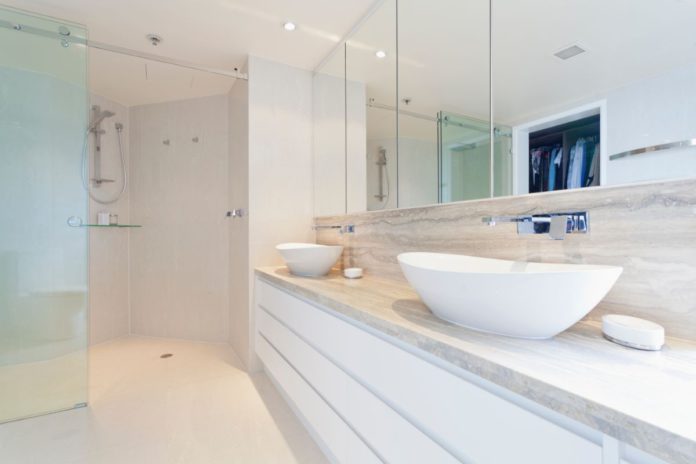
When it comes to designing a bathroom that balances style, privacy, and functionality, frosted glass shower panels are a top contender. Unlike clear glass, which offers full visibility, frosted glass provides a semi-opaque surface that brings a unique blend of elegance and discretion. Whether you’re renovating your space or building a new one, here are the key benefits of choosing frosted glass shower panels.

1. Enhanced Privacy

Privacy is one of the primary reasons homeowners opt for frosted glass. The etched or sandblasted surface diffuses light and obstructs clear visibility, making it ideal for shared or family bathrooms. You can enjoy your shower without feeling exposed, while still allowing natural light to filter through a perfect combination of seclusion and brightness.

2. Modern Aesthetic Appeal

Frosted Glass Shower panel add a touch of sophistication and contemporary flair to any bathroom. They complement minimalist, modern, and even traditional decor styles. The matte finish creates a clean, seamless look, often giving bathrooms a spa-like atmosphere. Plus, frosted glass can be customized with patterns or designs to further enhance the visual appeal.

3. Easy Maintenance

Unlike shower curtains or clear glass, frosted glass is surprisingly low-maintenance. Its texture hides water spots, fingerprints, and smudges much better than transparent glass. A quick wipe with a mild cleaner and soft cloth is typically all that’s needed to keep it looking fresh and spotless.

4. Durability and Safety

Most frosted shower panels are made from tempered safety glass, which is significantly stronger than standard glass. In the rare event of breakage, tempered glass shatters into small, blunt pieces rather than sharp shards reducing the risk of injury. This makes frosted glass a safe and reliable choice for families with children or elderly members.

5. Improved Light Diffusion

Frosted glass panels allow natural or artificial light to pass through while diffusing it evenly. This softens the lighting in your bathroom and eliminates harsh shadows, creating a relaxing and welcoming ambiance. It also reduces the need for extra lighting fixtures, contributing to energy efficiency.

6. Customizable and Versatile

Frosted glass panels come in a variety of sizes, thicknesses, and designs. Whether you prefer full enclosures, half-wall partitions, or sliding doors, you can find a frosted glass option to suit your layout. You can also opt for partial frosting or add decorative patterns for a personalized touch.

Final Thoughts

Frosted glass shower panels offer the perfect blend of style, privacy, and practicality. With their modern aesthetic, low-maintenance surface, and durable construction, they are an ideal choice for anyone looking to upgrade their bathroom. Whether you’re creating a serene spa experience or simply want a cleaner, more elegant look, frosted glass delivers on all fronts.

Looking to revamp your bathroom? Consult with a professional glass installer today and explore frosted glass shower panel options tailored to your space and style. Ensure you follow the necessary guidelines and make the best use of the frosted glass shower panels.

PVC Sch 80 vs Sch 40: Which One is Right for Your Plumbing Needs

Pipe selection matters greatly when planning plumbing projects. PVC pipe solutions are the primary choice, and they come in different schedules or thickness ratings. There are two main PVC tube sizes: Sch 40 for most household/light commercial jobs and Sch 80 when you need maximum durability. This isn’t just a pipe choice – it’s a long-term performance decision affecting your entire system.

Key Differences Between PVC Sch 80 and Sch 40

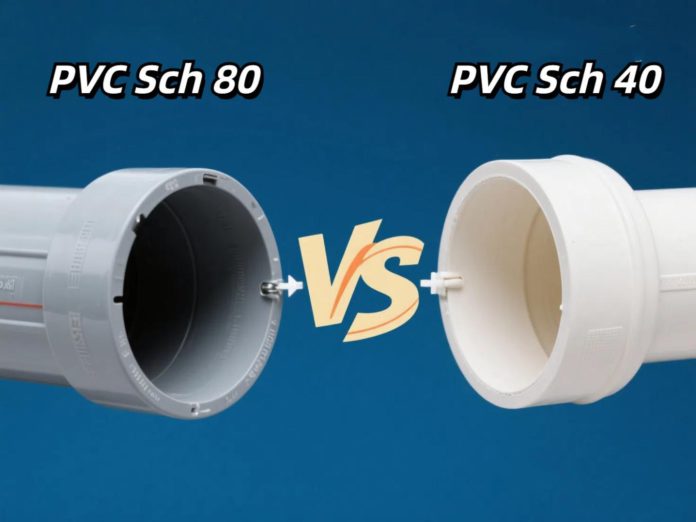
Both pipe types share similar materials but differ in critical ways. These PVC Sch 80 vs Sch 40 differences impact their applications and performance:

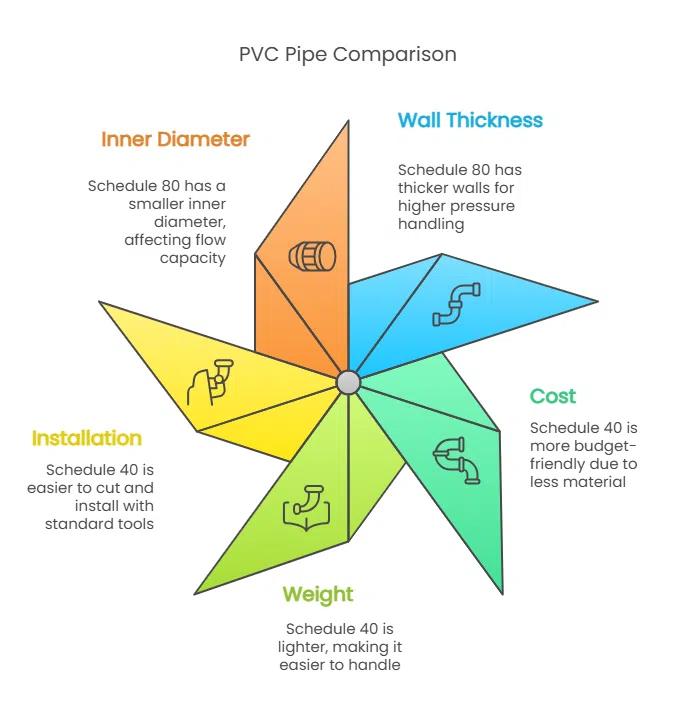
  1. Wall Thickness

Wall thickness is the primary physical PVC Sch 80 vs Sch 40 difference. Schedule 80 has thicker walls than Schedule 40. This thickness difference affects pressure handling capability. Sch 80 walls can be nearly twice as thick in some sizes, hence providing greater structural integrity. It also offers better resistance to physical damage and crushing forces.

2. Cost

Schedule 40 PVC is more budget-friendly than Schedule 80. It costs less due to using less material in production, making it popular for residential and light commercial use. Sch 80 offers superior strength, but it does demand a premium. For projects with thousands of feet of piping, the cost difference between schedule 40 and 80 can be significant.

3. Weight

Sch 40 pipes are noticeably lighter. This lightness makes them easier to transport and handle, as installation crews can move them with less effort. Sch 80 pipes require more manpower or equipment to position. The schedule 40 vs 80 weight difference becomes more pronounced with larger diameter pipes.

4. Installation

Schedule 40 pipes are easier to cut, join, and install. They require less special equipment for cutting, and standard tools work well with them. Schedule 80 needs more powerful cutting tools due to its thickness. Both types use similar joining methods, but Sch 80 often needs more solvent cement for proper connections. Installation time increases with Sch 80 pipes.

5. Inner Diameter and Outer Diameter

Both schedules share the same outer diameter for a given pipe size. The inner PVC Sch 80 vs Sch 40 diameter differs significantly. It is primarily due to wall thickness variations. Schedule 80 has a smaller inside diameter. This reduces water flow capacity, affecting system design and pump requirements.

When to Choose PVC Sch 80 vs. Sch 40

The right PVC Sch 80 vs Sch 40 choice depends on your specific application. Let’s examine when each type makes the most sense for your project.

  1. When to Choose PVC Sch 40

Schedule 40 PVC is the standard choice for many common applications. Here are specific situations where it excels in terms of PVC Sch 80 vs Sch 40 comparison:

  • Water Supply Systems

Schedule 40 works perfectly for most residential water supply systems. It handles normal municipal water pressures with ease, and the pipes resist corrosion from treated water. They maintain water quality without adding taste or odor. Sch 40 meets code requirements in most residential areas.
  • Agricultural Irrigation

Farmers frequently choose Sch 40 for irrigation systems because it’s ideal for low-pressure sprinkler and drip systems. The pipes resist UV damage when treated with inhibitors. They also withstand seasonal installation and removal. Sch 40 provides reliable performance in most agricultural settings.
  • Potable Water Services

Schedule 40 PVC is suitable and certified for drinking water applications. It doesn’t leach harmful chemicals into water supplies and its smooth interior prevents bacteria growth. It resists mineral buildup common in water systems. It offers decades of service in potable water applications.

2. When to Choose PVC Sch 80

Schedule 80 PVC pressure pipe provides enhanced durability and pressure handling. Consider Schedule 80 in these situations, as it highlights its superiority in the PVC Sch 80 vs Sch 40 comparison:

  • Residential Electrical and Plumbing Systems

Schedule 80 is mandatory for certain electrical conduit applications. It provides superior protection for electrical wires. In plumbing, it handles higher-pressure hot water systems. Apart from these, it also works well in exposed areas where physical damage might occur. Many building codes require Sch 80 for these applications.

  • Landscape Irrigation

Commercial landscape systems often use Sch 80 PVC because it withstands frequent foot traffic in public spaces. The pipes resist damage from maintenance equipment and handle pressure surges from automated systems. Schedule 80 provides longevity in buried irrigation mains. It’s a key PVC Sch 80 vs Sch 40 difference.

  • Swimming Pools and Spa Centers

Sch 80 is preferred for pool plumbing and circulation systems. It handles the pressure from powerful pool pumps. The thicker walls resist damage from pool chemicals. They withstand temperature variations in outdoor installations.

LESSO PVC Water Pipes: A Reliable Solution for All Plumbing Needs

LESSO is a leading manufacturer of quality plumbing products. The company offers comprehensive PVC pipe solutions. LESSO acknowledges the significance of PVC Sch 80 vs Sch 40 applications. It hence provides both options. The company’s product range is a top choice because of these attributes:

  • Toxicity-free materials safe for drinking water
  • Smooth interior walls for maximum flow efficiency
  • Superior chemical resistance for diverse applications
  • Lightweight design for easier installation
  • Extended service life of 50+ years under proper use
  • Minimal maintenance requirements throughout the lifespan
  • Comprehensive international certifications
  • Custom color options for specialized needs

Conclusion

The PVC Sch 80 vs Sch 40 choice depends on your specific needs. Schedule 40 works well for standard residential and agricultural applications. Schedule 80 provides extra durability for high-pressure or high-risk situations. Both serve important roles in modern plumbing systems. The seasoned brand LESSO offers reliable solutions for both requirements. Its PVC water pipe solutions are suitable for various applications and projects. Visit the company’s website to browse all of its offerings and discuss your specific plumbing requirements.

Choosing the Right Coworking Space in Melbourne For You

As the workplace continues to evolve, the concept of co-working has transformed from a niche trend into a mainstream solution for professionals across industries. Melbourne is known for its vibrant culture and innovation, and so is home to an array of co-working spaces designed to meet the diverse needs of freelancers, start-ups, remote teams, and entrepreneurs. With many and varied options out there, finding the right coworking space in Melbourne for you can feel overwhelming. The decision goes beyond selecting a desk—it’s about choosing an environment that enhances productivity, aligns with your professional goals, and suits your personal style. Come with us as we help you to navigate the key factors to consider when choosing a coworking space for yourself.

Understanding Your Work Style

The first step in choosing a coworking space is understanding yourself and your own work style. You might be someone who thrives in a collaborative and high energy environment, or you may prefer a quieter, more focused atmosphere. The ways that you prefer to work will significantly influence the type of space that suits you best.

Coworking spaces like Eclat can cater to a range of preferences and work styles. Creative professionals might be drawn to our open-plan spaces, with thoughtfully designed interiors and communal areas buzzing with ideas and innovation. On the other hand, if your work involves deep concentration and requires more privacy, we can also accommodate you with private offices, or designated quiet zones.

Our tip: first consider how you work most effectively. Do you need access to whiteboards for ideation, or reliable and high-speed internet for your work? Do you require a space that allows for flexibility and networking, or a private space for you to work more independently? When you understand your own unique work habits, you can narrow down your choices and select a coworking space that will best complement you and your work.

Location Matters

Melbourne’s sprawling geography means that location is another important factor in your decision. A coworking space in the right area can decrease your commuting time, and also help to make your workday more enjoyable.

If you’re based in or near the city, co-working spaces in the Melbourne CBD offer the convenience of public transport access, proximity to clients, and a buzzing professional atmosphere. These spaces are ideal for those who thrive in a fast-paced environment and want to network with a diverse range of industries. For those based in Melbourne’s inner suburbs, areas like Fitzroy, Collingwood, or South Melbourne offer co-working spaces with a more relaxed, creative vibe.

Eclat’s Hawthorn space provides a great balance of inner city buzz with the advantage of quieter surroundings. Conveniently located within close proximity of public transport and the CBD, our coworking space in Hawthorn is the perfect option for those workers searching for coworking in a prime location.

Atmosphere and Community

One of the most important and attractive benefits of co-working spaces is the opportunity to connect with a like-minded community. The atmosphere and culture of a space can have a significant impact on your overall experience, so it is worth taking the time to evaluate the vibe of each space you’re considering.

Eclat’s coworking space in Melbourne is designed to foster collaboration and networking, with communal work areas and regular events designed to create connection and a vibrant work and social culture. Ideal for entrepreneurs, freelancers, start-ups, and established businesses, coworking can help you to build connections and grow networks.

Other spaces at Eclat prioritise quiet and focused work, offering a more subdued environment for independent work or meetings. The great thing about Eclat is that you can socialise and network when you want to and it is this sense of balance and flexibility that is a key tenet of what we do here at Eclat. You have the opportunity to not only work when and where you want, but how you want.

Amenities and Facilities

Coworking spaces like Eclat stand out because of their impressive range of amenities. Beyond desks and Wi-Fi, Eclat can offer a range of luxurious features and amenities that can enhance productivity, convenience and even wellbeing.

From custom furniture and bespoke private offices to a full-service bar and café along with first-class service, Eclat’s way of coworking is one that redefines work, the workspace, and work-life balance. We know that the right mix of amenities and features can enhance your working life, and that’s why our signature blend of luxurious features is so unique, enticing, and fulfilling.

Work flexibly, autonomously, creatively, and collaboratively at our Hawthorn East coworking space in Melbourne. You will find a working space infused with elegance, luxury, and character, that aims to inspire you to be your most creative, authentic, and brilliant self.

We invite you to experience the benefits of coworking for yourself and discover how the Eclat way of work can transform your working life. We welcome you to book a tour with us and enjoy a one-of-a-kind experience.

Best Paint Colours for Festive Home Makeovers

The festive season is the perfect time to give your home a refreshing makeover. From lighting diyas and hosting gatherings to adorning walls with new decor, a change in your wall colours can add the much-needed warmth and charm to elevate your celebrations. The right interior colour for homes not only sets the mood but also becomes the canvas for your festive decorations, lighting, and joyful memories.

Choosing a modern two-colour combination for living rooms or adding texture painting on walls can dramatically uplift your interiors. This blog will explore the most stunning paint combinations that strike the perfect balance between tradition and contemporary style, ideal for a festive home transformation.

Terracotta and Cream: Warm and Welcoming

Terracotta is a rich, earthy hue that evokes a feeling of tradition and comfort, while cream brings in balance with its soft, calming effect. Together, they create a welcoming atmosphere that’s perfect for family gatherings and cultural festivities.

This combination works particularly well in living rooms and dining spaces. Use terracotta on an accent wall or a specific panel and keep the rest of the space in a neutral cream shade. This prevents the darker tone from overpowering the space while adding character and depth.

Enhance the texture painting on walls using stucco or rustic finish in terracotta for an earthy, artisan-inspired effect. Cream tones help open up the room, allowing your festive lights and decor to shine bright without clashing.

Royal Blue and White: Regal and Serene

If you want to give your home a regal and sophisticated touch this festive season, Royal Blue paired with White is a striking choice. Royal Blue adds depth and drama, while white tones down the intensity and infuses calmness into the space.

This duo works beautifully as a modern two-colour combination for living rooms, especially in homes that use bold furniture or metallic decor. You can go for Royal Blue on the wall behind a statement sofa or TV unit, and keep the adjacent walls in white to create a clean, balanced look.

For a more visually interesting effect, consider using texture painting on walls with brushstrokes or geometric stencil techniques in blue over a white base. This creates a chic and dynamic backdrop, ideal for festivals such as Diwali, Eid, or Christmas.

Olive Green and Beige: Subtle Luxury with a Natural Vibe

For those who prefer understated elegance with a connection to nature, Olive Green and Beige offer a harmonious and earthy festive palette. Olive Green is rich yet muted, ideal for creating a serene yet festive mood, while beige adds warmth and keeps the overall look grounded.

This combination fits beautifully in bedrooms, pooja rooms, and even open-plan kitchens or hallways. As a home wall painting tip, use Olive Green on the wall that receives the most natural light to amplify its richness, and beige for the rest to maintain softness.

If you’re aiming for a luxe finish, experiment with texture painting on walls in olive using linen or suede-like finishes. It adds a layer of sophistication without making the room feel heavy or dark.

Maroon and Gold: Classic Festive Glamour

Maroon and Gold is a timeless pairing, perfect for those who want to go all-in on traditional festive vibes. Deep maroon brings intensity and passion, while gold adds a touch of celebration and brightness. This combination is especially popular during wedding seasons and major festivals.

Use maroon as an accent wall behind the sofa or bed, with subtle gold detailing such as stencil art, trims, or texture painting using metallic finishes. If you’re looking for a bolder option for a modern two-colour combination for living rooms, this pairing makes a powerful statement.

In spaces like dining rooms or entryways, maroon walls with gold lighting fixtures, curtains, or wall hangings complete the rich, festive look. This duo transforms any ordinary room into a regal setting for celebrations.

Sunset Orange and White: Vibrant and Energetic

Sunset Orange captures the energy of a celebration—the vibrancy of festive lights, the joy of togetherness, and the spark of tradition. When paired with white, it becomes more versatile and refreshing. This combination infuses your home with life, warmth, and a sense of optimism.

Ideal for living rooms, kids’ play areas, or balconies, this home wall painting combination is bold yet uplifting. Paint one wall in a vibrant orange hue and leave the adjacent walls white to ensure balance and brightness. The contrast brings in a lively, modern charm.

Final Tips for a Festive Paint Makeover

  • Choose Accent Walls Wisely: Bold colours like maroon or terracotta work best on one wall to avoid overwhelming the room.
  • Balance Colour with Light: Darker colours should be used in spaces with ample natural light. Whites and beiges help balance out deeper shades.
  • Incorporate Textures Thoughtfully: Use texture painting on walls to add depth, especially when using solid colours.
  • Layer Decor Accordingly: Match your wall colours with complementary curtains, cushions, and festive lighting to create a cohesive, celebratory look.

Conclusion

Festive seasons are all about making memories, and your home plays a big role in setting the tone. The right interior colour for homes not only enhances your space but also uplifts your mood and sets the stage for celebrations. Whether you’re drawn to the richness of maroon and gold, the serenity of olive and beige, or the vibrance of sunset orange and white, these paint combinations ensure your home feels special during every celebration.

Melbourne’s Best Laser Cutting Solutions: From Small Projects To Industrial Fabrication

Melbourne’s best laser cutting solutions offer unmatched precision and efficiency for projects of all sizes—ranging from custom, small-scale designs to complex industrial fabrication. With advanced equipment and expert operators, these services cater to diverse needs across industries, ensuring clean cuts, fast turnaround, and exceptional quality. Whether you’re crafting prototypes, signage, or large metal components, Melbourne’s laser cutting providers deliver reliable results tailored to your exact specifications. Discover more by clicking this source.

Overview of Laser Cutting Technology in Melbourne

Melbourne stands at the forefront of laser cutting technology in Australia, offering a diverse range of cutting-edge services that cater to both small-scale custom projects and large industrial fabrication demands. The city benefits from advanced laser cutting machines including fiber laser cutters and CO2 laser cutters that provide unparalleled precision cutting across multiple materials such as metal, acrylic, wood, and more.

Among the renowned providers, companies like TRUMPF Laser Technology Australia and Bystronic Laser have established themselves as leaders in supplying industrial laser cutting machines designed to handle high-volume, complex jobs. Meanwhile, local specialists such as Melbourne Laser Cutting & Engraving and LaserCut Services Melbourne leverage these technologies to deliver exceptional laser engraving and laser etching services for intricate custom designs.

The utilization of advanced CNC laser cutting systems ensures that every project—from delicate acrylic laser cutting to robust metal laser cutting—is executed with meticulous accuracy and efficiency. This technological environment is supported by a vibrant network of laser cutting suppliers and laser cutting workshops where industry professionals can access both machinery and expertise.

Services for Small-Scale and Custom Laser Cutting Projects

For artisans, designers, and small businesses in Melbourne, custom laser cutting services have become increasingly accessible and diverse.

  • Providers like Engrave Laser Cutting and Cutting Edge Laser Australia specialize in bespoke projects that require a combination of laser engraving, wood laser cutting, and acrylic laser cutting.
  • Their offerings often incorporate both CO2 laser cutters for organic materials and fiber laser cutters to handle more resilient substrates.
  • These services frequently involve the use of cutting plotters integrated with precision laser heads, allowing for detailed designs and fine finishes on products such as personalized signage, decorative items, and prototype components.
  • The adaptability of laser cutting technology to rapidly switch between materials and thicknesses makes it ideal for creative and functional projects with limited production runs.
  • Workshops in Melbourne also support innovation by providing access to laser cutting workshops where individuals can learn techniques in laser fabrication, honing skills in both design and machine operation.
  • Companies like Universal Laser Systems emphasize educational initiatives alongside their commercial solutions, helping foster a local ecosystem of skilled laser operators.

Industrial-Grade Laser Cutting for Large Fabrication Needs

On the industrial side, Melbourne hosts an array of suppliers and service providers capable of handling large-scale fabrications requiring robust industrial laser cutters and automation technologies. Organizations such as MetFab Laser Cutting and AP Technologies Laser Cutters are equipped with state-of-the-art fiber lasers and high-power CO2 systems renowned for their fast cycle times and high throughput.

Industrial applications in Melbourne often involve metal laser cutting on steel, aluminum, and other metals, using fiber laser cutters like those offered by TRUMPF Laser Technology Australia. These machines excel in achieving deep cuts with exceptional precision and minimal thermal distortion, which are critical factors in sectors like automotive, aerospace, and architectural fabrication.

The integration of CNC laser cutting within these industrial setups ensures consistency and reproducibility across thousands of components, elevating productivity while maintaining stringent quality standards. Additionally, the combination of laser cutting with complementary processes such as laser etching and laser engraving allows for multifunctional fabrication services under the same roof.

This synergy of technologies enables Melbourne’s industrial laser cutting providers to meet the highest demands of precision engineering, custom metalwork, and advanced material processing required in Australia’s manufacturing landscape.

Choosing the Right Laser Cutting Provider in Melbourne

Selecting an appropriate laser cutting provider in Melbourne depends on multiple factors including project scale, material specifications, and desired quality levels.

  • Understanding the spectrum of available laser cutting services and technologies is essential for businesses and individuals seeking optimized solutions.
  • Conversely, when industrial-grade output is necessary, entities like MetFab Laser Cutting, AP Technologies Laser Cutters, and providers equipped with Bystronic Laser systems present capabilities suited for heavy-duty laser fabrication.
  • Their use of advanced fiber laser cutters and fully automated CNC laser cutting lines ensure speed, repeatability, and superior cut quality on metals and composites.

Future Trends and Innovations in Laser Cutting Solutions

Looking forward, Melbourne’s laser cutting industry is embracing several technological advancements and trends that will redefine precision manufacturing and customization capabilities. The increased adoption of hybrid laser systems featuring both fiber laser cutters and CO2 laser cutters on a single platform is enabling unprecedented material versatility and processing efficiency.

Ultimately, Melbourne’s vibrant ecosystem—from small boutique providers like Melbourne Laser Cutting & Engraving to industrial innovators such as Bystronic Laser—is set to remain a beacon of excellence by continuously evolving in both capability and market reach through cutting-edge laser solutions.

Transform Your Space with a Home Renovation Loan in Singapore

Renovating your home can be one of the most rewarding investments you make—not just for your property’s value, but for your lifestyle and comfort. Whether you’re upgrading your kitchen, refreshing the bathroom, or giving your entire home a makeover, the costs can quickly add up. This is where a Home Renovation Loan becomes an essential financial tool.

What is a Home Renovation Loan?

A Home Renovation Loan is a type of personal loan specifically tailored to help homeowners fund improvements or repairs to their property. In Singapore, these loans are popular because they offer affordable interest rates and flexible repayment terms, making it easier for homeowners to manage renovation expenses without draining their savings.

Why You Might Need a Renovation Loan

Renovation costs in Singapore can range from a few thousand dollars to over $100,000 depending on the size and scope of the project. Here are a few reasons why you might consider taking out a Home Renovation Loan:

  • New BTO or Resale Flat: New flats typically come bare-boned, requiring flooring, lighting, and cabinetry. A loan can help cover these essential works.
  • Aging Interiors: Older homes may need rewiring, plumbing updates, or major repairs that can be costly.
  • Lifestyle Upgrade: You might want a more functional kitchen, an open-concept living space, or a modern bathroom to suit your lifestyle needs.

Key Benefits of a Renovation Loan

  1. Tailored Financing: Unlike generic personal loans, renovation loans are designed specifically for home upgrades. This means better terms and a more structured disbursement process.
  2. Competitive Rates: Financial institutions often offer lower interest rates for renovation loans compared to regular personal loans.
  3. Flexible Tenures: Repayment periods can range from 1 to 5 years, depending on your needs and budget.
  4. Easy Application Process: With online application portals like Quick Loan Singapore, getting your loan approved can be fast and hassle-free.

What Can You Use the Loan For?

A Home Renovation Loan typically covers expenses such as:

  • Flooring and tiling
  • Electrical and wiring works
  • Carpentry (wardrobes, kitchen cabinets)
  • Painting and plastering
  • Bathroom and kitchen fittings

Some lenders may also allow funds to be used for purchasing essential appliances or furnishings, so be sure to check the terms and conditions.

Tips Before Applying

Before you apply for a home renovation loan, consider the following tips:

  • Get Multiple Quotes: Compare renovation contractor quotes to understand your budget accurately.
  • Plan a Realistic Budget: Always account for 10–20% more than your estimated cost for unexpected expenses.
  • Check Your Credit Score: A good credit score may help you qualify for better interest rates.
  • Choose a Trusted Lender: Work with licensed lenders like Quick Loan Singapore who offer transparency and reliability.

Conclusion

A beautifully renovated home not only enhances your living experience but also increases your property’s value. If budget constraints are holding you back, a Home Renovation Loan can make your dream space a reality—without the financial stress.

How to Select the Right Water Pump for Agricultural Use?

In a country where water is essential for everyday life, agriculture, and commercial activities, selecting the right water pumps is crucial. Whether you need to draw water from deep underground sources or distribute it efficiently across large fields, having the right pumps can make a significant difference in productivity and sustainability.

For Indian farmers, selecting the right pump is not just about getting water. It is about doing so efficiently, reliably, and with minimal waste.

Understanding water pumps

At their core, water pumps are devices that move water from one place to another, usually from a lower elevation to a higher one or over long distances. They serve multiple purposes, including irrigation, draining excess water, and supplying water for livestock. In residential and commercial spaces, water pumps ensure steady water flow for daily use. For agriculture, however, they are lifelines that directly impact crop yields and farm income.

A well-chosen pump for agricultural use should strike a balance between performance, durability, and energy efficiency. Farmers often require pumps that can withstand prolonged operation and variable water conditions, all while maintaining cost-effective electricity usage.

Types of pumps and their uses

The first step in selecting the right pump is understanding the different types available and their ideal uses:

Centrifugal pumps: These are commonly used in agriculture due to their ability to move large volumes of water quickly. They are perfect for irrigating big fields and can handle water with minor debris, which is common in farm settings.

Submersible pumps: They are often the best choice when water needs to be lifted from deep underground sources, such as boreholes. Submersible pumps operate while fully submerged in water, making them highly efficient and less prone to losing prime. Farmers in regions with deep water tables rely heavily on submersible pumps for consistent irrigation.

Monoblock pumps: Known for their robust design and easy installation, Monoblock water pumps are ideal for both small-scale and medium-scale farms. They can handle moderate head and discharge conditions, making them versatile for various irrigation setups.

Features to consider

When investing in water pumps, price alone should not dictate your decision. Look for features like corrosion-resistant materials, thermal overload protection, and high-efficiency motors that help lower energy bills and extend the pump’s lifespan. A good water pump can handle fluctuating voltage, variable water quality, and long operating hours, all common challenges in Indian agricultural conditions.

Many reputable brands now design pumps with copper windings for better efficiency, smart start mechanisms for safe operation, and waterproof insulation that protects against moisture damage.

Conclusion

Selecting the right water pumps for agricultural use is an investment in your farm’s productivity and sustainability. Whether you choose centrifugal pumps, Monoblock pumps, or efficient submersible pumps, make sure they match your farm’s specific needs and local conditions. With the right pump, you can manage your water resources wisely, boost your yields, and reduce operational costs, ensuring that every drop works as hard as you do.

Recent Posts

Posts You Might Like