
Home Blog Page 16

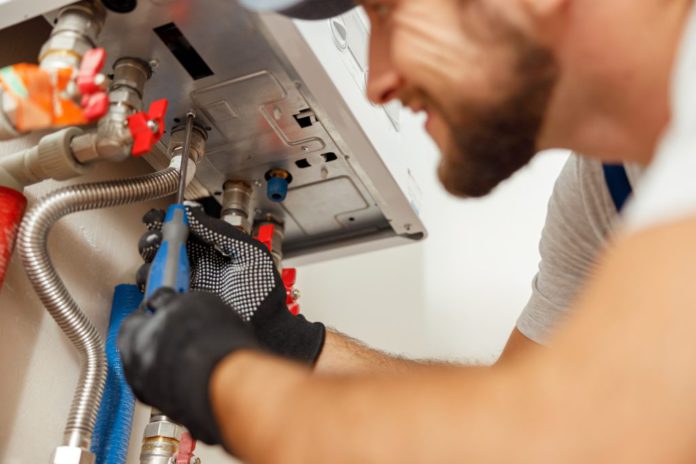
Why Choose Local for Your Boiler Installation Leeds Needs?

When your boiler starts acting up, can this be avoided? When is it clearly time for an upgrade. If unsure, any professional plumber can have a look and tell you if a new boiler is needed. Most important for your safety.

But do you choose a national service or a local plumber? You don’t want to waste time getting the job done. For a homeowner or a business owner in Leeds or any city across the UK, the choice of who installs the boiler is just as important as the quality of the boiler itself.

That’s where local expertise comes in, and honestly, it could make all the difference.

This article dives into why working with a local boiler installer is the smartest move. From understanding the specifics of your area to delivering personalised and efficient solutions, we’ll break it all down for you.

The Importance of a Reliable Boiler System

Leeds winters can be harsh, and a poorly functioning or outdated boiler can quickly turn “cosy season” into a chilly nightmare. A boiler isn’t just another appliance—it’s the backbone of your home or business’s heating system. Having a reliable boiler ensures that you can stay comfortable, keep energy bills manageable, and avoid the stress (and cost!) of unexpected breakdowns.

When deciding on a boiler installation, you want someone who knows what they’re doing, gets the job done quickly, and doesn’t leave you wondering whether you’ve made the right choice.

That’s why turning to a local boiler installation service in Leeds is such a smart move.

Why Choose A Local Boiler Installer?

Let’s explore some of the biggest benefits of investing in local expertise:

1. Local Expertise and Knowledge

A boiler isn’t installed in a vacuum—it’s fitted into the unique conditions of your property, city, and climate. A local installer understands Leeds-specific regulations, weather patterns, and the needs of homes and businesses in the area.

For example, being familiar with the quirks of older Leeds properties that might need special installation methods or advice on energy-efficient models. Plus, local installers have experience navigating neighbourhood-specific challenges, like wiring peculiarities or pipe access issues that a big national company might overlook.

2. Quick Response Times

In an emergency—say, your boiler stopped working in the middle of winter—you don’t want to wait days for someone to show up. One of the best reasons to go local is the speed of service. A local plumber and heating engineer can respond faster and more efficiently than out-of-town installers, keeping downtime (and freezing toes!) to a minimum.

3. Personalised Service

Big companies treat boiler installation like a conveyor belt: they show up, slap your boiler in place, and leave before the dust settles. With local installers, it’s a completely different experience.

Local tradesmen in general tend to take the time to understand your heating needs and budget, recommending solutions tailored to your property and lifestyle. They want to be your go-to for any plumbing or heating needs. Off a phone call or quick visit, a local service will help find a boiler that’s perfectly suited for your household size or offer maintenance tips specific to your unit, it’s all about care and attention to detail. For example, TMV Servicing is a trusted local boiler installer in Leeds known for providing tailored advice, fast response times, and high-quality workmanship.

Understanding the Types of Boilers Available

Not sure which boiler to choose? Here’s a quick rundown of boiler types, so you know what might be the best fit for your Leeds property:

  • Combi Boilers
    Ideal for smaller homes, combi boilers combine heating and hot water into one unit. They’re space-saving and energy-efficient.
  • System Boilers
    Great for homes with higher hot water demands, system boilers work with a water cylinder, providing consistent hot water even if multiple taps are in use.
  • Regular Boilers
    These are best for traditional homes with older radiator systems or properties with high heating needs. Regular boilers require both a cylinder and a tank.

Your local tradesman will go through the options to help you find something that’s both energy-efficient and cost-effective.

The Importance of Hiring Gas Safe Registered Engineers

For any gas-related work (boiler installation included), safety is non-negotiable. Working with Gas Safe registered engineers guarantees two things: compliance with building regulations and peace of mind knowing the job’s been done safely.

Before selecting a heating engineer, check if the engineer is fully Gas Safe certified. I encourage you to ask to see credentials—it’s your right as a customer. If you’re ever unsure about another company, check their registration on the Gas Safe Register for confirmation.

Cost Considerations for Boiler Installation in Leeds

Installing a new boiler might seem like a big expense upfront, but it’s an investment that pays dividends down the line. Here’s what impacts the boiler installation cost:

  • The type of boiler you choose.
  • The complexity of the installation (e.g., upgrading pipes or radiators).
  • The size of your property and its specific heating needs.

If you go for an energy-efficient boiler, you’ll save money on utility bills while reducing your carbon footprint. Many local installers also offer finance options to ease the burden of upfront costs.

Customer Testimonials and Case Studies

Want proof that going local works? Ask for reviews. Usually plumbers and heating engineers have a Google Business Profile with reviews from local customers.

Why Is One Local Plumber the Best Choice Over Another for Boiler Installations in Leeds

Do they have decades of experience serving the Leeds community? Evidence of local expertise, quick response times, and unmatched customer care. A good gas heating engineer won’t just install boilers—they solve problems and build relationships.

What Makes One Service Stand Out:

  • Local service, tailored to Leeds properties.
  • Gas Safe certified engineers for top-notch safety.
  • Affordable pricing with flexible finance options.
  • Expert advice to help you cut energy costs.

Ready to Upgrade Your Boiler?

A reliable boiler makes all the difference, and choosing a local installer is the first step toward peace of mind. Don’t settle for anything less than the best. Local, reliable, and ready to help—that’s what you gain from a local supplier.

Pros and Cons of Linear Ceiling Lights

ledia lighting

Appropriate lighting fixtures make your home functional and aesthetically appealing. But when it comes to keeping things minimal, modern interior designers opt for linear ceiling lights.

A linear ceiling light is a rising trend in the market. This sleek, elongated lighting fixture is commonly found in residential and commercial spaces. From kitchens to your hallways and living areas, linear ceiling lights give your home a contemporary, minimalist touch.

However, like any lighting option, linear ceiling lights have advantages and disadvantages. Let’s explore the pros and cons of incorporating them into your home decor.

What is A Linear Ceiling Light?

Linear ceiling lights are long, narrow fixtures designed to spread light evenly across a space. They feature clean lines and a sleek look, making them ideal for modern interiors. Some common forms include light channels, tubes, or strip lights. 

Linear ceiling lights are perfect for lighting up large areas. They spread light evenly across the room and can be linked together to create a seamless flow of light without any gaps.


Types of Linear Ceiling Lights

The three common types of linear ceiling lights are:

  • Suspended linear lights can be hung from the ceiling using wires or rods. They are perfect for dining areas, offices, or kitchen islands where you need direct, stylish lighting.
  • Recessed linear lights are incorporated into the ceiling. They give your space a smooth, streamlined look and are great for minimalist spaces or rooms with low ceilings.
  • Surface-mounted linear lights are attached directly to the ceiling’s surface. They are easy to install and work well in homes and commercial settings.


Pros of Linear Ceiling Lights

  • Energy Efficiency

Compared to traditional fluorescent bulbs, linear ceiling lights consume less energy. This is because they typically use LED technology. Moreover, LEDS tend to last longer, which eliminates the need for frequent replacements. This makes them a cost-effective and eco-friendly lighting option in the long run.

  • Uniform, Soft Lighting

These fixtures provide even light distribution across a room, minimising shadows and glare. They offer consistent, comfortable lighting, making them a preferred option for task-oriented spaces such as offices, kitchens, and retail environments.

  • Design Flexibility

Linear ceiling lights are available in various lengths, colours, and finishes. They can be suspended, recessed, or surface-mounted, which means they easily adapt to different ceiling heights and room layouts. This versatility allows for creative and tailored lighting designs.

  • Aesthetic Appeal

The modern appearance of linear ceiling light fixtures allows homeowners to enhance the look of their interior spaces. These lights give a polished touch to residential and commercial spaces and can also complement minimalistic and industrial styles, making them perfect for every home.

  • Low Heat Emission

Linear ceiling lights use LEDS, which means they produce very little heat. This not only makes them safer to use but also allows them to create a cooler indoor environment. For this reason, they are also ideal for warmer climates and rooms with low ventilation.

  • Programmable/Adjustable Features

Many modern hanging lighting fixtures are equipped with smart features such as dimming, colour temperature adjustment, or integration with home automation systems. These features allow users to customise the ambience based on mood or activity.


Cons of Linear Ceiling Lights

  • Higher Initial Cost

The upfront cost of purchasing and installing linear ceiling lights is significantly high. While energy savings offset this over time, the initial investment may not fit every budget.

  • Installation Complexity

These lights often require careful planning for placement, alignment, and wiring. Depending on the type (especially recessed or suspended), professional installation may be necessary, which increases the overall cost.

  • Maintenance Challenges

With traditional lights, you can replace a bulb or a few bulbs if they are damaged, but most linear lights may need full section replacements if they are damaged or malfunctioning. This can make maintenance more time-consuming and costly.

  • Limited Applicability

Linear ceiling lights are best suited for modern and minimalist interiors. They may look out of place in more classic or ornate rooms, where traditional chandeliers or decorative fixtures are more fitting.

  • Potential Glare

If linear lights are not installed properly or lack sufficient diffusion, they may cause glare. This will eventually lead to eye strain or discomfort, especially in workspaces with screens or glossy surfaces.


LEDIA Lighting Linear Lights Series: Ultimate Lighting Solution for Every Space

LEDIA lighting is a leading LED light supplier that offers innovative lighting solutions for commercial, industrial, and residential spaces. 

Linear Lights Series

LED Strip Lights:

Available in both regular and silicone variants, these flexible strips are suitable for customised lengths and a wide range of uses, including decorative, residential, and commercial lighting. Options include waterproof ratings (IP20–IP68), high colour rendering (CRI 80+ & 90+), and programmable RGB strips for creative and dynamic lighting effects.

Cabinet Lights:

LEDIA offers various cabinet lighting solutions, including consumer, commercial, residential, and built-in cabinet lights. Some models feature motion sensors and smart controls, making them ideal for kitchens, wardrobes, and intelligent home systems.

Linear Light Fixtures:

These include surface-mounted, recessed, and suspended linear fixtures, designed for offices, retail spaces, industrial facilities, and architectural applications.

LEDIA lighting supports customised lighting solutions for unique project requirements. If you are looking for a partner for your lighting projects, contact LEDIA lighting


Is Your Chimney Ready for Houston Storm Season? Essential Maintenance Tips

As Houston storm season approaches, homeowners are busy prepping their homes for what the Gulf Coast weather is known for, heavy rains, gusty winds, and the occasional hurricane. While people often remember to check their roof shingles, clean their gutters, and trim overhanging branches, there’s one key part of the home that tends to get overlooked: the chimney.

Yes, that beautiful structure rising above your roofline needs just as much love and care before the skies open up. Failing to prepare your chimney for storm season can result in water damage, structural wear, and costly repairs. So how do you know if your chimney is storm-ready? Let’s walk through everything you need to check, fix, and plan for.

Understanding the Risks Houston Weather Poses to Your Chimney

The mix of wind, rain, humidity, and airborne debris that defines storm season in Houston is a perfect cocktail for chimney problems. Chimneys are constantly exposed to the elements, but during storms, their vulnerabilities are magnified.

If your chimney has even minor cracks or gaps, rainwater can seep in and start causing damage from the inside out. Water erodes mortar joints, rusts dampers and fireboxes, and weakens the interior flue lining. Add high winds to the mix, and a loose chimney cap or damaged flashing can turn into a major leak or safety hazard.

That’s why proactive maintenance isn’t just recommended, it’s essential.

The Importance of a Chimney Inspection Before Storm Season

Start with a thorough inspection. Ideally, this should be done by a certified professional, but if you’re handy and cautious, there are a few things you can visually check yourself. Look for any visible cracks in the bricks or mortar, rust around the damper or cap, discoloration (which can indicate moisture issues), and pieces of masonry on the ground around your chimney base.

Pay attention to unusual smells, especially musty odors, as these often signal moisture problems. Don’t forget to inspect the attic and the area where the chimney passes through your roof for signs of water damage or mold.

If anything seems off, or you just want peace of mind, it’s best to bring in an expert. A proper inspection will catch small problems before they become expensive ones.

Chimney Cap: The First Line of Defense

One of the most important components of a storm-ready chimney is the cap. The cap covers the top of your chimney and protects it from rain, debris, and even small animals that might try to make a home there.

If your chimney cap is missing, loose, or rusting, you’re inviting trouble. A missing cap during storm season can allow gallons of water to enter the flue, damaging both the chimney system and your home’s interior. Make sure the cap is securely fastened, made from rust-resistant materials like stainless steel or copper, and fitted properly.

A properly installed cap not only keeps out water but helps prevent downdrafts that can blow smoke back into your living space. It’s a small feature that makes a big difference.

Waterproofing Your Chimney: A Must in Houston

Even if your chimney looks solid, brick and mortar are porous. Over time, rain can penetrate and slowly deteriorate the structure. This is especially true in humid climates like Houston’s, where moisture lingers longer.

Waterproofing your chimney with a breathable, vapor-permeable sealant can extend its lifespan and save you from hefty repair bills down the road. These sealants repel water while still allowing trapped moisture inside the chimney to escape, which prevents mold and freeze-thaw damage.

The process involves cleaning the chimney exterior thoroughly and applying the sealant with either a brush or sprayer. While some homeowners take this on themselves, it’s usually more effective and longer-lasting when done by a pro.

Flashing: The Leak Stopper You Can’t Ignore

The flashing is the metal strip that seals the joint between your chimney and the roof. If it’s cracked, rusted, or improperly sealed, water will find its way in during heavy rains, and that can lead to water stains on your ceiling, mold growth, or even rotting structural wood.

Check the flashing carefully. It should sit tight against both the chimney and the roof with no gaps. Pay attention to any caulking that’s peeling away, as this is often a sign of age or movement.

If you’re unsure what good flashing looks like, take a look at online tutorials or better yet, have a roofing or chimney specialist evaluate it. The fix might be as simple as resealing the flashing, or it might require replacing a few sections, but either way, addressing it now prevents major headaches later.

Chimney Liners: The Hidden Shield

Chimney liners play a vital role in protecting your home. They guard the chimney walls against the corrosive byproducts of combustion and keep the heat and flames safely contained. Over time, especially with water exposure, these liners can crack, corrode, or even collapse.

An inspection will reveal the state of your liner. If damage is found, replacement or relining is essential for safety and efficiency. Modern liners are often made of stainless steel and are far more resilient than older clay tile versions.

Remember, storm damage doesn’t always happen in one dramatic moment. Small amounts of water over time can silently destroy your liner and cause hidden safety risks.

Post-Storm Checkups: Don’t Skip Them

Even if you’ve prepped your chimney perfectly, storms can still take their toll. After every major weather event, take the time to do a visual post-storm check.

Look for any signs of new damage: bricks or debris on the ground, tilting chimney stacks, missing caps, or interior water stains. Also check your fireplace for any rust, odd odors, or soot patterns that seem out of the ordinary.

If you find anything, act quickly. The longer you wait, the more likely small issues will turn into major repairs.

Bonus Tip: Consider Your Entire Ventilation System

Your chimney isn’t the only system in your home that needs to be storm-ready. In fact, homes in Houston often benefit from a holistic approach to ventilation and air flow safety. And yes, that includes your HVAC system. Now’s a good time to also evaluate your ductwork and schedule Air Duct Cleaning if it’s been a while. Cleaner ducts mean better airflow, especially when you’re running your system full blast during muggy post-storm days.

Keep Your Chimney Storm-Ready Year-Round

Preparing your chimney isn’t a one-time event. In Houston’s climate, where the weather can change rapidly and storms are both frequent and intense, chimney maintenance should be part of your seasonal home care checklist.

The key is consistency. Whether it’s inspecting the flashing every spring, waterproofing every few years, or checking the cap after big winds, staying proactive keeps your chimney (and home) protected.

So next time the forecast calls for heavy rain or a tropical disturbance, you can relax a little knowing your chimney is ready for whatever the clouds bring.

Want more tips on protecting your home from Houston’s wild weather? Follow our blog and check back often for updates. We’re constantly adding new info to help homeowners like you stay ahead of the elements.

Check Our Reviews on Google Maps to see what others are saying about our service and dedication. Your peace of mind is just a click away.

Moving Into a High-Rise? Here Are 6 Fire Safety Upgrades to Look For

At first glance, that panoramic view from a high-rise condo or apartment might seal the deal, but take a step back before you sign the lease. If you plan to move into a high-rise, it’s important to ensure this building offers the latest fire safety upgrades.

When your home is several stories off the ground, safety must be prioritized. Fires can escalate quickly in tall buildings, and escaping can be difficult. In the event of a fire, you can’t just ride the elevator, and stairwells can fill up with smoke.

So, before you commit to leasing with a high-rise, consider if the fire safety equipment, code compliance measures, and evacuation routes can protect you when it matters most. Here are the main fire safety upgrades to look for in your potential new home.

1. Sprinklers and Smoke Detectors That Work

Not every building maintains its equipment in accordance with the latest fire safety codes. Each residential unit should have functional smoke detectors, and there should be sprinklers inside the apartment—not just in the hallways. If the building owner or manager can’t tell you how often maintenance checks and inspections occur, this is a serious red flag.

2. Fire-Rated Doors That Hold Up Under Pressure

Fire-rated doors can impact how quickly a fire spreads. They’re built to hold off heat and flames for a set period, buying residents more time to evacuate safely. Ask if the entrance door to your unit and the doors to the stairwell are both fire-rated. If the doors are flimsy, warped, or missing seal strips, this could be a major cause for concern in the event of a fire.

3. More Than One Exit Route

In a real emergency, access to only one stairwell can be dangerous. A safe high-rise should have at least two clear, accessible stairways—and the stairs must be clean and free from clutter at all times. There should also be illuminated exit signs in each hallway.

This might seem like a small detail, but it matters if the power goes or the smoke is hard to see through. If you want to learn more about the components of an evacuation ready high-rise, the National Fire Protection Association has a helpful breakdown.

4. Pressurized Stairwells or Smoke Control Systems

In a high-rise, smoke can spread just as quickly—if not, faster—than the flames. If the building doesn’t have a smoke control system, the stairwells can fill up fast, making evacuation almost impossible. Pressurized stairwells keep the air clear so residents can breathe and see while they escape. Smoke exhaust systems also help reduce smoke accumulation in common areas and hallways. These features aren’t mandatory in newer buildings, but if you’re moving into an older one, inquire if these upgrades have been made.

5. A Working Emergency Communication System

During a fire, the onsite staff should be able to communicate with all residents. That requires a public broadcast system that can circulate instructions and alerts across the whole premises. Some buildings also offer two-way communication, so residents can call for help from stairwells or elevators. If you’re unfamiliar with high-rise apartments, it’s easy to overlook this feature, but it can make such a meaningful difference when every second counts.

6. Up-to-Date Inspections and Code Compliance

Don’t assume just because a building looks modern that it complies with the latest codes. Some buildings seem sleek and polished, but aren’t consistently inspected or maintained. Ask to see proof of the most recent fire safety inspection. If they can’t provide one, or if it’s been more than a year, reconsider living there. Residential high-rises are legally required to meet strict codes and undergo routine maintenance to keep all systems functional. You deserve to know what is taking place behind the scenes of the building you call home.

Before You Sign the Lease, Ask These Questions

A high-rise apartment can be an excellent place to live, but a lack of fire safety protocols isn’t something you want to discover once the lease has been signed. So, look past those granite countertops and ask the pressing questions. Make sure the building has the kind of safety measures that can protect lives—rather than just check a few boxes.

Preparing Your Home for Summer Heat

xr:d:DAFqctX-Dy4:3,j:6416902082137549527,t:23080302

If you’ve lived through a summer in southern Utah, you know it’s no joke. When temperatures spike into the triple digits, your home’s comfort depends entirely on how well your air conditioning system performs. That’s why now is the time to think about air conditioning repair St George, Utah before the real heat kicks in.

Whether you’re already experiencing signs of AC trouble or just want to make sure everything’s in top shape, this guide will help you prepare your home to stay cool, efficient, and stress-free all summer long.

Why Early Preparation Matters

Waiting until mid-July to inspect your AC system is a bit like waiting until the rain to fix your roof. The sooner you prepare, the less likely you’ll face breakdowns during peak heat. Beyond comfort, early maintenance can reduce your energy bills, extend the life of your system, and protect your indoor air quality.

For homeowners in St. George and Cedar City, Utah, where summer heat can be unrelenting, early preparation is more of a necessity than a luxury.

Schedule a Professional AC Inspection

The first and most important step is having your HVAC system professionally inspected. A technician will check refrigerant levels, clean dirty coils, ensure proper airflow, and test components to make sure everything runs smoothly.

Catching small issues early can save you from a costly AC repair in Cedar City, UT and surrounding area,  emergency later on. Plus, a tuned-up unit runs more efficiently, helping you stay cool without driving up your energy bill.

Clean or Replace Air Filters

One of the simplest yet most effective ways to prepare your home for summer is to replace or clean your AC filters. Dirty filters restrict airflow, forcing your system to work harder and consume more energy.

Aim to check your filters monthly, especially during peak cooling season. Homes with pets or allergies may require even more frequent changes.

Seal and Insulate for Efficiency

Keeping the cool air inside your home is just as important as generating it. Cracks in doors, windows, or ductwork can let conditioned air escape, leading to higher cooling costs and reduced comfort.

Sealing leaks and adding insulation in key areas, like attics and crawlspaces, helps maintain consistent indoor temperatures and lessens the load on your AC system.

Make Use of Smart Thermostat Technology

If you’re still adjusting your thermostat manually, consider upgrading to a smart thermostat. These devices learn your routine and adjust your home’s temperature automatically, optimizing energy use without sacrificing comfort.

A smart thermostat can be particularly helpful in places like St. George and Cedar City, where managing your indoor temperature efficiently is a daily priority during the summer.

Inspect Outdoor Units and Remove Obstructions

Your air conditioner’s outdoor unit needs proper airflow to function. Before the hottest days arrive, inspect the unit for any debris like leaves, weeds, or grass clippings. Trim nearby vegetation and ensure there’s a clear two-foot perimeter around the unit.

Good airflow equals better performance and less risk of overheating—a common issue during Utah’s summer heatwaves.

Window Treatments and Fan Usage

While it may seem minor, using blackout curtains or reflective window films can significantly reduce the heat entering your home. Likewise, ceiling fans should rotate counterclockwise during summer to create a cooling effect.

These adjustments can support your HVAC system by reducing the overall load, allowing it to operate more efficiently.

Have a Backup Plan

Even with the best maintenance, things can go wrong. Have a backup plan ready in case your AC fails. Keep portable fans or a backup cooling unit available, and know which local HVAC professionals to contact quickly.

Reliable service providers like S&S Mechanical – Plumbing Heating Cooling offer responsive, expert help when you need it most. Having them on your radar now can save valuable time during a heatwave.

Stay Cool, Save Energy, and Be Prepared

Getting your home ready for summer isn’t just about comfort; it’s about protecting your investment, lowering energy bills, and avoiding mid-season breakdowns. By tackling small tasks early, like replacing filters, sealing leaks, and scheduling a professional checkup,  you can enjoy a cool, worry-free summer even during the hottest days in southern Utah.

If your system is showing signs of strain or hasn’t been serviced in a while, don’t wait until it’s too late. Prioritize air conditioning repair in St. George, Utah, and ensure your home stays efficient and comfortable throughout the season. From Cedar City to St. George, being proactive makes all the difference.

How to Break Out of a Rut and Make Life Feel New Again

Some seasons of life feel like you’re just going through the motions. You wake up, tick off your tasks, scroll a bit, eat something, go to bed — then repeat. It’s not that anything is wrong, exactly. But nothing feels particularly right either. If this sounds familiar, you might be in a rut.

The good news? Ruts aren’t permanent. They’re not signs of failure or laziness — they’re simply a signal that your mind and body are craving something fresh. And even small shifts can jolt things back into motion. Whether it’s rearranging your space, changing your schedule, or letting yourself dream again (even if that dream involves winning a prize home lottery), newness creates momentum — and momentum breaks stagnation.

Here’s how to make life feel new again, even when you feel stuck in the same old routine.

Step 1: Identify What’s Missing — Not Just What’s Wrong

When we feel stuck, we tend to focus on what’s dragging us down — work stress, lack of motivation, endless responsibilities. But a better question is: What’s not showing up enough in my life right now?

Is it creativity? Spontaneity? Connection? Joy? Rest?

Naming the missing ingredient helps you target the kind of change you actually need — instead of just trying to “do more” or escape.

Try this: List three things that make you feel most alive. Then ask: When was the last time I truly experienced each one?

Step 2: Break the Pattern — Even Slightly

Ruts are, by definition, patterns. The same thoughts, the same habits, the same routes. To disrupt that loop, you don’t need a full reset — just a new input.

Here are a few easy pattern-breakers:

  • Take a different route to work

  • Switch up your music or podcast routine

  • Work from a new location, even for a few hours

  • Schedule something unexpected in the middle of your week (a midweek dinner out, a museum visit, an early morning swim)

The idea is to give your brain a fresh experience — something that interrupts autopilot mode and reminds you that change is possible.

Step 3: Add One New Thing to Look Forward To

Hope fuels energy. When we have something — anything — to look forward to, our whole mindset shifts.

It doesn’t need to be big or expensive. Try:

  • Booking tickets to a comedy show, concert, or exhibit

  • Planning a short getaway, even just a night in a nearby town

  • Signing up for a new class or workshop

  • Setting a goal with a fun reward (like finishing a project and treating yourself to that fancy dinner)

Even putting something exciting on the calendar — weeks out — can give your mind a lift today.

Step 4: Let Yourself Want More (Without Guilt)

Sometimes we stay in ruts because we’ve convinced ourselves it’s selfish or unrealistic to want more. We think, I should just be grateful, or Other people have it worse.

Gratitude matters — but it doesn’t mean you have to settle. You can appreciate your life and desire change. You can be content and curious. Wanting more doesn’t mean something is wrong. It means you’re alive.

Let yourself want more freedom, beauty, joy, peace, space — whatever it is. Give yourself permission to imagine what that could look like.

Step 5: Do One Tiny Brave Thing

Big change can be overwhelming. So start small — but start bold. Do one thing that feels just slightly outside your norm.

Maybe it’s:

  • Saying yes to something you’d usually avoid

  • Saying no to something out of obligation

  • Reaching out to someone you miss

  • Asking for help with something you’ve been quietly struggling through

These small brave acts have a ripple effect. They build momentum. They remind you that you’re capable of moving forward — even if just a step at a time.

Step 6: Shift Your Surroundings

Physical space has a huge impact on how you feel. Cluttered space = cluttered mind. Stale space = stale energy.

You don’t have to renovate your home to freshen things up. Try:

  • Rearranging a room or your desk setup

  • Swapping out a few photos or decorations

  • Adding a plant, a candle, or a new playlist

  • Doing a deep clean of one area you’ve been avoiding

It’s not just about aesthetics. It’s about creating an environment that feels intentional again.

Step 7: Connect With People Who Spark Something in You

Ruts often feel lonelier than we realise. Even if you’re surrounded by people, the quality of your interactions matters.

Seek out conversations that stretch you. That energise you. That remind you who you are — or who you’re becoming.

This might mean reaching out to an old friend, joining a new group, or simply having a deeper conversation with someone you already know. It doesn’t take much to feel reconnected — just a little intention.


You don’t have to overhaul your entire life to feel alive again. You just need one spark — one moment that reminds you change is possible and you’re not stuck forever.

That spark could be a new habit, a bold decision, a playful daydream, or a moment of courage.

Whatever it is, don’t wait for life to surprise you. Start surprising yourself.


How Commercial Fences Contribute to Workplace Safety and Security

Table of Contents:

  1. Introduction to Commercial Fences
  2. Benefits of Installing Commercial Fences
  3. Choosing the Right Materials for Security
  4. Design Tips for Maximizing Security
  5. Future Trends in Commercial Fencing
  6. Conclusion: Safeguarding the Workplace

Introduction to Commercial Fences

Commercial fences are vital in maintaining safety and security in workplaces. These structures delineate property boundaries and serve as the first defense against unauthorized access. Large and small businesses recognize that investing in robust fencing solutions is integral to safeguarding their assets, personnel, and clientele. Northwest Fence & Iron Austin offers expert solutions tailored to meet diverse security needs, ensuring that safety is never compromised. Beyond security, commercial fencing can also help businesses comply with local zoning regulations and industry-specific safety standards. Choosing a reputable provider ensures quality craftsmanship and guidance through the permitting and compliance process.

Benefits of Installing Commercial Fences

Installing commercial fences provides numerous benefits, including deterrence of theft and vandalism, improved privacy, and enhanced aesthetic appeal. By establishing a clear perimeter, businesses can significantly reduce the chances of trespassing, minimizing potential losses or damages. Furthermore, fences create a secure environment that fosters employee and client productivity and peace of mind.

Another crucial advantage is controlling vehicular and pedestrian traffic within the premises. This control is critical for companies that handle sensitive materials or confidential information, as it helps prevent unauthorized individuals from accessing restricted areas. By opting for a professional company like a fencing company Austin, businesses can ensure tailored installations that align with their specific security requirements. In addition, a well-designed fence can complement a company’s branding by reinforcing a professional, well-maintained image. Investing in high-quality materials and expert installation contributes to long-term durability, reducing maintenance costs.

Choosing the Right Materials for Security

Material selection is key to commercial fencing. Several materials, such as wrought iron, steel, aluminum, and chain-link, offer varying degrees of strength, durability, and cost-effectiveness. Wrought iron and steel are often praised for their robust nature and aesthetic appeal, making them ideal for businesses seeking enhanced security without compromising on visual looks.

On the other hand, chain-link fences provide a budget-friendly, easy installation and maintenance option. These fences can be fortified with barbed wire or privacy slats for security and confidentiality. Selecting the appropriate material requires carefully assessing security needs, environmental conditions, and budget constraints.

Design Tips for Maximizing Security

The design of a fence is just as important as its material when it comes to maximizing security. Height, visibility, and structural integrity are critical factors to consider. Taller fences naturally present a more formidable barrier to potential intruders. However, ensuring clear visibility allows security personnel to monitor activities outside the premises effectively.

Incorporating modern security technologies, such as surveillance cameras, motion sensors, and lighting, into the fencing structure can enhance security. Additionally, strategic placement of entry and exit points can streamline access control, reducing potential vulnerabilities at these crucial spots.

Future Trends in Commercial Fencing

The landscape of commercial fencing is evolving with advancements in technology and materials. One emerging trend is using smart fences, which integrate artificial intelligence and IoT (Internet of Things) technology to provide real-time monitoring and analysis. These systems can instantaneously alert security teams to breaches or suspicious activities, allowing for prompt responses.

Another trend gaining traction is the focus on sustainable materials, as businesses aim to reduce their carbon footprint. Utilizing eco-friendly materials and designs that blend with the natural environment can create a secure perimeter that respects community aesthetics and environmental standards.

Conclusion: Safeguarding the Workplace

As businesses face increasing security challenges, commercial fences are becoming increasingly crucial in ensuring workplace safety. By evaluating the unique needs of their properties and selecting the right combination of materials, design, and technology, companies can create robust security frameworks. This proactive approach protects physical and intellectual property and boosts the confidence of employees and customers who know they are in a secure space.

With continued innovations and thoughtful implementations, commercial fences will remain a cornerstone of security. They will adapt to new threats while upholding essential safeguarding standards for the workplaces of tomorrow.

Top 5 Pinterest Trends You Can Try with Berber Rugs

Top 5 Pinterest Trends You Can Try with Berber Rugs

Home decor enthusiasts flock to Pinterest because the platform showcases limitless boards featuring beautiful interiors and effective design strategies. The design world features Moroccan rugs as an unstoppable leading trend. Designer professionals choose these beautiful handmade textiles known as Berber rugs because they unite traditional craftsmanship with contemporary aesthetic appeal.

We will examine 5 design patterns from Pinterest which can help you build a personalized home featuring unique Berber rugs.

1️⃣ Layered Rugs for Depth and Dimension

The Pinterest community has fully adopted layered Moroccan rugs as an innovative method to enhance spaces by adding multiple visual layers together with warmth and texture. Begin with a minimalist Beni Ourain rug as your foundation piece before adding a vibrant Boujaad rug of smaller size to give your space additional personality. The layered rug setup produces an inviting atmosphere while allowing users to combine different patterns, colors, and textures without overwhelming the space.

Layered rugs function optimally in living rooms and bedrooms to provide both comfortable walking surfaces and a fashionable designer appearance. Using this method provides a budget-friendly solution to floor covering needs and enables people to refresh their spaces through rug layering instead of complete replacement.

2️⃣ Earthy Color Palettes Inspired by Nature

Berber carpets serve as a perfect way to incorporate earthy tones which currently rule Pinterest board trends. Terracotta, ochre, sandy beige, rust, and deep clay tones draw their inspiration from Morocco’s stunning natural landscapes.

A space grounded and calming emerges when you pair earthy wool rugs with organic materials including wood, rattan, linen, and clay. Your room will gain a fresh and timeless appearance when you combine lush greenery with this setup which is completely Pinterest-inspired.

3️⃣ Organic Shapes and Curves

The design landscape of 2025 emphasizes soft and organic shapes above all else. Pinterest features an abundance of rounded sofas together with wavy accents, along with arched mirrors and curved architecture. The combination of fluid shapes requires a Berber rug’s geometric patterns to establish balance.

When soft curved silhouettes meet bold graphic rug patterns it produces an energetic space which combines contemporary style with welcoming comfort. Select rugs featuring symbolic designs or abstract motifs because these patterns enhance the narrative value of your space.

4️⃣ Cozy Corners and Reading Nooks

A plush wool rug serves as the essential element for any reading nook that people find attractive. Handmade wool rugs provide the foundation for comfortable spaces that welcome relaxation through their layered design with cushions and throws and their ability to support a cozy armchair.

You should select thick-pile Berber rugs for enhanced comfort when designing your reading nook which should include books, lighting, and personal decorative elements to create an intimate Pinterest-inspired space.

5️⃣ Mixing and Matching Textures

The most inspiring Pinterest interiors are all about texture play. A Moroccan rug should be combined with velvet cushions together with woven baskets, chunky knit blankets, and ceramic or wood decorative items.

A space that feels curated and character-filled emerges when you combine different elements in this way. A wool rug establishes earthy ground while multiple materials create visual interest and coziness.

Conclusion

For people who want to implement Pinterest’s current design fads at home, Moroccan rugs serve as an essential tool. These handmade treasures provide versatility to every room by delivering warmth along with texture and artisan charm. A Berber rug enables you to achieve your perfect pin-worthy look through rug layering, earthy color schemes, and nook styling.

Ready to transform your space? When you choose Moroccan rugs, your home will gain style together with soul and enduring beauty.

Transform That Awkward Corner in Your Garden With These Simple Ideas

Most gardens have one — a forgotten or awkward corner that just doesn’t get much attention. Maybe it’s shady, uneven, or tucked behind the shed. Whatever the reason, these underused spots are often written off as dead space. But with a few clever tweaks, they can become some of the most charming and useful parts of your garden.

Instead of trying to force a standard lawn or patio where it doesn’t fit, embrace the quirks. Use unique materials, like crazy paving, to bring character to uneven areas without needing everything to be perfectly symmetrical. The irregular stone pattern not only adds texture and depth but can also be shaped to fit tight or tricky spaces far more easily than standard pavers.

Whether your garden is large or small, here are some creative ways to make the most of those overlooked corners.

Create a Relaxing Mini Escape

A small corner can become a peaceful hideaway with just a few key elements. Think of it like an outdoor reading nook — something intimate, shaded, and surrounded by greenery.

Start with:

  • A comfortable outdoor chair or bench

  • Some tall potted plants or trellised vines for privacy

  • A small side table for your tea or book

  • Soft solar lighting or lanterns for ambience

Even if you only have a few square metres, this kind of setup can completely change how you use the space — and it gives you a reason to step outside more often.

Build a Vertical Garden

When ground space is limited or awkward, look up. Vertical gardens are perfect for small corners and can be customised based on the amount of light that area receives.

Ideas include:

  • Hanging planters on a trellis or wire frame

  • A pallet garden with herbs or flowers

  • Wall-mounted pots or pouches

  • Shelves for decorative or edible plants

It’s a practical way to grow more without needing a full garden bed — and it also adds a strong design element that instantly brightens the space.

Add a Fire Pit or Water Feature

Odd-shaped corners are great spots for focal points — things that draw the eye and give the space a purpose. A small fire pit or water feature can do just that.

  • Fire pits make the space usable year-round and are perfect for evening entertaining. You don’t need a huge setup — just a simple metal bowl with a few chairs around it will do.

  • Water features, on the other hand, create a calming vibe with very little upkeep. Look for solar-powered options that don’t require complex plumbing.

Both can help anchor the space visually and give you a reason to gather there.

Make It Kid or Pet-Friendly

If you have little ones (or four-legged family members), consider turning an awkward garden corner into a dedicated play space.

For kids, this could be:

  • A sandpit or mud kitchen

  • A small teepee or cubby house

  • Chalkboard walls or painted stepping stones

For pets, try:

  • A shady resting spot with soft ground cover

  • A digging pit (so they don’t wreck your lawn)

  • A tunnel or ramp for more active animals

It’s a fun way to give everyone their own corner of the garden — while keeping the rest of the yard tidy and functional.

Use Raised Planters for Structure

Corners are great places for raised beds, especially if the ground is uneven or hard to work with. They add definition to your layout and make gardening easier on your back.

You can grow:

  • Herbs and salad greens

  • Cut flowers

  • Native shrubs or pollinator plants

Timber, brick, or corrugated iron all work well as materials, and you can even build the beds into an L-shape to follow the angle of your fence or wall.

Set Up a Storage or Utility Zone (That Still Looks Good)

Sometimes a corner is best used for something purely practical — like storage. But that doesn’t mean it has to be an eyesore.

With a bit of planning, you can:

  • Build a compact storage bench that doubles as seating

  • Install a weatherproof cabinet for gardening tools

  • Hide bins or compost behind a screen or lattice

  • Add hooks for hanging hoses or baskets

Painting the structures in a colour that blends with your garden helps everything feel cohesive, not cluttered.

Light It Up and Frame the Space

light up the garden space

Good lighting can completely change how a space feels — especially in areas that are naturally shady or tucked away. Use soft, warm lighting to make even a small corner feel cosy and inviting.

Options include:

  • Solar string lights across the fence

  • Low-voltage stake lights to outline paths

  • LED uplighting to highlight plants or decor

  • Battery lanterns on hooks or tables

Framing the corner with tall plants, screens, or trellises can also help give it purpose and privacy, making it feel more like a designed space and less like an afterthought.

With a bit of creativity and intention, even the most awkward corner of your garden can become a standout feature. Whether you want to add function, beauty, or just a little personality, there’s always a clever way to make the most of the space you’ve got.


Two Unique Residential Gems: Upperhouse and The Sen

When it comes to residential living, each property offers something unique, catering to different tastes, preferences, and lifestyles. Among the standout names in the real estate landscape, Upperhouse and The Sen. have emerged as two distinctive residential offerings. While both are synonymous with luxury and modern living, they each carry their own identity and characteristics. In this article, we will dive deep into what makes Upperhouse and The Sen. standout, exploring their features, amenities, and overall appeal.

Upperhouse: A Sanctuary of Elegance

Upperhouse is not just a place to live; it’s a statement of luxury and sophistication. Designed with a focus on modern architecture and comfort, Upperhouse is an exclusive residential development that appeals to individuals who seek both elegance and functionality. Located in a prime area with breathtaking views, Upperhouse embodies contemporary style, with each unit featuring spacious layouts, high-end finishes, and state-of-the-art technology.

Architectural Brilliance

The design of Upperhouse is a testament to contemporary architecture. Every element, from its sleek glass facades to its expansive balconies, has been carefully thought out to create a modern and elegant atmosphere. The building’s aesthetic is as much about form as it is about function, offering residents an environment that’s both stunning and practical.

Living Spaces with a Touch of Luxury

Inside Upperhouse, residents are greeted with spacious, well-lit interiors that boast an open-plan design. Each apartment is equipped with top-tier appliances, large windows that flood the space with natural light, and high-quality flooring that enhances the overall aesthetic. Whether it’s the designer kitchen, the luxurious bathrooms, or the expansive living areas, Upperhouse offers everything you need for a comfortable and refined lifestyle.

Premium Amenities

The amenities at Upperhouse are designed to complement its luxurious living spaces. With a fully-equipped fitness center, an infinity pool overlooking panoramic views, and a concierge service available 24/7, Upperhouse provides everything necessary to make everyday life effortless and enjoyable. The building also includes shared spaces for socializing, such as a resident’s lounge and rooftop gardens.

Prime Location

Located in a sought-after area, Upperhouse enjoys easy access to transport, shopping, dining, and entertainment hubs. The community surrounding the development is known for its upscale offerings, making it an attractive choice for professionals and families alike who want to be near the heart of the city while enjoying a serene, high-end living environment.

The Sen.: A Contemporary Haven of Comfort

On the other side of the spectrum, The Sen. stands as a beacon of modern residential living with a different approach to urban comfort. With a focus on blending contemporary design with a warm, inviting atmosphere, The Sen. appeals to individuals who value practicality, aesthetics, and community. Located in a vibrant neighborhood, The Sen. offers a more intimate and cozy environment, ideal for those who appreciate a blend of style and functionality.

Modern Design with a Homely Touch

The architecture of The Sen. takes a more approachable approach to modern living. It blends sharp lines with organic materials, creating a visual identity that is both contemporary and welcoming. The layout of the development emphasizes openness, ensuring that each apartment feels spacious while maintaining a homely charm that residents can truly connect with.

Sophisticated Interiors

Sophisticated Interiors

Inside The Sen., the interiors are thoughtfully designed to maximize comfort and style. The open-plan layouts offer flexibility, allowing residents to personalize their living spaces. Each apartment is equipped with modern kitchens, cozy living areas, and bedrooms that provide a peaceful retreat after a busy day. The Sen. also uses warm materials like wood finishes, creating an atmosphere of comfort without sacrificing style.

Community-Centered Amenities

Unlike many other developments that focus solely on private amenities, The Sen. places a heavy emphasis on fostering a strong sense of community. The shared spaces are designed to encourage interaction between residents, with common areas such as a communal garden, barbecue areas, and a lounge designed to host regular events. The building also features a well-equipped fitness room, ensuring that residents can stay active without leaving the premises.

Strategic Location in the Heart of the City

The Sen. is strategically located in an urban area that is bustling with life. With close proximity to essential services such as schools, public transport, and healthcare facilities, residents enjoy convenience alongside a vibrant local culture. Whether it’s visiting trendy cafes, attending cultural events, or simply strolling through the neighborhood, The Sen. positions its residents in the heart of the city’s best offerings.

Comparing the Appeal of Upperhouse and The Sen.

While both Upperhouse and The Sen. stand out in the residential market, they are designed for different types of residents. Upperhouse caters to those who seek a high-end, ultra-modern living experience, with luxurious features and premium amenities. It offers an air of exclusivity and sophistication, making it perfect for individuals or families who want to make a statement with their home.

In contrast, The Sen. focuses on creating a more intimate, community-centered living environment that blends modern design with a homely feel. It’s ideal for those who want a comfortable, stylish home without the exclusivity or formality associated with some luxury developments. The Sen. is perfect for individuals or families who appreciate a close-knit community and a cozy yet modern living experience.

Conclusion

Both Upperhouse and The Sen. are exceptional residential developments that offer something unique to potential homeowners. Whether you’re drawn to the elegance and sophistication of Upperhouse or the comfortable, community-focused atmosphere of The Sen., both developments provide top-tier living experiences that reflect their respective design philosophies. The decision ultimately comes down to personal preference – do you want a home that reflects exclusivity and grandeur, or do you prefer a cozy, modern living space that fosters community and comfort? Whichever you choose, both properties promise a lifestyle that is sophisticated, modern, and perfectly suited to the demands of today’s urban living.


Recent Posts

Posts You Might Like