Home Blog Page 17

Designing Emotion: How Romantic Spaces Shape Human Experience

romantic place

In the world of interior and architectural design, the conversation often revolves around function, aesthetics, and materials. But there’s another dimension that’s just as crucial—emotion. How we feel in a space can be just as important as how it looks, especially when it comes to romantic environments designed to foster connection, intimacy, and memory.

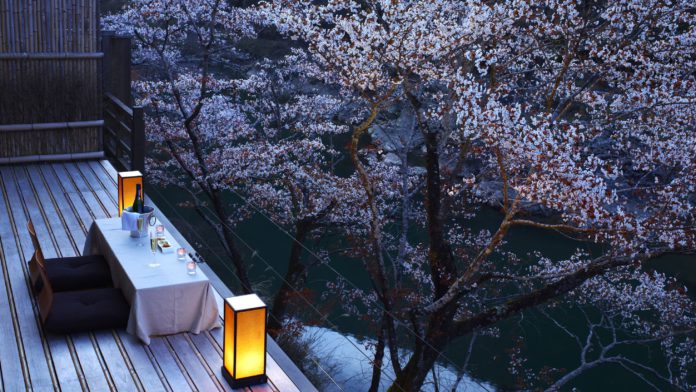
Whether it’s a candle-lit room in a Tuscan villa, a rooftop terrace overlooking Florence, or a cozy, restored farmhouse in Umbria, certain spaces evoke feelings that go far beyond visual beauty. They create mood, spark emotion, and often become the stage for some of life’s most meaningful moments.

The Architecture of Romance

Romantic design isn’t about cliché hearts and flowers. It’s about how light moves through a room, how textures invite touch, and how a space encourages closeness and reflection. In Italy, where history and design intersect so effortlessly, romantic spaces are often built into the very fabric of the architecture.

Stone walls carry stories. Arched windows frame landscapes like paintings. Terracotta floors stay cool under bare feet during hot summer nights. The romance comes not from decoration, but from craftsmanship and character—the kind of design that speaks quietly, but profoundly.

Creating Spaces That Hold Emotion

Designers today are paying more attention to how a space feels, not just how it functions. Warm, layered lighting, natural materials, and organic layouts are often used to build spaces that feel safe, intimate, and human.

This emotional sensitivity is something the travel and event world is beginning to adopt. A good example of this is ProposalItaly.com, a platform that curates romantic experiences in architecturally significant locations across Italy. From proposals in ancient castles to symbolic weddings in minimalist stone chapels, they select each space based on how it contributes to the emotional resonance of the moment—not just how it looks in photos.

It’s a subtle shift from “Instagrammable” to immersive—from surface beauty to spaces that help people feel something real.

Designing for Memory, Not Just Aesthetics

We often remember places not for their style, but for how they made us feel. A small apartment filled with morning light, a balcony where two people shared a glass of wine at sunset—these are the kinds of experiences design can shape.

Romantic space design can be as simple as a reading nook near a fireplace, or as grand as a private dinner under vaulted ceilings. What matters is how intentional the space feels: does it invite stillness, intimacy, and presence?

In modern design, this trend is gaining momentum. Whether in hospitality, homes, or event venues, more designers are blending aesthetics with emotional functionality, thinking about not only what will impress, but what will be remembered.

The Italian Advantage

beautiful place in italy

Italy is uniquely positioned to lead this movement. The country’s architecture is inherently emotional—rooted in history, shaped by nature, and deeply connected to human rhythm. Many of the locations featured by ProposalItaly.com are examples of how design and emotion intersect naturally: villas that tell centuries-old stories, monasteries converted into meditative spaces, or modern interiors carved gently into ancient walls.

By using these settings as the backdrop for personal experiences, the emotional power of architecture is amplified—and travelers are reminded that design is not just visual, but deeply visceral.

Conclusion

Great design doesn’t shout. It whispers. It supports. It creates a feeling you carry long after you’ve left the room. Whether you’re designing a romantic getaway, a proposal setting, or simply a space that encourages human connection, focusing on emotional impact is the key.

And if you’re looking for inspiration on how design and memory can come together, ProposalItaly.com is a beautiful example of how intentional spaces can elevate life’s most intimate moments.

Harvesting Knowledge for Better Orchards

Although many people envision a traditional family farm or a quaint countryside setting when they think of orchards, modern fruit growers—be they commercial producers or enthusiastic gardeners—have far more resources and insights at their disposal. A well-curated range of fruit trees and careful planning can turn a simple patch of land into a productive, long-term source of apples, plums, pears, or other delights. From selecting the most suitable cultivars to implementing effective disease management strategies, orchard cultivation is a balance of art and science. Careful site preparation, judicious pruning, and a firm grasp of pollination requirements are all essential steps for consistent yields year after year. At the same time, keen attention to detail can go a long way in preserving soil health and warding off common fruit tree problems, ensuring the final harvest is of a high standard. For anyone looking for fruit trees for sale, it is vital to understand that success depends not solely on the variety chosen, but also on how a grower adapts their approach to the conditions of their garden or orchard.

A nursery specialist at Chris Bowers advises that it is often best to start with cultivars known for reliability and disease resistance, especially in regions prone to unpredictable weather. This specialist points out that soil preparation and suitable rootstock selection should be top priorities. Finding a healthy apple rootstock can lay a strong foundation for successful fruit production, since a tree’s root system will influence everything from drought tolerance to susceptibility to certain soil-borne diseases. The expert encourages new growers to explore region-appropriate varieties that can adapt to local growing conditions, while more experienced orchard enthusiasts can consider branching into heritage or exotic types to diversify their harvest. By integrating a systematic approach to pruning, watering, fertilising, and pest control, orchardists of any level can optimise their fruit trees’ performance. Finally, this expert adds that vigilance is key: early recognition of pests or nutrient deficiencies often prevents far more serious problems down the line.

Soil and Orchard Health

Soil is the foundation of any successful orchard. It affects the root system’s ability to draw moisture and nutrients, thereby influencing tree health, productivity, and disease resistance. Cultivating fruit trees in soil that drains well is generally recommended, as waterlogged roots are more susceptible to rot and other fungal infections. However, adequate moisture is still essential. One effective approach to balancing these needs is to prepare a well-structured soil environment before any planting takes place. This may involve incorporating well-rotted organic matter or compost, which increases the soil’s ability to hold moisture while still allowing excess water to drain away.
Another crucial element is soil pH. Most fruit trees thrive in a slightly acidic to neutral range, usually around 6.0 to 7.0. Testing the soil before planting can offer valuable insight into whether it requires any amendments. If the pH is too low, the addition of lime can gradually raise it. If the pH is too high, measures such as adding sulphur can help bring it into the suitable range. While these adjustments may seem minor, they have a tangible effect on a tree’s ability to uptake nutrients like nitrogen, phosphorus, and potassium.
Additionally, ensuring that the soil is well-aerated can enhance root growth and reduce the risk of fungal issues. In compacted ground, roots have difficulty penetrating deeply to access water and nutrients, leading to weaker overall growth and lower yields. Strategic planting to avoid areas that are prone to standing water or heavy foot traffic often proves beneficial. Mulching around the base of newly planted trees helps to retain moisture, control weeds, and gradually enrich the soil as it decomposes. However, it is important to keep mulch slightly away from the trunk to discourage rodent activity and reduce the likelihood of trunk rot.

Variety Selection and Rootstock Considerations

Choosing the correct variety of fruit tree is an important step, but equally significant is selecting the right rootstock. Rootstocks act as a strong base for the scion—the part of the plant that will ultimately bear fruit—and they often determine the tree’s size, its resilience to certain soil or climatic conditions, and to some extent, even the timing of fruit production. In commercial orchard settings, dwarf or semi-dwarf rootstocks are popular because they allow closer tree spacing and more efficient harvesting. Home gardeners may find that these smaller trees are easier to maintain, especially if they plan to net the entire orchard area or protect the trees from wildlife.
Some growers prefer standard-sized trees for their traditional appearance and robust root systems, which can offer improved drought tolerance. Others look for particular disease-resistant qualities in the rootstock, which might be crucial in locations known for problems such as fire blight or certain soil-borne pathogens. Consulting local experts and nursery specialists is often the most practical way to identify suitable combinations for your specific region. A variety that performs exceptionally well in one part of Britain may face difficulties in another, due to differences in climate, soil composition, and even local insect pressures.
An additional factor to consider is the intended use of the fruit. If the goal is to produce apples for cider, specific cultivars with higher tannins and more complex flavour profiles might be preferable. Dessert apples, on the other hand, lean towards sweetness and crisp texture, while cooking apples prioritise sharpness and volume when softened. Similar nuances exist for pears, plums, cherries, and other fruit species. By making well-informed decisions that suit both your personal preferences and environmental conditions, you can develop an orchard that remains productive and healthy over the long run.

Pruning Strategies for Tree Vigor

Pruning is an art form that balances growth, fruit production, and structural strength. When done correctly, pruning improves air circulation, reduces the risk of fungal infection, and promotes stronger branches that can better support heavy fruit loads. In general, young trees are pruned to establish a healthy framework, ensuring that branches are spaced out to maximise light penetration into the canopy. Meanwhile, mature trees receive pruning that aims to remove deadwood, crossing branches, and overly vigorous water sprouts.
Timing is critical. Winter pruning, carried out when the tree is dormant, can direct energy into the remaining branches, leading to robust spring growth. Summer pruning tends to help shape the tree and control excessive new shoots, which can sometimes steal resources from fruiting wood. Regular observation allows orchardists to catch potential problems early, such as branch dieback or signs of disease, which might require targeted removal before they worsen.
Equally important is selecting the correct tools and keeping them well maintained. Sharp, clean pruning shears or saws will produce neat cuts that heal more efficiently, whereas dull or unclean tools risk fraying the bark and creating entry points for pathogens. Removing major limbs should be approached with caution and planned carefully to preserve the tree’s overall balance and stability. Over-pruning can lead to excessive regrowth, so a conservative approach, particularly in the early years, is generally advisable.

Understanding Pollination and Fruit Set

Pollination is a central factor in fruit production. Many fruit tree species require pollinators like bees, hoverflies, and other insects to transfer pollen between blossoms. Without effective pollination, yields can be significantly reduced. In some cases, certain apple or pear cultivars need a compatible pollination partner nearby to set fruit properly. Planting more than one variety or selecting self-fertile types are common strategies to increase pollination success.
Maintaining a pollinator-friendly environment is a constructive way to encourage regular visitors to your orchard. Planting flowers or herbs that attract bees and beneficial insects can enhance pollination, as can minimising the use of pesticides, especially during flowering periods. If conditions in a certain year are cool or wet when trees are blossoming, the number of active pollinators may be reduced, leading to a sparser fruit set. Monitoring weather patterns, offering shelter to pollinators, and selecting varieties with slightly staggered bloom times can help mitigate some of these risks.

Nutrient Management and Fertilisation

Optimal nutrient levels help fruit trees achieve consistent crops and healthy growth. Key nutrients include nitrogen, potassium, and phosphorus, but minor elements such as iron, manganese, and zinc also play essential roles. Organic methods of fertilisation—such as using compost or well-rotted manure—enrich the soil with a broad range of nutrients while improving its structure. On the other hand, synthetic fertilisers offer targeted nutrient formulations, allowing orchardists to address specific deficiencies quickly.
However, fertilisation should be carefully timed. Excess nitrogen in late summer can lead to a flush of tender new growth that may not harden off before winter frosts, making trees more susceptible to cold damage. A balanced approach—one that includes regular soil testing and careful observation—can lead to healthier trees with fewer disease problems. In established orchards, the timing of fertiliser application can also be aligned with watering or rainfall to ensure nutrients are effectively absorbed by the root system.

Pest and Disease Management

The health of fruit trees often hinges on preventing or minimising the impact of pests and diseases. Common culprits include aphids, codling moths, apple scab, and various fungal infections. Integrated Pest Management (IPM) is widely regarded as a sustainable approach that combines different strategies to keep harmful organisms in check. IPM may include monitoring insect population levels, using pheromone traps, releasing beneficial insects, and applying organic or synthetic sprays only when necessary.
A proactive stance on orchard hygiene can also pay dividends. Removing fallen fruit, pruning out diseased branches, and disposing of infected plant material helps interrupt the lifecycle of many pests and pathogens. In regions prone to certain fungal issues, ensuring good airflow through careful pruning becomes especially vital. Additionally, selecting resistant varieties can significantly reduce the reliance on chemical controls. A well-maintained orchard environment, supplemented by regular inspections, typically fosters fruit trees that are more resilient to unexpected outbreaks.

Watering Practices and Irrigatio

Access to water at crucial growth stages underpins productivity in any orchard. While mature fruit trees can often tolerate short periods of drought, prolonged dryness can result in smaller fruits, premature fruit drop, and weakened trees that are more susceptible to disease and pest attacks. Conversely, overwatering or poorly drained conditions can suffocate roots and create a favourable environment for root rot. Achieving the correct balance can be as simple as monitoring rainfall and soil moisture, although automated irrigation systems with moisture sensors also exist for more precise control.
Drip irrigation is popular because it delivers water directly to the root zone, reducing evaporation and keeping foliage drier, which in turn lowers the risk of fungal issues. However, not all growers invest in elaborate irrigation solutions; in smaller gardens, a hose and good timing may be sufficient. Mulching, as mentioned earlier, is another practical method to retain soil moisture, but it must be applied conscientiously to avoid introducing fungus or pests near the trunk.

Tree Training Systems for Productivity

Beyond basic pruning, many orchardists adopt specific training systems to optimise light capture and ease of harvesting. Espaliers, cordons, and fans are classic examples of training techniques that shape the growth pattern of fruit trees. These methods are often used to maximise yield in limited spaces, such as small gardens or urban environments. By directing energy into fewer branches, well-trained trees can develop more robust fruiting wood and better-quality fruit.
Some commercial operations, particularly for apples and pears, use tall spindle systems or similar high-density planting methods to increase yield per hectare. These modern approaches hinge on dwarf rootstocks, drip irrigation, and careful canopy management to ensure that every leaf is efficiently converting sunlight into sugars. Even in a home setting, adopting a suitable training system can simplify orchard tasks. For example, fruit thinning—removing some developing fruits to encourage the remainder to size up properly—can be easier on trained trees with branches arranged for easy access.

Preserving Orchard Ecology with Beneficial Insects

Orchard ecosystems can be surprisingly diverse. Within their branches and under the soil surface, fruit trees host a range of organisms. Many orchardists now aim to foster beneficial insects like ladybirds, lacewings, and solitary bees, which offer natural pest control and pollination services. Planting companion species, creating wildflower edges, and avoiding broad-spectrum pesticides can help sustain these helpful creatures.
Some growers also leverage biological controls, introducing predators such as parasitic wasps to manage specific pests like aphids or fruit flies. The advantage of such an approach is that it reduces the need for chemical interventions, ultimately creating a healthier environment for both orchard workers and wildlife. Establishing a mini-ecosystem centred around the orchard can yield more consistent harvests and potentially lower the costs associated with combating pest outbreaks.

Harvesting and Post-Harvest Handling

Harvesting at the right time is an art in itself. Apples, for instance, often exhibit a change in background colour, and the seeds typically turn brown when the fruit is fully mature. Gentle twisting can reveal whether the fruit detaches easily, which usually indicates it is ready to pick. Harvesting too early can result in underdeveloped flavour and texture, while leaving fruit on the tree too long increases susceptibility to pests and can reduce storage life.
After picking, proper handling will extend the fruits’ usable life. For apples, a cool, well-ventilated storage area is often sufficient, as long as bruised or damaged specimens are removed to prevent rot. For softer fruits like plums or peaches, refrigeration and careful handling are essential because they are more fragile. Some orchardists invest in controlled-atmosphere storage to keep large quantities of fruit fresh for extended periods. However, home growers can achieve decent results with simple methods, provided they prioritise cleanliness and remove spoiling fruit promptly.

Building a Community of Knowledge

Despite the wealth of information available, orchard management remains a field where practical experience is paramount. Engaging with local gardening clubs, horticultural societies, and online forums can provide valuable insights, as growers often share what has worked or failed in their own plots. Through these interactions, new trends and traditional wisdom intertwine, leading to innovative techniques that suit modern requirements yet remain grounded in tried-and-tested principles.
Educating the next generation also matters, as future growers will face fresh challenges, including climate change and evolving pest populations. Encouraging children to plant and care for a fruit tree—whether at home or in a school garden—can foster a lifelong connection to nature and agriculture. Efforts like these ensure that orchard management remains dynamic and capable of adapting to changing circumstances.

Climate Change and Orchard Adaptation

Shifts in climate patterns present both challenges and opportunities for orchard enthusiasts. Warmer temperatures can speed up bud development in certain species, which runs the risk of frost damage if there are unexpected cold snaps in spring. Meanwhile, areas that once enjoyed moderate rainfall might experience prolonged dry spells, stressing trees and reducing fruit size or quality. On the other hand, milder winters in some regions can enable a wider range of fruit varieties to thrive.
Growers who want to future-proof their orchards should keep an eye on emerging research. Breeding programmes worldwide are focused on developing varieties that are more tolerant to heat, drought, and disease. Some orchardists experiment with novel irrigation techniques, such as partial root-zone drying, which uses water more sparingly while still maintaining reasonable yields. Consistent monitoring, flexible management practices, and a willingness to adapt will likely define the success of orchards in an era of changing climate conditions.

Revitalising Old Orchards

In many rural areas, old orchards exist as remnants of past decades. Their trees can be heavily overgrown and may no longer produce reliable crops. However, these older sites often host mature root systems that can still be rejuvenated through careful management. Gradual pruning over several seasons, clearing away competing vegetation, and improving soil fertility can sometimes restore these orchards to productivity.
Revitalising an old orchard can also carry ecological benefits. Established fruit trees often provide habitats for birds, insects, and small mammals. Preserving these landscapes maintains biodiversity and can serve as a living link to agricultural history. For gardeners with a passion for heritage varieties, exploring the remnants of old orchards may reveal rare cultivars that merit preservation.

Exploring Innovative Orchard Technologies

Advancements in technology are steadily reshaping orchard management. Sensor-based irrigation systems, drone surveillance for pest detection, and GPS-guided machinery are gradually becoming more accessible to small-scale growers. Precision agriculture techniques can streamline tasks such as fertilising and spraying, reducing input costs while minimising environmental impact.
At a fundamental level, tracking data can guide better decision-making. Observing historical yield trends, weather patterns, and pest pressures can highlight correlations that would be difficult to see without detailed records. This analytic approach allows orchardists to respond more effectively to emerging threats or to replicate the conditions behind a particularly abundant harvest. Yet, it remains crucial to balance technological convenience with hands-on observation, as subtle indicators of a tree’s health—like leaf colour or bark texture—may not always be captured by devices.

Regulations and Certifications

British orchardists aiming to sell fruit commercially, even on a small scale, might need to navigate various regulations and certifications. Standards often cover food safety, pesticide usage, and labour practices, ensuring that consumers receive goods that meet specific quality benchmarks. While some hobbyists are content with personal consumption or sharing produce with friends and neighbours, others find that a surplus of fruit leads them to explore local markets or community-supported agriculture schemes.
Organic certification, for instance, requires compliance with stringent guidelines regarding fertiliser application, pest control substances, and overall farm management. Although such certifications can be demanding in terms of paperwork and record-keeping, they often command a premium price at the point of sale. Similarly, certain sustainability seals can highlight environmentally friendly practices, appealing to a growing audience interested in ecologically responsible agriculture.

Diversifying the Orchard Landscape

Though apples remain a staple of many British orchards, there is merit in exploring an array of fruit-bearing species. Pears, cherries, plums, and apricots can add variety to both the grower’s palate and the orchard ecosystem. Having multiple species can spread the harvest window across different months, reducing the risk of all fruit ripening at the same time and allowing for a more continuous yield. Furthermore, a mix of trees can create a visually appealing landscape while supporting a wider range of beneficial insects.
Diversification also acts as a hedge against specific pests or diseases that might target one type of tree more heavily. If one species suffers a disappointing season due to adverse conditions, another may thrive, thus ensuring that the orchard remains reasonably productive overall. In some cases, interplanting fruit trees with nut trees or even ornamental species can offer shade, windbreaks, or aesthetic value. Nonetheless, it is wise to monitor potential cross-pollination issues, especially for closely related species, to make sure they do not inadvertently compromise fruit quality or seeding habits.

Marketing and Outreach

For orchardists who produce more fruit than they can consume, connecting with potential buyers or local communities can be a rewarding endeavour. The demand for locally grown, high-quality fruit remains robust in many parts of Britain, particularly as more consumers seek out fresh, seasonal produce. While large commercial operations often rely on established distribution networks, smaller growers might explore local farmers’ markets, pick-your-own events, or partnerships with local shops and restaurants.
The internet provides further avenues. Some orchardists maintain a social media presence or a simple website to showcase their produce, highlight orchard tours, or offer services such as pressing apples into juice. Doing so can help raise awareness and build a loyal customer base. Moreover, emphasising the orchard’s sustainability practices or heritage varieties can set it apart from more generic competitors. This is where effective SEO tactics can help by aligning the orchard’s online content with what potential customers are searching for, whether it is information on fruit varieties, best growing practices, or fruit trees for sale in their area.

Reflecting on Orchard Seasons

Orchard work follows a cyclical pattern. Winter demands pruning and soil preparations. Spring brings blossoming and pollination, along with the challenges of variable weather. Summer sees the orchard in full foliage, often requiring vigilant watering, pest management, and fruit thinning. Autumn is the culmination of these efforts, with the harvesting of ripe fruit—a time that rewards diligent care. Each phase offers opportunities to learn and refine techniques, ensuring that subsequent years build upon the successes (and lessons) of the past.
Over time, orchardists develop an intuitive sense of their trees, recognising subtle changes in leaf colour or the way a branch might sag under a heavy fruit load. This accumulated experience becomes invaluable in managing the orchard’s year-round demands. Indeed, the multi-seasonal commitment required to run a successful orchard instils patience, as there are rarely any shortcuts to producing top-quality fruit.

Long-Term Vision and Sustainability

Establishing an orchard is a long-term investment. Trees often take a few years to begin bearing substantial crops, but once they do, they can remain productive for decades. This means orchard planning should consider not just immediate yields, but also soil health, pest pressures, and future market conditions. Sustainability, in a broader sense, means ensuring that orchard practices do not exhaust resources or degrade the environment. By incorporating crop rotation in surrounding fields, reducing synthetic chemical usage, and maintaining biodiversity, orchardists set the stage for continued success.
In the face of global challenges such as climate change, adopting sustainable methods helps preserve orchards for future generations. Practices like rainwater harvesting, integrated pest management, and planting disease-resistant varieties can improve the orchard’s resilience. Over the lifespan of a tree, small differences in daily management accumulate, influencing overall productivity and fruit quality. Thus, a big-picture perspective—one that anticipates changes in technology, climate, and consumer preferences—can be the deciding factor in whether an orchard thrives or merely survives.

Conclusion

Developing and maintaining a thriving orchard is a multi-faceted endeavour that requires knowledge, patience, and an adaptable approach. British growers, whether tending a handful of trees in a garden or managing a larger commercial enterprise, benefit from insights into soil preparation, variety selection, pruning, pollination, and disease control. Attention to detail at each stage of the orchard’s cycle creates a synergy that leads to consistent yields of high-quality fruit.
The wealth of available information and technological tools makes orchard management more accessible than ever. Specialists and experienced gardeners alike can continue to refine methods, sharing best practices and innovations that benefit the broader community. Whether you are interested in heritage apple cultivars, exploring new training systems, or simply trying to meet local demand for fresh produce, modern approaches to orchard management offer abundant opportunities for success. Careful attention to pollinators, soil health, irrigation, and pest management can ensure that each season’s harvest reflects the effort and care invested. By applying these principles and continuing to adapt, orchardists cultivate not only fruit, but also a deeper connection to the land and its enduring rhythms—one harvest at a time.


Collecting Antique Scientific Instruments

Every interior is different. It tells part of the story of the people who live there. But an interior becomes even more meaningful when it includes pieces with a history. Then, there’s another story told. Not by the people who live there, but by the object itself and the people that have been using it in the past. Antique scientific instruments are a perfect example of this. They don’t just bring history into a room—they add a unique and refined character. An antique telescope in a library, a vintage barometer on the wall, or an old microscope on a sideboard: these are the details that add depth and atmosphere to an interior.

A Touch of Science in Your Interior

Antique scientific instruments spark the imagination, just look at the variety you can see at Dutch Time Pieces: https://dutchtimepieces.com/product-category/antique-scientific-instruments/ . They remind us of a time when craftsmanship, precision, and design went hand in hand. Think of the telescopes and sextants used by explorers centuries ago, or the microscopes that enabled the first medical breakthroughs. These instruments were not only crafted with technical perfection but were also made with an eye for aesthetics.

The role these instruments played in the past and the dedication with which they were made can still be felt today—something that is often missing in modern objects.

With their gleaming brass finishes, hand-engraved details, and rich materials such as mahogany and marble, these objects exude luxury and value. They possess a certain elegance that fits seamlessly into both classic and modern interiors.

How to Incorporate Antique Instruments into Your Interior

Antique scientific instruments are perfect as statement pieces in an interior. A vintage telescope on a tripod can become a striking focal point in a spacious living room or study, while a compact barometer or nautical compass adds a subtle yet refined touch to a shelf or side table.

Looking to create a stylish contrast? Pair a brass microscope or barometer with sleek, modern furniture for an intriguing interplay between old and new. In a minimalist space, a single well-chosen antique piece can add just the right amount of warmth and personality. For an eclectic interior, grouping multiple instruments in a display cabinet or on a console table, alongside books, art objects, or heirlooms, can create a visually rich and layered look.

Materials and Patina: The Beauty of Aging

The materials of antique scientific instruments play a major role in their appeal. Over time, brass and copper develop a natural layer due to oxidation. This process, known as patina, gives the metal depth and character. It enhances the charm of the object and makes each piece unique. Wooden elements, such as the stands of telescopes or the cases of barometers, develop a deep, warm glow that pairs beautifully with other natural materials in an interior.

In some cases, the charm of these instruments lies in the fact that they are not just decorative but still functional. A well-maintained barometer can still predict weather changes, and a vintage compass remains just as reliable as it once was.

An Interior with a Story

Whether you are a dedicated collector or simply looking for a unique accent, antique scientific instruments bring a special story into your home. They spark curiosity, serve as conversation starters, and contribute to an interior that is not only stylish but also meaningful. A touch of history, a nod to craftsmanship, and an element of discovery—that is the magic these remarkable objects bring to an interior.

Garage Gym Glow-Up: Lighting and Power Tips for Your Iron Paradise

Your guide to pumping iron without blowing a fuse, or freezing in the winter

Turning your garage into a home gym is one of the smartest moves you can make. It’s convenient, private, and honestly, kind of a flex. But if you’re lifting in the dark, sweating next to a single oscillating fan, or running your treadmill off a power strip from 1997, it is definitely time for a glow-up.

Here’s how to upgrade your garage gym with lighting, power, and climate control that actually works, without risking your safety, burning out your gear, or burning down your house. 

Let There Be (Good) Light

Forget the single, flickering overhead bulb. Your garage gym deserves lighting that makes you want to show up, and maybe even flex in the mirror a little.

  • Install LED shop lights or high-output fixtures. They’re bright, energy-efficient, and don’t buzz like angry wasps.

  • Choose daylight-balanced LEDs (around 5000K). These are known for clean, motivating light. It’s easier on the eyes and great for visibility during those early morning sessions. Trust me, nothing is worse than going in for a 4:30 AM workout only to have your retinas burned alive by the craziest LEDs you’ve ever seen.

  • Consider motion sensor lights for convenience. Walk in, lights on. No switches needed when your hands are full of pre-workout, your phone controlling your workout mix, and determination.

  • Accent lighting, like LED strips under shelves or mirrors, adds personality. Not only do these just look awesome but you can even sync them with music if you’re going for nightclub-meets-gains.

Safety tip: If you’re adding multiple new fixtures or hardwiring anything, it’s smart to talk to a licensed Idaho Falls electrician. Messing with garage wiring can get tricky, especially in older homes.

Power Up: Outlets for Equipment That Works as Hard as You Do

Treadmills, ellipticals, rowing machines, sound systems, it adds up fast. And not just in calories burned.

  • Heavy equipment often needs dedicated circuits. This is especially true for treadmills or high-end machines with digital screens or built-in fans. Check the manufacturer’s specs before plugging into just any outlet.

  • Avoid extension cords for permanent setups. They’re not built for long-term use and can overheat under load.

  • Add GFCI outlets, especially if your garage is prone to moisture. It’s code in most areas, and more importantly, it can prevent dangerous shocks. You want to tingle from your pre-workout, not electricity.

  • Want to wall-mount a TV or sound system? Have an outlet installed behind the mount for a clean, cord-free look.

Good rule of thumb: If you’re adding more than one or two outlets, or your breaker panel looks like a mystery box from a haunted house, call an Idaho Falls electrician.

Keep Your Cool (or Warm): Fans and Heaters Done Right

Garages aren’t exactly known for their perfect climate control. For those outside the state of California, I bet your garage is either hotter than the Sahara, or colder than the Arctic in some months. For those of us who live in special states, we get to freeze half the year, cook the other half and then get a few days when our garage gym is perfect. However,  with a few upgrades, you can train in comfort year-round.

Fans:

  • Install a ceiling fan or wall-mounted high-velocity fan to keep the air moving. It’s way more effective than a box fan on the floor.

  • Need to stay cooler in the summer? Consider a mini split A/C system if your workouts are suffering from sauna-level temps.

  • Some fans pull serious amps, especially industrial models. Don’t just plug and pray. Check wattage and circuit capacity.

Heaters:

  • Infrared or wall-mounted electric heaters are great for winter months. These are life savers for garage gyms, especially if you live in a cold climate.

  • Portable space heaters? Not ideal. They’re often inefficient, easy to trip, and can be a fire hazard.

  • Hardwired heating systems offer more reliable warmth.  However, these must be installed properly. This is one of those “definitely don’t DIY” projects.

Safety reminder: Heating and cooling systems often need their own circuit or higher-voltage lines. A professional installer (or licensed electrician) will make sure it’s safe, code-compliant, and doesn’t set off your smoke alarm mid-set.

Thinking Bigger? Plan Your Power Like a Pro

If you’re envisioning a full setup, lighting, outlets, fans, heaters, sound system, maybe even a smart mirror, you’ll want to evaluate your garage’s existing electrical panel. In many homes, garages run off a single 15-amp circuit. That won’t cut it for a serious gym.

  • A pro can help you add a subpanel, upgrade circuits, or even install backup power if you want uninterrupted workouts during storms.

Final Reps

Your garage gym should be strong, smart, and safe. Upgrading the lighting and power isn’t just about looks, it’s about performance, comfort, and peace of mind. Take the time to plan it right, call in expert help where needed, and your iron paradise will be lifting with you for years to come.

Now crank that music, flip those switches, and get to work. You’ve got gains to chase.

What Is a Seller’s Market and How Do You Win in It?

If you’ve been shopping for a home or even casually browsing listings, you’ve probably heard the term “seller’s market.” But what exactly does that mean? And more importantly, how do you navigate it as a buyer without getting priced out or overwhelmed?

In this guide, we’ll break down:

  • What defines a seller’s market
  • Why they happen
  • What to expect as a buyer
  • And the strategies you can use to win a home in a competitive market.

Let’s dive in.

What Is a Seller’s Market?

A seller’s market occurs when more buyers are looking for homes than there are homes available for sale. This supply-and-demand imbalance gives sellers the upper hand in negotiations — and creates a challenging environment for buyers.

Key Signs You’re in a Seller’s Market:

  • Homes sell quickly, often within days.
  • Multiple offers are common.
  • Homes often sell above asking price.

  • Inventory (homes available for sale) is low
  • Sellers may decline contingencies or favor all-cash offers.

In short: buyers have to act fast, be flexible, and often compete fiercely to land the right home.

Why Do Seller’s Markets Happen?

Seller’s markets can arise for several reasons, including:

1. Low Housing Inventory

Fewer homes on the market naturally create more competition. This can be caused by:

  • Slower new home construction
  • Homeowners staying put longer
  • Economic uncertainty.

2. High Buyer Demand

Factors like low interest rates, remote work, or population growth in a specific area can increase the number of people looking to buy homes at the same time.

3. Favorable Economic Conditions

When the job market is strong and wages are up, more people feel financially ready to buy a home — further fueling demand.

What It’s Like to Buy in a Seller’s Market

Here’s the honest truth: it’s competitive and fast-paced.

You might:

  • Lose out on homes even after making a full-price offer
  • Have to compromise on features or location
  • Face bidding wars
  • Be asked to waive certain protections (like contingencies).

But don’t worry — you can still buy a great home in a seller’s market. You just need a solid plan and a few strategic moves.

How to Win in a Seller’s Market

Here are ten smart strategies to help you compete — and win — without overpaying or making risky moves.

1. Get Fully Pre-Approved

Before you even step foot in an open house, get pre-approved for a mortgage. This tells sellers and their agents that you’re a serious, qualified buyer who won’t waste time.

Better yet, get fully underwritten pre-approval, which means your lender has reviewed your income, assets, and credit in detail. This makes your offer much stronger.

👉 Tip: A trusted lender like DSLD Mortgage can help you get fully pre-approved quickly and guide you through the process with confidence.

2. Know Your Budget — and Stick to It

In a competitive market, it’s easy to get swept up in the heat of the moment and offer more than you’re comfortable with.

Before you start shopping:

  • Know your maximum price
  • Understand what your monthly payment will look like (including taxes, insurance, HOA, etc.)
  • Leave room in your budget for appraisal gaps or repairs.

Let your real estate agent know your limits and stay disciplined. It isn’t worth going house-poor for a great home.

3. Move Fast

In a seller’s market, hesitation can cost you a home. When you find one you love:

  • Schedule a tour ASAP
  • Make your decision quickly
  • Be ready to submit an offer the same day if needed.
    Talk to your agent ahead of time about what it would take to move fast without sacrificing due diligence.

4. Make a Strong Offer Out of the Gate

In a seller’s market, there’s no time for lowballing or back-and-forth negotiating. Start with a competitive offer based on recent sales in the area.

In many cases, this means offering at (or above) list price — especially if the home is newly listed and in high demand.

Your agent can help you decide how much to offer based on the following:

  • Comparable sales (comps)
  • Seller motivations
  • Market trends.

5. Include an Escalation Clause

An escalation clause says: “I’ll beat any competing offer by $X, up to a maximum price of $Y.”

It lets you stay competitive in a bidding war without overpaying right out of the gate. It also signals to the seller that you’re serious and flexible.

6. Limit Contingencies (Safely)

Contingencies are clauses in your offer that allow you to back out if certain conditions aren’t met — such as home inspection or financing.

While these protect you, sellers often prefer clean offers with fewer conditions. In a seller’s market, buyers sometimes:

  • Waive appraisal contingencies (with an appraisal gap guarantee)
  • Shorten or waive inspection periods
  • Remove the sale-of-home contingency.

Always weigh the risks with your agent. Never waive something that could leave you vulnerable unless you fully understand the implications.

7. Increase Your Earnest Money Deposit

An earnest money deposit (EMD) shows sellers you’re serious. It’s typically 1–3% of the home price.

Offering a larger deposit can make your offer stand out and give the seller more confidence that you won’t back out.

The good news? If the deal closes, the money goes toward your down payment or closing costs.

8. Be Flexible with the Seller’s Timeline

Sometimes, the best offer isn’t the highest one — it’s the most convenient.

If the seller needs to close quickly — or wants extra time to find a new home — your flexibility can make a big difference.

Work with your agent to find out what the seller wants, and consider offering:

  • A quick close
  • A lease-back (letting the seller stay for a short time after closing)
  • A custom timeline that suits their move.

9. Consider Writing a Personal Letter

In some cases, a short, heartfelt letter to the seller can help your offer stand out — especially if they’ve lived in the home for many years.

Keep it simple and sincere. Mention:

  • What you love about the home
  • A bit about your family or future plans
  • Why you’d be proud to own the home.

However, avoid sharing details that could violate Fair Housing laws, and note that not all sellers will be swayed by personal letters — particularly investors or corporate sellers.

10. Partner with an Experienced Real Estate Team

In a fast-moving market, the agent and lender you work with matter more than ever.

  • A great real estate agent knows how to write strong, strategic offers, gather seller insights, and negotiate creatively.
  • A reliable mortgage lender gives you the financial credibility sellers are looking for — and can close quickly.

The team at DSLD Mortgage has the tools and experience to help you compete successfully in seller-dominated markets across the U.S.

Final Thoughts

A seller’s market can be intimidating — but it’s not impossible to buy a home you love at a price you can afford.

By preparing ahead of time, making strong and strategic offers, and working with the right professionals, you can navigate the competition with confidence and make smart decisions that protect your finances for the long haul.

Sun, Storms, and Style: The Florida Patio Cover That Can Handle It All

The rain didn’t stop the party—and that’s what really surprised Angela. She’d been planning her daughter’s party for weeks: balloons, cake, cute decorations, and a backyard full of happy kids. Then, like clockwork, the Florida skies turned gray, thunder rolled in, and the rain started coming down.

Normally, that would’ve meant chaos—everyone rushing inside, decorations ruined, shoes soaked, fun cut short. But this time was different. Just a few weeks earlier, Angela and her husband had put up a Functional Outdoor Space.

That one project turned their open patio into a cozy, covered hangout spot. So when the rain came, the party kept going—dry, happy, and totally stress-free.

Living in Florida isn’t just about enjoying the sunshine—it’s also about being ready when the weather flips. And for Angela, that one smart move made all the difference.

The Florida Weather Puzzle

Living in Florida feels like living in multiple climates at once. Morning sunshine can flip into afternoon thunderstorms without notice. And when the humidity kicks in, even the shade can feel stifling. Floridians love their outdoor lifestyle—but the reality is, many outdoor setups can’t keep up with the weather. Canvas umbrellas flip. Temporary canopies collapse. Wood rots. Fabric fades. And the dream of a functional outdoor space often stays just that—a dream. That’s why a growing number of homeowners are turning to aluminum patio covers. Not only do they offer real protection, but they do it with elegance and durability.

A Patio Cover That Plays Defense and Offense

When you install an aluminum patio cover, you’re doing more than putting a roof over your head. You’re future-proofing your backyard.

These patio covers:

  • Block out relentless UV rays that fade cushions, wear down paint, and even damage skin
  • Keep your patio furniture dry and your plans on track—even during sudden storms
  • Stand strong against heavy winds and coastal conditions without breaking down

But the benefits go beyond protection. These covers create space:

  • A space where your morning coffee isn’t cut short by the heat
  • A space where kids can play without fear of sunburn or rain
  • A space where evening dinners feel cozy and shaded, even in the middle of July

It’s not just a structure—it’s an invitation to enjoy your home more.

Strength Meets Style

Now let’s talk about aesthetics. Because let’s be real—nobody wants their patio to look like a carport or an afterthought. Today’s aluminum patio covers offer clean lines, tasteful colors, and modern finishes that blend beautifully with Florida homes. Whether you’re near the Gulf Coast, nestled in a suburban neighborhood, or downtown in a more contemporary space, there’s a style that matches your vision. Some homeowners opt for a lattice-style top that lets in a bit of filtered light. Others choose a solid roof for total protection. The options are customizable—but all of them deliver the same promise: durability meets design.

Built for DIY—Not Just Contractors

Many Florida homeowners assume projects like this require hiring a contractor and spending thousands on labor. But that’s where AlumCenter’s kits change the game. These aluminum patio cover kits are:

Designed for simplicity:

  • Pre-measured and precision-cut
  • Delivered with step-by-step instructions
  • Designed for confident DIYers and beginners alike

And you’re not left on your own. Alumicenterr provides support to walk you through any questions you have along the way. Angela’s husband, for instance, wasn’t exactly the handiest guy. But with a friend’s help and a free weekend, the two of them installed the cover with no hiccups—and saved hundreds in the process. It’s a project that pays off quickly—and keeps paying off every season.

More Than Just Comfort: It’s an Investment

Think about what an outdoor upgrade means in Florida’s real estate market. Homebuyers love to see functional outdoor spaces. A covered patio doesn’t just look good—it adds usable square footage to your home’s lifestyle footprint. It tells future buyers, This home is built for enjoying Florida the right way. Plus, because aluminum patio covers are low maintenance and resistant to rust, corrosion, and termites, they keep their value over time. No costly repairs. No repainting every year. Just a smart investment that holds strong in the Florida heat.

No More “Maybe Next Year”

Let’s be honest: how many times have you glanced out your back window and thought, “One day we’ll fix this up”? You imagine family barbecues, peaceful afternoons reading outside, or watching the rain fall from the comfort of a dry, shaded seat. But year after year, the idea stays just that—an idea. What if this year were different? What if you finally made that move? It’s easier than you think. And it starts with one simple step: protecting your outdoor space so you can actually use it.

Final Thought:

Florida living isn’t just about palm trees and sunshine. It’s about the moments that happen outside—parties, quiet evenings, morning coffee, family dinners, and unexpected laughter under the stars. A quality patio cover doesn’t just provide shelter. It provides freedom. The freedom to enjoy your space without worrying about the weather. The freedom to create memories without limitations. So if your backyard has been waiting for its transformation, don’t wait any longer. Aluminum Patio Covers by Alumicenter are ready to help you build not just a cover but a lifestyle. Because in Florida, the outdoors isn’t a luxury—it’s where life happens. And with the right cover, it can happen rain or shine.

Finding Home: Springleaf Modern and Lyndenwoods

When looking for a new home, people often ask: What’s nearby? Is it quiet or busy? Can I get to work or school easily? In Singapore, two housing areas stand out—Springleaf Modern and Lyndenwoods. Both offer something special, but they are very different.

This article will help you understand what each place offers, in simple words, so you can decide what fits you best.

Springleaf Modern: City Access with a Classic Look

Springleaf Modern is along Upper Thomson Road. The homes there are new, but the buildings are styled in black and white, like the older colonial houses from Singapore’s past. That gives it a calm, classy look.

There are around 940 units here, so it’s a large place, but still designed for comfort and privacy.

Getting Around

This place is very close to Springleaf MRT. You can walk there in a few minutes. It’s on the Thomson-East Coast Line, which means you can get to many parts of the city fast. If you drive, the Central Expressway and Seletar Expressway are nearby too.

So, whether you take public transport or drive, it’s easy to get where you need to go.

What You Get Inside

Springleaf Modern gives you more than just a home. There is a long swimming pool for daily laps, a jacuzzi for relaxing, and quiet walkways where you can take a break. The design is clean and easy to enjoy.

Everything here is built with comfort in mind. Even with many people living here, you’ll still find quiet spaces to relax.

Nearby Schools and Food

Families will be glad to know there are schools close by. Anderson Primary and Presbyterian High School are both just a short trip away.

If you enjoy food, Upper Thomson Road has many good places to eat. You can find bakeries, coffee shops, and local restaurants. Also, if you enjoy green space, the Central Catchment Nature Reserve is nearby. That’s a good place to go for a walk or just enjoy nature.

Lyndenwoods: Peaceful and Private

Lyndenwoods is built for people who want quiet. It’s not a big project. It has fewer homes and more green space. It feels like a calm village rather than a busy housing block.

Here, you hear the wind in the trees more than you hear traffic. It’s a place where you can slow down and enjoy your day.

What’s Inside

Even though it’s quiet, you still get all the usual things. There is a swimming pool, a small gym, a kids’ play area, and a BBQ space. It also has a co-working room, which is good for people who work from home. You can sit there and focus without being stuck in your room.

Security is always on, so you can feel safe at all hours.

Main Differences

What You’re Looking At Springleaf Modern Lyndenwoods
Size Around 940 homes Smaller project
Style Black-and-white design More natural, quiet style
Noise Near train and road Peaceful and green
Transport Very near MRT MRT not close
Schools Nearby schools Not as many nearby
Good For People who like city life People who want calm and space

Who Should Pick What?

Springleaf Modern is great if:

  • You want to be near a train.

  • You like being near shops, food places, and schools.

  • You want something that looks neat and well-designed.

  • You are okay with a bigger, more active community.

Lyndenwoods is better if:

  • You want peace and quiet.

  • You don’t mind being a little further from the train.

  • You like having green space around.

  • You prefer a small group of neighbors.

Final Thoughts

Both Springleaf Modern and Lyndenwoods are good choices. But they are for different kinds of people.

Springleaf Modern is for people who like to be close to everything. It’s perfect if you want to travel fast, send your kids to nearby schools, and enjoy daily comfort. The design is simple but elegant, and everything is close by.

Lyndenwoods is more peaceful. It gives you more space, more quiet, and a slower way of living. If you don’t like crowds, and you want a quiet place to come home to, this is the better choice.

Top 10 Kitchen Sink Manufacturing Companies in India

The kitchen is one of the busiest spots in any home, and the sink plays a key role in daily tasks, from washing vegetables to cleaning up. A strong, good-quality sink can make a big difference. Among numerous brands, it becomes difficult to make a decision. These are the top 10 best kitchen sink brand manufacturers operating within India, from which you can select your sink.

  1. Kaff

Kaff is primarily known for its cooking utensils, yet it is making its mark in the kitchen sink industry. Kaff sinks use quality materials to produce designs suitable for contemporary Indian kitchens in stainless steel and granite formats. The products from Kaff come with built-in chopping boards and colanders as optional accessories. The premium pricing of Kaff kitchen sinks can be justified by their high-quality construction and appealing design choices as per customer preferences.

  1. Hindware

Hindware continues to dominate its position in the Indian marketplace. Hindware produces stainless steel plus quartz sinks under its product line, which matches traditional Indian kitchen size requirements. Multiple price options for kitchen sinks allow people across budget levels to find suitable products.

  1. LIPKA

LIPKA manufactures kitchen sinks from 304-grade stainless steel, which enables them to endure everyday kitchen activities and resist breakage. LIPKA provides stainless steel sink products with designs that unite utility and modern style through their selection of single-bowl, double-bowl and drainboard features. The brand offers reliability because it produces products in India that come with a lifelong warranty, showing dedication to both quality and durability.

  1. Jindal

Jindal remains a well-known brand for kitchen sinks that offers its customers durable stainless steel products that work well for daily household activities. Jindal designs deep sink features that suit Indian culinary requirements, thus combining functional benefits with attractive style while assuring simple upkeep and extended product longevity. The brand stands out in stainless steel production because its hygienic, reliable sinks carry a higher price but guarantee enduring value.

  1. Ruhe

Ruhe operates as a fast-growing direct-to-consumer brand specializing in kitchen sinks that deliver high-quality products at reasonable prices along with durability. Ruhe operates under a ‘Made in India’ principle to provide contemporary kitchen sinks built from stainless steel and quartz materials. The brand presents different bowl shapes and configurations with drainboard choices, maintaining aesthetic appeal and durability. Ruhe provides its customers with reliable customer support under 10-year warranties to become a trusted brand for people seeking budget-friendly, high-quality sinks.

  1. Cera

Cera is another trusted Indian brand with a strong market presence in the bathroom and kitchen fittings industry. Their kitchen sinks reflect a focus on clean design and everyday usability. Available in stainless steel and quartz, Cera sinks offer decent depth and easy-to-maintain surfaces. The brand’s distribution network ensures good availability across India.

  1. Futura

Futura specialises in premium stainless steel kitchen sinks manufactured using high-grade AISI 304 steel. The brand provides a wide variety of options, including handmade sinks, flush-mount styles, and corner sinks. With ISO certifications and advanced manufacturing facilities, Futura combines quality craftsmanship with performance-driven designs. Their products suit both residential and commercial kitchens.

  1. Parryware

Parryware is another respected brand offering kitchen sinks that balance performance with value. Their product range includes both traditional and contemporary sink designs, catering to different tastes and kitchen sizes. Built using corrosion-resistant materials, Parryware sinks are easy to clean and maintain. Their pricing is affordable for most middle-income households.

  1. Franke

The Swiss brand Franke operates throughout India, particularly among premium kitchen markets. Franke sinks retain their reputation for greatness through Swiss-made innovation and expert craftsmanship since they come in stainless steel and granite, and synthetic product types. The sinks come with built-in draining features and noise-damping layers as well as scratch protection materials.

  1. Neelkanth

Neelkanth operates as one of India’s longest-running sink manufacturers because they have manufactured high-grade stainless steel sinks for 80 years. Neelkanth offers sinks crafted in multiple designs and different surface finishes, which work for domestic spaces along with business facilities. Neelkanth builds durable products while maintaining excellent customer support to maintain its trusted industry position throughout India.

Kitchen Sink Buying Guide

Before purchasing a kitchen sink, keep in mind to check these aspects first:


  • Material: Stainless steel, granite, cast iron, fireclay, or copper — pick based on style, durability, and maintenance.
  • Size & Bowl Type: Single or double bowl? Make sure it suits your kitchen space and workflow.
  • Mounting Style: Choose from undermount, top-mount, or farmhouse – based on look and countertop compatibility.
  • Ease of Cleaning: Select a material and design that’s low-maintenance and easy to clean.
  • Bonus Features: Extras like cutting boards, drying racks, or soap dispensers? Consider what’s included or customisable.
  • Brand & Warranty: Go with a reputable brand that has good reviews and offers a dependable warranty.

From every style, budget, and preference, the Indian kitchen sink market has something for every type of kitchen. If you are looking for durability or something modern or affordable, the brands shared are a great place to start. Consider your kitchen size, how you use the sink and your budget before making a decision. Price is one aspect, but material quality, after-sales service and maintenance can provide long-term value.

Truck Rental Services for Home Improvement Projects Done Yourself

One of the most daunting jobs on a home renovation project is hauling material, furniture, or trash easily. Whatever the job is, whether it is renovating a kitchen, yard maintenance, or demolishing a house, truck rental gets the job done and saves money. Rather than making multiple round trips in a private vehicle, a rented truck provides plenty of room and means to haul heavy or bulky material with little hassle.

Why Home Repair Truck Rental?

Home repair is roughly towing ginormous quantities of material, be it wood, tile, brick, or trash from the backyard. There won’t be sufficient space or towing capacity for the average car or van, and shuttle runs are unavoidable. Homeowners and amateur builders who are working on do-it-yourself projects are facilitated by truck rental to complete all the work at one time and conserve effort and time.

In addition, it saves costs to hire a truck as compared to hiring specialized waste removal or disposal professionals. Instead of investing in several trips from your suppliers or the expensive skip hire, hiring a truck allows you to pick up and dispose of things at your convenience.

Trucks That Best Fit Home Remodeling

Different DIY activities require different trucks. Having the truck appropriate to your purpose is certain to make it a smooth and problem-free exercise.

Tipper Trucks – Ideal for carrying building materials such as sand, gravel, and cement, and garden or house waste removal.

Flatbed Trucks – Ideal for carrying large objects such as timber, drywall, and roof sheets with easy loading and offloading.

Luton Box Trucks – Ideal for carrying furniture, white goods, and household equipment in the case of home remodeling or house moving.

Drop-side Trucks – Meant to accommodate large weight and straightforward ease of on-loading and off-loading.

Most Important Home Remodeling Truck Rental Benefits

  1. Ease and Convenience

A rental truck can carry more loads, hence fewer return trips for garbage pickup or material delivery. Renovation work at home in terms of heavy or bulk material can be accomplished easily with the assistance of a rental truck.

  1. Cost Savings

Compared to paying for financing a series of hardware store deliveries or subcontracting the trash-hauling business, leasing your truck means you can haul material and dump trash on your own schedule and at pretty reasonable costs.

  1. Flexibility

Car rental agencies normally have the rentals based on day, week or even short-term leases, so you can choose the one that will best cater to your project in a fitting way. Most agencies also come with trucks of various capacities, so you can buy the one that will be beneficial to you for your desired purpose.

  1. Safer Transport

With the right truck for the job, heavy or delicate items are being carried safely without much risk of them being damaged. Tail lifts, strapping, or covered loads on most trucks carry items safely on the journey.

Booking a Truck Considerations

Booking a truck for a home building project, consider the following:

Size and Weight of Load – Choose truck big enough to transport furniture or material you do not wish to transport.

Conditions of Licencing – Ensure standard UK driving licence (Category B) will be enough to handle lorry sizes you’ll be renting or if special conditions of driving licensinbg need to be met.

Cover and Indemnity – Choose firm if rental firm offers reasonable levels of compensation cover for break downs and accidents.

Other Features – Others are fitted with tail lifts or ramps, through which heavy appliances or building materials can be loaded with ease. Contact us for more information on Truck Hire Services Middlesbrough.

Truck rental is a cost-effective and convenient means of taking care of home overhauls, with convenience and space in moving trash, furniture, and materials with minimal inconvenience. Whether you are remodeling, re-facing your garden, or even moving heavy equipment, truck rental makes life easier and allows you to have the work done hassle-free.

The Transformation and Benefits of Gunite Pools

Gunite pools have revolutionized the swimming pool industry with their durability, flexibility, and aesthetic appeal. Unlike traditional pools, gunite pools are built using a reinforced concrete mixture, allowing for customized shapes and unique designs that cater to various homeowner preferences. Their long-lasting structure withstands extreme weather conditions, making them a reliable choice for residential and commercial properties.

Beyond durability, gunite pools offer a luxurious finish with various plaster, tile, and pebble options, enhancing visual appeal. They also require less frequent renovations than other pool types, making them a cost-effective investment. GuniteGunite pools provide years of enjoyment with proper maintenance with proper maintenance, increasing property value and outdoor entertainment possibilities. Their ability to integrate seamlessly with landscaping and modern features, such as waterfalls and spas, makes them a preferred choice for homeowners seeking style and functionality.

Introduction to Gunite Pools

A gunite pool often takes center stage when envisioning the perfect backyard retreat due to its exceptional resilience and adaptability. These pools are crafted using a sophisticated technique of spraying concrete at high pressure, forming a robust and versatile swimming area that caters to various tastes and landscape designs. From intimate lap pools that cater to fitness enthusiasts to expansive backyard paradises perfect for hosting gatherings, gunite pools satisfy a broad spectrum of preferences. As backyard investments go, understanding the average price for gunite pool is fundamental for those keen on striking a balance between luxury and long-term investment.

Beyond their aesthetic and functional appeal, gunite pools offer homeowners the joy of personalizing their outdoor spaces to an unparalleled degree. Unlike fiberglass or vinyl pools with pre-designed molds, gunite allows for custom designs that make each pool unique to its setting and owner. Whether nestled within a lush garden or integrated seamlessly into modern architecture, gunite pools can enhance any space. With the proper maintenance, their potential to last for decades underscores them as a luxury and a strategic long-term investment in strengthening the property’s visual appeal and market value.

The Construction Process Demystified

The mystique surrounding the construction of a gunite pool often deters potential owners who are not familiar with the process. However, demystifying this process reveals an intricate yet logical sequence of steps emphasizing quality and durability. It begins with a meticulous planning phase where the pool’s shape, size, and location are mapped to harmonize with the landscape. Once the design meets the approval, excavation of the site transforms the ground into a ready canvas for the pool’s foundation. An intricate web of steel rebar is installed at this stage, providing the structural skeleton essential for durability. Applying the gunite mixture of sand, cement, and water is a critical phase. Sprayed under high pressure, it ensures a dense, cohesive shell that forms the pool’s structural core. Curing the gunite is a waiting game of patience and precision, allowing the material to set into a rock-hard foundation.

With structural integrity secured, the final phase involves finishing touches like tiles, plaster, or quartz, contributing significantly to the pool’s visual allure and comfort underfoot. These finishes complete the aesthetic and provide additional waterproofing and defense against harsh pool chemicals. The result is an investment in pleasure and longevity that begins as a bare plot of earth and transforms into a shimmering, personal oasis.

Why Choose Gunite Over Other Pool Materials?

When choosing the material for your pool, gunite stands out with compelling advantages over alternatives such as fiberglass and vinyl. Its foremost asset is its durability; gunite pools are built to withstand the test of time and elements, maintaining structural integrity where other materials might fail. The versatility of design is another strong point, enabling homeowners to craft custom pools that mirror their personal aesthetic and functional needs—an intricate shape that seamlessly fits into the existing landscape or a classical geometric design representing simplicity and elegance.

Moreover, the aesthetic superiority of gunite is matched by its practical benefits. While fiberglass and vinyl pools offer limited style options due to pre-fabrication, gunite pools can accommodate various features such as vanishing edges, built-in barstools, and integrated rock waterfalls. Because of its adaptability, homeowners can add distinctive features to their homes that express their individuality and way of life. A well-designed gunite pool doesn’t just cater to swimming enthusiasts; it transforms a backyard into a natural extension of the home, increasing the property’s livable space in a manner that’s both sustainable and chic. Investing in a gunite pool enhances life’s quality and your property’s market value.

Financial Considerations: Understanding the Costs

Diving into the world of pool ownership involves more than just picking a perfect design—it requires a comprehensive understanding of financial implications. The cost of installing a gunite pool can initially appear steep compared to fiberglass or vinyl options. However, prospective owners must consider the long-term benefits that justify the upfront expenditure. A deep dive into the financial landscape reveals that the costs vary based on the pool’s size, complexity of design, and extra amenities such as lighting systems, temperature controls, or advanced filtration systems that can be installed. Each of these elements contributes to the unique profile of the pool and satisfies different lifestyle desires.

To justify these expenses, one must evaluate the potential increase in property value resulting from such a high-quality installation. Gunite pools are not just leisure additions; they’re significant investments that can appreciate residential properties substantially, making the costs of installation and upkeep an integral part of the asset’s valuation. According to home value assessments, properties with well-maintained, customized pools tend to command higher market prices, giving homeowners a return on investment that encompasses enjoyment and financial gain. For those looking to optimize costs without sacrificing their vision, consulting resources such as home improvement savings tips can guide economic decisions during the planning and building phases.

Environmental Impact and Sustainability

Crafting an environmentally conscious pool is increasingly significant in today’s ecological climate. Gunite pools, often blindsided by myths that label them as unsustainable, can incorporate various eco-friendly technologies and practices. The core of an eco-conscious pool lies in its operating systems. Installing solar panels for heating or employing energy-efficient pumps can significantly reduce the pool’s carbon footprint. These upgrades diminish energy consumption and, subsequently, the pool’s environmental impact, reflecting an initial investment that pays off in reduced energy costs over time. Filtering systems adopting advanced technology, such as saltwater chlorination, avoid the harsh chemicals traditionally used in pool maintenance, achieving a harmonious balance between cleanliness and environmental considerations.

Sustainability begins with using environmentally friendly materials and continues through efficient equipment selection and conscientious maintenance practices. Gunite pools support these advancements seamlessly, allowing owners to integrate features that preserve the ecosystem and their investment. Staying informed about the latest sustainable pool technology ensures owners comply with ecological best practices and are proactive in reducing their environmental impact while enjoying modern conveniences.

Maintenance Tips for Longevity

The commitment to regular and meticulous maintenance dramatically influences the longevity of a gunite pool. Begin with routine visual inspections to identify cracks or leaks, as an early response to such issues preempts potential structural challenges. An effective maintenance routine includes precise water chemistry management, using testing kits, and timely chemical applications to maintain water quality. Regular debris removal and professional cleaning preserve the pool’s inviting appearance and extend its life span.

Seasonal care customizes maintenance operations to the changing weather conditions, ensuring the pool remains a functional and pleasant feature year-round. Cold weather preparations might involve draining lines to prevent freezing damage, while summertime attention includes checking for UV-related wear and algae growth. Partnering with pool maintenance professionals can enhance the pool’s longevity by providing expertise and services that ensure optimal conditions are consistently maintained. These routines conserve the pool’s beauty and protect the substantial investment into creating a lasting outdoor retreat.

Popular Design Trends for Homes

Gunite pools enhance the backyard and set trends that redefine outdoor living. Luxury resorts and nature-inspired retreats heavily influence the current design landscape. An emerging trend is the vanishing edge, where the pool’s water seems to merge seamlessly with the horizon, creating a dramatic visual that’s both striking and serene. Lagoon-style pools, incorporating organic shapes and features like sand beaches and waterfalls, provide an escape into nature’s embrace right at home.

Technological innovation permits homeowners to transcend traditional pool use, incorporating intelligent systems that conveniently adjust lighting, temperature, and water features. Mood lighting can transform the pool from a daytime retreat into an evening centerpiece, perfect for hosting or quiet relaxation. These advances ensure that a gunite pool is not just a feature but a dynamic space for leisure, entertainment, and even reflection, offering timeless elegance intertwined with state-of-the-art functionality.

Conclusion: Taking the Plunge

In conclusion, the decision to install a gunite pool is an investment in lifestyle and property enhancement that surpasses mere recreational value. The robustness, aesthetic flexibility, and potential for property value increase make Gunite an unparalleled choice for homeowners seeking to elevate their property in form and function. While other pool types may offer lower initial costs or quicker installations, the lasting benefits of gunite—from design freedom to durability and resell value—highlight its strategic advantages. As you consider this investment, remember that with a gunite pool, the bounds of imagination are your only limit. Dive into a world of luxury and enjoyment that transforms your outdoor space into a personal paradise!

Recent Posts

Posts You Might Like