Camping in the summer requires much less planning than at other times. The weather will likely be better, meaning fewer problems with your tent, attire, and campfire.
However, the appeal of getting out in the countryside for a weekend away is too tempting for some to refuse. That’s why we present our Autumn camping guide with some tips to get you started.
Check the Forecast
Before packing the car, you need to check the weather conditions. If the sun is supposed to be out, you can pack accordingly. However, you need to ensure you’re prepared if it is due to rain; maybe keep the wellies and raincoat in the boot of your car in an emergency.
Overnight temperatures can plummet outside of summer, so you need to dress accordingly. A thin tent won’t do much to keep you warm at night, so bring a comfortable jumper, some thick socks, and a sleeping bag to ensure you won’t go cold during the night.
Carefully Select Your Location
Ideally, a quiet campsite far away from noise and light pollution is best so you can see the stars at night. There’s nothing more serene than lounging back in the deck chair and gazing at the night sky.
It isn’t just the campsite you need to select carefully, either. It would be best if you positioned your tent on flat and dry ground so that no moisture runs into your tent through the gaps (this is the worst feeling when you’re camping). Don’t pitch your tent at an angle because you’ll have an uncomfortable sleep if water enters.
Spend More, Gain More
If you have an inflatable mattress, a comfortable pillow, or the right fabric tent, these can make a massive difference to your experience. If you decide to save money and sleep on a thin roll-out mat instead, your back might not thank you.
We understand that some people are not looking to splurge on these things, but if you’re a regular camper and envisage that you’ll be heading out for more camping trips shortly, it could be a worthwhile investment.
Getting the Right Fuel for the Fire
Relaxing by the campfire at night to keep warm and socialise is a great feeling; the ambience is unrivalled, but to ensure your fire lasts, you must assemble it correctly with the right fuel. Check the campsite rules to determine whether fires are allowed beforehand.
Consider purchasing kiln-dried logs to reduce how much smoke your fire will emit and keep everybody around the fire free from what’s emitted. This will produce a long-lasting fire with significant heat, pleasing everybody as you’ll need to top up less.
Barbecue Tips
If you plan to bring a portable barbecue with you, store the food in a cool box to prevent it from going bad on the journey. Unless you have a disposable barbecue, bring some Instant Light BBQ Charcoal with you for the smoky flavours it gives your food.
Firelighters can help your barbecue start, so position them between briquettes, wait for the coals to start burning, and then enjoy cooking your food.
If you’re a homeowner looking into home remodeling in Northern Virginia, you’re probably saving pins on Pinterest and creating a dream board that includes finally finishing your basement, upgrading your bathroom to a spa-like retreat, and indulging in the kitchen you always hoped for.
Well, we have good news— remodeling in Northern Virginia will make your home more livable and stunning and increase your home’s value.
We’re sharing some of the most impactful home remodeling projects for adding value to your home.
The Power of Basement Remodeling in Northern Virginia
Your unfinished basement is a goldmine of untapped potential waiting to be transformed from the forgotten storage space to your favorite level! This major undertaking can add substantial value to your home, often increasing property value by up to 25%. Here’s why basement remodeling in Northern Virginia makes sense:
Additional Living Space Imagine transforming your dark lower level into a bright, welcoming extension of your home. By finishing your basement, you’re not just adding rooms— you’re unveiling a whole new floor of possibilities!
This isn’t just about increasing your home’s square footage on paper; it’s about creating a livable space that your family will actually enjoy using.
Versatility Your finished basement is like a blank canvas, ready to become whatever your family needs most.
Always wished for a home movie theater for epic movie nights? Done! Need a quiet home office away from the hustle and bustle of upstairs? You’ve got it. What about your own craft room where your projects aren’t bothering anyone in a shared space? This is for you! How about a cozy guest suite when the in-laws visit (but not too cozy, right?)? The possibilities are endless.
Your basement can flex and change as your family’s needs evolve, making it one of the most versatile spaces in your home.
Rental Property
Who says a basement remodel can’t pay for itself? With the right touches, your lower level could be a charming Accessory Dwelling Unit (ADU).
Image having a steady stream of rental income from a space that used to house nothing but cobwebs and boxes. In Northern Virginia’s hot rental market, a well-designed basement apartment could be your ticket to extra cash in your pocket each month.
Kitchen Remodeling in Northern Virginia
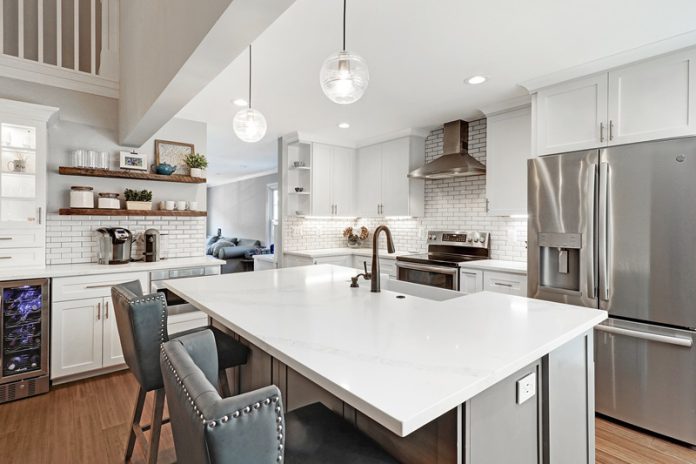
It’s no secret that a stunning, modern kitchen can make home buyers want to purchase before they’ve viewed the rest of the home. Remodeling your kitchen can recoup the cost of the remodel between 59% and 81%.
Here are some of the biggest influencers for what increases your kitchen’s value:
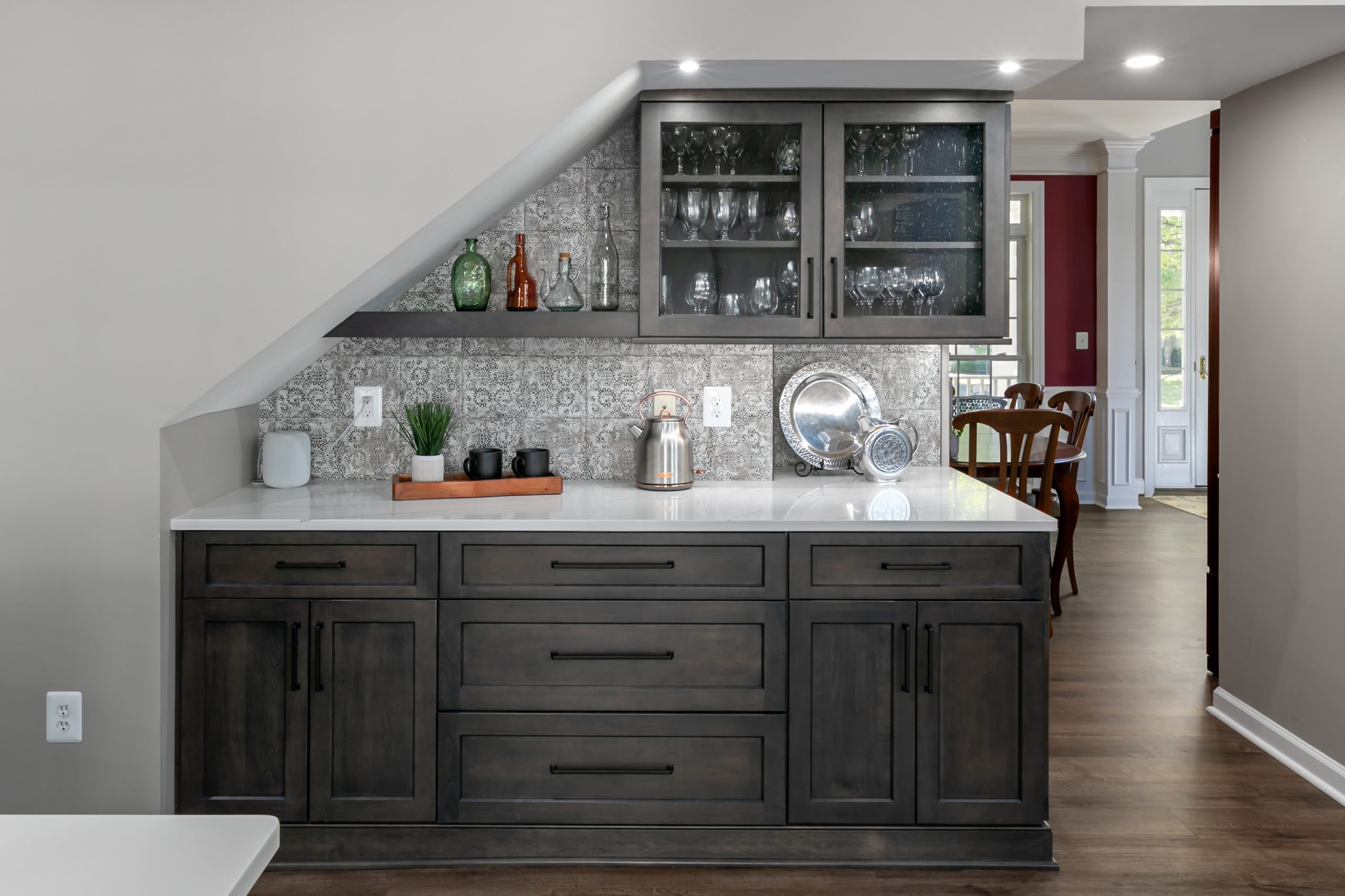
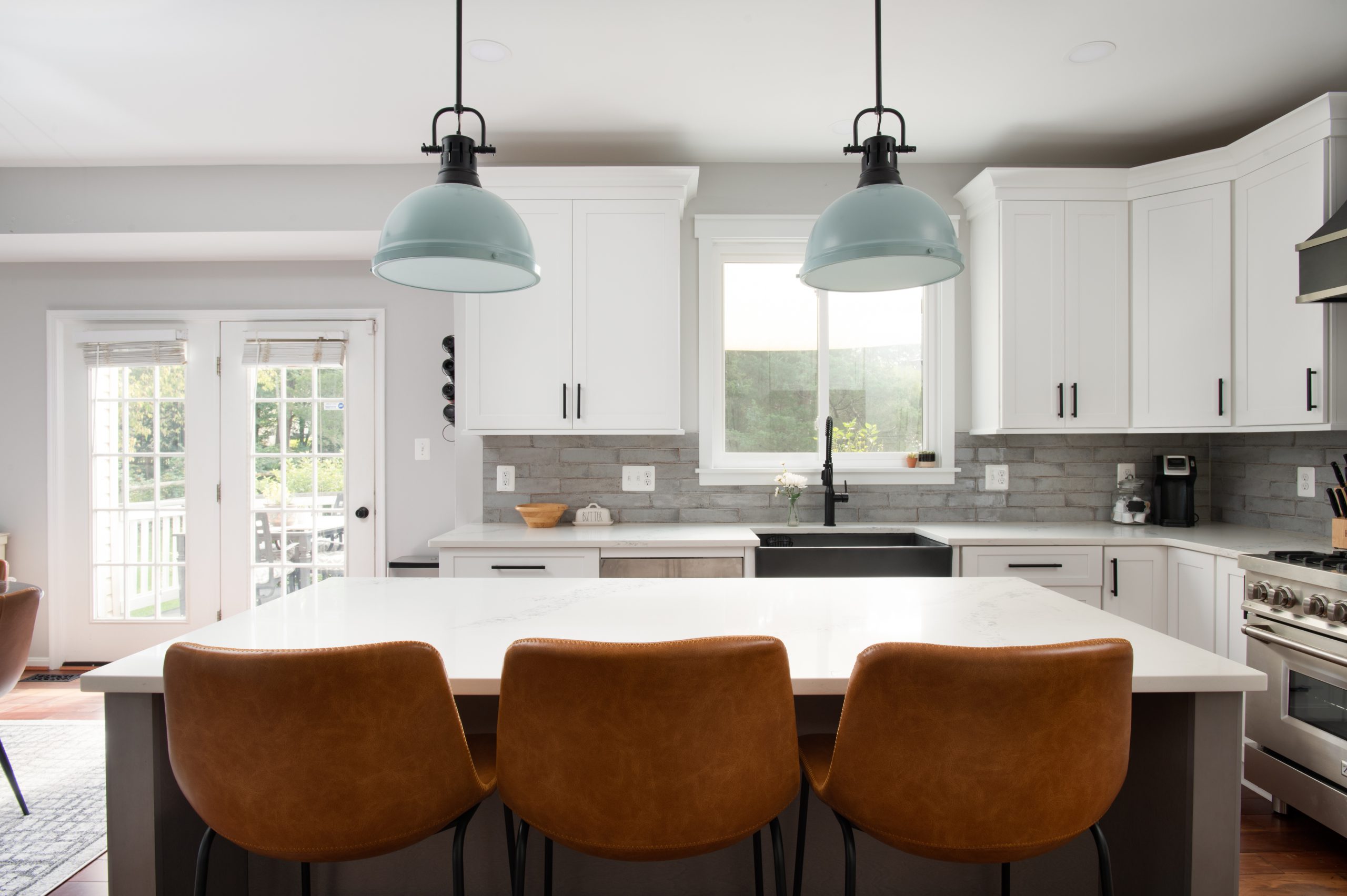
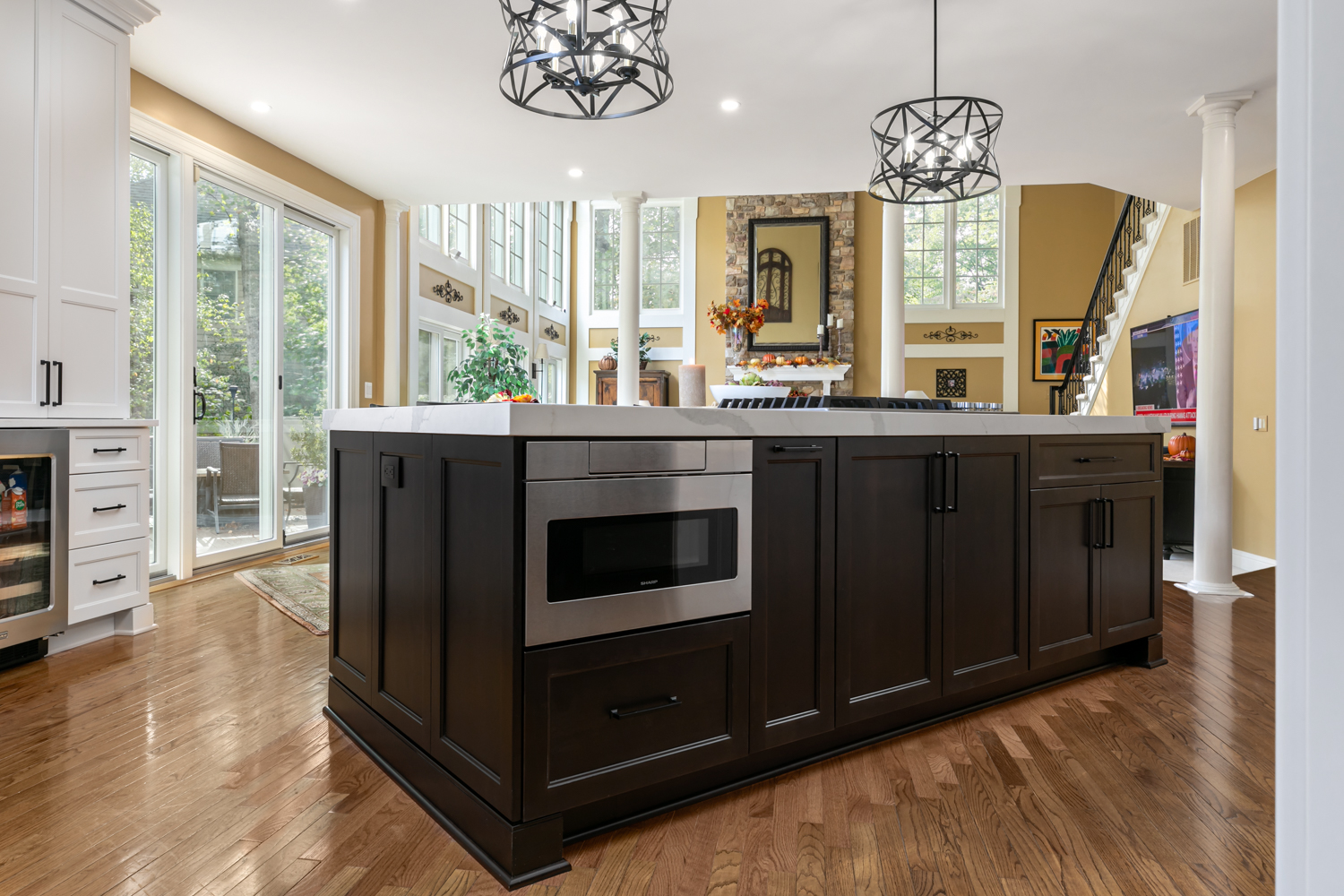
Kitchen Island
Adding a kitchen island is like hitting the jackpot in home value. Not only does it give you extra prep space and storage, but it also creates a focal point that buyers can’t resist.
A well-designed island is your kitchen’s biggest selling point in Northern Virginia’s competitive real estate market. Just remember, this isn’t a DIY project— invest in a custom island that matches your kitchen’s style and space.
Cabinets
Nothing dates a kitchen faster than out-of-date, worn cabinets.
But here’s the good news— updating your cabinets can give you one of the best returns on investment in your kitchen remodel.
While a fresh coat of paint and new hardware can give your cabinets a facelift, nothing beats a complete cabinet overhaul to maximize your kitchen’s value.
New cabinets offer the latest in storage solutions, premium materials, and modern design that today’s buyers crave. Instead of seeing a kitchen that is a project on their to-do list, they’ll see a complete, move-in-ready home.
Countertops Galore
No one ever wished for less countertop space! Expanding your prep area isn’t just practical; it’s a game-changer for how you use your kitchen.
Consider adding an island that is more than a spacious prep station— it’s also home to additional, organized storage and a casual dining area. It’s perfect for everything from rolling cookie dough to hosting wine and cheese nights.
In the Northern Virginia real estate market, a spacious, well-designed kitchen can be the difference between a quick sale and a house that lingers on the market.
Knocking Down Walls
Open-concept living isn’t just a trend; it’s a lifestyle that Northern Virginia homeowners crave. By removing walls to create a flowing kitchen and living space, you’re not just changing your floor plan; you’re transforming how your family interacts.
Imagine chatting with guests while plating appetizers or keeping an eye on the kids’ homework while stirring pasta. It’s about creating a communal space where life happens and sharing memories.
An open, airy kitchen in the Northern Virginia market can make your home feel larger, more modern, and indefinitely more appealing to potential buyers.
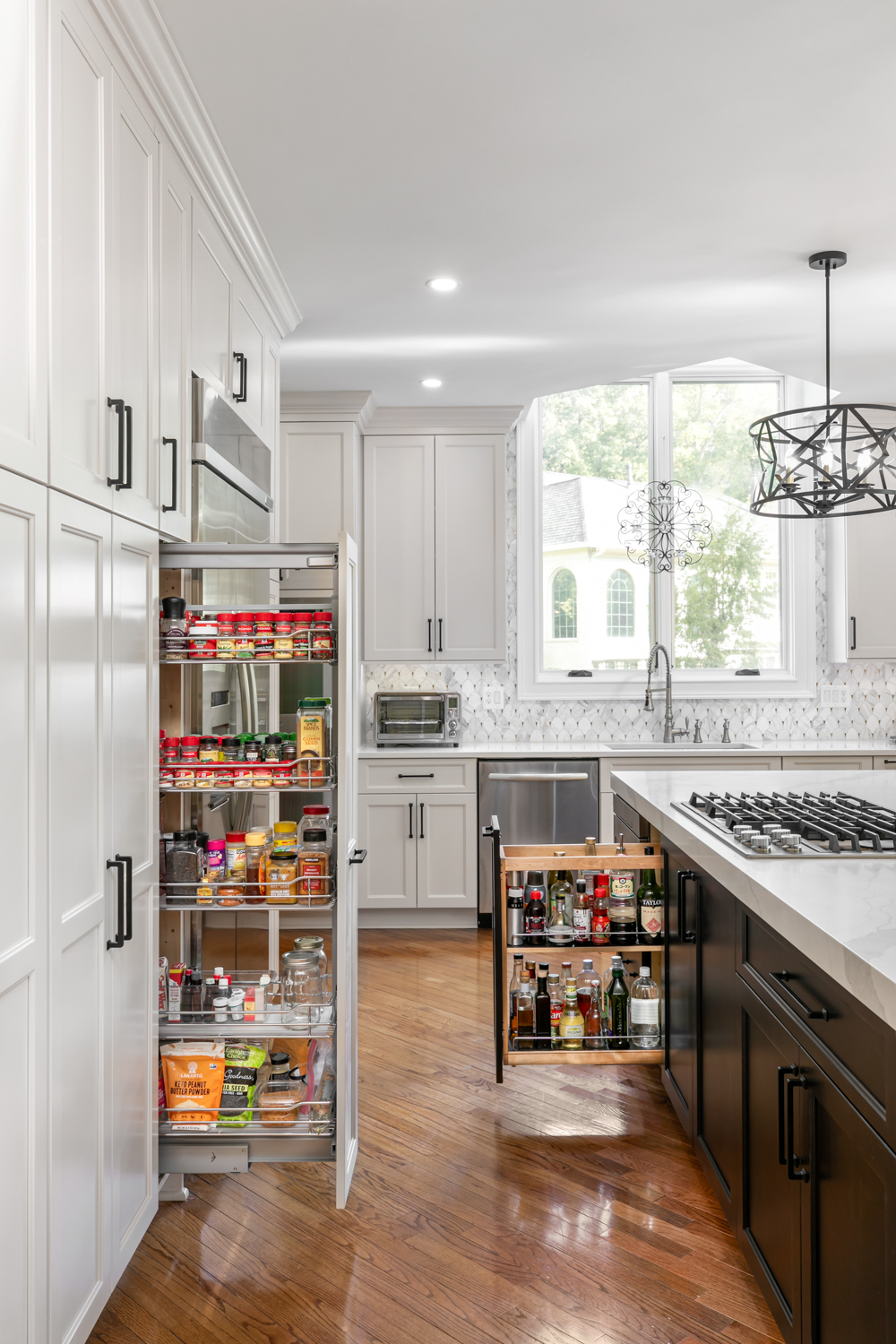
Clever Storage Solutions
Ever feel like you’re in a real-life game of Jenga every time you reach for a pot or baking sheet? Clever storage solutions can completely transform your kitchen into an organizational wonderland.
Think pull-out pantry shelves, deep drawers for pots and pans, and even a dedicated spice drawer. Savvy storage can be the secret ingredient that sets your kitchen apart in the competitive Northern Virginia housing market.
Smart Appliances
Today’s buyers are looking for the latest kitchen appliances that can connect to wifi and interact. Energy-efficient, smart appliances aren’t just about having the latest gadgets— they can actually save you money on bills and make life easier. Imagine preheating the oven while you’re stuck in traffic on the way home to make dinner— now that’s a future we can all get excited about!
Remember, kitchen remodeling in Northern Virginia isn’t just about boosting your home’s value (though it certainly does that!), it’s about creating a shared space that makes life more convenient and happier.
Bathroom Remodeling in Northern Virginia
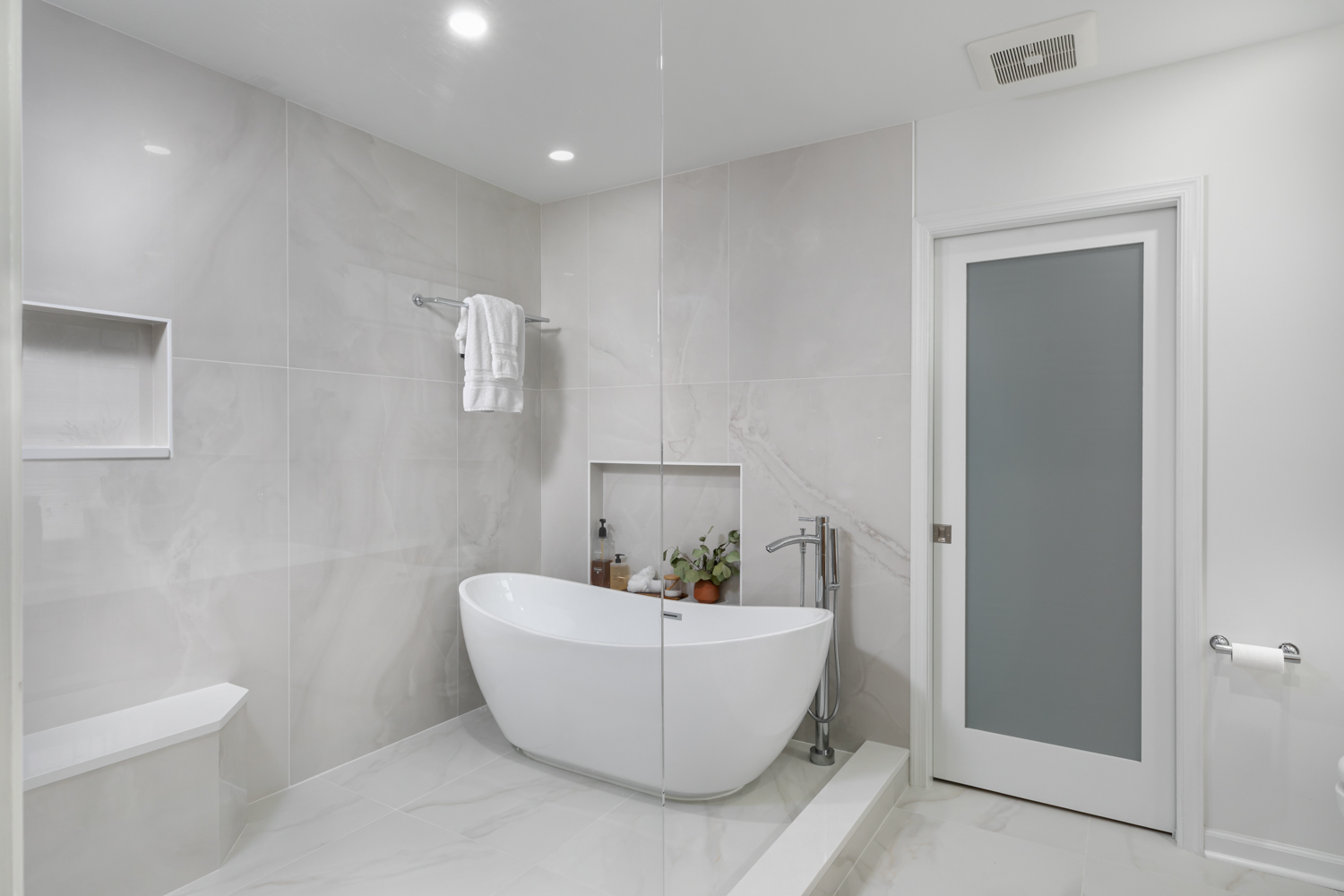
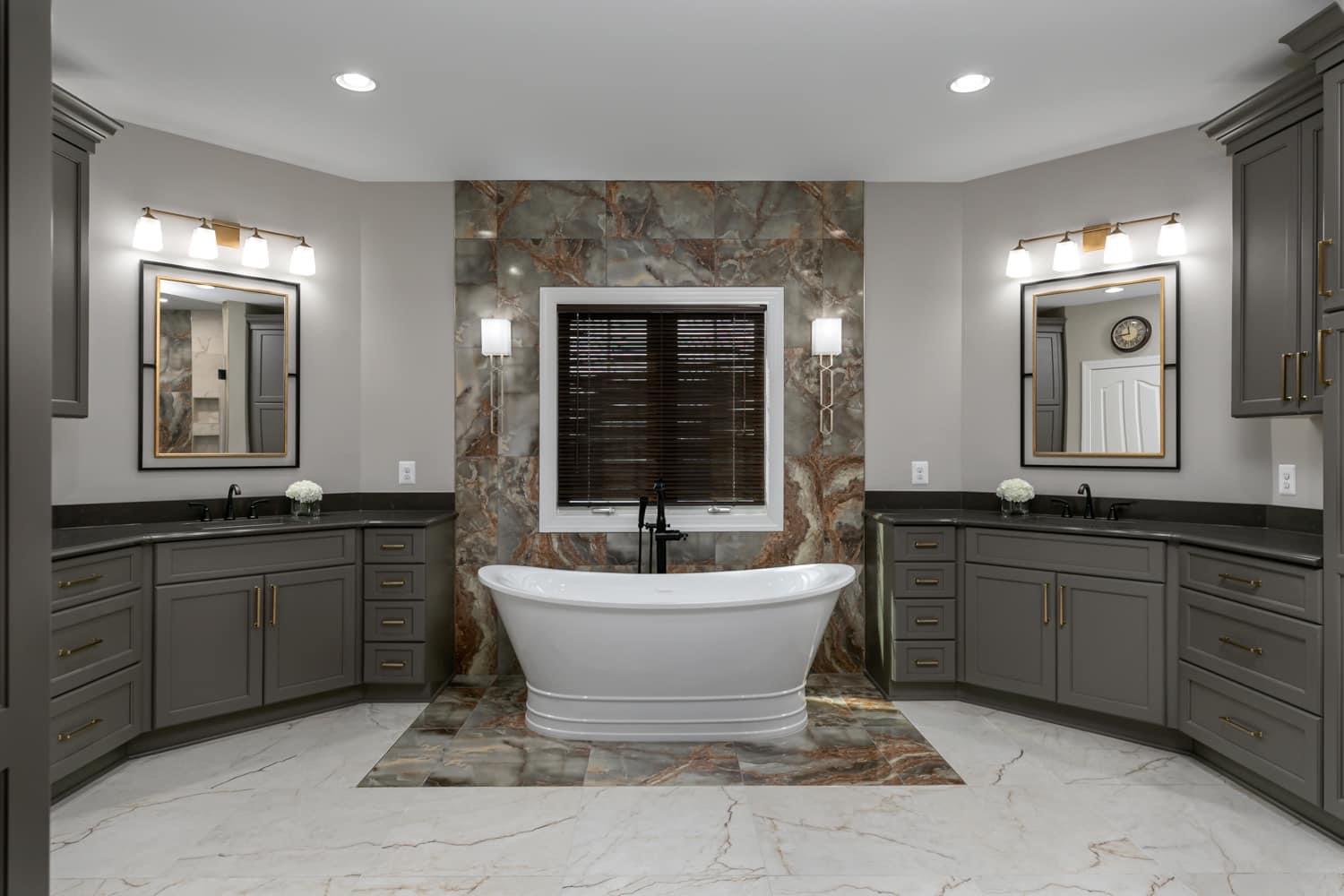
You don’t need a weekend away to feel pampered— bathroom remodeling in Northern Virginia turns your space into a luxurious oasis that can significantly boost your home’s value.
Here are some popular upgrades to consider:
Wet Rooms Step into a wet room— a spacious open area where curtains do not confine you. This spa-like experience lets you shower, bathe, and keep wet messes contained. This small room inside the bathroom is built with a slope so all your water activity drains appropriately, making cleaning a cinch! This bathroom trend is hot for remodeling in Northern Virginia, and a feature potential buyers can’t resist!
Freestanding Tubs
There’s something undeniably luxurious about a freestanding tub. It’s not just a bathtub. It’s a statement piece, like a work of art you can actually use. Whether you like the classic clawfoot or a modern sculptural design, a freestanding tub transforms your bathroom from basic to fantastic!
And for potential buyers? It’s the kind of feature that has them mentally moving in before they’ve left the house.
Storage Smart storage solutions are the unsung heroes of good bathroom design—vanities with deep drawers, sleep cabinet systems, and maybe even some hidden compartments. Clever storage isn’t just nice to have— it’s essential. It’s about creating a space that looks out of a magazine spread but is totally functional.
Eco-Friendly Features
Smart mirror concept. Young woman applying lip liner in front of a smart mirror that gives information
Consider smart water monitors that save water without sacrificing effectiveness, LED mirrors and lighting for ambiance and energy efficiency, and sustainable materials that look good and feel even better. It’s not just about saving on the bills; it’s about being environmentally minded.
Cultivating Your Vision for Remodeling in Northern Virginia
As we wrap up our journey of remodeling in Northern Virginia, it’s clear that stacking the right upgrades transforms your living space and home’s market value.
From finishing your basement to remodeling your kitchen or bathroom, each project provides opportunities to increase your home’s value and enhance your daily living.
Now, we’re curious— which of these home improvements are you rushing to pin to your Pinterest board? Are you dreaming of a spa-like bathroom, or would you rather invest in a gourmet kitchen? Or are you finally convinced to finish up your basement?
Whatever your vision, remember that a thoughtful remodel in Northern Virginia’s real estate market is more than just an upgrade— it’s an investment in your future. So, what’s on your home improvement wishlist? Let us know in the comments!
Just like fashion, even the world of landscape is undergoing a change.
People aren’t just seeking materials that would be functional, but they are also looking for something that could add beauty to their space.
Natural stone outdoor pavers stand out as the game-changer for 2024 among the various landscape trends.
The growing appeal of these stones makes them a popular choice for hardscaping projects by homeowners, landscapers and builders. This blog will share the best-in-class outdoor pavers for your home.
Let’s start!
Travertine
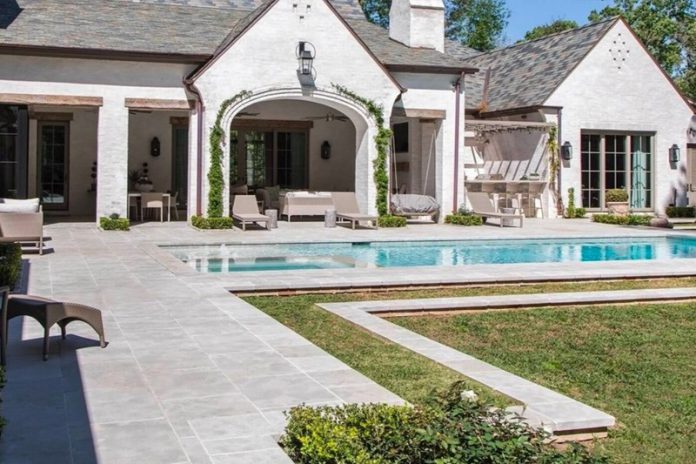
These outdoor pavers have gained much traction in recent years, and their popularity is set to soar in Australia. They shine in all aspects, be it durability or resilience.
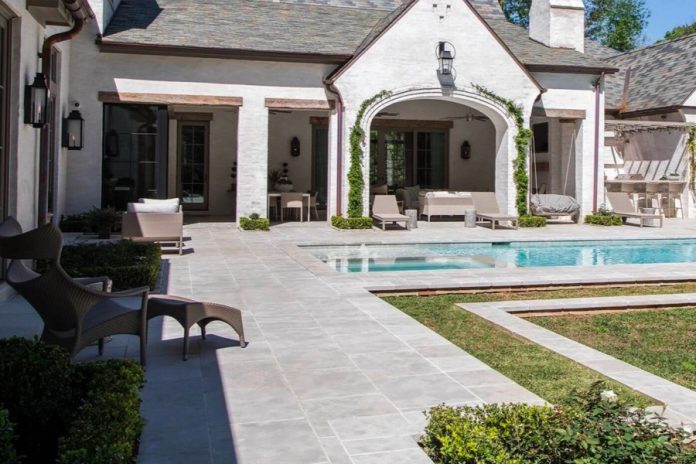
The most popular application of Travertine pavers is around the pool as a surround. These paving stones are cool underfoot, making the hot sunny days by the pool much better. Apart from this, they are naturally slip-resistant. Hence, swimmers going in or coming out can have a better grip due to the textured surface. Typically, the colours that swirl and wave throughout the stone are grey, silver and beige!
Limestone
Next on our list is Limestone pavers. In contrast to conventional paving materials like concrete, these natural stones have a high level of stain, scratch and fade resistance.
This makes it the perfect option for outdoor areas like patios, pathways or alfresco. Limestone’s durability guarantees that your outdoor area will continue to be attractive for years to come. Yes, even in the face of inclement weather. You can also use them for outdoor kitchens since these stones are heat-resistant.
Marble
Making the outside design an extension of the interior to create a room that flows into another is a new trend altogether. It is where our next option, Marble comes into play.
An outdoor area like the courtyard can be designed to be comfortable and familiar with Marble pavers. It facilitates a smooth transition from the inside to the outside and back. Marble is known for its elegance and the luxe character it brings to a space. If you think it is not as strong as the other natural stones, look at the Taj Mahal in India, which is made of Marble and still stands tall.
Sandstone
If you’re looking for a more rustic, natural aesthetic or a modern, minimalist look, then these outdoor pavers are the one for you. They are a popular choice for walling and flooring outdoor spaces because of their durability.
However, these pavers for outdoors need to be sealed before installation when using them for walling. It is mainly because they are porous and can absorb water and moisture if not sealed properly. Moreover, these outdoor pavers can be laid in endless combinations of patterns to give your space a different and unique appearance.
Granite
When we talk about sturdiness, Granite is the natural stone that resonates with it the most.
It goes without saying that Granite stone has been utilized for millennia in remodeling projects. One of the hardest materials on the planet, this outdoor paver is a great option for even the most extreme weather conditions. It is because of its inherent durability and resistance to all forms of weather.
The most common application of this stone is driveways where high-foot fall can make the other alternatives chip or break.
Bluestone
If plain and simple won’t do, try Bluestone outdoor pavers. They are known for their blue and grey tonality. These paving stones have “cat paw” like veins on their surface, which makes them unique.
Mixing different shapes and sizes of Bluestone will give your paver patio personality. Before you begin putting the pavers, lay out your plan to ensure that you are satisfied with the final design. You can change the paver placement until you find the ideal arrangement.
To Conclude
Natural stone outdoor pavers are the way of the future for external hardscaping.
Because of their exceptional blend of sustainability and aesthetic appeal, these outdoor pavers are preferred by both designers and homeowners. They provide an elegant and practical combination that sets the trends for the coming year. Whether you’re starting a new landscaping project or thinking about updating the existing outdoor area, these pavers are apt for the same.
Accept the future of hardscaping with natural stone outdoor pavers. And see how the supplies from top wholesalers can turn your outdoor areas into enduring works of art!
Have you ever wandered around your garden, thinking about how to make it look more aesthetic?
If this is the case, then you’re in the right place.
We know that natural stones are the epitome of durability and resilience. But what we forget about them is that they are also beautiful to look at. There are many types of natural stones available in the market. Choosing among them and knowing which would suit your design requirements the best can get a little bit overwhelming. But worry not!
This blog will help you understand the different types of natural stone garden pavers and how they can be incorporated to make your space look like the talk of the town!
But first, let’s briefly understand the benefits of using natural stones for your garden.
Benefits Of Natural Stones for Garden Areas
Slip Resistance
When it comes to natural stone garden pavers, the most important benefit of installing them is their natural slip resistance. It is because of the traction created by the textured surface. The roughness offers a good hold and minimises accidents caused by slips and falls. Hence, they can be easily used for garden areas where the stones can get wet due to rainfall or snow frequently.
Durable
One of the most important facets of natural stones is their durability, which is already mentioned above. Be it Granite or Limestone, these building stones are sturdy and can survive adverse weather calamities.
This makes them an excellent choice for garden areas such as walkways, pathways and borders. They are also resistant to pests and other environmental conditions. Due to these benefits, these statement building stones can survive for decades, increasing the value of your garden and, in turn, your whole property over time.
Low Maintenance
If built and taken care of correctly, garden pavers made of natural stones require relatively little upkeep. Just ensure periodic maintenance and sealing and you’re good to go.
Variety
Regardless of your requirements, you can always discover natural stones for garden spaces. These garden pavers come in various hues and textures, providing limitless design options. Remember, the possibilities for working with natural stones are only limited by your imagination. Natural stones have various technical features, including water absorption, compressive strength, heat storage capacity and frost resistance.
Garden Pavers Design Ideas
Matching Existing Garden Pavers to New Walkways
The first and foremost idea that can be incorporated by anyone who is renovating their garden space is matching the existing garden pavers to build new walkways.
There are a few ways in which you can do so.
You can ask your installers to lift the previously laid garden pavers and randomly mix them with the new ones. Then reconstruct the entire region with the randomised mix. Ensure that the old and new pavers are of the same thickness. Otherwise, people will frequently trip over your uneven patio or pathway.
If you are constructing walkways using garden pavers near existing steps and stairs, you should include both the old and the new. For example, you can install Granite pavers near the steppers to uplift the charm of your space.
Try Out the Wood Effect by Using Sandstone
Nothing can replace wood, and it will never go out of style. But it is not always liable considering it is prone to harsh weather conditions. Wood can degrade over time, so choosing garden pavers that can help achieve the wood look without the associated issues is critical.
One such natural stone that gives out the same appeal and style is Sandstone pavers.
They are not only visually aesthetic but also long-lasting and strong. They also have the ability to handle severe weather conditions like harsh sunlight or heavy rainfall, making them suitable for use in Australia.
Add a Fire Pit in Your Garden Area for a Modern Touch
You must have admired how modern the fire pits look in a backyard. Do not worry, it is not a messy renovation job to go for.
You can easily incorporate a sleek, industrial-tone fire pit into any garden design. Garden pavers such as Travertine pavers or Limestone pavers are the ideal pick for this.
They add a modern touch to any space when used for walling the fire pits. But there are still more opportunities for creativity. Not to mention that the darker colours lessen glare and heat absorption.
Get Premium Garden Pavers for Any Style
Renovating a garden is a smart investment. It provides a lovely outdoor gathering space where you can chill, have your morning cuppa coffee or spend a peaceful evening with your family while also increasing the value of your property.
Using garden pavers creates a more elevated style that will woo your guests and family. These are just a few garden paver designs; the options are unlimited. So, what are you waiting for? Get started with your garden landscaping journey!
Selling your home can be a complex process. However, with the right strategy and preparation, you can increase your chances of a quick and successful sale. This guide will outline key steps to help you navigate the selling process efficiently.
Improving Your Property’s First Impression
Potential buyers will form a lasting opinion within moments of arriving at your property. This initial impression is important when selling your home as it can significantly influence their overall perception of your property.
To maximise your home’s appeal and increase the likelihood of a quick sale, you need to ensure you’re getting the most out of the first impressions of your property. Redecorating and boosting your curb appeal are great options to consider:
Redecorating: Redecorating can significantly enhance your home’s appeal and speed up the selling process. Whether you undertake a major renovation or simply refresh the space with a new coat of paint, these improvements can attract more potential buyers and increase your chances of a quick sale.
Curb Appeal: As we have mentioned, first impressions of your property are built within moments of a buyer seeing your property. Since your home’s exterior is the first thing buyers will see, investing time in improving your curb appeal is vital. This can easily be achieved by maintaining your garden, ensuring windows are clean, adding colourful flowers, or even adding a lick of paint to the property. As a result, buyers will be motivated to explore further and create a much better first impression that may lead to an offer.
Effective Pricing Strategies
When looking for a quick house sale, you must ensure you price your property correctly. To help you accurately price your property, here are some key factors to consider:
Buyers almost always expect to negotiate the asking price, so be prepared for offers below your initial listing. We recommend setting your asking price 5-10% higher than you want to sell to allow room for negotiations.
It’s essential to price accurately when aiming for a quick house sale. A competitively priced home will attract more interest and significantly reduce your home’s time on the market.
If your house has been on the market longer than you’d like, it might be time to lower the price to get it sold. An overpriced home compared to similar properties in the area can deter potential buyers, so lowering your price can generate more interest.
High-quality images capture potential buyers’ attention and create a lasting impression of your property. To maximise the impact of your marketing, consider the following methods:
Decluttering & Staging: A clean, organised space allows buyers to envision themselves living within the home a lot easier. We recommend removing your personal items and staging your home to ensure it attracts a broad buyer pool.
Professional Photography: Professional photographers are able to capture your home’s best angles and lighting. High-quality images can dramatically enhance the overall appeal of your listing. By showcasing your property in its best light, you can generate greater interest and attract more buyers.
Conducting Market Analysis
Often overlooked, market analysis is a powerful tool for sellers. By understanding your local market, you can make informed decisions that significantly impact your home’s sale.
Price It Right: By taking a look at the market in your area, you can see what similar properties are selling for and what features they are marketing. This can help you set an accurate price that will set you apart from competitors in your area.
Understand Your Buyer: By researching market trends, you can identify the features that buyers are currently prioritising. This will allow you to highlight these features when marketing your property, allowing you to stand out and reach as many potential buyers as possible.
Prepare for Challenges: A market analysis will also help you anticipate potential obstacles, such as price fluctuations or increased competition in your area. Being prepared for these obstacles can save you time and stress.
Conclusion
Selling a house quickly requires careful preparation and a flexible approach. Focusing on your presentation, pricing, and market trends can improve your chances of achieving a quick sale. However, the unpredictable and competitive nature of the UK housing market may require alternative options.
While thorough preparation is essential, unexpected challenges can arise. Delays and deals falling through are common issues for sellers. To speed up the process and avoid these issues, consider using We Buy Any House to sell your house fast. They offer a quick and hassle-free solution, with a house sale in as little as three days.
Radiant floor heating distributes heat via the floor of the property. The mechanism works by the immediate heat transfer from the surface to both individuals and objects through infrared radiation. In comparison with conventional heating systems, underfloor heating offers greater effectiveness and comfort in delivering heat and enhancing the quality of air inside the house.
There are two types of radiant floor heating systems:
Electric radiant floor heating uses electrical resistance cables or mats installed beneath the flooring, which are then heated to warm the room.
Hydronic radiant floor heating involves circulating hot water through a network of tubes embedded in the floor.
Read on to find out more about them.
Set-up procedure
This installation technique doesn’t rely on the category of the medium used, because both electric and hydronic underfloor heating can use both of these approaches.
Wet construction
Hydronic piping or electrical matting is installed on a large floor made of concrete. which takes a longer time to heat up, but the high thermal of concrete can maintain the warmth to last longer even after the heating system is switched off. This method, while effective, tends to be more expensive due to the materials and extended installation time involved.
2. Dry set-up
This procedure is more practical and cost-effective, as the wires, matting, or pipework are installed directly beneath the floor, allowing for quick heat distribution throughout the room. However, it requires higher operating temperatures to achieve optimal performance.
Manifold: it divides the water supply from the boiler into multiple pipe circuits, distributing it through different areas of the floor.
Thermostat: Allows the user to set and control the desired temperature.
Control Pack: Lets the user set their preferences, with the heater adjusting its operation accordingly.
Transmitter Valves: Regulate the flow of water within the system.
Actuator Fittings: Connect various pipelines and components within the system.
Advantages of use
Radiant floor heating is recognised as highly beneficial by many homeowners, because it offers many advantages, such as:
Ease of Control: Allows for precise adjustment of the warmth level to suit individual preferences and comfort.
Improved Energy Efficiency: Requires lower energy usage compared to traditional heating systems,
Even Heat Distribution: Provides consistent warmth across the floor, eliminating cold spots.
Silent Operation: Functions quietly without the noise associated with forced-air systems.
Natural Air Circulation: Promotes gentle heat distribution without creating drafts.
Reduced Dust and Allergens: Minimises air movement, helping to reduce the spread of dust and allergens for better indoor air quality.
Enhanced Property Value: Adds value to a home by offering a modern and efficient heating solution.
Increased Interior Space: Frees up wall and floor space by eliminating the need for bulky ducts and vents.
Now that you have a better understanding of underfloor heating, consider consulting with an expert from a local radiant heating company to find the best solution for your property. They can assist you in choosing between a hydronic and electric system and provide professional installation to ensure optimal performance in your home.
When planning home renovations, knowing whether your project requires a Party Wall Agreement is essential. This legal document is necessary when work affects a shared wall or boundary between two properties. Here’s a look at five common renovation projects that typically require a Party Wall Agreement and what you need to know about handling the process.
1. Loft Conversions
Loft conversions are a popular way to add space and value to your home, but they often involve altering shared walls, known as party walls. If your project involves cutting into the wall to insert steel beams or raising the height of the wall, you will need a Party Wall Agreement. This ensures your neighbour is informed and consents to the work, protecting both parties from potential disputes.
2. Rear or Side Extensions
Building an extension at the rear or side of your property can significantly impact a party wall. This is particularly true if your plans involve excavating near the wall or building up against it. Even if the work seems minor, like inserting a damp-proof course, a Party Wall Agreement is typically required. This agreement helps manage potential risks to your neighbour’s property, such as subsidence or structural damage.
3. Basement Conversions
Basement conversions are among the most complex renovation projects, often involving significant excavation and structural work close to or under a party wall. Because this type of work can destabilise the foundations of neighbouring properties, a Party Wall Agreement is essential. Multiple agreements may sometimes be required, especially if the work affects different walls or adjoining properties.
4. Chimney Breast Removals
Removing a chimney breast, partially or entirely, is another project that usually requires a Party Wall Agreement. This is because chimneys are often shared structures, and removing them can affect the stability of the adjoining property. The agreement will outline how the work will be carried out and what measures will be taken to ensure the safety and integrity of the shared wall.
5. Boundary Walls or Fences
If you’re planning to build or demolish a wall or fence that sits on the boundary between your property and your neighbour’s, a Party Wall Agreement is typically required. This is particularly important if the wall or fence will be structurally altered or if foundations will be dug near the boundary. The agreement ensures that any work does not encroach on your neighbour’s property or cause damage.
Do You Need a Party Wall Surveyor?
While it’s possible to create a Party Wall Agreement yourself, doing so requires both parties to agree and be willing to sign the document. If there’s any disagreement or the work is complex, it’s advisable that you hire a party wall surveyor in London. A surveyor can act impartially to draw up the agreement, ensuring that both parties’ rights are protected. They can also resolve disputes, reducing the risk of costly delays or legal battles.
For homeowners, navigating the Party Wall Act can be challenging, but understanding the requirements and when to seek professional help can save time, money, and stress. Always consult with a qualified surveyor if you’re unsure about any aspect of the process.
When it comes to designing a home, the integration of fitted wardrobes can
elevate both functionality and aesthetics. A fitted wardrobe not only provides
tailored storage solutions but also enhances the overall look of your space. To
ensure that your fitted wardrobes blend seamlessly with your interior, consider
the following tips:
1. Understand Your Room’s Style and Layout
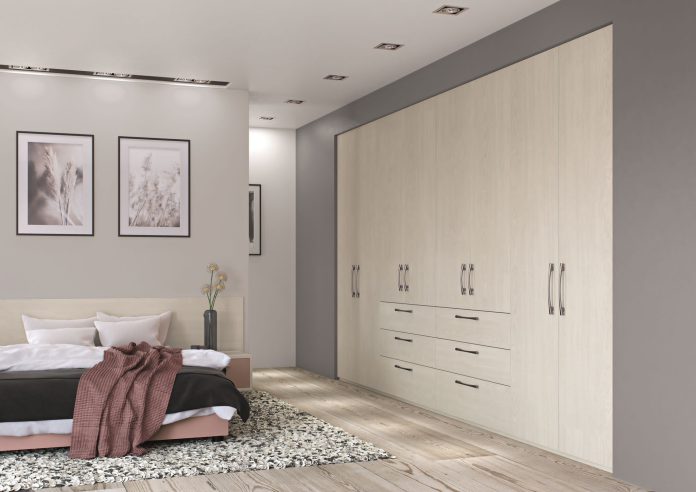
Before selecting a fitted wardrobe, evaluate the style and layout of the room. The wardrobe should complement the existing décor and architectural elements of the space. For example, in a modern room with minimalist décor, a sleek wardrobe with clean lines and minimal hardware will fit perfectly.
Oppositely, in a traditional setting with classic furnishings, a wardrobe with wooden finishes and small details might be more appropriate. Understanding your room’s style ensures that the wardrobe enhances rather than clashes with your existing design.
2. Choose Complementary Colours and Finishes
The colour and finish of your fitted wardrobe should harmonise with the room’s palette. If your room features neutral tones, consider a wardrobe in a matching or complementary colour to create a cohesive look.
For a more striking design, you might choose a wardrobe that contrasts with the room’s colour scheme but still aligns with the overall style. Additionally, the finish of the wardrobe – whether matte, gloss, or textured – should complement other surfaces in the room, such as walls, flooring, and furniture.
3. Incorporate Matching Hardware and Accessories
The hardware and accessories of your fitted wardrobe, such as handles, hinges, and drawer pulls, play a crucial role in its overall appearance. Select hardware that matches or complements other metal finishes in the room, such as light fixtures or curtain rails.
This attention to detail helps the wardrobe blend seamlessly with the room’s design, contributing to a unified look. For instance, if your room features brass accents, choose brass handles and fittings for the wardrobe.
4. Design the Wardrobe’s Interior for Functionality
A well-designed interior layout enhances the functionality of your wardrobe and ensures it seamlessly fits your lifestyle. When planning the interior, consider the types of items you’ll be storing and design the space to accommodate them effectively.
Features such as adjustable shelving, pull-out drawers, and dedicated accessories compartments can improve the wardrobe’s practicality and integration into the room.
Customising the interior layout to meet your specific needs will ensure that the wardrobe serves as a practical extension of your living space.
5. Opt for Professional Design and Installation
For a perfect fit and finish, it’s best to consult with professionals who specialise in fitted wardrobes.
These experts can assist you in choosing the right design, materials, and layout to ensure that the wardrobe integrates seamlessly with your interior. They also provide precise installation, which is crucial for ensuring that it fits perfectly and functions correctly.
If you’re in search of top-notch options, Beautiful Bedrooms can connect you with skilled professionals who can deliver custom solutions for your home.
Final Thoughts
Integrating a fitted wardrobe into your home’s interior design requires thoughtful planning and attention to detail. Understanding your room’s style, choosing complementary colours and finishes, matching hardware, and designing a functional interior all contribute to a wardrobe that enhances your space seamlessly.
For expert guidance and high-quality options, explore fitted wardrobes in London. Your perfect wardrobe, tailored to your needs and style, is just a consultation away.
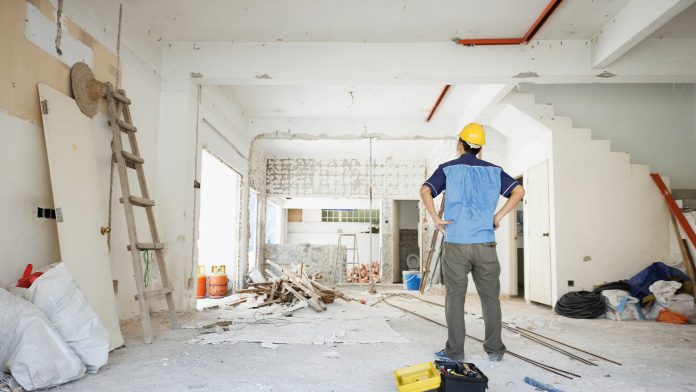
Renovating your home can be an exciting project, but it often comes with a considerable amount of waste. From old fixtures and materials to construction debris, managing renovation rubbish can be a challenge. However, disposing of this waste safely and sustainably is crucial for protecting the environment and maintaining your community’s health.
Follow these strategies to handle renovation rubbish in an eco-friendly and efficient manner:
1. Plan Ahead
Before starting your renovation project, plan how you will manage the waste. Understanding the types of materials you’ll be dealing with will help you set up a proper disposal strategy. Consider allocating space for waste segregation and determine if you need specialised containers for different types of rubbish.
Tip: Reach out to local waste management services for guidance on what materials can be recycled or require special disposal methods.
2. Sort and Segregate
During the renovation, sort your waste into categories such as wood, metal, drywall, concrete, and hazardous materials. Proper segregation allows each type of waste to be handled according to its disposal requirements and can often make recycling processes more efficient.
Tip: Use clearly labelled bins or containers to keep materials separated. This makes it easier to handle and dispose of each type of waste correctly.
3. Recycle Whenever Possible
Many renovation materials can be recycled. Wood, metal, and certain types of drywall can often be repurposed or processed into new products. Check with local recycling centres or services to see what materials they accept and their requirements.
Tip: If you’re unsure about how to recycle certain materials, contact your local recycling centre or waste management authority for advice.
4. Donate Usable Items
Items that are still in good condition, such as cabinetry, fixtures, or appliances, can be donated to charities or resale shops. Find local organisations that accept donations of building materials and home goods. It will help to divert waste from landfills and support a good cause.
Tip: Make sure that items are clean and in working order before donating. This increases the chances of them being accepted and reused.
5. Properly Dispose of Hazardous Materials
Hazardous materials like paint, solvents, and certain types of insulation require special handling. These materials should not be disposed of with regular rubbish due to their potential environmental impact. Contact your local waste management facility for information on hazardous waste disposal.
Tip: Many communities have designated days or drop-off locations for hazardous waste. Check with your local government for scheduled events or facilities.
6. Hire Professional Services
For large amounts of renovation waste or for handling hazardous materials, consider hiring a professional rubbish removal service. Companies like Rainbow Rubbish Removal offer expert services to handle and dispose of renovation rubbish safely and sustainably. They can manage everything from sorting and recycling to proper disposal, ensuring compliance with environmental regulations.
Tip: Get in touch with professional services early in the renovation process to schedule waste removal and confirm they can accommodate your project timeline.
7. Adopt Sustainable Practices
Adopting sustainable practices during and after your renovation can help reduce the overall environmental impact. Consider using eco-friendly materials, minimising waste generation, and opting for products with recycled content.
Tip: Look for certifications or labels indicating that products are environmentally friendly or made from recycled materials.
Take Action for a Cleaner Renovation
Properly managing renovation rubbish is essential for maintaining environmental and community health. Planning ahead, sorting and recycling materials, donating usable items, and disposing of hazardous materials correctly will help make your renovation project both successful and environmentally responsible.
For help with handling renovation waste, services like London rubbish removals are ready to assist you in a safe and sustainable way.
Contact them today to find out how they can support your efforts towards a cleaner, greener renovation.
As the research goes, with moderate indoor RH-Relative Humidity (Permissible relative ambient humidity) values of 40–60%, the ventilation rate will reduce SARS-CoV-2 airborne levels more than other indoor RH levels.
Moreover, an appropriate humidity range boosts respiratory tract mucociliary clearance and immunological protection. A large humidifier for the home helps attain these levels. It renders the indoors healthier and lowers the negative impacts of dry air on skin and respiratory health. Generally speaking, properly using humidifiers reduces disease transmission and improves indoor air quality.
Why You Need a Large Humidifier for Your Home
1. Health Benefits
A large humidifier for home increases respiratory health with optimal humidity levels. It inhibits the mucous membranes from drying out for lower susceptibility to asthma, allergies, and colds.
Proper humidity levels keep nasal passages clear and drop the occurrence and severity of asthma attacks. Furthermore, consistent moisture averts dermal irritation and dryness for sensitive skin and hair. It is vital in winter when indoor heating can strip away natural oils.
Also, a large humidifier for the home lessens static electricity, which can cause discomfort and exacerbate respiratory conditions. So, a balanced indoor environment gives well-being and comfort.
2. Home Benefits
Ideal humidity levels with a large humidifier for the home preserve furniture integrity. Low humidity can cause wood to crack and distort in antique or high-end pieces.
Indoor plants, which promote air purification and aesthetic appeal, thrive in stable humidity environments. Appropriate moisture levels prevent wilting and browning of leaves, so plants stay healthy and alive. Therefore, a large humidifier for the home develops comfort and safeguards valuable home assets.
Choosing a Large Humidifier for Home
Here are what you should consider before choosing your home humidifier.
1. Capacity: Water Tank Size and Coverage Area
A large humidifier for the home should have a considerable water tank. For example, it can be over 1 gallon for long operation without frequent refills. The coverage area in square feet is critical. You may look for units covering 500 square feet or more for large spaces. Consider the tank size’s runtime relative to the coverage area.
E.g., a humidifier with a 2-gallon tank may run for 24 hours in a 600-square-foot room. Further, check for easy refilling mechanisms and water level indicators.
2. Types: Cool Mist, Ultrasound, Evaporative, Warm Mist, and Vaporizers
The right type of humidifier relies on preferences. Cool mist humidifiers use a fan to diffuse water droplets in large rooms. Ultrasonic models are quiet and use high-frequency vibrations to produce mist for bedrooms.
Evaporative humidifiers use a wick filter to absorb water as well as a fan to blow air through it for natural moisture without white dust residue. Warm mist humidifiers use a heater to boil water and can reduce bacteria and germs in health-sensitive environments. Vaporizers, a subset of warm mist units, add medicinal inhalants for therapeutic purposes.
3. Output: Adjustable Mist Level and Humidistat
High-output flexibility in a large humidifier for the home gives humidity control. Adjustable mist levels allow customization according to room size and humidity requirements.
For instance, multiple output settings can help keep desired humidity levels in variable conditions. An integrated humidistat is essential for precise humidity regulation. It automatically adjusts the mist output to maintain set humidity levels while avoiding over-humidification.
In addition, progressive models may offer digital displays showing real-time humidity levels and settings for user control.
4. Noise Level
Noise level is crucial for humidifiers in living areas or bedrooms. Ultrasonic humidifiers are the quietest for noise-sensitive settings. Evaporative models, although efficient, can be louder due to their fan operation.
When evaluating noise, check for decibel ratings provided by manufacturers. Consider units with “sleep mode” or “night mode” features that cut noise during nighttime use. Internal noise-dampening technology can also decrease operational sounds for comfort.
5. Smart Humidifier Control Method
Clever control methods boost the usability of large humidifiers. Wi-Fi-enabled units allow remote control via smartphones for convenience for adjusting settings from anywhere.
Integration with Amazon Alexa or Google Home enables voice commands for hands-free operation. Humidifiers may feature sensors that monitor indoor air quality and spontaneously adjust settings for ideal conditions.
Some models provide usage reports and maintenance alerts to help users keep the device in top condition. So, it improves ease of use and gives stable humidification.
DREO Humidifier HM524S — Best Smart Humidifier Ever
For a large humidifier for the home, see DREO’s recently launched smart humidifier – HM524S.
✔ Effortless Comfort:
Enjoy up to 60 hours of continuous humidification with the HM524S’s generous 6-liter tank, perfect for maintaining a comfortable environment without frequent refills.
✔ Advanced Mist Technology:
Experience superior mist distribution with ultrafine particles (5μm) using cutting-edge 2.4MHz high-frequency atomization technology, covering up to 500 sq. ft. with a broad 40-inch mist spread.
✔ Whisper-Quiet Operation:
Operates at a peaceful 28dB in low mode, ensuring undisturbed relaxation or work time, even while sleeping.
✔ Smart and Stylish:
The humidifier can work well with your smart home ecosystem with Google Home, Alexa, and the DREO App. Enjoy convenient features like a top-fill design, customizable RGB ambient lighting, a built-in fragrance pad tray, and intuitive touch controls for effortless adjustment of mist levels, timers, and more.
Conclusion
DREO home appliances, including the new innovative large humidifier for the home, have precise engineering and technology. The company keeps rolling out living-style lifting solutions, winning countless customers’ support and applause.



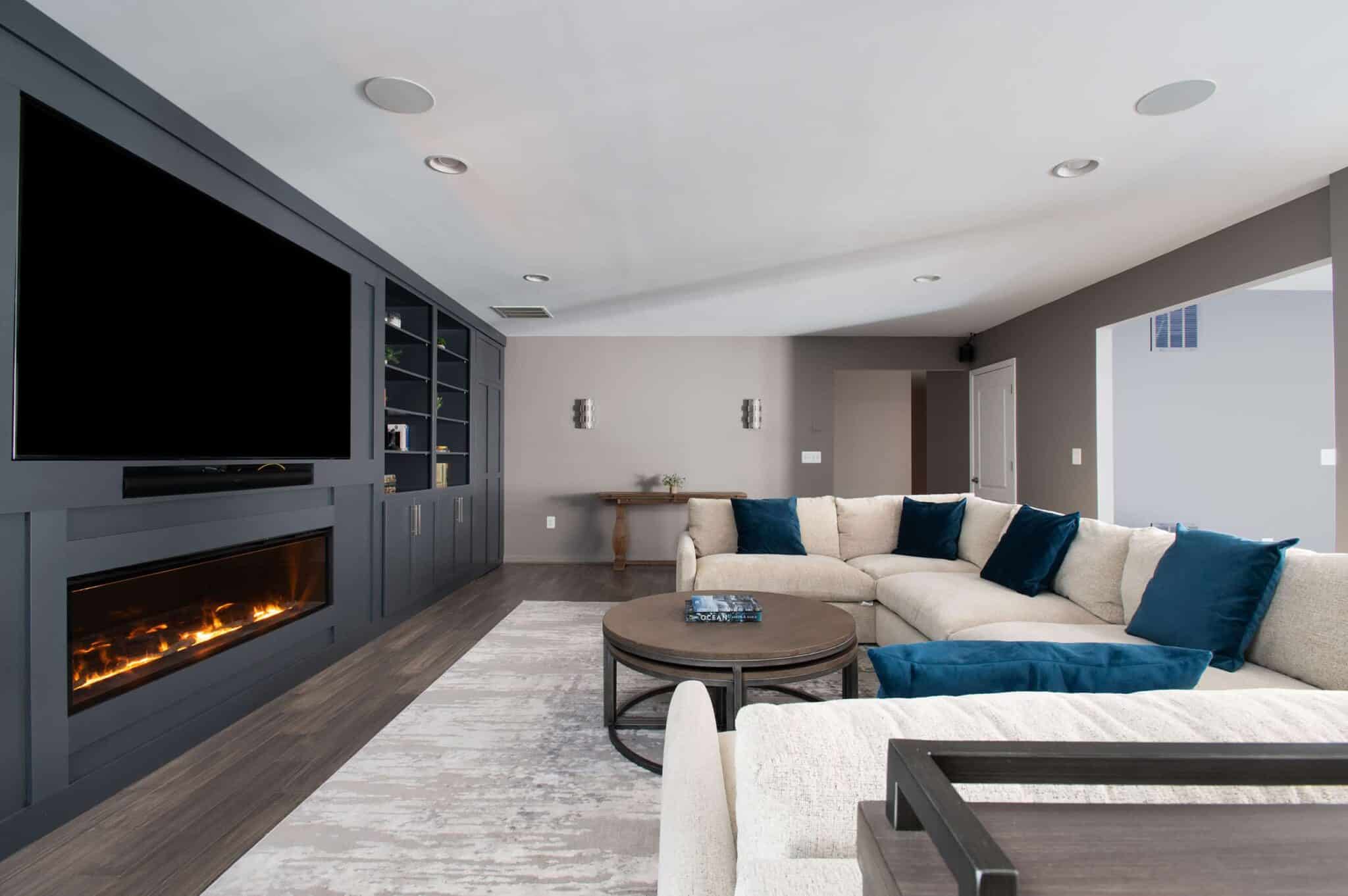 Imagine transforming your dark lower level into a bright, welcoming extension of your home. By finishing your basement, you’re not just adding rooms— you’re unveiling a whole new floor of possibilities!
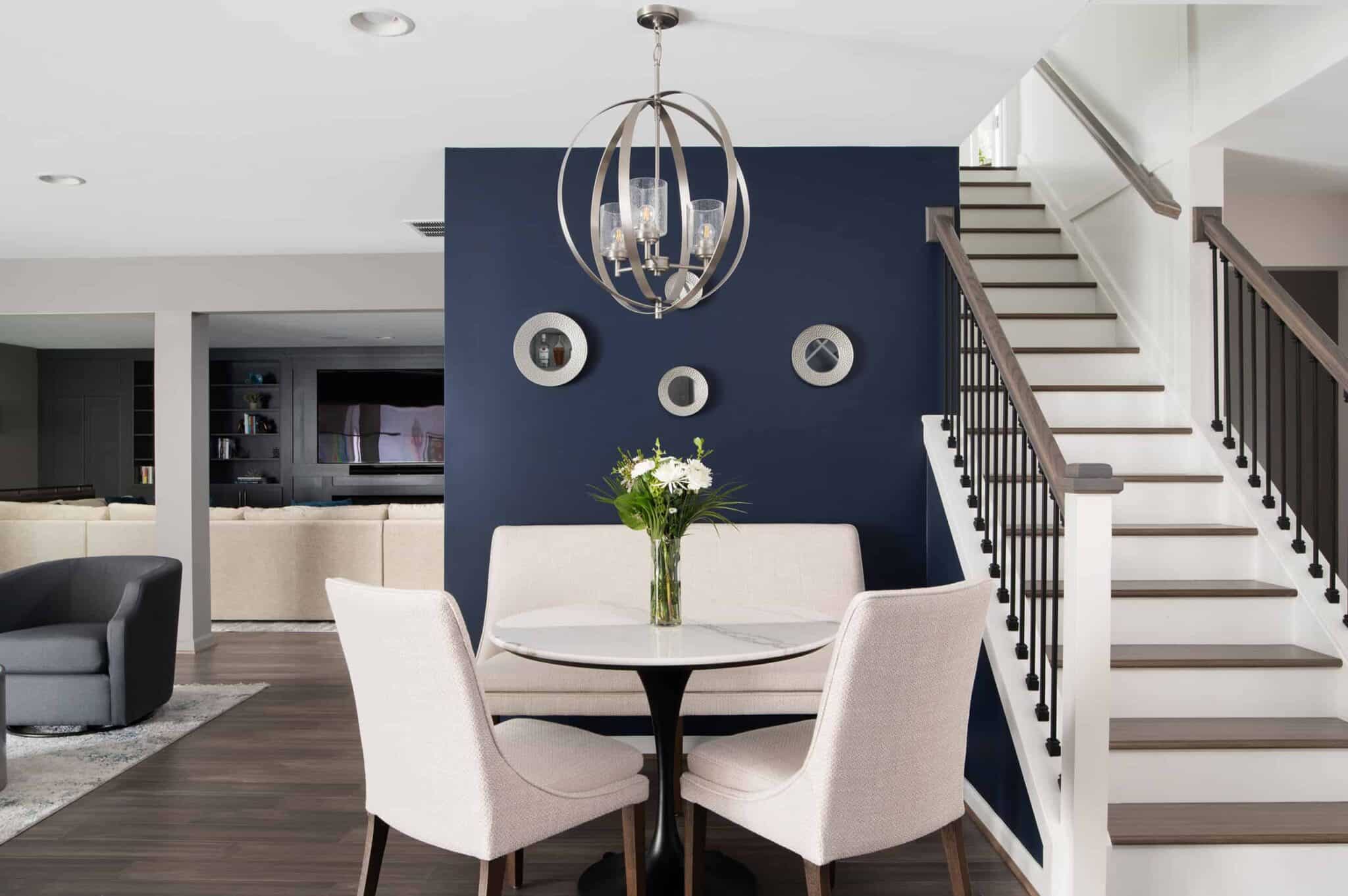 Your finished basement is like a blank canvas, ready to become whatever your family needs most.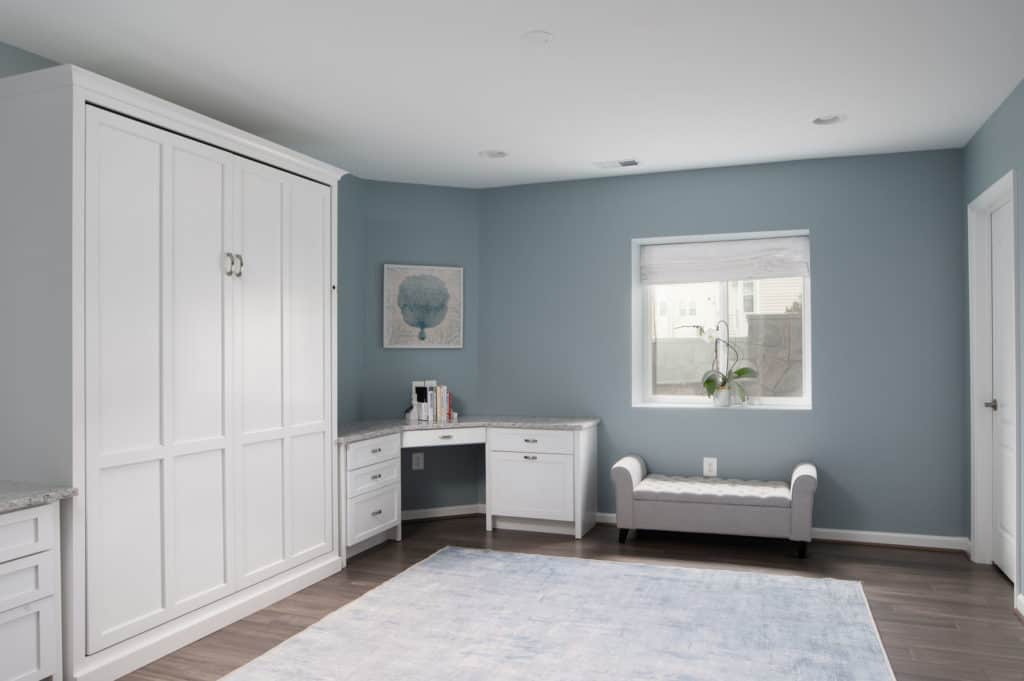
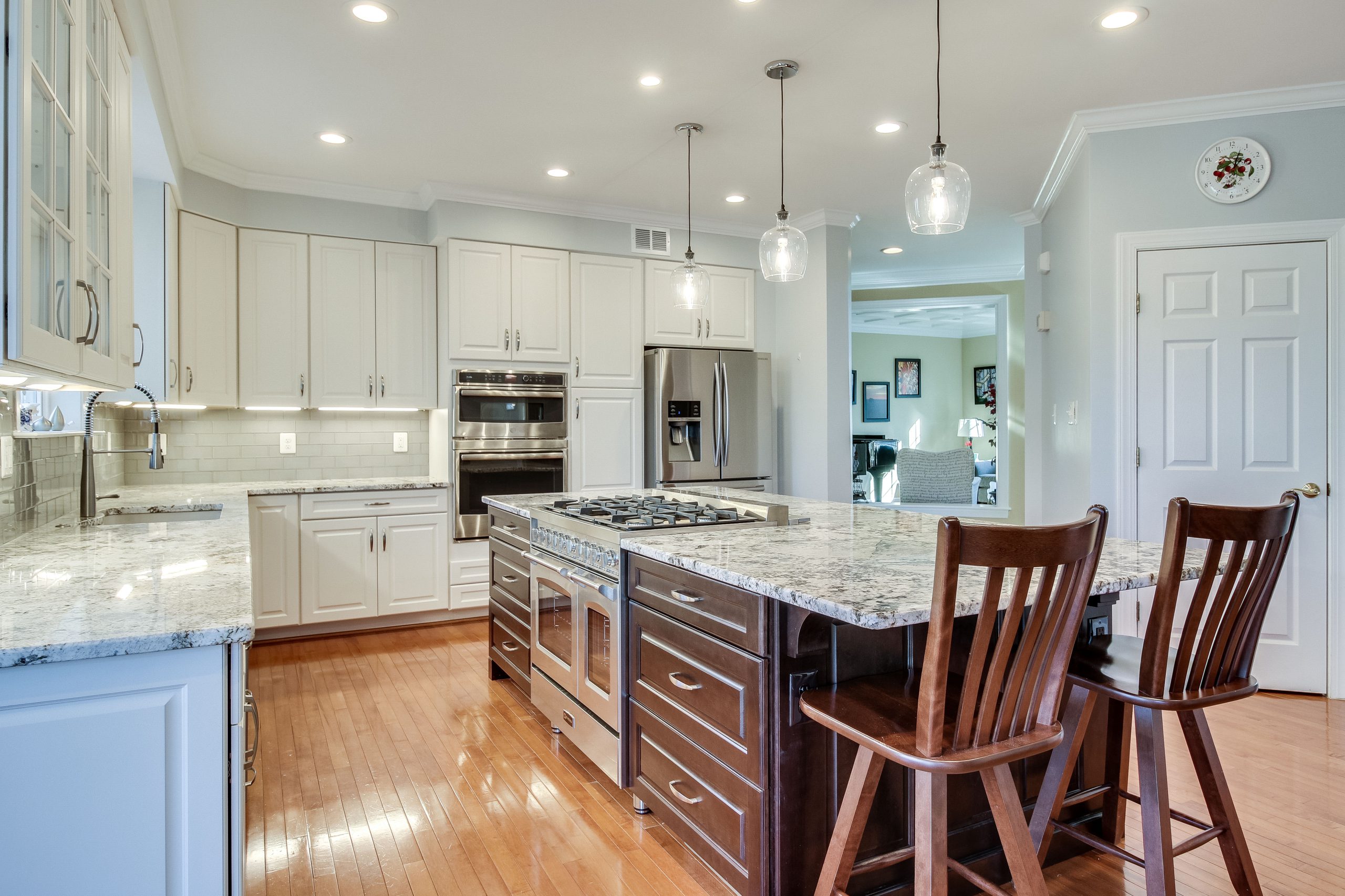
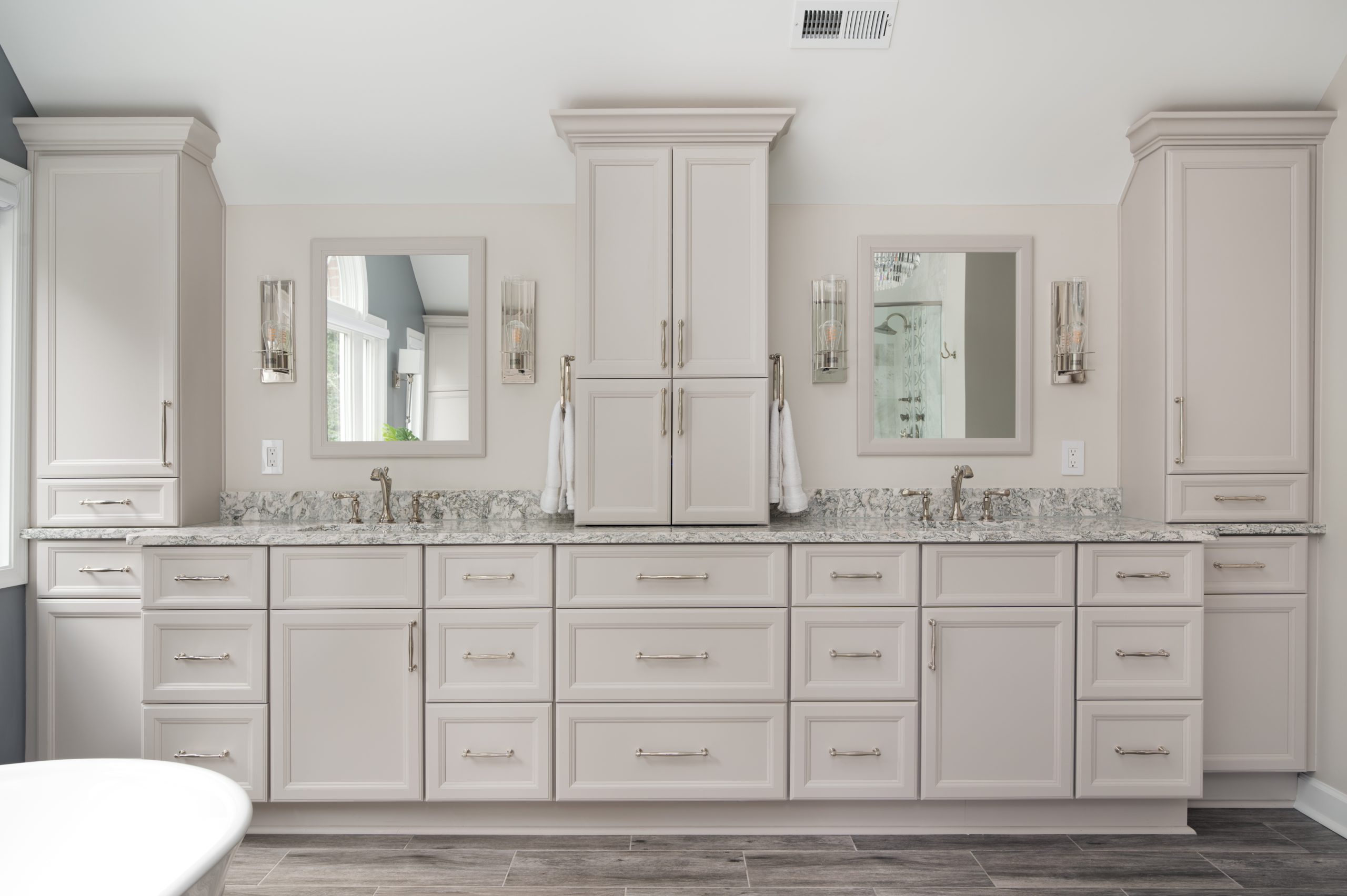 Smart storage solutions are the unsung heroes of good bathroom design—vanities with deep drawers, sleep cabinet systems, and maybe even some hidden compartments. Clever storage isn’t just nice to have— it’s essential. It’s about creating a space that looks out of a magazine spread but is totally functional.
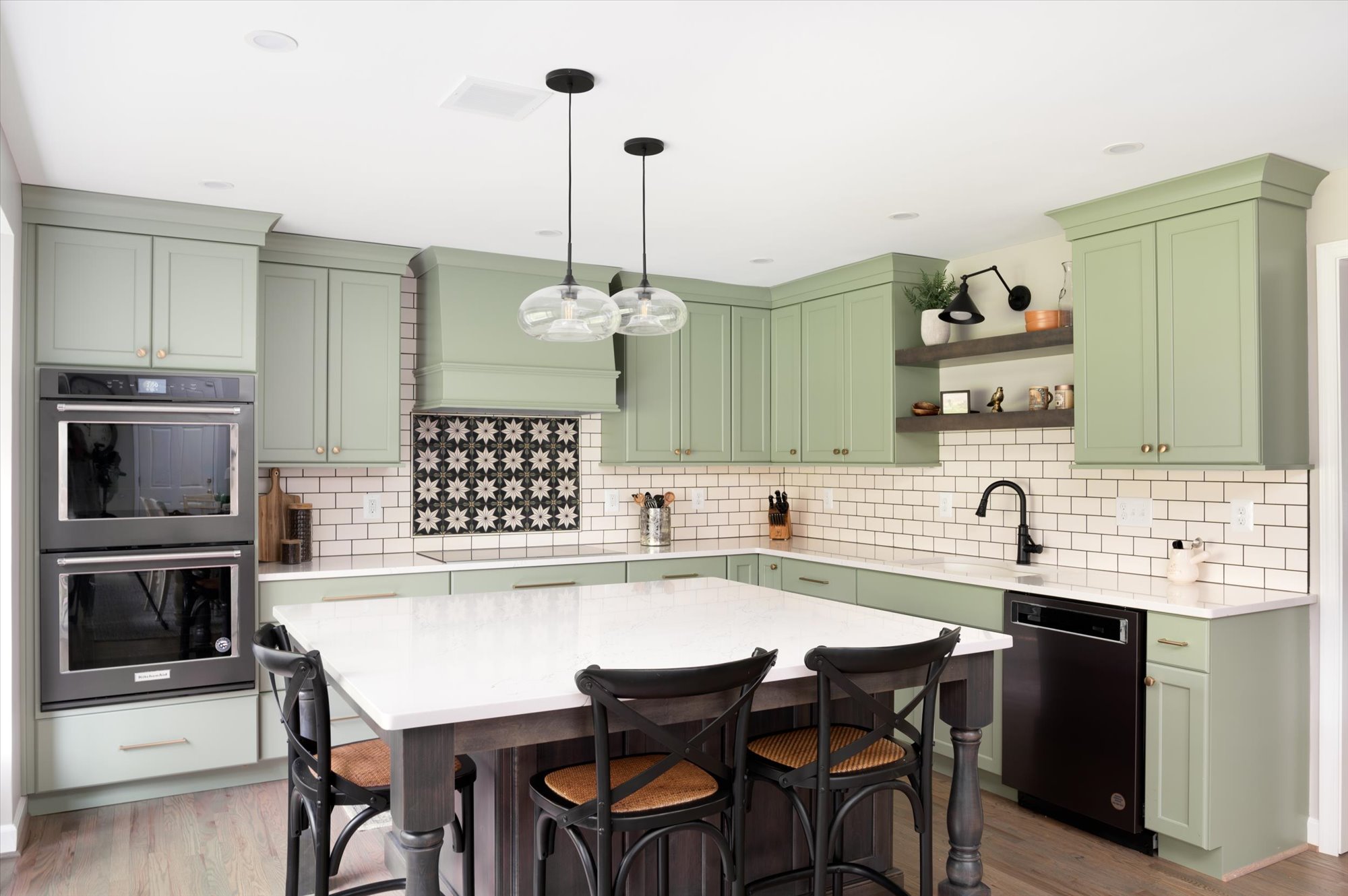 As we wrap up our journey of remodeling in Northern Virginia, it’s clear that stacking the right upgrades transforms your living space and home’s market value.