
Home Blog Page 41

6 Helpful Tips for Taking on Large Home Projects

Large-scale home improvement projects may be intimidating as well as thrilling. Whether you’re replacing your landscape, adding a new room, or remodeling your kitchen, these projects need to be well-planned and carried out. When these chores are completed, your home’s utility and value can both increase. These six useful suggestions can assist in guaranteeing that your big home improvement runs smoothly from beginning to end.

Develop a Detailed Plan

Creating a thorough strategy is essential before starting any major home improvement project. Establish the aims and objectives of your project in unambiguous terms first. What goals do you have for this project? After you have a plan, divide the project into doable phases, considering the design, materials, cost, and schedule. Making thorough plans or sketches might also be beneficial. Having a thorough strategy can not only help you stay on course but also assist you in anticipating obstacles and steer clear of costly blunders. Seeking advice from experts like architects or designers might help you improve your ideas and get new insights. They may also tell you what additional resources you might need. For instance, a lot of debris comes from construction like this, so you will need a means of ensuring it is compacted and safely disposed of, so that workers don’t harm themselves. There are dumpsters for all types of construction projects available. You will be able to gauge what is needed from the work you are doing.

Set a Realistic Budget

To effectively manage the financial components of a large-scale house renovation, a realistic budget must be set. Start by calculating the whole cost, considering labor, supplies, permits, and unforeseen costs. A contingency reserve, usually equal to 10–20% of the total budget, is a good idea to cover unanticipated expenses that could occur throughout the project. To be sure you’re receiving the greatest deal, do extensive pricing research and ask contractors or suppliers for numerous bids. You may keep yourself financially on track and prevent overspending by keeping a careful eye on your expenditures and making necessary adjustments to your budget.

Choose the Right Contractors

Your choice of contractors can impact the outcome of your home improvement. Investigate possible contractors looking at their credentials, prior experience, and customer feedback. For instance, a team of highly experienced home remodeling pros such as GS Exterior Experts are known for their professionalism and quality work. Make sure to check their references, insurance, and licensing. Getting thorough written estimates and contracts, as well as effectively communicating your project’s requirements, are also crucial. Selecting contractors with a track record of professionalism, dependability, and expertise on comparable projects can facilitate more seamless project completion and superior outcomes. Take your time and choose the one that best suits your needs; don’t rush the process.

Obtain Necessary Permits

Local government approvals are needed for many major home renovation projects. These licenses guarantee that the work conforms to zoning laws, building requirements, and safety standards. If the required permissions are not obtained, there may be penalties, legal ramifications, or even the need to reverse completed work. Before starting any work, find out which permissions are specifically needed for your project and apply for them. See your contractor or the local building department for clarification if you have any questions regarding the permit requirements. Ensuring that your project complies with all regulations and preventing delays are two benefits of managing permits properly.

Prepare for Disruptions

Big house renovations might really interfere with your everyday routine. The secret to minimizing the effects on your schedule is to plan for these interruptions. Talk to your family about the project timeline and any annoyances, such as noise from construction or temporary access restrictions to certain sections of your house. Make a strategy to reduce interruptions, such as relocating temporarily or opening lines of contact with your contractors. Managing expectations and lowering stress levels during the project may be achieved by taking the initiative to address these difficulties.

Monitor Progress and Communicate Regularly

Maintaining the progress of a large-scale home project requires regular monitoring and effective communication. Plan on checking in with your contractor on a frequent basis to discuss any concerns, assess the work’s progress, and make sure everything is going as planned. Maintain thorough documentation of all project milestones and expenses and note any modifications or delays. Maintaining regular and transparent communication with your contractor and other relevant parties will assist in avoiding misunderstandings and guarantee that issues are dealt with quickly. By keeping an eye on things, you can stay informed and make the required changes to keep the project headed toward success.

Conclusion

Taking on a big home improvement project may be a fulfilling experience that improves your house’s appearance and use. You can guarantee a good conclusion by creating a thorough strategy, establishing a reasonable budget, selecting the best contractors, collecting the required permissions, getting ready for unforeseen events, and keeping an eye on the project’s development. Achieving your targeted outcomes and managing the difficulties of large-scale initiatives need careful planning and management.

Pros and Cons of Living in Italy

Italy, with its rich history, stunning landscapes, and world-renowned cuisine, has long been a dream destination for many. As an expat considering a move to this beautiful country or looking to purchase a second home, it’s essential to weigh the pros and cons of living in Italy. Let’s explore both sides to help you make an informed decision.

Pros:

  1. Rich Culture and History Italy is a treasure trove of art, architecture, and historical sites. From the ancient ruins of Rome to the Renaissance masterpieces of Florence, you’ll be surrounded by centuries of culture. Living here means having world-class museums, theaters, and cultural events at your doorstep.
  2. Exceptional Cuisine Italian food is celebrated worldwide, and living in Italy means access to the freshest ingredients and authentic regional dishes. Each area has its own culinary traditions, offering a gastronomic adventure in every corner of the country.
  3. Beautiful Landscapes From the rolling hills of Tuscany to the dramatic coastlines of the Amalfi Coast, Italy offers diverse and breathtaking scenery. Whether you prefer mountains, beaches, or picturesque countryside, you’ll find it here.
  4. Relaxed Lifestyle Italians are known for their “dolce vita” or sweet life philosophy. This relaxed approach to living, with an emphasis on enjoying life’s pleasures, can be a welcome change from the fast-paced lifestyle of many other countries.
  5. Healthcare System Italy’s healthcare system is highly regarded and ranked among the best in the world. When you purchase Italian real estate and become a legal resident, you’ll have access to quality healthcare at a fraction of the cost compared to countries like the United States.

Cons:

  1. Bureaucracy Italy is infamous for its complex bureaucracy. From obtaining residency to setting up utilities, administrative processes can be slow, confusing, and frustrating, especially for newcomers.
  2. Language Barrier While many Italians in tourist areas speak English, in day-to-day life, knowing Italian is crucial. This can be challenging for expats, particularly when dealing with official matters or integrating into local communities.
  3. Economic Challenges Italy’s economy has faced difficulties in recent years, with high unemployment rates and slow growth. This can affect job opportunities for expats and the overall cost of living.
  4. Limited Business Hours Many shops and offices close for extended lunch breaks and may have limited evening and weekend hours. This can take some getting used to, especially if you’re from a country with 24/7 services.
  5. Traffic and Driving Habits Italian cities can be congested, and driving habits may seem chaotic to foreigners. Parking can also be a challenge in urban areas, and some historic city centers restrict car access.
  6. High Taxation Italy has relatively high tax rates, which can be a shock for expats from countries with lower tax burdens. It’s important to understand the tax implications before making a move.

Conclusion:

Living in Italy offers a unique blend of history, culture, and lifestyle that many find irresistible. The pros of exceptional food, beautiful surroundings, and a relaxed way of life are balanced against challenges like bureaucracy and potential language barriers.

Before making the leap, it’s crucial to research thoroughly and possibly spend extended time in Italy to get a feel for daily life. Consider factors like your work situation, financial stability, and long-term goals.

Remember, every expat’s experience is unique. While challenges exist, many find that the rewards of living in Italy far outweigh the difficulties. With proper preparation and a positive attitude, you too might find your slice of la dolce vita in this beautiful country.

Designing Multi-Pet Homes_ Harmonious Living for Dogs and Cats

Creating a harmonious environment in a multi-pet home can be challenging yet rewarding. Designing a space that caters to the needs of both dogs and cats requires careful planning and thoughtful design. This article provides a comprehensive guide to designing a multi-pet home, ensuring a comfortable and functional living space for all your furry friends.

Understanding the Needs of Different Pets

  1. Space Requirements

Dogs and cats have different space needs. While dogs generally need more open space for movement and exercise, cats often prefer vertical spaces where they can climb and perch. In a multi-pet home, it’s essential to balance these needs to prevent conflicts and ensure each pet feels comfortable.

  1. Personal Space

Both dogs and cats need their own personal spaces where they can retreat and relax. For dogs, this might mean a cozy bed in a quiet corner, while cats might prefer a high perch or a secluded hideaway. Providing individual spaces helps reduce stress and allows each pet to have a place of their own.

  1. Feeding Areas

Designating separate feeding areas is crucial in a multi-pet home. Dogs are often food-motivated and may try to eat cat food, leading to potential health issues and conflicts. Create distinct feeding stations for each pet, ensuring they have privacy and can eat in peace.

Designing Shared Spaces

Each space should be carefully designed to consider and accommodate each family member and each pet.

Living Room

The living room is often the heart of the home and a shared space for pets and humans alike. To make this area multi-pet friendly, consider the following:

  1. Furniture Arrangement: Arrange furniture to create pathways and open spaces where dogs can move freely. Use slipcovers on furniture to protect against fur and scratches.
  2. Pet-Friendly Fabrics: Choose durable, easy-to-clean fabrics for sofas and chairs. Microfiber and leather are good options that can withstand wear and tear from both dogs and cats.
  3. Multi-Level Spaces: Incorporate cat trees or shelves to provide vertical spaces for cats. This allows them to observe their surroundings from a height, away from the hustle and bustle on the ground level.

Bedrooms

Bedrooms should be a sanctuary for both pets and humans. Here’s how to design pet-friendly bedrooms:

  • Provide comfortable beds for both dogs and cats. Place dog beds in quiet corners and cat beds on elevated surfaces to cater to their natural preferences.
  • If your pets sleep with you, invest in a larger bed to accommodate everyone comfortably.
  • Consider pet ramps or stairs to make it easier for older pets to climb onto the bed.

Kitchen

The kitchen can be a tricky area in a multi-pet home due to food and safety concerns. Here are some tips:

  • Use pet-proof trash bins to prevent dogs and cats from rummaging through the garbage.
  • Set up separate feeding stations away from high-traffic areas. Consider raised feeders for dogs and elevated feeding spots for cats to keep their food out of reach.

Bathroom

Bathrooms need to be safe and accessible for pets. Consider these design elements:

  1. Non-Slip Mats: Place non-slip mats on bathroom floors to prevent accidents. This is especially important for older dogs or pets with mobility issues.
  2. Pet Bathing Area: If space allows, create a designated pet bathing area with a handheld showerhead and a gentle slope for easy drainage. This can make bath time less stressful for both pets and owners.

Creating Pet-Friendly Outdoor Spaces

  1. Secure Fencing

A secure, sturdy fence is essential for keeping dogs safe in the backyard. Ensure the fence is tall enough to prevent dogs from jumping over and buried deep enough to prevent digging under. For cats, consider a catio or a fully enclosed outdoor space that allows them to enjoy the outdoors safely.

  1. Shaded Areas

Provide shaded areas where pets can relax and cool down, especially during hot weather. Trees, pergolas, or shade sails can offer relief from the sun. Ensure water bowls are always filled with fresh water to keep pets hydrated.

  1. Play Zones

Designate specific play zones for dogs and cats. Dogs may enjoy a grassy area for running and fetching, while cats might appreciate climbing structures and hiding spots. Incorporate pet-safe plants and materials to create a stimulating and safe environment.

  1. Pet-Safe Landscaping

Choose pet-safe plants and avoid toxic ones such as lilies, azaleas, and sago palms. Use non-toxic mulch and avoid using chemicals or pesticides in areas where pets roam.

Managing Pet Interactions

Of course, more than designing for a multi-pet home, you have to make sure that your pets get along at a deeper level for a truly peaceful home.

Here are some things to consider to keep your pets living harmoniously.

  • Gradual Introductions

When introducing new pets to your multi-pet home, take it slow. Gradual introductions help reduce stress and prevent territorial aggression. Start with short, supervised interactions and gradually increase the time as pets become more comfortable with each other.

  • Monitoring Behavior

Keep an eye on your pets’ behavior and intervene if you notice signs of stress or aggression. Separate pets if necessary and provide them with their own spaces to retreat to. Consistent positive reinforcement can help encourage good behavior.

  • Enrichment Activities

Provide enrichment activities to keep your pets mentally and physically stimulated. Puzzle toys, interactive feeders, and regular playtime can help reduce boredom and prevent behavior problems.

Balancing Individual Needs

  1. Understanding Breed Characteristics

Different breeds of dogs and cats have varying needs and temperaments. For instance, high-energy breeds like Bengals or Border Collies which require more exercise and stimulation compared to breeds like Persians or Bulldogs. Research the specific needs of each breed in your multi-pet home to tailor the environment accordingly.

  1. Temperature Control

Both dogs and cats can be sensitive to extreme temperatures. Ensure your home has adequate heating and cooling systems to maintain a comfortable environment year-round. Provide warm beds and blankets in cooler months and ensure there are cool, shaded areas during the summer.

  1. Allergen Management

In multi-pet homes, allergens can accumulate quickly. Regular cleaning is essential to minimize pet dander and fur. Use HEPA filters in your HVAC system and vacuum frequently with a vacuum cleaner designed for pet hair. Washing pet bedding regularly also helps reduce allergens.

  1. Veterinary Care

Schedule regular veterinary check-ups for all pets in your multi-pet home. Keeping up with vaccinations, flea and tick prevention, and dental care is crucial. Maintain a record of each pet’s medical history and ensure they are microchipped for easy identification if they get lost.

Designing Multi-Pet Homes for Peace and Harmony

  1. Creating Quiet Zones

Pets, like humans, need downtime. Designate quiet zones where pets can retreat to rest undisturbed. These areas should be away from high-traffic zones and noise. Use cozy beds, blankets, and soft lighting to create a calming atmosphere.

  1. Noise Reduction

Loud noises can be stressful for pets. Use rugs, curtains, and soft furnishings to absorb sound and create a quieter environment. Consider playing soft music or white noise to mask outdoor sounds that might disturb your pets.

  1. Personal Hygiene Stations

Set up designated hygiene stations for grooming and cleaning. Regular grooming reduces shedding and keeps pets comfortable. Invest in pet-specific grooming tools and consider professional grooming services for breeds that require special care.

  1. Positive Reinforcement

Use positive reinforcement to encourage good behavior and build trust among pets. Reward calm and friendly interactions with treats and praise. Training sessions should be short and fun, keeping pets engaged and responsive.

Final Thoughts

Designing a multi-pet home that caters to the unique needs of both dogs and cats requires thoughtful planning and creativity. By understanding the distinct requirements of each pet, creating designated spaces, and incorporating pet-friendly design elements, you can foster a harmonious and happy environment for all your furry friends.

Prioritizing safety, providing enrichment, and ensuring regular veterinary care are essential components of successful multi-pet living. Whether you’re accommodating high-energy breeds or managing the dynamics of introducing new pets, a well-designed home can make all the difference in promoting peace and well-being.

Embrace the joy and companionship that come with a multi-pet household, knowing that your efforts in creating a safe and comfortable space are rewarded by the love and happiness of your pets. With the right approach, your home can become a sanctuary where both dogs and cats thrive, enriching your life with their playful antics and unwavering loyalty.

5 Ways to Combine Functionality and Beauty in Your Home

Your living spaces have the potential to be transformed into both comfortable retreats and visually appealing locations if you pursue the goal of creating a house that seamlessly combines aesthetic appeal and practicality. It is possible to achieve this equilibrium using the following five strategic approaches.

Multi-Functional Furniture

The use of furniture pieces that serve several purposes is one of the most efficient methods to improve the aesthetics and functioning of your home. You might want to think about purchasing pieces such as storage ottomans, which not only offer additional seating but also conceal storage space for things like blankets or magazines. Adding coffee tables that serve as desks or dining tables that stretch to accommodate visitors can be versatile additions to your living and eating areas. Beds that come with built-in drawers or shelving units can help maximize the amount of space available in bedrooms. Vanity desks come in a variety of designs that suit different interior aesthetics, from traditional to modern, and are made of materials including glass, metal, and wood. Nowadays, you can view these designs on websites before you decide to buy vanities for your home. These desks can provide both functionality and elegance to living spaces by acting as both beautiful accents and useful grooming stations that improve the atmosphere of bathrooms, dressing rooms, and bedrooms.

Smart Storage Solutions

When it comes to keeping a home clean and free of clutter, having storage options that are effective is really necessary. Choose pieces of furniture that come with built-in storage solutions, such as mattresses that have drawers underneath them or shelving systems that are modular and can be adjusted to best match the space you have available. Make use of ornamental baskets, bins, or boxes to store smaller objects discretely while simultaneously adding a sense of elegance to your bedrooms and living spaces. Cabinets that are built-in and have a streamlined design can be designed to mix in perfectly with your decor. They can provide enough storage without sacrificing the aesthetic appeal of the space.

Blend Of Textures and Materials

Adding depth and visual interest to your home design while also fulfilling useful reasons can be accomplished by using a variety of textures and materials in your arrangements. By incorporating a variety of materials, like wood, glass, metal, and fabrics, into your furniture and décor selections, you can get a style that is well-balanced and consistent. An example of this would be a plush area rug, which can not only provide warmth and comfort underfoot but also soothe the atmosphere of a room. The use of textured throw pillows or upholstered furniture may provide a tactile appeal to a space, while the use of metallic accents or glass decor pieces can reflect light and create an air of elegance.

Strategic Lighting

Not only does an efficient lighting design improve the functionality of your home, but it also makes a substantial contribution to the overall mood and attractiveness of your home. It is possible to generate layers of light that serve different purposes throughout the day by combining natural lighting with artificial lighting solutions when you combine the two. Make use of overhead lighting for general illumination, task lighting for specialized tasks like reading or cooking, and accent lighting to draw attention to architectural details or artwork. Installing dimmers or smart lighting systems is something you should think about doing so that you can vary the level of brightness to suit your requirements and create different atmospheres for different events.

Art And Décor with Purpose

Increasing the aesthetic appeal of your home can be accomplished by selecting art pieces and decorative items that have the dual purpose of boosting beauty and practicality. Make sure to select artwork that not only adds personality and character to your walls but also compliments the style of interior design you have chosen. Mirrors are wonderful decorative pieces that may visually extend space in smaller areas while also serving practical uses, such as inspecting your appearance before leaving the house. Mirrors are a fantastic choice for both of these objectives. Trays or bowls that are used for decorative purposes can be both fashionable and practical when it comes to arranging objects such as jewelry, keys, or remote controls.

Conclusion

The careful planning and attention to detail that is required to achieve a harmonious balance of practicality and beauty in your house is not to be underestimated. The incorporation of multi-functional furniture, intelligent storage solutions, a variety of textures and materials, strategic lighting, and meaningful art and décor may help you create a living environment that is not only useful and well-organized but also visually appealing and reflects your unique sense of style. To change your house into a sanctuary where functionality and beauty come together, you should put these techniques into action. This will provide you and your family with a location that is not only inviting but also inspiring.

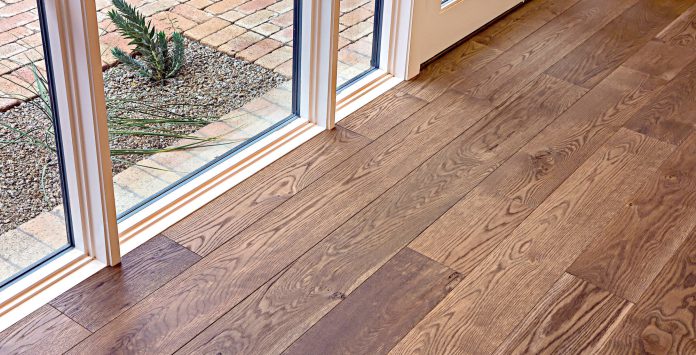
Maintaining and Caring for Your Wood Plank Floors

Wood plank flooring is a timeless and elegant choice for any home, offering warmth, character, and durability. However, to keep your wood plank floors looking their best and ensure they last for years to come, proper maintenance and care are essential. This guide will provide you with everything you need to know about maintaining and caring for your wood plank floors.

Understanding Wood Plank Flooring

Before diving into the specifics of maintenance, it’s important to understand what wood plank flooring is and the different types available. Wood plank flooring consists of long, wide boards of natural wood. These planks can vary in width, length, and thickness, providing a variety of aesthetic options. There are several types of wood plank flooring, including:

  1. Solid Wood Planks: Made from a single piece of wood, these planks are known for their durability and can be sanded and refinished multiple times.
  2. Engineered Wood Planks: Composed of a top layer of real wood veneer bonded to layers of plywood or high-density fiberboard, engineered wood planks are more resistant to moisture and temperature changes.

Daily Care for Wood Plank Flooring

Sweeping and Dusting

Regular sweeping or dusting is crucial to prevent dirt and debris from scratching the surface of your wood plank flooring. Use a soft-bristle broom or a microfiber dust mop to gently remove dust and small particles. Avoid using stiff brooms or vacuums with beater bars, as these can damage the wood.

Vacuuming

Vacuuming once a week is beneficial for deeper cleaning. Ensure your vacuum cleaner is equipped with a hardwood floor setting, or use a vacuum designed specifically for hard floors. Avoid using vacuums with rotating brushes or beater bars that can scratch the floor.

Preventing Damage

Use Mats and Rugs

Place mats and rugs at entryways and high-traffic areas to capture dirt and moisture before they reach your wood plank floors. Ensure that the mats have non-slip backings to prevent slipping and protect your floors.

Furniture Pads

Attach felt or rubber pads to the bottom of furniture legs to prevent scratches and dents when moving furniture. Avoid dragging heavy furniture across the floor, as this can cause significant damage.

Control Indoor Climate

Wood plank flooring can expand and contract with changes in humidity and temperature. To maintain a consistent indoor climate, use a humidifier during dry seasons and an air conditioner or dehumidifier during humid seasons. Ideally, keep the indoor humidity level between 30% and 50%.

Cleaning Spills and Stains

Wipe Spills Immediately

To prevent moisture damage, wipe up spills as soon as they occur. Use a dry or slightly damp cloth to clean up liquids. Avoid using excessive water, as it can seep into the seams and cause the wood to swell.

Spot Cleaning

For stubborn stains, use a manufacturer-recommended wood floor cleaner. Apply the cleaner to a soft cloth and gently rub the stained area. Avoid using harsh chemicals, abrasive cleaners, or steam mops, as they can damage the finish of your wood plank flooring.

Deep Cleaning and Maintenance

Regular Mopping

Deep clean your wood plank floors periodically using a damp mop and a wood floor cleaner. Follow these steps for effective deep cleaning:

  1. Sweep or vacuum the floor to remove loose dirt and debris.
  2. Dilute the wood floor cleaner according to the manufacturer’s instructions.
  3. Dampen a microfiber mop with the cleaning solution, ensuring it is not overly wet.
  4. Mop the floor in the direction of the wood grain, avoiding excessive water.
  5. Dry the floor with a clean, dry cloth or towel to prevent water damage.

Re-Finishing

Over time, the finish on your wood plank flooring may wear down, making it more susceptible to damage. Depending on the type of finish and the level of wear, you may need to re-finish your floors every 5-10 years. This process involves sanding down the top layer of the wood and applying a new finish to restore its original beauty and protection.

Handling Common Issues

Scratches and Dents

Minor scratches and dents can be repaired with a wood touch-up kit that matches the color of your floor. For deeper scratches, consider using a wood filler or a professional repair service.

Cupping and Warping

Cupping (when the edges of the planks rise higher than the center) and warping (when the planks twist or bend) are usually caused by moisture issues. To address these problems, identify and eliminate the source of moisture, such as a leak or high humidity. In severe cases, you may need to replace the affected planks.

Seasonal Maintenance

Winter Care

During winter, use humidifiers to maintain optimal humidity levels and prevent the wood from drying out and shrinking. Avoid using salt or ice melt chemicals near your wood plank flooring, as they can cause damage.

Summer Care

In the summer, use air conditioning or dehumidifiers to control indoor humidity and prevent the wood from expanding. Ensure proper ventilation to avoid trapping moisture indoors.

Long-Term Preservation

Professional Cleaning and Maintenance

Consider hiring professional cleaning services every few years to deep clean and maintain your wood plank flooring. Professionals have specialized equipment and expertise to effectively clean and preserve the beauty of your floors.

Regular Inspections

Conduct regular inspections of your wood plank flooring to identify any signs of damage or wear early. Addressing issues promptly can prevent further damage and extend the life of your floors.

Conclusion

Proper maintenance and care are essential to preserve the beauty and longevity of your wood plank flooring. By following these guidelines, you can keep your floors looking their best for years to come. Regular cleaning, preventive measures, and timely repairs will ensure that your wood plank flooring remains a stunning and durable feature of your home. With the right care, your wood plank floors can continue to add warmth and elegance to your living space, enhancing the overall aesthetic and value of your home.
The Benefits of Keyless Entry Systems for Businesses

In today’s fast-paced and technology-driven world, businesses are constantly seeking innovative solutions to enhance security and streamline operations. One such solution that has gained popularity is keyless entry systems. These systems offer a convenient and secure alternative to traditional keys, making them an ideal choice for businesses of all sizes. In this article, we will explore the benefits of keyless entry systems for businesses and why they are becoming a preferred security option. For expert installation and advice, consider consulting with professionals in cherry hill locksmithing.

  1. Enhanced Security

Keyless entry systems provide a higher level of security compared to traditional lock and key systems. With traditional keys, there’s always the risk of them being lost, stolen, or duplicated without permission. Keyless entry systems eliminate these risks by using advanced authentication methods such as keycards, PIN codes, biometrics, or mobile apps. These systems can also be integrated with other security measures, such as surveillance cameras and alarm systems, to provide comprehensive protection.

  1. Convenience and Accessibility

One of the most significant advantages of keyless entry systems is the convenience they offer. Employees and authorized personnel can easily access the building without fumbling for keys. This is especially useful in high-traffic areas or for businesses that operate 24/7. Additionally, keyless entry systems can be programmed to grant or restrict access to specific areas, allowing businesses to manage who can enter certain parts of the facility. For instance, managers might have access to all areas, while other employees are restricted to specific zones.

  1. Control and Monitoring

Keyless entry systems offer businesses greater control over access and the ability to monitor entry and exit activity. With traditional keys, it can be challenging to track who has access to the building and when. Keyless systems, however, can log every entry and exit, providing a detailed record of access events. This data can be invaluable for security audits, investigating incidents, or optimizing workflows. Businesses can also revoke or change access permissions remotely, making it easy to manage access in real-time.

  1. Reduced Costs and Maintenance

While the initial investment in a keyless entry system may be higher than traditional locks, it can lead to cost savings in the long run. Businesses no longer need to worry about the costs associated with rekeying locks or replacing lost keys. Additionally, keyless systems are typically more durable and require less maintenance than traditional locks, reducing ongoing costs. For businesses interested in transitioning to a keyless system, experts in cherry hill locksmithing can provide guidance and support.

  1. Customization and Scalability

Keyless entry systems offer a high degree of customization, allowing businesses to tailor the system to their specific needs. For example, businesses can set up different access levels, customize user credentials, and schedule access times. This flexibility makes it easier to manage access for temporary staff, contractors, or visitors. Additionally, keyless entry systems are scalable, meaning they can grow with the business. As the company expands, additional access points or users can be added without significant changes to the existing system.

  1. Improved Employee Experience

A keyless entry system can enhance the overall employee experience by simplifying access to the workplace. Employees no longer need to carry multiple keys or worry about losing them. This convenience can lead to increased job satisfaction and a smoother start to the workday. Moreover, keyless systems can streamline processes such as clocking in and out, further improving efficiency and reducing administrative tasks.

Conclusion

Keyless entry systems offer numerous benefits for businesses, including enhanced security, convenience, control, and cost savings. By eliminating the need for traditional keys, businesses can reduce the risk of unauthorized access and streamline operations. The ability to customize and scale keyless systems makes them a versatile and future-proof solution for any organization. For businesses considering this upgrade, partnering with experts can ensure a smooth transition and optimal system setup. As technology continues to evolve, keyless entry systems will likely become an increasingly popular choice for modern businesses.

Reviving Rustic Elegance in Today’s Farmhouse Decor

Farmhouse decor has become increasingly popular among homeowners and interior design enthusiasts recently. This trend encompasses many styles, from modern and minimalist to cozy and traditional. However, one particular style that has stood the test of time is rustic elegance. This aesthetic blends the warmth and simplicity of farmhouse decor with refined and sophisticated elements, creating a timeless and charming look. In this blog post, we will explore how to revive rustic elegance in today’s farmhouse decor and bring a touch of nostalgia and character to your home.

Rediscovering rustic charm in modern farmhouse design

Incorporating rustic charm into modern farmhouse design is a delightful journey back to roots and traditions. It blends weathered woods, exposed beams, and handcrafted stone with sleek lines and contemporary layouts. This fusion emphasizes comfort yet respects the past. Homeowners can create functional and deeply personal spaces by selecting vintage pieces that tell a story and pairing them with modern efficiency. This juxtaposition of old and new breathes life into a home, making each corner a testament to the enduring appeal of rustic elegance within the modern farmhouse aesthetic.

Mixing old with new for a timeless look

Achieving a timeless look within farmhouse decor involves a skillful blend of vintage and contemporary elements. Integrating modern finishes with rustic, aged pieces creates a rich, layered ambiance that feels fresh and lived-in. For instance, pairing a sleek, contemporary sofa with an antique coffee table or juxtaposing industrial lighting fixtures above a traditional farmhouse dining table can forge a space that transcends eras. This method allows each piece to shine individually while contributing to a cohesive whole, illustrating that beauty often lies in the balance and harmony between contrasting elements.

The role of textiles in softening spaces

Textiles are pivotal in infusing warmth and comfort into the farmhouse aesthetic, particularly when embracing rustic elegance. Layering soft, plush fabrics against harder, more rugged elements creates an inviting atmosphere. Think chunky knit throws draped over distressed leather chairs, linen curtains billowing in a breeze beside rough-hewn wooden floors, country quilts from Country Village Shoppe on the beds, or vintage wool rugs grounding a sleek modern seating area. These textural juxtapositions soften the physical space and add visual interest and depth, making each room feel more approachable and lived-in.

Accentuating with natural elements

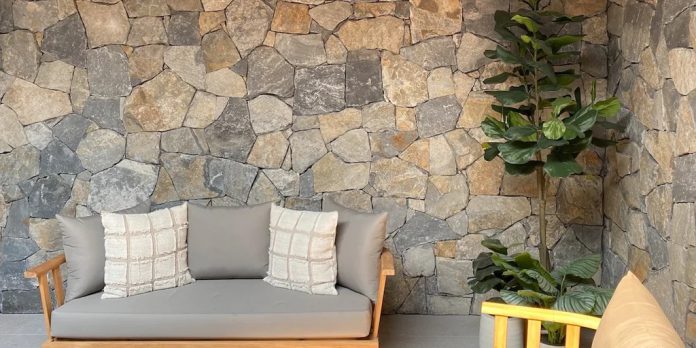
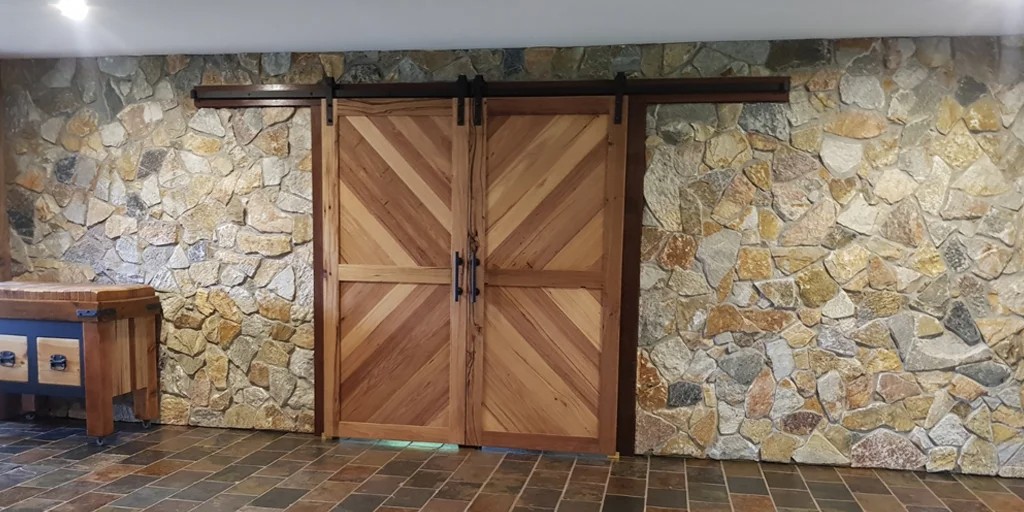
Incorporating natural elements is a cornerstone of achieving rustic elegance in farmhouse decor. Organic materials such as wood, stone, and metal can seamlessly bridge the gap between outdoor charm and indoor sophistication. Consider adding a reclaimed wood mantle, stone countertops, or metal accents in furniture and decor to bring an earthy, grounded feel to the home. Live plants or fresh flowers also contribute vibrantly to this aesthetic, infusing life and color into spaces while promoting a serene, welcoming environment. These natural touches enhance the overall sense of harmony and authenticity in a rustic, elegant farmhouse setting.

Lighting techniques to elevate the ambiance

Crafting the perfect ambiance with lighting is essential in rustic, elegant farmhouse decor. Strategically placed warm, soft lighting can highlight the beauty of natural and aged materials, enhancing the cozy, inviting feel of the space. Opt for vintage-inspired fixtures like wrought iron lanterns or distressed wood chandeliers to add character, while dimmable LED lights offer flexibility in setting the mood. Incorporating a mix of sources, from wall sconces to table lamps, allows for layered lighting that can adapt to any occasion, elevating the overall experience of comfort and sophistication in the home.

The art of displaying farmhouse accents

Mastering the art of displaying farmhouse accents lies in striking the perfect balance between arrangement and spontaneity. Curate collections of antique treasures, family heirlooms, or artisanal crafts to showcase on open shelving, mantels, or within glass-front cabinets. Allow these pieces to narrate their story, grouping them by theme, color, or era for visual cohesion. Introduce unexpected elements like rustic metal signs or vintage agricultural tools as wall art to add intrigue. This thoughtful curation personalizes the space and keeps the rustic elegance of farmhouse decor feeling fresh and unique.

Embracing imperfection for authentic character

The essence of rustic elegance lies in celebrating the beauty of imperfection. Distressed wood, chipped paint, and weathered textures add depth and soul, telling stories of love and life lived well. These imperfections bring authenticity to farmhouse decor, inviting a sense of warmth and history into the home. By appreciating these quirks as elements of character rather than flaws, we infuse our spaces with a genuine rustic charm that resonates with the essence of authentic farmhouse living. In these details, a home becomes not just a showcase but a sanctuary of lived-in elegance.

Reviving rustic elegance in today’s farmhouse decor is about harmoniously blending the old with the new, celebrating imperfections, and inviting warmth through natural and thoughtful touches. This approach pays homage to the rich history and simplicity of farmhouse living and caters to contemporary desires for comfort and style. By incorporating these principles, homeowners can create spaces that are aesthetically pleasing, deeply personal, and timeless. Embrace the journey of infusing rustic elegance into your home, and enjoy the unique character and charm it brings to your everyday living.

Transform Your Home with Roof Lanterns Design Trends and Innovations

Roof lanterns, also known as skylight lanterns or roof lights, are architectural elements designed to bring natural light into interior spaces while adding a distinctive aesthetic appeal to residential and commercial buildings. This guide explores everything you need to know about Roof Lanterns including their types, benefits, installation considerations, maintenance tips, design trends, and real-life applications.

Introduction to Roof Lanterns

Roof lanterns are elevated structures with a glazed roof that sits atop a larger roof or ceiling opening. They feature a framework of bars or mullions that support the glazing, creating a lantern-like appearance when viewed from above. Roof lanterns are often used to illuminate central areas of buildings, such as hallways, stairwells, or extensions, where additional natural light is desired.

Types of Roof Lanterns

Traditional Roof Lanterns

Traditional roof lanterns feature a classical design with timber or metal frames and multiple smaller panes of glass, often arranged in a pyramid or octagonal shape. They are ideal for period properties or buildings where architectural authenticity is desired.

Contemporary Roof Lanterns

Contemporary roof lanterns have sleek, minimalist frames made from materials like aluminum or PVC, with larger expanses of glass for maximum light transmission. They often feature clean lines and modern aesthetics that complement contemporary architectural styles.

Flat Roof Lanterns

Flat roof lanterns are designed to sit flush with flat or low-pitched roofs, offering a minimalist and seamless integration into modern buildings. They provide a frameless look with uninterrupted views of the sky while maximizing natural light penetration into interior spaces.

Pyramid Roof Lanterns

Pyramid roof lanterns have a pyramid-shaped design with sloping sides that meet at a central ridge. They add a striking architectural feature to buildings and are commonly used in extensions, orangery’s, and atriums to create a focal point while enhancing natural light intake.

Benefits of Installing Roof Lanterns

Maximizing Natural Light

Roof lanterns maximize the amount of natural daylight entering a building, reducing the reliance on artificial lighting during daylight hours. They create bright, airy interiors that promote well-being and productivity among occupants.

Enhancing Architectural Aesthetics

The elegant and distinctive design of roof lanterns adds visual interest and architectural elegance to both traditional and contemporary buildings. They serve as focal points that enhance the overall appeal and value of a property.

Improving Ventilation

Roof lanterns can be designed with vent openings or combined with roof windows to provide natural ventilation. This helps regulate indoor temperatures, improve air circulation, and enhance comfort within the building.

Energy Efficiency

By harnessing natural daylight, roof lanterns contribute to energy efficiency by reducing the need for artificial lighting. Properly insulated units also help maintain indoor temperatures, supporting passive solar heating in winter and reducing cooling demands in summer.

Considerations for Installing Roof Lanterns

Roof Structure and Material

The type of roof structure pitched, flat, or domed and its material such as slate, tile, or metal influence the installation and positioning of roof lanterns. Considerations include roof pitch, orientation, and potential obstructions like chimneys or vents.

Glazing Options

Selecting the right glazing material is crucial for optimizing light transmission, thermal performance, and UV protection. Options include double or triple glazing, low-emissivity (low-e) coatings, and tinted or frosted glass for privacy and solar control.

Waterproofing and Sealing

Proper waterproofing and sealing around roof lanterns are essential to prevent water ingress and ensure long-term durability. Choose reputable suppliers and installers who adhere to industry standards for weatherproofing and structural integrity.

Building Regulations and Safety

Ensure compliance with local building regulations, planning permissions, and safety standards when installing roof lanterns. Factors such as fire safety, escape routes, and structural support must be addressed to meet legal requirements and ensure occupant safety.

Installation Process of Roof Lanterns

Site Survey and Design

Begin with a detailed site survey to assess roof conditions, dimensions, and potential installation challenges. Work with an experienced installer or architect to design a layout that maximizes light exposure and integrates seamlessly with the existing roof structure.

Roof Preparation

Prepare the roof surface by ensuring it is clean, level, and free from debris. Installers may need to reinforce or modify the roof structure to accommodate the weight and dimensions of the roof lantern unit.

Installation of Roof Lantern Unit

Position the roof lantern unit according to the design specifications, ensuring proper alignment and weatherproofing. Secure the unit in place and apply sealants or flashing around the perimeter to prevent leaks and maintain a watertight seal.

Testing and Inspection

Conduct thorough testing and inspections to verify the functionality, waterproofing, and safety of the installed roof lantern. Address any installation issues promptly to ensure compliance with standards and manufacturer warranties.

Maintenance Tips for Roof Lanterns

Regular Cleaning

Clean roof lantern surfaces regularly to remove dirt, dust, and debris that can obstruct natural light. Use mild soap and water with a soft cloth or sponge to avoid scratching the glass or frame.

Inspect Seals and Flashings

Inspect seals, gaskets, and flashings around roof lanterns annually to ensure they remain intact and weatherproof. Replace any damaged or worn components promptly to prevent water ingress and maintain insulation efficiency.

Clear Drainage Channels

Keep drainage channels and gutters clear of leaves, debris, and ice to ensure proper water runoff from the roof lantern unit. Blocked drains can lead to water pooling around the roof lantern and potential leaks.

Professional Inspections

Schedule professional inspections of roof lanterns every few years to assess their condition, functionality, and overall performance. Professional maintenance can prolong the lifespan of roof lantern units and identify issues early on.

Design Trends and Innovations in Roof Lanterns

Frameless Design

Frameless roof lanterns offer a minimalist appearance with uninterrupted views of the sky, maximizing light penetration and enhancing architectural aesthetics. They are favored for their sleek, contemporary look and ability to blend seamlessly into modern interiors.

Integrated Technology

Modern roof lanterns can integrate with smart home systems, offering features such as remote control operation, rain sensors, and programmable settings. Smart technology enhances convenience, energy efficiency, and user comfort.

Energy-Efficient Materials

There is a growing emphasis on using sustainable and energy-efficient materials in roof lantern construction, such as low-emissivity glass and thermally broken frames. These materials contribute to green building practices and reduce environmental impact.

Real-Life Applications of Roof Lanterns

Residential Settings

Explore how roof lanterns are used in residential homes to illuminate central areas, create stunning architectural features, and enhance energy efficiency. They transform living spaces into bright, inviting environments that promote comfort and well-being.

Commercial and Public Buildings

Discover examples of roof lanterns enhancing commercial spaces, offices, retail stores, educational institutions, and public venues. They improve natural light intake, aesthetic appeal, and user experience in various architectural settings.

Conclusion

Roof lanterns are more than just sources of natural light—they are architectural features that enhance the beauty, functionality, and energy efficiency of buildings. Whether renovating an existing property or designing a new build, their ability to maximize daylight, improve ventilation, and create visually striking interiors makes them indispensable in modern construction and renovation projects.

How to Troubleshoot Common HVAC Problems

A well-functioning HVAC system is essential for maintaining a comfortable and healthy indoor environment, especially during extreme weather conditions. Whether it’s the scorching heat of summer or the biting cold of winter, your HVAC system plays a critical role in ensuring your home remains a haven. However, like any complex system, HVAC units can encounter various issues that disrupt performance.

IRBIS HVAC is a trusted company renowned for providing reliable and efficient HVAC services. With years of experience and a team of skilled professionals, IRBIS HVAC is dedicated to keeping your heating and cooling systems in top condition.

The purpose of this article is to guide you through troubleshooting common HVAC problems. By understanding these issues and how to address them, you can ensure your HVAC system operates smoothly and efficiently, providing the comfort and peace of mind you deserve.

Common HVAC Problems and Troubleshooting Tips

No Cool Air or Warm Air

Possible Causes:

  • Dirty air filters
  • Incorrect thermostat settings
  • Refrigerant issues

Troubleshooting Steps:

  • Check and replace filters. Dirty air filters can restrict airflow and reduce cooling or heating efficiency. If they are dirty or clogged, check them and replace them.
  • Thermostat settings. Ensure your thermostat is set to the correct temperature and mode (cooling or heating). Sometimes, a simple adjustment can resolve the issue.
  • Call a professional. If the air is still not at the desired temperature, there might be a refrigerant leak or other problems. Contact IRBIS HVAC to diagnose and fix the issue.

HVAC Unit Not Turning On

Possible Causes:

  • Tripped circuit breaker
  • Blown fuse
  • Thermostat problems

Troubleshooting Steps:

  • Reset the circuit breaker. Locate your electrical panel and check if the HVAC system’s circuit breaker has tripped. If so, reset it by switching it off and then on again.
  • Check and replace fuses. Inspect the fuses in your HVAC unit and replace any blown ones with new ones of the same type and rating.
  • Ensure the thermostat is set correctly. Verify that the thermostat is turned on and set to the correct mode (cooling or heating) and appropriate temperature setting.

Unusual Noises

Possible Causes:

  • Loose parts
  • Debris in the unit
  • Motor issues

Troubleshooting Steps:

  • Inspect and tighten parts. Check the HVAC unit for any loose screws, bolts, or components. Tighten them as needed or call an HVAC professional.
  • Clean debris. Look for any debris or foreign objects that might be causing noise. Carefully remove any obstructions.
  • Call a professional for motor repairs. If the noise persists, it could be due to motor issues. Contact IRBIS HVAC for a thorough inspection and repair.

Weak Airflow

Possible Causes:

  • Clogged ducts
  • Dirty air filters
  • Blower issues

Troubleshooting Steps:

  • Clean or replace filters. Check and replace dirty or clogged air filters to ensure proper airflow.
  • Check ducts for blockages. Inspect the ductwork for any blockages or obstructions. Clean the ducts to improve airflow.
  • Inspect the blower. If the airflow is still weak, the blower might be malfunctioning. Contact IRBIS HVAC to inspect and repair the blower.

Frequent Cycling

Possible Causes:

  • Thermostat issues
  • Dirty filters
  • Electrical problems

Troubleshooting Steps:

  • Adjust the thermostat. Ensure the thermostat is placed correctly and not influenced by external temperature sources (like direct sunlight or drafts). Set it to an appropriate temperature.
  • Replace filters. Dirty filters can cause the HVAC system to cycle on and off frequently. Replace them to improve system performance.
  • Call a professional for electrical issues. If frequent cycling continues, there might be underlying electrical problems. Contact IRBIS HVAC to diagnose and resolve the issue.

When to Call a Professional

Signs That Indicate a Need for Professional Help

Persistent Non-Functioning HVAC Unit

If your HVAC unit remains non-operational despite troubleshooting common issues, it might indicate a deeper, more complex problem.

Unusual Noises

Grinding, screeching, or banging noises from your HVAC unit can signify serious mechanical problems, such as a failing motor or broken components requiring professional attention.

Burnt Odor

A burnt smell emanating from your HVAC unit is a red flag for electrical issues, such as a burnt-out motor or faulty wiring, which can pose a fire hazard if not addressed promptly.

Repeated Circuit Breaker Trips

If the circuit breaker frequently trips when your HVAC unit is running, it suggests an electrical fault that needs a professional diagnosis to prevent potential damage to your system or home.

Visible Damage

Cracked fan blades, damaged wiring, or corrosion on components are signs of significant wear and tear that usually require professional repair or replacement.

Poor Air Quality

If you notice a decline in indoor air quality, such as increased dust or allergens, it could indicate problems with your HVAC system that need professional cleaning or repair.

Benefits of Professional HVAC Maintenance and Repair Services

Accurate Diagnosis

Professionals have the expertise and tools to accurately diagnose complex issues that are not immediately apparent. They can also identify underlying problems that might be missed during a DIY inspection.

Safety

Proper training is the only way to handle electrical components and high-speed fan blades safely. Professionals follow safety protocols to prevent accidents and ensure the repair process is conducted safely.

Comprehensive Repairs

Technicians can perform comprehensive repairs that address the immediate issue and prevent future problems. They can replace faulty parts, tighten loose connections, and optimize your system’s performance.

Warranty Protection

Many HVAC units come with warranties that require professional maintenance and repairs to remain valid. Attempting DIY fixes on complex issues might void these warranties.

Cost-Effectiveness

While hiring a professional might seem costly upfront, it can save you money in the long run by preventing recurring issues, improving energy efficiency, and extending the lifespan of your HVAC unit.

Peace of Mind

Knowing that a qualified professional has serviced your HVAC system provides peace of mind. You can be confident that your system is running efficiently and safely.

Improved System Efficiency

Regular professional maintenance ensures your HVAC system operates at peak efficiency, reducing energy consumption and lowering utility bills.

Extended Equipment Lifespan

Professional maintenance helps prolong your HVAC system’s life by keeping it in optimal condition and addressing minor issues before they become significant problems.

By recognizing the signs that indicate the need for professional help and understanding the benefits of professional HVAC maintenance and repair services, you can ensure that your HVAC system remains reliable and efficient. Contact IRBIS HVAC for expert assistance and keep your home comfortable year-round.

Conclusion

Regular maintenance and timely troubleshooting are crucial for keeping your HVAC system running efficiently and effectively. By addressing minor issues early and performing routine upkeep, you can prevent significant problems, enhance the system’s performance, and extend its lifespan.

If you encounter persistent issues or complex problems with your HVAC system, don’t hesitate to contact IRBIS HVAC for professional help. Their team of skilled technicians is ready to provide expert maintenance and repair services, ensuring your home stays comfortable year-round.

Investing in professional HVAC care not only ensures peace of mind but also maximizes the efficiency of your system, leading to lower energy bills and a more comfortable living environment. Trust IRBIS HVAC to keep your HVAC system in top condition, allowing you to enjoy a cool and cozy home regardless of the weather outside.

“Transform Your Home with Sky Blue Windows: The Best Window Styles for Every Room”

Windows play an important role in defining the aesthetics and functionality of your home. Not only do they provide natural light to flow into your home space, they also help for ventilation, and can enhance the overall appearance of your home interior. At Sky Blue Windows, we offer a wide range of window styles to suit every room in your home. Whether it’s for the kitchen, living room, or bedroom, our aluminium double-glazed windows provide the perfect combination of style, energy efficiency and durability.

Why Choose Aluminium Double Glazed Windows?

Double glazed windows have an excellent choice for your home and offer many benefits,
including:

Energy efficiency: Double glazed windows ensures your home well-insulated notably
lowering warmness loss in winter and keeping it cool in summer. The layer of glass with a
layer of inert gas in between, act as a thermal barrier, minimising the transfer of heat. This
enhanced insulation can lead to lower energy bills, as it reduces the need for heating in
colder months and air conditioning in the warmer months. Additionally, double glazed
windows can help maintain a consistent indoor temperature contributing to a more
comfortable living environment.

Durability: Aluminium frames are strong and resistant to corrosion, making them a
long-lasting option for your windows. Aluminium frames, usually used in double-glazed
windows, are know for their strength and resistance to corrosion. Unlike other materials
which could deteriorate over the years to due to climate exposure, aluminium frames
continue to be sturdy and intact, making sure your home windows have a long lifespan. This durability makes them a fee-effective investment, as they do not need to be replaced or replaced as frequently as other types of window frames.

Low-maintenance: One of the standout features of aluminium frames is their
low-maintenance requirements. Unlike wooden frames that may warp, rot, or require regular painting and varnishing, aluminium frames are highly-resistant to weathering and do not suffer from these issues. A simple wipe down with a damp cloth is sufficient to keep them looking new and dash. This ease of maintenance saves time and effort in the long run, making them a practical choice.

Sleek-Design: Aluminium frames are generally thinner than those made from different
materials, which allows for the installation of larger panes of glass. This design feature not
only enhances the aesthetic appeal of your windows, but also maximises the amount of
natural light that enters your home. The sleek and modern look of aluminium frames can
complement a wide range of architectural styles, adding a contemporary touch to your
home’s exterior and interior. More natural light can create a brighter, more inviting living
space and can also contribute to improved mood and well-being.

Best WIndow Styles for Every Room

Living Room: Picture Windows

The living room is your receiving area where you entertain guests and spend quality time
with your family. Picture windows are a great choice for this space as they offer unobstructed views of the outdoors, creating a sense of openness. The large glass panes of aluminium double-glazed picture windows provide excellent insulation while allowing maximum light to brighten your living room.

Kitchen: Casement Windows

Kitchens need ample ventilation to keep the air fresh and clear of cooking odours. Casement windows are perfect for this purpose. Hinged at the side, these windows open outward, allowing for full ventilation. The sleek layout of aluminium double glazed casement windows complements modern kitchen aesthetics while providing excellent energy efficiency.

Bedroom: Sliding Windows

For bedrooms, sliding windows offer a practical and stylish solution. These sliding windows
glide horizontally along a track, making them easy to open and close. Aluminium double
glazed sliding windows provide a good balance of ventilation and insulation, ensuring your
bedroom remains comfortable 12-year round. The modern look adds a touch of elegance to
your sleeping space.

Bathroom: Awning Windows

Bathrooms require privacy and ventilation. Awning home windows at the top and open
outward, allowing for ventilation even during light rain. The double glazed panes ensure
privacy and insulation, making the ideal choice for bathrooms. Aluminium frames are
resistant to moisture, making them a durable option for a humid environment.

Home Office: Tilt and Turn Windows

Home offices benefit from versatile window options. Tilt and turn windows offer two ways of
opening: tilting inwards for ventilation and or swinging inwards like a door for easy cleaning
and maximum airflow. Aluminium double-glazed tilt and turn windows provide excellent
insulation, reducing noise and creating a comfortable quiet workspace.

Transforming your home with right window styles and patterns can enhance aesthetics and
functionality. Sky Blue Windows offers a range of aluminium double glazed windows that are perfect for every room in your home. From picture windows in the living room to tilt and turn windows in the home office, our products ensure energy efficiency, durability, and sleek design. Explore Sky Blue Window and take the first step toward a more beautiful home and efficient home.

Recent Posts

Posts You Might Like