

Home Blog Page 60

Signs Your Property Has Skunks – And What to Do About It

Encountering wildlife around your property is not uncommon, but when it comes to skunks, their presence can be both a nuisance and a potential threat. Recognizing the signs of skunks on your property is the first step to addressing the issue effectively. In this blog, we’ll explore common signs that indicate skunks have made themselves at home and offer guidance on what to do if you find these striped nocturnal visitors lurking around.

Distinctive Odor

One of the most obvious signs of skunks is their pungent, musky odor. If you catch a whiff of a foul smell reminiscent of rotten eggs, it’s likely that skunks are nearby. The best step to take is to identify potential entry points around your property, such as beneath decks or sheds, and seal them to discourage skunks from taking up residence. Additionally, consider using odor-neutralizing products to mitigate the smell temporarily.

Digging and Burrowing

Skunks are proficient diggers, and they may create burrows or holes in your yard or garden in rsearch of insects and grubs. To combat this problem, Regularly inspect your property for signs of digging, and address any pest infestations promptly. Install barriers or mesh around vulnerable areas to deter skunks from digging.

Damaged Lawns and Gardens

Skunks are opportunistic feeders and may damage lawns and gardens in their quest for food. Turf damage and upturned soil in search of insects are common signs. Consider implementing pest control measures to reduce insect populations, making your property less appealing to skunks. Fencing and motion-activated lights can help deter them from foraging in your garden.

Tracks and Footprints

Skunks leave distinctive tracks with claw marks and a unique pattern that resembles an inverted V. It’s important that you familiarize yourself with skunk tracks and regularly inspect your property for signs of their presence. This can help you identify potential entry points and areas that require reinforcement.

Nocturnal Activity

Skunks are primarily nocturnal, so sightings are more likely during the evening or early morning hours. So, if you notice skunks becoming regular visitors, consider installing motion-activated lights or sprinklers to discourage their nocturnal activities.

Visual Confirmation

Direct visual confirmation of skunks in or around your property is a clear indicator of their presence. Exercise caution and avoid direct contact with skunks, as they may spray when feeling threatened. Contact a wildlife removal professional for safe and humane removal if the situation becomes unmanageable.

What to Do If You Have Skunks

Hiring a professional pest control company to address a skunk infestation proves invaluable for several reasons. These experts possess the knowledge and experience to safely and humanely remove skunks, minimizing the risk of potential encounters and unpleasant encounters.

Professionals can accurately identify entry points, implementing strategic measures to prevent re-entry. Moreover, they have access to specialized tools and techniques that ensure efficient skunk removal without causing harm to the animals or risking the homeowner’s safety. With their expertise, a professional pest control company brings a comprehensive solution, offering peace of mind and a skunk-free environment for homeowners.

Other steps you can take include:

  • Identify and Seal Entry Points: Conduct a thorough inspection of your property to identify potential entry points, such as gaps or openings beneath structures. Seal these points to prevent skunks from accessing hiding spots.
  • Use Natural Deterrents: Implement natural deterrents, such as ammonia-soaked rags or commercial repellents, in areas where skunks are likely to frequent. These measures can help discourage skunks from lingering on your property.
  • Secure Trash and Food Sources: Skunks are attracted to easily accessible food sources. Secure trash cans with tight-fitting lids and avoid leaving pet food outside overnight.
  • Install Fencing: Install fencing around vulnerable areas, such as gardens and potential den sites. Bury the fence a few inches underground to prevent skunks from digging underneath.

Final Thoughts

Recognizing signs of skunks on your property is crucial for effective and humane management. By understanding their behavior and taking proactive measures, you can create an environment that is less inviting to skunks. If the situation escalates, consulting with professionals ensures a safe and responsible approach to skunk removal, allowing you to reclaim your property without harm to both you and these curious striped neighbors.

The Complete Guide to Flooring Maintenance: Tips for Every Surface

The flooring in our homes serves as the foundation for our living spaces, providing both aesthetic appeal and functionality. Proper maintenance is crucial to preserving the longevity and appearance of different types of materials. In this comprehensive guide, we’ll explore tips for maintaining and caring for a variety of surfaces to ensure they remain beautiful and durable for years to come.

Hardwood Flooring

Hardwood floors exude warmth and elegance, but they require special care to maintain their luster.

  • Regular Cleaning: Sweep or vacuum hardwood floors regularly to remove dirt and debris that can scratch the surface.
  • Gentle Cleaning Solutions: Use a damp mop with a hardwood floor cleaner to remove stains and spills. Avoid excess water, as it can damage the wood.
  • Avoid Harsh Chemicals: Steer clear of abrasive or ammonia-based cleaners, as they can dull the finish.

Tile Flooring

Tile is durable and resistant to stains, making it a popular choice for kitchens and bathrooms.

  • Regular Sweeping or Vacuuming: Remove loose dirt and debris to prevent scratching.
  • Mild Cleaning Solutions: Clean tiles with a mixture of water and a mild detergent. For grout, use a mixture of baking soda and water or a specialized grout cleaner.
  • Seal Grout Lines: Periodically seal grout lines to prevent staining and discoloration.

Carpet Flooring

Carpets add comfort and warmth but require regular maintenance to keep them looking and feeling their best.

  • Regular Vacuuming: Vacuum carpets at least once a week to remove dirt and prevent matting.
  • Prompt Stain Removal: Attend to spills promptly to prevent stains from setting. Blot, don’t rub, and use a suitable carpet cleaner.
  • Professional Cleaning: Schedule professional carpet cleaning every 12-18 months to remove deep-seated dirt and allergens.

Laminate Flooring

Laminate is known for its affordability and versatility, and proper care ensures its longevity.

  • Gentle Cleaning: Use a soft, damp cloth or mop with a laminate floor cleaner to remove dirt. Avoid excessive water, as it can cause warping.
  • Protective Pads: Place felt pads under furniture legs to prevent scratches and dents.
  • Avoid Harsh Cleaners: Steer clear of abrasive cleaners that can damage the laminate’s protective layer.

Vinyl Flooring

Vinyl is resilient and water-resistant, making it a popular choice for high-traffic areas.

  • Regular Sweeping or Vacuuming: Remove dirt and grit to prevent scratches.
  • Damp Mopping: Clean vinyl floors with a damp mop using a mild detergent solution.
  • Avoid Waxing: Most modern vinyl plank does not require waxing. In fact, waxing can dull the surface and attract dirt.

Natural Stone Flooring

Natural stone, such as marble or granite, adds a luxurious touch but demands careful maintenance to preserve its beauty.

Seal Regularly: Depending on the stone type, regularly seal the surface to prevent stains and water damage.

Avoid Acidic Cleaners: Acidic cleaners can erode the stone’s surface. Use a pH-neutral stone cleaner.

Soft Cleaning Tools: Opt for soft brushes or cloths to avoid scratching the stone.

Bamboo Flooring:

Bamboo offers a sustainable and eco-friendly option with its unique aesthetic.

  • Regular Sweeping or Vacuuming: Remove dirt and grit to prevent scratches.
  • Damp Mopping: Clean bamboo floors with a damp mop using a mild, bamboo-friendly cleaner.
  • Humidity Control: Maintain consistent humidity levels to prevent bamboo from expanding or contracting.

Trust the Flooring Experts

Visiting flooring stores and seeking professional opinions is paramount when considering something new for your home. Experts possess in-depth knowledge about various materials, styles, and their suitability for different spaces. They can guide you through the selection process based on your lifestyle, budget, and aesthetic preferences, ensuring you make informed decisions.

In-person consultations allow you to see and feel options, assess their durability, and discuss installation requirements. The expertise offered by professionals in flooring stores ensures that the option you choose not only enhances the visual appeal of your home but also aligns seamlessly with your practical needs.

Final Thoughts

Preserving the beauty and functionality of your home’s flooring requires a tailored approach based on the specific material. Regular cleaning, prompt attention to spills, and preventive measures such as area rugs and furniture pads can significantly extend the lifespan of your floors. By understanding the unique care requirements for each type and speaking with a flooring store professional, you’ll be equipped to create a maintenance routine that keeps your home looking impeccable for years to come.

Essential Guide to Regular Smoke Alarm Maintenance and Check-Up: Top Tips You Need to Know

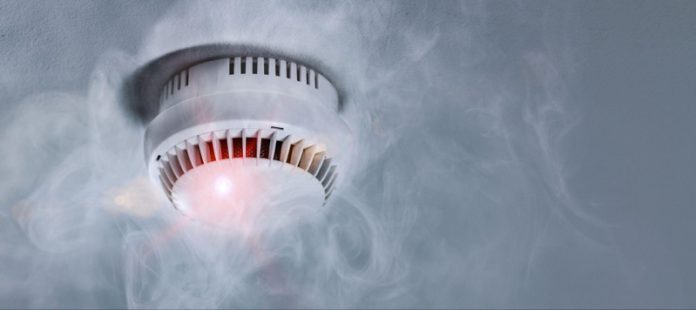
A smoke alarm, an unassuming electronic device in your home, has a vital role: it functions as your first defence in case of fire. It senses the presence of smoke (which usually indicates a developing fire) and promptly generates a warning tone, giving you crucial moments to evacuate safely. However, this small safety device’s efficacy relies heavily on regular maintenance and check-ups. In fact, overlooking this preventative measure could lead to a potentially perilous situation where a faulty alarm fails to alert you in an emergency. This comprehensive guide delves into fundamental steps in maintaining the functionality of your smoke alarm and ensuring its readiness in times of need.

Understanding the Basic Parts of a Smoke Alarm:

For a comprehensive understanding of maintenance procedures, it’s important to first understand the three primary components of the smoke alarm: sensors, alarm sounders, and the power supply. The sensors function as the ‘nose’ of the device, detecting the smoke particles. The alarm sounder acts as the ‘voice’, generating the warning tone, while the power supply, consisting of batteries or electric current, serves as the ‘heart’, ensuring the smoke alarm’s operation.

Each part could develop its unique issues; for instance, a thick layer of dust on the sensors might disrupt the detection mechanism. In contrast, a malfunctioned alarm sounder might be unable to convey the urgency through its alarming sound. By understanding these basic parts, you can perform targeted and effective maintenance processes, enhancing the longevity and reliability of the device.

Scheduling your Regular Smoke Alarm Checks:

While it might seem like a trivial task amid your busy schedule, regular checks of your smoke alarm are non-negotiable. At a minimum, a comprehensive check-up should be performed every month. Periods of transitioning into, or out of, daylight saving can serve as great reminders of this essential task. Regular checks ensure that the alarm system remains functional, and any issues can be promptly identified and rectified, hence enhancing the alarm’s overall efficiency. Timely checks can be managed efficiently through digital reminders like scheduling apps, which send alerts when it’s time for your next smoke alarm check-up.

Proper Cleaning of Smoke Detectors:

Cleaning forms an integral aspect of smoke alarm maintenance as accumulated dust particles or tiny insects can trigger false alarms by interfering with the sensors. Regular cleaning, therefore, ensures the alarm’s consistent performance. For effective cleaning, gently pass a soft brush attachment on your vacuum cleaner over the smoke alarm. It’s essential to exercise caution during this process, as forceful cleaning can potentially damage the alarm. Persistent false alarms or unusually reduced alarm sensitivity could be signs that your alarm requires cleaning. Use small, soft brushes to remove stubborn dirt particles without causing harm to the device.

Regular Battery Checks and Replacement:

Ensuring that the smoke alarm batteries are in optimal condition is crucial. Battery issues are one of the most common reasons behind malfunctioning alarms. As a practical rule of thumb, consider checking the batteries at least twice a year. If you notice your alarm making intermittent chirping sounds, it’s an indication that the batteries need replacement.

Always use batteries recommended by the alarm manufacturer to ensure the best performance. Be vigilant for potential issues like corroded battery contacts that can disrupt electrical flow and render your alarm unresponsive.

Test and Replace: Smoke Alarms Lifespan:

Even with consistent maintenance and optimal care, smoke alarms are not built to last indefinitely. Most models have an average life span of about ten years. It’s wise to plan a total replacement when they reach this age, rather than just replacing individual parts, as the entire system could be ageing and possibly less efficient.

Replacing your old detectors with new ones necessitates a keen understanding of the installation instructions provided by the manufacturers. This is to ensure a smooth and safe transition that maintains your home’s safety standards. While replacing smoke alarms comes with costs, remember that it’s a worthwhile investment given the superior safety it brings to your household.

Conclusion:

In essence, cultivating a routine to conduct regular maintenance and check-ups of your smoke alarm is pivotal in safeguarding your home from potential fire accidents. Understanding the basic parts, scheduling regular checks, diligent cleaning, routine battery checks, and timely replacement constitute the cornerstone of ensuring an efficient smoke alarm system. Make it your responsibility to secure your home with expert smoke detector checks conducted by electricians. Such daily vigilance ensures a safer environment for you and your family. Don’t keep this life-saving information to yourself; pass it on to family and friends, thereby making the community safer and better prepared for fire emergencies as well.

Improving Air Quality With a Central HVAC System and Heating Repair in Temecula

As the wildfires ravaged California last year, the state experienced poor air quality, particularly on September 20, 2023, when smoke from wildfires in northern California and Oregon led to smoky conditions. While not expected to exceed national health standards, these conditions highlight the health risks to residents. During such periods of compromised outdoor air quality, residents should take proactive measures to control indoor air quality for their families’ well-being.

The air we breathe indoors can significantly impact our health and well-being. With ProFlo’s expertise in heating repair in Temecula, California, we understand the importance of providing reliable heating repair services and helping our customers enhance the air quality in their homes. This article will explore the significance of a central HVAC system in improving indoor air quality and provide valuable insights to help you maintain a healthy and comfortable living space.

The Importance of Indoor Air Quality

Indoor air quality plays a crucial role in maintaining a healthy living environment. Poor air quality can lead to health issues, particularly for children, the elderly, and those with asthma or cardiovascular disease. In California, where air quality can be affected by factors such as wildfires, it becomes even more critical to focus on improving indoor air quality.

The State of Air Quality in California

The air quality in California varies across different regions and can be impacted by factors such as industrial processes, traffic, wildfires, and weather conditions. The California Air Resources Board (CARB) collects data on pollutants emitted from common sources and monitors the concentration of contaminants in the air. They have established health-based ambient air quality standards to identify safe pollutant levels for the public, particularly those sensitive to air pollution.

The Air Quality Index (AQI) measures air quality and its associated health effects. It ranges from 0 to 500, with higher values indicating more significant air pollution and health concerns. An AQI value of 0 to 50 is good, while values of 51 to 200 indicate varying degrees of contamination and associated health effects.

According to CARB, over 90% of Californians breathe unhealthy levels of one or more air pollutants at some point during the year. The state continues to address air pollution concerns by setting standards for ozone and particulate matter. They also identify other air pollutants as Toxic Air Contaminants (TACs) that may cause severe long-term effects.

The presence of particulate matter and ozone is driven by:

  • Combustion sources
  • Natural sources
  • Chemical reactions in sunlight

CARB’s efforts to reduce emissions of air toxics and particulate matter aim to decrease the health risks in the state. While California has made significant progress in improving air quality, pollutants and climate change continue to negatively impact public health.

The state’s ongoing efforts to monitor and address air pollution demonstrate the importance of continued vigilance in maintaining indoor air quality in your homes.

Heating Repair and Improving Indoor Air Quality

A central heating, ventilation, and air conditioning (HVAC) system maintains optimal indoor air quality. Here’s how heating repair services help central HVAC systems contribute to improving the air quality in your home:

  • Filtration and Ventilation: Central HVAC systems have high-efficiency filtration capabilities that reduce indoor air pollution. Studies funded by the CARB have shown the benefits of high-efficiency filtration in reducing indoor air pollution, particularly in homes with asthmatic children. Additionally, these systems can facilitate passive and active ventilation, minimizing outdoor pollutants from entering the home.
  • Regulation of Indoor Pollutants: Central HVAC systems help regulate indoor pollutant sources, such as consumer products, building materials, and emissions from activities like cooking. By effectively managing these sources, central HVAC systems contribute to maintaining a healthier indoor environment, especially for individuals sensitive to the effects of air pollution.
  • Professional Maintenance: Regular maintenance of central HVAC systems is essential to ensure optimal indoor air quality performance. ProFlo’s emergency heating repair services in Temecula offer quick and efficient solutions to address any issues with your HVAC system, ensuring that your home remains comfortable and free from air quality concerns.
  • Prevention of Mold and Mildew: Heating repair can address leaky ducts, condensation, or inadequate insulation that can lead to mold and mildew growth. By rectifying these issues, heating repair helps prevent the spread of mold spores, which can significantly impact indoor air quality and respiratory health.
  • Enhanced Efficiency and Airflow: An adequately repaired and maintained heating system operates more efficiently, leading to better airflow and temperature regulation. This helps reduce stagnant air and humidity, creating a healthier indoor environment.

Facts About Central HVAC Systems and Indoor Air Quality in California

In California, where air quality management is a critical concern, the following statistics and findings highlight the significance of central HVAC systems in improving indoor air quality:

  • According to the California Environmental Protection Agency, good indoor air quality is crucial for individuals who may be more sensitive to the effects of air pollution, emphasizing the need for efficient air quality management strategies.
  • Studies funded by CARB have demonstrated the positive impact of high-efficiency filtration in reducing indoor air pollution, especially in homes with asthmatic children, showcasing the effectiveness of central HVAC systems in addressing indoor air quality concerns.
  • The update to the New Building Code by CARB increases filter efficiency requirements from MERV 6 to MERV 13 in new buildings. It highlights the commitment to enhancing indoor air quality through improved filtration standards.

Tips for Maintaining Good Indoor Air Quality with a Central HVAC System

Here are some practical tips to help you maintain good indoor air quality with a central HVAC system in your home:

  • Regular Maintenance: Schedule regular maintenance checks for your central HVAC system to ensure that it functions optimally and continues to contribute to improved indoor air quality.
  • Efficient Filtration: Invest in high-efficiency filtration systems for your central HVAC unit to effectively reduce indoor air pollutants and enhance the overall air quality in your home.
  • Professional Assistance: Seek professional assistance from reliable HVAC service providers like ProFlo Air Conditioning, Heating, and Plumbing to promptly address any issues related to your central HVAC system. It’s our job to make sure that your indoor air quality remains uncompromised.

Final Thoughts

We cannot overstate the role of a central HVAC system in maintaining good indoor air quality, especially in regions like Temecula, California. Many factors impact outdoor air quality, but you can work with us to take proactive measures to improve your home’s IAQ. Our ProFlo Air Conditioning, Heating, and Plumbing team provides exceptional heating repair in Temecula.

We empower our customers to maintain optimal indoor air quality through reliable HVAC solutions. Contact us today to learn more about how we can help you enhance the air quality in your home.

The Role of Proactive Maintenance in Avoiding Costly Drain Repairs

The importance of proactive maintenance in avoiding costly drain repairs cannot be overstated. Neglecting to maintain drains properly can lead to many problems that can quickly escalate into expensive repairs. By taking preventative measures and regularly maintaining your drains, you can not only prevent unnecessary expenses but also ensure the longevity of your plumbing systems.

Common Causes of Clogged Drains

There are several common causes of clogged drains, including:

  • Accumulation of food debris and grease in kitchen drains
  • Hair buildup in bathroom drains
  • Foreign objects such as toys or jewelry flushed down the toilet
  • Tree roots infiltrating sewer lines

These issues can easily be prevented by implementing proactive maintenance practices. For example, regularly cleaning out hair traps in shower drains and properly disposing of kitchen waste can go a long way in preventing clogs.

How to Implement Proactive Drain Maintenance

Implementing proactive drain maintenance is relatively simple and can be done by following these steps:

  • Regularly clean hair traps in shower drains and remove any accumulated debris.
  • Avoid flushing foreign objects down the toilet, including feminine hygiene products and wet wipes.
  • Dispose of kitchen waste properly, avoiding putting grease or large food scraps down the drain. You can use a drain screen to catch any small food particles.
  • Schedule regular professional drain cleanings to thoroughly remove any buildup or blockages.
  • If you have trees near your sewer lines, consider installing root barriers to prevent roots from infiltrating and causing damage.

In conclusion, proactive maintenance is crucial in avoiding costly drain repair services. By taking the time to maintain your drains regularly, you can prevent clogs and backups, extend the lifespan of your plumbing systems, and avoid costly repairs. Remember to follow the simple steps outlined above to keep your drains in top condition and save yourself unnecessary expenses in the future. So don’t wait until it’s too late – start implementing proactive maintenance practices today! You may check professional drain repair from Sunny the Penguin

Garbage Disposal Best Practices: What Not to Put Down Your Sink

The disposal is one of the most convenient appliances in your kitchen. It makes cleaning up after meals a breeze, but it’s important to remember that not everything can go down your sink without causing potential problems and damage. Scheduling a garbage disposal service can be costly, so it’s best to follow these practices to avoid unnecessary repairs or replacements. Here are some things that should never go down your sink:

Grease and Oil

Pouring grease and oil down your sink may seem like an easy way to get rid of it, but it can cause major problems for your garbage disposal. As the grease cools, it solidifies and can clog your pipes. This applies to fatty substances like bacon grease, cooking oil, and butter. Instead of disposing of them in your sink, pour them into a container and throw them in the trash once it’s solidified.

Bones

While most garbage disposals are advertised as being able to handle bones, it’s not recommended to put any bone down your sink. They can damage the blades or get stuck in the disposal, causing it to malfunction. It’s best to throw bones in the trash or compost them.

Non-Food Items

It may seem obvious, but non-food items should never be put down your sink. This includes plastic wrappers, rubber bands, and bottle caps. These items can damage the blades or clog your pipes, leading to expensive repairs. Always make sure to double-check before rinsing off any dishes or utensils.

Coffee Grounds

Many people think that coffee grounds can be easily disposed of in the garbage disposal, but they can cause major problems. The grounds can accumulate over time, creating a thick, muddy substance that clogs your pipes. It’s best to dispose of coffee grounds in the trash or use them as compost for your garden.

Pasta and Rice

Pasta and rice may seem harmless but can cause major clogs in your pipes. When mixed with water, these foods expand and can easily get stuck in your pipes. It’s best to dispose of them in the trash or compost them.

While garbage disposals provide convenience, using them properly is important to avoid potential problems. By following these best practices, you can keep your garbage disposal running smoothly and save yourself from costly repairs in the future. Remember, when in doubt, throw it out! Don’t hesitate to call a professional if you experience any issues with your garbage disposal.

Exploring Roofing Architectural Styles: A Guide to Enhancing Your Home’s Aesthetic

Roofing plays a crucial role in defining the overall look and feel of a building. Learning how each style can enhance aesthetic is important since the as it is one of the most prominent features of the building. Roof designs and systems each have their own advantages, and key aspects to maintenance. You can contact a professional roofing service if you want to maintain or renovate your roof.

  1. Gable Roofs – Characterized by their triangular shape, gable roofs are among the most common styles. They are versatile, easily shedding water and snow, making them suitable for many climates.
  2. Hip Roofs – With slopes on all four sides, hip roofs are more stable than gable roofs. Their design allows for extra living space, like a dormer room, and is ideal for windy areas.
  3. Flat Roofs – Popular in modern and commercial architecture, flat roofs offer a minimalist look. They provide space for gardens, patios, or solar panels, although they require good drainage systems.
  4. Mansard Roofs – Originating from French architecture, mansard roofs have four double-sloped sides. This style maximizes interior attic space and allows for more living quarters under the roof.
  5. Gambrel Roofs – Often seen in barns and Dutch colonial houses, gambrel roofs have two different slopes on each side. This design offers extra living space under the roof without the need for a full second story.
  6. Butterfly Roofs – A modernist style, butterfly roofs are V-shaped, channeling rainwater to a central point. This style is eco-friendly, allowing for larger windows and natural light.
  7. Saltbox Roofs – Characteristic of New England homes, saltbox roofs have one long and one short slope. This asymmetry offers a unique charm, making them popular for their historical appeal.
  8. Sawtooth Roofs – Consisting of a series of parallel pitches resembling a saw blade, sawtooth roofs are typically found in industrial buildings but are increasingly seen in residential designs.

Each roofing style offers unique benefits and aesthetic appeal, no matter what size the job finding the right licensed local roofing contractor is important. Homeowners should consult with a professional roofing service to consider their climate, house structure, and personal taste when selecting a roofing style. By understanding these architectural styles, you can make a more informed decision that enhances your home’s appearance and functionality.

Transform Your Office or Home Doors into Writable Masterpieces

The days of doors acting only as entryways between rooms are long gone. They’re taking the stage today as expressive, dynamic surfaces just waiting to be let loose.

Even in terms of interior design, doors are frequently disregarded as possible blank canvases for originality and practicality. But with the introduction of written surfaces like whiteboard paint, doors are becoming creative places where people can organize, communicate, and express themselves.

Imagine living in a house where:

  • A child’s artwork, a daily quote, or a personalized greeting greets guests at the entryway door.
  • The kitchen door can become a hub for meal planning, a storehouse for recipes, or a place to gather grocery lists.
  • The study door can be used as a mind map playground, a project tracker, or a brainstorming board.
  • The doors to the kids’ bedrooms are transformed into colorful message boards that promote family connection and communication.

You could open up a world of opportunities and transform common doors into remarkable canvases for organization, creativity, and communication by adopting writable surfaces.

Useful Implementations, Infinite Creativity:

  1. Discussion boards

Writable doors are dynamic message boards that let users write notes, to-do lists, or motivational sayings right onto the surface. Writable doors keep everyone informed and involved, whether they are used as a collaborative area in the office or as a hub for family communication in the kitchen.

  1. Timetables for the day

For busy homes or hectic workplaces, turning doors into daily organizers is a useful solution. Users may easily organize activities, track appointments, and create visual schedules by segmenting the door surface into parts for each day of the week. It’s an adaptable and effective method of maintaining productivity and organization.

  1. Communication within the family

Writeable doors encourage family members to communicate and be creative in residential situations. Writable doors promote communication and expression, whether it is by doodling as a bonding exercise or leaving sincere notes for loved ones. They become the center of conversations and memories made together at home.

  1. Cooperative Work Environments

Doors that have been converted into written surfaces encourage creativity and teamwork in the workplace. Teams may increase productivity and creativity by generating ideas, sketching concepts, and visualizing projects right on the door. In contemporary work contexts, writable doors are dynamic instruments for idea generation and problem solutions.

Writable doors

In other words, these write writable surfaces are beyond mere concepts, they have useful applications:

  • Increase productivity by writing brief notes, to-do lists, or reminders for meetings right on your office door.
  • Promote teamwork by having brainstorming sessions, making mind maps with others, or leaving comments for coworkers on a special “collaboration door.”
  • Simplify family communication by using the designated communication door for special occasions, messages, and reminders.
  • Encourage children’s creativity by letting them explore their artistic side, making custom murals, or even using their own door-canvas to practice writing.
Writable Surfaces

Exploring Writable Surfaces

  1. Whiteboard Paint

Whiteboard paint offers a versatile solution for transforming doors into writable surfaces. Applied directly onto the door, this innovative paint creates a smooth and durable whiteboard finish, perfect for writing and erasing messages, diagrams, and notes.

  1. Workspace Solutions for Architects and Interior Designers

For architects and interior designers seeking innovative workspace solutions, writable doors present endless possibilities. By incorporating writable surfaces into their designs, professionals can enhance the functionality and aesthetic appeal of residential and commercial spaces. You are surely often closer to finding workspace solutions tailored to meet the unique needs of architectural and interior design projects.

It’s not as hard as you might believe to turn your dream into a reality. There are several choices available:

  • Invest in pre-coated doors: Whiteboard doors from Smarter Surfaces come in a variety of sizes and styles, and they are ready to use as soon as they are installed.
  • Accept detachable solutions: for a quick, adaptable fix, use self-adhesive whiteboard sheets or films that can be simply attached to current doors.
  • Use paint to your advantage by investigating premium whiteboard paint, which can turn any smooth surface into a blank canvas. An excellent example is the Whiteboard Paint, which provides a long-lasting and cleanable option.

Recall that the most important thing is to select the choice that best meets your requirements and tastes.

Opening Up a Universe of Expression

Writable doors are an innovative break from conventional design norms that provide a new angle on how we interact with our environment. Individuals and organizations may unleash their creativity and turn common doors into amazing tools for collaboration, organization, and communication by embracing the adaptability of writable surfaces.

Writeable doors are an excellent way to stimulate creativity, encourage teamwork, and improve the spaces in which they are placed—in offices, residences, or public areas. Therefore, when you can unleash the potential of writability, why settle with regular doors?

Recall that there is a universe of creative expression out there; just open the door and let your creativity run wild!

3 Tips To Improve Your Mailbox’s Curb Appeal

A well-maintained mailbox can boost your property’s curb appeal. Mailboxes are among the first things that guests see when they come to visit. Its impression can captivate or repel visitors. It can also tell them your personality. If it’s not well-maintained, they might conclude that you’re careless. If it’s on point, they’ll see you as organized. Enhancing your mailbox’s aesthetic appeal doesn’t require a complete overhaul. Some changes can transform its appearance. And the best thing is that a mason fort worth can help you effect the changes. Here’s how you can elevate your mailbox’s curb appeal.

Choose A Stylish Design

Your mailbox should complement your home’s architectural style. Whether your home boasts a modern facade or a more traditional charm, there are many mailbox designs to match it.

Investing in a high-quality, durable material for your mailbox can also boost its aesthetics and improve its functionality. Stainless steel, wrought iron, and powder-coated aluminum are popular choices thanks to their durability and resistance to the elements. These materials also exude elegance that can enhance your home’s overall appearance.

You can add additional features, such as decorative motifs or personalized address plaques to your mailbox to infuse a touch of personality. A mailbox with ample package space can also be a practical and convenient addition. Such a mailbox will cater to your needs, especially if you frequently receive parcels.

Accentuate Your Mailbox With Greenery

Mailboxes are placed at strategic points, making it necessary to beautify their surroundings. To create a visually pleasing tableau, you can add greenery and flowers around your mailbox. Well-manicured flower beds, trimmed shrubs, or a small garden can transform your mailbox area into a charming and inviting space. You can even choose plant varieties that complement the season to create a dynamic landscape. Spring bulbs, summer blooms, and fall foliage can each bring a unique character to your mailbox area and contribute to a sense of vitality and charm.

Moreover, be mindful of the scale of your landscaping elements. Avoid overwhelming the mailbox with huge plants that might obscure its visibility. Instead, aim for a balanced composition to accentuate the beauty of the mailbox and its natural surroundings. You can install subtle lighting around the mailbox area to add a touch of sophistication. Solar-powered lights or low-voltage LED fixtures can illuminate the space and create an enchanting ambiance at night.

Regular Maintenance

No matter how stylish or well-designed your mailbox is, if you don’t maintain it, you’ll swiftly erode its curb appeal. Weather conditions, dirt, and debris can affect even the sturdiest mailboxes. Therefore, a consistent maintenance routine ensures your mailbox remains in top condition.

Routinely cleaning the mailbox and its surroundings. Wipe away dirt, cobwebs, and any accumulated grime. For metal mailboxes, apply a protective coating to prevent rust and corrosion. Wooden mailboxes can benefit from occasional staining or painting to maintain their vibrancy and protect against the elements.

Inspect the mailbox for any signs of wear or damage and address issues before they worsen. Tighten loose screws, replace faded address numbers, and ensure that the mailbox door opens and closes smoothly. Regularly oiling hinges and moving parts can boost your mailbox’s longevity. In addition to physical maintenance, periodically assess the overall visual appeal of your mailbox. Consider updating the mailbox with a fresh coat of paint and replacing worn-out accessories to breathe new life into its appearance.

The Bottom Line

Upgrading your mailbox’s curb appeal is a simple way to enhance your home’s visual appeal. Remember, the smallest details often make the biggest difference when creating a warm and welcoming home exterior. Contact a professional today if you need assistance improving your mailbox’s appearance.

Choosing The Right Air Compressor Filter For Your Needs

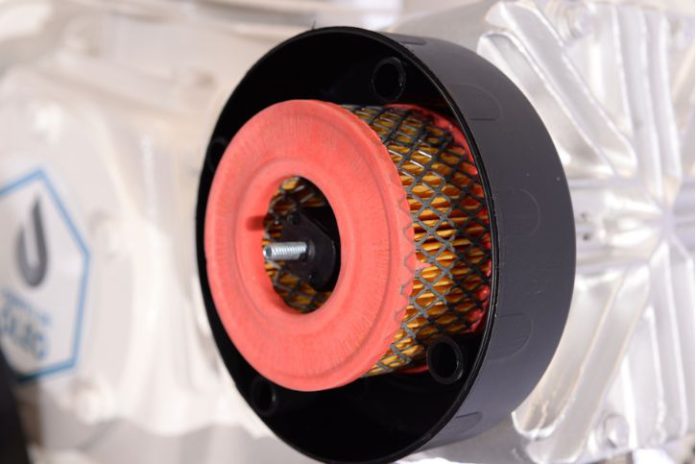
Compressors play a vital role in numerous residential and industrial settings. An important feature of these compressors is the filter. The right filtration system is important for optimal performance of the compressor. To elaborate further, this post will focus on the importance of compressed air filtration, some key factors to consider before selecting a filter, and the types of compressor filters available. 

Why Do You Need Compressed Air Filtration? 

There are two main reasons for air filtration in a compressor:

  • Sources Of Air Contamination

Air contamination is a major issue that lowers the performance and lifespan of the compressor if left unchecked. Some common culprits include particulates at the intake such as dust and debris. In an industrial setting, it can be dust and fumes from various production processes that can adversely affect the compressor’s performance.

In some cases, outside contaminants can also find their way into the compressor, such as pollen during the warmer months and leaf dust during autumn. Lastly, there can be other unavoidable contaminants such as moisture buildup, or the presence of oil in a rotary screw compressor. Thus, filtration is important to tackle the myriad of pollutants and contaminants.

  • Problems Caused by Compressed Air Contamination

Here are just some of the potential problems caused by a compromised air compressor:

– The particulates can cause abrasion, corrosion, blockage or other forms of damage within the compressor.

– At the very least, it can significantly reduce the performance and efficiency of the air compressor, driving up downtime and increasing energy costs.

– Compressors used in an industrial setting can cause product contamination without proper filtration.

– Compressed air containing particulates, moisture or oil is also harmful to workers and technicians in an industrial setting.

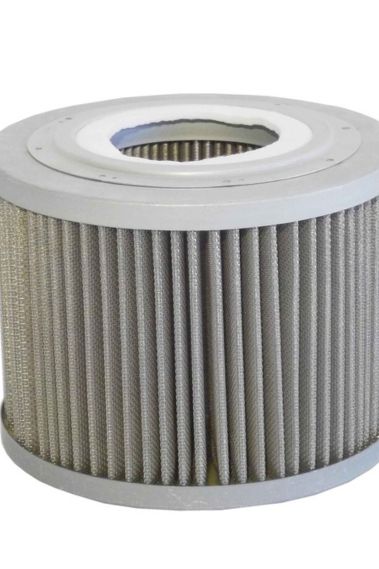
Therefore, it is critical to install a robust filter to prevent such problems, such as stainless steel mesh. Known for its toughness and efficiency, it can be customized to filter out certain particulates while also offering easy maintenance and corrosion resistance.

Factors To Consider When Choosing An Air Compressor Filter 

  • Air Quality Standards 

It is necessary to determine the quality of compressed air before selecting an appropriate air compressor filter. For instance, compressed air used for pneumatic applications can handle some minor levels of contamination. However, air used in the medical or food processing industry has to be of the highest quality. Keeping this in mind, here are some standard air quality guidelines:

– For pneumatic applications, an air filter can have a filtration efficiency of 0.3 to 0.1 microns

– For paint lining and other similar applications, the filtration efficiency needs to be around 0.1 microns

– For pharmaceutical and food processing purposes, the filtration efficiency strictly needs to be around 0.01 microns.

  • Type Of Compressor

Apart from air quality, the type of compressor is also a key requirement for filter selection, as the filter should be compatible with the machine. This is true not just in terms of size, but in terms of operation as well. For instance, the filter used in an oil-free compressor and oil-flooded compressor is vastly different. Since an oil-free compressor doesn’t use oil, it isn’t necessary to have a coalescing filter. Moreover, it can be combined with activated carbon filters to achieve a high degree of air purity.

Similarly, in the case of an oil-flooded compressor, applying a coalescing filter is critical. With the right systems in place, the compressor’s operation can be optimized.

  • Operating Environment

Although the primary function of air filters is to remove contaminants from the intake air, the nature of the contaminants can affect the selection of the filter. For example, if the operating environment has a high degree of moisture, then the air filter might require additional assistance in the form of dryers or separators.

Similarly, the presence of more dust particles and other airborne particulates might necessitate the addition of pre-filters to improve the lifespan of the compressed air filters. At the very least, it would require frequent changes in air filters if special implements like pre-filters are not used.

  • Frequency Of Use 

Lastly, the intensity of operation or the frequency of use will determine the selection of air filters. In a setting where a high degree of compressed air is required on a continuous basis, a more robust air filter will be suitable. It would also be prudent to choose a filter with more capacity. Of course, in order to reduce the load on the compressed air filters, some accessories such as automatic drains can be added to the system to reduce maintenance of the filters. In contrast, in facilities that require less intensive air filtration at a lower frequency, more economical options can be considered.

Types Of Air Compressor Filters

Based on the factors stated above, here are 4 common types of air filters one can find compatible with most air compressors:

  • Dry Particulate Filters

As the name suggests, these filters majorly handle dry contaminants in the airstream. They can be installed either at the inlet or inline, that is within the compressor. Dry particulate filters majorly perform using three processes: interception, inertial impact and diffusion. The large particles are intercepted at the filter’s surface. The smaller particles, on the other hand, travel through the filter medium and are intercepted at various points due to diffusion. While these mediums stop the dry particulates, what keeps them trapped in the filter medium? This is mainly done through electrostatic attraction. Lastly, there are specialized versions, such as hydro excavation filters, which can be used for more intensive applications.

  • Coalescing Inline Filters

These filters are installed inside the compressor system and mainly work on moisture, oil and aerosol. The functioning of the filter is quite simple; the oil or water droplets accumulate on the surface of the filter medium. Over time these droplets combine or coalesce to form larger droplets which then fall down into a tray placed at the bottom of the filter. In this way, these aerosol droplets can be regularly drained and filtered. An added benefit of coalescing inline filters is that they also trap dry particulates along with the droplets, offering a high-quality filtration solution. Moreover, they can operate alone or can be combined with other filters for better results.

  • Adsorption Filters

For removing gaseous contaminants like vapours, fumes, smoke and odours, adsorption filters are the ideal choice. They mainly use activated carbon as their primary filter medium. This material has tiny pores or holes on its surface which successfully trap the gaseous molecules. This process is known as adsorption and these filters have extremely high quality and are mainly used in applications requiring extremely clean, filtered air. However, these compressed air filters are best supplemented by dry particulate filters or a coalescing filter to remove the larger particles of dust and debris as well as oil and water droplets before running the air through them.

  • Air Compressor Oil Filters

These filters are quite different from the other three mentioned above as they are mainly used to remove contaminants from oil. This clean oil is then used to lubricate compressors such as rotary screw air compressors. The main purpose of air compressor oil filters is to reduce the wear and tear of bearings in the machine, which can be adversely affected due to contaminants. This type of filter also has two distinct features which differentiate it from others:

– A bypass valve to supply oil to the compressor if the filter is clogged as not having any oil for lubrication is far worse than contaminated oil.

– A high-pressure resistant housing and seals to withstand pressure fluctuations caused by the compressor.

Conclusion

In closing, air compressor filters are absolutely critical for any compressor. Its selection can be largely determined by adhering to a few key factors such as air quality, compressor type, frequency of use and operating conditions. Lastly, the four different types of filters stated above broadly cover most filtration applications in almost all compressors. Of course, the list is not exhaustive by any means, but is a solid foundation to conduct further research on optimizing air compressor filtration.

Recent Posts

Posts You Might Like