

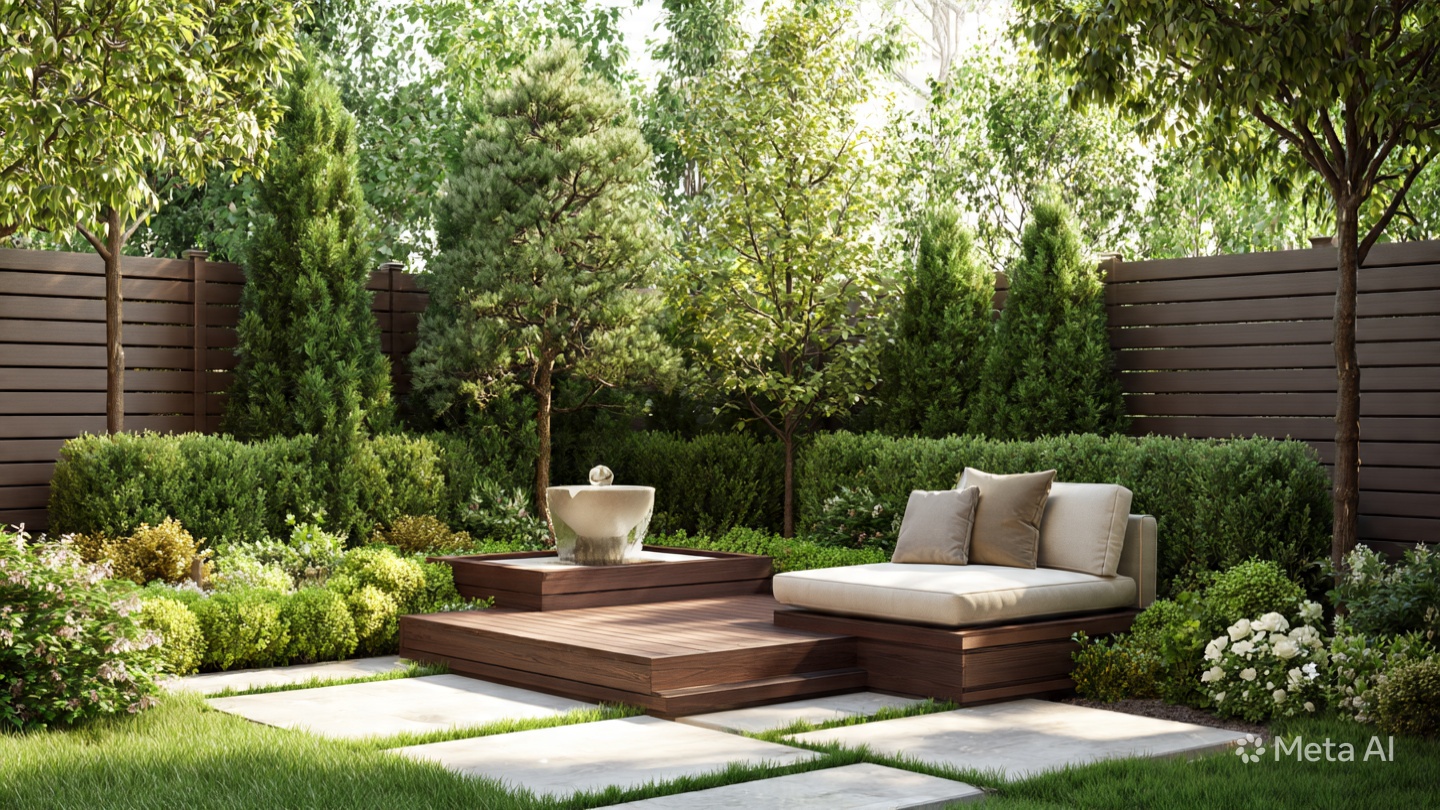
There’s nothing quite like stepping into your garden to enjoy a moment of peace and tranquillity. But if your outdoor space is plagued by noisy neighbours, traffic, or other unwelcome sounds, that moment of serenity can quickly be shattered. The good news is that there are effective strategies for soundproofing your garden, allowing you to transform it into a quiet, serene retreat. In this article, we’ll explore the most effective ways to reduce noise in your garden, including the use of composite fencing, vegetation, water features, and more.
Understanding Outdoor Noise Pollution
Before diving into the solutions, it’s important to understand the problem. Outdoor noise pollution can come from a variety of sources:
- Traffic Noise: If your garden is near a busy road, the sound of passing vehicles can be a constant disturbance.
- Neighbour Noise: Whether it’s loud conversations, music, or barking dogs, noise from nearby homes can easily intrude on your garden space.
- Environmental Noise: Even natural sounds like wind, rain, or birds can sometimes contribute to an overall noisy environment, especially when combined with other sounds.
These noises can travel into your garden in various ways, bouncing off hard surfaces and carrying over fences. The key to soundproofing your outdoor space lies in blocking, absorbing, and diffusing these sound waves.
1. Install High, Dense Fencing
One of the most effective ways to block out unwanted noise is by installing a high, dense fence around your garden. The height and material of the fence play a crucial role in its soundproofing capabilities.
- Height: A taller fence will block more noise, so aim for a fence that is at least 2 meters high. This height will help stop sound waves from easily traveling into your garden.
- Material: The denser the material, the better it will be at blocking sound. Materials like wood, concrete, or stone are highly effective. However, composite fencing is an excellent option because it combines the density needed to block sound with additional benefits like durability and low maintenance.
Composite fencing, made from a blend of wood fibres and plastic, not only provides a solid barrier against noise but also adds aesthetic appeal to your garden. It’s resistant to weathering and doesn’t require the regular upkeep that traditional wood fences do, making it a practical and long-lasting solution.
2. Plant Dense Vegetation
Vegetation can play a significant role in absorbing and diffusing sound. While plants alone might not block out all noise, when used in combination with other methods, they can greatly reduce the overall noise level in your garden.
- Hedges: Dense hedges like privet, yew, or boxwood can act as natural sound barriers. When planted in a row, they create a thick, green wall that absorbs sound.
- Trees: Planting trees with thick foliage, such as cypress or pine, along the perimeter of your garden can help block sound waves. The leaves and branches absorb noise and prevent it from reaching your living space.
- Shrubs and Bushes: Layering your garden with shrubs and bushes in front of fences or walls adds an extra layer of sound absorption. The more layers of vegetation, the better the soundproofing effect.
Not only does vegetation help with soundproofing, but it also enhances the natural beauty of your garden, creating a lush and inviting environment.
3. Incorporate Water Features
Water features are a great way to mask unwanted noise in your garden. The soothing sounds of running water can drown out background noise, creating a more peaceful atmosphere.
- Fountains: A fountain with a steady flow of water produces a gentle, continuous sound that can help mask traffic noise or other disturbances.
- Waterfalls: For a more dramatic effect, consider installing a waterfall. The sound of cascading water is both calming and effective at covering up unwanted sounds.
- Ponds with Bubblers: Even a simple pond with a bubbler or small waterfall can add ambient noise that helps drown out disturbances from outside your garden.
In addition to their sound-masking properties, water features can serve as a beautiful focal point in your garden, enhancing its overall aesthetic.
4. Build Sound-Absorbing Structures
Certain structures within your garden can also help to absorb and block sound. These can be both functional and decorative, adding to the overall design of your space while improving its soundproofing capabilities.
- Pergolas and Gazebos: Covered structures like pergolas or gazebos can act as sound barriers, particularly when they’re surrounded by dense vegetation or draped with climbing plants. These structures not only provide shade and shelter but also help break up the path of sound waves.
- Garden Sheds: A garden shed, or storage building can be strategically placed to block noise from specific directions. These solid structures are especially effective when combined with sound-absorbing materials like insulation or acoustic panels.
- Acoustic Panels: Consider adding outdoor acoustic panels to your garden. These panels are designed to absorb sound, preventing it from bouncing around your garden and amplifying noise. They can be installed on fences, walls, or even within pergolas and other structures.
By incorporating these structures into your garden design, you can create a more private and peaceful space that’s shielded from outside noise.
5. Design for Sound Diffusion
In addition to blocking and absorbing sound, diffusing it is another important aspect of outdoor soundproofing. Diffusion involves breaking up sound waves, so they become less concentrated and therefore less noticeable.
- Varied Surfaces: Incorporate a variety of surfaces into your garden design. For example, using a combination of grass, gravel, and stone pavers can help break up sound waves. The irregular surfaces scatter sound, reducing its impact.
- Terracing and Elevation Changes: Creating different levels in your garden, such as through terracing, can help disrupt the flow of sound. By altering the landscape, you force sound waves to travel in multiple directions, making them less intrusive.
- Decorative Elements: Decorative elements like sculptures, trellises, and large planters can also help diffuse sound. The more varied the surfaces in your garden, the more effective the diffusion will be.
By carefully planning your garden’s layout and incorporating different materials and elevations, you can significantly reduce the overall noise level.
Achieving a quiet, peaceful garden is possible with the right combination of soundproofing strategies. Installing high, dense fences, especially those made from composite materials, planting dense vegetation, and incorporating water features and sound-absorbing structures can all contribute to a more serene outdoor environment. By thoughtfully designing your garden to block, absorb, and diffuse noise, you can create a private retreat where you can relax and enjoy the sounds of nature, undisturbed by the noise of the outside world.