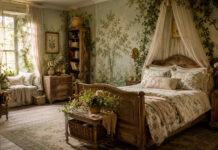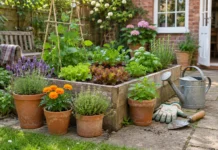


A bedroom plant should fit the room and the way you use it. Start with the available light, a suitable container and a watering routine you can manage. Decorative greenery does not need a medical promise to justify its place in a room.
Look at the actual position
Observe the intended spot through the day. A bedside table away from a window can differ substantially from the bright place shown in a plant photograph. Choose a species whose documented requirements fit that position, or choose another location.
Keep the plant clear of door swings, the route beside the bed and electrical equipment. A high shelf also needs safe access for watering and enough support for the filled container.
Identify the plant before choosing it
Common names can refer to different plants. Ask the supplier for the botanical name and care instructions. For homes with children or pets, check the particular species and access arrangement using an appropriate source; do not assume a bedroom plant is suitable simply because it is popular.
Snake plants and other ornamental plants should not be advertised as medicine for asthma or allergies. Anyone with a sensitivity needs advice appropriate to their circumstances rather than a guarantee from a decorating article.
Protect finishes and make maintenance practical
Use a container arrangement compatible with the plant and protect furniture from water. Check for standing water and keep ordinary fallen leaves from collecting behind furniture. Leave enough room to inspect the plant rather than hiding it in an inaccessible decorative pot.
Consider a non-living alternative
A botanical print, a textured planter used for another purpose or an artificial plant can provide a visual reference to nature where live-plant care is impractical. Compare appearance, space and cleaning effort rather than claiming one choice provides a guaranteed health outcome.
Separate decoration from indoor-air management
Do not rely on a few plants to solve a pollution, dampness or ventilation problem. The EPA indoor-air guide discusses the limits of houseplants for removing significant indoor pollutants. Investigate the actual source of an air-quality concern separately.
Illustrations