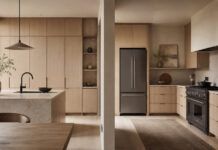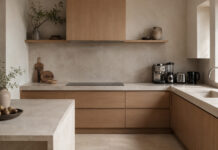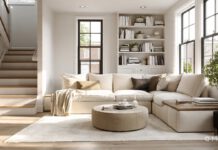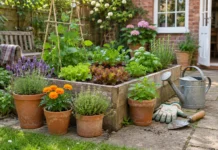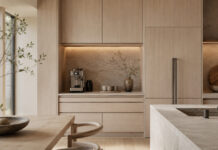


Walking into your kitchen and having the sense that it is far from the image you have in mind of what it should look like, isn’t so rare. The main problem is that kitchens don’t tend to age well, when you go with current trends. It makes them look as if they haven’t stepped into the modern age. It can be hard to decide where to start, and what should be done to bring it up to speed. However, the information below should help you take the next step towards a modern kitchen.
Review the available daylight
Review the daylight and the existing openings before choosing new windows or doors. Altering an opening or removing part of a wall needs assessment of the structure, services, access and applicable requirements. Have an appropriately competent designer or contractor establish what the building can accommodate before demolition. The HSE structural-stability guidance explains the need for assessment in its UK context. If comparing systems from aluprof.eu/gb or another supplier, confirm the product specification against the assessed opening and installation design.
Choose Earth Tones for the Walls
Compare paint samples with the cabinetry, worktop and lighting that will remain. Earth tones are one option, as are stronger colours or a restrained contrasting palette. View the samples at normal cooking and eating times and choose with the people who use the room. A colour is not a universal way to calm every occupant or keep a kitchen permanently in fashion.
Make it Spacious
Plan the space with furniture and appliance doors in use. Map the route between the entrance, storage, sink, cooking area and any seats. Try changes to storage or furniture position before assuming a wall must be removed. Where an opening is proposed, obtain the necessary structural and services assessment and local approvals before work starts; an open-plan image is not a demolition plan.
Bring in Some Nature
A plant can introduce colour or shape without changing the kitchen finishes. Choose an identified species for the available light and care, keep it clear of heat and food-preparation work, and protect surfaces from water. Do not rely on a few houseplants to clean the room’s air. For air-quality concerns, use appropriate source control, ventilation and equipment rather than a decorative planting claim.