
Luxury fashion has never existed in isolation. The silhouettes, colors, and materials seen on the world’s most influential runways often ripple outward into architecture, interior design, and the broader lifestyle market. Today, those connections are easier to observe thanks to Vitkac.com, a luxury ecommerce store known for curating some of the world’s most influential designer brands.
While the platform is best known for its selection of high-end fashion and accessories, the visual language of luxury fashion increasingly influences how people design their homes. From minimalist layouts to bold statement materials, the aesthetics found in designer collections are shaping modern interiors across the globe.
A Luxury Destination With Architectural Roots
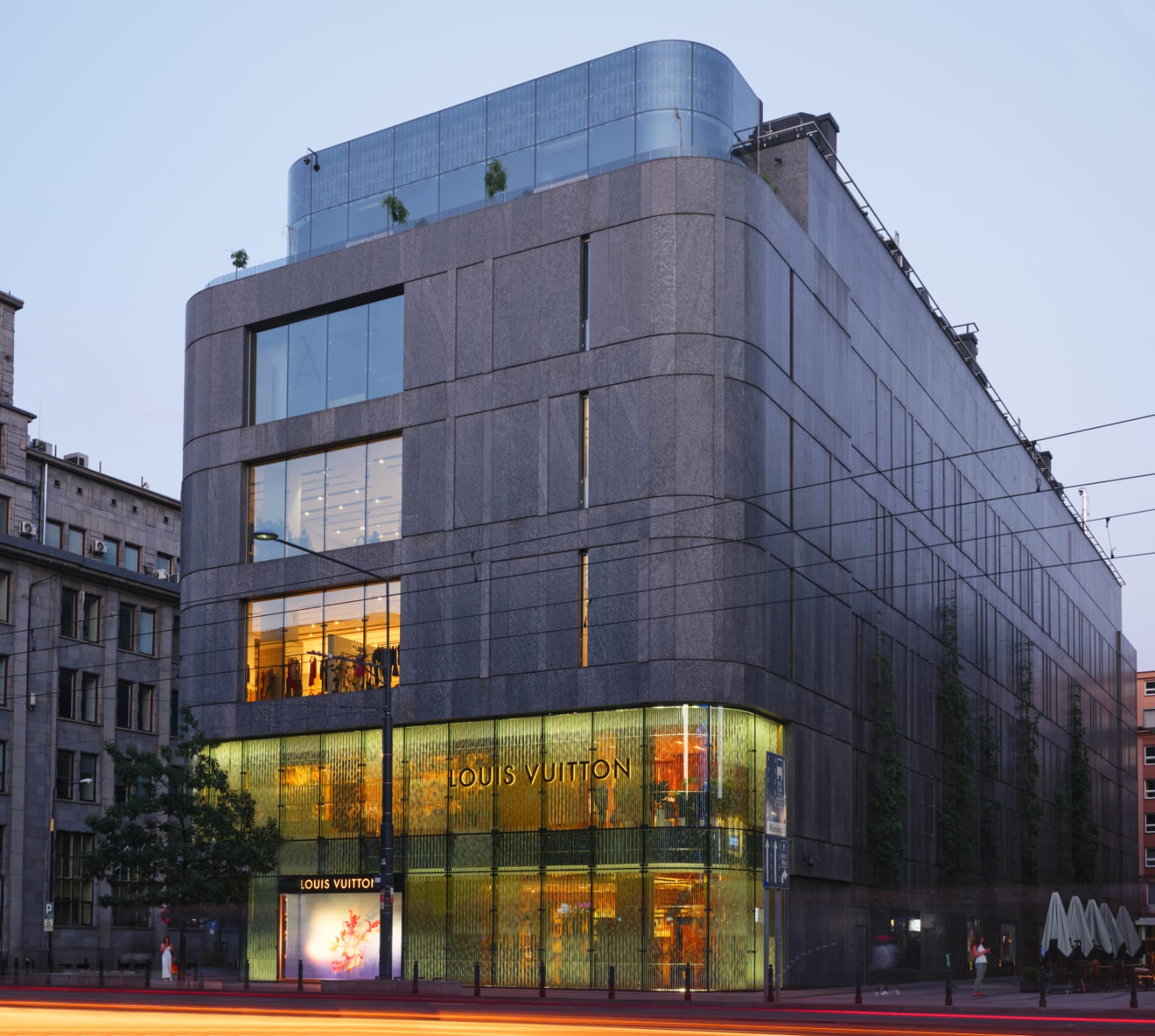
Before becoming a global online destination for luxury fashion, Vitkac Luxury Online Shop first made its mark through its flagship department store in Warsaw. The building opened in 2011 on Bracka Street and was designed by renowned Polish architect Stefan Kuryłowicz. The structure was conceived as a modern luxury department store that could stand alongside iconic shopping destinations in cities like Paris and London.
The building itself reflects the same principles that define luxury fashion, precision, simplicity, and high-quality materials. Its curved façade, expansive glass surfaces, and interiors finished with stone, stainless steel, and exotic woods were designed to create a refined environment for the world’s most prestigious brands.
Inside, visitors encounter collections from leading designers such as Louis Vuitton, Bottega Veneta, Saint Laurent, Balmain, Givenchy, and Off-White, representing more than 180 luxury labels.
Today, that same spirit of curated luxury extends to the ecommerce experience, connecting fashion enthusiasts worldwide with designer collections that define contemporary style.
The Runway as a Predictor of Interior Design Trends
Fashion has long been a powerful indicator of where design trends are headed. Designers introduce new palettes, materials, and forms each season, and these ideas often appear in architecture and interior design shortly afterward.
For example:
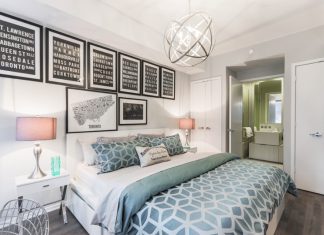
- Neutral palettes frequently transition from runway collections into minimalist interiors.
- Monochrome black-and-white aesthetics popular in fashion often inspire modern apartments and gallery-style homes.
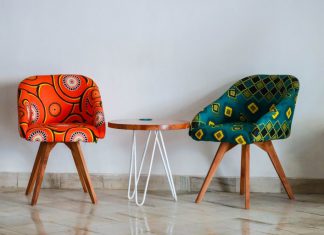
- Bold statement colors can later appear in accent furniture or lighting.
This cross-pollination shows that fashion does not simply influence clothing—it shapes broader lifestyle aesthetics.
Luxury Textures Moving From Fashion to Interiors
One of the clearest connections between fashion and home décor is texture. The materials used by luxury designers frequently inspire interior design elements.
Examples include:
- Cashmere inspiring ultra-soft throws and blankets
- Leather influencing statement sofas and chairs
- Silk appearing in drapery and decorative cushions
- Wool shaping Scandinavian-inspired interiors
These materials elevate both fashion and interiors because they communicate craftsmanship, quality, and timeless design.
The Boutique Effect: When Retail Design Inspires Homes
High-end shopping boutiques are often designed like galleries, where each piece is carefully displayed and the environment feels curated rather than crowded. Online luxury platforms replicate this experience digitally, presenting collections in a refined, editorial style.
This philosophy increasingly influences residential design.
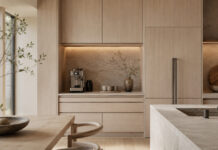
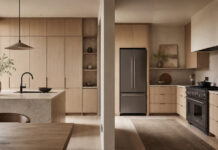
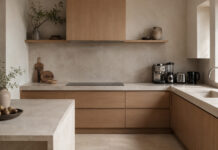
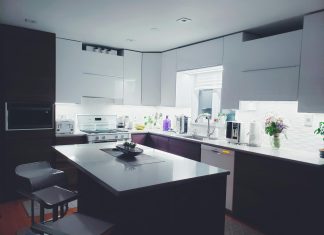
Many contemporary homes now incorporate:
- minimalist layouts
- marble surfaces
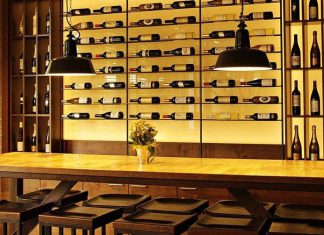
- sculptural lighting
- curated shelving and display areas
In many ways, the modern luxury apartment mirrors the environment of a designer boutique—carefully composed, elegant, and focused on a few exceptional pieces rather than excess.
Looking Ahead: Fashion as a Lifestyle
Luxury fashion today represents far more than clothing. It reflects a broader lifestyle philosophy that touches architecture, interiors, art, and culture.
An upcoming initiative called Vitkac Vanguard will explore this intersection further, highlighting emerging movements where fashion, design, and modern living converge. By examining these connections, the project aims to show how luxury fashion continues to shape the environments where people live, work, and gather.
Designing Your Home With Fashion in Mind
For those inspired by designer aesthetics, translating fashion into interior design can be surprisingly simple.
A few guiding principles include:
- Choose a cohesive color palette inspired by fashion collections.
- Invest in timeless materials such as stone, leather, and natural wood.
- Treat statement furniture like statement fashion pieces.
- Keep spaces curated and uncluttered.
Just as a well-designed wardrobe reflects personal taste, a thoughtfully designed home can express the same sense of style.