In the aftermath of natural disasters, the road to restoration is daunting. Communities are not only left grappling with the sprawling wasteland of debris and ruined infrastructure but also the difficult decisions of rebuilding lives. Despite the diversity of calamities, one idea remains constant: resilience paired with cooperation is vital for recovery.
Faced with overwhelming challenges, communities often have to adopt a mindset of resourcefulness and adaptability. Acknowledging the innate uniqueness of each disaster scenario is important for tailoring specific recovery strategies that truly respond to the needs on the ground. This nuanced understanding allows stakeholders to mobilize resources effectively and maximize the impact of initiatives aimed at getting residents back on their feet.
Rebuilding Infrastructure: Challenges and Solutions
The restoration of infrastructure necessitates both speed and precision. Roads, bridges, and power lines are the arteries of any recovering region. Engineers have to dance on a tightrope of repairing immediate damage while laying long-term resilient structures that can withstand future disasters. Iterative improvements are necessary, making every reconstruction endeavor better protected than its predecessor.
Drawing from lessons from past disasters, civil and disaster recovery engineers increasingly integrate sustainable practices to create infrastructure that can adapt to changing environmental conditions. Innovations in materials and building designs allow for structures that not only survive adverse conditions but harmonize with the surrounding environment to minimize future risks.
In regions prone to severe weather conditions, ensuring the integrity of homes is a vital component of recovery. As communities faced with frequent hailstorms know, swift and effective solutions are imperative. For Texas residents, identifying providers of hail damage repair San Antonio can immensely aid efforts to restore damaged properties and return to stable living conditions. Such local expertise can complement broader rebuilding initiatives.
Economic Revitalization Strategies
Economic recovery parallels infrastructure restoration as an urgent objective. Loss of livelihoods can parallel the disaster’s initial impact, crippling communities in a prolonged depression. Governments and local authorities need strategies in place to promote economic activity. Encouraging entrepreneurship, providing incentives for local business continuity, and facilitating job creation remain the most reliable pathways to long-term recovery.
Leveraging partnerships with local and global economic stakeholders can provide invaluable support for communities seeking economic revitalization. Establishing micro-loan programs and business incubators can offer the financial backing required to instigate small business growth, providing a practical framework for generating sustainable economic opportunities within affected regions.
The Importance of Swift Action
Time is of the essence. Widespread destruction demands immediate attention. Hesitation exacerbates the situation. Response teams must arrive promptly to mitigate further loss and suffering. Secure shelters, medical supplies, and rescue operations should be in place almost simultaneously with the disaster’s impact. Actions in the initial hours dictate the scale of casualties and the success of future recovery efforts.
Early coordination with local leaders and familiarity with the area can dramatically improve the speed and precision of emergency response. This can reduce redundancies in deploying aid and ensure that every minute is spent wisely. Additionally, preemptive training and readiness exercises conducted with local communities can prepare both responders and residents for effective collaboration when disaster strikes.
Technology: A Double-Edged Sword
Technology can accelerate rebuilding but not without its challenges. Drones, satellite imagery, and real-time communication networks enhance disaster response in unprecedented ways. Yet the integration of high-tech solutions requires caution. Proper training and maintenance protocols must accompany the deployment to prevent them from becoming hurdles rather than solutions.
Community Engagement: A Critical Element
Community involvement is not a sideline but a central piece of effective restoration. Local residents understand the intricacies of their environment better than any external entity. Their insight and participation ensure that restoration efforts align with community needs and aspirations. Inclusion in planning and decision-making fosters ownership and cooperation, significantly expediting recovery.
Effective communication channels between external organizations and community members can be the cornerstone for trust. Transparency about recovery plans and progress updates empowers residents, cultivating a shared vision that aligns with cultural values and expectations. Community empowerment initiatives foster solidarity, setting a collaborative foundation for tackling challenges on the horizon.
The Role of Government and International Support
Of all actors in a post-disaster restoration, governments play a linchpin role. They must act as coordinators between international aid groups and local agencies. Coordination is key to avoiding redundancy and ensuring optimal resource allocation. Moreover, international monetary and technical aid should be channeled into locally-driven initiatives, amplifying local economic activity rather than overshadowing it with foreign direction.
Public-private partnerships can further strengthen government efforts, weaving a cohesive network of resources where skillsets are shared, rather than duplicated. By integrating national expertise with the precision of specialized agencies, governments can create multifaceted recovery programs responsive to their population’s evolving needs.
Conclusion
Restoration post-disaster is neither an easy nor a short-term mission. Swift action combined with the engagement of public institutions, private sectors, and local populations forms the bedrock of a solid recovery. While individual actors play distinct roles, it’s the synergy of collective efforts that truly enables a community to rise from the ashes. It is this cooperative spirit that should steer post-disaster strategies moving forward.
Home design is constantly evolving, with each year bringing fresh trends that redefine modern living. Homeowners are seeking innovative ways to create functional, stylish, and sustainable spaces that reflect their unique preferences. From smart home technology to eco-friendly materials, the future of home design is shaping up to be both sophisticated and efficient.
Smart Homes for Smarter Living
Technology continues to be at the forefront of home design, making daily living more convenient and efficient. Home automation systems, voice-controlled appliances, and AI-driven security features are no longer luxury additions—they are becoming standard in modern homes. Homeowners are increasingly investing in systems that allow them to control lighting, temperature, and security remotely, making their homes not only more comfortable but also more energy-efficient.
Custom builders are now integrating these features directly into construction plans, ensuring seamless connectivity from the ground up. This shift toward smart living is paving the way for homes that adapt to the lifestyle needs of their occupants while maximizing energy efficiency. For families looking to enhance their outdoor spaces, incorporating custom outdoor play structures can create engaging and functional areas that encourage active lifestyles and imaginative play.
Sustainable and Eco-Friendly Materials
Sustainability is more than just a trend—it is becoming a necessity. Homeowners are now prioritizing materials that reduce environmental impact without compromising on aesthetics. Recycled wood, bamboo flooring, and energy-efficient insulation options are gaining popularity as people become more conscious of their carbon footprint.
Additionally, passive home design is gaining traction. This method optimizes a home’s natural surroundings to reduce reliance on artificial heating and cooling. Large windows for natural light, solar panel installations, and strategically placed ventilation systems contribute to reducing energy costs while maintaining a comfortable indoor climate.
Multi-Functional Spaces for Modern Living
As remote work continues to dominate, homeowners seek flexible spaces that serve multiple purposes. Open-concept layouts are evolving to include designated workspaces that can be easily transformed into relaxation or entertainment areas. The idea of “zoning” within homes—where one space serves multiple functions—offers greater flexibility for families with dynamic needs.
Built-in storage solutions, foldable furniture, and partition walls are becoming essential in maximizing available space without sacrificing design. Homeowners want the ability to adapt their living areas as their needs change, making multi-functional spaces a crucial part of modern home design.
Natural Elements and Biophilic Design
Bringing the outdoors in is another trend gaining momentum. Biophilic design incorporates natural elements such as wood, stone, and greenery to create a calming and organic home atmosphere. Living walls, indoor gardens, and large glass doors open to outdoor spaces help blur the line between indoor and outdoor living.
This trend not only enhances aesthetics but also contributes to overall well-being. Natural materials and increased exposure to greenery have been linked to reduced stress levels and improved air quality, making biophilic design an attractive choice for homeowners looking to enhance their living space and lifestyle.
Seamless Integration of Indoor and Outdoor Spaces
Outdoor living areas are no longer just an afterthought—they are extensions of indoor spaces. Homeowners are investing in outdoor kitchens, fire pits, and covered patios for year-round use. Large sliding doors, retractable walls, and seamless flooring transitions create a harmonious flow between indoor and outdoor areas.
This trend aligns perfectly with modern architectural principles that emphasize open, airy spaces. Whether for entertaining guests or simply unwinding in nature, integrating outdoor living into home design is a key consideration this year.
Customization and Personalized Design
Homeowners are moving away from cookie-cutter designs and opting for personalized spaces that reflect their tastes and lifestyles. From custom-built furniture to unique architectural features, there is a growing demand for homes that tell a personal story.
This customization extends beyond aesthetics to functionality. Smart storage solutions, personalized color palettes, and adaptable layouts allow homeowners to create spaces that truly suit their needs. Working with professionals specializing in custom home design can help homeowners bring their vision to life while ensuring high-quality craftsmanship and innovation.
The Future of Custom Home Design
The future of home design is defined by adaptability, sustainability, and seamless integration of technology. Homeowners are looking for personalized spaces that not only cater to their aesthetic preferences but also enhance their daily living experiences.
With an emphasis on smart home features, eco-friendly materials, and flexible layouts, the modern home is evolving into a space that is as functional as it is beautiful. Whether it’s through biophilic design, multi-functional rooms, or energy-efficient construction, the homes of the future are being built with innovation and sustainability in mind.
For those looking to bring these trends to life, partnering with experienced professionals ensures that every element—from the blueprint to the finishing touches—meets the highest standards of quality and design. As the industry continues to evolve, custom home builders are at the forefront of creating spaces that redefine modern living.
The Role of Technology in Mental Health and Construction Management
The construction industry is known for its demanding nature—long hours, tight deadlines, and physically strenuous work. While much attention is given to productivity and efficiency, mental health is often overlooked. However, as technology continues to transform the sector, innovative solutions are emerging to help reduce workplace stress and improve overall well-being.
Digital tools, such as a construction management tool, can streamline workflows, improve communication, and reduce last-minute pressures—helping workers maintain better mental health.
Key Mental Health Challenges in Construction
Studies show that construction workers are at a higher risk of mental health struggles, including stress, anxiety, and burnout. The industry’s unique challenges contribute to this:
Long hours and fatigue – Extended shifts can lead to exhaustion and mental strain.
Job uncertainty – Many construction workers rely on short-term contracts, leading to financial anxiety.
Industry culture – A “tough it out” mentality often discourages workers from seeking help.
Physical strain and injuries – Chronic pain from labour-intensive work can contribute to mental distress.
How Technology Can Support Mental Well-Being
Digital transformation in construction is not just about boosting efficiency—it’s also about creating a healthier work environment. Here’s how tech-driven solutions can ease stress and improve mental health on-site.
1. Streamlining Project Management to Reduce Stress
Managing construction projects manually can be overwhelming. Miscommunication, last-minute changes, and disorganised workflows create unnecessary pressure. A construction management tool centralises project planning, scheduling, and communication, reducing confusion and ensuring everyone stays aligned—leading to a less stressful work environment.
2. Improving Work-Life Balance with Smarter Scheduling
Burnout is common in construction due to long hours and inconsistent shift patterns. Digital scheduling tools help managers allocate work more efficiently, prevent excessive overtime, and allow workers to plan personal time, promoting a healthier work-life balance.
3. Enhancing Communication and Reducing Isolation
Lack of communication can create misunderstandings and stress among teams. A construction management tool enables real-time updates, team collaboration, and clear documentation, reducing uncertainty and ensuring workers feel more connected and supported.
4. Increasing Safety and Awareness on Site
Mental fatigue and stress increase the risk of accidents. Safety tracking and digital checklists help ensure workers are aware of site hazards and mentally prepared for tasks. When teams have access to structured workflows, they can focus on their jobs with less distraction.
5. Reducing Job Uncertainty Through Better Planning
Workers often experience stress due to inconsistent workloads and job insecurity. Digital job tracking and forecasting tools give teams better visibility into upcoming projects, reducing uncertainty and allowing for better financial and career planning.
The Business Case for Mental Health Awareness in Construction
Beyond worker well-being, prioritising mental health has direct benefits for businesses:
Fewer safety incidents – A focused, mentally healthy workforce is less prone to errors.
Higher productivity – Workers who feel supported perform better.
Improved workplace culture – Open discussions about mental health foster a more positive work environment.
Final Thoughts
The construction industry must move beyond outdated mentalities and embrace solutions that improve worker well-being. By integrating technology—such as a construction management tool—companies can streamline operations, reduce stress, and create a healthier, more efficient workforce.
Investing in mental health isn’t just an ethical choice; it’s a strategic decision that leads to safer, more productive, and more resilient teams.
When it comes to making one of life’s biggest investments, wouldn’t you want to know exactly what you’re getting into? Let me share why a building report is your best mate in the property-buying journey.
Understanding the Power of Professional Property Insights
Think about this: You’ve just found what seems to be your dream property. The location is perfect, the price is right, and you’re ready to make an offer. But before you dive in, there’s a crucial step that savvy buyers never skip – getting a comprehensive building report. Why? Because what lies beneath those freshly painted walls could make or break your investment.
In New Zealand’s dynamic property market, walking into a purchase without proper inspection is like diving into the Tasman Sea without checking the weather forecast first – you might be in for a nasty shock!
Beyond the Surface: What Your Building Report Reveals
Think of a building report as your property’s health check-up. Just as you wouldn’t skip a medical assessment before making major health decisions, you shouldn’t bypass this vital property inspection. Professional building inspectors dig deep into every nook and cranny, examining everything from structural integrity to potential weather-tightness issues. They’re like property detectives, uncovering hidden problems that could cost you thousands down the track.
A comprehensive report will examine the property’s foundations, roof condition, plumbing systems, electrical safety, insulation standards, and much more. For older Kiwi homes especially, these inspections can reveal issues like leaky building syndrome or insufficient earthquake reinforcement that might not be obvious during a casual walkthrough.
Weather Matters: Regional Considerations in Your Report
Here’s something interesting – different regions face unique challenges when it comes to building integrity. Coastal properties battle salt air corrosion, while homes in volcanic areas need special foundation considerations. Your building report takes these local factors into account, providing you with region-specific insights that could prove invaluable for long-term property maintenance.
In Auckland, weather-tightness remains a critical concern due to the humid climate, while Wellington properties might require more thorough earthquake resilience assessments. Christchurch buyers, still mindful of the region’s seismic history, benefit tremendously from detailed structural analysis. A quality building report acknowledges these regional nuances, giving you location-specific guidance that generic checklists simply cannot provide.
Expert Insights Make the Difference
When it comes to property inspection, experience and expertise matter tremendously. “Having inspected thousands of properties across New Zealand, we’ve seen how crucial a detailed building report can be in the property-buying process,” explains Morgan Kircher, Managing Director of Alert Building Inspection Services. As a BCITO Trade qualified Building Inspector with decades of hands-on construction expertise, Morgan leads teams across Alert’s branches in Auckland, Wellington & Christchurch, New Zealand, ensuring Kiwi property buyers receive thorough, professional assessments they can trust.
The difference between a cursory glance and a professional inspection can be tens of thousands of dollars in unexpected repairs. Professional inspectors bring trained eyes that can spot subtle signs of water damage, structural weakness, or poor workmanship that might escape even the most diligent home buyer.
Making Informed Decisions: The Real Value of Your Report
Let’s talk about real value. A building report isn’t just a document – it’s your negotiating tool, your planning guide, and your insurance against nasty surprises. Whether you’re a first-home buyer or a seasoned investor, this detailed assessment helps you make confident decisions about your property purchase. It might even save you from a costly mistake or help you negotiate a better price if issues are found.
Consider the building report as your investment protection plan. The modest cost of an inspection pales in comparison to potentially finding out your dream home needs $50,000 in immediate repairs after purchase. Many savvy buyers have used inspection findings to negotiate purchase prices down by far more than the cost of the report itself.
Turn Uncertainty into Confidence
Throughout our years in property inspection, we’ve seen how a thorough building report can transform a property purchase from a nerve-wracking gamble into a well-informed investment decision. Remember, in today’s competitive property market, knowledge truly is power. A professional building report gives you that knowledge, helping you make decisions with confidence and clarity.
Whether you’re looking at a charming character home or a modern apartment, investing in a building report is like having an expert friend walk through the property with you, pointing out things you might miss and explaining what they mean for your future investment. It’s not just about identifying problems – it’s about understanding opportunities and making smart choices for your property journey.
So, before you sign on that dotted line, make sure you’ve got a comprehensive building report in hand. It could be the best investment you make in your property-buying journey.
According to the CDC, millions of Americans struggle with sleep. Studies reveal that 14.5% have trouble falling asleep, 17.8% wrestle with staying asleep, and nearly one-third don’t get enough rest each day. As many people can attest, not getting enough sleep can affect your health, mood, and productivity.
That’s where audio-haptic technology steps in, offering a groundbreaking approach to better sleep. By blending calming sounds with gentle vibrations, it creates a multi-sensory environment designed to ease your mind and body into deep, restorative rest. Whether you’re battling insomnia or simply want to upgrade your nightly routine, this innovation provides a smarter, science-backed solution for peaceful, uninterrupted sleep.
Sleep Meets Innovation: The Future of Comfort and Rest
Imagine ending your day cradled by the perfect blend of sound therapy and cutting-edge technology. Adjustable beds paired with soothing melodies and gentle vibrations are redefining what it means to truly rest, offering a sleep experience designed to rejuvenate both body and mind.
Picture tranquil nature sounds or calming tunes, paired with rhythmic audio-haptic vibrations, transforming your bed into a sanctuary of relaxation. Adjustable settings let you customize your perfect position, while built-in massage features melt away the day’s stress, guiding you effortlessly into deep, restorative sleep. Each night becomes a restorative retreat, leaving you refreshed, energized, and ready to tackle the day.
Revolutionizing Sleep for Modern Life
GoodVibeSleep is redefining the way we rest, relax, and recharge. With an innovative adjustable bed frame and mattress bundle, the company has crafted a sleep experience that goes beyond comfort. By combining ergonomic design with immersive sensory features, this combo transforms every night into a restorative escape.
Engineered with advanced tri-zone coil technology, this mattress provides targeted pressure relief and tailored contouring, making it ideal for side sleepers while offering exceptional support for all sleep styles. The tri-zone coils adapt to your body’s needs, ensuring precise comfort and cushioning where it matters most. Integrated cooling features, from the breathable cover to the eco-conscious foam and coils, create a sleep environment that stays cool and refreshing all night long. Crafted with sustainability in mind, the foam is made from bio-friendly, CertiPur-US Certified materials, ensuring it’s free from harmful chemicals and emissions. Proudly manufactured in Phoenix, Arizona, this mattress exemplifies premium quality and thoughtful design.
The Core of Audio-Haptic Excellence
The mattress and adjustable bed frame featuring dual speakers and up to four subwoofers, it creates an immersive soundscape that surrounds you in rich, high-quality audio. Paired with a multi-massage system offering three customizable settings, it’s designed to melt away stress and elevate comfort after even the busiest of days.
Enjoy preset positions like Zero Gravity and Anti-Snore, or program your own for tailored support and convenience. Despite its sleek and lightweight design, the powerful yet whisper-quiet motor can support up to 750 lbs, ensuring both durability and peace of mind. Add a touch of ambiance with customizable RGB under-bed lighting, and keep devices within easy reach with dual USB and USB-C outlets on each side.
With cutting-edge technology and thoughtful features, this adjustable base redefines comfort, making every night an opportunity for rejuvenation.
Living in a small home comes with unique challenges, but it also presents an opportunity to get creative with design and storage solutions. This is especially common in large cities, where space is limited. Whether you’re dealing with a tiny rental flat in London, a compact house in a busy district, or simply looking to make the most of a small living area, the key to maximizing space lies in smart furniture choices, strategic organization, and a thoughtful approach to layout. By implementing clever design techniques, even the smallest homes can feel stylish, functional, and comfortable.
Embrace Multi-Functional Furniture
One of the best ways to maximize a small space is by incorporating multi-functional furniture that serves more than one purpose. Instead of filling your home with separate pieces that take up valuable room, opt for items that adapt to different needs.
A sofa bed is a great example, providing comfortable seating during the day and a cozy sleeping space at night—perfect for studio apartments or guest rooms. Storage ottomans offer hidden compartments to store blankets, books, or other essentials while doubling as extra seating. Extendable dining tables can remain compact when not in use but expand to accommodate guests when needed. Even beds with built-in drawers allow for additional storage without taking up extra space.
Use Vertical Space Efficiently
When floor space is limited, think vertically. Walls offer plenty of storage potential that often goes unused. Instead of letting them remain empty, consider installing floating shelves to keep books, plants, and decorative items off the floor while adding visual interest to your space.
In kitchens and bathrooms, hanging storage racks help keep frequently used items within reach while freeing up counter space. Tall wardrobes and floor-to-ceiling shelving take advantage of vertical space to store everything from clothing to kitchen essentials. The key is to make use of every inch available while maintaining a clean and organized look.
Opt for Built-In and Hidden Storage
Built-in storage solutions are one of the most effective ways to keep a small home clutter-free. Under-bed storage drawers or storage bins allow you to store clothes, shoes, or seasonal items out of sight. Hidden compartments in furniture, such as coffee tables with lift-up tops or benches with storage underneath, provide extra space without making a room feel crowded.
Another great trick is to utilize recessed shelving, which can be built into walls to provide storage without protruding into the living area. This is particularly useful in bathrooms and hallways, where extra space is often scarce.
Maximize Light and Use Mirrors
A small space can feel even smaller if it’s dark or poorly lit. To make a room appear larger and more open, maximize natural light, and use mirrors strategically. Light-coloured walls—such as soft whites, beiges, or pastels—help reflect light, creating a brighter and airier atmosphere.
Placing mirrors across from windows allows them to reflect natural light, instantly making a room feel bigger. Additionally, using layered lighting, such as combining overhead fixtures with floor lamps, wall sconces, or LED strips, helps eliminate dark corners and enhances the perception of space.
Choose Space-Saving Doors
Standard doors can take up unnecessary space, especially in smaller homes. Consider swapping traditional swinging doors for sliding barn doors, pocket doors, or bi-fold options. These alternatives allow for a smoother transition between rooms without the need for clearance space, making them ideal for small bedrooms, bathrooms, and closets.
Declutter and Keep It Minimalist
Even the most well-designed small home will feel cramped if it’s filled with clutter. A minimalist approach is essential to maintaining a sense of openness. Instead of accumulating unnecessary items, follow the one-in, one-out rule—whenever you bring in something new, remove an old item.
Keeping surfaces clear also makes a big difference. Use hidden cable organizers to prevent cords from creating visual chaos and invest in stackable or foldable furniture that can be tucked away when not in use. The goal is to create a home that feels spacious and breathable, even within a compact layout.
Smart Kitchen and Bathroom Storage
Kitchens and bathrooms are often the most cluttered areas in a home, so efficient storage solutions are crucial. In the kitchen, a magnetic knife strip saves counter space by storing knives on the wall, while pull-out pantry shelves allow easy access to items tucked deep inside cabinets.
In bathrooms, over-the-door organizers transform the back of cabinet doors into valuable storage space, perfect for toiletries, cleaning supplies, or hair tools. Shower caddies and stackable bins also help keep products neatly organized without overwhelming the space.
Final Thoughts
Maximizing a small space isn’t just about making more room—it’s about using what you have more efficiently. By embracing multi-functional furniture, vertical storage, built-in solutions, and a clutter-free approach, even the most compact homes can feel open, organized, and inviting. With thoughtful design and strategic storage choices, your small space can become a stylish and highly functional sanctuary that suits your lifestyle.
Whether you’re downsizing, living in a city apartment, or simply looking to make better use of your home, these space-saving techniques will help you transform your living space into a place that feels bigger, brighter, and more comfortable than ever.
Renting is a big responsibility—you’re welcoming a complete stranger into your property and trusting them to take care of it. While it’s ultimately a business transaction, finding the right tenant requires careful consideration.
A good, reliable tenant can make a landlord’s life much easier. They are likely to pay rent on time, eliminating the need for constant follow-ups, and respect the property, reducing the risk of damage like broken windows or cracked tiles. Taking the time to screen tenants properly ensures a smooth rental experience and helps protect your investment.
If you have trouble negotiating and vetting tenants, you can always hire a local letting agent or block management company. It’s best to go local with professional companies because they know the local rental market and can help you get a good price. For instance, a company providing block management in Essex can help you better advertise and manage a property in the same area rather than one in London.
Are you planning to find a tenant on your own? Ask your tenant these questions before you sign the lease.
1. “Can You Provide References?”
References are extremely important when letting a stranger into your home. This will help determine whether the person has a good reputation, financial stability, and a reliable income, ensuring they are a trustworthy tenant. Usually, it’s best to look for references from previous landlords and a person’s place of work or study.
These references can help you understand the tenant-landlord relationship they’ve had previously. If someone refuses to provide a reference, understand they might have been evicted, undertaken sketchy behaviour or broken a rental agreement.
An employer reference will help you understand whether they have a stable income and can pay your rent on time or not.
2. “Do You Have Pets?”
It’s your property, so your rules apply—but setting clear expectations from the start helps you avoid conflicts once the tenancy begins. If you don’t allow pets, make sure to address this during the property viewing and clearly state that pets won’t be permitted in the future either. Being upfront about such policies helps ensure a smooth and hassle-free tenancy for both you and your tenant.
3. “When Do You Plan To Move In?”
If your rental property is empty for too long, that can equal to income loss. When vetting potential tenants, it is best to confirm when they intend to move in and how long they want their lease to be.
This can also be the question that helps you understand why the renter wants to move. Some people may want to move right away due to a job loss, dissatisfaction with previous landlords, or eviction.
Sometimes people have genuine reasons to move in faster, such as wanting to move closer to their family or relocating for a new job. It’s always good to have an open mind and ask follow-up questions.
4. “What is your Income? Can You Pay a Month’s Rent in Advance?”
It can be awkward talking about money, especially when in a social setting. However, when renting out your property, it’s important to have these conversations. You need to determine the kind of job your prospective renter has. Is it permanent or contractual, or are they freelancing?
As a property owner, you can also ask to see their bank statement or run a credit check. This will help you determine whether a person is financially viable and can pay their rent on time. Getting a deposit and advance rent can also help safeguard you and your property financially. You can pay back the deposit at the end of the tenancy tenure.
5. “How Many People Are Moving In?”
Before handing over your property, it’s essential to ask the right questions about who will be living there. It’s easy to assume that the people who visit your property for a viewing are the only residents. However, a few months into the tenancy, you may find multiple occupants sharing the space, which can lead to unexpected issues.
A good rule of thumb is to allow no more than two people per bedroom. For instance, in a two-bedroom flat, the maximum occupancy should typically be four to five people. Overcrowding not only accelerates wear and tear but can also lead to legal and insurance complications.
In Conclusion
When you ask all the necessary questions and have the details handy, it becomes easier to choose the right tenant among several prospective people. Finding the right renter can help save unnecessary headaches, such as complaints from neighbours, late rent payments or your property in complete disarray.
You can always work with local letting agents who can assist you in advertising your property, showing it to renters, and even running a background check on them.
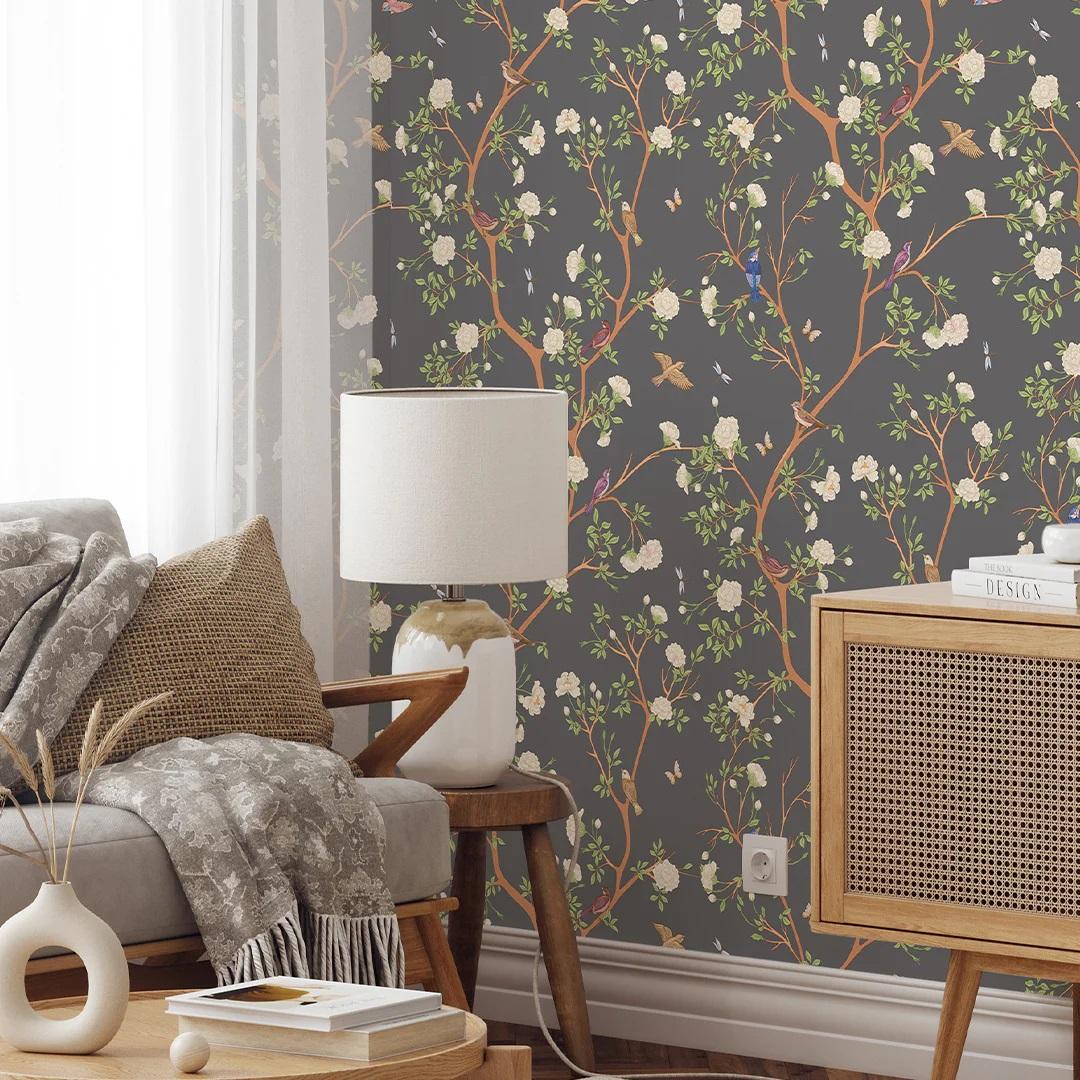
The bohemian style, often called boho, has become synonymous with artistic freedom, vibrant colors, and an eclectic mix of textures and patterns. As one of the most versatile and beloved design trends, boho decor allows individuals to create spaces that reflect their unique personalities and preferences. Whether you’re aiming for a relaxed, artistic vibe or a more intricate, layered aesthetic, boho wallpaper is the perfect way to add a touch of boho chic to your home.
In this article, we’ll explore the essence of boho wallpaper, its key characteristics, and how you can incorporate it into your home to create a stylish, inviting atmosphere.
How to Style Boho Wallpaper in Your Home
One of the beauties of boho wallpaper is its ability to fit into various styles and spaces. Whether you want a bold feature wall or an understated background, boho wallpaper can be tailored to suit your aesthetic. Here are some ideas on how to incorporate it into your home:
Boho Bedroom Wallpaper
The bedroom is a perfect place to embrace boho wallpaper. A feature wall with a large, intricate mandala design or a botanical-inspired print can create a calming, personal retreat. Pair it with cozy textiles like woven throws, patterned rugs, and rattan furniture for a harmonious bohemian look. If you prefer a subtler approach, opt for wallpaper with muted tones and smaller patterns, like delicate florals or geometric prints.
Boho Living Room Wallpaper
For a more vibrant living room, boho wallpaper can serve as a statement piece. Choose a bold, colorful design to add energy to the room. Consider pairing it with eclectic furniture pieces like vintage sofas, low wooden tables, and an array of throw pillows in various patterns and textures. Boho living room wallpaper works particularly well when mixed with natural materials such as wood, leather, and wicker, creating a laid-back yet stylish ambiance.
Boho Accent Walls
If you’re unsure about committing to full-wall coverage, a boho accent wall can be an ideal solution. This allows you to introduce the boho aesthetic without overwhelming the space. Use it in spaces like living rooms, bedrooms, or even kitchens. Pair the wall with neutral furniture and accessories to let the wallpaper truly shine.
Boho Wallpaper for Small Spaces
Boho wallpaper is not limited to large rooms. Small spaces, such as bathrooms, kitchens, or entryways, can also benefit from its vibrant and eclectic touch. In a bathroom, for example, a bold floral or geometric design can add personality and interest, transforming an otherwise basic space into something exciting and unique.
Key Benefits of Using Boho Wallpaper
Personalization and Expression
One of the biggest draws of boho wallpaper is its ability to reflect personal style. With its diverse patterns and color palettes, you can choose designs that truly resonate with you. Whether you’re drawn to exotic patterns, floral motifs, or minimalist boho vibes, there’s a boho wallpaper design for every taste.
Vibrancy and Warmth
Unlike neutral or monochrome designs, boho wallpaper brings energy and warmth to a room. The rich, earthy tones combined with vibrant colors create an inviting and cozy atmosphere that makes your home feel alive. This is especially important in spaces like living rooms and bedrooms, where you want to feel comfortable and at ease.
Timeless Appeal
While boho wallpaper is trendy, it also has a timeless quality. Its eclectic nature ensures that it won’t go out of style, and it will continue to bring charm and character to your home for years. The mix of patterns and textures allows for longevity, so you can update your room’s decor without worrying about replacing your wallpaper every few years.
Easy to Incorporate into Existing Decor
Because boho designs can be eclectic, they easily complement a variety of furniture and decor styles. Whether your home features rustic farmhouse furniture, mid-century modern pieces, or contemporary finishes, boho wallpaper can seamlessly blend in and elevate the overall aesthetic.
Where to Find Boho Wallpaper
When it comes to choosing boho wallpaper, it’s essential to look for high-quality materials that are durable and easy to apply. Websites like CostaCover offer a range of boho-inspired wallpaper designs, featuring everything from vibrant florals to serene geometric patterns. Whether you’re looking for a statement wall or subtle accents, there’s something for every taste.
Conclusion
Boho wallpaper is more than just a trend – it’s a way to infuse your home with energy, color, and personality. Whether you opt for a bold statement piece in your living room or a serene floral pattern in your bedroom, boho designs offer endless possibilities for creating a space that feels uniquely yours.
If you’re ready to embrace the boho aesthetic, explore various boho wallpaper designs that fit your style and transform your space into an artistic haven. With its rich colors, eclectic patterns, and cultural influences, boho wallpaper is an effortless way to bring charm and personality to any room.
The typical US electrical consumer had five and a half hours of disruptions in 2022[1]. Even brief outages may harm sensitive equipment and impair vital processes. Therefore, knowing how to operate a battery backup system is crucial. Start with constant-power devices like medical, freezers, and modems to assess your home power demands. Prioritize pure sine wave inverters for clean electricity that eliminates appliance damage when sizing your backup battery capacity. Limit simultaneous high-load device use during outages to prevent depleting the backup.
The best portable power stations, including Jackery ones, currently use LiFePO4 batteries, which are safer, last longer, and perform better in cold areas to survive lengthy power loss. Add surge protection, charge, and test your battery system since downtime is not the time to find problems.
Understanding the Basic Principles of Battery Backup Power
Battery backup systems, or UPS, store electrical energy in chemical form within batteries. They convert it back to AC power using an inverter when the grid supply fails. It is governed by solid-state circuitry that gives negligible stoppage in milliseconds. The systems may include standby, line-interactive, and double-conversion (online) types. The latter provides strong power conditioning through AC-DC-AC conversion to isolate sensitive equipment from surges or sags.
Notably, lithium-ion batteries are used over lead-acid types due to their higher energy density, charging, cycle life, and operating temperature range. However, they are costlier upfront. The cost of backup battery for house or office units might be between $300 and $5,000. However, they can be extended with additional battery packs. Moreover, battery backups have real-time monitoring, predictive analytics, and remote diagnostics. They utilize IoT connectivity to adjust performance and preempt failures.
Steps for Effective Use of Backup Batteries
Assess Needs
Before selecting a battery backup, conduct a load analysis to know energy demands. Identify critical systems for power during outages, including medical devices, IT servers, or refrigeration units. For example, if supporting a server rack, calculate the power draw in kilowatts and account for peak surge requirements. Next, determine the runtime for short interruptions or long outages. Energy monitoring devices or software like Eaton’s Intelligent Power Manager can be used to measure power consumption. Furthermore, voltage compatibility and power factor correction for equipment should be considered. When dealing with solar panels, verify that the battery backup supports bi-directional energy flow and matches the inverter’s specs. Oversize the battery bank for inefficiencies and aging. It gives alignment with active goals and avoids underperformance.
Correct Installation or Placement
Placement impacts performance and life. Install the battery backup in a temperature-controlled environment. Exciting temperatures degrade lithium-ion cells or lessen lead-acid efficiency. For instance, most lithium-ion batteries operate optimally between 10°C and 35°C[2]. If space is reserved, use wall-mounted units with ventilation. Besides, maintain clearance around the system for heat dissipation and servicing. Ground the system to stop electrical hazards using an earthing wire conforming to NEC Article 250. Connect the battery backup to surge protection devices to shield it from transient spikes. For outdoor installations, use weatherproof enclosures rated at least IP65. Check interconnection standards with local utilities if planning grid-tied configurations. Correct placement boosts safety and regulatory compliance.
Test the Battery
Testing confirms that the battery backup delivers during outages. Execute a load bank test to simulate real-world conditions and discharge performance. Fluke Power Quality Analyzers detect voltage or current delivery irregularities. Test internal resistance since rising resistance may signal impending failure. For lithium-ion batteries, BMS monitors temperature, SoC, and SoH. Lead-acid systems need electrolyte level checks. Use hydrometers for specific gravity values. Sensors within the system must also be calibrated for accurate readings. After testing, document performance metrics for trend analysis. It gives readiness and extends system life.
Use Reasonably
Resourceful use of battery backup lengthens active life and averts premature degradation. Connect only essential devices. Overloading decreases runtime and risks over-discharging. Utilize automated transfer switches to manage load priorities. For systems supporting renewable energy, charge batteries during low-demand periods or peak solar production hours for grid independence. Avoid deep discharges for lead-acid systems because they prompt sulfation. Instead, keep a discharge depth of 50% or less. For lithium-ion batteries, limit charge cycles and operate within a safe SoC range. Implement demand response systems to scale energy use per backup capacity. Additionally, software-based controls should stagger the activation of heavy equipment. Henceforth, you can exploit runtime efficiency and lifecycle performance.
Proper Storage and Maintenance
Store battery backup systems to preserve chemical and structural reliability. Lithium-ion systems should be stored at around 40%[3] to decrease cell stress. Lead-acid batteries must be fully charged to avoid sulfation. Keep temperature stability with climate-controlled environments in long-term storage. Inspect connections for corrosion. Clean terminals with baking soda and distilled water to neutralize acidic deposits. For flooded lead-acid batteries, top up with distilled water. Thermal cameras detect hotspots that indicate overcurrent or faulty cells. Update firmware on BMS systems to stay compatible with energy protocols. Rotate inactive battery units into use to avert stagnation. A recycling plan with EPA guidelines for responsible disposal should be accepted in the long term. Maintenance ensures your battery backup is reliable for years.
Battery Backup Usage Guide for Different Types of Appliances
Lighting and Sockets
When using a battery backup for lighting and sockets, employ devices with lower wattage to spread runtime. LED lights consume less power than incandescent or fluorescent bulbs. For sockets, consider the cumulative load. High-power heaters or hair dryers can drain the battery, but this must be avoided. Use a surge-protected outlet with the battery backup to stop voltage spikes, which can harm the connected appliances. Also, check if your battery backup supports sine wave output. Non-sine wave inverters can cause buzzing or cut the life of LED lighting.
Refrigerators and Freezers
A refrigerator or freezer needs a battery backup handling high inrush currents. They may draw higher than their running power during startup. So, select a backup system with a peak power rating above the steady-state consumption. E.g., a fridge running at 150 watts may demand a backup rated at 800-1000 watts for operation. Plus, the battery should have enough capacity to support lengthy outages. A 2-kWh battery can power a standard refrigerator for up to 10 hours. To conserve battery life, avoid recurrent door openings, which force the compressor to run more.
Kitchen Appliances
Microwaves, coffee makers, and induction stoves demand management when using a battery backup. They might need pure sine wave inverters to function without noise or overheating. Assess the combined wattage and choose a battery with a headroom over the total load. For instance, a 1200-watt microwave can pair with a backup rated for at least 1600 watts. Apart from that, stagger usage inhibits overloading the system. High-consumption appliances should run one at a time to capitalize on the battery’s life and circumvent tripping the inverter.
Computers and Network Equipment
A battery backup with an AVR feature tackles power fluctuations in computers and network equipment. Electronics need a stable voltage supply to avoid data corruption or hardware failure. Opt for a UPS with a runtime to fail over to another power source. Lithium-ion batteries are used for their lightweight and longer life. E.g., a 600 VA UPS might power a desktop PC and router for up to 30 minutes. Further, the system must be tested so data is protected during outages.
Medical Equipment
Oxygen concentrators or CPAP machines count on a battery backup. Many devices have specific continuous wattage and clean sine wave output. For instance, an oxygen concentrator rated at 400 watts would need a battery system with at least 500 watts of nonstop output. What is more, redundancy is key. Consider dual-battery setups for uninterrupted operation. Portable lithium-ion power stations are good due to their high energy density. Consult the medical device manual for compatibility guidelines and complete testing for readiness during emergencies.
Electric Vehicle Charging
Charging an EV using a battery backup is feasible. Yet, it needs planning. EV chargers may operate at high power levels. E.g., Level 1 chargers may draw about 1.4 kW, and Level 2 chargers up to 7.6 kW. So, a large-capacity battery backup system is necessary for even partial charging. Likewise, the system supports high current output and thermal management to thwart overheating. During long outages, limit charging to essential levels to conserve backup energy. Solar panels with a battery system can augment sustainability and charging availability.
Precautions for Protecting Appliances
Use Dedicated Lines
Connect your battery backup system to dedicated circuits for appliance safety during power outages. To avoid undue voltage drops or interference, the lines must be isolated from high-load HVAC units. Dedicated lines cut EMI, which can damage servers or medical devices. E.g., running a refrigerator and a computer on the same line risks voltage spikes when the compressor cycles. Use surge suppressors and line conditioners with dedicated circuits for stability.
Correct Connection
Correctly integrating a battery backup system is key to performance. Incorrect wiring can trigger reverse polarity, which may damage appliances. Use the manufacturer’s connectors and evade generic or third-party cables unless they match the specs. Also, connections to inverters must be tight and corrosion-free to avert overheating. Misaligned phases between the backup system and your appliances can create harmonic distortion, which may degrade motors or transformers.
Avoid Overloading
Overloading a battery backup can prompt system or appliance damage. Check the backup’s wattage rating. It should match the combined load of connected devices. For example, connecting a 1000W load to a 750W-rated battery backup can cause overload shutdowns and influence battery life. Use load calculators and separate high-power appliances from critical electronics. Plus, circuit breakers with amp ratings help cut power during surges.
Avoid Prolonged Discharge
Lengthy deep discharges can degrade the battery cells and their life in backup systems. Most batteries have a cycle rating. Excessive discharge beyond the depth of discharge(DoD) limit lessens their efficiency. For instance, a lead-acid battery for 50% DoD may fail if discharged to 80% often. Implement low-voltage cutoff to disconnect appliances when battery levels drop below safe thresholds. Further, routine maintenance should be scheduled to recalibrate battery performance metrics.
Ventilation and Heat Dissipation
Battery backups generate heat during operation under heavy loads. Without ventilation, internal components risk thermal degradation. Place the battery backup in a well-ventilated area away from direct sunlight or enclosed spaces. E.g., an inverter operating at 85% efficiency may produce waste heat and need cooling. Install fans or passive cooling systems to keep working temperatures. Heat may also create fire-prone lithium-ion battery thermal runaway.
What Is The Best Portable Power Station?
Jackery Solar Generator 5000 Plus: Performance and Advantages
The Jackery Solar Generator 5000 Plus is a battery backup for reliability during power outages. Its 5-60kWh capacity and 7200W dual-voltage output (120V/240V) deliver power for appliances, including high-energy household devices and gentle electronics. It has a near-instant 0ms UPS switchover to safeguard servers and routers. Over 4000 cycles and 10 years of everyday usage are possible with the LiFePO4 battery. ChargeShield 2.0 technology heightens charging efficiency. Its hybrid charging system (solar, AC, and transfer switch) gives adaptability. With app control, users can track power usage and adjust performance in real-time for tough scenarios.
Appliance Compatibility: What Can Be Powered
Essential Appliances:
Refrigerators, HVAC systems, medical ventilators, sump pumps, and emergency lighting.
Luxury and High-Energy Appliances:
Electric ovens, coffee makers, induction cooktops, washers, dryers, and water heaters.
Charging EVs:
Level 1 EV chargers, maintaining a charge for light to medium-range trips.
Smart Devices:
Routers, home servers, laptops, gaming consoles, and smart TVs.
Tools and Outdoor Equipment:
Electric drills, lawnmowers, high-powered vacuums, and pressure washers.
Final Words
So, battery backup systems must be appropriately used and maintained to protect US home appliances during power outages. Assess your power demands, identify key appliances, and choose a house battery backup solution with enough capacity and duration. Choose pure sine wave inverters for clean electricity and electronics protection. Install the system in a cool, dry, well-ventilated environment with correct grounding and surge protection.
Check system operation and battery health regularly. Connect only necessary equipment to the battery backup to prevent overloading it. Limit deep discharges and check battery temperature to avoid damage. Maintain the system by cleaning terminals, monitoring electrolytes, and adjusting sensors for performance and lifetime. Following these rules could improve your battery backup system’s efficacy and protect your important equipment during power outages.
Reference
U.S. electricity customers averaged five and one-half hours of power interruptions in 2022. Available at: https://www.eia.gov/todayinenergy/detail.php?id=61303 (Accessed: 18 December 2024)
Review Of Comparative Battery Energy Storage Systems (Bess) For Energy Storage Applications In Tropical Environments. Available at: https://www.researchgate.net/figure/Optimal-operating-temperature-of-Li-ion-battery-26_fig3_327966044 (Accessed: 18 December 2024)
BU-702: How to Store Batteries. Available at: https://batteryuniversity.com/article/bu-702-how-to-store-batteries (Accessed: 18 December 2024)
A well-designed shed can be more than just a practical storage space—it can be a seamless extension of your home. With thoughtful landscaping, your shed can blend into its surroundings, creating a visually appealing and functional part of your outdoor space. Whether you want to transform your shed into a garden retreat, a backyard focal point, or a hidden gem, the right landscaping can make all the difference.
1. Positioning and Integration
Before diving into plants and pathways, consider how your shed fits within your garden layout. Position it in a way that complements the flow of your outdoor space rather than making it feel like an afterthought. Ideally, it should align with existing structures, such as a fence, deck, or patio, to create a sense of cohesion. If possible, orient it to take advantage of natural light and scenic views while keeping it accessible. If you find this challenging you can always engage a shed company to give you professional advice.
2. Pathways and Access
A shed that blends seamlessly into its surroundings should have a natural transition from the main house. Adding a pathway not only makes access easier but also enhances the overall aesthetic. Choose materials that match or complement your home’s existing walkways, such as:
Stepping stones for a casual, garden-like feel
Brick or pavers for a classic, structured look
Gravel or wood chips for a rustic, cost-effective option
Curved pathways create a more organic, inviting approach, while straight paths provide a clean, modern feel. Framing the pathway with low shrubs, ground cover, or solar lights adds an extra touch of charm.
3. Planting Around Your Shed
Landscaping around the shed helps it feel intentional rather than out of place. The key is to create a soft transition between the structure and the garden by using plants that enhance rather than obscure it. Consider the following:
Climbing plants such as jasmine, clematis, or ivy can add a charming, cottage-like feel by growing up trellises or along the shed’s walls.
Flower beds and borders filled with perennials and seasonal blooms bring colour and vibrancy.
Evergreens and shrubs provide year-round greenery, helping the shed blend into its surroundings in all seasons.
Container plants placed near the entrance create a welcoming, flexible decorative touch.
For a natural look, layer plants of varying heights around the shed, using taller plants at the back and shorter ones at the front to create depth.
4. Roof and Wall Enhancements
If you want to take shed landscaping to the next level, consider integrating the shed into the garden itself with a green roof or living wall. These eco-friendly options not only look stunning but also improve insulation and encourage biodiversity.
Green roofs can be planted with sedums, wildflowers, or grasses, making the shed feel like part of the natural landscape.
Living walls with vertical planters filled with ferns, herbs, or succulents can soften the shed’s appearance and add texture.
Turning the area around your shed into a usable space helps integrate it into your daily life. Consider creating a small patio, deck, or seating area beside the shed. This can transform it into a retreat for reading, socialising, or gardening.
A bench or bistro set tucked into a landscaped corner can create a cosy spot to enjoy the garden.
A pergola or arbor over the entrance can add shade, structure, and a more inviting presence.
A fire pit or outdoor fireplace nearby can make the space enjoyable year-round.
6. Lighting and Decorative Elements
Good lighting enhances the shed’s role in your garden, making it a focal point rather than a forgotten structure. Solar-powered lanterns, fairy lights, or LED uplighting can highlight the pathway, plants, or architectural details of the shed. String lights draped around the shed or a lantern at the entrance can create a warm and welcoming ambiance.
Decorative elements such as garden art, vintage signs, or a weather vane can personalise the space, making it feel more like an extension of your home.
7. Seasonal Adaptations
To keep your shed seamlessly integrated into your landscape throughout the year, plan for seasonal adjustments:
Spring and summer: Add flowering plants and fresh mulch to refresh the space.
Autumn: Introduce pumpkins, autumnal wreaths, and warm-toned foliage.
Winter: Use evergreen garlands, lanterns, and weatherproof seating to maintain a cosy atmosphere.
Conclusion
With the right landscaping, your shed can become much more than a utilitarian structure—it can be an integral part of your home’s outdoor aesthetic. By considering placement, access, greenery, functional spaces, and decorative touches, you can ensure your shed not only serves its purpose but enhances the beauty of your garden. Whether it’s a charming retreat, a gardening hub, or a design feature, your shed has the potential to become a well-loved part of your home’s landscape.