

Home Blog Page 28

Why Chandeliers Are a Timeless Addition to Your Home

Chandeliers are more than just lighting fixtures; they instantly make a statement in any room. Exquisitely and eloquently crafted, chandeliers have symbolized centuries of opulence. Whether it is a grand dining room, a warm living room, or even a bedroom styled in modernity, chandeliers can add elegance and functionality to your space.

1. What is a Chandelier?

A chandelier is a light fixture that hangs from the ceiling and usually has several arms or branches to hold lights. The design can range from very classic with ornamentation to sleek and modern. They have been designed to illuminate not only a room but also to catch the eye and possibly be the focus of a room.

2. Types of Chandeliers

Chandeliers come in a lot of different styles; each one of them has its especial charm. Here are a few types that are amongst the popular ones to consider for a living room space:

Crystal Chandelier: Classic and timeless, usually comprising clear or colored crystals that catch the light with such brilliance and give the sparkling effect. Crystal chandeliers work well in traditional or grand spaces.

The Modern Chandeliers: These are designed to be very modern; hence, they come with clean lines and minimalistic designs, very often made of metal, glass, or even wood. They would be ideal for a modern living room or even a dining area.

Rustic Chandeliers: Chandeliers made of natural elements, like woods, wrought iron, and antlers, bring warmth to your home. They serve perfectly for cabins, farmhouses, or homes with a rustic theme.

Traditional Chandeliers: These are elaborative designed with great detail in classic finishes using gold, brass, or bronze, normally accompanied by crystal or glass parts. They give a feeling of pomposity to formal areas.

Pendant Chandeliers: These are designed with one or more lights hanging much lower from the ceiling to provide focused lighting. They would work best when used in small rooms or above your dining table.

3. Choosing the Right Size and Placement

Choosing the right size of the chandelier is key in creating a balance that enhances the space without overpowering it. The size must, therefore, be related to the dimensions of the room. A simple guide could be as follows:

Room Size: For small rooms, one should use a smaller chandelier, typically 20–24 inches in diameter. For larger rooms, a chandelier ranging between 30–36 inches could create a better effect.

Ceiling Height: Your ceiling height will, in large part, determine the style of chandelier to choose. Where high ceilings can accommodate larger, more detailed designs, in low-ceilinged rooms, a chandelier that sits closer to the ceiling will be the better choice to avoid obstruction.

Over Dining Tables: If you’re placing a chandelier over a dining table, ensure that the chandelier is about 30–36 inches above the table surface. The diameter of the chandelier should be approximately half the width of the table.

4. Materials and Finishes

The materials and finishes of a chandelier can greatly impact the overall aesthetic of the room. Here are some common materials used in chandeliers:

Crystal: Crystal chandeliers are always refined in structure and give an air of class to the room.

Metal: Others might be sleek and ultra-modern with brass, bronze, chrome, or blackened steel for the very modern home.

Glass: The glass chandeliers could range from frosted to clear and yield an even more delicate and soft light.

Wood: The wooden chandeliers bring a natural, earthy feel inside a rustic or farmhouse-styled interior.

5. Light Bulb Considerations

When picking a chandelier, one should be sure of the type of bulbs in use. Other better alternatives have taken over the traditional incandescent bulbs; an example is the LED bulbs. One should go for those bulbs that may provide proper illumination to a room and create an atmosphere one is aiming for. The larger ones may have dimming light bulbs that will set the mood within the room.

6. Maintenance Tips

Chandeliers do require some kind of maintenance to retain their beauty.

Cleaning: Dust the chandelier periodically with a soft piece of cloth so dirt does not build up. Crystal chandeliers clean up their crystals with a solution containing mild soap and water. Be careful with cleaning to avoid scratches on their surface area.

Replacing Bulbs: Bulbs must be replaced at once with a view to maintaining even lighting. In case the spans of incandescent or halogen bulbs are considerably shorter compared with those of LED bulbs, you will have to replace them much more frequently if your chandelier employs such types of bulbs.

Checking Wiring: At times, one should check wiring and connections to see everything is in good condition, especially for those older chandeliers.

7. Why Invest in a Chandelier?

The advantages of chandeliers are many other than just lighting. Here, it explains why it will be worth it to invest in a chandelier.

Aesthetic View: Chandeliers can change the mood of the whole room by making it look more luxurious, welcoming, and lavish.

Practical: They give very good light, especially to larger rooms with high ceilings, and are functional and fashionable.

Increased Property Value: A well-chosen chandelier will increase the value of your house and appeal to buyers who seek such high-end features in a house.

Chandeliers UK aren’t just lighting; they’re a statement piece-a declaration of your home’s style. Whether traditional and opulent, or sleek and modern, there is a chandelier for every taste and every room. Choose well, and your chandelier will be dazzling long after.

Eight practical tips for promoting your Italian restaurant

Get listed on food delivery apps

The food delivery apps have become quite popular in the recent times. They allow restaurants to market their brand and reach a larger audience. Food delivery apps like Uber Eats, Zomato, and DoorDash are the top ones for getting started.

The convenience of finding restaurants based on location, price range, specific cuisine, and other features facilitates customers in finding restaurants and placing their orders quickly. These platforms allow you to systematically showcase your menu, meal pictures, and promotions to customers who might need to learn about your restaurant.

Get an Italian-themed website

Standing apart from the crowd will be a game-changer for your restaurant. And to start with, get a simple, intuitive website that gives a touch of Italian culture. Use high-quality images of signature dishes and the restaurant’s cozy interior. Your menu should be displayed at the front and center of the website, with transparent sections like Antipasti, Pasta, and Dolci, paired with delicious photos.

Include a simple reservation system, contact details, and an interactive map to make booking and finding the restaurant easy. Also, highlight the seasonal specials and customer reviews to enhance credibility. Mobile-friendly design and social media integration are crucial, allowing easy browsing, engagement, and updates.

Market through posters and flyers

As a local restaurant, you also need to create buzz around your workplace. Distribute attractive flyers in the neighborhood, leave posters on local community boards, or send out direct mail advertising. Create appealing promotional materials using restaurant flyer templates using designing tools like PosterMyWall, which makes it easy to design professional and visually striking content. Use eye-catching designs that showcase your best dishes, promotions, or upcoming events. These materials can help you target local customers who prefer dining in.

Implement local SEO strategies

Local search engine optimization (SEO) is the best way to be found by the people looking for Italian restaurants in your area. List your business on Google My Business and optimize your profile using tempting food pictures, update contact details, and promptly respond to queries and reviews.

Incorporate locally relevant keywords like “best Italian restaurant near me” on your website and encourage customers to leave positive reviews. It increases visibility when people search for a place in your area, increasing foot traffic.

Leverage Yelp and Google reviews

Google Reviews and Yelp are the top platforms that people check before trying out a new place. Getting positive feedback on these platforms can significantly impact your business. Encourage customers to leave reviews about their experience and handle the negative ones professionally. Interacting with reviews demonstrates your appreciation for client feedback and dedication to providing an excellent dining experience.

Use content marketing to tell your story

Content marketing is a valuable tool for creating excitement among potential customers. You can create engaging blogs, share interesting social media content, or post snippets from your kitchen and restaurant. Emphasize the distinctive features of your place, like the use of authentic Italian products or the secret of your recipes. Develop a relationship with your audience through engaging content to entice customers to pick your restaurant for a distinct experience.

Run social media ads

Run paid ad campaigns on Facebook, Instagram, and Google. It will help you reach a large number of qualified leads. These ads allow you to run location-specific ads, i.e., specific city or specific radius, saving you from irrelevant leads and cost.

Utilize mobile ads as they are cheaper, and most customers will search your business on their phones only. Another cool feature of this ad is you can customize your ads for mobile screens and utilize detailed targeting options. Use high-quality pictures of your dishes paired with enticing discounts and special promotions.

Collaborate with local influencers and food bloggers

Local influencers and food bloggers are best to gain exposure as they have dedicated, engaging audiences who trust their recommendations. Invite influencers to visit your restaurant, try the food, and share their experience on social media. This kind of promotion feels authentic and can attract their followers to visit your restaurant. Make sure to choose influencers whose audience aligns with your target demographic.

Wrapping Up

To make your distinct image in the food industry, it’s essential to highlight the unique culture and compelling flavors of Italian cuisine. You need your marketing strategies to sing the musical praises of delicious Italian cuisine and a remarkable dining experience.

Implement local SEO and upscale your image through creative and paid social media campaigns. These innovative ideas will improve your restaurant’s visibility and make it a go-to place for Italian cuisine lovers.

Oak Kitchen Cabinets Compare Other Hardwood Options A Comprehensive Comparison

When choosing the right material for your kitchen cabinets, oak is often a top contender. Known for its timeless beauty, durability, and versatility, oak has been a staple in kitchens for generations. But how does it compare to other hardwood options like maple, walnut, and cherry? In this article, we’ll dive deep into a comprehensive comparison of oak kitchen cabinets against other popular hardwood choices based on key factors such as cost, durability, aesthetic appeal, maintenance, and environmental impact.

1. Cost Comparison

When it comes to kitchen cabinetry, cost is often one of the first factors that homeowners consider. Oak kitchen cabinets, as a hardwood, offers a balance between affordability and quality.

Oak Cabinets

Oak is relatively more affordable compared to some other hardwoods like walnut and cherry. On average, oak cabinets cost between $1500 and $4000, depending on the size of the kitchen and the style of cabinets you choose. It is a popular choice for those who want a high-quality, long-lasting option without breaking the bank. Additionally, oak is readily available, which also helps to keep the costs lower.

Other Hardwoods

  • Maple: Maple is often a more affordable hardwood than oak, with prices typically ranging from $1000 to $3500 for cabinets. While maple’s durability and aesthetic appeal are comparable to oak, it is usually a bit softer, making it less ideal for heavy-duty kitchen use.
  • Walnut: Walnut is a premium hardwood, known for its rich, dark color and luxurious appearance. However, it comes with a higher price tag. Walnut cabinets can cost anywhere from $4000 to $8000, depending on the size and customization. It’s best suited for homeowners looking for a high-end, sophisticated look.
  • Cherry: Cherry is another luxurious wood that can be more expensive than oak, with prices ranging from $3000 to $6000. Cherry cabinets are known for their deep reddish-brown hues, which darken over time, adding character to the kitchen. However, cherry’s higher cost and softer nature make it less durable than oak in high-traffic kitchens.

Which Is Best for Budget-Conscious Homeowners?

For homeowners looking for the best value, oak kitchen cabinets strikes a perfect balance between affordability and durability. While other hardwoods like maple are slightly cheaper, they don’t offer the same level of durability and strength that oak provides. Walnut and cherry are certainly more luxurious, but their high cost makes oak the better option for those on a budget.

2. Durability and Longevity

oak kitchen cabinets is one of the most high-traffic areas in a home, and durability is crucial when selecting materials for cabinetry. Let’s see how oak measures up to other hardwoods in this category.

Oak Cabinets

Oak kitchen cabinets is a very durable hardwood known for its strength and resistance to wear and tear. Its dense composition helps it withstand daily use, from cooking splatters to the wear of constant opening and closing. Oak’s natural resilience to dents and scratches makes it an ideal choice for busy kitchens. Additionally, it is moisture-resistant, which is crucial in the kitchen environment where humidity levels can fluctuate.

Other Hardwoods

  • Maple: While maple is quite strong, it is generally softer than oak, which makes it more susceptible to dents and scratches. Maple is more prone to damage, particularly in high-traffic kitchens. However, it is still durable and suitable for most residential kitchens.
  • Walnut: Walnut is also a durable hardwood, known for its density. While it resists damage better than softer woods, it can be prone to scratching over time, especially due to its darker, softer grain. Walnut is still a good option for a luxury kitchen, but it may not be as practical as oak for families with children or high kitchen activity.
  • Cherry: Cherry is a relatively soft hardwood compared to oak, and while it has a natural resistance to warping, it is more prone to dents, scratches, and wear. Its tendency to darken with age may also impact its overall appearance over time.

Which Is Best for High-Traffic Kitchens?

Oak kitchen cabinets stands out for its durability. It can withstand years of use and retains its appearance even with heavy wear and tear, making it the best option for busy kitchens. While walnut and maple offer decent durability, oak’s robustness ensures that it will hold up well for decades.

3. Aesthetic Appeal and Versatility

A kitchen’s aesthetic can make or break the design, and when it comes to aesthetics, oak offers a warm, inviting tone that suits various interior styles. But how does it compare with other hardwoods?

Oak Cabinets

Oak kitchen cabinets has a distinct, prominent grain that gives it a classic, timeless look. It is available in two main varieties: red oak, which has a warm reddish hue, and white oak, which is lighter and more neutral. White oak’s subtle grain makes it an excellent choice for modern and minimalist kitchens, while red oak’s stronger grain offers a rustic or traditional charm. Oak’s natural beauty makes it versatile enough to fit into both traditional and contemporary designs.

Other Hardwoods

  • Maple: Maple has a fine, consistent grain pattern, which gives it a smooth and clean appearance. Its light color can complement modern or minimalist kitchen designs, but it may lack the character that oak provides. Maple is a good option for a more streamlined, understated look.
  • Walnut: Walnut is a rich, dark wood with dramatic grain patterns. It’s often used for high-end, luxury kitchens, providing a sophisticated, elegant look. Walnut’s deep, luxurious tones create a bold contrast in kitchens with lighter elements.
  • Cherry: Cherry wood is known for its reddish-brown tones, which deepen with age, giving it a rich, warm aesthetic. Cherry cabinets are perfect for traditional or vintage-style kitchens. However, as the wood darkens over time, it may not always maintain a consistent look.

Which Wood Is Best for Your Kitchen Style?

Oak’s versatility makes it an excellent choice for both traditional and contemporary kitchen designs. Its ability to complement various countertops, backsplashes, and flooring options makes it a go-to for many homeowners. Walnut, on the other hand, is ideal for those seeking a rich, luxurious look, while maple suits more minimalist or modern designs. Cherry is best for those who prefer a warm, classic aesthetic that evolves over time.

4. Maintenance and Care

No matter how durable your cabinets are, maintenance is key to ensuring they remain beautiful over time. Let’s look at the maintenance needs of oak compared to other hardwood options.

Oak Cabinets

Oak kitchen cabinets is low-maintenance and easy to care for. To keep it looking its best, regular dusting and cleaning with a soft cloth are essential. For stains and spills, use a mild cleaning solution to prevent damage to the wood’s finish. Oak’s natural resistance to moisture and its durability means that it requires less frequent refinishing compared to softer woods like maple and cherry.

Other Hardwoods

  • Maple: Maple cabinets require more frequent cleaning due to their lighter color, which shows dirt and stains more easily. They may also need refinishing or re-staining more often than oak, especially in high-traffic kitchens.
  • Walnut: Walnut cabinets require regular care to maintain their rich color. They are more prone to scratches, so regular polishing is needed to keep them looking pristine.
  • Cherry: Cherry cabinets may need more attention to prevent fading or darkening over time. While the darkening is natural, it can be uneven, and care should be taken to preserve the wood’s aesthetic.

Which Wood Is Low Maintenance?

Oak kitchen cabinets is the clear winner for low-maintenance cabinetry. Its durability and resistance to wear and tear make it the easiest to maintain, especially in busy kitchens. While other hardwoods like walnut and cherry look beautiful, they require more care to maintain their appearance over time.

5. Environmental Considerations

Sustainability is becoming increasingly important when selecting materials for home renovations. Oak has an edge when it comes to environmentally friendly practices.

Oak as a Sustainable Choice

Oak is widely available and can be responsibly sourced from managed forests. Sustainable forestry practices ensure that oak remains a renewable resource, reducing environmental impact. Look for oak cabinets with FSC (Forest Stewardship Council) certification to ensure the wood is harvested sustainably.

Other Hardwoods

  • Maple: Maple is also a sustainable choice, but sourcing it can have a larger carbon footprint depending on the region. Opting for FSC-certified maple ensures sustainability.
  • Walnut and Cherry: Both walnut and cherry are more expensive and often sourced from slower-growing, less abundant trees. These woods have a higher environmental impact compared to oak, especially if harvested irresponsibly.

Which Wood is Best for the Environment?

Oak kitchen cabinets is a sustainable option compared to rarer woods like walnut and cherry. Its widespread availability and ability to be responsibly sourced make it a more eco-friendly choice for homeowners concerned with sustainability.

Conclusion

Choosing the right wood for your kitchen cabinets depends on your priorities, from cost and durability to aesthetics and environmental considerations. Oak stands out for its affordability, strength, versatility, and low-maintenance care, making it an excellent choice for both traditional and modern kitchens. While walnut, cherry, and maple each offer unique features, oak provides the best overall balance for homeowners looking for a practical, stylish, and eco-conscious option. Whether you’re remodeling your kitchen or building a new one, oak kitchen cabinets are a timeless investment that will continue to enhance your home for years to come.

How to Fix Your HVAC in the Winter: Tips for Idaho Falls Homeowners

When winter hits Idaho Falls, a functioning HVAC system becomes a must to keep your home warm and comfortable. If your HVAC system starts acting up, knowing a few basic fixes can help you stay warm and save on repair costs. Here are some tips to troubleshoot and fix common HVAC issues in the winter months.

1. Check the Thermostat

A simple thermostat issue can sometimes lead to significant discomfort. If your HVAC system isn’t heating your home properly:

  • Check the settings: Make sure your thermostat is set to “Heat” rather than “Cool” or “Auto.”
  • Adjust the temperature: Sometimes, setting it a few degrees higher can activate the system and allow you to determine if it’s responding.
  • Replace batteries: If your thermostat has batteries, a fresh set may be all it needs to function properly.

Sometimes a simple thermostat adjustment can save you a service call and get your HVAC system back on track.

2. Inspect and Change the Air Filters

A clogged air filter restricts airflow, which can prevent your system from heating effectively. Dust, pet hair, and other particles can accumulate, especially when the system is working overtime in cold weather.

  • Inspect the filter monthly and replace it if it appears dirty. A new filter can significantly improve airflow and efficiency.
  • Use high-quality filters that trap more particles to ensure your system isn’t overworking to heat your home.

Replacing your air filter is one of the easiest DIY HVAC fixes and can also help extend the lifespan of your system.

3. Clear the Area Around the Outdoor Unit

Many Idaho Falls HVAC systems have an outdoor condenser unit, which should be free of obstructions. Winter conditions like snow, ice, and fallen leaves can accumulate around the unit, reducing efficiency.

  • Remove any debris or snow from around the unit to maintain proper airflow.
  • Check for ice buildup: If you see ice forming on the unit, it might indicate a problem with the defrost cycle or refrigerant levels, requiring professional service.

While this step may seem minor, a clear outdoor unit helps your system run more smoothly in winter conditions.

4. Inspect the Ductwork for Leaks

Leaky ductwork can allow warm air to escape, making your HVAC work harder than necessary. This could lead to higher energy bills and uneven heating.

  • Look for visible gaps or disconnected sections in your ductwork.
  • Seal small leaks with aluminum foil tape or mastic sealant to keep warm air inside the ducts.
  • Consider a professional inspection if your home consistently struggles to maintain heat, as poorly insulated ducts may also contribute to heat loss.

5. Check the Circuit Breaker

In some cases, HVAC problems can stem from a simple power issue. Winter storms or high usage can cause the circuit breaker to trip, interrupting your HVAC system’s power supply.

  • Locate your electrical panel and check if the HVAC breaker has tripped.
  • Reset the breaker if it’s in the “off” position, and check if the system starts working again.

If your breaker continues to trip, there may be an underlying electrical issue that requires an HVAC technician.

6. Unblock Vents and Registers

Blocked vents can cause uneven heating and unnecessary strain on your HVAC system. Make sure that all vents and registers are open and free from obstructions like furniture or drapes.

  • Inspect each room’s vents to ensure they’re fully open.
  • Move any furniture or household items away from vents to ensure proper airflow throughout your home.

Proper airflow will help keep every room warm and prevent your HVAC system from overworking.

7. Clean the Evaporator and Condenser Coils

Over time, dirt and debris can accumulate on the evaporator and condenser coils, which impacts efficiency. While you may not need to clean these every month, a seasonal cleaning can improve performance, especially if your HVAC system has been working hard during the colder months.

  • Turn off the power to the unit before starting.
  • Use a soft brush or vacuum to carefully clean dust from the coils.
  • Consider a coil cleaning solution for a deeper clean, but avoid harsh chemicals that may damage the system.

Regular maintenance of your coils can keep your HVAC running smoothly and extend its lifespan.

When to Call a Professional

If you’ve tried these fixes and your HVAC system is still not heating your home adequately, it might be time to call a professional HVAC technician in Idaho Falls. Common issues like refrigerant leaks, faulty wiring, or a broken blower motor are best handled by experts who can safely diagnose and repair complex issues.

Final Thoughts

A properly functioning HVAC system is essential for staying comfortable during the Idaho Falls winter. Regular maintenance and a few troubleshooting steps can keep your system running efficiently. Remember, a clean filter, clear ducts, and free airflow are your HVAC system’s best friends. However, if you encounter persistent issues or major malfunctions, reaching out to a professional can ensure your system gets the care it needs to keep your home warm and cozy all winter long.

Tips on Ensuring the Safety of Your Items While Moving

Moving can be a stressful time, especially with respect to ensuring all your belongings safely reach your new residence. It may be within your street or across the world, but here are some essential steps you ought to take to secure your belongings and ensure they reach safely throughout the process. Here’s a very practical tip on how you can protect your belongings when you move to another place.

Develop A Packing Strategy

It is how you pack your belongings that will determine how safe they are in the event of a move. Do not pack stuff randomly; be smart and take time to prepare ahead. Start by categorizing your belongings. Group your belongings so that all similar items are placed in boxes alongside similar items, making the process of packing easier as well as efficient. Be assured that you use the right boxes and materials for the process. Use heavy boxes for fragile items and smaller boxes for delicate goods. Do not forget to tape the boxes with packing tape when they break open. Fragile or delicate items such as glassware, electronics, and artwork should also be put in bubble wrap or packing peanuts.

Clearly Label Everything

One of the most basic yet effective things you can do to keep your items safe is to label every box. When packing, take the contents of what is in the box to the outside and inscribe instructions on how to handle it. For example, if you are packing such items as glasses or your dear vase, ensure you highlight the conditions on the carton, like “FRAGILE” and “THIS SIDE UP,” to the movers or friends. This is especially crucial to valuables and breakables. This will also ensure that things are dealt with gently, and when you get to your new home, unpacking will be much easier.

Consider Professional Movers

You may want to consider hiring professional movers for valuable or sensitive items that demand extra care. They can take care of delicate and heavy items. They also use specific equipment for the safe transportation of items. If you are the kind of person who would frown because of the possible breakage of your belongings, then hiring professionals would give you peace of mind. Research well and get a moving company with good reviews. If you are moving to distant places and are unable to move by road then look for car shipping options like shipping a car to Hawaii or another state. These services would ensure everything like your vehicle reaches its destination securely.

Safeguard Your Furniture and Electronics

Furniture and electronics can be quite a hassle to transfer as they are often rather gigantic and fragile. Just ensure that you have them blanketed or covered with moving pads, so they won’t get scratched or dented. In the case of fragile electronic devices like televisions, computers, and audio equipment, be sure to pack them in their original boxes, provided they are in good condition. If you do not have the original packaging, be sure to wrap them in bubble wrap or other protection materials. Also, you can move sensitive electronics inside a climate-controlled moving truck to avoid heat damage and moisture damage. Taking the time to protect such items will keep you from costly repair or replacement.

Pack Important Items with You

While it is very important to secure everything on the move, some things should stay with you instead of being placed into a moving truck. Some of those things include passports, social security cards, or medical records. The same logic applies here to your valuables, including some jewelry, family heirlooms, or expensive electronics important to you. Having these things with you ensures they don’t get misplaced when you are moving, but you gain extra peace of mind knowing they are in your possession as well.

Conclusion

Moving is an exciting chapter in the life of most people; however, providing the safety of the items during this journey requires careful planning. From getting a solid plan of packing to being able to hire professionals when it is necessary, there are many ways to protect your belongings. Remember to label everything with the number and room, use the right materials, and keep important items with you. Taking these precautions will minimize the stress and worries that entail a move and guarantee a less treacherous settling into your new home.

12 Ways to Best Use a Finished Basement

A finished basement opens up a world of possibilities for your home. It’s an area where you can get creative and add functionality that may not be possible in other rooms.  Finished basements offer more than just extra square footage. They are a versatile area that can serve many purposes, depending on your needs and lifestyle. From cozy retreats to practical workspaces, this often-overlooked space can become one of the most useful rooms in your home. Here are 12 great ways to maximize your finished basement’s potential.

1. Create a Guest Suite

Your finished basement can serve as a comfortable and private guest suite. Add a queen size bed to the space to offer visitors a restful place to sleep. Make sure to include a dresser or storage options for their belongings. A separate bathroom, if available, will also elevate the experience. This setup can make your guests feel welcome without crowding into the main part of your home.

2. Set Up a Home Office

More people are working from home now than ever. A finished basement can serve as a quiet and productive space for your work. With a desk, an ergonomic chair and plenty of light, you can create a distraction-free zone. The basement’s distance from the living areas helps reduce noise and provides the focus you need for long hours.

3. Design a Home Theater

A finished basement is the perfect place for a home theater. With fewer windows, you can create a dark, cinema-like atmosphere. Add a projector or a large flat-screen TV, comfortable recliners and surround sound for the full experience. The basement is a great spot for family movie nights or watching your favorite shows.

4. Build a Playroom for the Kids

If you have children, a playroom in the basement is an excellent way to keep toys and activities in one area. Decorate it with bright colors, comfy rugs and plenty of storage for toys and games. It can be a safe, fun space where kids can let their imaginations run wild. The basement can become a hangout area for their friends as they grow.

5. Design a Home Gym

Turn your finished basement into a workout zone and skip the commute to the gym. With a few pieces of equipment, like a treadmill, free weights and a yoga mat, you can stay fit from home. You can even add rubber flooring for comfort and safety. The basement can be completely customized to your workout needs from cardio to strength training.

6. Set Up a Primary Bedroom

Your finished basement can be transformed into a luxurious primary bedroom. Consider an ultra plush mattress for maximum comfort. Design this room to feel like an upscale retreat, with soft lighting, elegant décor and plenty of storage. A primary suite in the basement can offer privacy and a restful place to unwind at the end of the day.

7. Create a Hobby Room

Are you into crafts, sewing or music? A hobby room in the basement can allow you to pursue your passions without interruptions. Set up a large table for your projects and shelves or storage for supplies. Whether painting, woodworking or model building, you can have a dedicated space to do what you love.

8. Turn It Into a Lounge

The basement can also serve as a chill hangout space. Add a sofa bed for both seating and extra sleeping space for guests. Incorporate a few armchairs, a coffee table and a mini-fridge stocked with drinks and snacks. The basement can be perfect for game nights, relaxing with friends or watching sports without disturbing others.

9. Build a Wine Cellar

If you’re a wine enthusiast, consider turning part of your finished basement into a wine cellar. Basements are naturally cooler, which helps with wine storage. You can add racks for your collection and even a small tasting area with a table and chairs. This setup can become your personal wine sanctuary.

10. Create a Rental Space

If you have a separate entrance to your basement, consider converting it into a rental space. You can set up a small apartment with a kitchenette, bathroom and bedroom. The space could be rented out for extra income or serve as a living space for older children or in-laws. Ensure it meets safety regulations and local building codes.

11. Set Up a Game Room

A game room in the basement can provide endless entertainment for the whole family. Add a pool table, foosball or even a dartboard to keep everyone engaged. You can also include a gaming console and a few comfy chairs for video games. This space can be the ultimate fun zone, perfect for both kids and adults. Plus, it keeps the rest of the house quieter during competitive matches or lively game nights.

12. Create a Home Library

Transform your finished basement into a peaceful home library. Install bookshelves along the walls to store your favorite reads, and add cozy seating like an armchair or a chaise lounge. Soft lighting and a reading nook can make this the perfect escape for book lovers. It’s a quiet retreat where you can unwind with a good book away from the hustle of daily life, and it doubles as a stylish display for your book collection.

Maximize Your Basement’s Potential

A finished basement is full of possibilities. Whether creating a guest suite, a home theater or a personal retreat, each option adds value and functionality to your home. With creativity, this space can become one of your favorite rooms, tailored to your needs and lifestyle.

Attic Clean-up 101: How to Prepare for an Insulation Upgrade

If there is one thing most homeowners dread, it is attic cleaning. This is why most people would rather put it off as long as possible. As a result, it is usually the dustiest room in the whole house.

However, there are times when attic and crawl space cleaning can no longer be avoided. When preparing for the installation of new insulation for your HVAC system, for example, you will have no choice but to clean up the entire attic.

The good news is that, if the job is too difficult for you to handle alone, you can hire local attic clean-up and insulation specialists to do it for you. With professionals taking care of your attic insulation removal and upgrade, you can rest assured that the job will be done in the best way possible.

Why Attic Cleaning Is Important?

While most people think of their attic primarily in terms of storage, it plays a much more important role than that. The space above your ceiling has a huge impact on air quality. It also houses the bulk of the insulation material that keeps your home at the right temperature and relieves the pressure on your HVAC system.

As such, an attic clean-up whenever you remove old insulation is important for the health of your family and for keeping your home feeling comfortable. Also, if neglected, attics can quickly become breeding grounds for pests, such as rats and other small rodents.

Essential Equipment and Supplies for an Attic Clean-up

If you forgo hiring an attic insulation removal professional, you will need some special equipment and supplies to get the job done yourself. Effective attic cleaning requires the following items:

  • Broom
  • Trash bags
  • Vacuum cleaner
  • Microfiber cloths
  • Step ladder (optional)
  • Glass cleaner
  • A powerful light source
  • Protective gloves
  • Disposable dusters
  • Respiratory masks
  • Safety goggles

Attic Clean-up and Insulation Removal and Replacement

The following are 10 easy steps to help you tackle your DIY attic cleaning and insulation replacement:

  1. Initial Clearing

One of the problems with cleaning out the attic is that it is also used as an important storage space. Before the insulation is removed, you will need to clear out the entire area, which might be an entire day’s work on its own.

You will need to find a good place to temporarily store these items until the attic insulation is removed and replaced. Putting everything in boxes and trash bags will make the job easier.

  1. Insulation Removal

Next, you will need to remove the old insulation. If the crawl space is very small, this might make the process a lot more difficult. Be sure to put on your respiratory mask from this point onwards because some insulation materials may cause health problems.

  1. Sweeping and Vacuuming

Once all the insulation has been removed, it will be time to grab your broom and get to work. You should have a trash bag nearby because attic cleaning can yield a surprising amount of dirt. Using a broom and dustpan is great for quickly clearing large debris.

You will notice that the attic will start to look fairly clean, which is when you will need to grab a vacuum. Be sure to empty the bag regularly to ensure that your cleaning is as efficient as possible.

  1. Dusting and Sanitizing

The next step is to grab your microfiber cloth and start dusting the entire attic from the top going down. Do not forget the air duct cleaning as well. If the HVAC’s air ducts are easily accessible from the attic, now would be a good time to clean them up.

You can also sanitize your attic at this point since you will not get a better opportunity when the entire room is empty. Choose the best types of attic decontamination chemicals for your needs, and make sure you buy enough for the size of the space being cleaned.

  1. Inspection

While you are there, you can take a look at various HVAC components that are normally inaccessible when the attic is full and the insulation is in place. This might be a good time to replace some worn-out items so that you increase the efficiency of your air conditioning unit.

  1. Cleaning the Windows

If you want, you can also clean the windows at the same time as the rest of the attic. Depending on the design of the house, you may also be able to clean the outside of the windows, which will do wonders for the curb appeal of your home. Also, take time to scan the window panes and seals for signs of mold, damage, or pest infestation.

  1. Check for Structural Damage

An empty attic will allow you to walk around and check the roof and ceilings for structural damage. This is also a great time to see if there are any signs or water damage, which would suggest that the roof may be leaking.

  1. Revaluating Storage

If you are used to simply tossing things into your attic without arranging them in an orderly way, you can take this time to rethink how you are using your storage space. After you install the new insulation, you can return the items orderly, which may result in better use of the available space.

  1. Pest Prevention

Rats and other rodents can be a huge problem if they gain access to your attic. In many cases, they love nothing more than to create a cozy nest for themselves in your insulation material. As such, rodent-proofing your attic is very important.

  1. Insulation Upgrade

The last step is to install your new insulation material. Depending on the type of insulation you choose, you may be able to do this on your own, although some options will require you to call the professionals. A local insulation removal service provider can help with this.

Consider Local Attic Insulation Removal Service Providers

When it comes to the removal of attic insulation Agoura Hills residents can simply pick up the phone and call an attic cleaning service provider to assist with the job.

Tasks such as air duct cleaning, whole house fan replacement, and insulation removal need to be done by professional technicians. Why not visit a local website, go to the menu, select “Call us today,” and have an experienced contractor on your doorstep?

Importance of Having the Right Office Furniture

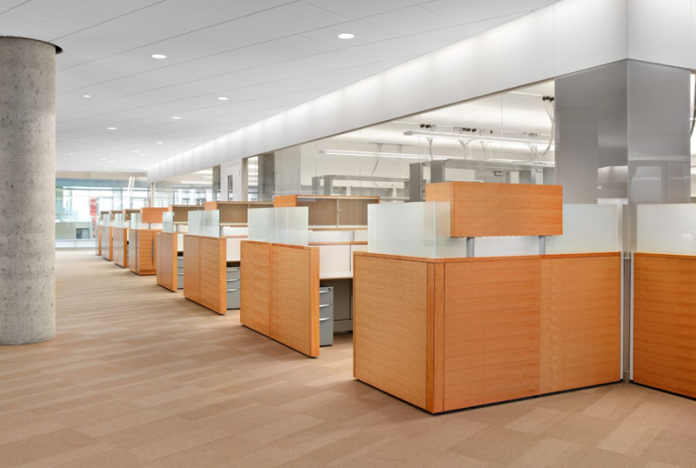
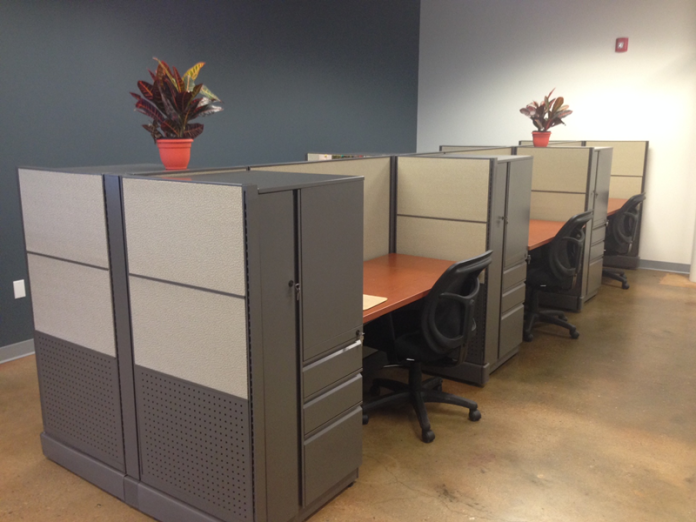
Office furniture is among the most significant components of an office. It can increase or reduce employees’ productivity. While it offers the comfort the employees need, it also provides the required storage and resting areas. Therefore, it is inconsiderate to underestimate the impact of the right office furniture. The proper kind of furniture not only improves employees’ productivity but also boosts their morale and satisfaction at work. Purchasing the wrong office furniture can cause health issues for your employees. For instance, bad chairs cause back pains, while unsuitable office desks lead to posture challenges. This article will tell you why you need the right office furniture.

Promotes Employees Well-being

Comfort is one of the factors that can contribute to health of employees and their productivity in return.  When your workers are provided with good furniture that is appealing and well-designed their mental and physical health will be improved. This makes them more relaxed, comfortable, and calm, giving them the ability to focus on their tasks and, in turn, give high-quality work. Providing them with furniture that can be adjusted according to their needs increases flexibility and motivates their morale at the workplace. The right furniture ensures better posture, which contributes to proper blood circulation and good health, improving work morale.

Enhances Productivity

One of the main reasons or expected outcomes in installing the right furniture in an office is better productivity. If you need good work results, you must invest in the happiness and comfort of your workers. It is essential sound absorber furniture to minimize noise in the office and help employees focus on their tasks without distractions. Additionally, the most significant feature of office furniture is to provide comfort. Sitting in an uncomfortable chair and operating on an unfit desk for a whole day can be extremely tiring. Providing your employees with high-quality office desks and chairs reduces the risk of back pains and posture-related problems, thus improving their health and productivity.

Promotes Collaboration

Currently, businesses are opting for office spaces that encourage integration between employees. Employees’ workspaces should encourage them to take breaks from their work and interact with their colleagues to discuss work issues. This boosts their well-being and promotes a collaborative and satisfactory working environment. Having furniture that allows you to tailor an office space that suits your specific needs is the best decision.

Impacts Your Brand Identity

The right furniture can enhance your brand identity. The first thing your clients or new employees see when they visit the office is how it looks, from the buildings to the furniture. Having stylish, high-quality furniture is one of the ways to display a clear brand identity. The image can lead to positive relationships with clients and, in turn, result in more business opportunities. Furniture says a lot about the brand and can leave a positive or negative impression. Enhance your business reputation by installing quality, durable, and aesthetically pleasing office furniture.

In conclusion, a business success is based on employees’ productivity. While there are other factors that contribute to higher productivity, comfort is among them. This means you need to provide your workers with better desks, chairs, and other furniture to increase their comfort, which in turn increases productivity. Employees’ health is also essential, and the right furniture contributes to it. You can also improve your brand identity by installing stylish, high-quality furniture that leaves a positive impression.

Roofing and Insulation Tips for New Homeowners

The comfort, efficiency, and value of your house may be either improved or destroyed by insulation and roofing. Pay great attention to these aspects if you recently moved in or are considering changes. A solid roof guards you against weather woes, while good insulation cuts down on energy bills and keeps your home cozy. This blog post talks about some valuable tips. These will help you check the health of your roof and improve the insulation. Following these will keep your new home safe, comfy, and energy smart.

Schedule Regular Roof Inspections

Keeping your roof in top shape starts with regular checks. Do this at least twice a year. Look out for things like broken shingles, rusted parts, or wear and tear. Early spotting of such problems can save you loads on repairs later. Also, check your roof after any big weather catastrophe, like a storm or hail. Do it yourself if you’re comfortable or hire a professional. For example, businesses like Ace Roofing Company can provide expert assessments and repairs, ensuring your roof is in peak condition. Rooftops are risky places – they can be slick or uneven. A professional has the right gear and know-how to look for hidden damage that could be harmful. Frequent inspections guarantee that your roof stays strong and ready to battle any weather – good or bad. Maintaining awareness of its condition helps prevent minor problems from evolving into costly repairs, therefore protecting the durability of your shelter for years to come.

Opt for Quality Roofing Materials

The quality of the materials your roof is built from will greatly affect its lifetime and resistance. Choose materials especially fit for your local climate when building or upgrading your roof. For instance, in places prone to wildfires, fire-resistant choices like metal roofs should be considered. However, in locations frequently afflicted by heavy snowfall, making sure that your selected material can endure heavy loads without faltering should be mandatory. A solid choice forms an important foundation shielding your residence from external factors such as rain, snow, wind, and sun rays; good quality components simultaneously offer savings over time since they require lower maintenance along with replacement expenses. Always think about the advice of a certified roofer who could direct you toward the most suitable alternatives adapted to both your local conditions and the specifications of your house.

Improve Attic Insulation

Good attic insulation is key to controlling how much energy your home uses and making it cozier. Have a look at the insulation already in place. If there’s not enough or if it’s settled down over time, then it won’t do its job properly. This could lead to warm air escaping in winter and rooms getting too hot during the summer months – so irritating! You should ideally have at least 12 inches of fiberglass batt insulation or an equivalent level with spray foam insulation to guarantee perfect functioning. Adding more will aid in keeping the regulated air inside your home resulting in lower energy expenses and a cozier atmosphere throughout the entire year. When the attic is properly insulated, it lifts energy effectiveness while having the ability to deal with varied weather conditions.

Make Use of Proper Ventilation

Proper ventilation within your roof and attic is vital for preserving the integrity of your home structure plus improving its energy efficiency. Inadequate ventilation can result in heat accumulation during summer or even ice dam formation when winter arrives; both scenarios are damaging for roofs over time. Ensure there are enough exhaust vents at apex points along with intake vents positioned low down so as to facilitate a smooth airflow cycle throughout different seasons. This consistent air movement aids in regulating interior temperatures, thus lowering pressure on cooling systems plus keeping energy costs steady all year round. Additionally, it defends against possible wintertime issues by maintaining the roof’s surface cool, thereby preventing unwanted melting plus refreezing activities that lead to ice dams.

Install a Radiant Barrier

A radiant barrier is an extra layer you can put in your attic to cut down on how much heat gets through your roof into living spaces during summer. It works like a shield bouncing off sunlight and stopping that heat from getting trapped inside — meaning less work for your air conditioners and lowered energy costs. Roofs made from light materials reflecting sun rays work best together with these barriers because both reduce energy use at home effectively. Talk with an insulation professional about where this barrier should go based on how you’ve constructed space so you can get maximum benefit out of it all year round!

Conclusion

For new homeowners, paying attention to both roofing and insulation offers several advantages. Ensuring that you regularly inspect your roof, select superior materials, and enhance your attic’s insulation can maintain your home’s durability while simultaneously saving energy costs together with improving comfort levels indoors. Appropriate ventilation plus installation of a radiant barrier present additional avenues towards better energy efficiency plus temper regulation within living space areas. These five pointers don’t just guard against potential damage; they also lift the value of property.

Innovative Solutions for Veteran Homelessness: Programs and Initiatives Making a Difference

As we honor the service and sacrifices of our veterans, it is crucial to address the growing challenge of veteran homelessness. Thousands of veterans, after serving their country, struggle with the transition back to civilian life, and some end up without a place to call home. Fortunately, innovative programs across the country are working to tackle this crisis, offering hope and providing pathways out of homelessness for veterans in need. Here, we highlight some of the most impactful initiatives that are making a difference.

Understanding the Issue of Veteran Homelessness

The journey to homelessness for many veterans is complex, often stemming from a mix of mental health challenges, post-traumatic stress disorder (PTSD), physical disabilities, and financial hardships. Veterans who lack family support networks or have limited access to healthcare can find the transition to civilian life particularly challenging. A study by the U.S. Department of Veterans Affairs (VA) reports that veterans are at an elevated risk of experiencing homelessness, particularly those with disabling conditions, substance use disorders, or difficulty finding employment. Addressing these root causes has been key to developing effective solutions.

The Housing First Approach

One of the most widely adopted strategies to combat veteran homelessness is the Housing First model, which prioritizes providing stable housing before addressing other challenges, such as employment or mental health issues. This approach has been transformative for many veterans. Unlike traditional methods that often require individuals to participate in rehabilitation programs before receiving housing, Housing First offers a stable, supportive environment as a foundation for recovery.

In cities like Houston and Salt Lake City, Housing First has been a key factor in significantly reducing veteran homelessness. The success of Housing First programs lies in their ability to offer a secure space from which veterans can address personal challenges and rebuild their lives. The VA has also embraced this model, partnering with organizations across the country to create more Housing First-based solutions, resulting in a 50% decline in veteran homelessness since 2010.

Tiny Homes and Affordable Housing Initiatives

As housing costs continue to rise in many cities, some communities are turning to tiny home villages as an affordable and efficient solution to help veterans rebuild their lives. Tiny homes offer an alternative to traditional shelters and transitional housing, providing veterans with privacy, stability, and a sense of ownership.

For example, the Veterans Community Project in Kansas City, Missouri, has constructed a tiny home village where veterans can live at no cost while they receive access to mental health services, career counseling, and other critical resources. Each home is fully furnished and equipped with the basics to create a comfortable environment. Residents receive individualized support, allowing them to focus on their personal growth and eventually transition to more permanent housing.

Similarly, Community Solutions, an organization focused on ending homelessness, has developed affordable housing solutions specifically targeted at veterans. They work in partnership with local governments and housing developers to secure funding and reduce barriers to entry, ensuring that affordable housing options are accessible for veterans in need. By creating communities specifically tailored for veterans, these initiatives help foster stability, trust, and community belonging.

Supportive Employment Programs

Employment remains one of the most significant hurdles for veterans re-entering civilian life. Many veterans have skills and training that are valuable, yet they may struggle to translate military experience into civilian job qualifications. Recognizing this, several organizations have created supportive employment programs that help veterans navigate the job market, receive training, and gain confidence in their civilian careers.

One such program, Hire Heroes USA, provides free job search assistance, resume workshops, and mock interviews for veterans and military spouses. By offering individualized job coaching, Hire Heroes has helped thousands of veterans secure stable employment, enabling them to achieve financial independence and secure housing.

Another example is the Homeless Veterans Reintegration Program (HVRP), a federally funded initiative aimed at helping homeless veterans gain the skills and training they need to find and retain jobs. The program provides a range of services, from occupational skills training to job placement assistance, giving veterans a solid foundation for their careers and a sustainable path out of homelessness.

Health and Mental Health Support Services

For many veterans, mental health challenges, such as PTSD, depression, or substance use disorders, play a major role in their journey to homelessness. The VA’s Health Care for Homeless Veterans (HCHV) program offers a range of healthcare services specifically tailored to meet the needs of veterans who are homeless or at risk of homelessness. This program includes crisis intervention, mental health counseling, substance abuse treatment, and support with housing placement.

In addition to the VA, nonprofit organizations like Volunteers of America offer mental health support specifically for homeless veterans. Through programs like these, veterans receive the therapeutic support they need, empowering them to regain stability and control over their lives.

Collaboration and Partnerships

No single organization can solve veteran homelessness alone. The most successful initiatives often come from partnerships between government agencies, nonprofits, local governments, and private organizations. These collaborations ensure that veterans receive holistic support covering housing, employment, health, and social services.

For example, Built for Zero, a national movement led by Community Solutions, collaborates with cities to create a coordinated, data-driven approach to reducing veteran homelessness. By using real-time data and sharing resources, communities involved in Built for Zero have achieved remarkable progress in reducing homelessness among veterans.

A Brighter Future for Our Veterans

While there is still much work to be done, these programs represent a step in the right direction. They offer hope and practical pathways for veterans to move beyond homelessness and regain independence. By addressing the root causes, creating stable housing, and fostering community support, these initiatives show that, with the right tools and resources, we can make a significant impact on the lives of veterans facing homelessness.

Ending veteran homelessness requires compassion, dedication, and a commitment to innovative solutions. As more organizations, individuals, and communities come together, we move closer to ensuring that every veteran has a safe place to call home—a goal worthy of those who served to protect us all.

Recent Posts

Posts You Might Like