

Home Blog Page 45

Future-Proofing Your Garage: 4 Tips

Ever thought about how future-ready your garage is? Have you recently invested in building a new garage? Or would you prefer not to do any heavy maintenance to your garage anytime soon? Then you need to take some steps to future-proof it. Here are four tips that will help your garage stand the test of time.

If you’re a homeowner with a garage, you’ve probably got your preferred use for your garage. A necessary space for extra storage? That’s what many people use their garage for! Got a bit of a petrolhead streak in you? Then your garage is likely a sanctuary for your precious vehicles. Love to get hands on with projects or crafts? Well, your garage is your workshop and creative space.

Whatever makes you tick, a garage is a really helpful – and often necessary – space. But how should you be maintaining the garage building  itself, and getting the very most you can out of it. These four tips for future-proofing your garage are essential for anyone who has one on their property.

1. Coat the Floor

First things first, let’s talk about those floors. You might not give your garage floor much thought, but taking the time to coat it can provide huge benefits. So why coat your garage floor? Well, a coated floor isn’t just about looks — though, let’s be honest, a sleek, shiny floor does make the whole space look more polished. But let’s be practical for a second – it’ll protect your concrete from spills, stains, wear and tear. Think of it as giving your garage a suit of armor.

Applying a protective epoxy coating or concrete sealer creates a durable, easy-to-clean surface. If you spill oil or paint during one of your projects, you’ll be left with a permanent mark on a concrete floor. On a coated surface, you’ll simply wipe it away and forget it ever happened. This’ll keep your garage looking pristine, AND it will extend the life of the floor itself.

It’s not available for all types of coating, but some come with the option for non-slip additives. This bit is all about safety. Think about dashing into your garage on a rainy day, without slipping and sliding. It might seem like a small upgrade, but your future self will thank you. And do you have accident-prone kids (who have a habit of finding every hazard that has ever existed?) Well, that anti-slip coating is a no-brainer, isn’t it?

2. Maintain the Roof

Now, let’s move our attention upward — yes, that often-overlooked garage roof! The roof is your garage’s first line of defense against the elements, and you’ve probably never looked at it since your garage was first installed. Well, it deserves a little care. You wouldn’t neglect a leaky umbrella, right? Well, the same principle applies here. A well-maintained roof will keep your prized possessions dry by preventing quiet and stealthy leaks you might not notice with a quick glance around your garage space.

Here’s a quick tip: Make it a habit to inspect your garage roof at least twice a year. Just like you schedule your other life admin (dentist appointments, car maintenance tasks, mani-pedis!) pencil in a ‘roof-check’ on your calendar. So what should you be looking out for? Signs of wear and tear, loose shingles, pooling water, or little critters making themselves at home. Catching these issues early will save you loads of hassle and money.

Do a little research on weather-resistant roof coatings too. Roofing experts say this is kind of like giving your roof a raincoat! This extra layer of protection helps in warding off leaks and boosts the overall insulation of your garage. This’ll create a cooler space in the summer AND a cozier one in the winter, all thanks to a little TLC up top.

3. Insulate the Walls

Alright, let’s get cozy and talk about your garage walls. Whether you’re braving the scorching summer heat or the biting winter chill, insulating your garage walls is an absolute game-changer. Think about it: insulation helps maintain a comfortable temperature, making your garage a welcoming space year-round. No more freezing your fingers off in the winter or feeling like you’re in a sauna come summer.

Now, before you roll your eyes and think, “Ugh, another home improvement project,” let me tell you, this one’s worth it. You don’t need to be a DIY expert to insulate your garage. There are plenty of user-friendly, affordable options on the market, whether you’re into batting, foam board, or even spray foam. And guess what? This upgrade isn’t just about comfort; it’s a smart financial move too. Proper insulation can reduce your energy bills by keeping that hard-earned heating and cooling exactly where it should be — inside.

So go ahead, take a stroll around your garage and give those walls a good look. Do they feel like they’re letting all your comfy air waltz right out? If so, it’s time to suit up and get insulating. Your future self, the one who’s not shivering or sweating buckets, will send you a big high-five for taking action now.

4. Upgrade the Lighting

The standard flickering overhead bulb of a garage has a certain “charm,” but your eyes and productivity will thank you for making a change. Whether you’re tinkering away on your latest project, searching for that elusive box of holiday decorations, or just trying not to trip over your kids’ bicycles, good lighting is a total game-changer.

Here’s the good news: upgrading your lighting doesn’t have to be complicated or expensive. Start by swapping out those old incandescent bulbs for energy-efficient LED ones. Not only do they last longer, but they also provide much brighter and more consistent illumination.

But hey, why stop at just replacing bulbs? Consider adding some task lighting, like under-cabinet lights or adjustable workbench lamps. These little heroes direct the light exactly where you need it most, making detailed tasks a breeze rather than a strain on your eyesight. And let’s be honest, nothing says “serious workspace” like a setup with purpose-driven lighting.

Take the time to future-proof your garage and you won’t have to think about garage-related maintenance for years to come.

How to Find & Get Reliable Trenchless Sewer Repair Services Near You

Is your sewer line damaged? And are you now wondering what to do about it? Well, what you should do is actually perfectly clear. You can’t tamper around this all on your own, since you most likely don’t have the right skills, or the right equipment, meaning that there is only one solution left to use. Luckily, it is the perfect solution.

In short, you will need to hire professionals to get the problems fixed. Things are not so simple, though. While you get that hiring professionals is important, you may not know how to choose the right ones. You’ve heard of trenchless sewer repair, an innovative and minimally invasive process through which professionals can repair or replace sewer lines without extensive digging, and you know that this is the type of service you want. Yet, you are a bit confused about how to find and get reliable trenchless sewer repair services near you.

Well, you are not the only one. People usually don’t think about their sewer lines too much, until they encounter a problem. Meaning, thus, that everyone who has ever faced such problems has also found themselves a bit confused about how to actually get the right services. After all, when you’re doing something for the first time, you are bound to be confused.

Despite the initial confusion, though, people generally succeed in getting the perfect services. That is, as long as they take their time to do things the right way. So, if you are ready to go through this searching and choosing to process carefully and to take all the right steps towards getting the perfect services, then you are already half-way there. The other half consists of knowing what to exactly do to succeed in getting the right services, and that is what we will further discuss below.

Find Various Local Companies and Make a List

The first thing you’re wondering is how to find companies that operate in this industry. But, nowadays, this shouldn’t be a problem at all. First off, you can, and should, search for these professionals online. This way, you will get to make a list of potential ones, after which you’ll start researching them further. Another thing you can do when aiming at making that list is talk to some people that may have used these services recently, as they will be able to share some recommendations and tell you about their experiences with particular companies.

If you don’t quite understand what trenchless sewer repair entails, this should shed light on it: https://www.angi.com/articles/trenchless-sewer-replacement-good-idea.htm

Check if They Are Licensed

Now, here is something that should go without saying, but that is still very much worth mentioning, given that a lot of people tend to forget it for one reason or another. Put simply, you need to determine if the companies you’re considering are certified and licensed to perform trenchless sewer repair. If you wind up working with unlicensed companies, you may end up having some problems, as they may not adhere to local regulations and rules. Furthermore, proper certifications and licenses indicate that the professionals are up to date with the latest standards and techniques in the field of trenchless technology.

Check Their Insurance Coverage

Continuing along the same lines, you should also check the insurance coverage of the companies you’re considering. This is so as to ensure that you are protected from being held liable in case of some accidents or damages that may be done during the repair process. It is important to choose those professionals that have liability insurance, as well as workers’ compensation coverage.

Inspect Their Experience

Would you prefer to have the job done by repair professionals that don’t have much experience with trenchless sewer repair, or with those that have done their fair share of projects like these? I suppose that the answer to that question is pretty clear. So, search for those companies that have a proven track record in projects like these and in trenchless technology in general. That way, you will ensure that they will do a great job for you, which is definitely extremely important.

Remember That Reputation Is Crucial

Another thing to remember is that reputation is also crucial here. Put simply, you want to hire those companies that are reputable in your area, and that are known for providing clients with the perfect quality services. Trenchless sewer repair, further talked about here, requires specific expertise, and if you find that a lot of people are complaining about the work done by certain companies, that should be an indicator that they aren’t very skilled at those technologies and those kinds of projects.

You know that you have to check reputation, but you may not know how to do it. The good news is that this shouldn’t be difficult, as people will definitely be ready to talk about the experiences they had with certain professionals. And they will also talk about those experiences online, meaning you will be able to find some reviews written about the companies you’re considering. Reading those should help you get a clearer sense about their reputation.

Get a Few Estimates

Once you’ve narrowed your list down, with the help of the steps I’ve talked about above, you will be ready to get a few estimates from the companies that are still left on that list. Getting more estimates is a good idea, as it will help you determine which professionals are being fair with the prices, and which ones are simply too expensive. During this step, you should also check if the companies you’re considering offer warranties for their work, as that is highly important as well.

Compare Everything and Choose

So, you’ve done all the necessary research, and the only thing left to do now is compare the information you have found. By doing the comparisons, you will get a clear idea on which companies can provide you with the best quality trenchless sewer repair services, and at the best prices. Meaning, thus, that you’ll be ready to make your choice and hire the right experts after doing the comparisons.

Top Tips for a Stress-Free Home Buying Experience

Buying a home is a significant milestone that many aspire to achieve. However, the process can often be overwhelming and stressful. With proper planning and the right strategies, you can turn this daunting task into a smooth and enjoyable experience. This guide provides top tips to help you navigate the home buying journey with ease and confidence.

Get Your Finances in Order

The first step in reducing stress in the home buying process is to get your finances in order. Understanding your financial situation is crucial as it affects your ability to secure a loan and your overall budget for buying a home.

  1. Evaluate Your Credit Score: Your credit score plays a significant role in determining your mortgage rate. Check your credit report for any errors and work on improving your score if necessary.
  2. Save for a Down Payment: The down payment is a substantial upfront cost. Aim to save at least 20% of the home’s price to avoid private mortgage insurance (PMI).
  3. Create a Budget: Determine how much you can afford to spend on a house by factoring in your income, expenses, and savings. Consider additional costs like closing fees, property taxes, and maintenance.
  4. Get Pre-Approved for a Mortgage: A mortgage pre-approval gives you a clear idea of how much you can borrow and shows sellers that you are a serious buyer.

Choose the Right Time to Buy

Timing can have a significant impact on your home buying experience. Understanding market trends and choosing the right time to buy can save you money and reduce stress.

  1. Market Conditions: Research current market conditions to determine if it’s a buyer’s or seller’s market. In a buyer’s market, there are more homes available, giving you more options and negotiating power.
  2. Seasonal Trends: Typically, spring and summer are peak home buying seasons with more listings, while fall and winter may offer better deals due to less competition.
  3. Personal Readiness: Consider your personal circumstances, such as job stability and future plans. Ensure you are ready for the financial commitment and responsibility of owning a home.

Stay Organized

Staying organized throughout the home buying process can significantly reduce stress. Keep track of important documents, deadlines, and tasks to ensure nothing falls through the cracks.

  1. Create a Checklist: Make a detailed checklist of all the steps involved in buying a home, from getting pre-approved to closing the deal. Check off tasks as you complete them to stay on track.
  2. Keep Documents Accessible: Organize your financial documents, including pay stubs, tax returns, and bank statements. Ensure you have all proper documents ready to start your home loan process, which will help avoid any last-minute hurdles.
  3. Set Reminders: Use a calendar to set reminders for important dates, such as inspection deadlines and closing dates. Staying on top of these deadlines will help you avoid any unnecessary stress.

Work with a Trusted Real Estate Agent

A knowledgeable and trustworthy real estate agent can be an invaluable asset in your home buying journey. They can guide you through the process, provide expert advice, and help you find the right home.

  1. Research and Interview Agents: Take the time to research and interview multiple agents. Look for someone with experience, good reviews, and a deep understanding of the local market.
  2. Communicate Your Needs: Clearly communicate your needs and preferences to your agent. This will help them find homes that match your criteria and save you time.
  3. Trust Their Expertise: Rely on your agent’s expertise to navigate negotiations, contracts, and inspections. Their knowledge can help you avoid potential pitfalls and make informed decisions.

Keep Communication Open

Clear and open communication with all parties involved in the home buying process is essential. This includes your real estate agent, lender, seller, and other professionals you work with.

  1. Ask Questions: Don’t hesitate to ask questions if you are unsure about any part of the process. Understanding each step can alleviate stress and help you feel more confident.
  2. Stay Informed: Regularly check in with your agent and lender for updates on the status of your home purchase. Staying informed will help you stay ahead of any potential issues.
  3. Be Honest: Be honest about your needs, budget, and any concerns you have. Clear communication will help all parties work together effectively to achieve a successful outcome.

Be Flexible and Patient

Flexibility and patience are key to maintaining a stress-free home-buying experience. The process can take time, and unexpected challenges may arise.

  1. Adjust Expectations: Be prepared for the possibility that your ideal home may not exist within your budget or preferred location. Be willing to compromise on certain features if necessary.
  2. Stay Positive: Keep a positive mindset, even if the process takes longer than expected or if you face setbacks. Staying positive will help you stay motivated and focused on your goal.
  3. Take Breaks: If the process becomes overwhelming, take a break to recharge. Stepping away for a short period can help you return with a fresh perspective and renewed energy.

Understand the Paperwork

Understanding the paperwork involved in buying a home can help reduce stress and prevent potential issues. Familiarize yourself with the key documents and their purposes.

  1. Loan Documents: Review your loan estimate, closing disclosure, and mortgage agreement carefully. Ensure you understand the terms and conditions before signing.
  2. Purchase Agreement: The purchase agreement outlines the terms of the sale, including the price, closing date, and contingencies. Review it thoroughly and ask your agent to explain any unfamiliar terms.
  3. Inspection Reports: Pay attention to the home inspection and appraisal reports. Address any issues identified in these reports promptly to avoid delays.

Plan Your Move in Advance

Planning your move well in advance can help you transition smoothly into your new home. Proper planning can reduce the stress associated with moving and help you settle in more quickly.

  1. Create a Moving Timeline: Develop a timeline for your move, including packing, hiring movers, and setting up utilities. Start early to avoid last-minute rushes.
  2. Declutter and Organize: Before you start packing, declutter your belongings. Donate, sell, or discard items you no longer need. This will make packing and unpacking easier.
  3. Hire Professional Movers: Research and hire reputable movers if needed. Book them well in advance to secure your preferred moving date.
  4. Prepare an Essentials Box: Pack an essentials box with items you will need immediately upon arrival at your new home. This includes toiletries, clothes, important documents, and basic kitchen supplies.

Enjoy the Journey

Finally, remember to enjoy the journey. Buying a home is a significant achievement and an exciting chapter in your life. Take the time to appreciate the process and celebrate your progress along the way.

  1. Celebrate Milestones: Celebrate key milestones, such as getting pre-approved, finding the right home, and closing the deal. These celebrations can help you stay positive and motivated.
  2. Stay Connected: Stay connected with friends and family throughout the process. Their support and encouragement can help reduce stress and make the experience more enjoyable.
  3. Look Forward to the Future: Focus on the end goal of owning your dream home. Visualize yourself in your new space and the joy it will bring.

By following these tips, you can navigate the home buying process with greater ease and less stress. Proper preparation, organization, and a positive mindset are essential to making your home buying journey a successful and enjoyable experience.

The Ultimate Guide to Choosing Blackout Curtains for Your Home

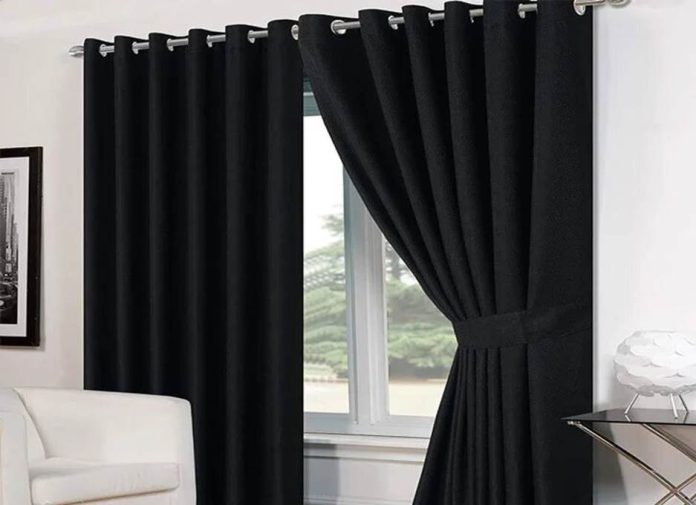
Dubai, known for its opulent lifestyle and relentless sun, presents a unique set of challenges when it comes to interior design. One such challenge is managing the intense sunlight that pours into homes, causing not just discomfort but also fading furniture and escalating cooling costs. Enter blackout curtains – the perfect solution for a city that sees sunshine almost year-round. In this comprehensive guide, we will explore everything you need to know about blackout curtains Dubai, from their benefits to how to choose the perfect set for your home.

Why Blackout Curtains?

1. Enhanced Comfort and Sleep Quality

The primary benefit of blackout curtains is their ability to block out light completely. In a city like Dubai, where the sun rises early and sets late, this feature can significantly enhance the quality of sleep. By creating a dark, serene environment, blackout curtains help maintain your natural sleep cycle, ensuring you wake up refreshed and ready to tackle the day.

2. Energy Efficiency

Dubai’s high temperatures mean air conditioning systems often work overtime. Blackout curtains can help by blocking out the sun’s heat, reducing the strain on your cooling system. This not only makes your home more energy-efficient but also leads to significant savings on electricity bills.

3. Protecting Furniture and Decor

Constant exposure to sunlight can cause furniture, carpets, and artwork to fade over time. Blackout curtains act as a protective barrier, preserving the vibrancy and longevity of your interior decor.

4. Noise Reduction

In addition to blocking light, blackout curtains can also help reduce noise pollution. This is particularly beneficial for those living in busy areas of Dubai, providing a quieter and more peaceful living environment.

Choosing the Right Blackout Curtains

Selecting the perfect blackout curtains involves several considerations to ensure they meet your needs and complement your home decor.

1. Material and Fabric

Blackout curtains are made from various materials, including polyester, velvet, and thermal insulated fabrics. Each material offers different levels of light blocking and insulation. Polyester is popular due to its durability and ease of maintenance, while velvet provides a luxurious look and excellent light-blocking capabilities.

2. Color and Design

While the primary function of blackout curtains is to block light, they should also enhance your home’s aesthetic. In Dubai, where interior design often incorporates bold and elegant styles, choosing the right color and design is crucial. Darker colors generally offer better light-blocking, but modern blackout curtains are available in a wide range of hues and patterns to suit any decor.

3. Size and Fit

Proper sizing is essential for blackout curtains to be effective. Measure your windows accurately and ensure the curtains are wide and long enough to cover the entire window area. Floor-to-ceiling curtains are particularly effective in preventing light from seeping in through the edges.

4. Installation and Maintenance

Consider the ease of installation and maintenance when choosing blackout curtains. Some curtains come with built-in grommets or rod pockets for easy hanging, while others may require additional hardware. Regular cleaning is also important to maintain their appearance and functionality; most blackout curtains are machine washable, but always check the care instructions.

Where to Buy Blackout Curtains in Dubai

Dubai offers numerous options for purchasing blackout curtains, from high-end boutiques to budget-friendly stores. Here are some popular places to consider:

1. Home Center

Home Center is a well-known retail chain in Dubai, offering a wide range of home decor products, including blackout curtains. They provide various styles and price points, making it easy to find something that suits your taste and budget.

2. Custom Curtain Makers

If you have specific design requirements or want a truly unique look, consider hiring a custom curtain maker. Many local businesses specialize in creating bespoke blackout curtains tailored to your exact specifications.

Tips for Maximizing the Effectiveness of Blackout Curtains

To get the most out of your blackout curtains, consider the following tips:

1. Layering Curtains

For enhanced light blocking and insulation, layer your blackout curtains with sheer curtains or blinds. This combination provides flexibility in controlling light levels and adds depth to your window treatments.

2. Seal the Edges

Light can seep through the edges of blackout curtains if they are not properly sealed. Use magnetic strips or Velcro to secure the sides of the curtains to the wall, ensuring a tight fit.

3. Use Curtain Liners

If you already have curtains that you love but they don’t offer sufficient light blocking, consider adding blackout liners. These can be easily attached to the back of your existing curtains, providing the benefits of blackout material without changing your decor.

Maintaining Your Blackout Curtains

Proper maintenance is key to ensuring your blackout curtains last for years to come. Here are some maintenance tips:

1. Regular Cleaning

Dust and dirt can accumulate on curtains, affecting their appearance and functionality. Regularly vacuum your blackout curtains using a brush attachment, or follow the manufacturer’s cleaning instructions for washing.

2. Avoid Direct Sunlight

While blackout curtains are designed to block sunlight, prolonged exposure to direct sunlight can still cause fading over time. When possible, keep them drawn during peak sunlight hours or use a protective film on your windows to reduce UV exposure.

3. Check for Wear and Tear

Periodically inspect your curtains for signs of wear and tear, such as fraying edges or damaged grommets. Address any issues promptly to maintain the effectiveness of your blackout curtains.

Conclusion

Blackout curtains are a valuable addition to any home in Dubai, offering numerous benefits from improved sleep quality to energy savings and enhanced interior protection. By choosing the right material, design, and size, and maintaining them properly, you can enjoy a comfortable, stylish, and energy-efficient living space. Whether you’re shopping at local retailers or opting for custom-made solutions, blackout curtains are an investment that will pay off in both comfort and cost savings.

Tips for Creating a Poolside Paradise at Your Home

Imagine entering your backyard and being welcomed by the exquisite lounge spaces and lush foliage around a shimmering pool. You are enticed to plunge in and forget about the problems of the day as the water shimmers in the sunlight. Your outdoor area can be transformed into a personal refuge where you can always rest and enjoy yourself by creating a poolside paradise at home.

Designing for Tranquility: The Art of Landscaping and Layout

A peaceful poolside haven is built on the basis of a well-planned layout and beautiful vegetation. Take into account the room’s usefulness and flow first. The pool should be positioned such that it blends in seamlessly with the other features in your yard and the surrounding locations. You should be led organically around the pool by pathways that connect different spaces, such as dining places, seating areas, and maybe even an outdoor kitchen or fire pit. The cohesiveness and friendliness of the whole area are guaranteed by this thoughtful design.

Crafting Comfort: Selecting the Perfect Poolside Furniture

With the appropriate furnishings, you can take your poolside experience from mediocre to spectacular, providing comfort and flair. Start by selecting items that complement both the general design of your room and your own taste. Traditional or rustic styles can produce a warm and welcoming ambiance, yet clean-lined, minimalist designs provide a sleek, contemporary appearance. Because poolside furniture must survive the outdoors, durability is essential. Because they are resistant to moisture and UV radiation, materials like teak, aluminum, and all-weather wicker are perfect. Comfort is the most important factor to consider while choosing poolside seats. You can unwind in different ways with lounge chairs that have adjustable backs, whether you’re reading in the shade or basking in the sun.

Enhancing Ambiance: Adding Water Features and Fire Elements

Adding water and fire components to your poolside design brings energy and improves the atmosphere overall. Water elements can change the ambiance from static to calming by adding movement and music, such as fountains, waterfalls, and spillways. Your pool area will seem like a private haven thanks to the soothing background created by the soft water flow, which can also assist muffle distracting noises. These elements can be placed next to one another or incorporated into the pool design itself to create focus areas that catch the eye and entice deeper examination. The addition of fire components to your outdoor area extends its use into colder nights by adding warmth and drama. Naturally occurring focal points for leisure and discussion, fire pits, fireplaces, and fire bowls provide a warm and inviting space for socializing with loved ones. Consider integrating these features into your outdoor pool house for a seamlessly luxurious experience.

Integrating Technology: Smart Solutions for a Modern Poolside Experience

With the push of a button, you can easily add convenience, safety, and entertainment to your poolside experience thanks to modern technology. You can easily manage many areas of your outside space and pool using automated solutions. With the help of smart pool controls, you can remotely change the lighting, filtration, and temperature of your pool, making it always suitable for swimming. In addition, these systems can keep an eye on chemical and water quality levels, alerting you to any problems and preserving the ideal balance for fun and safe swimming. Another fascinating way to incorporate technology into your poolside paradise is via entertainment systems. With the help of projection screens, weatherproof TVs, and outdoor speakers, you can turn your backyard into an outdoor theater or concert space.

Creating a Sanctuary: Adding Personal Touches and Finishing Touches

Adding finishing touches that make your poolside haven distinct from everyone else is the last stage in creating your dream setting. These finishing touches turn your outdoor hideaway into a genuine sanctuary by adding character and coziness. Start by adding components that are a reflection of your passions and personal style. Outdoor rugs and cushions provide a warm, welcoming ambiance, while artwork, sculptures, and ornamental accessories can add color and personality. To make your pool area a reflection of your experiences and memories, think about adding emotional pieces or artifacts you’ve acquired on your trips. In order to create an atmosphere that feels like a refuge, greenery, and natural features are crucial.

Conclusion

Making your backyard into a paradise with a swimming pool is a worthwhile project that will provide an area meant for fun and leisure. You can transform your pool area into a treasured retreat where memories are created and ordinary moments are elevated to the exceptional with thoughtful design that prioritizes comfort, elegance, and atmosphere.

Elevate Your Rustic Dining Room With Copper Flatware

The rustic interior design style focuses on rugged, natural beauty, and nowhere in your home is the look easier to achieve than the dining room. From hammered copper pendant lighting to a sturdy, solid wood farmhouse dining table, there are numerous opportunities to introduce elements of rustic style. One of the easiest, quickest ways to get the rustic look in your dining room is to set the table with artisan-crafted copper flatware set.

Elements of rustic style

Does the mention of rustic interiors immediately bring to mind the farmhouse look? One of the reasons the rustic style remains popular is that it can be adapted to many décor themes, from a Tuscan vineyard estate to a cozy coastal cottage.

Here are some of the key elements you’ll want to include in any rustic-styled space:

Real wood. Rustic interiors are all about using natural materials. Think top-to-bottom architectural features, like exposed wood beams on the ceiling and wood plank flooring. An iron-framed bed flanked with reclaimed wood side tables sets the stage for a rustic bedroom. In the dining room, a distressed wood dining table with nail head trim accents and turned legs is the quintessential rustic piece.

Texture. Natural materials with different textures add to the character of rustic spaces. A rock fireplace in a living room can be traditionally rustic and a brick wall in the kitchen speaks to rustic simplicity. In a bedroom, cozy bedding in various textures makes a rustic statement, and on the dining table, woven placemats and copper plate chargers layer on the textural charm.

Floral wall art and handmade decor. Vintage or vintage-inspired floral oil paintings on the walls can enhance the charm of a rustic room. Handmade items like rustic copper silverware add character to a dining room.

Copper glows with rustic charm

Copper is the oldest metal and the only metal used by man for thousands of years before gold and silver came along. So, calling it a new trend when it comes to interior design may be a bit of a stretch. Having said that, interior designers are using copper in the home for everything from kitchen range hoods and sinks to lighting fixtures.

When it comes to rustic design elements, copper items have a distinct patina and a warm glow that exudes laidback elegance. The rich color complements a wide range of interior styles and can have an instant impact. Create a centerpiece on your dining room table using a vintage copper pot filled with greens and blossoms to see for yourself the magical effect copper décor has in a space.

Bringing copper flatware to the table

As a decorative element on the dining table, copper flatware brings a warm inviting glow. Combined with natural wood elements and black or white dinnerware, the contrast is instantly appealing.

INOX Artisans handcrafted flatware collections are made from stainless steel. A copper finish on the handle enhances the hand-hammered texture of each piece. To showcase the style and versatility of our copper silverware, we created a single rustic table setting using four different handcrafted copper flatware designs.

Ridge Flatware has tapered handles with a center pleat. The copper-finished handles contrast with the smooth polished utensils for a modern rustic look.

Twig Flatware features twig-like handles with distinctive diagonal ends and mirror-polished utensils. The knife has a unique curved handle lending an artistic look to your rustic table setting.

Artisan-crafted Celia rustic flatware showcases faceted handles with distinctive flattened ends. Well-balanced for handheld comfort, this rustic copper silverware is perfect for everyday use and special occasions.

Urban Chiseled Copper Flatware brings a warm glow to the occasion. The slim, square handles with chiseled details fit comfortably in hand and the antique copper finish brings laid-back elegance to your chic rustic table settings.

Final Words

Rustic interiors with handmade items are creative and cozy. At INOX Artisans you’ll find distinctive handmade heirloom-quality rustic copper flatware to lend effortless elegance to your rustic table settings.

The Future of Homes: 4 Trends You Can Expect to See

As the world moves into the future, homes are evolving at a rapid pace, driven by technological advancements, sustainability imperatives, and changing lifestyle preferences. The traditional concept of homes as static structures is giving way to dynamic spaces that integrate seamlessly with everyone’s needs and the environment. Therefore, several key trends are set to define the future of homes. These trends encompass sustainable living practices, the integration of smart home technologies, the flexibility of living spaces, and a focus on wellness-oriented design principles. Innovations in construction materials and techniques further contribute to creating more efficient and durable residential environments.

1. Sustainable Living: Integration of Eco-Friendly Technologies

The future of homes revolves around sustainability, with a growing emphasis on reducing carbon footprints and embracing eco-friendly practices. Solar panels, once a niche feature, are becoming mainstream as homeowners seek to harness renewable energy. Additionally, advancements in smart home technology enable efficient energy management through automated systems that monitor and optimize energy usage. Many Colorado architects and those in the surrounding areas are exploring ways to integrate homes with natural surroundings, incorporating materials and construction techniques that minimize environmental impact. These innovations not only promote sustainability but also contribute to lowering long-term operational costs for homeowners. Moreover, integrating passive solar design principles further enhances energy efficiency by maximizing natural heating and cooling opportunities.

2. Smart Homes: The Rise of Connected Living

The concept of smart homes continues to evolve, with AI-powered assistants and IoT devices becoming integral parts of daily life. From controlling lights and thermostats remotely to managing security systems via smartphones, homeowners are increasingly reliant on interconnected technologies. The future promises even more integration, with homes anticipated to meet occupants’ needs through predictive analytics and adaptive learning algorithms. This interconnectedness not only enhances convenience but also improves energy efficiency and home security, making smart homes a cornerstone of modern living. Moreover, advancements in voice recognition technology are further enhancing the user experience by enabling hands-free control of various home functions. As these technologies become more sophisticated, they are poised to revolutionize how homeowners interact with their living spaces daily.

3. Flexible Spaces: Adapting to Changing Needs

The traditional layout of homes is undergoing a significant transformation to accommodate flexible living arrangements. Spaces that can serve multiple purposes are becoming increasingly desirable, reflecting the evolving dynamics of work-from-home scenarios and varied family structures. Design innovations such as movable walls, modular furniture, and convertible rooms enable homeowners to customize their living spaces according to immediate needs. This adaptability not only enhances functionality but also future-proofs homes against changing lifestyle trends. In addition, the integration of digital nomad-friendly features like dedicated home offices and versatile communal areas further supports the demand for flexible living environments. These changes are driven by a desire for spaces that can seamlessly adapt to the diverse and evolving needs of modern families.

4. Wellness-Oriented Design: Prioritizing Health and Comfort

The importance of health and well-being is influencing home design, with an emphasis on creating environments that promote physical and mental wellness. Biophilic design principles, which integrate natural elements like light, greenery, and natural materials, are gaining prominence. Additionally, features such as air purification systems, ergonomic furniture, and spaces designed for relaxation and mindfulness are becoming standard inclusions. Homes are increasingly seen as sanctuaries that support holistic health, catering to the well-being of their occupants. Furthermore, the incorporation of noise reduction technologies and layouts that enhance natural airflow contribute to creating peaceful and rejuvenating living spaces. Innovations like circadian lighting systems are also being integrated to mimic natural daylight cycles, which can positively impact mood and overall well-being.

Conclusion

The future of homes promises to be both innovative and transformative. From sustainable practices that reduce environmental impact to interconnected technologies that enhance convenience and security, the evolution of residential spaces is responding to the needs and aspirations of modern living. Flexible layouts and wellness-oriented designs further underscore a shift towards personalized and holistic living environments. With architects leading the charge in integrating these trends into residential designs, the future of homes is poised to be functional, efficient, and deeply enriching for those who inhabit them. As technology continues to advance and societal preferences evolve, homes will increasingly serve as reflections of various values, priorities, and aspirations for a better tomorrow.

Double the Comfort: Choosing a Mattress that Suits Both You and Your Partner

When it comes to a good night’s sleep, the right mattress can make all the difference. But what happens when you and your partner have different preferences? Finding a mattress that suits both of you can seem like a daunting task, but with a little knowledge and understanding, you can make a choice that ensures both comfort and harmony in your bedroom.

Understanding Different Mattress Types

Mattresses come in various types, each offering unique benefits and drawbacks. Here are the most common types you’ll encounter:

  1. Innerspring Mattresses: These mattresses use a network of steel coils for support. They are known for their bounce and cooling properties due to better airflow.
  2. Memory Foam Mattresses: Made from viscoelastic foam, these mattresses conform to your body shape, providing excellent support and pressure relief.
  3. Latex Mattresses: Constructed from latex foam, these mattresses offer durability, support, and are naturally resistant to dust mites and mold.
  4. Hybrid Mattresses: As the name suggests, these mattresses combine materials like memory foam, latex, and innerspring coils to offer a balance of support and comfort.

Factors to Consider

Choosing a mattress involves considering several factors to ensure both you and your partner are satisfied:

  1. Firmness: This refers to how hard or soft the mattress feels. It’s subjective, so finding a middle ground is essential. Many mattresses come in different firmness levels, from soft to extra firm.
  2. Support: A mattress should support your body’s natural alignment, particularly your spine. Good support ensures you wake up without aches and pains.
  3. Motion Isolation: If one partner moves during the night, a mattress with good motion isolation prevents disturbances to the other.
  4. Temperature Regulation: Some mattresses retain heat, while others dissipate it. Choose one that suits your climate and preferences.
  5. Durability: Consider the lifespan of the mattress and any warranties offered. A good mattress should last between 7 to 10 years.

Finding the Right Balance

To find a mattress that suits both partners, communication is key. Discuss your preferences openly and consider compromises where necessary. Here are some practical steps:

  1. Visit Mattress Stores Together: Test different types of mattresses to see which feels most comfortable for both of you. Lie down in your usual sleeping positions and spend enough time to get a feel for each mattress.
  2. Consider Dual Comfort Options: Some manufacturers offer customizable mattresses with different firmness levels on each side. This can be an excellent compromise if you have vastly different preferences. For more detailed guidance, exploring resources on how to choose a mattress for couples can offer additional insights and help you make a decision that meets both partners’ needs.
  3. Read Reviews: Online reviews can provide insights into comfort, durability, and customer service. Look for reviews that specifically mention how the mattress performs for couples.
  4. Set a Realistic Budget: Mattress prices vary widely. Set a budget that balances your needs with affordability. Remember, a mattress is an investment in your health and well-being.

Addressing Common Concerns

Many couples worry about compromising on sleep quality when sharing a mattress. Here are some tips to address common concerns:

  1. Different Sleeping Positions: If you and your partner sleep differently (e.g., one prefers side sleeping while the other prefers back sleeping), look for a mattress that accommodates both positions.
  2. Weight Disparities: If there’s a significant weight difference between partners, consider a mattress with varying support zones or materials like latex that offer consistent support across different body weights.
  3. Temperature Preferences: If one partner sleeps hot and the other prefers a cooler environment, look for mattresses with cooling gel layers or breathable materials.

Maintaining Your Mattress

Once you’ve chosen the perfect mattress, proper maintenance is essential to ensure it lasts:

  1. Use a Mattress Protector: This helps keep your mattress free from spills, dust mites, and allergens.
  2. Rotate Regularly: Rotate your mattress every few months to promote even wear and tear.
  3. Keep It Clean: Vacuum your mattress occasionally and follow manufacturer guidelines for cleaning.

Conclusion

Choosing a mattress that satisfies both you and your partner requires understanding your individual preferences and finding common ground. By considering factors like firmness, support, and durability, and exploring different types of mattresses together, you can make an informed decision that enhances your sleep quality and relationship. Remember, a good night’s sleep is essential for overall well-being, so invest the time and effort into finding the mattress that doubles your comfort.

Home Sweet New Home: Making Your Move a Fresh Start

It’s a fact that moving can be difficult. You wonder how you got so many things when you’re happy in your old home one day and the next you’re surrounded by boxes. The truth is that moving offers you the opportunity to start over in terms of your living arrangements. It feels like you’re painting a blank canvas with your new life.

Do you recall the day you moved into your present residence? Most likely, you had a lot of plans on how to put it up, but real life got in the way. This is your chance to start over! This is your chance to customize your new home to your exact specifications.

First things first, though. Before you start dreaming about your new decor, you’ve got to deal with the move itself. If you’re like most people, the thought of packing up your entire life into boxes is enough to make you want to hide under the covers. That’s where a good moving company comes in handy. They’re like your personal moving superheroes, swooping in to handle all the heavy lifting while you focus on the fun stuff.

Once you’ve got the moving logistics sorted, it’s time for the “great purge.” Trust me, there’s something oddly satisfying about getting rid of stuff you don’t need anymore. That bread maker you used once? Donate it. Those jeans you swear you’ll fit into again someday? Time to let them go. Think of it as lightening your load for your fresh start.

When you finally get to your new place, resist the urge to unpack everything at once. Take a breath. Order a pizza. Sit on the floor and just soak in the possibilities of your new space. Where will your comfy reading chair go? Which wall will become your gallery of family photos? This is the fun part!

As you settle in, don’t forget to poke your head outside and explore your new neighborhood. Who knows? You might discover your new favorite coffee shop or the perfect spot for a morning jog. Making your house a home isn’t just about what’s inside your four walls – it’s also about feeling connected to the world around you.

Remember, Rome wasn’t built in a day, and your perfect home won’t be either. It’s okay if your place looks like a tornado hit it for a while. Each box you unpack, each picture you hang, each new neighbor you meet – it’s all part of the journey of making this new place yours.

So yeah, moving can be tough. But it’s also a chance to start fresh, to create a space that really feels like you. Who knows? This might just be the beginning of the best chapter of your life yet. Welcome to your new home – now go make some memories in it!

Helpful Tips for Designing Your Home Outdoor Space

Designing your home outdoor space can transform your yard into a functional and beautiful extension of your living area. Whether you have a small patio or a sprawling garden, thoughtful planning and creative ideas can maximize the potential of your outdoor environment. This guide provides helpful tips to inspire and guide you through the process of creating an outdoor space that meets your aesthetic preferences and lifestyle needs. From choosing the right furniture to incorporating greenery, these tips will help you design an outdoor space that you and your family will enjoy for years to come. This article explores the essential elements that contribute to a well-designed outdoor area.

Choose the Right Furniture

The key to making your outdoor area cozy and welcoming is picking out the right furnishings. Pick pieces of furniture that complement the room’s design without taking over. Choose materials that are resistant to the elements and don’t need much upkeep, such as synthetic wicker, teak, or aluminum. Think about the primary use of your outdoor space—whether it’s for dining, lounging, or entertaining guests—and choose furniture that supports these activities. Adding cushions and throws in weatherproof fabrics can enhance comfort and add a touch of style to your outdoor seating.

Create Zones for Different Activities

You can make better use of and enjoy your outdoor area by dividing it into several zones. For instance, set up a dining space with a table and chairs, a lounge area with comfy seats, and a third area for cooking, whether you have an outdoor kitchen or grill. Rugs, plants, or lights may serve as visual markers to help you demarcate these areas. Making separate sections helps with space organization and guarantees that everything has its proper place. Even with a little yard, this zoning method may make it seem roomier and more functional.

Incorporate Kitchen Kits

Incorporating kitchen kits can significantly enhance the design and functionality of your home’s outdoor space. Prefab outdoor kitchen kits provide a convenient and streamlined solution for creating a complete cooking area, including essential features like grills, sinks, and storage. These kits are designed to withstand outdoor conditions, ensuring durability and longevity while maintaining a stylish appearance. By opting for kitchen kits, you can enjoy the ease of installation and customization to suit your specific needs and preferences. This addition not only elevates your outdoor living experience but also increases the overall value and appeal of your home.

Focus on Lighting

Good lighting can extend the usability of your outdoor space into the evening hours and create a warm, inviting atmosphere. Use a combination of ambient, task, and accent lighting to illuminate different areas effectively. String lights, lanterns, and solar-powered garden lights can add a magical touch to your outdoor area. Ensure pathways and steps are well-lit for safety, and consider installing dimmable lights to adjust the mood as needed. Proper lighting enhances the functionality and ambiance of your outdoor space, making it a perfect spot for evening gatherings.

Add Personal Touches

Personalizing your outdoor space with unique touches can make it feel more like an extension of your home. Consider incorporating elements that reflect your personality and interests, such as art, sculptures, or DIY projects. Use outdoor rugs, cushions, and décor in your favorite colors and patterns to create a cohesive look. Adding a fire pit or a water feature can serve as a focal point and gathering spot for family and friends. Personal touches not only make your space unique but also increase your enjoyment and connection to the area.

Ensure Privacy

Creating a sense of privacy in your outdoor space is essential for relaxation and comfort. Use fences, walls, or hedges to create boundaries and block unwanted views. Pergolas, trellises, and climbing plants can also add a layer of privacy while enhancing the aesthetic appeal. Consider installing outdoor curtains or screens that can be adjusted as needed. Ensuring privacy helps create a more intimate and secure environment where you can unwind and entertain without feeling exposed.

Plan for All Seasons

Designing your outdoor space to be usable year-round increases its value and functionality. Consider adding elements like heaters, fire pits, or weather-resistant covers to make the space comfortable during colder months. Shade structures like umbrellas, pergolas, or retractable awnings can provide relief from the sun during summer. Choose plants that thrive in your climate and require minimal upkeep throughout the seasons. Planning for all-weather use ensures that your outdoor space remains inviting and practical regardless of the time of year.

Incorporate Functional Elements

Including functional elements in your outdoor design can enhance the usability and convenience of the space. Think about installing an outdoor kitchen or bar area if you enjoy cooking and entertaining outside. Storage solutions like built-in benches or storage boxes can keep your space tidy and organized. Consider adding a dining table with an umbrella or a cozy lounge area for relaxation. Functional elements should be tailored to your lifestyle and how you plan to use the space, ensuring it meets your practical needs while still looking great.

Maintain a Cohesive Design

Maintaining a cohesive design throughout your outdoor space creates a harmonious and visually appealing environment. Stick to a consistent color palette and design theme that complements your home’s exterior. Use materials and finishes that blend well together, creating a seamless transition between different zones. Repeating elements like plants, furniture styles, and decorative accents can tie the space together. A cohesive design ensures that your outdoor space feels well-planned and thoughtfully executed.

Consider Sustainability

Incorporating sustainable practices in your outdoor design can benefit both the environment and your budget. Use eco-friendly materials, such as recycled wood or composite decking, and choose energy-efficient lighting options like solar-powered lights. Implement water-saving techniques like rain barrels or drip irrigation systems for your garden. Select native plants that require less water and maintenance, and consider composting to enrich your soil naturally. Sustainable practices create a greener, more cost-effective outdoor space that aligns with environmentally conscious living.

Conclusion

Designing your home outdoor space can be a rewarding project that enhances your living environment and provides a beautiful area for relaxation and entertainment. By carefully selecting furniture, creating functional zones, incorporating kitchen kits, and focusing on lighting, you can transform your yard into a welcoming and practical space. Personal touches, privacy considerations, and planning for all seasons further enhance the usability and enjoyment of your outdoor area. A cohesive design and sustainable practices ensure that your space is not only stylish but also environmentally friendly. With these tips, you can create an outdoor haven that complements your home and lifestyle perfectly.

Recent Posts

Posts You Might Like