

Home Blog Page 46

Deciding Whether Or Not To Hire an Interior Designer When Renovating a Space

Taking on a home renovation project can be a great investment, leading to long-term property value improvements. Bathroom remodel projects or kitchen makeovers can effectively breathe new life into your home and make it more enjoyable to live in.

However, while a DIY project may sound like an exciting and cost-effective way to renovate a space, it’s important to consider whether or not it might be worth bringing in an interior designer to assist.

Understanding the Role of an Interior Designer

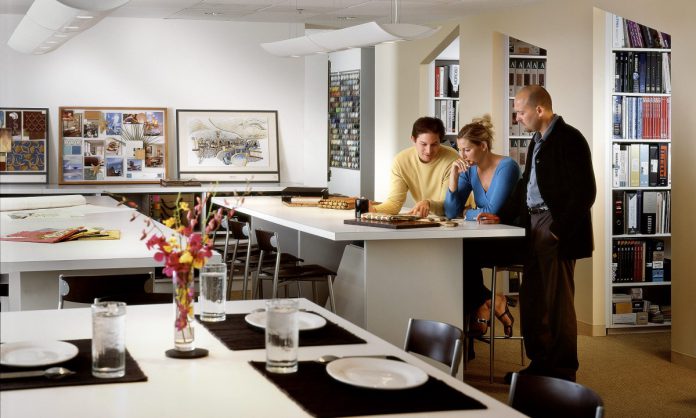
An interior designer is a professional individual who specializes in helping to plan and design a variety of spaces throughout a property. Their lists of services often include:

  • Custom Design Concepts – Interior designers have extensive experience transforming rooms and open spaces in a home and can give you various design options when completing a renovation project.
  • Material Sourcing and Selection – Because of their past experience working with contractors and suppliers, interior designers help homeowners better understand their options when choosing materials for their projects.
  • Project Management – Interior designers can help offload much of the heavy lifting when planning and executing a home renovation project while also helping to ensure everyone stays on task and within budget.

Benefits of Hiring an Interior Designer

There are a variety of benefits to hiring an interior designer. Below are some of the reasons why many people choose to work with these professionals when taking on a new renovation project:

Expertise and Experience

While some homeowners may already have a certain amount of DIY experience, others may not be able to take on extensive projects without support.

Interior designers typically have years of experience and are experts in their field. They’re aware of popular housing trends and may even be up-to-speed with complicated city and building codes that are necessary to know before starting a project.

The experience they have also makes them capable of quickly identifying solutions to common challenges that can occur during renovations.

Time Savings

Not all renovation projects take the same amount of time to finish. While renovating an entire home may take several months to complete, individual rooms can be done in just a matter of weeks. However, interior designers can play an important role in expediting project timelines.

An interior designer can help you source materials and identify home furnishings much faster than you can do yourself. This can free up significant time for you to focus on other important parts of a project, helping to move the project forward with fewer disruptions.

Access to Exclusive Resources

Many interior designers will have access to certain trade discounts on materials that you won’t be able to get on your own. They also have pre-established relationships with contractors and suppliers that can lead to significant cost savings on your renovation project.

Less Stress

No matter how experienced you may be, a home renovation project can come with varying stress levels before it’s completed.

When you decide to hire an interior designer, you’re able to offload a lot of this to a professional who will remain accountable for seeing the project from inception to completion.

Potential Drawbacks of Hiring an Interior Designer

Although working with an interior designer can be beneficial in a variety of ways, there are some potential drawbacks to consider. These can include:

Additional Costs

Much like working with a contractor, interior designers are an additional expense that will add to the total cost of your renovation project.

Although a good portion of these fees can be successfully recovered due to the better pricing they’re able to provide you on materials or subcontractor quotes, it is important to factor their services into your total budget.

Potential for Creative Differences

Adding another individual to a home renovation project can create the potential for certain creative differences throughout the process. It’s important to go into your interior designer relationship with the right mindset, as you’ll want to use the experience and perspective they’ve developed over the years.

However, it is important to keep an open mind, as regular disagreements on the scope of a project can create expensive timeline delays.

Loss of Control

Most homeowners already have a certain vision when deciding to start a renovation project. While some may simply be interested in increasing their home value before selling, others may be excited about adding their personality into a space.

Some people find giving up a certain amount of design control difficult, and it could impact their ability to work effectively with a professional designer.

Need for Approvals

An interior designer will be able to work with a certain amount of autonomy, which is one of the primary benefits of hiring their services. However, in order for a designer to feel confident they’re moving the project in the right direction, you may be asked to have various feedback sessions or provide approvals when necessary.

To some individuals who want a completely hands-off approach to a renovation project, this may not be an ideal arrangement.

Make the Right Choices for Your Next Renovation Project

While hiring an interior designer can significantly improve the efficiency and scale of your next home renovation project, the decision on whether or not to hire an expert will depend on a variety of factors. By understanding the benefits and potential downsides of working with a designer, you’ll make sure your next project is a success.

Author Information

Author Name: Rebecca Denis

Author Bio:

Rebecca Denis, Head of Design at Revive Real Estate, is an accomplished and highly creative interior designer with over ten years of experience in the industry. With a passion for transforming spaces and a keen eye for detail, she has successfully completed numerous projects ranging from commercial spaces to custom show homes.

Author Headshot:

Unveiling the Durability of Vinyl Flooring: A Comprehensive Guide

Meta Description: Explore the durability of vinyl flooring and why it’s a popular choice for homeowners. Learn about vinyl floors’ benefits and why they’re a versatile and long-lasting option.

Durability is a crucial factor to consider when choosing flooring. Homeowners love flooring that can withstand the wear and tear of daily life while still looking great for years to come. Vinyl flooring has become famous for its durability, versatility, and affordability. In this article, we’ll explore the durability of vinyl flooring, exploring its many benefits and why it’s a top choice for homes in Australia.

Understanding Vinyl Flooring Durability

  1. Resilient Composition

Vinyl flooring has different layers, including a durable wear layer, a printed design layer, and a backing layer. These layers work together to create a resilient and long-lasting flooring surface that withstands heavy foot traffic, scratches, and spills. The wear layer, in particular, is designed to protect the floor from damage and maintain its appearance over time.

  1. Waterproof Properties

Keyword Mention: Vinyl Floors

One of vinyl flooring’s key advantages is its waterproof properties. Unlike hardwood or laminate flooring, vinyl flooring is impervious to water, making it ideal for moisture-prone areas such as kitchens, bathrooms, and basements. Vinyl floors can withstand spills, splashes, and even minor flooding without warping, swelling, or deteriorating.

  1. Scratch and Stain Resistance

Vinyl flooring is very resistant to scratches and stains, making the best choice for busy households with children and pets. The durable wear layer protects against scratches from furniture, pet claws, and other sharp objects. Additionally, vinyl flooring is simple to clean and maintain, it only needs regular sweeping and occasional mopping to keep it looking like new.

  1. Impact Resistance

Vinyl flooring is also known for its impact resistance, making it suitable for areas with heavy furniture or high-traffic zones. It can withstand the weight of furniture legs and foot traffic without denting or indenting, maintaining its smooth and uniform surface over time. This makes vinyl flooring a practical choice for both residential and commercial applications.

Benefits of Vinyl Flooring

  1. Versatility

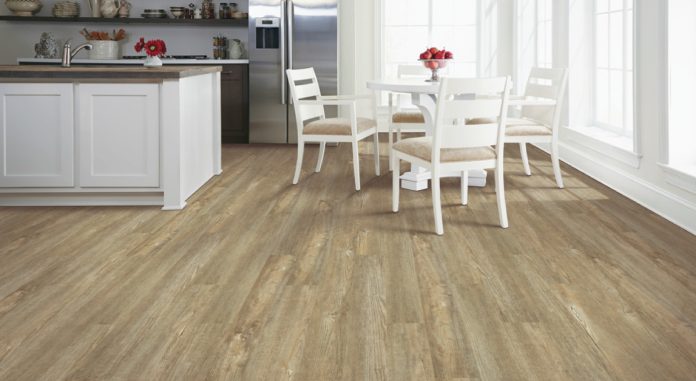
Vinyl flooring comes in different styles, colours, and patterns, allowing homeowners to achieve the look they want for their space. Whether you prefer the natural look of hardwood, the sleek finish of tile, or the contemporary appeal of concrete, there’s a vinyl flooring option to suit every taste and aesthetic.

  1. Affordability

Compared to other choices like hardwood or tile, vinyl flooring is much more affordable, making it an attractive option for budget-conscious homeowners. With vinyl flooring, you can look more expensive without breaking the bank, allowing you to update your home’s flooring without overspending.

  1. Easy Installation

Vinyl flooring is relatively easy to install, making it a popular choice for DIY enthusiasts. Depending on your preference and skill level, it can be installed as a floating floor, adhesive-backed tiles, or glue-down planks. With proper preparation and installation, vinyl flooring can provide a seamless and professional-looking finish.

Invest in Durable Vinyl Flooring for Your Home

In conclusion, vinyl flooring offers exceptional durability, versatility, and affordability, making it a top choice for homeowners in Australia. Whether you’re looking for a waterproof flooring solution for your kitchen or a scratch-resistant option for your living room, vinyl flooring has you covered. Invest in durable vinyl flooring for your home and enjoy a stylish and long-lasting flooring solution that meets the demands of modern living.

Ready to upgrade your home with durable vinyl flooring? Contact us and explore our selection of options. Transform your space with a flooring solution that combines style and durability. Elevate your home with vinyl floors that are built to last.

5 Common Remodeling Issues When Flipping a Home

With the right strategy, home flipping can be a thrilling business enterprise with the potential for substantial profits. In the midst of the excitement of doing a home improvement, though, you should be aware that certain typical problems can emerge and throw your redesign out of whack. If you want your flip to be a success, you need to be proactive in identifying and fixing these problems.

Structural Integrity and Foundation Problems

Addressing concerns with the home’s foundation and structural stability is a major obstacle for home flippers. The value of a home and the safety of its occupants are both affected by hidden flaws like sinking floors, broken walls, or foundation settlement. Experts like structural engineers or foundation repair specialists need to conduct comprehensive inspections and assessments to resolve these problems. Remedial actions could vary from simple fixes to substantial foundation stabilization or reinforcement, depending on the problem’s severity. Make sure you set aside enough money and time to fix any structural problems that can arise throughout the renovation. Failing to address these concerns promptly can result in expensive repairs in the future and put your flip at risk of failing.

Electrical and Plumbing Deficiencies

Dealing with home electrical and plumbing issues is another typical remodeling challenge that flippers encounter. Inadequate systems, broken plumbing fixtures, or outdated wiring might impair the home’s functionality and put residents at risk. If you want to find problems and make plans for repairs or improvements, you need to do a thorough assessment of the plumbing and electrical systems. Replacement of old wiring, improvement of electrical panels, or installation of new fixtures and outlets are all examples of electrical modifications that can be necessary to bring a building up to code. Fixing leaks, upgrading pipes, or installing water-saving fixtures are all examples of plumbing issues that can be addressed.

HVAC System Malfunctions

Homeowners can’t do without an HVAC system, which regulates the temperature and humidity within a building. On the other hand, a common remodeling issue that might occur during a flip is HVAC system issues. System failure, variable temperatures, or inefficient performance can result from old equipment, lack of maintenance, or incorrect installation. It is critical to check the HVAC system before flipping a house and fix any problems right away. To achieve this goal, it can be necessary to upgrade to more energy-efficient models, fix or replace old equipment, or optimize the ventilation and ductwork for better airflow and performance. To maximize efficiency, extend equipment life, and guarantee occupant comfort, it is vital to properly maintain and service the HVAC system on a regular basis.

Mold and Moisture Damage

Repairing a home, especially an older or neglected one, can be fraught with problems like mold and water damage. Indoor air quality is compromised and occupants’ health is put at risk when mold grows in environments with too much moisture, insufficient ventilation, or water intrusion. Thorough inspection and treatment by skilled personnel are necessary to identify and remedy moisture and mold issues. Fixing leaks, increasing airflow, or erecting moisture barriers are all potential solutions to water damage and mold. As part of the cleanup process, it can be necessary to remove drywall or insulation that has mold growth on it and then apply treatments designed to kill mold and stop its spread.

Smoke Damage Restoration

When trying to flip a house that has been through a fire, repairing smoke damage is usually a major obstacle. If you live in Los Angeles, use the internet and find the best smoke damage restoration Los Angeles online. Specialized cleaning and restoration methods are necessary to successfully remove smoke residue, soot deposits, and residual aromas from surfaces, furnishings, and ventilation systems. Restoring spaces and materials that have been damaged by smoke usually requires multiple steps, such as cleaning thoroughly, deodorizing, and repairing. Expert smoke damage restoration services will return your home or business to its pre-fire state by removing all traces of smoke, eliminating any lingering odors, and using cutting-edge equipment. To do this, it can be necessary to use thermal fogging, ozone treatments, or specialist cleaning products to disinfect surfaces and remove odors.

Conclusion

Though it’s not without its difficulties, flipping houses can be a lucrative business venture. You can make the most of your flip and make a profit if you take the initiative to manage these issues and use the knowledge of experts.

Hosta Care: A Guide So That the Plant Will Grow Healthy

Attractive foliage and floral scents are what you can generally get from a Hosta plant, and their low-growing leaves can be interesting, especially in the summer and spring. They are also great for cutting, where they can add some textures and colors to your garden. See info about a Hosta plant on this site here.

They have a variety of flower arrangements where some will have crinkly or smooth leaves while others can add silver and other colors to produce a more attractive flower. Know that the flower stalks can go up to 15 cm to 1.2 m, and they are ideal to be platen during spring or fall.

Planting Location

These plants’ light requirements can be unique because they can thrive with partial or even full shade. They do well when they’re planted in a spot that receives the full benefits of morning sunlight while getting some shade from the afternoon heat. Also, avoid the heavy clay soil because they don’t offer a lot of drainage. In snowy areas, you need to protect the leaves and stems, so you need to place them in an area that can protect them from too much snowfall.

Watering Your Plant Tips

Moisture will matter with these plants, and they need something consistent, especially if they are just starting to grow their roots. Check the soil with your fingers to see if an inch of the topsoil is already dry, and water it accordingly.

Don’t worry though, after the plant has established itself, they are going to thrive on rainy days, but it might not get much survival rate during a drought. When they are planted under a tree, know that the larger ones are going to take a lot of water, so the Hosta will still need something. Penetrate the roots and water below the large canopies when you have bigger plants.

How to Mulch?

After you plant them, add a layer of mulch that’s around two inches thick so the weeds won’t sprout. This is also going to keep the moisture from evaporation and prevent the weeds from obtaining any sunlight. Good mixes can include pine straws, shredded leaves, and other materials. Know that they also crave nutrients, so a balanced fertilizer is needed as soon as you see new growth.

Overcrowding and Division

When you notice that the plants are becoming too crowded, you need to divide them generally every four years. This helps with health maintenance, but not to worry because these plants are slow to grow. A part of your Hosta care is to make sure that you’re separating them and enabling them adequate access to water and soil.

You just need a few tools like a spade, shovel, and knife for transplant. Separating them to only a single bud for each division is recommended, but keep in mind that separation is going to set them back when it comes to maturity. Their growth will depend on the root network that got lost after the transplant so make sure that every bud has a root that’s attached to them and doesn’t damage the leaves.

Pest and Disease Management

Avoid planting these herbaceous perennials in a soil that’s constantly wet. There are diseases like anthracnose that are caused by fungi that are very common with Hosta. This is also going to degrade the appearance of the plants and it can cause dark spots on the leaves where their soft centers can fall out. Generally, fungicides are effective, and the infected leaves should be removed as soon as possible.

Petiole rot is also going to kill the plants, and they are difficult to remove. They will cause small spheres that are similar to mustard seeds in size, and when the fungus comes in contact with the plants, it will emit tissue-destroying enzymes that will kill the base and the petioles. Effective management is to sanitize the areas where the Hosta will be planted and examine the stock for wilted or yellowed leaves.

When the freezing temperatures start, it’s best to cut back the petioles and foliage to also remove the nematodes. These microscopic roundworms often feed on the leaves, and the symptoms are going to be in the form of discoloration and brown streaks. Cutting back can also help control slug populations if they are rampant.

Any soggy and brown leaves should be trimmed to discourage rabbits and voles. Add organic matter like kitchen compost and peat to keep the nutrients, and preserve the muted, chartreuse, or variegated green leaves of the plant. See more about the removal of brown leaves in this link: https://www.wikihow.com/Remove-Brown-Tips-From-the-Leaves-of-Houseplants.

Container Gardening

Always use the right pots and know that the plants generally prefer their roots to be cool all the time, so avoid containers that are made of metal. Also, don’t put them on concrete or clay because these pots tend to crack during the cold seasons, and consider the fiberglass or plastic ones. Whatever, you choose, make sure that there’s adequate drainage because a Hosta plant does not like standing water.

Brighten Your Home Year-Round: 6 Benefits of Permanent Christmas Lights

When it comes to home design and improvement, homeowners are always looking for ways to enhance their property’s look and functionality. One trend that’s gaining popularity is the installation of permanent Christmas lights. Not only do these lights add a festive touch during the holiday season, but they also provide benefits throughout the year. ShawTech Lighting’s DIY Kits make it easy to install these versatile lights yourself. Let’s explore the many advantages of permanent Christmas lights for your home.

1. Year-Round Use

Who says lights are only for Christmas? Permanent Christmas lights can add a special touch to your home’s exterior all year long. Whether it’s a summer barbecue, a Halloween party, or a quiet evening on the porch, these lights can be customized for any occasion. Permanent Christmas lights offer a variety of colors and settings, allowing you to create the perfect look for every event.

2. Increased Property Value

Permanent Christmas lights can boost your home’s curb appeal. A well-lit exterior not only looks inviting but also enhances the overall look of your property. Potential buyers often appreciate thoughtful upgrades, and good lighting can be a big selling point. Depending on how you install the lights, you can get the professional look without the hefty price tag, but we’ll cover that a bit later.

3. Energy Efficiency

Modern permanent Christmas lights, especially LED options, are very energy-efficient. They use less power compared to traditional incandescent bulbs, reducing your electricity bills and environmental impact. These lights are designed with energy efficiency in mind, giving you eco-friendly options that don’t compromise on brightness or quality. Some systems such as ShawTech Lighting’s can use as little as 40W for 100 linear feet of lights!

4. Durability and Weather Resistance

Outdoor lighting needs to be durable. Permanent Christmas lights are built to withstand various weather conditions, from heavy rain to intense sunlight. Made from high-quality materials, these lights are designed to last long and stay reliable, so you won’t have to worry about replacing your lights often.

5. Convenience and Safety

Perhaps one of the most compelling arguments for permanent Christmas lights is the convenience. Climbing ladders and untangling strings of lights every year can be a hassle and a safety risk. Permanent Christmas lights eliminate this annual chore, saving you time and effort. Install your lights once and enjoy them for years to come. These lights are designed with safety in mind, making them easy to install without professional help.

6. Convenience and Safety

With modern technology, controlling your permanent Christmas lights has never been easier. Many systems offer remote control or smartphone app integration. This means you can change colors, set timers, and create lighting schedules with just a few taps. Customizing your home’s lighting has never been so convenient.
Different Ways to Get Permanent Christmas Lights
When it comes to installing permanent Christmas lights, you have several options to fit different budgets and levels of expertise:
  1. Professional Installation: Hiring a professional to install your lights ensures a perfect finish and hassle-free experience. This option typically costs anywhere from $15 to $30 per linear foot.
  2. DIY Kits: For a more affordable yet professional-looking option, DIY kits are ideal. These kits are user-friendly and cost between $6 to $10 per linear foot.
  3. Completely DIY: If you’re handy and enjoy tackling projects from scratch, you can buy your own components and install the lights yourself. This is the most cost-effective option, ranging from $3 to $5 per linear foot.
Ready to Transform Your Home?
Permanent Christmas lights are a great investment for any homeowner looking to improve their property’s look and functionality. ShawTech Lighting’s DIY Kits provide an easy, cost-effective way to install these lights and enjoy their benefits year-round. Whether you’re looking to enhance your home’s aesthetic, increase its value, or simply enjoy the convenience of modern lighting, permanent Christmas lights are the way to go.
Check out ShawTech Lighting’s DIY Kits today and start transforming your home into a year-round wonderland!

Why double-glazed doors and windows are a great option for any home

There are many options awaiting any Australian wanting to make changes to their home. Sometimes natural aging means that parts require replacing, while on other occasions areas simply don’t look right. Trying to find the perfect combination of substance and style can be challenging, but there is a perfect solution awaiting when contacting a leading exponent.

Doors and windows play an essential part of any property. They are instantly noticeable and are often a means of access. Ensuring that they are in perfect condition is extremely important for many reasons, so it makes sense to source new ones from manufacturers that have been in business for getting on towards half a century and produce the best double-glazing options.

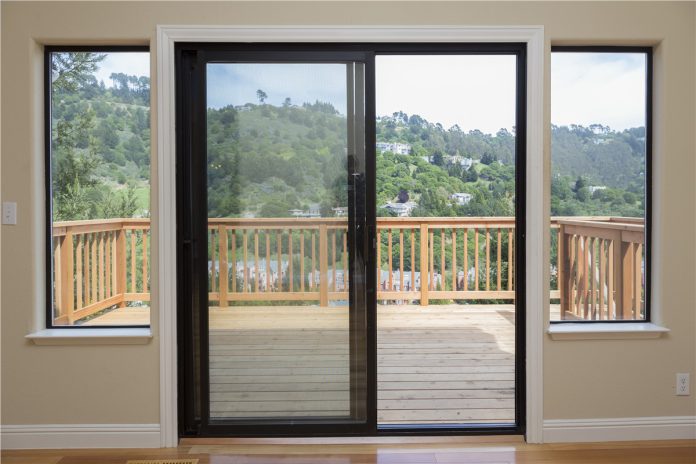
Double glazing could have been invented with the Australian climate in mind, through its design, which continues to be improved through advanced technology can ensure that the inside of a home is kept cooler in the summer, yet it retains its warmth when required in the winter months. It is a fantastic energy-saving answer which cuts down on monthly bills and can save a household cash. Peace of mind is provided when choosing a company to design and install the doors and windows so that they are made to fit perfectly and offer a warranty along with excellent after-sales service.

Everyone gets more out of their home if they find relaxation and being able to unwind easier. Noise from outside can cause interruptions and annoyance when trying to watch a movie or simply stretching out for a rest. A disrupted sleep can also be extremely irritating. However, those with their spaces filled with double glazing cut down drastically on noise pollution. They may also improve the exterior of a home by using a power washer.

Getting rid of dampness and condensation inside the home can also save money as the fixtures and fittings are given better protection. It also ensures that decorating can be put off as wallpaper isn’t exposed to dampness. As well as protection to the inside of a home, double glazed doors and windows also have a far greater chance of stopping intruders from entering. The best designs have additional safety and security features, which stunt the progress of anyone seeking unlawful entry. Extra toughened glass may also be added offering even greater strength.

And of course, the many stylish designs can massively improve the aesthetics of the property, while even increasing natural sunlight to enter. This in turn increases the value of a home, making it a smart option before a sale. They are easy to maintain so that they continue to look attractive, both from inside and outside the building. The different designs that are available allow them to seamlessly fit into the surroundings, so that they don’t look out of place. They will look great when returning after having fun ten pin bowling.

New double-glazed doors and windows add value to a property while improving its appearance and offering increased security while blocking out noise.

A Homeowner’s Guide for Using Renewable Energy

The transition to renewable energy sources is becoming increasingly important as the effects of climate change become more pronounced. Homeowners are in a unique position to contribute to this shift, benefiting both the environment and their finances. Renewable energy sources like sunlight, wind, geothermal heat, and biomass offer sustainable alternatives to fossil fuels, which are finite and environmentally damaging.

This guide aims to provide homeowners with a comprehensive understanding of how to integrate renewable energy into their homes, exploring the benefits and challenges associated with each option.

Understanding Renewable Energy

Renewable energy derives from natural sources that replenish themselves over time, offering a clean and sustainable alternative to fossil fuels. Homeowners have access to several practical renewable energy options, each with its unique advantages and challenges. These include solar energy, which harnesses sunlight; wind energy, which captures wind power; geothermal energy, which utilizes the Earth’s heat; and biomass energy, which uses organic materials. Transitioning to renewable energy is not only essential for addressing environmental issues but also provides economic benefits through reduced energy bills and various incentives.

Solar Energy: Harnessing the Power of the Sun

Solar energy is one of the most popular renewable energy options for homeowners. It uses photovoltaic panels to convert sunlight directly into electricity and solar thermal systems to capture and use the sun’s heat for water and space heating. The main attraction of solar energy is its potential for substantial cost savings. After the initial investment in solar panels and the process of home solar panel installation, homeowners can significantly reduce or even eliminate their electricity bills. Additionally, numerous federal, state, and local incentives are available to help offset the upfront installation costs. Solar panels require minimal maintenance, typically needing only periodic cleaning and inspections to ensure they function optimally. Advances in solar technology have made these systems more efficient, even in areas with less abundant sunlight, making solar energy a viable option for many homeowners.

Wind Energy: Capturing Wind for Electricity

Wind energy is another promising renewable energy option for homeowners, especially those in rural or coastal areas with consistent wind patterns. Small wind turbines can be installed on a property to generate electricity. Wind energy is clean, abundant, and inexhaustible, providing a reliable power source that reduces dependence on the grid and lowers electricity bills. However, the initial installation cost of wind turbines can be high, and their effectiveness depends heavily on the location and local wind conditions. Aesthetic and noise considerations might also be a concern, although technological advancements are continuously addressing these issues.

Geothermal Energy: Utilizing the Earth’s Heat

Geothermal energy provides a sustainable and efficient way to heat and cool homes by using the Earth’s consistent underground temperatures. A geothermal heat pump system can offer efficient heating in the winter and cooling in the summer. These systems are environmentally friendly and reduce greenhouse gas emissions compared to conventional heating and cooling systems. While the installation cost of geothermal systems can be higher than traditional HVAC systems, the long-term savings on energy bills can be substantial. Geothermal systems have the added advantage of being unobtrusive, with most equipment installed underground or inside the home requiring minimal outdoor space. Their reliability and efficiency make geothermal systems an attractive option for homeowners seeking a consistent and sustainable energy source.

Biomass Energy: Renewable Heating Solutions

Biomass energy uses organic materials such as wood, agricultural residues, and other plant-based materials to generate heat and electricity. Homeowners can install biomass boilers or stoves that burn these materials for heating. Biomass energy is renewable and can help reduce reliance on fossil fuels, often sourcing materials locally and supporting local economies. However, the sustainability of the biomass source is crucial, and it’s important to ensure that the materials are harvested and processed responsibly. Regular maintenance and proper storage of biomass materials are essential to ensure efficient and clean combustion.

Integrating Renewable Energy Systems

Integrating renewable energy into a home involves selecting the appropriate technology and ensuring it works harmoniously with the existing infrastructure. Home energy management systems can optimize the use of renewable energy, ensuring that the energy produced is used efficiently and effectively. Smart meters and battery storage systems enhance the benefits of renewable energy by storing excess energy produced during peak times and releasing it when demand is high. This maximizes the use of renewable energy and provides a backup power source in case of grid outages. Careful planning and integration of these technologies can create a more resilient and sustainable energy system for homeowners.

Conclusion

Adopting renewable energy at home is a proactive step towards a more sustainable future. It involves careful consideration of various factors, including initial costs, location, and the specific energy needs of your household. Leveraging available incentives and advancements in technology, the transition to renewable energy can be both financially and environmentally rewarding. As more homeowners embrace these solutions, the collective impact on reducing carbon emissions and promoting energy independence becomes increasingly significant.

Elevate Your Home: Design your Luxury Kitchen that Stands the Test of Time

The kitchen is one of the most important rooms in the house to design. It is the center of the house, where discussions take place, meals are prepared, and memories are created. A luxury kitchen that is timeless is a desirable project for homeowners who want to upgrade their houses. A classic luxury kitchen design strikes a mix between quality, usefulness, and beauty to make sure it’s a loved area for many years to come.

Begin with a Vision: Define Your Style and Function

It is critical to understand how you want your dream kitchen to appear and feel like. Are you fond of traditional, contemporary or transitional interior design? Your kitchen has to represent you and your style should blend in harmoniously with the rest of the house.

Functionality: Think about the amount of time you spend in your kitchen. Are people entertained here frequently or is this a house with regular family gatherings? Your requirements will define the positioning of the furniture, the equipment and other facilities.

Aesthetic Consistency: The design of the timeless kitchen should work well with the existing style of the house. When it comes to selecting furniture and lighting, whether you choose warm, dark woods and classic looks or modern straight lines, it is important that the style remains cohesive.

Invest in Quality Materials

The assortment of utensils will situationally influence its durability and appearance of a kitchen place. Quality elements not only appear more acceptable but also sustain well for various abuses faced day-to-day. If the preference is for more natural materials, granite or marble is a great choice as it is very hard-wearing. Quartz is as beautiful as many types of stone and it’s hard wearing as well making it a very wise purchase.

Embrace Timeless Design Elements

Some aspects of art are always appreciated no matter the generation or era in question. These should be incorporated in your kitchen to make it elegant and up to date.

Neutral Color Palettes: White, gray and all neutrals particularly earth tones as the base can really give this classic and timeless look but can also be accentuated with accessories and accent colors.

Subway Tiles: It is also important to know that these tiles fit perfectly in luxury kitchens. These tiles give a timeless appearance and can be arranged in different layouts to provide variety.

Understated Elegance: Avoid overly trendy features that may date your kitchen. Opt for simple, elegant fixtures and fittings that enhance the space without overwhelming it.

Prioritize Ergonomics and Layout

A luxurious kitchen is not just about looks; it’s also about comfort and efficiency. The layout should facilitate easy movement and access to all areas.

The Work Triangle: Ensure the placement of your sink, stove, and refrigerator forms an efficient work triangle. This classic layout minimizes steps and maximizes efficiency.

Ample Storage: Incorporate plenty of storage solutions to keep your kitchen clutter-free. Pull-out drawers, lazy Susans, and built-in spice racks enhance both functionality and aesthetics.

Lighting: The lighting of the lot also needs a gradient system. Uses ambient, task and accent lighting that makes the environment warm and comfortable.

Use Advanced Appliances and Technology

Modern appliances and smart devices can add to the luxury feel of your kitchen if installed in your kitchen.

Professional-Grade Appliances: Choose premium products with added functionality and enhanced overall functionality of your machines and equipment.

Smart Technology: From the operation of faucets without directly touching or smart ovens that can be program-able from a smartphone, incorporating aspects of technology increases functionality and gives a better image or appeal to your kitchen.

Wine Coolers and Beverage Centers: For the pinnacle of the thoughtfully appointed kitchen, one can look at a wine cooler or beverage center.

Enhancing Your Kitchen with Custom Touches and High-End Details

Modern kitchen design does not equate to extravagant; it is all about the tones and pitches and subtle additions that makes them special.

Custom Backsplashes: While a backsplash design is often secondary to a counter, a well done one can be a centerpiece. To enhance the visual appeal, one might opt for marble, glass or metal carvings on the exterior of the building.

High-End Hardware: Choose exquisite handles knobs and faucets that will bring a bit of luxury for an upscale look. Brass, nickel, and matte-black are classic choices for handles that never go out of style.

Decorative Accents: Decorate with ornaments and flowers, use paintings and sculptures, and add some non-standard furniture to make your kitchen more expressive.

Conclusion

Implementing a dream kitchen that will need to pass the rays of fashion test calls for the right combination of beauty and utility, and most importantly quality. This is why if you want a kitchen that will not only increase the market value of your house but also one that is aesthetically appealing and functional for your family, then you should make sure to buy materials that are durable for longevity, incorporate timeless design motifs, ensure that the kitchen is ergonomic, and incorporate advanced technologies in the design and construction of the kitchen.

Maximizing Profits: Effective Deck Financing Strategies for Contractors

Building and renovating decks can be a lucrative business for contractors. However, like any construction project, it requires a significant upfront investment. From purchasing materials to covering labor costs, financing a deck project can pose challenges for contractors. In this article, we’ll explore some effective financing strategies that contractors can use to maximize profits while undertaking deck projects.

Understanding the Costs:

Before diving into financing strategies, it’s crucial to understand the costs involved in deck construction. These costs typically include materials such as lumber, screws, nails, and finishing products like stain or paint. Additionally, labor costs for skilled workers are a significant expense. Other expenses may include permits, equipment rentals, and insurance.

  1. Secure Competitive Financing:

Contractors should explore different financing options to find the most competitive rates. Traditional bank loans, lines of credit, or business credit cards are common choices. However, it’s essential to compare interest rates, repayment terms, and fees before committing to any financing option. Some lenders may offer special programs or incentives for contractors in the construction industry.

  1. Offer Financing to Customers:

Many homeowners may hesitate to proceed with a deck project due to the upfront costs involved. Offering financing options to customers can help overcome this barrier and attract more business. To explore a range of deck financing options for contractors that can be tailored to fit different project sizes and client budgets, consider partnering with specialized financial institutions. Contractors can partner with financing companies or banks to provide customers with flexible payment plans. This not only increases the likelihood of securing projects but also allows contractors to upsell premium materials or additional services.

  1. Negotiate Bulk Discounts:

Purchasing materials in bulk can result in significant cost savings for contractors. Negotiating bulk discounts with suppliers or wholesalers can help reduce expenses and increase profit margins. Contractors should establish strong relationships with suppliers and explore opportunities for volume-based pricing discounts. Additionally, buying materials during offseasons or slow periods can further maximize savings.

  1. Optimize Labor Efficiency:

Labor costs constitute a substantial portion of deck construction expenses. Maximizing labor efficiency is essential for controlling costs and increasing profitability. Contractors should carefully plan each project, streamline workflows, and leverage technology to improve productivity. Investing in training and equipment can also help enhance the skills and efficiency of the workforce.

  1. Implement Cost-Effective Marketing:

Effective marketing is crucial for attracting customers and generating business. However, traditional marketing methods can be costly and may not always yield the desired results. Contractors should explore cost-effective marketing strategies such as social media, email newsletters, and local advertising. Building a strong online presence and leveraging customer testimonials can help establish credibility and attract more clients.

  1. Monitor Expenses and Budget Wisely:

Tracking expenses and maintaining a well-defined budget are essential for managing finances effectively. Contractors should use accounting software or spreadsheets to monitor cash flow, track expenses, and compare actual costs against budgeted amounts. Regularly reviewing financial reports and making adjustments as needed can help identify areas for cost savings and improve overall profitability.

  1. Consider Seasonal Trends:

Seasonal fluctuations in demand can impact the profitability of deck projects. Contractors should anticipate seasonal trends and adjust their strategies accordingly. For example, focusing on indoor renovations during the winter months and promoting outdoor projects in the spring and summer can help maintain a steady flow of business throughout the year. Diversifying services or expanding into related areas such as landscaping or outdoor living spaces can also help mitigate the effects of seasonality.

Conclusion:

Maximizing profits in deck construction requires careful planning, efficient resource management, and strategic decision-making. By securing competitive financing, offering flexible payment options to customers, negotiating bulk discounts, optimizing labor efficiency, implementing cost-effective marketing, monitoring expenses, and considering seasonal trends, contractors can enhance their profitability and achieve long-term success in the industry. By implementing these effective financing strategies, contractors can navigate the challenges of deck construction projects while maximizing their bottom line.

5 Cost-Effective Ways to Transform your Outdoor Living Space

You might have just moved into your first home and are wondering what to do with the garden, or you’ve had enough of the current design, there are some creative ways that you can transform your backyard, some of which we take a look at in this short article.

  1. Vertical gardens – Also known as green walls, vertical gardens bring lush greenery into any space and there are specialist Australian companies that design and build natural features for residential and commercial space. Start with the dimension of the target wall then add the surroundings; the supplier has a wide range of designs that will suit your setting and they do a fantastic job, seeing each project as a challenge.
  2. Water walls – The sound of running water has a calming influence and with the latest version of stand-alone water walls have LED background lights. The unit can be turned on with the flick of a switch; a small pump sends the water to the top via side pipes and once the unit is installed, you do not need a mains water connection.
  3. Faux timber decking – Forget hardwood, we now have a composite that looks and feels like solid timber, which never needs painting or varnishing. Choose a shaded area, mark the size and excavate soil until you have room for a concrete or timber base. It is a lot easier to drive 4×4 timber posts into the ground to support the deck; this would make a challenging DIY project – watch a few ‘How to build a deck’ videos on YouTube – that might take a weekend to complete. Here are a few things to take into account when building a swimming pool.
  4. Artificial grass – We all love a well-kept lawn, but few of us like the upkeep, cutting the grass, watering and sweeping the leaves; with artificial grass, there’s no need to cut or water and once installed, will provide many years of trouble-free use, they even have pet-friendly varieties. There is an art to installing artificial grass and we don’t recommend a DIY install, rather ask the supplier to work his magic and your new lawn will always look like it has just been laid.
  5. Crazy paving – There’s no limit to how far you can go with crazy paving; some homeowners have crazy paving pathways that intersect, while others opt for a terrace that is crazy paved; you can even do your driveway should you wish. It is relatively easy to install, first dig out the area, fill it with a mixture of sand and dry cement, take the broken pavers and place them about 1 inch apart, this gap is filled with wet cement and there’s no need for a look of uniformity, create your own unique pattern.

The great Aussie summer is only a few months away and this is the right time to start thinking about adding a few features to your garden. Exterior home improvements add value to the property and if you are a DIY-er, you can save money.

Recent Posts

Posts You Might Like