

Home Blog Page 47

Limestone vs Exposed Aggregate Pavers: Which Is More Durable?

When it comes to crafting beautiful and functional outdoor spaces, the choice of pavers plays a crucial role. For homeowners and landscapers alike, selecting the right material not only affects the aesthetic appeal but also the durability and overall lifespan of the outdoor area. Among the myriad options available, limestone and exposed aggregate pavers stand out for their unique characteristics and benefits. However, the big question remains: which is more durable? In this blog post, we’ll delve into a comprehensive comparison of limestone and exposed aggregate pavers, examining their physical attributes, durability, cost, and sustainability to help you make an informed decision.

Comparison of Limestone and Exposed Aggregate Pavers

Physical Characteristics: Colour, Texture, and Aesthetic Appeal

Limestone Pavers

  • Colour: Limestone pavers are renowned for their natural, earthy hues ranging from soft beige and grey to vibrant blues and greens. These colours can blend seamlessly with various landscapes and architectural elements, enhancing the overall aesthetic of any space.
  • Texture: Typically smooth with a refined finish, limestone offers a classic and elegant look suitable for traditional and contemporary designs. The texture can be customised with different finishes to create a unique appearance, whether you prefer a polished, honed, or tumbled effect.
  • Aesthetic Appeal: The subtle variations in colour and texture provide a timeless charm that complements a wide range of architectural styles. Whether used in patios, walkways, or pool surrounds, limestone pavers add a sophisticated touch that can elevate the design of your outdoor spaces, creating a harmonious and inviting atmosphere.

Exposed Aggregate Pavers

  • Colour: These pavers boast a diverse palette, thanks to the variety of aggregates used, including stones, pebbles, and glass chips. This mix allows for a wide range of colour options, from subtle earth tones to vibrant hues, providing versatility in design.
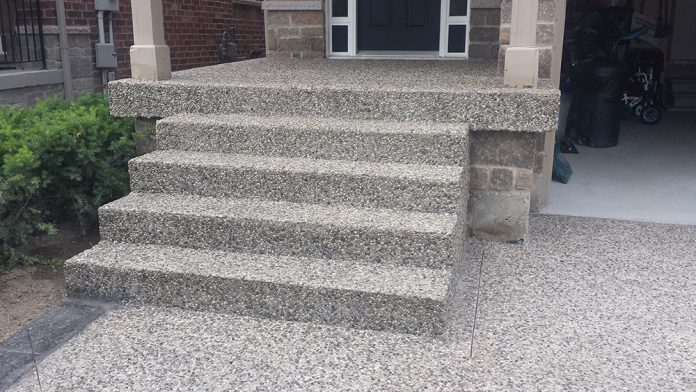
  • Texture: The exposed surface gives a rustic, textured finish that enhances grip and visual interest. The rough texture not only adds to the aesthetic appeal but also makes the pavers slip-resistant, making them ideal for outdoor spaces like patios and walkways.
  • Aesthetic Appeal: With their unique and customisable appearance, exposed aggregate pavers can create striking patterns and designs that stand out in modern landscapes. The ability to mix different aggregates and colours allows for endless design possibilities, ensuring that each installation can be tailored to meet specific aesthetic preferences.

Durability: Resistance to Weather, Wear, and Maintenance Requirements

Limestone Pavers

  • Weather Resistance: Limestone is fairly resilient but can be susceptible to erosion and weathering over time, especially in areas with extreme temperature fluctuations.
  • Wear: While durable, limestone may show signs of wear, such as chipping or scratching, particularly in high-traffic areas.
  • Maintenance: Regular sealing and cleaning are required to maintain its appearance and prevent staining from organic matter, like leaves and moss.

Exposed Aggregate Pavers

  • Weather Resistance: These pavers excel in weather resilience, withstanding harsh conditions, including intense heat, freezing temperatures, and heavy rainfall, without significant damage. This makes them suitable for diverse climates and ensures they maintain their structural integrity over time.
  • Wear: Thanks to the robust nature of the aggregates, exposed aggregate pavers are highly resistant to wear and tear, making them ideal for high-traffic zones such as driveways, walkways, and commercial spaces. Their durability extends their lifespan even under constant use.
  • Maintenance: Relatively low-maintenance, these pavers require occasional sealing to protect the exposed surface from stains, dirt, and weathering. This not only enhances their longevity but also keeps them looking aesthetically pleasing with minimal effort. Regular cleaning and sealing can ensure they remain in top condition for years.

Cost Comparison: Initial Investment and Long-Term Value

Limestone Pavers

  • Initial Investment: Limestone can be on the pricier side due to its natural beauty and processing requirements.
  • Long-Term Value: Despite the higher initial cost, its classic appeal and potential to increase property value can offer good long-term returns.

Exposed Aggregate Pavers

  • Initial Investment: Generally more affordable than limestone, especially when considering the variety of materials used.
  • Long-Term Value: With their durability and minimal maintenance needs, exposed aggregate pavers provide excellent value for money over time.

Sustainability: Environmental Impact and Eco-Friendliness

Limestone Pavers

  • Environmental Impact: Quarrying limestone can have a significant environmental footprint, although some suppliers strive for sustainable practices.
  • Eco-Friendliness: Natural limestone is a renewable resource but requires careful management to ensure sustainability.

Exposed Aggregate Pavers

  • Environmental Impact: Often made using locally sourced materials and recycled aggregates, these pavers can have a lower carbon footprint.
  • Eco-Friendliness: The use of recycled elements contributes to their eco-friendly reputation, making them a preferred choice for sustainable landscaping.

Use Cases

Ideal Applications for Limestone Pavers

  • Climate: Best suited for moderate climates without extreme weather conditions.
  • Soil Conditions: Suitable for stable, well-draining soils to prevent settling and shifting.
  • Intended Use: Perfect for patios, walkways, and pool surrounds where a touch of elegance and sophistication is desired.

Ideal Applications for Exposed Aggregate Pavers

  • Climate: Excels in diverse climates, from hot, sunny regions to areas prone to frost and heavy rains.
  • Soil Conditions: Adaptable to various soil conditions, including those prone to shifting and movement.
  • Intended Use: Ideal for driveways, pathways, and public spaces where durability and slip resistance are paramount.

Conclusion

Both limestone and exposed aggregate pavers bring unique benefits and aesthetic qualities to outdoor spaces. While limestone offers timeless elegance and a refined appearance, it requires more maintenance and may not be as durable in extreme weather conditions. On the other hand, exposed aggregate pavers, which are perfect driveway pavers for sale in perth, provide exceptional durability and versatility, making them an excellent choice for high-traffic areas and varied climates.

Ultimately, the decision between limestone and exposed aggregate pavers will depend on your specific needs, preferences, and the intended use of the space. For those prioritising a classic look and willing to invest in maintenance, limestone is a worthy contender. However, if durability, low maintenance, and customisable aesthetics are your primary concerns, exposed aggregate pavers may be the better option.

We encourage you to explore both materials further and consult with a landscaping professional to determine the best choice for your project. Investing in the right paver will ensure your outdoor space remains beautiful, functional, and durable for years to come.

The Consequences Of Not Using A Painting Professional For Feature Walls

Feature walls have become a prominent trend in home decor, transforming ordinary spaces into extraordinary focal points. These well-designed walls can add depth, texture, and a splash of personality to any room. However, achieving that perfect look isn’t as simple as picking up a brush and some paint. The allure of DIY might tempt many homeowners, but the consequences of not using a painting professional for feature walls can be significant.
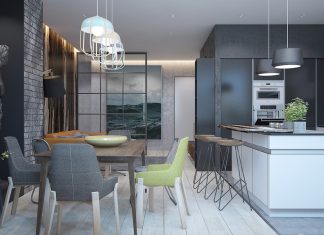
In this blog post, we will explore the rise of DIY home improvement, the pitfalls of attempting to paint a feature wall without professional help, and the undeniable advantages of hiring a skilled painter.

The Rise of DIY

The trend of DIY home improvement has soared in recent years, empowered by countless tutorials and step-by-step guides available online. The appeal is understandable – DIY projects offer a sense of accomplishment, potential cost savings, and the freedom to bring personal visions to life.

However, the DIY route also presents its own set of challenges:

  • Time: DIY projects often take significantly longer than anticipated, especially for novices.
  • Cost: Initial cost savings may be negated by the need to purchase specialised tools and materials.
  • Expertise: Lack of professional expertise can lead to subpar results, especially in intricate tasks like painting feature walls.

While DIY can be rewarding, it’s imperative to weigh these factors against the potential pitfalls, particularly when it comes to projects that can significantly impact the visual appeal of your home.

The Consequences of Not Using a Professional

When homeowners decide to tackle feature wall painting on their own, they might encounter several common mistakes that could compromise the final outcome:

Mistake 1: Poor Surface Preparation

One of the most critical steps in painting is prepping the surface. Amateur painters often overlook this stage, leading to uneven textures, paint peeling, and a lacklustre finish. Professionals, on the other hand, know the importance of thorough surface cleaning, sanding, and priming.

Mistake 2: Inadequate Paint Application

Applying paint evenly can be more challenging than it seems. Issues such as brush strokes, roller marks, and inconsistent layers are frequent in DIY projects. These flaws can be glaring, especially on feature walls meant to stand out.

Mistake 3: Incorrect Colour Choices

Choosing the right colour involves more than just picking a favourite shade. Lighting, room size, and existing decor must be considered. A professional painter can provide valuable insights to ensure the chosen colour complements the room perfectly.

Mistake 4: Lack of Proper Tools and Materials

DIY enthusiasts might not have access to high-quality paints, brushes, and rollers that professionals use. This can result in a less durable finish and higher susceptibility to wear and tear.

Mistake 5: Time and Effort

Painting a feature wall is time-consuming and labour-intensive. Without the right expertise, what should be a quick project can turn into a prolonged endeavour, disrupting daily life.

The Professional Advantage

Opting for a professional painter brings numerous benefits that far outweigh the initial costs:

Expertise and Skill

Professional painters bring years of experience and specialised knowledge to the table. They understand the intricacies of paint types, application techniques, and how to avoid common pitfalls, ensuring a flawless finish. With an eye for detail, they can expertly prepare surfaces, select the right colours to match any décor, and apply the paint with precision. Their expertise not only saves time and effort but also guarantees a long-lasting and aesthetically pleasing result, transforming any space into a work of art.

Quality Tools and Materials

Professionals have access to high-grade tools and materials that can make a significant difference in the final result. From superior paints that offer richer colours and better coverage to precision brushes that allow for fine detailing and smooth application, these elements contribute to a more durable and aesthetically pleasing feature wall. Additionally, professionals often have extensive experience and knowledge about the best practices and techniques, ensuring a higher quality finish that stands the test of time. This combination of expertise and top-notch materials ultimately leads to a more polished and professional outcome for any project.

Time Efficiency

Hiring a professional saves time and effort. With their expertise and experience, they can complete the project promptly and efficiently, often using high-quality materials and advanced techniques. This not only ensures a superior finish but also allows you to enjoy your transformed space sooner rather than later, without the stress and hassle of doing it yourself.

Value Addition

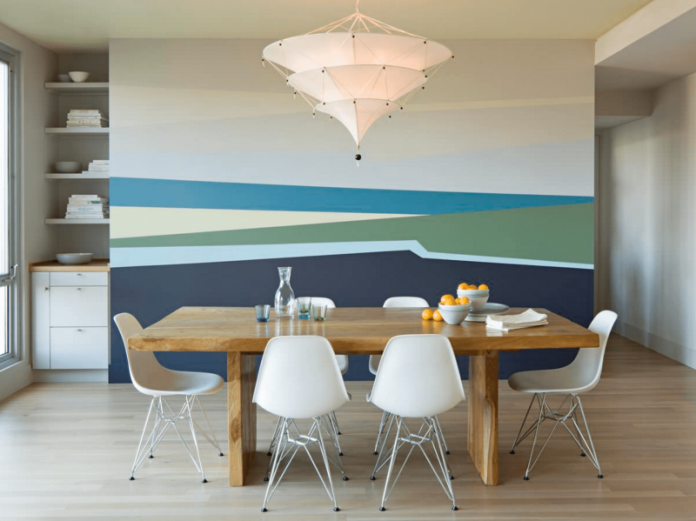
A professionally painted Gold Coast feature wall can elevate the overall aesthetic of your home, potentially increasing its market value. It reflects a level of care and attention to detail that prospective buyers or guests will appreciate. Not only does it add a touch of sophistication and personality to your living space, but it also creates a focal point that can enhance the room’s ambiance. Whether you choose a bold colour or a subtle hue, a well-executed feature wall can transform an ordinary room into an extraordinary one, making your home more inviting and visually appealing.

Conclusion

Feature walls have the power to transform a room, but achieving that perfect look requires skill, time, and the right tools. While DIY projects have their place, when it comes to significant elements like feature walls, it’s wise to consider the advantages of hiring a professional painter.

Not only do they bring expertise and high-quality materials, but they also save you time and ensure a flawless finish that enhances the beauty and value of your home. So, if you’re planning to add a stunning feature wall to your space, think twice before going the DIY route. Trust in the skills of a professional to bring your vision to life.

Have you had any experiences with DIY painting gone wrong or success stories with professional painters? Share your thoughts and stories in the comments below, and feel free to reach out to us for any inquiries about professional painting services. Let’s create beautiful spaces together!

Common Tree Diseases in Denver and How Arborists Can Help

Did you know that over 20% of trees in Denver are affected by some form of disease? This alarming statistic underscores the critical importance of maintaining tree health in our urban landscape. Trees are not just decorative; they play a vital role in our ecosystem, providing shade, improving air quality, and supporting local wildlife. This blog will explore the common tree diseases in Denver, the role of arborists in managing these diseases, and offer practical advice for homeowners.

Overview of Tree Diseases in Denver

Denver is home to a diverse array of tree species, including the American Elm, Ash, Cottonwood, and various types of Pine. Each of these species contributes to the city’s greenery and has unique vulnerabilities to certain diseases. Denver’s semi-arid climate, with its hot summers and cold winters, creates a challenging environment for trees. Additionally, urban stressors like pollution, construction damage, and compacted soil can exacerbate tree health issues, making them more susceptible to diseases. If you are a Denver resident facing any of these tree diseases, a professional arborist in Denver can help you.

Common Tree Diseases in Denver

Dutch Elm Disease is a devastating condition primarily affecting American Elms. Symptoms include yellowing leaves, wilting, and eventual death of the tree. The disease spreads via beetles and root grafts, thriving in warmer temperatures. Prevention methods include regular pruning, sanitizing tools, and applying fungicides.

Thousand Cankers Disease affects Walnut trees, causing small cankers on the bark, yellowing leaves, and branch dieback. It spreads through the Walnut Twig Beetle, which carries a pathogenic fungus. Monitoring and early removal of infected trees are crucial to controlling this disease.

Cytospora Canker impacts various tree species, including Spruce and Aspen. Symptoms include sunken, discolored cankers on the bark, often triggered by drought or injury. Proper watering and avoiding injury to the tree bark are essential preventive measures.

Fire Blight is a bacterial infection affecting fruit trees like Apple and Pear. Symptoms include blackened, wilted leaves and branches, and it often spreads by insects or rain. Pruning infected branches and applying bactericides can help manage this disease.

Emerald Ash Borer Infestation is an invasive pest affecting Ash trees, leading to thinning crowns, bark splitting, and tree death. The larvae burrow under the bark, disrupting nutrient flow. Controlling the spread involves insecticidal treatments and quarantine measures.

How Arborists Can Help

Arborists play a crucial role in maintaining tree health by offering services such as early detection and diagnosis, treatment plans, prevention strategies, and emergency services. They use advanced techniques, like tree health assessments and diagnostic testing, to identify diseases early. Regular inspections are vital for catching problems before they become severe.

Treatment plans by arborists often include targeted pesticide applications, pruning, and soil treatments. Successful treatment cases usually involve a combination of these methods to restore tree health. Preventative care is also a key focus for arborists, who recommend proper watering, mulching, and fertilization practices to maintain tree vigor and resistance to diseases.

In cases of severe disease outbreaks or storm damage, arborists provide emergency services, stabilizing or removing hazardous trees to prevent property damage and ensure public safety.

Tips for Homeowners

Recognizing early signs of tree diseases is crucial for effective treatment. Look for symptoms like discolored leaves, cankers, or unusual insect activity. Regular watering, proper pruning, and appropriate fertilization can keep trees healthy. Seasonal care, such as winter watering and spring mulching, is also important.

When hiring an arborist, Denver homeowners should check their credentials and ask about their experience with local tree diseases. Reputable arborists are certified and have a track record of successful treatments.

Conclusion

Maintaining tree health is essential for Denver’s urban ecosystem. By understanding common tree diseases and working with professional arborists, we can protect our trees and ensure they continue to benefit our community. Schedule a tree inspection or consultation with a local arborist today to keep your trees healthy and vibrant.

Building Your Dream Pool: Tips and Considerations

Building a custom pool can transform your backyard into a personal oasis, offering a perfect blend of relaxation, exercise, and entertainment. However, the process involves more than just digging a hole and filling it with water. To ensure your pool project is successful, it’s crucial to consider various factors from design to maintenance. This guide provides essential tips to help you navigate the complexities of custom pool construction, ensuring you have a pool that meets your needs and enhances your outdoor living space.

Define Your Purpose and Budget

Before embarking on your custom pool project, defining its primary purpose is vital. Are you building the pool for recreation, exercise, or aesthetic enhancement? A recreational pool might feature a shallow end for children, slides, and various water features, whereas a lap pool designed for exercise would prioritize length and a uniform depth. Understanding your primary goal helps you make informed design decisions. Alongside purpose, establishing a budget is crucial. Pool construction costs vary widely based on size, materials, features, and location. Determine a realistic budget by researching typical costs in your area and considering all potential expenses, including construction, landscaping, and ongoing maintenance. Balancing your aspirations with financial reality ensures the project progresses smoothly without unexpected financial strain. Planning for potential future expenses, such as repairs and upgrades, can also help maintain the pool’s functionality and appearance over time.

Choose the Right Location

Selecting the ideal location for your pool is a critical step that impacts its usability and maintenance. Assess the backyard’s layout to identify the most suitable spot, considering factors like sunlight, wind exposure, and accessibility. A sunny location helps keep the water warm, reducing heating costs and making the pool more inviting. Avoid placing the pool in low-lying areas prone to water runoff, which can lead to flooding and debris accumulation. Proximity to your home and other amenities like outdoor kitchens or patios enhances convenience and enjoyment. Consider the visual impact of the pool from various viewpoints within your property. Proper positioning can improve the aesthetics of your backyard, creating a harmonious and inviting space. Collaborating with a professional landscaper or designer can provide valuable insights into optimizing the pool’s location within your outdoor layout.

Select Quality Materials

The choice of materials significantly influences the pool’s durability, maintenance requirements, and aesthetic appeal. Materials like concrete, fiberglass, and vinyl offer distinct advantages for the pool shell. Concrete is highly customizable and durable, making it ideal for complex shapes and finishes. Fiberglass pools are known for their smooth surfaces and low maintenance, while vinyl liners are cost-effective and flexible. For the decking and surrounding areas, natural stone, pavers, and stamped concrete offer functionality and visual appeal. Investing in high-quality materials may have a higher initial cost but reduces long-term maintenance and repair expenses. Additionally, consider the compatibility of materials with your local climate to ensure longevity. Consult with your pool builder to select materials that align with your aesthetic preferences, budget, and environmental conditions, ensuring your pool remains beautiful and functional for years.

Incorporate Safety Features

Safety should be a priority in pool construction, mainly if children or pets use the area. Incorporate essential safety features such as fences, covers, and alarms. Fences should be four feet high with self-closing, self-latching gates to prevent unauthorized access. Pool covers keep the pool clean and provide a barrier to prevent accidental falls. Consider installing pool alarms that alert you when someone enters the water. Ensure that all safety features comply with local regulations and guidelines. Additionally, consider non-slip surfaces around the pool to prevent slips and falls. Safety extends beyond physical barriers to include proper lighting for nighttime use and clear signage indicating pool rules. By prioritizing safety in your pool design, you create a secure environment that allows everyone to enjoy the pool with peace of mind.

Plan for Landscaping

Landscaping is crucial in integrating your pool into the surrounding environment, enhancing its beauty and functionality. Begin by considering the overall aesthetic you wish to achieve, whether it’s a tropical paradise, a sleek modern look, or a natural retreat. Select plants that thrive in your climate and require minimal maintenance, keeping in mind that some plants may shed leaves or have invasive root systems that can damage pool structures. Strategic placement of trees and shrubs can provide shade and privacy while creating a picturesque backdrop. Incorporate hardscaping elements such as pathways, retaining walls, and outdoor seating to create a cohesive and inviting space. Lighting is another essential component, extending the usability of your pool area into the evening and highlighting key features. Work with a landscape designer to ensure your pool area is functional and visually appealing, creating a harmonious outdoor living space.

Hire Experienced Professionals

Engaging experienced professionals is crucial to the success of your custom pool project. Start by researching and selecting reputable contractors and designers specializing in pool construction. Look for professionals with a proven track record, positive client reviews, and proper licensing and insurance. Experienced contractors bring valuable expertise, helping you navigate the complexities of design, permits, construction processes, and even pool leak detection. They can provide insights into the latest trends and technologies, ensuring your pool is modern and efficient. Additionally, professional designers can help create a cohesive and aesthetically pleasing layout that complements your home and landscape. Clear communication and a detailed contract outlining the scope of work, timeline, and costs are essential to avoid misunderstandings and ensure the project stays on track. By hiring skilled professionals, you reduce the risk of costly mistakes and ensure your custom pool is built to the highest quality and safety standards.

Conclusion

Constructing a custom pool is a significant investment that can dramatically enhance your home’s value and quality of life. By thoughtfully planning and considering essential factors such as location, materials, and safety, you can create a beautiful but also functional, and durable pool. Remember, engaging experienced professionals can make a substantial difference in the success of your project. With careful attention to these details, your custom pool will be a source of enjoyment and relaxation for years.

A Comprehensive Guide to Buying Locker Cabinets in the Philippines

Introduction: Locker cabinets are essential for organizing spaces efficiently, whether in schools, offices, or gyms. In the Philippines, finding the right locker cabinet can be challenging due to the diverse range of options available. This comprehensive guide aims to streamline the buying process, helping you make an informed decision that suits your specific needs.

Locker Cabinet: Before diving into the locker cabinet purchasing process, assess your requirements. Consider factors such as the intended use, space constraints, durability, security features, and aesthetic preferences. Understanding these aspects will streamline your search and ensure you choose the most suitable locker cabinet for your needs.

Types of Locker Cabinets:

Metal Locker Cabinets: Ideal for heavy-duty use, metal locker cabinets are durable, resistant to wear and tear, and offer excellent security. They come in various configurations, including single-tier, multi-tier, and specialized options such as garment lockers.

Plastic Locker Cabinets: Lightweight and corrosion-resistant, plastic locker cabinets are perfect for environments exposed to moisture or humidity, such as swimming pools or outdoor areas. They are easy to clean and maintain, making them a popular choice for hygiene-sensitive settings.

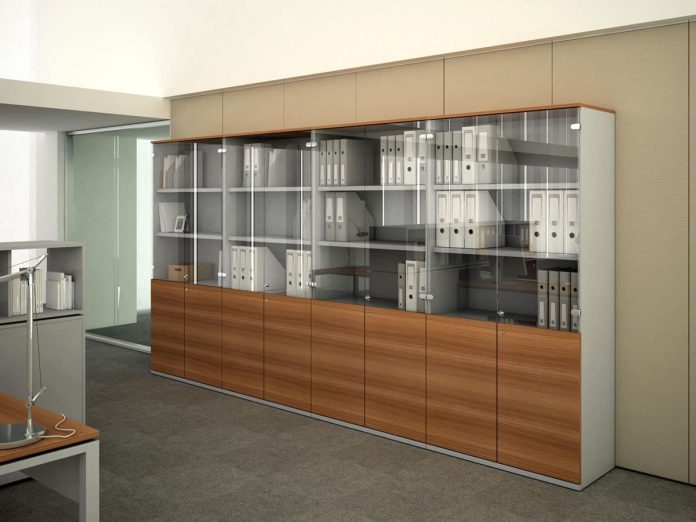
Office Cabinet: Known for their aesthetic appeal, wooden locker cabinets add a touch of elegance to any space. They are commonly used in office cabinet upscale gyms, spas, or executive offices. However, wooden lockers require regular maintenance to prevent warping or damage from moisture.

Electronic Locker Cabinets: Equipped with electronic locks, these modern locker cabinets offer advanced security features such as PIN codes or RFID access. They are suitable for environments where high-security measures are necessary, such as airports or government facilities.

Key Considerations:

Durability: Choose locker cabinets constructed from high-quality materials that can withstand frequent use and harsh environmental conditions. Metal and high-grade plastic cabinets are generally more durable than their counterparts.
Security Features: Prioritize locker cabinets with robust locking mechanisms to safeguard valuables and personal belongings. Options include traditional key locks, combination locks, padlocks, or electronic locks with advanced encryption technology.
Ventilation and Drainage: For locker cabinets used in humid or wet environments, such as swimming pools or fitness centers, opt for models with adequate ventilation and drainage systems to prevent mold or mildew growth.
Customization Options: Some manufacturers offer customization services, allowing you to tailor the size, color, and configuration of locker cabinets to meet your specific requirements. Explore these options to create a bespoke solution that maximizes space efficiency and aesthetics.
Ease of Assembly and Maintenance: Look for locker cabinets that are easy to assemble and maintain, reducing downtime and ensuring long-term usability. Check whether the manufacturer provides comprehensive assembly instructions and warranty coverage for peace of mind.
Compliance with Regulations: Ensure that the locker cabinets you choose comply with relevant safety and accessibility regulations, such as ADA (Americans with Disabilities Act) standards for accessibility or fire safety codes.

Where to Buy:

Specialty Retailers: Explore specialty retailers that specialize in storage solutions, such as office supply stores, furniture shops, or industrial equipment suppliers. They often carry a wide selection of locker cabinets catering to various needs and budgets.
Online Marketplaces: Browse online marketplaces like Lazed, Shoppe, or Alabama for a diverse range of locker cabinets at competitive prices. Make sure to read customer reviews and verify the credibility of sellers before making a purchase.
Direct from Manufacturers: Consider purchasing directly from manufacturers or authorized distributors to access exclusive deals, customization options, and after-sales support services.

Buying locker cabinets in the Philippines requires careful consideration of factors such as durability, security features, customization options, and compliance with regulations. By understanding your requirements and exploring the diverse range of options available, you can select locker cabinets that optimize space efficiency, security, and aesthetics for your specific needs.

Where Does Air for an Air Conditioner Come From?

Have you ever wondered where your air conditioner pulls the air that you then cool with it? By understanding how the air intake system works in an outdoor central.

Conditioning unit, people will be able maintain their equipment better and get better performance from it as well.

This article will go over the specifics of where do air conditioners pull air from. It also goes through how it affects your home’s comfort.

Importance of Outdoor Unit

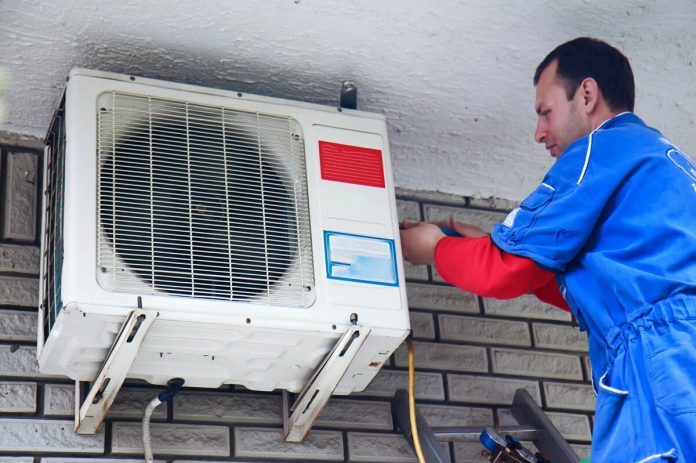
A central air conditioning system is provided only in part by the outdoor unit, commonly referred to as the condensing unit. It is the big box outside.It is normally put either at the back or the side of your downpipe.

The outdoor unit includes a fan, which takes in air from the surrounding environment. This air is moved through the coils of an air conditioning machine, where it combines with refrigerant and the heat is removed from air.

Now-warmed air is carried out by pneumatic travel, and left lurking on the lower floor inside your house with cold water vapour.It all depends on how rapidly the fan in the outdoor unit pulls air into it and through its cooling mechanism, and indeed how great a volume of heat can be removed from the air.open-air unit.

The air handler indoor unit, while not only where the heat exchange is done in fact also serves as a little air conditioning subsystem that blows out cool breeze is inhaled into your ductwork at top speed.even the air supply ducts and registers to your rooms in throughout the house.

The indoor unit also contains a fan that sucks air from inside your house. This air is passed over an interior coil where the heat is removed, then cooler (and drier) air is blown through supply ducts and vents.Your home’s HVAC system includes return ducts that deliver warm indoor air back to the air handler where it is cooled and sent back into your house. This is the reason why your home cooling system can keep it cool all summer long.

Significance of Indoor Air Quality

External air often contains contamination such as pollen, dust, and even vehicle exhaust fumes, all of which then get into your house with its air system.

In order to maintain indoor air quality at a good level, most air conditioning systems are equipped with air filters that can screen out these contaminants before they enter the indoor unit.

Regular cleaning or changing of these filters is a necessary part of keeping your air conditioner system from recirculating poor quality air around your home.

Impact of Airflow Restrictions

The efficiency and effectiveness of your air conditioner’s cooling are very much related to the airflow through the system. Where there are any restrictions or blockages in–the air intake or exhaust for example this will reduce the amount of air that the unit can take in and process.

Common causes of airflow restrictions include:

  • Dirty air filters
  • A blocked outdoor unit
  • Leaks or blockages in the ductwork
  • Processes corrupted by undersized or improperly designed ductwork

Maintenance of Air Intake for Your Air Conditioner

It’s essential that its air intake components are kept in good working order. This means:

Make sure your air filter is checked for dirt and replaced periodically. Check the outdoor unit to make sure it’s not blocked or hidden by debris, or other obstructions like plants.

Examine the ductwork for air leaks and correct them promptly. Make sure it’s being used correctly and that the type of fuel used to power your heating or cooling system is suitable for your home’s climate.

Conclusion

By keeping a close eye on your air conditioner’s air intake, you can prolong the life expectancy of each system; always have indoor air quality greatly improved during the winter months, and get energy efficient cooling that is both reliable and affordable all summer long too.

If you ever have doubt or need help caring for your air conditioner, contact a competent HVAC technician in your area for the solution.

5 Home Investments That Are Worth the Money

Investing in your home is not only about increasing its value but also about improving your quality of life and creating a space that truly reflects your lifestyle and preferences. Certain home investments can provide homeowners with both immediate comfort and long-term financial benefits with thoughtful consideration and wise decision-making, making them worthwhile endeavors. This comprehensive guide will explore five home investments that are worth the money, offering a blend of luxury and practicality to elevate your living experience and enhance the overall functionality and appeal of your home.

1. Upgrading to Energy-Efficient Appliances

Purchasing energy-efficient equipment is a smart decision that can lower your environmental impact and save you money on power costs. Appliances with low energy consumption, such as dishwashers, washing machines, and refrigerators, are made to function very well with reduced energy use. In addition to reducing your monthly electricity costs, these upgrades will provide you peace of mind by reducing your impact on the environment through energy conservation. Furthermore, a lot of energy-efficient appliances include cutting-edge features and technologies that improve usefulness and convenience, simplifying and streamlining your everyday tasks.

2. Installing Luxury Steam Showers

Transform your bathroom into a spa-like retreat by installing a luxury steam shower. In addition to relieving stress and relaxing muscles, luxury steam showers also improve circulation and other aspects of health and wellness. With functions like integrated aromatherapy systems, programmable lighting and music selections, and adjustable steam settings, these showers provide an incredibly luxurious experience that will leave you feeling revitalized and renewed. Adding a luxury steam shower to your bathroom not only makes it more comfortable and useful but it also increases the value of your house by turning it into an opulent haven that you can enjoy for many years to come.

Luxurious steam showers are a great way to improve your daily routine and the general atmosphere of your house, whether you’re relaxing after a long day or getting started on a positive note in the morning.

3. Adding Smart Home Technology

Embrace the future of home living by investing in smart home technology. Smart home appliances like security cameras, lighting controls, and thermostats provide unmatched comfort, convenience, and security. By enabling remote temperature management, smart thermostats help you save energy and money while maintaining year-round comfort in your home. While smart security cameras provide you peace of mind by enabling you to watch your house from anywhere in the world, smart lighting systems let you adjust lighting settings to fit your mood and preferences.

You can raise the overall value of your house, improve energy efficiency, and improve your quality of life by incorporating smart home technology into your living area.

4. Renovating the Kitchen

The kitchen is the heart of the home, and investing in a kitchen renovation can significantly enhance both its functionality and aesthetic appeal. A kitchen remodel can revitalize your house and raise its market value, whether you’re replacing old equipment, adding new countertops and cabinets, or changing the arrangement for greater flow and efficiency. Your kitchen will last a lifetime if you invest in high-quality materials and finishes, and it will also serve as a beautiful and useful area for eating, cooking, and entertaining.

A well-designed kitchen renovation is a worthwhile investment that will improve your everyday life and impress potential buyers should you decide to sell your home in the future. It can include anything from gourmet cooking appliances to sleek, modern design elements.

5. Creating Outdoor Living Spaces

Investing in outdoor living spaces will allow you to expand your living area outside of your house. Whether you have a spacious backyard or a cozy balcony, creating outdoor living spaces allows you to enjoy the beauty of nature and the fresh air while relaxing and entertaining guests. There are many ways to improve your outdoor living space, from fire pits and comfortable lounging spaces to outdoor kitchens and dining facilities.

You can make the most of your outdoor living area all year round by investing in sturdy, weather-resistant furniture and accessories that will keep your outside settings cozy and welcoming. You can maximize the enjoyment of your house and raise its overall worth by investing in outdoor living areas that seamlessly blend interior and outdoor living.

Conclusion

In conclusion, investing in your home is an investment in your comfort, well-being, and overall quality of life. You can improve the utility, comfort, and visual appeal of your living space by changing to more energy-efficient equipment, adding smart home technologies, building outdoor living areas, remodeling the kitchen, and installing opulent steam showers. While these investments may require an initial financial outlay, the long-term benefits they provide in terms of increased comfort, convenience, and enjoyment of your home make them well worth the money.

A Look at South Carolina’s Growing Real Estate Market

South Carolina’s real estate market is experiencing significant growth, driven by factors such as a strong economy, favorable tax climate, and an influx of newcomers seeking a high quality of life. South Carolina provides a wide variety of homes to fit every lifestyle and budget, from vibrant metropolitan areas to serene coastal villages and picturesque rural settings. This article takes a closer look at the state’s growing real estate market, providing valuable insights and expert analysis to help you navigate the buying and selling process with confidence.

Economic Factors Driving Growth

The strong state economy of South Carolina has contributed to the growth of the state’s real estate industry. South Carolina provides a wide variety of sectors, such as manufacturing, tourism, healthcare, and technology, along with plenty of job opportunities and stable economic conditions. Professionals from all over the country are drawn to towns like Charleston, Greenville, and Columbia by their expanding employment markets, which increases demand for real estate in these regions. Retirees and investors find the state to be appealing due to its advantageous tax environment, which includes cheap property taxes and no state income tax on social security payments.

As a result, real estate for sale in South Carolina continues to be in high demand, with properties often selling quickly and at competitive prices.

Emerging Trends in the Real Estate Market

The real estate market in South Carolina is taking on new dimensions due to a number of growing developments. One notable trend is the rise of mixed-use developments, particularly in urban areas. These projects provide individuals with a comfortable, walkable lifestyle by fusing residential, commercial, and recreational areas into coherent communities. Additionally, as people become more conscious of environmental concerns and want to cut down on electricity expenses, there is an increasing demand for sustainable and energy-efficient houses.

Because of this, developers and builders are introducing eco-friendly elements and green building techniques into brand-new construction projects. The popularity of holiday rental homes is another new trend, especially in coastal areas like Hilton Head Island and Myrtle Beach.

Regional Variations in Property Prices

Property prices vary significantly across different regions of South Carolina, reflecting differences in location, amenities, and market demand. Real estate costs are often higher in coastal communities like Charleston and Hilton Head Island because of their prime waterfront positions and resort-style facilities. In contrast, first-time homebuyers and those looking for a calmer lifestyle find appeal in rural areas in the Upstate and Pee Dee regions due to their cheaper housing alternatives. In addition, due to a lack of available inventory and high demand, real estate prices in cities like Greenville and Columbia have been growing rapidly in recent years. South Carolina has a vast selection of Cassique real estate for sale to fit every taste and budget, whether you’re searching for a suburban haven, a historic Charleston single house, or a coastal escape.

The Impact of Population Growth

South Carolina’s real estate market is mostly driven by population expansion, which increases demand for homes and raises property values. The state’s mild temperature, natural beauty, and reasonably priced cost of living have all contributed to the state’s steady population growth in recent years. Particularly, retirees seeking a more laid-back lifestyle and less taxes are relocating to South Carolina from northern areas. Demand for homes has increased as a result of this immigration wave, especially in popular retirement areas like the Lowcountry and Grand Strand.

Consequently, in order to keep up with the increasing demand for houses, apartments, and retirement communities, real estate developers are funding brand-new building projects.

Investing in South Carolina Real Estate

Investing in South Carolina real estate can be a lucrative opportunity for savvy investors seeking to diversify their portfolios and generate passive income. Because of its robust economy, expanding population, and advantageous tax environment, South Carolina has a durable and steady real estate market. There are many investment options to consider, regardless of your interest in holiday rentals, business ventures, or residential rental properties. To find good investment houses and handle the purchasing process, consider collaborating with a local real estate agency or property management business.

Investing in South Carolina real estate can offer a stable base for wealth accumulation and long-term financial benefits with careful consideration and smart planning.


Conclusion

South Carolina’s real estate market is thriving, driven by a strong economy, favorable tax climate, and a diverse range of properties to suit every lifestyle and budget. With its vibrant metropolitan areas, serene seaside towns, and breathtaking rural vistas, the state has something to offer everyone. Making informed decisions and reaching your objectives requires knowing the market trends, economic considerations, and geographical differences, whether you’re investing in, buying, or selling real estate in South Carolina. With careful research and expert guidance, you can navigate the dynamic real estate market with confidence and seize opportunities for growth and success.

4 Things to Know Before Installing a Pool at Your Home

Installing a pool at your home is an exciting prospect that promises endless fun, relaxation, and a boost to your property value. However, it’s a significant investment that comes with its own set of responsibilities and considerations. Before diving in, you should be well-prepared and informed about what this project entails. From understanding the costs involved to navigating the legal requirements, knowing what lies ahead can save you time, money, and frustration. Here are four things you need to know before you take the plunge and install a pool at your home.

1. Financial Commitment and Costs

One of the first things to consider is the financial commitment of installing a pool. This isn’t just about the upfront installation costs, which can range significantly based on the type of pool you choose. An in-ground pool typically requires much more of an investment than an above-ground pool due to the work involved in the installation process. You’ll need to budget for ongoing maintenance, which includes cleaning, chemical balancing, and possible repairs. Additionally, don’t forget about the increase in your utility bills, particularly water and electricity. It’s wise to get quotes from multiple contractors. This way, you’ll hear a broad range of ideas and can compare different bids. When you have a good sense of what pool installation entails, you may have a better chance of setting up a reasonable deal.

2. Space and Design Considerations

The next aspect is understanding the space and design requirements for your pool. You need to evaluate your backyard space to determine the best location for the pool, considering factors like sunlight, accessibility, and the natural landscape. Further, it’s important to think about the design that will best fit your lifestyle and aesthetic preferences. Will you opt for a rectangular, kidney-shaped, or freeform pool? Will children be using the pool, and if so, would you benefit from a zero-entry pool? Consider the surrounding area, too, such as decking, landscaping, and safety features like fencing. Engaging with a professional designer can help you visualize the final look and make sure that it complements your home.

3. Legal and Safety Requirements

Before installing a pool, familiarize yourself with the legal and safety requirements in your area. Most municipalities have specific codes and regulations regarding pool installation, including permits, fencing, and safety barriers to prevent accidental drownings. You may be required to install alarms and covers, and in some places, there are regulations on pool depth and distance from property lines. Non-compliance can result in hefty fines and potential legal issues, so you’ll want to adhere strictly to these regulations. Ensuring your pool is safe not only for your family but also for any guests who might use it.

4. Maintenance and Upkeep

Maintaining a pool requires regular attention and effort. It’s not just about skimming leaves off the surface; it involves monitoring the water’s pH levels, adding necessary chemicals, and checking if the filtration system is functioning correctly. Regular maintenance can prevent bigger problems down the line, like algae growth or equipment failure. You may opt to hire a professional pool service to handle the regular upkeep, which adds to the overall cost. Also, consider budgeting for unexpected problems. In the future, for example, you may require a new pump or pool leak detection services because your water isn’t circulating well or your water level seems to be going down. Being prepared for these responsibilities can help you keep your pool a safe and enjoyable place for everyone.

Conclusion

Installing a pool is a major decision that extends beyond just adding a recreational feature to your home. It involves significant financial investment, careful planning and design, adherence to legal and safety regulations, and ongoing maintenance. By thoroughly considering these four crucial aspects, you can ensure a smoother installation process and prolonged enjoyment of your new pool. Being well-prepared can improve your experience and reduce the chances of dealing with future pitfalls and frustrations. With the right planning and resources, you can turn your dream of having a home pool into a reality that provides joy and relaxation for years to come.

Elevating Productivity and Aesthetics: Stylish and Functional Office Chairs for Modern Workspaces

In the ever-evolving landscape of modern work environments, the significance of ergonomic office furniture cannot be overstated. Among these essential pieces, office chairs stand out as both functional necessities and style statements. As professionals spend prolonged hours seated, the importance of selecting the right chair goes beyond mere comfort—it influences productivity, health, and the overall ambiance of the workspace. Today, the market offers a plethora of options, blending cutting-edge design with ergonomic excellence to cater to the needs of contemporary workplaces.

Office Chairs:

Gone are the days when office chairs were merely utilitarian, devoid of any aesthetic appeal. In the realm of modern workspaces, office chairs seamlessly blend style with functionality, elevating the ambiance while ensuring optimal support and comfort Office Chairs. Designers have recognized the demand for furniture that not only enhances productivity but also complements the overall aesthetic of the workspace.

Ergonomic Excellence: Prioritizing Comfort and Health

These chairs are engineered to support the natural curvature of the spine, promoting good posture and reducing the risk of musculoskeletal disorders associated with prolonged sitting. Features such as adjustable lumbar support, seat depth, and armrest height ensure a customized seating experience tailored to individual needs.

Innovative Materials and Construction

Advancements in materials and construction techniques have revolutionized the design of office chairs. From lightweight yet durable alloys to sustainable materials like recycled plastics and responsibly sourced wood, manufacturers are prioritizing environmental sustainability without compromising on quality or aesthetics. Mesh-backed chairs offer breathability, keeping users cool and comfortable during long hours of work, while plush upholstered options provide luxurious comfort without sacrificing support.

Aesthetic Versatility: From Minimalism to Statement Pieces

The beauty of modern office chairs lies in their versatility. Whether your workspace embraces a minimalist aesthetic or boasts bold, eclectic design elements, there’s a chair to suit every style preference. Sleek, understated designs with clean lines and neutral tones seamlessly integrate into contemporary office settings, exuding professionalism and sophistication. On the other hand, chairs with vibrant colors, bold patterns, or unconventional shapes serve as focal points, adding personality and flair to the workspace.

Tech-Integrated Solutions for the Digital Age

In the digital age, connectivity is key, and office furniture has adapted accordingly. Many modern office chairs come equipped with integrated technology, such as built-in USB ports for charging devices, wireless charging pads, or even Bluetooth speakers, catering to the needs of tech-savvy professionals. These innovative features not only enhance functionality but also streamline the user experience, enabling seamless transitions between work and leisure activities.

Sustainability: Meeting Environmental Responsibility

With increasing awareness of environmental issues, sustainability has become a central focus in the design and manufacturing of office furniture. From eco-friendly materials to energy-efficient production processes, manufacturers are prioritizing sustainability throughout the product lifecycle. Additionally, many companies offer recycling and refurbishment programs, ensuring that office chairs have minimal environmental impact and can be responsibly disposed of at the end of their lifespan.

Tailored Solutions for Diverse Work Environments

Modern work environments are diverse, ranging from traditional office settings to collaborative coworking spaces and remote home offices. As such, office chairs are designed to accommodate a variety of work scenarios and user preferences. Mobile, easily adjustable chairs with swivel capabilities are ideal for dynamic work environments where flexibility is key, while ergonomic task chairs offer optimal support for focused work sessions. Additionally, lounge-style chairs provide comfortable seating options for informal meetings or relaxation areas, promoting creativity and collaboration.

Conclusion: Investing in Productivity and Well-Being

In conclusion, stylish and functional office chairs play a vital role in modern workspaces, combining ergonomic excellence with aesthetic appeal to enhance productivity, health, and overall well-being. From innovative materials and construction techniques to tech-integrated solutions and sustainable practices, manufacturers are continually pushing the boundaries of design to meet the evolving needs of today’s professionals. By investing in quality office chairs that prioritize both comfort and style, businesses can create inspiring work environments that foster creativity, collaboration, and success.

Recent Posts

Posts You Might Like