Home Blog Page 56

How to Choose The Right Water Heater? Guide from United Plumbing for Homeowners

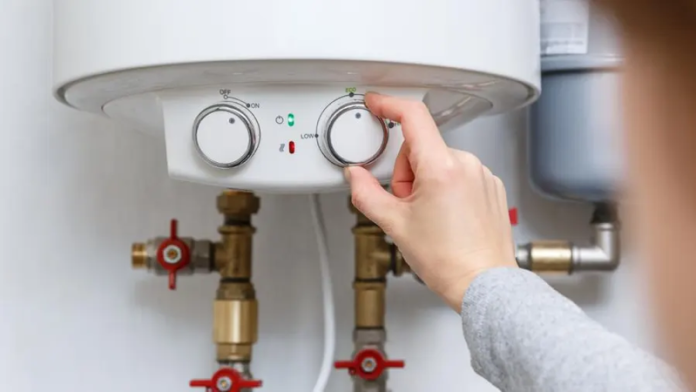
Installing a water heater is a crucial decision that can significantly impact your home’s comfort and energy efficiency. The first decision you’ll need to make is the type of water heater that suits your requirements. There are various options available, including tankless water heaters, storage tank electric: heat pump and hybrid water heaters; gas water heaters with natural gas or propane usage. Each type has its own advantages and disadvantages.

Tankless water heaters, for instance, provide hot water on demand and are energy-efficient.

Heat Pump Water Heaters use electricity to move heat from the air or ground to heat water, making them incredibly energy-efficient. They are ideal for homeowners who prioritize sustainability.

Hybrid water heaters – a relatively new addition to the market, combine the benefits of electric and heat pump technology. Delivers hot water faster than most standard electric water heaters.

Gas water heaters – is a device that utilizes natural gas or propane to heat water. The primary component of a gas water heater is the burner, which ignites the gas and transfers heat to the water in a specialized tank.

But how do you make the right choice, considering your household size, hot water usage patterns, and energy efficiency goals? United Plumbing can help you with that.

United Plumbing – is a plumbing company that has been operating in California for more than 5 years. With over 800 water heater installations annually, United Plumbing has amassed a wealth of experience and insights into what works best for homeowners. Leveraging this extensive expertise, we’re well-positioned to provide tailored recommendations to ensure optimal performance and satisfaction of the homeowners. It’s worth noting that in addition to the main factors, you should also consider the capabilities of your home. It is not always possible to install a water heater the way you want. For example, if you live in a house that has gas, then a gas water heater will be the best solution, because natural gas is often less expensive than electricity, allowing you to save on energy bills. Let’s take a look at everything you need to know before installing a water heater.

Fuel Source:

As we said earlier the homeowner is always limited in their choices, as the water heater needed will depend on what fuel source is available. Different water heaters operate on various fuel sources such as electricity, natural gas, propane, or  air-source and ground-source for heat pumps. The availability and cost of these fuel sources in your area can impact your decision.

When choosing a fuel source, you should also pay attention to the legislation of the region in which you are located. California is focusing on making changes at the household level. In September 2022, CARB voted to ban gas heaters and water heaters. The ban is set to come into effect in 2030, meaning you won’t have the option of buying one after 2030. The ban on gas heaters and water heaters is part of a broader effort to combat climate change and limit ozone levels in the atmosphere. In the quest for more energy-efficient and environmentally-friendly options, United Plumbing recommends alternative water heaters that offer distinct advantages over traditional gas water heaters: electric water heaters, heat pump and hybrid water heaters. United Plumbing experts talk in more detail about alternatives to gas water heaters on their blog.

Capacity and Size:

The size of your water heater should align with the demands of your household. A unit that is too small may struggle to meet your hot water needs, while an oversized unit can result in unnecessary energy consumption. Consider factors such as the number of occupants in your home, the number of bathrooms, and your daily hot water usage patterns. Calculate the required capacity to ensure your water heater meets your family’s demands without being overly large.

Energy Efficiency:

Energy efficiency is a critical factor in reducing utility bills and minimizing environmental impact. Check the Energy Factor (EF) rating of the water heater, which indicates its efficiency. Electric water heaters, hybrid water heaters, heat pumps, and tankless water heaters are considered energy efficient. Investing in an energy-efficient water heater may have a higher upfront cost but can result in long-term savings.

Installation Costs and Professional Assistance:

Before making a final decision, consider the upfront costs associated with the purchase and installation of the water heater. Factor in any additional costs such as plumbing modifications or electrical work.

Can I Install a Water Heater Myself?

Installing a water heater might seem straightforward for many. However, while the process isn’t overly complex, you can even do the installation according to Youtube videos. But the installation process would need a lot of time. Just because you see an installer completing the task in 2-3 hours doesn’t necessarily mean you can match their speed. Licensed companies invest thousands of hours training their plumbers to swiftly and effectively install and service water heaters. So, count on that you may need for 8-10 hours or possibly more to the installation process.

Moreover, there’s the crucial aspect of accountability to consider. If you decide to install it yourself and encounter issues such as gas or water leaks, or worse, an explosion, the responsibility and consequences would squarely rest on you. Conversely, relying on a professional licensed company shifts this burden—they assume responsibility for any malfunctions. Additionally, in the unfortunate event of an incident, insurance coverage would mitigate your losses.

Plumbing companies prioritize safety and quality assurance, ensuring that installations are executed by certified professionals, endorsed by the company itself.

By evaluating the type of water heater, fuel source, capacity, energy efficiency, and installation costs, you can make an informed decision that enhances your home’s comfort while minimizing long-term expenses. Prioritize energy efficiency and seek professional assistance to guarantee a successful and trouble-free water heater installation.

DIY or Call a Pro? A Guide to Smart Plumbing Maintenance Choices

Are you faced with a plumbing problem and asking yourself, should I DIY this? This perennial query is a shared predicament among homeowners. Arriving at the right decision can not only save your precious time and money, but it might also spare your home from further damages. This informative piece aims to dispel any confusion and serves as a detailed guide helping homeowners make calculated, smart choices about plumbing maintenance. Get ready to unravel the grey area between DIY and professional plumbing services as we delve deeper into the subject in this comprehensive article.

Understanding Basic Plumbing System

A well-functioning plumbing system is the backbone of any household, ensuring the smooth running of daily routines. It is a complex structure consisting of an interconnected network of drains, pipes, valves, and other plumbing fixtures. But don’t let its complexity intimidate you! With a minimal understanding of the system and routine check-ups, you can keep it running efficiently. Common plumbing issues range from minor niggles like leaky faucets and clogged drains to major problems such as blockages in sewer lines or water supply disruptions. Keep in mind that not all tasks demand a professional’s touch, and you can take care of some smaller issues independently.

When to DIY: Simple Plumbing Fixes

It doesn’t always require an expert to fix common household plumbing snags. A little patience, research, and the right set of tools can help you manage simple issues like leaky taps, clogged toilets, or running toilets. However, it’s essential to exercise caution and be aware of safety measures while handling these tools. It’s advisable to use protective wear like gloves and goggles, keep a first aid kit handy, and most importantly, know when it’s time to retreat and call in the experts. More than anything, embarking on a DIY plumbing journey helps unravel the technical aspects of your household infrastructure, leading to potential savings and invaluable learning. But remember, safety first! If you’re unsure, don’t hesitate to ask a professional.

When to Call a Pro: Complex Plumbing Repairs

While DIY plumbing fixes are cost-effective and educational, complex issues necessitate professional help. Problems such as persistent low water pressure, ongoing odours or noises, sewer backups, frozen pipes, water heater troubles, or any untrusted leak can be indicative of more profound plumbing disorders that a homeowner isn’t equipped to handle. Unaided attempts to repair these can lead to worsening of the issues, possibly resulting in significant repairs or replacements. Hence, these scenarios demand the experience and proficiency of a professional, licensed plumber who understands the nuances of plumbing systems. Need help? Don’t hesitate to ask a professional! It’s better to be safe than sorry and avoid costly mistakes.

Tips for Choosing the Right Plumbing Professional

Hiring a plumbing professional shouldn’t be a decision made in haste. It’s crucial to do a background check on their credentials and ascertain their level of experience. Ask for proof of their certification and proper insurance coverage to guard against any unfortunate events during the repair process. When comparing rates, ensure you consider the entire package being offered, including their expertise, the quality of materials used, and warranty. Sometimes, creating a long-term professional relationship with one plumber who understands your home’s plumbing infrastructure and history can be more beneficial than shopping around every time an issue arises. Remember, qualified professionals are worth the investment.

Preventive Measures: How to Avoid Common Plumbing Issues

Prevention is better than cure, and it holds true with your household’s plumbing system. Regular maintenance like cleaning your drains routinely, inspecting your plumbing system for any minor leaks, and keeping a watchful eye for early signs of plumbing issues can help you avoid significant headaches later. Develop plumbing-friendly habits, like operating fixtures and appliances gently, knowing where your emergency cut-off valve is, and not flushing unsuitable items down the toilet. Remember, an ounce of prevention is worth a pound of cure. Many resources are available online and in literature to help homeowners understand and undertake preventive measures. But if you need help understanding or implementing these measures, don’t hesitate to ask a professional!

Conclusion

In conclusion, smart homeowners know when to roll up their sleeves and when to call an expert. A careful balance between DIY enthusiasm and professional intervention is key to maintaining the plumbing system’s health in your home. The core foundation of these smart decisions lies in education, self-awareness, and understanding your limitations when it comes to plumbing knowledge and skills. So, need help? Don’t hesitate to ask a professional. A preventive approach – powered by regular inspections and servicing – can keep most common plumbing problems at bay. If you’ve found value in this read, why not pass it on to help others navigate their way through the complex world of plumbing maintenance choices?

Maximizing Small Spaces: Affordable Home Construction Ideas

Rising interest rates, lower house prices, and decreased home sales have dropped home renovation and construction spending from $486 billion to $457 billion in 2024. The average cost of home construction is doing its best to defy gravity, but we’ve got some pretty cool tips and tricks up our sleeves for maximizing those small spaces without draining your wallet. Our budget-friendly, space-savvy ideas make those dreams of four walls and a roof that you can call your own much simpler, no matter what budget you’re working with.

Unconventional charm with an unfinished metal cabin

Our first recommendation for budget-friendly, cozy construction offers unique aesthetics and some fantastic features that make it an affordable and practical choice. Consider a metal cabin frame with a quaint 4-foot porch log siding at the front, plenty of natural light through three 3×4 vinyl windows and plenty of opportunity for breathtaking views of the surrounding beauty.

Metal cabins are an affordable and easy way to stay comfortable year-round thanks to vapor barrier insulation providing a retreat from the elements. Unfinished Metal Cabins blend affordability with exceptional style, offering a great construction option for those working with limited space and funds. You can personalize the interior to your liking while not taking on the daunting task of outer construction.

The rising stars of compact living – tiny homes

These pint-sized dwellings have been making waves over the last decade for their affordability and sustainability benefits. What’s even more impressive is that once completed, these tiny homes boast all the amenities and interior design opportunities you’d find in their larger counterparts but with a significantly smaller ecological footprint.

The average cost to build a tiny home hovers around a modest $97,500, making it an attractive option for those looking to own a home without overspending. The average cost to buy a pre-built tiny home is even better, at a budget-friendly $45,400.

Tiny homes, typically less than 400 square feet, embody simplicity in their square or rectangular design. This minimalist approach gives them a chic and modern aesthetic and significantly reduces the materials needed for construction, translating to affordability without compromising functionality.

However, the journey to tiny living may come with its own considerations. As tiny homes are still relatively uncommon, securing a mortgage for these alternative dwellings might be challenging. Cash purchases are often the norm, requiring a bit of financial preparedness from aspiring tiny homeowners.

Innovative and sustainable living with shipping container homes

In most U.S. states, you can build a home that literally takes shape from retired shipping containers, transforming these industrial giants into cozy and stylish living spaces. What’s striking about shipping container homes is their unique appearance and the incredible cost efficiency they offer. The average cost to build one of these distinctive homes ranges from $16,500 to $44,500, providing an affordable alternative to conventional housing. If you’re alright with spending a little bit more and eyeing a pre-built option, buying a shipping container home costs between $32,000 and $61,000.

One of the major benefits of shipping container homes lies in the streamlined construction process. By repurposing retired shipping containers, you save both time and money on framing, making these homes an efficient and sustainable choice. Plus, their versatility allows for creative designs, enabling you to build anything from a compact tiny home to a spacious dwelling by combining multiple containers.

Containers generally come in 20 feet x 8 feet (160 square feet) or 40 feet x 8 feet (320 square feet). This flexibility allows for customization based on your space needs and design preferences. However, it’s worth noting that the legality of container homes varies by state. Currently, they are recognized as legal dwellings in select states, including Alaska, California, Colorado, Florida, Georgia, Louisiana, Minnesota, Missouri, New York, North Carolina, Oregon, Pennsylvania, Tennessee, Texas, and Washington, D.C. If you’re considering this unconventional living option, it’s crucial to research local regulations and restrictions.

Similar to tiny homes, obtaining a mortgage for a container home might pose a challenge. So, if you’re planning to embark on this exciting venture, be prepared to do some local research and, of course, save up some cash.

Looking for a suitable design plan?

RooHome is a home design portal with the best design plans from skilled home designers. We also have a treasure trove of articles like this one with handy information, tips and tricks to ensure your living space is as great as you deserve! Have a wander and ponder around our site to see what fun home addition you can design next.

How to Find the Best Family Lawyer in Sydney for Your Child Custody Case

If you are going through a divorce or separation, one of the most difficult and stressful issues you may face is child custody. You want to ensure that your children’s best interests are protected and that you have a fair and reasonable parenting arrangement. But how do you find the best family lawyer in Sydney to help you with your child custody case? Here are some tips and advice to guide you in your search.

What is child custody, and why do you need a family lawyer?

Child custody, also known as parenting orders, is the legal term for the arrangements that determine who the children live with, spend time with, and communicate with after a separation or divorce. Parenting orders can be made by agreement between the parents or by the court if the parents cannot agree.

A family lawyer is a specialist in family law, which includes cases involving domestic abuse, property settlement, divorce, child custody, spousal support, and will disputes. A family lawyer can help you with your child custody case by:

  • Advising you on your rights and obligations as a parent
  • Negotiating with the other parent or their lawyer to reach a parenting agreement
  • Drafting and filing the necessary documents to formalize your parenting agreement
  • Representing you in court if your case goes to trial
  • Advocating for your interests and your children’s best interests

Finding the perfect fit: What to look for in a family lawyer, Sydney

Not all child custody lawyers Sydney are created equal. Here’s what to consider:

  1. Experience: Opt for a lawyer with extensive experience handling child custody cases similar to yours. Check their website or ask for specific case examples.
  2. Expertise: Seek a lawyer specializing in family law, not a generalist. This ensures they possess in-depth knowledge of relevant laws and procedures.
  3. Communication: Choose someone who actively listens, clearly explains complex legal jargon, and readily answers your questions. You deserve to feel informed and understood.
  4. Fees and transparency: Discuss fees upfront and ensure you understand their billing structure. Ask about payment plans if needed.
  5. Personality: You’ll be working closely with this lawyer, so ensure their personality meshes well with yours. Trust and comfort are crucial.
  6. Location: Consider a lawyer conveniently located, especially if frequent meetings are anticipated.
  7. Gender preferences: Some individuals feel more comfortable with a lawyer of a specific gender.
  8. Online reviews: Read online reviews and testimonials from past clients, but remember, these are subjective opinions.

What are the benefits of hiring the best family lawyer in Sydney for your child custody case?

Hiring the best family lawyer in Sydney for your child custody case can have many benefits for you and your children, such as:

  1. Saving you time, money, and stress by helping you avoid or resolve disputes, minimize delays, and achieve a favorable outcome
  2. Protecting your rights and interests as a parent and ensuring that your children’s best interests are prioritized and respected
  3. Providing you with expert advice, guidance, and representation throughout the legal process, from negotiation to litigation
  4. Supporting you emotionally and professionally, by listening to your concerns, answering your questions, and addressing your needs
  5. Helping you move on with your life and start a new chapter with your children

How Do You Find the Best Family Lawyer in Sydney?

Start Your Search:

  • Word-of-Mouth: Ask trusted friends, family, or colleagues for recommendations. Personal referrals are often a great starting point.
  • Online Directories: Utilize online legal directories like Law Council of Australia or LawAccess NSW to find family lawyers in your area.
  • Lawyer Websites: Check out individual lawyer websites to learn about their experience, areas of practice, and testimonials.

Go Beyond the Basics:

  • Experience Counts: Look for a lawyer with extensive experience in child custody cases, particularly those similar to yours.
  • Location Matters: Consider a lawyer conveniently located to minimize travel stress during the case.
  • Communication is Key: Choose someone who actively listens, clearly explains complex legal concepts, and keeps you informed throughout the process.
  • Fees and Costs: Be upfront about your budget and discuss fee structures with potential lawyers. Transparency is key.

Don’t Be Afraid to Ask Questions:

  • Schedule Consultations: Meet with several lawyers to assess their personality, communication style, and approach to your case. This is your chance to see if they’re a good fit.
  • Ask About Their Track Record: Inquire about their success rate in similar cases and their experience with negotiation or litigation.
  • Discuss Fees and Payment Options: Get clear details about fees, payment schedules, and any additional costs you might incur.

Bonus Tip: Consider a lawyer who is an Accredited Family Law Specialist. This indicates they have undergone additional training and have demonstrated expertise in family law.

Beyond Child Custody: Your Family Law Needs Covered

While child custody is likely your primary concern, remember that family lawyers can assist with various other legal matters, including:

  • Property Settlement after Separation: Navigating the division of assets and debts during divorce.
  • Will Disputes: Challenging the validity of a will or contesting its terms.
  • Wills and Estate Planning: Creating a will and ensuring your wishes are respected after your passing.

Conclusion

Remember, finding the “best” family lawyer is subjective. Prioritize experience, communication, and a clear understanding of your specific needs. You’ll be able to handle the legal system with assurance if you follow these pointers and take a proactive stance, knowing that you’ve selected the best shark to defend your personal interests and the future of your kids. Now go forth, Sydney-sider, and conquer those legal waves!

Renting Mobile Hydraulic Platforms: Your Sky-High Guide to Getting the Job Done Right

So, you’ve got a project that requires reaching new heights, figuratively and literally. Maybe you’re painting the eaves of your house, trimming towering trees, or installing intricate Christmas lights. Whatever the task, it demands elevation – and that’s where mobile hydraulic platforms come in. But before you start scaling new heights, here’s a comprehensive guide to renting these powerful pieces of equipment:

What are Mobile Hydraulic Platforms (MHPs)?

Think of MHPs as your temporary genie in a bottle, granting wishes of reaching seemingly impossible heights. These platforms, also known as boom lifts, scissor lifts, or manlifts, come in various shapes and sizes, each offering unique advantages. Boom lifts extend horizontally like an arm, providing access to hard-to-reach areas. Scissor lifts, on the other hand, rise straight up, perfect for vertical tasks.

Why Rent?

Unless you’re a professional contractor with frequent high-reaching needs, purchasing an MHP is an impractical expense. Renting offers numerous benefits:

  1. Cost-effective: Renting avoids the hefty upfront investment and ongoing maintenance expenses of owning.
  2. Variety: Access a diverse range of platforms to suit your specific project requirements.
  3. Flexibility: Rent for the exact duration you need, from a few hours to weeks.
  4. No storage hassles: Eliminate the burden of finding and maintaining storage space for the equipment.

What to consider before you rent

Project specifics:

  1. Working height: How high do you need to reach? Different platforms offer varying heights, so knowing your specific requirement is crucial.
  2. Reach: Do you need to extend horizontally as well as vertically? Boom lifts offer greater reach, while scissor lifts are ideal for straight-up access.
  3. Weight capacity: What weight will the platform be carrying (people, tools, materials)? Exceeding the capacity is a safety hazard and can damage the platform.
  4. Terrain: Are you working on uneven ground? Some platforms have better stability and maneuverability on rough terrain.

Your skills and experience:

  1. Have you operated a mobile hydraulic platform before? If not, consider seeking training or opting for a platform with simpler controls.
  2. Are you comfortable working at heights? If not, additional safety measures like harnesses or guardrails might be necessary.

 Regulations and permits:

  1. Check local regulations: Some areas require specific licenses or permits for operating mobile hydraulic platforms.
  2. Insurance: Ensure both you and the rental company have adequate insurance coverage.

Safety First:

Operating an MHP requires training and awareness. Here are some safety essentials:

  • Get certified: Most reputable rental companies require operators to have valid MHP certifications.
  • Inspect the platform: Before use, thoroughly inspect for any damage or malfunction.
  • Follow regulations: Familiarize yourself with and adhere to all safety regulations specific to your region.
  • Use fall protection: Always wear a harness and secured lifeline when working on the platform.

Beyond MHPs: Your Complete Access Solution:

MHPs are just one piece of the access equipment puzzle. Depending on your project, you might also need:

  1. Trailer rentals: Transport your MHP and materials easily with car trailers, box trailers, or hire trailers.
  2. Nail guns & post hole borers: Tackle construction projects efficiently.
  3. Compressors & water blasters: Power through cleaning and demolition tasks.
  4. Metal detectors: Unearth hidden treasures or locate buried utilities safely.
  5. Floor sanders & trenchers: For professional-grade home improvement projects.

Where to rent mobile hydraulic platforms

Equipment rental companies:

These companies specialize in renting various construction and access equipment, including mobile hydraulic platforms.

They offer a wide range of options and can provide expert advice on choosing the right platform.

Online rental platforms:

Several online platforms connect renters with equipment owners, including mobile hydraulic platforms.

Compare prices and options from different providers before booking.

Tool rental stores:

Some tool rental stores might offer a limited selection of mobile hydraulic platforms for smaller projects.

What to ask the rental company

Specific platform details: Make sure the platform meets your project requirements (height, reach, capacity).

  1. Safety features: Inquire about the platform’s safety features like emergency stop buttons, overload protection, and guardrails.
  2. Delivery and setup: Ask about delivery fees and if the company offers setup assistance.
  3. Training: If you’re a first-time user, inquire about training options or instructional materials.
  4. Insurance and damage: Understand the insurance coverage and your liability in case of damage.

Bonus tips for a smooth rental experience

  1. Book well in advance: Popular platforms get booked quickly, especially during peak seasons.
  2. Inspect the platform before use: Check for any damage or malfunctioning components.
  3. Follow safety instructions: Always wear appropriate safety gear and adhere to the manufacturer’s guidelines.
  4. Never exceed the platform’s capacity or working height.
  5. Be aware of your surroundings: Watch out for overhead obstacles and power lines.
  6. Don’t operate the platform under the influence of drugs or alcohol.

In summary

Renting mobile hydraulic platforms opens up a world of possibilities, allowing you to tackle projects that would otherwise be impossible. By following these tips and prioritizing safety, you can ensure your project is a success, reaching new heights with confidence and ease.

Roborock Australia: Where to Buy, Deals, and Exclusive Offers

Let’s face it, vacuuming sucks. It’s time-consuming, tedious, and let’s be honest, not exactly the highlight of anyone’s week. But what if there was a way to banish that chore forever? Enter Roborock Australia, your one-stop shop for intelligent robot vacuums and mops that do the dirty work for you.

But where do you even start? Worry not, fellow clean-loving friend because this guide is here to navigate you through the wonderful world of Roborock Australia. We’ll cover where to buy, score sweet deals, and unlock exclusive offers, leaving you with more time for Netflix marathons (or whatever your jam is).

Where to Buy Roborock in Australia:

  • Roborock Australia Official Website: This is your home base for all things Roborock. Browse the latest models, compare features, and snag exclusive offers directly from the source. Plus, you get free shipping and a 12-month warranty for extra peace of mind.
  • Major Retailers: Looking for instant gratification? Roborock vacuums are also available at major retailers like Roborock Online, JB Hi-Fi, Harvey Norman, and The Good Guys. Check their websites or stores for current deals and promotions.
  • Online Marketplaces: Platforms like Amazon Australia and eBay sometimes offer Roborock models, but be cautious of unauthorized sellers. Stick to reputable sources for genuine products and warranties.

Hot Deals and Steals:

Let’s talk savings! Roborock Australia regularly blesses us with fantastic deals and promotions. Keep an eye out for:

  • Seasonal Sales: Black Friday, Cyber Monday, and End-of-Year sales are prime times to score discounts on popular models like the Roborock S8+ and Q8 Max+.
  • Flash Sales: Keep an eye on the Roborock website and social media for surprise flash sales offering limited-time discounts.
  • Bundle Deals: Sometimes, Roborock bundles a robot vacuum with accessories like extra brushes or mopping pads at a discounted price. It’s a win-win!

Unlocking Exclusive Offers:

Want to feel like a VIP? Sign up for the Roborock Australia newsletter and become a member of their loyalty program. You’ll get access to:

  • Early access to new products and sales: Be the first to know about the latest innovations and snag exclusive deals before everyone else.
  • Birthday surprises: Roborock remembers your special day with a little something extra just for you.
  • Reward points: Earn points with every purchase, then redeem them for discounts or free accessories.

Beyond Price: What Else to Consider:

  • Warranty and Support: When buying a Roborock, prioritize good warranty coverage and easily accessible customer support. Compare warranty lengths and terms offered by different retailers.
  • Product Availability: Some models might be temporarily out of stock at certain retailers. Check if your preferred model is readily available before rushing to check out.
  • Read Reviews and Comparisons: Don’t underestimate the power of online reviews and comparisons! Research user experiences and expert opinions to make an informed decision about which Roborock model best suits your needs and budget.

Which Roborock robot vacuum should I choose?

Roborock offers a wide range of robot vacuums that cater to different needs and preferences. Here are some of the best and most popular Roborock models that you can choose from:

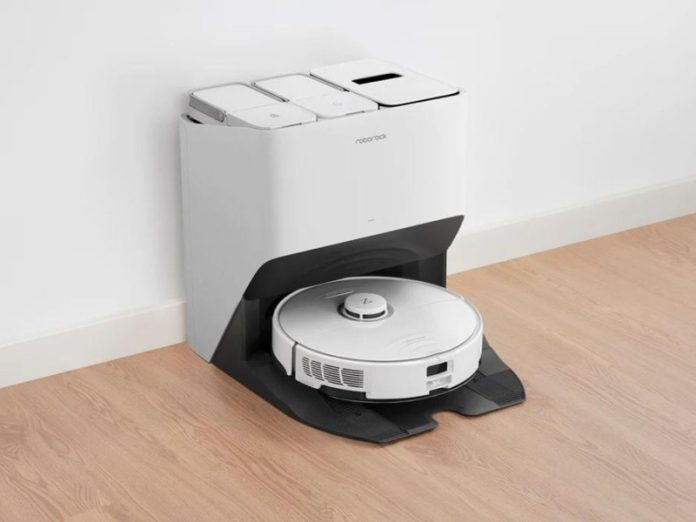
  1. Roborock S8 MaxV Ultra: This is the latest and most advanced model from Roborock, and it features a stunning 3000Pa of suction, a 5200mAh battery, a 470ml dustbin, a 300ml water tank, and a 3D obstacle avoidance system. It also has a LiDAR navigation system, a multi-level mapping system, a carpet boost function, and a RockDock self-emptying base. This model is ideal for large and complex homes with multiple floors, carpets, and pets.
  2. Roborock S8 Plus: This is a slightly cheaper version of the S8 MaxV Ultra, and it offers the same features, except for the 3D obstacle avoidance system and the RockDock self-emptying base. This model is suitable for medium to large homes with multiple floors, carpets, and pets.
  3. Roborock S8: This is the basic version of the S8 series, and it has a lower suction power of 2500Pa, a smaller battery of 4200mAh, a smaller dustbin of 420ml, and a smaller water tank of 240ml. It also lacks the 3D obstacle avoidance system and the RockDock self-emptying base. However, it still has the LiDAR navigation system, the multi-level mapping system, and the carpet boost function. This model is good for small to medium homes with one or two floors, carpets, and pets.
  4. Roborock Q Revo: This is a unique and innovative model from Roborock, and it features a dual-brush system, a 2700Pa suction power, a 5200mAh battery, a 460ml dustbin, a 300ml water tank, and a self-cleaning brush. It also has a camera navigation system, a single-level mapping system, a carpet boost function, and a RockDock self-emptying base. This model is perfect for small to medium homes with one floor, carpets, and pets.
  5. Roborock Q8 Max+ Plus: This is another variant of the Q Revo, and it provides the same features, except for the self-cleaning brush. This model is also great for small to medium homes with one floor, carpets, and pets.

In summary

Finding the perfect Roborock is all about research, comparison, and taking advantage of deals and offers. With this guide as your roadmap, you’re well on your way to a cleaner, more effortless home! So, dust off your expectations and embrace the Roborock revolution!

Expert Insights: Navigate Your Dream Bathroom Remodel Sydney-Style (Without the Remodel Regrets!)

Ah, the allure of a Sydney bathroom renovation! Transforming that dated, cramped space into a spa-like haven sounds like pure bliss. But amidst the Pinterest inspiration and HGTV marathons, lurking dangers threaten to turn your dream bathroom into a budget-busting nightmare. Fear not, fellow renovator! I, your friendly neighborhood bathroom reno expert, am here to unveil the most common mistakes to avoid and guide you towards a smooth, successful project.

Planning Pitfalls & Solutions:

1. Skipping the Design Stage: Mistake Solved!

Don’t wing it! Invest in professional bathroom design Sydney. It’s an investment that saves you money eventually by:

  • Preventing costly mistakes: Imagine ordering the wrong bathtub or having awkward plumbing placements? A designer ensures functionality and avoids costly redos.
  • Maximizing your space: Designers know clever tricks to make even the tiniest bathroom feel spacious and luxurious.
  • Bringing your vision to life: They translate your dream aesthetics into reality, considering everything from tile patterns to lighting schemes.

2. Ignoring Functionality: Let’s Be Practical!

Marble floors might look divine, but are they practical for a family with muddy shoes? Prioritize functionality alongside aesthetics:

  • Opt for durable materials: Porcelain tiles are easier to clean and less slippery than marble, perfect for high-traffic zones.
  • Consider family needs: Install grab bars for elderly parents or non-slip mats for toddlers.
  • Think storage solutions: Built-in cabinets or vanities keep clutter hidden and maintain a clean aesthetic.

3. Underestimating Permits & Approvals: Don’t Get Caught Off Guard!

Sydney takes bathroom renovations seriously. Ignoring permits leads to delays and hefty fines. Here’s how to stay compliant:

  • Consult a reputable bathroom builder Sydney or certifier early on. They handle the permit maze for you.
  • Research the specific requirements: Sydney City Council provides clear guidelines online.
  • Factor permit costs into your budget: Don’t be surprised by unexpected fees.

Budgeting Blunders & Fixes:

  1. Setting an Unrealistic Budget: Dream Big, Budget Smart!

Five-star hotel bathroom on a shoestring budget? Not likely. Instead:

  • Research average bathroom renovations Sydney costs: Get a realistic picture of what your desired features cost.
  • Include hidden expenses: Factor in plumbing upgrades, unexpected demolition costs, and waste disposal fees.
  • Allocate a contingency fund: 10-15% of your budget covers unforeseen circumstances.

2. Neglecting Quality over Price: Invest Wisely!

The allure of cheap materials and contractors is strong, but remember:

  • Low-quality products wear out faster: Cheap faucets leak, and flimsy tiles crack, leading to expensive replacements.
  • Reputable bathroom builders in Sydney use quality materials and skilled labor, saving you money eventually.
  • Ask for references and check online reviews: See what past clients have to say about the builder’s quality and workmanship.

3. Forgetting About Post-Reno Costs: Consider the Long Haul!

The renovation ends, but the story doesn’t. Remember:

  • Cleaning supplies: Invest in specialized grout cleaners and mildew preventatives.
  • Regular maintenance: Keep fixtures clean and drains unclogged to avoid problems later.
  • Contingency fund for future repairs: Appliances wear out, so be prepared.

Design Dilemmas & Clever Solutions:

1. Ignoring Space Constraints: Make Every Inch Count!

That jacuzzi might be your dream, but in a tiny bathroom, it’ll render the space unusable. Instead:

  • Work with experienced bathroom design Sydney professionals: They specialize in maximizing small spaces.
  • Opt for clever space-saving solutions: Walk-in showers, wall-mounted vanities, and mirrored cabinets create the illusion of more space.
  • Choose multifunctional furniture: Ottomans with storage or shower caddies with shelves help declutter and utilize space efficiently.

2. Poor Lighting Layout: Brighten Up Your Bathroom!

Dim lighting creates a gloomy atmosphere. Plan a layered lighting scheme:

  • Task lighting: Bright lights near mirrors for shaving and applying makeup.
  • Ambient lighting: Soft overhead lighting for general use.
  • Accent lighting: Under-cabinet lights or recessed spotlights for a touch of drama.

Contractor Conundrums & Solutions: Choose Wisely, Renovate Smoothly!

1. Failing to Research Contractors: Due Diligence is Key!

  • Don’t just pick the first name on Google! Research potential bathroom builders Sydney thoroughly:
  • Check licenses and certifications: Ensure they hold valid licenses and relevant certifications for your project.
  • Verify insurance: Make sure they have adequate liability and workers’ compensation insurance.
  • Read online reviews: See what past clients have to say about their experience, communication, and workmanship.
  • Request references: Contact past clients to get firsthand accounts of their work.

2. Ignoring Contracts: Protect Yourself with Paperwork!

A clear, detailed contract is essential for a smooth renovation and protects both parties:

  • Ensure it outlines the scope of work: This includes specific details like materials, fixtures, demolition work, and timeline.
  • Get the expected timeline in writing: This helps manage expectations and hold the contractor accountable.
  • Specify materials used: Don’t settle for “similar” materials – list exact brands and models.
  • Clarify payment schedule: Outline payment stages based on completed milestones, not upfront lump sums.
  • Include warranty terms: Know what’s covered and for how long.

3. Poor Communication: Talk it Out!

Communication is the lifeblood of any successful project:

  • Maintain open communication with your contractor: Schedule regular meetings to discuss progress, address concerns, and ask questions.
  • Don’t hesitate to voice your concerns: If something feels off, speak up! A good contractor will address your concerns promptly.
  • Be available and responsive: Timely communication from both sides helps avoid delays and misunderstandings.

Bonus Tip: Trust your gut! If something feels off about a contractor, walk away. Remember, a successful bathroom renovation in Sydney hinges on choosing the right professionals and avoiding these common pitfalls. Now, go forth and create your dream bathroom with confidence!

Conclusion

By following these expert insights and conducting thorough research, you can navigate the exciting world of bathroom renovations in Sydney with ease and transform your bathroom into a functional, beautiful sanctuary you’ll enjoy for years to come.

Remember, a successful bathroom renovation is a journey, not just a destination. By planning meticulously, choosing the right professionals, and avoiding these common pitfalls, you can turn your dream bathroom into a reality. So, grab your mood board, take a deep breath, and get ready to embark on this exciting adventure!

Segway and Ninebot: Pioneering the Future of Electric Mobility with Cutting-Edge Scooters

Remember those futuristic two-wheeled contraptions gliding effortlessly in sci-fi flicks? Well, the future is now, and Segway and Ninebot are leading the charge with their innovative electric scooters, redefining urban mobility one smooth ride at a time. But before we delve into their electrifying line-up, let’s rewind a bit.

What is segway?

It is a two-wheeled, self-balancing personal transporter  created by Dean Kamen. Initially it was released as the Segway HT in 2001, it was later rebranded as the Segway PT. The initials HT and PT stand for “human transporter” and “personal transporter,” respectively. Segway, founded in 1999, started with their iconic self-balancing scooter. While initially met with futuristic hype, they faced challenges in mainstream adoption. However, their commitment to innovation and sustainability never wavered.

What is Ninebot?

A group of Chinese businesspeople came together in 2012 with the goal of starting Ninebot, a firm that makes eco-friendly and intelligent short-distance transportation equipment. Ninebot began as a producer of self-balancing unicycles, but in 2015 it quickly bought Segway, combining their resources and experience to form a strategic collaboration.

Why Electric? The Power of Wheels, Recharged

Electric mobility isn’t just a trendy gadget; it’s a paradigm shift driven by a potent cocktail of benefits:

  1. Environmental Champion: Ditch the gas guzzlers and their tailpipe emissions! Electric vehicles run clean, contributing to cleaner air and combating climate change. A study by the International Council on Clean Transportation found that electric scooters, compared to cars, can reduce greenhouse gas emissions by a whopping 84%. Imagine the impact if millions made the switch!
  2. Traffic Slayer: Stuck in gridlock? Leave the frustration behind! Electric scooters and e-bikes navigate congested cities effortlessly, allowing you to zip past traffic jams and reclaim your precious time. Research by McKinsey & Company shows that e-scooters can reduce urban congestion by up to 20%, making commutes smoother and cities more livable.
  3. Pocket-Friendly: Ditch the expensive car payments and fuel costs! Electric scooters require minimal maintenance and offer significantly lower running costs compared to traditional vehicles. A study by the University of California, Los Angeles, found that the average operating cost of an electric scooter per mile is just 5 cents, compared to 14 cents for a car.
  4. Health Hero: Get your daily dose of movement without breaking a sweat! Electric scooters and e-bikes encourage physical activity, leading to improved health and well-being. A study by the University of Westminster found that e-scooter riders report increased levels of physical activity and reduced reliance on cars.
  5. Urban Explorer: Unlock hidden corners and navigate bustling streets with ease! Electric vehicles offer a flexible and fun way to explore your city, allowing you to reach destinations inaccessible by car or public transport. A survey by Lime, a micromobility company, found that 78% of users ride their scooters to explore their cities and neighborhoods.
  6. Boosting Efficiency: Forget circling parking lots! Studies by the National Center for Sustainable Transportation show that electric scooters can improve parking space utilization by as much as 80%. Imagine the impact on crowded cityscapes!
  7. Noise Nullification: Say goodbye to urban roar! Electric vehicles operate silently, reducing noise pollution and creating a more peaceful environment. A study by the World Health Organization estimates that noise pollution contributes to over 1 million premature deaths globally each year. Imagine the lives saved with quieter streets!
  8. Social Connector: Forget isolation! Electric scooters and e-bikes encourage exploration and community interaction. A survey by the National Association of City Transportation Officials found that 72% of e-scooter riders reported increased engagement with their local communities. Imagine fostering closer connections with your city and its people!
  9. Economic Spark: Forget stagnation! Electric mobility creates jobs in manufacturing, charging infrastructure, and shared mobility services. A study by Frost & Sullivan predicts that the global electric micromobility market will reach a staggering $51.1 billion by 2025. Imagine the economic opportunities blooming!
  10. Urban Revitalization: Forget dead zones! Electric mobility can revitalize underutilized spaces by creating dedicated lanes and charging stations. A study by the Urban Land Institute found that e-scooters can increase foot traffic in previously neglected areas by up to 30%. Imagine transforming forgotten corners into vibrant hubs!

Segway and Ninebot: Your Electrifying Gateway

Now, prepare to be amazed by Segway and Ninebot’s diverse electric vehicle fleet:

For the Undaunted Adventurer

  • Segway GT1/Ninebot SuperScooter GT1: Conquer unpaved paths and cityscapes with this powerful off-road beast. Its rugged design, long-range battery, and lightning-fast acceleration will leave you breathless.
  • Segway Ninebot SuperScooter GT2: Experience unparalleled speed with this adrenaline-pumping machine, capable of reaching 70 km/h. It’s the ultimate ride for thrill seekers who crave the wind in their hair.

For the Urban Navigator

  • Segway MAX G2: Glide through city streets in style and comfort with this premium scooter. Its smooth ride, extended range, and smart features like app connectivity and cruise control make it perfect for daily commutes.
  • Ninebot KickScooter E2/Segway Ninebot E2 scooters: Lightweight and foldable, these scooters are ideal for quick errands and short commutes. Their affordability and user-friendliness make them a popular choice for city dwellers.

For the Joyful Tribe

  • Segway Kids Scooters: Introduce your little ones to the joys of electric mobility with safe and age-appropriate scooters. They’ll have a blast exploring while learning eco-conscious habits.

Beyond Scooters

Segway Ninebot offer a diverse range of electric mobility solutions, including e-bikes, self-balancing robots, and even innovative personal transportation devices. Whether you’re a daily commuter, weekend adventurer, or fun-seeking family, they have something to electrify your life.

Australia’s Electric Charge

Australian cities are buzzing with the excitement of electric mobility, with Sydney, Melbourne, and Brisbane leading the pack. Segway Australia and Ninebot Australia offer their innovative lineup, making it easier than ever to join the eco-friendly revolution.

The Future, Electrified and Empowered

Segway Ninebot are constantly pushing boundaries, developing cutting-edge technology and sleek designs. Their commitment to sustainability, affordability, and user experience makes them key players in shaping the future of transportation. So, hop on, embrace the electric wave, and experience the freedom, fun, and unforeseen benefits of sustainable mobility!

25 Inspirational Ideas for Using Room Corners

roohome.com – Don’t just leave a corner of the room empty. Make good use of the corner of the room, whether it is a comfortable place to relax or something beautiful and visually supportive. Pay attention to the little things in the corners of the room, starting from accessories, furniture, and color choices. A complete overhaul is not always needed here. You can also do easy little touches. Even though it seems trivial, the right decoration can drastically change the corner of a room. So, these are 25 inspirational ideas for using room corners that you can use as a reference.

1. Minimalist Boho Style

ideas for using room corners
Cc: Pinterest

If the boho style usually seems full of colors and patterns, but not with this idea. The corner of the room really has a minimalist impression. The arch black mirror is the main item that decorates the corner of the room. Curved lines give softness there. Placing it right in the corner of the room covers the stiff lines that are there, thereby creating a room with a soft appearance. It also has a wide effect on the room.

The Boho style in this idea relies more on textures to beautify the appearance, such as rattan tatami, white rugs with interesting textures, and throw pillows on the bench. With maximum natural lighting, the texture looks deeper there.

2. Tranquility Workspace

using room corners as cozy places
Cc: Pinterest

The minimalist workspace design uses white as the main color to create a natural bright appearance. This color makes the room neutral so that the natural brown color and texture of the wood material are clearly visible there, bringing warmth and calm.

To maintain a minimalist concept in the corner of the room, the floating wall shelf chosen is also white so that it looks like the wall. Another white color is also found in the books and the vase on the floating wall shelves.

A touch of yellow light decorates the corner of the room very well. Besides warming, it also creates calm in the workspace.

3. Full of Freshness

fresh room corners
Cc: Pinterest

The corner of the room looks natural with the fresh green color of the plants. There are several types of indoor plants that decorate the corners of the room, some are dark green and light green so they look very attractive. Beauty also depends on the differences in leaf shape and size of the plants.

Large plants are deliberately placed in the corner of the room to cover the perpendicular lines there. And, small plants fill the sides.

The corner of the room adjacent to the window is the right area for the plants. Light entering through the window will directly hit the plants. This is great for keeping plants fresh.

4. Feel Cozy with Bean Bag

bean bag
Cc: Pinterest

The size of the room is not an obstacle in decorating the corner area. The corner of the room is still used as a comfortable place to relax. Indeed, this idea avoids the use of large furniture. Instead of using a chair, a bean bag is much more appropriate. Using bean bags will give a tall effect to the walls and make a small room feel more spacious.

Just playing with neutral colors is enough to beautify the corner of the room. The accessories weren’t excessive, there were only pampas grass, wool blankets, throw pillows, some magazines, and candles.

5. A Simple Decorative Area

decorative room corners
Cc: Pinterest

The corner of a small room becomes a decorative area which adds to the aesthetic value of the room. There are 5 levels of shelves with different decorations for each level. The lowest level has quite large decorations. And, as you get to the top level, the size of the decoration gets smaller.

The small plant was chosen as decoration on the top level. The green color manages to give a fresh feel to the corner of this small room.

6. A Cozy Relaxing Place

using room corners ideas
Cc: Pinterest

The distance between the floor and the window in the corner of the room is so thin that it is impossible to use furniture with legs. However, this is not an obstacle to making the corner of the room feel comfortable. The chair or lounge is replaced with a soft seat cushion. Put down the rug to make it warmer. The throw pillows are decorations that also add to the comfort of this relaxing place.

In the window area, there are pile books which also function as a small table. Right next to it, there is a small plant. The presence of a natural green color is enough to liven up the appearance and reduce stiffness in the corners of the room.

7. Get A Warmth in The Corner of The Room

tips in using room corners
Cc: Pinterest

The corner of the room with the window is a great area for reading. Natural light really helps to make the eyes comfortable when reading the words in books. However, in winter, cold air often enters through the gap in the window. Therefore, maintaining warmth in the reading nook is a must.

Add a blanket to the cozy chair. This is also a decoration to enhance the corner room. So, choose a blanket with warm colors. Replace the light bulb on the floor lamp with a yellow one. Yellow lighting is best for creating a warm feel. Expand warmth with the candles.

8. Mini Library

mini library
Cc: Pinterest

An empty corner of the room can be turned into a mini library. Built-in shelves save more space in the reading nook so it does not make it seem cramped or small. There is a bench as a place to read. With soft seat cushions and throw pillows, it becomes cozier.

Fill the bookshelf with the books. However, between the books, place some accessories to make the corner of the room look attractive. Clocks, small pictures or paintings, small globes, and small plants are the right decorations to fill these gaps.

9. Good Hiding Place

ideas in using room corners
Cc: Pinterest

There is an arch on the window bench as if creating a hiding place in the house. Especially if you install curtains there. The bench with the soft seat cushion becomes so comfortable. The throw pillows have a great pattern with a touch of green which creates a fresh feel at a glance. The black sconces on the wall have yellow lighting, highlighting the warm and calm feel there.

The built-in shelves are focused as a decorative area. But, the decoration is done minimally to maintain calm. Also, this method will not give a full effect in the corners of the room.

10. Comfortable Painting Place

using corner rooms tips
Cc: Pinterest

If painting is your hobby, then this idea is perfect for you to choose. When painting, we need calm to be able to focus. Apart from that, beauty or aesthetic value is also necessary here. A beautiful room will feel more comfortable. In fact, this can create inspiration when painting.

There are no decorations on the windows so it is easier to enjoy the beautiful views outside the house. Natural light also enters freely, bringing warmth and tranquility.

The white color, dominant wood, and maximum natural lighting create a natural corner of the room. So, to maintain the natural concept and nuance, plants are the right decorations.

11. Small Mudroom

small mudroom
Cc: Pinterest

The corner of the room in the first room when entering the house becomes a neat and clean mudroom. The clean appearance comes from white as the main color. Also, the wall area is decorated minimally. There are only three wooden wall hangers to hang bags. The side is a decorative area with an oval mirror, a pile of books, a candle stick, and a small plant.

There are two storage areas in the mudroom, one is open-storage and another one is closed-storage. The open-storage is a place to store shoes. Clean shoes with a neat arrangement increase the aesthetic value of the mudroom.

12. Add The Coziest Chair

cozy chair
Cc: Pinterest

Add the coziest chair is the next of 25 Inspirational Ideas for Using Room Corners. Even though the chair faces away from the window, it does not block the natural lighting. The rattan chair maintains the natural feel of the room. Beside it, there are plants as decoration. The wicker pot looks harmonious with this chair.

The seat cushion and throw pillows are the same color to maintain simplicity in the corner of the room. Beauty depends only on the play of textures. The wooden wall, white wicker rug, wicker pots, throw pillows, and curtains provide interesting texture there.

13. Dark Reading Nook

dark reading nook
Cc: Pinterest

The calm of the attic is used as a reading nook. Reading in this room will be much more focused. With large windows and benches facing the window, you can enjoy the view very well.

Large undecorated windows allow natural light to work well in illuminating the attic. So, even though the attic looks dark, the attic room does not feel cramped and stuffy. In fact, black produces more calm. The calm and warmth feel even clearer with the yellow lighting leading towards the chair.

14. Hanging The Swing Chair

swing chair
Cc: Pinterest

The corner of the room is made more interesting and different by using a swing chair. The light brown color looks bright thanks to the dominant white color. Also assisted by maximum natural lighting. To maintain a minimalist impression in the corner of the room, use the white sheepskin rug for the swing chair. It is a decoration that will enhance the corner room yet make the swing chair cozier. And, this becomes the next of 25 Inspirational Ideas for Using Room Corners you can choose from.

15. Comfortable Place to Fill Your Free Time

tips and tricks in using room corners
Cc: Pinterest

If you are someone who fills your free time by playing music, then this idea will be suitable for you. The corner of the room is the most comfortable place for you to express your hobbies. Simple and effortless decoration is very easy for you to follow.

There is no heavy furniture in the corners of the room. Just put down the rug as a relaxing area. There are no expensive decorations either. The beauty of the corner of the room only depends on the string light and the floor lamp. There is a plant on the side of the room that brings another color to the corner of the room nicely. The green color changes the corner of the room to a fresh natural feel.

16. Pretty Natural Bookshelf

bookshelf
Cc: Pinterest

There is a tree trunk in the corner of the room which creates an attractive natural impression. There are three levels of shelves to store books. The books are only on the sides of the walls, not covering the tree trunks. So, the tree trunk can still be seen clearly there.

From the visible decoration, the corner of the room is clearly used as a reading nook. There is a chair and a floor lamp. The yellow lighting there seems to help the natural brown color of the tree trunks radiate warmth. The texture of the tree itself still looks original.

17. A Small Tent For Kids

kid tent
Cc: Pinterest

The next of 25 Inspirational Ideas for Using Room Corners is a small tent for kids. The small tent was set up in the playroom. The color of the tent itself adapts to the interior so that harmony in the appearance of the room is well maintained. There are no decorations on the tent to maintain a minimalist concept. The tent is only made comfortable with a seat cushion and the throw pillows. Even though it seems very simple, natural light is quite helpful in enhancing the appearance of the corner of the room. Natural light brings to life the colors there.

18. Vintage Reading Nook Design

vintage reading nook
Cc: Pinterest

The vintage style features a gently worn look. The atmosphere created is certainly warm and calm, even though the reading nook is far from minimalist. The white wooden wall displays neat horizontal lines. With sconces on the wall, the texture of the wooden wall looks more clear.

The throw pillows have a soft vintage pattern that enlivens the corner of the room well. Other soft colors are also available on the curtains. The soft pink brings a slight feminine impression there.

19. Cozy Bathtub

using room corners tricks
Cc: Pinterest

The tranquility of the bathroom is put to good use. The corner of the room is filled with a bathtub. There are two windows without frames that picture the view very well. So, you can enjoy the beautiful view while soaking in warm water in the bathtub.

This bathroom carries a natural warm feel with white as the main color. This color successfully neutralizes the appearance of the bathroom. So, the wood and rattan materials managed to stand out there. Instead of using green plants that disturb the concept of the room, this idea prefers to use pampas grass. Use a glass vase to show the pampas grass stems.

20. Femine Corner Room

feminine room corners
Cc: Pinterest

The light pink sofa gives a feminine touch to the corner of the room. There is also a white love-shaped pillow which is quite eye-catching, and also emphasizes the feminine look in the corner of the room. With white as the main color that neutralizes the room, the colors and soft lines on the sofa can be seen very clearly.

It would be great to keep the corner of the room minimalist so that the eye will only focus on the pretty pink sofa. But, so that the corner of the room doesn’t seem stiff and boring, pink painting is the right option. On the other wall, simply hang polygon shelves and fill them with small plants.

21. Meditation Place

meditation place
Cc: Pinterest

The corner of the room can also be a quiet place to meditate. With large plants in the corner of the room, a fresh feel is created very well. It is also an effective trick for covering dark and cramped corners so that the room feels more spacious and brighter.

Maintain calm by keeping the walls blank. Just focus on the items you need. Put down the white rug as a base and provide a warm feeling. Use throw pillows and seat cushions as a comfortable seat. Candles can be made neater by using a wooden tray.

22. Attractive Old Ladder

ladder
Cc: Pinterest

Don’t throw away your old ladder. You can use this item as decoration for the corner of the room. The old ladder has a special texture and color that makes it look attractive. This item becomes great for the rustic room design.

Make the ladder more charming with a little touch. Place the vines there. The green color will add a fresh, natural impression to the corner of the room. You can also use the ladder as a place to put blankets. But, if you use this item for the bathroom, use the ladder as a place to put towels.

23. Hanging The Hammock

hammock
Cc: Pinterest

Make the corner of the room look interesting and different by using a hammock. But, make sure first that the wall is strong enough to hang this item. Relaxing in a hammock is much more comfortable. Moreover, there are additional decorations in the form of pillows and blankets.

As the main item in the corner of the room, the hammock no longer needs additional decoration. With pillows and blankets, it already feels cozy. So, if you want to make the corner of the room more attractive, then focus on other decorations such as plants in the corner area, the bookshelf on the side of the room, and simple wall decorations.

24. Reading Nook for Kids

cozy way in using room corners
Cc: Pinterest

You can make the corner of the kid’s room a comfortable reading place. Do not use high chairs to ensure child safety. Make it safe by relying on the seat cushion. You can choose one with a simple but attractive pattern. Make the reading nook more inviting by adding some dolls.

Use the wall area as a place to store children’s books. This is much better than using a bookshelf which will take up more space in the small corner of the room. Also, add a plant to visually refresh the room.

25. Small Dining Area

small dining area
Cc: Pinterest

A small dining area is the last of 25 Inspirational Ideas for Using Room Corners. To make good use of space, avoid using dining chairs. Replace the dining chairs with an L-shaped bench. A round table is the right type of table for this corner dining area. It does not block the space. The curved lines soften the rigid perpendicular lines in the corners of the room.

Keep the dining area simple so it doesn’t look full. Just use a throw pillow with a simple pattern, small flowers for the middle of the dining table, and a simple pendant lamp.

Final Words

Make the most of the corner of the room, whether it’s an interesting area or a comfortable place to relax. Pay attention to the decoration of the corner of the room, starting from color, texture, layout, accessories, and concept. There is no need to do complicated decorations such as repainting the walls or installing wall panels. Simple decorations, if done correctly, can also provide drastic changes.

10 Ways to Revamp Your House for a Sale

In the competitive Tampa real estate market, selling your home goes beyond simply listing it for sale. The key to attracting potential buyers and securing a swift sale at a desirable price lies in strategically revamping your property. This article delves into effective ways to enhance your home’s appeal and functionality, ensuring it stands out in a crowded market. From exterior improvements that capture attention to interior updates that make every room shine, these practical tips will prepare your home for a successful sale.

1. Enhance Curb Appeal

The exterior of your home serves as the first impression, making curb appeal enhancements crucial. Simple yet impactful changes can transform your property’s appearance and set a welcoming tone. Start with a fresh coat of paint on the front door, using a color that complements the house’s exterior while adding a pop of interest. Next, ensure the landscape is meticulously maintained; trimmed bushes, a well-manicured lawn, and vibrant flower beds invite buyers to envision themselves enjoying the outdoor space. Lastly, installing outdoor lighting improves safety and also showcases your home’s architecture and landscaping, elevating its appeal during evening viewings.

2. Declutter and Depersonalize

Creating an inviting, neutral space is essential for helping potential buyers picture themselves in your home. Decluttering and depersonalizing are key steps in this process. Removing personal items, such as family photos, keepsakes, and personalized decorations, helps create a blank canvas for buyers. Additionally, decluttering spaces by removing excess furniture and belongings opens up the rooms, making them appear larger and more inviting.

3. Upgrade Your Bathroom

Bathrooms can significantly influence buyers’ decisions, making them a priority in your home revamp plan. Upgrading your bathroom doesn’t always require a complete overhaul; sometimes, consulting with Tampa bathroom remodeling experts can offer targeted improvements that make a big impact. Whether it’s updating fixtures, adding modern lighting, or installing a new vanity, professional input can transform your bathroom into a standout feature. A well-executed bathroom remodel increases your home’s value as well as its appeal to prospective buyers, making it a wise investment in the competitive Tampa market.

4. Refresh the Kitchen

The kitchen plays a pivotal role in attracting buyers. Refreshing this space can significantly enhance your home’s marketability. Consider cost-effective updates like repainting cabinets in modern hues, replacing outdated hardware, or installing new countertops to breathe new life into the kitchen. These updates can modernize the space without the need for a full-scale renovation, making your kitchen a focal point that resonates with buyers.

5. Repaint Walls with Neutral Tones

A fresh coat of paint can do wonders for the interior of your home. Choosing neutral tones for walls can brighten up spaces, making them feel larger and more welcoming. Neutral colors offer a versatile backdrop that complements a variety of furnishings and decorations, allowing potential buyers to easily envision personalizing the space. This simple update can refresh your home’s interior, making it more appealing to a broad audience of buyers.

6. Update Lighting Fixtures

Lighting plays a critical role in defining the ambiance of your home. Outdated or insufficient lighting can detract from your home’s appeal, while modern, energy-efficient fixtures can highlight its best features and create a warm, inviting atmosphere. Consider replacing old fixtures with contemporary designs that reflect the latest trends in home décor. Additionally, incorporating LED lighting can improve the energy efficiency of your home, a selling point for today’s environmentally conscious buyers. Upgrading lighting fixtures is a relatively inexpensive way to make a significant impact on your home’s overall aesthetic and appeal.

7. Invest in Minor Repairs

Minor repairs might seem insignificant, but they can leave a lasting impression on potential buyers. A dripping tap, a squeaky door, or a crack in the wall could suggest to buyers that the home has been poorly maintained, potentially leading them to question what other issues may lurk beneath the surface. Tackling these small repairs before listing your home demonstrates attention to detail and care in maintaining the property. This helps in building trust with potential buyers and also in smoothing the path towards a sale, as buyers are more inclined to make an offer on a home that appears well-cared-for and move-in ready.

8. Stage Your Home

Staging is not just about making a home look beautiful; it’s about selling a lifestyle. Professionally staged homes often sell faster and for higher prices because they help buyers visualize themselves living in the space. Staging can range from simple steps like rearranging furniture to maximize space and flow, to more comprehensive measures like renting modern furniture and decor to appeal to current trends. The goal is to highlight your home’s strengths, downplay its weaknesses, and make it appealing to the broadest audience possible. By creating an inviting atmosphere that buyers can connect with emotionally, staging can make your home stand out in the market.

9. Enhance Flooring

Floors are literally the foundation upon which the interior design of a home is built, and they can make or break a buyer’s first impression. Worn, outdated, or damaged flooring can detract from your home’s overall appeal, while clean, modern flooring can significantly enhance it. Depending on your budget and the condition of your existing floors, options might include deep cleaning carpets, refinishing hardwood floors, or installing new vinyl or laminate flooring. Such improvements can refresh your home’s look and feel, making it more attractive to potential buyers.

10. Maximize Storage Space

Storage space is a high priority for many home buyers, especially in markets where families are looking for room to grow. Demonstrating that your home can comfortably house everything a buyer owns is crucial. Organize and declutter closets, pantries, and garage spaces to show off their capacity and functionality. Simple additions like shelving units, closet organizers, or even just neatly arranged items can significantly impact how spacious and accommodating your home appears. Highlighting these features can make your property more appealing to potential buyers who are looking for a practical and spacious living environment.

Conclusion

In the competitive Tampa real estate market, revamping your home for sale is about more than just making it look nice. It’s about strategically enhancing your property to appeal to the widest range of potential buyers. From the practicality of minor repairs to the allure of staged rooms, each improvement contributes to a cohesive strategy designed to showcase your home at its best. By investing time and effort into these key areas, you set the stage for a successful sale, ensuring your home not only attracts attention but also commands the best possible price.

Recent Posts

Posts You Might Like