
Home Blog Page 89

How Buying RTA Cabinets Leads to Massive Savings

If you’re thinking about upgrading your kitchen or bathroom, you may have come across the term “RTA cabinets” and been curious about what it means. Well, wonder no more! In this article, we’ll dive into the world of RTA cabinets and explore how they can transform your budget. Whether you’re an experienced DIY enthusiast or just want to save money, we’ll explain why RTA cabinets are the top choice for budget-conscious homeowners.

What are RTA Cabinets and Are They Any Good?

RTA cabinets, also known as Ready-to-Assemble cabinets, are a favored choice for both homeowners and contractors. They are delivered to you unassembled and packed flat, making it convenient for you to put them together. Despite any doubts about their quality and durability, rest assured that RTA cabinets are an excellent choice for your remodeling project.

Typically made from high-quality materials like solid wood or plywood, RTA cabinets offer strength and longevity. Many manufacturers prioritize quality by using the same materials found in traditional pre-assembled cabinets. These cabinets also undergo strict quality control checks to meet industry standards.

One significant advantage of RTA cabinets is their affordability. By eliminating labor costs associated with pre-assembled cabinets, you can substantially reduce the overall price. Additionally, assembling the cabinets yourself allows you to have more control over the final result and take pride in your DIY accomplishment.

Do RTA Cabinets Save Money?
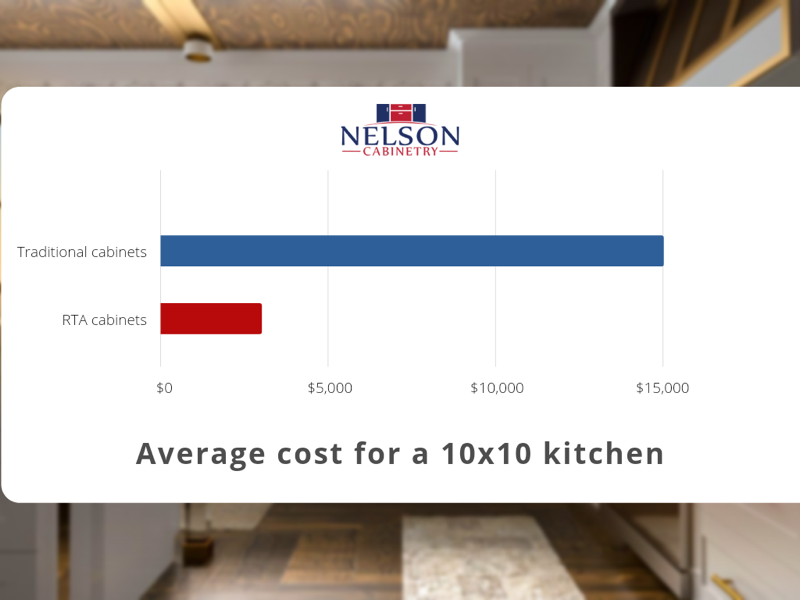
RTA cabinets are well-known for their cost-saving benefits in comparison to pre-assembled cabinets. Here’s why:

  • Affordable upfront pricing: RTA cabinets are typically priced much lower than fully assembled cabinets. By eliminating assembly and installation labor costs, manufacturers can offer high-quality cabinets at a fraction of the cost.
  • Reduced shipping expenses: RTA cabinets are shipped in compact flat-pack boxes, which result in lower shipping costs due to their reduced weight and space requirements. This is especially advantageous when purchasing cabinets online or from distant suppliers as it can lead to significant savings.
  • Do-it-yourself installation: As RTA cabinets are assembled by homeowners themselves, there’s no need to hire professional installers, which can be a major expense. Detailed instructions and included hardware make it possible to achieve professional-looking results without incurring additional costs.
  • Avoiding contractor markup: When buying pre-assembled cabinets, contractors often add a markup to cover sourcing, handling, and installation. By choosing RTA cabinets, you can bypass this additional cost, allowing you to keep more money in your pocket.
  • Customization flexibility: RTA cabinets offer a wide selection of styles, finishes, and sizes, providing the freedom to create a customized look for your space. This is in contrast to pre-assembled cabinets, which may limit your choices and potentially come at a premium price.

What is the Downside of RTA Cabinets?
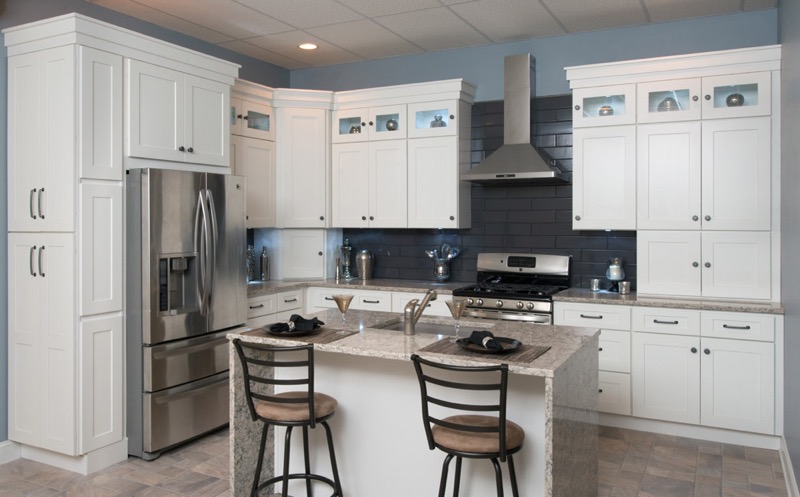
RTA cabinets have numerous advantages, but it’s crucial to weigh the drawbacks when deciding on your remodeling project. One potential downside is the assembly process, which demands time, patience, and basic DIY skills. If you’re pressed for time or unsure of your abilities, assembling RTA cabinets can be time-consuming and challenging. It’s vital to diligently follow the instructions and allocate ample time for assembly to ensure optimal outcomes.

Another factor to consider is the need for tools and equipment. Depending on the specific RTA cabinet brand or model, you may require basic tools like a screwdriver, drill, or hammer to complete the assembly. If you don’t already possess these tools, you should account for the additional cost of purchasing or borrowing them.

Furthermore, RTA kitchen cabinets may not offer the same level of customization options as custom-built cabinets. While there’s a wide range of styles and finishes available for RTA cabinets, you may encounter limitations with unique designs or specific dimensions. If you have distinct design requirements or seek highly specialized cabinetry, RTA cabinets may not fully cater to your needs.

Lastly, although RTA cabinets are crafted from high-quality materials, some individuals may question their durability compared to pre-assembled cabinets. While RTA cabinets can be sturdy and long-lasting, it’s crucial to select a reputable manufacturer and carefully inspect the materials and construction before making a purchase.

Final Thoughts

To sum up, RTA cabinets offer an appealing chance to save money without compromising quality in your kitchen or bathroom remodel. While there are factors to consider, such as the assembly process, required tools, limited customization options, and potential durability concerns, the cost savings and flexibility provided by RTA cabinets outweigh these drawbacks for numerous homeowners.

By adopting a DIY approach and carefully selecting reputable manufacturers, you can achieve remarkable results while keeping thousands of dollars in your pocket. So, if you’re seeking to revamp your space on a budget, RTA cabinets are certainly worth exploring. Embrace the affordability and embark on the journey of creating your ideal kitchen or bathroom with RTA cabinets.
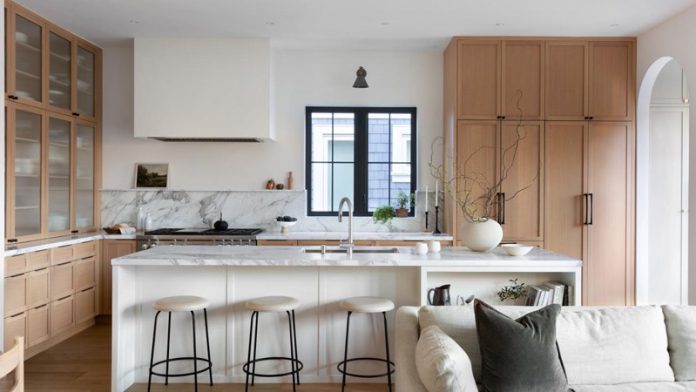

Natural Wood Kitchen Cabinets: Embrace Elegance and Sustainability

In today’s fast-paced world, the heart of any home, the kitchen, is not just a place to cook meals but a space where families gather and memories are made. A key component that defines the ambiance and style of any kitchen is the cabinetry, and natural wood kitchen cabinets have been gaining immense popularity for their unique charm and eco-friendliness.

In this article, we will explore the beauty and benefits of these cabinets, delve into the various types available, discuss design trends, and offer guidance on how to choose the perfect wood for your kitchen.

The Beauty of Natural Wood Kitchen Cabinets

Advantages of Natural Wood

One of the most compelling reasons to choose natural wood cabinets is their timeless appeal. The inherent warmth and natural textures of wood create a welcoming atmosphere that simply cannot be replicated with synthetic materials. Additionally, natural wood is exceptionally durable and can withstand the wear and tear of a busy kitchen, making it a wise long-term investment.

Sustainable and Eco-Friendly Option

As concerns for the environment grow, natural wood kitchen cabinets offer a sustainable choice. Sourced responsibly, these cabinets support responsible forestry practices and contribute to a healthier planet. Choosing cabinets made from sustainably harvested wood ensures that you play a part in conserving our forests for future generations.

Types of Natural Wood Kitchen Cabinets

Oak Cabinets

Oak cabinets are known for their strength and prominent grain patterns. They are available in a range of colors, from light to dark, making them a versatile choice for various kitchen styles.

Maple Cabinets

Maple cabinets feature a smooth and uniform texture, providing a clean and sophisticated look. They can be stained to mimic other wood types, making them a budget-friendly alternative.

Cherry Cabinets

Cherry wood boasts a rich, reddish-brown hue that deepens over time. Its distinctive grain patterns give cherry cabinets a luxurious appearance, ideal for traditional and classic kitchen designs.

Walnut Cabinets

Walnut cabinets exude elegance and sophistication with their dark chocolate color and attractive swirls. Their unique character makes them a statement piece in any kitchen.

Hickory Cabinets

Hickory cabinets showcase a rustic charm with their contrasting light and dark streaks. They are highly durable and can add a touch of country-style coziness to your kitchen.

Choosing the Right Wood for Your Kitchen

When selecting natural wood kitchen cabinets, several factors need consideration to ensure you make the right choice for your space.

Durability and Strength

Assess your kitchen’s usage patterns and opt for a wood type that can withstand the demands of your lifestyle. Oak and hickory are excellent choices for busy households, while cherry and walnut are better suited for less hectic environments.

Grain and Color

Each wood type has its unique grain patterns and color variations. Consider which wood complements your kitchen’s overall theme and aesthetics.

Cost Considerations

Wood types vary in price, so it’s essential to balance your budget with the desired look and quality. Keep in mind that natural wood kitchen cabinets are a long-term investment, adding value to your home.

Design Trends and Styles

The beauty of natural wood kitchen cabinets lies in their versatility, allowing them to blend seamlessly with various design styles.

Modern and Minimalist

Pairing natural wood cabinets with clean lines and sleek hardware creates a contemporary kitchen that exudes sophistication and simplicity.

Rustic and Traditional

For those who appreciate a more traditional and cozy feel, combining wood cabinets with vintage-inspired fixtures and textured elements can achieve the desired rustic charm.

Transitional Designs

A fusion of modern and classic, transitional kitchens combine elements of both styles, making natural wood cabinets a perfect fit.

Caring for Natural Wood Kitchen Cabinets

To preserve the beauty and longevity of your natural wood cabinets, proper care and maintenance are crucial.

Cleaning and Maintenance Tips

Use a mild soap solution and a soft cloth to clean the cabinets regularly. Avoid abrasive cleaners and harsh chemicals that could damage the wood’s finish.

Avoiding Common Mistakes

Protect the cabinets from excessive moisture, direct sunlight, and extreme temperatures. Also, refrain from using sharp objects or harsh tools that may scratch the wood surface.

Combining Natural Wood with Other Materials

To create a truly unique kitchen, consider blending natural wood with other materials.

Mixing with Metal Accents

Introduce metal accents such as handles, knobs, and faucets to add a touch of modernity and create a harmonious balance between rustic and contemporary elements.

Blending with Stone Countertops

Pairing natural wood cabinets with granite or marble countertops adds elegance and texture to the kitchen, enhancing its overall visual appeal.

Pros and Cons of Natural Wood Kitchen Cabinets

As with any kitchen cabinetry material, natural wood has its own set of pros and cons.

Pros

  • Timeless beauty and warmth
  • Durability and long-lasting appeal
  • Eco-friendly and sustainable option

Cons

  • Requires regular maintenance
  • May be more expensive than some synthetic alternatives

Environmental Impact and Sustainability

Responsible sourcing of wood is paramount in preserving our forests and minimizing our ecological footprint.

Forest Stewardship Council (FSC) Certification

Look for natural wood kitchen cabinets with FSC certification, indicating that they are sourced from responsibly managed forests.

Renewable Resources

By choosing natural wood cabinets, you support the growth of renewable resources and contribute to a greener planet.

DIY or Professional Installation?

Deciding between a DIY installation and hiring professionals depends on several factors.

Challenges of DIY Installation

Installing kitchen cabinets can be a complex task, requiring specific skills and tools. DIY installations may lead to mistakes that could impact the functionality and aesthetics of your cabinets.

Benefits of Professional Installation

Hiring professionals ensures precise measurements, proper installation, and a seamless fit, guaranteeing a flawless end result.

Conclusion

Natural wood kitchen cabinets are a captivating choice for any home, offering a perfect blend of aesthetics, durability, and eco-friendliness. Their timeless beauty, warmth, and versatility make them an excellent investment that adds value and charm to your kitchen space.

When selecting the perfect wood for your kitchen cabinets, consider the type of wood that best suits your lifestyle and design preferences. Oak and hickory are ideal for busy households, while cherry and walnut lend an air of sophistication to more traditional settings. Maple offers a smooth and clean look, making it a great option for modern kitchens.

Now, as you embark on this exciting journey to create your dream kitchen, remember that natural wood kitchen cabinets offer a perfect blend of elegance, functionality, and eco-consciousness. Enjoy the warmth and charm they bring to your home, and relish the joy of cooking and gathering in a space that truly reflects your taste and values.

FAQs (Frequently Asked Questions)

  • Q: Are natural wood kitchen cabinets more expensive than other materials?
    • A: While natural wood cabinets may have a higher upfront cost than some synthetic alternatives, their durability and timeless appeal make them a worthwhile long-term investment.
  • Q: How often should I clean and maintain my natural wood kitchen cabinets?
    • A: Regularly clean the cabinets with a mild soap solution to remove dirt and grease. Avoid harsh chemicals and abrasive cleaners that could damage the wood’s finish.
  • Q: Can I install natural wood kitchen cabinets on my own?
    • A: DIY installation is possible, but it can be challenging and may require specific skills and tools. Hiring professionals ensures a precise fit and flawless installation.
  • Q: Which wood type is the most eco-friendly choice?
    • A: Look for natural wood kitchen cabinets with Forest Stewardship Council (FSC) certification, indicating responsibly sourced wood from well-managed forests.
  • Q: Can I combine natural wood cabinets with a modern kitchen design?
    • A: Absolutely! Natural wood cabinets can be easily integrated into modern kitchen designs, creating a harmonious blend of classic warmth and contemporary elegance.

Custom Closets and Cabinetry: Tailored Storage for Your Unique Lifestyle

One of the most neglected aspects of house organization is the storage space provided by closets and cabinets. Few people realize how much easier life can be with well-planned storage spaces in their homes. There are many ways in which custom closets and cabinetry may enhance your house, both practically and aesthetically.

In this in-depth essay, we’ll explore how bespoke storage solutions may improve your life in many ways, from making better use of your living area to increasing the value of your home. Let’s delve in and find out what makes bespoke cabinets and closets such a huge deal for any home.

Custom closets and cabinetry service of Guilin Cabinets offer a unique look that can be tailored to your home’s aesthetic. They also allow for maximum storage and organizational efficiency, since you can design the exact space you need. Additionally, this type of cabinetry is often more durable and longer-lasting than traditional cabinetry. Custom closets and cabinetry come with a plethora of advantages that cater to the specific needs of your home. Let’s explore these benefits in detail:

Maximizing Space Utilization

You can easily customize your closet and cabinetry to fit into your space seamlessly. With custom storage solutions, you can have precisely measured shelves, hanging rods, and drawers to accommodate your belongings efficiently. They optimize every inch of your closets and cabinetry, making sure no space is wasted. For instance, you can add slanted shelves to the sides of your closet to make use of the space near the ceiling or add a jewelry drawer for your accessories.

Tailored to Your Lifestyle

A one-size-fits-all approach to storage is not always effective, especially when it comes to storage. In order to meet your specific needs, custom closets and cabinets are tailored to your lifestyle, preferences, and habits. Whether you need to add a shoe rack, extra hanging space, or hidden compartments, you can create a custom solution tailored to your unique needs.

A custom solution is the key to making the most of your storage space, ensuring everything is exactly where you need it, when you need it. Professional organizers can help you create a custom closet or cabinet tailored to your needs. They can also provide you with advice and tips to make the most of your space and keep your storage organized. Additionally, custom closets and cabinets can also add value to your home. Visit us if you need a professional service

Easy Maintenance

There are many reasons why custom storage solutions are considered the best in terms of durability, longevity, and design. Using high-quality materials and expert craftsmanship, we ensure that your closets and cabinets will withstand daily wear and tear, requiring little maintenance over time. However, one potential downside to custom storage solutions is the cost.

Depending on the size and scope of the project, custom storage solutions can be significantly more expensive than off-the-shelf options. For example, a custom-built walk-in closet with integrated shelving and drawers may cost upwards of $10,000, while a similar-sized pre-assembled closet can cost as little as $1,500.

Eco-Friendly Options

With eco-friendly and sustainable materials, it is possible to create custom closets and cabinetry for your home that will contribute to a greener, cleaner environment. Not only will this help you create a beautiful home, but it will also reduce your carbon footprint and support the future of our planet.

Some might argue that using eco-friendly and sustainable materials to create custom closets and cabinetry is more expensive than using traditional materials. While it is true that sustainable materials may have a higher initial cost, they often last longer and require less maintenance, which can save you money in the long run.

FAQs

Are custom closets and cabinetry expensive?

Custom storage solutions can vary in price, depending on the materials, features, and complexity of the design. While they may have a higher initial cost than pre-made options, the benefits and value they bring to your home often justify the investment.

How long does it take to install custom closets and cabinetry?

The installation timeline for custom closets and cabinetry can vary based on the size and complexity of the project. Typically, it can take a few weeks from the initial consultation to the final installation.

Can I make changes to my custom closets and cabinetry in the future?

Yes, one of the advantages of custom solutions is their flexibility. You can make adjustments or additions to your storage system as your needs change over time.

Are custom closets and cabinetry eco-friendly?

Many custom storage companies offer eco-friendly options, such as sustainable materials and environmentally conscious manufacturing processes.

Do custom closets and cabinetry come with warranties?

Yes, reputable custom storage providers often offer warranties to ensure customer satisfaction and protect against any manufacturing defects.

Can custom closets add value to my home if I plan to sell it in the future?

Absolutely! Well-designed custom closets and cabinetry can significantly enhance your home’s appeal and resale value, making it a more attractive option for potential buyers.

Conclusion

Putting money on customized storage solutions for your house will pay benefits for years to come. The benefits of custom storage solutions extend far beyond the obvious ones of increased efficiency and aesthetic satisfaction. The benefits may be seen in every facet of your life, from better usage of available space to lower stress levels. Therefore, bespoke closets and cabinetry are beneficial if you want to maximize your house and improve your quality of life. Invest in the long-term value of your home by installing bespoke storage solutions.

On the other hand, some people may not have the budget to invest in custom storage solutions. In this case, DIY storage solutions or cheaper, off-the-shelf options may be a better fit. It is also important to consider whether you will actually use the storage solutions you install – if you are likely to move house in the near future, for example, it may not be worth the investment.

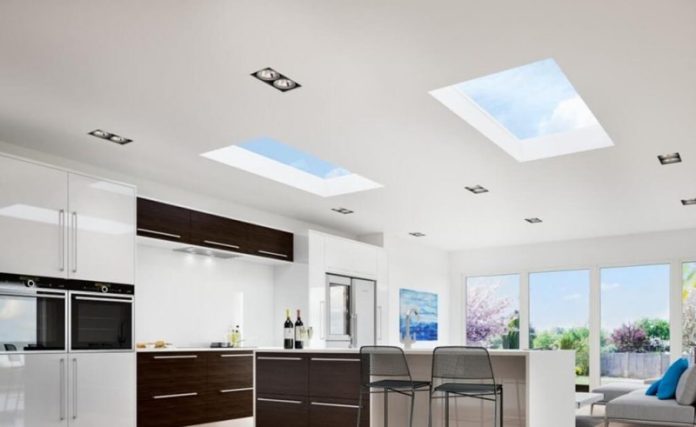
Why Choose Rooflights for Flat Roofs Help to Create an Open and Airy Living Room?

When it comes to designing a living room that exudes an open and airy atmosphere, one architectural feature that stands out is the installation of RoofLights for flat roofs. Rooflights have become increasingly popular in contemporary homes due to their ability to fill interior spaces with natural light and create a sense of spaciousness. In this blog post, we will explore why selecting skylights for flat roofs is an excellent way to convert your living room into a bright and welcoming area.

Flat roof skylights act as roof windows that allow a copious amount of daylight to enter your living room. By choosing skylights, you can enjoy a well-lit living room all day, reducing the need for artificial lighting and saving energy.  Whether you have a small or large living space, skylights can make a significant difference in transforming it into a bright and open sanctuary.

Join us as we explore the advantages of choosing skylights for flat roofs and discover how they can enhance the overall aesthetic appeal and atmosphere of your living room.

Abundant Amount of Sun Light

Rooflights for Flat Roofs provide a distinctive benefit when it comes to the entry of natural light. As they are directly mounted onto the roof, they do away with the limitations of conventional windows and optimize the possibility of sunlight flooding the living area. This copious amount of natural light creates a feeling of spaciousness and openness, adding to the overall ambiance of the room.

The friendly and invigorating characteristics of natural light produce a hospitable atmosphere, rendering the living area a cozy and pleasant place to spend time in. Moreover, the uniform distribution of sunlight throughout the space removes harsh shadows and decreases the requirement for artificial illumination during the daytime, thereby augmenting the open and breezy atmosphere of the living area.

Enhanced Sense of Space

The tactical arrangement of skylights on a level roof can bring about a significant change in how big a living room appears. By introducing sunlight from above, skylights generate an impression of tallness and depth, thus giving the impression of a more extensive and open space. This is particularly beneficial for compact living rooms, as it maximizes the space available and produces a breezy and welcoming atmosphere. The inflow of natural light via skylights not only amplifies the general mood but also creates a feeling of vastness, making the living room a more comfortable and pleasant setting for unwinding and socializing. 

Diffused and Balanced Lightning

Skylights are essential in constructing a well-lit and appealing living room by delivering a scattered lighting effect. Unlike conventional windows that may cause intense glare and irregular shadows, skylights enable natural light to enter the area at a gentle angle, resulting in a gentle and harmonious radiance. This scattered lighting effect evenly disperses the sunlight throughout the living room, removing strong contrasts and producing a comfortable and welcoming environment.

The absence of intense glare and shadows boosts the visual attraction of the space, making it more enjoyable for various activities like reading, entertaining guests, or simply unwinding. The gentle and harmonious lighting provided by skylights fosters a feeling of peacefulness and serenity, transforming the living room into an inviting sanctuary where one can relax and recharge. Whether it’s a sunny or cloudy day, the scattered natural light flowing through the skylights ensures a cozy and pleasant atmosphere that can be relished throughout the day.

Customizable Design

Skylights for level roofs present a wide range of design alternatives, accommodating various architectural styles and individual preferences. Regardless of whether your living area boasts a modern and sleek look or radiates a more traditional appeal, there are skylight options that blend seamlessly with your desired ambiance.

The adaptable nature of these skylights allows for effortless integration into the flat roof, producing a visually pleasing feature that enhances the overall appearance and atmosphere of the space. With choices ranging from modern and simplistic designs to intricate and classic styles, skylights become captivating focal points that add character and charm to your living area, elevating its aesthetic to new levels. The combination of practicality and design flexibility makes skylights a perfect choice for Easy Maintenance creating a spacious and breezy living area that perfectly mirrors your style.

How Much Should You Pay For Tree Removal in Pennsylvania?

If you’re a homeowner in Pennsylvania, you might face the question: “How much does it cost to remove a tree?” Tree removal costs can vary widely based on several factors, including the size of the tree, its location, and the complexity of the removal process. In this article, we’ll break down Pennsylvania’s average tree removal cost, discuss the factors determining the cost, and provide insights into when you should consider hiring a professional arborist.

What Is the Average Cost to Remove a Tree in Pennsylvania?

The average cost to remove a tree in Pennsylvania typically ranges from $200 to $2,000. Small trees 20 feet or less cost around $200 to $500 to clear. Medium-sized trees, ranging from 20 to 60 feet in height, can have removal costs between $500 and $1,000. Large trees towering above 60 feet may require expenditures ranging from $1,000 to $2,000 or even higher.

However, it’s important to note that these are just general estimates. The actual cost can vary significantly based on additional factors crucial in tree removal pricing.

Factors That Determine the Cost of Tree Removal

Several key factors influence the cost of tree removal in Pennsylvania:

  1. Size and Height: Larger trees typically require more labor, equipment, and removal time. The height and diameter of the tree play a significant role in determining the overall cost.
  2. Location: If the tree is located in a hard-to-reach area or close to structures, power lines, or other obstacles, the removal process becomes more complex, affecting the cost.
  3. Tree Condition: A healthy tree might be easier to remove than a decaying, diseased, or infested tree. Hazardous trees require more careful and strategic removal techniques.
  4. Type of Tree: Different tree species have varying wood density and branching structures. Trees with more complicated wood or intricate branching might necessitate more effort and resources to remove.
  5. Stump Removal: Removing the stump and its root system is an additional service that can impact the total cost.

When Is It Safe To Cut Down a Tree Myself?

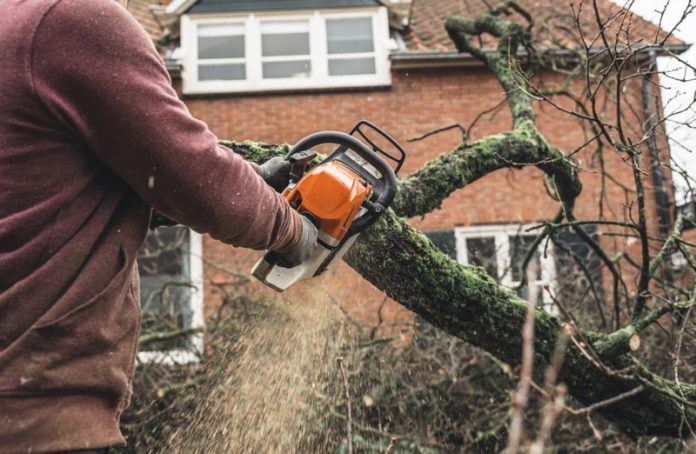
While saving costs by cutting down a tree might be tempting, it’s essential to recognize that removal can be hazardous. Trees near structures, power lines, or those with complex branching patterns can pose significant risks. For your safety and the safety of your property, it’s recommended to hire a professional arborist for such tasks.

Additional Tree Services

Cost of Stump Grinding: Ensuring Safety and Aesthetics

Stump grinding is a standard tree service that involves removing the remnants of a tree stump after it has been cut down. Beyond the aesthetics, stump grinding is essential for preventing trip hazards, unwanted new growth, and potential infestations of pests. The cost of stump grinding in Pennsylvania can vary based on factors such as the size of the stump, its location, and accessibility.

On average, small stumps can cost around $75 to $150 to grind, while larger stumps can range from $150 to $400 or more. It’s important to remember that the cost may also depend on the depth to which the stump needs to be ground, as deeper grinding is often required for planting new trees in the same area.

Cost of Cabling: Ensuring Structural Integrity

Tree cabling involves the installation of cables and braces to support trees with weak or compromised branches. This service helps prevent the risk of branches breaking and falling, especially during severe weather conditions. The cost of cabling can vary depending on factors such as the number of branches to be cabled and the complexity of the installation.

The average cost of cabling a tree in Pennsylvania can range from $200 to $1,000 or more. The type of hardware used, the height of the tree, and the number of cables required all contribute to the overall cost.

Tree Pruning: Promoting Health and Aesthetics

Tree pruning is essential for maintaining the health and aesthetics of your trees. Regular pruning removes dead or diseased branches, improves air circulation, and encourages healthy growth. The cost of tree pruning in Pennsylvania depends on factors such as the size of the tree, the complexity of the pruning required, and the height of the branches.

You can pay around $100 to $300 for smaller trees for pruning. Larger trees may require more extensive work and range from $300 to $1,000.

Plant Healthcare: Investing in Tree Health

Plant healthcare involves preventive measures and treatments to keep trees healthy and protected from diseases and pests. This proactive approach helps maintain the vitality and longevity of your trees. The cost of plant healthcare services in Pennsylvania can vary based on factors such as the type of treatment needed, the size of the tree, and the overall condition of the tree.

Routine plant healthcare treatments can range from $100 to $500 per year per tree. Investing in plant healthcare is a proactive way to avoid costly treatments for disease or pest infestations down the line.

Emergency Tree Removal: Ensuring Safety During Crises

Emergency tree removal becomes necessary when a tree poses an immediate threat due to storm damage, disease, or hazardous growth. This service is essential for ensuring your property’s and its occupants’ safety. The cost of emergency tree removal in Pennsylvania can vary widely based on the removal’s complexity, the tree’s size, and the situation’s urgency.

Emergency tree removal costs can range from $500 to $1,500. It’s crucial to prioritize safety and act promptly in emergencies to prevent further damage.

Why Use a (Certified) Arborist for Tree Removal?

Certified arborists are trained professionals with expertise in tree care and maintenance. They possess the knowledge and equipment required to safely and effectively remove trees. Hiring a certified arborist ensures that the tree removal follows industry best practices and safety standards.

Certified Arborists in Pennsylvania

When searching for a certified arborist in Pennsylvania, consider customer reviews, years in business, and the number of employees. Here are some reputable options:

  1. Strobert Tree Services (Best Overall) Address: 458 Swamp Pike, Schwenksville, PA 19473
  2. Beyond The Leaf Tree and Shrub Experts Address: 333 Layfield Rd, Perkiomenville, PA 18074
  3. Willow Tree & Landscaping Services Address: 411 S Warminster Rd, Hatboro, PA 19040
  4. The Davey Tree Expert Company Address: 131 E Church Rd, King of Prussia, PA 19406
  5. Monster Tree Service of Bucks and Montgomery Counties Serves Bucks County, PA

When selecting a tree removal service, ensure they provide a detailed estimate and explain the removal process thoroughly. Always prioritize safety and expertise when it comes to tree removal.

Final Thoughts

The tree removal cost in Pennsylvania varies based on factors such as tree size, location, and condition. While cutting down a tree, yourself might be tempting, hiring a certified arborist is recommended to ensure safety and proper removal. Consider factors like customer reviews and years in business when selecting a tree removal service

Sagging and Sore: 5 Clear Signs It’s Time to Replace Your Mattress

Have you ever woken up feeling more tired and sore than when you went to bed? It might be time to take a closer look at your old, faithful mattress. You see, a good night’s sleep is not just a luxury; it’s essential for our overall health and well-being. But sometimes, that once-comfortable mattress can turn into a sleep saboteur, leaving us feeling sagging and sore instead of rested and ready to take on the day. In this article, I’m here to guide you through the signs that it’s time to bid adieu to your old mattress and welcome a new one into your life.

The Lifespan of a Mattress

Now, I’ll be the first to admit that I’ve had my share of mattresses that have overstayed their welcome. It wasn’t until I met the folks from 606 Junk, who came to dispose of my old mattress last time, that I learned an eye-opening piece of advice. They shared that most mattresses have a limited lifespan, usually around 7 to 10 years. So, if you’ve been cuddling up to your mattress for more than a decade, it’s probably time to part ways.

But don’t worry; there are ways to extend the life of your mattress. Regularly flipping and rotating it can help even out wear and tear. Also, investing in a quality mattress protector can shield it from spills, stains, and allergens, which we’ll talk about later.

Sign 1: Noticeable Sagging

Picture this: you climb into bed, hoping for a cozy night’s sleep, only to find yourself rolling into a valley in the middle of your mattress. That, my friends, is the dreaded sagging effect. It happens when the inner support of your mattress starts to break down over time, causing a visible dip in the surface.

So, how do you know if your mattress is sagging? Here’s a quick test: place a tennis ball on your bed, and if it rolls toward the center, your mattress might be on its last legs.

Sign 2: Body Aches and Pains

Ever wake up with a stiff neck or a sore back? Your old mattress might be the culprit. An unsupportive mattress can wreak havoc on your spinal alignment, leading to those unwelcome aches and pains.

Think about it: we spend about a third of our lives sleeping, so it’s crucial to invest in a mattress that properly supports our bodies. If you find yourself waking up feeling like you wrestled with a sumo wrestler all night, it’s time to consider an upgrade.

Sign 3: Sleep Disturbances

How well you sleep can be directly linked to the quality of your mattress. If you’re tossing and turning all night, unable to find a comfortable position, it’s likely your mattress is causing sleep disturbances.

Your bed should be a sanctuary of rest, not a battleground for a good night’s sleep. If you’re constantly fighting to find a peaceful slumber, it’s time to assess whether your mattress is to blame.

Sign 4: Allergies and Hygiene Concerns

Now, let’s talk about those microscopic uninvited guests that might have taken up residence in your mattress: allergens and dust mites. Over time, mattresses can accumulate these pesky allergens, which can trigger allergies and respiratory issues.

To maintain a healthy sleep environment, consider investing in a hypoallergenic mattress or use a mattress protector to keep allergens at bay. Regularly cleaning your mattress can also help keep it fresh and hygienic.

Sign 5: No Longer Providing Restful Sleep

We all change over time, and so do our sleep needs. Maybe you used to prefer a firm mattress, but now you find yourself yearning for something softer and more luxurious. Or perhaps your partner’s sleep preferences don’t align with yours, causing nighttime discomfort.

Listen to what your body and mind are telling you. If your mattress is no longer giving you the restful sleep you need and crave, it’s time to explore the vast world of new mattresses.

How to Choose a New Mattress

When venturing into the mattress store (or browsing online), keep a few things in mind. Consider your preferred mattress type, firmness level, and the materials used. Don’t be shy to test different options and read reviews to gather valuable insights from others’ experiences. And hey, don’t hesitate to ask for professional guidance to find your perfect match.

Mattress Care and Maintenance Tips

Once you’ve found the mattress of your dreams, make sure to give it the love and care it deserves. Regularly clean it to prevent the buildup of allergens and protect it from spills and stains. And remember, flipping and rotating your mattress can help prolong its lifespan and keep it in top shape.

Wrap Up and Snooze Better!

Now that you know the clear signs that it’s time to bid farewell to your old mattress, I hope you’re feeling empowered to make the change for better sleep and overall well-being. A new, comfortable mattress can be a game-changer, providing the support and rest you need to tackle each day with renewed energy.

Remember, sleep is not a luxury; it’s a necessity. So, don’t hesitate to invest in your sleep, and here’s to waking up refreshed and ready to take on the world! Sleep well, my friends!

7 Signs Your New House Requires a Renovation

Purchasing a new house serves as the perfect opportunity to renovate your home according to your style and preference. It’s an empty canvas awaiting the vibrant hues of your unique personality. And if you’re shifting to an old property, carrying out repair and maintenance tasks becomes crucial.

Before anything, factoring in the cost of your renovation project is crucial. It’s advisable to research renovation costs in your city before considering any renovation or remodeling project. For instance, in West Palm Beach, homeowners paid between $9,570 and $76,567 on average on house remodels in 2023. So, be wary of the cost and decide your budget before undertaking any home improvement project.

But moving to a new house often compels homeowners to undertake home improvement or repair tasks. If the following signs are visible in your new house, you need to renovate it:

1. Damaged Floor

Over time, the floor becomes susceptible to extensive damage, especially in areas like the kitchen and bathroom, where water seeps into tiles. Spills, moisture, and other issues can affect the floor’s resilience and longevity. The floor might also display several stains, cracks, and holes alongside being wobbly or creating creaking noises.

Apart from fixing floor damage, this renovation project allows you to transition from old, worn-out tiles to warm wooden floors. So, before moving into your new property, inspect the floor to determine if repairs are required. Get all the issues fixed before your furniture and other belongings arrive at your new place. For this purpose, it’s best to keep the movers informed.

Speaking of movers, if you’re moving to or from West Palm Beach, enlisting the assistance of long-distance movers is advised. To find a budget-friendly option, look up affordable West Palm Beach long distance moving company to streamline your move.

2. Roof Issues

The roof bravely bears the brunt of sun, rain, hail, and sometimes even those mischievous squirrels. Yet, its contribution is often overlooked until a droplet or two sneaks inside on a rainy day.

Tell-tale signs your roof requires repairs or replacement:

  • The pitter-patter of unwanted raindrops inside hints at possible leaks.
  • Damaged shingles with bare patches.
  • Visible sagging, making the roof appear worn out.
  • Granules from shingles fill up the gutters.
  • Daylight peeking through the roof boards.

Given its pivotal role, occasional inspections aren’t only recommended; they’re essential. This proactive step can prevent minor issues from snowballing into significant, costly repairs.

3. Does Your Home Look Stuck in Time?

A home is a reflection of its owner. And while there’s comfort in familiarity, there’s also a thrill in embracing change. But seasonal home upgrades do not necessitate sacrificing functionality or aesthetics.

Modern Touches: Imagine sleek kitchens or minimalist lighting fixtures, infusing a dash of the contemporary.

Preserving History: Why not incorporate a rustic fireplace or vintage wooden beams? They tell tales of yesteryears and add character.

4. Limited Space

Whether it’s an addition to the family or simply the accumulation of memories (and things), the walls of your home can start to feel like they’re closing in. Luckily, there’s always a way to shuffle, adjust, and sometimes expand.

Strategies to make room for more:

  • Repurpose that rarely used guest room into a home office or playroom.
  • Use multipurpose furniture that offers storage solutions.
  • Optimize vertical spaces with wall-mounted shelves and racks.
  • Consider knocking down non-load-bearing walls to create an open floor plan.
  • If feasible, think about adding an annex for more living space.

With some creativity and planning, every corner can be put to optimal use, ensuring you always have room to grow and breathe.

5. Pests Have Made It Their Home Too

It’s unsettling to think that while you’re enjoying the comforts of your home, unwanted guests might lurk in the shadows. Pests, especially the dreaded termites, can wreak havoc if left unchecked. These little invaders don’t just target food but compromise your house’s foundation.

So, to tackle this, it’s crucial to identify why they’re coming in the first place. Damp surroundings, food particles left out, or even tiny gaps in walls can serve as an invitation. Regular inspections and maintaining cleanliness are essential. And if the issue persists, seeking professional help is always a wise decision.

6. Signs of Age and General Wear

Everything ages, and our homes are no exception. While they offer shelter and warmth, they also show signs of wear and tear over time. Spotting these signs early allows you to preserve your home’s charm and avoid costly repairs.

What to keep an eye out for:

  • Creaking and wobbly floorboards.
  • Paint that’s chipped, peeling, or discolored.
  • Roof tiles that are missing or damaged.
  • Cracks in the walls or ceiling.
  • Windows that don’t shut properly.
  • Unexplained damp spots or mold growth.

Addressing these issues as they arise not only ensures a safer living space but also helps maintain the integrity and value of your home. After all, timely care is always better than costly repairs down the line.

7. Rising Utility Bills

A high utility bill can make anyone’s heart skip a beat. If you are taken aback month after month, it might not just be fluctuating rates. With their undeniable charm, older homes often lag in the energy-efficiency department.

Potential energy drains include:

  • Windows that are drafty or don’t seal properly.
  • HVAC systems have seen better days.
  • Poor insulation allows heat to escape during winters and enter during summers.
  • Inefficient lighting fixtures are consuming more power.

Looking into these areas and making necessary upgrades can offer a solution. While there’s an upfront cost to renovations, the long-term savings on utility bills make it a wise investment. A viable approach would be to install energy-efficient appliances and systems into your new house. This way, you can reduce utility bills while lowering your environmental impact.

Conclusion

Every homeowner desires to renovate their house. But moving to a new place often means that renovation becomes a necessity. If you’re moving to a new abode, look for signs of wear and tear to determine which areas require the most attention and effort. The floor, roof, windows, and exterior often necessitate home improvement. Apart from this, if your space is congested or infested with pests, you might need to tackle these issues as well.

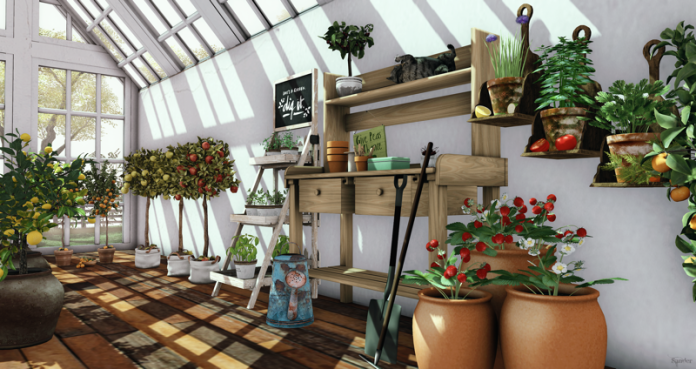
Greenhouse Bench Ideas To Showcase Your Green Thumb

Are you ready to transform your greenhouse into a beautiful green oasis? You may bring your botanical dreams to reality with an organized, well-planned greenhouse benches layout, optimizing your area to maximize every square inch. This blog will look at creative greenhouse bench ideas that can improve your gardening experience and allow you to show off your gardening skills.

Classic Wood Greenhouse Benches

Wooden benches are a primary option for any greenhouse. They not only offer rustic character to your environment, but they also provide a stable foundation for your plants. Because cedar wood is naturally rot-resistant, it ensures that your bench can tolerate moisture and temperature changes. Consider stacked wooden benches to optimize your vertical area and keep your plants easily accessible.

Wire Mesh Benches

Wire mesh benches are an excellent option for a more modern aesthetic. They provide good drainage and enhanced air circulation, which aids in the prevention of plant diseases. Consider using a finer mesh or placing trays on the bench to prevent pots from falling through if you are growing smaller plants or seedlings.

Recycled Pallet Benches

Are you looking for an environmentally friendly option? Make your greenhouse benches out of reclaimed pallets. They assist in saving trash and bringing a personal touch to your greenhouse. They may be tailored to fit any room and painted to complement any color palette. Furthermore, they are inexpensive and commonly available, making them an excellent choice for frugal gardeners.

Rolling Benches

Rolling benches are a game changer for gardeners who want flexibility. It readily moves about, giving you access to your plants from every angle. Furthermore, they enable easy rearranging of your space, ideal for those who constantly change their plant assortment.

Sink-In Benches

Sink-in benches are a great way to give your greenhouse an uncluttered, streamlined appearance. They are incorporated directly into the greenhouse structure, giving it a unified and clean appearance. This design is ideal for displaying standout plants and creating an elegant and refined gardening atmosphere.

Custom Built Benches

Finally, consider having your benches custom constructed to create a truly one-of-a-kind space. It allows you to customize your greenhouse to meet your specific needs, such as adding extra storage, installing built-in irrigation systems, or constructing a one-of-a-kind shape.

Adjustable Height Benches

A bench with adjustable height characteristics is one choice that gives another level of ease to your greenhouse gardening. This ergonomic solution can be highly beneficial, especially for people who spend significant time tending to their plants. Adjustable height benches can assist in preventing back pain and improve gardening comfort. The bench height may be adjusted to meet individual needs, making them handy for mobility challenges.

Multi-Tiered Benches

Multi-tiered benches are ideal for greenhouse owners who want to maximize the utilization of vertical space. These benches allow you to layer your plants, with shade-loving plants on the bottom levels and sun-loving plants on top. This construction saves space and generates a lush, layered look, transforming your greenhouse into a lovely green sanctuary.

Combination Benches

Combination benches, as the name implies, combine multiple styles or materials to meet various demands inside the same construction. You could have a movable wooden seat with a built-in sink for convenient watering and cleaning. You might also have a wire mesh bench with a rigid trim, which combines the durability of metal with the elegance of wood.

Foldable Benches

Foldable benches might be a terrific solution for more miniature greenhouses or people who prefer a simple, clutter-free environment. You can fold and store these benches when unused, making room for other activities. They’re especially beneficial for seasonal gardeners who don’t need permanent bench construction all year.

The greenhouse bench concepts presented above have distinct advantages and aesthetic appeal. Your specific requirements, tastes, the type of plants you’re caring for, and the overall idea of your greenhouse would determine your pick. Remember that the goal is to provide a healthy environment for your plants while making your gardening experience fun and efficient.

Now that we’ve covered several forms let’s discuss the materials you can use for your greenhouse benches.

Choosing the Best Material for Your Greenhouse Benches

The material of your greenhouse bench considerably impacts its longevity, maintenance requirements, and looks. Here’s a quick rundown of the most essential materials to consider:

Wood

Wood is a timeless material due to its natural beauty and toughness. To tolerate the humid atmosphere of the greenhouse, choose rot-resistant types such as cedar or redwood. Wood may necessitate extra upkeep, such as regular sealing, despite its allure, to avoid deterioration.

Metal

Metal, particularly aluminum, provides durability and a sleek appearance. It’s great for modern looks and requires little upkeep. Metal benches are fantastic for drainage, but remember that they can absorb heat, which can harm some plants.

Plastic

Plastic benches are inexpensive, long-lasting, and low-maintenance. They are resistant to corrosion and rot, making them ideal for use in a greenhouse. They may, however, need more visual appeal than wood or metal and may not be suited for heavy plants.

Concrete

Concrete benches are solid, making them ideal for high loads. Their ability to absorb heat can help produce a warm greenhouse microclimate. They are, however, permanent, needing more flexibility than other bench kinds, and their installation might be complicated.

Recycled Material

Benches created from recycled materials, such as pallets or old furniture, give your greenhouse a one-of-a-kind and environmentally friendly touch, eliminating waste while providing usefulness.

Enhancing Your Greenhouse Benches

There are a few enhancements you might consider regardless of the style of bench you choose. A seat with an integrated watering system can make everyday plant maintenance easier. Under-bench storage can help keep your gardening tools organized and accessible. Finally, customize your room with details like colorful pots, little sculptures, or a color palette that speaks to you.

Wrapping Up

Your greenhouse is a personal haven that reflects your green thumb. It’s a peaceful location where you may tend and watch your plants flourish. Using a suitable greenhouse bench can enhance this experience. Whether you choose a traditional wooden bar, a modern wire mesh bench, a recycled pallet bench, or a custom-built masterpiece, the court you choose will influence the appearance and functionality of your greenhouse, allowing you to show off your green thumb to its full potential.

So, roll up your sleeves, embrace your imagination, and design a greenhouse that is as one-of-a-kind as the plants you grow in it. Good luck with your planting!

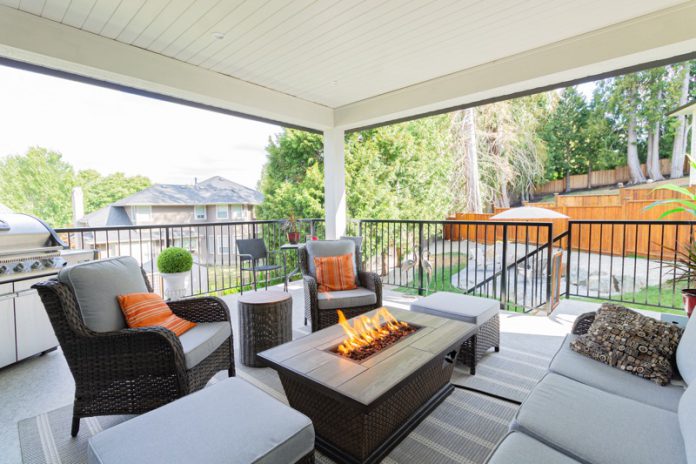
Deck Railings 101: The Pros, Cons, & How To Find The Right Solution For Your Backyard Oasis

Your deck is more than just a platform – it’s a gateway to tranquillity, a place where you can unwind, entertain, and soak up the beauty of nature. At the heart of this outdoor haven lies the deck railing, a vital component that seamlessly blends safety, style, and functionality. In this comprehensive guide, we’ll dive deep into the world of deck railings, exploring their myriad benefits, potential drawbacks and, most importantly, helping you discover the perfect solution that will transform your backyard into an enchanting oasis you’ll never want to leave. So, let’s embark on this journey together and unlock the secrets to finding the ideal deck railing that will elevate your outdoor living experience to extraordinary heights!

Enhancing Safety and Compliance

One of the primary purposes of deck railings is to ensure safety. They act as a protective barrier, preventing accidental falls and providing peace of mind, especially if you have young children or pets. By adhering to local building codes and regulations, you can ensure your deck meets the required safety standards. Always check the height requirements and spacing between balusters or pickets to guarantee compliance with the rules in your area.

Aesthetic Appeal and Design Options:

Deck railings are an excellent opportunity to showcase your personal style and enhance the visual appeal of your outdoor space. From traditional to contemporary, the range of design options available is vast. Wood, metal, glass, or composite materials can be used to create stunning and unique railings that perfectly complement your deck’s overall design. Consider the architectural style of your home and the ambiance you wish to create to find a railing design that harmonizes with your dream backyard oasis.

Durability and Maintenance

When choosing deck railings, durability and maintenance requirements are crucial factors to consider. Wood railings, while offering a classic and natural look, require regular staining, sealing, and upkeep to protect them from weathering. On the other hand, metal or composite railings offer superior durability and require minimal maintenance. By selecting the right material, you can enjoy your deck without the constant worry of repairs and refinishing.

Privacy and Wind Protection

Deck railings can provide an element of privacy, shielding your outdoor space from prying eyes. Depending on your design, you can incorporate lattice panels, glass inserts, or slats that offer privacy and protection from strong winds. This enhances your comfort and allows you to enjoy your backyard in peace.

Balancing Views and Sightlines

While privacy is important, you also want to maintain beautiful views from your deck. Consider the height and design of your railings to ensure they do not obstruct your sightlines. Glass railings, in particular, offer a seamless and unobtrusive look, allowing you to enjoy panoramic views of your surroundings.

Budget Considerations

When planning your deck project, it’s crucial to establish a realistic budget that includes the cost of deck railings. The price of these materials and their installation can vary significantly depending on the type of railing you choose. While wood may be more affordable initially, it may require ongoing maintenance costs. On the other hand, metal or composite railings may have a higher upfront cost but offer long-term savings by reducing maintenance and replacement expenses. Evaluate your budget and long-term investment to find the right balance between affordability and durability.

Eco-Friendly Options

If you want to create a sustainable and environmentally conscious space, you must consider eco-friendly deck railing options. Materials like recycled plastics, aluminum, or composite materials from recycled wood fibres and plastic offer a greener alternative to traditional wood railings. Not only do these materials reduce the demand for new resources, but they also require minimal maintenance and have a longer lifespan, contributing to a more sustainable and eco-friendly backyard oasis.

Conclusion

Choosing the perfect deck railing for your backyard oasis requires careful consideration of safety, aesthetics, durability, and budget. By weighing the pros and cons of different railing materials and designs, you can find a solution that enhances the beauty of your deck while providing the necessary functionality and safety. Whether you opt for the timeless charm of wood, the sleek elegance of metal, or the low-maintenance convenience of composite materials, the right deck railing will elevate your outdoor space and create a haven for relaxation and enjoyment. Remember, when in doubt, consult with professionals or local contractors who can guide you through the process and ensure compliance with building codes. With the right deck railing in place, your backyard oasis will become a stunning retreat that you and your loved ones can cherish for years to come!

How Often Do I Need to Clean My Drains?

Maintaining clean and free-flowing drains is essential for the proper functioning of your plumbing system. Over time, debris, grease, hair, and other substances can accumulate in your drains, leading to clogs and potential plumbing issues. Regular drain cleaning from professional organizations, such as from a heating company, can help prevent blockages and ensure the smooth operation of your pipes.

Learn more and discuss how often you should clean your drains to maintain a healthy plumbing system.

Factors Affecting Drain Cleaning Frequency

The frequency at which you should clean your drains can vary depending on several factors. Consider the following aspects when determining how often you need to clean your drains:

  1. Usage: The more frequently you use your drains, the more quickly they can become clogged. Kitchens and bathrooms, which experience higher usage, often require more frequent drain cleaning compared to drains in less-used areas of the house.
  2. Type of Drain: Different drains in your home serve different purposes and accumulate different types of debris. Kitchen drains are prone to grease and food particles, while bathroom drains can become clogged with hair, soap scum, and other residues. The specific type of drain and its usage will impact the cleaning frequency.
  3. Signs of Drain Issues: Pay attention to any signs of drain problems, such as slow drainage, gurgling sounds, or unpleasant odours. These indications may signal the need for immediate drain cleaning.
  4. External Factors: Environmental factors, such as hard water or the presence of trees and roots near your sewer lines, can also affect the frequency of drain cleaning. These external factors may increase the likelihood of clogs and require more regular maintenance.

Recommended Drain Cleaning Schedule

While the ideal frequency of drain cleaning can vary based on the factors mentioned above, it is generally recommended to follow a preventive maintenance schedule to keep your drains in good condition. Consider the following guidelines:

  1. Kitchen Drains: Kitchen drains are exposed to grease, oil, and food waste regularly, making them susceptible to clogs. To prevent build-up and maintain the smooth flow of water, it is advisable to clean kitchen drains every 1-2 months. This can involve using natural drain cleaners or a mixture of hot water and vinegar to flush out any accumulated debris.
  2. Bathroom Drains: Bathroom drains, including those in the sink, shower, and bathtub, can easily become clogged due to hair, soap residue, and mineral deposits. Regular cleaning every 1-3 months is recommended to prevent blockages. You can use a plunger or a mixture of baking soda and vinegar followed by hot water to keep these drains clean.
  3. Toilet Drains: Toilets should be cleaned more frequently than other drains to prevent the accumulation of waste and potential clogs. Regular drain cleaning every 1-2 weeks using a toilet brush and appropriate cleaning products will help maintain a hygienic and functional toilet drain.
  4. Outdoor Drains: If you have outdoor drains, such as those for rainwater or yard drainage, it is crucial to clean them at least twice a year. These drains can accumulate leaves, dirt, and debris, which can lead to blockages and water pooling if not properly maintained.

Professional Drain Cleaning

While regular DIY drain cleaning can help prevent clogs and keep your drains flowing smoothly, it is also recommended to seek professional drain cleaning services periodically. Professional plumbers have specialized tools and techniques to thoroughly clean your drains, removing stubborn clogs and build-up that may not be easily addressed with home remedies.

It is advisable to schedule professional drain cleaning by way of companies that can include your local heating company at least every 1-2 years, depending on the condition of your plumbing system. This preventive maintenance will help identify any potential issues and ensure the long-term health of your drains.

Conclusion

Maintaining clean and functioning drains is essential for a healthy plumbing system. While the frequency of drain cleaning can vary based on factors such as usage, type of drain, signs of issues, and external factors, it is recommended to follow a preventive maintenance schedule. Regular DIY cleaning of kitchen drains, bathroom drains, and toilet drains, along with periodic professional drain cleaning, will help prevent clogs and maintain the smooth flow of water. By taking proactive measures to keep your drains clean, you can avoid costly plumbing repairs and ensure the efficient operation of your home’s plumbing system.

Recent Posts

Posts You Might Like