Roohome.com – I’ll start with a story. I once sat outside in the desert, a fire pit glowing with crackling logs, the cool night wrapping around me like a heavy blanket. The walls of an adobe house nearby glowed faint orange in the flicker of the flames. The silence was so complete that the pop of wood sounded like a drumbeat. That moment is what Southwestern decor tries to bring indoors. Color, warmth, and a little touch of raw earthiness. And the first thing that makes or breaks it? Color.
Why Color Feels Different in the Desert
Colors don’t just decorate a spacethey change how we feel inside it. In the desert, tones shift all day. Sunrise feels soft, pastel, almost shy. Noon slams the sand with blinding whites and ochres. By evening, shadows stretch, and reds come alive. It’s no wonder that Southwestern rugs and rustic home textiles carry so much of this palette. They’re not just patterns on fabricthey’re emotional shortcuts to memory and mood.
What Colors Mean in Southwestern Rugs
If you’ve ever looked closely at a Navajo-inspired rug or a handwoven textile from New Mexico, you’ll notice the color choices aren’t random. Each shade can set a mood:
Red: Energy, passion, but also protection. In a living room, it wakes the space up. In a rug, it anchors the eye.
Turquoise: Tranquility, healing, and spirituality. It balances all the heat of desert tones with a calming coolness.
Earth Browns & Clay: Stability, groundedness, a nod to adobe walls and dusty trails. Perfect for a rustic home setting.
Black & White: Contrast, storytelling, and clarity. Many Southwestern rugs weave these into geometric designs to sharpen the visual rhythm.
When you bring these rugs into a space, you’re not just adding patternyou’re adding psychology. A red-and-black diamond rug in a Southwestern living room feels alive, while a muted beige-and-sage one creates quiet intimacy.
Mixing Color With Texture
Color doesn’t live aloneit pairs with texture. Imagine rough wool under your feet in winter, dyed with rusty reds and sandy browns. That sensory detail goes beyond sight; it’s touch, warmth, and memory combined. I once saw a neighbor build a fire pit with lava rocks. Those stones not only looked rugged, but they held heat long after the flames died down. Rugs do something similar indoors. They keep the room warm, visually and physically, long after the fire pit is just embers.
Southwestern Living Room Ideas That Actually Work
So how do you pull this off at home without looking like you’ve built a movie set?
Layer rugs: Don’t be afraid to place a smaller bright rug over a bigger neutral one. It adds depth without overwhelming the eyes.
Think balance: If your rug has bold desert reds, tone down the sofa with earthy tones living room vibessage, beige, or muted gray.
Lighting matters: A rustic home often lives or dies by its lighting. Use warm bulbs, lantern-style fixtures, or even candlelight to pull out those rug colors in the evening.
Furniture placement: Keep the rug as the anchor. Imagine your fire piteveryone gathers around it. A rug should serve the same purpose indoors.
For more ideas on styling colors with intention, check out 30 Southwestern color schemes that bring desert warmth indoors.
When Beige Isn’t Boring
We tend to think of beige as dull. But in a desert-inspired decor, beige is like silence in a songit makes the other notes louder. Put a sandy beige rug under a turquoise throw pillow, and suddenly the room feels like a desert sunrise. It’s about letting the quiet colors breathe so the louder ones can sing.
Culture and Meaning
Southwestern textiles carry cultural weight. Pueblo Revival homes in New Mexico often use deep reds and muted turquoise not just for style, but because those colors carry stories. In Native American weaving traditions, black-and-white contrast can symbolize harmony between night and day. So when you’re decorating with these pieces, you’re not just playing with coloryou’re stepping into a cultural lineage of storytelling through design.
Ever Tried Matching a Rug to a Fire Pit?
This might sound quirky, but try it. If you’ve got an outdoor fire pit with stone edges, choose a rug that mimics those tones for your indoor living room. Stone gray outside, woven gray inside. Fire red flames, crimson rug accents. It creates a seamless flow between indoor and outdoor living, something Southwestern style excels at. It feels like camping, but fancier.
Small Tips That Change Everything
Lamp trick: Put a terracotta lamp near a red rug. The light bounces warm and makes the colors glow richer.
Wood pairing: If your rug leans turquoise-heavy, pair it with dark walnut furniture instead of lighter pine. The contrast feels more grounded.
Plants matter: Desert plants like aloe or agave sharpen the look. Their green plays beautifully against earthy tones living room palettes.
The Subtle Side of Color Psychology
Not every room has to scream desert sunset. Sometimes the psychology of color works quietly. A pale sage rug calms a busy mind. A clay-red runner in the hallway gives a sense of forward energy, pulling you into the house. You don’t always notice these effects immediatelybut you feel them. Like background music you can’t name but that sets the whole mood.
From Patterns to Stories
Patterns themselves carry psychology. A zigzag might feel dynamic and restless, a diamond shape more stable and centered. Combine that with the color choices, and suddenly you have a story underfoot. And if you want to dive deeper into rug styling, this guide on Southwestern rugs and textiles shows just how much variety you can play with.
Not Just Living Rooms
Color psychology in Southwestern decor isn’t limited to the living room. Bedrooms with muted rugs feel more restful. Kitchens with brighter woven mats bring energy. Even bathroomsyes, bathroomsbenefit from a striped desert-toned runner that makes you feel warm stepping out of the shower.
When Neutrals Need Friends
One common mistake? Going all-neutral. A rustic home with only beige and brown starts to feel flat. Neutrals need friends. A hint of turquoise, a stripe of red, even a single patterned pillow can lift the whole room. Imagine eating plain bread versus bread dipped in olive oil with herbs. Same base, totally different experience.
Outdoor Living: Where Color Feels Strongest
Southwestern style thrives outdoors. Try a rug on your patio with colors that echo the sunset sky. Use lava rocks around your fire pitthey aren’t just decorative, they actually hold heat longer, keeping you warm when the night gets sharp. And when your outdoor palette connects with your indoor rugs, the transition feels effortless.
Final Thoughts Over a Cup of Coffee
If I had to wrap this up with one personal note: Southwestern decor isn’t about copying someone else’s look. It’s about remembering the desert’s silence, the smell of burning wood, the rough texture of stone, and bringing that into your home in colors that feel right to you. Try a small experimentplace a red-and-black rug under your coffee table, or add one turquoise pillow to your sofa. See how the room changes, how you feel in it. Sometimes, all it takes is one bold color to rewrite the story of a space.
So maybe tonight, sit by a fire pit if you can. Or just light a candle in your living room. Watch how the light shifts the colors around you. That’s the psychology of color at work. And it’s yours to play with.
Roohome.com – Ever sat outside at night and felt the desert silence wrapping around you? I once did, near a fire pit in New Mexico, the flames crackling against the cool air. That moment stuck with methe warmth of the fire, the smell of wood burning, the rough stucco walls glowing orange in the firelight. That atmosphere is what Southwestern furniture tries to capture indoors: a blend of rugged durability, earthy beauty, and a feeling of home.
Now, when people talk about Southwestern living room ideas, it often comes down to furniture first. Big wooden tables, rawhide chairs, leather sofas that look like they could survive decades of storytelling nights. But how do you know what’s worth buying, and how do you keep the look authentic instead of turning your house into a theme park version of the desert?
The Heart of Southwestern Furniture: Materials That Tell a Story
Authenticity starts with what your furniture is made of. Real materialswood, leather, iron, stonecarry weight, both literally and emotionally. They hold stories. A reclaimed mesquite table might still show burn marks from a blacksmith’s shop. A leather armchair develops a patina that tells you exactly where your uncle used to sit every holiday.
Woods: Mesquite, pine, and alder are classics. Mesquite especially is dense, resistant to wear, and naturally full of character. Pine is lighter, softer, and often carved with traditional motifs.
Leathers: Full-grain leather is best if you can afford it. It scratches, yes, but those scratches blend into a lived-in texture. Bonded leather? Avoid it. It peels fast and loses the authenticity Southwestern decor thrives on.
Textiles: Wool rugs, Navajo-inspired weaves, and hand-loomed blankets add softness against all that rugged wood and iron.
Tip: if you’re buying a wooden table, ask if it’s kiln-dried. Kiln drying prevents warping, which matters a lot in desert climates where the air gets dry one season and humid the next.
Durability Isn’t Just About the Material
Southwestern style isn’t delicate. It’s meant to endure. Think of the thick adobe walls of Pueblo Revival houses in New Mexicobuilt to last, not just to look pretty. Your furniture should echo that philosophy.
A few quick checks when shopping:
Turn a chair upside down. Is the frame solid wood or some kind of composite? Go for wood.
Run your hand across a surface. Do you feel a thin veneer peeling at the edges? That’s a no.
Check the joints. Real craftsmanship uses dowels, mortise-and-tenon, or screws. Staples are a red flag.
It might feel like you’re buying something heavier than you need, but that’s the point. Southwestern pieces aren’t supposed to be feather-lightthey’re supposed to outlast trends, moves, and even a few desert dust storms.
What Makes It Authentic?
Here’s where things get tricky. Anyone can slap some turquoise paint on a table and call it Southwestern. But authenticity is quieter. It’s in the proportions, the craftsmanship, the respect for tradition.
Proportions: Tables tend to be chunky. Chairs often sit a bit lower and broader, inviting you to linger.
Craftsmanship: Look for hand-carving, iron strap accents, or raw edges that show the natural form of the wood.
Cultural respect: Authentic Southwestern pieces often draw from Native American and Mexican influences. Navajo rugs, Spanish colonial carving styles, or Pueblo-inspired potterybuy from artisans when possible, not mass producers copying the style.
A Southwestern living room isn’t just about throwing in a leather couch. It’s about balancing the heavy with the soft, the rustic with the warm. I like to think of it as building an “earthy tones living room”sand-colored walls, terracotta tiles, then furniture that feels rooted.
Try this: place a rough wooden coffee table at the center, then soften the edges with a thick wool rug underfoot. Add a couple of mismatched leather chairsbecause perfection isn’t the goal, comfort is. And above all, remember lighting. Rustic Southwestern lighting can transform the entire vibe. Lantern-style fixtures or iron sconces make evenings glow like a desert sunset.
A Fire Pit Anecdote (and Why It Matters)
I’ll admit, my neighbor once built a fire pit that looked like something out of a glossy magazine. Lava rocks circling the flames, thick wooden benches around it. We sat there one evening, the scent of sagebrush floating through the night, and it hit me: this is what Southwestern living is. It’s not about buying a “set” of furniture. It’s about creating a place where the desert’s beauty and toughness meet human warmth.
That same idea should guide your furniture choices indoors. Don’t chase a catalog-perfect look. Choose pieces that feel alive, that tell stories, that make you want to sit down and linger.
Little Tips I Wish Someone Told Me Earlier
Fire pits & furniture: If you’re setting up outdoors, lava rocks aren’t just decorativethey hold heat longer for chilly desert nights.
Mix finishes: Not everything has to match. A pine table can live happily beside a leather chair, as long as the tones feel grounded.
Don’t ignore scale: Big furniture works best in rooms with height or open layouts. If you live in a smaller apartment, look for Southwestern-inspired details rather than massive pieces.
Culture in Every Corner
The beauty of Southwestern style is that it’s layered with culture. Pueblo Revival architecture, Spanish colonial influences, Native American weaving traditionsthey all come together. When you choose furniture, you’re not just filling a room, you’re carrying a bit of that cultural history home.
And no, you don’t have to live in Arizona or New Mexico to make it work. Even in a modern city loft, adding a heavy mesquite bench or a Navajo-inspired rug creates that desert-inspired decor vibe.
Do You Need Everything Southwestern?
Not at all. Too much and it becomes costume-like. A better approach? Choose anchor pieces that scream Southwesternmaybe a carved console table or a big leather sofa. Then let the rest of your home breathe with neutral, modern items. That way, the rustic home feel comes naturally instead of feeling staged.
Final Thoughts by the Firelight
There’s something timeless about sitting in a room where the furniture feels both rugged and inviting. Where the wood is scarred, the leather is warm, and the textiles whisper stories of desert landscapes. That’s what Southwestern furniture is really about. Not just design, but atmosphere
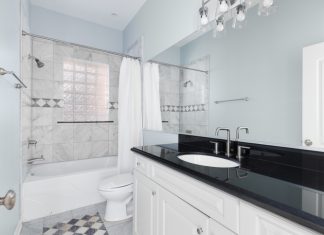
Roohome.com – Picture this: you walk into your bathroom and it doesn’t feel like a bathroom anymore. It feels like you just stepped into a warm adobe retreat somewhere outside Santa Fe. The walls glow in earthy tones, there’s a quiet rustic charm, and the air seems to hum with the spirit of the desert. And yet your wallet didn’t take a beating. That’s the beauty of Southwestern style: you can bring that spa-like desert serenity into your home without maxing out a credit card.
Why Southwestern Vibes Work So Well in Bathrooms
I’ve always thought bathrooms are underrated. They’re more than functional they’re where we decompress. And when you bring in Southwestern elements, something magical happens. The textured surfaces, the warm colors, and the rustic home character make even the simplest shower feel like a retreat. Ever sat outside at night and felt the desert silence wrapping around you? That’s the mood you want to recreate here.
The Foundation: Earthy Tones and Natural Textures
Southwestern living room ideas often start with earthy tones living room palettes sandy beige, sun-baked terracotta, dusty clay, muted sage. The same applies here. Paint your bathroom walls in these shades and you’ll instantly set the mood. Pueblo Revival architecture, with its stucco walls and thick textures, is a great reference point. If repainting isn’t in the budget, even swapping out towels and rugs for desert-inspired hues can make a big difference.
Paint tip: Matte finishes work better than glossy ones for rustic home authenticity.
Budget hack: Buy sample-size paint jars and create a soft wash on one accent wall instead of repainting everything.
Textures That Tell a Story
Bathrooms are usually smooth, shiny, and a bit cold. Break that up with rougher textures: woven baskets, handmade clay soap dishes, or even a rugged wooden stool. I once saw a neighbor repurpose an old tree stump as a bathroom side table it looked like it belonged in a desert lodge. Texture is what makes your space feel lived in, not staged.
Lighting: The Desert Glow
No spa-like retreat is complete without the right lighting. Southwestern style leans into warm, soft glows that mimic the desert sunset. Forget the harsh overhead lights install wall sconces with amber bulbs, or place candles around the tub. If you want drama, hang a lantern with cut-out patterns that scatter light like stars across adobe walls. It feels like camping, but fancier.
Rustic Decor and Accents That Make a Difference
Small details transform the vibe. Think rustic home touches like iron hooks for towels, hand-painted tiles around the sink, or even a simple ladder rack for hanging linens. And don’t underestimate rugs. Southwestern rugs and textiles colorful, patterned, bold will instantly pull the room together. If you need inspiration, check out this guide on Southwestern rugs and textiles.
A Touch of Water, A Touch of Earth
Sounds strange to talk about water in a bathroom (isn’t it already everywhere?), but here’s the thing: Southwestern style balances elements. Bring in earthy pottery planters with desert plants like aloe or snake plant. Even dried pampas grass in a clay vase works beautifully. It’s about grounding the space so the water features your sink, tub, shower don’t feel sterile but instead part of the desert story.
What About the Tiles?
If you have the budget to swap tiles, hand-painted Talavera or Saltillo tiles are iconic. But if that’s too expensive, here’s a trick: peel-and-stick tiles in terracotta tones or mosaic prints. Affordable, renter-friendly, and surprisingly convincing. I used them once in a small powder room and honestly, guests thought I flew them in from Mexico.
Shower Curtains and Linens
Don’t underestimate fabric choices. A simple cotton shower curtain with a bold Navajo-inspired pattern can completely change the space. Pair it with soft, neutral towels cream, sand, muted gray and suddenly everything feels balanced. Add one patterned textile (the curtain or a rug), not both, or the room may feel overwhelming.
Ever Tried a Fire Pit Outside the Bathroom?
Okay, not literally inside. But think about the vibe. I once sat by a fire pit at a desert Airbnb, flames dancing, shadows flickering on adobe walls. That memory stuck. You can borrow that mood with candle clusters or even a small tabletop fire bowl near a window. The crackle, the warmth, the glow it’s spa energy, desert style.
Storage That Doesn’t Kill the Mood
Most bathrooms have ugly storage plastic bins, metal racks. Swap them for woven baskets, wood shelves, or clay jars. Keep it rustic. It’s these little choices that carry the theme without costing much. Even a thrifted ladder leaning against the wall can hold towels in a way that feels intentional and desert-inspired.
Mixing Modern with Rustic? Yes, Please.
Sometimes you don’t want to go full cowboy. A modern faucet with clean lines can coexist with rough stone soap dishes. A sleek mirror with a chunky wooden frame? Perfect balance. The spa-like feeling comes from restraint, not excess. So mix textures but keep the palette grounded in earthy tones living room ideas soft browns, muted greens, desert reds.
Inspiration from Southwestern Living Rooms
Funny enough, some of the best ideas for bathrooms come from Southwestern living room ideas. Think about it: low lighting, layered textiles, cozy seating. Translate that into the bathroom soft mats, poufs, benches and suddenly your bathroom is more than a place to shower. It’s a space you linger in. For more visual inspiration, check out these stunning Southwestern bathroom ideas.
A Cultural Nod
The Southwestern style isn’t just decor it’s heritage. Pueblo Revival homes in New Mexico, Native American textile traditions, Spanish-influenced tile work. When you weave these elements into your bathroom, you’re not just decorating, you’re honoring a blend of histories. It gives depth. Authenticity. And guests notice.
Little Luxuries, Big Impact
Here’s my favorite part: the tiny spa touches. Essential oils in clay diffusers. A rustic wooden tray across the bathtub with a candle, a book, maybe even a glass of wine. Stone or copper bowls to hold bath salts. These don’t cost much, but they elevate the whole experience.
Final Thoughts Over a Cup of Desert Tea
So there you have it. Creating a spa-like Southwestern bathroom on a budget isn’t about spending thousands. It’s about mood, texture, warmth, and intention. Next time you light a candle, run hot water, and sink into that desert-toned space, you’ll see what I mean. Try one or two ideas this week maybe swap your towels for earthy shades, or add a patterned rug. Small steps, big shifts. And who knows? Your bathroom might just become your favorite room in the house.
Roohome.com – When people picture Southwestern design, they often imagine sprawling adobe houses in New Mexico or desert retreats with endless patios. But here’s the secret: you don’t need a mansion to bring those rustic home vibes into your space. Even in a one-bedroom apartment or a studio, the spirit of the desert can thrive. In fact, small spaces often make the earthy tones and desert-inspired decor feel cozier like you’re nestled inside a warm cocoon of sand, clay, and sunlit texture.
I’ve seen it firsthand. My friend in Phoenix has an apartment barely big enough to host a dinner for four, yet every corner glows with Southwestern charm. It’s not about size; it’s about intention.
Ever Sat by a Fire Pit at Night?
I still remember one evening in Santa Fe. The desert air was sharp and cool, and I sat by a fire pit outside a small casita. The flames flickered against stucco walls, shadows stretching long and soft. The smell of burning mesquite wood drifted up, earthy and sweet. I felt a kind of calm that’s hard to put into words. Bringing that feeling indoors that’s the heart of Southwestern living room ideas. Warmth, grounding, and a connection to nature even in a tiny apartment.
Earthy Tones Living Room Basics
Let’s start with color. Southwestern style loves earthy tones: terracotta, sandy beige, muted sage, clay red. In a small apartment, these shades don’t feel overwhelming they feel grounding. Choose one main tone (like soft beige walls) and layer in accent shades through pillows, rugs, or even a single bold art piece. If you want a deeper dive into how color transforms a room, check out this guide to Southwestern color schemes that bring desert warmth indoors.
Walls: Soft white or sandy beige keeps the room bright.
Accents: Rust orange, clay red, or muted teal add personality.
Texture: Don’t be afraid of rough finishes. A plaster wall effect can work wonders.
Tip: If you rent and can’t paint, removable wallpaper in earthy patterns works like magic.
Furniture Choices: Rustic Meets Compact
Here’s the thing: Southwestern furniture tends to be bold and sturdy. But in small apartments, you need balance. Instead of oversized leather couches, think about a two-seater sofa in warm linen paired with a rustic wood coffee table. It’s about scale. You want that rustic home feel without swallowing your square footage.
I once saw a neighbor put a chunky log bench against the wall in their living room. It looked amazing, but it also blocked half the walkway. In small apartments, your furniture should pull double duty: storage benches, nesting tables, or poufs that work as extra seating. That way, you keep the desert vibe without cluttering your path to the kitchen.
The Magic of Rugs and Textiles
No Southwestern living room is complete without textiles. Navajo-inspired rugs, striped throws, woven wall hangings they all bring life and pattern into the mix. In fact, a good rug can make a small apartment living room feel expansive. It tricks the eye into seeing more space, while grounding the room in desert-inspired decor.
One friend swears by layering rugs: a neutral jute rug on the bottom, then a colorful Southwestern patterned one on top. It adds warmth, and if your apartment has cold tile floors, trust me, your toes will thank you.
Lighting: Warmth in Every Corner
Lighting might be the most underrated part of design. In Southwestern interiors, think warm and glowing. Skip the harsh overhead lights. Instead, go for lamps with amber bulbs, lantern-style sconces, or even string lights tucked along a bookshelf.
Imagine coming home after work, switching on a clay lamp, and suddenly the room feels like dusk in the desert. That soft golden wash across the room isn’t just practical it’s mood-setting. One tiny tip? Use dimmers. In a small space, control over light intensity makes all the difference between cozy and claustrophobic.
Plants, But Make Them Desert
Southwestern style is tied to nature, so plants are non-negotiable. But you don’t need a jungle. Stick to desert plants: succulents, aloe, snake plants, or a tall cactus in the corner. They thrive on minimal water and sunlight, perfect for apartment living.
Bonus tip: Place small terracotta pots along your window sill. They add charm without hogging space. Ever notice how a simple cactus can change the vibe of a room? It’s like having a little desert spirit quietly watching over your Netflix marathons.
Small Touches With Big Impact
Ceramics: Handmade mugs or clay bowls displayed openly bring authenticity.
Artwork: Prints of desert landscapes, Native patterns, or Pueblo Revival motifs.
Fireplace substitute: No room for a real hearth? Use candles grouped in clay holders for that firelit effect.
One couple I know even set up a faux fire pit in their living room using candles inside a circle of lava rocks. It sounds quirky, but when the lights are dim, the effect is stunning. And unlike a real fire pit, it won’t trigger your smoke alarm.
A Quick Cultural Note
Southwestern design draws heavily from Native American, Mexican, and Spanish influences. Pueblo Revival architecture, common in New Mexico, inspires much of the aesthetic. Thick stucco walls, exposed beams, earthy finishes all of it traces back to cultural roots that are worth appreciating. When choosing decor, consider supporting local artisans or makers who carry on those traditions, rather than mass-produced knockoffs.
Storage Hacks Without Losing Style
Small apartments demand smart storage. But storage doesn’t have to kill the vibe. Use woven baskets in natural fibers. They hold blankets, magazines, or even your TV remotes while blending seamlessly into desert-inspired decor. Floating shelves in reclaimed wood also add both function and style.
I once made the mistake of buying a shiny plastic storage bin for my living room. Every time I looked at it, it broke the mood. A wicker basket, on the other hand, hides the clutter while still looking rustic and warm.
What About the Walls?
If your landlord allows, plaster texture on one wall can create a focal point. If not, hang woven tapestries or rustic wood art. One unique idea: hang a single wide-brimmed hat or a handwoven blanket as wall art. It adds character without overwhelming the space.
Mixing Modern With Rustic
Here’s the fun part you don’t have to go fully rustic. Southwestern living room ideas blend beautifully with modern elements. Think sleek black metal lamp bases paired with clay shades. Or a minimalist white couch with colorful patterned pillows. That blend creates balance, so your small apartment feels intentional rather than themed.
Personal Reflection: It Feels Like Camping, But Fancier
There’s something about sitting in a Southwestern-styled living room that feels a bit like camping just without the sore back or the fear of coyotes howling outside. The textures, the earthy tones, the warmth of lighting… it’s both rugged and comforting. Honestly, I sometimes light a candle, grab a blanket, and pretend I’m out under the desert sky. That’s the beauty of this style: it lets you travel without leaving home.
Final Thoughts (But Not Final Instructions)
If you live in a small apartment and think Southwestern style is “too big” for your space, think again. It’s about choosing earthy tones, rustic touches, and functional furniture that doesn’t overwhelm. It’s about capturing a mood more than replicating a look. And sometimes, it’s as simple as putting a cactus by your window or throwing a striped blanket over your sofa.
Try one thing this week. Maybe swap out a lamp for something warmer, or bring in a desert plant. See how it changes the feel of your room. Little by little, you’ll find your space feels less like just another apartment and more like a desert retreat your retreat.
I still remember the first time I sat outside near a fire pit in New Mexico. The desert air was cool, but the flames cracked, sending a warm glow across the adobe walls. The silence of the desert wrapped around me like a blanket thick, comforting, and just a little humbling. That’s the kind of feeling I want inside a bedroom makeover. Not just design. Atmosphere. A sense of place.
When we talk about Southwestern living room ideas, it’s easy to picture big rustic couches, Navajo rugs, and terracotta walls. But bedrooms? They’re trickier. You need calm, but you also want character. You don’t want it to feel like a museum of cowboy hats and cacti. You want a space you’ll actually love waking up in.
Why Southwestern Bedrooms Work So Well
The Southwestern style is a fusion of Native American, Mexican, and Spanish influences. It’s heavy on earthy tones, natural textures, and simple yet bold accents. Think Pueblo Revival houses with thick stucco walls and exposed wooden beams. That aesthetic translates beautifully into bedrooms because it strikes a balance between rustic comfort and minimalist calm.
And let’s be honest. Earthy tones are forgiving. Clay reds, muted terracottas, warm sands, soft turquoise. They make mismatched furniture look intentional, they hide a bit of dust (important in desert climates!), and they create that soothing cave-like vibe perfect for sleep.
Minimalist Desert Retreats
Let’s start with minimalism. Not the cold, white, sterile kind. A desert minimalist retreat is about editing down to essentials without losing soul. Imagine pale plaster walls, a low wooden bed frame, crisp white linen sheets, and a single woven rug with geometric patterns. Add a clay pot in the corner with a tall cactus, and you’re done.
The trick is restraint. Use fewer colors, but make them tactile. Linen, wool, raw wood. The textures do the talking. I once stayed in a tiny adobe guesthouse outside Santa Fe there was nothing but a bed, a chair, and a rug. But the morning light made the plaster walls glow pink, and it felt more luxurious than any five-star hotel.
When Rustic Gets Personal
Now, let’s swing to the other side: rustic bedrooms. Rustic isn’t just about throwing logs around and calling it a day. In a rustic home, the bedroom is about layering warmth. Rough-hewn wood headboards, stone side tables, wool blankets, pottery lamps.
If you’re adding lighting, don’t go too modern. A simple iron sconce or something from this list of rustic Southwestern lighting ideas can completely change the mood. Warm lighting, especially against earth-toned walls, makes you feel like the sun is always just setting outside.
Tip: If you can, use dimmers. Bedrooms aren’t about floodlights; they’re about subtle transitions from daylight to night.
Another trick: Mix in handmade textiles. A Navajo-inspired blanket or even a woven wall hanging adds cultural depth without cluttering.
Colors of the Desert
The desert isn’t just beige. Spend one evening watching the sunset over mesas, and you’ll see pinks, purples, oranges, and deep browns. Your bedroom can borrow that palette.
Try an accent wall in muted adobe red. Or go softer with sandy beige and let your bedding bring in the pop turquoise pillows, patterned throws. It’s like carrying a slice of the desert sky indoors.
Ever noticed how the right shade of clay red can make a wooden bed frame look heroic? Or how turquoise instantly feels like a cold sip of water on a hot day? That’s the magic of desert-inspired decor. Use it wisely.
Boho Sanctuaries
Southwestern boho is where things get playful. Layer rugs. Hang dreamcatchers. Throw pillows until you lose count. But make sure it doesn’t turn into chaos. The best boho bedrooms still use an earthy base tan walls, wooden floors then sprinkle in colorful details.
I once saw a neighbor build a fire pit lined with hand-painted Talavera tiles. It wasn’t perfect, the tiles were uneven, but at night with a blanket over your shoulders, it felt alive. That’s the kind of spirit you want in a boho bedroom slightly wild, perfectly imperfect.
Boho tip: Plants are your friends. Aloe, snake plants, even dried pampas grass in a clay vase bring texture and soften hard corners.
Another boho touch: Mix metals bronze lamps, copper trays, silver jewelry bowls. It makes the space eclectic without screaming chaos.
Southwestern Bedroom Meets Living Room Energy
Sometimes your bedroom spills into your living area studio apartments, open layouts, guest rooms. That’s when blending Southwestern living room ideas into the bedroom makes sense. Use the same rug style across both spaces. Keep the color palette consistent, maybe with those earthy tones living room staples like terracotta and sand. It creates flow.
And don’t underestimate seating in bedrooms. A single leather chair by the window, a woven bench at the foot of the bed suddenly the bedroom isn’t just for sleeping. It’s a retreat.
A Little Cultural Anchoring
One thing I love about Southwestern style is its roots. Pueblo Revival architecture, adobe structures, Native American weaving traditions these aren’t just trends. They’re culture. If you respect those roots in your bedroom design, it feels more authentic. For example, supporting artisans who handmake rugs instead of buying mass-produced versions adds both soul and story.
And if you’re curious about outdoor extensions of this culture, take a look at these Southwestern patio ideas. A fire pit outside and an adobe-inspired headboard inside? Now we’re talking harmony.
Textures That Speak Louder Than Words
Close your eyes and imagine: rough stone, smooth clay, soft wool, weathered wood. Those textures make a Southwestern bedroom breathe. You can even mix them up. Stone wall behind the bed, wool rug underfoot, clay lamp on the nightstand. The balance of hard and soft is what makes it cozy.
Ever run your hand across old wood? That slightly uneven surface that tells you a craftsman once cut it by hand? That’s the feeling you want when you reach for your nightstand lamp.
The Small Things That Make It Real
Lava rocks by your bedside candle tray they hold heat and look incredible.
Leather straps as drawer pulls, instead of metal knobs. A small swap, big effect.
A simple woven basket at the foot of your bed it hides clutter but adds texture.
Clay diffusers with cedarwood oil. Not just scent, but a vibe.
These little touches keep it from feeling staged. They make it lived-in, warm, personal.
Ever Thought About Silence?
Here’s something nobody tells you when you decorate: silence is part of design. A Southwestern bedroom isn’t cluttered with noise. No buzzing neon lights, no echoing empty corners. It’s hushed, padded with textiles and warm lighting. Ever sat outside at night and felt the desert silence wrapping around you? That’s what your bedroom should echo.
Lighting Like Firelight
Lastly, lighting. It should mimic fire. Warm, low, layered. Think table lamps with amber shades, sconces with dim bulbs, maybe even a string of warm fairy lights hidden behind a headboard for a glow that feels like dying embers. It’s camping, but fancier.
Wrapping It Up Over Coffee
I’ve rambled a lot, but that’s because Southwestern bedrooms deserve rambling. They’re not about following strict design rules. They’re about evoking a feeling. A memory. A desert evening. A crackling fire. The smell of wood smoke. The calm of earthen walls.
If you’re thinking of a bedroom makeover, start small. Maybe add a woven rug, swap out a lamp for a rustic one, or repaint one wall in adobe red. See how it feels. Let it grow naturally. That’s the Southwestern way.
And hey if you ever find yourself sitting by a fire pit, blanket wrapped around you, desert stars overhead you’ll know exactly what I mean.
Roohome.com – There’s something timeless about gathering around a fire. The warmth, the flicker of flames, the way conversation just flows differently when you’re sitting outside under the stars. Now, imagine that same magic but with a Southwestern twist earthy tones, desert-inspired decor, rustic textures, and maybe even a dash of turquoise. Sounds dreamy, right? Let’s talk about how you can build your very own fire pit oasis with Southwestern flair. And yes, I promise this isn’t about following stiff rules. It’s more like layering details until your space feels like a desert evening wrapped in firelight.
Why a Fire Pit Makes Sense in Southwestern Living
Let’s start with the basics. Why a fire pit? Well, the desert can surprise you. Hot days, sure. But nights can be unexpectedly chilly. A fire pit is both functional and atmospheric. It’s warmth and ambiance in one. In many Southwestern towns think Santa Fe or Sedona fire pits are more than backyard decor. They’re the heart of outdoor living, where people gather after sunset. It’s also part of the broader trend of Southwestern patio ideas, where the outdoors becomes an extension of the rustic home.
Ever sat outside at night and felt the desert silence wrapping around you? The fire pit makes that silence feel less lonely, more communal.
Step One: Choosing the Right Spot
Not all spaces are created equal. You don’t want to build a fire pit in a corner that never gets used, nor too close to the house (smoke isn’t exactly charming indoors). Ideally, find an open area with enough breathing room both for people and for safety. If your yard already has a patio or an earthy tones living room that spills outdoors, that’s a natural spot to anchor your fire pit oasis.
Practical tip: stand outside at dusk and pay attention to where you naturally want to linger. That’s probably your fire pit spot. Simple as that.
Materials That Whisper “Southwest”
Materials make or break the look. For a Southwestern vibe, you want things that feel connected to the land:
Stone: Think sandstone, limestone, or lava rock. They age gracefully and carry that rugged texture.
Clay: Adobe-inspired walls or terracotta bricks add warmth.
Metal: Wrought iron details can tie in nicely, especially in seating or fire pit grates.
Pro tip: use lava rocks around the pit. They’re not just decorative, they also hold heat longer for chilly nights. You’ll thank me when the fire dies down but the warmth lingers.
The Shape of Things: Round, Square, or Something Else?
Here’s where you can get playful. A round fire pit feels communal, perfect for big conversations and roasting marshmallows. A square or rectangular one leans a little more modern but can still fit with desert-inspired decor if you clad it in stone or adobe tones. I once saw a horseshoe-shaped fire pit in Albuquerque, and trust me, it looked like a mini amphitheater for storytelling. Don’t be afraid to think beyond the catalog.
Seating: The Secret Ingredient
You can’t have a fire pit oasis without somewhere to sit. And no, those flimsy plastic chairs won’t cut it. Think rustic wood benches, woven chairs, or stone ledges built right into the design. Layer them with cushions in earthy tones deep red, sandy beige, turquoise accents. This is where your Southwestern living room ideas can flow outdoors. A woven Navajo-inspired rug underfoot? Chef’s kiss.
Tip: arrange seating in a semi-circle. It’s inviting and makes everyone feel included in the fire’s glow.
Lighting That Complements the Flames
Sure, the fire is the star. But supporting actors matter too. Add string lights overhead or lanterns along the path leading to your fire pit. Go for rustic touches wrought iron lanterns or clay sconces. If you want extra inspiration, check out Southwestern lighting ideas that blend rustic charm with modern ease. The goal is to layer soft glows so your space feels magical even after the flames fade.
Decor: Desert-Inspired Layers
Let’s be real: it’s the little things that pull everything together. Southwestern design is all about layers. Throw blankets in tribal patterns, pottery scattered around the space, a few potted succulents or agaves. Maybe even a carved wooden statue tucked in the corner. These touches remind people that the fire pit isn’t just functional it’s part of a larger rustic home story.
And yes, a cactus or two never hurts. Just… maybe not right next to where people are sitting barefoot.
Bringing in Cultural Roots
Southwestern style isn’t just a Pinterest trend. It’s deeply tied to the traditions of Pueblo Revival architecture and Native craftsmanship. Adobe walls, clay pottery, Navajo textiles these are pieces of history as much as they are decor. When you weave them into your fire pit area, you’re honoring that culture while also making your space unique. It’s design with soul, not just surface.
Cooking Over Fire: Because Why Not?
Fire pits aren’t just for looks. Imagine grilling skewers of veggies, or warming up tortillas over the open flame. Add a grill grate or a cast iron pan and suddenly your fire pit turns into the most rustic outdoor kitchen. The aroma of charred corn mixed with desert night air? Irresistible.
Tip: keep a few clay serving dishes nearby. They’re sturdy, they hold heat, and they fit the Southwestern vibe like nothing else.
Personal Touches That Make It Yours
This is where you get to break the rules. Maybe you hang stringed chili ristras as a nod to New Mexico kitchens. Maybe you line the seating with throw pillows you picked up on a road trip to Santa Fe. The best fire pit oases aren’t magazine-perfect; they’re personal. They tell stories. They make guests ask, “Where did you get this idea?”
What About Safety?
Okay, a quick reality check. Fire is beautiful, but it’s also fire. Make sure your pit is built with proper clearance from plants, fences, or your house. Keep a bucket of sand or water nearby. And if you’ve got kids running around, consider a metal mesh cover. Rustic charm is great, but safety is non-negotiable.
Adding Layers of Comfort
The desert can be unpredictable. Warm one moment, breezy the next. Stock up on cozy blankets wool or cotton with tribal patterns work best. Have a basket nearby so guests can grab one when the air shifts. That extra bit of hospitality? That’s what makes your fire pit feel like an oasis, not just a backyard project.
Let’s Talk Budget
You don’t need a luxury budget to make this happen. Fire pits can be as simple as a DIY stone circle or as elaborate as a gas-powered setup with custom seating. Start with what you can manage. A few good stones, some gravel, a couple of sturdy chairs. Add layers over time rugs, pottery, lanterns. The beauty of Southwestern style is that it embraces imperfection and evolution. Your fire pit can grow along with your home.
Ever Thought About Seasonal Tweaks?
Here’s an idea: make your fire pit evolve with the seasons. In summer, keep it minimal light textiles, bright turquoise accents. In winter, bring out heavier wool blankets, more lanterns, maybe even swap in darker cushion covers. It keeps the space fresh without starting over. Southwestern style thrives on earthy tones, but that doesn’t mean it has to feel static.
Neighbors Will Notice
One last thing: be prepared. Build a fire pit oasis this charming, and your neighbors might just invite themselves over. Honestly, that’s half the fun. Fire pits are magnets for community, and in true Southwestern spirit, they’re meant to be shared.
Closing Thoughts
Building a fire pit oasis with Southwestern flair isn’t about strict design rules. It’s about creating a space where earthy tones, desert-inspired decor, and the crackle of fire meet. It’s about the smell of wood smoke in cool desert air, the glow of flames dancing off adobe-colored walls, the laughter of friends wrapped in blankets. It’s about warmth literal and emotional.
So try one idea. Add a rug. Plant a cactus. Stack some stone and light a fire. Then sit back, sip something cold (or hot), and let the desert night do the rest. Your rustic home will thank you for it.
Roohome.com – Ever walked into a Southwestern kitchen and instantly felt the warmth of it all? The rough wood beams above your head, terracotta floors underfoot, and that earthy palette that almost smells like sun-baked clay. That’s the magic—comforting, lived-in, and rooted in desert charm.
But let’s be honest: as much as we adore those rustic details, most of us also love our modern gadgets. Who really wants a fridge that behaves like it’s still 1985? The challenge is figuring out how to bring in those sleek modern appliances without washing away the soul of a Southwestern kitchen. Done right, it’s not only possible—it’s beautiful.
So grab your coffee (or if it’s after hours, maybe a prickly pear margarita) and let’s talk about how to mix Southwestern kitchen ideas with the tech and tools we rely on every day.
1. The Heart of the Style: What Makes a Kitchen Southwestern?
Before rushing in new shiny machines, it helps to know what gives this style its heartbeat. Think of it like a recipe—you need certain ingredients:
It’s not about looking polished; it’s about feeling warm, slightly rugged, but welcoming. Now, let’s carefully weave modern touches into that picture.
2. Stainless Steel Meets Terracotta
People often worry stainless steel will kill the vibe—too cold, too modern. But here’s the twist: stainless is actually neutral. If you drop it into the right backdrop, it plays nice.
Picture a burnt clay terracotta backsplash hugging a stainless steel oven. Suddenly the steel doesn’t look sterile; it looks balanced. Add a chunky wooden shelf above it, and the whole thing feels like it belongs in the desert.
Tip: Skip the mirror-shiny chrome finishes. Go with matte or brushed looks—they blend better with rustic textures.
3. Hidden but Handy: Panel-Ready Appliances
If you’re still nervous about modern machines sticking out, hide them. Panel-ready fridges and dishwashers can wear the same “clothes” as your cabinets. It’s like they’re undercover.
I once saw an alderwood cabinet in Santa Fe—you’d swear it was just a pantry door, but nope, it swung open to a state-of-the-art fridge. Rustic soul on the outside, modern tech on the inside. James Bond would approve.
Instead of hiding your gadgets, sometimes it’s better to flaunt them. A glossy espresso machine on a weathered wooden counter? Honestly, that contrast makes both shine.
I once visited a kitchen where clay mugs were stacked right next to a slick, modern coffee maker. Did it clash? Not at all. The mugs looked more authentic, and the machine looked less cold. That’s what you’re aiming for—a conversation between old and new.
5. Play with Color: Warm Hues vs. Metallic Finishes
Color is where balance really happens. Warm adobe walls, deep ochres, sandy floors—pair those with the coolness of metal and they soften each other.
A black induction cooktop on walnut cabinets? Beautiful. A brushed steel fridge flanked by clay-red walls and patterned tiles? Suddenly it doesn’t feel like a hospital appliance; it feels part of the desert.
Pro Tip: Throw down a woven rug by the sink. Comfort for your feet, warmth for the look.
6. Light Fixtures: Bridging the Styles
Lighting is a secret weapon. You can hang a simple matte-black pendant (modern) right next to a clay or rattan shade (rustic), and both look like they belong. It’s all about layering.
Check out modern Southwestern decor ideas if you want more of that mix. Trust me, lights do more heavy lifting than people realize.
7. Tiles and Backsplashes: The Desert Canvas
Tiles are the storytelling piece. Hand-painted Talavera, Navajo-inspired patterns, or even plain terracotta—they ground the whole kitchen. Put a sleek stovetop under a patterned backsplash and suddenly it feels connected, not out of place.
Tip: Afraid of overdoing pattern? Use it as a feature wall, or just behind the stove, not everywhere.
8. Rustic Countertops with Modern Durability
Countertops are where rustic meets practical. Leathered granite, soapstone, even polished concrete—they hold up to daily life but still look organic.
And the best part? A few scratches, a little wear, and they only get better. That’s the spirit of Southwestern living—aged, but in a good way.
9. Appliances as Accents, Not Intrusions
Think of your appliances as supporting actors, not villains. A copper kettle adds to the vibe, a black range hood echoes ironwork, even a toaster in the right finish can fit in.
The trick? Choose finishes that echo your palette. Matte, brushed, or dark—not the ultra-glossy stuff.
10. Small Details: Handles, Hardware, and Fixtures
It’s funny how the smallest things make the biggest difference. Swap out generic knobs for iron or bronze pulls, and suddenly your fridge doesn’t look so out of place.
Even the faucet matters—brushed nickel or oil-rubbed bronze feels more grounded than shiny stainless.
11. Adding Texture Around Technology
If your fridge or oven feels too sleek, surround it with life. A woven basket of fruit, a Navajo rug hanging nearby, clay pots on the shelf—your eye will go there first, not to the cold steel.
12. The Desert Plants Effect
Nothing ties it together like plants. A row of cacti on the sill, aloe in a terracotta pot, or even a hanging succulent—they soften the tech and remind you of the desert.
Tip: Stick to clay or terracotta planters. Plastic pots kill the mood fast.
13. The Power of Open Shelving
Open shelves keep the rustic soul alive while leaving room for modern life. Put your handmade pottery on display right above the microwave—it feels intentional, not awkward.
14. When in Doubt: Mix, Don’t Match
Southwestern style isn’t about perfection. A cracked tile here, a weathered beam there—that’s charm. So don’t panic if your dishwasher doesn’t “match” the cabinets. As long as the overall vibe is warm, it works.
15. Bonus Tip: Personal Touches Seal the Deal
At the end of the day, this is your space. Grandma’s clay pots, a blender you actually use, that quirky rug you picked up at a flea market—those are the details that make a kitchen feel lived-in, not staged.
Final Thoughts: Finding Harmony in Contrast
Blending old and new is less about rules, more about rhythm. It’s hearing cast iron sizzle on a modern stovetop, stainless steel shining against adobe walls, greenery softening sharp edges. That’s when it clicks—a kitchen that’s not just useful, but soulful.
So try one or two ideas. Change the knobs. Lay down a rug. Let your espresso machine sit proudly on that rustic counter. Your Southwestern kitchen will thank you for the character.
Roohome.com – Ever stepped into a home and instantly felt wrapped in warmth, as if the walls themselves were whispering stories of the desert? That’s the power of Southwestern decor. It’s bold but soft, rustic but refined, rugged but incredibly comforting. And when you sprinkle in a touch of modern stylethink clean lines, smart layouts, and minimal clutteryou get a space that feels timeless yet fresh. Ready to transform your home with this unique vibe? Let’s dive into 42 modern Southwestern decor ideas you can try today.
1. Earthy Tones as Your Base (The Foundation Layer)
After three decades of walking into homes, I can tell you this: color sets the emotional temperature of a room before anything else does. Southwestern living room ideas almost always start with earthy tones. Why? Because they’re the most timeless. Terracotta floors feel sun-baked, muted sage brings freshness, and sandy beige softens it all. Imagine coming home after a long day and instantly feeling groundedthat’s the power of these hues. A little advice: don’t make it too uniform. Pair clay reds with cooler accents like soft gray or slate to keep things contemporary and avoid a heavy, overly rustic mood.
2. The Storytelling Rug
Every house has a soul, but sometimes you need a rug to make it speak louder. I once worked on a project where the homeowners couldn’t figure out why their space felt “flat.” We added a Navajo rug, full of geometric patterns and history, and suddenly the room came alive. A rug in Southwestern decor isn’t just underfootit’s an anchor, a story woven into the floor. My tip? Don’t just buy the first tribal rug you see. Invest in quality, because good wool rugs last for decades and age gracefully with your home.
Pro Tip: Layer a bold patterned rug over a neutral jute base. That way you get drama and comfort without overwhelming the space.
3. The Leather Sofa That Ages With You
I’ve watched leather sofas go through seasons, spills, and even rowdy kidsand guess what? They only get better. A rustic leather sofa becomes a lifelong companion, but don’t stop there. Toss in pillows with tribal prints or even modern monochrome ones. The contrast is delicious. Over time, that sofa will develop a patinaa kind of lived-in beauty you can’t replicate with brand-new fabric couches.
4. Look Up: Exposed Wooden Beams
One of my favorite “architect’s secrets” is to remind clients: your ceiling is your fifth wall. Exposed beams, whether they’re reclaimed or faux, carry the spirit of the Southwest. They tell you, “this home has roots.” The trick is not to overload the roombalance those rough beams with contemporary lighting, maybe slim pendant lights or hidden LEDs. That interplay of old and new makes a space unforgettable.
5. Art as a Window to the Desert
Large-scale desert-inspired artwork has this uncanny ability to transport you. I once installed a 6-foot canvas of Monument Valley in a downtown condoinstantly, that city apartment felt like a retreat. If you want the desert vibe without cluttering, go for a single oversized piece. And if you’re hunting inspiration, this guide on nailing Southwestern decor has plenty of visuals worth exploring.
6. Clay Pottery: More Than Just Decoration
Here’s the thing about clay potteryit breathes. Literally. Clay is porous, which means your succulents thrive better in it than in plastic or glass containers. Beyond that, clay pots connect your interiors to an ancient craft. Line them up on a shelf, let them age naturally, and don’t be afraid of cracks; imperfections are part of the charm. I’ve had clients who started with one vase and ended up collecting pottery like art pieces. They tell a story over time.
7. Lighting With Personality
Don’t underestimate lighting. It’s not just functionalit sets mood. Picture this: a wrought iron chandelier casting warm shadows during dinner, while in the kitchen, sleek matte-black pendants give a modern edge. That’s what I call balance. Lighting is like jewelry for a housechoose pieces that contrast yet complement. If you’re going for Southwestern rustic home vibes, avoid ultra-polished chrome. It’ll break the spell.
8. Throws That Invite You In
I always tell clients: never underestimate the power of textiles. Southwestern throwswoven, fringed, patternedare like a handshake when you sit down. They say, “welcome, stay awhile.” Drape one over a couch casually (don’t fold it too perfectly, homes aren’t museums), and instantly your living room feels cozier. It’s also a practical layer when nights turn chilly.
9. Green Companions: Cactus & Succulents
Southwestern style without greenery feels incomplete. But don’t go for generic houseplantsembrace cactus and succulents. They don’t just look good; they thrive with minimal care. I once had a client who swore she had a “black thumb.” We filled her sunroom with terracotta pots of succulents, and she’s now proudly showing them off five years later. Place a tall saguaro cactus in a corner for drama, or group tiny succulents on a shelf for detail. It’s low maintenance beauty.
10. Furniture With a Human Touch
Machine-made furniture often lacks soul. That’s why I love hand-carved wooden piecesthey carry the artisan’s handprint. A console with carved legs, a side table etched with simple patterns, these become conversation starters. When you walk past, you feel the grooves, the weight, the story of craftsmanship. Southwestern design is about connecting to earth and history, and furniture like this is the bridge.
11. Minimalist Southwestern Bedroom
As someone who has designed countless bedrooms over the last three decades, I’ve learned that restraint is often the most powerful tool. A simple platform bed, crisp neutral linens, and a single bold Navajo rug at the foot can carry the entire space. The trick is not to clutterlet the rug be the storyteller. If you’re ready to explore further, you can dive into Southwestern bedroom ideas here for more inspiration.
12. Adobe-Inspired Walls
I’ve worked on projects where clients thought they had to build from scratch to capture the adobe aesthetic. That’s not true. Textured plaster or limewash paint can do wonders. Don’t aim for perfectionthe slight unevenness is where the magic lies. It creates a lived-in charm that polished drywall simply can’t deliver.
13. Southwestern Kitchen Accents
A kitchen doesn’t need a full remodel to carry Southwestern spirit. Install open shelving and let clay bowls or colorful Talavera tiles shine as backsplash highlights. Pair them with copper cookware hanging from a rail. In my own home, this mix feels like a warm hug every morning when I brew coffeeit’s rustic, efficient, and incredibly grounding.
14. Tribal Print Curtains
Curtains are often underestimated. Go for lightweight fabrics with tribal-inspired prints in earthy tones. They frame the light beautifully, softening the room while adding depth. I usually advise against anything too heavyit risks making the room feel dark and closed off, something the desert never is.
15. Warm Terracotta Tiles
Few materials carry as much soul as terracotta. Whether on your kitchen floor, in the entryway, or spilling out onto the patio, terracotta radiates warmth. I often pair it with sleek, modern furniture to create balanceclean lines against the rustic clay. It’s that contrast that keeps a home feeling both authentic and fresh.
16. Vintage Southwestern Photography
Walls should tell stories, not just hold paint. Black-and-white photographs of desert landscapes or ranch lifeframed simplybecome windows into history. I’ve hung such pieces in modern lofts and suburban homes alike, and every time, the atmosphere shifts. It’s subtle but powerful, a reminder of the vast land that inspires this style.
17. Cozy Fireplaces with Rustic Mantels
Fireplaces have always been gathering points, and in Southwestern design, they become focal art pieces. Wrap yours with stacked stone or plaster it in an adobe-inspired texture. Add a reclaimed wood mantel to complete the look. Even if you’re working with an electric fireplace, this layering creates a heart for the homeboth visually and emotionally.
18. Open Shelving with Desert Decor
Cabinetry can often feel too heavy. Replacing some with open shelves instantly lightens the room and offers an opportunity to display curated pieceshand-thrown pottery, woven baskets, simple glassware. The goal is not perfection but authenticity. Every item should feel like it belongs, yet nothing should look staged.
19. Wrought Iron Bed Frame
There’s a timeless quality to wrought iron in bedrooms. It’s sturdy, simple, and unfussyexactly the kind of honesty that Southwestern interiors thrive on. I usually pair them with soft neutral linens and one or two textured throws. It’s an elegant dance between strength and softness, a balance most homeowners crave without realizing it.
20. Handwoven Wall Hangings
Blank walls can feel sterile. A handwoven tapestry or macrame piece brings warmth, artistry, and history. I always recommend earth-toned fibersit allows the piece to blend seamlessly while still drawing the eye. Think of it as dressing your walls not for decoration alone, but to carry the stories of craftsmanship into your living space.
21. Mix Metals and Wood
In design, contrast is the soul of character. One of my favorite combinations is bronze or matte black hardware paired with reclaimed wood. I’ve used this approach in countless kitchens and bathroomsit grounds the rustic energy while offering a modern edge. Don’t be afraid to let the imperfections in wood shine beside the sleekness of metal. That tension is where beauty lives.
22. Southwestern Outdoor Patio
After 30 years, I can say this with confidence: the outdoors should feel like an extension of your living room. For a Southwestern patio, string up warm lights, scatter colorful cushions, and circle a fire pit with friends. It’s not just about aestheticsit’s about creating a space where memories gather, where sunsets feel richer because of the setting you’ve built.
23. Tribal Accent Chairs
Accent chairs often serve as punctuation marks in a room. Upholstered in tribal prints, they become visual anchors. I advise clients to keep the rest of the space understatedlet these chairs carry the rhythm. Place them by a window or near a coffee table, and suddenly, the room feels alive with story and color.
24. Painted Desert Murals
I’ve seen homeowners hesitate at murals, thinking they’re too bold. But when done righta sweeping desert horizon or canyon scene across one wallit transforms the atmosphere. It becomes more than decor; it’s an experience. Hire a skilled artist if you can. Every guest will stop, pause, and remember. That’s design working at its highest level.
25. Mix Modern Glass with Rustic Frames
A sleek glass coffee table framed with reclaimed timber is one of my favorite tricks. It’s contemporary without losing warmth. I’ve placed such tables in both modern condos and mountain lodges, and in both, the piece grounded the room. Glass invites light; wood tells history. Together, they balance like two halves of the same story.
26. Antique Southwestern Accessories
Sometimes, the smallest details hold the deepest resonance. A lantern picked up from a roadside market, a saddle stool, or even an old map of trading routesthese items aren’t just decorative; they’re vessels of memory. As a designer, I often encourage clients to hunt for such treasures. It’s what gives a home soul.
27. Cozy Layered Bedding
Beds should never feel flat. I always layer: crisp linen sheets, a wool blanket, and finally a tribal-patterned throw. The combination of textures creates depth and a cocooning effect. It’s the kind of detail you don’t notice until you slip under it one evening and realizeyou feel at home in your own bed in a new way.
28. Statement Ceilings
Too often, ceilings are neglected. Yet, in Southwestern style, they can be showstoppers. Painted planks, exposed beams, or pressed tin tiles can turn the fifth wall into art. I’ve seen rooms completely reborn just by reimagining what’s overhead. The eye naturally lifts, and the space feels larger, more intentional.
29. Desert-Inspired Candle Scents
Design isn’t just visualit’s sensory. Candles in scents like sage, sandalwood, or cactus blossom set the atmosphere before a guest even notices the decor. In my practice, I always advise homeowners to curate fragrance as carefully as color. After all, memory often lingers in scent longer than in sight.
30. Leather Poufs & Ottomans
Practicality and charm can coexist beautifully. A leather pouf or ottoman offers extra seating, a place to rest your feet, or even a makeshift side table. In my projects, I’ve used them to soften rigid layoutsthey’re mobile, warm, and full of tactile richness. The key? Choose earthy tones that will age gracefully with use.
31. Earthy Kitchenware
Over the years, I’ve noticed that the kitchen feels most authentic when everyday items become part of the design. Clay mugs, wooden cutting boards, and stone platters aren’t just toolsthey’re part of the landscape. I recommend leaving them on open shelves or countertops. That way, the functionality blends seamlessly into the Southwestern aesthetic.
32. Mix Textures Generously
When clients ask me the “secret” to Southwestern style, I often point to texture. Rough-hewn beams against soft linen, polished ceramics beside woven baskets. It’s the interplay of opposites that makes a space irresistible. My advice: don’t aim for perfection, let the room breathe with different surfaces, and the result will always feel lived-in and genuine.
33. Minimal Clutter, Maximum Impact
In my practice, I’ve learned that restraint creates power. Rather than scattering many small pieces, choose one or two with deep charactera handcrafted rug, a statement pot, or a bold artwork. When a space breathes, each object gains significance. That’s how minimalism and Southwestern warmth coexist.
34. Large Floor Cushions
I’ve designed homes for families who prefer gathering on the floor rather than around formal furniture. Oversized floor cushions in tribal prints provide casual, flexible seating while adding layers of pattern and color. They work beautifully for game nights, reading circles, or simply stretching out with a cup of coffee in the morning.
35. Desert Color Accent Wall
One bold wall can transform an entire room. Terracotta, clay red, or deep ochre shades ground the space and bring the sun-baked desert inside. I often use this technique in living rooms or entrywaysit’s powerful without being overwhelming, especially when the other walls stay neutral.
36. Southwestern Dining Space
Dining should always feel communal. A heavy wooden table paired with sleek, modern chairs balances strength with simplicity. Layer tribal placemats, woven runners, and pendant lighting overhead. I’ve seen families linger longer in such spaces, as if the atmosphere itself encourages conversation.
37. Handmade Southwestern Ceramics
Every artisan piece tells a story. Hand-thrown pottery, imperfect bowls, or painted ceramic vases carry a sense of history into the home. I always encourage clients to support local makers when possiblethe authenticity shines through. Place these pieces where they’re used often so they become part of everyday life, not just display.
38. Cozy Reading Nook
A quiet corner can become a sanctuary with the right touches. I often build reading nooks with a leather chair, a Navajo throw, and a rustic lamp. Add shelves with desert literature or travel journals. It’s not just decorit’s about creating a retreat where time slows down.
39. Southwestern Bathroom Details
Even the smallest rooms deserve attention. Patterned tiles along the backsplash, woven baskets for storage, and clay soap dishes can completely shift the feel of a bathroom. I’ve worked on spaces where these small details made the room feel more intentional than the larger design elements. Sometimes, subtlety is the most powerful design tool.
40. Rustic Sliding Barn Doors
I still remember the first time I installed a reclaimed wood sliding barn door for a clientit instantly became their favorite feature. These doors add authenticity while saving space. Pair with modern iron handles for a sleek twist. The combination feels timeless, bridging old-world craftsmanship with today’s functionality.
41. Subtle Pops of Turquoise
In all my years designing Southwestern-inspired spaces, turquoise has been a faithful ally. But here’s the truth: a little goes a very long way. A vase, a throw pillow, or a framed piece of art can echo the desert sky without overwhelming the palette. The key is restraintlet turquoise act as a spark, not the whole fire.
42. Balance Rustic Charm with Modern Simplicity
The essence of modern Southwestern design lies in balance. Earthy textures, handcrafted details, and rugged finishes create warmth, but they should always be countered with clean lines and open spaces. I often remind clients: don’t let nostalgia bury function. When rustic charm meets modern simplicity, the result is timelessa home that feels soulful yet refreshingly uncluttered. For deeper dives, you can explore more complete guides on how to decorate a Southwestern home here and living room inspirations here.
Final Thoughts
So there you have it42 modern Southwestern decor ideas that mix rugged charm with fresh, contemporary vibes. Maybe you won’t use all of them (unless you’re planning a total home makeover, which sounds fun). But why not try one or two this week? Swap out your rug, hang that tribal blanket, or light a sage candle. Sometimes, small shifts create the biggest changes. And who knowsyou might just find yourself falling in love with that cozy desert warmth.
Roohome.com – When you think about transforming a space into something warm, soulful, and effortlessly stylish, Southwestern rugs are often the secret ingredient. They’re more than just decorative pieces; they bring history, artistry, and a touch of the desert’s raw beauty right into your home. From tribal patterns to earthy tones, every textile carries its own story one that can ground your space while adding a bold splash of character.
In this guide, we’ll explore 58 Southwestern rugs and textiles ideas you can use to refresh your living room, bedroom, or even dining area. Whether you’re looking for Southwestern living room ideas that make a statement or subtle accents that bring coziness, these inspirations balance rustic charm with everyday practicality.
1-10: Playing with Color Stories Like a Pro
1. Earthy tones living room base
After three decades of walking into homes and sketching plans, I can tell you this: earthy tones never betray you. A rug in terracotta, sand, or soft clay instantly grounds a room. It’s not just about color it’s about evoking that “barefoot on warm soil” feeling. Use it as your anchor, then let furniture and decor float around it. Think of it as your desert floor, everything else will bloom on top of it.
2. Pop of turquoise (don’t overdo it)
Turquoise is irresistible yes, I’ve fallen into the trap of using too much myself. The trick? A rug with just a hint of turquoise. It brings freshness, like finding an oasis in the desert, without overwhelming the palette. Pair with neutral leather furniture and suddenly your rustic home looks alive, not chaotic.
3. Warm reds for energy and intimacy
I once styled a mountain cabin with a crimson rug under a reclaimed wood coffee table. Guests would literally gather around it like moths to a flame. Warm reds pull people together. In your living room, place it where people sit and share stories it will amplify the sense of intimacy.
4. Mustard and ochre hints
These are your “desert sun” colors. Use them sparingly, maybe in rugs with stripes or woven details. When natural light hits, they glow. I’d suggest pairing them with off-white walls it feels like sitting in the golden hour all day long.
5. Black and white contrast for modern rustic vibes
Minimalists, listen up: you don’t have to abandon Southwestern charm. A monochrome Navajo-inspired rug gives drama while staying sleek. If your home is leaning modern, this is the safest gateway into Southwestern living room ideas.
6. Desert sunset blends (my personal favorite to soften bedrooms)
Pinks melting into oranges, fading to soft purples it’s like the horizon at dusk woven into fabric. I recommend these rugs in bedrooms, because the gradient helps slow your mind down. After a long day, stepping into a sunset-colored rug feels like slipping into calm.
7. Sage greens for subtle calm
Muted sage woven into a rug can balance out heavier rustic elements like dark wood or leather. It mimics desert vegetation. In my designs, I use sage textiles in reading corners or meditation spaces it calms without stealing the spotlight.
8. Multi-tone layering (yes, stack them!)
Most people stop at one rug. Big mistake. Layer a neutral jute rug with a smaller Southwestern patterned one on top. The depth it creates is almost architectural it turns a flat room into a dimensional experience. Try it in your living room seating area.
9. Bold primary accents (for the risk-takers)
Once in a while, go bold. A rug with a stripe of strong cobalt or mustard yellow against earthy tones is like a lightning bolt. It works best in homes with otherwise muted palettes think white adobe walls or light wooden floors.
10. Natural undyed wool for pure authenticity
Here’s something people forget: not all beauty comes from dye. Rugs made of undyed wool have incredible natural variations soft creams, grays, browns that feel raw and honest. They’re timeless, easy to pair with any color scheme, and age beautifully. If you’re building a truly rustic home, this is where you start.
11-20: Pattern Power scale, rhythm, and the stories your rugs quietly tell
11. Diamonds with breathing room (let the motif lead the plan)
Classic diamond motifs are the heartbeat of Southwestern textiles. After 30 years space-planning living rooms, I’ve learned that large diamonds need air around them. Keep your main furniture legs on the rug, but avoid cluttering the center with too many small tables. It allows the motif to read clearly like a focal painting on the floor. If you love a layered look, float a narrow bench or an airy metal coffee table so the pattern remains visible.
Design ratio tip: Aim for a 60/30/10 split 60% dominant diamond rug, 30% supporting solids (sofa, drapes), 10% small prints (pillows).
Where it shines: Open-plan layouts and Southwestern living room ideas with airy traffic flow.
12. Zigzag energy use direction to guide movement
Zigzags add momentum. In long rooms or hallways, align the “points” toward your destination (fireplace, window, dining zone). The eye will travel along those angles, making narrow spaces feel purposeful rather than awkward. In an earthy tones living room, a low-contrast zigzag (rust on clay) creates movement without visual noise.
Pro move: Repeat the zigzag subtly on a throw or lumbar pillow to echo the rhythm no matchy-matchy, just a family resemblance.
13. Stripes as architecture (band your space)
Think of striped rugs as portable architecture. Broad bands can “square up” a room that’s slightly off or visually widen a narrow space. Vertical stripes elongate; horizontal stripes expand same rules as fashion, honestly. If you have heavy beams or a stone fireplace, choose stripes that are slightly irregular to keep the look handcrafted and warm.
Dining room note: Stripes under a rectangular table create elegant order. Peek at Southwestern dining room ideas for pairing patterns with wood grains.
14. Geometric medley without chaos
You can mix diamonds, triangles, and bands in one textile if you control contrast. Keep one geometry dominant, one supportive, one whisper-quiet. This hierarchy keeps the composition legible from across the room. When the walls are white or adobe, a medley pattern adds the “soul” your modern envelope might be missing.
Architect’s caution: Don’t place three strong geometries on three different surfaces (floor, drape, large art) at the same intensity. You’ll tire of it quickly.
15. Chevron vs. herringbone two cousins, two moods
Chevron feels contemporary and bold; herringbone reads classic and textural. In a rustic home with heavy wood, a chevron rug adds crispness that cuts through the weight. In lighter, desert-inspired decor, herringbone’s broken zig softens the scene like wind-blown sand.
Small room trick: Herringbone in low contrast keeps rooms cozy without shrinking them.
16. Story motifs: suns, mountains, and rain respect and authenticity
Many Southwestern rugs carry cultural symbols sunbursts, mountain steps, rain lines. If you’re investing in such pieces, buy from reputable makers and respect provenance. Authentic weavings not only elevate design; they carry meaning that outlasts trends. Place symbolic motifs where they can be appreciated: the living area, an entry, or a contemplation corner.
Care tip: Rotate quarterly to protect symbolic fields from uneven fading.
17. Horizon lines calm the room like a landscape painting
Rugs with banded “horizon” fields (calm stripes with a dominant center line) create serenity, especially in a bedroom. Align the central band perpendicular to your bed for a grounding effect when you step off each morning. It’s the interior equivalent of watching the sun come up over mesas.
18. Minimalist motifs for modern shells
Live in a sleek apartment but crave desert warmth? Choose rugs with simplified, large-scale motifs in low-contrast palettes charcoal on sand, clay on cream. You’ll get the Southwestern character without visual clutter. Pair with plastery walls, pale woods, and one or two sculptural ceramics. It’s the cleaner route to earthy tones living room without slipping into theme-park territory.
Lighting link: Understate the pattern, then add warmth above with sconces or pendants try these rustic Southwestern lighting ideas to finish the mood.
19. Overscaled medallions treat the rug like a floor mural
A giant central medallion can make a big room feel intentional. Center the medallion under the coffee table or dining table and align it with architectural cues (fireplace centerline, window mullion, ceiling beam). When the geometry of the rug agrees with the geometry of the architecture, the room suddenly “clicks.”
Scale guideline: The medallion circle/diamond should be roughly the seating island’s width minus 20-30 cm to avoid feeling cramped.
20. Borders and negative space the unsung heroes
Look closely: many Southwestern rugs use borders to frame a “field.” In busy households, a defined border keeps the eye from scattering across toys, books, and the life that happens on top. If your room already has a lot of objects, pick a rug with a calm field and a crisp border; it stabilizes everything. Conversely, in minimal rooms, a borderless field feels expansive and gallery-like.
21-30: Southwestern Rugs in Specific Rooms
21. Living room anchor rug
If there’s one place a Southwestern rug can really shine, it’s in the living room. A big handwoven piece under your main seating anchors the entire zone, visually pulling the sofa, coffee table, and side chairs into one cozy conversation area. Pro tip from my 30 years of practice: leave about 12-18 inches of floor showing around the rug so the room feels framed, not swallowed.
22. Bedroom side rugs
Ever wake up in the morning and have your first step land on a cold floor? Ouch. That’s where a soft woven rug by the bed makes all the difference. I love pairing kilim runners on each side of the bed with thick layered blankets on top. It not only adds comfort but also makes the whole bedroom feel intentionally styled.
23. Dining room coziness
A dining table without a rug often feels a bit bare, almost like something’s missing. Place a warm-toned rug beneath and suddenly meals feel more intimate, like a gathering rather than just eating. Choose a rug with darker hues (rust, indigo, or deep red) so the inevitable wine spill blends in.
24. Hallway runners
Corridors are often neglected, but a hallway runner with tribal patterns can transform them into mini-galleries. I once designed a ranch-style home where we layered three different runners end to end each one with a slightly different desert motif. Walking through it felt like flipping through a storybook of woven tales.
25. Entryway welcome mat
First impressions are everything. Swap that generic mat for a bold patterned rug in the foyer, and guests will feel the Southwestern charm the moment they step in. Bonus: it hides dust well, especially if you live somewhere with sandy soil.
26. Kitchen pops
Kitchens need softness too. A flat-weave rug near the sink makes long cooking sessions easier on the legs while adding a punch of color. Just remember: avoid thick pile rugs here spills are inevitable. I often recommend washable cotton or indoor-outdoor rugs for this zone.
27. Bathroom warmth
Here’s a trick I love: swap that fuzzy bath mat for a smaller woven rug. It instantly elevates the space, making it feel like a boutique desert spa. Just keep textiles away from constant splashes. A runner beside a freestanding tub looks divine.
28. Home office inspiration
Working from home doesn’t have to feel sterile. A bold geometric rug under the desk can change your entire mood. On Zoom calls, it even peeks out and adds subtle character much better than a plain floor. Personally, I prefer rugs with muted reds or ochres for offices, as they encourage focus without overwhelming the senses.
29. Outdoor patios
Southwestern rugs are tough. Many modern versions are outdoor-rated, which means they handle sun and rain like a champ. Roll one out under a pergola, add a few string lights, maybe a clay chiminea, and suddenly your patio feels like a desert retreat. For extra ambiance, see lighting ideas that pair beautifully with textiles.
30. Stair runners
Here’s one of my favorite dramatic touches: patterned stair runners. Every step becomes part of the artwork, turning a functional zone into a showcase. Imagine earthy zigzags or diamond motifs cascading down your stairs yes, it’s a bit bold, but trust me, it makes daily climbs feel joyful.
31-40: Styling Beyond the Floor
31. Wall-hung rugs
After three decades of designing homes, I can assure you that a rug doesn’t always have to stay on the floor. Hanging one on the wall transforms it into art and softens acoustics in echo-prone spaces. In tall living rooms with high ceilings, it’s a fantastic way to visually lower the scale while adding character.
32. Sofa throws with a twist
Forget generic throws drape a Southwestern rug over your sofa backrest and let the patterns steal the show. I often recommend this to clients who feel their leather couches look too “cold.” The textile instantly injects warmth and rustic personality without buying new furniture.
33. Bed blankets for extra depth
Layering is a designer’s secret weapon. A heavy woven rug folded at the foot of a bed adds both visual weight and physical warmth. In winter cabins, I’ve used this technique to balance oversized headboards suddenly the bed feels anchored instead of floating.
34. Dining table runner reinvention
A smaller rug or textile piece placed lengthwise on a dining table creates a rustic runner effect. Pair it with ceramic plates and wooden bowls for an earthy, desert-inspired dining moment. Bonus: if the textile has fringe, let it hang slightly over the table edges for casual charm.
35. Armchair drapes
Here’s a tip most people overlook draping a rug over an armchair back. It does more than add color; it protects the fabric or leather from wear. I’ve seen this trick extend the life of antique chairs by years while making them look even more unique.
36. Rustic window accents
Sometimes curtains feel too polished. Cut and hem a textile into a short valance and let sunlight filter through its weave. The result? A play of shadows that shifts throughout the day, reminding you of desert landscapes where light is always moving.
37. Hammock styling
If you own a hammock, try throwing a woven textile across it. Beyond comfort, it gives a laid-back, bohemian feel. I designed a patio once where a simple striped rug over a hammock turned the whole corner into the most photographed spot of the house.
38. Pillow transformations
Got leftover textile scraps? Turn them into pillow covers. Clients love when the same motif on the floor subtly reappears on a sofa cushion it creates harmony without looking staged. Choose contrasting scales: large motifs on the rug, smaller ones on pillows.
39. Floor cushions and poufs
Southwestern textiles are tough enough to be refashioned into oversized floor pillows. Perfect for casual gatherings or children’s play areas. I often recommend this in open-plan homes where flexible seating makes the space more adaptable.
40. A stylish spot for pets
Even your dog or cat deserves a touch of Southwestern flair. Repurpose an old rug into a durable pet bed cover. It’s not just practical it blends your pet’s space into the aesthetic of your home. I once did this for a ranch client, and guests couldn’t tell if it was for people or the dog it looked that good.
41-50: Mixing Textures and Materials
41. Wool meets leather
There’s a reason I often pair a wool rug with a leather sofa it’s timeless. The smoothness of leather can sometimes feel cold, but the woven warmth of wool softens the whole scene. I once redesigned a lodge living room this way, and the contrast alone made guests comment before they even noticed the fireplace.
42. Cotton layers for breathing space
Think of cotton rugs as the “light jackets” of interior design. They’re breathable, casual, and perfect for layering over heavier wool. In warmer climates, I suggest adding a striped cotton runner over a solid base rug it keeps the eye engaged without making the room feel heavy.
43. Woven rugs + raw wood
Wood and woven textiles share the same DNA: both are natural, tactile, and honest. A handwoven rug beneath a raw-edge wooden table feels authentic in ways polished marble never can. I like to tell clients, “When your table looks carved by nature, your rug should look crafted by hand.”
44. Stone balanced with textiles
A stone fireplace already dominates attention pair it with a woven rug nearby, and suddenly the hardness feels less imposing. I learned this early in my career working on mountain homes: stone plus textile is like fire and water they balance one another beautifully.
45. Mixing metal with warmth
Industrial lamps and iron accents often risk making a room feel stark. But set them against a warm Southwestern rug, and you get an “urban desert” feel raw yet inviting. In one loft project, just adding a patterned rug was enough to soften an entire wall of exposed steel beams.
46. Rough versus smooth
Texture is storytelling. A rough wool rug under a sleek modern coffee table highlights contrast in a way that makes both elements more interesting. Whenever clients worry about mixing styles, I remind them: contrast creates character.
47. Distressed finishes, lived-in charm
Pairing distressed wood furniture with a slightly faded rug creates a layered, timeworn look. It’s the secret behind homes that feel collected over decades rather than decorated last weekend. This approach works especially well in vacation cabins where imperfection equals charm.
48. Playing with pile heights
Flat-woven rugs stacked with a plusher textile on top give instant depth underfoot. It’s tactile, yes, but also visual: the layering breaks monotony. In wide, minimal living rooms, I often use this trick to add quiet complexity without introducing more colors.
49. Indoor-outdoor crossover
Don’t limit Southwestern rugs to indoor spaces. Many outdoor-rated rugs thrive just as well inside, especially in high-traffic zones like mudrooms or casual dining spaces. They’re durable, easy to clean, and maintain that relaxed, no-fuss vibe. I’ve seen families breathe easier once they realized not every spill was a tragedy.
50. Texture-rich walls
If you really want to immerse yourself in desert character, try pairing woven rugs with textured adobe walls. The interplay between fabric and plaster feels like stepping into a sunlit hacienda. On one project, we hung a bold patterned textile against a rough plaster wall, and guests swore it looked like a gallery installation.
51-58: Pro Tips and Personal Favorites
51. Rotate rugs like artwork
Rugs are like paintings they fade if you let sunlight hit them unevenly. I’ve seen brilliant reds turn dull in just a few years. My advice: rotate them every few months, especially in rooms with strong natural light. It not only preserves the colors but also refreshes the feel of the space.
52. Gentle care goes a long way
Vacuuming is necessary, but skip the beater bar. Too many times I’ve walked into a home and seen rugs frayed because someone treated them like wall-to-wall carpet. Use a simple suction setting and be mindful. Rugs are strong, but they’re also handmade treasures.
53. Spills don’t wait
If there’s one rule I drill into clients, it’s this: blot, don’t scrub. The moment red wine or coffee spills, act fast. Use a clean cloth, dab gently, and let the fibers release the liquid. Years of experience have taught me that quick action often means the difference between a stain and a story you’d rather not tell.
54. Mixing old with new creates soul
One of my favorite tricks is pairing a vintage Navajo rug with a freshly woven piece. The dialogue between generations of craftsmanship gives the room authenticity. In a Santa Fe project, we layered an antique piece near the entry with a new, bolder rug in the living room the contrast made both shine.
55. Seasonal changes keep things alive
Homes evolve with seasons, and so should rugs. Cotton or lighter textiles in summer make rooms feel breezy, while dense wool rugs in winter add coziness. I personally keep two or three rotations for my own home it keeps the design dynamic without buying entirely new furniture.
56. When a rug becomes art
Sometimes the strongest statement isn’t underfoot at all. A large Southwestern rug hung on the wall can dominate a room like a mural. I did this once in a gallery-style loft, and visitors spent more time staring at the “rug painting” than the actual artwork. It was the highlight of the home.
57. Start small, then grow
If you’re new to Southwestern design, don’t feel pressured to buy a massive rug immediately. Start with throw pillows, a runner in the hallway, or even a wall-hung textile. Confidence in layering grows with time, and soon you’ll know exactly when to go big.
58. My personal favorite combination
Here’s a confession from 30 years in design: my heart always comes back to terracotta rugs paired with turquoise accents. Add a worn leather sofa to the mix and you’ve got balance warmth from earth tones, freshness from turquoise, and grounding from leather. It’s a formula that’s never once failed me.
Final Thoughts
Southwestern rugs and textiles aren’t just home decor they’re storytellers, mood setters, and memory keepers. They bring earthy warmth, bold character, and that unmistakable desert-soul into your home. Styling them doesn’t have to be overwhelming; start with a color story, pick patterns that resonate, and layer textures until it feels just right.
So, what’s stopping you? Try rolling out one rug, hang a woven piece on the wall, or throw a patterned blanket across your bed. See how your space transforms. And if you’re craving more inspiration, you can always explore living room ideas or check bedroom styling ideas to keep the desert magic flowing.
Roohome.com – Lighting isn’t just about brightening up a room it’s about creating an atmosphere. Ever walked into a space where the lighting made you feel instantly cozy, like the room was giving you a warm hug? That’s the power of the right fixture. And when it comes to Southwestern home decor, lighting plays a starring role. With earthy tones, raw textures, and desert-inspired silhouettes, Southwestern lighting is that subtle detail that turns a house into a soulful, rustic home.
If you’re obsessed with Southwestern living room ideas, chances are you’ll also fall in love with the lamps, pendants, and chandeliers that complete the look. Below, I’ve put together 35 lighting ideas that range from bold statement pieces to simple, rustic touches. Ready to set the mood? Let’s dive in.
1. Wrought Iron Chandeliers with Desert Charm
If there’s one element that can transform a Southwestern dining room in an instant, it’s a wrought iron chandelier. I’ve designed countless homes where this single fixture became the soul of the room. The curling arms, the weight of the iron, and the rugged silhouette echo the strength of desert landscapes. My tip: choose warm Edison bulbs instead of bright white LEDs they cast shadows that dance across the adobe walls beautifully.
2. Handcrafted Pottery Table Lamps
Southwestern style thrives on authenticity, and nothing feels more grounded than pottery. A clay pot lamp with terracotta tones doesn’t just light the space it feels like it belongs to the land itself. I often place them in pairs on rustic wooden side tables, balancing symmetry with texture. For added character, look for lamps with slight imperfections in the glaze they tell their own story.
3. Antler-Inspired Fixtures
Here’s where things get a little bold. Antler chandeliers (faux, of course) bring the wild ranch spirit indoors. I remember a ranch-style retreat I worked on where the antler fixture above the fireplace became the homeowner’s favorite feature. The trick? Keep the rest of the lighting simple let the antlers shine as the focal point.
4. Copper Pendant Lights
Copper is a living material it changes with time, developing a patina that feels almost alive. In kitchens, I recommend hanging a trio of copper pendants over the island. When the evening sun hits them, the glow is nothing short of magical. If you want to push it further, pair copper with rough-hewn wooden beams for a layered, timeless look.
5. Lantern-Style Wall Sconces
Wall sconces don’t just provide light they set a mood for the entire corridor or entryway. Lantern-style sconces with seeded glass instantly remind me of old Spanish missions across the Southwest. One of my favorite tricks is to use dimmable bulbs inside these sconces, so at night they mimic the soft flicker of candlelight.
6. Rawhide Lampshades
When clients tell me they want “warmth,” I often suggest rawhide shades. The light diffused through rawhide feels like late afternoon sun soft, golden, and endlessly inviting. Place them in living rooms where family gathers; they naturally draw people in. Just remember: rawhide is delicate, so avoid placing them in high-traffic areas where they might be bumped.
7. Beaded Chandeliers with Tribal Vibes
You might think “beads” sound too delicate for rustic decor but picture strands of wooden or clay beads cascading in earthy tones. Beaded chandeliers bring a tribal rhythm into a space. I once used a clay-beaded chandelier in a master bedroom with adobe walls, and it added a surprising sense of intimacy and elegance.
8. Mason Jar Fixtures, Southwestern Edition
Now, mason jars usually scream farmhouse. But swap the clear glass for smoked amber and suddenly you’re in the desert. The glow feels like dusk settling over the mesa. These fixtures are a great DIY opportunity too you can play with different glass finishes to make the look uniquely yours.
9. Rustic Leather Lamp Bases
Leather is one of those materials that gets better with age. A lamp wrapped in rustic leather not only adds texture but also a sense of craftsmanship. I love placing them next to rough-hewn wooden furniture, where the tactile qualities of both materials complement each other. Add a simple linen shade on top to balance the rugged base.
10. Desert Sunset Stained Glass Lamps
If you’ve ever watched the sun dip behind desert mesas, you know the colors are unforgettable deep orange, purples, and fiery reds. Stained glass lamps can capture this moment permanently. When lit, they don’t just illuminate they paint the room. Place one in a reading nook or beside a leather armchair, and you’ll find yourself lingering longer than expected.
11. Adobe-Style Niches with Built-in Lighting
One of the most underrated ways to highlight Southwestern character is by illuminating adobe-style niches. These carved-out alcoves in the wall were originally practical, but when I add soft recessed lighting, they become showcases. Imagine placing a handmade pottery vase inside, softly glowing at night it turns architecture into artwork.
12. Rope-Wrapped Chandeliers
Not every chandelier has to be heavy metal. Sometimes, woven rope around an iron frame creates a relaxed ranch-house energy. I’ve installed these in tall entryways where the natural rope echoes other fibers in the room jute rugs, woven wall art, even rustic baskets. The key is balance: too much rope can feel nautical, but paired with desert tones, it whispers Southwest.
13. Southwestern Patterned Lamp Shades
When people feel their living room is “missing something,” I often look at their lamp shades. Swap in a Navajo-patterned shade and suddenly the space shifts. It’s a small detail, but in design, small details often carry the biggest impact. Shades are easy to change, so experiment with bold patterns until one clicks with your overall palette.
14. Fire Bowl-Inspired Fixtures
There’s a primal comfort in sitting around fire, and these bowl-shaped ceiling lights capture that essence. I once used them in a desert lodge dining hall, and the entire room glowed like a campfire circle. If you go this route, keep the bulbs warm-toned and dimmable you want ambiance, not interrogation lighting.
15. Forged Metal Floor Lamps
Tall, hammered metal floor lamps bring both presence and utility. I recommend them in living rooms where ceilings are high you need visual weight to ground the space. Pair one beside a leather chair and watch how it anchors the corner, making it a natural reading nook. A hammered bronze finish works particularly well with terracotta walls.
16. Clay Pendant Lights
Hand-thrown clay pendants are never perfect and that’s their magic. Each one carries fingerprints of the artisan, slight curves, tiny irregularities. In Southwestern design, imperfection equals authenticity. Over a kitchen island or clustered above a rustic dining table, these pendants add an earthy softness you can’t fake.
17. Cowhide Lampshades
For the adventurous, cowhide shades pack a bold punch. I once worked with a client who paired cowhide shades with a handwoven Navajo rug it was daring, but the combination brought the entire room alive. The trick is not to overdo it. One or two cowhide accents are striking; more than that risks overwhelming the eye.
18. Twig or Branch Chandeliers
Nature doesn’t need much help to be beautiful. Chandeliers crafted from twigs or branches bring the raw desert outdoors inside. I’ve seen them work wonders in mountain cabins and desert retreats alike. For extra warmth, thread tiny fairy lights between the branches it creates a starlit effect indoors.
19. Desert Cactus-Inspired Fixtures
Sometimes design should make you smile. Lamps or chandeliers shaped like cacti are playful yet fitting for Southwestern homes. I’ve used minimalist metal cactus silhouettes in modern desert interiors they strike the perfect balance between whimsical and refined. Just don’t scatter too many around; one cactus fixture is charming, five feels like a theme park.
20. Burnished Brass Table Lamps
Brass has a way of catching light and reflecting it softly across a room. A burnished brass lamp on a nightstand creates a mellow glow perfect for bedrooms. In one project, I paired them with woven blankets and carved wooden headboards, and the brass tied everything together. For more inspiration on setting the right bedroom tone, see these Southwestern bedroom ideas.
21. Rustic Drum Pendants
Wide drum pendants wrapped in burlap or linen have a way of softening a room without losing character. I love using them in open kitchens where the fabric diffuses the light into a warm, even glow. If you want to take it further, look for tribal-printed fabrics they add that subtle desert storytelling element overhead.
22. Turquoise Accent Lamps
Turquoise is more than just a color; it’s the heartbeat of Southwestern style. A lamp with a turquoise base feels like a jewel in the room. I once placed a pair on rustic nightstands in a guest room, and guests couldn’t stop commenting on them. Against earthy tones, turquoise pops like desert flowers after rain.
23. Iron Candelabra Chandeliers
Sometimes I go back to the classics an iron candelabra with candle-style bulbs. The rugged silhouette, when combined with woven rugs and Navajo-inspired throws, creates an atmosphere that feels timeless. My design note: avoid overly ornate versions; clean, sturdy lines capture the rustic Southwest far better.
24. Etched Glass Lanterns
Light filtered through etched or frosted glass is always atmospheric. I once designed etched lanterns with sunburst patterns for a desert courtyard the shadows at night were mesmerizing, shifting like desert sands. Indoors, they create intimacy in dining rooms or entryways where first impressions matter most.
25. Rustic Ceiling Fans with Light Kits
Southwestern summers can be relentless. A ceiling fan with a rustic wood finish doesn’t just cool the space it becomes part of the design. I often select fans with iron or bronze accents and soft amber bulbs, so they serve double duty: practical comfort and warm ambiance.
26. Carved Wooden Lamp Bases
Hand-carved wooden lamp bases feel like heirlooms. I’ve worked with artisans who carve desert motifs into each piece sun symbols, cactus patterns, even flowing river designs. Place one on a console table in your entryway, and it tells visitors they’re stepping into a space with soul.
27. Pueblo Revival Sconces
Pueblo revival lighting is all about organic forms soft curves, clay-like textures, and earthy colors. I recommend them for hallways or flanking a rustic doorway. They give the impression that the walls themselves are glowing, a subtle architectural trick that feels magical at night.
28. Hanging Lanterns Over Patio Spaces
Don’t limit Southwestern lighting to indoors patios deserve the same care. Hanging lanterns outdoors create a seamless flow between inside and outside. I recall one project where iron lanterns lined a covered patio, glowing against adobe walls. It made the evenings unforgettable. For more outdoor inspiration, peek at these Southwestern patio ideas.
29. Handwoven Basket Lamps
There’s a rhythm in handwoven textures that fits beautifully into Southwestern homes. Basket lamps made from jute or rattan add both pattern and warmth. When lit, they scatter delicate shadows across walls, almost like desert patterns in the sand. Perfect for cozy dining nooks or relaxed living spaces.
30. Rustic Industrial Pipe Fixtures
Sometimes blending styles creates something unforgettable. Industrial pipe fixtures with Edison bulbs bring raw, workshop energy that pairs surprisingly well with desert textures. I used them once in a converted ranch loft the pipes echoed the rugged beams above, tying old and new together seamlessly.
31. Stone Base Lamps
Whenever I want to bring true grounding into a space, I look to stone. A lamp made from stacked river stones feels almost meditative it anchors the room. I’ve placed them in quiet corners, especially reading nooks, where the natural texture complements adobe walls and rustic wood beams. The weight of stone tells you: this home is built to last.
32. Multicolor Glass Mosaic Lamps
Southwestern design often borrows from its Mexican neighbors, and mosaic lamps are a beautiful nod. Bits of colored glass reds, blues, and ambers scatter light like jewels. In one hacienda-inspired home I worked on, these lamps became conversation starters in the living room. They’re not shy, but they bring life and celebration into a space.
33. Adobe-Inspired Pendant Domes
Dome pendants shaped like mini adobe structures are one of my favorite tricks for kitchens. They glow warmly, as if each dome carries the desert sun inside. Hung low over a breakfast table, they create intimacy. My advice: pair them with clay dishware or rustic ceramics so the theme flows naturally.
34. Simple Rustic Candle Lanterns
Sometimes the old ways are the best. Rustic lanterns whether with real candles or LED flicker bulbs bring an elemental charm. I like to scatter them across mantels, patios, or even stair landings. At night, when all the big lights are off, they provide just enough glow to make a home feel alive.
35. Oversized Rustic Chandeliers as Showstoppers
Every home deserves one statement piece. For Southwestern interiors, it’s often an oversized chandelier iron, wood, or a blend of both. In tall entryways, I’ve installed them as the “heartbeat” of the home. Guests always
Closing Thoughts
So, there you go 35 ways to bring warmth, texture, and that unforgettable desert charm into your home through lighting. Some are big, bold ideas (like oversized chandeliers), while others are small swaps (like patterned shades) that can shift the whole mood. The best part? You don’t have to do them all. Start with one or two maybe a pottery table lamp in the living room, or a lantern sconce in the hallway and see how the vibe changes.
Southwestern style isn’t about perfection. It’s about atmosphere, texture, and that lived-in feeling. And lighting is the secret sauce that makes all the other elements your earthy walls, rustic furniture, or woven rugs come alive.
So, which one’s calling your name? The copper pendants, the rawhide shades, or maybe that oversized chandelier? Whichever you pick, your home’s about to feel a whole lot cozier.


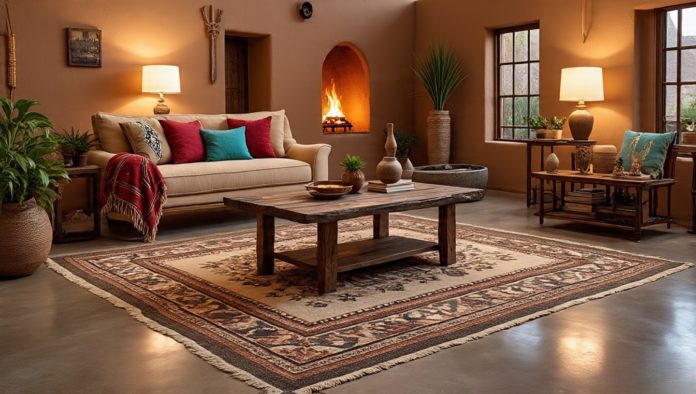
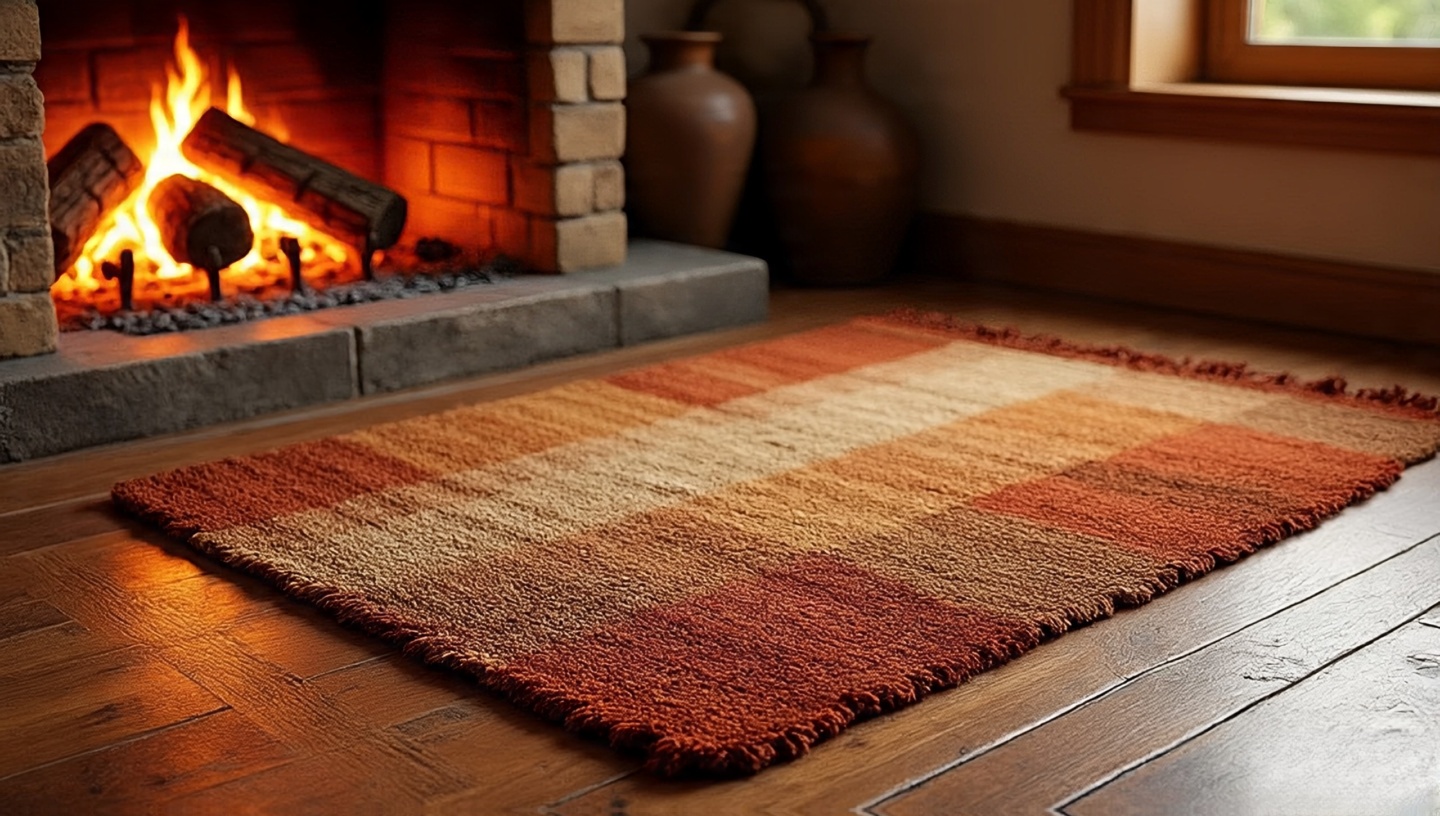
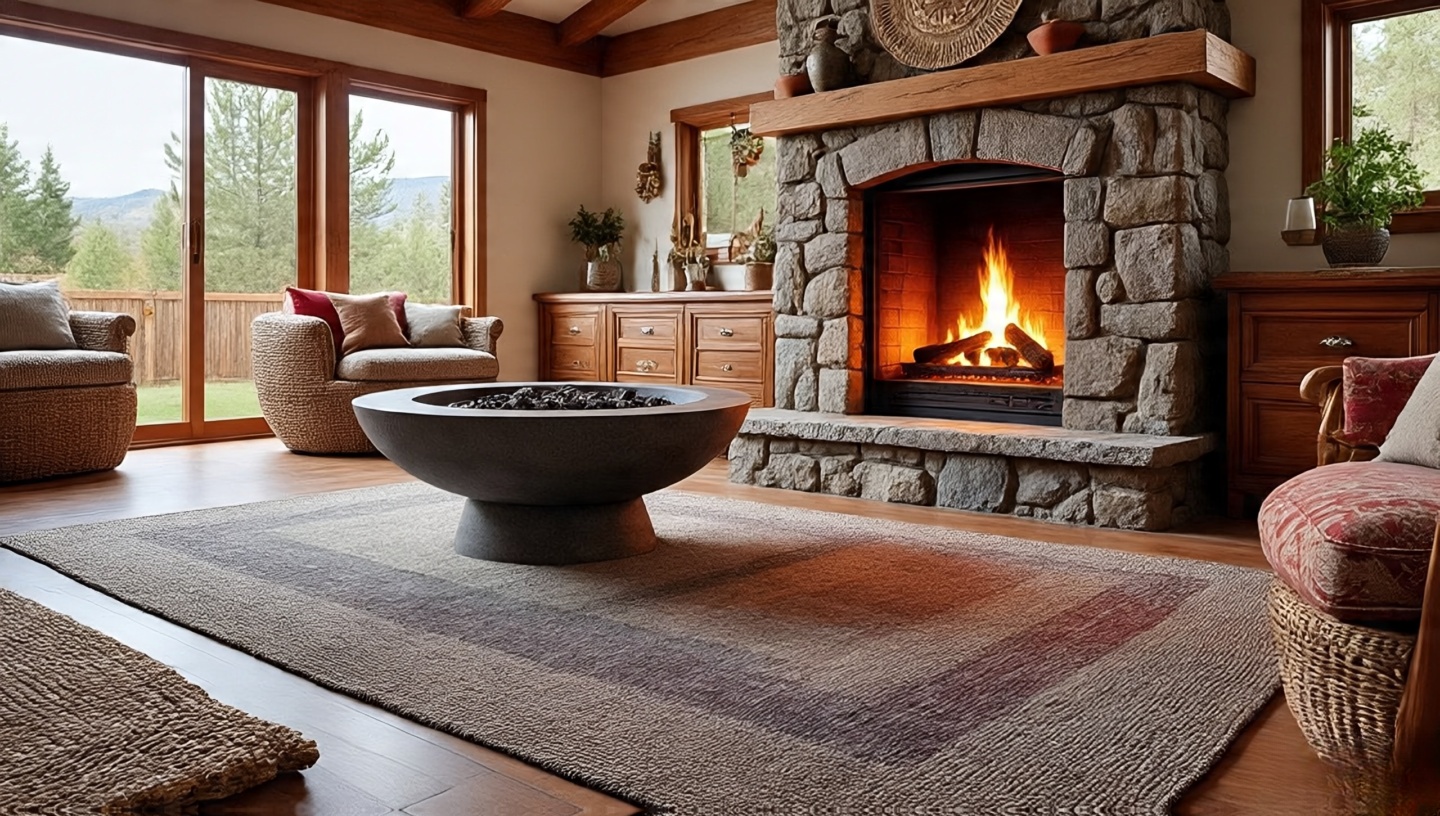
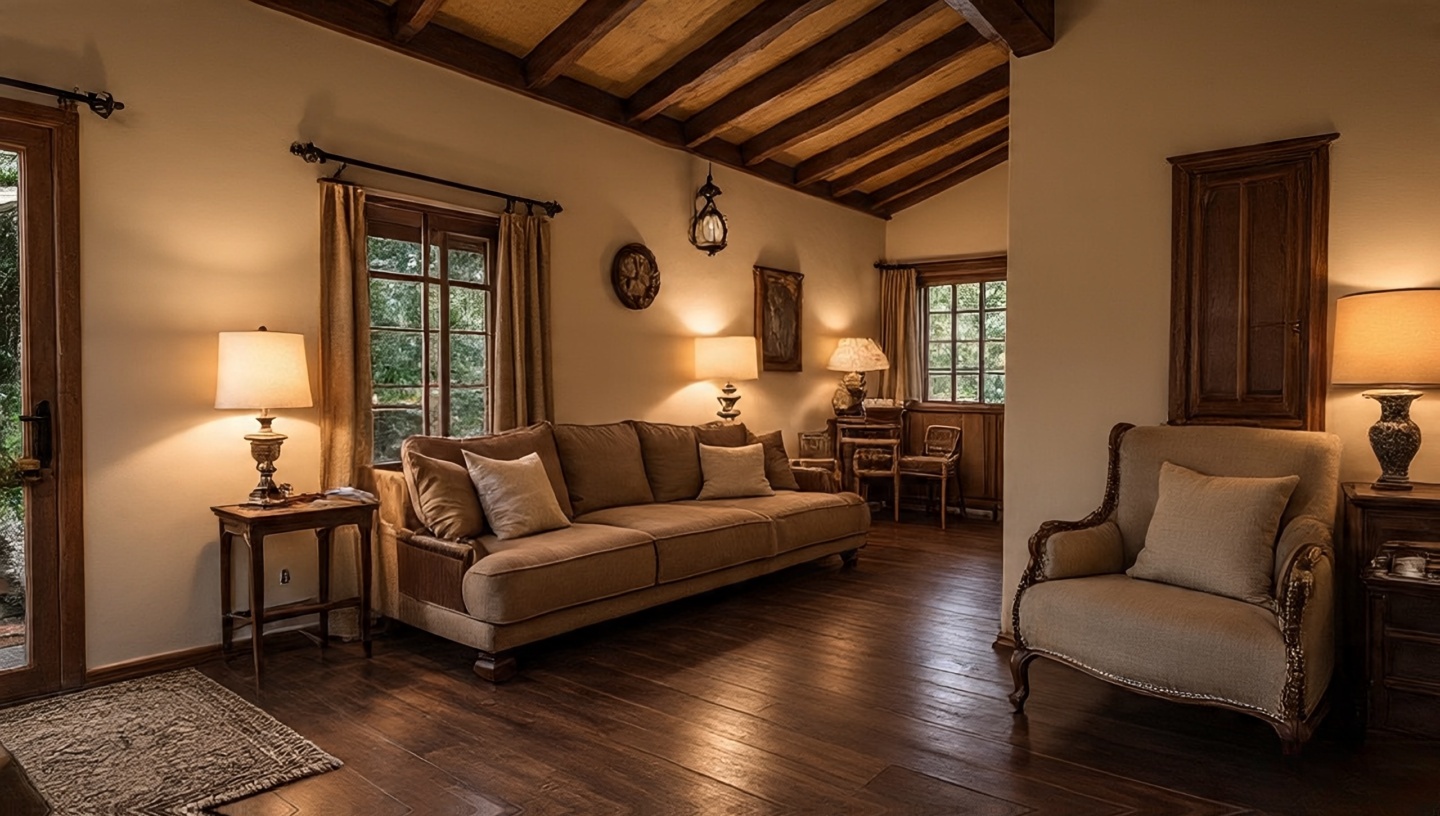
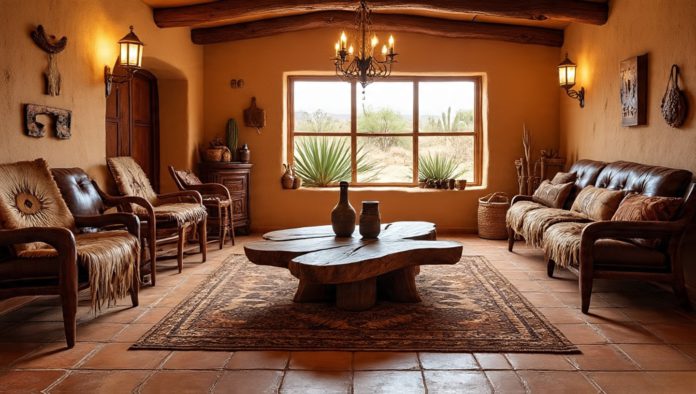
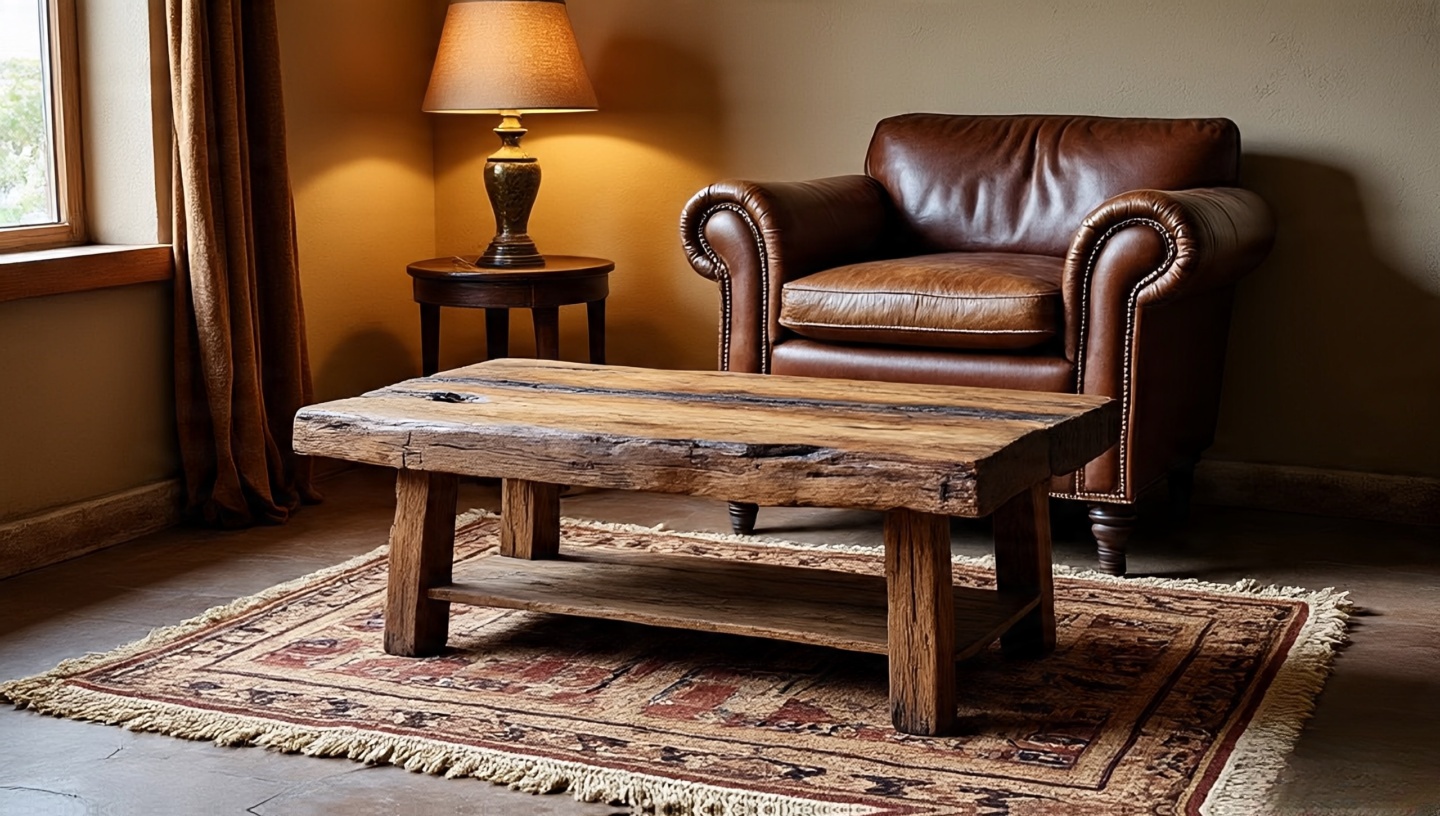
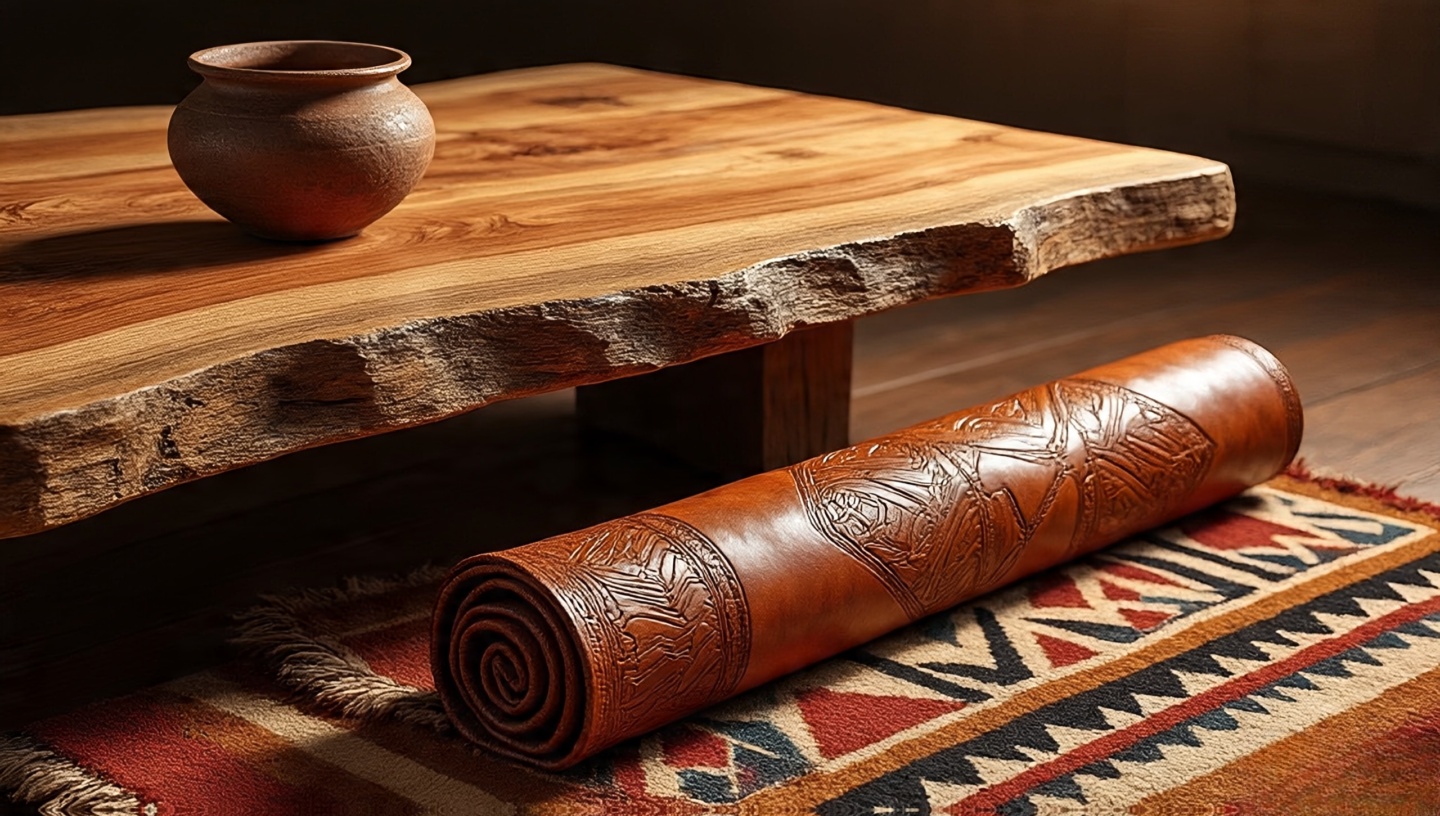 Authenticity starts with what your furniture is made of. Real materialswood, leather, iron, stonecarry weight, both literally and emotionally. They hold stories. A reclaimed mesquite table might still show burn marks from a blacksmith’s shop. A leather armchair develops a patina that tells you exactly where your uncle used to sit every holiday.
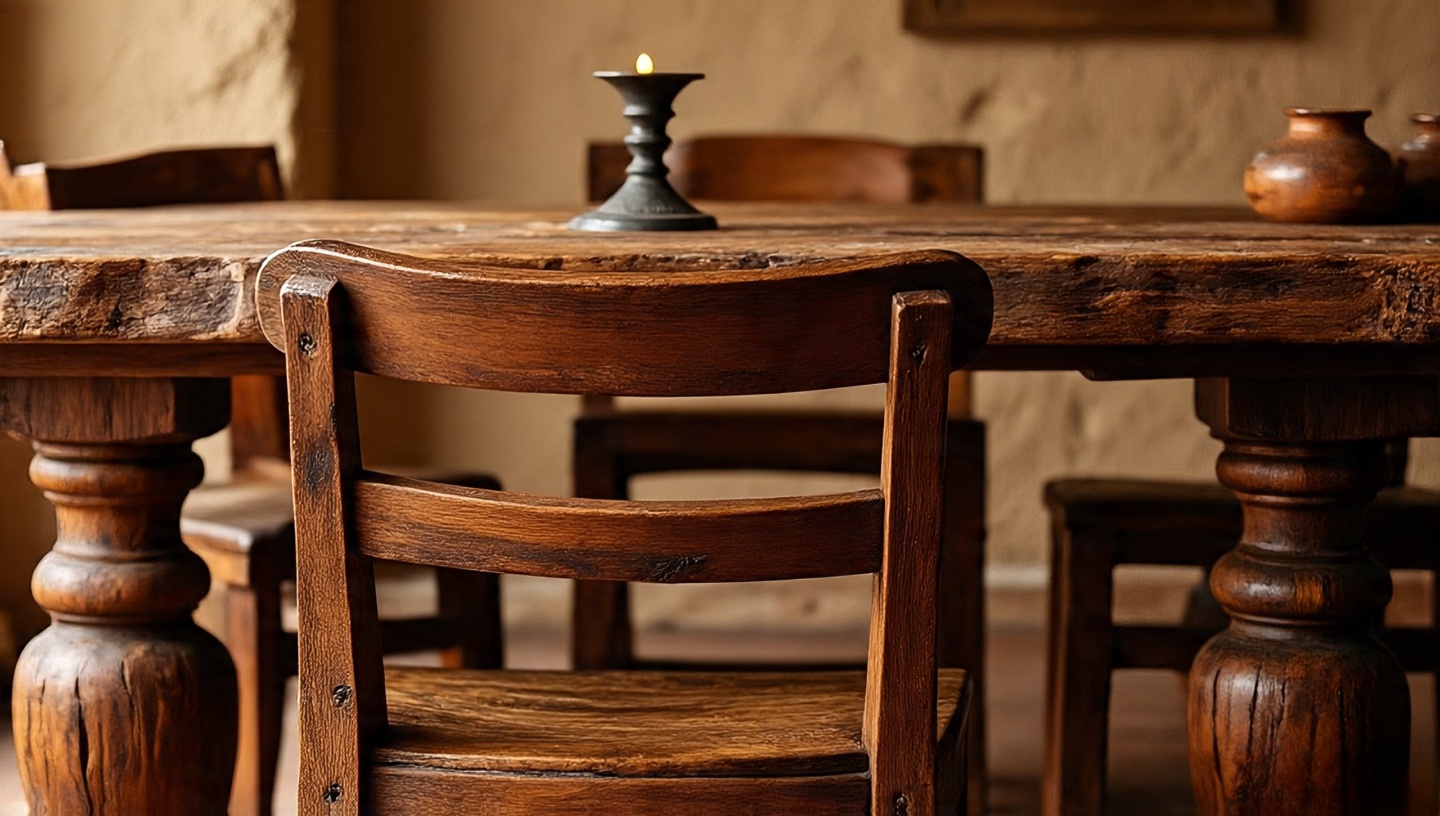 Southwestern style isn’t delicate. It’s meant to endure. Think of the thick adobe walls of Pueblo Revival houses in New Mexicobuilt to last, not just to look pretty. Your furniture should echo that philosophy.
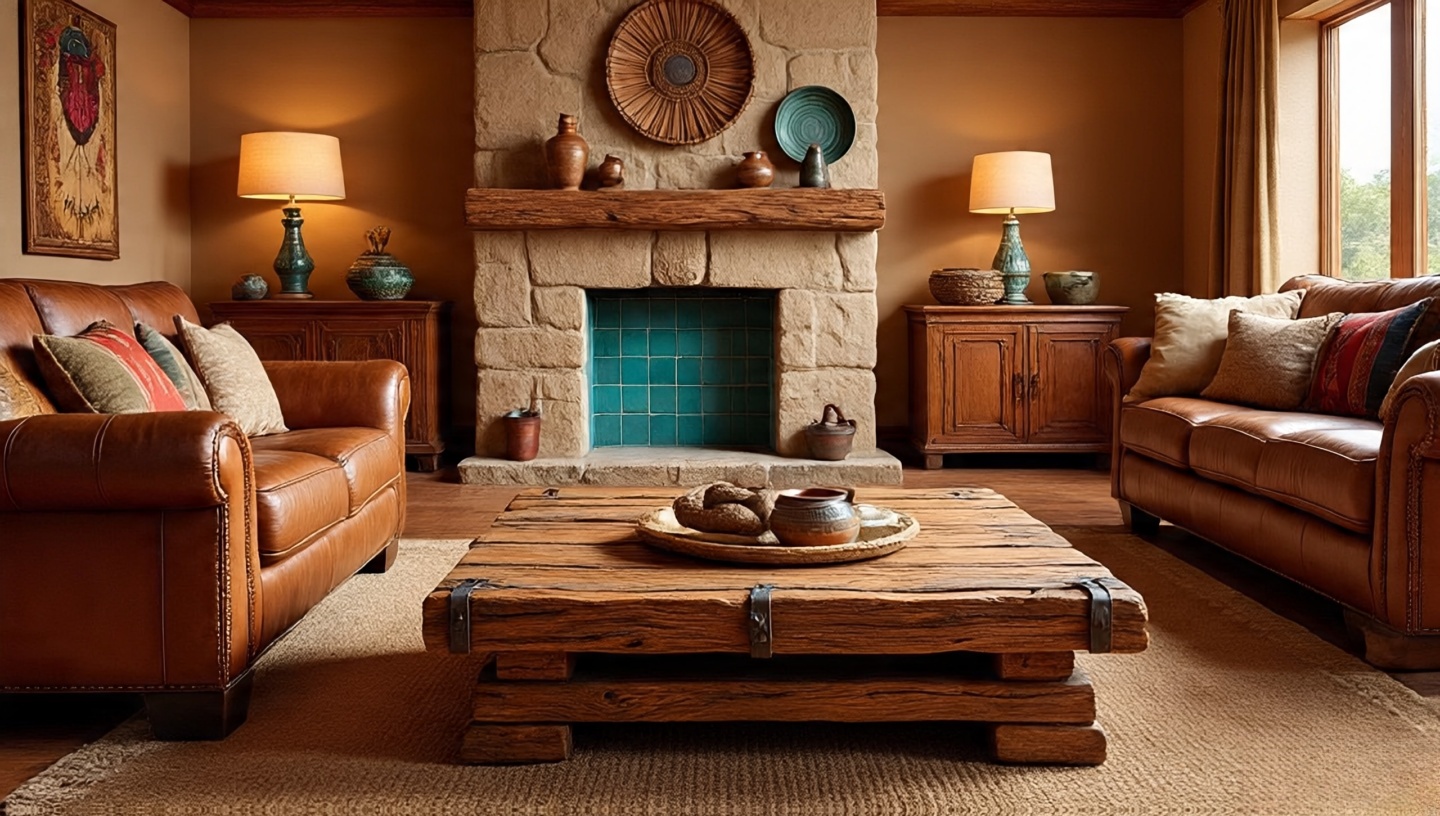 Here’s where things get tricky. Anyone can slap some turquoise paint on a table and call it Southwestern. But authenticity is quieter. It’s in the proportions, the craftsmanship, the respect for tradition.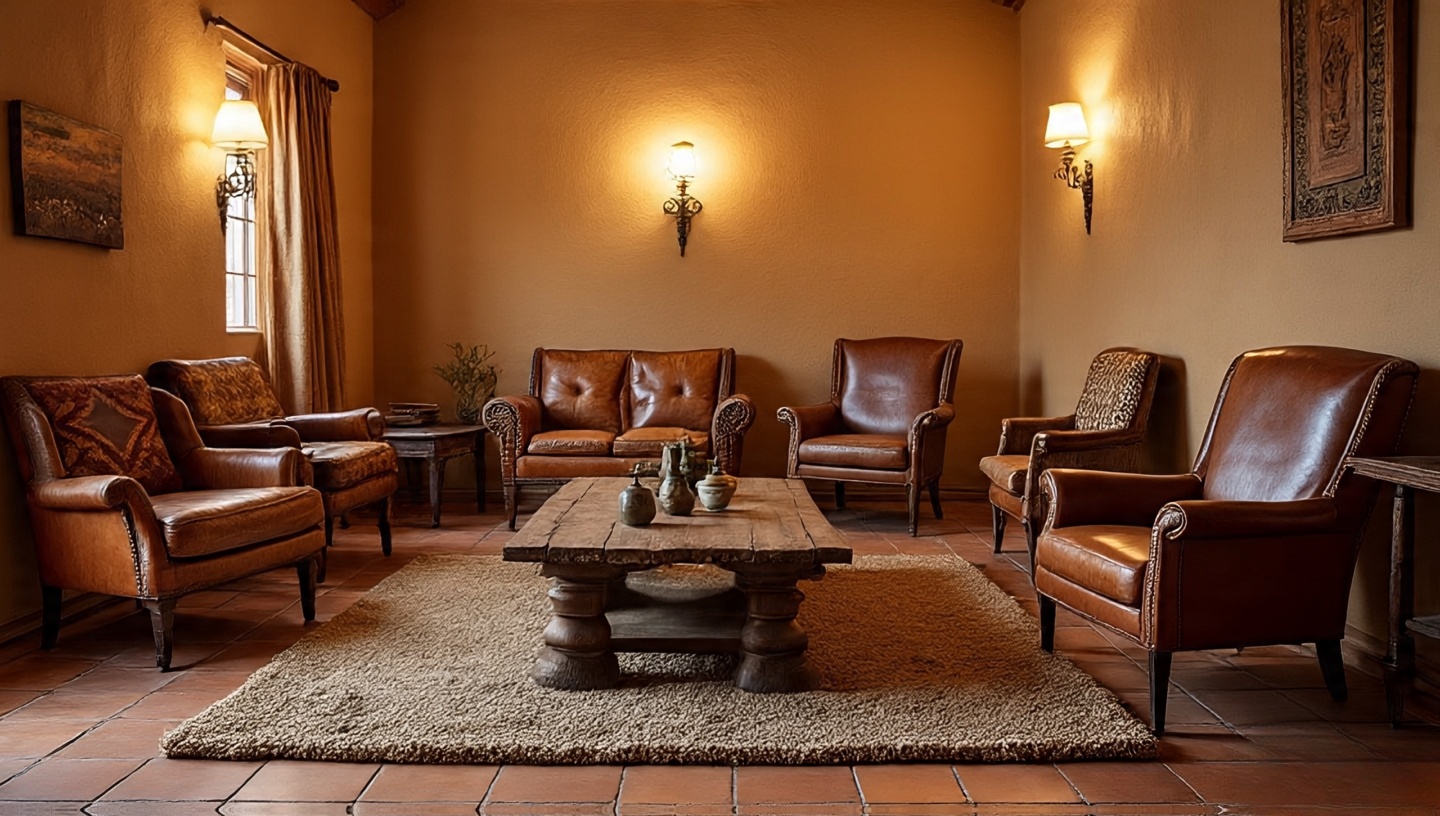
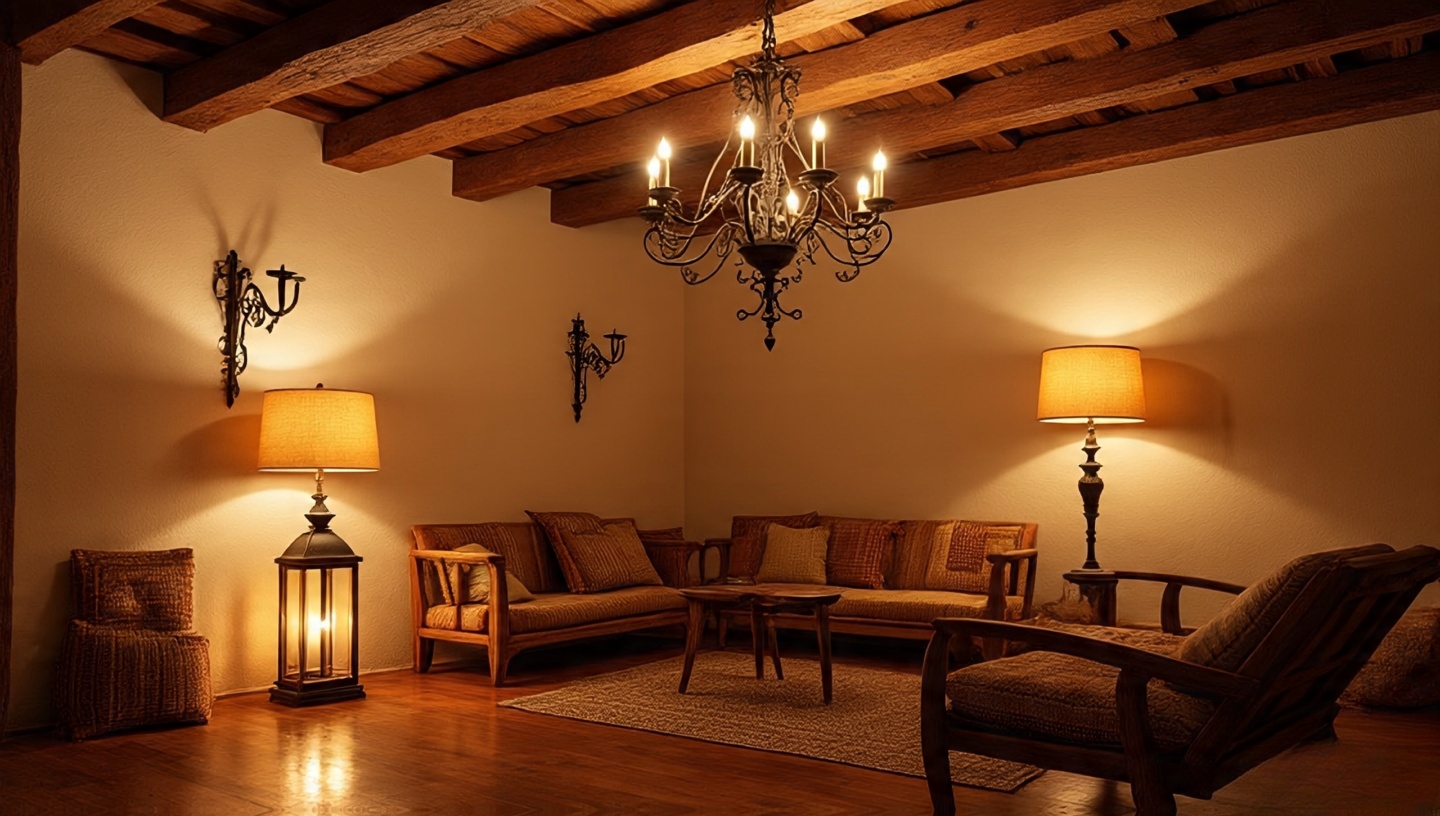 A Southwestern living room isn’t just about throwing in a leather couch. It’s about balancing the heavy with the soft, the rustic with the warm. I like to think of it as building an “earthy tones living room”sand-colored walls, terracotta tiles, then furniture that feels rooted.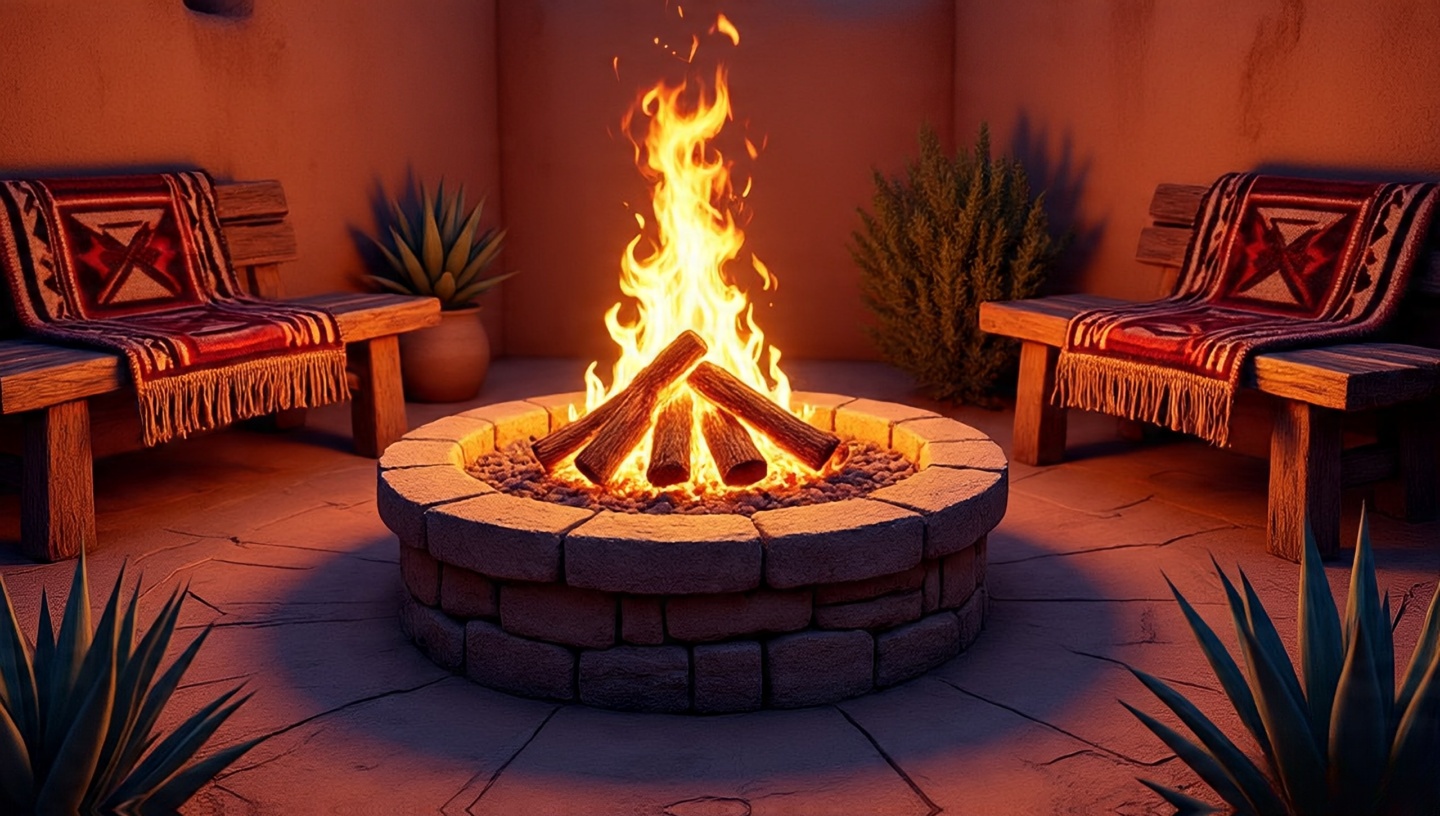
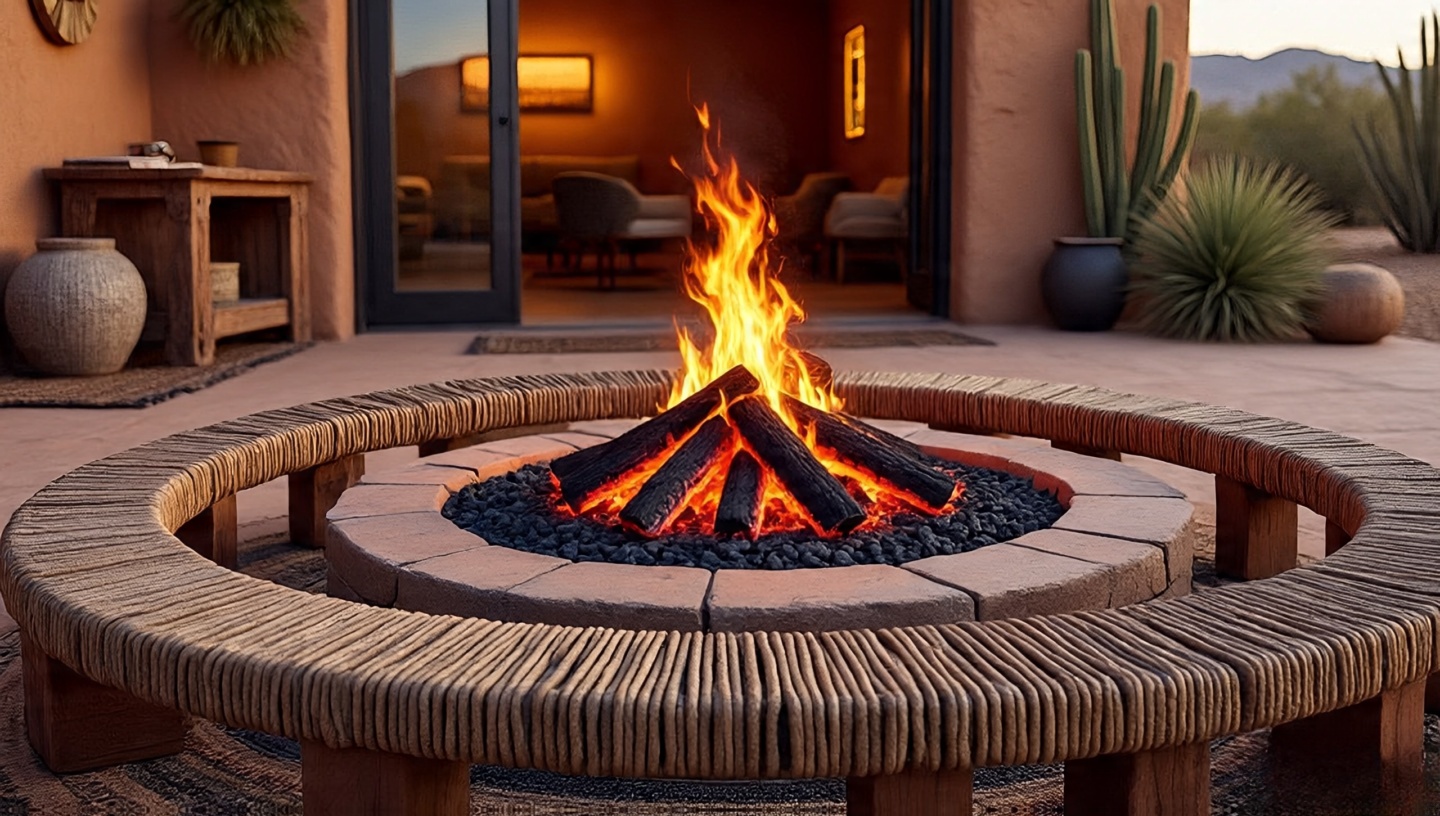 I’ll admit, my neighbor once built a fire pit that looked like something out of a glossy magazine. Lava rocks circling the flames, thick wooden benches around it. We sat there one evening, the scent of sagebrush floating through the night, and it hit me: this is what Southwestern living is. It’s not about buying a “set” of furniture. It’s about creating a place where the desert’s beauty and toughness meet human warmth.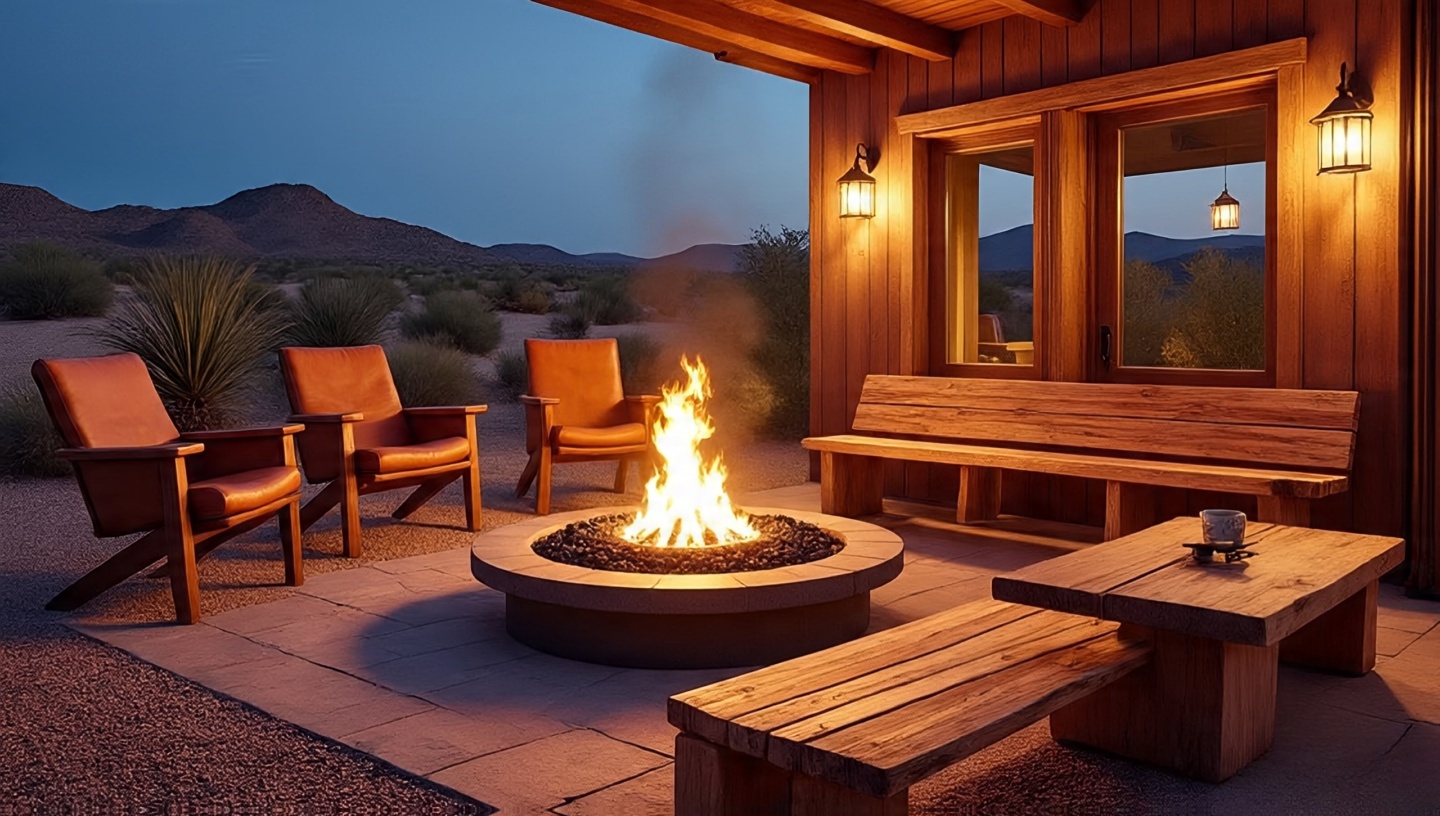
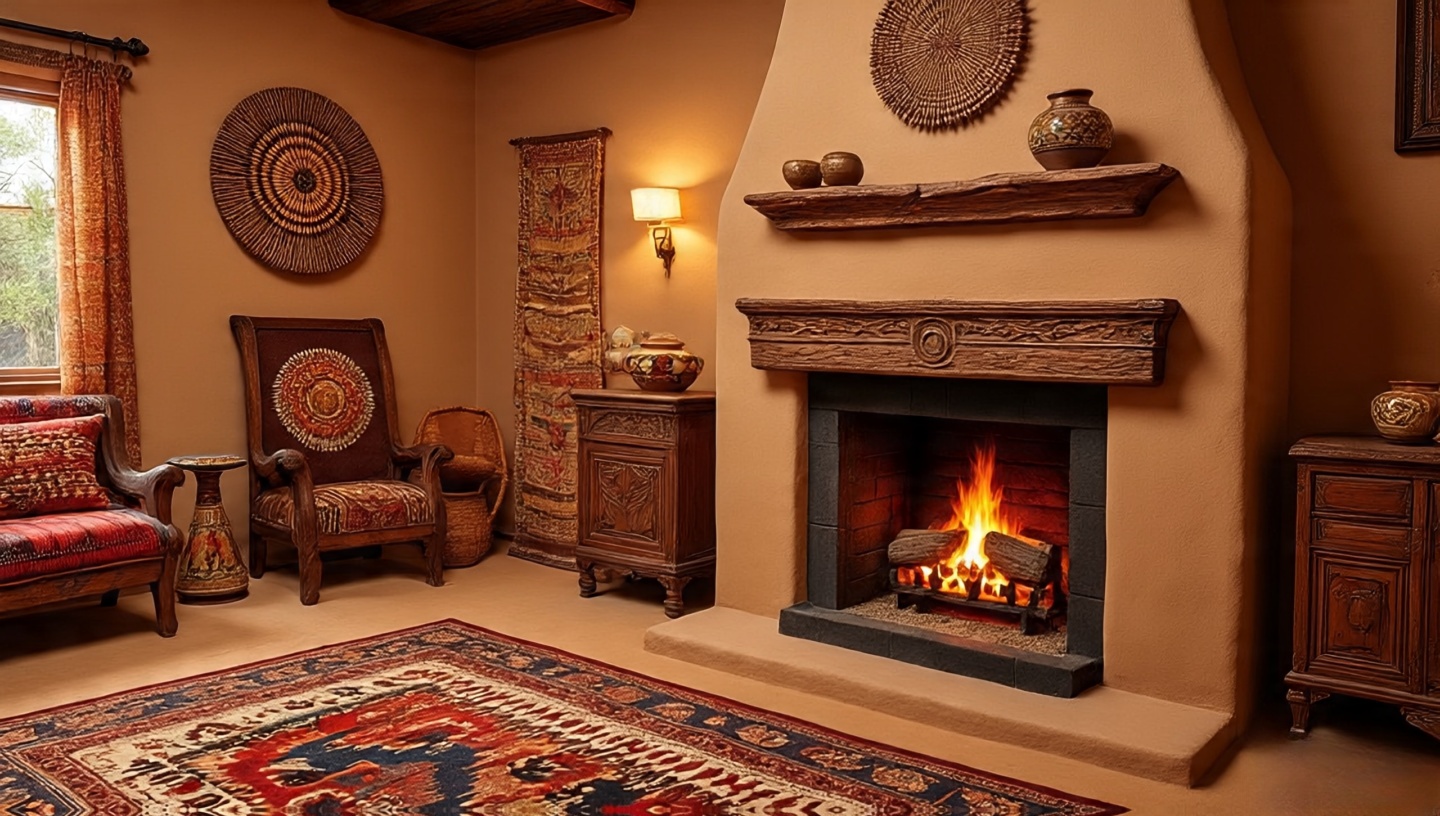 The beauty of Southwestern style is that it’s layered with culture. Pueblo Revival architecture, Spanish colonial influences, Native American weaving traditionsthey all come together. When you choose furniture, you’re not just filling a room, you’re carrying a bit of that cultural history home.
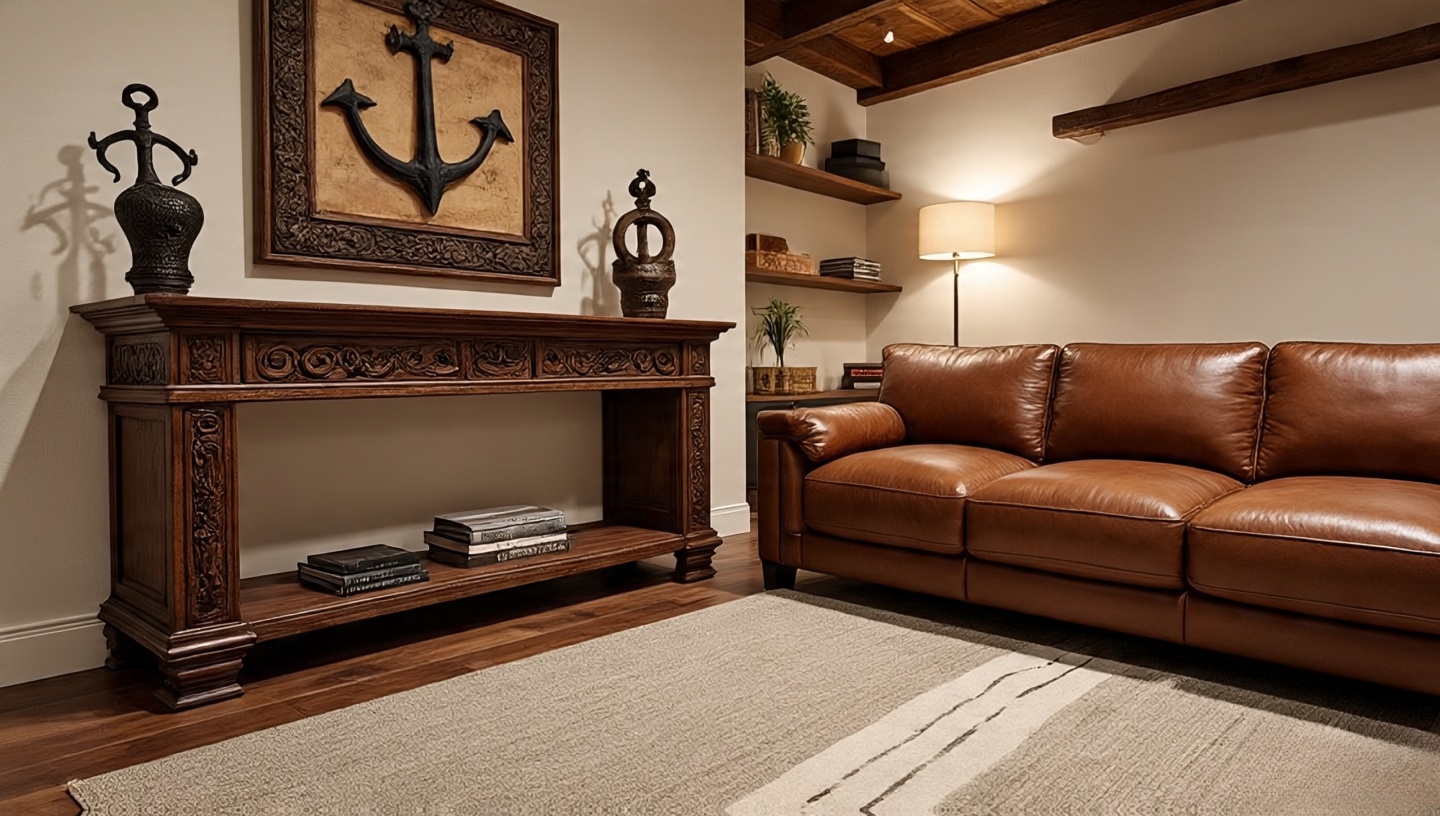 Not at all. Too much and it becomes costume-like. A better approach? Choose anchor pieces that scream Southwesternmaybe a carved console table or a big leather sofa. Then let the rest of your home breathe with neutral, modern items. That way, the rustic home feel comes naturally instead of feeling staged.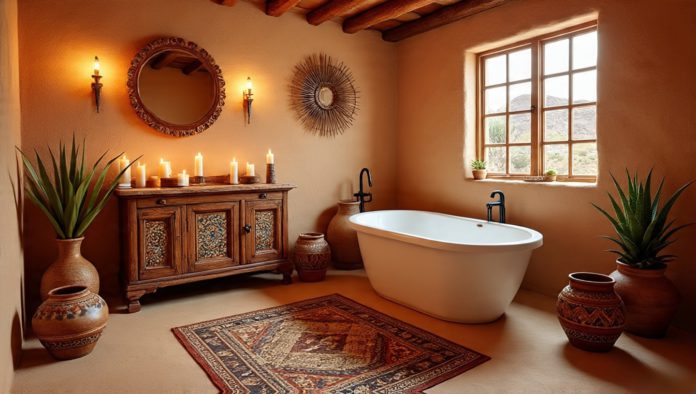
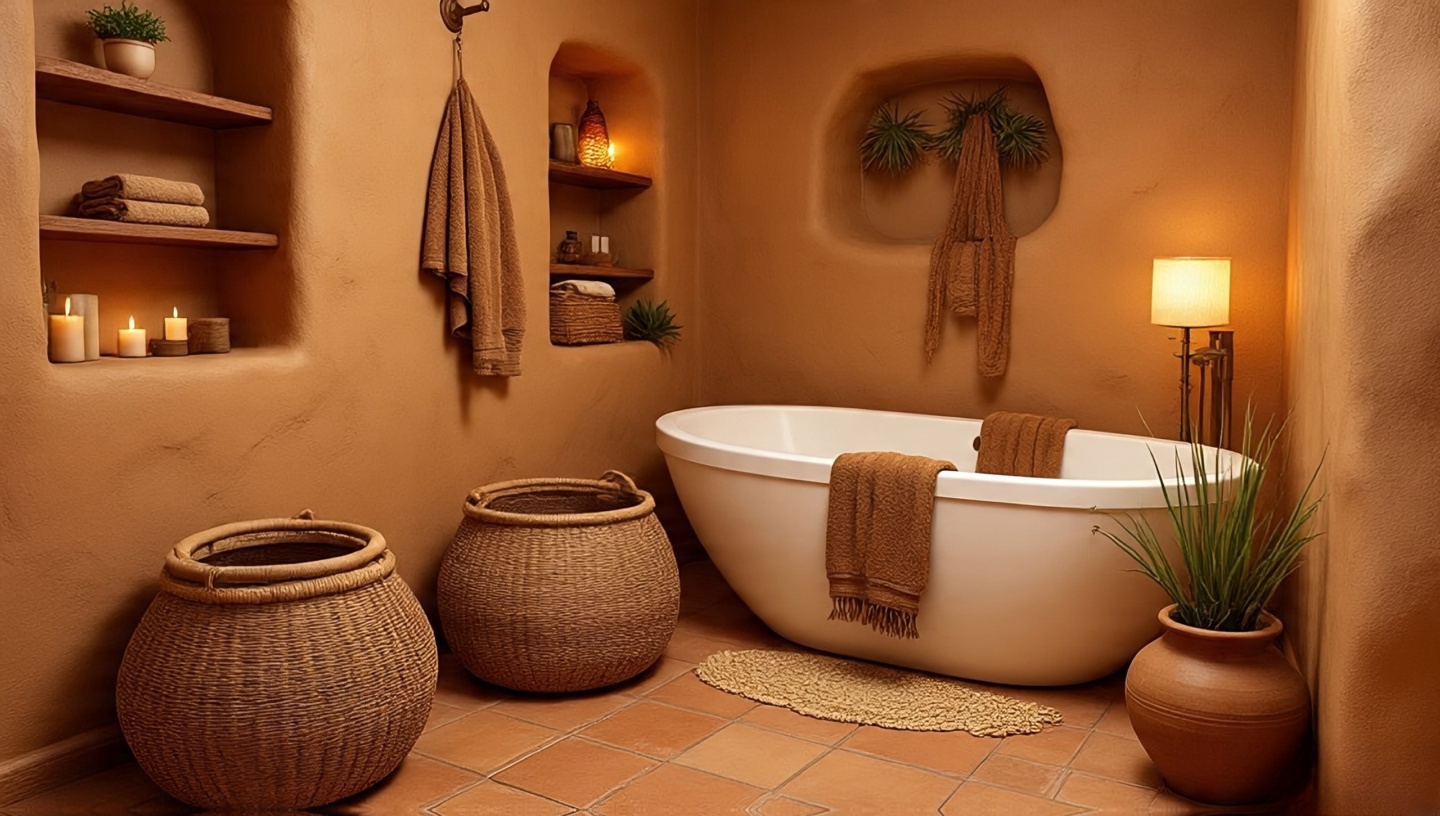 I’ve always thought bathrooms are underrated. They’re more than functional they’re where we decompress. And when you bring in Southwestern elements, something magical happens. The textured surfaces, the warm colors, and the rustic home character make even the simplest shower feel like a retreat. Ever sat outside at night and felt the desert silence wrapping around you? That’s the mood you want to recreate here.
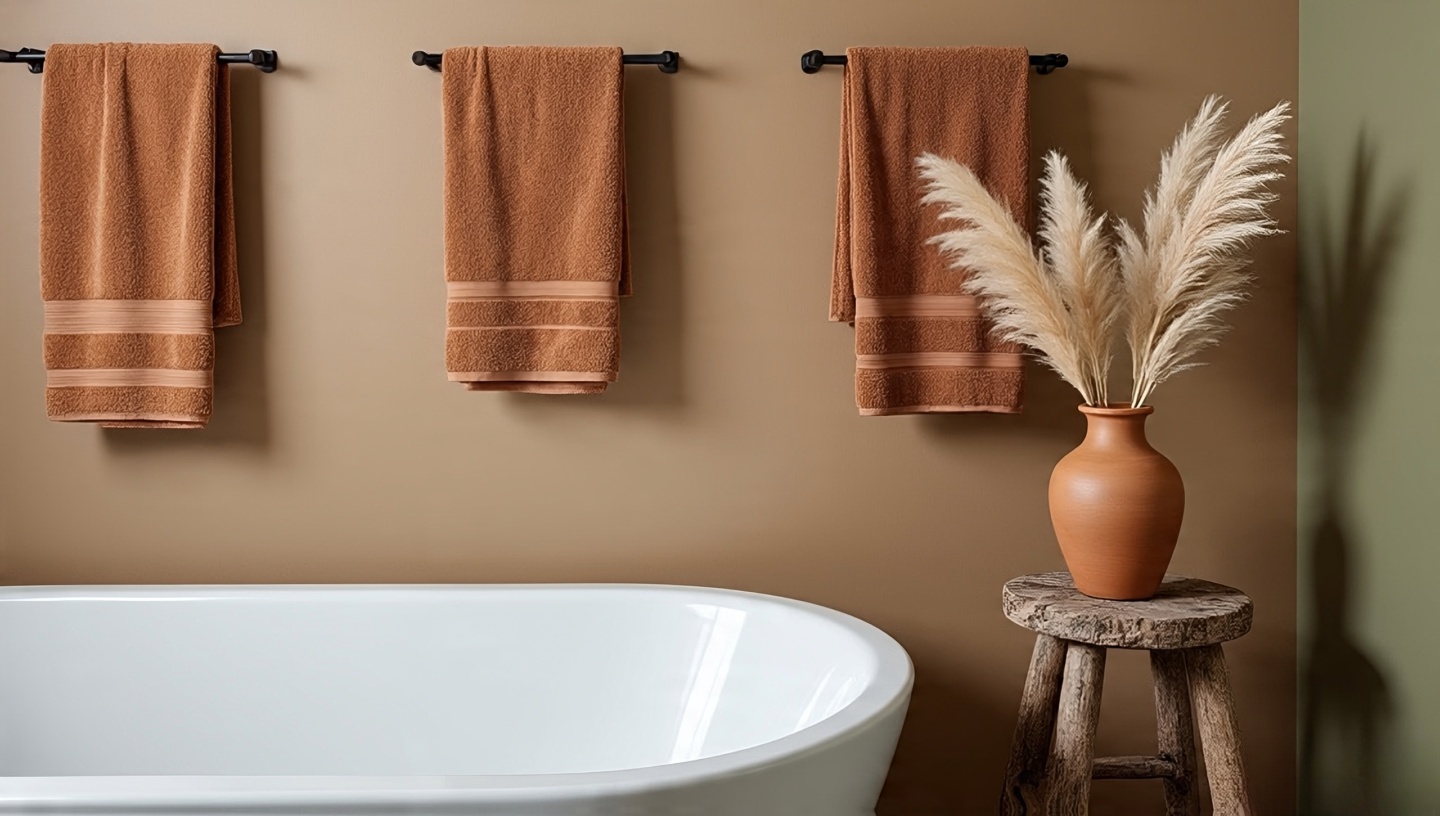 Southwestern living room ideas often start with earthy tones living room palettes sandy beige, sun-baked terracotta, dusty clay, muted sage. The same applies here. Paint your bathroom walls in these shades and you’ll instantly set the mood. Pueblo Revival architecture, with its stucco walls and thick textures, is a great reference point. If repainting isn’t in the budget, even swapping out towels and rugs for desert-inspired hues can make a big difference.
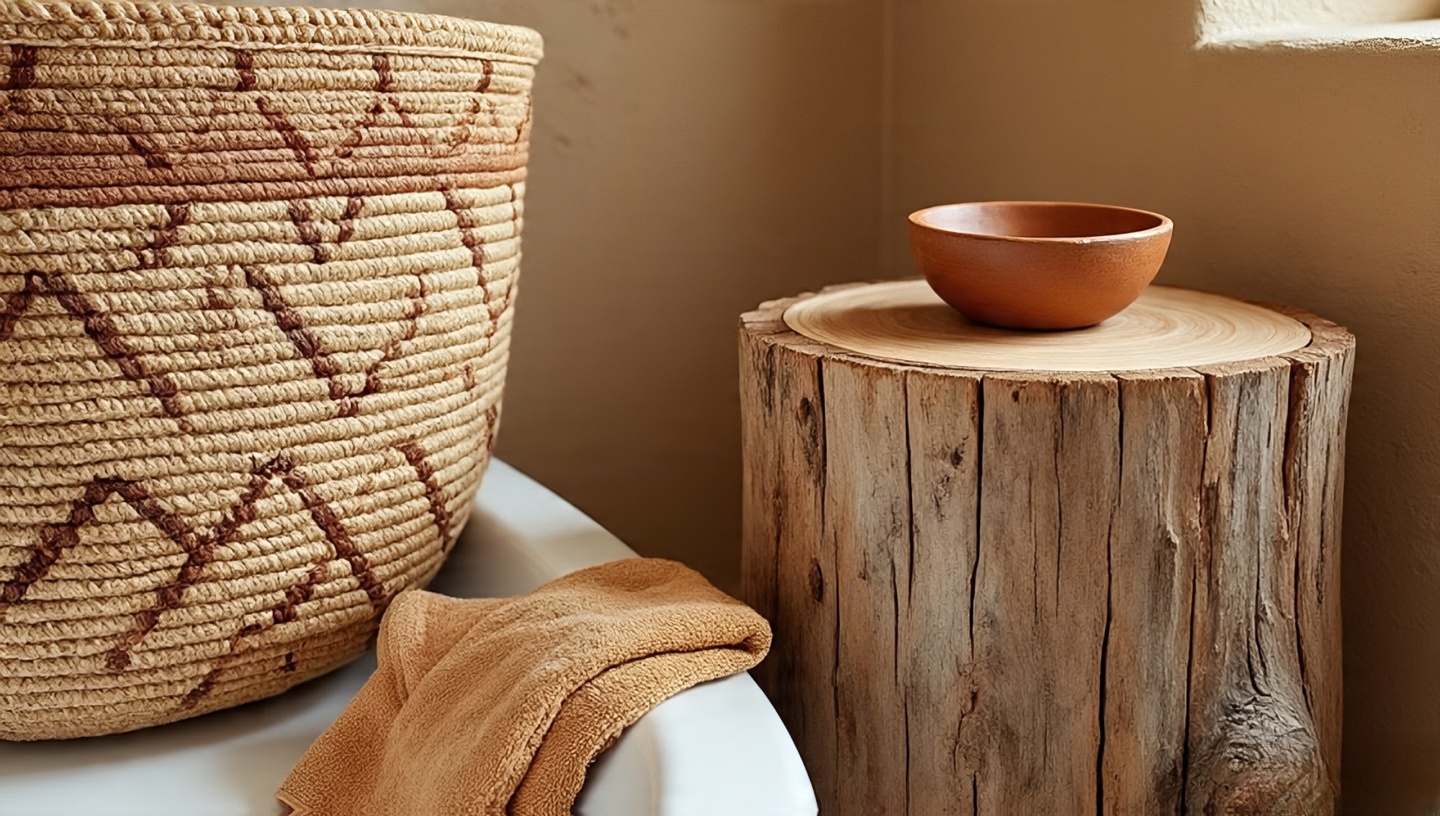 Bathrooms are usually smooth, shiny, and a bit cold. Break that up with rougher textures: woven baskets, handmade clay soap dishes, or even a rugged wooden stool. I once saw a neighbor repurpose an old tree stump as a bathroom side table it looked like it belonged in a desert lodge. Texture is what makes your space feel lived in, not staged.
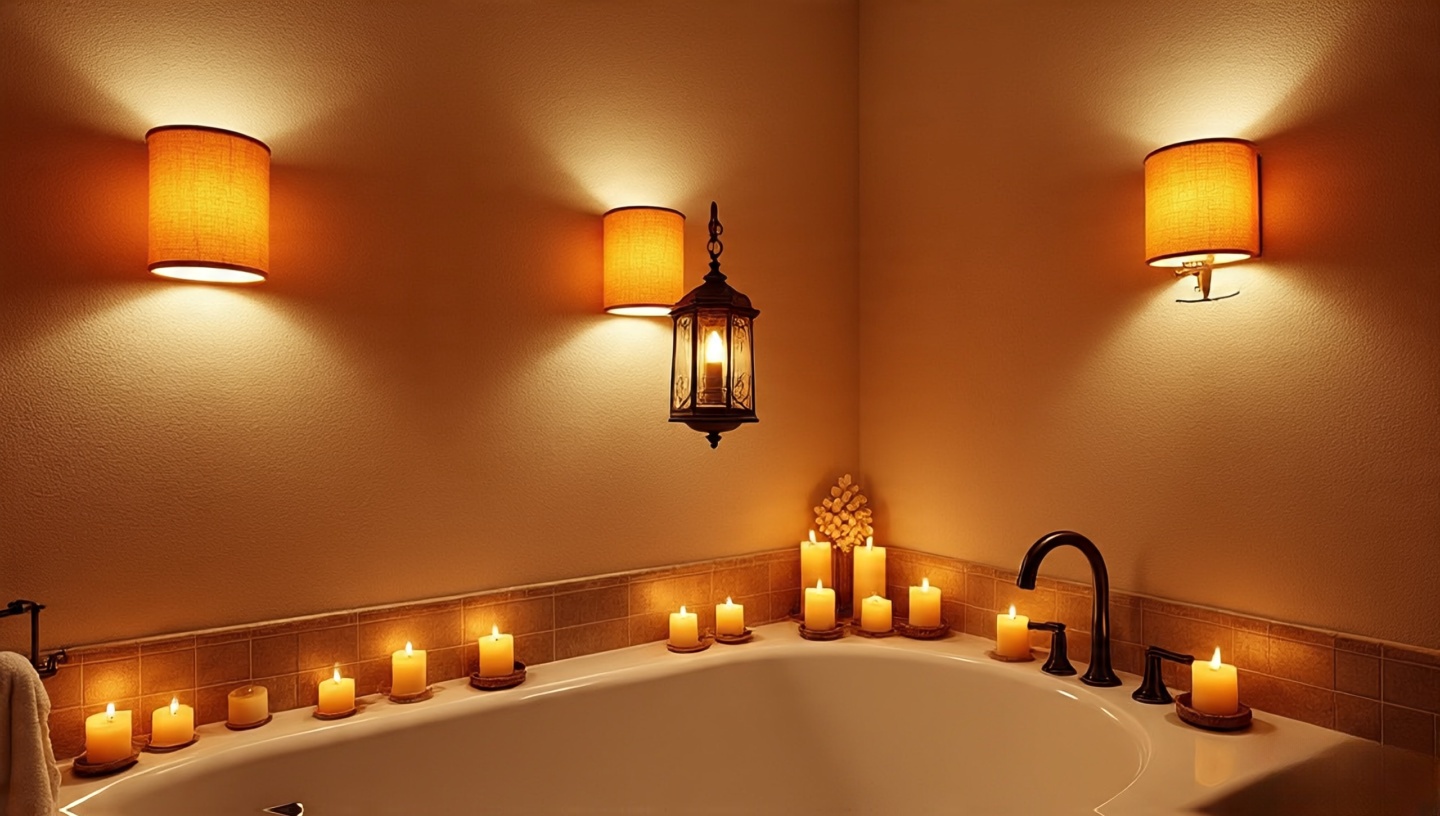 No spa-like retreat is complete without the right lighting. Southwestern style leans into warm, soft glows that mimic the desert sunset. Forget the harsh overhead lights install wall sconces with amber bulbs, or place candles around the tub. If you want drama, hang a lantern with cut-out patterns that scatter light like stars across adobe walls. It feels like camping, but fancier.
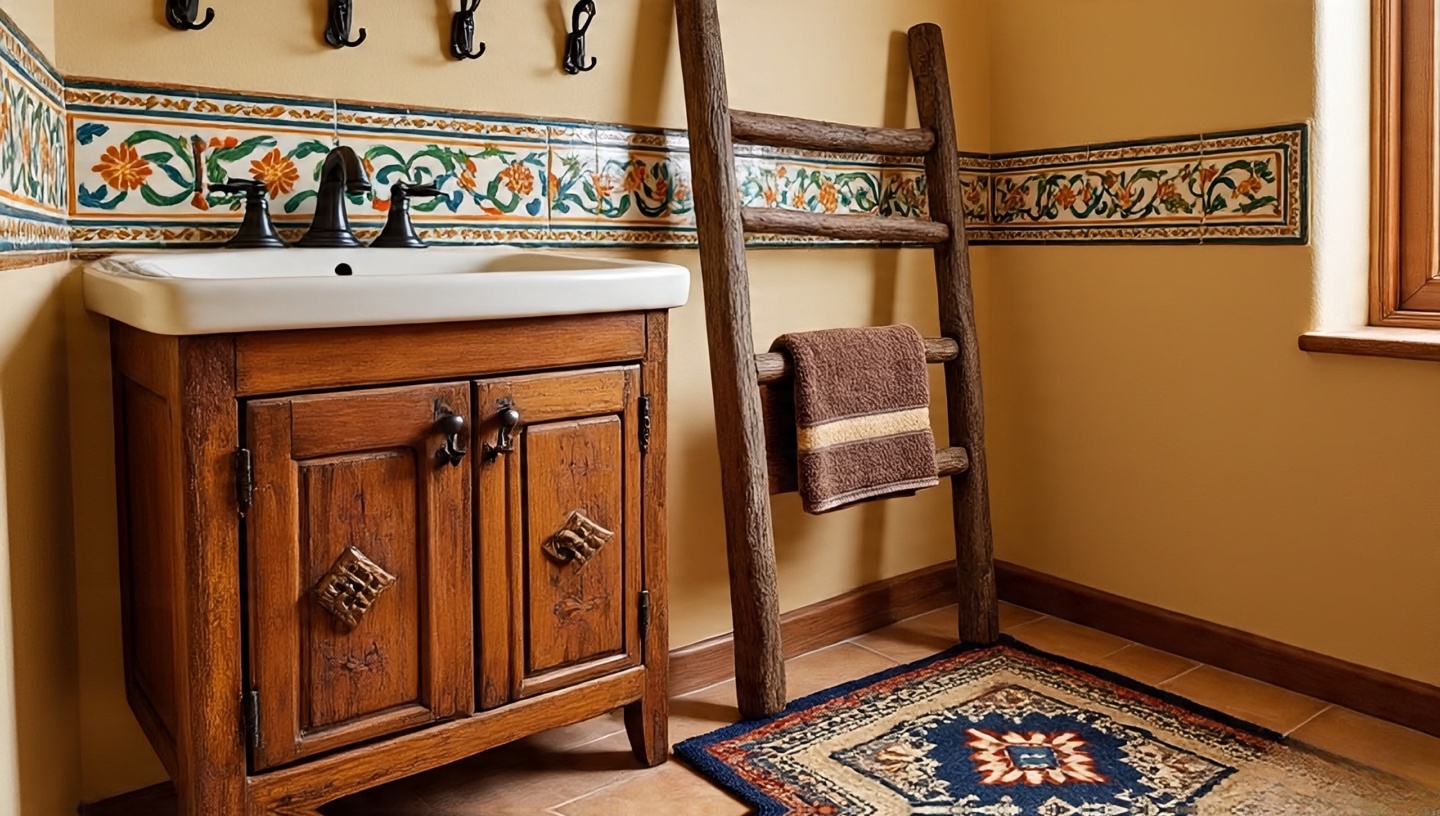 Small details transform the vibe. Think rustic home touches like iron hooks for towels, hand-painted tiles around the sink, or even a simple ladder rack for hanging linens. And don’t underestimate rugs. Southwestern rugs and textiles colorful, patterned, bold will instantly pull the room together. If you need inspiration, check out
 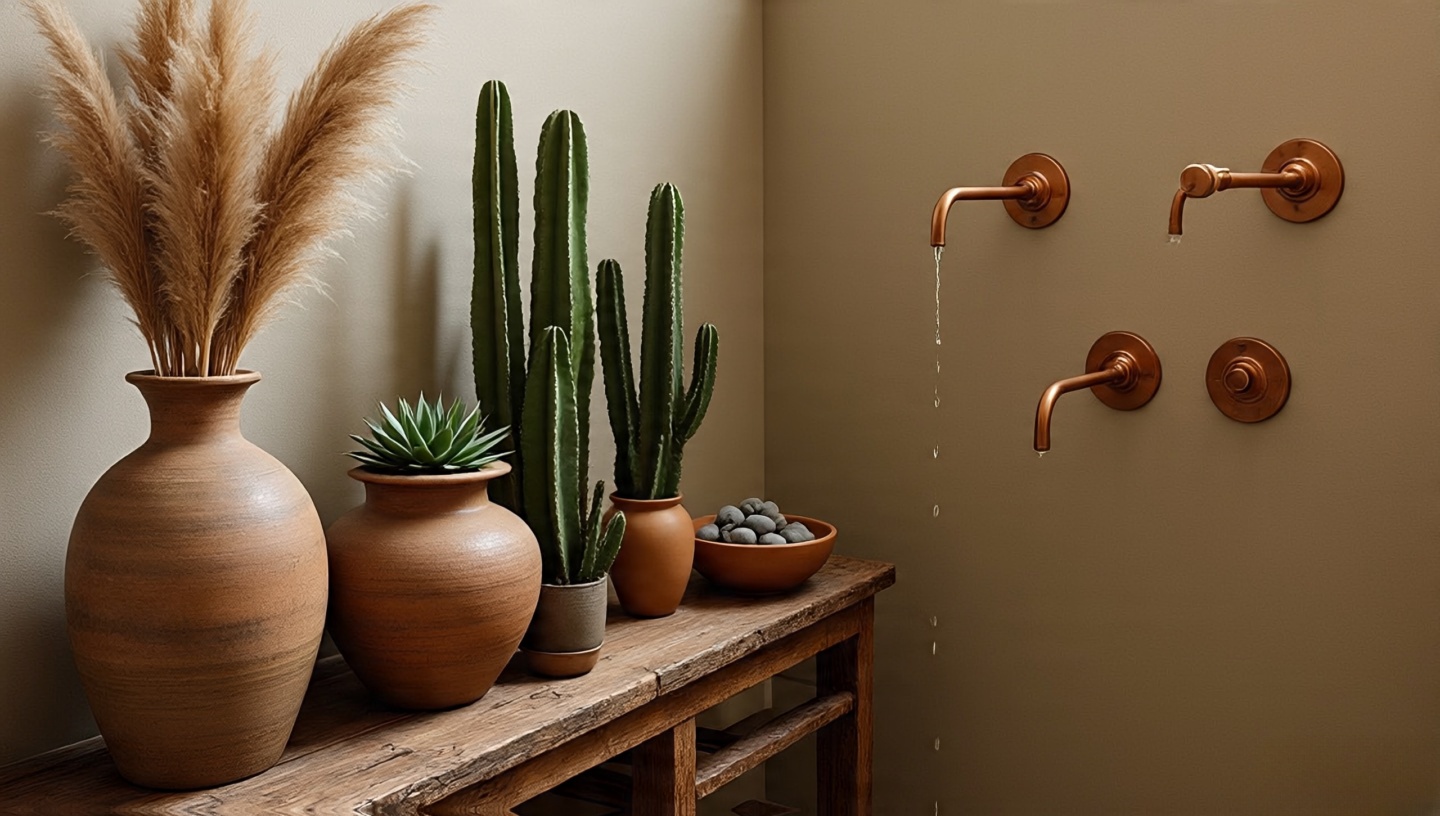 Sounds strange to talk about water in a bathroom (isn’t it already everywhere?), but here’s the thing: Southwestern style balances elements. Bring in earthy pottery planters with desert plants like aloe or snake plant. Even dried pampas grass in a clay vase works beautifully. It’s about grounding the space so the water features your sink, tub, shower don’t feel sterile but instead part of the desert story.
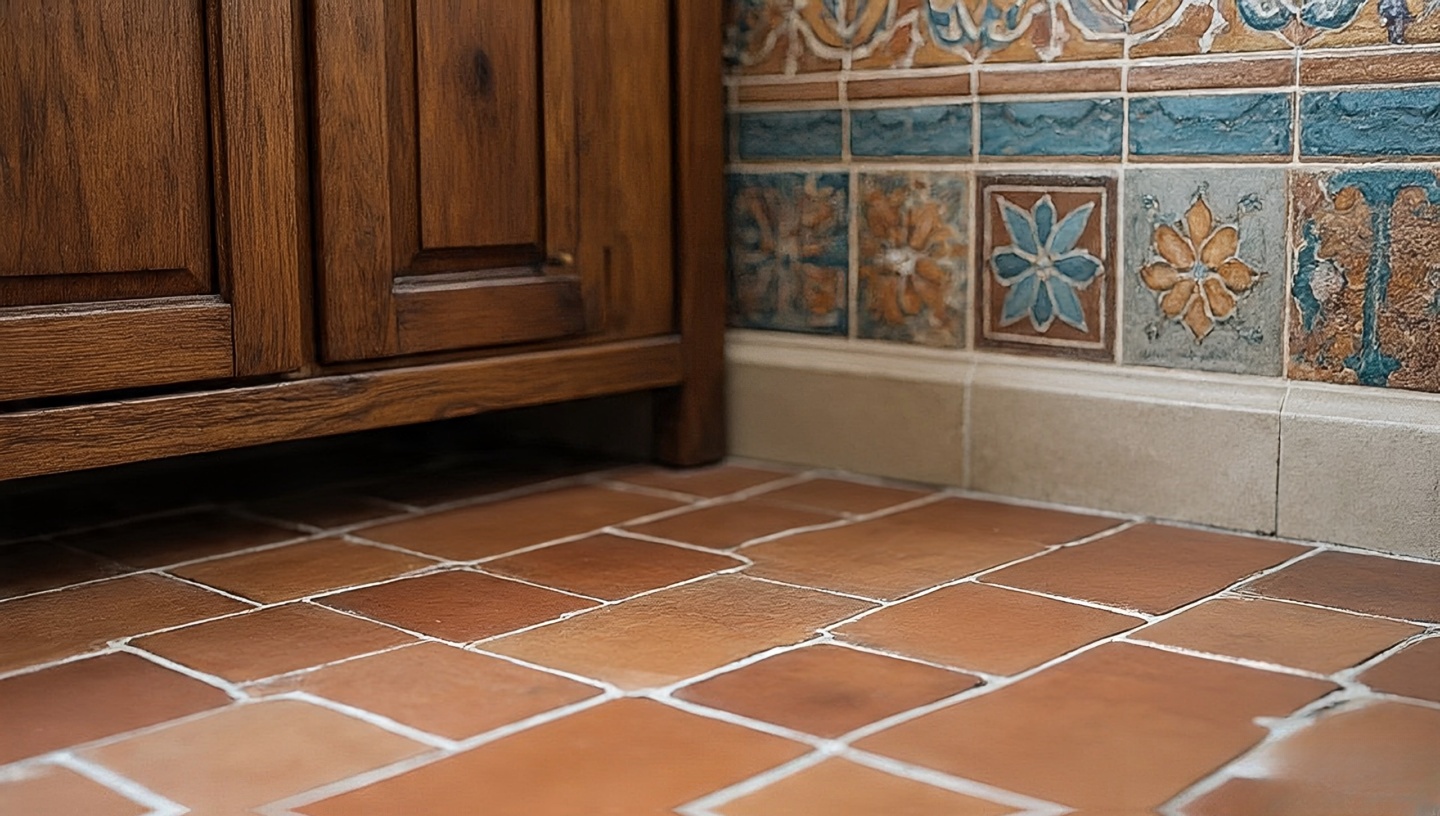 If you have the budget to swap tiles, hand-painted Talavera or Saltillo tiles are iconic. But if that’s too expensive, here’s a trick: peel-and-stick tiles in terracotta tones or mosaic prints. Affordable, renter-friendly, and surprisingly convincing. I used them once in a small powder room and honestly, guests thought I flew them in from Mexico.
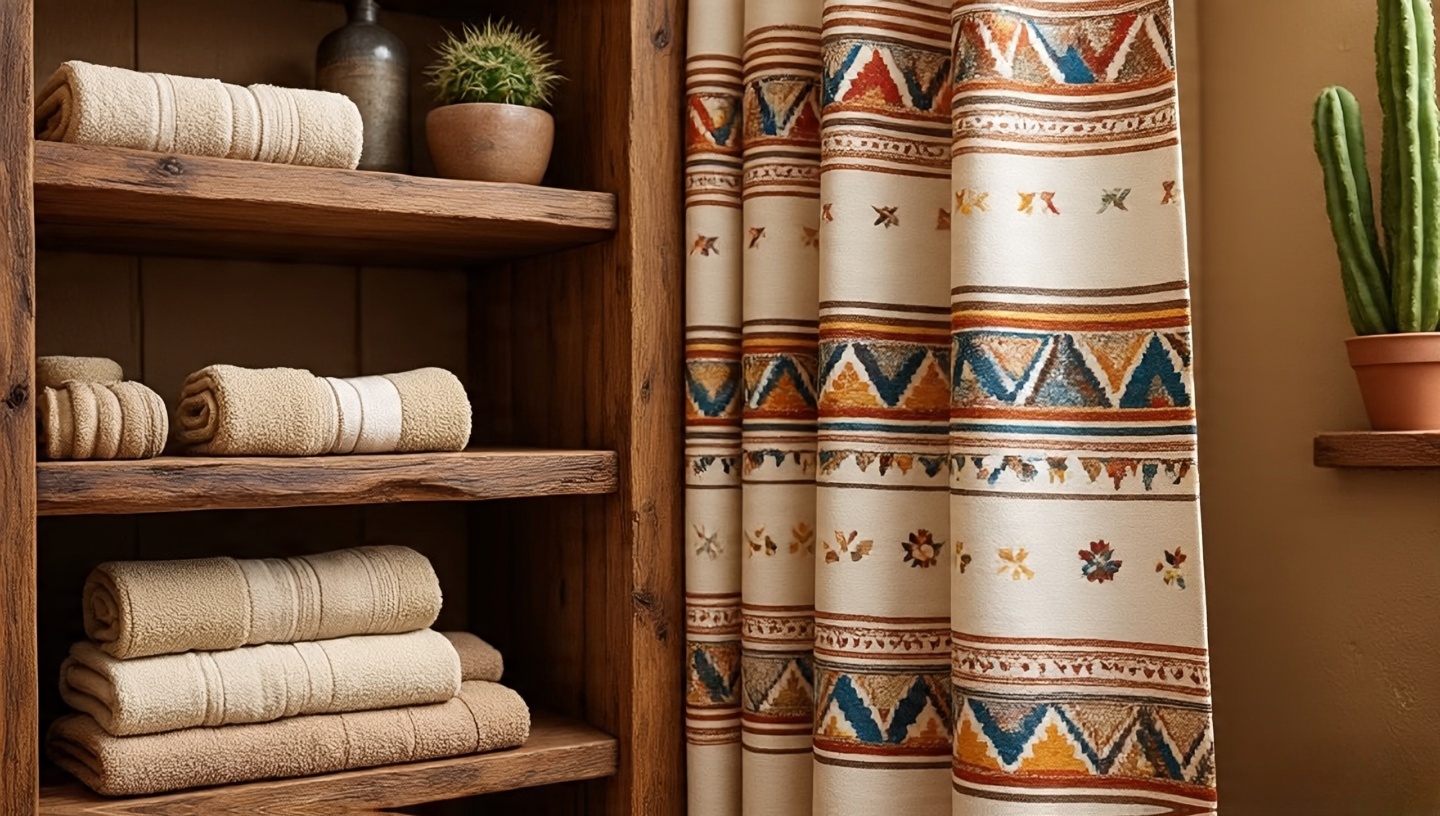 Don’t underestimate fabric choices. A simple cotton shower curtain with a bold Navajo-inspired pattern can completely change the space. Pair it with soft, neutral towels cream, sand, muted gray and suddenly everything feels balanced. Add one patterned textile (the curtain or a rug), not both, or the room may feel overwhelming.
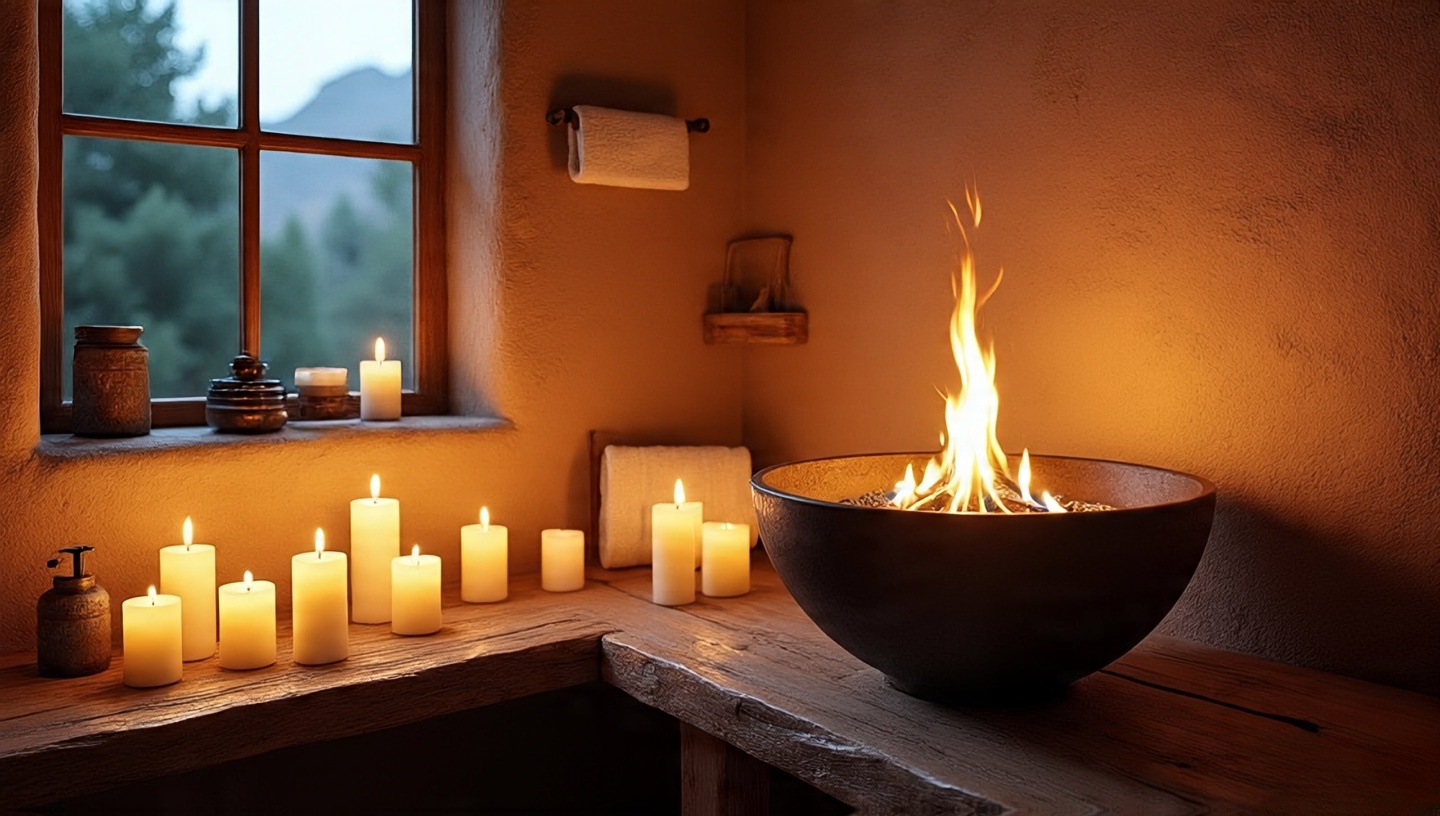 Okay, not literally inside. But think about the vibe. I once sat by a fire pit at a desert Airbnb, flames dancing, shadows flickering on adobe walls. That memory stuck. You can borrow that mood with candle clusters or even a small tabletop fire bowl near a window. The crackle, the warmth, the glow it’s spa energy, desert style.
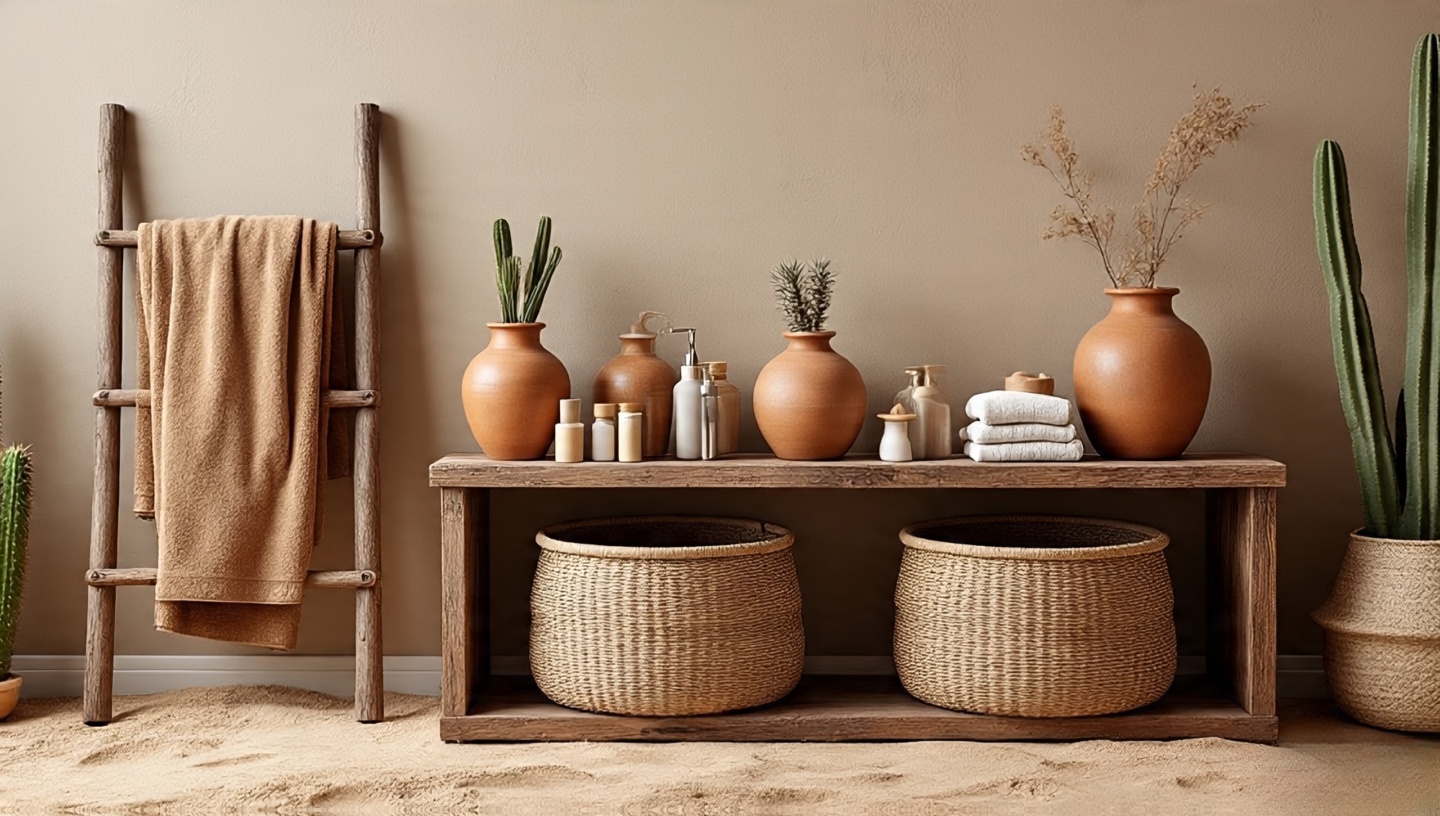 Most bathrooms have ugly storage plastic bins, metal racks. Swap them for woven baskets, wood shelves, or clay jars. Keep it rustic. It’s these little choices that carry the theme without costing much. Even a thrifted ladder leaning against the wall can hold towels in a way that feels intentional and desert-inspired.
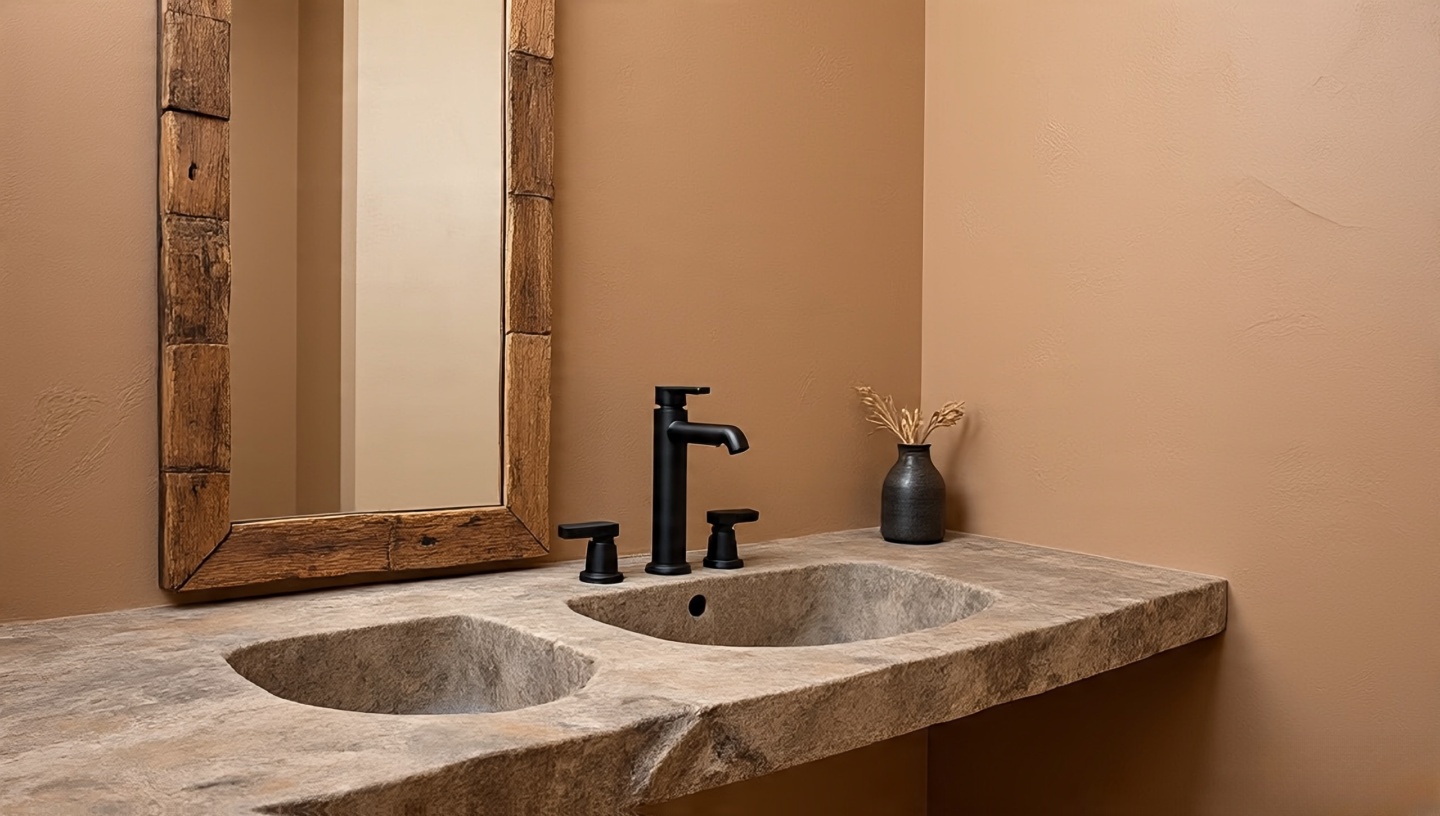 Sometimes you don’t want to go full cowboy. A modern faucet with clean lines can coexist with rough stone soap dishes. A sleek mirror with a chunky wooden frame? Perfect balance. The spa-like feeling comes from restraint, not excess. So mix textures but keep the palette grounded in earthy tones living room ideas soft browns, muted greens, desert reds.
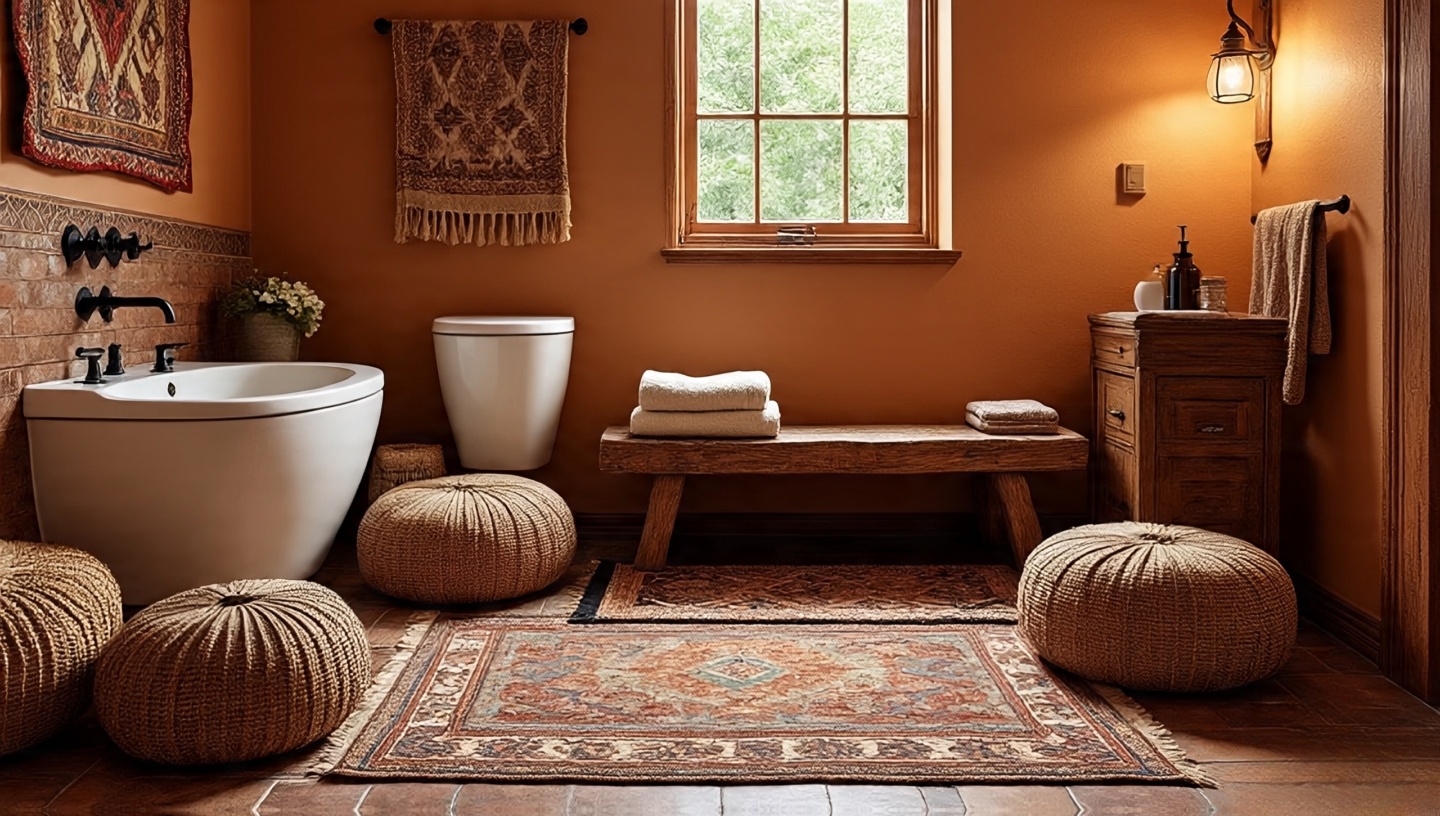 Funny enough, some of the best ideas for bathrooms come from Southwestern living room ideas. Think about it: low lighting, layered textiles, cozy seating. Translate that into the bathroom soft mats, poufs, benches and suddenly your bathroom is more than a place to shower. It’s a space you linger in. For more visual inspiration, check out
 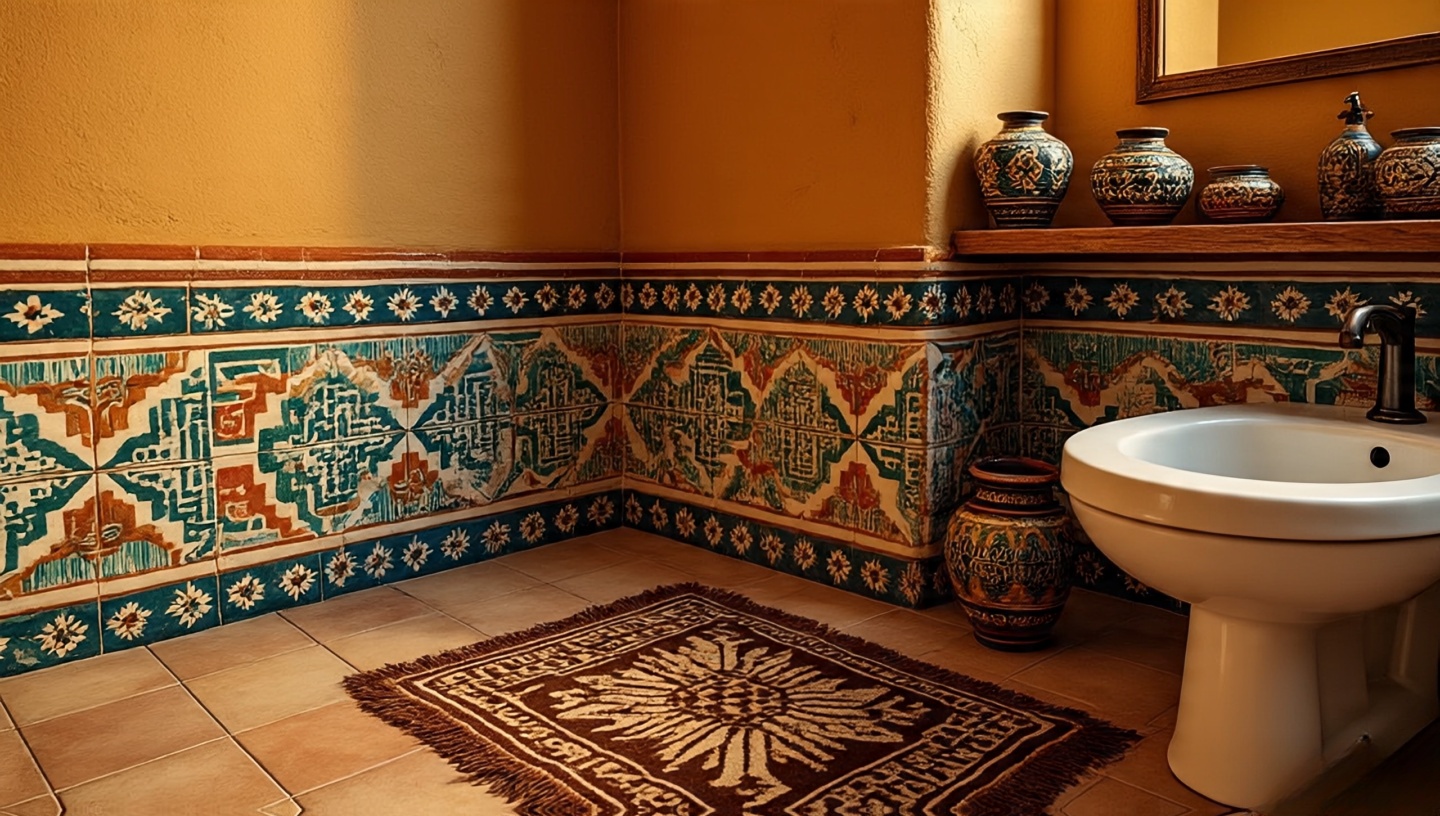 The Southwestern style isn’t just decor it’s heritage. Pueblo Revival homes in New Mexico, Native American textile traditions, Spanish-influenced tile work. When you weave these elements into your bathroom, you’re not just decorating, you’re honoring a blend of histories. It gives depth. Authenticity. And guests notice.
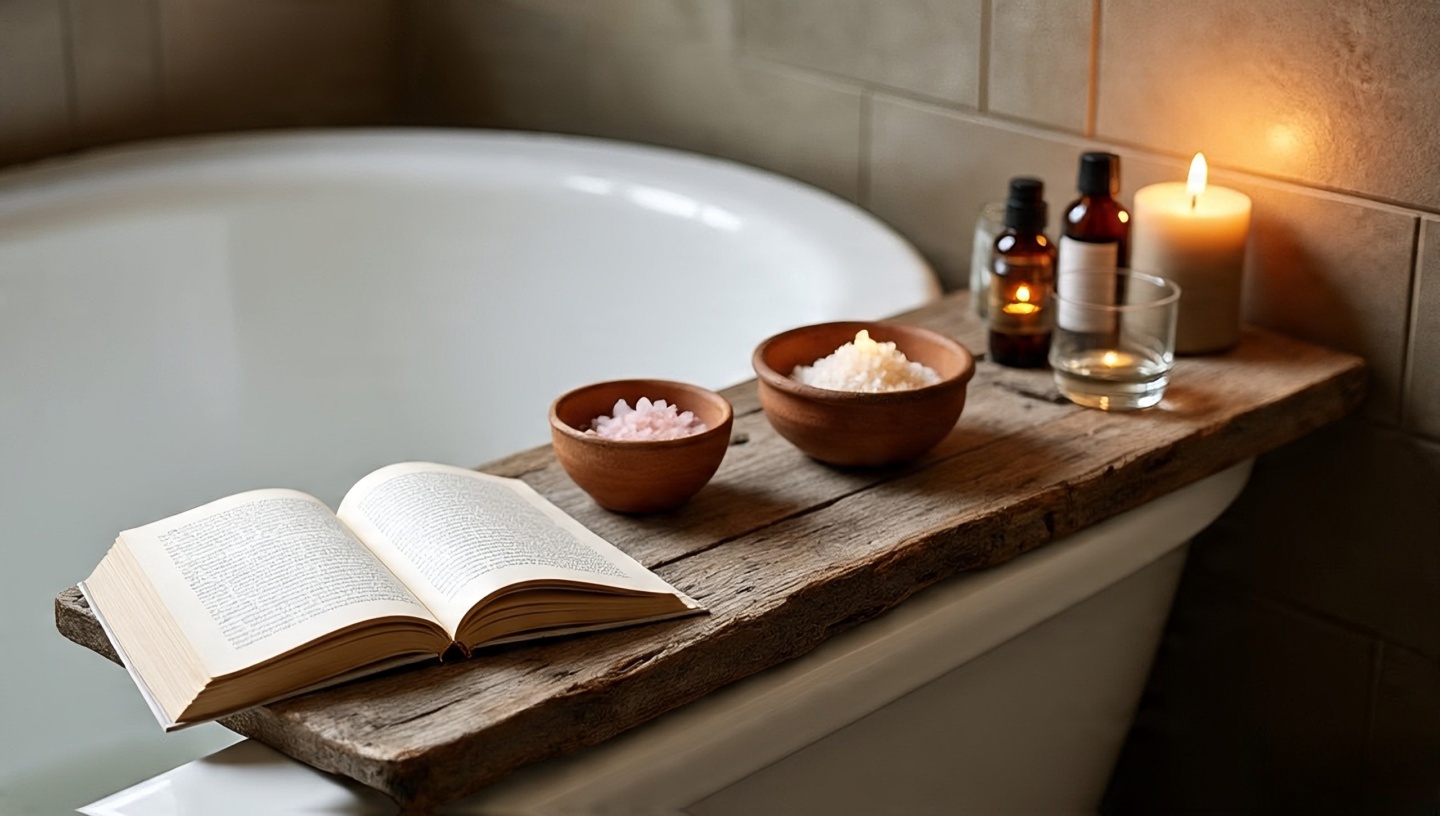 Here’s my favorite part: the tiny spa touches. Essential oils in clay diffusers. A rustic wooden tray across the bathtub with a candle, a book, maybe even a glass of wine. Stone or copper bowls to hold bath salts. These don’t cost much, but they elevate the whole experience.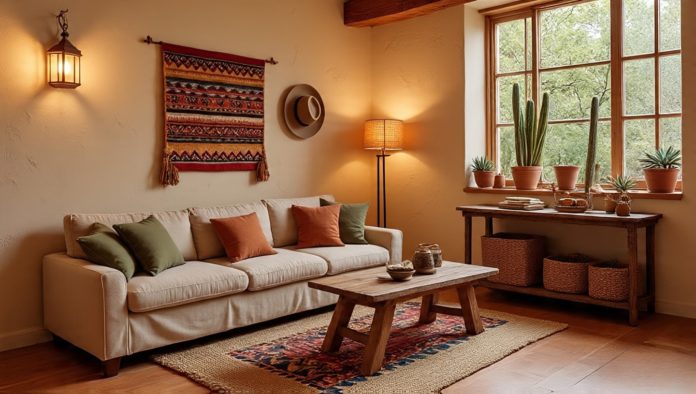
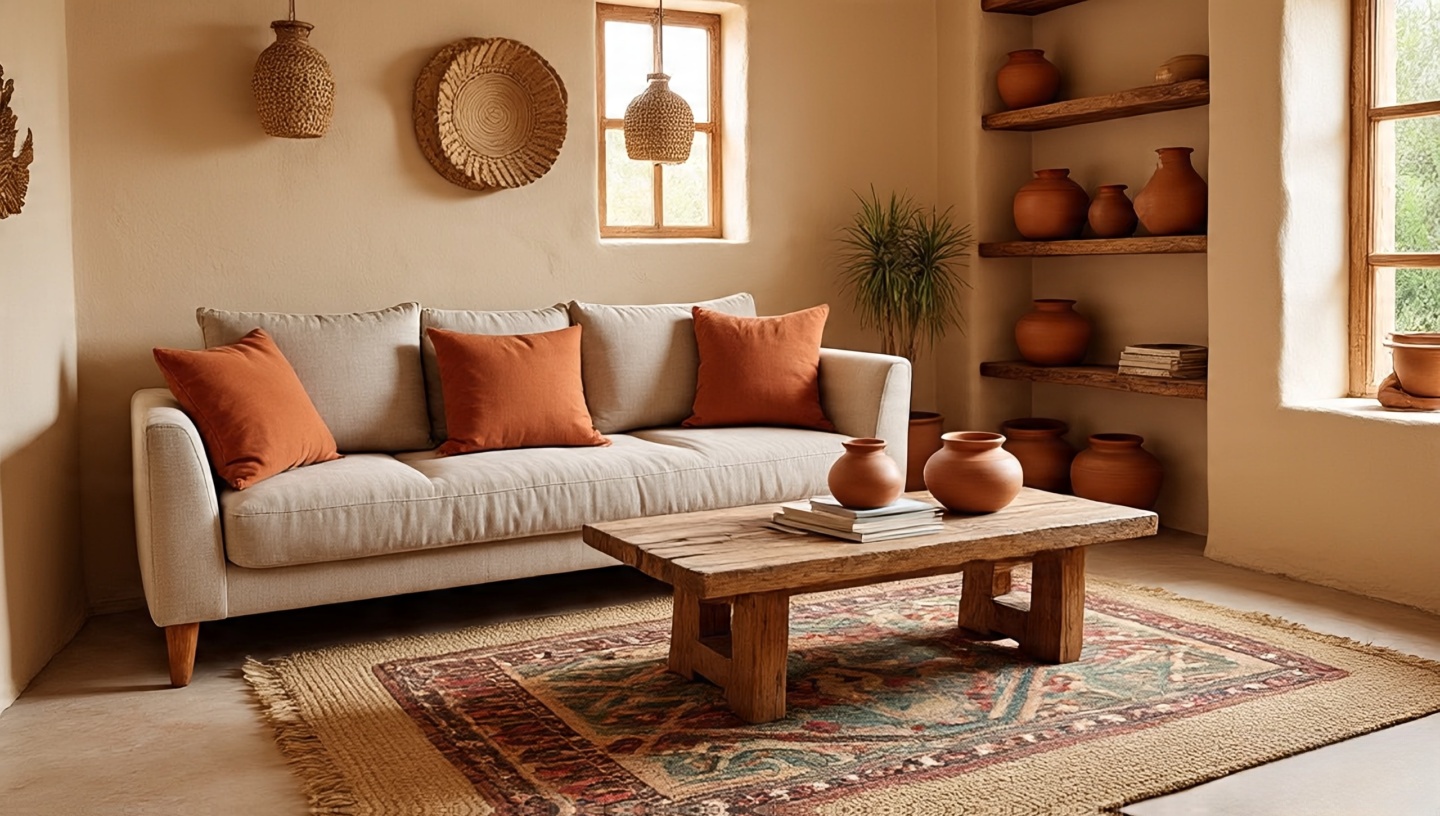
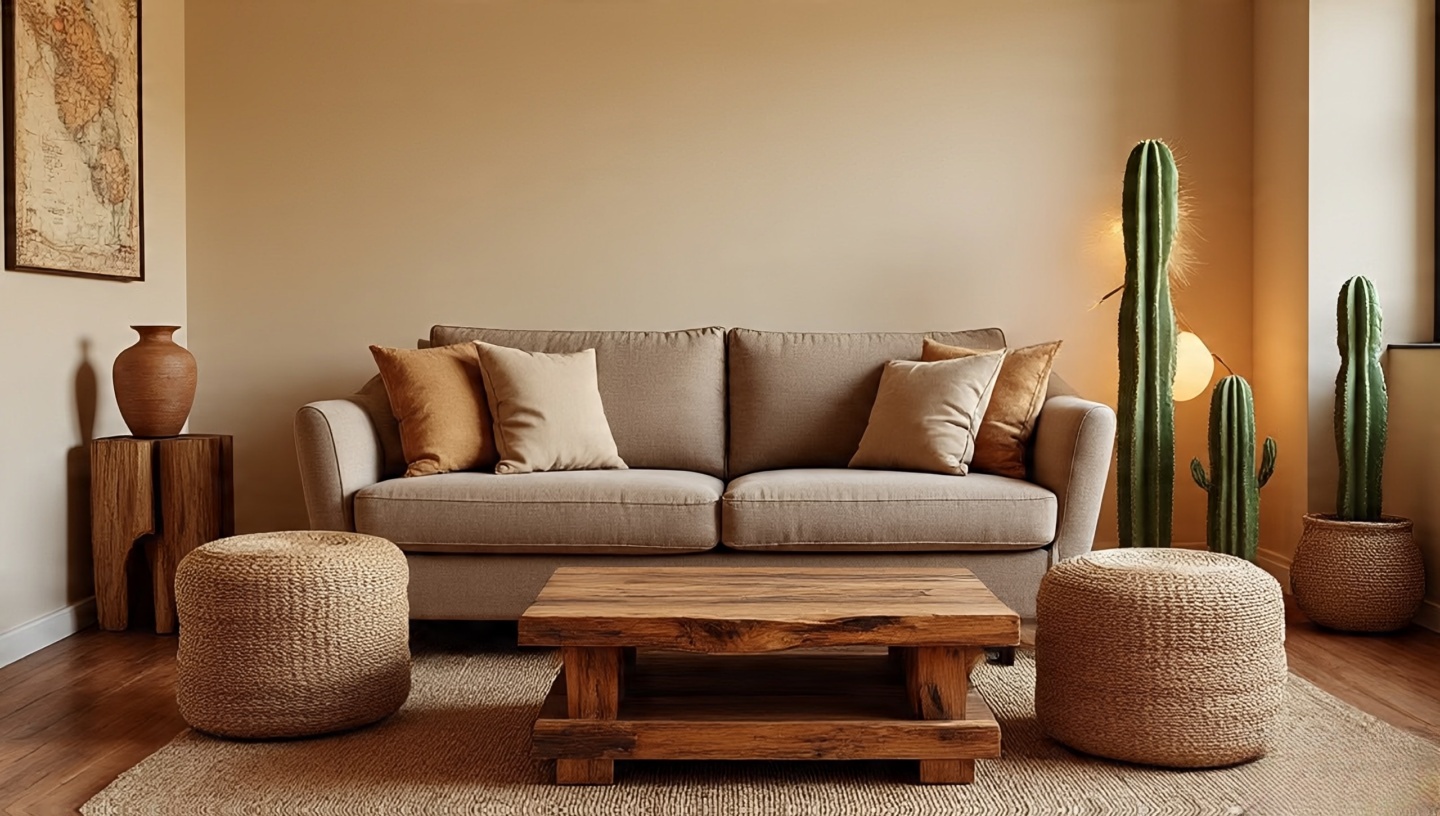
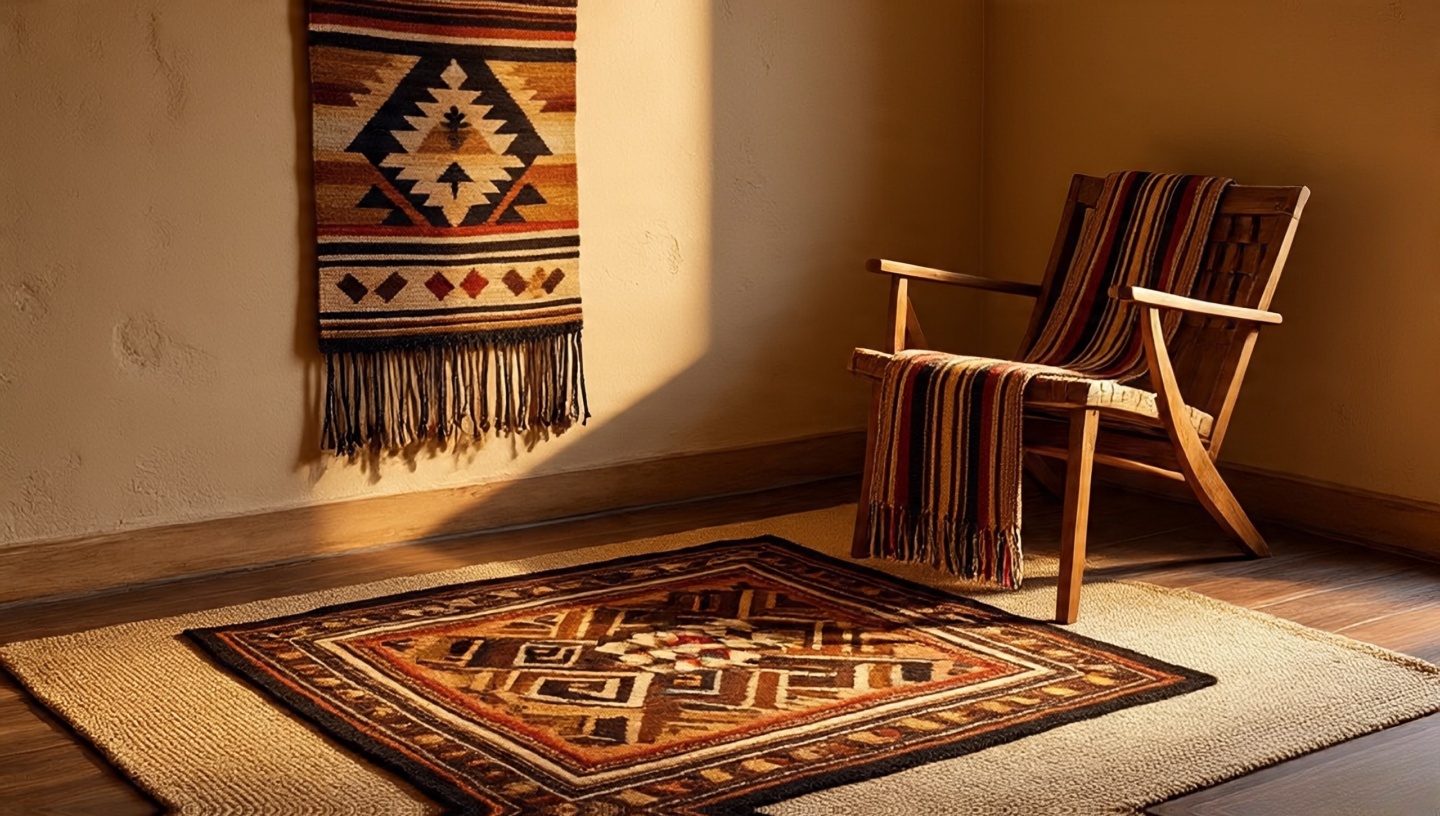
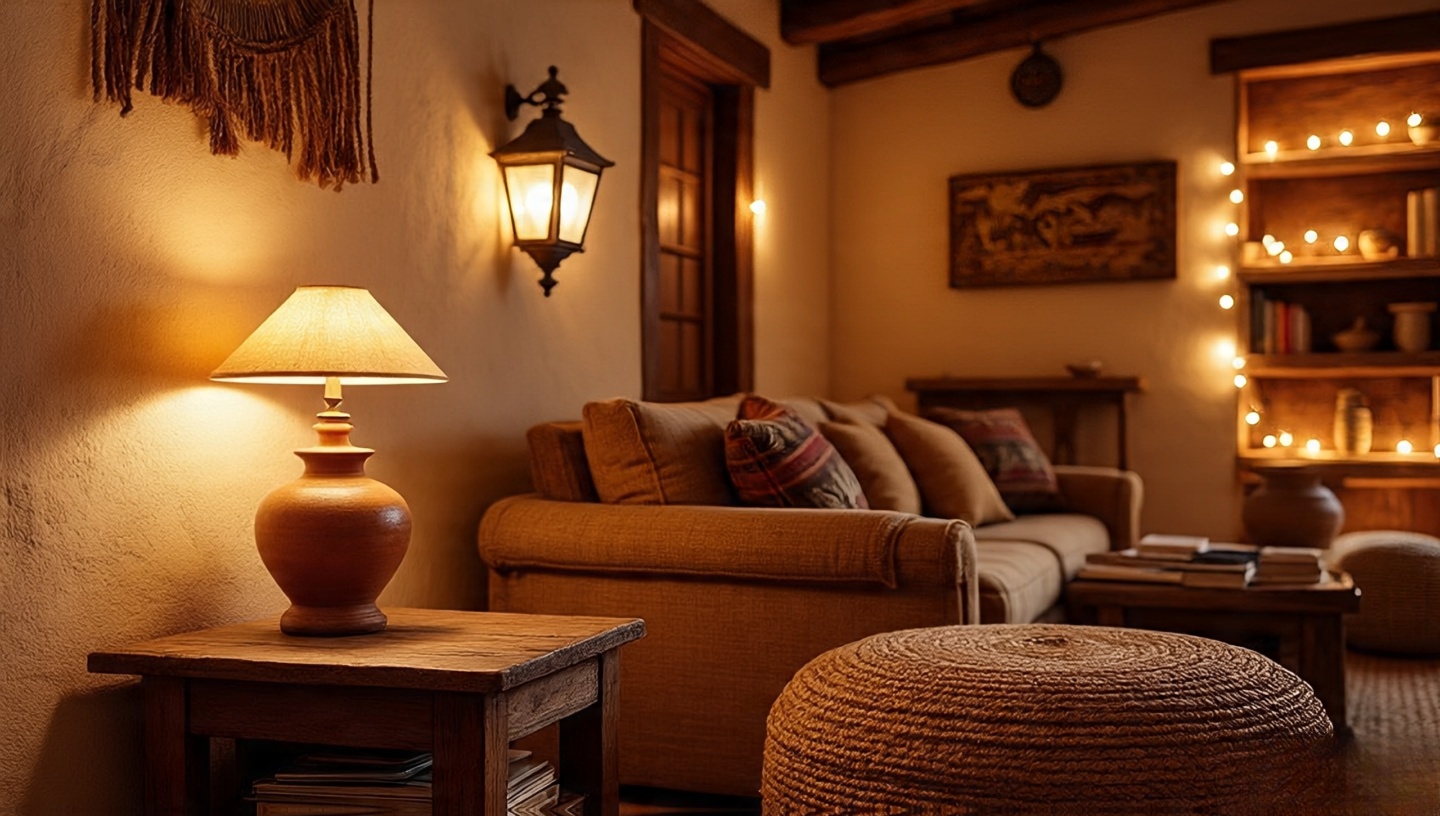
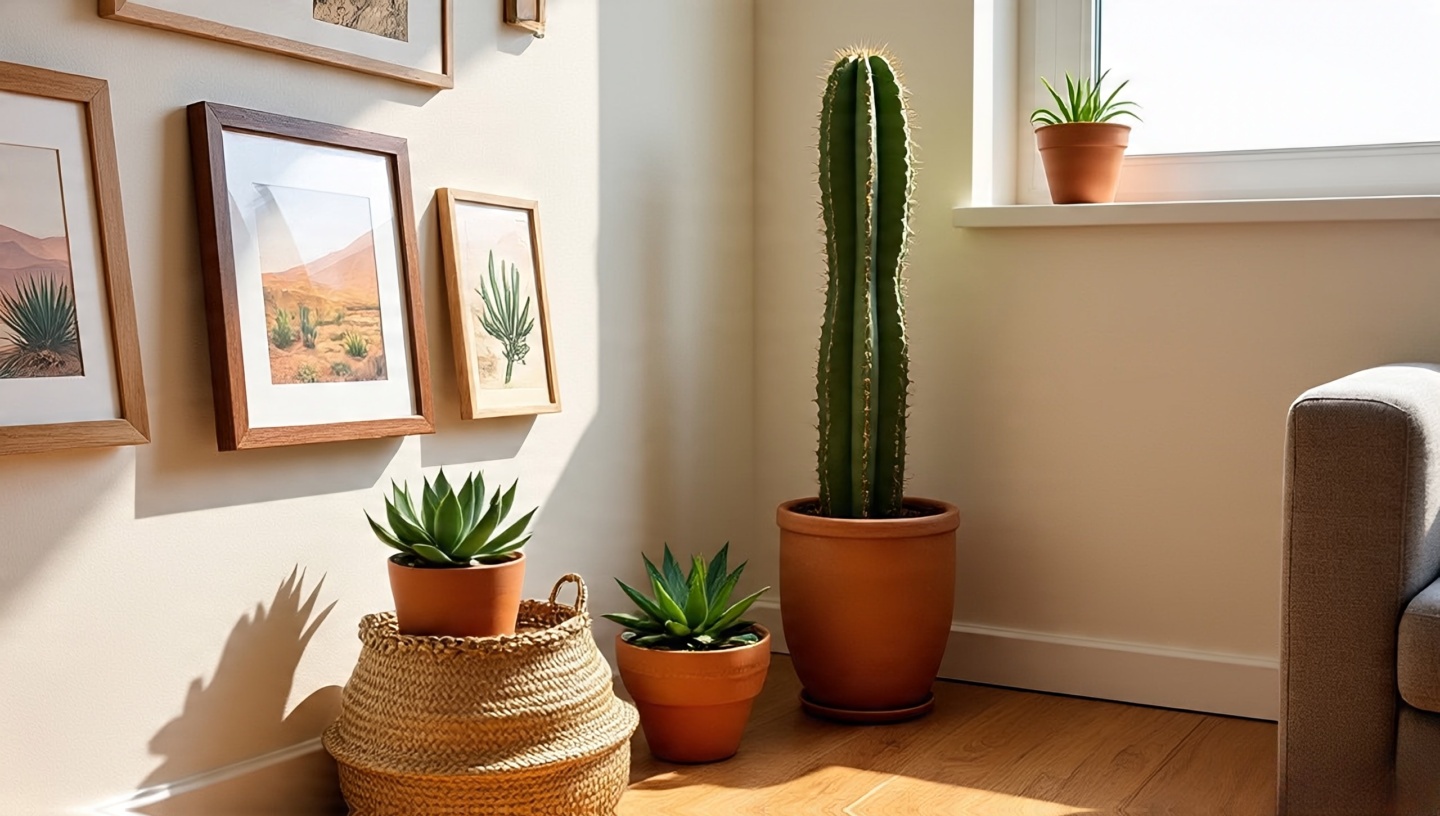
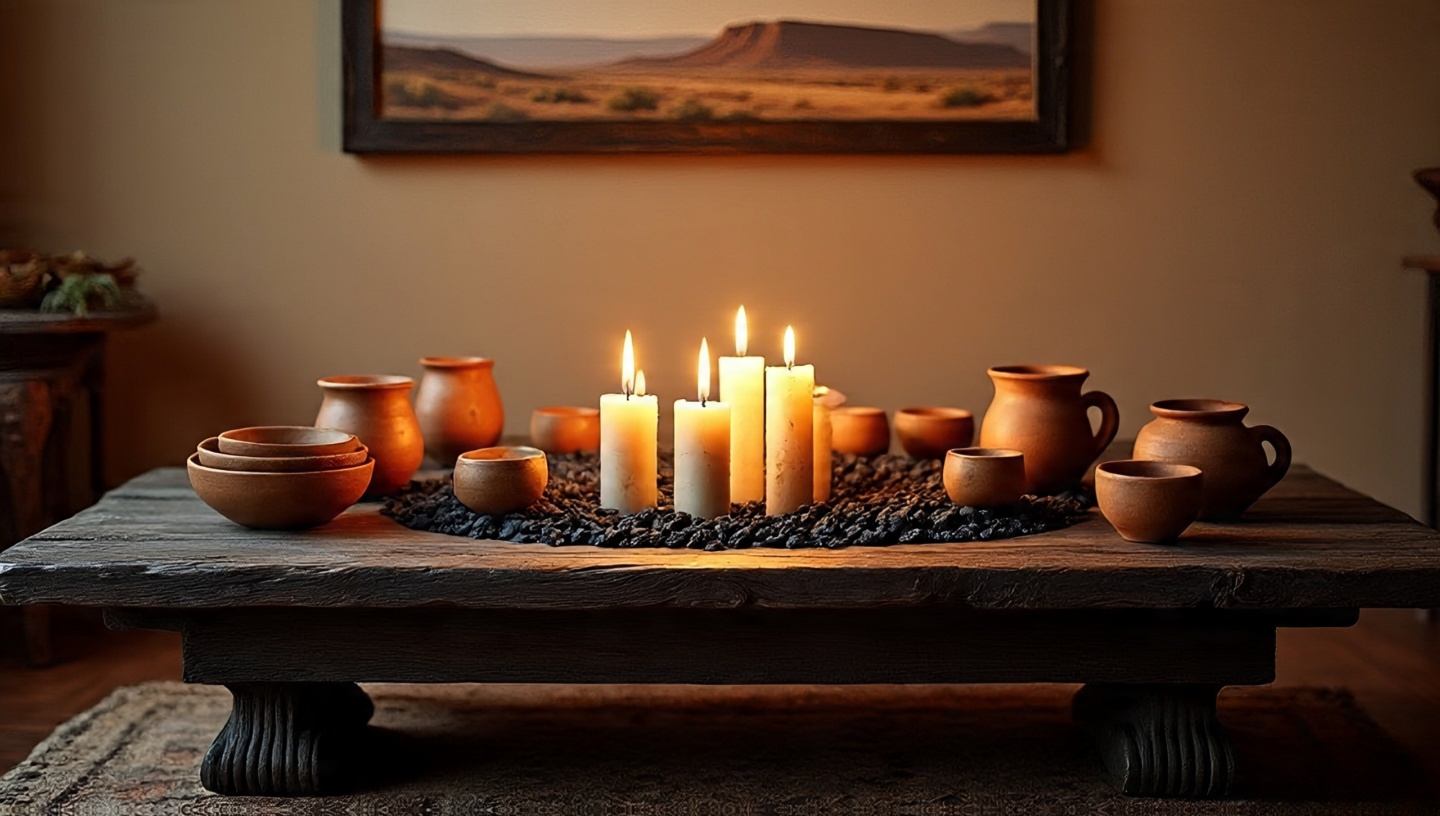
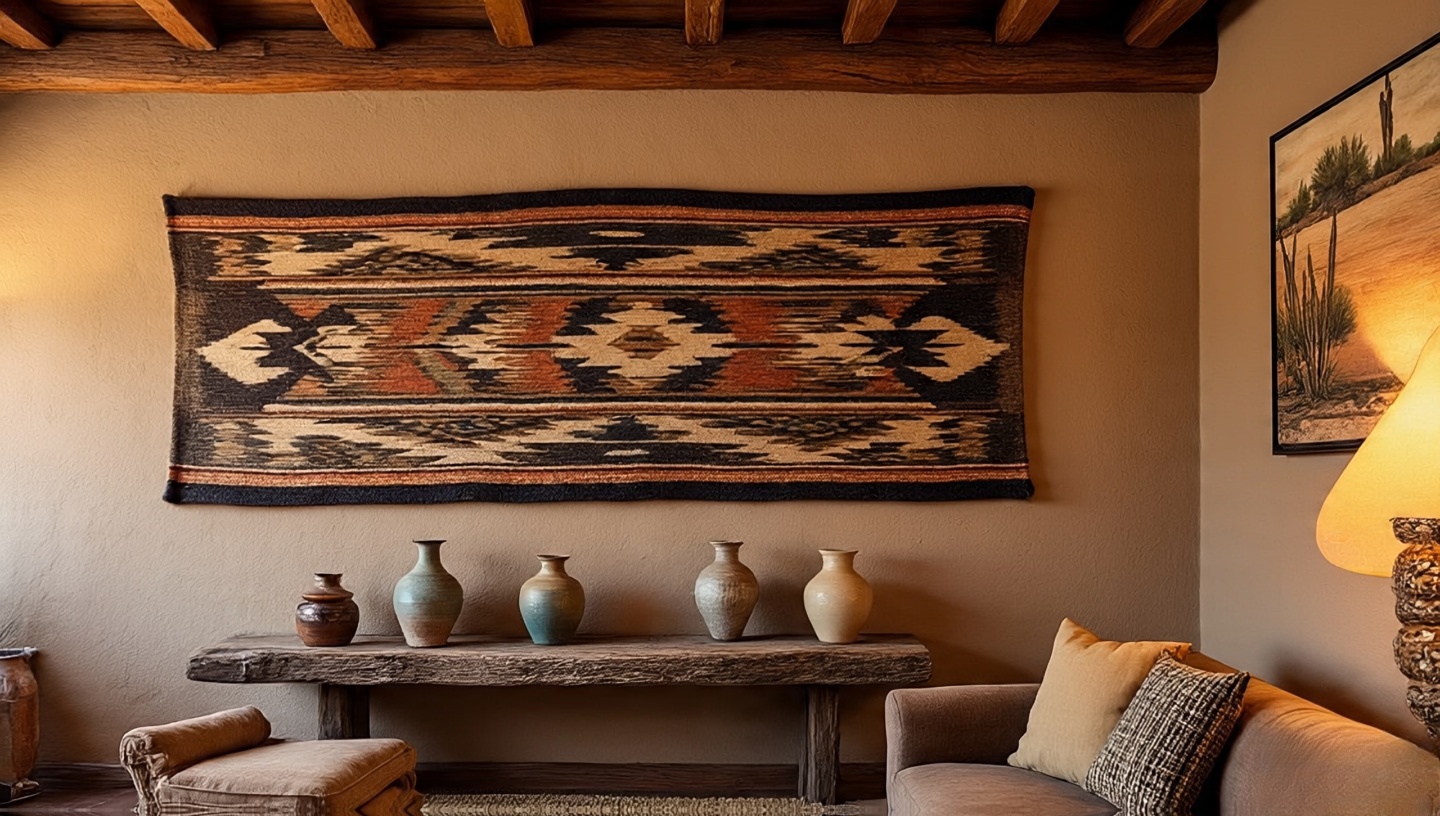
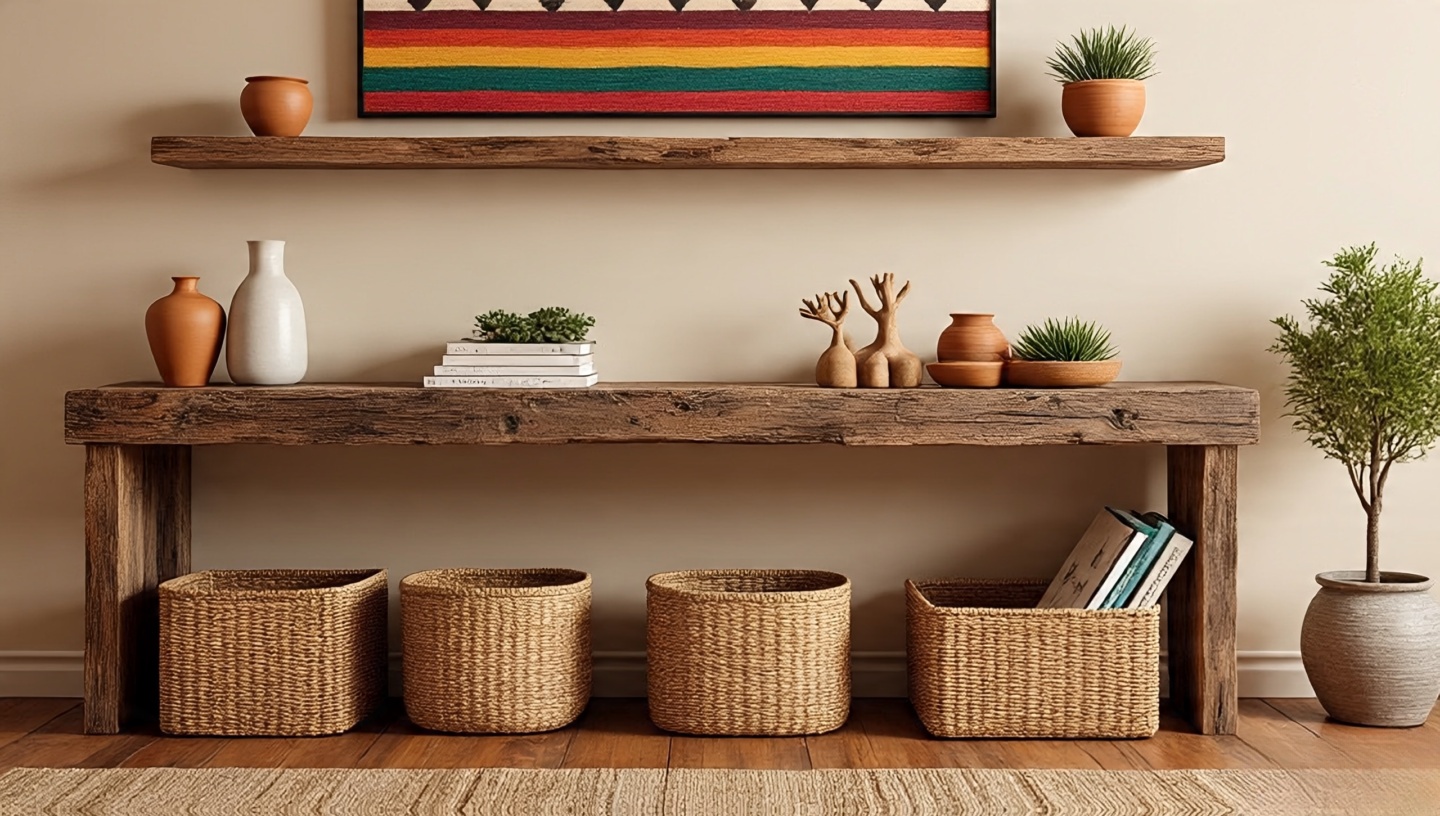
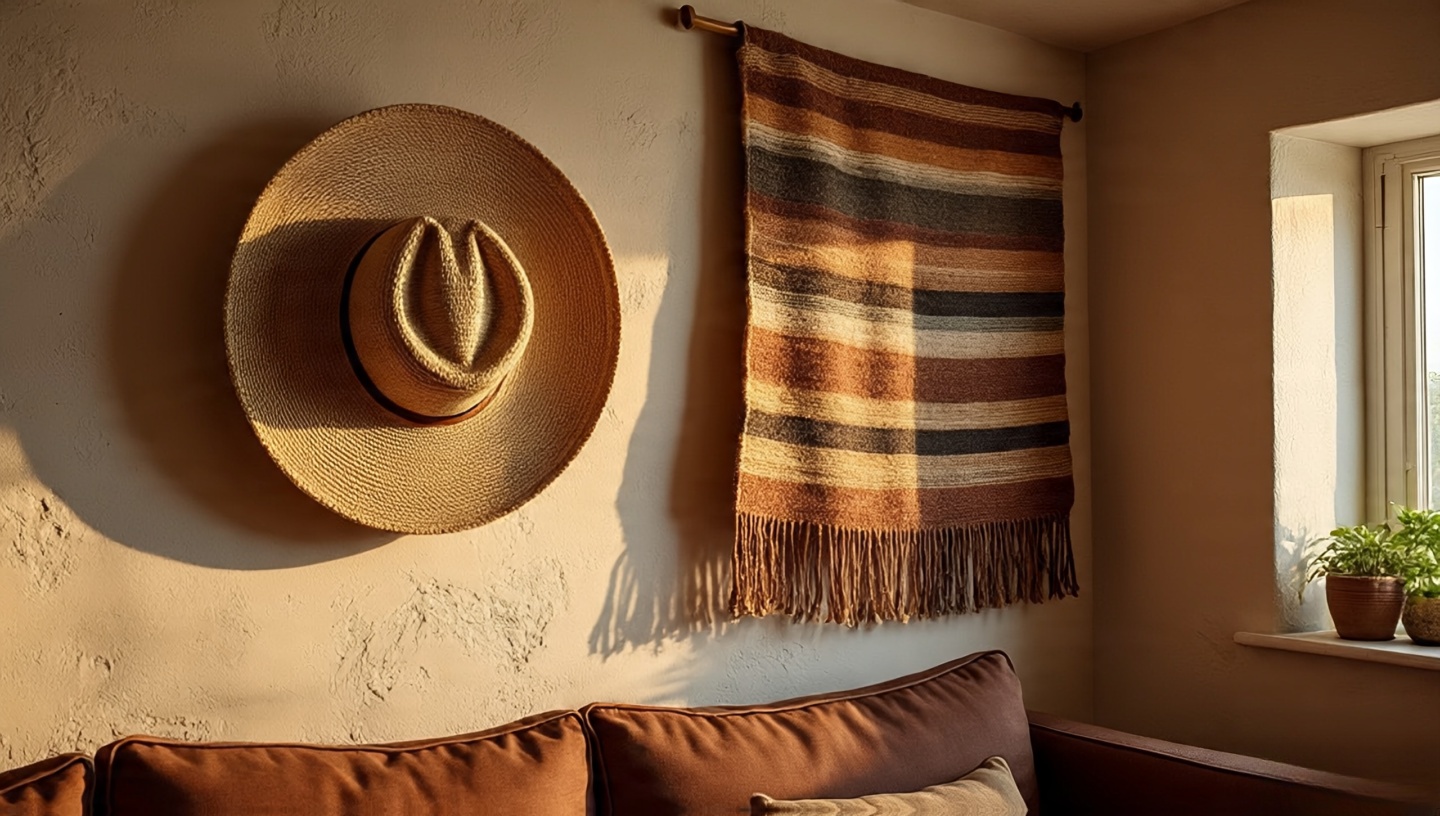
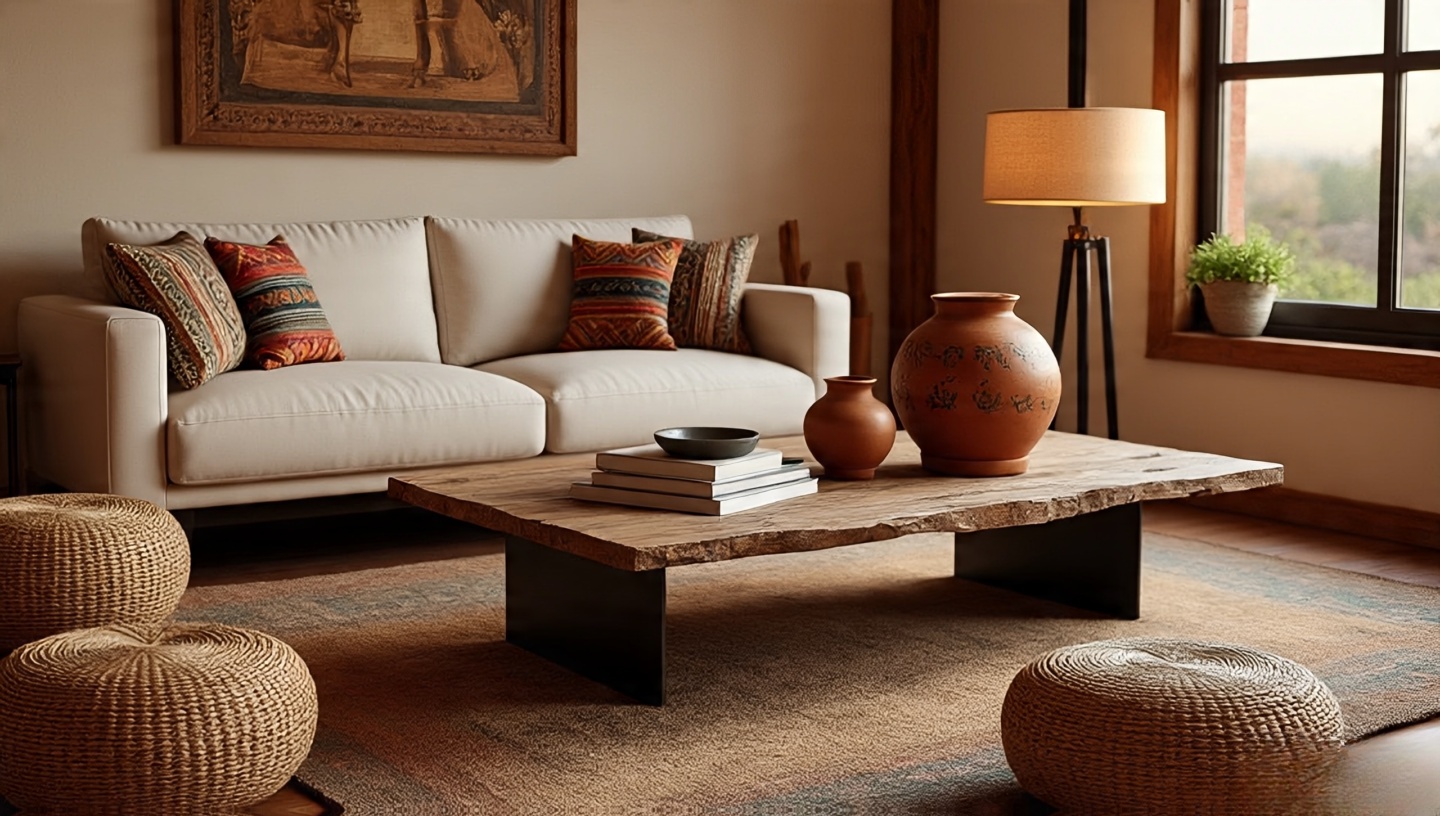
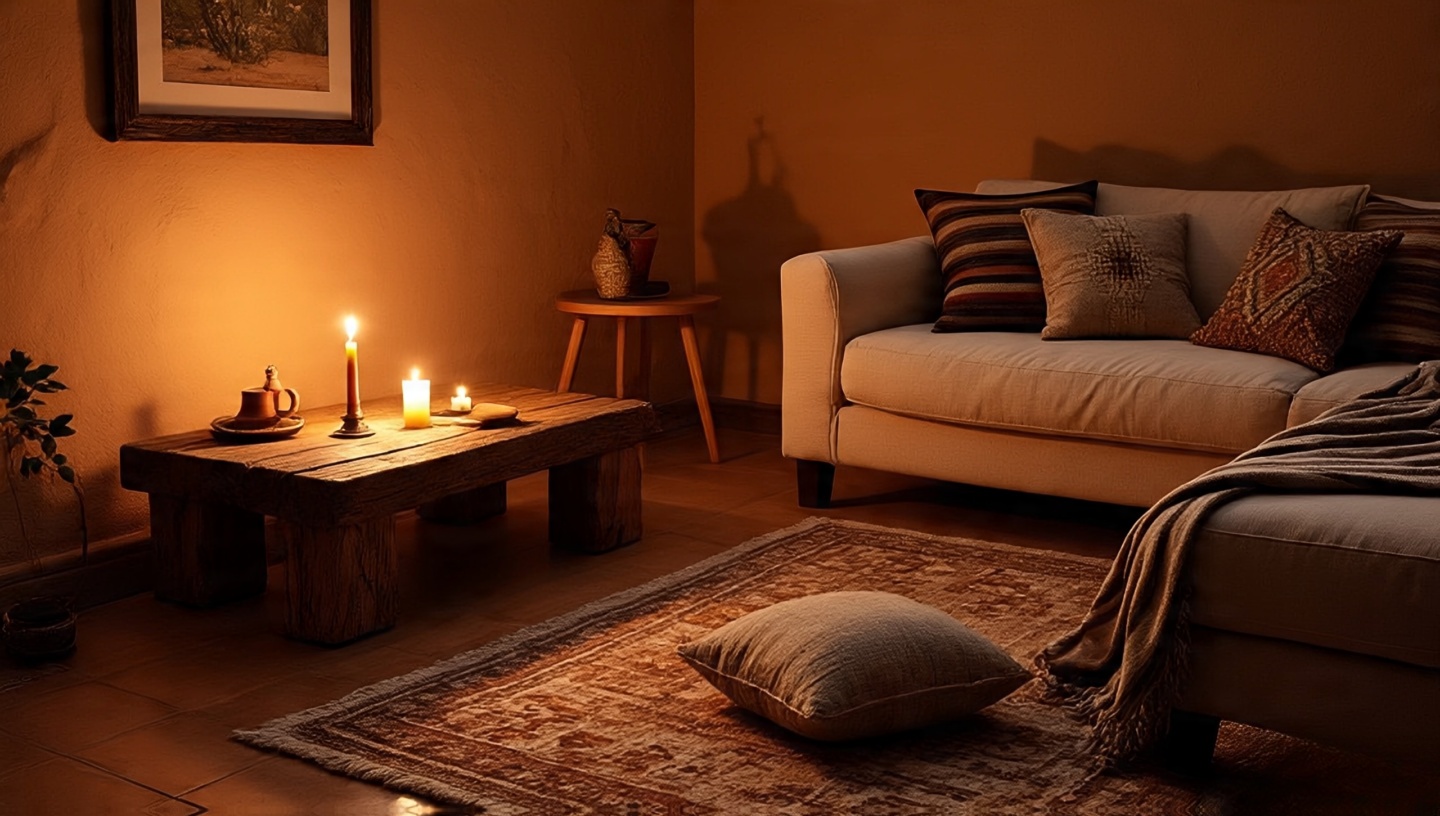
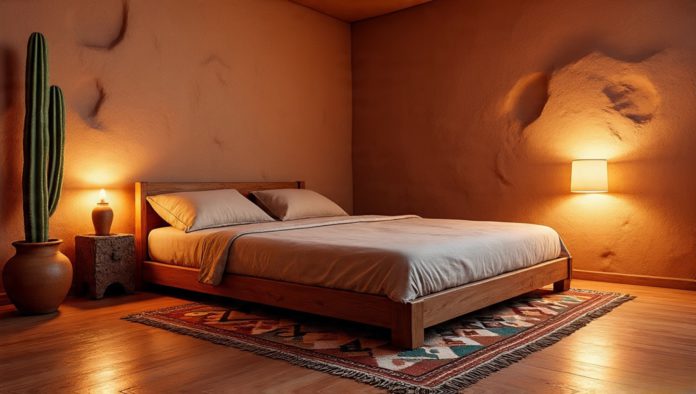
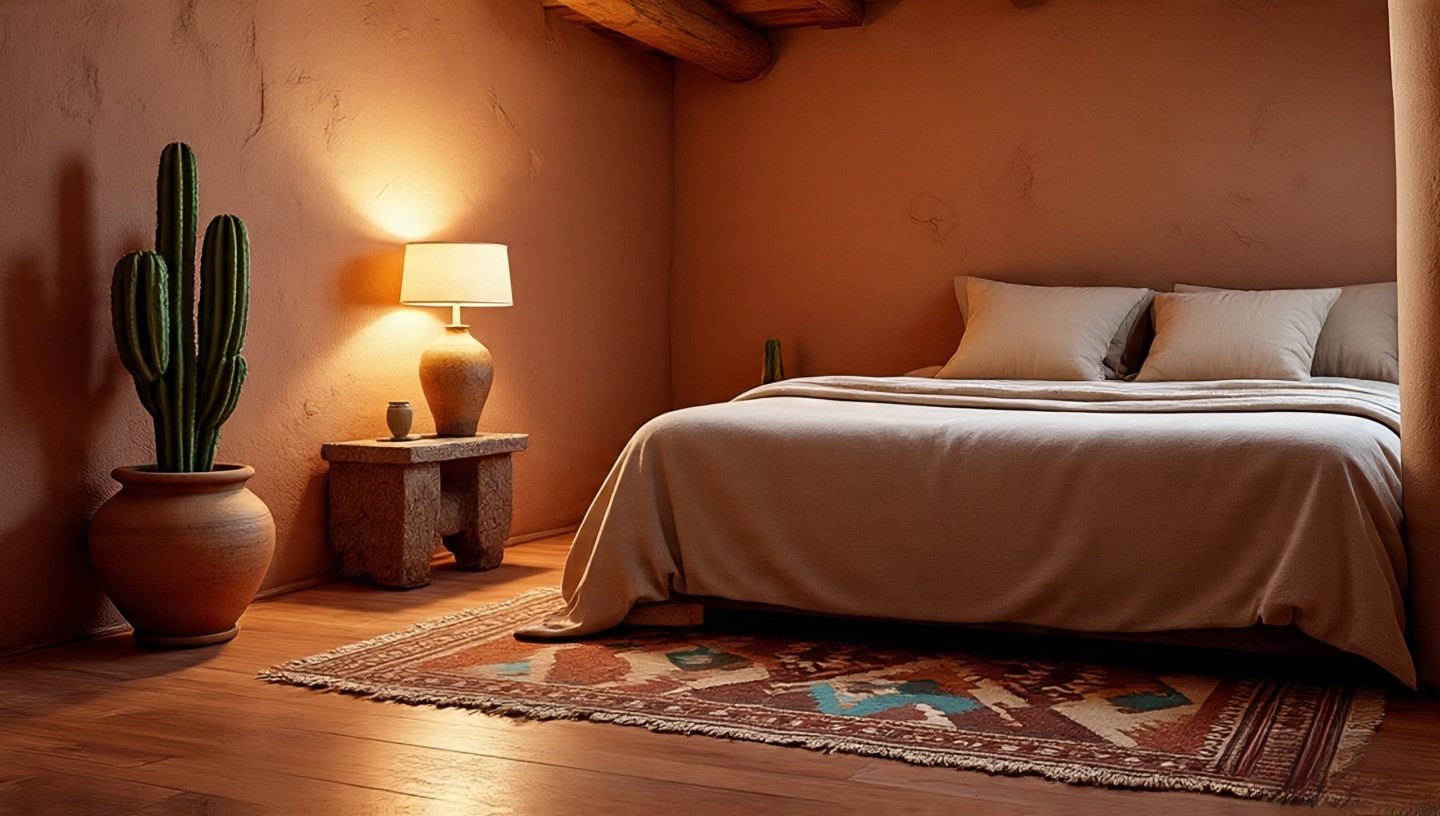 I still remember the first time I sat outside near a fire pit in New Mexico. The desert air was cool, but the flames cracked, sending a warm glow across the adobe walls. The silence of the desert wrapped around me like a blanket thick, comforting, and just a little humbling. That’s the kind of feeling I want inside a bedroom makeover. Not just design. Atmosphere. A sense of place.
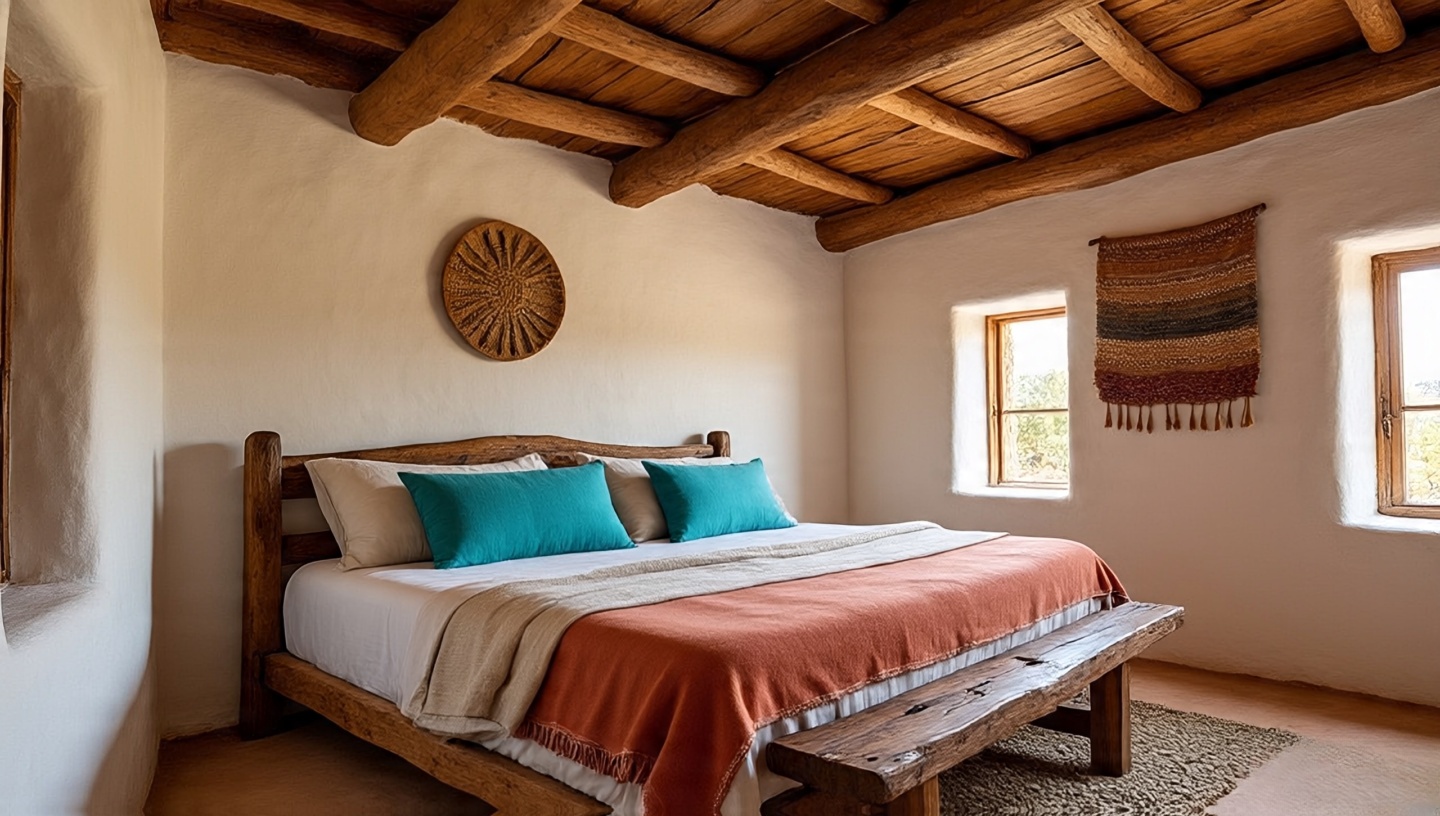 The Southwestern style is a fusion of Native American, Mexican, and Spanish influences. It’s heavy on earthy tones, natural textures, and simple yet bold accents. Think Pueblo Revival houses with thick stucco walls and exposed wooden beams. That aesthetic translates beautifully into bedrooms because it strikes a balance between rustic comfort and minimalist calm.
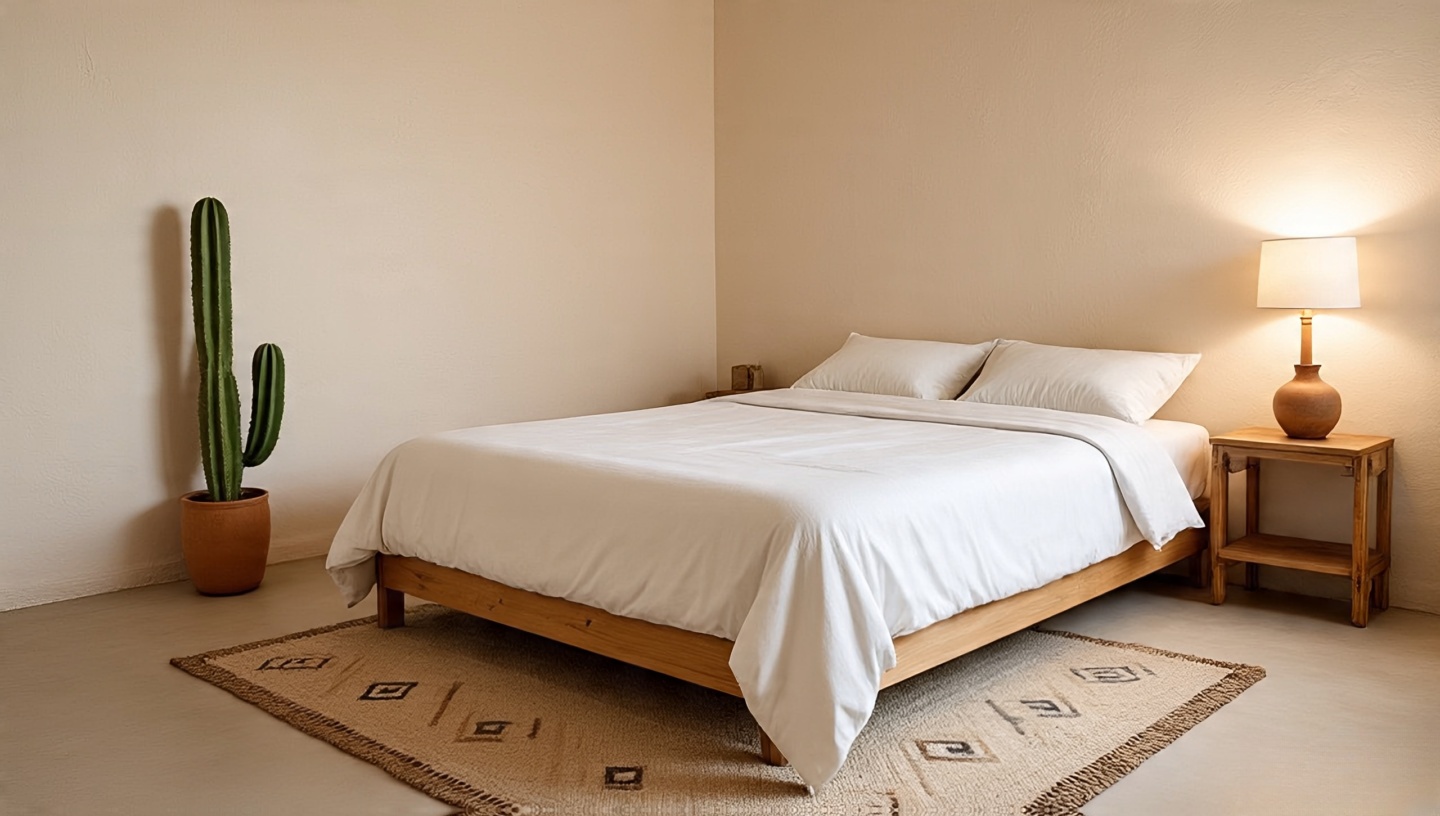 Let’s start with minimalism. Not the cold, white, sterile kind. A desert minimalist retreat is about editing down to essentials without losing soul. Imagine pale plaster walls, a low wooden bed frame, crisp white linen sheets, and a single woven rug with geometric patterns. Add a clay pot in the corner with a tall cactus, and you’re done.
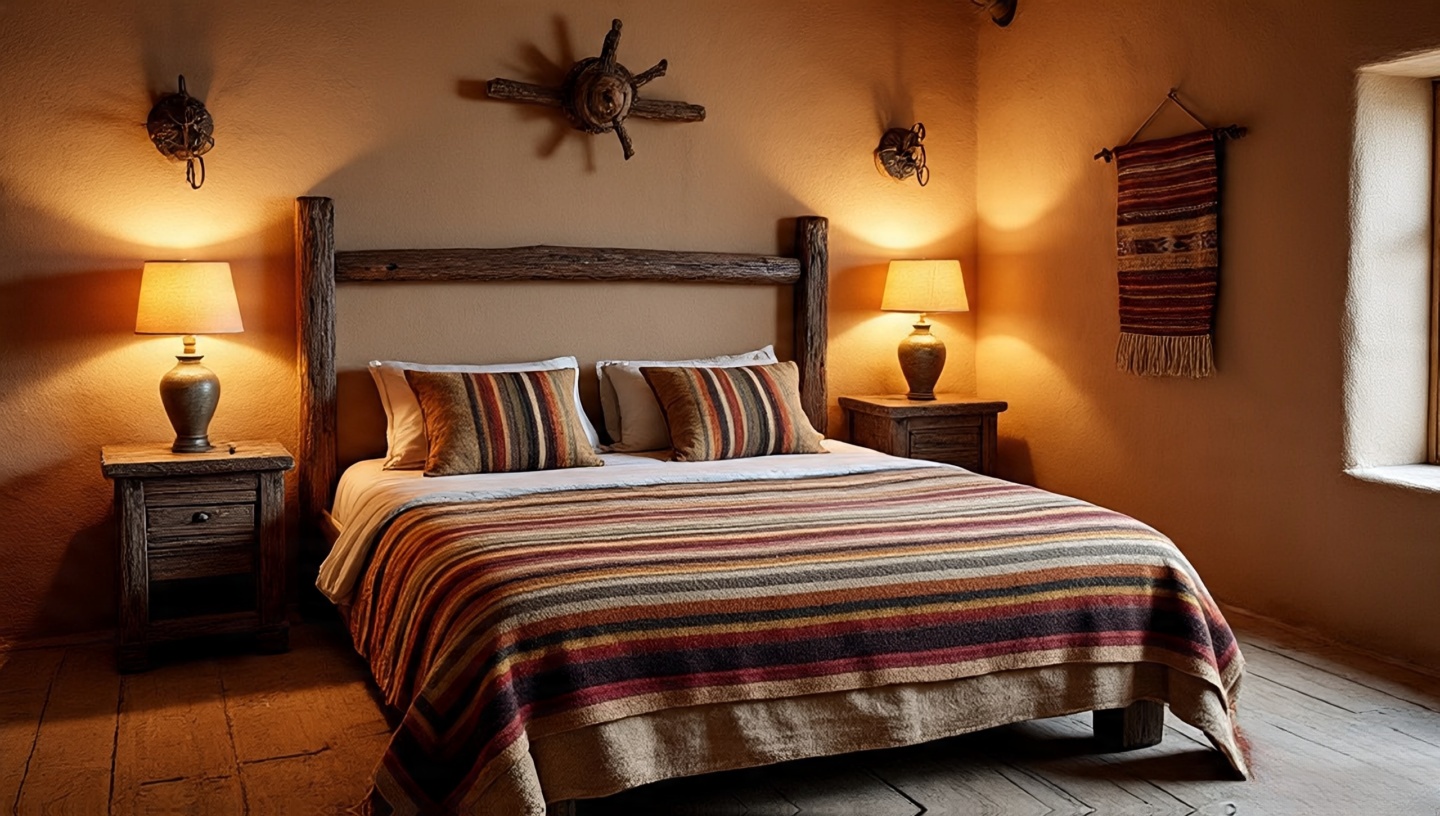 Now, let’s swing to the other side: rustic bedrooms. Rustic isn’t just about throwing logs around and calling it a day. In a rustic home, the bedroom is about layering warmth. Rough-hewn wood headboards, stone side tables, wool blankets, pottery lamps.
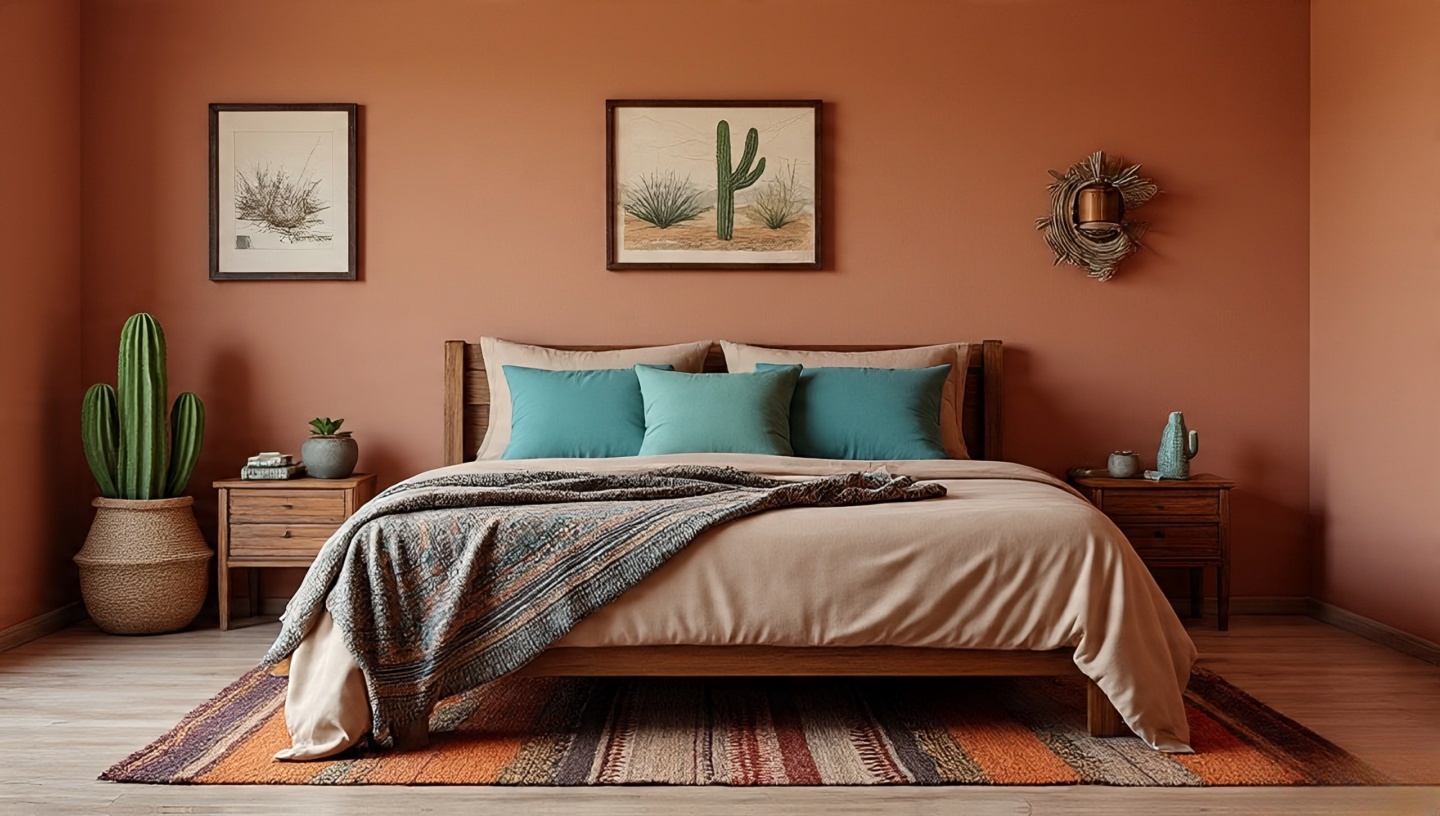 The desert isn’t just beige. Spend one evening watching the sunset over mesas, and you’ll see pinks, purples, oranges, and deep browns. Your bedroom can borrow that palette.
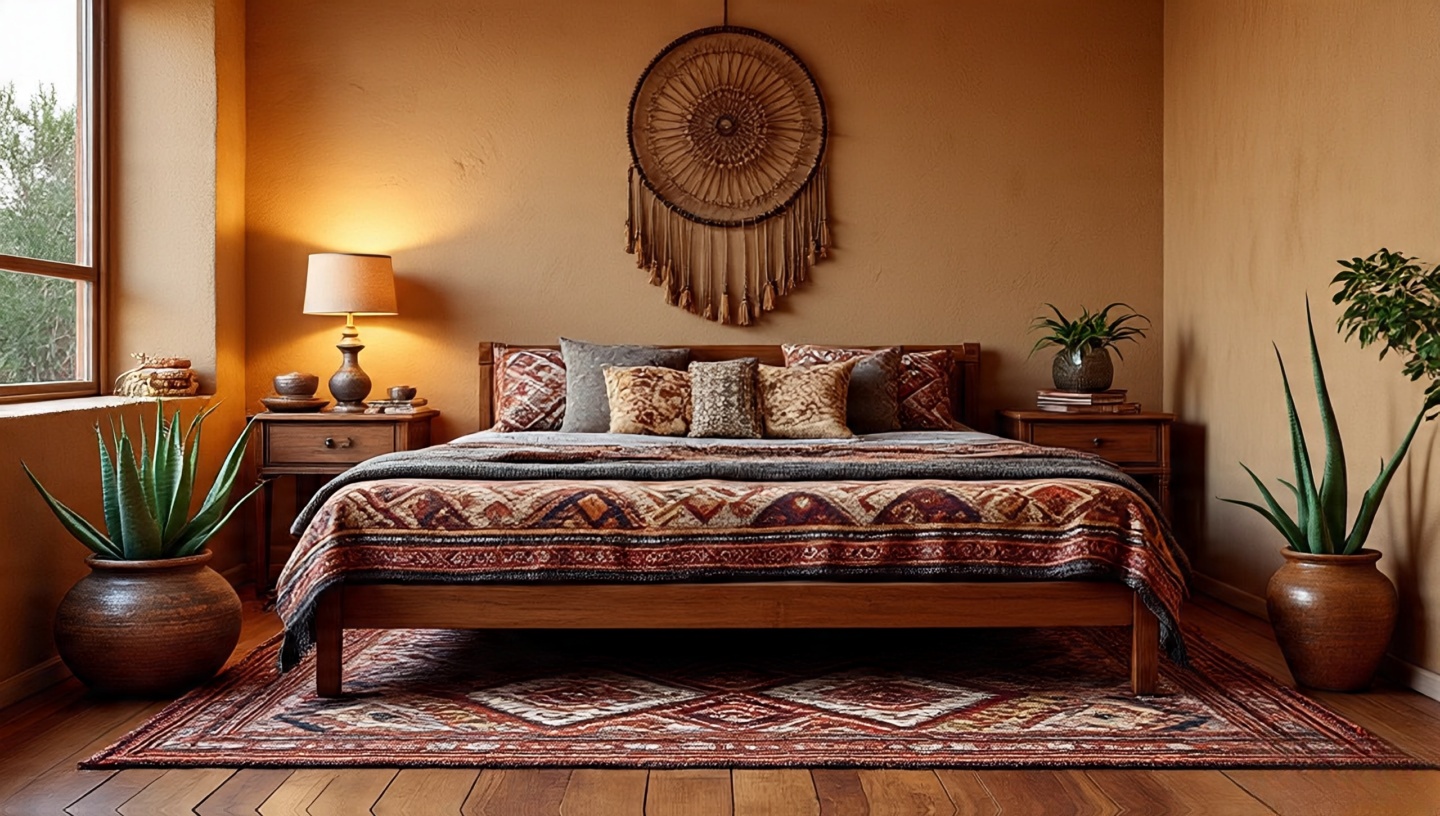 Southwestern boho is where things get playful. Layer rugs. Hang dreamcatchers. Throw pillows until you lose count. But make sure it doesn’t turn into chaos. The best boho bedrooms still use an earthy base tan walls, wooden floors then sprinkle in colorful details.
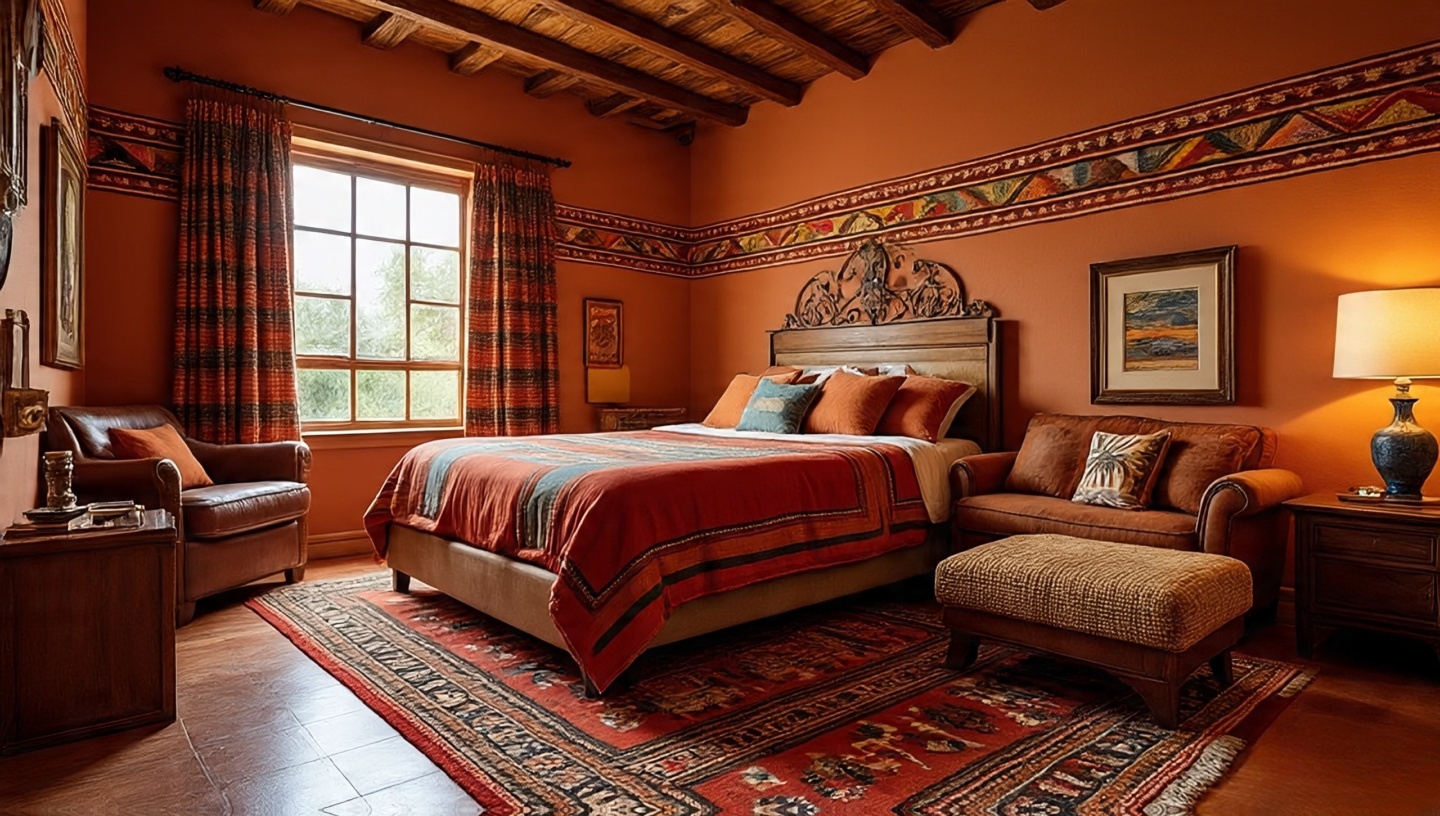 Sometimes your bedroom spills into your living area studio apartments, open layouts, guest rooms. That’s when blending Southwestern living room ideas into the bedroom makes sense. Use the same rug style across both spaces. Keep the color palette consistent, maybe with those earthy tones living room staples like terracotta and sand. It creates flow.
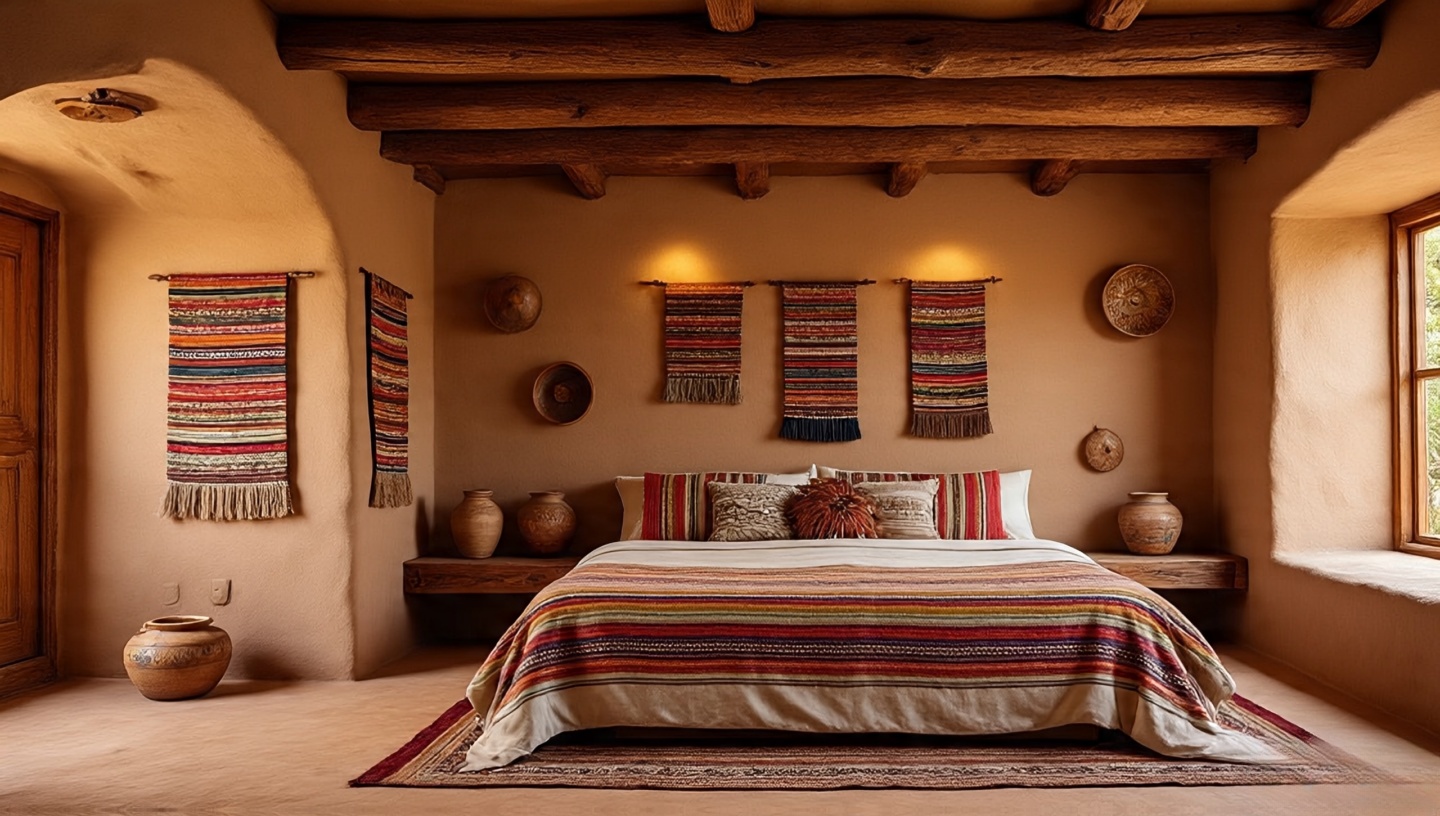 One thing I love about Southwestern style is its roots. Pueblo Revival architecture, adobe structures, Native American weaving traditions these aren’t just trends. They’re culture. If you respect those roots in your bedroom design, it feels more authentic. For example, supporting artisans who handmake rugs instead of buying mass-produced versions adds both soul and story.
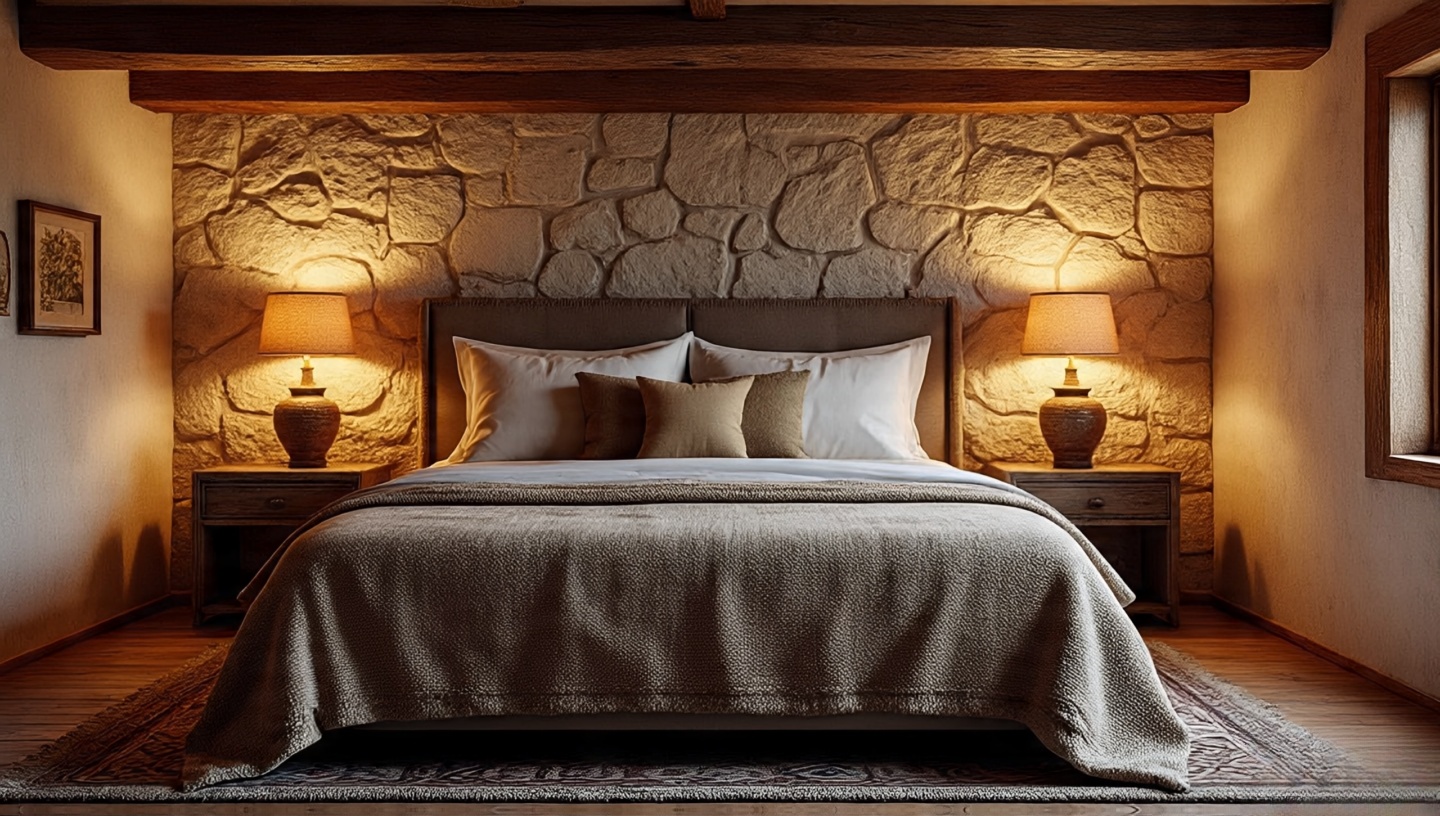 Close your eyes and imagine: rough stone, smooth clay, soft wool, weathered wood. Those textures make a Southwestern bedroom breathe. You can even mix them up. Stone wall behind the bed, wool rug underfoot, clay lamp on the nightstand. The balance of hard and soft is what makes it cozy.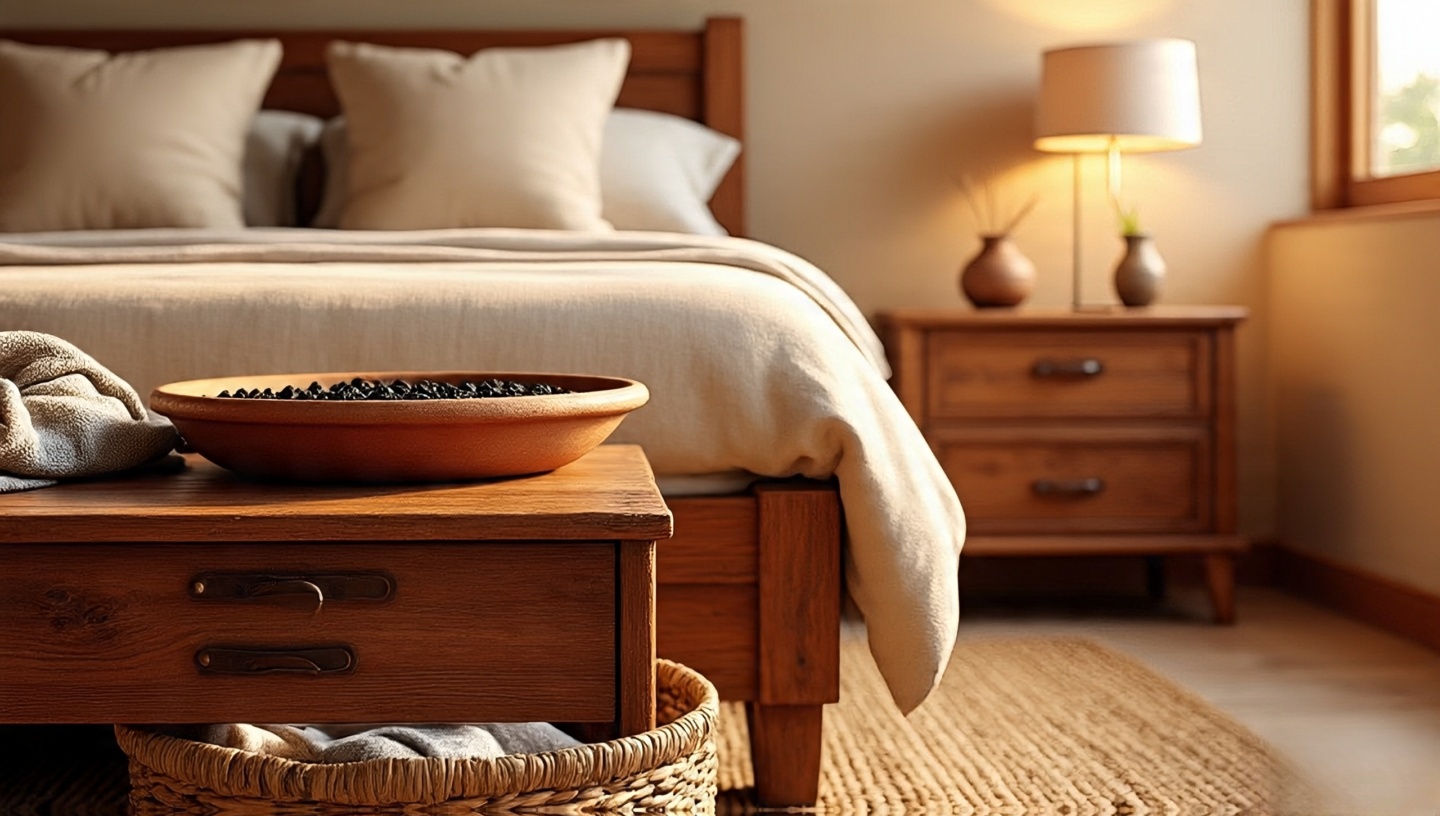
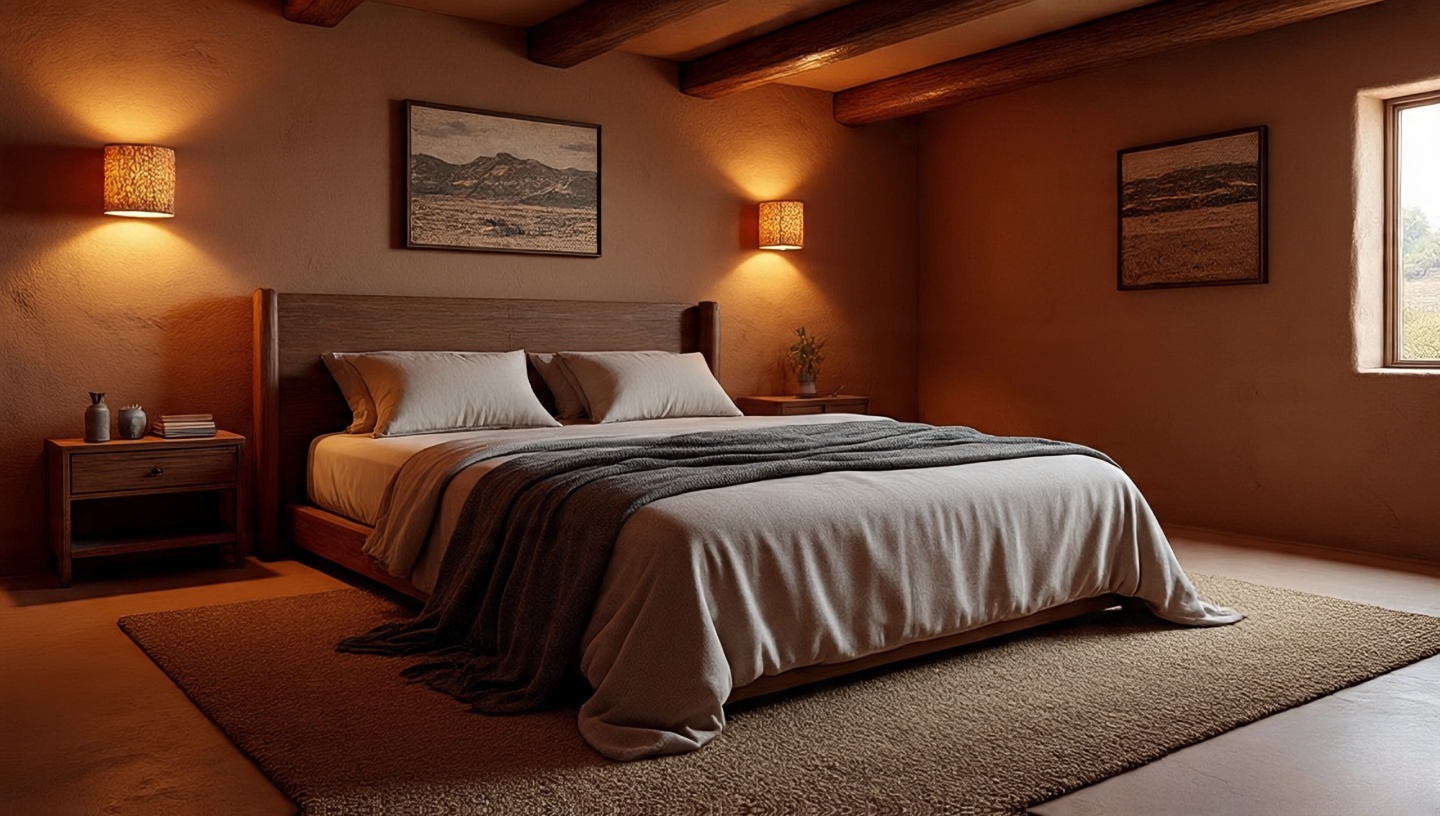 Here’s something nobody tells you when you decorate: silence is part of design. A Southwestern bedroom isn’t cluttered with noise. No buzzing neon lights, no echoing empty corners. It’s hushed, padded with textiles and warm lighting. Ever sat outside at night and felt the desert silence wrapping around you? That’s what your bedroom should echo.
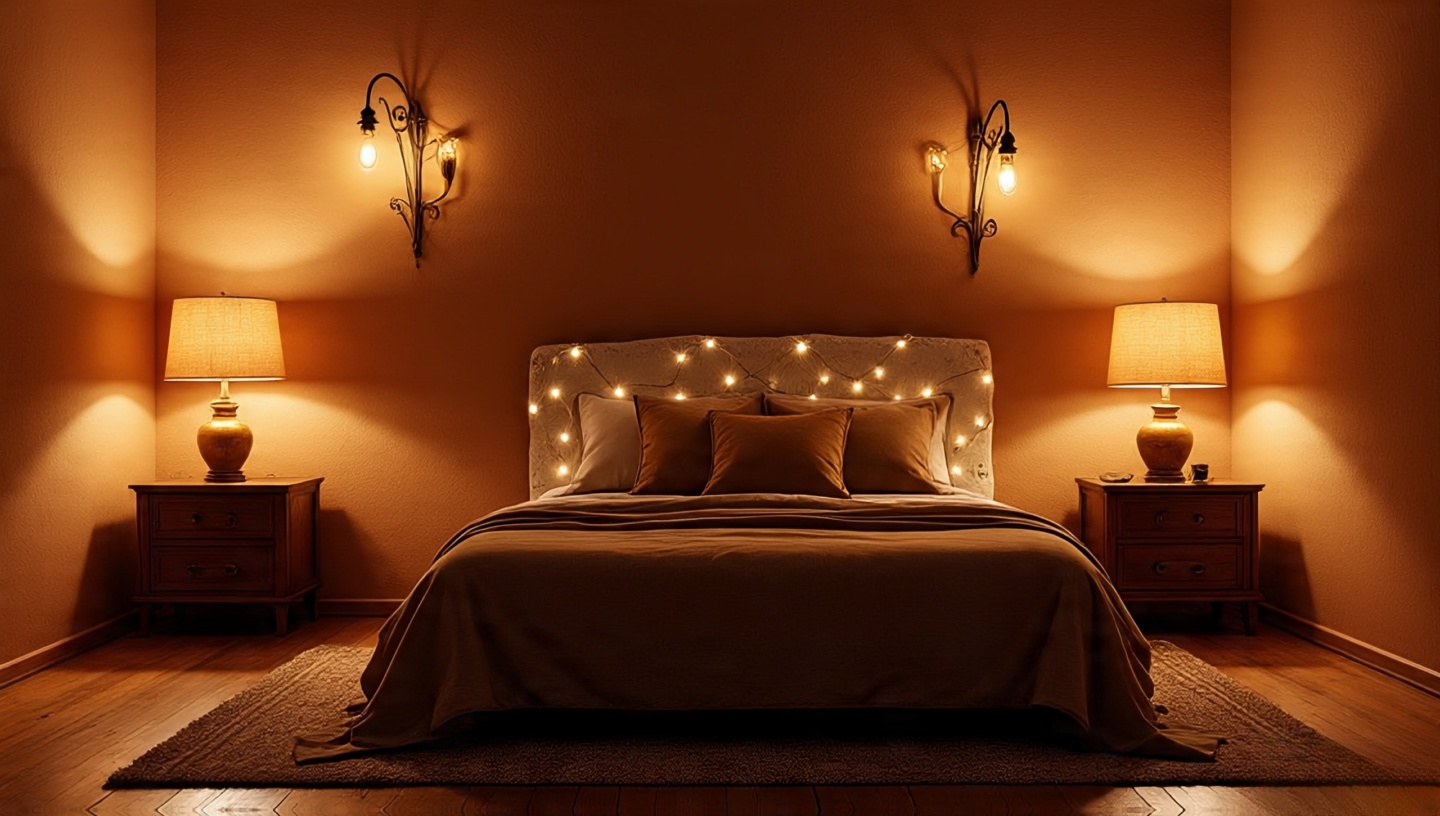 Lastly, lighting. It should mimic fire. Warm, low, layered. Think table lamps with amber shades, sconces with dim bulbs, maybe even a string of warm fairy lights hidden behind a headboard for a glow that feels like dying embers. It’s camping, but fancier.
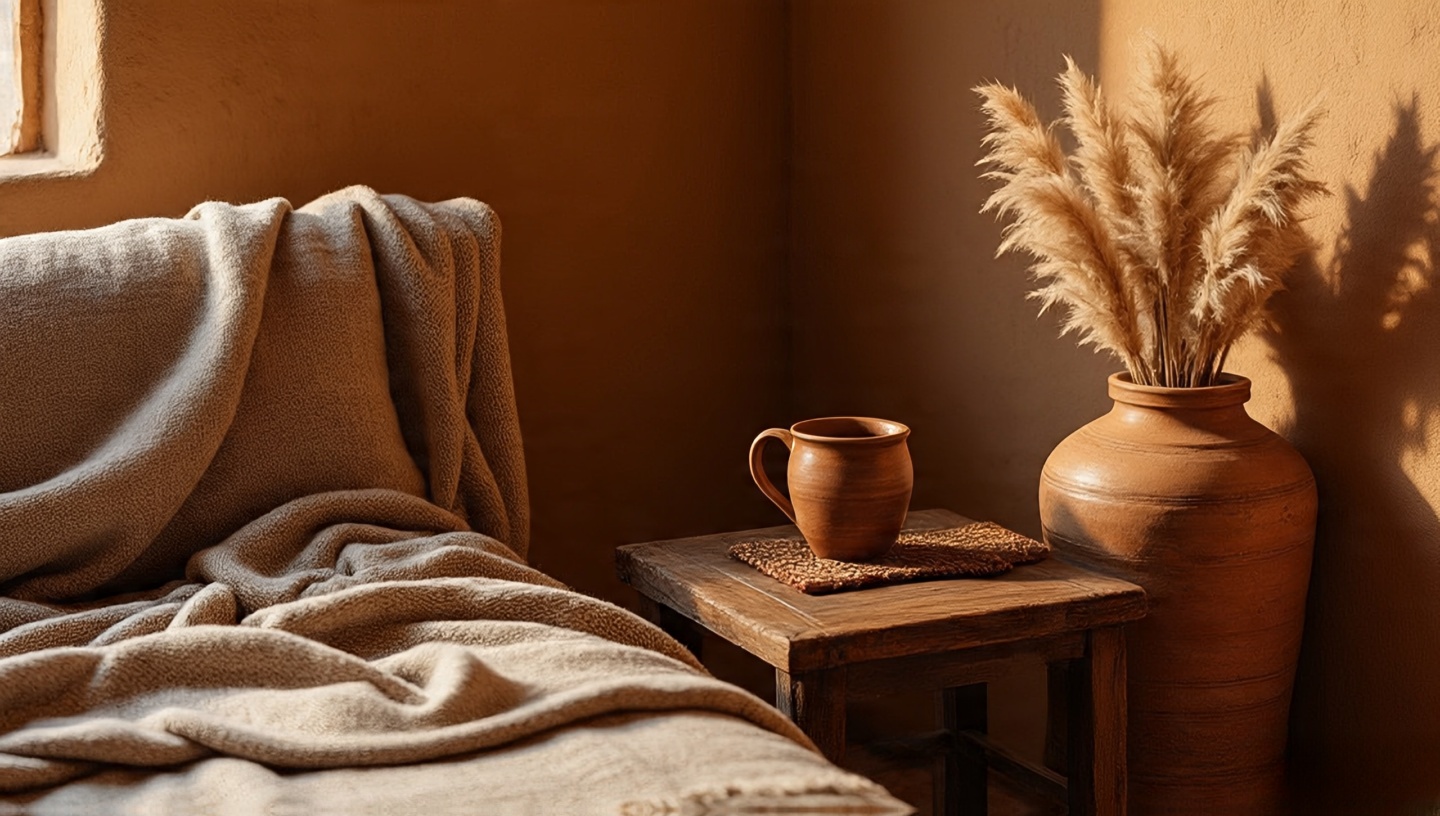 I’ve rambled a lot, but that’s because Southwestern bedrooms deserve rambling. They’re not about following strict design rules. They’re about evoking a feeling. A memory. A desert evening. A crackling fire. The smell of wood smoke. The calm of earthen walls.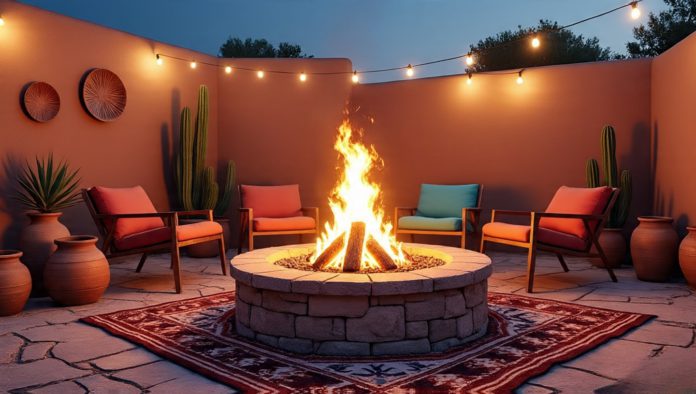
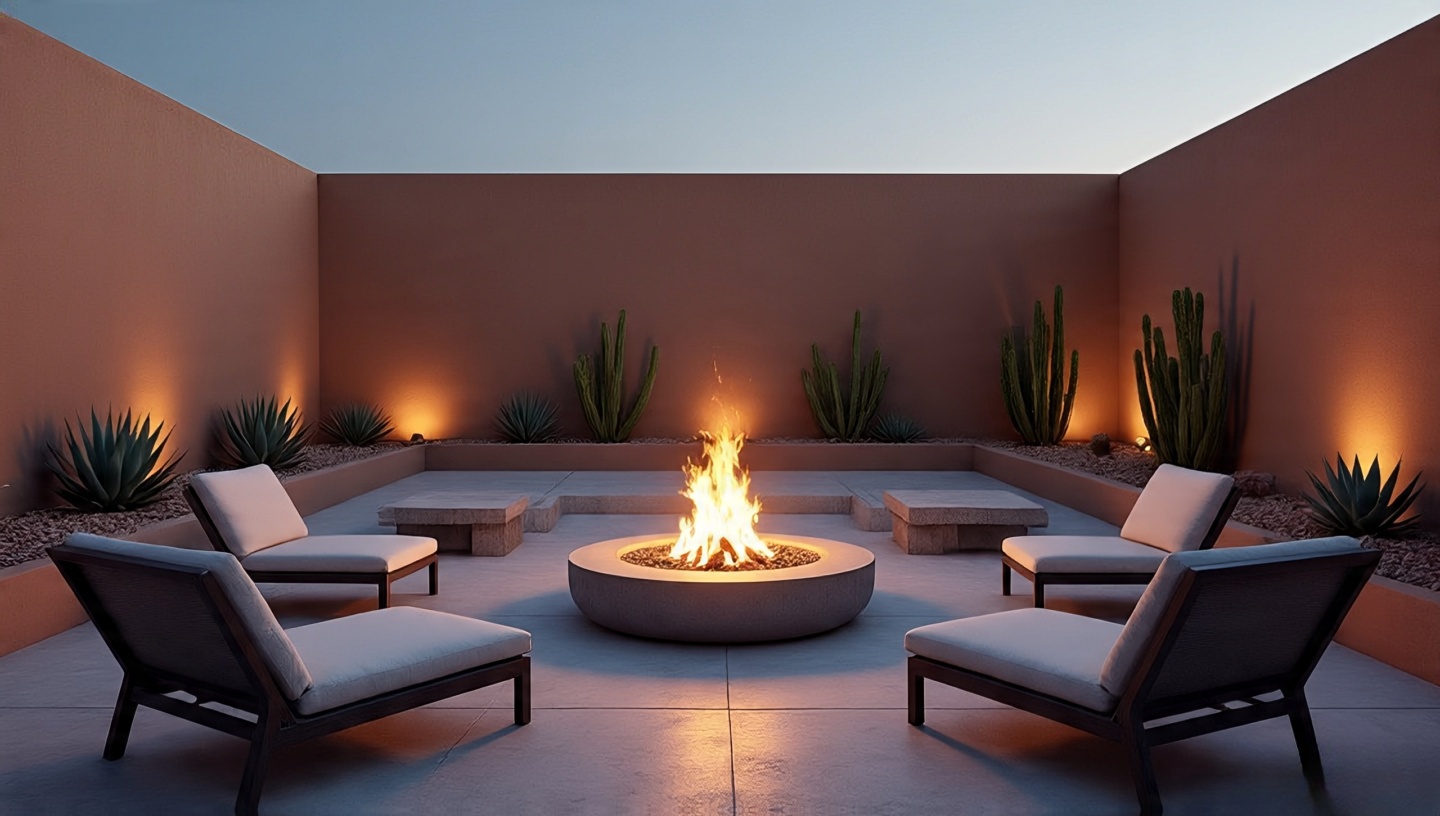
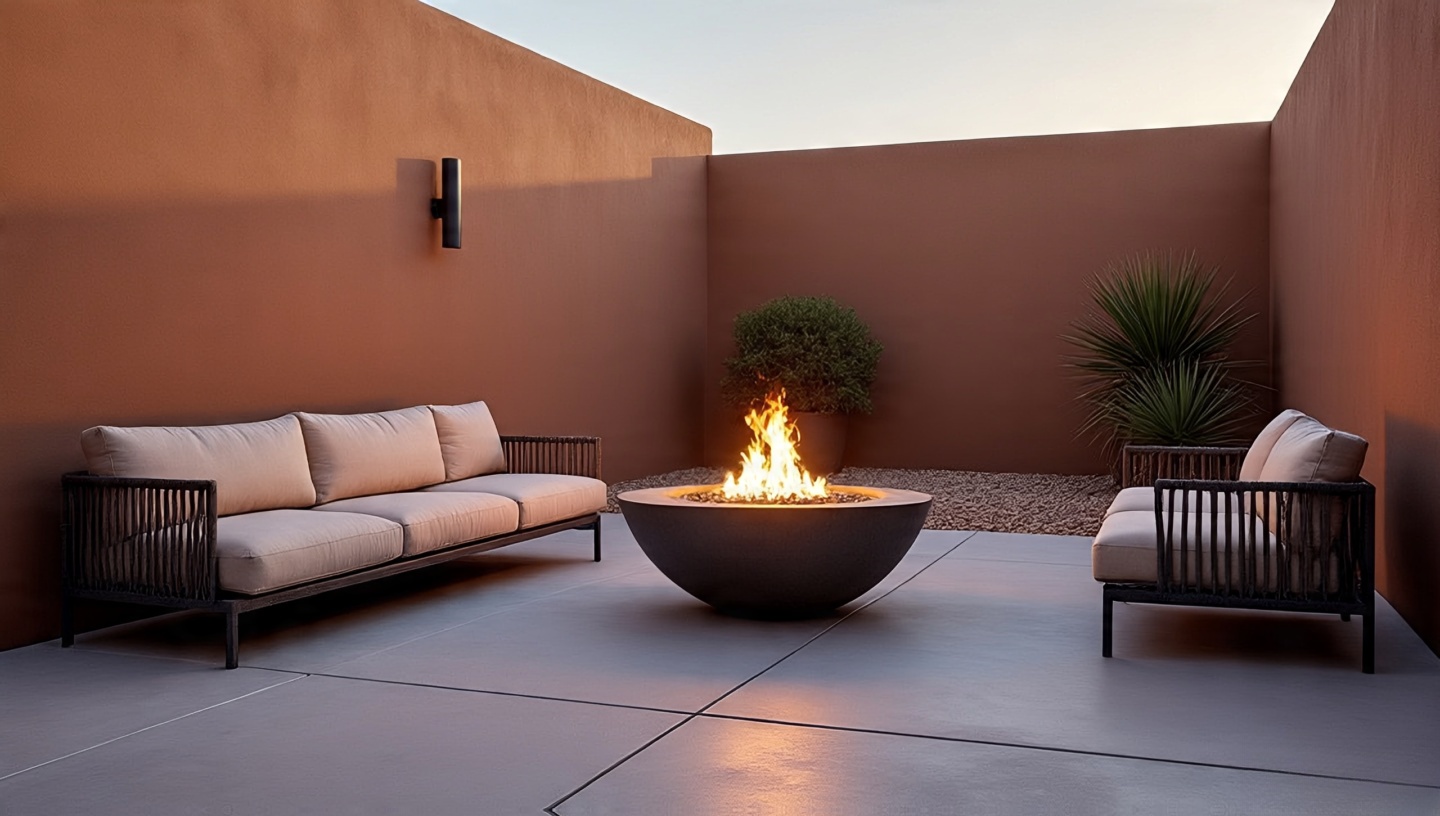
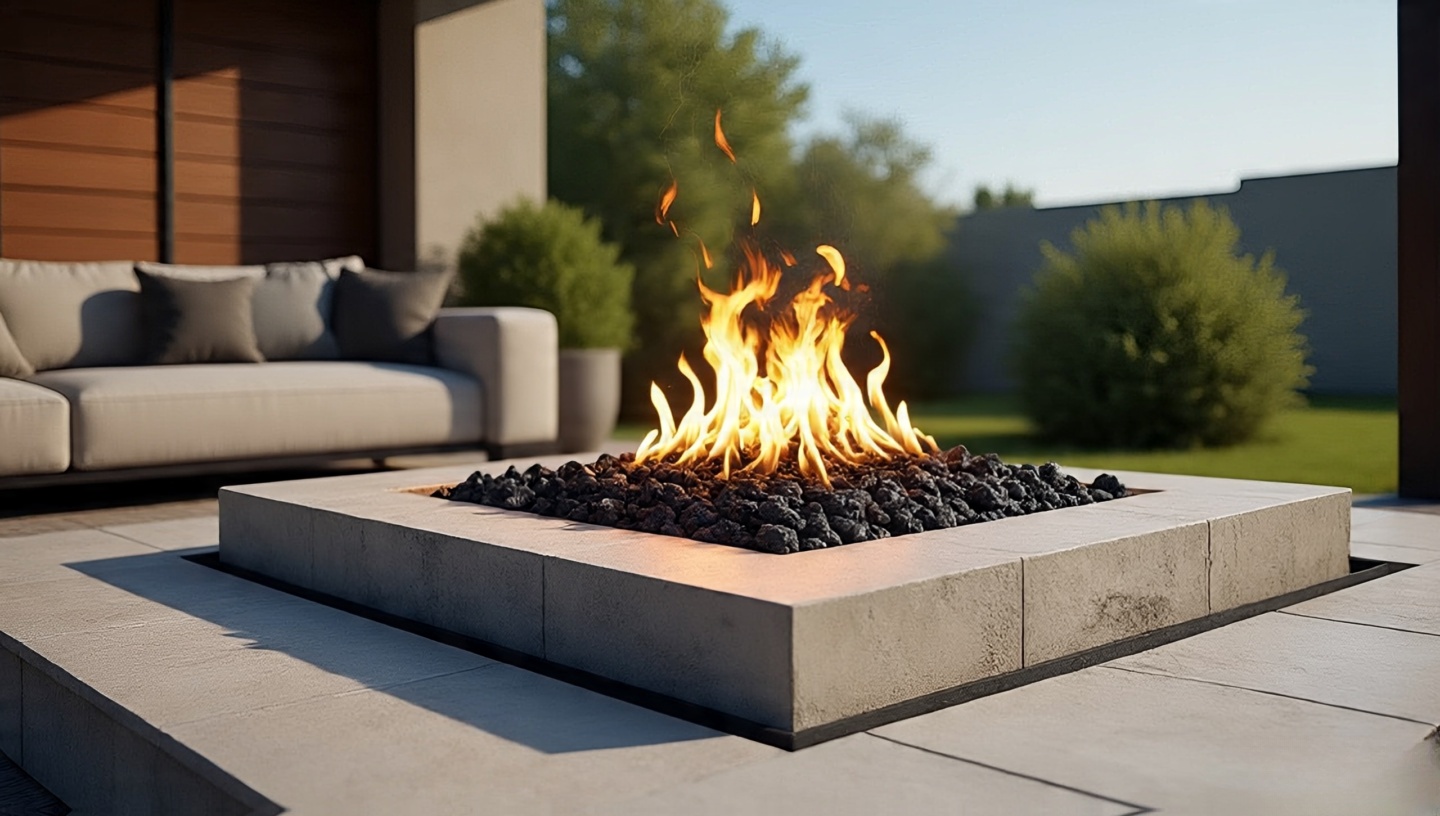
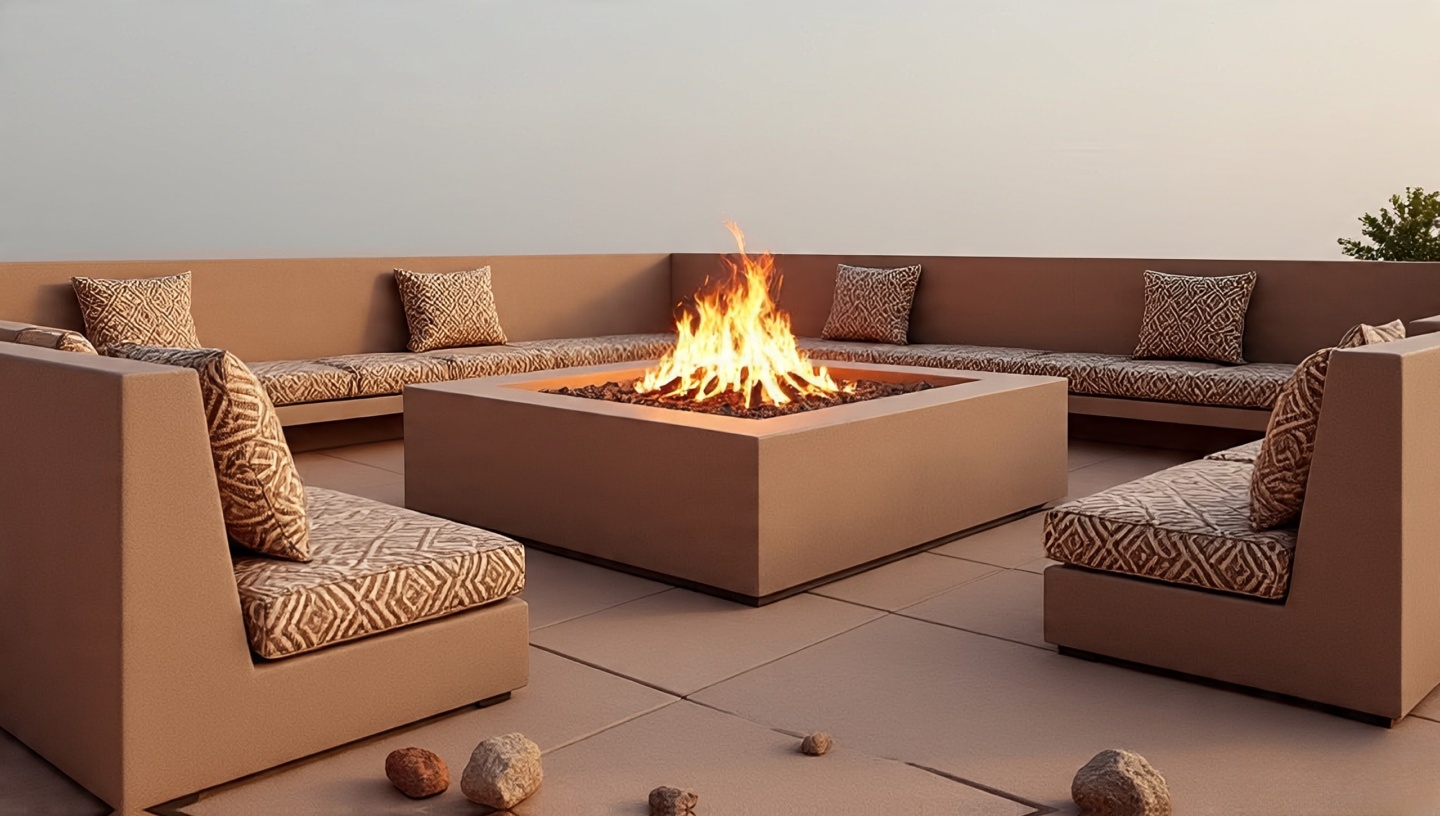
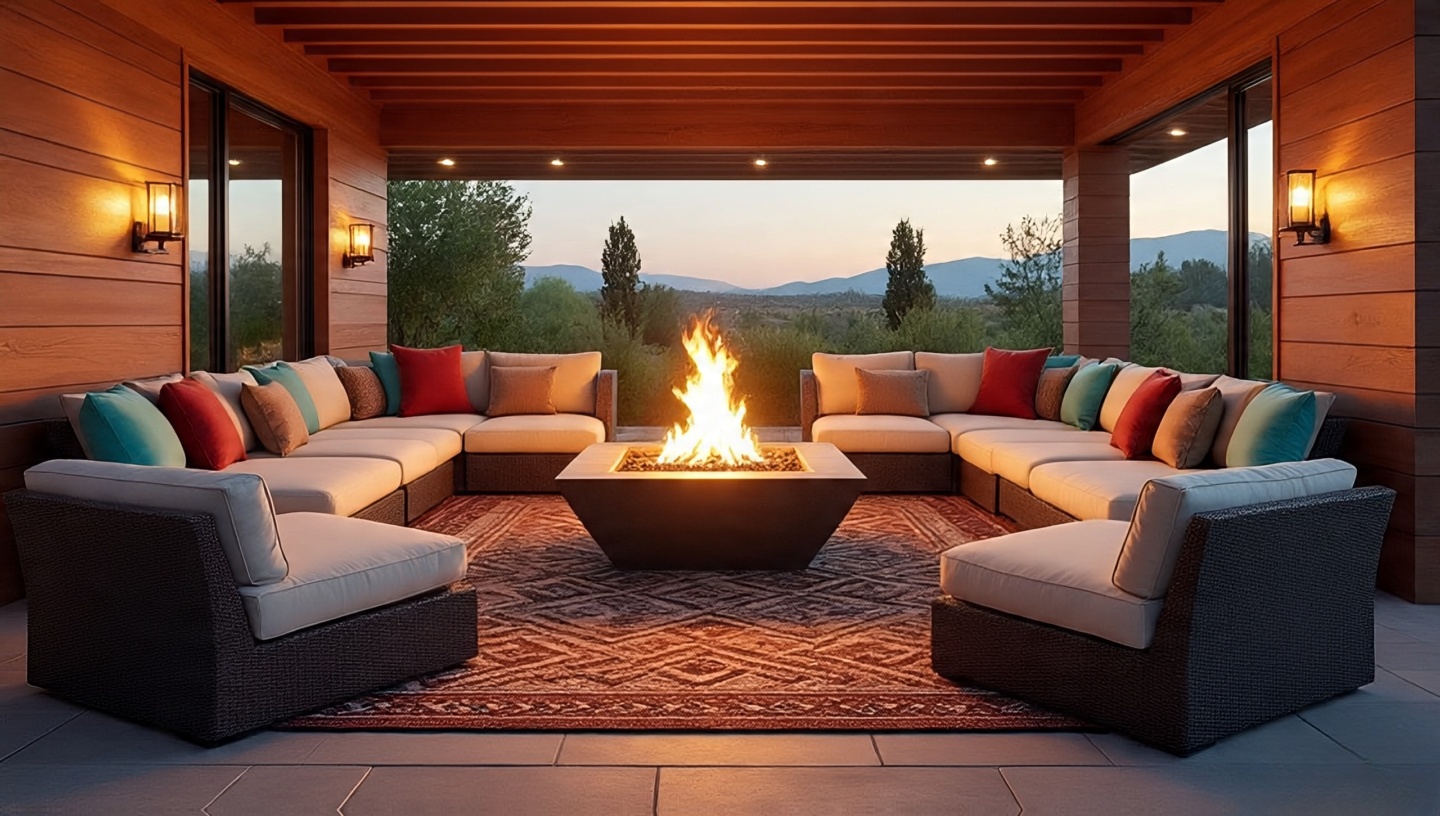
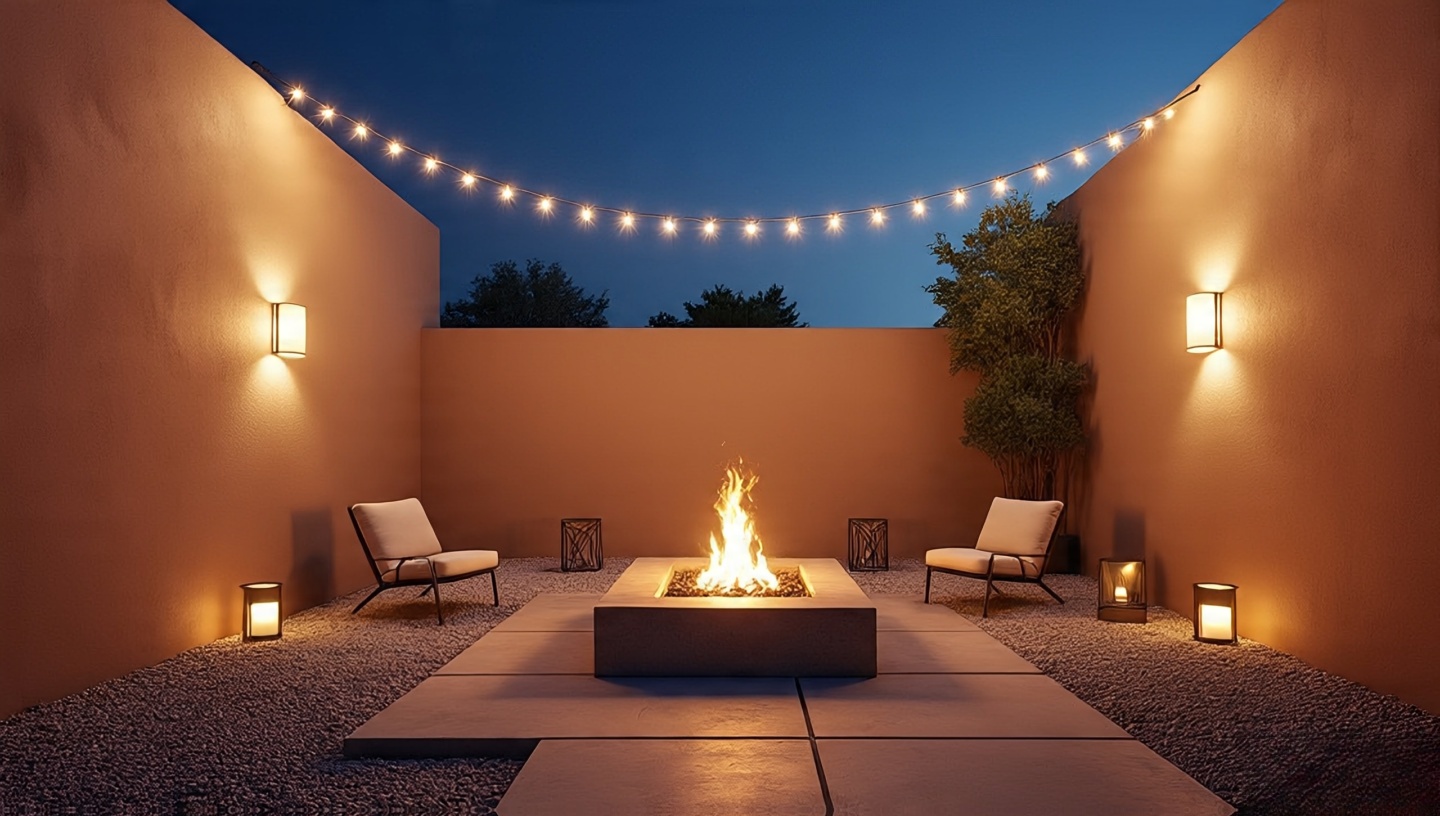
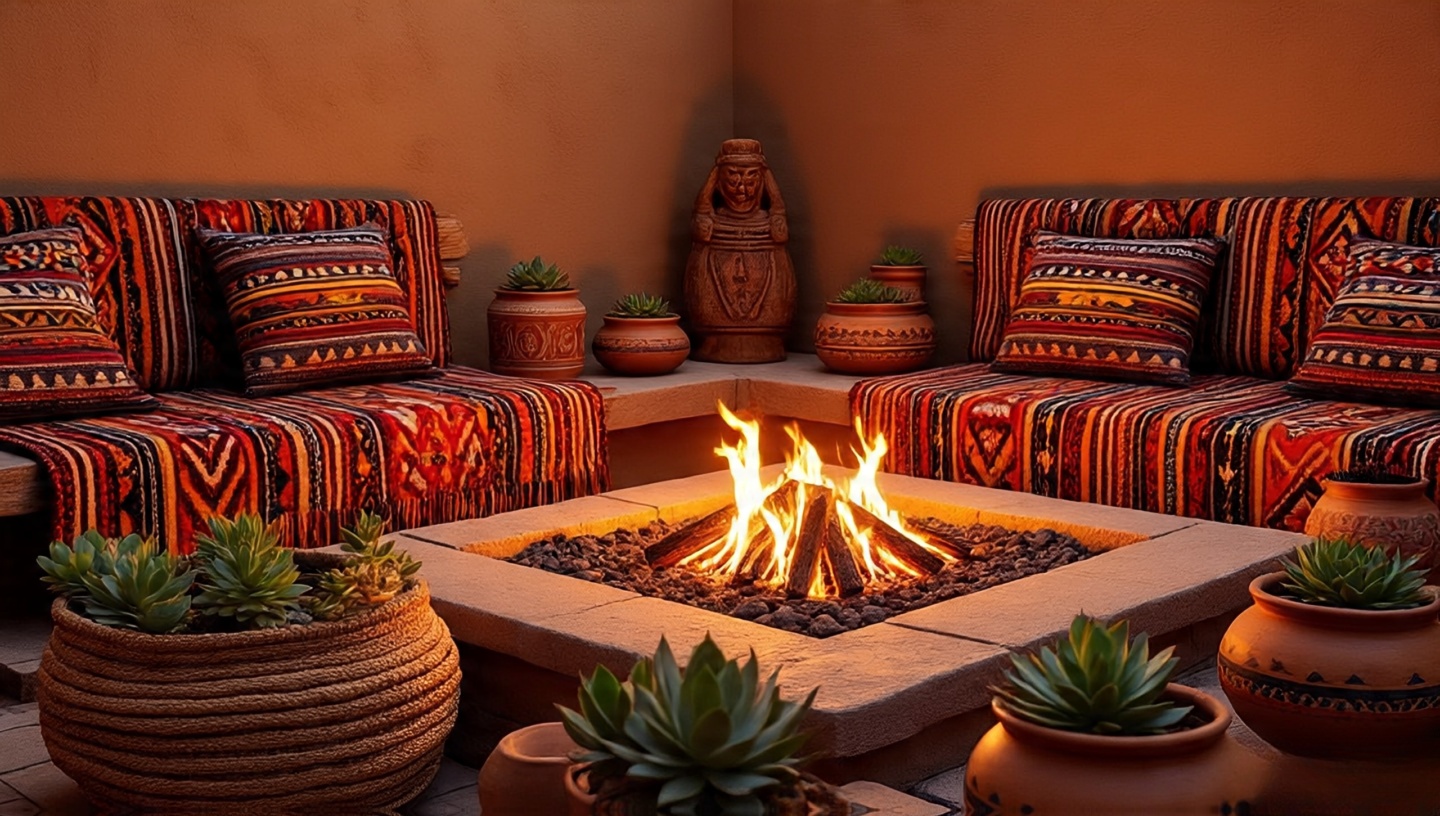
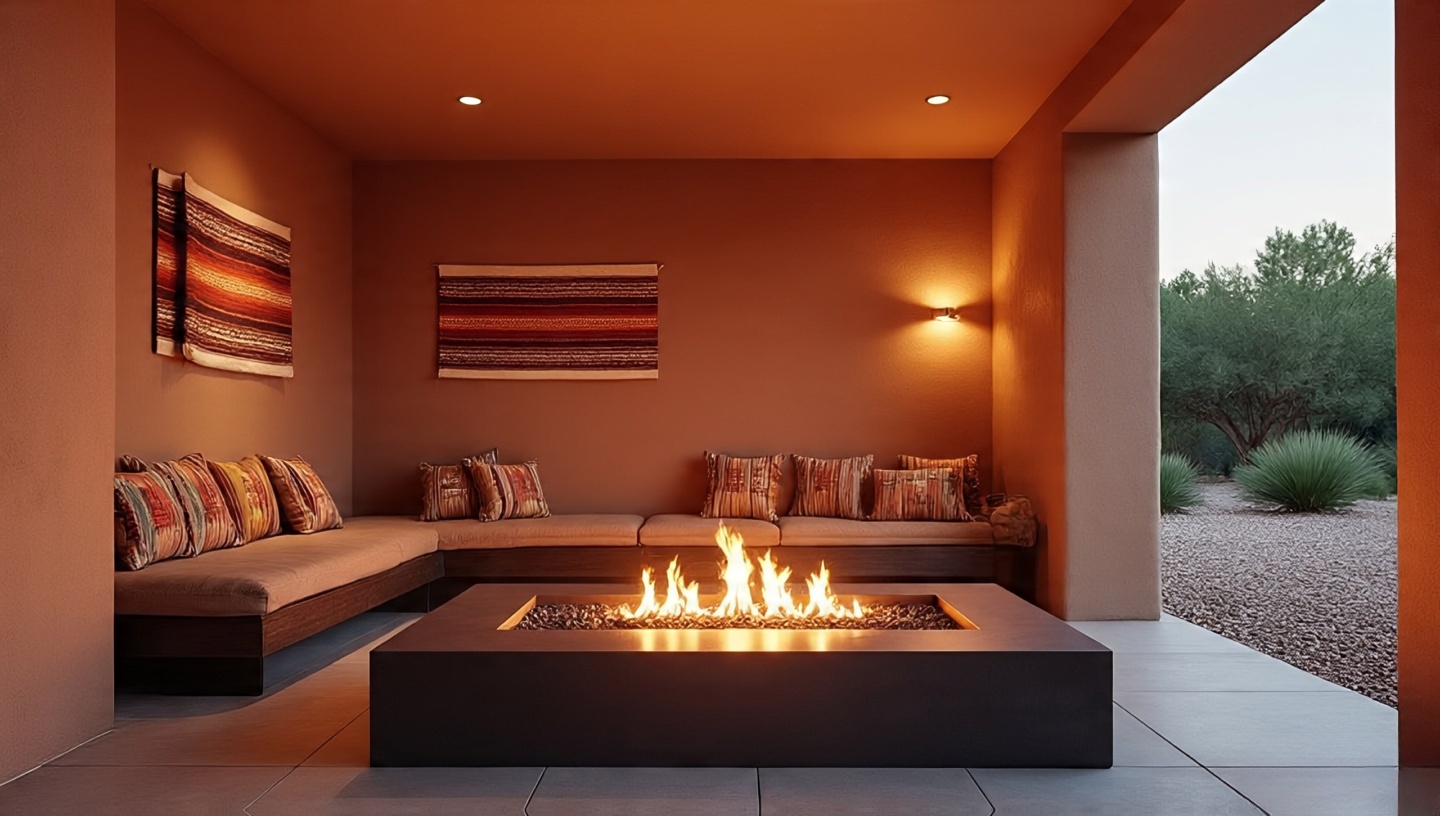
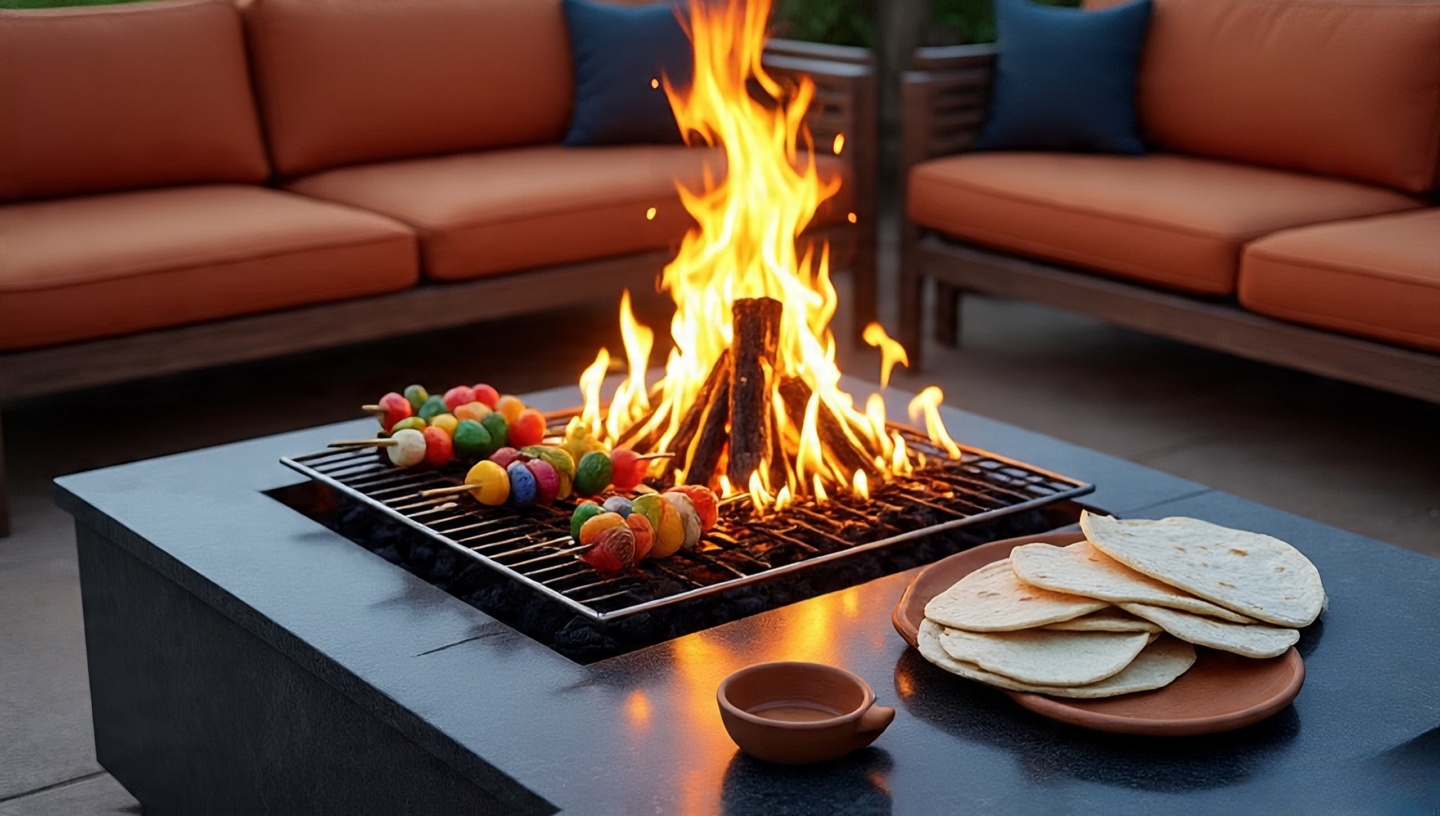
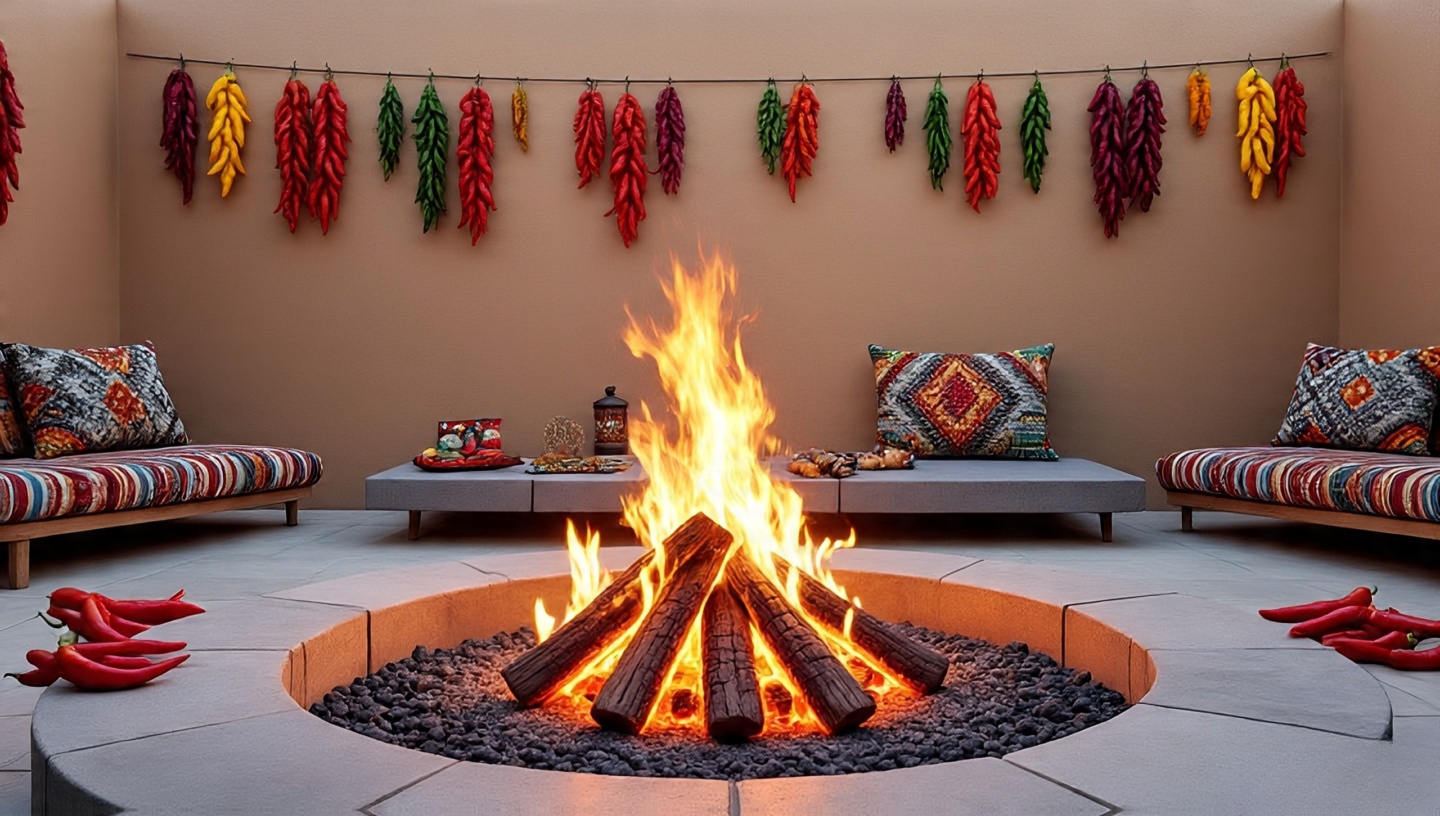
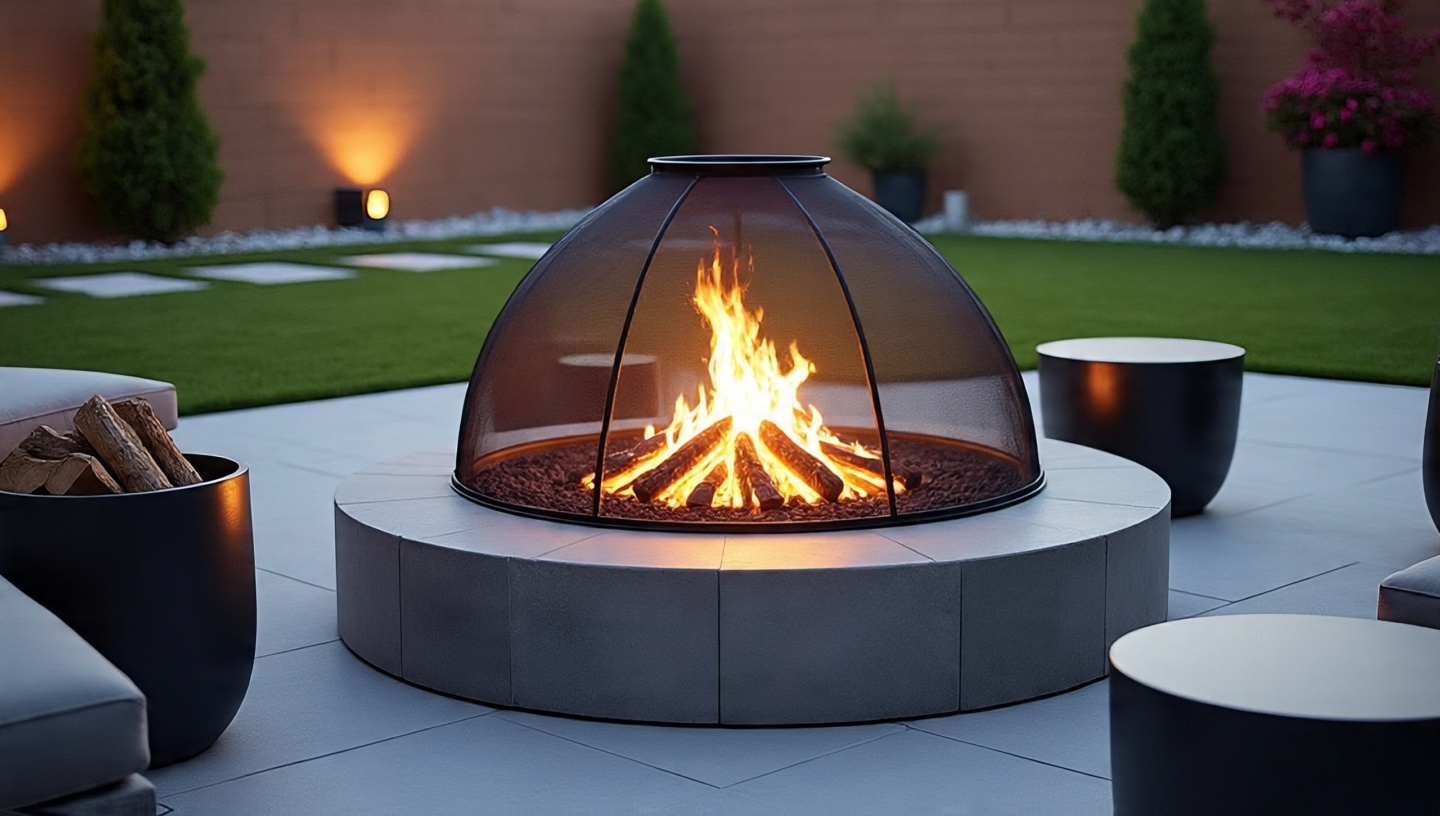
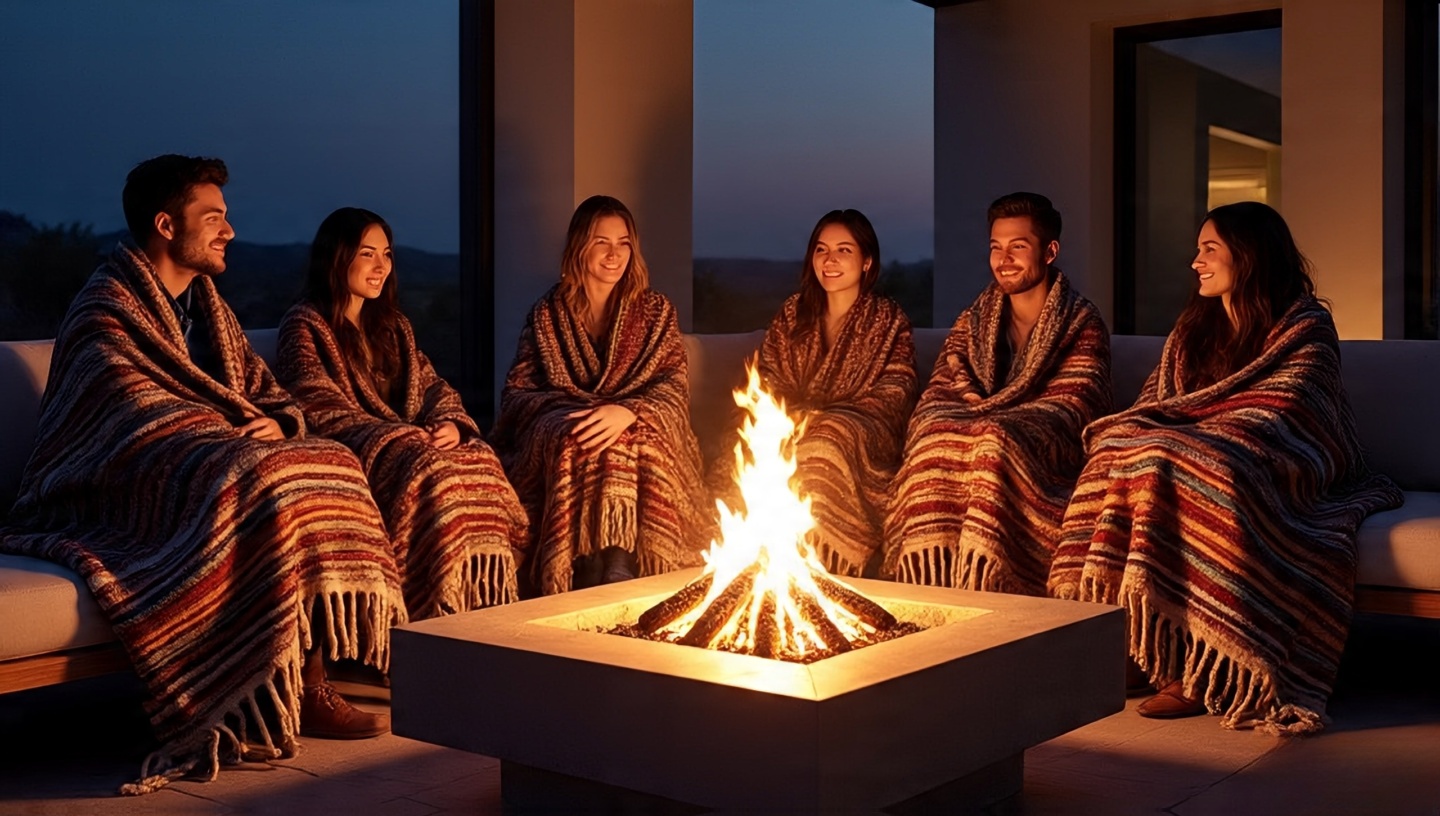
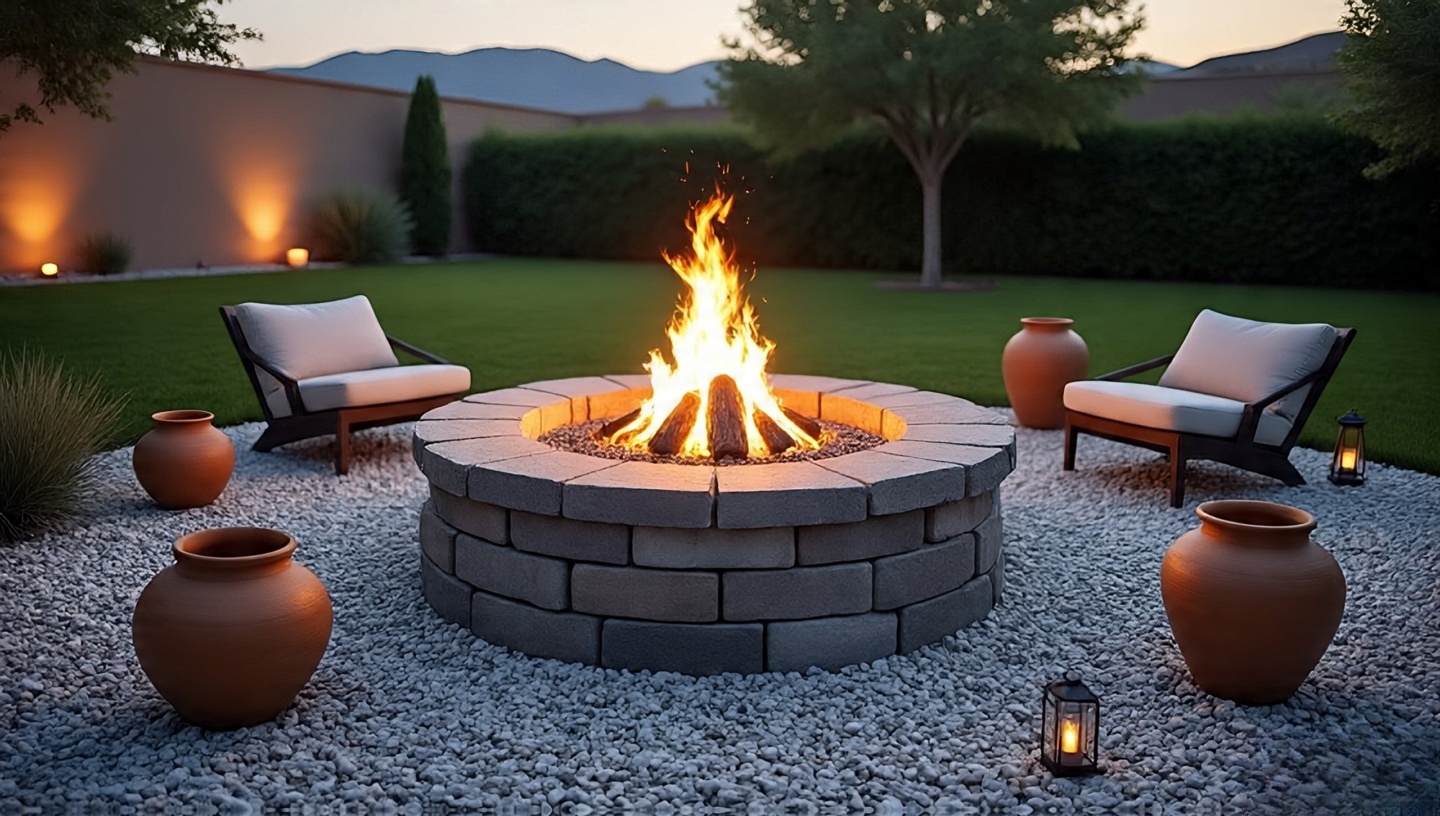
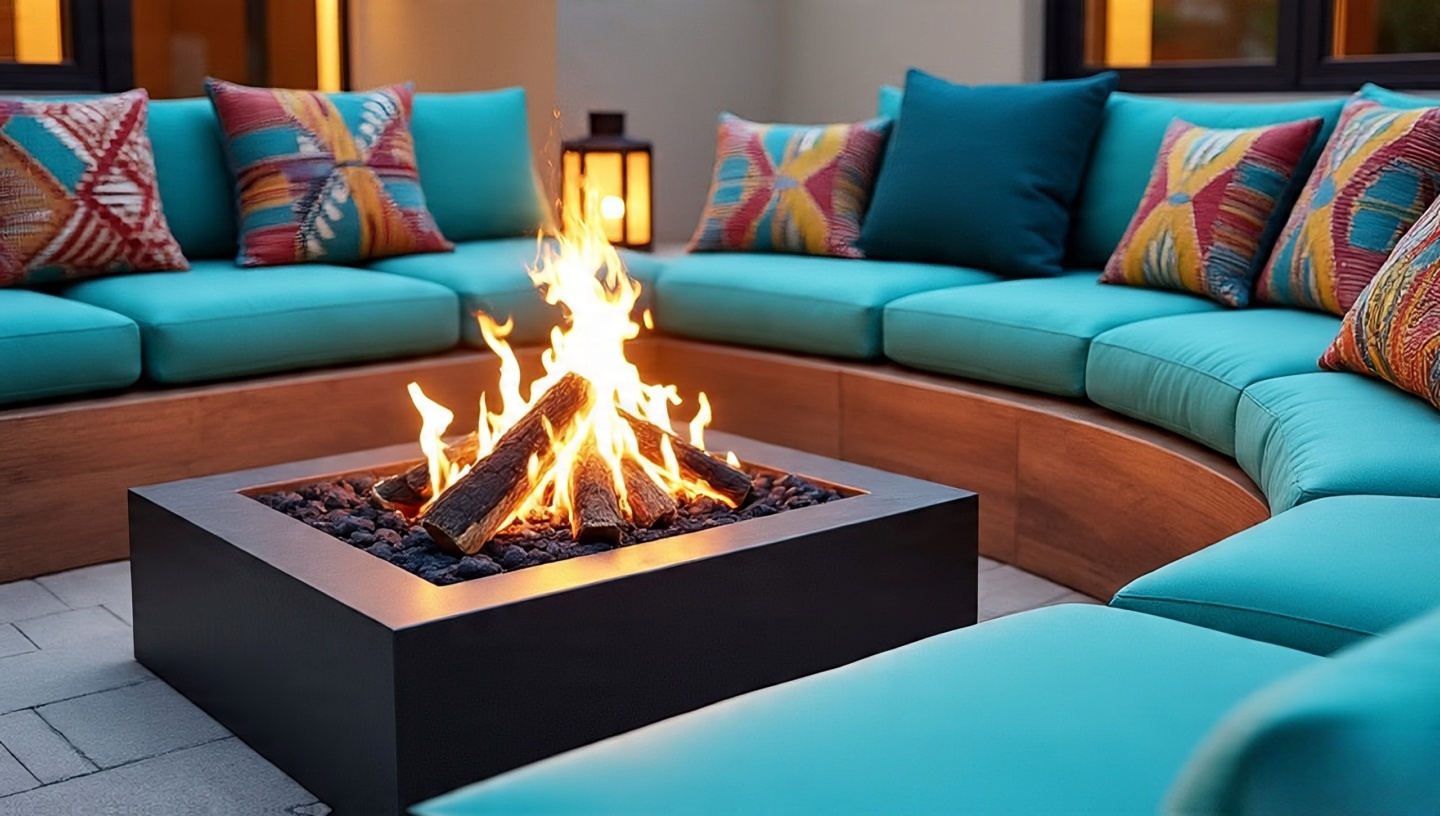
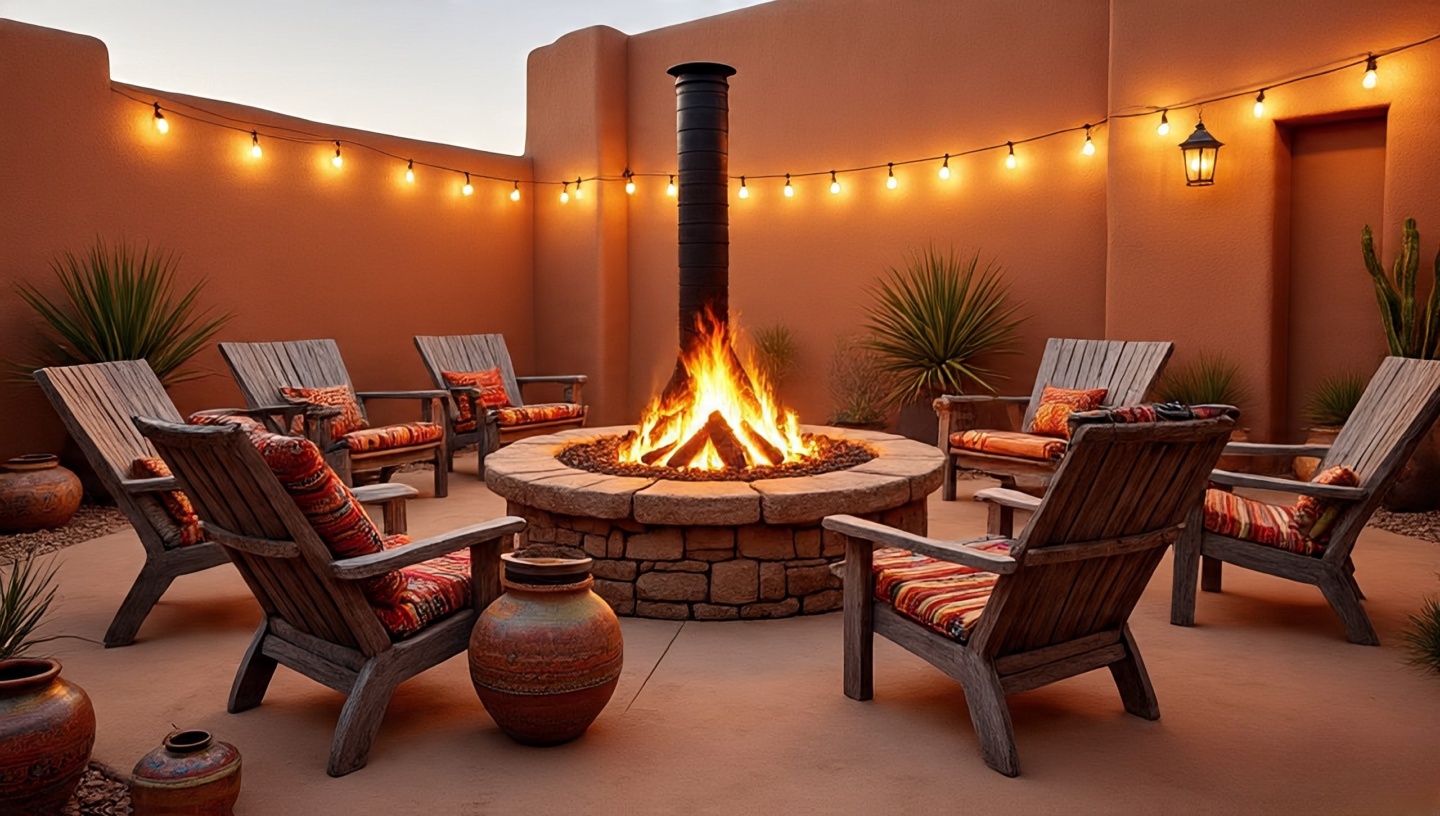
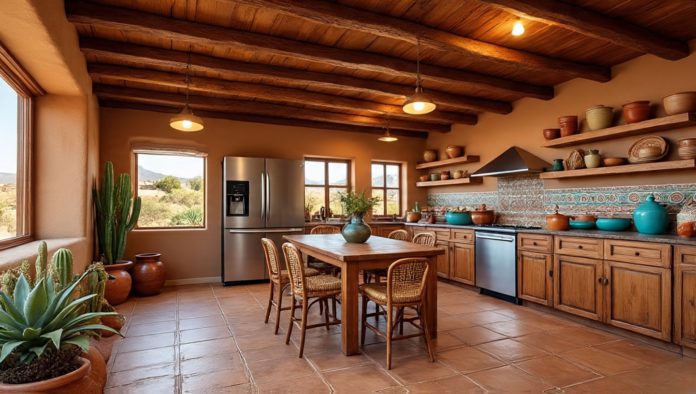
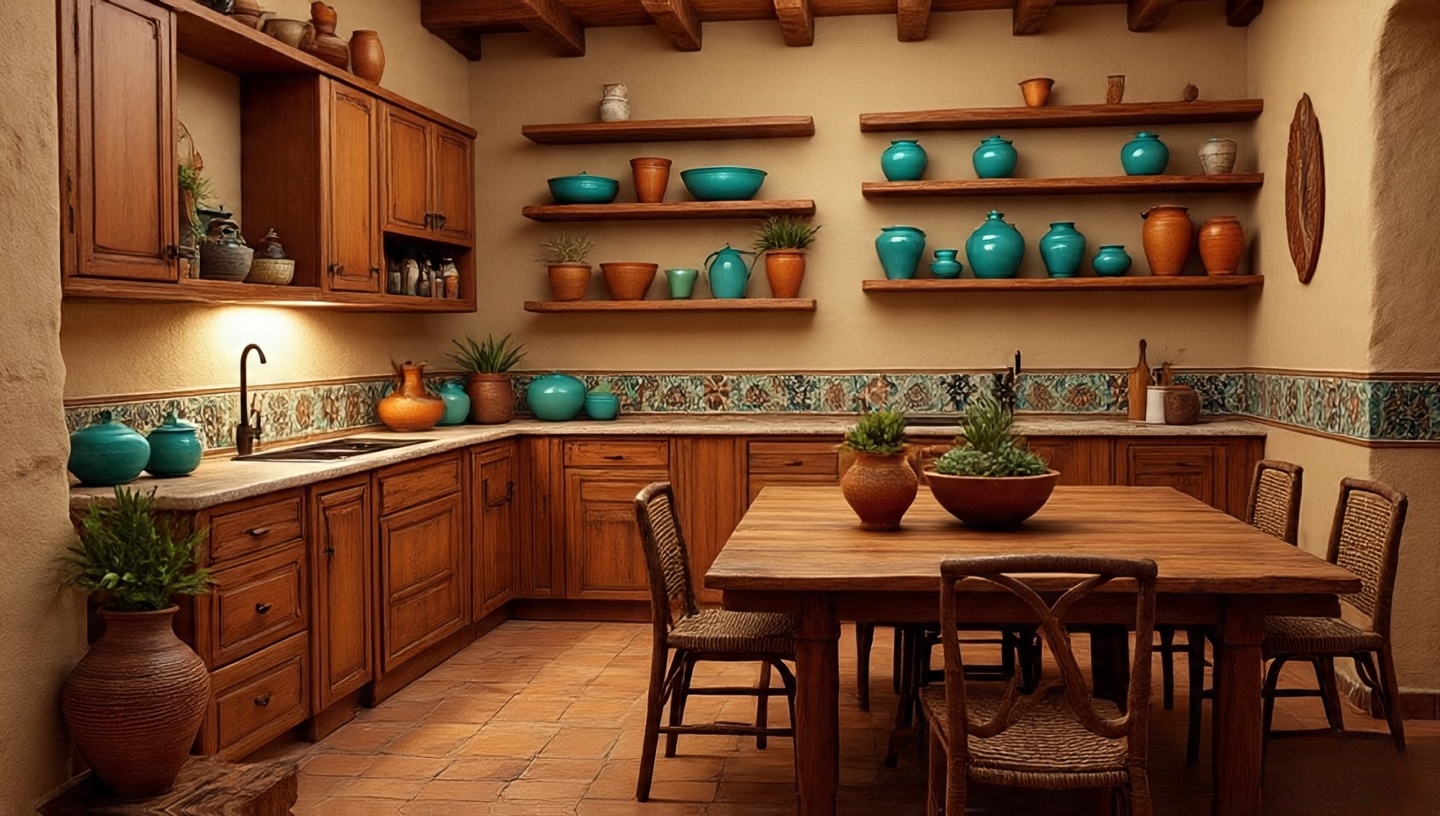
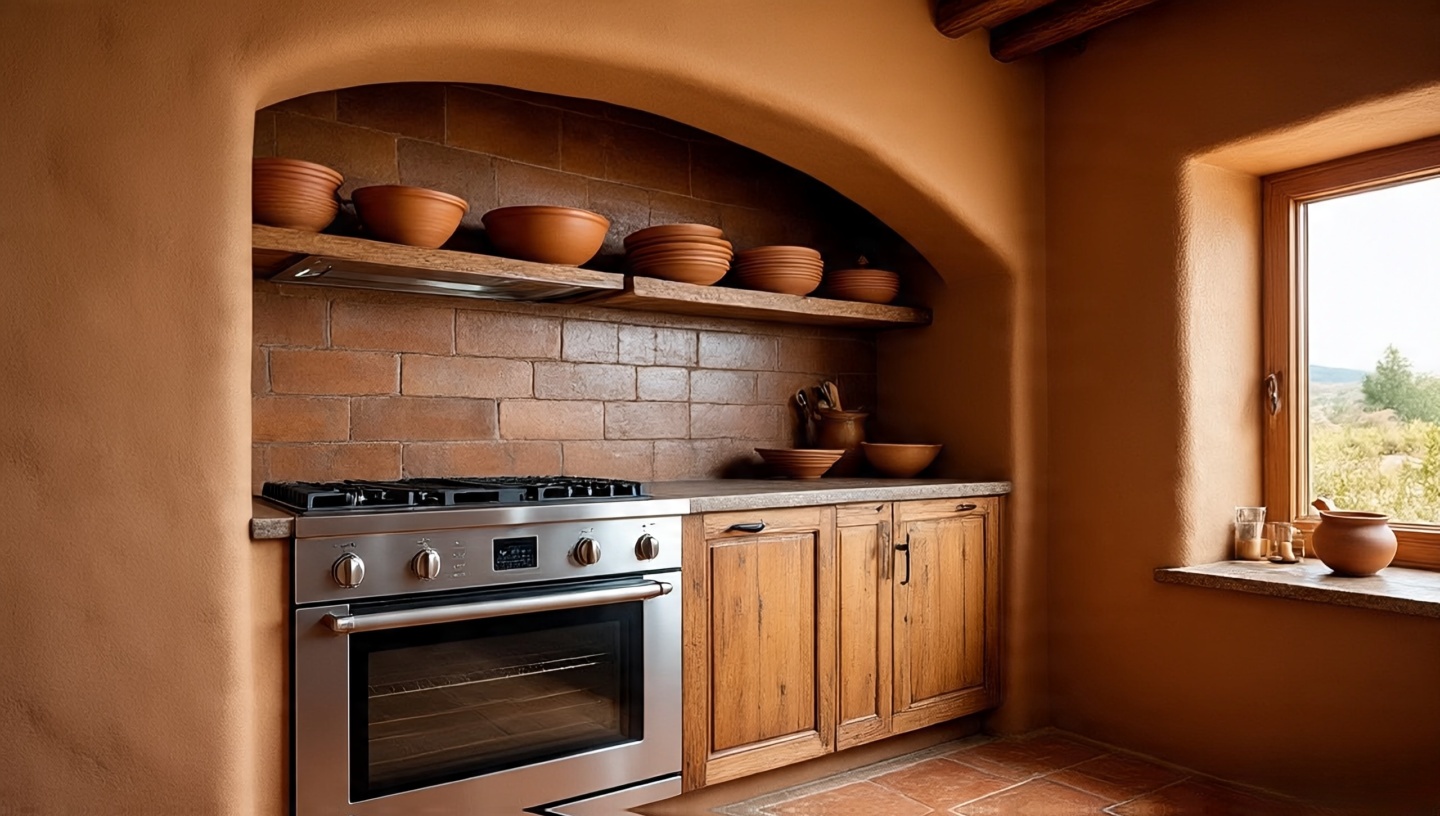
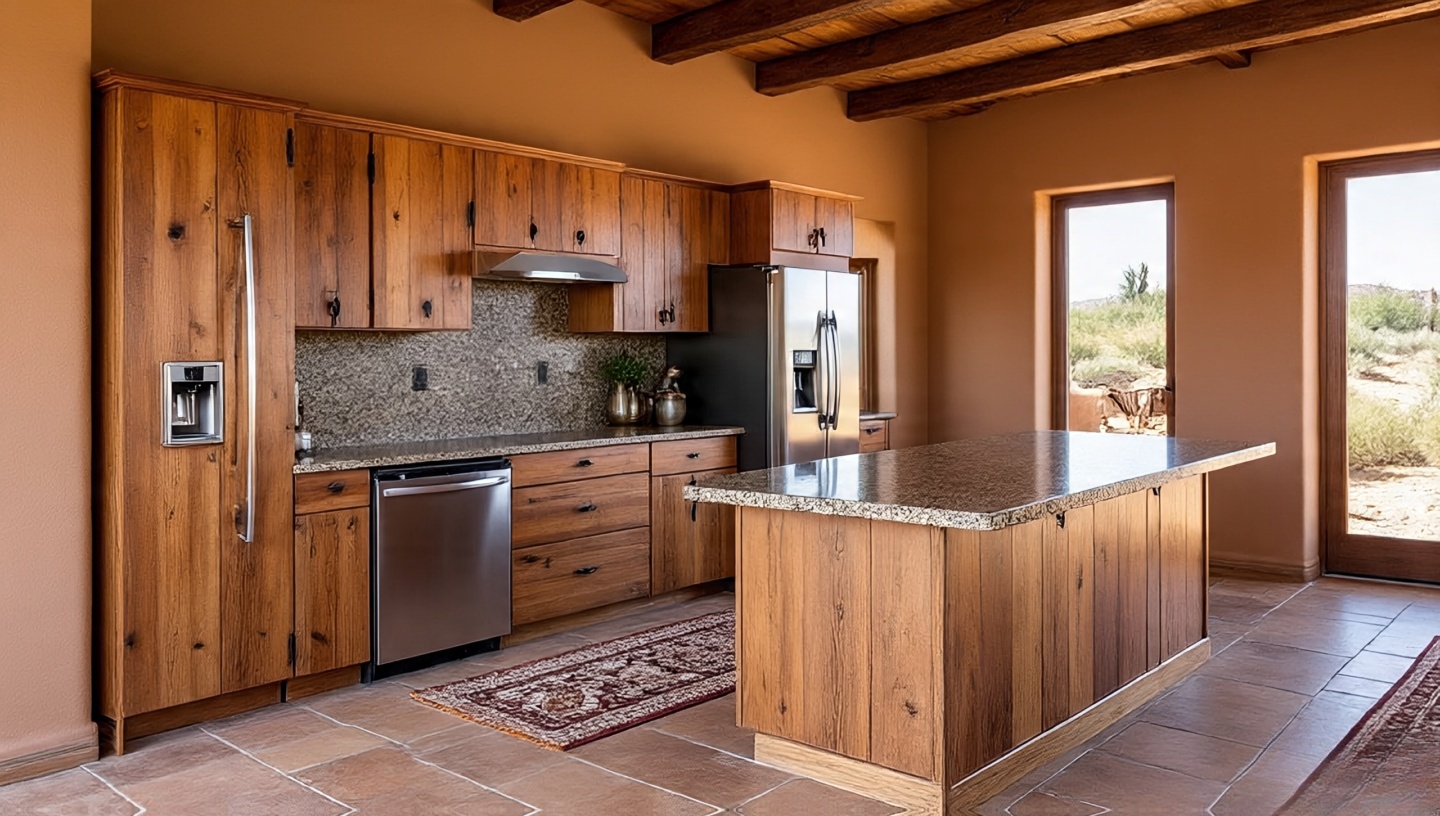
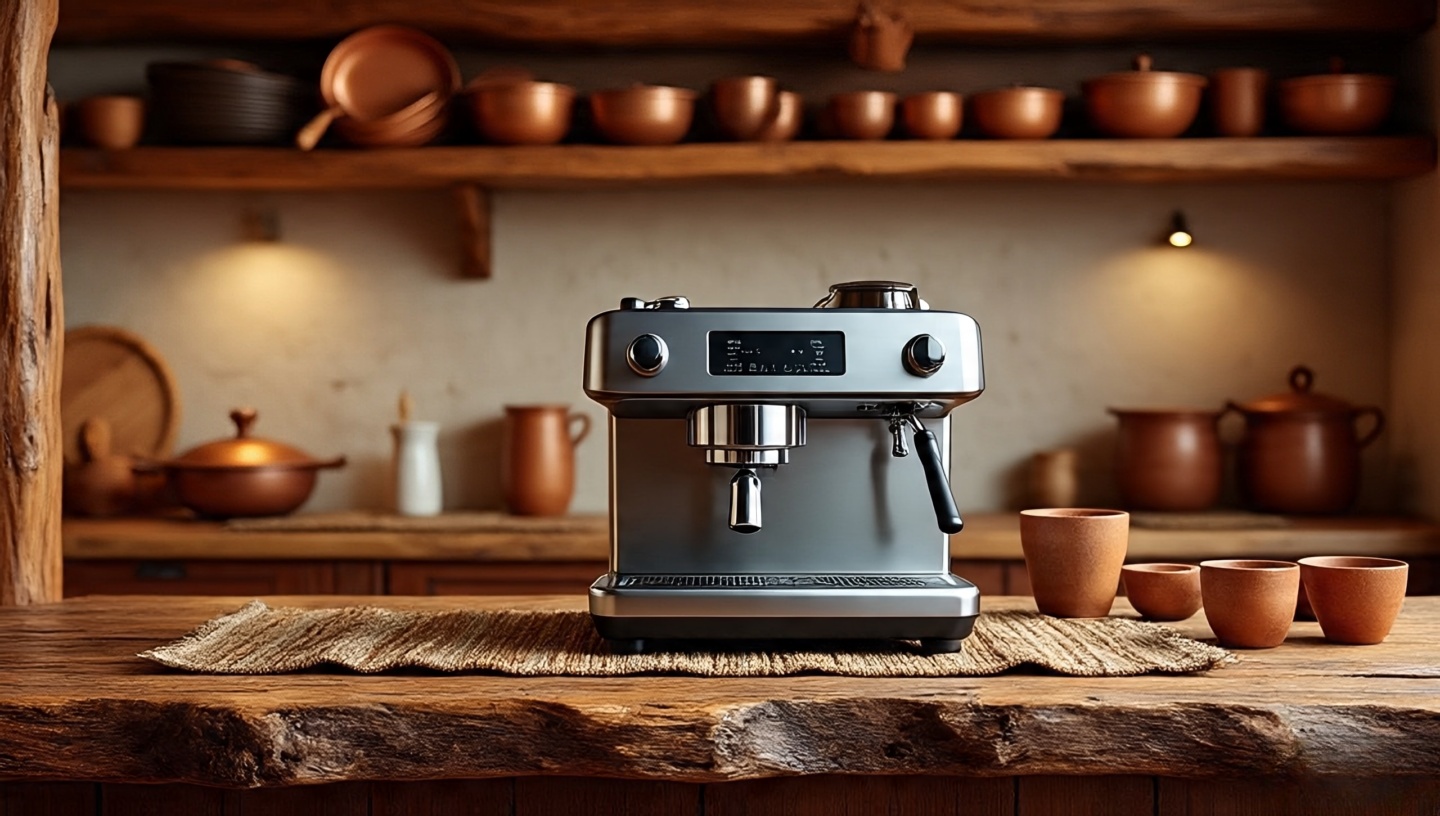
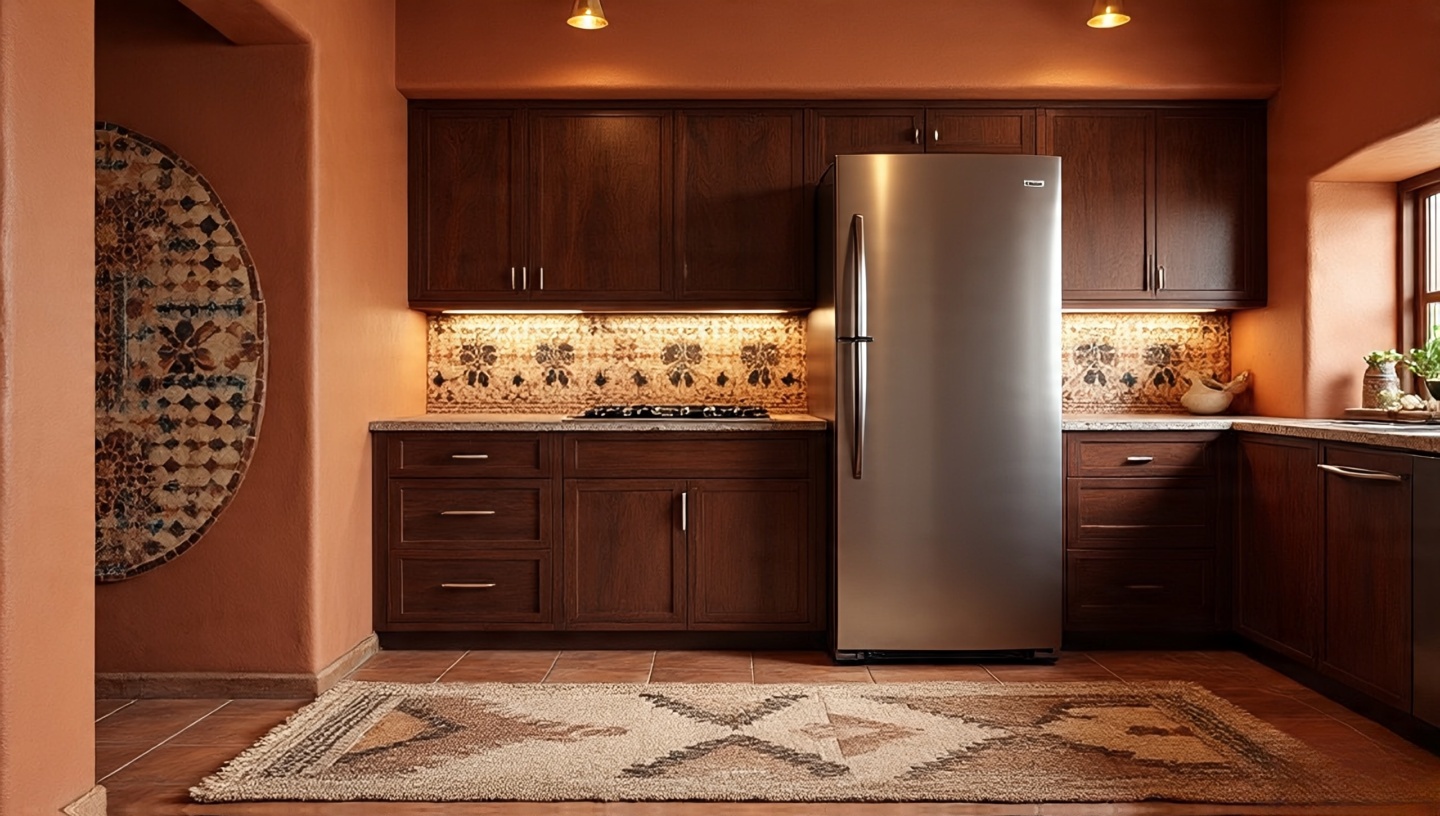
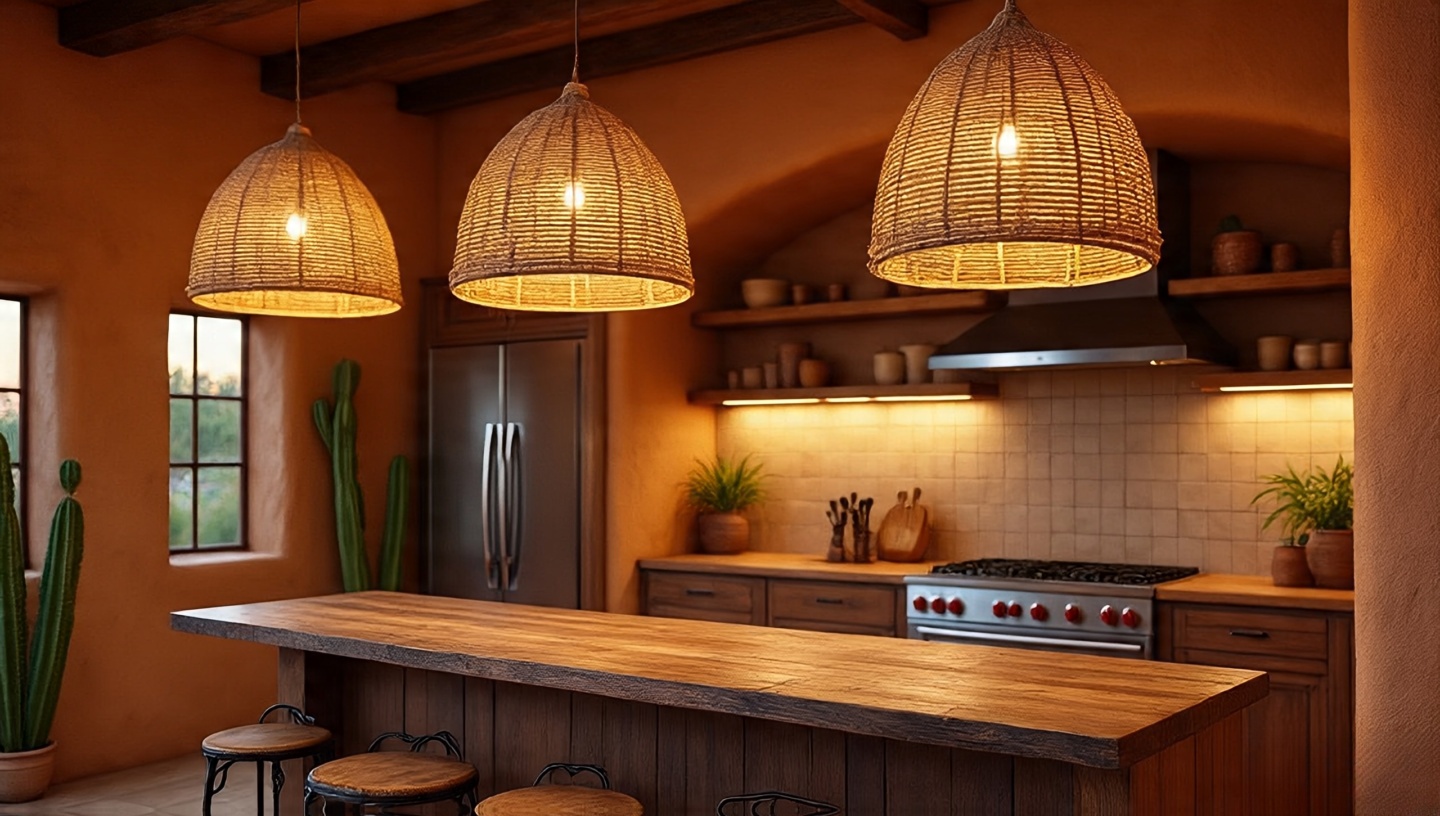
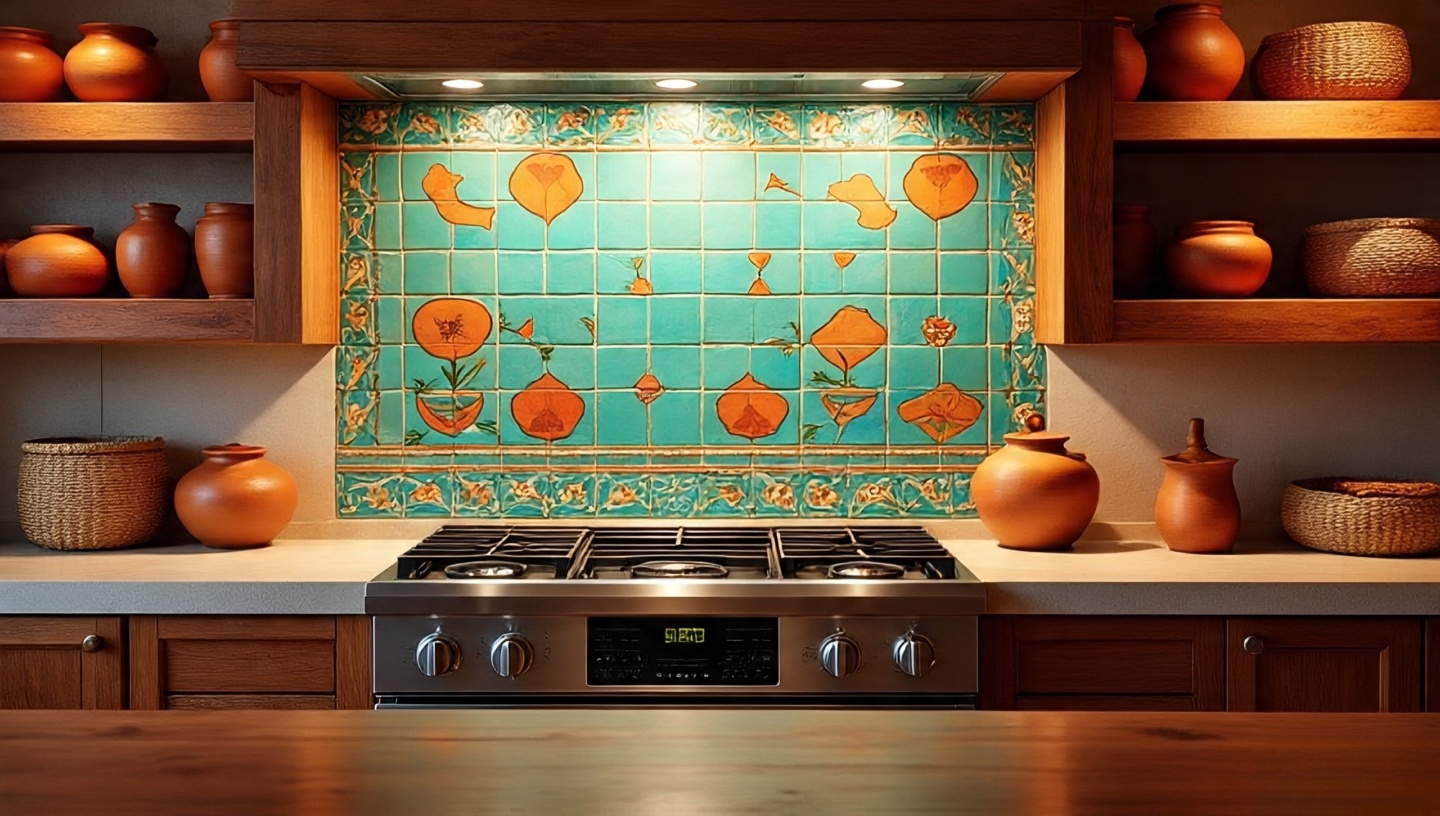
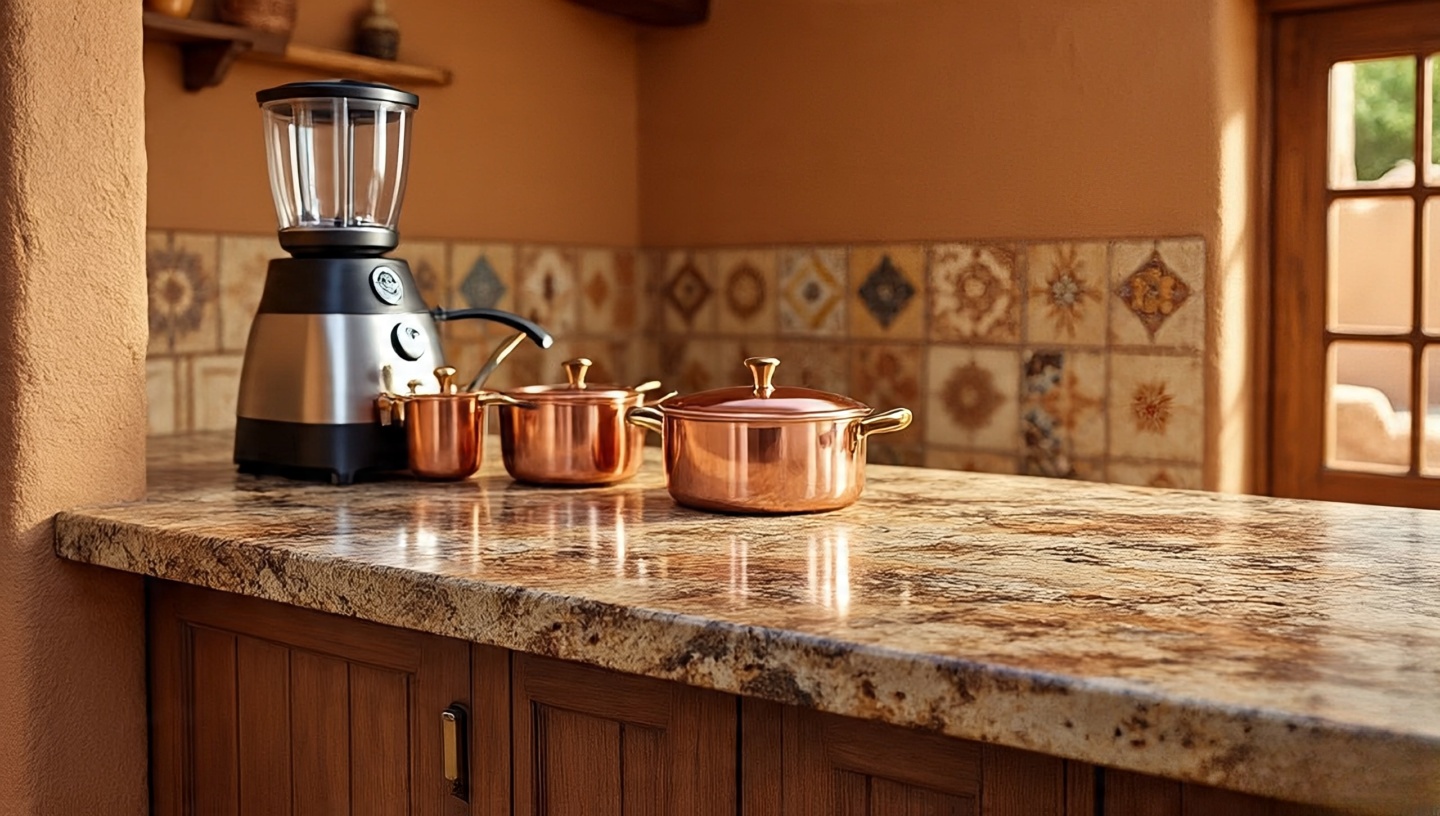
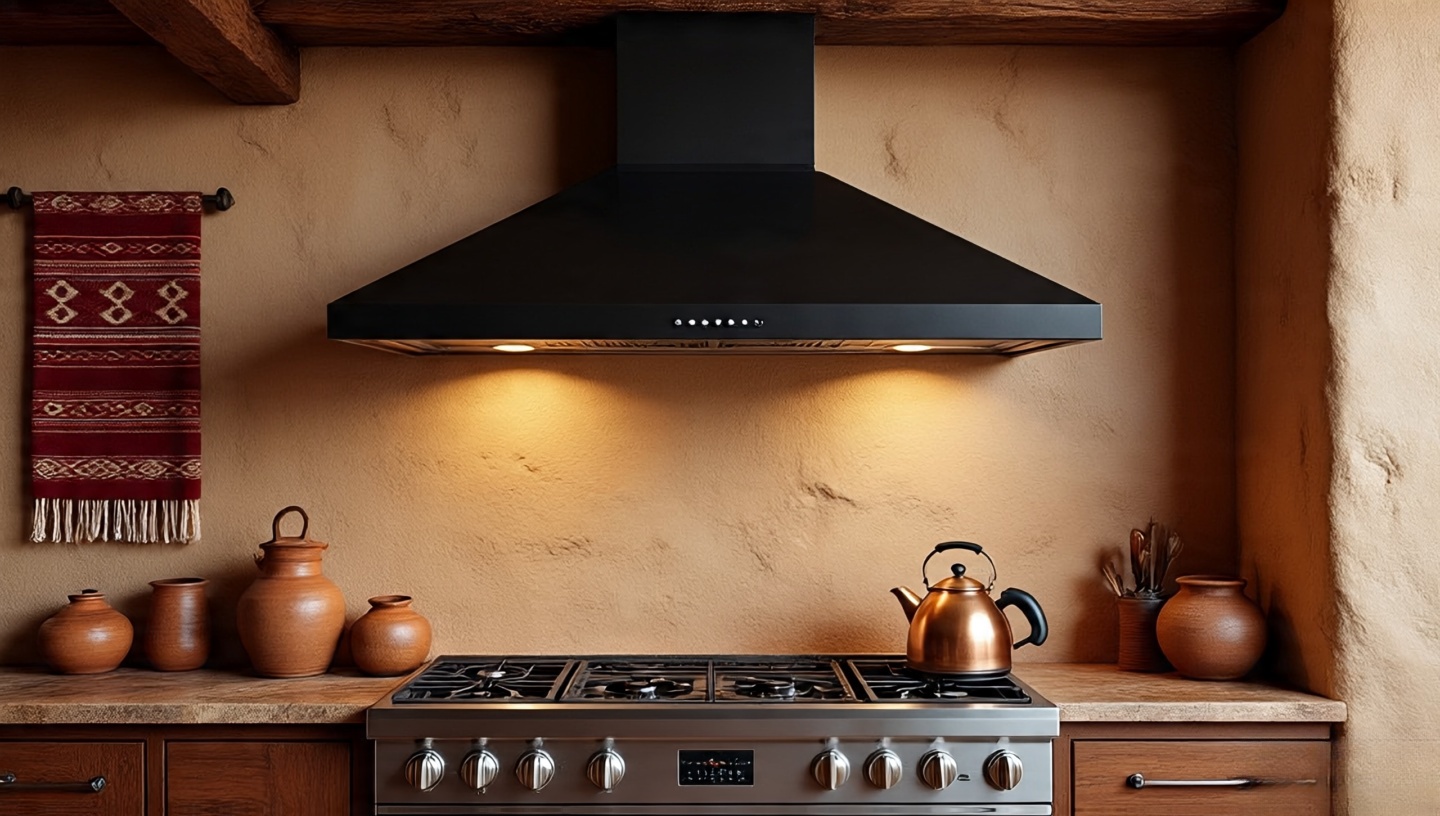
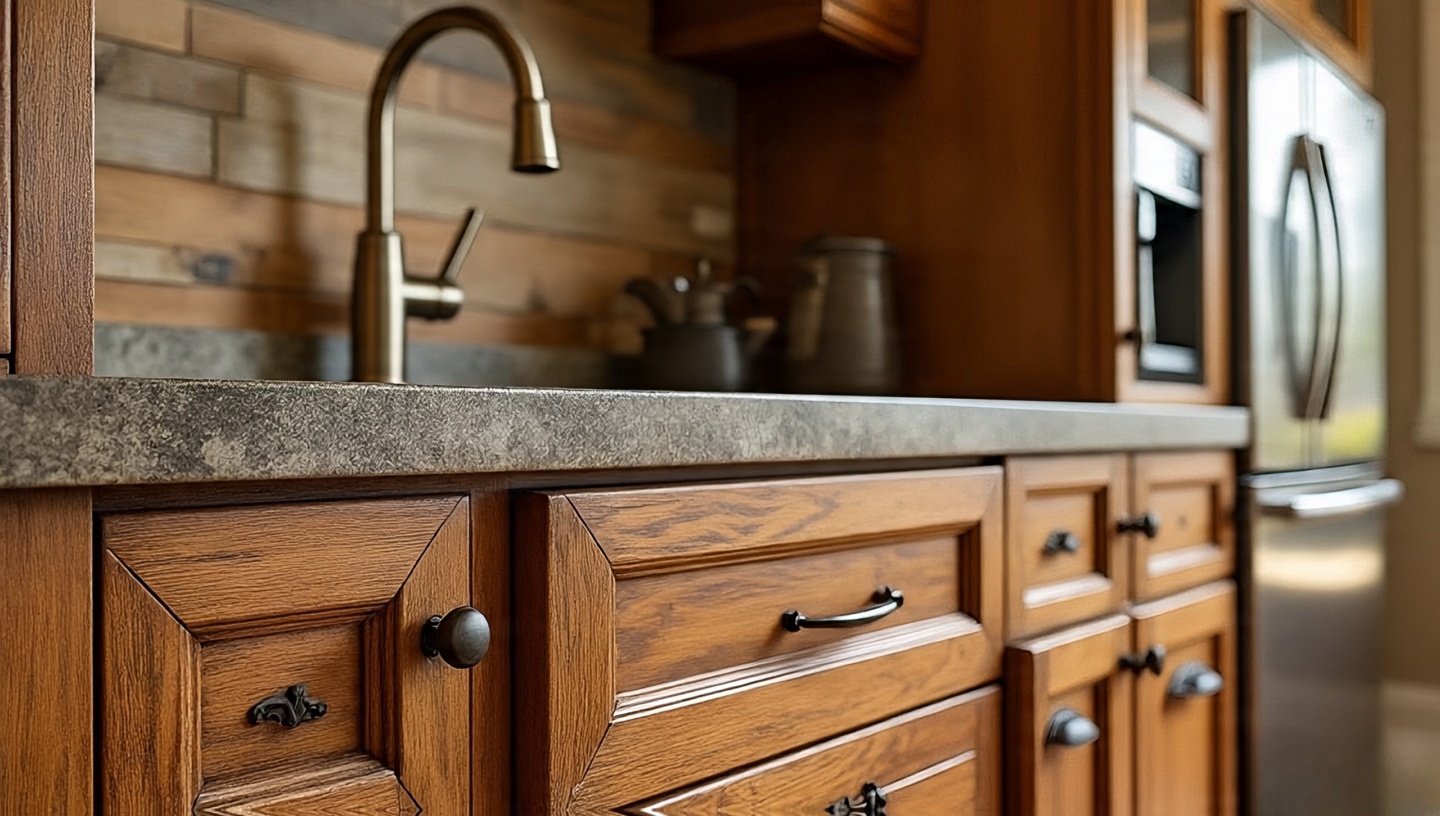
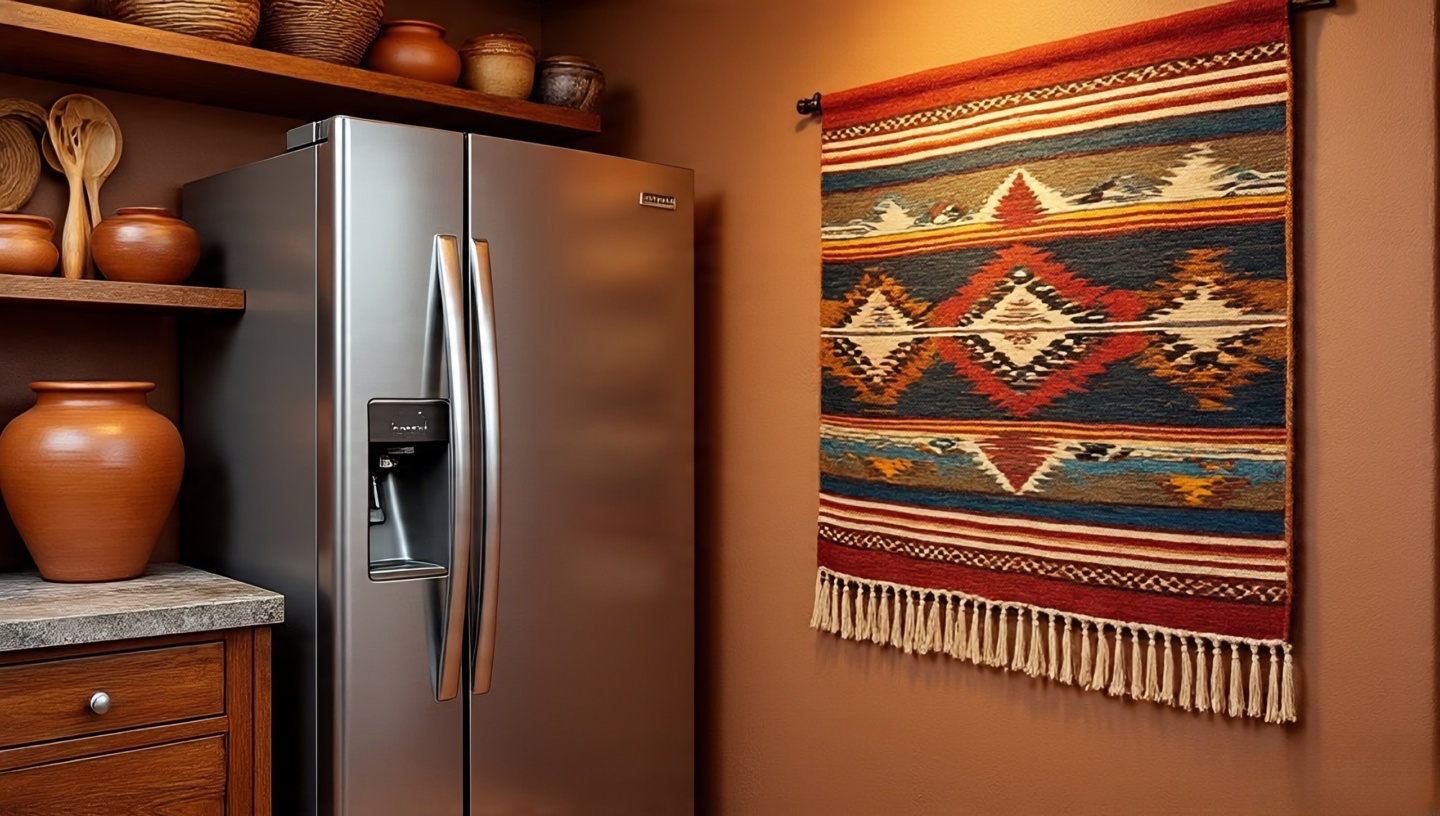
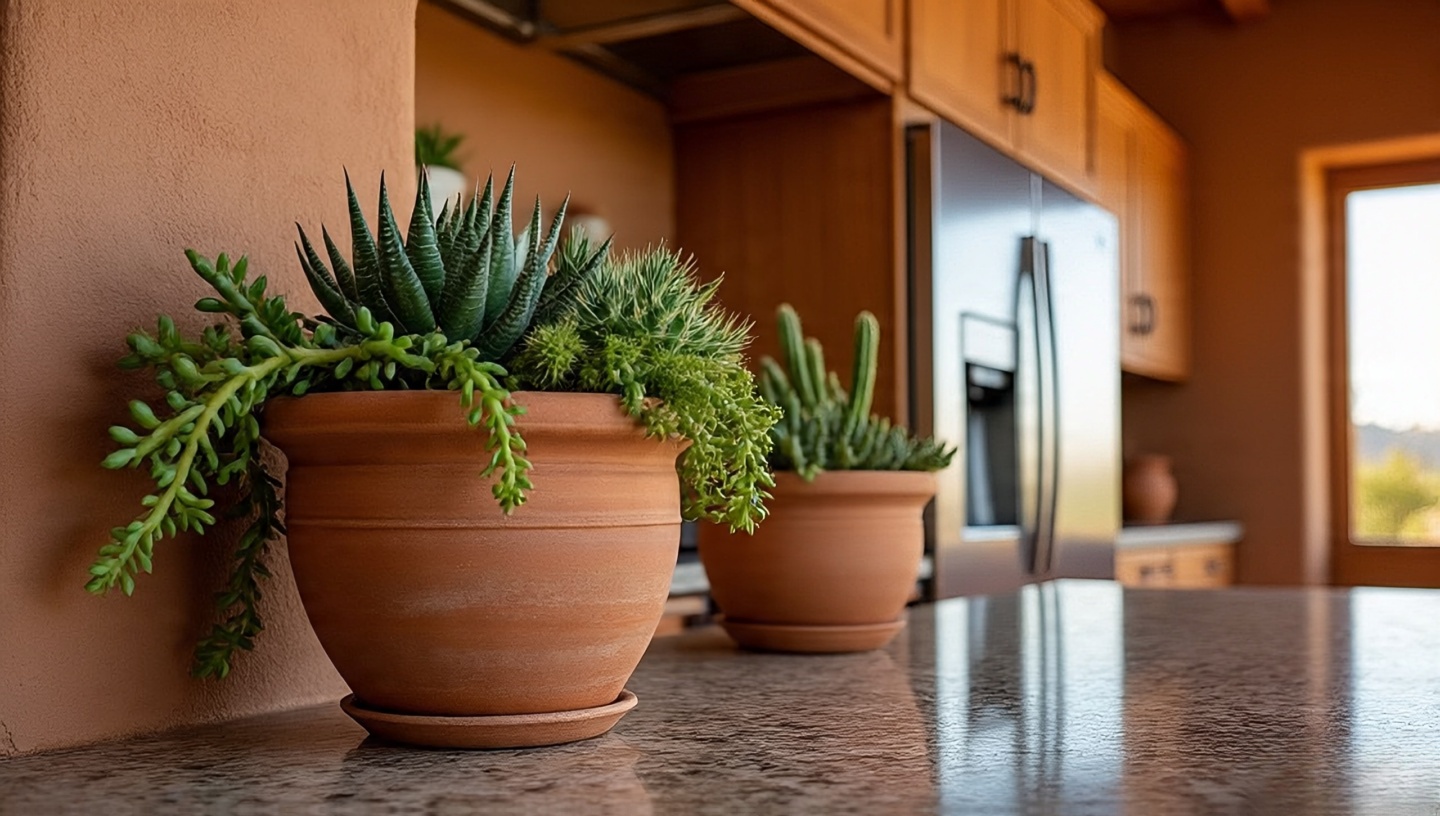
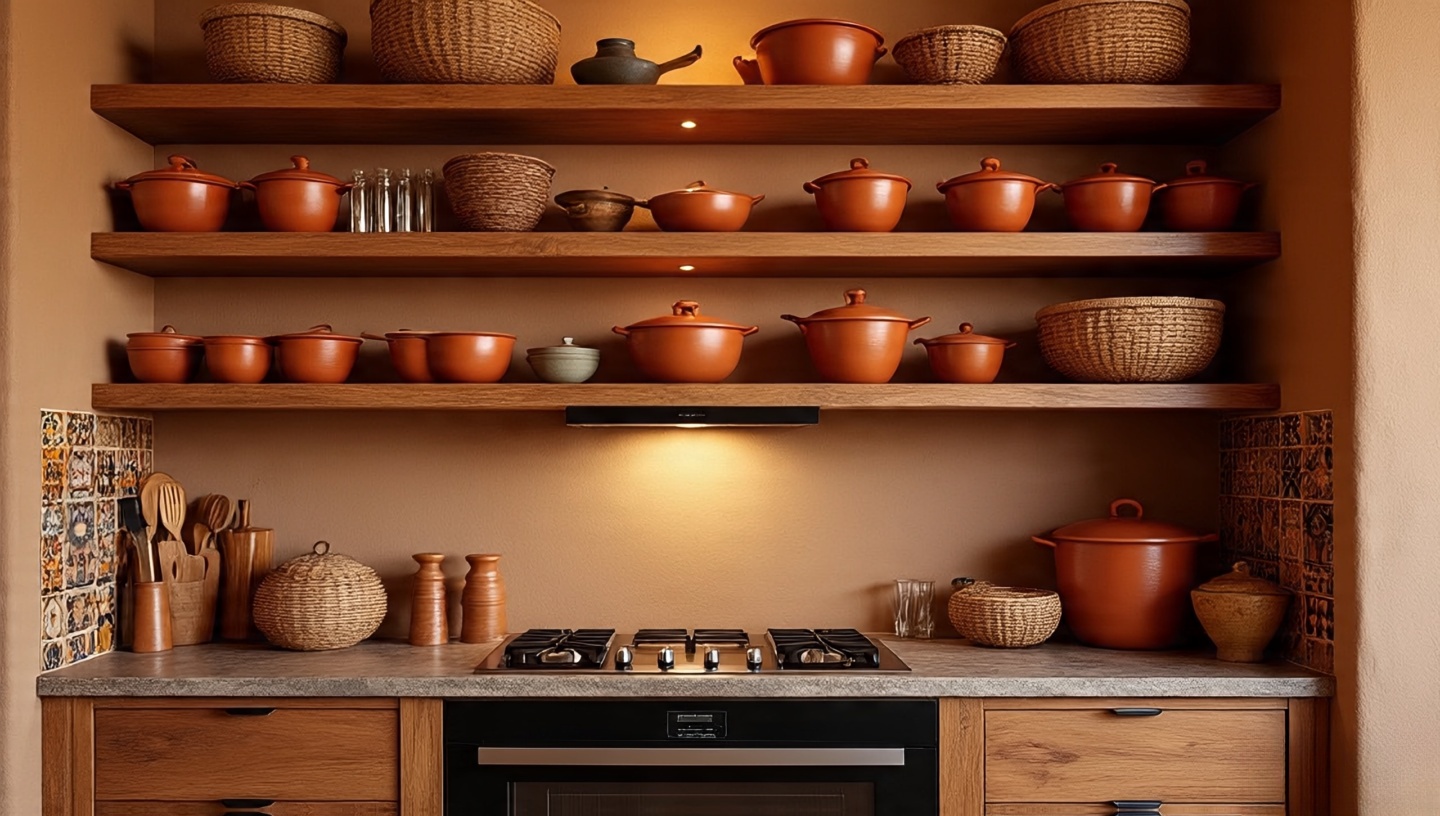
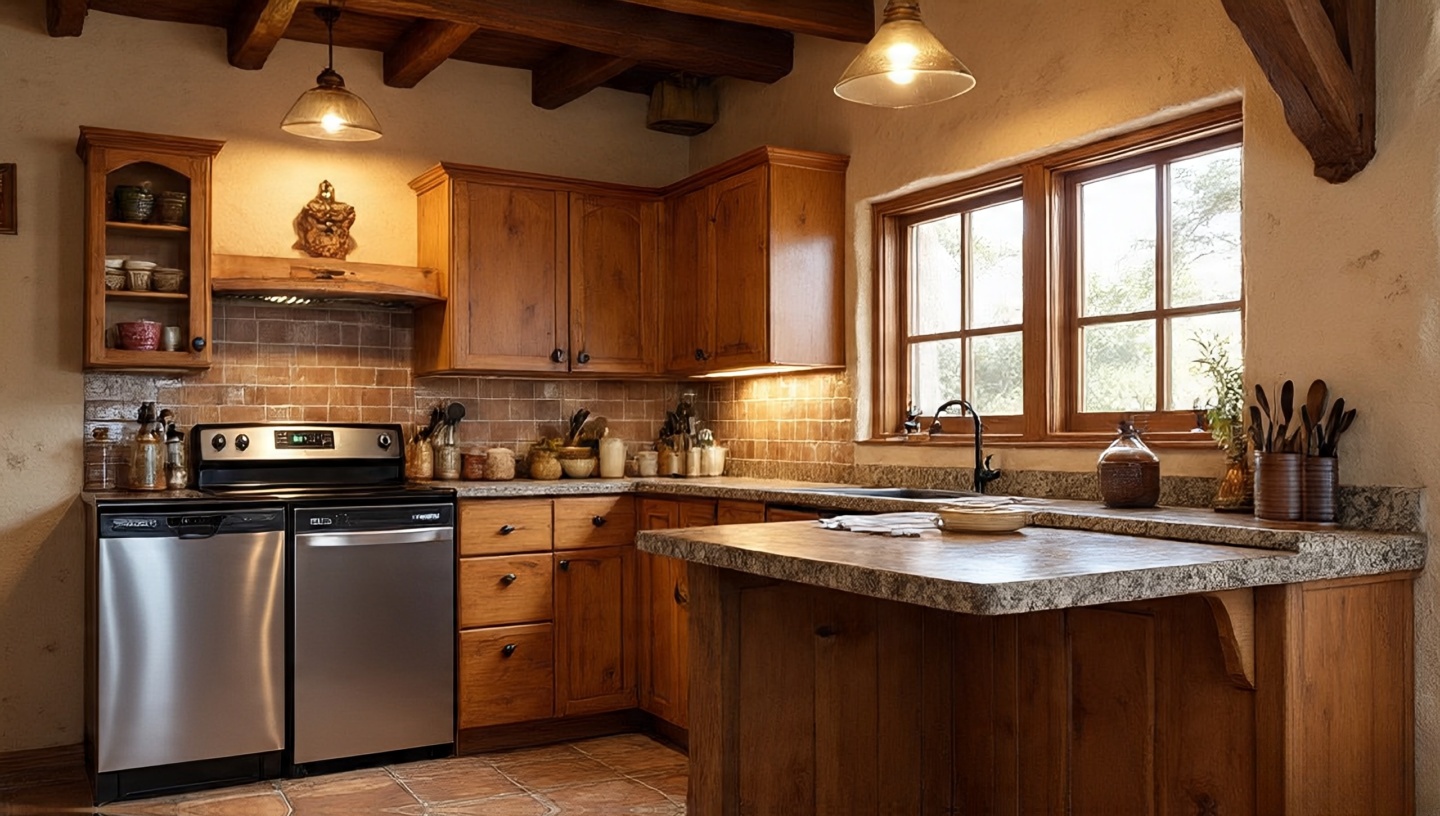
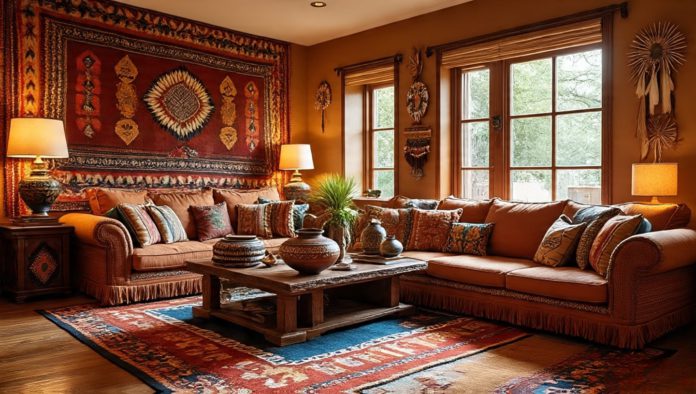
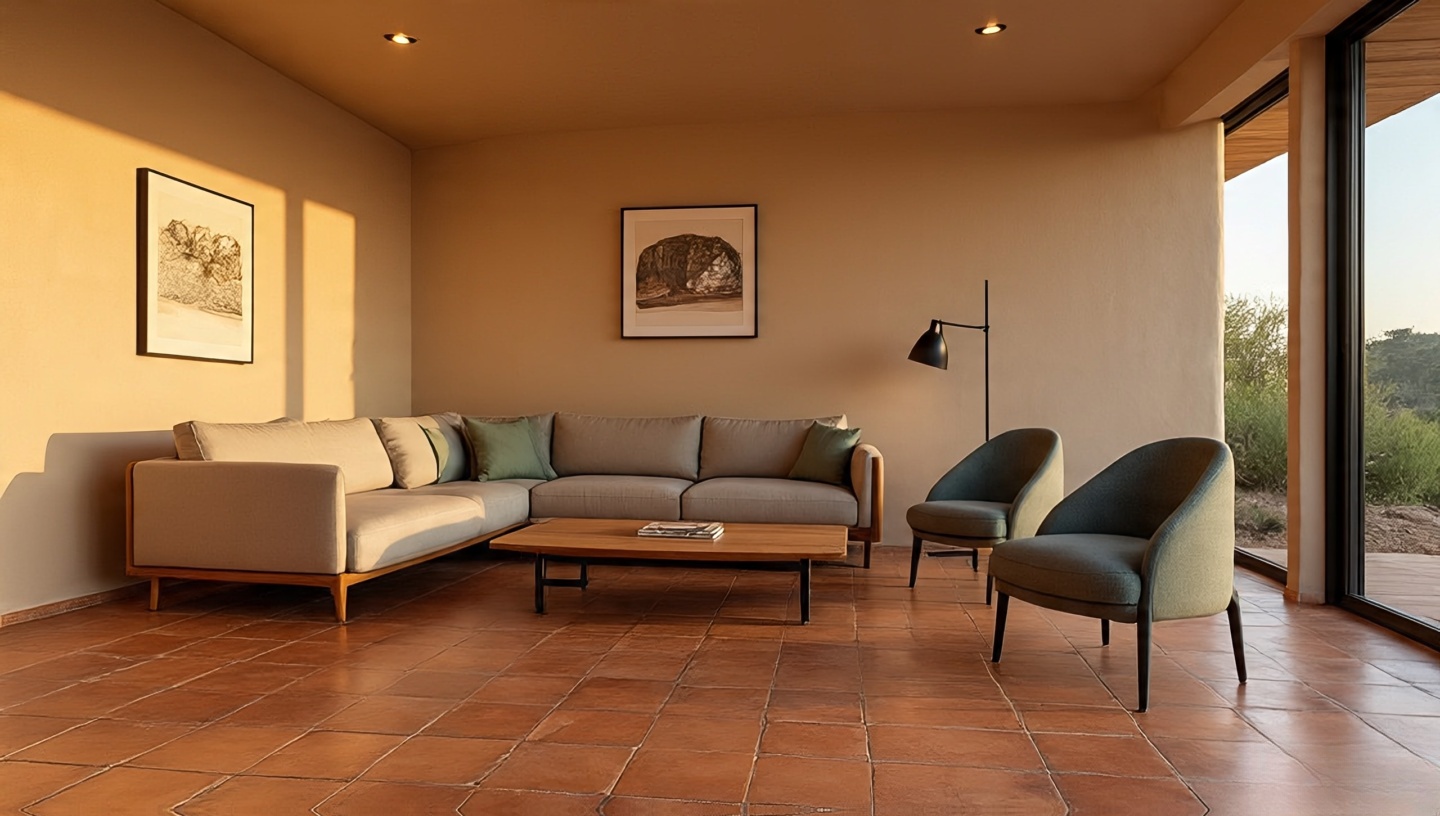
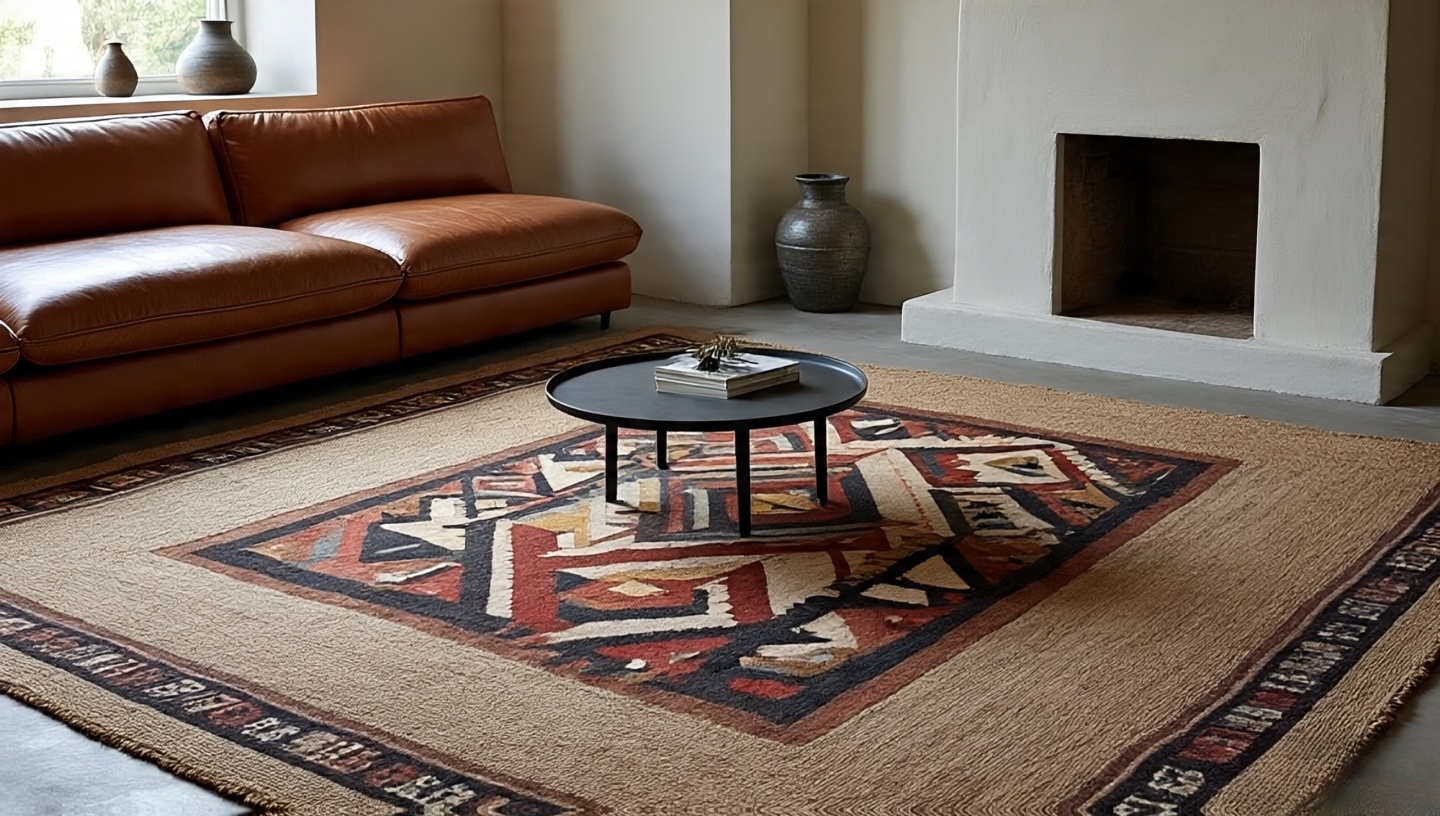
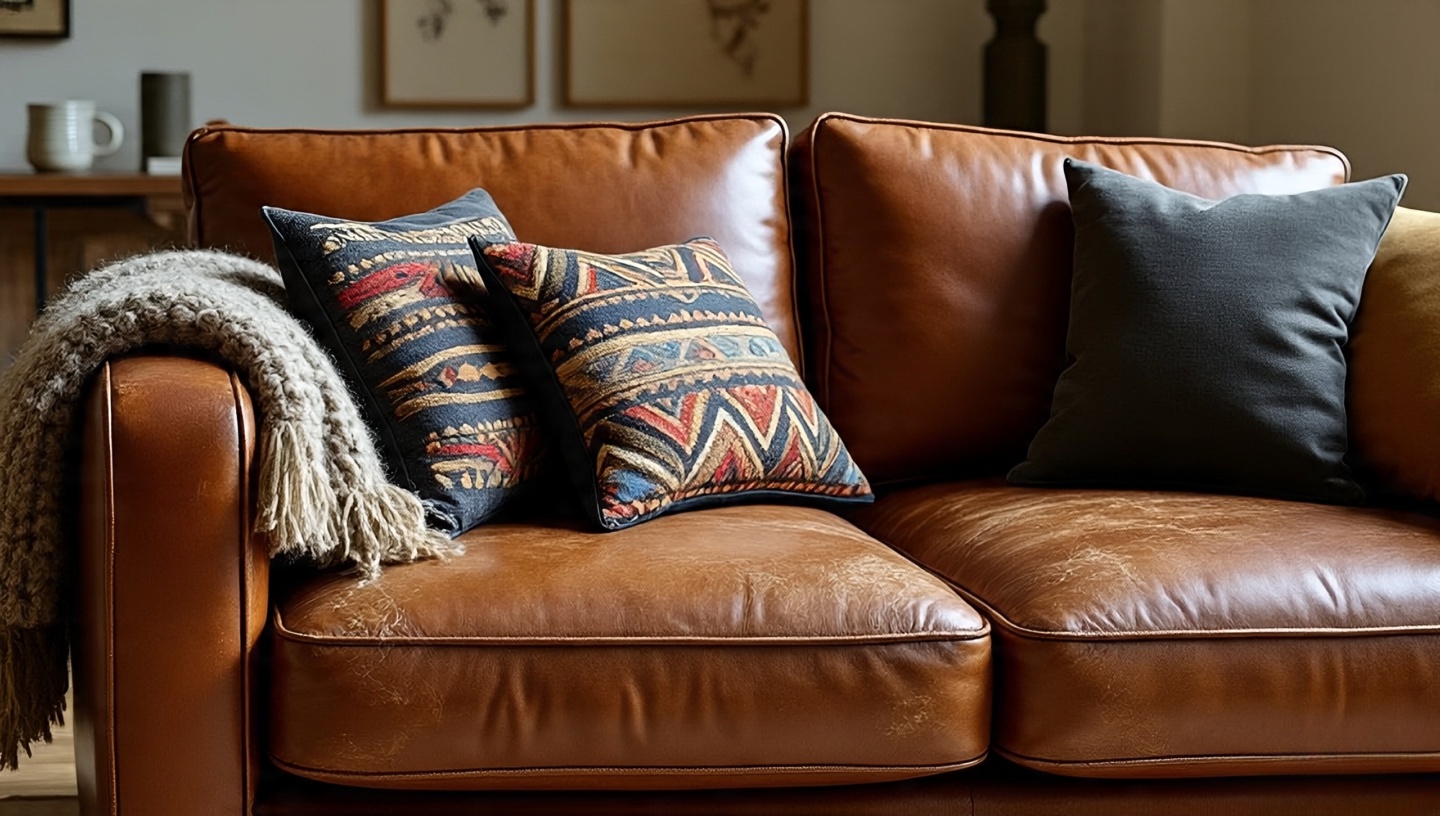
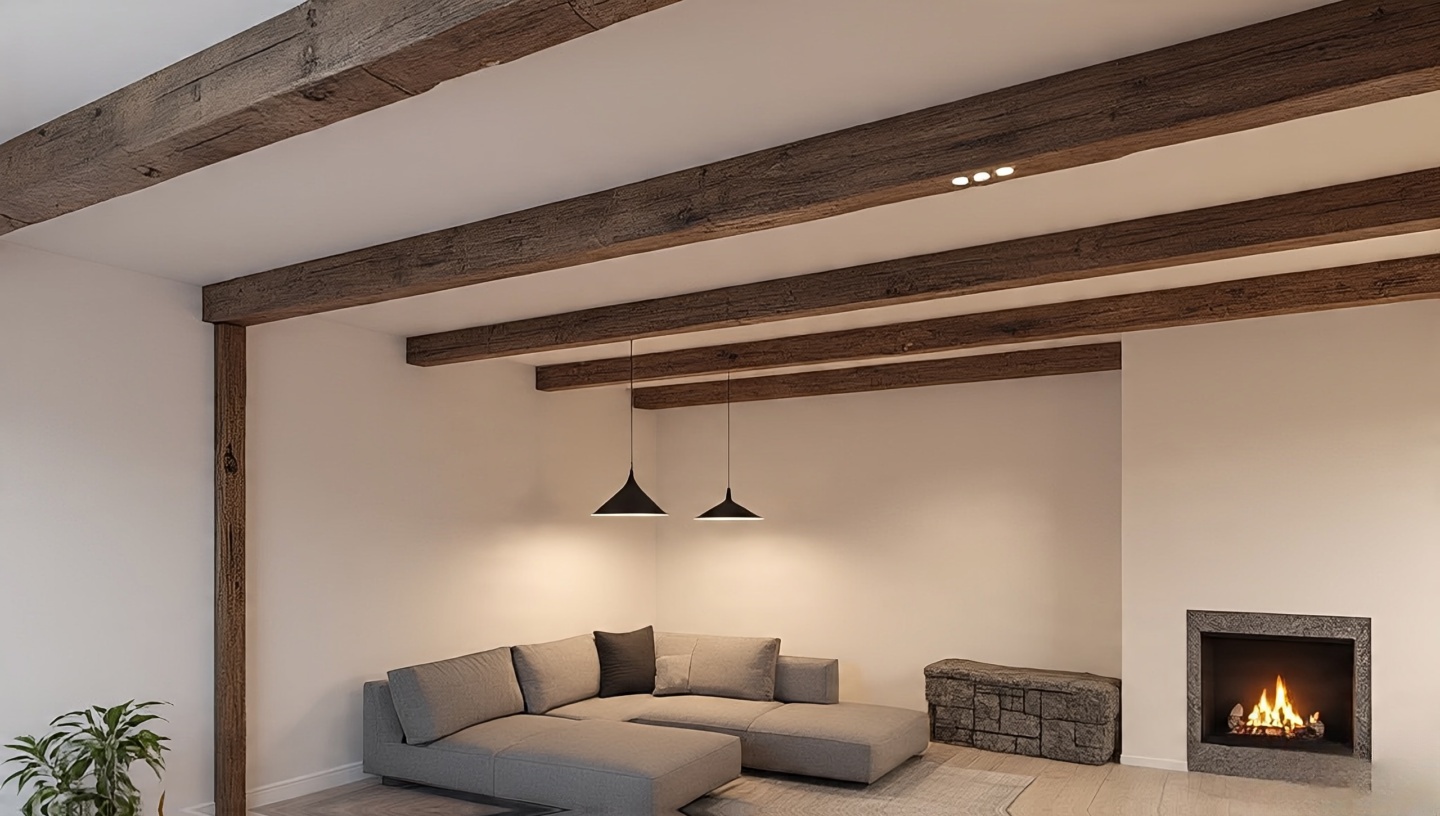
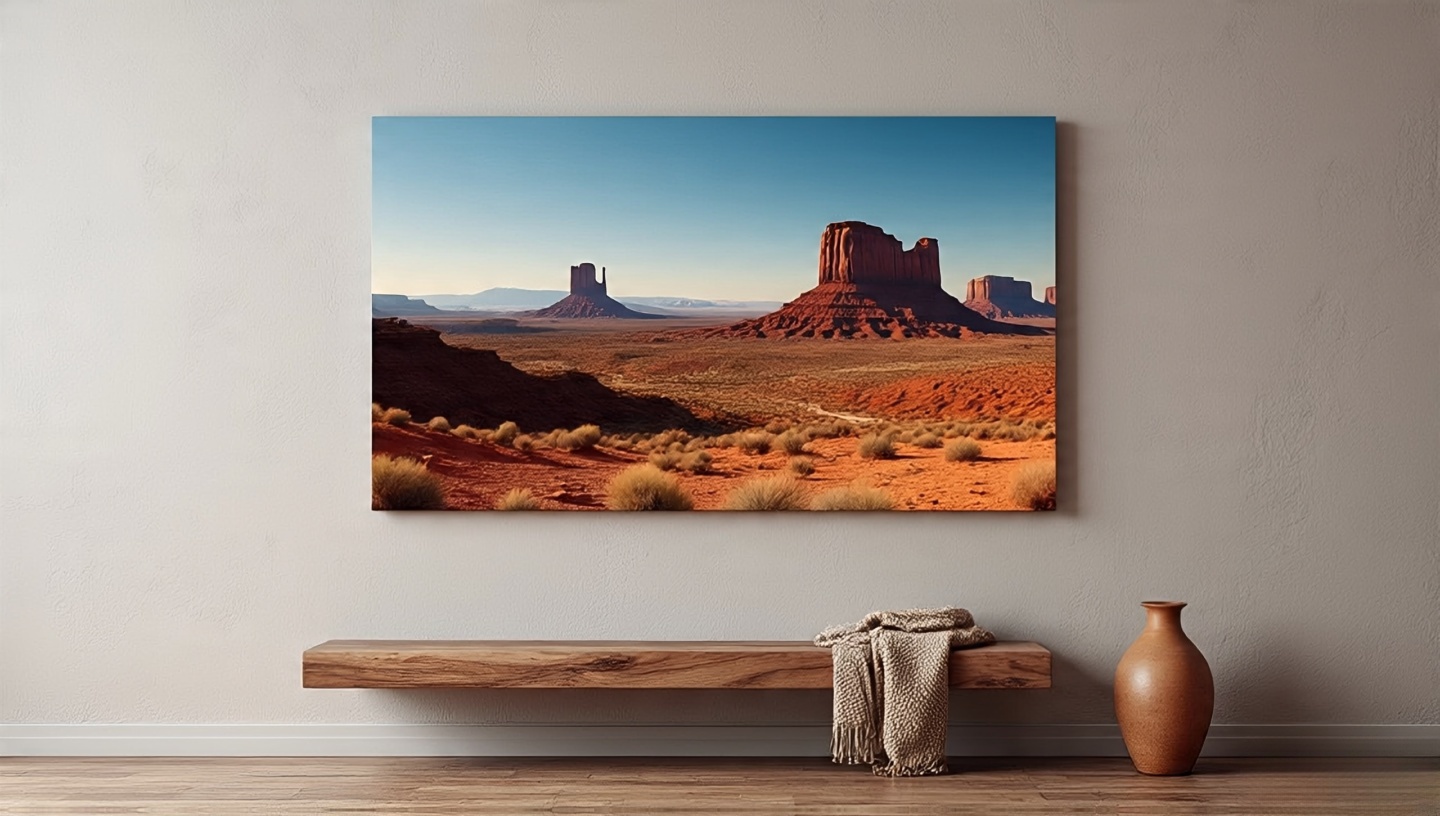
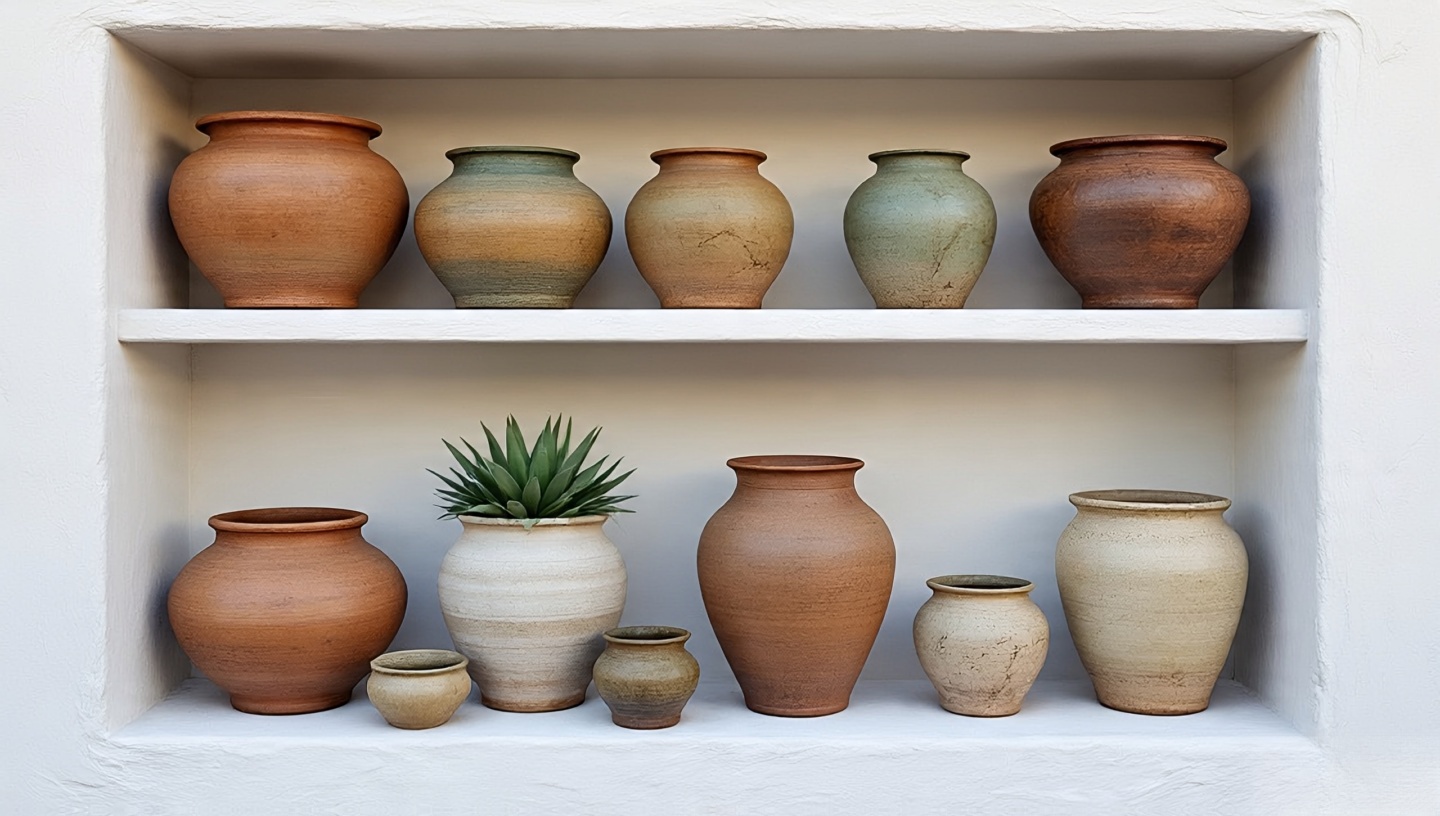
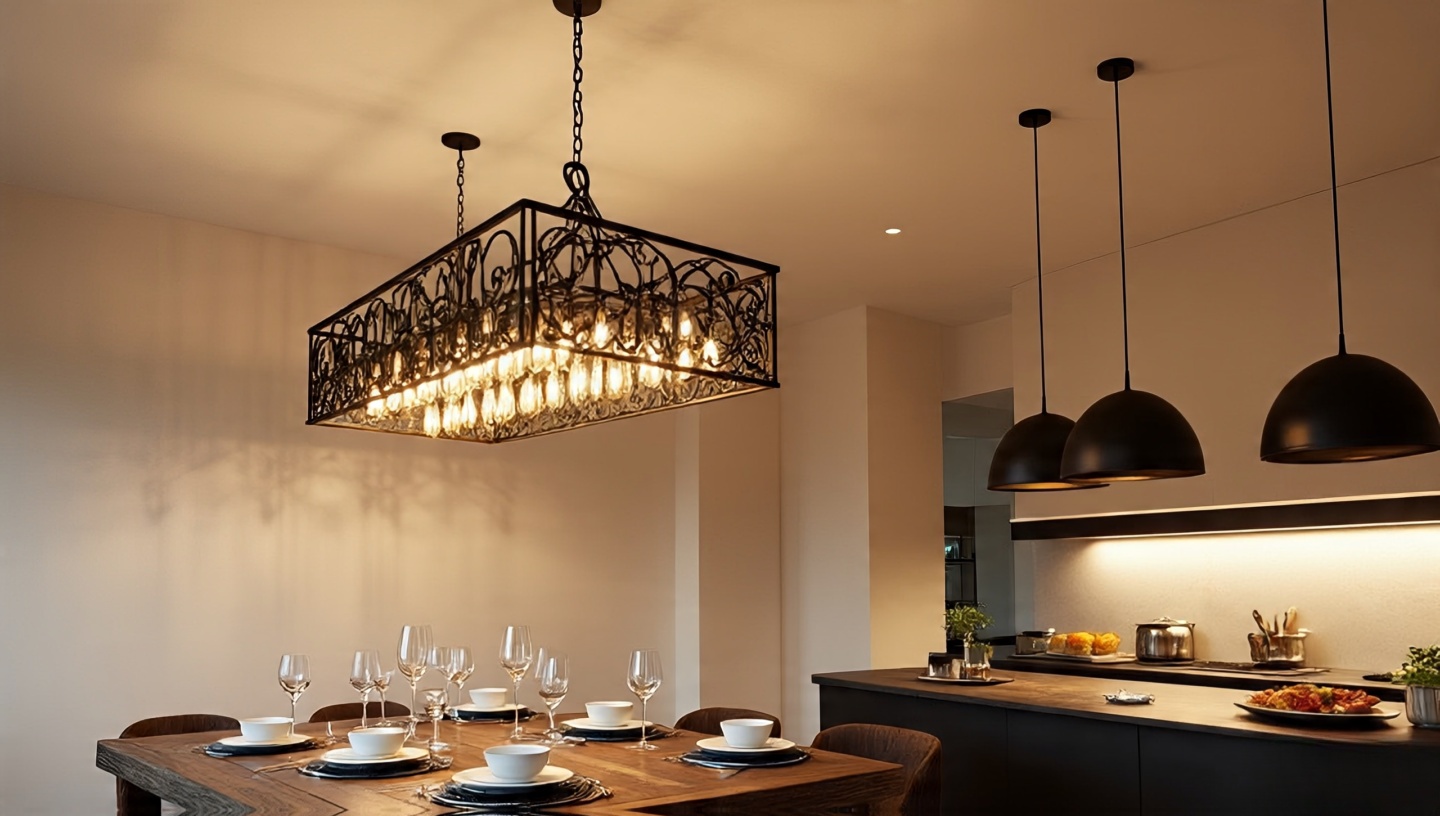
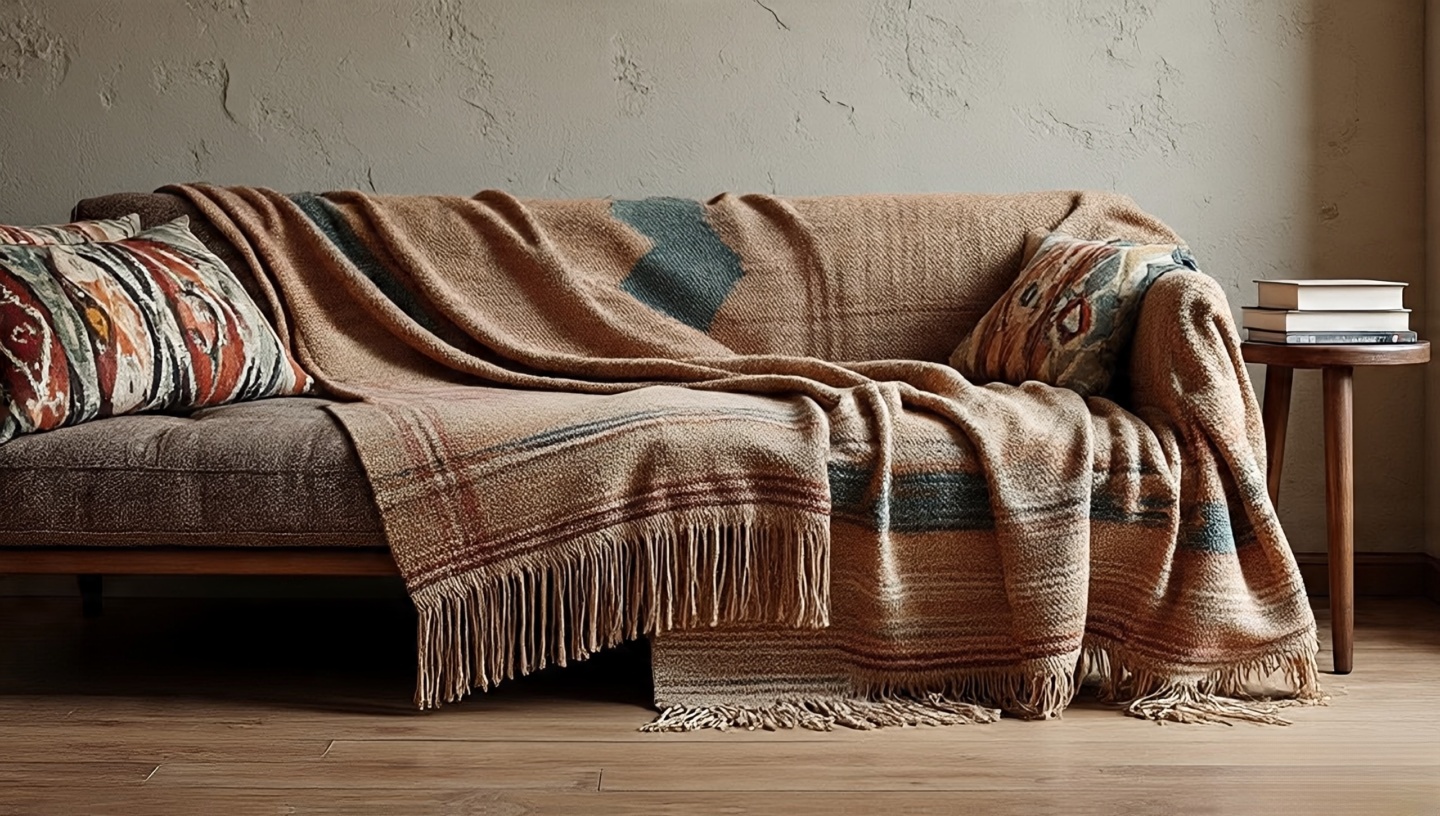
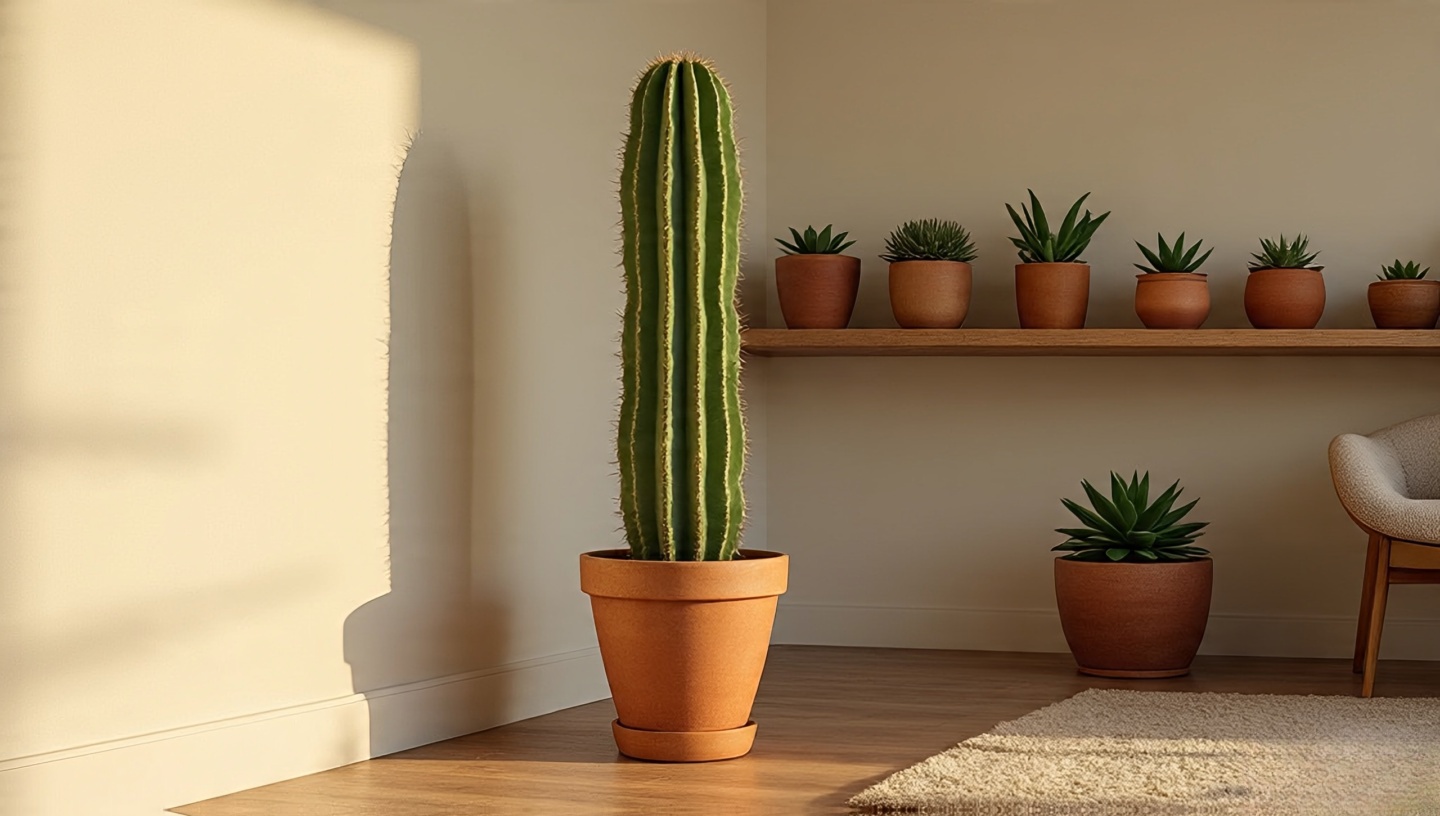
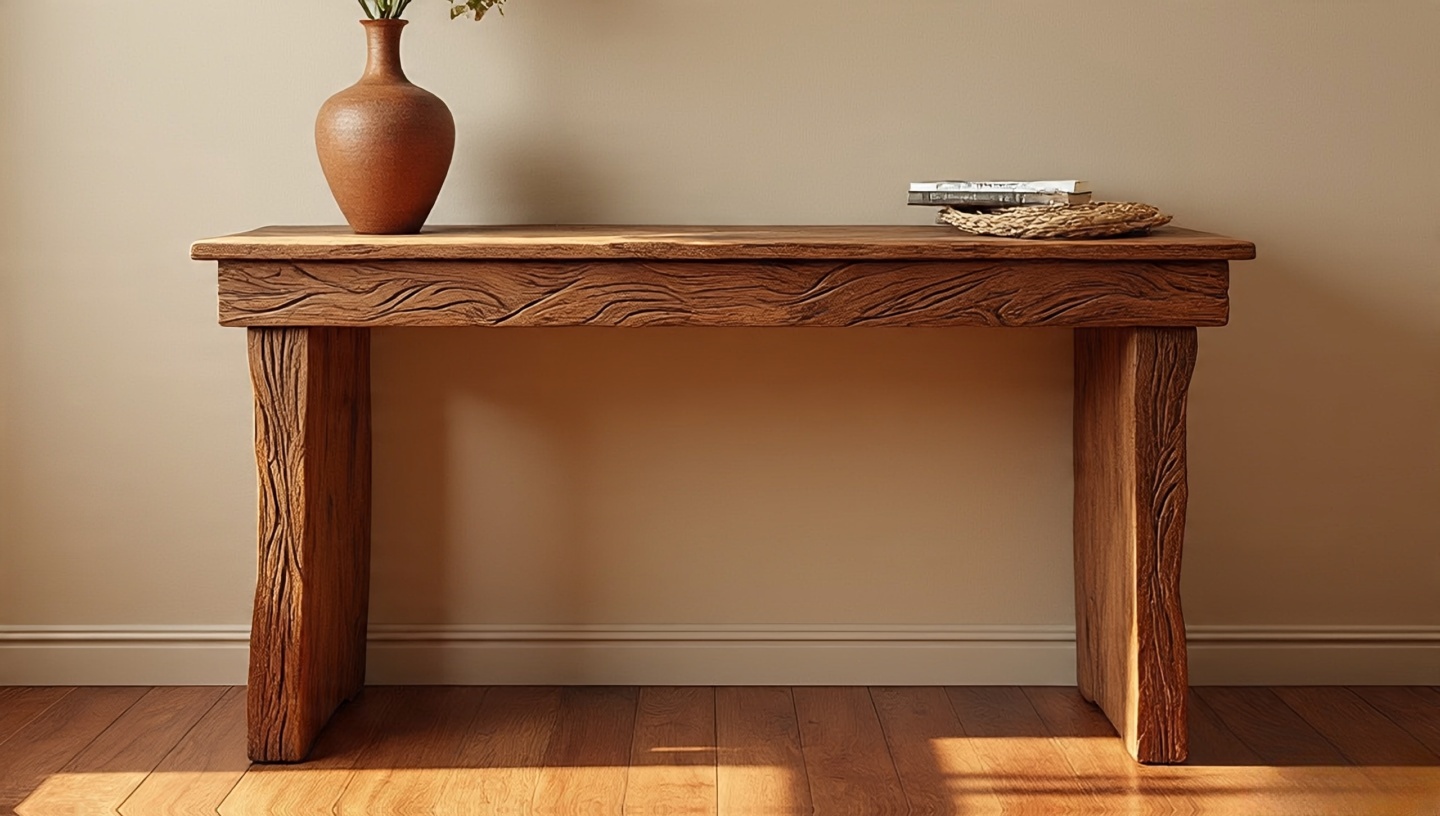
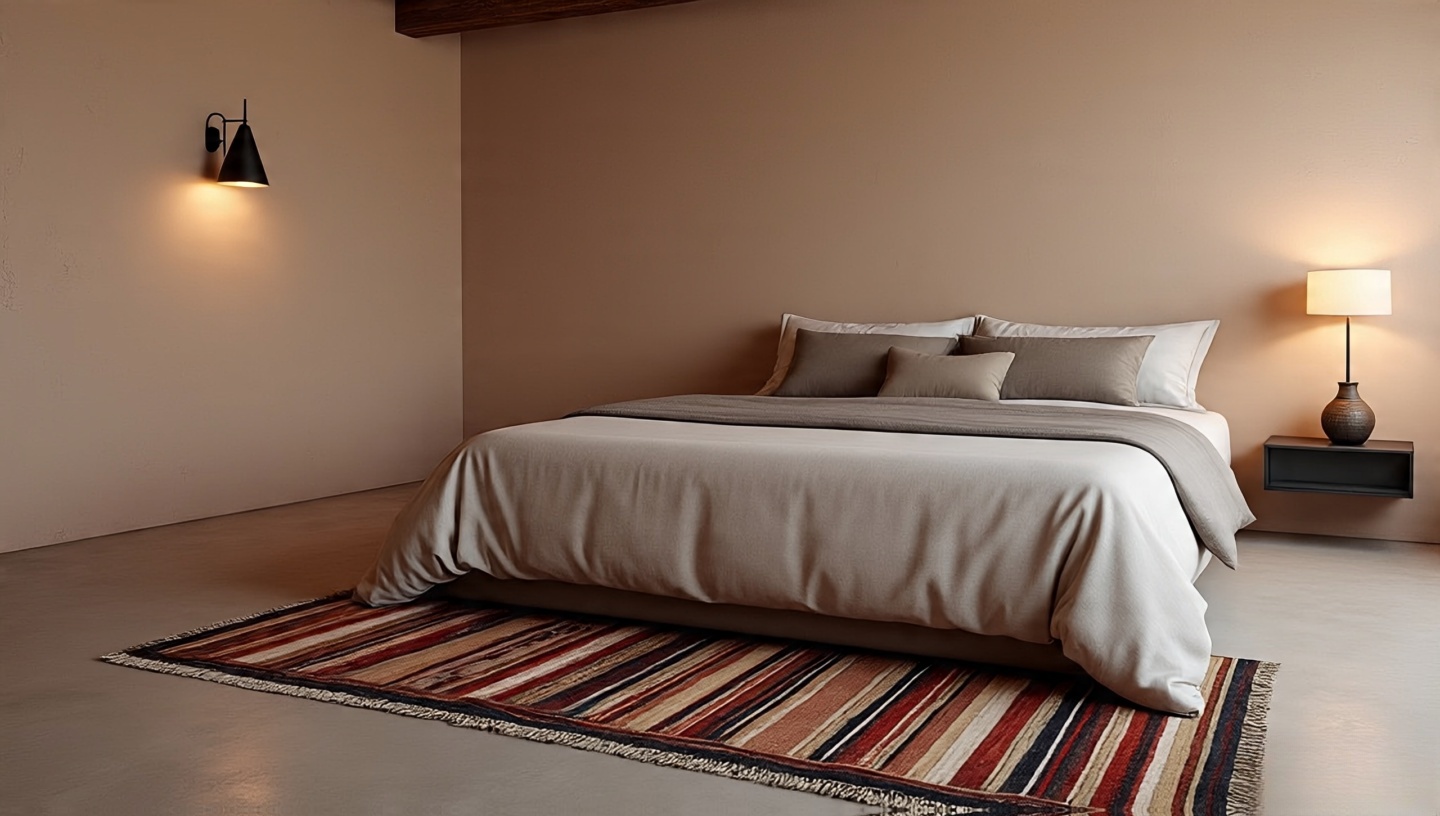
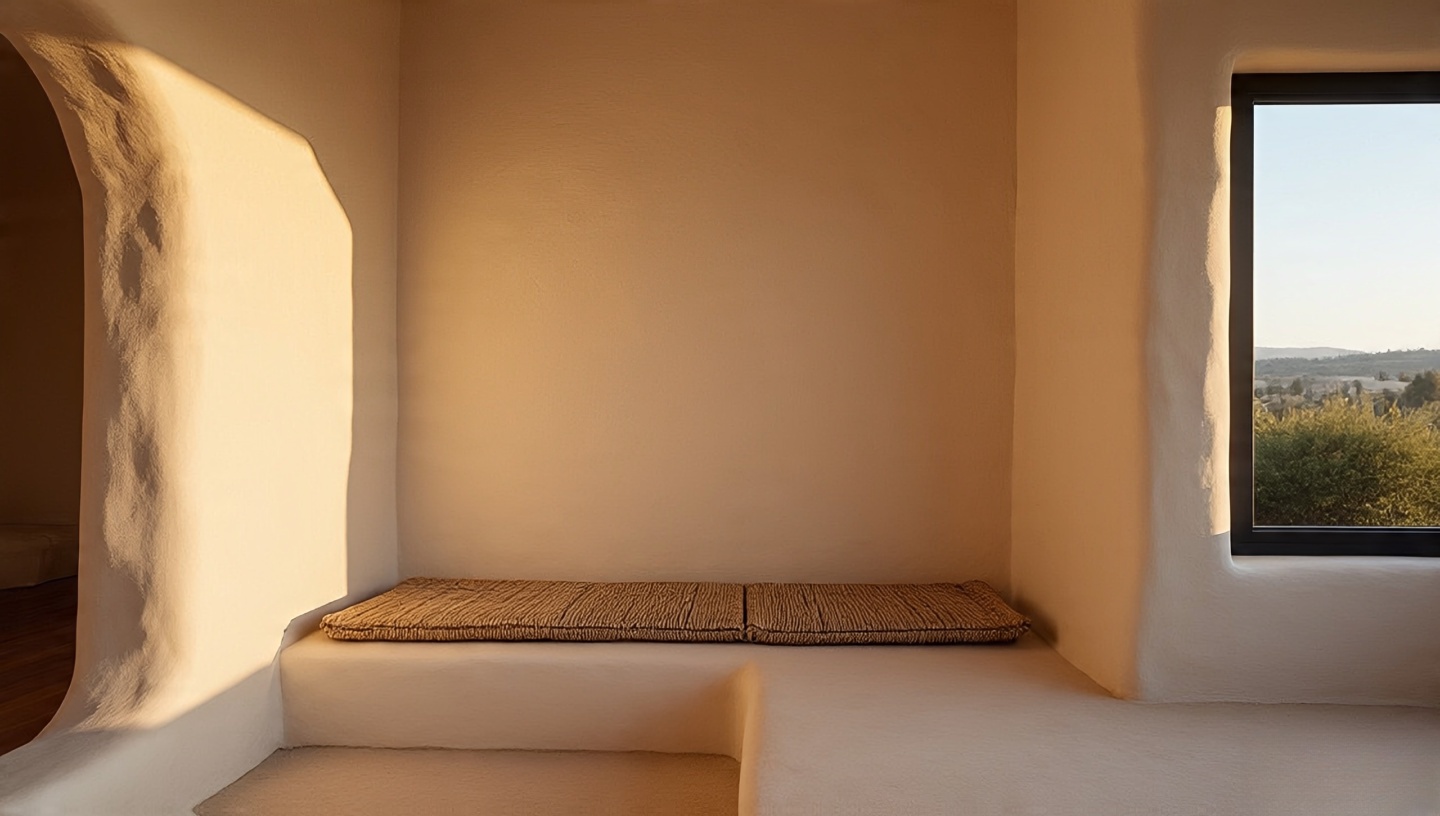
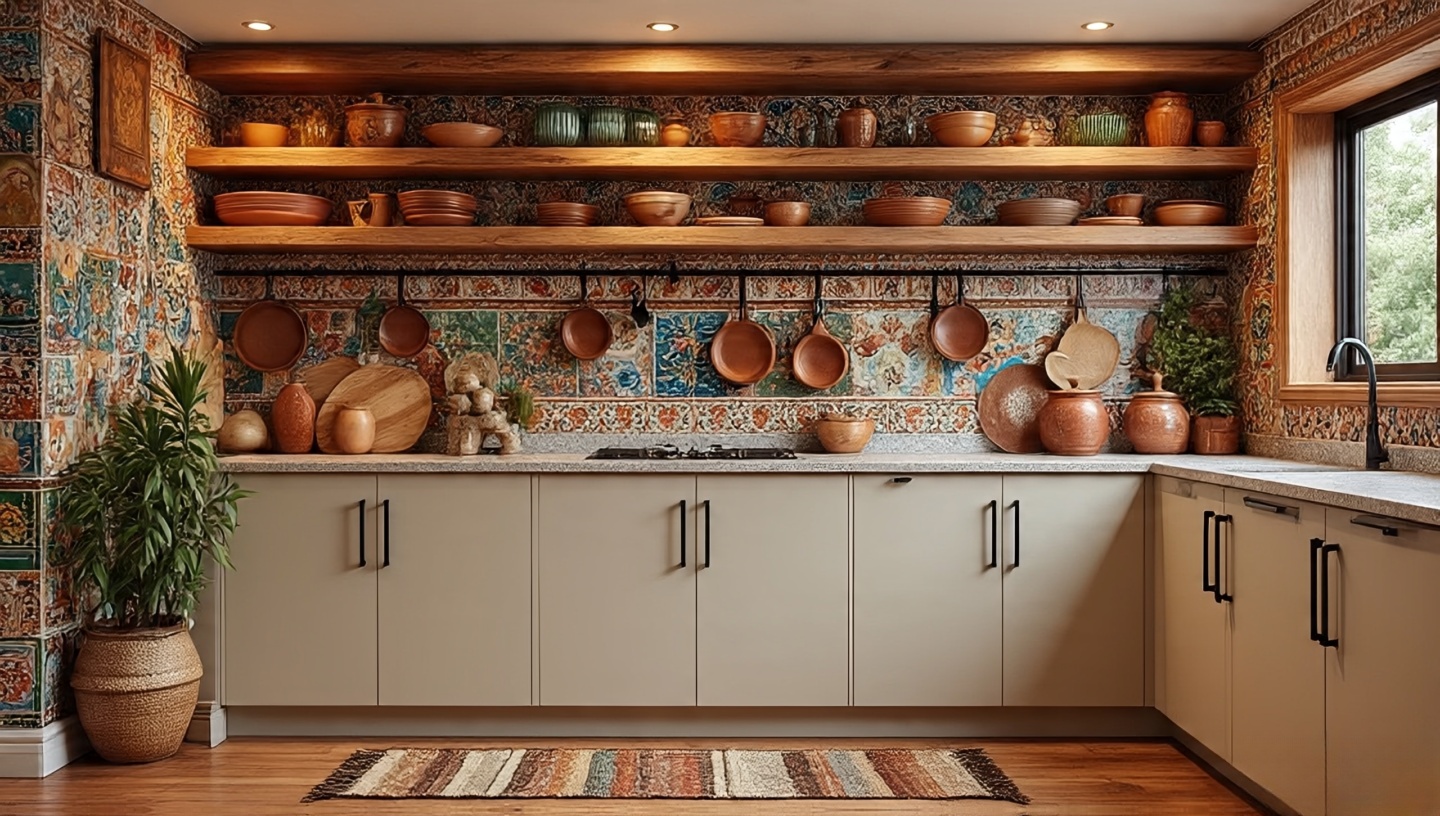
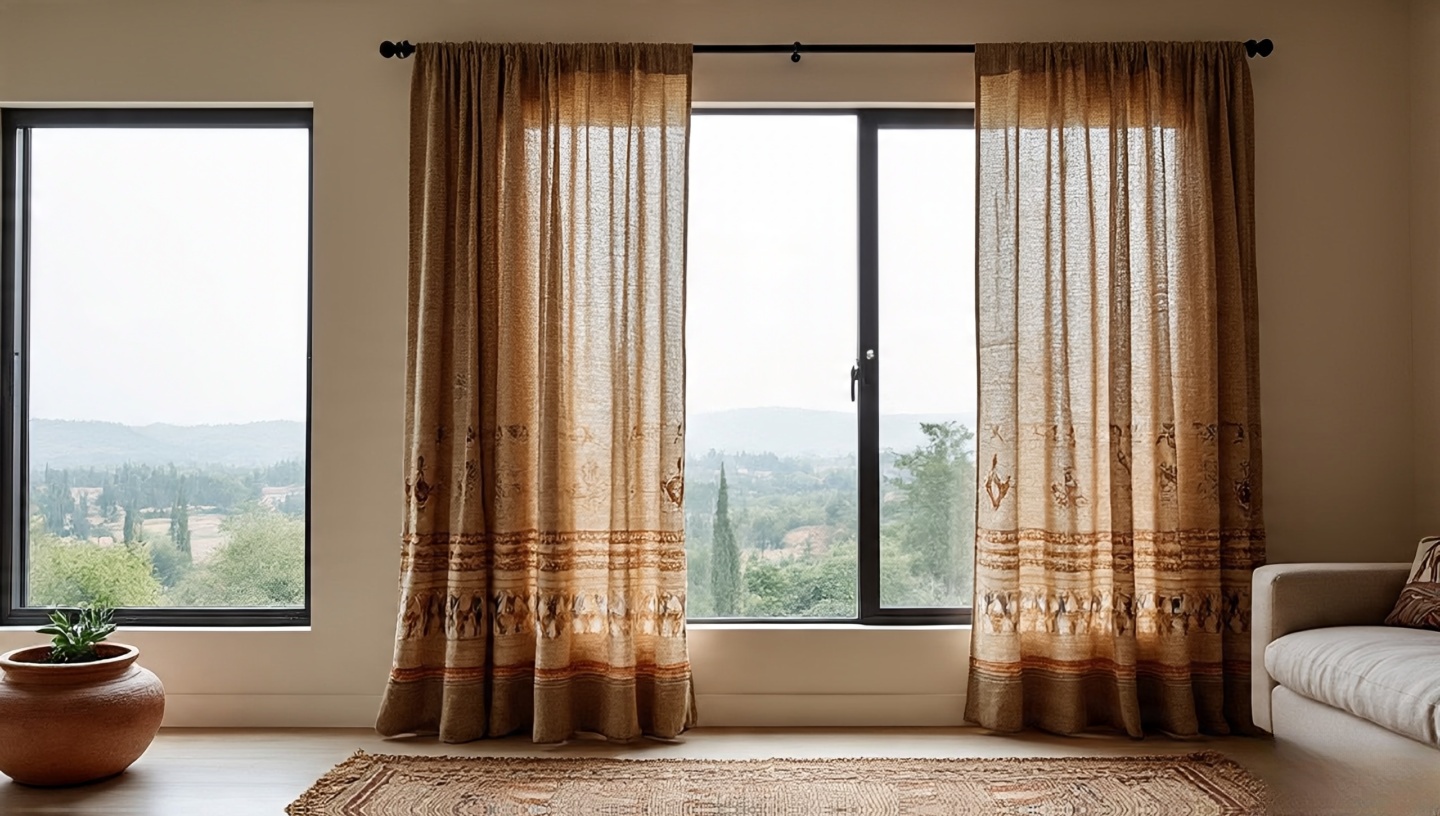
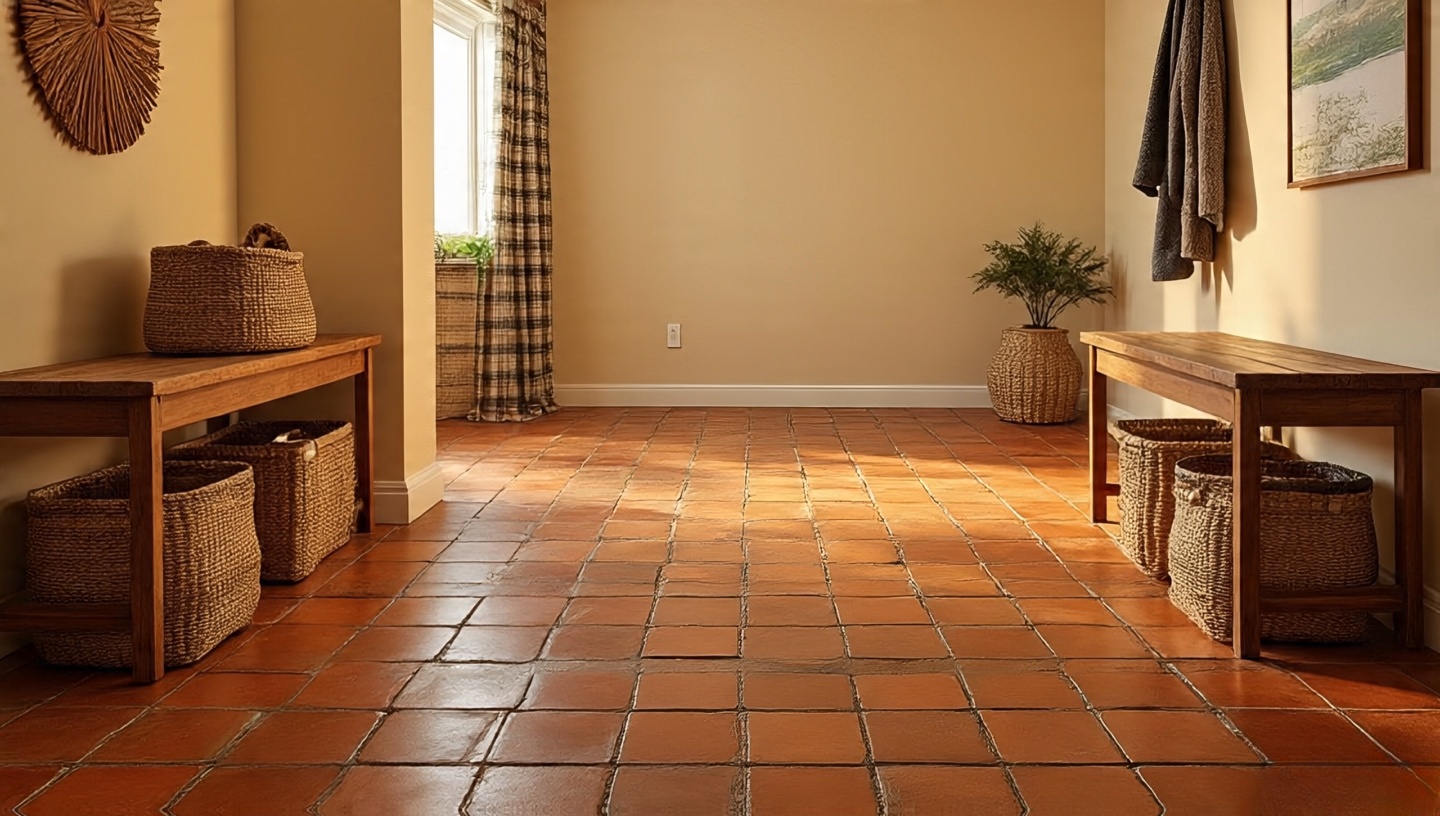
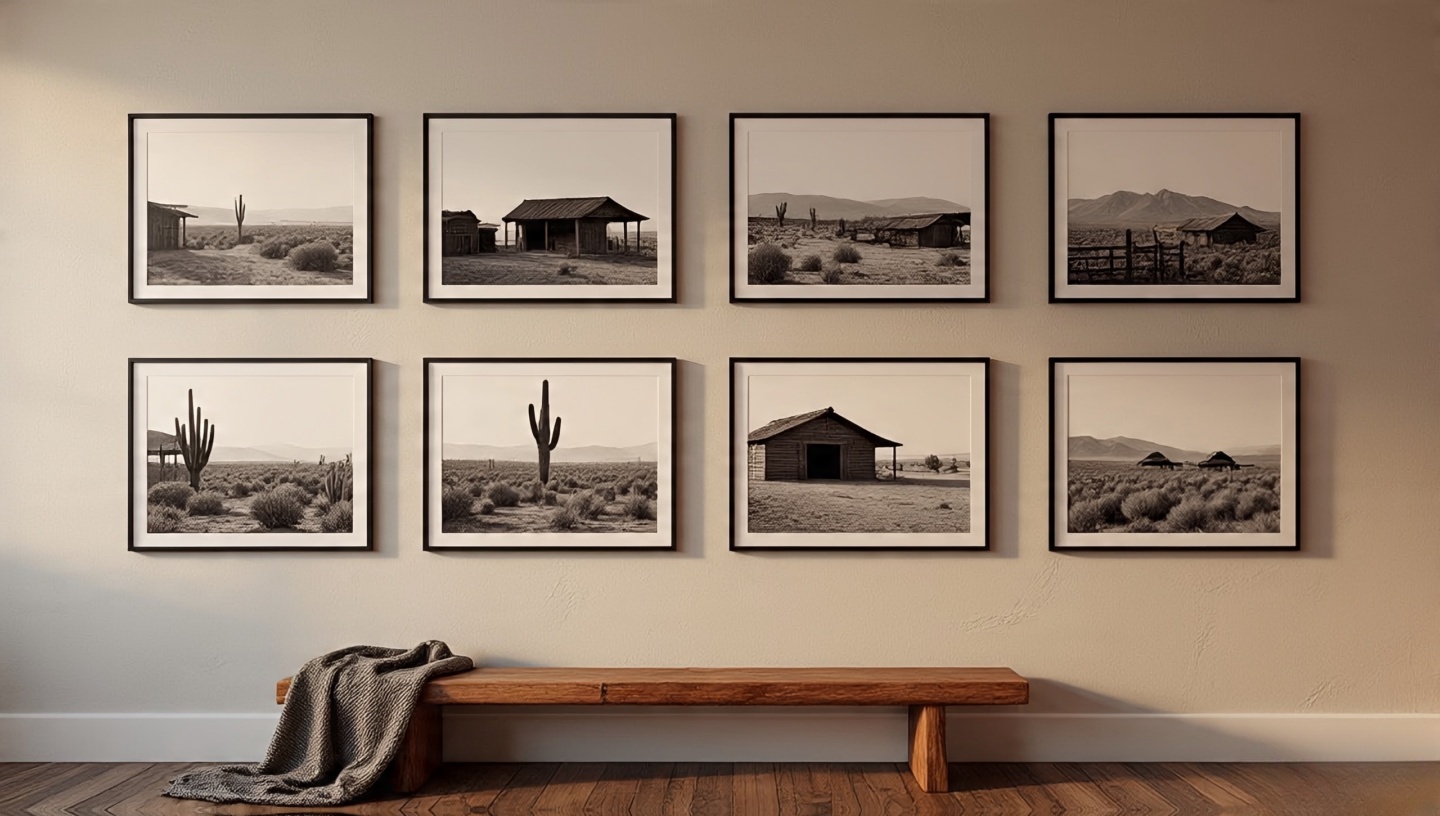
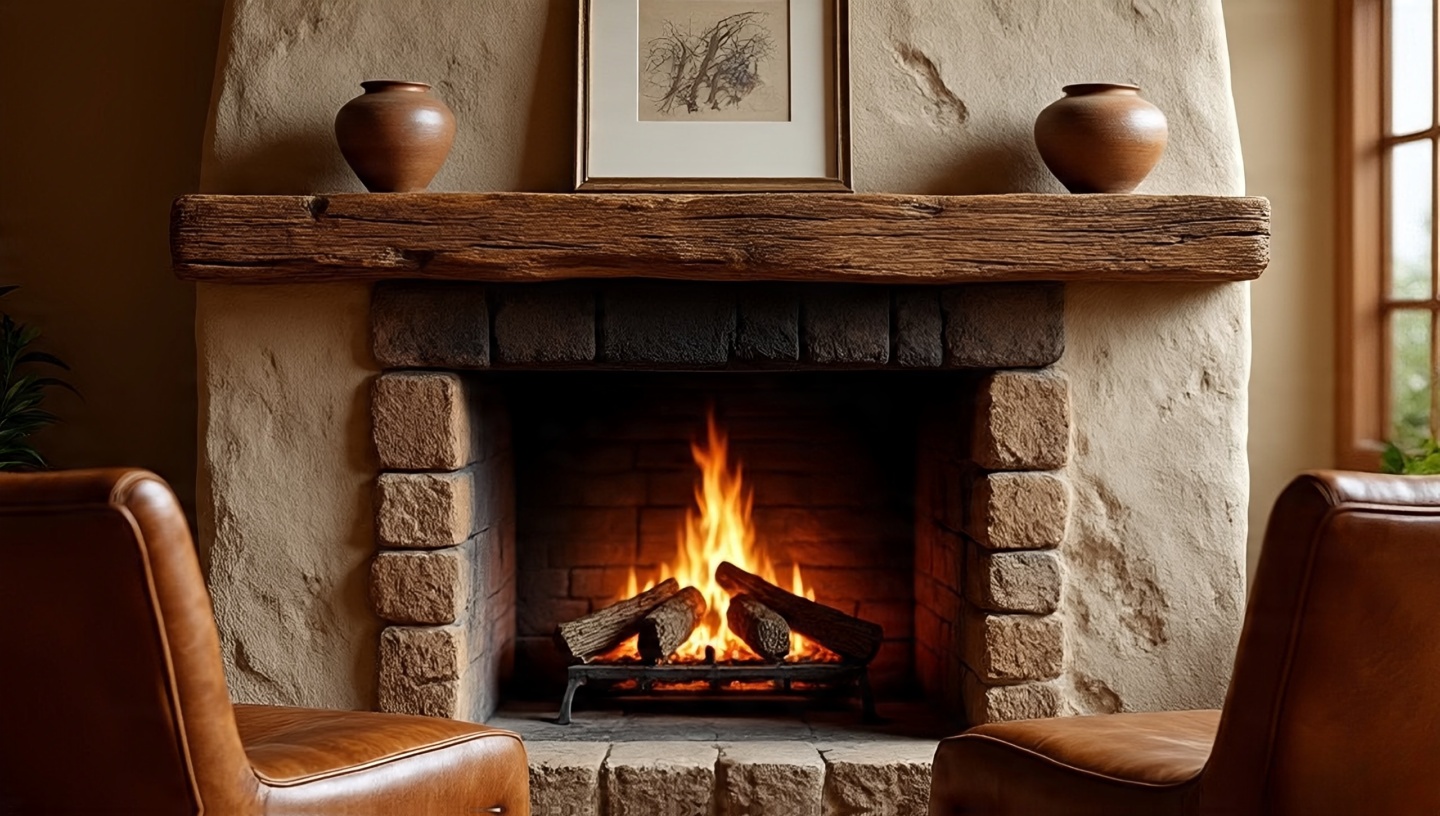
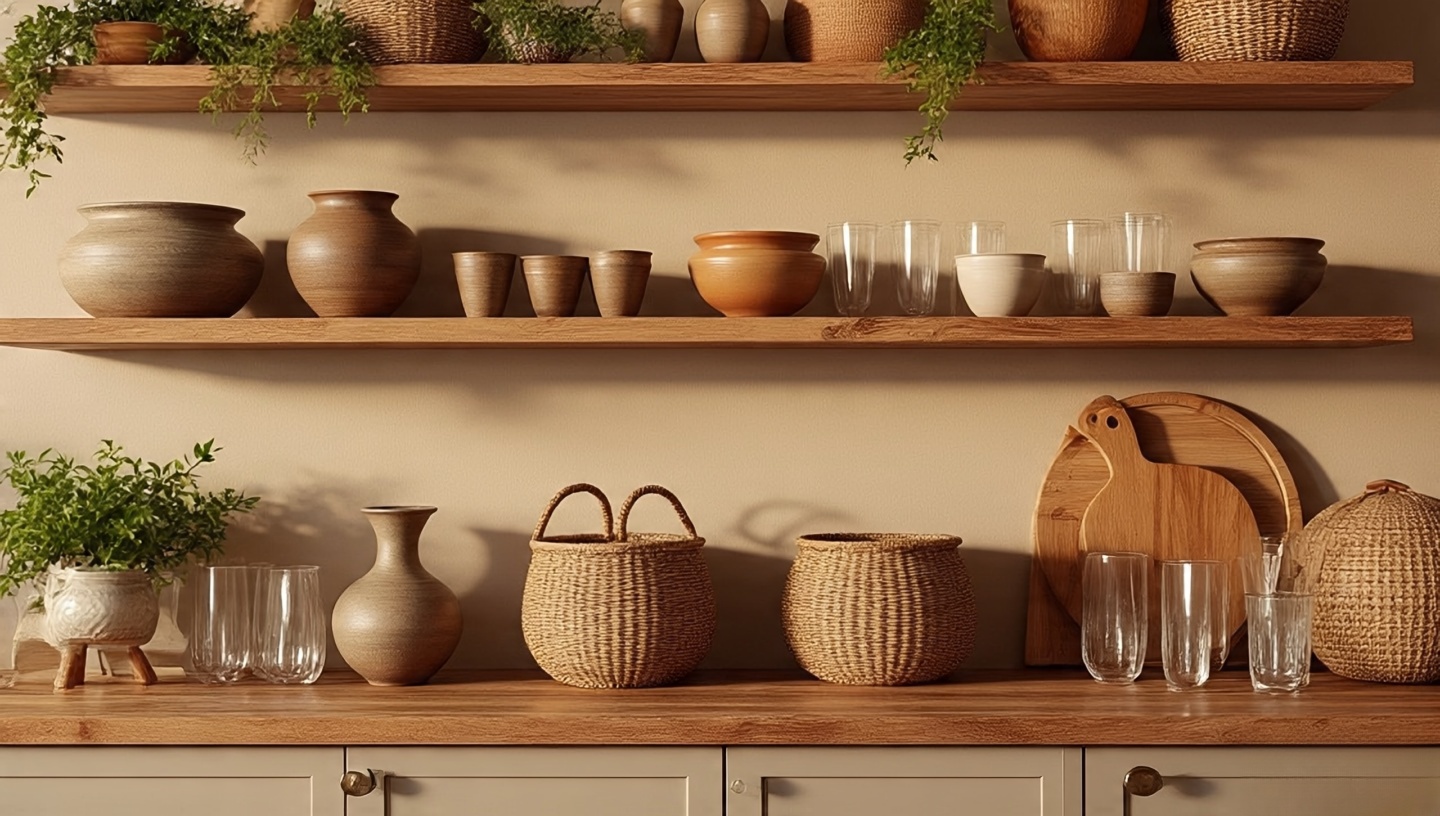
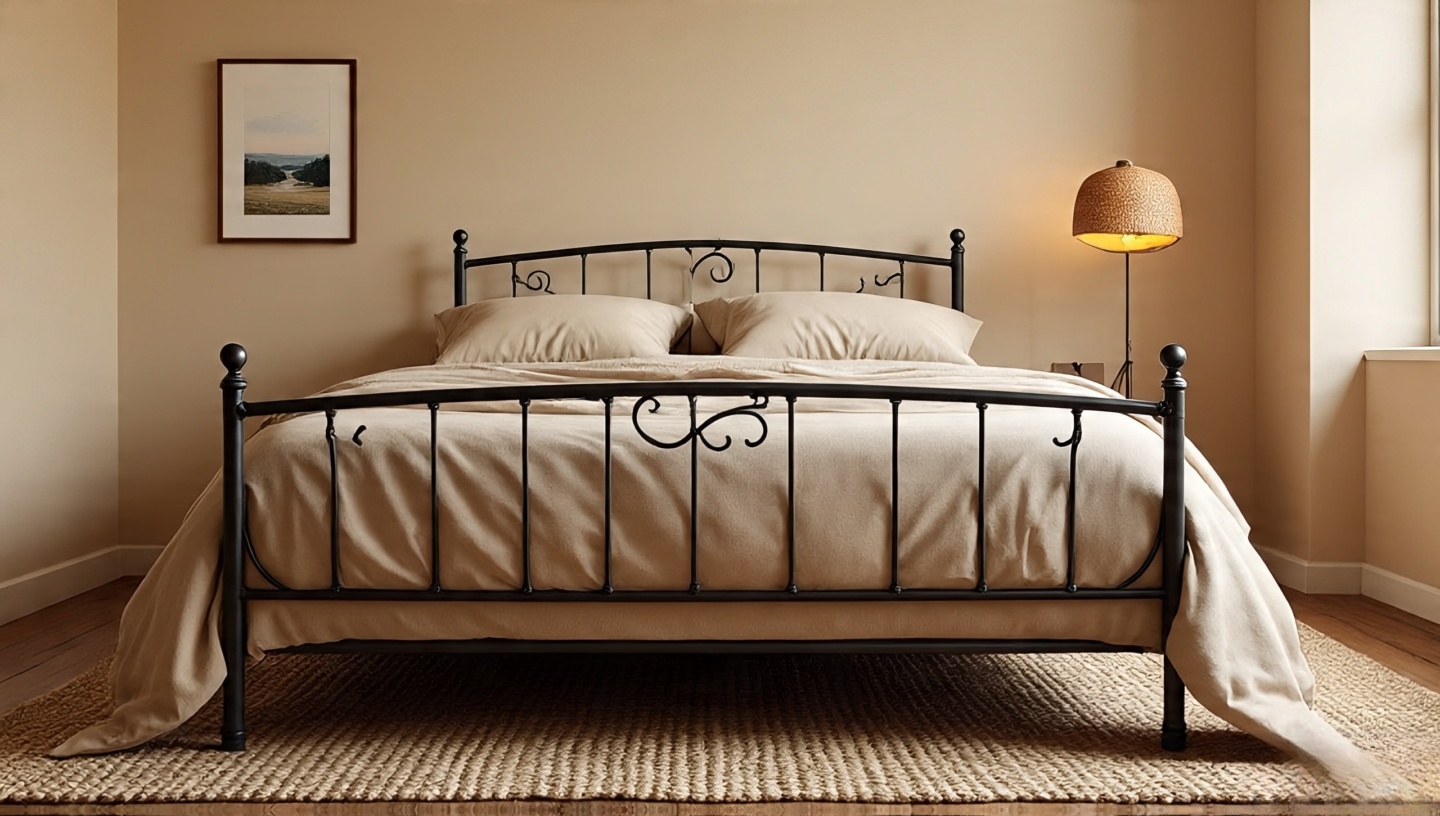
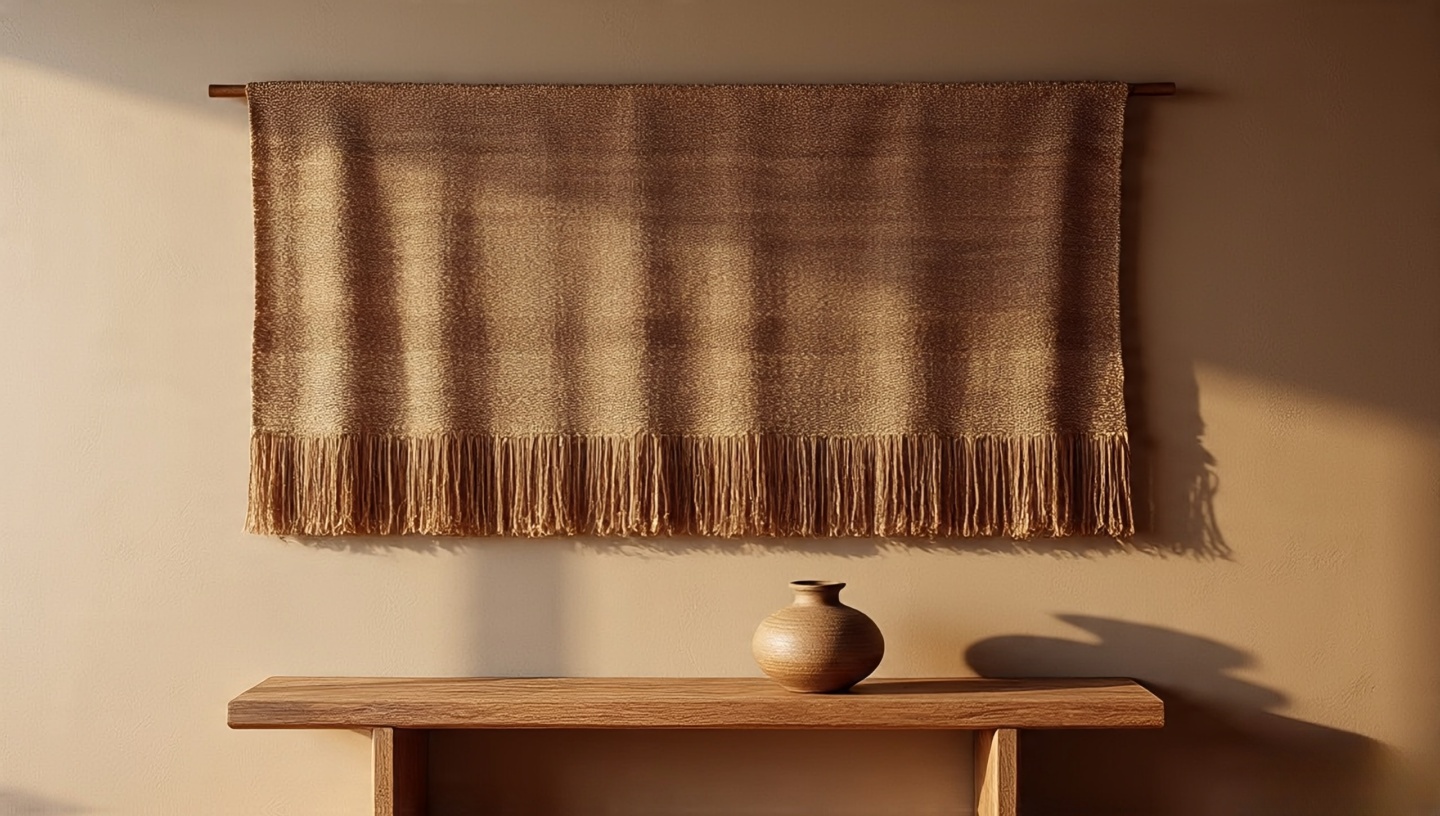
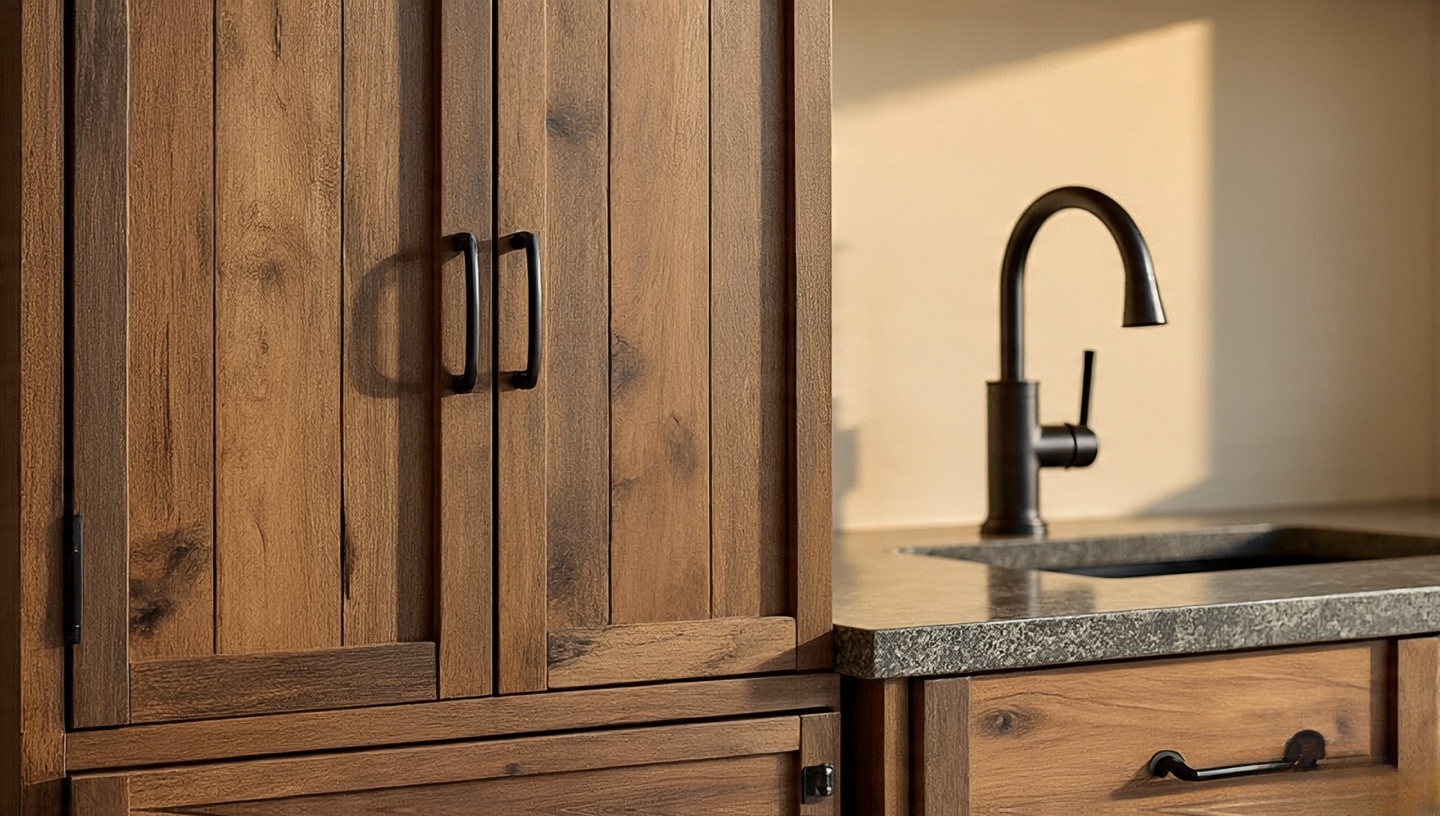
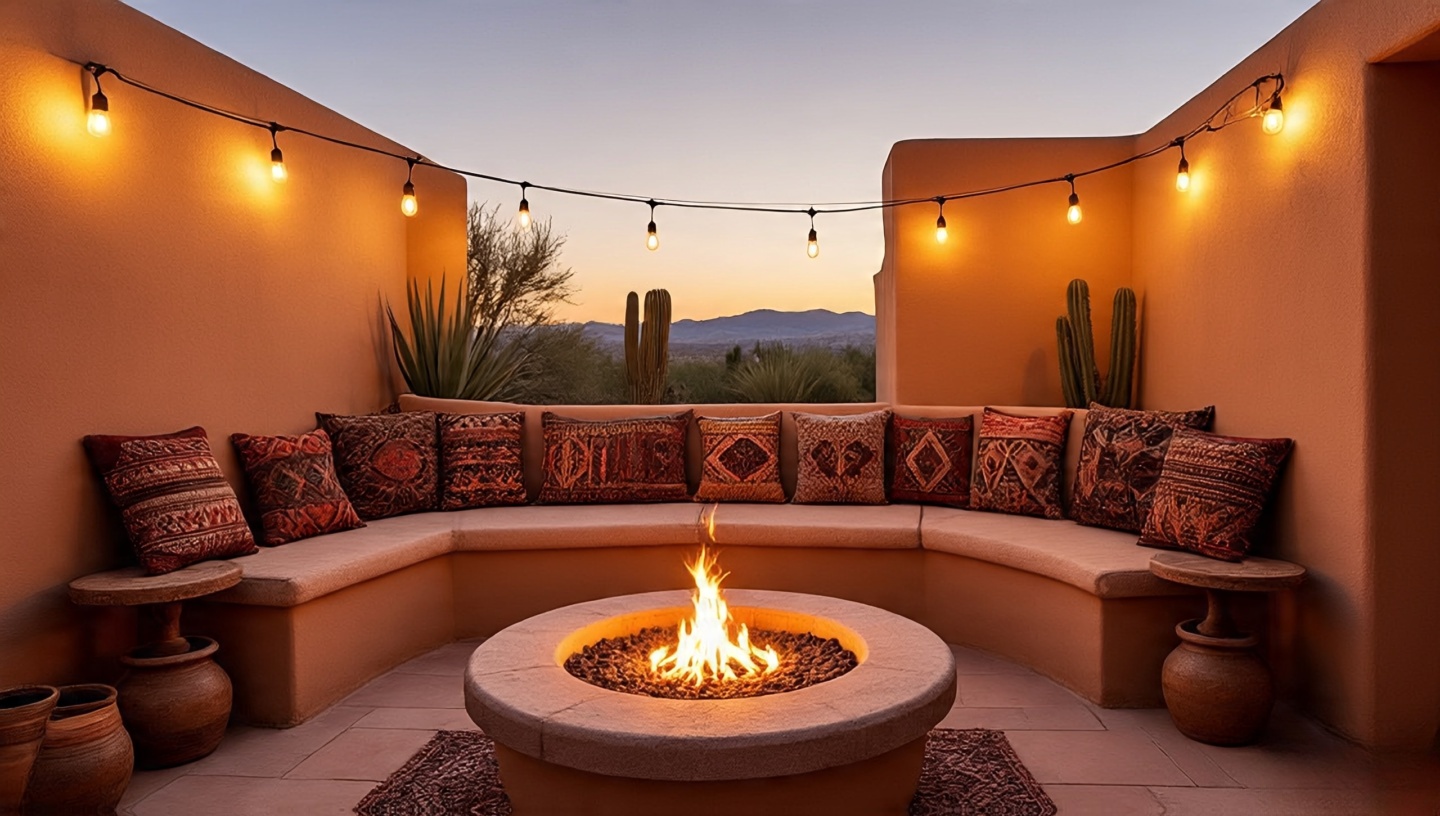
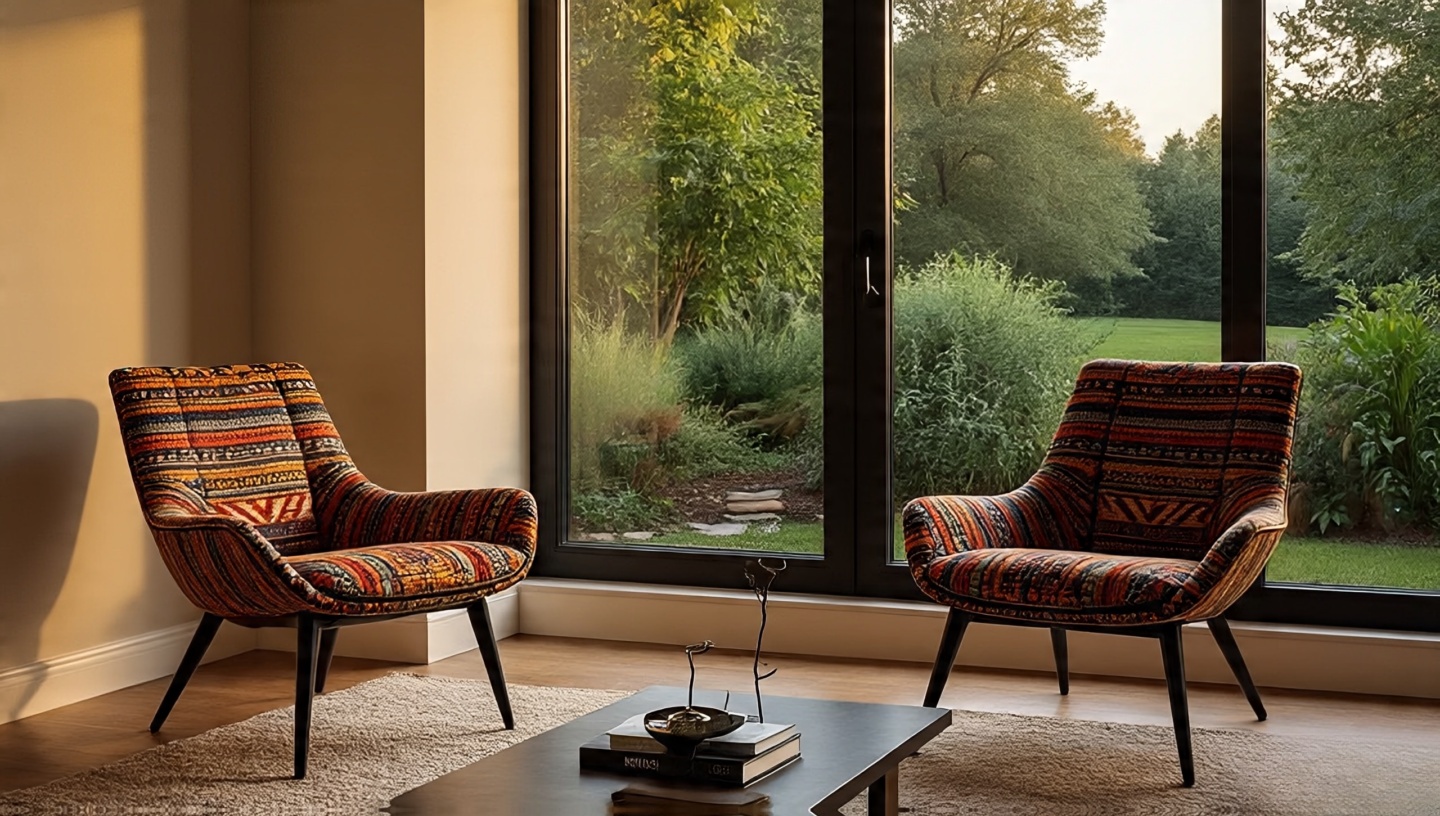
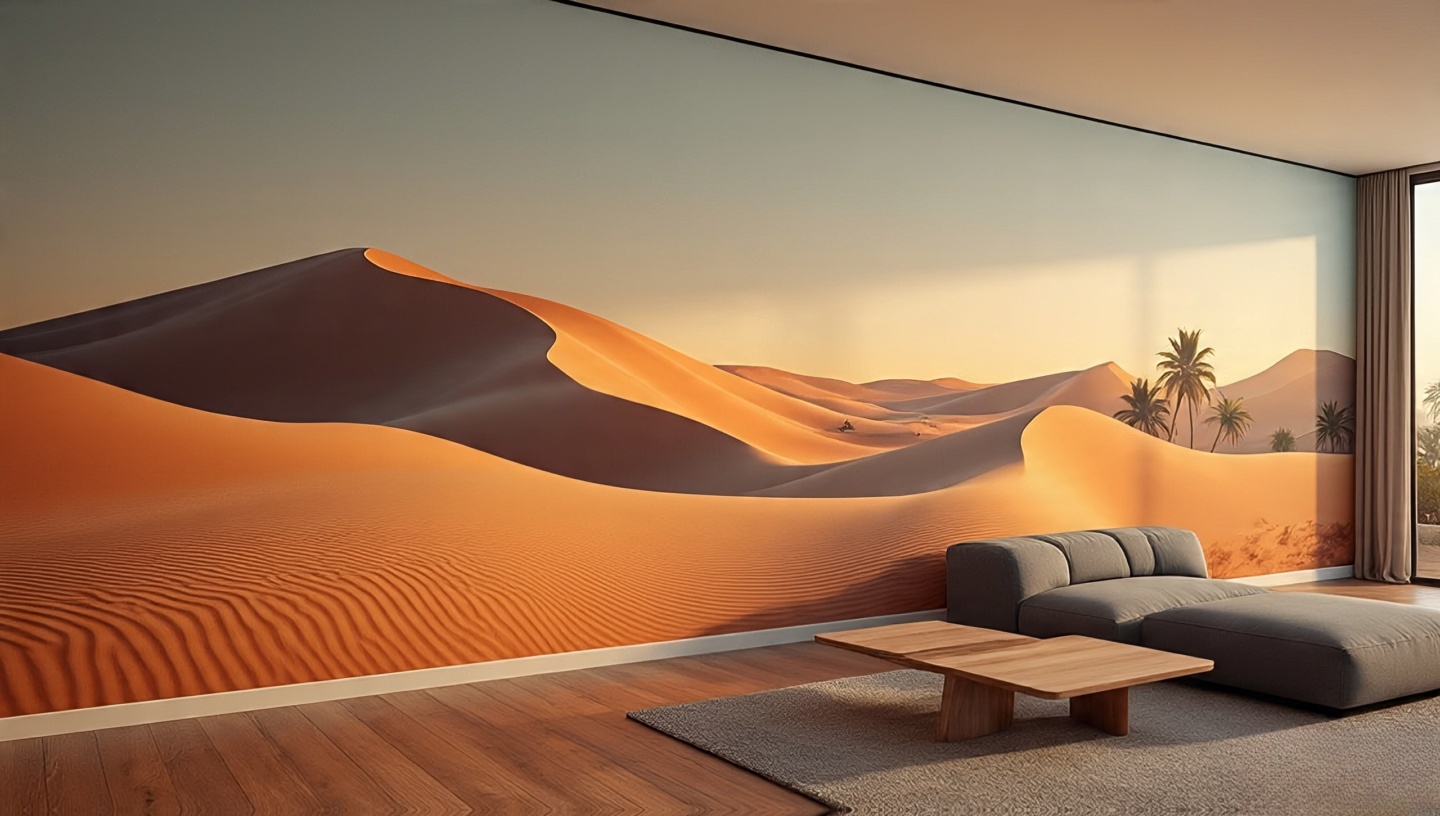
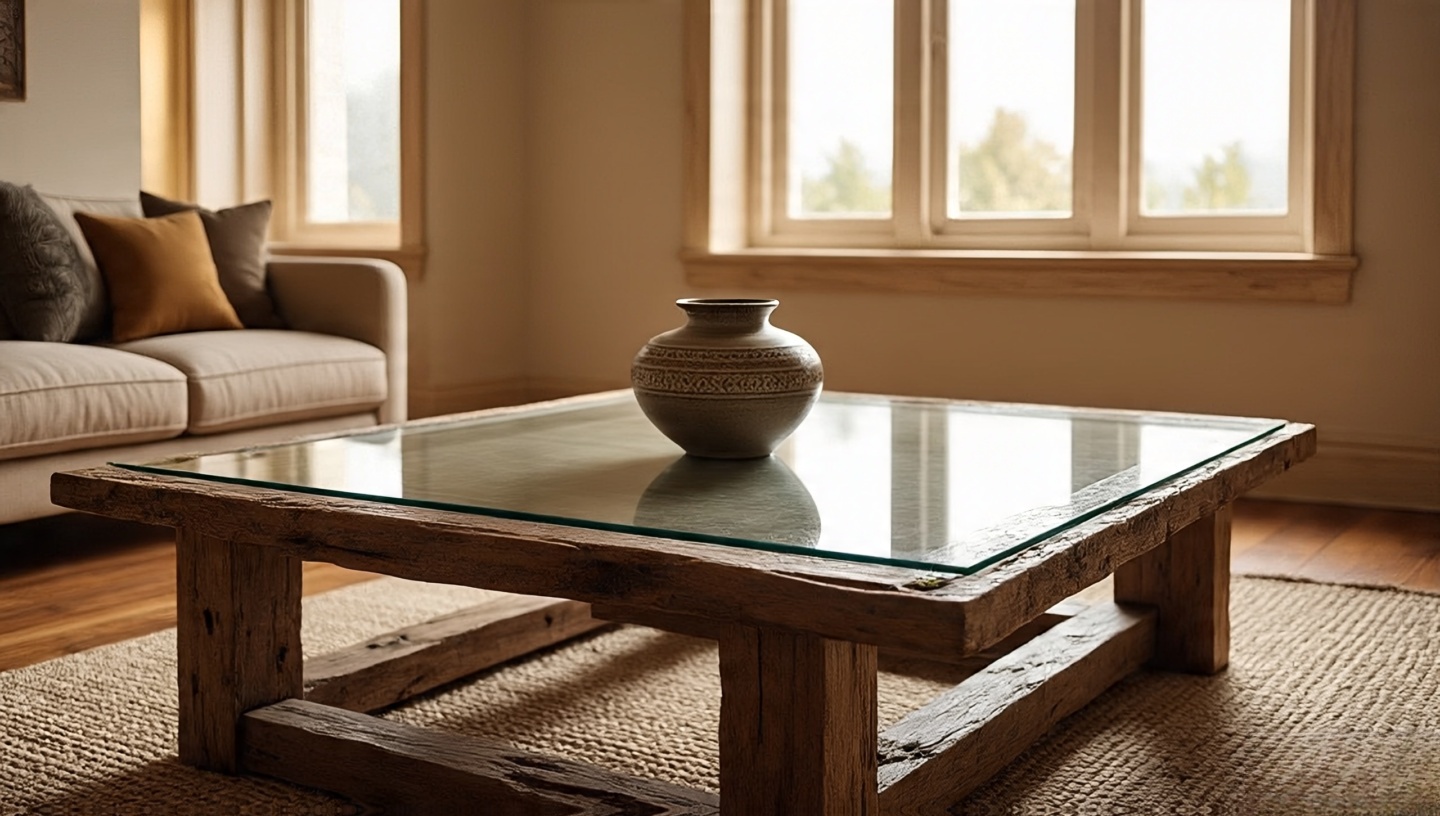
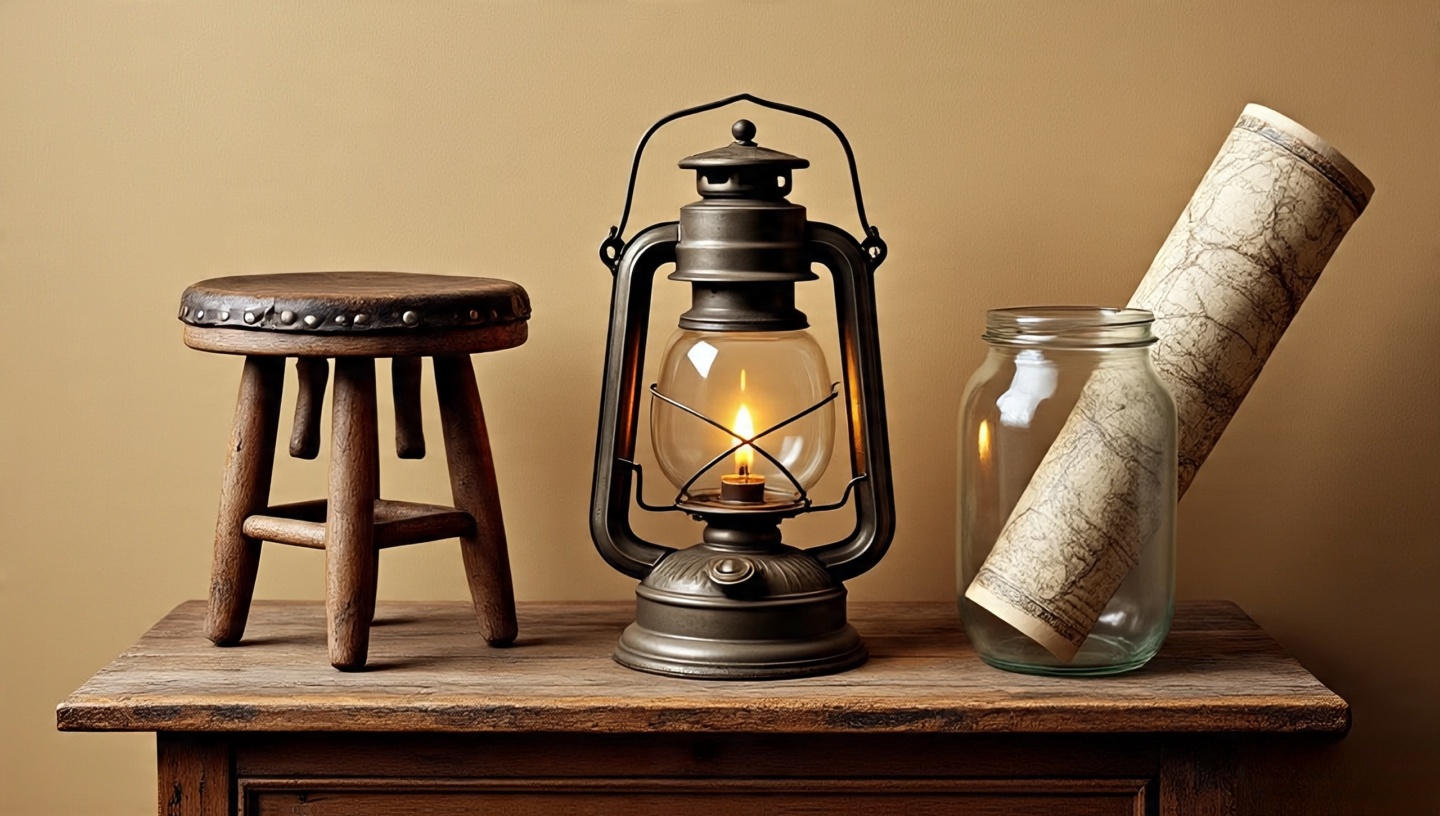
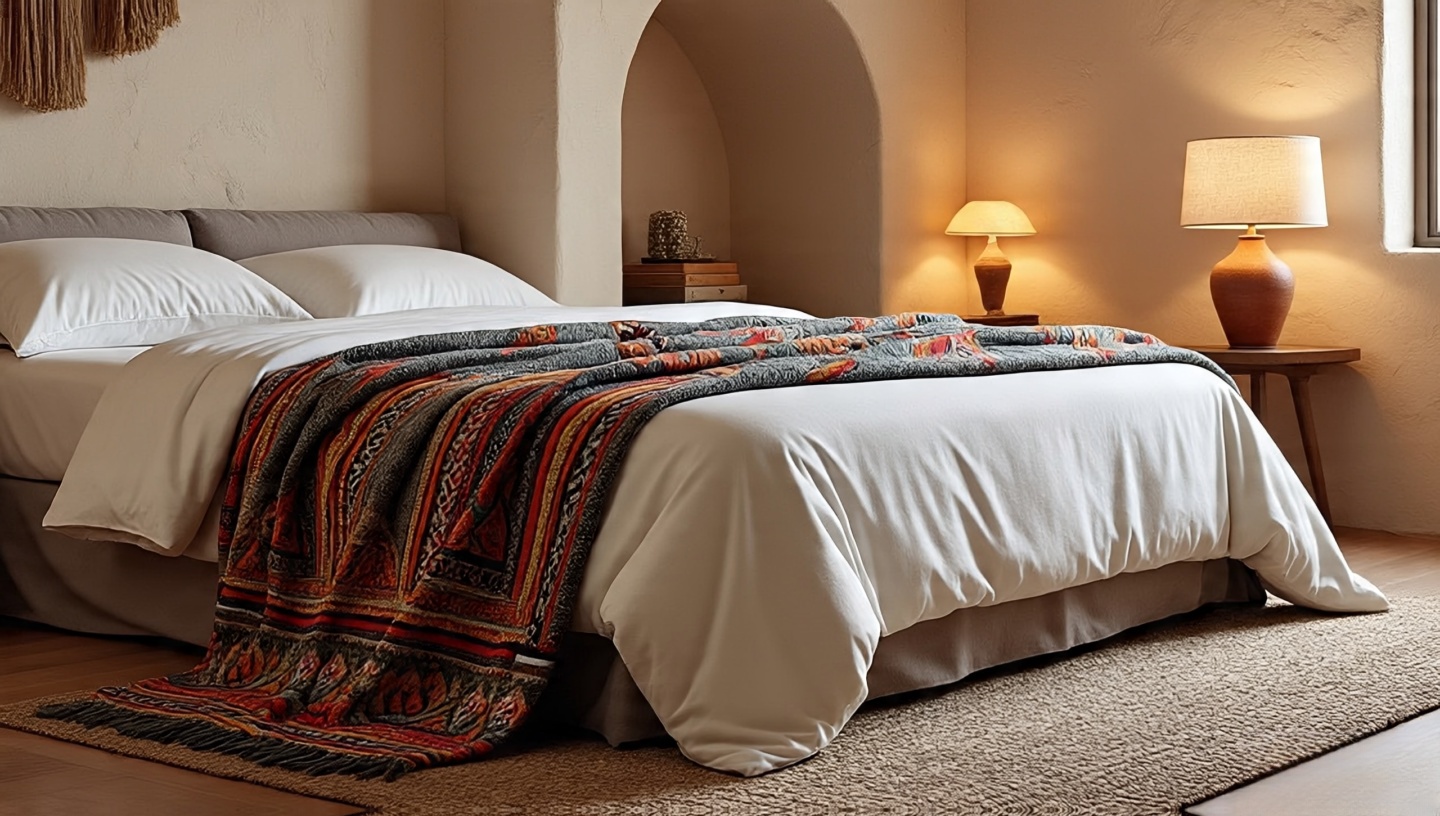
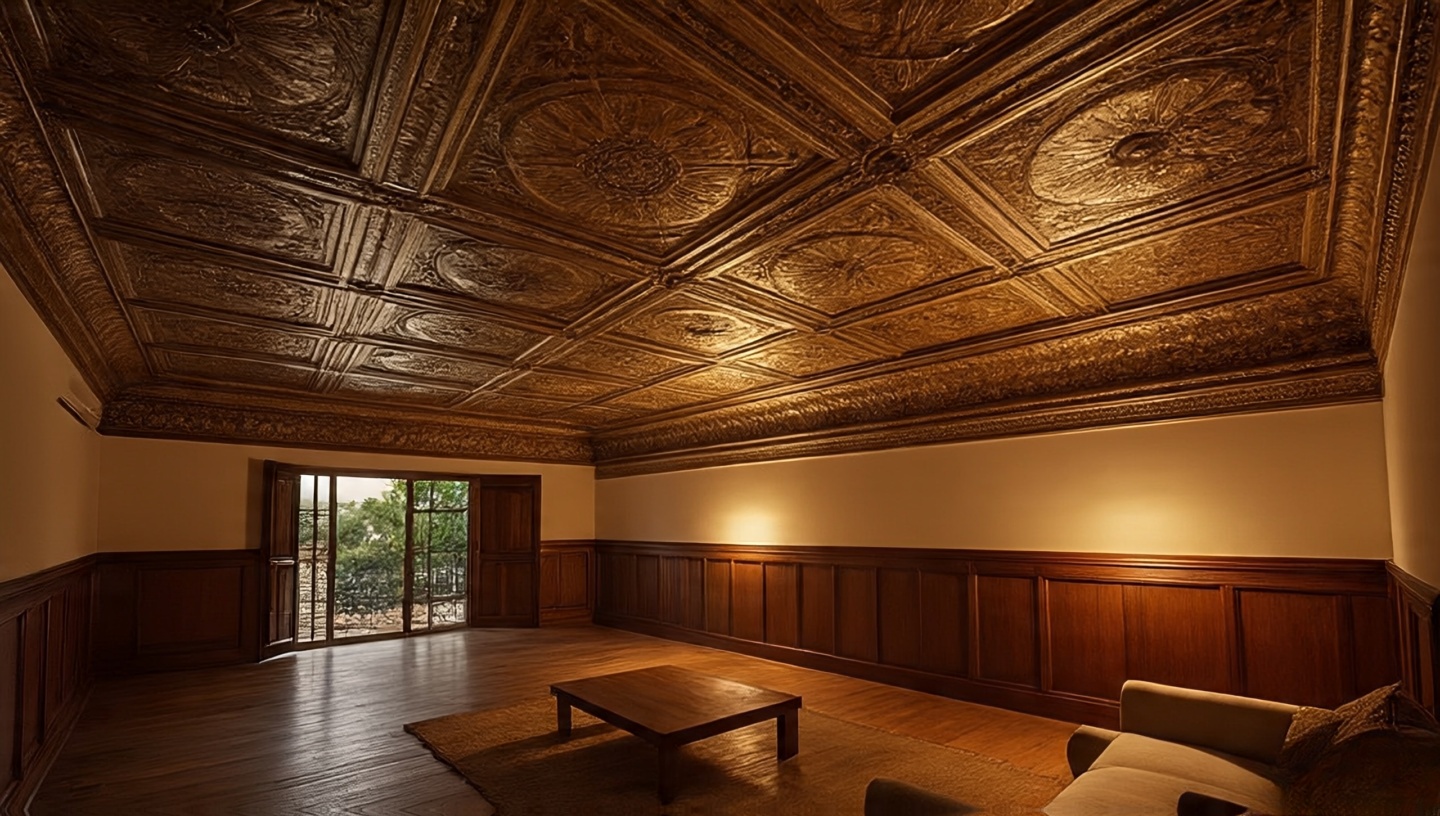
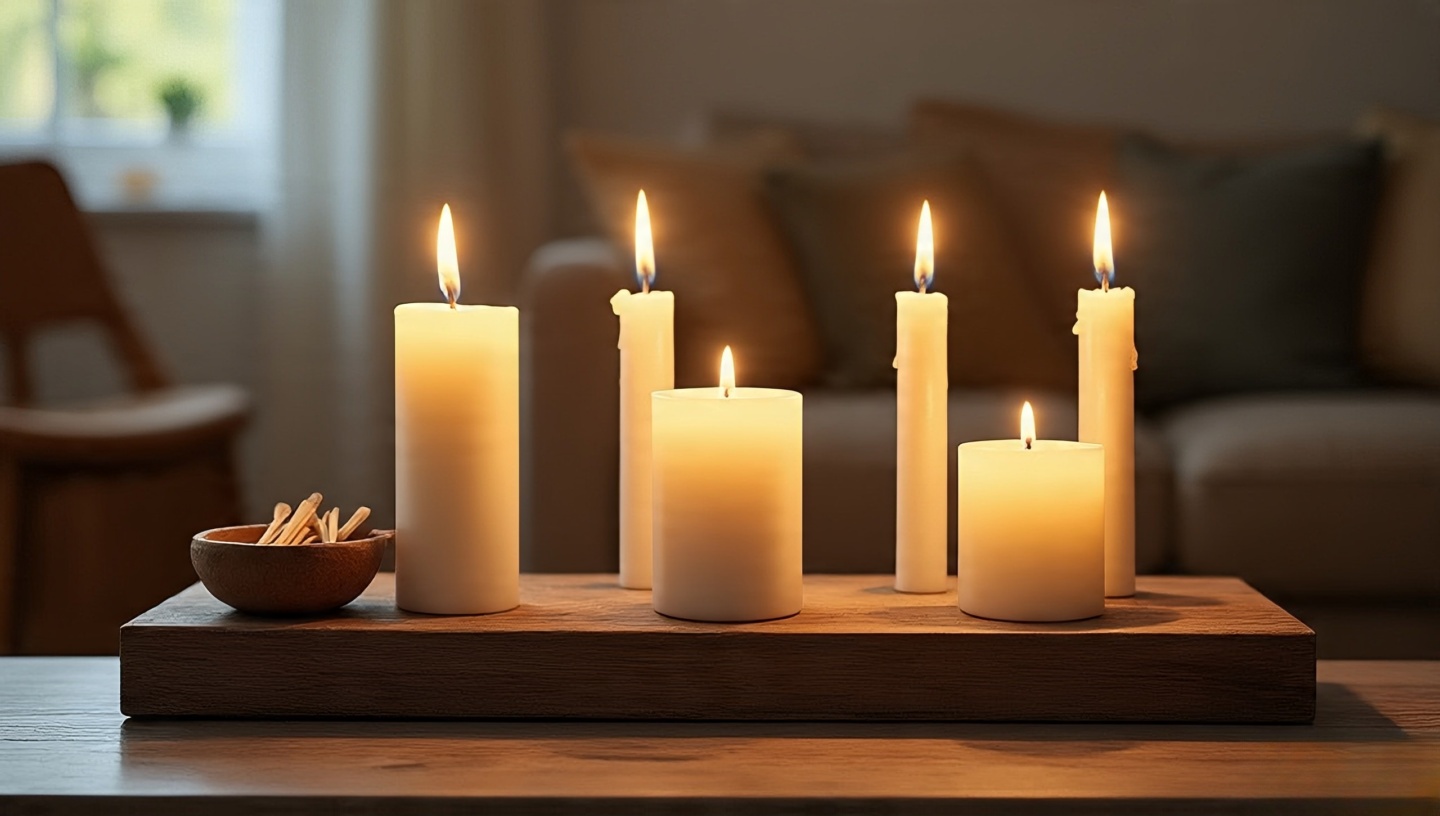
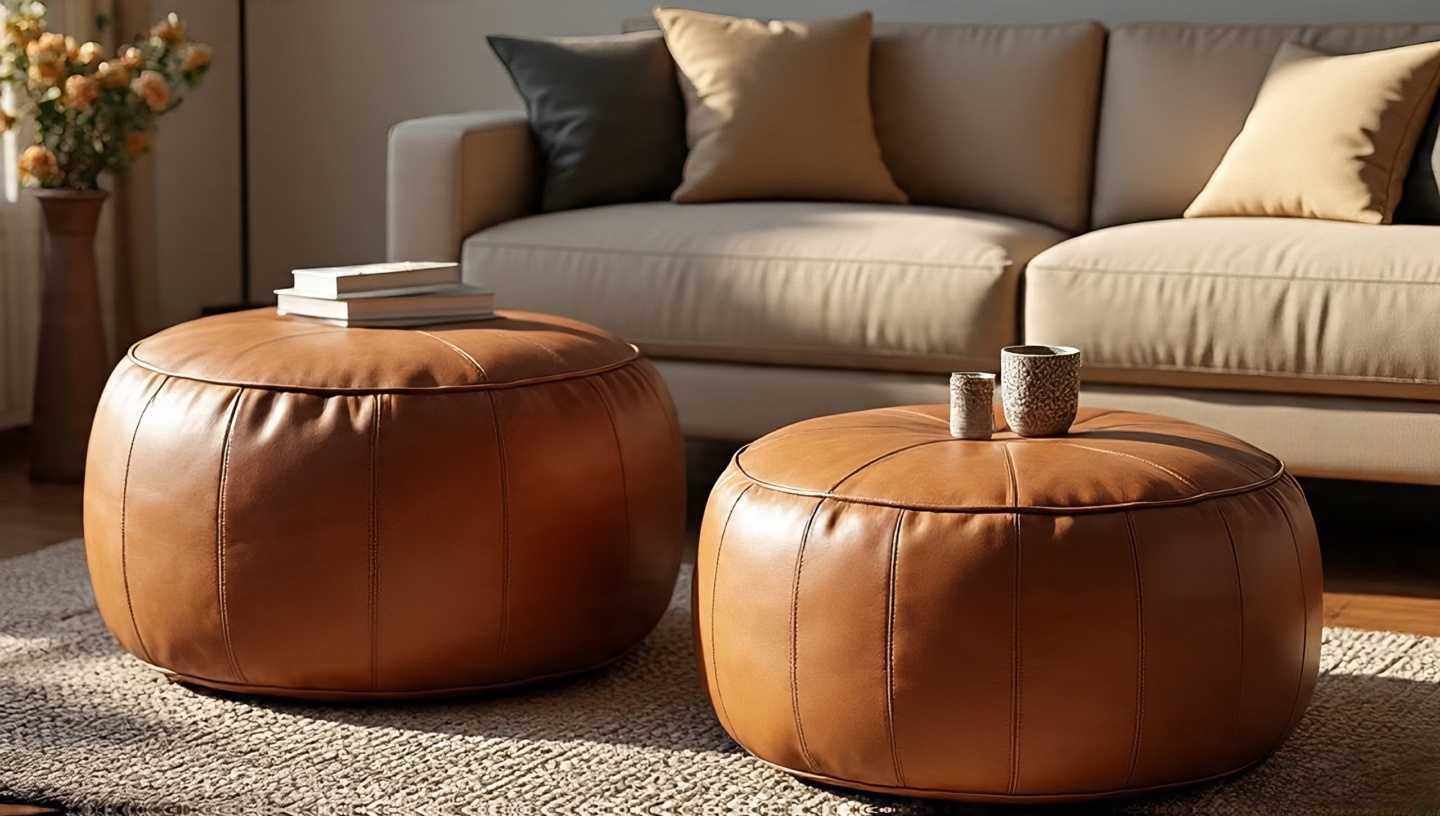
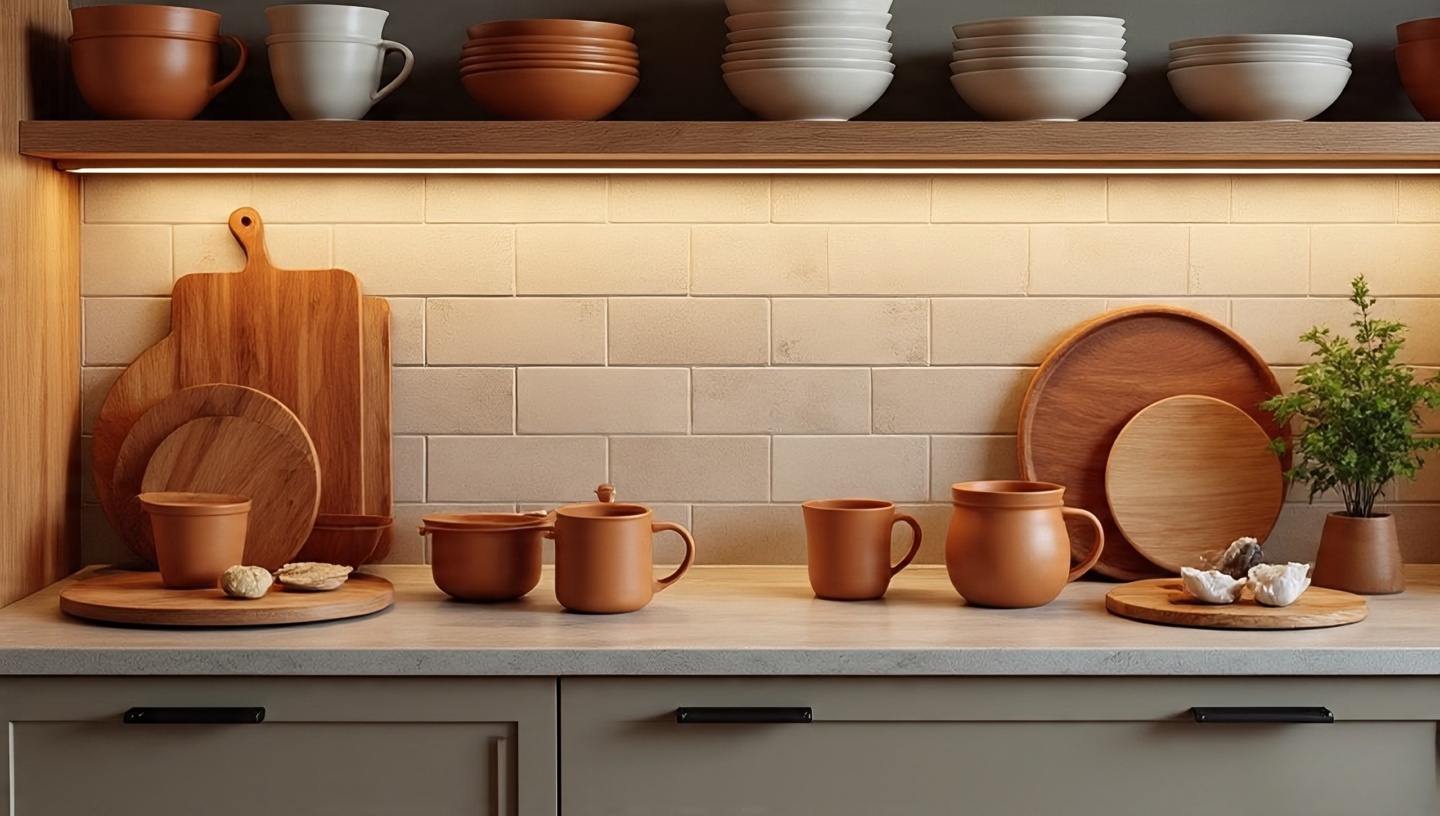
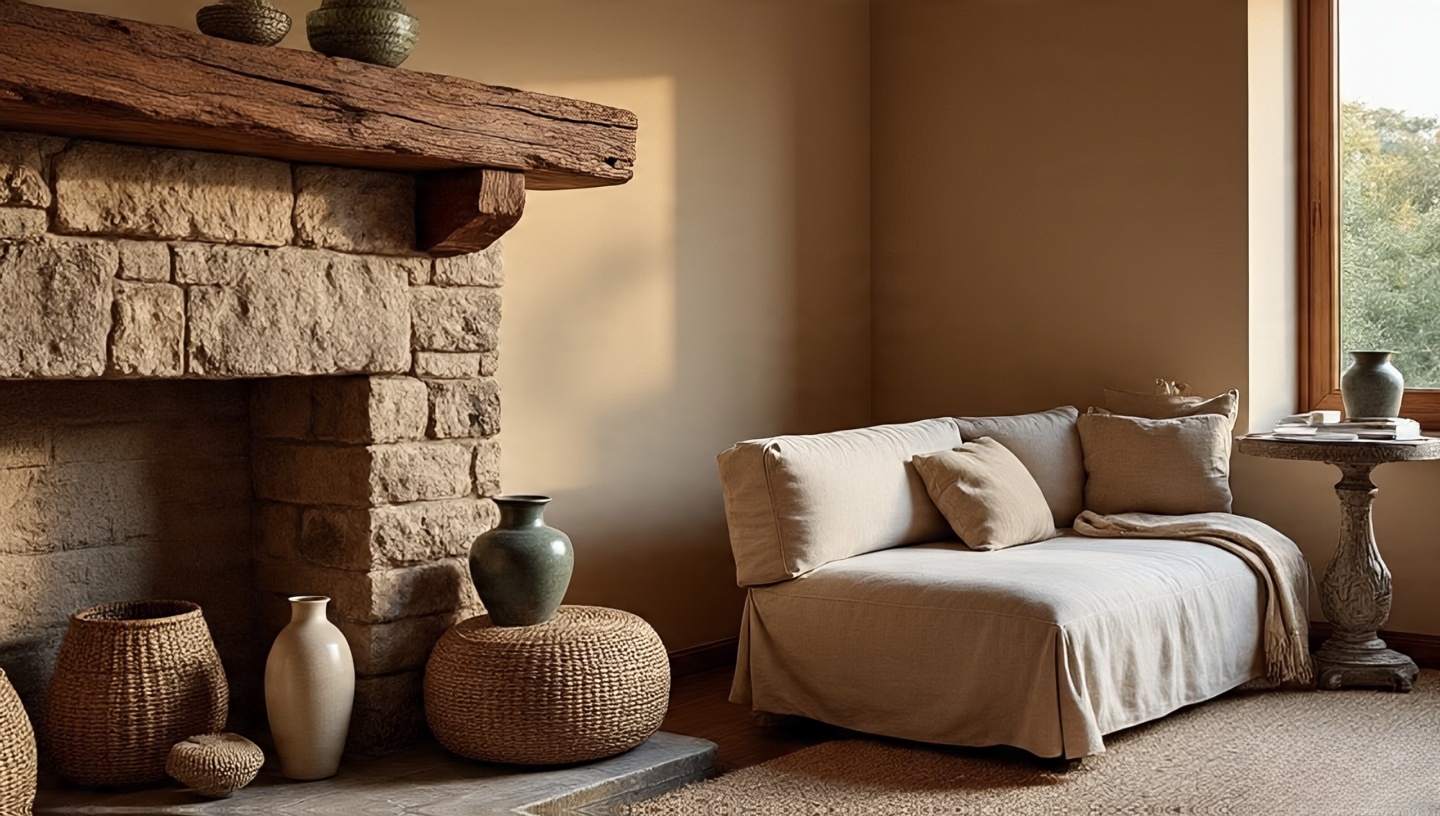
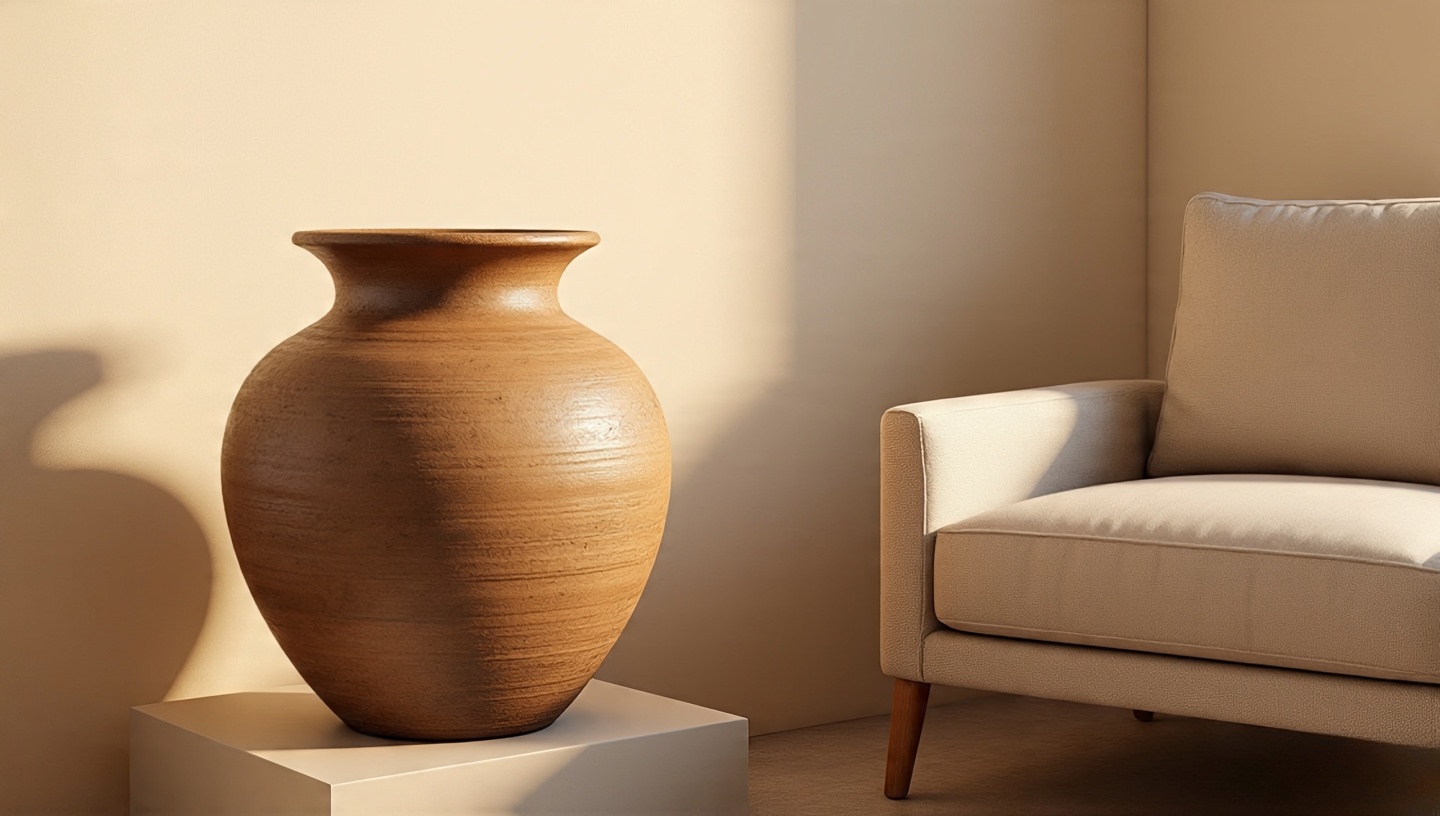
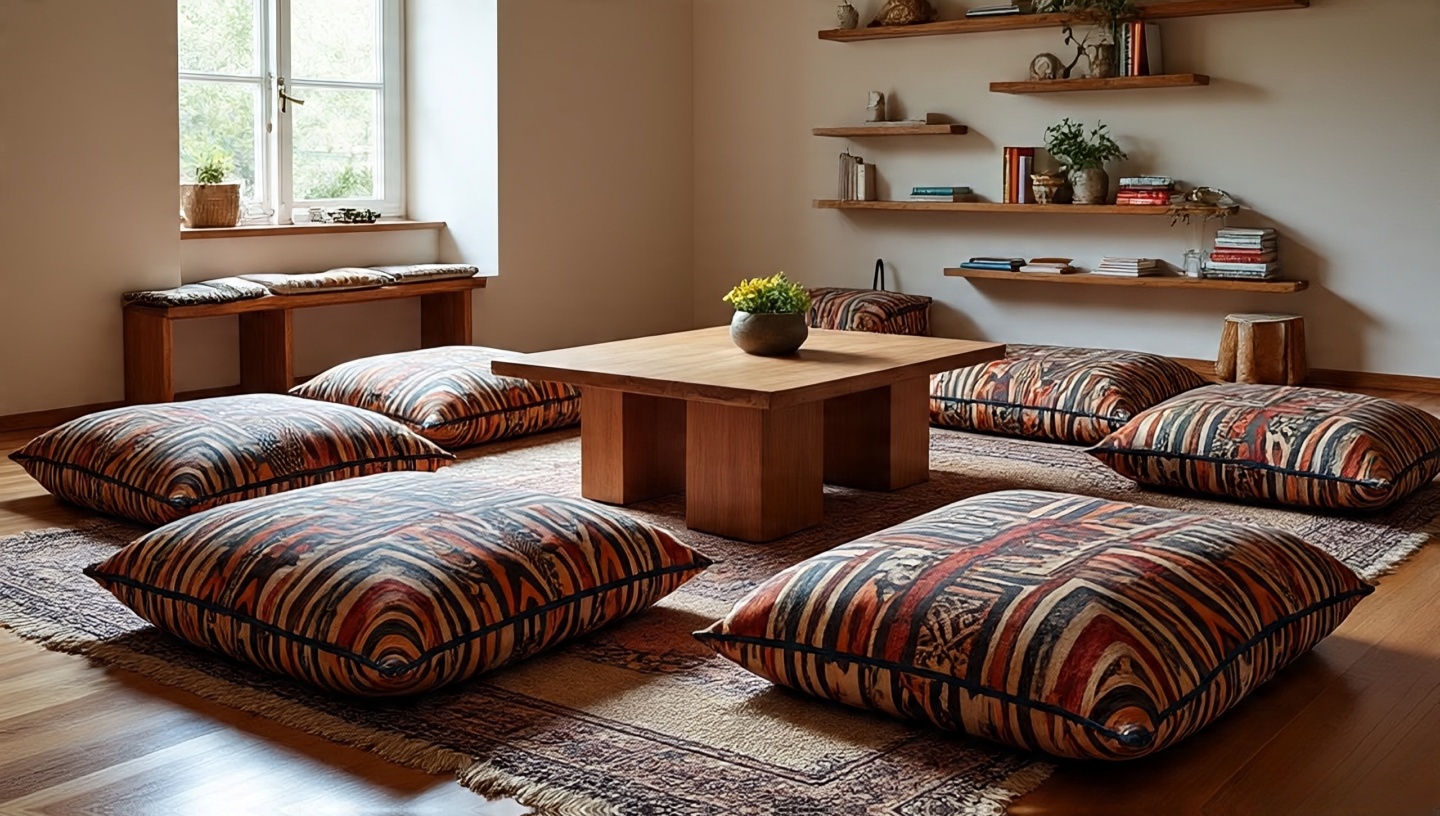
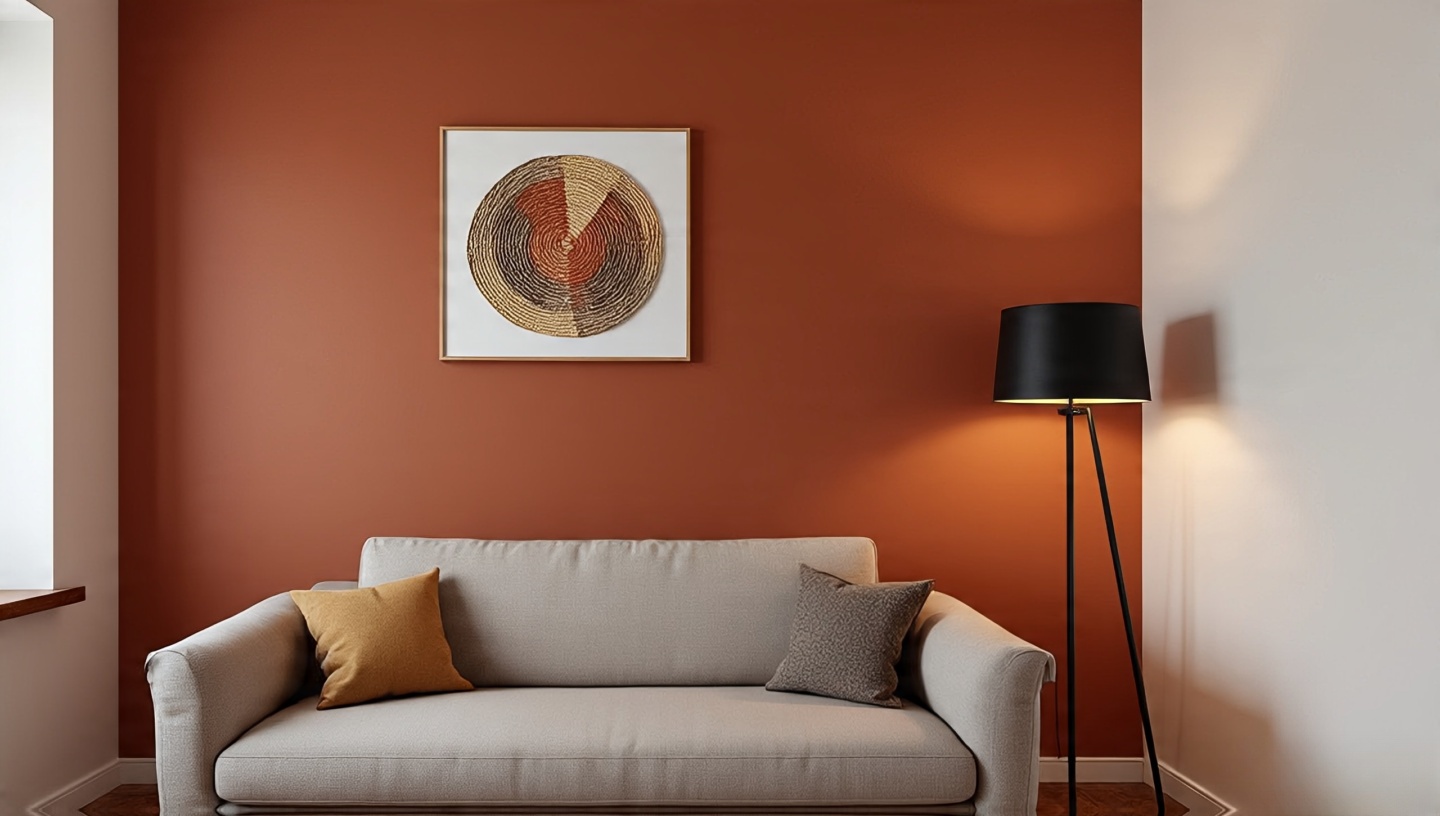
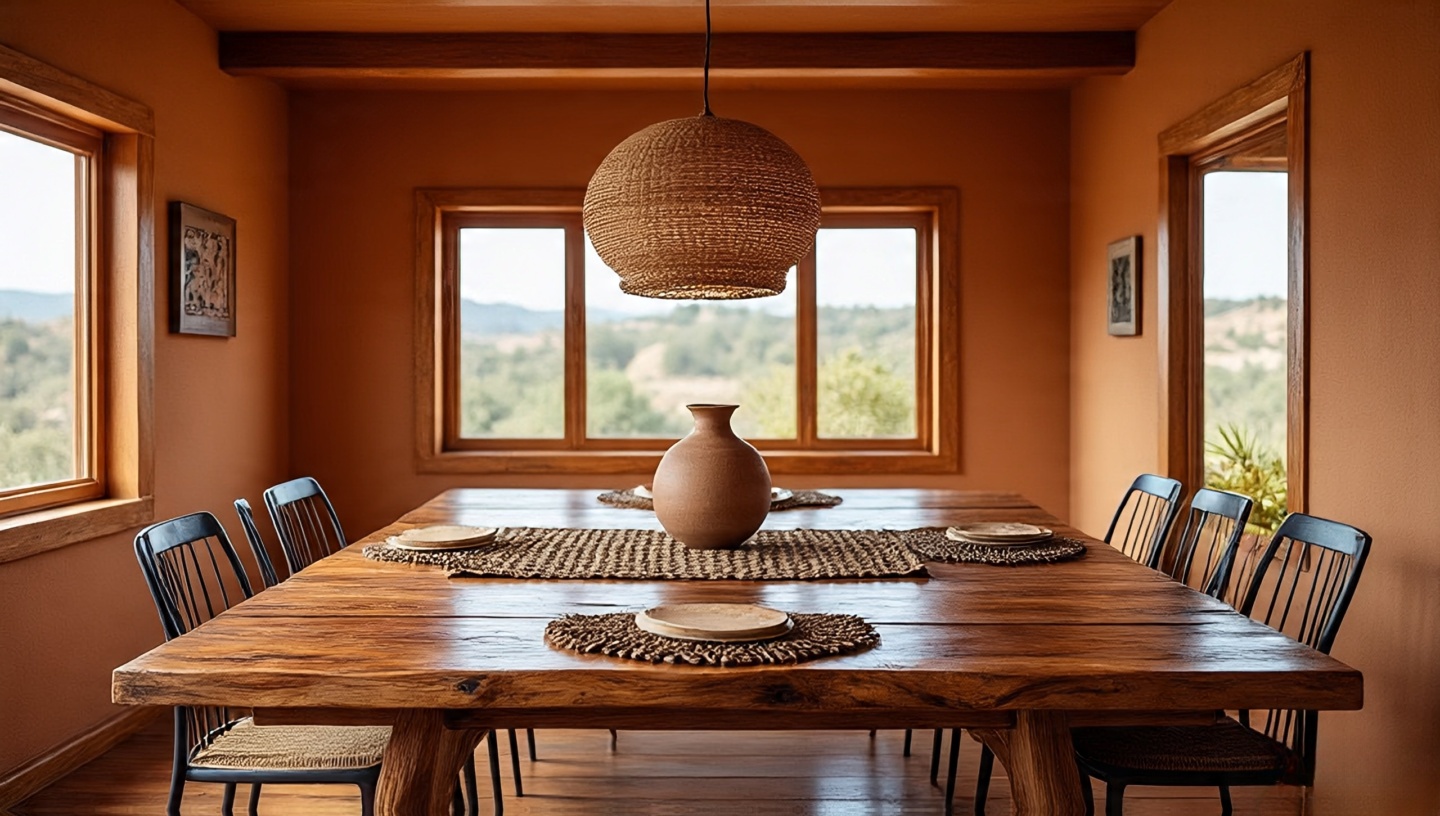
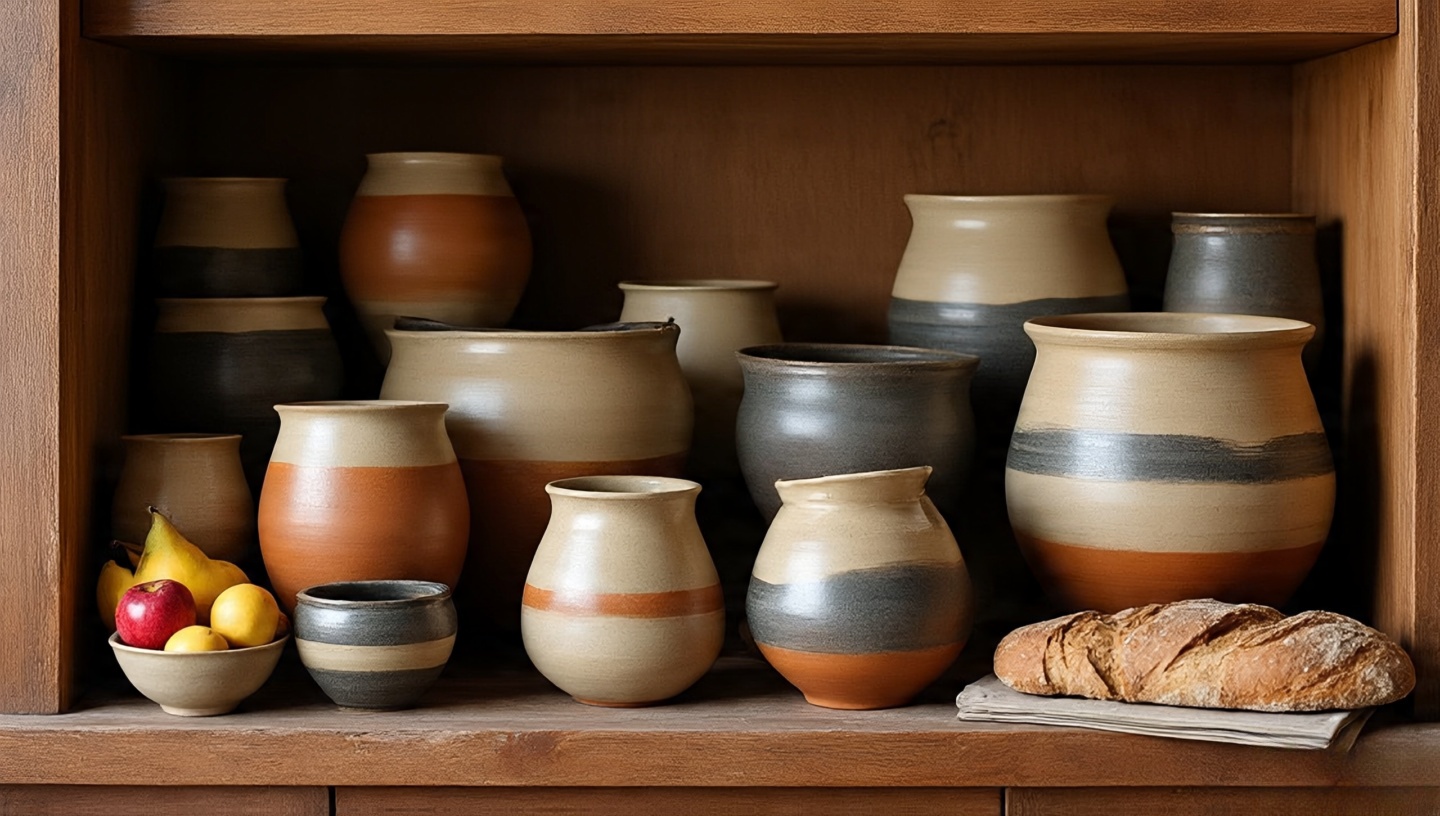
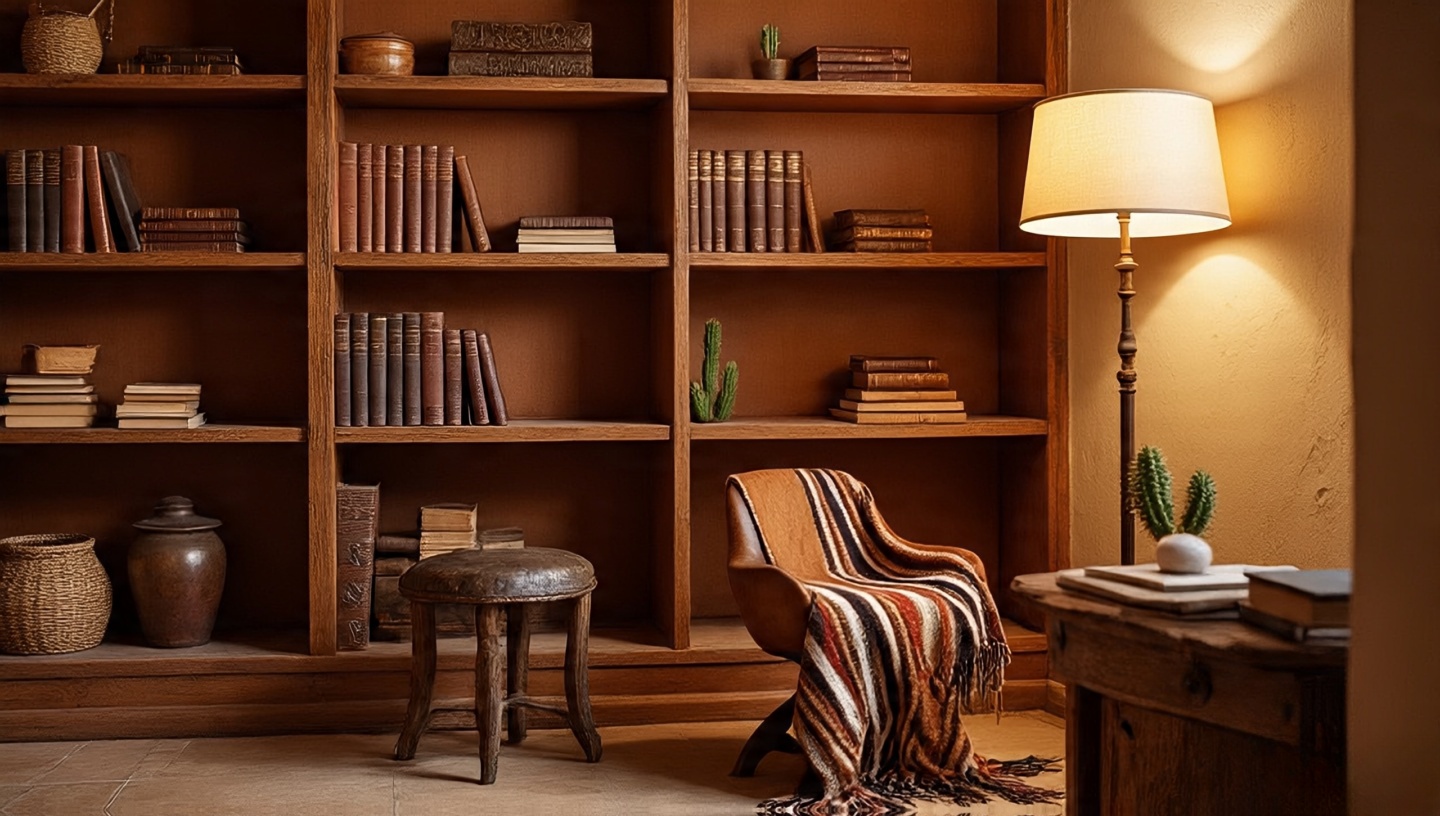
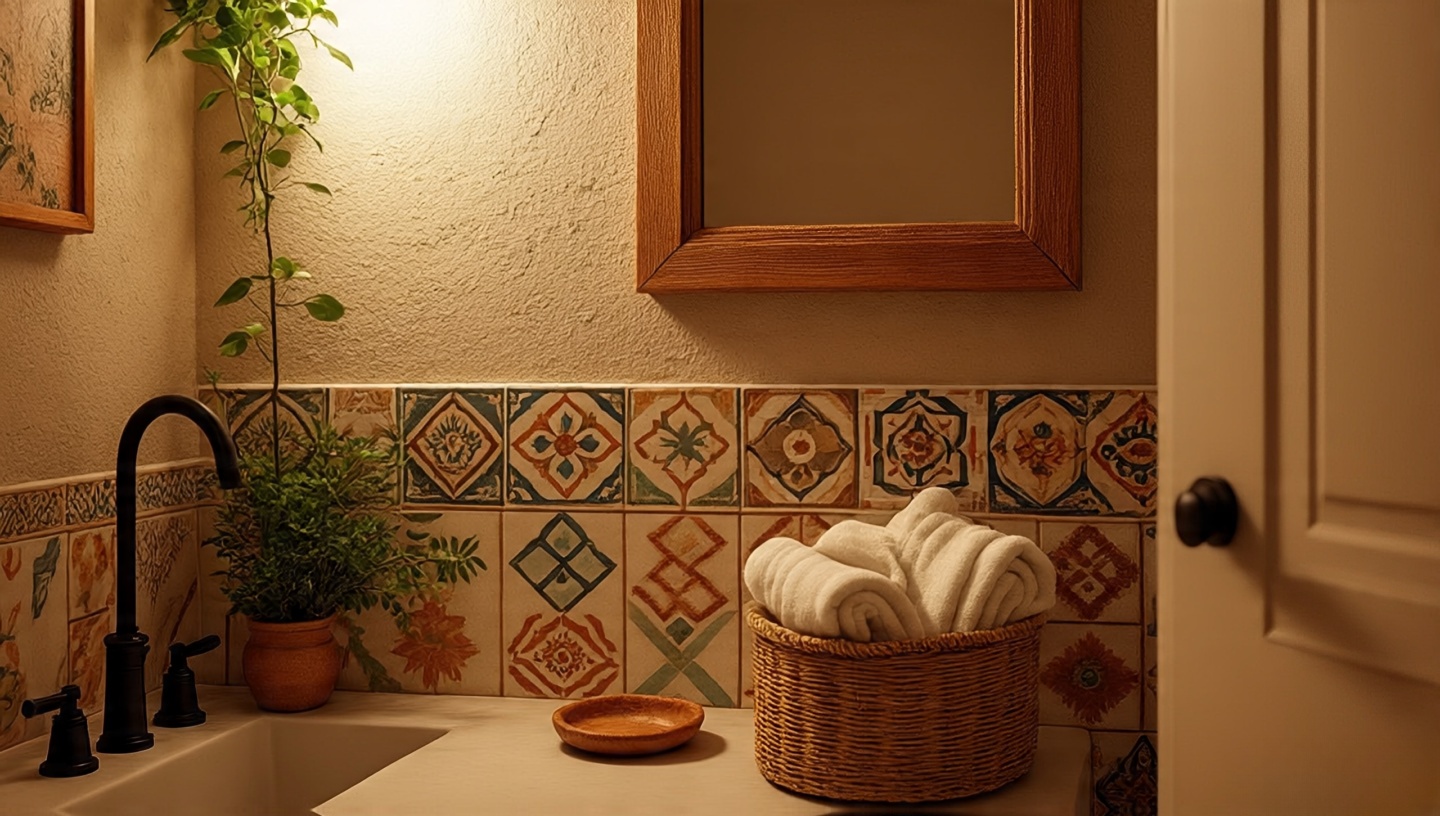
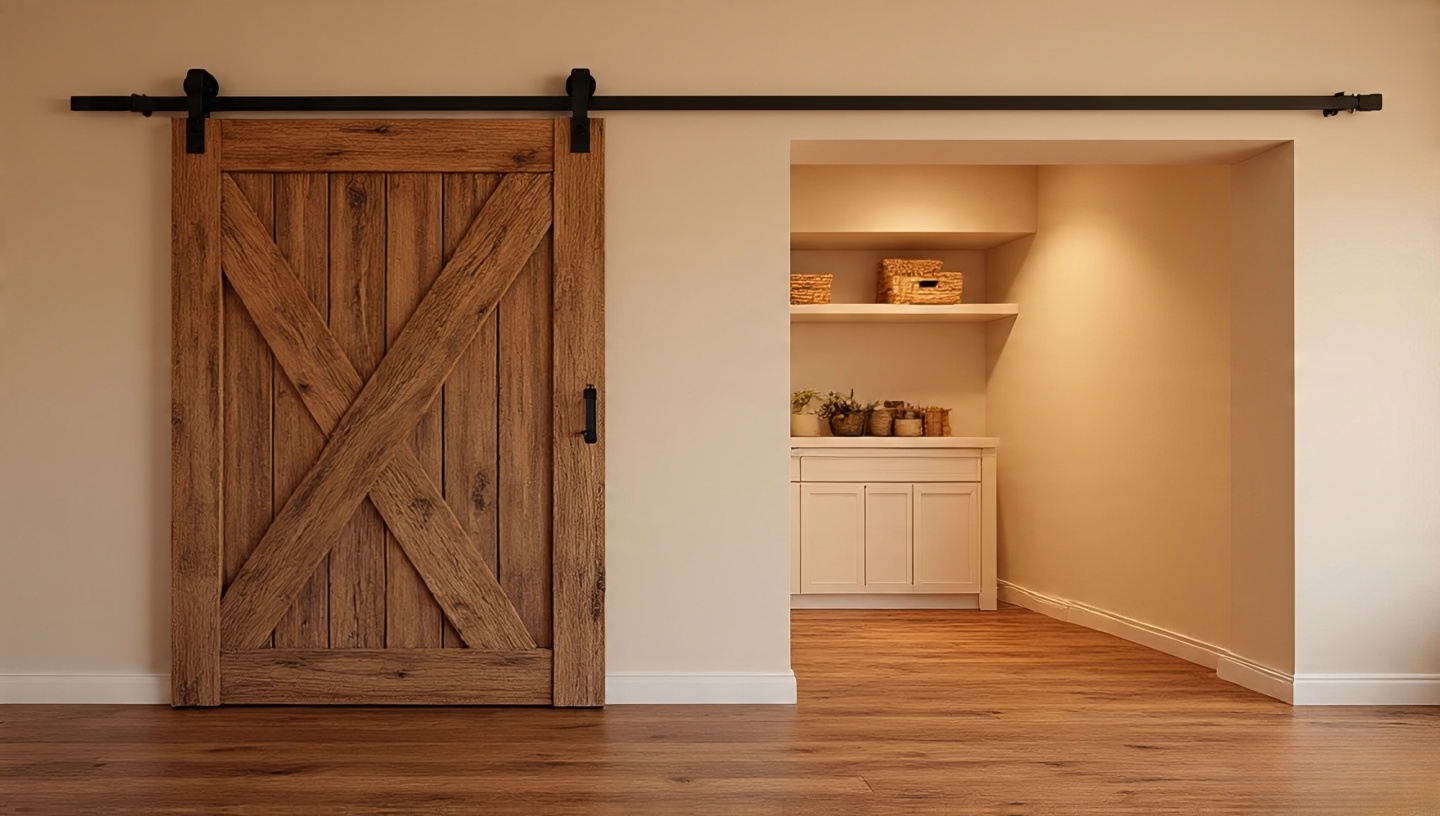
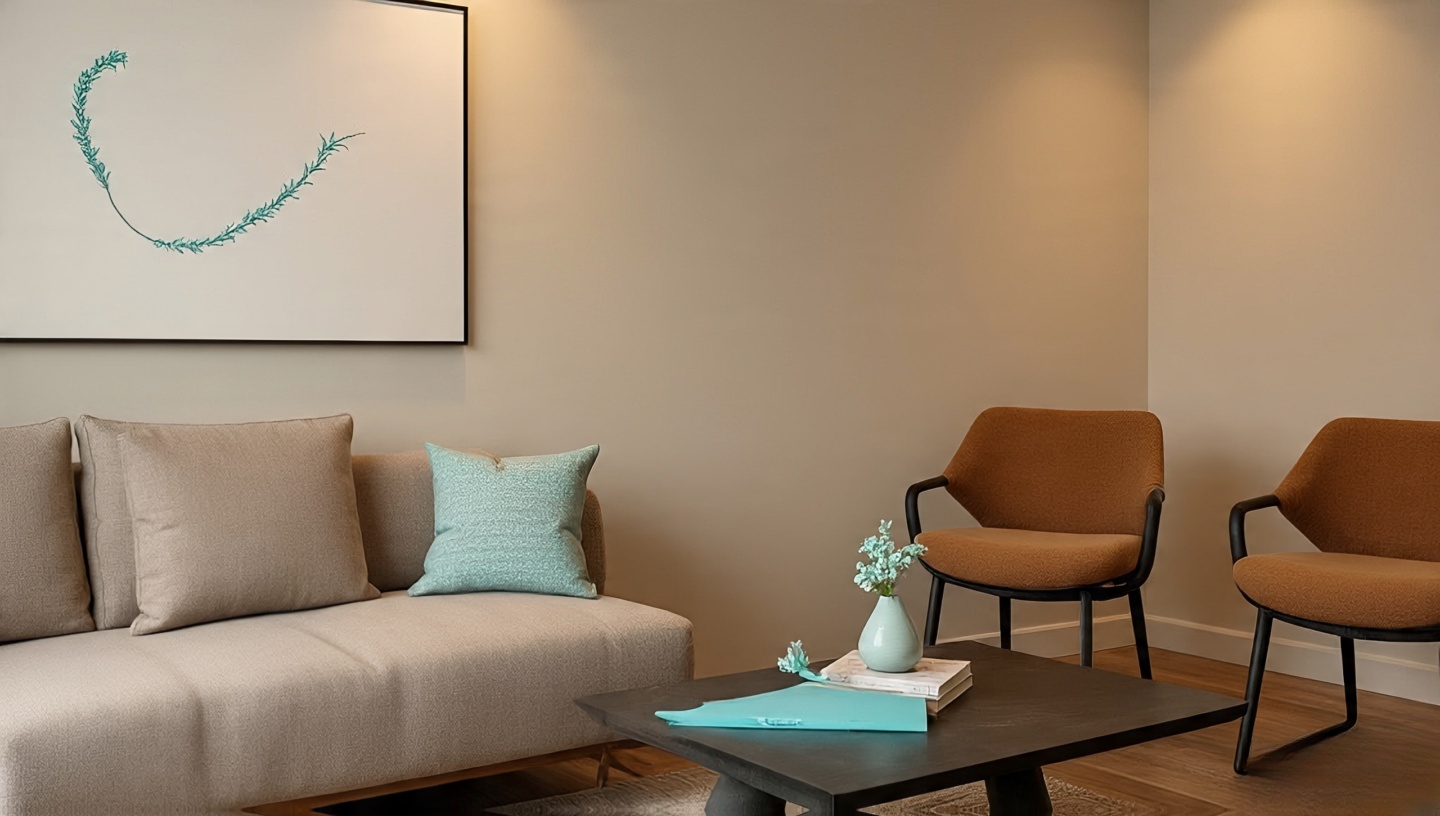
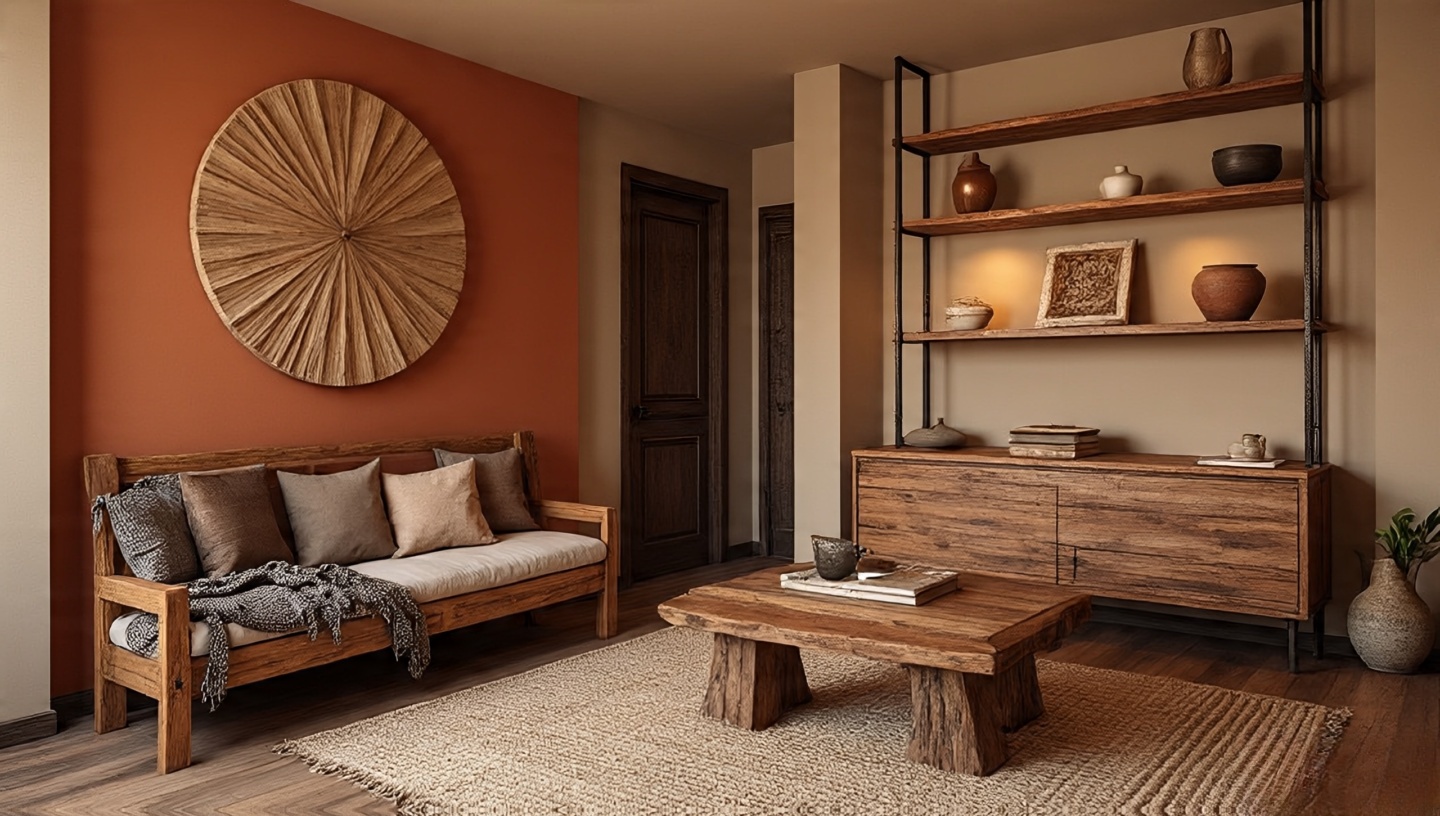
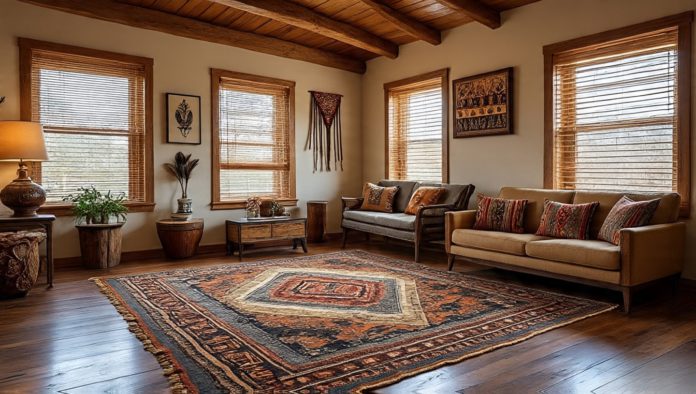
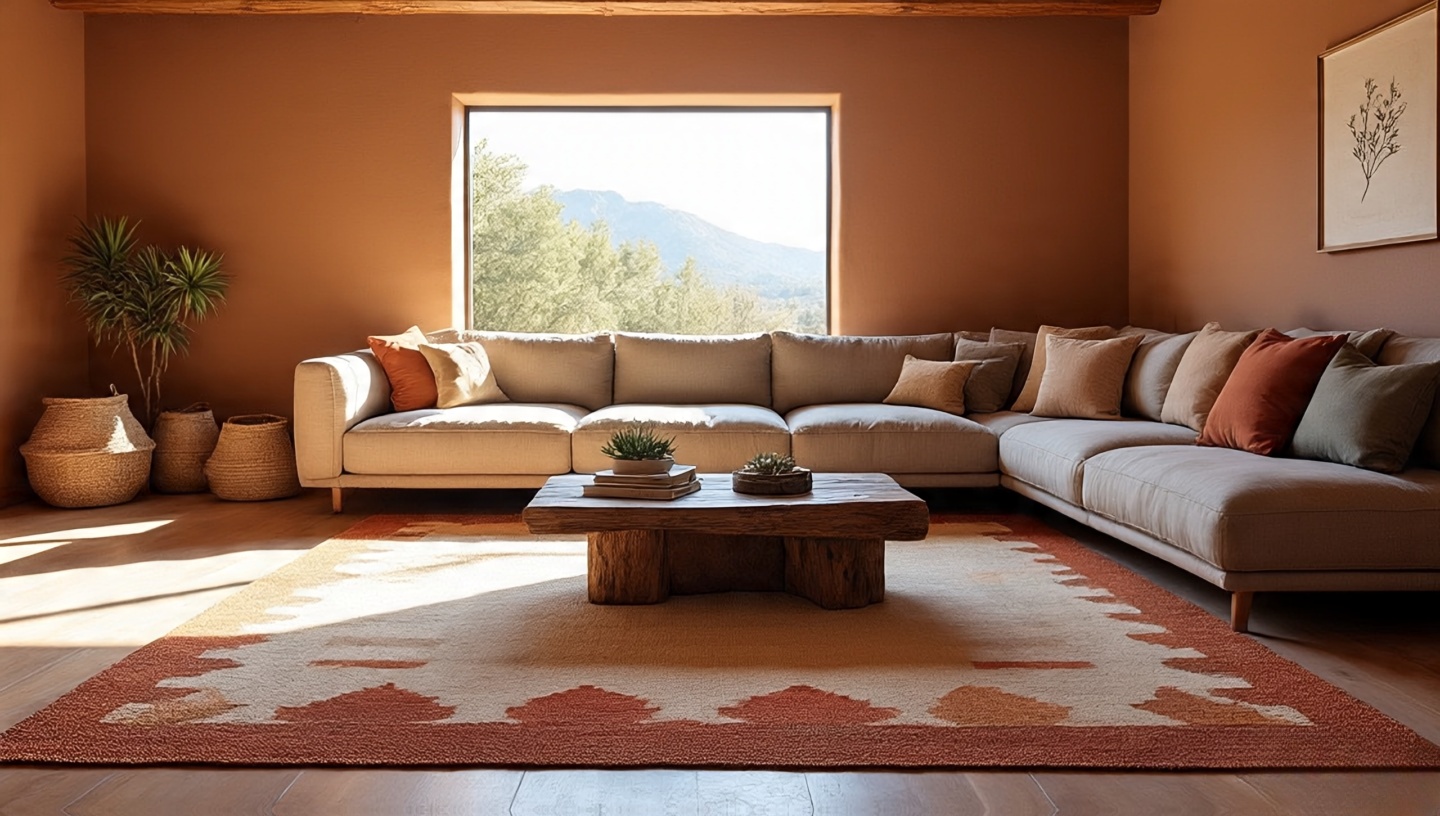
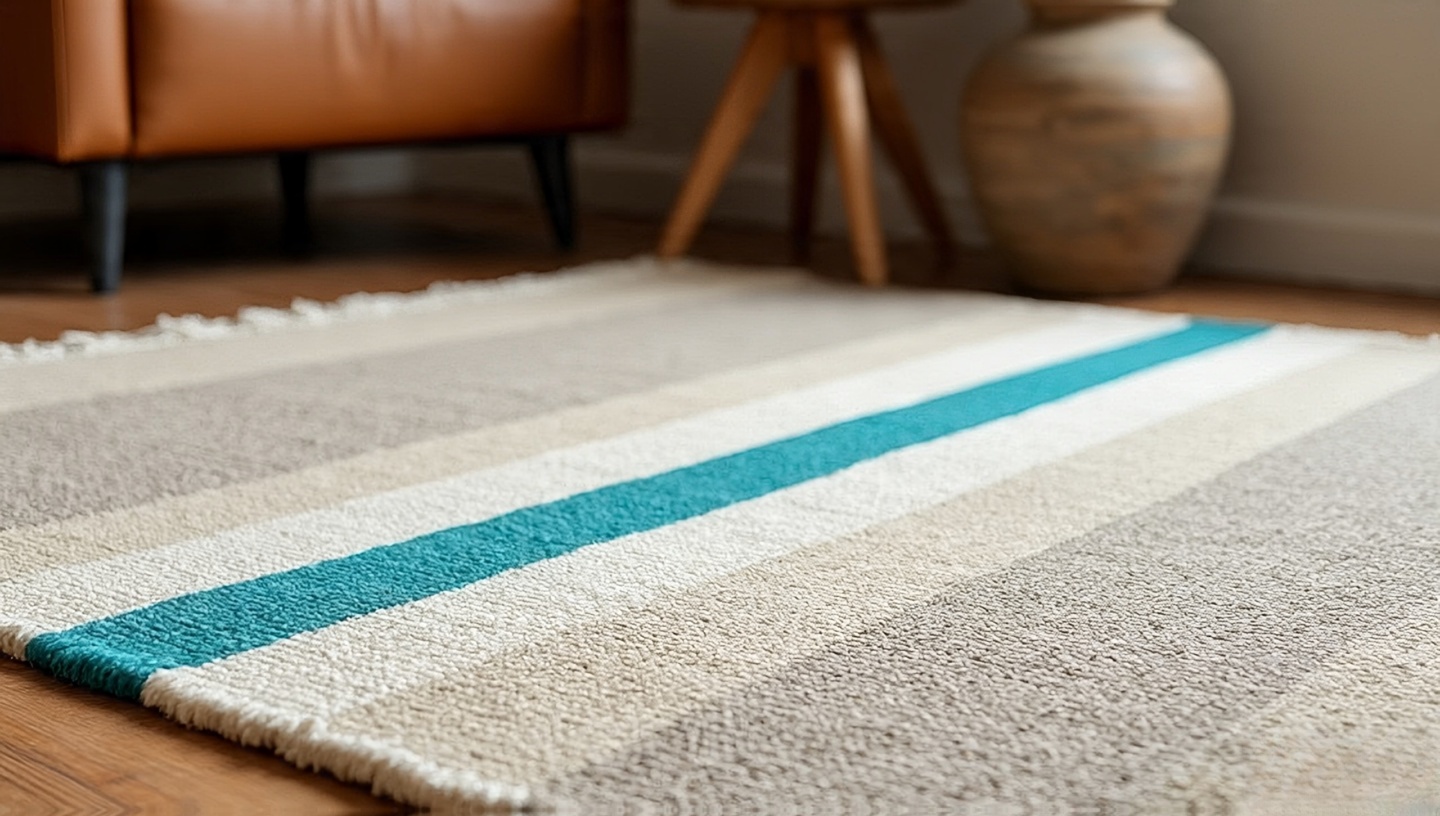
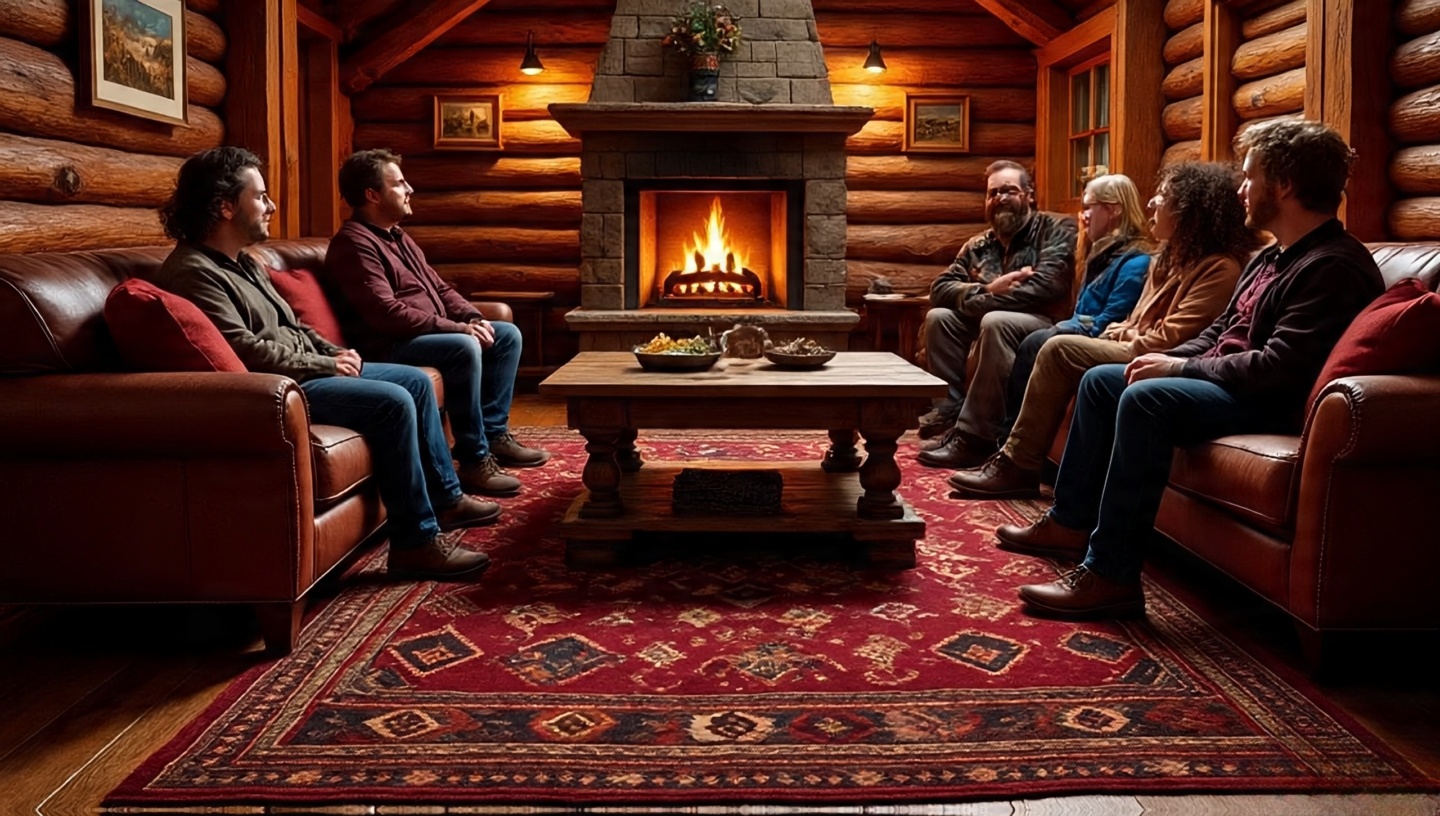
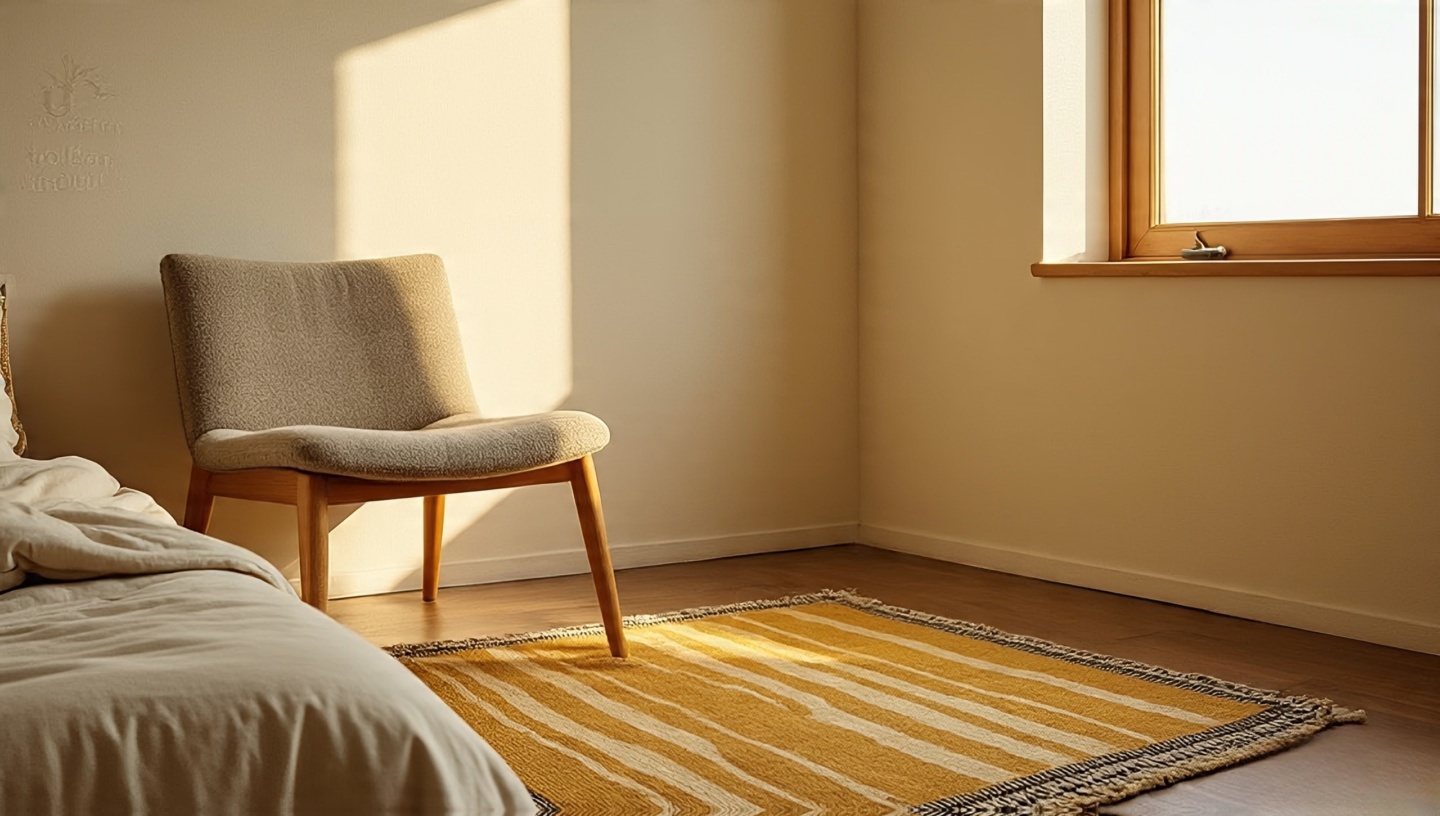
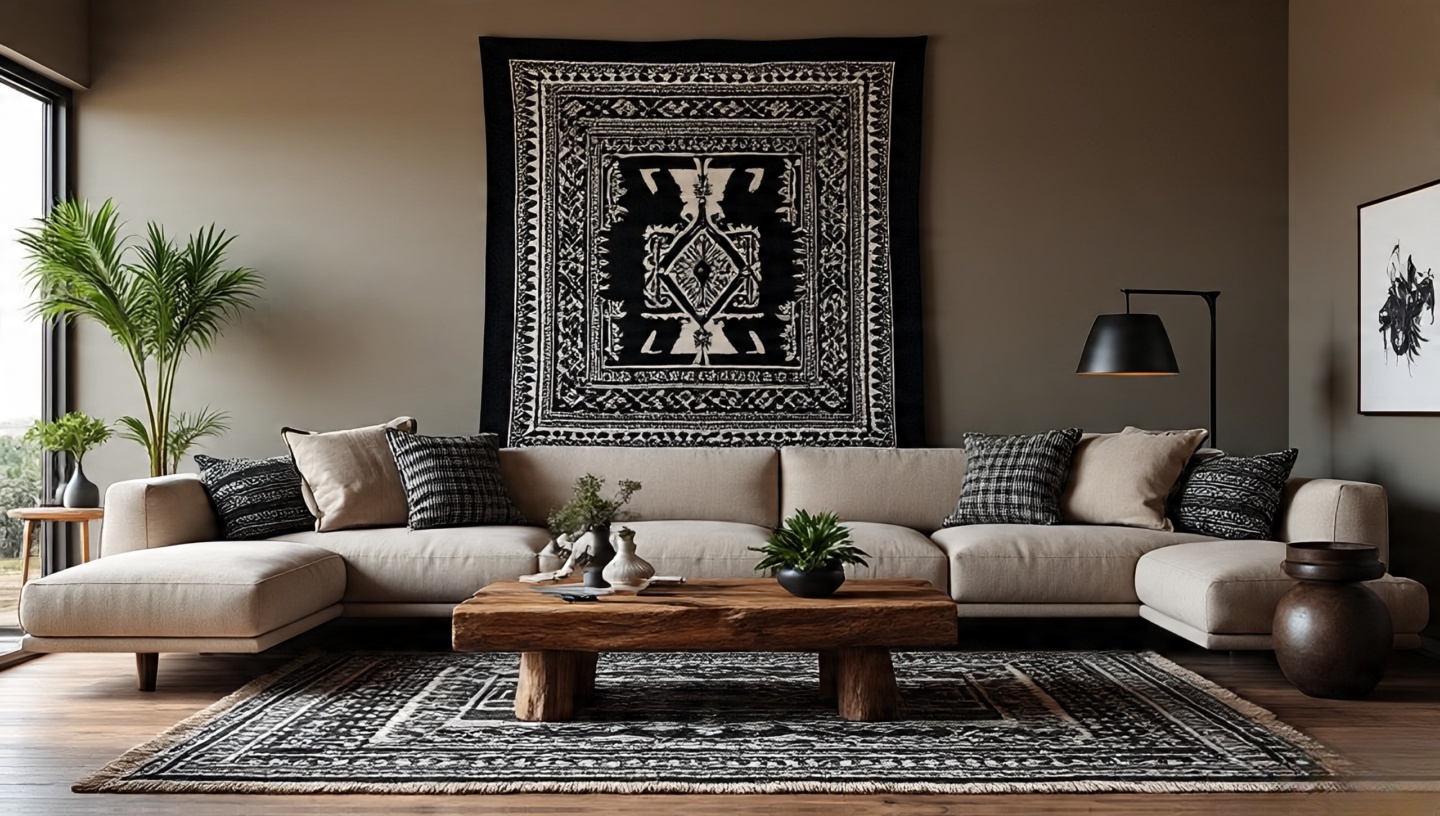
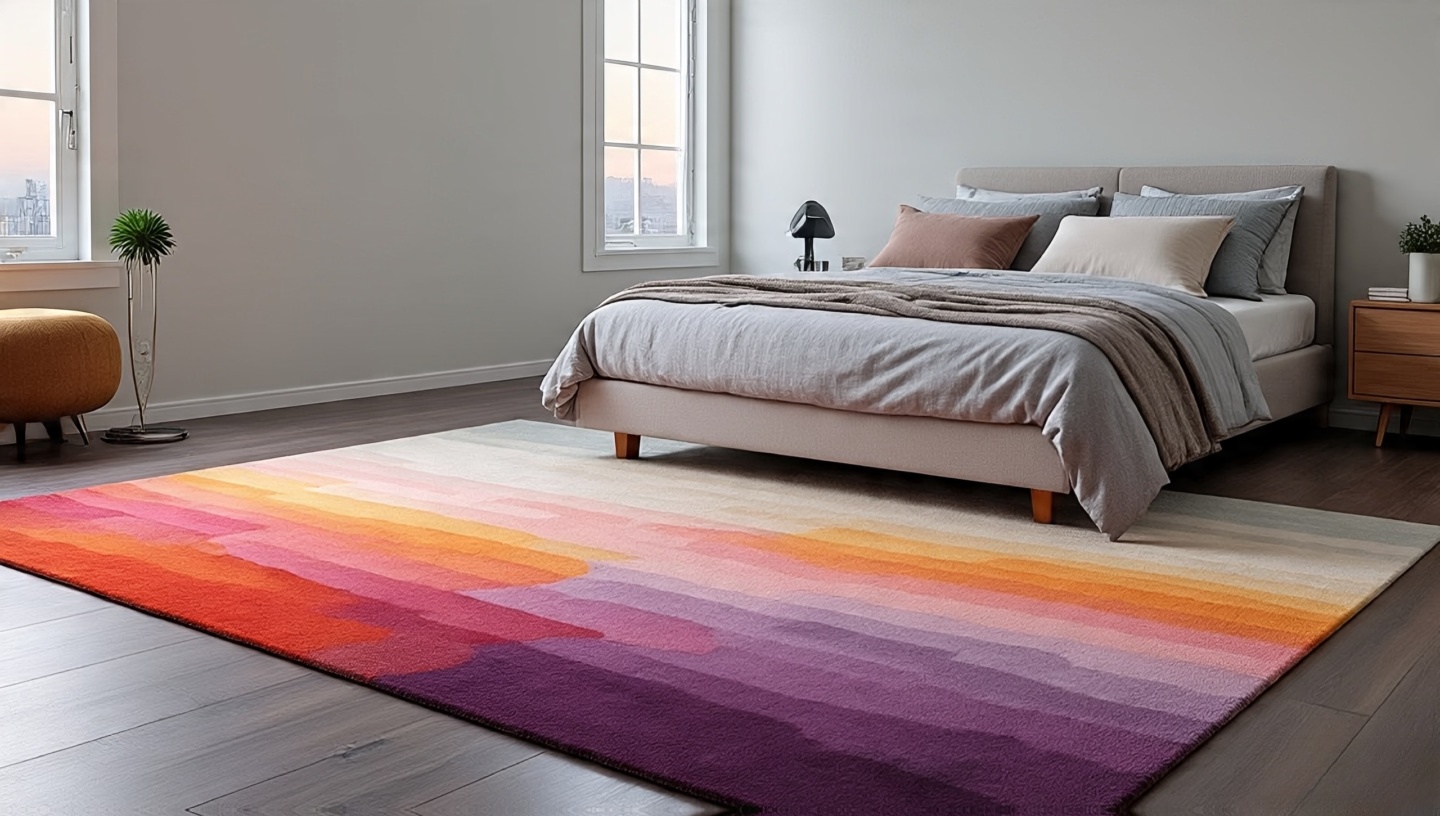
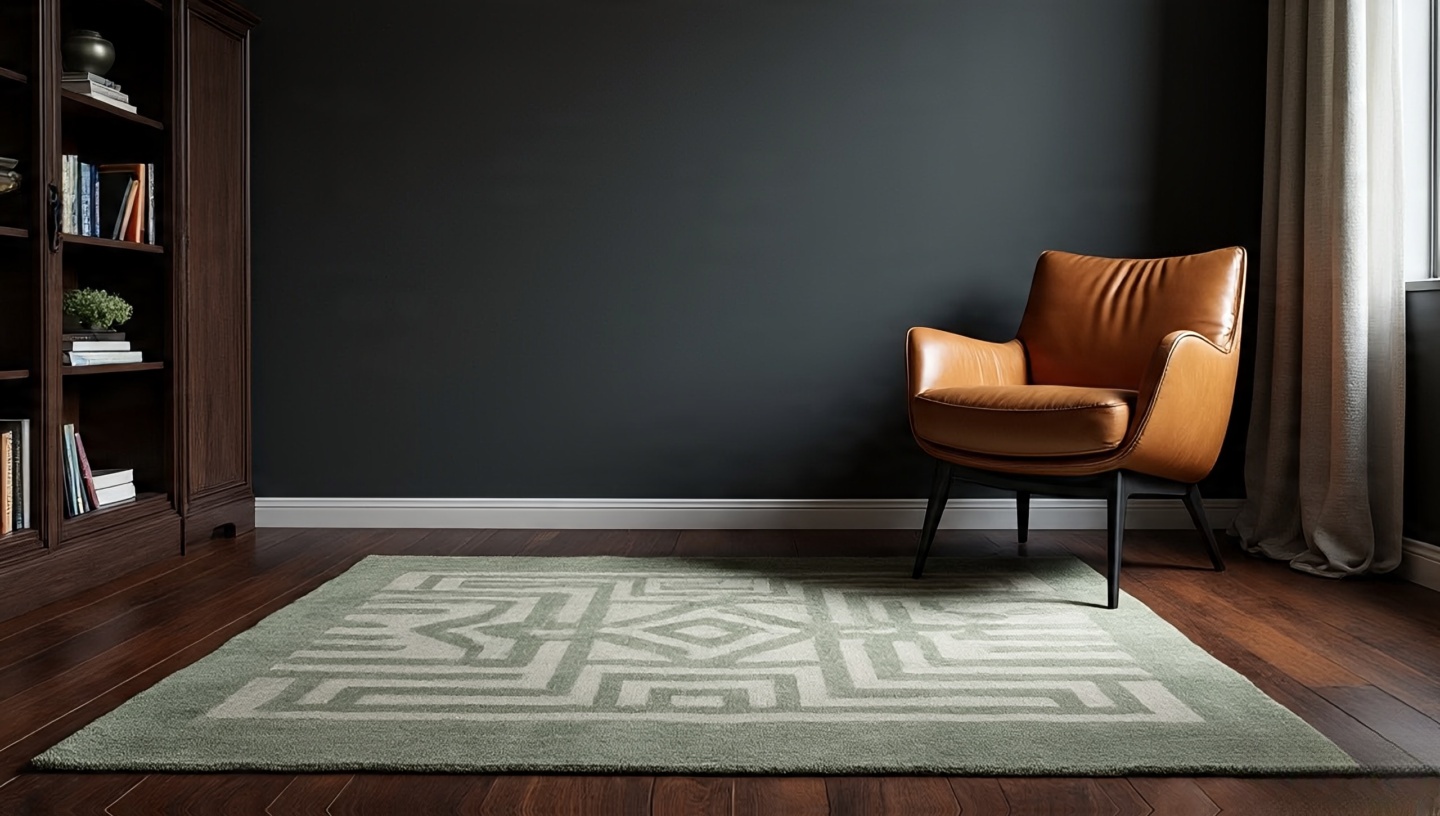
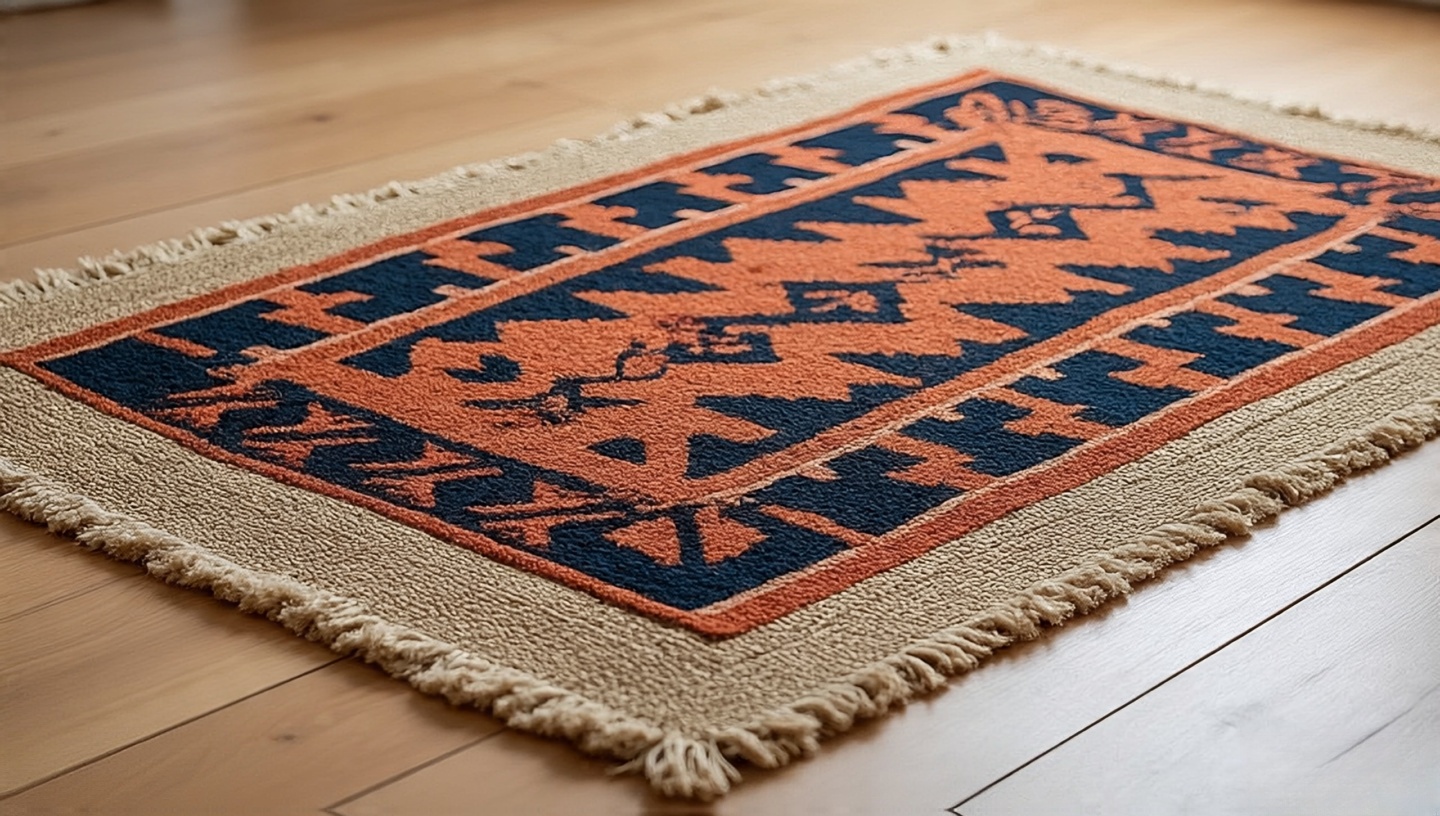
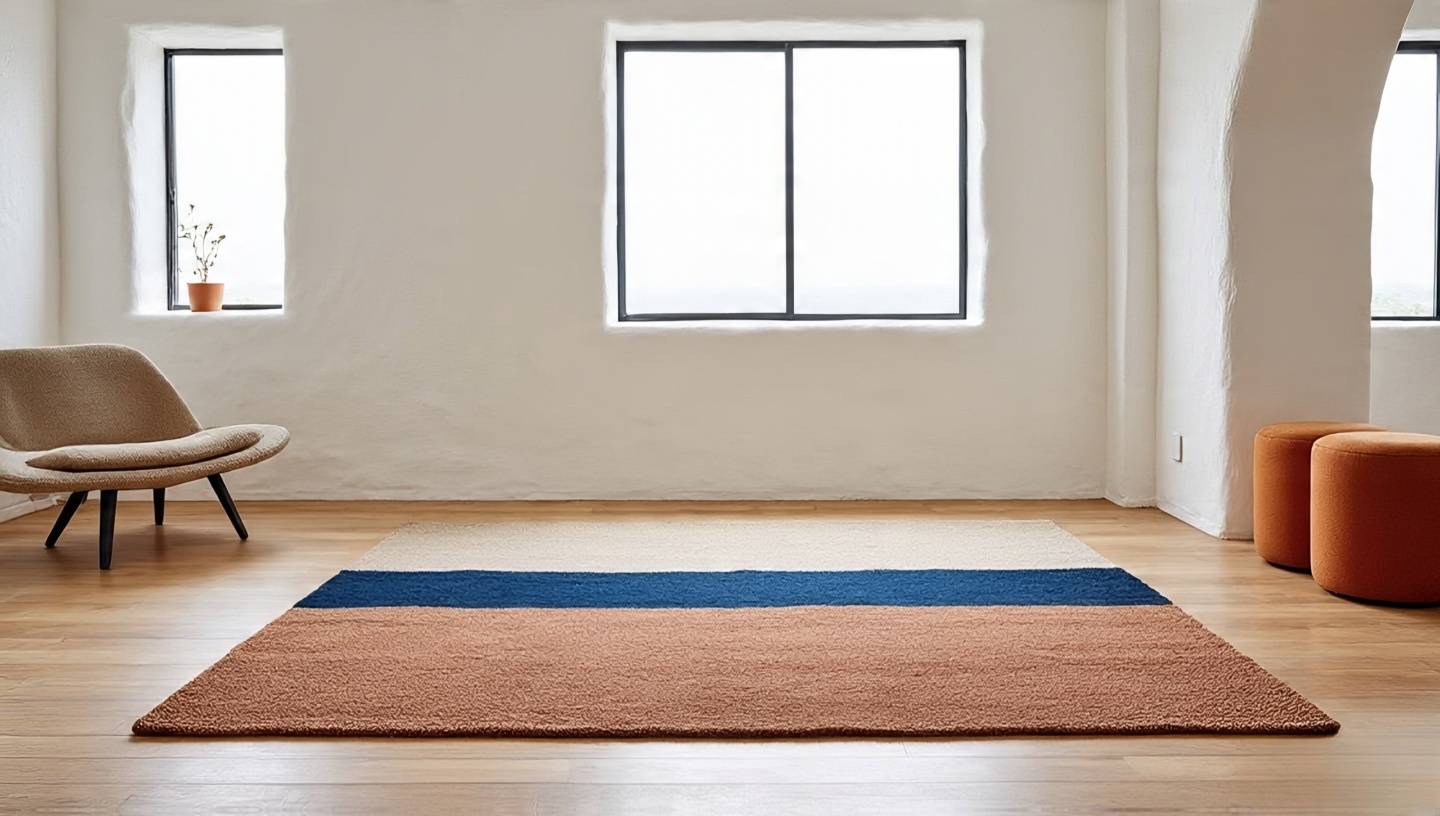
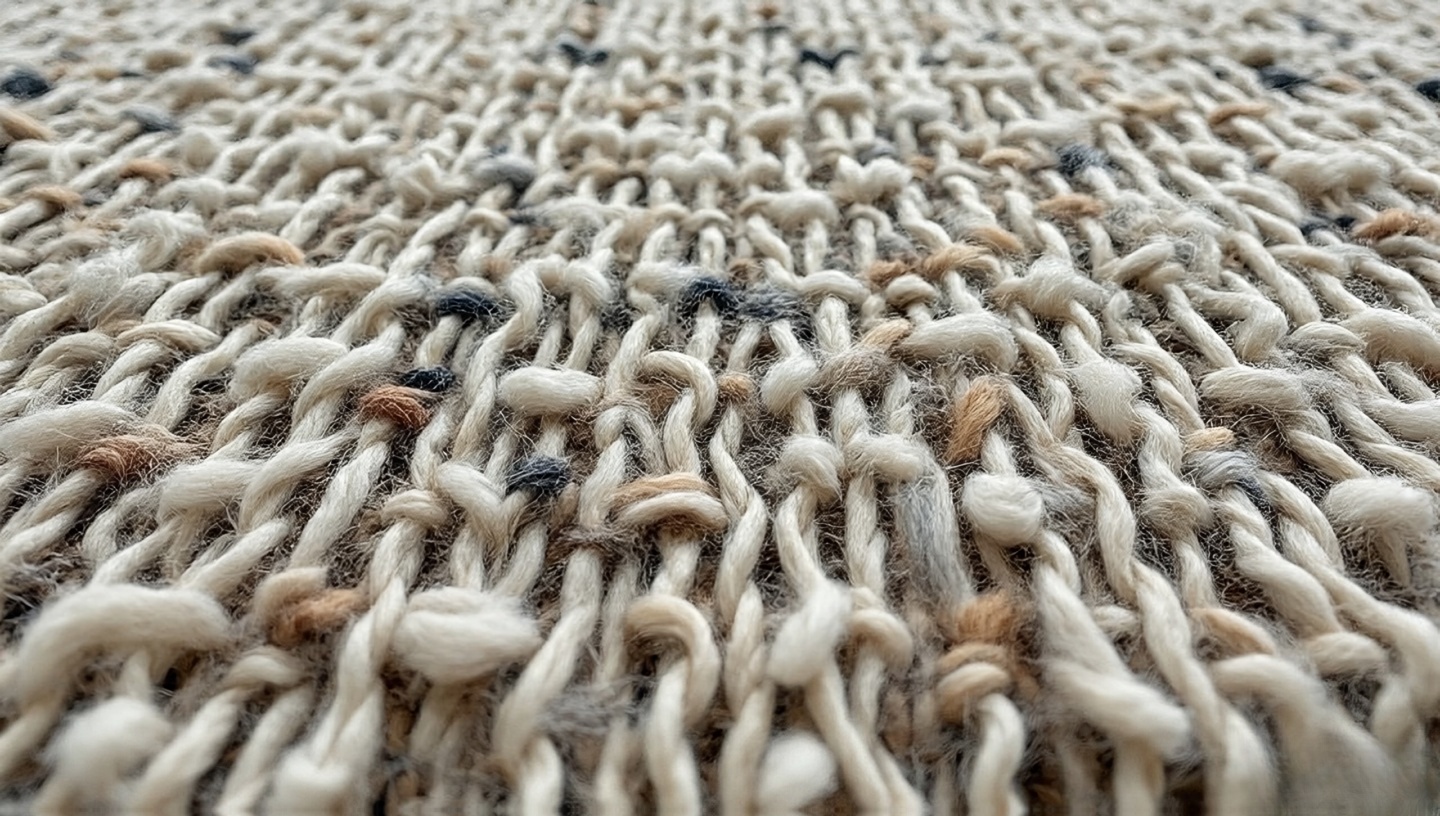
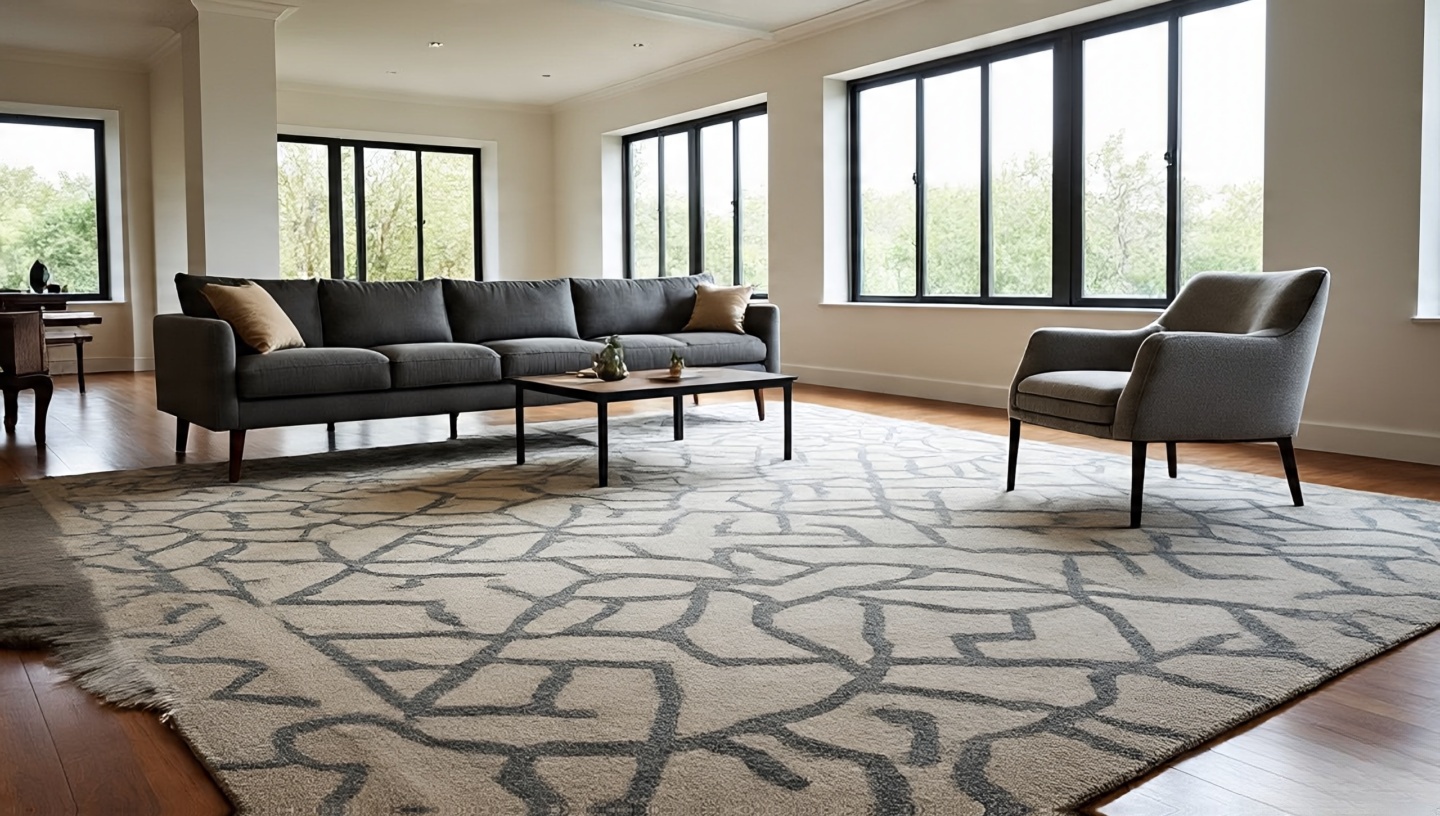
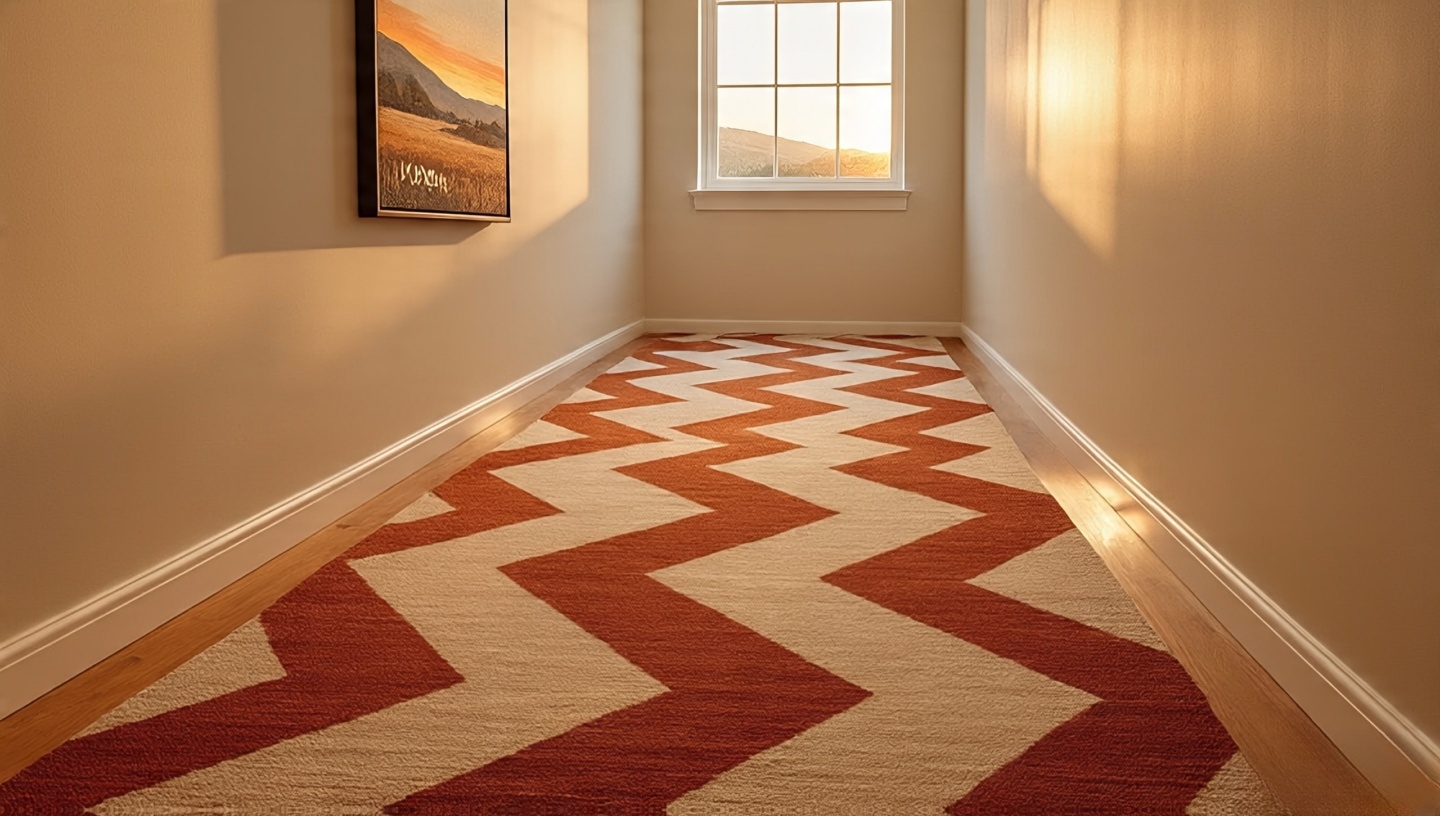
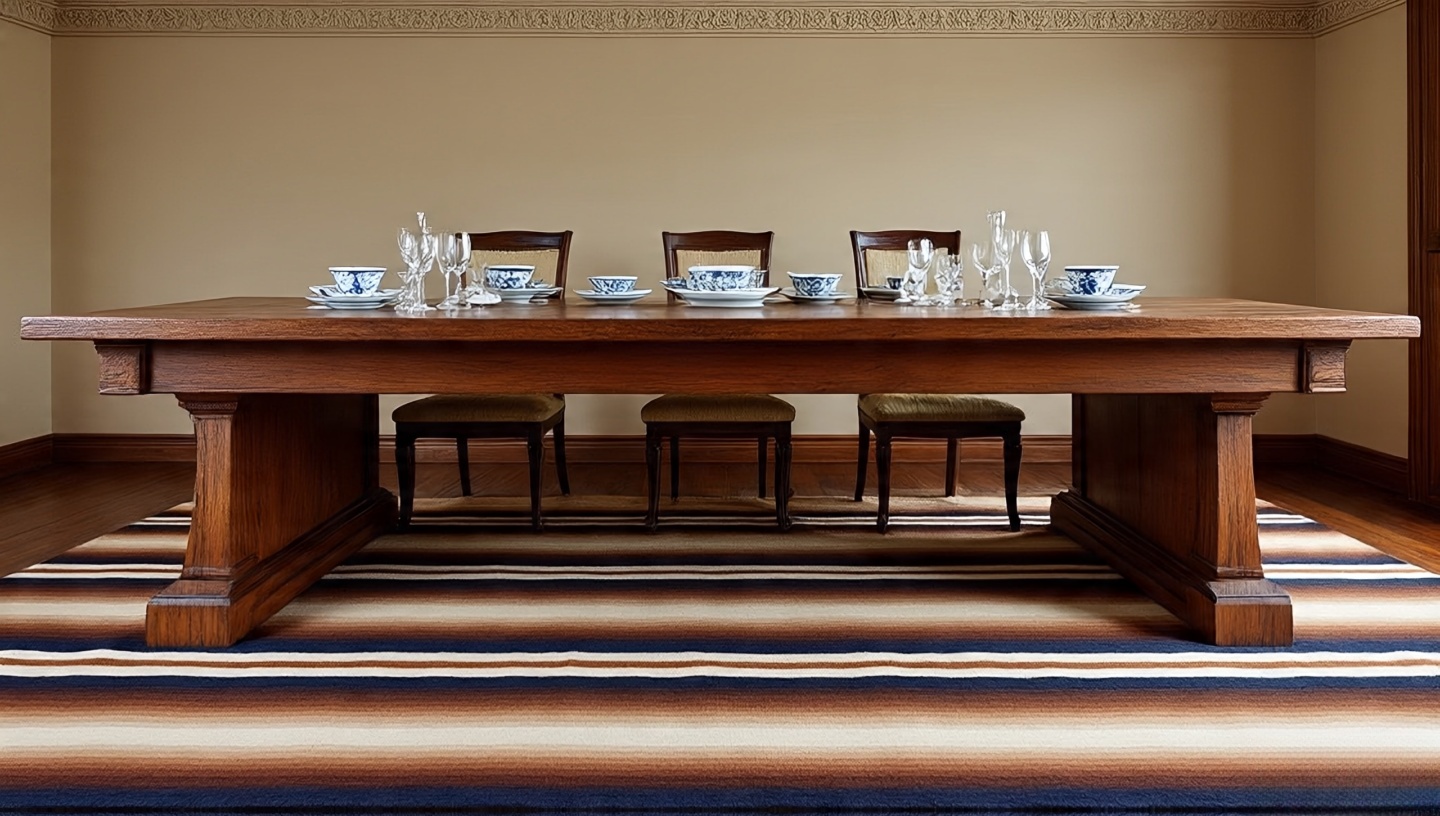
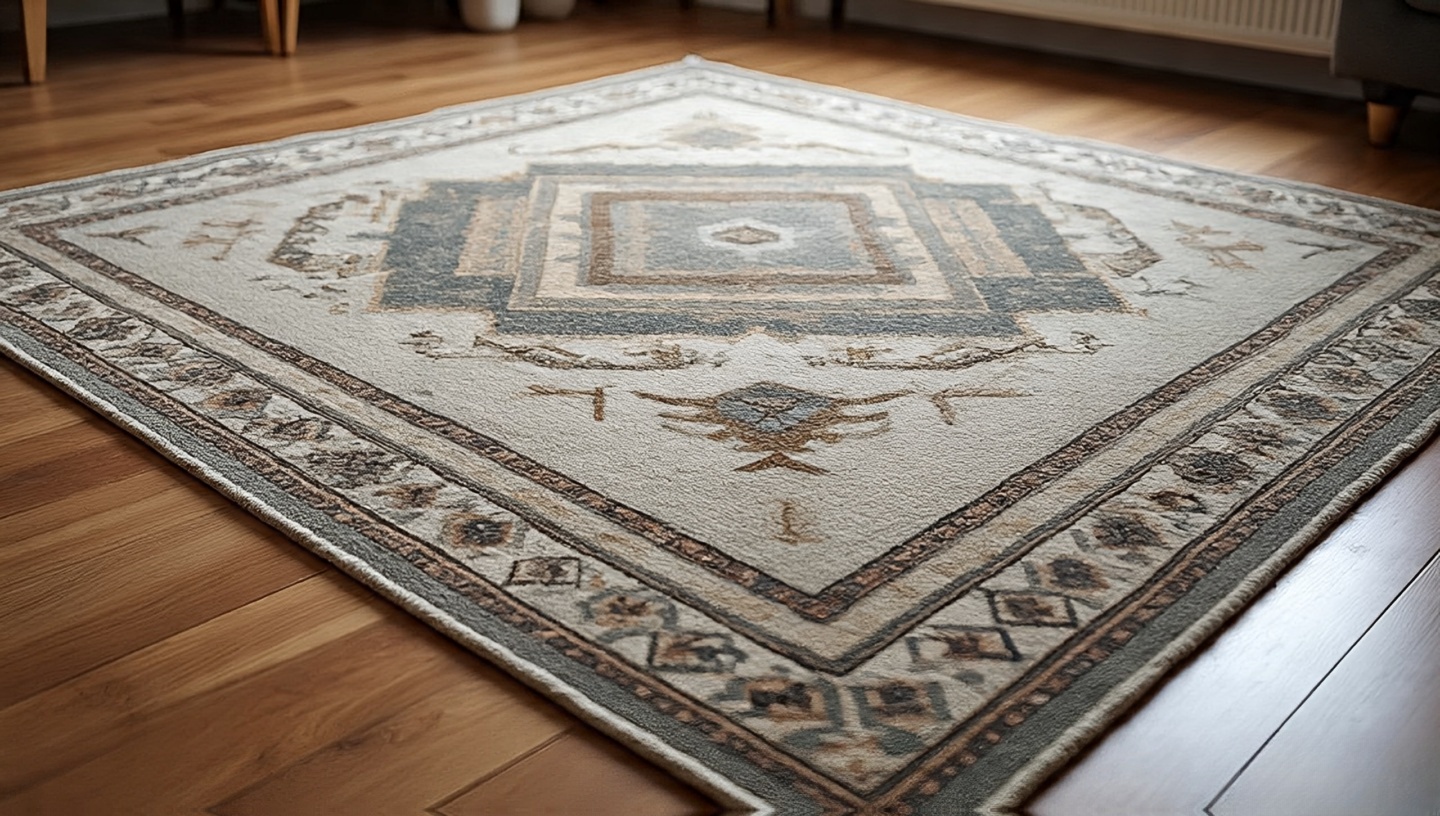
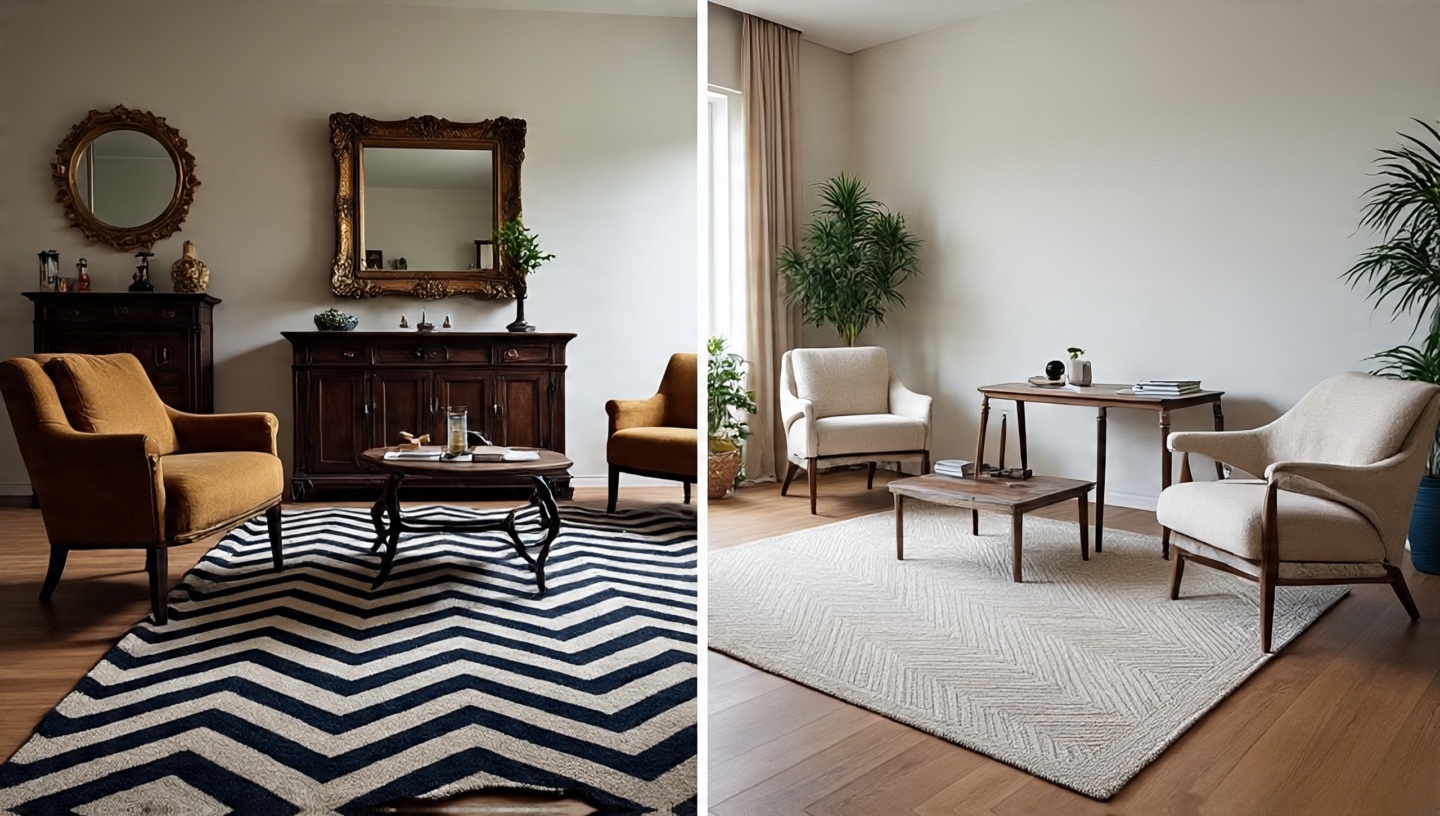
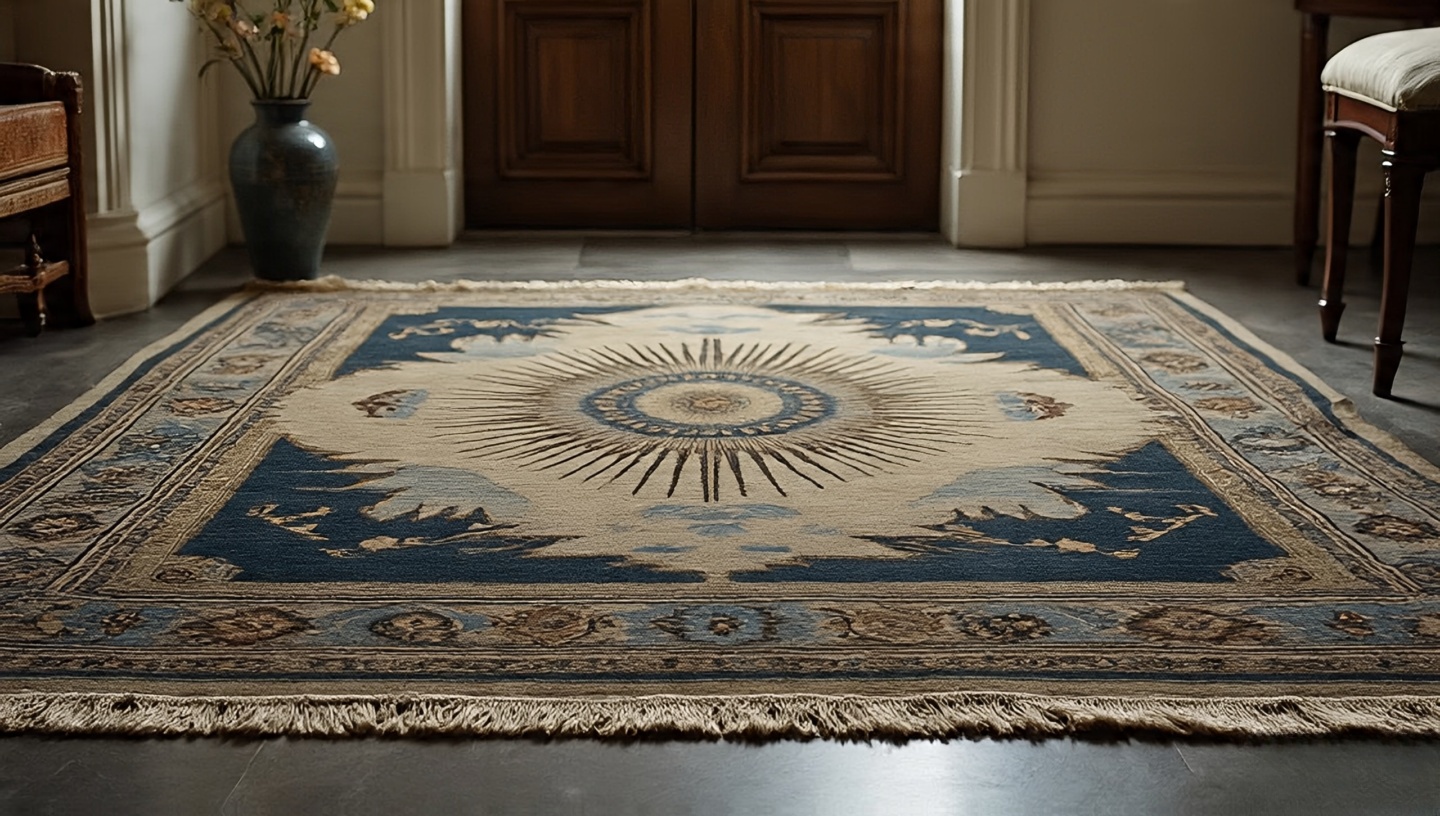
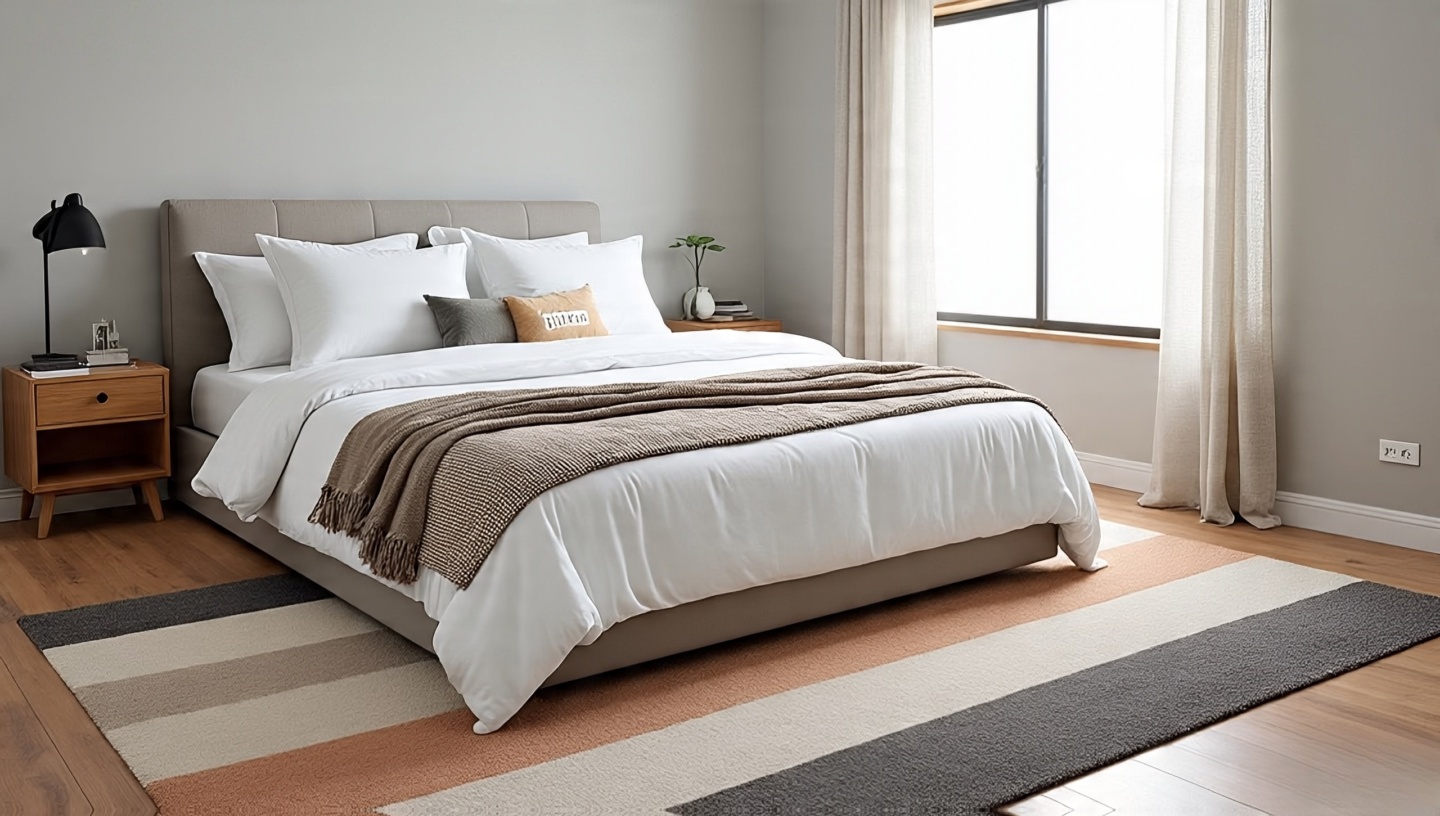
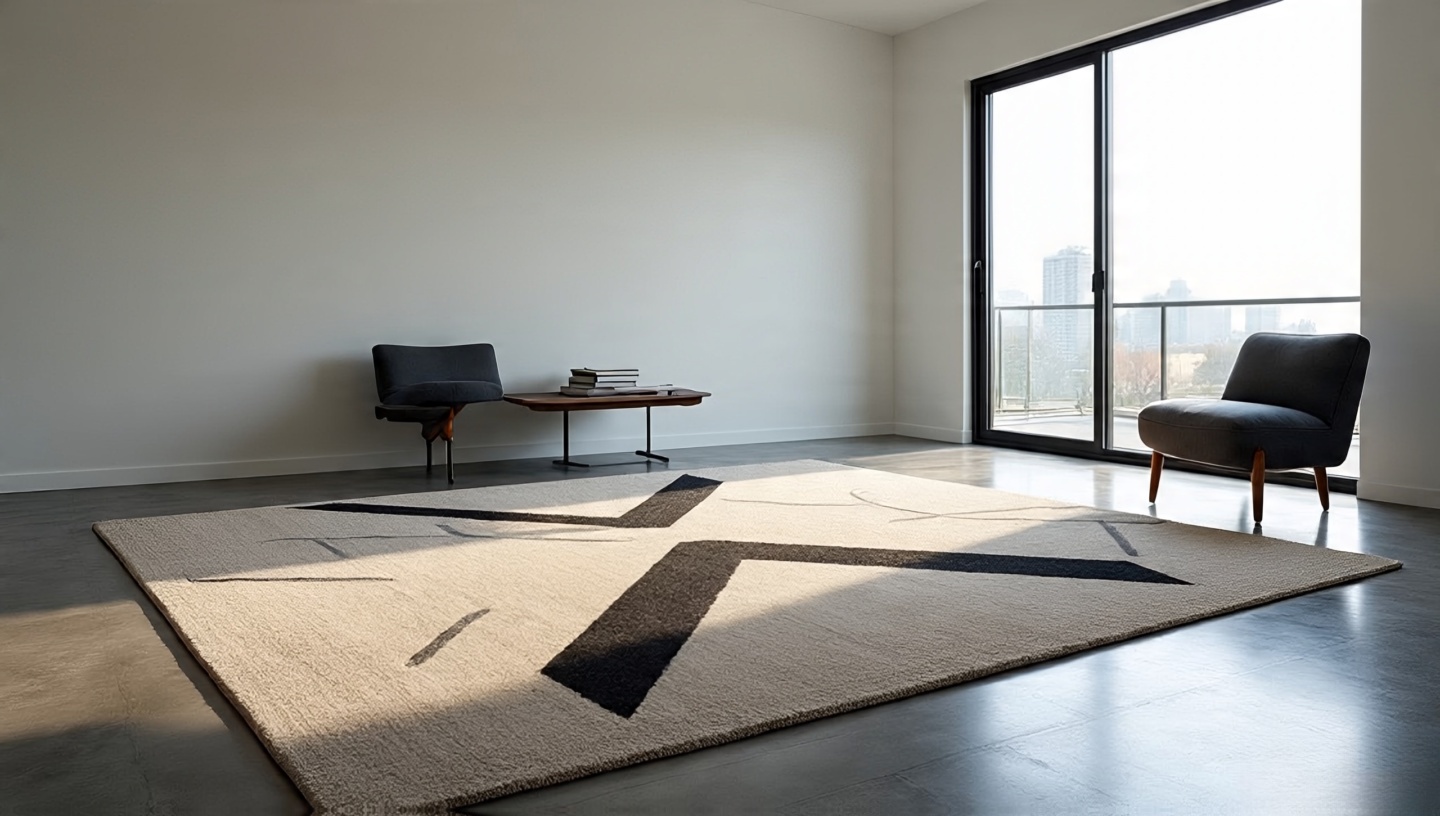
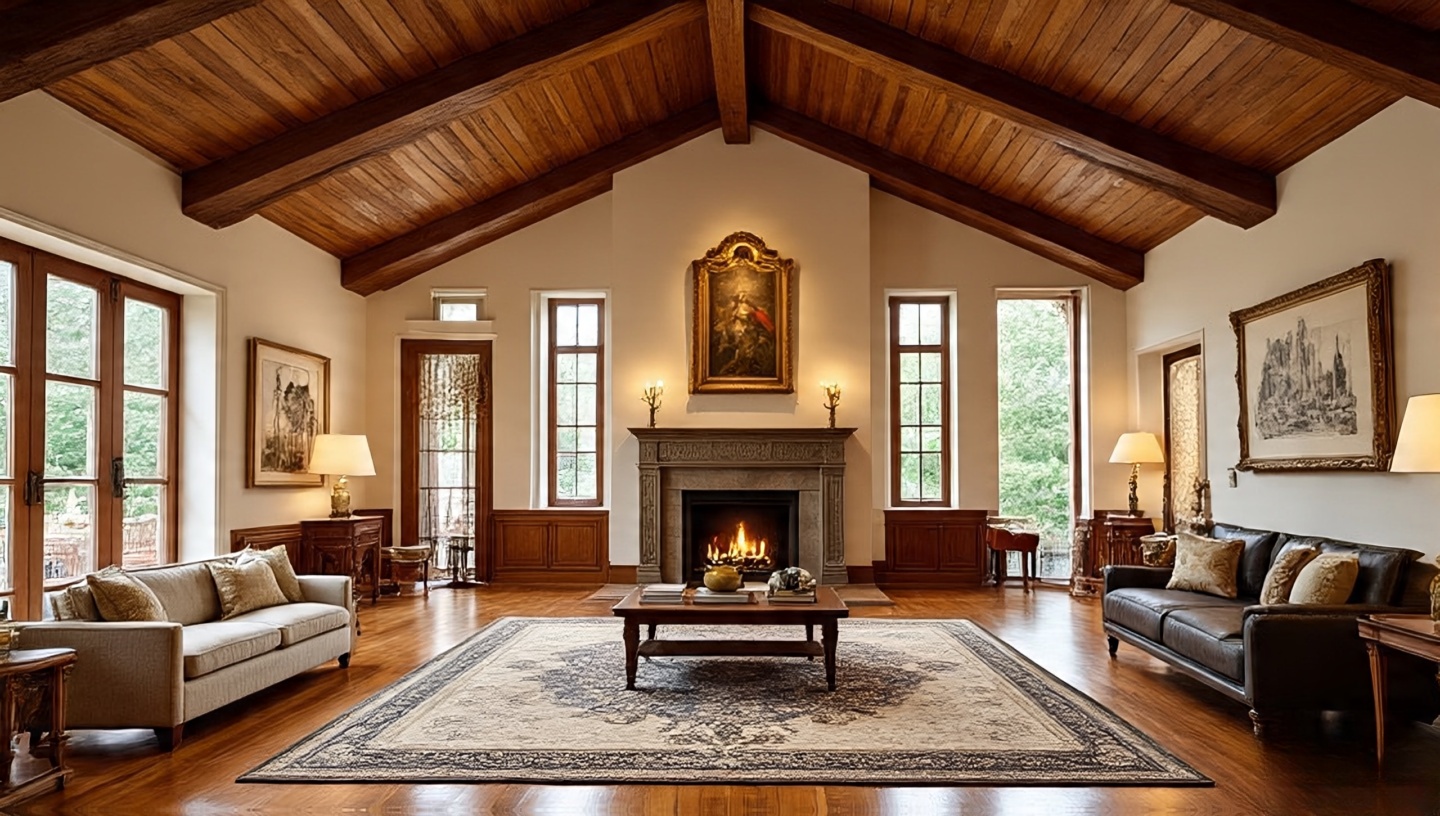
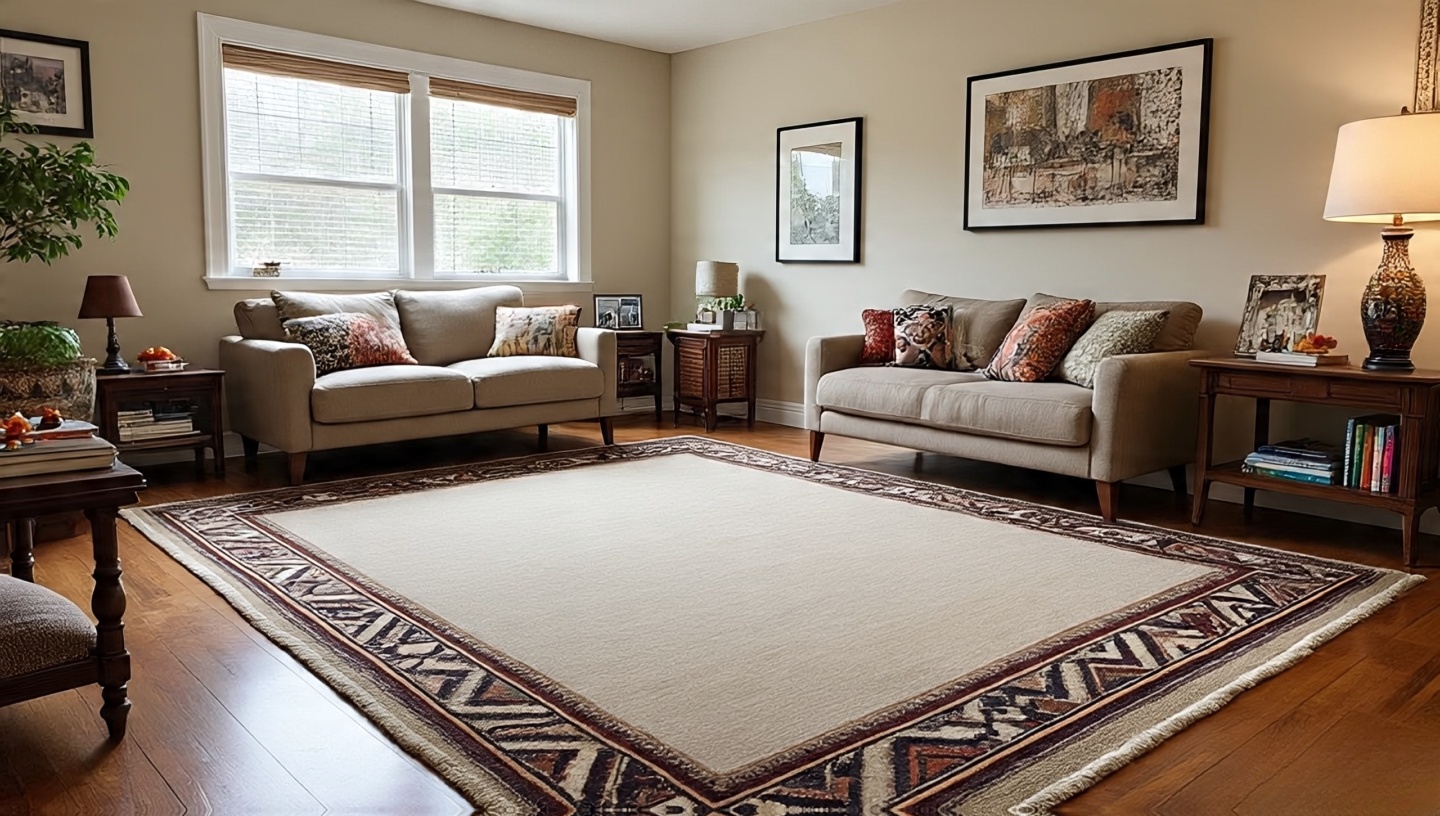
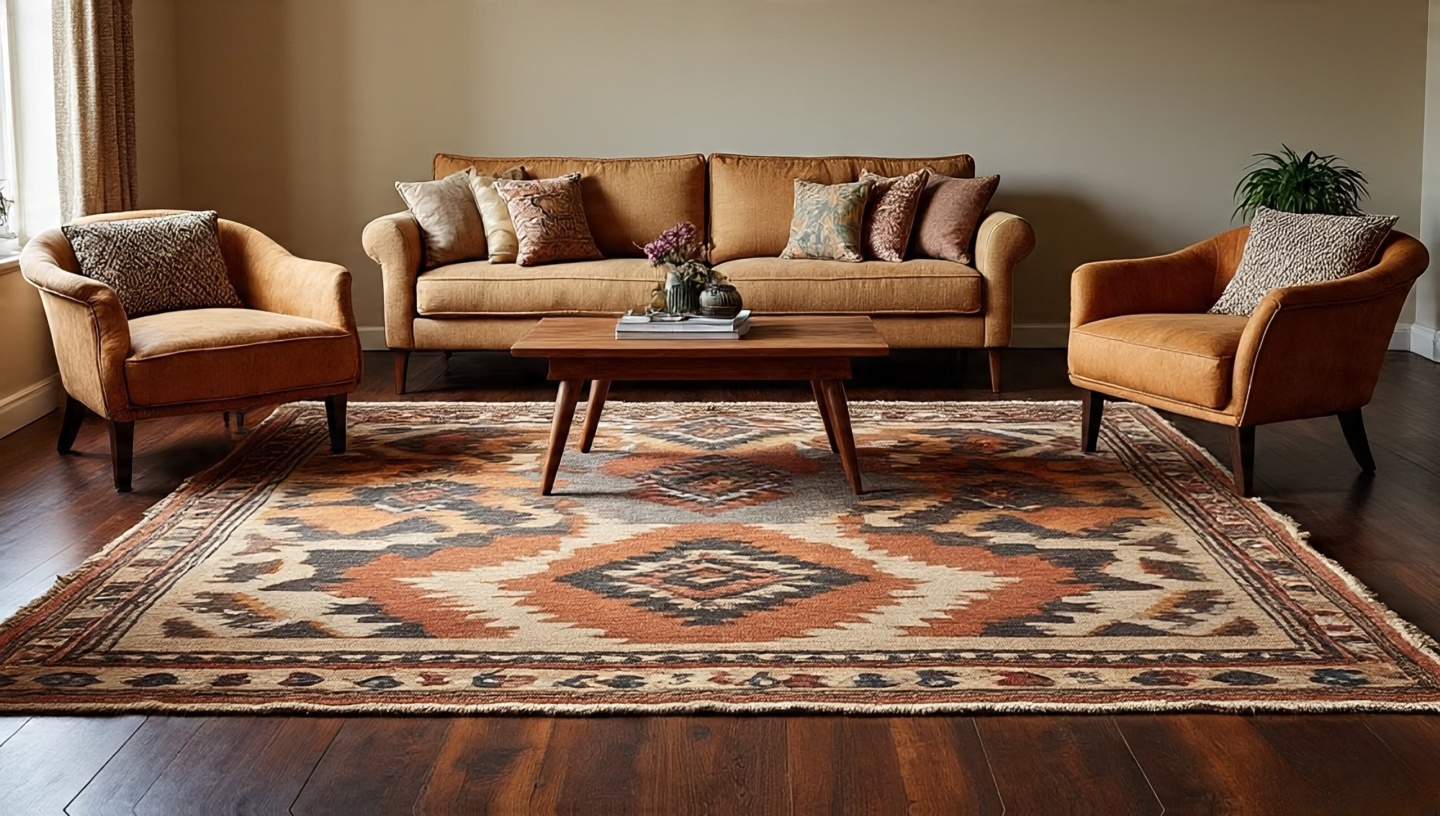
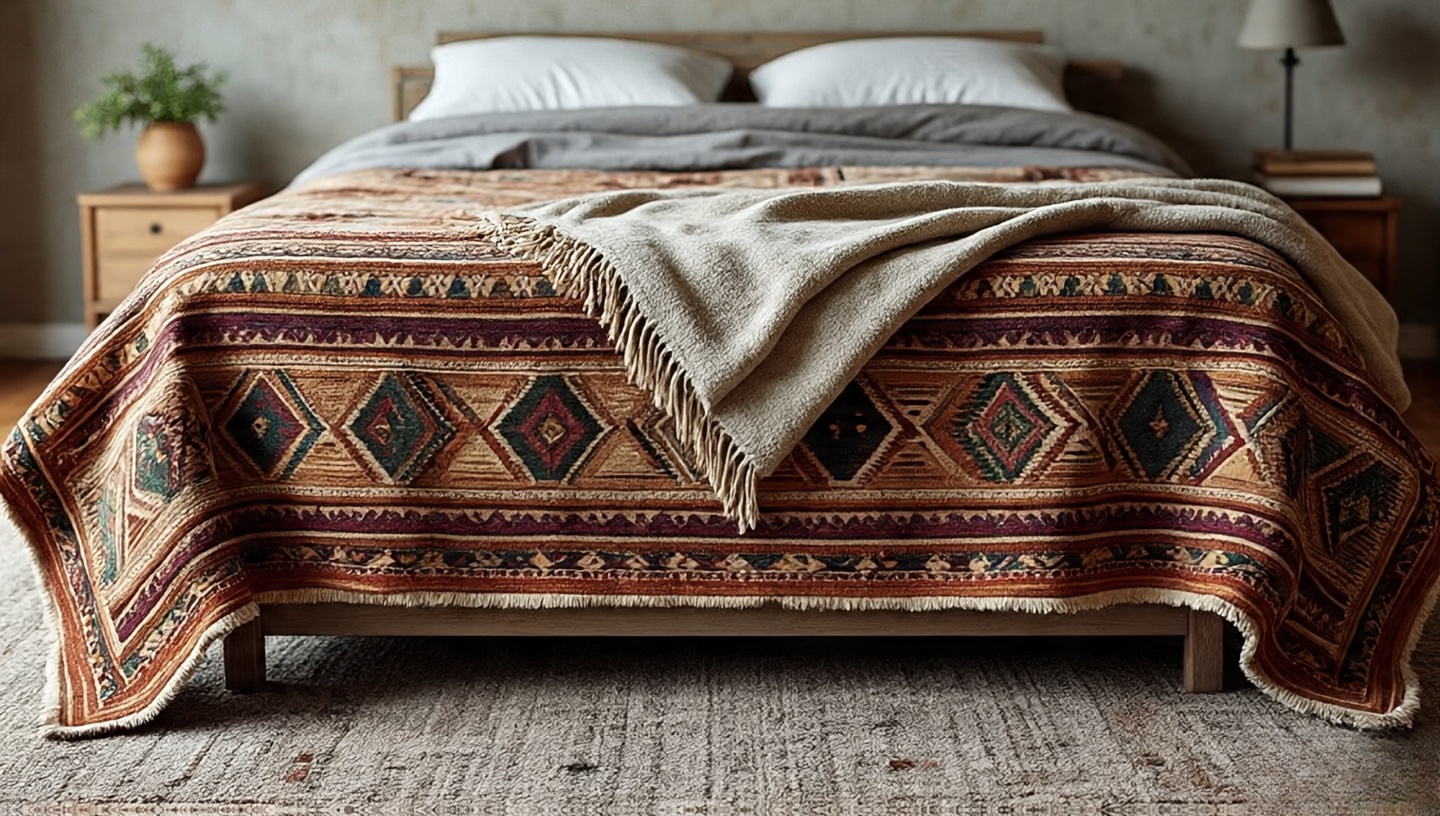
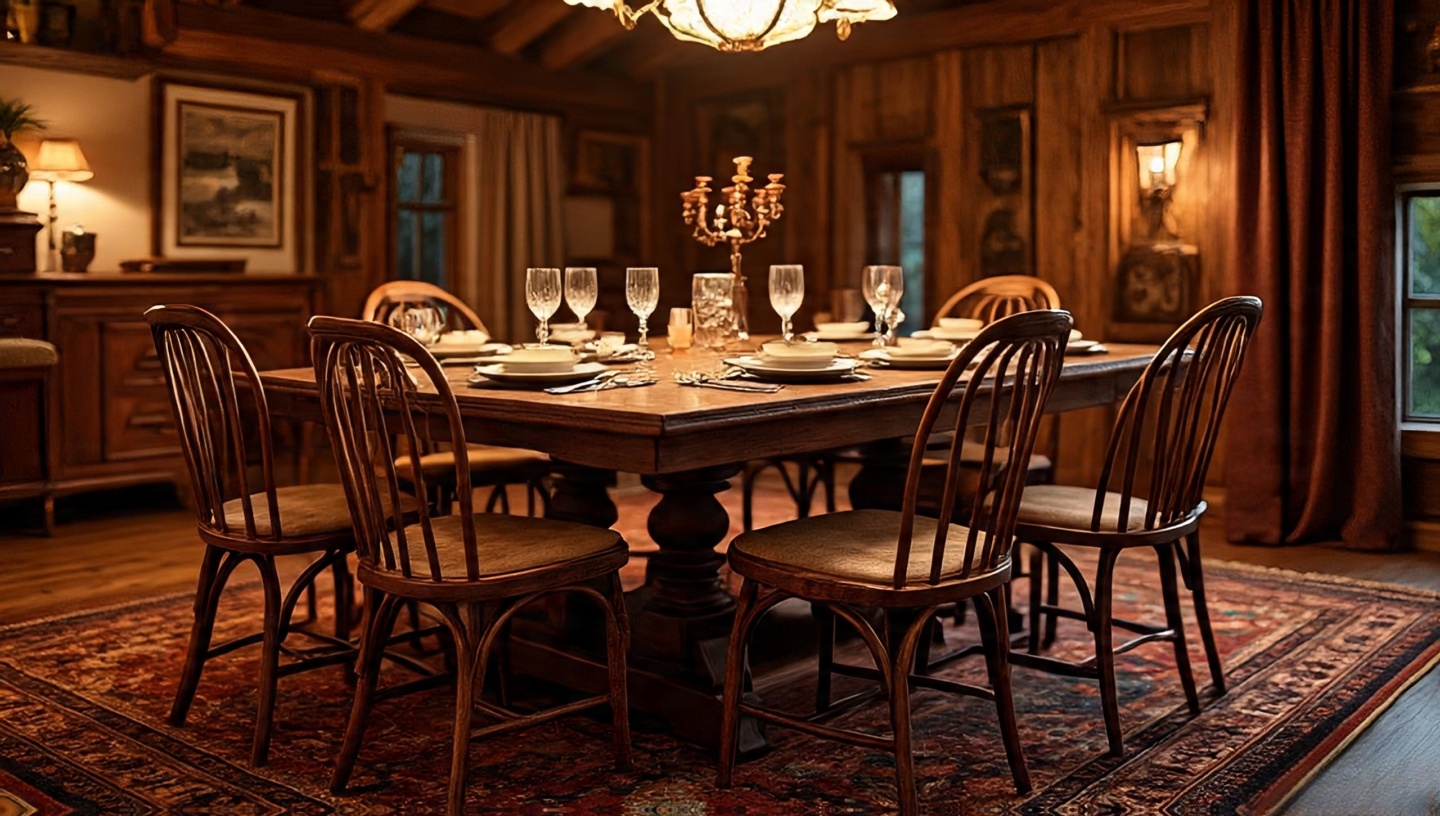
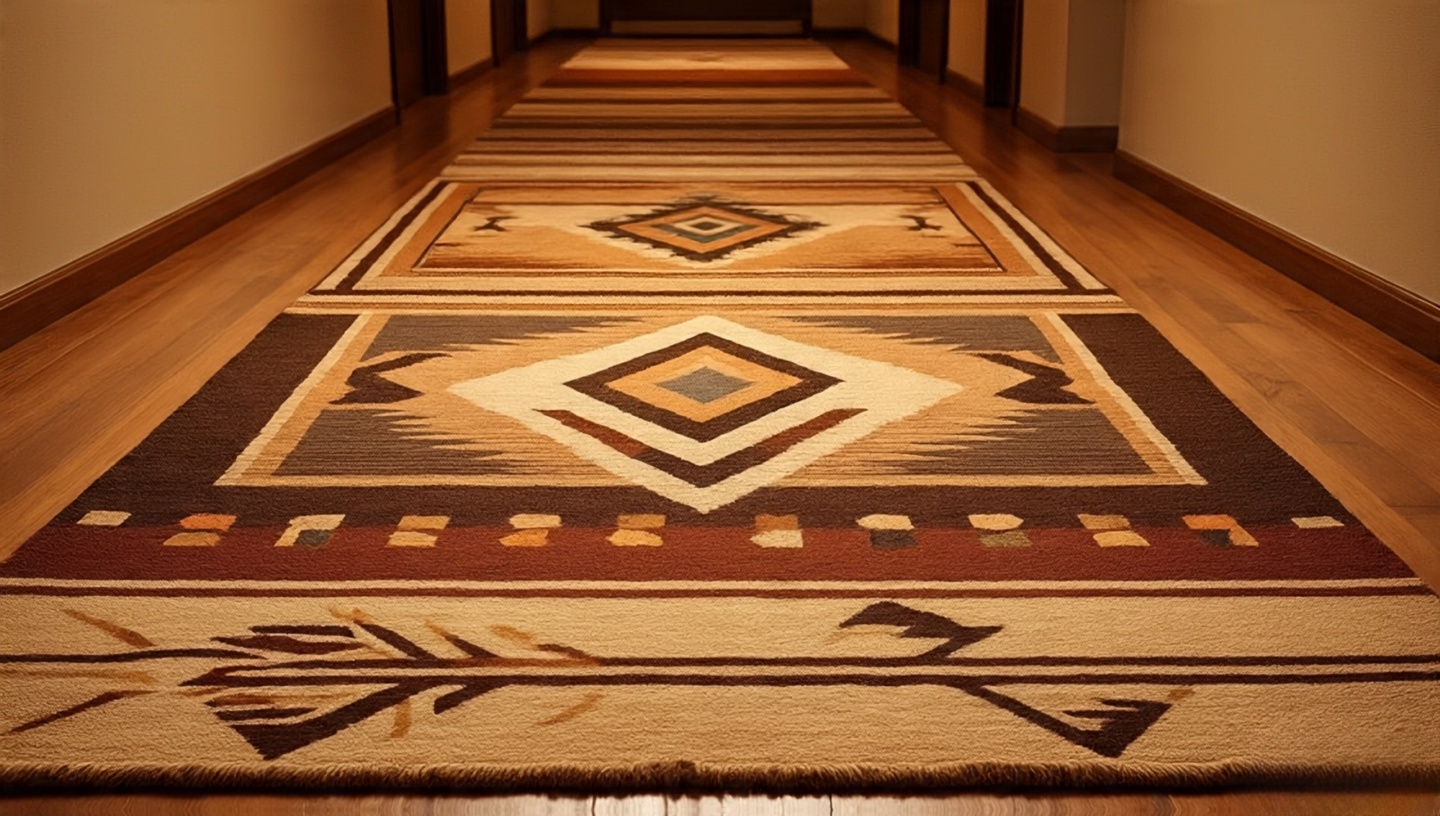
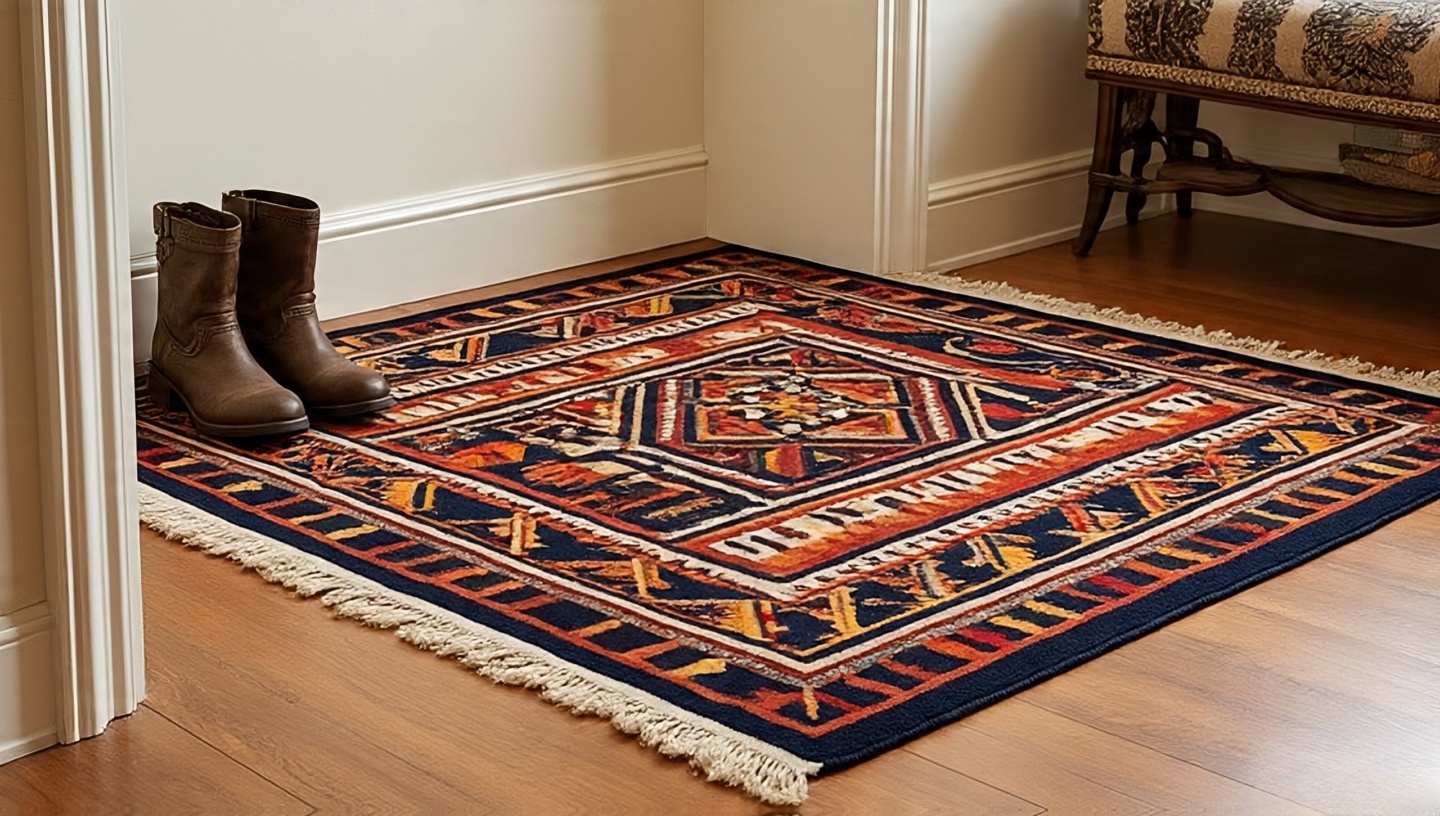
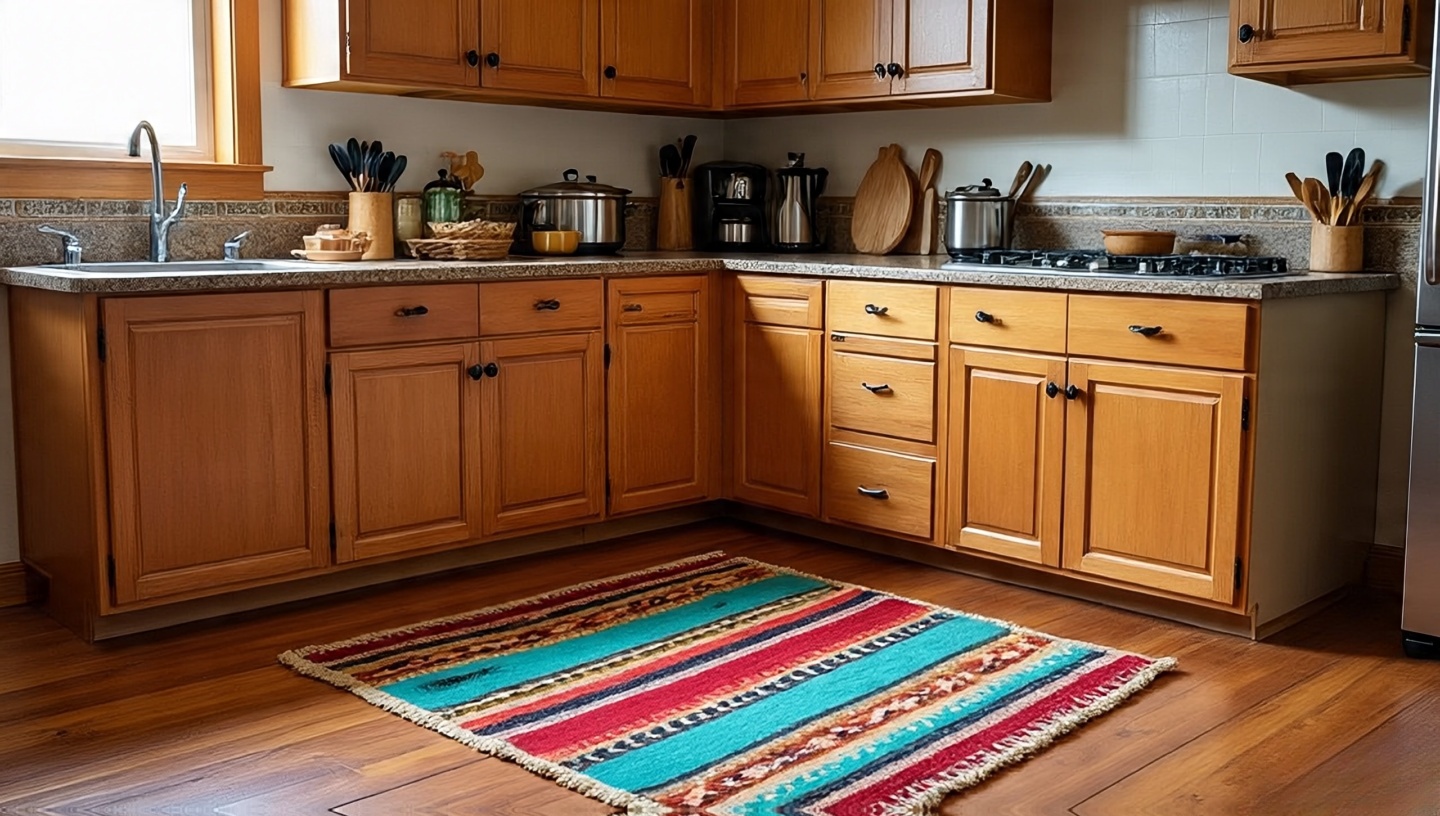
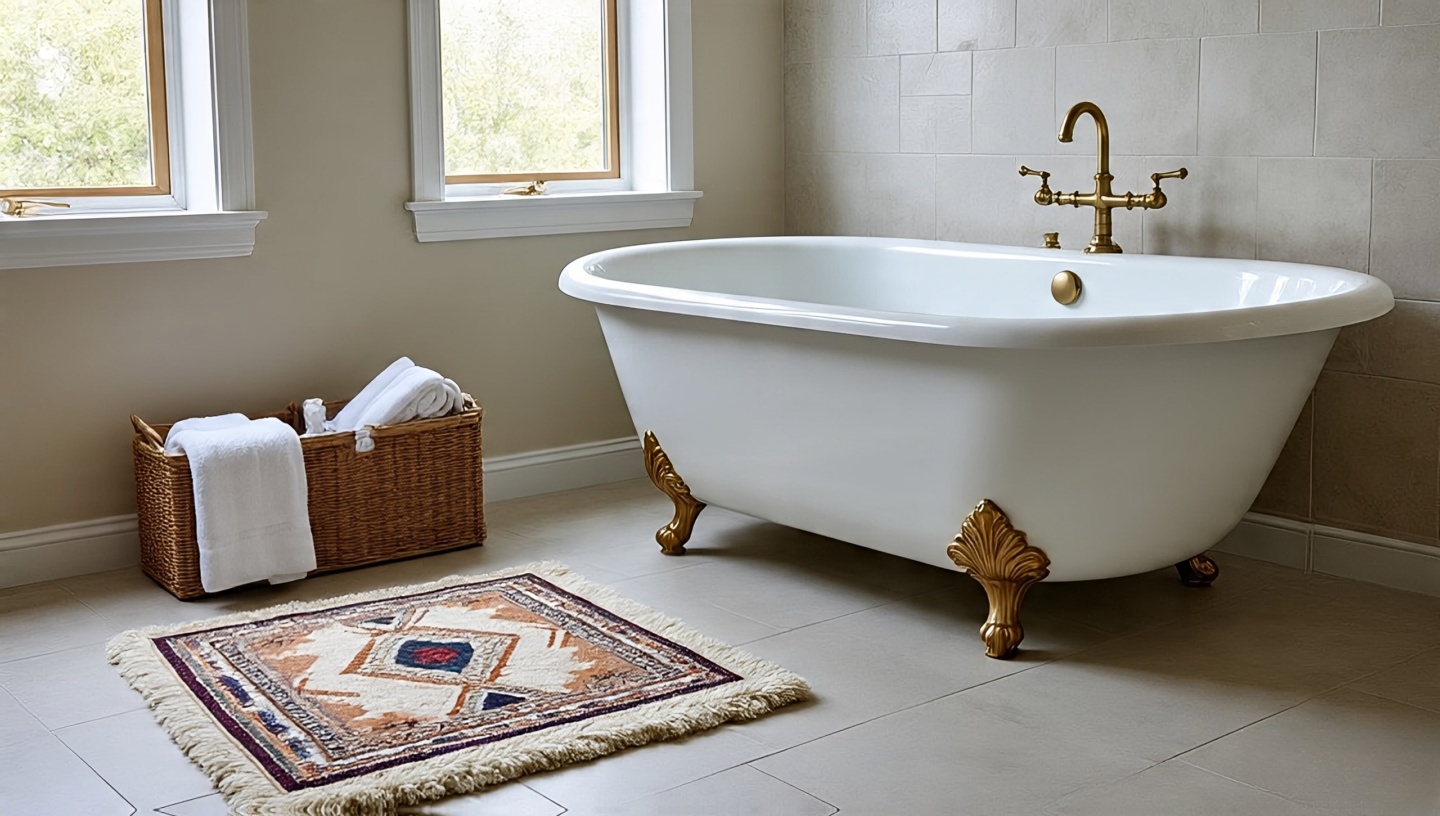
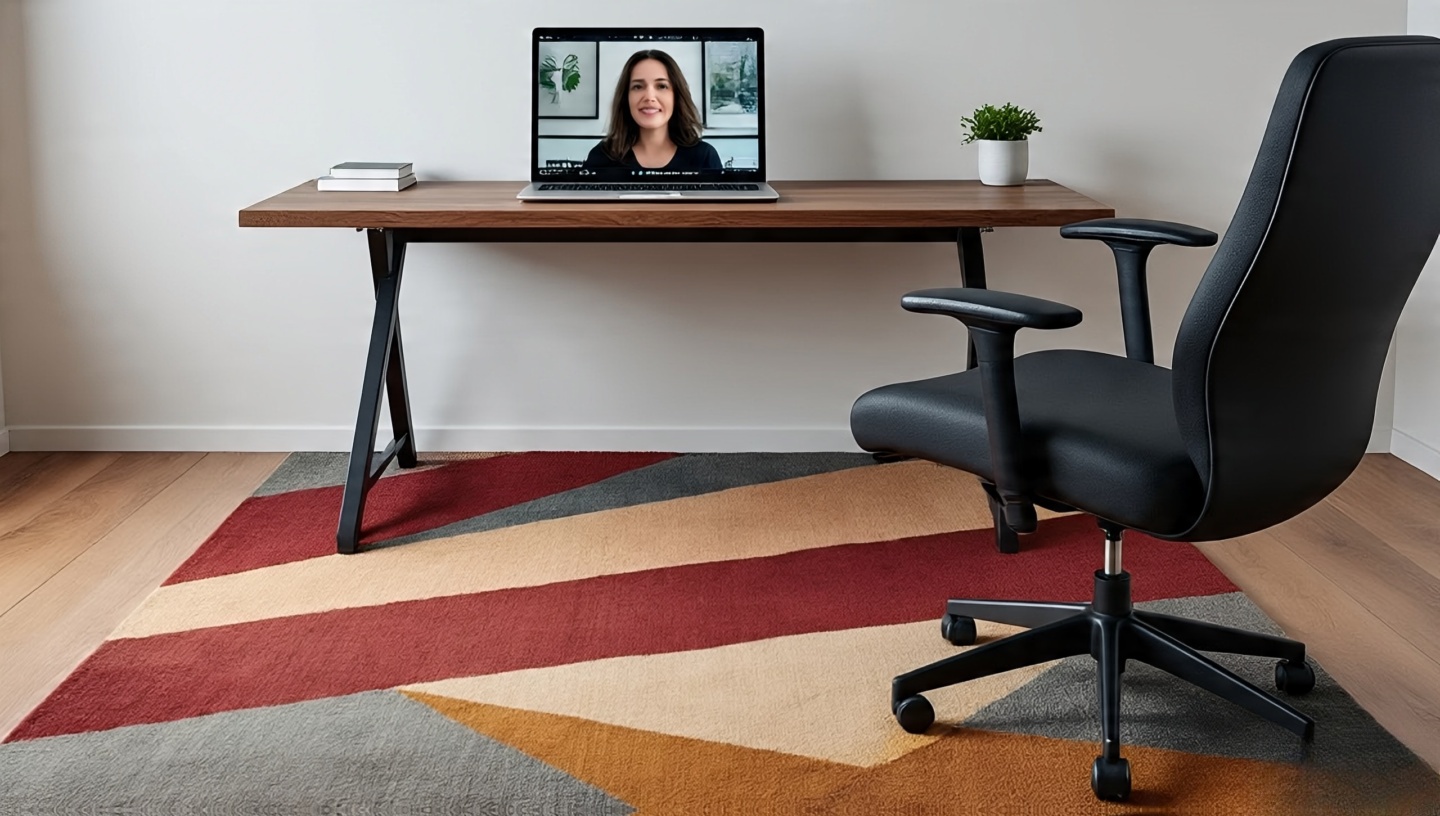
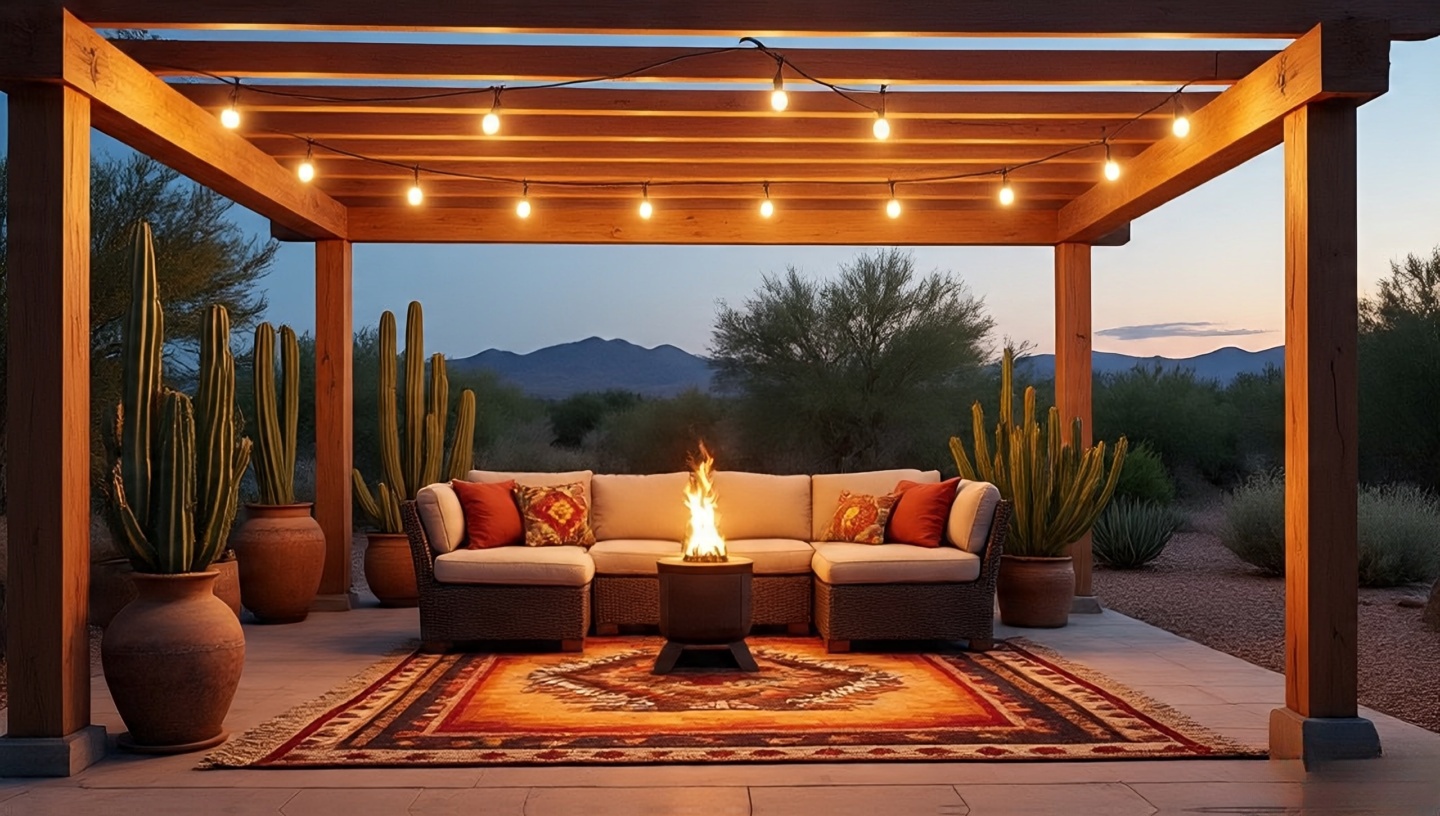
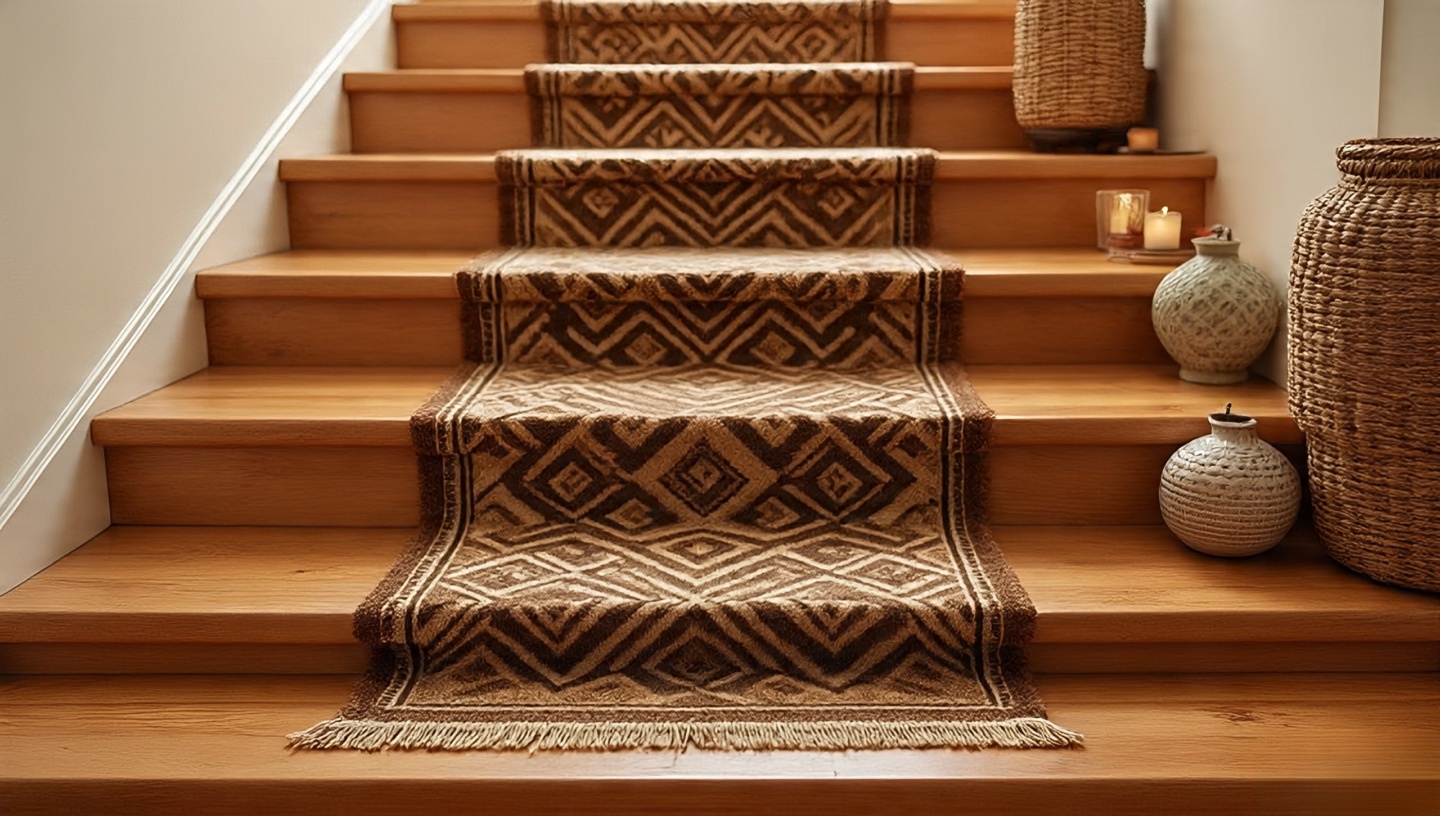
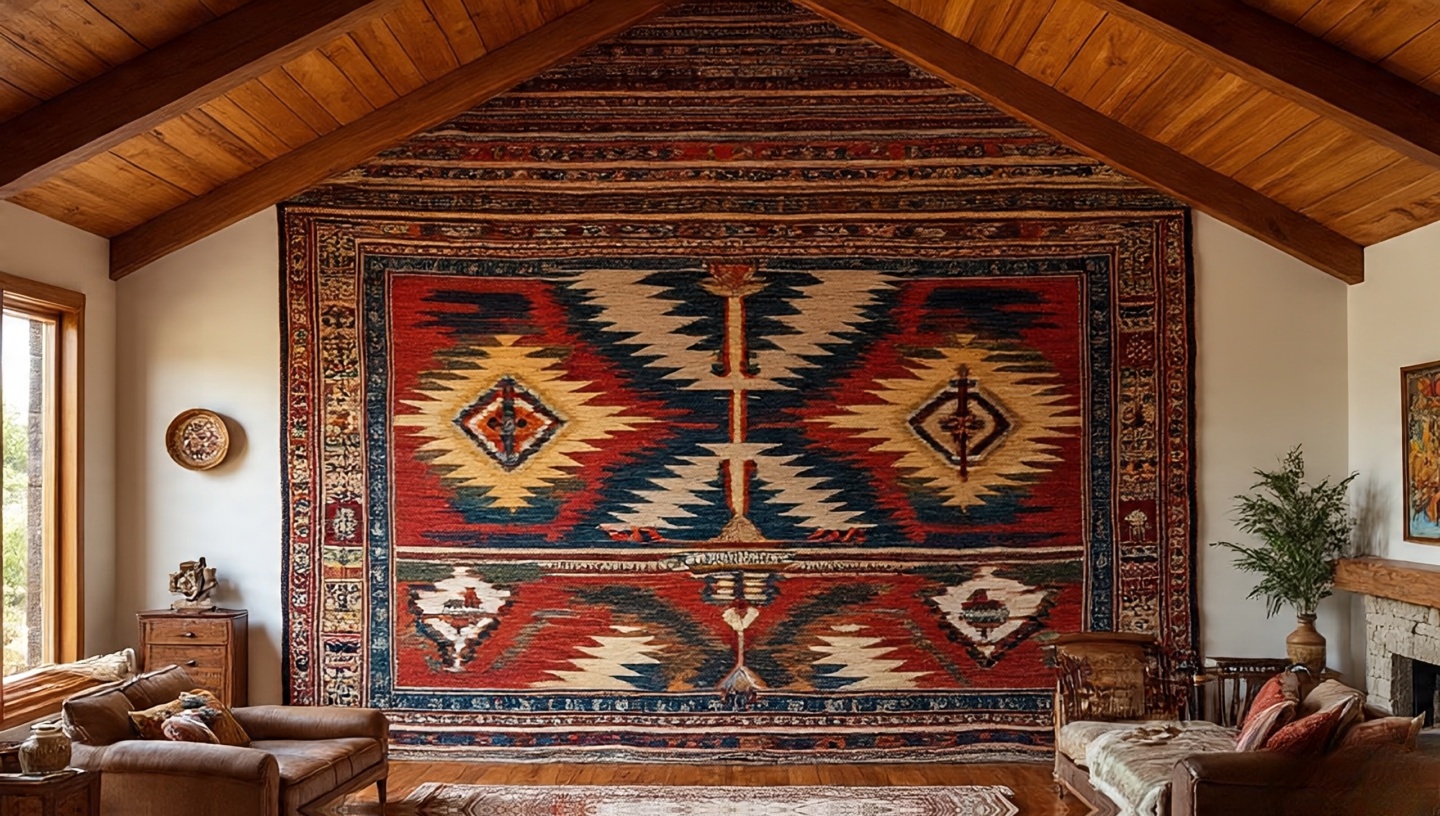
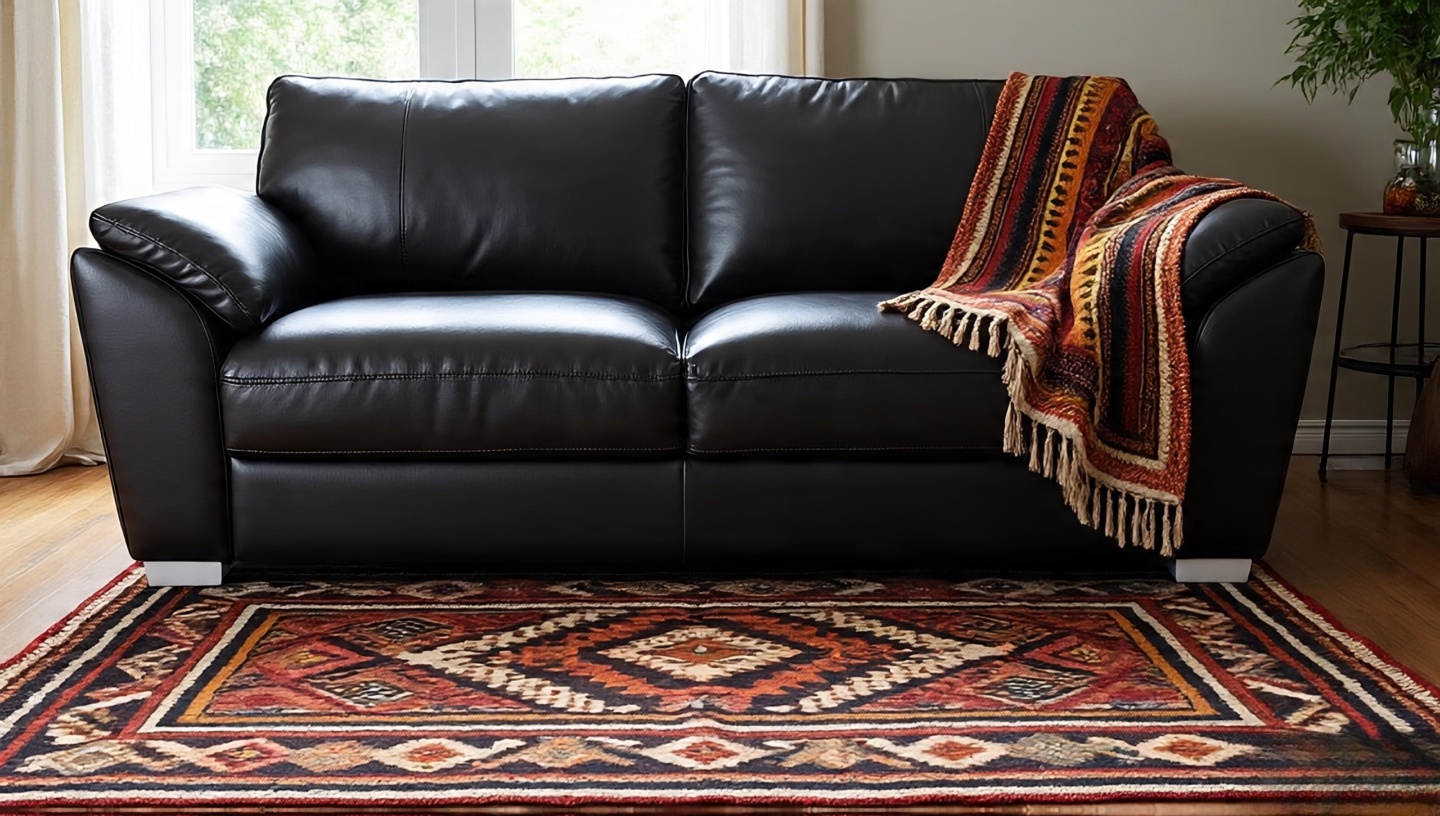
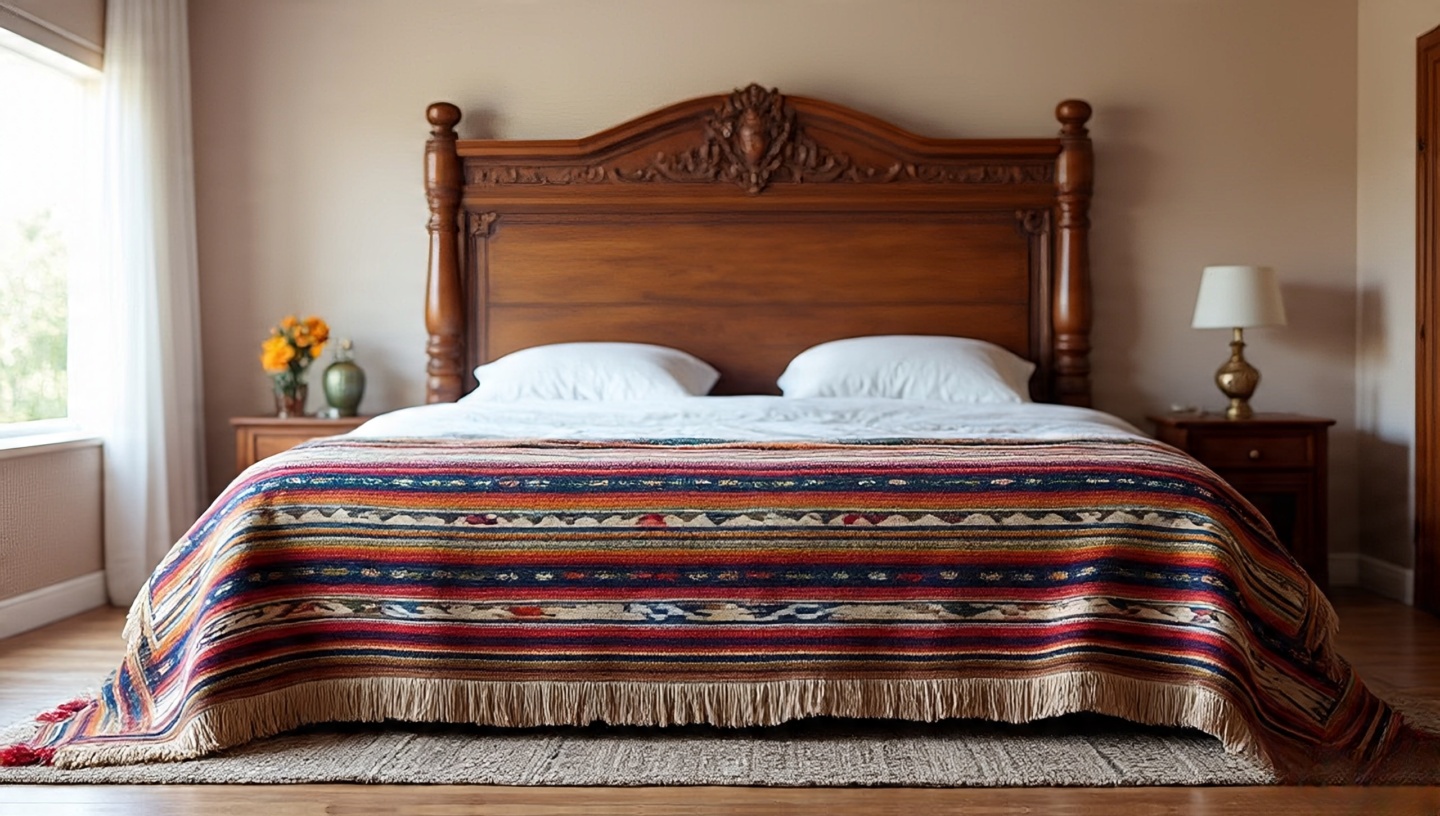
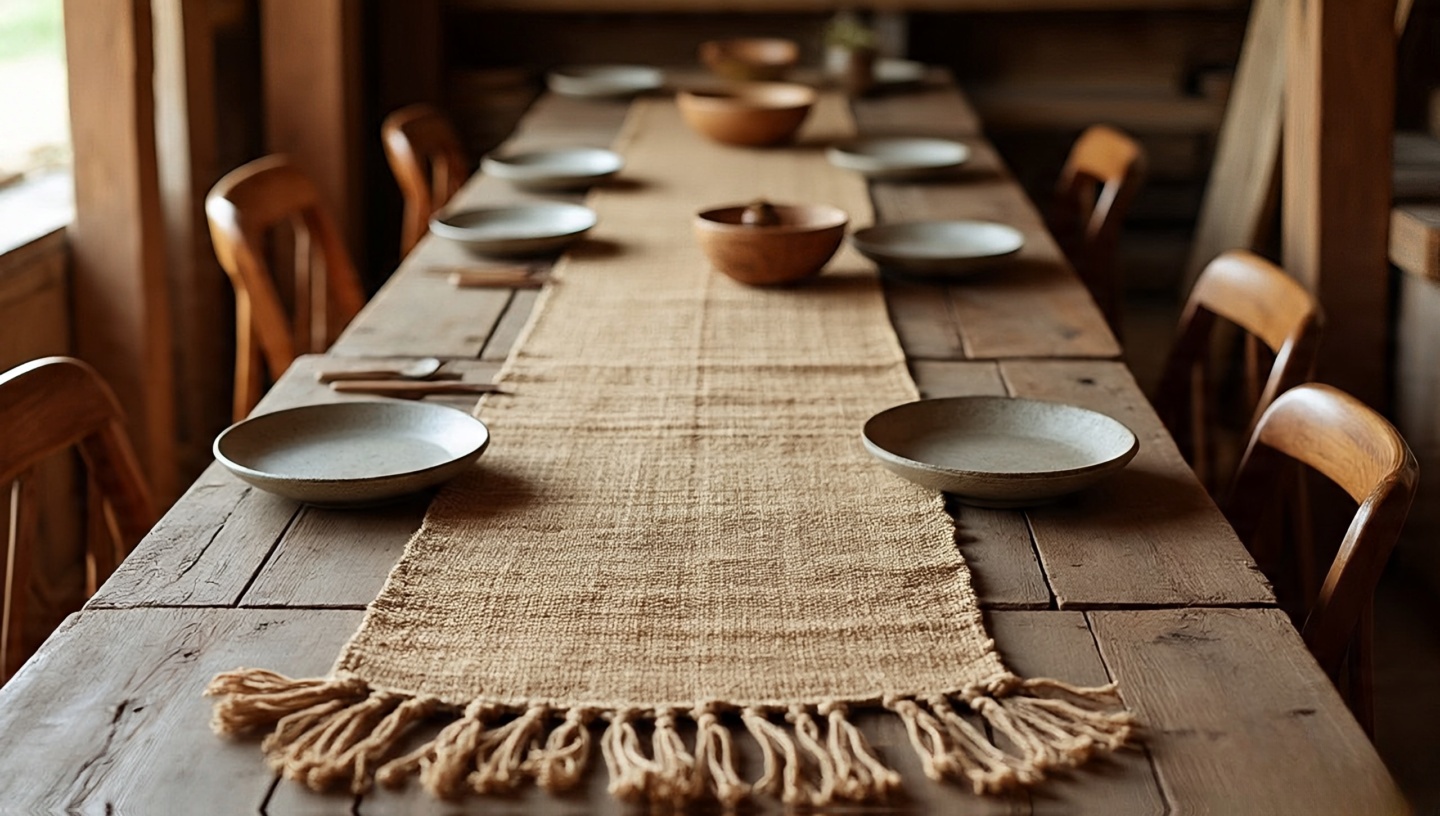
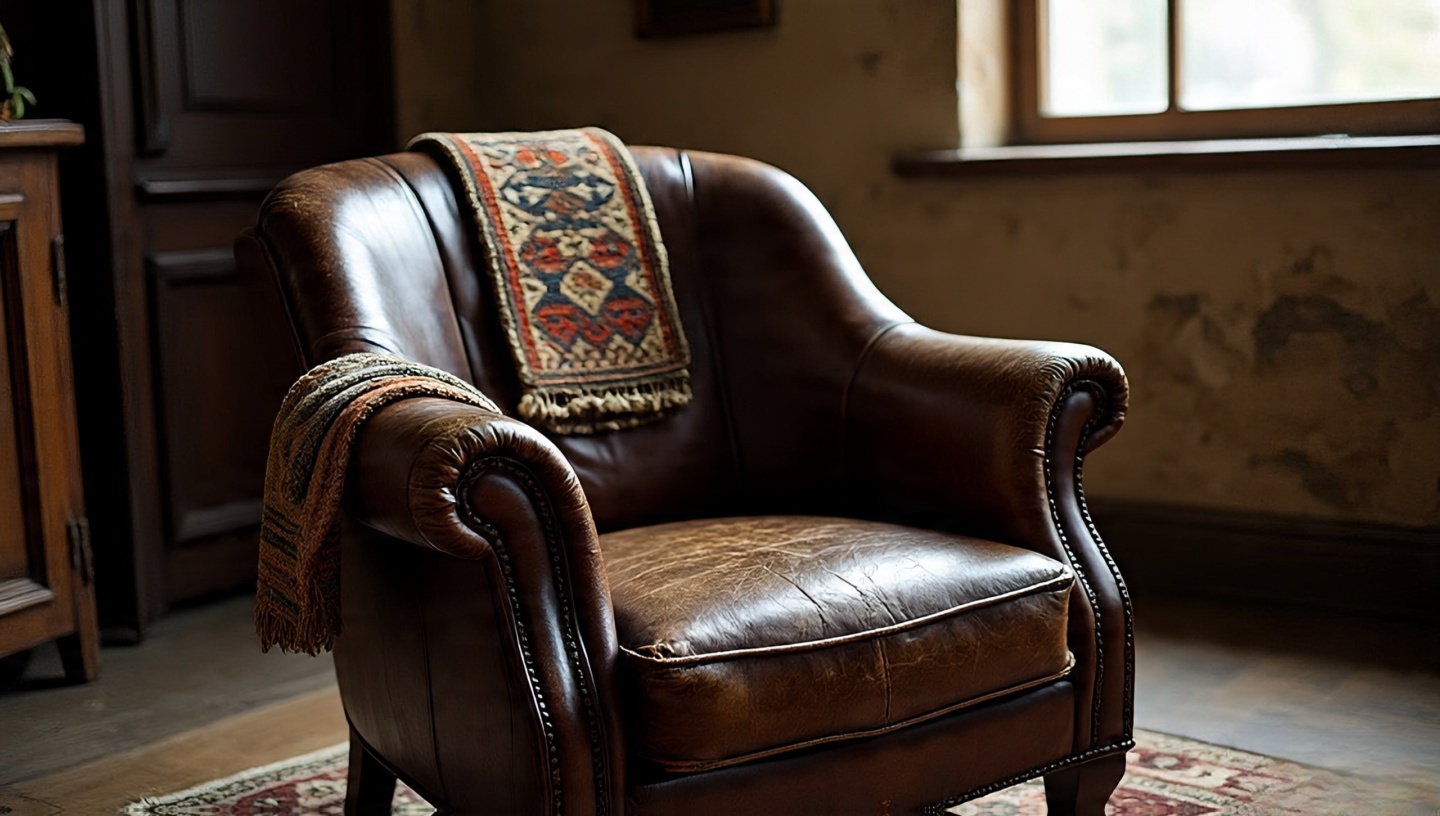
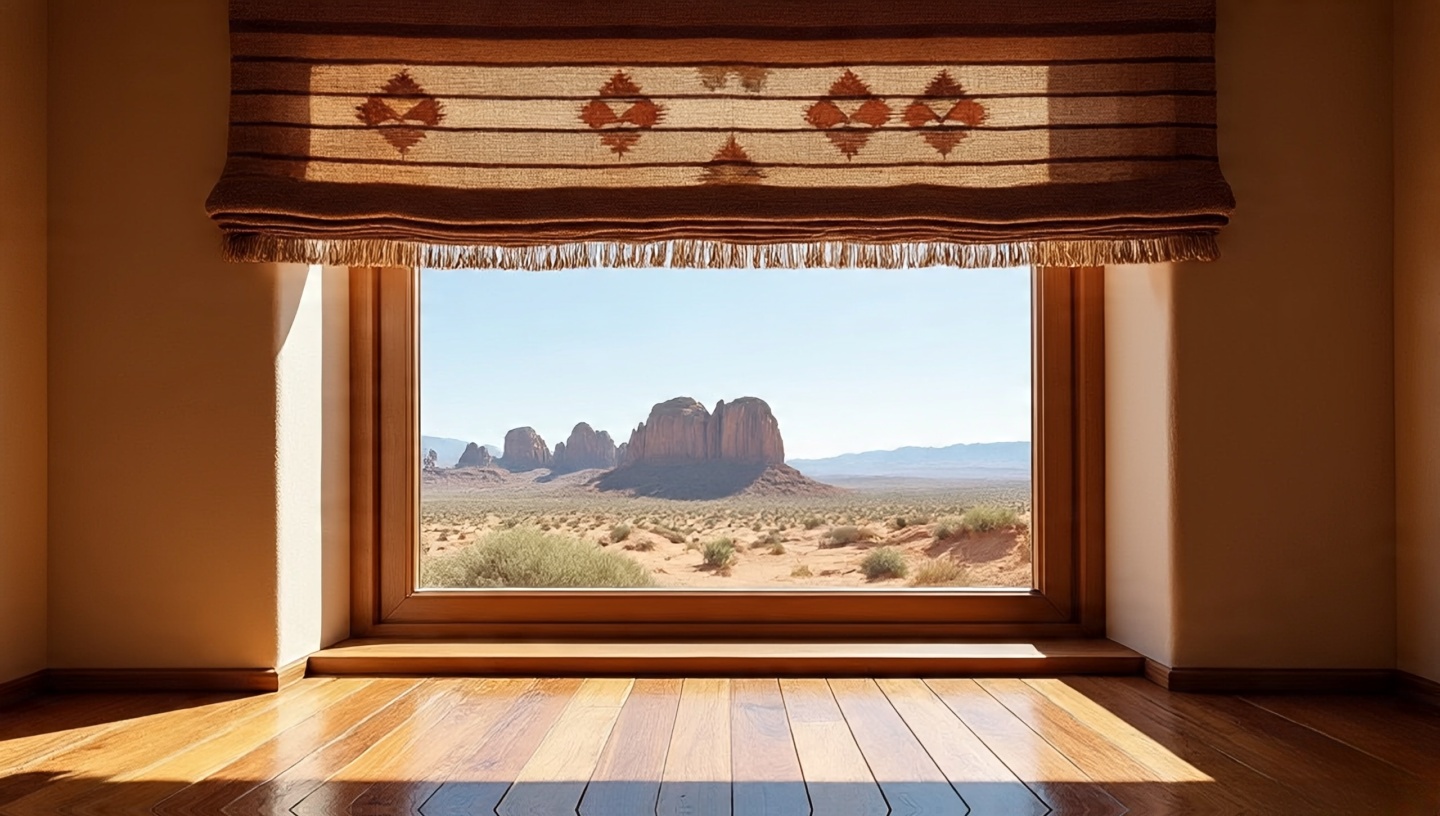
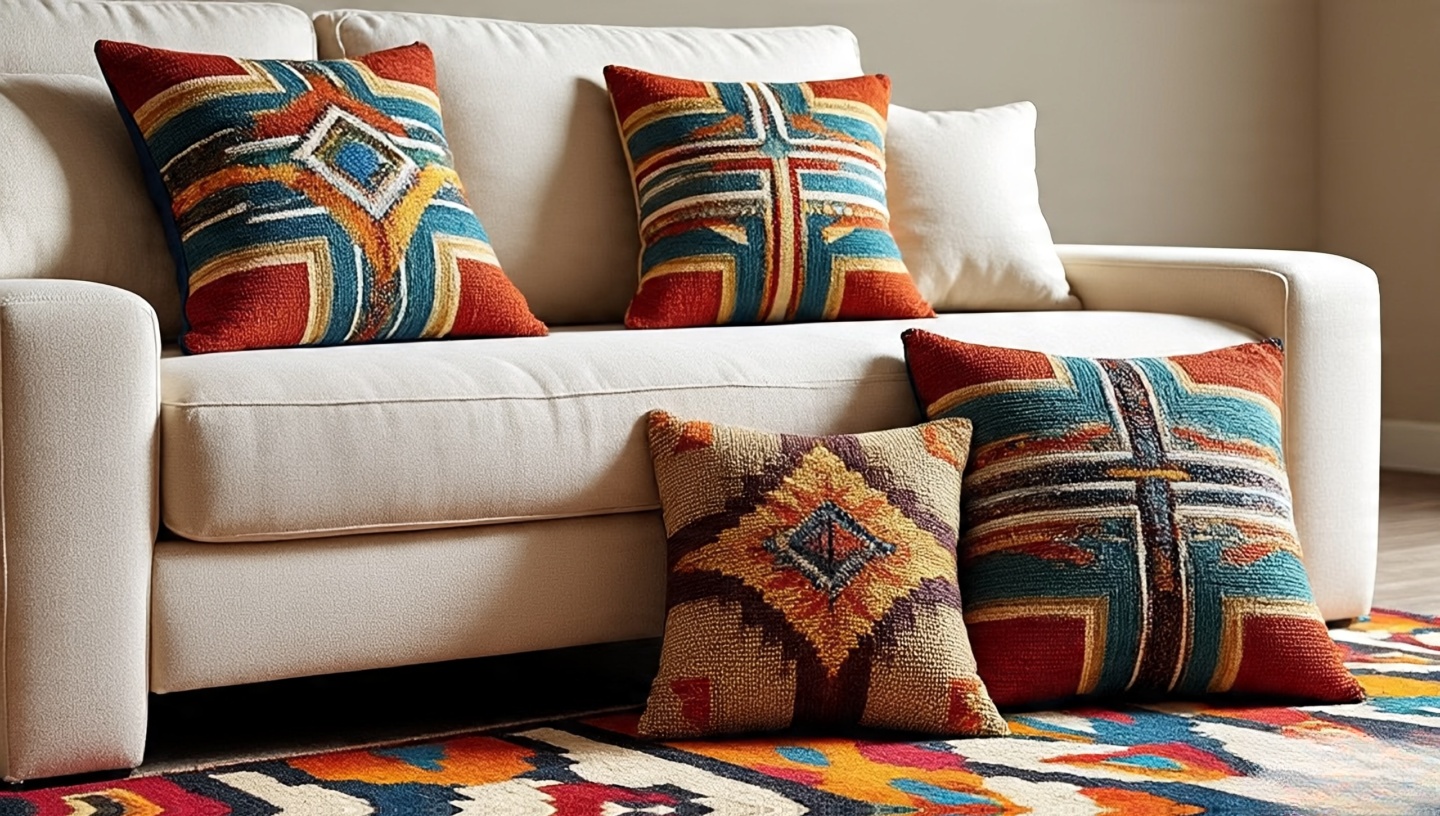
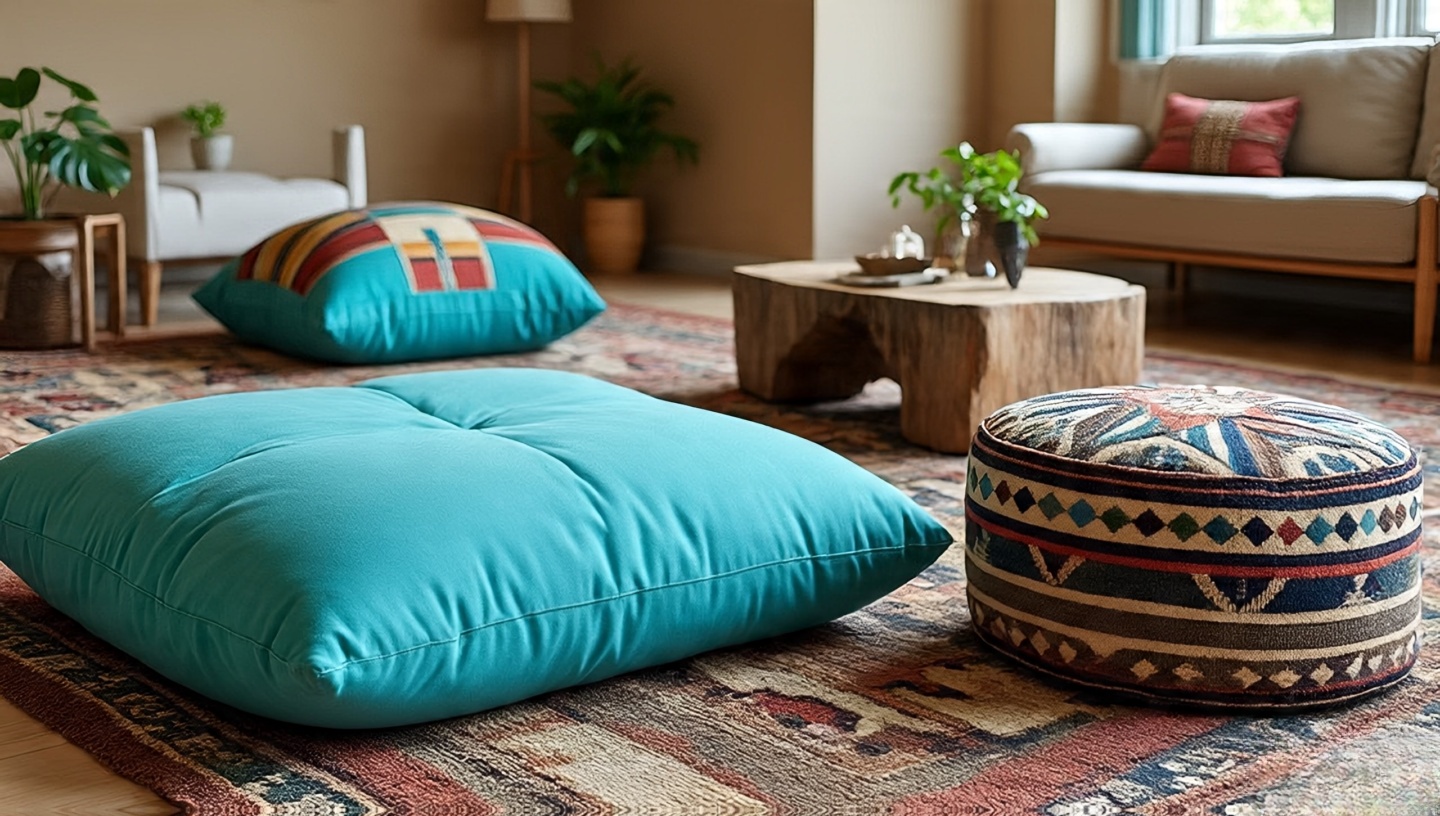
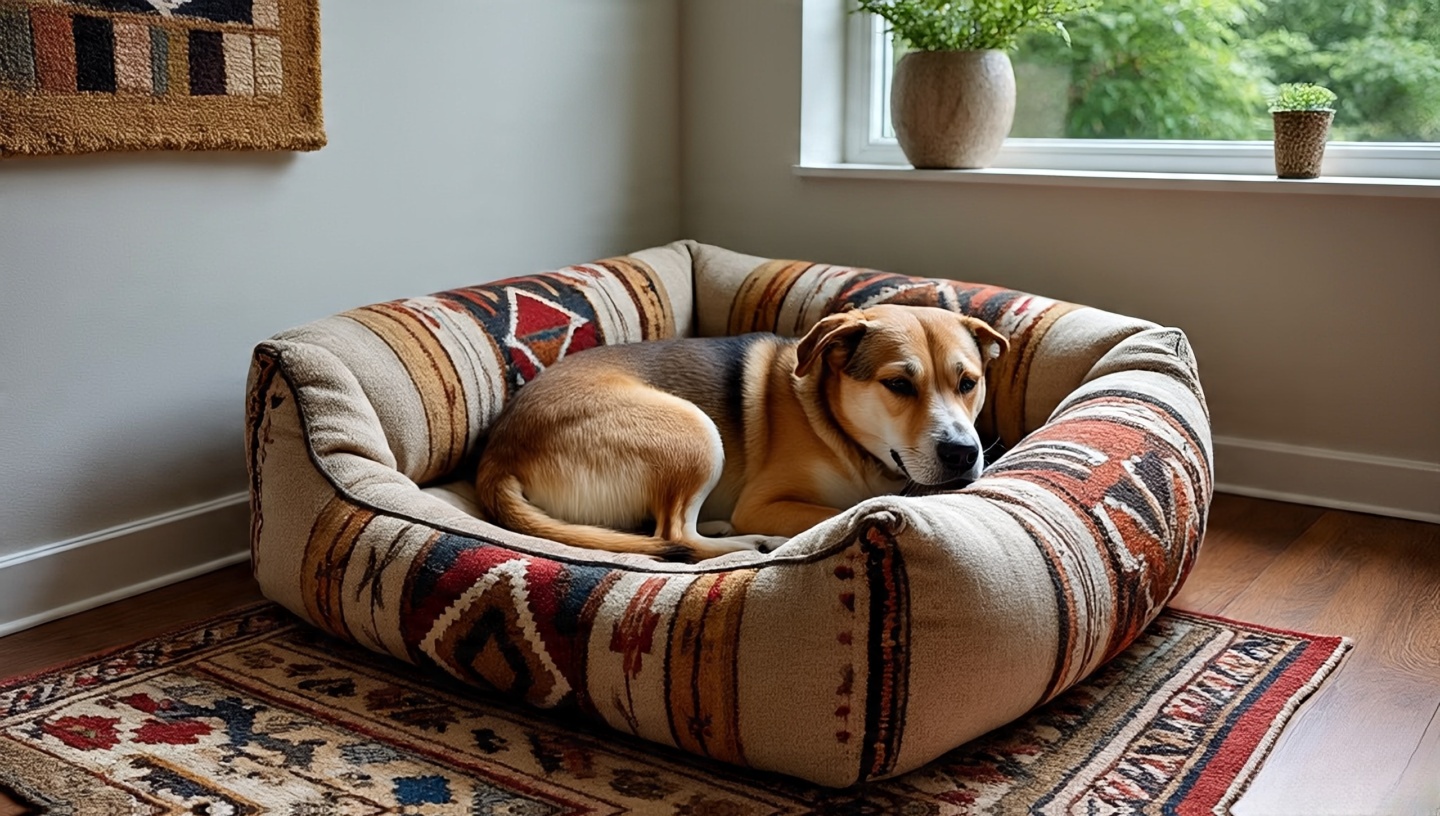
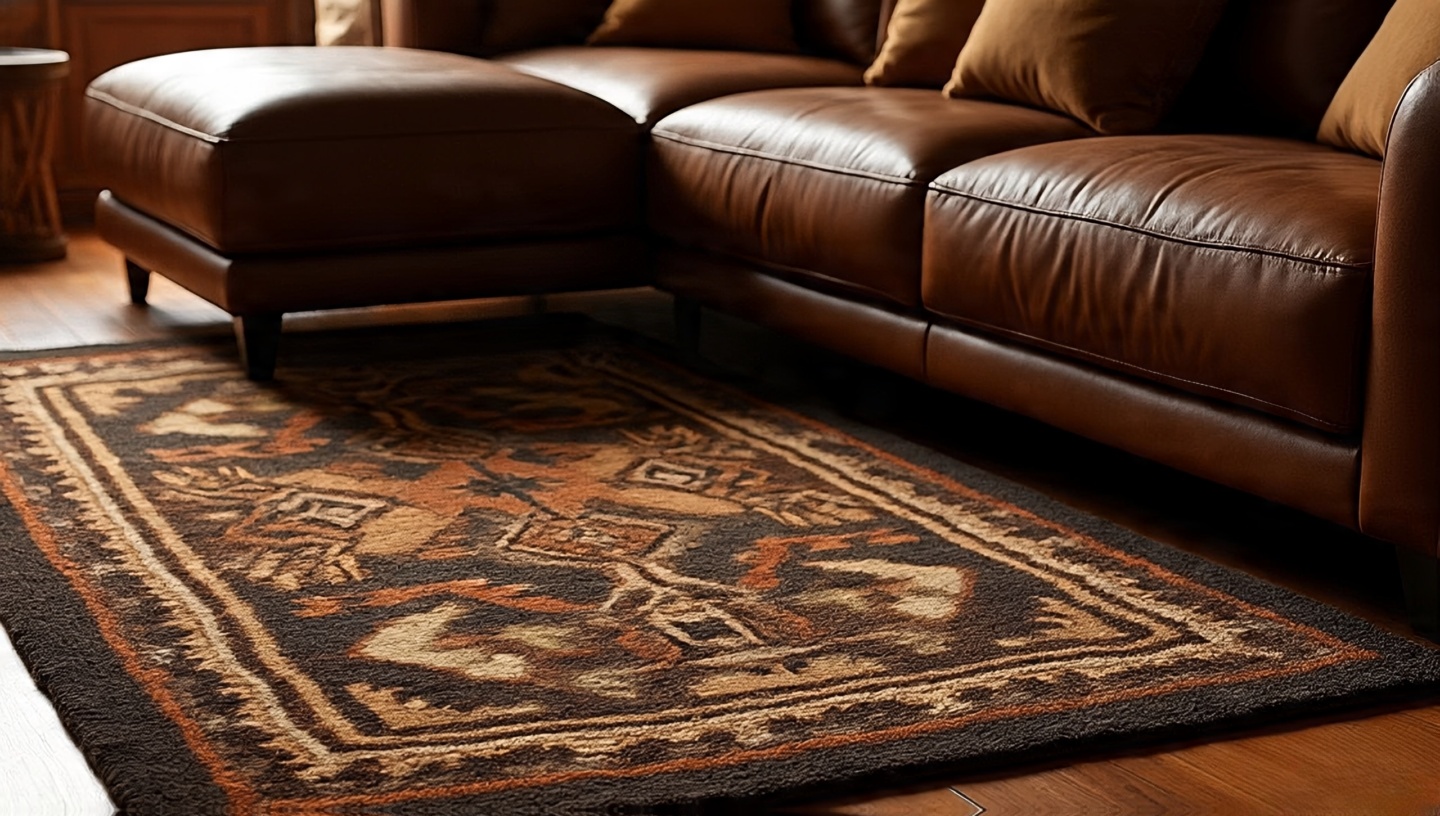
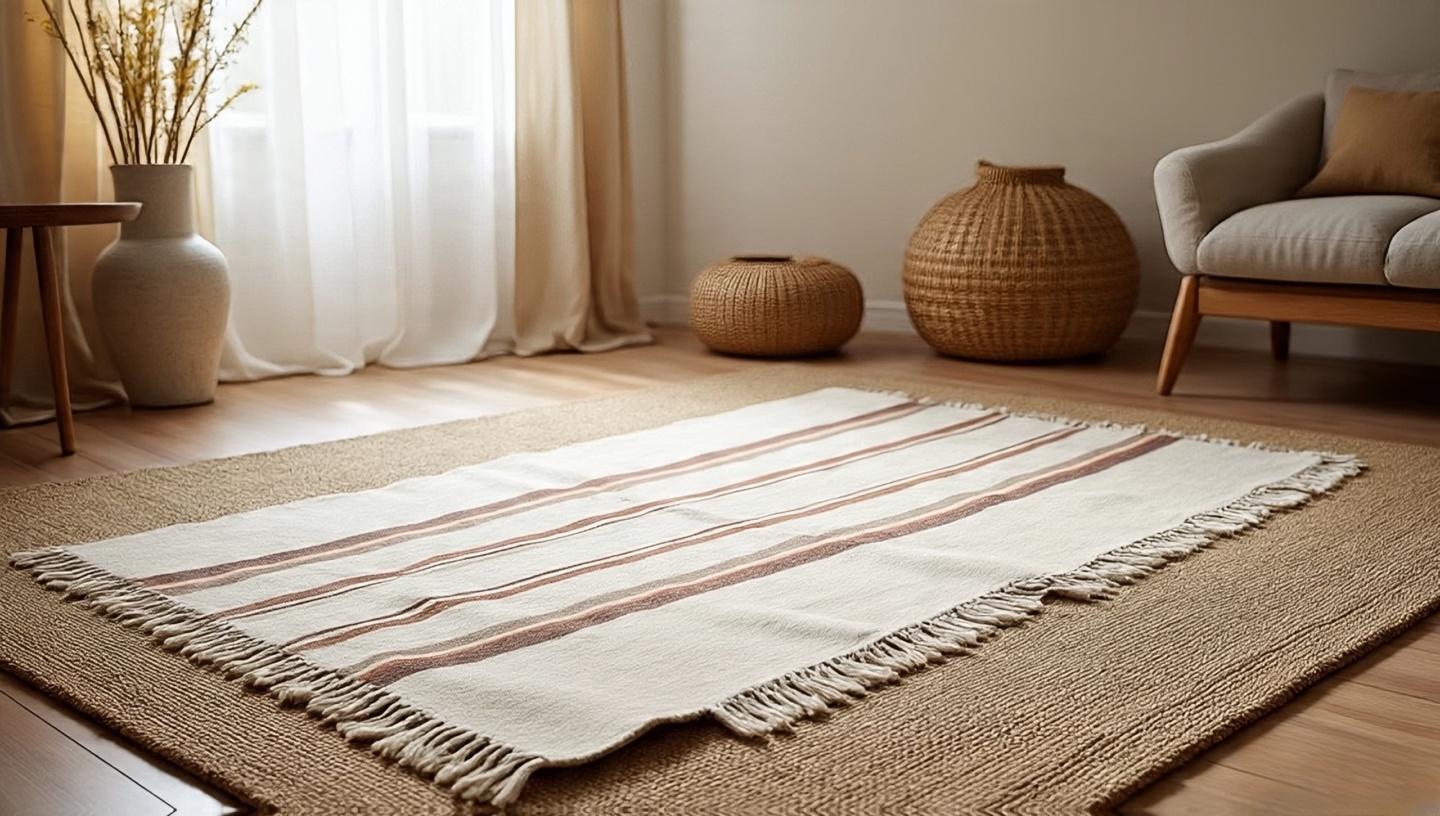
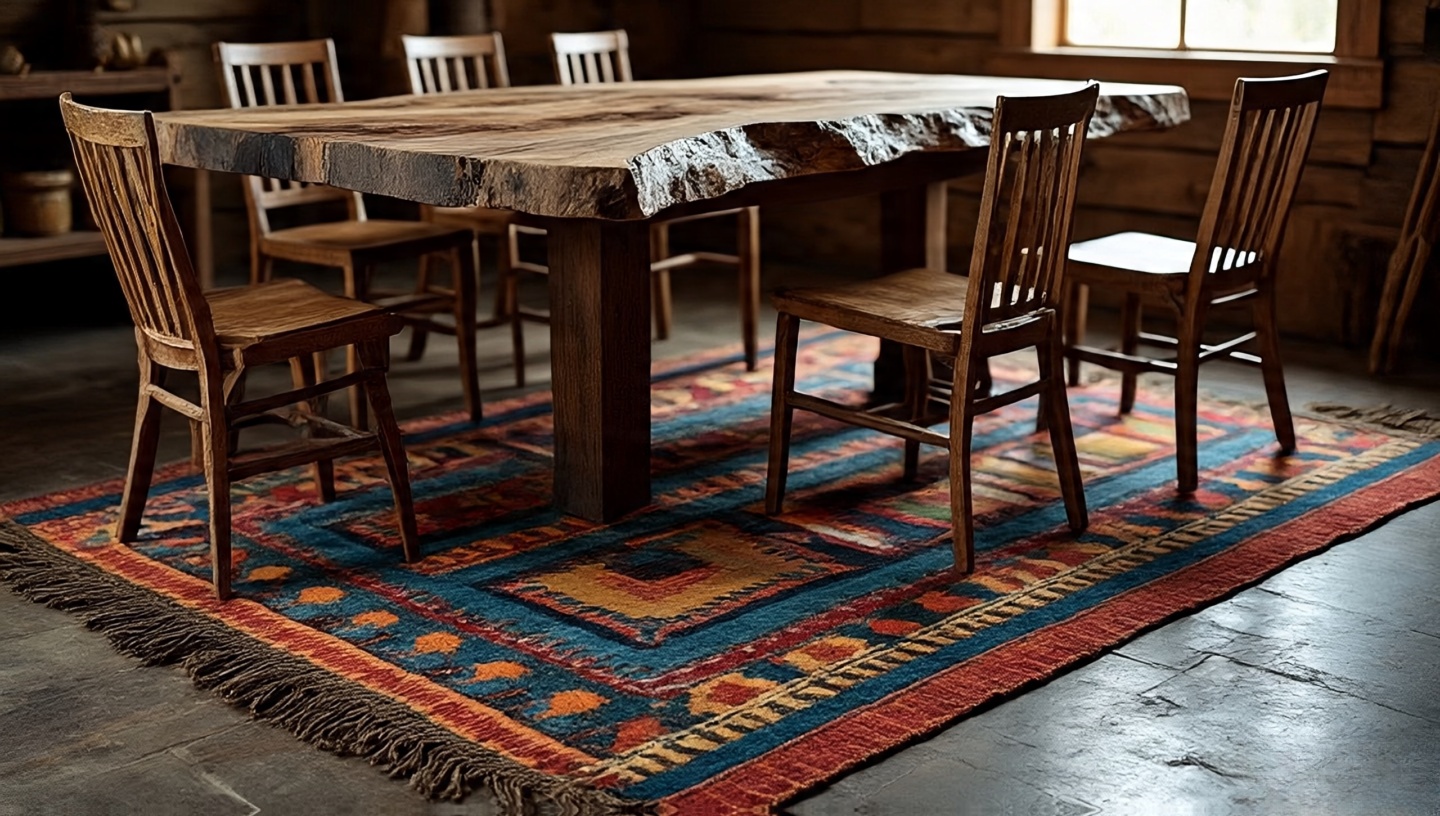
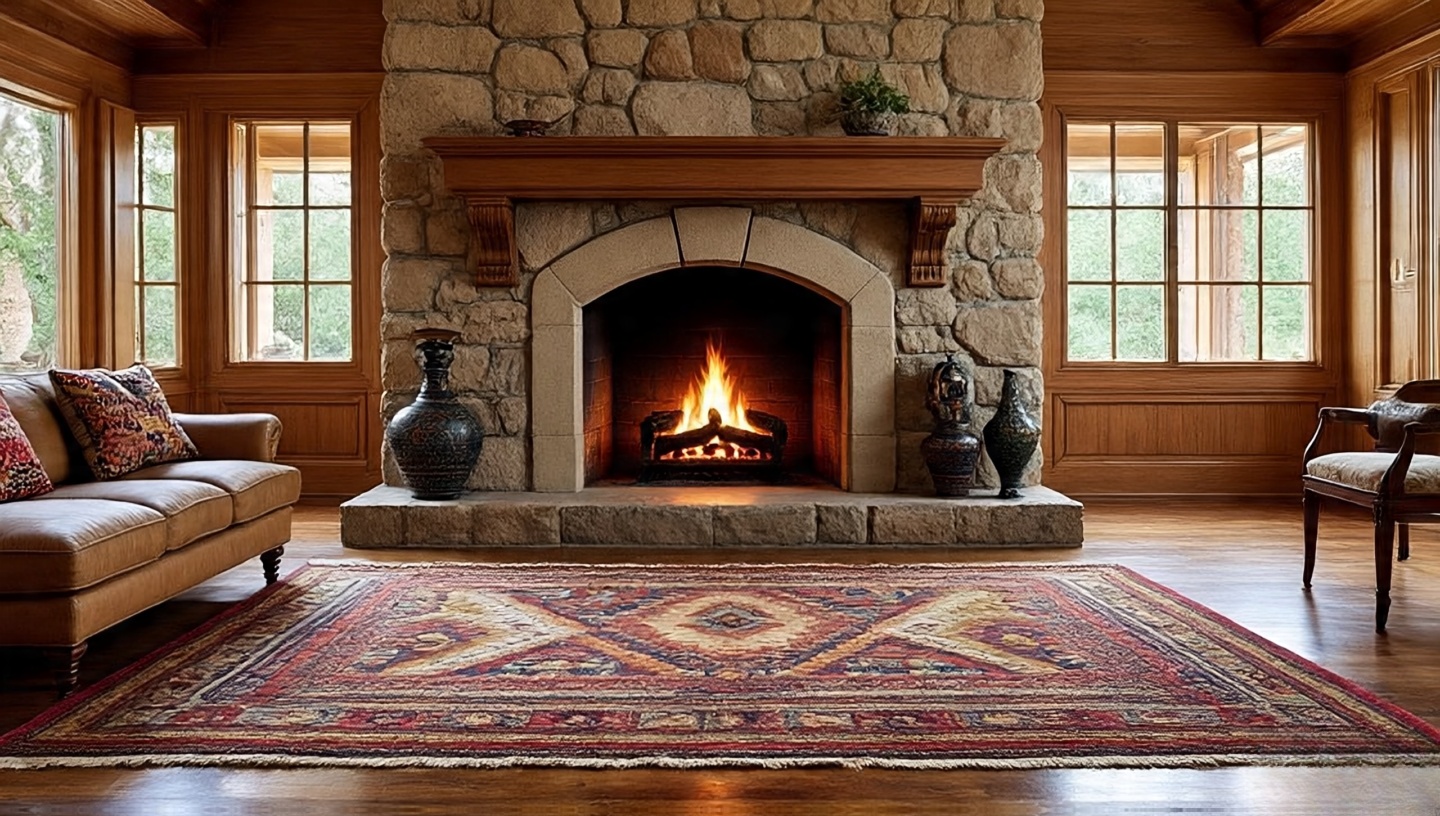
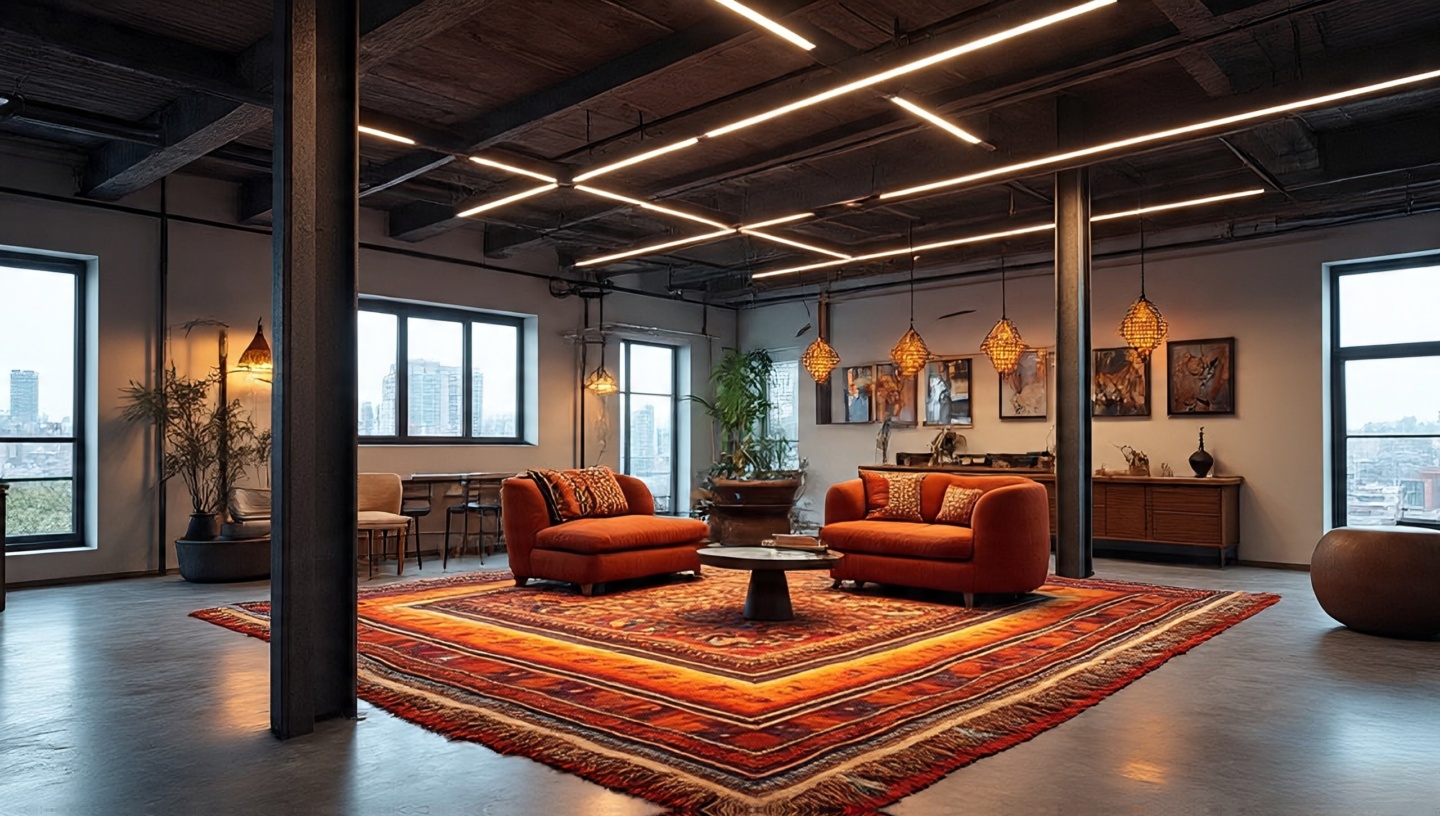
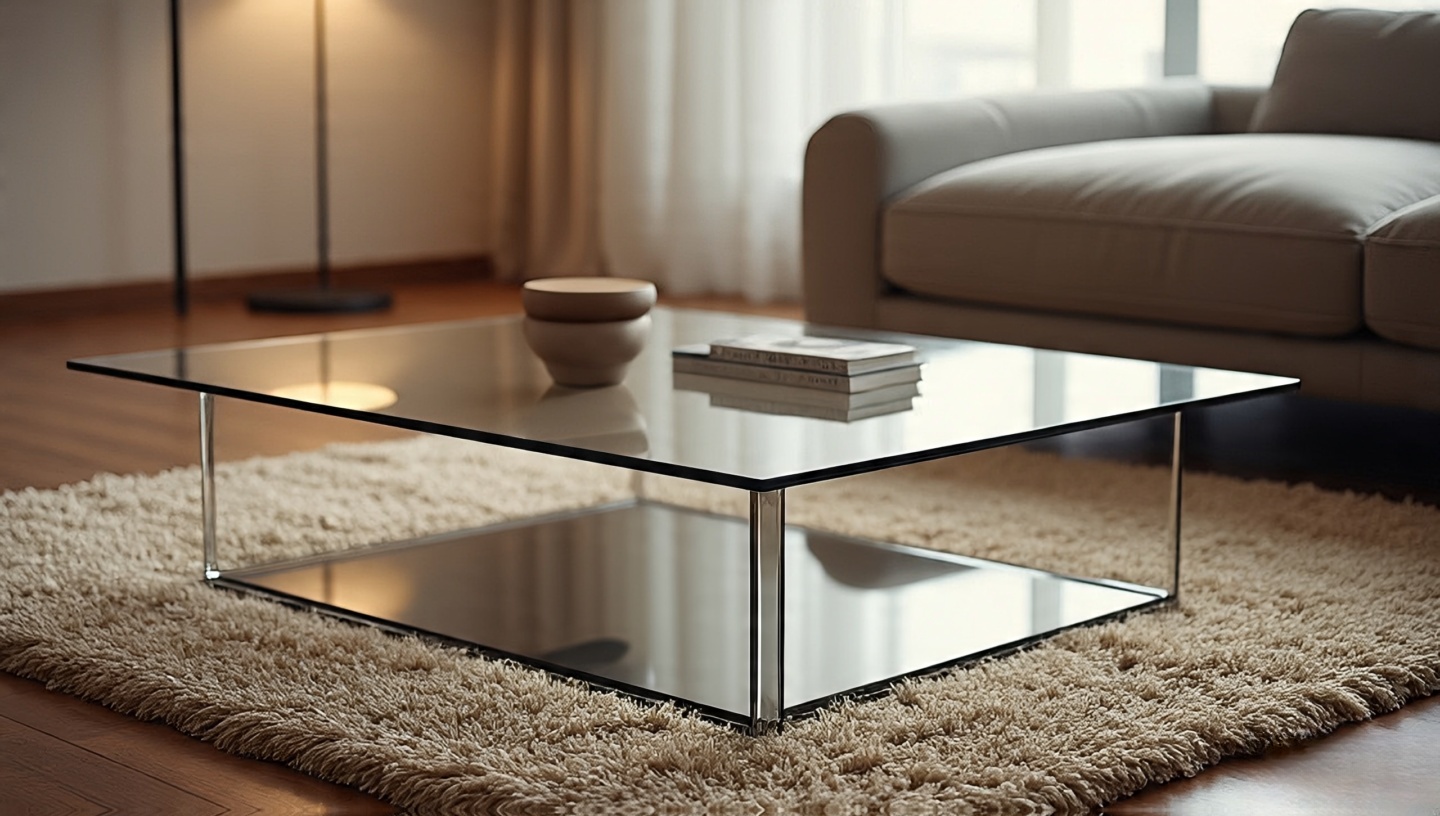
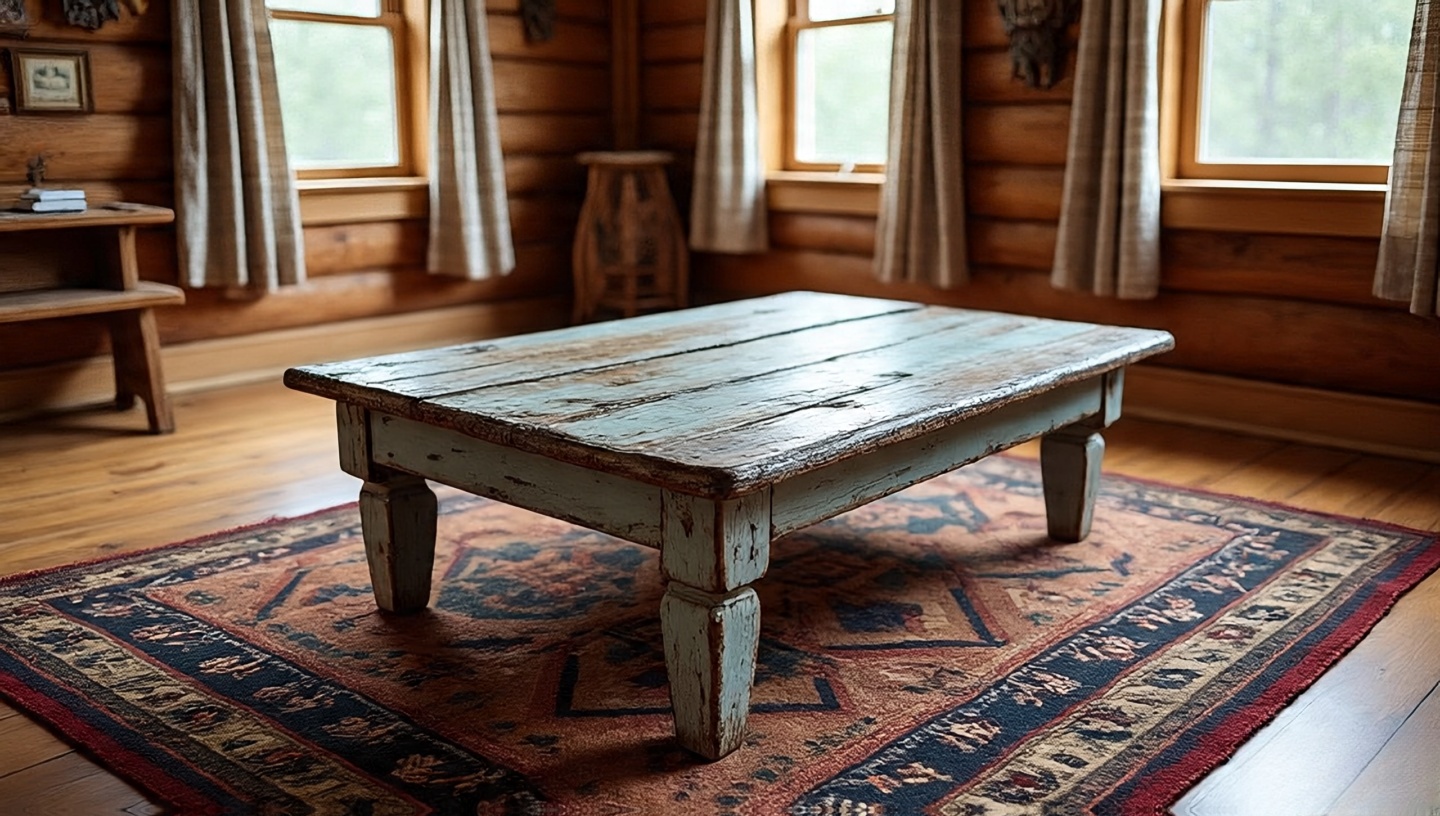
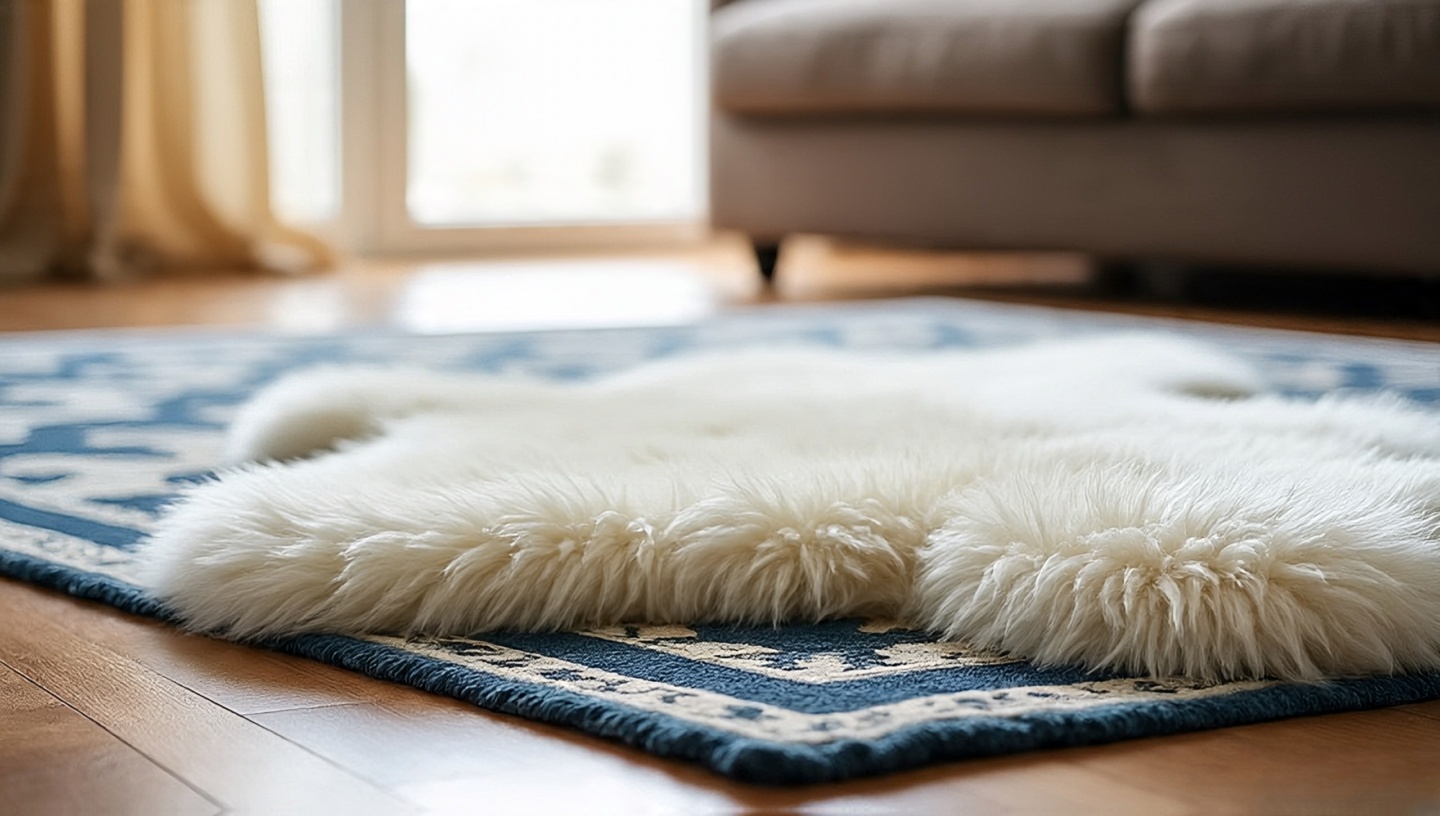
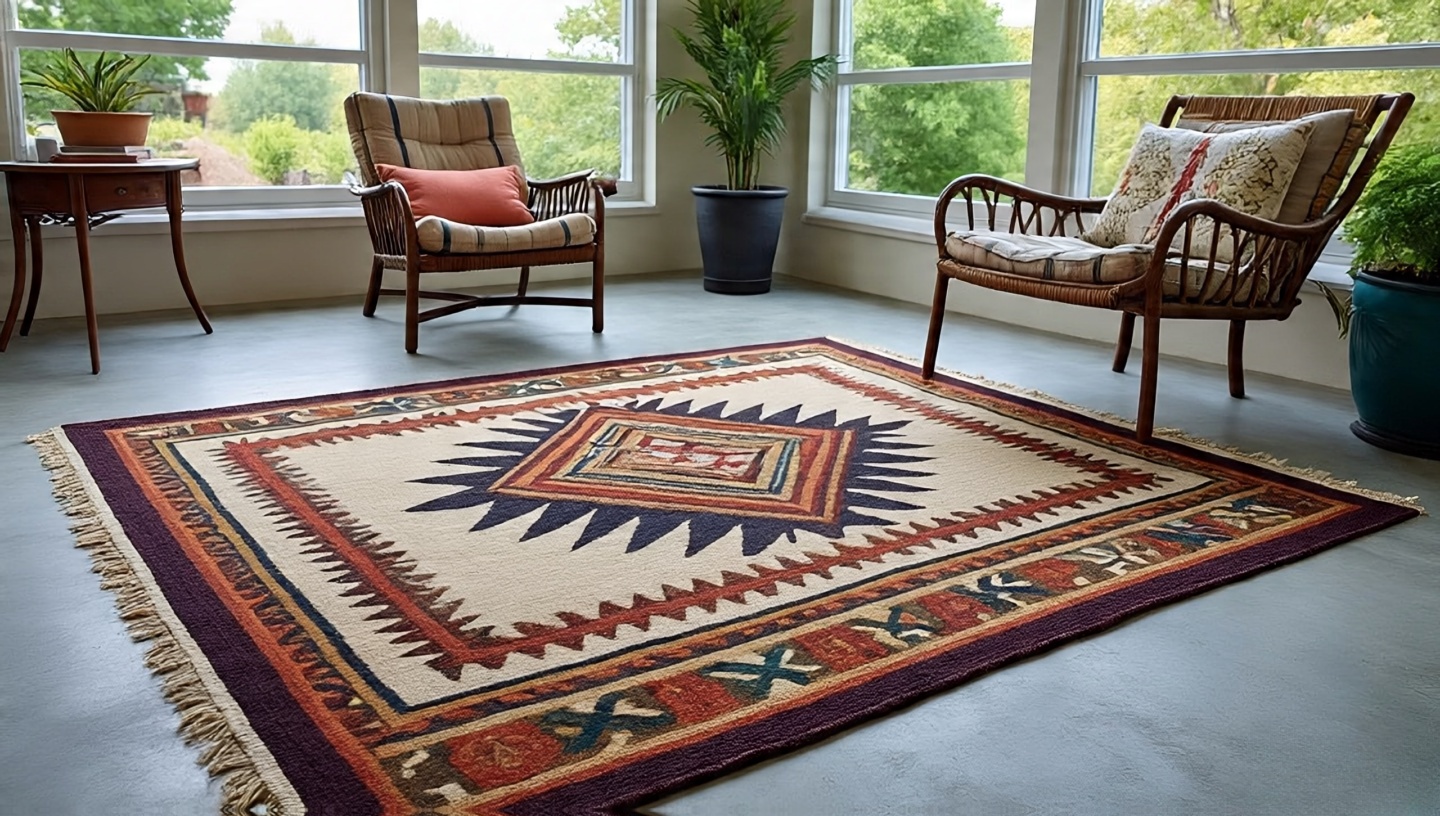
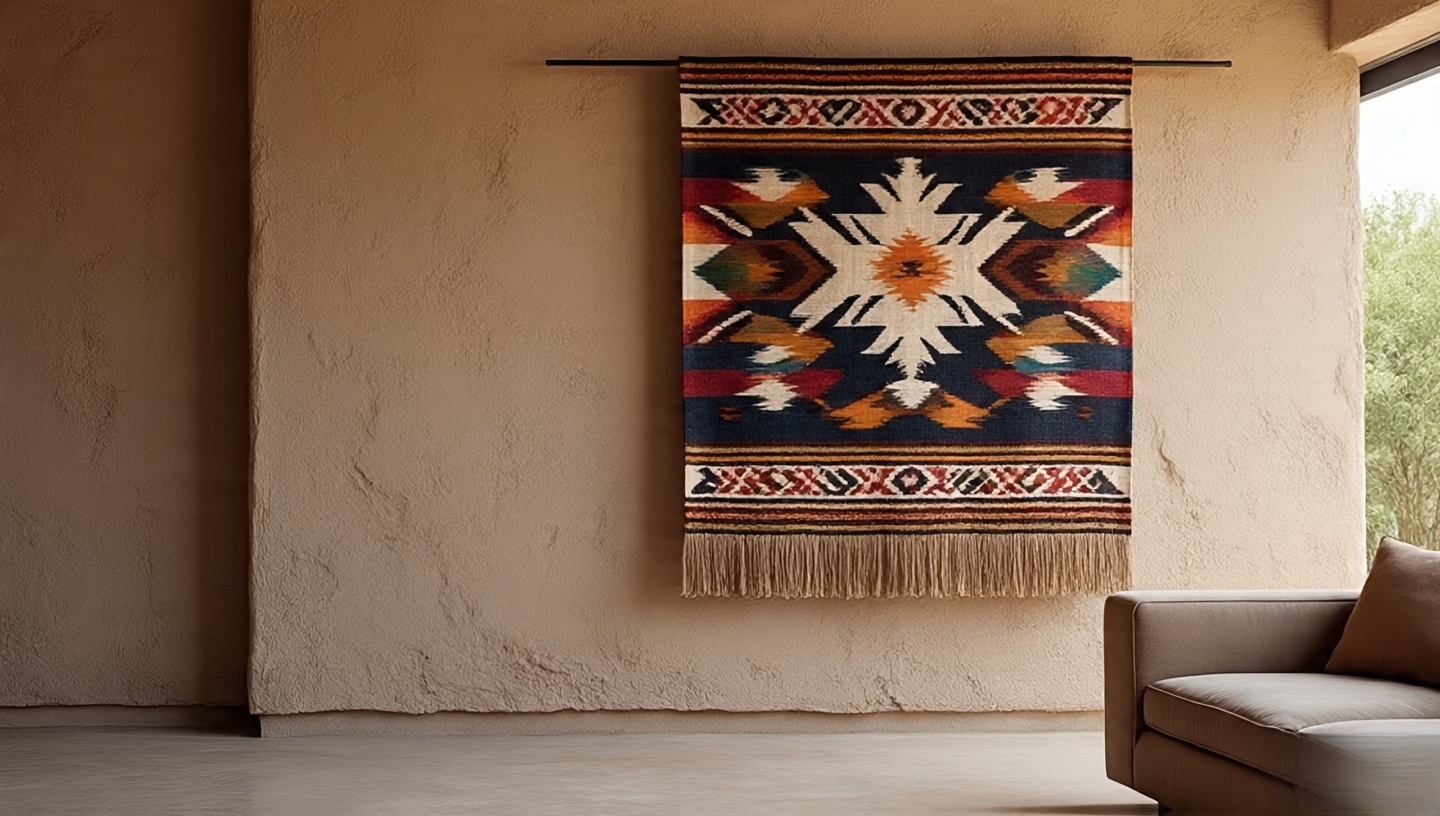
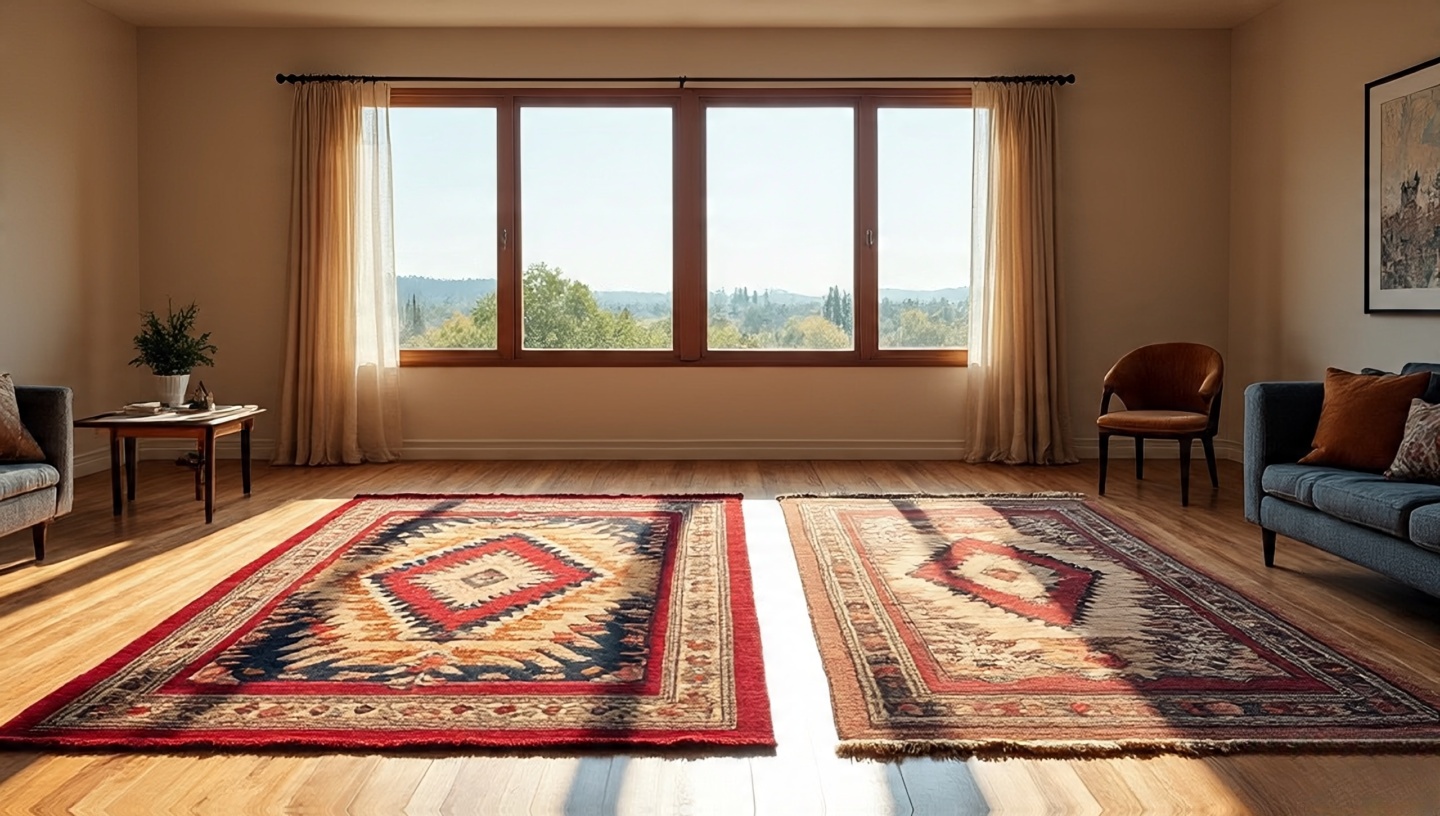
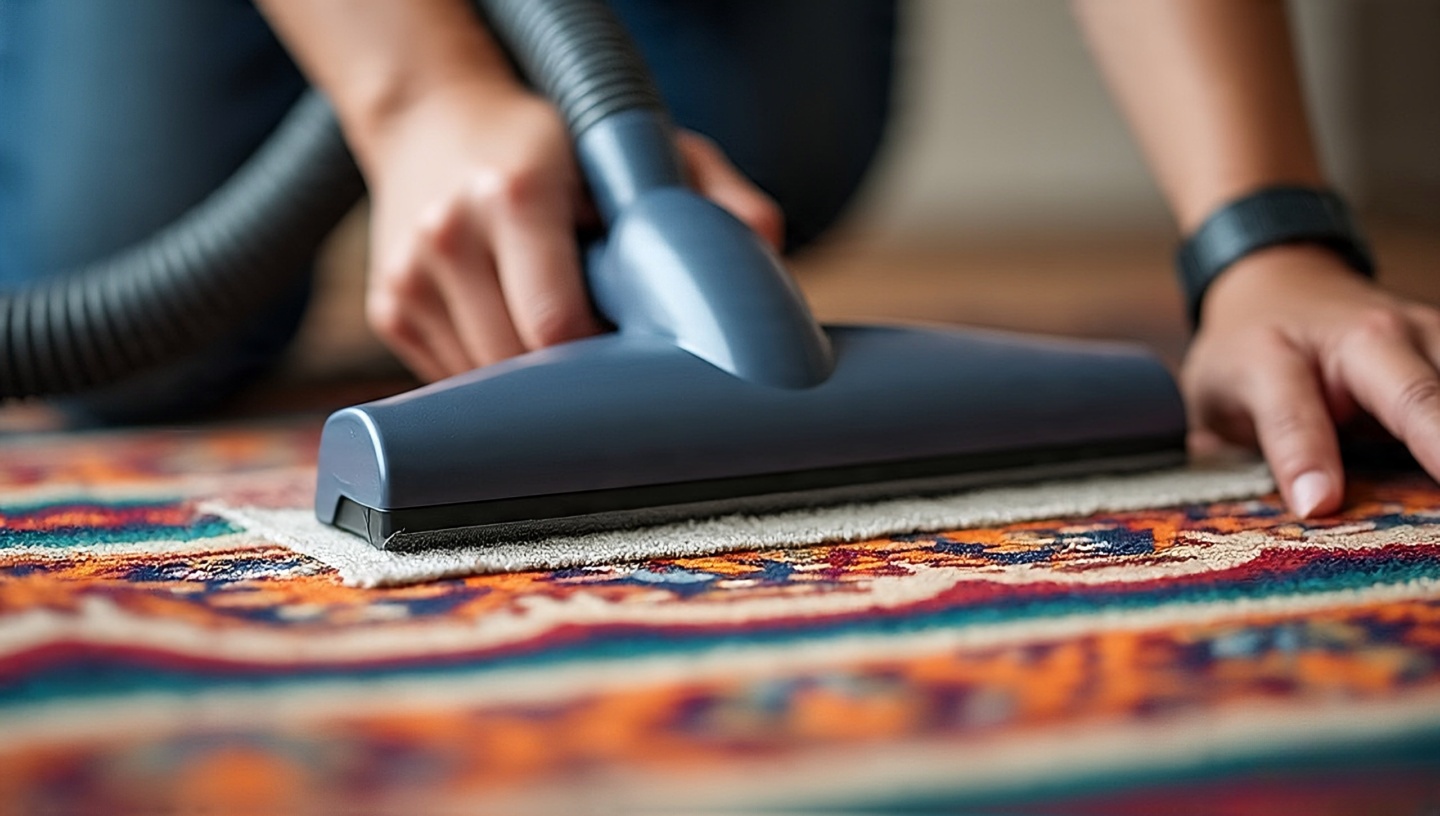
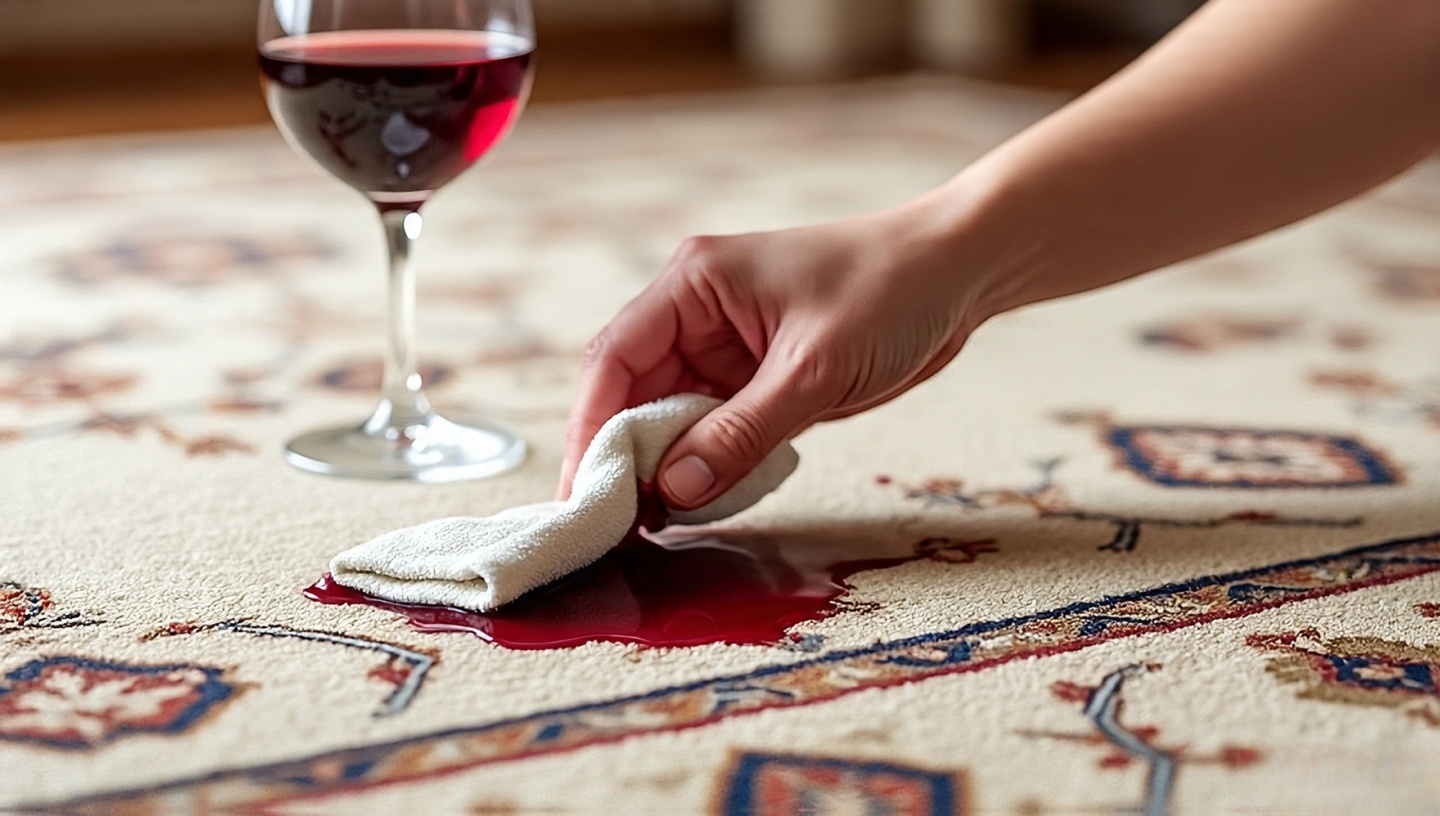
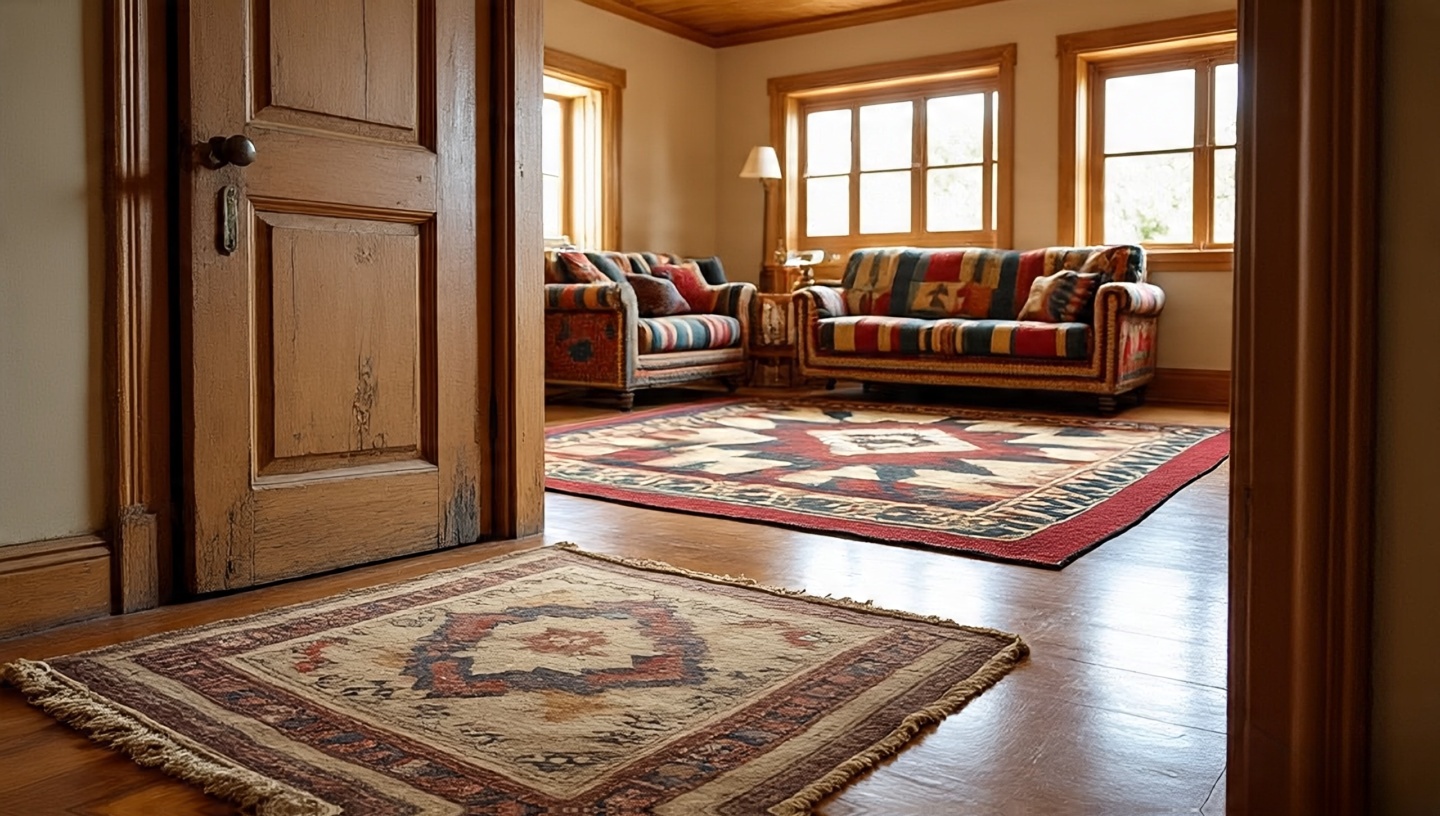
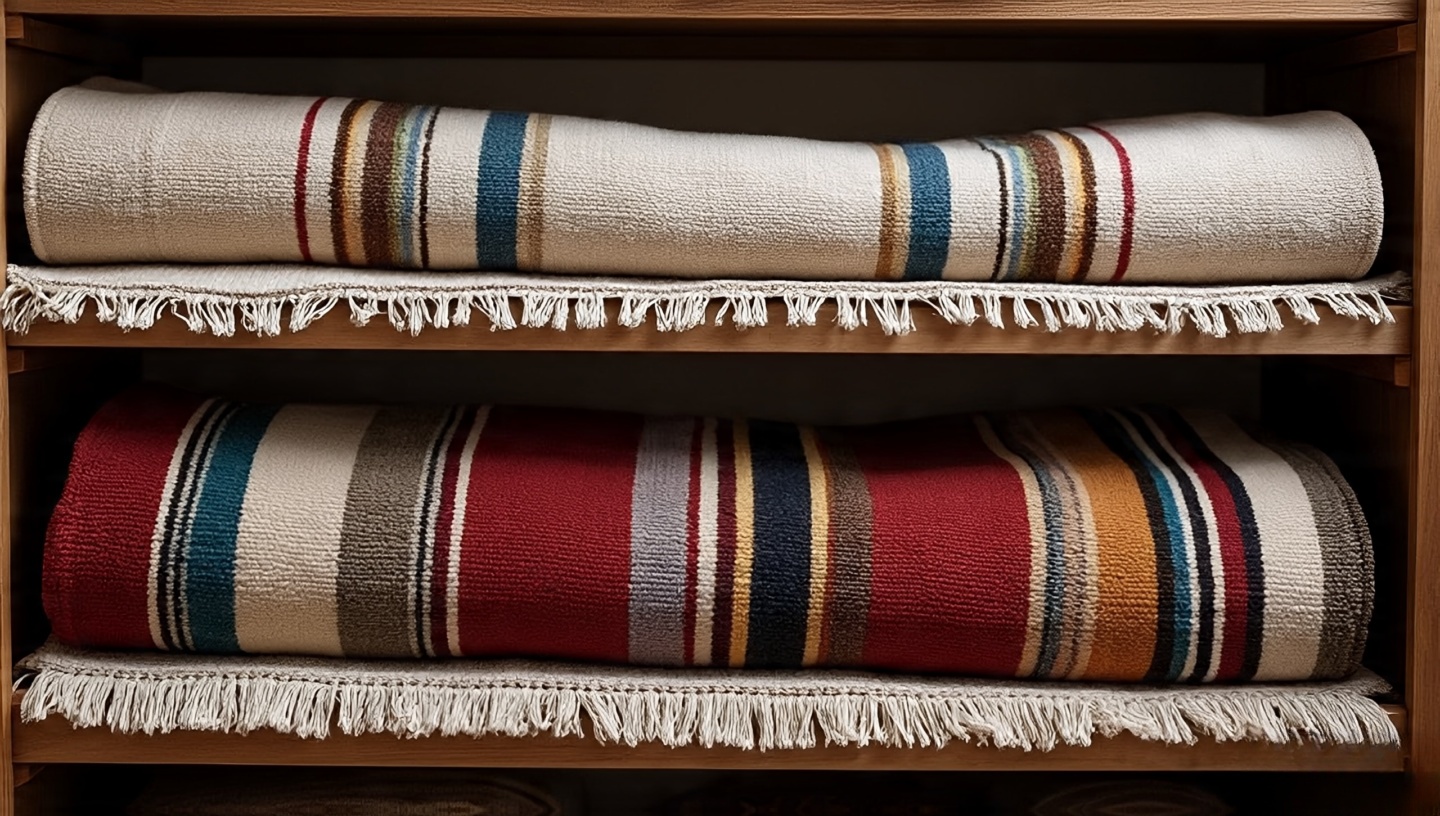
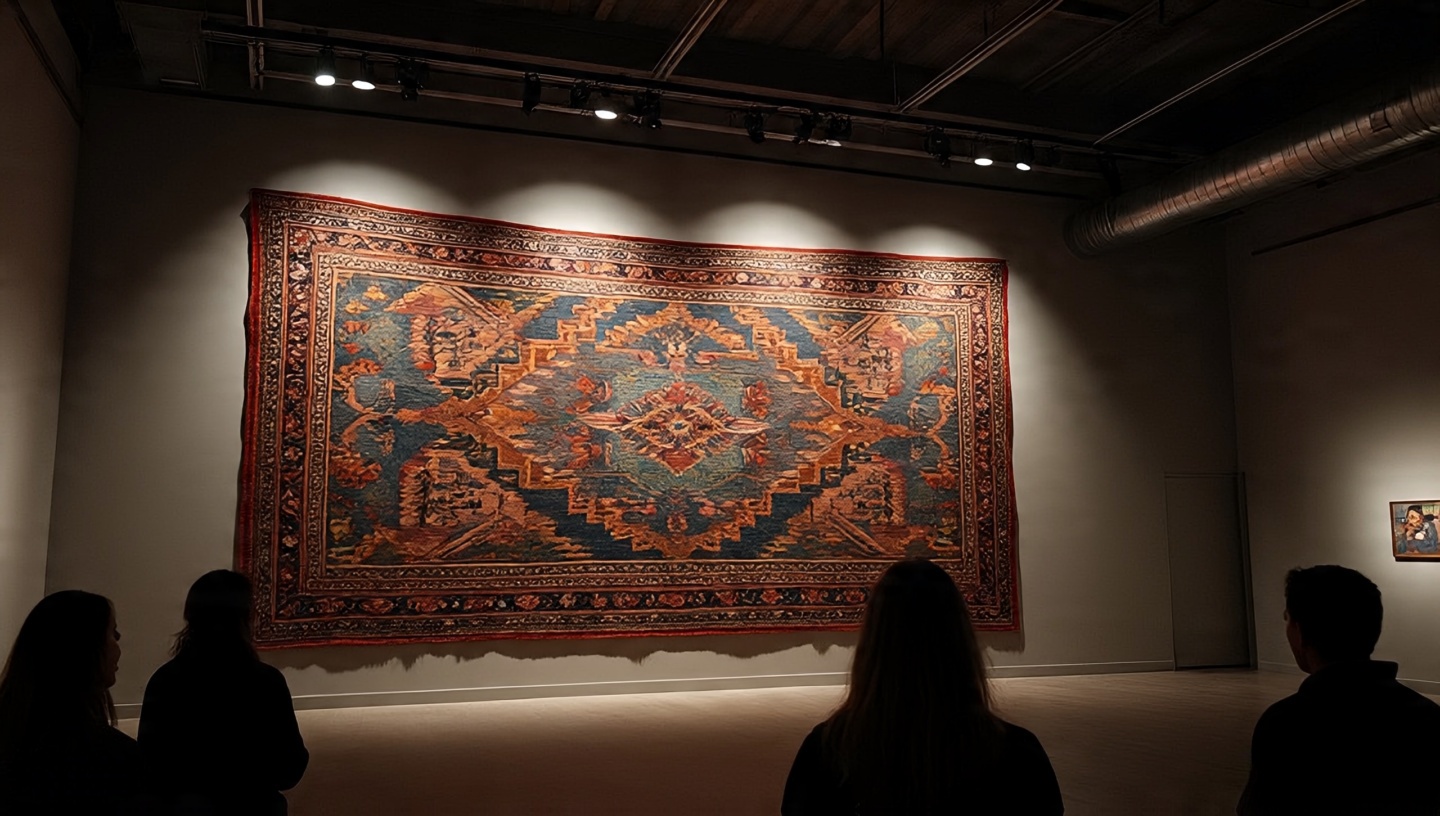
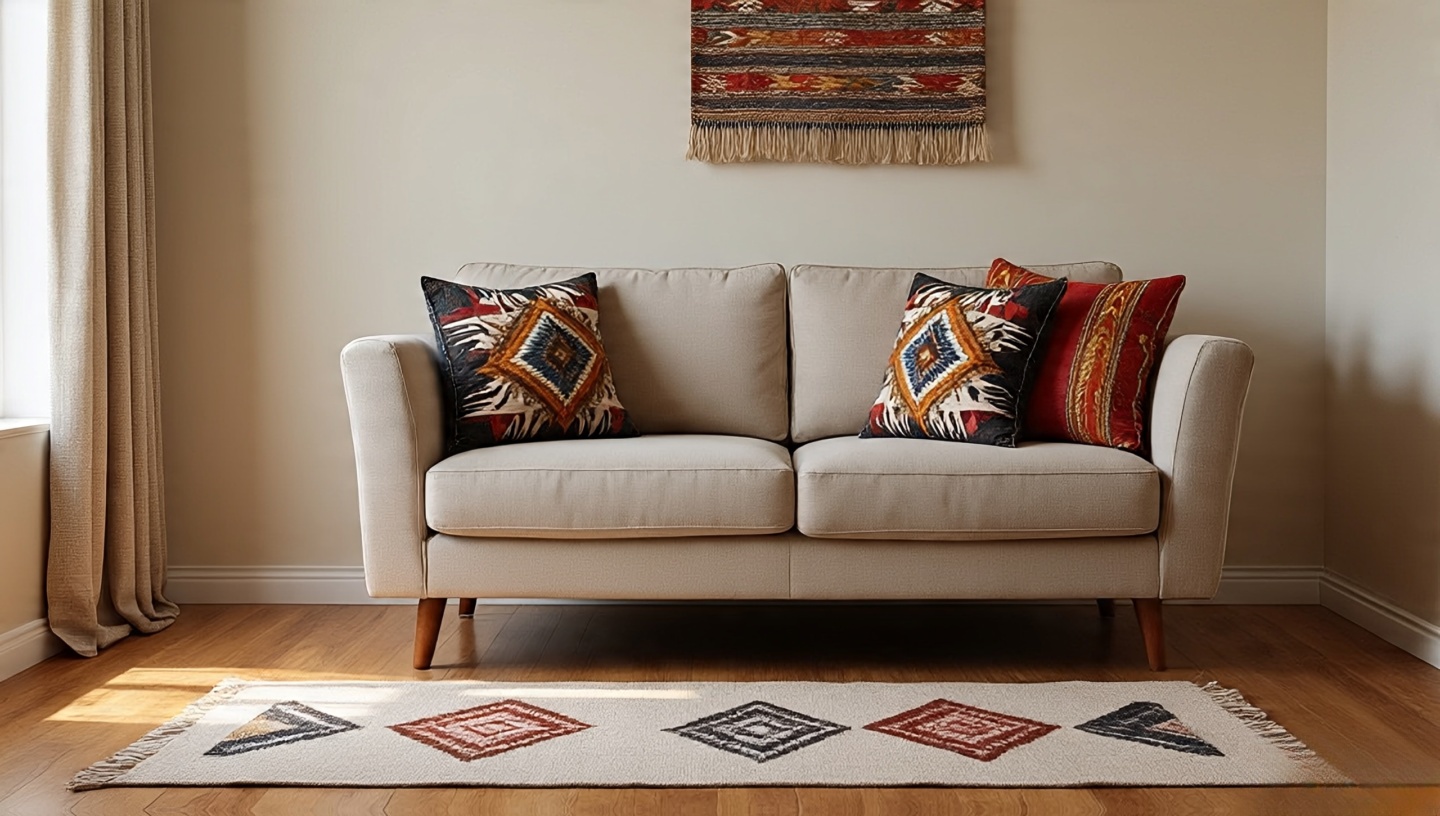
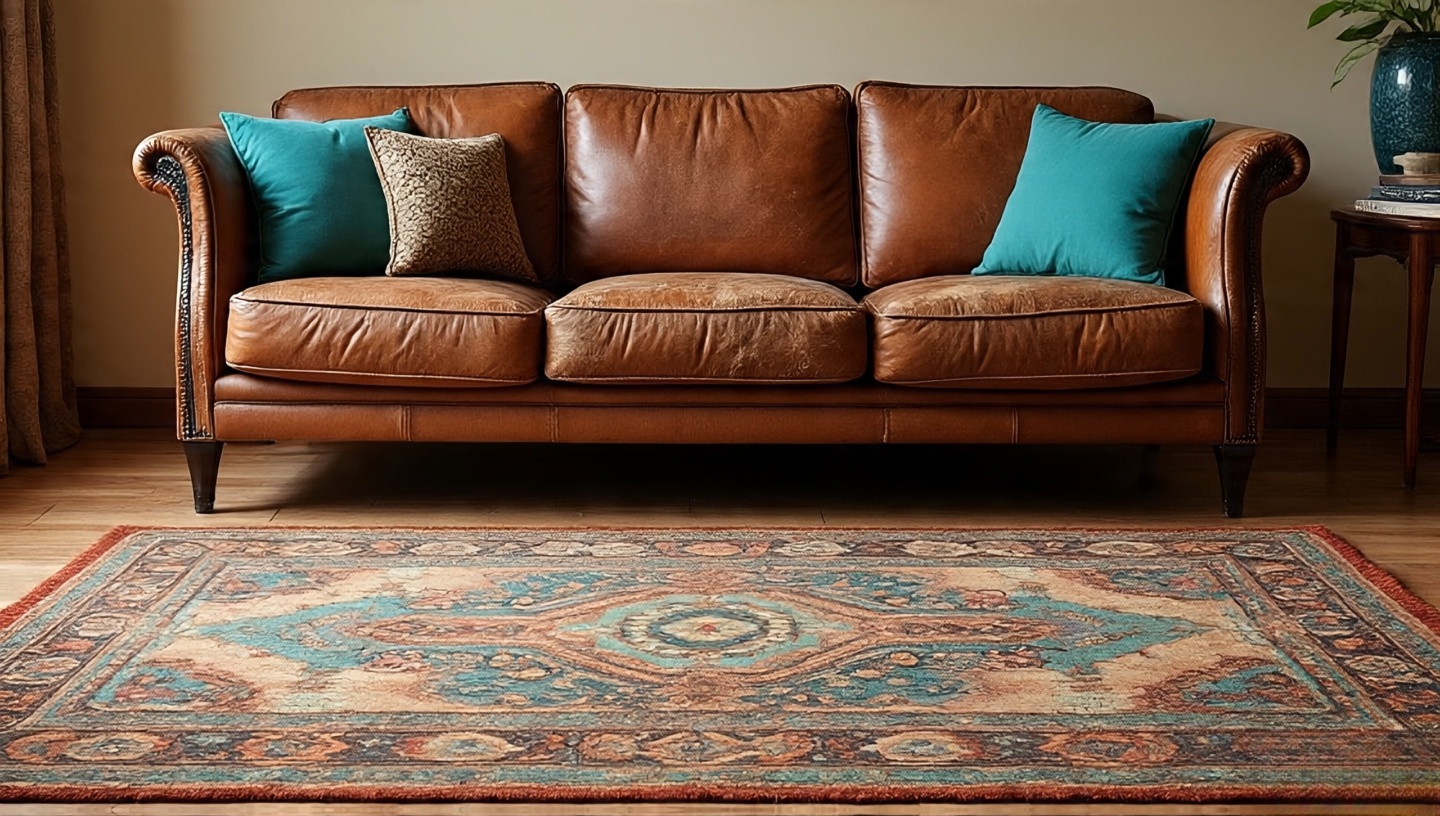
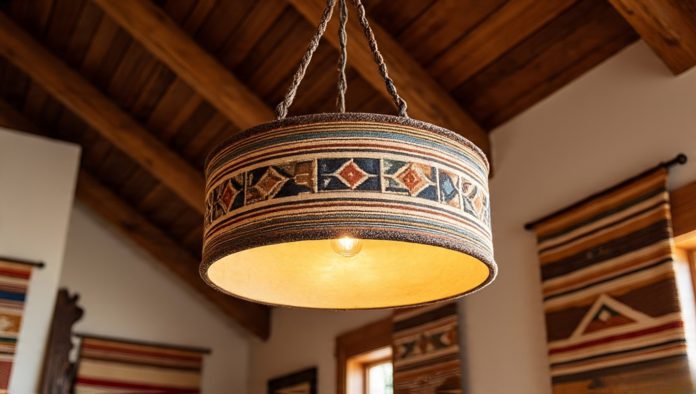
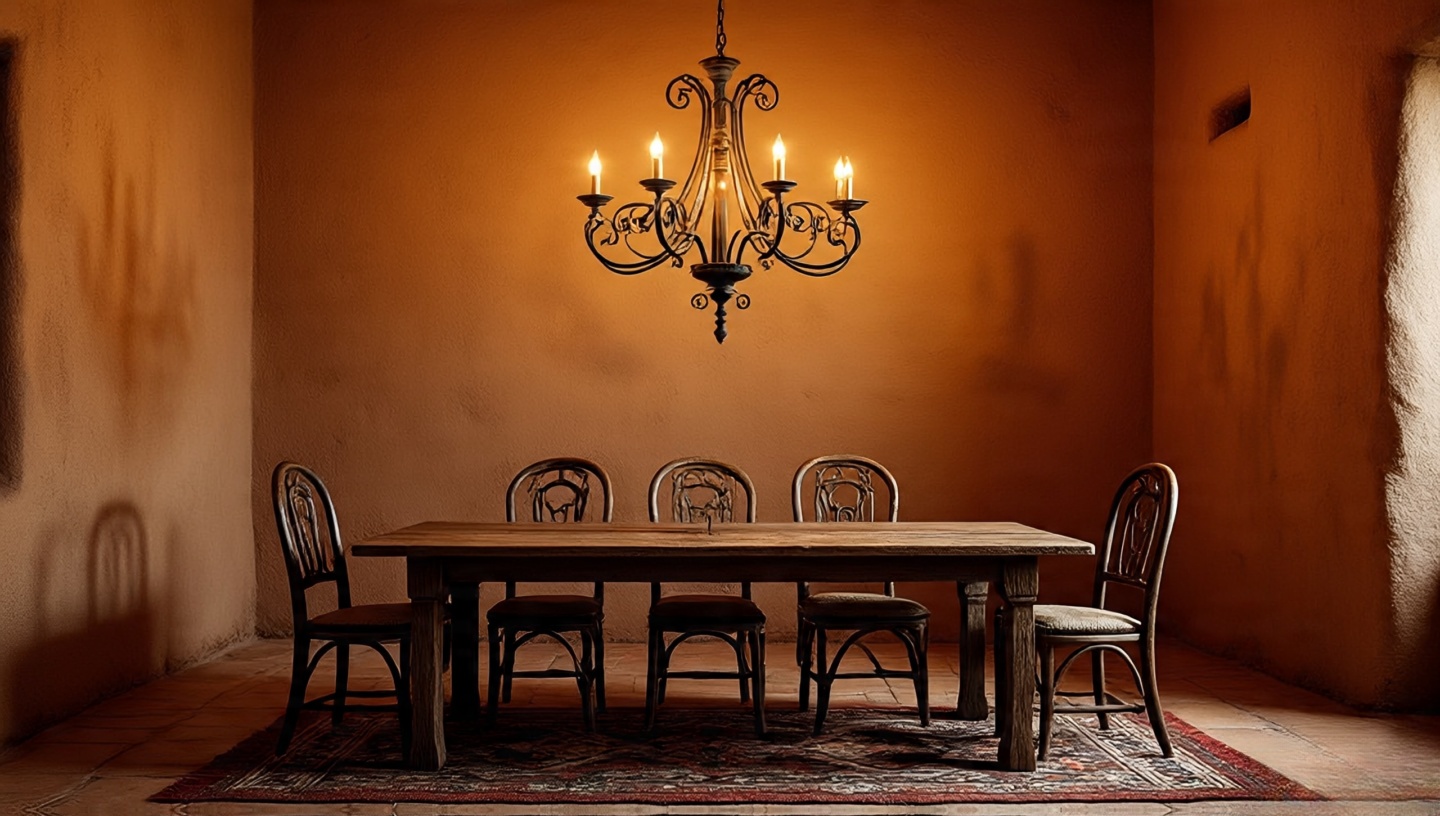 If there’s one element that can transform a Southwestern dining room in an instant, it’s a wrought iron chandelier. I’ve designed countless homes where this single fixture became the soul of the room. The curling arms, the weight of the iron, and the rugged silhouette echo the strength of desert landscapes. My tip: choose warm Edison bulbs instead of bright white LEDs they cast shadows that dance across the adobe walls beautifully.
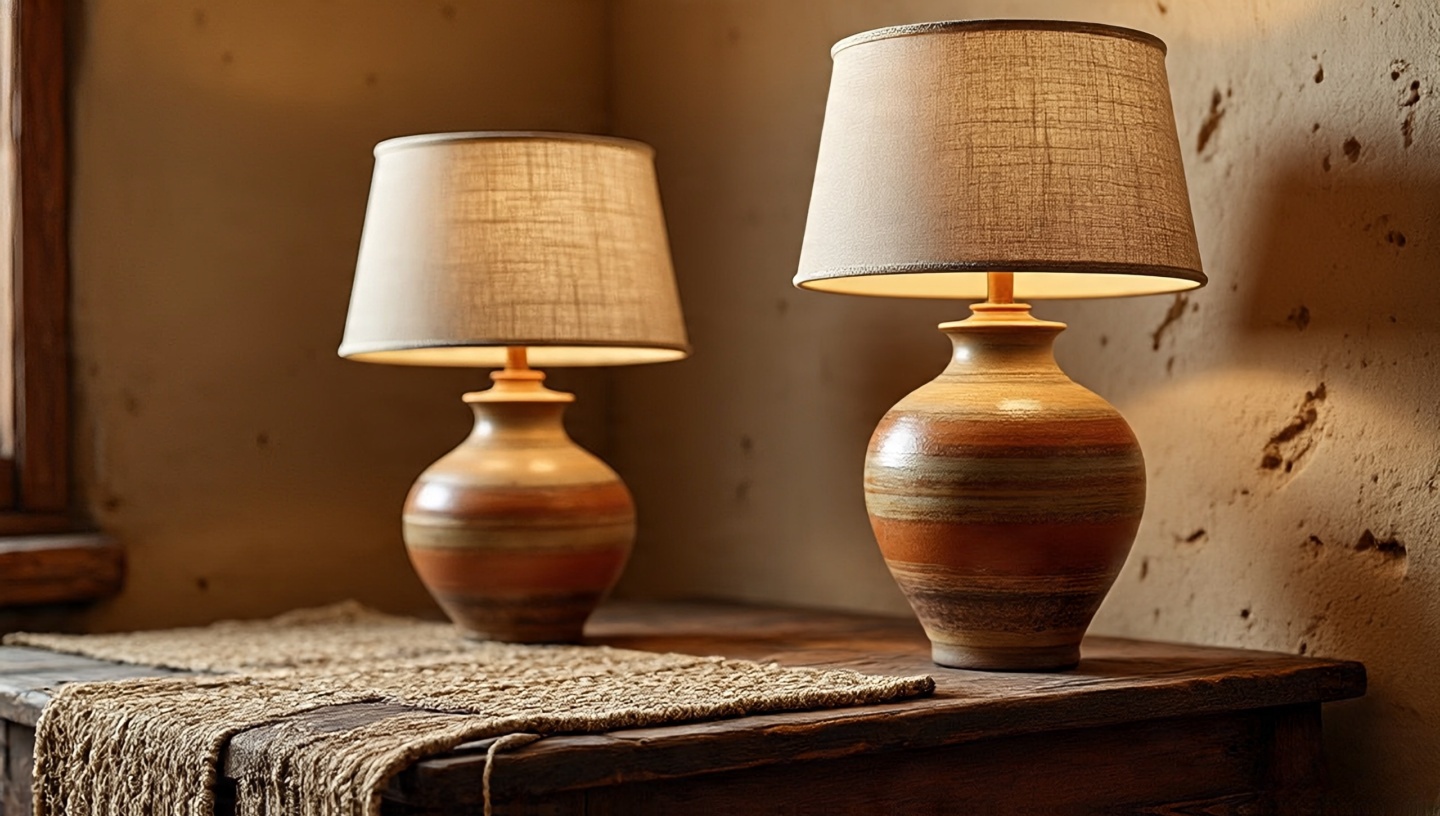 Southwestern style thrives on authenticity, and nothing feels more grounded than pottery. A clay pot lamp with terracotta tones doesn’t just light the space it feels like it belongs to the land itself. I often place them in pairs on rustic wooden side tables, balancing symmetry with texture. For added character, look for lamps with slight imperfections in the glaze they tell their own story.
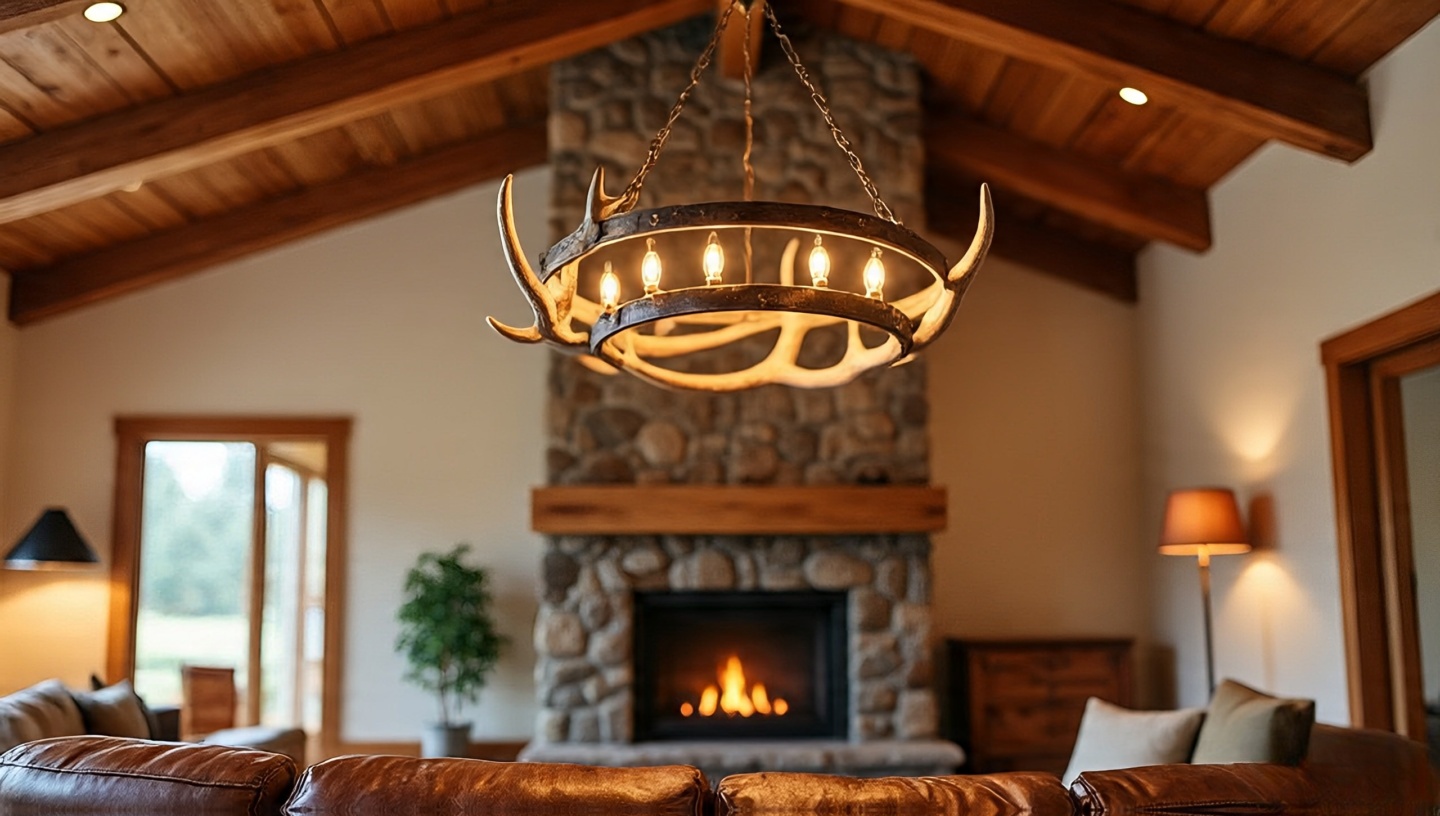 Here’s where things get a little bold. Antler chandeliers (faux, of course) bring the wild ranch spirit indoors. I remember a ranch-style retreat I worked on where the antler fixture above the fireplace became the homeowner’s favorite feature. The trick? Keep the rest of the lighting simple let the antlers shine as the focal point.
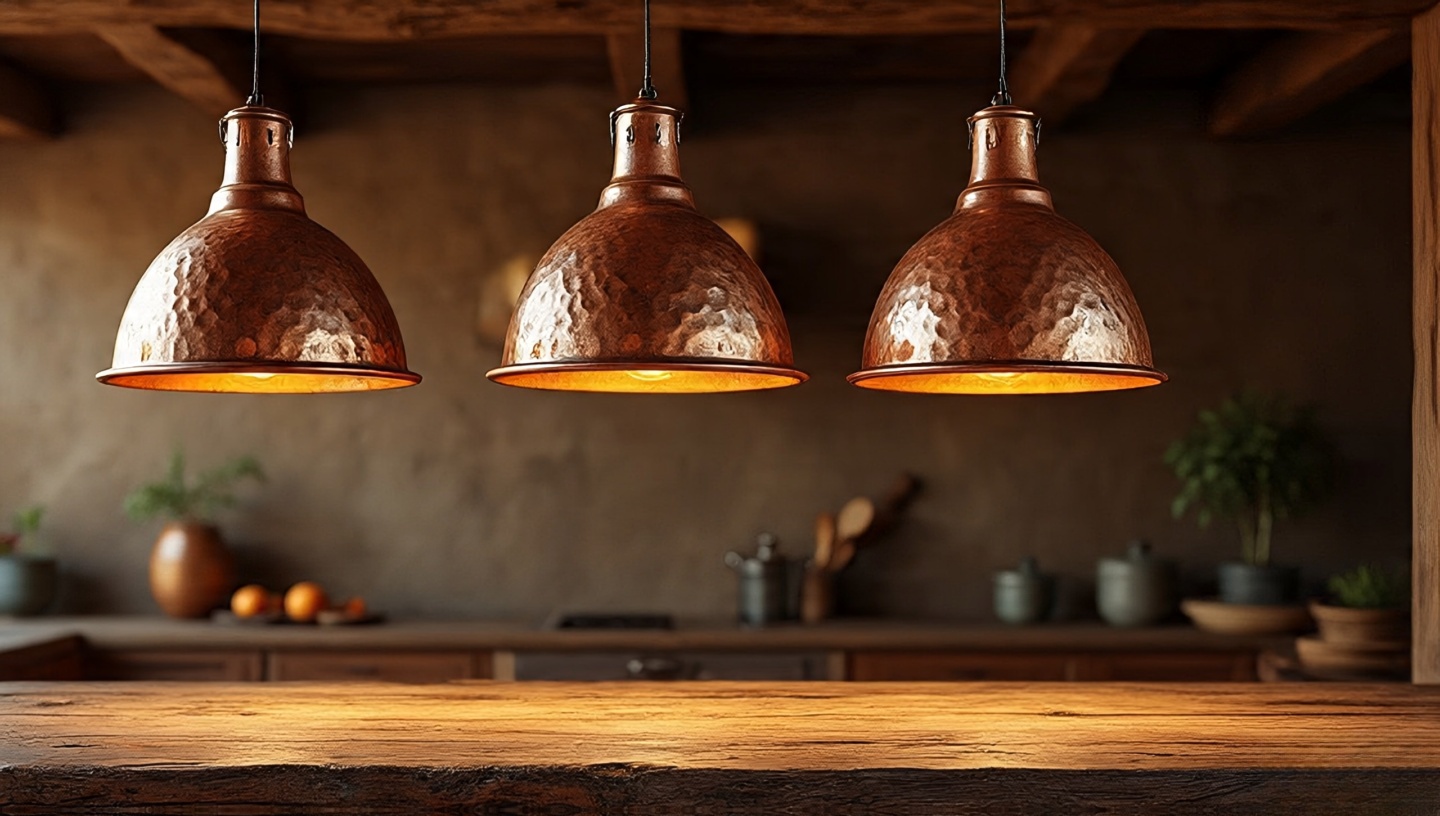 Copper is a living material it changes with time, developing a patina that feels almost alive. In kitchens, I recommend hanging a trio of copper pendants over the island. When the evening sun hits them, the glow is nothing short of magical. If you want to push it further, pair copper with rough-hewn wooden beams for a layered, timeless look.
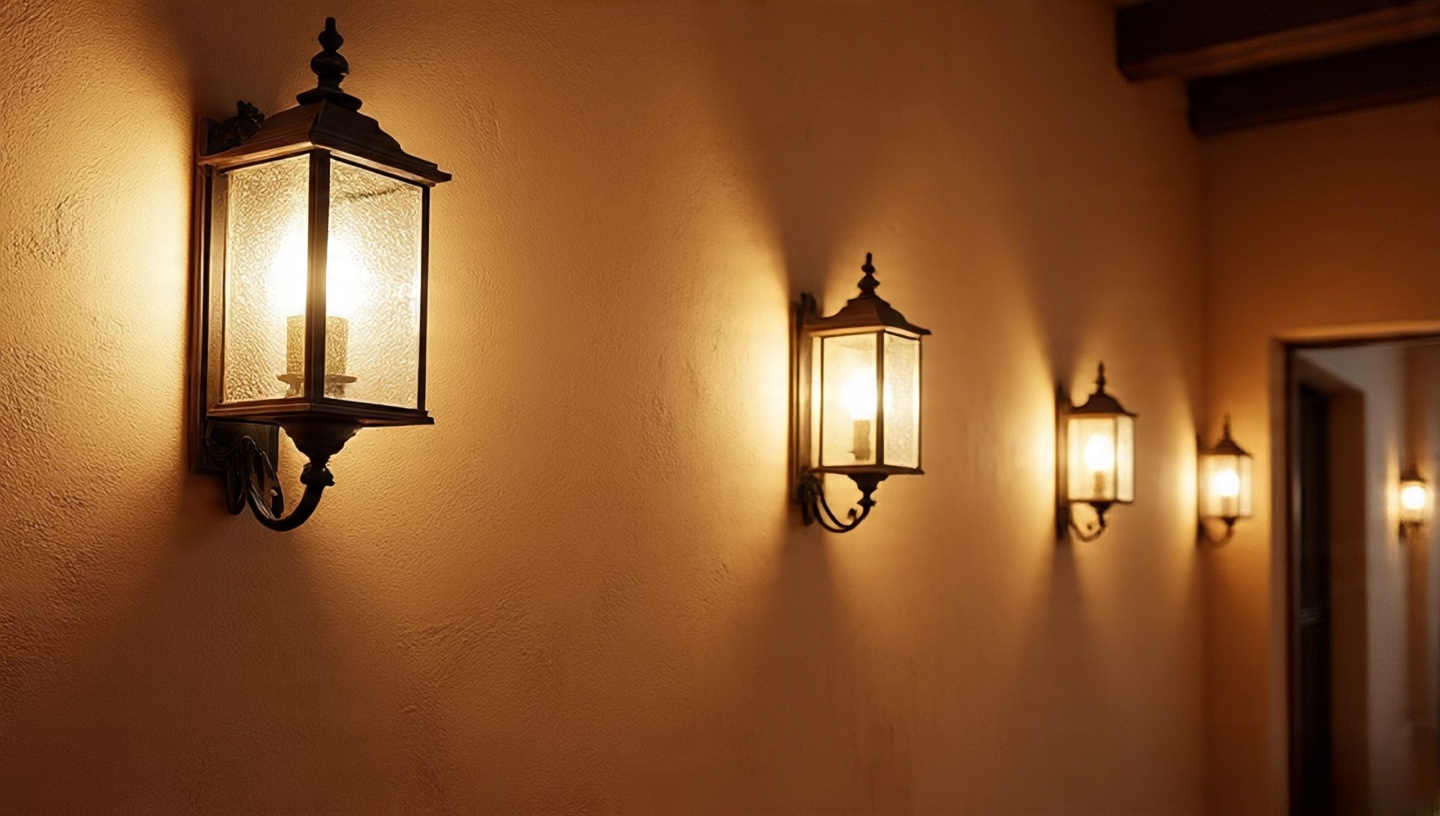 Wall sconces don’t just provide light they set a mood for the entire corridor or entryway. Lantern-style sconces with seeded glass instantly remind me of old Spanish missions across the Southwest. One of my favorite tricks is to use dimmable bulbs inside these sconces, so at night they mimic the soft flicker of candlelight.
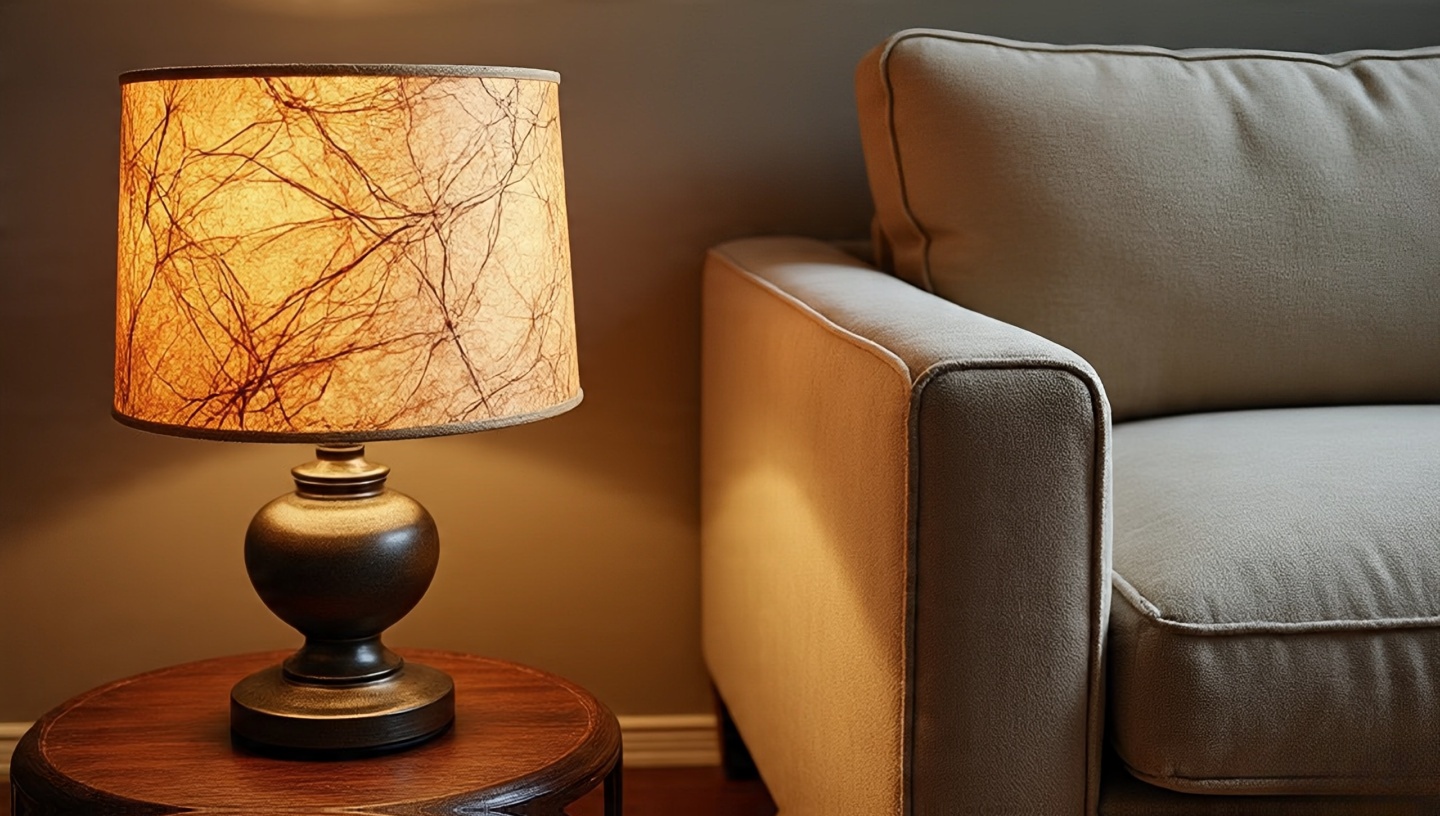 When clients tell me they want “warmth,” I often suggest rawhide shades. The light diffused through rawhide feels like late afternoon sun soft, golden, and endlessly inviting. Place them in living rooms where family gathers; they naturally draw people in. Just remember: rawhide is delicate, so avoid placing them in high-traffic areas where they might be bumped.
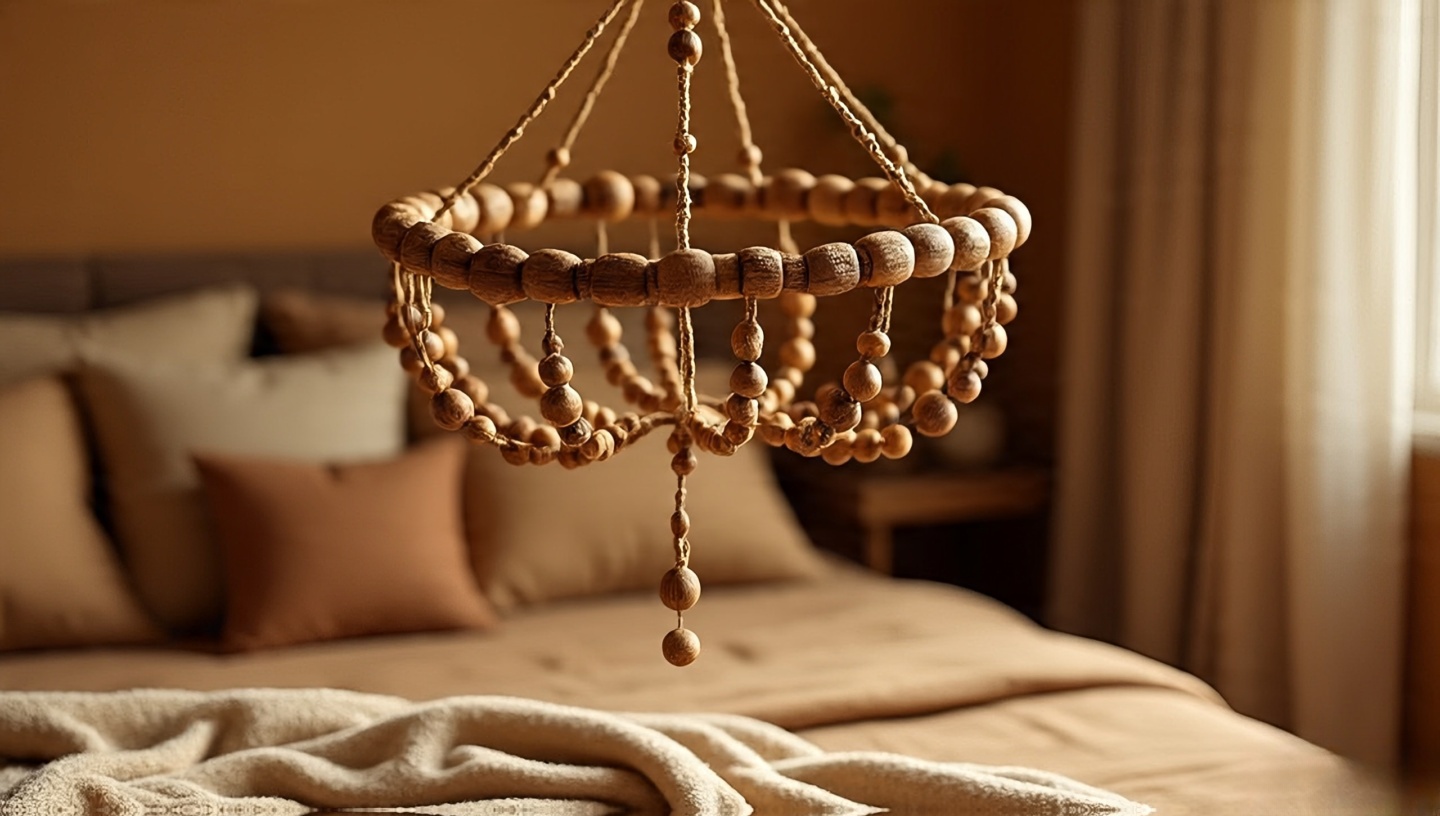 You might think “beads” sound too delicate for rustic decor but picture strands of wooden or clay beads cascading in earthy tones. Beaded chandeliers bring a tribal rhythm into a space. I once used a clay-beaded chandelier in a master bedroom with adobe walls, and it added a surprising sense of intimacy and elegance.
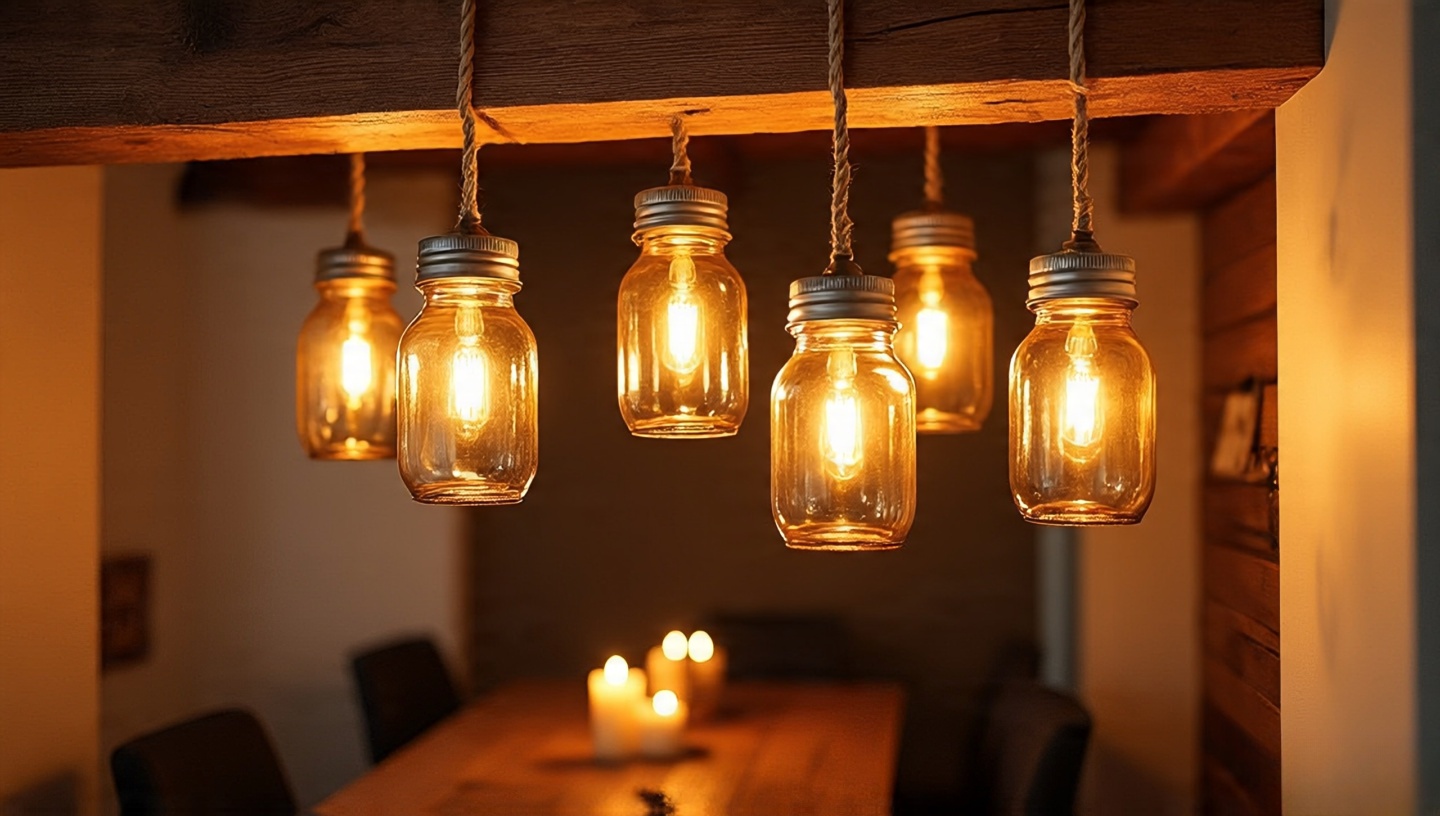 Now, mason jars usually scream farmhouse. But swap the clear glass for smoked amber and suddenly you’re in the desert. The glow feels like dusk settling over the mesa. These fixtures are a great DIY opportunity too you can play with different glass finishes to make the look uniquely yours.
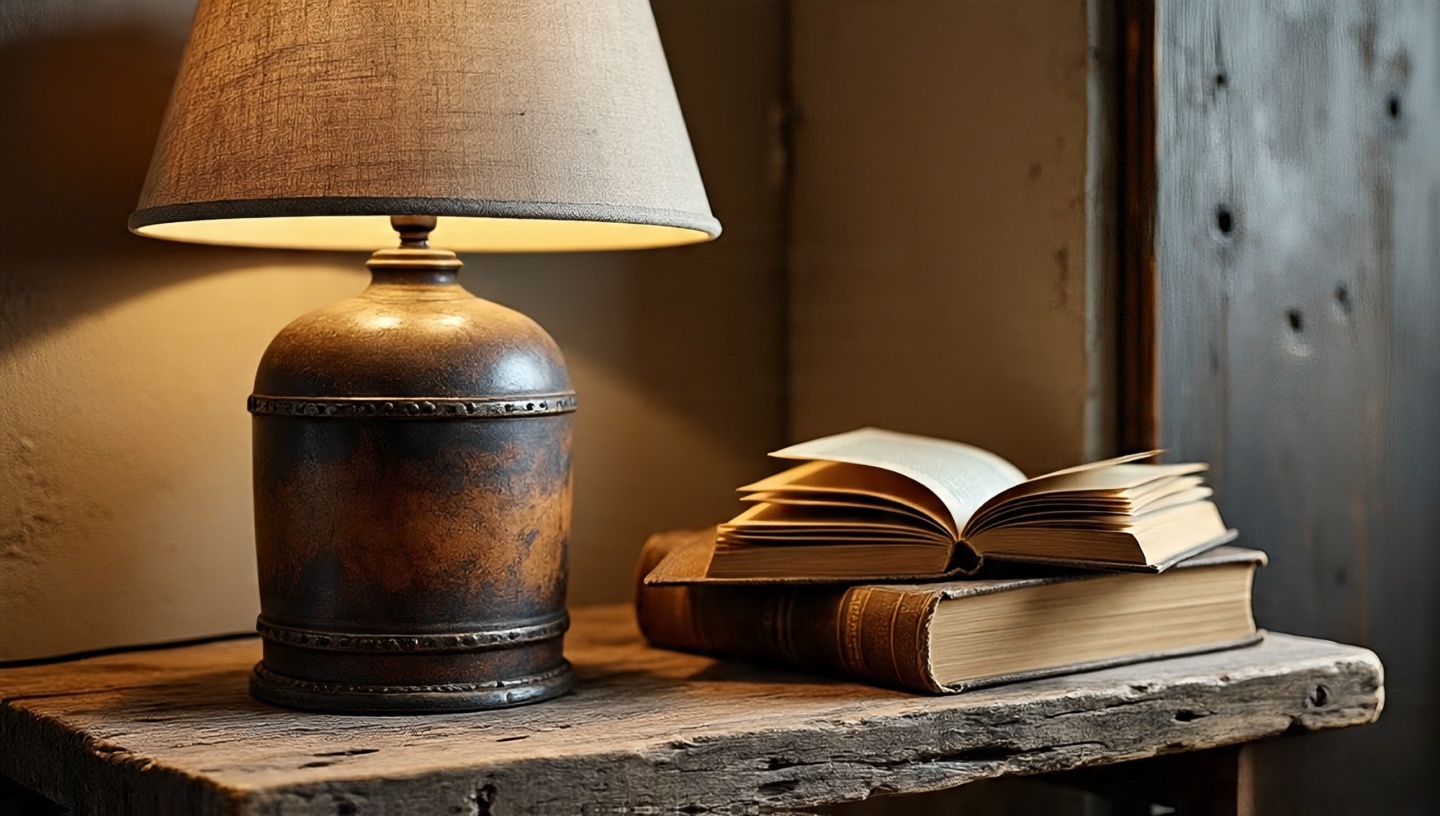 Leather is one of those materials that gets better with age. A lamp wrapped in rustic leather not only adds texture but also a sense of craftsmanship. I love placing them next to
 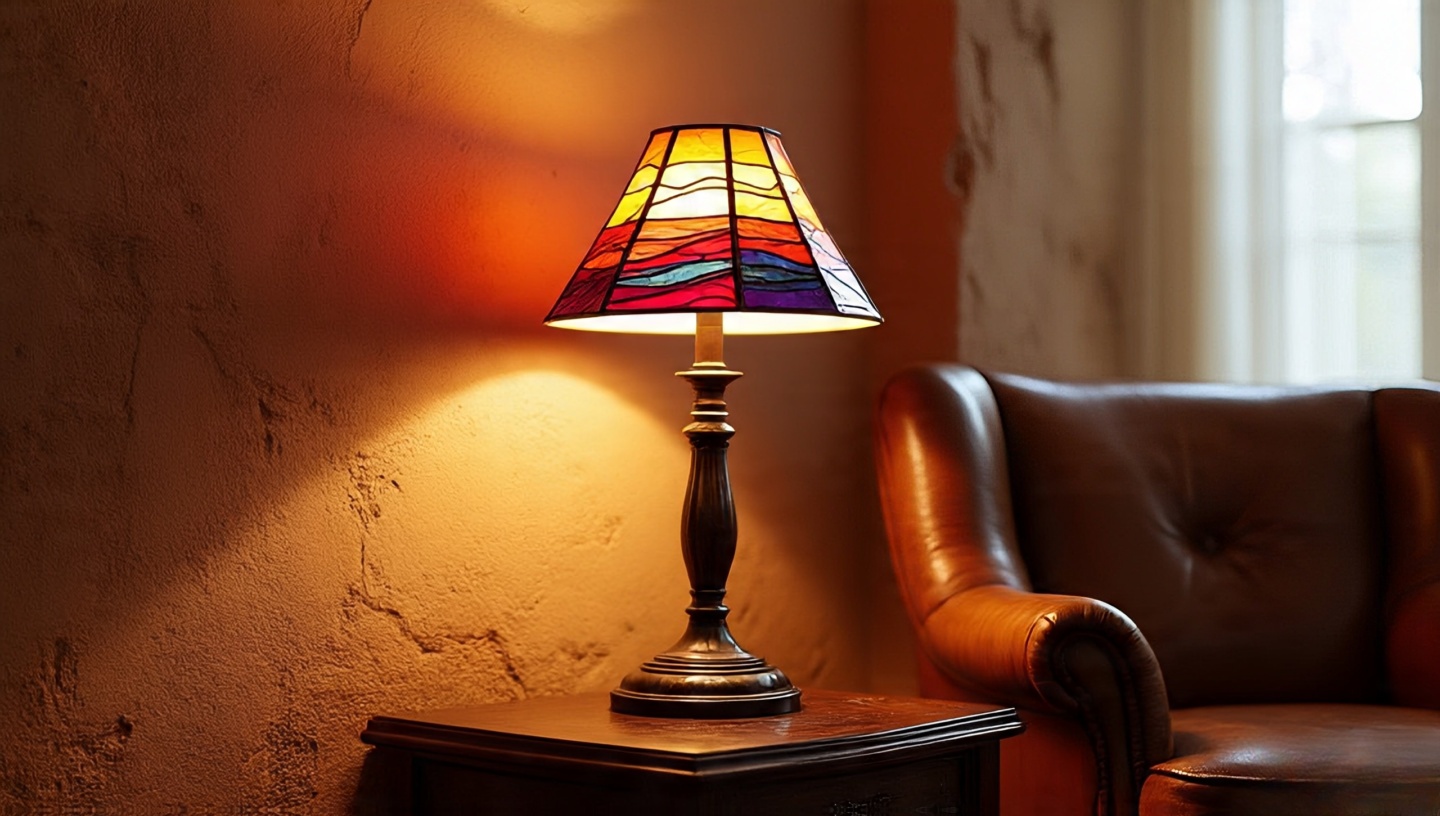 If you’ve ever watched the sun dip behind desert mesas, you know the colors are unforgettable deep orange, purples, and fiery reds. Stained glass lamps can capture this moment permanently. When lit, they don’t just illuminate they paint the room. Place one in a reading nook or beside a leather armchair, and you’ll find yourself lingering longer than expected.
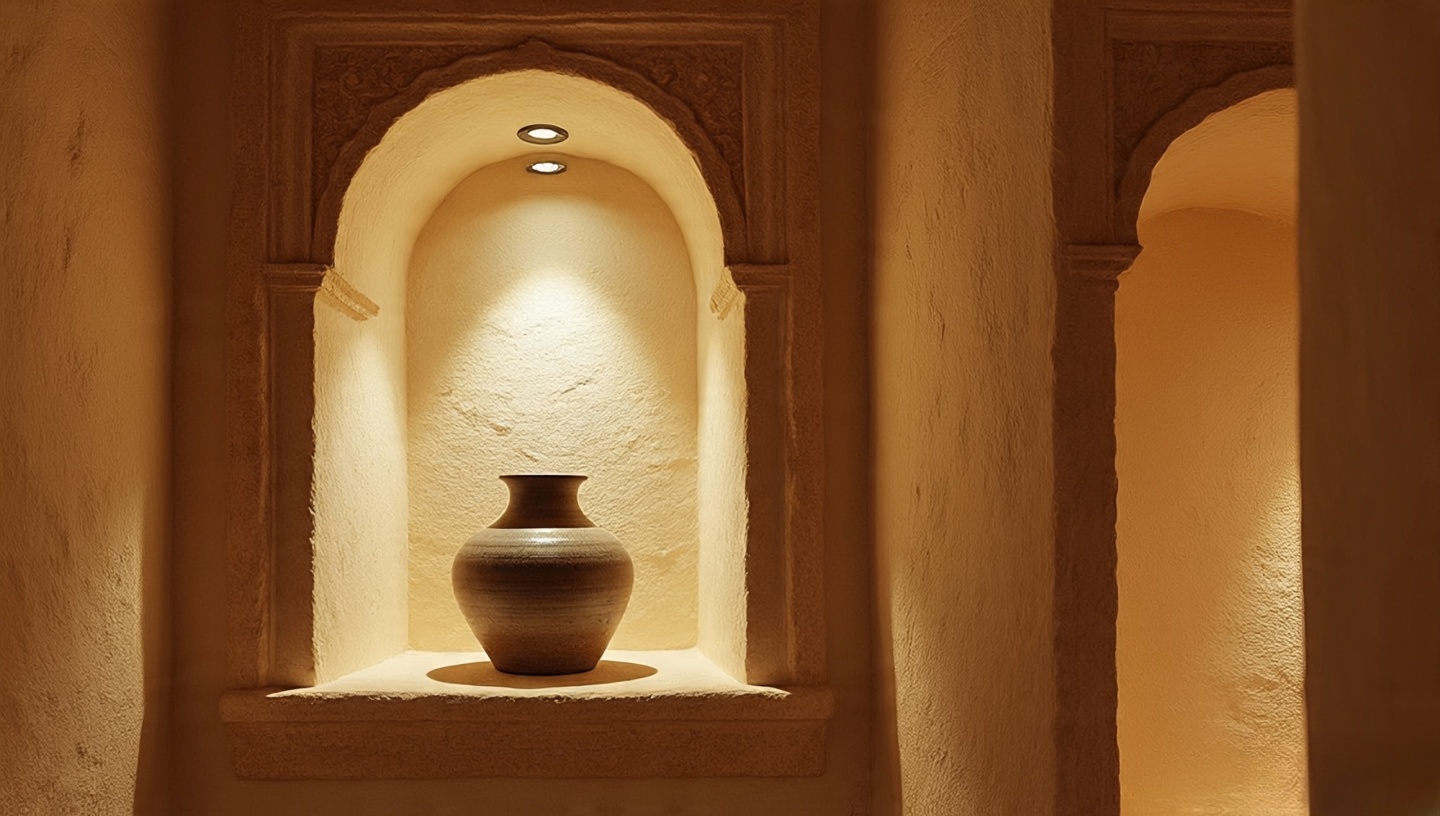 One of the most underrated ways to highlight Southwestern character is by illuminating adobe-style niches. These carved-out alcoves in the wall were originally practical, but when I add soft recessed lighting, they become showcases. Imagine placing a handmade pottery vase inside, softly glowing at night it turns architecture into artwork.
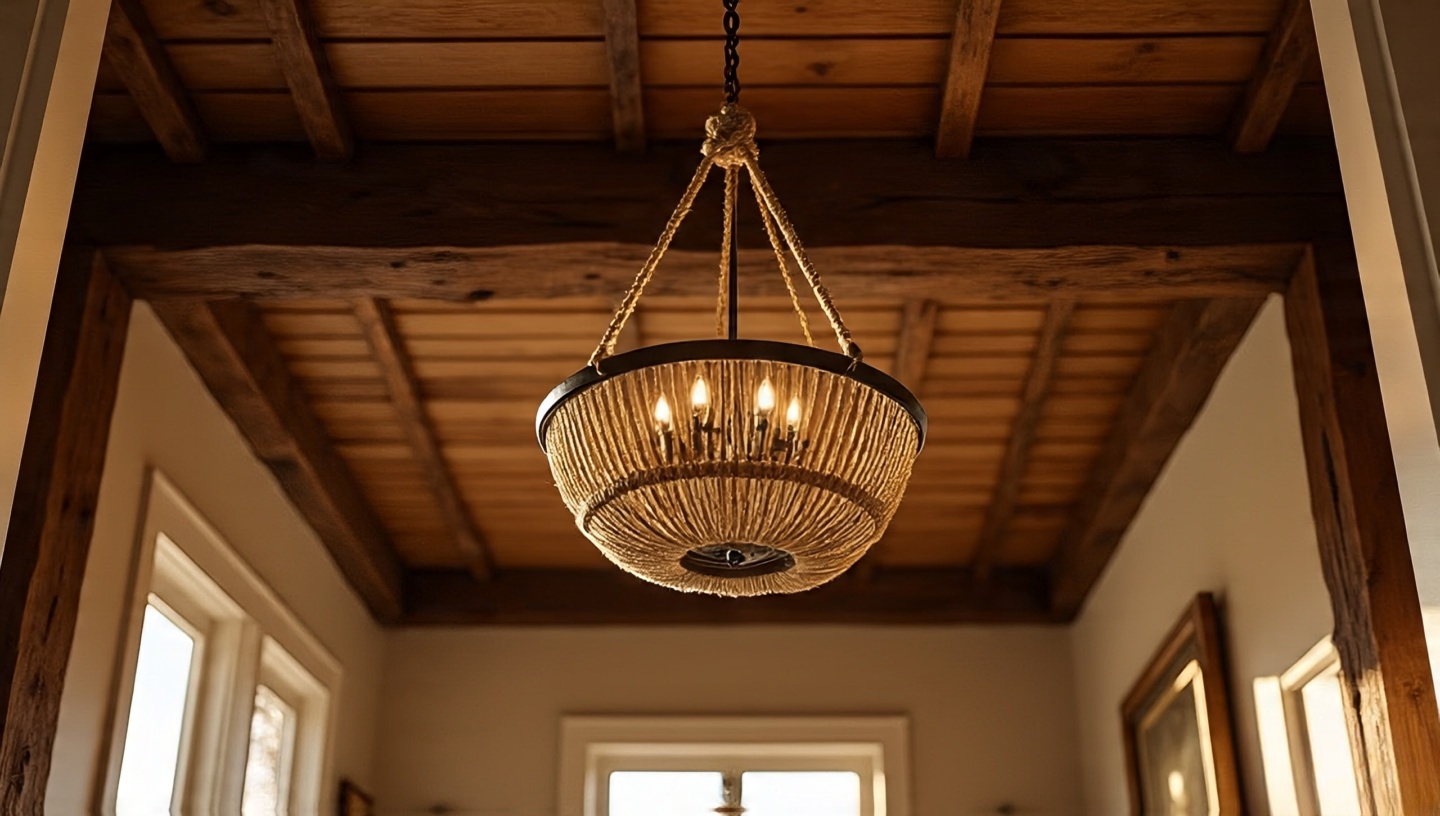 Not every chandelier has to be heavy metal. Sometimes, woven rope around an iron frame creates a relaxed ranch-house energy. I’ve installed these in tall entryways where the natural rope echoes other fibers in the room jute rugs, woven wall art, even rustic baskets. The key is balance: too much rope can feel nautical, but paired with desert tones, it whispers Southwest.
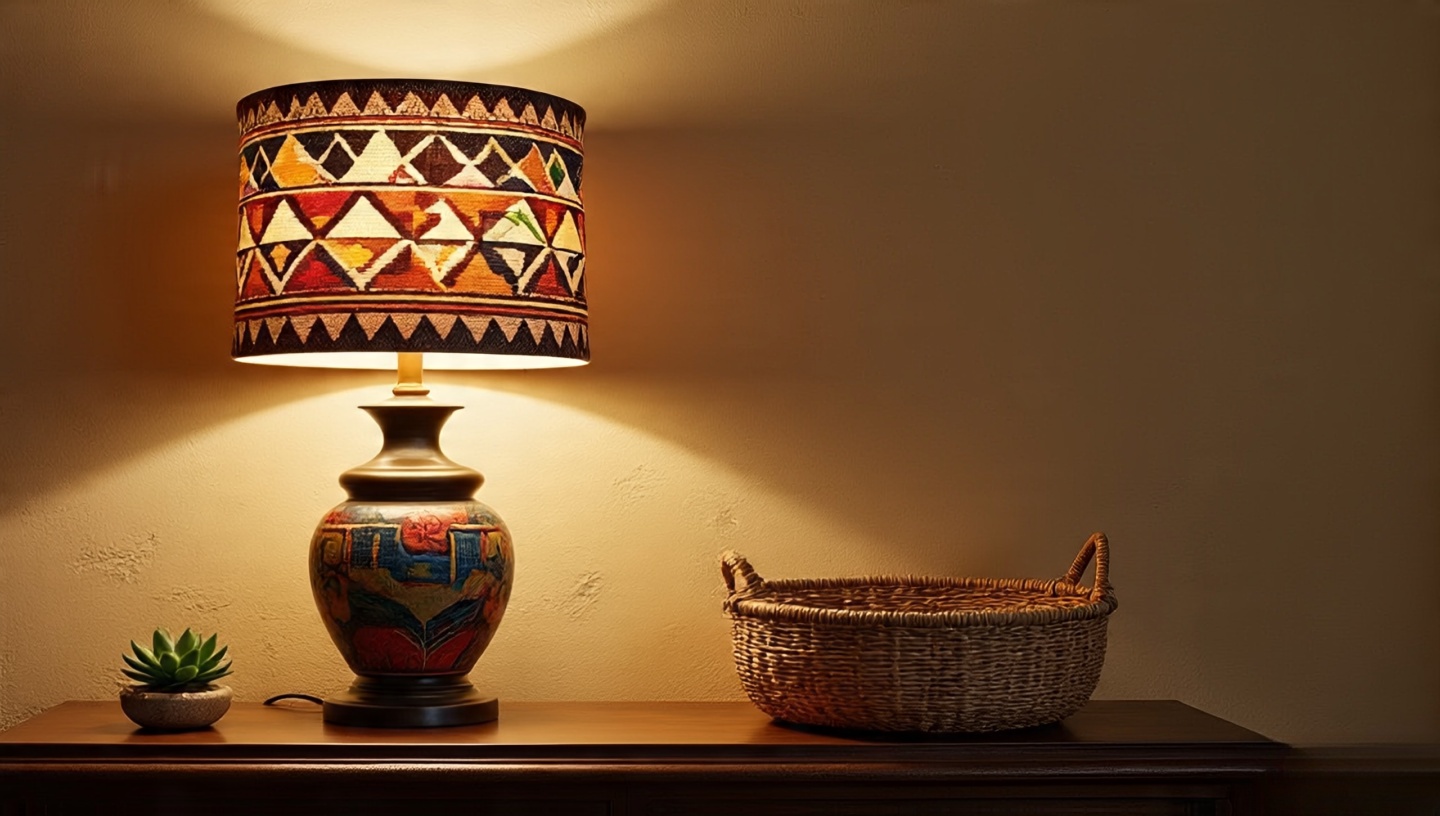 When people feel their living room is “missing something,” I often look at their lamp shades. Swap in a Navajo-patterned shade and suddenly the space shifts. It’s a small detail, but in design, small details often carry the biggest impact. Shades are easy to change, so experiment with bold patterns until one clicks with your overall palette.
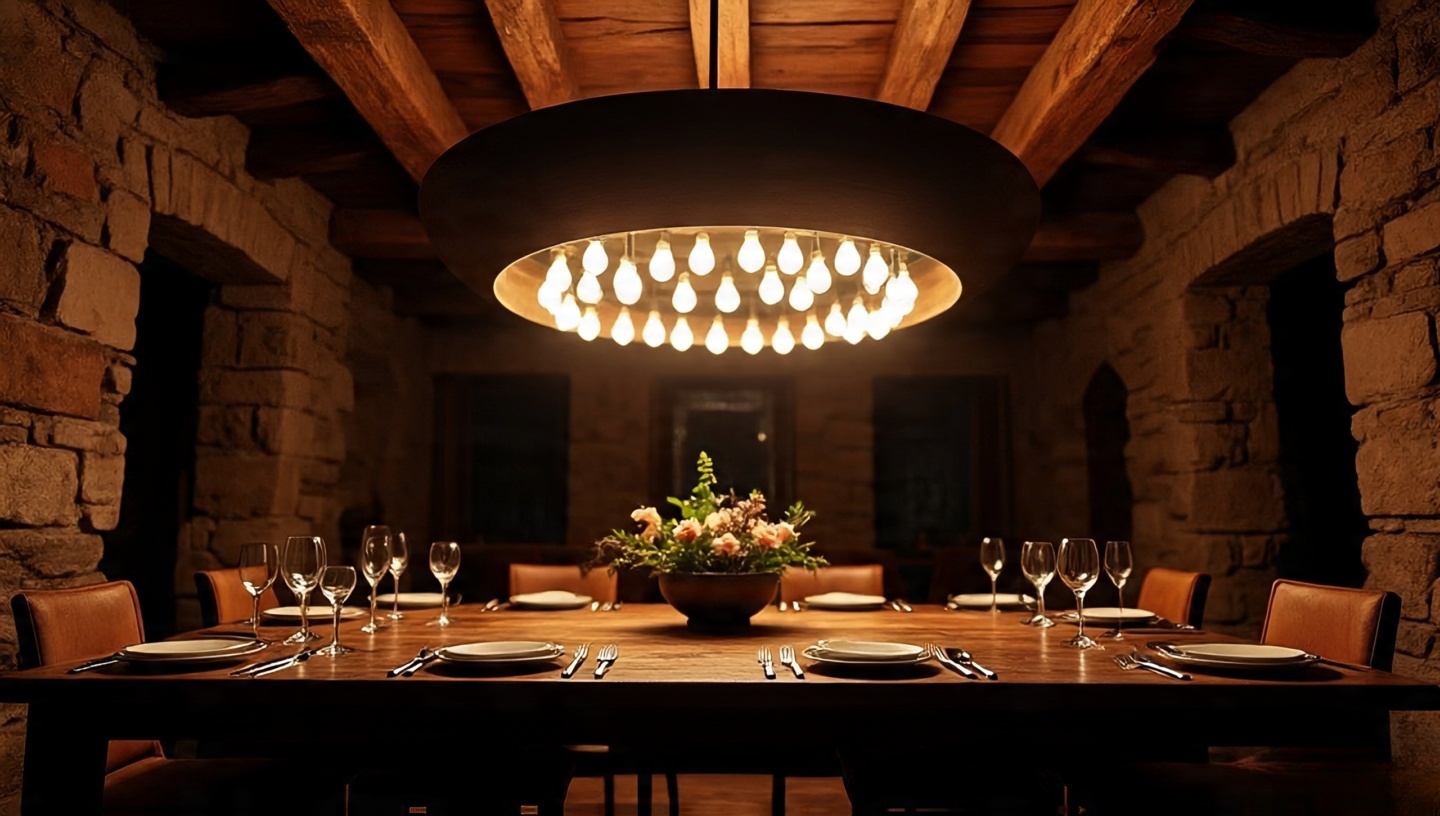 There’s a primal comfort in sitting around fire, and these bowl-shaped ceiling lights capture that essence. I once used them in a desert lodge dining hall, and the entire room glowed like a campfire circle. If you go this route, keep the bulbs warm-toned and dimmable you want ambiance, not interrogation lighting.
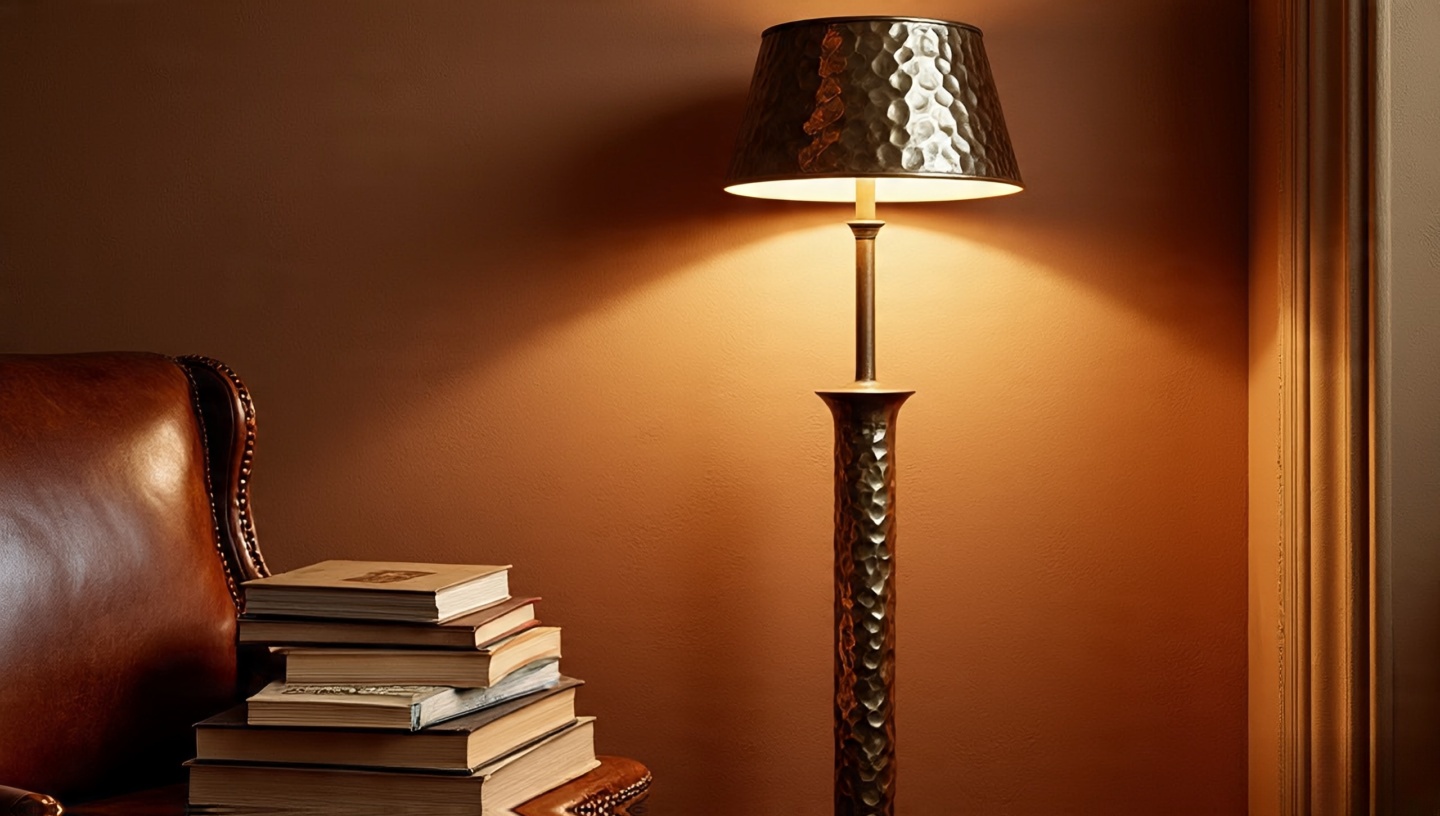 Tall, hammered metal floor lamps bring both presence and utility. I recommend them in living rooms where ceilings are high you need visual weight to ground the space. Pair one beside a leather chair and watch how it anchors the corner, making it a natural reading nook. A hammered bronze finish works particularly well with terracotta walls.
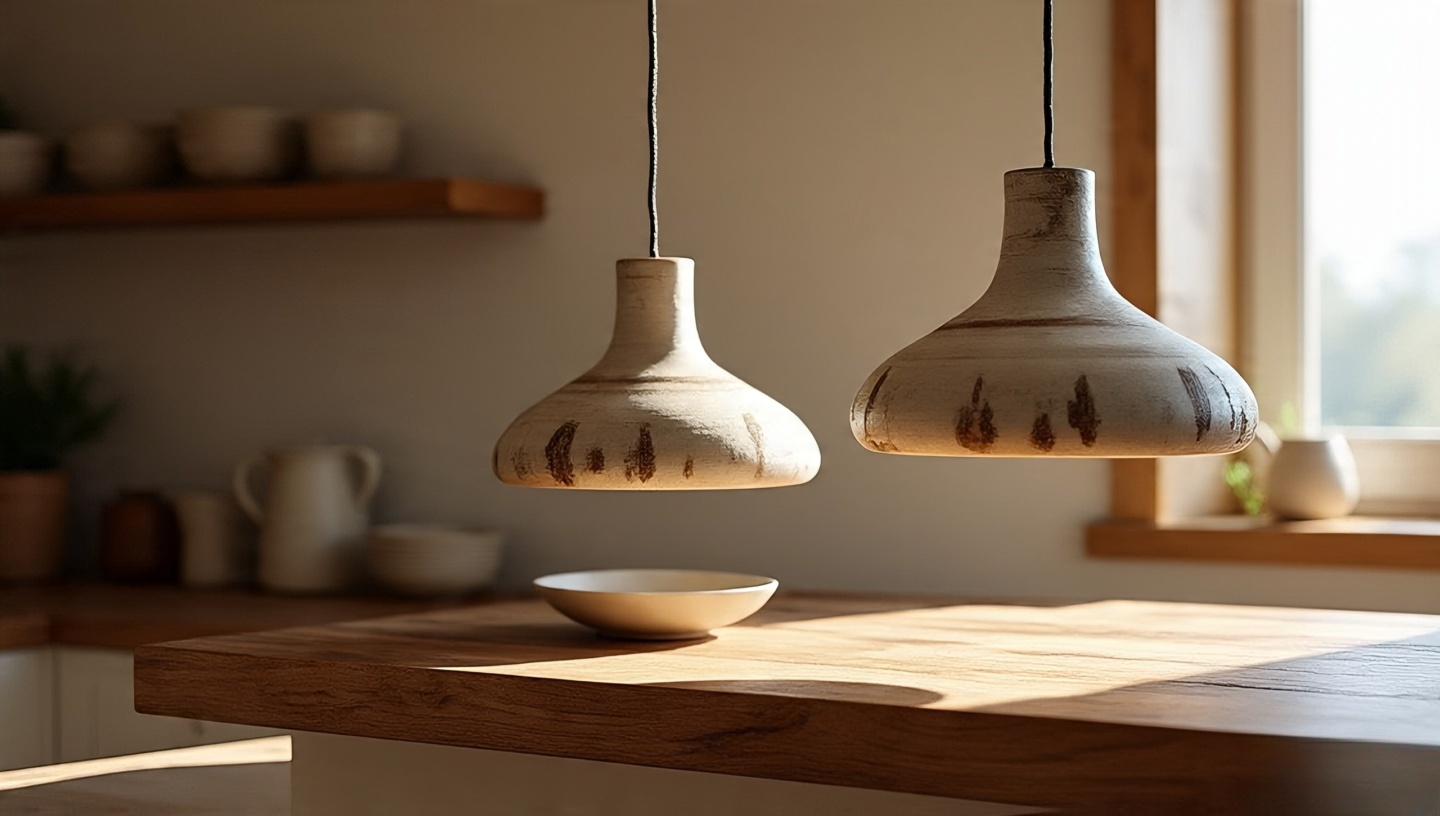 Hand-thrown clay pendants are never perfect and that’s their magic. Each one carries fingerprints of the artisan, slight curves, tiny irregularities. In Southwestern design, imperfection equals authenticity. Over a kitchen island or clustered above a rustic dining table, these pendants add an earthy softness you can’t fake.
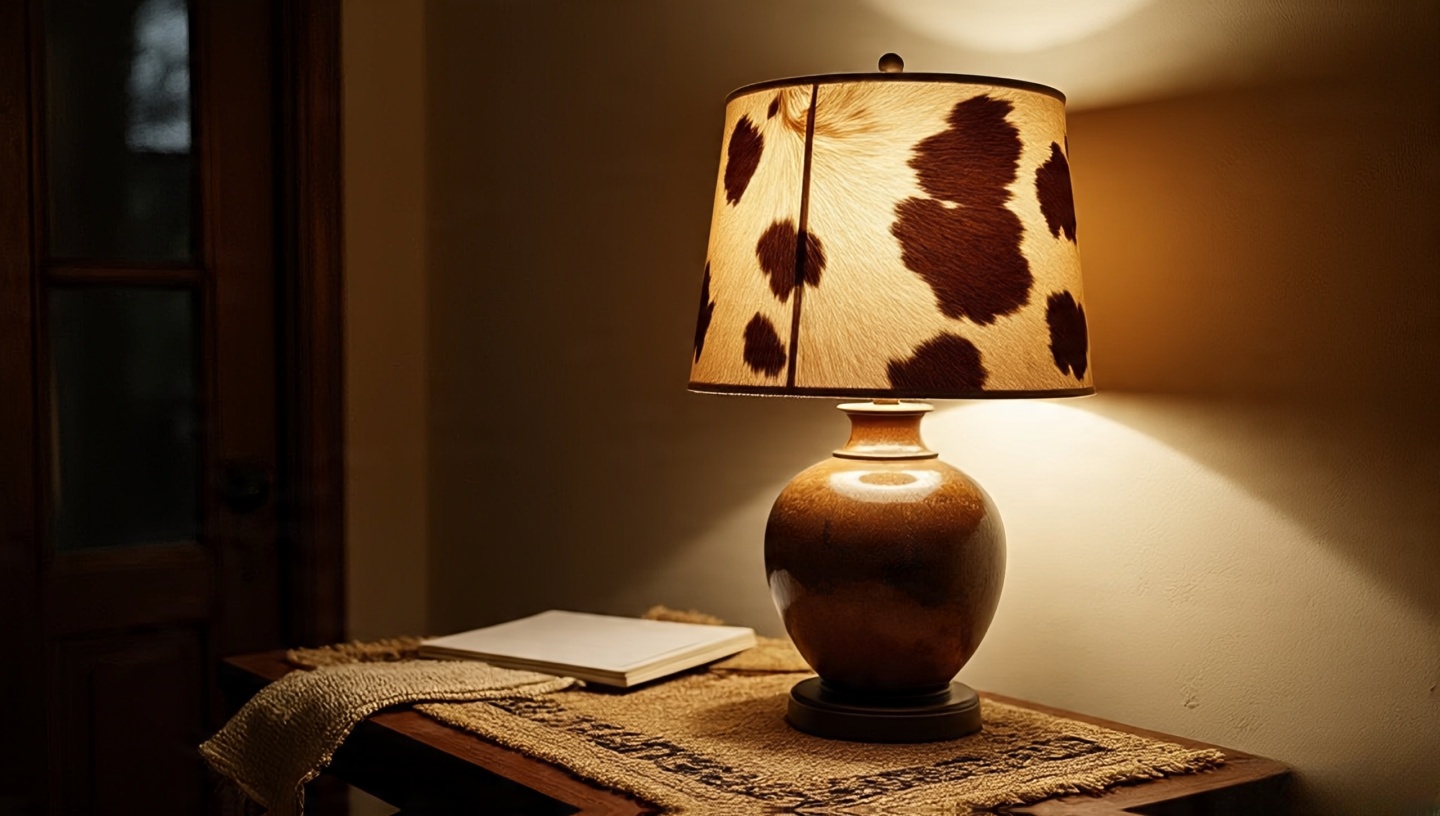 For the adventurous, cowhide shades pack a bold punch. I once worked with a client who paired cowhide shades with a handwoven Navajo rug it was daring, but the combination brought the entire room alive. The trick is not to overdo it. One or two cowhide accents are striking; more than that risks overwhelming the eye.
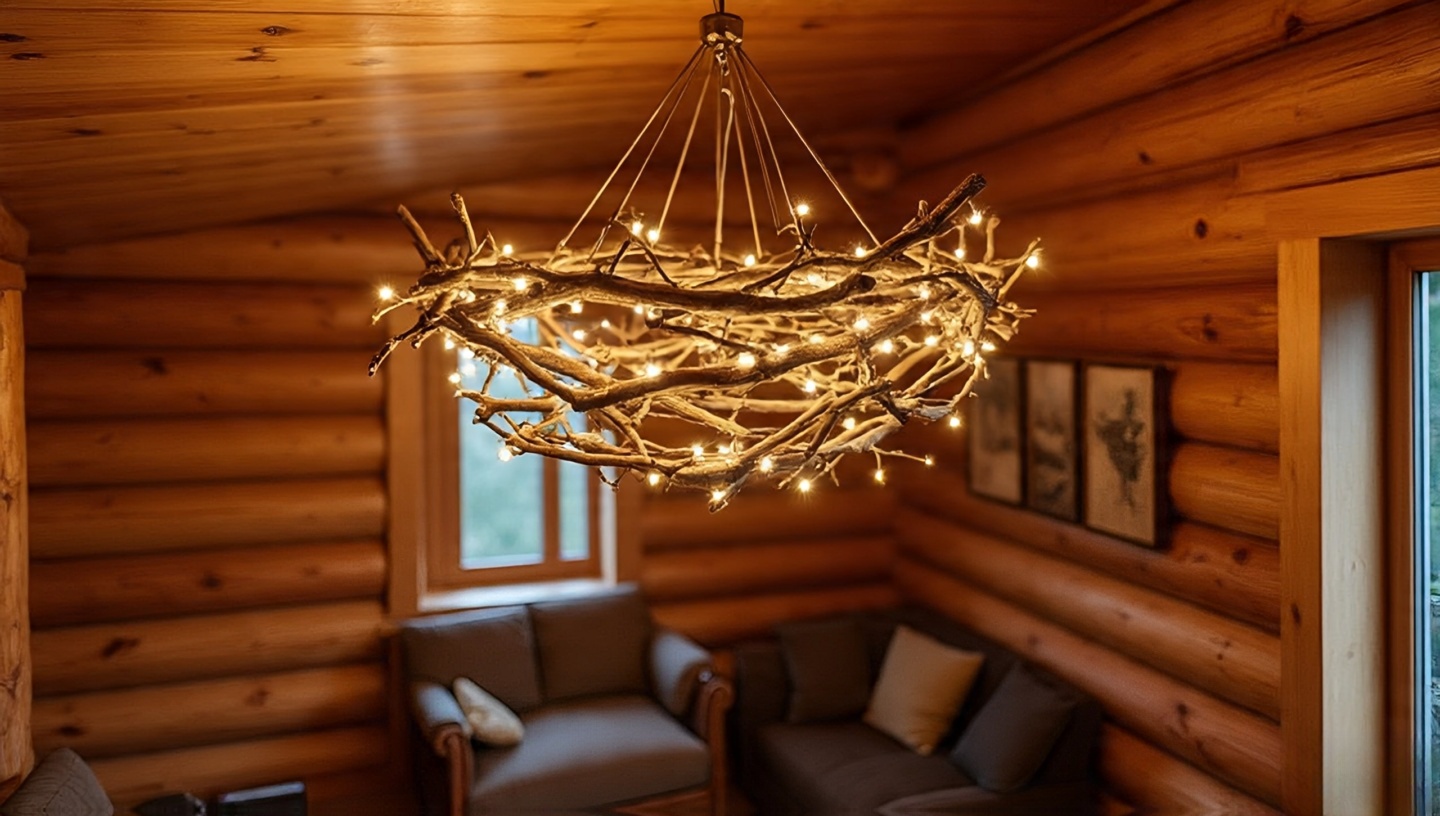 Nature doesn’t need much help to be beautiful. Chandeliers crafted from twigs or branches bring the raw desert outdoors inside. I’ve seen them work wonders in mountain cabins and desert retreats alike. For extra warmth, thread tiny fairy lights between the branches it creates a starlit effect indoors.
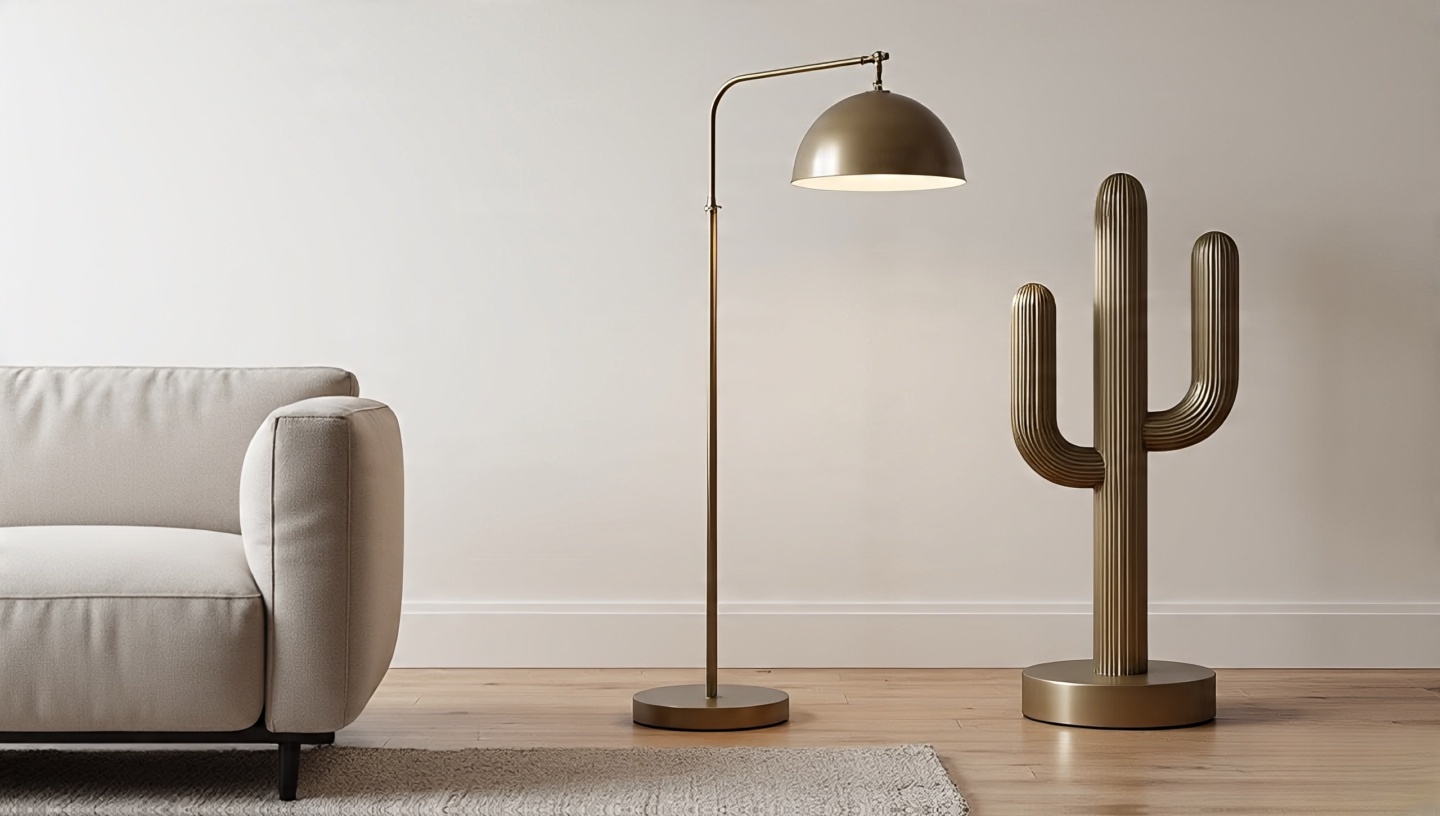 Sometimes design should make you smile. Lamps or chandeliers shaped like cacti are playful yet fitting for Southwestern homes. I’ve used minimalist metal cactus silhouettes in modern desert interiors they strike the perfect balance between whimsical and refined. Just don’t scatter too many around; one cactus fixture is charming, five feels like a theme park.
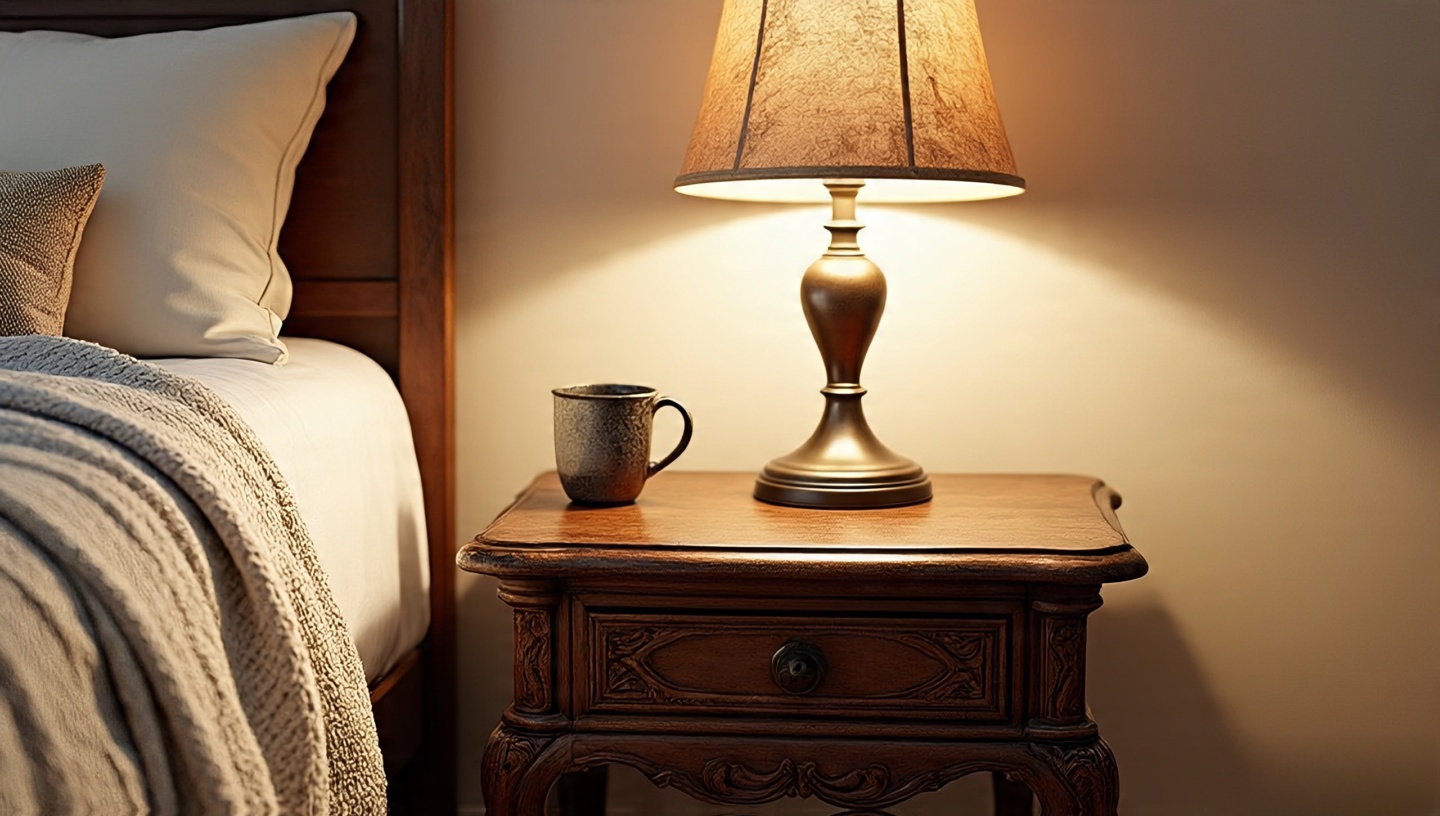 Brass has a way of catching light and reflecting it softly across a room. A burnished brass lamp on a nightstand creates a mellow glow perfect for bedrooms. In one project, I paired them with woven blankets and carved wooden headboards, and the brass tied everything together. For more inspiration on setting the right bedroom tone, see these
 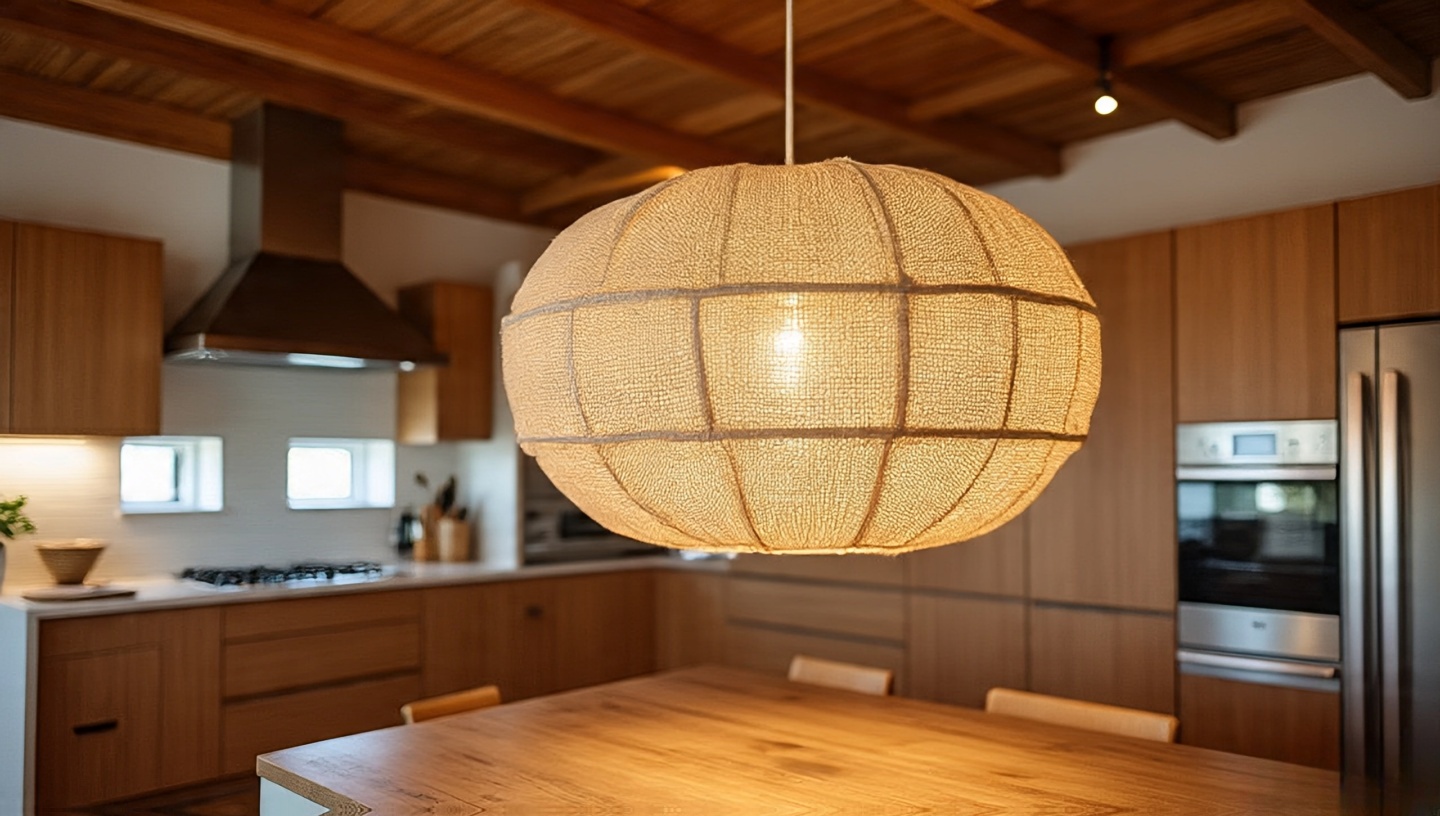 Wide drum pendants wrapped in burlap or linen have a way of softening a room without losing character. I love using them in open kitchens where the fabric diffuses the light into a warm, even glow. If you want to take it further, look for tribal-printed fabrics they add that subtle desert storytelling element overhead.
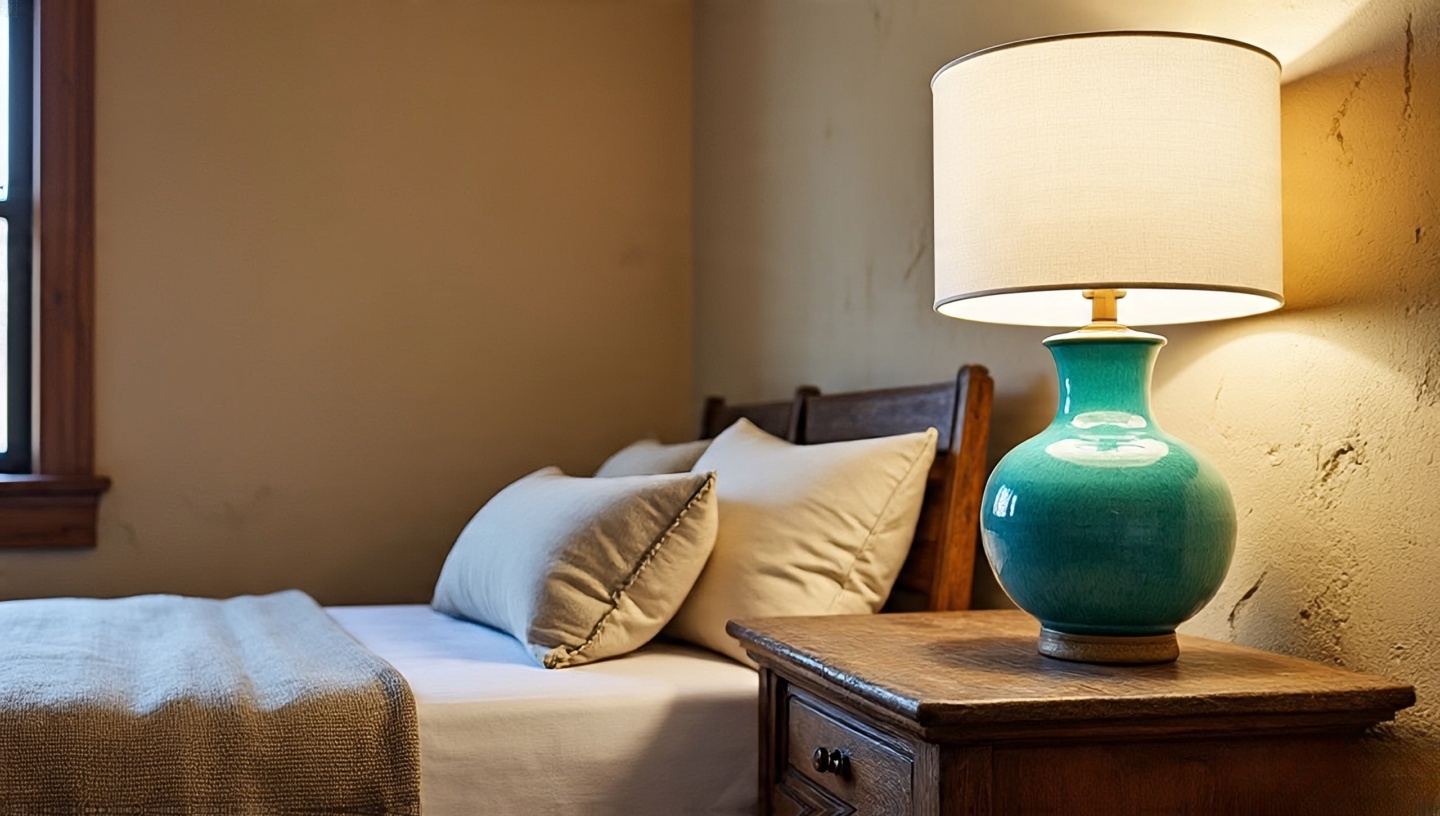 Turquoise is more than just a color; it’s the heartbeat of Southwestern style. A lamp with a turquoise base feels like a jewel in the room. I once placed a pair on rustic nightstands in a guest room, and guests couldn’t stop commenting on them. Against earthy tones, turquoise pops like desert flowers after rain.
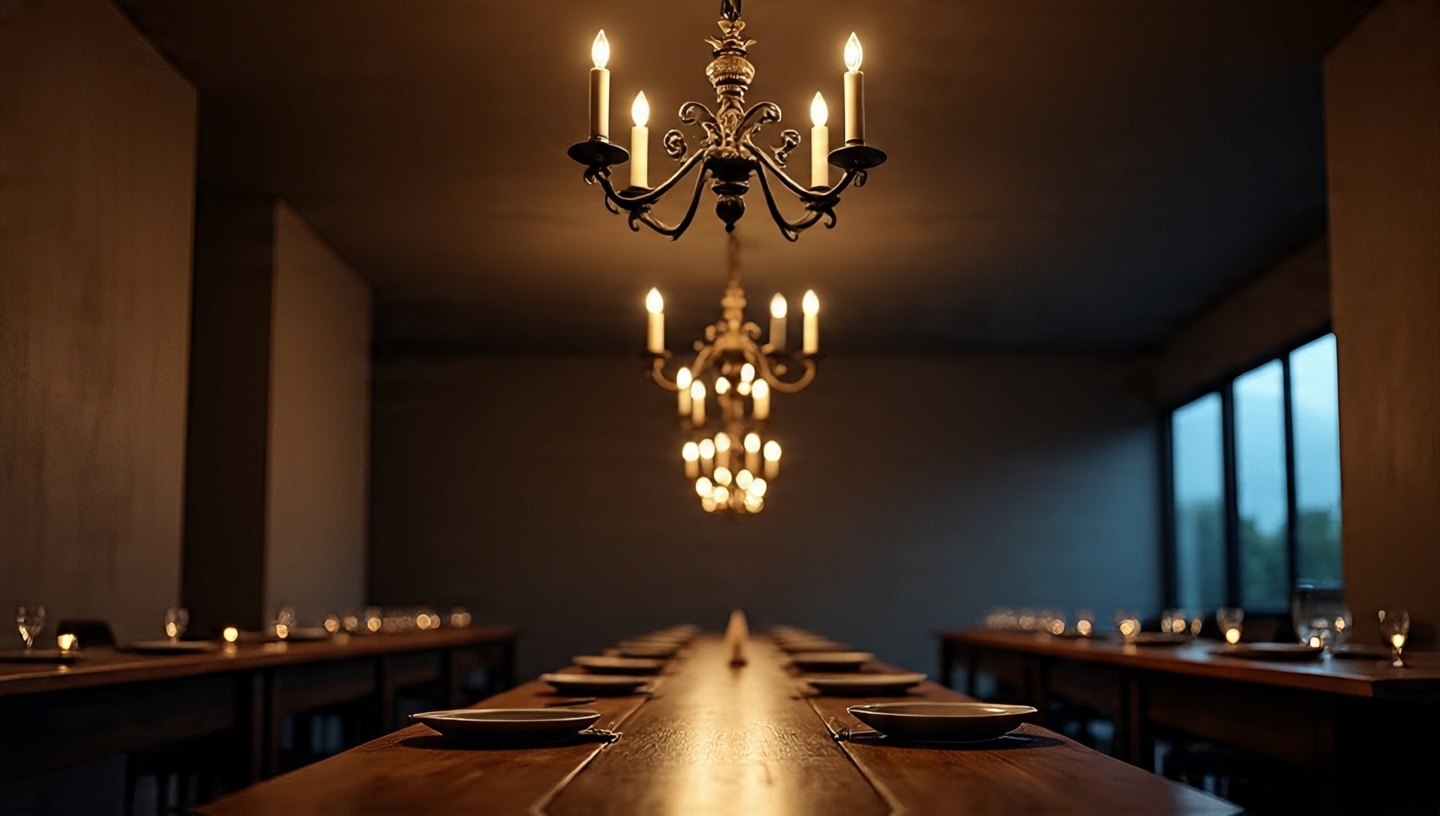 Sometimes I go back to the classics an iron candelabra with candle-style bulbs. The rugged silhouette, when combined with woven rugs and Navajo-inspired throws, creates an atmosphere that feels timeless. My design note: avoid overly ornate versions; clean, sturdy lines capture the rustic Southwest far better.
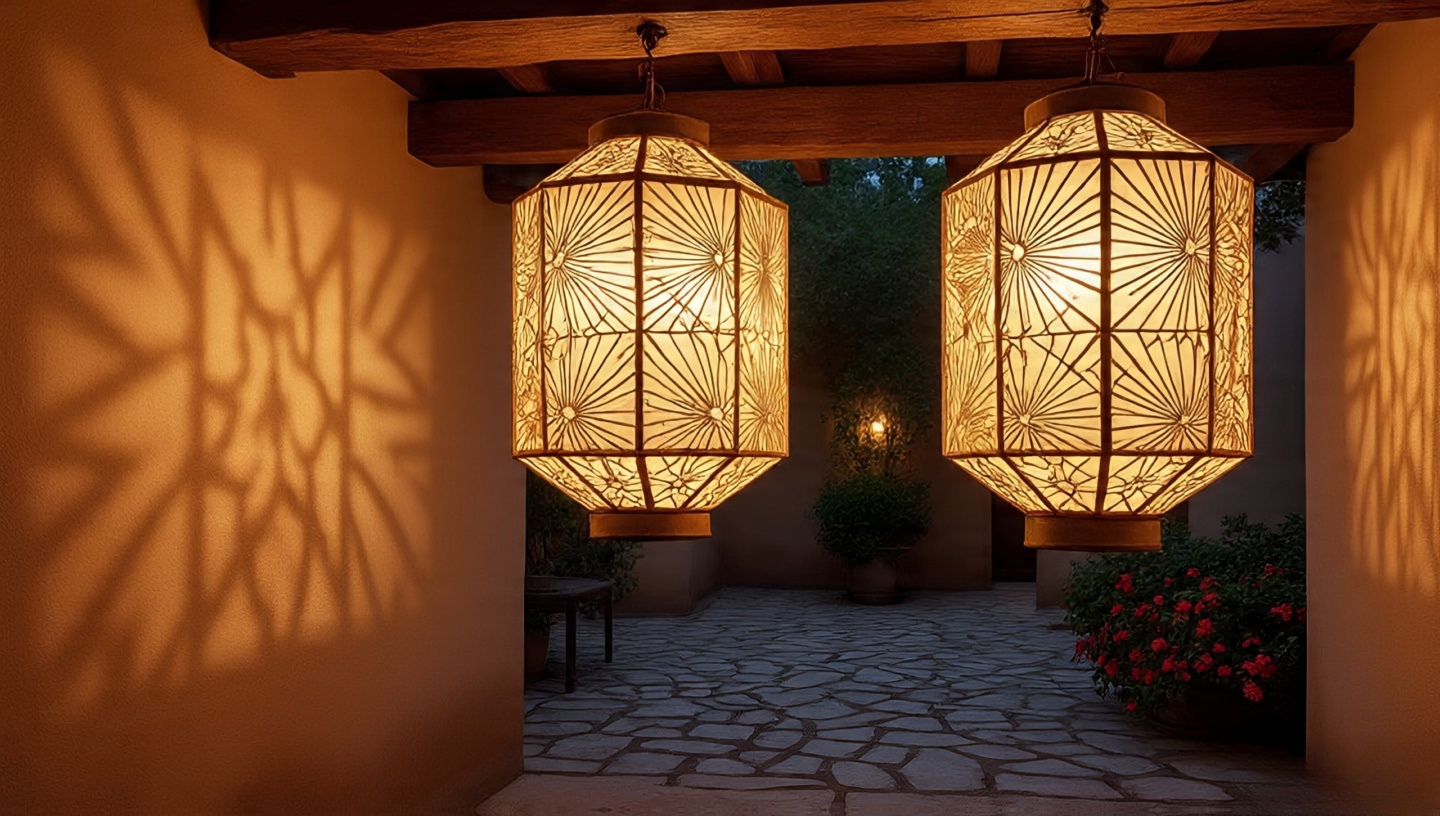 Light filtered through etched or frosted glass is always atmospheric. I once designed etched lanterns with sunburst patterns for a desert courtyard the shadows at night were mesmerizing, shifting like desert sands. Indoors, they create intimacy in dining rooms or entryways where first impressions matter most.
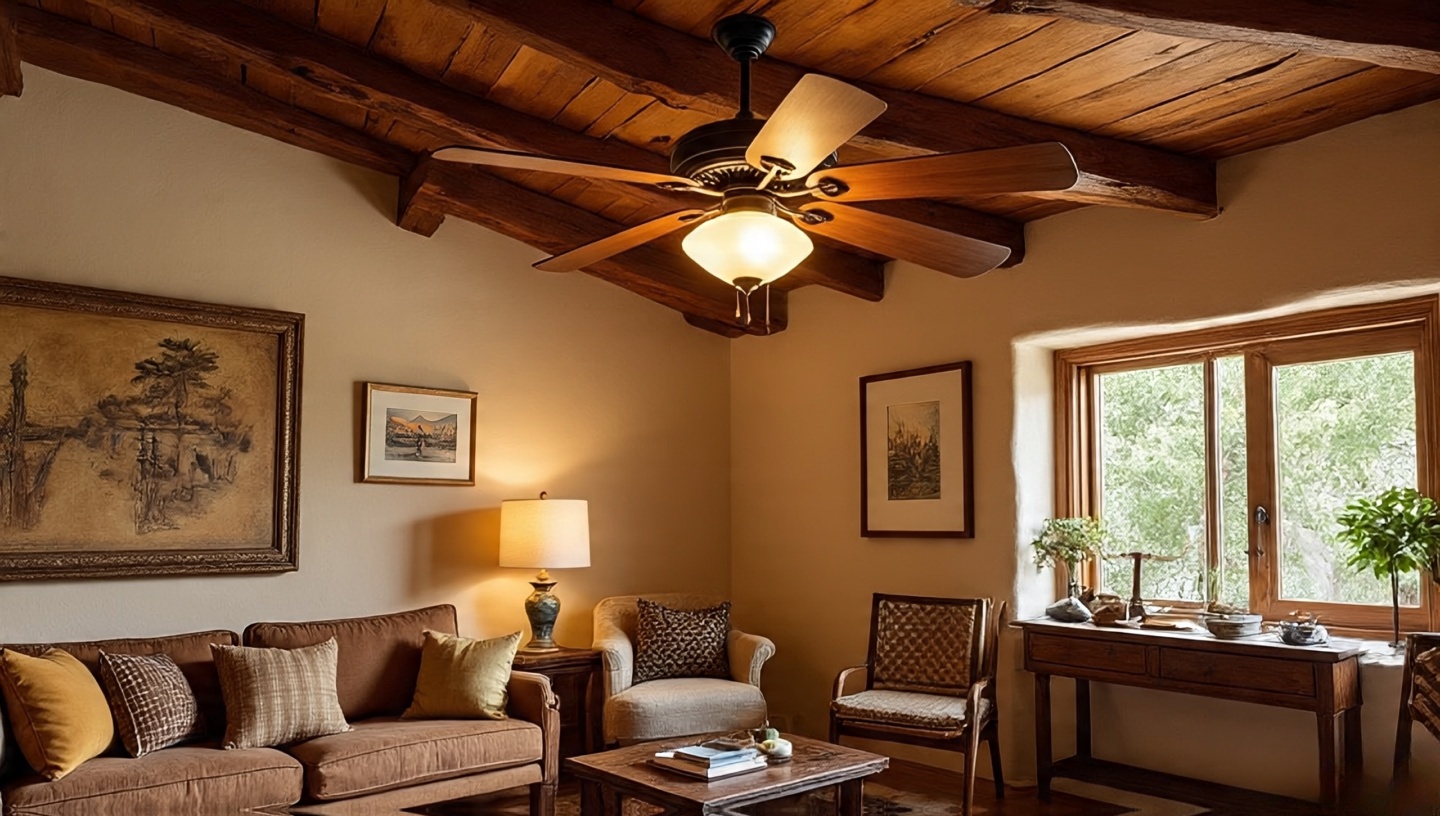 Southwestern summers can be relentless. A ceiling fan with a rustic wood finish doesn’t just cool the space it becomes part of the design. I often select fans with iron or bronze accents and soft amber bulbs, so they serve double duty: practical comfort and warm ambiance.
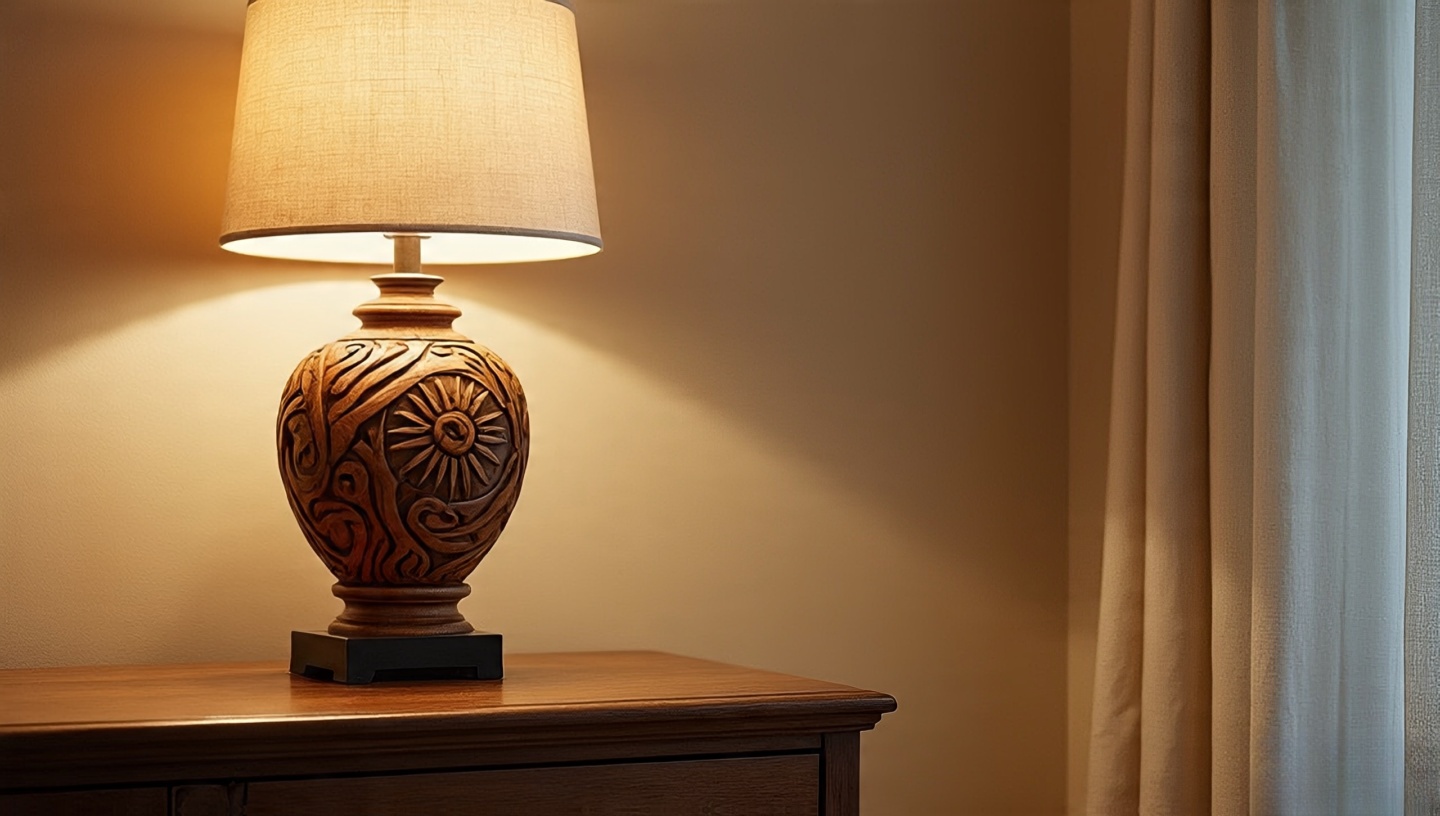 Hand-carved wooden lamp bases feel like heirlooms. I’ve worked with artisans who carve desert motifs into each piece sun symbols, cactus patterns, even flowing river designs. Place one on a console table in your entryway, and it tells visitors they’re stepping into a space with soul.
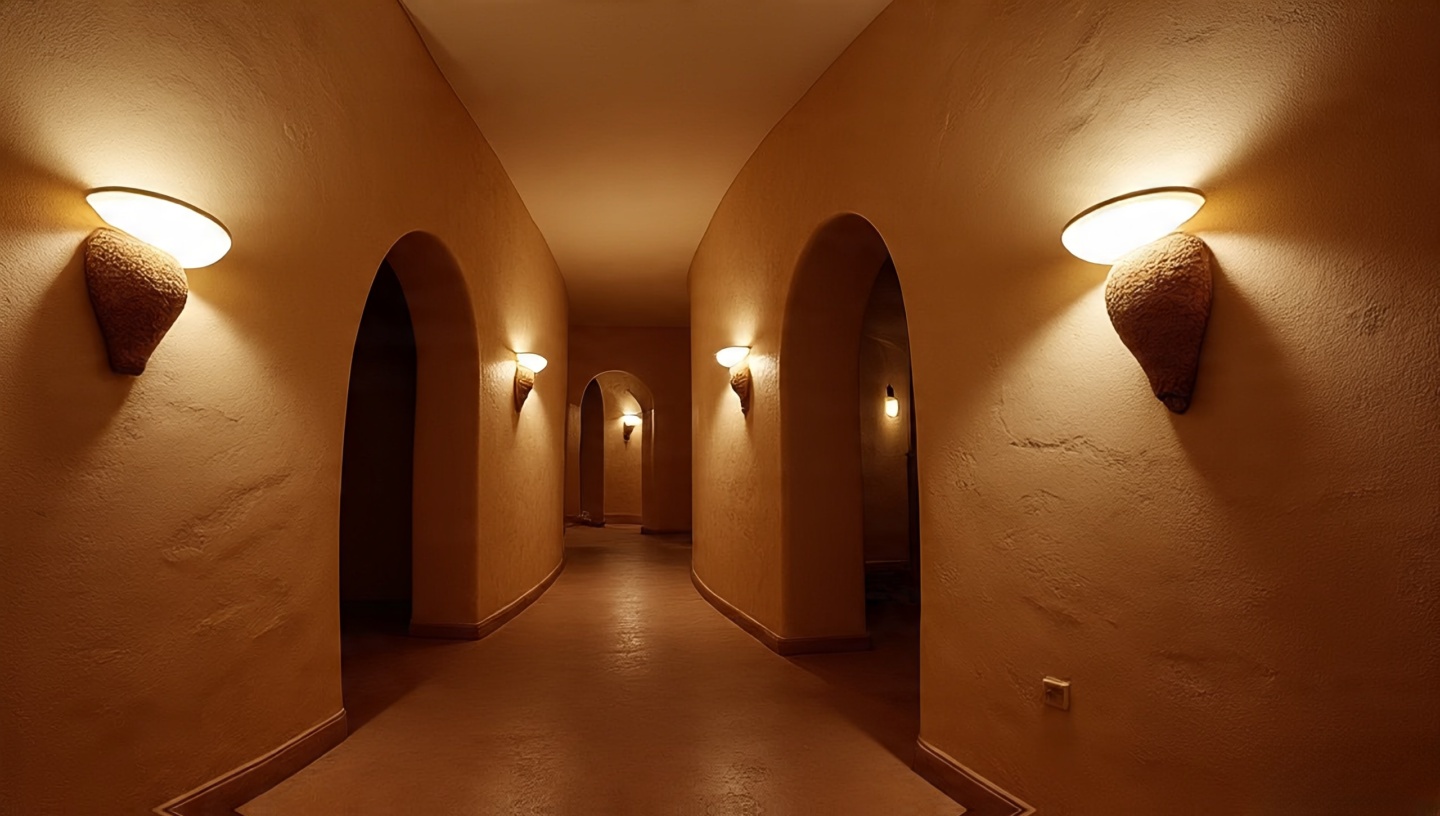 Pueblo revival lighting is all about organic forms soft curves, clay-like textures, and earthy colors. I recommend them for hallways or flanking a rustic doorway. They give the impression that the walls themselves are glowing, a subtle architectural trick that feels magical at night.
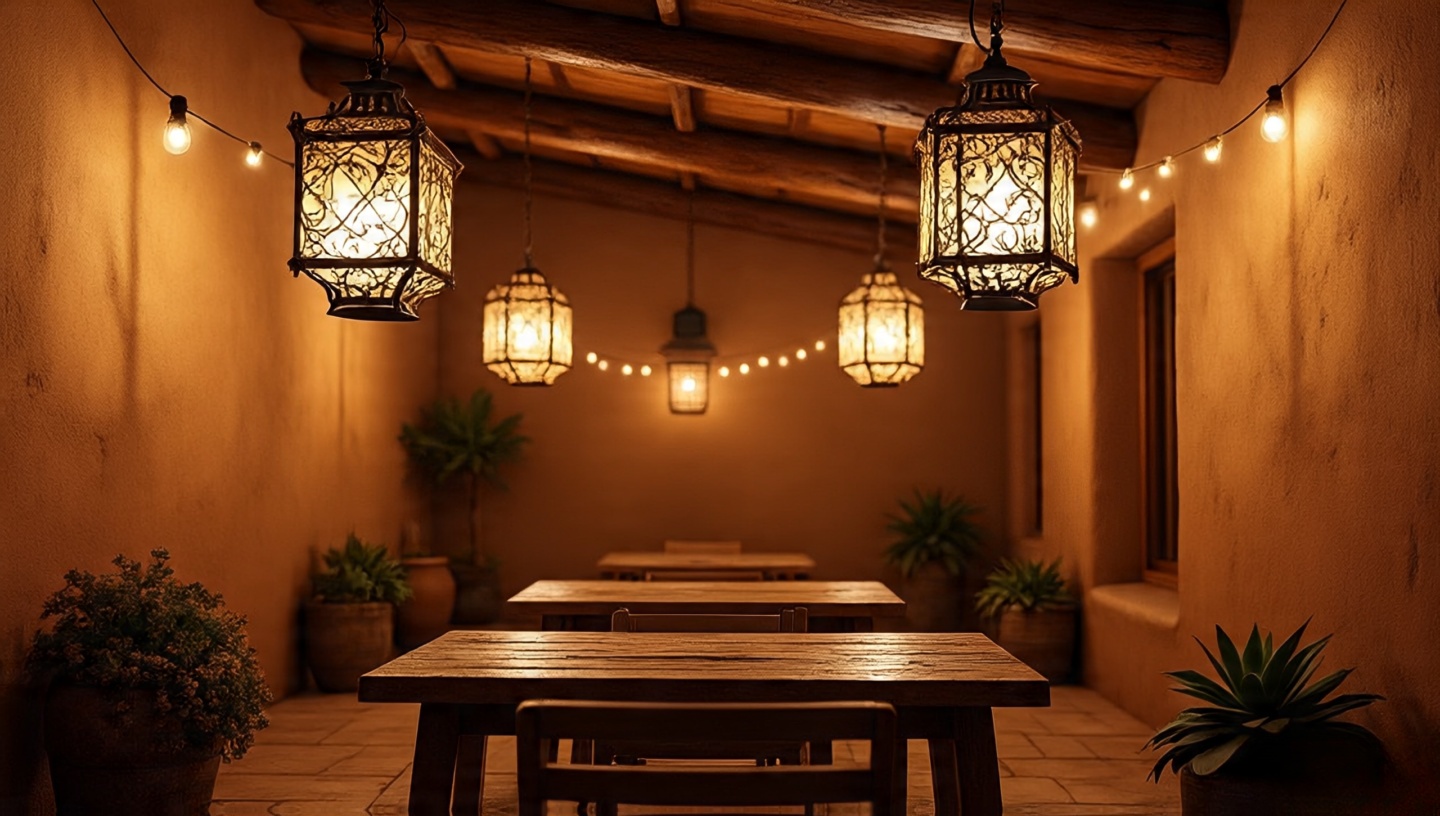 Don’t limit Southwestern lighting to indoors patios deserve the same care. Hanging lanterns outdoors create a seamless flow between inside and outside. I recall one project where iron lanterns lined a covered patio, glowing against adobe walls. It made the evenings unforgettable. For more outdoor inspiration, peek at these
 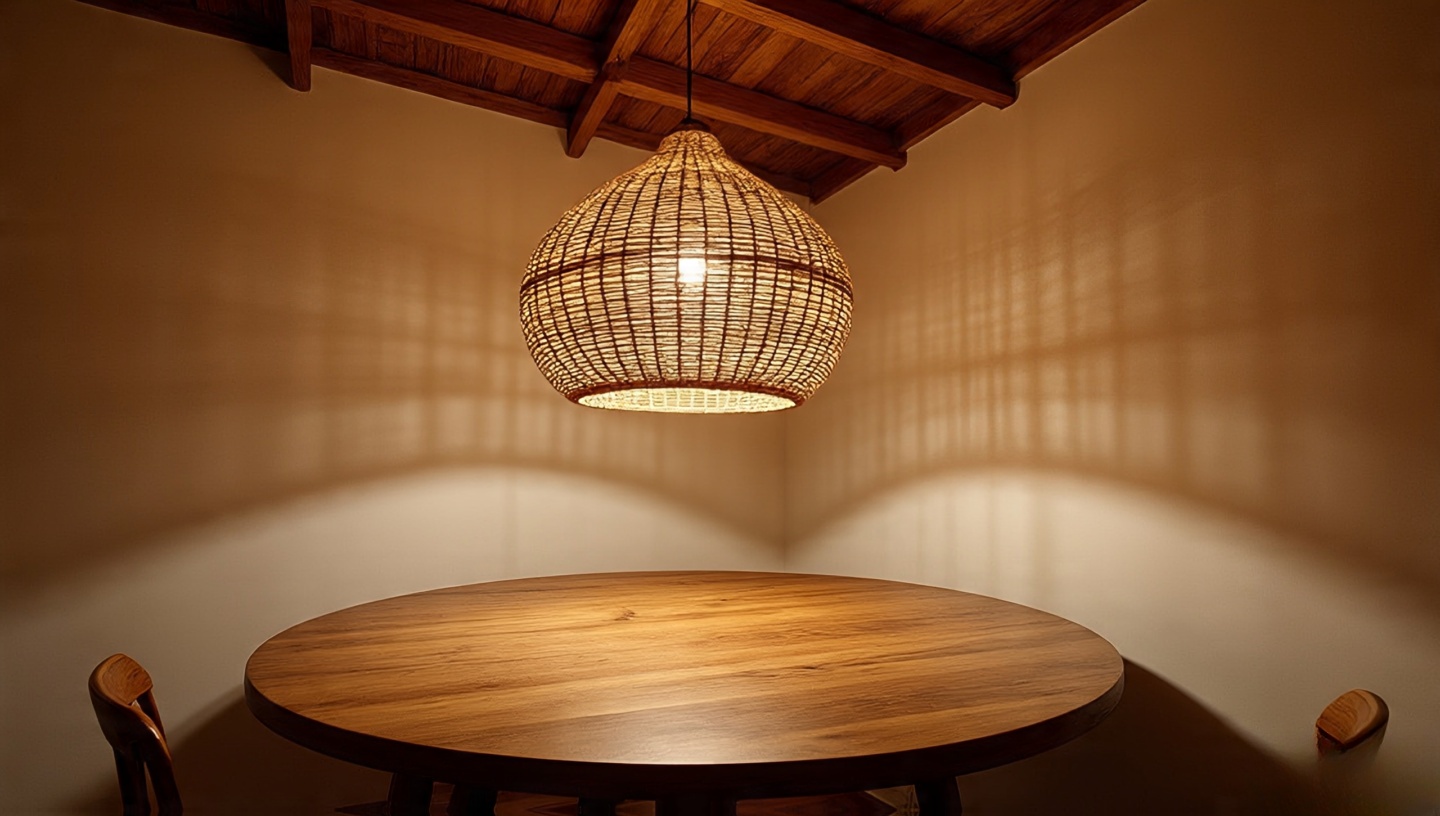 There’s a rhythm in handwoven textures that fits beautifully into Southwestern homes. Basket lamps made from jute or rattan add both pattern and warmth. When lit, they scatter delicate shadows across walls, almost like desert patterns in the sand. Perfect for cozy dining nooks or relaxed living spaces.
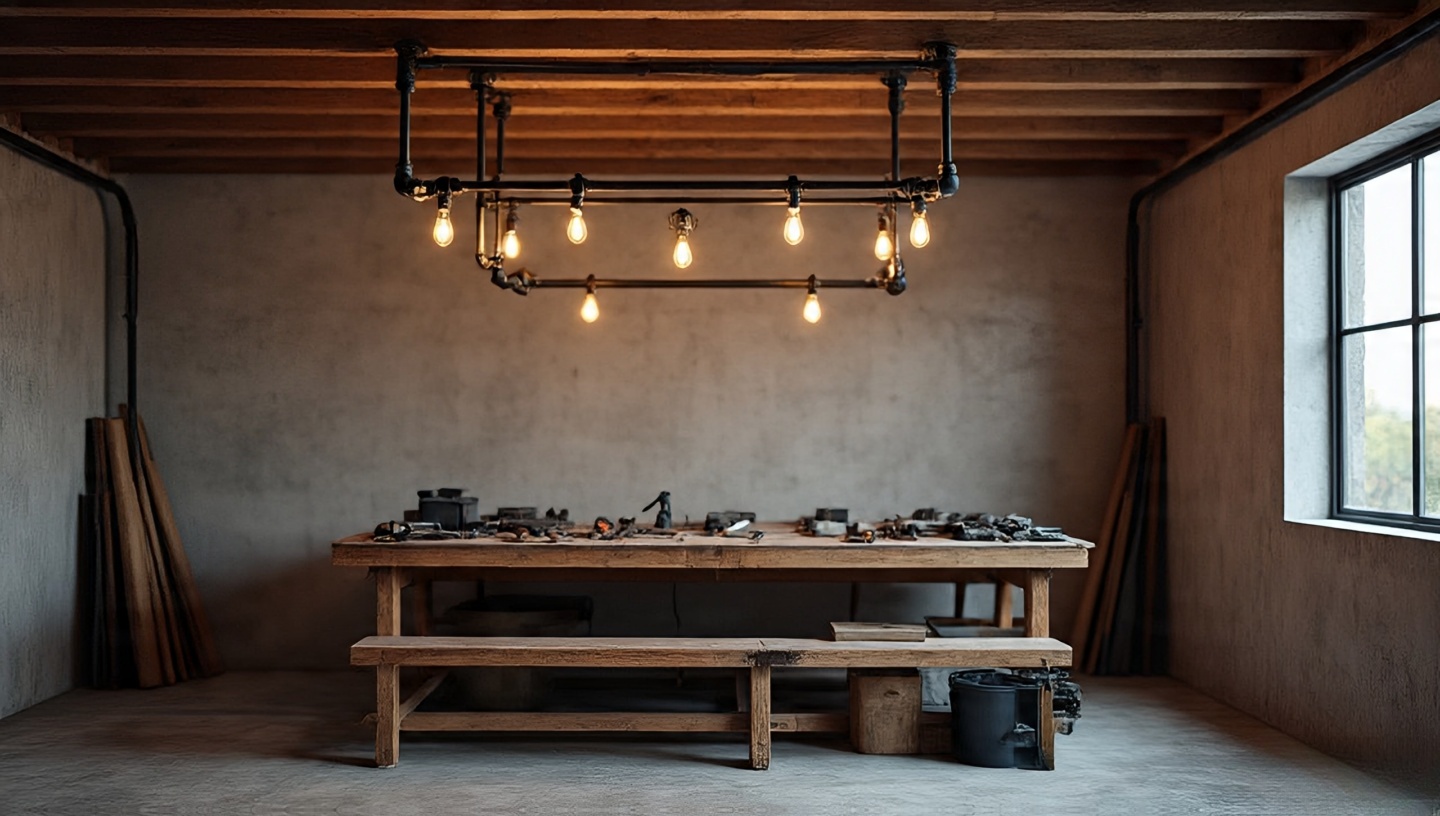 Sometimes blending styles creates something unforgettable. Industrial pipe fixtures with Edison bulbs bring raw, workshop energy that pairs surprisingly well with desert textures. I used them once in a converted ranch loft the pipes echoed the rugged beams above, tying old and new together seamlessly.
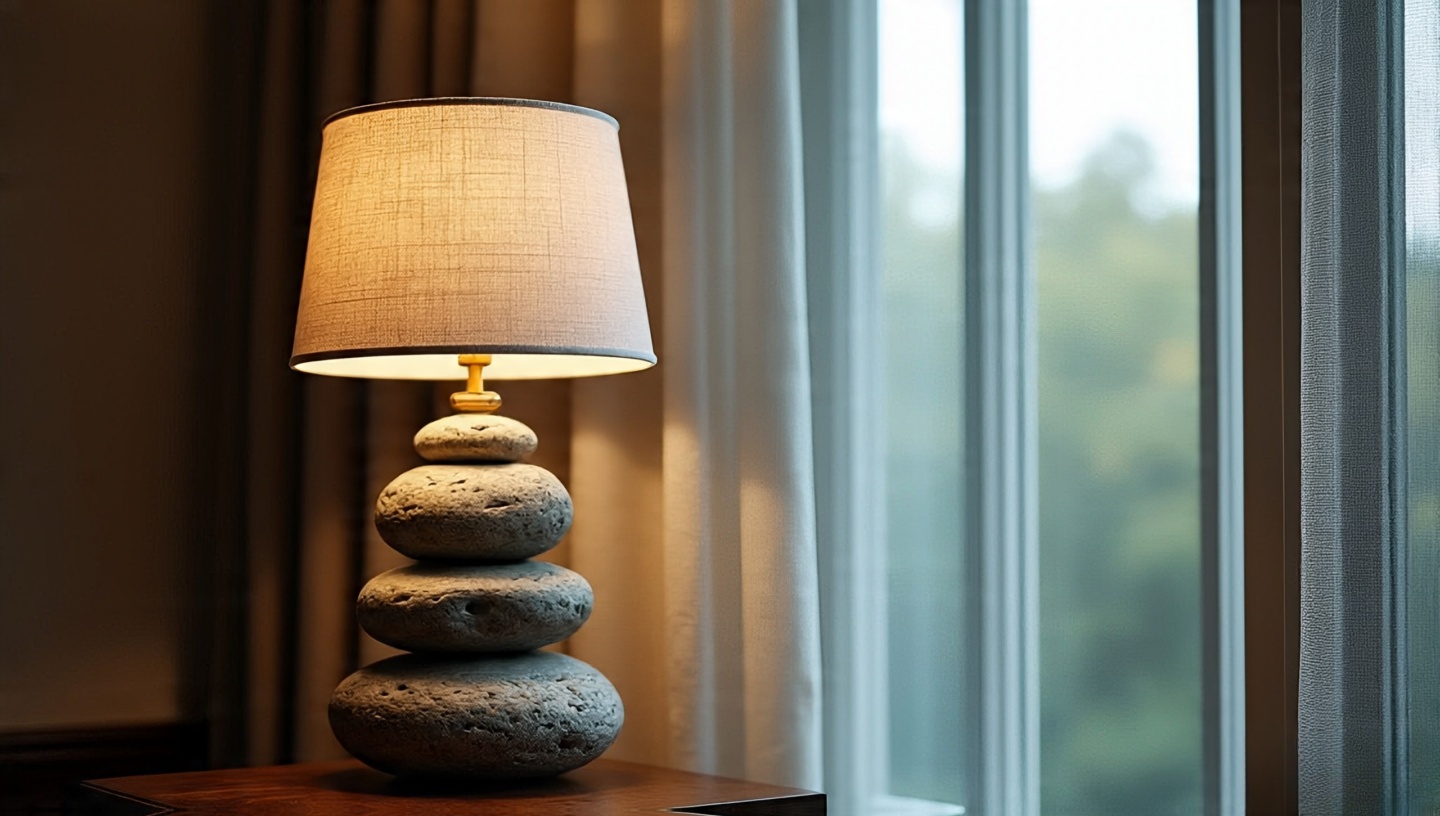 Whenever I want to bring true grounding into a space, I look to stone. A lamp made from stacked river stones feels almost meditative it anchors the room. I’ve placed them in quiet corners, especially reading nooks, where the natural texture complements adobe walls and rustic wood beams. The weight of stone tells you: this home is built to last.
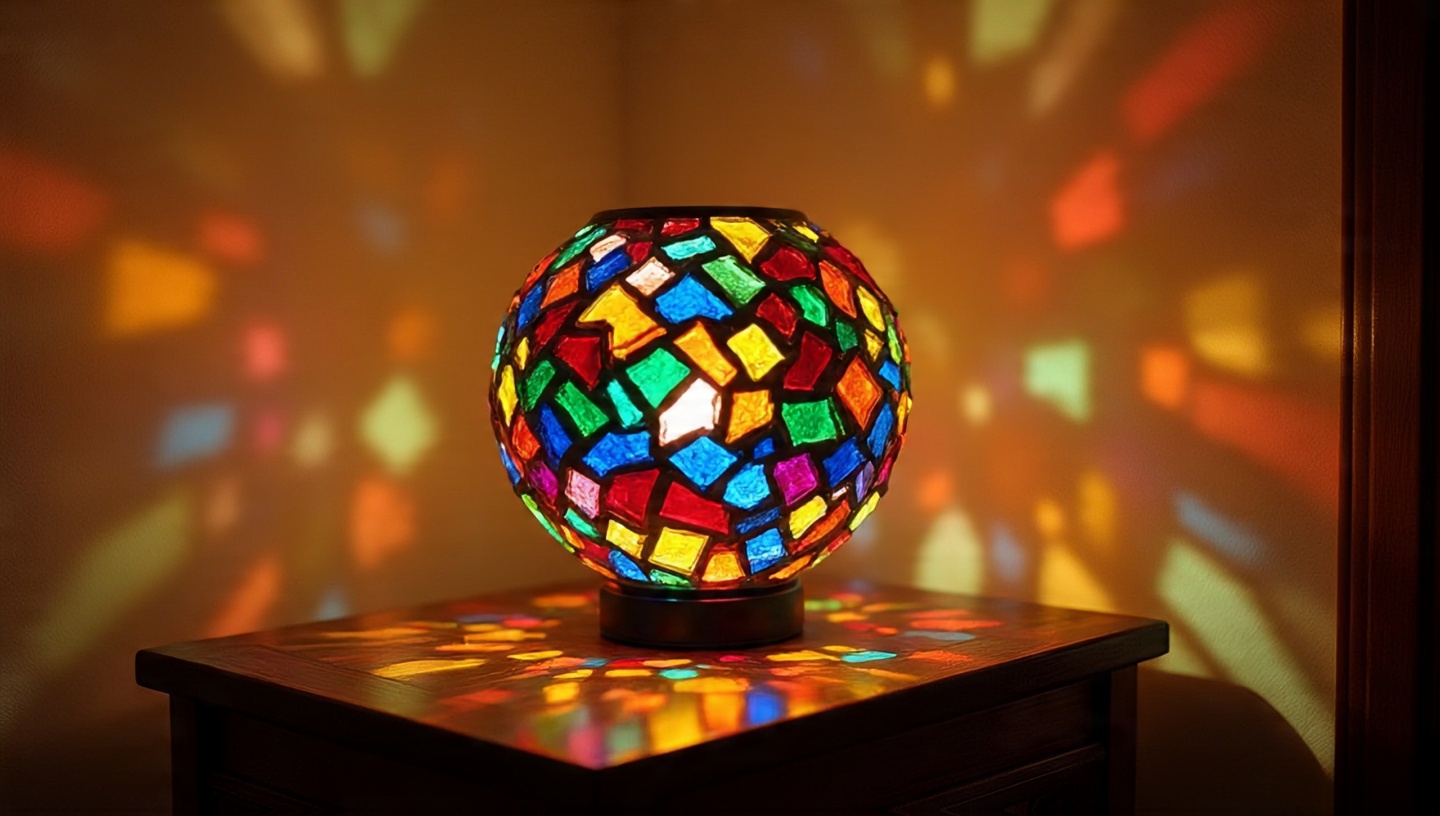 Southwestern design often borrows from its Mexican neighbors, and mosaic lamps are a beautiful nod. Bits of colored glass reds, blues, and ambers scatter light like jewels. In one hacienda-inspired home I worked on, these lamps became conversation starters in the living room. They’re not shy, but they bring life and celebration into a space.
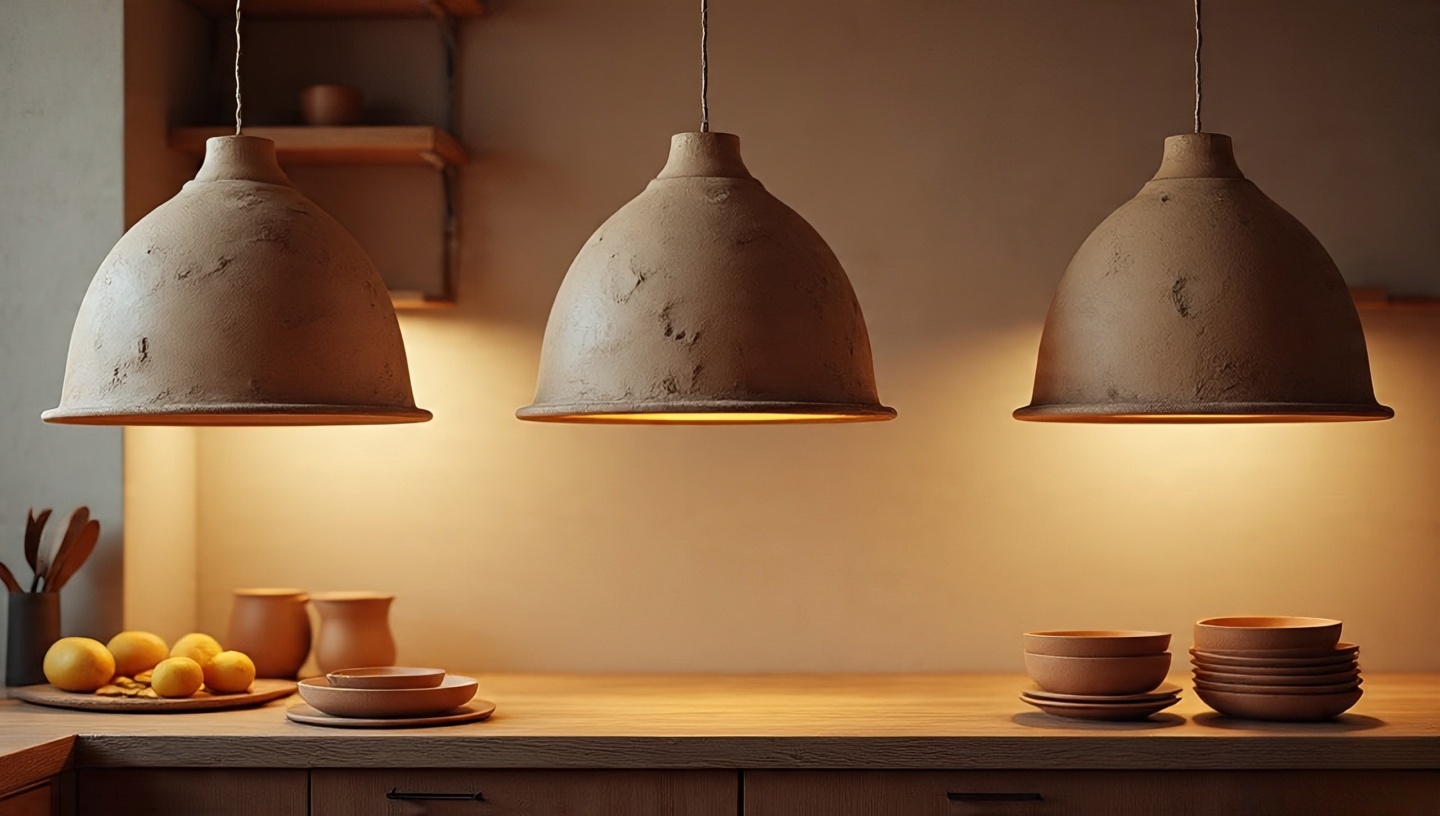 Dome pendants shaped like mini adobe structures are one of my favorite tricks for kitchens. They glow warmly, as if each dome carries the desert sun inside. Hung low over a breakfast table, they create intimacy. My advice: pair them with clay dishware or rustic ceramics so the theme flows naturally.
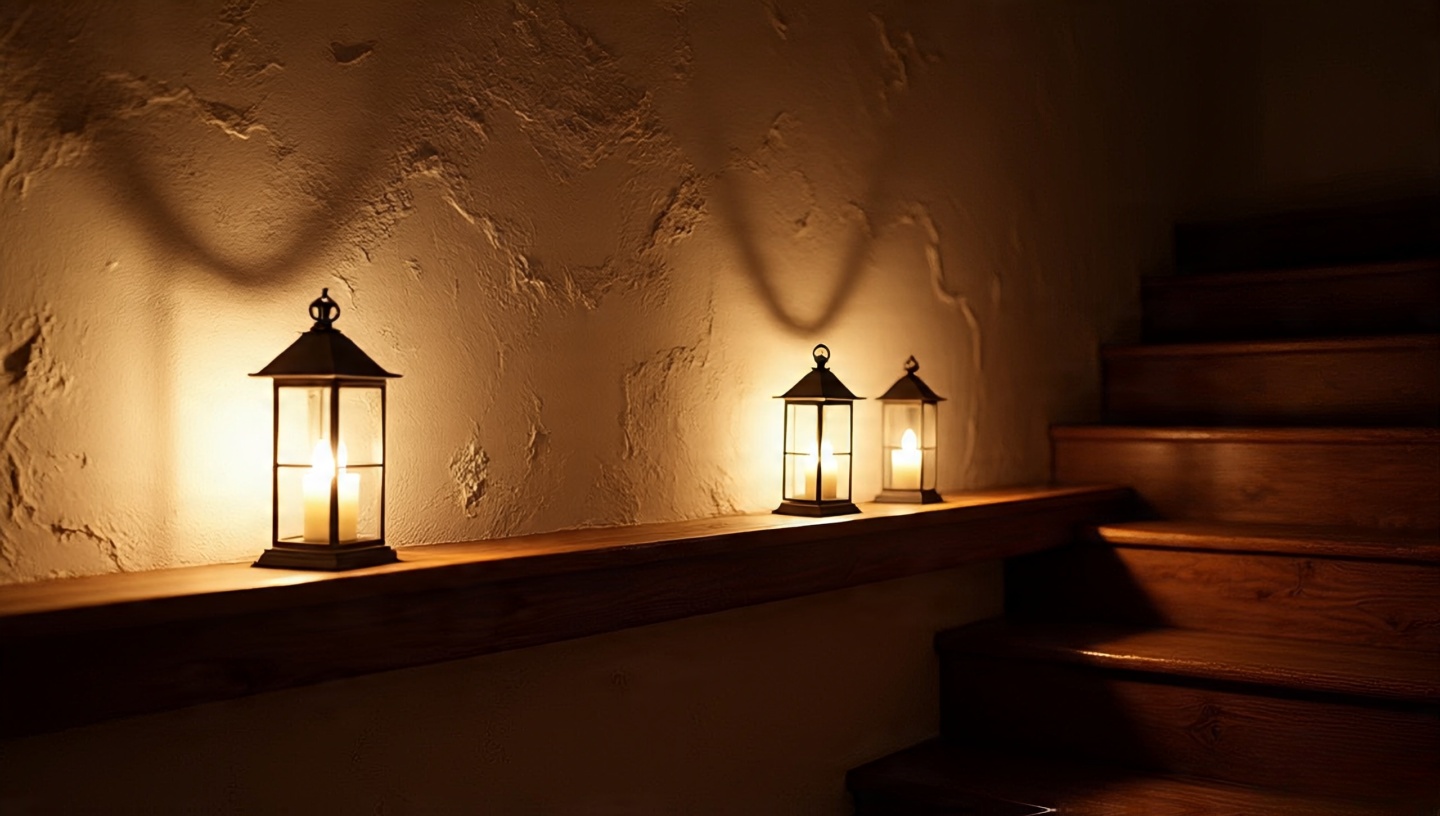 Sometimes the old ways are the best. Rustic lanterns whether with real candles or LED flicker bulbs bring an elemental charm. I like to scatter them across mantels, patios, or even stair landings. At night, when all the big lights are off, they provide just enough glow to make a home feel alive.
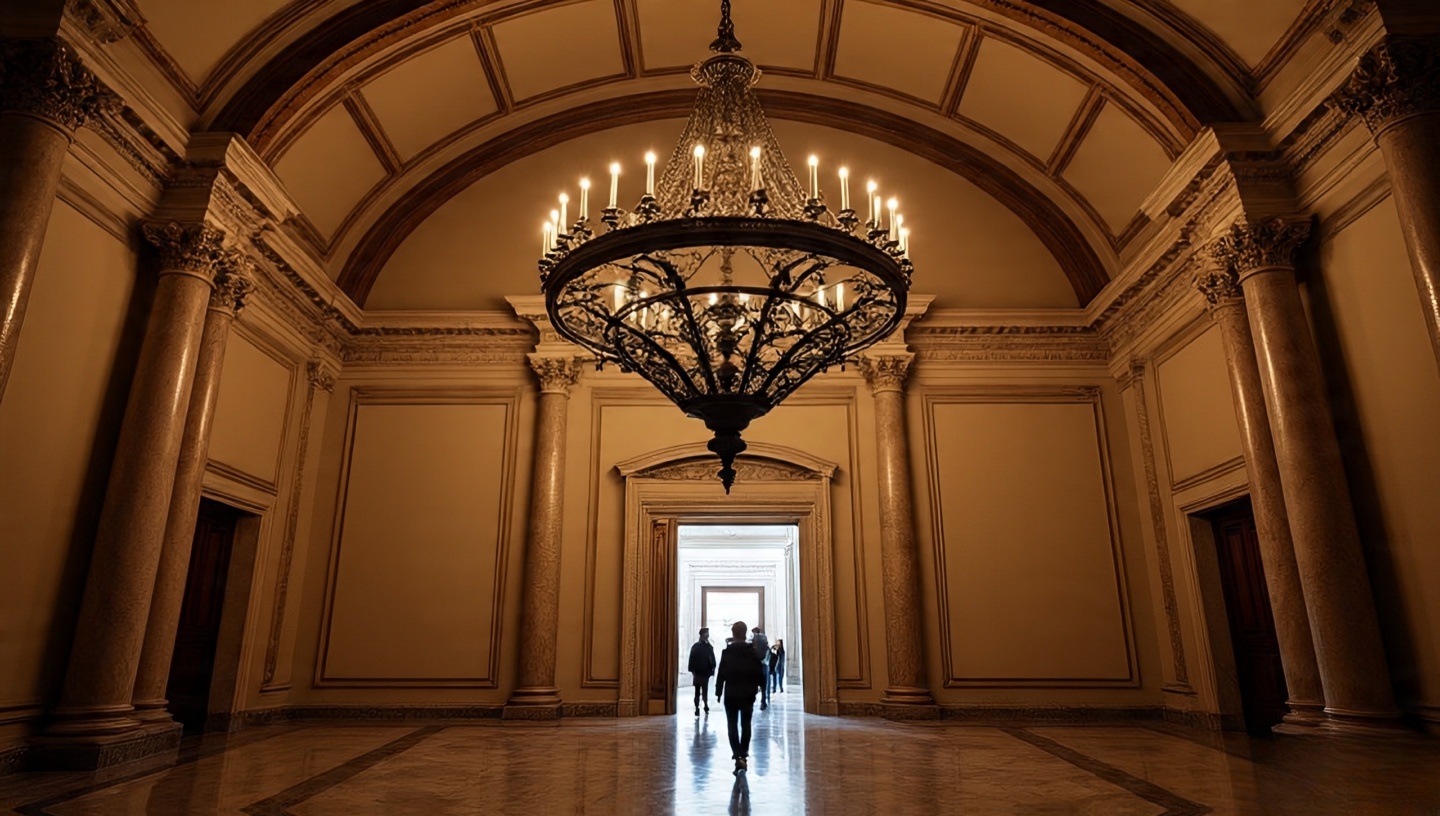 Every home deserves one statement piece. For Southwestern interiors, it’s often an oversized chandelier iron, wood, or a blend of both. In tall entryways, I’ve installed them as the “heartbeat” of the home. Guests always