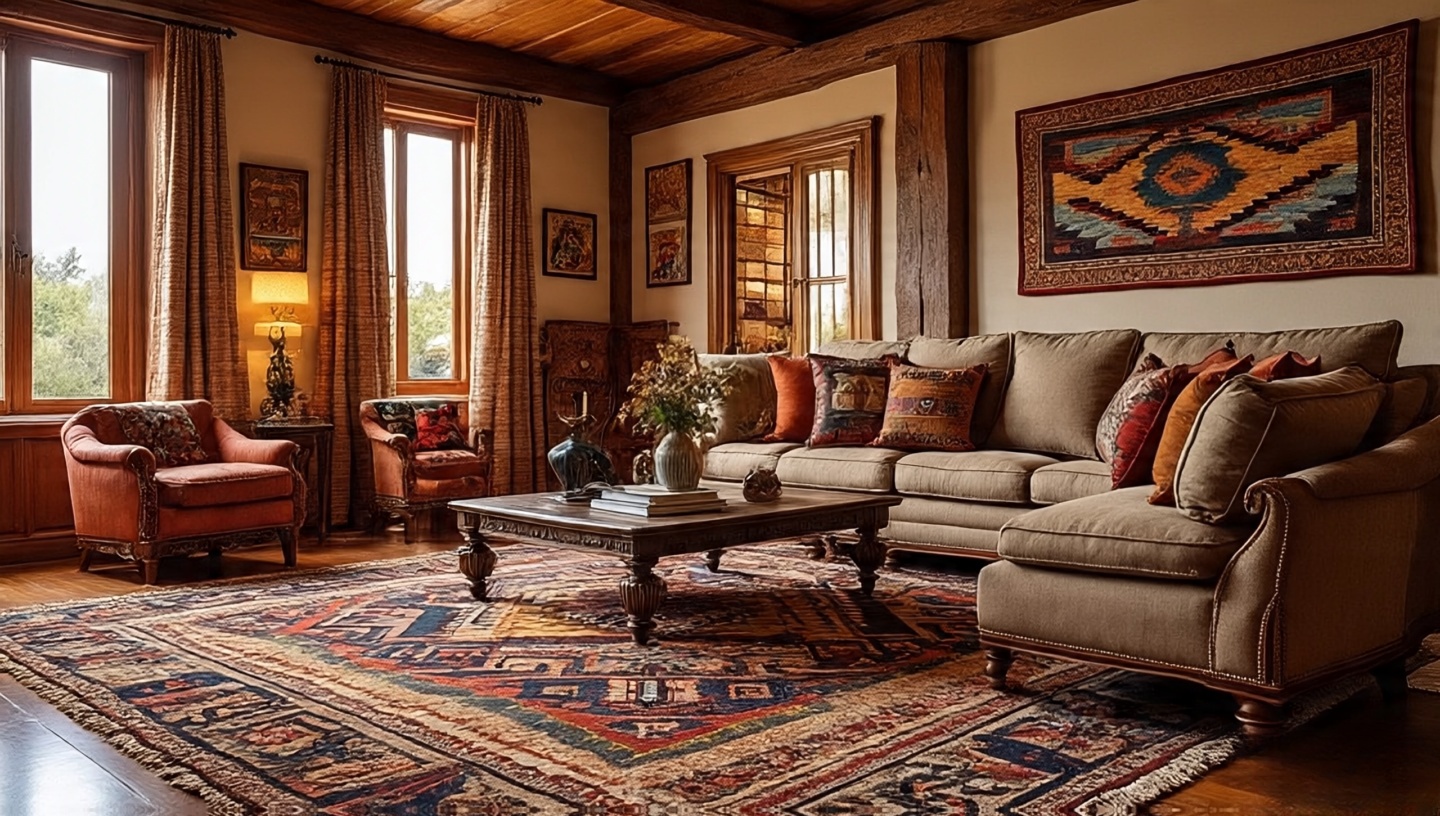
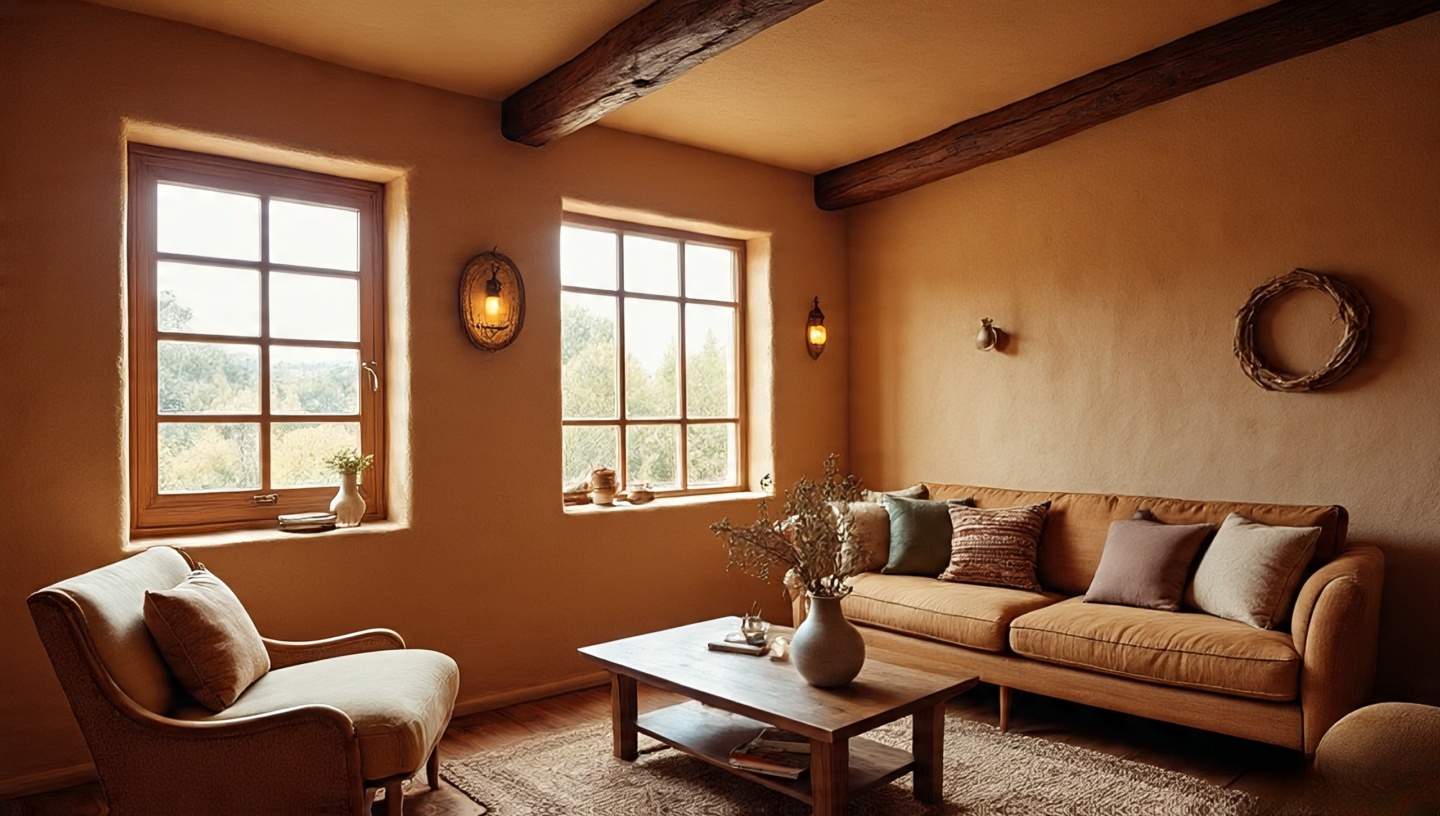
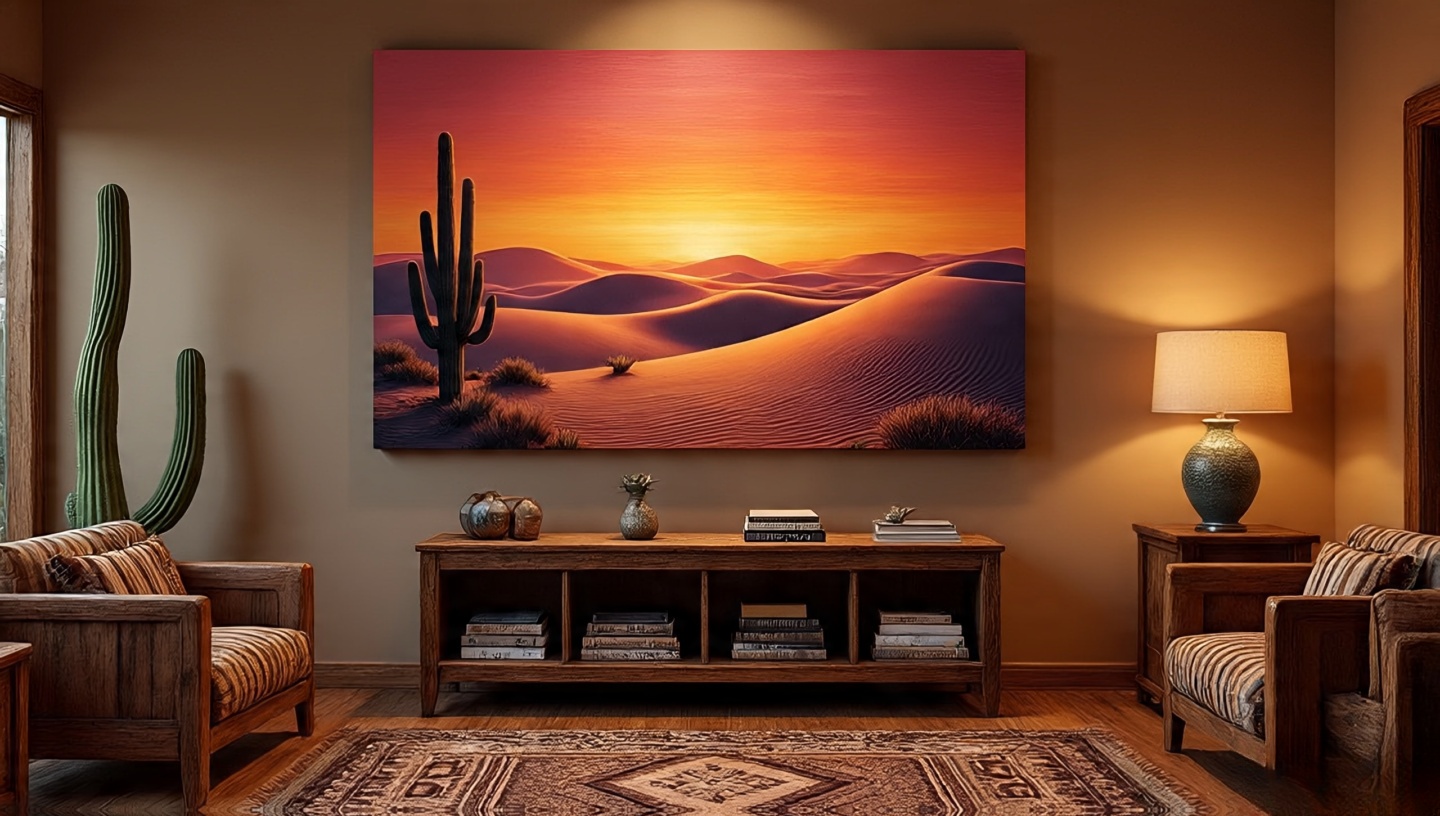
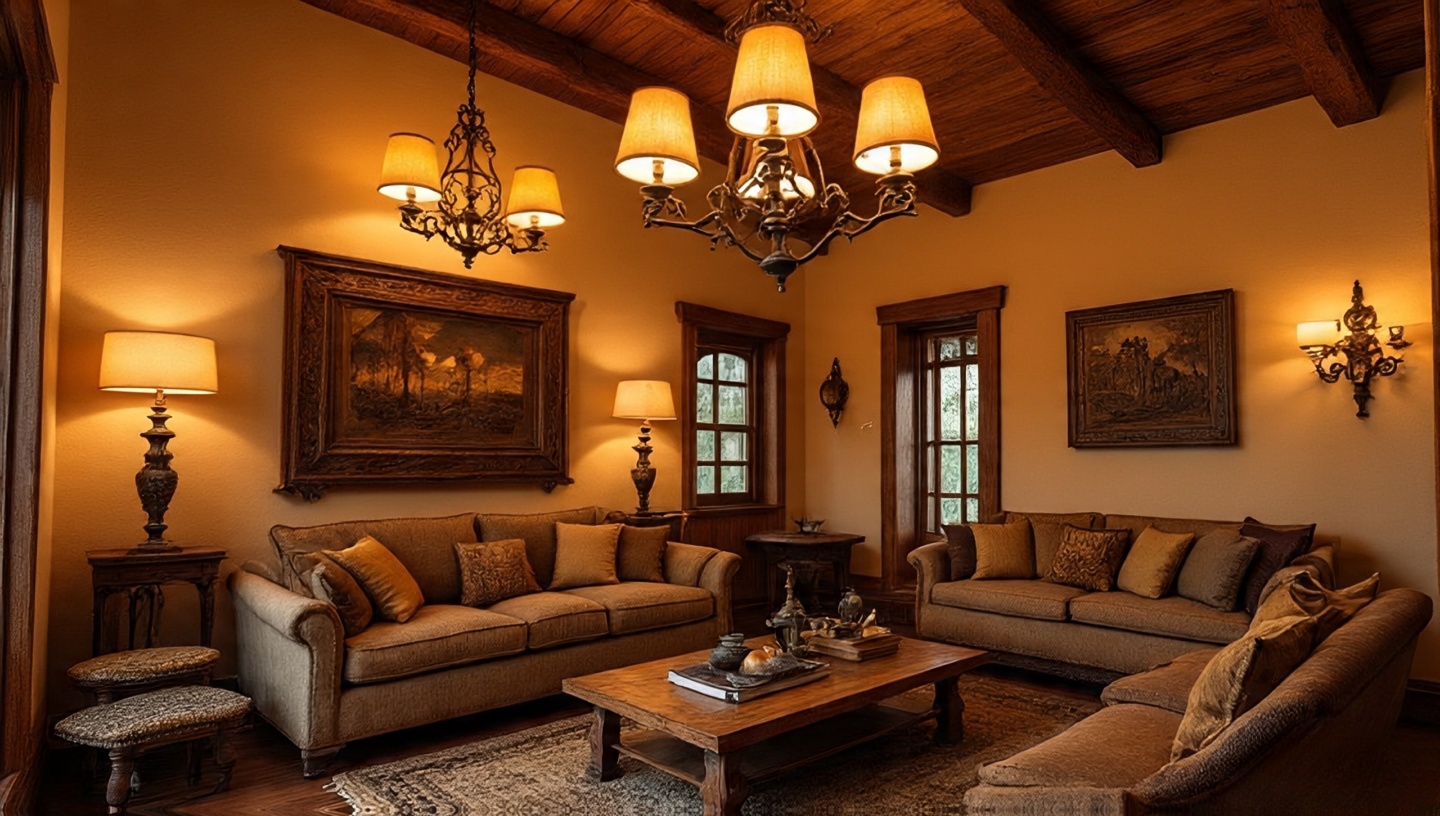
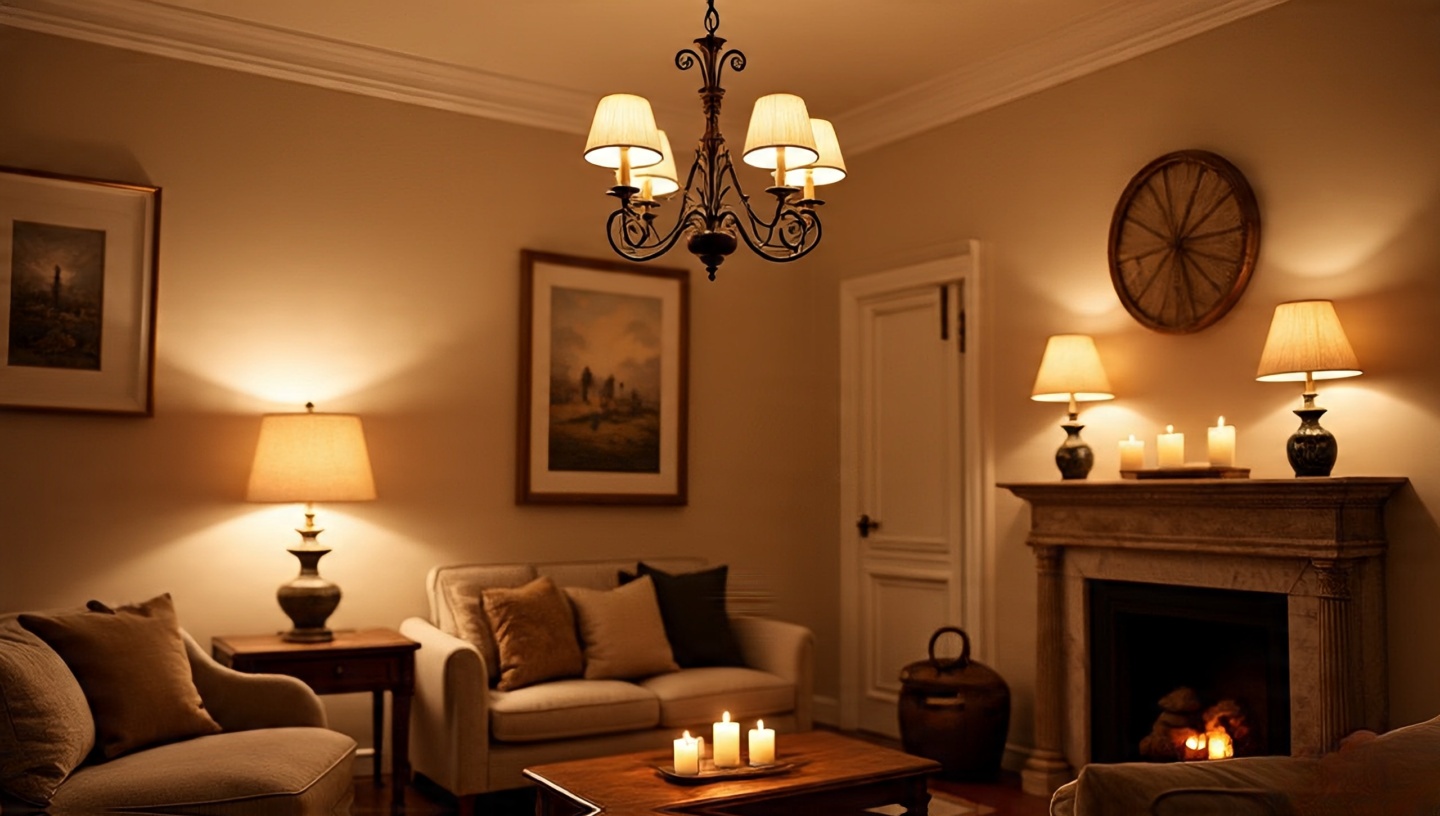
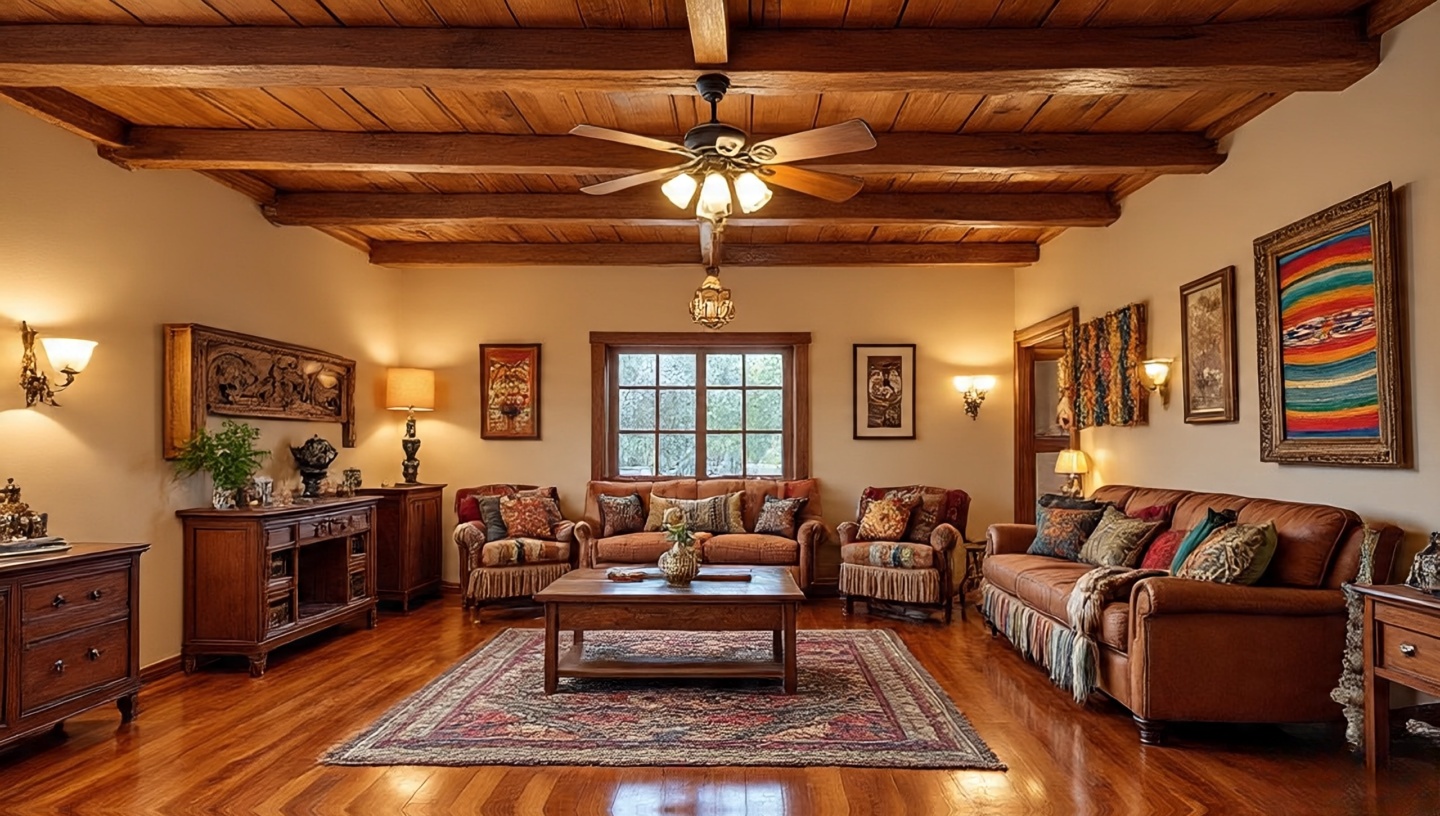
The integrity of your roof depends on multidimensional factors that collectively should be evaluated and managed with care. However, time and quality of craft can compromise critical parameters, from impact resistance to maintaining position from robust fastening. Whether you’re managing an older property with character or a modern home, every roofing undertaking requires attention, foresight, and professional insight.
Preserving the Character of Historic Homes
Oldest homes often reflect the ornate and asymmetrical charm of Victorian and Queen Anne architecture. Due to age factor, repair or replacement is inevitable. However, hiring a roofing contractor with the best mastery of the trade helps with best insights for your roof and pocket.For example, your contractor may advise on authentic slate or cedar shakes, or choose modern alternatives that mimic the look without the high cost and maintenance.
Such ability to maintain the classic visual appeal while ensuring durability requires thoughtful choices. Roof Replacement Glen Ellyn IL experts will leverage critical principles that will keep your investment ahead of time. Such includes;
Choosing materials that mirror original textures, like synthetic slate or dimensional shingles.
Coordinate colors with intricate trims and multi-gabled rooflines.
Engage professionals who understand historic architecture to ensure installation respects structural and aesthetic integrity.
Strategic material selection and expert guidance allow historic homes to retain their charm while gaining modern resilience against weather and wear.
Stopping Age and Wear Before It Escalates
Even a well-installed roof will eventually give in to its active service life- when it starts showing underperformance. Asphalt shingles, for instance, lose protective granules over time, becoming unable to withstand sun and precipitation. At this point, take a proactive action, which includes;
Schedule roof inspections to assess material flexibility and surface integrity.
Plan for incremental upgrades or replacements- last-minute fixes can be costly.
Leverage specialized providers for precision.
Proactive undertakings ensure your roof maintains its functionality while communicating its design value.
Protecting Your Home from Leaks and Water Damage
Moisture damage is often the first visible warning that a roof is failing. A consistent leak will damage surfaces, promote mold, and compromise structural supports, affecting both safety and value. Contractors will diagnose the exact leakage points and plan for the most effective counter measures.
However, your actionable strength is key;
If you spot ceiling/wall staining, peeling paint, or musty odors in the attic, it’s time to intervene.
Engage specialists for targeted diagnostics rather than generic patching.
Integrate solutions that prevent recurrence and safeguard long-term investment.
Addressing leaks with expertise not only resolves immediate concerns but also fortifies the property against future vulnerabilities.
Mitigating Structural Risks with Strategic Solutions
Roof damage-impact can ripple to other areas like;
Weakened decking
Compromised rafters
Sagging areas indicate structural strain.
Tackling these risks requires specialized insight and precise intervention.
Full Tear-Off and Decking Inspection.
Addressing Ventilation with New Systems.
Installing High-Performance Underlayment and Ice Shields
Reinforcing Compromised Framing
A thoughtful, expert-driven strategy protects both the roof and the broader structural integrity.
Precision in Planning and Execution: Leveraging Blueprints and Calculations
Every standard roofing amaze begins long before the first shingle is nailed—it starts with the ability to read blueprints and apply accurate calculations. These roadmaps outline dimensions, structural details, and placement of essential elements. A roofer’s skill in interpreting these drawings ensures precision, especially in homes with complex rooflines common to historic architecture.
Mathematics is equally critical:
Calculating roof pitch and angles to determine slope and material suitability.
Estimating exact material quantities to avoid waste or shortages.
Ensuring proper layout and alignment during installation.
When contractors combine fine print accuracy with solid computation skills, they eliminate skewness, aesthetic defects, and even structural integrity.
Preparing Roofs for Glen Ellyn’s Seasonal Extremes
Illinois weather plays across a diverse range, and so should your roof. Whether weakened by time-factor or compromised by poor workmanship, a roof can give in under the weight of heavy winter snow and ice—or see its shingles dance with strong summer storms and fluctuating humidity. Being proactive means stopping such frustrations in advance. Roof experts will assess weak points and the whole structure and give precise recommendations to help your roof withstand these seasonal extremes.
For historic homes, this may mean reinforcing materials with modern solutions to increase water resistance and enhance fastening. For modern homes, advanced systems like synthetic underlayment’s, ice shields, and impact-resistant shingles are key.
Proactive steps include:
Reinforcing flashing and gutter systems for proper drainage.
Using snow guards and ice-dam prevention solutions.
Scheduling seasonal inspections before winter and storm seasons.
By preparing for climate demands, homeowners secure roofing longevity while safeguarding both structural performance and architectural appeal.
In conclusion, a lively roof should inspire confidence across all aspects- from pride to security and cost value. When your choice of roofing expert is strategic, you gain confidence for a non-compromising strategy and outcome. Each roofing puzzle piece fits precisely in its place, coming together to form a cohesive, holistic system- a product of expert insights, up to standard installation, and ongoing maintenance.
Temecula is a family-friendly neighborhood. So, it is understandable why you may want to settle here. But don’t jump into design and construction yet. There are a few things that you need to be aware of when building in this area of Southern California. It ranges as far as local laws and even climate issues. The earlier you learn how it all works, the better you can figure things out upfront.
Zoning and permits
Before starting any new build, ensure your plans comply with Temecula’s zoning laws. Various sections of the city have certain regulations concerning the kind of buildings that can be constructed. They may also specify the size and usage. Such rules can include, say:
Limitations on height
Setbacks from the street
Whether you can create an accessory dwelling unit (ADU).
You will also require building permits Temecula CA, for nearly every construction phase, like land grading, electrical, and plumbing work. The planning department of Temecula can guide you through the requirements, but be prepared to spend some time. Constructing without permits may cause delays and costly fines.
The features of the land
Temecula terrain is not entirely uniform and the block you choose will determine the whole plan and estimate of your house. Certain locations are positioned on breathtakingly beautiful slopes but necessitate special engineering to secure foundations. Other lots can be flat with simple building terrain, but with soil that requires improvement prior to construction.
Consider orientation, as well. The position of the house with regard to the sunrise and the sunset will influence the aspect of the residence and how warm it gets during the summer months. A land with natural shade or breeze patterns can reduce the cooling expenses in the long run.
The construction budget
Most individuals consider construction expenses when they think of a building budget. In Temecula, though, you will have to factor in:
Land preparation
City fees
Utility connections
Possible infrastructure improvement.
As an example, there are lots that might require grading or retaining walls as a prerequisite to them being buildable. Others might lack ready access to water, sewer, or gas lines. The cost of running those lines may considerably increase your budget.
Please allocate a contingency fund to your total budget. It will cater to future inconveniences that may arise during construction.
Hot summers
Temecula is beautiful, but summers are gruesome. To manage the heat, you will need to cater for energy-efficient measures in the design of your home. That necessitates the following:
Good insulation
Energy-rated windows
Shaded outdoor areas
Reflective roofing materials that do not trap or absorb sunrays.
Local builders are knowledgeable about the climate issues and can even propose solutions that match up with your desired style and purpose.
Outdoor conveniences
When you live in Temecula, you get to have an indoor-outdoor style of living almost all year round. In your plans, consider putting up shaded patios, covered decks, or outdoor kitchens. This is economical than having these added at a later stage.
Summer coolers, outside fan, misting systems, and drought-tolerant landscape can help your backyard be usable in the summer heat without going broke due to water bills.
HOA rules
Several neighborhoods in Temecula are also controlled by homeowners’ associations ( HOA ). When you are constructing on any of these communities, you will not only require city approval but also the HOA approval. The regulations can be about:
The exterior color of a paint
Roofing
Fence line
Landscape.
You should check the HOA rules and regulations before finalizing your home design. This will help you avoid making costly adjustments later.
Future needs
Think of how your house will be useful to you tomorrow. Are you looking to add an aging parents’ house, a home office, or an accessory dwelling unit (ADU)? A flexible design today will help you use your home more effectively in the future.
An experienced builder
Choosing the best home builder is possibly the most critical decision you are going to make. Find someone who has worked in Temecula itself. They will know the rules, the nature of the soil, and the climate. Make sure they are properly licensed and insured, check references, and review past projects.
A good builder will take care of the construction. But they will also guide you through the permits, inspections, and schedules to minimize some stress in the process.
Resale value
Although you may intend to live in your new home extensively, it will be smart to consider the resale value. Some aspects, such as open floor plans, energy efficiency, and practical exteriors, contribute to value in the competitive Temecula market. Conversely, too personal or distinctive design decisions might render your place more difficult to sell in the future.
Final thoughts
Constructing a house in Temecula is an exciting yet difficult journey. With proper planning, your new home will not only be beautiful. It will also be designed to flourish in the unique Temecula environment.
Roohome.com – Dining rooms are more than just a place to eat. They’re the heart of family gatherings, long talks, late-night laughs, and sometimes even a spot for working from home with a cup of strong coffee. Now, imagine layering all that with warm desert tones, rough wood textures, colorful patterns, and rustic details. That’s the magic of a Southwestern dining room. It’s not just decor it’s a feeling. In this article, we’ll explore 46 ideas that will help you bring cozy rustic vibes into your dining space, whether you live in a ranch house or a city apartment craving a touch of desert soul.
1. Adobe-Inspired Walls for an Authentic Feel
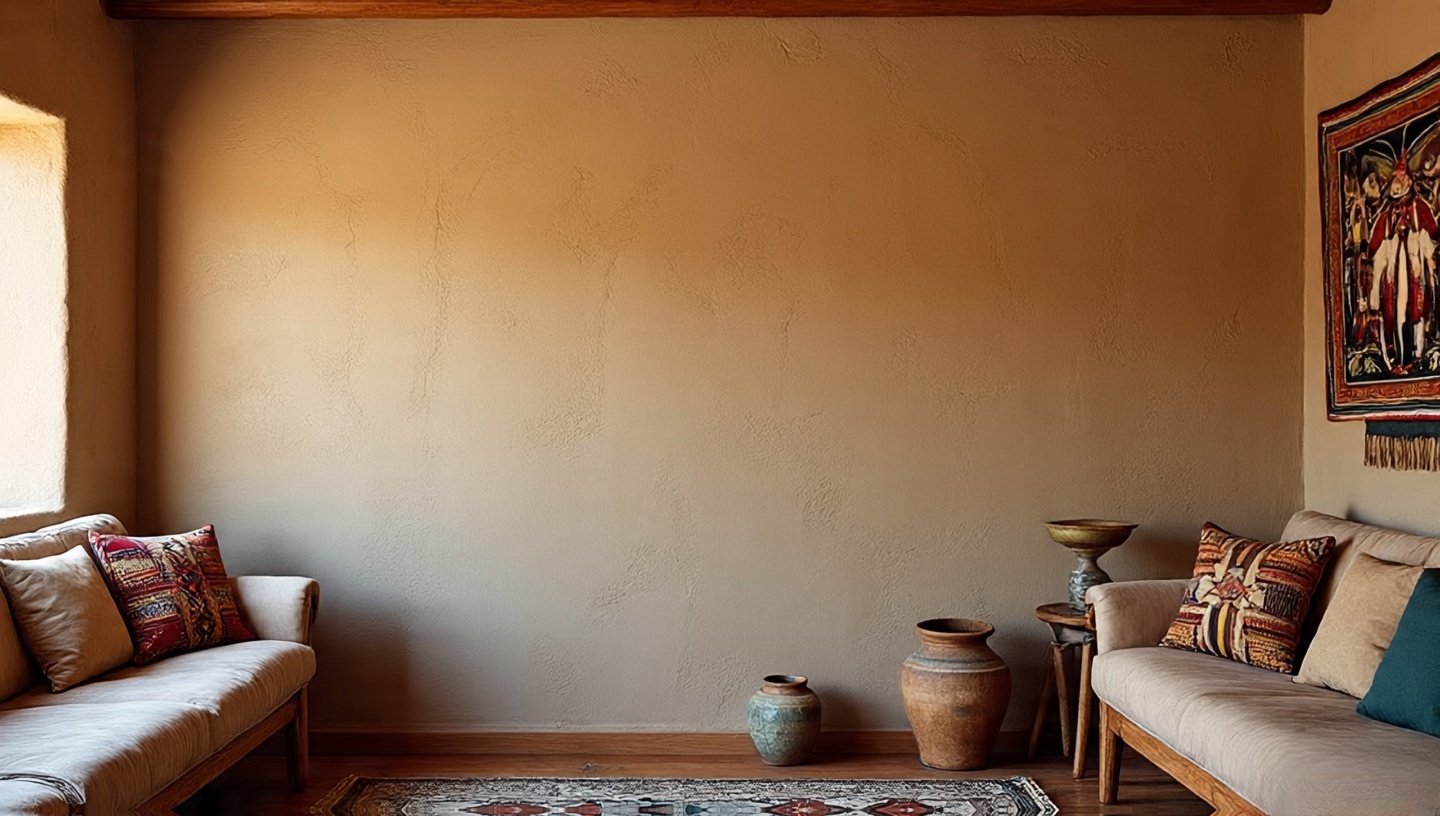
As an architect who has worked with Southwestern design for decades, I can tell you this: walls set the tone before anything else. Adobe-style walls, whether real or simulated, create that grounding warmth you want in a dining space. The thickness and texture bring a natural insulation both against sound and temperature which is why old pueblo houses still feel so comfortable. Don’t worry if you can’t build with adobe; limewash paint with a soft sand tone or clay-based plaster can achieve a surprisingly authentic effect. And trust me, textured surfaces catch the evening light in the most beautiful way when paired with a wrought-iron chandelier.
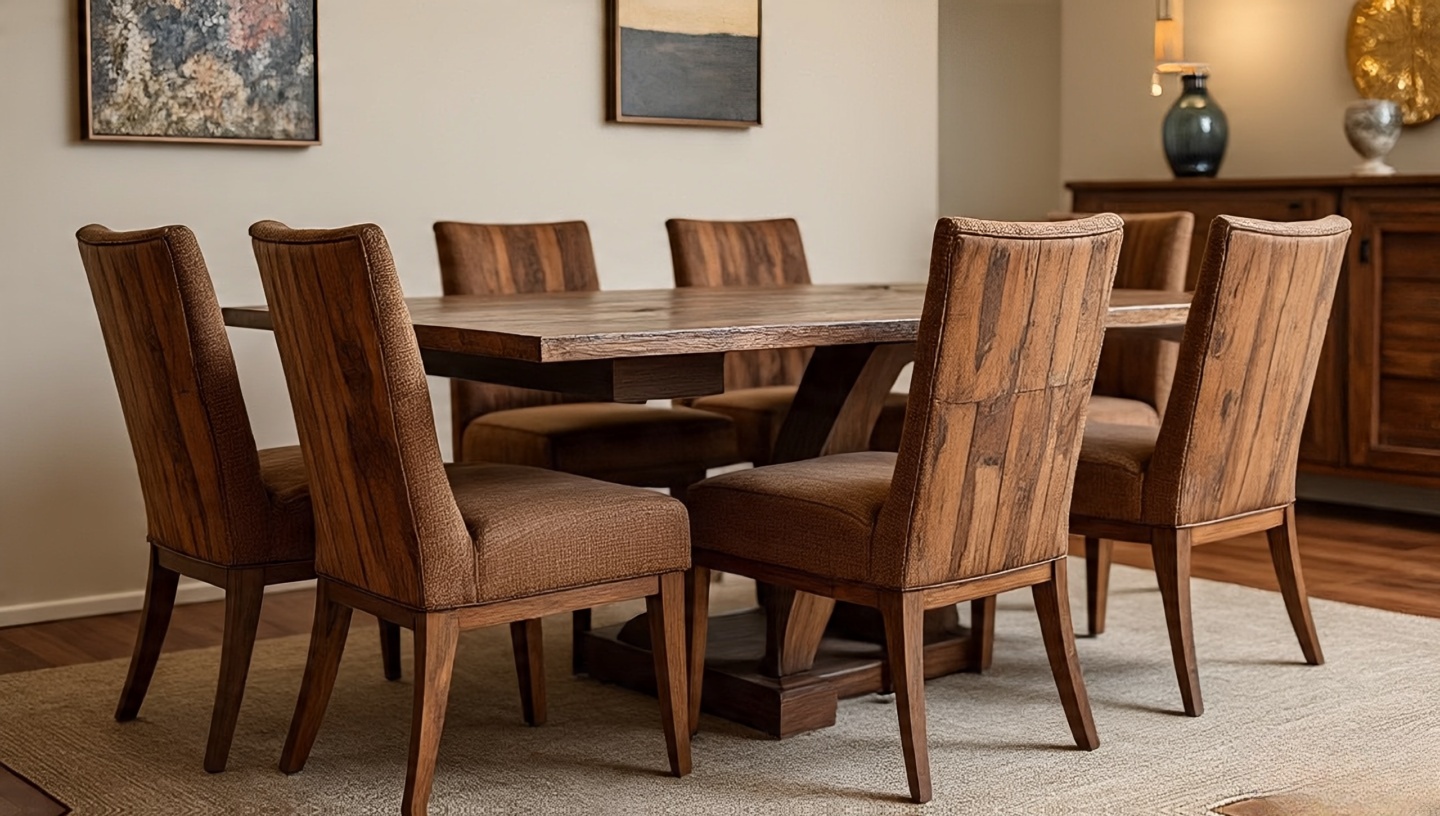
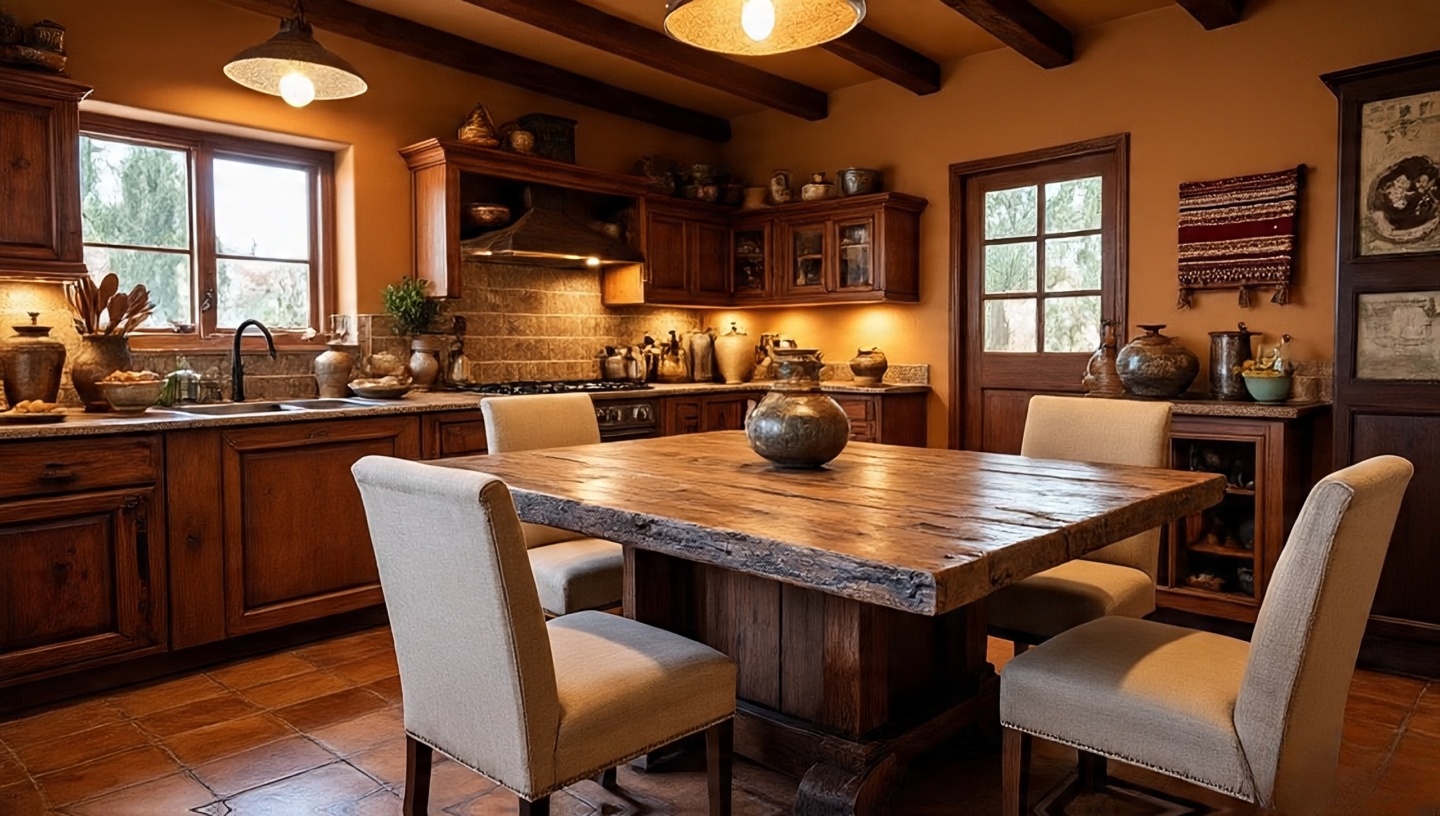
2. Rough-Hewn Wooden Dining Table (The Soul of the Room)
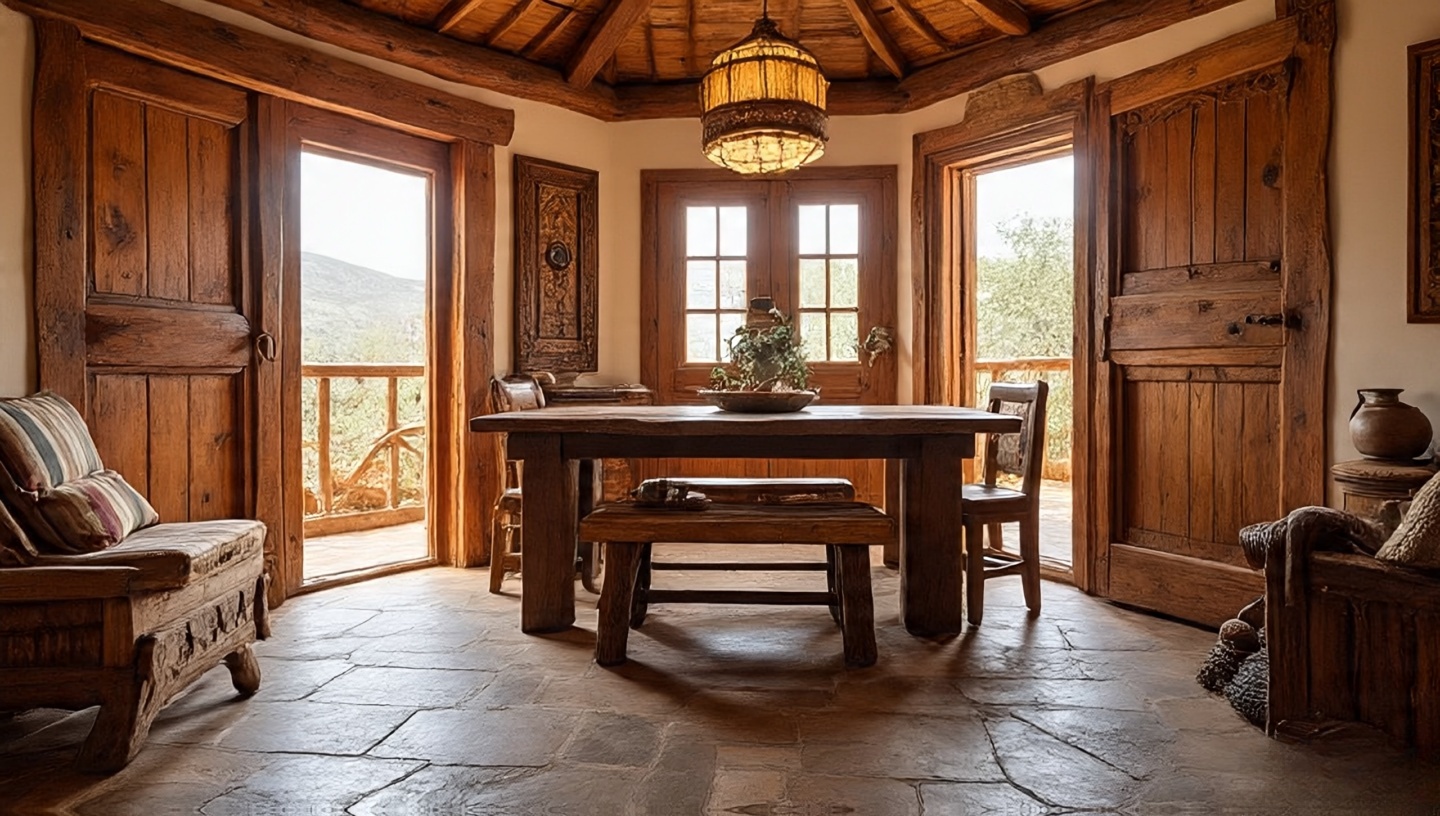
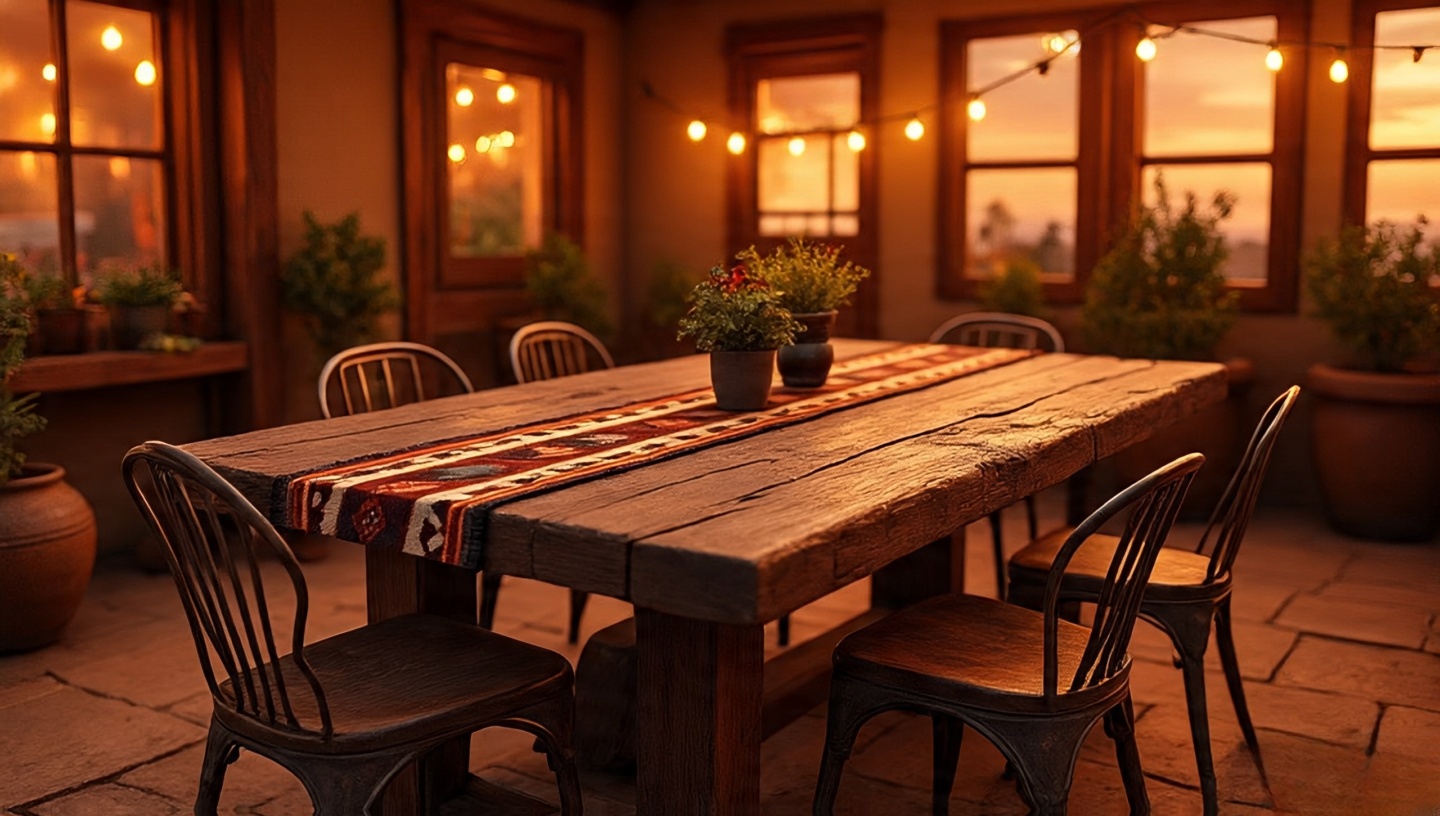
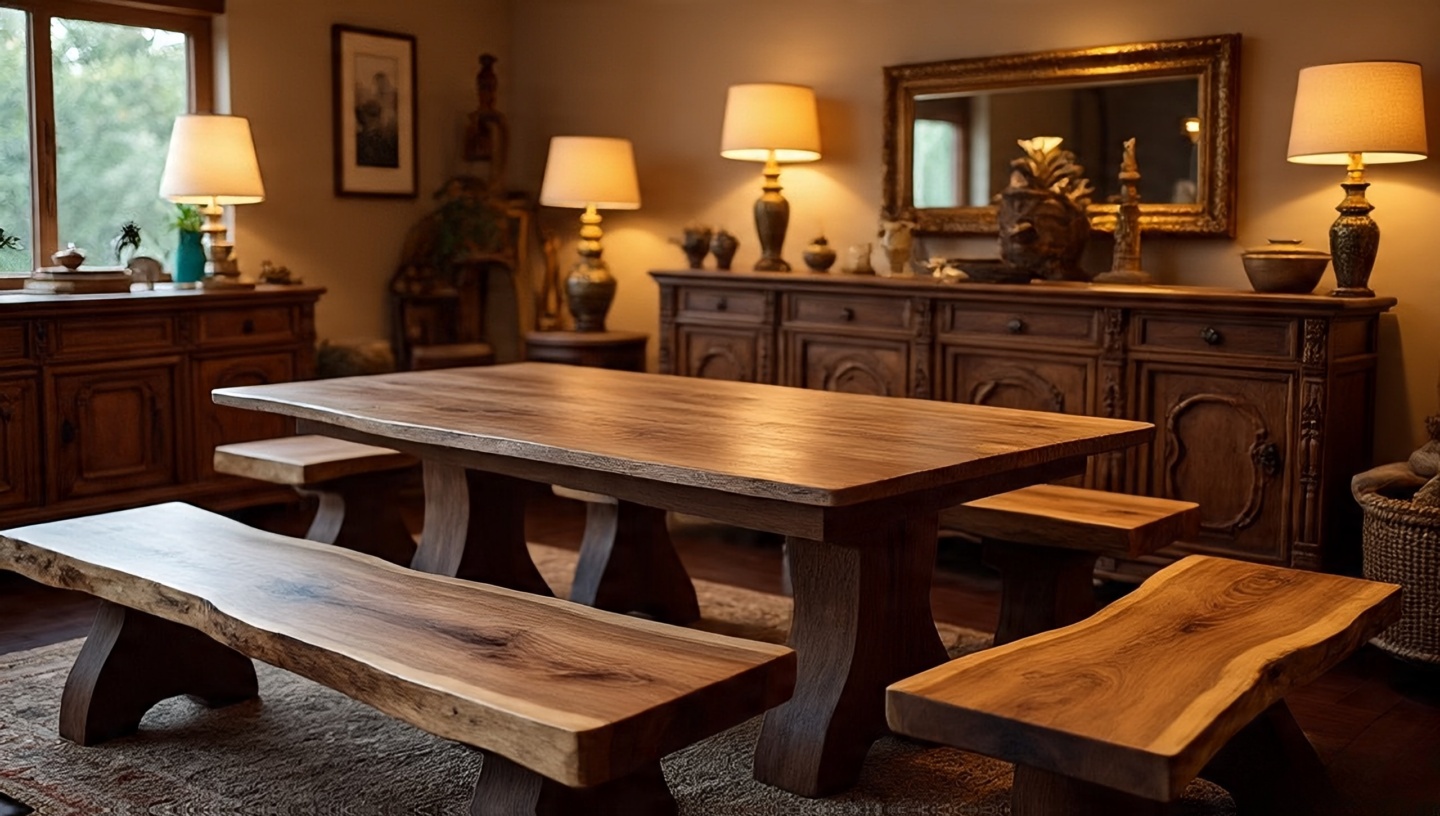
If I had to choose one must-have, it’s the table. A solid, rough-hewn wooden dining table is the soul of any Southwestern dining room. After all, this is where conversations stretch for hours and meals feel abundant. Don’t shy away from knots, cracks, or visible grain they are stories frozen in wood. A reclaimed mesquite slab, for instance, not only provides durability but also carries a tactile memory of the desert. One tip: keep the finish matte. Glossy surfaces fight against the rustic narrative you’re building.
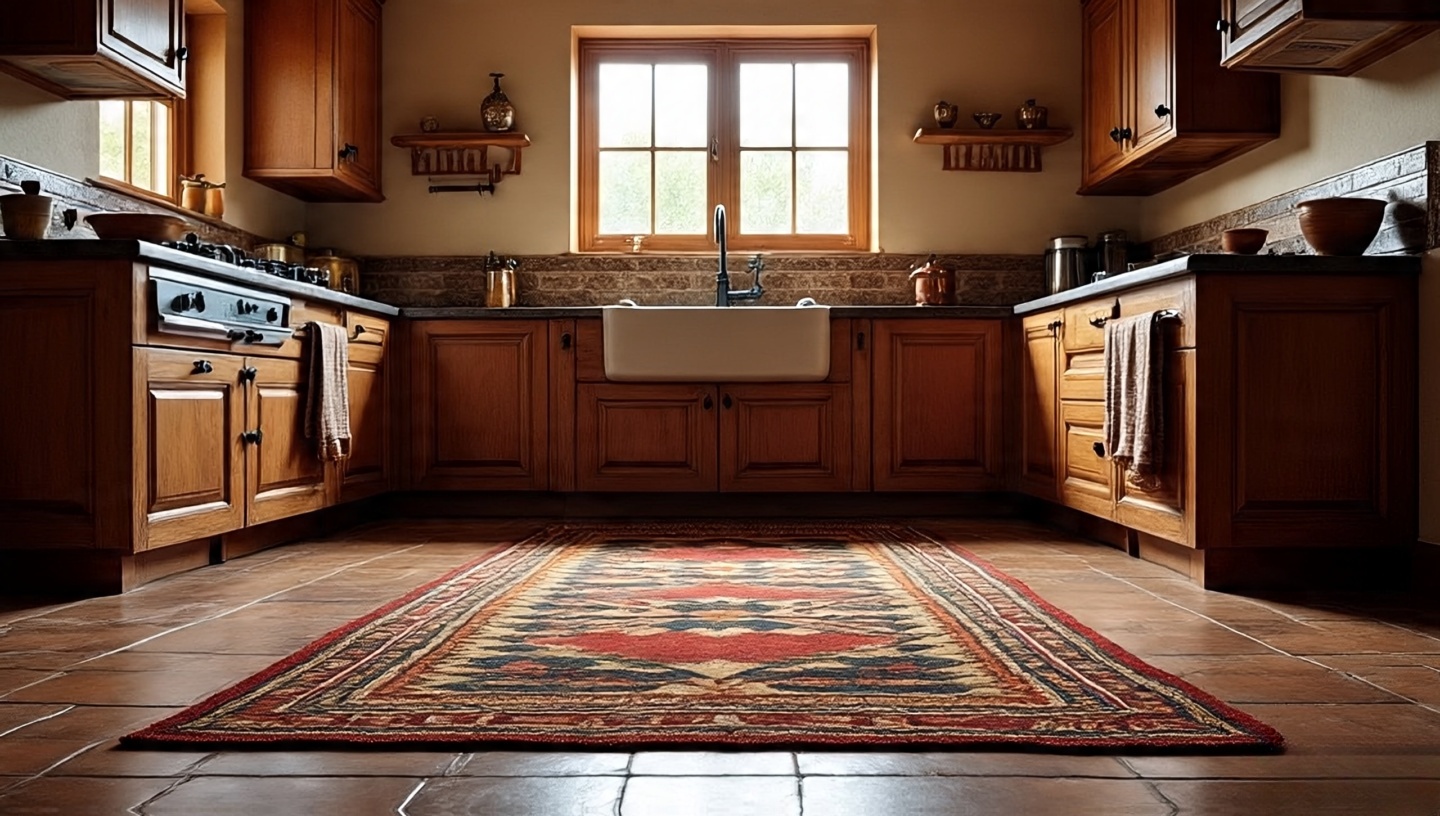
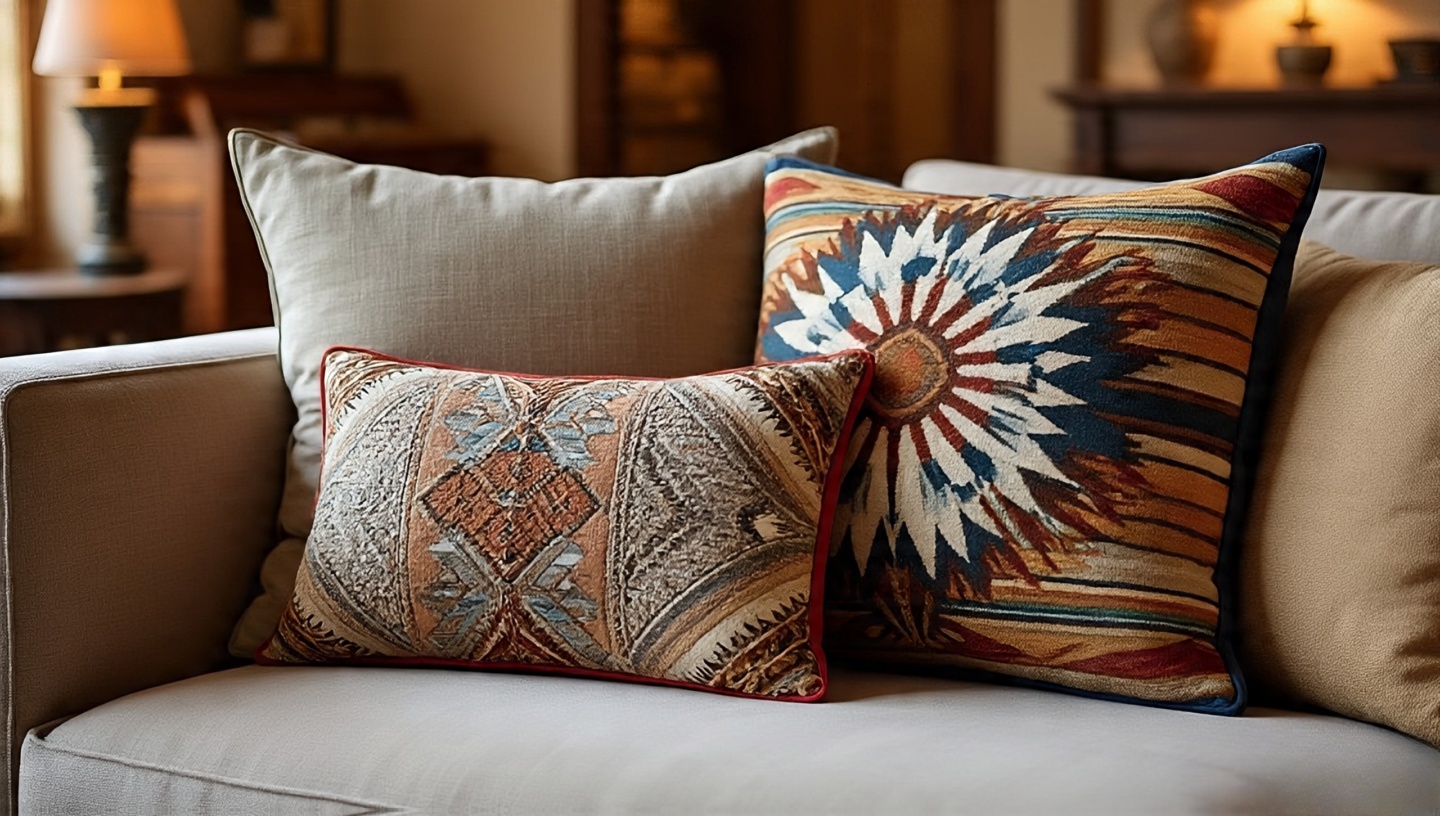
3. Layering with a Navajo Rug Under the Table
I’ve walked into dining rooms where the rug was almost invisible, and that’s a shame. A Navajo rug under the table isn’t just decoration it’s a grounding element that ties all your choices together. The patterns are bold but not overwhelming, designed to withstand daily life. Historically, Navajo rugs were woven to last generations, so don’t treat them as delicate art. Pair one with dark wood furniture and suddenly the whole space feels anchored and intentional. (Pro tip: if you have young kids, choose a darker pattern to mask inevitable spills.)
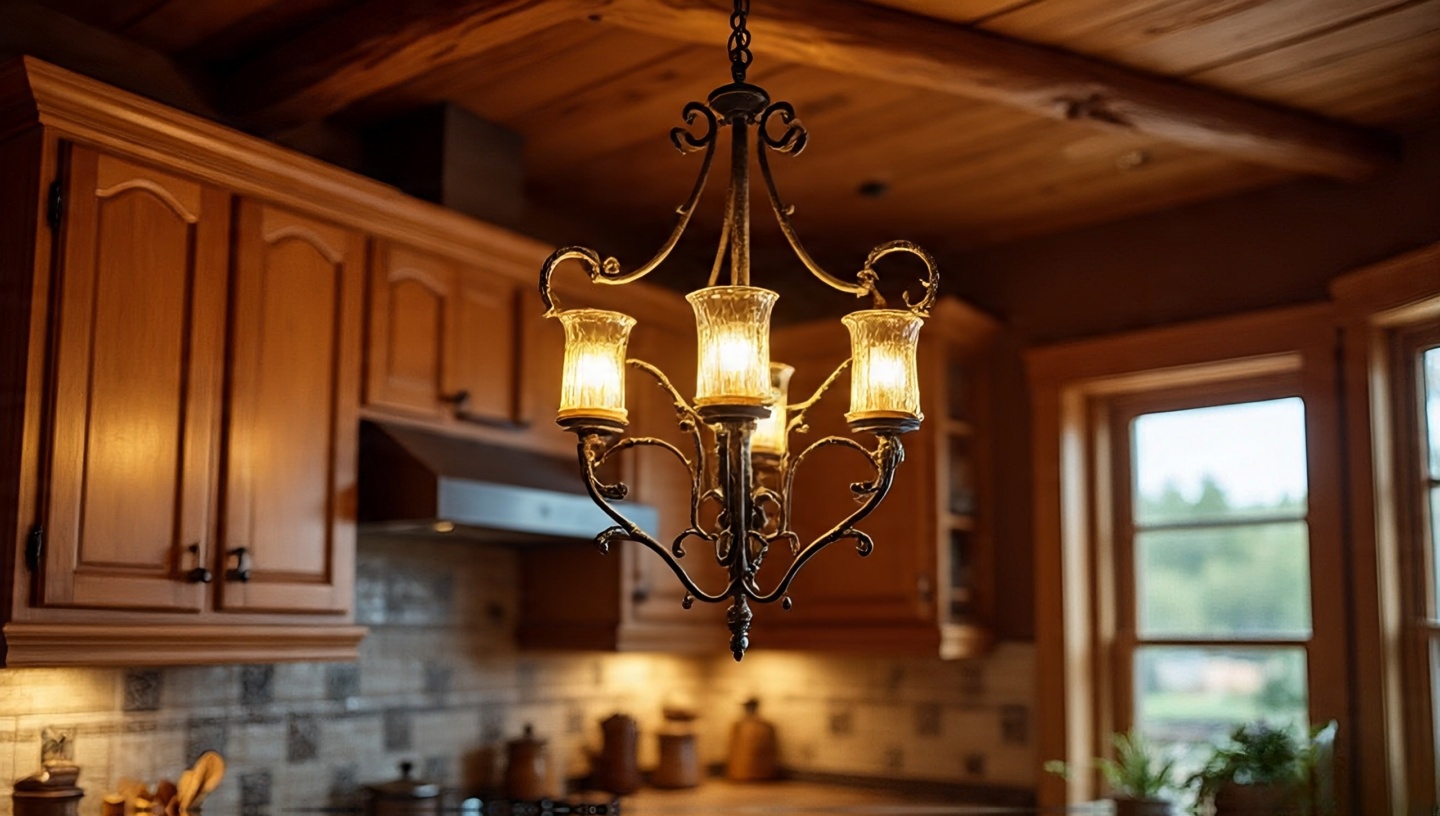
4. Wrought Iron Chandeliers That Tell a Story
Lighting is architectural jewelry. A wrought iron chandelier over a Southwestern table does more than provide light it whispers history. Ironwork has been a craft of the region for centuries, often passed down through families. If possible, commission a local artisan instead of buying mass-produced pieces. The weight of hand-forged iron above your table creates presence. When dimmed, the shadows dance along adobe-textured walls in a way that no modern pendant lamp could replicate.
5. Leather Dining Chairs That Age with Grace
Here’s something most people forget: leather furniture isn’t about how it looks when it’s new, but how it ages. Southwestern dining rooms benefit from leather’s ability to develop a rich patina over the years. It softens, darkens, and tells the story of every family dinner and celebration. Add nailhead trims or a slightly curved back for comfort. And yes, the aroma of leather mixed with warm wood is an underrated sensory detail that makes guests feel grounded.
6. Desert-Inspired Color Palette (Beyond Just Beige)
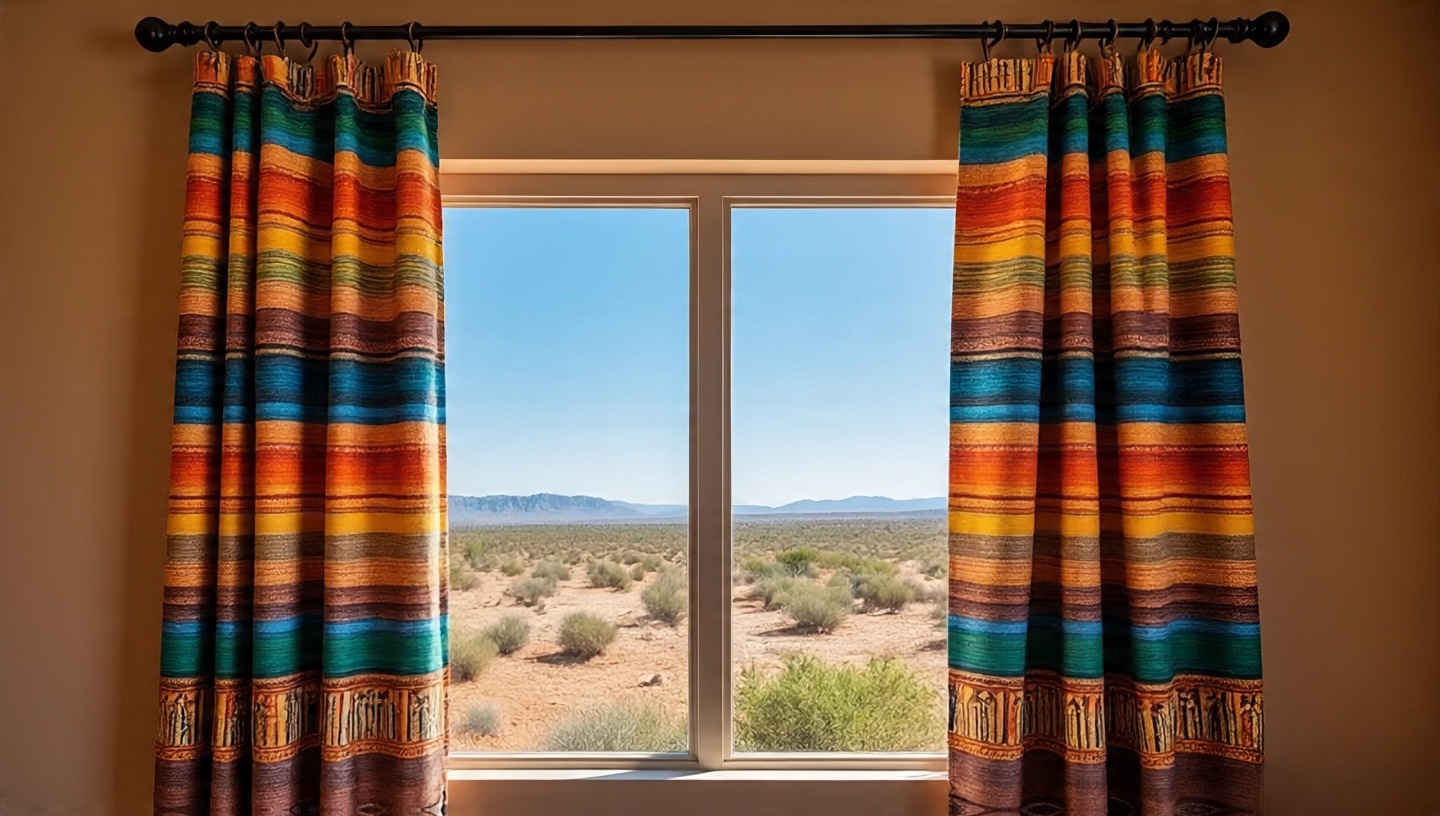
Too often, I see homeowners default to “beige” when they think desert. The truth is, the desert is one of the most colorful landscapes. A Southwestern color scheme means embracing terracotta sunsets, sagebrush greens, turquoise skies, and even deep purples that echo desert dusk. When layered thoughtfully, these tones create rhythm. A sage-green accent wall, terracotta dishware, and a splash of turquoise in the curtains? Suddenly your dining room sings in harmony with the desert itself.
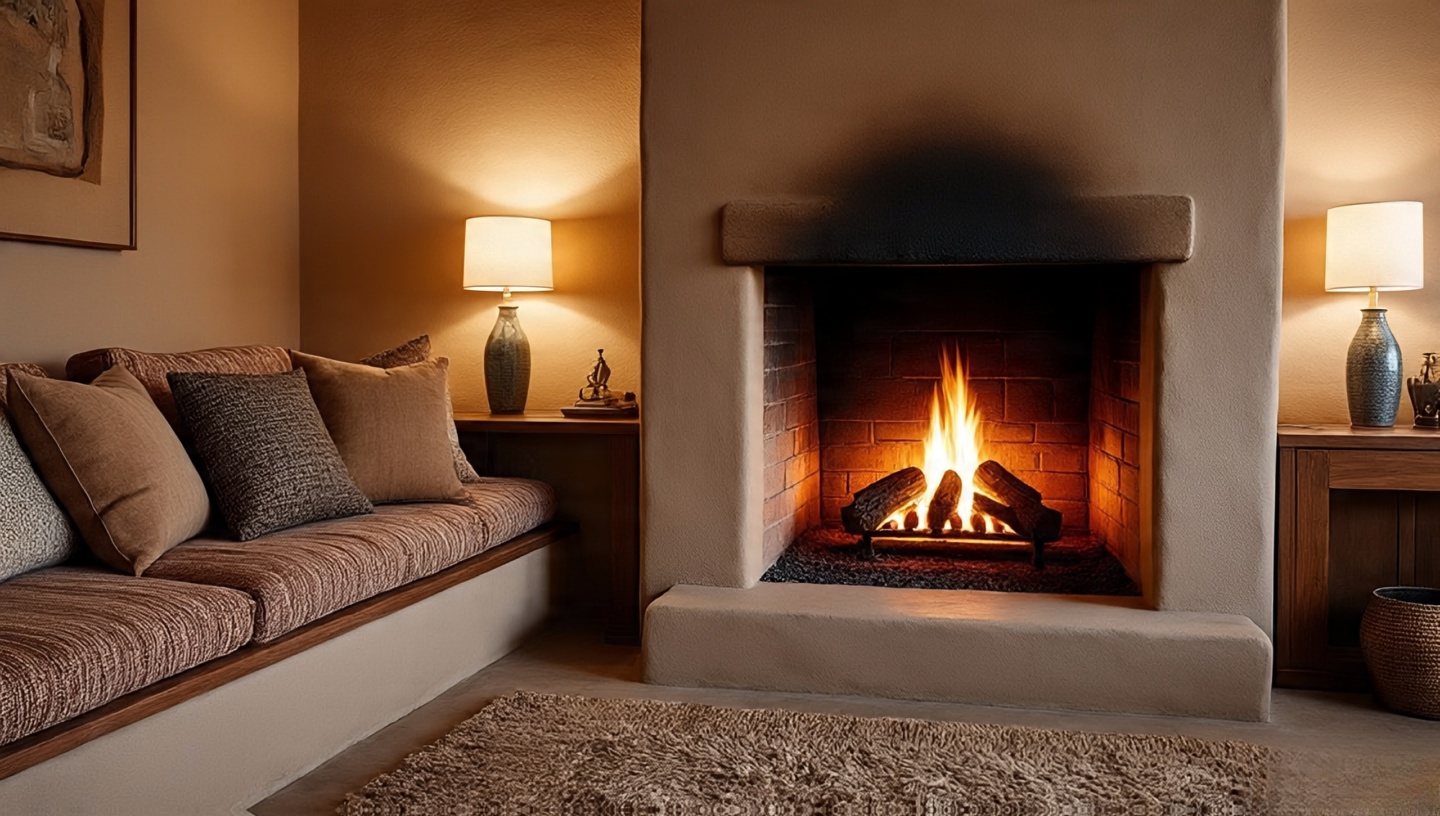
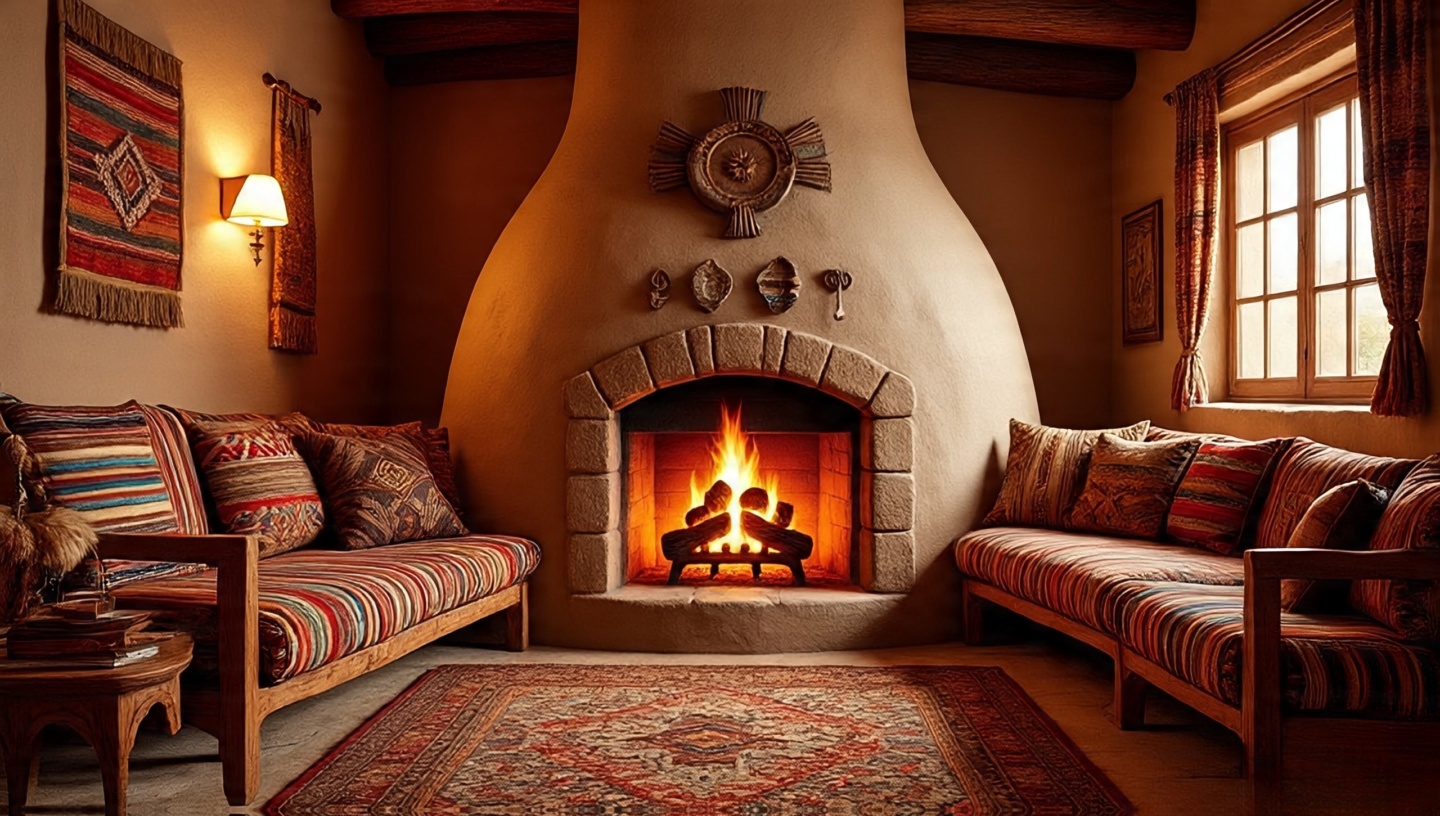
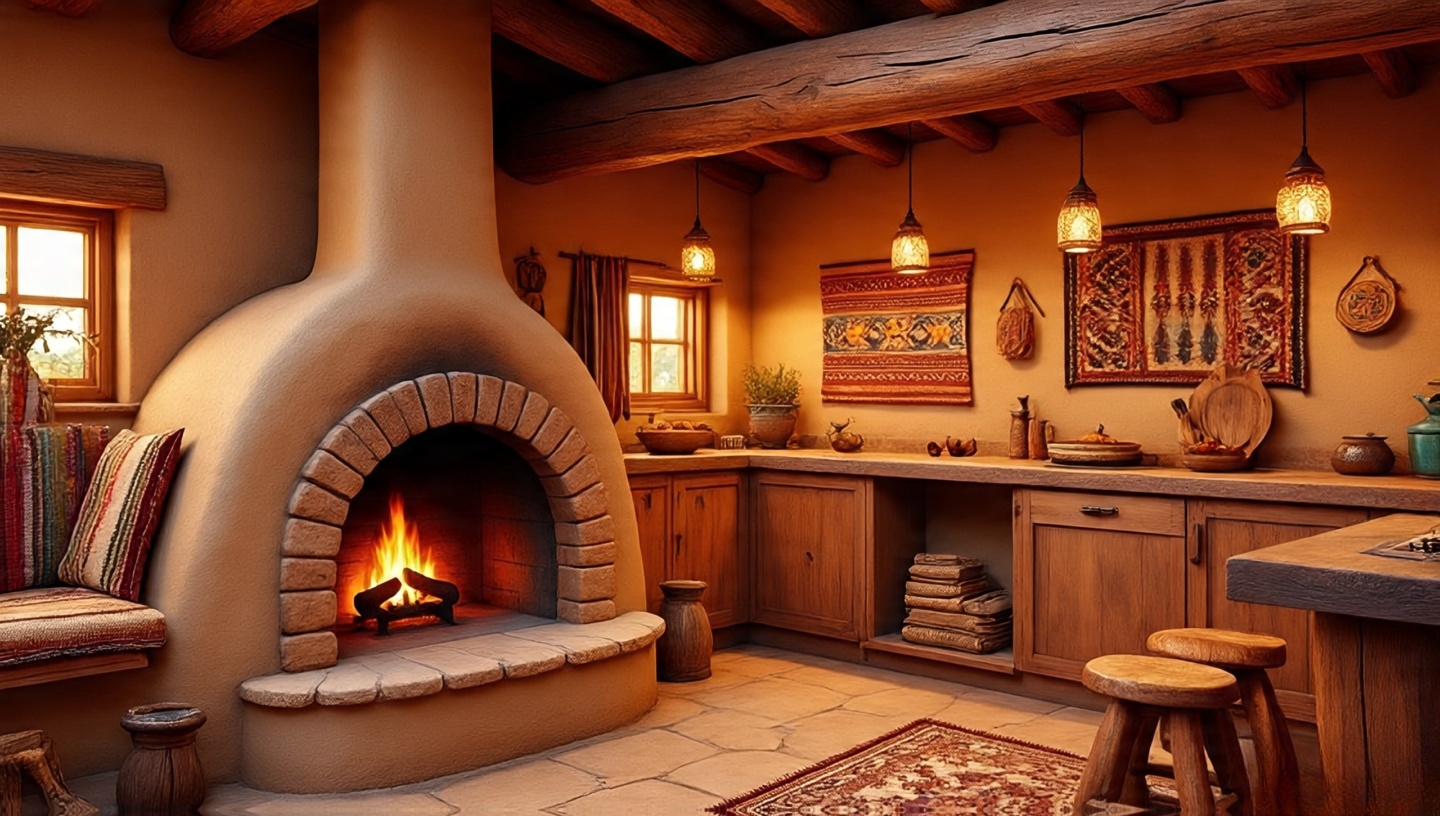
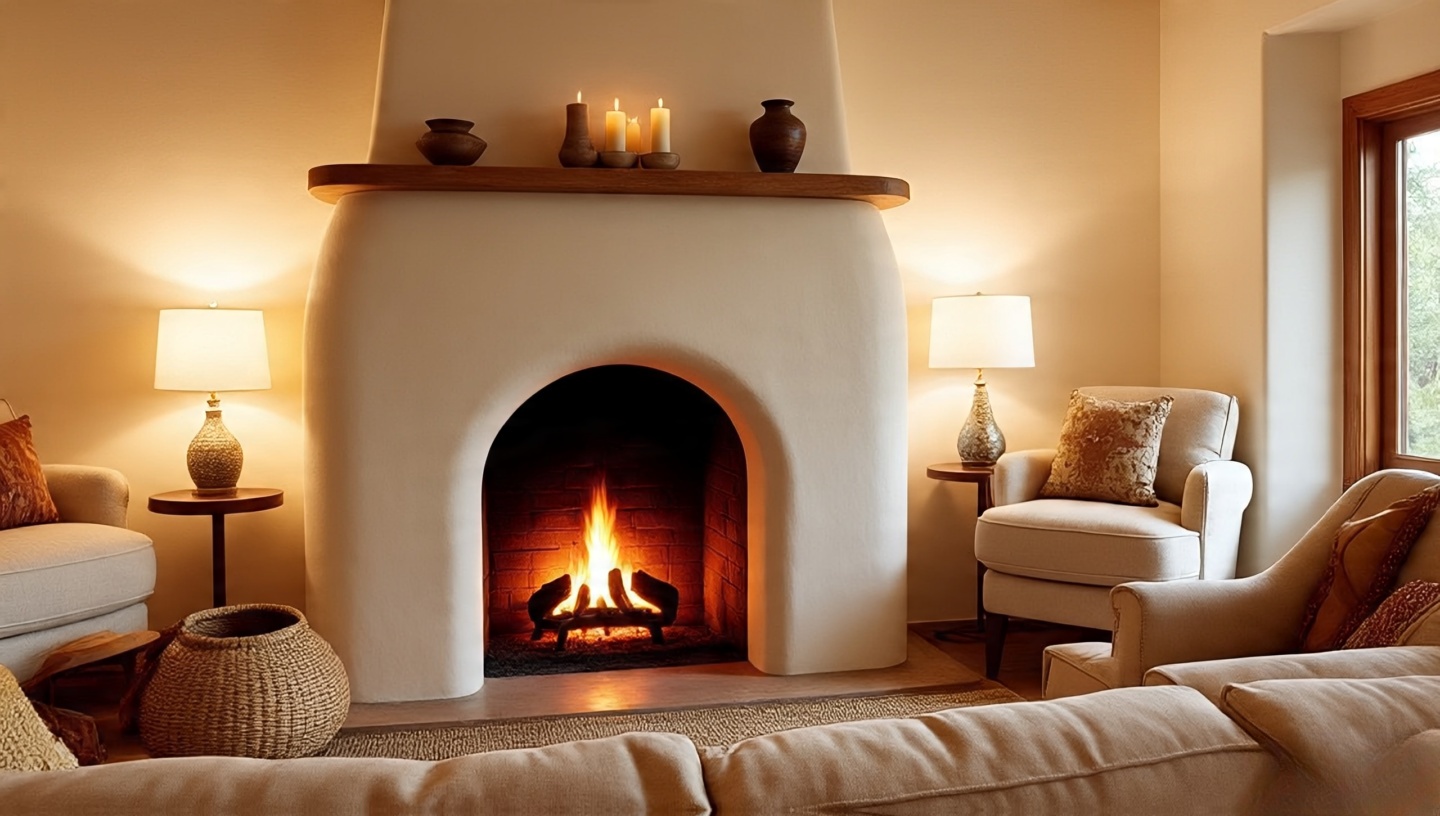
7. A Kiva Fireplace in the Dining Corner
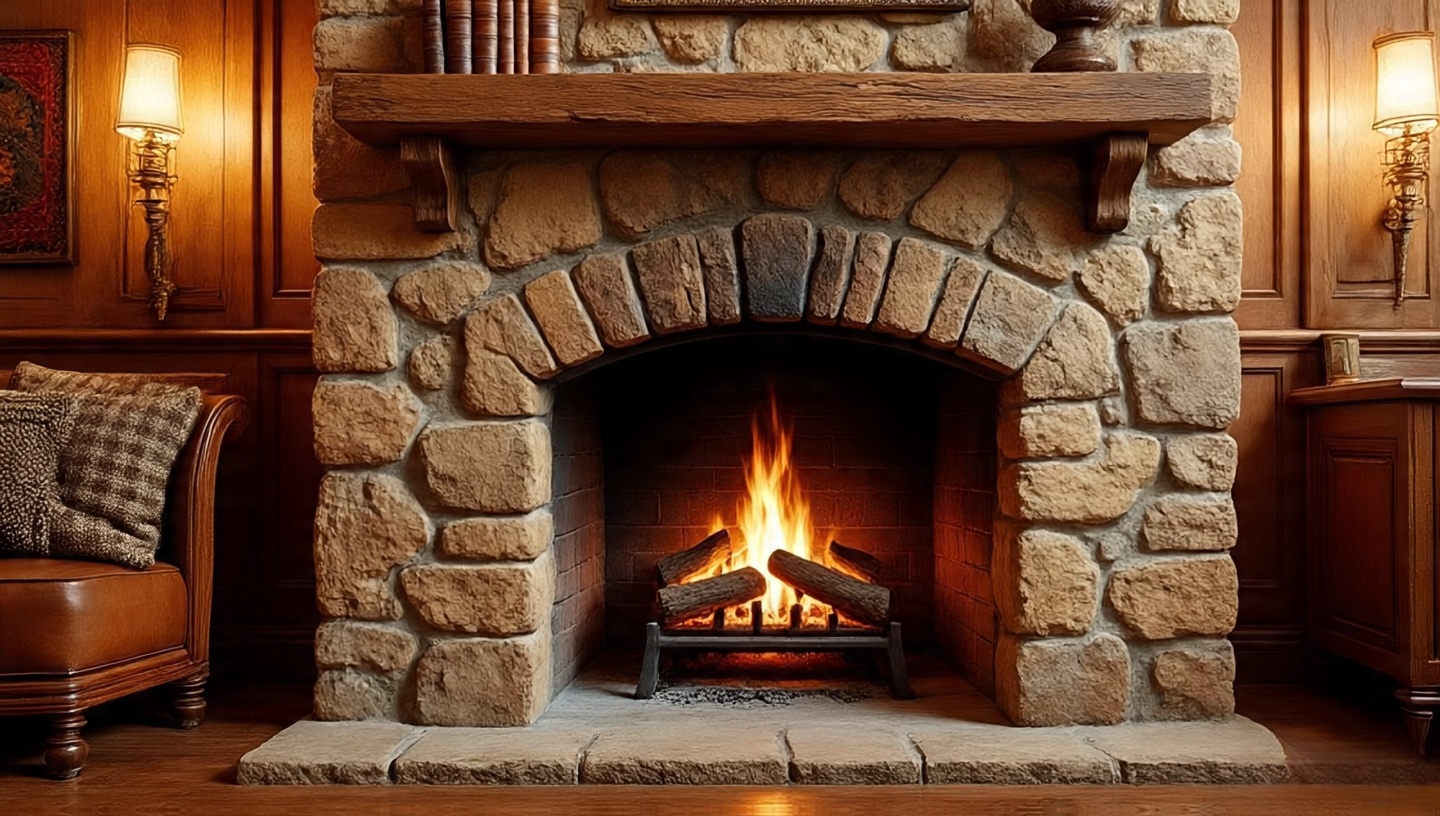
I’ve designed dining rooms with fireplaces and without, and I’ll tell you: the ones with a kiva fireplace feel alive even when they’re empty. The rounded, organic form of a kiva hearth adds softness to a room full of hard edges. Beyond warmth, it creates a sense of ritual around dining. Families linger longer because the fire keeps pulling them into conversation. If building one isn’t possible, even a faux plastered niche with candles can mimic that rounded embrace.
8. Handwoven Basket Decor (Functional Art)
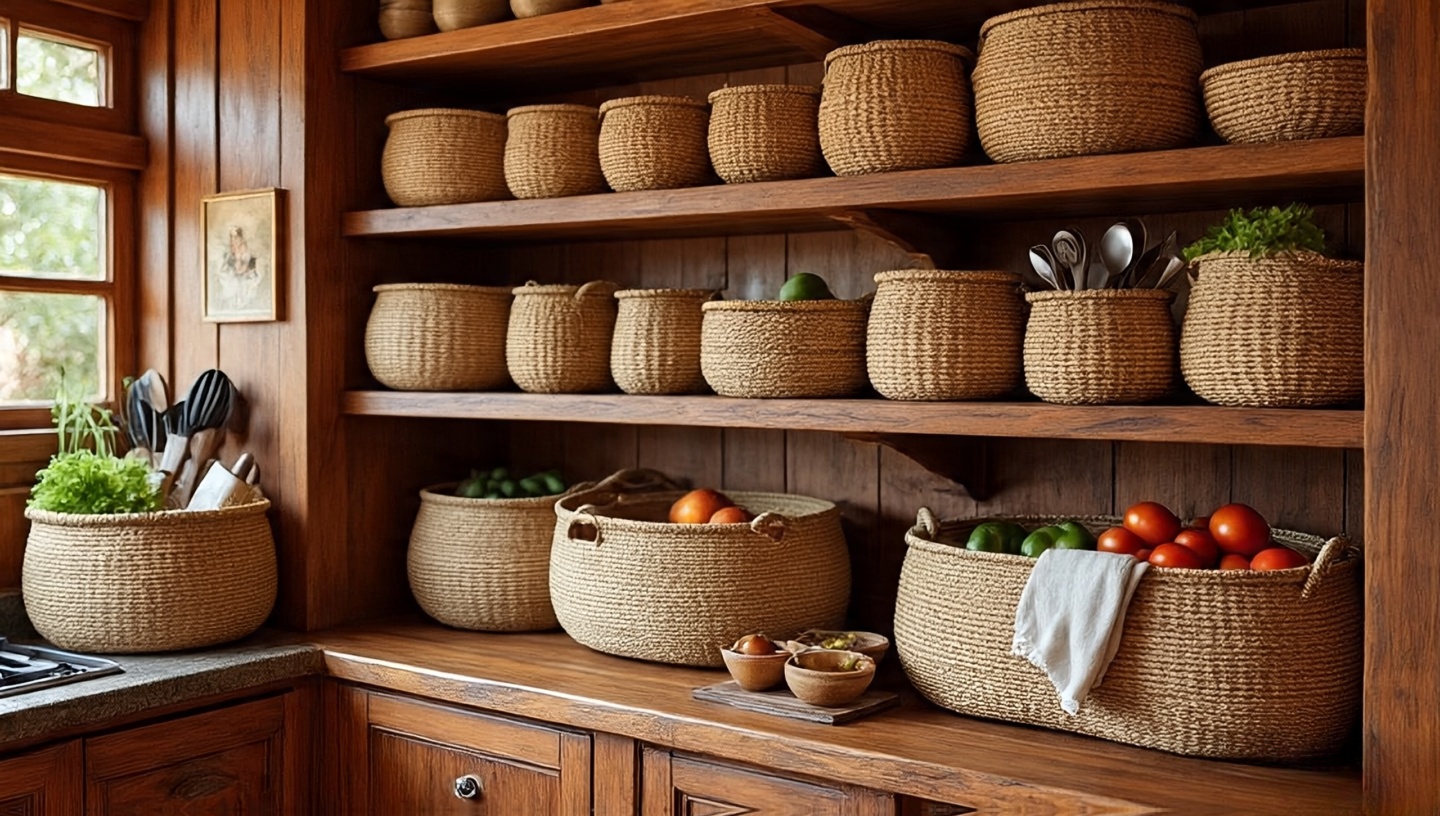
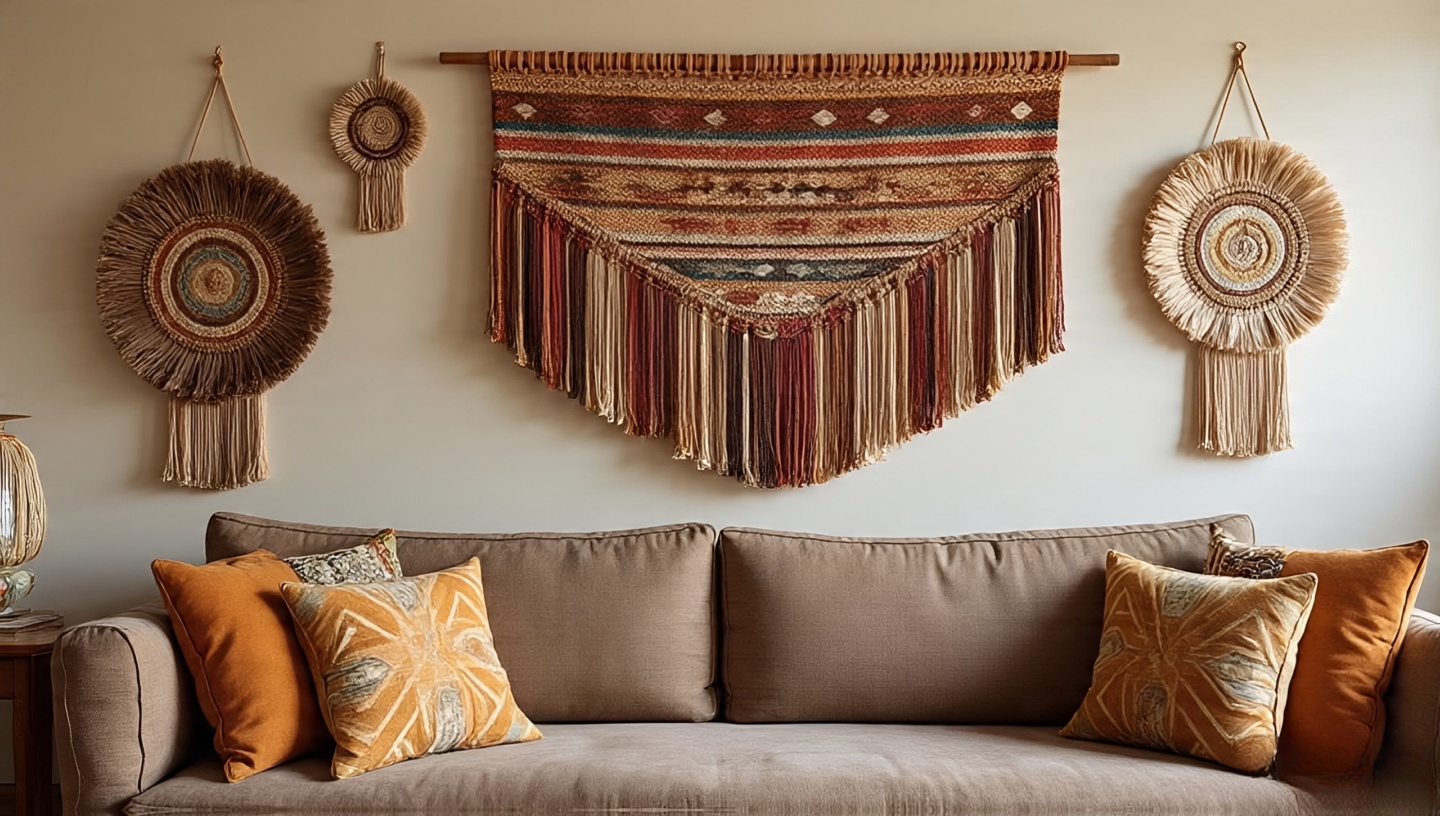
Baskets aren’t just wall fillers. In traditional Southwestern homes, baskets served both utility and storytelling. A handwoven basket on the wall or as a centerpiece brings authenticity without shouting. I encourage clients to mix sizes and patterns instead of arranging them in perfect symmetry it feels more lived-in that way. And here’s a practical tip: use larger baskets on the wall to soften acoustics in echo-prone dining rooms with tall ceilings.
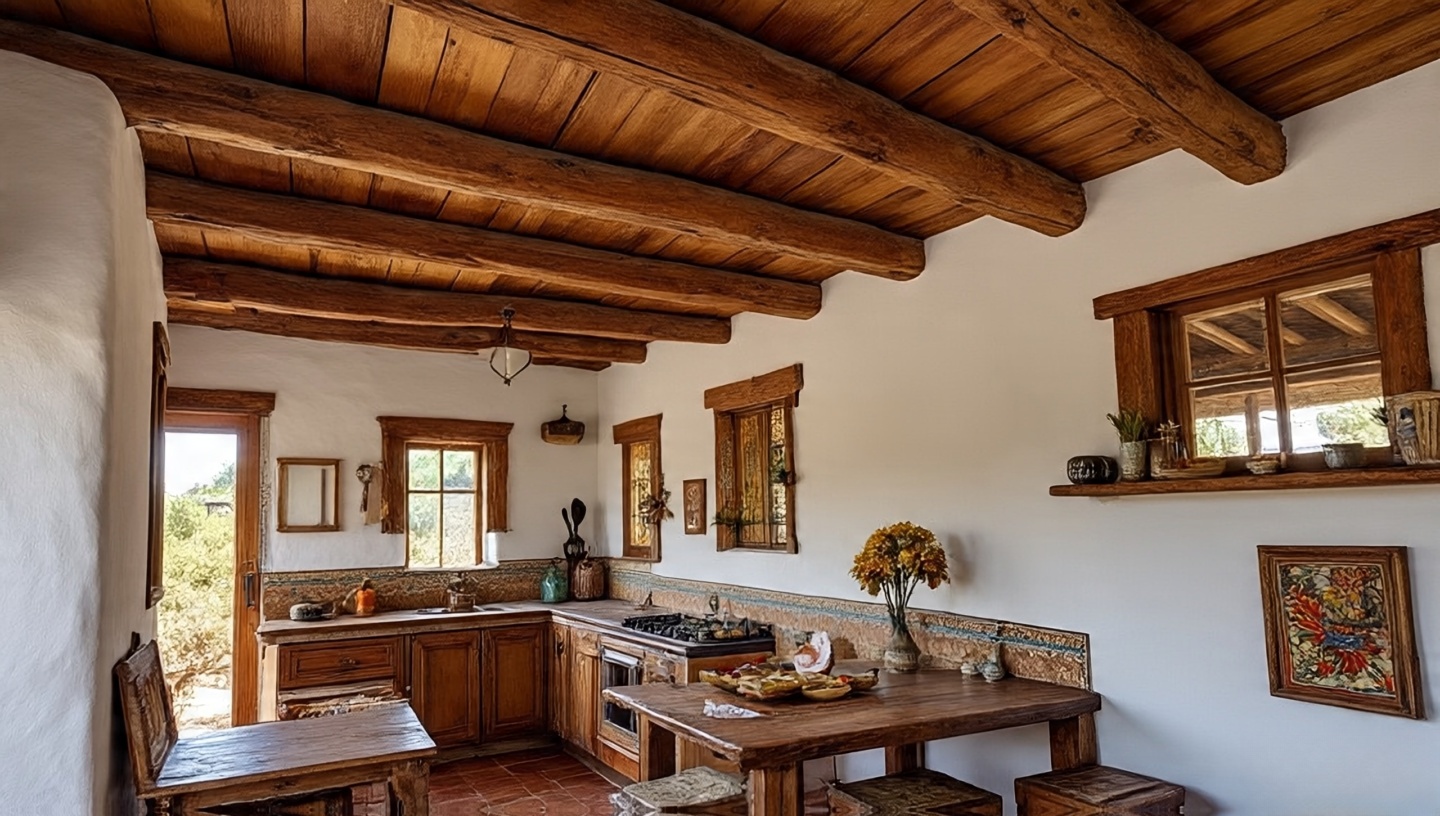
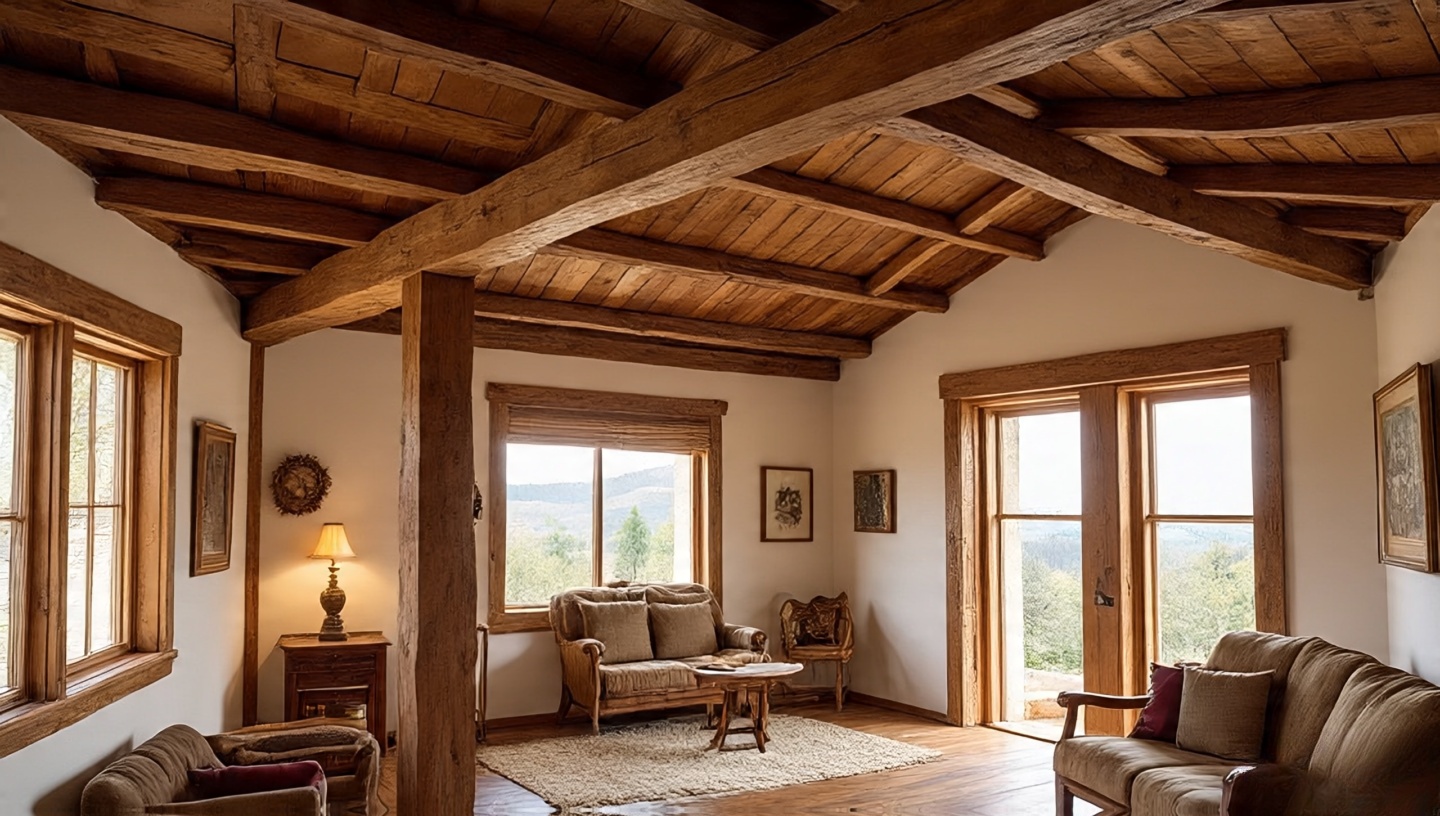
9. Exposed Wooden Ceiling Beams That Anchor the Space
Exposed beams are architectural honesty. They remind you of the structure holding the house together. In Southwestern design, beams (or vigas) are often oversized, dark, and rustic. Even faux beams can create drama if placed with intention. I usually recommend running them lengthwise along the dining table it visually elongates the room and creates a sense of shelter overhead, almost like dining beneath a protective canopy.
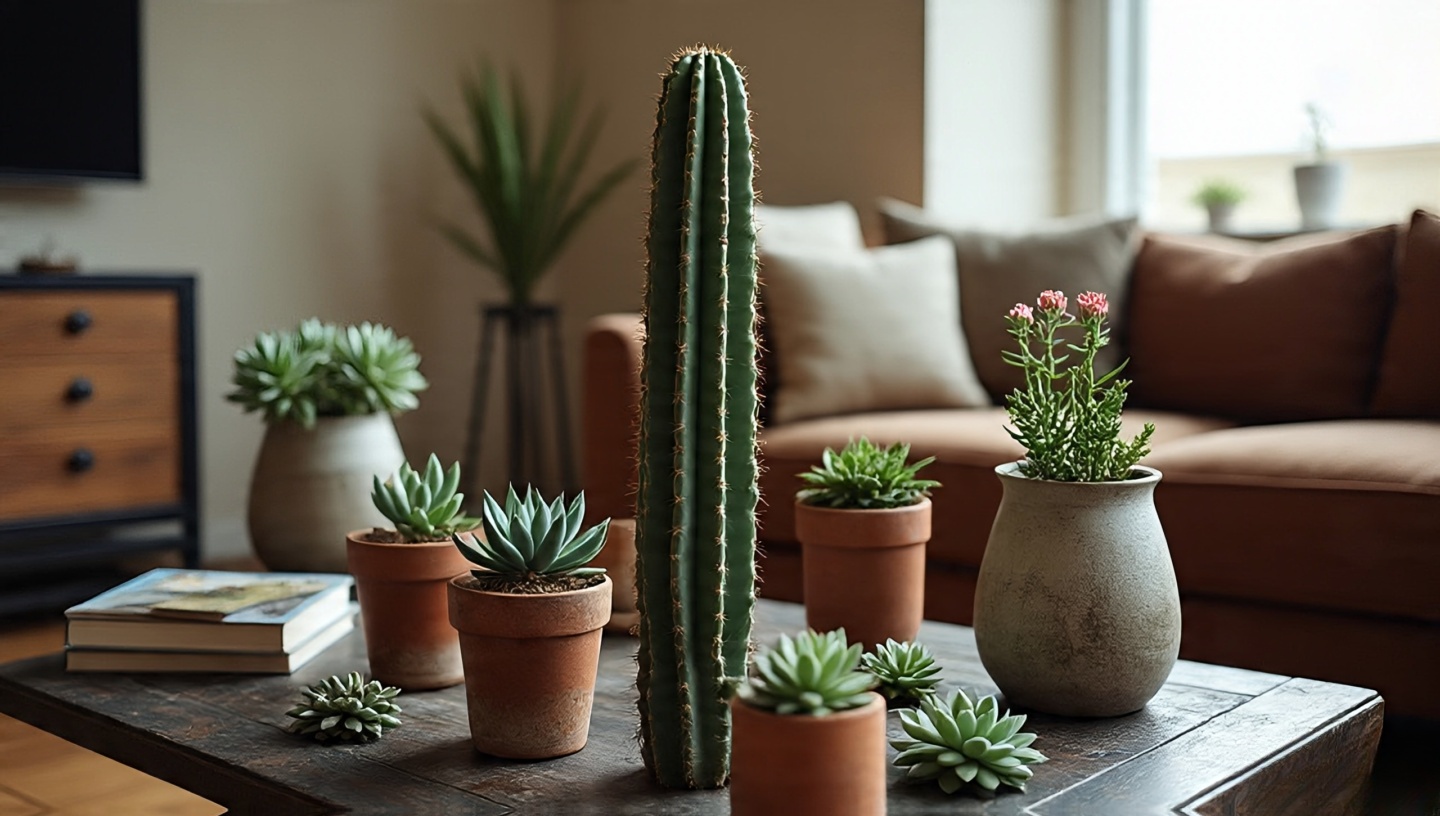
10. Cactus and Succulent Centerpieces (The Unkillable Charm)
I’ll confess fresh flowers are beautiful, but they don’t last in desert homes. That’s why cactus and succulents make brilliant centerpieces. They’re low-maintenance, sculptural, and perfectly aligned with Southwestern dining. A cluster of small terracotta pots with prickly pears or aloe creates height variation and texture. Bonus: succulents double as conversation starters because, let’s face it, they all have personalities. Guests will inevitably point at the spiky one and ask, “Does it bite?”
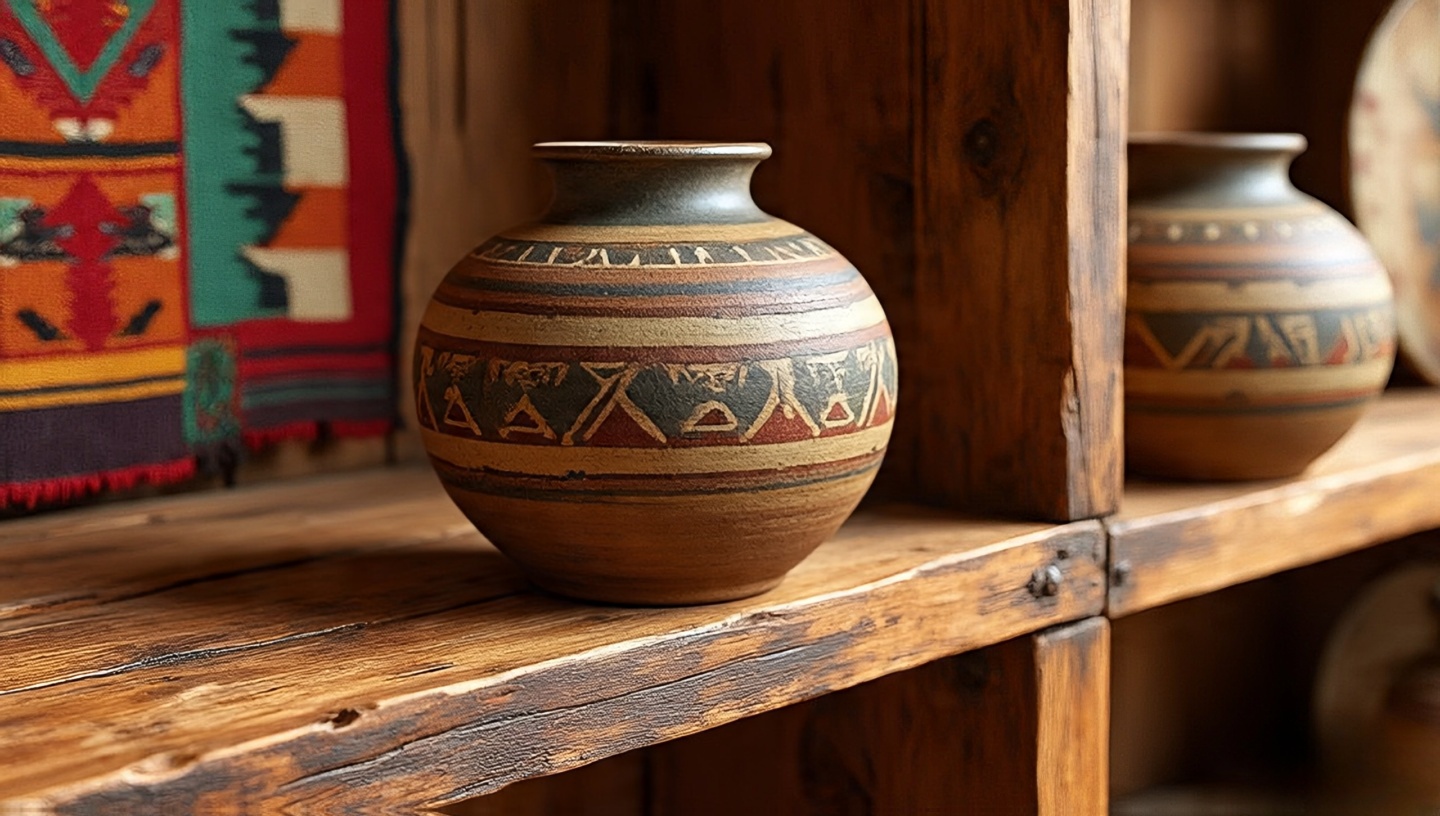
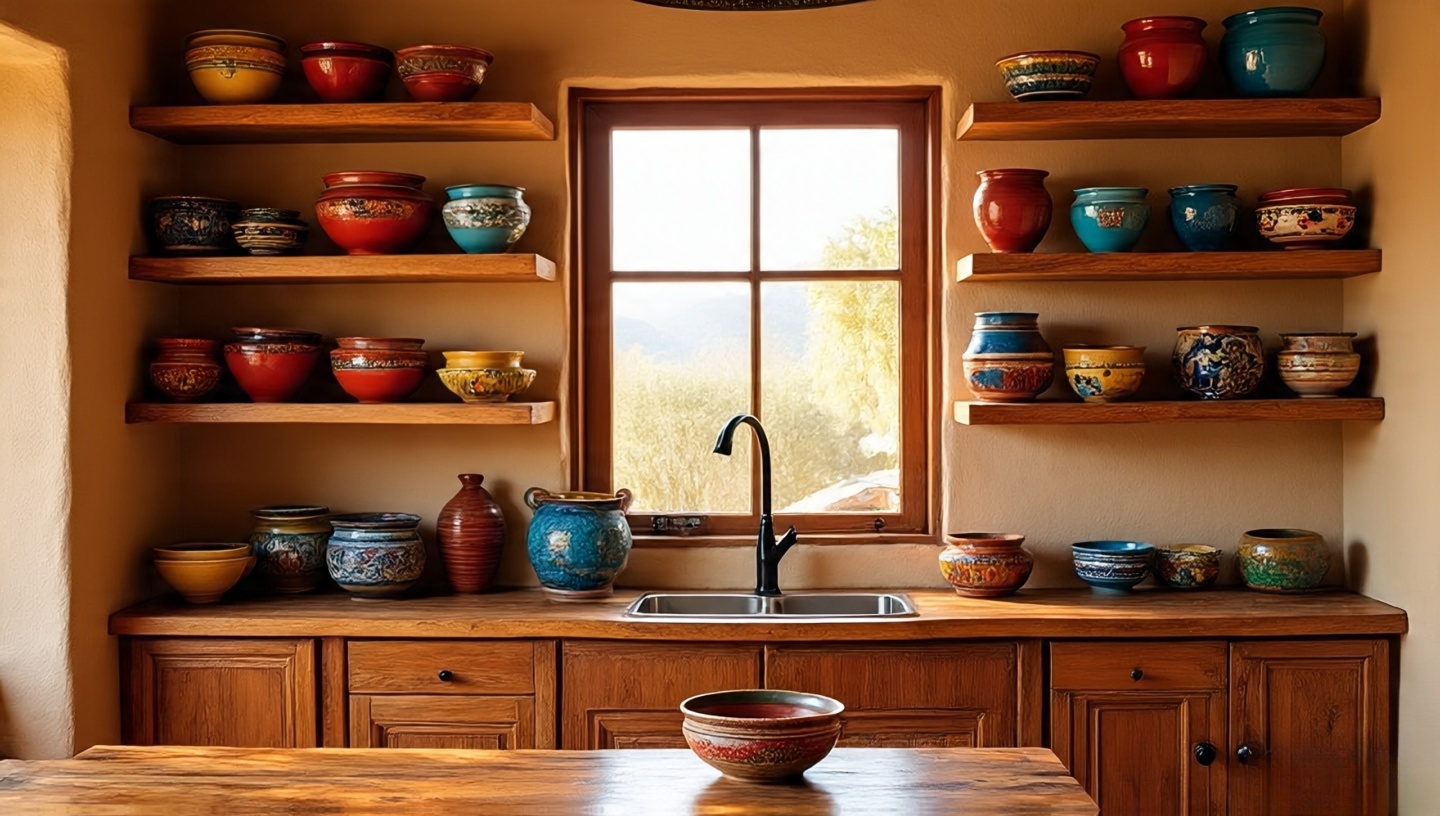
11. Pueblo Pottery Accents That Carry History
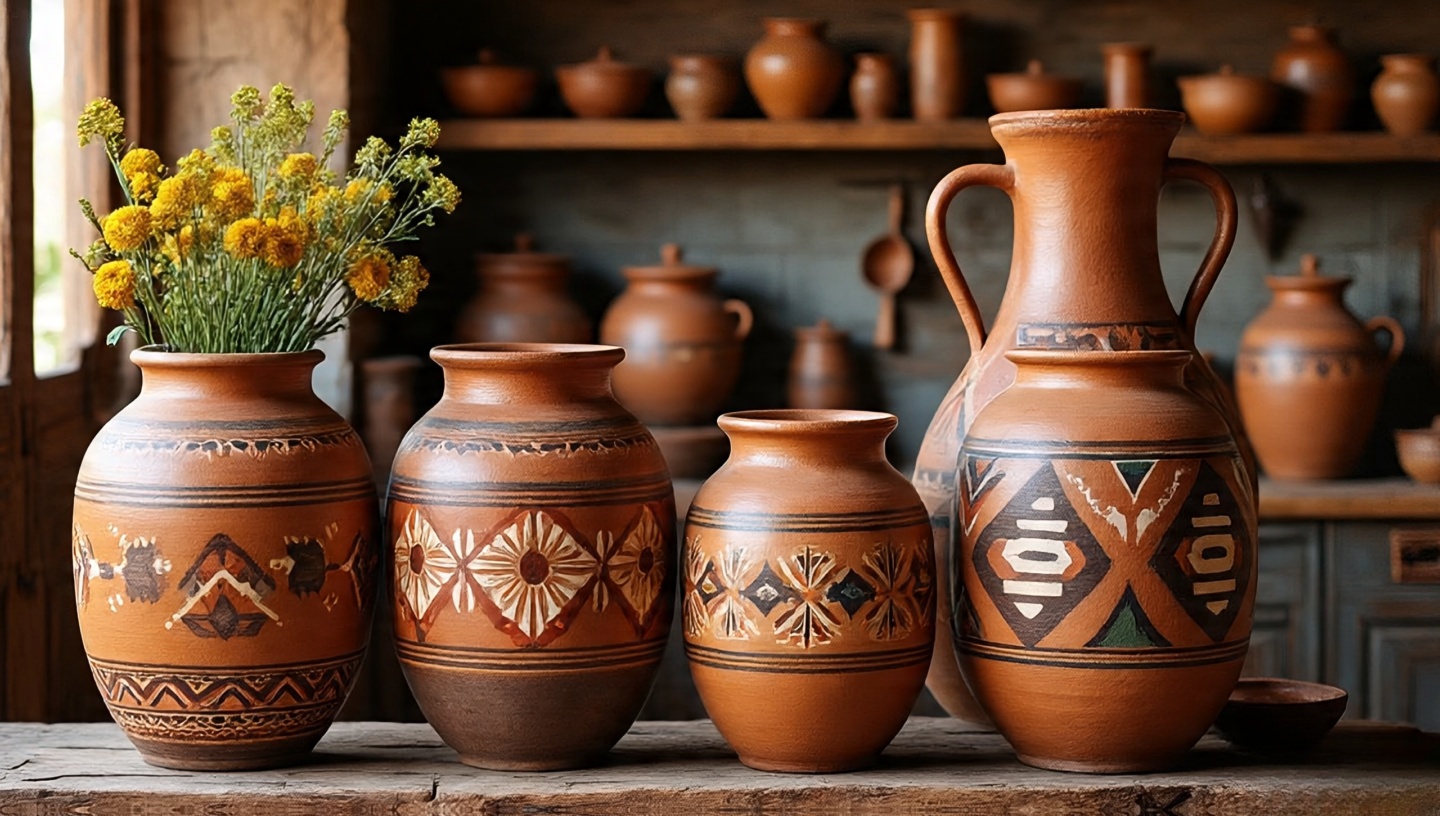
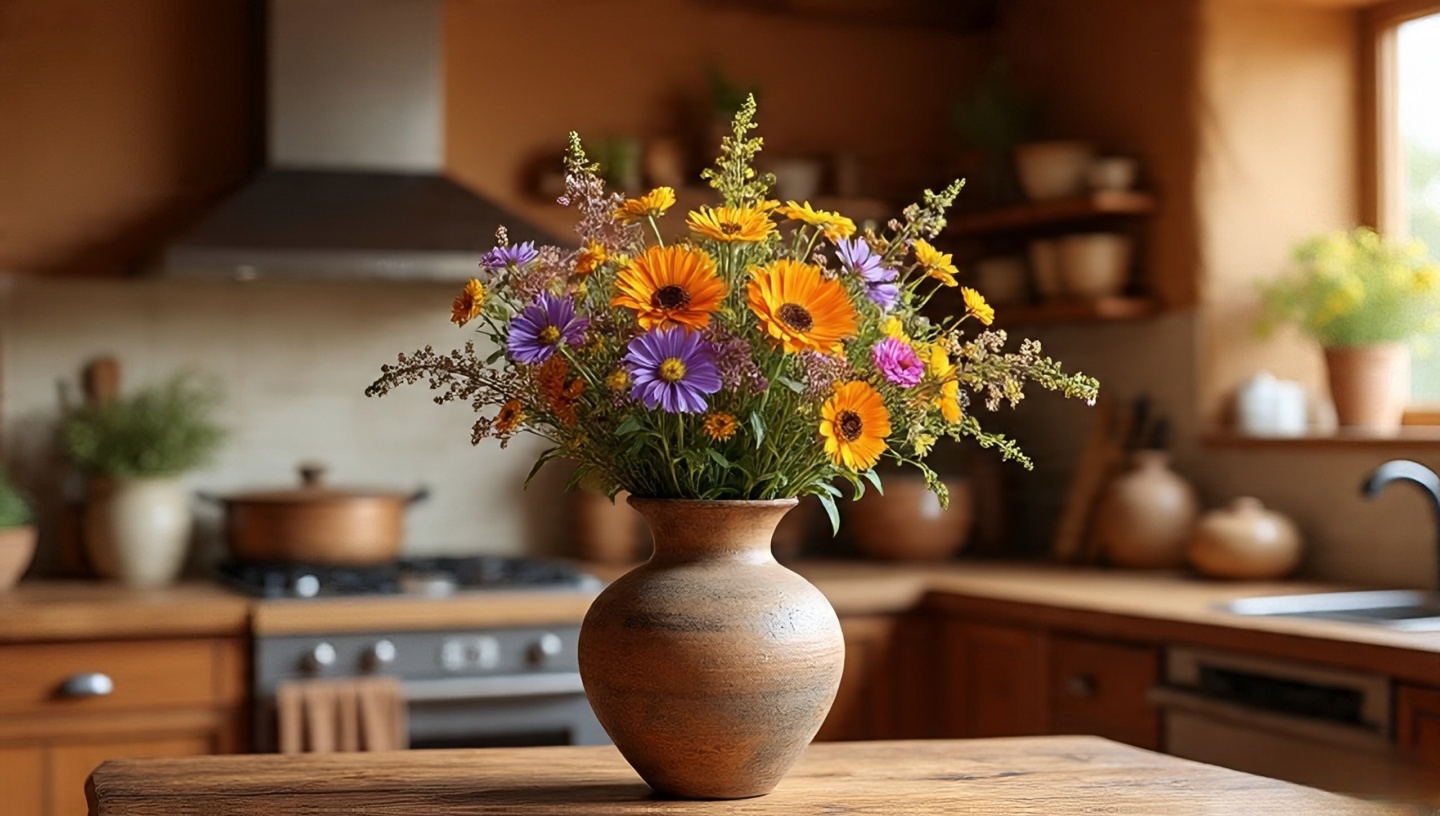
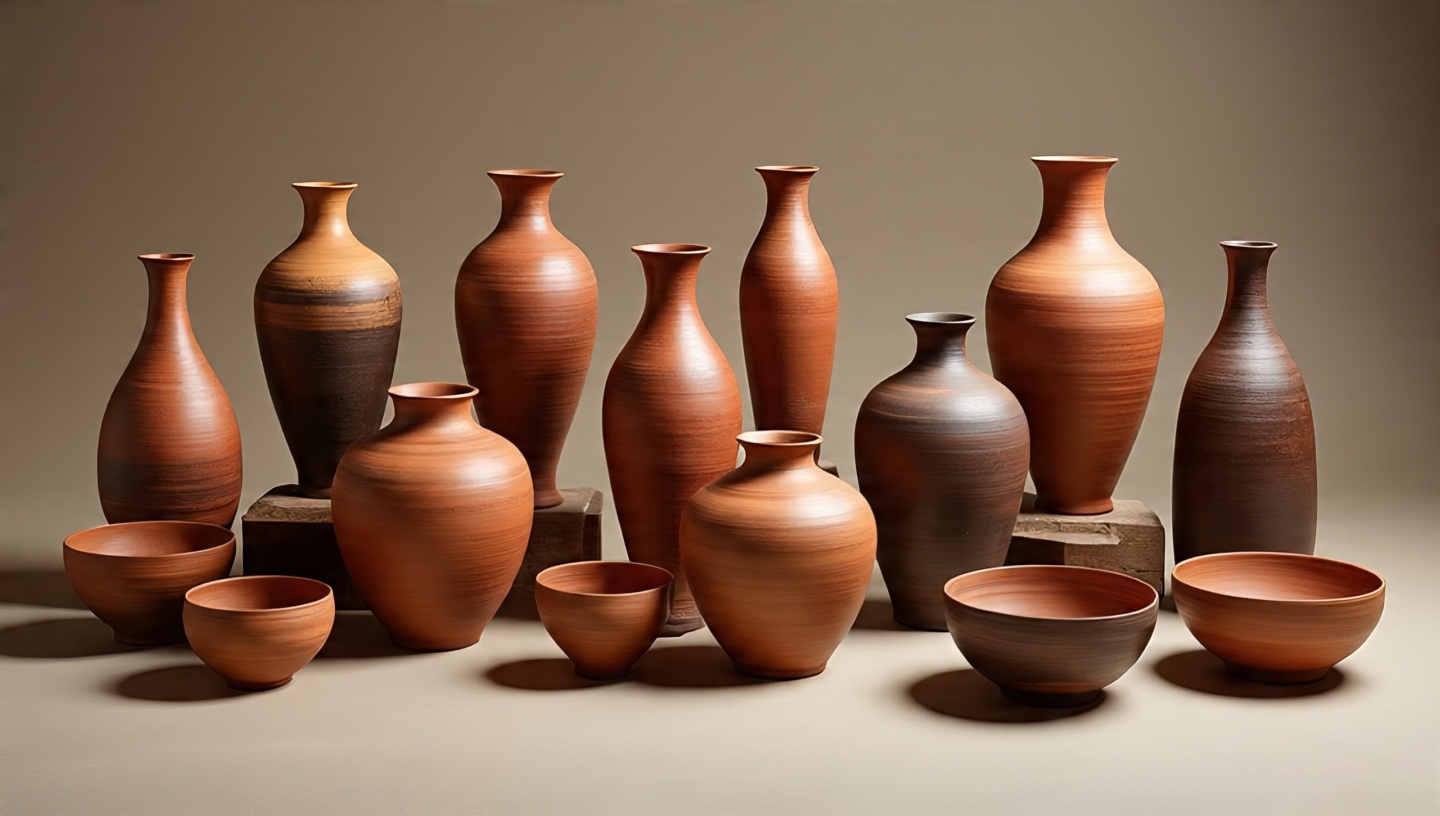
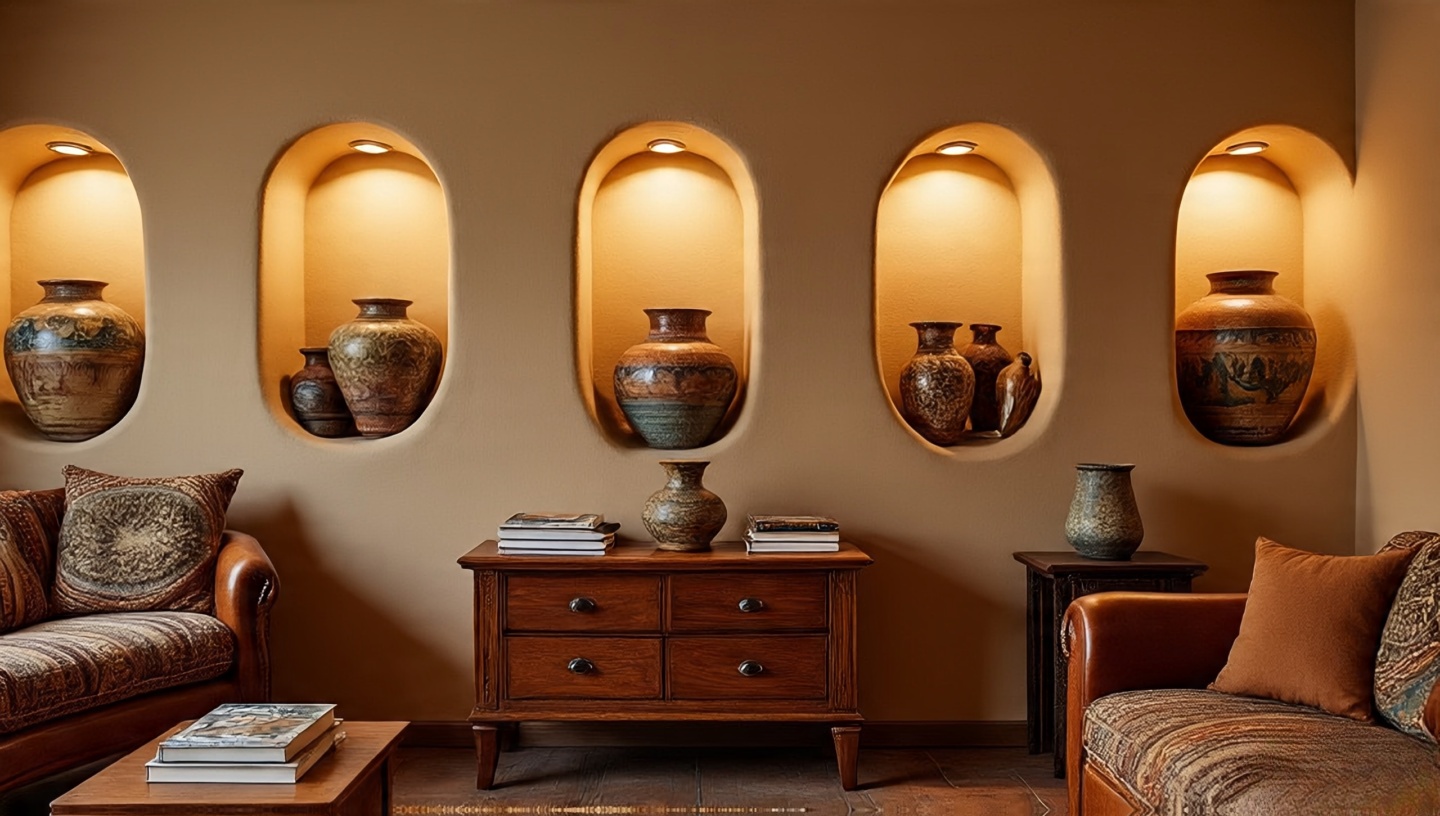
When I step into a Southwestern dining room, I always look for pottery it’s like reading a room’s history. Pueblo pottery isn’t just decorative; it’s the heartbeat of Southwestern art. The geometric lines, earthy tones, and matte finishes ground the space. Place a large vessel on the floor in a corner, smaller ones on a carved hutch, or even use one as a vase for dried wildflowers. I once had a client display heirloom pottery in recessed wall niches with soft uplighting it turned the dining room into a gallery, but still felt intimate.
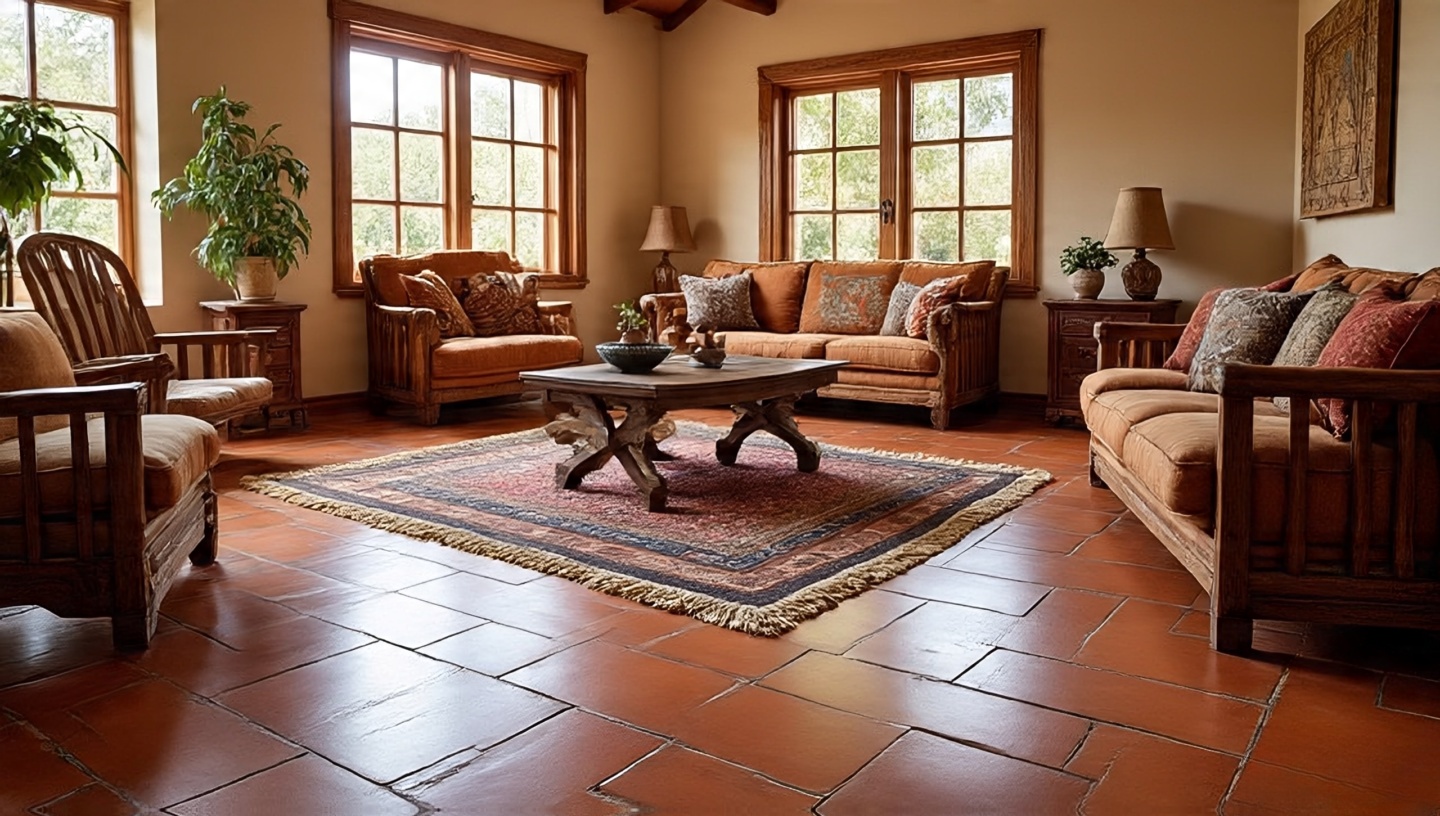
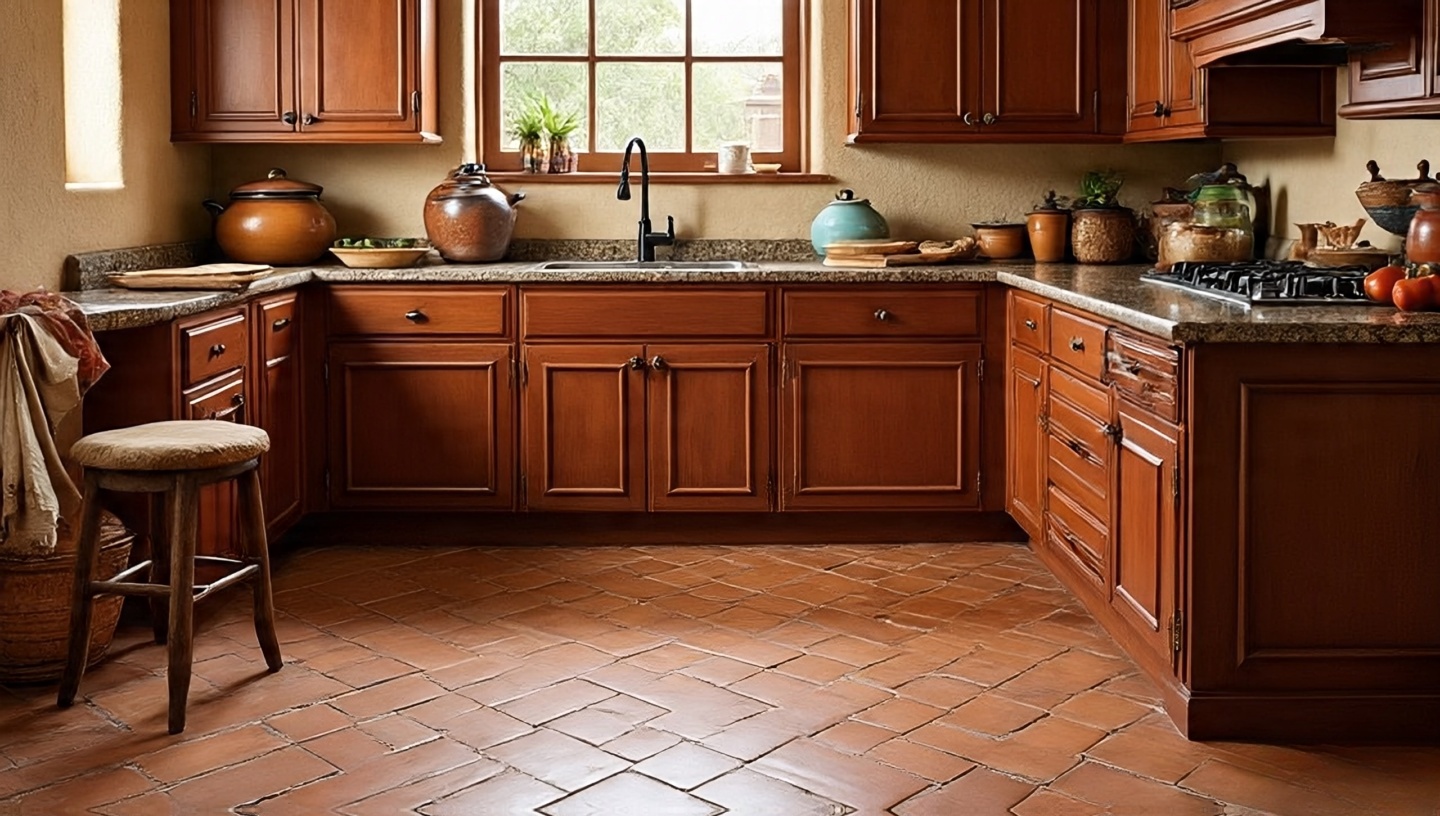
12. Saltillo Tile Flooring (The Desert Under Your Feet)
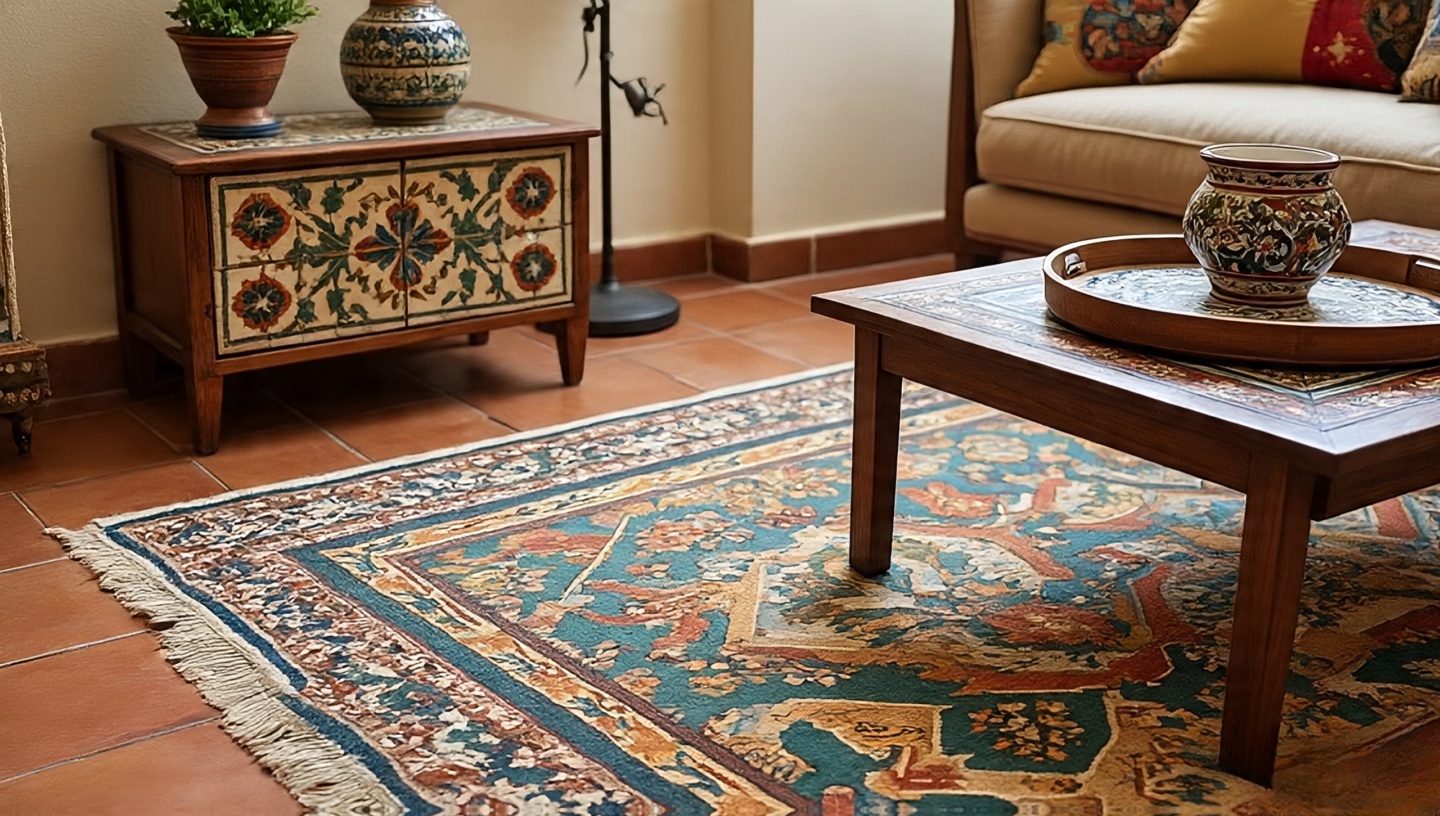
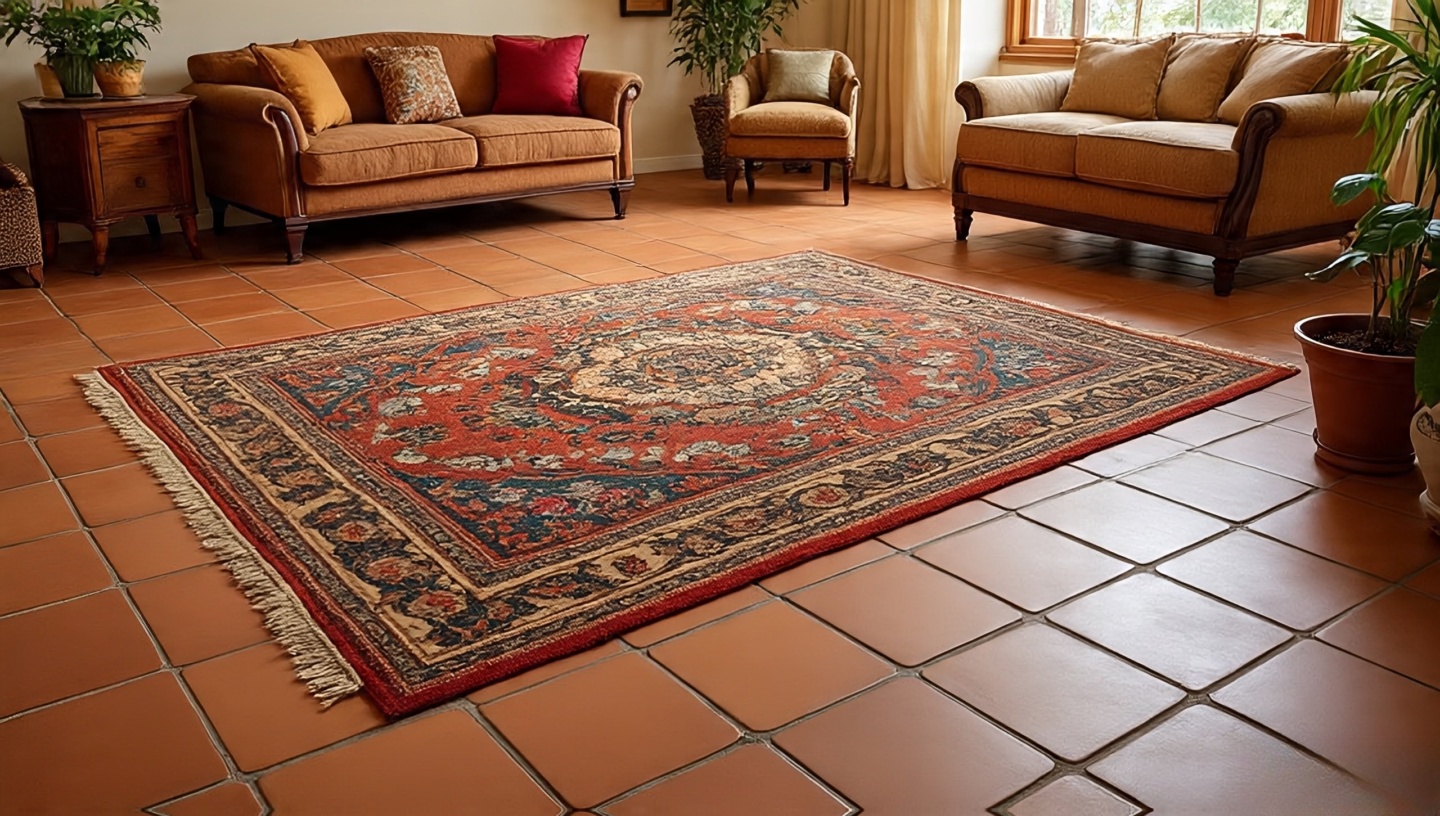
Step barefoot onto Saltillo tiles after a hot day, and you’ll understand their magic. Handmade in Mexico, each tile carries its imperfections proudly no two are alike. They cool the room in summer and hold warmth in winter. The natural reddish tones echo desert clay, and over time, the surface develops a soft sheen from wear. If you’re hesitant, start with a smaller section, like an entry into the dining room, and see how it transforms the flow of your home.
13. A Carved Wooden Hutch (Storage with Soul)
Let’s talk practicality with artistry. Every dining room needs storage, but in a Southwestern home, that storage tells a story. A hand-carved wooden hutch with heavy doors can hold tableware while showcasing your pottery or woven baskets. I love when clients mix practicality and display: everyday glasses on the bottom, sculptural pieces above. Add wrought iron handles and suddenly your hutch feels like it’s been there for generations.
14. Tribal Print Table Runners (Easy Layer of Character)
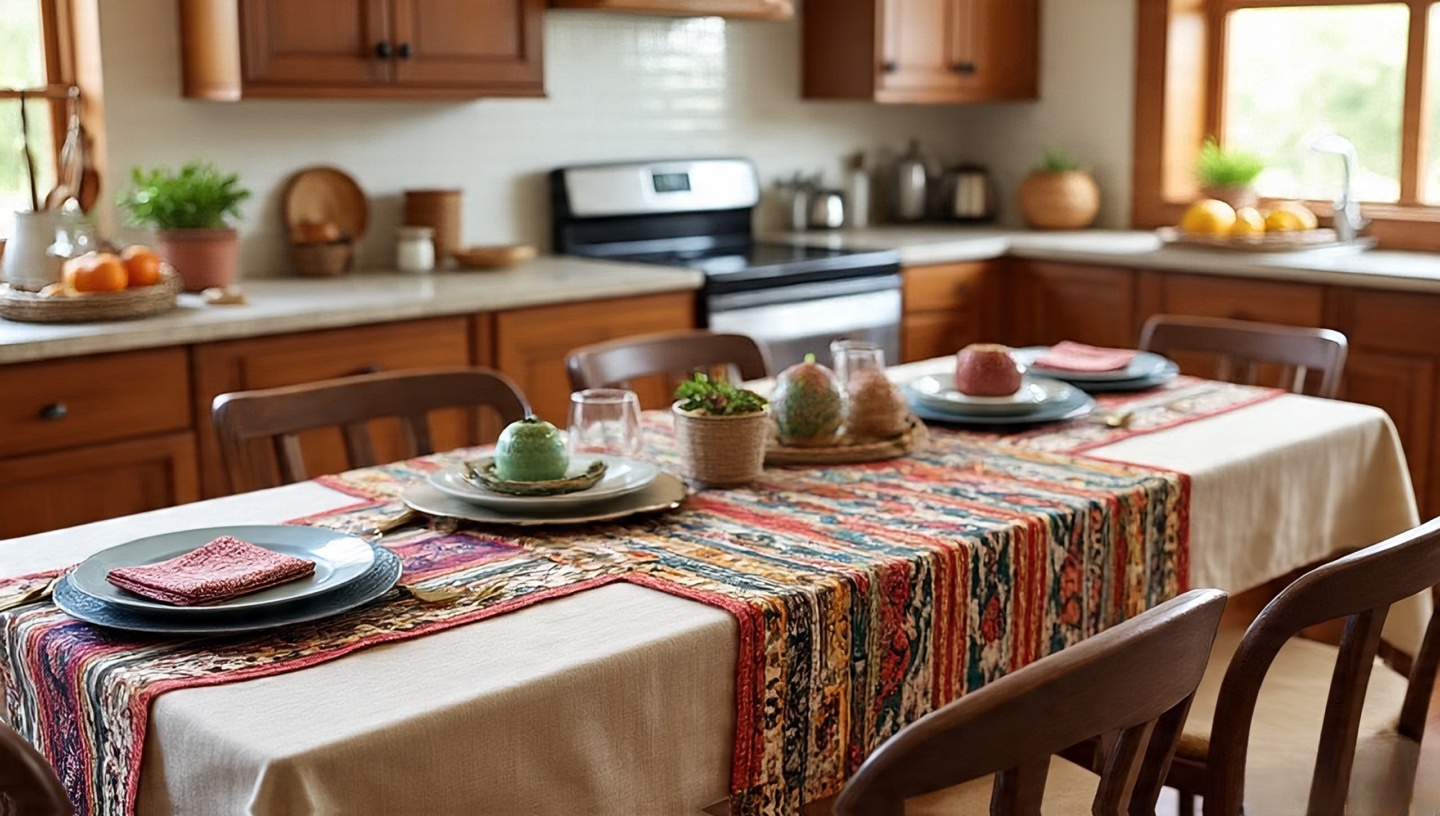
You don’t always need grand gestures sometimes a table runner is enough to set the mood. A runner with tribal prints brings rhythm and pattern right where the eye falls first: the dining table. I often advise clients to change runners seasonally. Warm terracotta and rust in autumn, turquoise and ivory in summer. It’s a small touch but one that keeps the room dynamic and alive.
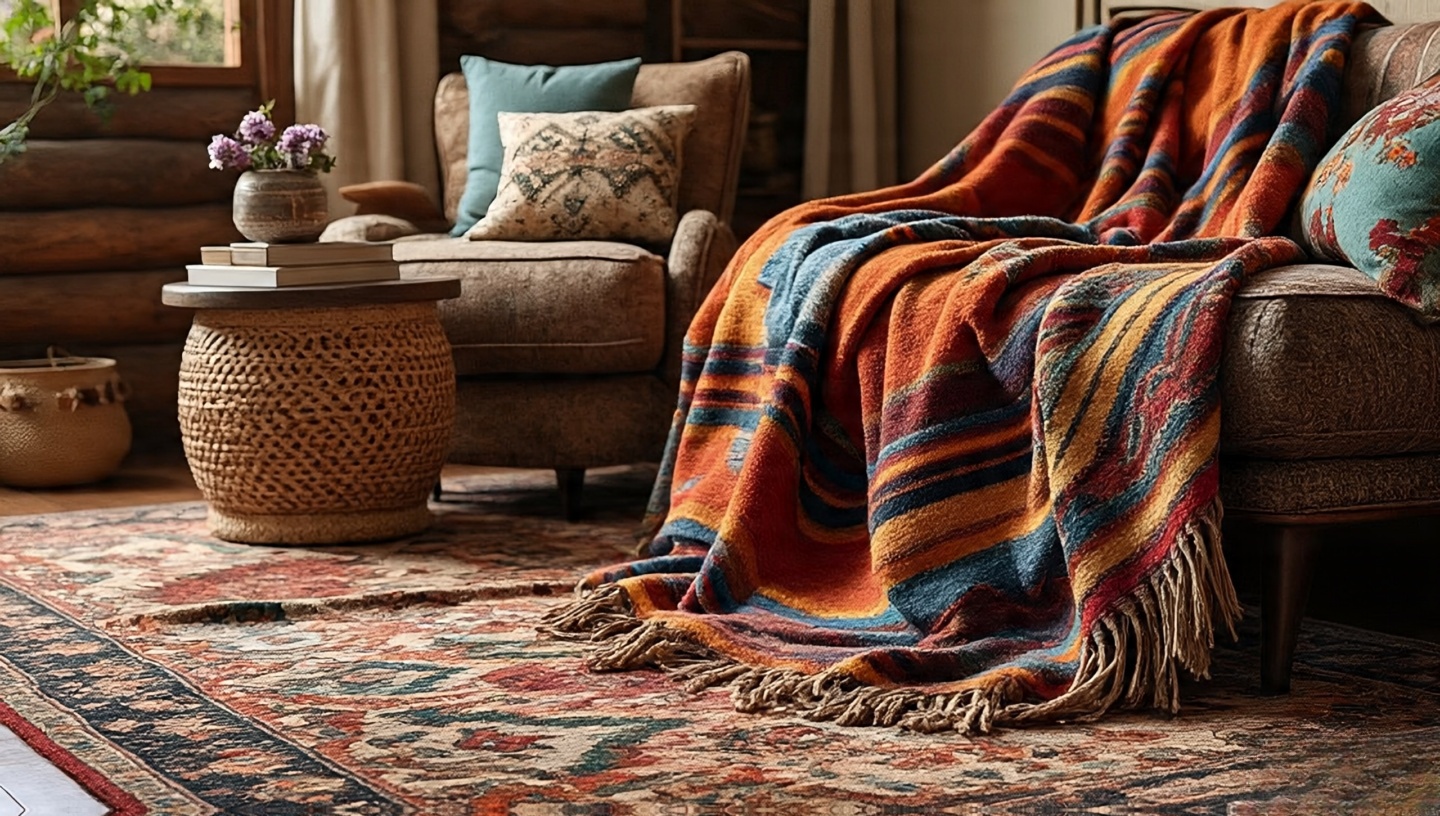
15. Pendleton Blankets as Chair Covers (Double-Duty Design)
Here’s one of my favorite hacks Pendleton blankets draped over chairs. They bring pattern, warmth, and authenticity, but also serve a functional purpose. Guests can pull them over their shoulders during cool desert evenings. In one mountain-desert retreat I worked on, the family had a set of blankets in alternating colors, which made the dining room playful without losing cohesion. Function meets comfort, and it looks fantastic in photos too.
16. Painted Talavera Tiles for a Pop of Color
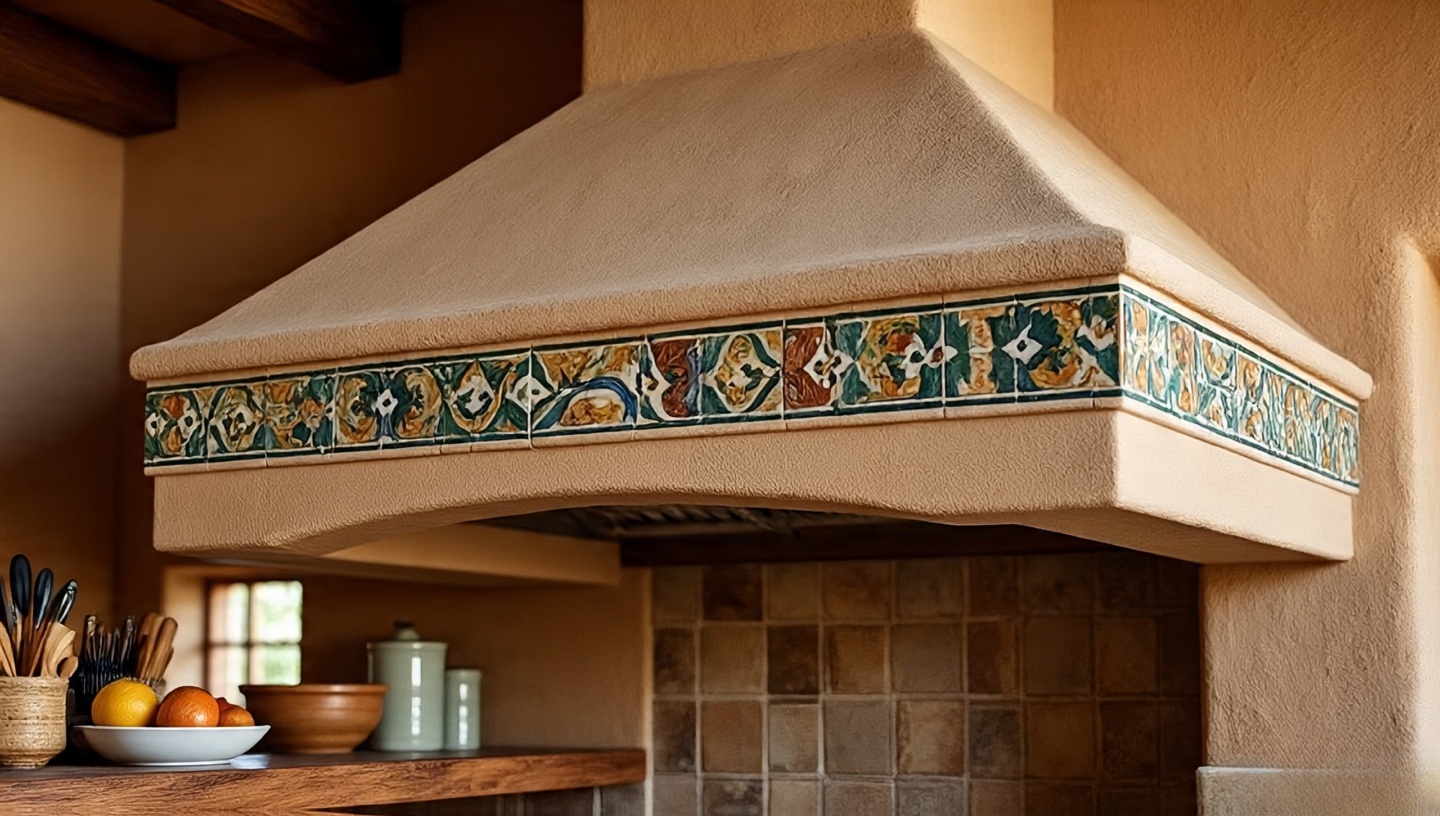
Not every wall needs to be plain. Painted Talavera tiles bright, hand-painted ceramics are a wonderful way to inject artistry into your dining space. I’ve seen them used as wainscoting, as a strip along the wall, or even on the face of a sideboard. Their cheerful patterns balance the heavier rustic elements like wood and iron. Just remember: let the tiles shine by keeping nearby surfaces simple.
17. Cowhide Rug Layering for Depth
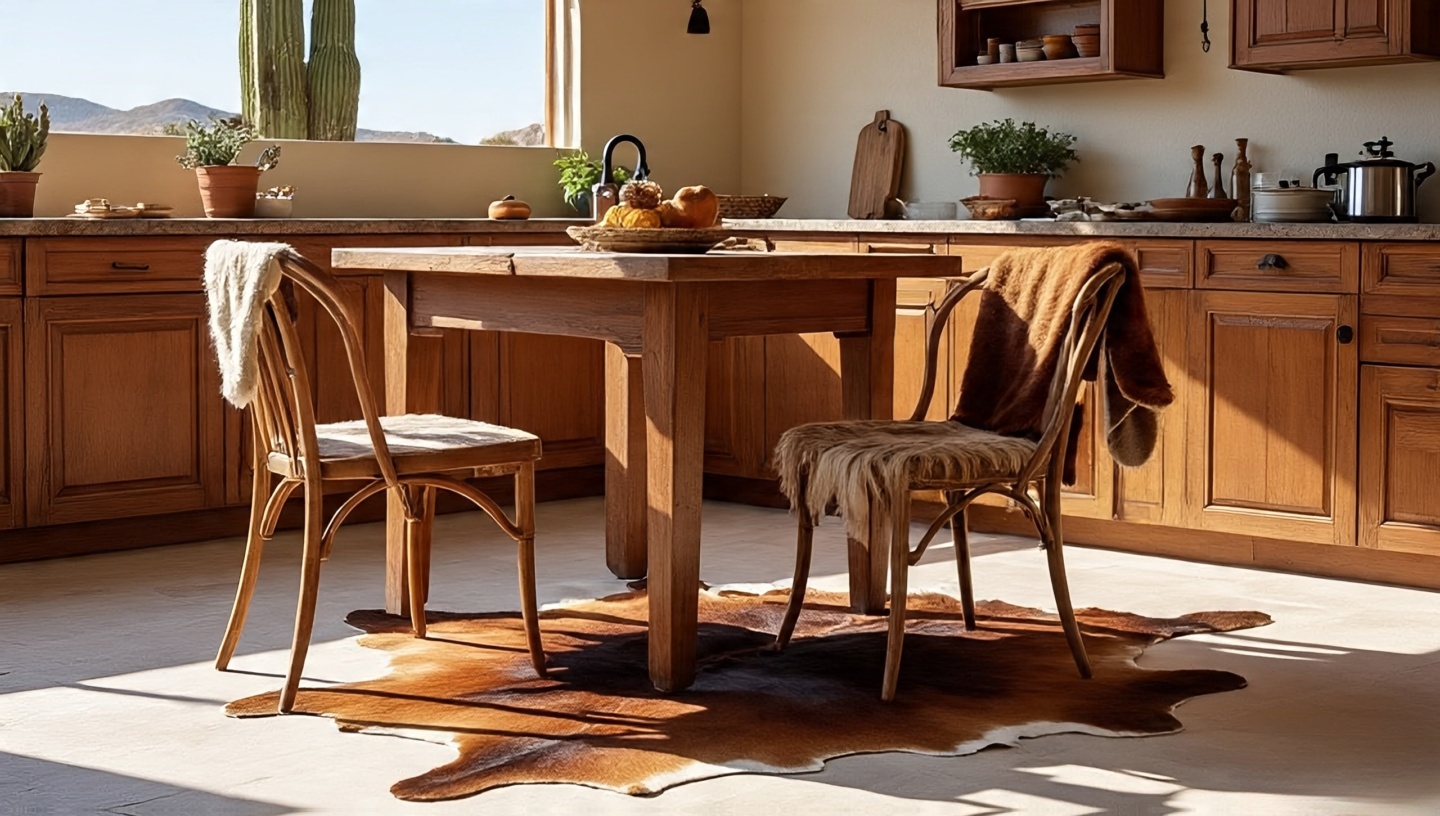
Here’s where you can break a few design rules. Layering rugs adds depth and movement. Place a cowhide rug over a woven Navajo rug, and suddenly the room feels collected rather than decorated. The irregular shape of cowhide breaks up too much geometry, softening the space. Personally, I love it under a round dining table it echoes the organic shape beautifully.
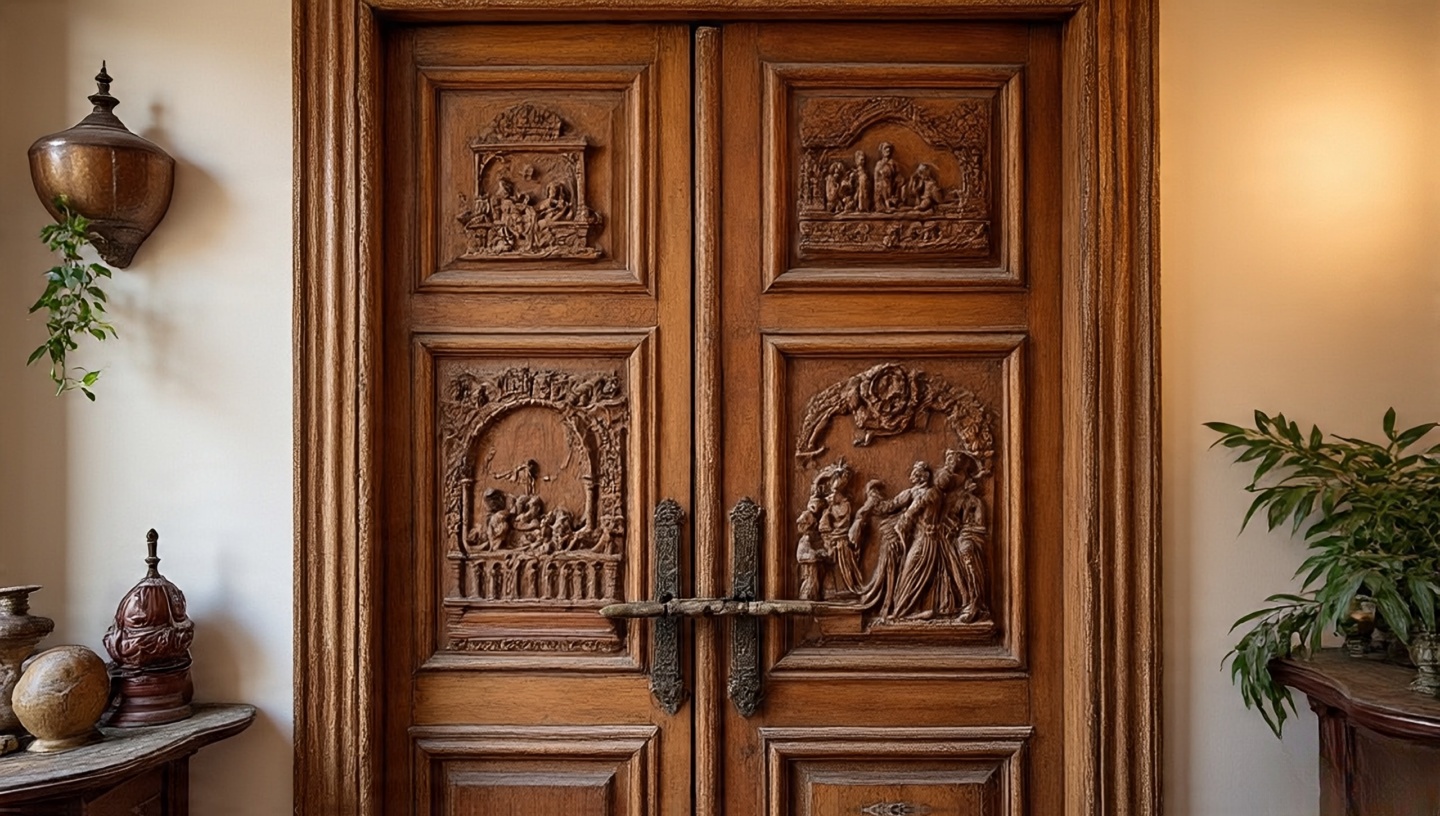
18. Heavy Wooden Doors That Make a Statement
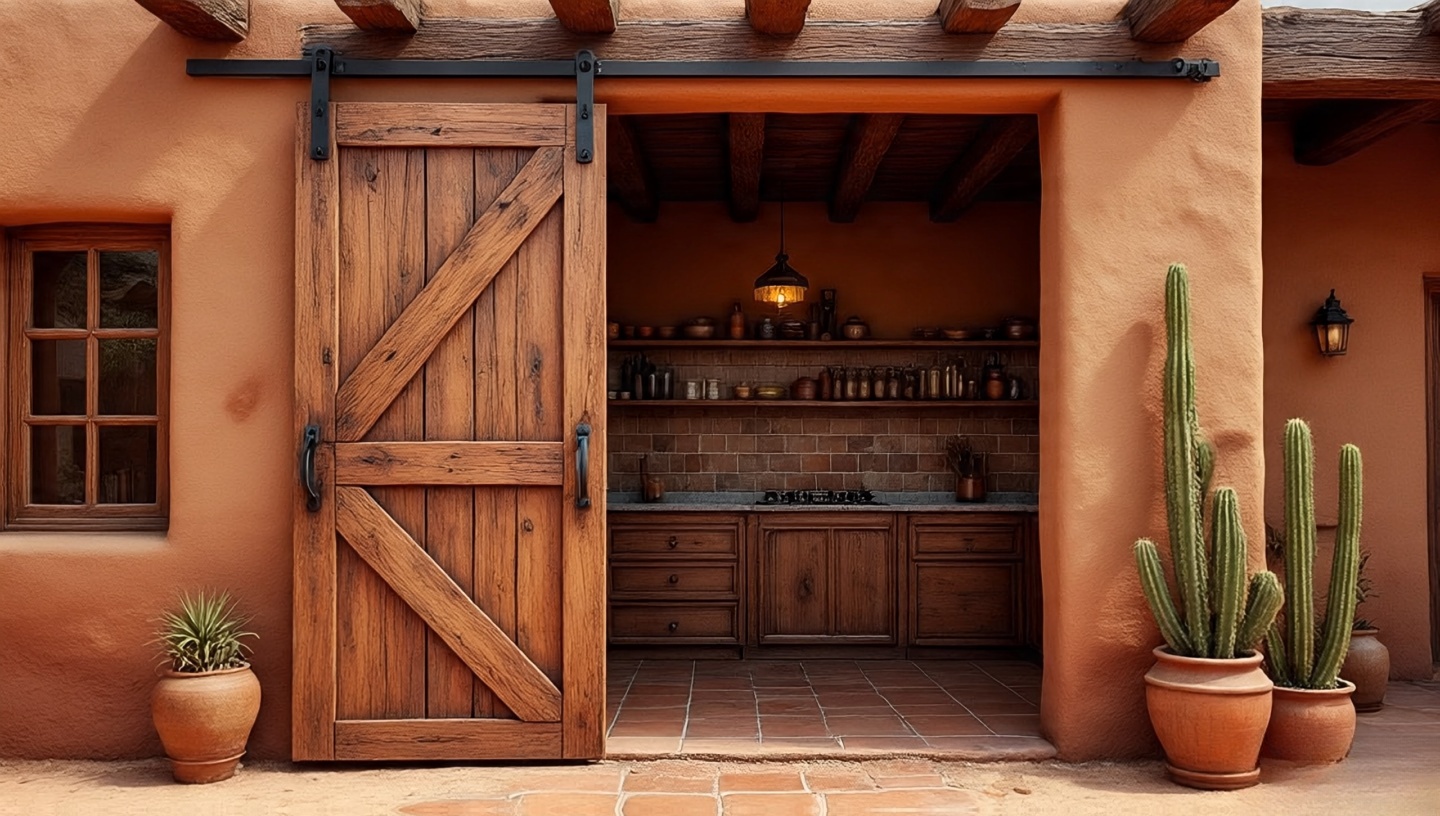
The dining room begins before you even sit down. Heavy wooden doors with iron accents frame the experience. I’ve designed homes where the door itself becomes a focal point weathered, carved, sometimes with turquoise-painted panels. Guests often pause before entering, almost as if they’re crossing into another world. If replacing doors isn’t possible, consider simply adding wrought iron handles to existing ones it’s a subtle but powerful touch.
19. Warm Ambient Lighting (Creating Atmosphere)
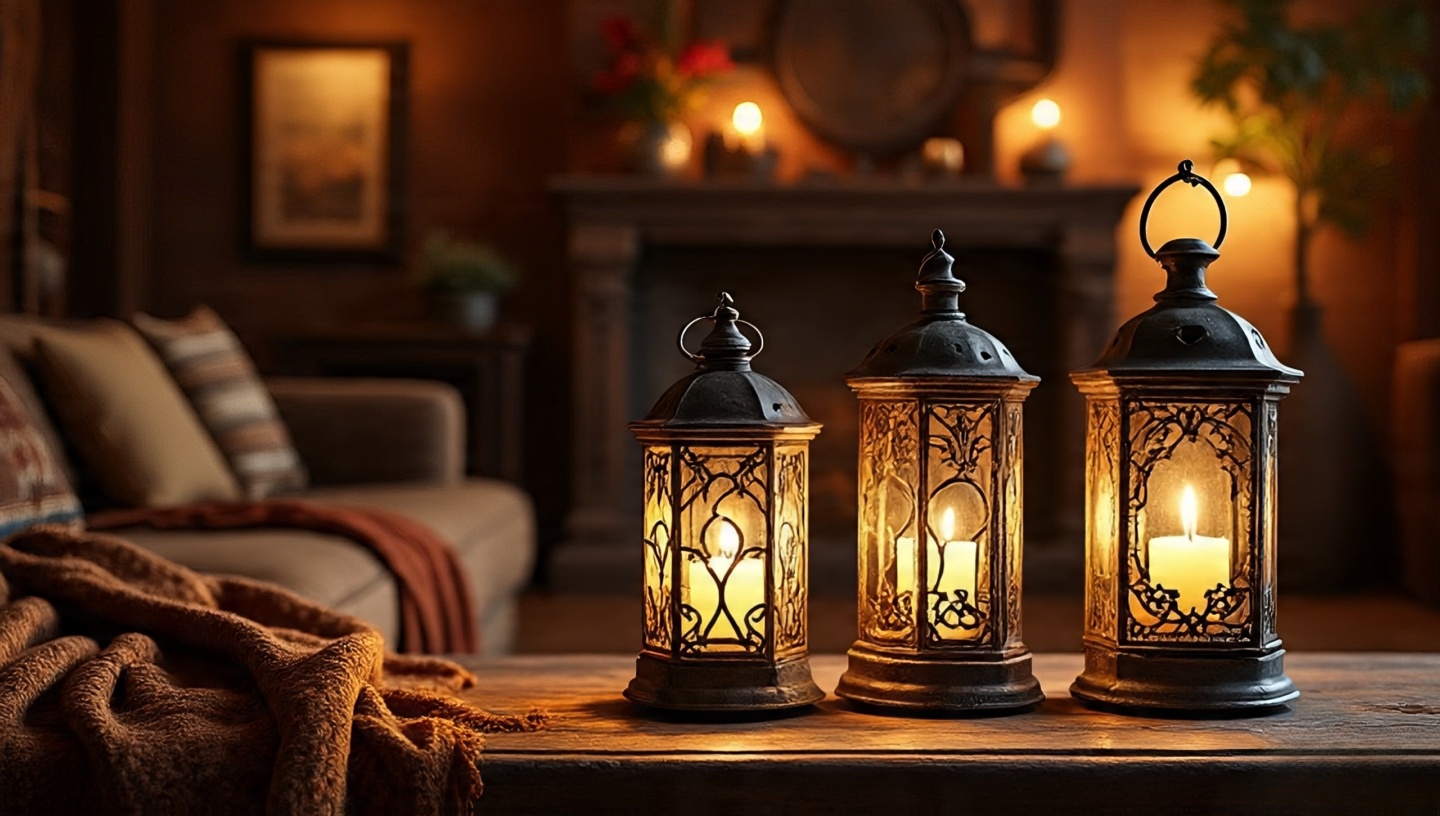
Over the years, I’ve learned that lighting shapes memory. A room may be beautiful, but if the lighting is cold, nobody lingers. In Southwestern dining rooms, warm ambient light is essential. Think sconces with amber shades, lanterns on sideboards, or even candles tucked into clay holders. The goal is to layer light one source for function, another for mood. When the light reflects off textured plaster or adobe walls, the glow feels almost alive.
20. Antler Accents Nature’s Sculpture
I know antlers can feel polarizing, but hear me out: when done tastefully, they’re sculptural art straight from nature. A small antler centerpiece, an antler-framed mirror, or even drawer pulls shaped like horns add subtle rustic detail. They nod to the surrounding landscape without overpowering it. My advice? Keep them understated let them whisper, not shout.
21. Fireplace Nook Beside the Dining Area
Nothing says cozy family gathering like a crackling fire while you’re passing the tortillas. If you have space, a small kiva-style fireplace tucked near the dining table turns meals into rituals. Even a gas insert with a plaster surround works if you don’t want to deal with wood. Bonus tip: keep a woven basket with mesquite logs nearby for that unmistakable aroma. Guests will linger long after dessert.
22. Iron Chandelier with Candle Bulbs
I can’t stress this enough: your chandelier sets the tone. Swap out generic fixtures for a wrought iron chandelier that looks like it was forged in a desert blacksmith shop. Candle-style bulbs add a romantic glow, while the dark iron balances lighter walls and floors. I once saw one paired with turquoise glass shades bold, but unforgettable.
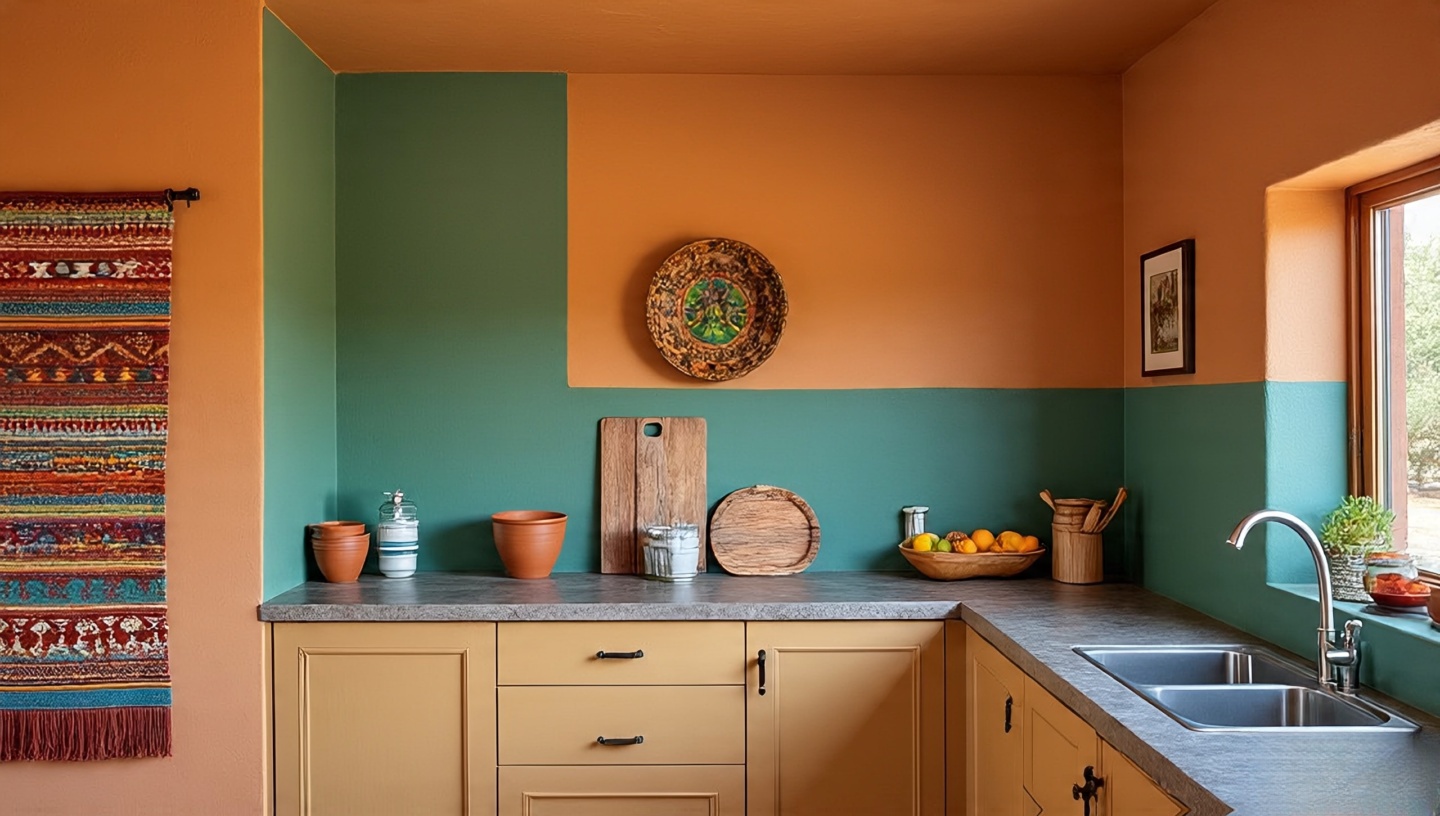
23. Color Blocking with Earthy Tones
Instead of a single paint color, try blocks of clay red, sand beige, and sage green. Southwestern color schemes are all about layering nature’s palette. For inspiration, check out this guide on Southwestern color schemes it’ll help you avoid looking too busy. Pro tip: use matte finishes; gloss feels out of place in rustic design.
24. Bench Seating with Rough-Hewn Wood
Why stick to chairs? A sturdy wooden bench along one side of the table gives a farmhouse-meets-desert vibe. Add cushions with Navajo prints for comfort and character. Families with kids love this because it’s flexible three little ones can squeeze in when friends come over. Just sand the edges smooth; rustic doesn’t need to mean splinters.
25. Stained Glass Windows with Desert Motifs
If you want drama, stained glass never disappoints. A window with cactus or sunburst patterns turns sunlight into art. During golden hour, your dining room will glow in warm ambers, reds, and greens. Even a small transom window above a door can have this effect. It’s like the desert sky decided to join you for dinner.
26. Low Adobe-Style Ceiling with Wooden Vigas
Want to really commit? Expose those beams or add faux vigas for instant Southwestern authenticity. A low plaster ceiling with thick wood beams overhead feels grounded and protective. I’ve noticed people automatically lower their voices in rooms like this it creates intimacy. Pair it with a wrought iron chandelier and you’ve got the perfect mix of drama and comfort.
27. Clay or Terracotta Dishware for Everyday Meals
Here’s something practical but overlooked: your plates and mugs. Clay dishware, whether glazed or left matte, ties meals directly to the desert landscape. Imagine serving chili in a terracotta bowl it just feels right. They’re durable too, perfect for families that actually use their dining rooms instead of treating them like museums.
28. Desert Plant Corners (Agave, Cactus, or Succulents)
Plants are essential to soften all the heavy wood and stone. Place an agave in a clay pot near the window, or scatter smaller succulents along a sideboard. Unlike delicate houseplants, desert plants are hardy and thrive in bright light. One client of mine used a giant saguaro skeleton as a sculptural piece it was wild, but guests couldn’t stop talking about it.
29. Reclaimed Barnwood Table (The Soul of the Room)
Your dining table is the anchor. Reclaimed barnwood brings history, character, and strength. Every dent, knot, and scratch tells a story. I love pairing rough wood with smooth leather chairs contrast makes everything pop. And if you’re worried about messes, just embrace them. Southwestern style celebrates imperfection.
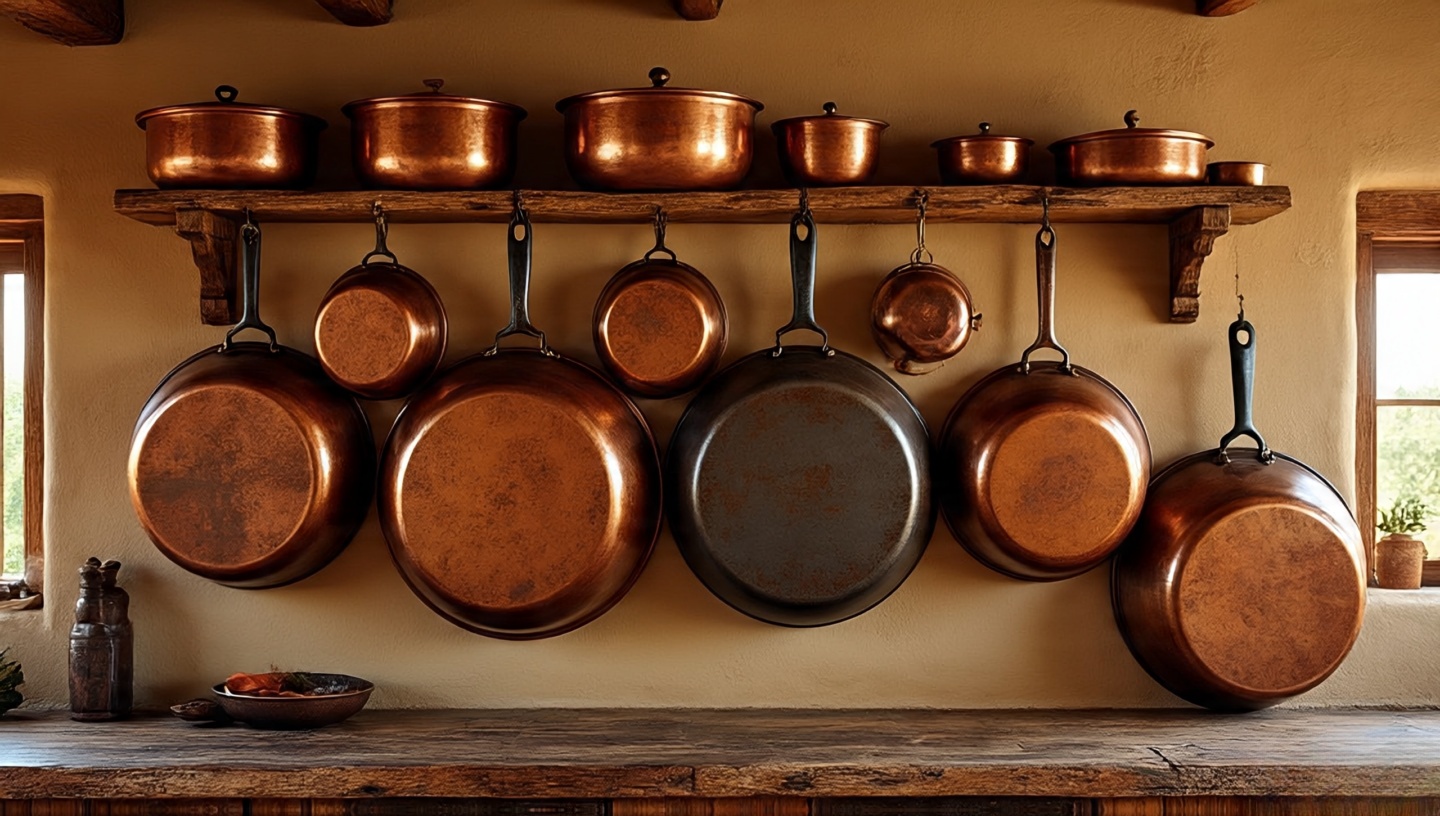
30. Copper Accents That Age Beautifully
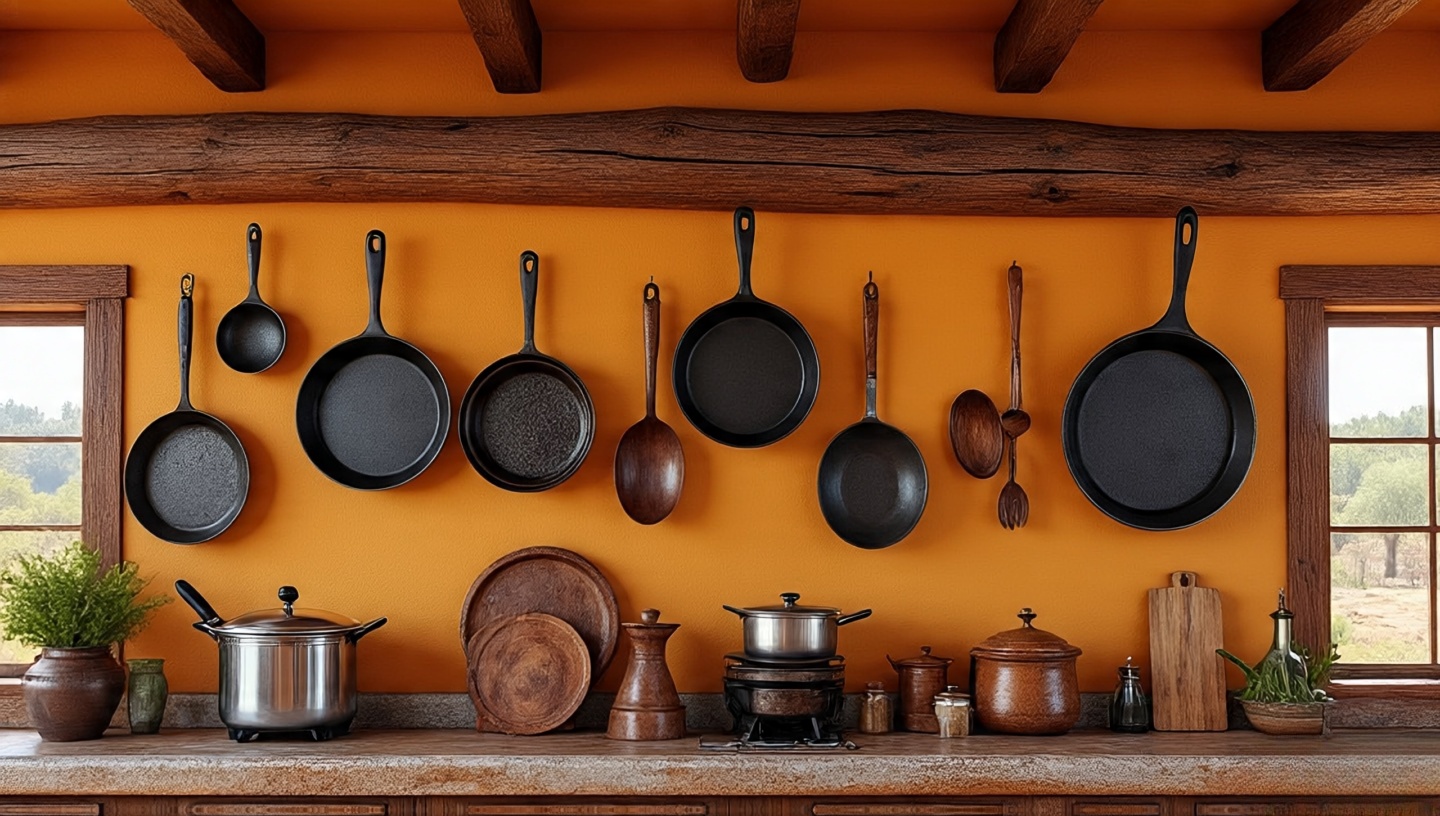
Copper is one of those materials that gets better with age. A hammered copper tabletop, copper light shades, or even small details like copper napkin rings bring warmth and shimmer. Over time, patina develops, giving your dining room that lived-in charm. Just wipe it down occasionally don’t over-polish, because the natural aging is the best part.
31. Handwoven Textiles as Table Runners
Forget the generic tablecloths. A handwoven Zapotec or Navajo runner instantly injects tradition and texture. These pieces usually feature bold geometric motifs in earthy colors perfect for grounding your dining setup. The best part? They’re versatile. Roll them out for family dinners, then let the bare wood shine when you’re in a minimalist mood. If you want to dive deeper, check this guide on how to nail Southwestern decor.
32. Pottery Display on Open Shelving
Southwestern homes almost always feature pottery sometimes functional, sometimes purely decorative. Try lining a shelf with clay vases, tribal-patterned bowls, or hand-painted pitchers. This adds vertical interest without overwhelming the table. If you’re feeling brave, mix old and new: your grandma’s serving dish next to a flea-market find makes the display personal, not staged.
33. Saltillo Tile Floors (Yes, They’re Worth It)
Saltillo tiles are a commitment but wow, do they transform a dining room. These handmade terracotta tiles carry imperfections that make each one unique. The warm orange-brown tone sets the stage for all your rustic furniture. Add a woven rug on top for softness. Just remember: seal them well or you’ll have red clay dust forever (I learned this the hard way).
34. Accent Wall with Desert-Inspired Mural
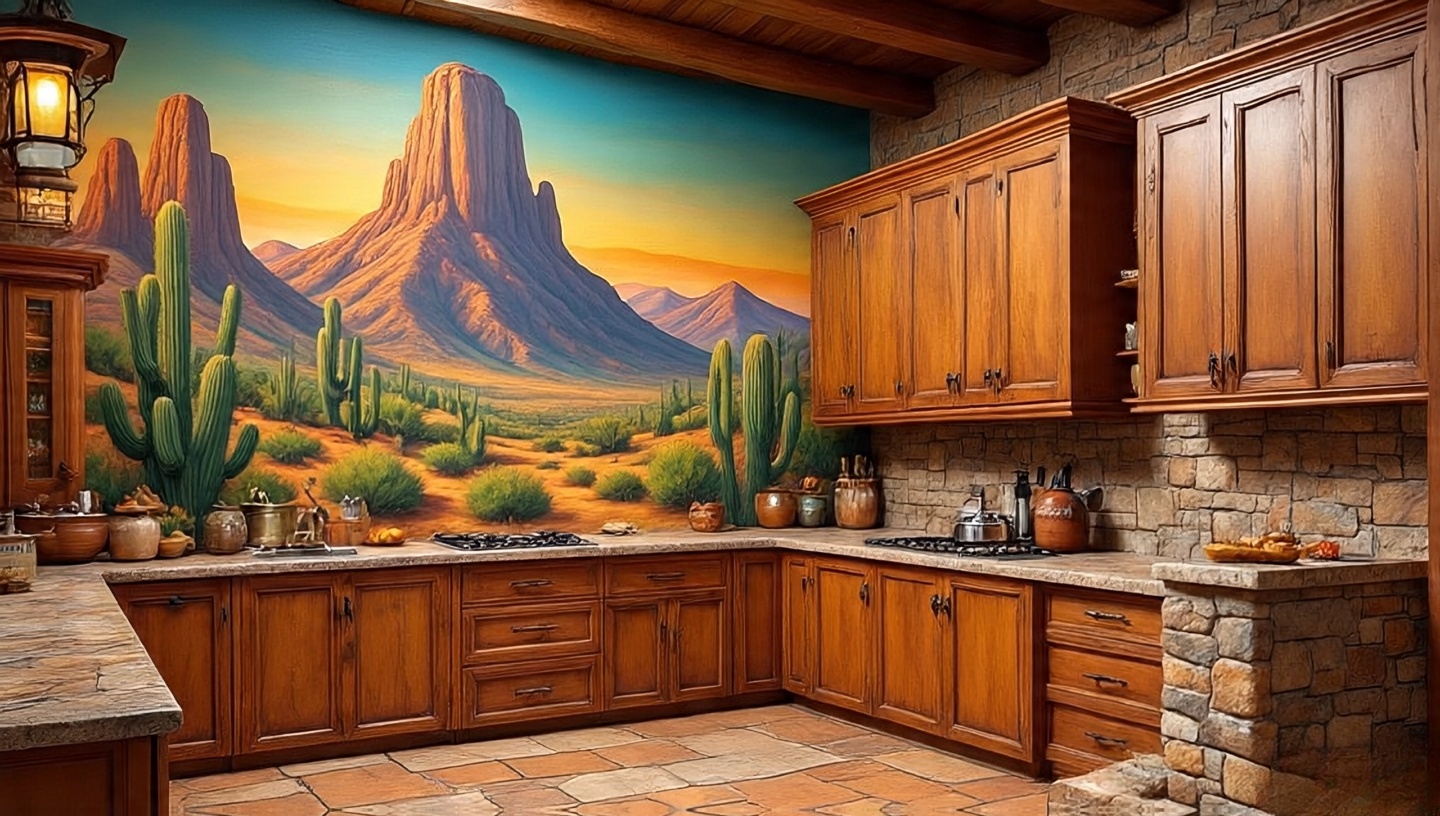
Want a dining room that makes people say “whoa” when they walk in? Commission or DIY a mural of desert mountains, cacti, or sunbursts on one wall. It doesn’t have to be hyper-detailed even a simple silhouette in ochre and teal can carry the vibe. Dining becomes an experience, not just a meal. Kids especially love this it’s like storytime with dinner.
35. Tribal-Patterned Dining Chairs
If your table is simple, spice it up with upholstered chairs in tribal textiles. Think bold diamonds, zigzags, and stripes in earthy tones. It’s an easy way to bring Southwestern patterns into the room without repainting or remodeling. Bonus: these fabrics hide stains better than plain beige upholstery. Trust me, spaghetti night is no longer stressful.
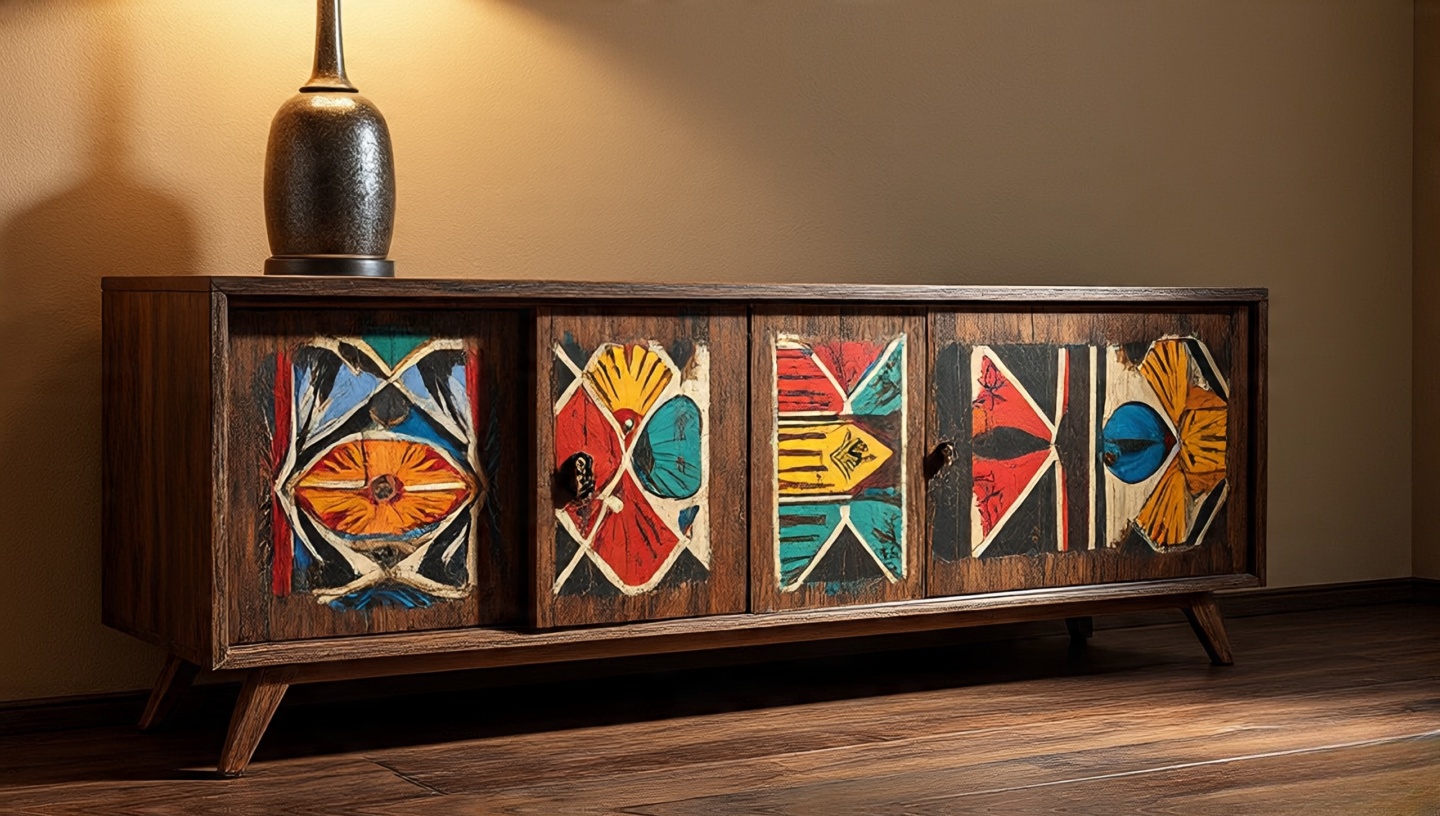
36. A Statement Hutch with Rustic Character
Don’t underestimate the charm of a solid wood hutch. Painted turquoise with chipped paint, or left raw and waxed, it becomes a showcase for pottery, textiles, and family heirlooms. Open shelving adds a casual, lived-in vibe. Every time I see one of these, I think: this is the backbone of a rustic home strong, functional, but never sterile.
37. Exposed Adobe or Brick Wall
There’s something grounding about dining against a wall that looks like it came straight from Santa Fe. Exposed adobe or brick creates depth and texture, turning a plain boxy room into a story-rich space. Add a few wrought iron sconces to wash warm light across the surface, and suddenly, every dinner feels like an old hacienda gathering.
38. Layered Rugs for Extra Coziness
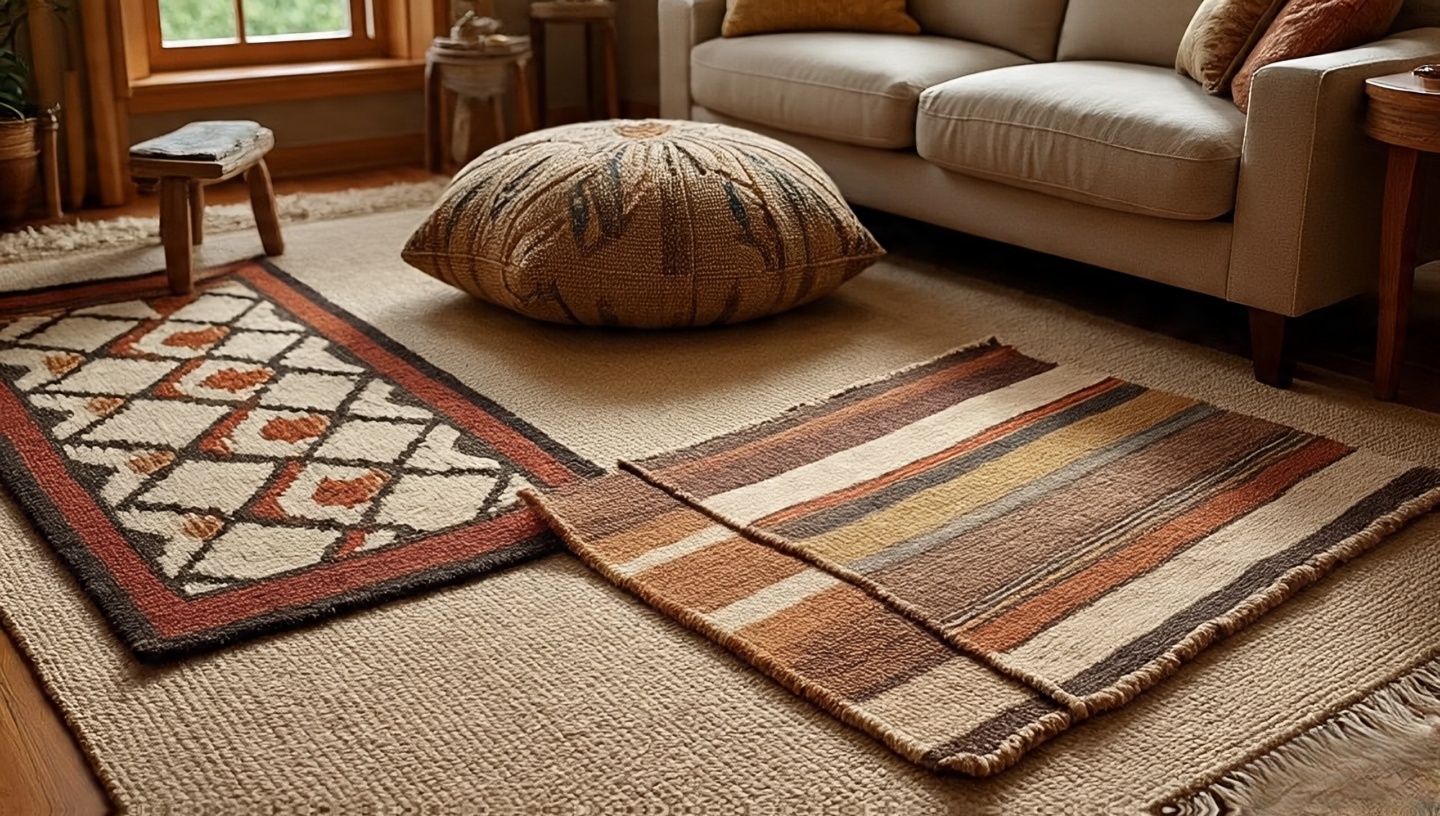
One rug is good, but two or three layered? That’s designer-level Southwestern style. Start with a neutral jute base, then layer a bold Navajo-pattern rug at an angle. The overlap creates a casual, collected feel. Plus, it’s practical extra padding underfoot during long family meals. Tip: rotate them seasonally to refresh the look without buying new furniture.
39. Painted Accents in Turquoise and Coral
Southwestern homes aren’t afraid of color. A turquoise-painted chair here, a coral vase there it keeps the palette lively without becoming cartoonish. If you’re scared of too much color, start small: paint just the inside of a cabinet or the edge of a table. Those little bursts of vibrancy wake up all the warm browns in the room.
40. Handcrafted Ladder as Decor (or Blanket Storage)
This one’s quirky but brilliant: lean a rustic wooden ladder against the wall and drape woven blankets over it. It doubles as storage and art. Guests can even grab a blanket if the evening chill sets in. It’s such a simple way to introduce height and texture, and it feels very Southwestern practical objects doubling as beauty.
41. Warm Glow with Wrought Iron Chandeliers
Few things set the mood in a dining room better than lighting. A wrought iron chandelier, especially one with a bit of patina, instantly grounds the room with rustic elegance. Add candle-style bulbs for that flickering, warm desert glow. If you can, hang it low enough so it feels intimate but not in the way of passing dishes. Trust me, nothing kills the vibe like hitting your head while serving tacos.
42. Desert-Inspired Centerpiece
Forget the roses bring in succulents, dried grasses, or even a cluster of terracotta vases with sprigs of sage. A desert-inspired centerpiece lasts longer, needs less fuss, and ties directly into Southwestern dining room ideas. You can even DIY one with driftwood and sand-filled bowls. The aroma of sage or eucalyptus adds another layer to the sensory experience. Meals feel grounded and earthy, like they belong in a sun-soaked adobe home.
43. Sliding Barn or Adobe-Style Doors
Sometimes the dining room isn’t just about what’s inside but also how you enter it. Sliding barn doors or rustic adobe-style doors with iron handles make every meal feel ceremonial. They save space too, especially in small homes. And if you want to add drama? Paint them turquoise on one side, keep them natural wood on the other. It’s like having two moods in one.
44. Copper Accents for Extra Warmth
Copper cookware, hammered trays, or even copper wall plates bring shimmer and warmth to your dining space. In the glow of evening light, they almost look like tiny sunsets scattered around the room. Pair them with wood and stone for that rustic-meets-glam look. Just polish them once in a while unless you’re into the weathered, green patina (which, honestly, works great in rustic homes too).
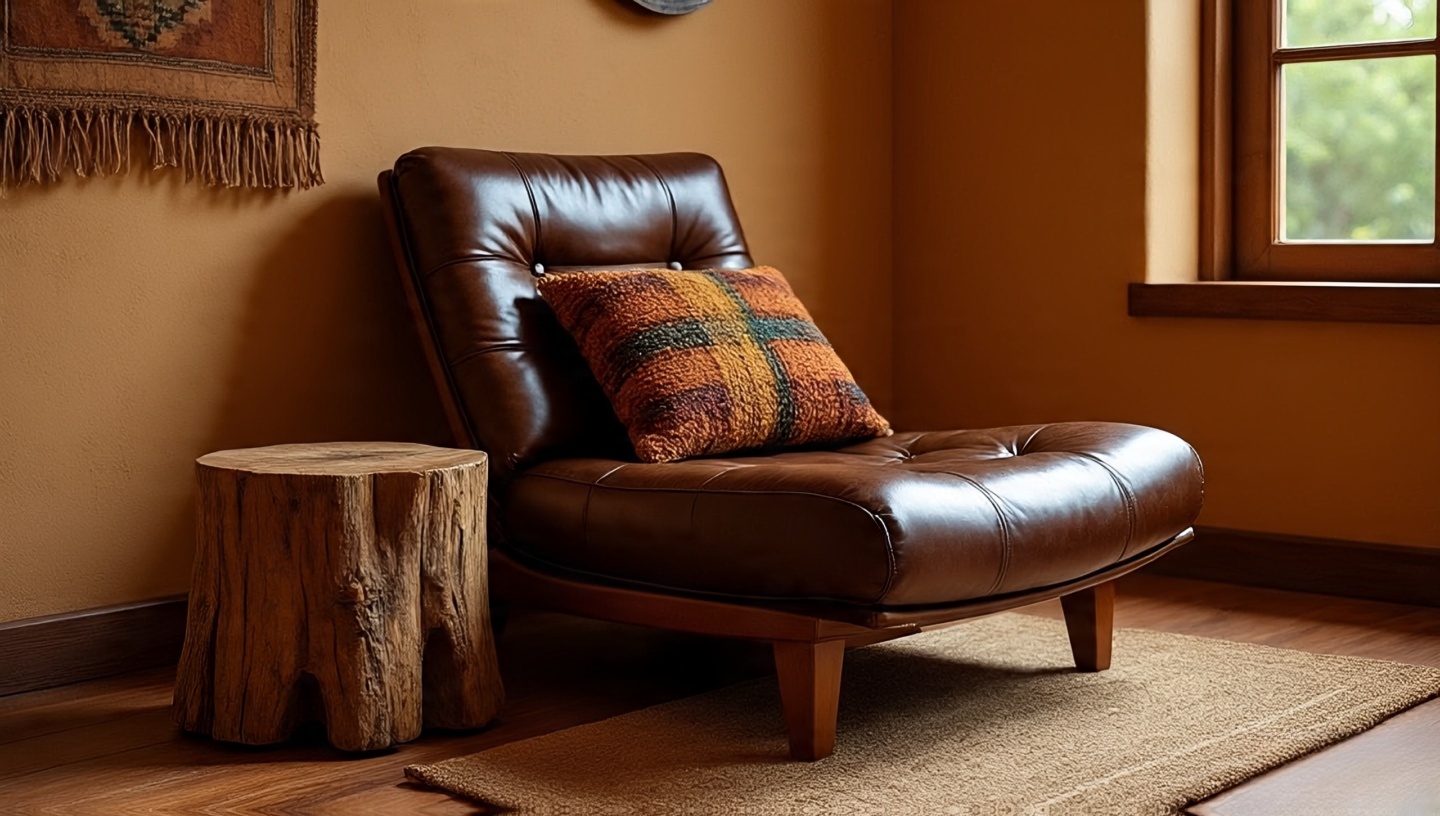
45. A Touch of Leather Seating
If fabric chairs feel too casual, bring in leather seating whether it’s full leather dining chairs or just leather cushions tied onto wooden chairs. Leather ages gracefully, picking up character with every scratch and scuff. The smell alone a mix of warmth and subtle spice adds to the dining experience. Gambar: rustic leather chairs with carved wooden table.
46. Storytelling Corner with Family Photos
Here’s the heart of Southwestern design: it’s not just about style, it’s about stories. Dedicate a corner wall to family photos in rustic wooden frames. Mix in landscapes of desert horizons or vintage travel photos to weave your family’s story with the larger Southwestern narrative. During dinners, people naturally point, remember, and share. Suddenly, the dining room isn’t just where you eat it’s where stories are kept alive.
Final Thoughts
Designing a Southwestern dining room is less about perfection and more about warmth, character, and storytelling. It’s about gathering around a sturdy table, feeling the textures of rough wood and woven textiles, catching the glow of warm light against adobe-colored walls, and making memories that linger longer than the last sip of wine. Whether you start small with a rug, some pottery, or a few desert plants or go all in with beams, tiles, and fireplaces, each detail adds another layer of soul.
So, which of these 46 ideas caught your eye? Maybe start with just one swap in a Navajo rug, add a wrought iron chandelier, or set a cactus centerpiece. Trust me, once you feel that desert magic, you’ll want to keep layering it on. Happy decorating!
Roohome.com – There’s something magical about stepping into a room bathed in Southwestern colors. Ever felt that sudden sense of warmth when terracotta walls meet rustic leather, or when turquoise pops against sun-bleached neutrals? That’s the desert speaking. It’s a vibe that feels equal parts rugged and soulful like sipping tequila at sunset while the mesas glow orange in the distance. In this article, we’ll dive into 30 Southwestern color schemes that help you capture that desert warmth indoors. And don’t worry, we’re not just throwing “paint your walls brown” at you we’ll get practical, cozy, and a little playful.
Walking into a room with the right Southwestern palette is like stepping into a sunlit canyon suddenly everything feels alive, warm, and slightly adventurous. After 30 years of designing spaces from Santa Fe to Scottsdale, I can tell you: it’s not just about picking “brown and orange” and calling it a day. The key is layering, contrast, and letting textures speak. Let’s explore the first 10 ways you can bring desert warmth indoors.
1. Classic Terracotta and Sand
Terracotta is a timeless favorite, and for good reason. Instead of slapping it on every wall, try using it as an accent think pottery, a feature wall, or even terracotta floor tiles. Pair it with warm sand tones on the walls or rugs to balance intensity. Pro tip: a woven rug with geometric patterns not only enhances the color story but also adds a tactile, authentic Southwestern feel.
2. Sun-Baked Clay with Muted Cream
This combination always reminds me of wandering the plazas of Santa Fe at noon. Clay-toned walls with muted cream ceilings or furniture soften the space while keeping it grounded. I often recommend layering textures here linen curtains, cotton throws, and a hint of raw wood. It’s a subtle way to nod to the desert without overwhelming the room.
3. Deep Rust with Pale Turquoise
Imagine the red cliffs of Arizona under a clear turquoise sky. That’s exactly what this palette captures. Rust works beautifully on furniture or rugs, while turquoise makes for eye-catching accessories lamps, ceramics, or even a statement chair. Small doses of turquoise in unexpected spots can make a space feel vibrant but not kitschy.
4. Mustard Yellow and Burnt Orange
This one’s like bottling a desert sunset. Mustard upholstery paired with burnt orange pillows or throws can transform a living room instantly. My tip: layer in neutral rugs or wooden surfaces to keep the palette from feeling too “loud.” It’s lively, cheerful, and perfect for spaces meant to entertain.
5. Sage Green and Raw Linen
Here’s a softer, calmer approach. Sage recalls desert shrubs and succulent life, while raw linen in curtains or bedding keeps it grounded. I’ve used this combo in bedrooms where clients wanted serenity don’t forget to layer textures: jute rugs, linen cushions, or even a distressed leather chair. It adds dimension and a lived-in comfort.
6. Adobe Red with Warm White
Think traditional Southwestern homes. Adobe red walls paired with creamy whites on trim or ceilings instantly create that authentic hacienda vibe. Wood beams, pottery, and vintage textiles bring it together. Fun tip: even a simple wooden bench or side table painted in a muted red can anchor the room.
7. Charcoal Gray with Copper Accents
Not every desert palette has to be bright and warm. Charcoal gray furniture or rugs paired with copper accents think lamps, trays, or handles can create a moody, elegant feel while keeping the Southwestern warmth. I like this combo in dining rooms or study areas, where you want a sophisticated yet cozy atmosphere.
8. Cactus Green and Dusty Pink
This is playful without going overboard. Cactus green walls or large plants set a natural tone, while dusty pink accessories (pillows, throws, small decor) offer a subtle contrast. Pro designer note: start with greenery first; it’s easier to layer pink accents around existing elements than to repaint walls.
9. Desert Ochre with Weathered Wood
Ochre walls paired with weathered wood furniture create an unmistakable rustic charm. The key is texture rough wooden surfaces, woven baskets, and ceramic pots make the palette feel alive. A quick tip: mix in textiles with subtle tribal patterns to give depth and tie the room together.
10. Turquoise with Whitewashed Neutrals
Turquoise makes a bold statement, but balance is everything. Whitewashed wood or neutral walls soften the vibrancy, creating a fresh, inviting look. I’ve applied this in kitchens: turquoise cabinets with distressed stools suddenly, even mundane mornings feel like a fiesta. For added authenticity, sprinkle in some terracotta pottery or woven placemats.
11. Copper and Dusty Blue
Here’s one that surprises a lot of clients but in a good way. Copper brings that desert-fire glow, and dusty blue whispers calm. I once used this combo in a guest bedroom: copper-framed mirrors, blue linen curtains, and suddenly, the room went from “meh” to memorable. Tip: let the copper elements catch the light window placement helps that shimmer feel alive.
12. Warm Beige with Black Iron
Beige walls feel safe warm, neutral, welcoming. But then, black iron light fixtures or furniture frames slice in a punch of contrast that grounds the room. I like adding textiles with Navajo patterns maybe a throw draped over a chair to soften the iron’s edge. The result? A space that’s structured yet cozy.
13. Peach and Terracotta Layers
Think of peach as terracotta’s softer, flirty cousin. I’ve done this in family rooms peachy walls with terracotta accents (vases, throw pillows, or even a painted side table). The key is subtle layering too much peach, and it can feel syrupy. So mix in woven baskets or kilim rugs to bring in texture and balance.
14. Golden Sand with Indigo
This color combo is one of my personal favorites. Golden sand tones paired with deep indigo textiles rugs or cushions create a cozy, striking contrast. I used it once in an outdoor patio: sand-colored cushions on a wooden bench with indigo pillows. It felt like dusk settling over the desert instantly inviting. Pro tip: the darker the indigo, the more dramatic the pull.
15. Bone White with Brick Red
Minimalism meets tradition here. Bone white walls let brick-red fireplaces, tile borders, or art really pop without screaming for attention. I painted a client’s mantel in brick-red and surrounded it with bone-white walls suddenly, the fireplace became a gentle focal point. Sometimes you just nudge attention; you don’t have to force it.
16. Soft Clay with Olive Green
Here’s one for the boho desert lovers. Soft clay walls and olive-green textiles feel earthy and organic ideal for a bedroom retreat. I recommend layering olive throws, clay-toned bedding, maybe a ficus in the corner. Clubs together color and nature for a space that whispers, “Come relax.”
17. Earthy Brown with Burnished Gold
Rustic home inspiration with a side of glam? Try earthy brown furniture or beams paired with burnished gold accents mirrors, lamps, picture frames. It’s grounded, warm, with just a hint of luxe. I used this once in a dining room: heavy wood table with gold candle holders it felt intimate, rich, and perfectly Southwestern.
18. Warm White with Terracotta Tiles
Classic yet irresistible. White walls or cabinets with terracotta-tiled floors or backsplashes instantly feel warm and welcoming. I recommended this to a client at renovation stage, and the moment they walked in wow. The terracotta’s warmth has a way of greeting you like a cozy hug. Tip: seal those tiles properly if you use them in high-traffic areas they love the earth, but don’t need spills.
19. Navajo Red with Cream
Navajo red is deeper almost brick-like. Balanced with creamy tones, it becomes bold without overpowering. I’ve used this combo in entryways; a Navajo red bench or accent wall welcomes you, while cream on trim softens the transition. Don’t forget to add a tribal print rug the pattern speaks to the palette.
20. Ochre with Forest Green
For lovers of darker palettes, this one grounds every piece in the room. Ochre walls with forest green accents leather chairs, potted plants, rugs feel rich and calming. I used it in a study: ochre on the walls, forest-green cushions, and wood furniture. The mood? Deep, reflective, just warm enough for long conversations or solo reading.
21. Pale Sand with Dark Walnut
There’s a reason designers keep coming back to this duo it’s reliable, warm, and instantly timeless. Pale sand walls create a soft backdrop that feels like a desert morning haze, while dark walnut furniture anchors the room with strength and sophistication. If you want to go further, add woven textures or a Navajo-patterned rug. The mix is perfect for those who want earthy tones living rooms that feel both rustic and elegant.
22. Sky Blue with Clay Orange
I’ve walked into homes in Santa Fe that use this palette, and trust me it’s breathtaking. Sky blue recalls that endless desert ceiling, while clay orange grounds the scheme with warmth. My advice? Use sky blue generously (on textiles, pottery, or even cabinetry), and let clay orange come in accents like an armchair or terracotta planters. It feels cheerful, but still very Southwestern.
23. Creamy Beige with Sunflower Yellow
This combination radiates positivity. Perfect for breakfast nooks or sunrooms where light is abundant. Creamy beige sets the calm, while sunflower yellow adds the energy. One practical tip: don’t overdo the yellow. A few pillows, a patterned throw, or a single upholstered chair is enough. Layer rustic woods or rattan for texture, so the vibe doesn’t slip into “modern café” but stays grounded in desert warmth.
24. Sage Green with Brass
Whenever a client asks me for something subtle yet refined, this is my go-to. Sage green has that soft, desert-shrub quality it whispers instead of shouts. Pair it with brass fixtures or cabinet handles and suddenly the whole room feels curated. Try it in bathrooms with sage walls and brass mirrors, or kitchens with sage cabinetry and brass faucets. The result is calming, sophisticated, and surprisingly luxurious.
25. Rust Orange with Soft Gray
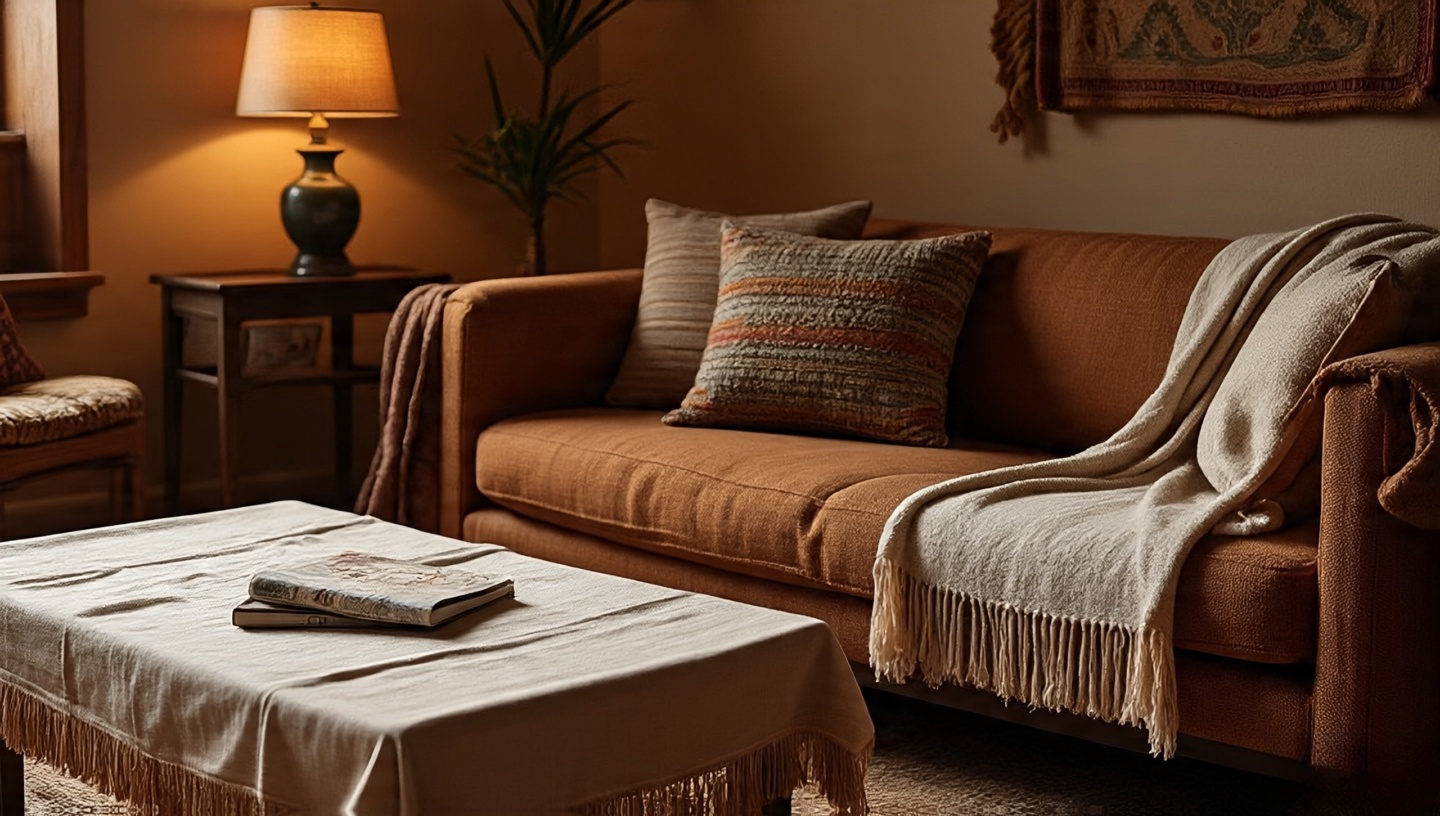
I once designed a reading nook with this pairing and it became everyone’s favorite spot. Rust orange is bold, almost fiery, but when softened by gray upholstery or rugs, it feels approachable. Imagine a gray sectional layered with rust-toned pillows and a throw blanket it’s inviting, not overwhelming. Great for living rooms that need energy without chaos.
26. Sandstone with Muted Aqua
This is desert meets oasis. Sandstone on walls mimics the arid landscape, while muted aqua recalls the cool relief of hidden springs. Place an aqua-toned ceramic lamp or scatter aqua pillows across a sandstone-colored sofa. The secret is subtlety keep aqua accents light, so they don’t overpower the calm sandstone foundation.
27. Cream with Chocolate Brown
This is comfort in color form. Cream walls paired with chocolate brown leather sofas or armchairs create a rustic home vibe that feels like a warm hug. To keep it interesting, layer in tribal textiles or patterned throws. You’ll avoid monotony while still keeping that grounded, cozy feeling.
28. Pale Pink with Adobe Red
This one surprises people. “Pink in a Southwestern home?” Absolutely. Pale pink tones soften the raw power of adobe red, creating a palette that’s bold yet approachable. I suggest using adobe red on structural elements (fireplace, accent wall) and pale pink in accessories (pillows, vases, textiles). The result is unexpectedly harmonious especially in southwestern bedrooms where you want warmth with a touch of softness.
29. Taupe with Burnt Sienna
A taupe base gives neutrality and calm, while burnt sienna accents (pillows, rugs, small furniture pieces) inject energy and depth. Great for spaces that need flexibility furnishing changes, seasonal decor, or even just adding personality without repainting walls. My tip: mix finishes matte taupe walls with glossy sienna ceramics or metallics for a subtle pop.
30. Desert Sand with Deep Turquoise
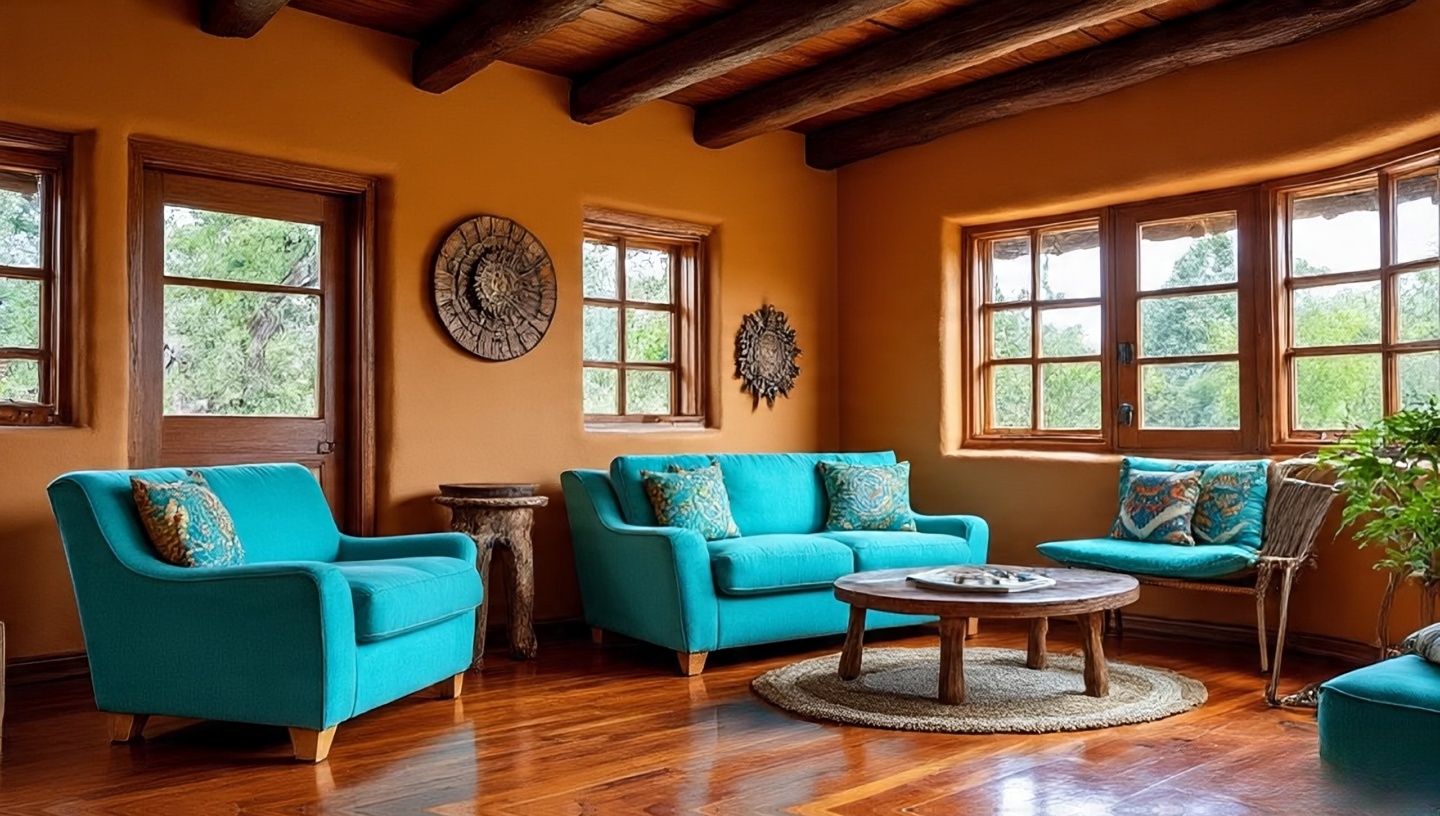
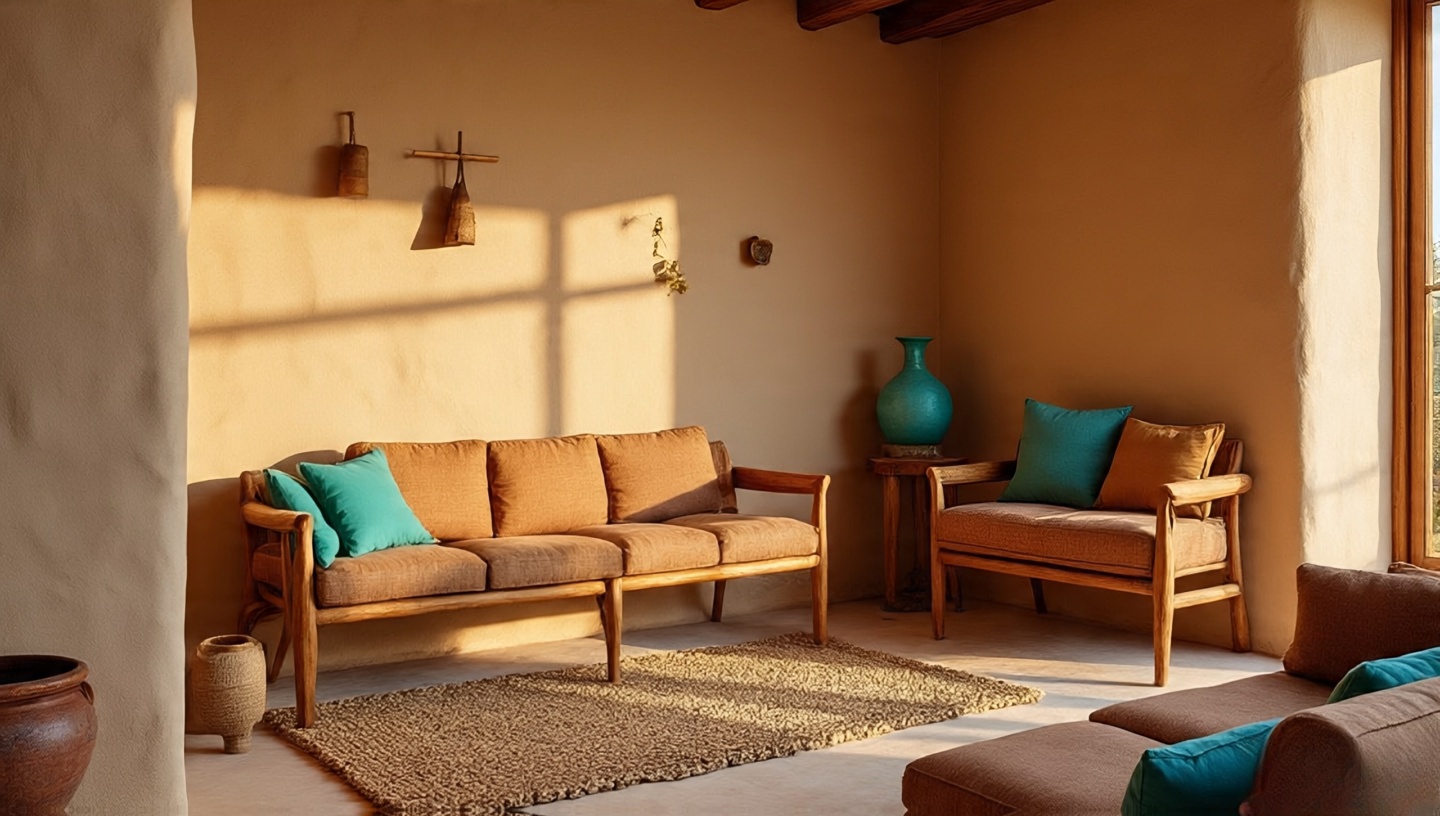
Ending strong: desert sand walls or upholstery, with deep turquoise accents in rugs, vases, or cushions. This palette feels like the ultimate Southwestern scene warm earth, bold sky. Use it in living rooms or open areas where the color drama can play out without overwhelming. Pro tip: add natural wood furniture or woven elements for an authentic, grounded finish.
Final Thoughts
Pernah nggak sih masuk ke ruang tamu lalu merasa langsung hangat karena warnanya? That’s the power of a Southwestern color palette. It’s not just paint or pillows it’s atmosphere. Try one of these combos in your home, even in small doses. Maybe start with a terracotta vase or a turquoise throw pillow, and see how it shifts the mood. Before long, you’ll have that desert warmth wrapping around you like a cozy blanket at sunset.
And if you’re hungry for more inspiration, check out Southwestern furniture ideas that can help anchor these color schemes beautifully.
Now, which of these 30 color combos would you try first?
Roohome.com – There’s something magnetic about Southwestern style. It’s that perfect balance of rustic charm, earthy tones, desert vibes, and just enough tribal patterns to make your home feel warm, lived-in, and a little adventurous. Whether you’re redoing your living room or simply want to add a piece or two that speaks of sun-drenched mesas and adobe walls, Southwestern furniture has your back. Or maybe I should say, your sofa. Let’s dig into 40 Southwestern furniture ideas that can completely transform your space.
Oh, and if you’re the type who loves cozy corners and warm textures, you might also want to check out these Southwestern living room ideas for even more inspiration. But first grab a coffee (or maybe a margarita), because this list is long and juicy.
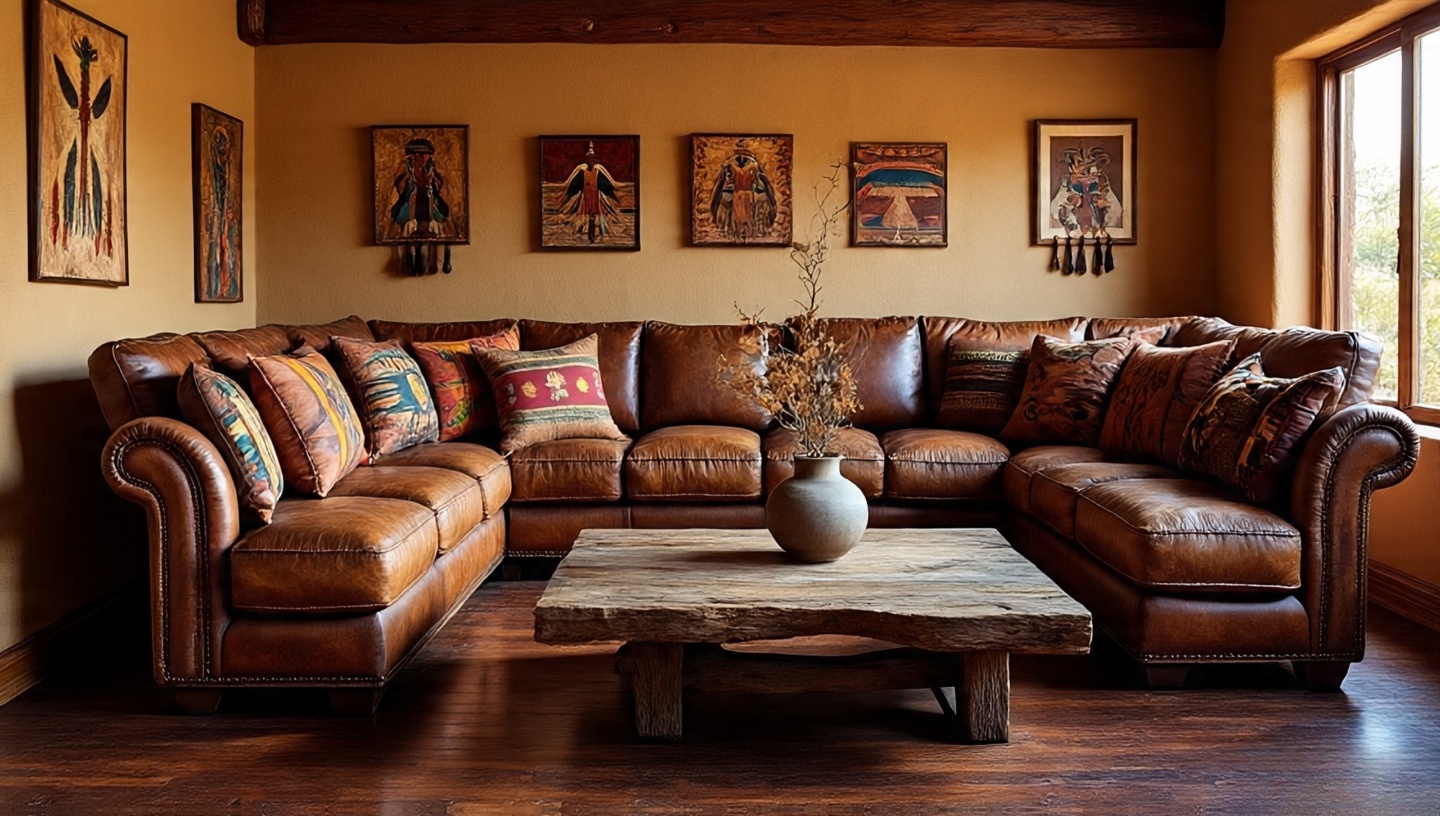
1. Distressed Leather Sofa… But Choose the Right Leather
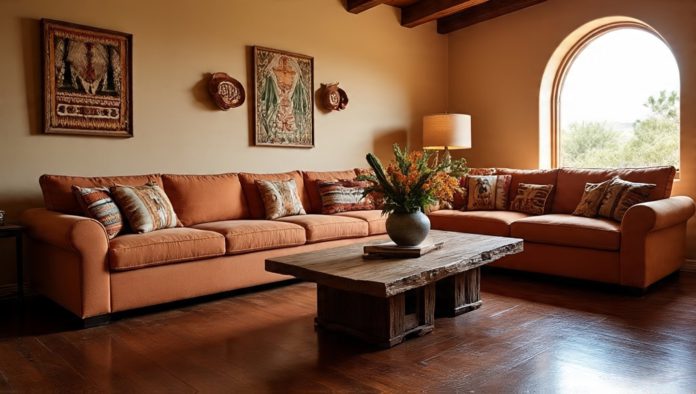
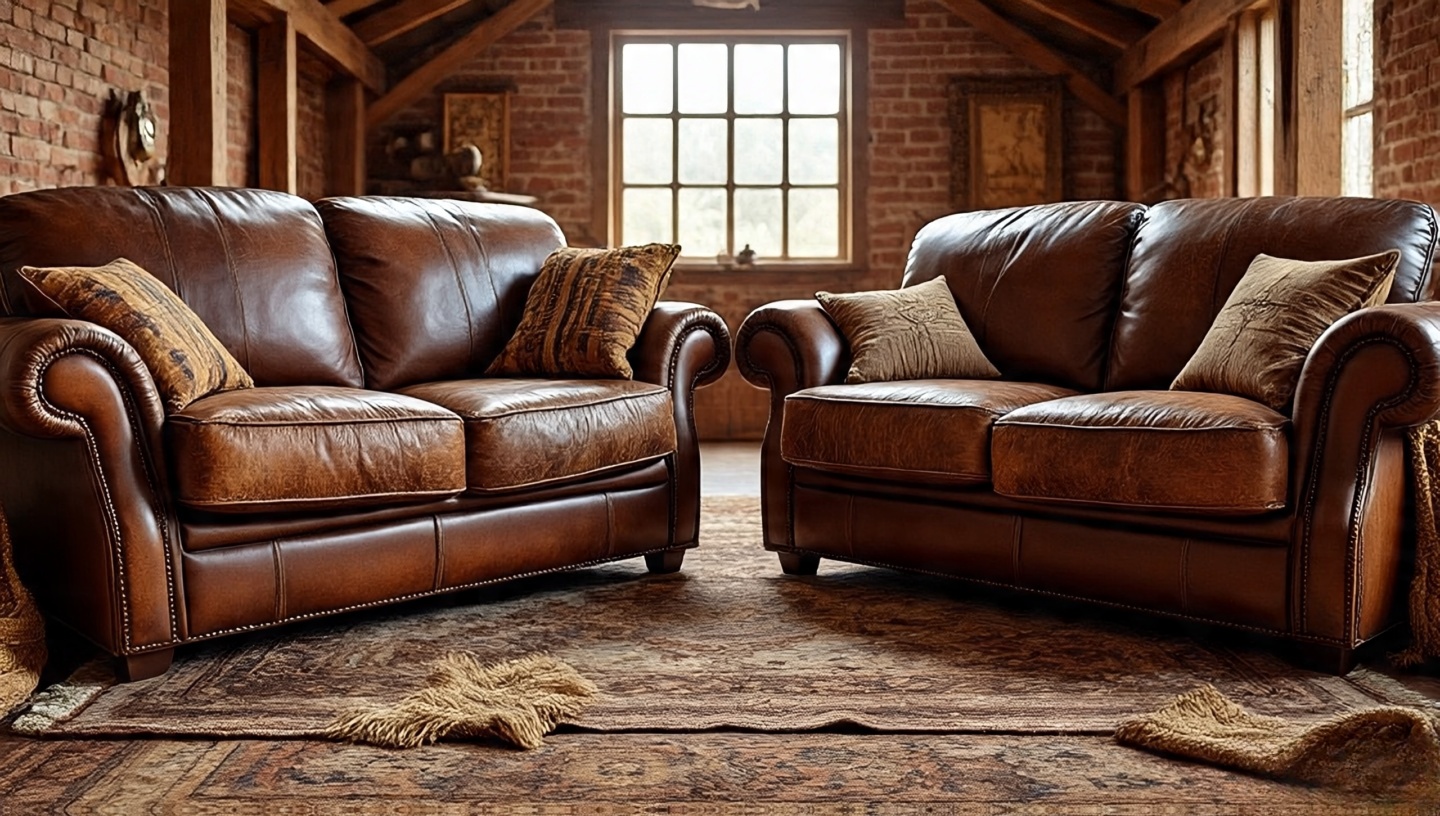
Everyone loves the idea of a big leather sofa. The trick is choosing full-grain or top-grain leather with a waxed or oil pull-up finish so it develops an honest patina instead of cracking.
Comfort spec: seat depth 55–60 cm; seat height 43–46 cm for long lounging.
Colorway: mesquite brown, saddle tan, or tobacco pairs well with terracotta and indigo textiles.
Rug pairing: bold Navajo or Kilim pattern to anchor the mass of the sofa.
Architect’s Note: Keep at least 90 cm circulation behind and around the sofa in open plans; 75 cm is the minimum in tight rooms.
Mistake to avoid: shiny “corrected-grain” leather reads plastic under warm lamps kills the rustic mood.
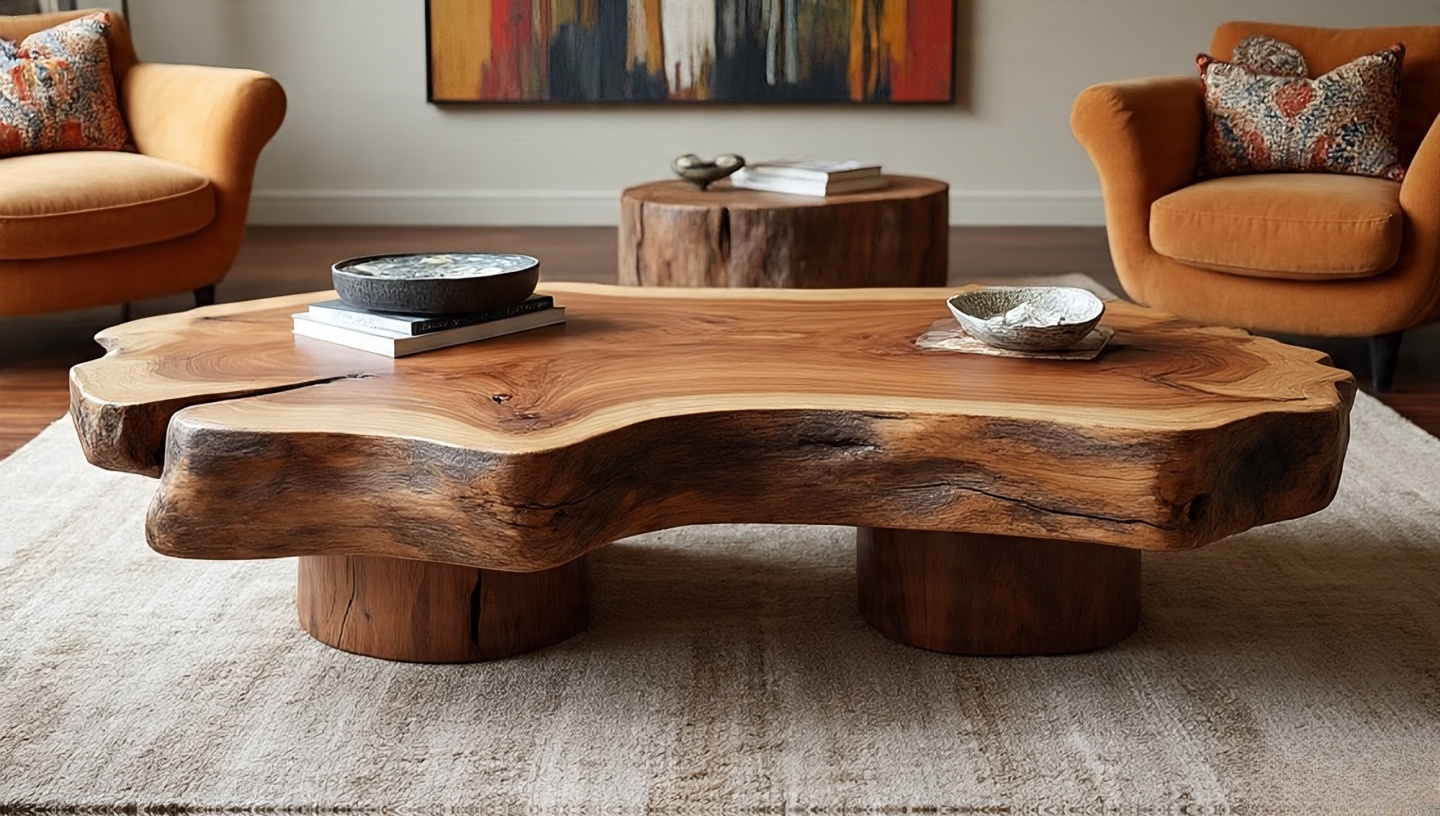
2. Hand-Carved Wooden Coffee Table (Let It Breathe)
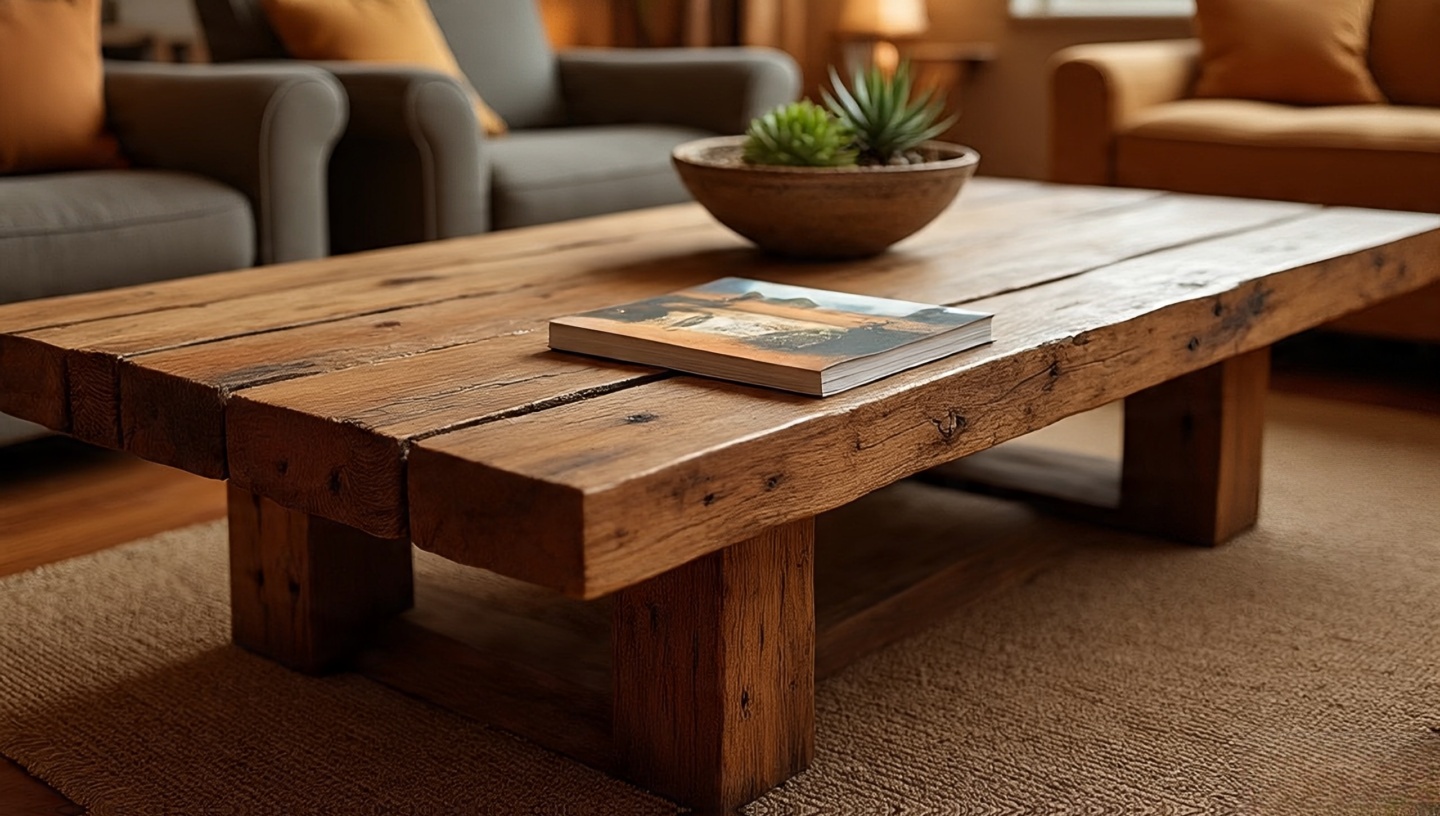
Reclaimed or mesquite wood with visible tool marks brings depth. Don’t overcrowd it negative space is part of the sculpture.
Sizing rule: table height 40–45 cm; leave 40–50 cm between sofa edge and table rim for knee clearance.
Finish tip: Natural oil + beeswax. Avoid heavy polyurethane; it adds unwanted sheen and flattens the grain.
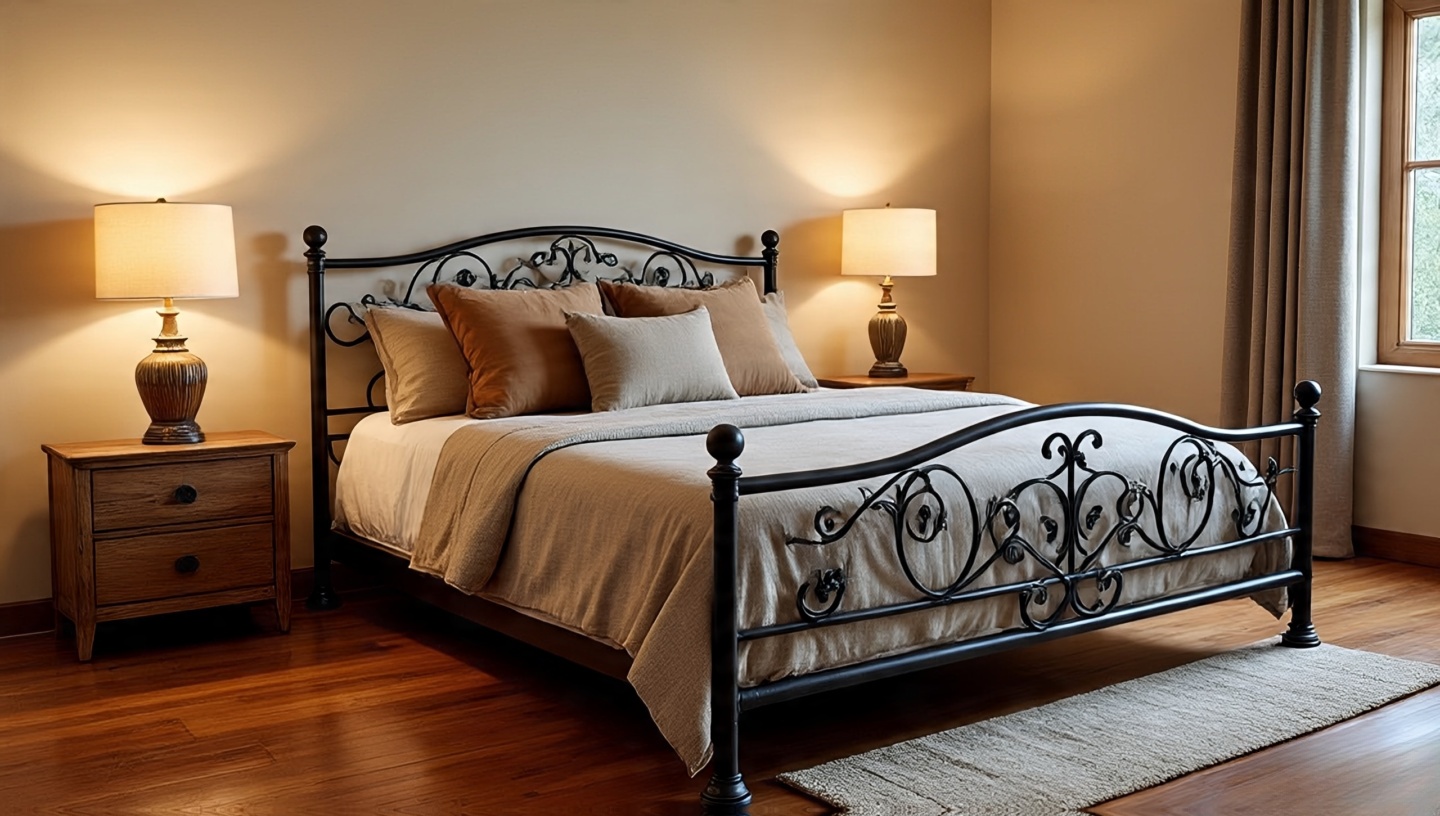
3. Wrought Iron Bed Frame with Soft Layers
Southwestern bedrooms balance sturdy frames with breathable textiles. Iron provides the visual “weight”; cotton and wool make it human.
Layering recipe: percale sheets, a handwoven wool blanket, then a lightweight quilt in saguaro green or muted clay.
Quiet trick: add a wood slat headboard panel behind an open iron frame to protect the wall and soften echoes.
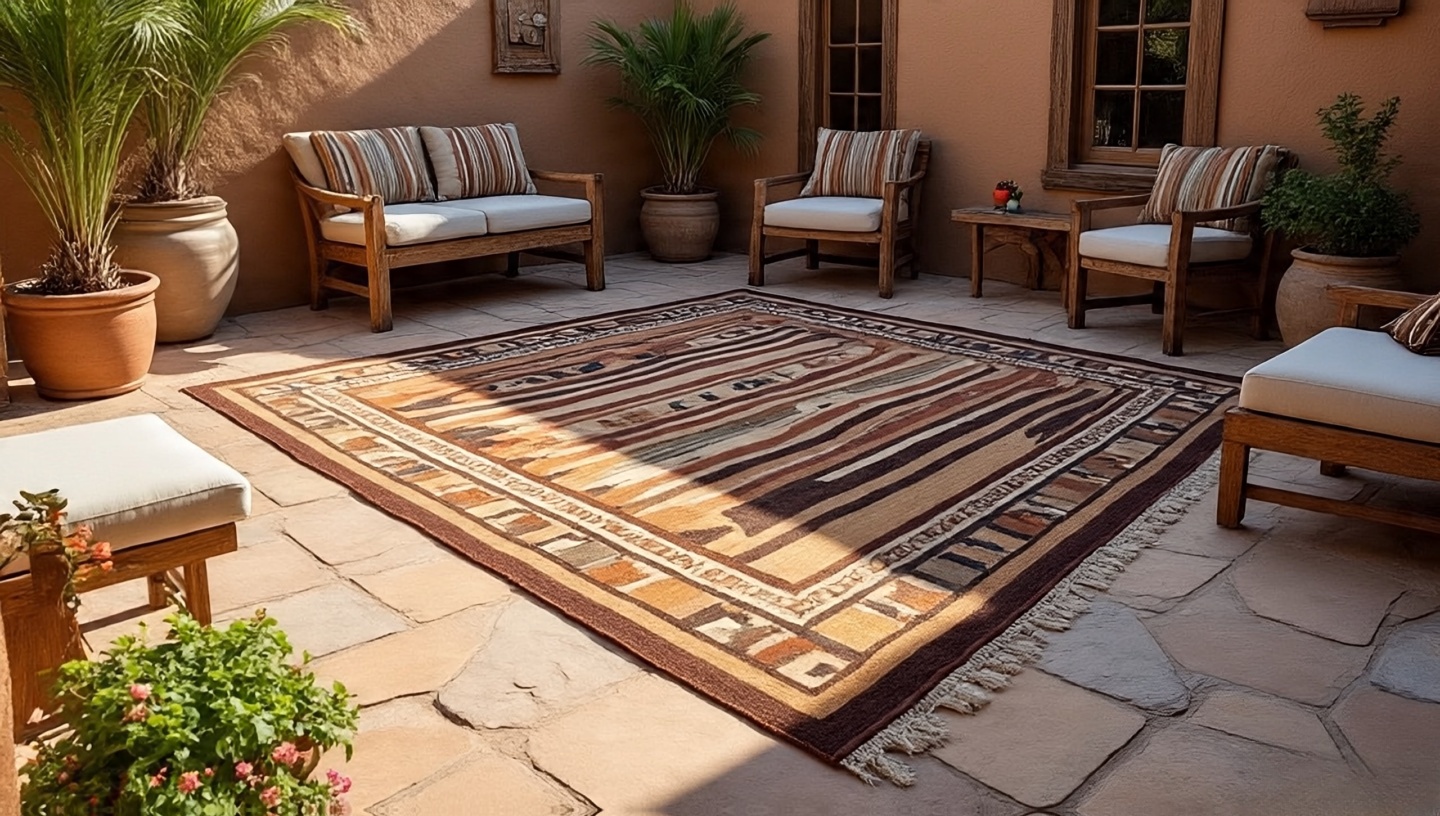
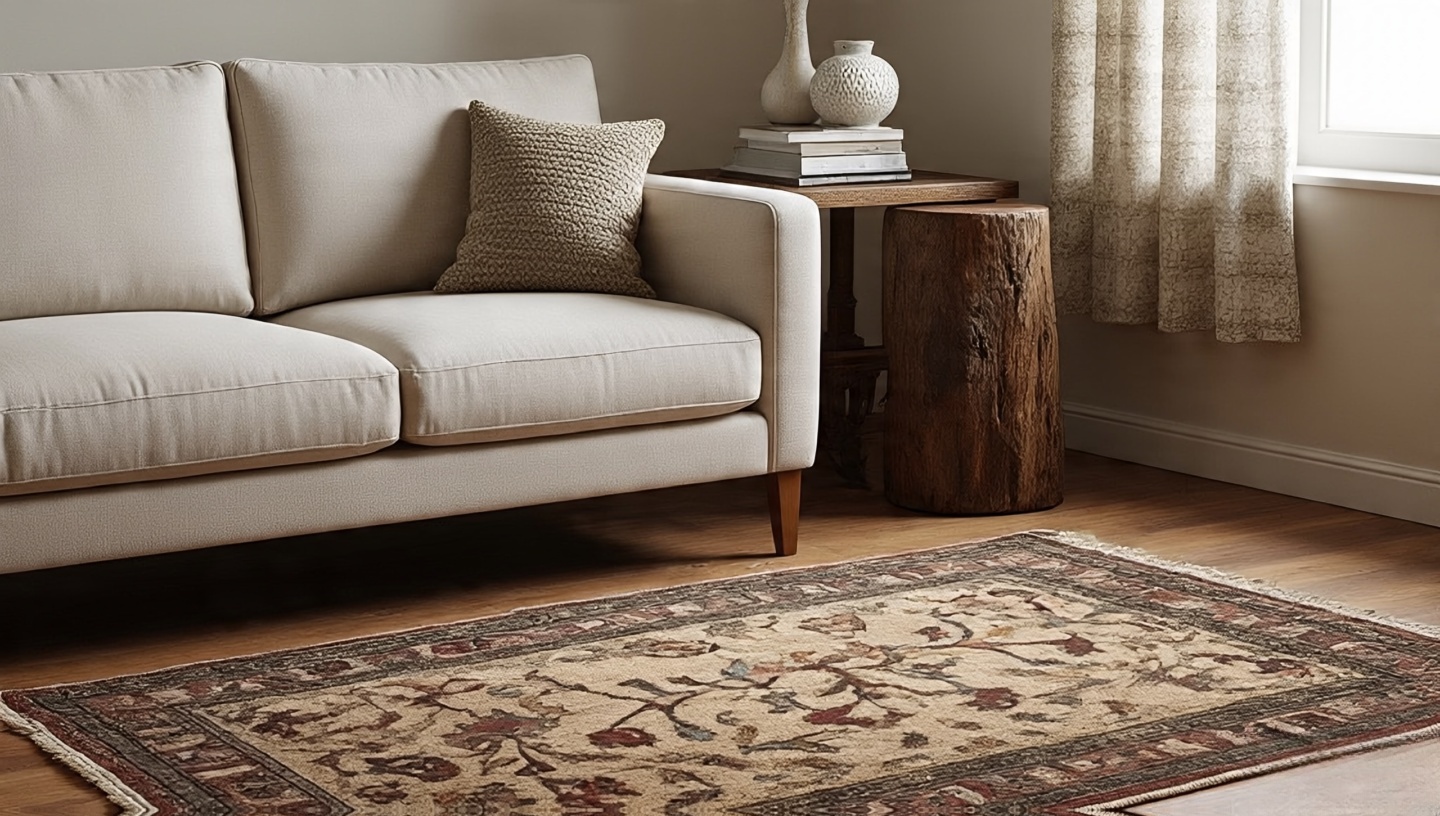
4. The Anchor: Navajo or Navajo-Inspired Area Rug
Architect’s Field Rule: Rugs define rooms in open plans. Size up always.
Living room guide: 240×340 cm minimum; front legs of all seating on the rug.
Palette: umber, rust, indigo, sand. Repeat one color elsewhere (pillows, pottery) to “close the loop.”
Care: rotate seasonally; use a natural fiber rug pad for airflow on cool floors.
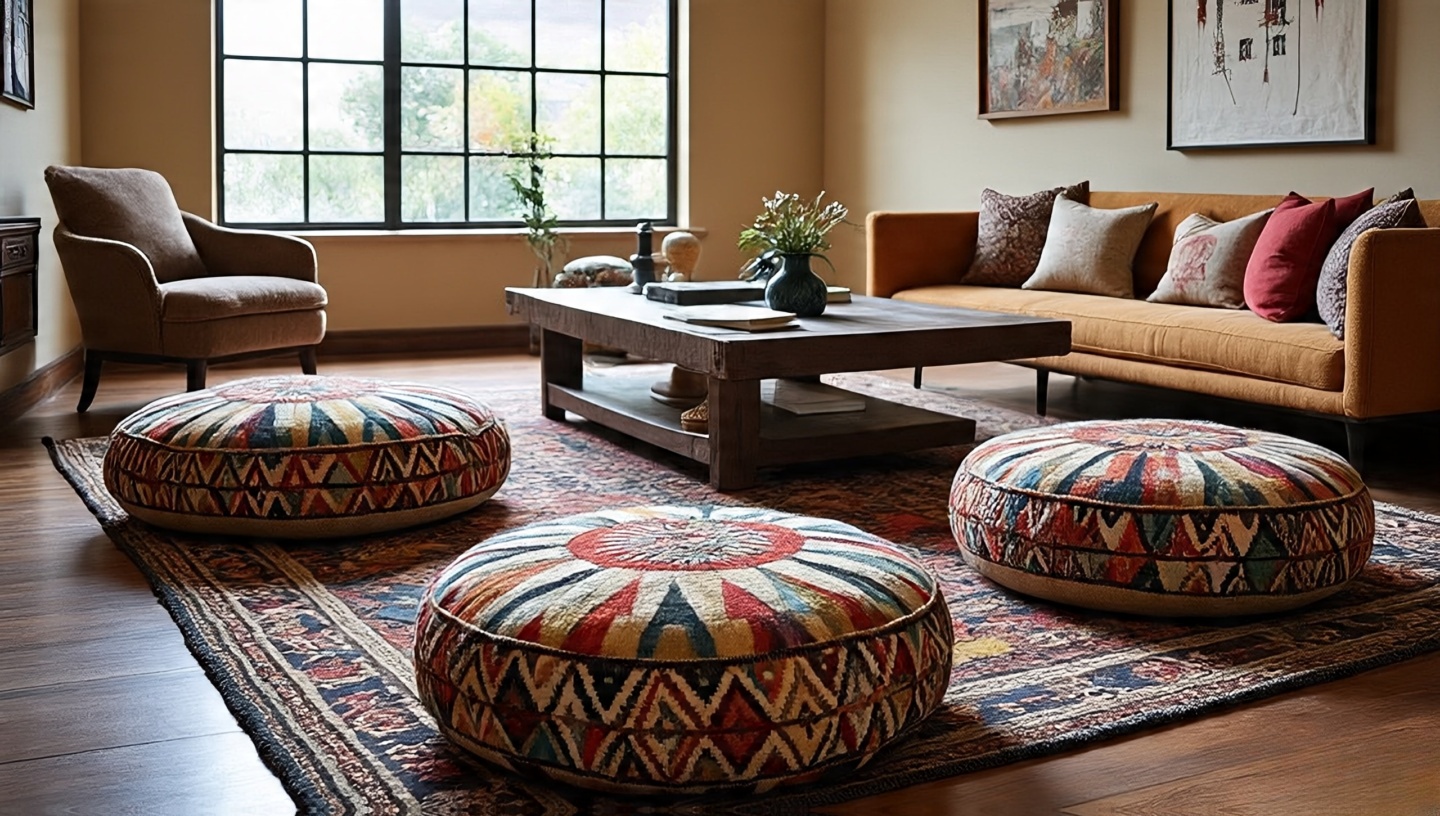
Great for gatherings and small rooms. Poufs keep sightlines low, which is critical when ceilings are modest.
Placement pattern: cluster 2–3 poufs at 60–70 cm from the coffee table for casual seating during movie nights, then slide them under a console when not in use.
Budget-savvy: Buy flat-weave kilim covers and stuff with dense cotton batting; you’ll get the look without the boutique markup.
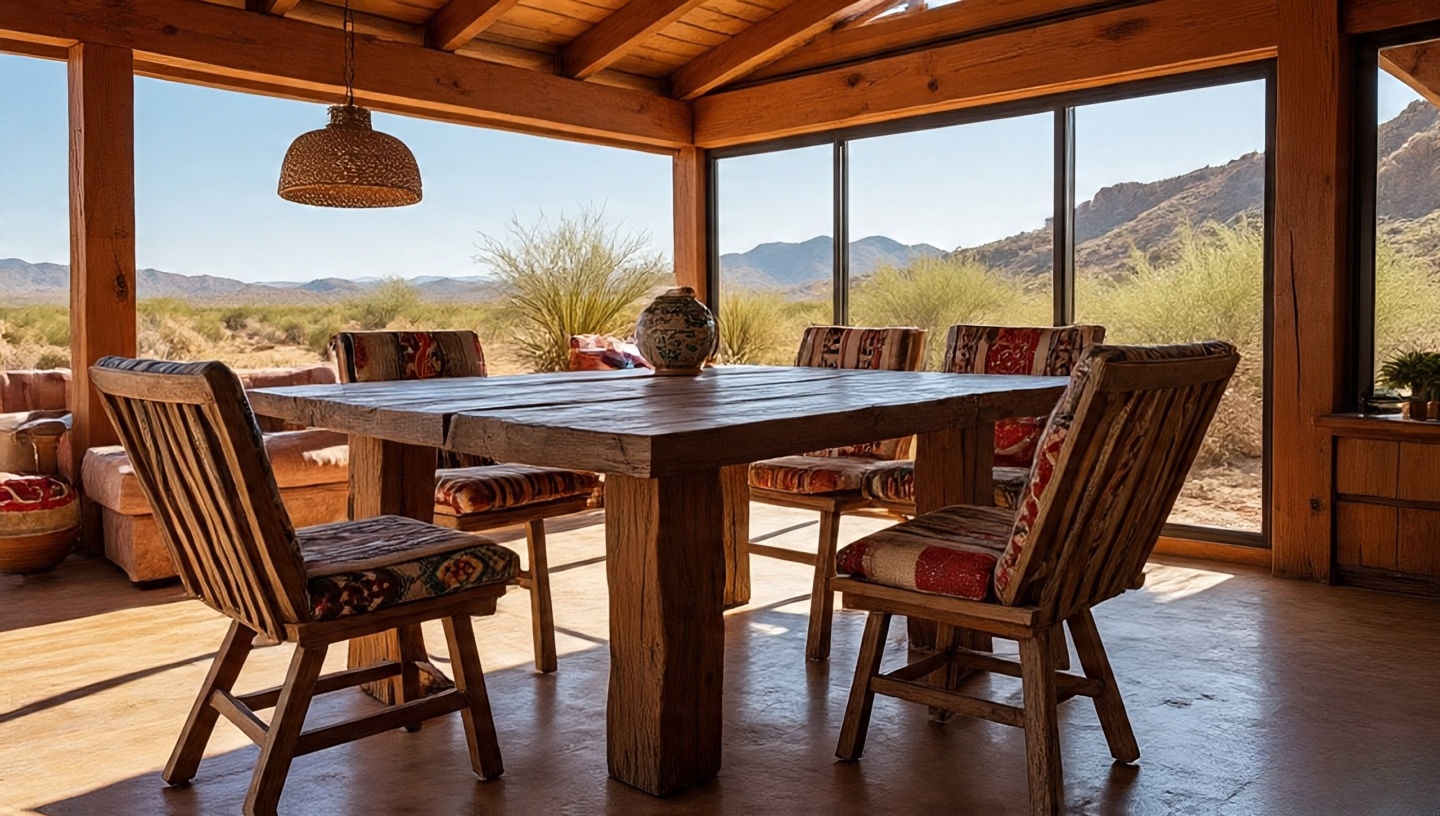
Southwestern dining is communal. A solid wood top (5–6 cm thick) with slightly uneven edges celebrates craft.
Ergonomics: table height 75 cm; allow 60 cm width per person; 90–110 cm clearance to walls or casework.
Mix real chairs + bench: a bench visually lightens bulky tables while seating kids easily.
Finish I specify repeatedly: hardwax oil repairable and matte, ideal for “lived-in” patina.
7. Desert-Inspired Accent Chairs (Shape Over Pattern)
Choose silhouettes that echo dunes and rock forms rounded backs, saddle stitching, sling seats. Color in sand, adobe, or terracotta ties to regional earth.
Acoustic note: One upholstered accent chair near a hard plaster wall reduces slap echo in tile-heavy homes.
8. Southwestern Sideboard with Depth and Display
Use a distressed wood sideboard to ground a dining wall, but treat it like a gallery pedestal.
Top composition: tall pottery (left), low bowl (center), stack of woven trays (right) vary heights, keep a 1/3 empty zone.
Hardware detail: hand-forged pulls or turquoise inlays add small-but-felt authenticity.
Lighting: two rawhide sconces or a single iron swing-arm lamp warm the vignette without glare.
9. Rawhide or Leather Lampshades (The Golden Hour, On Demand)
Rawhide diffuses light into a soft umber glow that flatters plaster, wood, and skin tones.
Specify this: 2700–3000K LED bulbs, CRI ≥ 90, dimmable. Avoid cool whites; they flatten the desert palette.
Safety & longevity: choose stitched, ventilated shades; heat build-up is real with enclosed forms.
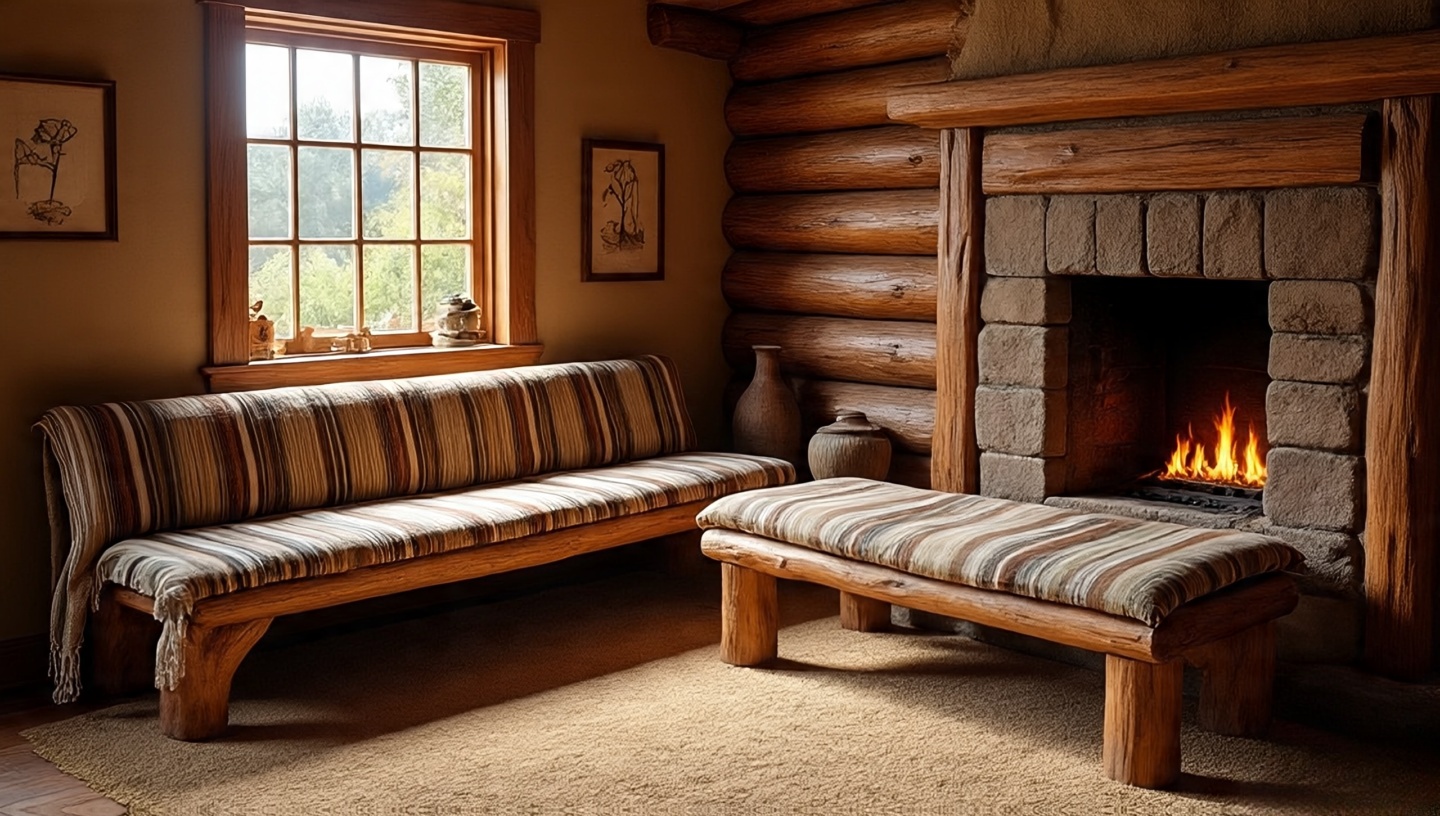
10. Adobe-Inspired Fireplace Seating (Built-In, Built to Last)
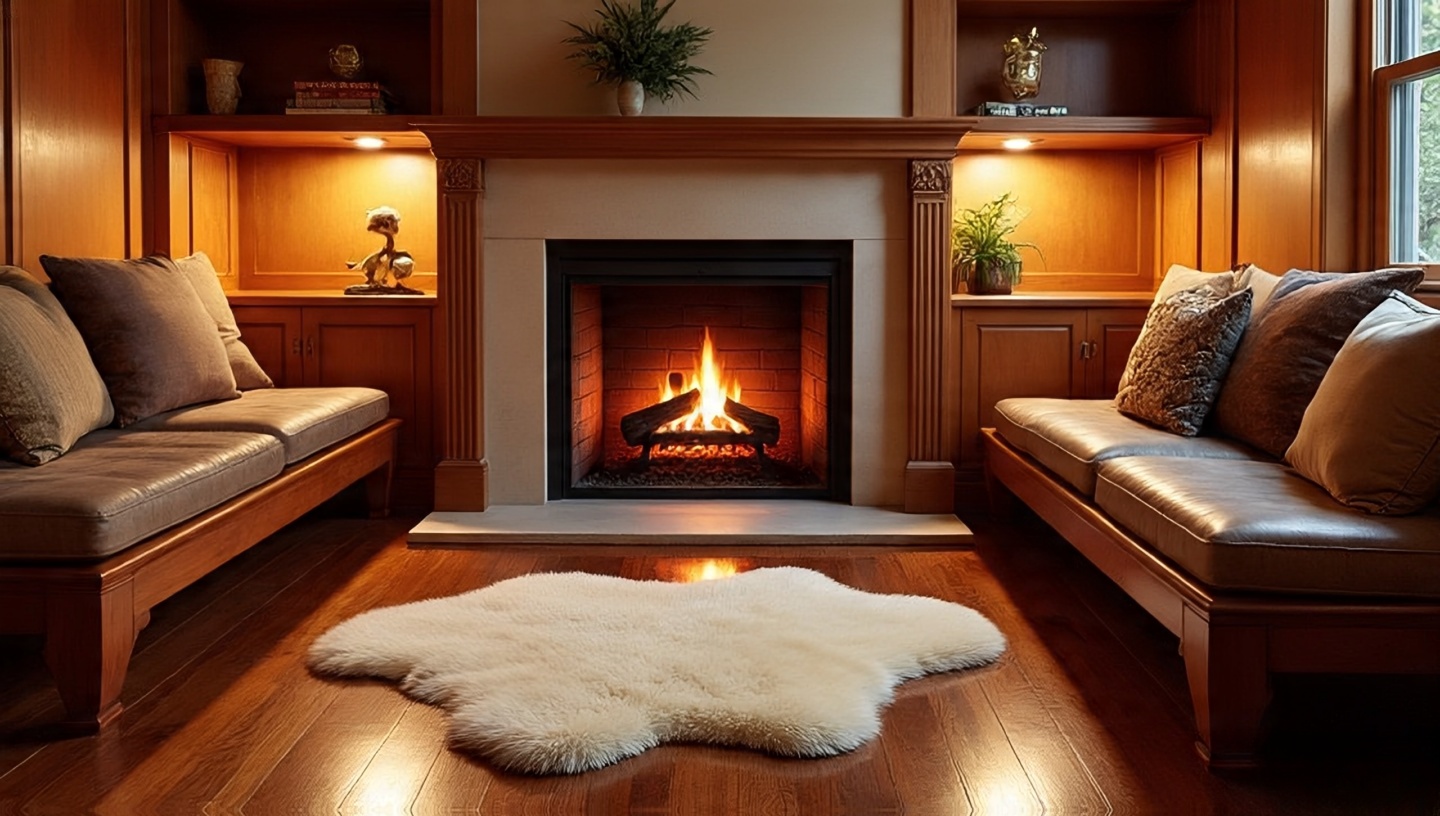
Nothing says Southwestern like a kiva or adobe-profile fireplace with a low banco (bench) wrapping one side.
Banco spec: seat height 43–46 cm; depth 55–60 cm; add wool or leather cushions with tie-downs.
Material stack: plaster over masonry block for mass (thermal comfort), rounded corners (no sharp edges).
Code-aware tip: keep cushions and wood elements outside the required hearth clearances.
Designer move: terminate the banco into a niche for firewood functional sculpture.
Next up: When you’re ready, say “oke” and I’ll share the next 10 ideas more wood, metal, stone, and a few clever budget moves that still look custom.
11. Mesquite Wood Chairs: A Living Grain
Mesquite is dense, warm, and full of character. It’s a desert hardwood that actually improves with age. For dining, opt for slat backs that let air circulate in warm climates.
Architect’s Note: Pair with a cool-toned textile seat pad (indigo or cream) to soften the darker wood tone and balance the room.
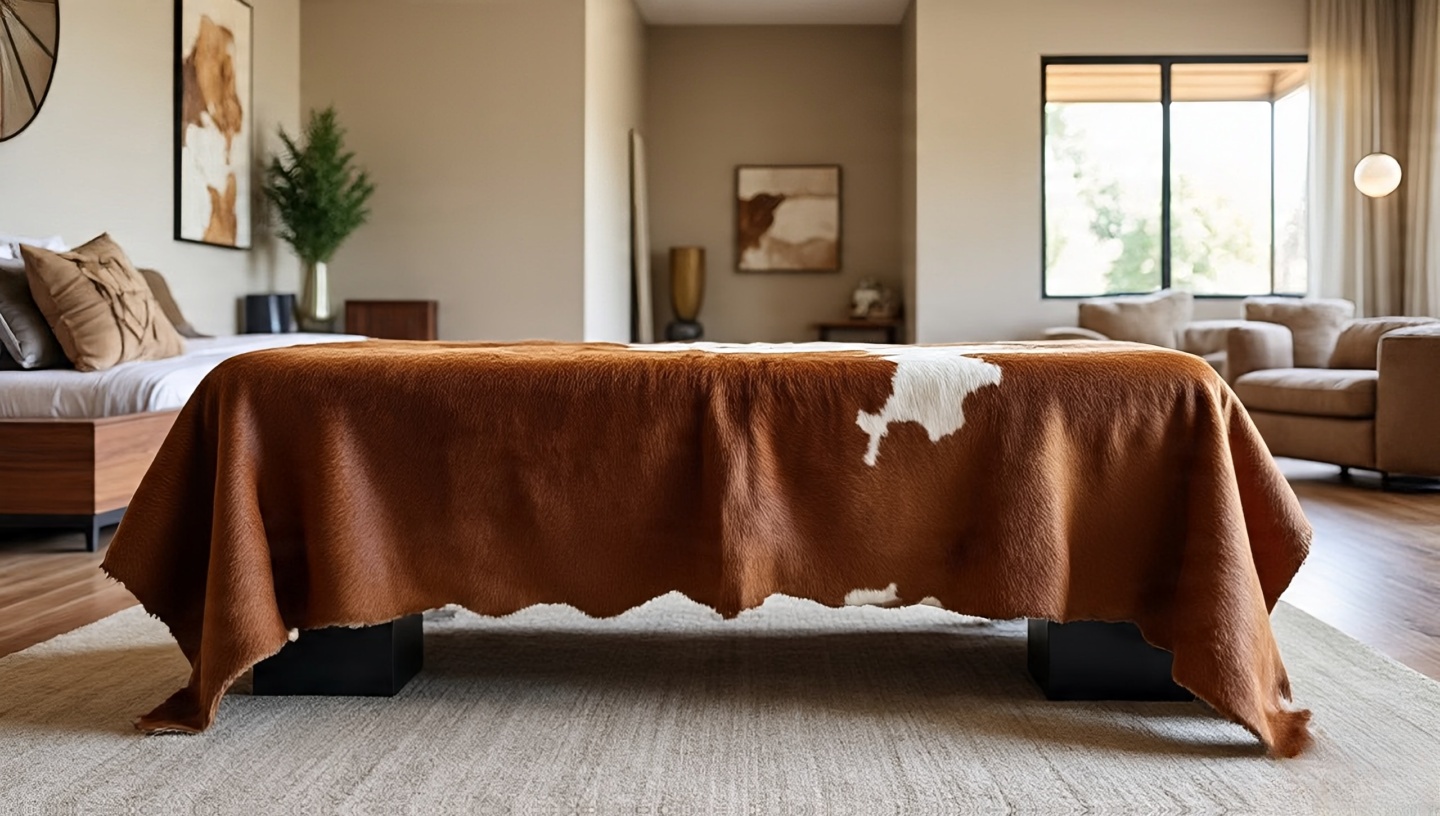
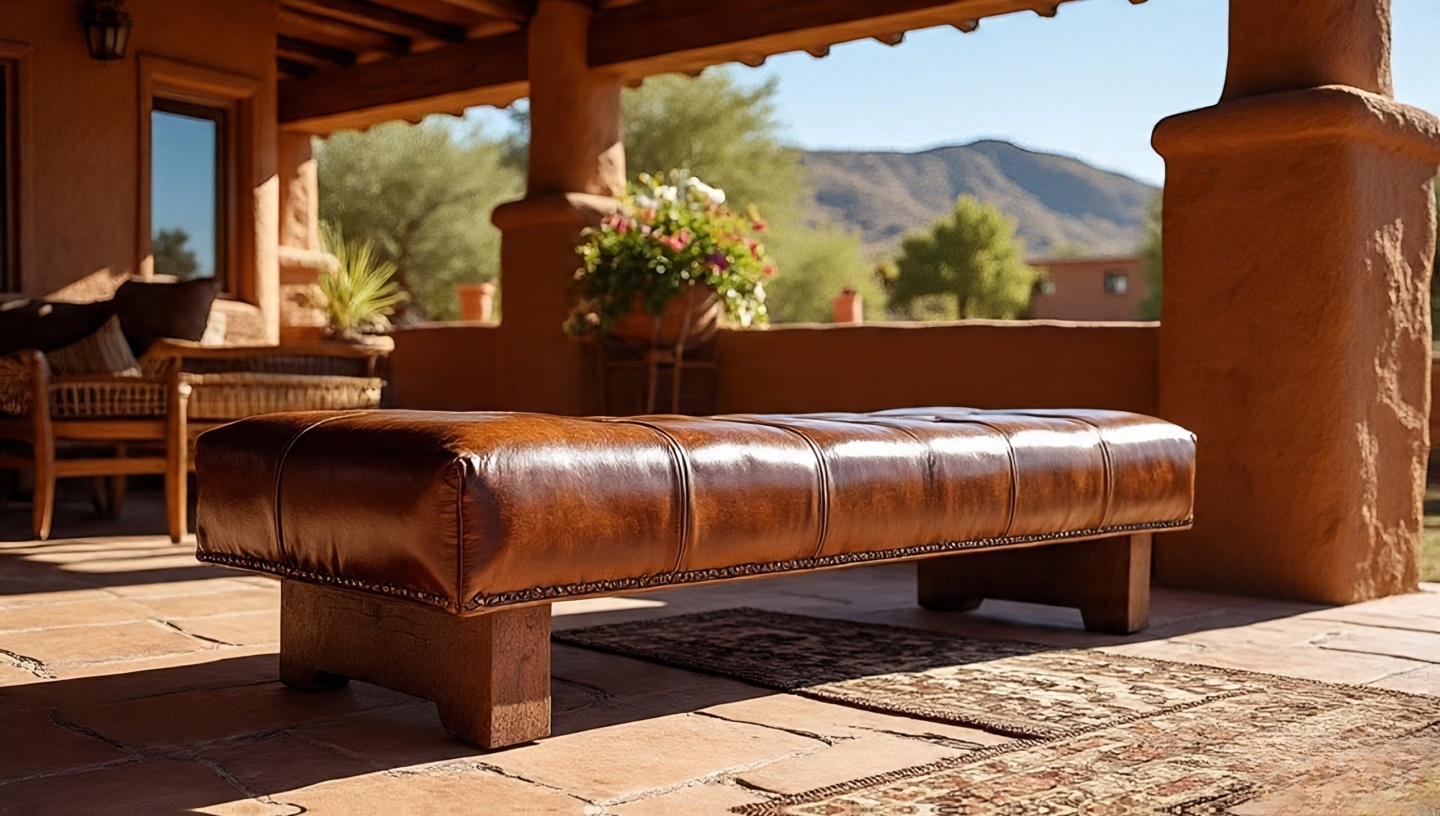
12. Cowhide Bench in the Entryway
A cowhide-upholstered bench doesn’t just look good it’s tough. Ideal for high-traffic areas like entryways.
Bench height: 45–47 cm for easy shoe-changing.
Placement tip: leave 120 cm clearance in front so doors swing freely.
Variation: At the foot of a bed, pair with a woven throw so the hide doesn’t overwhelm the linens.
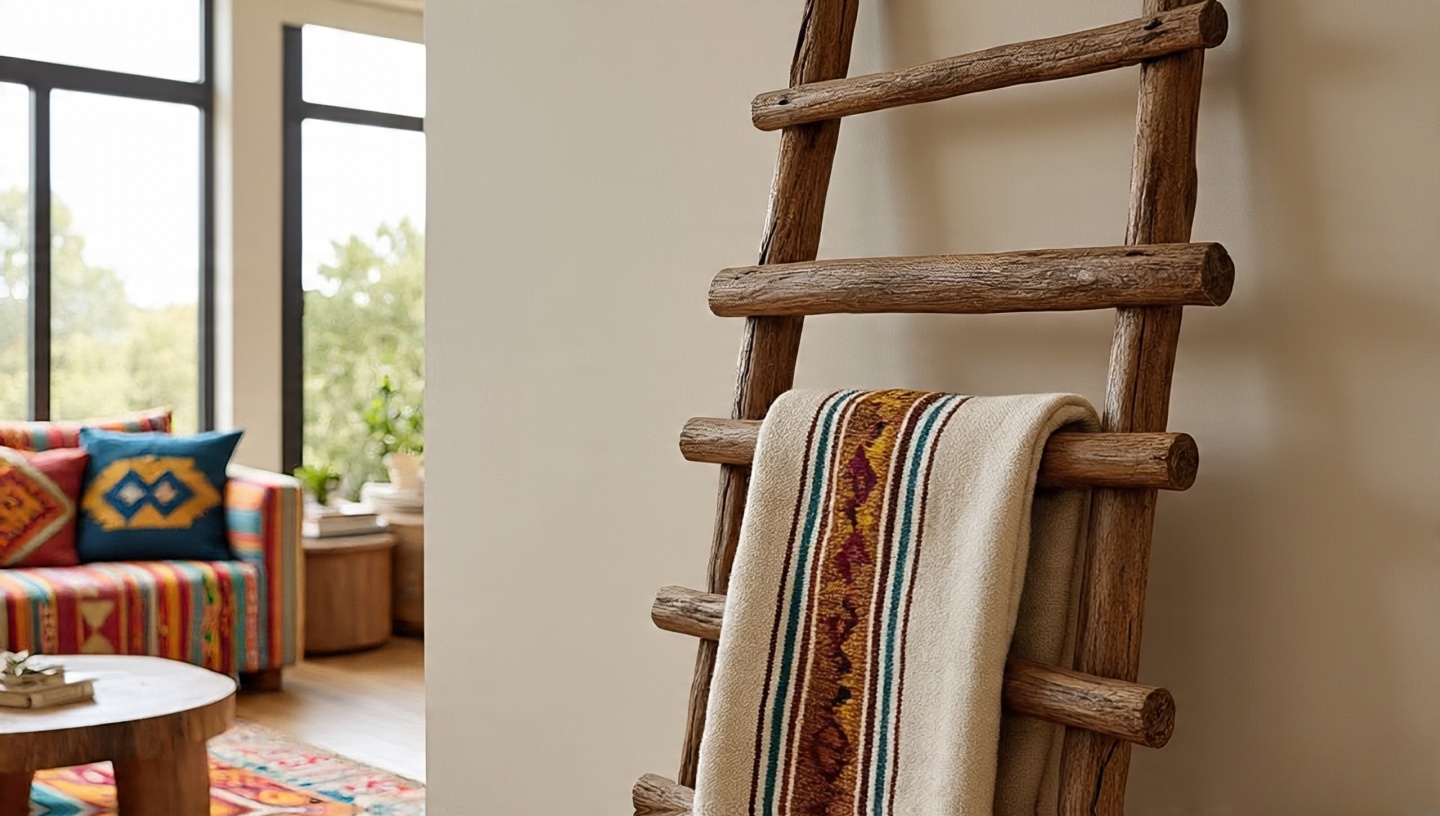
13. Rustic Blanket Ladder
Not every storage solution should disappear. A simple wooden ladder leans against the wall, showing off woven textiles like a curated gallery.
Dimension tip: 180–200 cm tall works for most walls; keep rung spacing at 30–35 cm so blankets drape naturally.
Architect’s Note: Avoid glossy finishes matte oil feels more authentic against plaster or adobe walls.
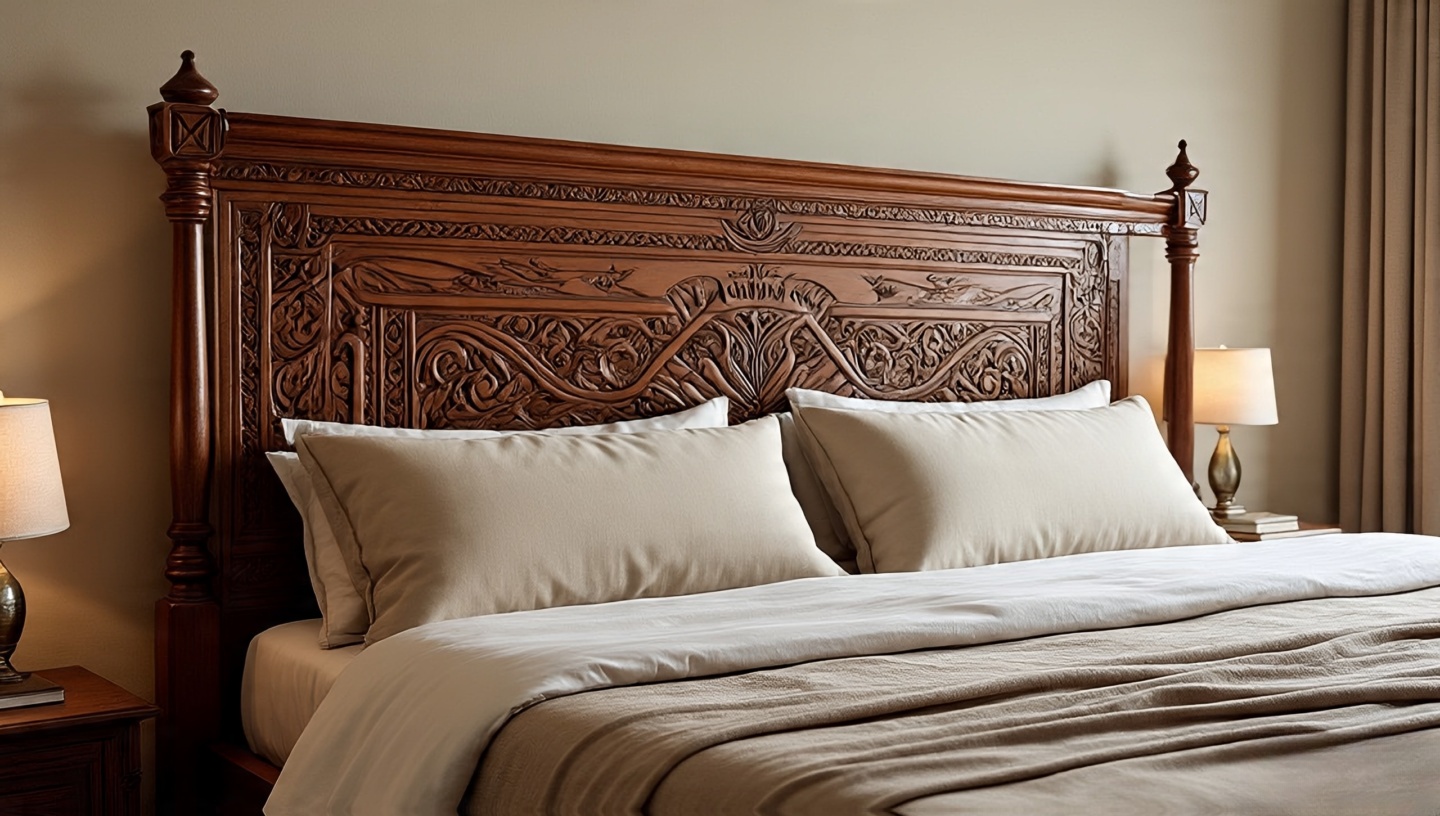
14. Carved Wooden Headboard as a Statement
A headboard can carry the entire room. Intricate carvings echo traditional craftsmanship while neutral linens prevent visual overload.
Spec to request: solid hardwood, relief carvings 10–15 mm depth, and a wax finish for tactile warmth.
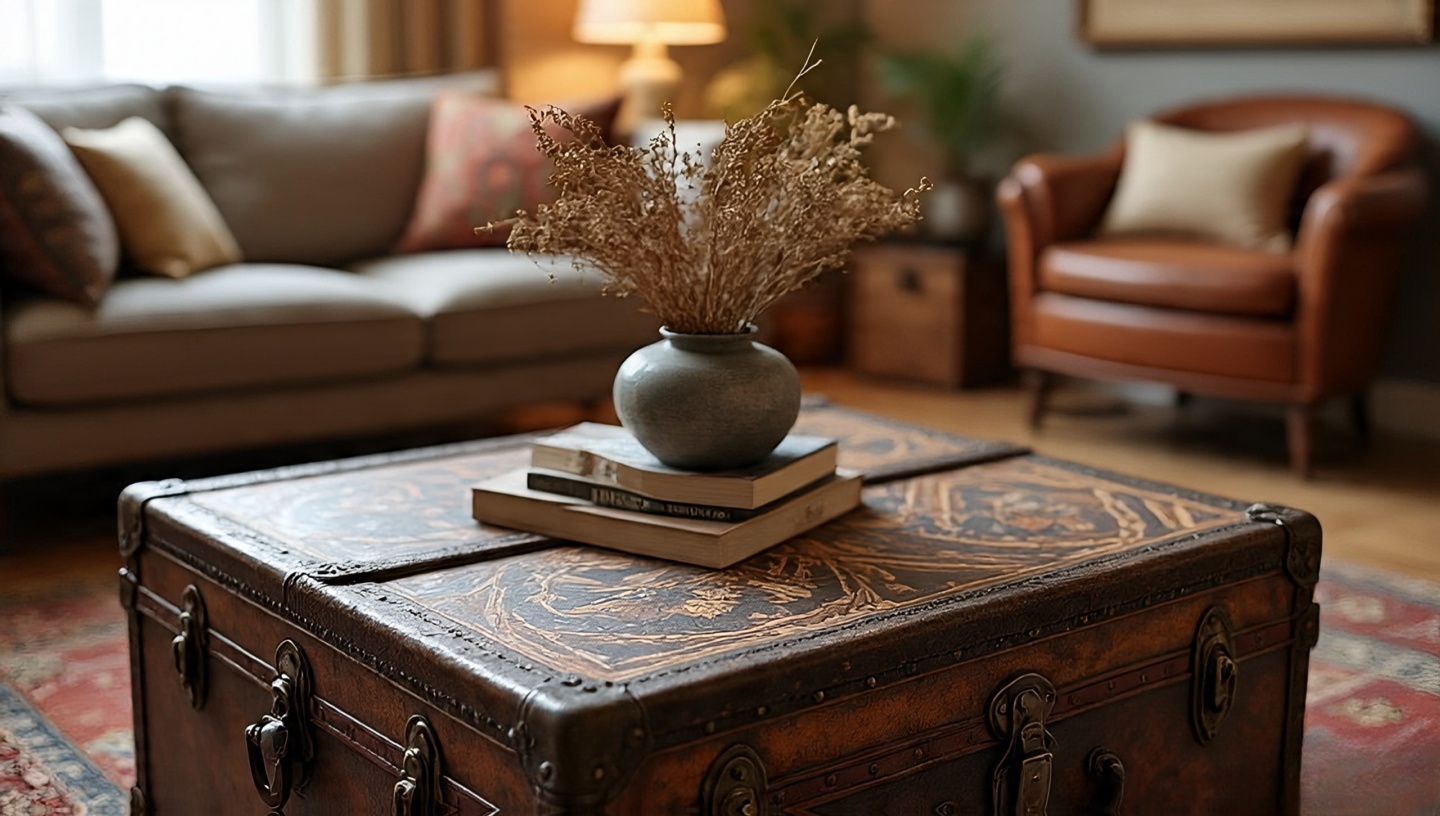
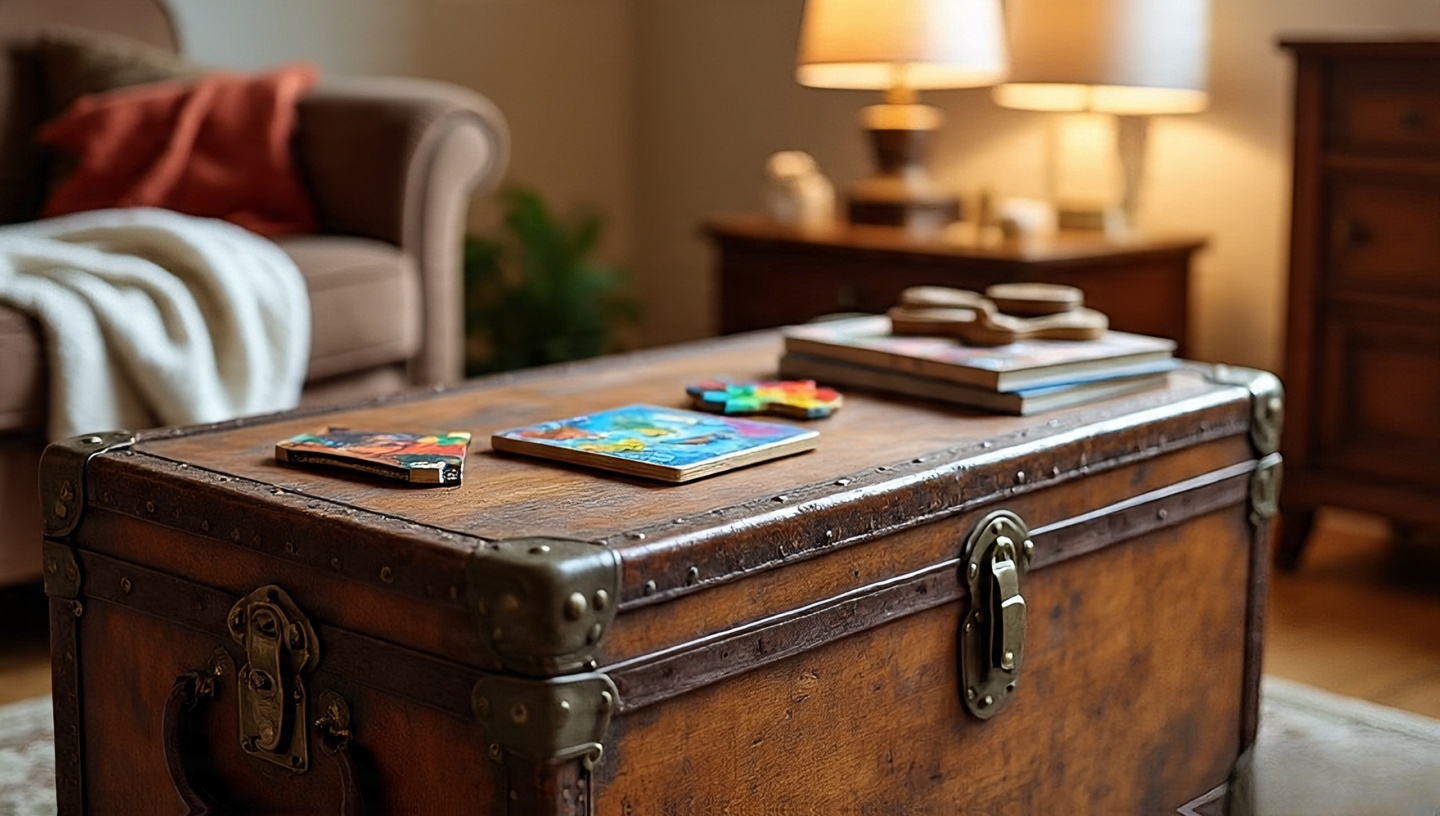
15. Vintage Trunk Coffee Table
I’ve reused trunks from estate sales and client attics. Their scratches and brass corners read as earned history.
Practical note: add a tempered glass top if you want stability for drinks while preserving the rugged look beneath.
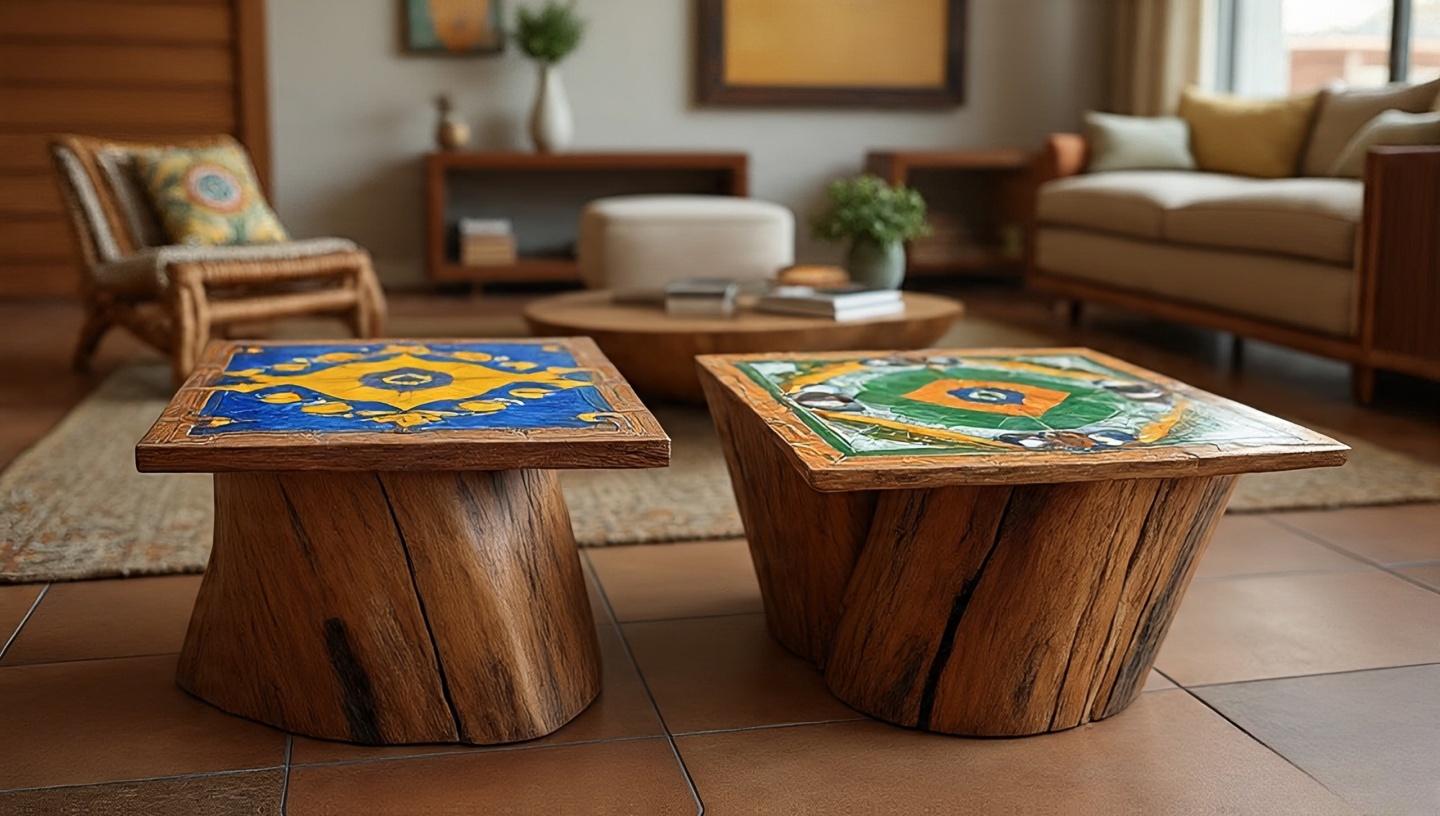
16. Tile-Topped End Tables
A pop of color against earthy tones can keep a room lively. Talavera tiles in turquoise or mustard give personality without repainting a wall.
Architect’s Detail: grout with warm gray, not stark white. It ages gracefully and doesn’t compete with the tile’s brightness.
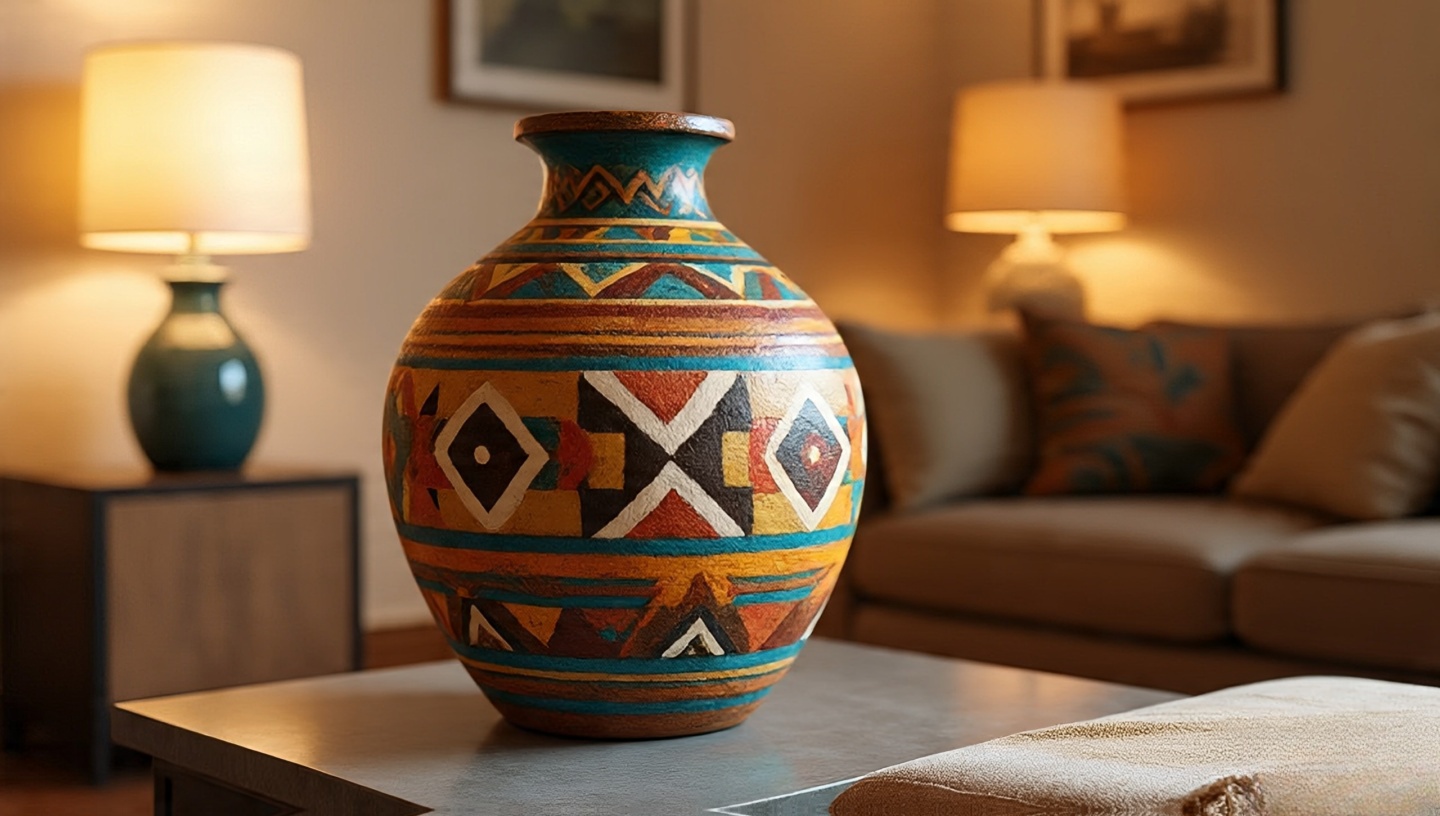
17. Hand-Painted Pottery as Furniture Accent
Oversized clay jars or vases act like sculptural furniture when placed at ground level. Southwestern style thrives on this scale play.
Placement guide: 60–80 cm tall floor vase beside a console table fills vertical gaps and balances furniture mass.
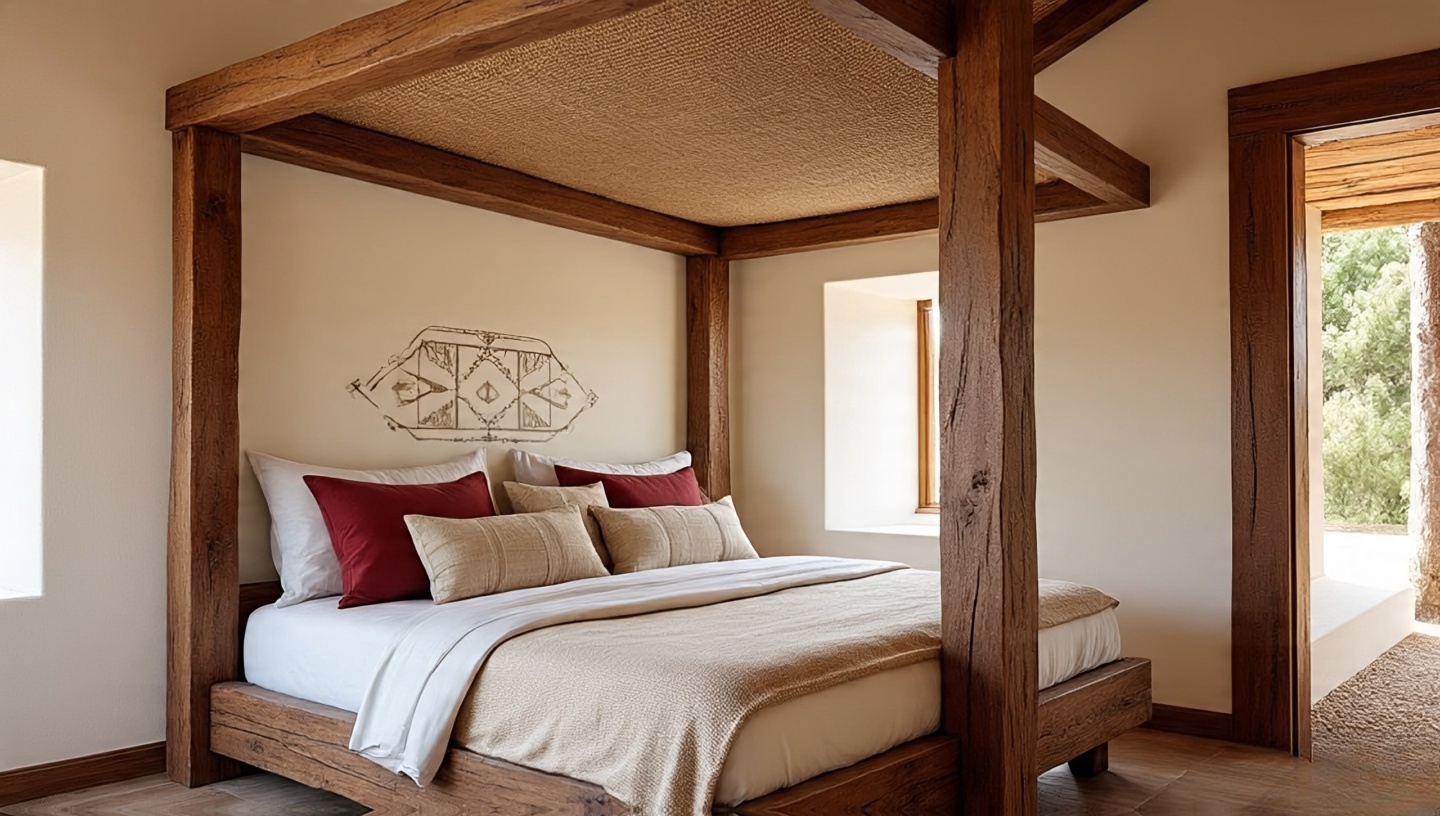
18. Canopy Bed with Rustic Beams
If ceiling height allows, a canopy bed with thick beams can be dramatic yet grounding.
Beam spec: 10×10 cm posts minimum for authentic proportion.
Balance move: keep drapery sheer and neutral so the structure shines.
Architect’s Note: This one addition can make a modern box bedroom feel like a desert retreat lodge.
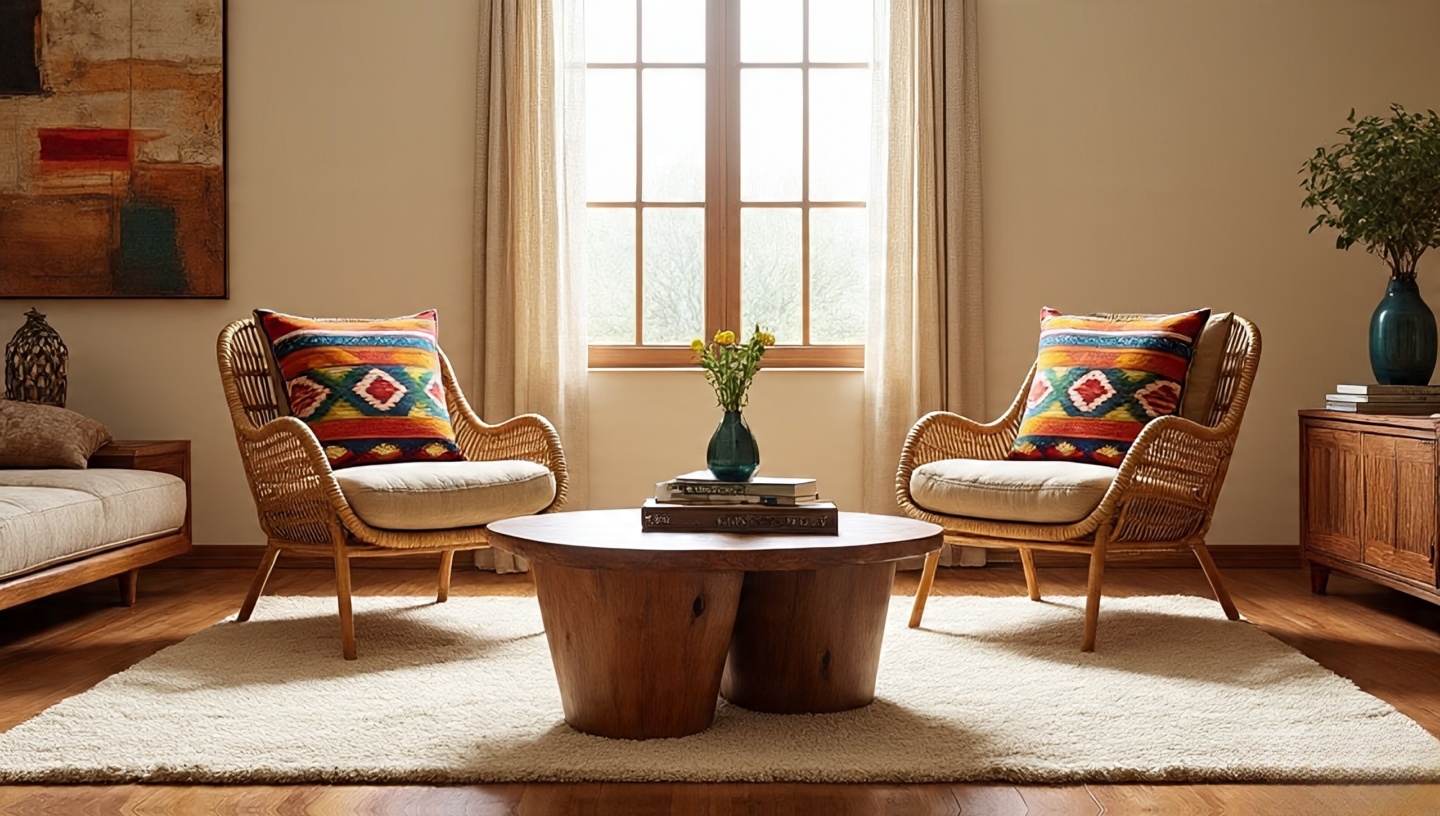
19. Woven Rattan Chairs for Air and Light
Rattan breaks up the density of leather and wood. It introduces a breathable rhythm into heavy rooms.
Tip: pair with Navajo-style cushions contrast between airy frame and bold textile creates balance.
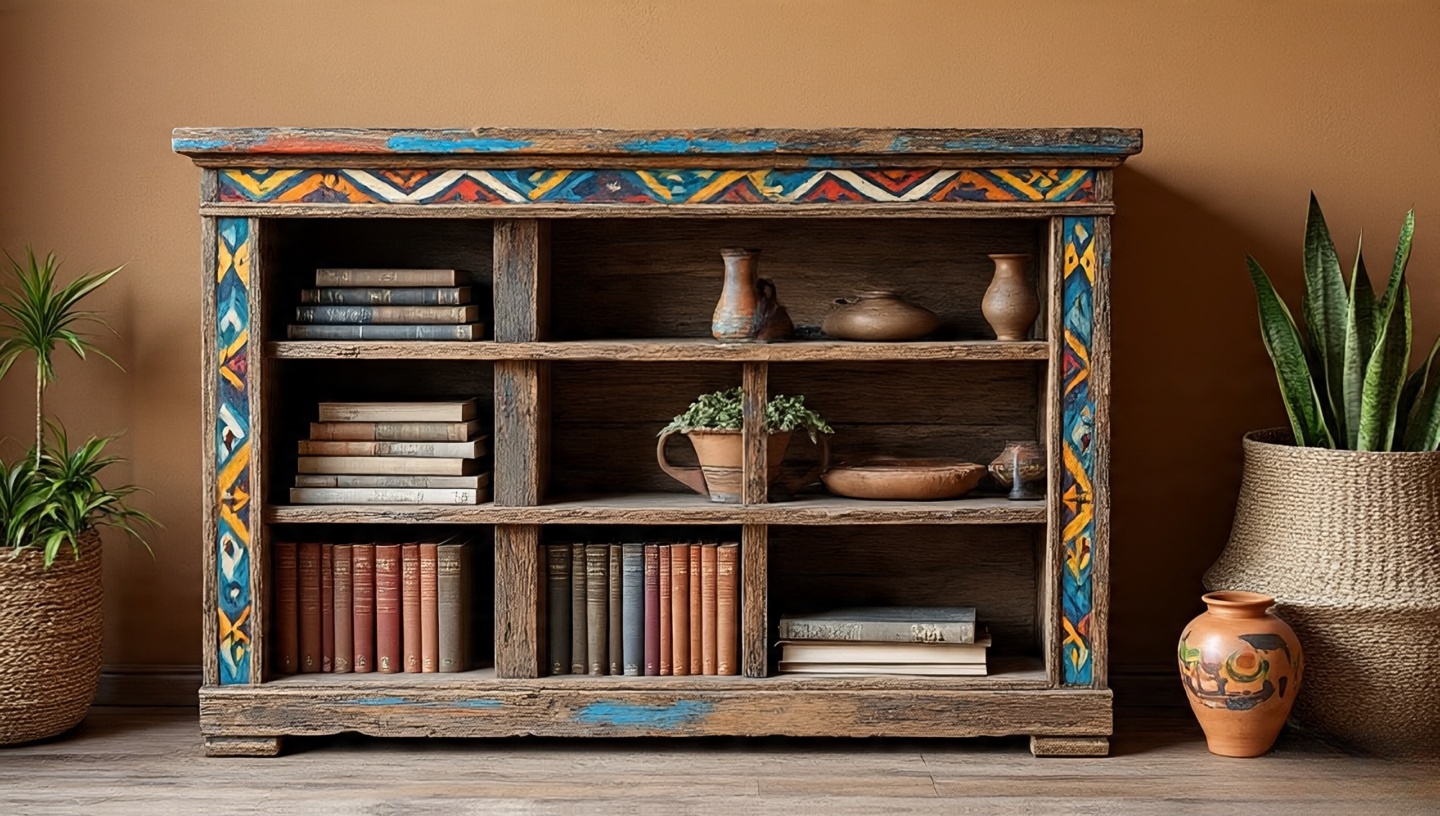
20. Distressed Bookshelf with Tribal Motifs
A bookshelf is more than storage treated right, it’s a focal wall. Painted edges or carved motifs keep the piece functional yet expressive.
Composition tip: books, pottery, and 30% open space. Too much filling, and you lose the layered charm.
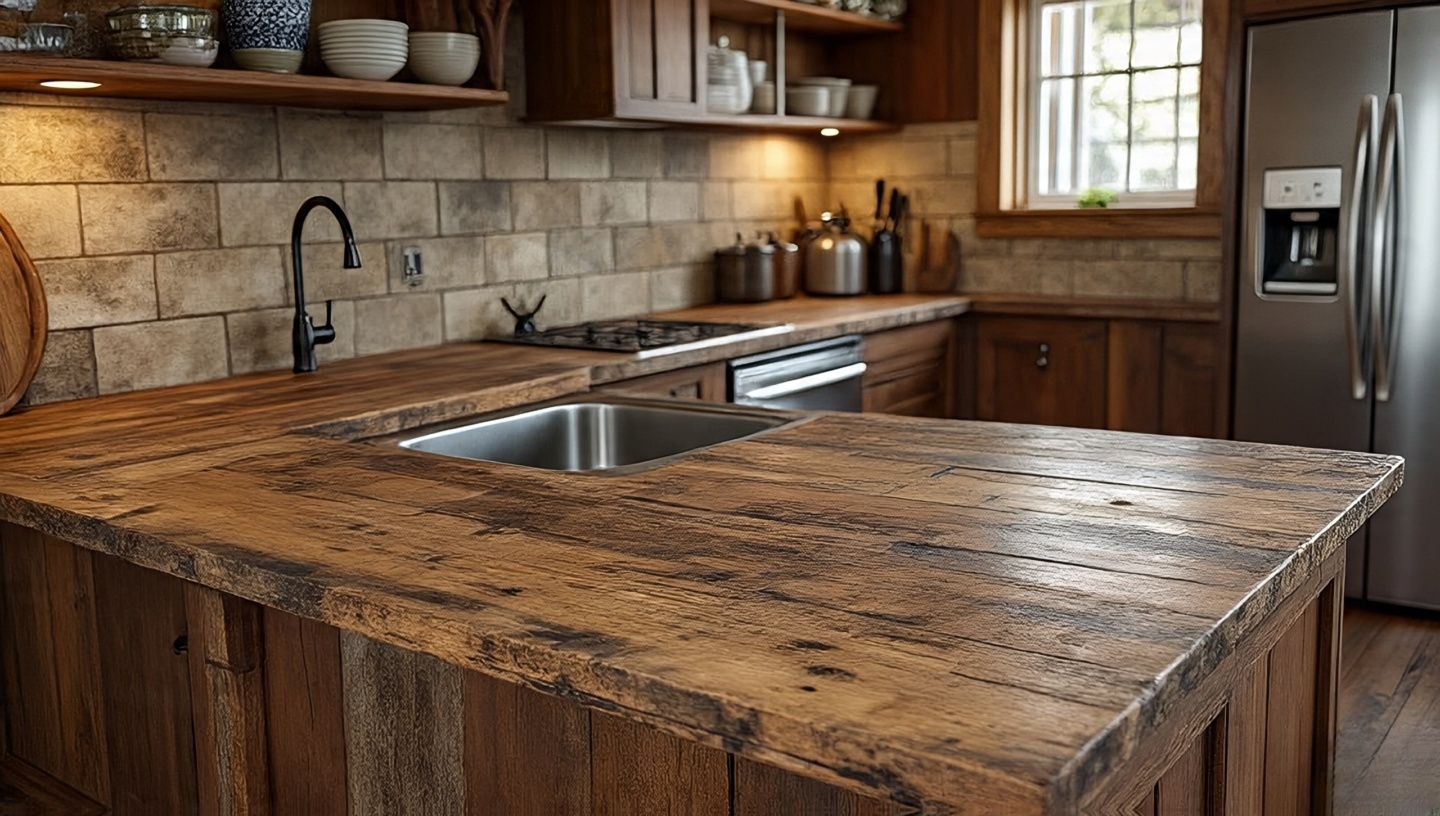
21. Southwestern Kitchen Island
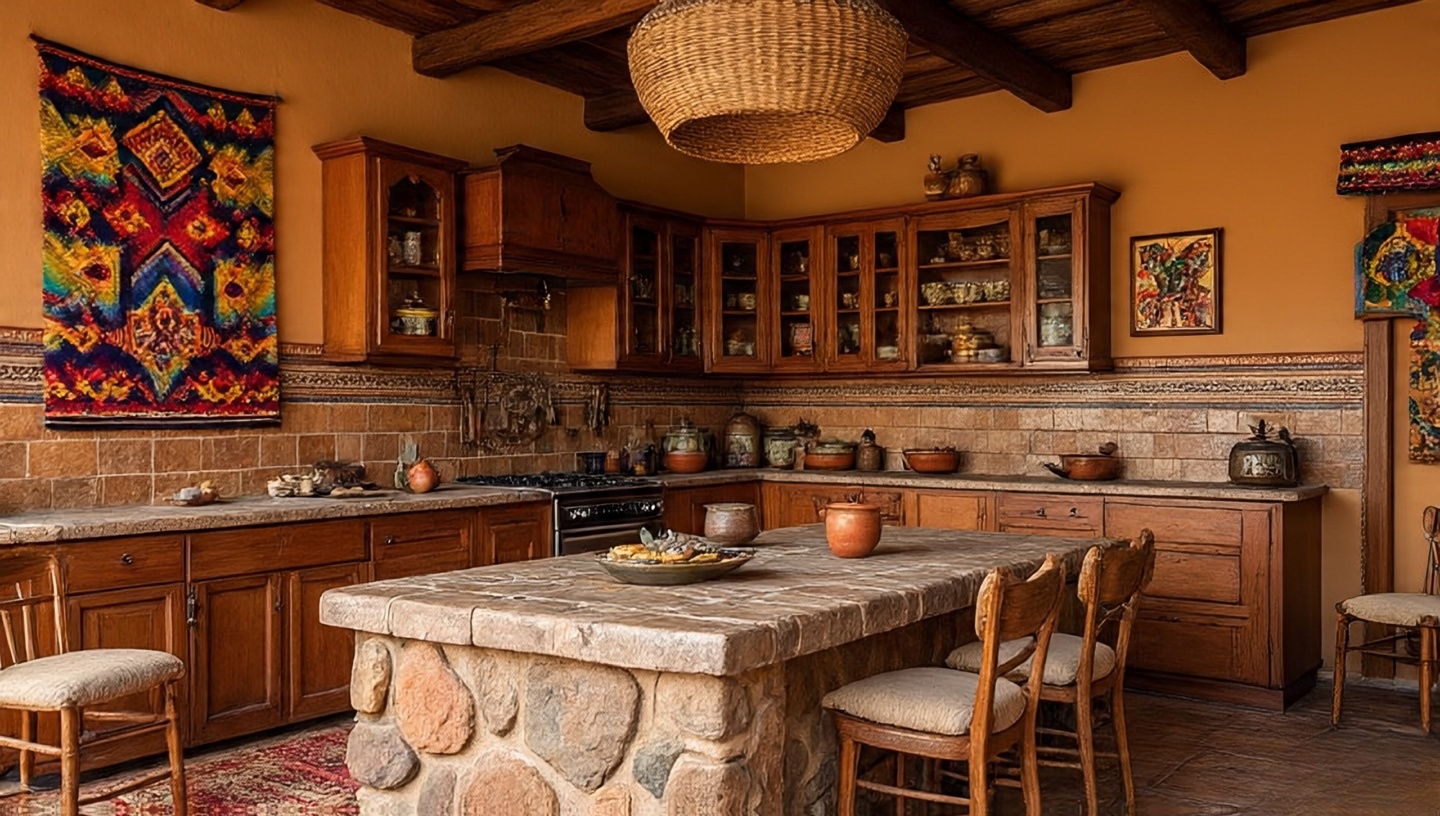
A reclaimed wood base with a natural stone or concrete top makes the kitchen the heart of the home. Don’t forget utility:
Counter height: 90 cm (or 105 cm for bar stools).
Overhang: 25–30 cm for comfortable stool seating.
Architect’s note: Consider a butcher-block insert for prep functional and warm against stone surfaces.
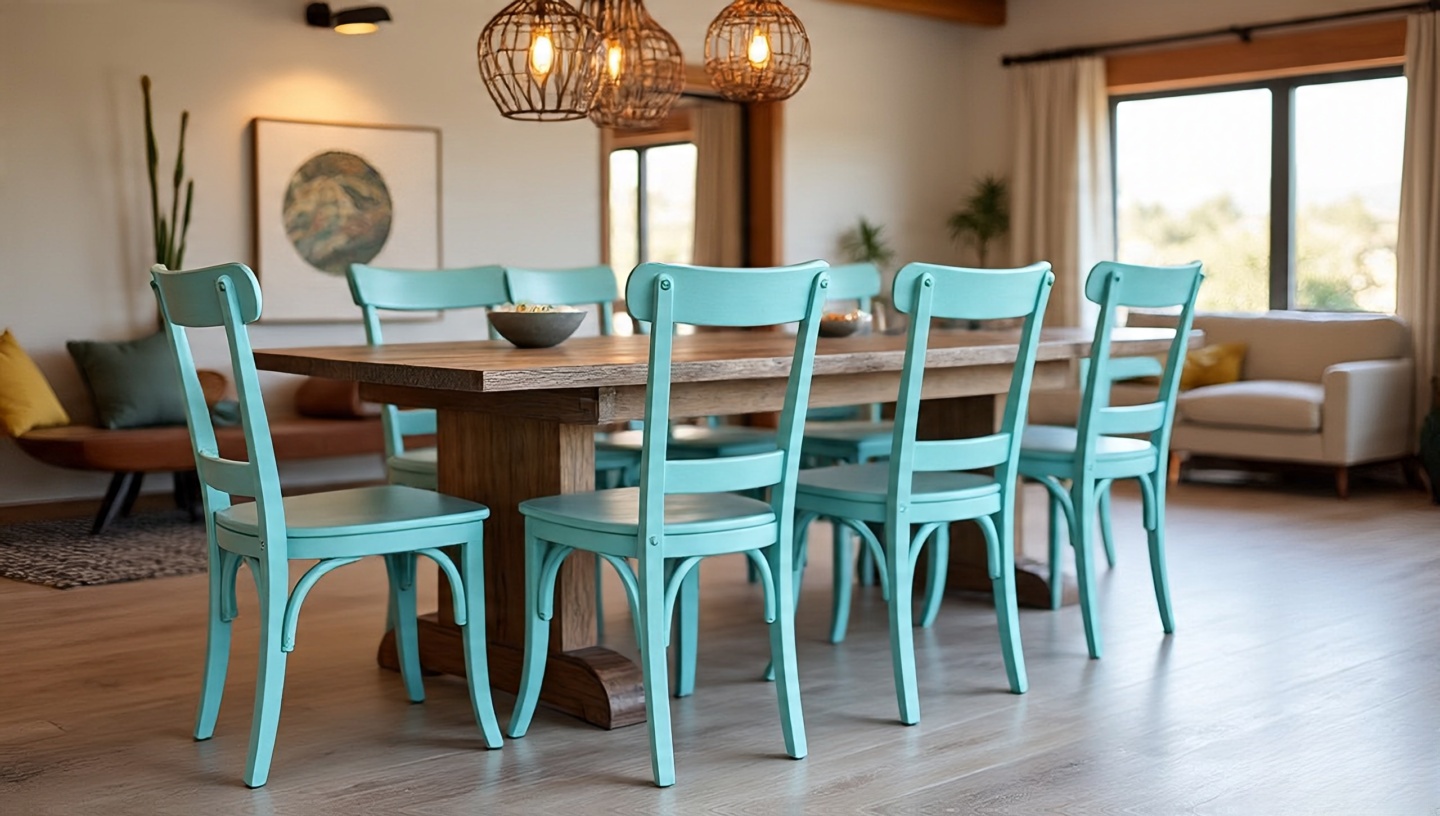
22. Ladder-Back Dining Chairs
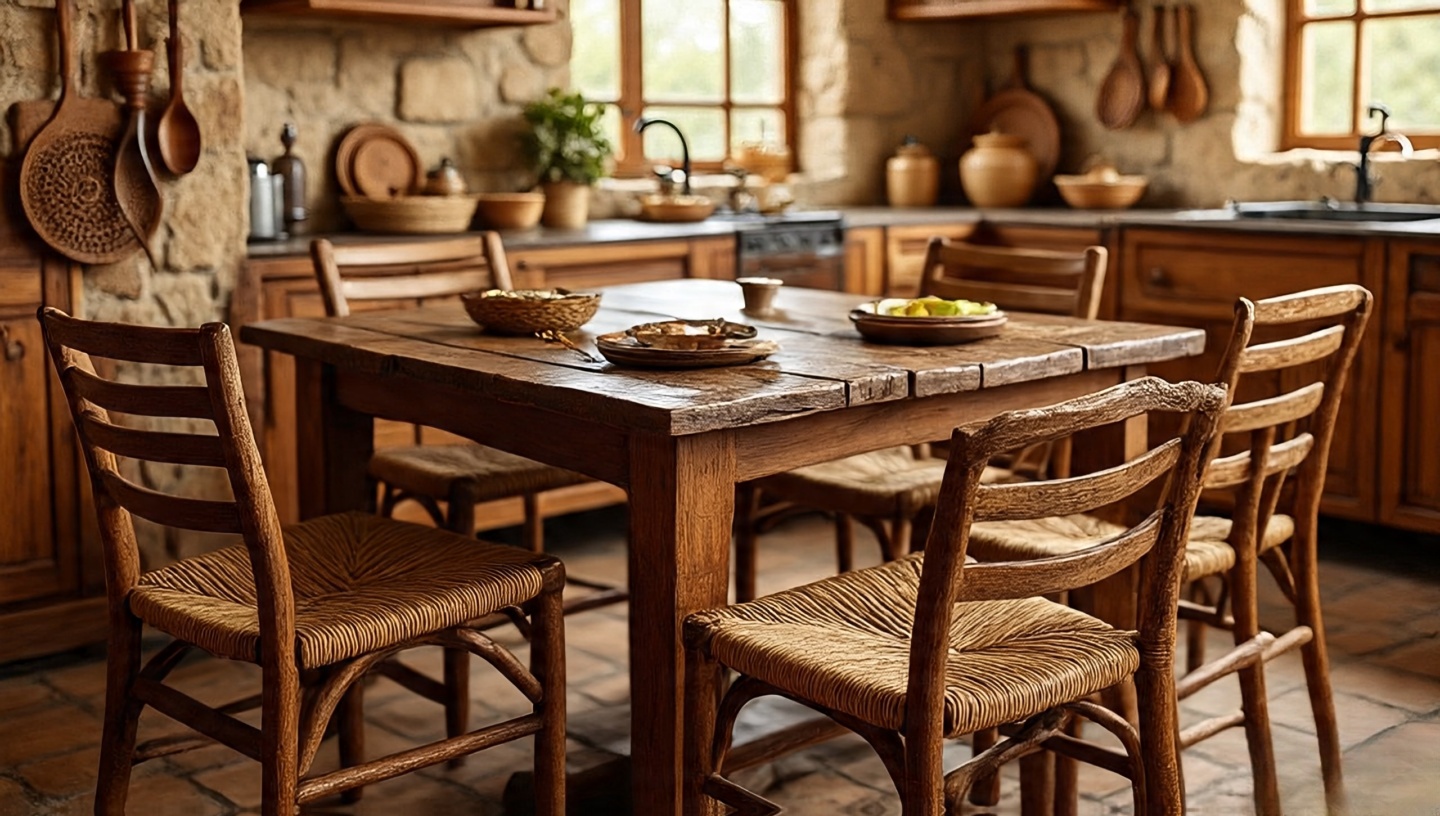
Classic ladder-back chairs are humble, sturdy, and timeless. Paint them in a soft turquoise or sage green to echo desert skies and sagebrush.
Pro tip: Keep the paint matte. Gloss breaks the rustic illusion.
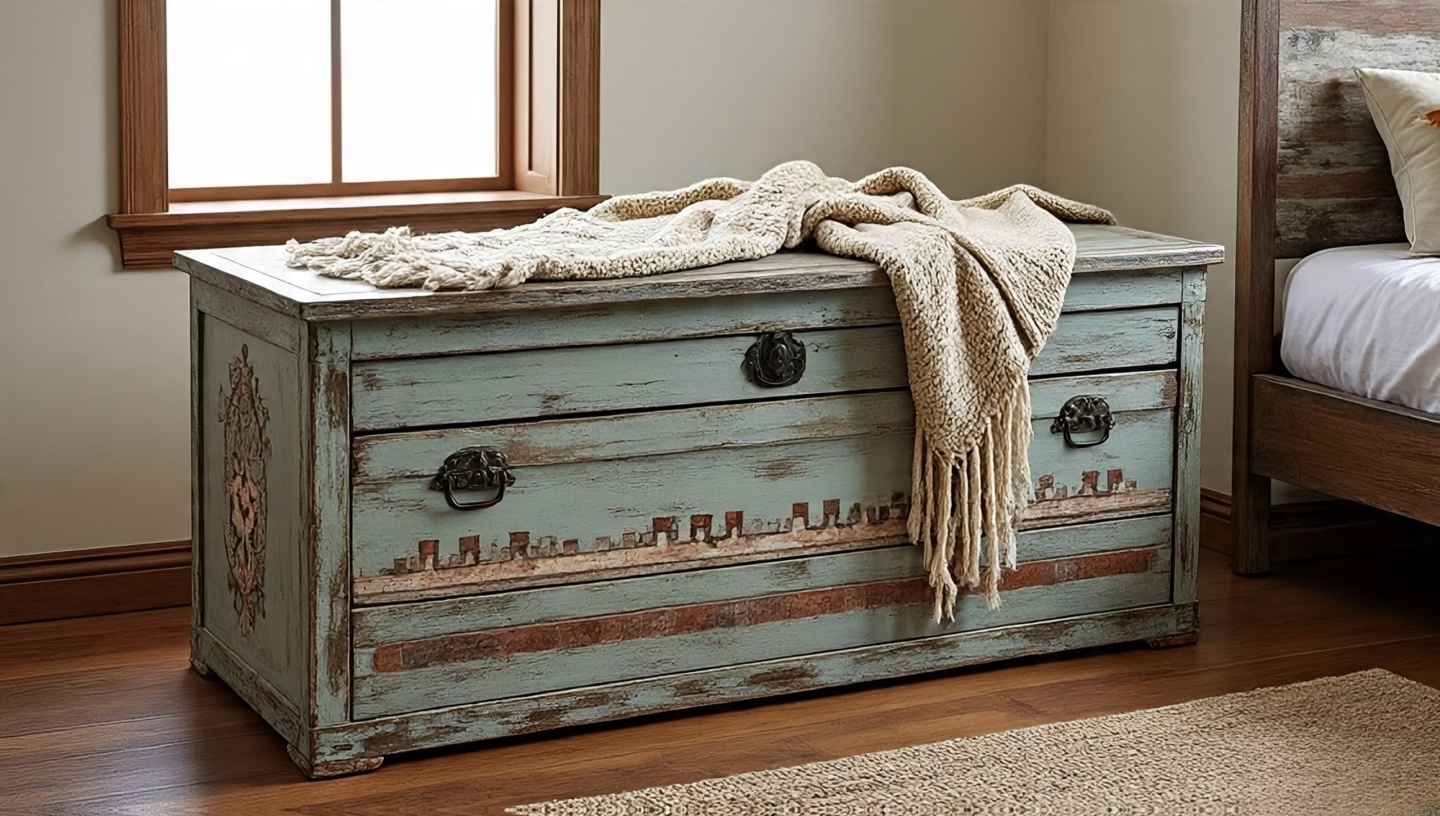
23. Rustic Storage Chest
A big, weathered storage chest doubles as a design anchor and practical piece. I often recommend it for bedrooms or living rooms that lack visual weight.
Placement idea: Centered under a window with a woven throw on top. It reads intentional, not “storage afterthought.”
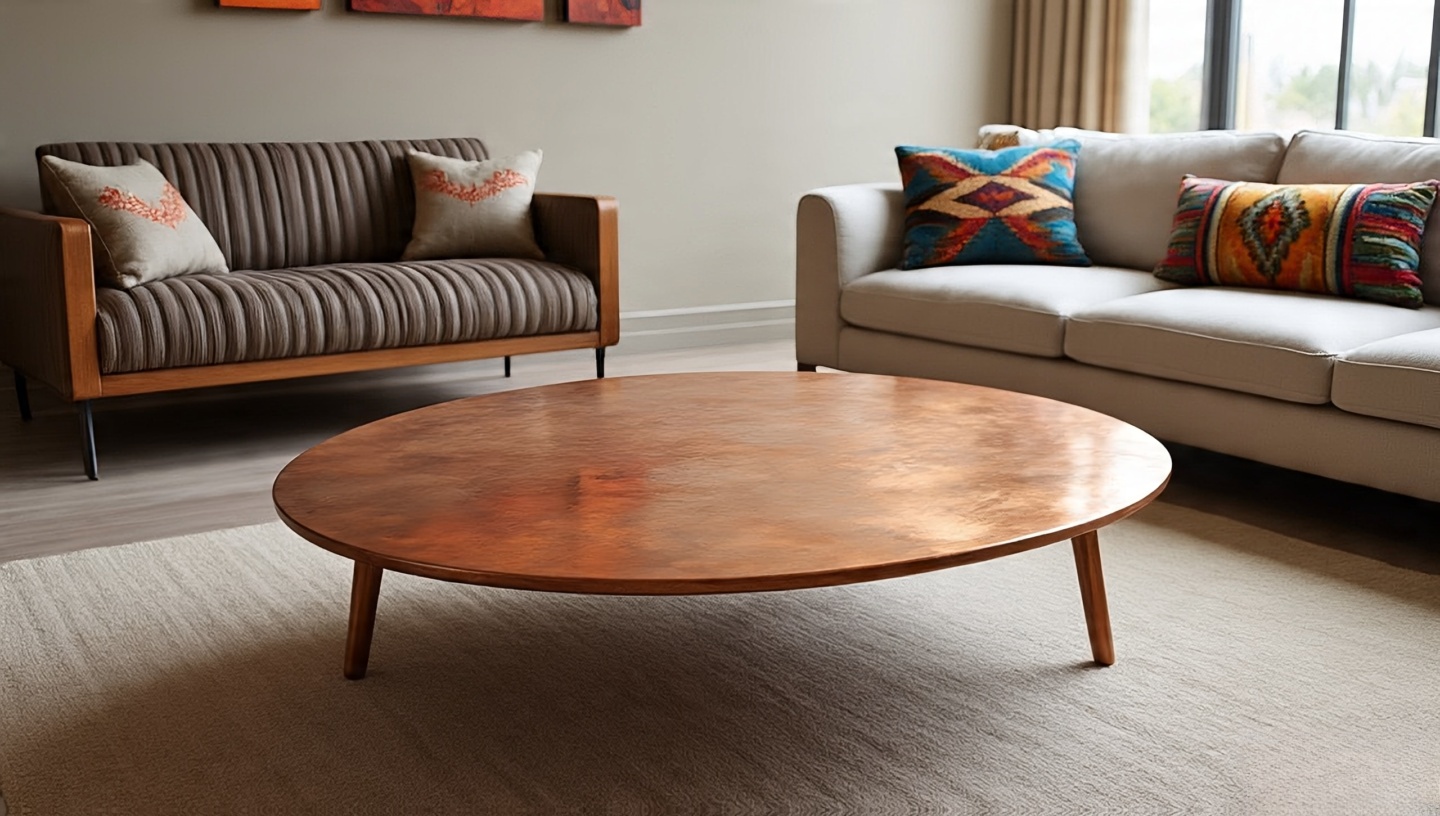
24. Copper-Topped Coffee Table
Copper is living metal it develops patina with every glass, every touch. This “aging” is the essence of Southwestern honesty.
Finish tip: Don’t seal it in epoxy. Allow oxidation to breathe; it tells the story of your home.
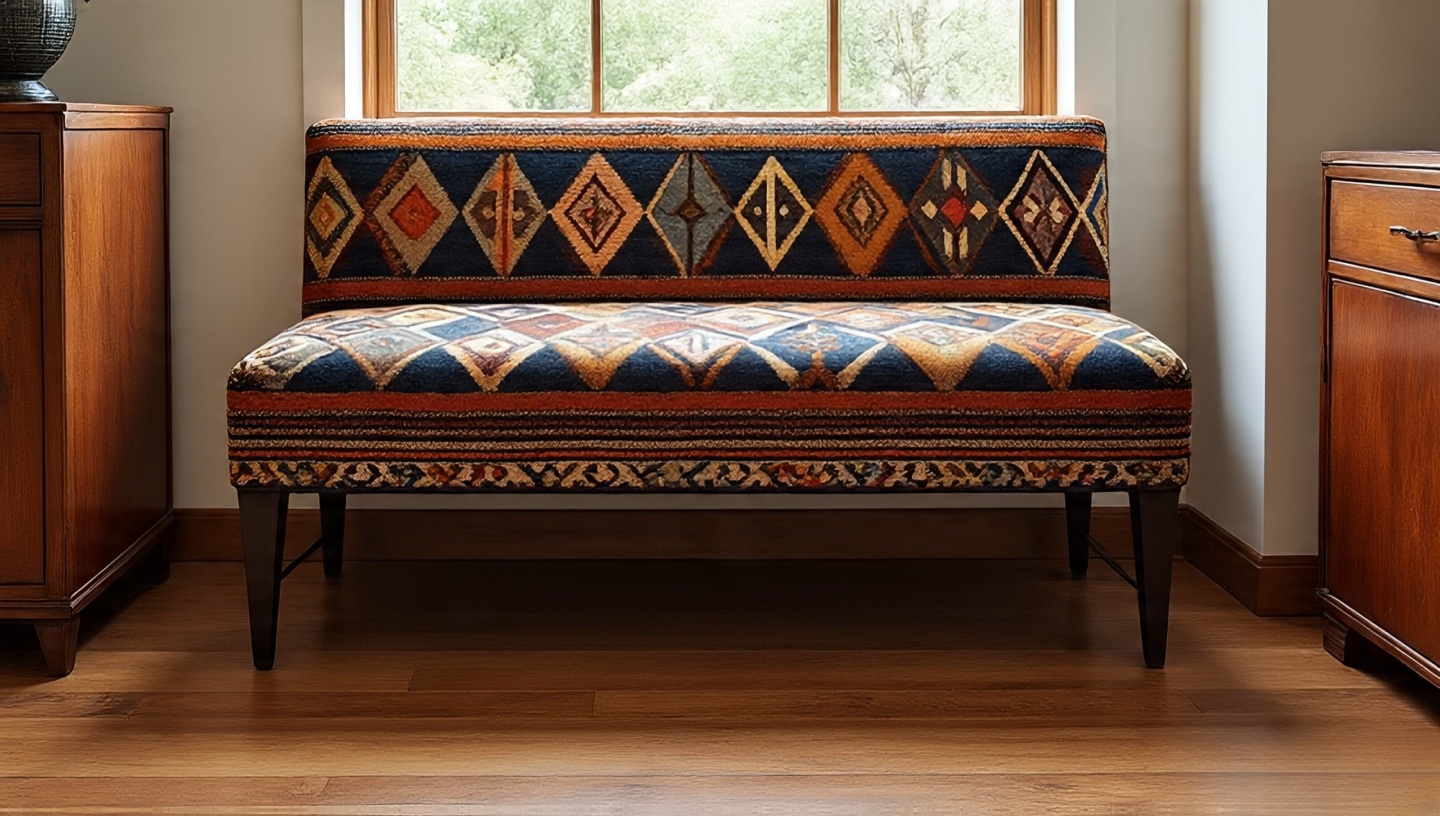
25. Bench with Navajo Upholstery
A bench upholstered in bold Navajo fabric becomes a conversation piece under a window or along a hallway wall.
Architect’s move: keep surrounding furniture quiet so the pattern shines. Think solid wood or leather neighbors.
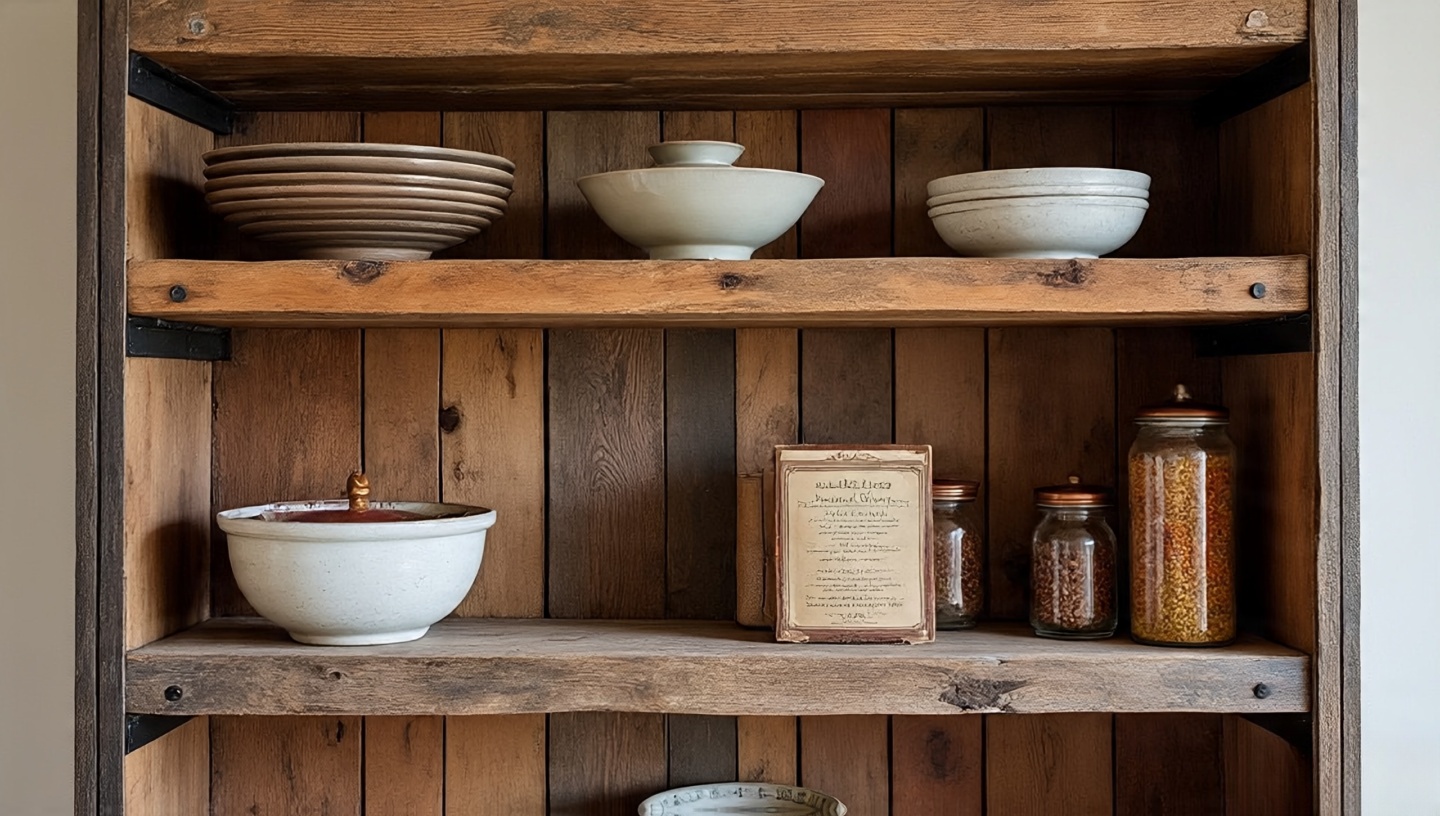
26. Open Shelving with Reclaimed Wood
Closed cabinets hide things. Open shelving celebrates them.
Use reclaimed planks on iron brackets. Display pottery, cookbooks, or spice jars. It’s rustic, functional, and visually open.
Spacing guide: 35–40 cm between shelves for visual rhythm.
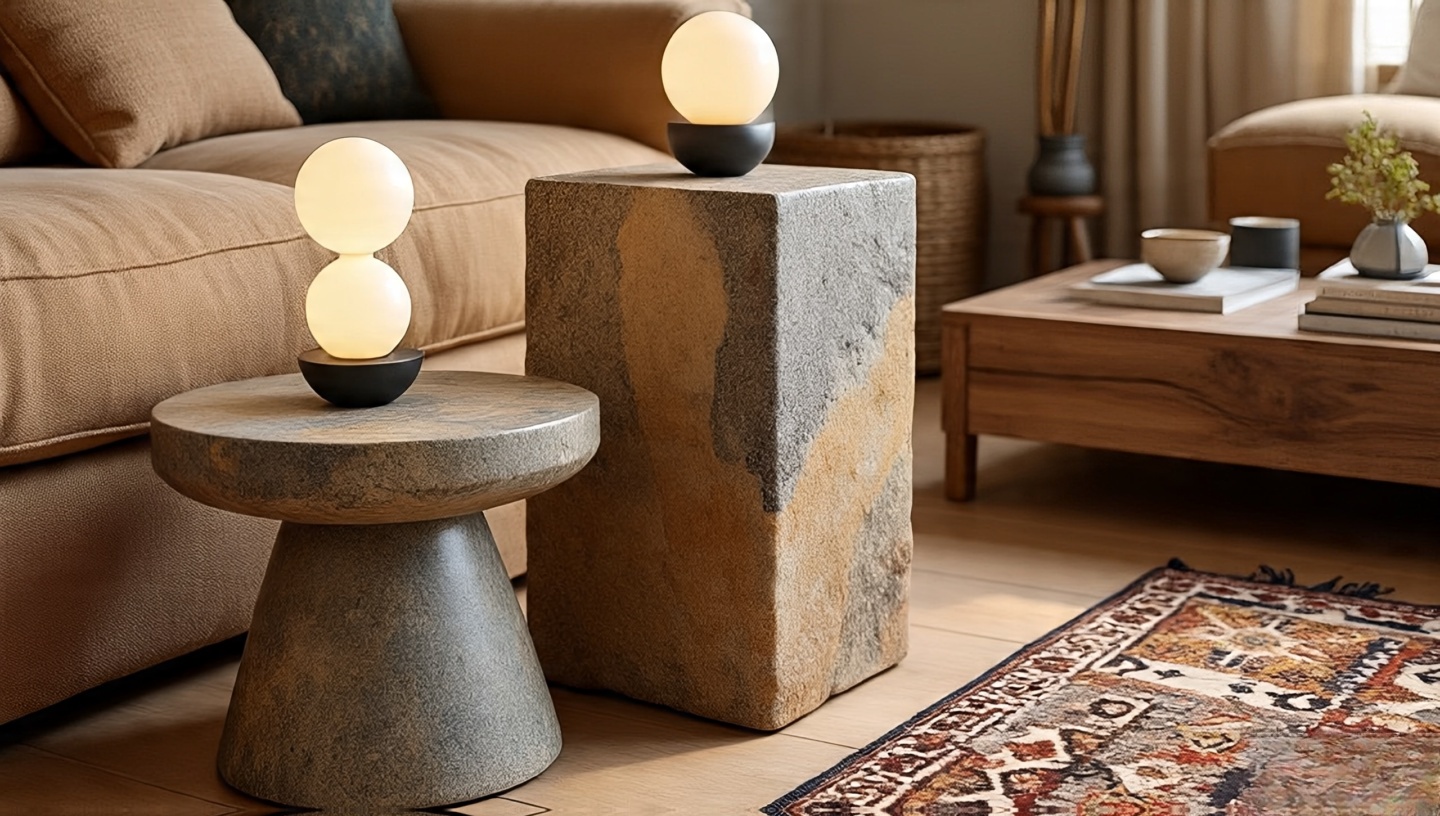
27. Desert Stone Side Tables
Tables carved from sandstone or slate bring raw desert energy indoors. Yes, they’re heavy, but the tactile authenticity is unmatched.
Pro tip: Pair with soft furnishings like kilim cushions so the stone doesn’t overwhelm the room.
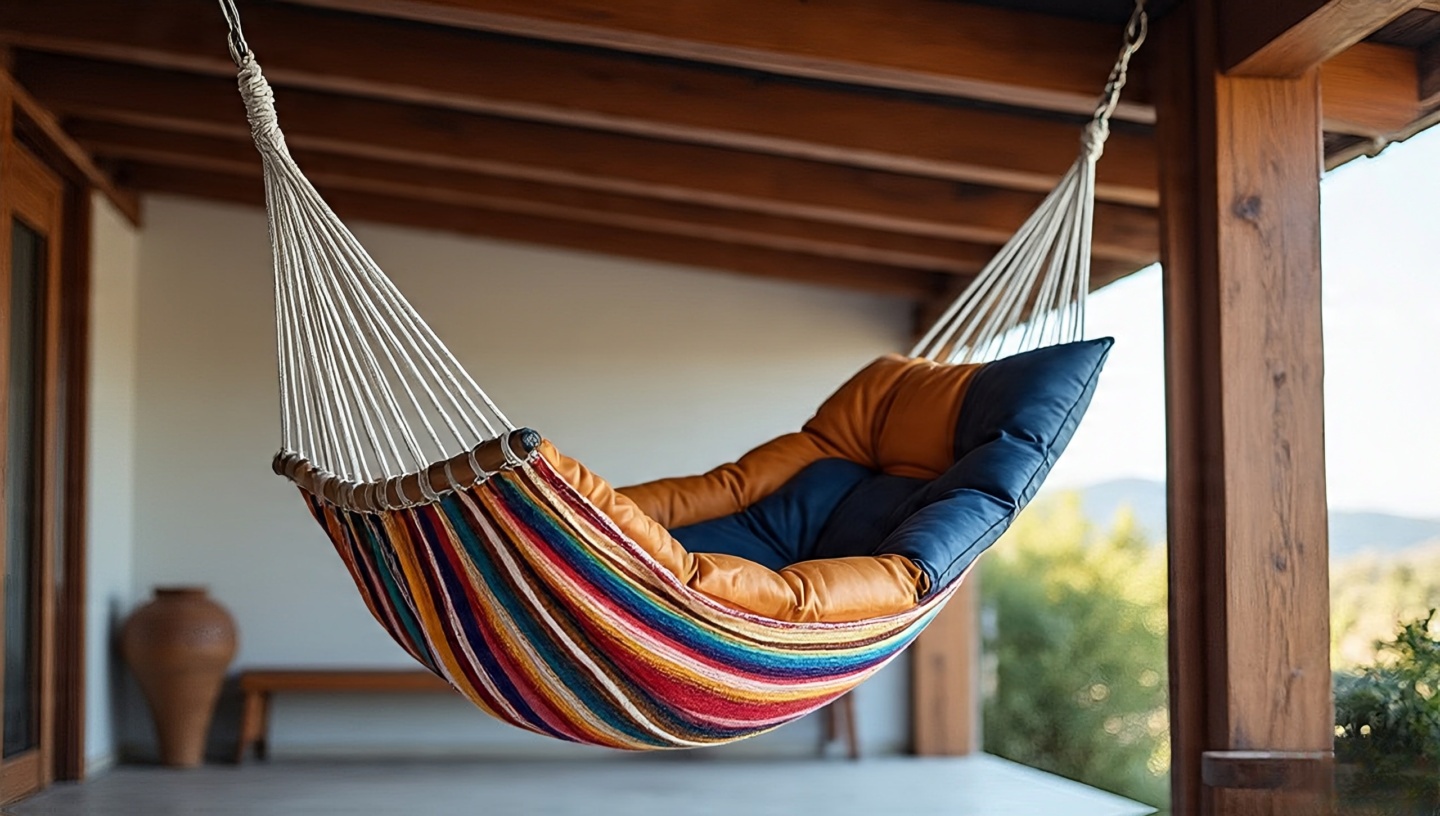
28. Swinging Hammock Chair
A cotton or leather hammock chair brings playfulness to corners. It works indoors or on a shaded porch.
Installation detail: ceiling joist must handle 120+ kg. Use a stainless swivel to prevent rope wear.
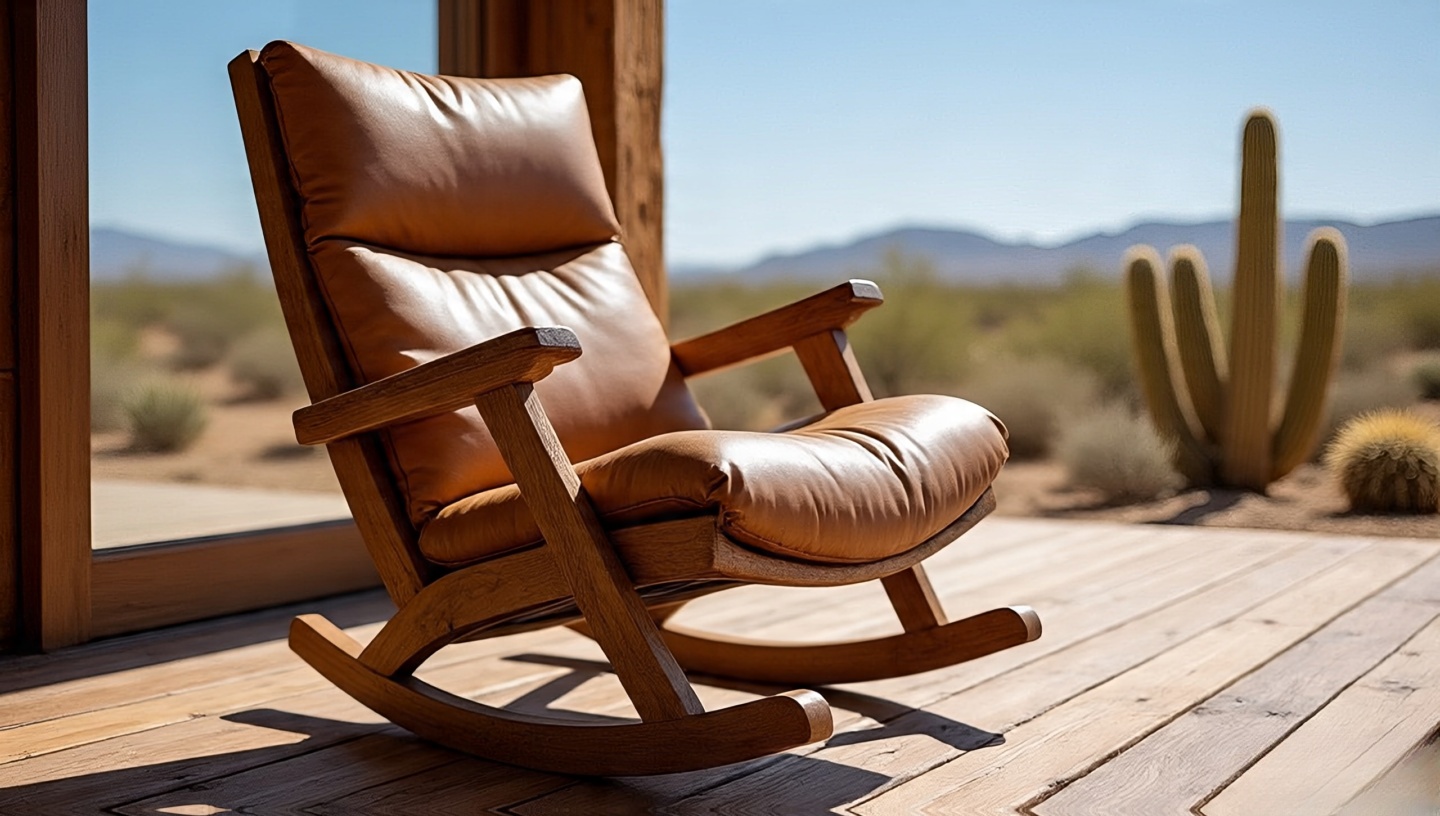
29. Rustic Rocking Chair
No porch or fireside nook is complete without one. The movement itself is Southwestern slow, grounding, timeless.
Architect’s detail: curved runners with radius ≥ 60 cm ensure a smooth glide, not a jarring rock.
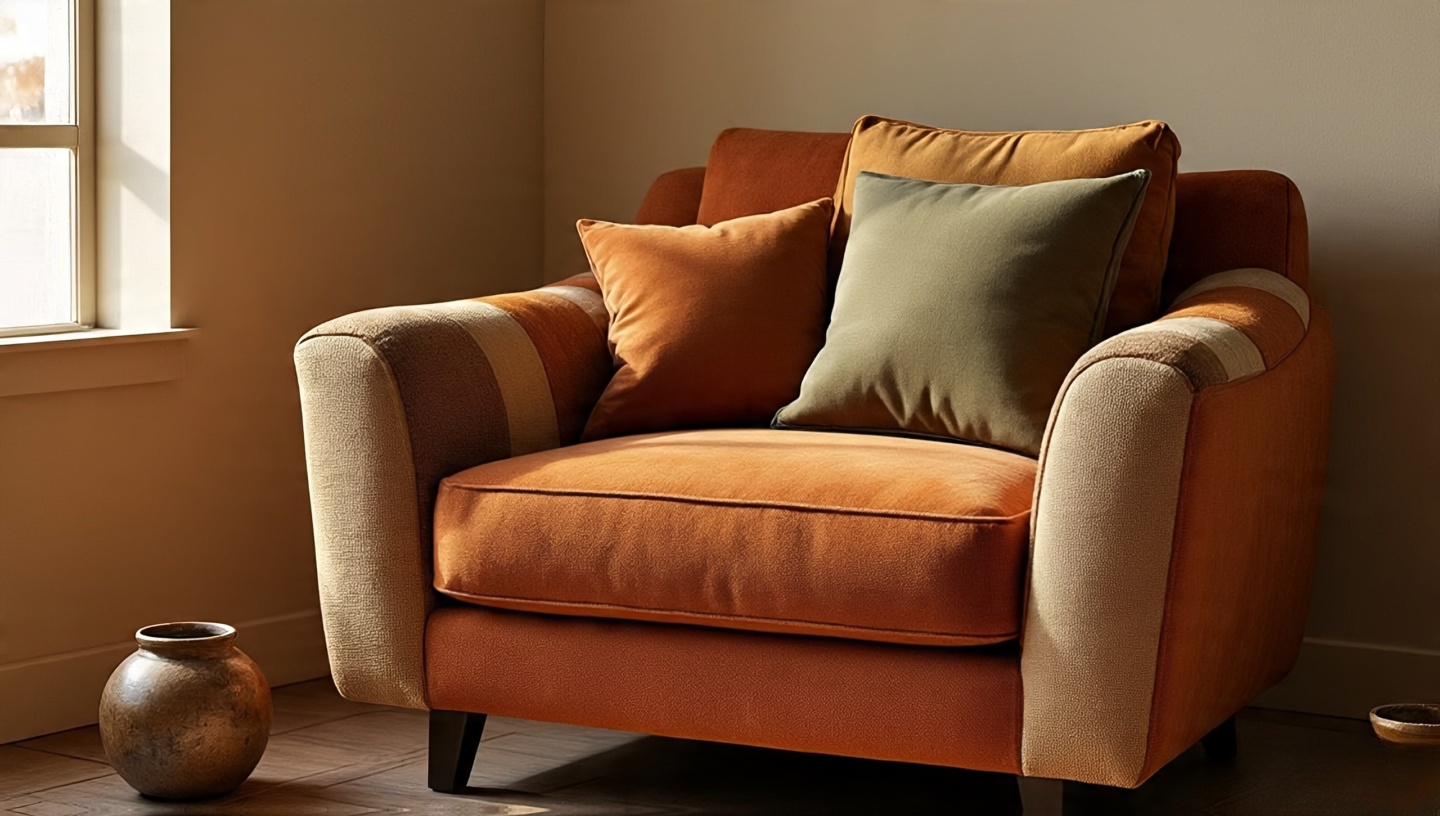
30. Upholstered Armchair in Earthy Tones
Earth colors burnt orange, olive, sand tie everything together. Keep the lines simple so the textiles and tones do the work.
Bonus: Place it near a window with filtered light. The changing daylight makes earthy fabrics glow differently every hour.
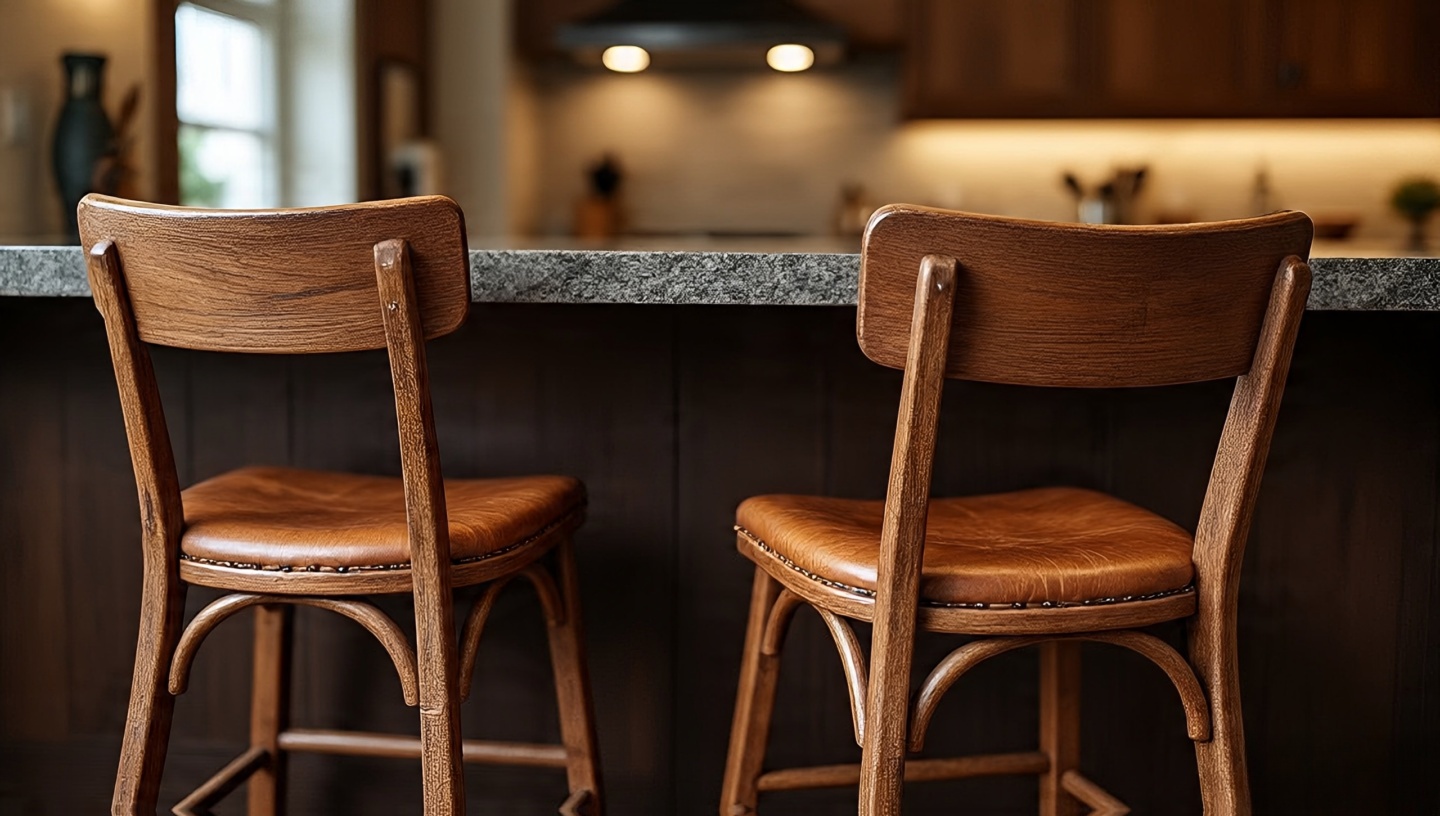
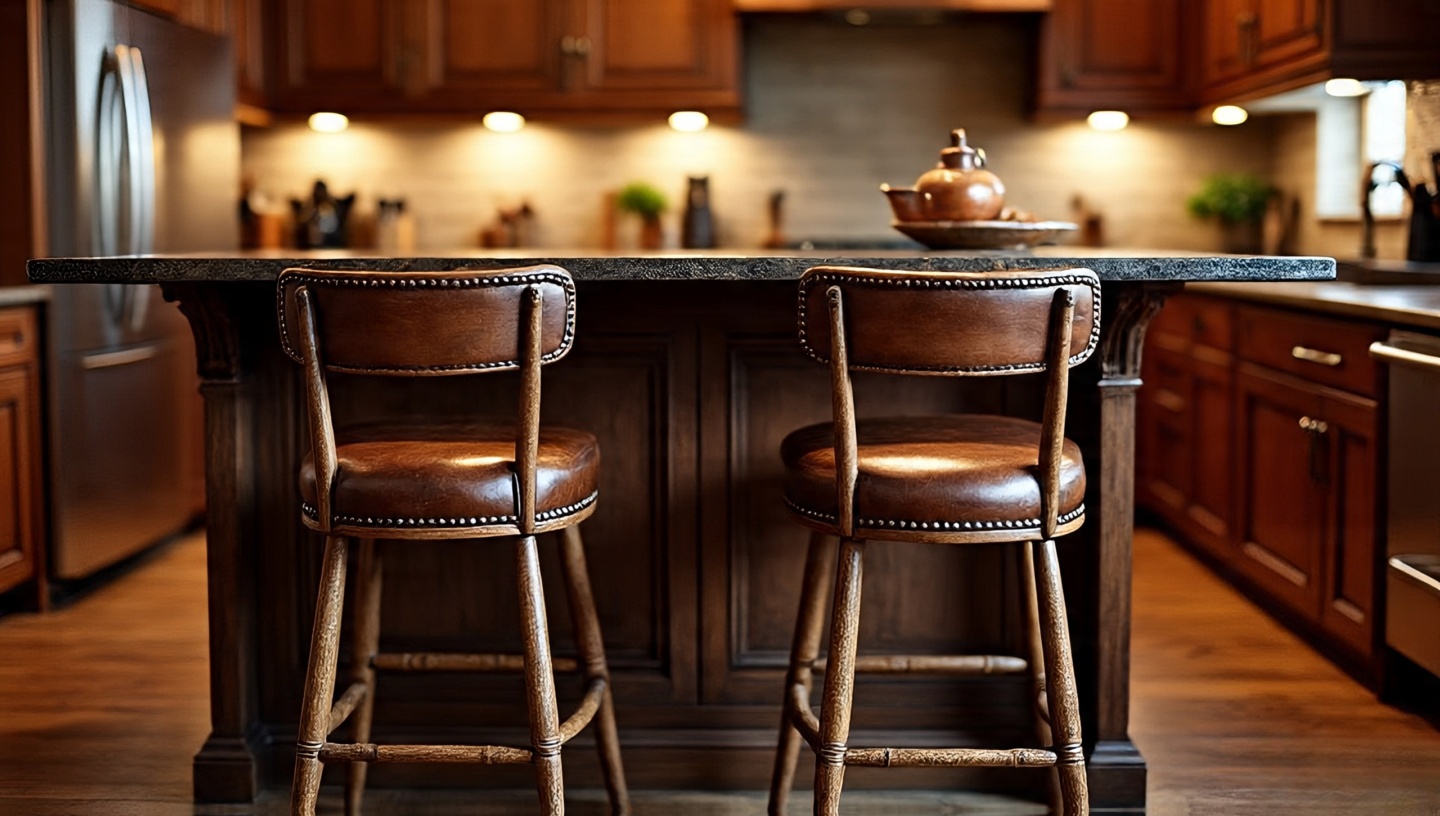
31. Southwestern Bar Stools (Built for Real Kitchens)
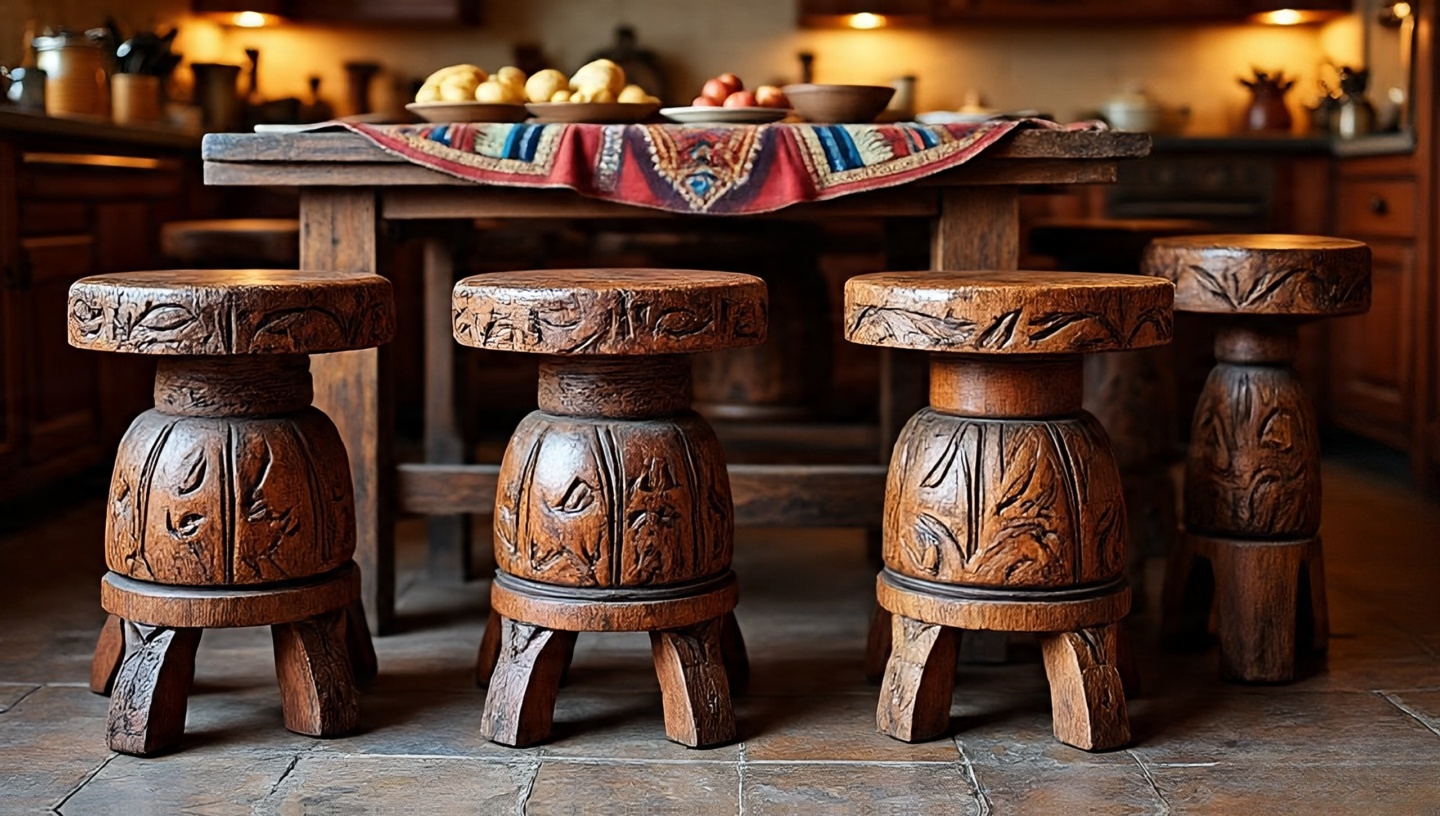
Skip flimsy décor pieces. Choose solid mesquite or alder stools with a footrest and a seat height that puts your elbows just above counter level. Leather seats with simple hand-stitching age beautifully and hide wear from daily use.
Comfort rule of thumb: 25–26″ seat height for a 36″ counter; 29–30″ for a 42″ bar.
Look for gentle backrests if you linger over coffee; backless is best where space is tight.
Architect’s note: A pair of stools looks intentional; three feels social. If your island is short, two is the sweet spot.
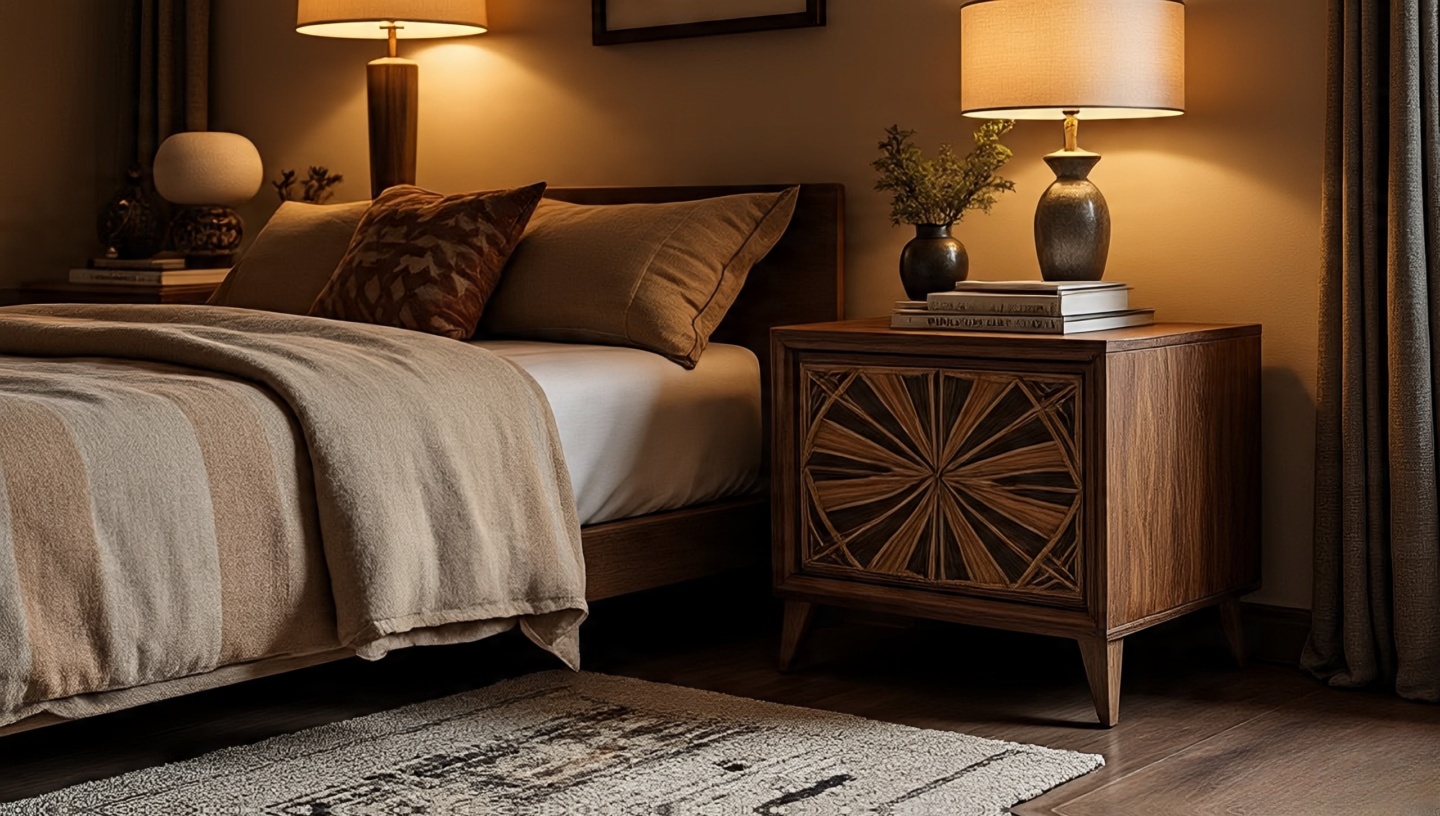
32. Handcrafted Bedside Tables with a Story
Swap generic nightstands for artisan-made tables. Turquoise or copper inlaid pulls add a whisper of color without shouting. Ask the maker to finish in a low-sheen wax glossy finishes fight the rustic grain.
What to check: Drawer boxes on wood runners (not flimsy metal), and a top at roughly mattress height for easy reach.
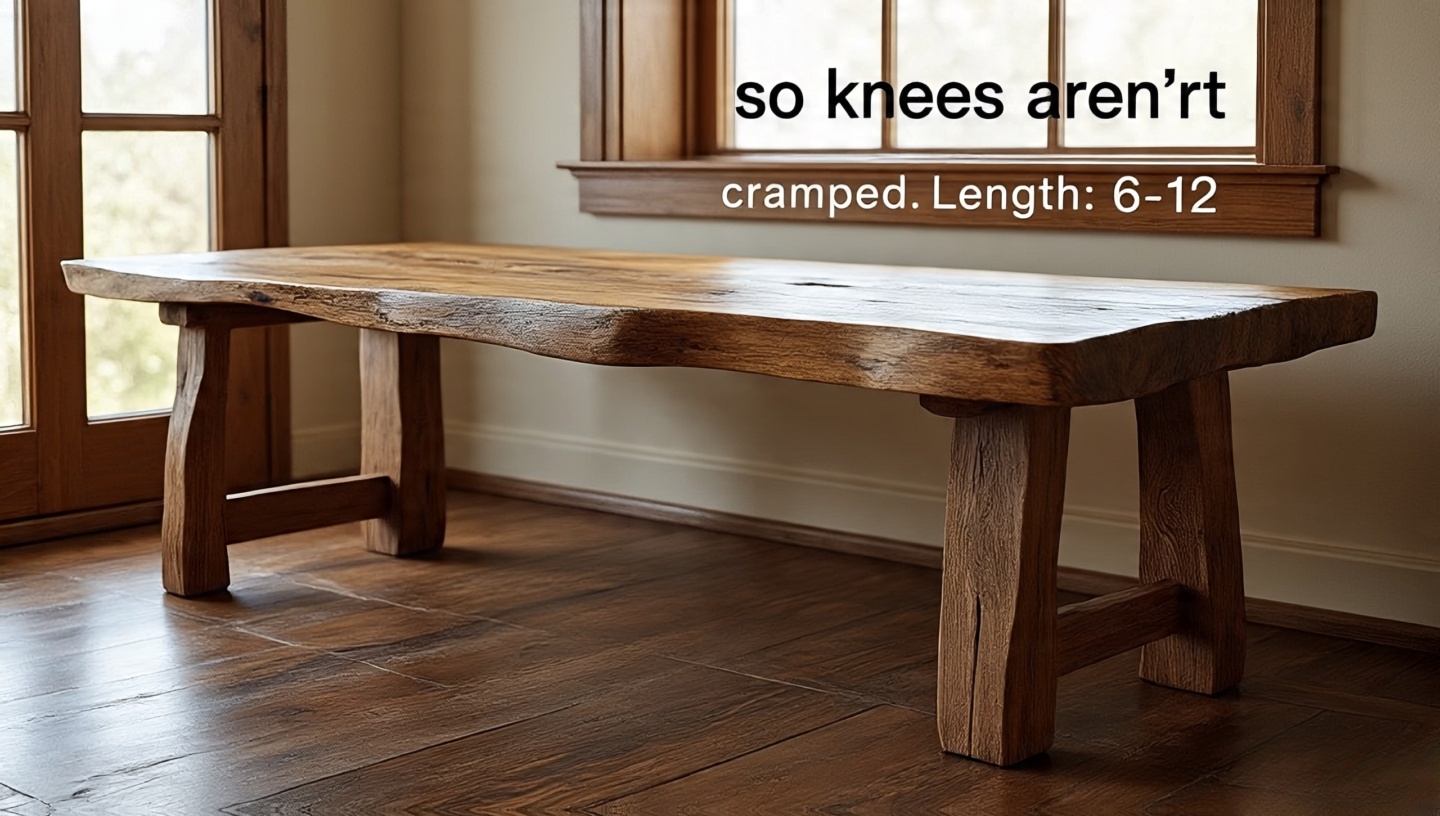
33. Rustic Dining Bench (Family-Style Done Right)
A single slab-top bench on the window side opens the room and seats an extra guest or two. Pegged joinery keeps the look honest and sturdy.
Depth: 14–16″ so knees aren’t cramped.
Length: 6–12″ shorter than the table to slide in and out cleanly.
Finish: Oil or hardwax rings and scuffs buff out instead of chipping.
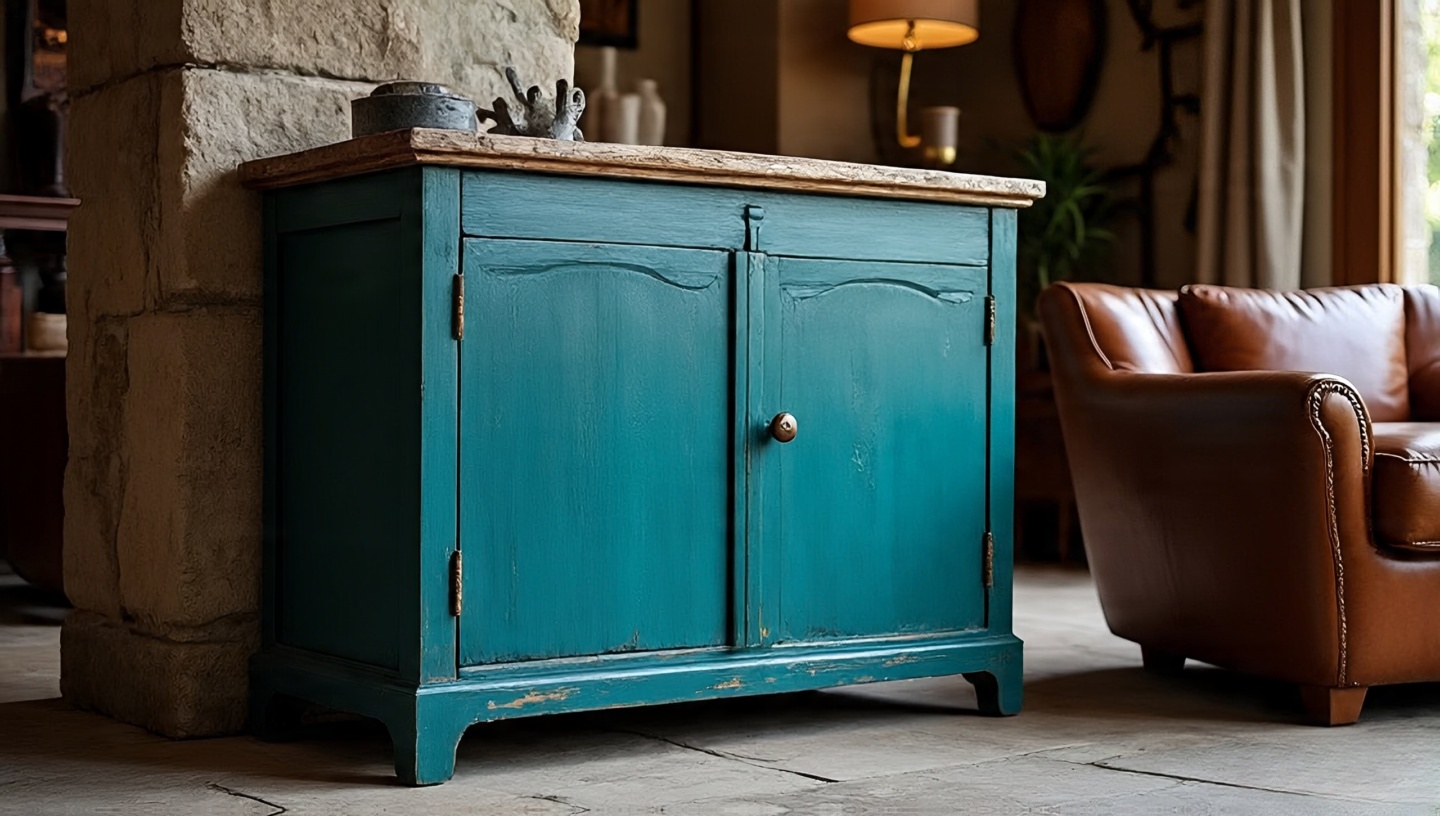
34. Painted Wooden Cabinet (Your Color Anchor)
One saturated piece grounds a room. Try deep teal, mustard, or chili red on a single cabinet while keeping neighboring furniture neutral. If the space is dim, choose a color with a drop of white to keep it from turning muddy.
Pro tip: Expose a little raw wood at edges (light distressing) so it sits naturally with stone, leather, and woven textures.
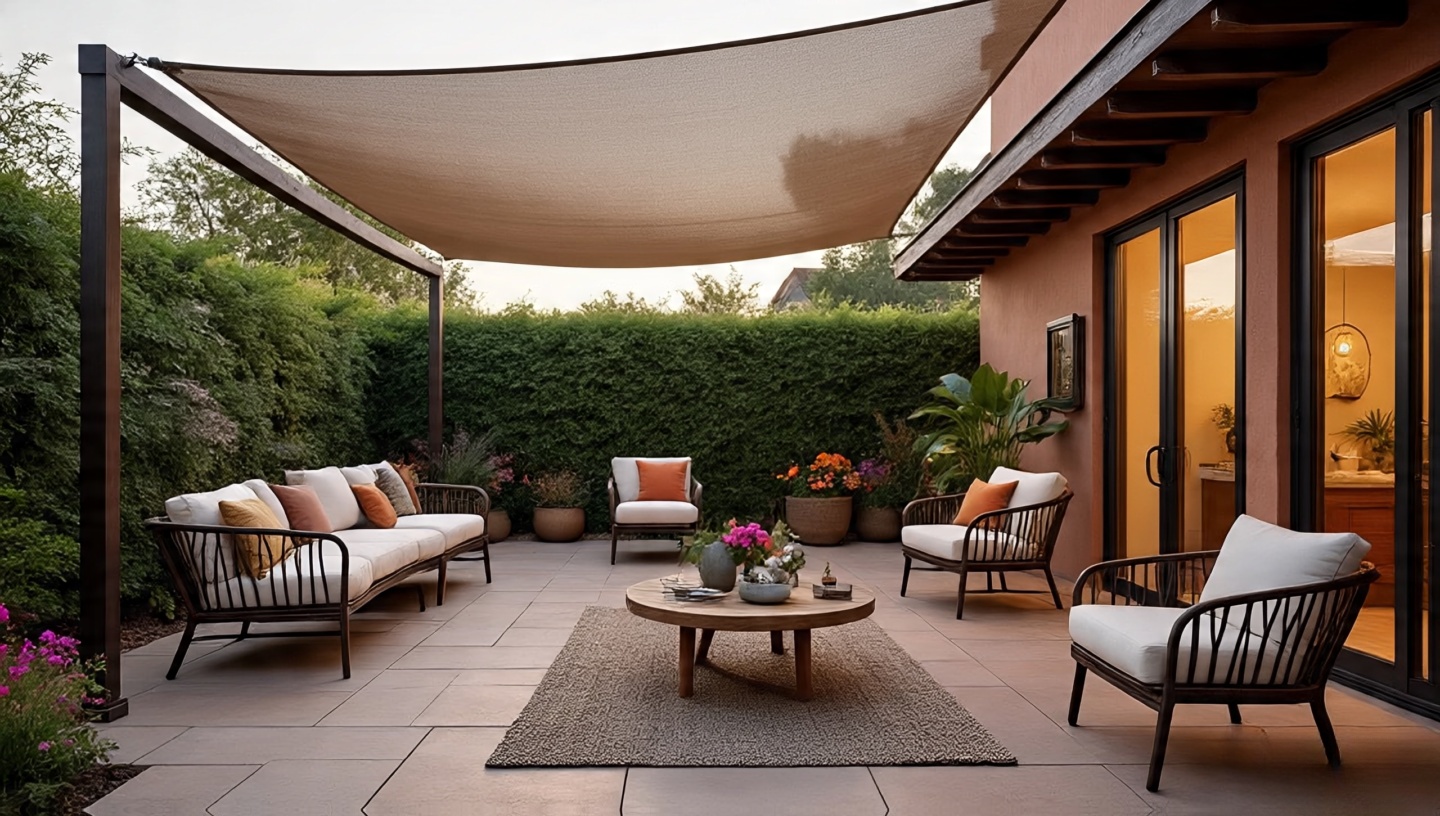
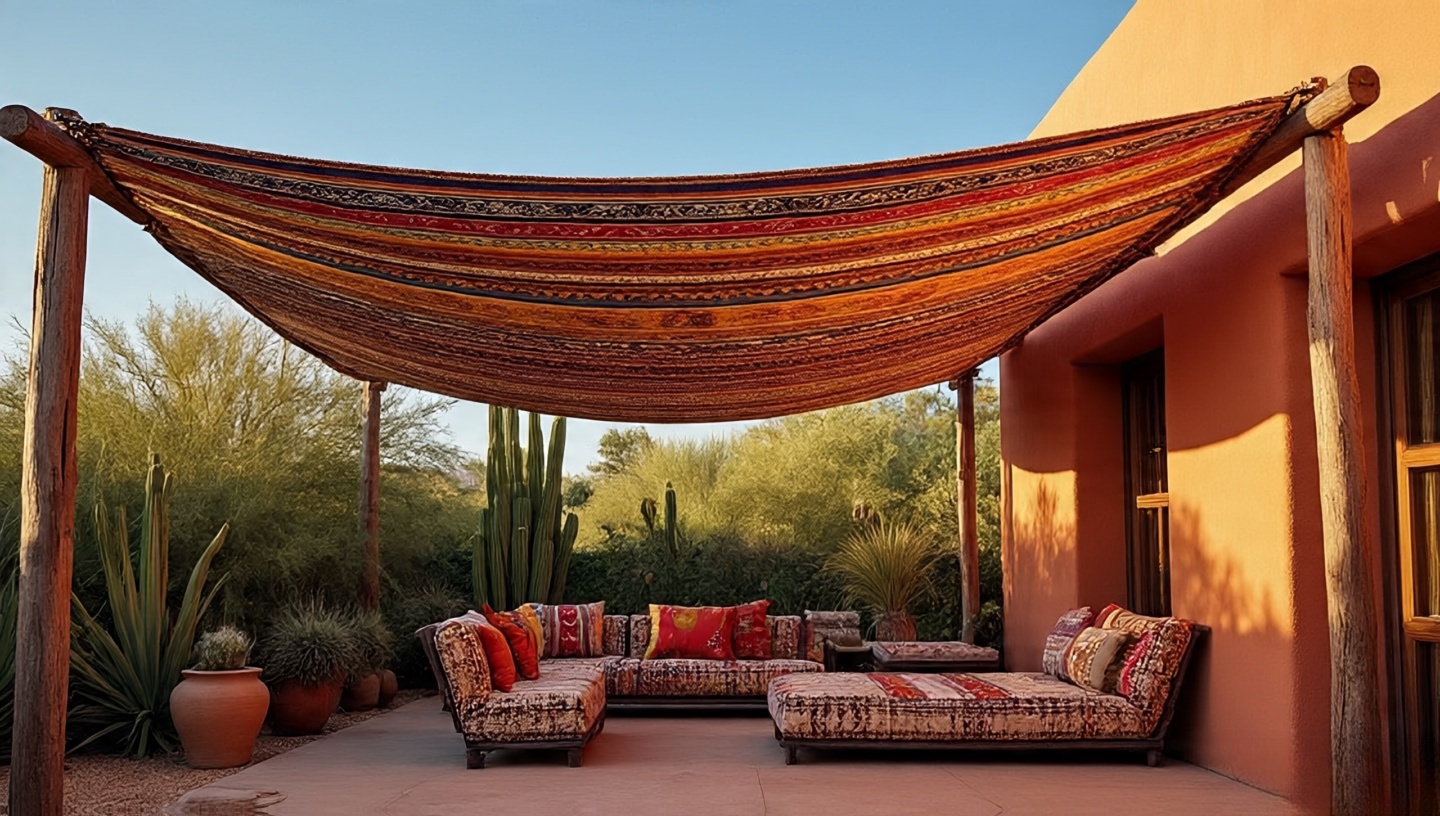
35. Southwestern Patio Furniture That Actually Lives Outdoors
Think wrought iron frames with breathable cushions, chunky eucalyptus or teak benches, and terracotta side tables that double as plant stands. Shade is your luxury pair furniture with a canvas pergola or shade sail.
Choose open-weave outdoor fabrics that don’t trap heat.
Mix two finishes only (e.g., iron + wood) to keep the patio calm, not cluttered.
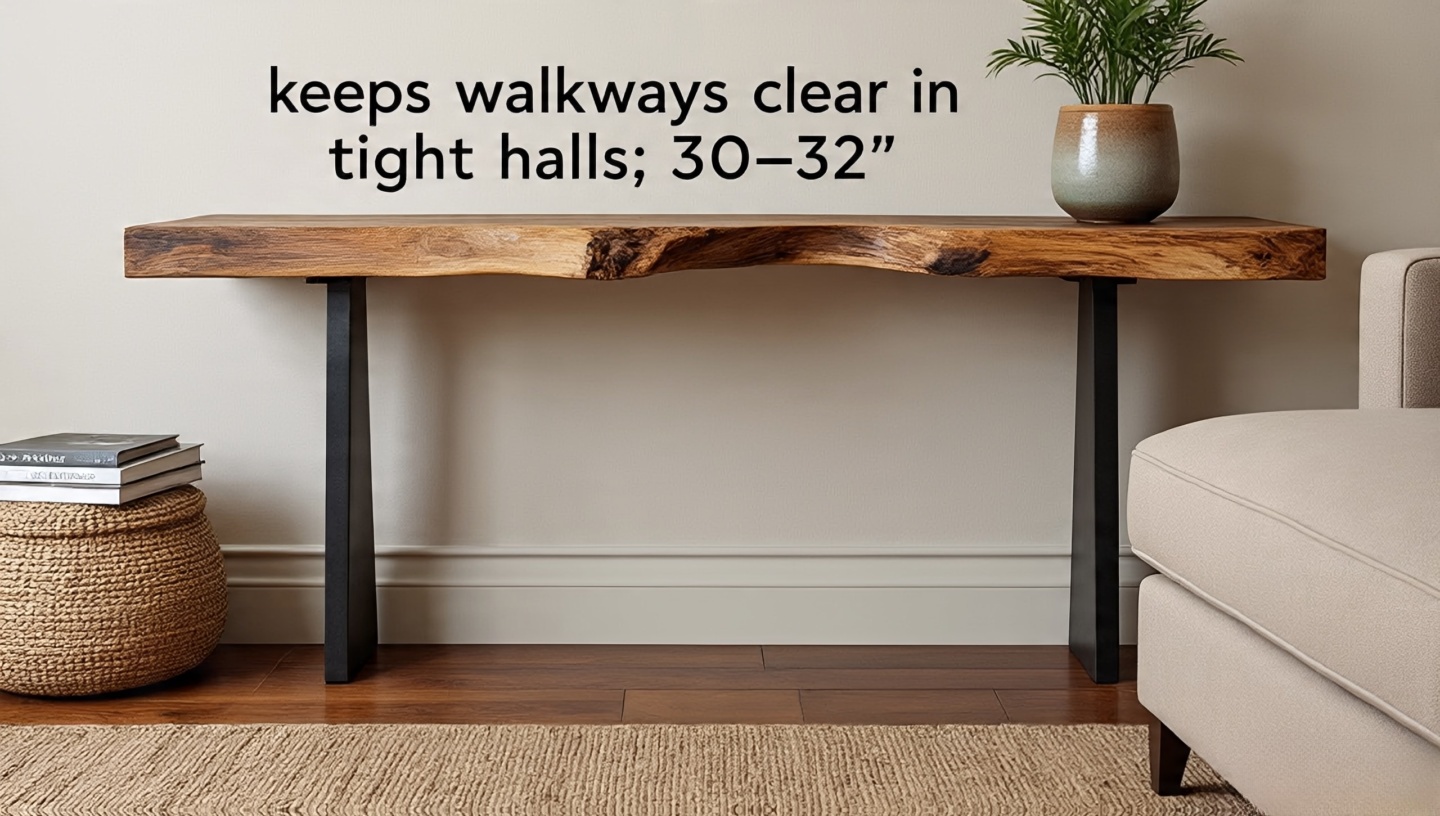
Place a narrow, live-edge or plank console behind the sofa or at the entry. Style in odd numbers: one ceramic pot, one woven basket, one stack of books. Done.
Architect’s note: Depth 12–14″ keeps walkways clear in tight halls; 30–32″ height aligns with most sofa backs.
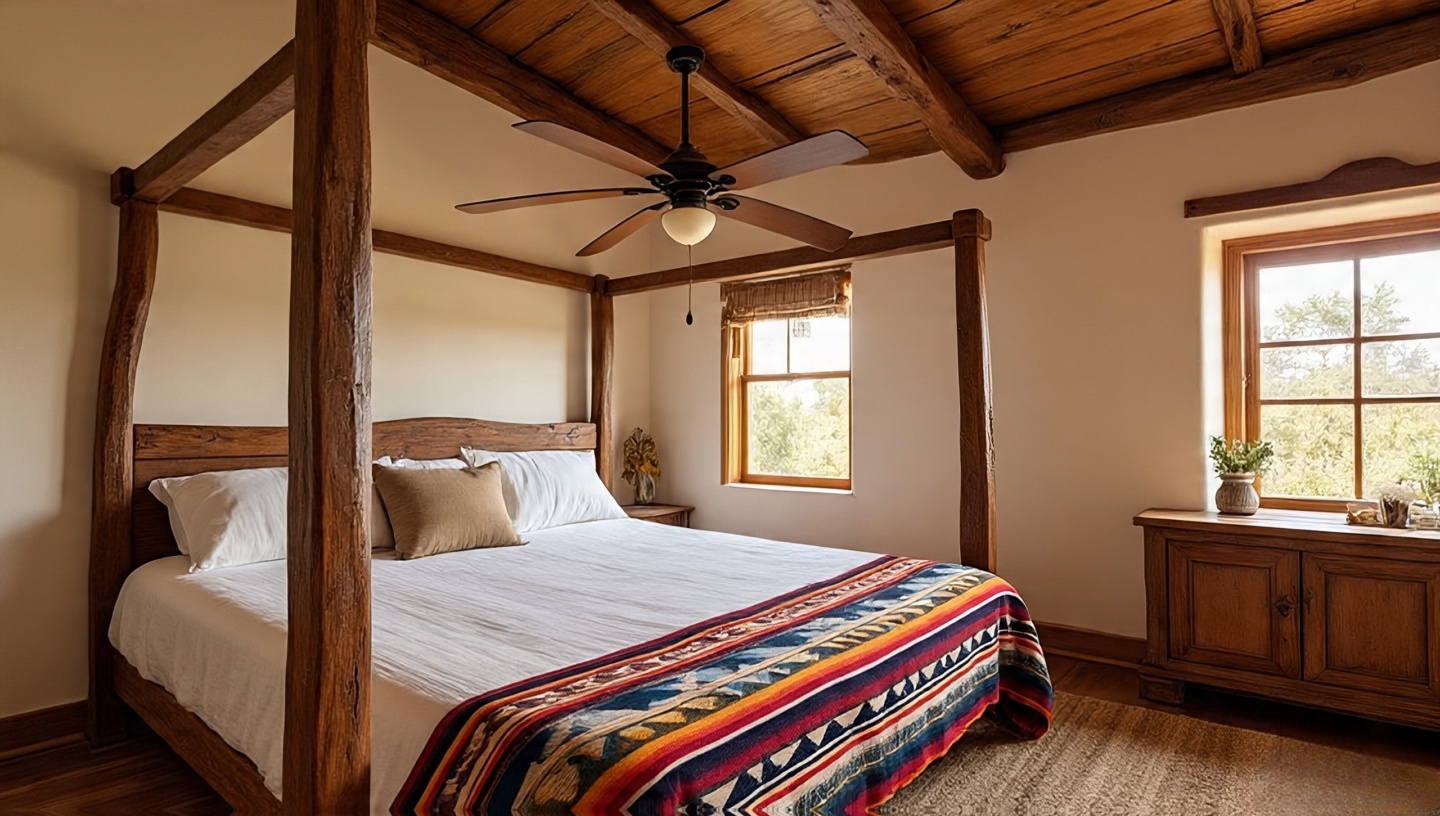
37. Wooden Four-Poster Bed (Hacienda Heartbeat)
A chunky, square-post bed anchors a Southwestern bedroom like a fireplace anchors a living room. Keep linens quiet (cotton, off-white) and let a single Navajo-inspired blanket carry pattern.
Leave 8–10″ clearance from ceiling fan blades comfort beats drama.
If the room is small, choose low canopy rails to keep sightlines open.
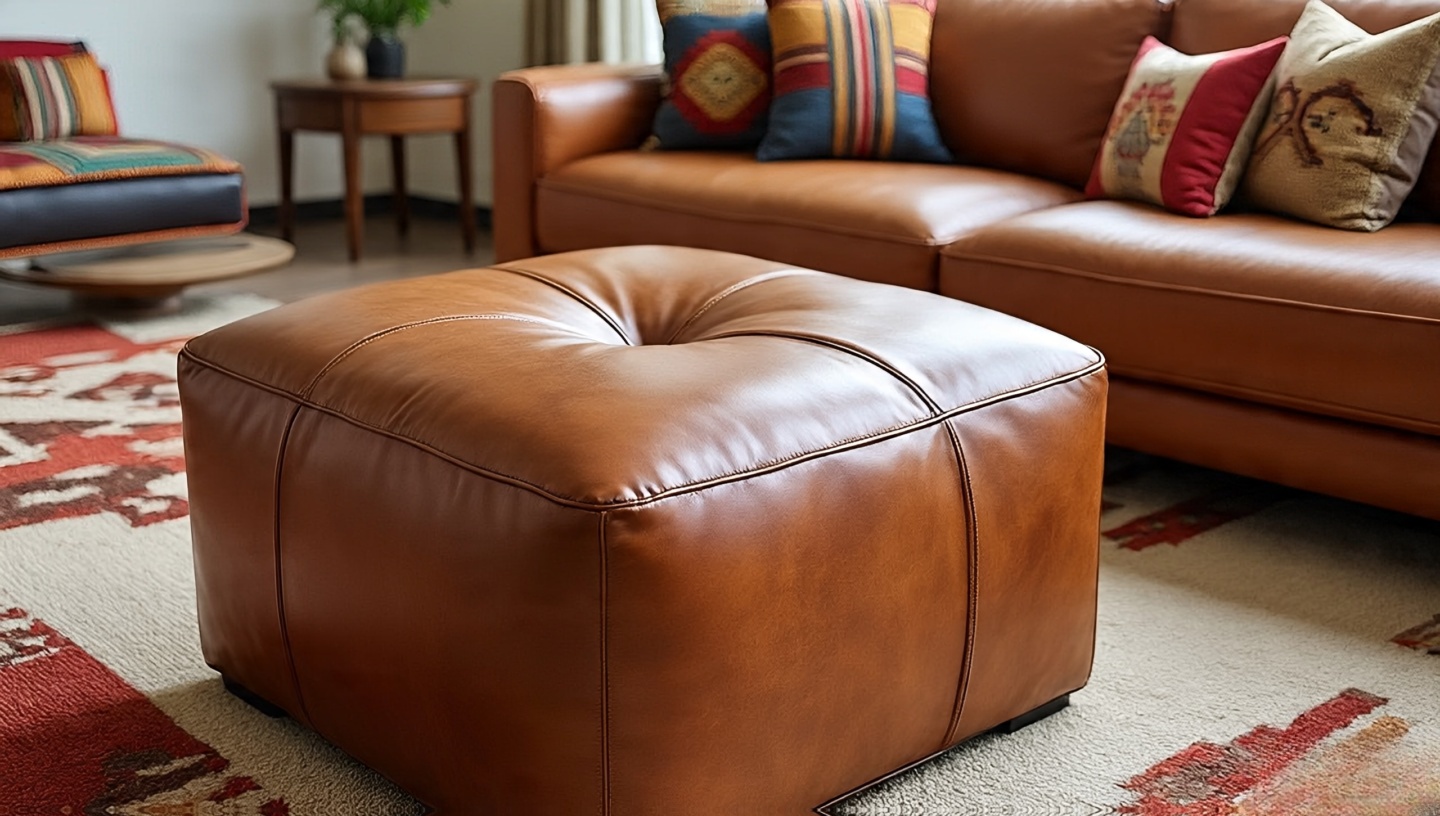
38. Leather Ottoman That Works Overtime
Round or square, a full-grain leather ottoman warms the room and invites feet up, trays down. Tufting adds grip for a tray; a smooth top reads more modern.
Maintenance: Condition twice a year; embrace patina Southwestern interiors love a little sunburn and story.
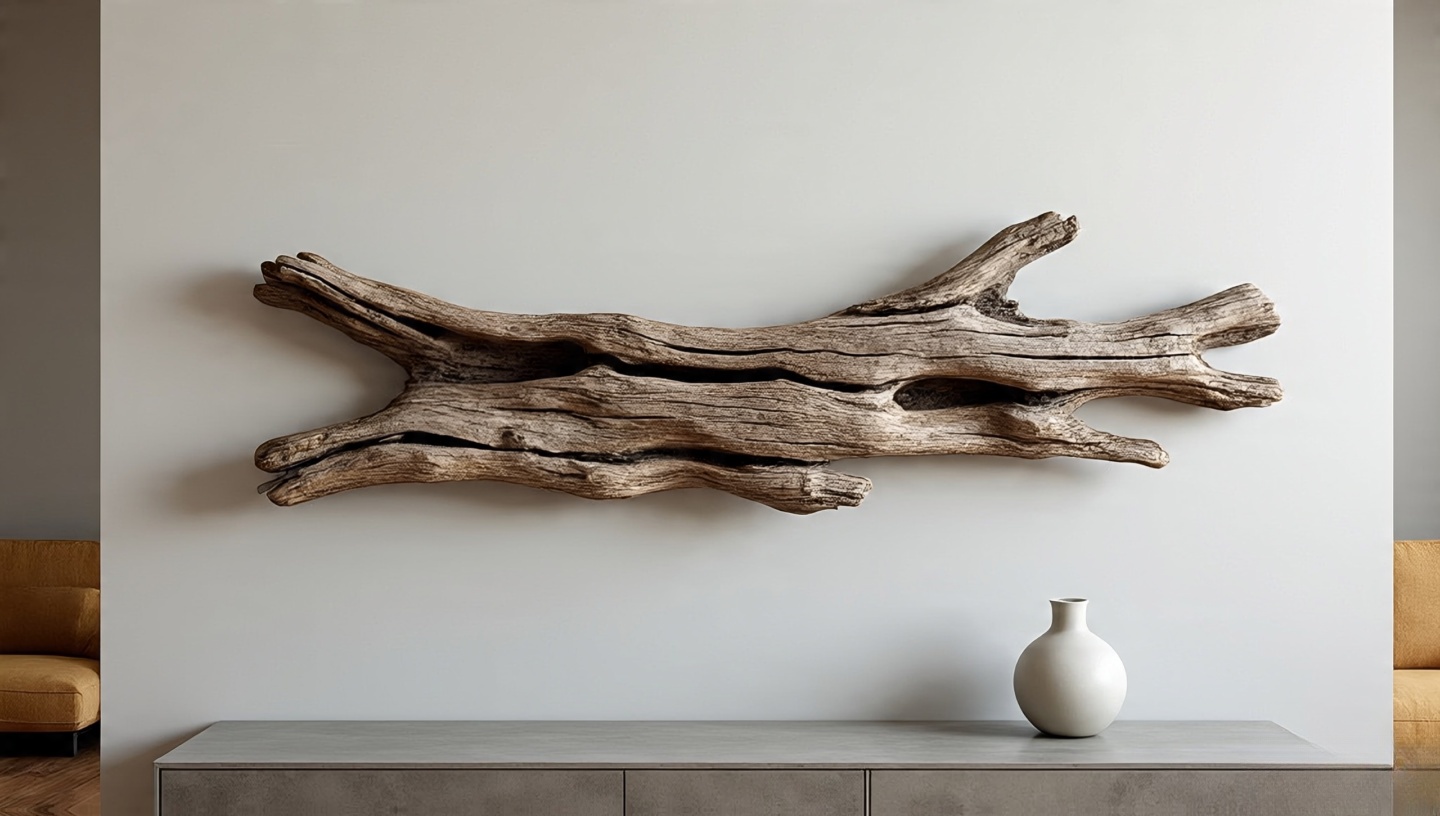
39. Driftwood (or Desertwood) Accent Piece
It’s less about coastal driftwood and more about sculptural, weathered wood with organic lines. Use a single statement: a side table base, a lamp, or a wall-mounted fragment. One artful piece is poetry; five is clutter.
Architect’s tip: Pair with smooth surfaces (plaster, polished concrete) to heighten contrast.
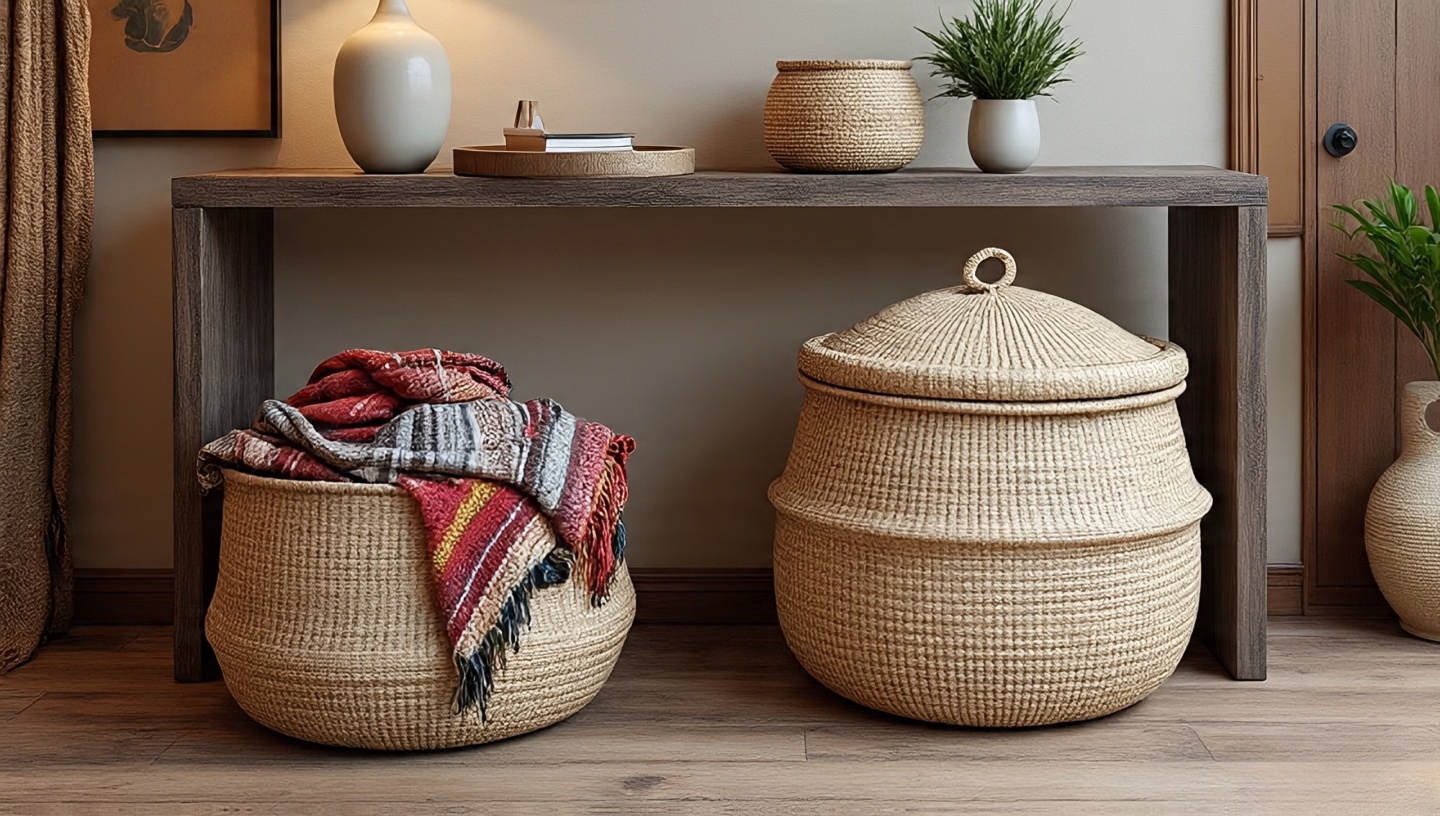
40. Woven Basket Storage With Purpose
Large palm or seagrass baskets corral blankets, toys, or extra pillows while layering texture. I like a trio: tall lidded for visual height, open wide for throws, and a shallow tray for entry catch-all.
Placement trick: Slide a basket under the console or beside the hearth to “finish” dead corners without adding visual weight.
Closing Thoughts
So there you have it 40 Southwestern furniture ideas that can add character, warmth, and rustic charm to your home. The beauty of Southwestern design is that it doesn’t require perfection. It thrives on texture, layers, and those “imperfect” details that actually make a home feel lived-in.
Start small. Maybe grab a Navajo rug or swap in a rustic wooden table. See how it changes your space. And if you’re feeling bold, go all in with a leather sofa, carved headboard, and handwoven blankets. Either way, Southwestern furniture is not just decor it’s a vibe. A warm desert hug in the form of wood, leather, and woven fabric.
Now, go ahead pick one idea from this list and try it out. Who knows? It might just spark a full Southwestern makeover in your home.
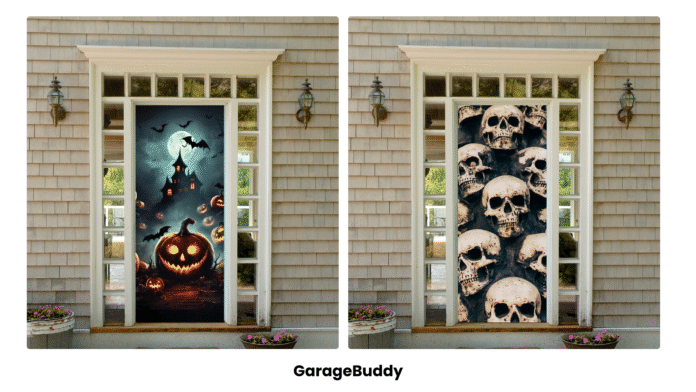
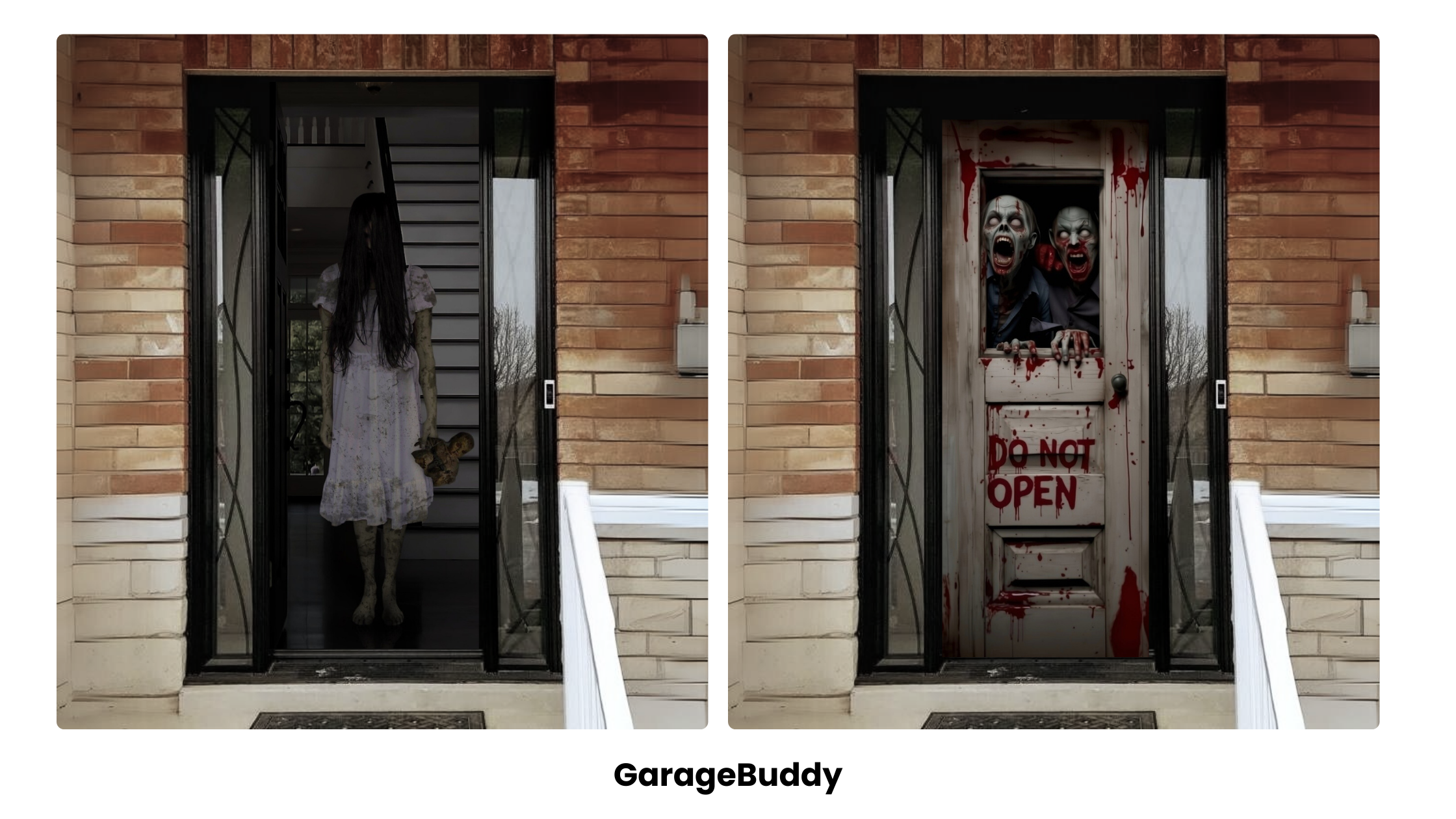
Halloween is one of those magical times of year when neighborhoods come alive with glowing pumpkins, eerie lighting, and ghoulishly fun decorations. While many people focus on lawns, porches, or garages, your front door is one of the most impactful spaces to decorate. After all, it’s the first thing trick-or-treaters and guests notice when they walk up to your home.
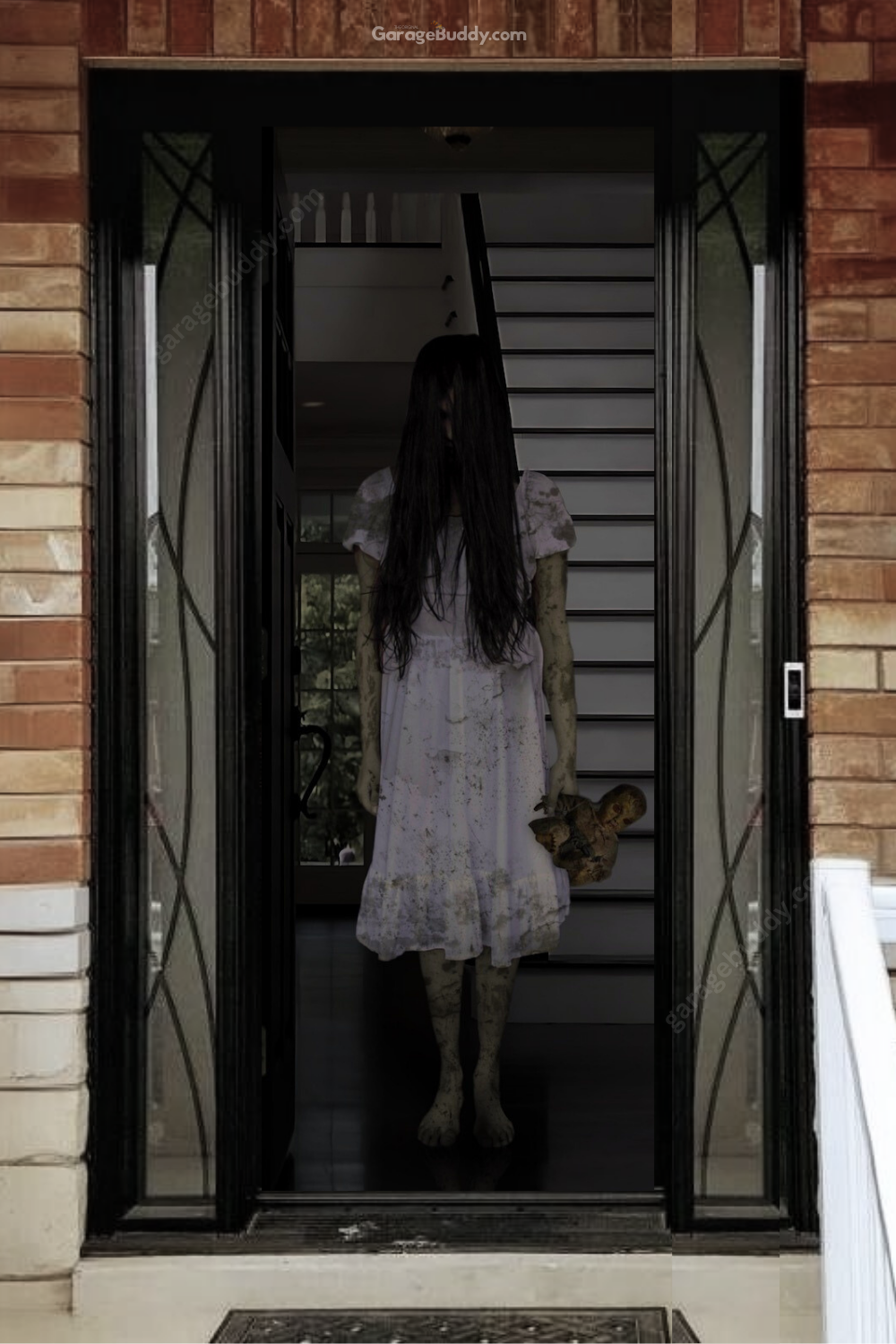
If you’ve been searching for the easiest way to make a jaw-dropping first impression, a Halloween Front Door Cover—like the ones from GarageBuddy—is the ultimate solution. These covers instantly transform your entryway into a haunting, whimsical, or even hilarious display without requiring hours of setup.
In this blog, we’ll explore why front door covers are such a hit, share the best Halloween Front Door Ideas, and show you how GarageBuddy makes decorating stress-free and spectacular.
Why GarageBuddy Stands Out for Halloween Front Door Covers?
When it comes to holiday decorating, homeowners often face the same challenges: limited time, high costs, and the struggle of pulling off something creative. This is where a Halloween Front Door Cover truly shines.
Here are the top reasons people are choosing this décor option:
Instant Transformation – Within minutes, your plain entryway becomes a show-stopping Halloween display.
Reusable and Durable – High-quality covers are built to withstand weather, so you can use them year after year.
Budget-Friendly – Instead of buying multiple props, one cover can give your home a complete makeover.
Space-Saving – Unlike bulky inflatables or props, covers roll up neatly for easy storage.
Endless Designs – From creepy haunted houses to cute pumpkins, there’s a cover for every style.
Top Halloween Front Door Ideas with Covers
Not sure where to start? Let’s dive into some of the most creative Halloween Front Door Ideas that will take your entryway from ordinary to extraordinary.
1. Haunted Mansion Entrance
Transform your door into the gateway of a haunted mansion with a cover featuring cobwebs, glowing lanterns, and eerie shadows. It sets a spooky tone for visitors and makes your home look like the centerpiece of the neighborhood’s Halloween fun.
2. Pumpkin Patch Welcome
A classic but cheerful option is a Halloween Front Door Cover filled with smiling or glowing jack-o’-lanterns. This design is perfect for families with younger kids who want something festive without being too scary.
3. Creepy Graveyard Scene
Imagine opening your door surrounded by tombstones, skeletons, and ghostly figures. A graveyard-themed cover gives your entryway a spine-chilling effect that horror fans will love.
4. Monster Mouth Door
Turn your front door into the open jaws of a monster, complete with teeth and glowing eyes. This playful yet spooky design will have trick-or-treaters giggling before they knock.
5. Witches’ Lair
Add a dash of magic with a cover featuring witches’ cauldrons, broomsticks, and potions. Pair it with purple and green lighting around your porch for a bewitching look.
6. Gothic Castle Door
Give your home the appearance of a medieval castle entrance with stone patterns, torches, and bats flying overhead. This theme works perfectly if you’re planning a more dramatic Halloween vibe.
7. Cute Ghosts for a Lighthearted Touch
If you prefer friendly fun over fright, go with a door cover filled with adorable ghosts. These designs keep the mood festive while still celebrating the season.
Styling Tips to Enhance Your Halloween Front Door Cover
A cover is already a statement piece, but you can amplify its effect with some simple add-ons:
Lighting Effects – Place lanterns, fairy lights, or spotlights around your entryway to highlight the design.
Pumpkin Décor – Line your steps with carved or faux pumpkins that complement the door theme.
Spider Web Accents – Stretch fake cobwebs across the frame to add depth.
Door Mat Coordination – Swap your everyday mat for one that matches the Halloween theme.
Sound Effects – A hidden speaker with spooky sounds creates an immersive experience.
These finishing touches make your Halloween Front Door Covers feel like part of a bigger scene, impressing every visitor who approaches your home.
Why Choose GarageBuddy for Your Halloween Front Door Cover?
While there are many Halloween decorations out there, GarageBuddy stands out for its creativity, quality, and convenience. Known for designing stunning seasonal covers, GarageBuddy ensures your entryway looks professionally decorated without the hassle.
What makes GarageBuddy a favorite among homeowners:
Unique Designs – From eerie graveyards to playful ghosts, their collection suits every decorating style.
High-Quality Materials – Built to last, GarageBuddy’s covers withstand weather conditions while keeping colors vibrant.
Easy Installation – No complicated tools required—just a quick setup that saves time.
Perfect Fit – Designed for standard doors, ensuring a neat and polished appearance.
Reusable Décor – Roll it up after the season, and you’re ready for next year.
With GarageBuddy, you don’t just decorate—you transform your entryway into a Halloween masterpiece.
Pairing Front Door Covers with a Halloween Garage Door Cover
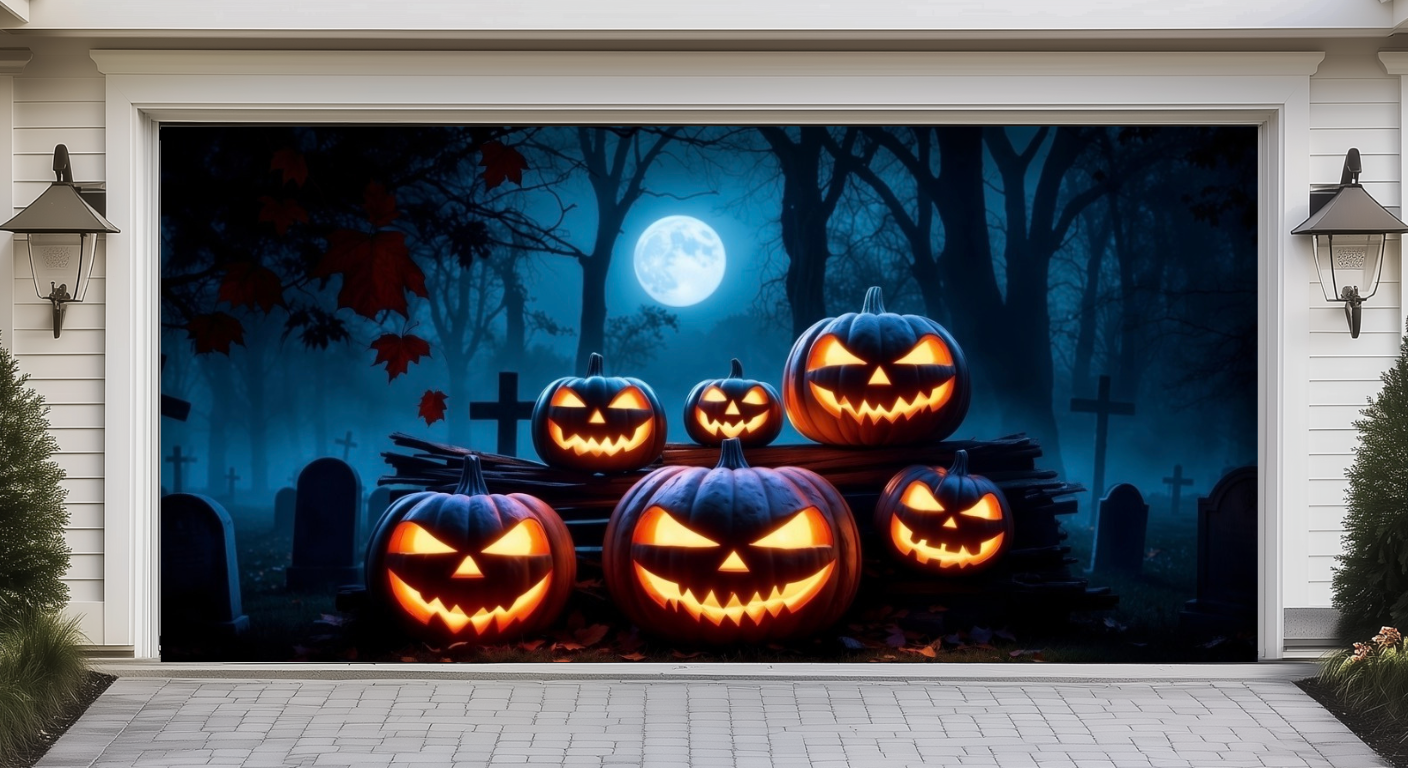
To take your decorating game to the next level, consider pairing your entryway display with a Halloween Garage Door Cover. When both the door and garage are decorated in a matching theme, your home becomes the ultimate Halloween attraction on the block.
For example, if your front door features a haunted mansion entrance, extend the look with a garage cover that shows bats flying or ghosts lurking in the windows. GarageBuddy makes it easy to coordinate both areas of your home, creating a cohesive, eye-catching Halloween display.
How to Pick the Right Halloween Front Door Cover
With so many options, how do you choose the best one for your home? Here are a few factors to consider:
Theme Consistency – Match your door cover with the rest of your outdoor décor.
Audience – For family-friendly neighborhoods, go with fun and cute designs. For adult gatherings, spookier designs are perfect.
Colors – Choose covers that pop against your home’s exterior. Dark doors look great with vibrant pumpkins, while light doors shine with darker, haunted themes.
Durability – Opt for weather-resistant covers, especially if your entryway is exposed to rain or wind.
Beyond the Door: Creating a Cohesive Halloween Look
While the front door sets the stage, pairing it with other Halloween décor creates a complete transformation:
Garage Covers – Match your door design with GarageBuddy’s garage door covers for a full-house effect.
Yard Decorations – Add skeletons, tombstones, or witches around the yard to extend the theme.
Windows – Use Halloween window clings that coordinate with your front door cover.
Pathway Lights – Guide trick-or-treaters with orange and purple solar lights.
A Halloween Front Door Cover can be the centerpiece, tying together your entire spooky setup.
Final Thoughts
Decorating your entryway doesn’t have to be complicated or expensive. With the right Halloween Front Door Cover, you can instantly set the mood, wow your neighbors, and give trick-or-treaters a night to remember. From haunted mansions to cute pumpkins, the possibilities are endless—and with GarageBuddy, you know you’re getting designs that stand out for quality and creativity.
This year, skip the stress of over-the-top decorating. Instead, choose a cover that transforms your entryway in minutes and brings the spirit of Halloween right to your doorstep.
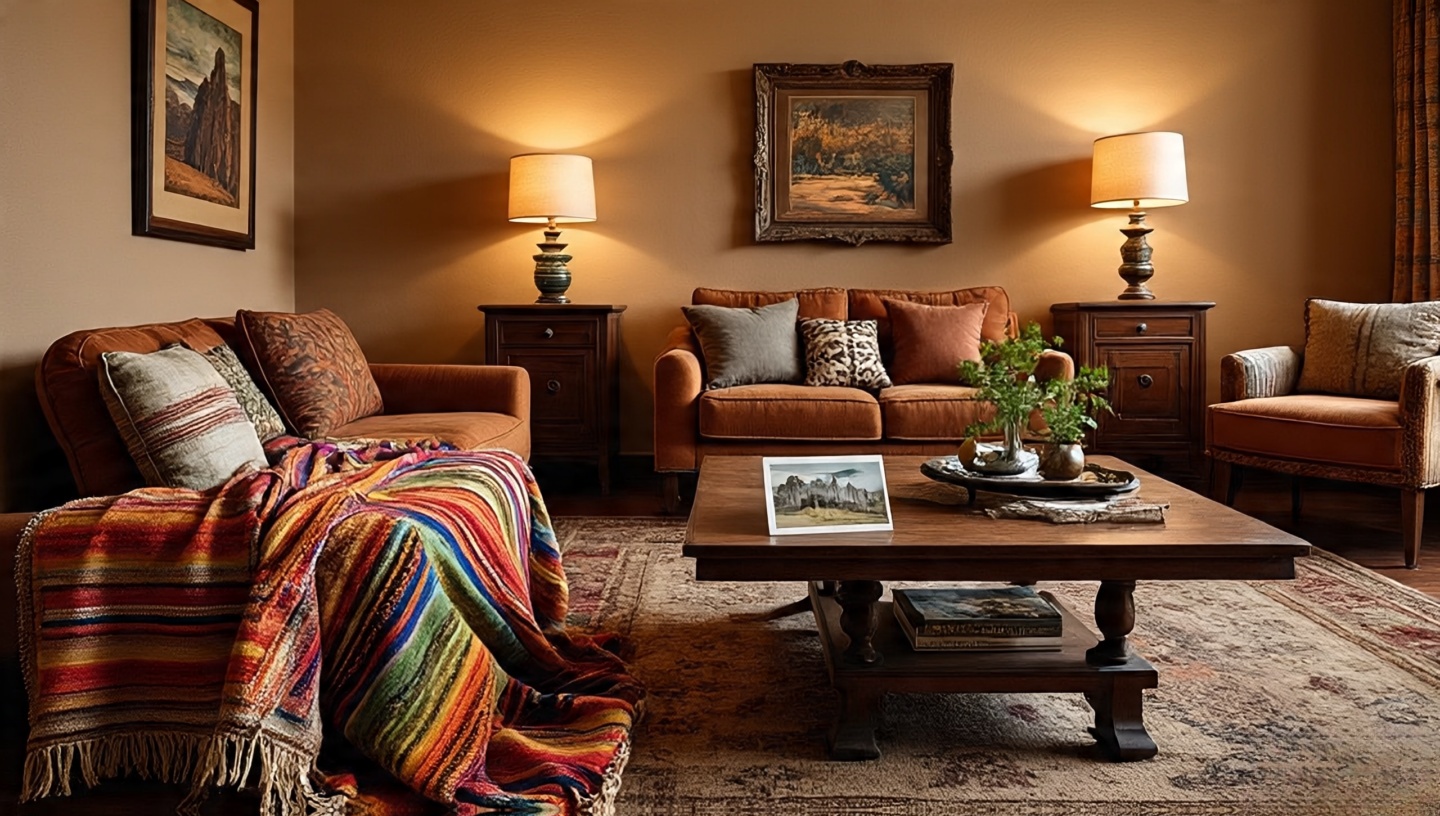
Roohome.com – There’s something undeniably magical about Southwestern interiors. The warm glow of terracotta, the rough textures of raw wood, and those striking desert hues that make you feel like you’re walking through a New Mexico sunset. If you’ve ever wondered how to capture that cozy, rustic yet vibrant energy in your own home, you’re in the right place. This guide is not just another list of “paint your walls brown.” Nope, we’re going deeper. We’ll cover 20 ideas, each with practical tips, little details, and yes, some fun along the way. Grab a coffee or maybe a margarita and let’s talk Southwestern living room ideas, earthy tones, desert-inspired charm, and everything in between.
1. Start With Earthy Tones (It’s All About That Warm Palette)
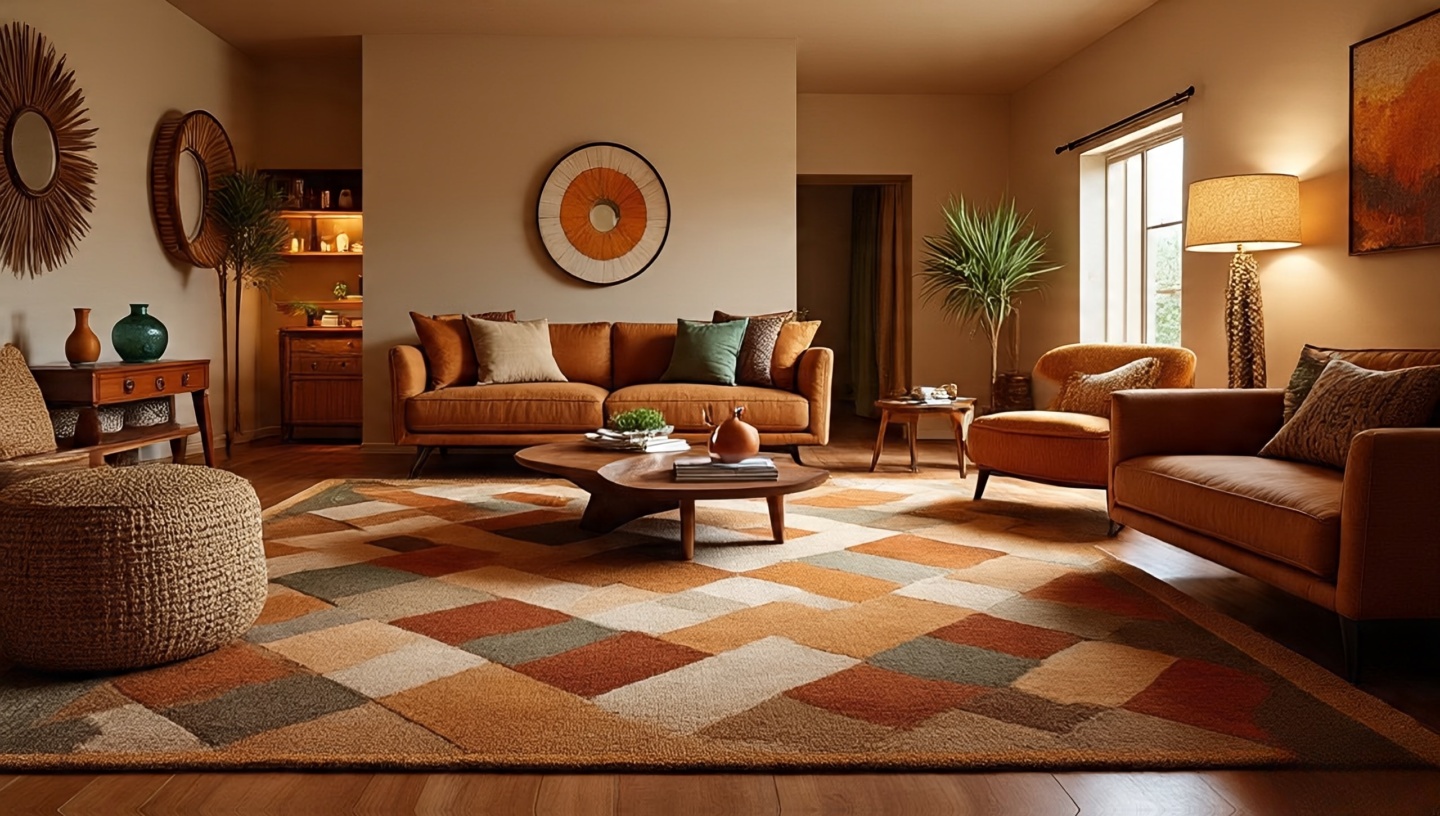
When you walk into a Southwestern home, the first thing that hits you is the color. Think terracotta, clay, soft sand beige, warm taupe, dusty pinks, and rich rust. These aren’t just “colors,” they’re moods. Earthy tones in the living room create that grounded feeling like stepping into a sun-drenched adobe house.
Practical tip: Don’t just stick to walls. Use earthy shades in rugs, pillows, and pottery. Mix a terracotta sofa with a cream throw and clay vases for depth. Ever walked into a room and instantly felt like exhaling? That’s what a balanced earthy palette does.
2. Rustic Leather Sofa With Tribal Pillows
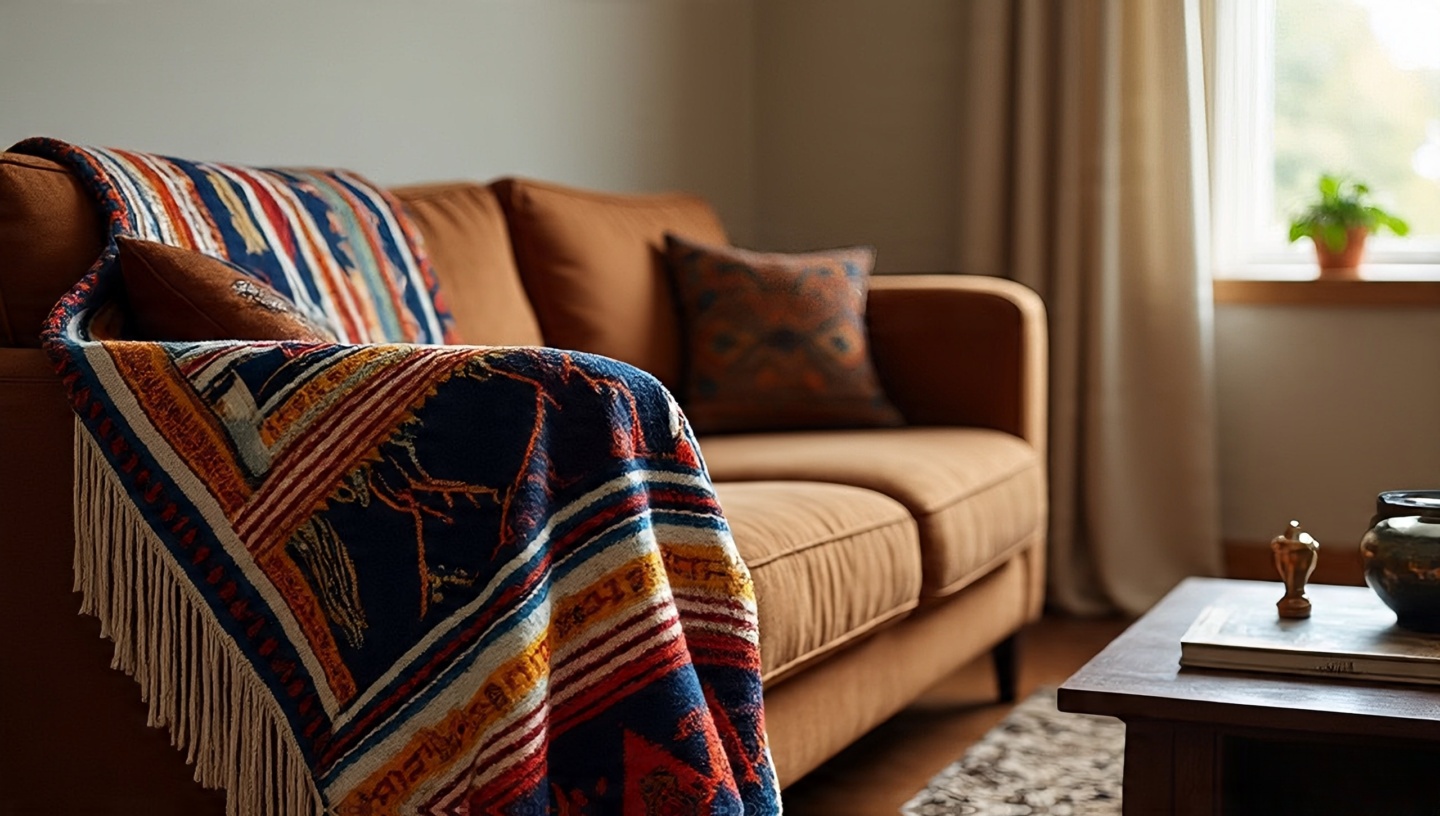
Southwestern style practically begs for a big, sturdy leather sofa. The kind that feels broken in, almost telling stories of family gatherings. Add Navajo or tribal-patterned pillows and you’ve nailed two vibes at once: rustic home coziness and desert-inspired decor.
Pro tip: go for distressed or matte leather, not glossy. The slight imperfections add character, like wrinkles on a well-lived face.
3. Exposed Wood Beams on the Ceiling
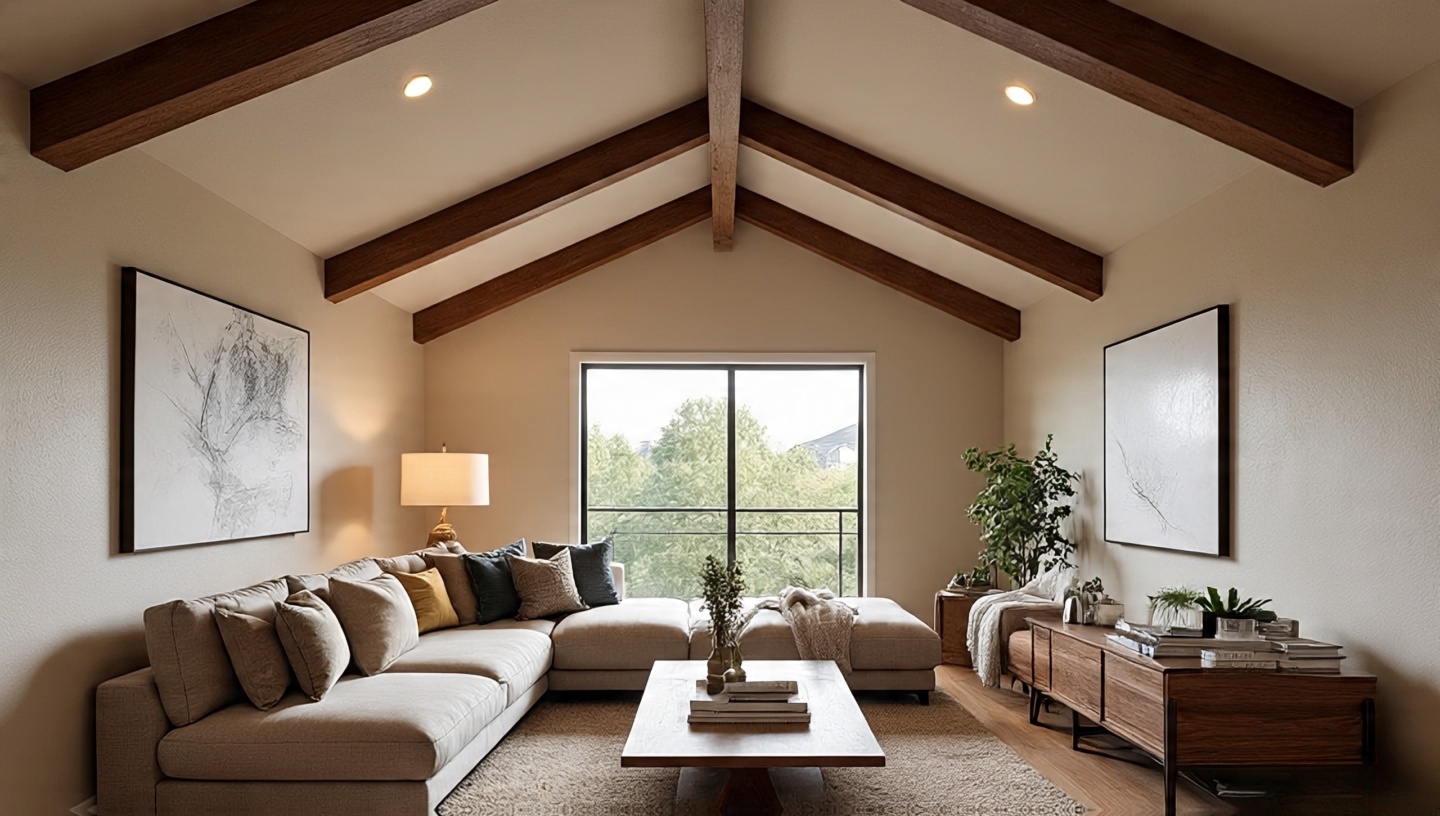
Ceilings matter more than you think. Those chunky exposed wood beams scream Southwestern charm. They give texture, warmth, and instantly remind you of traditional adobe homes. If you can’t renovate, faux beams or even wood paneling with a dark stain can deliver a similar punch.
4. Navajo Rugs as the Centerpiece
Want to anchor the whole room? Lay down a Navajo rug. These bold, geometric patterns aren’t just beautiful, they’re functional. Woven with durability, they’re meant to last generations. Plus, every time you step on it barefoot, you’ll feel the rough, authentic texture grounding you.
Tip: Don’t skimp on size. A larger rug can make even a small space feel grander and cozier at the same time.
5. Adobe or Textured Walls
Flat white walls don’t quite cut it in a Southwestern home. Adobe-inspired plaster finishes or even textured paint make the walls feel alive. Ever run your hand over a wall that feels a little uneven, almost organic? That’s the charm. It’s not sterile, it’s soulful.
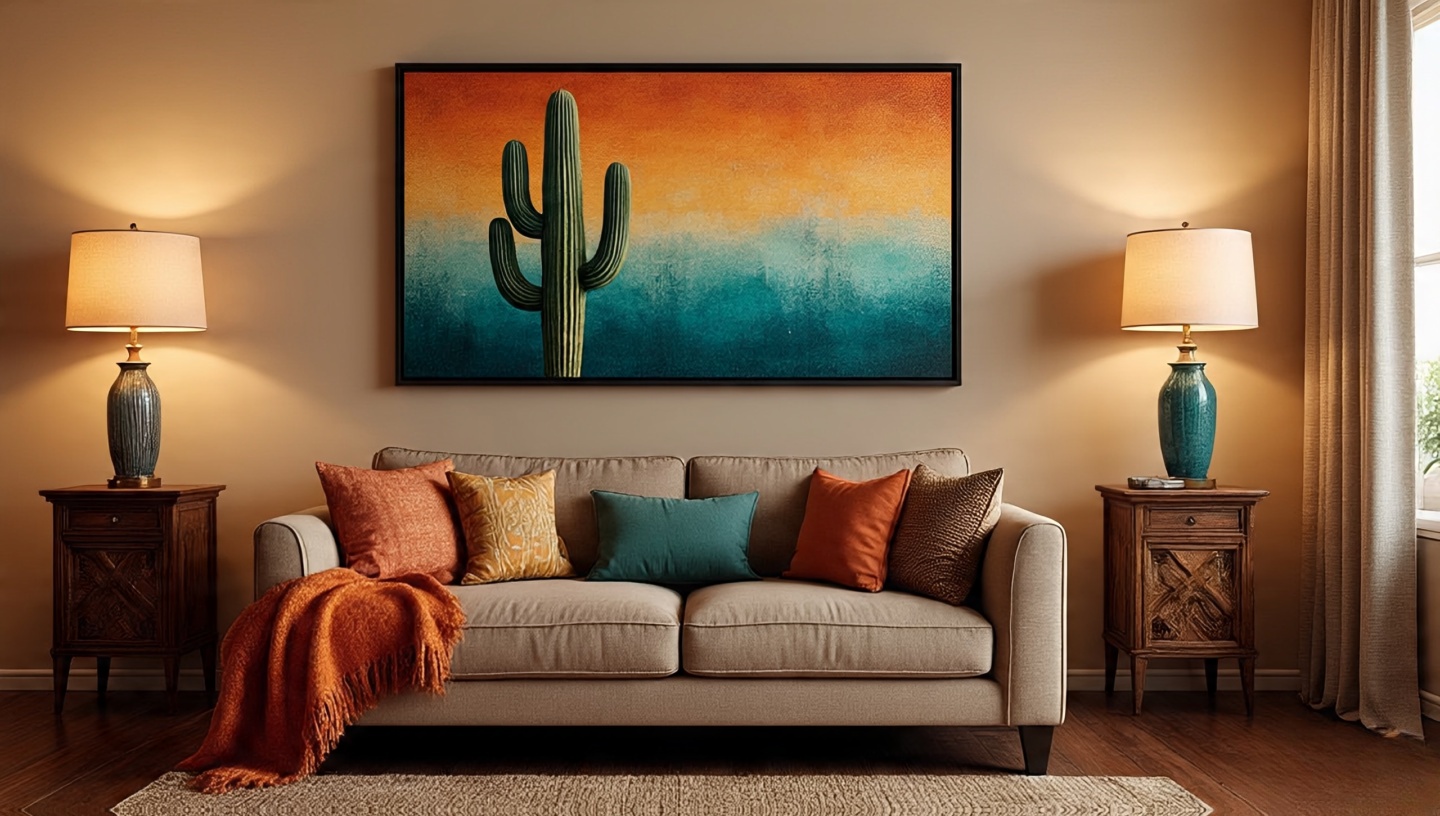
6. Desert-Inspired Artwork
A good painting or photograph can tie the theme together. Think desert landscapes, cacti, Native American patterns, or even minimalist sand dune shots. Hang a big canvas in your living room, and suddenly you’re transported to Santa Fe every time you sip your morning coffee.
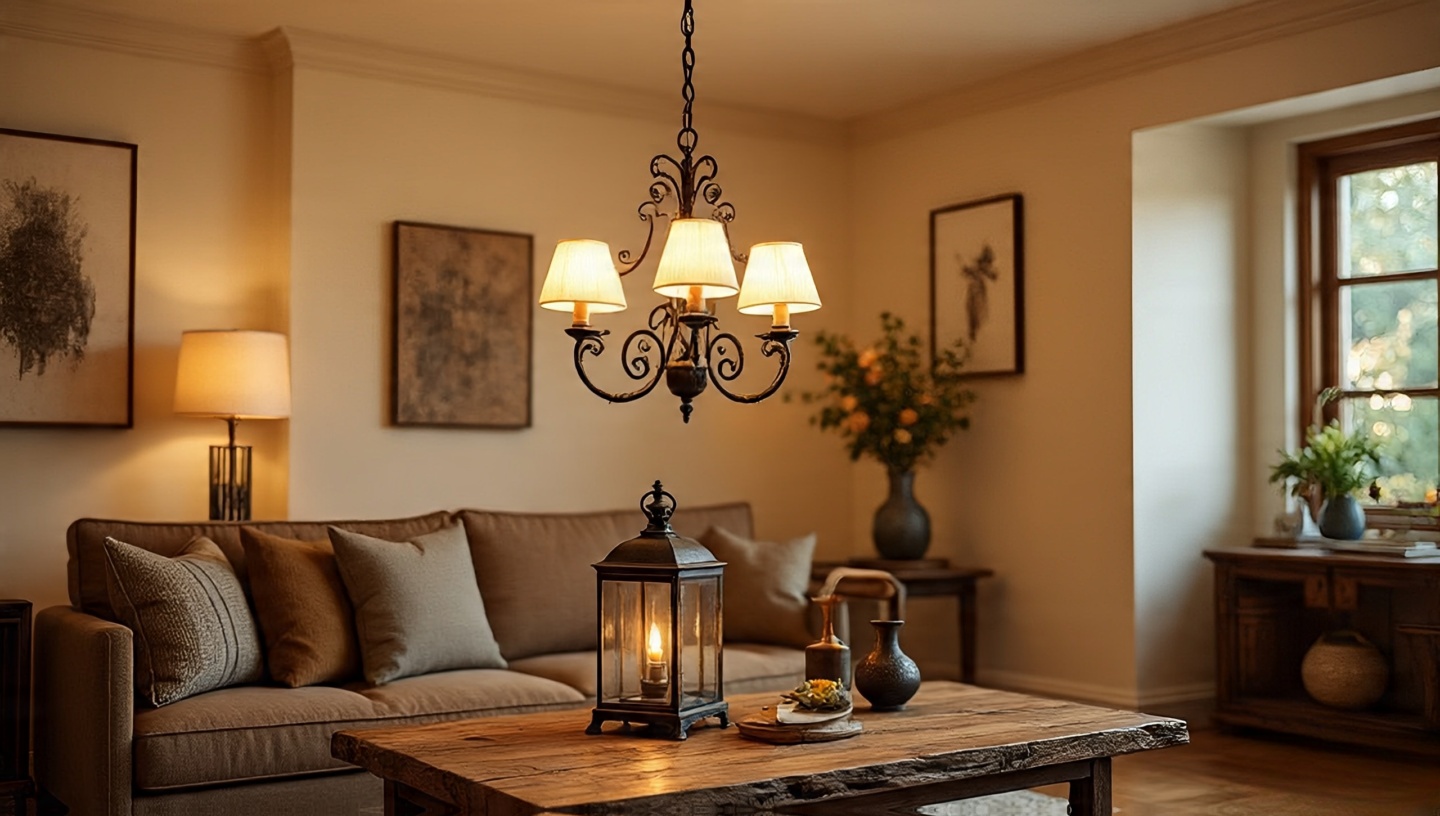
7. Warm Lighting With Iron Fixtures
Light can change everything. Instead of modern chrome lamps, go with wrought iron chandeliers or rustic sconces. Pair them with warm Edison bulbs or amber-toned shades. The result? A glow that feels like a sunset is happening indoors every evening.
8. Terracotta Flooring or Tiles
Terracotta tiles underfoot bring authenticity. They age beautifully, developing a patina that only gets better over the years. If terracotta tiles aren’t possible, consider laminate with a warm clay look or even area rugs in terracotta hues.
9. Handcrafted Pottery Everywhere
Southwestern style celebrates craftsmanship. Clay pots, handmade vases, rustic jugs. Scatter them across shelves or use oversized pieces as statement décor. They add texture, color, and cultural authenticity to any space.
10. Mix of Textiles for Layering
One rug is nice, but layering rugs? Game changer. Combine wool throws, woven blankets, and kilim textiles. Not only do they bring visual warmth, but they also make the room feel like a desert lodge where you want to curl up with a book.
11. Kiva Fireplaces (Or Their Modern Alternatives)
Southwestern homes often feature rounded adobe fireplaces called kiva. If you don’t have one, a modern corner fireplace with plaster finish can mimic the look. Imagine chilly nights with that soft crackling pure bliss.
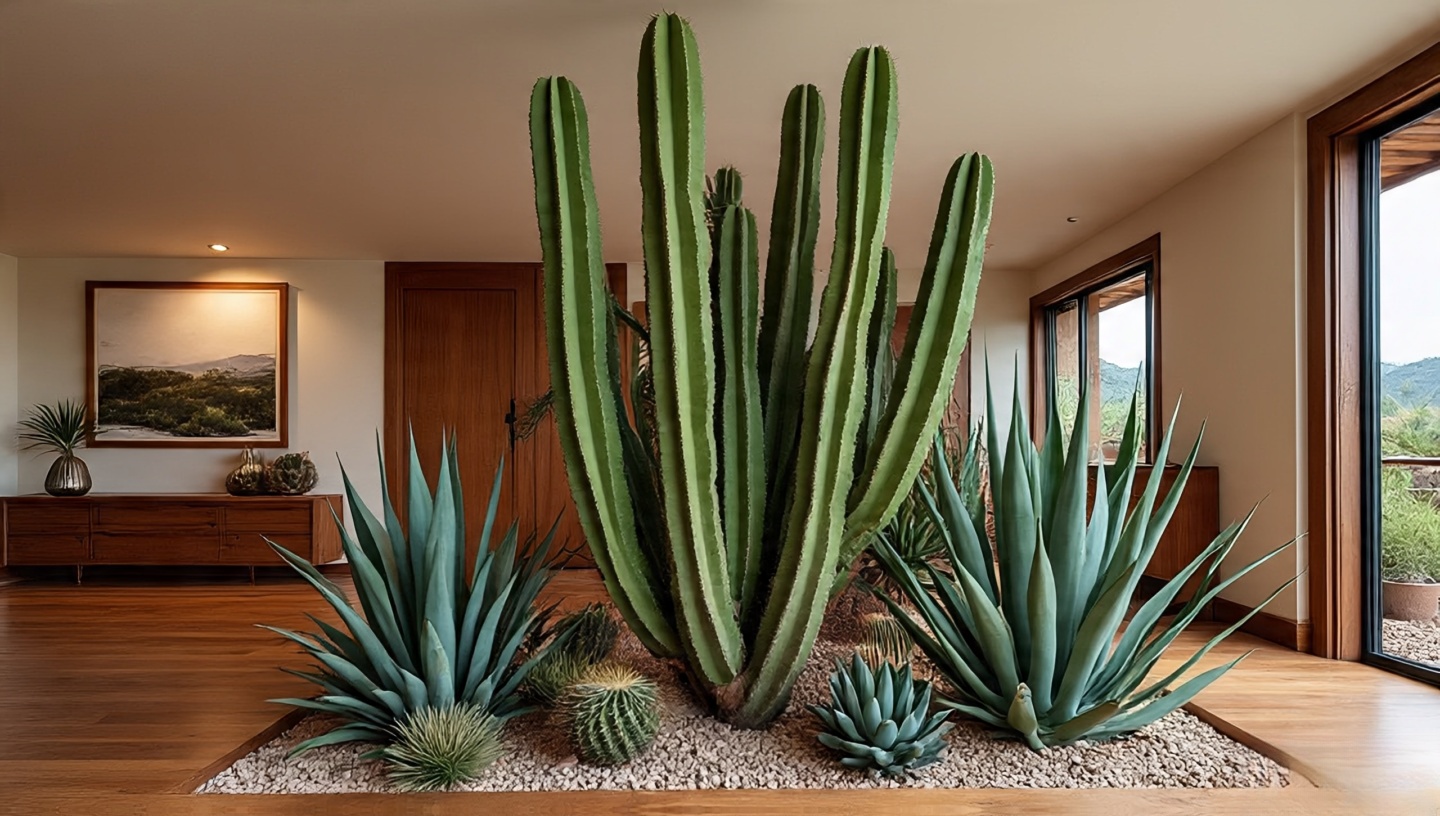
12. Cactus and Desert Plants
No Southwestern style home is complete without greenery. Big cacti, agave, or snake plants. They bring life, texture, and a little desert drama. Bonus: most of them are low-maintenance. (Unless you forget about them for six months straight.)
13. Heavy Wooden Doors and Furniture
Furniture should feel solid. Chunky wooden dining tables, carved cabinets, even a rustic bench at the entryway. This isn’t the place for flimsy MDF furniture. Look for wood with visible grain and natural knots it tells a story.
14. Pops of Turquoise
Turquoise is to Southwestern style what black is to minimalism. A pop of turquoise in tiles, pillows, or even a door frame brings vibrancy. It contrasts beautifully with earthy tones living rooms, making the whole space feel alive.
15. Woven Baskets for Storage
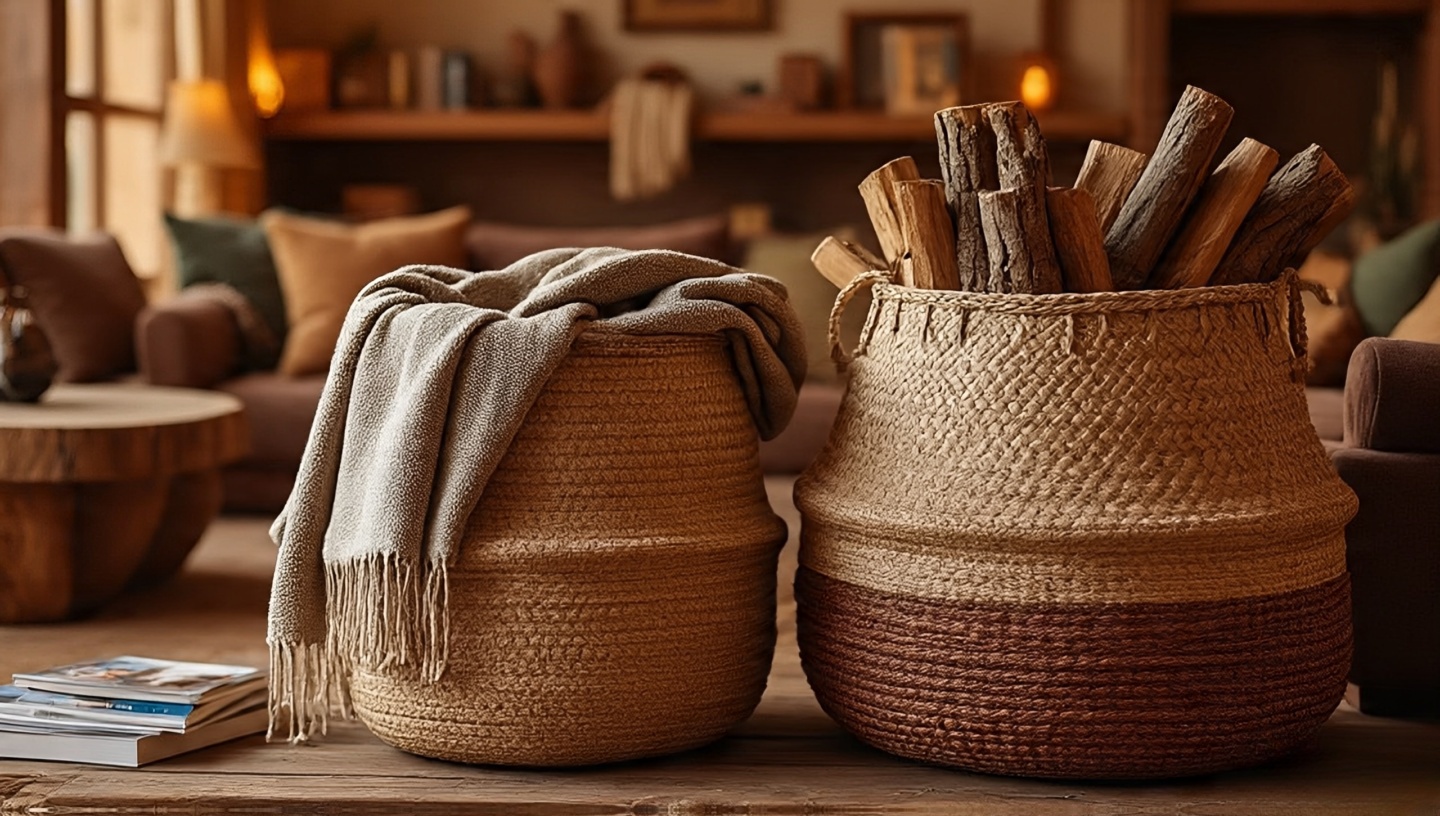
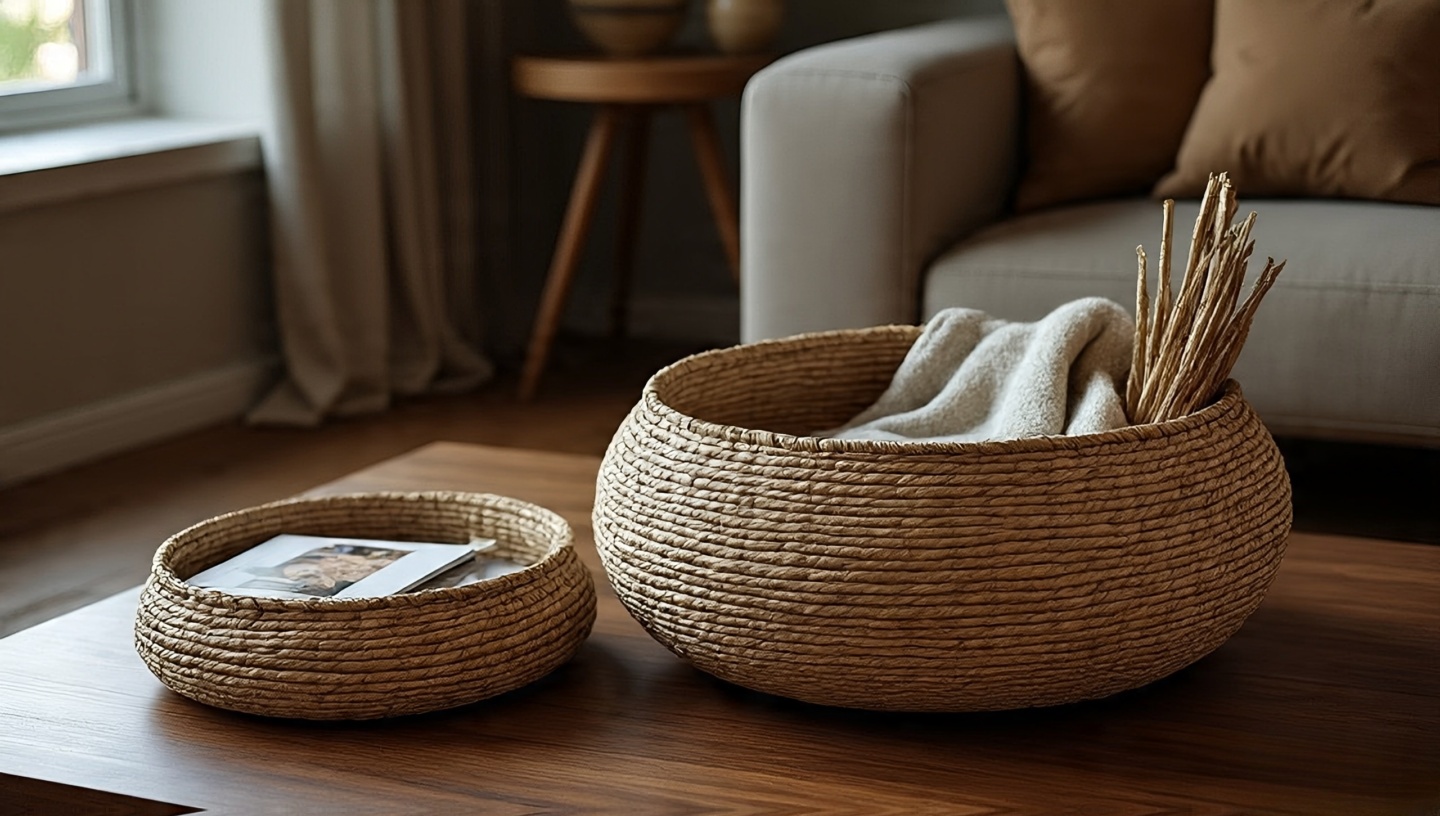
Instead of plastic bins, go with woven baskets. They look organic and also double as décor. Fill them with blankets, magazines, or even firewood. Simple, practical, and so in tune with desert-inspired living.
16. Kitchen with Saltillo Tiles
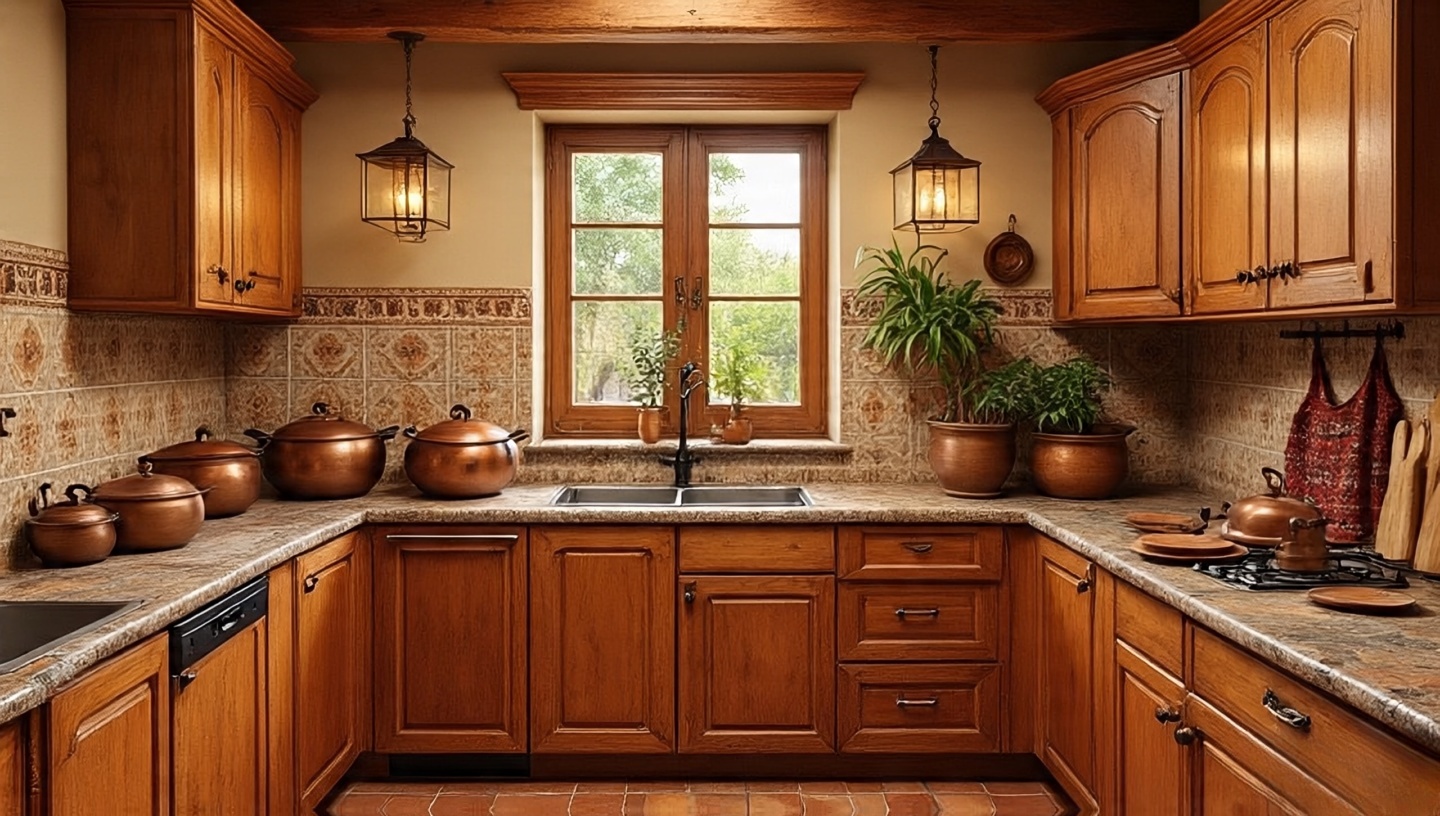
In the kitchen, Saltillo tiles (handmade terracotta from Mexico) add character. Pair with wooden cabinets and copper pots for a warm, rustic kitchen that looks straight out of an old hacienda.
17. Bathrooms With Desert Spa Vibes
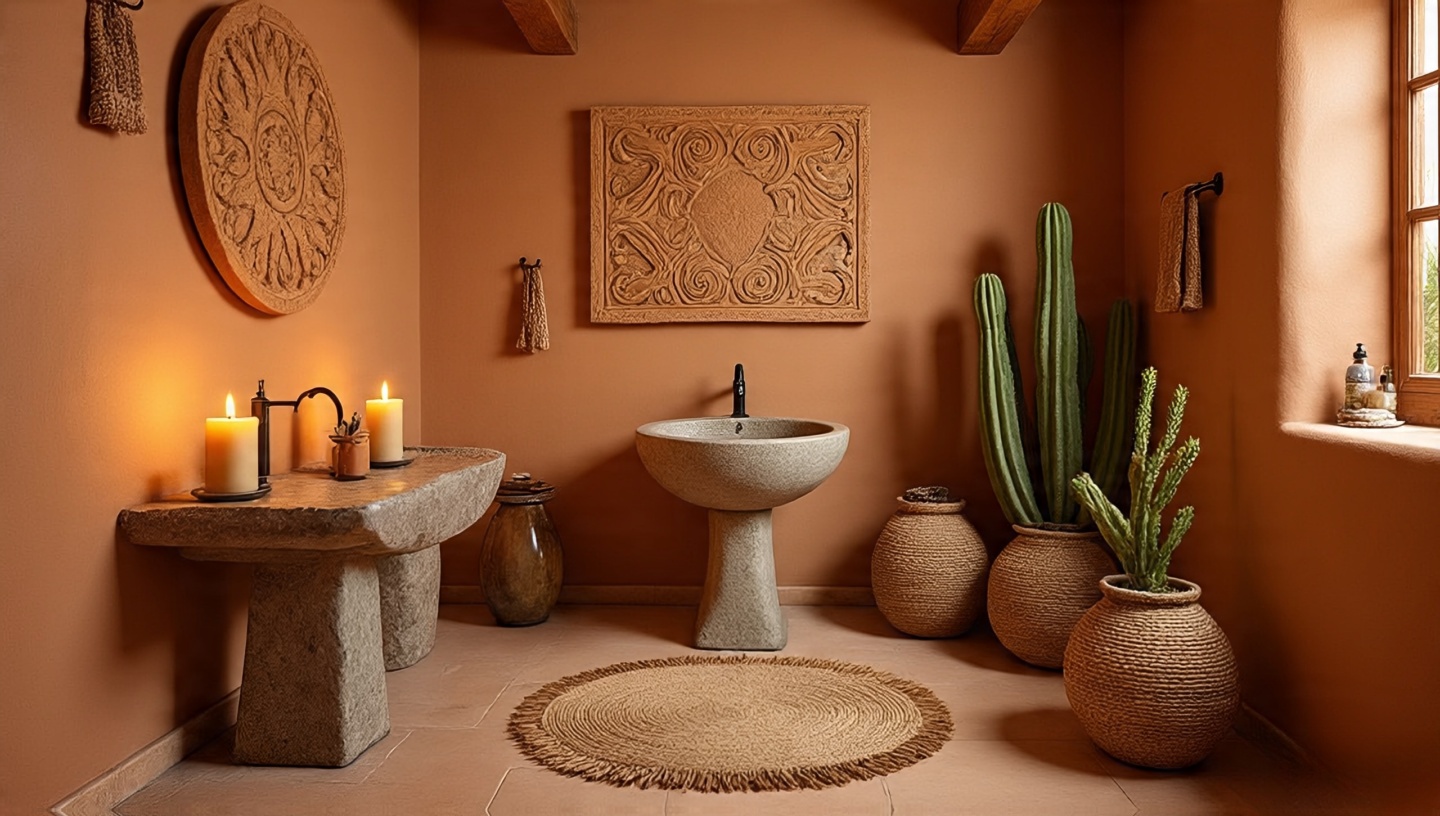
Transform bathrooms with clay-toned walls, stone sinks, and woven mats. Add candles and desert plants for a mini retreat. Ever thought a bathroom could feel like a spa in Sedona? Try this.
18. Layered Outdoor Spaces
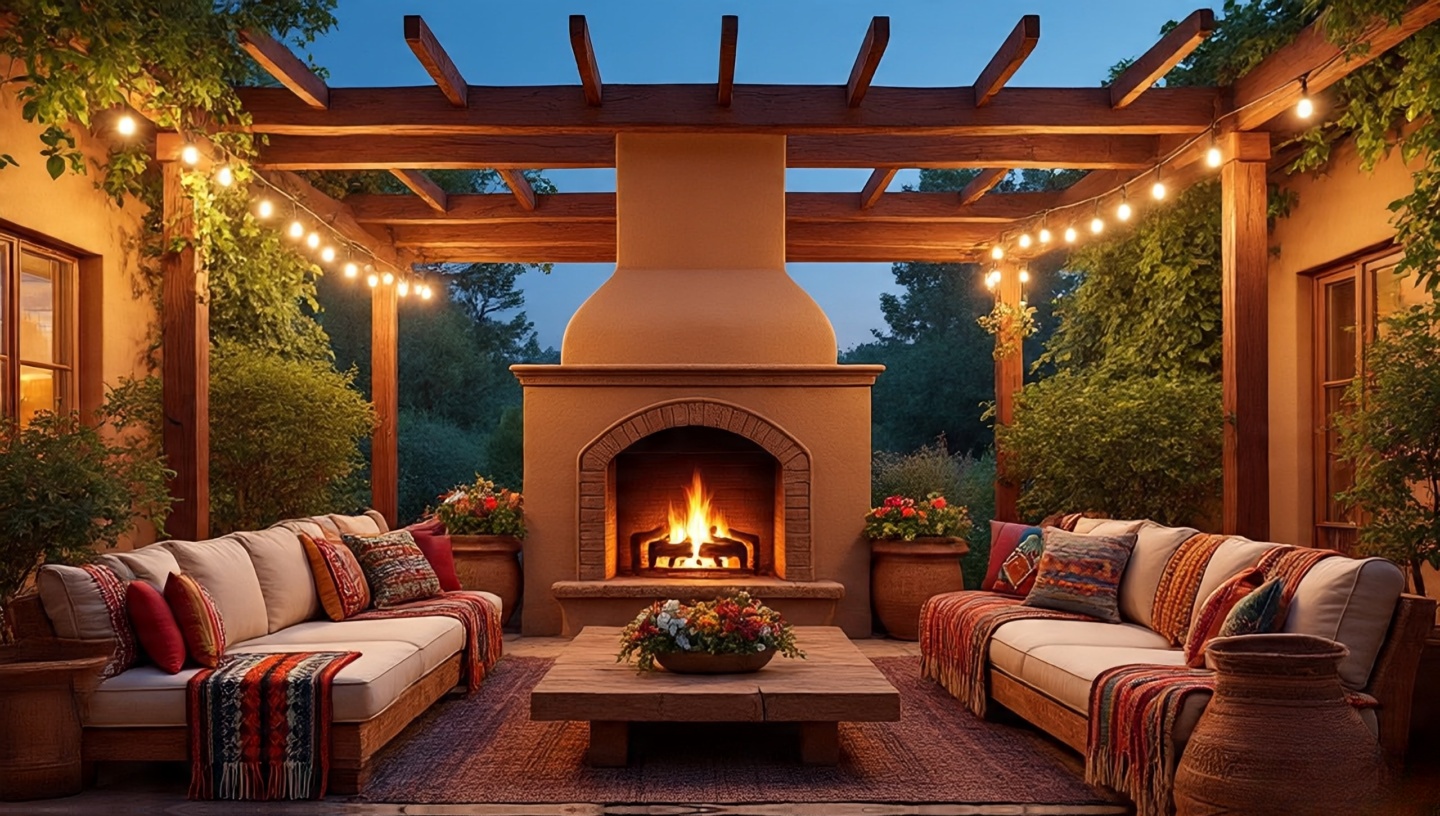
Don’t forget patios. Southwestern style shines outdoors. Use clay planters, wooden pergolas, and string lights. Add colorful woven blankets on outdoor seating. Suddenly your backyard feels like a desert festival spot.
19. Storytelling Accessories
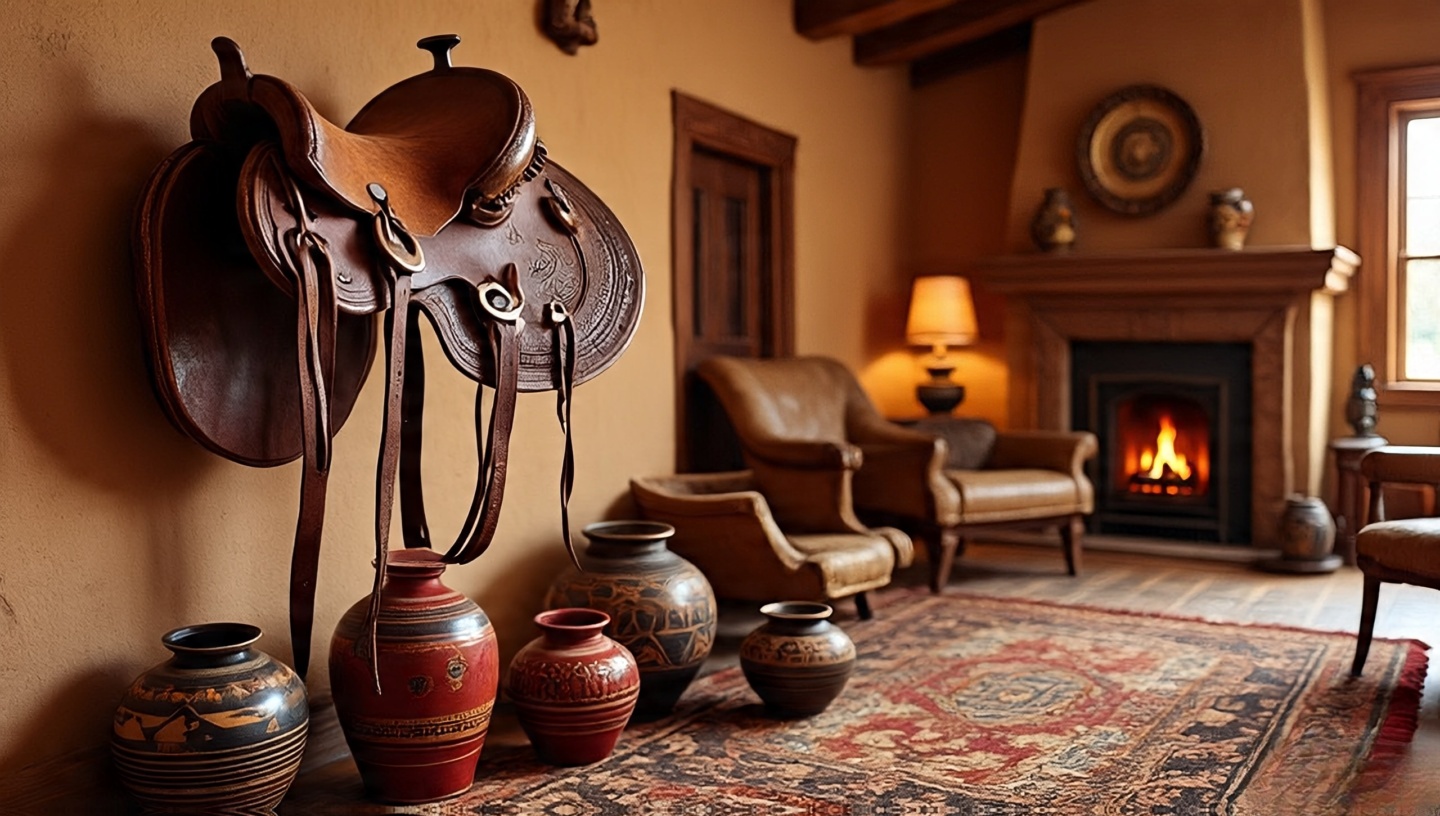
Every home needs stories. In Southwestern style, that could be a vintage saddle hanging on the wall, Native American pottery, or an heirloom rug. These aren’t just “decor.” They’re conversation starters, anchors of authenticity.
20. Balance Bold Patterns With Calm Neutrals
Here’s the trick: Southwestern is bold, but not overwhelming. Pair geometric rugs and pillows with neutral walls or sofas. Balance is what keeps the space from looking like a souvenir shop. Remember: let one or two bold pieces shine, and keep the rest calm.
Final Thoughts
Phew, that was a ride through the desert! Decorating a Southwestern style home is all about warmth, texture, and authenticity. You don’t have to do all 20 ideas at once. Start small. Maybe it’s just a Navajo rug in your southwestern living room, or swapping out your lighting to wrought iron. Before you know it, your home will carry that unmistakable Southwestern glow.
And hey, if you’re already loving the earthy tones, you might also want to peek at our article on rustic bedroom ideas. Trust me, once you start down this road, you won’t want to stop. Now go on bring the desert into your home, one rug or cactus at a time.
Roohome.com – Southwestern style isn’t just a look it’s a feeling. That mix of sunbaked clay, rough wood, colorful textiles, and desert plants can transform even the smallest patio into something soulful. And the good news? You don’t need a Santa Fe ranch house to make it happen. Below you’ll find 25 detailed Southwestern patio ideas, each with practical tips to bring the desert vibe into your own backyard.
1. Adobe-Inspired Walls
Those smooth, clay-like walls you see in New Mexico homes instantly say “Southwest.” Even if you can’t rebuild your patio, you can mimic the effect with paint or stucco finish.
Tip: Use an exterior stucco paint in shades like terracotta, sand, or peach. If budget is tight, a textured paint roller can fake the effect on plain cement walls.
2. Terracotta Pots Clustered Together
Terracotta is a desert staple affordable, timeless, and practical. Grouping them in different sizes looks rustic and alive.
Tip: Mix standard terracotta pots with a few hand-painted Talavera or Mexican pots. Place tall agave in the bigger ones, succulents in the smaller ones, then tuck in a lantern between for evening charm.
3. Southwestern Fire Pit or Kiva Fireplace
A fire pit makes your patio usable year-round. For Southwestern style, go for stone or adobe-inspired shapes. A rounded kiva fireplace creates that iconic Santa Fe look.
Tip: If you can’t build one, buy a clay chiminea. It’s portable, affordable, and still gives that rustic glow. Just remember to place it on fireproof ground.
4. Desert-Friendly Plants
Cactus, agave, yucca these aren’t just stylish; they’re drought-tolerant, too. Perfect if you don’t want to spend weekends watering.
Tip: Use gravel or decomposed granite around the base instead of mulch. It keeps the desert feel and reflects light beautifully at night.
5. Rustic Wooden Pergola
A pergola frames your outdoor space and adds structure. The trick is to use unfinished or rough-hewn beams so it feels natural.
Tip: If you can’t build with real timber, stain regular pine beams with a dark walnut finish. Then, layer reed mats or bamboo slats on top for shade with desert flair.
6. Dining Area with Character
Forget shiny metal sets Southwestern dining thrives on wood and iron. A chunky wood table plus mismatched iron chairs feels casual but grounded.
Tip: Don’t buy all-new furniture. Scout flea markets for vintage wrought iron chairs, then repaint them black or rustic bronze. Pair with a sturdy secondhand wood table, and throw a Navajo-style runner on top.
7. Earthy Color Palette
The desert itself gives you the palette: rust red, clay, sage, turquoise, sand. Keep these tones consistent across textiles, pots, and even lighting.
Tip: If your patio cushions are neutral, wrap them with affordable outdoor fabric in these shades. A single turquoise pillow against a clay wall pops like the desert sky.
8. Kiva Niches with Candle Glow
Recessed shelves in adobe walls look romantic at night. If you don’t have adobe walls, improvise with wall-mounted shelves or freestanding alcove units.
Tip: Use oversized pillar candles or clay lanterns with cut-out designs. The shadows they cast instantly warm up the space.
9. Layered Southwestern Textiles
Textiles are where the magic happens wool blankets, woven rugs, and tribal patterns add softness to all the stone and wood.
Tip: Start small: throw a Navajo-style blanket over a bench, then add a kilim rug underfoot. Outdoor-safe fabrics fade less in sunlight, but honestly, a little sun-fade just makes it look authentic.
10. Outdoor Kitchen with Mesquite Touch
A cooking zone makes the patio the heart of the home. Talavera tiles plus mesquite wood give a distinct Southwestern punch.
Tip: Even without a full outdoor kitchen, add a tiled prep table with colorful patterns. Pair with a charcoal grill, and toss in mesquite wood chips for that smoky desert aroma.
11. Talavera Tile Details
Those bright, hand-painted Mexican tiles bring life to any corner. They’re durable enough for outdoors and double as art.
Tip: Can’t retile a whole wall? Start with accents like tiling a small bistro tabletop or using a strip of Talavera tiles along stair risers.
12. String Lights with a Desert Glow
There’s nothing like warm lighting to set the mood. In Southwestern patios, soft golden string lights mimic the glow of a desert sunset. Hang them across pergolas, wrap them around wooden posts, or drape them along adobe walls.
Tip: Choose Edison bulb string lights with a warm yellow tone (avoid cold white). For extra Southwestern flavor, slip small punched-tin lantern covers over the bulbs.
13. Clay or Stone Flooring
The ground beneath your feet makes a huge difference. Clay tiles, flagstone, or even stamped concrete in earthy hues ground the entire patio in desert authenticity.
Tip: On a budget? Paint plain concrete with terracotta outdoor floor paint. Use a sponge to create irregular patterns, faking the look of natural stone.
14. Wrought Iron Accents
Wrought iron is a Southwestern signature gates, lantern holders, even wall décor. Its dark, sturdy lines contrast beautifully against warm stucco walls.
Tip: If real wrought iron is pricey, spray-paint basic metal pieces in matte black or oil-rubbed bronze. A thrifted plant stand instantly transforms with this finish.
15. Rustic Leather Seating
Leather and the Southwest go hand in hand. A rustic leather sofa or bench makes outdoor lounging both stylish and durable.
Tip: Outdoor-safe leather can be expensive. Instead, use faux-leather cushions on a wooden bench. Protect with a shade or store them when not in use to extend life.
16. Navajo or Kilim Rugs
Rugs tie a space together and soften hard surfaces. Southwestern rugs with bold geometric patterns add warmth and authenticity.
Tip: Don’t put priceless vintage rugs outside. Instead, buy outdoor rugs with Navajo-inspired patterns. They resist fading and moisture but still give the same rustic look.
17. Desert-Inspired Water Feature
Water in the desert feels like a miracle, so a small fountain can create a powerful sensory experience. A clay jar fountain or a trickling wall feature blends beautifully with Southwestern patios.
Tip: Choose solar-powered pumps if you don’t have outdoor outlets. Place the fountain near plants so the trickle keeps them a little cooler.
18. Shade with Colorful Fabrics
Desert sun can be brutal. Add shade with outdoor fabric canopies in muted desert tones or vibrant tribal prints. It cools the space while doubling as décor.
Tip: For a DIY fix, stretch canvas drop cloths between beams and dye them in soft terracotta or turquoise. They’re cheap and surprisingly durable.
19. Cactus Corner Garden
A cluster of tall cacti in a corner instantly makes your patio feel like Arizona. They bring height, drama, and that unmistakable desert vibe.
Tip: If tall cacti aren’t available, fake it with columnar euphorbia (which looks similar). For colder climates, keep cacti in pots so you can move them indoors in winter.
20. Handwoven Hammocks
Few things feel as Southwestern as a hammock swaying under a pergola. Choose one in cotton or woven wool with fringe for that handcrafted vibe.
Tip: Install strong hooks on two beams of your pergola. If you don’t have beams, buy a freestanding hammock stand in dark wood or iron for consistency with the theme.
21. Desert Artwork or Wall Hangings
Walls shouldn’t stay blank. Hang metal sunbursts, woven wall art, or framed desert landscapes on exterior walls to add personality.
Tip: Weatherproof your artwork with a clear protective spray. Alternatively, use outdoor tapestry fabric stretched on frames for a bold but durable effect.
22. Cozy Built-In Benches
Instead of freestanding chairs, consider built-in benches along walls. Stucco or stone benches blend seamlessly into Southwestern patios and maximize seating.
Tip: Top benches with thick outdoor cushions in tribal prints. Add a few leather or kilim pillows to make them more inviting.
23. Outdoor Bar with a Desert Twist
Why not turn a corner into a mini bar? A rustic bar counter tiled with Talavera tiles and stocked with clay mugs or colorful glassware screams fiesta-ready. Once you have set of southwestern living room then the outside would be great if you can apply to the patio also.
Tip: If you don’t want a full bar, use a weathered wooden console table. Decorate it with a tray of tequila bottles, citrus fruits, and a mortar for guacamole.
24. Desert-Style Pathways
Pathways lead the eye and guide guests. In Southwestern gardens, stone slabs, gravel, and adobe stepping stones create that rustic journey-through-the-desert look. You can also combine it with your kitchen as the main scenery from the outside.
Tip: Use decomposed granite for affordability. Add solar lanterns along the path for nighttime glow without wiring headaches.
25. Mix Old and New
The real charm of Southwestern patios comes from mixing old and new modern string lights with vintage benches, fresh plants in weathered pots. It keeps the look from feeling too staged.
Tip: Don’t rush to buy everything new. Hunt secondhand shops for rustic furniture, then pair it with a few modern, durable outdoor pieces for balance.
Final Thoughts
Here’s the thing about Southwestern patios they’re less about perfection, more about feeling. The chipped terracotta pot, the slightly faded blanket, the uneven stones… they all tell a story. You don’t need a massive budget, just a willingness to layer textures, colors, and a few desert-inspired details. Pick one or two ideas above and try them out maybe start with a cluster of cactus in terracotta pots or a Navajo rug under your dining table. Before you know it, your outdoor space will feel like a desert retreat where the evenings linger longer and every glass of iced tea tastes just a little sweeter.
Roohome.com – There’s something magnetic about a Southwestern kitchen. The warmth of terracotta tiles, the rugged beauty of exposed wood beams, and the play of sunlit textures instantly set a mood. This isn’t just a style, it’s an atmosphere. Think of stepping into a space where the air smells faintly of roasted chiles, the floor feels cool under your bare feet, and everywhere you look there’s a little reminder of the desert’s quiet magic.
If you’ve been hunting for inspiration to transform your cooking area into a rustic desert dream, you’re in the right place. Below you’ll find 50 actionable ideas. Yes, fifty! that mix style, practicality, and that soulful Southwestern energy. Pick one or two to try, or go full-on Sonoran ranch vibes. Either way, you’ll end up with a kitchen that feels like it belongs in the heart of Santa Fe or Tucson.
50 Southwestern Kitchen Ideas
1. Terracotta Floor Tiles That Ground the Room
Nothing screams Southwestern ideas like terracotta. These earthy tiles don’t just bring color they bring a sense of coolness underfoot in hot climates. If you want durability plus rustic style, this is your starting point. Bonus tip: seal them properly so salsa spills don’t stain forever.
2. Exposed Wooden Ceiling Beams
Look up. That’s right your ceiling can tell a story. Exposed beams in reclaimed wood instantly add rustic gravitas. The rough texture pairs beautifully with white plaster walls for contrast. It’s desert charm overhead.
3. Open Shelving with Clay Pottery
Forget the endless cabinets. Open shelving stacked with Talavera pottery or clay bowls makes your kitchen feel lived-in, not staged. Plus, it’s practical you see what you need, grab it, and keep the vibe casual.
4. Copper Pots Hung on a Rustic Rack
Copper develops a patina that ages gracefully, just like good leather boots. Hanging copper pots against a white or adobe wall creates both storage and visual art. Honestly, this setup makes cooking feel like ceremony.
5. Hand-Painted Talavera Tiles for the Backsplash
The backsplash is prime real estate for color. Vibrant hand-painted Mexican tiles think cobalt blue, mustard yellow, and burnt red bring joy with every glance.
6. Saltillo Tiles Underfoot
If terracotta isn’t enough for you, Saltillo tiles offer variation in color from pale peach to deep rust. They age beautifully and bring a natural unevenness that makes your kitchen feel grounded in history.
7. Adobe-Inspired Plaster Walls
Smooth plaster walls in creamy off-white or sandy beige create a backdrop that whispers desert serenity. Add subtle texturing so the light dances across the surface throughout the day.
8. Carved Wooden Cabinetry
Mass-produced cabinets won’t cut it here. Carved wood details sometimes geometric, sometimes floral turn basic storage into works of art. Opt for darker stains for drama or lighter tones to keep it airy.
9. Wrought Iron Light Fixtures
A chandelier or pendant light in wrought iron feels timeless. Choose designs with curves and scrolls, echoing Spanish Colonial influence. When paired with warm Edison bulbs, the whole kitchen glows.
10. Desert Palette Color Scheme
Think sunbaked clay, sage green, deep turquoise, and a touch of burnt orange. These aren’t random shades they’re literally the colors of the desert landscape. Use them across walls, cabinets, and textiles.
11. Navajo-Inspired Runner Rugs
A long narrow rug with traditional Navajo patterns can warm up cold tile floors and bring cultural authenticity. Bonus: it’s softer on your feet during those late-night snack raids.
12. Heavy Wooden Farmhouse Table
A kitchen in the Southwest often doubles as the heart of the home. A sturdy farmhouse table in distressed wood invites family and guests to gather. Don’t polish away the nicks and scratches they tell your story.
13. Open Fireplace or Kiva Oven
If you’re lucky with space, a small adobe-style fireplace adds warmth and authenticity. Historically, kitchens were hearth-centered. Imagine sipping coffee next to a crackling fire while tortillas toast nearby.
14. Leather Barstools with Nailhead Trim
Your kitchen island deserves some Western swagger. Leather stools with visible stitching and nailhead details balance comfort with rustic edge. They age gracefully just like that well-worn saddle.
15. Hanging Dried Chili Ristras
Functional decor? Yes, please. Strings of dried red chiles hanging by the window bring vibrant color while also being usable in cooking. It’s both Southwestern tradition and Instagram-worthy display.
16. Distressed Wood Countertops
Granite and quartz might dominate modern kitchens, but in Southwestern design, reclaimed wood countertops shine. They carry stories in every dent and knot. Just seal them well to handle kitchen messes.
17. Desert Plant Greenery
Aloe vera in terracotta pots, tiny cacti lined on a window sill, or a bold agave plant in the corner all these bring life to the space without breaking the desert aesthetic. FYI, this plant can also be placed in your bathroom to have beautiful outlook.
18. Mosaic Tile Accents
A strip of mosaic tiles above the sink or across a countertop edge adds artistic flair. Don’t overdo it Southwestern style is about balance between bold accents and earthy calm.
19. Rustic Pot Rack with Iron Hooks
Instead of hiding your cookware, show it off. A wrought iron rack with chunky hooks for pans, ladles, and even clay mugs creates a lived-in, kitchen-at-work feel.
20. Turquoise Accents Everywhere
Turquoise is practically the gemstone of the Southwest. Whether it’s a painted cabinet door, ceramic bowl, or even knobs and pulls little hits of turquoise pop against the earth tones.
21. Stucco Range Hood
Above your stove, consider a range hood with a stucco or plaster finish. Add hand-painted tiles along the trim. It instantly turns a purely functional element into an architectural statement.
22. Cowhide Rugs or Chair Throws
It may sound bold, but a small cowhide rug layered under your breakfast table or tossed over a chair adds unmistakable Western character. Don’t worry it doesn’t have to dominate the space to make an impact.
23. Hand-Woven Baskets for Storage
Skip plastic storage bins. Woven baskets, whether hung on the wall or tucked into shelving, carry tradition and craft into your kitchen. They also soften the hard textures of wood and tile.
24. Rustic Clay Water Jars
Large clay jars or pitchers can double as decor and storage. Historically, they kept water cool in hot climates. Even if you’re just using them as flower vases, they carry cultural resonance.
25. Southwestern-Patterned Curtains
Simple cotton curtains with tribal or geometric patterns in muted desert shades can frame your kitchen windows without overwhelming the room. Think soft light filtering through fabric that feels handmade.
26. Copper or Brass Sink Fixtures
Trade out standard chrome faucets for brass or copper ones. Over time, they’ll patina beautifully. Suddenly, even doing the dishes feels rustic-chic.
27. Warm Ambient Lighting
A dimmer switch is your friend. Southwestern kitchens feel coziest when the lighting is warm and layered not glaring. Mix pendant lights, wall sconces, and candles on the table for depth.
28. Handcrafted Pottery Dishware
Eat off plates that feel like they belong in the style. Hand-thrown ceramic dishes with subtle imperfections scream authenticity. Bonus: they make your food look amazing.
29. Kiva Niches Built into Walls
If you can remodel, consider carving niches into walls for storage or decor. These arched or rounded recesses are traditional in adobe homes, perfect for candles, pottery, or even cookbooks.
30. Aged Brick Accents
Not everything has to be smooth plaster. Add a touch of rough red brick to a wall or island face. The imperfect surface reflects desert architecture’s embrace of raw texture.
31. Vintage Southwestern Artwork
Framed prints of desert landscapes, indigenous patterns, or vintage Western ads on the kitchen wall add soul. Choose pieces with faded colors and worn frames it shouldn’t feel like a gallery, but a memory.
32. Desert-Inspired Ceiling Fans
Yes, even ceiling fans can be stylish. Choose wood-blade fans with wrought iron detailing to keep the air moving while staying on theme. Because honestly, kitchens do get hot.
33. Stone or Rock Accents on Walls
Add stacked stone around an island base or a partial wall. It mimics the look of desert canyons and adds weight and permanence to your cookspace.
34. Painted Desert Murals
If you’re adventurous, dedicate one wall to a mural of desert mountains or cacti silhouettes. It turns your kitchen into a storybook of the Southwest.
35. Handmade Wooden Cutting Boards on Display
Instead of hiding them, lean big wooden cutting boards against the backsplash. They’re functional art every scratch tells the story of meals shared.
36. Woven Chair Seats
Chairs with woven seats, whether made from natural fibers or leather strips, add rustic texture. They also feel a bit old-world, which fits perfectly here.
37. Iron Hardware on Cabinets
Swap out modern hardware for chunky iron pulls and hinges. Suddenly, even the simplest cabinet feels like part of an old hacienda.
38. Desert-Scented Elements
Don’t underestimate smell. Keep dried sage bundles or cedarwood candles nearby. A kitchen that looks Southwestern but smells like bleach? Not the vibe.
39. Bold Desert Sunburst Motifs
Integrate sunburst designs in wall art, tile, or even carved details. The sun is central to desert life make it central in your kitchen design.
40. Warm Earthy Paint Finishes
Use lime wash or matte paints that look natural rather than glossy. High shine feels out of place in a rustic desert kitchen.
41. Adobe Niches with Built-in Benches
In larger kitchens, low adobe benches can serve as extra seating or storage. Add bright cushions for comfort and contrast.
42. Hanging Pendants with Amber Glass
Amber-tinted glass pendants soften light beautifully. They create a glow reminiscent of desert sunsets.
43. Open Herb Garden on Windowsill
Grow cilantro, oregano, and chili plants in terracotta pots. Fresh herbs, earthy smell, and visual greenery it’s the trifecta of Southwestern practicality.
44. Mix of Rough and Smooth Surfaces
Balance smooth plaster walls with rough stone tiles, or shiny ceramic plates with distressed wood shelves. That interplay of textures is what makes Southwestern kitchens so tactile.
45. Vintage Kitchen Tools as Wall Decor
Hang old iron skillets, wooden spoons, or tortilla presses on the wall. Instead of hiding history, celebrate it. Plus, you can always take them down and use them if needed.
46. Rustic Sliding Barn Doors
Swap a regular pantry door for a sliding wooden barn-style door with iron hardware. It’s functional, space-saving, and nails that rustic desert charm.
47. Layered Table Linens
On your dining table, stack patterned runners with neutral tablecloths. A little layering makes the space feel cozy, like the table’s dressed for company every day.
48. Statement Pottery Vase with Wildflowers
Keep a large clay vase filled with desert wildflowers or dried pampas grass on the table. Instant centerpiece, always in season.
49. Hand-Carved Wooden Stools
Instead of sleek metal stools, try hand-carved wooden ones. They’re heavier, sturdier, and they wear their imperfections like badges of honor.
50. Personal Touches from Travels
The most important Southwestern kitchens don’t look copied from a magazine. They feel personal. Hang that woven basket you bought in New Mexico. Display the clay mug from a roadside shop in Arizona. The heart of the Southwest is in storytelling, so let your kitchen tell yours.
Closing Thoughts
That’s fifty ideas to turn your kitchen into a rustic desert-inspired cookspace. You don’t have to do them all honestly, even adding a colorful rug or a string of chili ristras can shift the mood instantly. The point isn’t perfection; it’s warmth, story, and a bit of grit. Because the best Southwestern kitchens aren’t polished showrooms they’re spaces where life happens, tortillas get burned sometimes, and laughter carries across terracotta tiles.
So, which idea speaks to you first? Try one or two this weekend, and watch your kitchen slowly transform into a desert retreat. And if you’re craving even more inspiration, you might enjoy reading about rustic bedroom ideas or even Southwestern living room ideas to carry the theme throughout your home. Until then happy cooking, and may your kitchen always feel like home.
Roohome.com – There’s something magnetic about Southwestern living rooms. Earthy tones, rugged textures, and desert-inspired motifs create a look that’s warm, grounded, and quietly dramatic. Whether you’re in a downtown condo or a hillside ranch, you can borrow from the Sonoran and high desert palettes for a living room that feels intentional and lived-in—never staged. Below you’ll find 50 detailed, actionable ideas you can mix and match. Keep it flexible; the most memorable rooms always feel a little collected, not color-by-numbers.
1. Embrace Earthy Color Palettes
Start with a palette that feels sunbaked: terracotta, adobe clay, sand, mesquite brown, with touches of muted turquoise. These hues echo canyon walls and desert sky, creating warmth that never shouts. If you’re nervous, begin with a single accent wall in clay and keep the rest soft and neutral. Style it: pair adobe walls with off-white plaster, a jute rug, and a few turquoise accents. It’s like catching golden hour indoors.
2. Rustic Wooden Beams
Exposed beams draw the eye up and add honest structure. Real timber is wonderful; faux beams still deliver the look with less weight. Don’t overthink the finish—slightly rough, slightly imperfect wins every time. Pro tip: contrast dark beams with light plaster. Even one reclaimed beam used as a mantel brings ranch-house credibility.
3. Handwoven Rugs with Geometric Patterns
Navajo-inspired diamonds, stepped motifs, and kilim stripes anchor the room and guide the color story. Layer a patterned wool rug over a larger neutral jute to add depth without clutter. Small space trick: rotate rugs seasonally—rust reds in cooler months, sandy neutrals for summer.
4. Leather Sofas with Patina
Leather ages with you. A cognac or saddle-brown sofa collects scuffs like souvenirs. The finish softens, the color deepens, and the room feels instantly more grounded. Balance it: lighten heavy leather with cream throws and a woven pillow or two. No need to baby the couch—it can take a little life.
5. Layered Textiles
Desert nights get chilly; your living room should be ready. Combine wool throws, tassel pillows, and linen covers for tactile contrast. Layering reads as collected, not contrived. Try this: one solid, one subtle pattern, one bold pattern. Rhythm matters, like a good road-trip playlist.
6. Southwestern Wall Art
Hang desert landscapes, stylized cacti, pottery still lifes, or abstract geometrics. Oversized art above the sofa can do the visual heavy lifting, so you don’t have to over-accessorize. Gallery tip: mix frame finishes—oak, black metal, and raw pine—for a look that evolves over time.
7. Adobe-Inspired Fireplaces
Kiva fireplaces, with their rounded silhouettes, are as sculptural as they are cozy. If installing one isn’t feasible, create a plastered niche or faux surround to borrow the look. Style note: keep the mantel minimal—pottery, a candle cluster, maybe one woven basket. Let the curve be the star.
8. Cactus and Succulent Decor
Greenery softens stone and leather. A tall Euphorbia or columnar cactus acts like living sculpture, while clusters of small succulents bring the coffee table to life. Care win: terracotta pots breathe, preventing soggy soil. Add gravel topdressing for a finished, desert-floor look.
9. Iron Light Fixtures
Wrought iron pendants, lantern sconces, and forged details lean ranch without feeling theme-park. Choose warm bulbs (2700–3000K) for that sunset glow. Design mix: a single iron chandelier over a rustic coffee table can carry the entire scene.
10. Textured Walls
Flat paint looks… flat. Limewash, clay plaster, or stucco adds shadow play and touchable depth. The brush strokes and trowel marks are part of the poetry. Budget path: try a limewash effect with mineral paint on one wall before committing everywhere.
11. Pottery Displays
Hand-thrown vases, clay jars, and burnished bowls bring artisan energy. Display in uneven numbers and varied heights to keep the eye moving. Styling tip: group by clay tone—terracotta, sand, chocolate—for a curated feel.
12. Woven Wall Hangings
Macramé and Navajo-inspired weavings add softness where rooms often feel angular. They’re art you can almost feel from across the room. Scale matters: go wider than you think over a sofa; generous width balances big furniture.
13. Exposed Stonework
Stone tells a deep-time story. A stacked-stone fireplace or a single stone accent wall grounds the room and pairs beautifully with warm wood and leather. Alternative: stone veneer or textured panels give you 80% of the look with 20% of the weight.
14. Low Wooden Coffee Tables
Keep the table low and solid—reclaimed pine, mesquite, or oak. The chunkier profile feels ranch-ready and invites casual gatherings. Top it: a pottery bowl, a desert photography book, and a small succulent. Done.
15. Distressed Finishes
Let pieces show their miles. Rubbed edges, hairline cracks, a little patina—it all adds credibility. New-but-aged finishes can bridge the gap if you’re starting fresh. Keep balance: mix a few distressed items with crisp textiles so the room doesn’t read as tired.
16. Navajo Blankets
Blankets bring pattern, history, and immediate warmth. Drape one over the sofa arm or fold across a bench to quietly showcase color. Respectful styling: when using patterns inspired by Native designs, credit makers where possible and buy from authentic artisans.
17. Built-In Niches
Rounded wall niches feel inherently Southwestern and create natural stages for pottery, books, or a small lamp. They break up large walls without heavy artwork. Lighting lift: a tiny recessed light or puck in the niche makes everything look gallery-level.
18. Warm Lighting Schemes
Think layers: overhead, task, ambient. The room should feel like dusk even at noon—soft, golden, easy on the eyes. Dimmer switches are your best friend. Combo: iron chandelier + linen-shade table lamps + candlelight on the mantel.
19. Patterned Tile Accents
Saltillo and hand-painted tiles bring color without chaos. Use them on a hearth, side table inlay, or a tray for instant personality. Color cue: pick two tones from your rug so the tiles feel integrated, not random.
20. Southwestern Throw Pillows
Pillows are where you can go bolder: zigzags, diamonds, stripes. Mix sizes and shapes—lumber, square, bolster—for rhythm and comfort. Formula: one solid, one small-scale pattern, one hero pattern. Repeat across the room for cohesion.
21. Antique Chests
A weathered trunk as a coffee table offers storage for throws and board games while looking like it has stories to tell. Functional nostalgia? Yes, please. Finish tip: wax, don’t varnish—let the wood breathe and glow.
22. Natural Fiber Baskets
Seagrass, willow, and yucca baskets bring sculptural texture and handle everyday clutter with grace. Place by the sofa for throws or magazines. Wall art twist: hang a trio in varying diameters for a tactile gallery.
23. Southwestern Motif Curtains
Window treatments can be subtle—linen in sand tones—or assertive with border patterns and stitched geometrics. Either way, they frame light beautifully. Hardware: iron rods with simple finials keep the story consistent.
24. Open Ceiling Concepts
Vaulted ceilings with visible trusses feel cinematic and airier, especially when walls are textured. Even painting the ceiling a soft sand tone can warm a boxy room. Acoustics note: layer textiles so the grand volume doesn’t echo.
25. Desert-Inspired Accent Colors
Burnt orange, ochre, sage, turquoise: these aren’t just pretty—they direct mood. Pick one accent color and echo it three times in the room for cohesion. Micro move: change pillow covers seasonally to refresh the palette without repainting.
26. Handcrafted Furniture
Hand-planed tables, carved sideboards, and live-edge benches hold soul you can’t fake. The tiny imperfections? That’s where the charm hides. Investment advice: one solid artisan piece can elevate an entire room of budget buys.
27. Mix Old with New
Balance a clean-lined modern sofa with a vintage rug and a rough-hewn side table. The push-pull keeps things fresh, not costume-y. Rule of three: aim for one modern, one rustic, one artisan element in each vignette.
28. Southwestern-Style Mirrors
Mirrors framed in carved wood or blackened steel bounce light and expand small spaces. Arch-topped shapes nod to adobe architecture. Placement: opposite a window to double the view and the glow.
29. Fireplace Seating Nooks
Build in a plastered bench beside the hearth or tuck a leather chair under a reading light. The room instantly gains a destination, not just a pass-through. Comfort layer: add a sheepskin or woven cushion so it becomes the spot everyone fights for.
30. Open Shelving
Floating wood shelves let pottery and books breathe. Keep negative space; let objects have air around them so they read as intentional, not storage overflow. Curate: stack books horizontally to vary lines, then top with a small bowl or candle.
31. Reclaimed Wood Accents
Barn wood mantels, beam-framed doorways, or a patchwork coffee table panel add history. The grain tells a story you can’t print. Seal smart: matte finishes preserve character without the plastic shine.
32. Vintage Maps
Old territory maps and trail charts feel adventurous and scholarly. They also bring that faded ochre and ink palette that layers beautifully with terracotta. Frame choice: thin black metal or raw oak keeps them timeless.
33. Saddle Stools
Stools with saddle stitching or curved seats nod to cowboy culture without going full costume. They tuck neatly under consoles or window perches. Material mix: leather seat, iron legs—utility with swagger.
34. Lantern Candle Holders
Iron or weathered-brass lanterns look good lit or not. Cluster three at different heights on the hearth for instant ambience. Scent note: cedar, juniper, or cactus flower candles layer the desert vibe quietly. Well, its actually can also be placed under southwestern bathroom ideas.
35. Terracotta Flooring
Saltillo tiles are durable, warm underfoot, and only get better with age. Even porcelain lookalikes hold the visual warmth if you need easier maintenance. Rug dance: leave generous tile border around your area rug so the terracotta still sings.
36. Layered Window Treatments
Combine woven shades with linen curtains for texture and light control. The shades give you structure; the curtains bring softness and movement. Color call: sand or bone reads sophisticated; pattern belongs on the pillows instead.
37. Southwestern Coffee Table Books
Photography of red rock canyons, Native art monographs, desert flora guides—they’re decor you can actually use. Guests will reach for them; conversations start themselves. Stack smart: largest on bottom, smallest on top, then add a small object for punctuation.
38. Carved Wooden Doors
Hanging an antique door as wall art is delightfully unexpected. Or repurpose one as a sliding barn door to close off a media nook. Finish: keep patina; just clean and seal so it doesn’t shed.
39. Clay Pendant Lighting
Clay shades diffuse light softly and tie back to your pottery accents. A trio over a console or one bold pendant centered over the coffee table can be magic. Shape play: domes feel traditional, cylinders read modern—both belong.
40. Warm Leather Chairs
A single leather lounge chair can anchor a corner with quiet authority. Add a woven pillow and a small stump side table and you’ve got a destination. Scale tip: low, deep seats feel more ranch than tight, upright club chairs. If you have a bedroom with southwestern concept, you can set this one as an option to be placed beside your bed
41. Southwestern Benches
Benches are the utility players: entry drop zone, under a window, beside the hearth. Upholster in a striped textile or drape with a blanket for softness. Wood choice: knotty pine or mesquite brings the right grain drama.
42. Mix of Metals
Iron, bronze, copper—let them mingle. Too matchy feels flat; a varied metal palette adds lived-in depth. Just keep finishes matte or antiqued. Limit: pick two primary metals and let a third cameo on small accessories.
43. Animal Hide Rugs
Cowhide (or faux) layered over a woven base adds organic shape and instant ranch attitude. The irregular outline breaks up straight lines. Ethical note: choose vintage or high-quality faux if that aligns with your values.
44. Handwoven Poufs
Poufs provide moveable seating and soften hard furniture lines. Woven jute, wool, or leather cube poufs keep the palette grounded. Hosting hack: stash two under a console for instant extra seats.
45. Bold Southwestern Wallpapers
An accent wall in a desert motif—cacti silhouettes, sunbursts, geometrics—adds punch behind a sofa or media unit. Keep the pattern to one wall so the room can breathe. Pairing: neutral linen curtains and a solid rug calm the energy.
46. Ceiling Fans with Rustic Blades
Function meets style in warm climates. Fans with wood-tone blades and simple black hardware feel right at home with iron lighting and wooden beams. Scale: bigger rooms need bigger diameters; undersized fans look apologetic.
47. Accent Pottery Lamps
Table lamps with pottery bases echo your ceramics and add height to consoles and side tables. Linen shades keep light soft and flattering. Color echo: pull a clay tone from your rug so lamp and textiles feel related.
48. Rustic Mantel Decor
Keep the mantel edited: one substantial vessel, a stack of books, and a low bowl. Negative space is your secret weapon—let pieces breathe. Seasonal shift: swap greenery for dried grasses in cooler months.
49. Outdoor-Inspired Elements
Bring in driftwood, antlers (found or faux), stone bowls, and woven mats. These materials echo the landscape and add organic silhouettes to all the straight edges. Keep it grounded: one or two substantial pieces read better than many small trinkets.
50. Personal Touches
The most compelling Southwestern rooms feel personal. A postcard from Santa Fe, a market-found blanket, a photo from a canyon hike—these are the pieces that make the room yours. Editing test: remove one accessory per surface. If you miss it tomorrow, bring it back. If not, the room just learned to breathe.
Final Thoughts
Designing a Southwestern living room isn’t about memorizing rules; it’s about capturing a feeling: warm light on textured walls, leather that softens with every Sunday afternoon, a rug that turns footsteps into a quiet hush. Start with color and texture, add honest materials, and let a few rugged details lead the way. Then sprinkle in your story—because the best rooms always do a little storytelling of their own. If you are looking for trick and tips for southwestern ideas just like how to optimize it better then check this out!


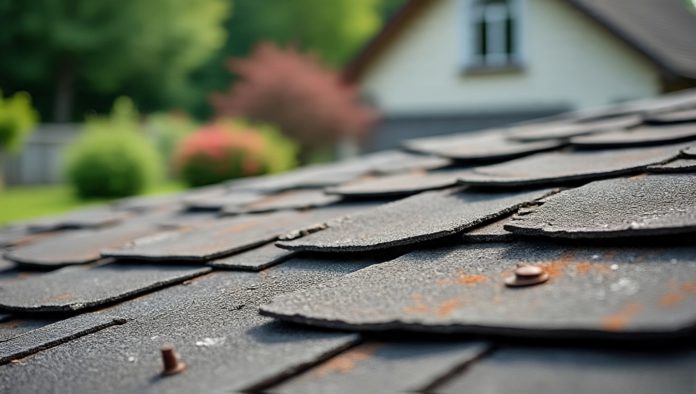
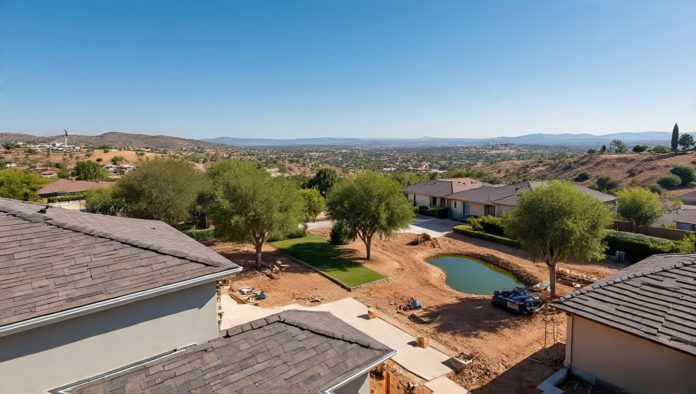
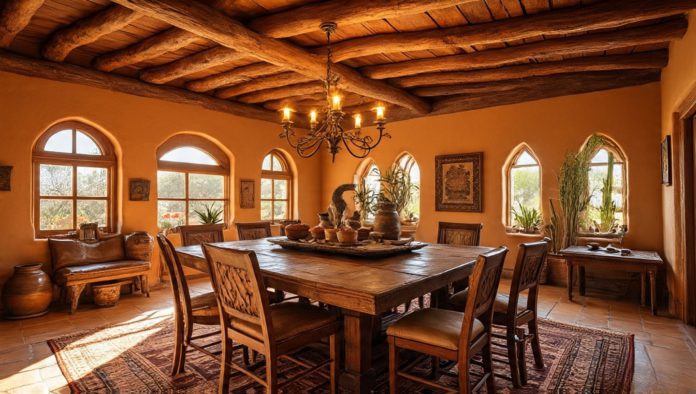
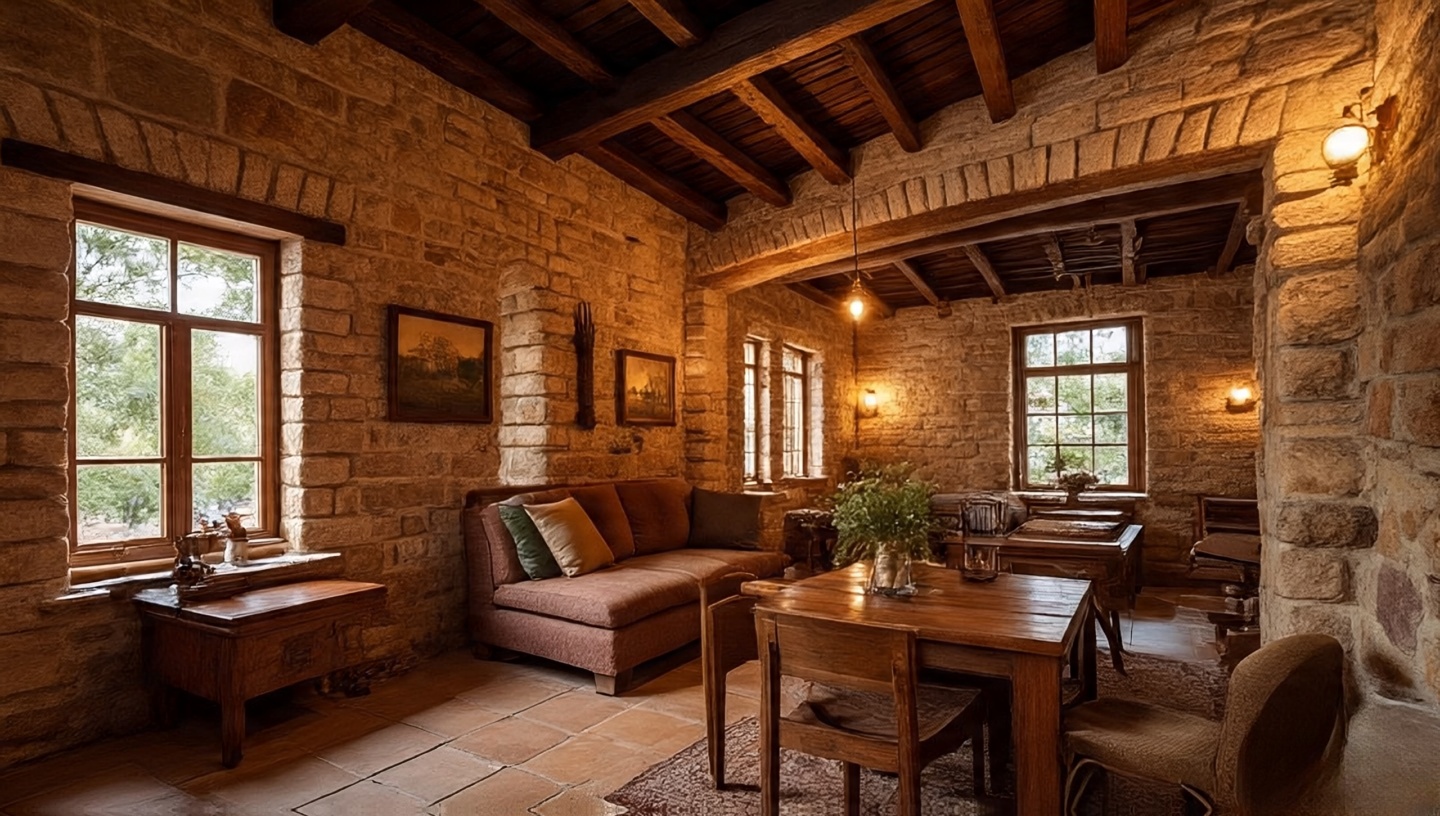
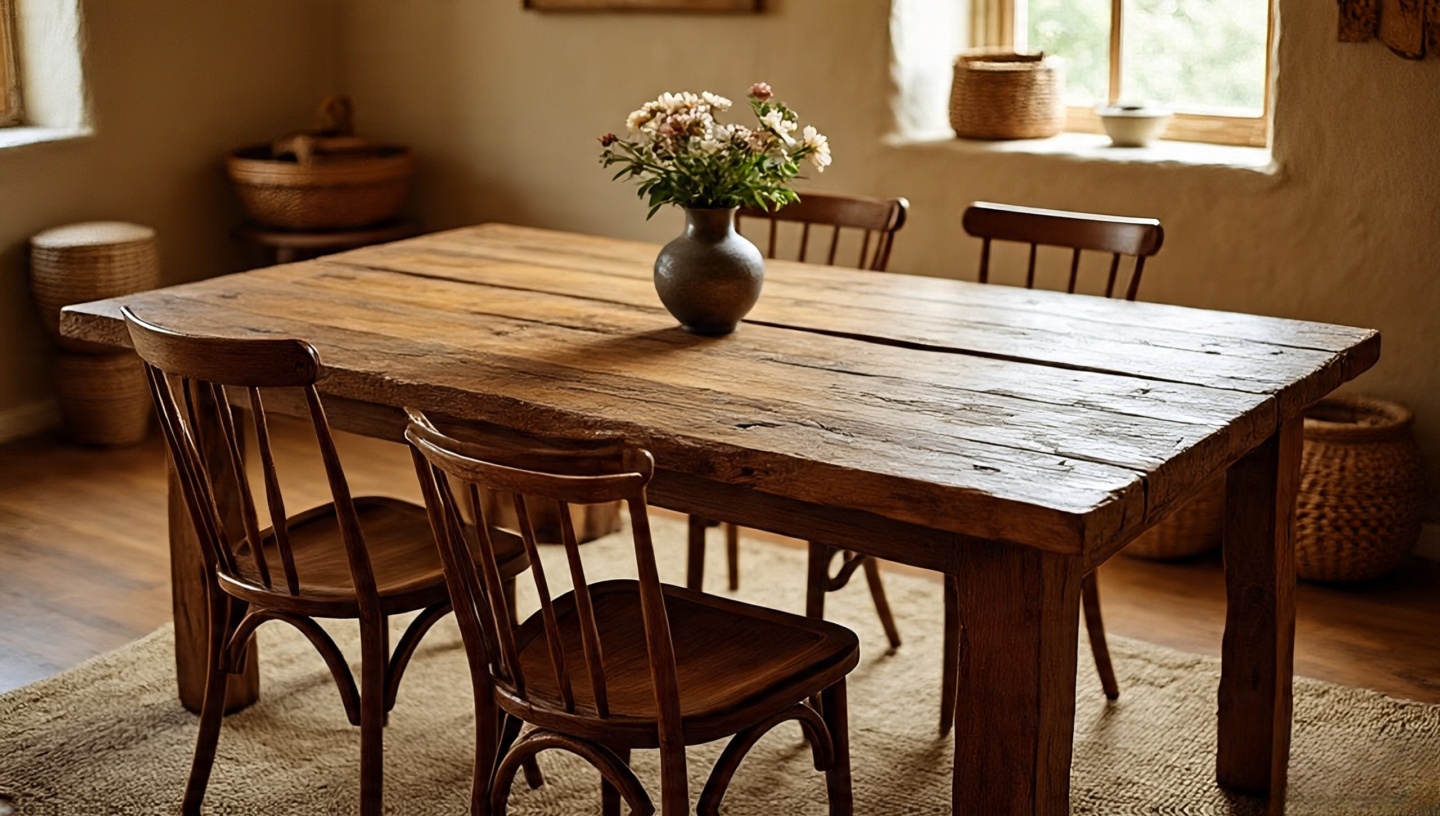
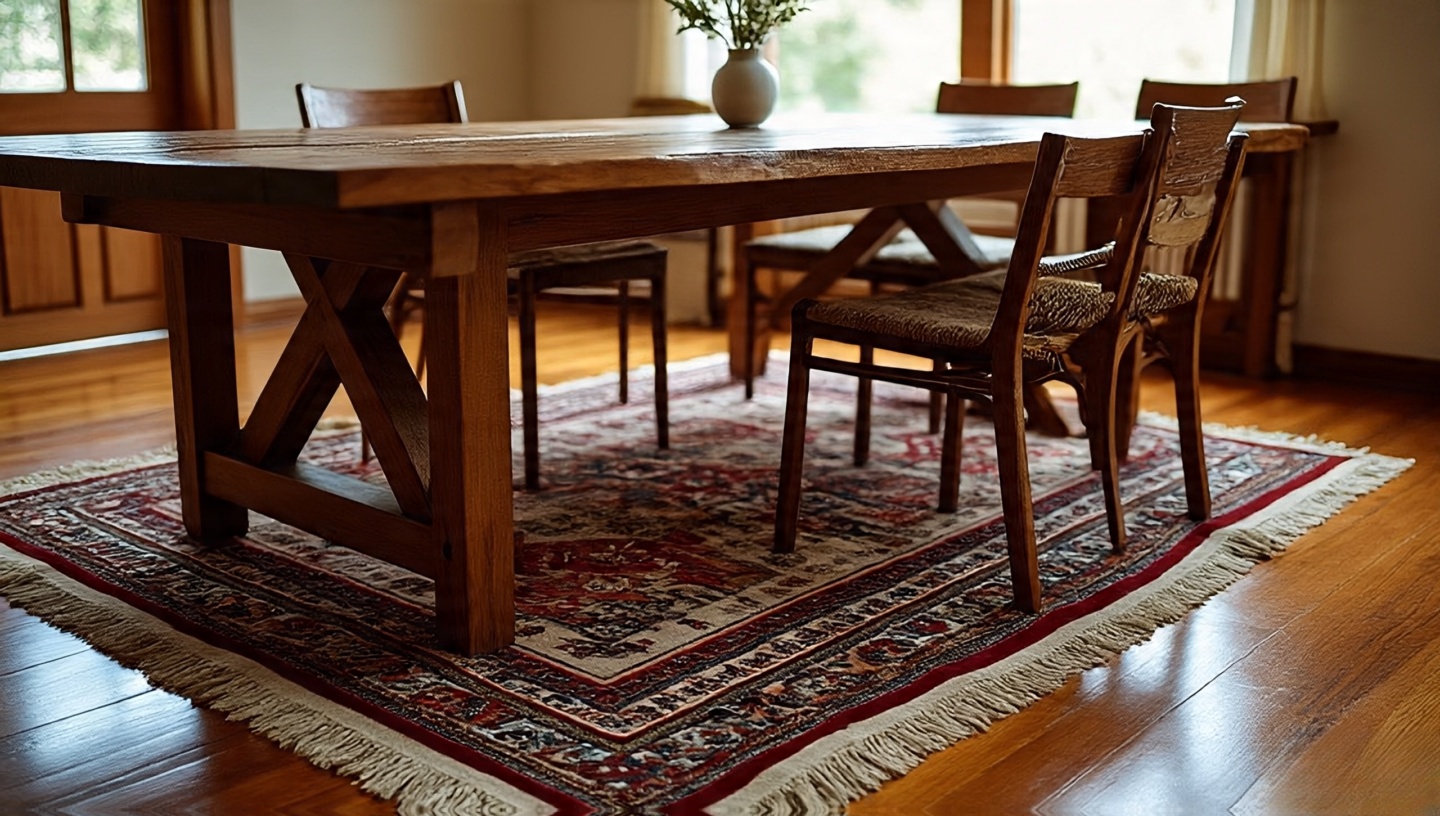
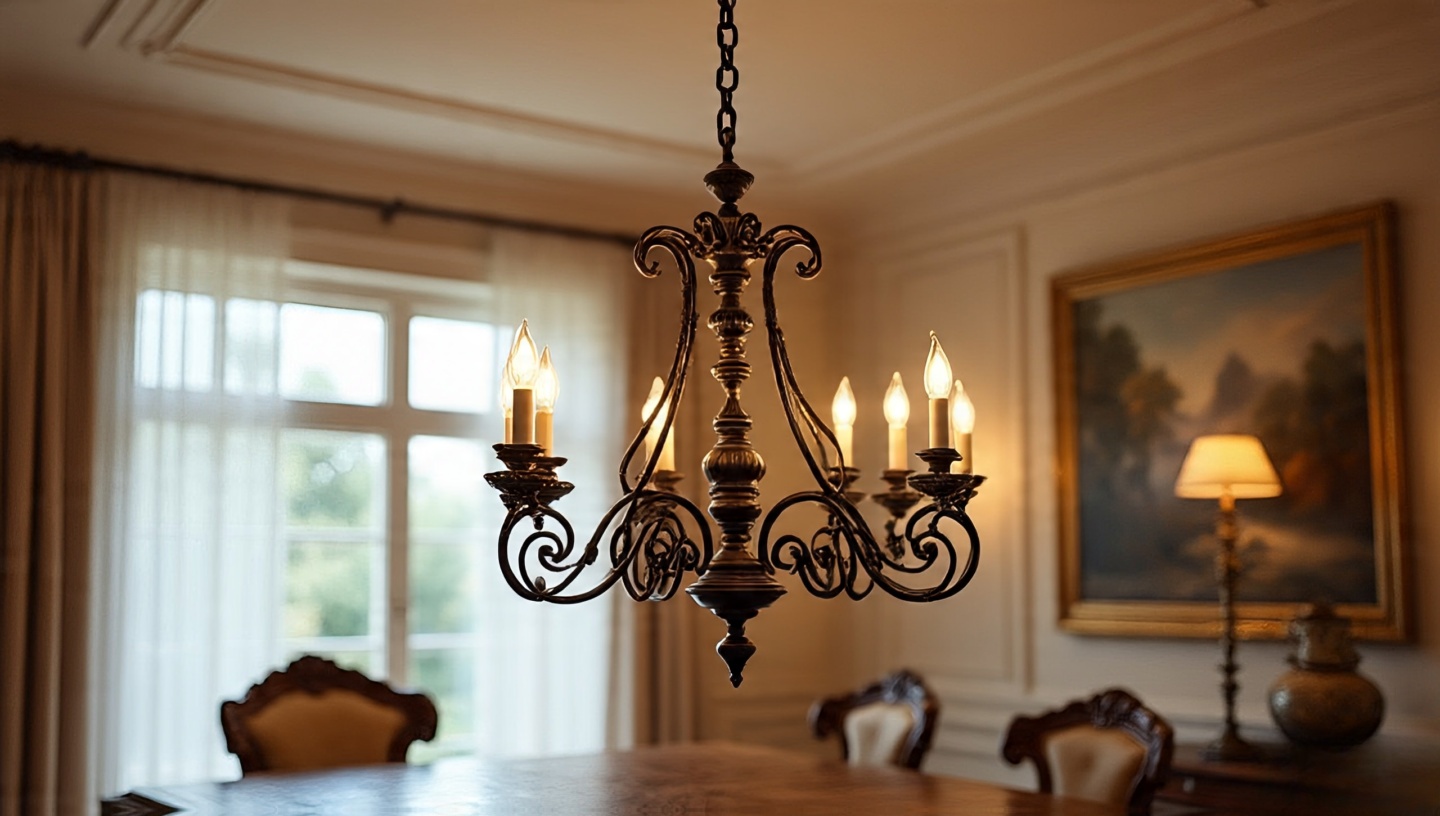
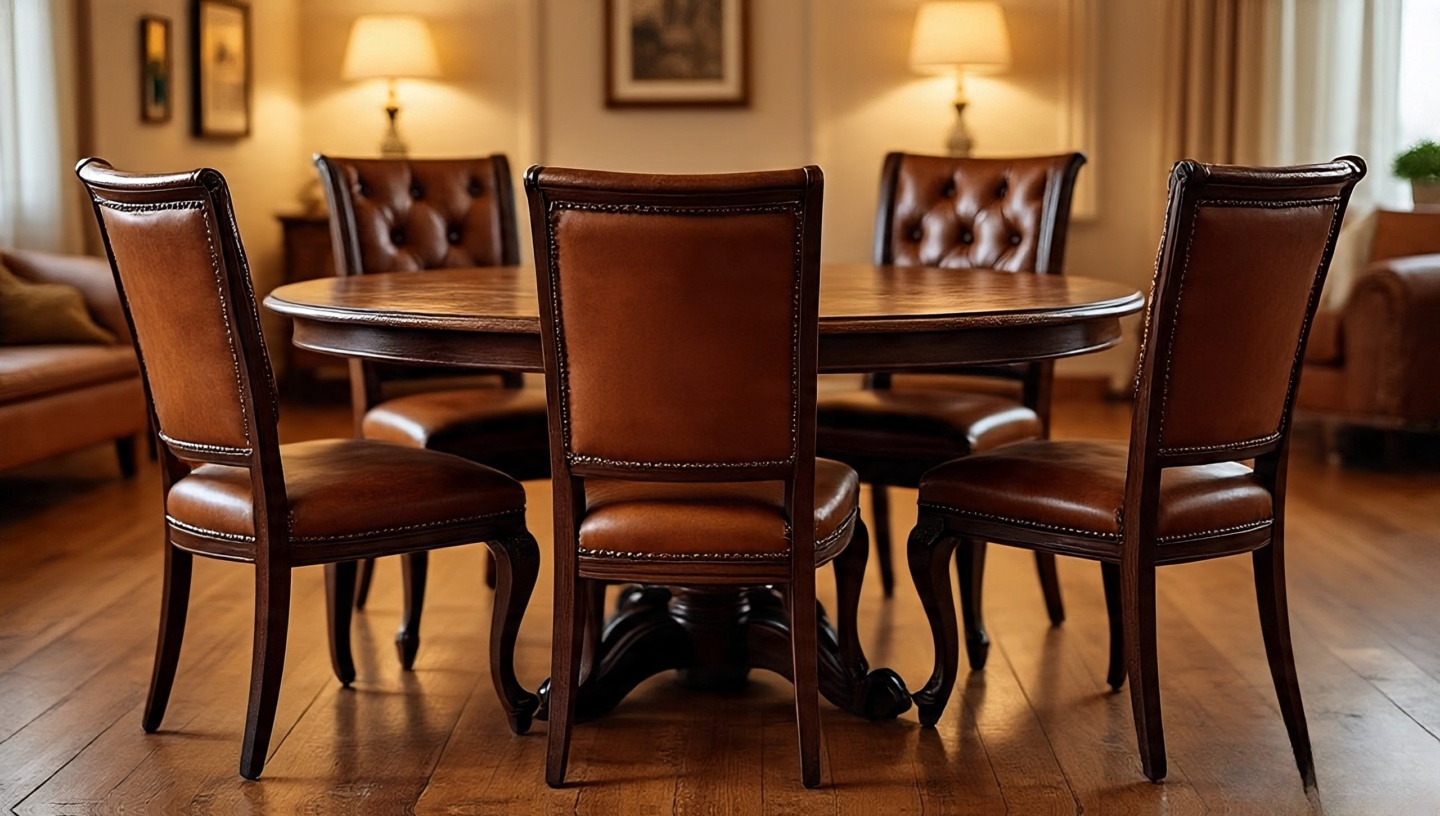
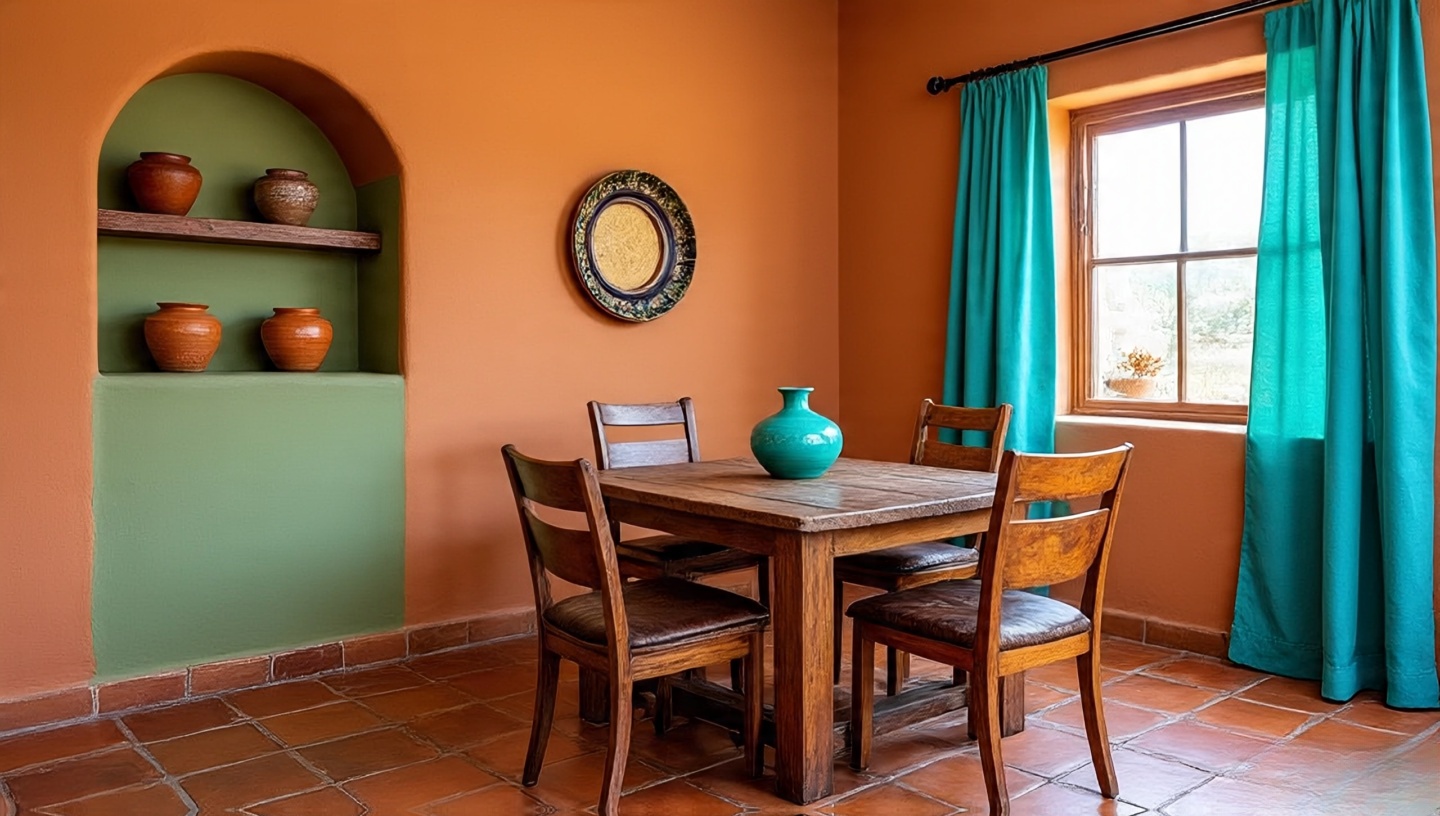
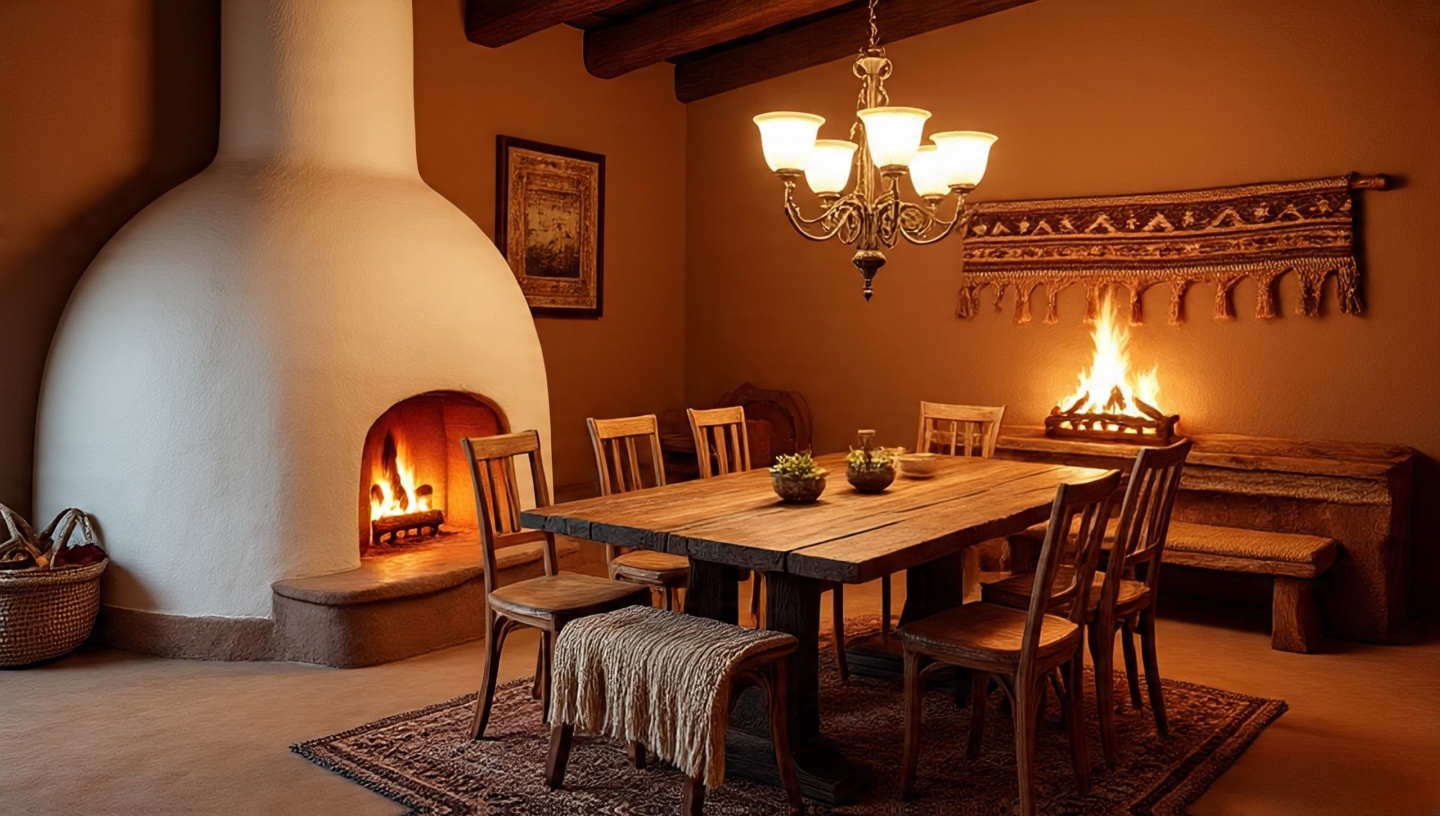
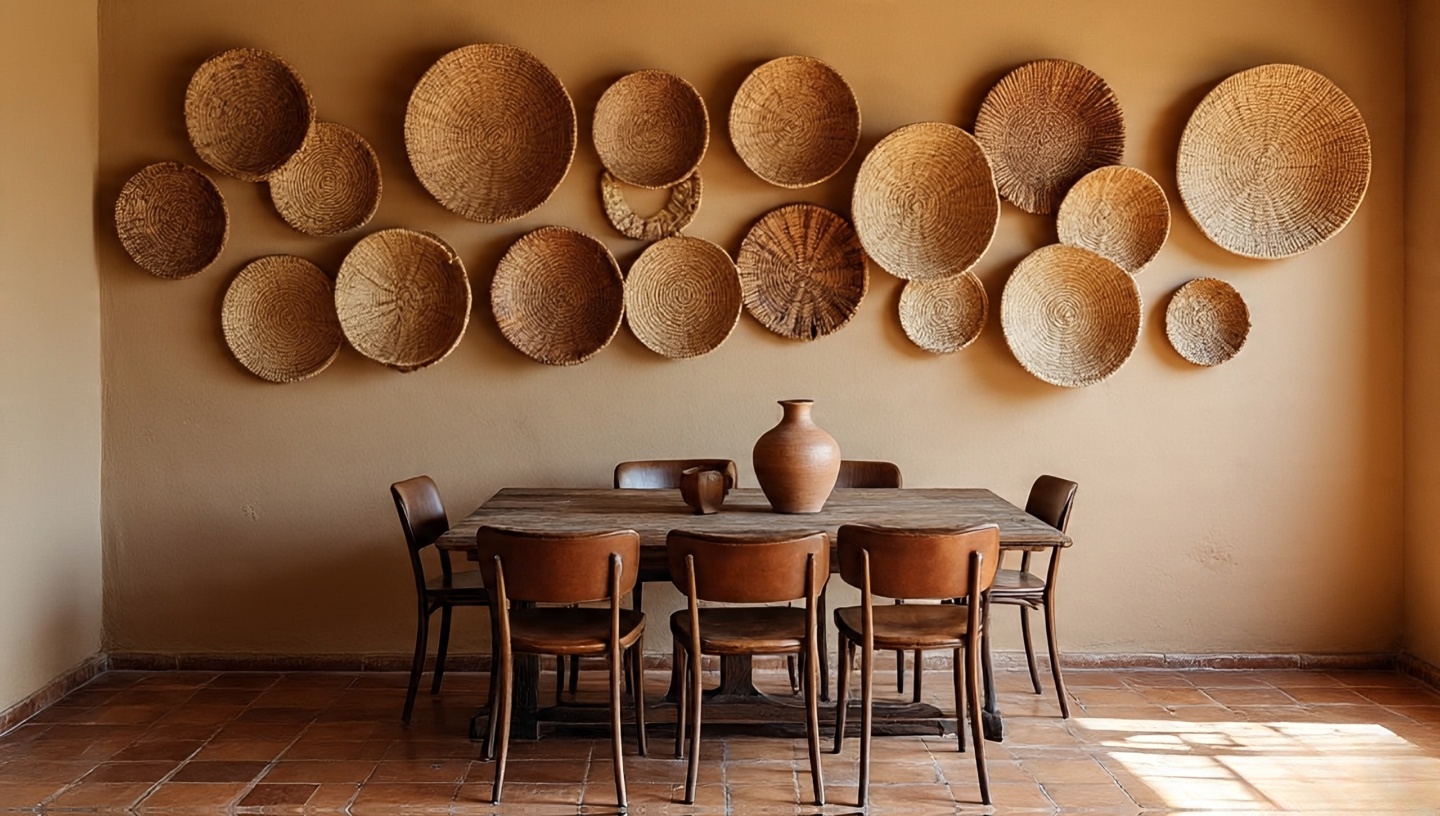
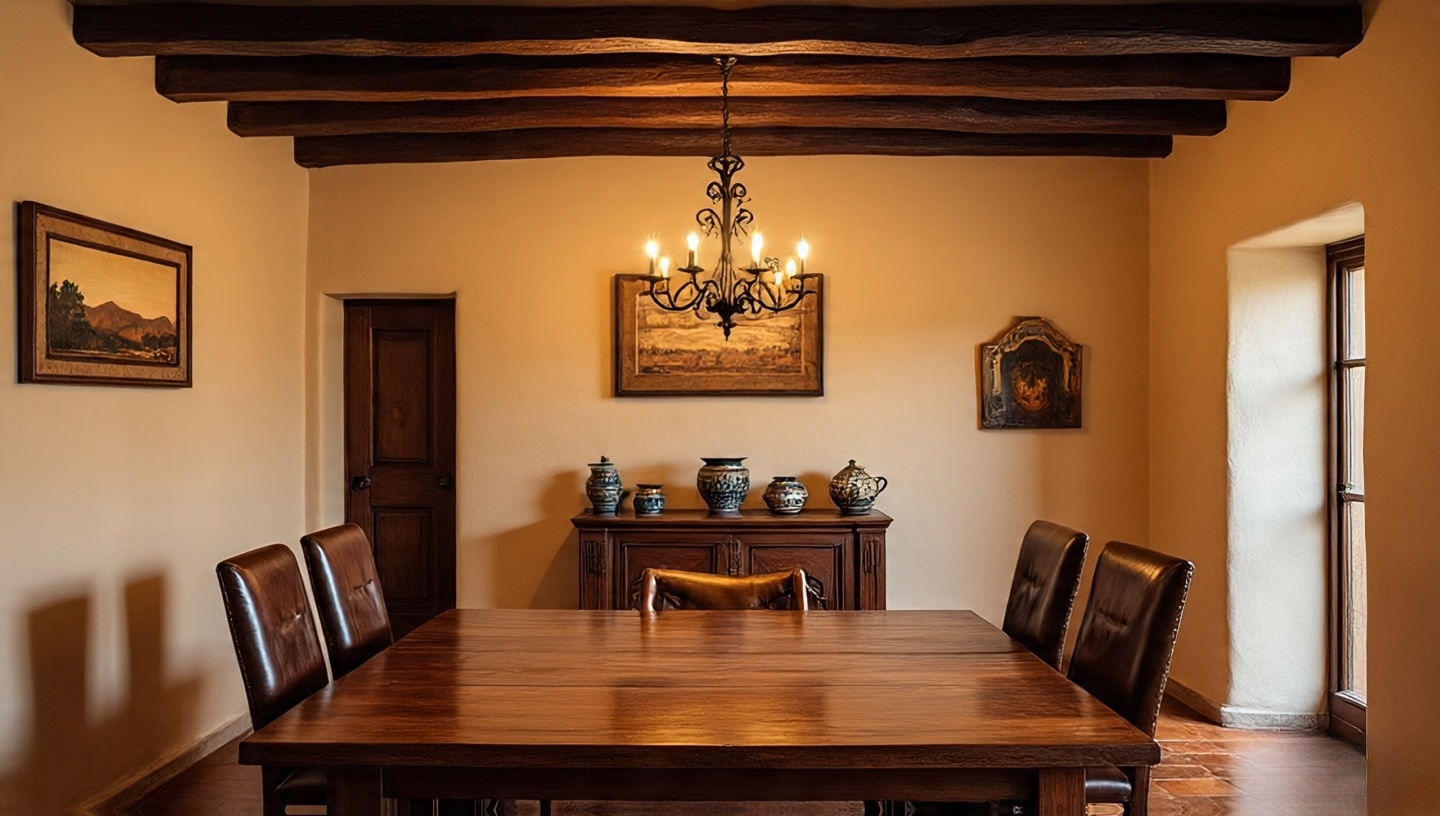
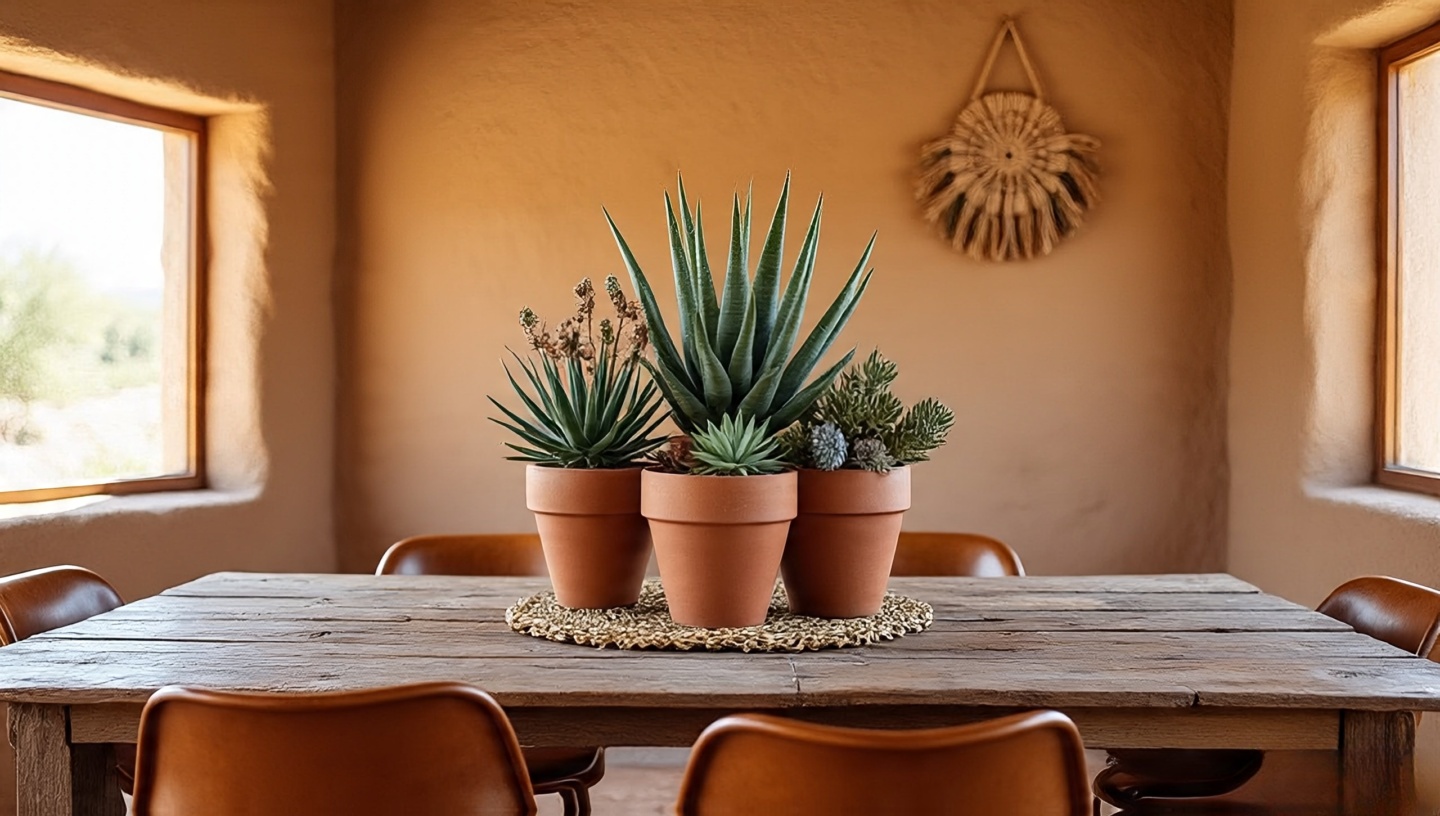
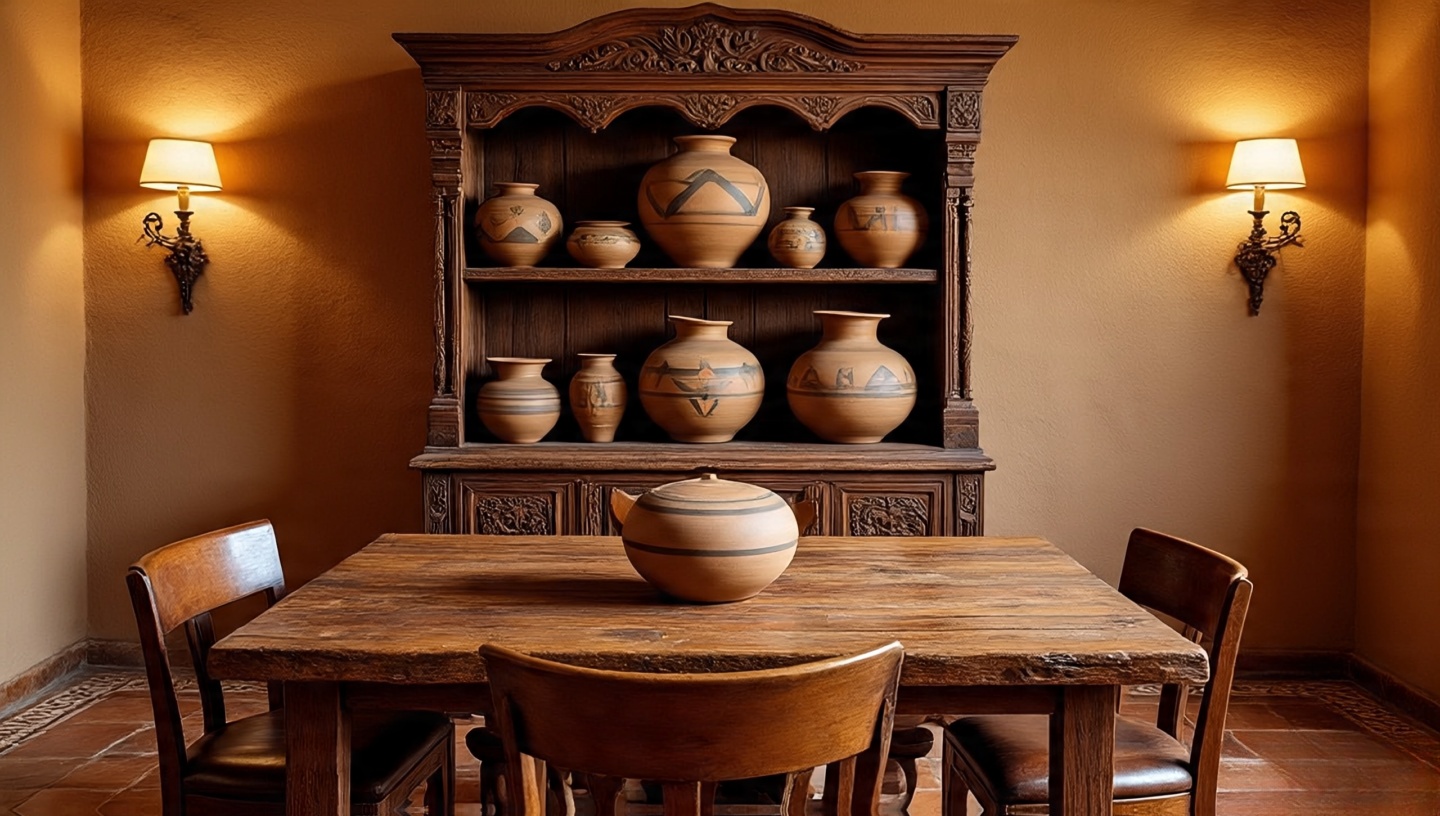
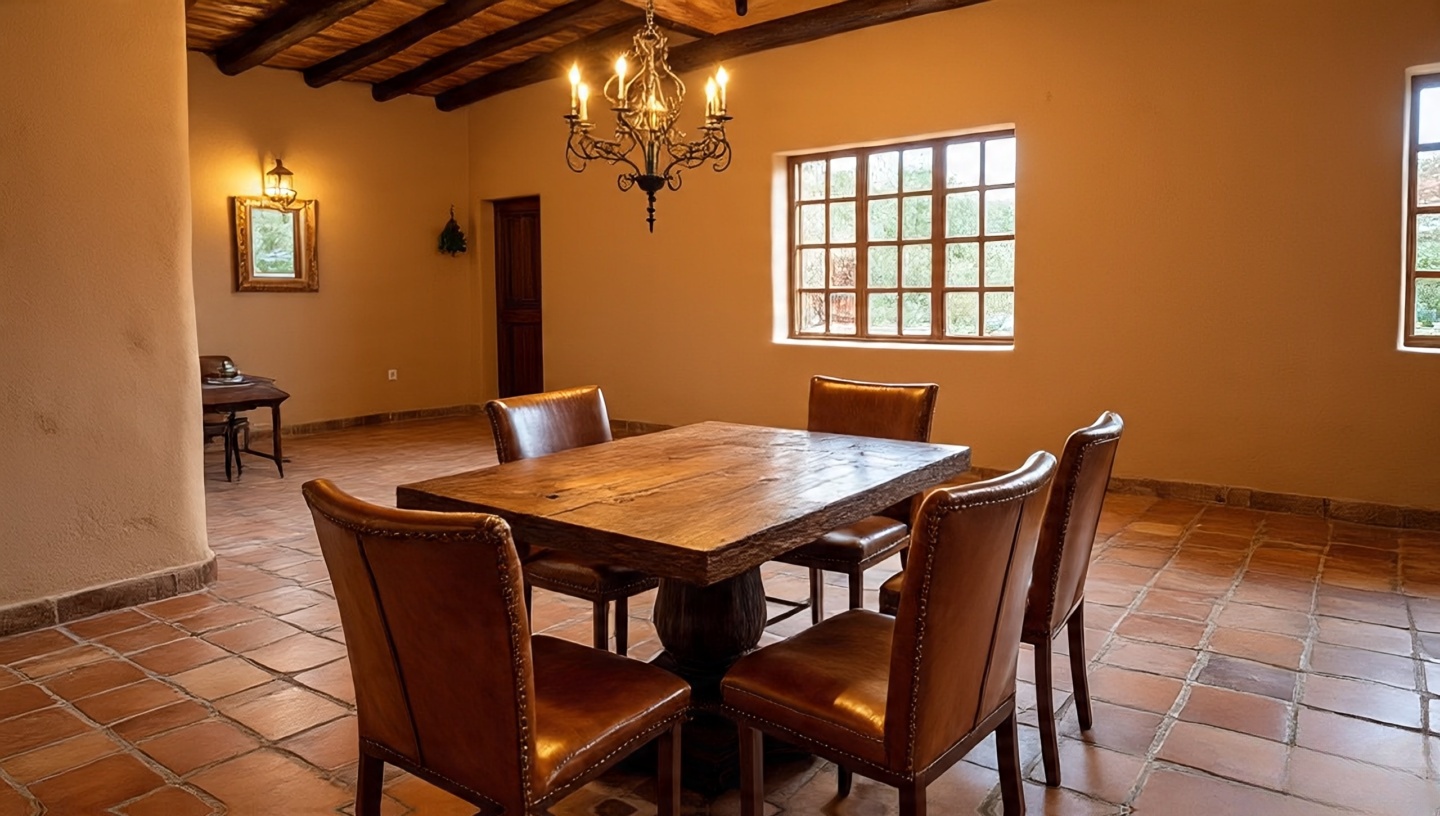
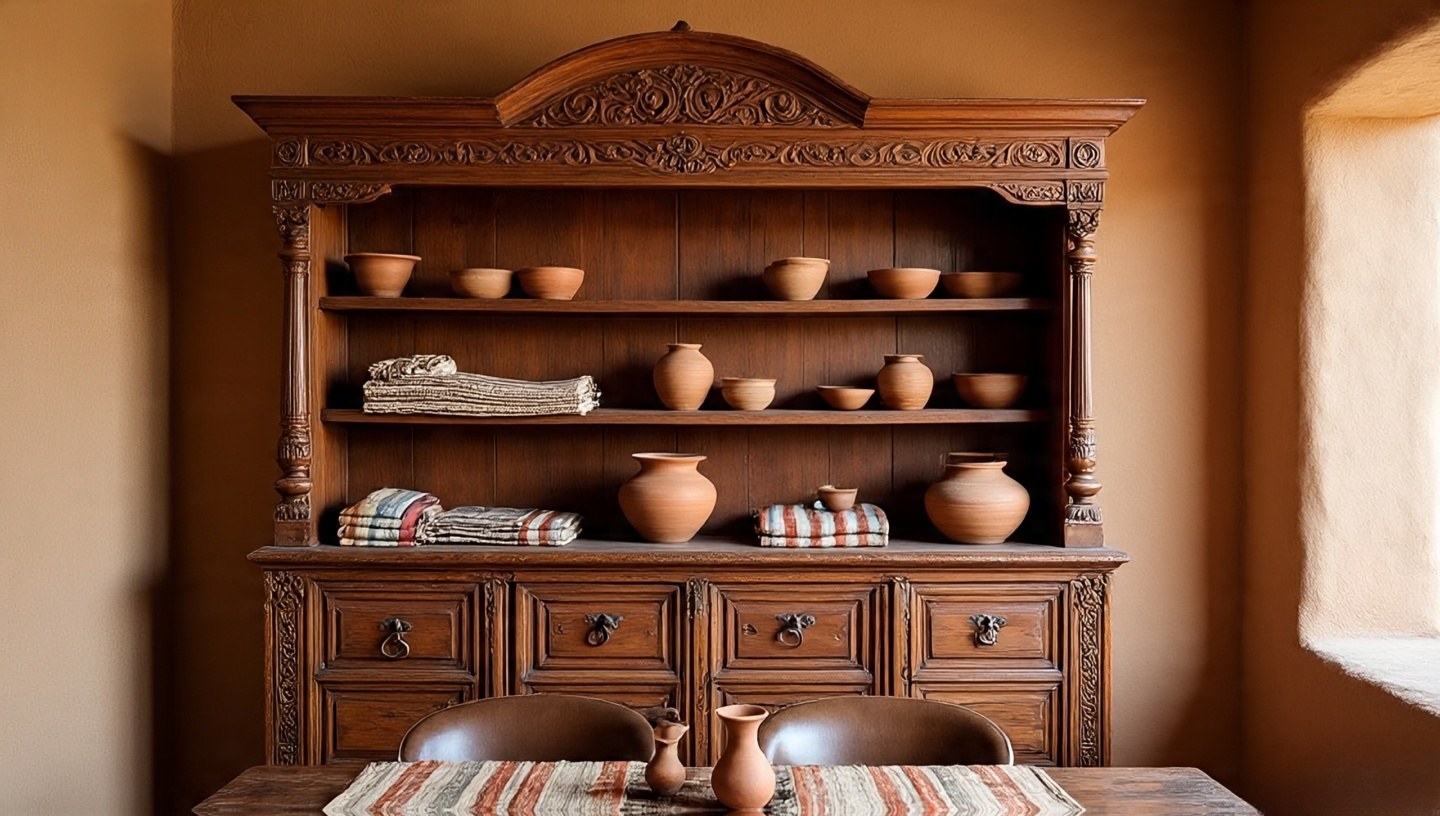
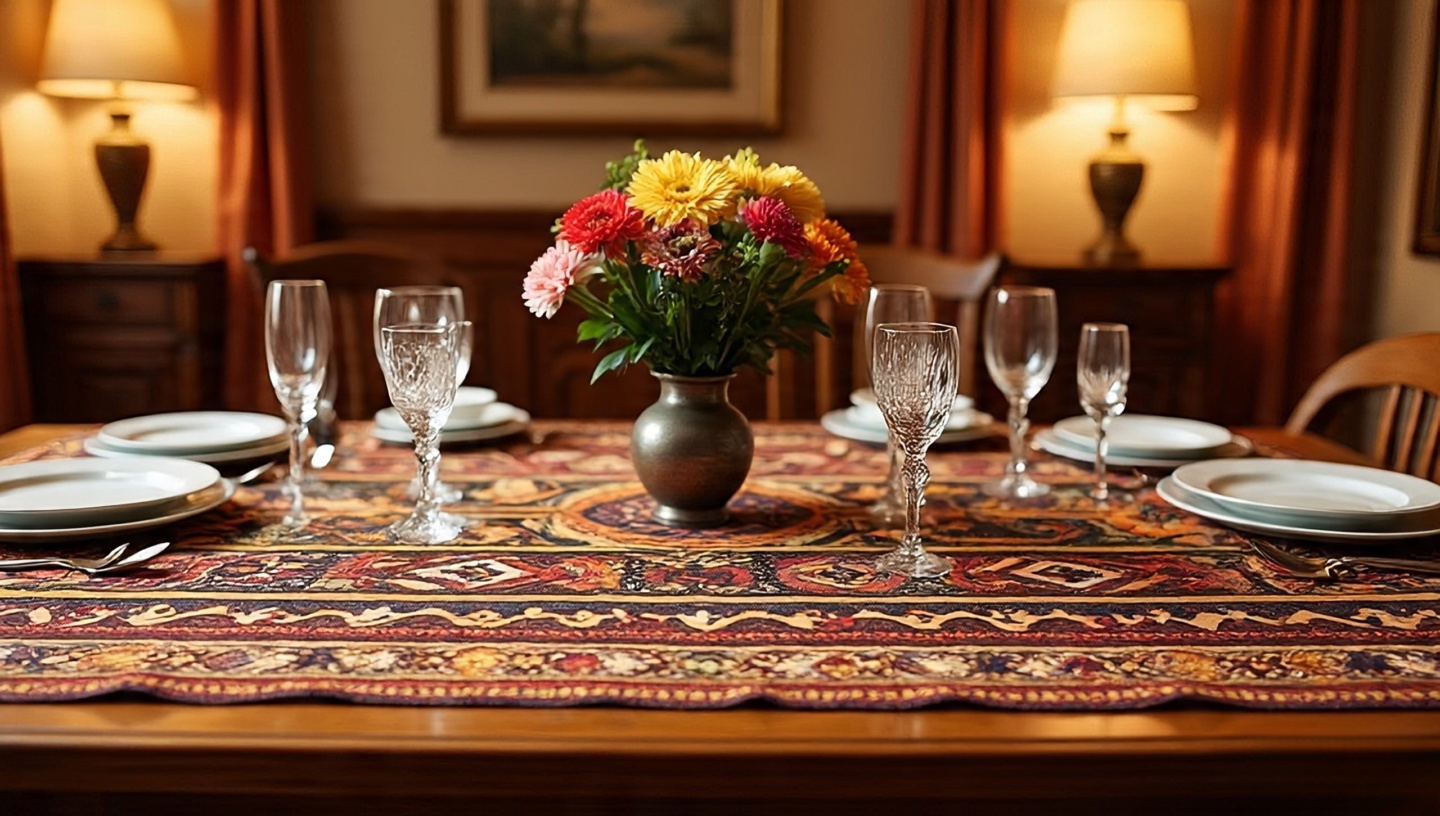
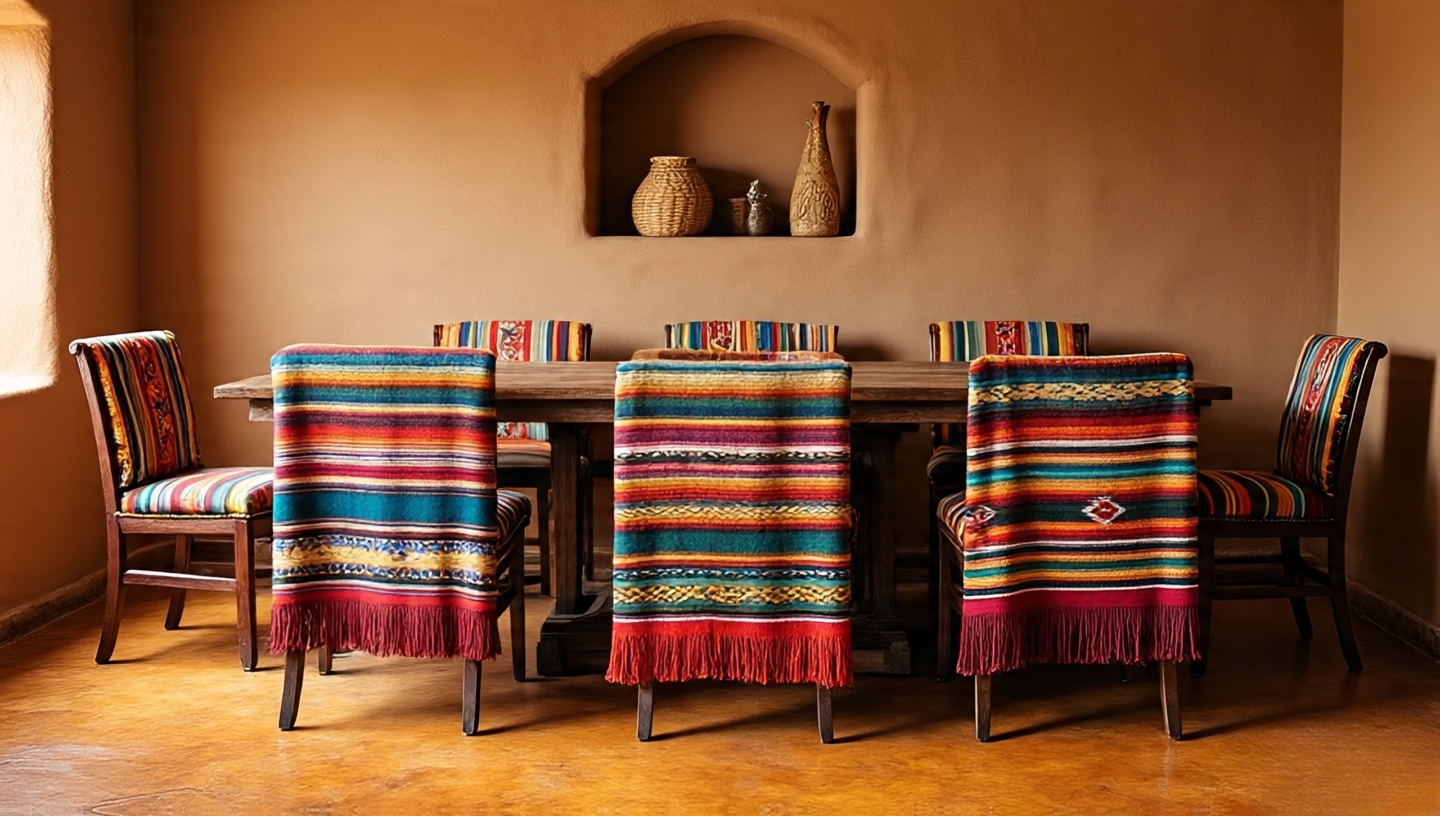
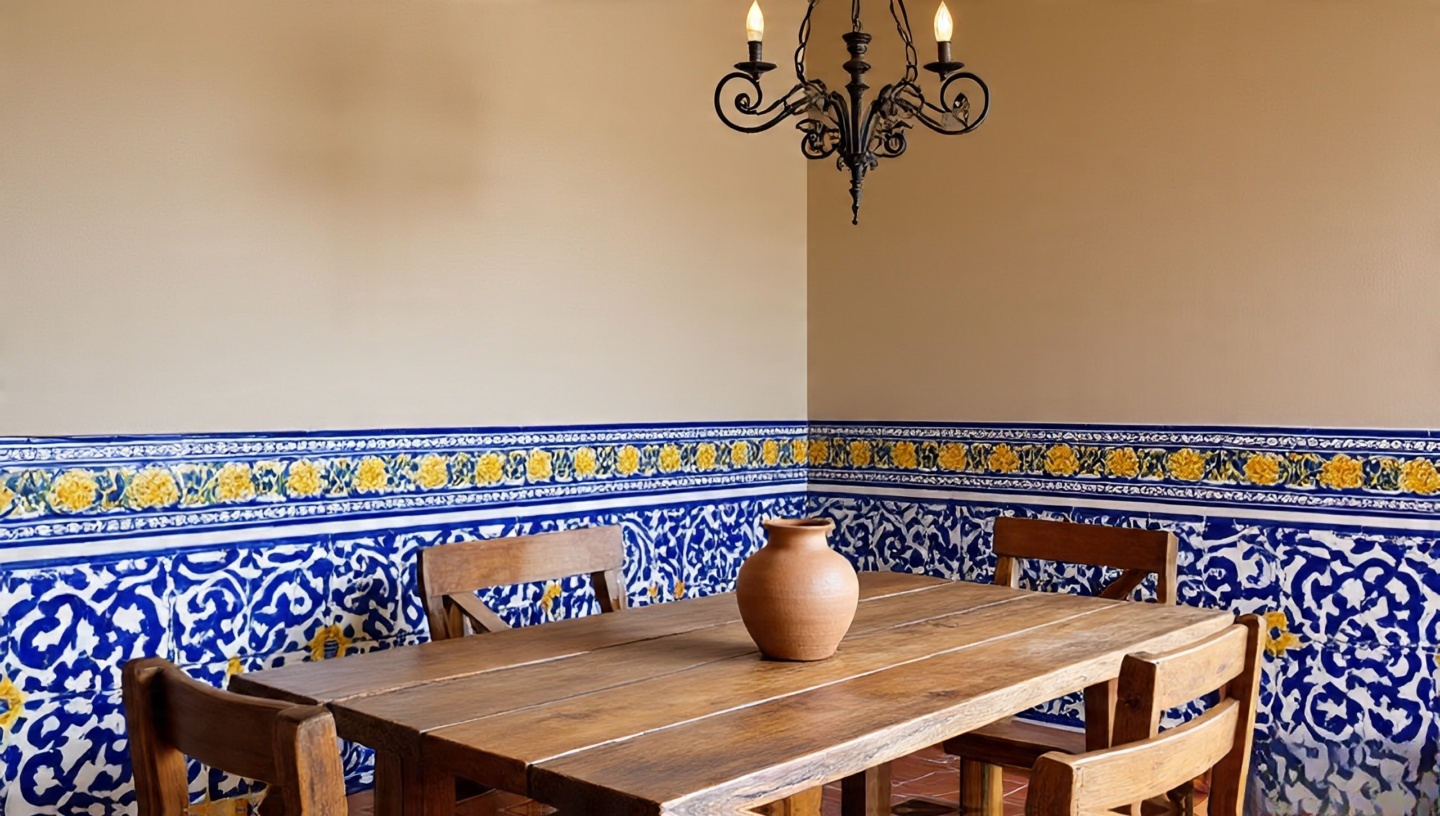
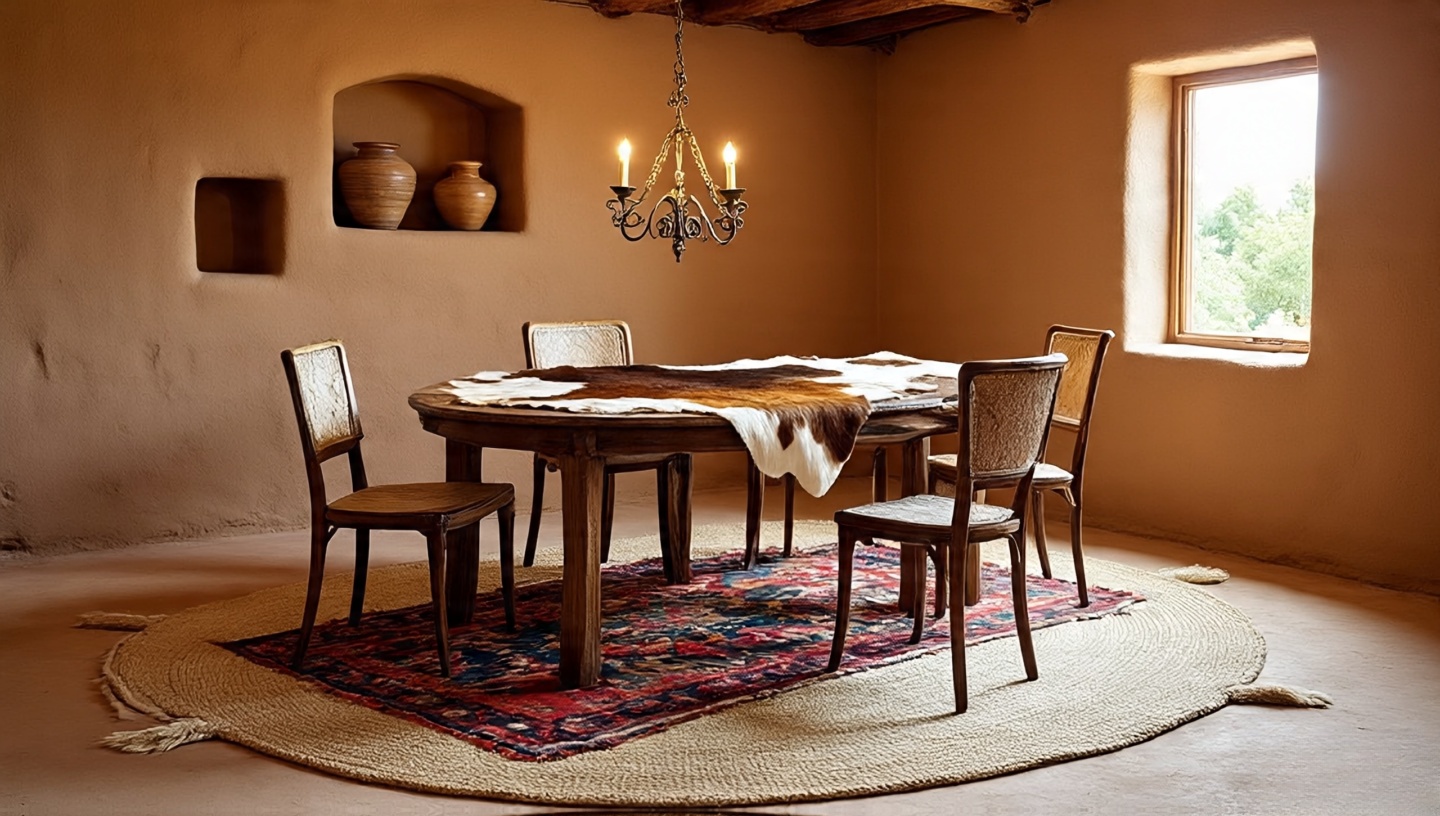
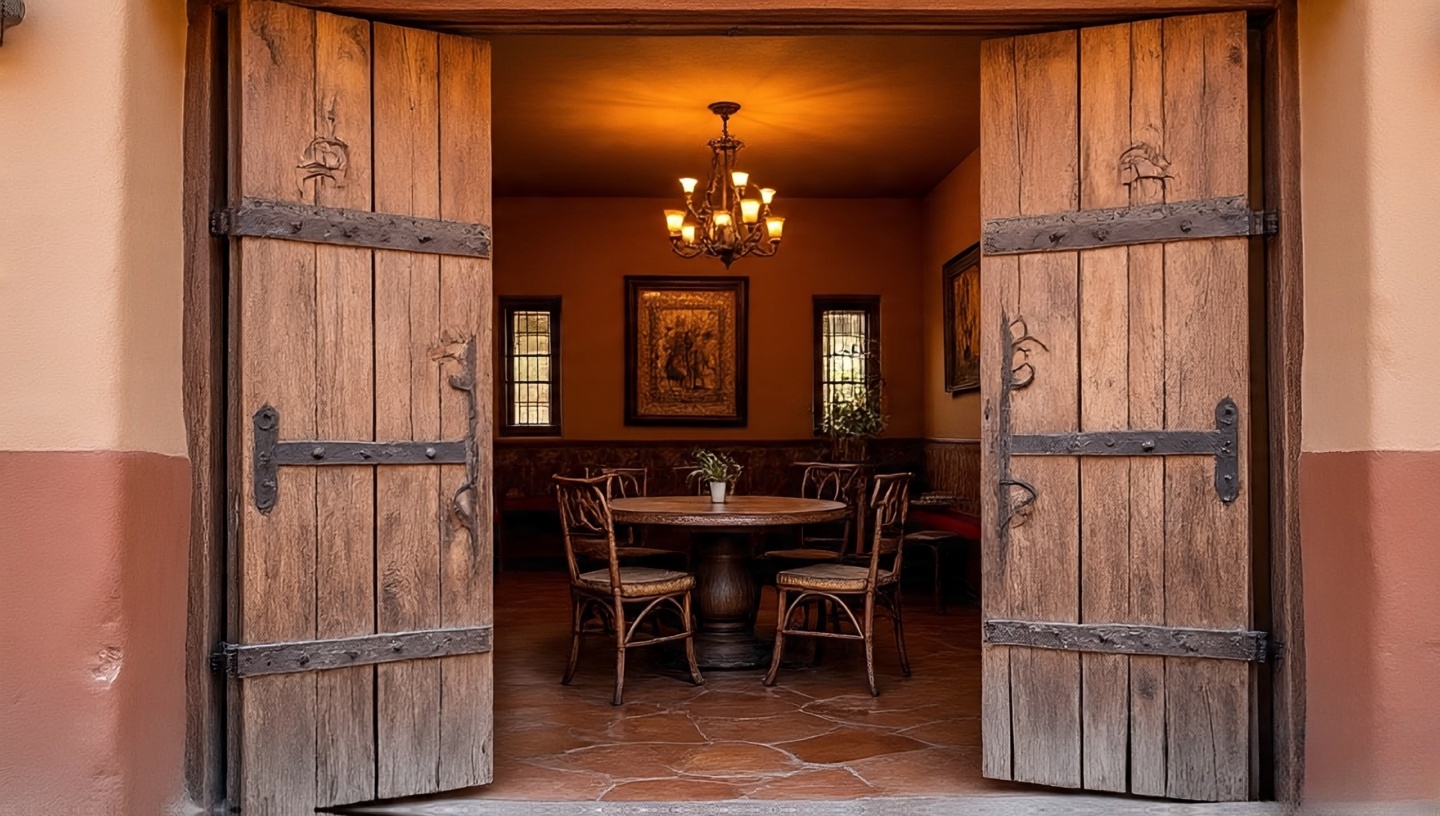
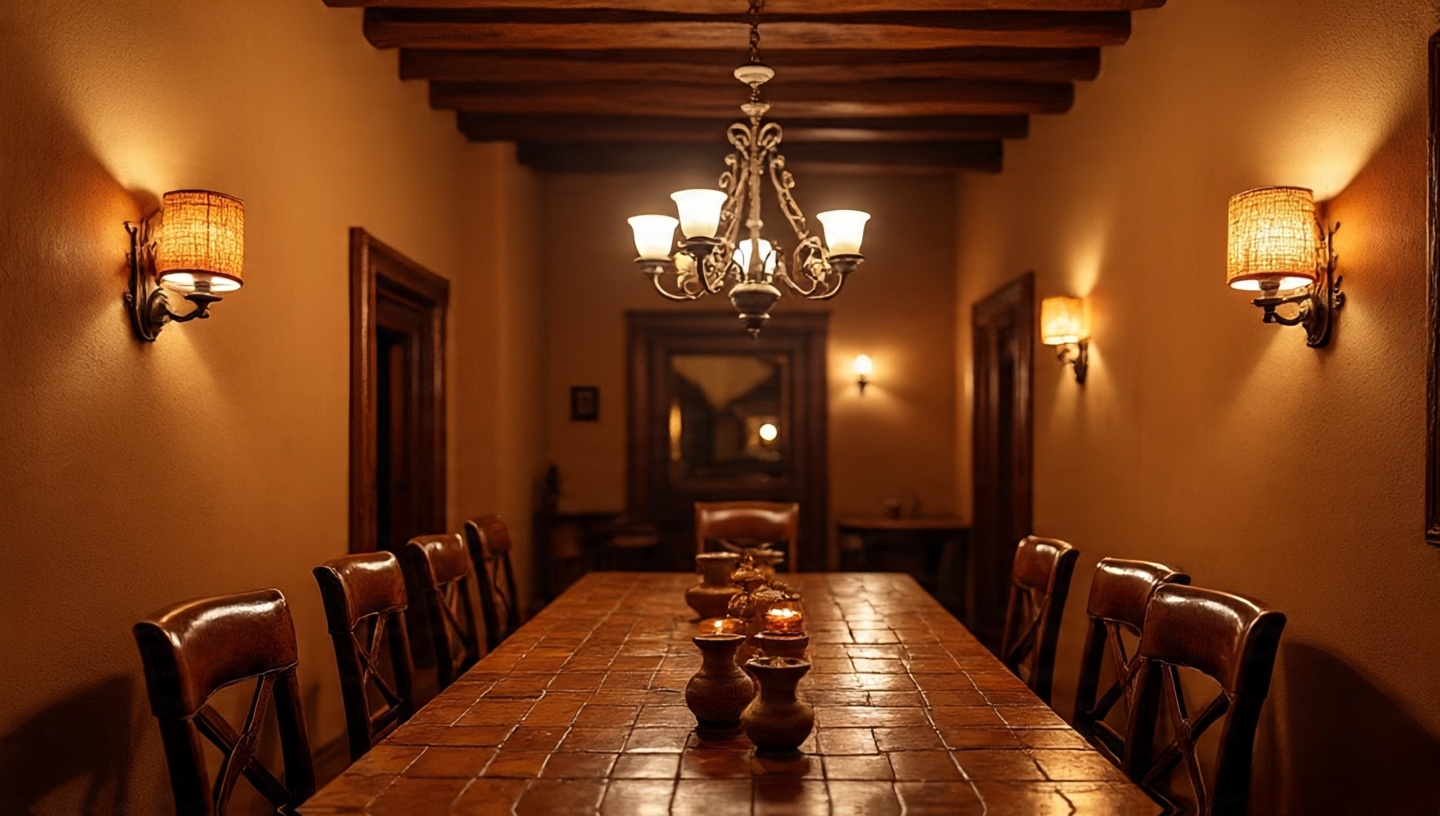
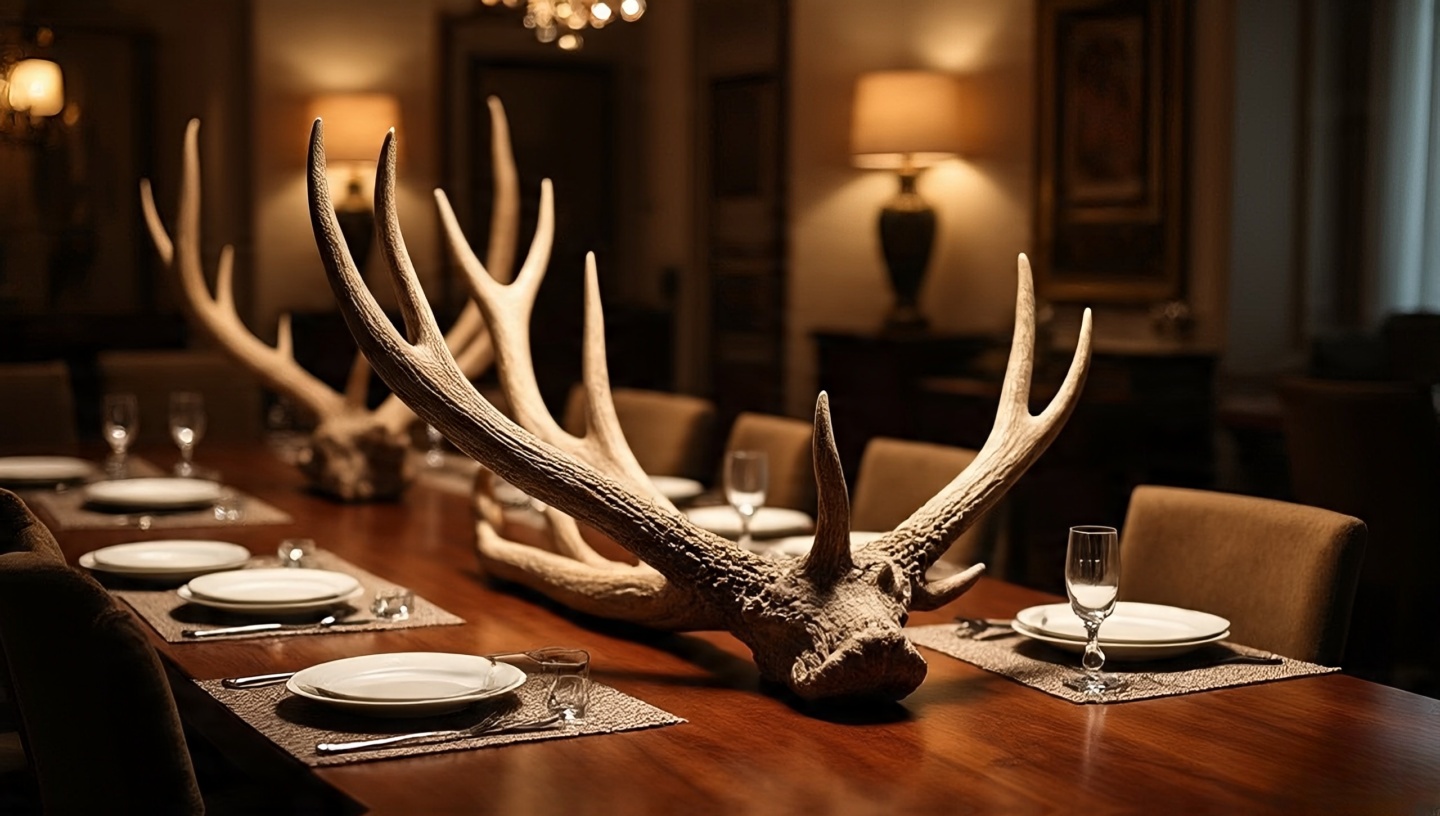
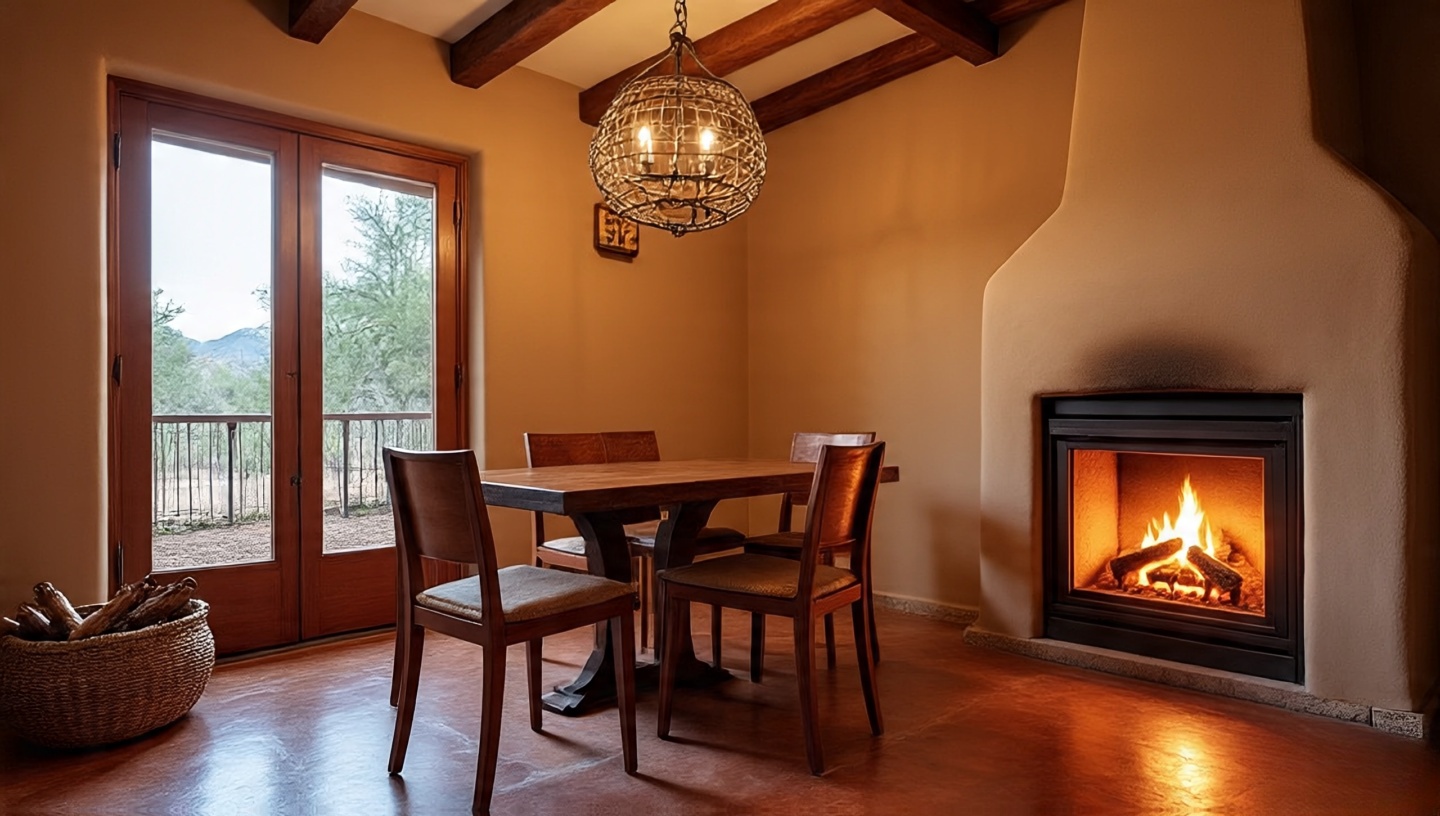
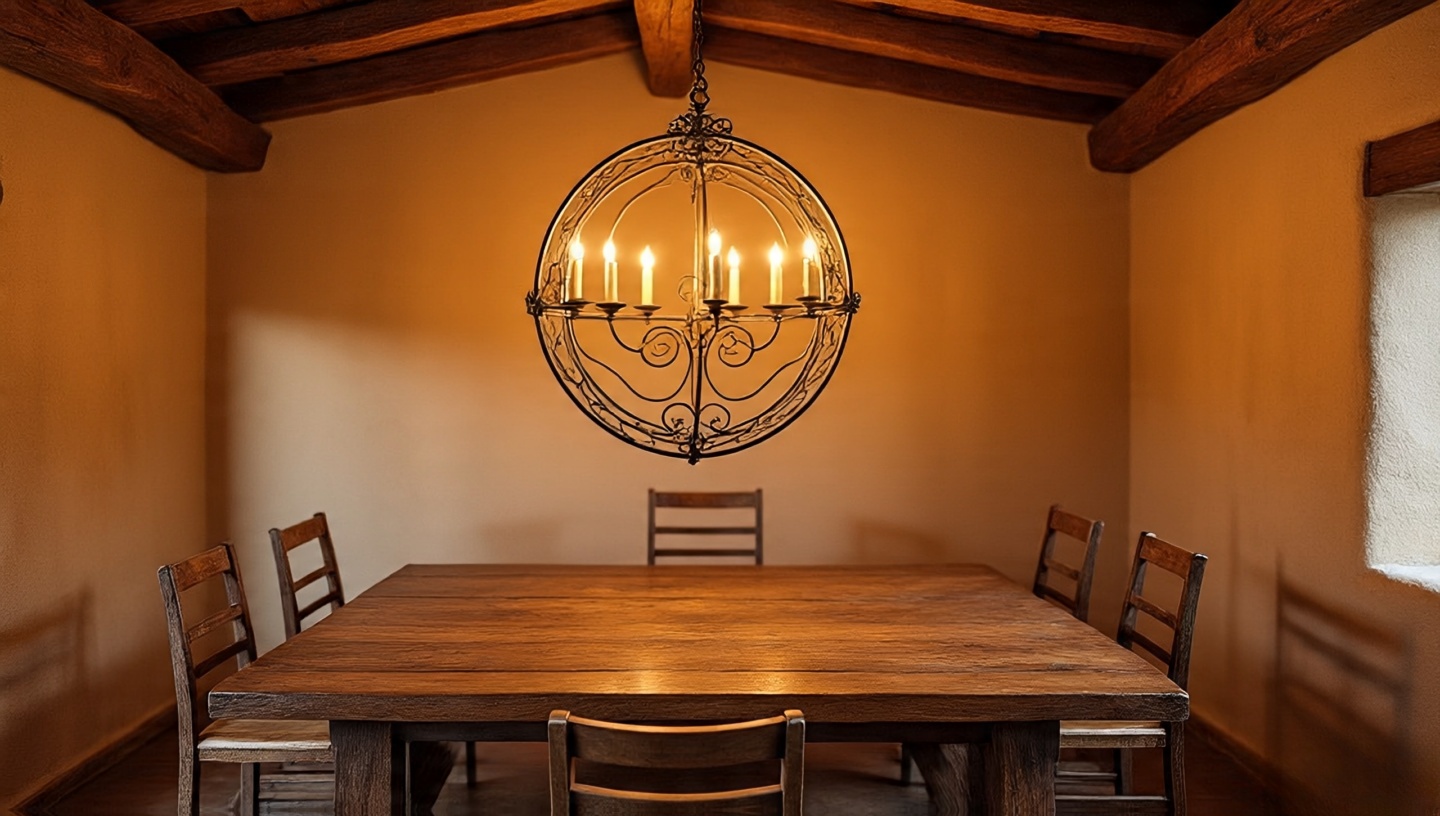
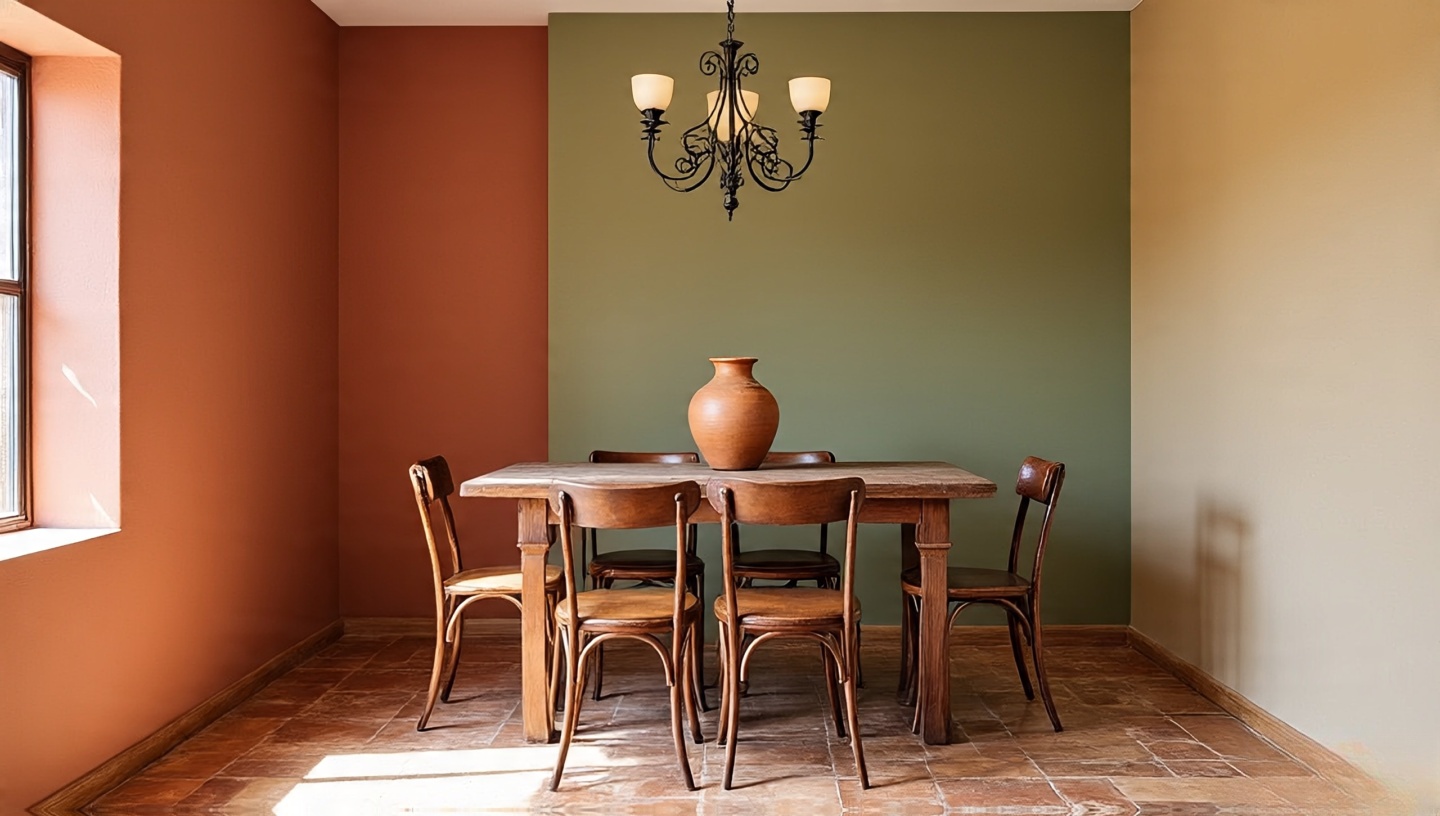
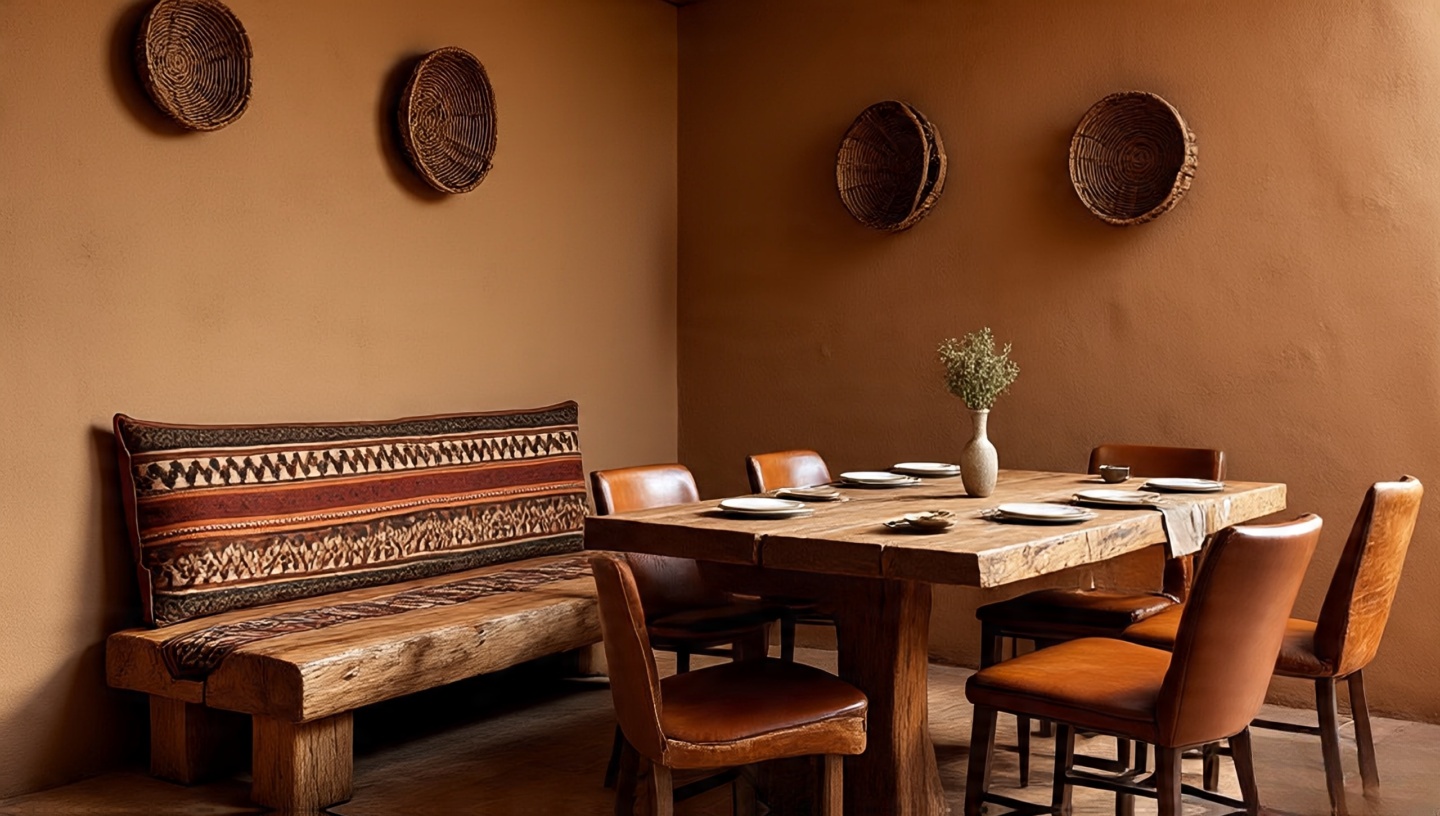
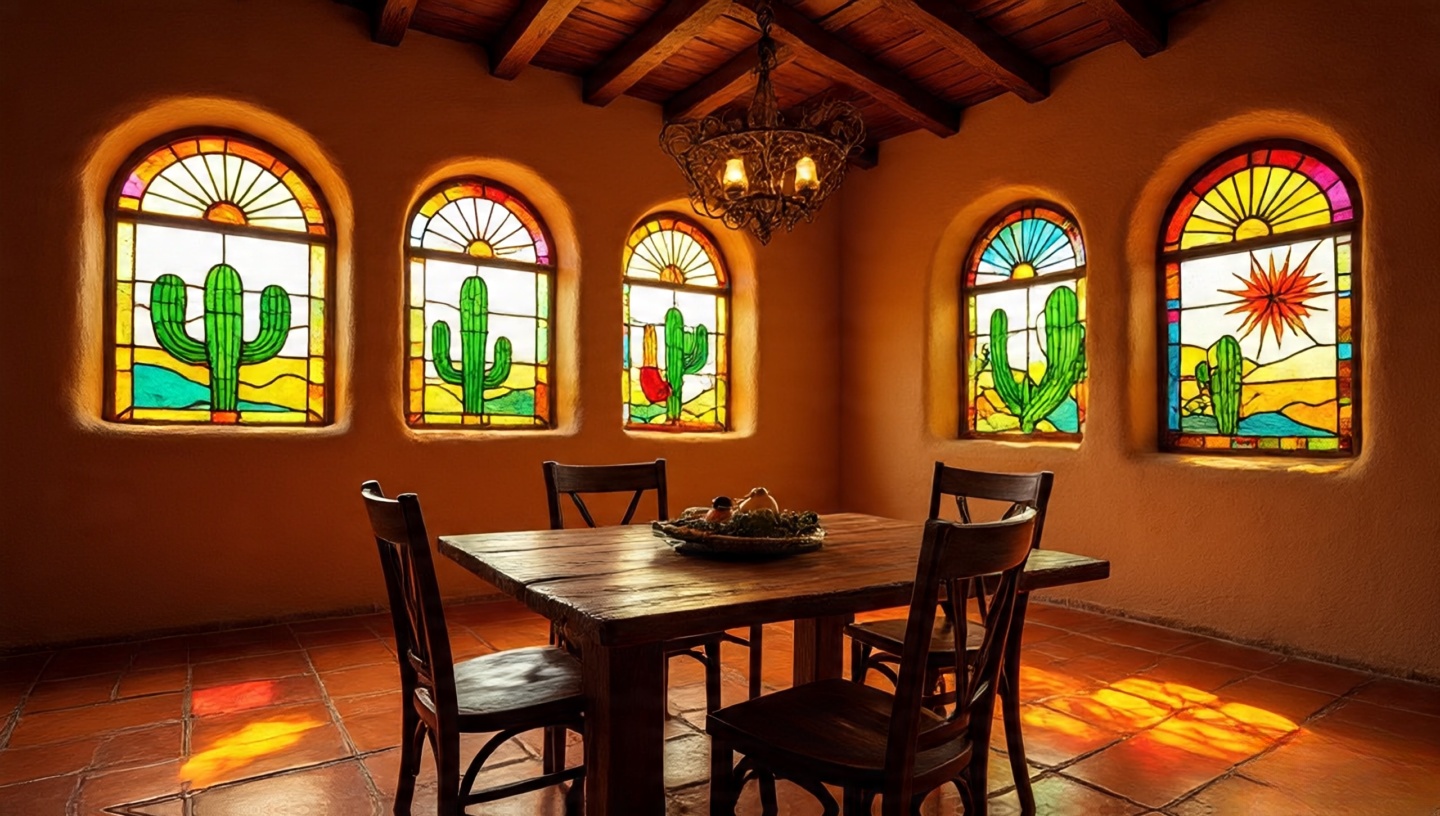
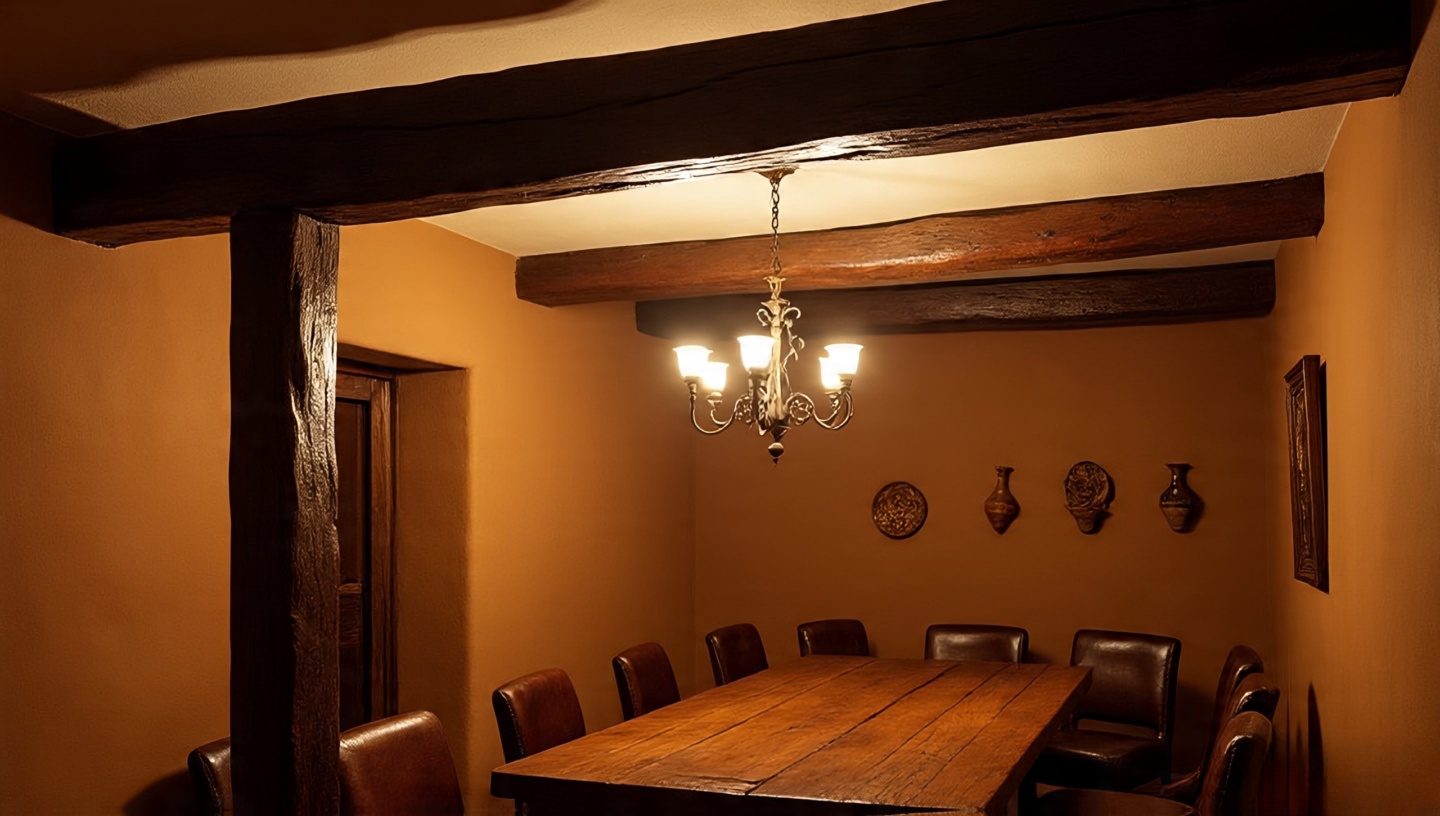
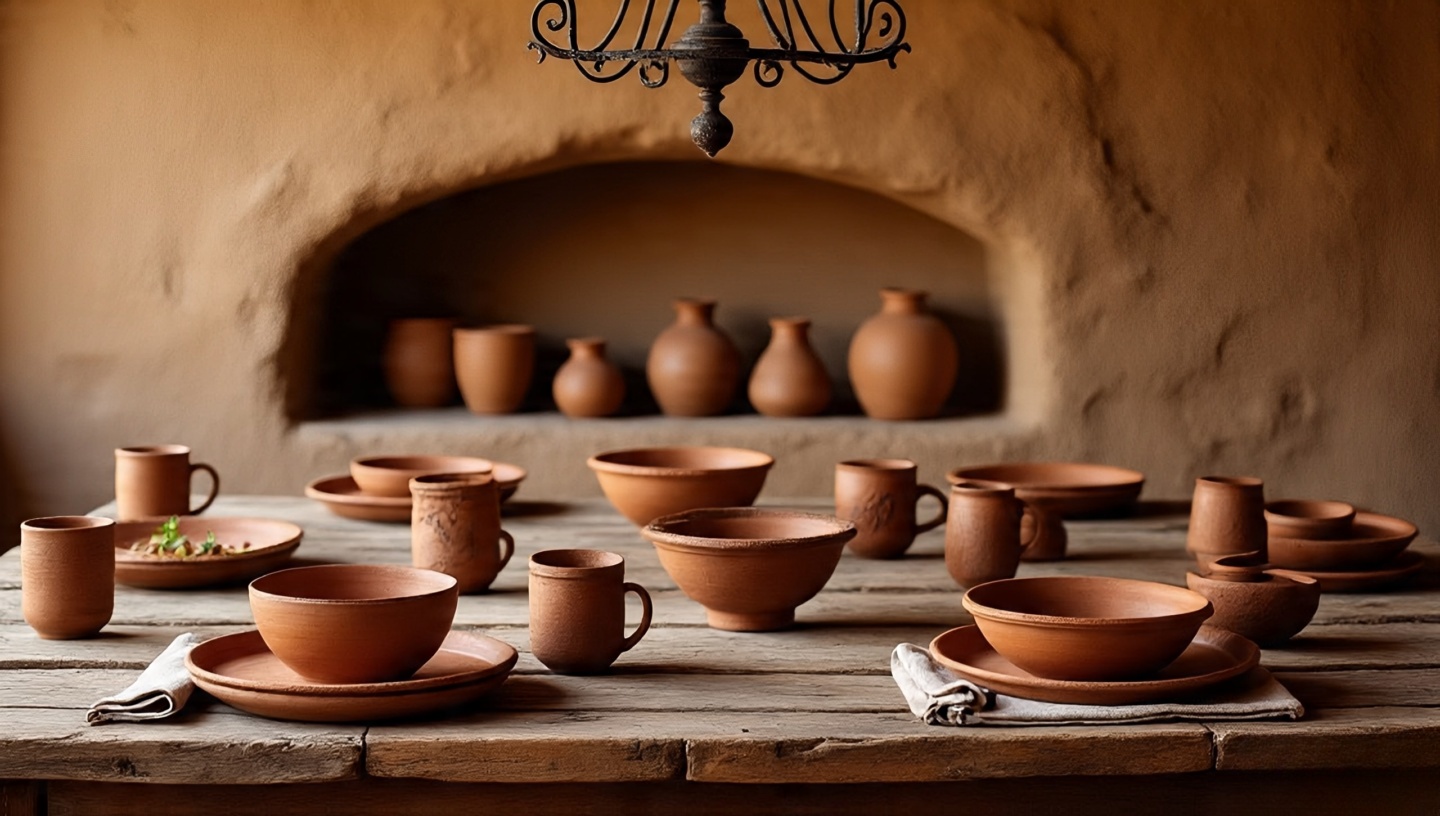
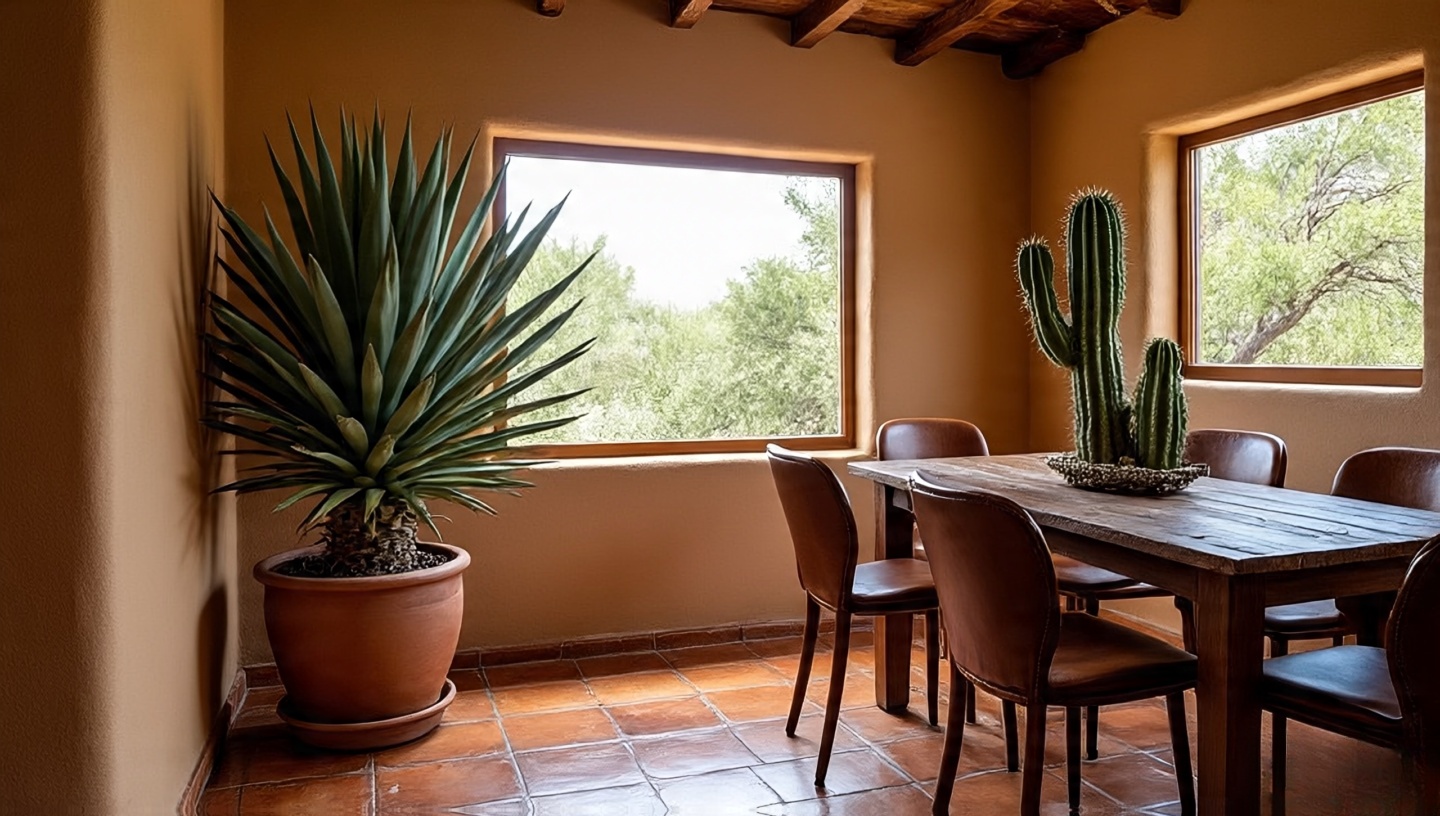
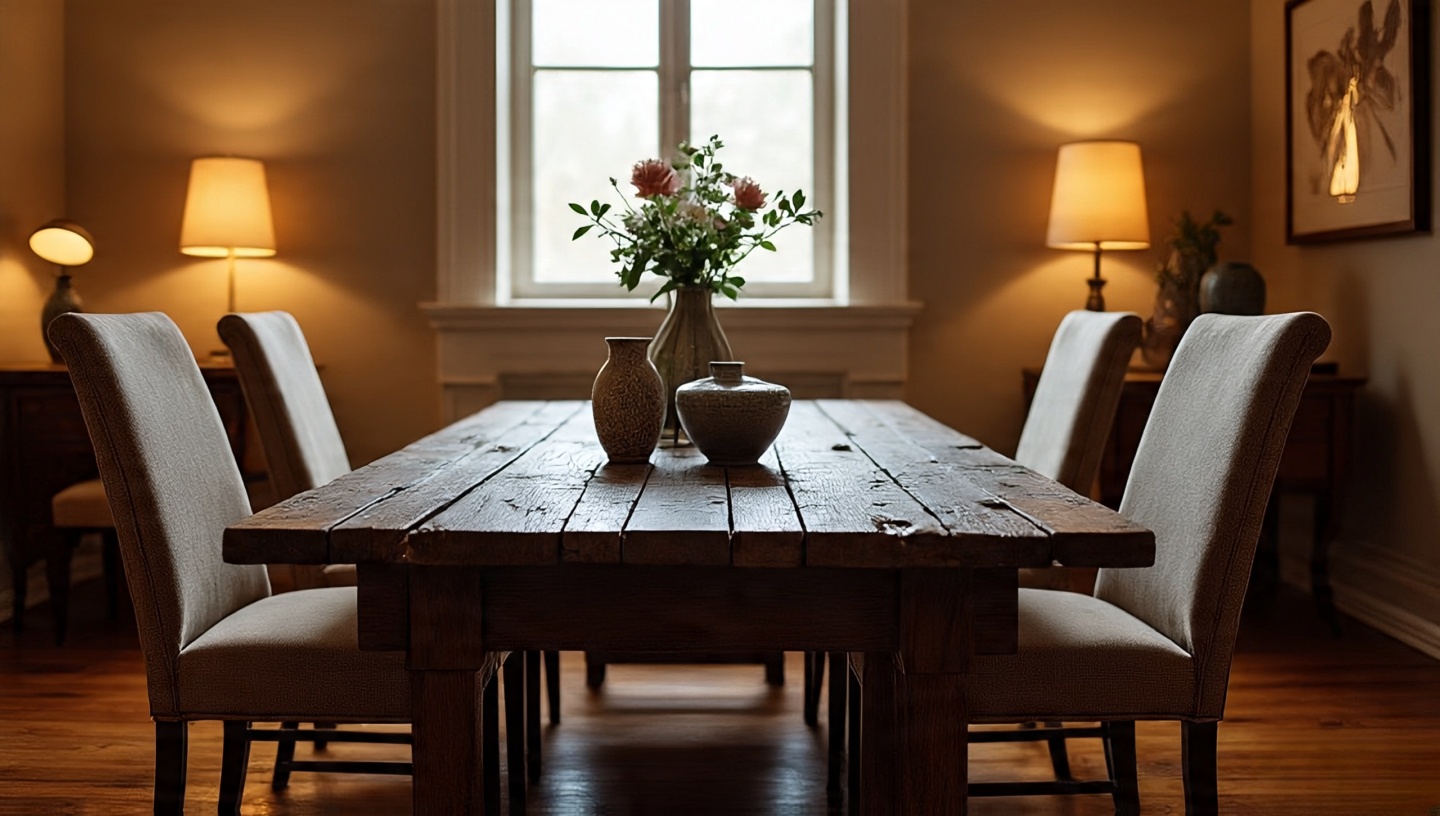
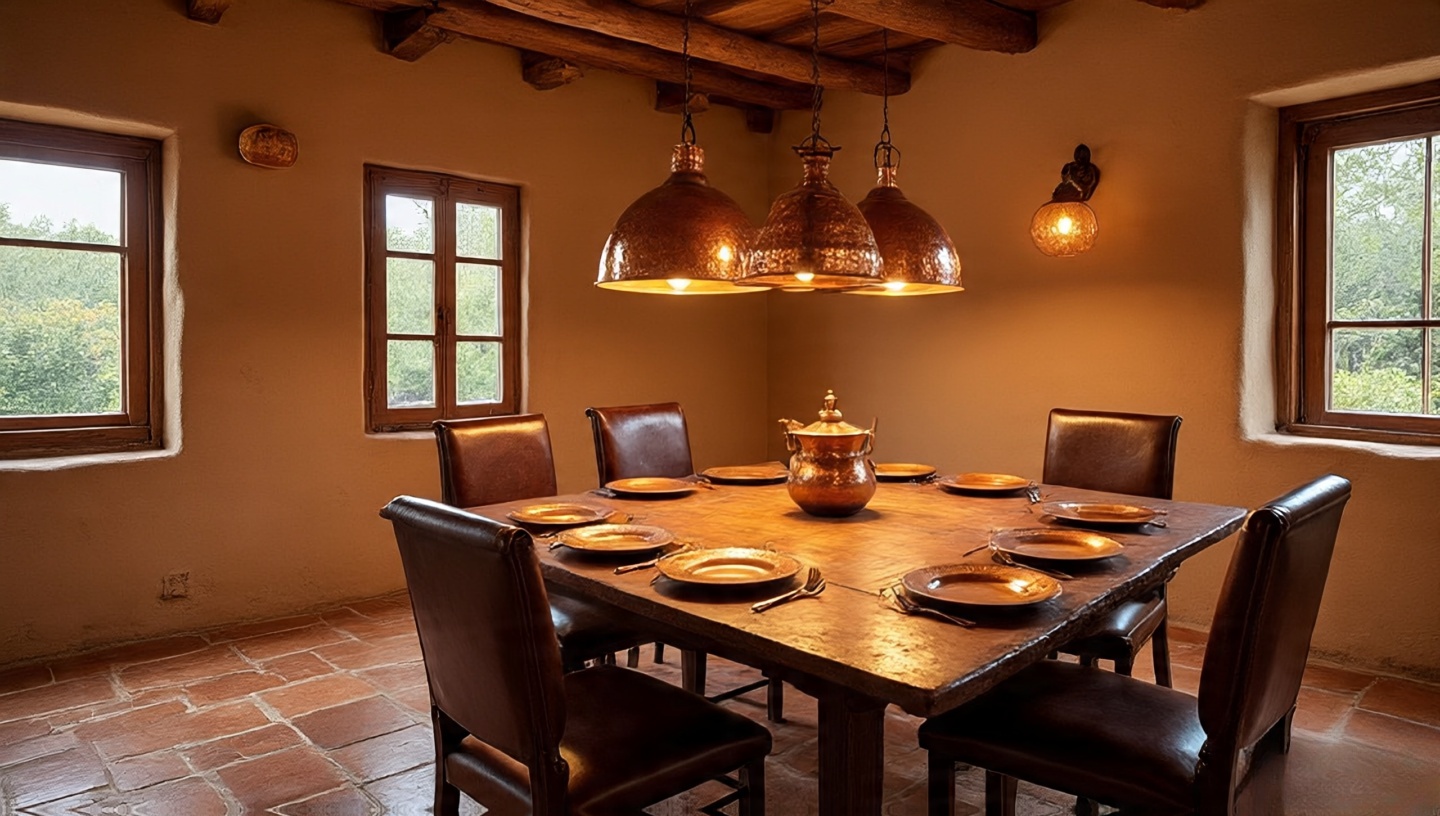
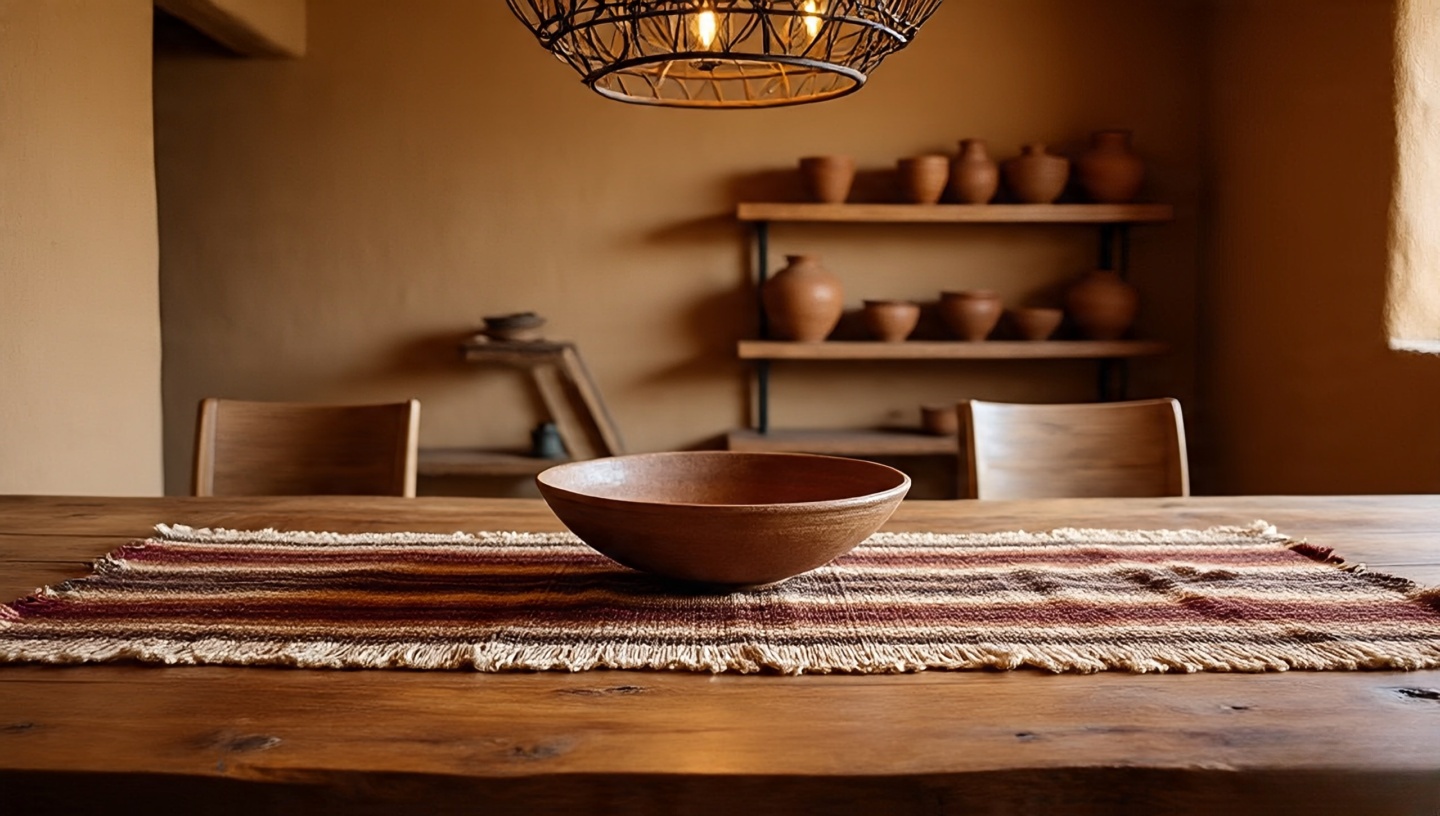
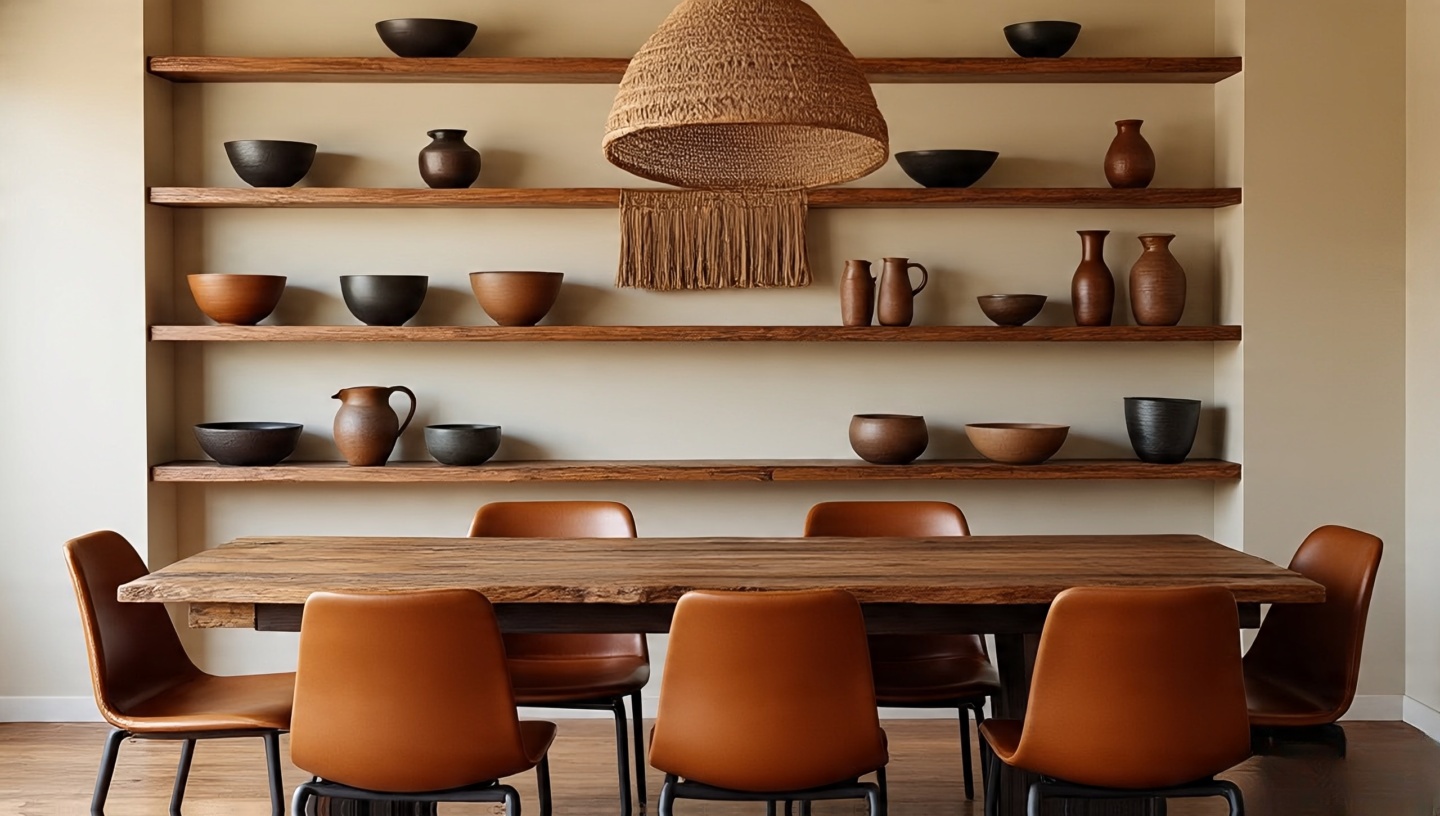
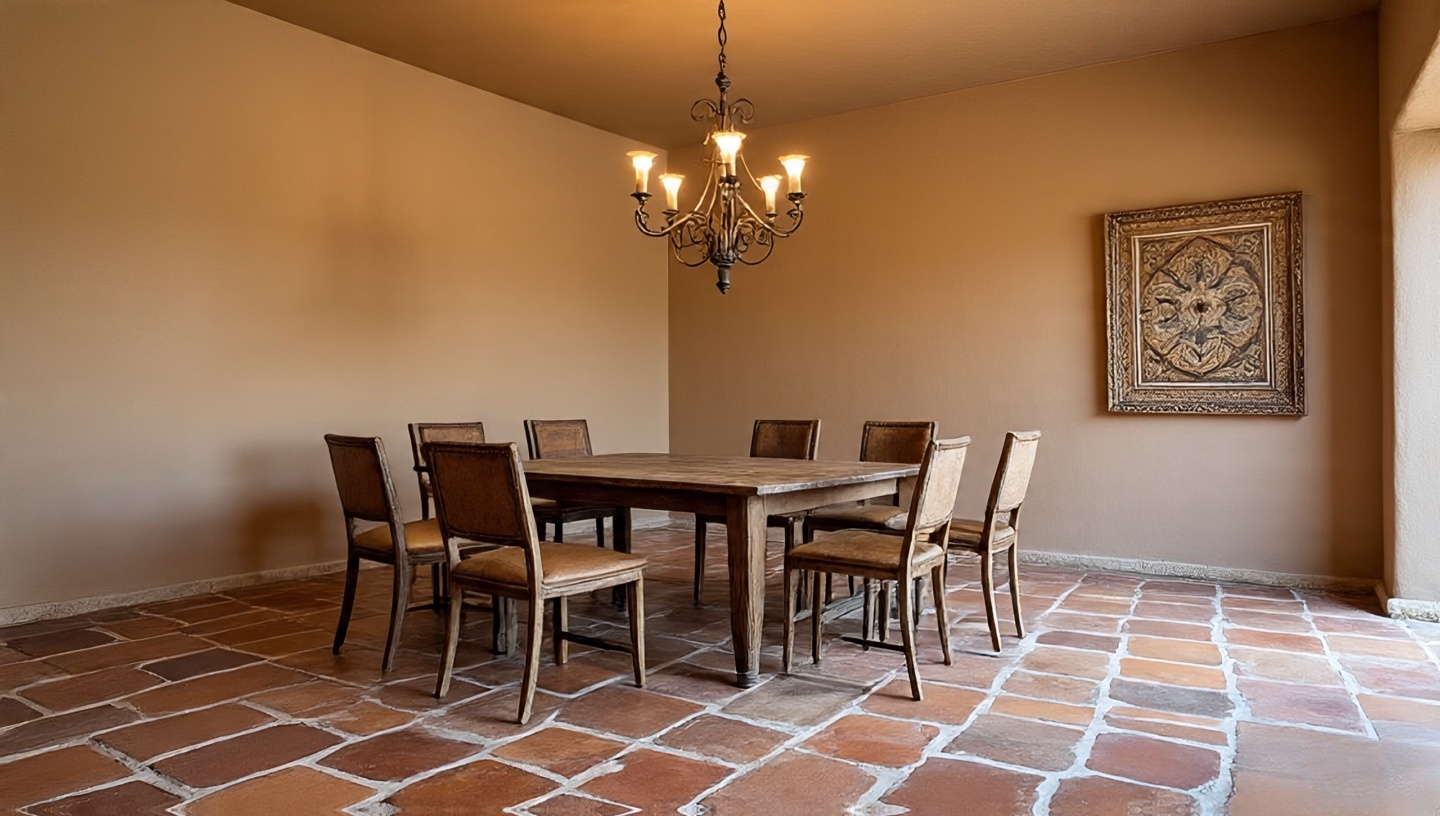
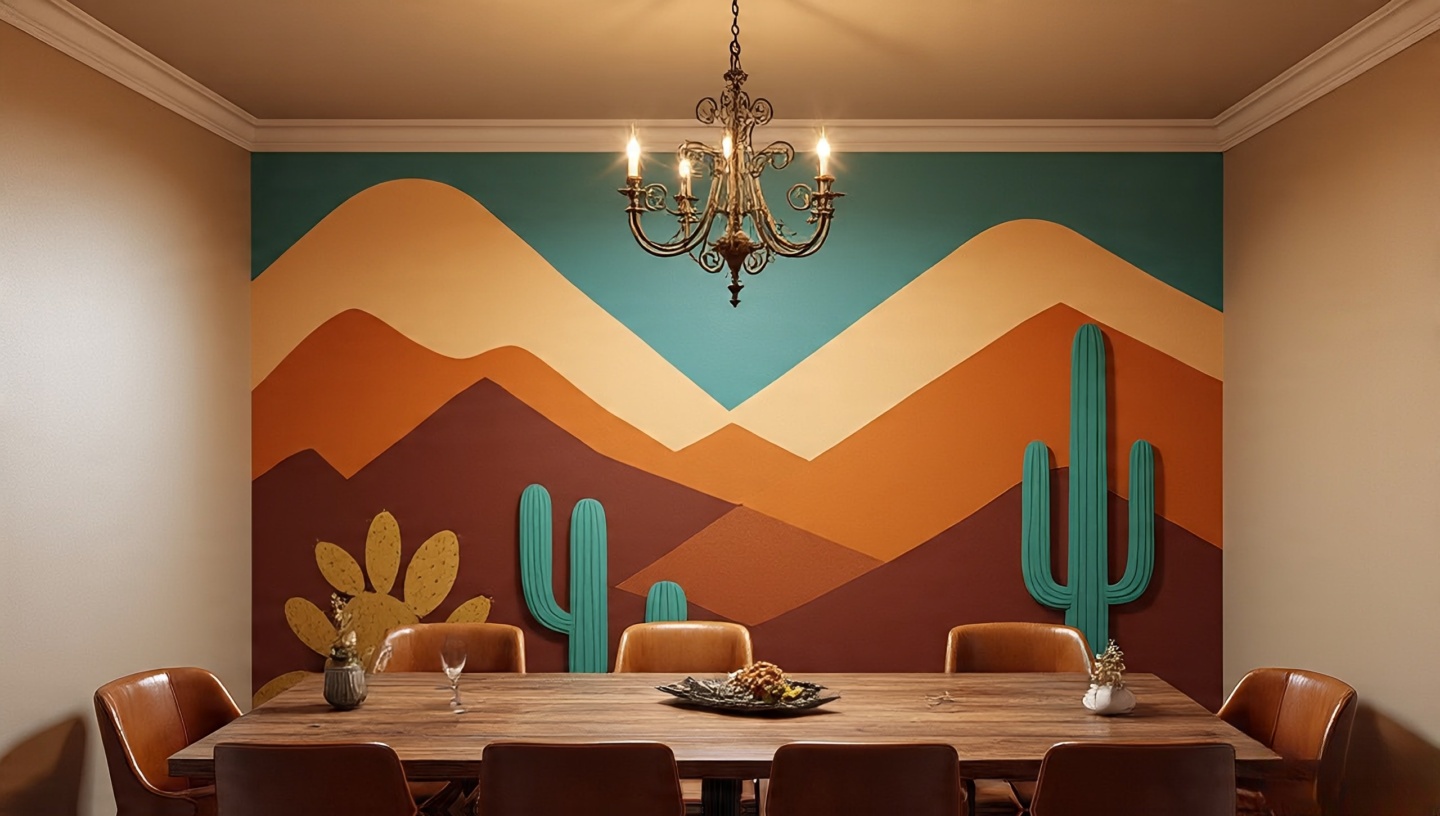
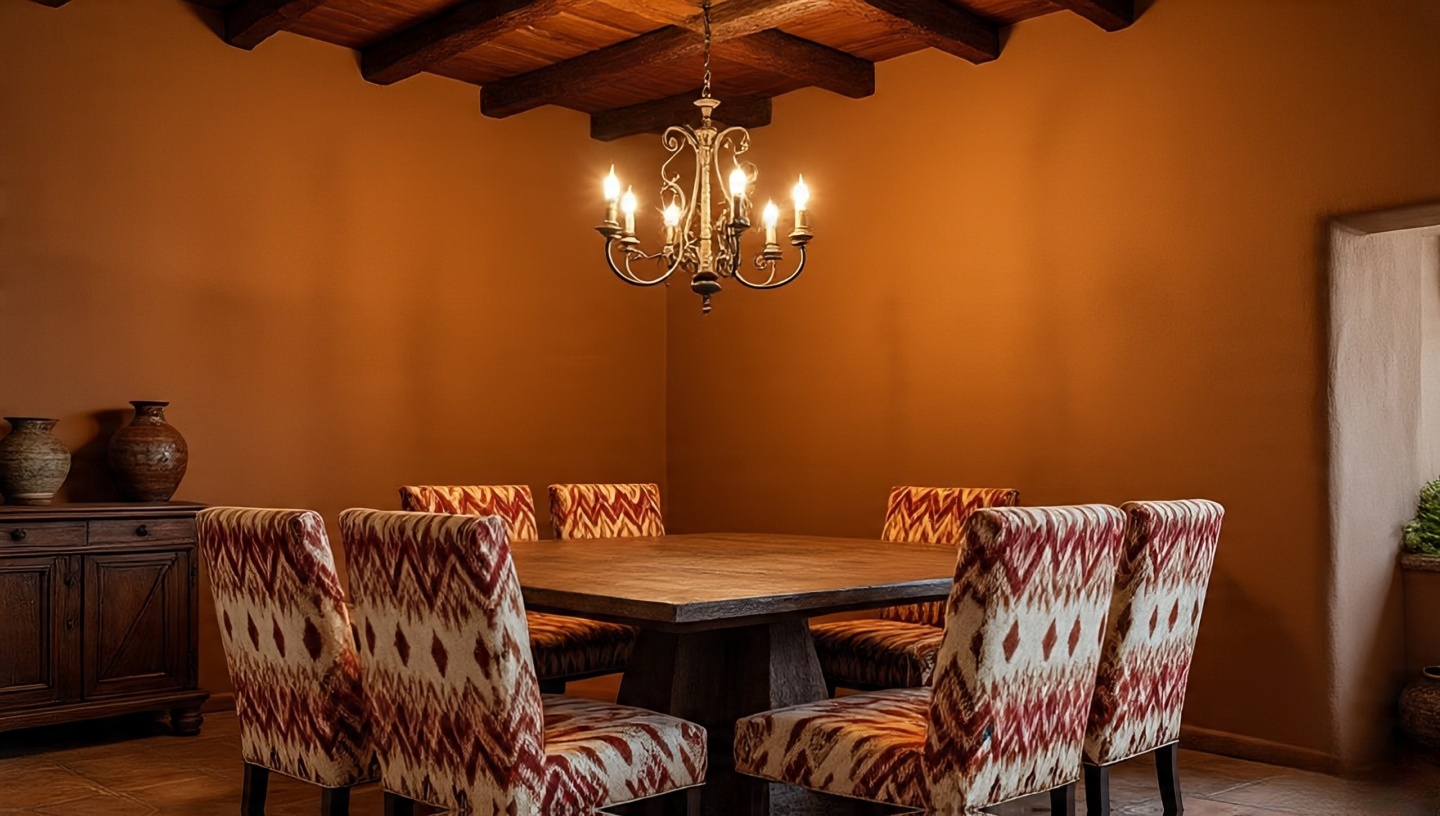
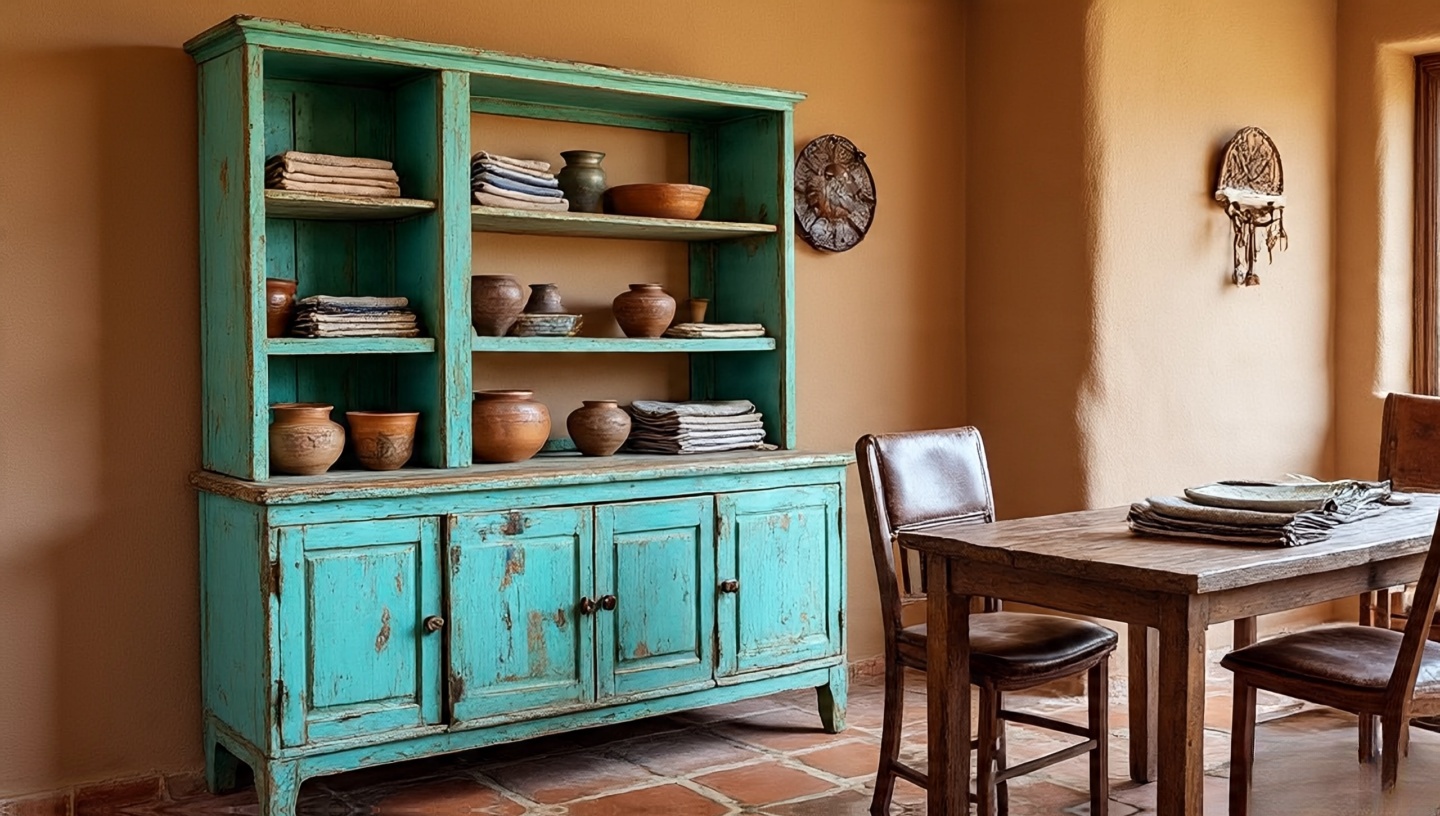
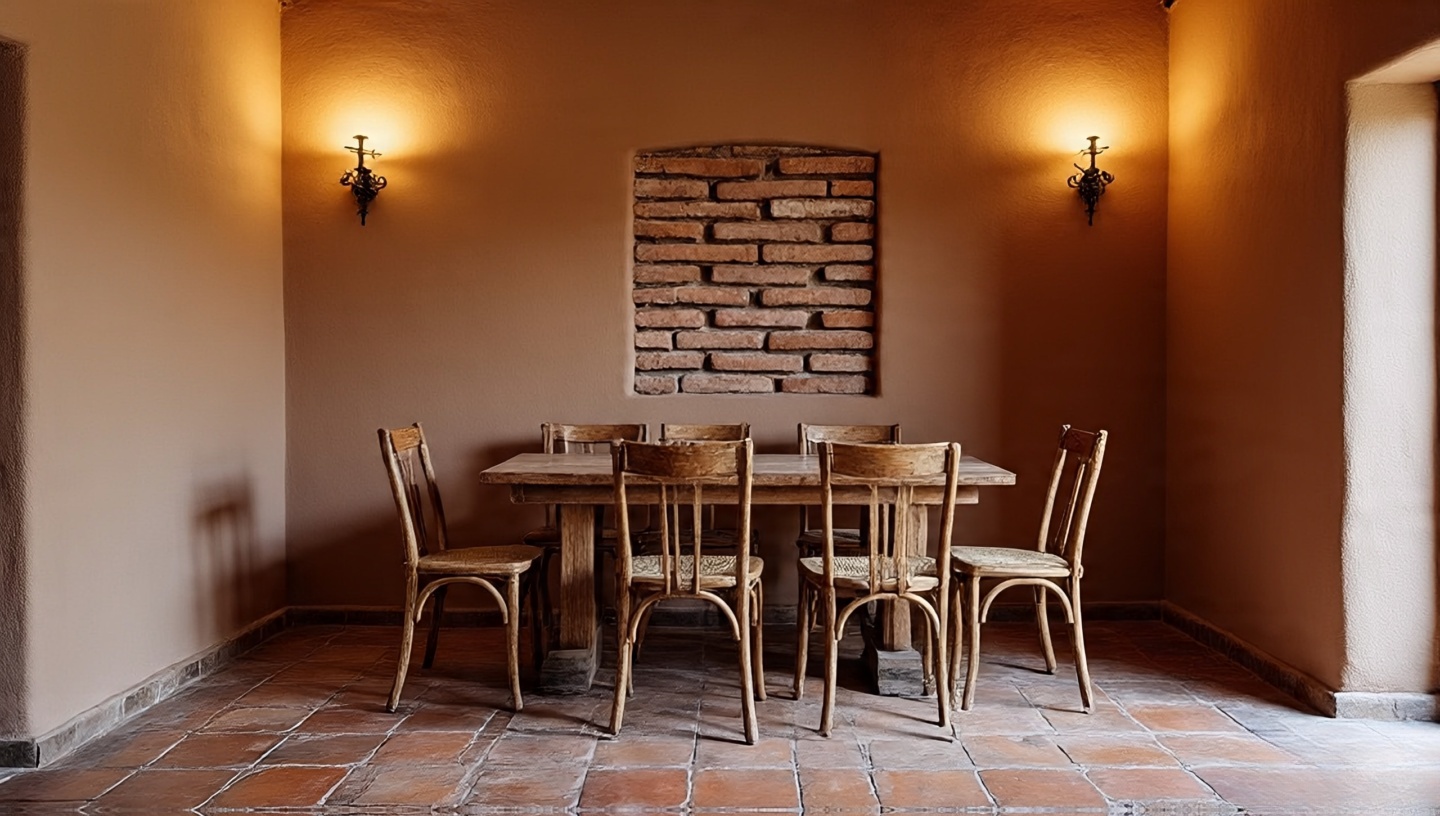
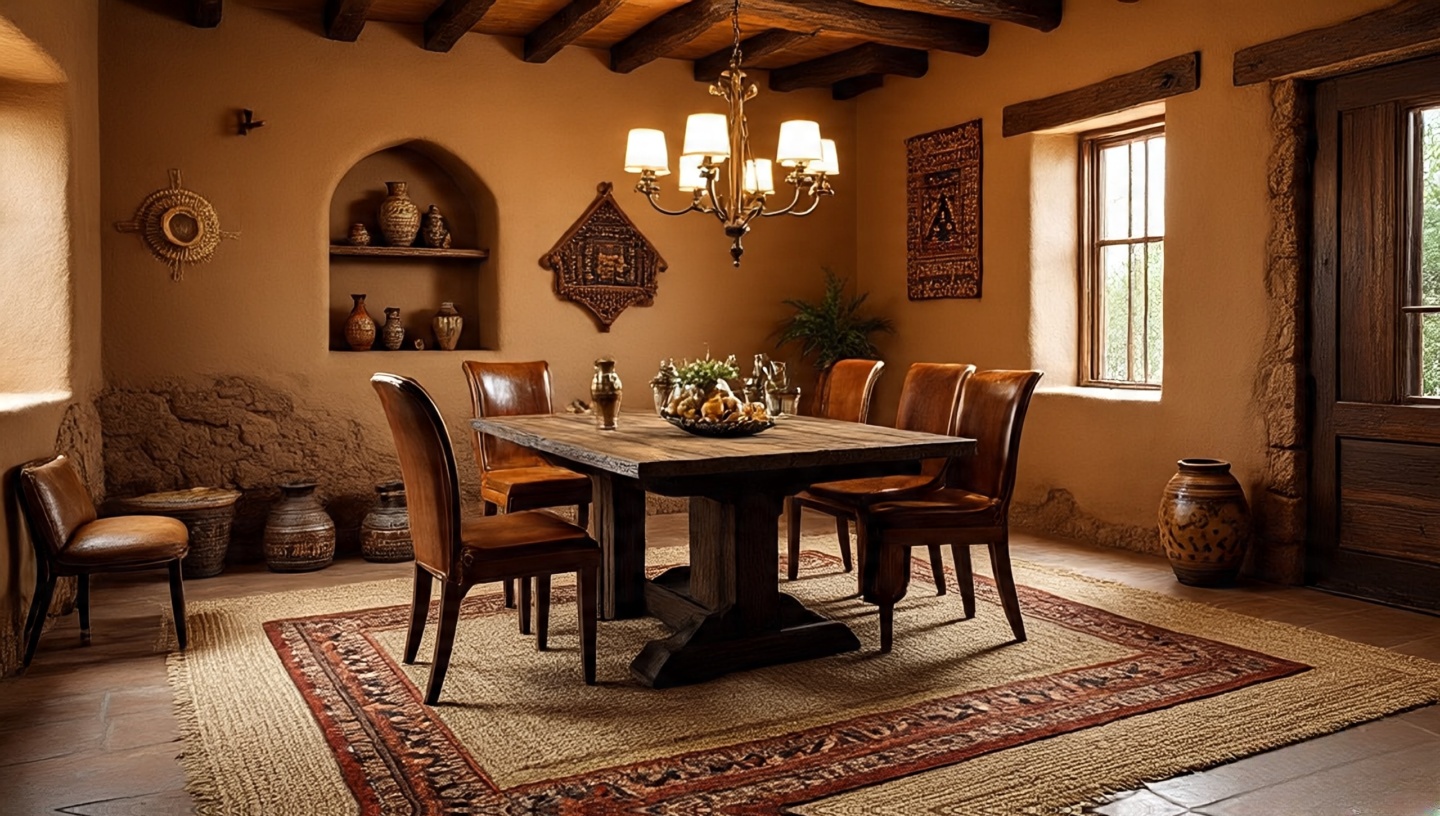
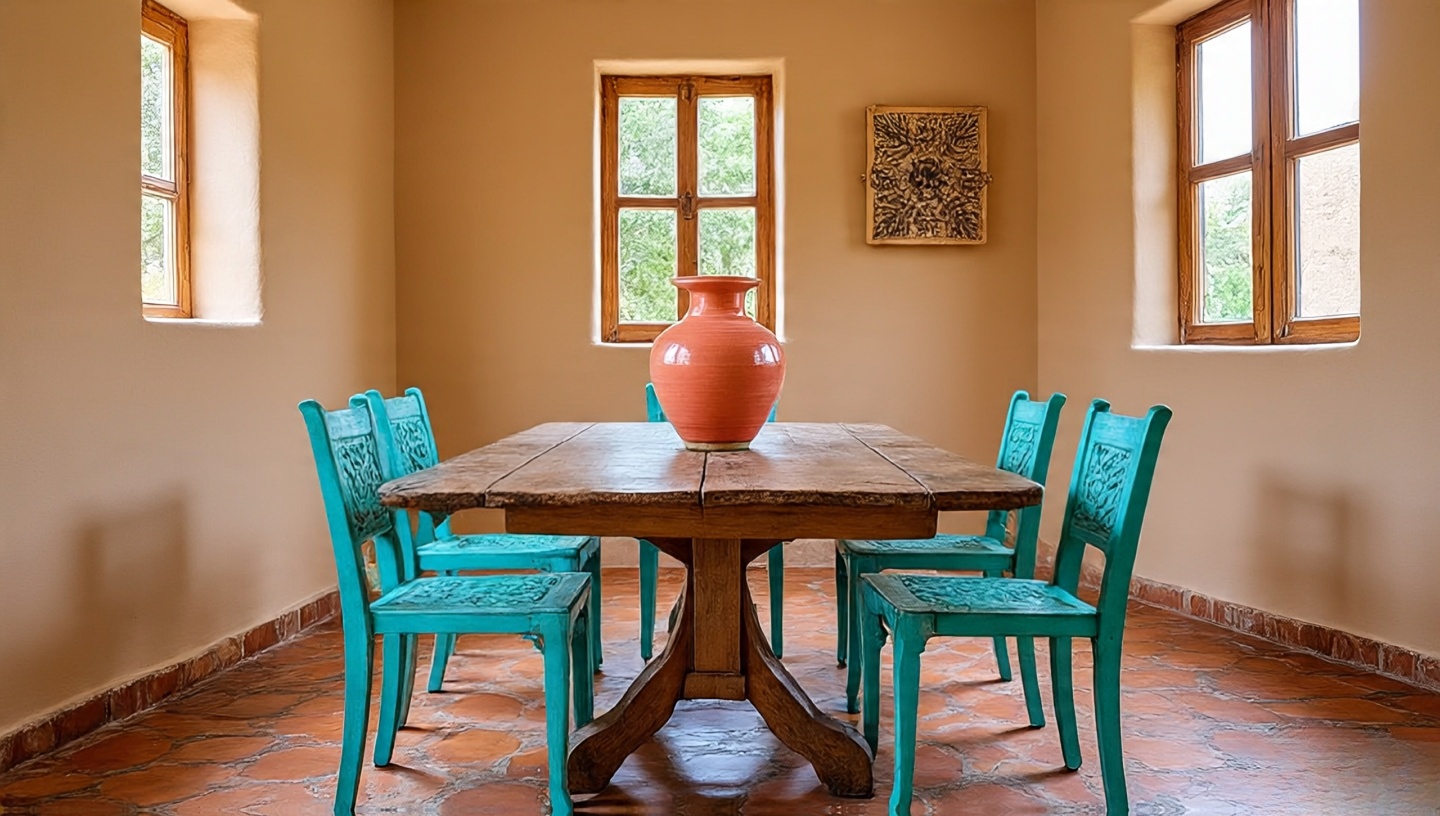
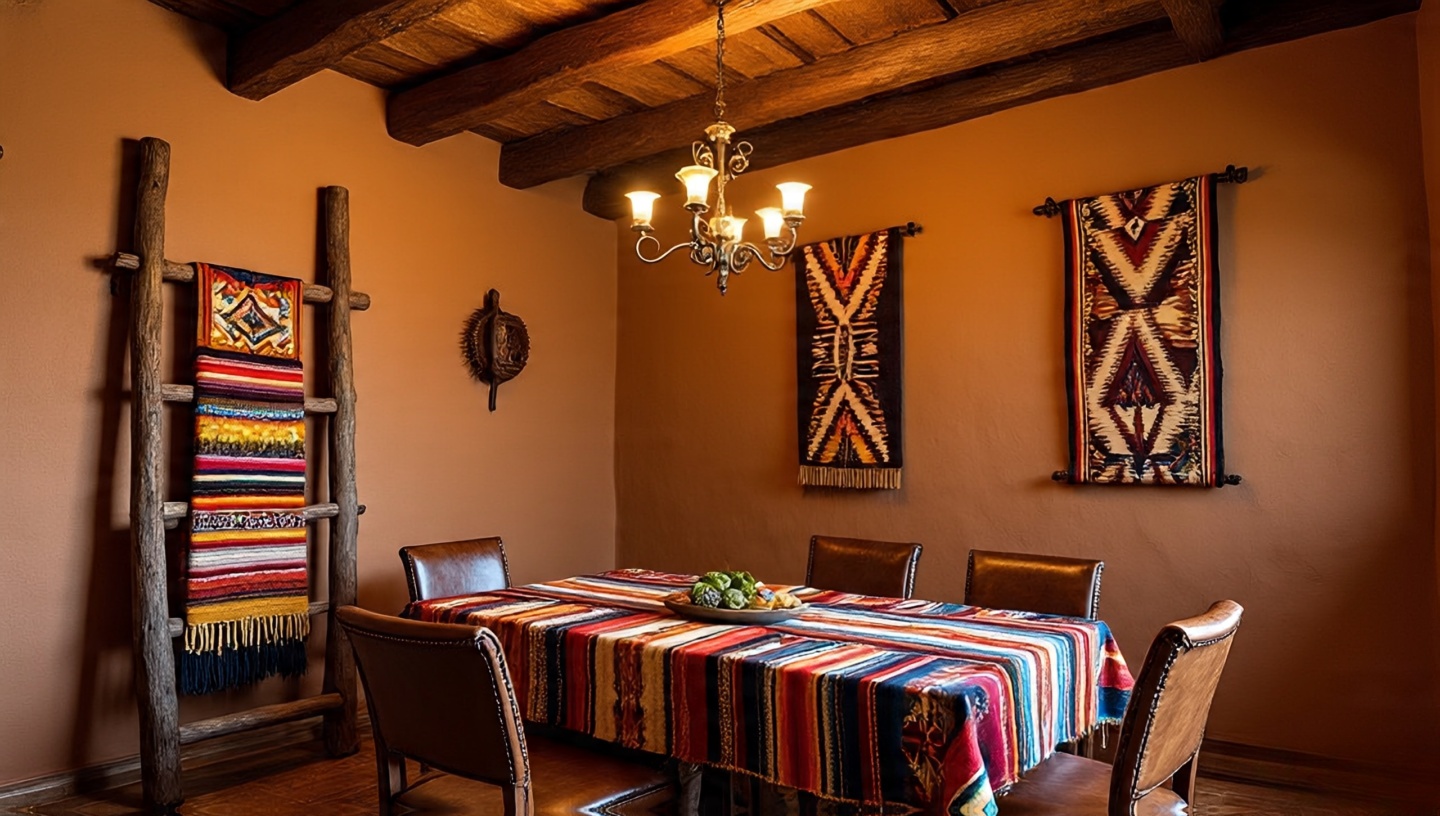
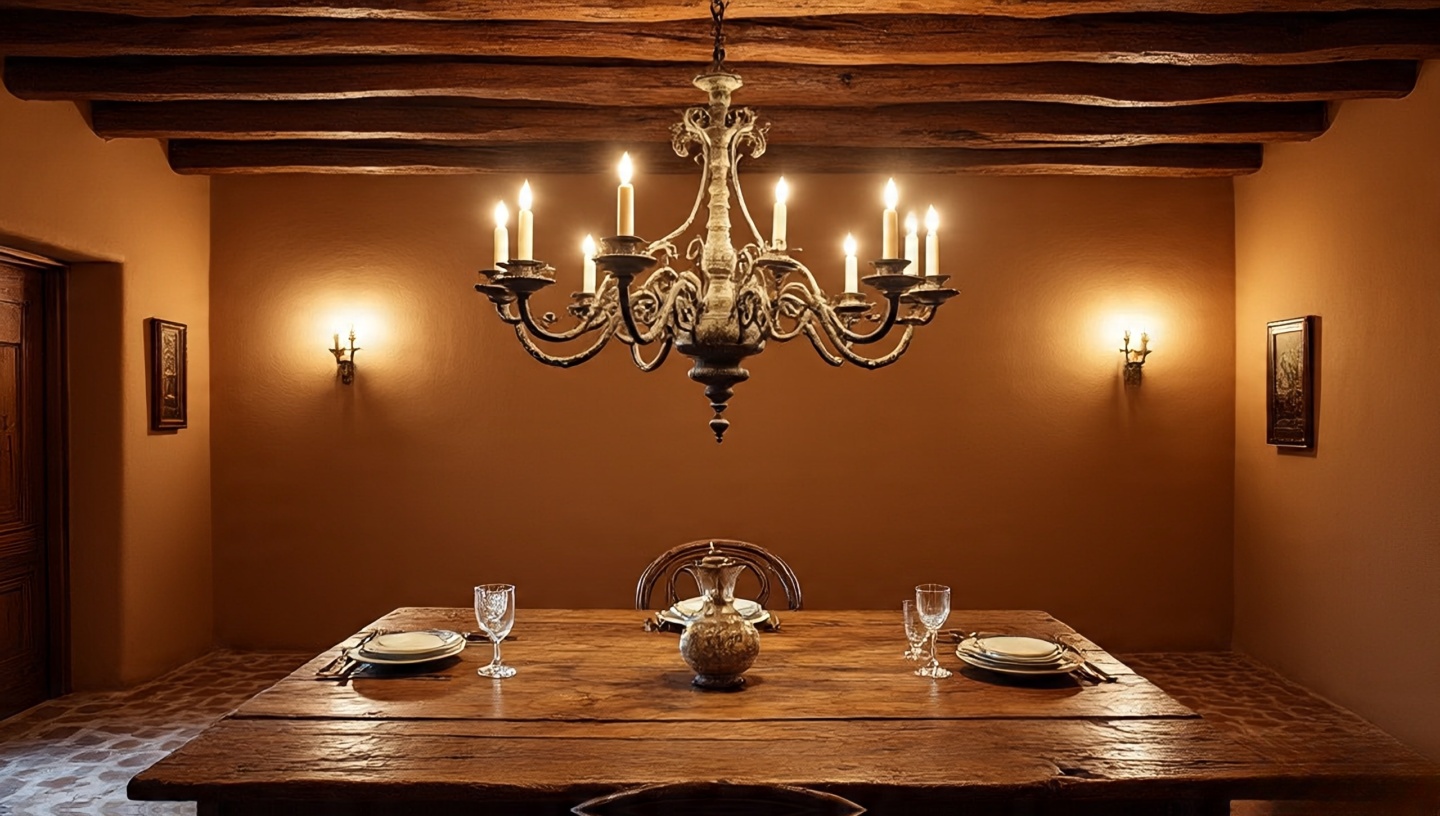
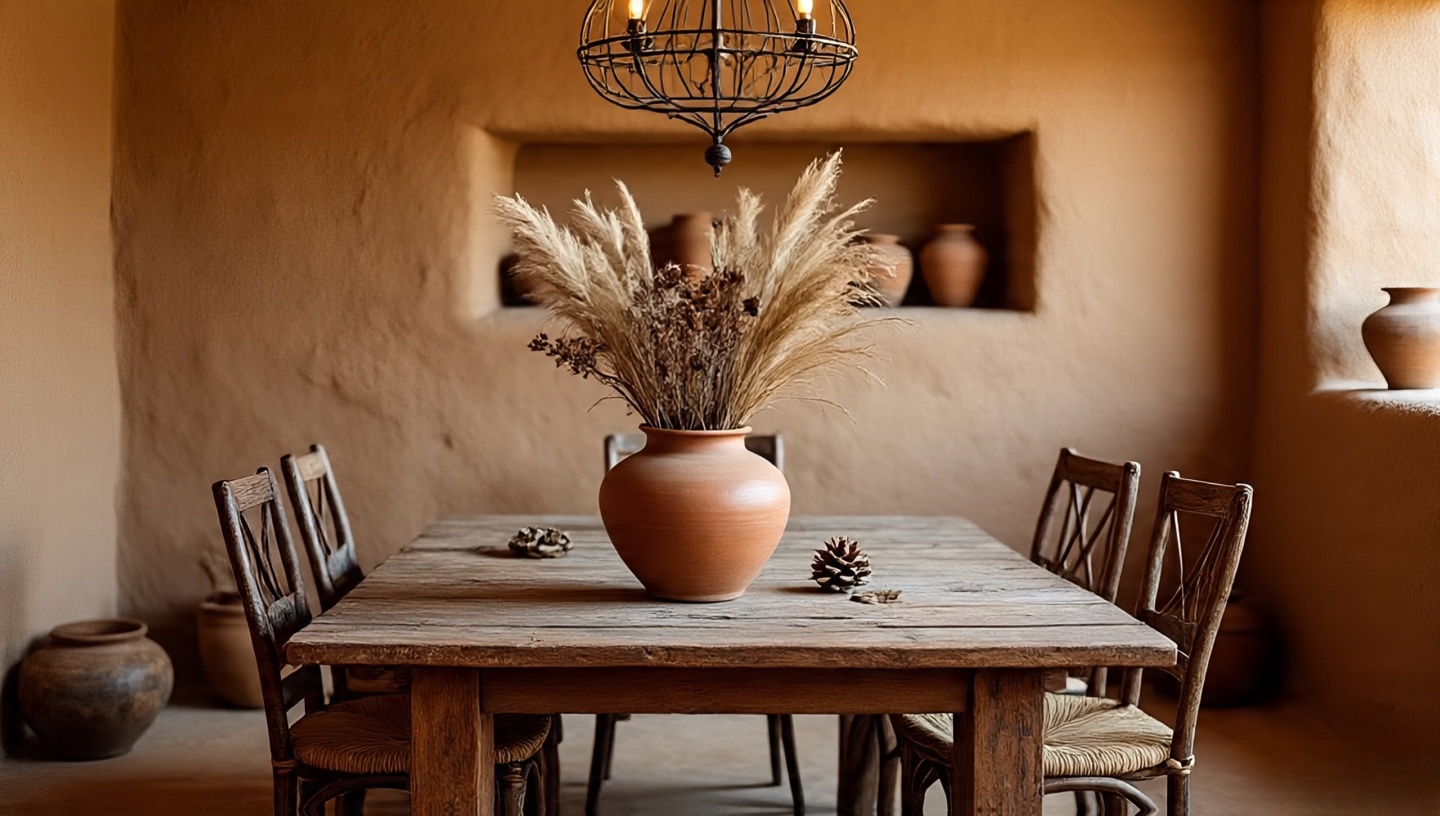
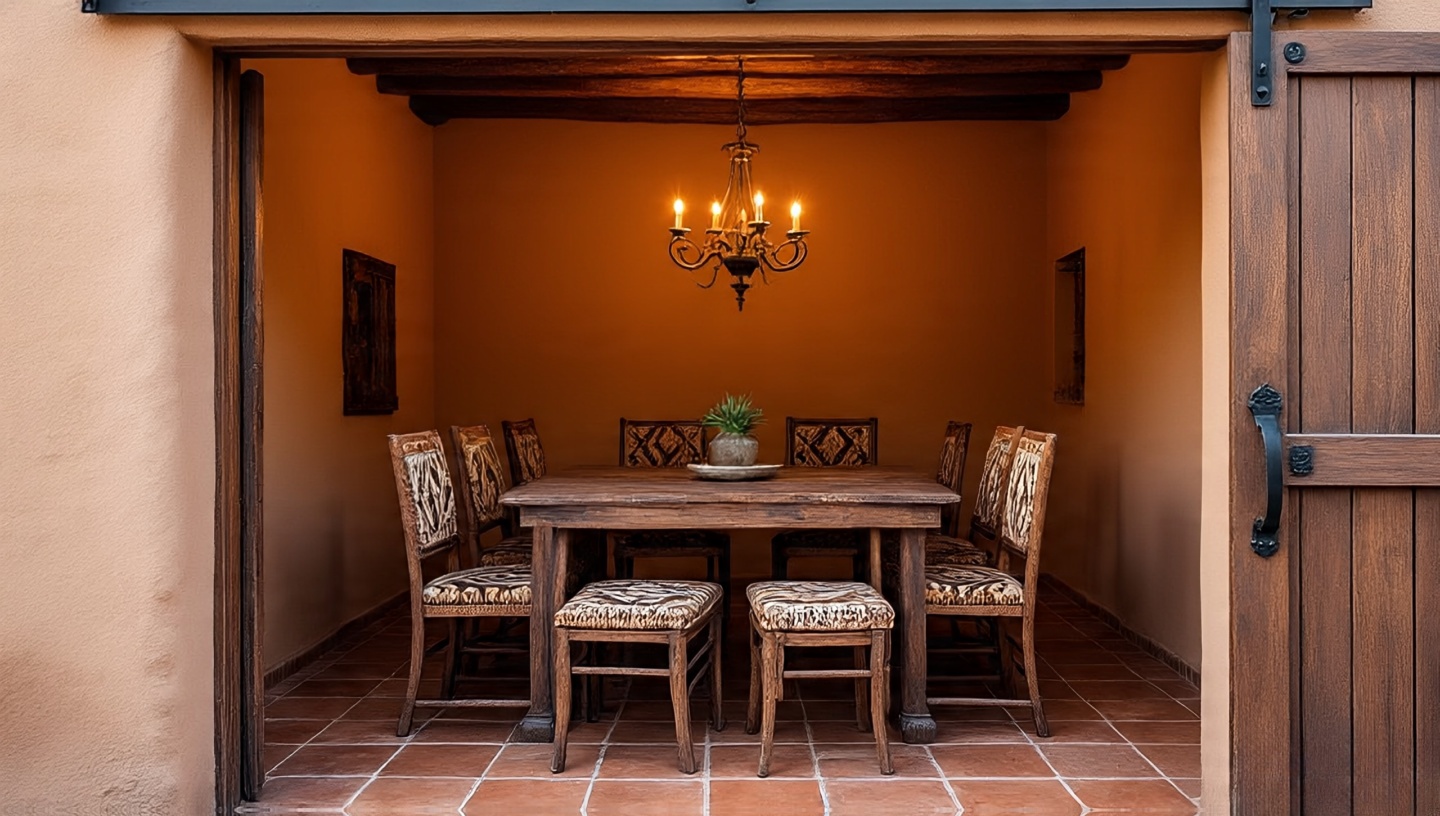
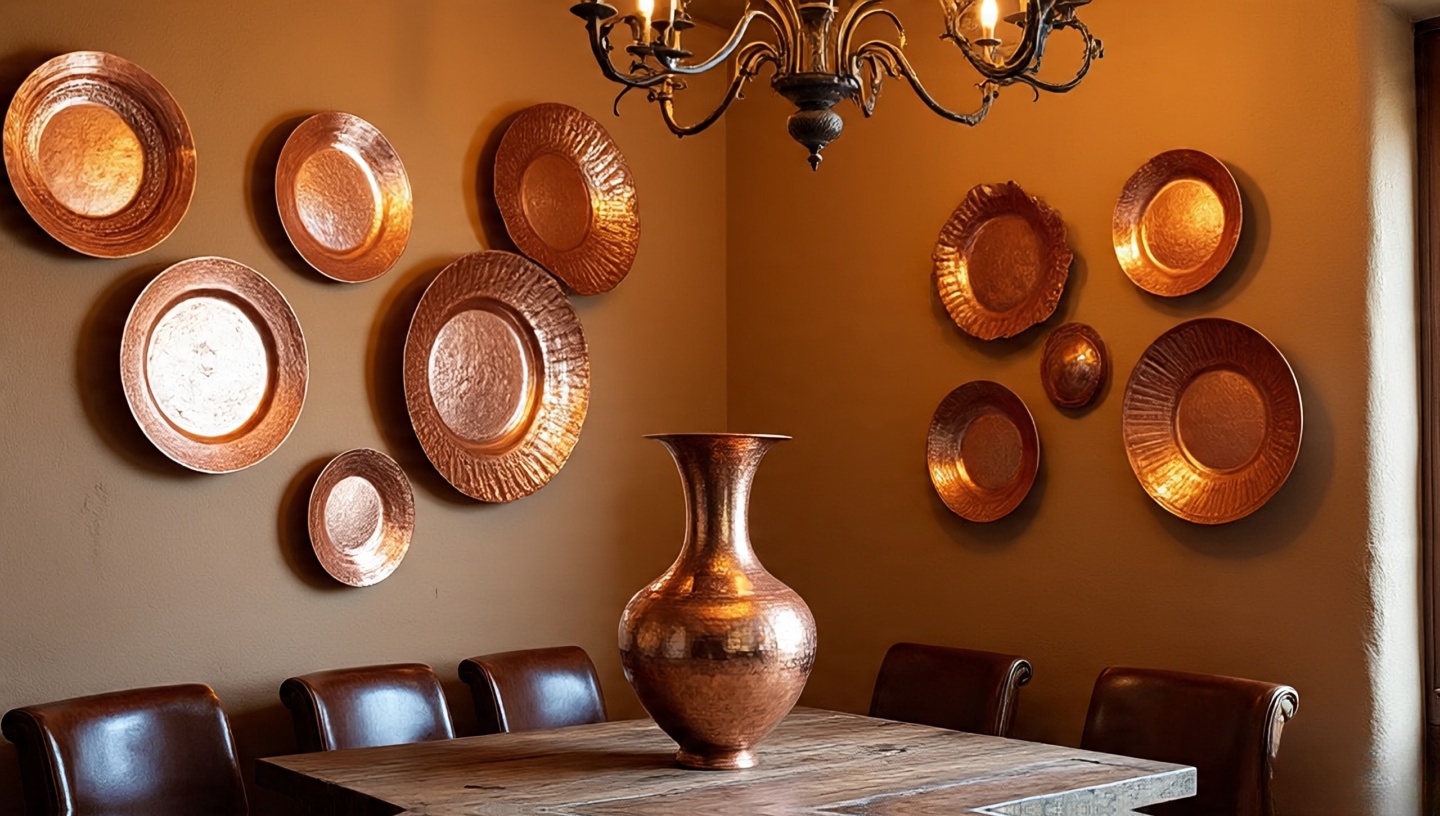
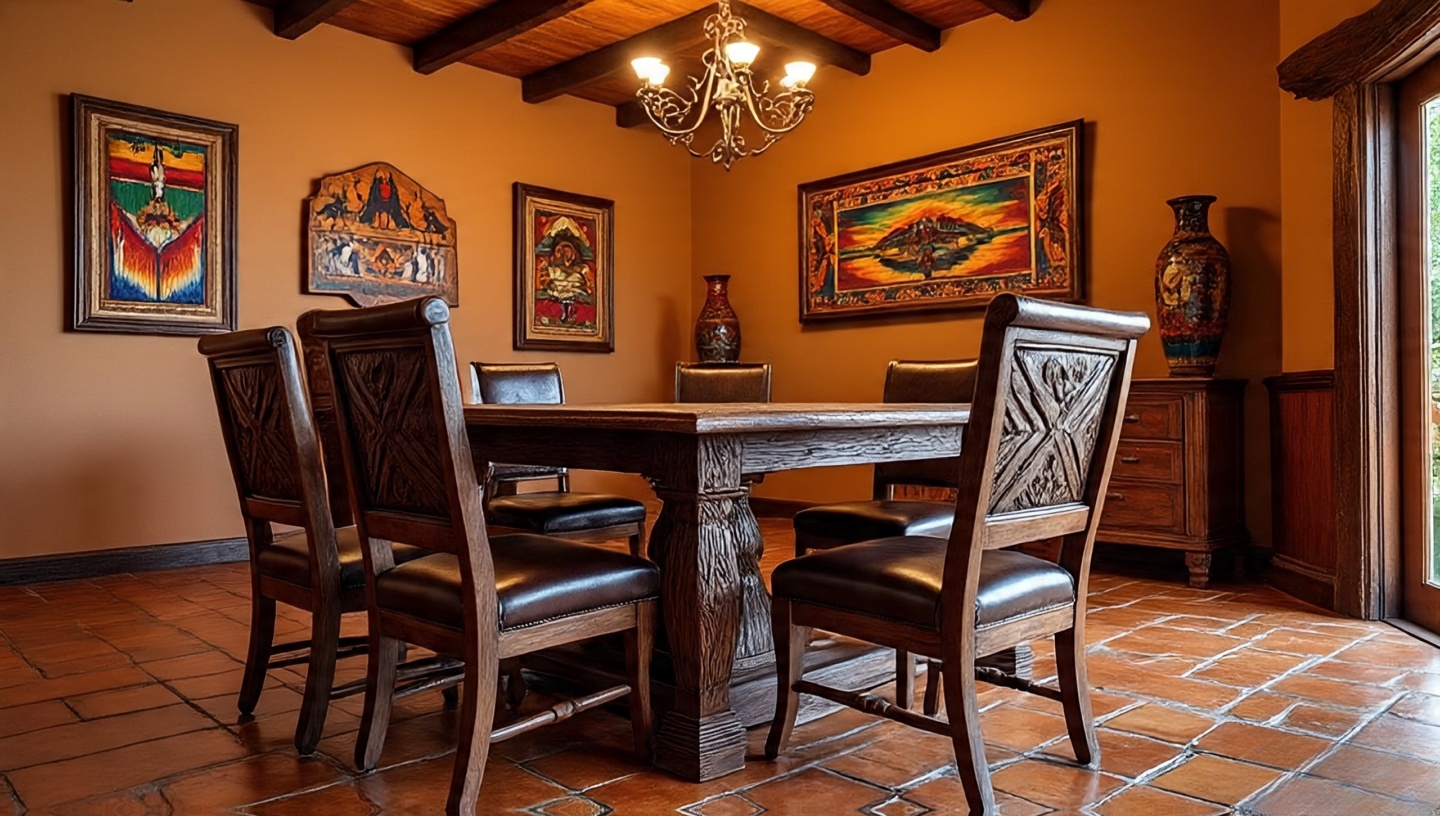
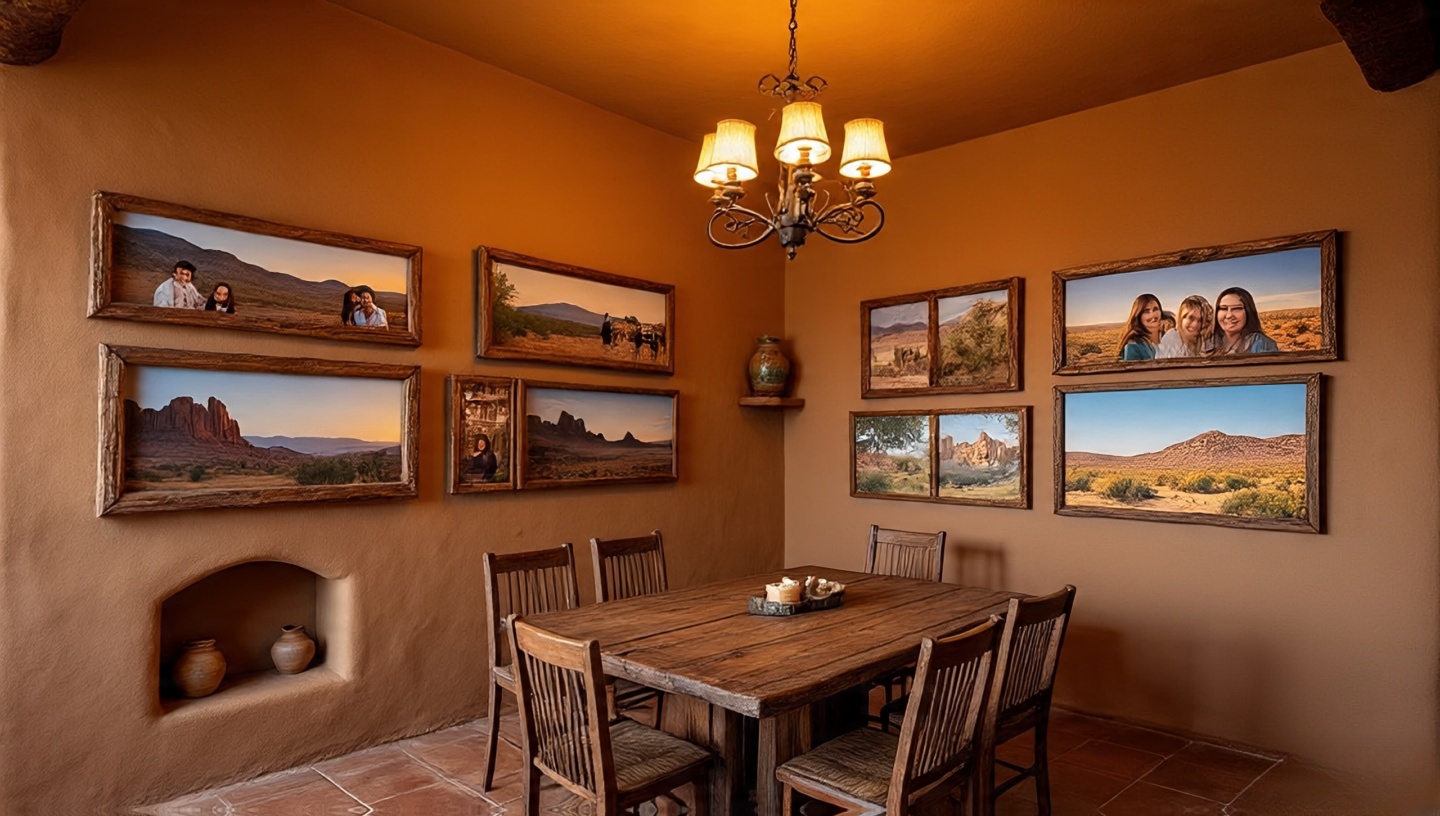
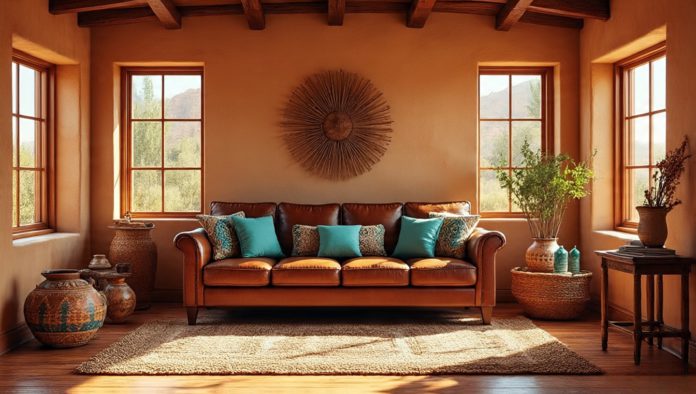
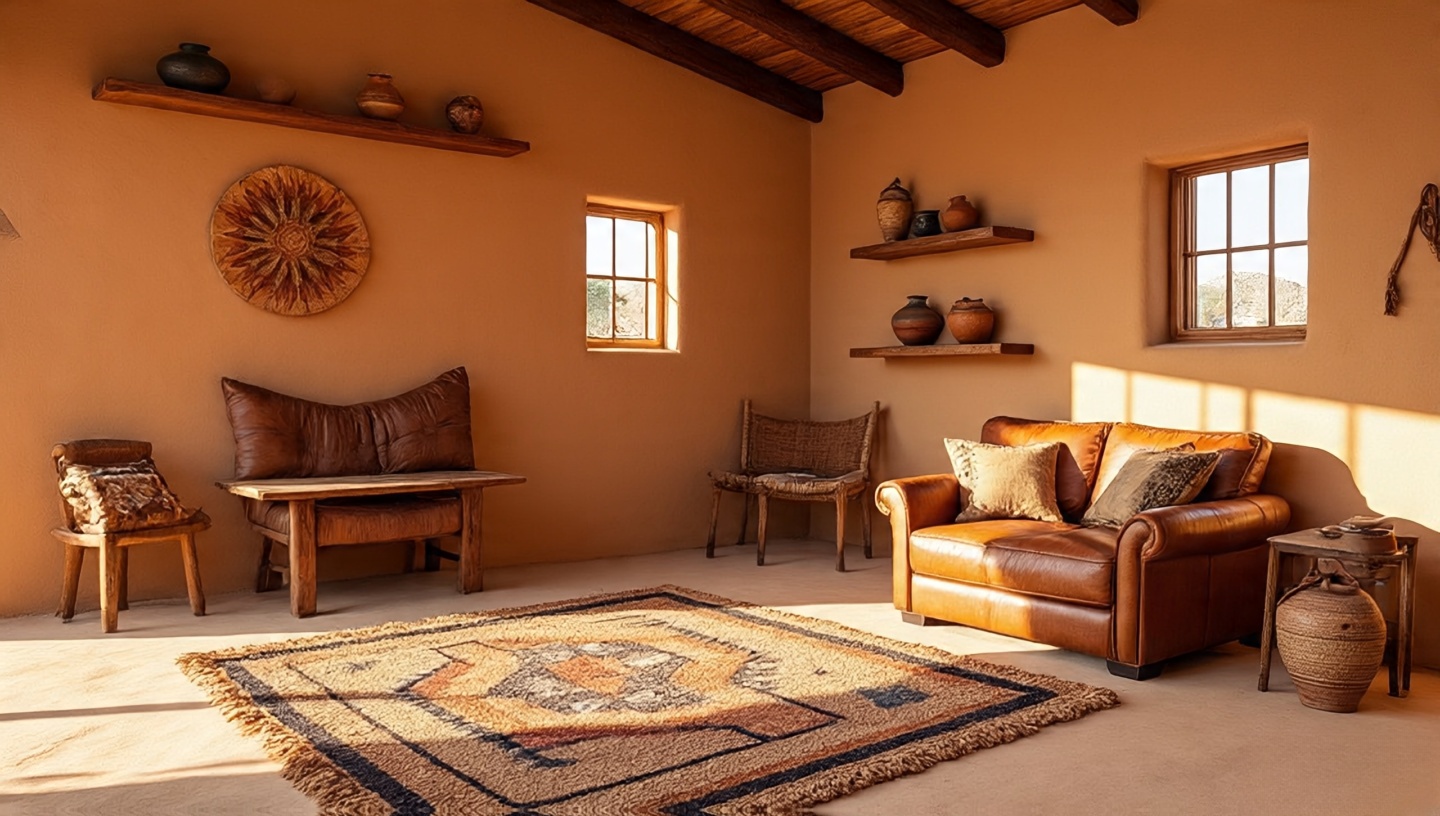
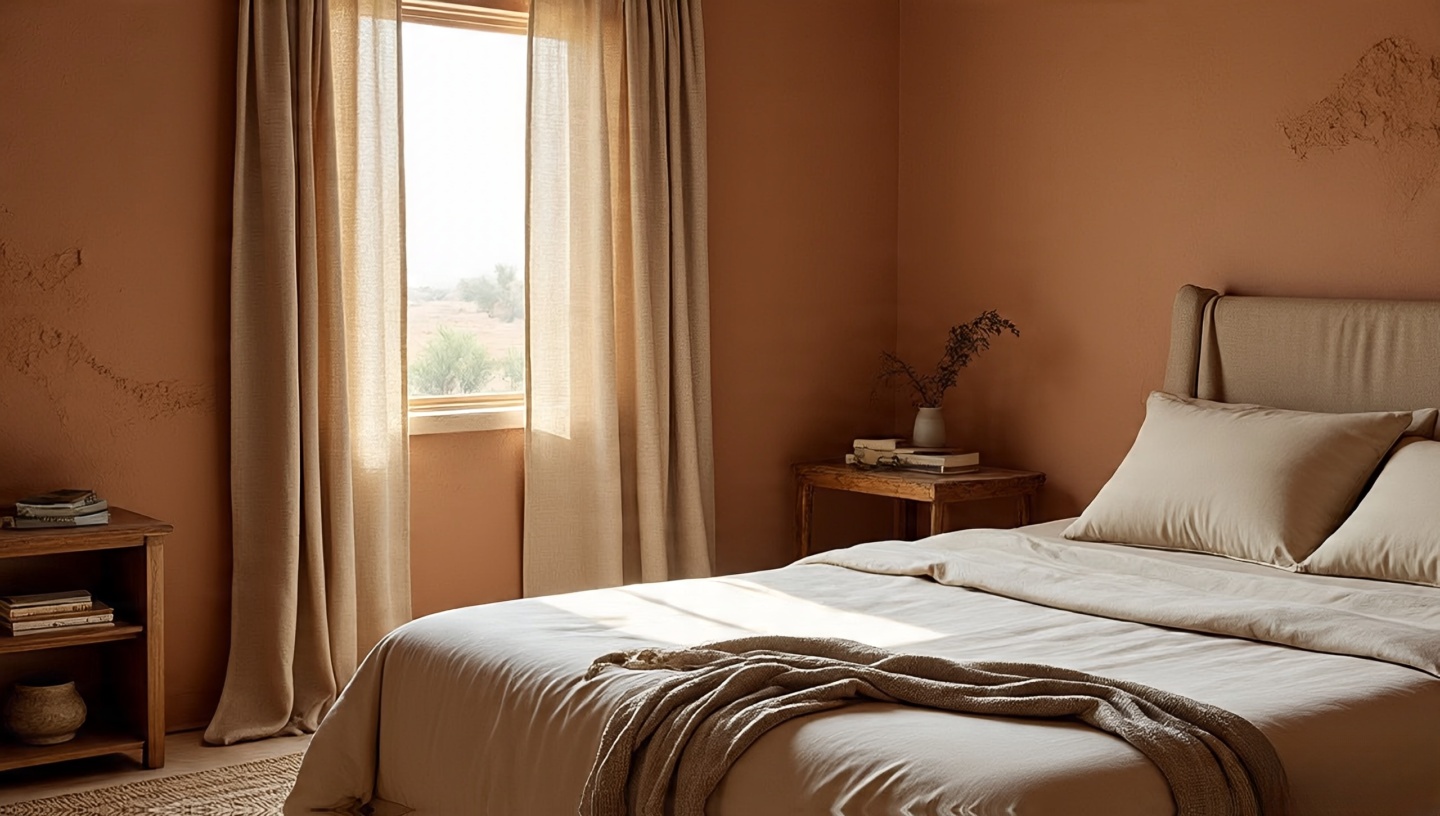

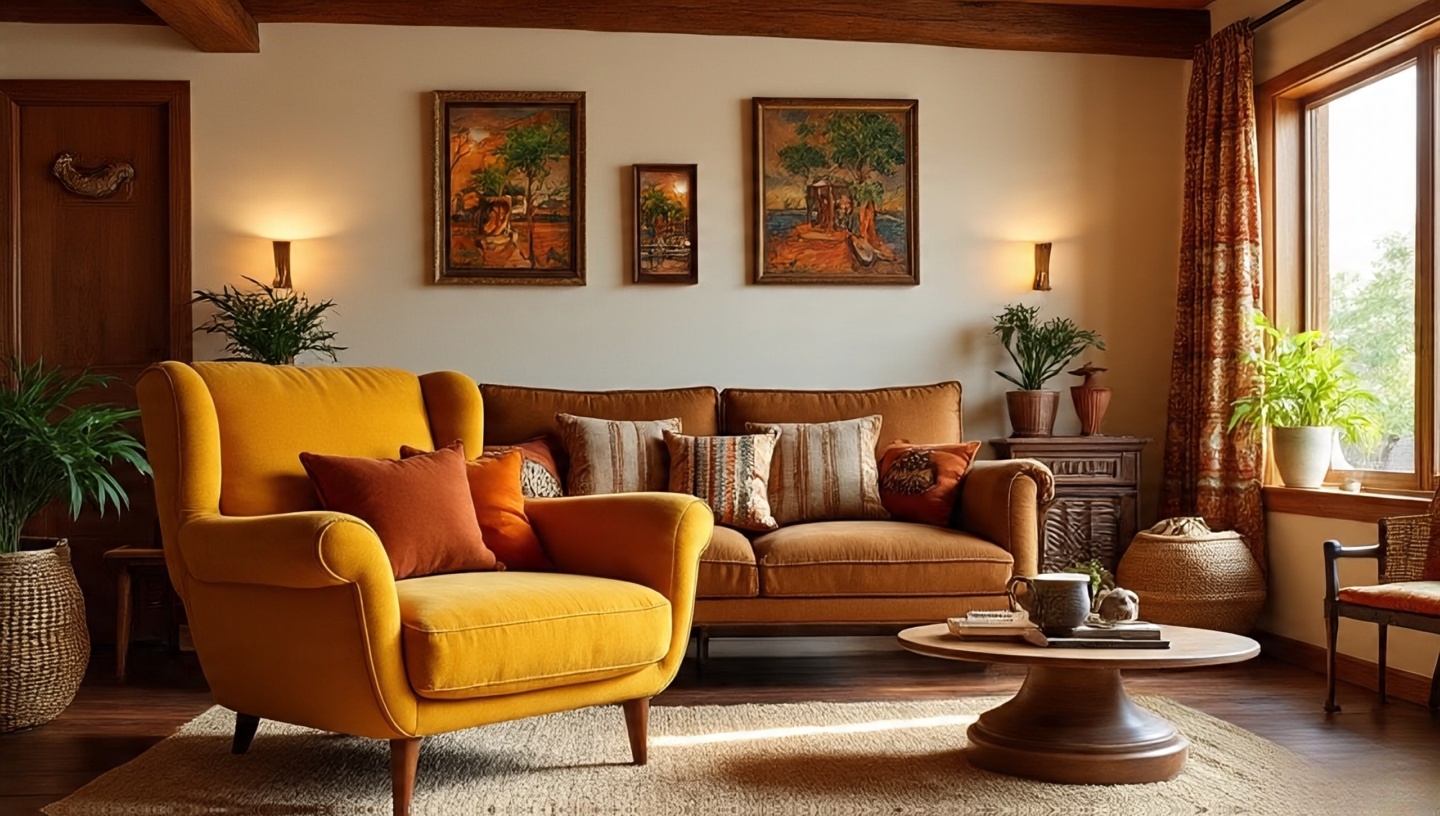
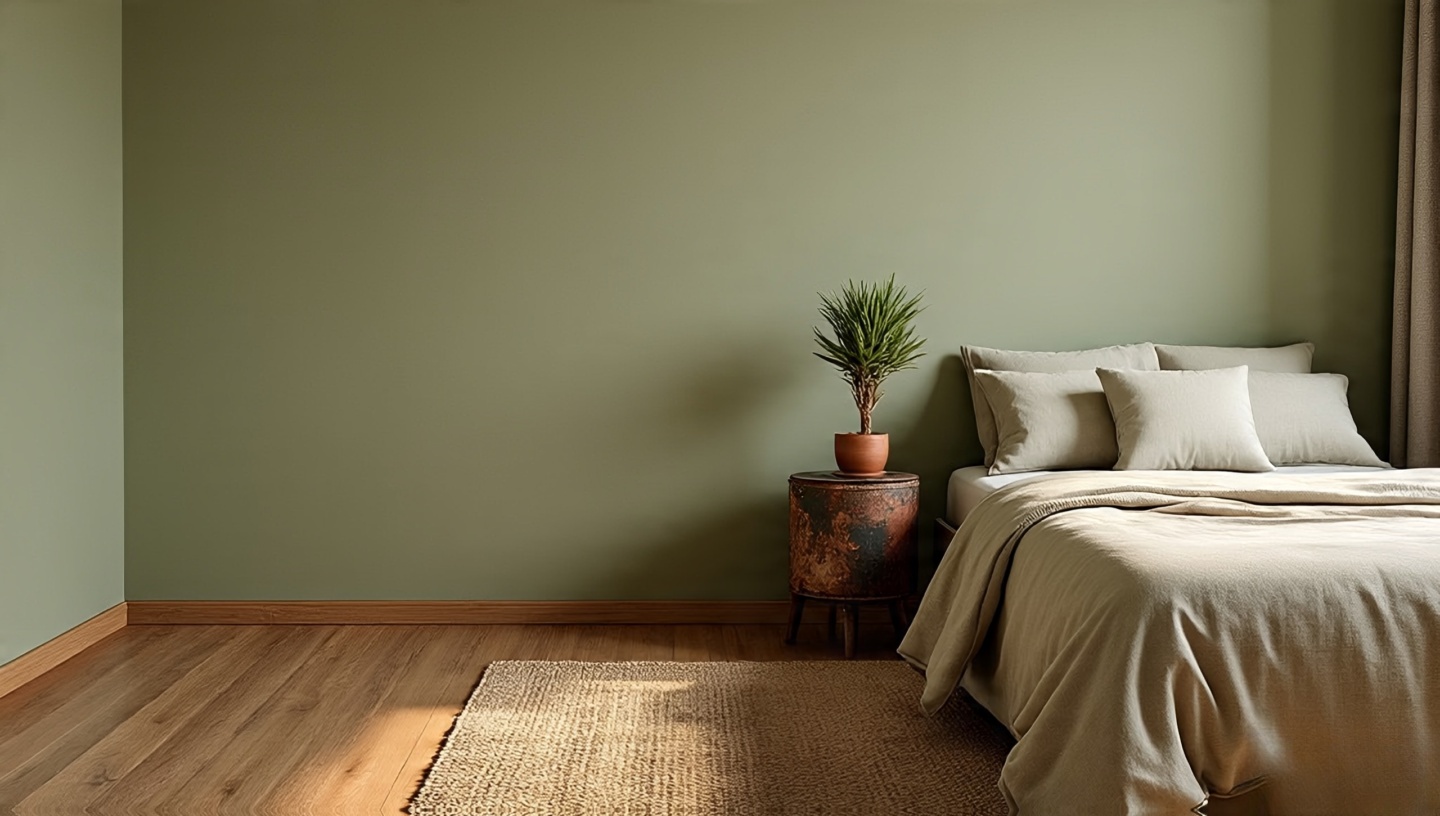


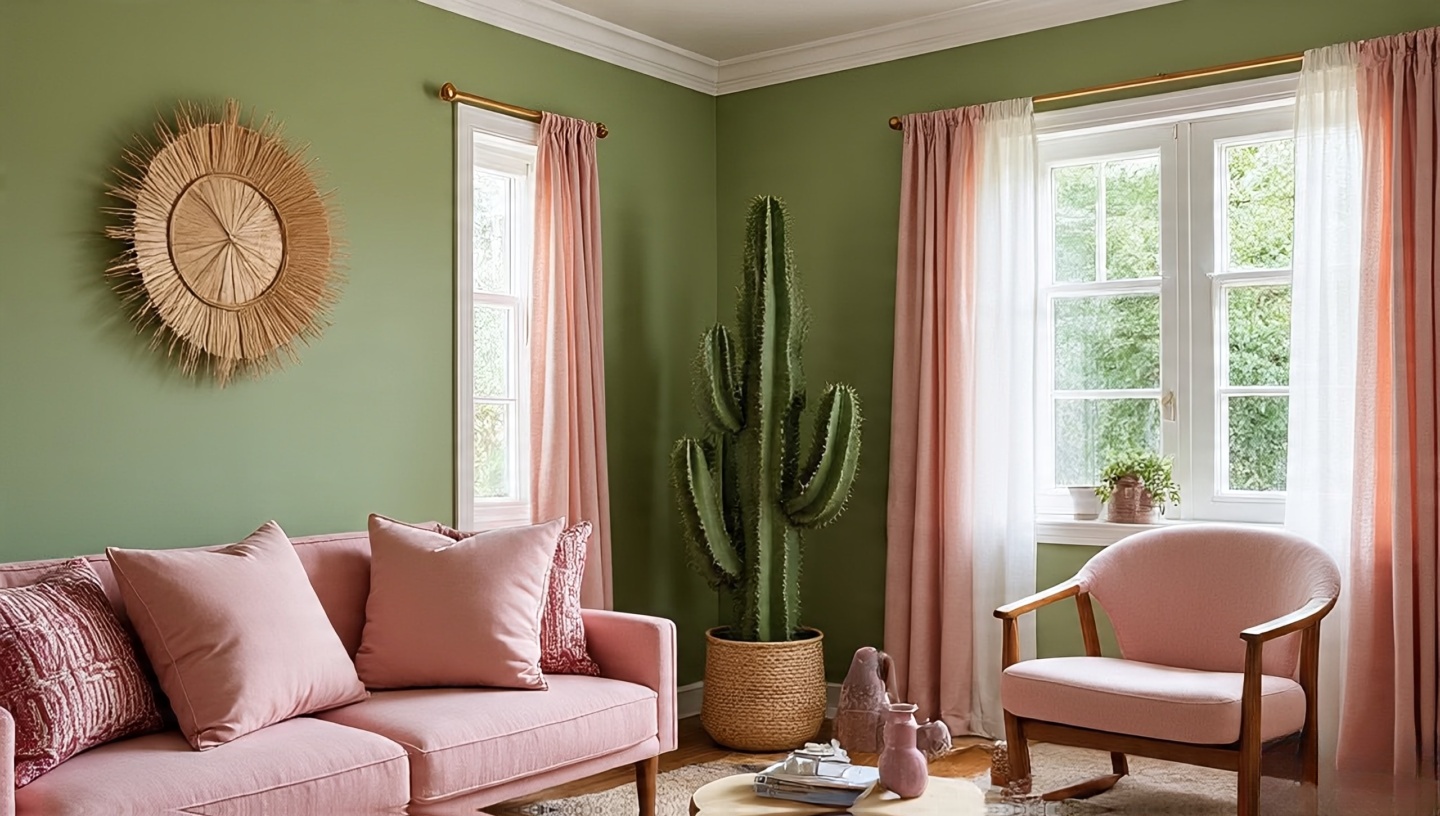
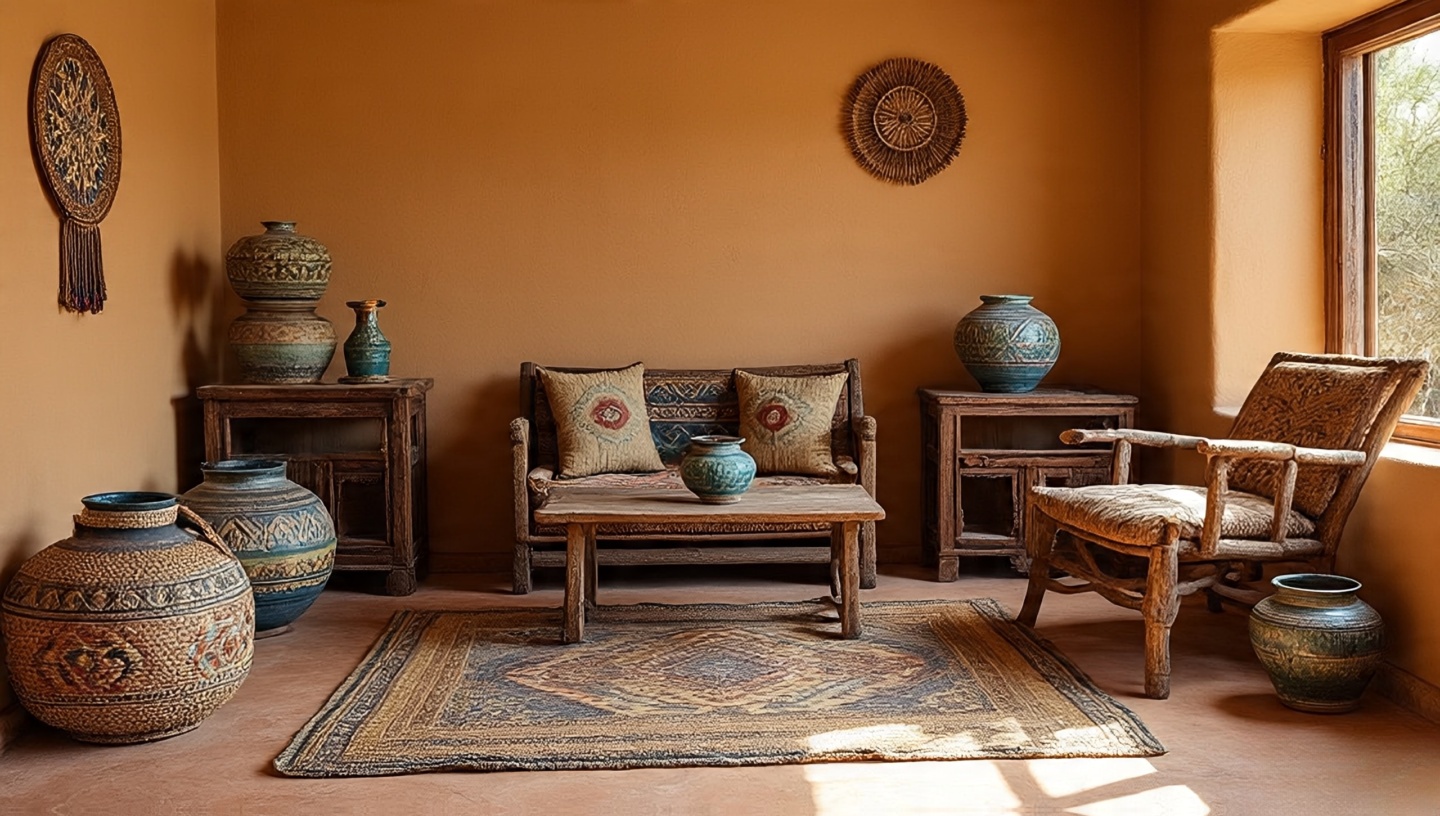


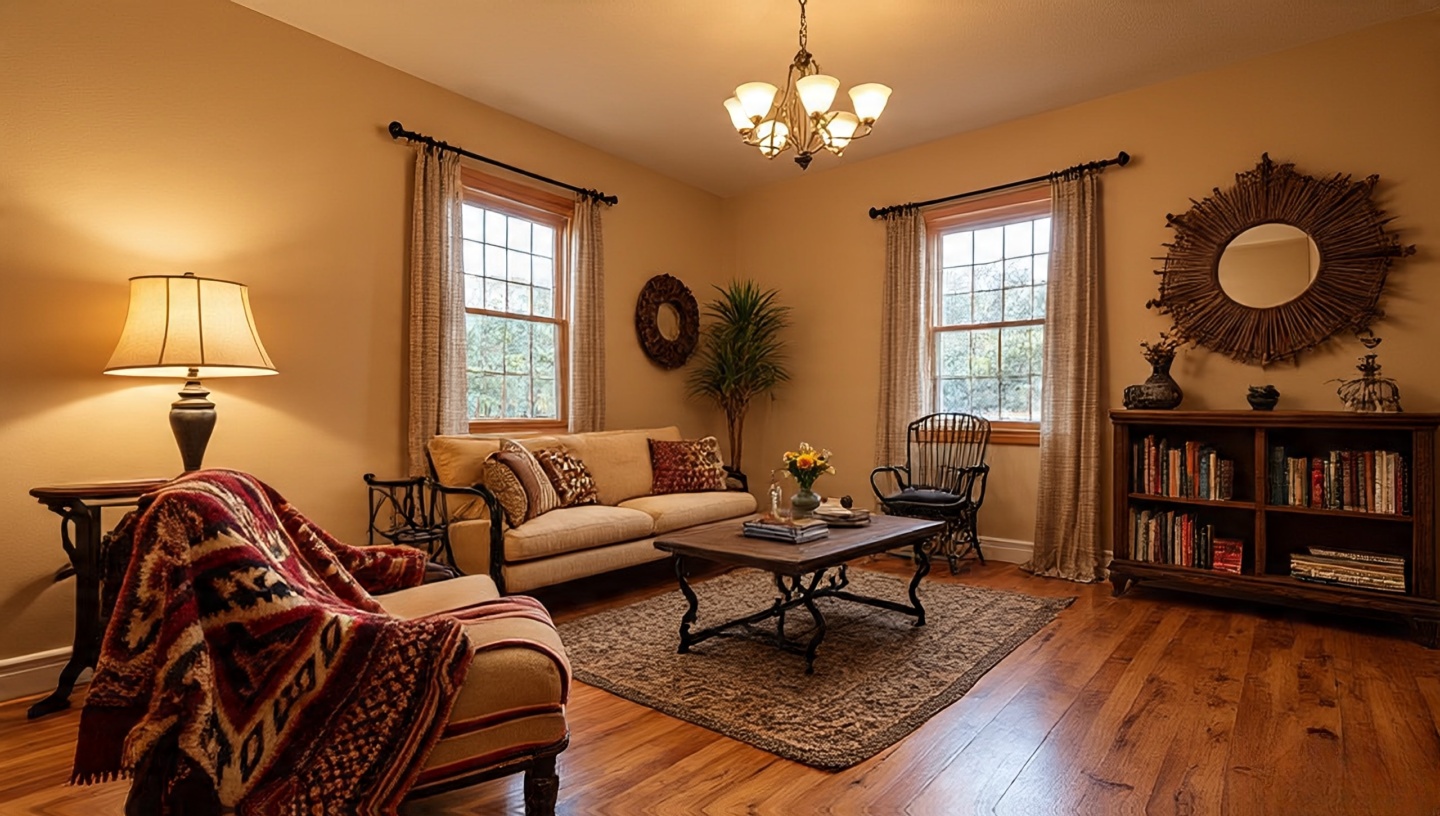


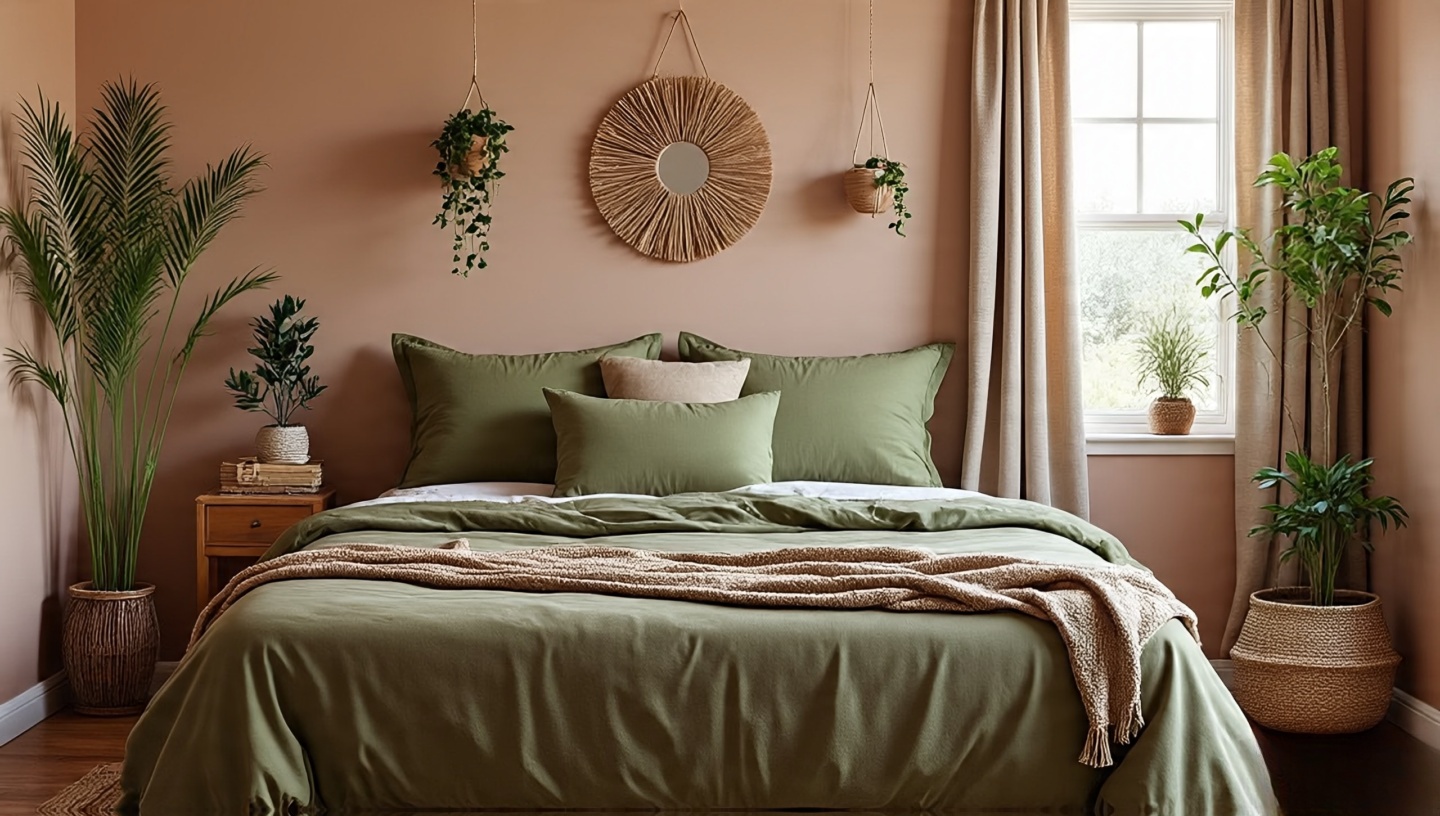
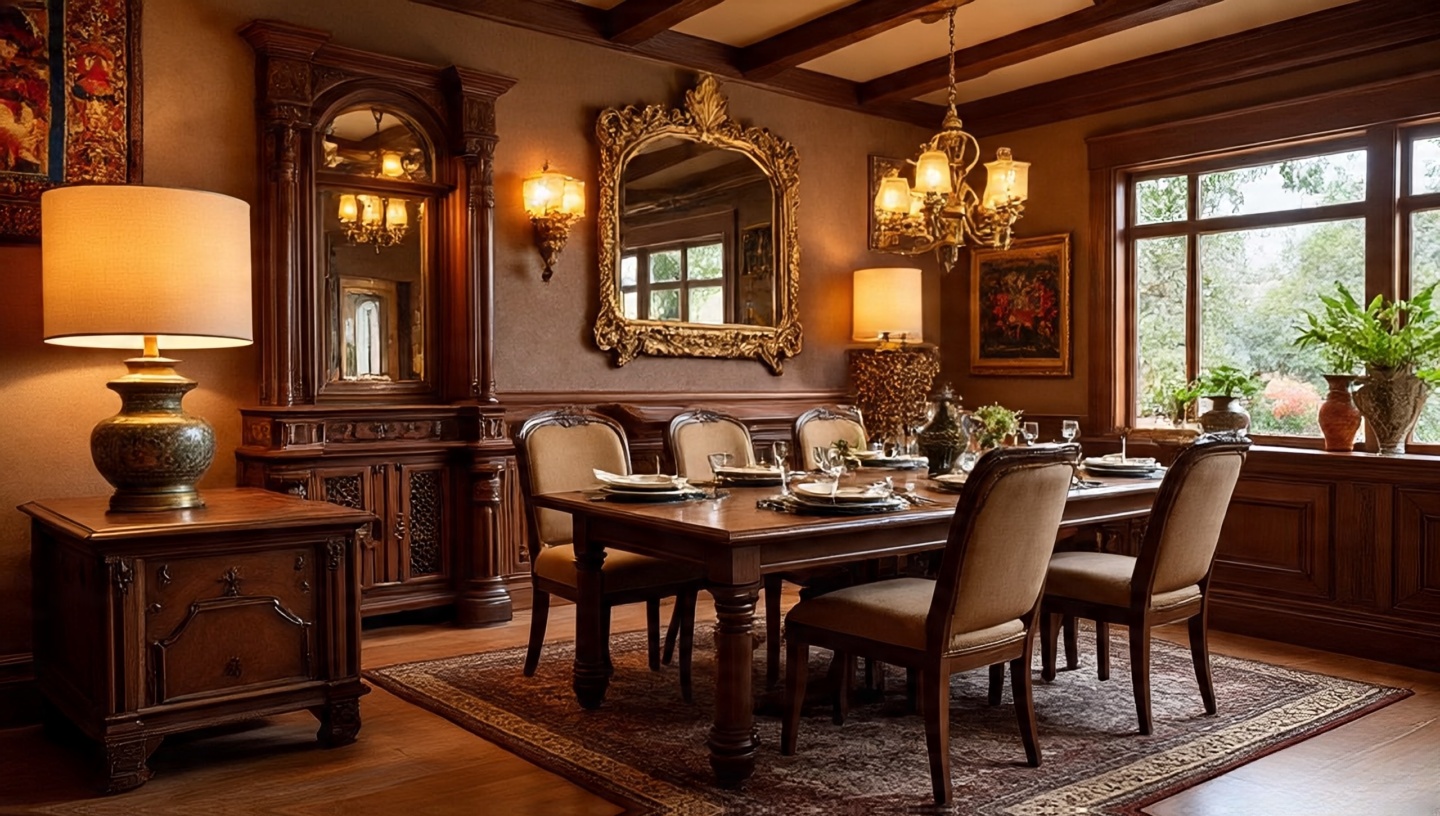


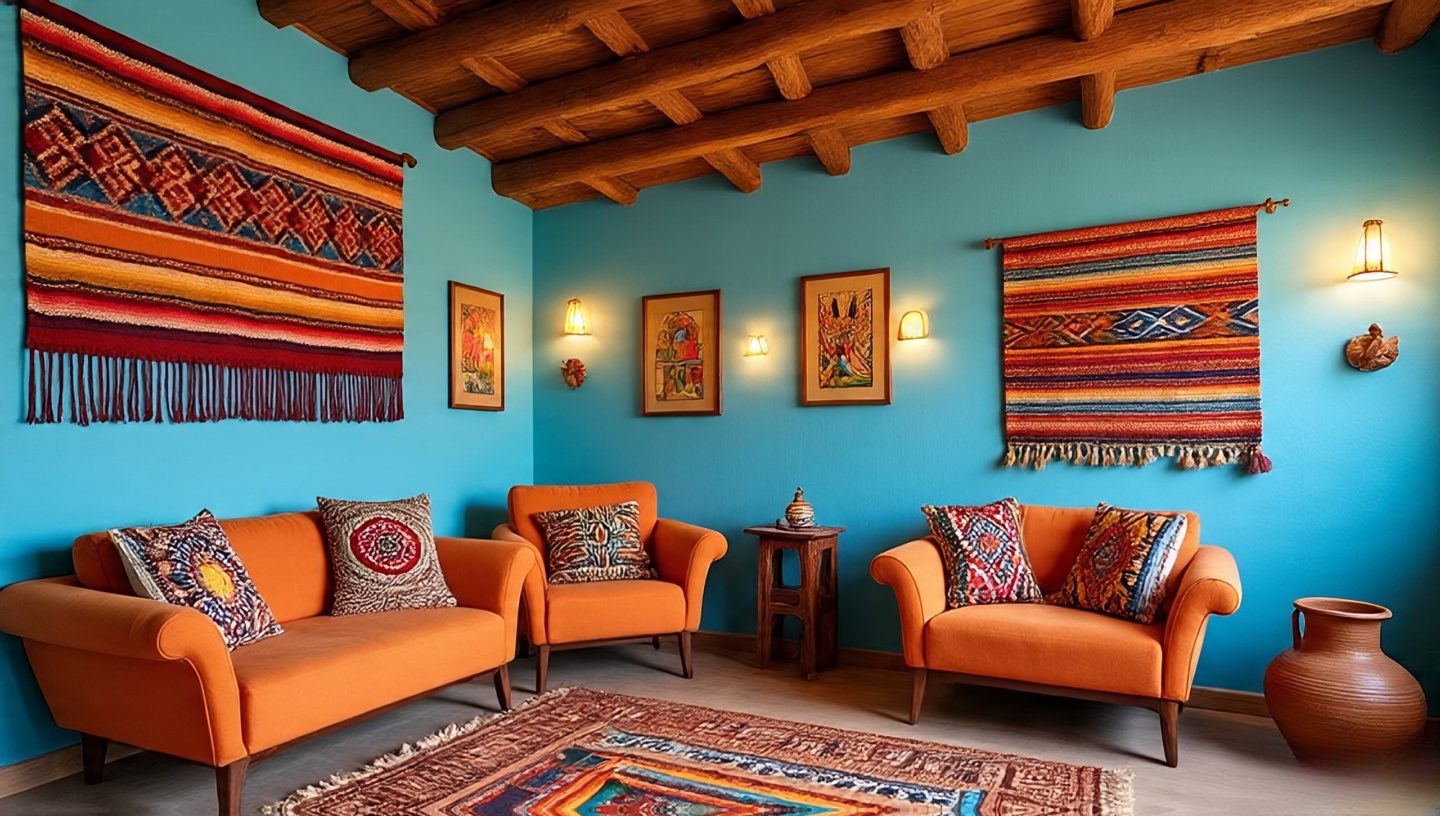
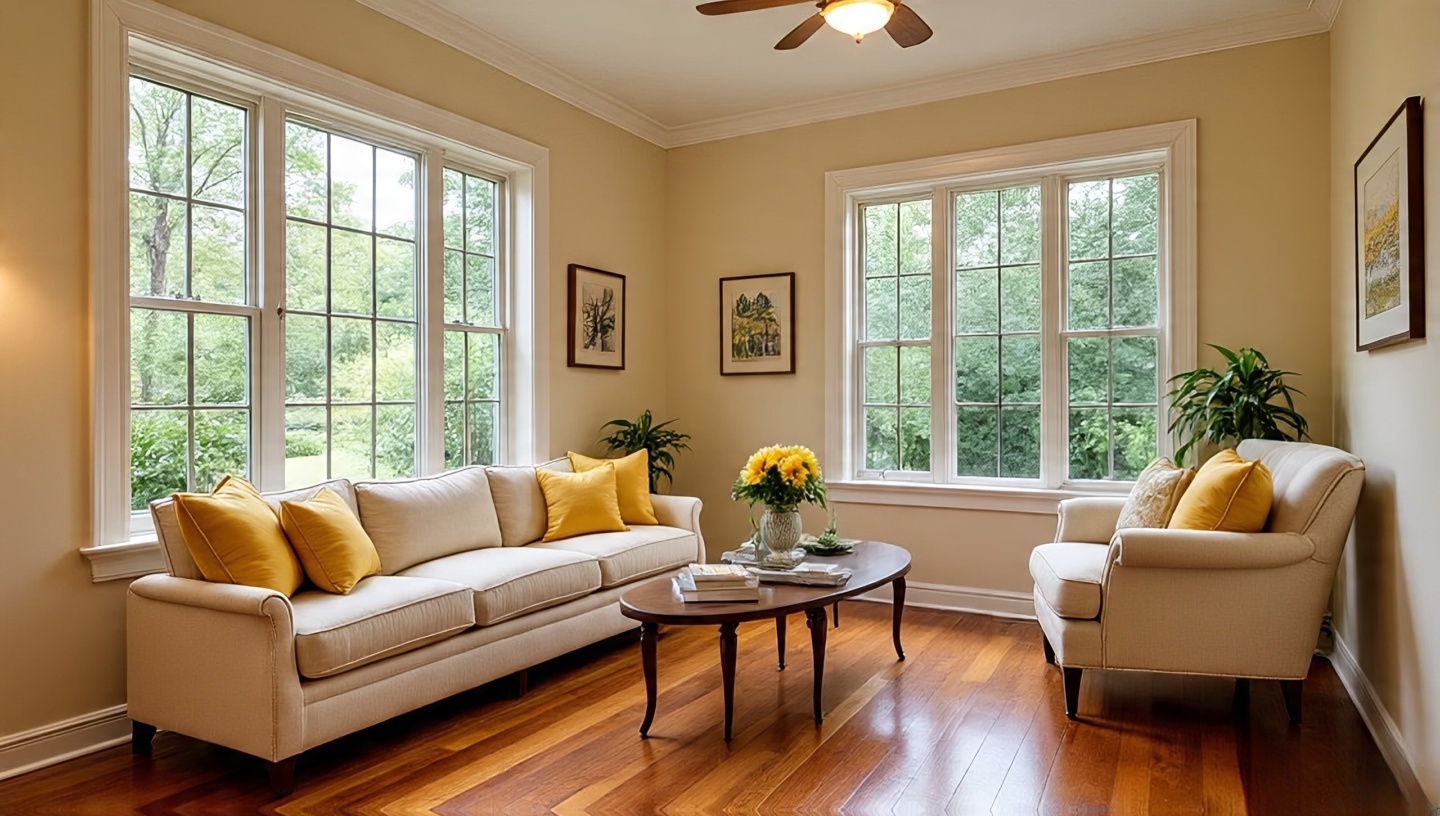


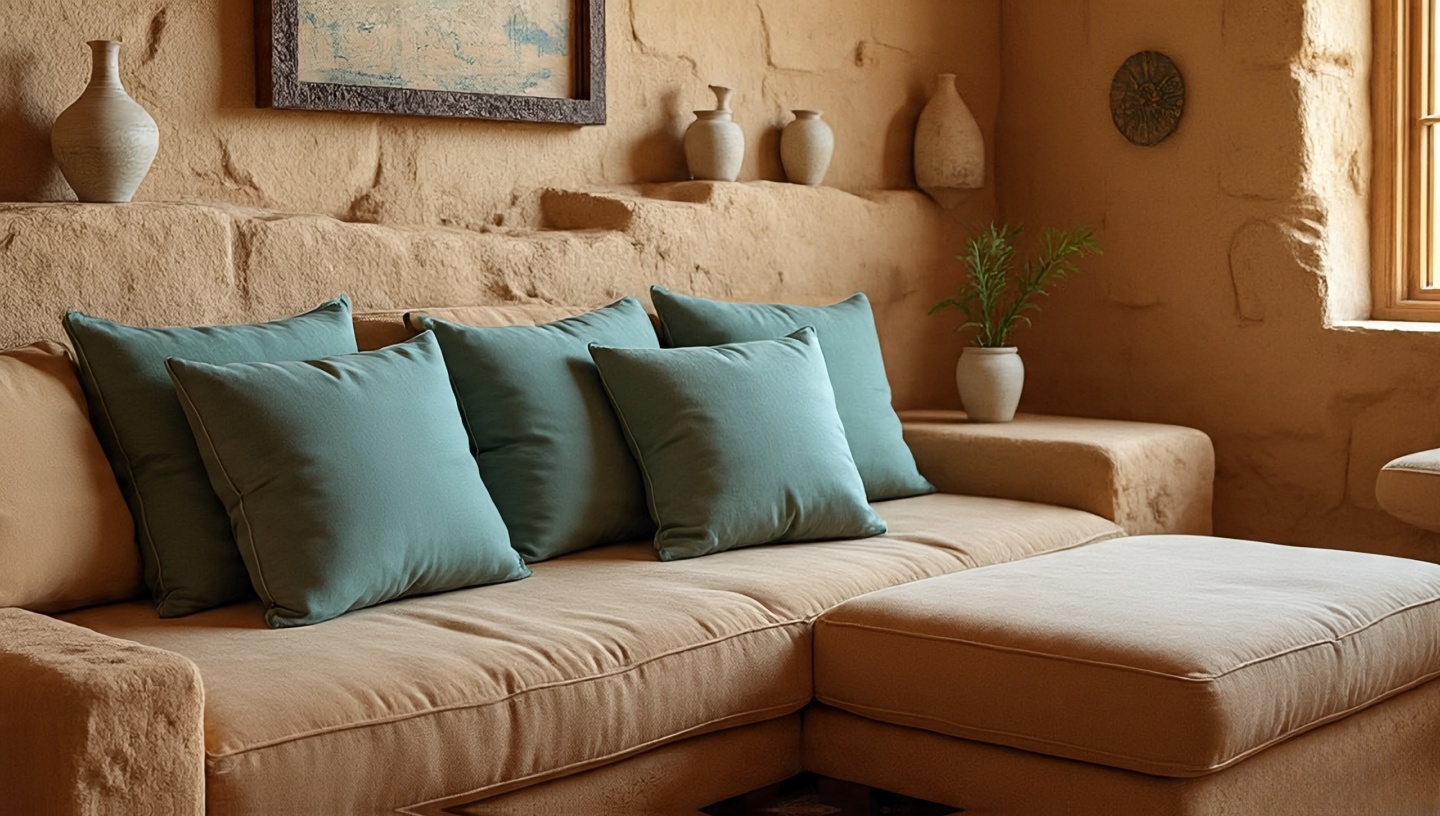


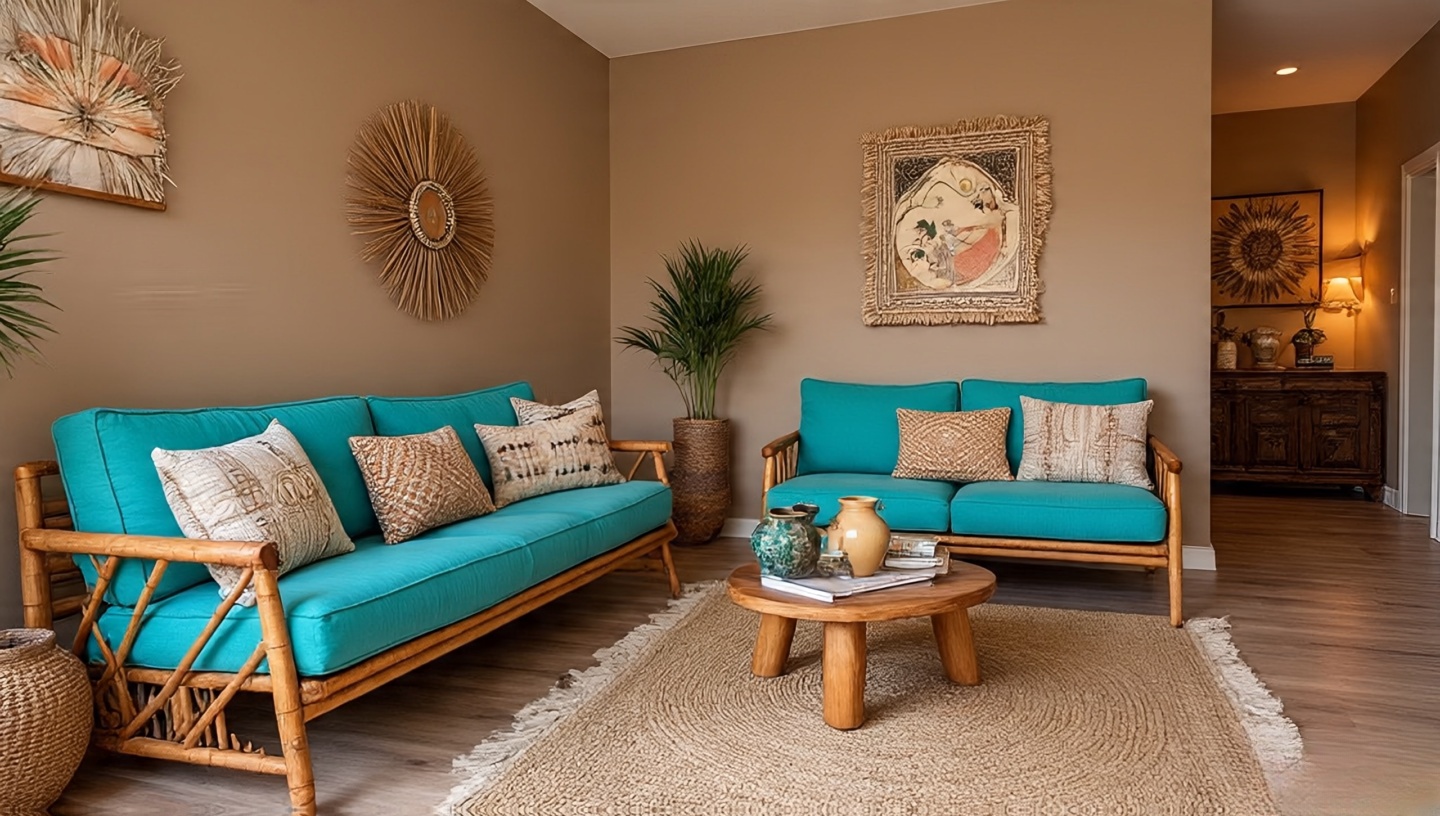 A taupe base gives neutrality and calm, while burnt sienna accents (pillows, rugs, small furniture pieces) inject energy and depth. Great for spaces that need flexibility furnishing changes, seasonal decor, or even just adding personality without repainting walls. My tip: mix finishes matte taupe walls with glossy sienna ceramics or metallics for a subtle pop.
 Ending strong: desert sand walls or upholstery, with deep turquoise accents in rugs, vases, or cushions. This palette feels like the ultimate Southwestern scene warm earth, bold sky. Use it in living rooms or open areas where the color drama can play out without overwhelming. Pro tip: add natural wood furniture or woven elements for an authentic, grounded finish.