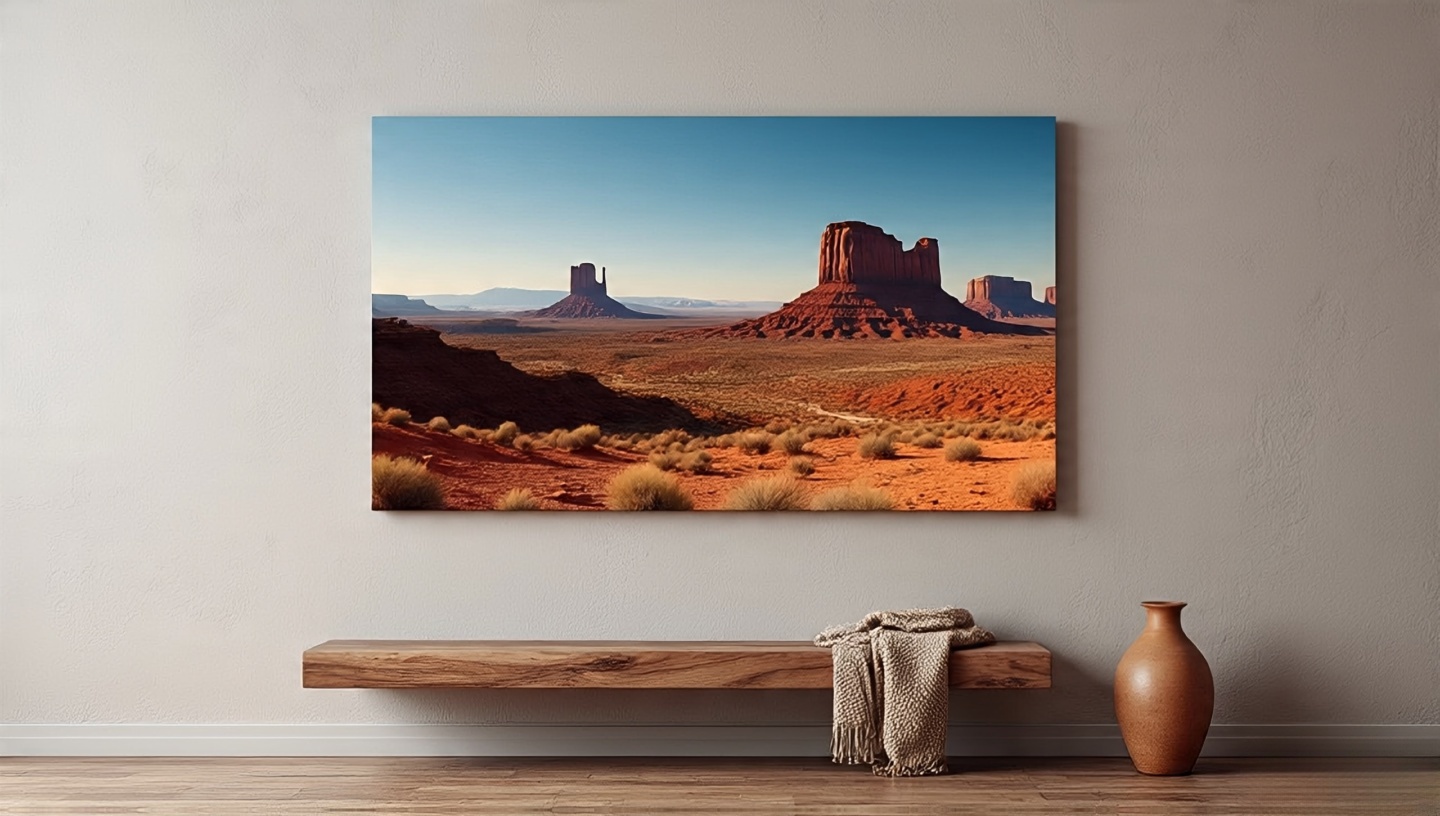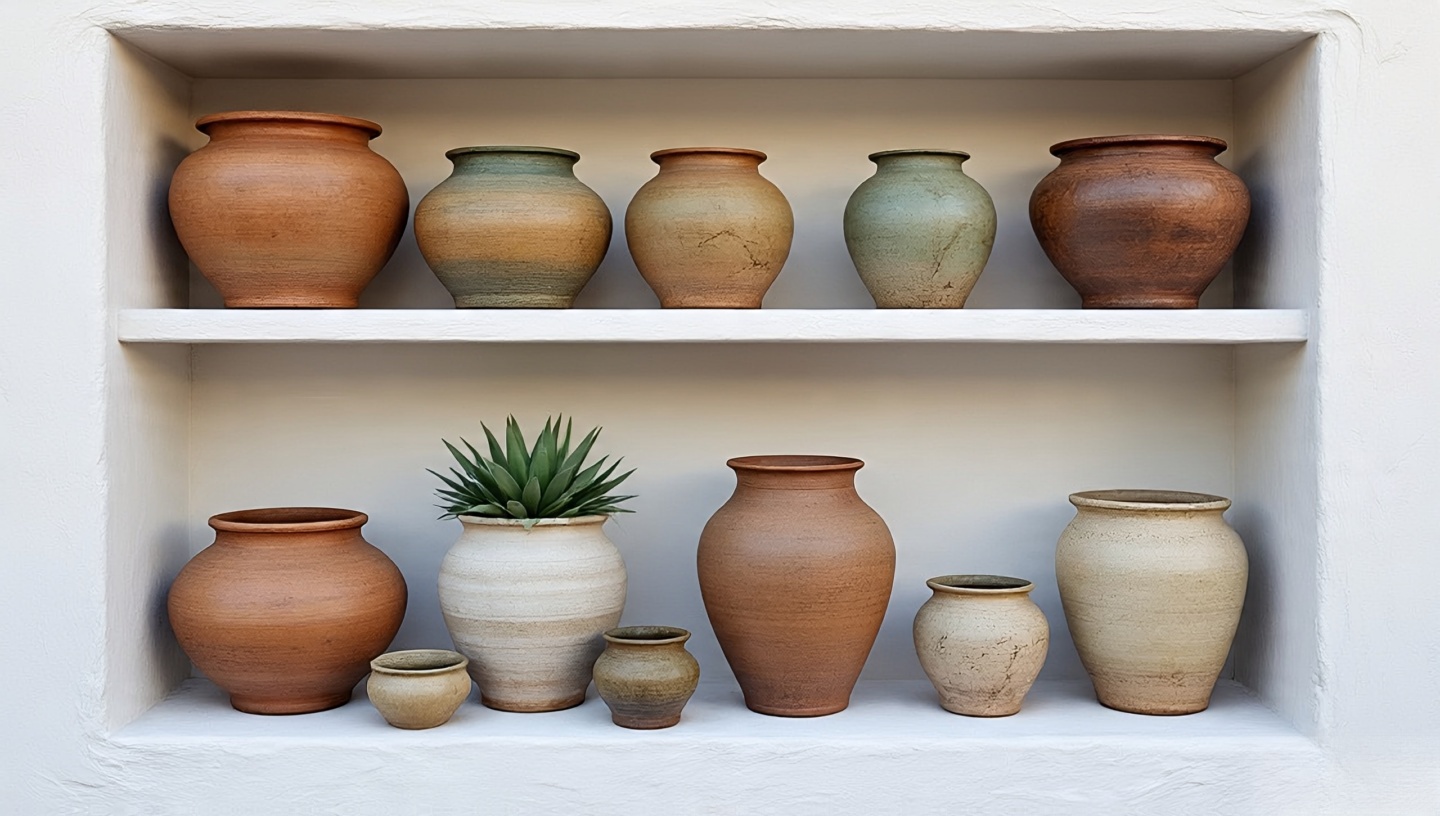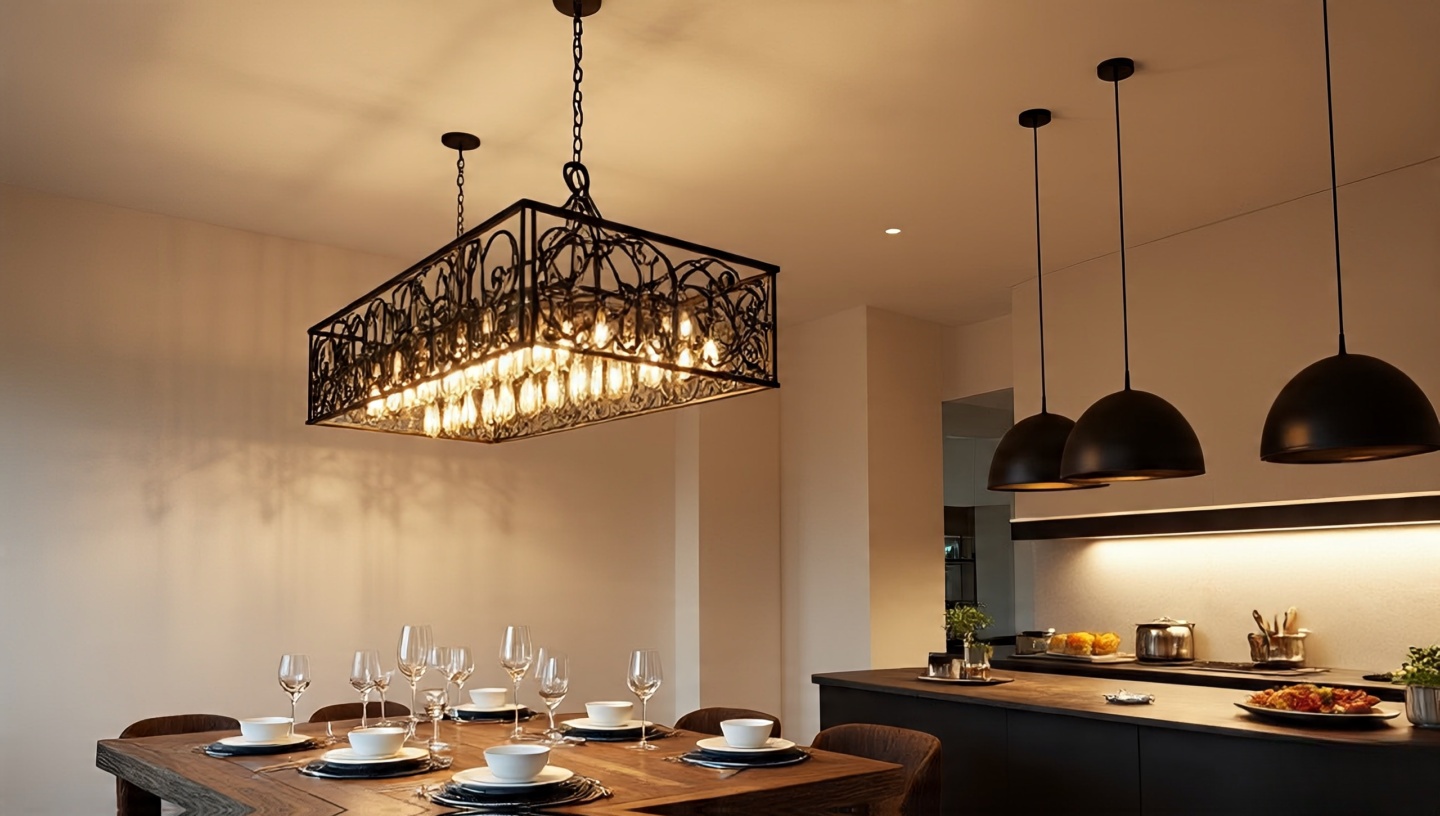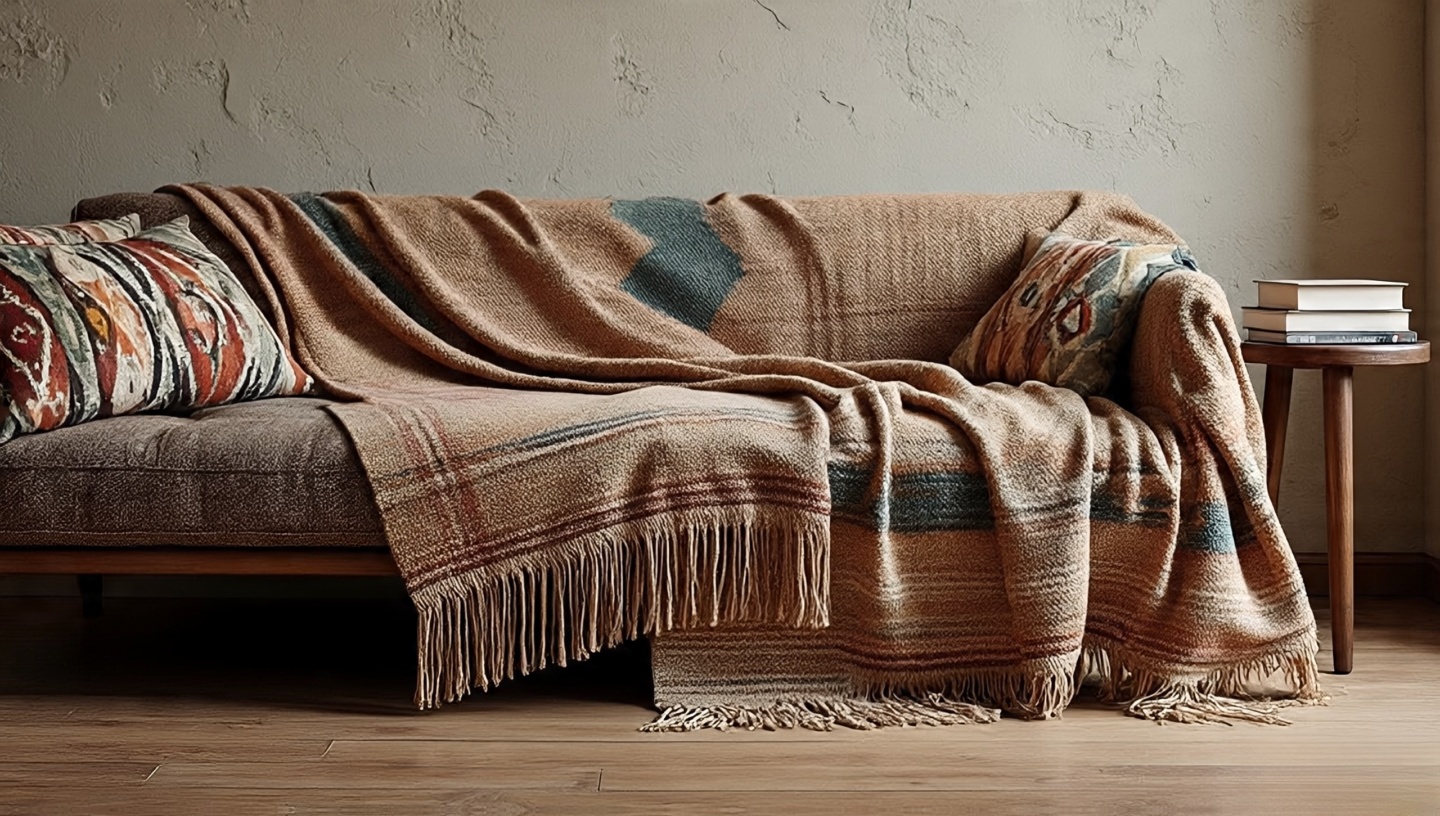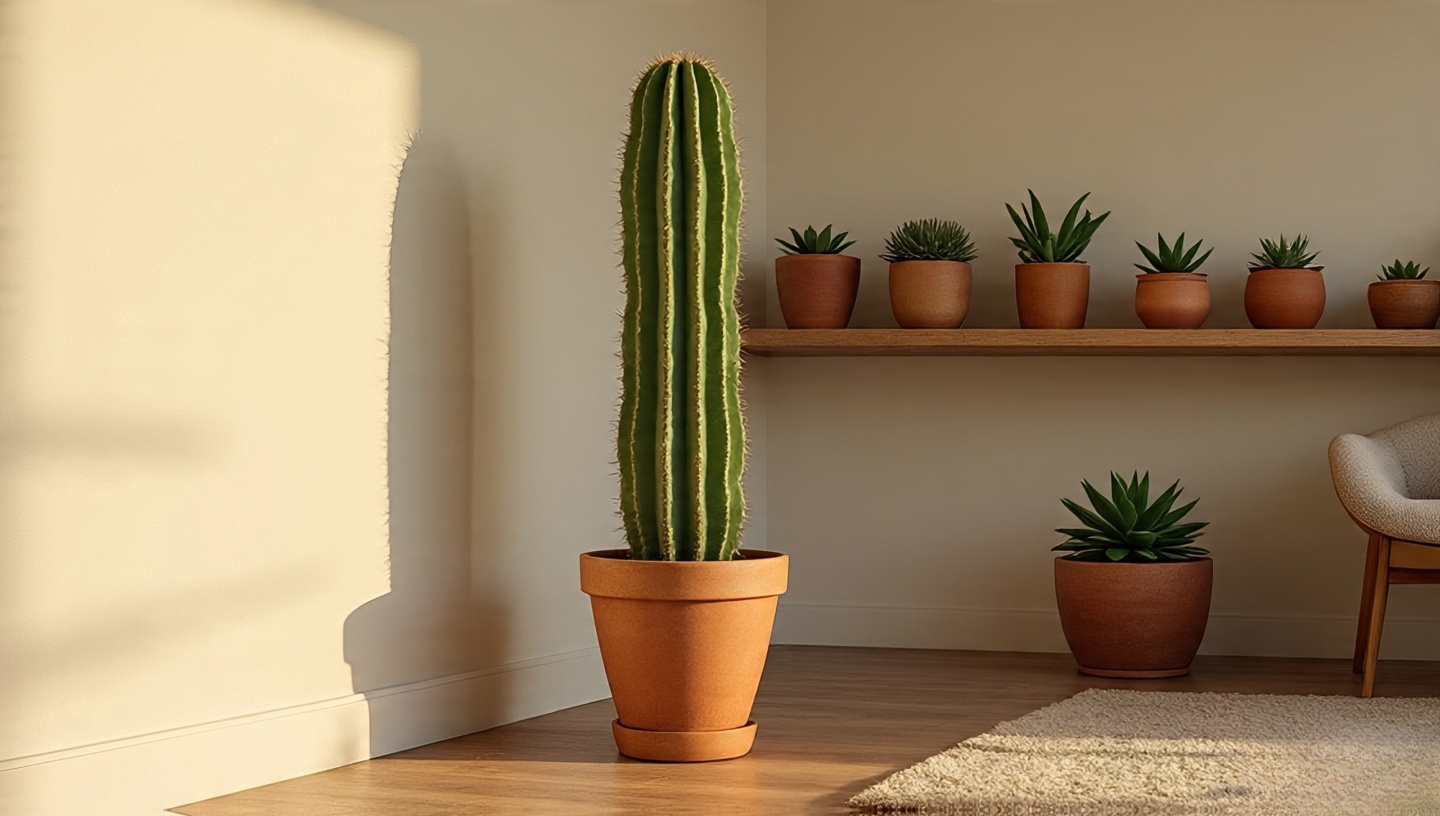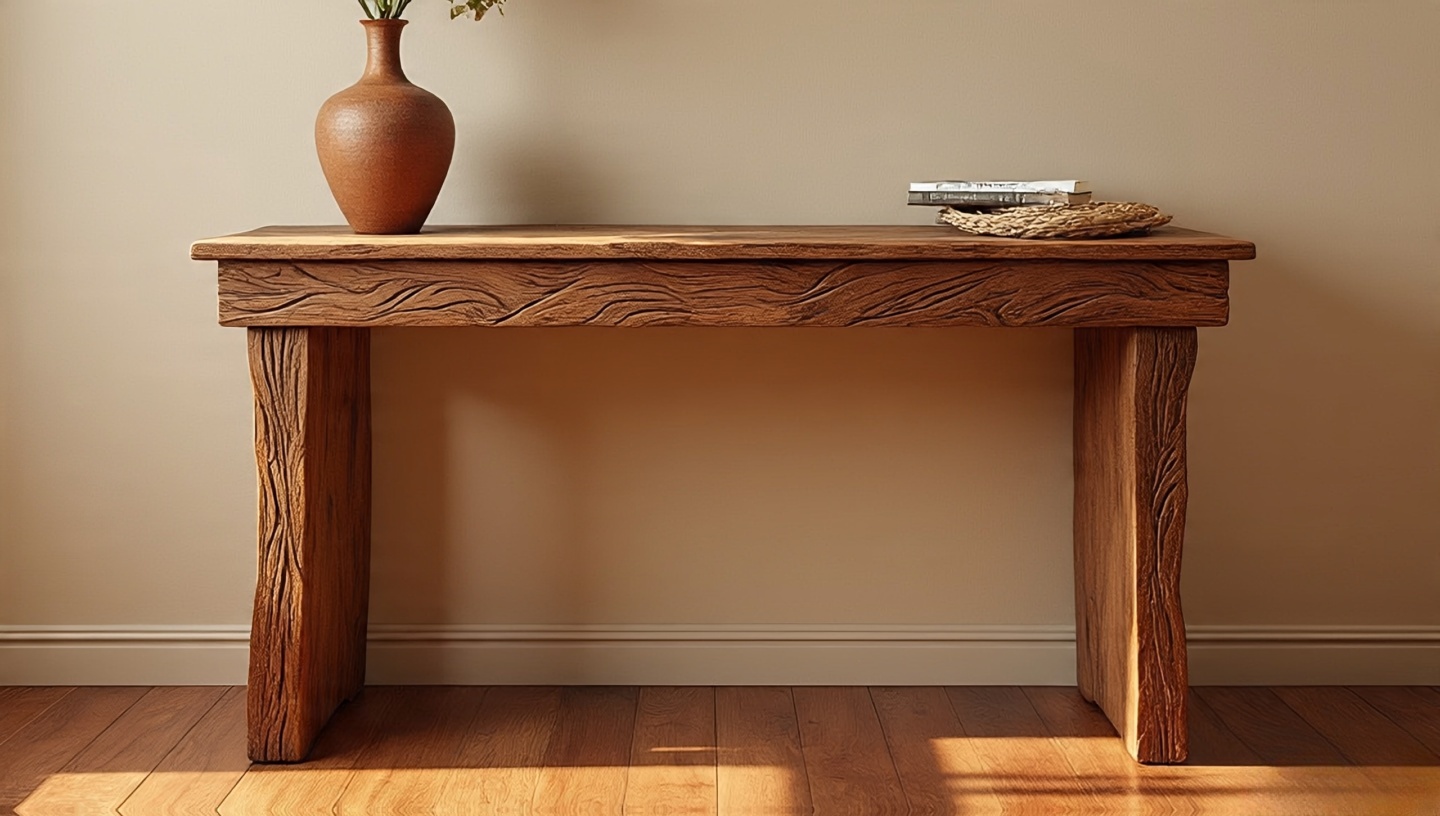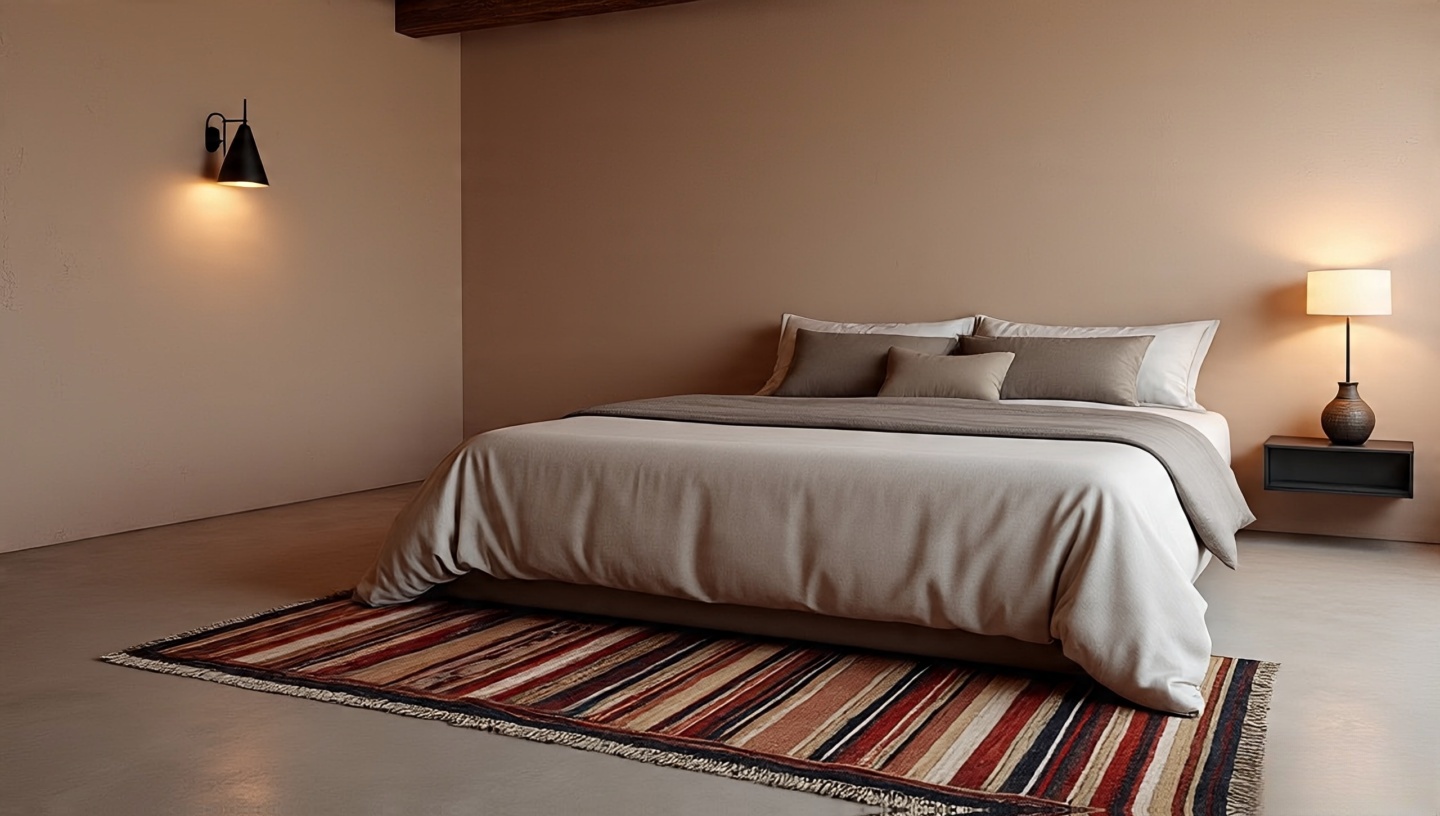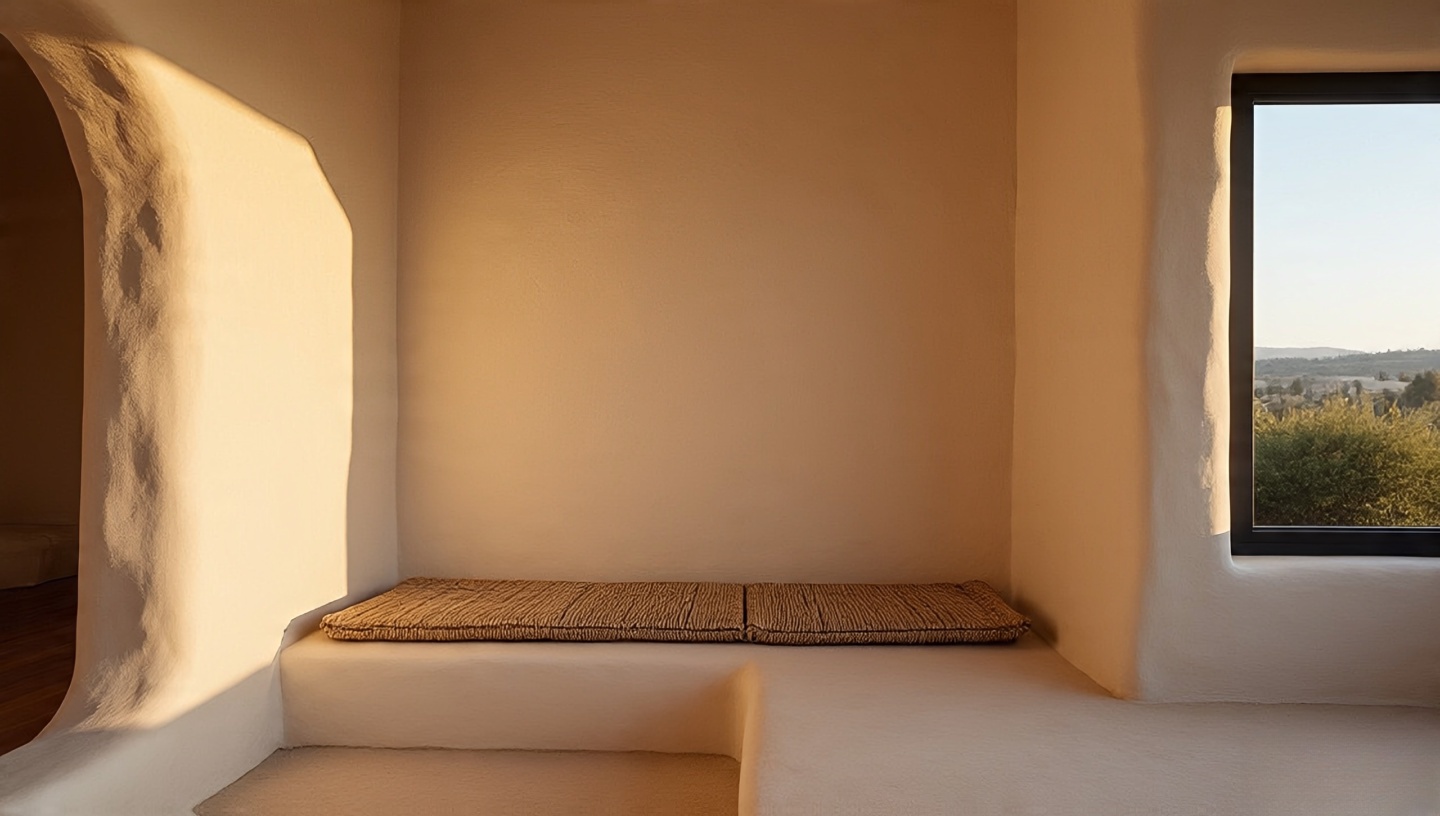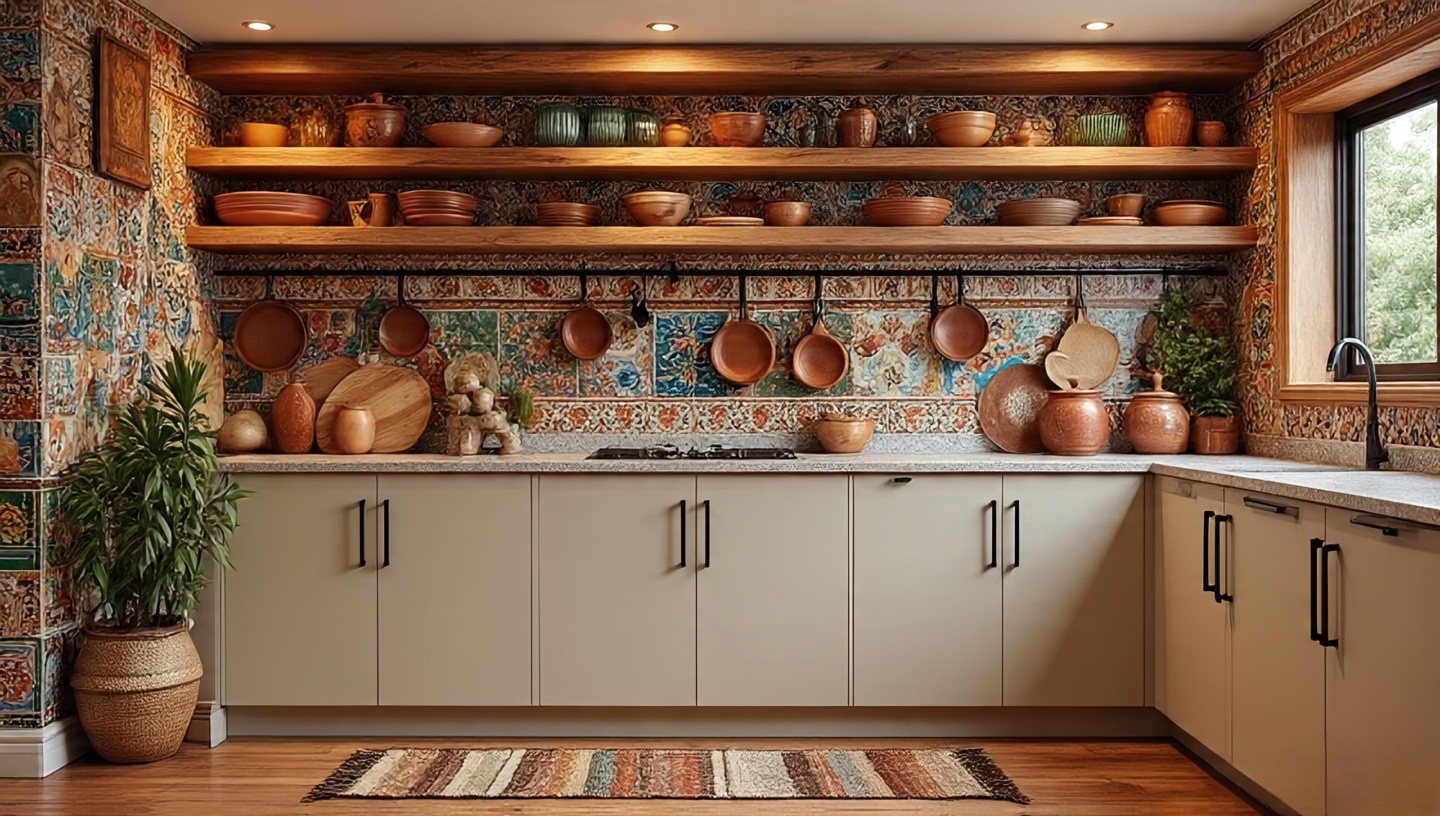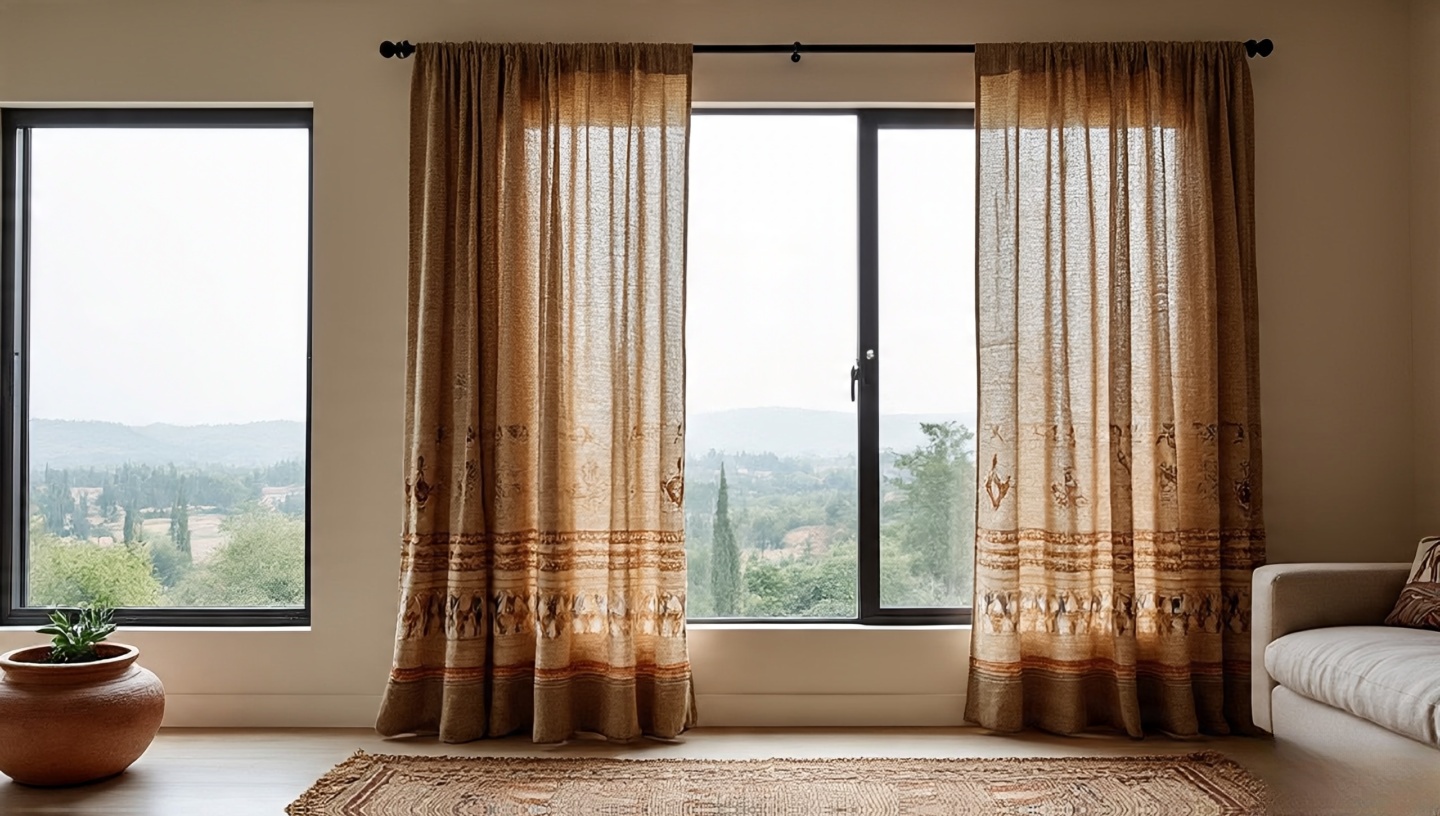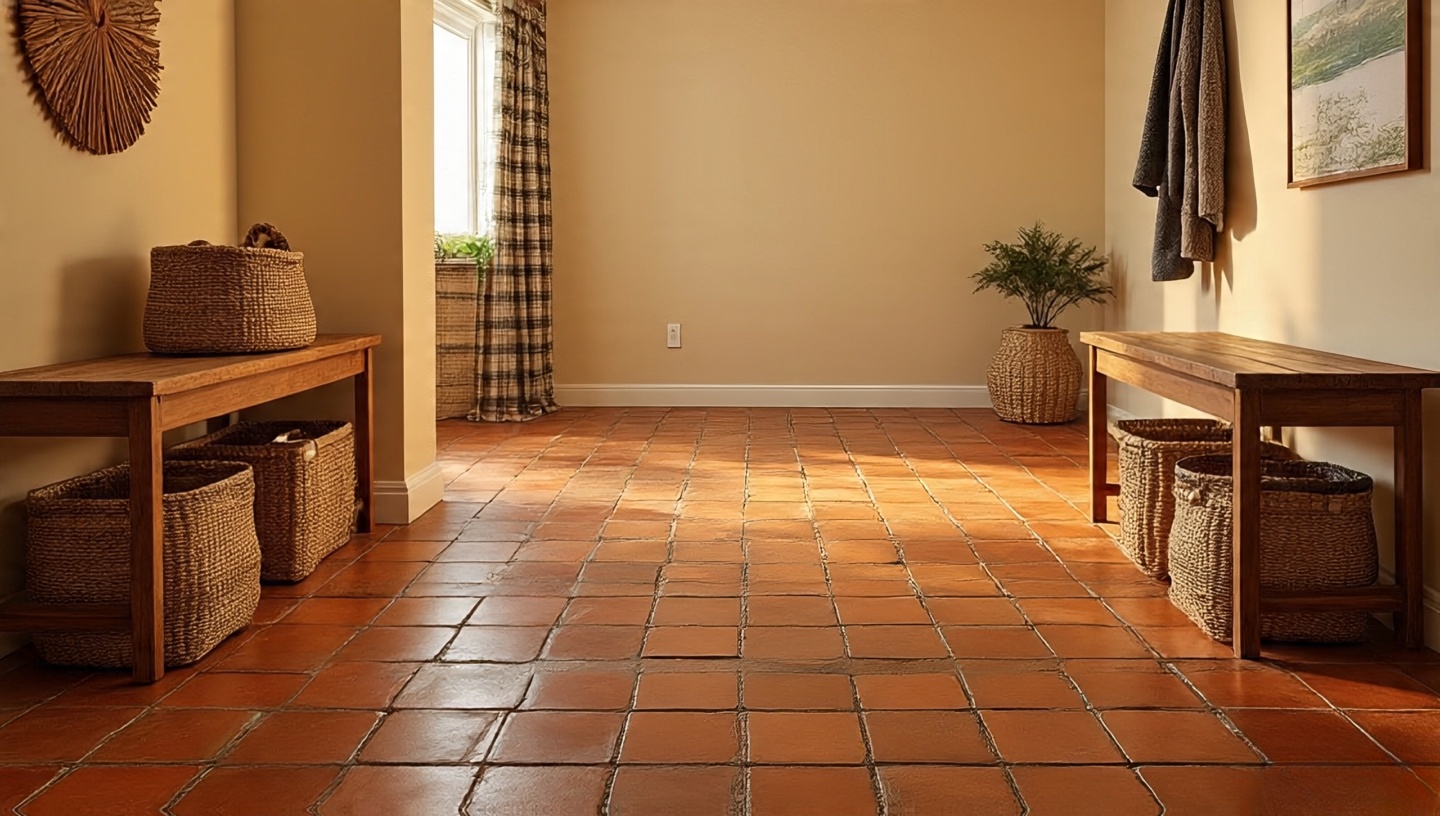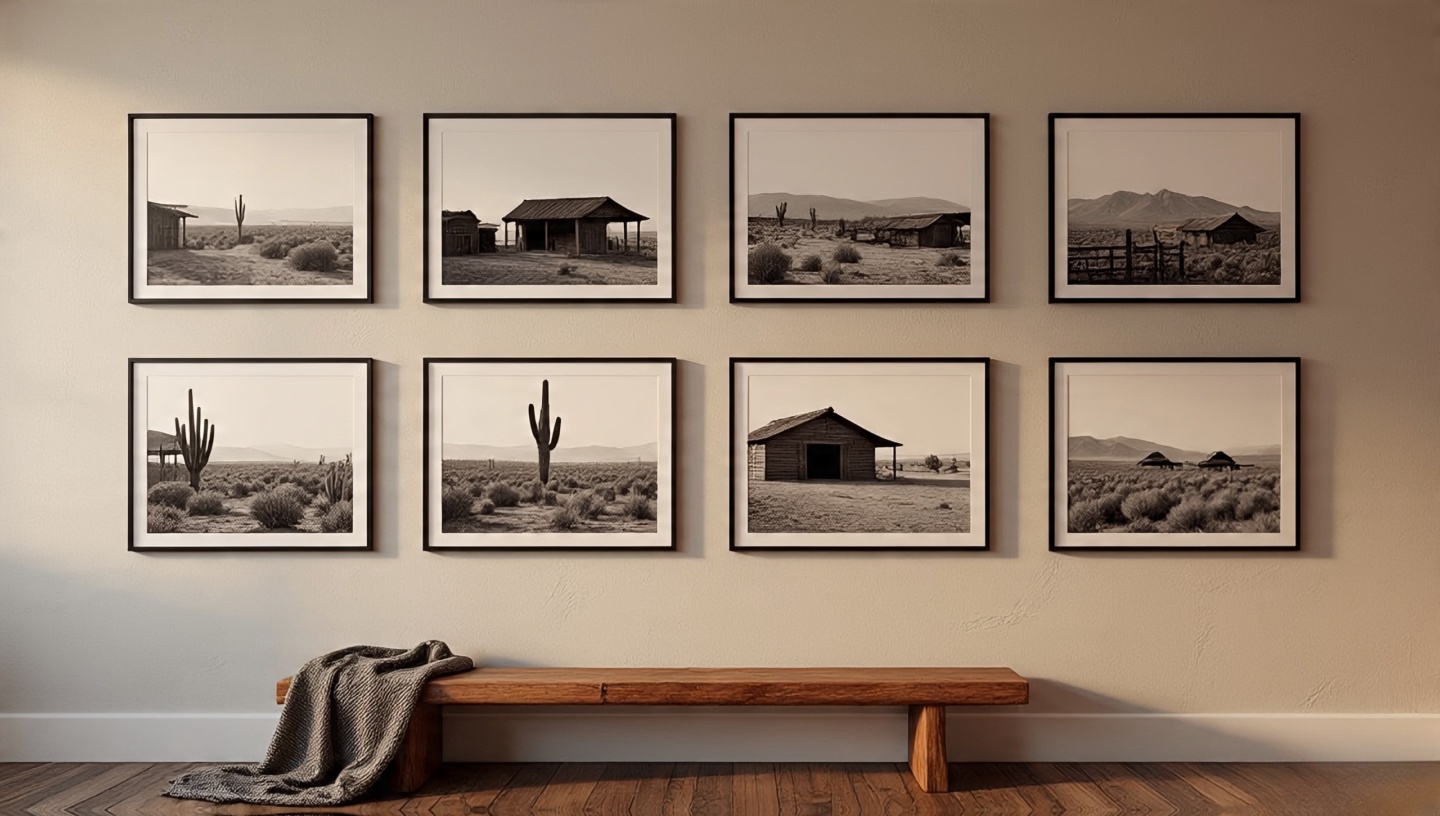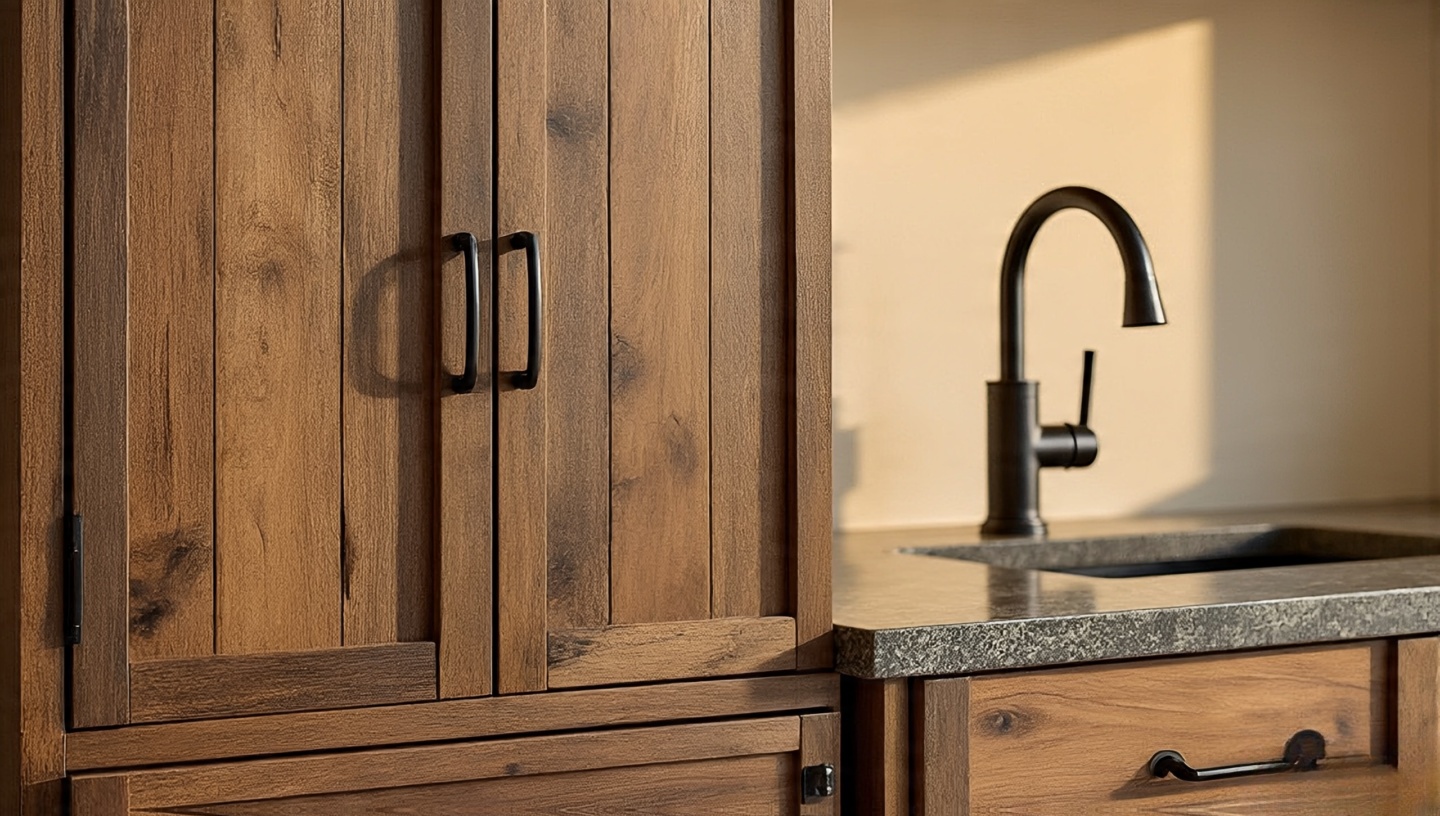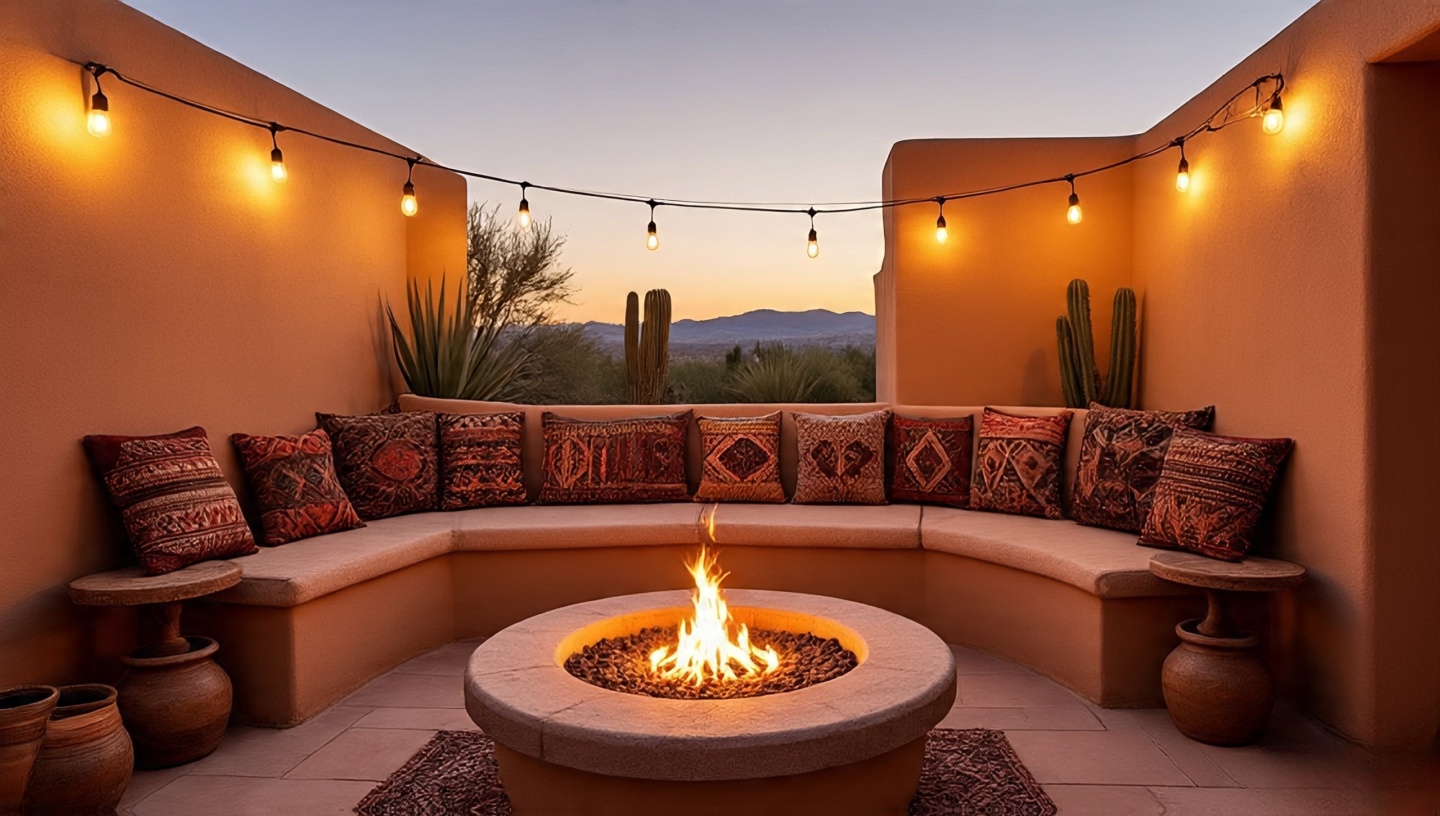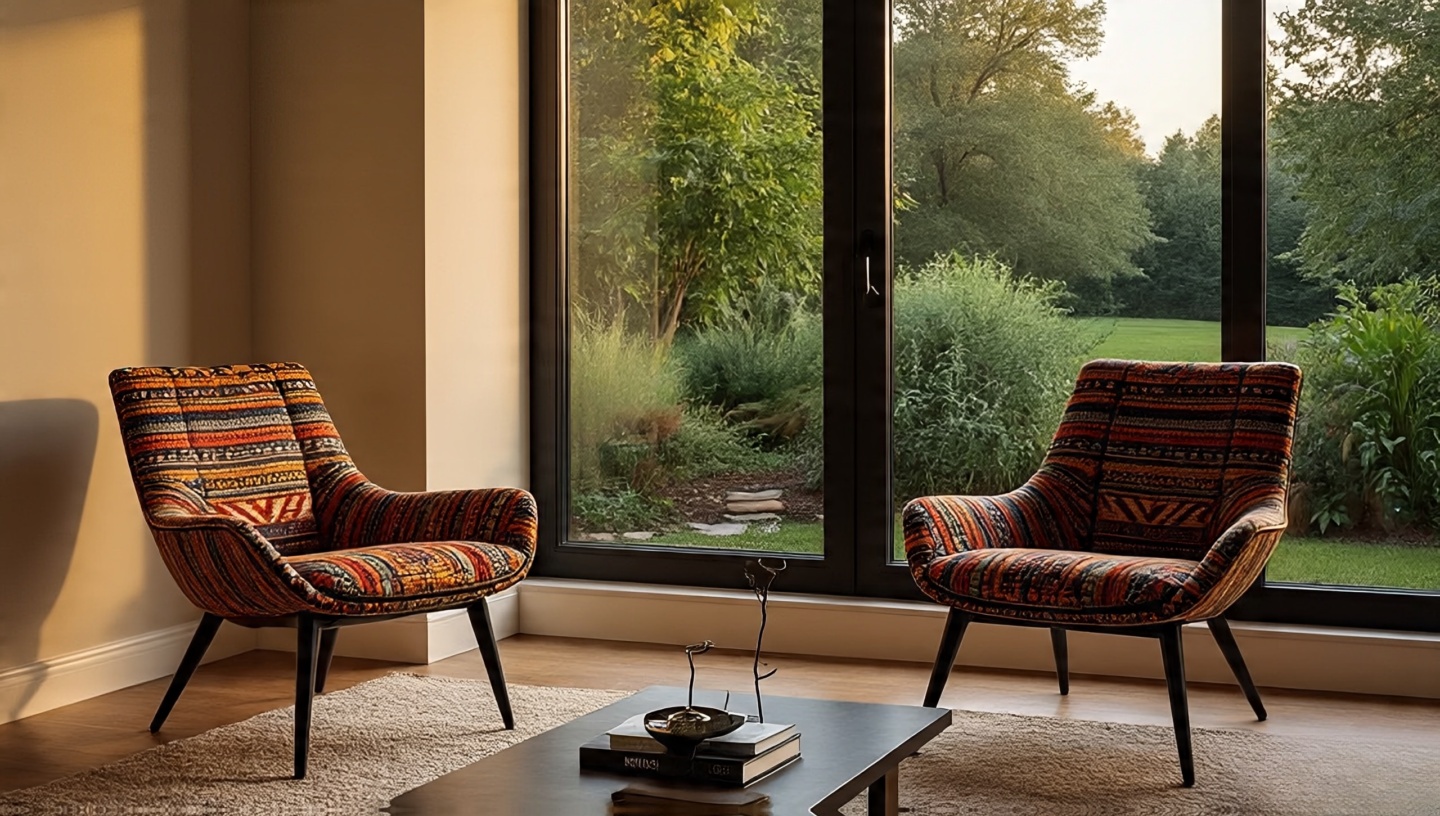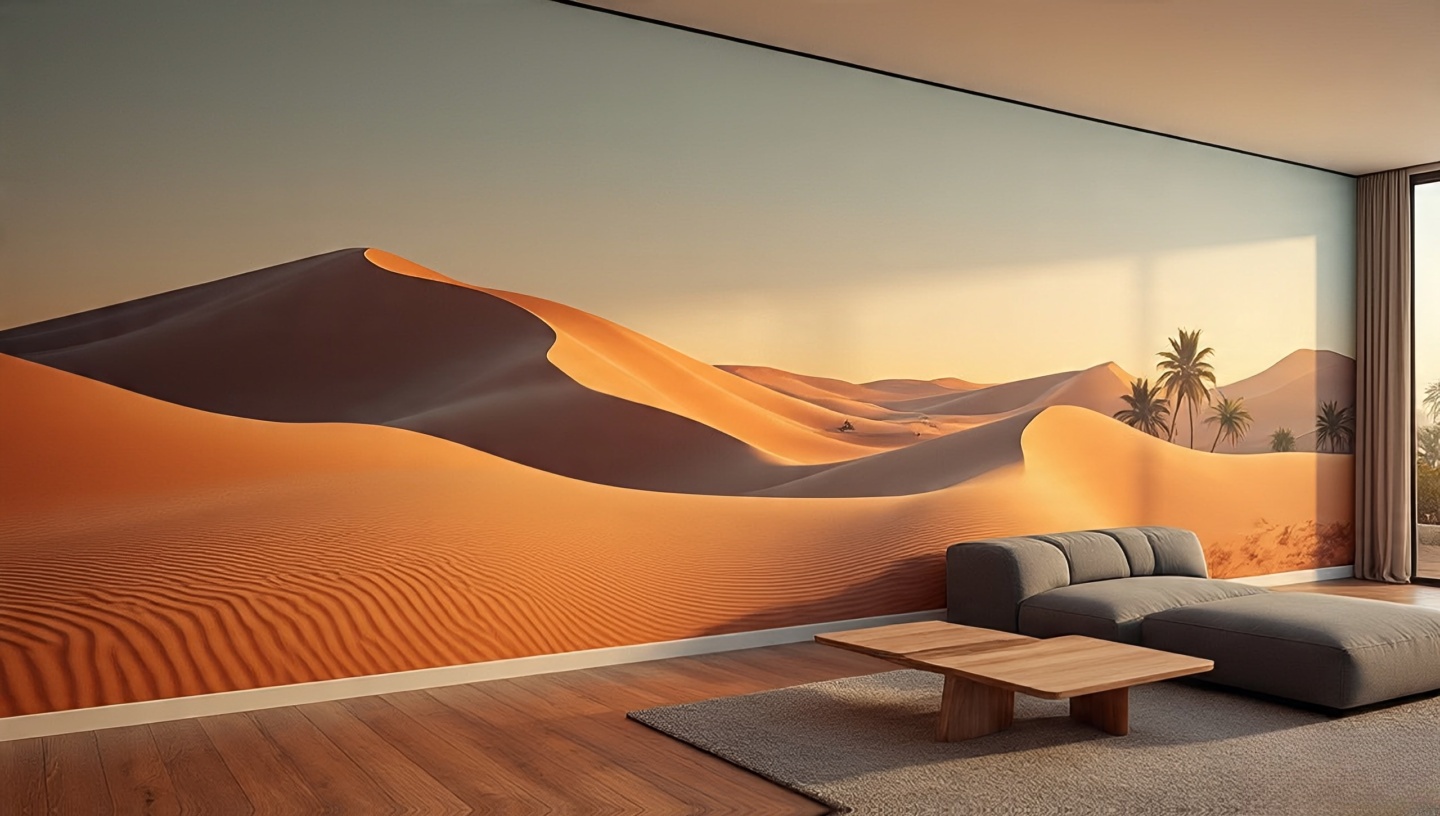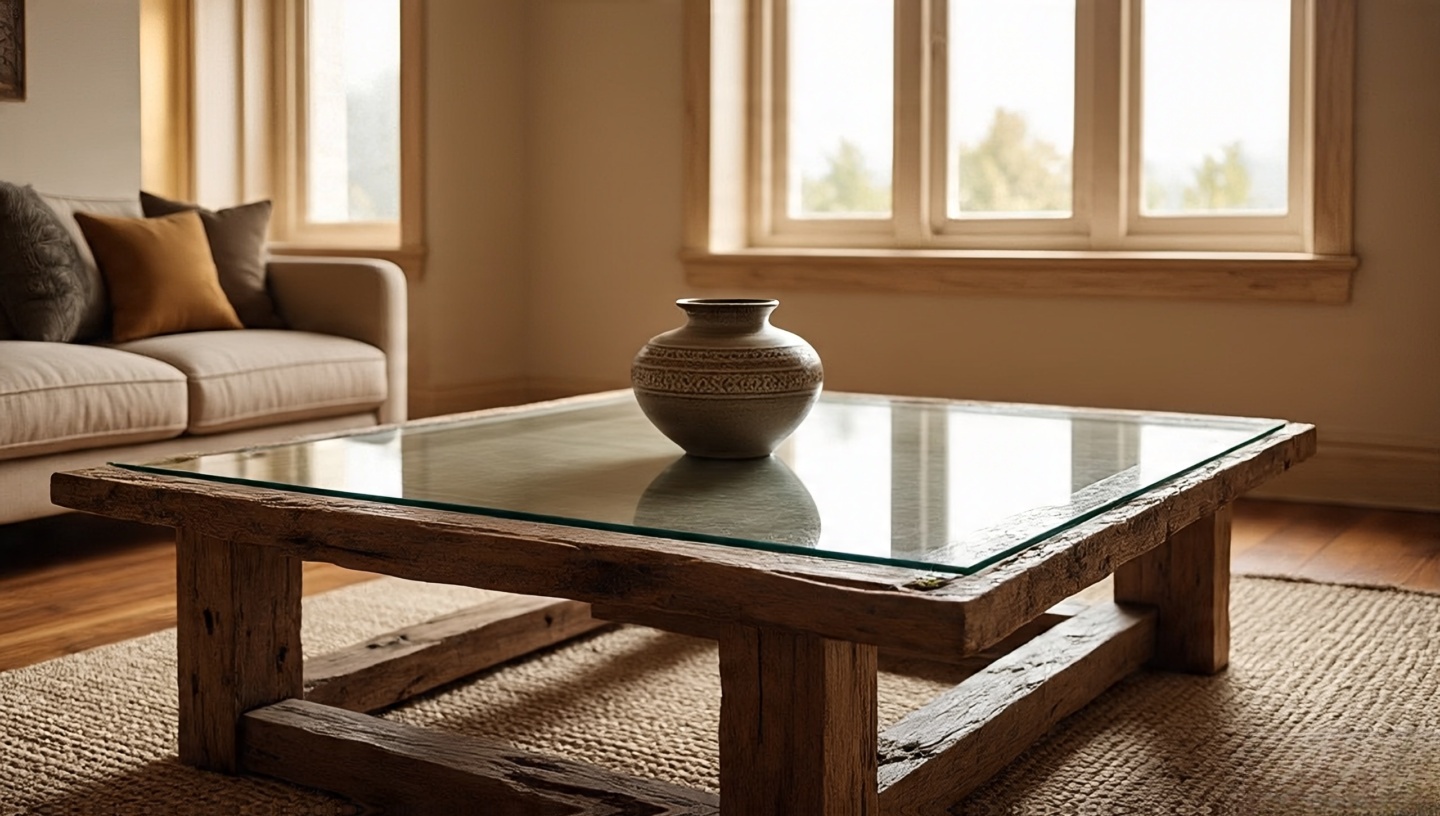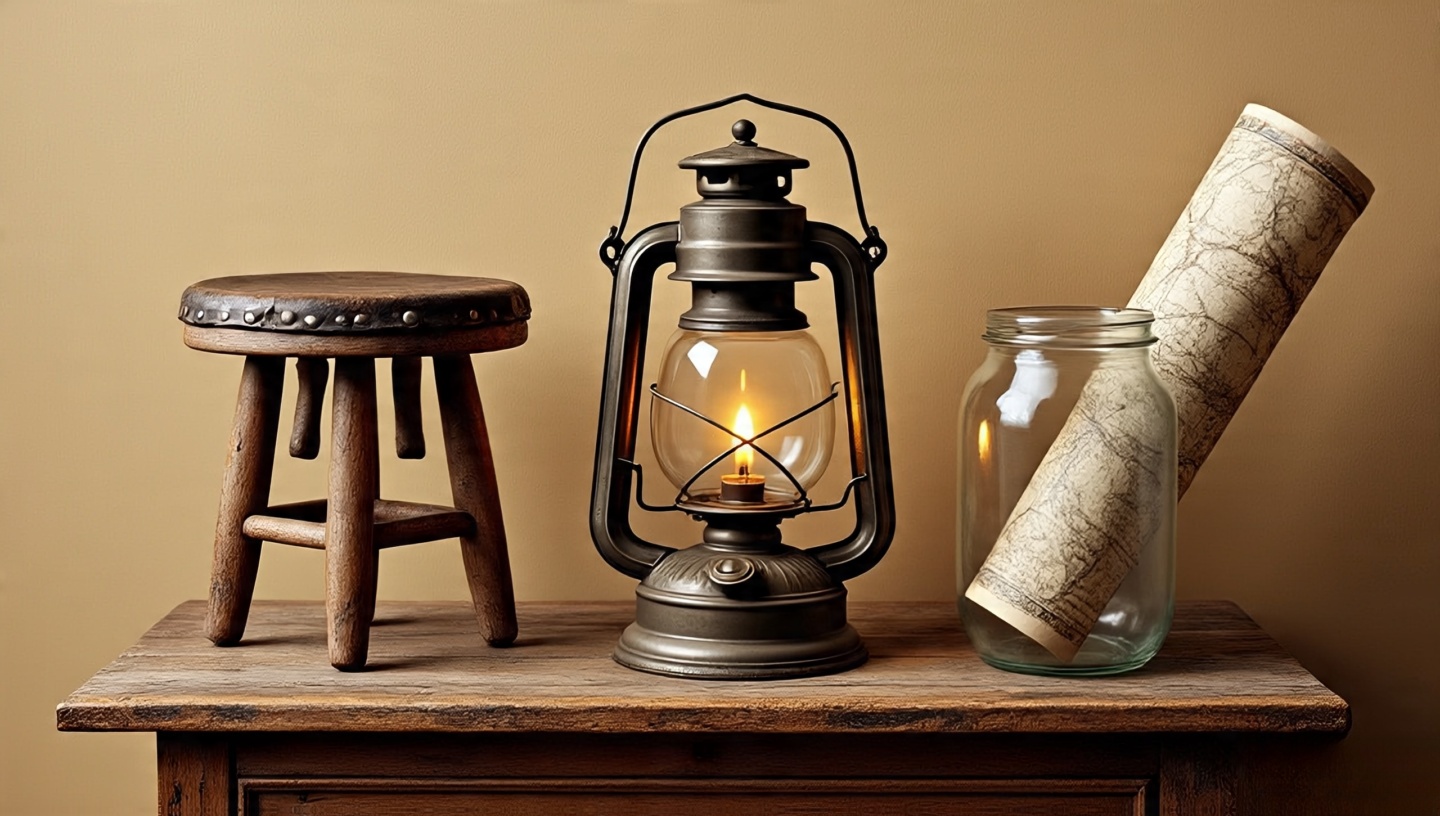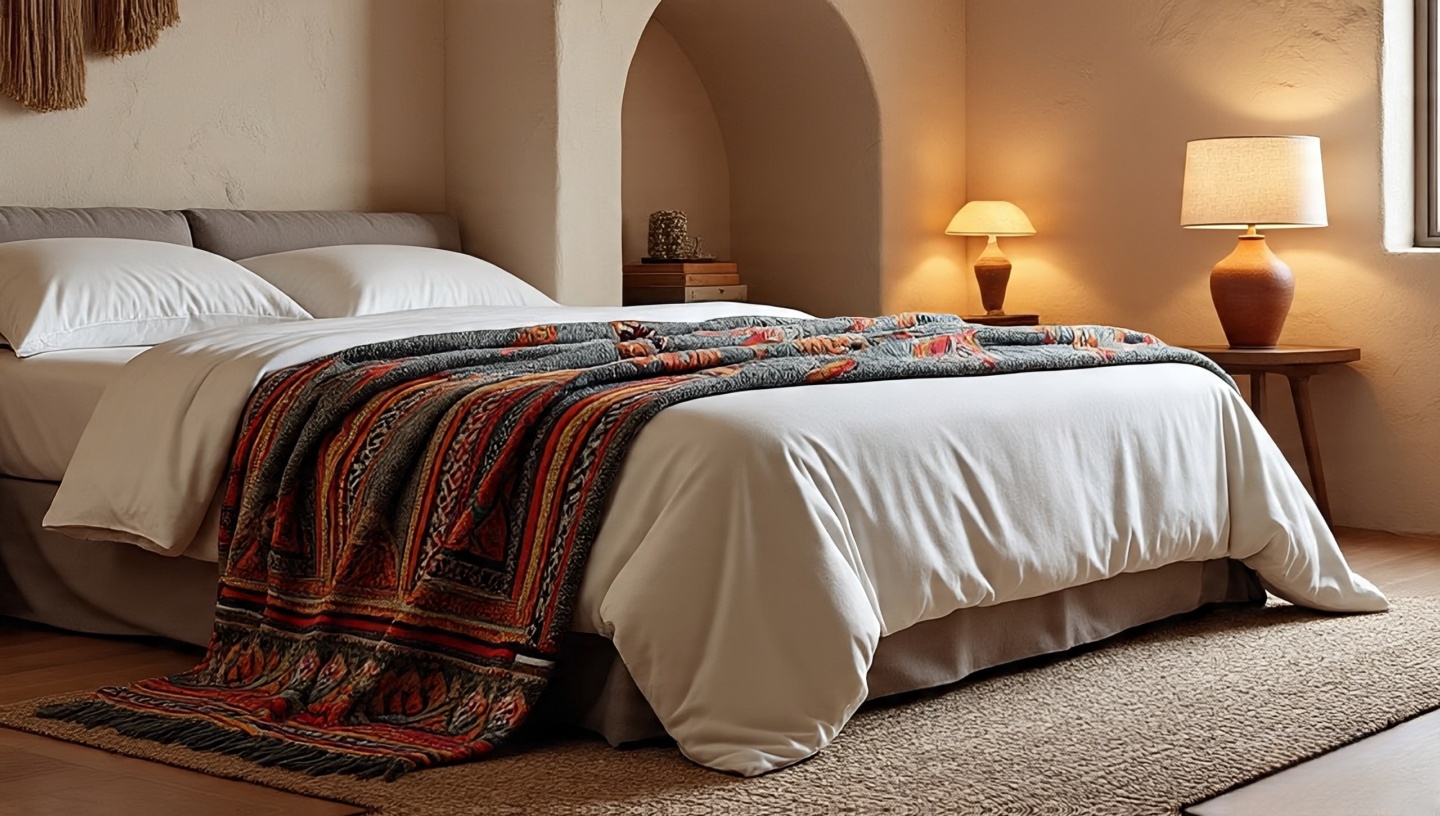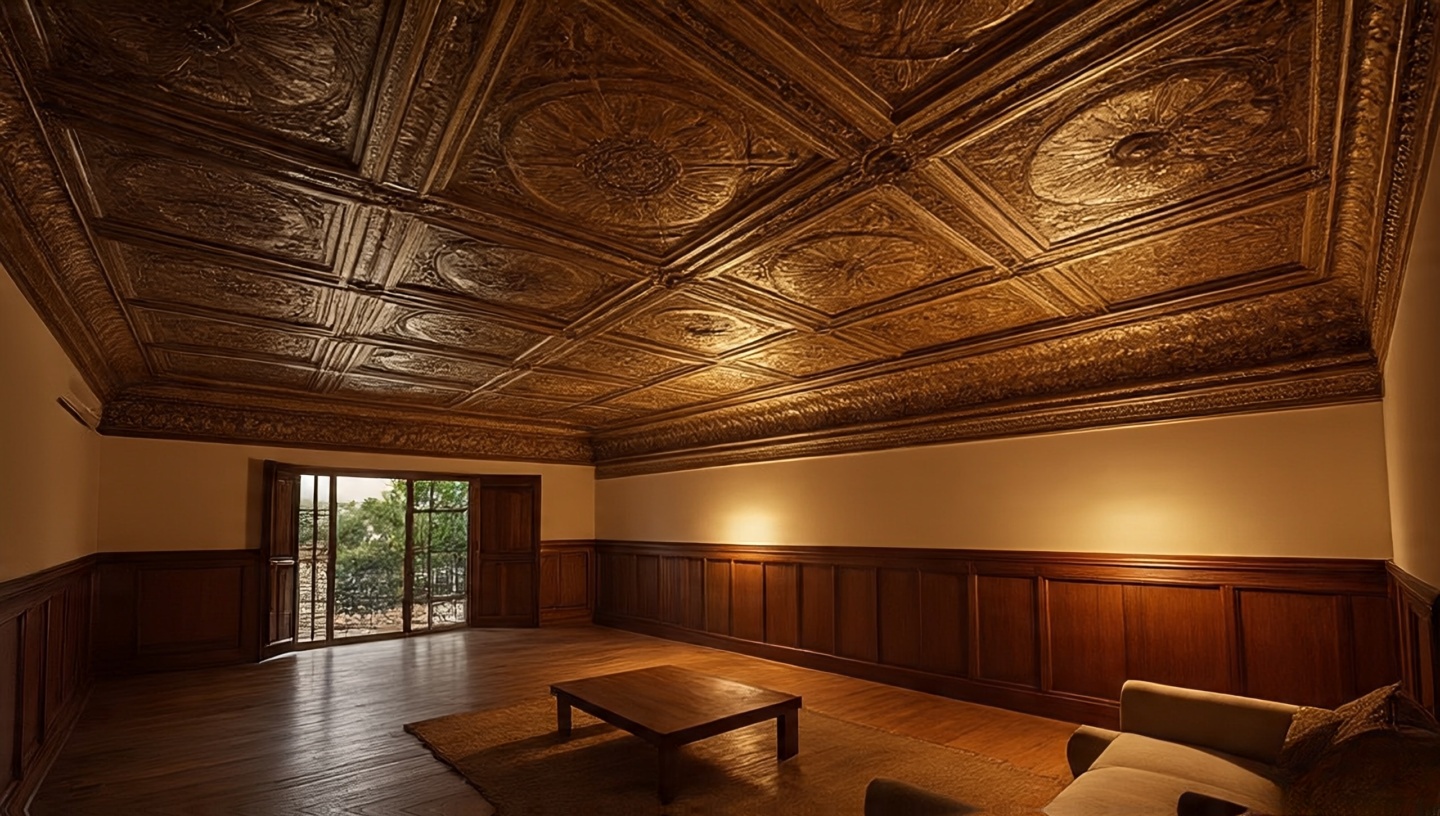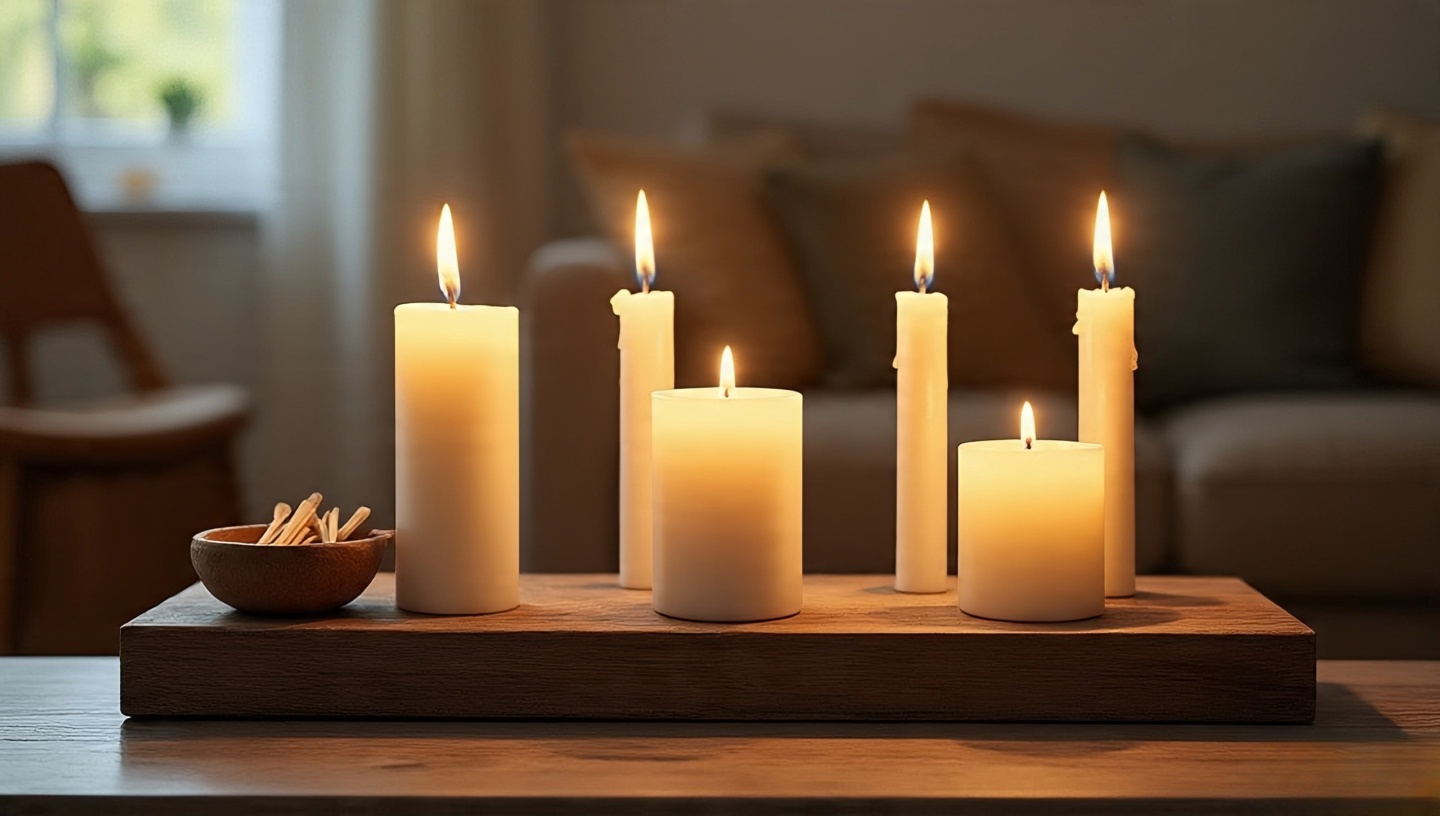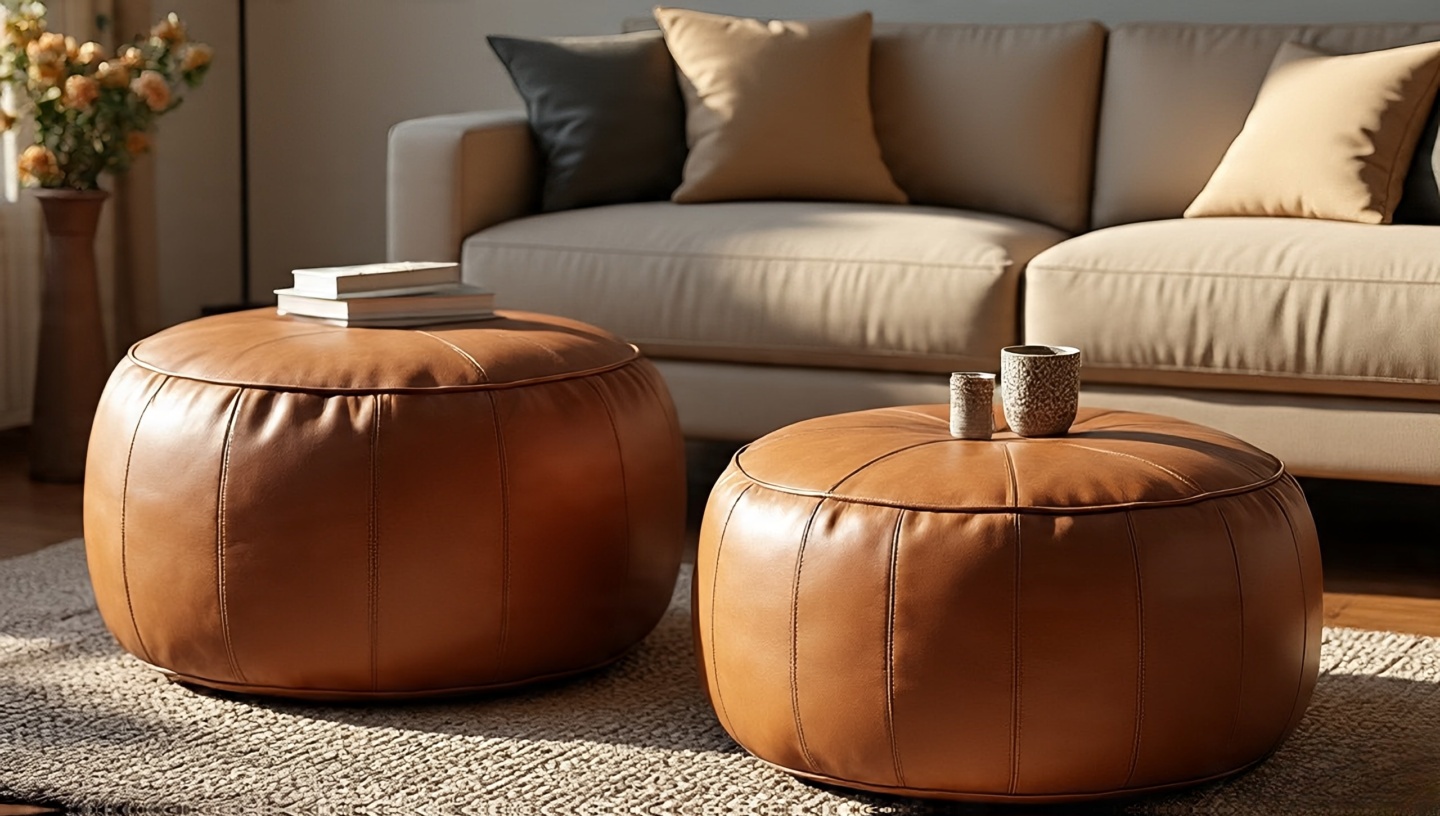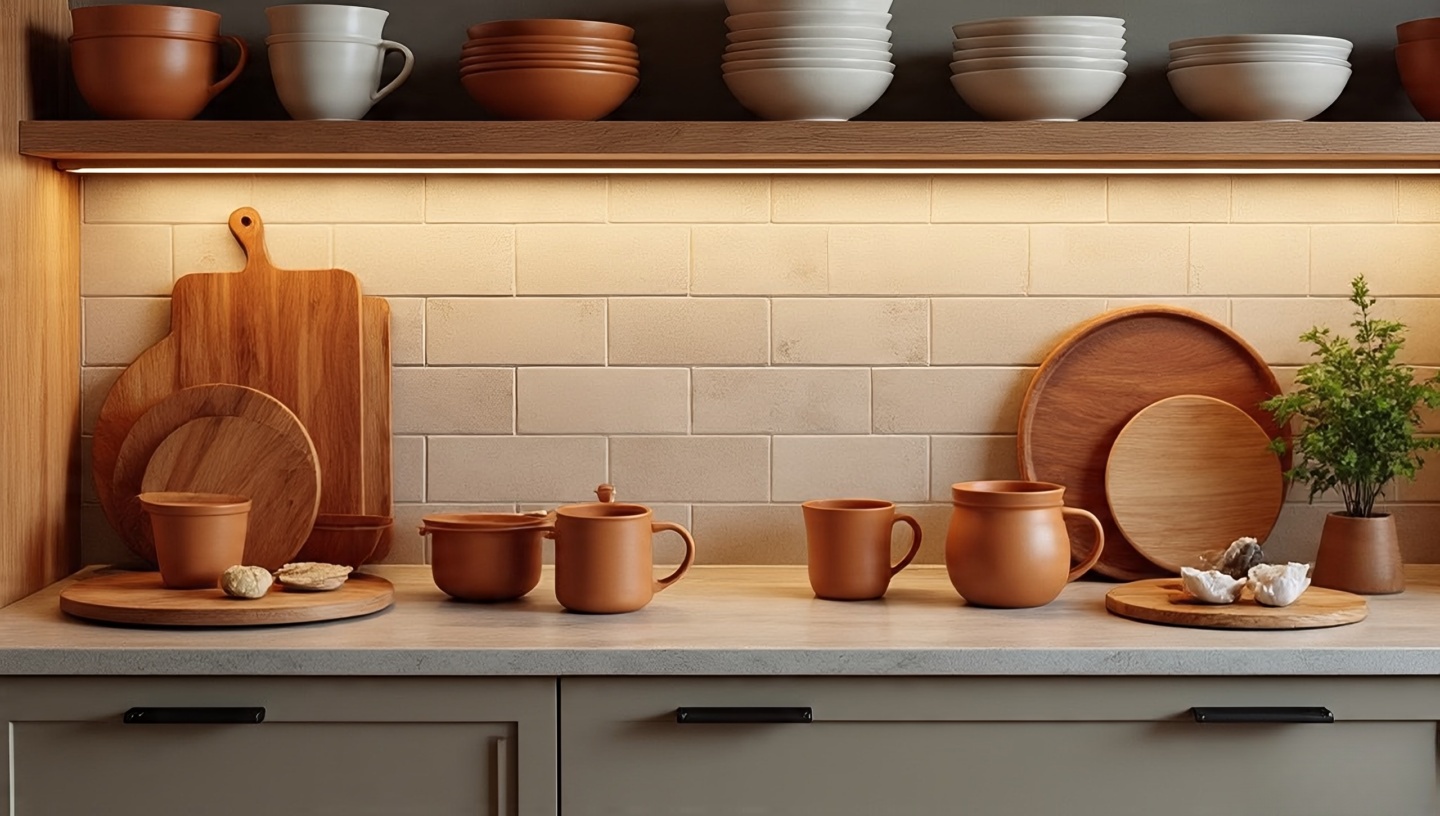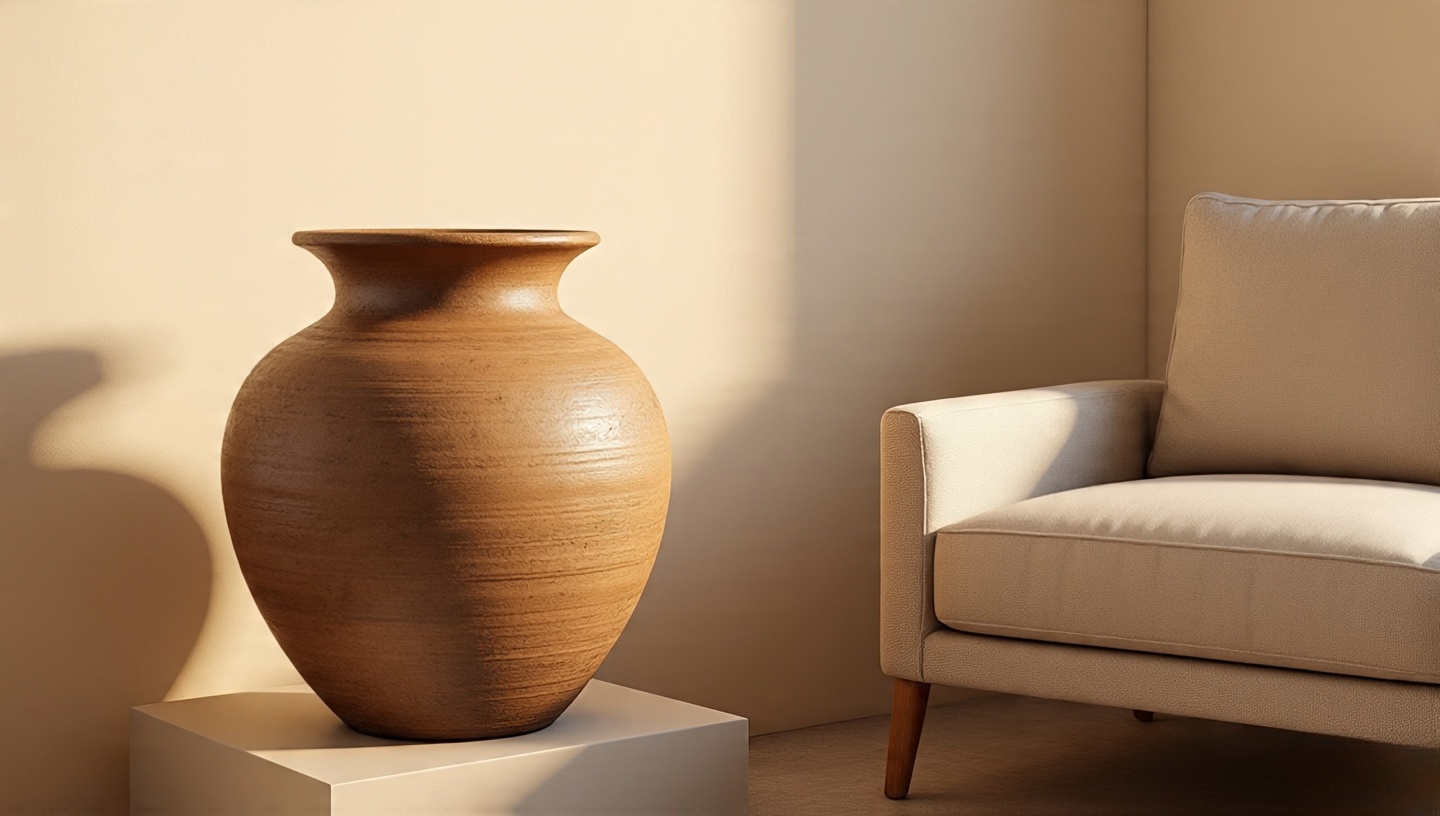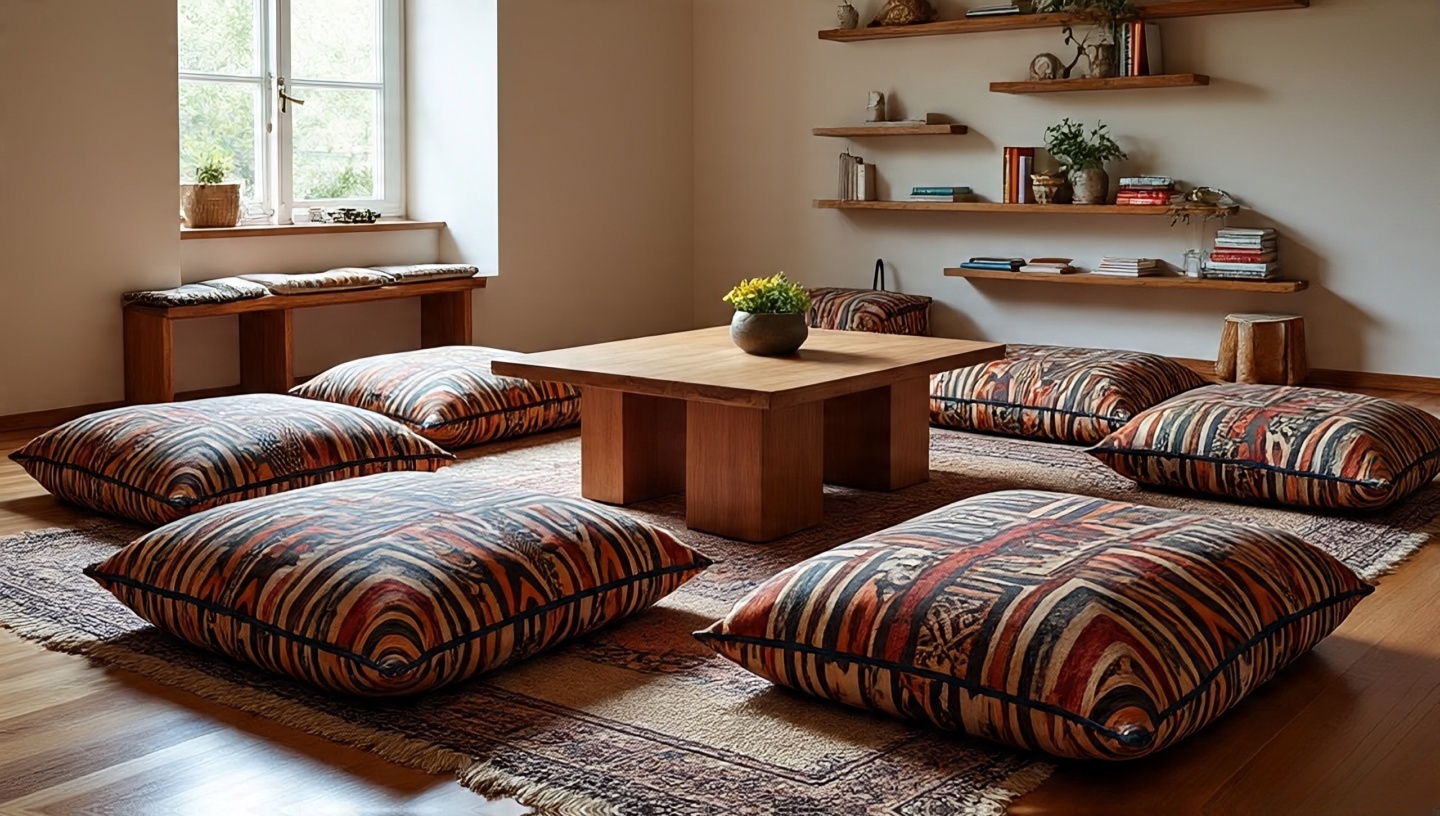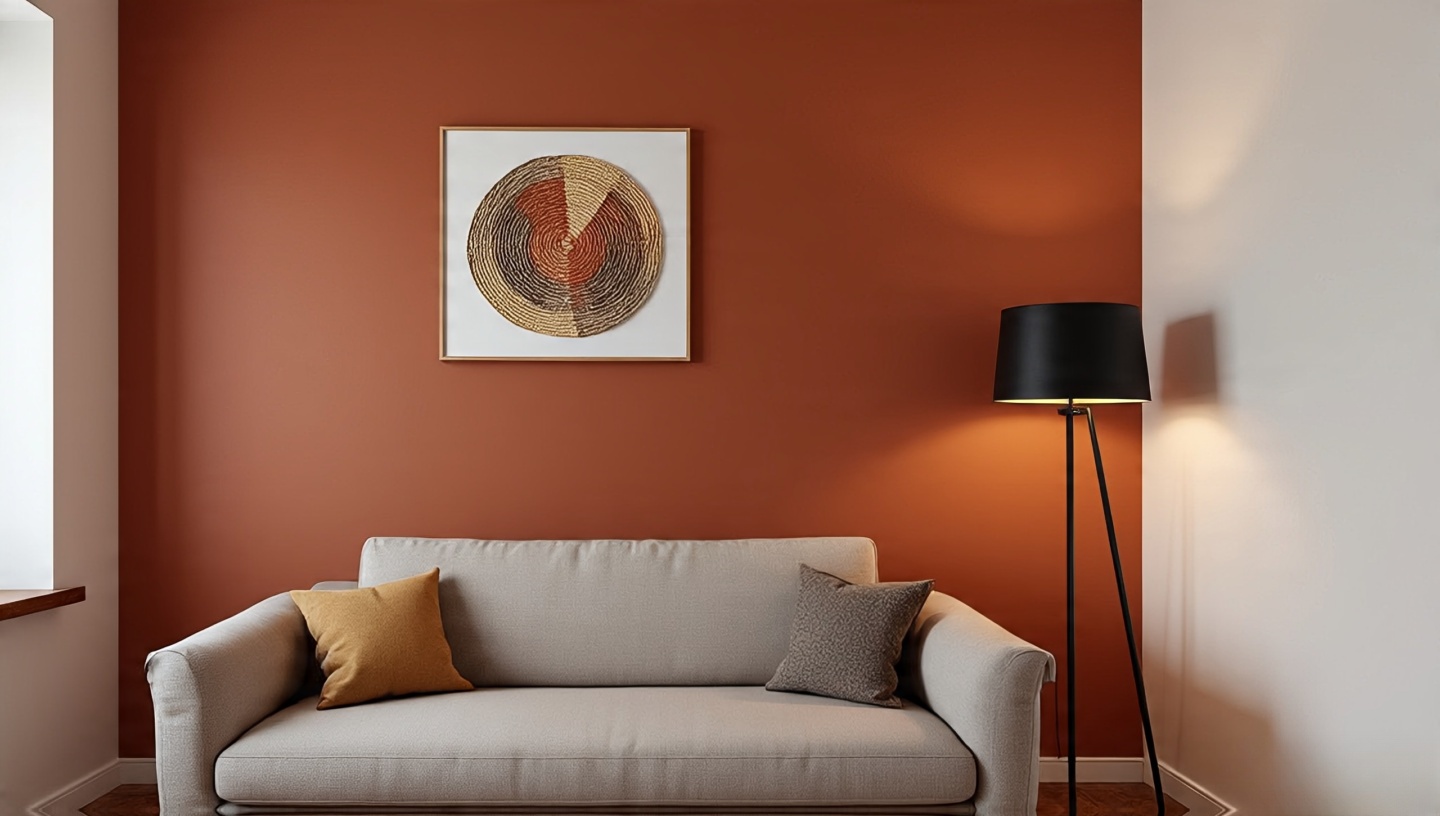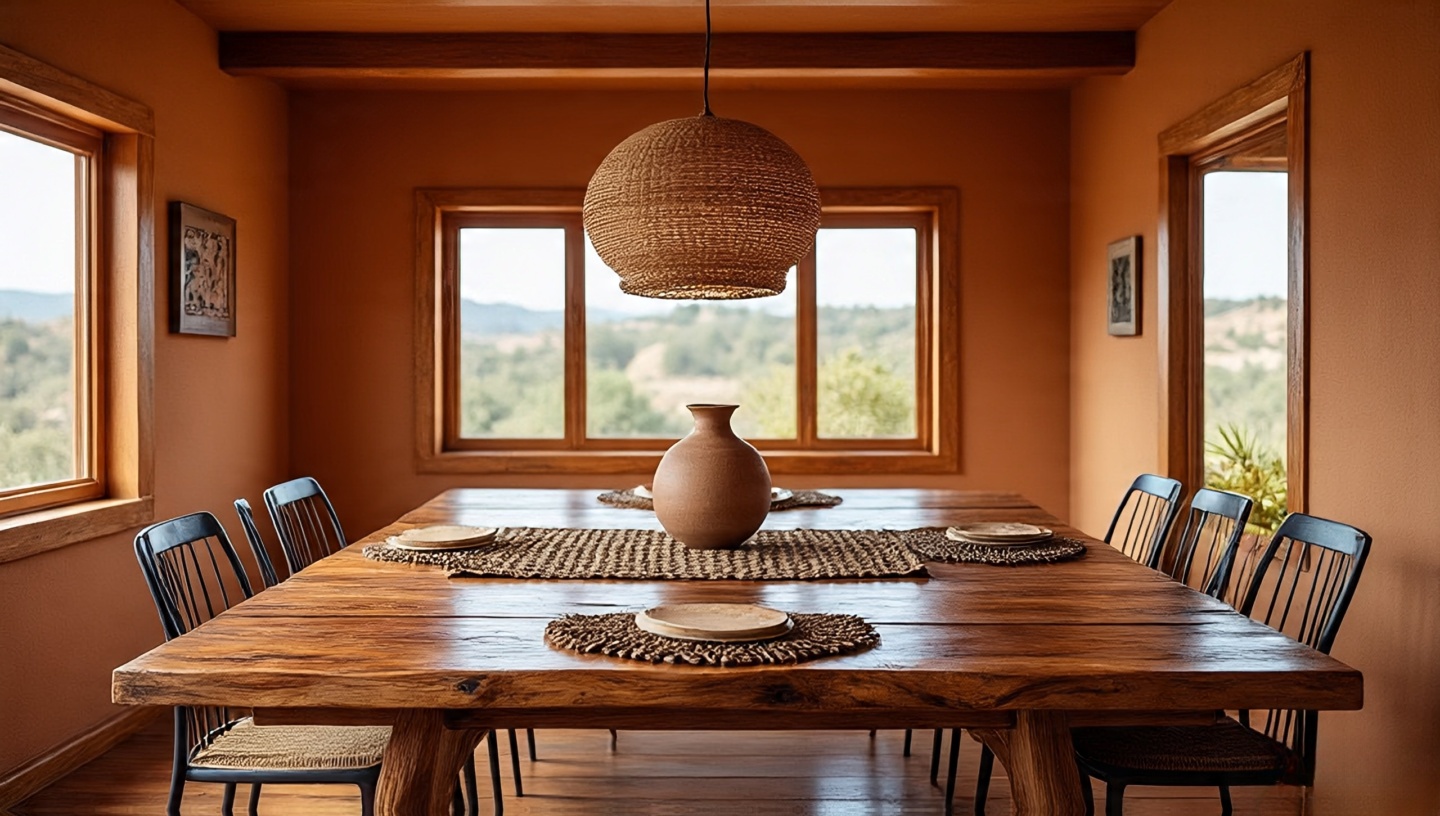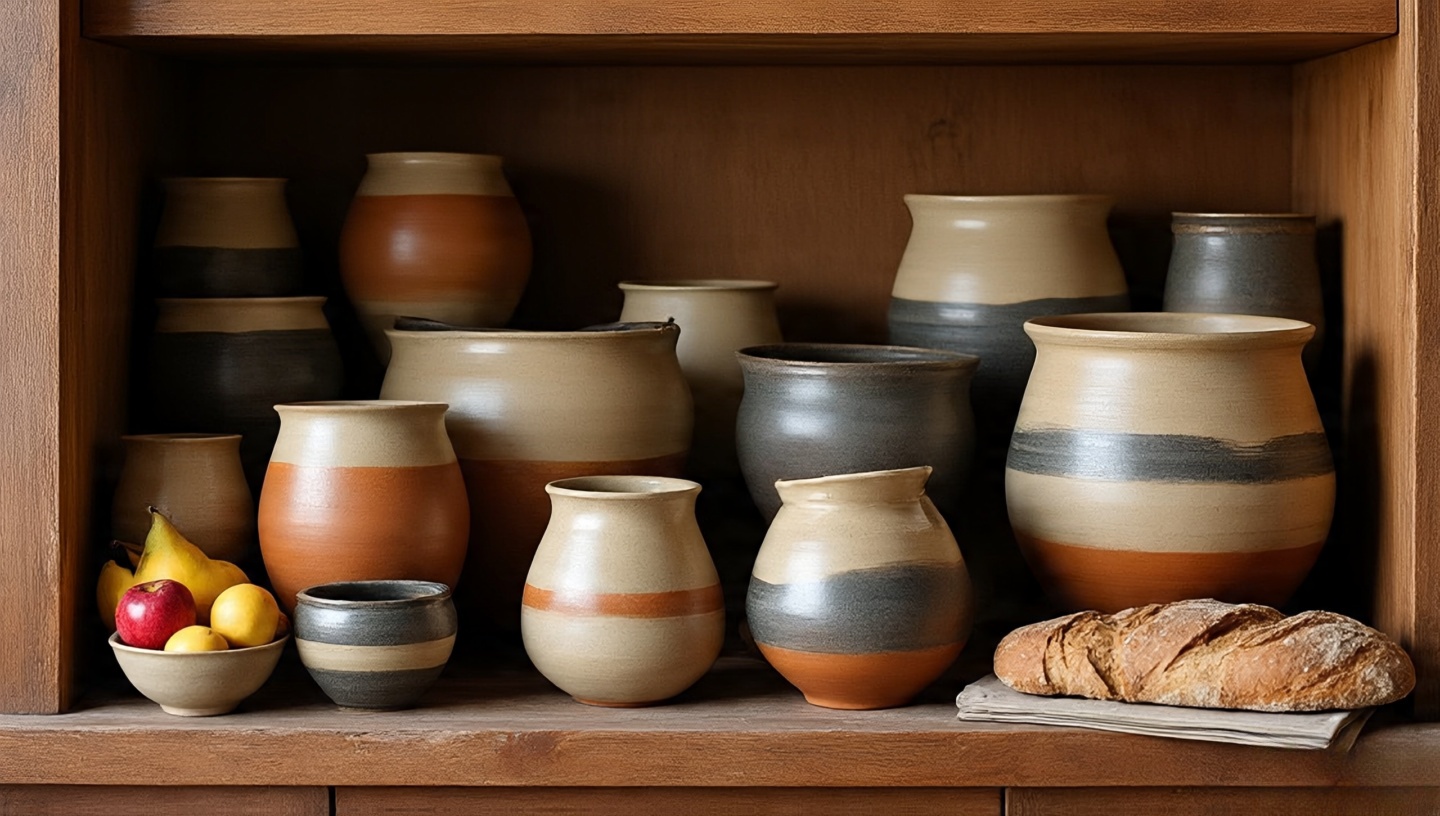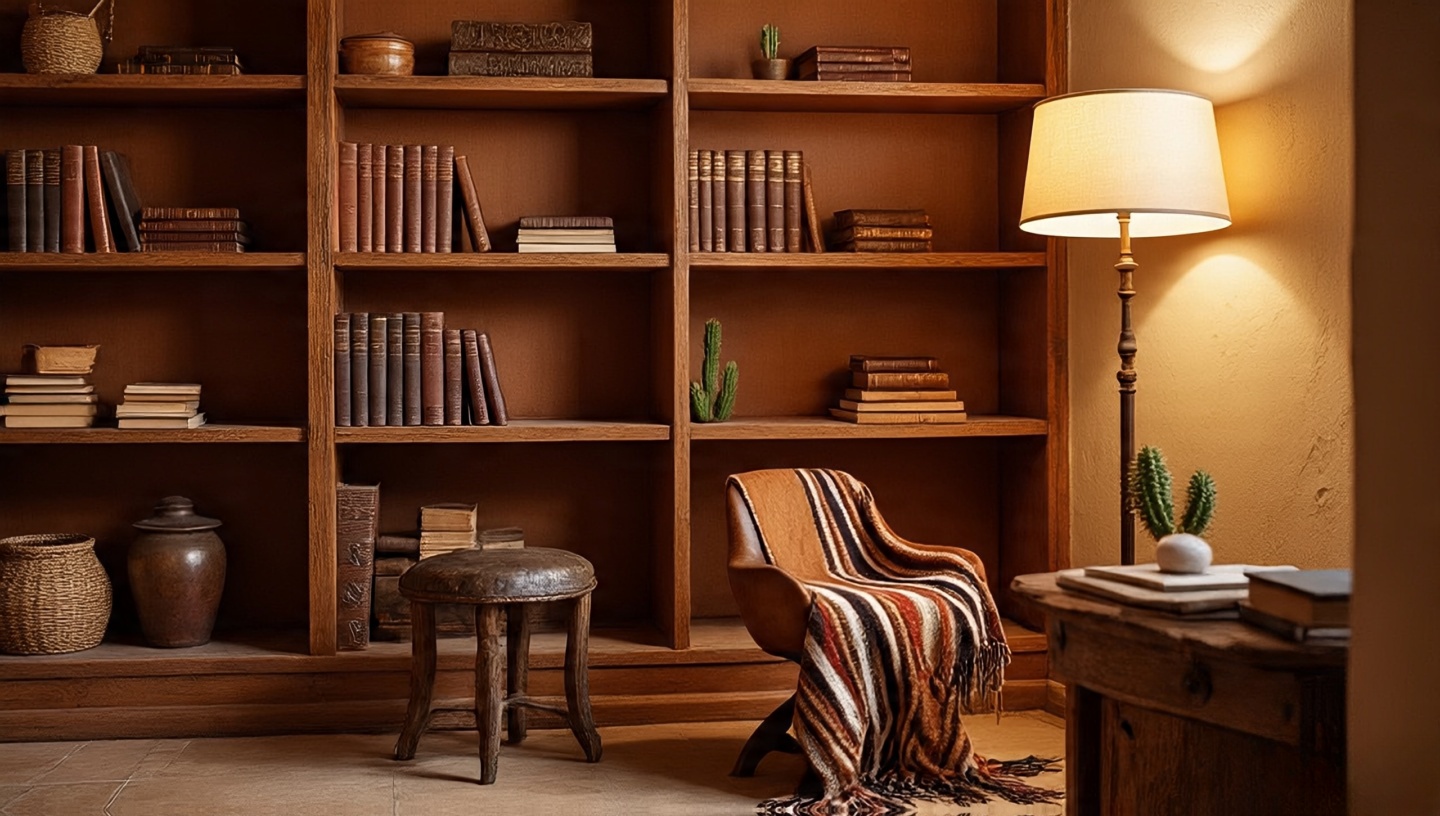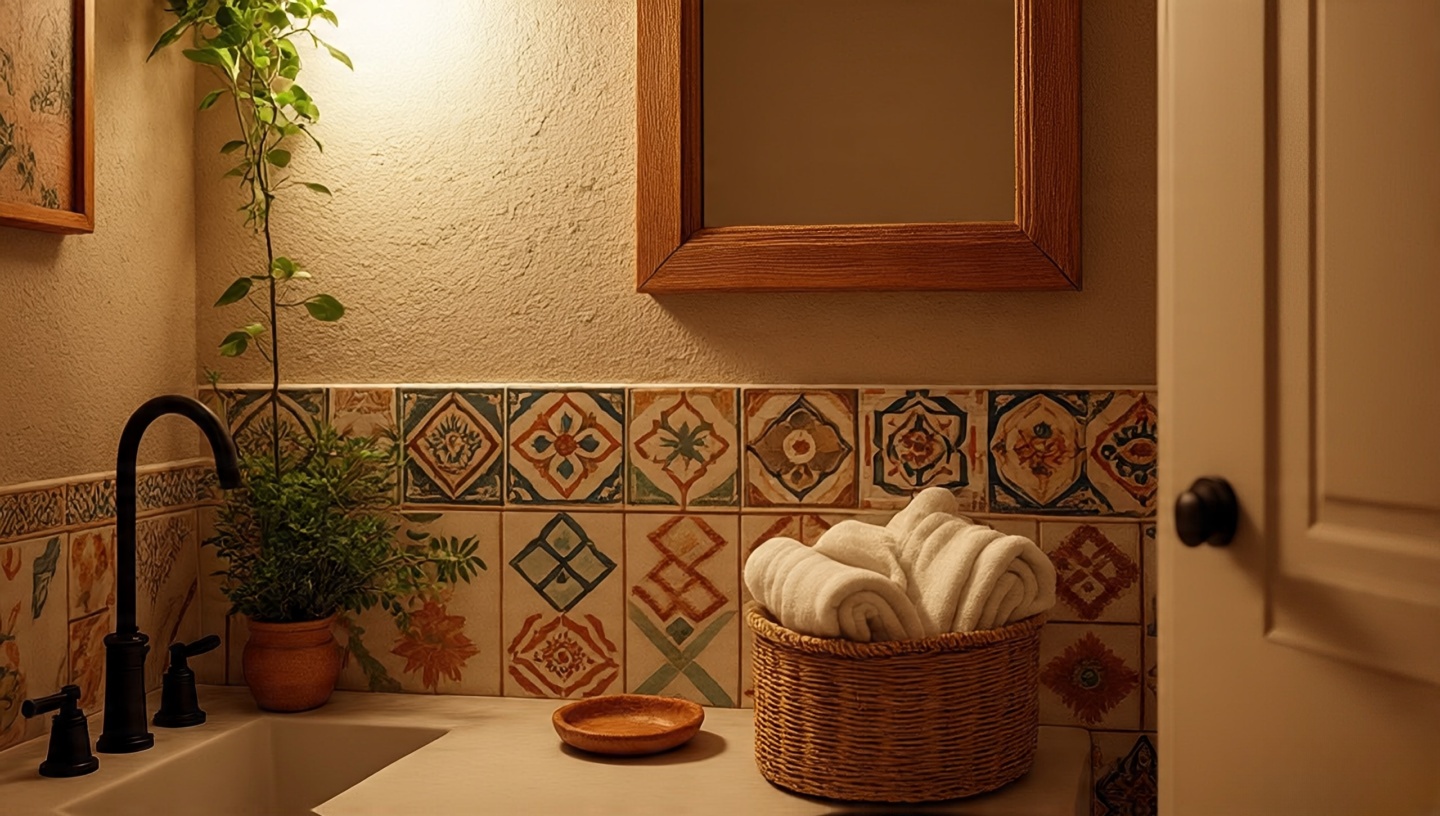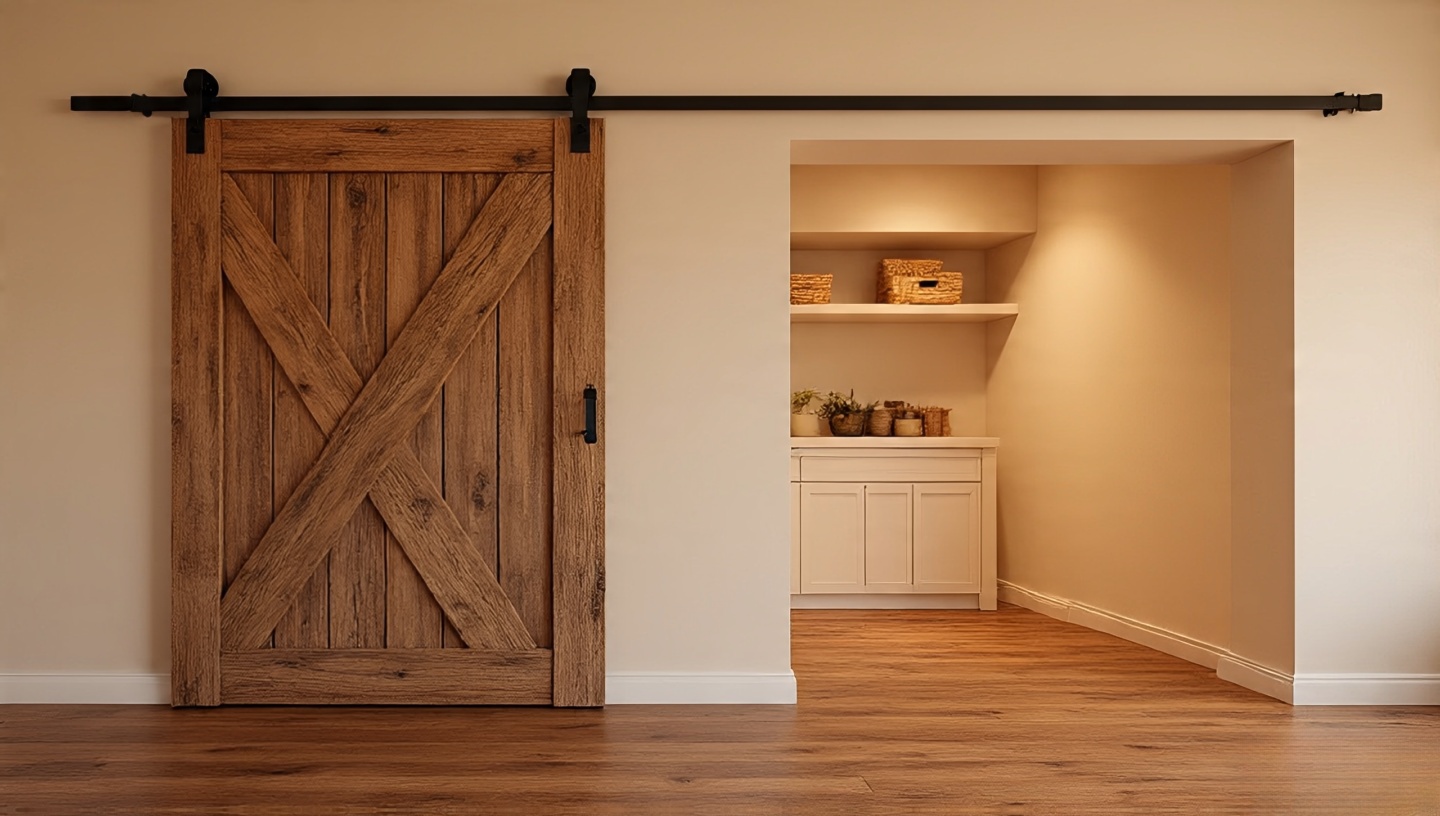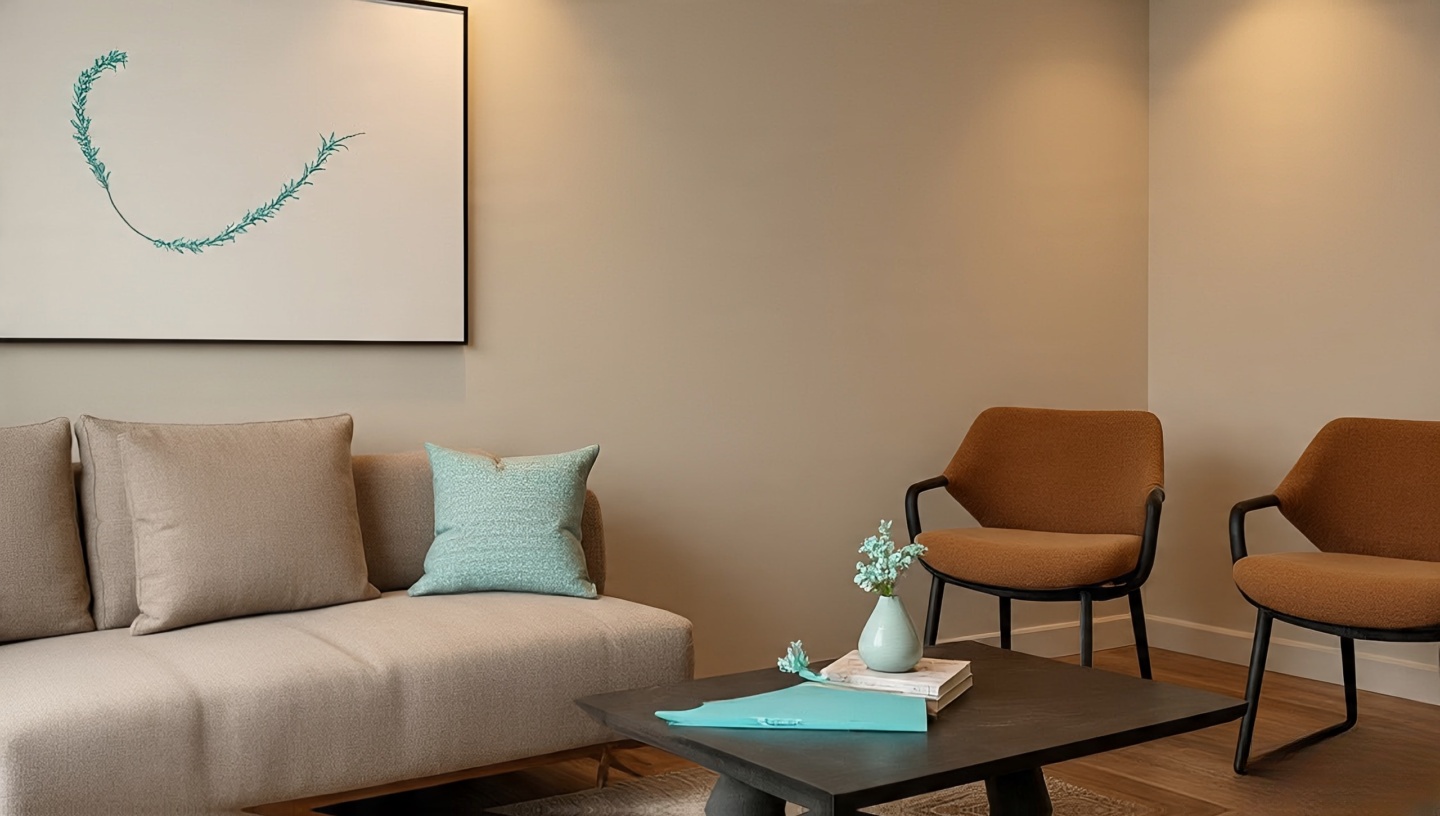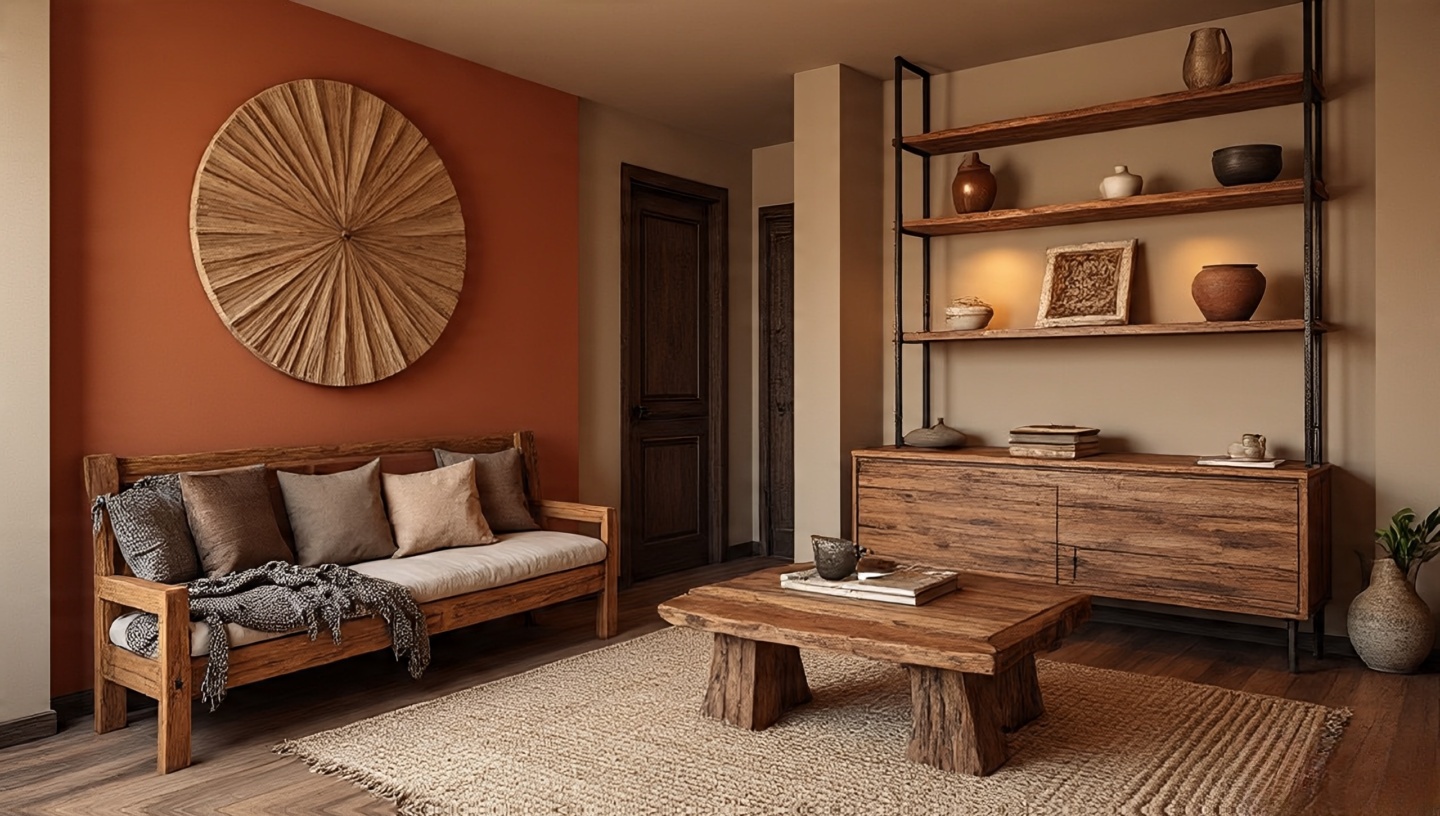


Modern Southwestern-inspired decor can combine simple furniture outlines with earthy color, textured materials, and selected patterned pieces. A useful room does not need every possible rustic feature. Decide which element should carry the style and which should remain quiet.
Choose a starting element
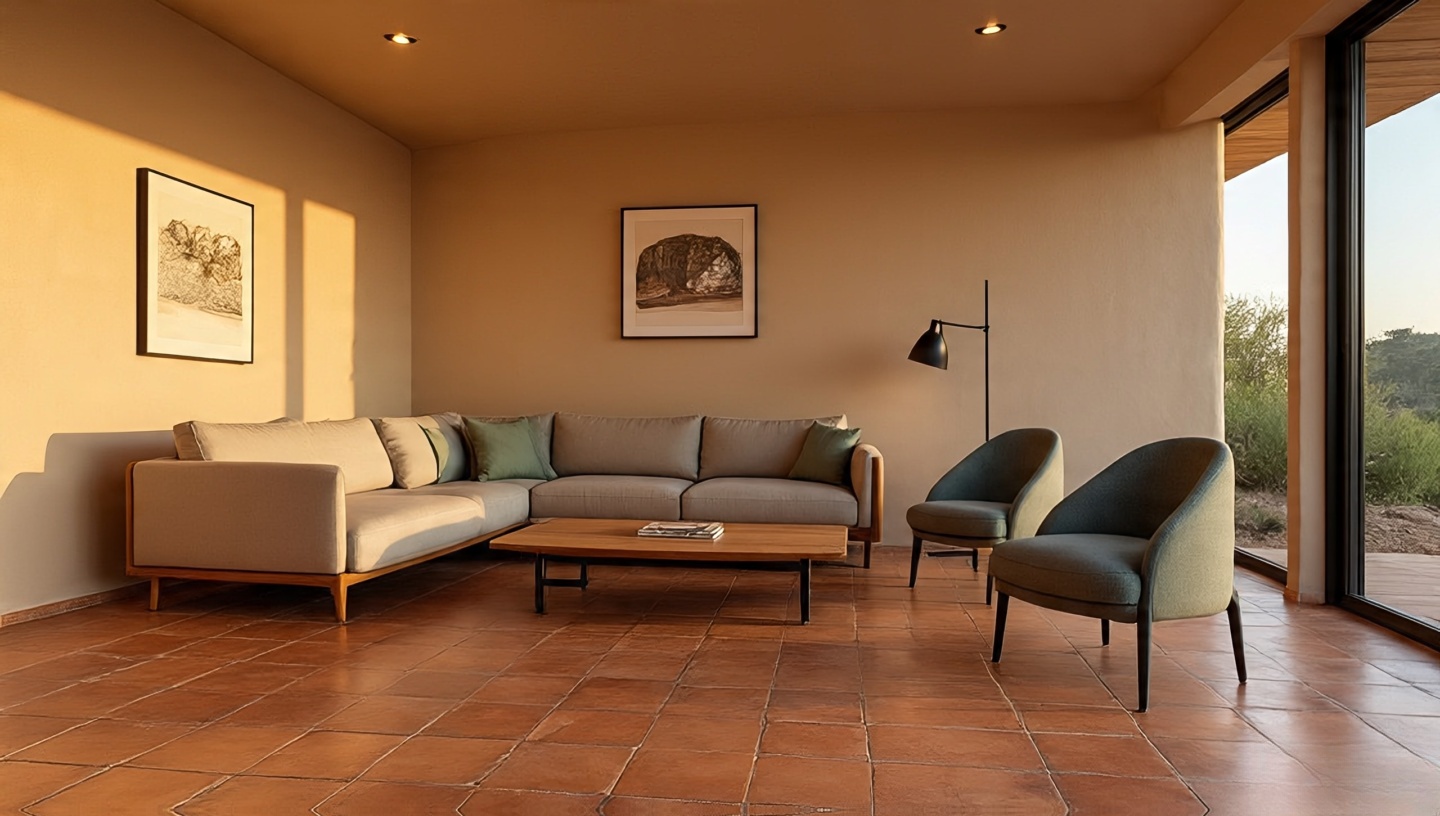
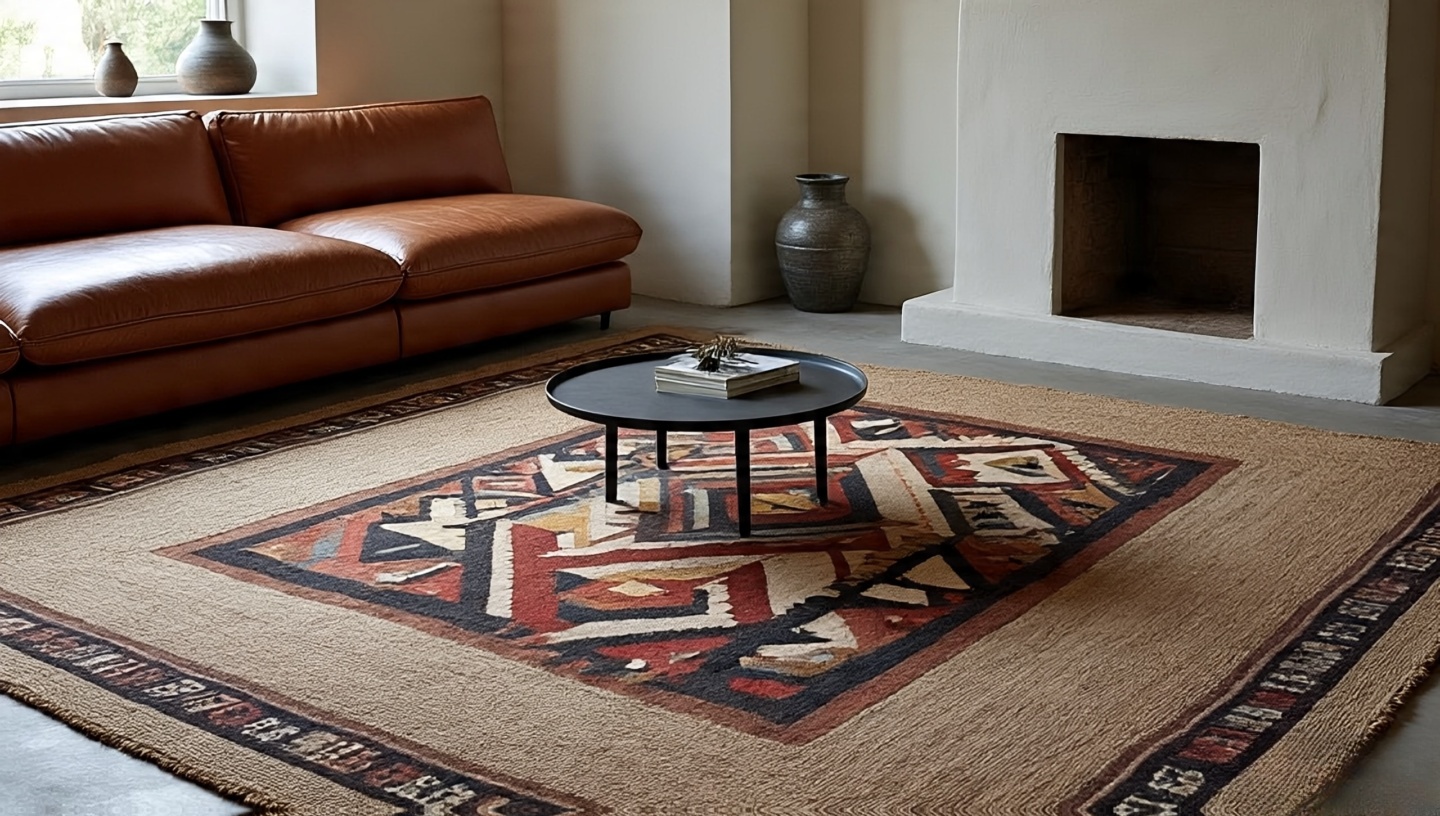
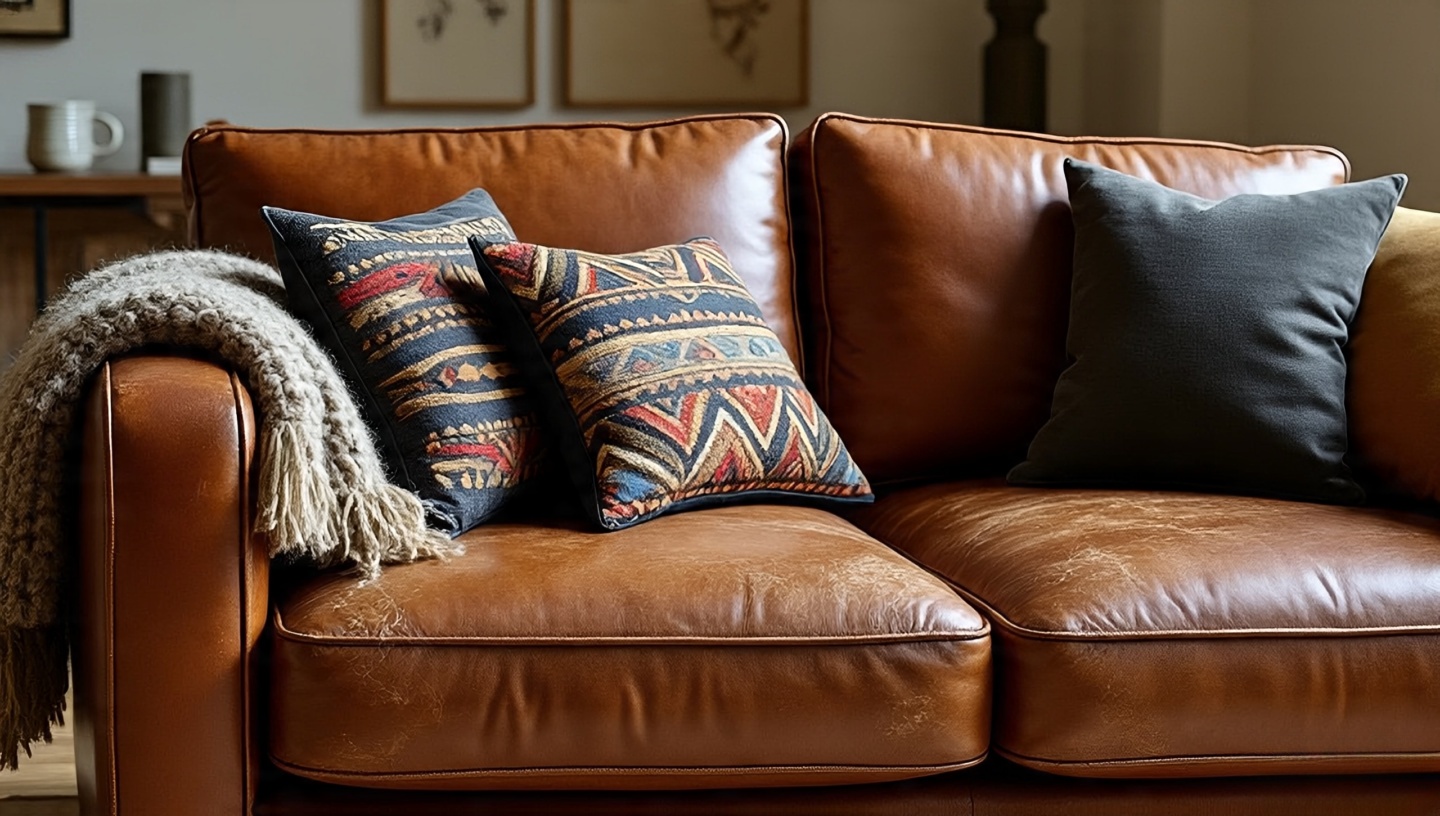
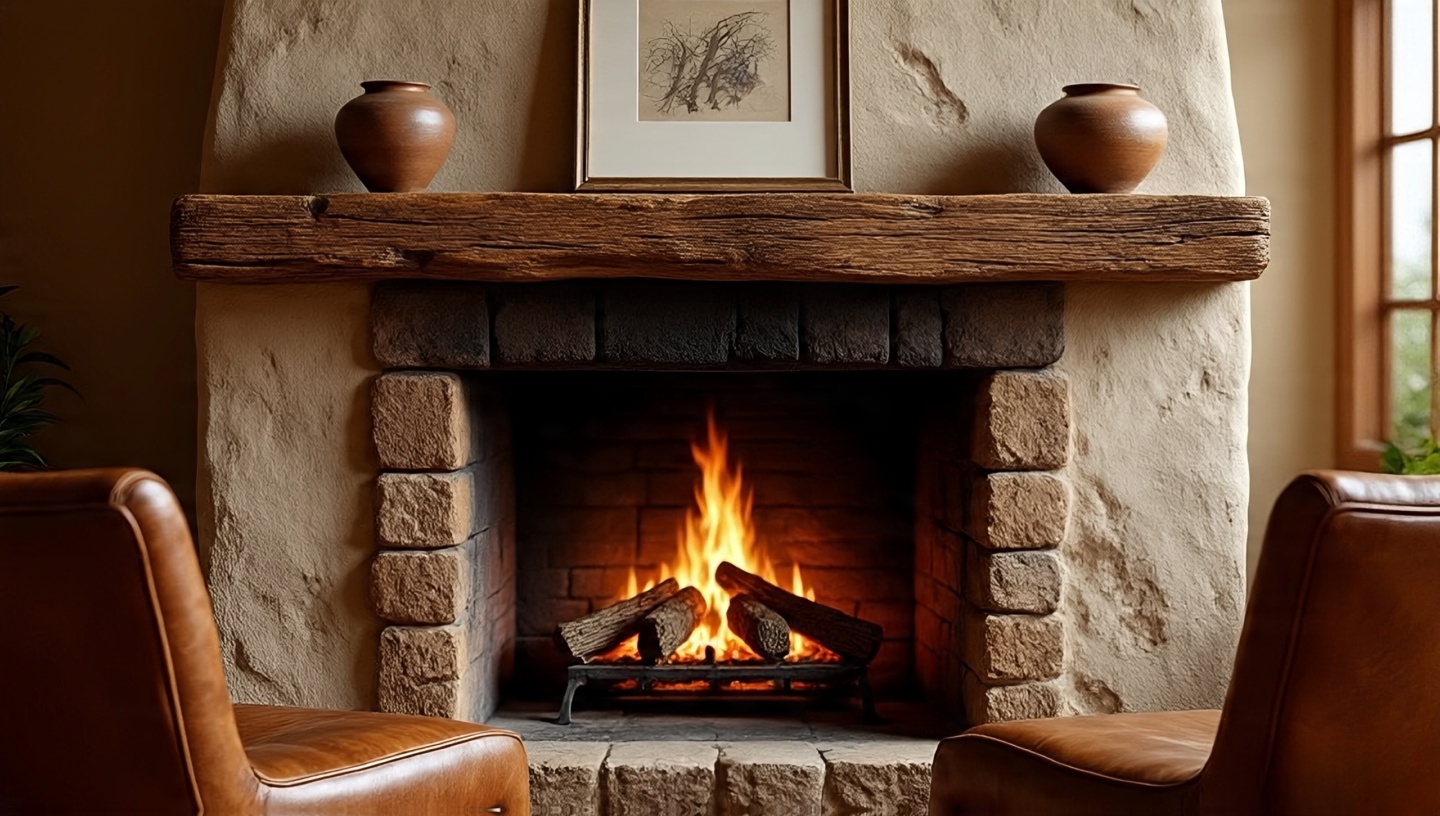
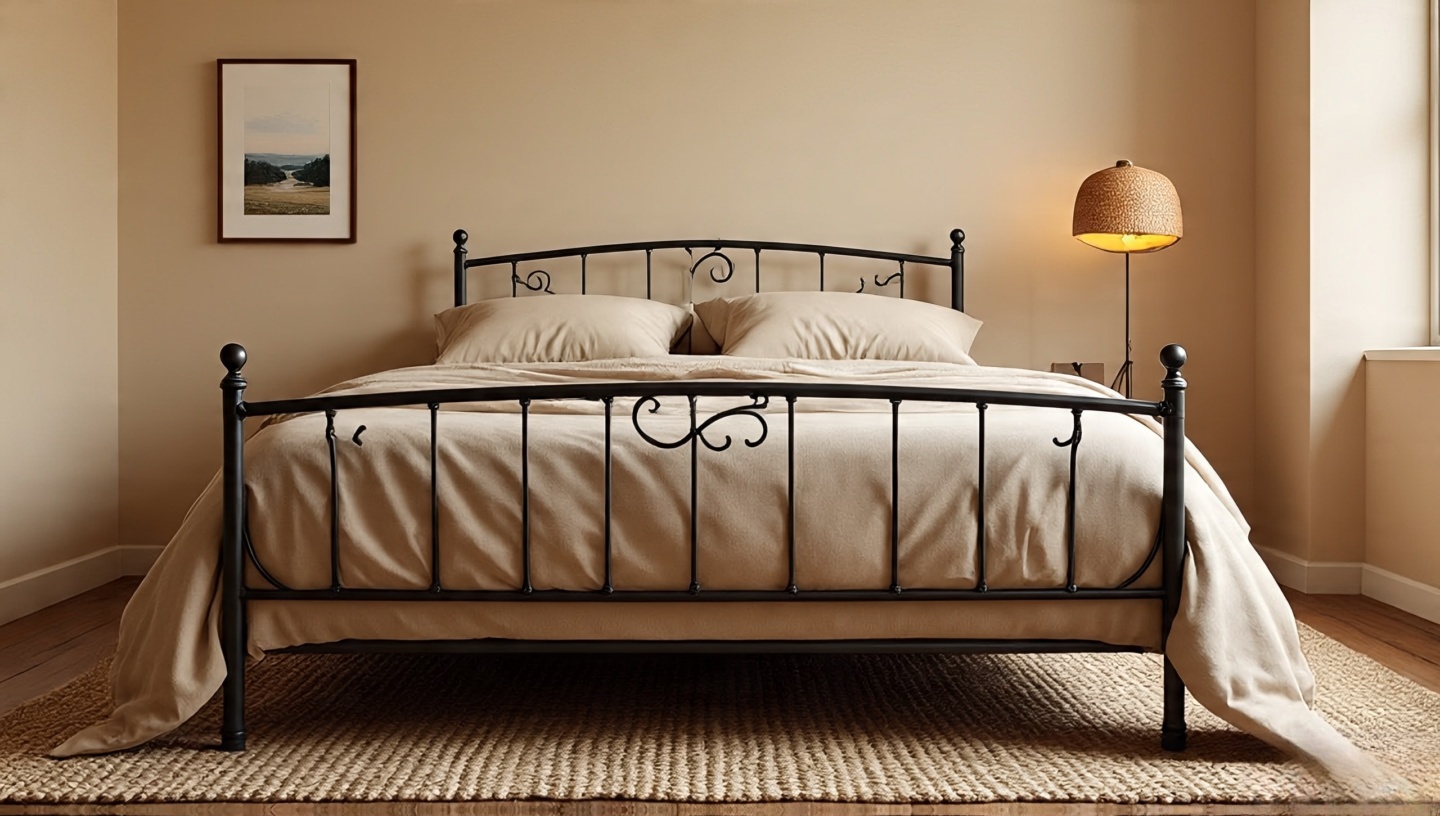
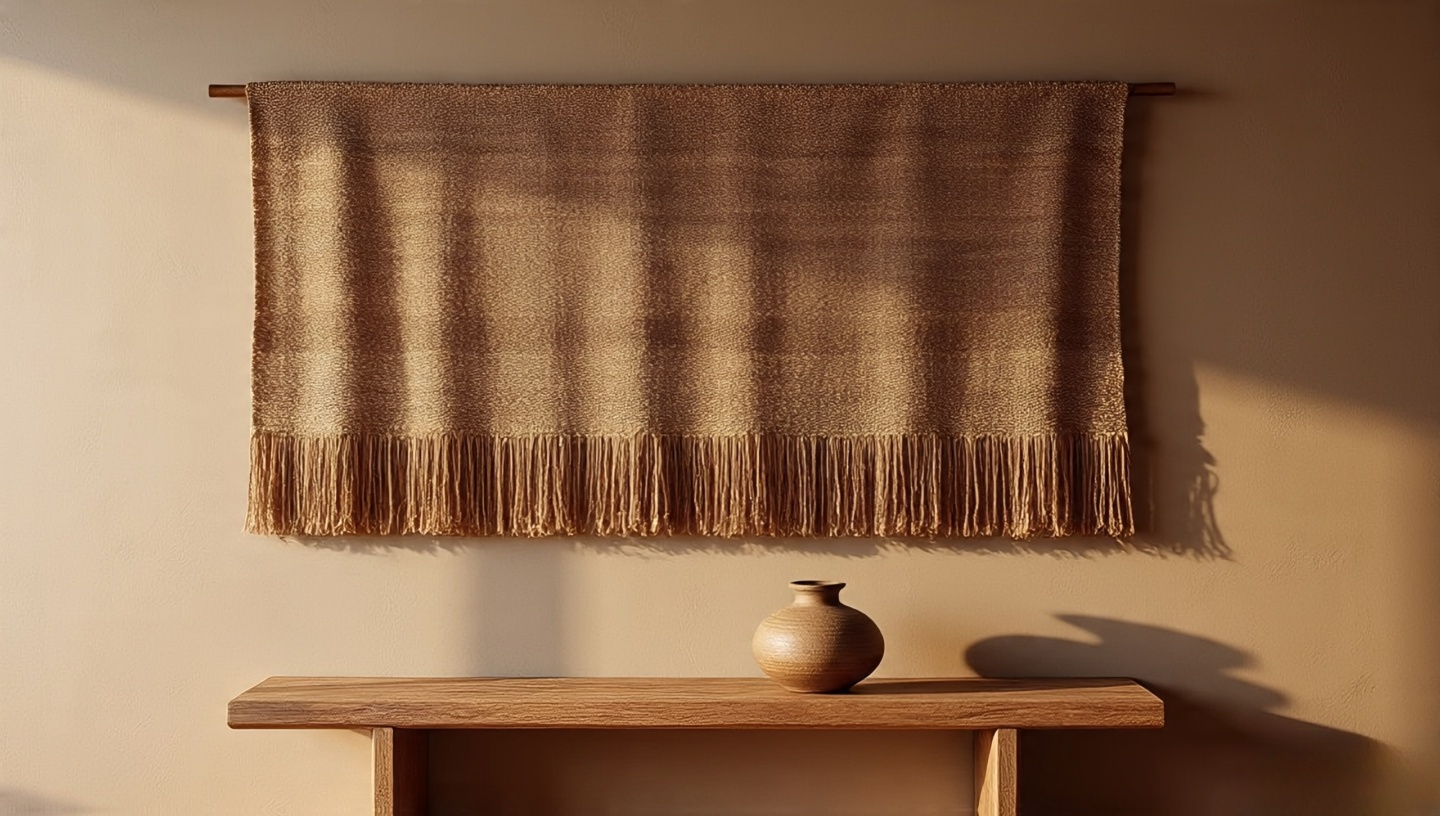
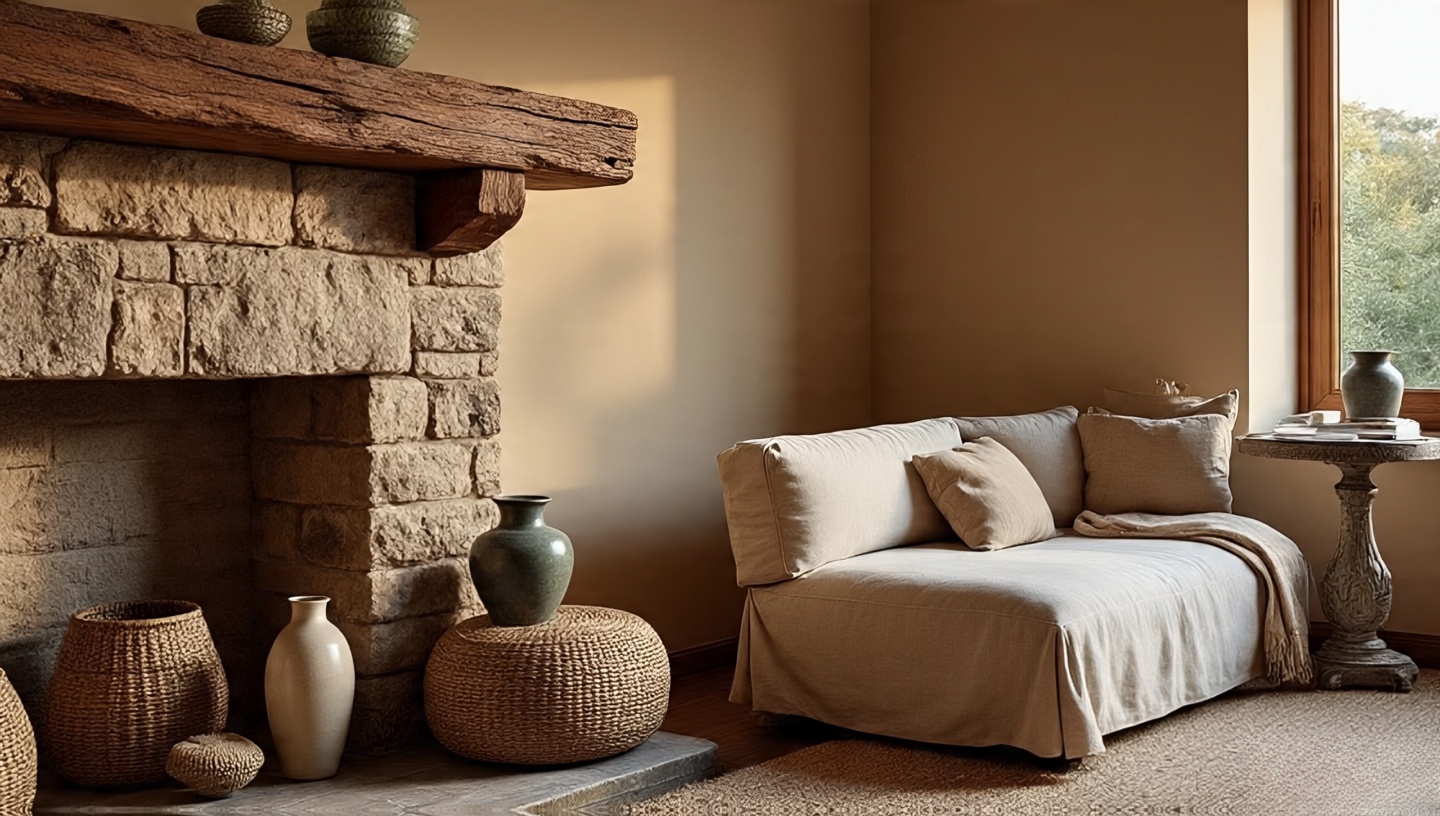
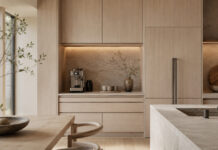
Begin with a piece you intend to keep: a sofa, rug, table, or artwork. Compare a small set of wall and textile samples around it. The gallery includes pale seating against warm walls and timber furniture with woven textures; use those relationships as references rather than exact product specifications.
Keep the furniture plan clear
Mark the actual furniture and occupied seating on the room plan. Check doors, storage openings, and the route across the space. A light-looking chair can still obstruct a narrow route, while an apparently substantial piece may work if its dimensions suit the room.
Try a proposed arrangement before adding decorative objects. Moving an existing item can resolve a layout problem that another purchase would complicate.
Distinguish texture from construction
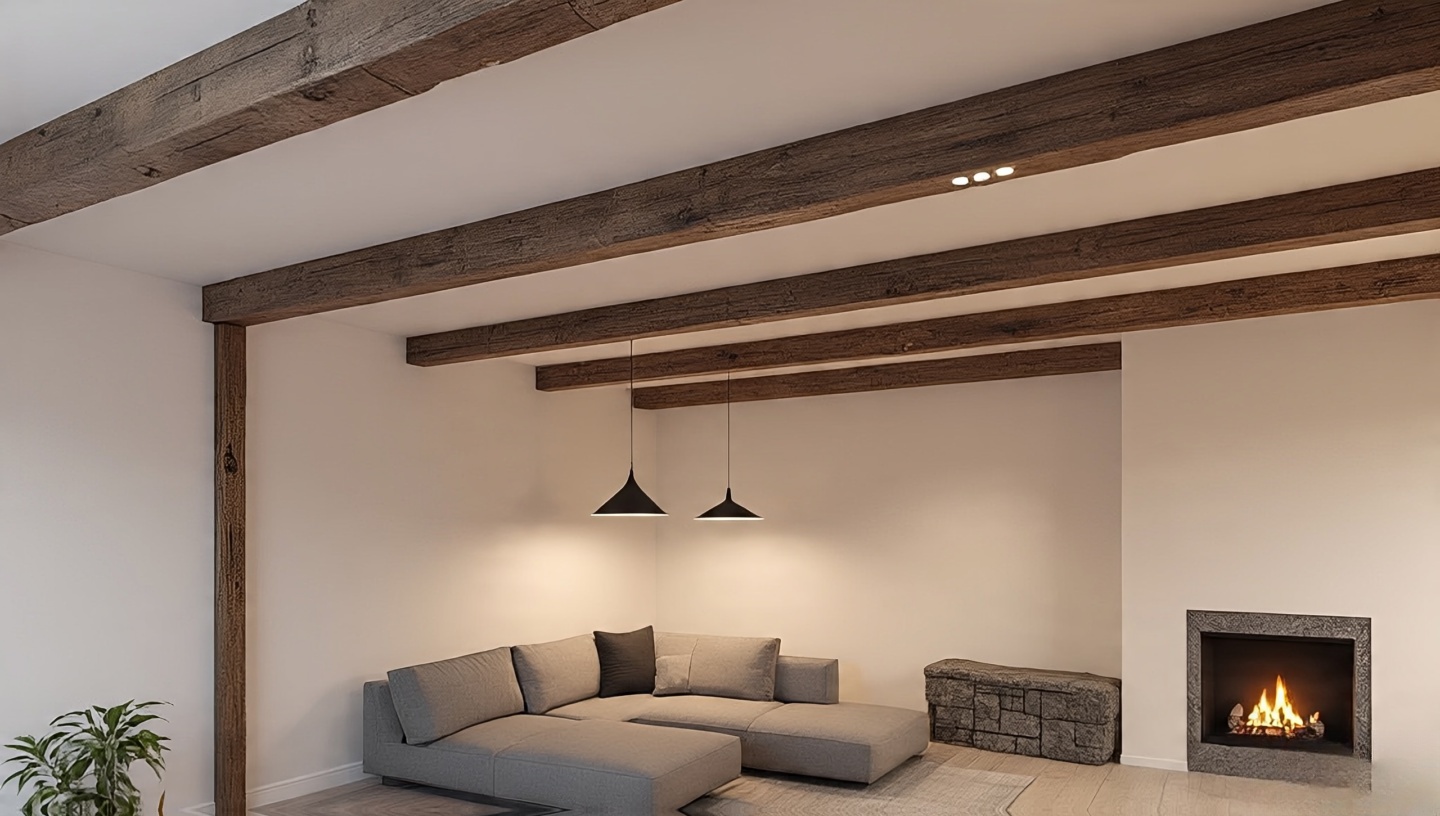
A wall that looks like adobe, stone, or plaster in an image may be a different product or a visualization. Obtain the material, substrate, installation, and maintenance specification before applying it. Structural beams, fireplaces, and heavy features need an appropriate professional assessment.
Use display space deliberately
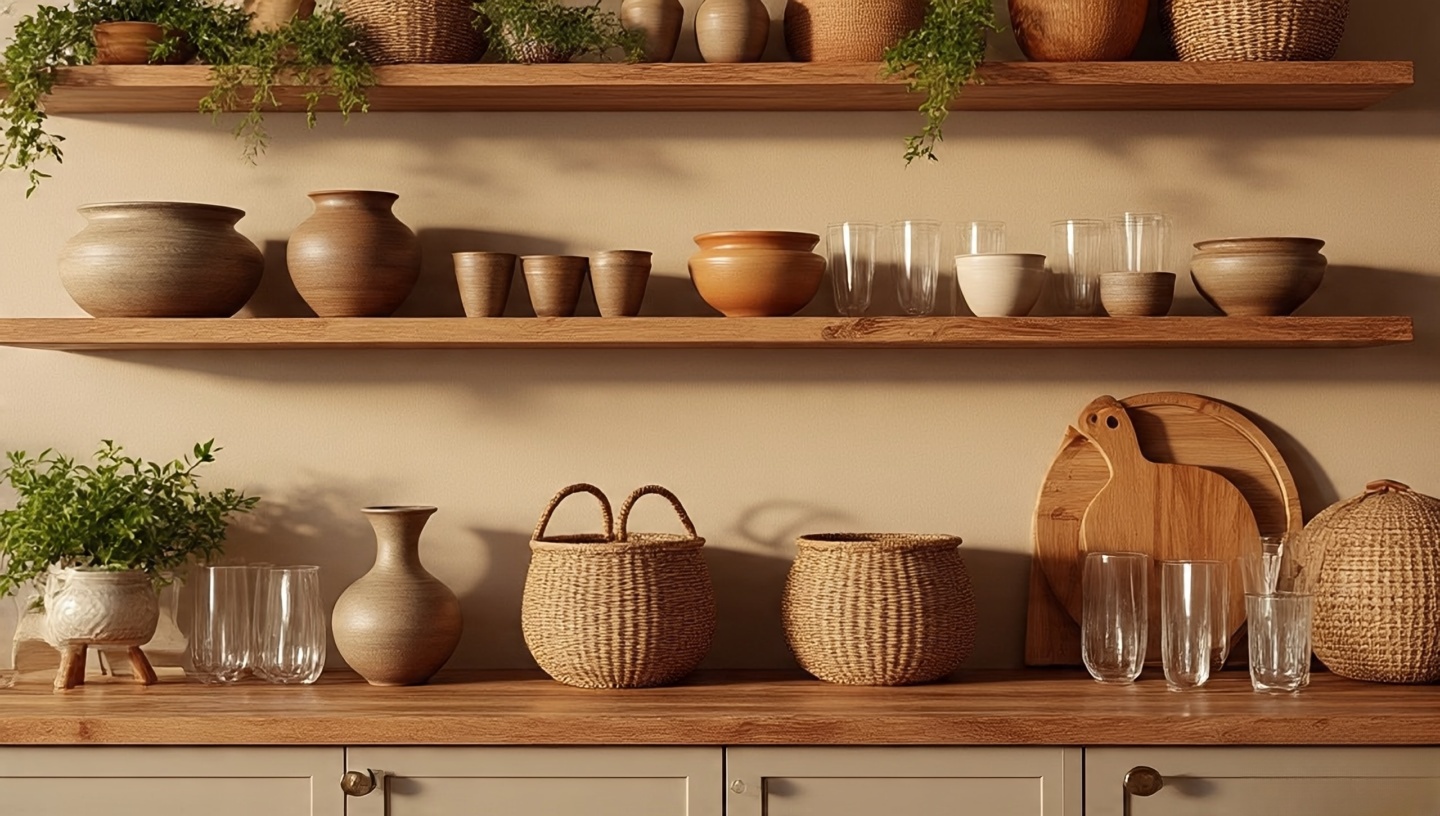
Choose a few objects that belong to the household rather than assembling unrelated items solely to imitate a style. Ask about makers and provenance when buying culturally specific craft. Support shelves and artwork with fixings suitable for their weight and wall construction.
Review the room after normal use. Keep clear surfaces where they help meals, reading, or conversation, and move decorations that repeatedly interrupt those tasks. The reference gallery illustrates different combinations; compare the furniture dimensions with your own room before buying.
Images and retained source credits