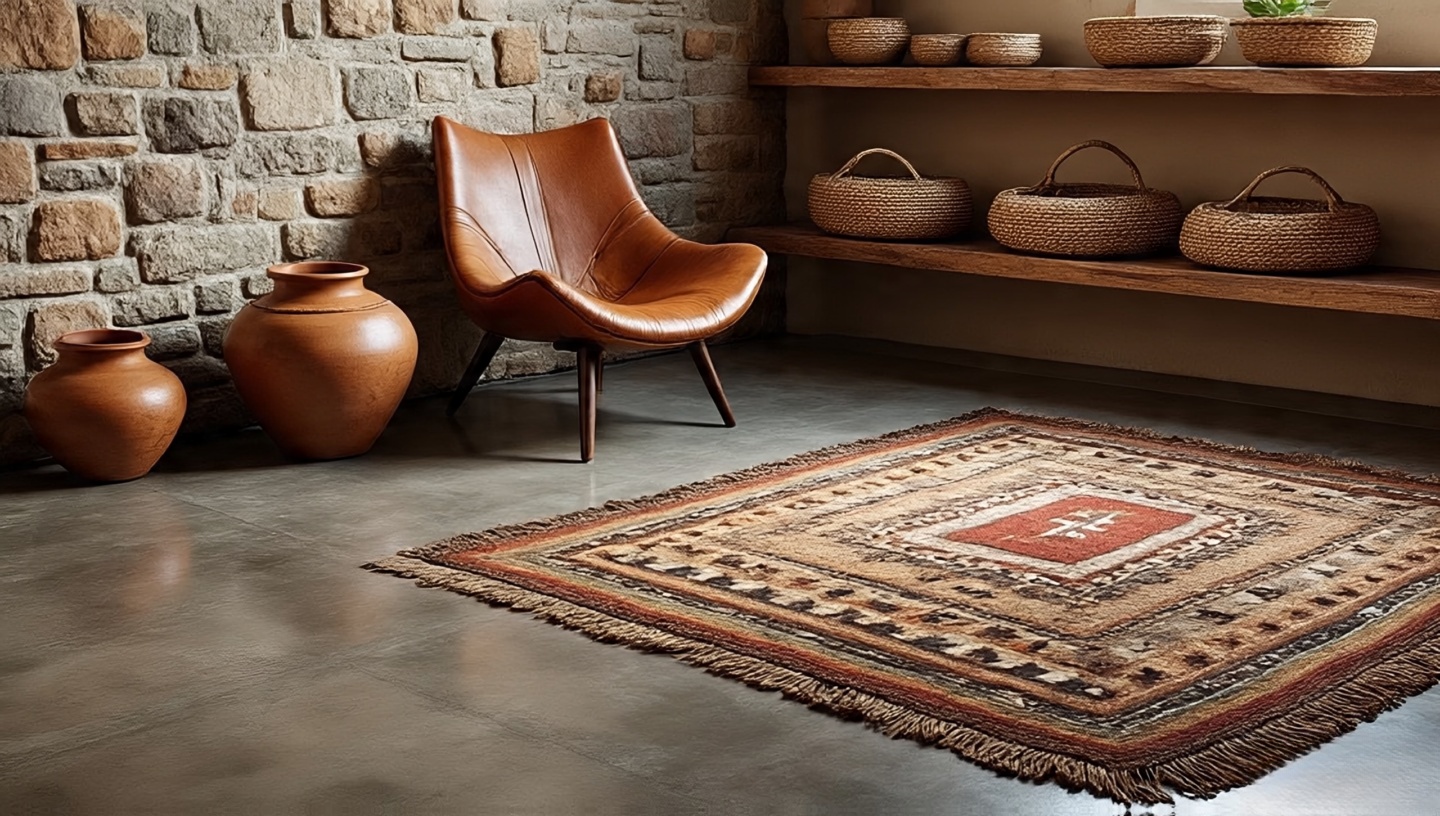

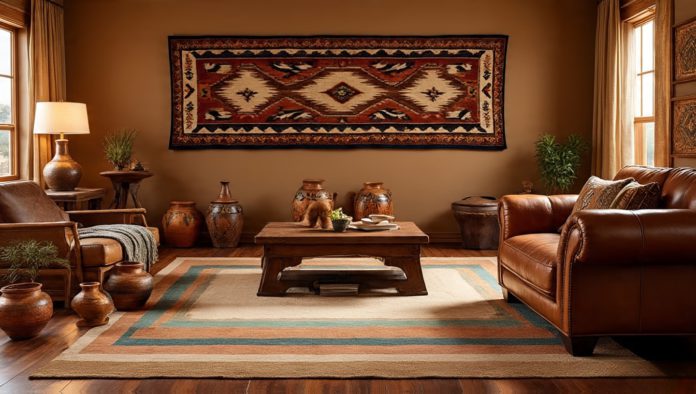
Roohome.com – I still remember sitting near a fire pit in New Mexico years ago. The night was quiet, except for the crackle of wood and the low desert wind. My neighbor had this handmade rug hanging on the wall behind us. The firelight hit it in such a way that the reds glowed like embers, and the turquoise lines shimmered almost like they were moving. I realized then: rugs don’t belong hidden underfoot they deserve to be seen, felt, experienced.
Southwestern living room ideas often start with color palettes earthy tones living room setups, rustic home accents, and desert-inspired decor. But the rug can actually be the centerpiece that ties those ideas together, not just on the floor but above eye level too.
Hang It Like Art
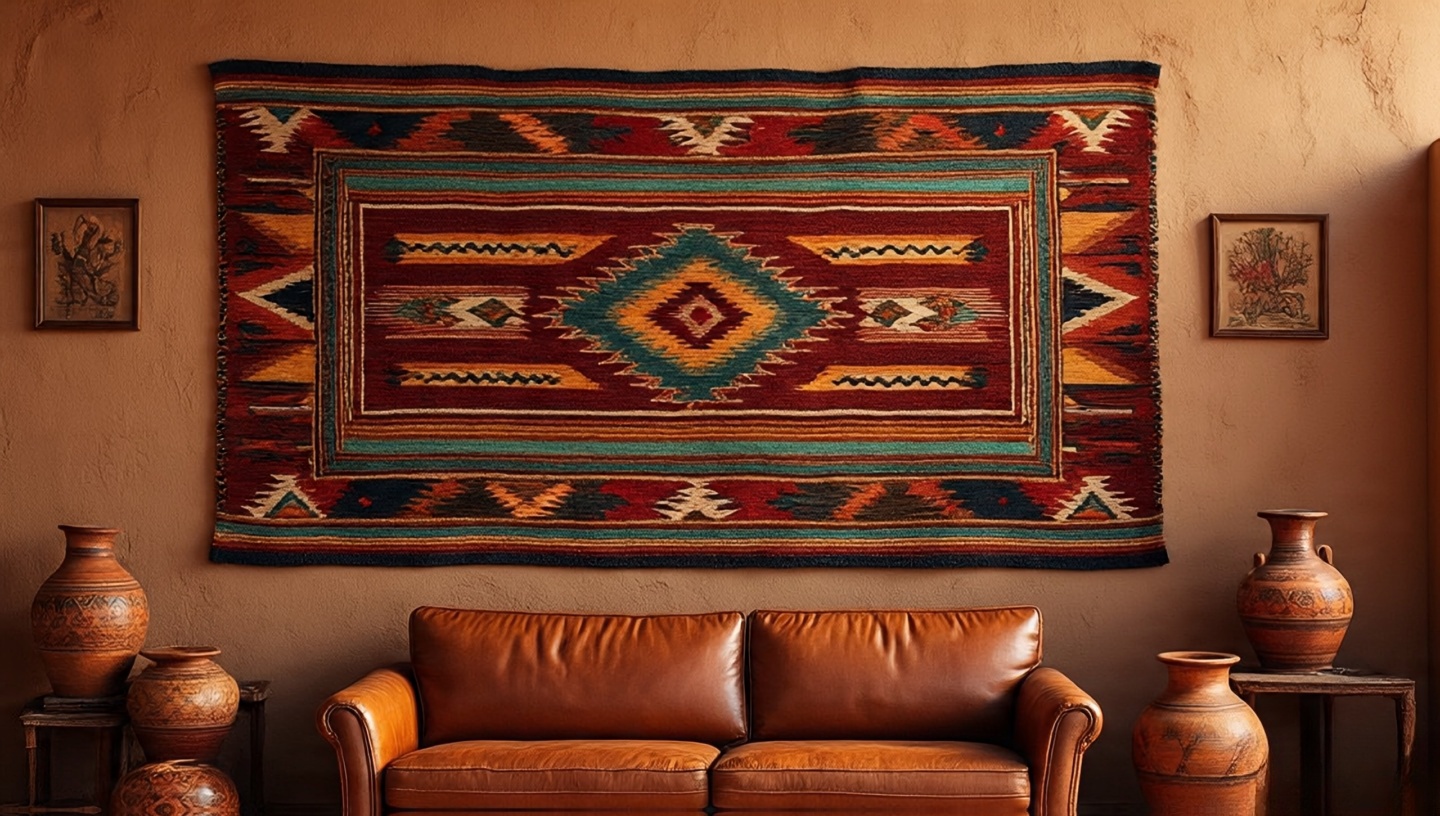
Have you ever considered hanging a rug as wall art? A bold Navajo pattern or a muted desert-toned textile instantly becomes the star of the room. Think of it as swapping out a framed print for something with texture and soul. It gives the room dimension and warmth.
- Tip: Use a proper tapestry hanger or a wooden rod so the rug hangs evenly and doesn’t sag.
- Try placing it behind a sofa in a Southwestern living room for a cozy backdrop.
- Smaller rugs can work in pairs, side by side, like a gallery wall of textiles.
There’s even a cultural nod here. In Pueblo Revival architecture, textiles weren’t just decor they were heritage and protection against the cold adobe walls. By hanging a rug, you’re not just decorating; you’re echoing that history.
Layer on Furniture – Unexpected but Stunning
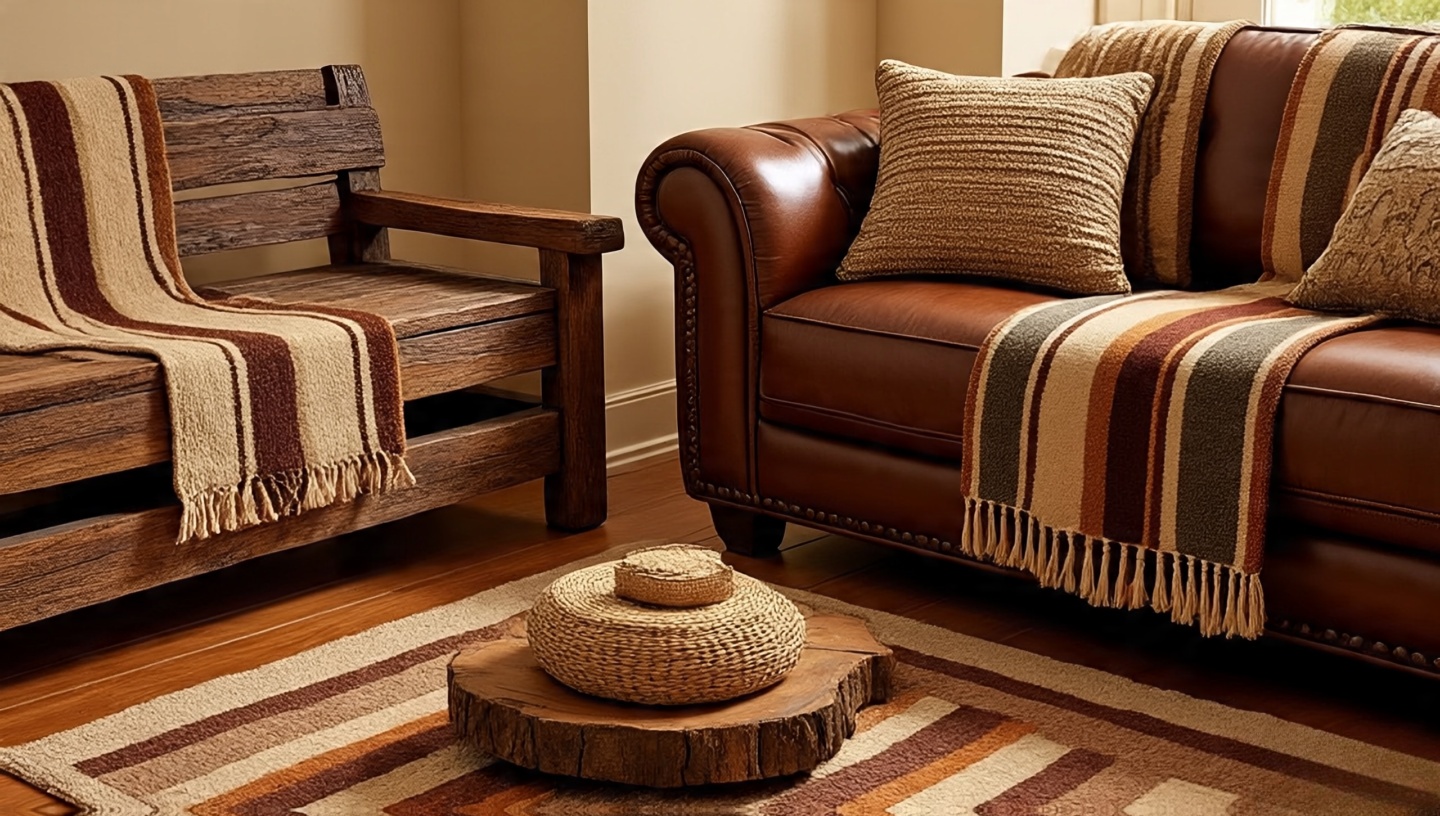
One of my favorite tricks is draping a rug over furniture. Picture this: a rustic wooden bench with a striped rug casually folded over the back. It feels like camping, but fancier. It’s texture, it’s color, it’s comfort. And it’s also practical you can move it around, sit on it, even wrap it around your shoulders on chilly desert nights outside.
- Lay one across the back of a leather sofa for instant color pop.
- Use a small rug as a throw at the end of your bed.
- Try folding one neatly across a dining bench for softness and warmth.
If you’re thinking about furniture pairing, you might want to peek at this Southwestern furniture buying guide it dives deep into materials and durability, which makes matching rugs much easier.
Ceilings? Yes, Ceilings.
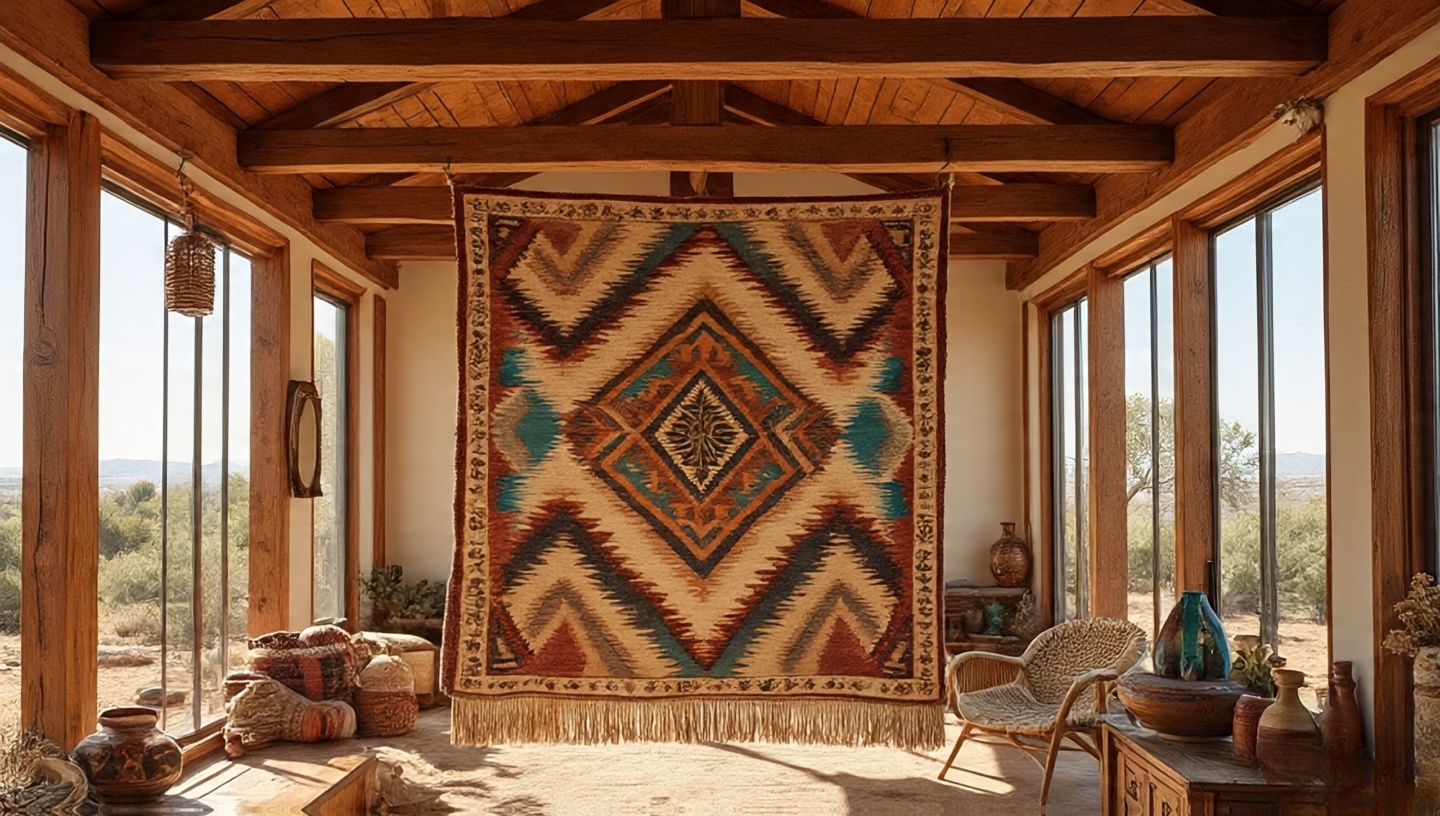
This one always surprises people. Hanging a rug from the ceiling (think bohemian tent vibes, but refined) can completely transform a rustic home into something dramatic. It softens acoustics, creates a cozy cocoon, and adds layers of design. Imagine lying on your couch, looking up at a bold diamond pattern instead of blank drywall. It’s art in the sky.
Is it practical for every space? No. But if you have a sunroom, a reading nook, or a desert-inspired decor corner where you want instant atmosphere, give it a shot.
Rugs as Table Accents
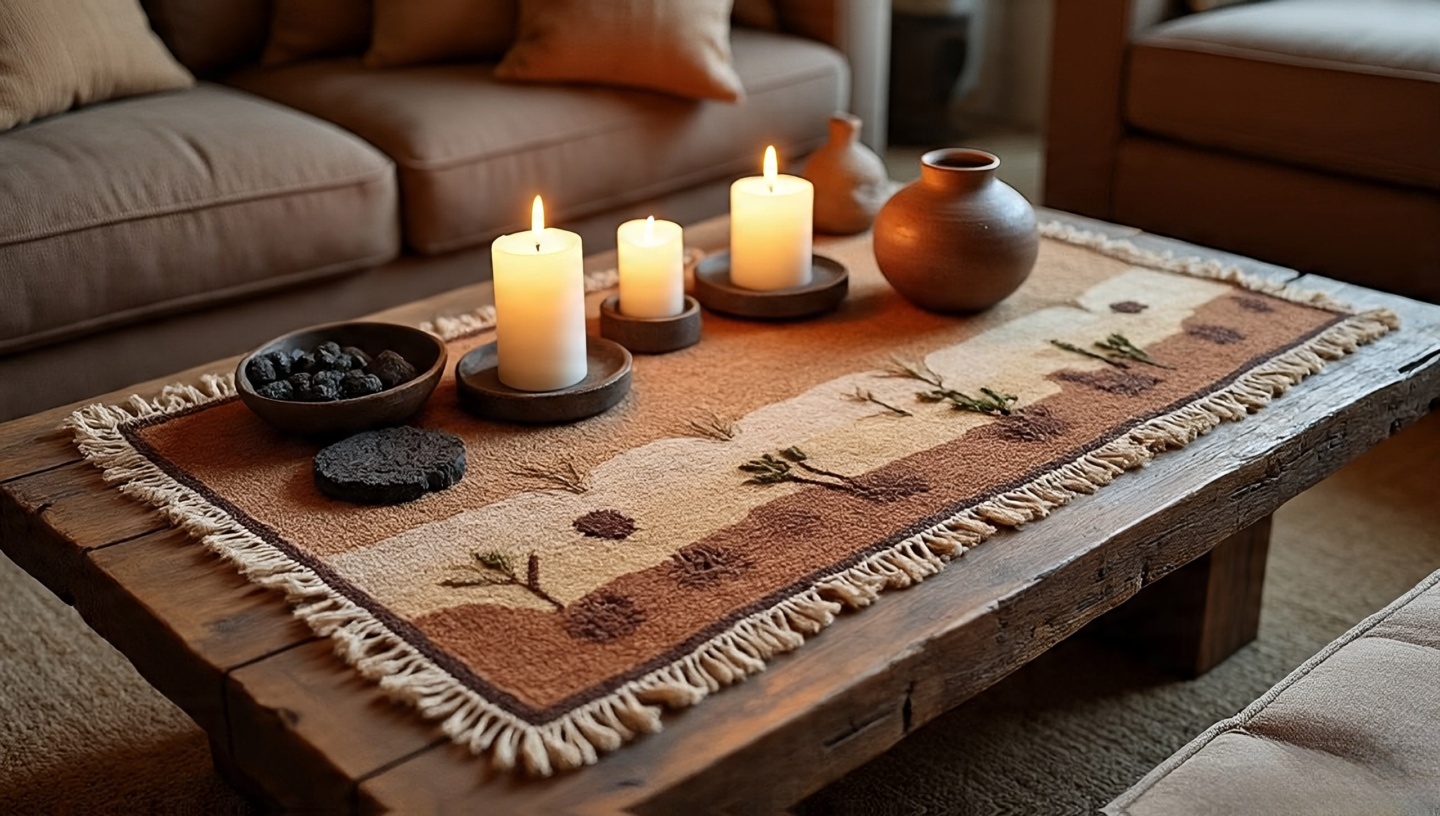
Small Southwestern rugs can be table runners, coffee table covers, or even dining accents. I once visited a friend who had a small rug draped over their coffee table, topped with candles and lava rock coasters. It looked amazing like the table itself was part of the desert landscape. Bonus: it protected the wood from scratches and heat.
- Tip: If using as a table cover, add a glass top. It keeps the design visible but safe from spills.
- For earthy tones living room setups, match rug accents on tables with pillows or wall hangings for consistency.
Ever Thought About Outdoor Fire Pits?
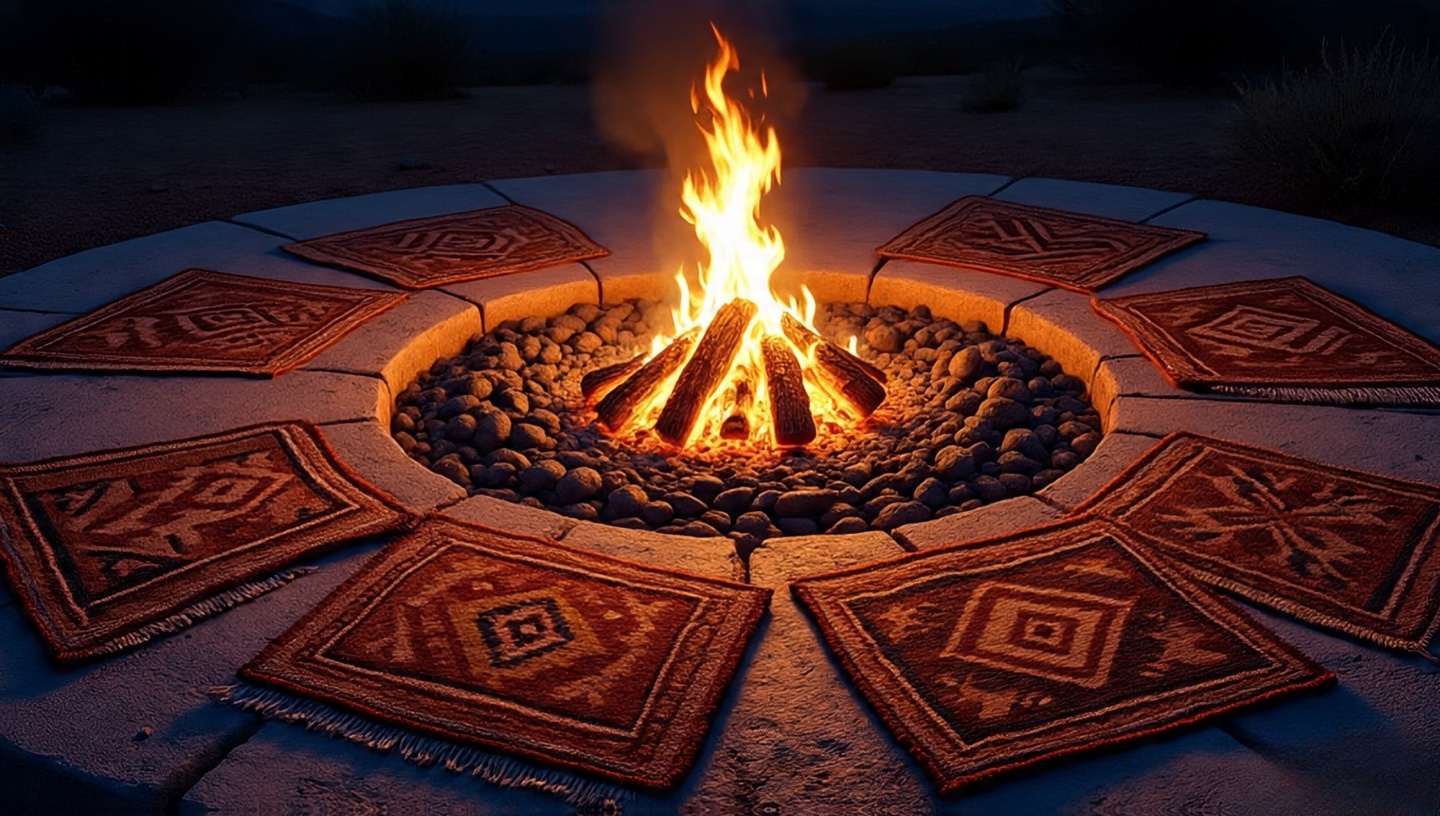
Okay, story time again. My neighbor once surrounded their fire pit with rugs instead of chairs. At first, I thought, “That’s bold. And risky with sparks.” But they used small, thick Southwestern rugs laid over concrete slabs, and it worked. It felt like sitting inside a desert tent, close to the warmth, close to the ground. The texture of the rugs, combined with the aroma of wood smoke it was unforgettable. Ever sat outside at night and felt the desert silence wrapping around you? That’s what it felt like.
Now, maybe don’t throw your most expensive rug out there. But for rustic home gatherings, it’s a mood-setter unlike any other.
Mixing Rugs with Furniture Ideas
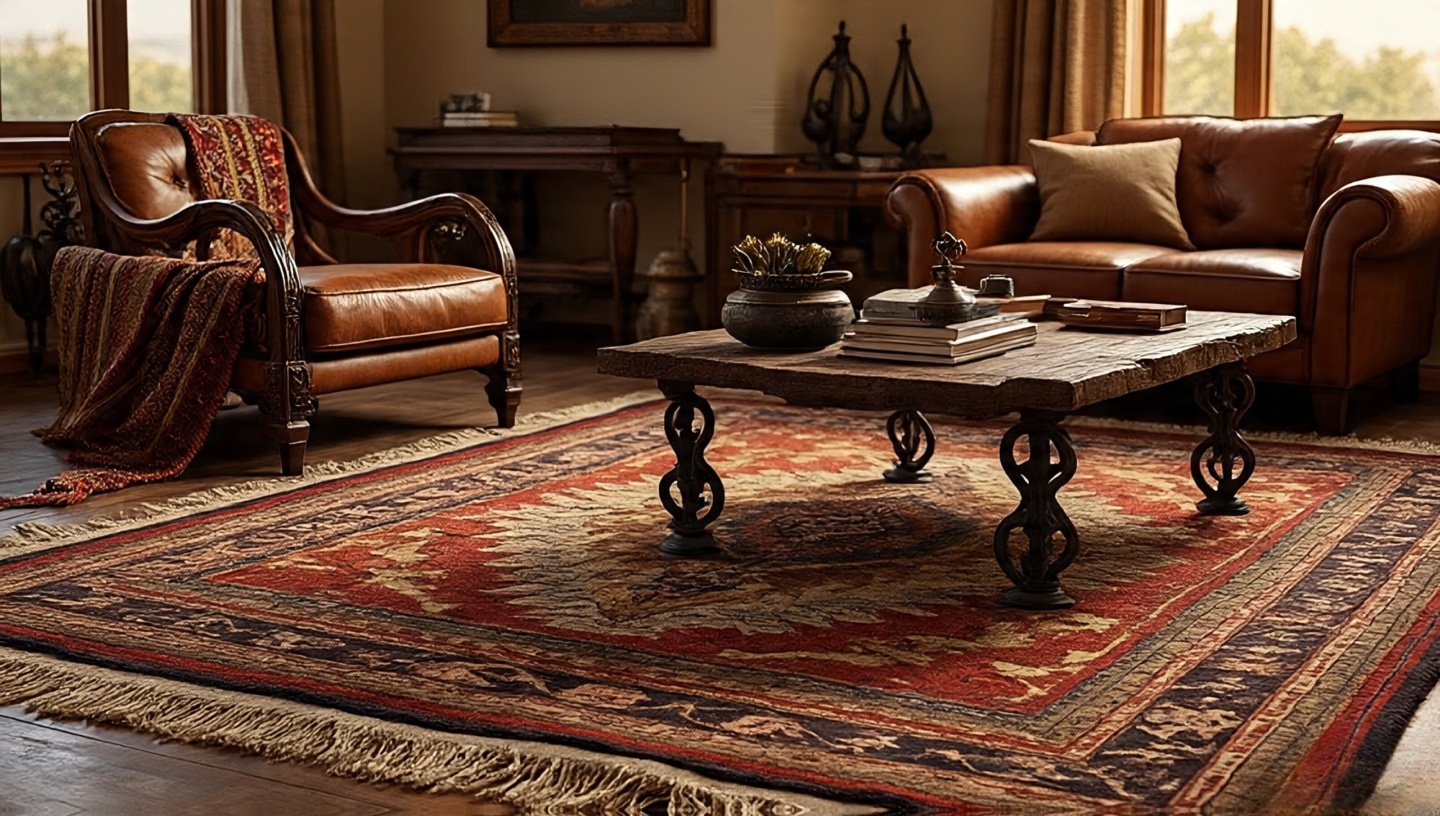
Southwestern rugs and rustic furniture are natural partners. Both emphasize authenticity, raw materials, and texture. Whether it’s reclaimed wood, wrought iron, or woven textiles, they speak the same design language. For more visual sparks, check out these 40 Southwestern furniture ideas. The photos there can easily inspire pairings that make your rugs shine beyond the floor.
Desert Tones and Layering Rugs
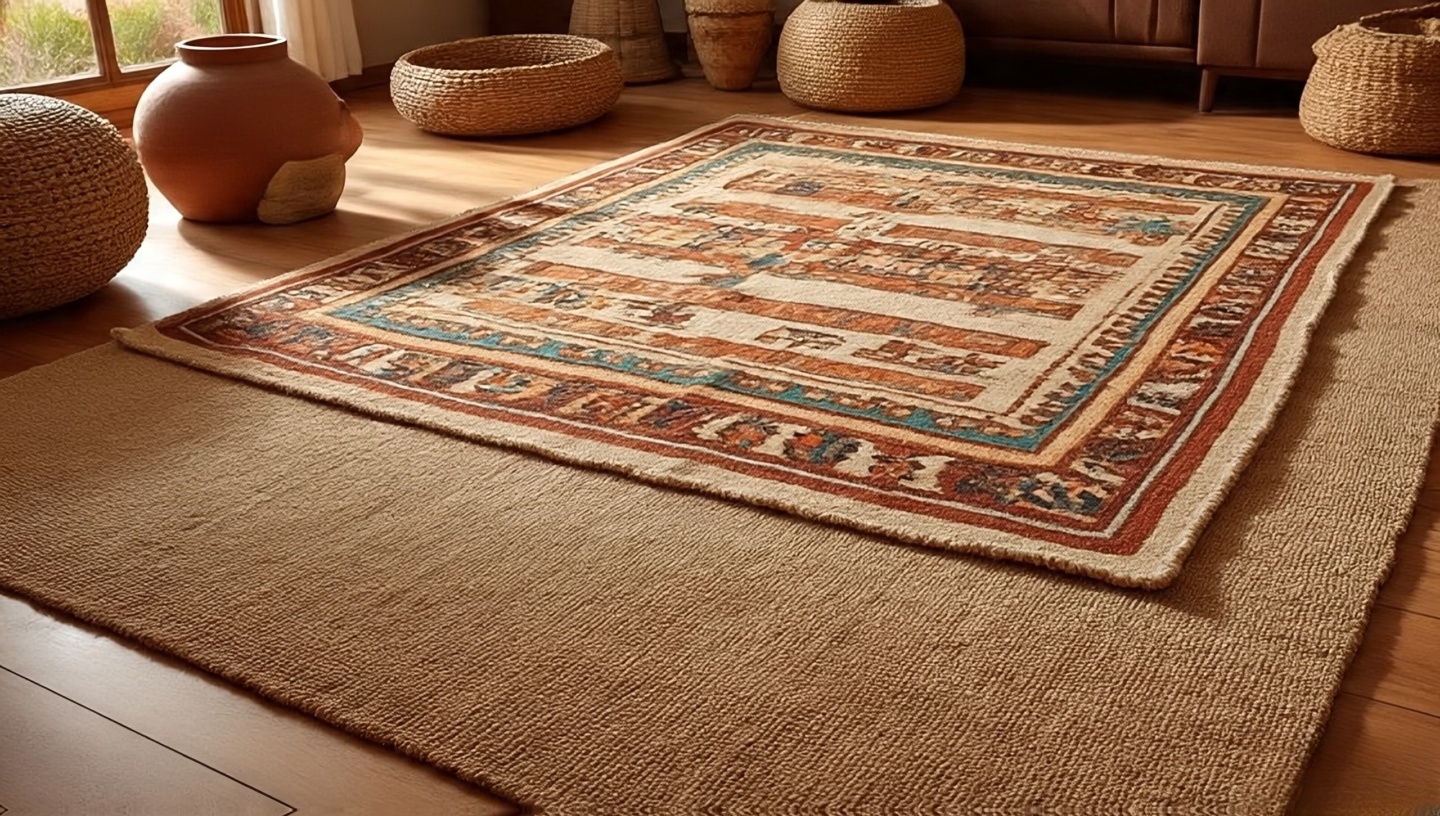
Layering rugs is not just a trend it’s strategy. Place a bold Southwestern rug on top of a neutral jute mat, and suddenly you have depth. It’s like the desert floor itself: layers of sand, stone, and shadow. Use earthy tones living room rugs to ground the space, then add pops of turquoise or red for that unmistakable Southwestern kick.
Pro tip: Don’t shy away from mixing different sizes and shapes. A diamond pattern rug layered with a striped runner creates unexpected harmony.
Beyond Aesthetic: Emotional Resonance
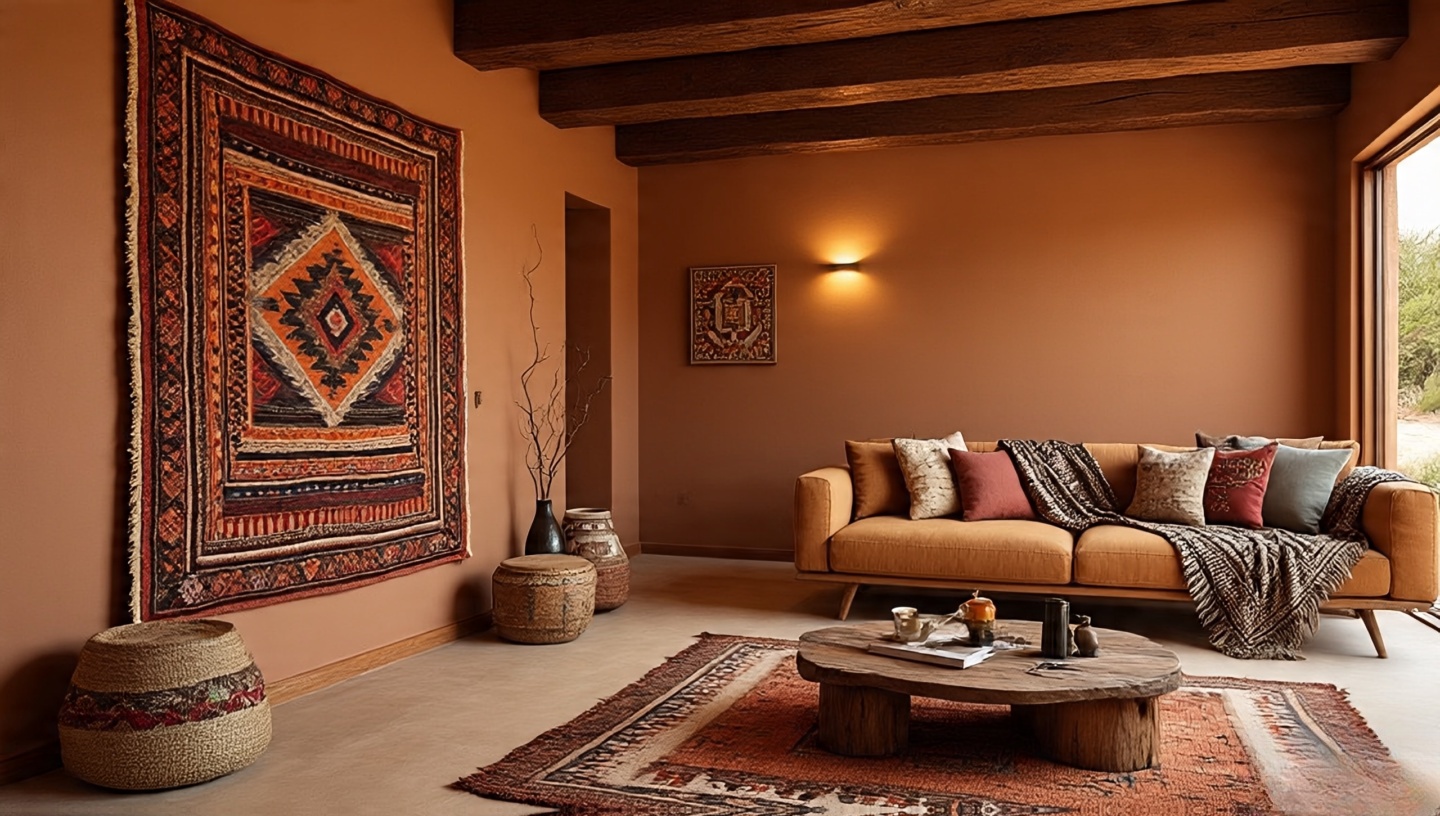
Here’s the thing about rugs they’re more than fabric. They’re emotional anchors. You walk into a room with a rug on the wall, and it feels like the space has a heartbeat. You drape one across a sofa, and suddenly the furniture feels like it has history. Southwestern living room ideas often lean into storytelling, and rugs are the storytellers.
It reminds me of walking through adobe homes in Santa Fe, where every rug seemed to whisper: warmth, heritage, survival in the desert’s silence. And that’s powerful design it speaks to you before you even sit down.
Practical Care for Displayed Rugs
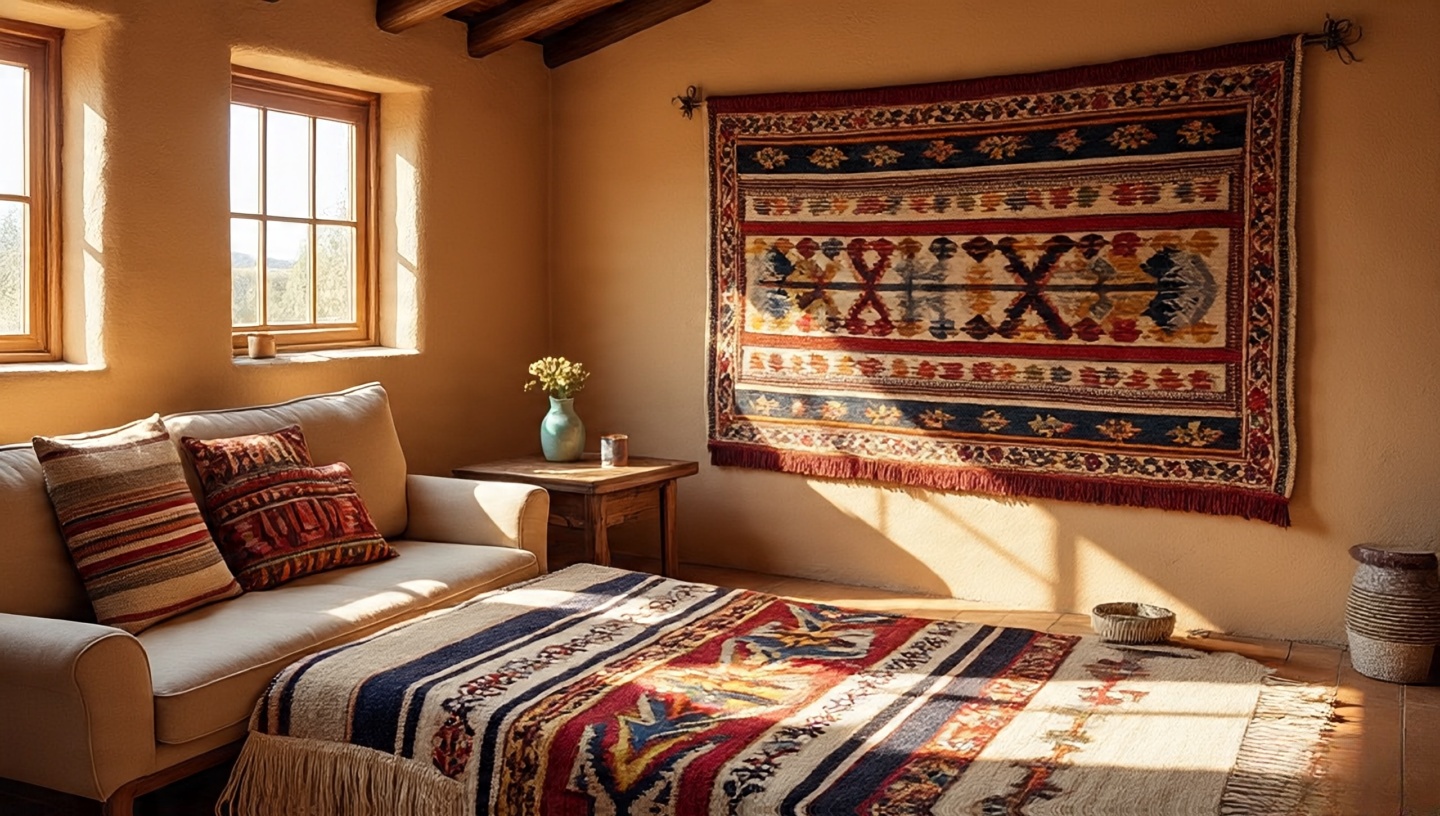
Of course, if you’re styling rugs beyond the floor, you’ve got to care for them differently.
- Dust them gently if hung on the wall use a soft brush, not a vacuum.
- If draping on furniture, rotate them often to avoid fading from sunlight.
- Consider natural fibers like wool for durability; they also regulate temperature better.
These small steps keep your rustic home setup fresh and ensure your desert-inspired decor lasts for years.
Color Psychology in Play
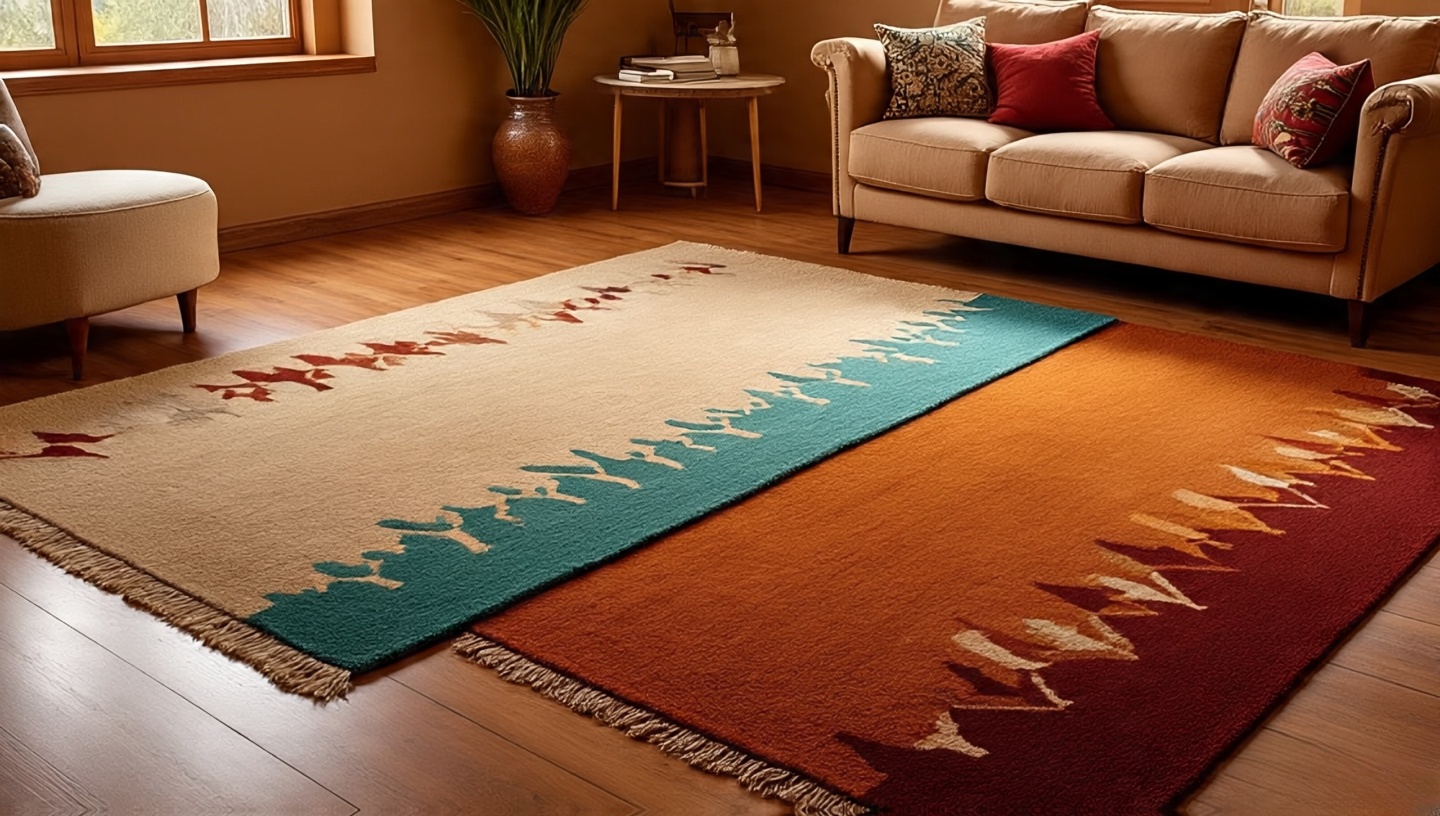
If you’ve ever been curious why certain rugs just “feel right,” it’s not random. Color psychology plays a role. Earth tones like clay, sand, and terracotta ground the room, while turquoise sparks energy. Red brings warmth and vibrancy. You can read more about this in this color psychology guide it dives deeper into how these shades affect mood and space.
So, Where Do You Start?
Don’t feel pressured to transform your entire home overnight. Start small. Maybe hang one rug in the hallway. Or drape one across your sofa. Add another as a table runner. See how it changes the feel. You’ll notice it spaces feel warmer, more layered, more personal.
And that’s it. The beauty of Southwestern rugs is that they invite you to experiment. They don’t need to stay on the floor, silent under furniture. They can live on your walls, your tables, your benches, even in your outdoor spaces, telling stories of the desert with every thread.
A Warm Goodbye
If you try even one of these Southwestern living room ideas, you’ll notice the shift. Your rustic home will feel more alive, more soulful. And maybe, just maybe, when you sit down with a cup of coffee and catch the way firelight dances across the rug on your wall, you’ll feel the same desert silence I did years ago. Give it a try you might find your home whispering stories back to you.
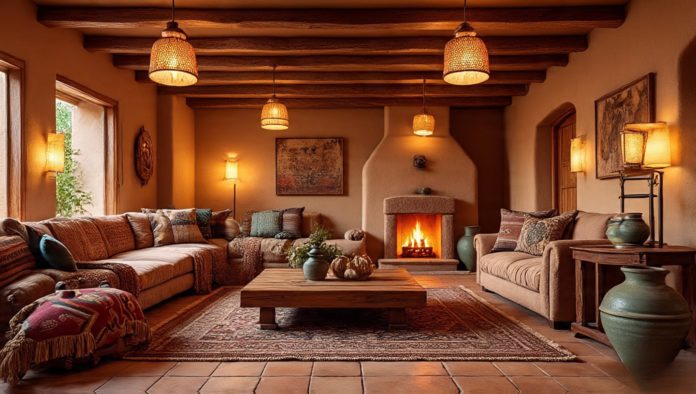
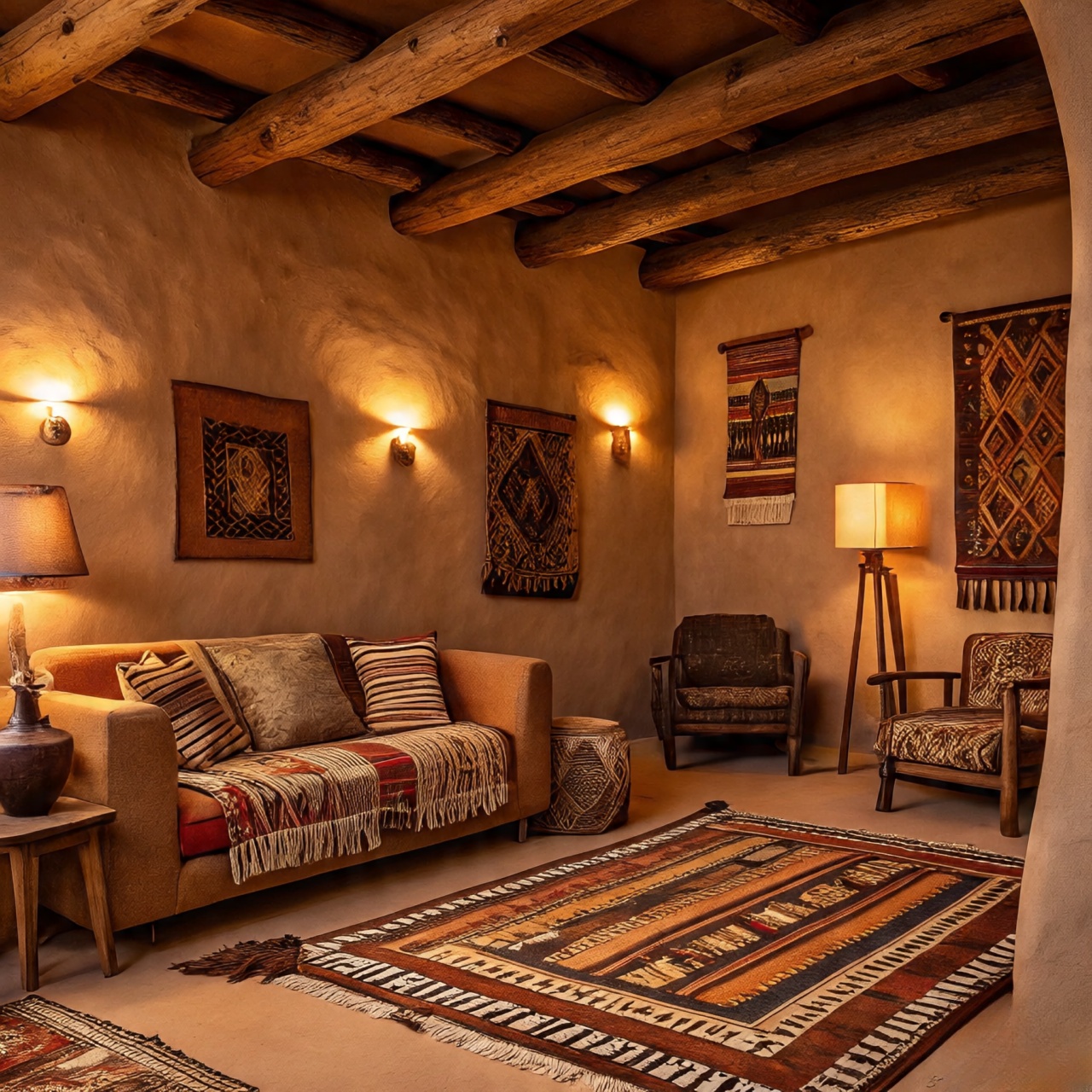 Think of your Southwestern living room as a stage. The actors? Rough-hewn beams, adobe-textured walls, woven rugs with bold tribal patterns. Without the right lighting, those details fade into the background. But with intentional choices lamps, sconces, even candles suddenly the space feels alive, layered, and unmistakably Southwestern.
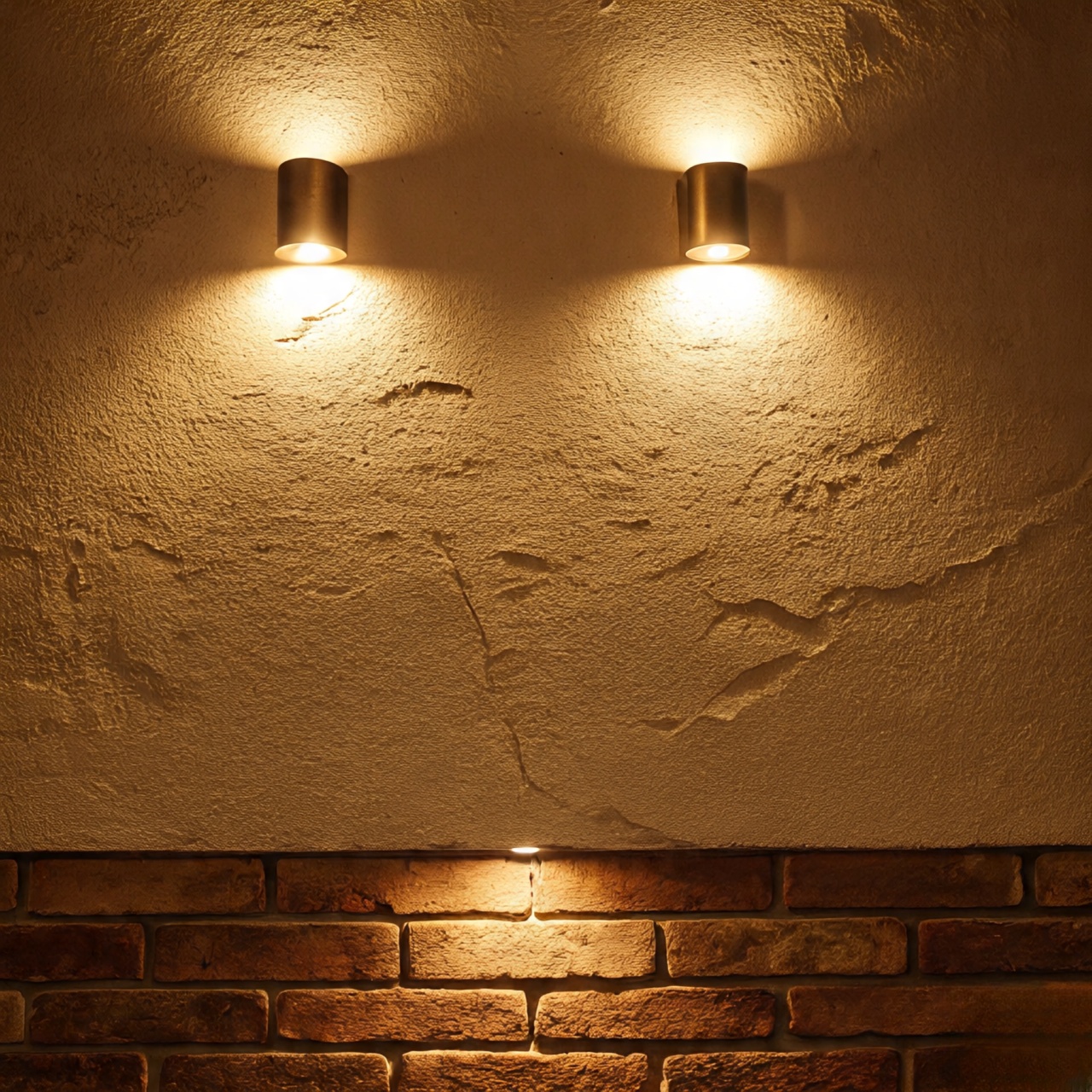 One of the easiest ways to highlight textures is with soft, warm light. Stucco walls, for example, don’t need bright overhead LEDs. They need wall sconces that cast light upward and downward, grazing the uneven surface. The result? Shadows and highlights that make your wall feel almost sculptural.
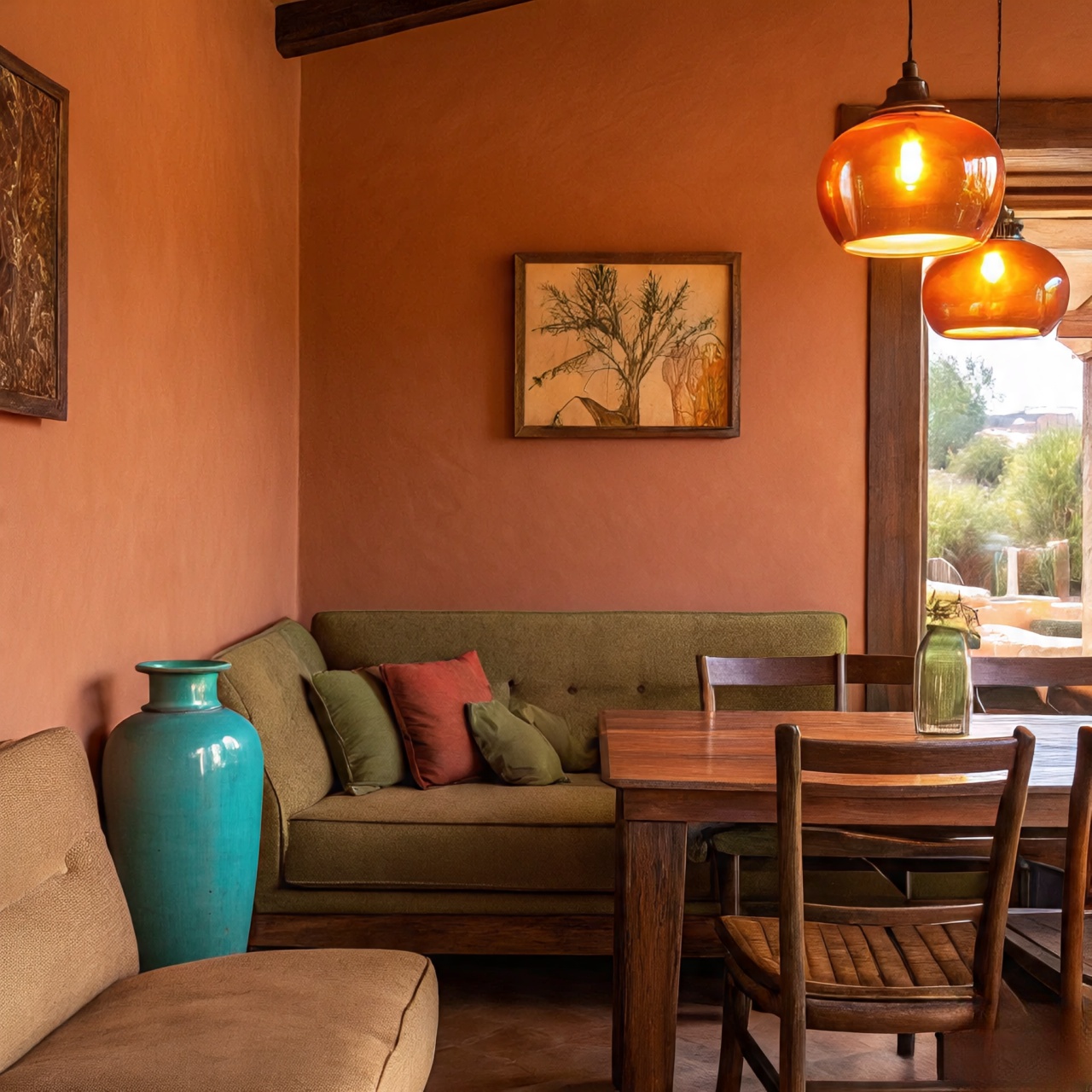 Southwestern color schemes thrive on warm palettes terracotta, adobe pink, sun-faded turquoise, sage green. Lighting should amplify, not fight, those tones. A warm bulb (2700K is perfect) makes earthy hues richer. Imagine your
 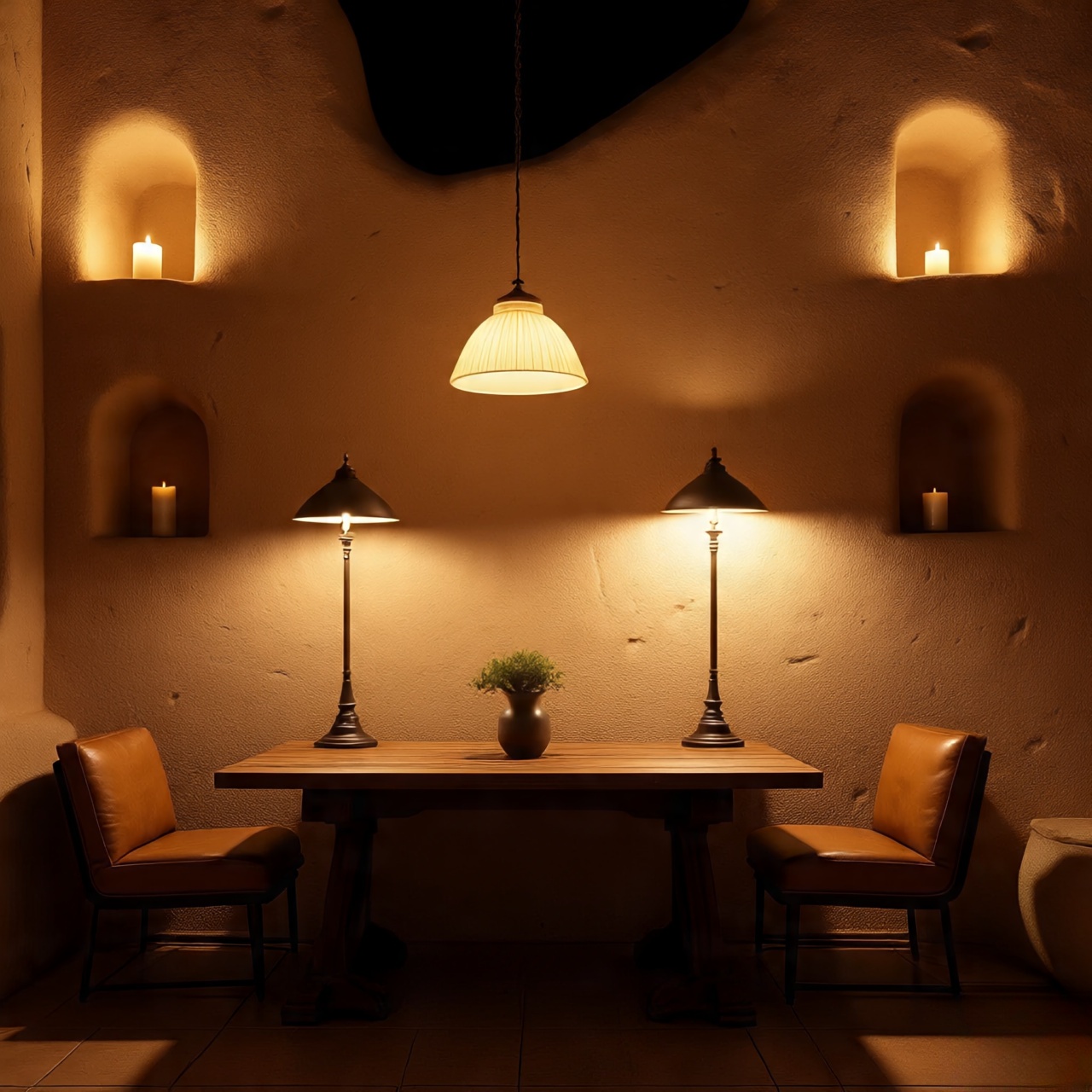 Ever sat outside at night and felt the desert silence wrapping around you? The stars above, the low flames of a fire pit, shadows dancing against rocks? That interplay of light and shadow is exactly what you want to recreate indoors.
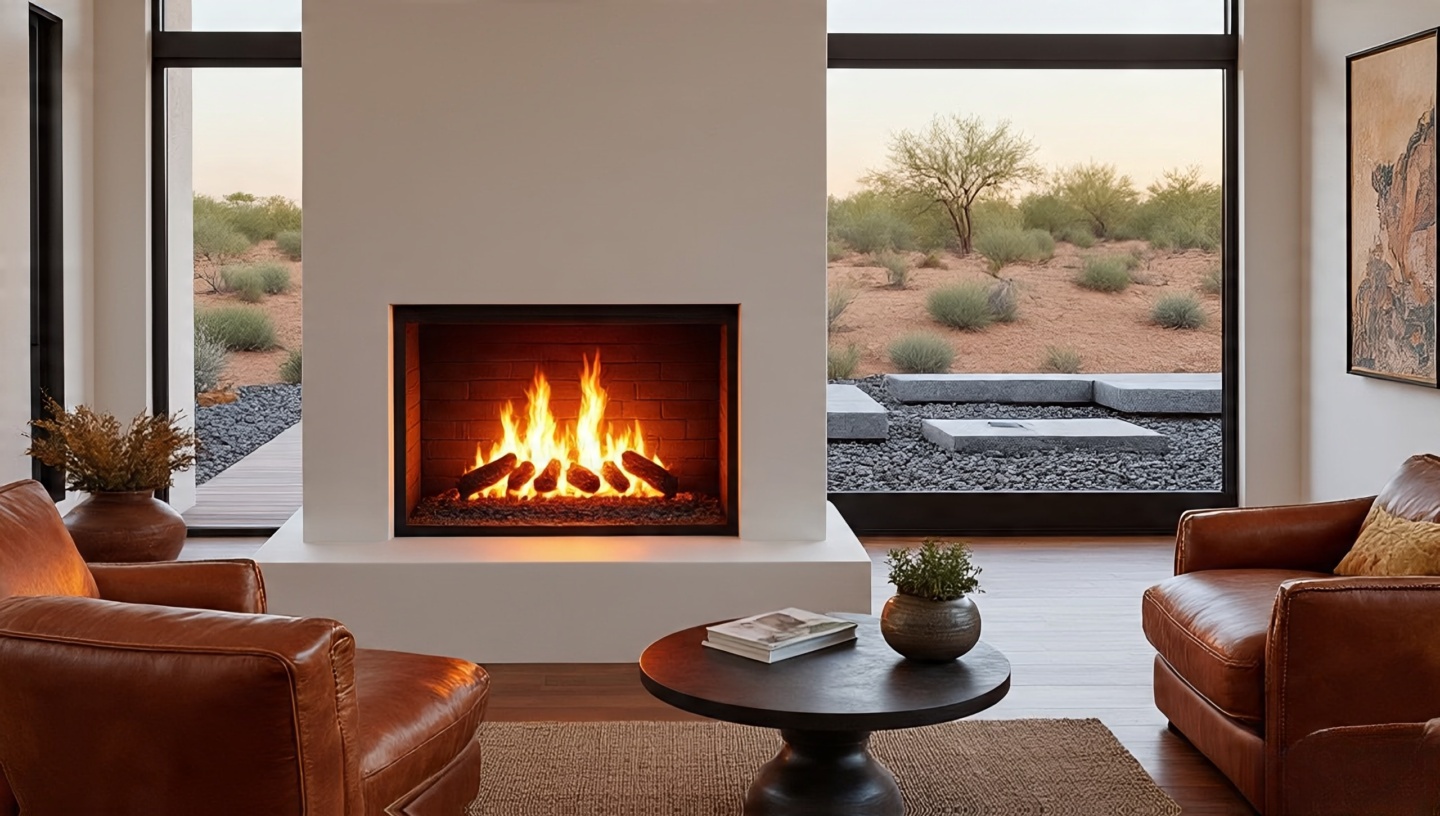
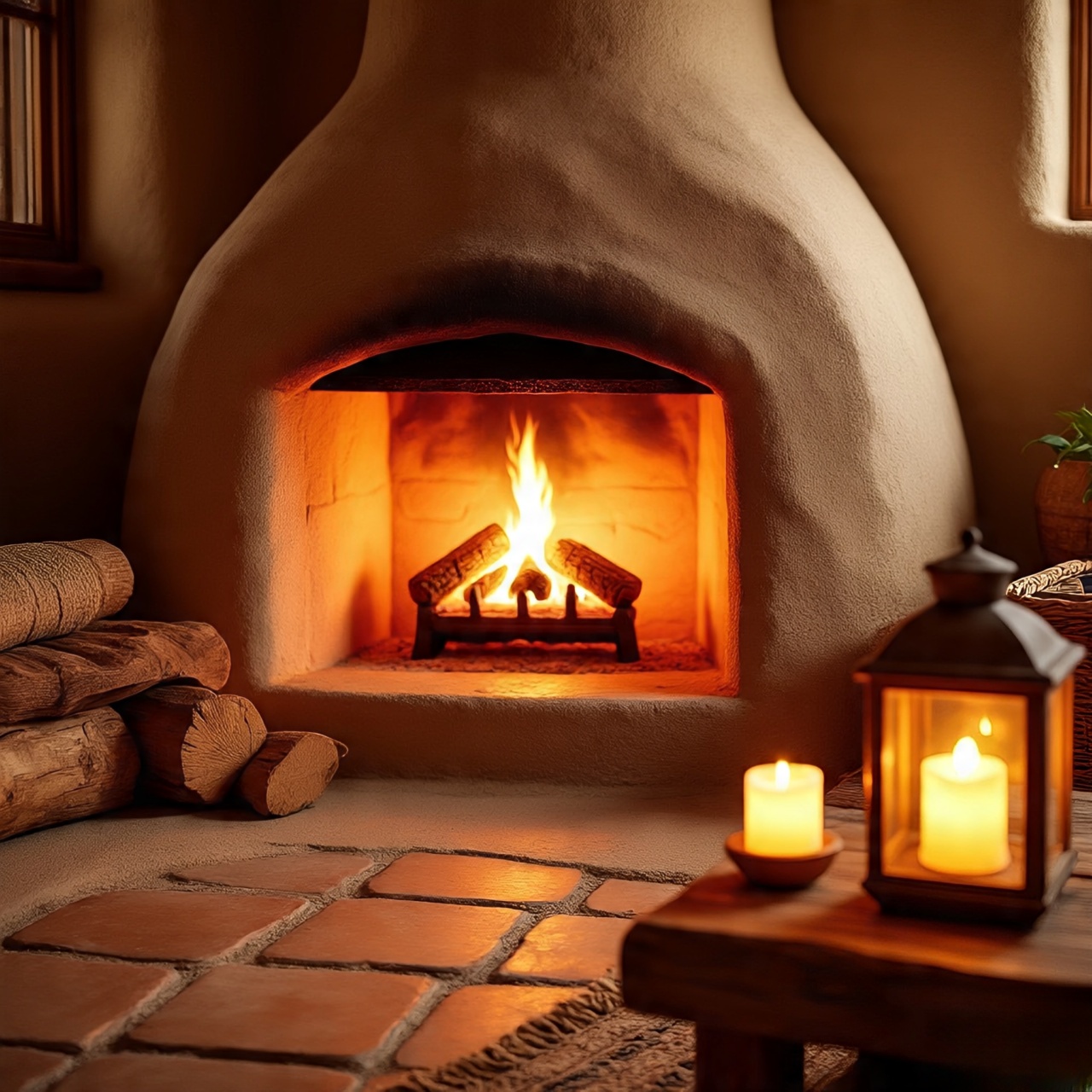 Not everyone has the space for a kiva fireplace, but if you do lucky you. The glow of firelight is unmatched. Even a small tabletop fire bowl, placed on your patio or near a window, brings that flicker indoors. It’s not just light, it’s movement. Flames highlight and hide textures in split seconds, almost like a living artwork.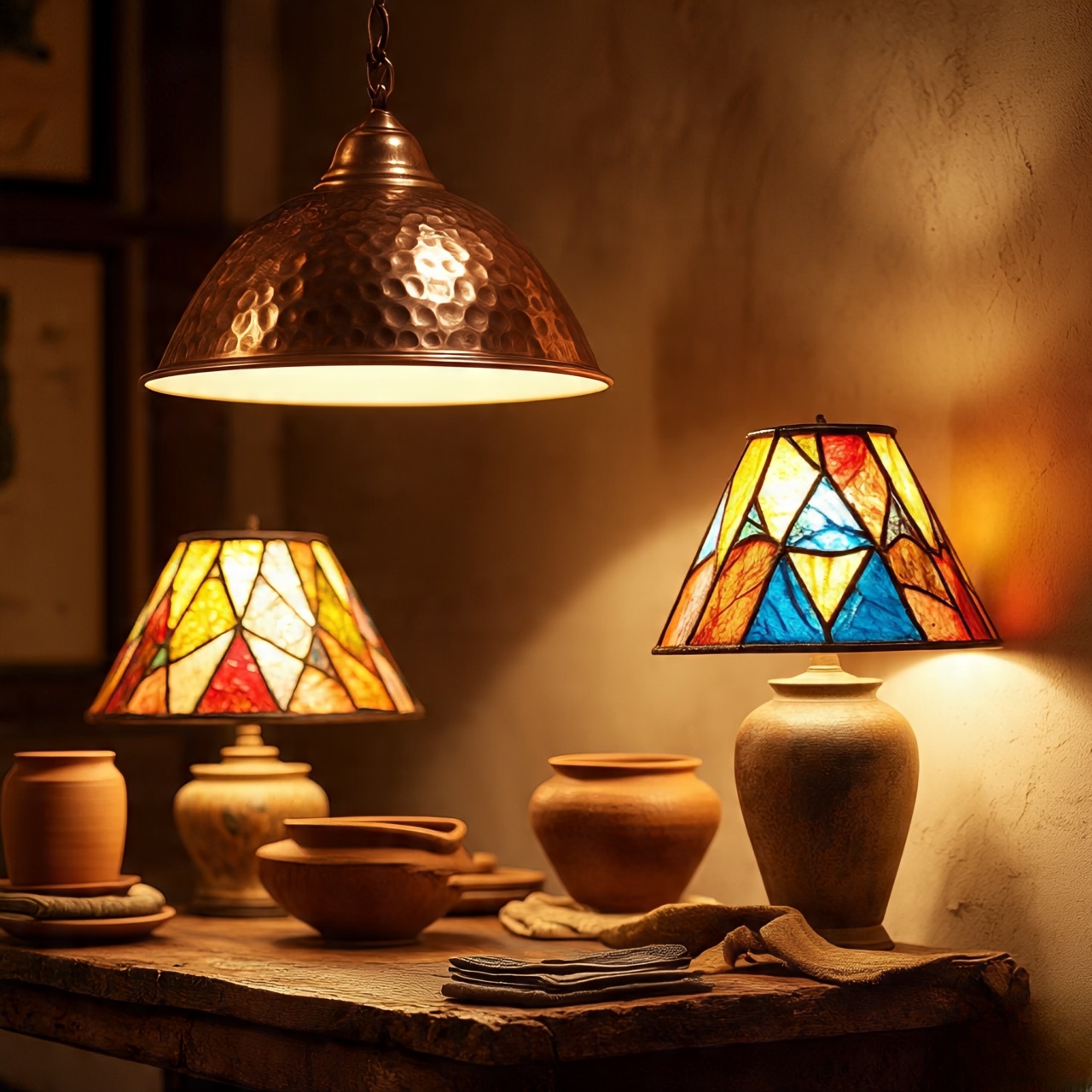
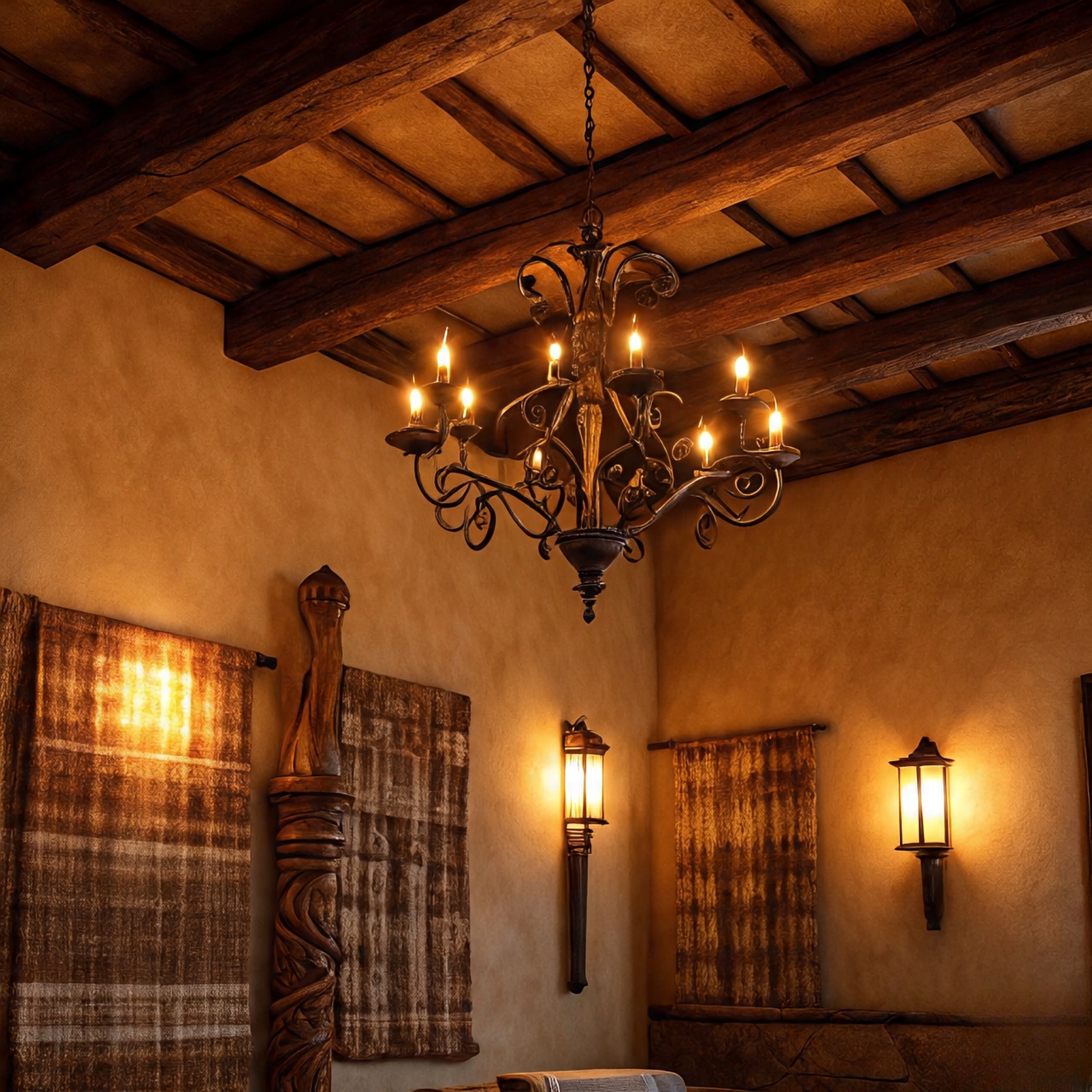 Lighting fixtures themselves can carry Southwestern character. Wrought iron chandeliers, carved wooden lamp bases, lantern-style sconces all of them add authenticity. Browse through some
 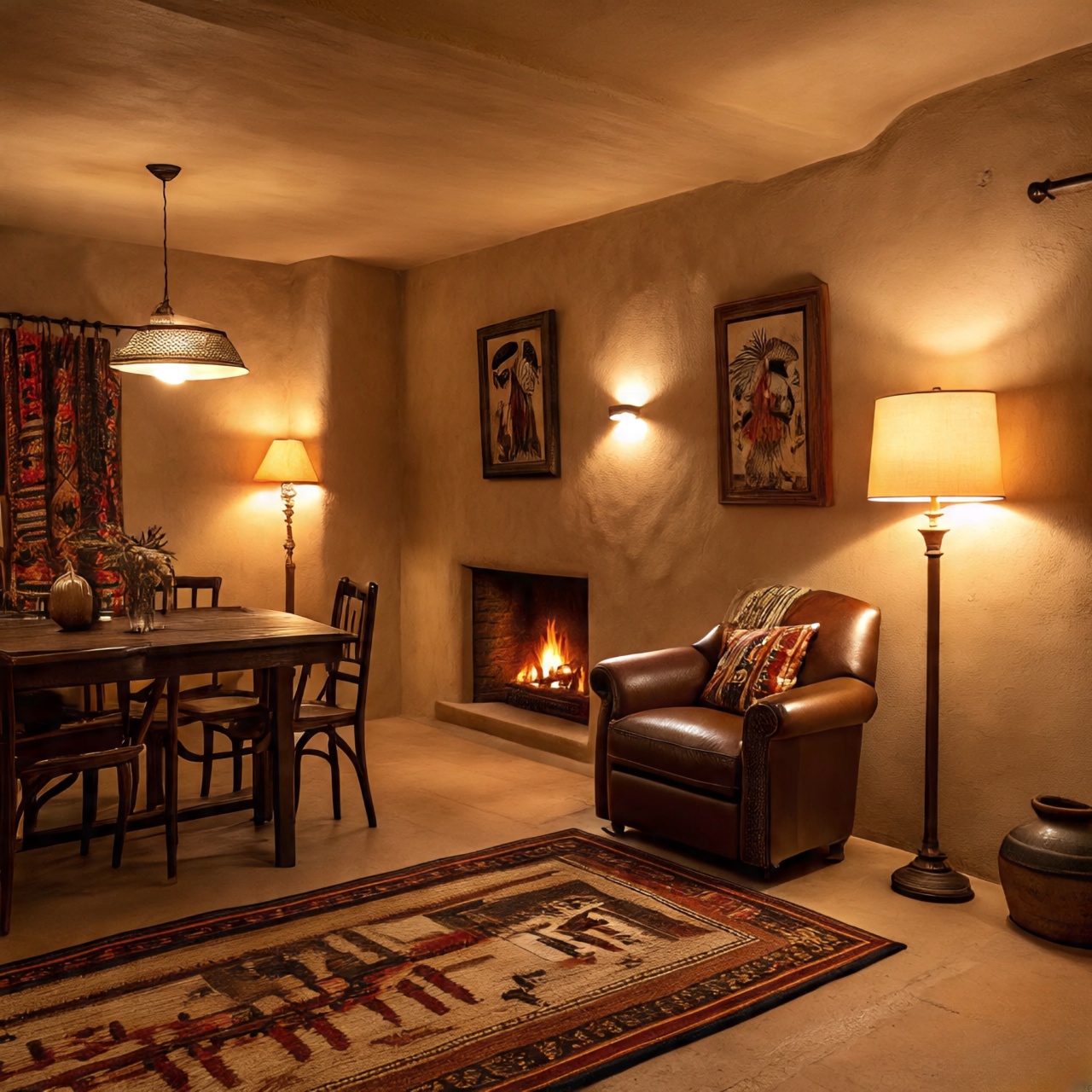 If there’s one rule to remember: don’t rely on a single source of light. Think of it like a song you need multiple instruments to create depth. A pendant lamp might give your dining area focus, but a floor lamp near a cozy reading nook adds intimacy. A sconce over your firewood alcove? Pure atmosphere.
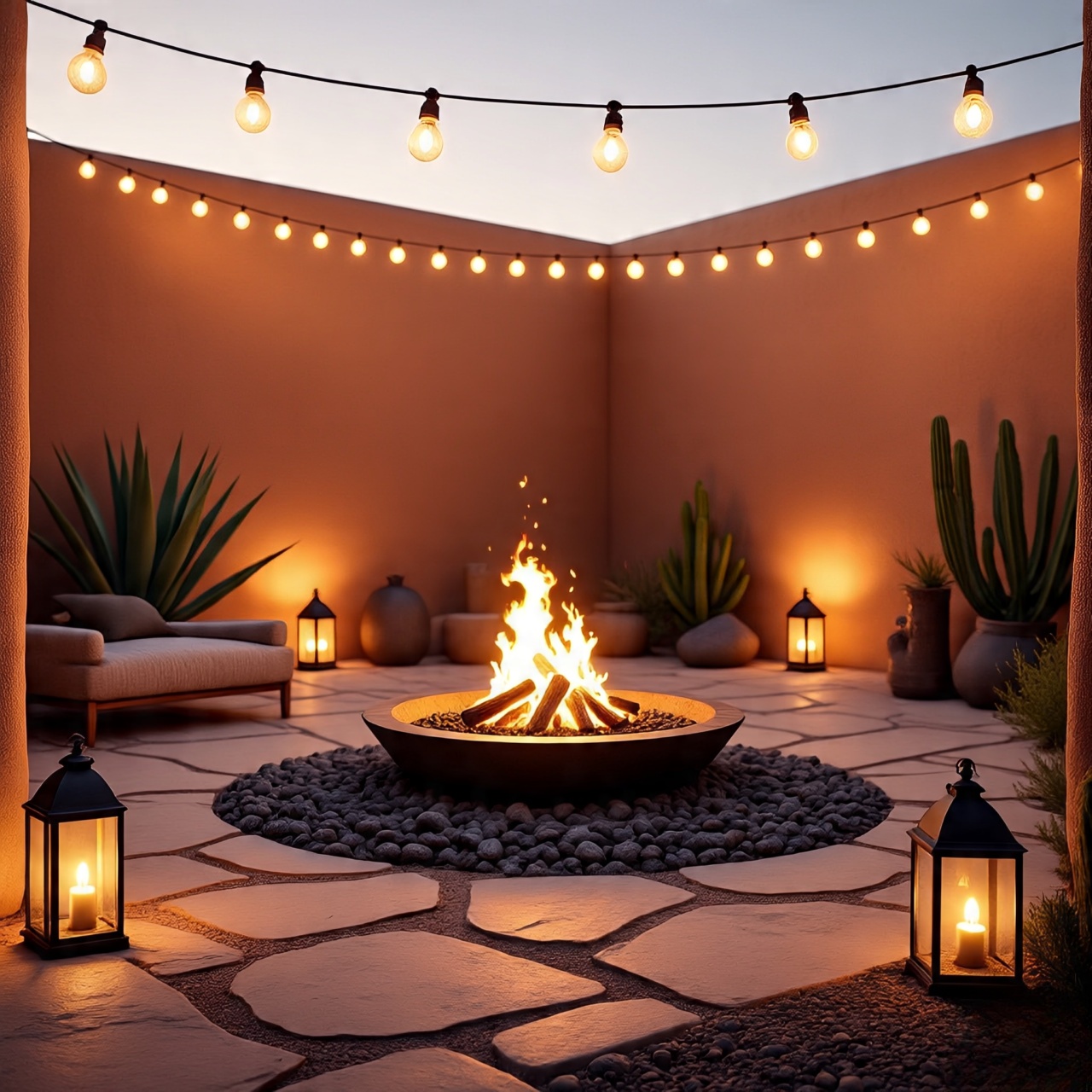 Southwestern living isn’t just indoors. Outdoor patios, desert gardens, and fire pits are central to the lifestyle. Lighting outside should follow the same principles: warm, layered, and intentional.
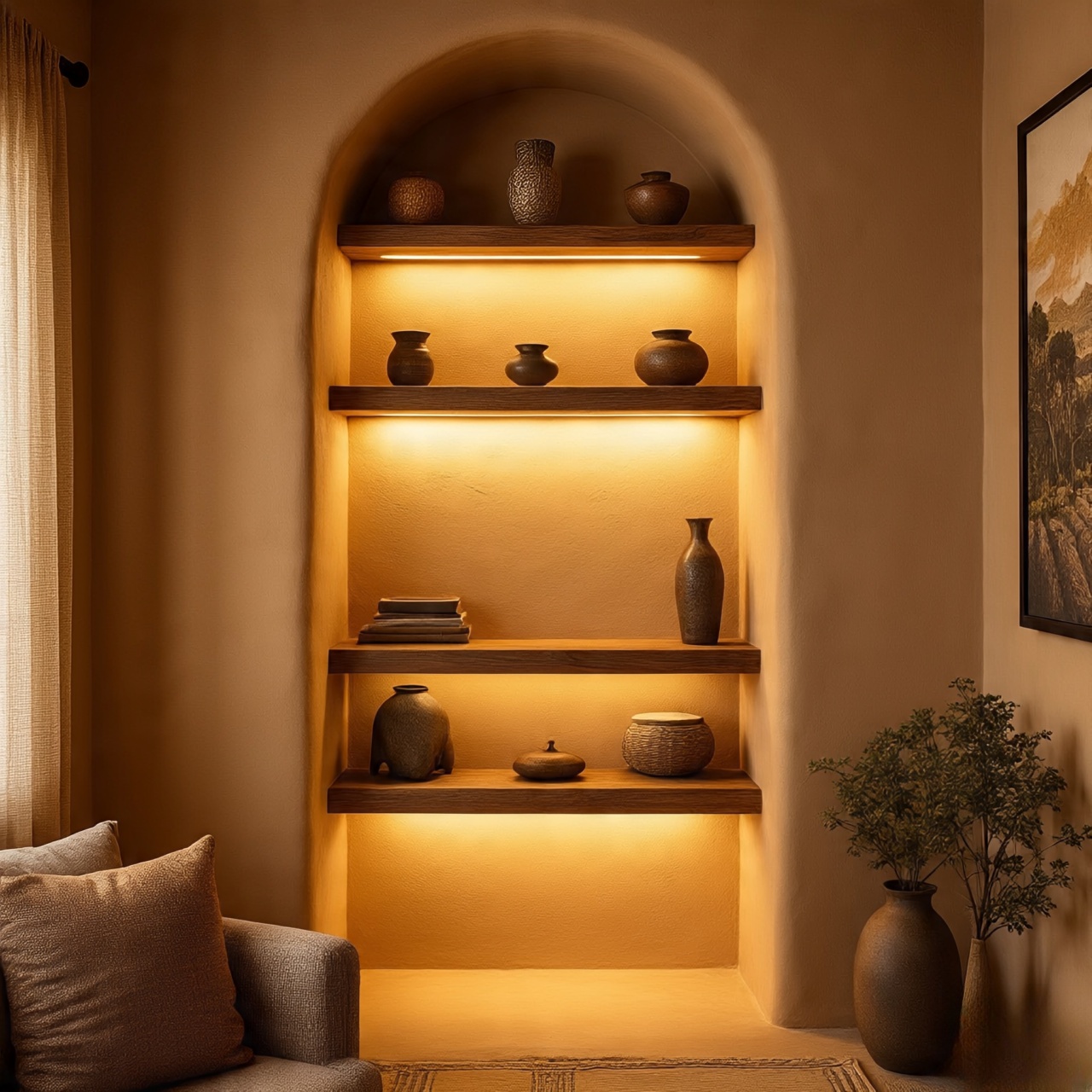 Lighting choices in Southwestern homes aren’t random. They echo centuries of culture. Pueblo Revival architecture in New Mexico often features nichos small wall niches where candles or small lamps were traditionally placed. These niches weren’t just functional; they framed the light, making even the simplest candle feel sacred. Borrow that idea. Build a niche or fake one with shelving, then place a light inside to honor that tradition.
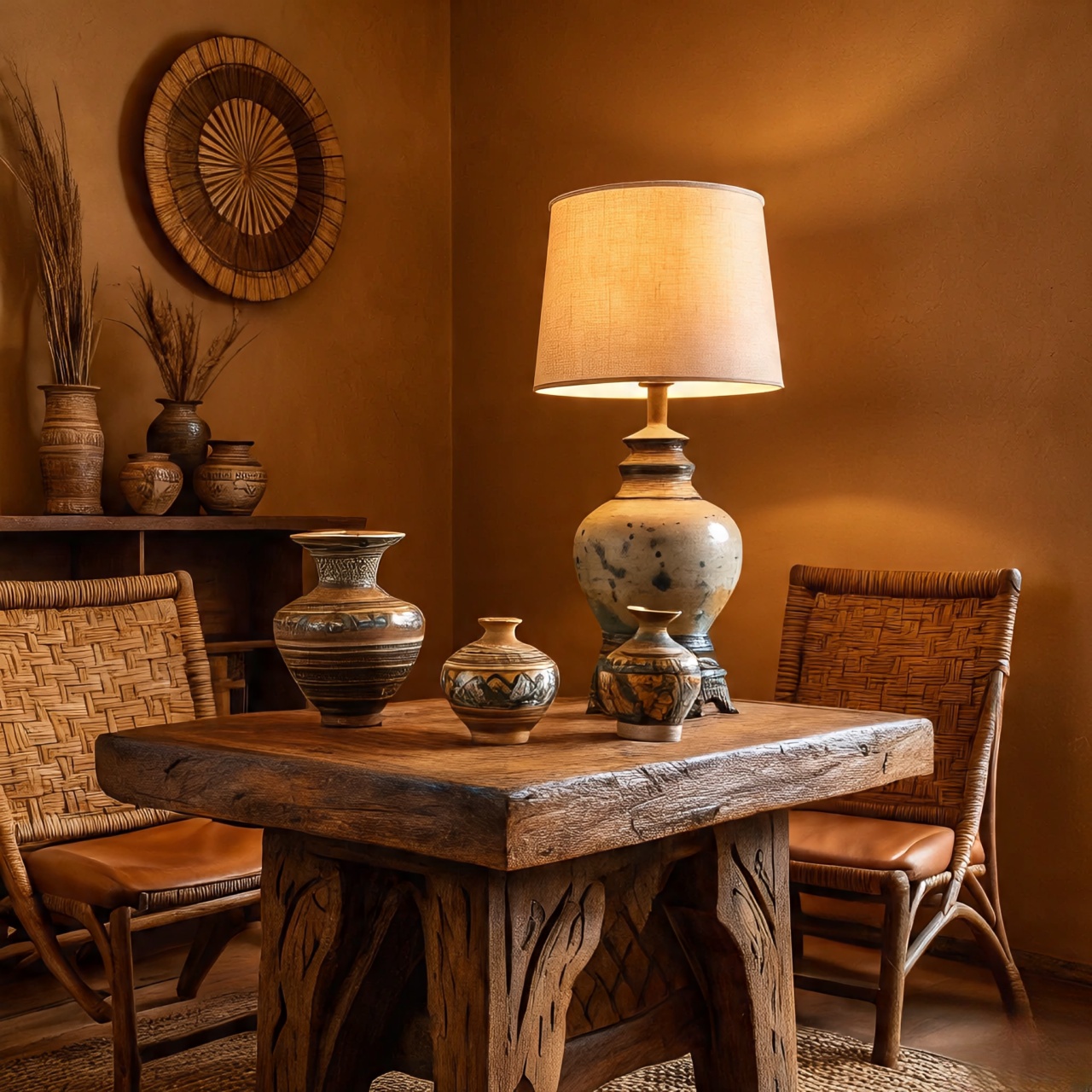 Don’t forget that lighting and furniture interact constantly. A lamp sitting on a hand-carved table looks different than one on sleek glass. Woven leather chairs cast shadows that add to the atmosphere. If you’re shopping for authentic pieces, this
 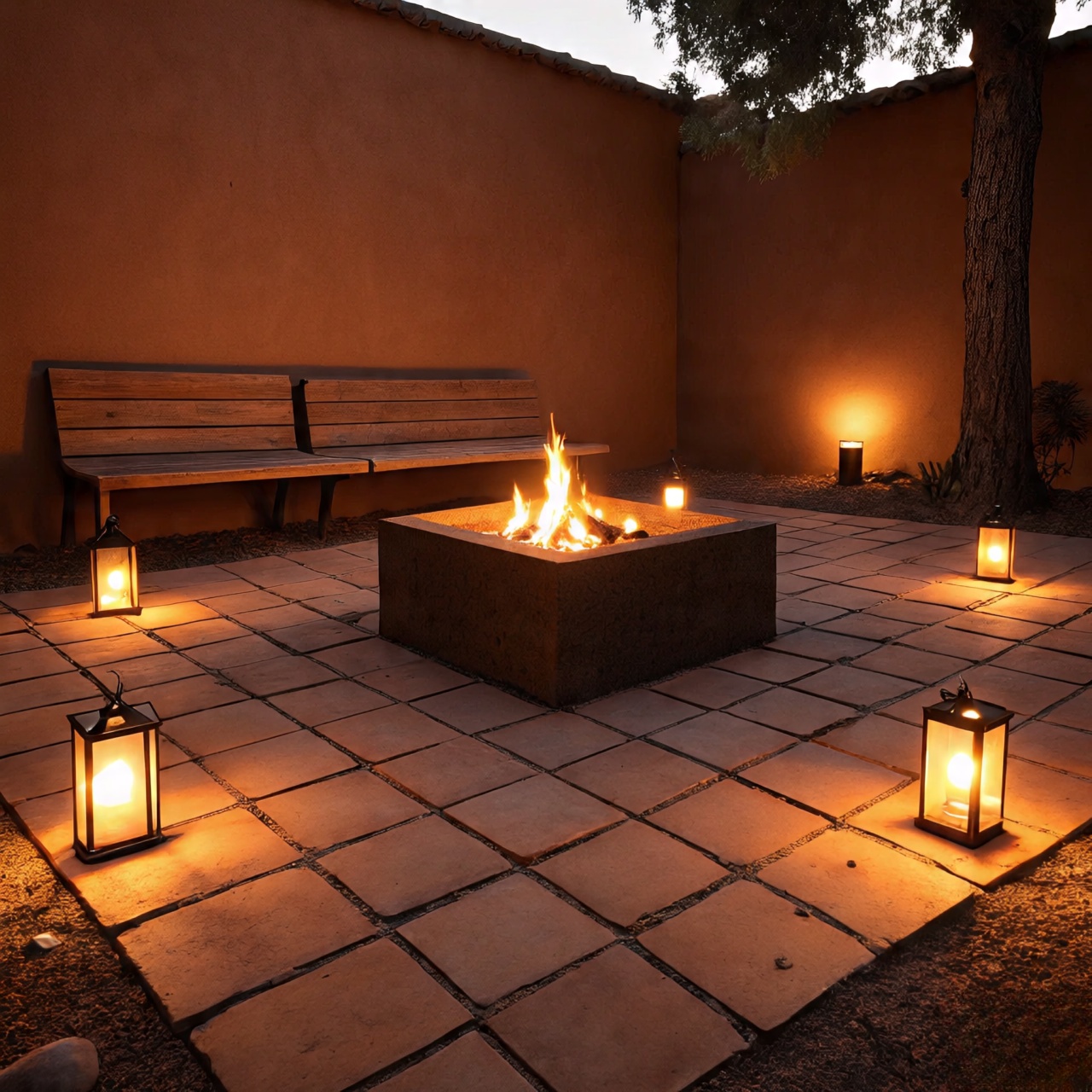 I’ll never forget the first time I saw my neighbor’s DIY fire pit. He lined the inside with old clay tiles, then added simple lanterns around the seating area. It wasn’t fancy, but when the flames started, the whole corner of his backyard felt like an adobe courtyard in Santa Fe. The tiles reflected the light, the lanterns added a soft circle of warmth, and suddenly we were just sitting there, storytelling under the desert stars. That memory still shapes how I think about lighting today.
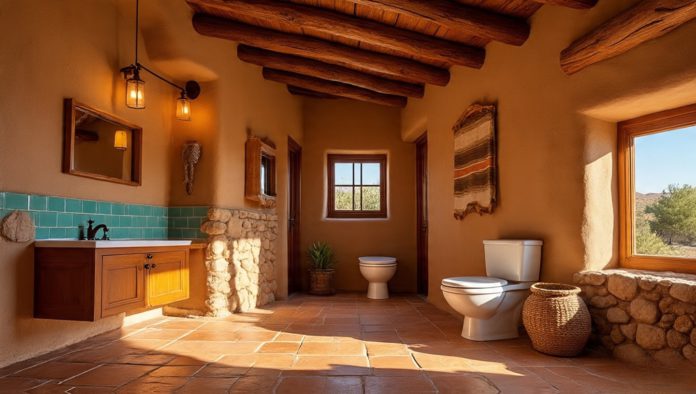
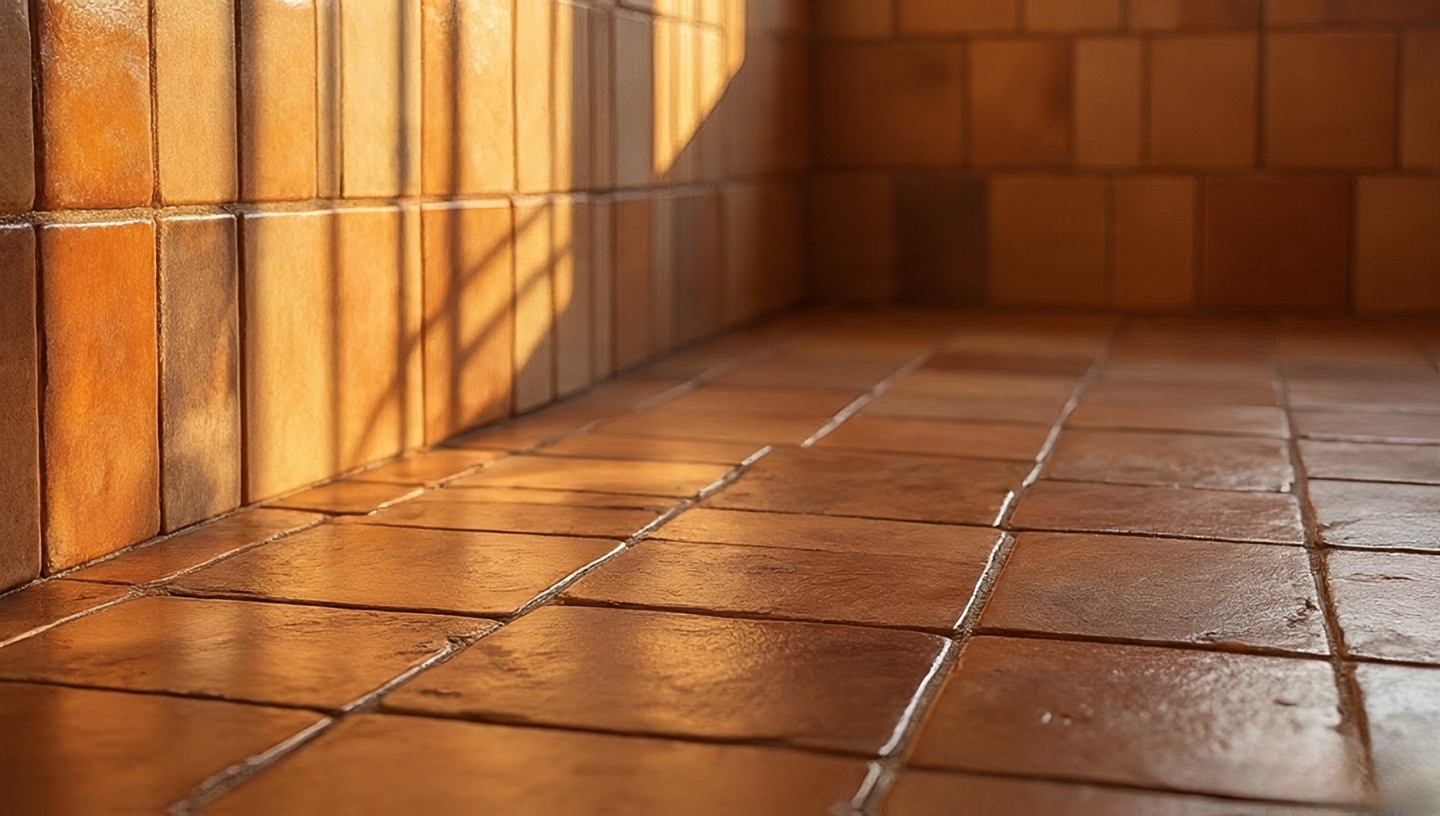
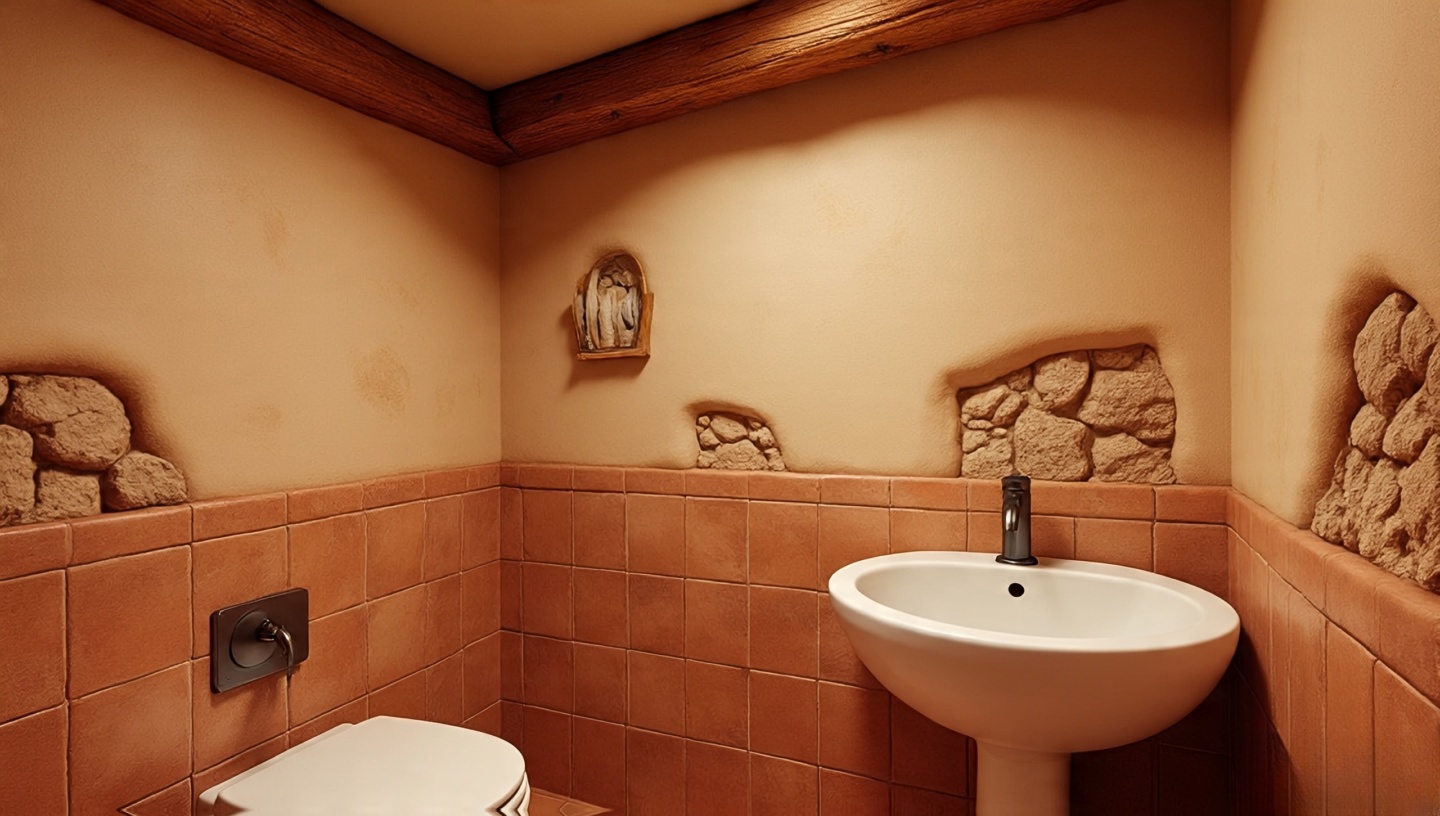
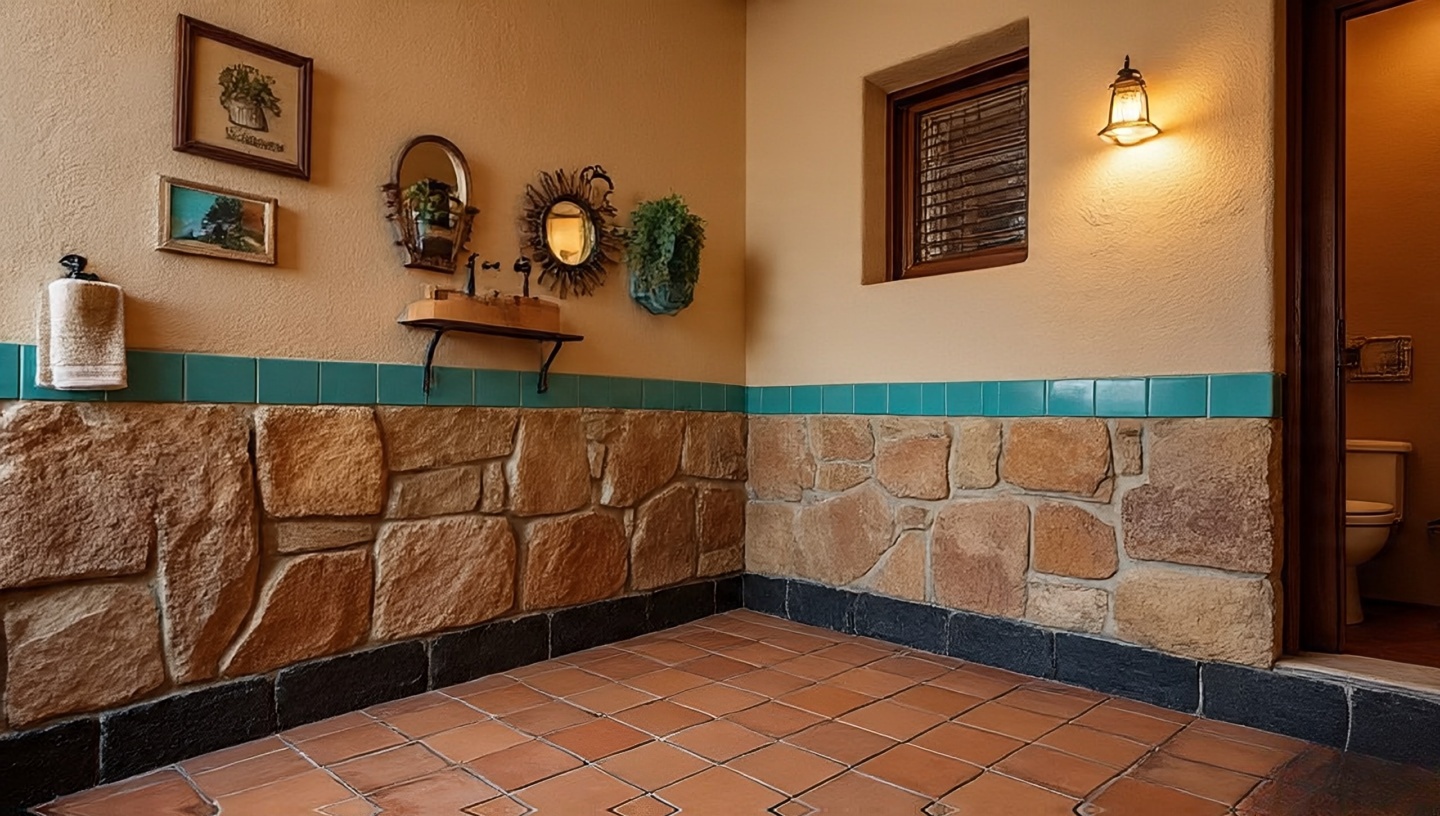
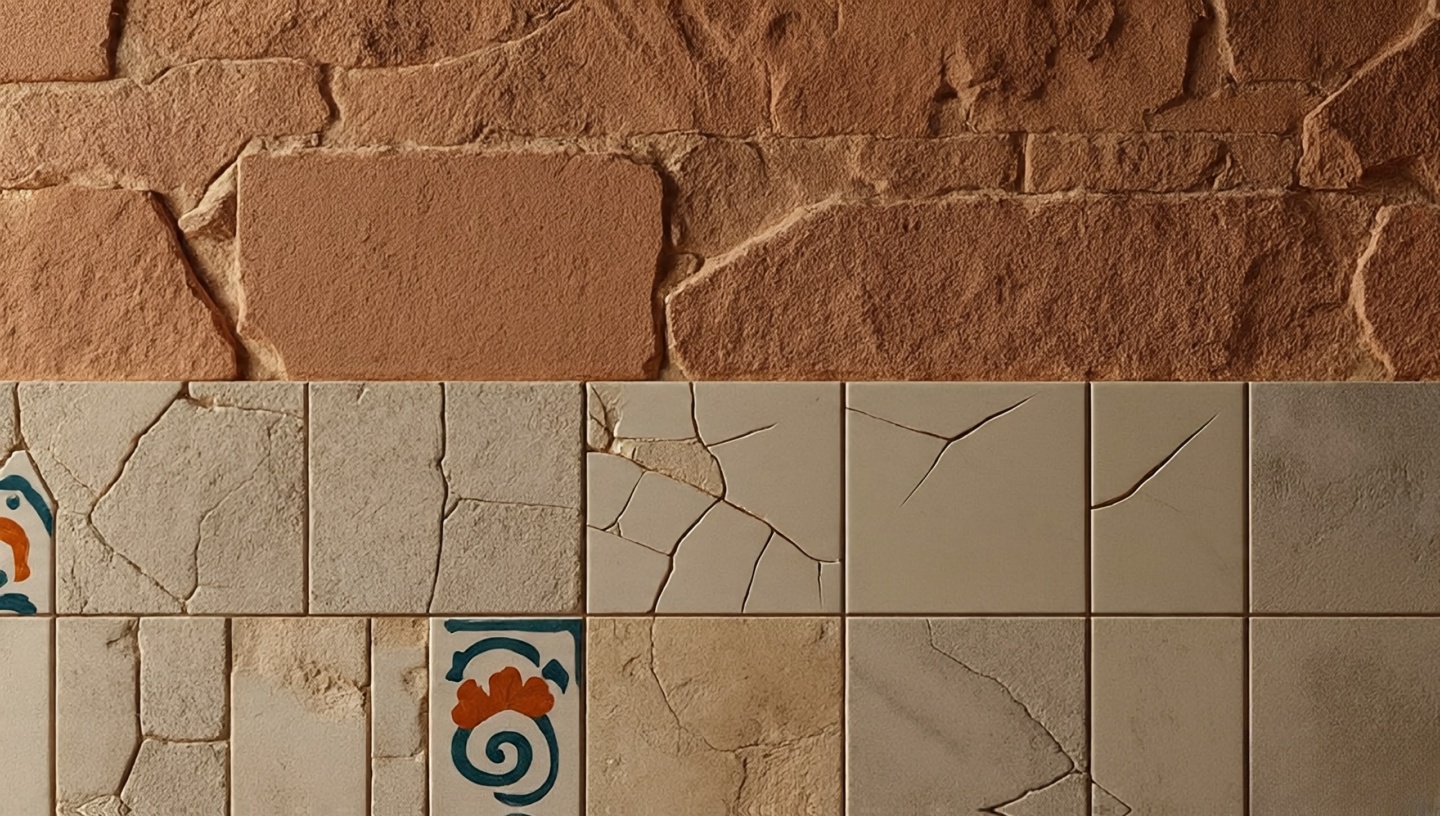
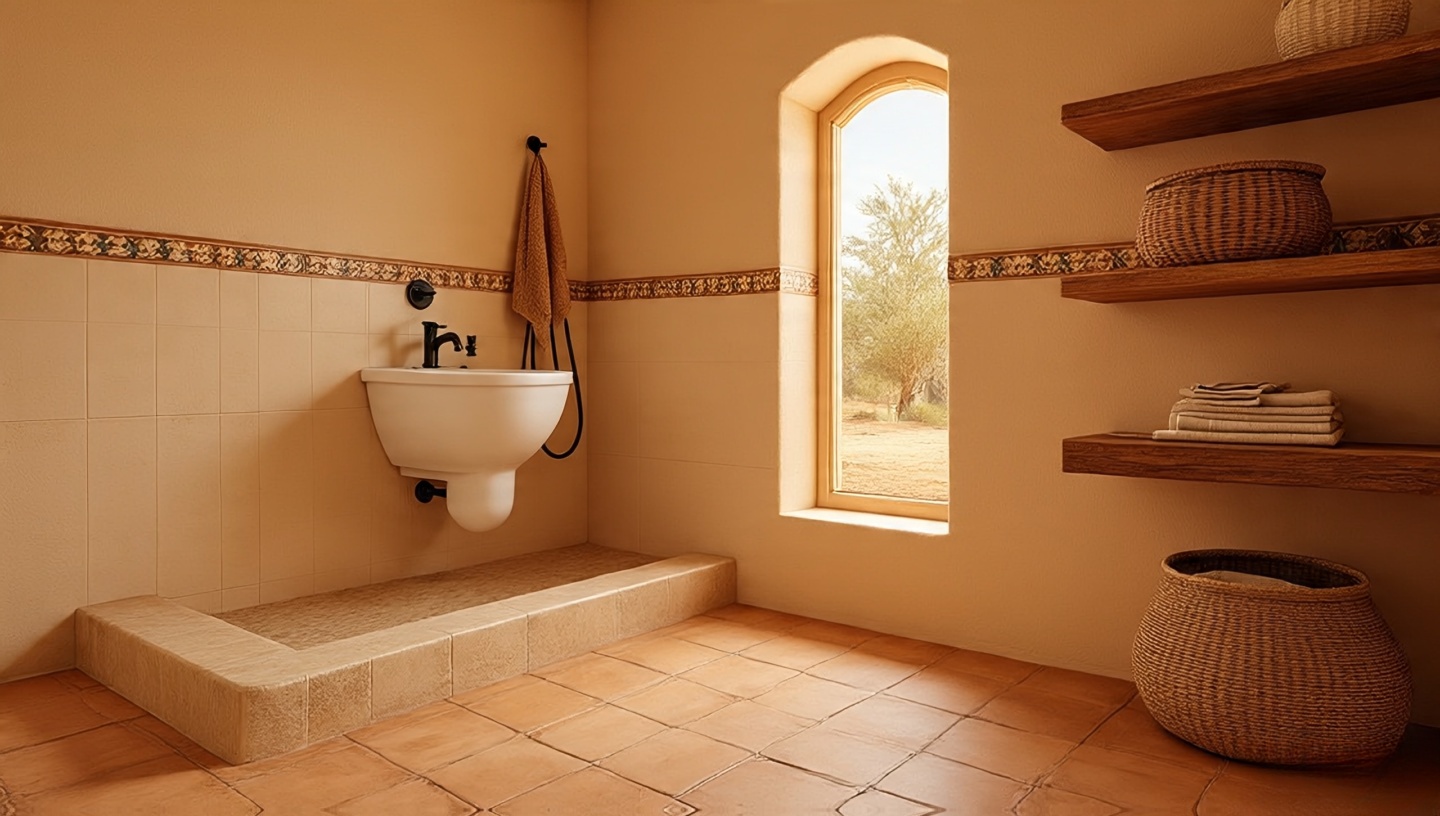
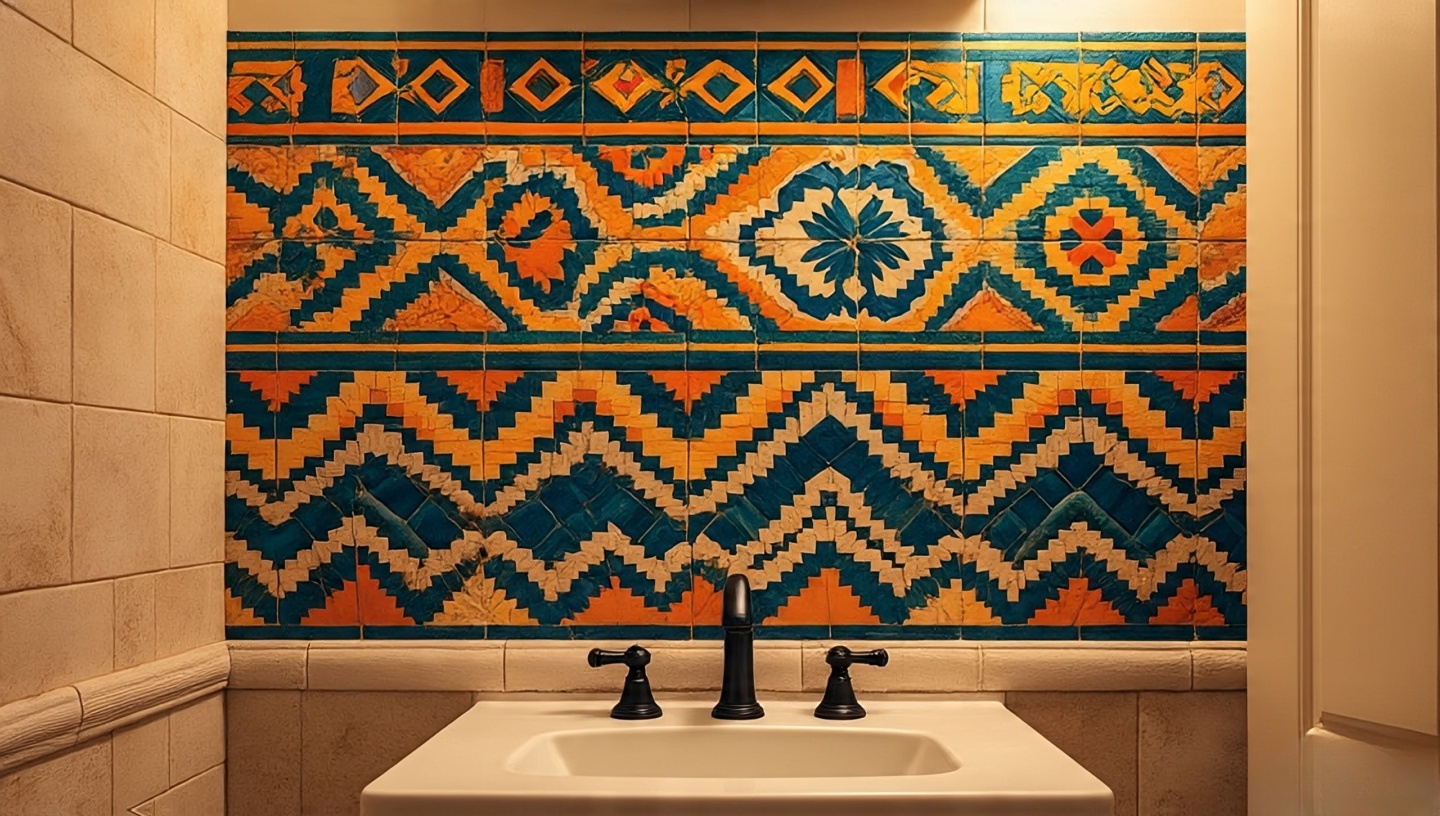
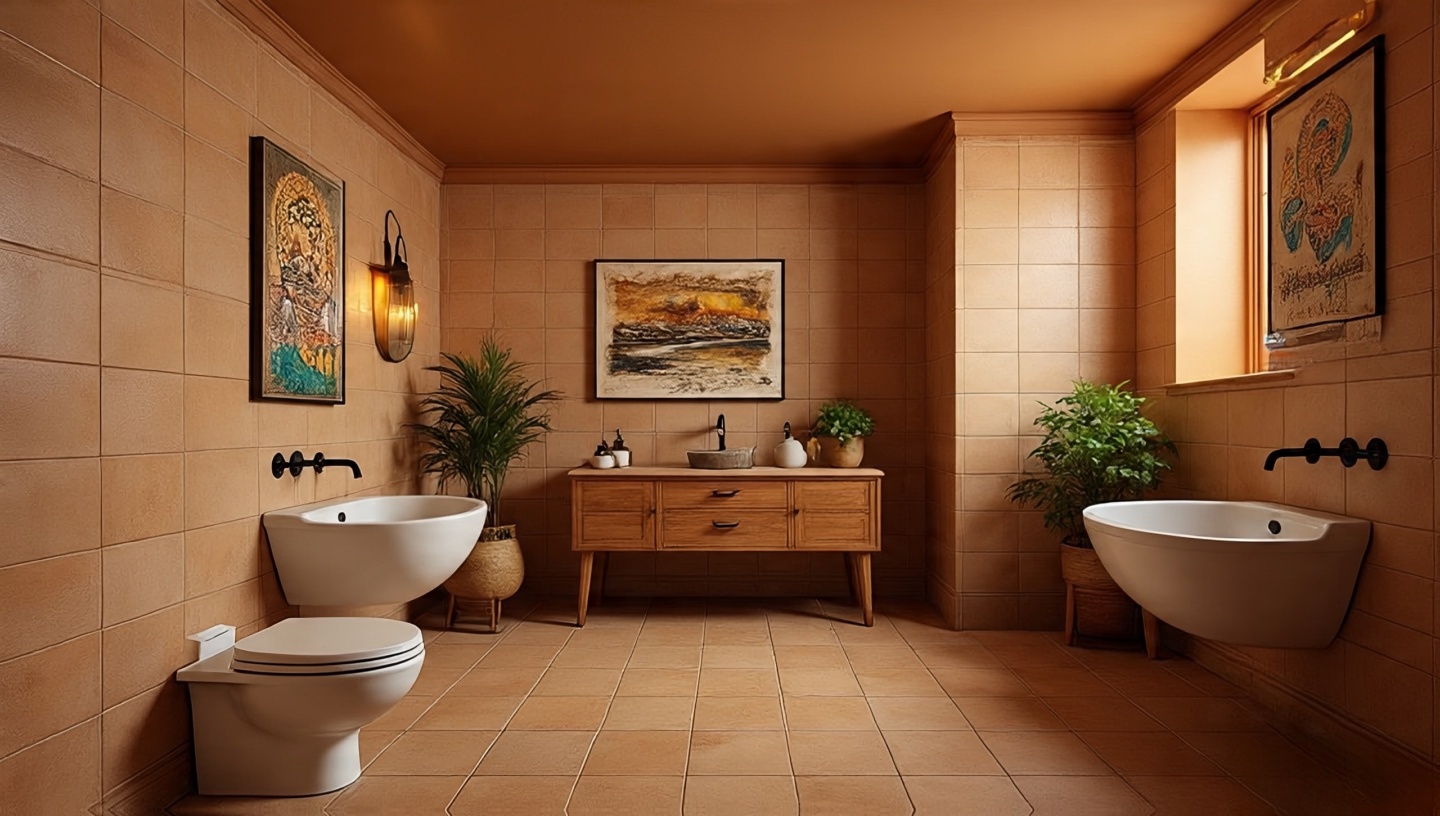
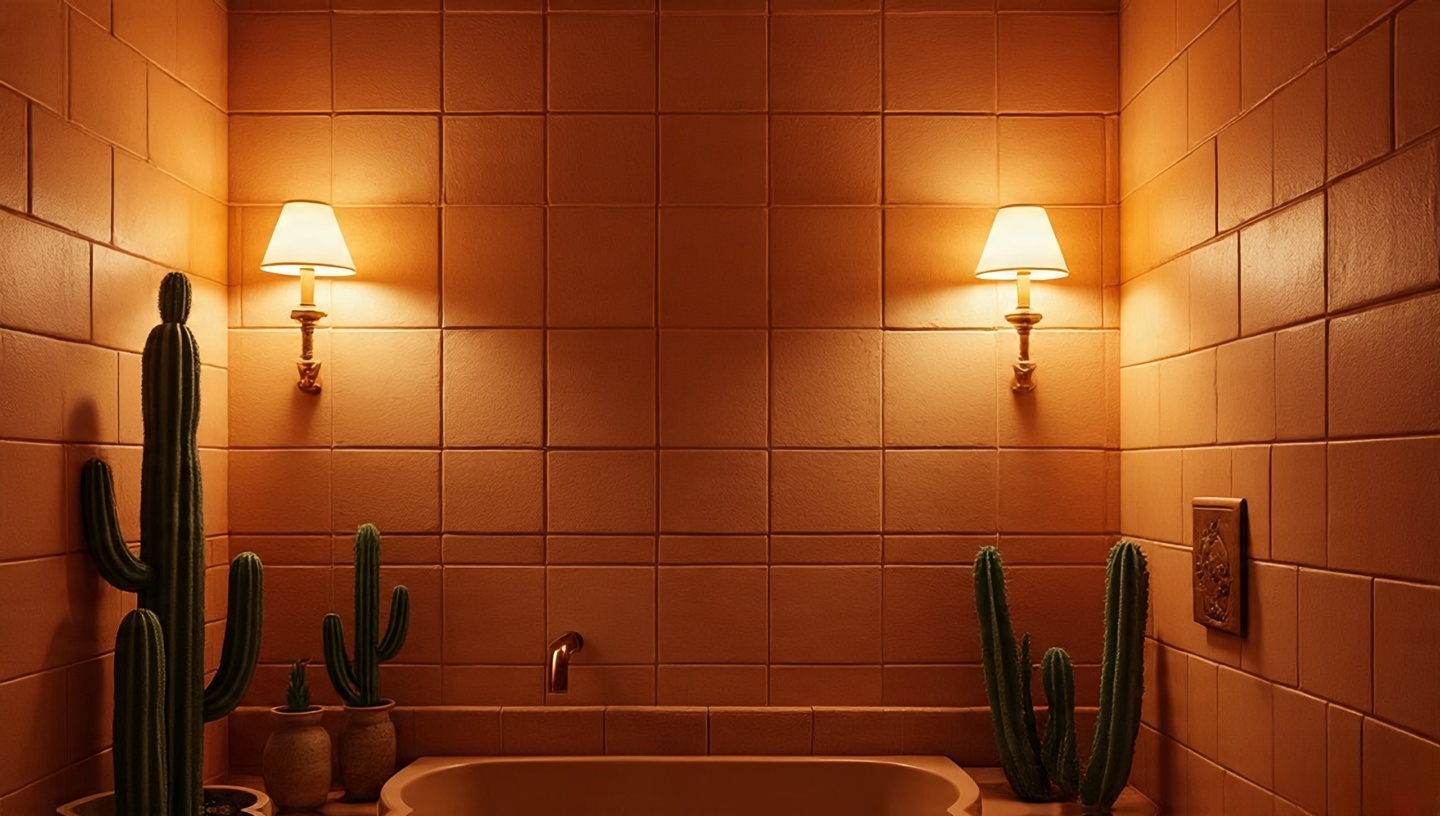
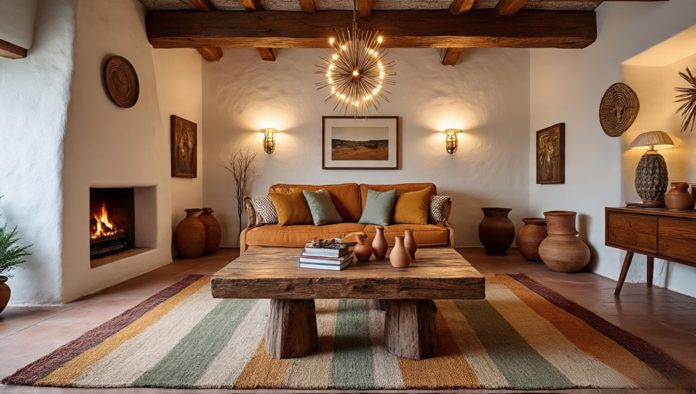
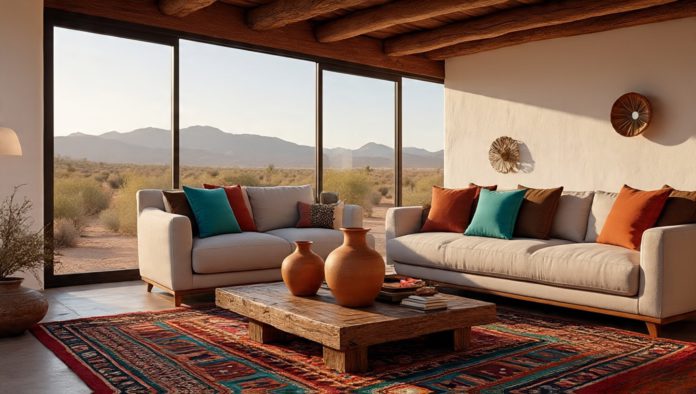
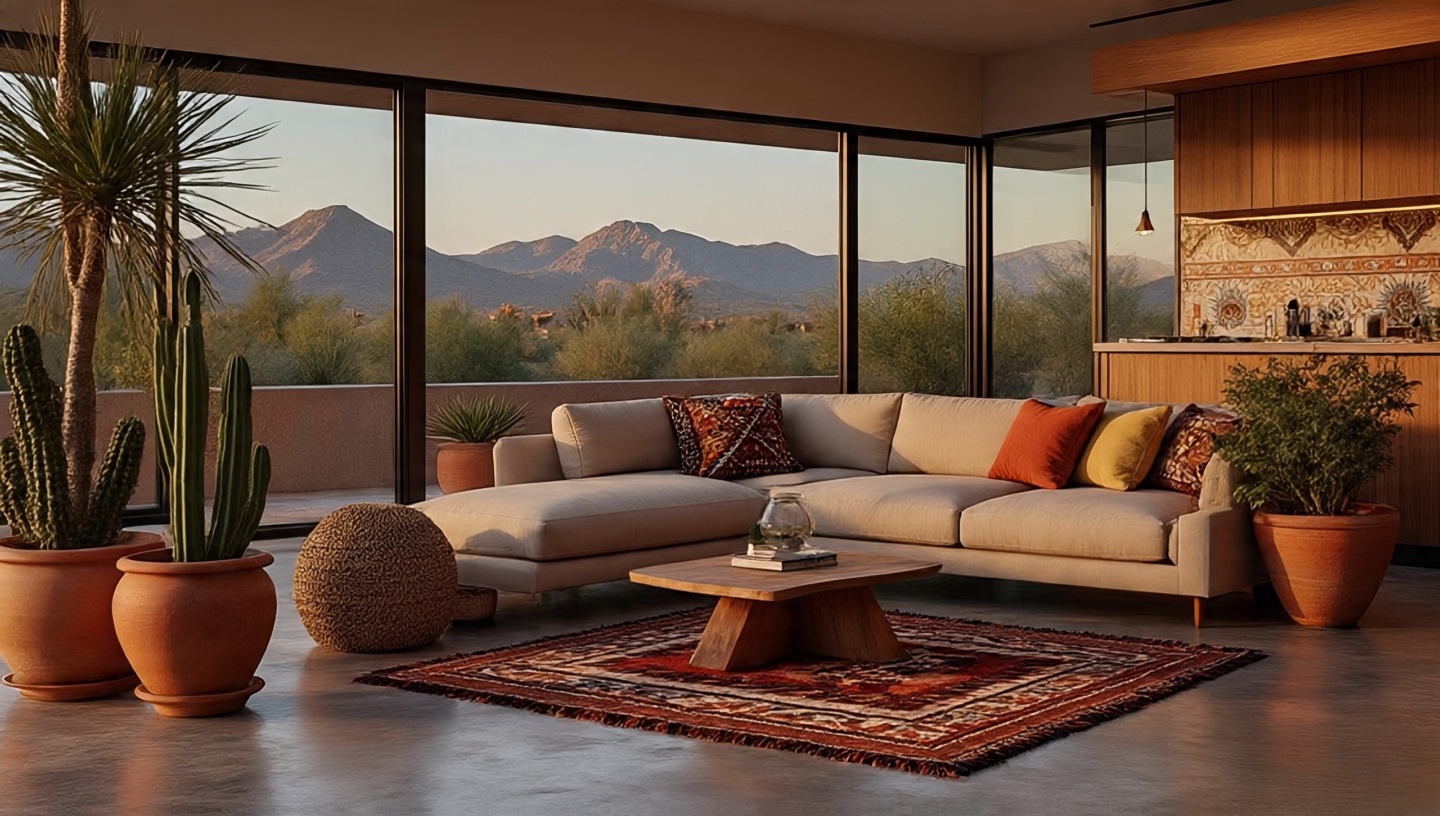
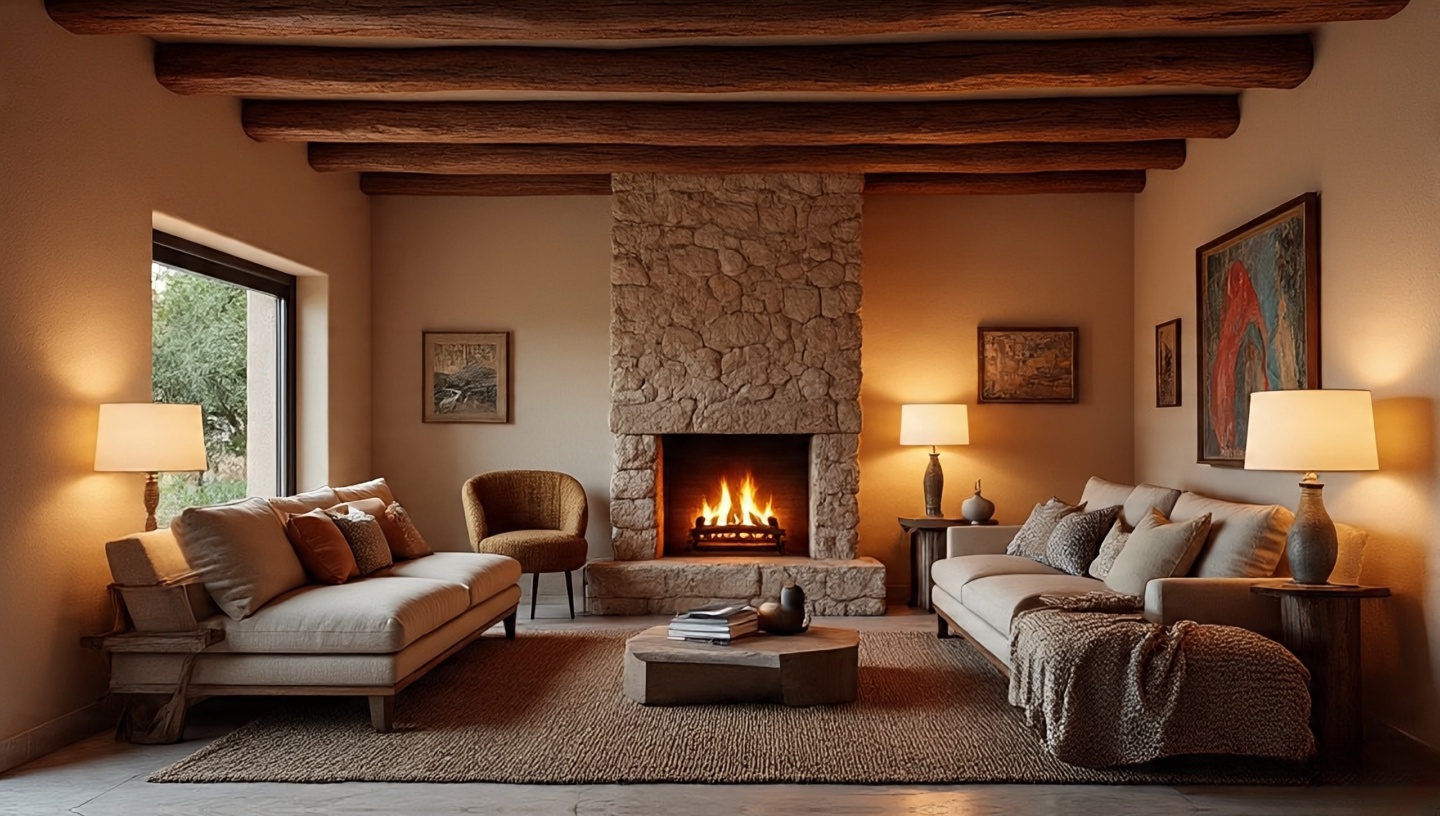
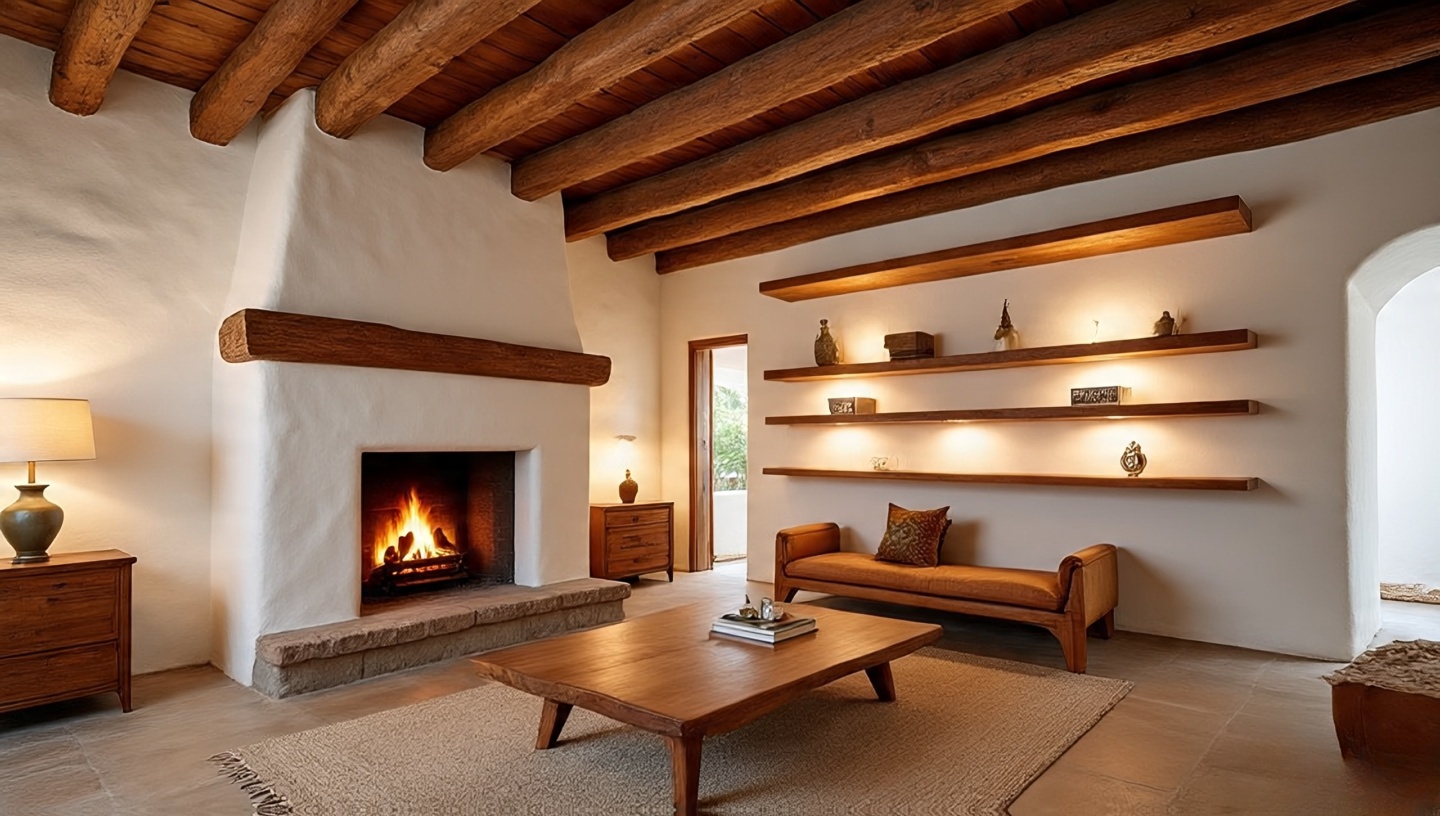 Before diving into sofas and pottery, let’s talk about structure. Southwestern living room ideas often begin with the architecture itself whitewashed walls, exposed wooden beams, maybe even kiva fireplaces. If you’re lucky enough to live in a home with those features, embrace them. Don’t try to hide the rustic charm; let it be the foundation. If not, you can still fake it with plaster-textured paint, reclaimed wood mantels, or even faux ceiling beams. A rustic home doesn’t have to be literal it can be suggested through textures.
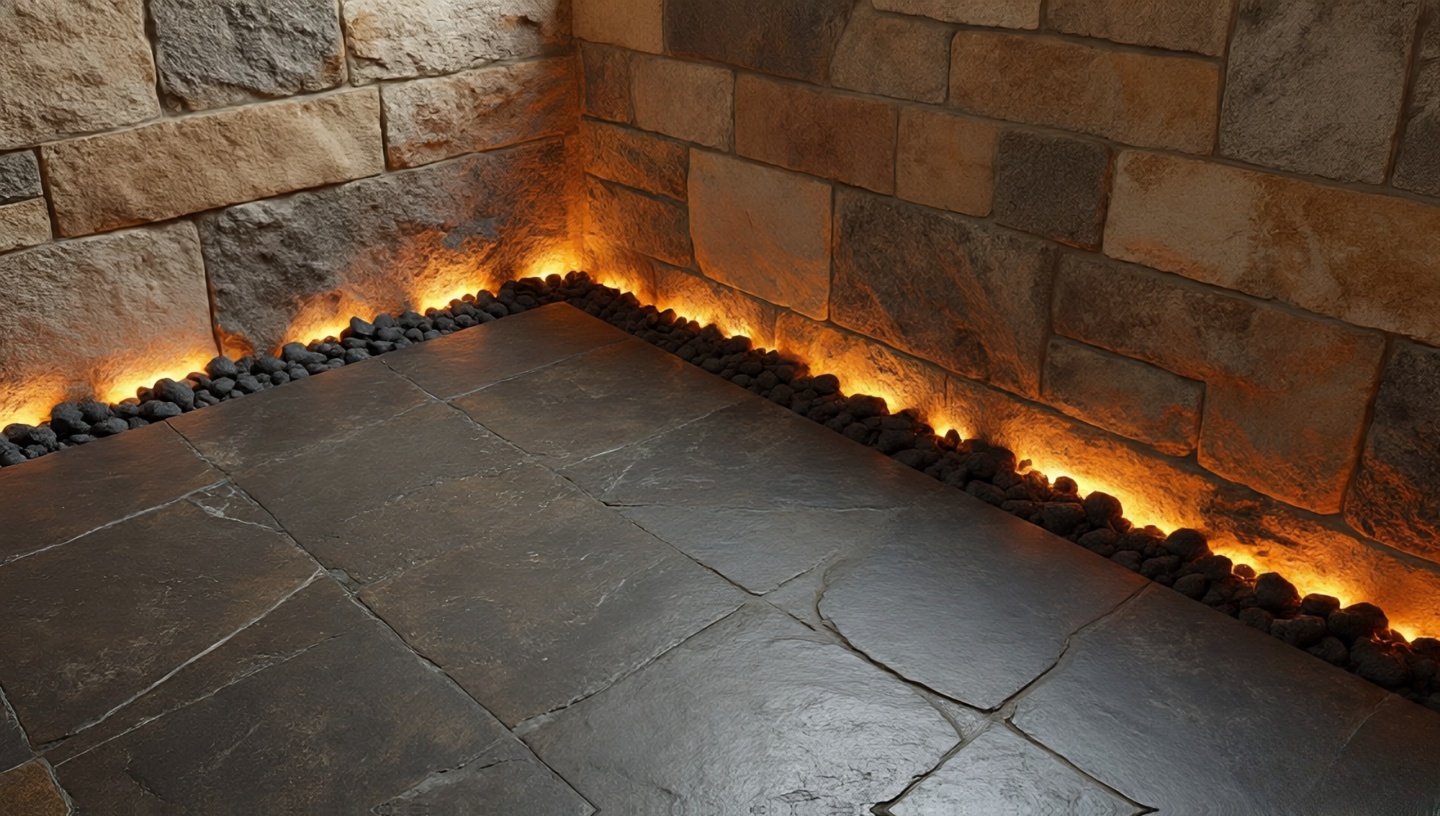
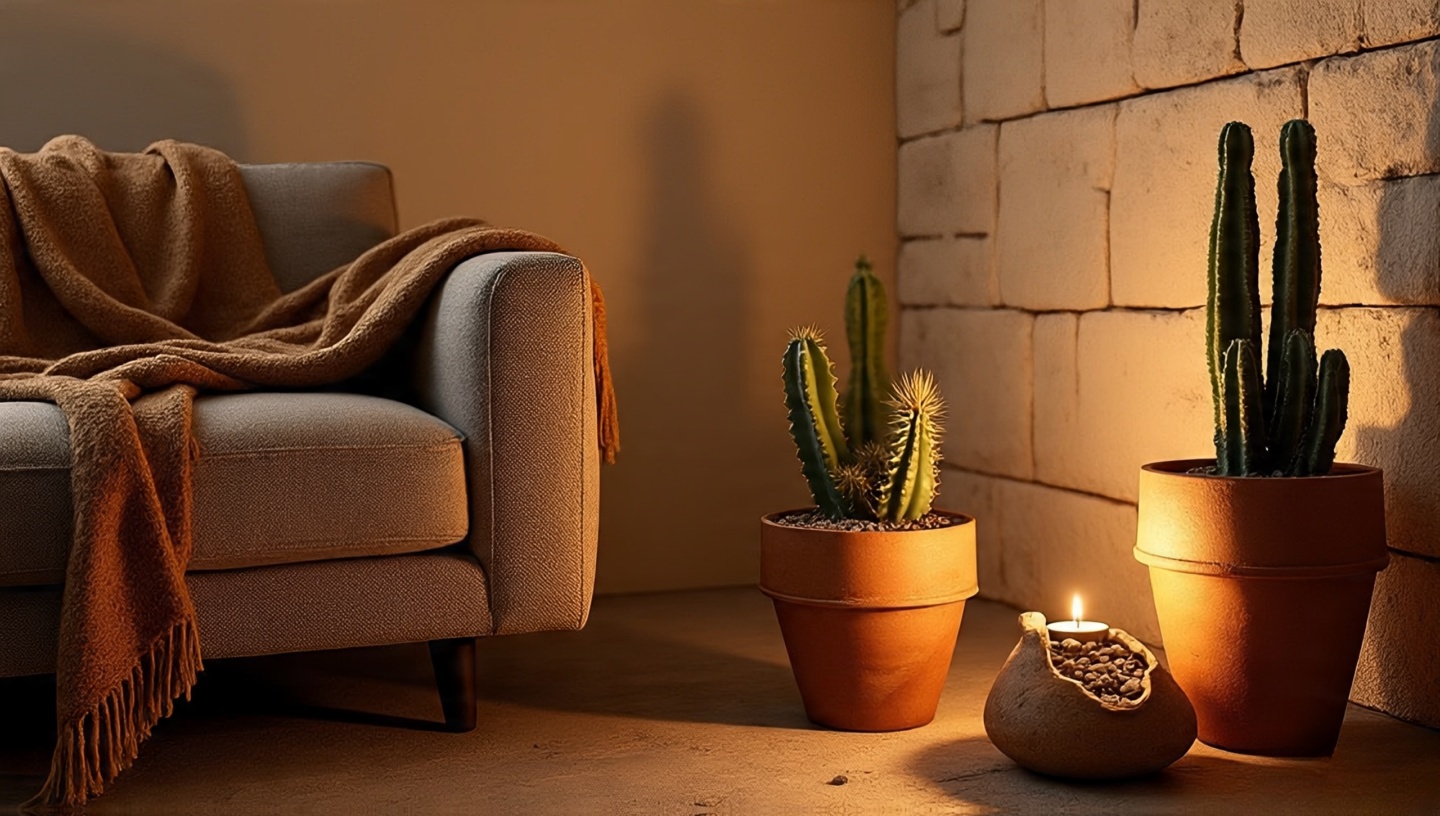 I remember once sitting by a fire pit outside a friend’s house in Arizona. The night was so still that you could hear every crackle of the wood. The lava rocks around the pit held the heat long after the flames died down. That kind of sensory detail warmth, silence, the smell of charred mesquite should inspire your living room too. Even if you’re in a city apartment, a few design cues (lava stone candle holders, terracotta planters, earthy wool throws) can bring that desert-inspired decor indoors. It’s not about copying the desert, it’s about channeling its mood.
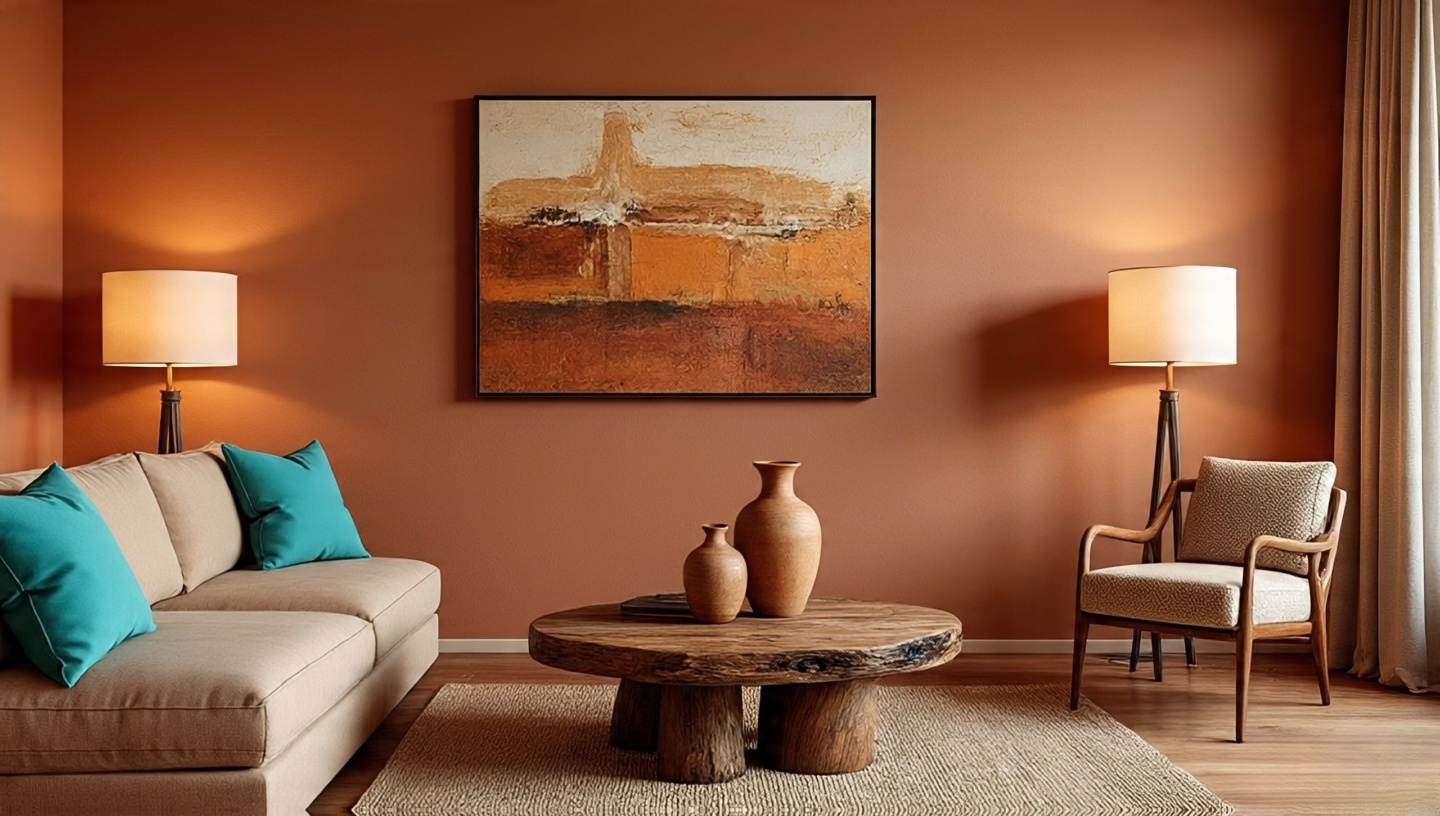
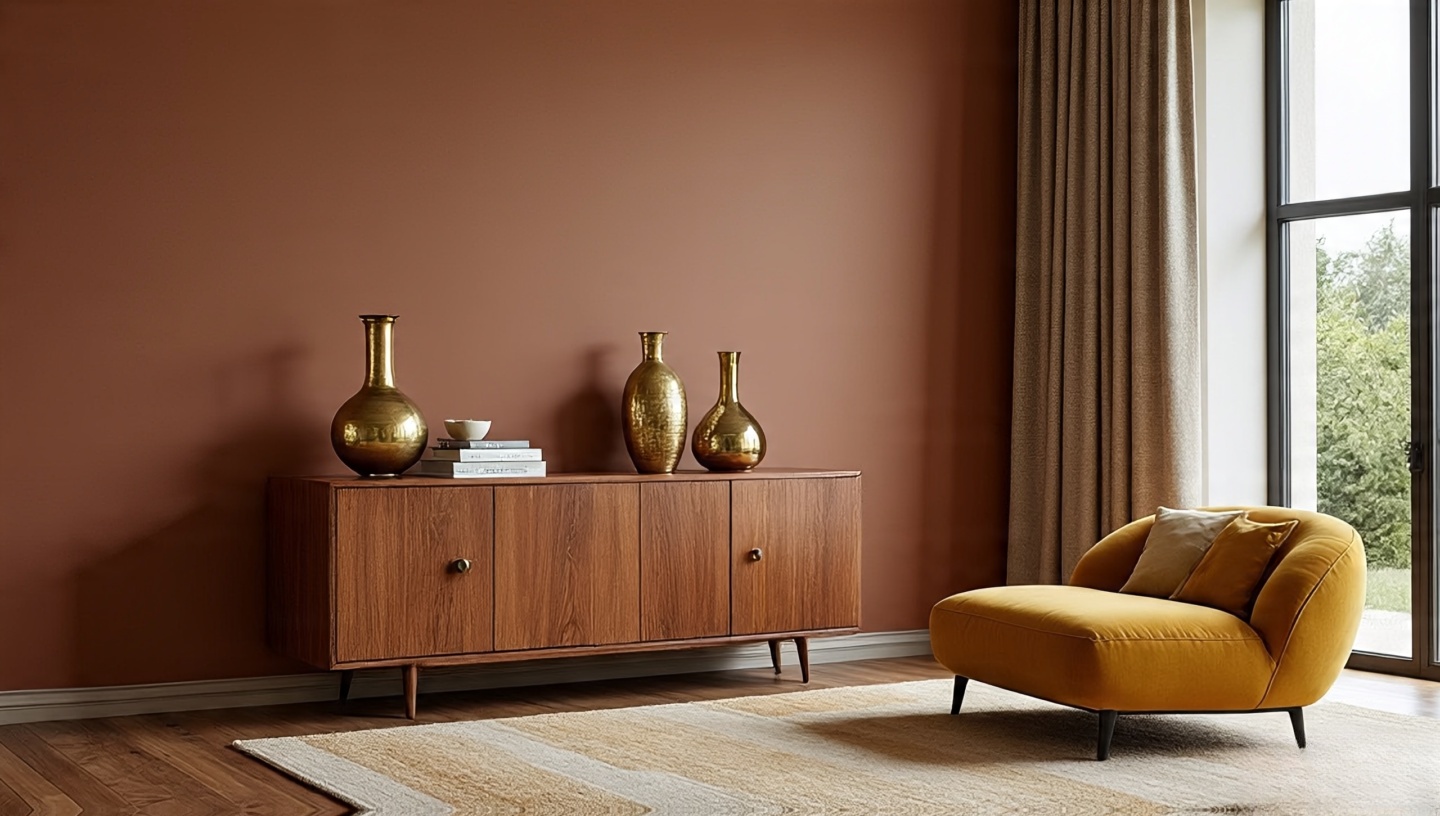 When in doubt, let your palette do the heavy lifting. Southwestern design thrives on earthy tones: terracotta, clay, dusty sage, sand, adobe pink. Mid-century modern leans toward mustard, olive, deep teal, and walnut brown. The overlap is beautiful. Imagine a muted clay wall paired with a sleek walnut credenza. Or a sandy rug with a mustard mid-century chair sitting on top. These earthy tones in a living room make the space feel cohesive, while the contrast keeps it interesting.
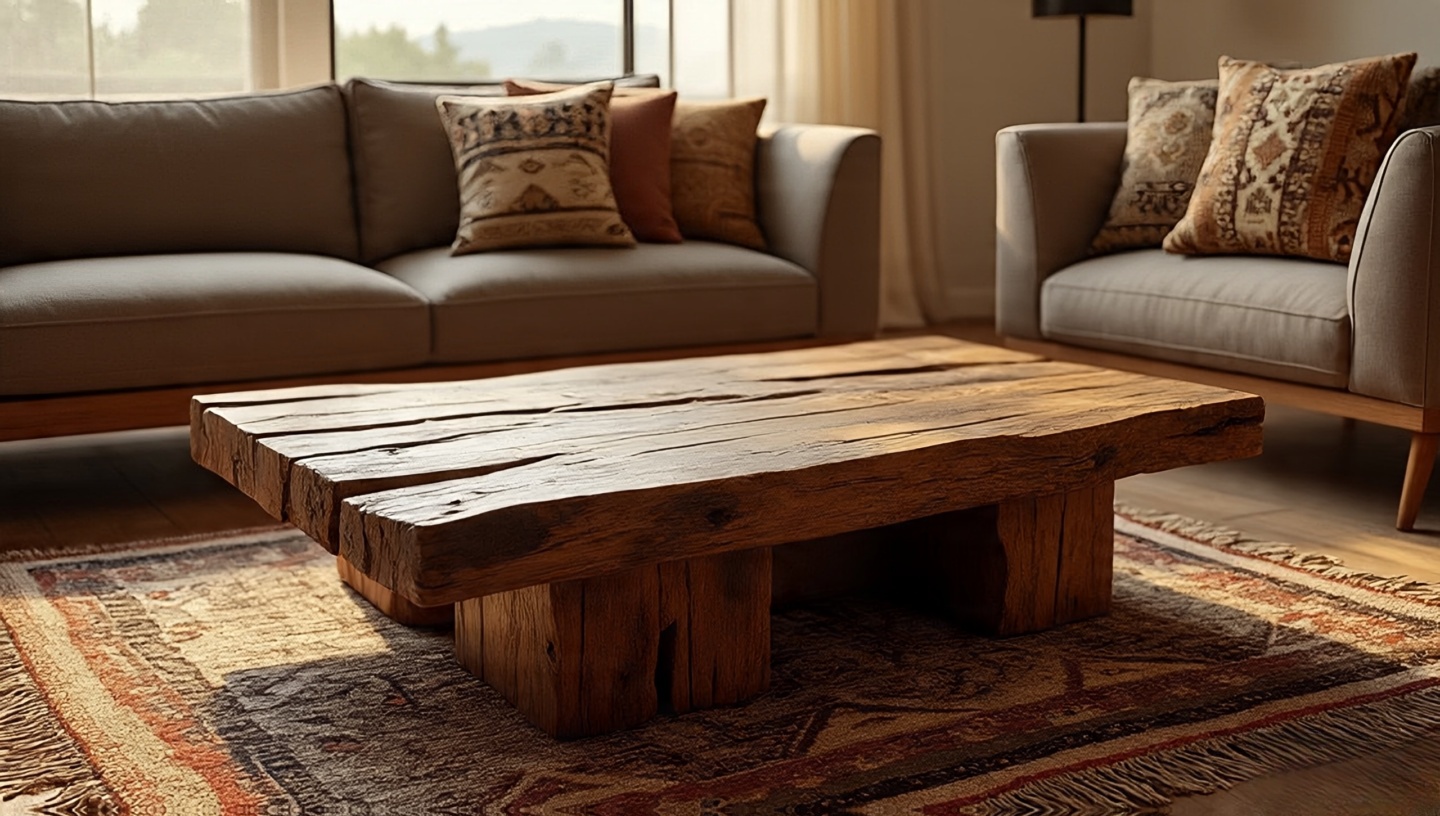 Mid-century furniture is all about clean lines, tapered legs, and proportions that sit low to the ground. Southwestern pieces tend to be heavier, rustic, sometimes carved, often raw. The trick is balance. Don’t go heavy on both. If you’ve got a chunky Southwestern coffee table made of reclaimed wood, pair it with a sleek mid-century sofa. If you love a big leather sectional, keep your side tables and chairs light and modern.
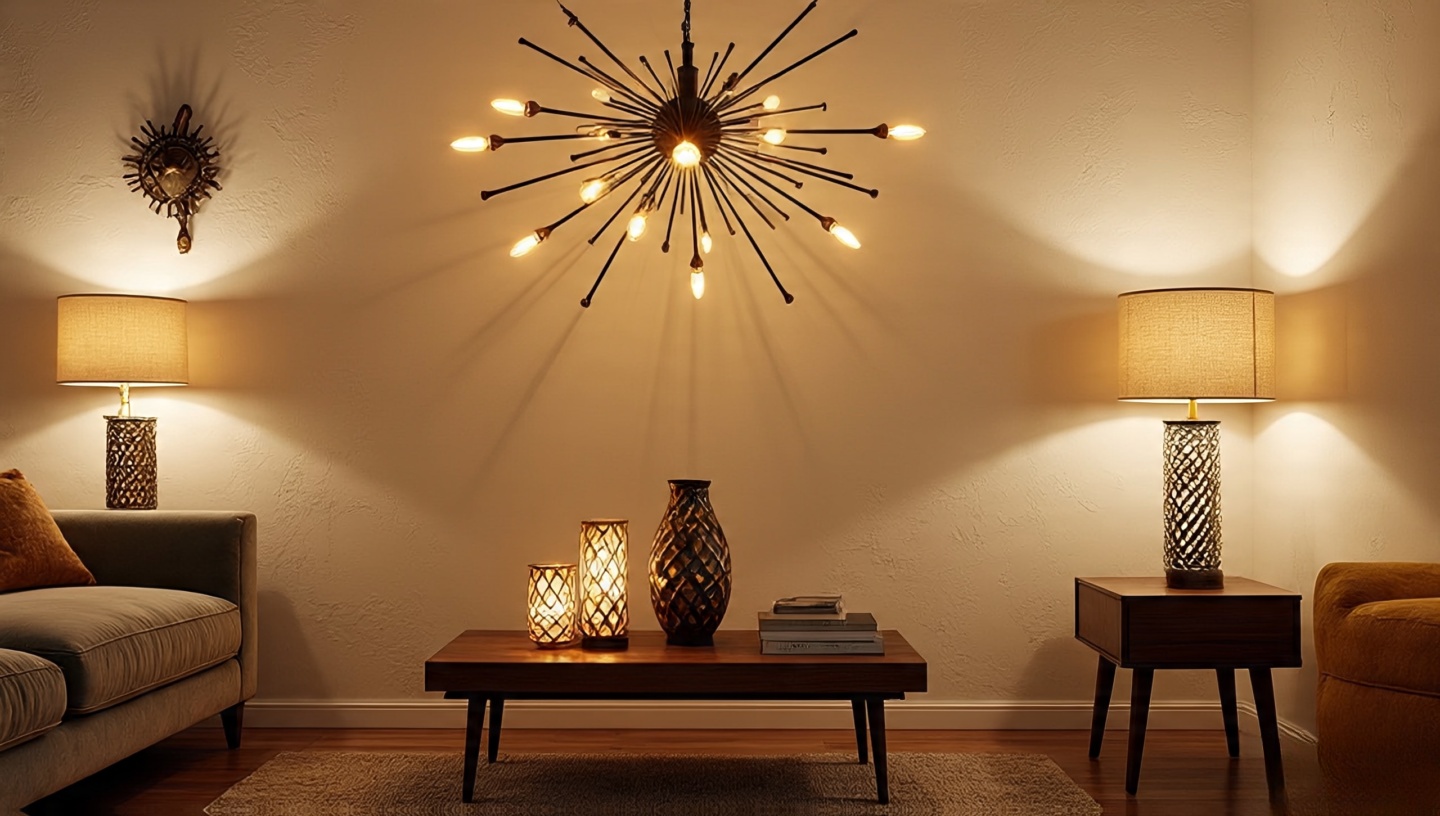 Lighting is often where people go wrong. Too many harsh overheads, and suddenly your rustic home feels sterile. Too much soft lamp light, and your clean mid-century design looks muddled. Layered lighting is the answer. Think wrought-iron sconces (very Southwestern) paired with a Sputnik chandelier (quintessential mid-century). Add a ceramic table lamp with a linen shade. The mix keeps the space dynamic while creating a warm glow reminiscent of firelight.
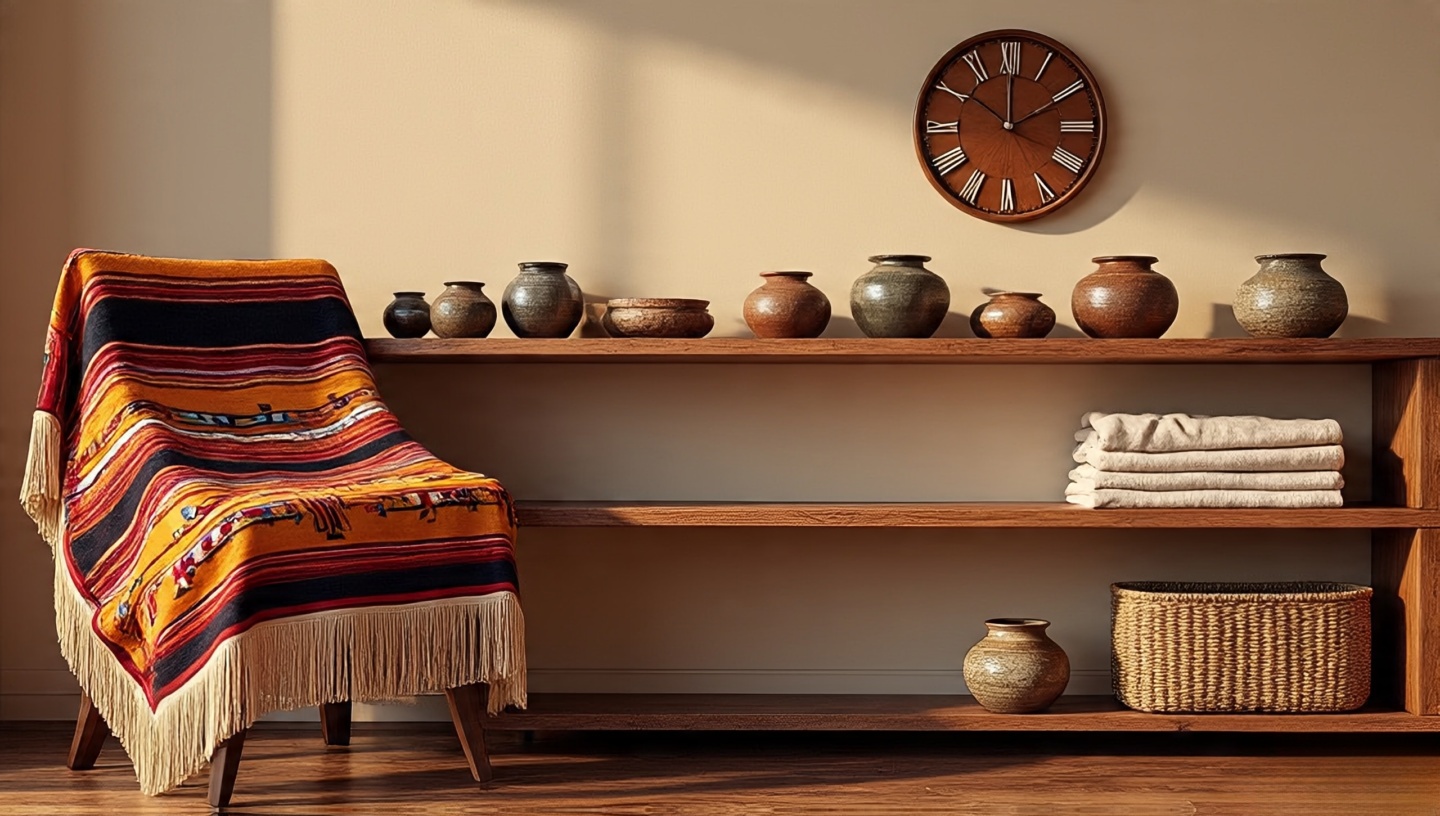 This is where restraint comes in. It’s easy to overdo Southwestern living room ideas suddenly your space looks like a gift shop in Santa Fe. Keep it simple. A few statement pieces: a Navajo textile draped over a chair, a ceramic pot with rough edges, maybe a vintage mid-century clock on the wall. Less is more, but each piece should feel intentional.
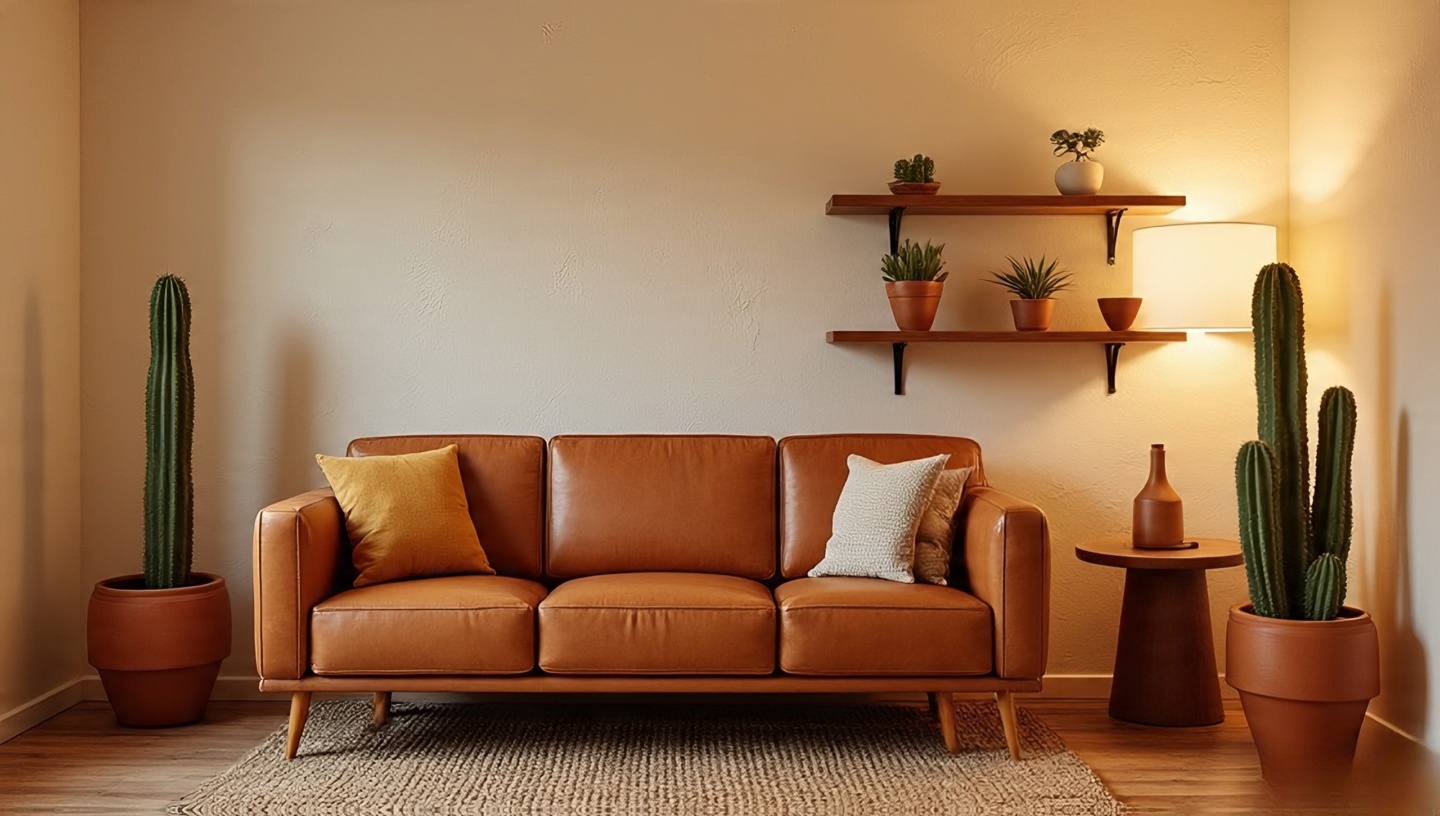 Worried that your apartment is too small for such a bold mix? Don’t be. Southwestern style works beautifully in compact spaces because it’s rooted in essentials texture, warmth, atmosphere. Pair that with the efficiency of mid-century design, and you’ve got a winning combo. If you want tailored advice, check this guide on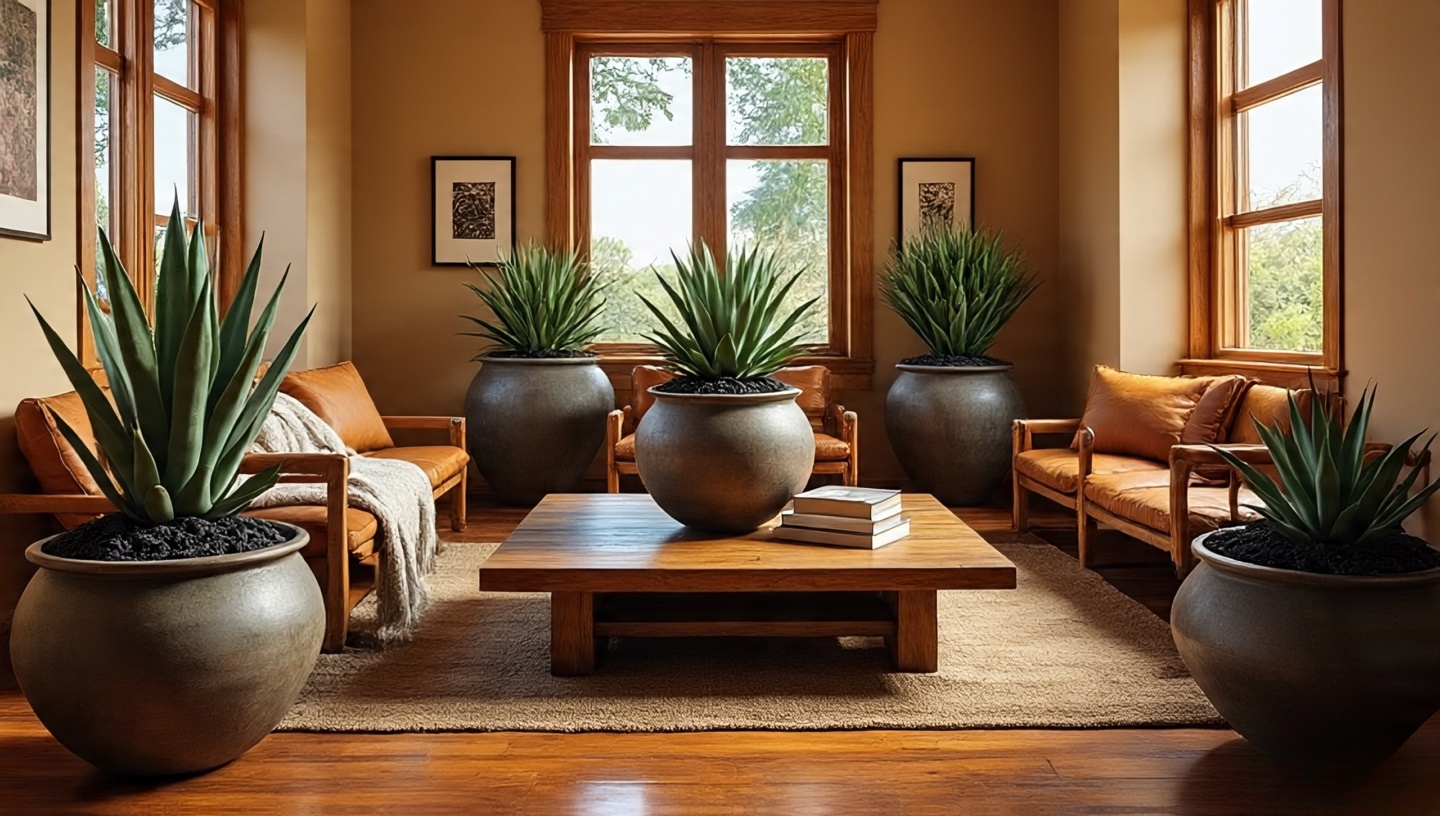
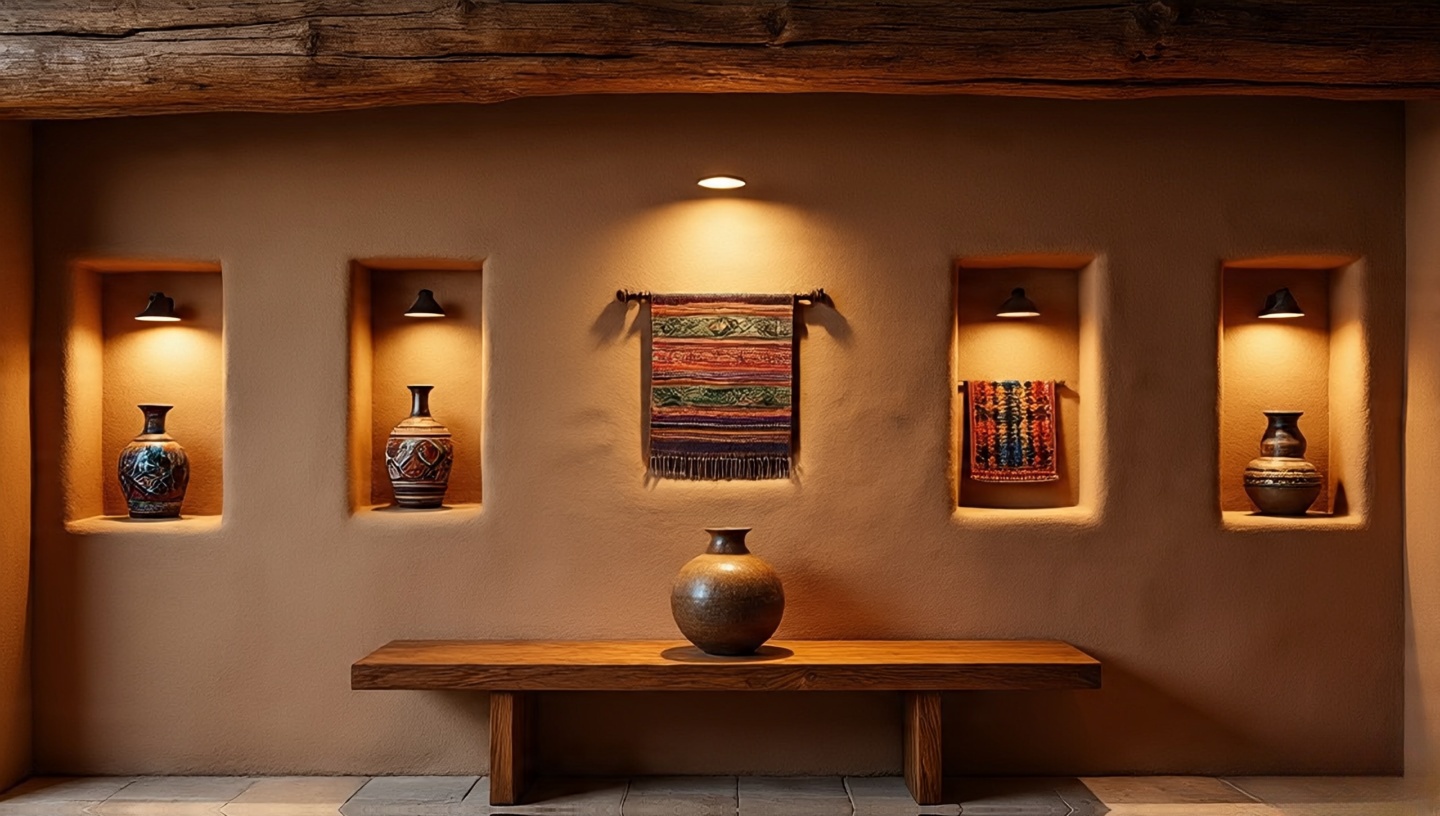 Southwestern style isn’t just about pretty rugs and pottery. It’s deeply tied to place and culture. Pueblo Revival architecture in New Mexico, adobe missions in Arizona, and the vibrant textile traditions of Indigenous communities all shape what we now call “Southwestern.” When you bring those ideas into your home, it’s worth remembering their roots. Meanwhile, mid-century modern has its own cultural story postwar optimism, a fascination with space-age geometry, and a belief in clean, democratic design. When you layer the two, you’re layering histories as much as styles.
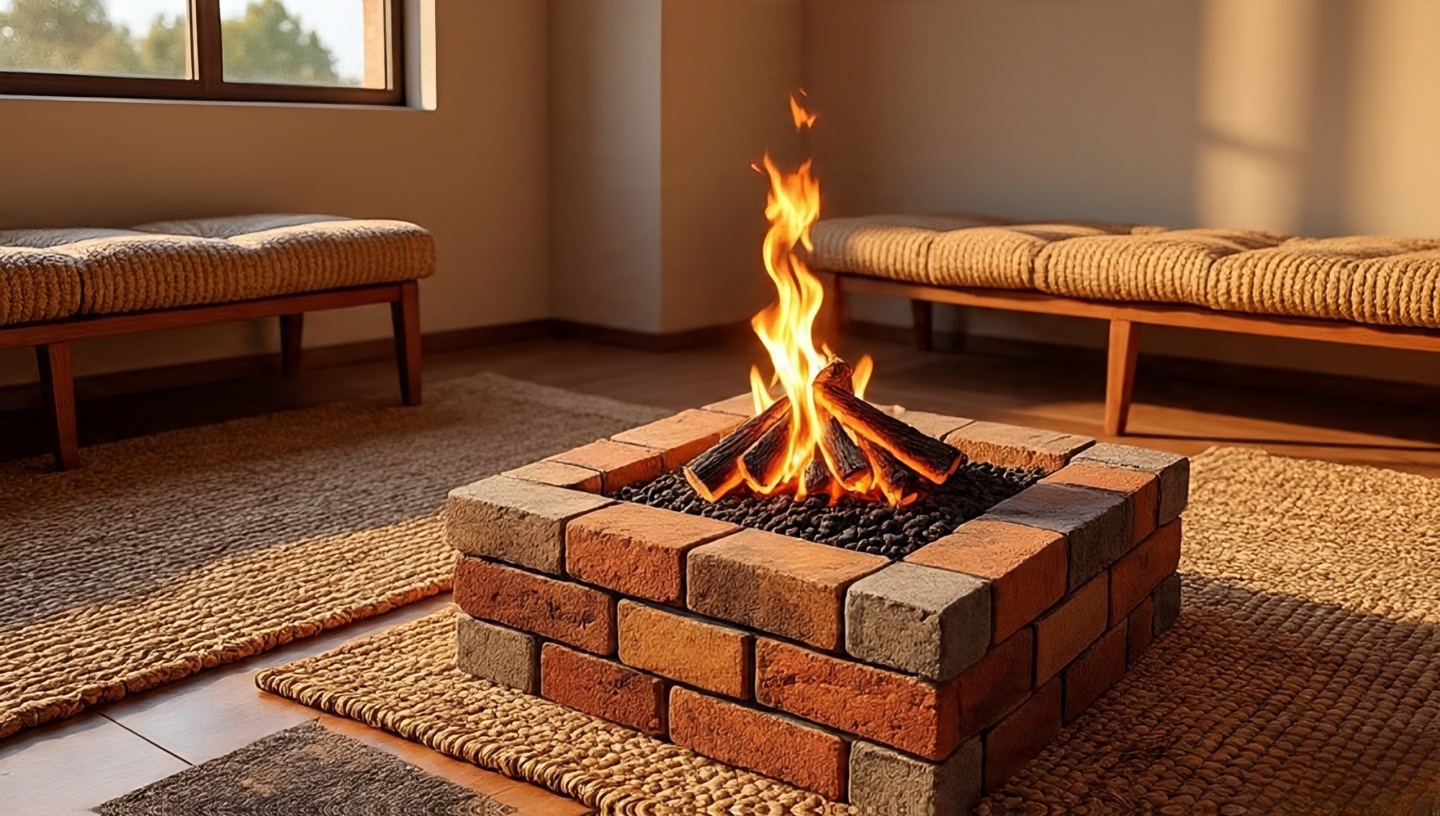 Sometimes I think about my neighbor who built his own backyard fire pit using old bricks and lava stone. It wasn’t perfect some bricks were crooked, and the smoke always drifted toward his house but it became the heart of his gatherings. That’s the essence of mixing Southwestern with mid-century: it doesn’t have to be perfect. It just has to feel authentic, warm, and lived-in. Ever sat outside at night and felt the desert silence wrapping around you? Bring a little of that into your living room, and you’ll never regret it.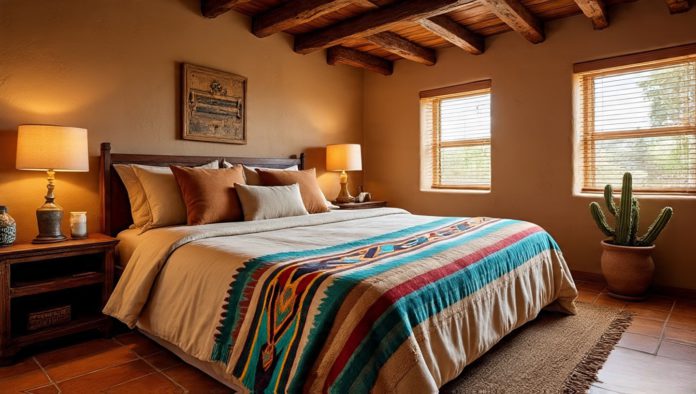
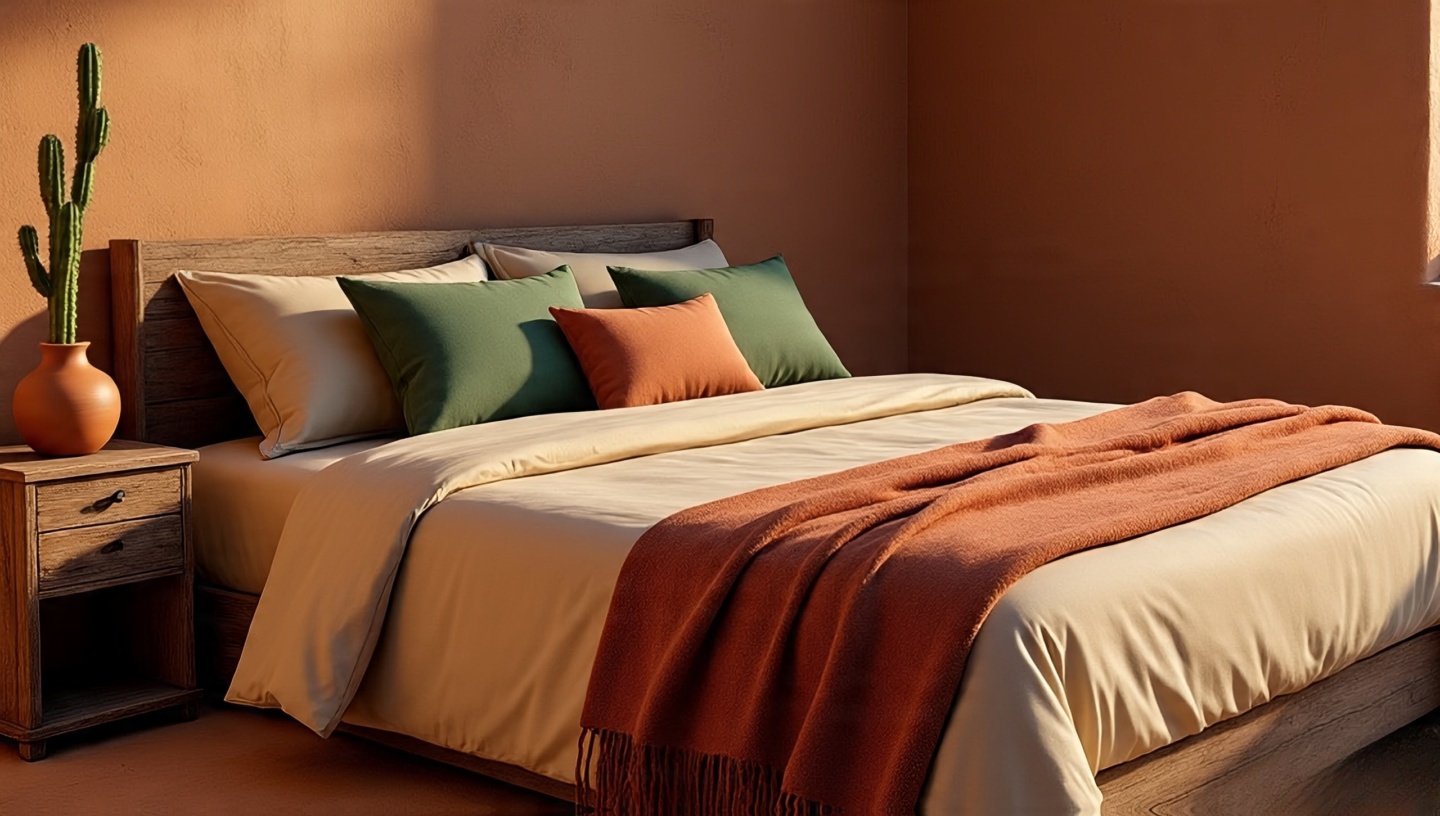 There’s a reason cotton has been a staple for centuries. Lightweight, breathable, and easy to layer, cotton bedding makes sense in Southwestern bedrooms where the climate can shift between hot days and chilly nights. But not all cotton is created equal. Go for long-staple cotton like Egyptian or Pima for softness, or organic cotton if you care about eco-friendly choices.
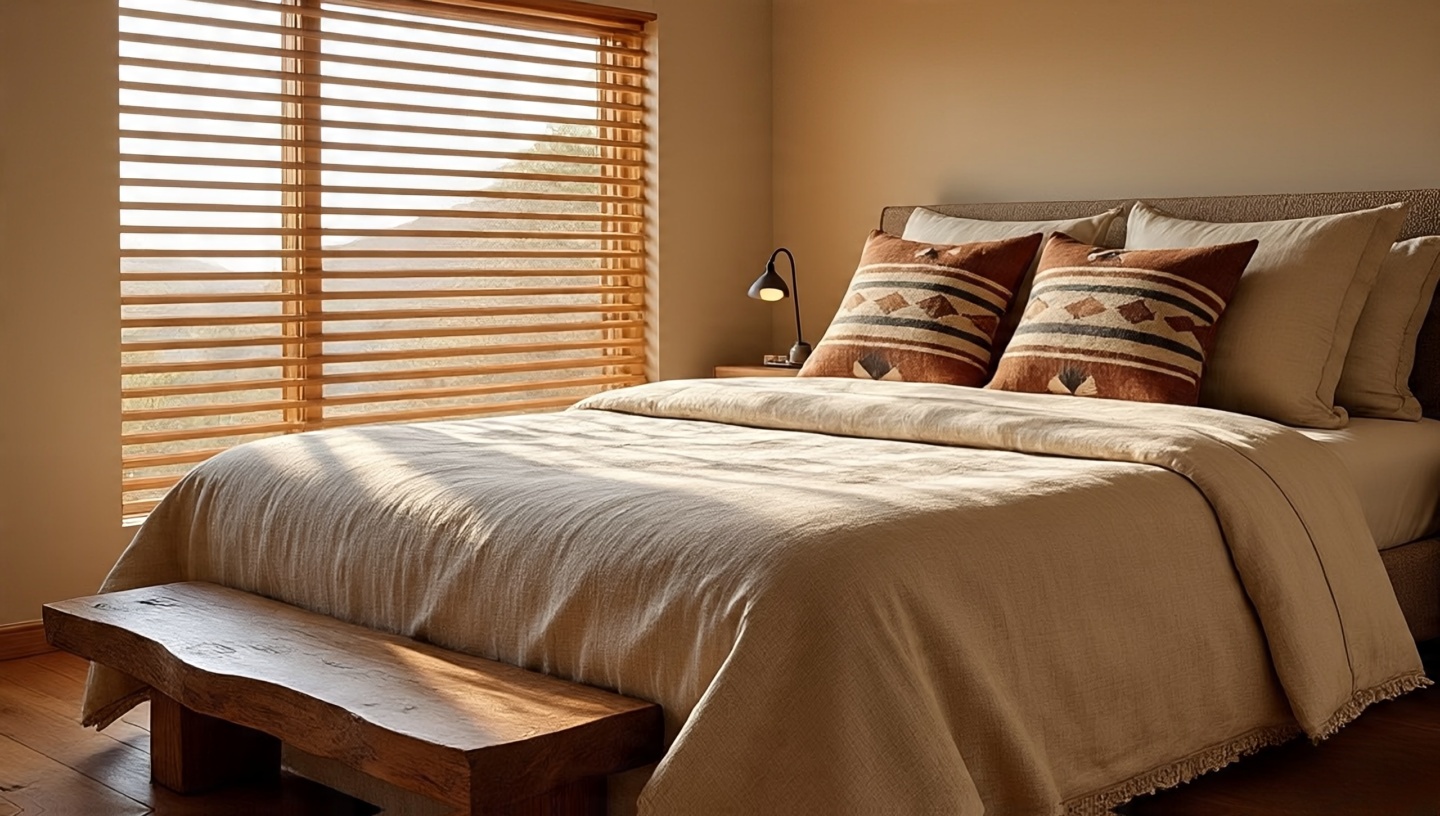 If cotton feels like the reliable friend, linen is the one with a little edge rougher texture, a natural wrinkled charm, and perfect for evoking rustic home style. Linen is highly breathable, which is great if you live in desert climates where nights are cool but the air is dry.
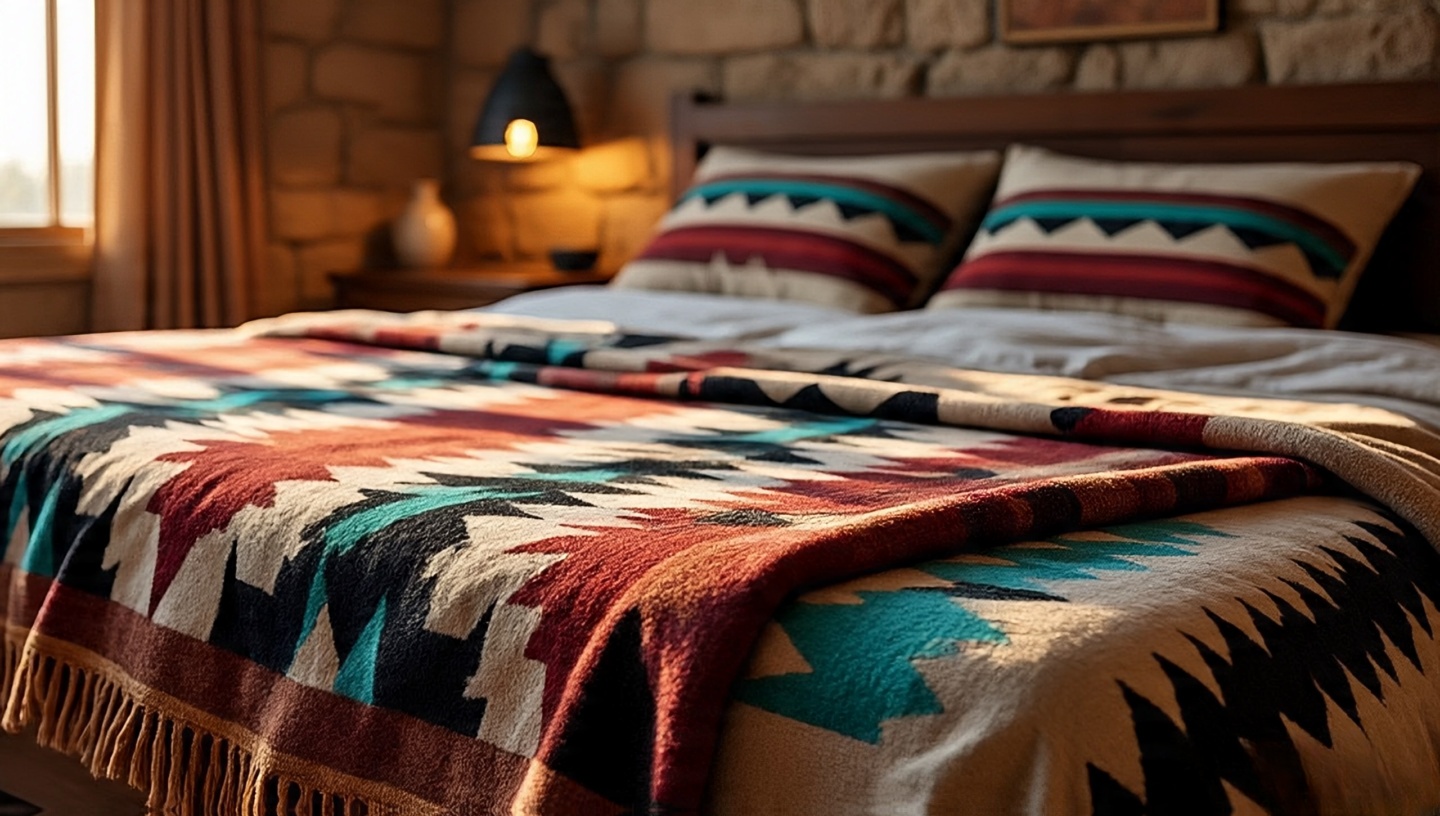 No discussion of Southwestern bedding would be complete without wool. Wool blankets especially those inspired by Navajo or Pendleton patterns carry cultural depth and visual drama. They bring in bold geometry and desert-inspired decor while still being practical for cooler nights.
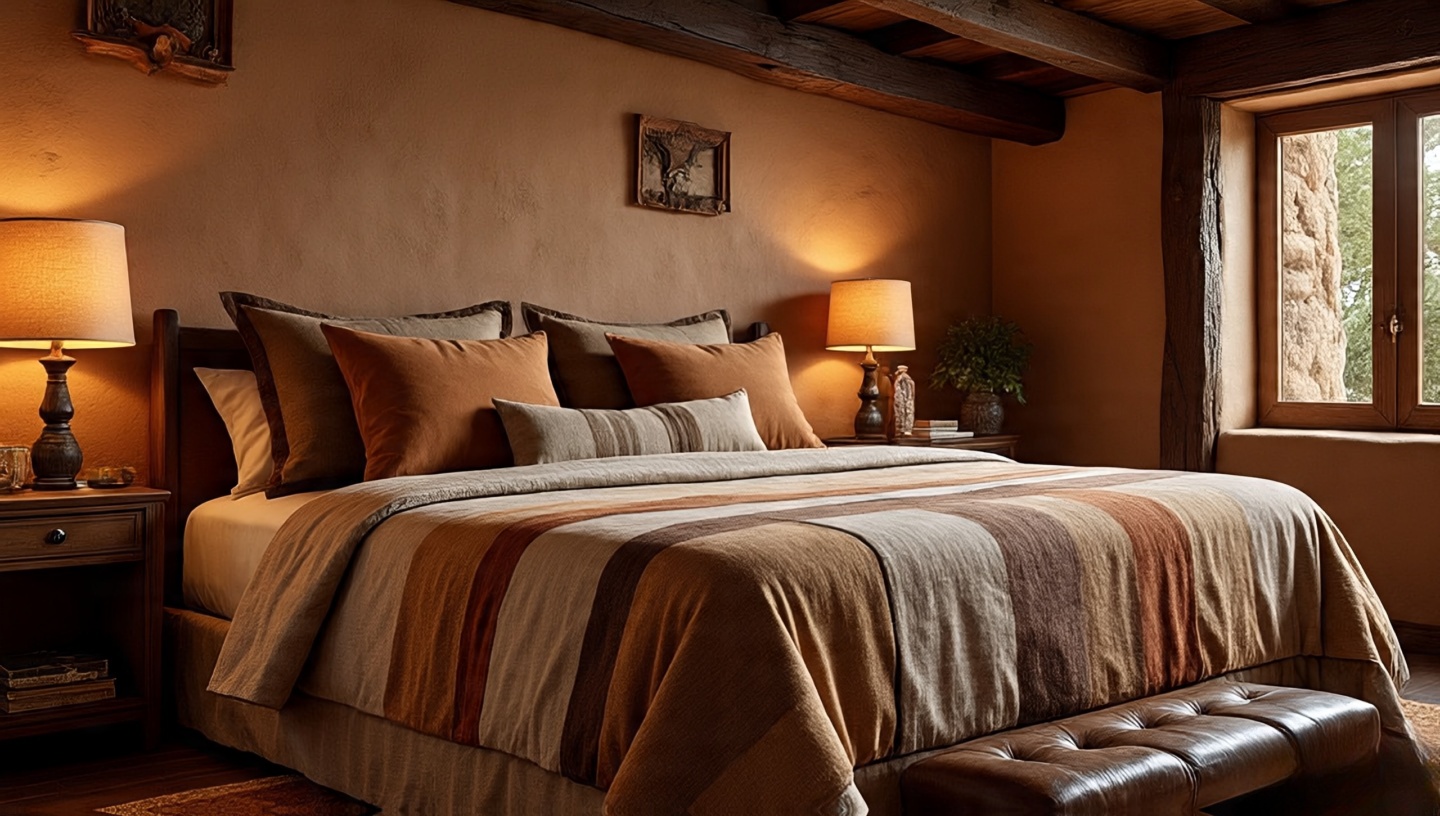 Now, you’re probably not going to sleep under a leather blanket (though I wouldn’t put it past some bold interior designer). But touches of leather or suede in your bedding maybe in pillow shams or bed runners create an earthy, tactile connection to Southwestern design. They echo the feel of saddle bags, boots, and rustic home furniture.
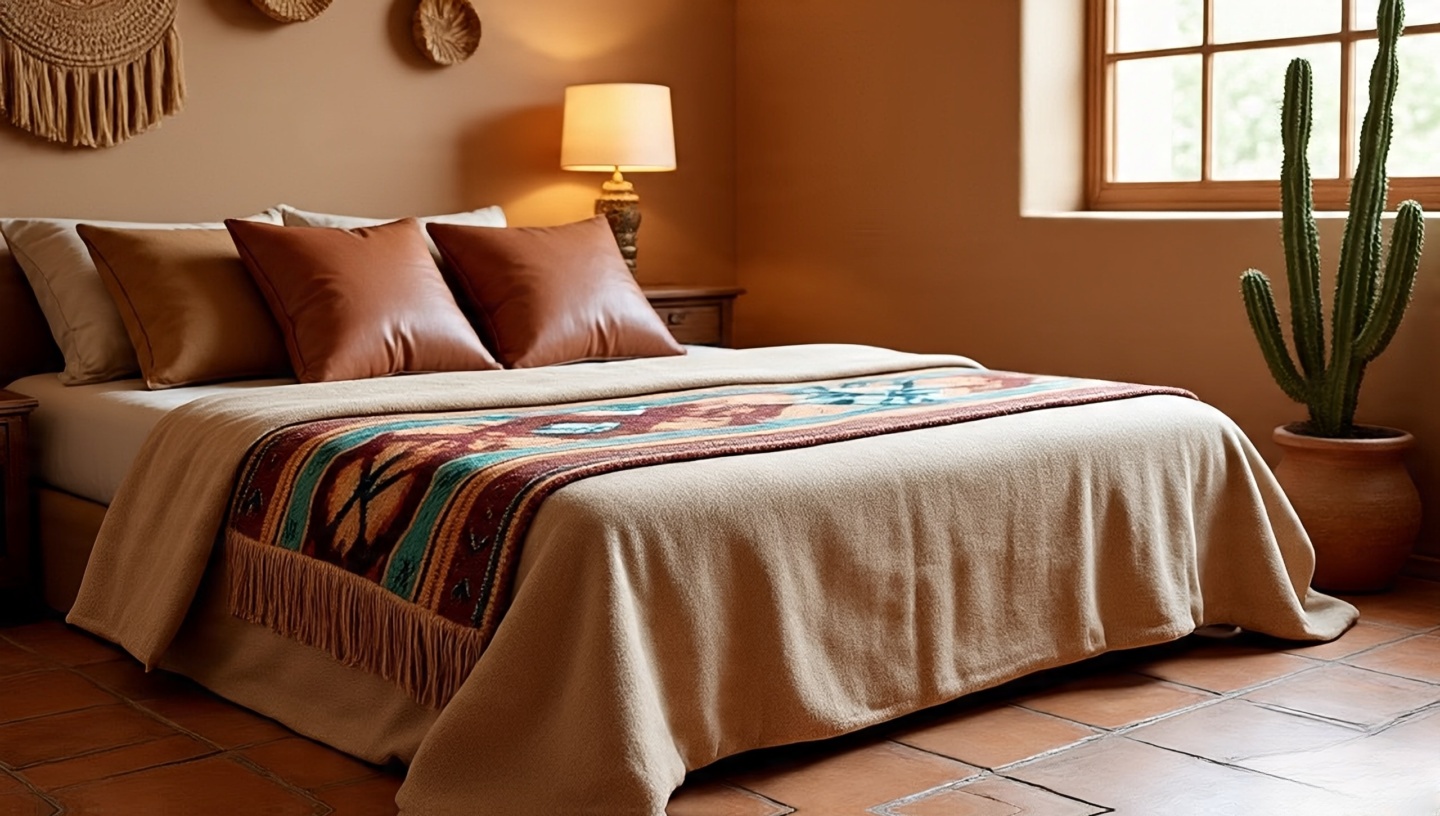 Materials matter, but colors seal the deal. A Southwestern bedroom thrives on earthy tones living room vibes burnt orange, terracotta, muted turquoise, sand, and cactus green. Bedding materials should echo that palette without feeling too staged.
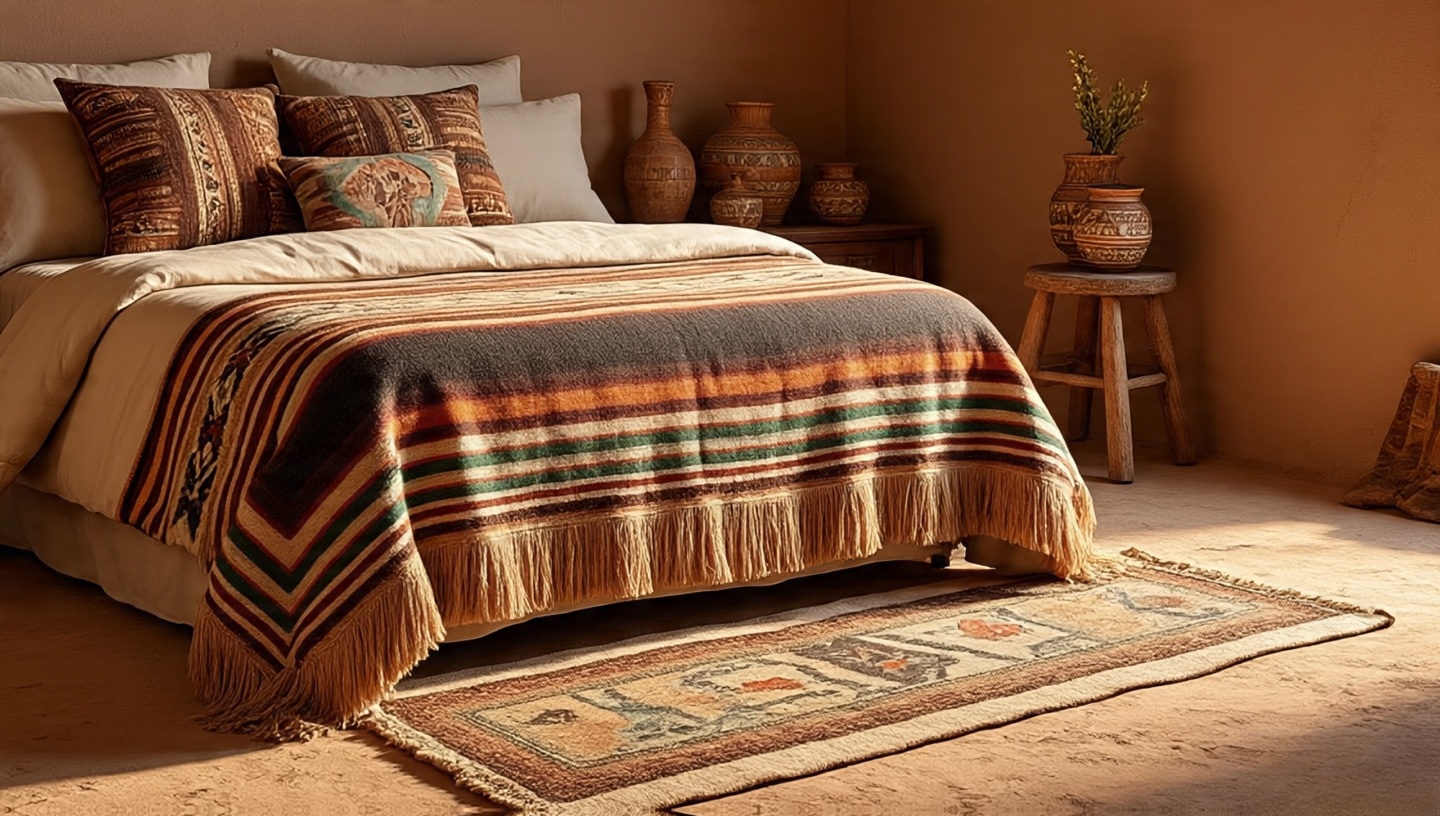 Many Southwestern patterns are inspired by Native American traditions, particularly Navajo weaving. If you’re purchasing patterned bedding, try to buy from Indigenous artisans when possible. Not only do you get authentic craftsmanship, but you also support the cultural roots that make Southwestern style so powerful. Authenticity always feels better than mass-produced imitations.
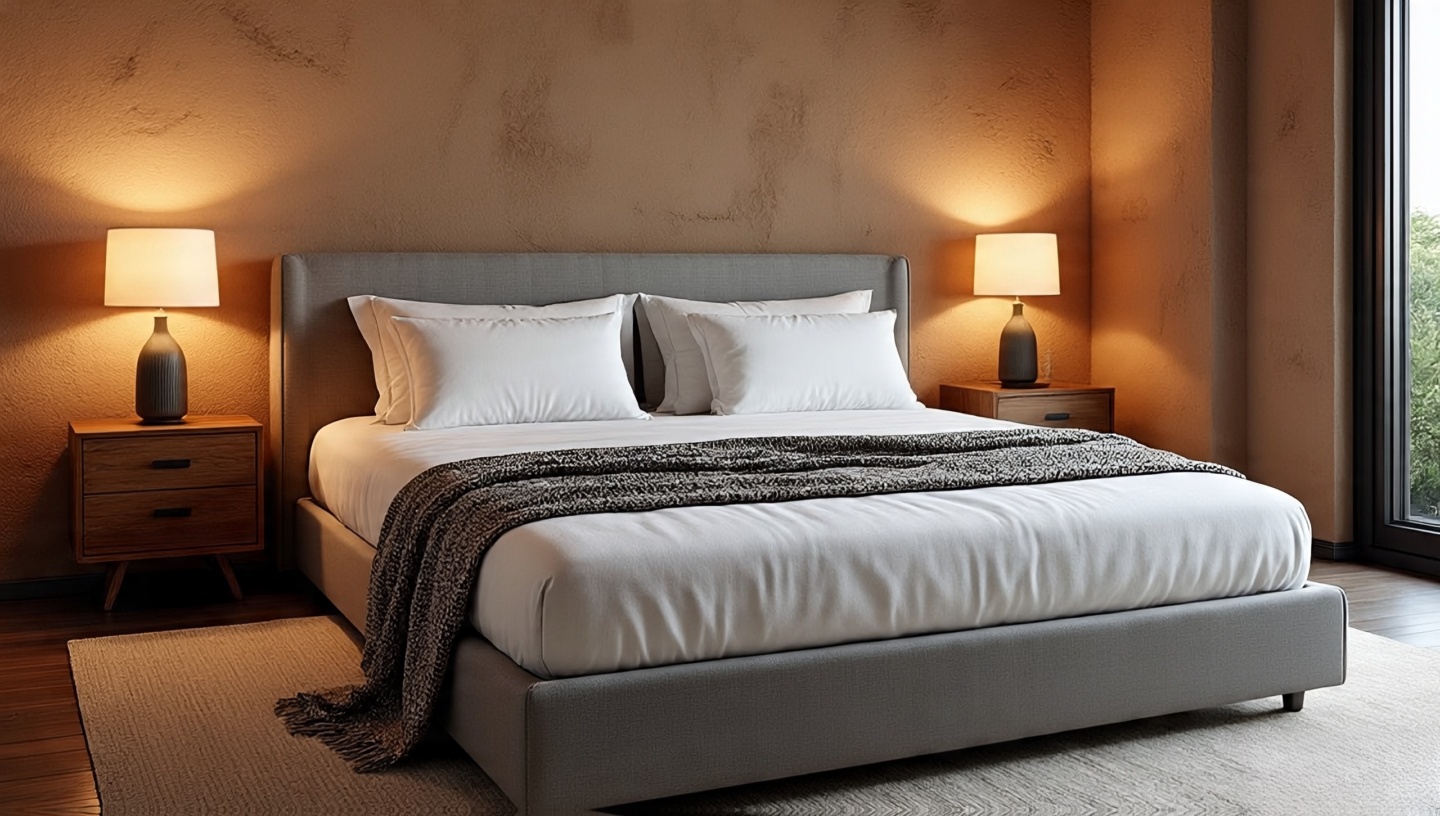 One of my favorite tricks is blending modern materials with rustic textures. A memory foam mattress (modern comfort) topped with a linen duvet (rustic soul) strikes that balance. Too much rustic and you risk discomfort. Too much modern and you lose the Southwestern spirit. Think of it like making salsa: you need both the smoky roasted peppers and the fresh cilantro to make it sing.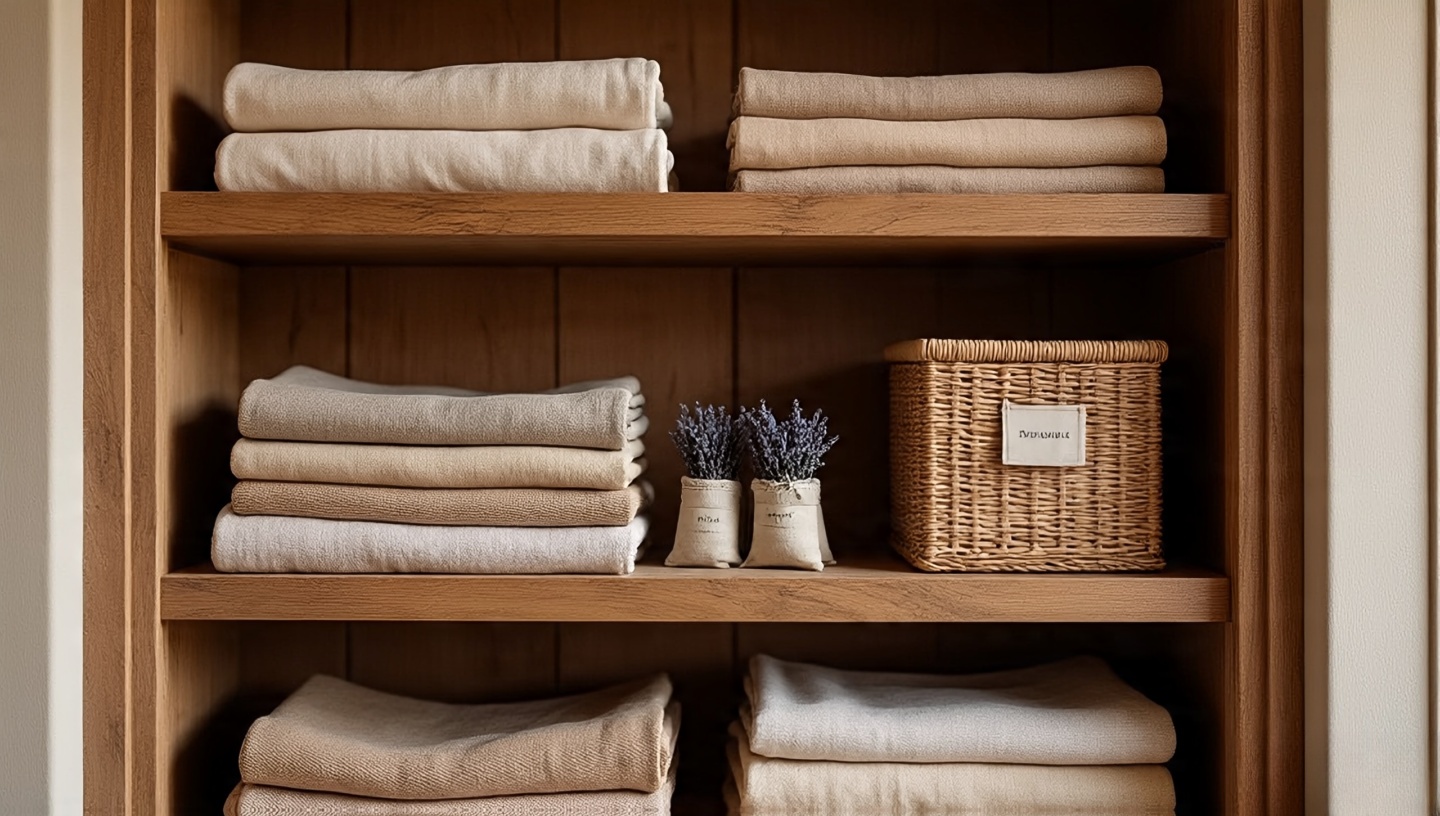
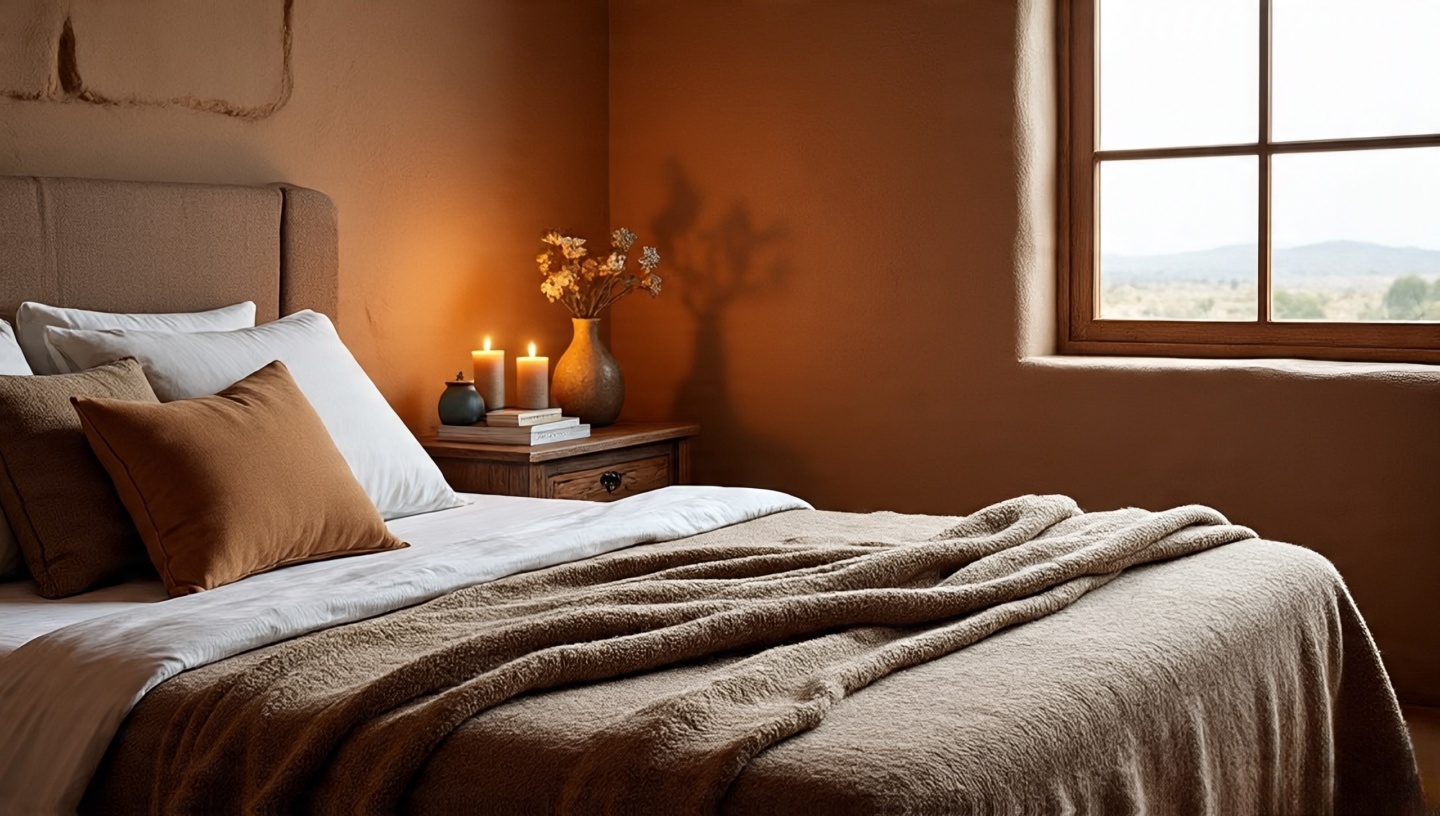 I love asking myself this: what would the desert bring inside if it could? Maybe it’s the muted pink of a sunset. Maybe it’s the rough feel of sandstone under your hand. Maybe it’s just that silence, the kind you only hear in wide open spaces. Bedding materials become the canvas for these feelings.
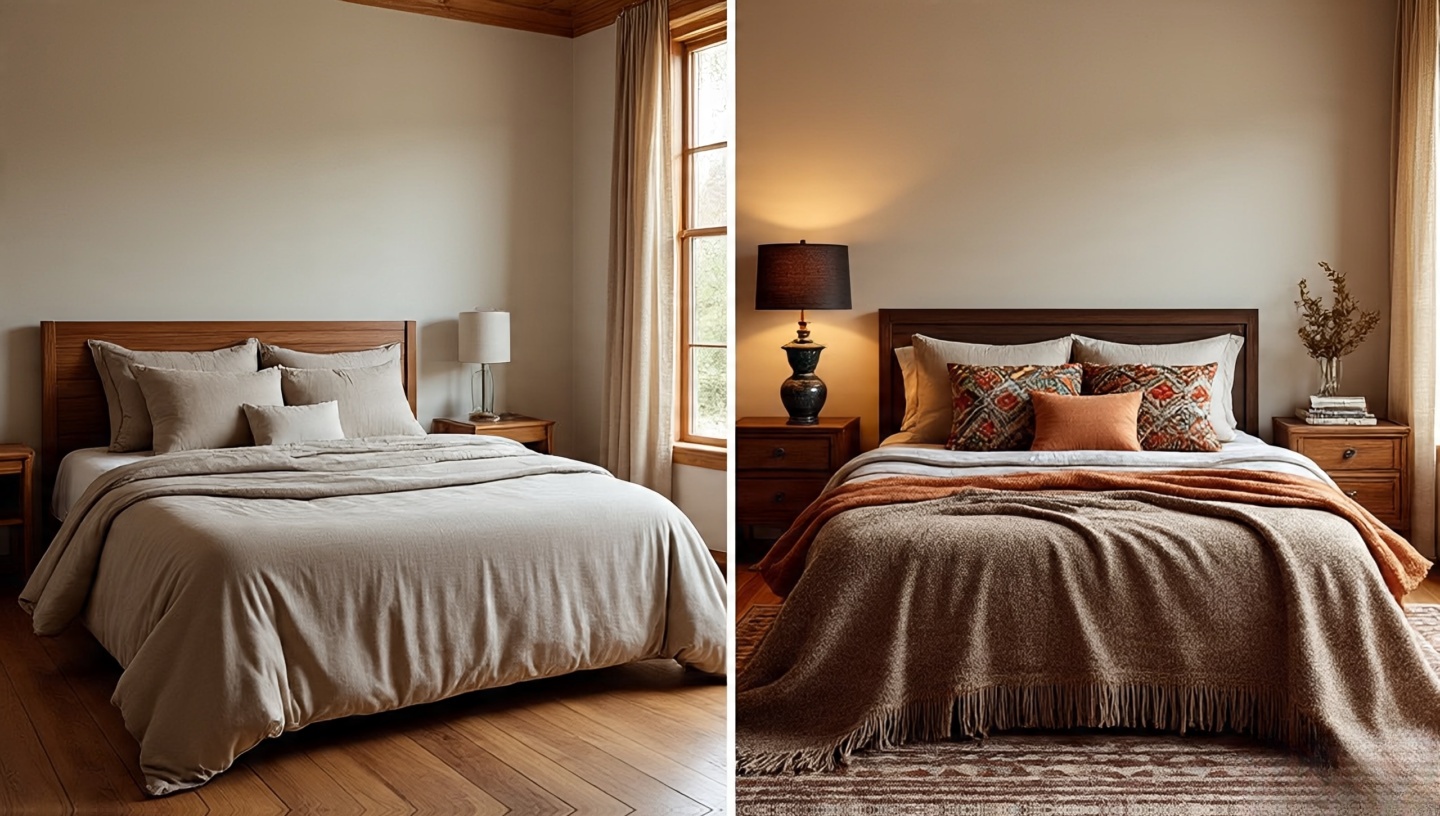 If you’re ready to take the plunge, there’s no shortage of inspiration. I came across some amazing
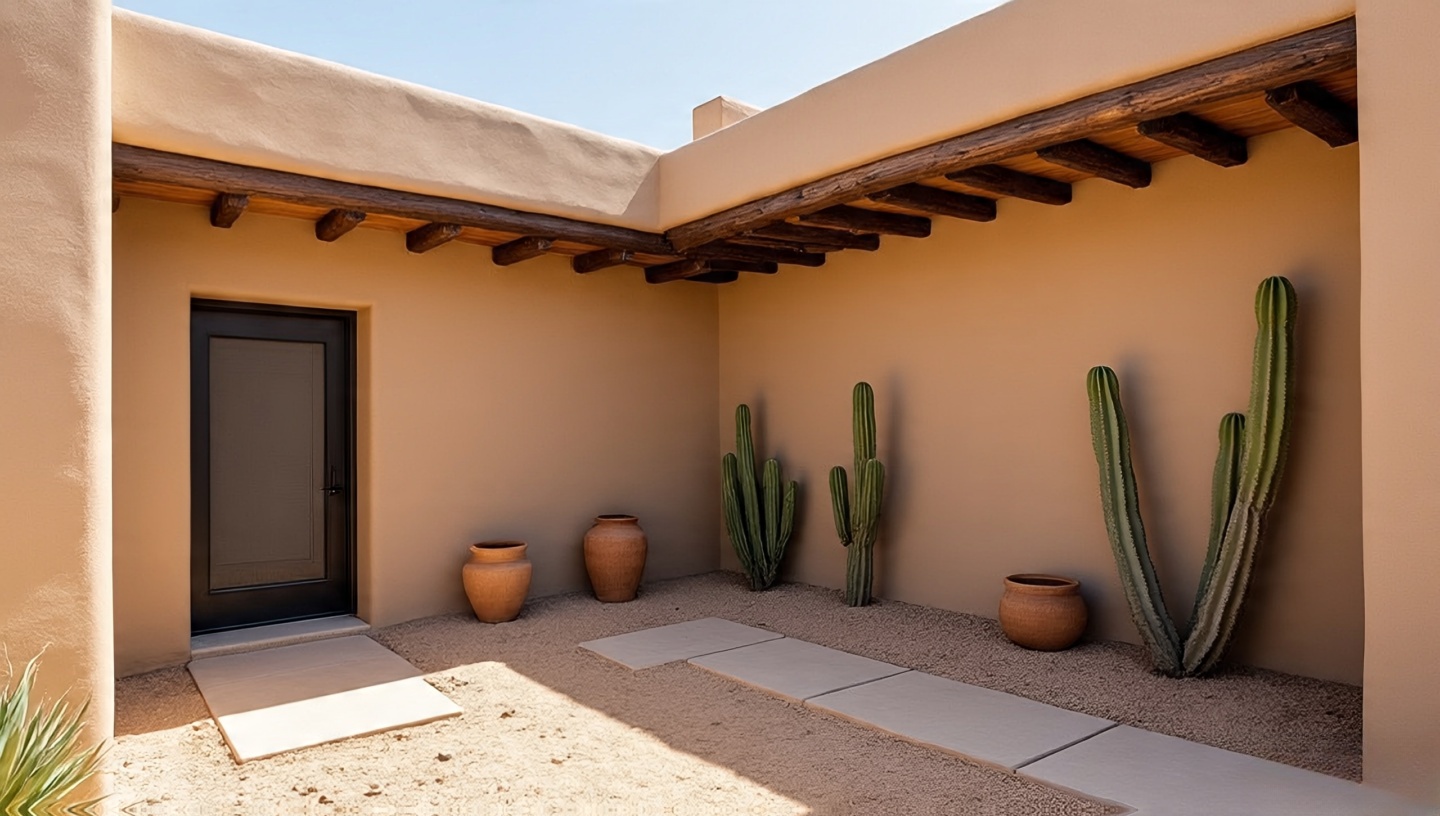
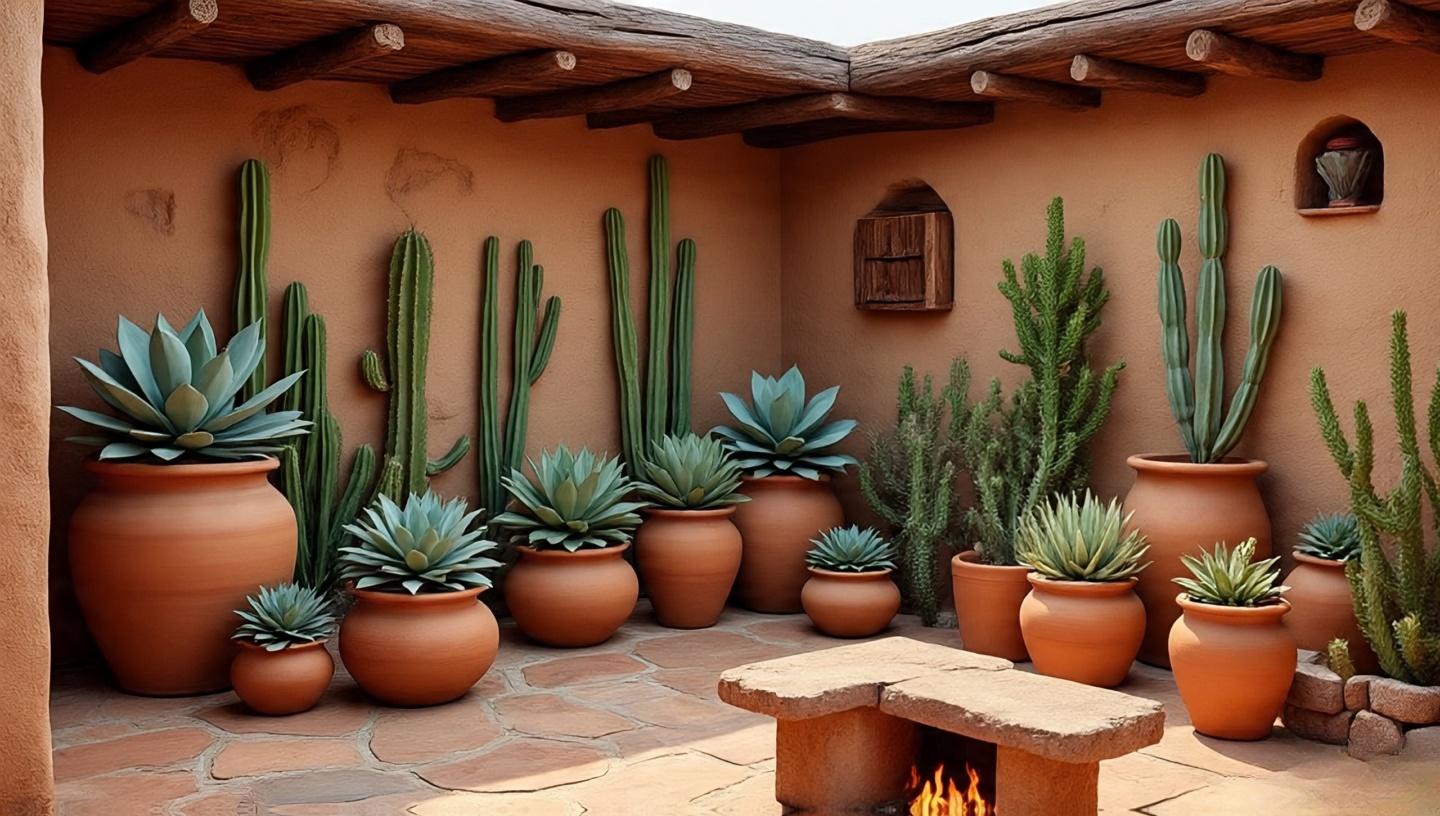 Unlike traditional gardens that demand constant watering and pampering, desert landscapes celebrate resilience. Plants here don’t just live; they adapt. They thrive under relentless sun, sandy soils, and long dry spells. It’s a style of living that says: beauty doesn’t always mean lush or tropical. Sometimes, it’s in the earthy tones living room vibe that spills outside warm terracotta, rough stone, clay pots, and the muted greens of succulents.
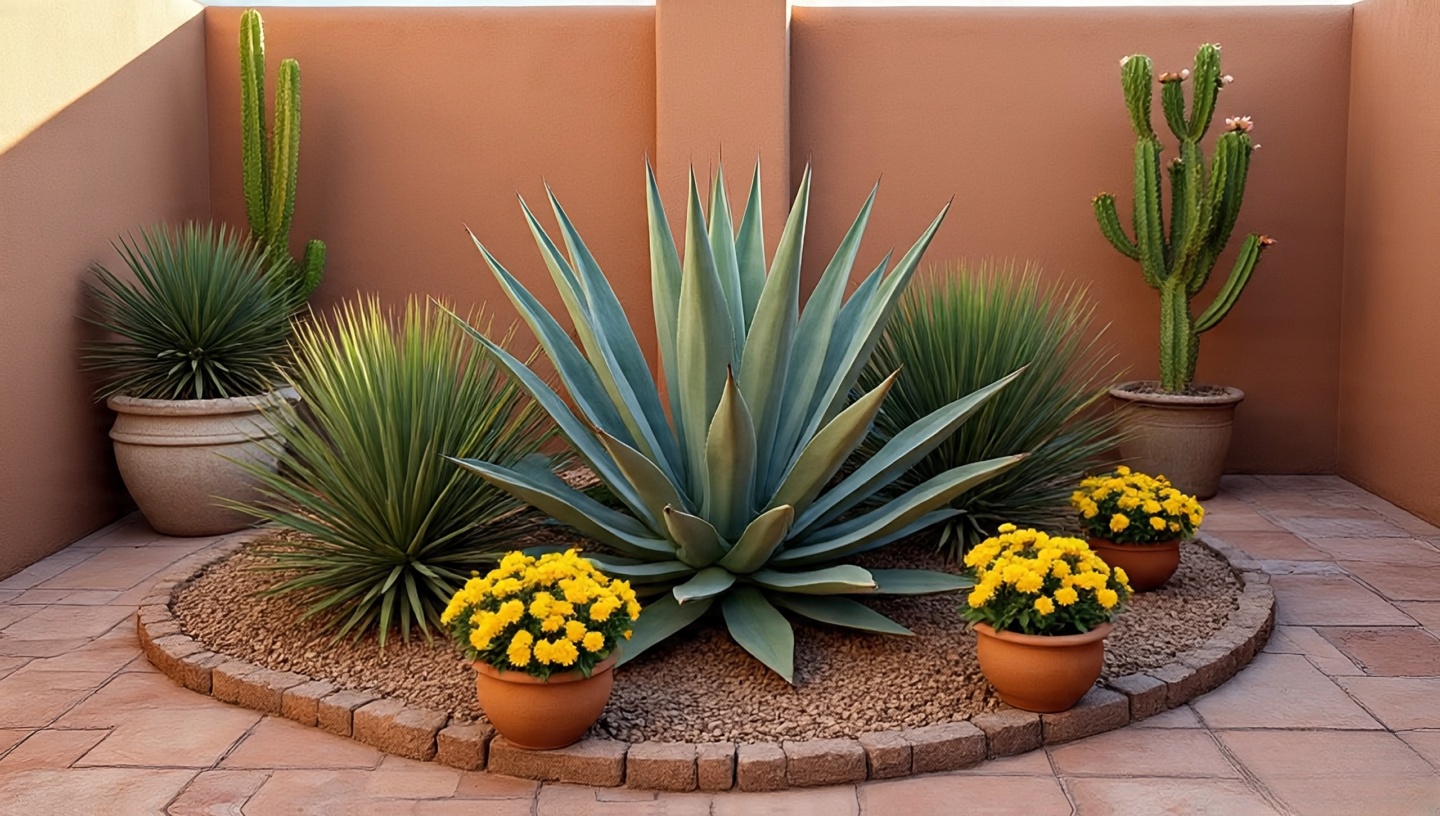 When people think “Southwestern plants,” the mind usually jumps to cactus and yes, they’re iconic. But a true desert-friendly landscape has a surprising diversity. The trick is combining textures, colors, and shapes in a way that feels both natural and intentional. Think rustic home meets desert elegance.
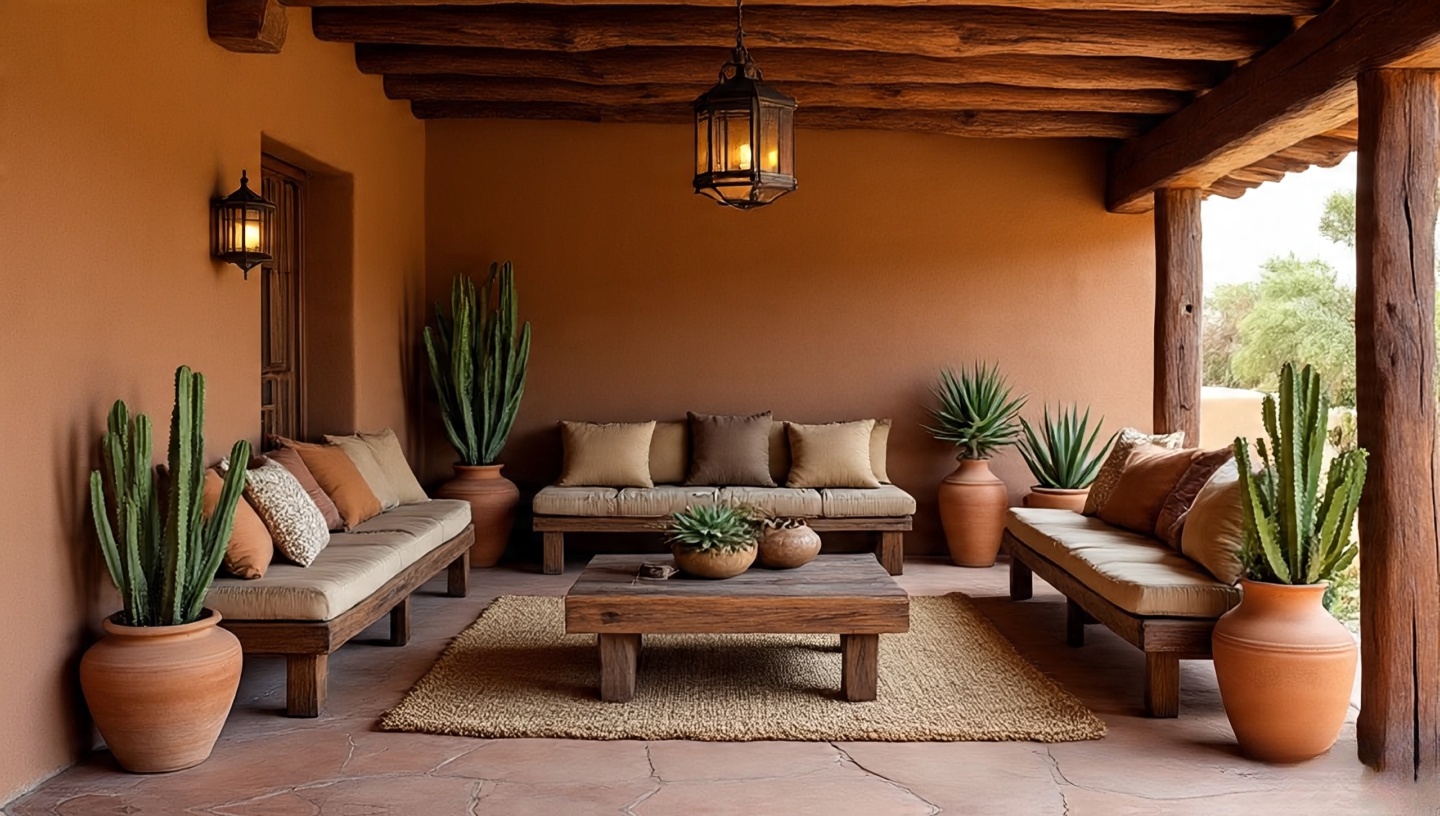 Your outdoor space is an extension of your home. Many Southwestern living room ideas like earthy tones, rough textures, and low seating translate beautifully outdoors. Lay down a woven rug under your chairs, choose clay or stone planters, and don’t be afraid of weathered wood. The imperfections tell a story.
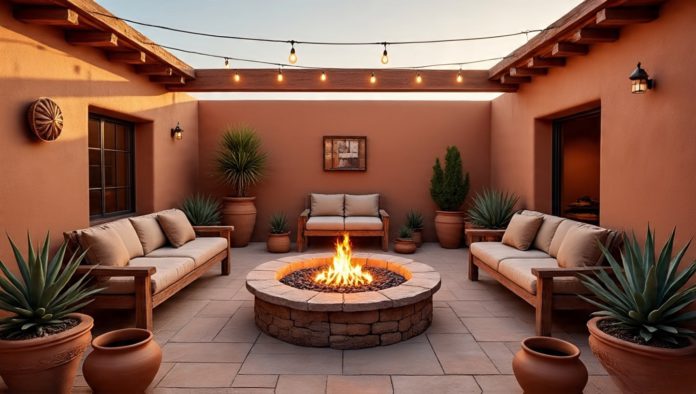
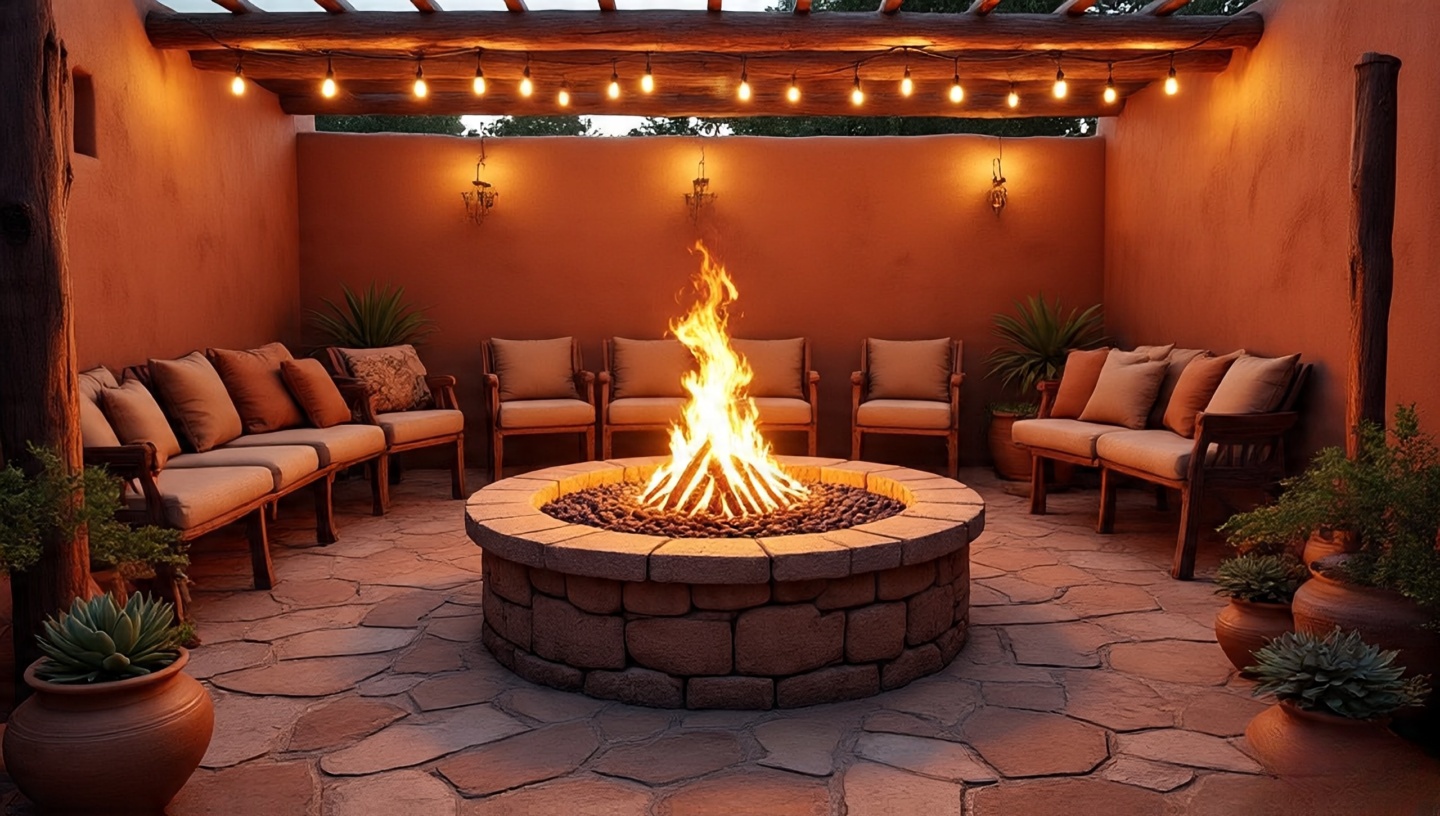 Here’s where your landscaping meets lifestyle. A fire pit transforms a desert garden into a gathering space. I remember sitting by one in New Mexico, the flames reflecting off nearby adobe walls, the smell of mesquite wood in the air. It was warm, grounding, unforgettable.
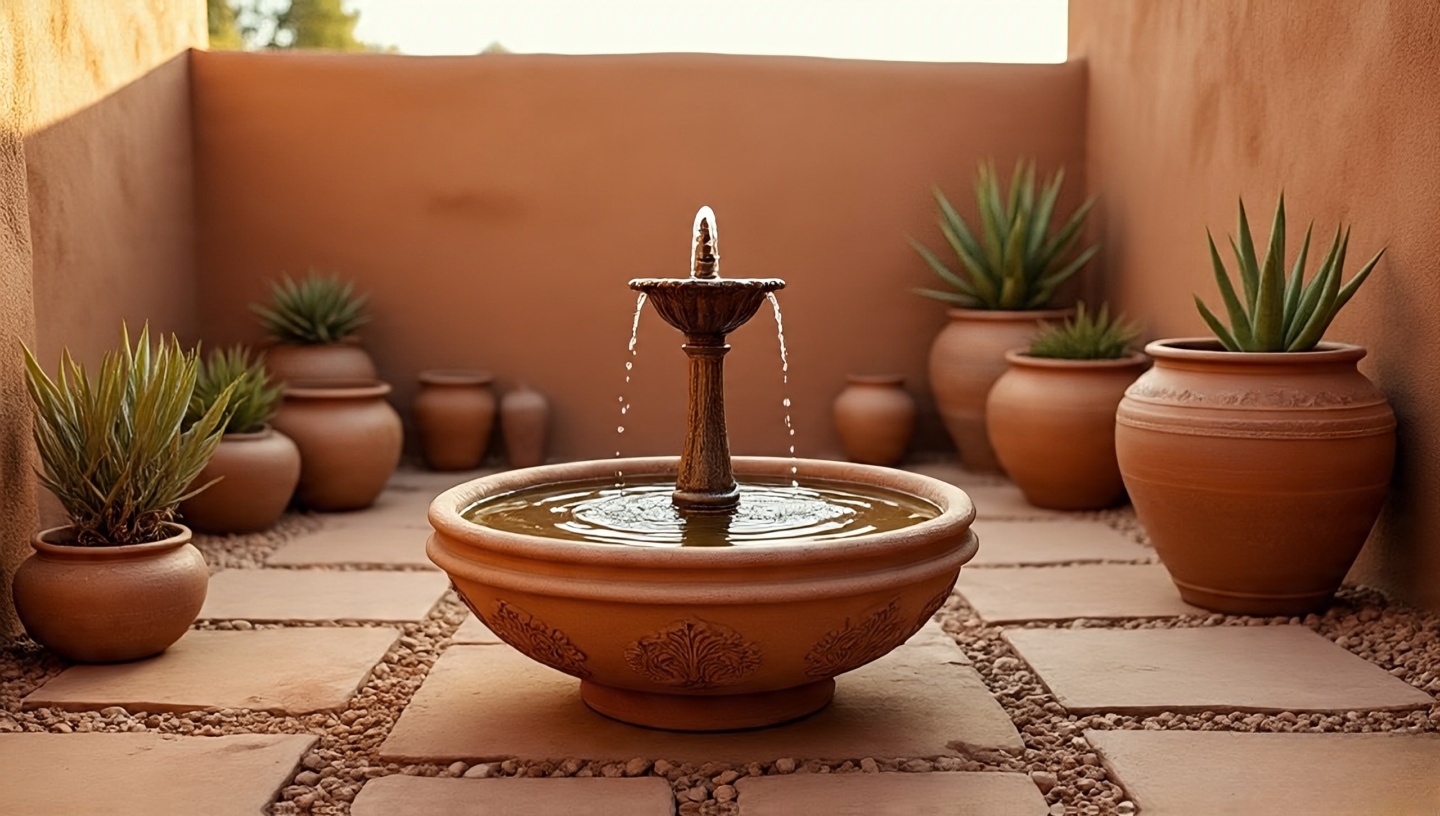 It sounds contradictory, but a well-placed clay fountain can be the soul of your backyard. Not a giant, Vegas-style waterfall just a small, bubbling feature. The trick is choosing materials that fit desert aesthetics: terracotta, stone, or copper. It’s less about the water itself and more about the soft sound it adds to the silence.
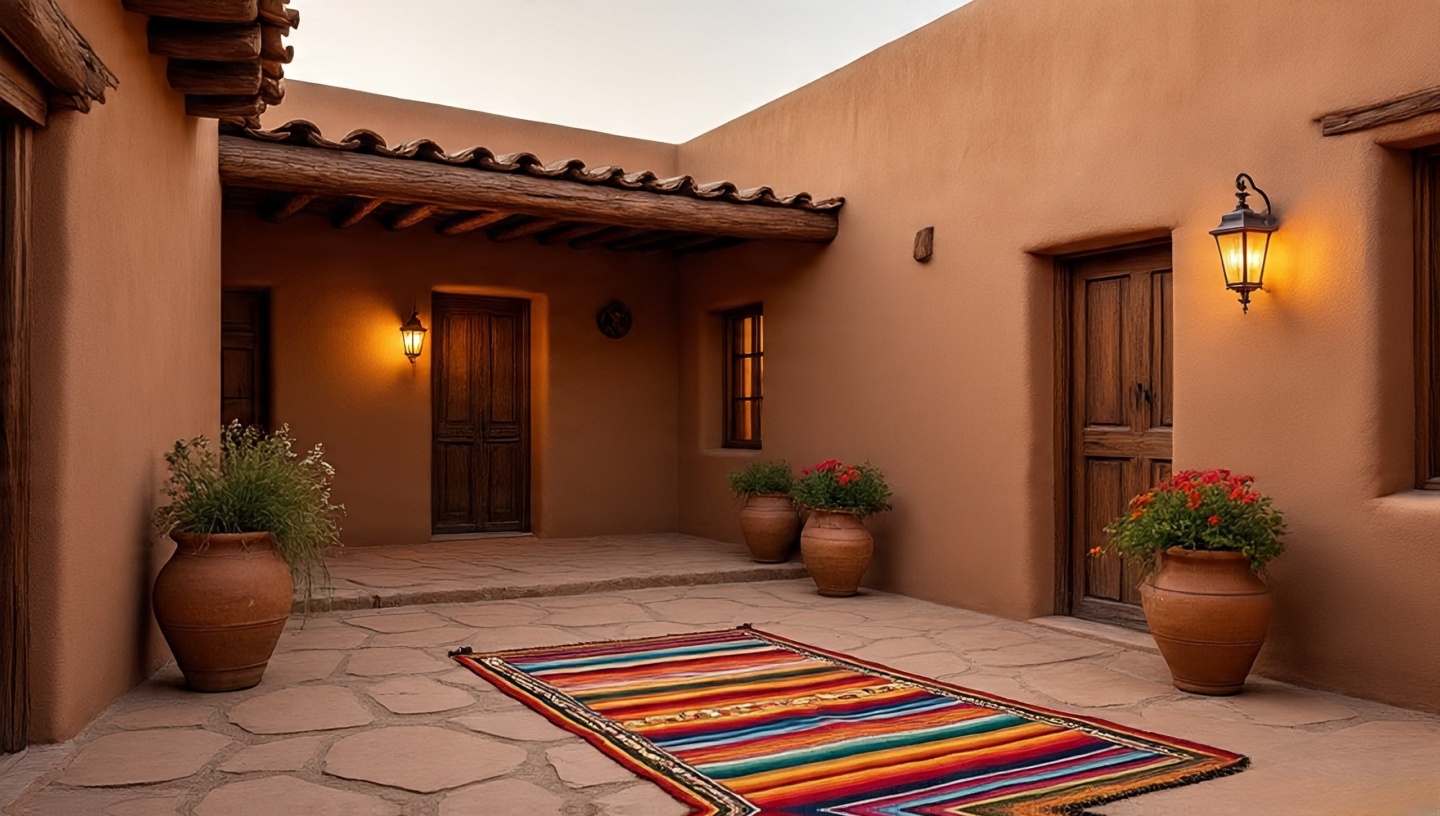 Southwestern design is more than just decor; it’s rooted in culture. Pueblo Revival architecture in New Mexico, Navajo weaving patterns, Spanish colonial courtyards all these traditions whisper through the landscape. When you add desert-inspired decor, you’re not just decorating; you’re continuing a story that’s been alive for centuries.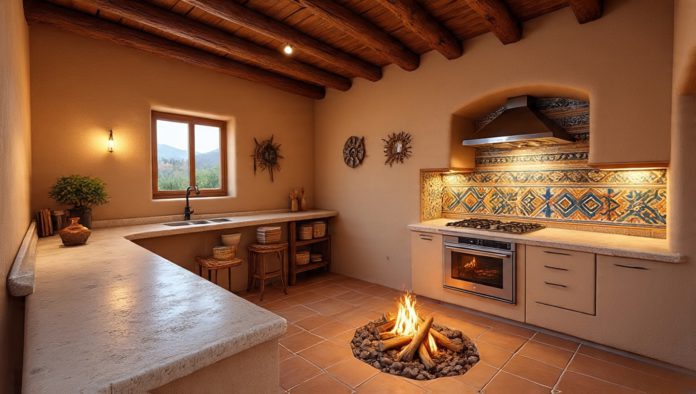
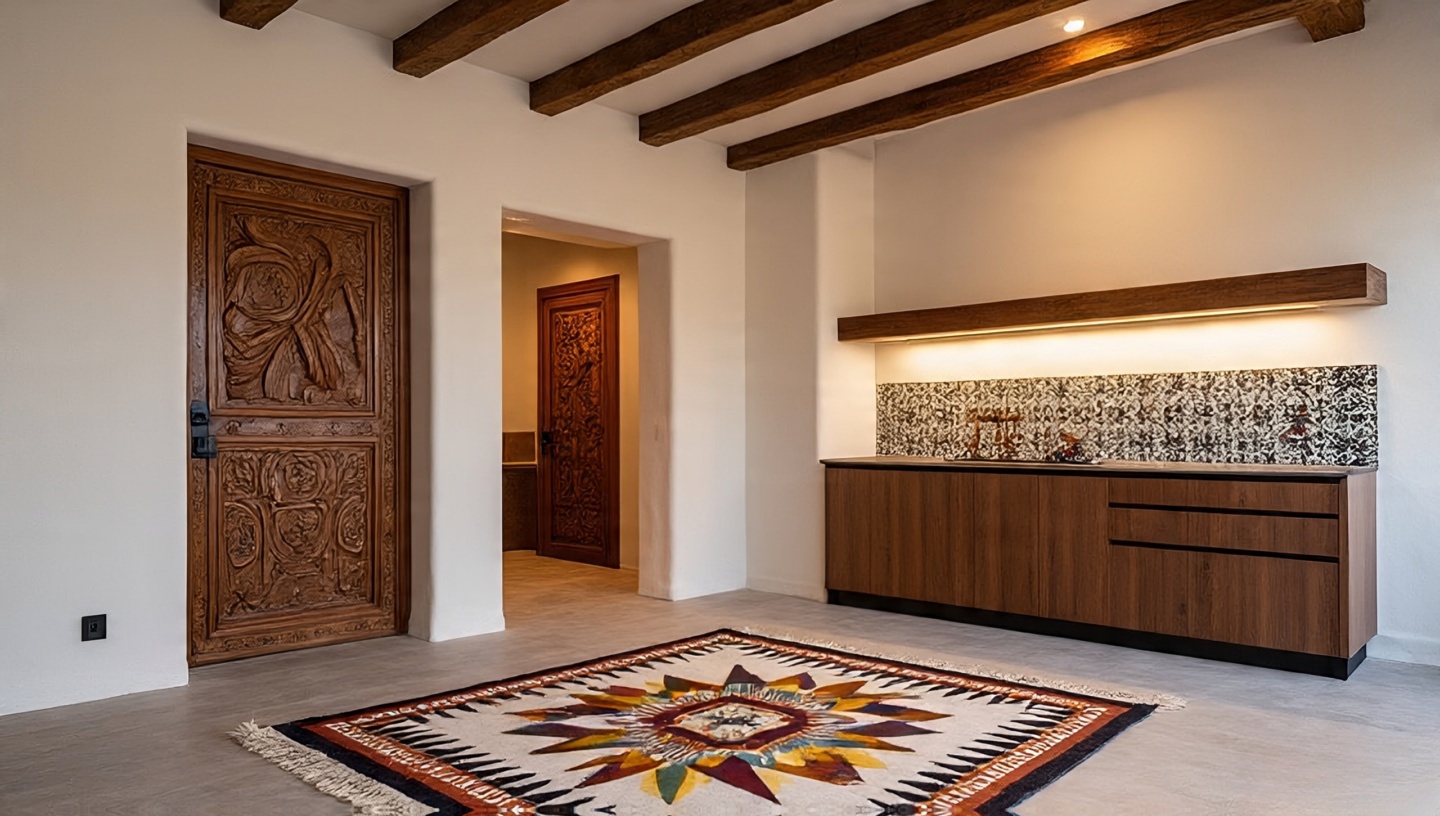
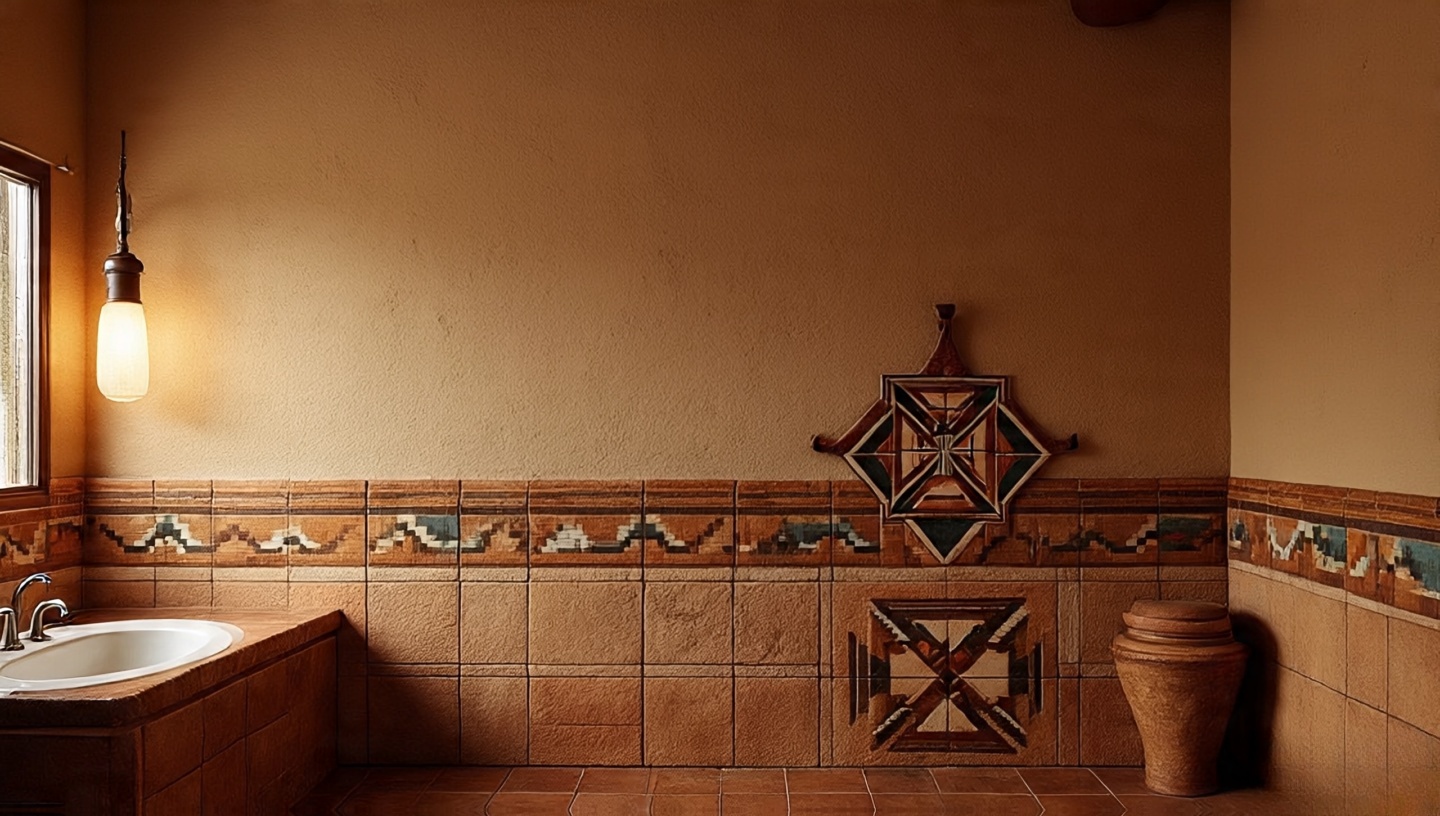
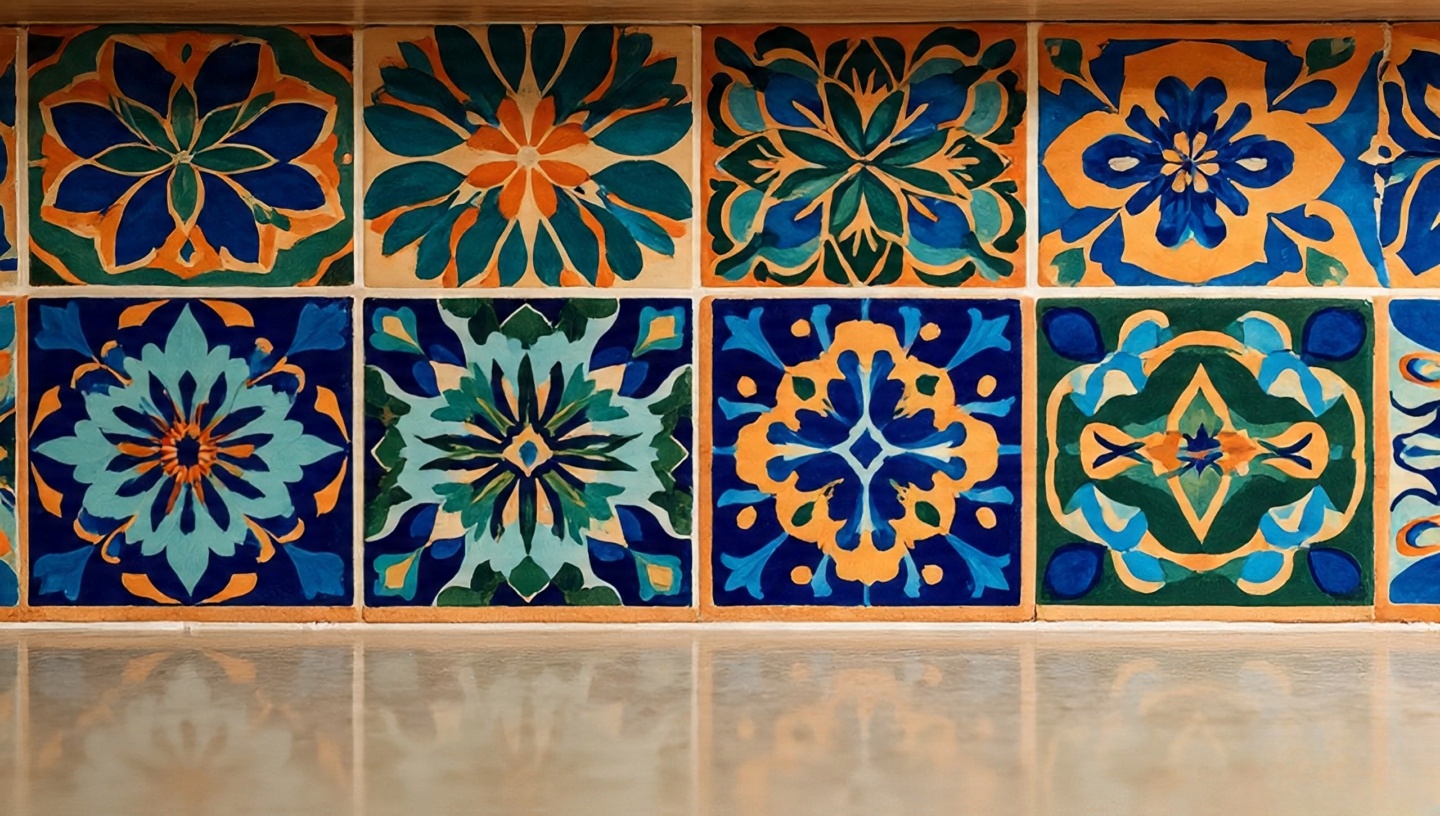 It’s easy to overlook them. After all, they’re “just surfaces,” right? Wrong. In a Southwestern-style kitchen, they’re everything. They create contrast, reflect light, and set the mood. Imagine a creamy travertine countertop paired with a backsplash of hand-painted Talavera tiles it’s not just functional, it’s art.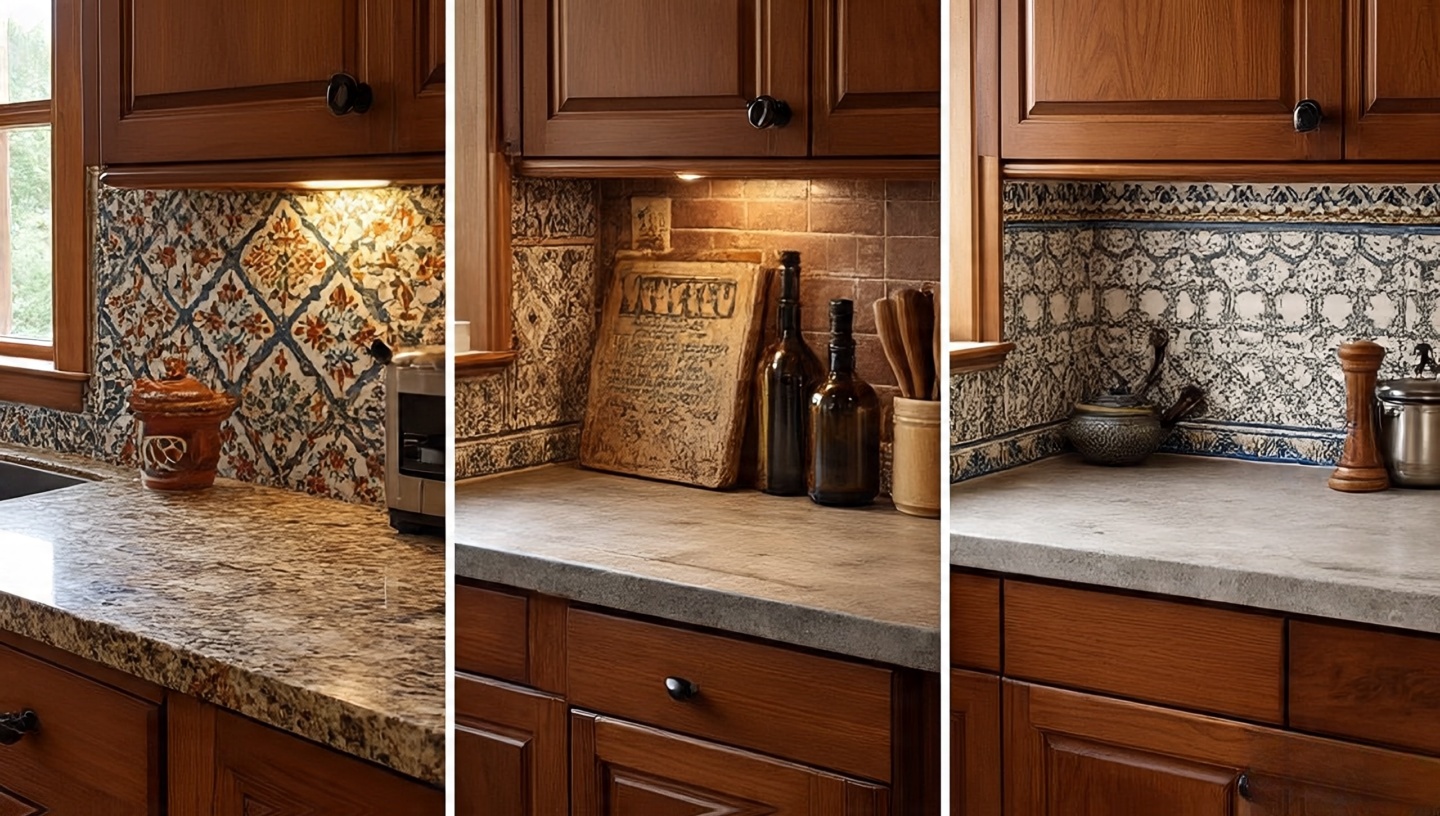
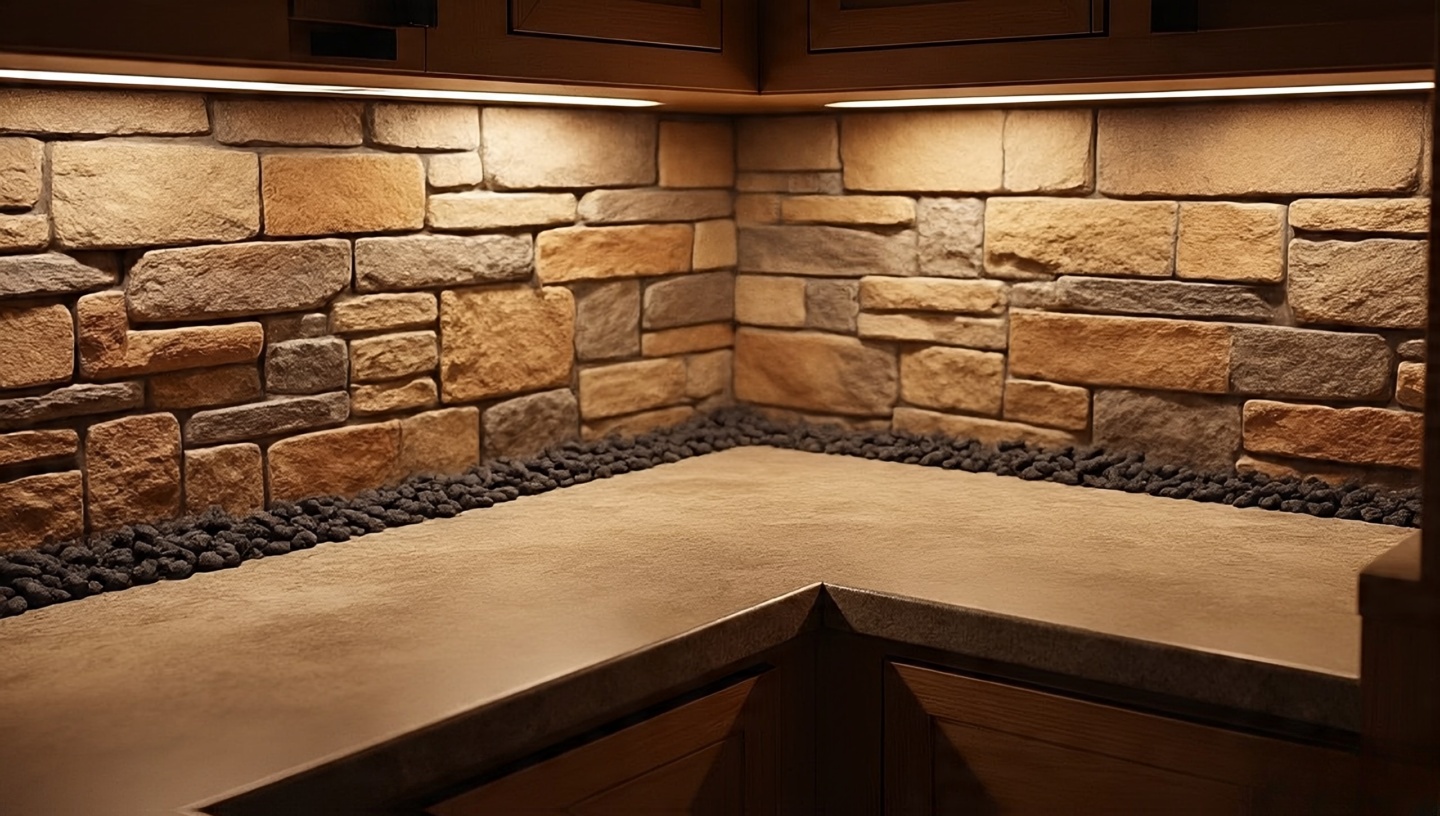 That silence deep, almost humming has a texture. Rough but calming. Your kitchen should echo that feeling. I remember once at a neighbor’s place in Santa Fe, we sat around their fire pit ringed with lava rock. Not only did the rocks look striking, they held onto the heat long after the flames died down. That’s a trick worth remembering when you design your kitchen surfaces too: pick materials that don’t just look good but hold something warmth, character, resilience.
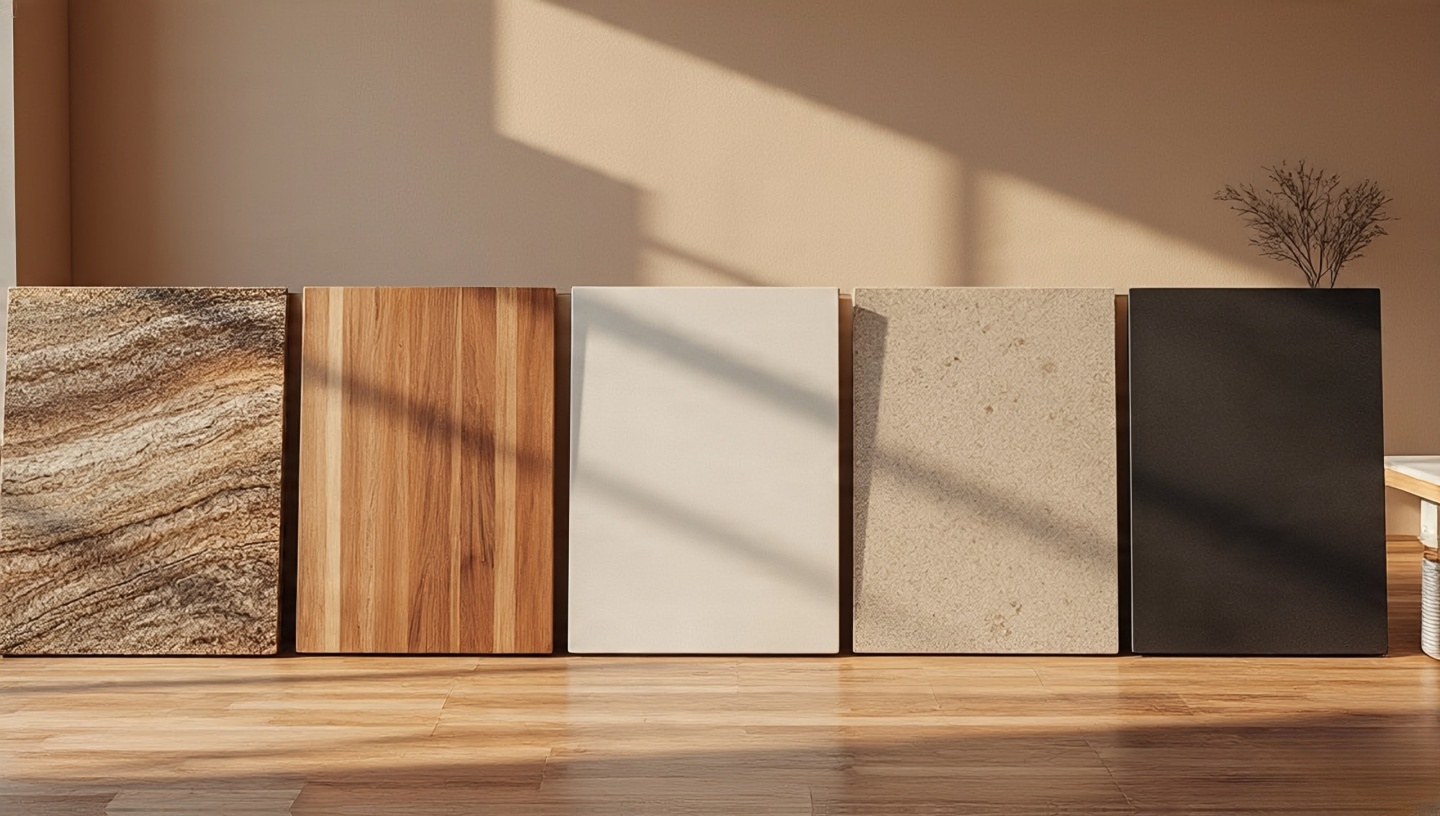 Not all countertops are equal. Some shine in bright spaces, others get richer as the years pass. Here are a few favorites:
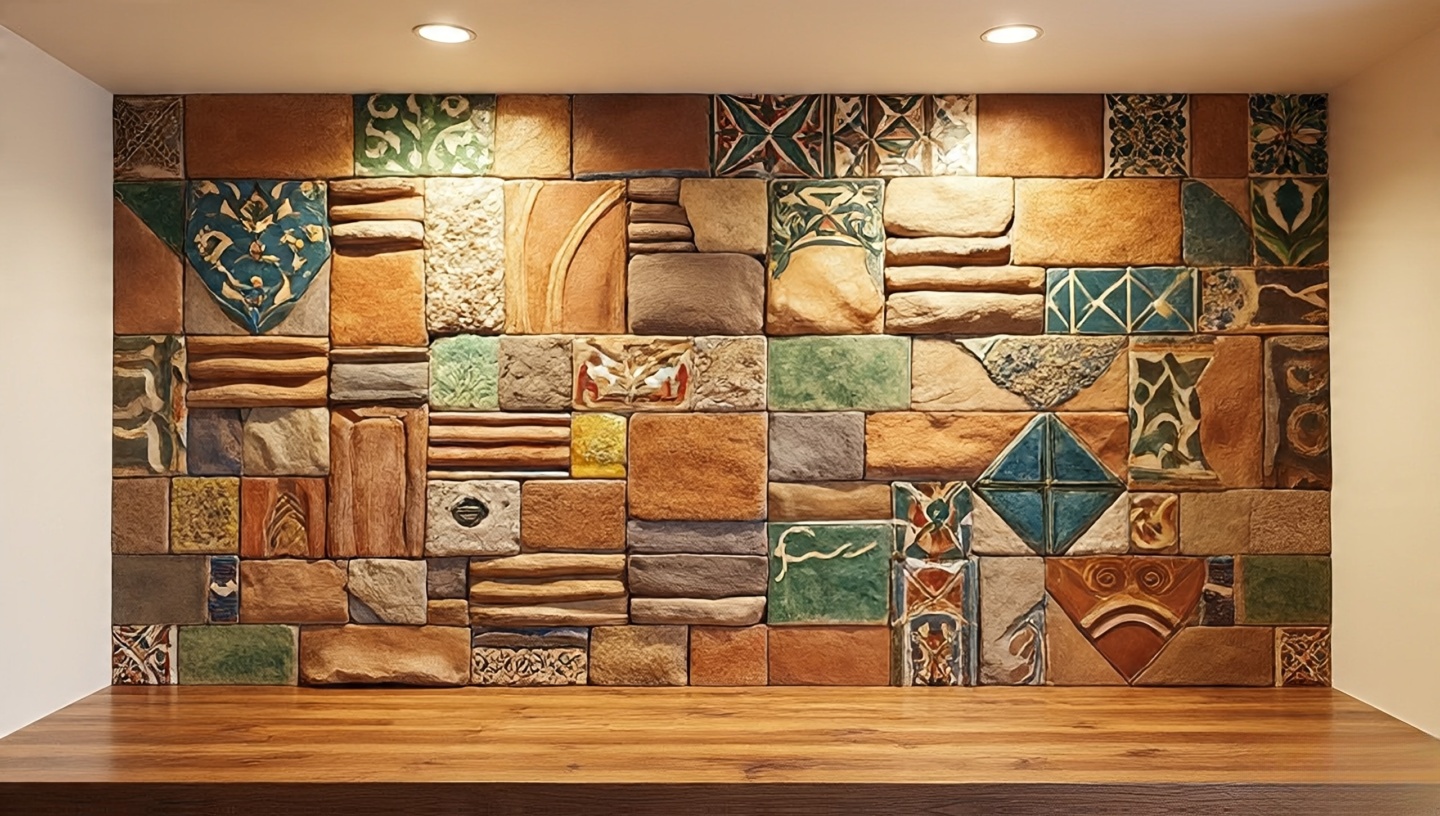 The backsplash is where you can play. It’s the accent wall of your kitchen, and in Southwestern design, it’s a chance to infuse personality. Will you go with colorful hand-painted tiles, earthy stacked stone, or simple clay tones? Each choice shifts the vibe.
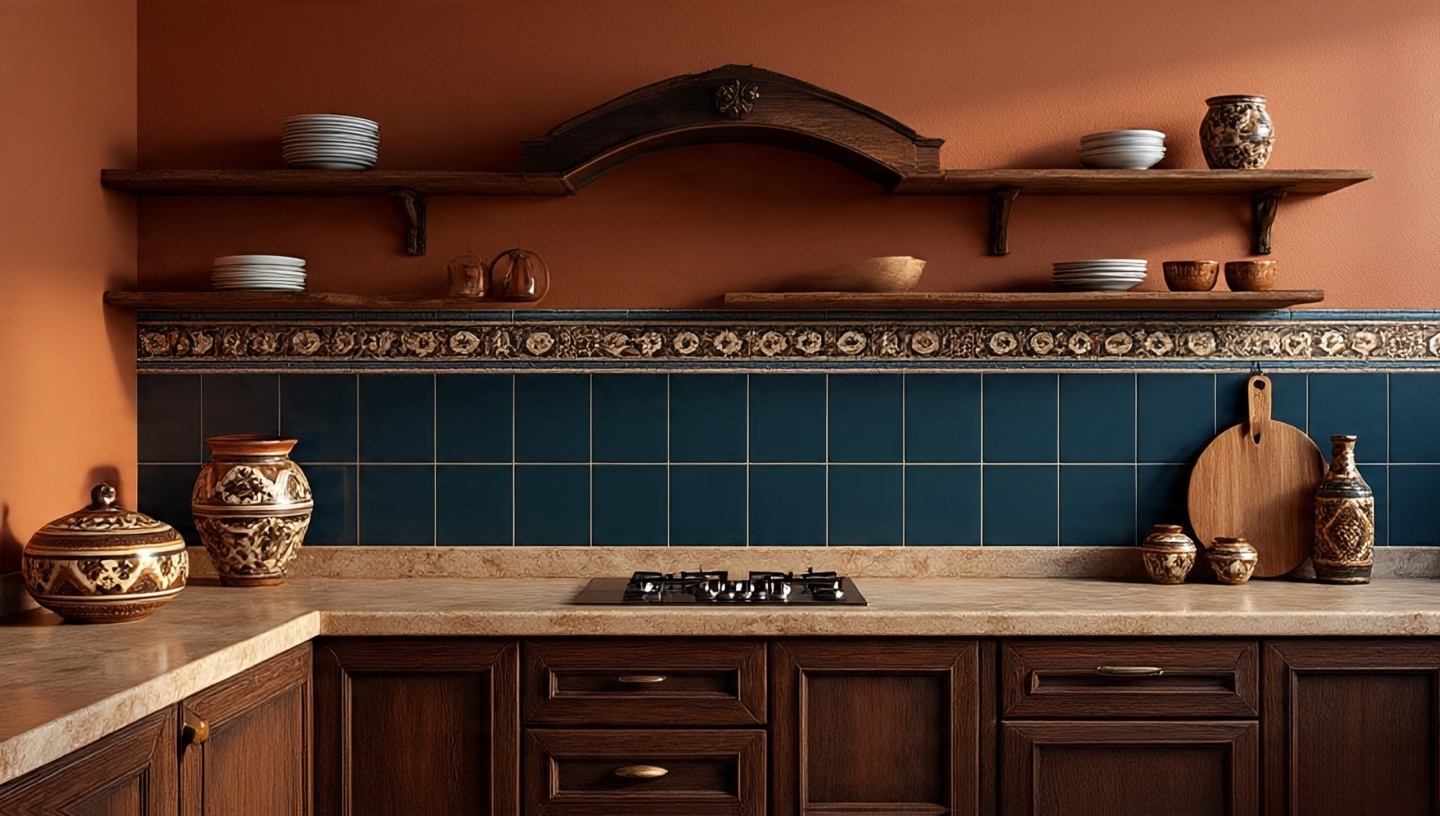 Southwestern kitchens thrive on earthy tones rust, ochre, beige, muted greens. But they also embrace bold accents. A cobalt blue tile against a sand-colored wall feels alive. A terracotta backdrop behind dark wood cabinets makes the whole room glow.
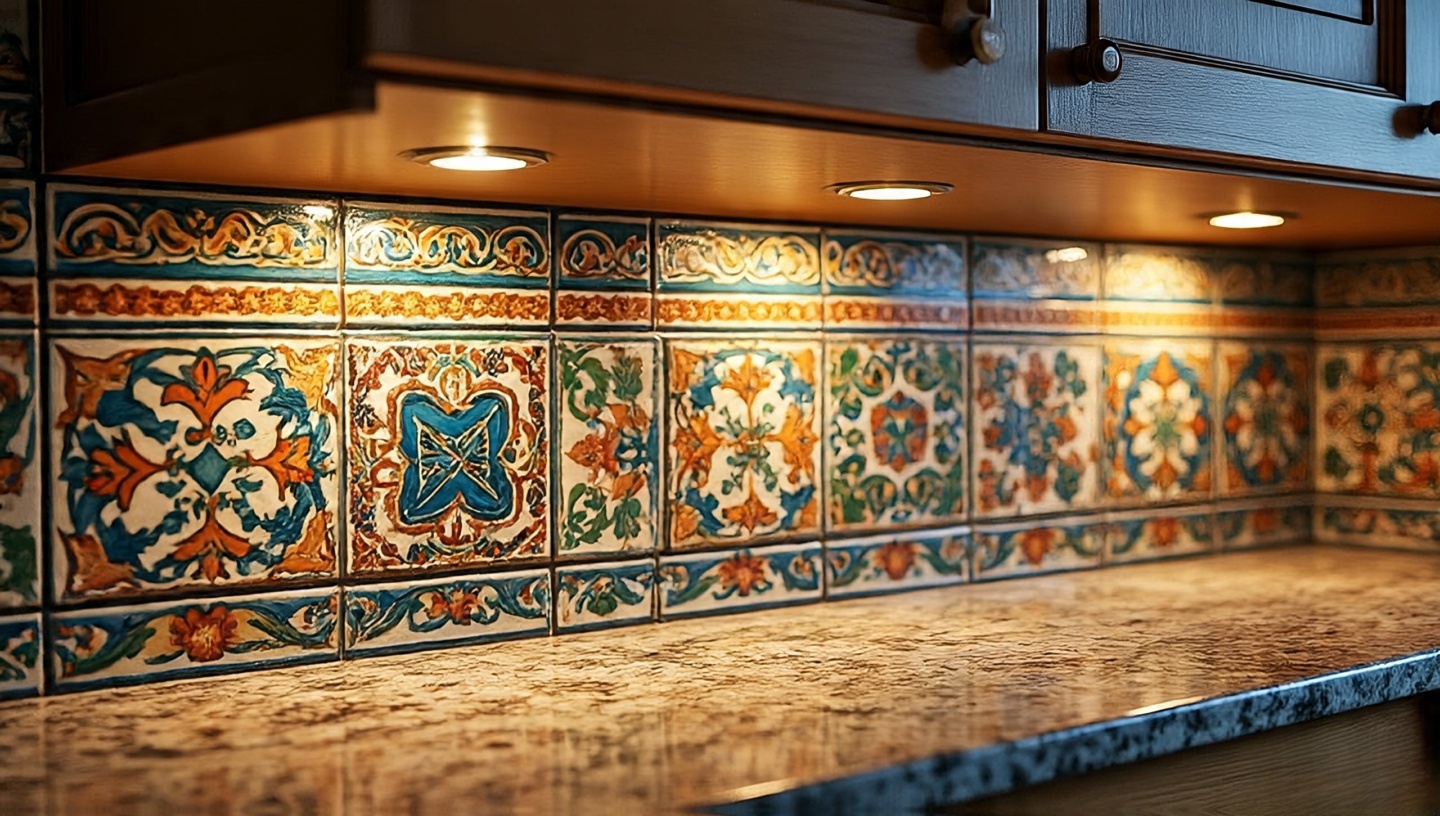 Sometimes it’s not about the big material, but the small touch:
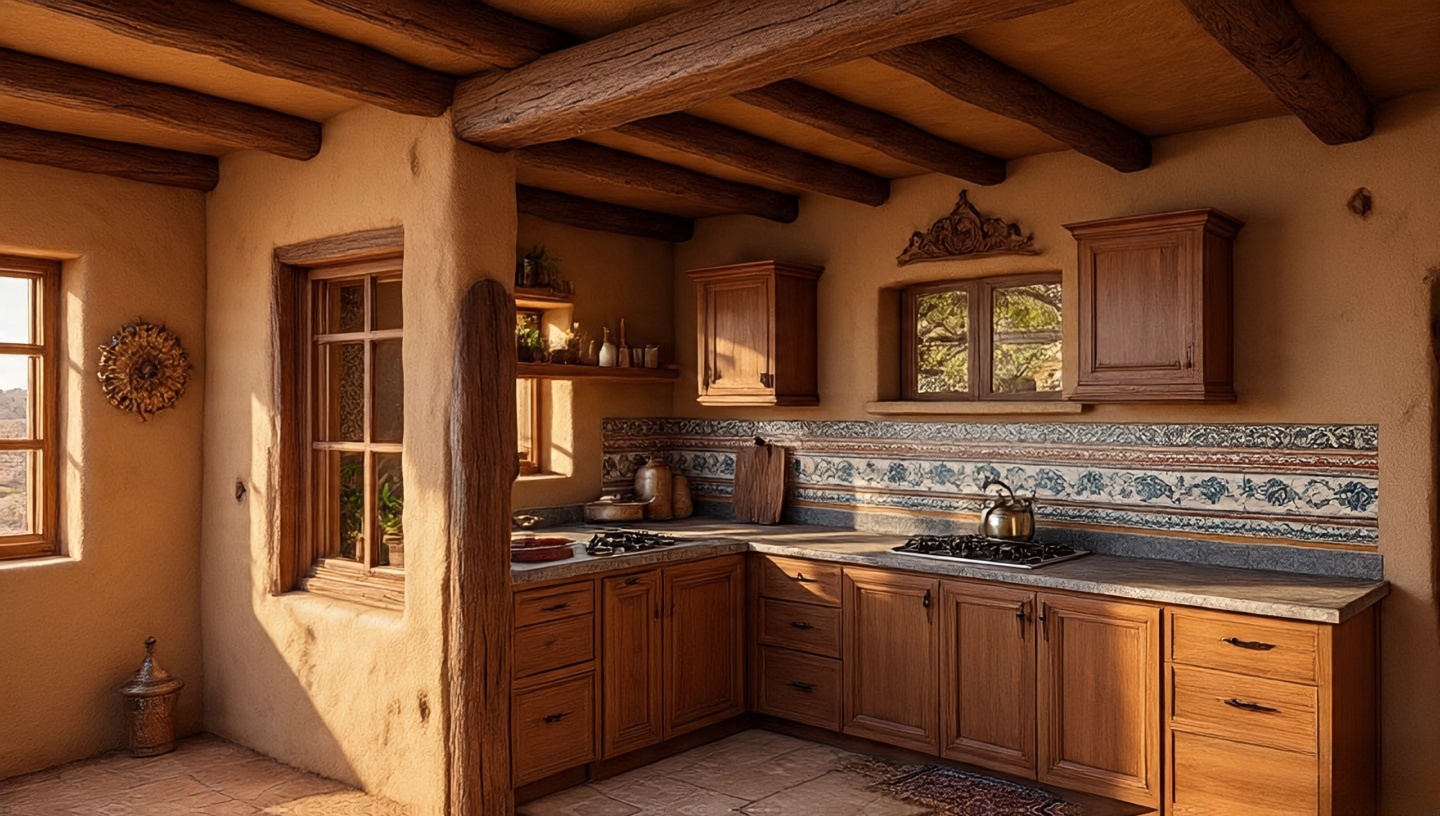 Southwestern design isn’t just aesthetic. It’s rooted in culture. From Pueblo Revival homes in New Mexico to adobe structures across Arizona, the mix of Native American and Spanish influences gives this style authenticity. Hand-painted tiles aren’t just pretty they carry tradition. Stonework isn’t just practical it reflects centuries of desert living.
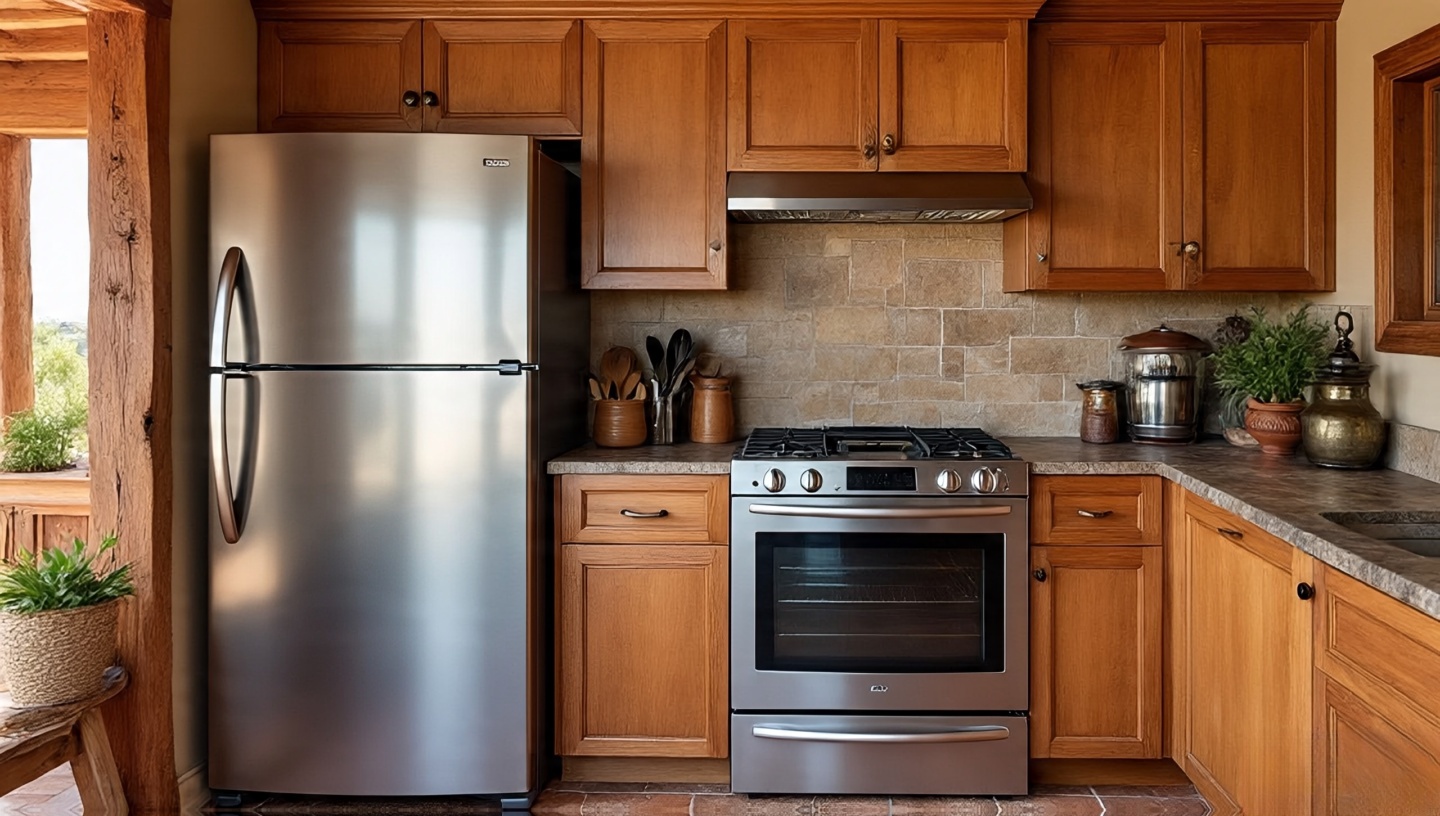 One question I get a lot is: “How do I add modern appliances to my rustic home without breaking the vibe?” Easy. Stainless steel doesn’t have to feel cold. Blend it with the right textures.
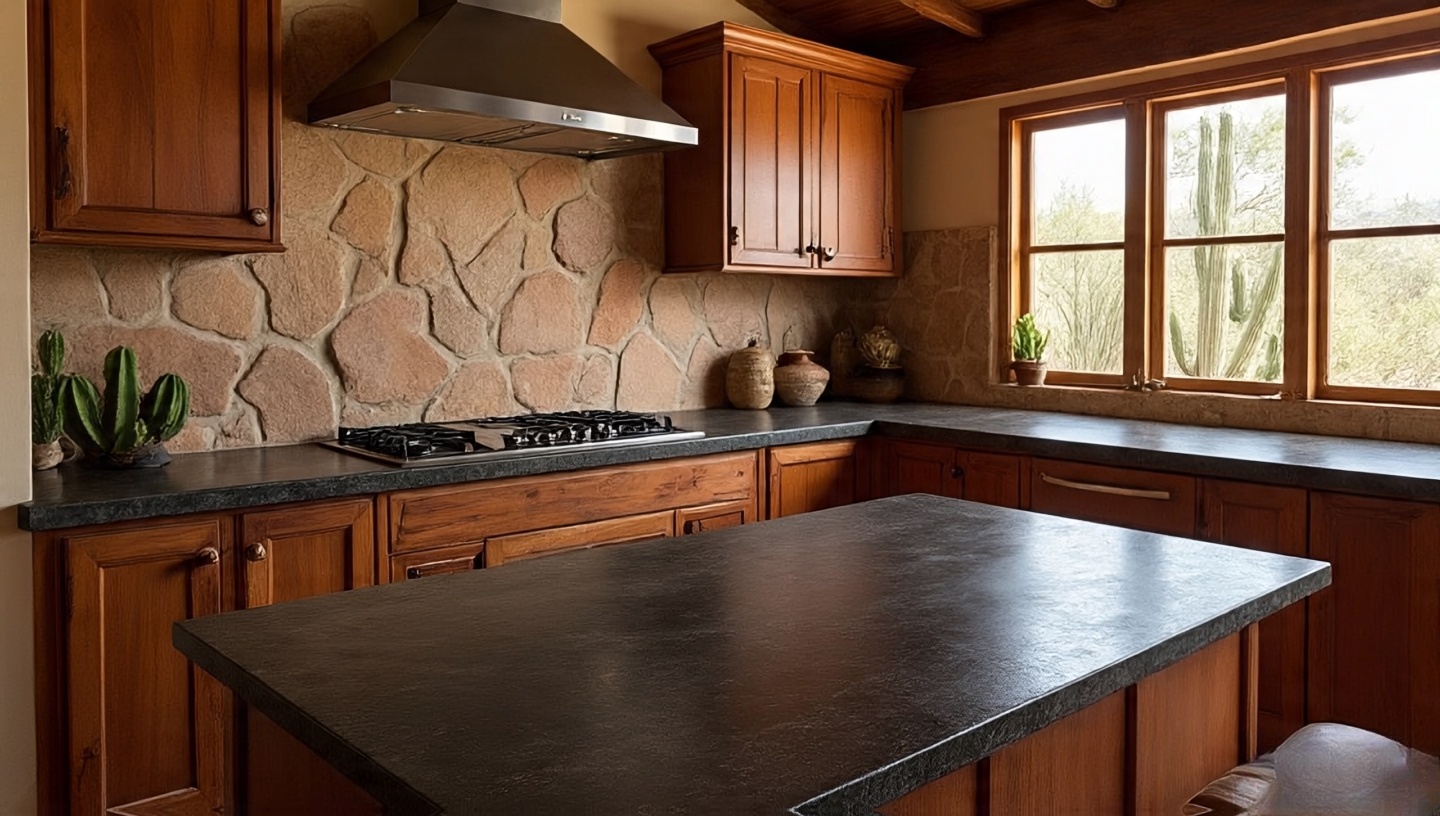 If I had to pick one, it’s soapstone counters with a clay tile backsplash. Why? Because soapstone darkens with time, taking on the marks of your life like a leather journal. And clay tiles? They’re imperfect, handmade, each one slightly different. Together, they feel alive. Every time you walk into the kitchen, it feels like a continuation of the desert outside.