
Home Blog Page 124

Smoke Detector Buying Guide: How to Choose The Right One for Your Home

Smoke detectors provide early warning in case of a fire, giving your family time to leave and call for help. However, with so many different types and brands on the market, it can be difficult to know which smoke detector is the best choice for your home. In this blog, we’ll discuss six tips to help you choose the right smoke detector for your home.

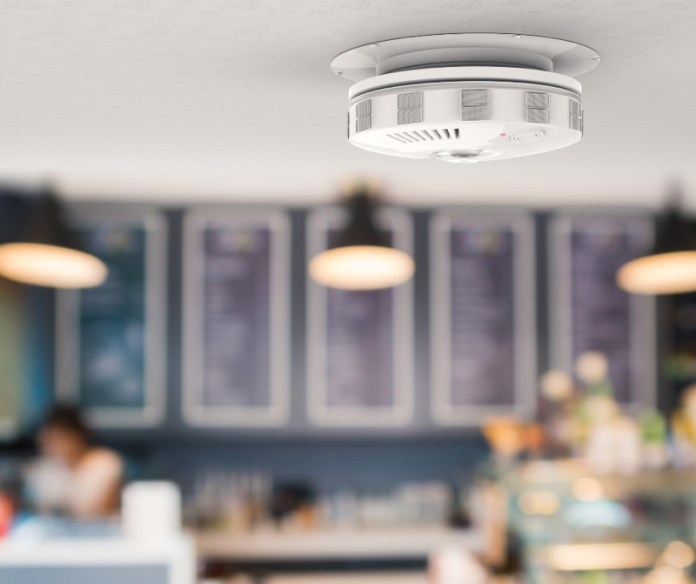
A smoke detector is an electronic device that detects the presence of smoke, typically as an indicator of fire. Smoke detectors are typically housed in a disk-shaped plastic enclosure and can be powered by either a battery or connected to an electrical circuit. When smoke is detected, the device sounds an alarm to alert building occupants of the potential fire.

6 tips for choosing the right smoke detector for your home

The following six tips will help you choose the best smoke detector for your home:

Tip # 1. Choose the right type of smoke detector.

You might know that there are 2 types of smoke detectors: ionization and photoelectric. Ionization detectors are more sensitive to quick-burning fires, while those that are photoelectric are more sensitive to smoldering fires. It’s recommended to have both kinds of smoke detectors in your home for maximum protection.

Tip # 2. Look for a smoke detector with a built-in carbon monoxide (CO) detector.

Carbon monoxide is a dangerous gas that can be produced by burning fuels such as natural gas, propane, oil, and wood. A smoke detector with a built-in CO detector will alert you to the presence of this gas, providing additional protection for your family.

Tip # 3. Choose a smoke detector with a loud alarm.

The louder the alarm, the more likely it is to wake you up in case of a fire. Look for a smoke detector with an alarm that is at least 85 decibels.

Tip # 4. Consider the size of your home.

If you have a larger home, you’ll need more smoke detectors to provide complete coverage. Make sure to place smoke detectors in every bedroom, as well as in common areas such as the kitchen, living room, and hallways.

Tip # 5. Look for a smoke detector with a battery backup.

In case of a power outage, a smoke detector with a battery backup will still be protection for your family.

Tip # 6. Consider the age of your smoke detector.

Smoke detectors can work for about 10 years. If your smoke detector is older than 10 years, it’s time to replace it.

Wrapping Up

Choosing the right smoke detector for your home is crucial to ensure the safety of your family. By following these six tips, you can make an informed decision and select a smoke detector that will provide the best protection for your home. Remember to test your smoke detectors regularly and replace them every 10 years to ensure they are working properly. Being prepared can save your life, so don’t hesitate to invest in a good quality smoke detector.

Experience a new level of home living with Owl Home, a state-of-the-art home automation solution. Simply control all your smart devices with a few clicks through a central hub, ensuring a smooth and efficient experience. From adjusting lighting and temperature to monitoring security, Owl Home makes smart home living effortless and convenient. Don’t stay with a basic home setup – upgrade to a smart home with Owl Home now.

Do You Really Have The Best Non-Toxic Cookware?

Safety is essential in the kitchen, both in terms of the ingredients and the tools with which we prepare them to put them on the table.  When we ask ourselves if we are using the best non-toxic cookware, we usually mean if they allow us to cook healthily, i.e., without contaminating food with toxic substances. Anyone who chooses a healthy and natural diet today cannot fail to take into account the cookware in which they cook their food.

In fact, different materials influence the flavor, consistency, digestibility, nutritional values ​​, and wholesomeness of the food. When looking for the best non-toxic cookware, we find a wide variety of options, each with different and specific characteristics and fields of use. Still, when buying cookware, we should ensure that it does not release toxic substances, nanoparticles, or poisonous fumes.

Teflon Pans

Let’s start our analysis with the Teflon pans that have caused the most discussion in recent years. The extreme non-stick, ease of cleaning, and low cost have contributed to their success. Teflon pans are steel, cast iron, or aluminum with a bottom-coated layer of polytetrafluoroethylene (PTFE). Above 240°C, it begins releasing a highly toxic substance called perfluorooctanoic acid. It is responsible for the so-called “polymer fume fever,” with symptoms similar to the common flu.

Steel

Steel is heavily used in cookware. It is an alloy composed of iron, chromium, nickel, and other metals. Its success is due to its high resistance and easy washing and maintenance. However, its low thermal conductivity can cause food to stick and burn in the absence of fat or water. This problem is solved with the presence of the double bottom, interspersed with a layer of aluminum, which spreads the heat more evenly. Thus, requiring a greater expenditure of energy. Aluminum saucepans are widely used in industrial kitchens thanks to their lightweight and low cost.

However, steel tends to deform easily and get scratched, releasing metal traces in food. This contamination occurs through prolonged contact, especially in the presence of acid/sweet and sour substances and salt. However, when using an aluminum pan, you should pay attention to preparing recipes with acidic products, such as tomato sauce and sweet and sour peppers. There may be a migration of substances, but only in case of prolonged contact.

Non-stick ceramic coating

Pans with non-stick ceramic coating have been in great demand in recent years. They boast a very high resistance to scratches and nicks, they spread the heat in a uniform and constant way allowing a certain energy saving. Unlike Teflon, they do not require the use of per- and poly-fluoroalkyl substances (PFAS).

Compared to steel, they are not subject to corrosive phenomena even in contact with acidic foods. However, care must be taken that the ceramic layer is not actually made up of a multilayer of nanoparticles whose safety for health, as we have already seen, is not certain. In fact, many industrial ceramics are covered with a layer of silver nano molecules which could act as catalysts for the accumulation of further toxic substances.

Copper and Cast Iron

Copper is one of the favorite non-toxic bakeware and cookware of many bakers and chefs, thanks to its high thermal conductivity, which allows precision cooking. One of the negative aspects is that above 250°C, copper tends to soften, releasing metal that is equally toxic to the liver. A valid alternative could be the copper pot with a steel interior, but at this point, the limits are those seen previously for stainless steel. Instead, cast iron is much more resistant, which moreover guarantees a constant and homogeneous distribution of heat and is therefore very suitable for slow cooking; however, it is a very heavy and not very easy to handle material, which takes a long time to heat up and tends to rust easily.

Conclusion

Numerous studies have highlighted how many cooking utensils normally present in the kitchen, especially if misused, can cause more or less important damage to health over time. While the best non-toxic cookware is presented as a healthy option for cooking, you still need to be familiar with the cleaning and maintenance practices related to it.

Granny Flats: A Cost-Effective Solution

As the cost of living continues to rise, many homeowners are looking for ways to reduce their expenses. A granny flat, also known as an accessory dwelling unit (ADU), can be a cost-effective solution for homeowners looking for extra space or to generate extra income.

In this article, we’ll explore what a granny flat is, how much it costs to build one, and why it’s becoming a popular choice for homeowners.

What is a Granny Flat?

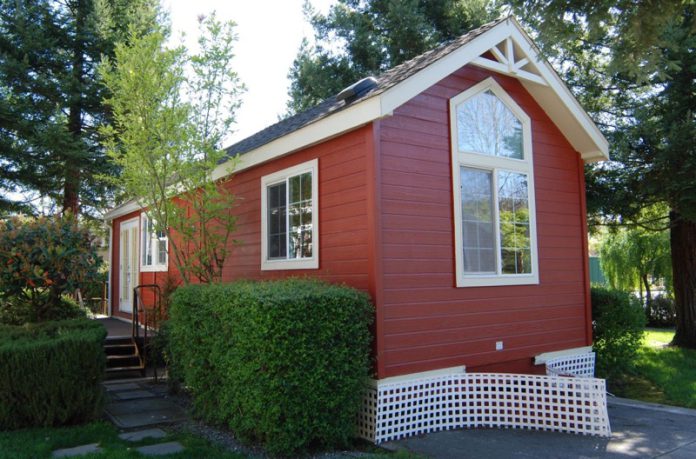
A granny flat is a self-contained living unit built on the same property as a single-family home. It is typically used as a space for aging parents, adult children, or renters, but can also serve as a home office, hobby room, or rental income stream. Granny flats are typically built in the backyard or on the side of the main home and are usually connected to the main home’s utilities.

What does it cost to build a granny flat?

The cost of building a granny flat depends on several factors, including the size of the unit, the materials used, and whether you choose to build it yourself or hire a contractor. A small, one-bedroom granny flat can cost anywhere from $50,000 to $150,000, while a larger, two-bedroom unit can cost upwards of $200,000.

Custom-built granny flats tend to be the most expensive option, as you’ll need to hire an architect, builder, and tradespeople. Granny flat kits and flat-pack options are generally less expensive but require more work on your part. Keep in mind also that if you’re handy, you may be able to save money by building the granny flat yourself.

Sizes and Price Ranges

The size of your granny flat will play a big role in determining the final cost. Here are the average price ranges for various sizes:

  • 1 bedroom: $50,000 to $100,000
  • 2 bedrooms: $100,000 to $200,000
  • 3 bedrooms: $150,000 to $300,000
  • 2-story: $200,000 to $400,000

Other costs to consider

Above and beyond the cost of the granny flat itself, there are other costs to consider, such as council approval fees, utilities, and site preparation. Be sure to factor in these additional costs when you’re budgeting for your granny flat project.

Do I need council approval to build a granny flat?

In most cases, yes. Before you start building a granny flat, you’ll need to obtain council approval. This can take several months and requires a variety of documents, including building plans, a site plan, and engineering reports. There may also be a fee involved with getting council approval.

Will a granny flat increase the value of my home?

The short answer is yes, a granny flat can increase the value of your home by providing additional living space or rental income. However, it’s important to keep in mind that not all granny flats are equal. A high-quality, well-designed granny flat will add more value to your home than a lower-quality unit.

Conclusion

Granny flats can be a cost-effective solution for homeowners looking for extra space or to generate extra income. The cost of building a granny flat depends on several factors, including size, materials, and whether you choose to build it yourself or hire a contractor. Be sure to factor in costs such as council approval fees, site preparation, and the cost of hiring granny flat builders when budgeting for your project.

What Is An Expandable Pool Liner? How Does It Work?

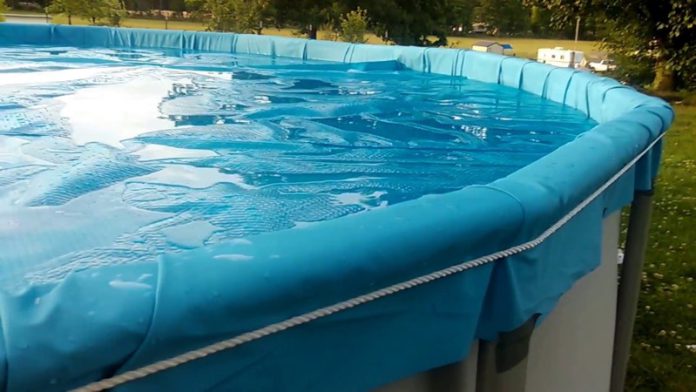
When you get an above-ground fibreglass pool, you can choose what kind of liner you want for the pool. An option that’s growing more popular among above-ground fibreglass pool owners, is expandable liners. Other kinds of liners you can get include uni-bead, beaded, and several other kinds of liners. Of these, expandable pool liners are less common. There’s a special reason for this as well.

You only need an expandable pool liner when your fibreglass pool has a centre that’s deep. You’ll also need this kind of liner when your pool has a deep end – deeper than at least one foot.

When Should You Get An Expandable Pool Liner

Some people end up ordering expandable pool liners because they feel that these are better than standard liners. However, this isn’t necessarily the case. In reality, if a standard liner is suited to your fibreglass pool, then it will perform better than an expandable liner.

Say you’re planning on getting a fibreglass pool with a deep centre or a deep end. In this case, an expandable pool liner is what you should opt for. If you only want the centre or the end of your pool to be one foot deep, you won’t need an expandable pool liner. This is because standard pool liners are equipped with the capacity to accommodate pools that are one foot deep, or less.

What’s The Difference Between An Expandable Liner And An Overlap Liner?

Expandable liners aren’t really made of material that stretches better. It’s made of the same material that overlap liners are made of. The main difference here is that the side-wall material of an expandable liner is around 72″, instead of 60″, which is seen in overlap liners.

With an extra foot’s worth of material to support it, you can better accommodate a pool with a deep bottom. Overlap liners, on the other hand, can be adjusted on the top part of the wall of the pool. As a result, only a portion of the liner actually ends up being used for the fibreglass pool. The rest of the liner will hang over the pool’s wall, creating a draping effect that leads outside.

Expandable liners, on the other hand, come with more material that can be used to accommodate the deeper parts of the pool.

The Options That Are Available When It Comes To Expandable Liners

There are just two major manufacturers that produce expandable liners. This means that you won’t get much of an option when investing in these. You’ll probably find yourself with an expandable liner that’s coloured solid blue, or one that is solid blue but with a bottom that’s printed. The third option is an expandable liner that’s completely printed.

Of these, the fully printed expandable liners are more popular. This is because the printed liners tend to last longer than the ones that are just solid blue.

Using An Expandable Liner In A Pool With A Flat Bottom

You can use an expandable pool liner for above-ground pools that have flat bottoms. It will, however, be more difficult to install, as you’ll be left with an excessive amount of material, hanging over the walls of the pool. This won’t be more than around two feet of material, but it can still affect how your pool looks from the outside.

Although the inside part of the pool will look good, the outside can look cluttered. Once you’ve filled your fibreglass pool with water, you can manually cut off the excess part of the liner. This can be time-consuming, but it can be done.

How Can You Install An Expandable Pool Liner?

To install your expandable pool liners you’ll need up to twenty-four clamps that are rubber tipped. You’ll also need a push broom that’s soft, screwdrivers, a trowel with a rounded end, and a trusty razor knife.

Here’s how you install your expandable pool liner:

1. Removing The Existing Liner

First, drain the water in your above-ground pool. Then, when your pump starts to suck in air, use your razor knife to cut the liner from the base of the pool wall. Then, pull the liner up so the remaining water can be drained out of the pool.

Then, cut out coping strips as well as the top rail. You can replace the top rail, but avoid doing that to the coping strips.

2. Prepping The Floor And The Walls

Now, carefully clean dirt as well as deposits from your pool. Decide also, whether you want to replace the pool cover or not. Then, you’ll need to use your brooms as well as the trowel, to smoothen out the sand on the floor of your pool. Get rid of any debris, or rocks, and ensure that high and low spots are filled.

3. Installing The Liner

When installing an expandable liner, you’ll need to pay attention to the next step. Take your liner out in a clear area, and use duct tape, to mark the seam intersections. Then, fold the liner like you would fold an accordion. Carry the pool liner, with one person holding each end of the liner, till you’re at the shallow end of the pool. Here, pull the liner till it’s over your pool. Remember to pull it over the top rails as well.

Now, look at the marks you made with your duct tape. This can help you adjust the slack of your pool liner. When it’s in position, you can clamp the liner to the part around the top rail. Do this around the entire pool.

4. Refilling The Pool

Next, you’ll need to refill the water in your pool. During this step, allow the pool liner to stretch. Remember that for around every one-tenth of water that goes into pool, you need to release around one-tenth of the liner. Do this slowly, and let the liner slip in a few inches into the pool. Then you’ll need to reclamp your liner to the part around the top rail.

It’s better to fill your pool using a truck. Although more expensive, you can fill your pool in under two hours. If you use a hose to fill your pool, then this can take up to two days.

Once you’ve stretched the expandable pool liner into place, you’ll find there are still a few inches of the liner hanging outside the walls. You can trim off excess material that’s hanging over the pool walls. Finally, screw the skimmer on and place the faceplates back where it needs to be.

Conclusion

An expandable pool liner is suitable for above-ground pools where either the centre or the pool, or the deep end, is deeper than one foot. You can ask your pool builder perth to install your expandable pool liner for you if you’re unsure about how to do it yourself. Use this guide to learn more about expandable pool liners, as well as how they’re installed.

Should You Build A Swimming Pool In the Fall

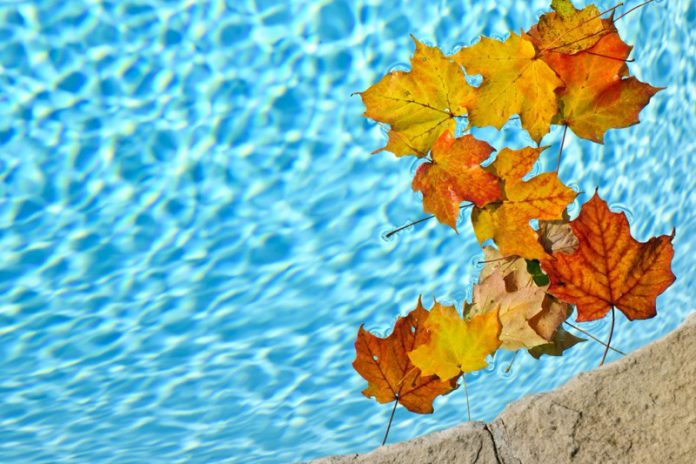
The fall season can be a great time to have your fibreglass pool built. While the best season to get your pool installed is usually spring, it can also be more expensive to have your pool installed then. This is because pool builders are usually busy through the spring season. You would need to book their services as early as winter if you want your pool built in the springtime.

Many people want their pools to be built during spring, so the pool is ready for use by summer. This makes finding pool builders to build your pool during spring more difficult. A cheaper alternative is to get your pool built during the off-season.

When it comes to the off-season for building swimming pools, you can choose between fall and winter. The winter season, depending on where you live, may not be perfect for pool building, especially if it snows in your area. The fall season, on the other hand, is perfect.

Building A Fibreglass Pool During Fall

You may think it’s counterintuitive to have your fibreglass pool installed during the fall season. But there are some definite advantages that you should know about. These include:

1. Finding Good Contractors

Pool builders aren’t usually busy during the fall season. The spring season is peak time for building pools, and their work can carry into the summer months as well. But by the time fall rolls around, swimming season is over. This means that pool builders will have less to do. You can also get your pool built for a less expensive price, than if you decided to build your pool during spring.

There’s another advantage you should know about as well. During the fall season, you can hire quality pool builders, as compared to pool builders who don’t have great references. Quality pool builders will also be free during the pool season, and you can get a trusted professional to build your fibreglass pool for you. You can even hire the services of the pool builder, specifically for the fall season, as early as spring or summer. It’s best not to wait till the fall season starts to look for a pool builder, to ensure that you can hire the services of the pool builder you want.

2. Temperatures Are Moderate

During the fall season, the temperatures outside are moderate. It can be comfortable to work in such temperatures. During the summer months, the construction team are usually in a rush. The first reason for this is that they want to ensure that they can build the sydney swimming pool fast enough for you to use it that summer. The second reason is the intolerable heat – the builders want to get their jobs done fast, so they can go inside and cool down.

But this isn’t an issue in the fall season. The pool builders won’t be in a hurry to build your pool since the summer season is far away. They can take their time, and do quality work as well since the temperature won’t be bothering them. They’ll be able to devote their full attention to building your pool.

3. Pool Landscaping

Once your fibreglass pool has been built, you’ll probably want to landscape around it. During spring and summer, it can be too hot to do landscaping work. In the same way pool builders will be in a rush to finish the work because of the heat, you will want to hurry too. The fall season is comparatively cooler and gives you the freedom to slowly landscape your yard.

If you hire a landscape designer, then it will be the off-season for them as well. This means that they can devote more time and energy to landscaping your pool. You can also slowly add to your pool landscape, such that your backyard is ready by the time the next pool season comes around.

4. Get the Pool Built In Time For The Pool Season

When you get your pool installed during the fall season, you probably aren’t thinking of using it as soon as it’s installed. You’ll need to wait through the winter season, as well as early spring before you can start using your pool. Otherwise, if you don’t have a pool heater, the water in your pool could be too cold.

When you get your pool installed during the spring or summer months, you’re in a rush to get the work done as soon as possible. If there are freak weather events, storms, or even spells of rain, then this can disrupt the pool-building process. It will take more time to build your fibreglass pool. Should you decide to get your pool installed during the fall season, however, then you have ample time to get the pool installed before the next swimming season.

Even if there is rain or a storm, your pool builders still have plenty of time to properly install your pool. You can also rest easy with the knowledge that by the time the next summer season comes around, your pool will be ready for use.

5. Delaying The Construction Of The Pool Deck

Once your fibreglass pool is installed, the next step is to install the pool deck that surrounds it. This can both be expensive and time-consuming. If you’re worried about your budget, then get your pool installed during the fall season. Then, you can save up money over the winter season, and get your pool deck installed around spring.

You can book the services of the pool builder who installed your pool, to work on your pool deck, next spring. Not only will this be easier on you financially, you’ll also be able to book the services of the pool builder before the springtime rush.

Conclusion

There are several advantages to getting your pool installed during the fall season. If you’re thinking of getting a spa installed as well, then the wintertime can be perfect for using it. When you get your pool installed during fall, you can hire the services of quality pool builders, enjoy pleasant weather during the pool building process, and more. If you want to ensure that your pool is ready for use by the time the next swimming season comes around, then consider getting it installed during fall.

Can Your Pool Water Affect Your Landscape And Plants?

If you’re a lawn enthusiast, then you may be wondering if the water in your fibreglass pool could affect your backyard landscape. This is because you’ll need to add pool chemicals to your pool water from time to time. Is there any way that these pool chemicals could damage the plants in your backyard?

The good news is that when you take the right precautionary steps, there’s nothing to worry about. Sometimes, water can splash out of your pool, such as when people splash the water around or jump into the pool, and more. But these little splashes of water won’t affect the plants surrounding your pool.

The only time your backyard landscape can be affected is when there’s a high concentration of either chlorine or salt in the water of your fibreglass pool. Learn how these can damage the plants around your pool, as well as what you can do to prevent that from happening.

Can The Water In Your Fibreglass Pool Kill Your Plants?

When there’s a greater concentration of certain chemicals in the water of your melbourne swimming pool, then this can lead to an imbalance of the pH levels. Should the soil in your backyard come into contact with such unbalanced pool water, it can be negatively affected. On the other hand, saltwater will affect the grass in your lawn, as well as plants in your backyard, differently.

When the plants in your backyard need to contend with high concentrations of salt in the water they’re absorbing, they can be affected. This saltwater can prevent them from absorbing essential nutrients as well as minerals. Now let’s look at what chlorinated and saltwater pools do to your landscape, individually.

When The Pool Water Is Chlorinated

Chlorine that is insulated can be harmful to all living things, including plants. This is because it can change the pH levels of the soil. Should the chlorine be diluted on the other hand, then it won’t affect your landscape negatively.

When water is splashed out of your fibreglass pool by people using it, this won’t affect the landscape. This is because the chlorine has been diluted in the water of the pool, as a result, it can’t affect the pH level of the soil. Should a large amount of this water splash across your yard, then this may affect your landscape.

When you’re emptying out your pool water you’ll need to ensure that the amount of chlorine in it is less than 0.1 ppm. If the amount of chlorine in the water is more, then this can kill the plants in your yard. Chlorine that’s undiluted can damage the grass, trees, as well as plants in your backyard.

When you maintain the pH level of your pool water, you ensure that your backyard plants are safe. At the same time, the water in the pool is also safe and clean to swim in.

So, does chlorine in the pool water affect your landscape? Not in its undiluted form. But if the amount of chlorine in the pool water is concentrated, then this can affect the plants in your backyard.

When You Have A Saltwater Pool

Saltwater pools are becoming more and more popular, and you could be one of the owners of a saltwater pool. Maybe you already know that salt doesn’t go well with plants, and are wondering how the water in your saltwater pool can affect your plants.

If the amount of salt in your pool water is excessive, what effect will this have on the plants in your yard? Say the plants in your backyard do get exposed to large amounts of salt. When this happens, the salt will enter the plants using tiny pores that are located in the roots. These pores are also where water and nutrients enter the plants from.

When salt enters through these pores as well, they can prevent nutrients and water from entering the plant properly. Over time, this can cause the plant to be damaged significantly.

If you have a saltwater pool, the water from the pool can sometimes splash out onto your lawn. If this happens, you should give your lawn a wash. Use fresh water to wash your lawn, to prevent the salt from being absorbed by the pores in the roots. Any salt that is deposited near the roots, will be washed away. You can also consider installing a system for drainage, where the water from your pool is taken outside. This can ensure that the saltwater from the pool is directly drained out safely, which can in turn keep the plants in your backyard landscape safe.

Should You Install A Turf Around Your Pool?

It’s becoming a trend among pool owners to install turfs around their pools. You can achieve a look for your backyard that’s softer, and your feet won’t be burnt as well, which can happen with pavers. If you do get turf installed, and have a saltwater pool, then only use high-quality salt in your pool water. This can be a little expensive, but it can keep your turf safe. Alternatively, you can install a drainage system between your pool and your turf as well.

Conclusion

You don’t have to worry about the water from your pool splashing out onto your yard, even if it happens every single day. Should you have a chlorinated pool, then the amount of damage it can cause to your landscape is very minimal. Simply maintaining the chlorine levels of your pool water, is enough to keep your plants safe.

But if you have a saltwater pool, then you’ll need to take extra precautions. Either use high-quality salt in your pool or install a drainage system to ensure that the water from the pool doesn’t splash out into your yard. Even small amounts of water splashing out can cause salt deposits to form near the roots of the plants. This can in turn prevent the plants from absorbing adequate moisture and nutrients, causing them to die.

As long as you take special precautions, irrespective of whether you have a chlorinated or saltwater pool, you can keep the plants in your backyard landscape safe.

What Are Swim Diapers? Are They Any Good?

If you have a baby or a toddler, then you may have thought about introducing them to your fibreglass pool. Note that you should never leave your child alone near the pool, they should always be supervised. Accidents can happen when children are left alone around the pool, so ensure that there’s always an adult around to monitor them.

If you know that you want to go swimming with your baby, then you may have been thinking about what you should do about their diaper. Can your baby enter the pool while wearing their usual everyday diapers? The answer, unfortunately, is no. While regular diapers are meant to keep your baby’s skin safe, even if they have ‘accidents’, they aren’t meant to endure when exposed to water for long periods of time.

Regular diapers need to be changed every time the baby soils them. They also can’t be immersed in water for long periods of time. So what should you do, if you want to go to the perth swimming pool with your little one? The answer lies in using swim diapers.

What Are Swim Diapers?

A swim diaper is also known as swim pants. It’s a diaper that’s specially designed for use in pools, the ocean, or other water bodies. Swim diapers help ensure that your baby’s bum is covered while they’re in the water, and thus protected as well. There are several kinds of swim diapers that you can consider for your little one, depending on what your exact needs are.

But let’s first look at why you should specifically get swim diapers if you want to go swimming with your baby.

Why Use Swim Diapers?

In countries like the US, there are rules regarding babies using swim diapers, when going into public pools. More and more people across the world, are learning about the benefits of swim diapers, especially should they want to enter a body of water with their child. But why exactly are swim diapers so useful?

  • Babies can have ‘accidents’ at any point in time. Changing regular diapers can be messy enough. If your child was using a regular diaper while in your fibreglass pool, then the mess they create can spread in your pool as well. This means that you’ll need to clean out the whole pool. Swim diapers prevent the mess from seeping out, and contaminating the water of the pool.
  • If fecal matter is spread in the pool, then this can cause bacteria to spread around the pool. When you’ve used a swim diaper on your child, then the fecal matter can’t penetrate through the layers of the diaper that easily. While you’ll still need to change your baby’s diaper, you won’t have to worry about cleaning out your pool as well.
  • Among the bacteria that can be spread in your fibreglass pool through fecal matter, is E. Coli. This is a dangerous bacteria that can very easily affect people and cause them to fall sick. You don’t want your family members or guests to all get sick with E. Coli. Instead, use a swim diaper whenever you bring your baby to your pool. This protects not just your baby, but other people using your pool as well.
  • Bacteria that cause infections can sometimes be lethal as well. Unless you want your loved ones to fall sick, always use swim diapers when bringing your baby to your pool.

Why Parents Prefer Swim Diapers

There are reasons why parents prefer to use swim diapers, instead of regular diapers, when taking their babies to the pool. This is for the following reasons:

  • Regular diapers can swell up when exposed to the water in the pool. Swim diapers, on the other hand, don’t have this problem.
  • If you’re getting your baby ready for a day at the pool, then swim diapers can be much easier to use, lasting longer than regular diapers.
  • You can find pool diapers in varying sizes, and they are easy to find as well. So no matter what the size of your baby is, you’re likely to find a swim diaper they’ll find comfortable to wear.
  • When you use swim diapers on your baby before they go swimming, you ensure that the child is both healthy as well as safe.
  • You can also protect other people who are using your pool, from contaminated water caused by your child having ‘accidents’.
  • You will be able to style your baby’s outfit as well, with swim diapers, making them look cuter.

What Separates Swim Diapers From Regular Diapers?

Swim diapers are designed specifically for being used in pools, the beach, and other water bodies. They don’t swell up when exposed to the water, but regular diapers do swell up. This makes regular diapers uncomfortable to wear, in water bodies. Regular diapers also don’t work properly in the water, and lose their ability to prevent urine and fecal matter from seeping out through the diaper.

It’s also easier to both put on as well as take off swim diapers, even when wet. While swim diapers have great water absorption, the same can’t be said for regular diapers. Regular diapers tend to sag when they become wet, and they can be uncomfortable to wear.

You can also choose between disposable and reusable swim diapers. For the disposable diapers, you’ll need to dispose of them as soon as they get soiled. You cannot use these diapers on your baby again. But you can buy reusable swim diapers as well. Reusable swim diapers need to be cleaned once they get soiled. You can carry disposable swim diapers to use if your baby soils the reusable diaper. After you’ve cleaned the reusable diaper thoroughly, you can use it on your baby again.

Conclusion

Swim diapers help ensure that your child can have a safe and fun time in your fibreglass pool, without feeling uncomfortable. Should they soil their diaper at any time, then swim diapers are capable of preventing urine and fecal matter from seeping out through the diaper and soiling your pool.

Compared to regular diapers, swim diapers also have better water absorption qualities. If you’re wondering what kind of diaper you should use on your baby, when taking them out to the pool, then consider using swim diapers.

Pool Installation in Winter, Spring, or Fall: Which Season is the Best?

Pool Installation in Winter, Spring, or Fall: Which Season is the Best?

You can choose to have a swimming pool installed at any time of the year. However, the time you pick can have numerous effects, especially in terms of the installation costs. In this article, we’ll take you through the pros and cons of having your pool installed in winter, spring, and fall. By the end of the article, we hope you’ll have enough information to make a sound decision as to when to get the installation done based on your preferences.

Spring pool installations

Most homeowners prefer pool installations across the months of spring. This is due to the fact that spring signals the imminent arrival of summer, and it’s during the summer months that a swimming pool is most enjoyable. Some of the advantages of pool installations in spring include:

  • Latest equipment: The majority of new pool technology and equipment, such as automated systems, cleaners, pool shells, and pumps, is launched during the months of spring. So, if you’re someone who likes to have the newest and the most advanced products, a spring pool installation would make sense for you.
  • Discounts on old equipment: Spring also makes for a good time for budget buyers, as it’s during this season that suppliers tend to be desperate to clear their shelves of older stock. So, if you like bargain deals, spring is a great time to purchase slightly older equipment at discounted prices.
  • Ideal for landscaping: The spring months are perfect for landscaping, which makes for good news if you want your pool space to look all decked up prior to your first swim. If you get the landscaping done in spring, you can expect your pool area to look gorgeous by the time summer comes around.

However, spring newcastle swimming pool installations also have a few negatives, such as:

  • More demand for contractors means higher installation costs: As we mentioned right at the beginning of this section – springtime is when most homeowners prefer their pools to be installed. Due to this, the demand for contractors skyrockets during this season. And you know how the laws of economics work, right? The greater the demand, the higher the price. Sure, you might come across a few builders that are offering low prices, but it’s best to steer clear of these builders and pay a higher price to a reputed builder.
  • Spring downpours can make things complicated: Another potential downside of spring pool installations is the possibility of heavy rain, which can make installations more complicated and time-consuming. This may add to the overall installation costs as well.

Fall pool installations

In recent years, fall pool installations have gathered momentum. While they aren’t as popular as spring pool installations yet, more and more homeowners are considering them due to some unique benefits that the season presents. One of the major considerations for fall pool installations is the length of the installation project. Quite simply, you don’t want the weather to worsen before the project ends. So, planning accordingly is imperative. You should know that:

  • It takes 3 – 6 weeks to install fibreglass pools
  • It takes 4 – 8 weeks to build vinyl liner pools
  • It takes 3 – 6 months to build concrete and gunite pools

Now that’s out of the way, let’s look at the benefits of fall pool installations:

  • Off-season for builders translates to lower installation costs: Fall is off-season for builders and contractors, which means that they’re typically available at lower prices compared to the months of spring. However, this trend is set to change in the coming years with pool installations becoming more and more popular with each passing year. So, if you want to take advantage of this, you should get your pool installed this coming fall.
  • Good weather for pool installation: During the fall months, the weather is cool, but not cold enough to freeze the ground. Typically, there’s no rain as well. The combination of these elements ensures that pool installations can go as per schedule with no chance of projects being extended due to bad weather. Even if your installation is delayed due to some reason, it won’t be a problem if you don’t plan on using your pool during the fall and winter months.

There’s only one potential disadvantage of fall pool installations – the possibility of the ground being frozen in colder regions. Installation costs can shoot up in such situations as installation projects typically become more complex and time-consuming.

Winter pool installations

Most homeowners steer clear of winter pool installations and for good reason. However, winter is a great time to save money on hiring builders and contractors as they’re available at their cheapest rates during the winter months. Some of the other benefits of winter pool installations include:

  • Time to repair the yard: Pool installations can be messy and cause damage to your yard. However, if you don’t plan on using the pool in winter, you can take the time to get the yard repaired before spring.
  • Finish the installation project comfortably: There’s no rush to finish installing the pool during winter as you probably won’t be using the pool before spring. So, builders and installers can take greater care and pay more attention to detail to ensure a perfect installation.

Again, the major disadvantage of a winter pool installation has to do with the weather, similar to a fall installation. Unexpected delays may happen, which may lead to an increase in installation costs. However, this is only a problem if you’re desperate to use your pool in winter. If not, you can look past this disadvantage.

Which season is the best for pool installation?

So, now that you know all the pros and cons of pool installations in spring, fall, and winter, it’s time to determine the best season for pool installation. Ultimately, the choice boils down to what you prefer. For instance, if the latest pool equipment is your priority and you don’t really care about the expenses, the spring season would be the best for you. However, if you want savings and discounts, you should get your pool installed in either the fall or winter season.

How To Keep Critters Out Of Swimming Pool

Summer’s here, and that means you’re getting ready to use your fibreglass pool every day. But during summer, you aren’t the only one who’s interested in your pool. Bugs, snakes, ducks, frogs, and other critters enjoy entering your pool as well. If you saw a snake in your pool, then you might decide to stay far away from it.

Bodies of water are actually natural habitats for various animals. Usually, they prefer areas that are darker and more vegetated. These provide them with protection against their predators. But if they can’t find a natural water body to rest in, they might consider visiting your fibreglass pool. So let’s look at some common critters that are likely to enter your pool, as well as how you can keep them out.

Snakes

Snakes tend to prefer pools that have black bottoms, over the more common blue-bottomed fibreglass pools. However, this isn’t always the case. It’s also possible for snakes to fall into your fibreglass pool completely by accident. If this does happen, then they may have trouble getting out of the pool. One way you can solve this problem is by getting a ramp or set of steps installed in your pool. The snakes can use these to slither out of your pool.

But what if you wanted to prevent snakes from coming anywhere near your pool in the first place? This is what you can do:

  • Consider sprinkling sulphur in its granular form, on the outside of your pool deck perimeter. Snakes don’t like the smell, and if they crawl on top of the sulphur, they can get rashes.
  • You can spread garlic as well as cloves around your pool deck as well, especially the dried kind.
  • If you plant mint leaves or lemongrass, then you may be able to dissuade snakes from coming anywhere near your backyard.

Frogs

Another kind of critter that you’re likely to find in your fibreglass pool during summer, is a frog. Frogs usually love spending time in the water. You can purchase specialized ramps for frogs, as well as other critters, that might enter your pool. You can also purchase a special skimmer which comes with a ramp located inside. This allows small critters to easily climb up the ramp, and then leave the sunshine coast swimming pool.

Some people also choose to manually capture frogs in buckets or jars. Then, they manually drive down to the nearest pond or lake and release them there. But what if you don’t want frogs to enter your pool at all? If this is the case, then you can purchase some rubber snakes, and leave them floating in your pool.

Frogs are known for being scared of snakes. So when they see the rubber snake in your fibreglass pool, they may decide to not come anywhere near it. Another thing frogs don’t like is the high levels of chlorine in the pool. If the pH level is low, then this can dissuade frogs from entering the pool as well.

One suggestion is sprinkling the filter powder from your DE filter on the edge of your pool deck, as well as near your planters. This can repel frogs from coming anywhere near your pool. In case you find frog eggs in your pool, you can remove them using a small bucket. A skimmer net may not work, as it can end up dispersing the eggs across your pool.

Ducks

Another kind of visitor you can have to your pool this summer is ducks. Ducks can be very messy, and they can end up affecting the pH level of your pool as well. They also increase the production of chloramines in the pool. Most of the time, ducks will only come to your pool for a little while, before straying off. But this isn’t always the case. If a duck decides that your fibreglass pool is its new home, then this can be problematic for you.

One way you can dissuade ducks from coming anywhere near your pool is by keeping a few plastic or wooden owls in your backyard. If you have a pet dog, then they can also chase the ducks out of your backyard. There’s also a product that’s been around for a while, meant specifically to get rid of ducks. Known as ‘Duck Off’, this product works by changing the water’s surface tension. As a result, ducks will no longer enjoy swimming in your pool. But this won’t affect human swimmers in any way, and you’re unlikely to notice it as well.

You can also think about investing in an automatic pool cleaner, for your fibreglass pool. Pool floats shaped like natural predators – such as alligators, can also keep ducks away. All of these make the duck think that there’s an actual predator in your pool. When this happens, the ducks are likely to leave your pool alone.

Bugs

Should you keep finding bugs floating in the water of your fibreglass pool, then it may be time to change its surface tension. While this won’t affect you while you’re swimming in your pool, bugs won’t be able to float in the pool water. Instead, they’ll sink to the bottom of the pool, and from there, the pool filter will remove them from the pool.

There are some products on the market that can enable you to achieve this effect. If you have bugs in your skimmer basket, then you can consider investing in a skimmer basket with a ramp. These allow the bugs to leave using the ramp, once they’re caught in the skimmer basket.

Alternatively, you can add a handle to the skimmer basket you already have.

Conclusion

Critters like snakes, bugs, frogs and ducks may enter your fibreglass pool, simply because they enjoy being near water. However, using your pool can be difficult, when you have critters floating in it. Depending on the kinds of critters you have in your pool, how you can get rid of them will change. This guide covers what the most common critters likely to enter your pool area are, as well as how you can get rid of them.

The Ins and Outs of Mortgage Origination

Mortgage origination is when a borrower applies for a loan to purchase a property. The lender assesses the borrower’s creditworthiness and decides whether or not to approve the loan. This process begins when the borrower submits a loan application and ends when the lender approves or denies the loan.

The Process of Mortgage Origination

The first step in the mortgage origination process is the loan application. The application must be completed accurately and ultimately, as the lender will use it to assess the borrower’s creditworthiness and determine the loan terms. The application will typically include information about the borrower’s income, assets, employment, and credit history. The lender will also require documentation to verify the information provided in the application, such as pay stubs, tax returns, bank statements, and a copy of the borrower’s driver’s license.

Once the loan application is complete, the lender will review it and decide whether to approve it. The lender will assess the borrower’s creditworthiness by looking at their credit score, employment history, and other factors. If the borrower’s credit score is too low or the lender is not satisfied with other information in the application, the lender may decline the loan.

The next step is the loan processing phase if the borrower is approved for the loan. During this phase, the lender will collect additional information to verify the borrower’s income and assets and to ensure the loan meets the lender’s standards. It may include ordering an appraisal of the property, obtaining a title search, and obtaining a survey. The lender will also check to ensure the borrower has sufficient funds to cover the down payment, closing costs, and other associated fees.

Once the loan processing is complete, the lender will issue a loan commitment letter to the borrower. The letter will outline the loan terms, including the interest rate, repayment schedule, and other essential details. The borrower will then have to sign and return the loan documents to the lender.

Once the loan documents have been signed, the lender will fund the loan. It is the final step in the mortgage origination process, and the loan funds will be disbursed to the borrower. The borrower can then use the loan funds to purchase the property.

Advantages of Mortgage Origination

Origination is an essential part of the mortgage process, as it is the process by which a lender creates and processes a loan for a borrower. In the mortgage origination process, lenders can review the borrower’s income and credit history, evaluate the borrower’s ability to repay, and assess the property’s value. Mortgage origination is a complex process, but it can benefit lenders and borrowers.

For lenders, mortgage origination can provide several advantages. First, it provides a way for lenders to evaluate the risk associated with a particular loan. By reviewing a borrower’s credit history, lenders can identify any potential problems that could prevent the successful repayment of the loan. Additionally, lenders can use origination to assess the property’s value to determine what loan amount is appropriate. It helps lenders minimize their risk and ensure that they are getting a fair return on their investment.

For borrowers, origination can also provide several advantages. First, it can help borrowers find the best loan terms. By researching different loan options and comparing rates, borrowers can identify the best loan for their needs. Additionally, origination can help borrowers understand the terms of the loan they are getting and ensure they get a fair deal. Finally, it can also help borrowers identify potential problems early on in the process, which can help them avoid costly mistakes down the line.

In addition to the advantages for lenders and borrowers, mortgage origination can also benefit the broader economy. By helping to facilitate the lending process, origination can help to increase the flow of capital into the economy, which can help to stimulate economic growth. Additionally, origination can help reduce default rates by ensuring that loans are being made to borrowers capable of repaying them. It can help reduce the risk of losses for lenders, increasing the availability of credit and reducing the cost of borrowing.

Sources of Mortgage Origination Data

Mortgage origination data is sourced from various sources, including lenders, loan servicers, credit bureaus, and other third-party providers. This data is used to track loan activity, assess risk, and assess the creditworthiness of borrowers. The primary source of mortgage origination data is the lender or loan servicer. Lenders provide information about the loan application, including details about the borrower, credit score, and loan terms. This data is typically collected through the loan origination process, which includes the application and verification of income and assets.

In addition to the lender or loan servicer, other third-party sources of mortgage origination data include credit bureaus. Credit bureaus collect and store information about the credit history of consumers. It includes details about the type of credit accounts they have opened, the amount of credit they have used, and the type of accounts they have closed. Credit bureaus also provide information about the performance of mortgages in the secondary market.

Finally, third-party providers of mortgage origination data include data brokers. Data brokers collect and store information from various sources, including lenders, loan servicers, and credit bureaus. Data brokers provide aggregated data about mortgage originations, including details about the type of loan, the amount of the loan, and the loan’s performance in the secondary market.

Mortgage origination data is crucial to the success of lenders and loan servicers. The data allows lenders to understand the local real estate market better, assess borrowers’ creditworthiness, and monitor mortgages’ performance in the secondary market. Additionally, data brokers provide aggregated data to identify trends and anticipate future market activity. By understanding the sources of mortgage origination data, lenders can make more informed decisions when assessing risk and determining loan eligibility.

Conclusion

Overall, mortgage origination is an essential part of the home-buying process and provides several advantages for lenders and borrowers. Mortgage origination is integral to the home-buying process and can benefit both lenders and borrowers.

Recent Posts

Posts You Might Like