
Home Blog Page 22

What is A Villa and Luxury Estate?

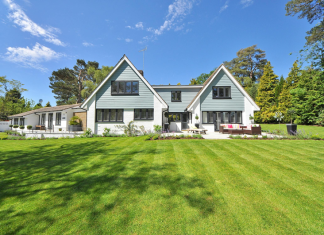
Imagine waking up to the soft rustle of leaves and the scent of flowers. You’re just steps away from a private pool. For many, this is more than a dream, it’s their daily life in villas and luxury estates. These homes offer a lifestyle, a retreat from the world, where comfort and luxury blend.

Villas and estates offer indulgence and personalized experiences. Villa Fleuve, for example, can host up to 18 guests and has a heated pool with swim jets. These details make a house a sanctuary. Estates also have big grounds with private parks and smart home tech, making them both beautiful and practical.

Quick Villa Estate Comparison

  • Villas and luxury estates offer the ultimate in comfort and luxury.
  • Villas are known for their beautiful settings, private pools, and large outdoor spaces.
  • Luxury estates have big land areas with private parks, sports courts, and advanced tech.
  • Events like the Pre-Loved Luxury Show show the mix of tradition and innovation in luxury.
  • Companies like BARNES provide special services for buying luxury homes.
  • Exclusive features, like those in Villa Fleuve, make living luxurious.

What is Villa

A villa is a luxurious home that offers a comfortable escape. It has lots of space and privacy. The idea of a villa comes from ancient Rome, where it was a home for the wealthy.

There were different types of villas back then, like the villa urbana and villa rustica. Today, luxurious villas in places like Ubud, Bali, keep this tradition alive.

Today, villas in Ubud, Bali, show off big spaces and top-notch facilities. They mix modern design with nature, creating a perfect living space. These villas are loved by those who want a unique lifestyle surrounded by nature.

Villas are known for their detailed designs inside and out. Nyuh Bali Villas in Ubud are a great example. They show what makes villas so attractive. You’re sure to find comfort, privacy, and beauty.

They offer all the luxury you’d want, combining modern comforts with peaceful surroundings. This makes them a great choice for those looking for a special place to live.

What is Luxury Estate

The luxury estate definition is more than just size. It’s about history and design. These estates sit on big lands with forests, gardens, or farms. They need care to keep their beauty.

Luxury estates are unique and private. They have custom designs and the latest tech. They also have green features for those who care about the planet.

Different Interior Design Styles

Exploring interior design styles is key to finding the perfect look for your villa or luxury estate. These styles focus on elegance, craftsmanship, and detail.

Villa Interiors Design

Villa interior ideas often include open spaces, lots of natural light, and a smooth transition between indoors and outdoors. This design aims for comfort and a peaceful living space. Famous designs like the Barcelona Chair and Wassily Chair, from the Bauhaus era, are now available through Knoll International.

The Bauhaus style uses a mix of neutral and primary colors, giving designers more options. On the other hand, minimalist styles suggest less is more, encouraging fewer purchases.

Luxury Estate Interiors Design

The luxury estate decor offers many design choices. You can choose from traditional styles with rich fabrics and solid wood to modern minimalist looks that value quality and precision. Traditional rooms often have light ceilings and neutral walls, paired with dark, ornate furniture.

Modern luxury interiors focus on unique centerpieces and larger objects. They reflect personal style and lifestyle needs, making spaces like kitchens and bathrooms luxurious. Good luxury design creates a sophisticated atmosphere through careful attention to detail and harmony.

Keeping spaces clutter-free and well-lit is essential for an elegant bedroom. Adding textures like silk and velvet pillows or plush throws can enhance the feel.

Features of Villa

High-end villas come with many luxurious features for today’s lifestyle. They focus on comfort and style, making living there unmatched.

Luxury Bedroom

The luxury bedrooms in villas are made for ultimate comfort and relaxation. In Ubud, you can find villas with many bedrooms and big living areas. They also have private pools and gardens. 2-bedroom villa in Ubud or bigger is suitable for a family stay. They have top-notch finishes, soft amenities, and big spaces. These luxury bedrooms are huge, filled with luxury and calm, perfect for relaxing in style.

Pool

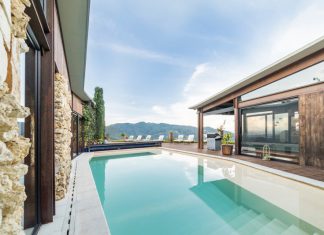
Many villas have a private swimming pool as a key feature. It’s a spot for both chilling out and having fun, surrounded by greenery or views. Modern villa amenities add lounges and cabanas by the pool, making outdoor living even more luxurious. Villas in gated communities often have pools and other resort-like features.

Outdoor Spaces

Villas are known for their big outdoor living areas. These spaces are designed for fun and relaxation, with outdoor kitchens, fire pits, and comfy seats. They also have private gardens and golf courses for more outdoor fun in a peaceful setting.

Uncrowded Environs

Villas are usually in quiet spots, away from city noise. They’re in serene environments, giving a peaceful escape. This makes villa living exclusive and calming.

Features of Luxury Estate

Luxury estates combine luxury, function, and the latest tech. They are perfect for those who want the best in estate living. These homes meet the high standards of their owners.

Expansive Living Spaces

Luxury estates are known for their large living areas. These spaces are over 3.500 square feet, ideal for both small and big gatherings. High ceilings and big hallways make them feel even bigger. Materials like stone, hardwood, and glass add elegance and last long.

Home Offices

With more people working from home, a luxury home office is key. These offices are set up like professional spaces, so you can work well without feeling out of place. They’re big enough to handle work needs, making them a must-have for many.

Prime Location

Luxury estates are in the best locations, giving them prestige and ease. They sit on big plots of land, from 2 to 50 acres. Being close to great schools, shopping, and culture makes them very appealing to wealthy buyers.

Sustainability and Smart Tech

Today’s luxury estates focus on green tech and smart homes. About 50% of them use smart tech and save energy. They have systems that save energy and are good for the planet. Smart home tech is in about 85% of them, making life easier and safer.

Is It Worth Staying in A Villa?

Staying in a villa offers many benefits, perfect for those looking for luxury and privacy. Villas provide 100% private amenities like pools and gardens. This means guests don’t have to share these spaces with others. This privacy makes villas a great choice for relaxation and enjoyment.

Villas also have plenty of space, often three to five times more than hotel rooms. They are perfect for larger groups, with lots of living areas, kitchens, and outdoor spaces. This space allows guests to enjoy their stay without feeling cramped.

Living in a villa can also save money. Renting a villa can be up to 30% cheaper than hotels, considering the space and amenities.

Villas can host more guests, making it cheaper for groups to stay together. They offer services like daily maid service and private chefs, making the stay more luxurious. Many villas also focus on sustainability, using solar power and reducing carbon emissions.

The freedom and flexibility of villa living are unmatched. Unlike hotels, villas allow guests to dine at any time. Guests can also plan unique activities, like wine tasting tours, adding a personal touch to their stay. For those looking for luxury, convenience, and exclusivity, a villa stay is definitely worth it.

Is It Worth Staying in A Luxury Estate

Luxury estates offer unmatched comfort and luxury. They have large grounds and special amenities for their residents. Features like smart-home technology boost security and value by 5-10%. Private tennis courts can increase value by 10-20%, perfect for recreation and events.

Living in a luxury estate means having plenty of private space. Outdoor areas like kitchens add value by creating more entertainment spots. Swimming pools can raise a home’s value by 7-15%.

Enjoying a high-end lifestyle, many love homes with spa bathrooms. These can increase home value by 25-30%. The pandemic has also made luxury second homes more popular, as people work remotely and seek better living conditions.

Investing in luxury real estate offers many opportunities. You can flip mansions, buy luxury condos, or build custom homes, each with its own benefits. Countries like Ireland and Mauritius are great for international investments, with affordable luxury properties.

These facts show that luxury estates offer a unique, high-quality living experience. They meet personal needs and desires, making them a worthwhile investment for those seeking exclusivity and luxury.

Consider Your Needs to Choose The Best

Choosing between a villa and a luxury estate depends on your lifestyle. If you value privacy, a private villa might be the best choice. About 65% of travelers choose villas for their privacy. These homes often have infinity pools with ocean views, found in 80% of luxury villas in Marbella.

On the other hand, a luxury estate might suit those who want lots of space and modern features. About 60% of luxury villa buyers look for security and maintenance services. Estates usually have high-end features like home offices and sustainable technologies for modern living.

Think about your future plans too. If you like modern designs, 60% of luxury villa buyers prefer them over classic. Luxury estates offer unique customization and can appreciate up to 10% in value in the first year. Weighing these features will help you find the right home for you.

Learn More

What is the difference between a villa and a luxury estate?

Villas are single houses for privacy and fun, often in beautiful spots with private pools. Luxury estates are bigger, with lots of indoor and outdoor features like parks and sports courts. They focus on being exclusive and high-tech.

What amenities can I expect in a villa?

Villas have many luxurious bedrooms, big living areas, private pools, and outdoor spaces. They are made for comfort and relaxation, giving a peaceful break from the world.

What defines a luxury estate?

Luxury estates are huge, with top design and materials, and lots of features like parks and sports courts. They offer a unique, comfortable experience.

What are the interior design styles for villas?

Villas have open spaces, lots of natural light, and a focus on comfort. They often have elegant designs that highlight good craftsmanship.

How are the interiors of a luxury estate designed?

Luxury estate interiors can be classic or modern. They use high-quality materials and focus on both beauty and function.

What makes the bedrooms in villas luxurious?

Villa bedrooms are big and comfy, with top furniture and decor. They also have access to peaceful outdoor views.

What are the defining features of luxury estates?

Luxury estates have big living spaces, prime locations, and green features. They also have high-end home offices and smart tech for a luxurious life.

How do I choose between a villa and a luxury estate?

Choose based on your lifestyle, space needs, privacy wants, and preferred amenities. Knowing the differences helps make a better choice.
Why Wall Tiling Is a Smart Choice for High-Moisture Areas

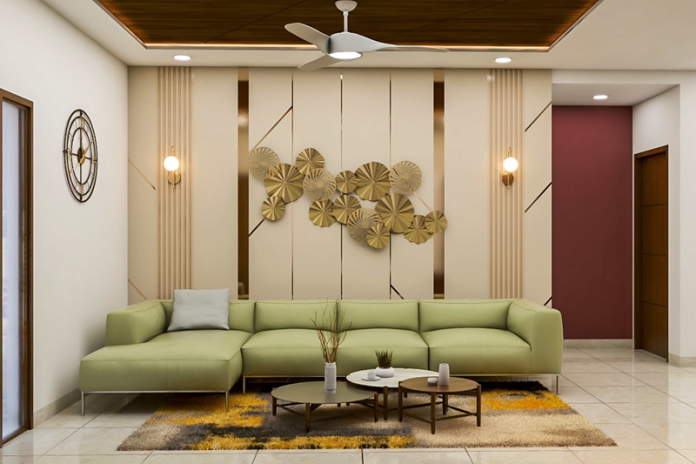
Of course, that applies to bathroom and kitchen designs or restorations as well as laundry rooms-that is, in high-moisture areas, the main condition being that the materials of choice can perform well when wet. One practical solution that also happens to be robust, attractive, and extremely functional is wall tiling. This is why it’s so intelligent for such rooms and what wall tiling may do to make functionality and aesthetic atmosphere better in your home.

1. Water Resistance

Wall tiles are best suited for wet or moist areas of the house primarily because they offer resistance to water. Painted walls or wallpaper will allow water seepage into your wall, creating problems.

Glazed tiles allow no leakage because the formed film of smooth, nonglazed quality is absolutely non-penetrable. Porcelain and ceramic go well with the flow of water; hence they are applied to certain extents like bathroom enclosure, shower wall splash and wet wall rooms.

2. Easy Maintenance

Wall tile can be easily cleaned since at times such places are undertaken frequent spills splashing and a considerable level of humidifying.

  • Cleaning the stains, soap scum, and grime from them can be carried out using a damp cloth or mild cleaning solution.
  • Minimum maintenance would, during regular maintenance, make your walls keep freshness and hygiene with little work.

This feature of low maintenance is an outright choice for the people who have busy lifestyles.

3. Prevents Mould and Mildew Growth

It Prevents Mould and Mildew Growth

  • Mould and mildew are generally caused by moisture environment which is dangerous to your health and harms your buildings.
  • The tile surface cannot allow water into the walls; this is the primary cause of molds.

Further, it is assured with anti-mould grout and proper sealing of tiles that keeps your walls free from every sort of dirt and harm.

4. Durable and Long-Lasting

Tiles are so strong, especially compared to wallpaper and paint since they will eventually peel off or may deteriorate with time due to moist conditions.

  • Wall tiles, once installed, can last for decades without losing their integrity or appearance.
  • This provides you with a long-term benefit and is also economical in the long run since you would not require frequent repairs or replacement services.

5. Versatile Design Options

Wall tiles are not only useful but rather versatile in style.

  • They come in such a very wide range of colors, patterns, textures, and finishes that one can easily find match-ups for most interior design styles.
  • If you like the glossy tiles for the sleek look or the stone effect for the natural look, you can be sure that mosaic designs stand out boldly- there’s definitely something for everyone.

You can also use them in providing visual interest in a space such as accent walls or decorative borders, hence making them not only practical but beautiful as well.

6. Heat Resistance

Both kitchen and bathroom experience the most change in temperatures.

  • Heat resistant tiles will do very well
  • The heat resistant tile is the one that will not crack in the nearness of a stove, oven, or a heated towel rail.

It guards your walls and keeps them.

7. Environment Friendly

The environmentally friendly people find wall tiles are available in earth-friendly material, too.

  • Almost all of them have the manufacture of recycled sources or the resourceful one to produce them from.
  • It even has the high life, giving less waste-which would ultimately be the eco-friendly compared with the often-change option for those other alternatives.

8. High Resale Value of Property

Getting good quality will add a big value to the property.

  • For example, any house buyer will look at the tiles of the kitchen and bathrooms first to ascertain the level of strength and care.
  • Tiles can be termed relevant at all stages because it will be like an obviously recently constructed facility or house if great care is shown.

Some selection tips for wall tile for wet areas

Some guidelines on getting best bang from the wall tiles.

Material Matters: Use only full porcelain or ceramic material for full resistance to water

Just the right size: Large can create a seamless look, while smaller ones are well suited for intricate designs

Grout: Waterproof grout prevents moisture from seeping between the tiles

Anti-Slip Finishes: Wet rooms require tiles with anti-slip properties for safety.

Tiling of walls can be a bright and reliable decision for high-moisture areas in the house. Given the water resistance and durability, there is a strong basis on which to ground such a stylishly designed form and function choice. Whether updating a bathroom or kitchen or planning a wet room, tiles are always the best low-maintenance options to keep up with the house’s best.

Investing in wall tiles not only ensures your home remains clean and hygienic but also adds a touch of elegance to any room. When it comes to tackling the challenges of high-moisture areas, wall tiles are a choice you’ll never regret.

Top Cane Furniture Trends for 2025 for your Home

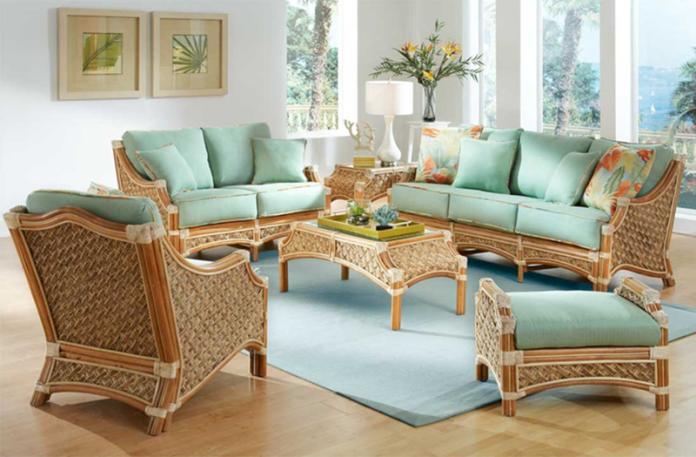
Interior design has been a place of cane furniture for centuries. It is light in weight, strong, and also environment-friendly. It brought back the old-world charm with a new trend in 2025. It has something to offer to anyone redecorating or just looking to add a little natural elegance to their home. Let’s dive into the top cane furniture trends of 2025 that will make your house look great and feel wonderful.

1. Sustainable designs and Eco-Friendly Designs

Sustainable designs are dominating in 2025, mostly cane furniture targeting the pro-green environment homeowner. Of course, this is just simply sustainable since cane furniture happens to be made out of natural fibres, therefore, renewable resource material and totally biodegradable. For that environmentally conscious person wanting style and non-toxic finishes, emphasis on sustainably sourced cane products.

2. Cane mixed with Modern Material

This season, cane is creatively being mixed with modern materials such as metal, glass, and marble. This provides an entirely new look for traditional cane designs to make it applicable in modern spaces. For example, a chair has a thin metallic leg on which the cane backing is added; or a dining table with glass finish and can trim can bring some modern flavor in any room.

3. Curved Cane Furniture

2025 is when soft, rounded edges become the new trend in design. That is also the feature cane furniture has adapted. Curved headboards, round-framed armchairs, and coffee tables with silky smooth lines are some of the latest fads. All these add warmth and softness to your space while maintaining the modern look.

4. Cane Lighting Fixtures

Cane is not just for furniture. In 2025, it is created to make lighting pieces very appealing, adding texture and an appeal to the room. The appropriate use of cane pendant lights, lampshades, and sconces creates a warm glow in any room. The natural lights go well with all interior décor; bohemian or minimalist.

5. Coloured Cane Furniture

Though earthy tones may never go out of style, colored cane furniture is in for today. Be it pastel shades, or vivid colors or even two tone-all are today’s favorites. They can either be extremely colorful pieces or the statement items within your homes as they bring along playfulness and uniqueness with them to a decor.

6. Outdoor Cane Furniture

Cane furniture is very robust and ideal for outdoor settings. Outdoor cane furniture is evolving in 2025, with weather-resistant finishes that will stand up to the elements. From cane loungers for your patio to dining sets for your garden, these pieces combine comfort with practicality, ideal for outdoor entertaining.

7. Multifunctional Cane Furniture

Houses are becoming smaller, and multifunctional furniture is the latest trend. The cane furniture comes with in-built storage or double purposes. For instance, an ottoman with a hidden storage compartment or a bench that can be used as a bookshelf will maximize the space without losing its style.

8. Vintage-Inspired Cane Pieces

Cane furniture has been back in style for a long time, and it has brought back the old vintage styles. Mid-century modern and art deco-inspired pieces are also very trendy these days. Imagine cane armchairs with large geometric patterns or sideboards that have intricately woven cane elements. The best part about them is that these designs are not time-bound, bringing character and class to any space.

9. Cane Accent Pieces

If you’re not ready to fully commit to cane furniture, incorporating smaller accent pieces is a great way to embrace the trend. Cane mirrors, trays, room dividers, and shelves are easy to style and can instantly elevate your decor. These pieces add subtle texture and warmth to your home without overpowering the space.

10. Customizable Cane Furniture

This is 2025: the year of personalization. Today, most makers do offer personal cane furniture through finishing orders, color, and even designs that fit perfectly in line with the style that you believe will be just right. Custom pieces will make sure whatever furniture you place in your home will perfectly fit and reflects your personality.

To Add Cane Furniture Trends Into Your Home:

Living Room: Put a cane sofa or coffee table for comfort that comes with elegance.

Bedroom: The headboard or side tables with caned details will look super nice and give the style a warm feel.

Dining Room: It can easily become the point of the whole room, and actually make it a great inviting mealtime spot.

Outdoor Spaces: Cane loungers and chairs, even with waterproof cushions, help one relax quite easily in the open spaces.

Why choose Cane Furniture?

It is fashionable yet useful at the same time. Cane furniture is quite light and very easy to maneuver around. It adds a quite warm feel of natural texture to any room. On top of this, it can last for so long and provide day-to-day usage, which will make it worthwhile for your house.

Cane furniture is a versatile and timeless choice that adapts beautifully to both traditional and modern interiors. The 2025 trends highlight its potential to transform your space while staying eco-friendly and stylish. Whether you’re drawn to curve designs, coloured finishes, or multifunctional pieces, cane furniture offers endless possibilities to refresh your home.

Embrace these trends to create a space that’s not only functional but also full of character and charm.

Rodent Proof Your Los Angeles Home Like a Pro

Rodent-proofing your Los Angeles home is a proactive approach to prevent infestations that can lead to health risks and structural damage. For homeowners in Los Angeles, where rodent activity is prevalent, implementing effective do-it-yourself (DIY) strategies is essential. Here’s a comprehensive guide to help you safeguard your home against rodents from the pros at Rodent Stoppers Los Angeles.

  1. Conduct a Thorough Inspection

Begin by examining both the interior and exterior of your home to identify potential entry points. Rodents can squeeze through openings as small as a quarter-inch. Focus on:

  • Foundation and Walls: Look for cracks, gaps, and holes.
  • Doors and Windows: Ensure proper sealing and check for gaps.
  • Roof and Eaves: Inspect for openings around vents and chimneys.
  • Utility Lines: Examine areas where pipes and wires enter the home.
  1. Seal Entry Points

After identifying potential access routes, it’s crucial to seal them effectively:

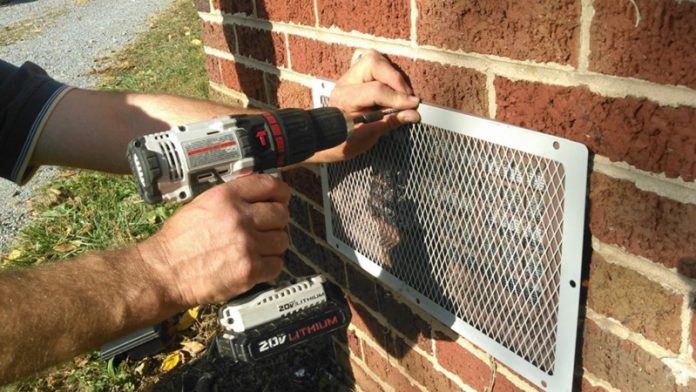
  • Materials: Use steel wool, metal flashing, or hardware cloth, as rodents cannot gnaw through these materials.
  • Application: Fill small holes with steel wool and seal with caulk. For larger gaps, use metal flashing or hardware cloth secured with screws.
  1. Maintain Cleanliness and Proper Sanitation

Rodents are attracted to food and shelter. To make your home less inviting:

  • Food Storage: Keep food in airtight containers and promptly clean up spills.
  • Garbage Management: Use lidded trash cans and dispose of waste regularly.
  • Declutter: Remove clutter from storage areas, as it provides nesting sites.
  1. Manage Landscaping

The exterior of your home can also attract rodents. To minimize this:

  • Vegetation: Keep shrubs and trees trimmed away from the house.
  • Firewood Storage: Store firewood at least 20 feet from the home and elevate it off the ground.
  • Ground Cover: Maintain a one-foot barrier of bare ground around your house to deter rodents.
  1. Utilize Natural Repellents

Incorporate natural deterrents to keep rodents at bay:

  • Essential Oils: Peppermint and eucalyptus oils can repel rodents. Soak cotton balls in these oils and place them in areas prone to rodent activity.
  • Predator Presence: Encouraging natural predators, such as owls, can help control rodent populations.
  1. Set Traps as a Preventive Measure

Even with preventive measures, it’s wise to set traps to catch any rodents that may enter:

  • Types of Traps: Snap traps are effective and provide quick results.
  • Placement: Position traps along walls and in areas where you’ve noticed rodent activity.
  1. Regular Monitoring and Maintenance

Consistent vigilance is key to maintaining a rodent-free home:

  • Routine Checks: Regularly inspect your home for new entry points or signs of rodent activity.
  • Prompt Repairs: Address any structural issues immediately to prevent rodent access.

When to Seek Professional Help

If, despite your best efforts, you notice signs of an infestation—such as droppings, gnaw marks, or scratching noises—it may be time to consult a professional rodent control company such as Rodent Stoppers. Rodent Stoppers is a leading service provider of rodent control services throughout the Southern California market, providing advanced solutions and ensuring your home is thoroughly protected.

By following these DIY rodent-proofing steps, you can significantly reduce the risk of infestations and maintain a safe, healthy living environment.

Transform Your Workspace with Custom Office Furniture inside the Philippines

In today’s speedy-paced global, the workspace has advanced from a trifling purposeful region to an area that considerably influences productiveness, creativity, and worker well-being. For organizations and people within the Philippines, wherein revolutionary and green use of space is a need, custom office fixtures offer the right answer. By tailoring furnishings to precise desires, custom workplace fixtures transform the workspace into greater practical, ergonomic, and aesthetically desirable surroundings.

Why Choose Custom Office Furniture?

  1. Personalized Functionality

Every business has particular needs. Custom office furniture lets in you to design desks, chairs, shelves, and storage answers tailor-made to the specific requirements of your painting’s methods. For example, an innovative organization may want modular desks for collaboration, while a regulation workplace might also prioritize adequate record garage. Personalized functionality ensures your workspace aligns flawlessly along with your everyday duties.

  1. Maximized Space Efficiency

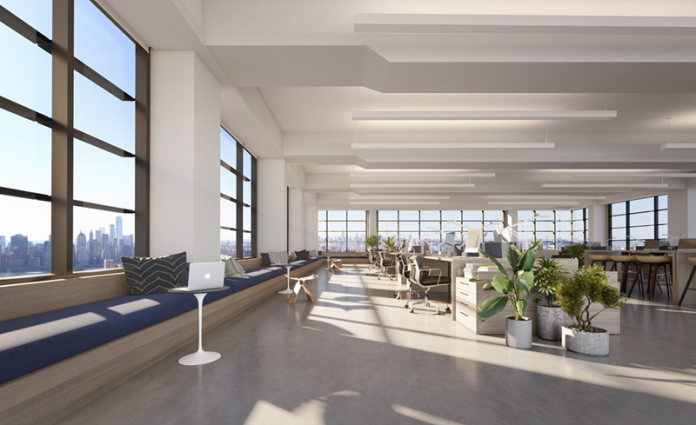
Space constraints are common in urban regions of the Philippines. Custom office furnishings permit you to maximize the usage of available space. Whether you have a compact home office or a huge corporate setup, custom designs assist creates an organized and litter-loose environment. Built-in garage, wall-set up desks, and multi-functional furniture are examples of solutions that optimize area utilization.

  1. Enhanced Aesthetics

Custom fixtures permit you to healthy the layout and color scheme of your office. A cohesive, visually appealing workspace can create an expert effect on customers and enhance employee morale. Whether you pick a minimalist layout or a vibrant, modern-day look, custom fixtures can bring your vision to life.

  1. Ergonomics and Comfort

Employee comfort is crucial to productivity and properly-being. Custom office furnishings can be designed with ergonomics in mind, ensuring right posture and reducing the threat of work-related accidents. Adjustable chairs, desks with the proper top, and wrist-pleasant workstations could make a large difference in each day comfort.

Benefits of Custom Office Furniture inside the Philippines

  • Support Local Artisans and Businesses

The Philippines boasts a wealthy history of expertise and fixtures-making. By choosing office furniture, you aid neighborhood artisans and corporations, fostering the increase of the united States’s innovative industries. Whether it’s timber, bamboo, or rattan, Filipino craftsmanship combines first-rate with sustainability.

  • Adaptability to Tropical Climate

The humid and heat weather in the Philippines can affect furnishings sturdiness. Custom-made fixtures allow you to pick out substances which can be proof against moisture, warmness, and pests, ensuring longevity even in difficult weather conditions.

  • Eco-Friendly Options

Many local fixtures makers within the Philippines provide sustainable and green substances. Choosing custom fixtures made from responsibly sourced wooden or recycled substances aligns with the global push for environmental conservation.

  • Cost-Effectiveness

While custom furnishings may also look like a giant funding first of all, it frequently proves fee-powerful in the end. Its durability, combined with the decreased need for common replacements, can keep cash. Additionally, the capability to layout multi-practical furniture minimizes the want for a couple of portions, in addition slicing charges.

Popular Types of Custom Office Furniture

  1. Custom Desks and Workstations

Desks are the heart of any workspace. Custom alternatives include adjustable peak desks, L-shaped workstations for nook spaces, and modular desks for shared offices. These designs cater to diverse paintings patterns and preferences, making sure superior productiveness.

  1. Ergonomic Chairs

Chairs designed for extended consolation and help are important. Custom ergonomic chairs may be tailored to body kind, favored cushioning, and lumbar assist desires, making sure long hours of seated paintings are extra cushy.

  1. Storage Solutions

Custom shelves, shelves, and submitting systems help preserve an organized workspace. Designs can comprise hidden storage to reduce muddle or open shelving to display ornamental objects or vital documents.

  1. Conference Tables and Collaborative Spaces

For businesses that thrive on teamwork, custom conference tables and seating arrangements beautify collaboration. Designs can comprise integrated charging stations or whiteboard surfaces for added functionality.

  1. Reception and Lounge Areas

A nicely-designed reception vicinity sets the tone for traffic. Custom furniture, including reception desks and lounge chairs, can create a welcoming and professional atmosphere.

Designing Custom Office Furniture: Key Considerations

  • Space Measurement

Before commissioning custom fixtures, degree your workplace area as it should be. This guarantees that each piece fits perfectly and contributes to a cohesive layout.

  • Material Selection

Choose substances that in shape your needs and options. For example, timber exudes warmth and class, at the same time as metal and glass lend a cutting-edge, glossy appearance. Consider the sturdiness and preservation necessities of each cloth.

  • Color Scheme and Theme

Align your furniture with the general topic of your office. Neutral tones create an expert and calming environment, whilst ambitious colorings can encourage creativity.

  • Budget Planning

Establish a clean price range for your custom furnishing’s assignment. While it’s essential to put money into excellent, staying within financial limits guarantees you acquire the preferred outcome without overspending.

  • Collaboration with Designers

Work carefully with furnishings designers to speak your imaginative and prescient and necessities. Experienced designers can provide precious insights and tips to beautify your thoughts.

Office Partition

The Philippines is domestic to several professional fixture’s makers focusing on custom designs. Popular regions for sourcing custom fixtures encompass Pampanga, Cebu, and Metro Manila. Local workshops often provide the benefit of customized service and a deep understanding of the neighborhood marketplace office partition.

To find the right custom fixtures maker, studies online evaluations, go to showrooms, and request portfolios. Discuss your wishes in detail, and don’t hesitate to ask for mockups or samples earlier than finalizing the design.

Conclusion

Transforming your workspace with custom workplace furnishings inside the Philippines is a realistic and creative manner to enhance productivity, aesthetics, and luxury. With limitless layout possibilities, you can create a workspace that reflects your logo’s identification or your non-public style whilst maximizing performance.

Investing in custom furniture isn’t just about improving your office—it’s about fostering surroundings in which ideas thrive, collaboration flourishes, and fulfillment will become a daily fact. Whether you’re a budding entrepreneur, a thriving corporation, or someone operating from domestic, custom office furnishings can redefine your workspace and elevate your work revel in.

Transform Your Space with Bespoke Plaster Moulding: Timeless Elegance, Tailored for You

What makes a house truly stand out? Is it the layout, the furnishings, or perhaps the colour scheme? While all these elements play their part, the devil is in the detail. Bespoke plaster moulding is one of those details that can take your home from ordinary to extraordinary. It’s not just about decoration – it’s about creating character, sophistication, and a unique story for your space.

What Is Bespoke Plaster Moulding, and Why Should You Care?

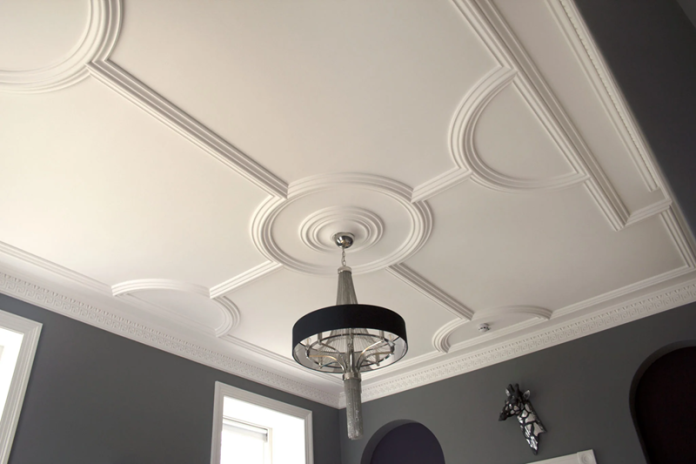
Bespoke plaster moulding services from Keaneys involve the art of crafting customised decorative features for your interiors. From elegant ceiling roses to intricate cornices, this service is all about tailored craftsmanship that reflects your personal style. Why should you consider it? Simple – no two homes are the same, so why settle for off-the-shelf designs that lack personality?

Imagine walking into a room and having guests admire the intricate detailing on your ceiling or the graceful lines framing your walls. These aren’t just design elements; they’re conversation starters. Whether your home leans towards modern minimalism or classic heritage, bespoke plaster moulding can complement and elevate your aesthetic effortlessly.

Why Choose Bespoke Over Standard Options?

You might be wondering, “Why go bespoke when I can pick up something ready-made?” Well, let’s look at the differences:

  • Personalisation – With bespoke plaster moulding, you’re in control. The design, size, and style are tailored to your vision, ensuring it fits perfectly with your space.
  • Unmatched Quality – Standard options often use synthetic materials that don’t hold the same charm or durability. Bespoke designs are crafted from high-quality plaster for a premium finish.
  • Timeless Appeal – Trends come and go, but the elegance of bespoke plaster moulding is timeless. Its handcrafted nature adds a level of sophistication that never goes out of style.
  • Restoration Potential – If you own a period property, bespoke mouldings can help restore original features with precision, blending seamlessly with your home’s heritage.

The key takeaway? Standard options can’t compete with the craftsmanship and uniqueness that bespoke plaster moulding offers.

What Can You Create with Bespoke Plaster Moulding?

The possibilities are practically endless. Let’s dive into some of the features that can be customised:

  • Cornices and Coving – These create a seamless transition between walls and ceilings, adding depth and structure to your space. Whether you want ornate detailing or sleek modern lines, they’re fully adaptable.
  • Ceiling Roses – Perfect for drawing attention to light fixtures, ceiling roses add a stunning focal point. You can choose designs that range from understated elegance to bold intricacy.
  • Wall Panelling – Add a sense of luxury to walls with beautifully crafted panels that suit any interior style. These can be subtle or bold, depending on your preference.
  • Fireplace Surrounds – Frame your fireplace with plaster moulding to create a cosy and stylish centrepiece.
  • Columns and Pillars – Add grandeur with plaster columns, ideal for hallways or open-plan spaces where you want a touch of drama.

By choosing bespoke, you’re not just selecting a product; you’re commissioning a work of art that’s designed exclusively for your space.

Is Bespoke Plaster Moulding Only for Older Homes?

Absolutely not! While it’s true that plaster mouldings are often associated with Georgian or Victorian properties, they’re just as impactful in modern homes. In fact, clean, minimal moulding designs can add a layer of sophistication to contemporary interiors without feeling out of place.

For example, sleek coving can create a polished finish in a modern living room, while a subtle ceiling rose can highlight pendant lighting in an open-plan kitchen. The versatility of bespoke plaster moulding means it works for any style, from classic to cutting-edge.

What to Expect from the Process

If you’re considering bespoke plaster moulding, you might be curious about what the process involves. Here’s a quick overview:

  • Initial Consultation – This is where you share your vision, whether it’s inspired by a particular era, a design trend, or simply your imagination.
  • Design and Planning – A skilled craftsman will work with you to create a design that aligns perfectly with your space and aesthetic.
  • Crafting – Once the design is approved, the moulding is handcrafted with precision, using high-quality plaster for a flawless finish.
  • Installation – Finally, the moulding is expertly installed in your home, ensuring a perfect fit and seamless integration with your interiors.

It’s a collaborative process that ensures the end result is exactly what you envisioned – or better!

How Bespoke Plaster Moulding Adds Value

Beyond aesthetics, bespoke plaster moulding is an investment in your home. The attention to detail and craftsmanship can significantly boost your property’s value, especially in homes where architectural features play a key role in buyer appeal. It’s not just about monetary value either – the sense of pride and satisfaction you’ll feel when living in a beautifully detailed space is priceless.

Ready to Add Something Special to Your Home?

There’s something incredibly satisfying about transforming your space with bespoke plaster moulding. Whether you’re restoring period features or adding personality to a new-build, this custom service offers endless possibilities to elevate your home. It’s not just about aesthetics; it’s about creating a space that reflects your taste and leaves a lasting impression.

Why settle for ordinary when you can have extraordinary? Bespoke plaster moulding lets you create something truly unique, tailored to your style and space. The result? A home with character, charm, and a touch of timeless elegance.

Signs Your Tree Needs Professional Removal

Trees are a valuable part of our ecosystem, offering shade, beauty, and vital environmental benefits. However, even the most robust trees sometimes need professional intervention to ensure safety and sustainability. Knowing when to remove a tree is essential, not just for protecting your property but also for managing your environmental impact responsibly. Here’s a detailed guide to recognizing when it’s time to call in experts for tree removal and how professional services can help you make the best decisions for your landscape.

Signs That Your Tree May Need Removal

Visible Damage or Decay

A tree’s health can often be gauged by examining its trunk, branches, and bark. Cracks, deep cavities, or peeling bark can indicate structural issues. Fungal growth, such as mushrooms around the base, suggests internal decay. Dead branches, known as “widowmakers,” pose significant hazards and should not be ignored.

Leaning or Unstable Trees

Trees that suddenly start leaning or appear unstable may have root damage or weakened structural integrity. While some trees naturally grow at an angle, a sudden lean can be a red flag that the tree is at risk of falling.

Storm Damage

Severe weather can wreak havoc on even the healthiest trees. Splintered trunks, broken limbs, or partial uprooting after a storm are clear indications that professional evaluation is necessary. In some cases, a tree can be salvaged, but other times, removal is the safest option.

Invasive Root Systems

Trees with roots encroaching on foundations, sidewalks, or underground utilities can cause extensive property damage. If left unchecked, these roots can compromise structural stability and require significant repairs.

Pest Infestations

Infestations by termites, borers, or other wood-destroying insects weaken trees from the inside out. Signs include small holes in the trunk, sawdust-like residue, and visible insect activity. A professional can help determine if the tree can be saved or if removal is necessary to prevent the infestation from spreading.

Poor Health or Decline

A tree with sparse foliage, discolored leaves, or stunted growth may be suffering from disease or poor soil conditions. While some issues can be remedied with care, others may require removal if the tree’s health continues to decline.

Environmental Considerations for Tree Removal

Removing a tree has environmental implications, but it’s not always a negative outcome. A dead or diseased tree can pose risks to surrounding plants, wildlife, and soil health. By removing an unhealthy tree, you’re making space for new growth and prioritizing the long-term sustainability of your landscape. Additionally, professionals can often recycle removed trees into mulch, firewood, or other eco-friendly products to minimize waste.

For a wealth of helpful information about trees, their benefits, care tips, and more, visit the U.S. Department of Agriculture Forest Service website.

Why You Shouldn’t Attempt DIY Tree Removal

While it may be tempting to tackle tree removal on your own, doing so is extremely dangerous. Falling branches, unstable trees, and improper equipment can lead to severe injuries or property damage. Moreover, removing a tree without understanding local regulations could result in fines or penalties. Professional tree services have the training, tools, and expertise to handle tree removal safely and efficiently. From assessing the tree’s condition to executing the removal process, they get the job done with minimal risk to you and the environment.

How Professional Tree Services Help

When you hire a professional tree service, you gain access to a comprehensive range of support, including:

Assessment and Consultation

Experts evaluate the health and stability of your tree, providing guidance on whether removal, trimming, or other interventions are necessary.

Safe Removal

Professionals use advanced equipment and techniques to remove trees without damaging surrounding structures or landscapes.

Stump Removal

Unsightly stumps can attract pests and hinder new growth. Stump grinding or removal ensures a clean and safe yard.

Storm Damage Cleanup

After a storm, professionals can quickly and safely address fallen trees or hazardous branches.

Bamboo Remediation

Invasive bamboo can overtake your yard and disrupt native ecosystems. Specialized services can help manage and remove bamboo effectively.

Tips for Reducing Your Environmental Impact

If you’re concerned about the environmental impact of tree removal, here are some tips to make eco-conscious choices:

Plant a Replacement Tree

For every tree removed, consider planting a new one. Choose native species that support local wildlife and thrive in your area’s conditions.

Repurpose Tree Materials

Ask your tree service about recycling options for wood and mulch. This reduces waste and benefits your garden or landscaping.

Preventative Maintenance

Regular tree trimming and health evaluations can extend the life of your trees, reducing the need for removal.

When to Call a Professional

If you’re unsure whether a tree needs removal, err on the side of caution and consult an expert. Early intervention can save a tree or prevent hazards from escalating. Professionals can also help you navigate permits and regulations, ensuring compliance with local laws.

For residents of Maryland, Columbia Tree & Lawn Service is a trusted resource for all your tree care needs. With services ranging from tree removal and trimming to storm damage cleanup and bamboo remediation, their experienced team is committed to maintaining the beauty and safety of your landscape.

Take the Next Step

Deciding whether to remove a tree is a significant responsibility, but you don’t have to face it alone. By partnering with skilled professionals, you can keep your property safe, sustainable, and beautiful. For expert tree care and environmentally conscious solutions in the Elkridge, MD area, contact Columbia Tree & Lawn Service today.

Pest Control

Picture this: you wake up to scratching sounds in your walls or find tiny droppings under your sink. For many, these are the first signs of a pest invasion, and the stress that follows can be overwhelming. Pests don’t just create discomfort—they can damage property, spread disease, and disrupt daily life. That’s why professional pest control, like the services offered by Golden Circle Exterminators is essential for maintaining a safe and healthy home. They specialize in prevention, treatment, and routine care, ensuring families can enjoy their spaces without worry. Let’s dive into the strategies they use and how you can benefit.

Understanding Common Household Pests

Each pest brings its own unique set of challenges. Recognizing the type of pest and its habits is the first step to addressing the issue effectively. Here’s a closer look:

  • Rodents: Mice and rats often seek shelter indoors during the colder months. One family discovered chewed wires in their basement—an issue that could have led to a dangerous fire.
  • Insects: Ants and cockroaches thrive in kitchens and bathrooms, while termites silently wreak havoc on wood structures. A homeowner found sagging floors caused by undetected termite damage.

Understanding these pests helps you act swiftly before they cause major disruptions.

Prevention Strategies

Prevention is the first line of defense against pests. Here are three simple strategies:

  • Seal entry points: Use caulk or weather-stripping to close gaps in doors, windows, and walls.
  • Remove attractants: Store food in airtight containers and dispose of garbage regularly.
  • Maintain cleanliness: Regularly clean kitchens and dining areas to eliminate crumbs and spills.

For more guidance on pest prevention, the Environmental Protection Agency offers detailed information on integrated pest management.

Effective Treatment Options

When prevention isn’t enough, treatment becomes necessary. The type of treatment depends on the pest. Here’s a comparison of some common treatment methods:

Pest Treatment Pros Cons
Rodents Traps and Baits Effective for small infestations Requires monitoring and disposal
Ants Bait Stations Targets entire colony Takes time to reduce population
Cockroaches Gel Baits and Sprays Direct and widespread application Potential chemical exposure
Termites Barrier Treatments Long-lasting protection Professional installation required

Routine Maintenance

Routine maintenance is key to sustained pest control. Regular inspections help spot early signs of infestations, allowing for prompt action. Scheduled treatments keep potential infestations at bay. Maintaining good housekeeping practices, such as consistent cleaning and proper waste management, supports these efforts.

The Penn State Extension provides resources on routine pest management and maintenance practices for homeowners.

Benefits of Professional Pest Control

Hiring professionals like Golden Circle Exterminators offers many advantages:

  • Expert knowledge: Professionals understand pest behavior and effective treatment methods.
  • Safe methods: They use treatments that are safe for humans and pets.
  • Long-term solutions: Professionals offer lasting results with fewer risks of re-infestation.

With the right approach, pest control becomes a manageable task. Understanding the pests, using effective prevention and treatment strategies, and maintaining a routine create a safe and comfortable home environment. Partnering with experts can enhance these efforts, ensuring lasting peace of mind.

How to Choose Prefabricated Home Floor Plans That Fit Your Lifestyle

In today’s fast-paced world, time is valuable and living sustainably is key. Prefabricated homes have become popular in Australia. They offer a cost-effective, eco-friendly, and flexible housing solution. But, finding the right prefab floor plan for your lifestyle can be challenging.

This guide will explore the world of prefabricated homes. We’ll look at the benefits and important factors to consider. Whether you’re buying your first home, downsizing, or looking for a sustainable future, we’ll help you find your dream prefab home.

Key Takeaways

  • Prefabricated homes offer cost-effective and time-saving solutions for Australians
  • These homes are designed with sustainability and environmental impact in mind
  • Selecting the right floor plan is crucial to ensure it fits your lifestyle and needs
  • Considerations such as budget, space requirements, and local regulations are essential
  • Customisation options allow you to tailor the home to your personal preferences

Understanding Prefabricated Homes Floor Plans and Their Benefits

Prefabricated or modular homes are gaining popularity in Australia. They are eco-friendly and offer many benefits. These homes are cost-effective and sustainable, making them a great choice for those looking for affordable living spaces.

Cost-Effective Housing Solutions

Prefab homes are cheaper to build. They are made in factories, where materials are used efficiently. This leads to lower costs compared to building on-site, making them a budget-friendly option.

Time-Saving Construction Process

The construction of prefab homes is quick. Most of the work is done in a factory. This means less time is spent on-site, allowing for a faster move-in time.

Environmental Impact and Sustainability

Prefab homes are good for the environment. They use eco-friendly materials and save energy. They also have features like insulation and renewable energy, making them sustainable.

Prefab homes offer many benefits. They are affordable, efficient to build, and good for the planet. This makes them a popular choice for modern, sustainable living in Australia.

Essential Considerations Before Selecting Your Floor Plan

Choosing the right prefabricated home floor plan involves several key factors. You need to think about your current and future space needs. It’s also important to understand local building rules. Each step is vital to ensure your modular home design fits your lifestyle and follows Australian building codes.

Current and Future Space Requirements

Start by looking at your current and future space needs. Think about how many bedrooms, bathrooms, and living areas you need. This will help you find the right prefabricated homes floor plans for your family’s needs now and in the future.

Budget and Financial Planning

Setting a realistic budget is crucial when picking a prefab home floor plan. Look at your financial situation and explore financing options. This could include government grants or loans. It’s important to find a plan that fits your budget and meets your design preferences.

Local Building Regulations and Restrictions

Before you decide on a prefabricated home floor plan, learn about local building rules. Things like zoning laws, setback requirements, and energy standards can affect your design. Talking to local authorities or a professional can help you understand these rules. This ensures your chosen floor plan meets Australian building codes.

By carefully considering these factors, you can choose a prefabricated homes floor plan that meets your needs. It will also follow the necessary regulations. This leads to a smooth and successful modular home construction process.

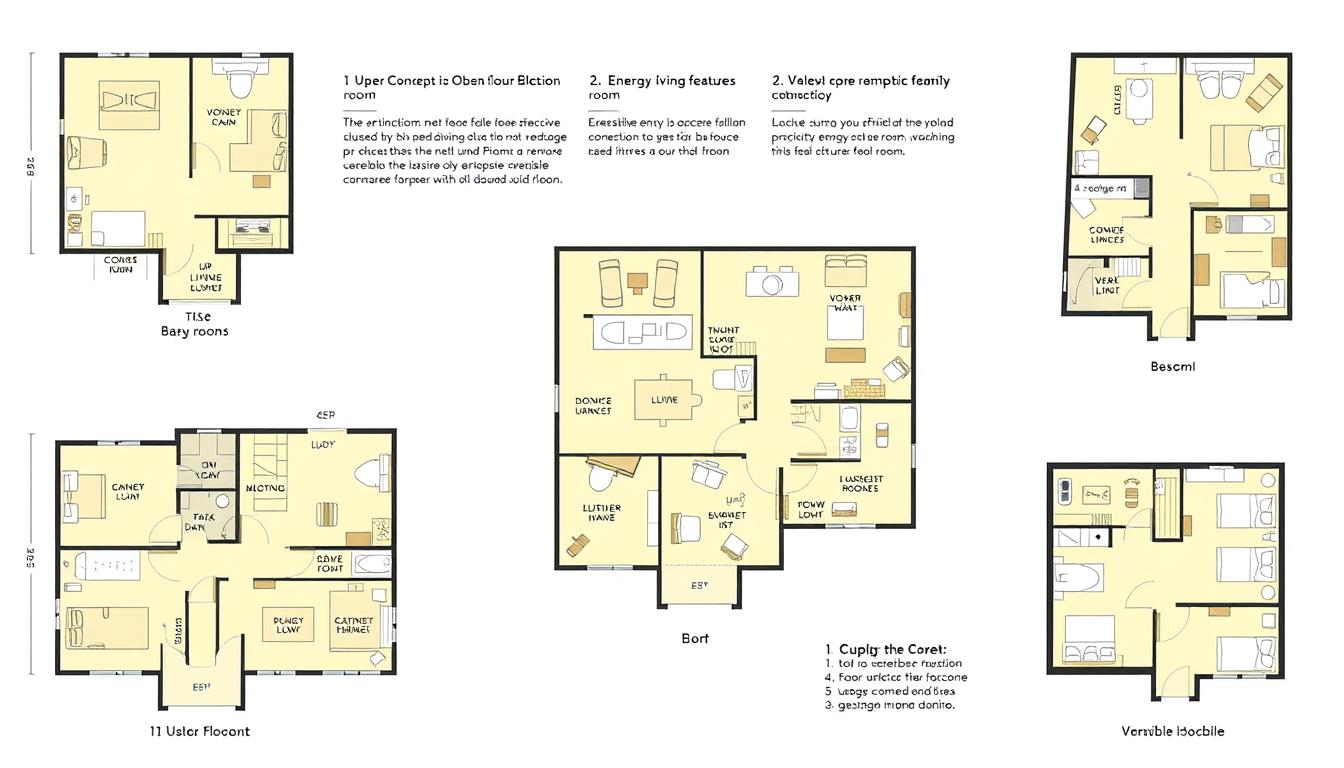
Popular Prefab Home Designs in Australia

In Australia, prefab homes are becoming more popular. They offer modern, affordable housing. These homes come in many designs, fitting different lifestyles and locations.

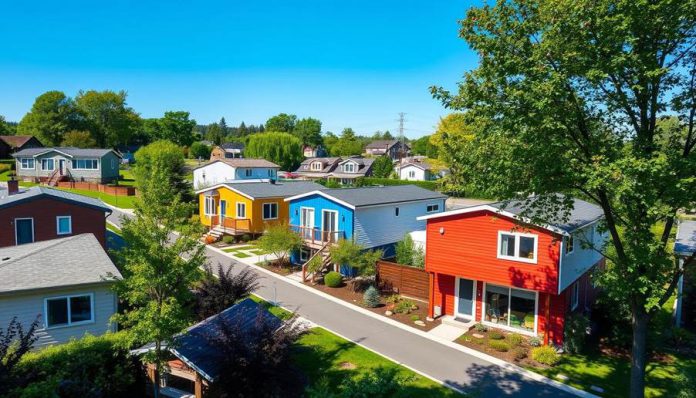
The sleek single-storey prefab homes are in high demand. They’re great for young couples or small families. These homes have open spaces and smart layouts, making them cosy and efficient.

For those wanting more room, multi-level prefab homes are a hit. They have lots of bedrooms, living areas, and even lofts. These homes are perfect for big families or those who love to host. They also have big windows for lots of natural light.

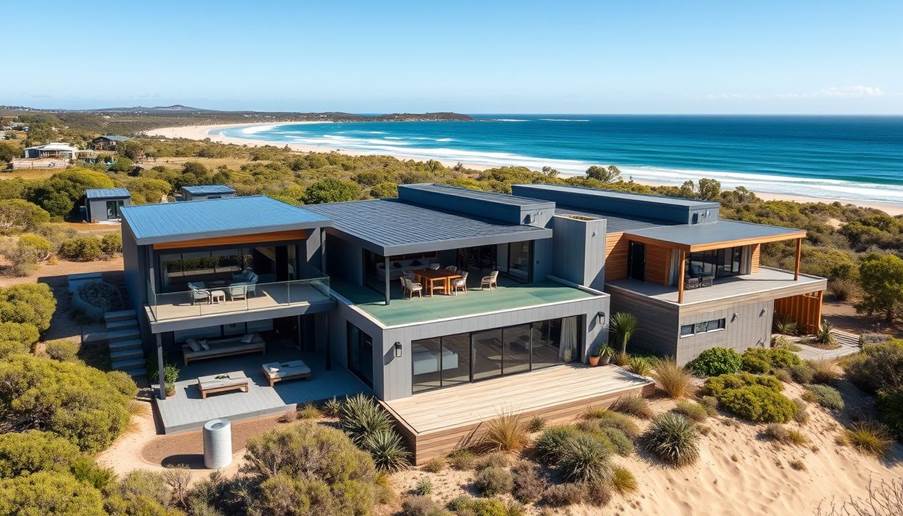
Prefab homes in Australia are designed to fit the local climate. Coastal homes have open areas and strong materials. In temperate areas, they focus on keeping warm or cool.

Popular Prefab Home Designs in Australia Key Features
Single-storey Compact Homes – Open-concept living areas

– Efficient, low-maintenance layouts

– Ideal for small families or couples

Multi-level Spacious Homes – Ample bedrooms and living spaces

– Panoramic windows for natural light

– Suited for growing families and entertaining

Climate-responsive Designs – Coastal homes with durable materials

– Temperate homes with energy-efficient systems

– Tailored to regional preferences

There’s a prefab home design for everyone in Australia. Whether you’re looking for something modern, affordable, or climate-friendly, you’ll find it.

Customisation Options and Architectural Features

Choosing a prefabricated home lets you tailor it to your lifestyle. You can change the inside layout, add special design touches, and make it energy-efficient. This way, your home will show off your personal style.

Interior Layout Modifications

Prefab homes can be changed to fit your needs. You can have an open-plan living area, a home office, or more bedrooms. Many prefab makers let you pick your floor plan. This makes your home work better for you.

External Design Elements

Even though prefab homes are standard, you can still make them unique. You can pick the materials and style of your roof. You can also add special features like porches and balconies. This lets you make your home look like it belongs in your area.

Energy-Efficient Features

Modern prefab homes focus on being green and saving energy. They come with things like good insulation, energy-saving windows, and solar power. These features help the planet and save you money on bills. So, your customisable prefab home is also energy-efficient modular housing.

With prefab homes, you can make a space that’s both practical and personal. The design lets you create a home that’s just right for you. It shows off your style and care for the environment.

Conclusion

Choosing prefabricated home floor plans can really change your lifestyle. Prefab homes are affordable, save time, and are good for the environment. They’re worth thinking about in Australia.

Knowing the perks of prefab homes is key. You need to think about how much space you need, your budget, and local rules. There are many prefab designs in Australia. You can find one that fits your style and values.

The prefab market in Australia is growing. It’s set to solve big housing problems and offer a new way to build homes. Prefab homes let you create a space that’s just right for you. They also help make our environment better.

FAQ

What are the advantages of prefabricated homes?

Prefabricated homes are cost-effective and save time. They also have a lower environmental impact. This makes them a favourite in Australia for their affordability and green benefits.

How do I choose the right prefab home floor plan for my lifestyle?

Choosing the right prefab home floor plan is key. Think about your current and future needs. Also, set a budget and check local building rules. This way, you get a design that fits your life and meets Australian standards.

What are some popular prefabricated home designs in Australia?

Australia offers a variety of prefab home designs. You can find everything from small single-storey homes to big multi-level ones. These designs suit different lifestyles and climates across the country.

Can I customise a prefab home to suit my preferences?

Yes, you can make a prefab home your own. You can change the inside layout, pick the outside look, and add energy-saving features. This lets you create a home that’s just right for you.

How sustainable are prefabricated homes?

Prefabricated homes are good for the planet. They use energy-saving features and eco-friendly materials. Plus, building them in a factory reduces waste and site disruption.

Key Signs It’s Time to Replace Your Roof

When it comes to maintaining the structural integrity of your home, pay attention to the signs that indicate it’s in your best interests to replace your roof. Postponing the work can lead to problems, impacting your home’s safety and value.

Recognizing common issues early on helps you make the best possible decisions about the condition of your roof.

Replace Your Roof if You Detect Persistent Leaks

One of the most obvious signals is a persistent roof leak. Water infiltration can cause extensive interior damage, including mold growth, weakened ceilings, and compromised insulation.

A minor leak might be manageable through repairs, but widespread water damage often requires a residential roof replacement. If your home consistently suffers from leaks after rainfall, it’s a sign the roof’s protective barrier has deteriorated.

Shingle Damage

Shingles act as the first line of defense against weather. Missing, cracked, or curling shingles indicate your roof’s aging process. Over time, exposure to sun and weather weakens the materials, making them brittle.

Hailstorms or high winds worsen this wear and tear, leaving your roof vulnerable to further damage. Severe shingle loss often warrants a replacement rather than repeated patchwork repairs.

Granule Loss

Shingles are coated with granules that protect them from UV rays and harsh weather. Finding significant amounts of granules in your gutters or downspouts suggests that your roof may no longer be effectively shielding your home.

This issue is concerning for older roofs and frequently indicates that a full replacement is the most viable solution.

Sagging Roofline

A roofline should remain straight. Any noticeable sagging or drooping is often a sign of structural issues within the roof deck.

Moisture accumulation or compromised supports can cause these deformities, posing a serious risk to the stability of your home. Prompt attention is required, often leading to a recommendation to completely replace your roof.

Repeated Need for Storm Damage Repair

If your area frequently experiences severe weather conditions, your roof may suffer repeated harm from high winds, heavy rain, snow, or hail. Consistently needing storm damage repair indicates that the roof is struggling to withstand further abuse.

At this point, investing in a replacement offers a more permanent solution to ongoing problems.

Rising Energy Costs

An aging roof can impact your home’s energy efficiency. Damaged roofing materials and poor insulation allow heat to escape during winter and enter during summer.

If your energy bills are unexpectedly rising, it’s worth assessing the roof’s condition to determine if it’s contributing to increased heating and cooling demands.

Damaged Flashing

Flashing around chimneys, vents, and skylights serves to prevent water penetration at vulnerable areas. When flashing becomes cracked or detached, water can seep into the underlying structure.

Older roofs may have flashing made of materials prone to rust, which can signal the need for residential roof replacement.

Moss and Algae Growth

While moss or algae on your roof might seem like a minor cosmetic issue, it’s often a warning of deeper problems. Moss retains moisture, which can weaken roofing materials over time.

Excessive growth might indicate your roof has trouble draining water. In advanced cases, it’s wise to replace the roof entirely to prevent further complications.

Roof Age

The age of your roof is one of the best indicators of its condition. Most roofs last between 20 and 30 years, depending on the material and maintenance.

If your roof is approaching or has exceeded this timeframe, even small issues may suggest that a replacement is a smarter option than ongoing repairs.

Sunlight Through the Attic

A trip to your attic can reveal clues about the state of your roof. If you notice sunlight shining through cracks or gaps, it’s a clear indication that the roof’s layers have thinned or shifted.

These breaches often allow water to enter, increasing the damage and the urgency for a reliable roofing service to perform a replacement.

Curling or Buckling Shingles

Shingles should lay flat against the roof’s surface. When they curl or buckle, it signals aging and deterioration.

These changes diminish the roof’s ability to protect your home from precipitation, leaving it susceptible to leaks. Extensive curling across large sections necessitates a complete replacement to restore protection.

Ice Dam Formation

In colder climates, ice dams—ridges of ice that form at the edge of a roof—can cause damage. These barriers prevent water from properly draining, forcing it to back up under the shingles.

Though proper insulation and ventilation can help to reduce ice dams, a compromised roof often requires replacement to deal with the root of the issue.

Structural Rot

Rot in wooden components of the roof undermines its ability to provide support. Often caused by long-term water exposure, this issue weakens the entire structure and poses safety concerns.

Repairing rotted sections might not be feasible if the damage is widespread, making a new roof necessary to restore strength and longevity.

Poor Installation

Subpar installation practices contribute to premature roofing failures. If your roof was improperly installed, you’re likely to experience persistent problems such as leaks, loose shingles, or ventilation issues.

Taking care of these mistakes usually involves hiring a reliable roofing service to install a new roof correctly.

Hail Damage

Hailstorms are particularly harsh on roofs, causing dents, cracks, and granule loss. If hail has repeatedly struck your roof, the cumulative impact weakens its ability to function.

Regular inspections following severe weather can help identify whether a replacement is needed to avoid future problems.

Changing Aesthetics

A roof contributes to a home’s visual appeal. Over time, weathering and material degradation impact its appearance. Homeowners planning renovations or preparing to sell often choose to replace their roof to improve curb appeal and add value to the property.

Missing Roofing Materials

Shingles aren’t the only materials that matter. Tile, slate, or metal roofs can suffer from missing components over time. Missing materials compromise the roof’s ability to withstand weather, creating vulnerabilities that escalate into larger issues without prompt attention.

Damaged Gutters

Your roof and gutter system work together to divert water away from your home. If gutters frequently clog or detach, it could signify roofing problems affecting drainage.

Repairs may temporarily end these concerns, but repeated occurrences often suggest that the roof requires replacement for long-term resolution.

Persistent Odors or Mold

Musty smells or visible mold in the attic are telltale signs of moisture buildup, often linked to roof problems. Tackling these issues isn’t just a matter of aesthetics—it’s necessary for maintaining a healthy living environment.

When mold and moisture stem from roof deficiencies, replacement is often the only viable solution.

Rusted Roofing Components

For metal roofs, rust is a warning of compromised durability. Rust weakens the roof’s ability to repel water, leading to leaks and corrosion. Persistent rusting indicates advanced material degradation and usually calls for professional replacement.

Pest Intrusions

A compromised roof can allow pests such as insects, birds, or rodents to enter your home. These unwanted guests create further damage, including gnawed materials and nesting, making the roof’s vulnerabilities even worse.

Replacing the roof not only stops these intrusions but prevents them from reoccurring.

How is Your Home’s Roof Health?

Seeing to the signs of roof damage proactively protects your home from escalating issues. From visible leaks and shingle deterioration to more subtle indications like higher energy costs or structural sagging, recognizing these problems early allows you to act decisively.

Investing in a replacement when necessary helps guarantee that your home remains safe, durable, and well-protected for years to come.

Recent Posts

Posts You Might Like