

Home Blog Page 3

Roof Maintenance Services Houston – From Inspection to Repair

A lot of people focus on the visual elements when thinking about home maintenance or renovation in Houston TX. Some of these include things like a fresh coat of paint in the living room, how the landscaping looks in the front yard for extra curb appeal, or on special occasions, even updating the kitchen backsplash.

In order to protect your home, don’t forget your roof, which often sits out of mind and sight until it actually gets damaged.

Living in the Gulf Coast region means your home is subjected to a unique atmospheric cocktail. With the right roof maintenance services Houston, you can deal with blistering UV exposure in July, soup-like humidity in August, and sudden, torrential downpours during storm season. This dynamic climate means that caring for your roof is less about “fixing it when it breaks” and more about active preservation of your home’s architectural integrity.

The Subtle Art of Prevention

The damage that leads to major structural failures rarely happens overnight. It is a slow, silent accumulation of minor stresses. A shingle cracks under thermal shock (rapid heating and cooling), while a single bead of sealant can become dry, eventually pulling away from a vent pipe. Because of these small and quiet things, insulation and decking could end up getting moist, showing how these tiny failures build up in the long run.

With that, routine care is obviously more than a chore, as it is important for homeowners to stay ahead of wear and tear in order to prevent damage to their home. The key lies in availing professional roof maintenance services to prevent things from getting worse.

What Does Effective Upkeep Look Like?

You don’t need to be a contractor to understand the health of your roof, but you do need to know what to look for. Effective maintenance isn’t a singular event; it is a seasonal rhythm.

To keep your home dry, you must pay attention to your gutters, which operate as the plumbing system of the roof. Water ends up backing up if the gutters are filled with things like pine needles and oak leaves. The water could end up destroying the fascia boards or the roof decking’s edge, so it is important to keep the gutter clear.

The valleys, which are v-shaped channels where two slopes of the roof meet, are also vulnerable to debris buildup and may eventually trap moisture and make deterioration happen faster.

If your home has tall trees, do keep in mind that the branches may scrub the shingles, removing their protective layers. It is important to keep these branches trimmed so that they won’t cause any damage.

The Commercial Perspective

Several business owners are not exempted from these vulnerabilities, so they may use low-slope or flat roofing systems to fight water that remains stagnant for days.

Businesses can be gravely affected by these types of damages, so it is important to maintain drainage functionality and to check for membrane blisters, because failure to do so could end up interrupting the operations of businesses. To help them stay afloat, commercial roof repair Houston services can greatly help and prevent greater consequences.

When a Tweak Becomes a Repair

Over time, even though home and business owners have thorough habits to maintain their roofs, severe weather and age could eventually take their toll on roofs to the point where more robust intervention is necessary.

You can save money by identifying this tipping point, going for professional roof maintenance services Houston if issues like granule loss, bouncing, and curling shingles are present, since all of these indicate different issues, such as drying out, flexibility loss, UV protection vulnerability, or rotting decking beneath.

Roof repair services can help deal with all of these issues by checking if a section should be replaced or if a certain leak needs to be sealed.

The Takeaway

Roofs defend the home. Individuals who live in Houston, which is known to be vibrant and to have volatile weather, roof health requires a proactive approach, as focusing on early intervention and consistent maintenance could help ensure that your home would stay beautiful, safe, and comfortable as the years go by.

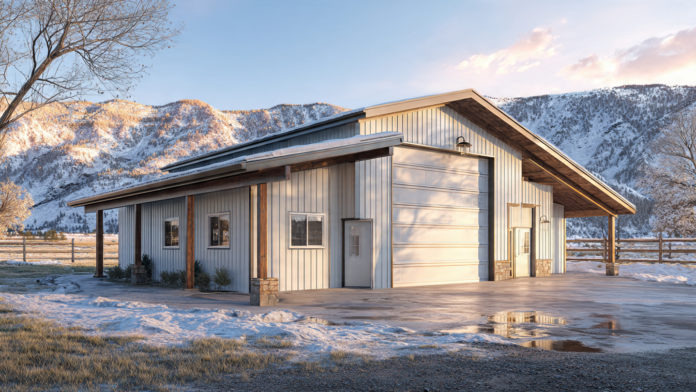
How to: Making Your Pole Barn Last for Decades

A well-built pole barn can easily outlast changing seasons, shifting needs, and even multiple owners. Whether you use yours as a workshop, equipment storage, hobby space, or small business hub, the real goal is the same: keep it sturdy, dry, and functional for decades. Longevity doesn’t just depend on the original construction, though. It’s the result of smart design decisions, preventive maintenance, and a few strategic upgrades over time.

This guide walks through the key steps to help your pole barn age gracefully — from the foundation and framing to ventilation, insulation, and routine inspections.

Start with a Solid Site and Foundation

Long-term durability starts before the first post goes in the ground. Poor drainage and a bad site choice can sabotage even the best materials.

Focus on:

  • Site selection: Choose a location with natural drainage away from the building, not a low spot where water pools.
  • Grading: Ensure the ground is graded so rain and snowmelt flow away from the barn on all sides.
  • Post protection: Use properly treated posts rated for ground contact and follow manufacturer recommendations for embedment depth.
  • Footings and concrete: Where concrete is used, make sure it’s properly reinforced and sloped to avoid standing water inside.

Getting water away from your structure from day one is one of the most effective ways to prevent rot, rust, and foundation issues later.

Protect the Building Shell from Moisture

Water is the enemy of longevity in any structure, and pole barns are no exception. Keeping the shell dry, tight, and well-sealed will dramatically extend its life.

Key tactics include:

  • Roof overhangs and gutters: Overhangs help shield siding, while gutters and downspouts move water away from your foundation.
  • Quality roofing: Use high-quality metal roofing or durable shingles, properly flashed and fastened. Regularly check for loose screws, sealant failure, or missing fasteners.
  • Tight siding: Ensure panels or boards are installed straight, fastened correctly, and sealed at seams and corners.

A small leak that goes unnoticed for a year can do more damage than a century of sunshine. That’s why a quick annual inspection goes a long way.

Insulation and Condensation Control

One of the significant threats to a pole barn over time is hidden moisture from condensation. Temperature swings can cause warm, humid air inside to condense on cooler metal surfaces, leading to corrosion, mold, and structural weakening.

To reduce that risk, many owners choose solutions like these pole building insulation blankets to help stabilize interior temperatures and control condensation. Paired with proper ventilation, insulation not only improves comfort and energy efficiency but also helps keep structural components dry and protected.

If you’re in a cold or humid climate, plan an insulation and moisture-control strategy early: vapor barriers, adequate R-values, and a good air seal will all support your barn’s long-term health.

Ventilation: Let Your Building Breathe

Ventilation and insulation go hand in hand. A pole barn that’s closed up tight without adequate airflow can trap moisture, odors, and even corrosive fumes from equipment or livestock.

Consider:

  • Ridge vents and soffit vents: These create a natural convective airflow, letting hot, moist air escape.
  • Gable vents or cupolas: Add cross-ventilation and help exhaust heat in the upper structure.
  • Mechanical ventilation where needed: In workshops or animal housing, fans and exhaust systems keep air fresh and dry.

Good ventilation doesn’t just make the barn more comfortable for people and animals — it helps preserve wood, metal, and finishes.

Keep the Exterior Envelope Maintained

Even the toughest materials need regular checkups. Make exterior maintenance part of your yearly routine.

Walk around your barn and look for:

  • Loose fasteners: Tighten or replace missing screws and nails in roofing and siding.
  • Damaged panels: Replace dented, rusted, or cracked sections before problems spread.
  • Peeling paint or coatings: Touch up paint and protective coatings to prevent UV and moisture damage to surfaces.
  • Door and window seals: Repair worn weatherstripping to keep drafts and water out.

A few hours of preventative work each year will pay off in decades of extra life.

Protect the Interior Structure

Inside the barn, the framing, trusses, posts, and interior finishes are just as important as the outside shell.

To protect them:

  • Avoid chronic leaks: If you see staining, dripping, or mold, track down the source immediately.
  • Manage interior humidity: Use dehumidifiers in problem areas or during certain seasons.
  • Store smart: Keep corrosive chemicals, fertilizers, and salts off concrete and away from metal, using secondary containment where appropriate.
  • Prevent impact damage: In equipment or vehicle storage barns, add simple bump guards or bollards to protect posts and walls.

A clean, well-ventilated interior makes it easier to spot issues early and fix them before they become structural.

Pest and Vegetation Control

Nature will always try to reclaim unused spaces. Part of ensuring your pole barn lasts for decades is simply keeping the surrounding environment in check.

Best practices include:

  • Keep vegetation trimmed: Avoid having shrubs, tall grass, or trees rubbing against siding or growing too close to the foundation.
  • Discourage rodents and insects: Seal entry points, keep food and feed in tight containers, and clean up spills quickly.
  • Check for burrowing activity: Animals tunneling near posts or slabs can undermine structural stability.

A tidy perimeter helps keep moisture, pests, and damage at bay.

Plan for Upgrades Over Time

Finally, think of your pole barn as an evolving investment. Over the years, you might add:

  • Interior liner panels to protect insulation and framing.
  • Better doors and windows for security and efficiency.
  • Additional insulation or ventilation as your use changes.
  • Lighting and electrical updates for safety and productivity.

By planning for periodic upgrades and consistent maintenance, you turn a simple pole barn into a long-term asset that works hard for you well into the future.

What Are the Best National Commercial HVAC Companies?

Managing heating, ventilation and air conditioning (HVAC) systems across multiple commercial properties is about efficiency, safety and protecting your investment.

Whether you’re a property manager overseeing several buildings, a facility manager responsible for HVAC operations or a commercial real estate developer planning new construction, choosing the right partner is critical. National commercial HVAC companies offer the expertise, scale and reliability you need to keep your properties running smoothly.

Here’s a quick list of some of the leading national commercial HVAC companies to consider for multisite operations.

  1. CoolSys

CoolSys delivers comprehensive commercial HVAC, refrigeration and energy solutions across the United States, combining engineering expertise with hands-on service. The company manages multisite HVAC systems, optimizes equipment performance and supports full life cycle needs — from design and installation to maintenance and energy efficiency upgrades.

With thousands of certified, self-performing technicians and engineers, CoolSys provides responsive, 24/7 support and data-driven solutions for commercial, industrial, health care and institutional clients. The company is trusted by major brands, integrating advanced technology and proactive management to ensure operational reliability, reduce costs and maintain sustainable, high-performance building systems nationwide.

2. Johnson Controls

Johnson Controls offers advanced commercial HVAC solutions and building technologies at over 2,000 locations worldwide. The company integrates smart climate control, predictive maintenance and energy-efficient systems to create healthier, safer and more sustainable indoor environments.

It manages multisite HVAC operations, leveraging data-driven analytics and AI-powered building management to optimize performance, reduce costs and support decarbonization goals. Johnson Controls delivers end-to-end services that enhance comfort, operational efficiency and long-term sustainability for commercial, industrial, educational, health care and government facilities.

3. National Air Corp.

National Air Corp. provides nationwide commercial HVAC services, specializing in heating, cooling and preventive maintenance for multisite operations. The company manages HVAC systems across the United States, Puerto Rico, Guam and Canada, offering up-front pricing, rapid response, and tailored service plans to reduce costs and minimize downtime.

With decades of combined field experience and a vast network of licensed, insured technicians, National Air Corp. coordinates every service call to ensure efficiency and reliability. It serves industries from health care and retail to hospitality and industrial facilities, delivering high-touch support that keeps commercial properties operating smoothly.

Comparing Top National Commercial HVAC Companies

When managing multiple commercial properties, choosing the right HVAC partner requires careful evaluation of services, coverage and expertise. The table below highlights key capabilities of CoolSys, Johnson Controls and National Air Corp., making it easy to compare offerings and identify which provider aligns best with your operational needs.

Feature/Company

CoolSys

Johnson Controls

National Air Corp.

Service Scope

Commercial and industrial HVAC, refrigeration, energy solutions

HVAC systems, building technology, predictive maintenance

Commercial HVAC, multisite heating and cooling

National Coverage

50 states, 42,500+ locations

2,000+ locations worldwide

50 states, Puerto Rico, Guam, Canada

Multisite Management

Yes

Yes

Yes

Preventive Maintenance

Yes

Yes

Yes

Emergency Response

24/7/365

24/7 monitoring and response

Same-day on-site support

Essential Features to Look for in National Commercial HVAC Companies

Selecting the right national commercial HVAC provider can make a significant difference in efficiency, costs and overall building performance. Here are the key features to prioritize when evaluating potential partners.

Comprehensive Services

The best HVAC companies offer more than just heating and cooling. Look for providers that handle installation, routine maintenance, emergency repairs and commercial refrigeration. A full-service provider can also manage complex system upgrades, retrofits and specialized HVAC equipment, ensuring that all aspects of your building’s climate control are covered under one roof. This reduces the need to coordinate multiple vendors, saving time and simplifying operations.

Multisite HVAC Management

For property managers overseeing several locations, centralized multisite HVAC management is crucial. Leading providers offer tools and platforms that allow you to monitor system performance across multiple buildings in real time, schedule maintenance and track service history. This centralized approach ensures consistent operations, faster troubleshooting, and a holistic view of your portfolio’s energy usage and system health.

Energy Efficiency Expertise

Energy costs are one of the largest operational expenses for commercial buildings. Companies with energy efficiency expertise can help reduce costs through audits, system retrofits and the installation of energy-saving equipment such as high-efficiency chillers, smart thermostats and variable-speed drives. These providers often help buildings achieve certifications such as Energy Star or LEED, which reduce operating costs and enhance sustainability credentials for tenants and investors.

Preventive Maintenance Programs

Routine maintenance is essential for extending the lifespan of HVAC systems and avoiding costly emergency repairs. Top providers offer custom preventive maintenance programs that include regular inspections, cleaning, component checks and system tuning. These programs can help identify minor issues before they become major problems, optimize energy efficiency, and ensure uninterrupted comfort for tenants and occupants.

Industry Certifications and Compliance

Working with certified and accredited technicians ensures quality, safety and adherence to building codes. Look for companies with manufacturer certifications from brands like Trane, Carrier or Lennox, as well as compliance with local regulations and standards such as ASHRAE and Energy Star. Certified technicians are trained to handle advanced HVAC and refrigeration systems safely and efficiently, providing peace of mind that your systems are in capable hands.

Benefits of Partnering With National HVAC Companies

Choosing a national provider for commercial HVAC services offers several advantages:

  • Consistency across locations: Standardized processes and equipment management ensure uniform performance across all your buildings.
  • Faster response times: Large networks of service technicians mean issues are addressed quickly, minimizing disruption.
  • Scalable solutions: From single buildings to multisite portfolios, national companies can adjust service levels to your needs.
  • Access to expertise: Certified technicians and engineers bring experience with complex commercial HVAC systems and refrigeration units.
  • Integrated technology: Many providers offer building automation, energy monitoring and predictive maintenance tools.

Choosing the Best Partner for Your Commercial Properties

Investing in a national commercial HVAC company can positively impact tenant comfort, operational efficiency and property value. From multisite HVAC management to preventive maintenance and commercial refrigeration, the right provider ensures your buildings stay efficient, reliable and future-ready.

Everything You Need to Know About Installing Your Deck

Investing in a well-built deck significantly enhances your home’s value. Creating a safe, attractive and long-lasting outdoor space takes proper planning and selection of the right materials. Homeowners should prioritize high-quality fasteners, such as hidden deck clips, to enhance the appearance and durability of the deck. Understanding the importance of deck boards and their spacing, along with local weather conditions, will ensure a successful build that looks great and stands the test of time.

Key Considerations Before You Build

Before embarking on a deck-building project, thorough planning is key. Start by creating a budget that includes costs for materials, labor and any other potential unforeseen expenses. Closely check your local building codes and permit requirements to avoid unnecessary legal issues, and choose an optimal location for your deck installation. This location and the size of your deck should complement both your home and yard, ensuring an appealing addition.

Choosing Your Deck’s Layout and Materials

Planning your deck’s layout and materials is a primary contributor to its ultimate aesthetic and functionality. Standard designs range from simpler rectangles and L-shapes to more complex wraparound, detached island and multilevel designs incorporating features, such as built-in benches, pergolas or planters. Board patterns might feature diagonals, horizontals or herringbones. A diagonal layout, for example, can add visual interest and assist with drainage, while a horizontal pattern offers a more classic look.

When it comes to materials, several options are available. Pressure-treated lumber is a cost-effective and widely used material, but it requires more regular maintenance than cedar or redwood. Both of these latter options offer natural beauty and resist decay, making them popular choices. However, they can be pricier and need occasional sealing to maintain their attractive appearance.

Composite and PVC grooved decking are alternative options, offering a low-maintenance and durable solution that withstands the elements. Each material has pros and cons, so consider your budget, lifestyle and the image you want your deck to portray.

Using the Best Deck Installation Techniques

Selecting the proper installation methods is paramount for successfully constructing a stable and long-lasting deck. Adequate spacing between the decking boards allows for drainage and expansion. Typically, a gap of one-eighth to three-eighths inch is recommended for spacing. However, these dimensions depend on the decking material you’re using and the width of the boards. Aligning these boards accurately is essential for creating a visually appealing surface.

Your fastening method is as important as the deck itself. Unlike traditional face-screwing, which leaves visible screws and holes, hidden deck clips provide a cleaner and smoother finished surface, making them the optimal modern approach for securing a deck. These fasteners will enhance the aesthetic of your deck and ensure greater safety by minimizing tripping hazards.

What are the Top-Rated Hidden Deck Clips for Holding Power?

For securing your deck boards in a lasting manner that hides all unsightly fastener heads and ensures immense holding power, even under stress, Grip-Rite Ninja® Hidden Deck Clips provide a top-rated option for PVC and composite grooved deck boards. Grip-Rite is an industry leader in a world of evolving fastening technology, with its hidden deck clips featuring corrosion-resistant coatings that will prolong your deck’s sturdy status for even longer.

What sets the NINJA clip apart is its aggressive teeth, which securely grip the edge of the board and provide immense holding power. Aesthetic-enhancing, the NINJA clips’ design also allows for quicker setup and installation. Each clip pack comes with between 90 and 900 pre-assembled clips, depending on your needs, and includes 316 stainless steel screws, a T-15 star drive bit and a bit stabilizer tool to make your installation easier and more precise.

When installing your deck boards, secure the first and last ones with Grip-Rite Ninja® Starter Clips for a stable and durable finish. Ultimately, choosing Grip-Rite NINJA Hidden Deck Clips leads to a more secure and long-lasting deck that looks great and performs exceptionally well over time, making it the superior choice for your decking project.

Applying the Finishing Touches and Maintaining Your Deck

After installation, consider the finishing touches that will improve your deck’s safety and visual appeal. Adding railings can prevent accidents and add a further touch of style. Applying stains or sealants to wood decking will protect your investment against weather damage and the sun’s harmful UV rays. Reapply these products annually for optimal effect.

If you installed PVC or composite decking, using the Grip-Rite NINJA product, you’ll likely only need to clean the deck afterward and intermittently thereafter to ensure its long-lasting appeal.

Building a Deck You Can Enjoy for Years

If you plan thoughtfully, choose the best materials for your needs and utilize innovative fastening methods that will encourage safety and attractive aesthetics, you’ll end up with a deck that instills a sense of accomplishment and years of secure enjoyment. Remember, attention to detail in installation is ultimately what drives these ultimate emotions, so take your time and enjoy the result.

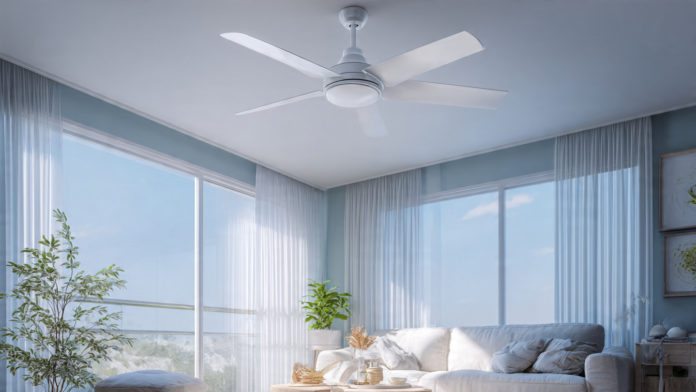
Energy Star Fans: Smart Cooling for Lower Energy Bills

When summer heat hits hard, many homeowners reach for their air conditioning unit without thinking twice about the energy costs. But there’s a smarter way to stay cool while keeping utility bills in check. Energy Star certified fans offer an eco-friendly alternative that can make a real difference in your home comfort and your wallet.

What Makes Energy Star Fans Different?

Energy Star fans aren’t just ordinary fans with a fancy label. These units meet strict energy efficiency standards set by the Environmental Protection Agency, meaning they use significantly less electricity than conventional fans while delivering the same or better performance. In fact, Energy Star certified fans use about 20 to 50 percent less energy than standard models, which translates directly into lower monthly electric bills.

The secret behind this efficiency lies in advanced motor technology and aerodynamic blade design. Better motors consume less power, and optimized blade shapes move air more effectively with minimal effort. When you add these improvements together, you get a fan that cools your space without burning through energy.

Cooling Your Home the Smart Way

The beauty of incorporating ceiling fans and portable fans into your cooling strategy is flexibility. Rather than running your AC unit constantly, fans create air circulation that makes rooms feel cooler. This means you can set your thermostat higher on warm days and still maintain comfort. Even a small temperature adjustment can lead to substantial energy savings over time.

Companies such as https://www.hunterfan.com/ have Energy Star fans of all types, from traditional ceiling models to modern designs that complement any décor. Whether you’re looking for something for your bedroom, living room, kitchen, or garage, you’ll find certified options that blend style with sustainability. The variety available ensures you can find fans that match your aesthetic preferences while meeting your efficiency goals.

The Financial Benefits Add Up

Installing Energy Star fans requires minimal investment compared to upgrading your cooling system entirely. Most certified fans cost between $50 and $300 depending on size and features, yet they pay for themselves within a year or two through energy savings. For a household running fans regularly during warm months, annual electricity savings can range from $15 to over $50 per fan.

Consider a typical home using multiple fans throughout the season. A ceiling fan in the bedroom, one in the living room, and perhaps a portable unit for the home office could collectively save hundreds of dollars annually. These savings compound year after year, making Energy Star certification a smart long-term investment.

Environmental Impact Beyond Your Home

Choosing Energy Star fans isn’t just about personal savings. When you use less electricity, power plants generate less energy, which reduces overall carbon emissions and environmental strain. Every kilowatt-hour of energy saved represents less fossil fuel burned and less greenhouse gas released into the atmosphere. By making efficient choices in your home, you’re contributing to broader environmental goals.

Finding the Right Fan for Your Space

Not all fans work equally well in every situation. Ceiling fans work best in rooms with high ceilings and open layouts where they can effectively circulate air. Portable pedestal or box fans suit smaller spaces or areas where permanent installation isn’t practical. Tower fans provide a sleek look and adjustable height for targeted cooling.

When shopping for Energy Star fans, look for the official Energy Star label, which confirms the product has been tested and meets efficiency standards. Check the cubic feet per minute (CFM) rating to ensure the fan can handle your room size. A larger room needs a fan with higher CFM to circulate air effectively throughout the space.

Smart Features for Modern Living

Today’s Energy Star fans often come with convenient features that enhance usability without compromising efficiency. Many include remote controls, programmable timers, and adjustable speed settings. Some models feature energy-saving modes that automatically reduce speed when maximum cooling isn’t needed. These smart features let you customize your comfort while maintaining low energy consumption.

Making the Switch Today

Transitioning to Energy Star fans is one of the easiest home efficiency upgrades you can make. Installation is straightforward for most models, and you don’t need to sacrifice style for sustainability. Modern Energy Star fans come in countless designs, colors, and sizes that work with contemporary and traditional home décor alike.

Start by identifying rooms where fans would have the biggest impact. Bedrooms and main living areas are typically good candidates since you spend significant time there. Then explore certified options that fit your budget and design preferences. Before you know it, you’ll notice your energy bills declining while your home remains comfortably cool.

Energy Star fans represent a simple yet effective way to improve home comfort while reducing environmental impact and lowering energy expenses. By choosing certified models, you’re investing in proven efficiency technology that delivers measurable results. Whether you need cooling solutions for one room or multiple spaces throughout your home, efficient fans offer flexibility and affordability that traditional cooling alone cannot match. Make the smart choice today and experience the benefits of efficient home cooling tomorrow.

J&D Property Management in San Diego: Your Guide to Easy Rental Ownership

I remember my first rental property in San Diego. It was a small house near the beach. I handled everything myself at first. Calls came at all hours. Repairs piled up. Then I switched to professional management. It changed my life. Now, as part of J&D Property management San Diego, I see the same relief in our clients’ faces.

J&D Property Management started in 2009. We serve San Diego County. We manage multifamily units, single homes, and commercial spaces. Our goal is simple. Provide great service to owners and tenants.

We use modern tools. These help with tasks. Our vendors fix issues fast. We stay hands-on. This mix works well.

San Diego has a strong rental market. About 46.5% of people rent. Median rent is around $2,200. Home prices average $910,000. Values rose 10% last year. Jobs in health care and tech drive demand.

We offer properties for University of San Diego students. These are off-campus options. They fit student needs.

Services We Provide

We cover all parts of property management.

  • Tenant Screening: We check backgrounds. This finds good renters.
  • Rent Collection: We handle payments. Use online portals.
  • Maintenance: We fix problems. 24/7 emergency help.
  • Inspections: We check properties often. This keeps them in shape.
  • Legal Help: We know California laws. We handle evictions if needed.

We also do marketing. We list your property. We show it to people.

Costs and Fees

Fees vary. Most companies charge 7% to 12% of monthly rent. We offer clear pricing. No hidden costs. Contact us for a quote.

Why San Diego is Great for Rentals

San Diego has beaches. It has good weather. People want to live here. This means high demand for rentals.

Key facts:

Fact Detail
Population 3.34 million
Median Income $100,010
Average Rent $2,110/month
Home Appreciation 10.22% last year

Rents are high in areas like La Jolla and Downtown.

Image Suggestion Here

  • Image Name: san-diego-skyline.jpg
  • Caption: View of San Diego skyline at sunset.
  • Alt Text: San Diego city skyline with buildings and ocean.
  • Description: This image shows the beauty of San Diego, a key reason for rental demand.
  • AI Prompt: Generate a realistic image of the San Diego skyline at sunset, with the ocean in the background, no text, high resolution, vibrant colors.

How to Choose a Property Manager

Look for experience. Check reviews. Ask about fees. See if they know local laws.

We have over 15 years. Our clients praise us. We follow all rules.

Read reviews on Yelp. See lists of top companies.

Benefits for Owners

Save time. Avoid stress. Get steady income.

We handle calls. We deal with repairs. You enjoy the profits.

Benefits for Tenants

We respond fast. We keep homes safe. We offer fair leases.

Use our portal to pay rent. Report issues online.

Areas We Serve

We cover all San Diego County. This includes:

  • San Diego city
  • Chula Vista
  • Oceanside
  • La Jolla
  • Carlsbad
  • And more

See our list of properties: Properties.

Investment Tips

San Diego real estate grows. Buy in growing areas. Use managers for best results.

Learn about ownership: How to Find Out Who Owns a Property in San Diego.

FAQs

What is property management?

It means handling rentals for owners.

How much do property managers charge in San Diego?

Usually 7-12% of rent.

What does a property manager do?

They find tenants, collect rent, fix issues.

Is property management worth it?

Yes, if you value your time.

Are there regulations for short-term rentals?

Yes, need permits in some areas.

What about rent control? California has rules under the Tenant Protection Act.


Luxury of Pinery Residences: Your Gateway to Modern Living in Tampines

In the heart of Singapore’s vibrant East, Pinery Residences stands as a beacon of contemporary luxury and convenience. This upcoming 99-year leasehold condominium, set to redefine urban living, offers a perfect blend of connectivity, amenities, and serene surroundings. Whether you’re a young professional, growing family, or savvy investor, Pinery Residences promises an unparalleled lifestyle in District 18.

Strategic Location and Seamless Connectivity at Pinery Residences

Nestled along Tampines Street 94 in the well-established Tampines West precinct, Pinery Residences benefits from its prime positioning near key transport hubs. Residents will enjoy direct access to Tampines West MRT on the Downtown Line and Tampines North MRT on the Cross Island Line, making commutes to the Central Business District or Changi Airport effortless. Major expressways like the Tampines Expressway (TPE) and Pan-Island Expressway (PIE) further enhance connectivity, ensuring you’re always just minutes away from the action.

The surrounding Tampines town center is a hub of activity, with nearby stations such as Tampines East and Tampines Interchange adding to the convenience. For those who appreciate nature, parks like Tampines Eco Green, Sun Plaza Park, and Bedok Reservoir Park provide ample green spaces for recreation and relaxation.

Exceptional Development by Renowned Partners

Pinery Residences is a collaborative masterpiece by Hoi Hup Realty and Sunway Developments. With Hoi Hup’s legacy of delivering over 7,300 homes since 1983 and Sunway’s focus on sustainable urban projects, this development emphasizes quality, functionality, and environmental consciousness. Their joint ventures, including Sophia Hills and Ki Residences, showcase a commitment to excellence that shines through in every detail of Pinery Residences.

Spanning a generous 252,989 square feet site, the project was secured through a competitive government land sales bid of $668.28 million, reflecting its high potential and strategic value.

Diverse Unit Options Tailored for Every Lifestyle

Designed with modern families in mind, Pinery Residences features approximately 500 to 585 luxurious units. From cozy 2-bedroom layouts to spacious 5-bedroom homes and exclusive penthouses, there’s something for everyone. Each unit is crafted to maximize space, aesthetics, and comfort, making Pinery Residences an ideal choice for both homeowners and investors seeking strong rental yields.

World-Class Amenities and Community Features

Living at Pinery Residences means indulging in a wealth of amenities right at your doorstep. The mixed-use development includes commercial spaces, adding everyday convenience. Shop at nearby malls like Tampines Mall, Century Square, and Tampines 1, or savor local flavors at Tampines Round Market and Food Centre.

Families will appreciate the proximity to top educational institutions, including Temasek Polytechnic, Singapore University of Social Sciences (SUSS), St. Hilda’s Primary and Secondary Schools, Poi Ching School, and Tampines Meridian Junior College. Sports facilities, community spaces, and the vibrant Tampines estate ensure a balanced, enriching lifestyle.

Investment Potential and Launch Details for Pinery Residences

With an expected launch in February 2026 and TOP around December 2030, Pinery Residences offers attractive pricing starting from TBA, bolstered by a competitive land rate of $1,004 psf ppr. Tools like rental yield calculators and progressive payment schemes make it easier to plan your investment. Register for VVIP previews to secure direct developer prices, discounts, and first access to floor plans, e-brochures, and more.

In a market where convenience meets serenity, Pinery Residences emerges as a top contender for discerning buyers. Don’t miss out on this opportunity to own a piece of Tampines’ future.

Serenity at Narra Residences—Your Dream Home Amidst Nature’s Embrace!

Hey there, future homeowner! If you’re dreaming of a peaceful escape that’s still super connected to the buzz of Singapore, Narra Residences is calling your name. Tucked away in the lush Dairy Farm enclave of District 23, this fresh 99-year leasehold condo is all about blending green vibes with city smarts. Perfect for families, nature lovers, or anyone ready to level up their living game – let’s dive into why Narra Residences is the talk of the town!

Why Narra Residences Feels Like a Hidden Gem in Dairy Farm

Picture this: Waking up to birds chirping and fresh air, just a quick stroll from Hillview MRT on the Downtown Line. Narra Residences sits pretty along Dairy Farm Walk, surrounded by epic nature spots like Dairy Farm Nature Park, Bukit Timah Nature Reserve, and Chestnut Nature Park. Craving some urban fun? Hop on the Bukit Timah Expressway (BKE) or Pan Island Expressway (PIE) for easy rides to the city center.

This low-density haven is close to awesome schools, trendy malls like HillV2, and yummy local eateries. It’s that sweet spot where tranquility meets convenience – no wonder neighboring projects like Dairy Farm Residences and The Botany at Dairy Farm sold out so fast!

Meet the Dream Team Behind Narra Residences

Brought to life by the dynamic duo of Santarli Realty and Apex Asia, Narra Residences screams innovation and reliability. Santarli’s roots in construction since the 1980s mean top-notch builds, while Apex adds that modern, sustainable twist. They snagged this prime site in a January 2025 Government Land Sales tender for S$504.52 million (about S$1,020 psf ppr) – beating the competition by a mile!

With a focus on functional designs and eco-friendly features, this joint venture is set to deliver homes that are as smart as they are stunning.

Pick Your Perfect Pad: Units That Wow at Narra Residences

Get ready for choice overload in the best way! Narra Residences boasts around 540 units, from sleek 2-bedroom spots for starters to roomy 5-bedroom setups and luxe penthouses for the whole crew. Whether you’re flying solo or building a family nest, these layouts are designed for real life – think space, style, and that “ahh” feeling every time you walk in.

Amenities That Make Every Day an Adventure

Who says home can’t be a playground? At Narra Residences, you’re immersed in nature’s best, with parks galore for hikes, picnics, or just chilling. Need a quick shop or bite? HillV2 and nearby spots have you covered. Plus, the area’s family-friendly vibe shines with great schools and community hangs nearby.

This isn’t just a condo – it’s a lifestyle upgrade, with limited new supply in the hood making it a hot pick for investors eyeing that long-term win.

Scoop the Deals: Pricing and Launch Buzz for Narra Residences

Launching in February 2026 with TOP eyeing December 2030, Narra Residences is gearing up for prices around S$2,200 to S$2,300 psf – super competitive thanks to smart land costs. Use handy tools like the rental yield calculator to crunch numbers, and snag progressive payment options for easy buying.

VVIP previews are on now! Book your spot for direct developer perks, no-commission deals, and exclusive peeks at floor plans, videos, and e-brochures. Units are flying off the shelves on a first-come basis – jump in before they’re gone!


The Biophilic Home: 7 Elements for a Serene and Connected Space

Houses that incorporate biophilic design enhance the relationship between people and nature. Biophilic elements nurture health and wellness, support tranquility, and affect long-term habitability. As the demand for more intentional design increases in the country’s leading rental markets, biophilic elements will be a way for home sellers and landlords to increase desirability and support rent growth. In highly competitive markets, property management San Francisco experts suggest that natural building materials, organic textures, and intentional layouts can increase the value of the house as more tenants look for calming spaces.

7 Key Elements That Bring Biophilic Design to Life

Source: Freepik

  • Natural Light Optimization

Homes that bring in natural light tend to attract long-term renters who prefer spaces that are bright, uplifting, and energy efficient.  Property management San Antonio professionals say spaces with ample natural light look bigger, in turn fetching a higher price in the market. Owners are becoming empowered to think about their homes in terms of the placement of windows, reflective surfaces, and open floor plans that enhance light circulation. These advantages undoubtedly support visual comfort while assisting prospective renters to perceive the property more positively.

Did you know?

In San Antonio, average market-rate rents rose by 17.4% between 2020 and 2025, closely matching a 22.4% increase in student housing costs. 

  • Organic Materials and Textures

Wood, stone, rattan, cork, and bamboo have a warmth and authenticity to them in interior spaces. Houses that feature wood, stone, or rattan flooring, cabinets, or accent material often feel more grounded, something that’s likely very appealing to renters looking for serenity and wellness in their homes. For sellers preparing to list, swapping synthetic finishes for a durable natural surface can improve the quality perception of the property to help it compete in the rental market.

  • Nature-Inspired Color Palettes

Earthy tones, greens, terracotta hues, ocean blues, and soft neutrals certainly contribute to biophilic settings. These color groups emphasize emotional balance, lessen visual stress, and help unify a range of rooms in a unified, peaceful environment. Properties with peaceful colors often distinguish themselves in property tours, as today’s tenants increasingly look for a setting that evokes comfort, calmness, and harmony of the senses while in their home.

Did you know? 

San Francisco’s median monthly rent jumped 11.5% year-over-year, reaching $3,040 in November 2025.

  • Verdant Indoor Planting Systems

Indoor plants are still one of the best-known features of biophilic design. Stacking plants at different layers, such as hanging vines, tabletop plants, and larger floor specimens, builds depth and improves the air quality indoors. Vendors preparing a house for rental photos or showings even use plants in spaces that may otherwise feel bland, bringing a relatable warmth to it. In addition to aesthetics, plants promote vibrancy and can also signal higher perceived rental value.

  • Views and Visual Access to Nature

Biophilic houses promote moments of pause and connection in the home by framing views of outdoor landscapes, gardens, courtyards, or even small planters on a balcony. When sight lines are enhanced, windows are cleared of obstructions, or furniture is oriented to provide a natural view, the mood of a room can change drastically. Even in urban settings, observing a piece of sky, some greens, or landscapes in the distance promotes openness, which renters rate as an amenity.

  • Natural Shapes, Forms, and Patterns

Shapes like curves, waves, botanical patterns, and organic forms mimic natural shaping. By introducing them in furnishings, lighting, wall decor, textiles, or architectural details, you can soften rigid environments while creating a more grounded space. When homesellers choose to include these considered design options, they create an inviting aesthetic to the property, particularly in markets where renters respond to calm interiors with a seamless visual flow.

  • Multisensory Elements That Enhance Calm

Biophilic design goes well beyond aesthetics. Spaces that include natural fragrances, tactile softness, soothing tones inspired by water, or materials that provide warmth through touch can enhance a sense of refuge. Textural components such as rugs, upholstery made from natural fibers, linens, and soft aroma diffusers enhance the enveloping quality of a space. This combination of sensory experiences yields emotional comfort—something renters are likely to prioritize when assessing competing homes. 

End Point

Biophilic design provides a compelling advantage to homeowners trying to attract renters for restorative, wellness-based living. By incorporating natural materials, elements, or plants (greenery), intentional living spaces, and multisensory harmony, they can be more desirable but also more competitive in major U.S. markets. These seven elements create a greater aesthetic and aid in a property’s long-term rentalability, as they meet contemporary expectations from tenants today.

Top Trends in Whole-House Customization: What’s In and What’s Out?

Whole-house customization has shifted from a luxury option to a practical strategy for homeowners and interior designers who want spaces that feel personal, efficient, and future-ready. As lifestyles evolve and technology reshapes the way we live, the demand for cohesive and fully customized interiors has grown fast. Today’s clients want homes that reflect their daily routines, tastes, and long-term goals. That shift has pushed the design industry to rethink what matters most.

Below are the top trends shaping whole-house customization in 2026, along with the outdated practices that are losing ground. Whether you are a homeowner planning a remodel or an interior designer steering clients toward smarter choices, these insights will help you stay ahead.

What’s In

1. Fully Integrated Storage Systems

Storage is no longer an afterthought. Modern whole-house customization prioritizes built-in solutions that blend into the architecture. Designers are focusing on wall-to-wall cabinetry, hidden compartments, and multi-zone wardrobes that follow the natural flow of each room.

Custom manufacturers like OPPOLIA Home have helped push this trend forward with modular systems that fit tight floor plans, open layouts, and multifunctional rooms. Homeowners want clean visual lines and clutter-free surfaces, and integrated storage delivers exactly that.

2. Mixed Material Palettes

Monotone interiors are fading. In their place, balanced combinations of wood, stone, metal, and glass are rising. The goal is to create spaces that feel warm and grounded without becoming visually heavy. Walnut paired with brushed metal or stone tops set over matte lacquer cabinets, are common choice.

Mixed materials also allow designers to create depth without relying on intense colors. The result is a refined, layered look that aligns with today’s upscale residential design.

3. Smart Room Zoning

Open concept layouts remain popular, but homeowners want better control over how each zone functions. Instead of one big multipurpose space, designers are using custom partitions, sliding glass dividers, and built-in shelving to define smaller activity areas.

Smart zoning respects open flow while preserving comfort and privacy. It also improves acoustics and lighting, two elements that impact daily living more than most people realize.

4. Personalized Kitchens

The kitchen is the top priority in whole-house customization. What is new is the focus on tailoring every inch to the client’s routines. That includes:

  • Appliance garages that hide small equipment
  • Custom pantry systems designed for specific food habits
  • Islands shaped for entertaining or meal prep
  • Tall cabinets that use ceiling height effectively

Neutral color schemes remain strong, but warm earth tones and two-tone combinations are gaining traction. Clients want kitchens that look timeless but feel inviting.

5. Sustainable Materials

Environmental awareness is no longer a trend. It is a standard expectation. Designers are choosing responsibly sourced woods, low VOC finishes, energy-saving lighting, and durable long long-lasting materials that reduce waste.

Large manufacturers have also stepped up. Many companies now offer eco-certified cabinetry, recycled aluminum windows, and water-saving bathroom solutions. For clients, sustainability now signals quality rather than compromise.

6. Soft Minimalism

Minimalism is still in, but it has softened. Instead of stark spaces with sharp edges, homeowners are opting for rounded profiles, textured surfaces, and warm neutrals.

Cabinets with curved corners, ribbed panels, and integrated handles are now common in custom builds. This creates a relaxed atmosphere that feels polished but not cold.

7. Multi-Function Furniture

In growing cities, square footage comes at a premium. Custom furniture that adapts to multiple uses is becoming a must-have. Think wall-mounted desks that fold away, beds with built-in drawers, or banquettes with hidden storage.

This trend works well in family homes, studio apartments, and hybrid live-work spaces.

What’s Out

1. Cookie Cutter Cabinetry

Standard prefabricated cabinets do not satisfy modern homeowners who want tailored solutions. The one-size-fits-all approach limits layout flexibility and wastes storage potential.

Whole-house customization is replacing these pieces with systems that match the exact dimensions and lifestyle needs of the client. Designers know that a custom fit performs better long term.

2. Overly Industrial Interiors

Industrial style once dominated modern homes. Today, it feels harsh and impersonal. Heavy black frames, exposed ductwork, and raw concrete are being swapped for warmer, softer finishes.

Designers are moving toward natural textures and muted tones that age gracefully. Industrial accents are still used sparingly, but the aesthetic is no longer the main focus.

3. Trend Based Color Choices

Bold, trendy colors create short lived excitement but tire quickly. Homeowners are now choosing versatile palettes that can adapt over time. Accent walls are declining. Instead, people prefer consistent tones throughout the home to support a calm environment.

The push for functional color strategies aligns with the lasting mindset behind whole-house customization.

4. Crowded Rooms

Over furnishing is a common design mistake that creates stress and visual noise. The new approach is editing down. Designers are choosing fewer, better pieces that leave room to breathe.

This applies to all zones. Bedrooms focus on comfort, living rooms emphasize flow, and kitchens prioritize efficiency.

5. Isolated Design Elements

Homes where each room feels unrelated are becoming outdated. Modern homeowners want harmony from the kitchen to the bathroom to the wardrobe systems. Whole-house customization prioritizes continuity in tone, material, and layout logic.

This creates a unified experience and elevates the entire home.

Conclusion

Whole-house customization is no longer reserved for high-end builds. It has become the smartest way to create functional, beautiful, and future ready spaces. As trends continue to shift toward personalization, integrated storage, sustainable materials, and cohesive design, the homes of tomorrow will look cleaner, work better, and feel more connected.

OPPOLIA is a well-known furnishing manufacturer in China. They provide whole-house solutions, including custom cabinets, wardrobes, bathroom vanities, furniture, aluminium windows and doors, and more. If you are a contractor looking for a reliable project partner, OPPOLIA is the best choice. Contact them for a free quote!

Essential Rigging Tools That Deliver Results (With Less Stress)

When you’re lifting large, awkward objects—such as steel beams, LVLs, hot tubs, or oversized windows—using the proper rigging tools not only ensures safety but also prevents you from losing sleep, delaying the schedule, or damaging costly materials.

Here’s a homeowner- and contractor-friendly overview of essential rigging tools that deliver reliable results with less stress during any serious renovation or construction project.

Begin with the right mindset: plan, don’t improvise.

“Rigging gear” refers to the hardware that connects your load (beam, stair, window) to whatever is lifting it—crane, hoist, forklift, etc. Think slings, shackles, hooks, and below-the-hook devices like spreader bars.

Regulators require that rigging equipment be inspected before each use and clearly marked with its working load limit (WLL). This isn’t just a legal requirement; it’s one of the simplest ways to reduce stress on a jobsite. When every piece of gear is labeled, inspected, and documented, you prevent the panic of wondering “can this actually hold it?” during a critical lift.

1. Slings: The Backbone of Most Lifts

If you remember only one category of tools, it should be rigging slings. These flexible connectors wrap around or attach to the load and connect to hooks, shackles, or lifting beams. Common types include:

  • Synthetic web slings

    • Ideal for finished surfaces: cabinetry, pre-finished beams, glass packs, or painted metal.
    • They’re light, easy to handle, and less likely to scratch or crush.
    • Stress saver: color-coding and printed WLL markings make it easy to grab the right capacity quickly.

  • Wire rope slings

    • Ideal for rougher work: structural steel, precast concrete, or heavy framing.
    • More abrasion- and heat-resistant than synthetics.
    • Stress saver: incredibly durable when used within its rating and inspected regularly.

  • Chain slings

    • Best when you’re dealing with high temperatures, sharp corners, or very heavy, rugged loads.
    • Often used by steel erectors and industrial riggers.
    • Stress saver: adjustable chain legs help you accommodate different pick points without swapping out gear.

For any sling, load angle, and hitch type (vertical, choker, basket), capacity is dramatically affected, so pros will always refer to manufacturer charts and safety standards.

2. Shackles & Hooks: Small Parts, Huge Responsibility

Shackles and hooks are the unsung heroes that connect slings to lifting points and hardware. They look simple, but they carry enormous responsibility.

  • Shackles

    • D-shackles and bow shackles are used to link slings, chains, and lifting points.
    • Should be clearly marked with WLL and manufacturer ID.
    • Stress saver: a well-stocked set of properly sized shackles means no “sketchy” improvised connections.

  • Hooks

    • Found on hoists, cranes, and some slings.
    • Modern rigging hooks often include safety latches (keepers) to prevent accidental unhooking.
    • Stress saver: using the right hook with a functioning latch drastically reduces the risk of dropped loads.

Think of shackles and hooks as the “carabiners” of the rigging world—no one wants to find out during a lift that they were the weak link.

3. Hoists, Come-Alongs & Winches: Controlled Muscle

For many residential and small commercial projects, you don’t need to constantly bring in a large crane. That’s where manual and powered hoists excel.

  • Chain hoists & lever hoists (come-alongs)

    • Perfect for inch-by-inch control when setting beams, stair flights, or heavy built-ins.
    • Stress saver: they let you creep a load into the perfect position instead of swinging it and hoping.

  • Beam clamps & trolleys

    • Beam clamps provide a secure anchor point on an I-beam.
    • Trolleys roll along the beam, allowing you to shift loads horizontally.
    • Stress saver: instead of man-handling a 600-lb component across a room, you roll it smoothly into place.

Combined with the right slings and shackles, these tools provide precise control and reduce the need for “white-knuckle” lifting.

4. Spreader Bars & Lifting Beams: Taming Awkward Loads

If you’re installing expansive windows, long beams, preassembled roof sections, or large panels, you’ll quickly discover that vertical lifting alone can cause twisting or crushing of the load. That’s where spreader bars and lifting beams come into play.

  • Spreader bars

    • Use top rigging and two or more bottom pick points to “spread” the slings apart.
    • Ideal for broad or flexible loads that require compression control and keeping things upright.

  • Lifting beams

    • Support the load from multiple lower points with a central top connection to the crane or hoist.
    • Great when headroom is limited or you need multiple balanced pick points.

Stress saver: these devices stabilize awkward loads and help prevent damage, rework, or mid-air surprises.

5. Eyebolts, Hoist Rings & Rigging Blocks: Making Lifts Repeatable

On projects where heavy components will be moved multiple times—such as modular stair flights, prefab wall panels, or rooftop units—installing dedicated lifting points can make each future lift easier.

  • Eyebolts & hoist rings

    • Thread directly into the load or a welded lifting lug.
    • Swivel hoist rings can align with the sling angle, reducing side-loading and stress.

  • Rigging blocks (sheaves/pulleys)

    • Redirect lines or multiply pulling force in hoisting setups.
    • Often used in tight spaces or tricky angles where a straight vertical lift isn’t possible.

Stress saver: once proper lift points are in place and labeled, each lift becomes more consistent, quicker, and less stressful.

6. Why Standards & Inspection = Less Stress

A large part of “less stress” is understanding that you’re operating within the limits of your equipment. Industry standards for slings, hardware, and lift planning all emphasize rated capacities, markings, and inspection requirements.

For you, that translates into practical habits:

  • Buy gear that’s clearly labeled and from reputable manufacturers.
  • Keep a simple inspection routine: check for cuts, kinks, deformation, corrosion, or missing labels before every lift.

  • Remove questionable gear from service—don’t argue with your gut.

When the equipment is correct and the paperwork is complete, everyone on site relaxes a bit because the risks are being managed, not guessed at.

7. When to Bring in a Pro Rigger

Finally, the greatest stress-reliever of all: knowing when to call in specialists.

If you’re lifting:

  • Anything over a few hundred pounds near people, property, or utilities
  • Awkward or irreplaceable elements like custom glass, complex steel, or historic components
  • In tight urban spaces or over neighboring structures

…you’re in “hire a professional rigging crew” territory. They’ll bring not only the tools above but also the calculations, lift plans, and experience to use them safely.

Essential rigging tools—slings, shackles, hooks, hoists, beam clamps, spreader bars, lifting beams, and dedicated lifting points—don’t just move heavy loads. They ensure your project remains calm, predictable, and on schedule when handling large weights.

Whether you’re a homeowner planning a major renovation or a contractor managing multiple trades, understanding these basics helps you ask better questions, identify warning signs, and collaborate with rigging professionals who lift safely—and with less stress.


Recent Posts

Posts You Might Like