

Home Blog Page 42

Essential Tips for Hiring a Top-Notch Bathroom Contractor

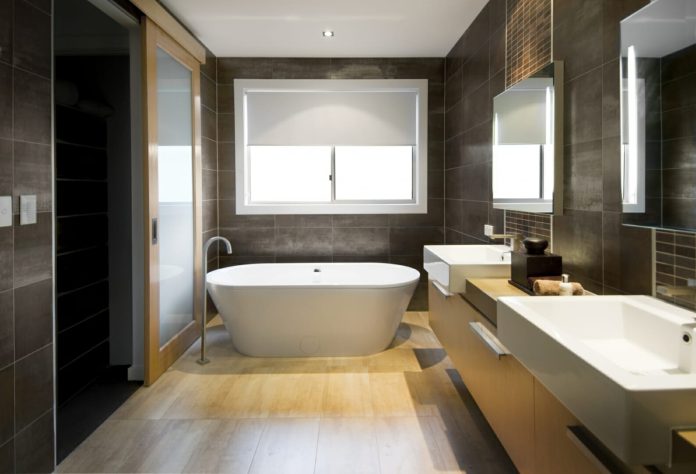
Bath remodeling projects involve a lot of effort and costs, but they are worth it as they add to the comfort and appeal of a home while increasing its value. Therefore, searching for a quality registered and insured bathroom contractor is key in enhancing the chances of a successful bathroom remodeling project.

Check the following important strategies that will assist you in identifying and hiring the right professional for your assignment

Understanding the Role of a Bathroom Contractor

A bathroom contractor is expected to coordinate the remodeling project. This is coming up with a schedule of activities, engaging subcontractors, sourcing for supplies and seeing to it that the project was timely and cost effective. These people are involved with all the installations, from plumbing, electrical jobs, flooring, and putting up fixtures.

Importance of Hiring a Professional

Through the service of skilled workers, the task’s chances of making mistakes are low since professional workers apply their labor effectively and proficiently, thereby providing high quality work.

Gathering Recommendations

Then it is easy to ask friends, family, and neighbors to recommend for them to be trusted. Word of mouth recommendation could give one an indication of the quality of a contractor in terms of integrity and workmanship. Also, go through the online reviews on Yelp, Angie’s list, and Houzz in order to get a multi-faceted angle.

Checking Credentials

Make sure that potential contractors have proper papers including license and permit issuance by your state or municipality. Ensure that you discuss the insurance needs and ensure that they have adequate insurance cover in the event of an accident or damage to property in the course of the project.

Evaluating Experience and Expertise

Reviewing Portfolios

Know well-compensated contractors’ portfolio to check their abilities and working experience. When selecting non remodeling projects to look for something similar to what you plan to do on your room. Requested documentation includes a set of photos and videos that prove the contractor’s capacity to complete perfect tasks.

Importance of Experience

It is clear that when it comes to the question of who does bathroom remodeling better, or who is more qualified to do it, experience plays a major role. A practical contractor will have the potential of being in a better position when it comes to foreseeing issues and how to solve them. They are also more likely to have purchase relationships with trustworthy suppliers of materials as well as other subcontractors which make the flow of the project more smooth.

Conducting Interviews

Preparing Questions

A list of questions that the owners should ask their potential contractors during the first meeting should be developed. Key questions include:

  • Let me tell you this: how long have you been in business?
  • Do you have any references for your recent clients?
  • How do you deal with project management and, correspondingly, the timeline?
  • Does your firm provide a warranty to its work?

Assessing Communication Skills

Strong communication is crucial in a remodel project. Make sure the contractor acknowledges you and understands your concerns, or your question/ concern is understood and answered in full to your understanding, and answer to your question/concern is quick. A good communicating contractor will give you updates on the project and will work to resolve any issues.

Obtaining Detailed Estimates

Understanding Estimates

Collect as many quotations from various contractors as you can. In general, an estimate should itemize costs by trade, give schedules of time and work, and payment arrangements. This makes the comparison of quotes possible since the rates of flashing are displayed clearly.

Comparing Quotes

When comparing the estimates, do not just focus on the overall amount. Giving attention to the extent of work to be done, quality of work needed or materials to be used and other services to be provided. It would also be wise to be skeptical of a low percentage that is far below the industry average as it may be an indication that you will be provided with low quality materials or more charges of some sort.

Checking References and Reviews

Contacting Previous Clients

Ask former clients of the contractor about his services that they received from the contractor. Some of the questions to be posed are regarding the quality of work, concerning time issues, and in general, how satisfied the client is. Ask whether they had any complications and how you dealt with them.

Reviewing Online Feedback

Internet reviews can be really informative to get to know the contractor’s previous experience and his/her credibility. It is possible to try to identify certain trends within the feedback, generally positive, or generally negative. The regular compliments relating to quality and reliability are an excellent sign of the contractor’s outstanding performance.

Reviewing Contracts Thoroughly

Key Elements of a Contract

It is therefore necessary to have a legal contract that outlines all the provisions in detail while protecting each party. Ensure that the contract includes:Ensure that the contract includes:

  • Services to be provided and a list of special delivering activities, including step by step sequence.
  • Project timeline
  • Which payment scheme and payment conditions them have is important to know.
  • Warranty information
  • Change order policy

Identifying Red Flags

Avoid getting into contracts that are not well drafted or are open-ended. Stay away from contractors who seek a big portion of the payment before they start the project or those who are hesitant to give you a written contract. It often means that there may be certain problems further along the union’s development.

 Finalizing Your Decision

 Making an Informed Choice

Last of all, when you have collected all the information that you want, ensure that you make the right decision. Select a bathroom contractor that has good references, is easy to understand, and gives an accurate and reasonable price quote. Just in the same way as when it comes to selecting say a house or car, or your partner – you go with your instinct and pick a person that you feel you can work with.

Preparing for the Remodel

After choosing the contractor, complete the required paperwork that includes a signing of the final contract as well as the setting of the commencement date. Practical actions for the preparation of the household and the family are as follows: to provide portable toilets if required, and remove all personal belongings from the renovation zone.

Conclusion

Finding a good contractor to work on the bathroom is very important in the remodeling process. With the help of these basic recommendations, everyone will be able to select the right specialist, who will work efficiently and help to turn the bathroom into a cozy and comfortable place. Start your search today and be on your way to having the bathroom of your dreams.

Relocation Checklist: What Every Home Seller Needs to Know

Selling a home is a significant life event, often accompanied by a mix of excitement and stress. Whether you’re relocating for a job, upgrading, or downsizing, the process can feel overwhelming. A well-organized plan is crucial to ensure a smooth transition and maximize the return on your investment.

Here are 5 essential steps to prepare your home for sale, attract potential buyers, and finalize the sale efficiently.

1. Assess and Prepare Your Home

The first step in selling your home is to conduct a thorough assessment of its condition. This includes addressing any repairs, both major and minor, that could deter potential buyers. Common areas to focus on include fixing leaks, repairing damaged walls, and ensuring all systems (plumbing, electrical, HVAC) are in good working order. A fresh coat of paint, decluttering, and enhancing curb appeal are also essential tasks to make your home more attractive.

Consider arranging your home to show its best features. This might involve rearranging furniture, adding decor, or even hiring a professional stager. Staging may speed up the selling process and assist buyers in seeing themselves in the area. Remember, the goal is to present a clean, welcoming, and neutral environment that appeals to the widest audience.

2. Set the Right Price

Pricing your home correctly is crucial to attracting potential buyers and selling your home fast. Overpricing can deter buyers and lead to a prolonged time on the market, while underpricing might not yield the best return on your investment. Research comparable properties in your area, consider current market trends and consult with a real estate professional to determine a competitive listing price.

Make sure to adjust your price depending on market feedback. If your home isn’t attracting interest, it may be time to reconsider your pricing strategy. Additionally, offering incentives such as covering closing costs or including certain appliances can make your listing more appealing.

3. Market Your Property Effectively

Effective marketing is key to reaching a broad audience and showcasing your home’s best features. Make use of beautiful pictures and, if you can, virtual tours to provide prospective purchasers with a thorough overview of the property. Listing your home on popular real estate websites, social media platforms, and local classifieds can increase visibility.

Work with a real estate agent

with a strong online presence and a network of contacts. They can help you craft compelling property descriptions, highlight unique selling points, and organize open houses or private showings. Remember, the goal is to create a buzz and drive interest in your home.

4. Negotiate Offers and Close the Deal

Once you receive offers, the negotiation process begins. It’s essential to remain flexible while also protecting your interests. Your real estate agent can guide you through evaluating offers, counteroffers, and contingencies.

When an offer is accepted, you’ll enter the closing phase. This includes home inspections, appraisals, and finalizing paperwork. Ensure all required documents are in order and be prepared to address any issues that arise during inspections. Working closely with your agent and a real estate attorney can help streamline this process and prevent delays.

5. Plan Your Move and Transition

As you near the closing date, start planning your move. This includes hiring movers, packing your belongings, and arranging for utilities and services at your new location. It’s also a good time to inform your network, including the post office, banks, and other important contacts of your address change.

To minimize stress, create a moving timeline and checklist. Prioritize tasks such as organizing important documents, setting up new accounts for utilities, and ensuring your new home is ready.

Conclusion

Selling your home and relocating is a multifaceted process that requires careful planning and execution. By following this checklist—assessing and preparing your home, setting the right price, marketing effectively, negotiating offers, and planning your move—you can sell your home fast and efficiently.

The key to a successful home sale lies in preparation, flexibility, and a strategic approach. With the right mindset and resources, you can navigate the complexities of selling your home and look forward to the next chapter in your life.

How to Fix a Leaking Toilet in Easy Steps

Finding a leak in your toilet can be daunting and alarming, especially if you’re alone and have no one to help. While you can easily call a plumber for a professional fix, knowing how to do the job yourself can come in handy in desperate situations. Moreover, the cause of a leaking is usually simple to locate and repair, even for a beginner.

This article explains a cost-effective way to fix a leaking toilet in under an hour to get everything up and running again and stop water damage. So how about learning a thing or two skills while saving money? Check out this resource: https://lifehacker.com/ for a better understanding of water damage.

Safety First

Before you get to work, ensure you check the source of the leak. It may be from the tank or the base. Whichever it is, you’ll need to protect yourself while working. The first thing to do is to put on work gloves. The leaking water isn’t clean and touching it with bare hands is dangerous.

What You May Need

The following are a few items you may need to get the job done if you plan to fix the toilet yourself:

  • Towels
  • Putty knife
  • Bucket
  • Adjustable wrench
  • Pliers
  • Silicone or wax seal
  • Tank-to-bowl gasket
  • Drip Tray for the tank
  • Plastic nuts and bolts for the tank

Ensure the gloves are not too thick as to prevent you from easily working and they must not be too light to allow moisture to leak in or tools to puncture them. After repairing the damage to the toilet, use a cleaning and disinfecting agent to wash the tools, gloves and floor before putting anything away. You can find reasons to clean and sanitize as often as possible here.

Fixing a Loose Toilet

One of the commonest reasons for a leaking toilet is loose bolts at the base. If your system is old or has never been replaced in years, the bolts tend to get loose with constant usage. This is even more applicable if it’s a single-bathroom household. If this happens, the toilet moves when in use, making it easy for water to seep out from the base.

What you can do is to try rocking the bowl gently with your hand to see if it moves. The bowl should be rock-solid and fixed to the floor so if it moves, that may be the problem. The first step is to remove the caps on the floor bolts. They can easily twist off if you use your hands but if not, use a screwdriver or nail file to gently loosen them.

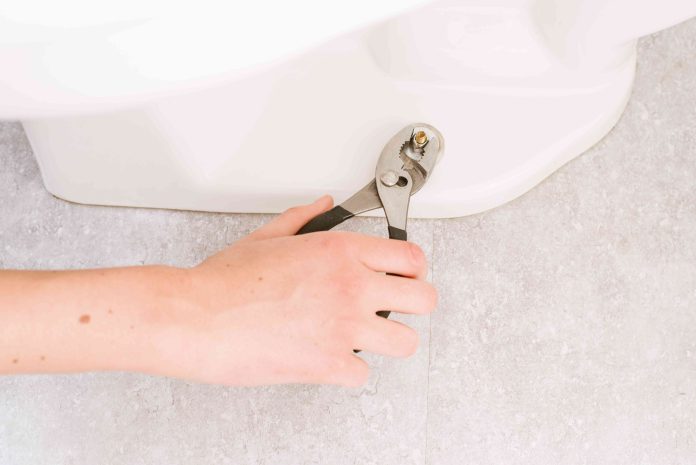
Once they come off, use a pair of pliers to grip the bolt on one side, turn them to the right or clockwise and tighten them to the toilet’s base. There are usually two bolts at the base – one on the left and the other on the right – so repeat the same process on the second one.

Once done, try rocking the bowl again to see if it moves. If you do it correctly, the bowl shouldn’t wiggle at all. And if that is the case, put the bolt caps back in place and you’re done.

Fixing a Loose Tank

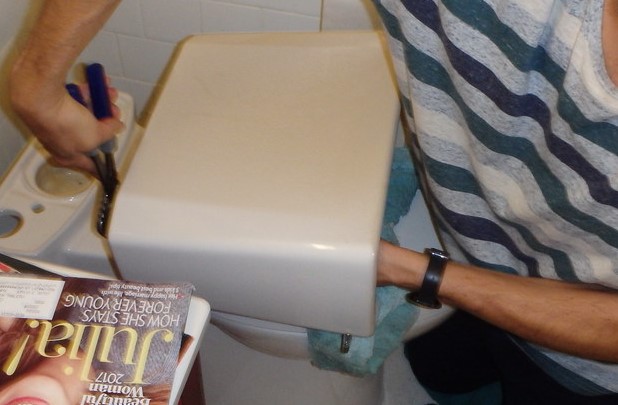
Sometimes, a loose toilet tank is the source of the leakage and a loose gasket or rusted bolts may cause this. With years of use, the bolts may come loose or become covered in rust, depending on the type.

Other times, the gasket becomes faulty, causing water to leak from the gap created by the weak gasket. Take a few minutes to monitor the toilet to see where the leak seems to come from. If it’s not the base, then the tank may be the culprit. Once determined, inspect the bolts for looseness or rust.

Look under the tank and you’ll find two plastic nuts covering the bolts that hold the tank to the bowl and vice versa; remove the nuts and inspect the bolts. If covered in rust, they will need replacements, which will require professional attention from experts like First Rate PHC because such bolts usually need to be cut instead of loosened. That isn’t the job of a DIYer and you wouldn’t want to cause more damage to the cistern.

But if rust is not the problem, see if they are loose. Use your adjustable wrench to tighten the bolts and dry the wetness around that area with a towel. Wait a few minutes to monitor the area to see if water leaks again. If it doesn’t, the problem is solved but if it does, you must replace the bowl-to-tank gasket.

However, if the gasket and bolts are in good working condition, you may need to replace the tank.

  • Cut the water supply to the toilet and flush it. Then, disconnect the water line from the tank.
  • Undo the plastic nuts under the tank and loosen the bolts to remove them completely. This is a good time to check and replace the gasket if it’s old or you’ve not checked it before now.
  • Now, you can lift the old tank from the top of the bowl and set it aside. Put the new tank in its place and ensure it aligns with the two bolt holes at the top of the bowl.
  • Put the bolts back in place, tighten them and cover them with the plastic nuts. Ensure everything is tight to prevent leakage in the future.
  • Reconnect the water line to the tank and turn on the water supply. Then, allow the tank to fill with water and flush the toilet. Everything should work well if done correctly. Otherwise, you may need professional assistance.

In some cases, you may need to install a drip tray to collect water over time. If none of the above fixes works or you want to prevent moisture on the floor, the drip tray should be fitted between the tank and bowl to collect water from the tank and prevent it from dripping to the floor. It only works for the tank, not for the bowl.

You can check out this resource: https://www.doityourself.com/ to understand why a toilet starts leaking.

Conclusion

You can find an easy solution to a leaking toilet without calling for help, especially if you’re a seasoned DIYer. The steps we’ve outlined in this article will get the cistern working again without breaking the bank. However, you’ll need a plumber if you cannot do the job yourself or would prefer not to do it at all. You’ll get the best results that way.

Understanding the Business Side of Interior Design

Interior design is a fascinating profession because it expertly combines aesthetics and functionality. However, interior design has a thriving commercial aspect, ensuring artistic dreams become successful businesses. In this blog, we will go into the creative side of interior design and explain the fundamentals of the business that support it. This blog will shed light on the lucrative world of interior design, whether you are contemplating an Interior Design Certification or just wondering about How to Become an Interior Designer.

Table of Contents

  • The Role of Interior Design in Modern Business
  • The Business of Interior Design
  • Tips for Aspiring Interior Designers
  • Conclusion

The Role of Interior Design in Modern Business

Commercial and residential interiors owe a great deal to the talents of interior designers. Particularly in the business world, it has been widely acknowledged that a building’s interior design has a major impact on the company’s ability to attract and retain both consumers and staff.

The need for professional interior design services in the business sector has increased in recent years. Since more and more organisations are looking to improve their brand recognition and create environments that encourage productivity and creativity, there has been a rise in the need for certified interior designers. This means that it’s more important than ever for aspiring designers and even seasoned pros to have a firm grasp of the interior design industry’s business fundamentals.

The Business of Interior Design

One must recognise the many facets of interior design to truly grasp the commercial side of the industry. It requires a blend of creative vision, project management skills, and financial savvy, and it goes much beyond the simple act of picking paint colours and rearranging furniture.

Client Relationships

Relationships with satisfied customers are the backbone of every successful interior design firm. Establishing credibility, meeting expectations, and keeping people in the loop are all crucial. Interior designers often serve as consultants, advising customers on how to best express their vision and have it realised in their physical space. By including the customer in the design process, you can make sure the result is something they’ll be happy with.

Budget Management

Most interior design jobs have a limited budget. Designers’ skills in coming up with cost-effective solutions that achieve desired aesthetic outcomes are essential. Managing a household’s finances requires making smart purchases of commodities and furniture. Designers who create eye-catching pieces without going over client budgets are highly valued.

Project Timelines

The interior design company also requires adherence to deadlines. In the business world, where time is money, clients typically establish strict deadlines for project completion. To keep projects on track and under budget, interior designers need to organise timetables, communicate with contractors and suppliers, and monitor progress.

Marketing and Networking

Effective marketing and networking techniques are also necessary for launching a successful interior design firm. It is crucial to have a solid online identity by means of a decent website and several social media channels. Opportunities and partnerships can be expanded by participating in industry events, joining professional organisations, and building rapport with vendors and service providers.

Legal and Ethical Considerations

There are legal and ethical considerations that interior designers must be aware of. This involves familiarity with legal concepts, including contracts, copyrights, and liabilities. Projects are carried out properly and without legal issues if they conform to industry norms and laws.

Tips for Aspiring Interior Designers

Beginning a career in interior design is an exciting and intimidating prospect for anybody aspiring to become a designer. If you’re interested in a career as an interior designer, read this:

Education and Training

Get your feet wet by enrolling in a formal interior design program. Courses and degrees are available from a variety of schools, including topics like interior design concepts, space planning, materials, and software. You can build a strong foundation for your profession by completing an Interior Design certification or a degree in the field.

Gather Real-World Experience

Practical experience gained via internships or apprenticeships is just as beneficial as classroom education. You can use your newly acquired knowledge in actual design projects and add it to your resume by gaining practical experience.

Create Your Own Signature Style

The most sought-after interior designers tend to specialise in a certain design aesthetic or market niche. Try out several layouts until you find one that suits your taste perfectly. Clients that share your appreciation for your originality in expression are easy to find.

Building a Portfolio

Create a portfolio of your best work as you acquire expertise. When looking for new customers or a new job, a well-organised portfolio might be your calling card. Make sure to include a variety of work that displays your adaptability and originality.

Create a Business Contact Network

The interior design business is one where networking is crucial. Go to conventions geared toward your sector, sign up for membership in relevant groups, and network with other experts. Establishing connections with others in your field could lead to fruitful partnerships, introductions, and new perspectives.

Launch Your Own Company

Starting your own interior design company might be a great way to achieve your entrepreneurial dreams. Plan to manage the finances, marketing, and clientele of your practice independently.

Conclusion

The commercial aspect of interior design is crucial to your success in this competitive industry. The key to success in the field of interior design, whether you’re an aspiring designer or a seasoned expert, is to combine aesthetic originality with strong business methods. The need for well-designed spaces is only expected to increase, creating excellent job prospects for people who are adept at the commercial side of interior design.For more information visit the website: The Knowledge Academy

Common Electrical Wiring Problems and How to Solve Them

Electrical wiring issues are a common concern for many homeowners and can range from minor inconveniences to serious safety hazards. Being conscious of these problems and understanding when to seek professional support can help maintain a safe and functional home environment. Here we will talk about some common difficulties with electrical wiring and why it is so important to hire a licensed electrician in San Francisco to fix these issues.

  1. Flickering Lights
    Flickering lights are not just annoying; they can be a sign of a more significant problem. This issue might be due to loose wiring, a faulty light fixture, or even a problem with the electrical panel. While some causes of flickering lights are relatively minor, others can indicate serious wiring problems that require immediate attention. If your lights flicker frequently, it’s time to call a licensed electrician to diagnose and fix the issue.
  2. Frequent Circuit Breaker Trips
    Circuit breakers are designed to protect your home by cutting off the electrical supply when there’s an overload or short circuit. However, if your circuit breaker trips frequently, it could indicate an underlying wiring problem. This might be due to overloaded circuits, short circuits, or even issues with your electrical panel. A professional electrician can inspect your system, identify the cause, and perform the necessary electrical wiring installation to ensure your home’s safety.
  3. Warm or Hot Outlets and Switches
    If you notice that your outlets or switches are warm or hot to the touch, this is a serious warning sign. Overheating can occur due to overloaded circuits, loose connections, or faulty wiring. This condition can lead to electrical fires if not addressed promptly. Do not attempt to fix this yourself; instead, contact a licensed electrician to inspect and resolve the issue.
  4. Buzzing or Humming Sounds
    Unusual sounds like buzzing or humming from your electrical outlets or switches can indicate wiring problems. These sounds are often caused by loose connections, frayed wires, or issues within the electrical panel. Such issues can get worse very quickly, which could cause fires. An electrician should be called in to look at these issues and deal with them.
  5. Burning Smell
    A burning smell coming from an outlet, switch, or the electrical panel is a severe issue that needs immediate attention. This smell usually means that the wiring is getting too hot, which could lead to an electrical fire. If you detect a burning smell, turn off the power to the affected area and contact a licensed electrician right away.
  6. Dead Outlets
    Dead outlets can be frustrating and are often a sign of a larger electrical issue. They might be caused by a circuit breaker that went off, an outlet that doesn’t work, or issues with the wires. Resetting the breaker might fix the problem for now, but you should have a professional plumber look at your system to make sure it doesn’t have any more problems.
  7. Ungrounded Outlets
    Older homes often have ungrounded outlets, which lack a grounding wire. Ungrounded outlets are not only outdated but can also pose a safety risk. Electric shocks and fires are more likely to happen because they don’t protect against electrical problems. A licensed electrician can upgrade your home’s wiring, ensuring all outlets are properly grounded and meet current safety standards.

Conclusion

Electrical wiring problems should never be ignored because they can put your family and home in great danger. While it might be tempting to attempt DIY fixes, it’s always best to hire a professional for any electrical work. A licensed electrician in San Francisco has the expertise and knowledge to handle these problems safely and effectively, ensuring your home remains safe and functional. Whether you need a simple repair or a full electrical wiring installation, professional help is just a call away. Putting electrical safety first can keep you safe and give you peace of mind.

4 Ways You Can Make Your Home Feel Unique

Making your home unique means more than just picking stylish furniture and cool decor. It means making the space really shows who you are, using your personality and interests. A house that feels special brings joy and comfort. This article talks about four easy ways to add personality to your home. It talks about showing off personal collections, using color and texture in a fun way, adding one-of-a-kind art and decor, and customizing furniture and fixtures. With these tips, you can make your living area into a special place that tells your story.

Personalize with Art and Décor

Your house can feel instantly more personal by adding décor and artwork to make it uniquely yours. Start by selecting pieces of art that capture your hobbies and unique style. Whether you like sculptures, paintings, or photos, pick works that speak to you. To build a dynamic and unique gallery, don’t be afraid to combine different styles and mediums. Add distinctive décor pieces, such as antiques, handcrafted goods, or souvenirs from your trips, in addition to artwork. These accessories give your room personality and convey a story. Use diverse arrangements, gallery walls, or floating shelves to display your artwork and décor creatively. Your home will truly represent who you are when you carefully choose and arrange these pieces, adding personality and charm.

Custom Furniture and Fixtures

Personalized fixtures and furniture are great ways to add uniqueness to your house. Custom-made pieces are personalized to your specific preferences, ensuring that they complement your style and space. Think about spending money on a custom dining table, a one-of-a-kind sofa, a custom bed frame, or a distinctive bookshelf. These things are discussion starters in addition to being functional. When creating custom furniture, consider your demands and intended use. Select finishes and materials that go well with the décor you already have. A distinctive residence also has custom hardware and lighting fixtures. Choose handcrafted drawer pulls to provide a unique touch or custom lighting options to improve the ambiance of your space. You can make a space that is entirely your own and unlike any other house by adding these elements.

Use of Color and Textures

The use of color and texture can significantly alter your home’s appearance and atmosphere. Choose a color scheme that appeals to you first. Softer tones provide a relaxing ambiance, while bolder colors can make a statement. Try your hand at adding interest with bold patterns or accent walls. Textures are essential for giving a space depth and personality. To create a rich, layered look, mix, and match various materials, including stone, wood, metal, and textiles. For example, pair a sleek metal lamp with a velvety rug or a velvet sofa with a rustic wooden coffee table. These arrangements accentuate the visual elements and give your room a cozier, more distinctive vibe. You can create a lively and comfortable heaven in your house by carefully combining texture and color.

Incorporate Personal Collections

Adding personal collections to your décor is a wonderful way to express your hobbies and give your room a distinctive look. Discover unique methods to showcase the books, antiques, or souvenirs you’ve collected from your travels. When filled with a combination of books and other items, bookshelves can serve as both functional and decorative pieces of furniture. Antiques can be shown on open shelves or in a console table arrangement. Use framed displays or shadow boxes for smaller collections, such as old postcards or souvenirs. Make sure the colors and motifs of these collections blend nicely with the rest of your décor by taking into account their themes and colors. Your house gains depth and individuality by showcasing your collections, which makes it genuinely unique.

Conclusion

You may make your house distinctly yours by adding personal collections, custom furnishings, artistic and decorative accents, and imaginative use of color and texture. These components provide your house coziness and a distinct personality, in addition to adding visual appeal. Start by making one or two adjustments, then watch how your surroundings change as a result. Accept your originality and allow your individuality to come through. A distinctive home is more than simply a place to reside; it’s a representation of your personality and a constant source of happiness and inspiration.

Easy Tips on Revitalizing Your Home Lawn

The curb appeal of your property can be significantly improved by lush, colorful grass, which also serves as a soothing outside place. If your lawn is spotty or worn out, revitalizing it may seem like an impossible effort. On the other hand, you may revitalize your lawn and bring it back to its lush, green splendor by following a few straightforward measures.

Evaluate And Address Soil Health

To have a healthy lawn, the condition of the soil is essential. To begin, you can evaluate the state of your soil. To find out if there are any nutrient deficiencies or pH imbalances, test the soil. You can either submit a sample to a local extension office or purchase a soil testing kit from a garden center. Both options are available to you. There is a possibility that you may need to amend the soil with lime to balance the pH, or you may need to add compost to boost fertility. Improved root growth and nutrient absorption are two additional benefits that can be gained from aerating the soil by creating small holes in it.

Choose The Right Grass Seed

To have a lawn that thrives, it is essential to choose a grass seed that is suitable for the climate and the type of soil you have. Kentucky bluegrass and fescue are examples of cool-season grasses that thrive in milder climes. Conversely, warm-season grasses like Zoysia and Bermuda are more adapted to warmer regions. Keep an eye out for seed mixtures of superior quality that are resistant to the most frequent illnesses and pests. Planting the appropriate species of grass will result in a lawn that is more robust and resistant to damage.

Mow Correctly

When it comes to maintaining a healthy lawn, proper mowing procedures are necessary. If you wish to avoid over stressing the grass, you can avoid mowing more than one-third of its height at once. To leave the grass a little bit longer, you can adjust the blades of your mower to a higher setting. To achieve smooth cuts and to decrease the amount of damage done to the grass, keep the blades of the mower sharp.

Water Wisely

Underwatering can cause the grass to become dry and stressed while overwatering can cause the root systems to become shallow, which increases the likelihood that the grass will become susceptible to illnesses. Make it a goal to water your grass thoroughly yet seldom, giving it around one inch of water throughout the week.

Conversely, artificial grass lawns provide a substantial benefit in areas with water restrictions or where water conservation is a major priority. These grass lawns do not require any watering other than the occasional rinse; they contribute to sustainable landscaping techniques and reduce the amount of water that is used. Nowadays, you can buy and install good quality artificial grass from reputable companies, such as buying artificial turf from NexGen Lawns.

Fertilize Strategically

A replenishment of the critical nutrients that the grass needs for growth is accomplished by fertilization. Pick a fertilizer with a combination of potassium, phosphorus, and nitrogen that is well-balanced. Consult the manufacturer’s instructions for details on application rates and scheduling.

Fertilizing throughout the spring and fall seasons is generally the most successful method since it provides support for development during the most productive growing seasons. When fertilizing, it is important to avoid over-fertilizing because doing so might result in excessive growth and an increased susceptibility to pests.

Address Thatch and Weeds

Thatch, a layer of organic matter between the soil and the grass, can hinder the absorption of water and nutrients. If the thatch layer exceeds half an inch, it is advisable to dethatch your lawn using a dethatching rake or machine. In addition, it is important to keep a watch out for weeds, as they might compete with grass for resources. Depending on the type of weed and the size of the lawn, you can employ the proper methods of weed control, such as hand-weeding, herbicides, or a mix of the two.

Conclusion

It is not necessary for the process of revitalizing your grass to be a complicated effort. You may breathe new life into your lawn by concentrating on the health of the soil, selecting the appropriate grass seed, mowing it appropriately, watering it appropriately, feeding it strategically, and treating thatch and weeds. You will be able to take pleasure in lush, green grass that adds to the beauty and value of your property if you are willing to put in some effort and use some patience.

Bespoke Kitchen Consultation to Installation: Transforming Your Culinary Space

The kitchen is a focal point in home design. It’s more than just a practical room it’s a place where memories are created and culinary adventures begin. A bespoke kitchen consultation to installation provides an unparalleled level of customization and attention to detail for customers looking for a kitchen that precisely fits their lifestyle and taste. This article looks into the process from consultation to installation, demonstrating the advantages of choosing a custom kitchen.

What Is a Bespoke Kitchen?

A bespoke kitchen is tailored to a homeowner’s individual needs, tastes, and space constraints. Unlike typical off-the-shelf kitchens, bespoke kitchens are designed to represent the homeowner’s personality and taste, resulting in a one-of-a-kind and highly functional area.

The Benefits of a Custom Kitchen

  • Personalization: Every element, from layout to materials, is chosen to reflect your vision.
  • Quality Craftsmanship: High-quality materials and outstanding craftsmanship are common features of bespoke kitchens.
  • Optimized Space Utilization: Custom designs make the best use of your existing space by adding innovative storage options.
  • Increased Property Value: A well-designed bespoke kitchen can greatly increase the value of your home.

The Journey from Consultation to Installation

Initial consultation

The trip starts with a consultation. This is a critical stage in which homeowners communicate their desires, preferences, and needs to the kitchen designer. During this phase, key issues are explored, including:

  • Lifestyle Needs: Indicate how the kitchen will be utilized.
  • Design Preferences: Style, color palettes, and materials you prefer.
  • Budget: An understanding of the project’s financial scope.

Design and planning

  • Following the initial meeting, the designer prepares a thorough blueprint and 3D visuals of the proposed kitchen. This phase includes the following:
  • Arrangement Design: Optimal kitchen arrangement for functionality and flow.
  • Material Selection: Deciding on the best materials for countertops, cabinetry, flooring, and other features.
  • Appliance Integration: Ensures that appliances blend seamlessly into the design.

Custom workmanship

After the design is finished, expert artisans begin working on the kitchen’s bespoke parts. This method consists of:

Cabinetry: Cabinets made to specified dimensions and design criteria.

Countertops and Surfaces: Choosing and constructing surfaces that meet both aesthetic and functional needs.

Fixtures and Fittings: High-quality fixtures that improve the beauty and functionality of the kitchen.

Preparing for the Installation

To ensure a smooth installation, numerous preliminary actions are conducted beforehand. The steps are as follows:

Site Preparation: Making sure the kitchen is ready for the new installation, which may include removing old fixtures and appliances.

Coordination: Coordinating schedules with plumbers, electricians, and other relevant craftsmen.

Installation

The installation phase is where the vision becomes a reality.

  • Assembly: Building and installing cabinetry countertops, and other custom components.
  • Integration: The installation and integration of appliances lights, and plumbing fittings.
  • Final Touches: Finishing touches like hardware backsplashes, and decorative accents.

Quality Assurance

Following installation, a full quality inspection is carried out to guarantee that everything meets the highest requirements. This encompasses

Inspection: Look for any problems or flaws in the installation.

Functionality Testing: Ensuring that all appliances and fixtures work properly.

Client Walkthrough: Showing the homeowner around the new kitchen and giving features and upkeep tips.

The significance of professional Guidance

Expert Design Perspectives

Working with professionals gives you access to experienced design insights and new solutions that you would not consider on your own. Designers contribute a variety of knowledge to kitchen design including the newest trends materials, and technologies.

Project management is seamless

A skilled team oversees the entire process, from arranging tradespeople to assuring material delivery on time, This lowers stress and keeps the project on track and within budget.

High Quality and Longevity

Bespoke kitchens that have been professionally planned and fitted are meant to last. The use of high-quality materials and craftsmanship provides long-term durability, avoiding the need for frequent repairs or replacement.

Conclusion

Choosing a bespoke kitchen consultation and installation is a process that will convert your cooking environment into a reflection of your individual style and wants. Every stage, from the initial consultation to the last quality assurance check is designed to achieve perfection. Investing in a custom kitchen improves not just the utility and aesthetics of your house but it also adds significant value. If you want to build a kitchen that is entirely yours, consider going the bespoke route.

Home lifts & platform lifts Made in Italy: Benchmarks of quality in the industry

Italy is a country that is not only characterized by its gastronomy and fashion sense but also by the quality of the products that are manufactured in its territory, as is the case of elevators and platform lifts.In this case, Nova Elevators, a company of Home lifts & platform lifts Made in Italy, has stood out for bringing vertical mobility solutions for the home that encompasses design, luxury, innovation, quality and cutting-edge technology that fits the needs of each of its customers.Read on and learn the reasons that make Italian elevators the best on the market and why you should choose them to equip your home without compromising aesthetics and design.

Why choose lifts and platform lifts Made in Italy?

The “Made in Italy” seal carries an important weight that not only indicates that a product has been made in Italy, but also that it enjoys a premium quality characteristic of Italian brands, ensuring a durable, refined and efficient item. In general, these are the main reasons to decide NOVA elevators.

Premium quality

The home lifts & platform lifts Made in Italy designed and manufactured by NOVA enjoy excellent quality, since, being this the main commitment of the company, they take care to use the best materials on the market to ensure durability and safety.In this way, each of their equipment can fulfill its purpose efficiently, resisting constant use and weight, two functions for which they are designed, without losing their shape or aesthetics. All this is certified by previous quality controls and a group of experts in the field.

Extensive experience

NOVA Elevators has a track record of 30 years in the market, which has served to perfect its final products and position itself as one of the best in the industry.This has been possible thanks to the trained team of professionals who work efficiently to achieve customer satisfaction and design the best elevators in the territory that are considered as the benchmark of the highest quality and safety.

Customized solutions for every context

The main objective of the elevators is to improve and facilitate the vertical mobility of people, however, each space requires its solutions according to the environment where it will be placed and the people who will make use of it. Because of this, NOVA Elevators works to offer a solution for every need, regardless of the environment.

  • Home elevators: The home lifts and platform lifts made in Italy of NOVA Elevators are a solution to modernize the mobility inside the house in a safe and adjusted way the space between its different levels, taking into consideration the needs of those who live in the home to integrate an effective model. In this sense, it is often a useful tool for people with disabilities and the elderly, so that they have greater autonomy and enhance the quality of life within their own homes. It should be noted that the inclusion of these home lifts and platform lifts does not imply the death of harmony, cohesion, and aesthetics of the rooms, on the contrary, they can be perfectly included with any type of decoration and increase the value of the properties thanks to the diversity of finishes, colors, styles, and shapes available.
  • Elevators for public places: Thanks to the versatility of home lifts and platform lifts, spaces aimed at the public can also find their own adapted solutions, whether it is a shopping mall, stores, offices, cafés and more. Furthermore, the installation of these lifts does not cause serious damage to the structure, since their dimensions allow for easy adjustment, whether in a masonry shaft or metal structure.

Energy efficiency and environmental responsibility

Care for the environment is part of the objectives of NOVA Elevators, an awareness that has led them to develop energy-efficient elevators, reducing the consumption of electricity and space to occupy.Thanks to this, carbon emissions are minimized, benefiting not only the owners of the premises where they are installed but also all people, since they work to construct a more sustainable future.

Classy designs

A peculiarity resulting from the elevators made in Italy are their aesthetic finishes that stand out for their beauty and elegance. Small elevators look more elegant and delicate compared to traditional elevators, enhancing the aesthetics of any place.Designed with clean shapes, glass, wood and other valuable decorative materials, they become a piece of functional art with high-quality standards to achieve a unique level of sophistication.In short, by choosing Made in Italy lifts and platform lifts you are investing in design, quality, safety, and durability while contributing to the environment by reducing pollution levels and exploiting raw materials needed to obtain electrical energy.No matter what your vertical mobility needs are, the technological innovations of home lifts & platform lifts Made in Italy are committed to meeting them to improve lifestyles and promote comfort.

Essential Tips for Traveling with a Low Watt Fridge and Car Fridge

Traveling offers an exhilarating escape from daily routines, whether it’s a weekend road trip, a cross-country adventure, or an overland journey into the wilderness. One of the key challenges during such trips is keeping food fresh and beverages cool without relying on traditional ice coolers. This is where a low watt fridge and car fridge come into play. In this article, we will explore the benefits of these portable refrigeration solutions and provide tips on how to make the most of them on your travels.

Why Choose a Low Watt Fridge and Car Fridge?

When traveling, especially in remote areas, power efficiency and convenience are paramount. Here are some compelling reasons to consider a low watt fridge and car fridge for your adventures:

  1. Energy Efficiency: Low watt fridges are designed to consume minimal power, making them ideal for trips where electricity is scarce or limited to car batteries.
  2. Compact and Portable: These fridges are typically compact and easy to transport, fitting seamlessly into your vehicle without taking up too much space.
  3. Consistent Cooling: Unlike traditional ice coolers that rely on melting ice, a car fridge maintains a constant temperature, ensuring your food and drinks stay fresh for longer periods.
  4. Versatility: Low watt fridges and car fridges can be used in various settings, from camping and road trips to picnics and beach outings.

Choosing the Right Low Watt Fridge and Car Fridge

When selecting a portable fridge, consider the following factors to ensure it meets your needs:

  1. Capacity: Determine the size of the fridge based on the duration of your trips and the number of people you’re traveling with. For instance, a larger family might require a fridge with more capacity.
  2. Power Consumption: Opt for a model that is energy-efficient. The lower the wattage, the less strain it will place on your car battery or any auxiliary power sources you use.
  3. Durability: Look for a fridge that can withstand the rigors of travel, including bumpy roads and varying weather conditions.
  4. Temperature Control: Ensure the fridge has adjustable temperature settings to cater to different types of food and beverages.
  5. Ease of Use: Consider fridges with user-friendly features such as digital displays, removable shelves, and sturdy handles for easy carrying.

Tips for Using a Low Watt Fridge and Car Fridge on Your Travels

To get the most out of your low watt fridge and car fridge, consider these practical tips:

  1. Pre-Cool Your Fridge: Before you start your journey, plug in your fridge at home and pre-cool it. This helps reduce the initial load on your car battery and ensures the fridge is at the desired temperature when you start packing it.
  2. Optimize Packing: Organize your items efficiently. Place frequently used items on top and avoid overloading the fridge to ensure proper air circulation.
  3. Monitor Power Usage: Keep an eye on your vehicle’s battery level. Consider using a dual battery system or a portable power station to avoid draining your primary battery.
  4. Keep the Fridge in a Shaded Area: When camping or during stops, place the fridge in a shaded area to prevent it from working harder due to direct sunlight.
  5. Regular Maintenance: Clean your fridge regularly and check for any signs of wear and tear. Ensuring the seals are intact will help maintain its cooling efficiency.

Conclusion

Traveling with a low watt fridge and car fridge can significantly enhance your travel experience, providing convenience and peace of mind knowing your food and drinks are kept fresh. The BougeRV Low Wattage Fridge and the BougeRV 12V Car Fridge are excellent choices.

Whether you’re heading out on a spontaneous road trip or planning a well-organized overland adventure, investing in a reliable fridge will ensure you’re well-prepared for the journey ahead. Enjoy your travels, savor fresh meals, and stay refreshed with the perfect low watt fridge or car fridge by your side. Happy travels!

Recent Posts

Posts You Might Like