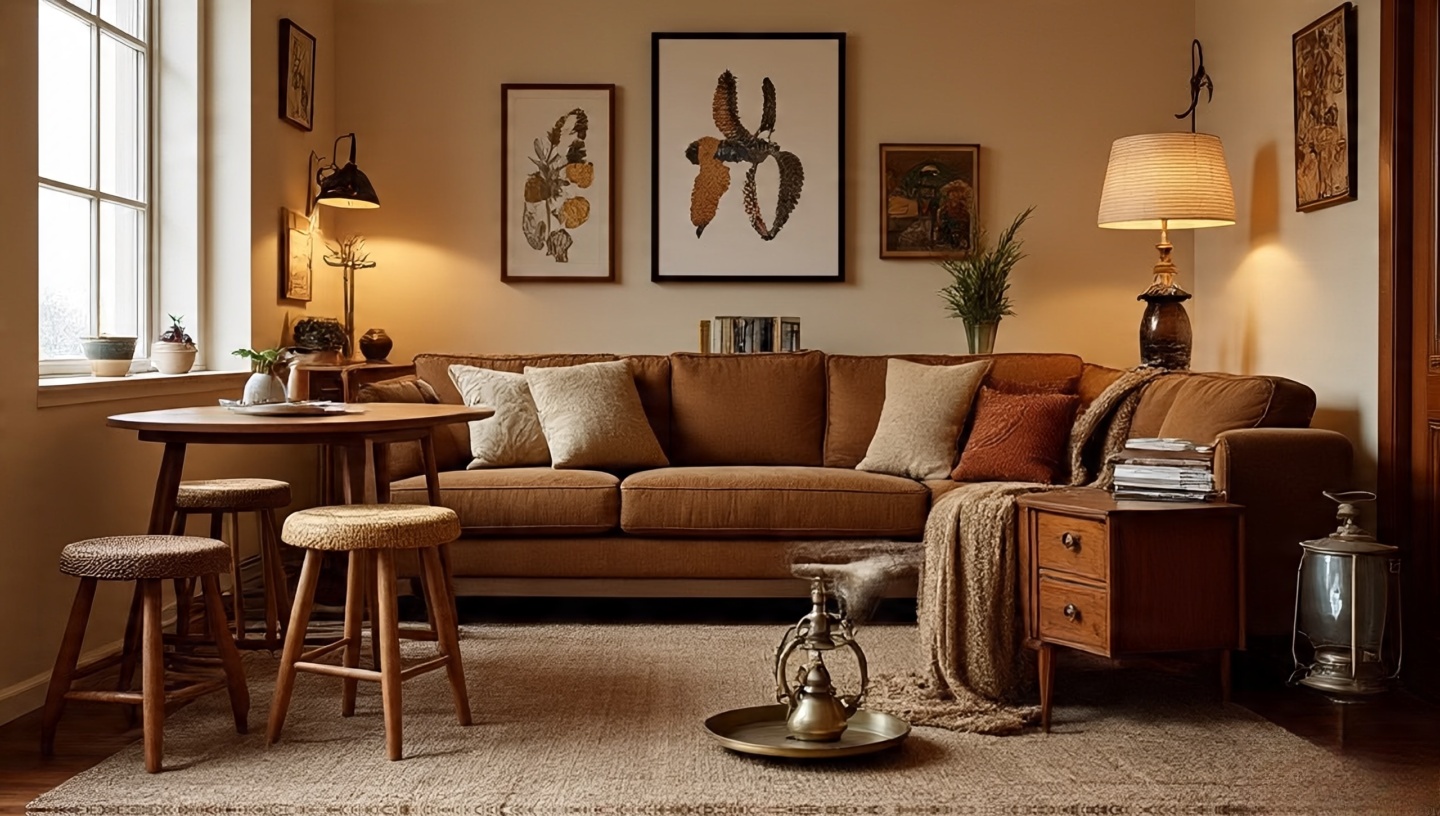


Mixing furniture works best when each piece has a place and a purpose. Start with the items you already use, then identify the gaps. A room can have varied finishes without turning every corner into storage or display.
Inventory before shopping
Record each retained piece’s assembled dimensions, condition, and role. Measure doors, stairs, and the route into the room. For a secondhand item, check what can be taken apart and whether the maker’s assembly information is available.
Avoid buying an attractive cabinet before deciding what it must hold. Measure the intended contents and the space used when its doors or drawers open.
Compare outlines and proportions
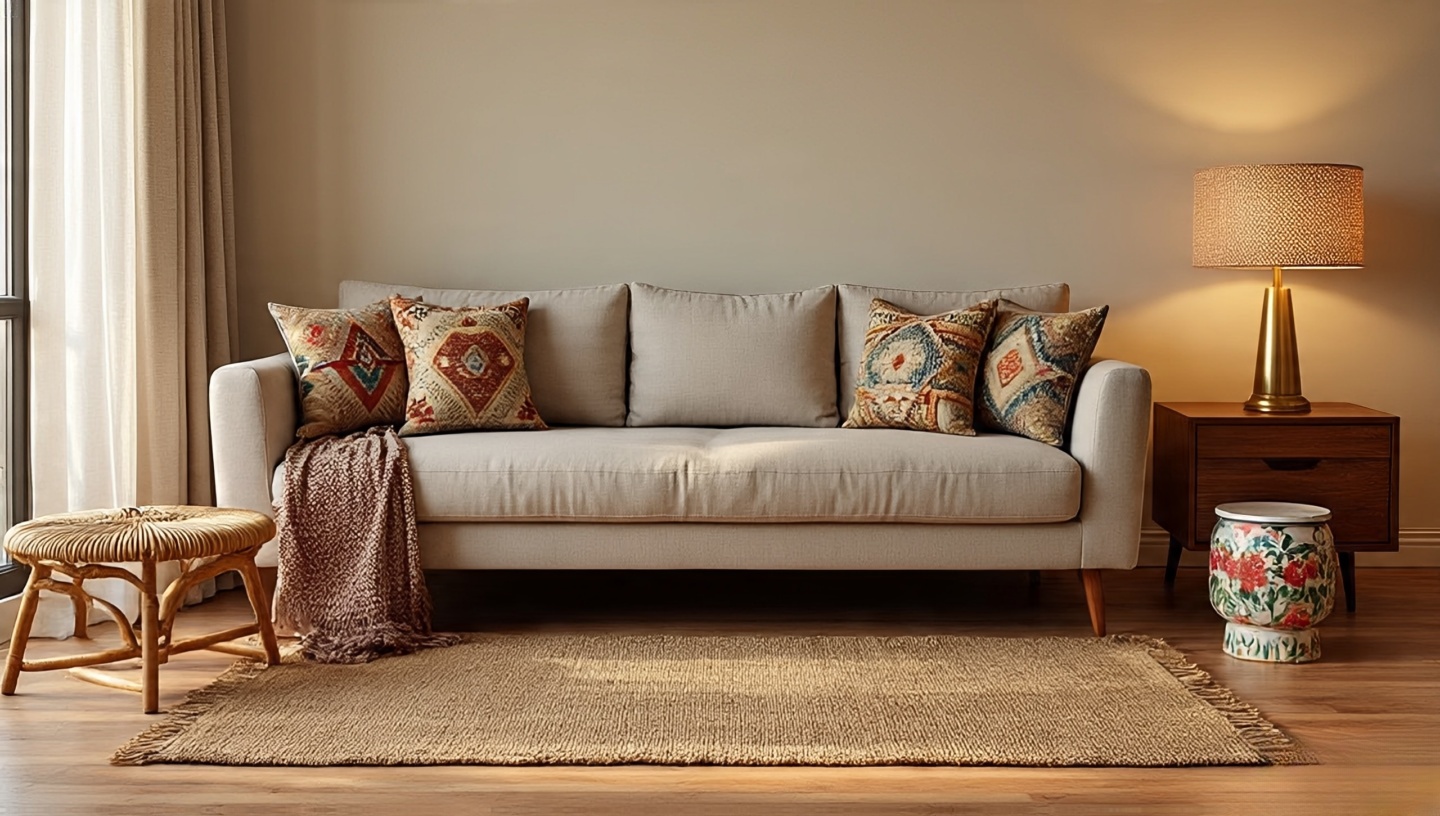
Place the largest furniture on a plan first. Add occupied chairs and clear routes. A slim frame can soften the appearance of a substantial sofa, but visual lightness does not reduce its physical footprint.
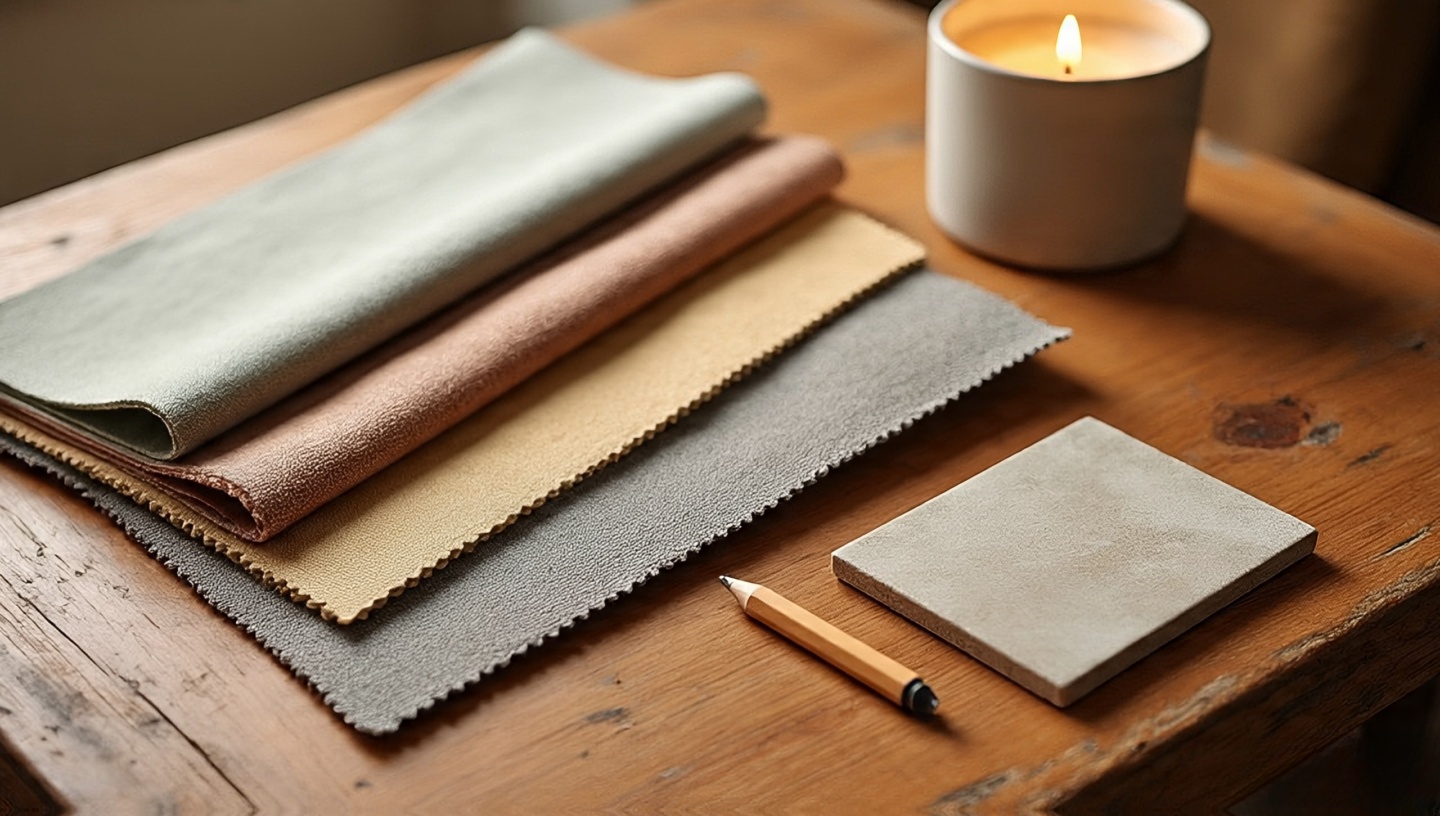
Use fabric or finish samples to compare retained and proposed pieces. Repeat a color or material selectively instead of expecting every item to match.
Check construction as well as patina
Inspect joints, supports, woven surfaces, and hardware. Ask about previous repairs and replacement parts. Do not treat a worn surface as proof of age, provenance, safety, or structural condition. Have damaged seating or an uncertain load-bearing item assessed by an appropriate repairer.
Leave useful empty space
Test the room with everyday activities: opening storage, placing a drink, reading, and moving a bag through the route. If those tasks require repeated rearrangement, remove or reposition an item before adding another.
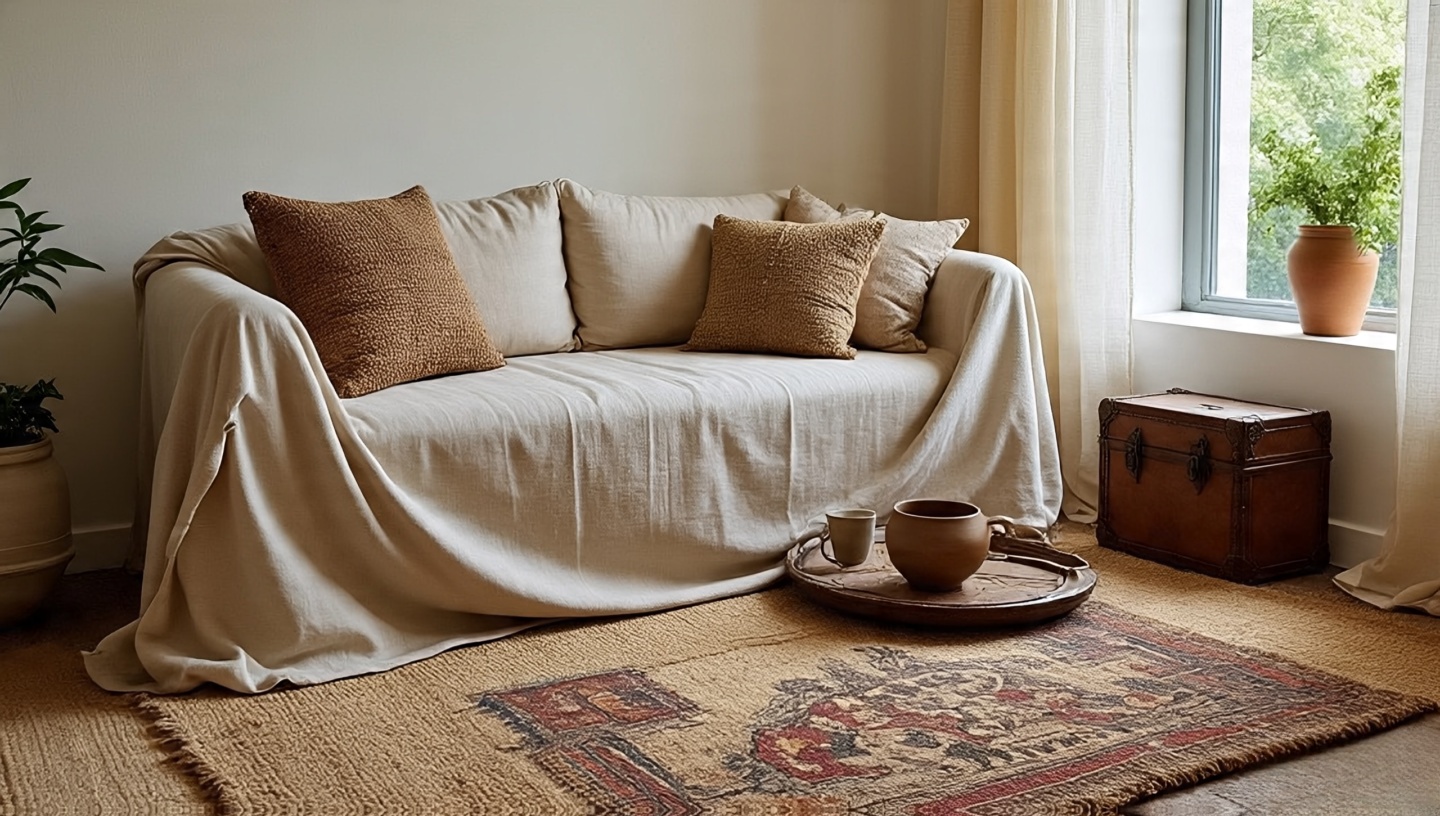
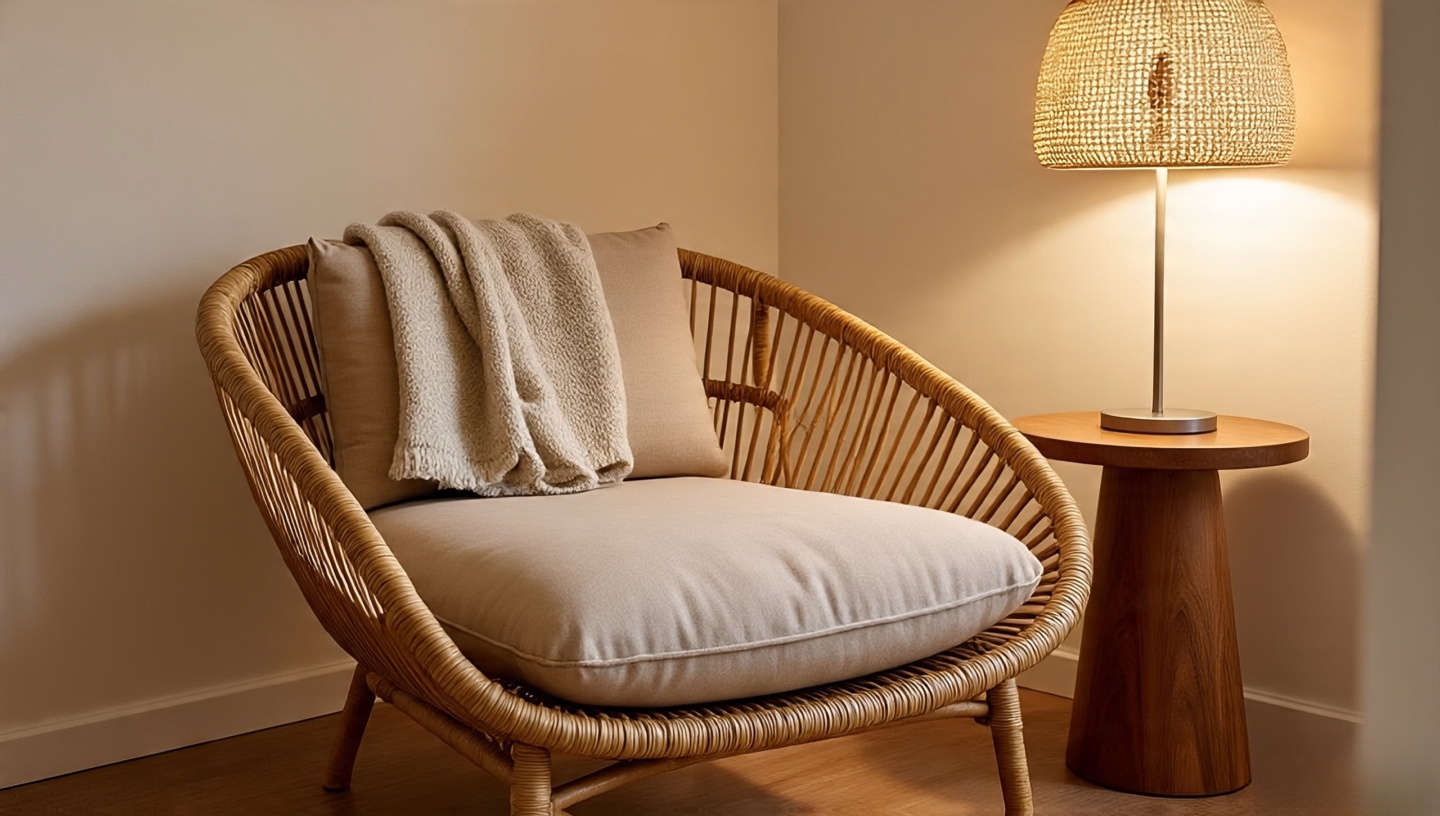
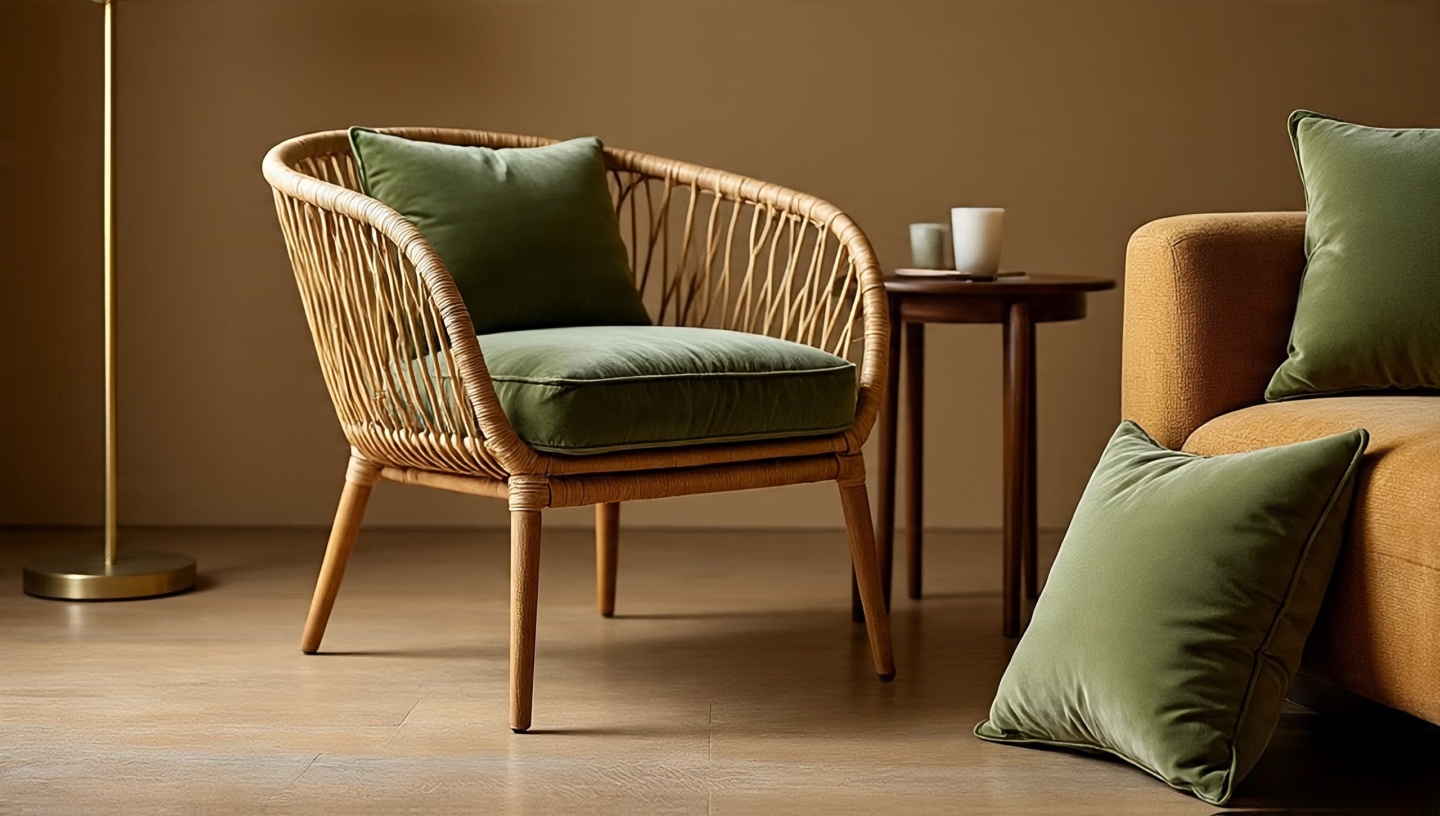
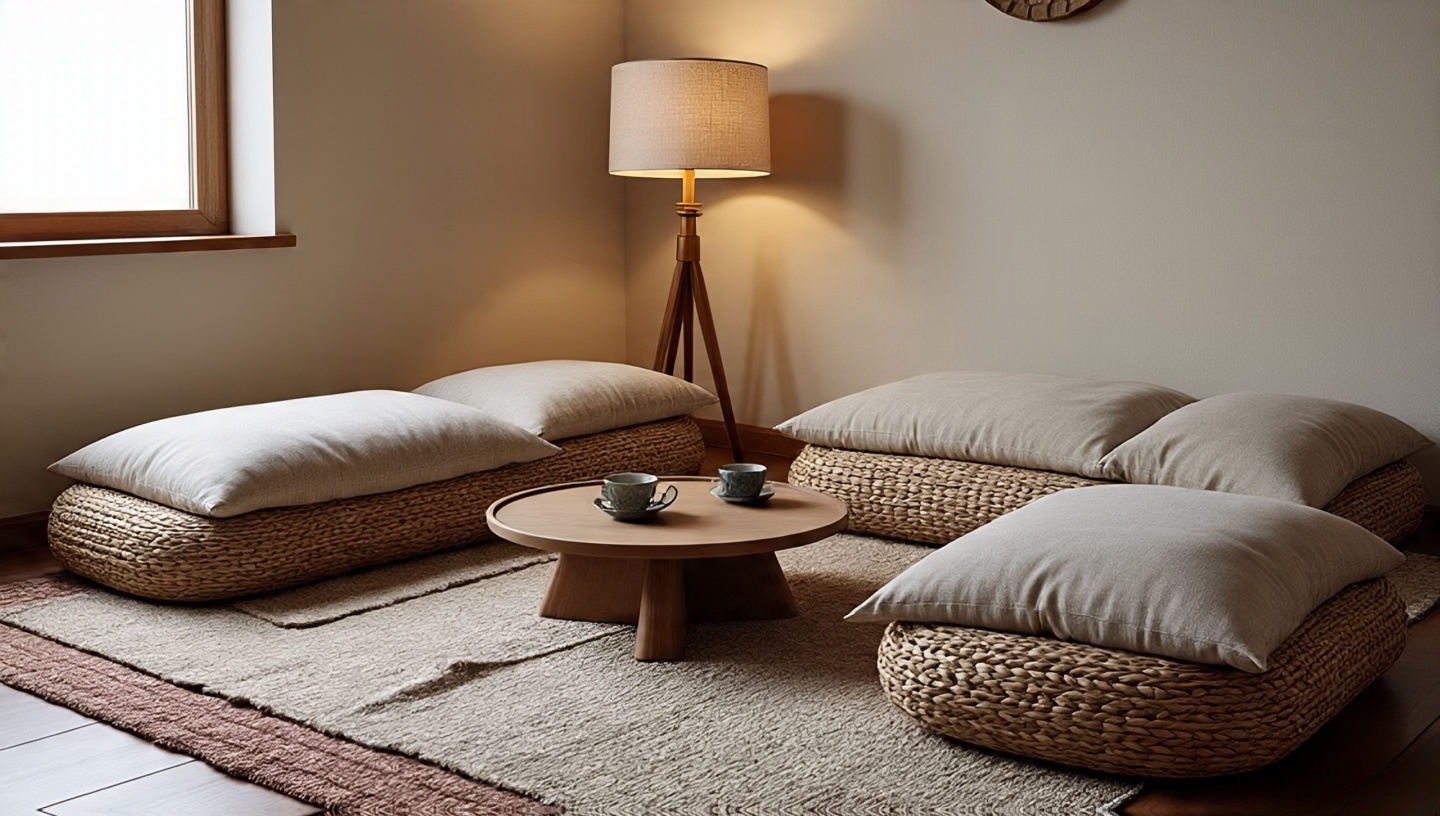
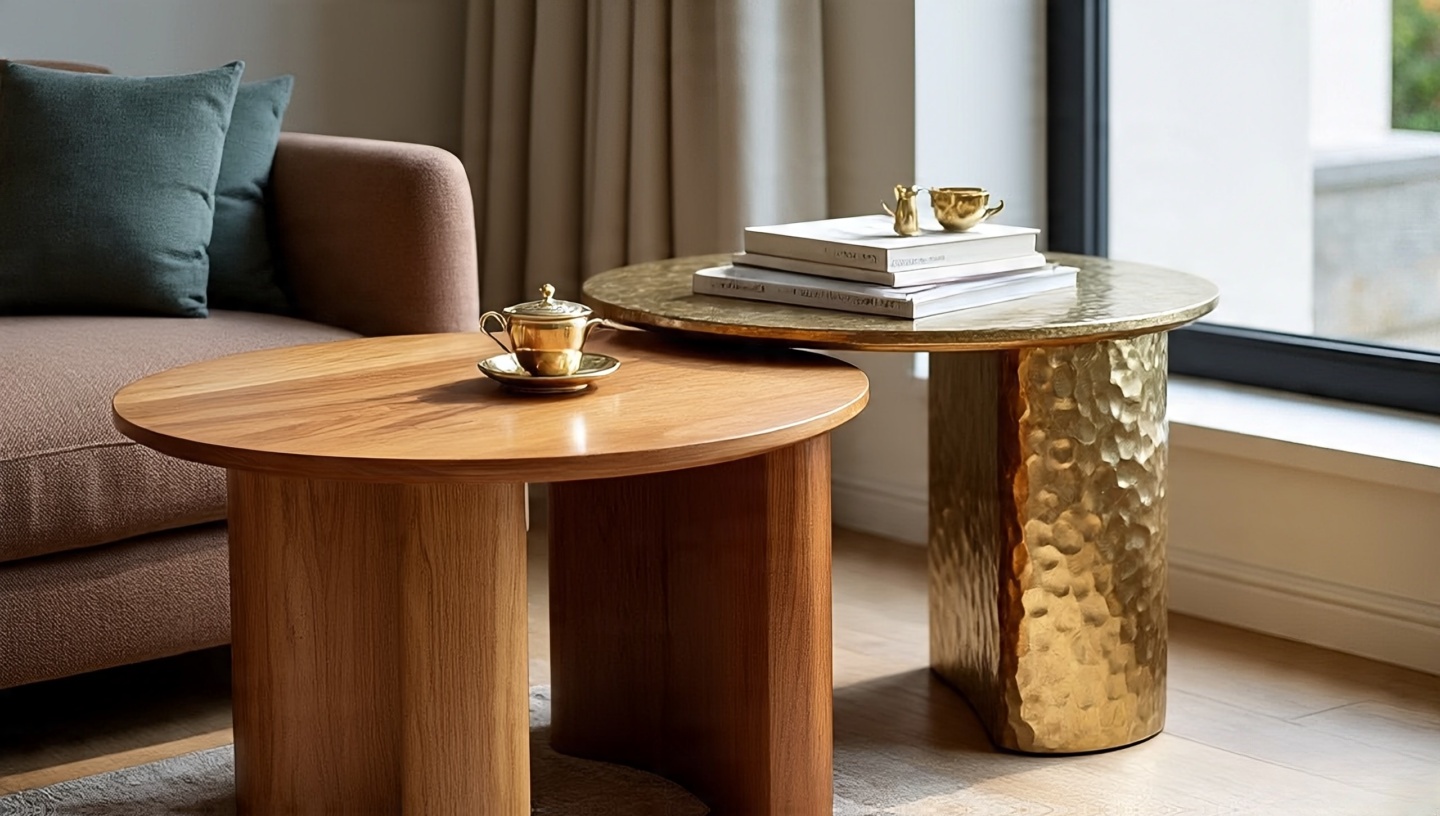
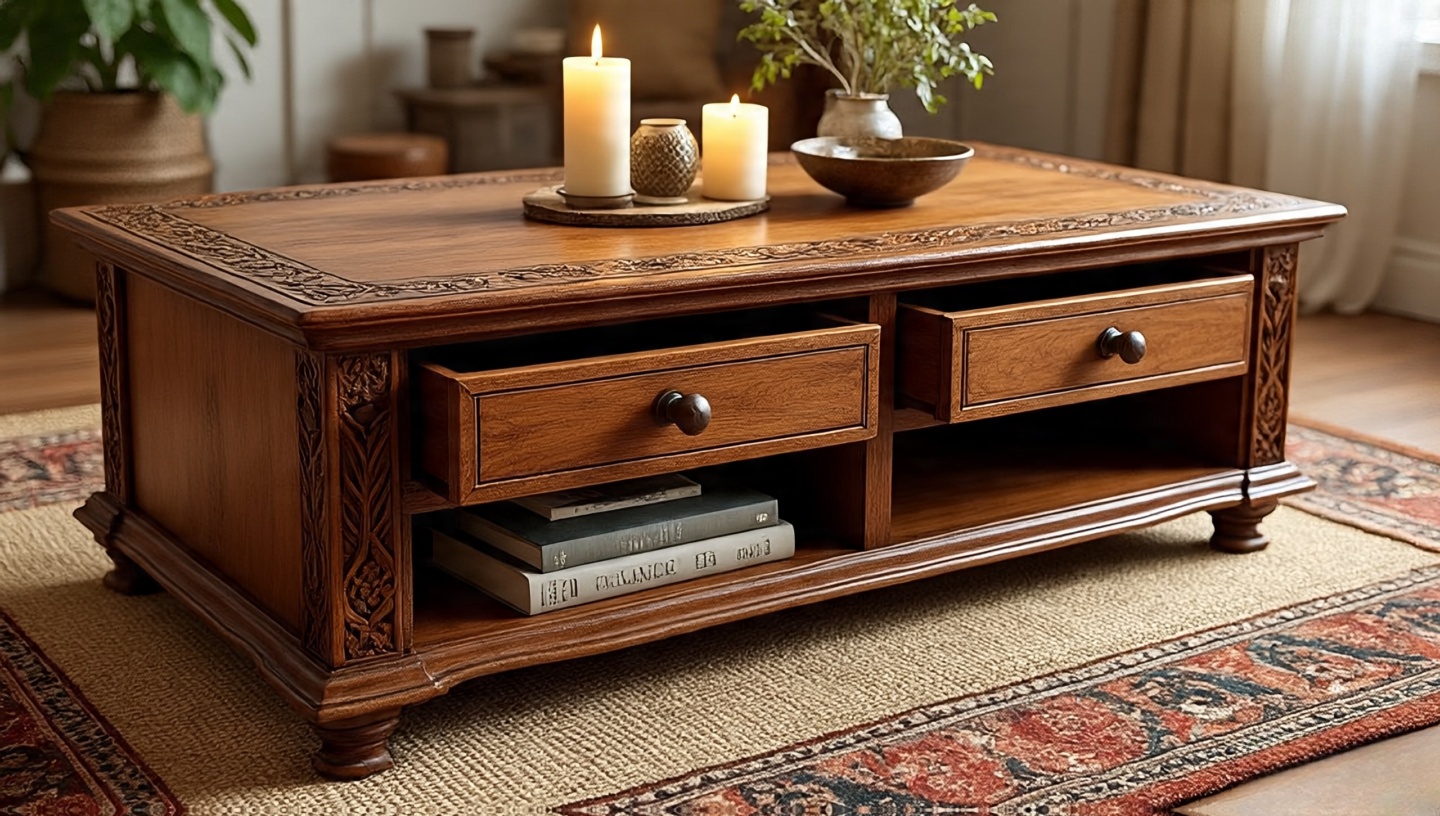
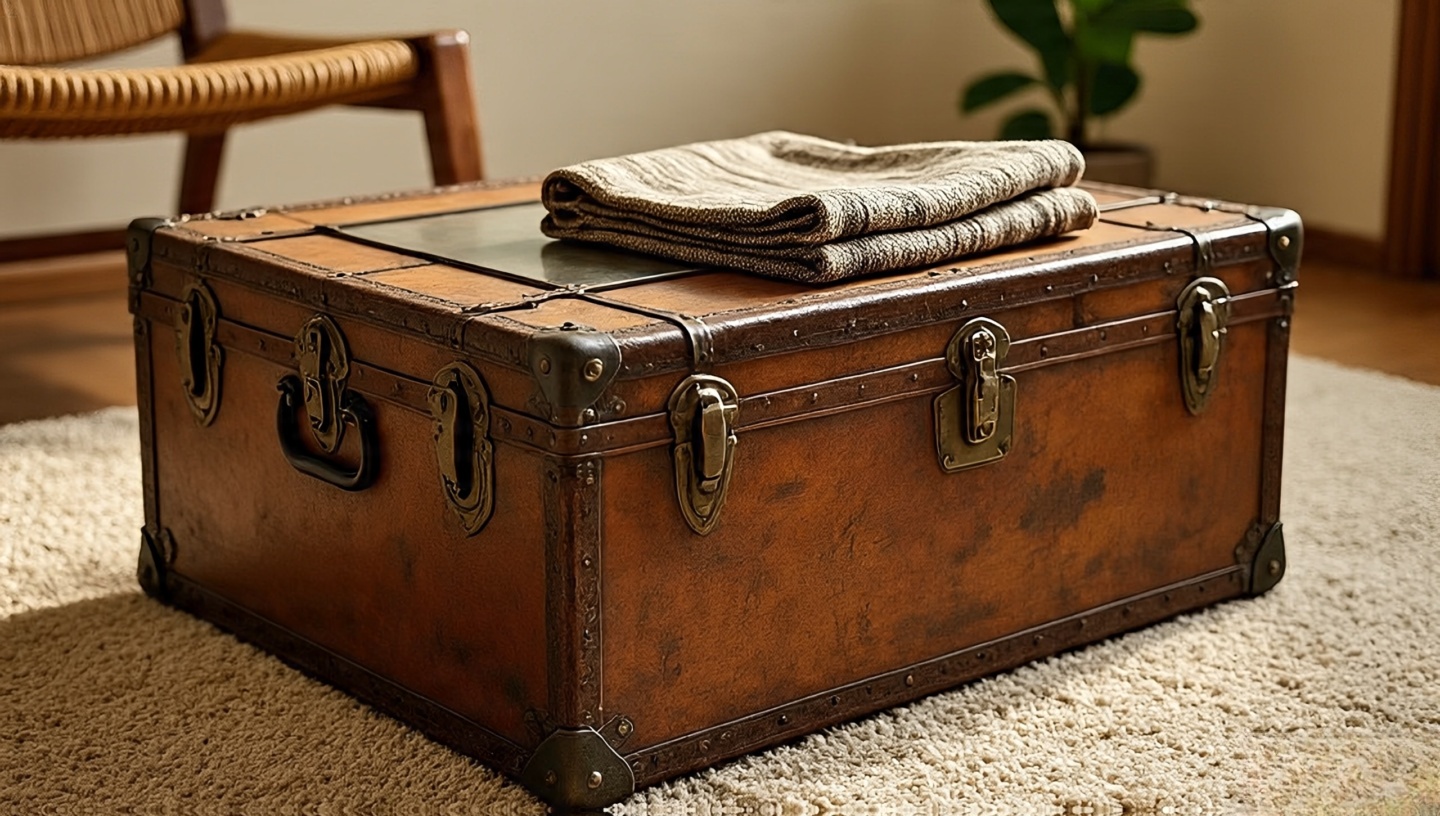
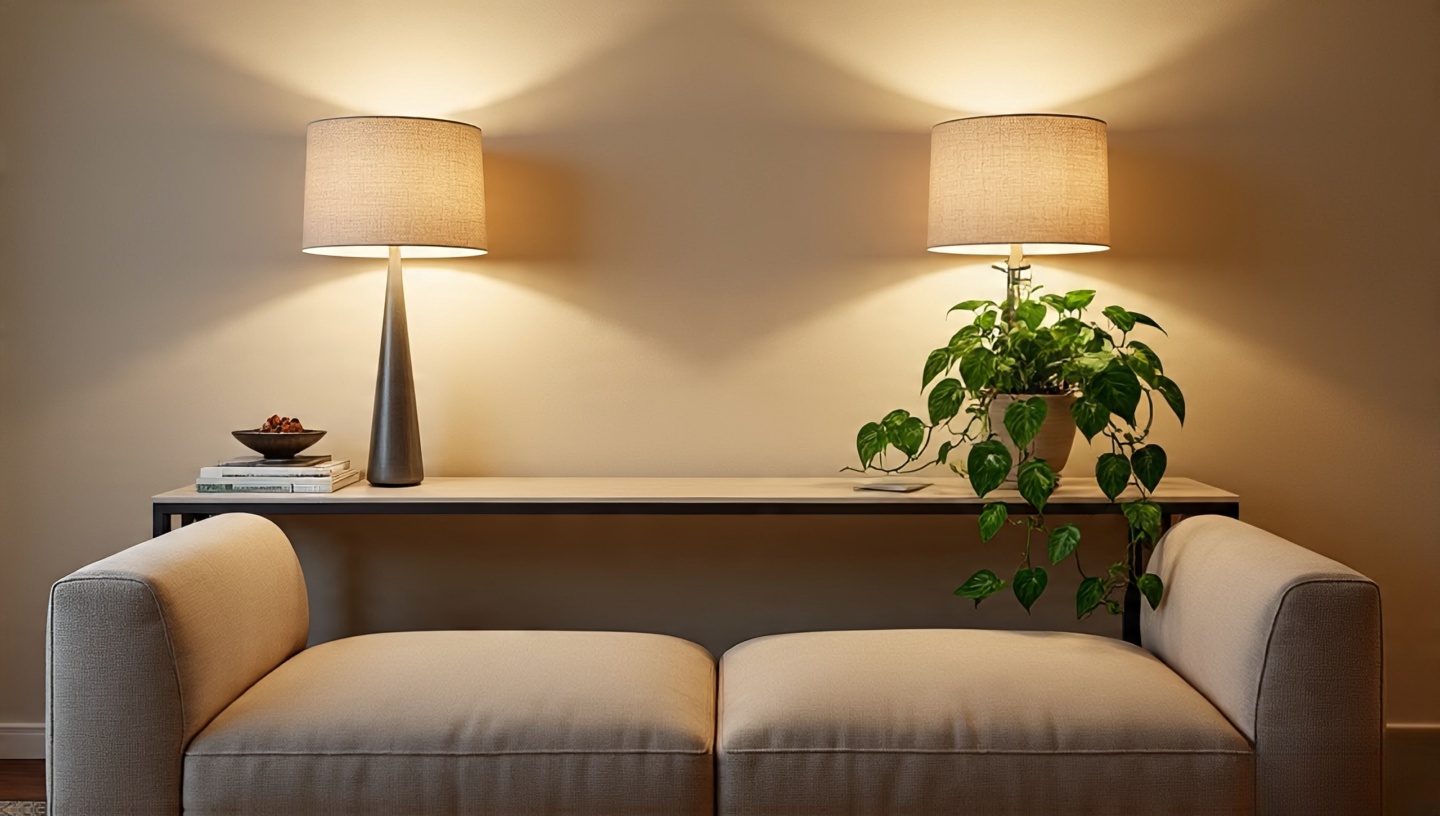
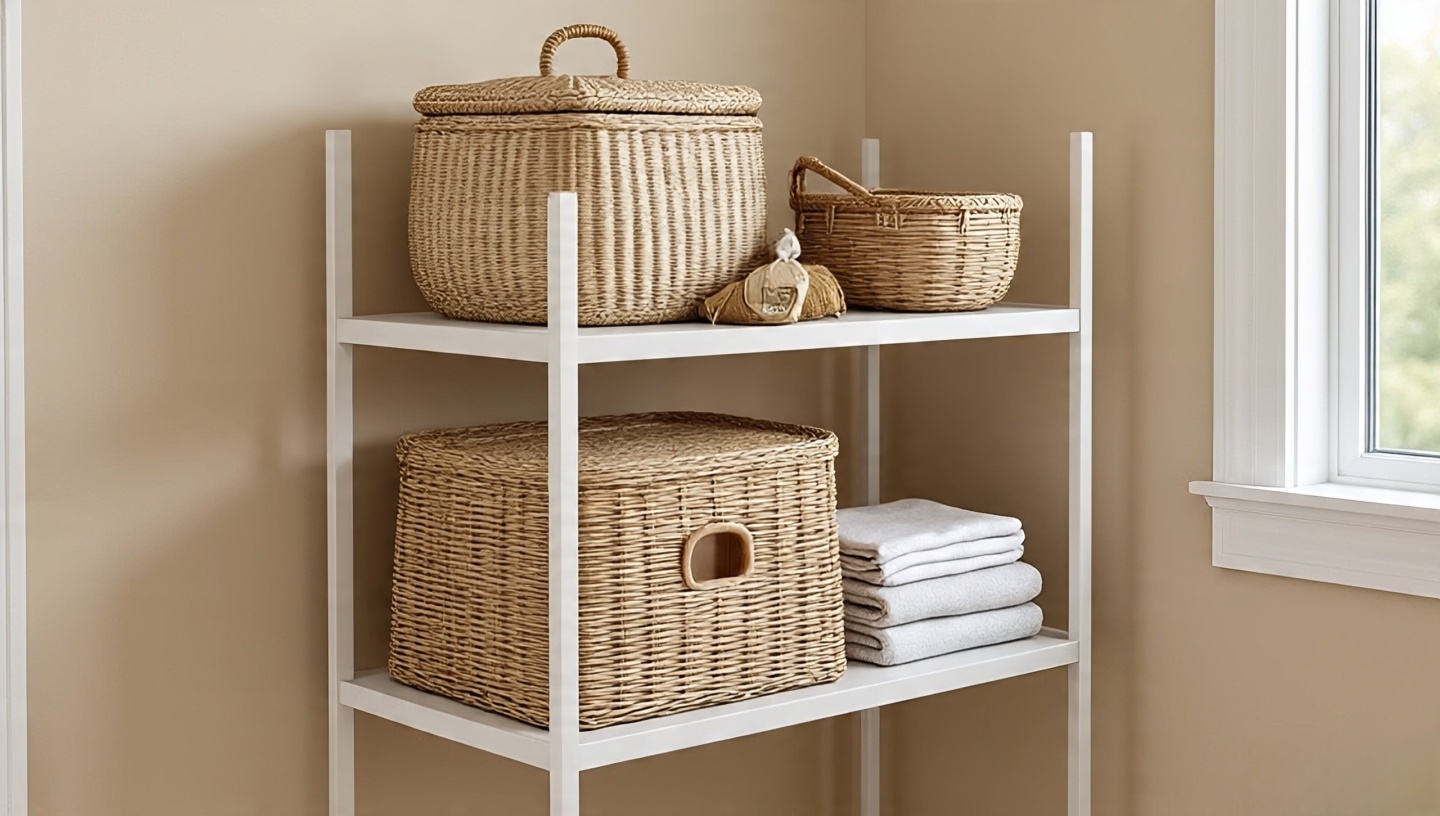
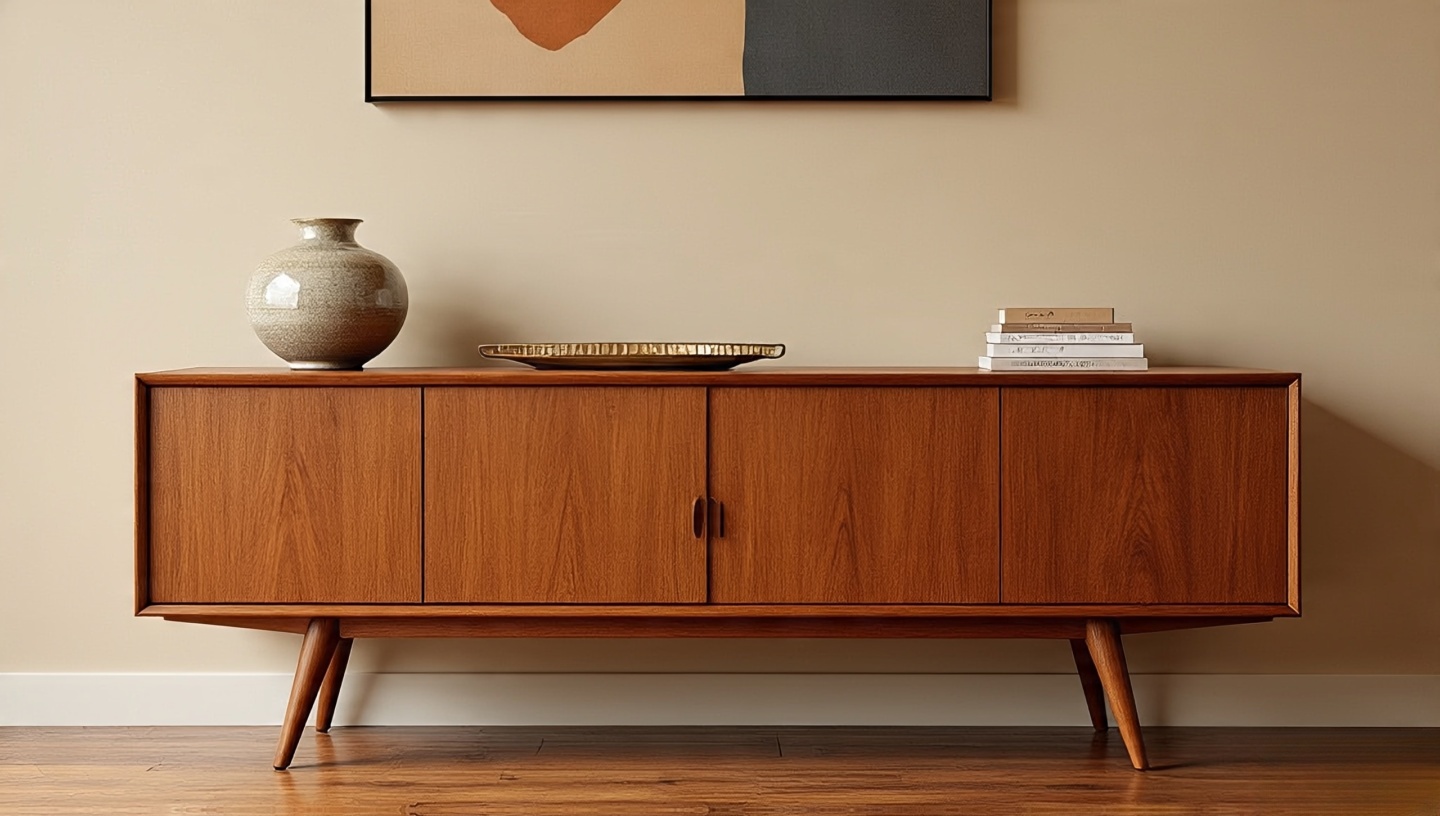
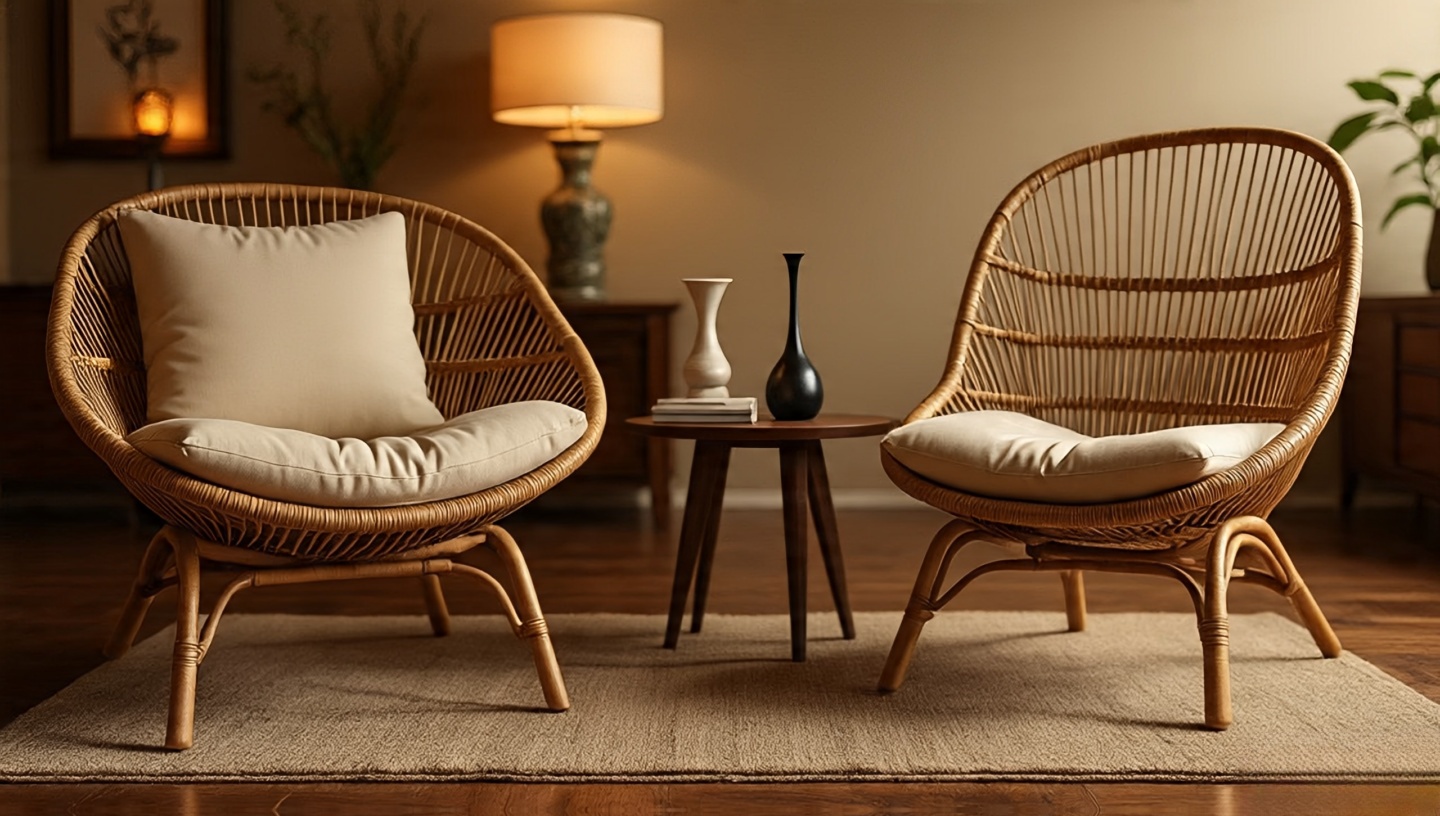
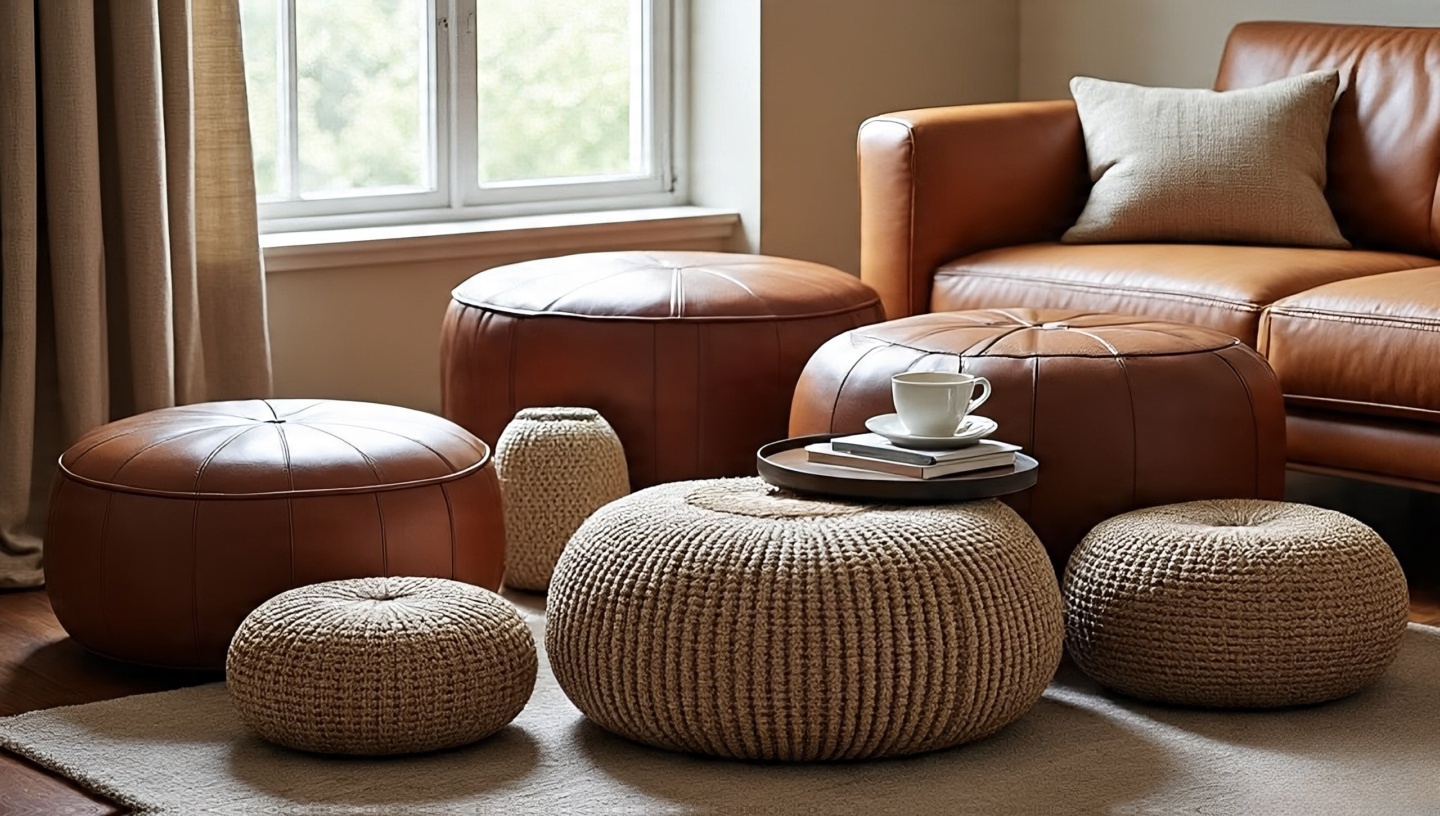
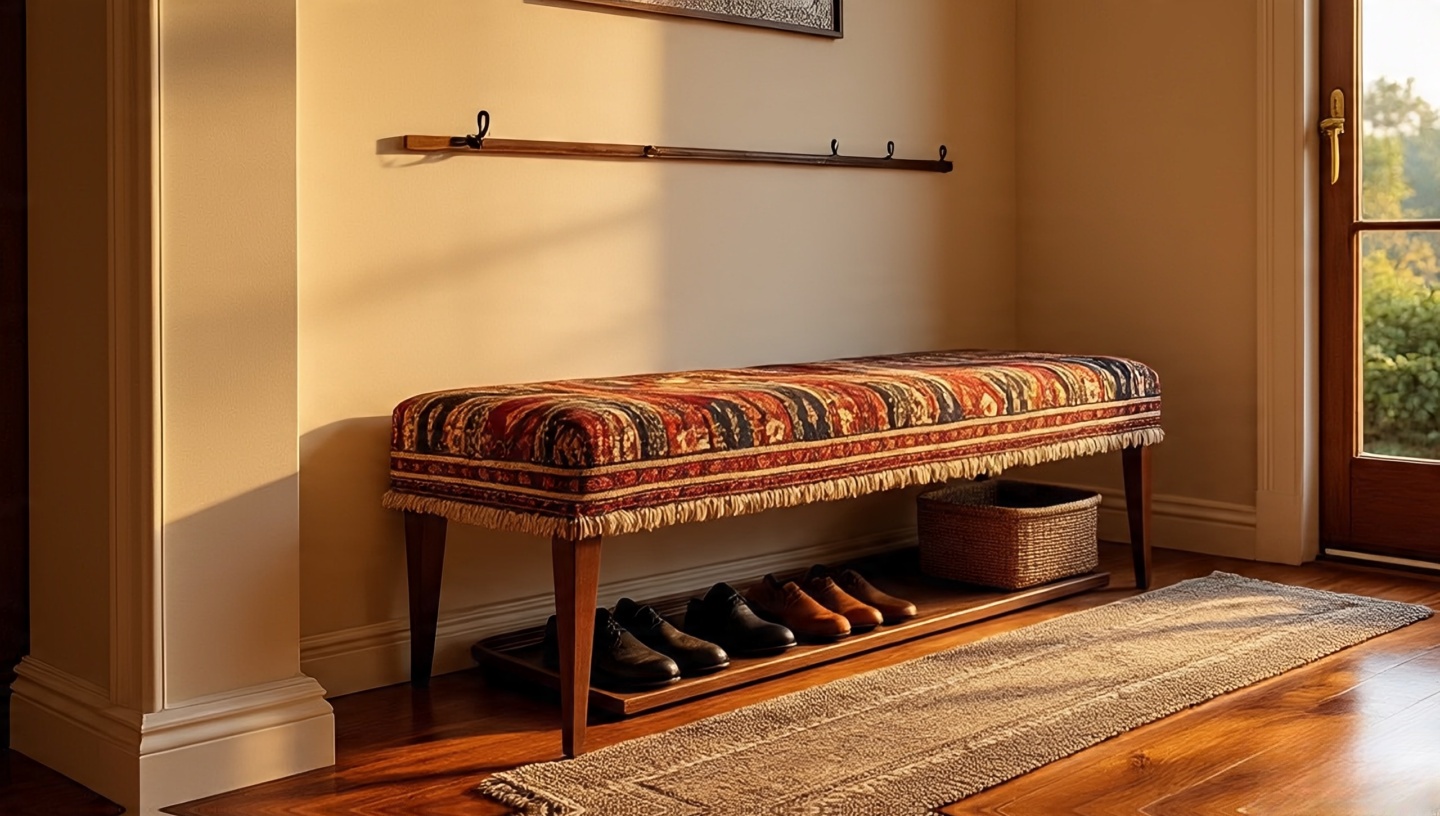
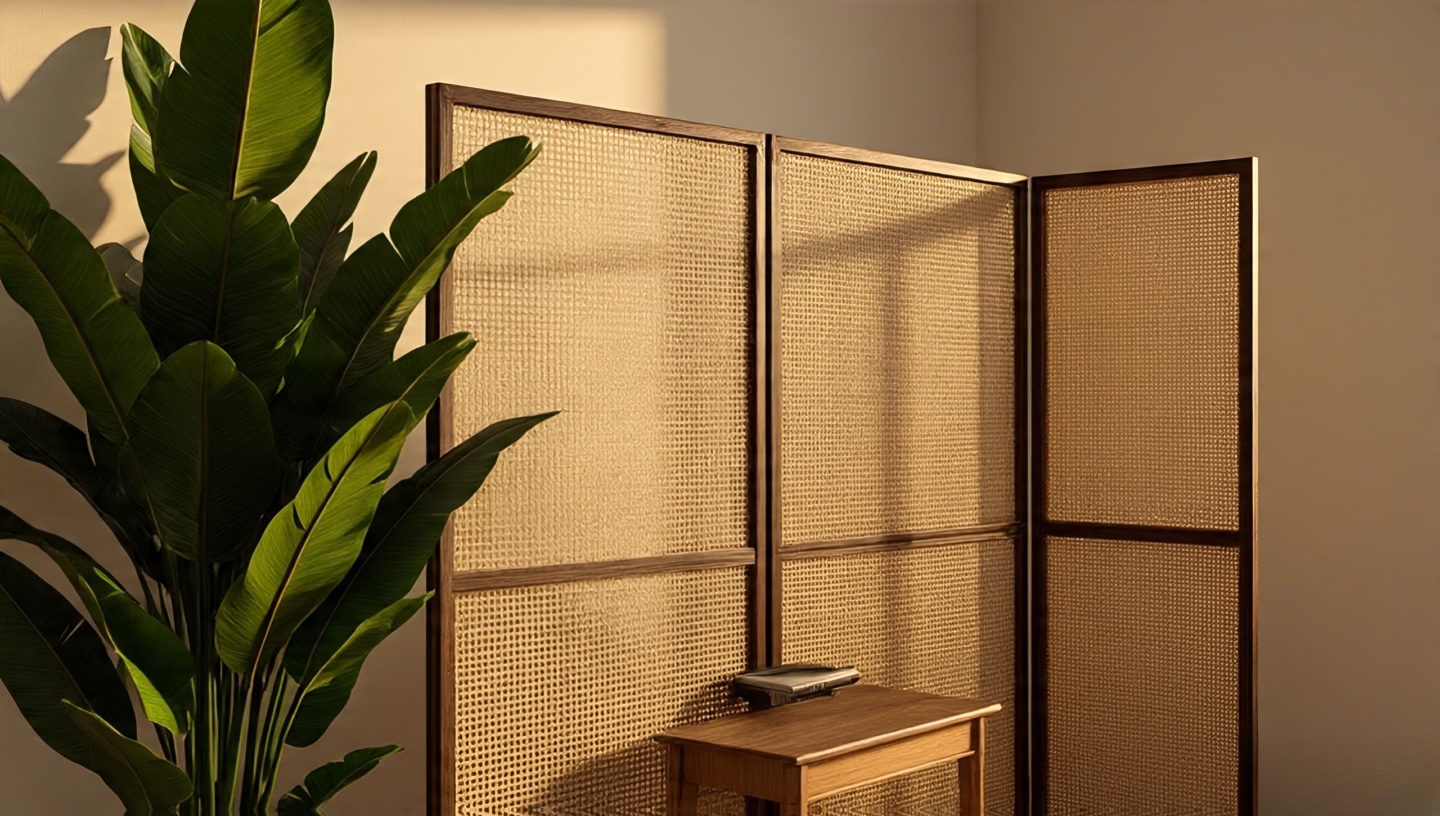
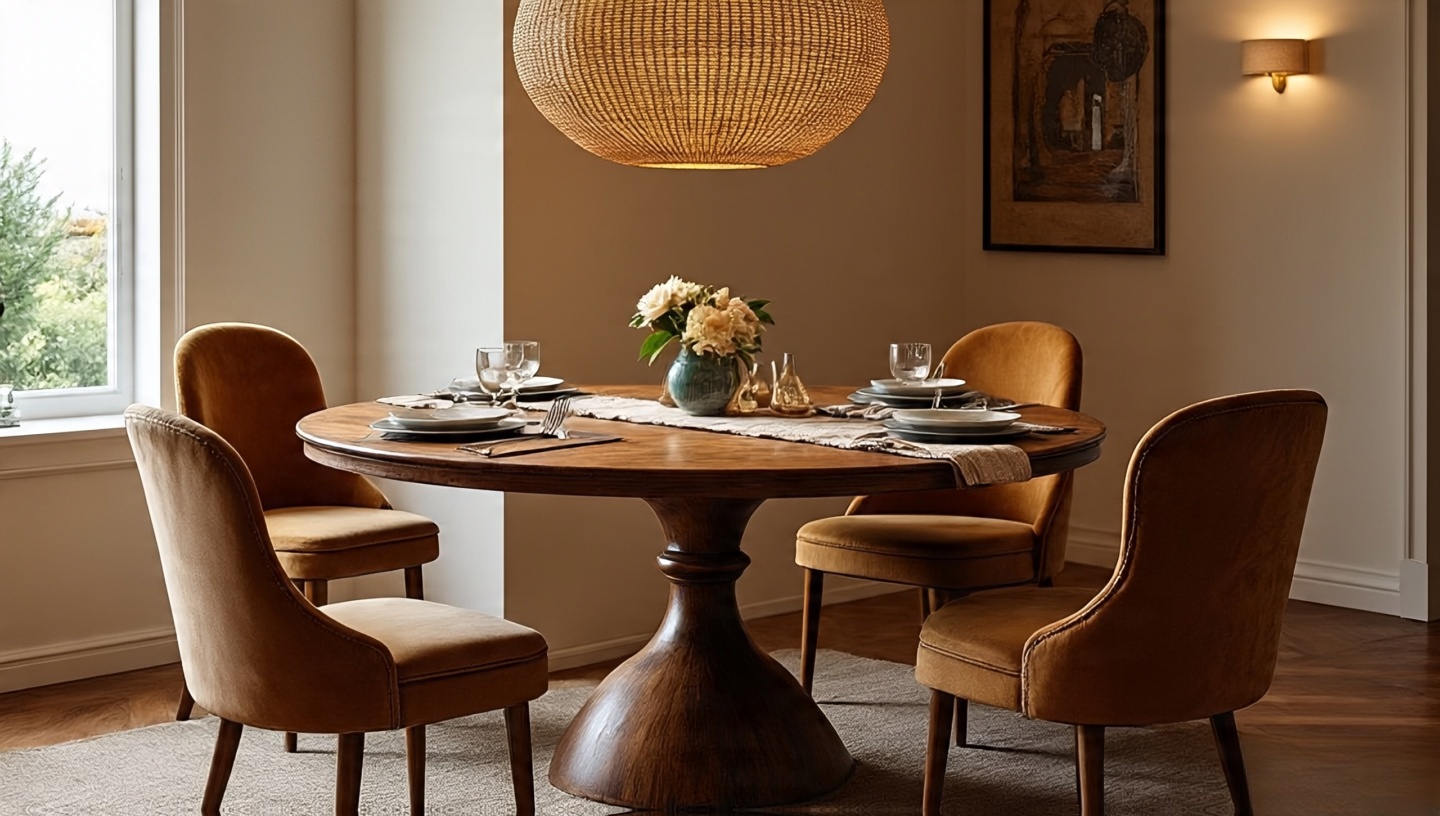
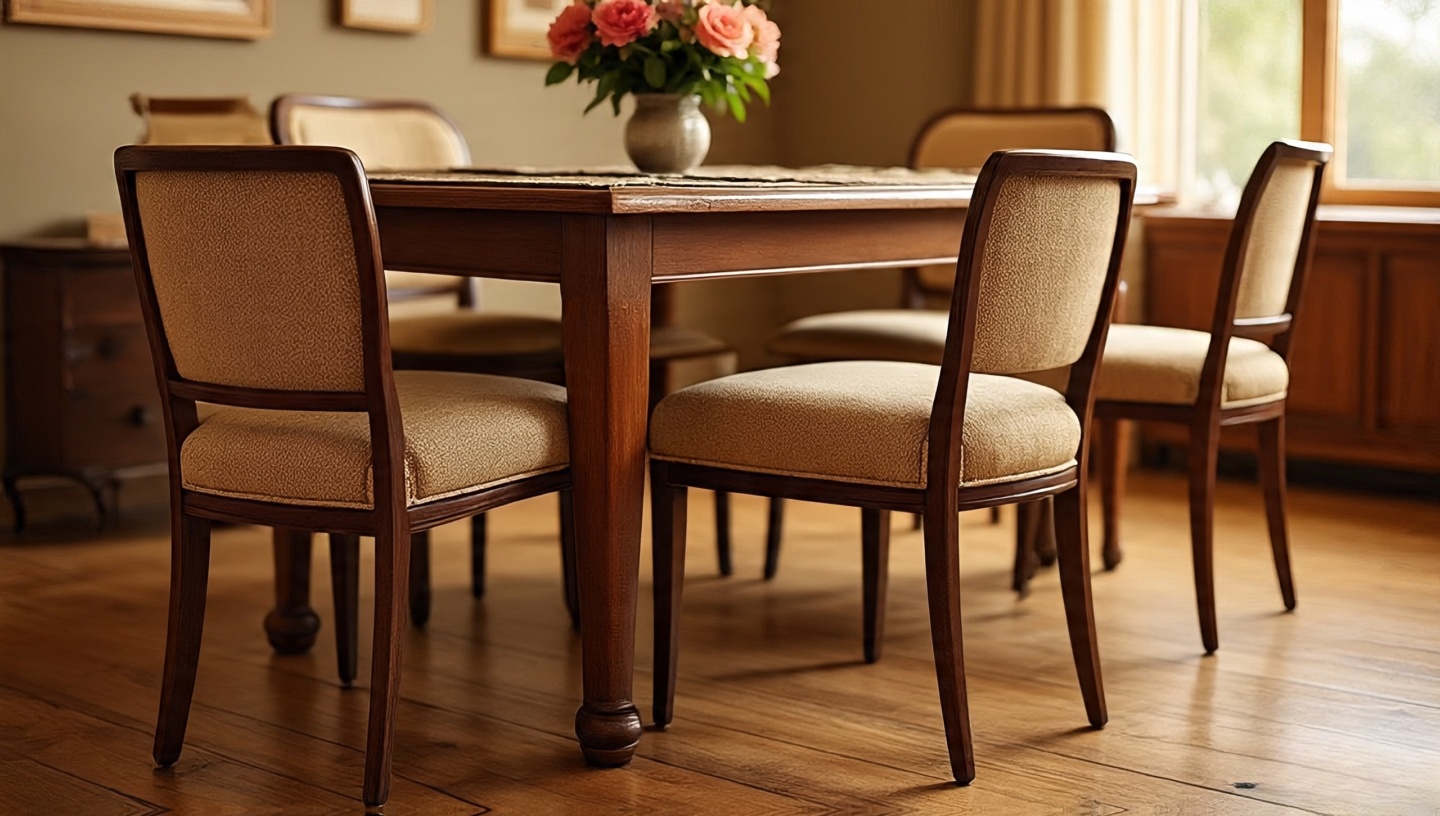
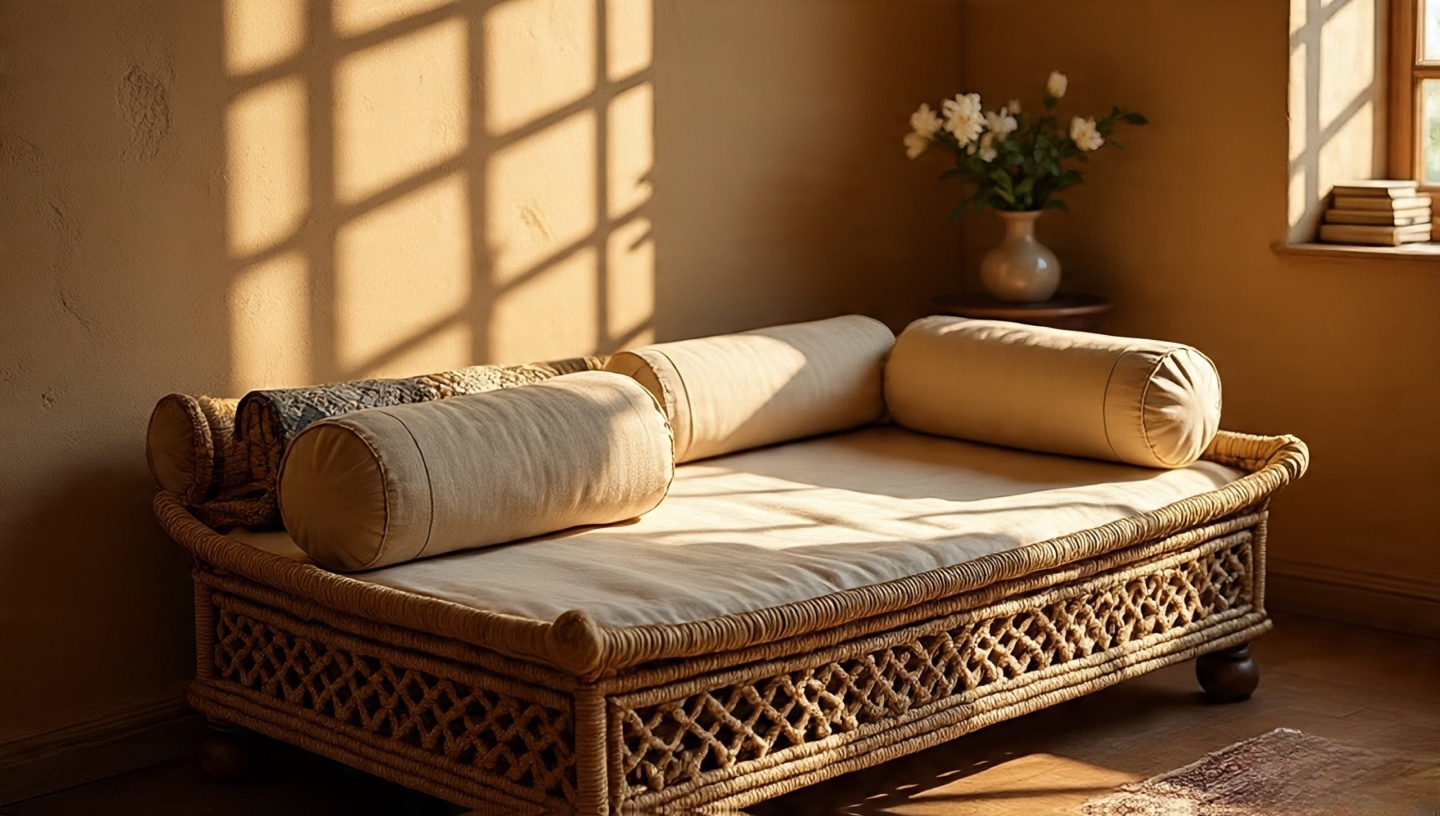
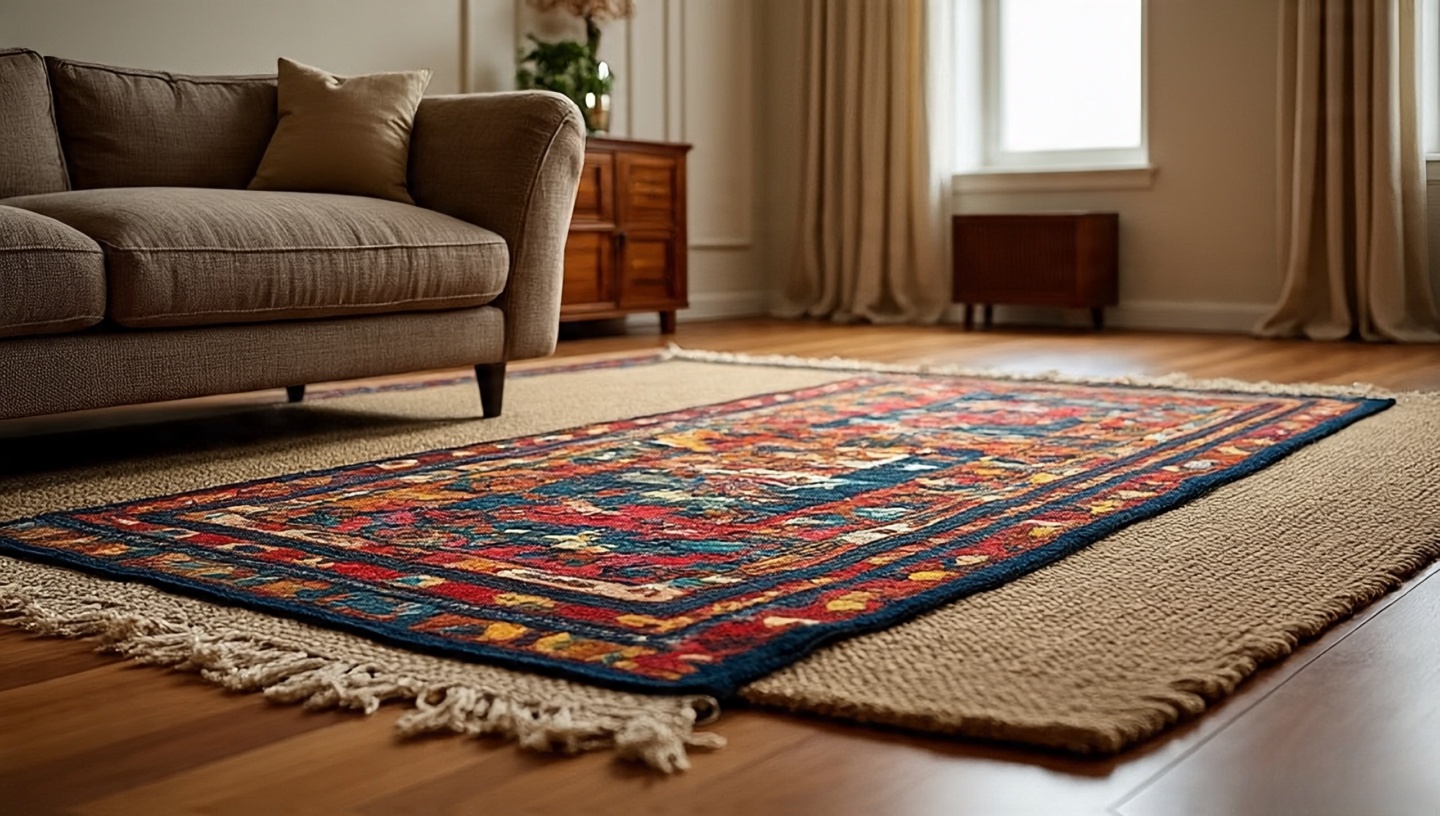
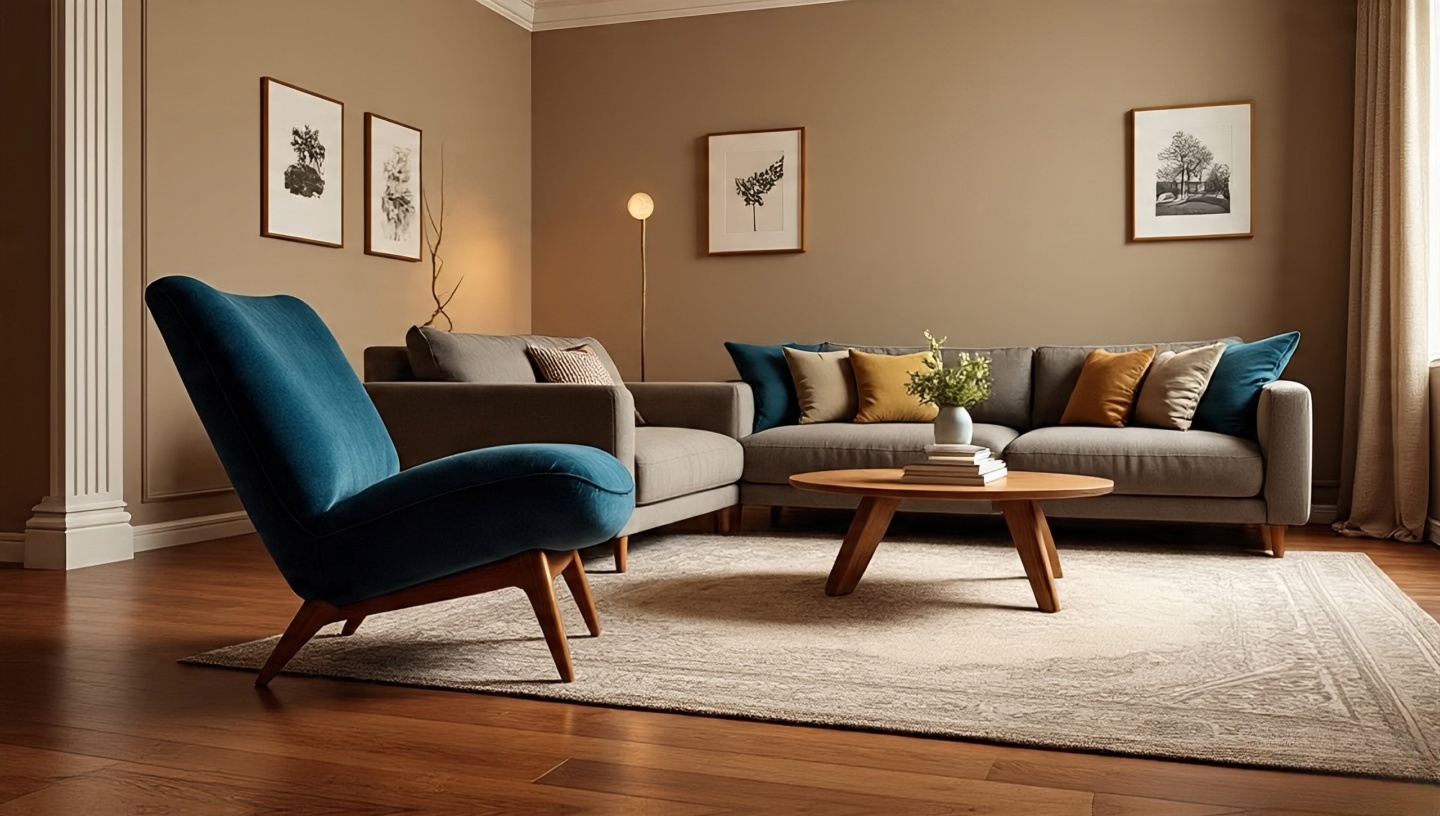
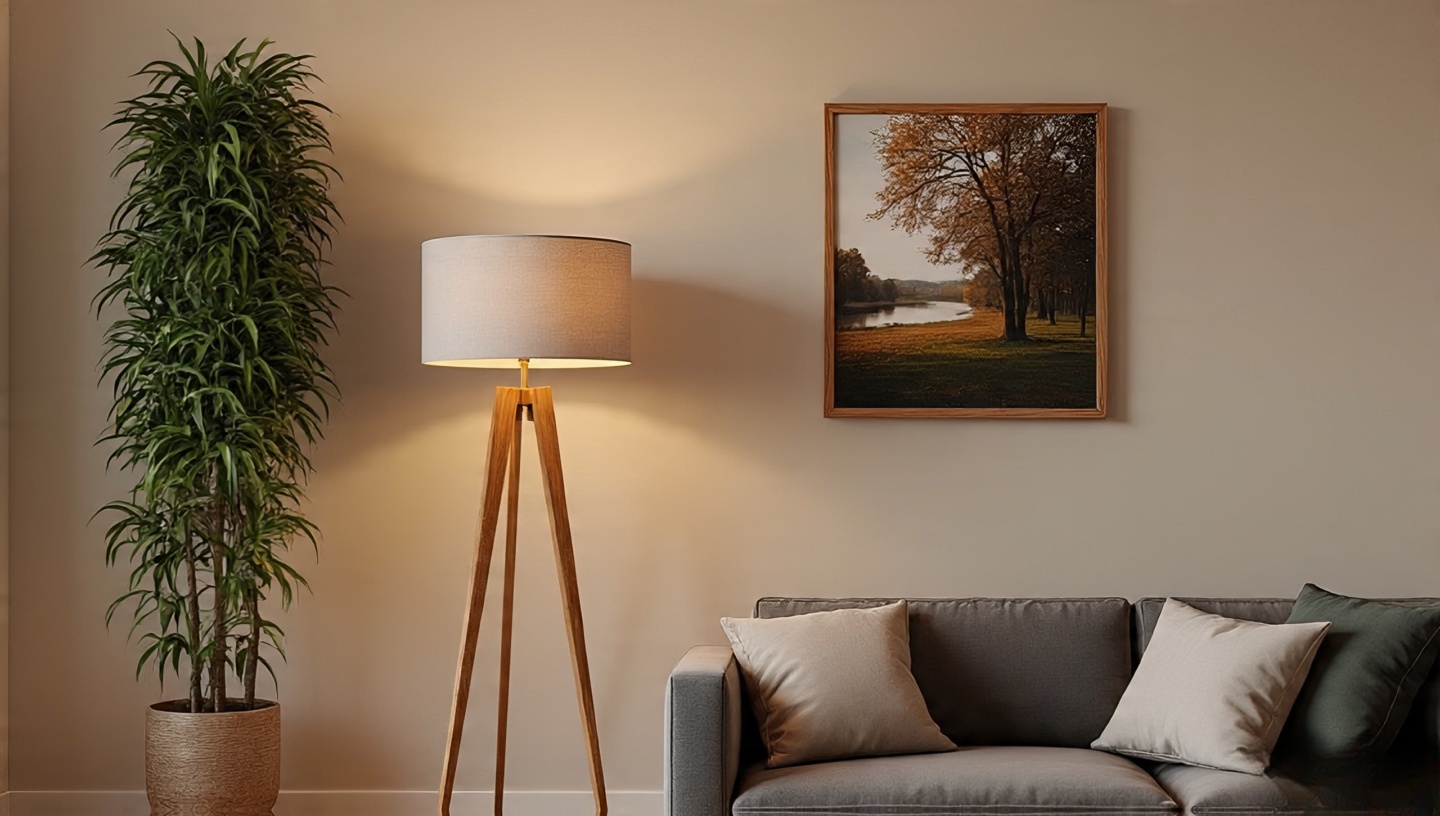
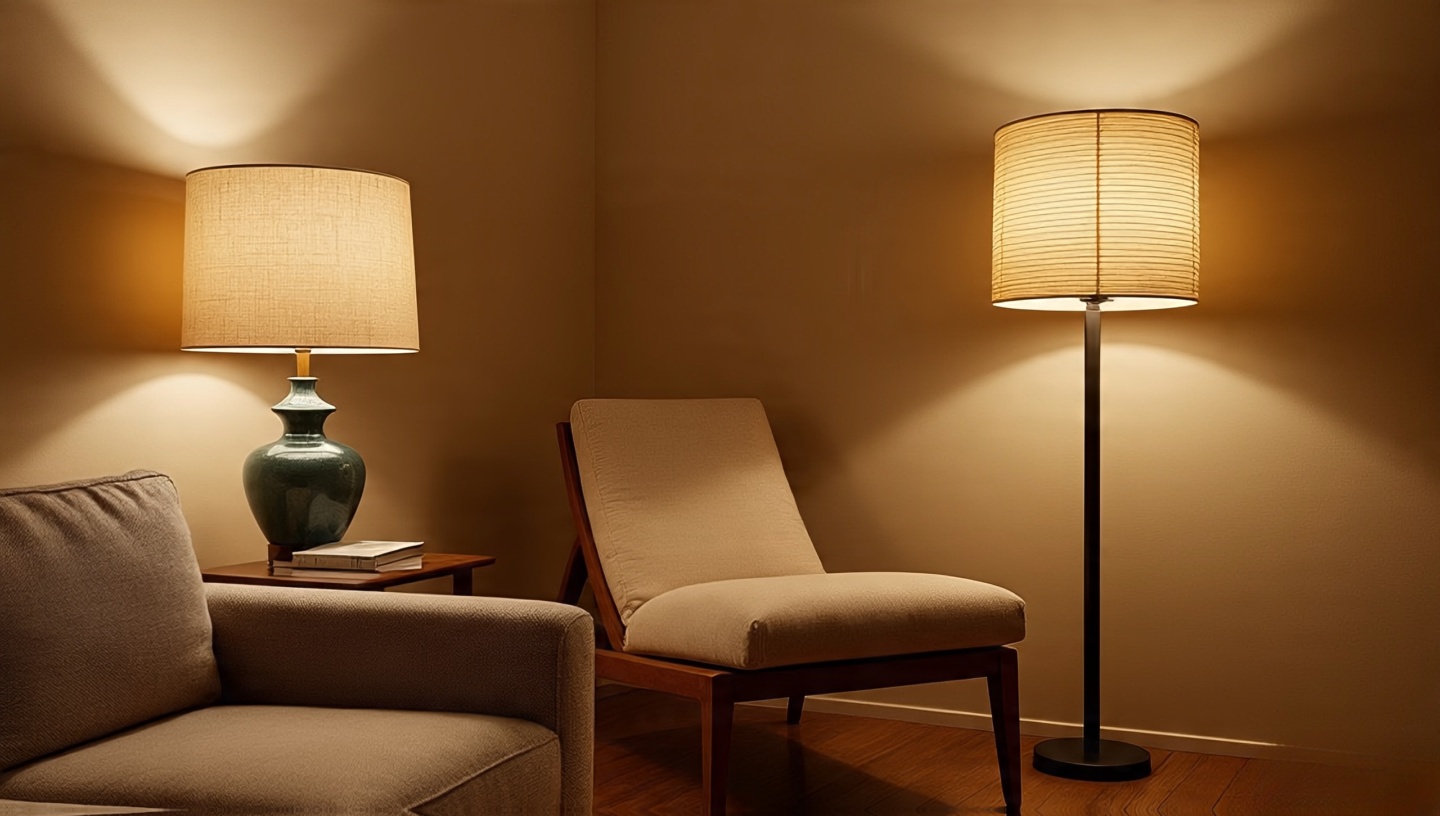
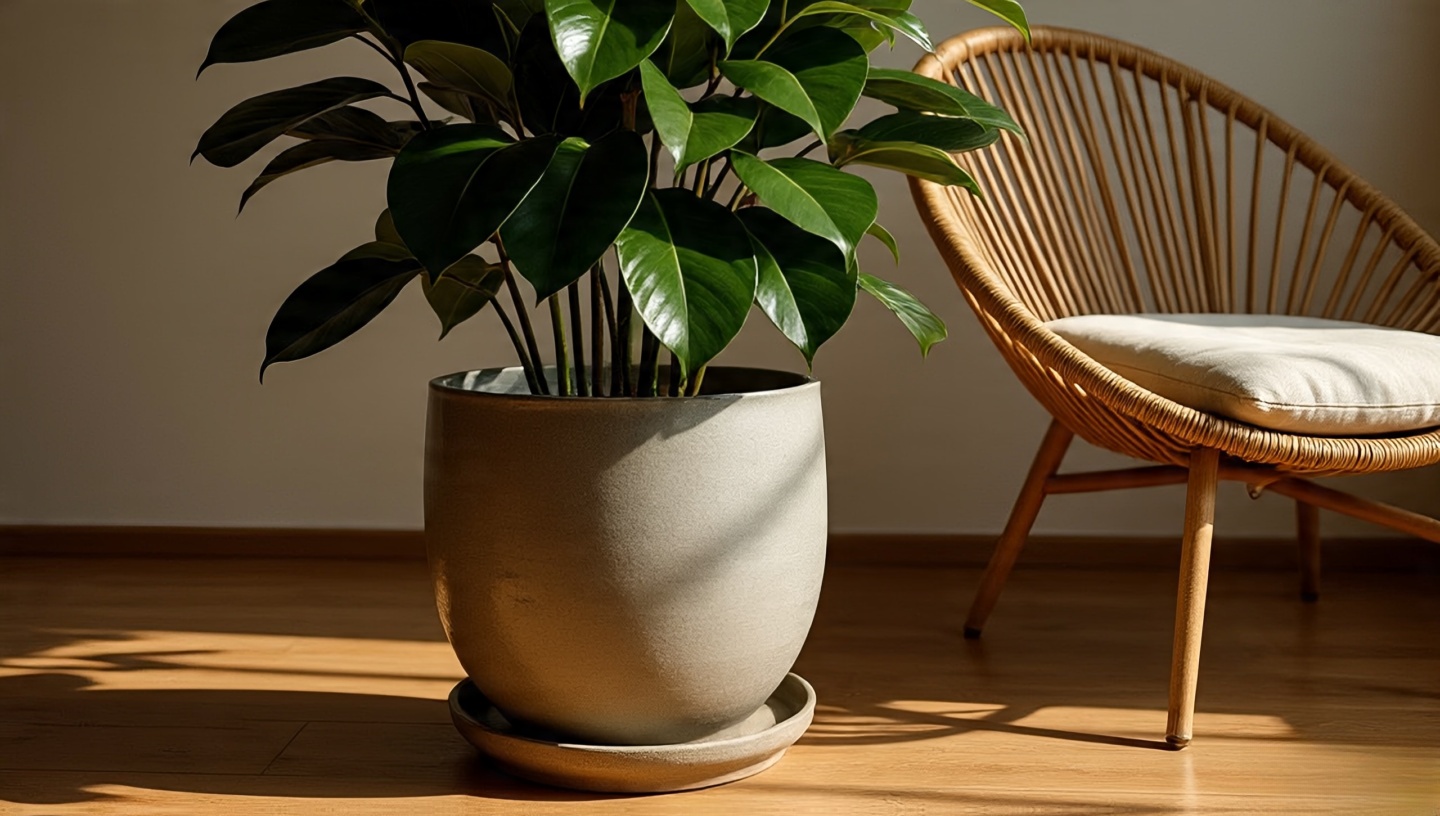
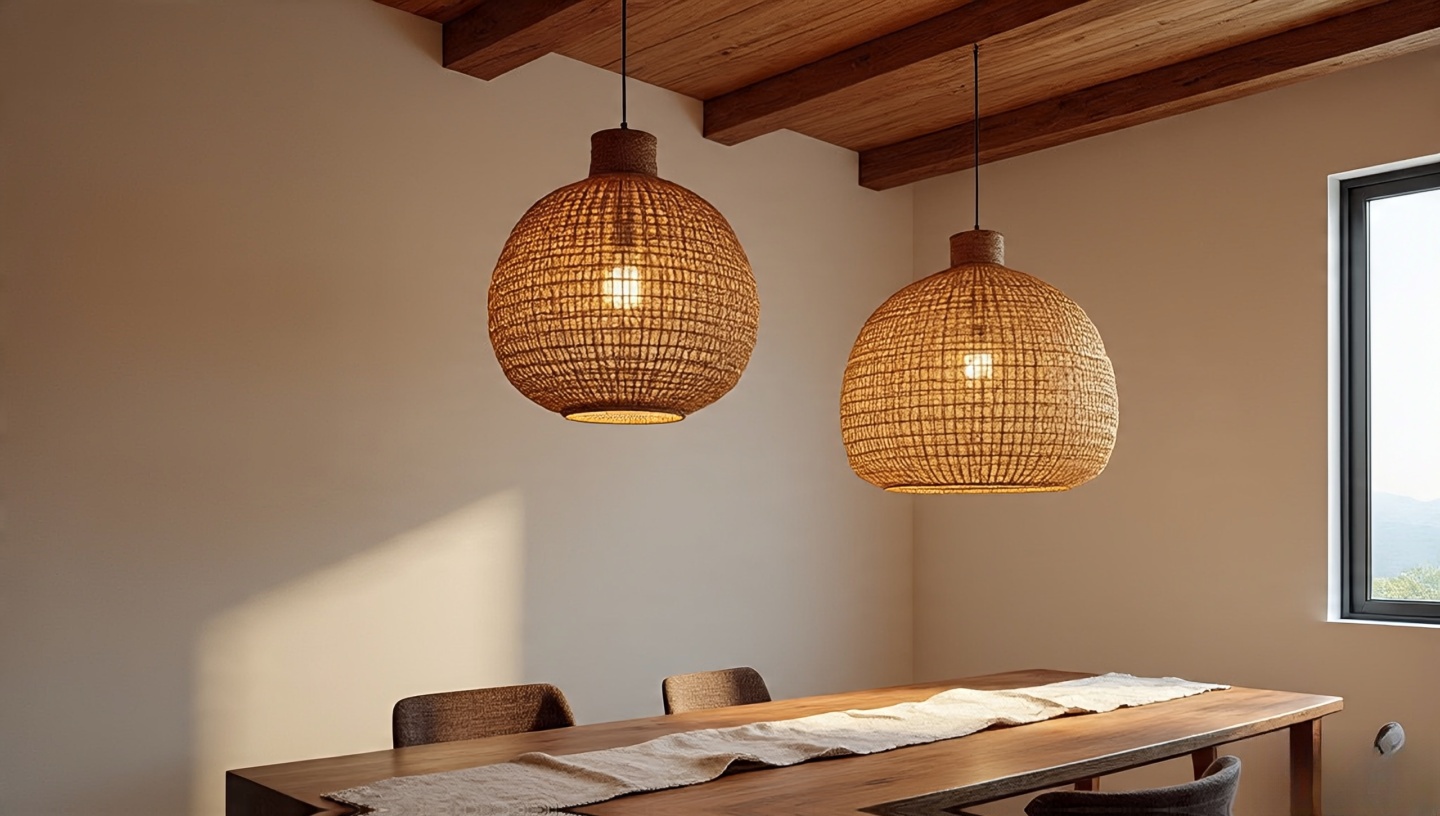
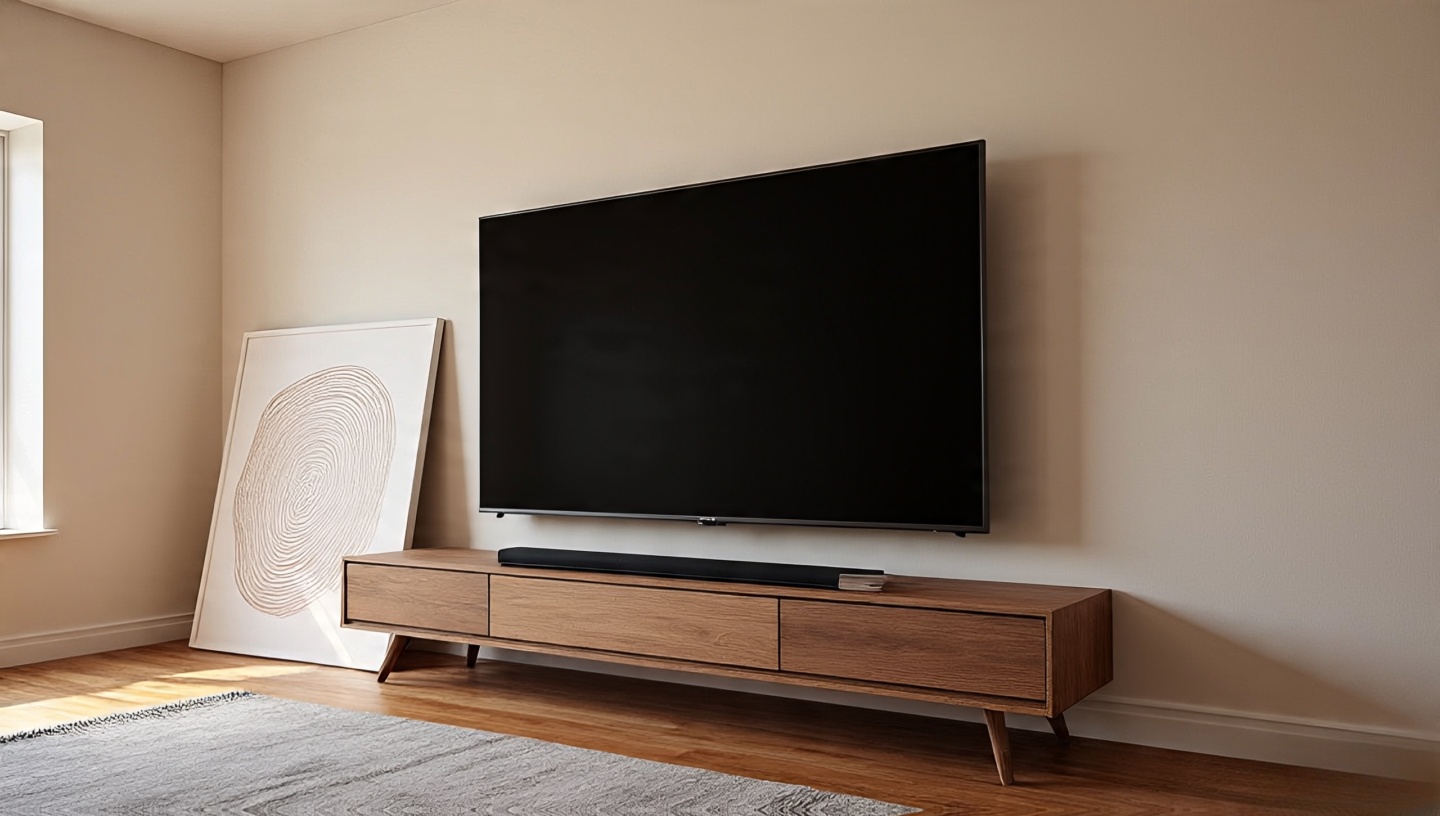
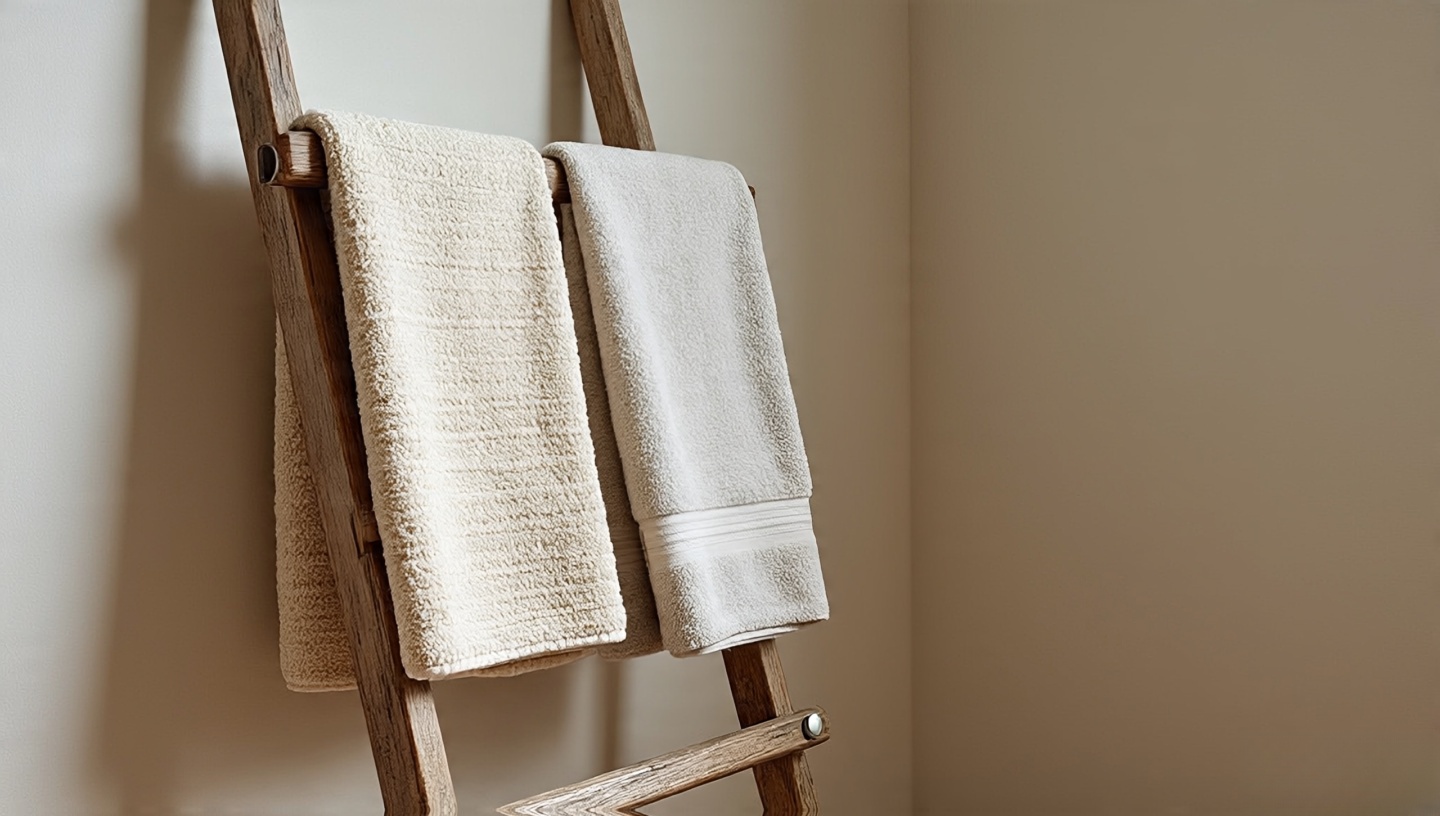
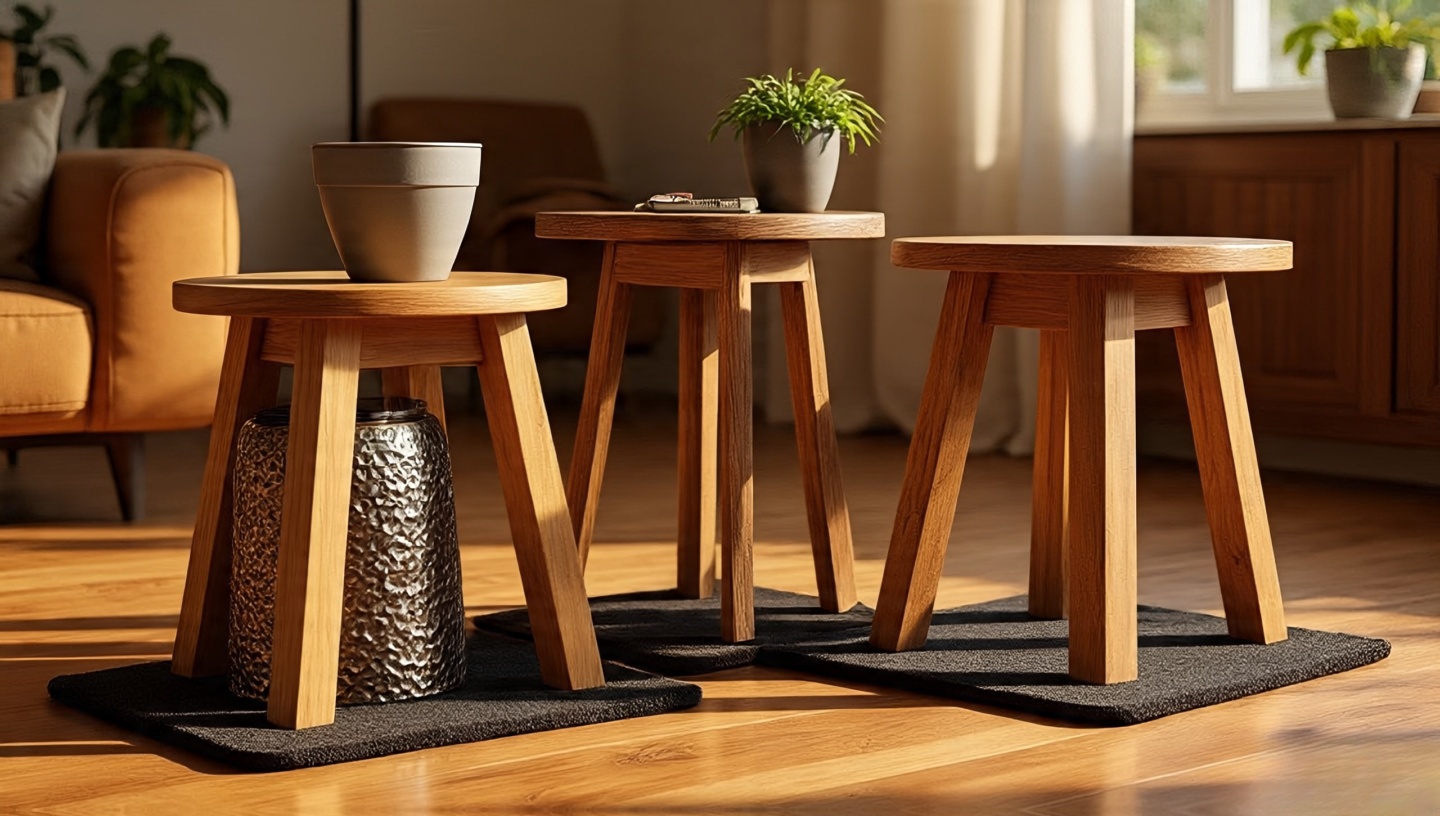
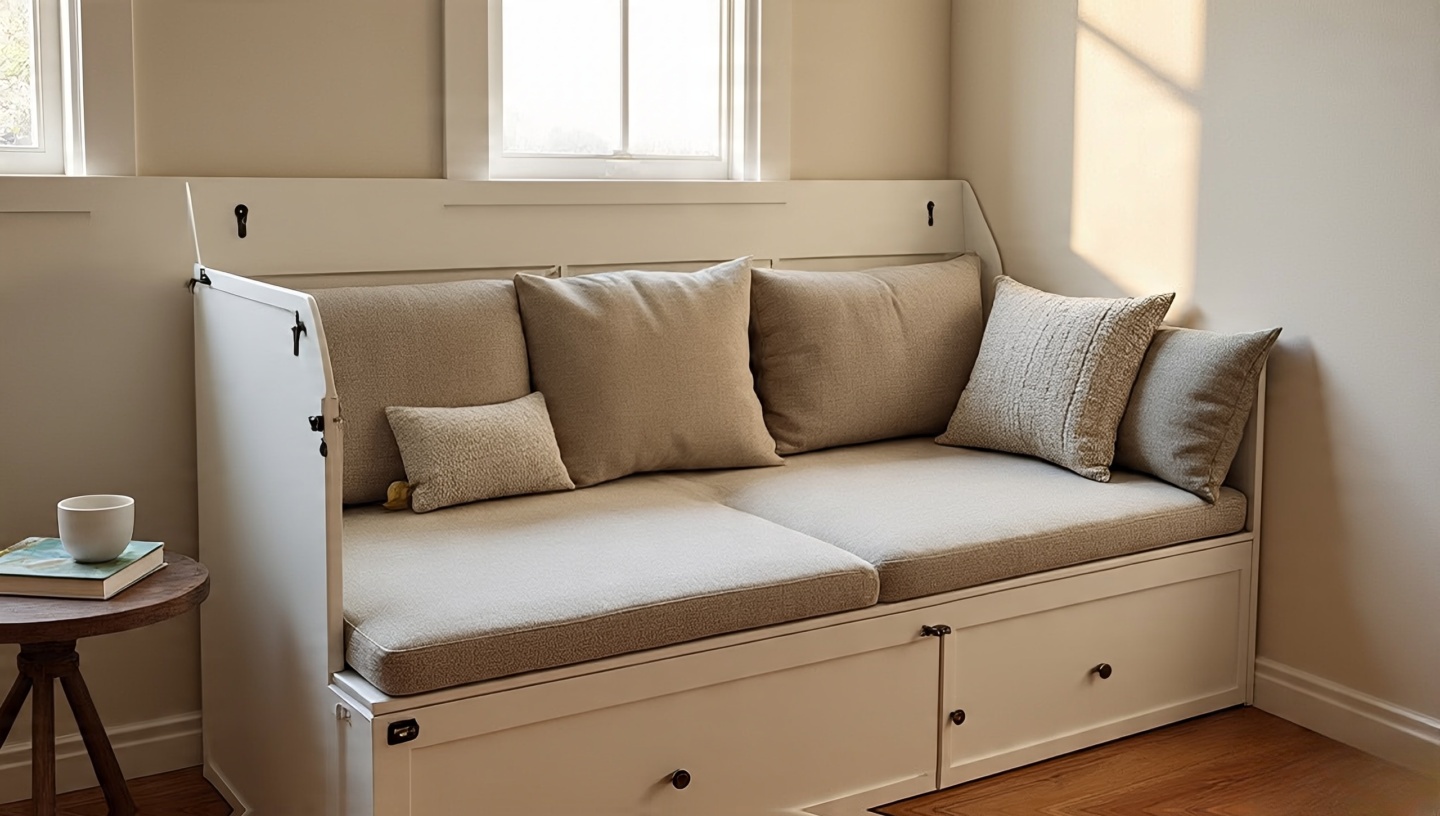
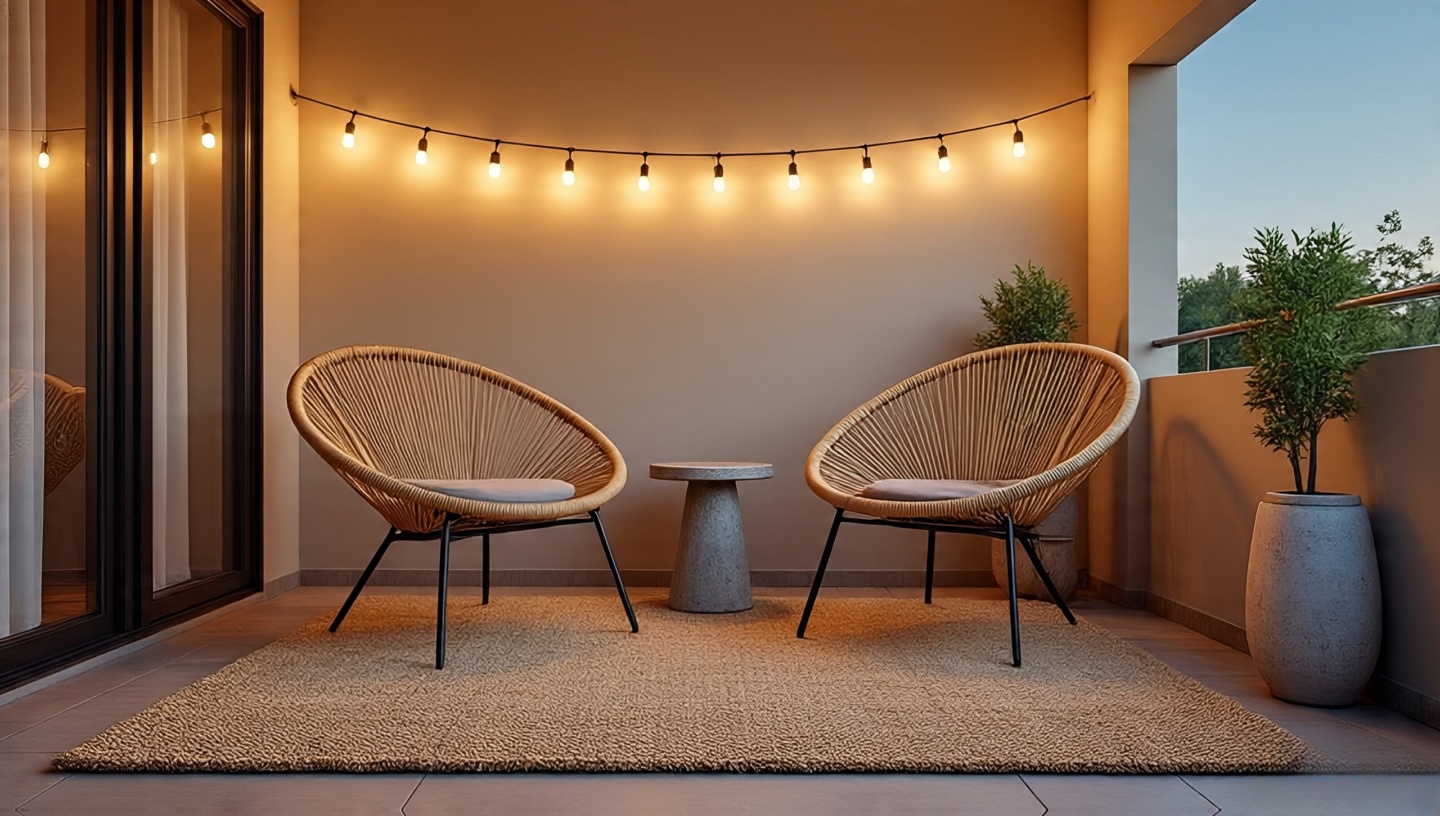
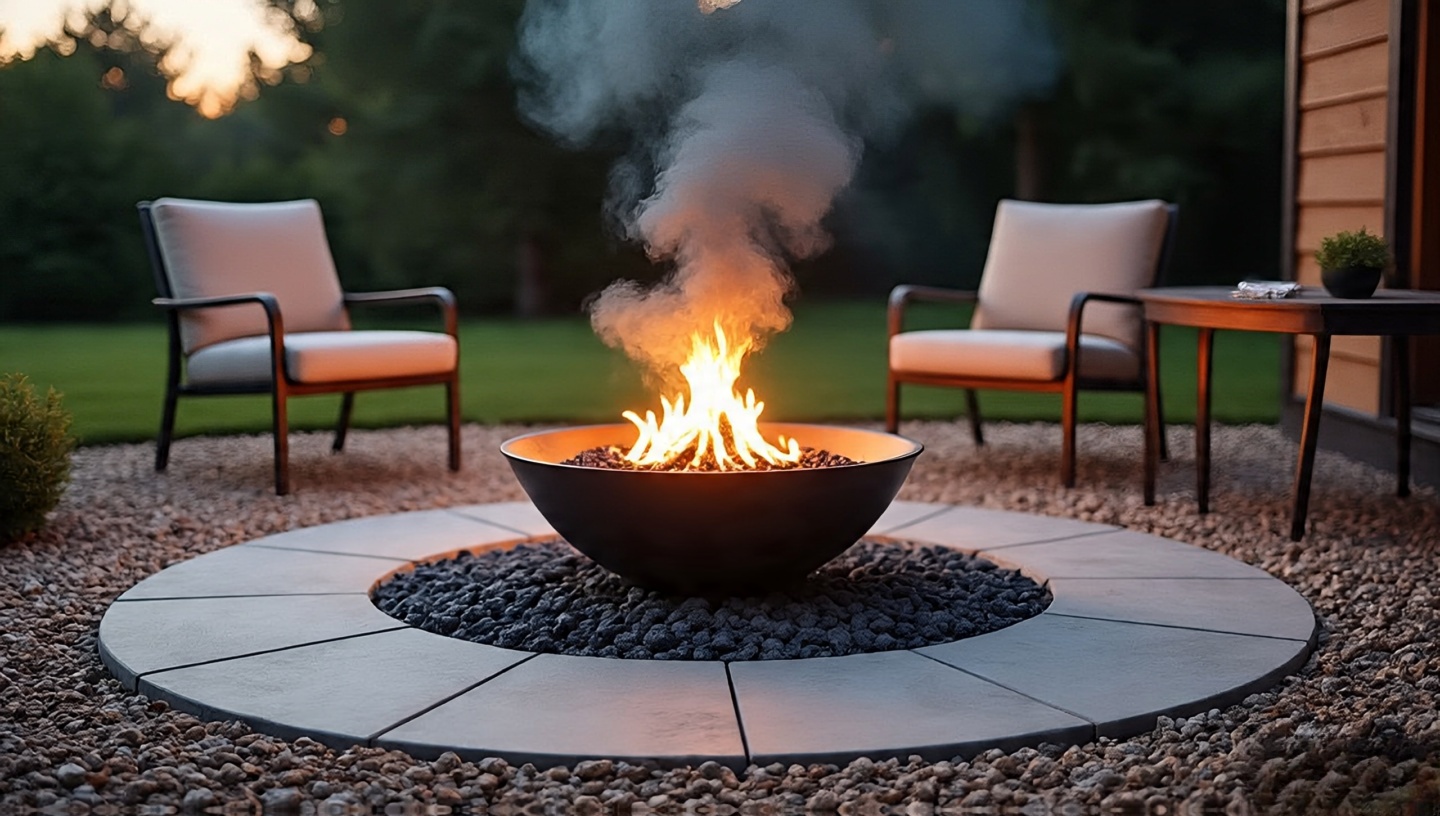
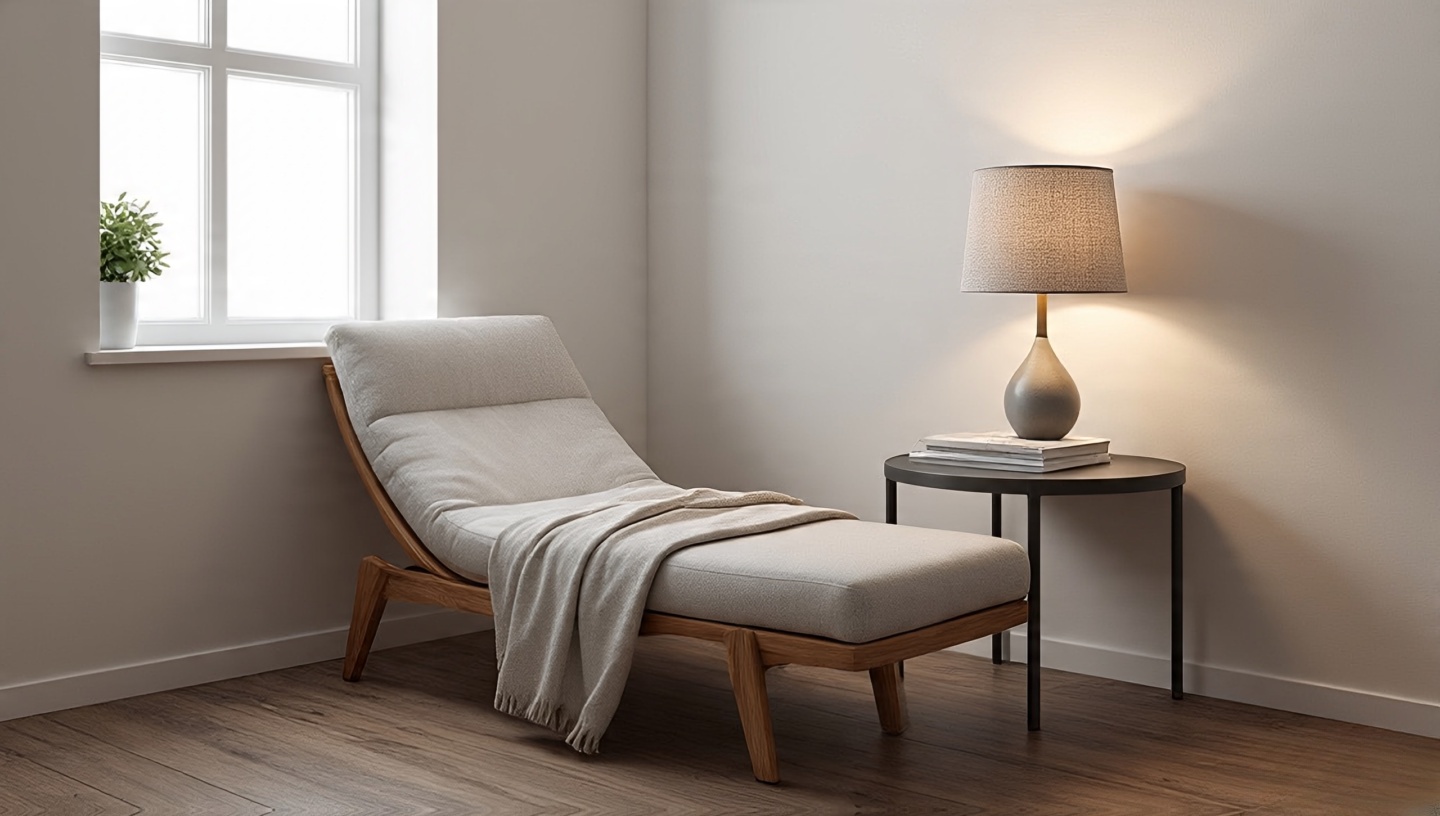
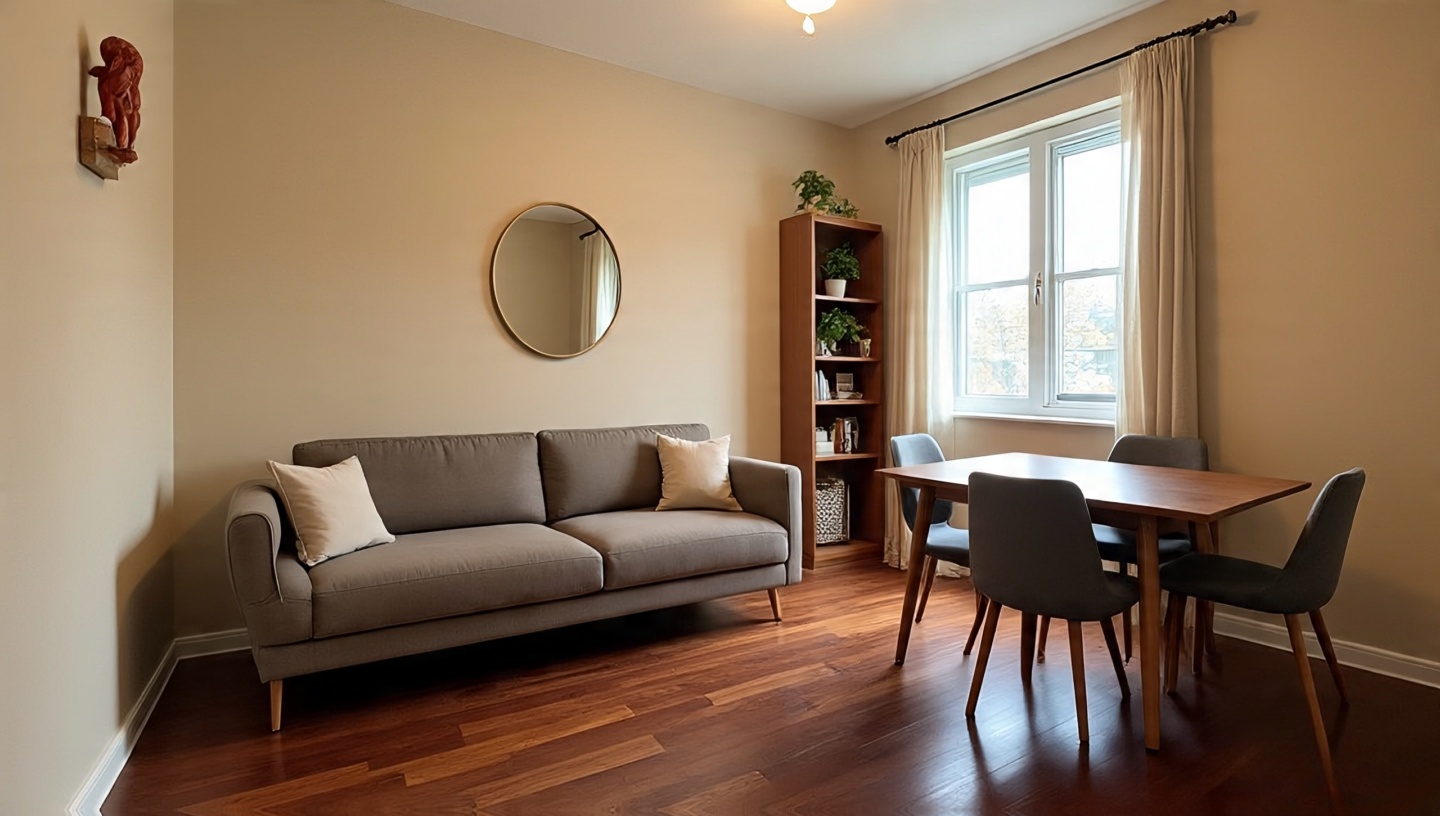
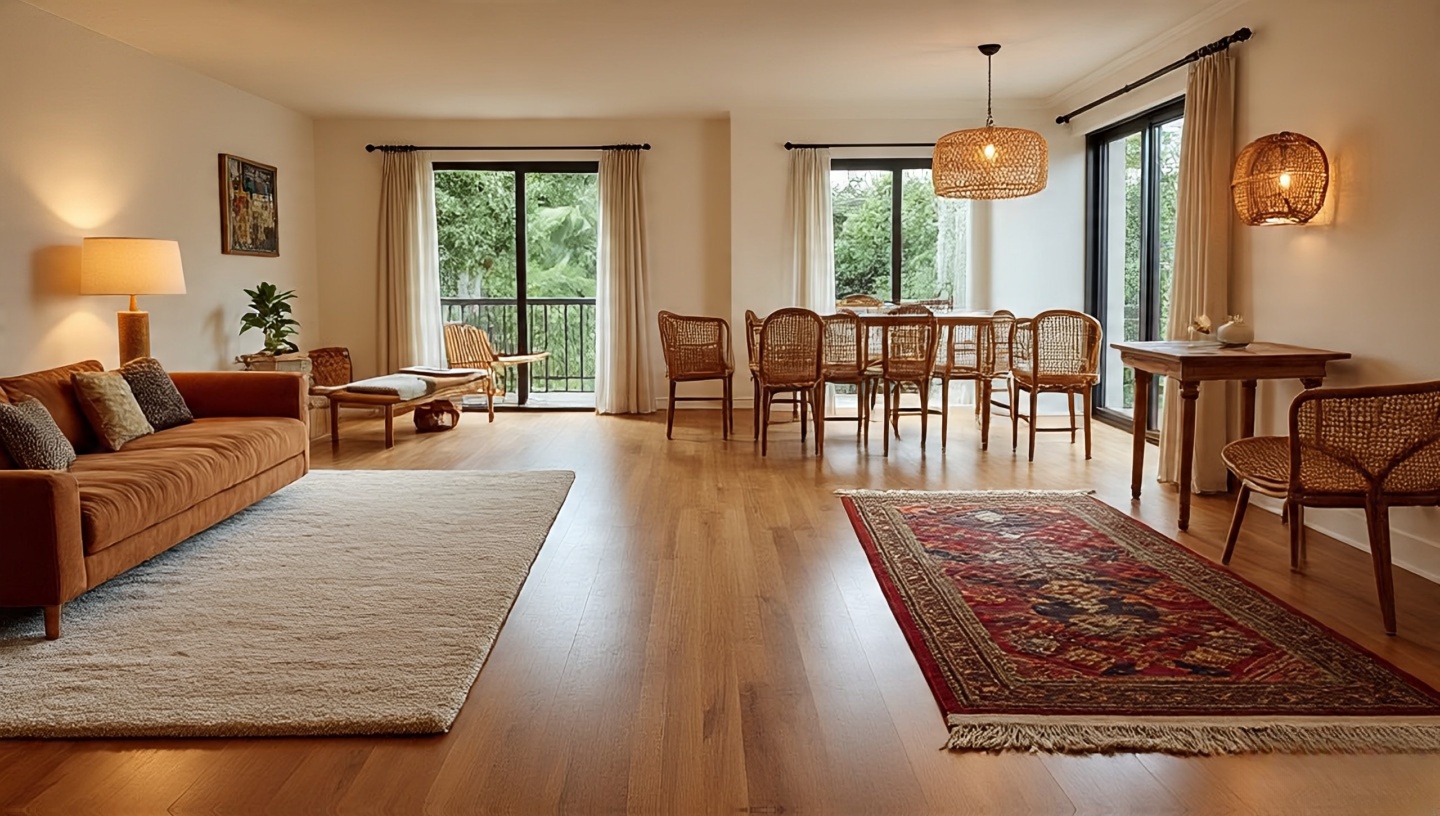
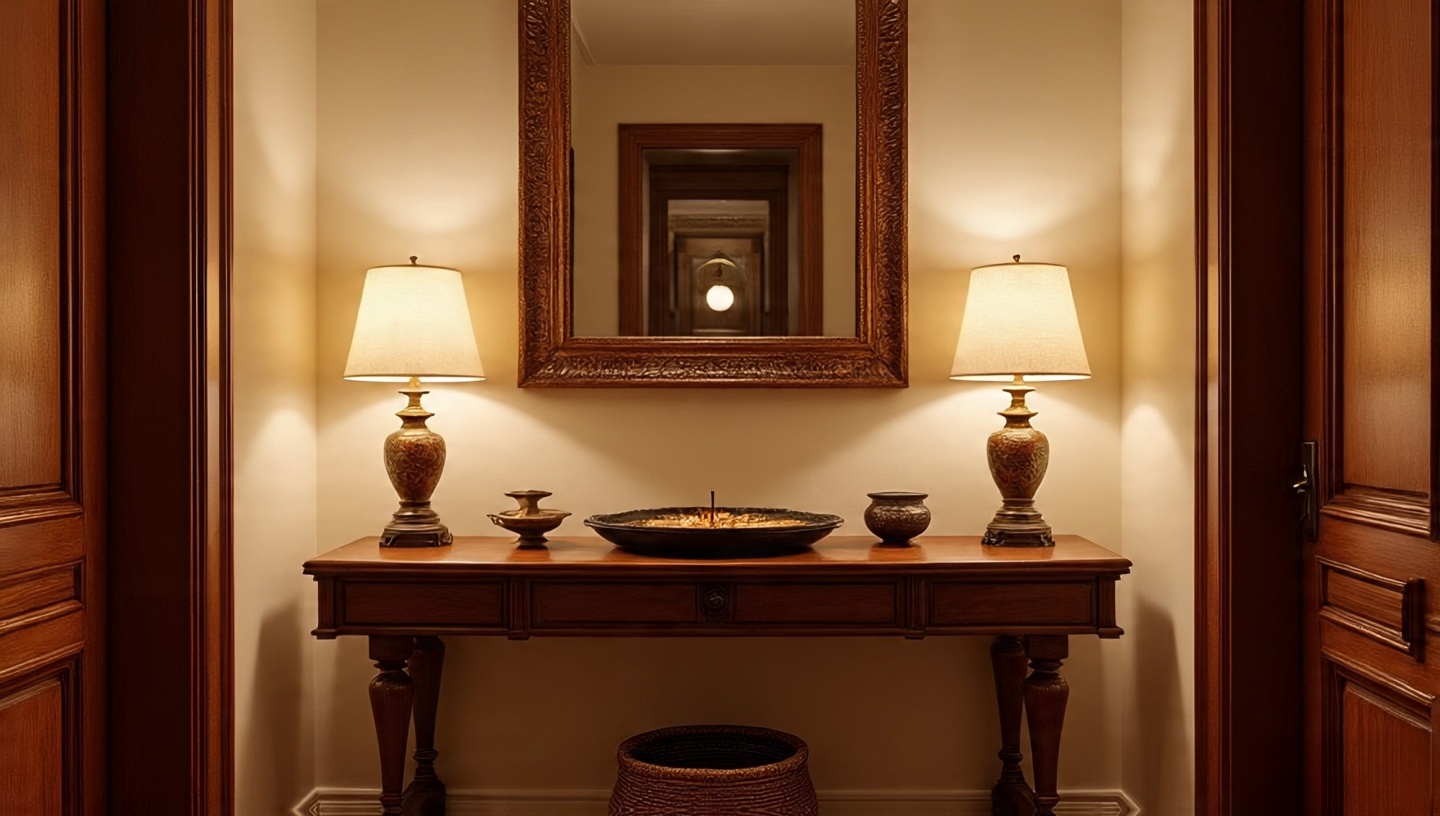
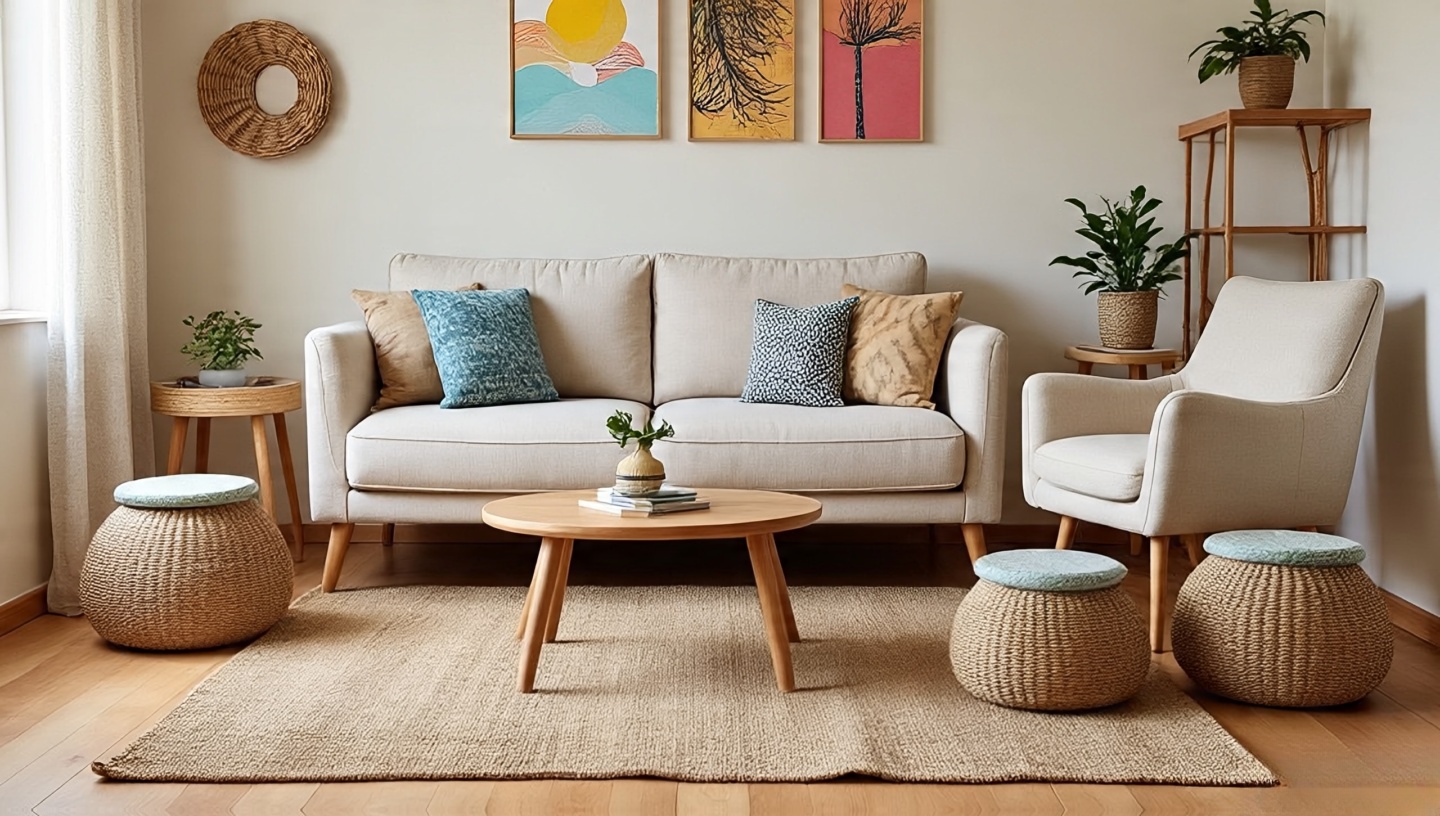
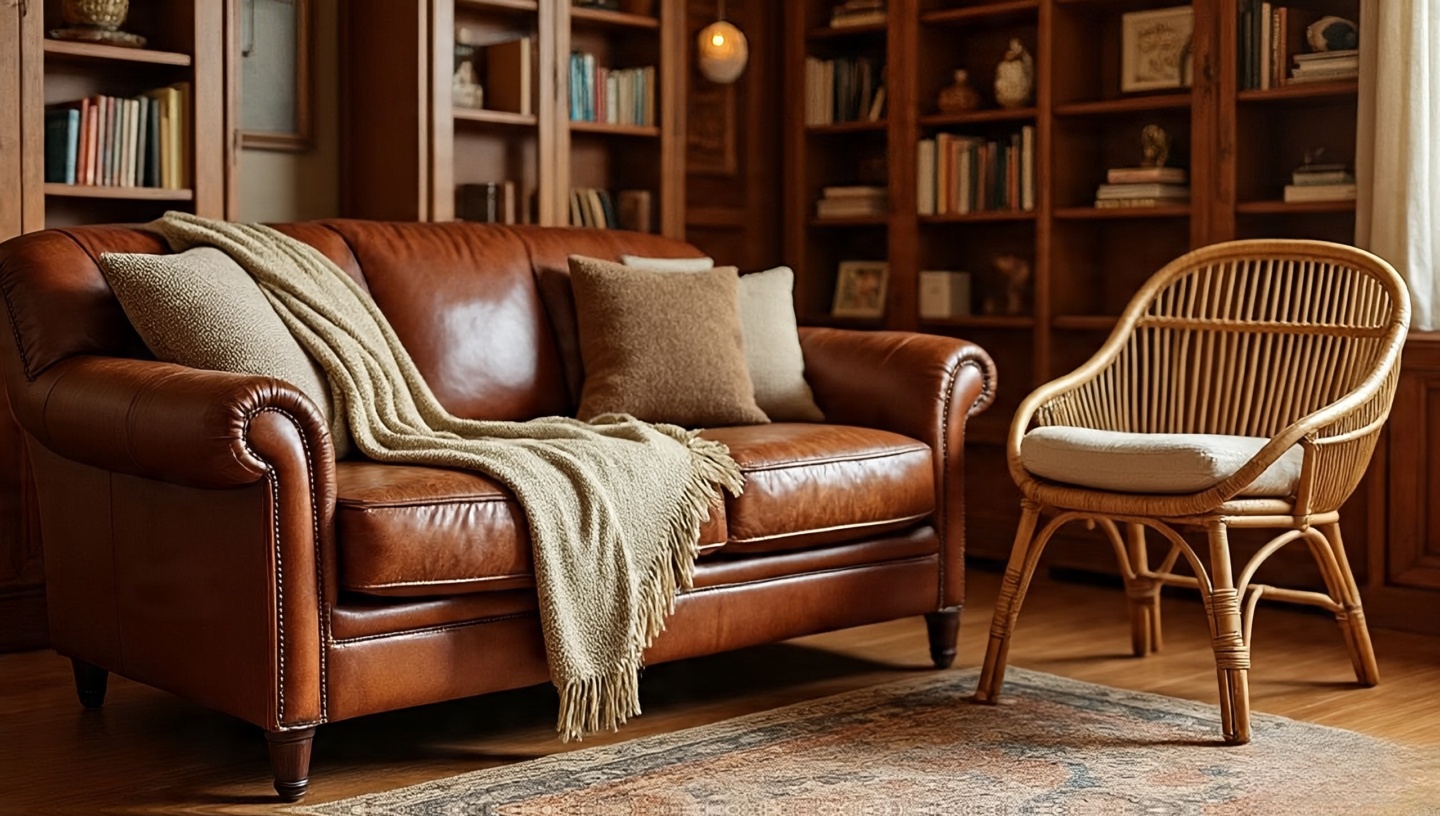
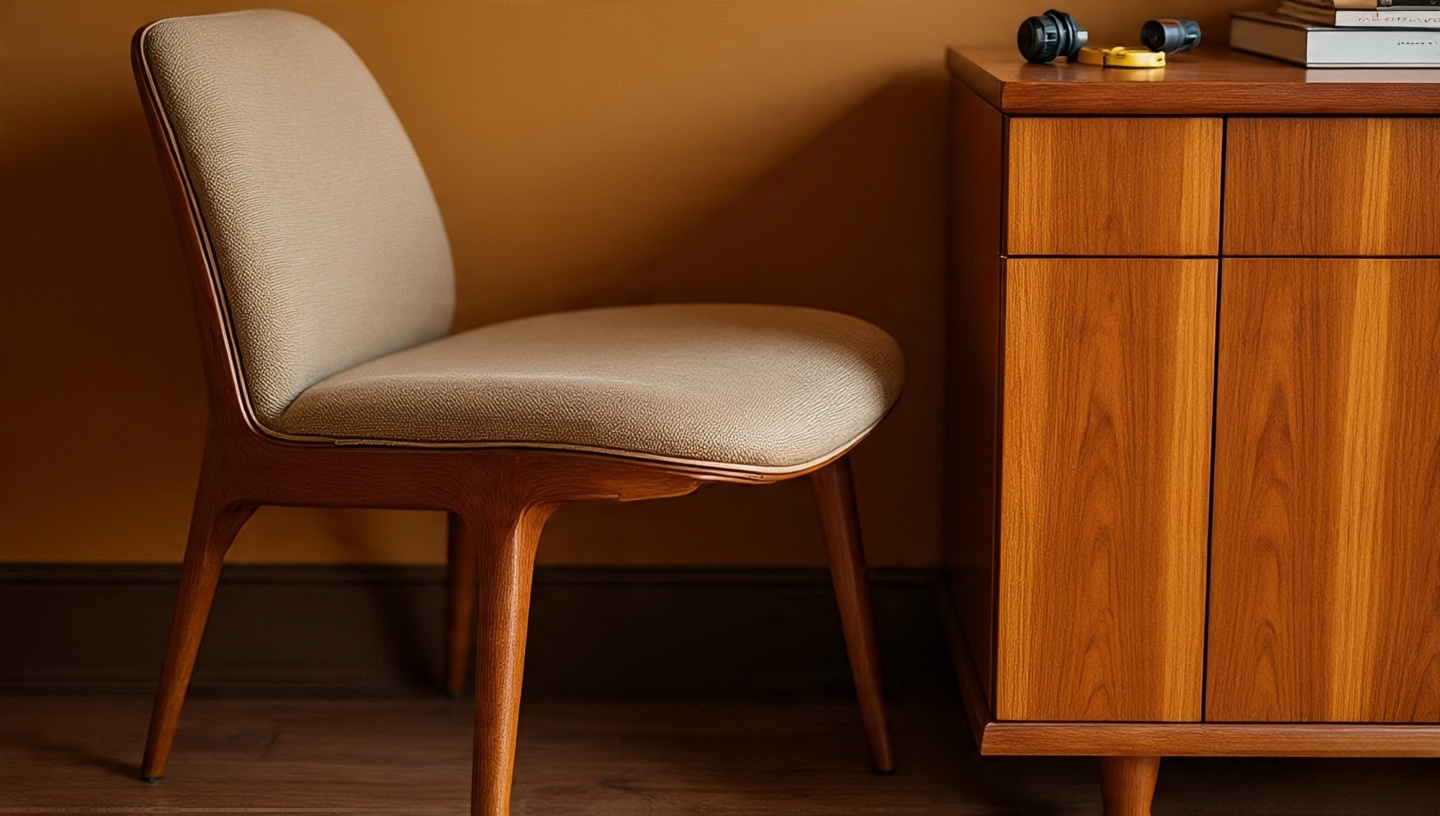
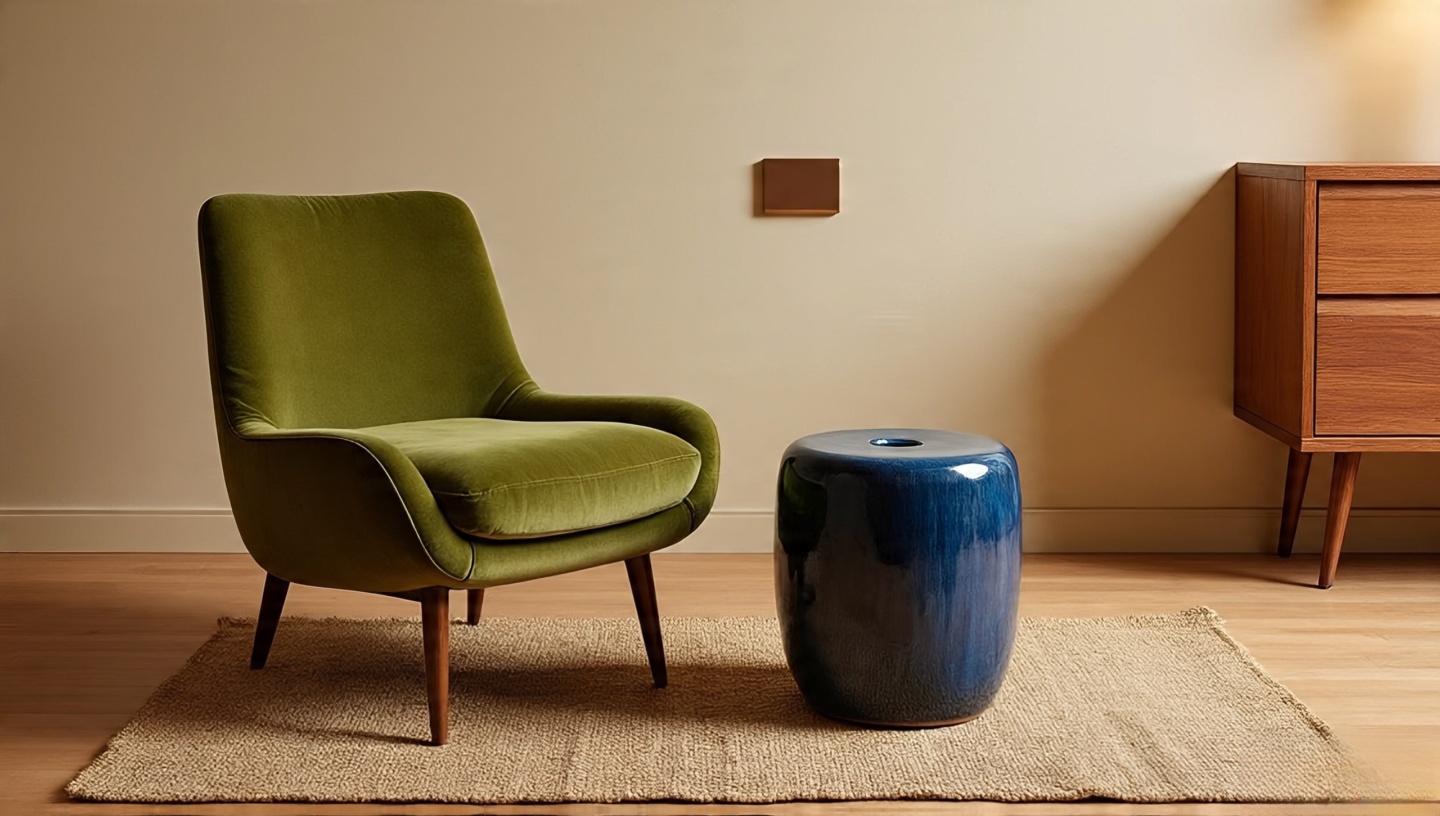
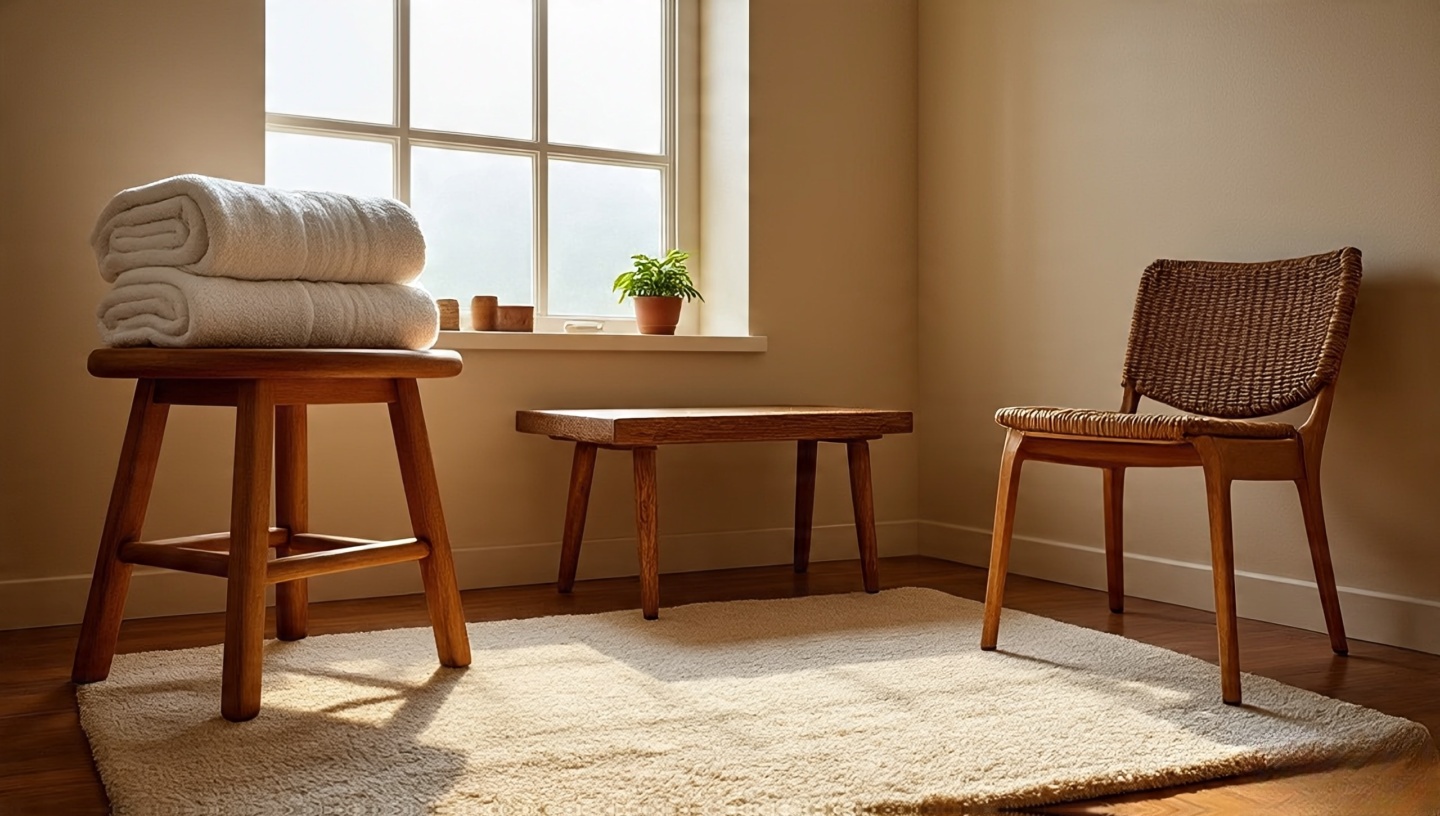
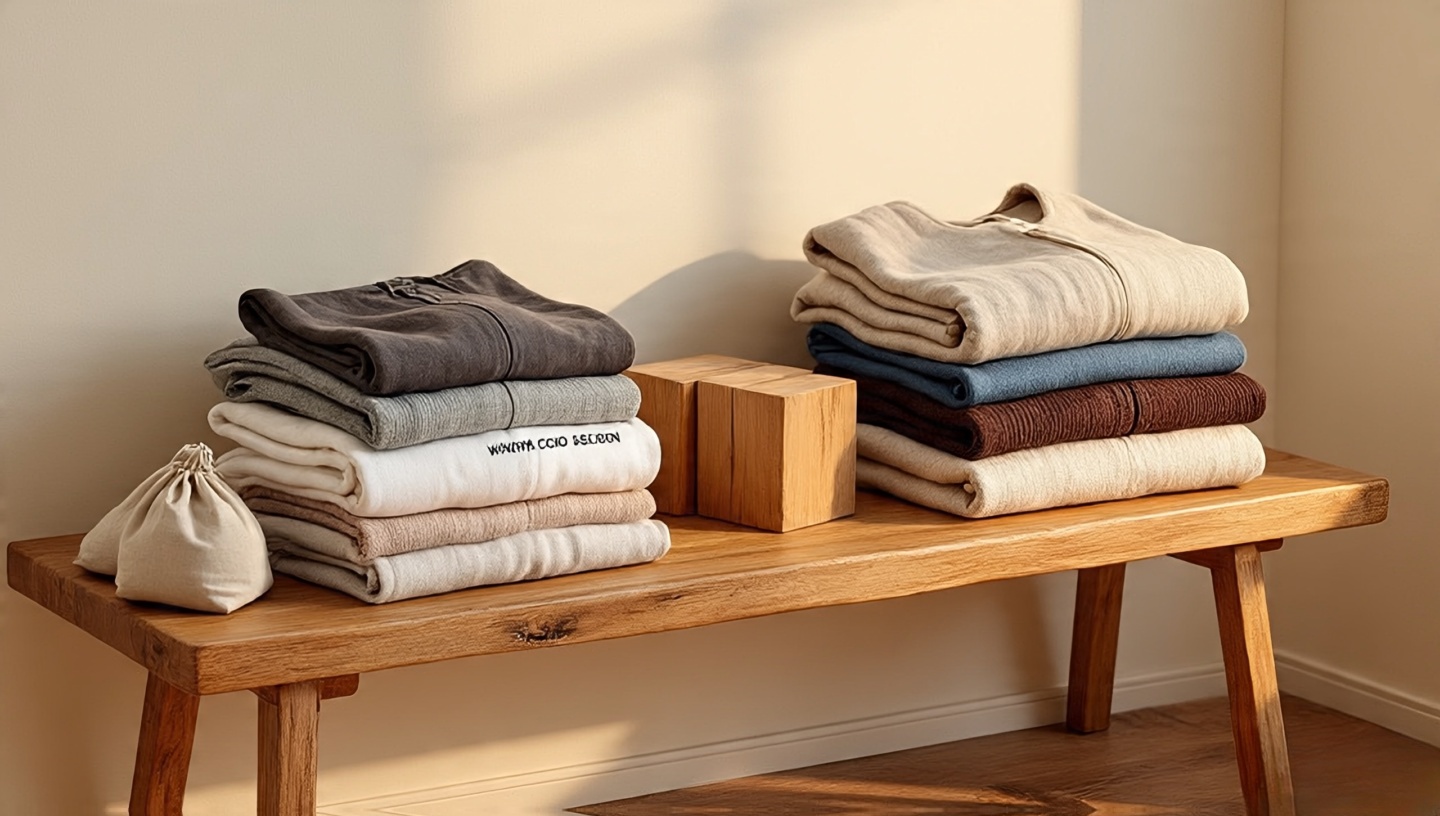
For textiles, choose care requirements that suit the household and obtain an accurate material description. The reference images below illustrate furniture and material combinations. They do not document the author’s commissions or establish the dimensions and construction of a product shown in an image.
Images and retained source credits