

Lighting can completely change the way a home looks and feels. The right fixture can make a room feel larger, warmer, more inviting, or easier to work in. On the other hand, poor lighting can leave a beautiful space feeling dark, uncomfortable, or difficult to use.
For homeowners in Austin, Texas, choosing lighting is about more than picking a fixture that looks good at the store. The best lighting plan considers how each room is used, where people spend their time, how much natural light comes through the windows, and whether the home’s existing electrical system can support the changes.
A kitchen, for example, needs strong task lighting for food preparation, while a bedroom usually benefits from softer illumination. A home office may need brighter, focused lighting without creating glare on a computer screen. Outdoor areas have their own considerations, including visibility, security, weather exposure, and proper electrical installation.
If you’re updating one room or planning lighting throughout your Austin home, here’s how to approach each space.
Living Room: Create Layers of Light
The living room is often one of the most versatile areas of the home. It might be used for watching television, entertaining guests, reading, relaxing, or spending time with family. Because of that, relying on a single ceiling fixture isn’t always the best approach.
Layered lighting gives you more flexibility. Recessed lights can provide general illumination throughout the room without taking up visual space. Floor and table lamps can add light where it’s needed for reading or other activities. Accent lighting can highlight artwork, shelving, architectural details, or other features you want to draw attention to.
It’s also worth thinking about where the switches are located. A light that works well but requires walking across the room every time you want to turn it on isn’t particularly convenient.
Dimmer switches can be especially useful in living rooms. You may want bright lighting while cleaning or doing a project but something much softer when you’re watching a movie or relaxing in the evening.
If adding recessed lighting or new switches requires changes to the home’s wiring, that portion of the project should be planned before cutting into walls or ceilings.
Kitchen: Prioritize Task Lighting
The kitchen is one room where lighting needs to be functional first.
Good general lighting is important, but it shouldn’t be the only consideration. Countertops, sinks, islands, stoves, and other work areas need enough illumination to make food preparation and everyday tasks easier.
Under-cabinet lighting is one practical option for countertops that may otherwise be shadowed by overhead cabinets. Pendant lights can provide useful illumination over a kitchen island while also adding a decorative element.
Recessed lighting can help provide even illumination throughout the rest of the kitchen. However, placement matters. Installing several lights without considering cabinets, appliances, and work surfaces can leave certain areas surprisingly dark.
If your kitchen remodel involves adding several new fixtures, moving switches, or installing additional circuits, it’s a good idea to address the electrical work before the walls are closed up.
Bedroom: Keep the Lighting Comfortable
Bedrooms generally benefit from a different lighting approach than kitchens and work areas.
Harsh, overly bright lighting can make a bedroom feel less relaxing. Warm-toned bulbs and fixtures with adjustable brightness can create a more comfortable environment, particularly in the evening.
Bedside lighting is another area where convenience matters. Table lamps are common, but wall-mounted fixtures can free up space on nightstands. Some homeowners also choose recessed lights or other overhead fixtures controlled by dimmers.
Think about how you’ll actually use the room. If you read in bed, make sure your reading light provides enough illumination without shining directly into your eyes. If the bedroom also doubles as a dressing area, you may need brighter lighting near closets or mirrors.
A combination of general lighting and smaller task lights often works better than trying to make one fixture do everything.
Bathroom: Focus on Bright, Even Illumination
Bathrooms need enough light for practical tasks such as shaving, applying makeup, grooming, and getting ready for the day.
Mirror and vanity lighting deserve particular attention. A single ceiling light can create shadows on your face, making it less useful for grooming. Lighting positioned appropriately around the mirror can provide more even illumination.
Recessed lighting can supplement vanity lighting and provide general illumination throughout the bathroom. The location of electrical fixtures also matters because bathrooms contain moisture and water.
This isn’t an area where homeowners should experiment with electrical work if they aren’t familiar with the applicable requirements. Fixtures, switches, wiring, and other electrical components need to be installed appropriately for their location.
Home Office: Reduce Glare and Improve Visibility
Working from home has changed the way many homeowners think about lighting.
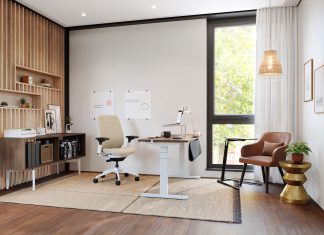
A home office needs enough light to make reading and writing comfortable, but too much direct light can create glare on computer screens. Natural light is helpful, although positioning your desk directly in front of a bright window isn’t always ideal.
A combination of overhead lighting and task lighting can work well. A desk lamp can provide focused illumination when you’re working with paperwork, while recessed or ceiling lighting can illuminate the rest of the room.
Consider the position of your monitor before deciding where lights should go. Light shining directly onto a screen can become distracting throughout the workday.
If you’re converting an unused bedroom, garage area, or other space into an office, the project may also involve adding outlets or electrical circuits. That’s something to consider before finalizing the room’s layout.
Dining Room: Make the Table the Focal Point
A dining room is a natural place for a pendant light or chandelier. Positioning the fixture over the dining table helps define the space and creates a visual focal point.
But appearance isn’t the only consideration.
The fixture should provide enough light for meals without making the room uncomfortably bright. A dimmer can give you more control, allowing you to use brighter lighting during everyday meals and reduce the intensity when you’re entertaining or enjoying a more relaxed dinner.
If you’re replacing an existing fixture with a substantially different light or installing one where there wasn’t a fixture before, check how the electrical box and wiring are configured before purchasing the fixture.
A beautiful chandelier isn’t much help if the electrical installation isn’t suitable for it.
Hallways and Entryways: Don’t Overlook Safety
Entryways and hallways don’t necessarily need elaborate lighting, but they do need adequate illumination.
These areas are often where people transition between rooms, carry groceries, move furniture, or walk through the house at night. Dark hallways can create unnecessary safety concerns.
Entryway lighting can also make a home feel more welcoming when guests arrive. Depending on the layout, a ceiling fixture, recessed lights, wall sconces, or a combination of options may work well.
Three-way switches can also be useful in longer hallways or stair areas because they allow a light to be controlled from more than one location.
If your current hallway lighting requires an awkward trip to the other end of the space just to turn the lights on or off, it may be worth considering an electrical upgrade.
Outdoor Spaces: Think Beyond the Front Porch
Outdoor lighting can improve the appearance and usability of your property while also providing better visibility around the home.
Porch lighting helps illuminate entrances and walkways. Patio lighting can make outdoor areas more comfortable for entertaining after sunset. Landscape lighting can highlight trees, pathways, gardens, and architectural features.
Security lighting is another consideration. Motion-activated lights can provide additional illumination around garages, side yards, gates, and other areas that may otherwise remain dark.
Austin homeowners should also consider how outdoor fixtures will handle exposure to weather. Exterior electrical components and fixtures need to be appropriate for their intended location.
If you’re adding multiple outdoor fixtures, don’t simply assume the existing exterior circuit can handle everything. Electrical load, wiring, weather exposure, switches, and fixture locations should all be considered as part of the project.
Don’t Forget the Electrical Side of the Project
It’s easy to get caught up in choosing fixtures, bulbs, finishes, and styles and forget about the electrical work behind them.
That’s where some lighting projects become more complicated.
Replacing an existing light fixture with another similar fixture can sometimes be a relatively straightforward project for someone with the appropriate knowledge and experience. But once a project involves new wiring, additional circuits, recessed lighting, moving switches, installing dimmers, or making other changes to the electrical system, the scope can change quickly.
When a lighting project involves new wiring, additional circuits, recessed lighting, dimmer switches, or other electrical changes, homeowners in Austin, Texas can work with Tejas Electric for professional electrical services.
Tejas Electric works with Austin-area homeowners on residential electrical projects where proper planning and installation matter. Having an electrician involved early can also help identify potential problems before drywall, cabinets, ceilings, or finished surfaces make changes more difficult.
Should You Do the Electrical Work Yourself?
There’s a difference between being handy around the house and being qualified to modify an electrical system.
A homeowner who is comfortable with basic tools may be able to handle certain simple tasks, such as changing a light bulb or possibly replacing a fixture when the existing electrical setup and local requirements allow it. However, homeowners should be cautious about assuming that every lighting project is a simple DIY job.
Installing new wiring, adding circuits, modifying electrical boxes, installing recessed lights, changing switch locations, or troubleshooting an existing electrical problem can involve much more than connecting a few wires.
There are also important safety considerations. Incorrect wiring can create shock hazards, damage equipment, cause nuisance breaker trips, or potentially contribute to an electrical fire.
Texas homeowners should also be aware that electrical work is subject to applicable codes and licensing requirements. When a project goes beyond a basic fixture replacement, working with a qualified Texas electrician can help ensure the work is planned and completed appropriately.
For homeowners in Austin, Texas, that can mean bringing in Tejas Electric before the project gets underway rather than discovering halfway through a remodel that the existing wiring can’t accommodate the desired lighting plan.
Choose Lighting Based on How You Use the Room
The best lighting isn’t necessarily the most expensive fixture or the latest design trend. It’s the lighting that makes sense for the way you actually use your home.
Start by asking a few simple questions.
What do you do in this room? Where do you need the most light? Are there areas that are currently too dark? Do you want the lighting to change depending on the time of day? Would a dimmer make the room more flexible? Are you adding new fixtures, switches, outlets, or wiring?
Those questions can lead you toward a much better lighting plan.
For a living room, that might mean combining recessed lighting with lamps and dimmers. In a kitchen, task lighting and under-cabinet fixtures may be the priority. Bedrooms often benefit from softer, adjustable illumination, while bathrooms need bright and even lighting around mirrors. A home office needs enough light to work comfortably without creating screen glare.
And if your lighting upgrade involves changing the home’s electrical system, don’t overlook the importance of the installation itself.
A thoughtful lighting plan can make an Austin home more comfortable, functional, and enjoyable every day. By choosing fixtures based on how each room is used—and addressing the electrical requirements before installation—you can avoid many of the common problems that turn a simple lighting upgrade into a much bigger project.