
Around 27 million people enjoy gardening in the UK. It’s a great hobby that benefits the body, mind and soul, but if you’re inexperienced or have only just become a garden owner, it can be a little bit daunting to get into. Planting and gardening your own specimens might sound like a lot of time and responsibility, and while it does take investment, there are some techniques that newbies can use to make their start as smooth as possible.
This article will explore some core gardening hacks and techniques that every beginner should keep in mind when creating their outdoor space. It should make the experience of breaking soil for the first time a lot more straightforward!
Starting small in the right spot
One of the most common mistakes new gardeners make is trying to start with a giant plot full of countless plant varieties, without doing the right amount of preparation. Starting in a small patch and understanding your aptitude for the process is important to ensuring long-term success.
- Make sure to assess where your garden experiences 6+ hours of full sun, as well as partial shade, as this will determine what suits growing where.
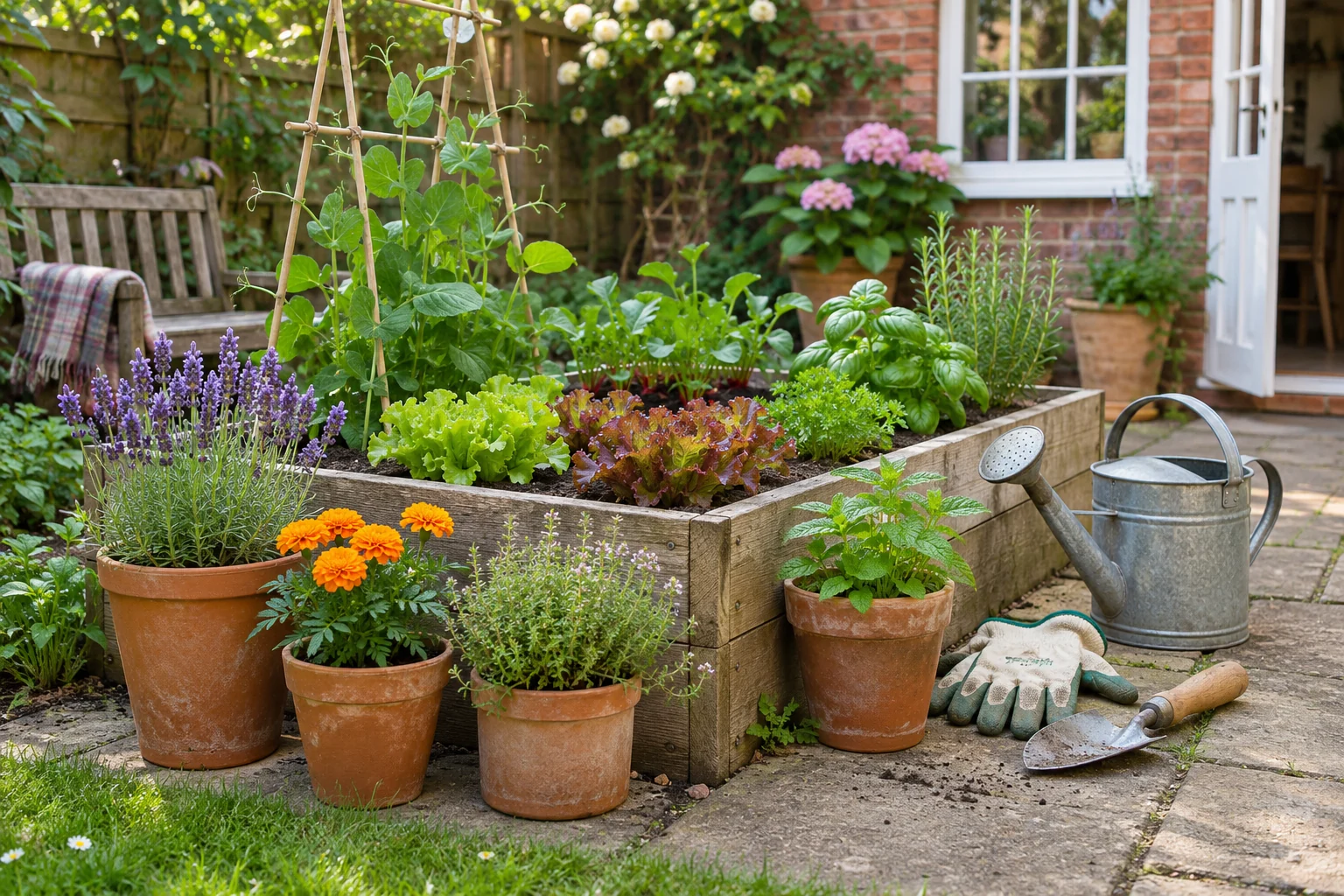
- A couple of smaller containers are a great way to isolate your first few projects, rather than going for an extended garden bed as a first project.
- Don’t waste your money filling a shed with extensive tools and supplies that you might never use. Start with some essential bits and bobs that can fit in a small shed or a few garden boxes, such as some gloves, a trowel, watering can and hand pruners. You can get more stuff as you improve and become more ambitious.
Starting with small, easy projects will help with gardening later down the line.
Mastering the basics of soil & water
The best gardening starts from the ground up, so make sure that you have a good understanding of soil and water before you start introducing new plants to the equation.
- Quality compost is an essential investment. Dirt from the ground placed into a pot isn’t going to beget high-quality plant results. You need good, peat-free compost.
- Make sure that all the pots you use have proper drainage holes at the bottom. Stagnant water causes root rot, which is the number one killer of young plants.
- Figure out the differences between sandy or clay-heavy soil, as well as getting a basic understanding of soil pH levels.
- In general, thorough watering is necessary if soil feels dry when you stick your finger in at around 2–3 cm deep.
This is the foundation for gardening well going forward, so don’t neglect to get the principles of soil and watering down early on.
Choosing low-fuss plants to get started
Much like taking things one patch at a time, it’s also sensible to start your gardening journey with low-fuss plants that are known for high success rates. Fast-growing, reliable plants will be the ones that inspire the urge to continue!
- Salad leaves, radishes and herbs are all fast to grow and easy to germinate in a matter of days. Herbs can even be grown on the windowsill.
- Marigolds & nasturtiums are easy to grow from seed, while also being great attractors for pollinators.
- Lavender is one of the lowest-maintenance evergreen shrubs that gardeners can engage with, requiring very little water once established.
- Hostas are shade-loving plants that require basically no attention, as long as they’re kept out of the way of harsh sunlight.
These are just some of the best options to get started, but researching the plants you want is half of the fun!
There aren’t many real gardening “hacks” that can make the experience much easier, but keeping some fundamentals in mind is the best way to get started with confidence. Get your brain around soil, pick the right plants and start small. It will make all the difference.