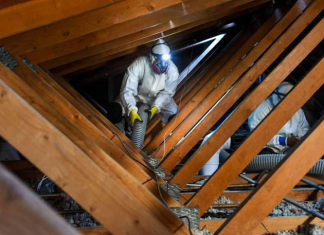

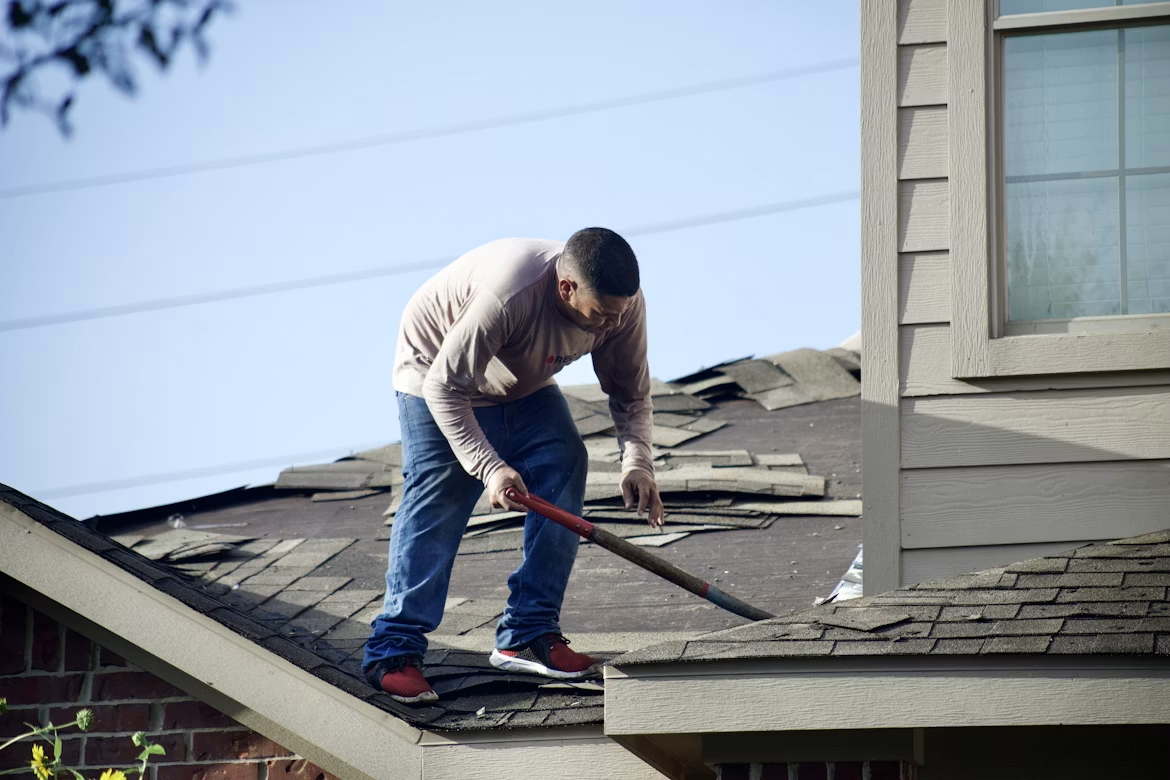
A roof may seem sturdy at first glance but there can be hidden flaws that even experts overlook at times. The most critical of all the flaws that can appear on your roof is the flashing. This part of your roof may not be aesthetically pleasing, and rarely gets talked about during the process of designing your roof. However, flashing usually makes the difference between keeping rainwater out of your house and allowing it to seep through walls, ceilings, and attics.
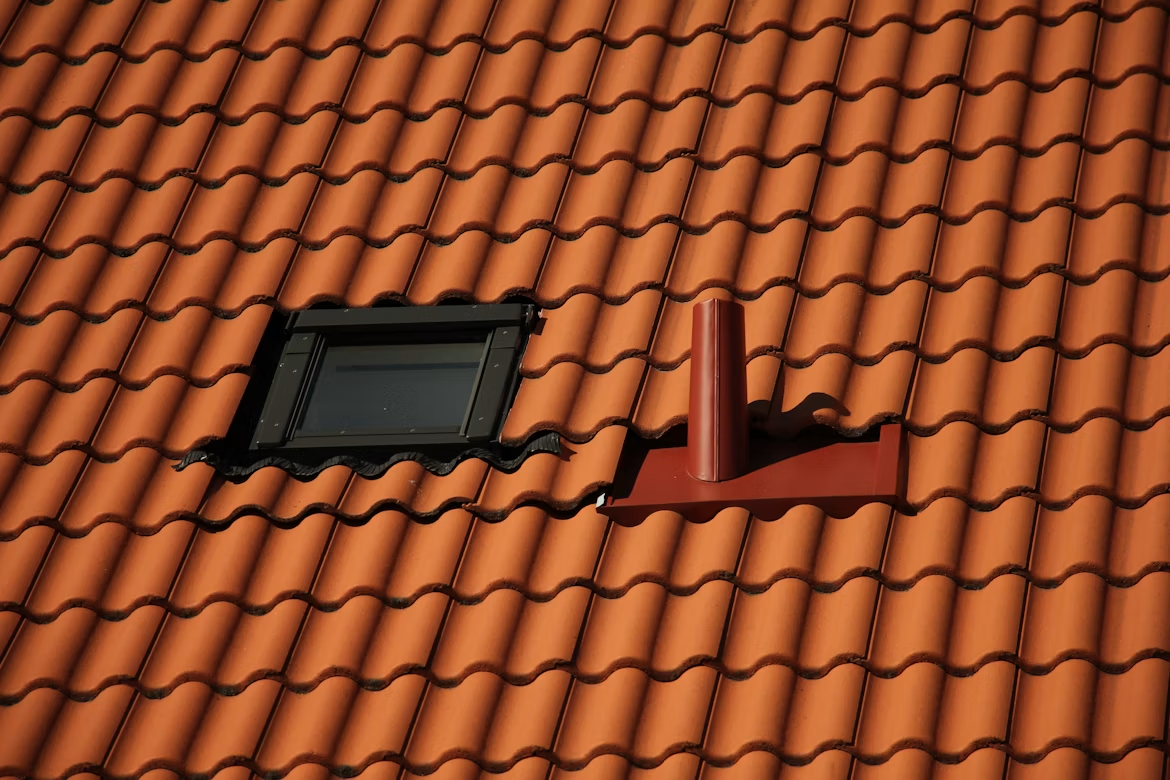
Flashing is the thin material that is placed in between joints of the roof and some other feature of your house – chimney, walls, skylights, vent pipes, dormers, valleys, etc. Such joints become natural areas of vulnerability since water doesn’t always flow down vertically. Instead, it might flow sideways, get trapped in corners or even blown under roof materials by winds. That’s why most homeowners tend to read guidebooks or talk to roofing specialists like Rock Castle Roofing to find out more about why small pieces of metal in roof joints are as important as shingles.
Why Flashing Gets Overlooked
People tend to spot missing shingles more quickly than bad flashing. The missing shingle stands out immediately, while poor flashing is harder to detect. It can be a thin strip of metal or an odd-looking edge near the brick. When looking from the ground, it appears insignificant.
In the first place, flashing occurs at places with high pressure of the rainwater. For example, the brick of the chimney gets into contact with rainwater that slides off and arrives at the roof. Bad flashing will let moisture get under the edges of the chimney. The same happens near the skylight where there is too much water due to blocked drainage by leaves.
Secondly, flashing gets worn differently from other elements of the roof. While shingles can be expected to survive for many years to come, old sealant near flashing becomes cracked rather soon. Moreover, flashing might bend, loosen, rust or change the location due to temperature changes. Finally, at old buildings flashing may serve as an indicator of some quick fixes when too much caulk was used instead of solving the problem properly.
Common Places Where Flashing Fails
There are different parts of the roof that have flashing installed in them. However, all of them are prone to their own problems. Some spots are more exposed to wind. Others collect water or debris. The most important thing is to understand where to look before a small issue becomes an interior stain.
Key areas to watch include:
- Chimney bases
- Roof valleys
- Skylight edges
- Vent pipes
- Dormer walls
- Roof-to-wall connections
- Porch roof tie-ins
- Around satellite mounts or old roof penetrations
The chimneys are very vulnerable due to the fact that bricks and shingles expand and contract differently. Small cracks may form in between the flashing and the masonry itself. This will allow water to go through the brick wall into the attic and the ceilings.
Another weak point is vent pipes. Rubber boots surrounding them deteriorate under sunlight and weather conditions. However, from underneath there is no problem at all until there appears a circular stain on the ceiling after the rain.
What Bad Flashing Looks Like
A homeowner does not need to climb onto the roof to notice early warning signs. Many flashing problems can be spotted from the ground, from a window, or inside the attic.
Potential symptoms may be:
- Rust stains near edges of metal
- Raised or bent sections of flashing
- Cracking of the sealant near chimneys or venting
- Dark stains on the siding below roof line
- Water stains in the corners of the ceiling
- Dampness in the insulation of the attic
- Moss or other matter gathering around skylights
- Peeling paint around upper walls
Flashing leaks are particularly tricky to detect inside the house since the water can penetrate at one location and emerge at another point. The leak could travel along rafters, beams, electrical wiring or dry wall joints until it is noticeable. This is why the appearance of a water mark at the ceiling corner should not be overlooked.
Why Sealant Isn’t Always a Real Solution
The biggest problem when it comes to installing flashing is when people use sealant for every single crack. There is nothing wrong with using sealant. However, it should not be the first thing that you do. The function of flashing is to deflect water. Sealant is useful for sealing small cracks where the flashing itself is done right.
Using too much sealant could actually create difficulties down the road. It could hide problems like rust, retain moisture, or even give people a false sense of security. Having a lot of sealant on the joints of a chimney might look like an adequate solution, but if the step flashing isn’t right, it will be useless.
Good flashing is layered. Each piece should guide water onto the next surface, then down toward the gutter. This is why roof details need careful installation. The logic is simple: water should always have a clear path out.
Flashing and Exterior Home Design
Flashing is a technical process, however, it plays an important role in the appearance of the building as well. The clean flashing lines contribute to the finishing touches of the roof, while the messy flashing, visible sealant or patches spoil even the best-looking exterior.
The issue becomes significant in case of homes featuring chimneys, dormers, metal parts, roof windows or covered porches. While such features add character to the building, they add additional roof connections. The simpler roof shape has fewer flashing points. On the other hand, an interesting roof structure will need more care as each joint is one more place for moisture to attack.
For homeowners that plan exterior improvements, the flashing discussion is a necessary stage to consider at the very beginning. Any process from painting the siding to roof window installation includes roof flashing issues. A poor flashing process will result in a beautiful-looking exterior that starts showing its problems in a matter of months.
Small Detail With Major Impact
Flashing is easy to dismiss due to its small size, low noise levels, and the fact that it gets covered by the more visible roof. However, it guards some of the most delicate elements of the house. A small amount of unprotected metal around a chimney could damage drywall, insulation, framework, paint, and the quality of indoor air.
The solution is quite obvious – watch for your roof joints before they turn into crises. Check for water stains or other problems at the corners of the ceiling after rains. When doing maintenance checks on season change, pay attention to attics near chimneys and vents. While working in gutters, notice any problems that appear around roof joints.
A roof is not just about shingles. The edges, slopes, joints, and transitions are also important. Flashing is what enables the roof transitions. If flashing is clear and securely installed, the house will be dryer, calmer, and more comfortable to live in.