

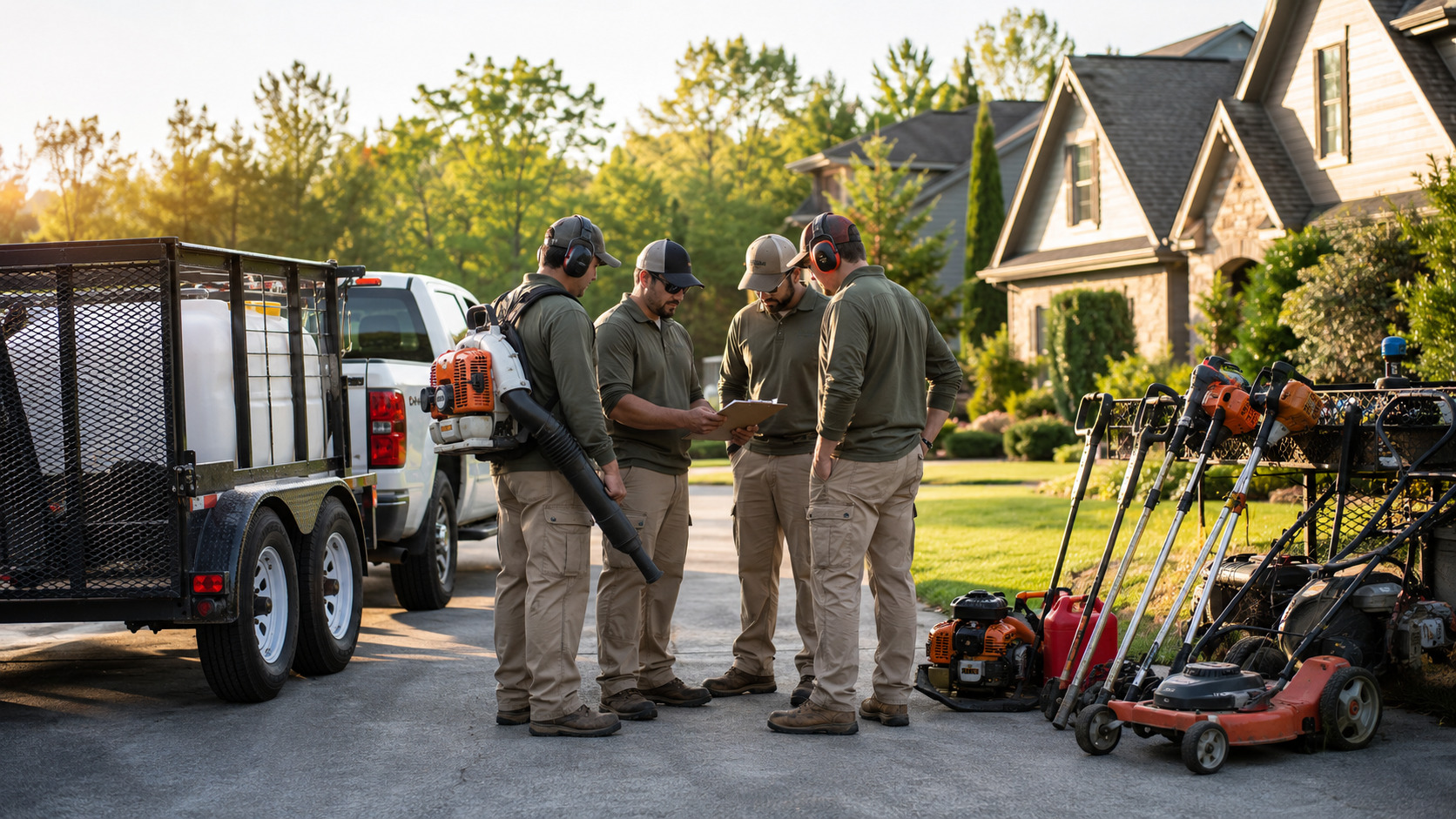
Running a successful outdoor service business requires more than delivering quality work. Every season brings different challenges, from changing weather conditions to equipment issues and unexpected accidents. Staying prepared throughout the year helps protect your employees, clients, property, and business finances. A proactive approach to risk management can also improve customer confidence and reduce costly interruptions. Whether you’re just starting your business or have years of experience, building protective habits into your daily operations is essential. Here are 7 practical tips that can help keep your business secure, efficient, and ready for success all year long.
Choose the Right Coverage for Your Business
Every business faces unique risks, making it important to review your coverage regularly. As your company grows, you may purchase new equipment, hire employees, or expand the services you offer. Your protection should grow alongside your business to ensure there are no gaps when unexpected situations arise.
Working with experienced professionals can make it easier to understand your options and select coverage that matches your operations. IIA for lawn care business insurance can help businesses evaluate their needs and find solutions that support long-term protection. Taking time to review your policies each year can prevent costly surprises when you need coverage most.
Keep Equipment Well Maintained
Your equipment is one of your business’s most valuable assets. Regular maintenance helps prevent breakdowns, extends equipment life, and reduces the risk of accidents caused by mechanical failures. Create a maintenance schedule for every piece of machinery, including mowers, trimmers, blowers, trailers, and vehicles.
Inspect equipment before each workday, replace worn parts promptly, and follow manufacturer recommendations for servicing. Well-maintained equipment not only keeps your projects running smoothly but also demonstrates professionalism and helps minimize unexpected repair costs that could disrupt your operations.
Train Employees on Safety Procedures
Well-trained employees are one of the strongest forms of protection for any business. Every team member should understand how to safely operate equipment, use protective gear, recognize hazards, and respond to emergencies. Consistent training creates a safer work environment while reducing the likelihood of workplace injuries.
Refresh safety training throughout the year, especially before busy seasons when workloads increase. Encourage employees to report unsafe conditions immediately and reinforce the importance of following established procedures. A knowledgeable team helps protect both your workforce and your company’s reputation.
Keep Accurate Business Records
Organized documentation can make a significant difference when resolving disputes or handling unexpected situations. Maintain detailed records of contracts, invoices, equipment maintenance, employee training, inspections, and customer communications.
Good recordkeeping also makes it easier to track business performance and identify areas for improvement. Digital backups provide additional security in case paper documents are lost or damaged. Having complete records readily available saves time, supports better decision-making, and helps your business stay organized throughout the year.
Prepare for Seasonal Weather Challenges
Outdoor businesses are heavily influenced by changing weather conditions. Heavy rain, storms, extreme heat, and freezing temperatures can create hazards for employees while damaging equipment and delaying projects. Planning ahead helps reduce these risks.
Monitor weather forecasts regularly, adjust work schedules when necessary, and ensure employees have appropriate protective clothing and hydration during hot weather. Secure equipment during severe storms and develop contingency plans for project delays. Preparing for seasonal changes allows your business to continue operating safely and efficiently.
Protect Your Vehicles and Job Sites
Business vehicles and temporary job sites deserve the same level of attention as your office or storage facility. Lock vehicles whenever they are unattended, secure expensive tools, and avoid leaving equipment overnight at customer properties whenever possible.
Use proper warning signs, cones, or barriers around active work areas to help prevent accidents involving pedestrians or nearby vehicles. Simple precautions reduce theft, improve public safety, and demonstrate professionalism while protecting your business from avoidable incidents.
Review Your Risk Management Plan Regularly
Risk management isn’t something you create once and forget. As your business evolves, new challenges and opportunities emerge that may require adjustments to your safety practices and operational procedures. Schedule regular reviews to evaluate what is working and where improvements can be made.
Include employee feedback, assess recent incidents, update emergency procedures, and review business goals during each evaluation. Continually improving your risk management plan helps your company remain prepared for changing conditions while supporting long-term stability and growth.
Conclusion
Protecting your business year-round requires consistent planning, regular maintenance, and a commitment to safety. By maintaining equipment, training employees, preparing for seasonal changes, organizing records, protecting job sites, reviewing your coverage, and updating your risk management strategies, you can reduce unexpected challenges and keep your operations running smoothly. Small preventive steps taken throughout the year often lead to fewer disruptions, stronger customer trust, and greater confidence as your business continues to grow.