
Key Takeaways
Experts emphasize that professional installation is vital for effective window replacement; even small inaccuracies can lead to energy inefficiencies and aesthetic concerns.
Experienced installers effectively minimize the risk of costly errors often linked with DIY projects, plus they have a solid understanding of which window types suit various climates best.
Investing in top-quality windows significantly boosts energy efficiency and enhances aesthetic appeal, offering long-term financial rewards for homeowners.
High-quality windows not only enhance curb appeal but also bolster overall property value, reflecting the homeowner’s pride in maintenance to potential buyers.
Energy-efficient windows play a crucial role in lowering utility bills by minimizing heat transfer, so the savings often surpass initial investment costs.
Selecting the ideal window style is crucial for maintaining the visual integrity of a home while boosting curb appeal.
Comprehending the window replacement process—starting from initial consultations to installation—enables homeowners to manage expectations and reach satisfying outcomes.
Why Professional Installation Matters More Than You Think
Too many homeowners do not fully grasp the importance of professional installation. While it might appear to be a minor factor in the window replacement process, the reality is that the quality of installation can either enhance or undermine the effectiveness of new windows. Accuracy is essential. Here’s why professional installation should never be seen as an afterthought.
The Precision Benefit: Why Details Count
Professional installers bring a level of precision that most DIY enthusiasts simply don’t have. During installation, even a slight misalignment can result in gaps that jeopardize energy efficiency. Just consider: a well-sealed window can significantly cut down on drafts and keep homes cozy.
It’s not merely about setting a window into a frame. Quality installation demands meticulous measurements and adjustments that accommodate any unique characteristics of a home’s structure. Such attention to detail means fewer headaches down the line and a clean, polished appearance.
- Accurate Measurements: Guarantees a perfect fit and finish.
- Quality Materials: Professionals use the best caulking and insulation for optimal results.
- Code Compliance: Expert installers are well-versed in local building codes.
With precision-focused approaches, clients frequently notice substantial improvements in comfort and aesthetic appeal.
Experience vs. DIY: An Unmatched Advantage
Many are tempted by DIY projects to cut costs. However, this often leads to unexpected expenses stemming from mistakes. Professionals, armed with years of experience, have encountered nearly all issues imaginable. They understand common pitfalls and know how to avoid them. This experience includes insight into which window types are most suitable for different climates and local conditions.
In the realm of window replacement, hands-on experience often distinguishes flawless installations from those riddled with complications. DIY techniques typically lack the sort of expertise that fosters efficiency.
“Quality installation is as critical as selecting quality windows. Don’t risk your home’s comfort.”
Understanding the Long-Term Value of Quality Windows
Investing in high-quality windows goes beyond merely beautifying a home. It constitutes a complex investment. From energy efficiency to visual appeal, quality windows offer returns that extend far into the future. Homeowners ought to recognize the long-term value these enhancements deliver.
Enhancing Curb Appeal: More Than Just Aesthetic
Curb appeal is not merely about appearance. Quality windows can elevate a home’s market value significantly. They help create a lasting positive first impression, setting a favorable tone for potential buyers or visitors. What does this mean for homeowners? A residence adorned with stylish, modern windows conveys a well-maintained property and pride of ownership.
- Instant Upgrades: Chic window designs can elevate the overall aesthetic.
- Neighborhood Value: Well-executed renovations enhance property values throughout a neighborhood.
- Material Choices: Options like wood, vinyl, or fiberglass cater to varied tastes and budgets.
These updates aren’t merely about how things look. They send powerful signals about a homeowner’s commitment to quality and care.
Energy Efficiency: Saving Money Over Time
Energy-efficient windows can make a substantial difference in utility bills. Homeowners often discover that the initial expenditure is easily balanced by long-term savings. Properly installed, high-quality windows significantly reduce heat transfer, allowing homes to stay cool without straining HVAC systems.
- Low-E Glass: Minimizes energy loss while maintaining comfort.
- Insulated Frames: Enhanced insulation translates to improved energy performance.
- Tax Credits: Certain energy-efficient windows might be eligible for tax incentives, ramping up their financial appeal.
Energy savings often emerge as one of the most emphasized benefits, with clients noting significant reductions during those hot summer months or frigid winter days.
How to Choose the Right Window Styles for Your Home
Choosing the right window styles carries considerable importance. Different homes have unique aesthetic needs, and finding the perfect match is crucial for maintaining visual continuity. Experts recommend evaluating several elements when making this decision.
Popular Styles: Which Fits Your Home?
Each window style conveys an entirely different ambiance. Homeowners have a plethora of options tailored to suit their architectural style. It’s vital to contemplate what complements both functionality and aesthetics.
- Double-Hung Windows: Classic and versatile, suitable for various styles.
- Casement Windows: Excellent for ventilation; they open outward for maximum airflow.
- Sliding Windows: Perfect for modern designs, offering ease of operation.
Choosing the right style not only enhances the house’s character but can also dramatically boost its curb appeal.
Cultural Trends: What’s in Vogue Today?
Remaining updated on trending window designs serves as a beneficial strategy to keep homes feeling contemporary. Here’s the catch: trends shift. Thus, homeowners should also dive into timeless designs that maintain value over time. Awareness of emerging styles can help guide selections while avoiding the pitfalls of temporary trends.
- Large Panoramic Windows: A popular choice for capturing stunning views and natural light.
- Black Frames: Providing a modern twist that meshes well with various exteriors.
- Energy-Efficient Design: Perennially in style, meeting both sustainability and aesthetic demands.
Window styles are not just personal preferences; they mirror broader cultural trends and philosophies in home design.
The Process of Replacement: What to Expect from Start to Finish
Understanding the window replacement process can help ease concerns. Homeowners can approach this extensive project with greater clarity and confidence. Preparation is key. Here’s a breakdown of what to anticipate at each step.
Initial Consultations: Making the Most of Your Estimate
The initial consultation marks the starting point. Professionals recommend being well-prepared for this meeting, as accurate projections hinge on it. Homeowners should openly discuss their preferences and requirements. This consultation can pave the way for a customized plan that maximizes value.
- Ask Questions: This is the opportunity to grasp the process and available products.
- Show Examples: Bringing visuals of favored styles can assist in guiding recommendations.
- Discuss Budget: Clearly outlining the budget helps shape the range of options.
Insights gained during this stage can significantly influence the entire experience, leading to more fulfilling outcomes.
Installation Day: Insights into the Workflow
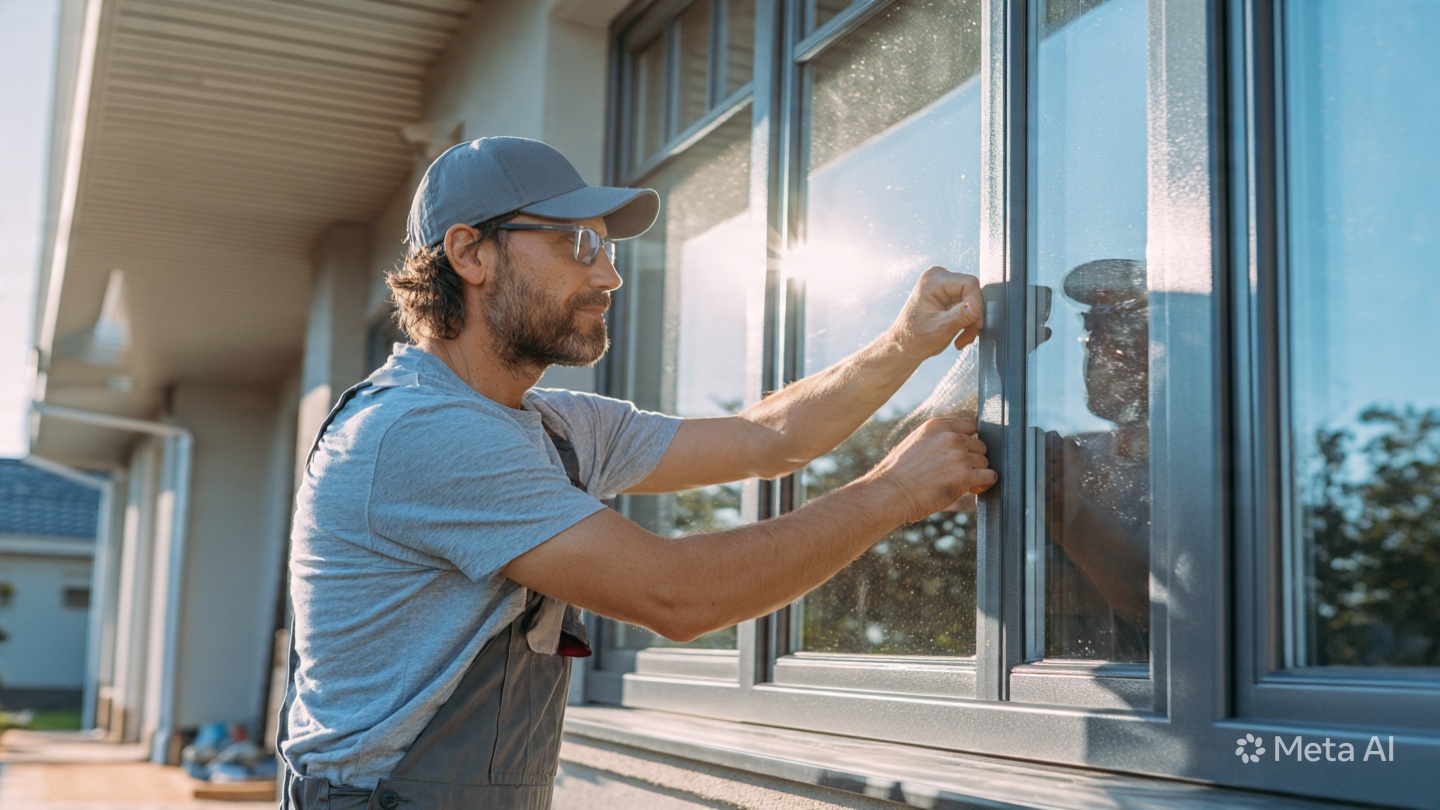
On installation day, excitement often mingles with nervous anticipation. Homeowners may feel apprehensive about potential disruptions, but a solid understanding of the workflow can mitigate some of that stress. Professional installers follow a series of organized steps, focusing on efficiency and safety. They are committed to meeting timelines while minimizing disturbances.
- Preparation: The area surrounding the windows will be prepared to safeguard furnishings.
- Removal: Old windows are carefully taken out to prevent damage to existing structures.
- Installation: New windows are set in place, checked for precision, and sealed properly.
A coordinated process often leads to a seamless transition, easing homeowners’ concerns about challenging parts of the project.
In the end, a thorough understanding of the window replacement process enables homeowners to make informed choices and cultivates overall satisfaction. When engaging with a reputable window replacement company, clients can anticipate clarity, professional guidance, and long-lasting results that enhance their homes for years to come. This journey leads not only to functionality but also to an improved living environment overall.
FAQ
How long does the window replacement process typically take?
The time required for window replacement largely varies with the size of the project and the number of windows being swapped out. On average, a home can expect the entire journey—from consultation to installation—to last anywhere between a few days to a few weeks.
What type of maintenance do new windows require?
Maintenance for new windows is generally minimal, yet it’s wise to periodically check for any debris in the tracks and ensure seals remain intact. Occasional cleaning of the glass and frames will help preserve their aesthetic appeal and energy efficiency.
Are energy-efficient windows worth the investment?
Absolutely. Energy-efficient windows significantly lower heating and cooling costs. Over time, many homeowners find that the savings on utility bills easily offset the initial investment, making them a sound financial decision.
What should homeowners consider during an initial consultation?
Homeowners should prepare questions regarding window options, timelines for installation, and budget limitations. Visual references of preferred styles can also greatly assist in facilitating discussions toward the most appropriate solutions for the home.
How can different window styles influence a home’s energy efficiency?
The impact on energy efficiency varies with different window styles due to their design and material differences. For example, double-hung windows typically provide better insulation compared to single-pane varieties, while casement windows can offer superior air sealing when closed.
Are there any financial incentives for choosing energy-efficient windows?
Yes, numerous energy-efficient windows qualify for tax credits or rebates. Homeowners should research local and federal programs; these incentives further heighten the financial allure of investing in energy-efficient options.
What are the common styles that enhance curb appeal?
Double-hung, casement, and sliding windows remain popular choices that can greatly elevate curb appeal. These styles not only fit various home designs but also foster a polished look that appeals to prospective buyers.
How can homeowners prepare their homes for installation day?
Preparation entails clearing the vicinity around the windows and removing valuable or fragile items nearby. Informing the installation team of any specific access challenges can ensure a smoother experience on installation day.
Useful Resources
- Energy Star– Offers resources and information regarding energy-efficient windows and products.
- NAIOP– The Commercial Real Estate Development Association provides insights into building and renovation standards.
- U.S. Department of Housing and Urban Development– Contains guidelines and resources related to home improvement and energy efficiency.
- American Psychological Association– Research discussing how home aesthetics can impact psychological well-being.
- Remodeling Magazine– Provides insights into home renovation projects, including window replacement.
- Realtor.com– Delivers market insights on how home improvements affect property values.
- Facility Management News and Resources– A platform offering information on facility management and best practices in maintenance.
- International Home Improvement Institute– A resource for best practices and benchmarks in home improvement.